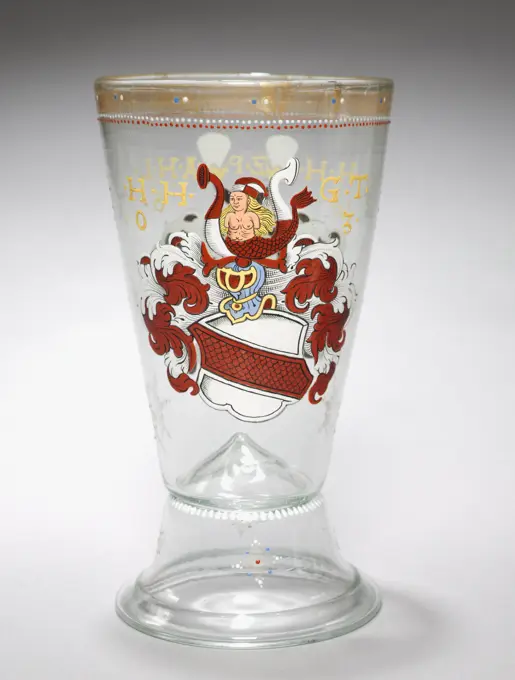
Decorative Glassware Collection

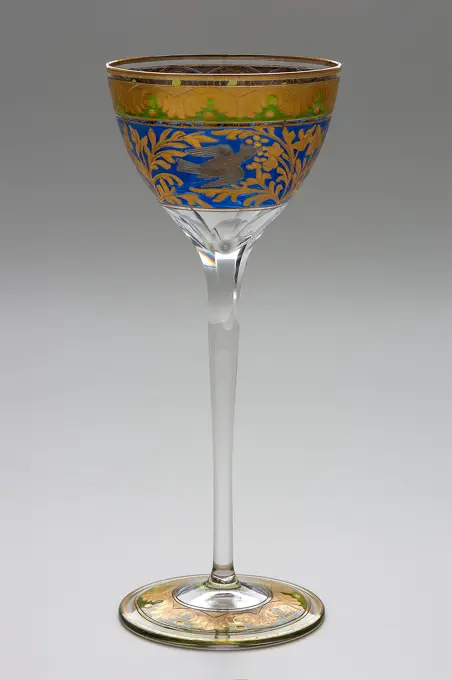
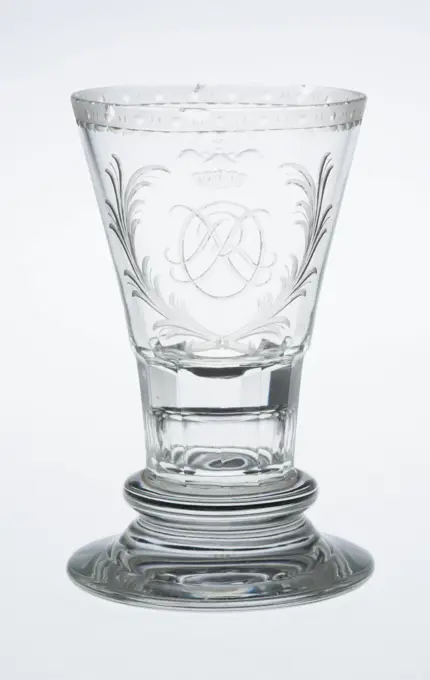
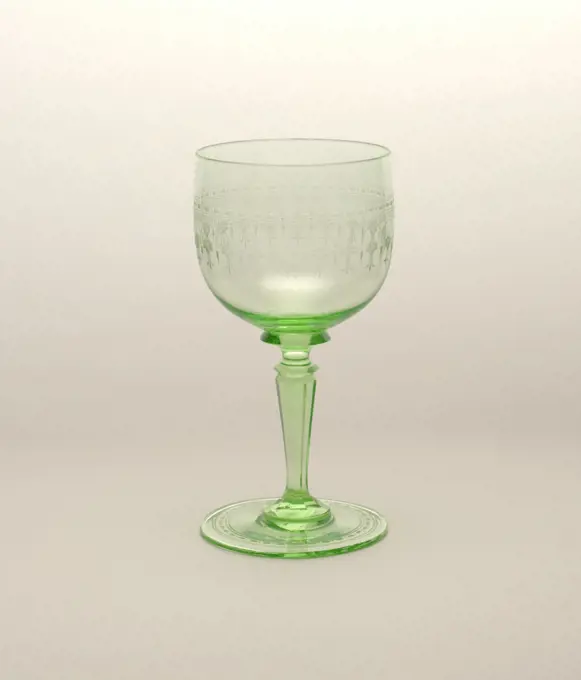
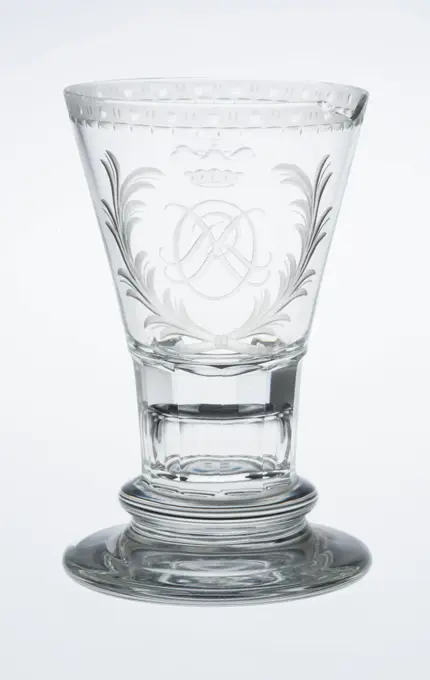
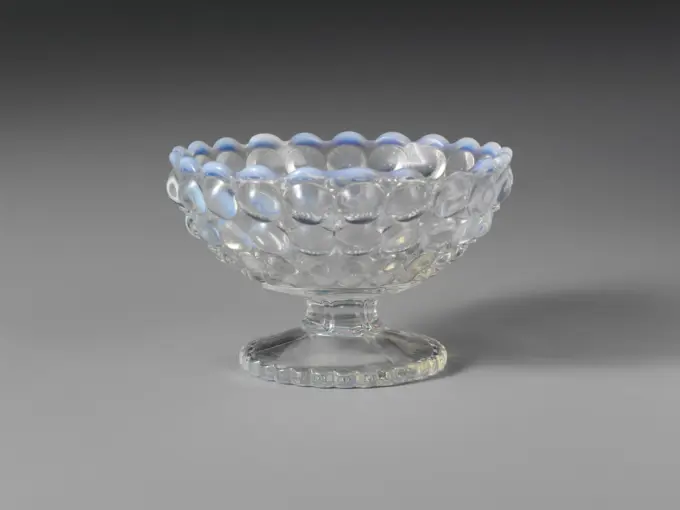
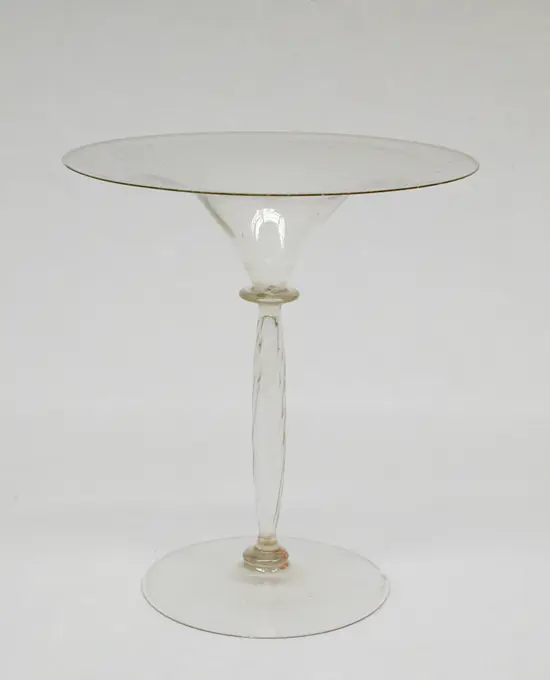
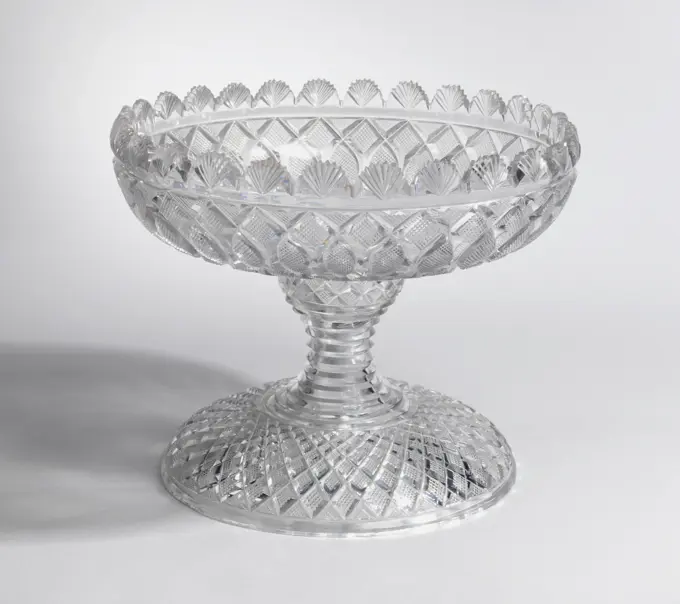
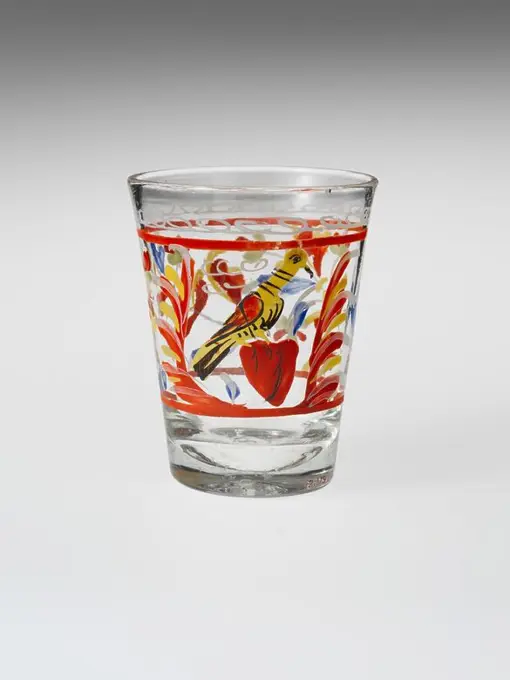
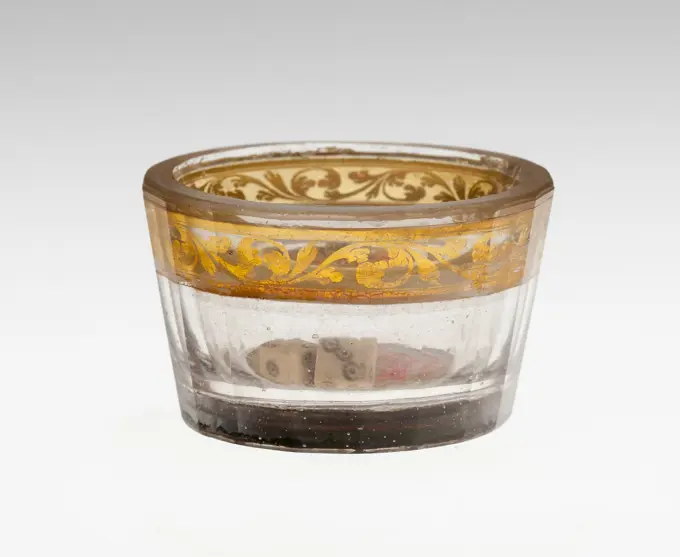
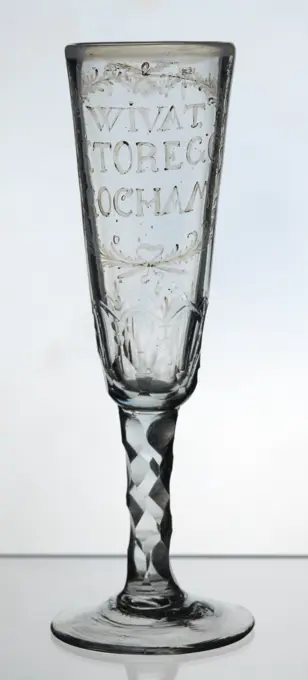
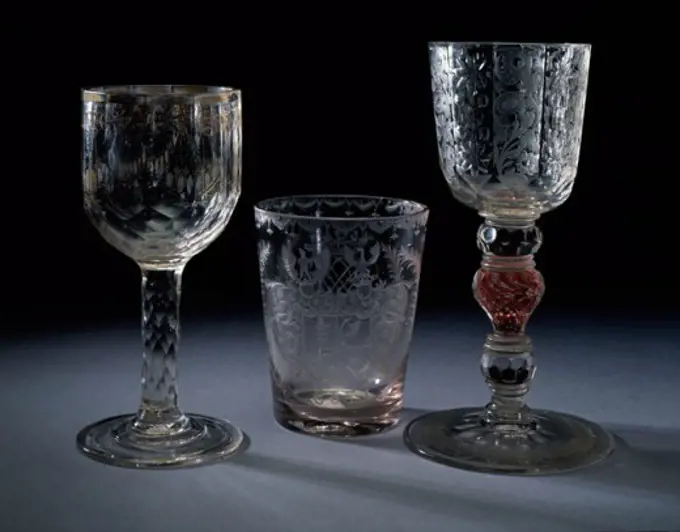
An assortment of elegant glassware, featuring engraved motifs and varying shapes, including chalices and salt cellars, reflecting artistic styles from the 18th to early 20th century.
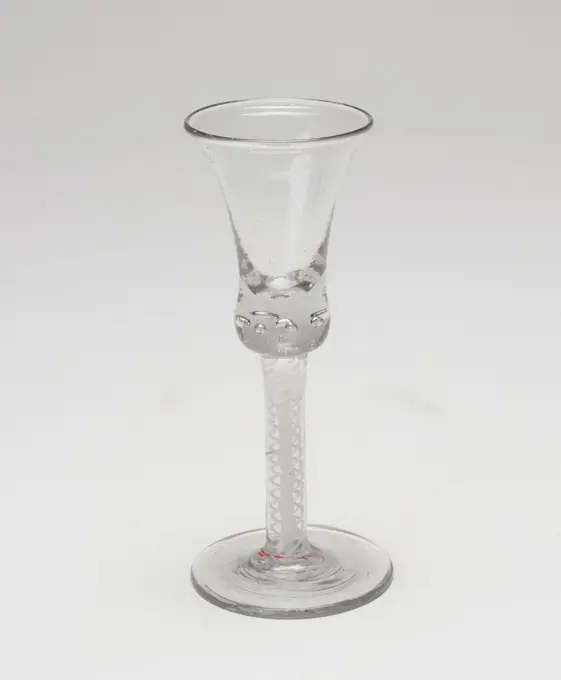
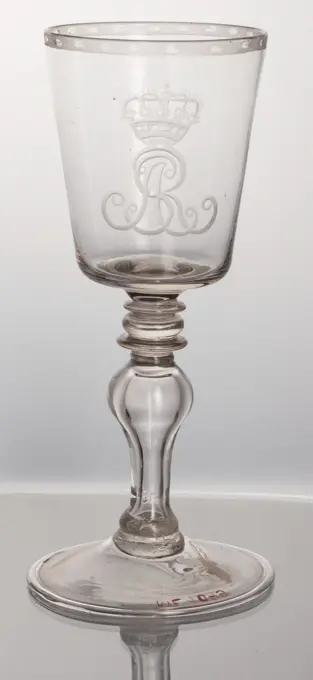
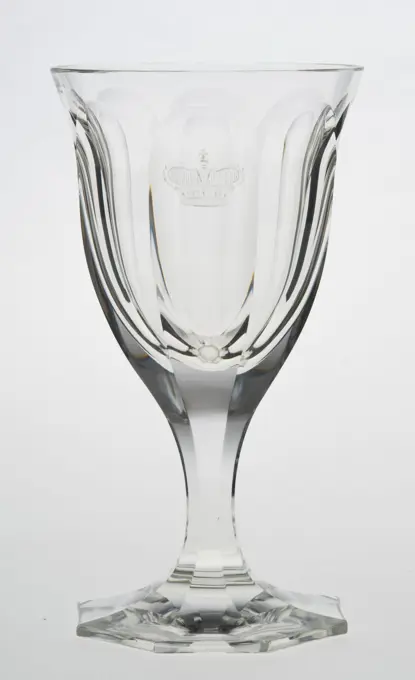
Cordial glass, c. 1765, 5 5/8 x 2 1/2 x 2 1/2 in. (14.3 x 6.4 x 6.4 cm), Lead glass, England, 18th century
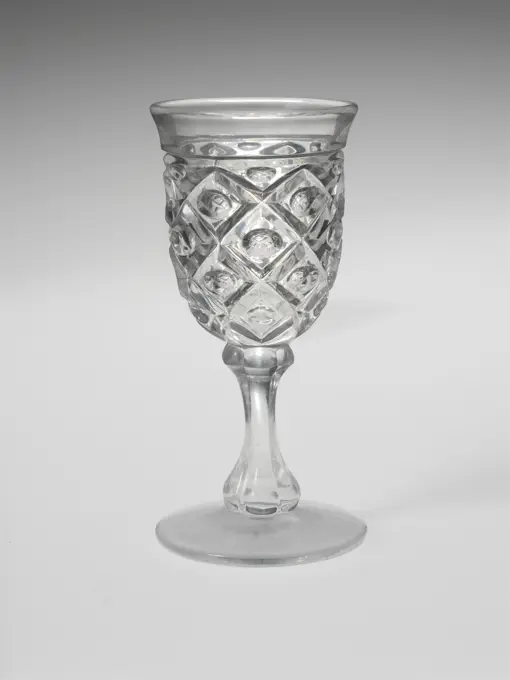
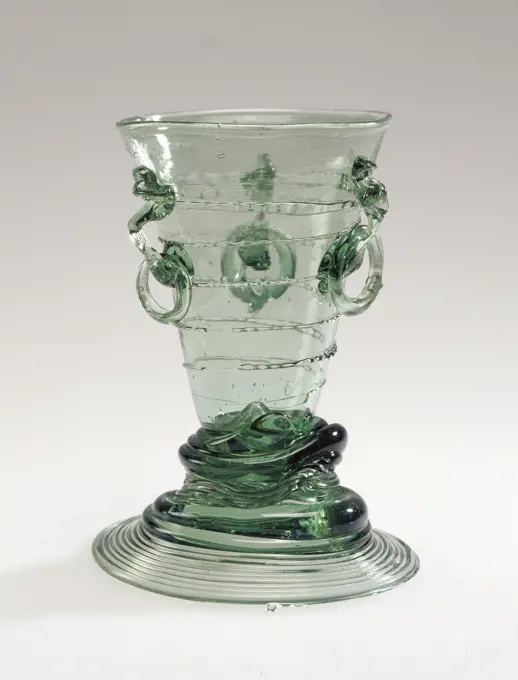
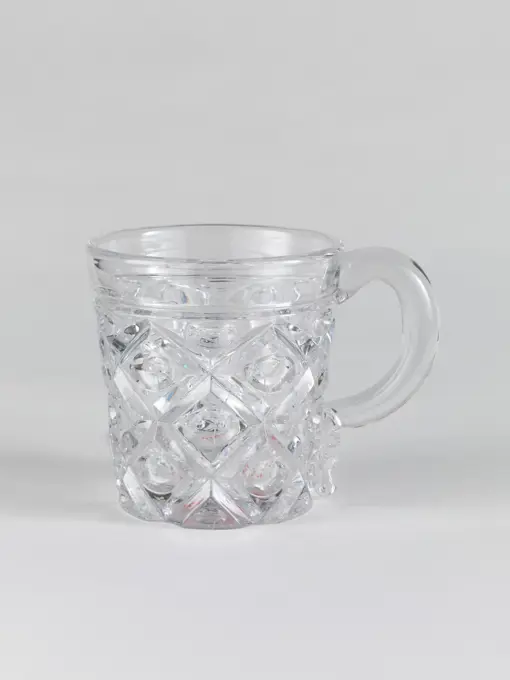
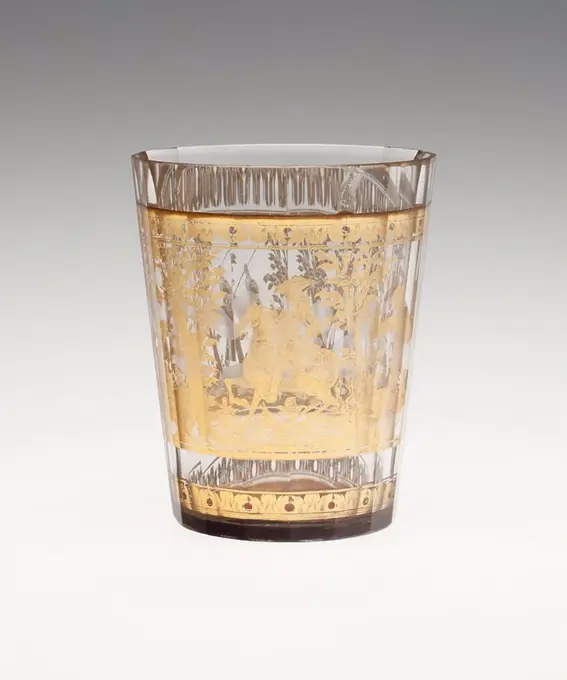
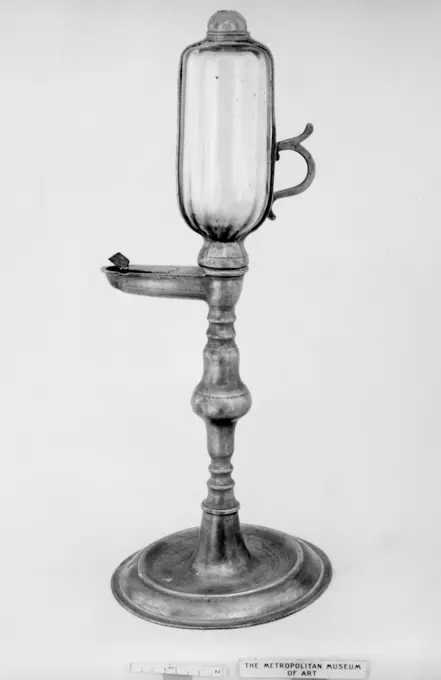
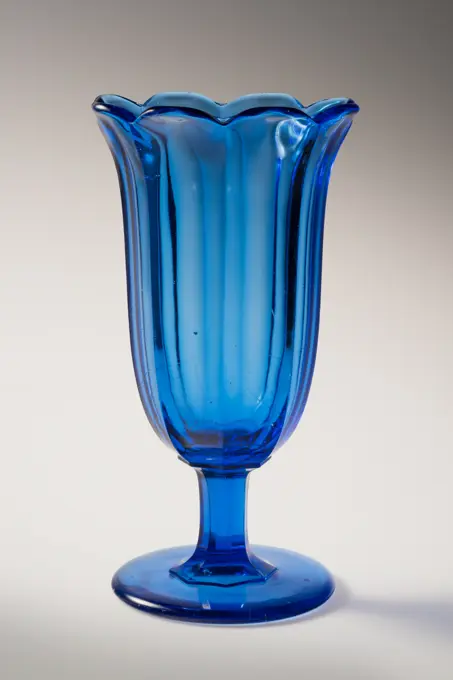
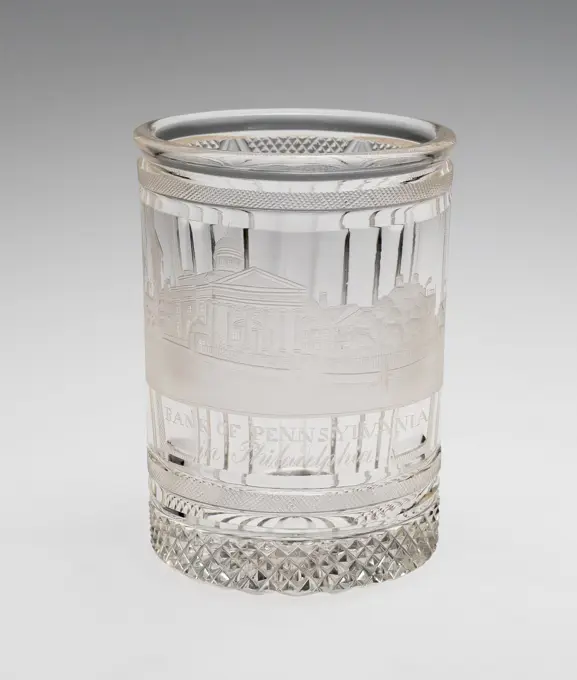
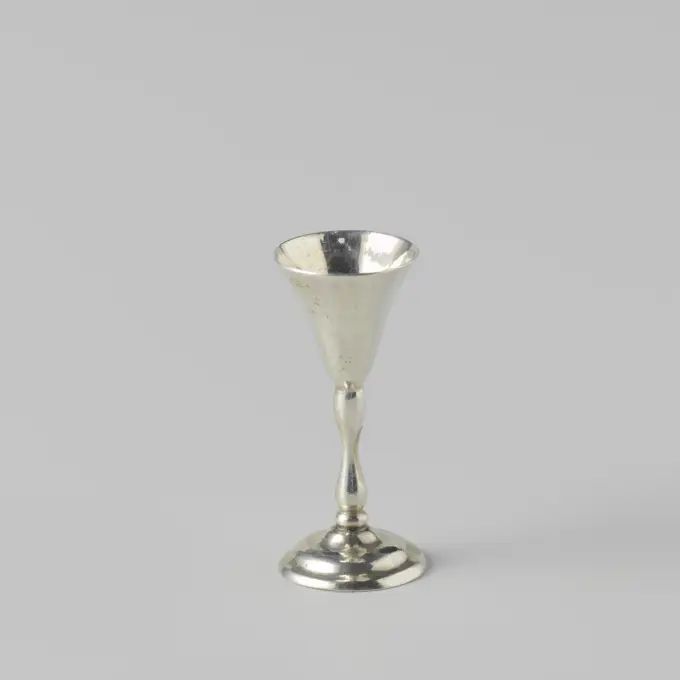
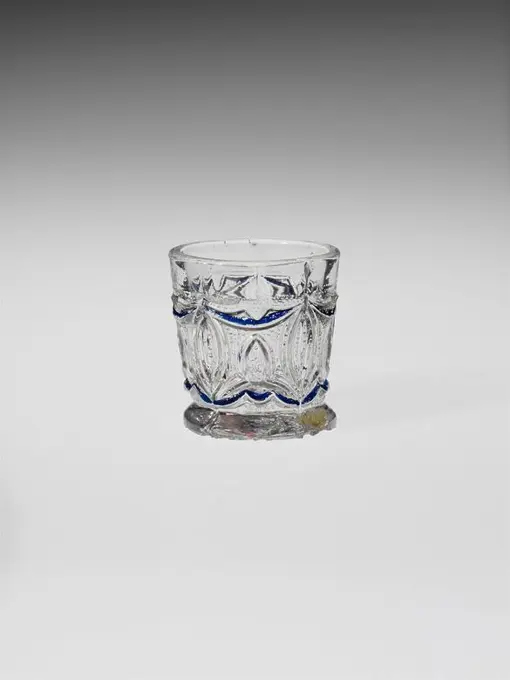
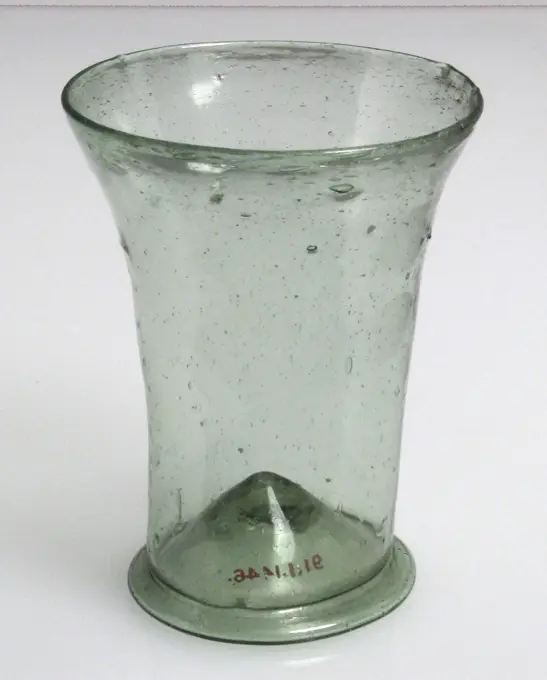
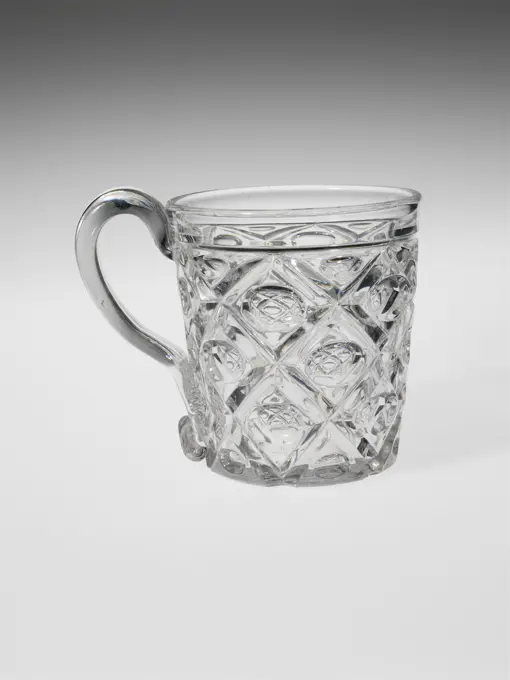
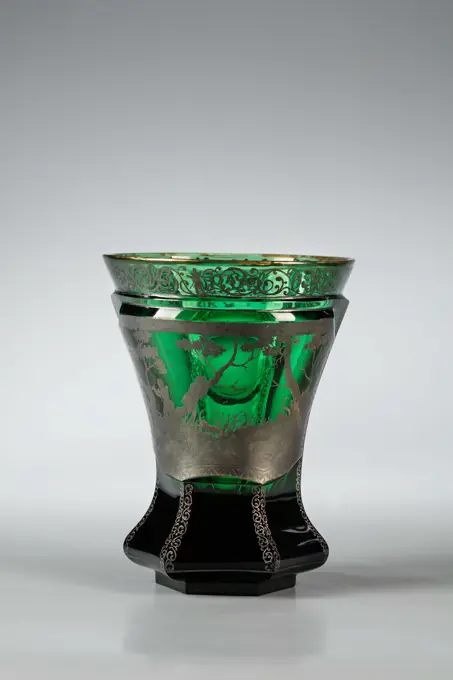
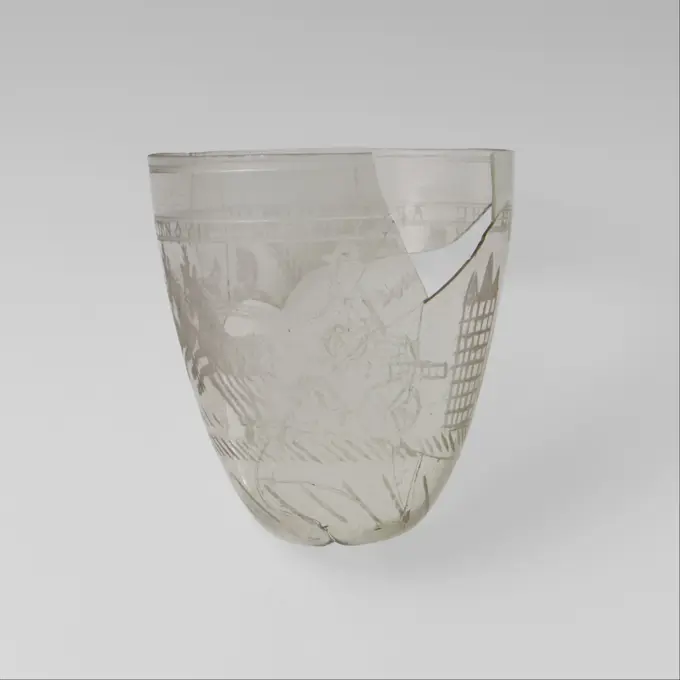
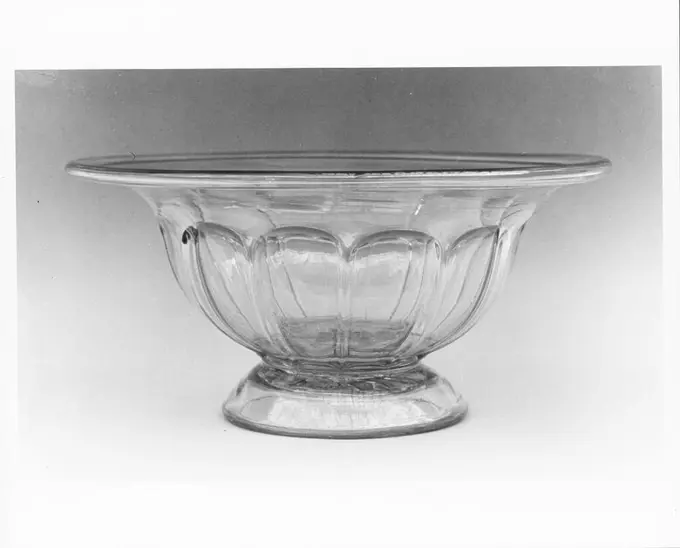
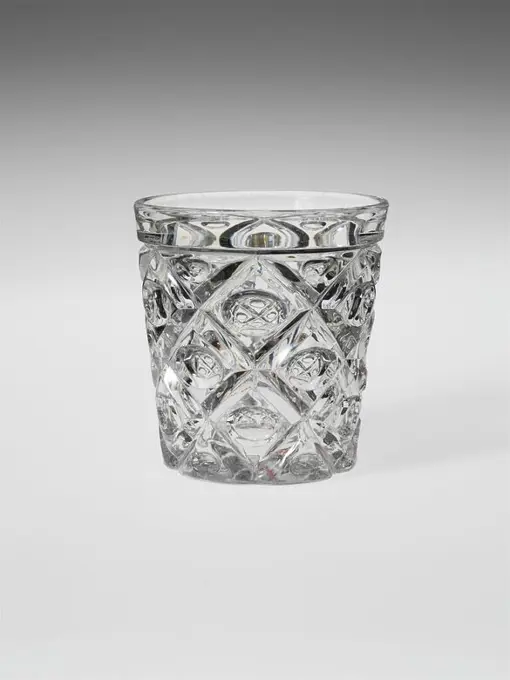
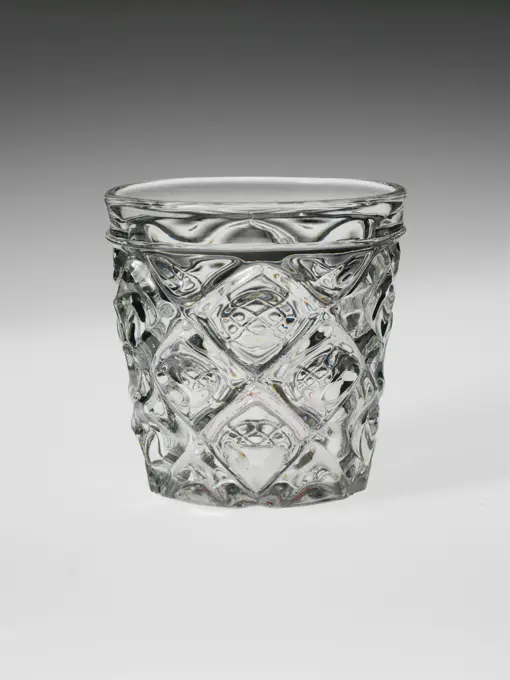
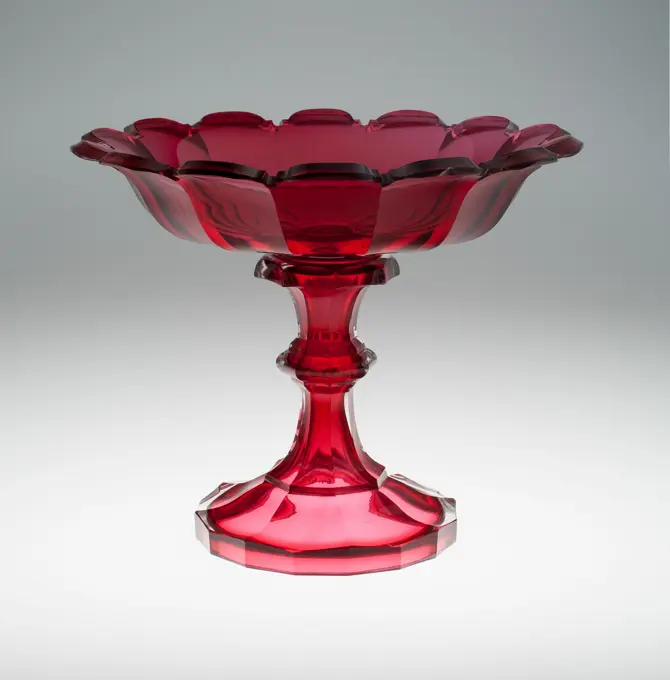
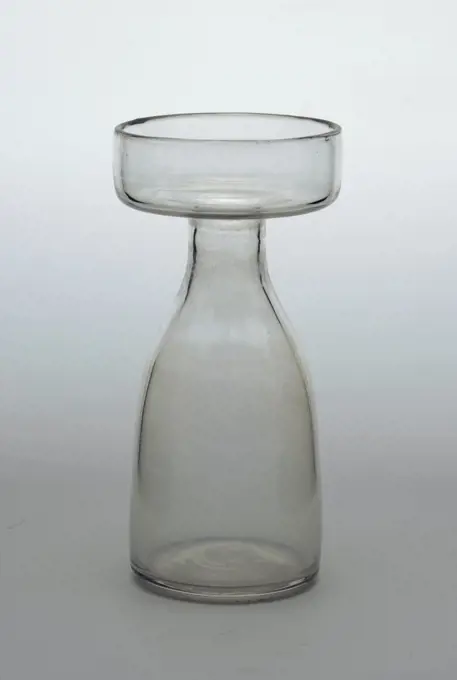
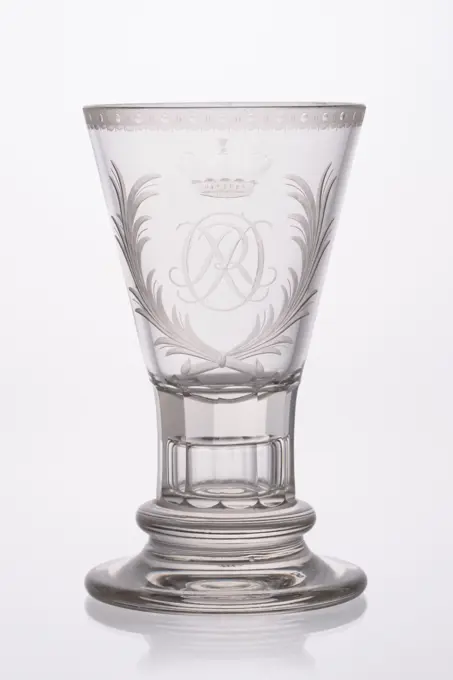
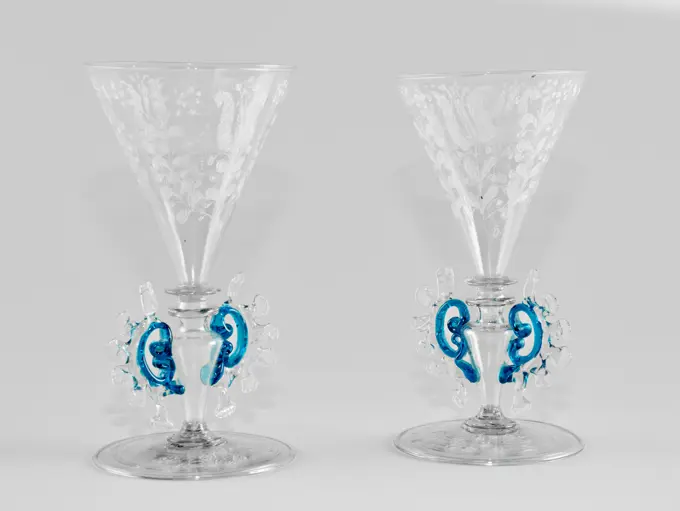
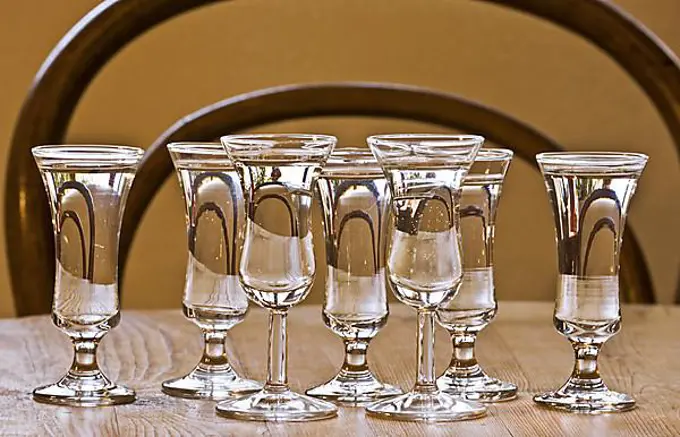
Taperstick ca. 1760 Irish. Taperstick. Irish. ca. 1760. Glass. GlassGlass;  1920-39 (1920-00-00-1939-00-00);Glass; Heckert Fritz (Petersdorf; 1866-1918); around 1900 (1895-00-00-1900-00-00);Przybyszewski Wojciech, PurchaseGlass; Lobmeyr, J. & L. (Vienna; 1823-); 1920-39 (1920-00-00-1939-00-00);. Vaulted foot. Straight strain with elongated air bubble, overflowing in trumpet-shaped chalice. At the chalice a engraved claim of a naked woman and a cupid and inscription: plus the coup: plus the plaisir.Probably Bakewell, Pears and Company, Footed Sugar Bowl and Cover, c. 1870, colorless glass.No. 168, Ludwig Lobmeyr, Austrian, 1829 - 1917, J. & L. Lobmeyr GmbH, Vienna, Austria, founded ca. 1935, Mouth-blown crystal, facet-cut and polished, Mouth-blown crystal wine glass, partly facet-cut and polished in green, with a dainty floral engraved border., 1871, glasswares, Decorative Arts, Rhine wine glass, Rhine wine glassWater pitcher - Nova Scotia Starflower PatternGlass; Lobmeyr, J. & L. (Vienna; 1823-); 1920-39 (1920-00-00-1939-00-00);Vase (Ireland); glassCup bowl; Non -like Lona Huta; before 1764 (1736-00-00-1764-00-00);Wine Glass 1850-70 American With the development of new formulas and techniques, glass-pressing technology had improved markedly by the late 1840s. By this time, pressed tablewares were being produced in large matching sets and innumerable forms. During the mid-1850s, colorless glass and simple geometric patterns dominated. Catering to the demand for moderately-priced dining wares, the glass industry in the United States expanded widely, and numerous factories supplied less expensive pressed glassware to the growing market. At the Exhibition of the Industry of All Nations at New Yorks Crystal Palace in 1853, for example, the New England Glass Company exhibited 130 pieces of one design, "consisting of bowls, tumblers, champagnes, wines, and jelly glasses." This object belongs to one such service. Although the glass manufactory is not known, the glassware is very typical of the large services that were very popular with Americas middle class in the nineteenth century.. Wine Glass. AmerRing Beaker (Ringbecher); Germany; early 17th century; Free-blown blue-green glass with applied decoration; 12.1 x 7.8 x 8.7 cm (4 3,4 x 3 1,16 x 3 7,16 in.)Whiskey mug 1850-60 American With the development of new formulas and techniques, glass-pressing technology had improved markedly by the late 1840s. By this time, pressed tablewares were being produced in large matching sets and innumerable forms. During the mid-1850s, colorless glass and simple geometric patterns dominated. Catering to the demand for moderately-priced dining wares, the glass industry in the United States expanded widely, and numerous factories supplied less expensive pressed glassware to the growing market. At the Exhibition of the Industry of All Nations at New Yorks Crystal Palace in 1853, for example, the New England Glass Company exhibited 130 pieces of one design, "consisting of bowls, tumblers, champagnes, wines, and jelly glasses." This object belongs to one such service. Although the glass manufactory is not known, the glassware is very typical of the large services that were very popular with Americas middle class in the nineteenth century.. Whiskey mug 97Beaker. Bohemia, Czech Republic. Date: 1815-1825. Dimensions: 8.9 × 7 cm (3 1/2 × 2 3/4 in.). Glass. Origin: Bohemia. Museum: The Chicago Art Institute, Chicago, USA.Drinking glass. Funnel-shaped drinking glass on a high baluster-shaped strain. The foot is round and vaulted. The drinking glass is equal to five other copies (BK-NM-11177-181-B-III, BK-NM-11177-181-BV, BK-NM-11177-181-B-VI, BK-NM-11177-181 -B-VII, BK-NM-11177-181-B-VIII). The drinking glasses are on a tray (BK-NM-11177-181-B-i) with a pouring gun (BK-NM-11177-181-B-II). The tray is on a folding table (BK-NM-11177-181-A).Beaker. Bohemia, Czech Republic. Date: 1725-1735. Dimensions: 8.9 × 7 cm (3 1/2 × 2 3/4 in.). Glass with engraved gold leaf decoration. Origin: Bohemia. Museum: The Chicago Art Institute, Chicago, USA.Goblet. unknown, glass worksGlass of drinking water isolated on a white background. Glass on a white backgroundFruit bowl. Culture: probably Irish. Dimensions: Overall: 8 3/4 × 12 1/2 in. (22.2 × 31.8 cm). Date: early 19th century. Museum: Metropolitan Museum of Art, New York, USA.Glass; Karlsthal (Huta Szk 1780-1790 (1780-00-00-1790-00-00);Beaker with a satire on the Pope, anonymous, 1604 Ribbed stand ring. Inserted soil. Light bent body. On the body, Christ is engraved on a donkey and the pope on horseback. Christ is simply dressed and wears the crown. The pope is dressed in a richly decorated cloak and wears the three -pours. Above the show is 'siet aen lieven Christen desse images right hyer deid the Lord and the Oock the servant'. Between Christ and the Pope, the following text is engraved: 'The Lord on a arms animal, of the servant with hochster splendor and the Sier / of the Lord pregnancy on a Dorne Kron, the servant a broken golden kron // of the Lord was poor on desser werlt, the servant had great waltzed and the gentleman had the nijet since he laughed on lacht // the servant on that shoulder. // of the lord his juvenile that feet, the servant are feet one must kiss// of the Lord leds heer much scandal and the servant him as a godt // of Lord gives his genaed to the servant for gelt aeflaet and de Gonst // daerClock lamp 17th-18th century probably German. Clock lamp. probably German. 17th-18th century. Pewter, glass. Metalwork-PewterGlass;  around 1800 (1800-00-00-1810-00-00);probably O'Hara Glass Works, Vase, sapphire blue glass.Footed Dish ca. 1888 Richards and Hartley Flint Glass Co.. Footed Dish 7521Wineglass 17th century Italian, Venice (Murano) During the Renaissance, Venetian glassmakers, working on the island of Murano, were celebrated across Europe for their fine and sparkling work. Called cristallo” emulating the clarity of rock crystal, in the hands of the most skilled glassblowers the medium could be delightfully manipulated, variously stretched paper-thin flat, or playfully twisted, or blown into molds with spectacular patterns.. Wineglass 186287Wine glass, from a set of four, c. 1830, 5 1/4 x 2 1/2 x 2 1/2 in. (13.34 x 6.35 x 6.35 cm), Cut glass, France (), 19th centuryBowl And Stand (Ireland); glassGlass of drinking whiskey isolated on a white backgroundDecanter with stopper 18th century British. Decanter with stopper. British. 18th century. Glass. GlassBeaker 1830-1840 Bohemia. This tumbler presents an engraved scene of the Bank of Pennsylvania, based on George Stricklandís plate for C. G. Childís Views in Philadelphia and Its Environs from Original Drawings Taken in 1827ñ30. Although initially believed to have been made and sold in Philadelphia, it is more likely that this object was made by a Bohemian firmóthe Bohemians were celebrated during the late 18th and 19th centuries for glass engravingóand retailed by a Philadelphia merchant. It is also possible that the tumbler was made in Bohemia and engraved by a Philadelphia glasscutter.. Blown, engraved, and cut glass .Egg Cup 1830-70 American. Egg Cup 3388Maker's Mark J.W, Double Beaker, c. 1790, silver.Compote 1855-60 Attributed to Christian Dorflinger French This compote is from the same larger luxury glass table service as a decanter and three drinking vessels in the collection (2015.459.1a,b; 2015.459.2-.4). The compote bears an engraved gothic style H” in a carved shield on one of the alternating clear vertical panels. The service descended in the family of Johns Hopkins (1795-1873), prominent businessman, entrepreneur, abolitionist, and philanthropist of Baltimore, Maryland. Hopkins may have purchased the service for use in his country estate, Clifton, outside of Baltimore, which he extensively renovated into an Italianate mansion in 1858. It is known that he enjoyed entertaining there, welcoming family, friends and dignitaries, including the Prince of Wales (later King Edward VII). The glass is exceptionally well cut and designed, representing some of the best of independent glass cutting in the New York City area. The quality of the material is equally good, for which the BroGlass;  1920-39 (1920-00-00-1939-00-00);Drinkglas, anonymous, c. 1725 - c. 1775 Funnel -shaped drinking glass on a high baluster -shaped trunk. The foot is round and vaulted. The drinking glass is equal to five other copies (BK-NM-1177-181-B-III, BK-NM-11177-181-B-V, BK-NM-11177-181-B-VI, BK-NM-11177-181 -B-VII, BK-NM-11177-181-B-VIII). The drinking glasses are on a tray (BK-NM-11177-181-B-I) with a gift jug (BK-NM-1177-181-II). The tray is on a folding table (BK-NM-11177-181-A). Netherlands silver (metal) Funnel -shaped drinking glass on a high baluster -shaped trunk. The foot is round and vaulted. The drinking glass is equal to five other copies (BK-NM-1177-181-B-III, BK-NM-11177-181-B-V, BK-NM-11177-181-B-VI, BK-NM-11177-181 -B-VII, BK-NM-11177-181-B-VIII). The drinking glasses are on a tray (BK-NM-11177-181-B-I) with a gift jug (BK-NM-1177-181-II). The tray is on a folding table (BK-NM-11177-181-A). Netherlands silver (metal)Whiskey Taster. Dimensions: H. 1 3/4 in. (4.4 cm). Date: 1840-60. Museum: Metropolitan Museum of Art, New York, USA.Beaker 16th century German. Beaker 187338 German, Beaker, 16th century, Glass, Overall: 3 7/8 x 3 1/16 in. (9.9 x 7.8 cm). The Metropolitan Museum of Art, New York. Edward C. Moore Collection, Bequest of Edward C. Moore, 1891 (91.1.1446)Mug 1850-70 American With the development of new formulas and techniques, glass-pressing technology had improved markedly by the late 1840s. By this time, pressed tablewares were being produced in large matching sets and innumerable forms. During the mid-1850s, colorless glass and simple geometric patterns dominated. Catering to the demand for moderately-priced dining wares, the glass industry in the United States expanded widely, and numerous factories supplied less expensive pressed glassware to the growing market. At the Exhibition of the Industry of All Nations at New Yorks Crystal Palace in 1853, for example, the New England Glass Company exhibited 130 pieces of one design, "consisting of bowls, tumblers, champagnes, wines, and jelly glasses." This object belongs to one such service. Although the glass manufactory is not known, the glassware is very typical of the large services that were very popular with Americas middle class in the nineteenth century.. Mug 5305Butter; Dresden (Huta Szk A; 1699-Post 1756); 2. W. 18th century (1725-00-00-1750-00-00);Beaker. Nieokreślona huta, factoryGlass beaker with victorious charioteer 4th century A.D. Roman, Eastern Mediterranean Colorless with olive green tinge.Vertical, uneven rim; body tapering downwards with slight convex curving side; rounded bottom.Below rim, a pair of conjoining horizontal wheel-cut grooves; another pair of grooves near top of body framing a wheel-abraded Greek inscription; below this, a wide band decorated with a quadriga racing to left towards two figures holding victory palms; behind the chariot is a building with three spires or gabled turrets and another palm; below the ground line, a band of wheel-abraded close-set diagonal lines and around the bottom another band of widely-spaced diagonal lines. In two places errors have been made in carving the inscription. The Greek inscription provides the name of the charioteer, Eutychides, and his horses; three of the four are still legible: Arethousios (named after a famous, fast-flowing stream), Neilos (the River Nile), and Pyripnous (Fire-breather).BrokFlute glass with blue wings, anonymous, c. 1550 - c. 1600 Flute glass on a flat base with turned around. The trunk formed by a ribbed, ravaged rolled tube, on which a blue wing on either side. Funnel -shaped chalice on top of a flat disc. Venice glass glassblowing Flute glass on a flat base with turned around. The trunk formed by a ribbed, ravaged rolled tube, on which a blue wing on either side. Funnel -shaped chalice on top of a flat disc. Venice glass glassblowingFlip Glass, late 1700s. America, late 18th century. Glass; overall: 33.7 x 16.5 cm (13 1/4 x 6 1/2 in.).Bowl. Culture: American. Dimensions: H. 3 3/4 in. (9.5 cm); Diam. 8 7/16 in. (21.4 cm). Date: 1830-50. Museum: Metropolitan Museum of Art, New York, USA.Wine glass, glass, Emerald green, Great Britain, Bohemia, early 19th century, glasswares, Decorative Arts, Wine glassSpoon Holder 1870-90 Adams and Company. Spoon Holder. American. 1870-90. Pressed yellow glass. Made in Pittsburgh, Pennsylvania, United StatesBeaker 1752-53 Antoine Plot. Beaker 200289Tumbler. Culture: American. Dimensions: H. 3 3/8 in. (8.6 cm); Diam. 3 3/16 in. (8.1 cm). Date: 1850-70.With the development of new formulas and techniques, glass-pressing technology had improved markedly by the late 1840s. By this time, pressed tablewares were being produced in large matching sets and innumerable forms. During the mid-1850s, colorless glass and simple geometric patterns dominated. Catering to the demand for moderately-priced dining wares, the glass industry in the United States expanded widely, and numerous factories supplied less expensive pressed glassware to the growing market. At the Exhibition of the Industry of All Nations at New York's Crystal Palace in 1853, for example, the New England Glass Company exhibited 130 pieces of one design, "consisting of bowls, tumblers, champagnes, wines, and jelly glasses." This object belongs to one such service. Although the glass manufactory is not known, the glassware is very typical of the large services that were very popGlass from a Place Setting, c. 1890-1920. Probably America, late 19th-early 20th century. Glass; overall: 20.3 x 9.6 cm (8 x 3 3/4 in.).Cup with a coverTumbler 1850-60 American With the development of new formulas and techniques, glass-pressing technology had improved markedly by the late 1840s. By this time, pressed tablewares were being produced in large matching sets and innumerable forms. During the mid-1850s, colorless glass and simple geometric patterns dominated. Catering to the demand for moderately-priced dining wares, the glass industry in the United States expanded widely, and numerous factories supplied less expensive pressed glassware to the growing market. At the Exhibition of the Industry of All Nations at New Yorks Crystal Palace in 1853, for example, the New England Glass Company exhibited 130 pieces of one design, "consisting of bowls, tumblers, champagnes, wines, and jelly glasses." This object belongs to one such service. Although the glass manufactory is not known, the glassware is very typical of the large services that were very popular with Americas middle class in the nineteenth century.. Tumbler 9089Compote 1845-1855 Bohemia. Glass with red flashing .Vase, Blown and cut glass, Ovoid body tapers to thin neck, wide flat lip with turned up rim. Hyacinth, Ireland or England, ca. 1800, glasswares, Decorative Arts, VaseProbably Boston and Sandwich Glass Works, Vase, c. 1845-65, amethyst glass.No. 222 Wine Pitcher With Stopper; Designed by Stefan Rath (Austrian, 1876-1960); Manufactured by J. & L. Lobmeyr GmbH (Austria); Austria; mouth-blown crystal, engravingQuart Decanter 1830-70 American. Quart Decanter. American. 1830-70. Pressed glass. Made in United StatesWine glass isolated on the white backgroundBeaker (Stangenglas) first half 18th century German, Saxony or Thuringia. Beaker (Stangenglas). German, Saxony or Thuringia. first half 18th century. Glass. GlassBowl 1870-80 Adams and Company. Bowl. American. 1870-80. Pressed yellow glass. Made in Pittsburgh, Pennsylvania, United StatesGoblet probably late 17th century Northern European (possibly south Lowlands or Germany). Goblet 461236Candy dish, Favrile glass, Tall footed candy dish. Slight yellow glass foot, blue-green dish., USA, ca. 1900, glasswares, Decorative Arts, Candy dishCandle lamp - Desmarais & Robitaille Desmarais & RobitailleGlass; Lobmeyr, J. & L. (Vienna; 1823-); 1920-39 (1920-00-00-1939-00-00);GlassOpen Salt. New England Glass Company (United States, Massachusetts, East Cambridge, 1818-1888). United States, circa 1820-1830. Furnishings; Serviceware. GlassCompote - Westward Ho! pattern Burlington Glass Works Burlington Glass WorksDrinking cup 16th-17th century German or Bohemian. Drinking cup 193511Empty glass isolated on white background with reflectionPunchBowlDecanter Irish 1800-1850 View more. Decanter. Irish. 1800-1850. Glass. Glasscold beer glass cartoon. cold beer glass sign. isolated symbol vector illustration. cold beer glass cartoon vector illustrationSports Cup isolated on a white backgroundFooted bowl, Tiffany & Company, American, established 1853, Mold-blown favrile glass, Pale green, shallow bowl on wide tapered pedestal base with occlusions of white flowers with yellow and white centers and dark green stems and dark blue leaves 'floating' in solid glass. Ground pontil., New York, NY, USA, 1913-16, glasswares, Decorative Arts, Footed bowlCupAnonymous. Petit Palais, Museum of Fine Arts of the City of Paris.Tumbler. Dimensions: H. 3 1/4 in. (8.3 cm). Date: 18th century. Museum: Metropolitan Museum of Art, New York, USA.Glass;  1920-39 (1920-00-00-1939-00-00);MugVessel in the Shape of an Archaic Bronze Gu China. Vessel in the Shape of an Archaic Bronze Gu 49361Tumbler 1700-1800. Tumbler. 1700-1800. Glass with engraved decoration. Made in Bohemia, Czech RepublicPassglas, anonymous, 1600 - 1699 Fitting glass with inserted soil. Foot formed by the glass bladder. Cylindrical body, rotating upwards. Five ribbed blue pass rings have been laid around the body. Germany glass glassblowing Fitting glass with inserted soil. Foot formed by the glass bladder. Cylindrical body, rotating upwards. Five ribbed blue pass rings have been laid around the body. Germany glass glassblowingBeaker ca. 1730 Bohemian. Beaker 195934Finger bowl. Designed by Edward Hald; Swedish, 1883-1980; Made by Orrefors Glassworks (Glasbruk); Småland, Sweden, founded 1898. Date: 1927. Dimensions: 7 x 12.4 cm (2 3/4 x 4 7/8 in.). Glass. Origin: Orrefors. Museum: The Chicago Art Institute, Chicago, USA.Beaker 19th century, after 17th century original Franchi and Son This electrotype is after a seventeenth-century original in the Victoria and Albert Museum, London, at the time of reproduction.. Beaker. British, London, after Russian original. 19th century, after 17th century original. Silver, parcel-gilt. Metalwork-ElectrotypeGlass round aquarium for golden fish, aquatic pet isolated on transparent background. Vector realistic mockup of empty clear fishbowl. Glass bowl, vase, wineglass. Empty glass round aquarium for golden fishSalt 1725-1735 Bohemia. Glass with engraved gold leaf decoration .ChampagnePair of Cruets 1795-1805 England. Glass .Continental Engraved Blown Glass Goblet, Austro-Hungarian Blown Glass Beaker and Crystal Goblet Artist Unknown Private Collection CupFooted Beaker with Two Coats-of-Arms, 1603. Germany, 17th century. Enameled glass; overall: 25.4 x 12.7 cm (10 x 5 in.).Beer glasses isolated on the white backgroundCocktail glass isolated on a white backgroundGlasses on table filled with Dutch gin, jeneverEmpty glass bottles with black waffle cone for ice cream in a glass jar on a black paper background, place for text.. Black waffle cone for ice cream in a glass jar with several glass vases on a black background.Hat stand 1855-75 New England Glass Company. Hat stand. American. 1855-75. Free-blown silvered glass. Made in East Cambridge, Massachusetts, United StatesFate