Decorative Glassware Collection

An assortment of elegant glassware, featuring engraved motifs and varying shapes, including chalices and salt cellars, reflecting artistic styles from the 18th to early 20th century.
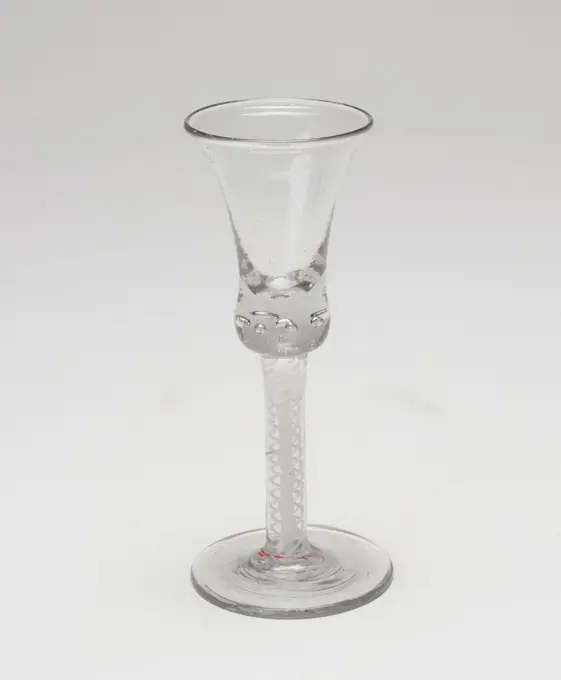
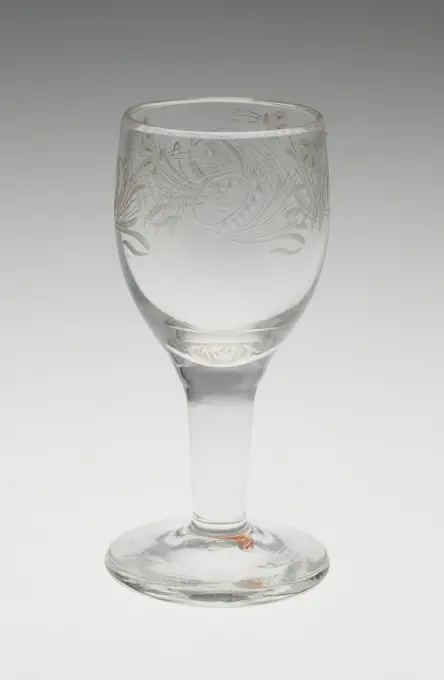
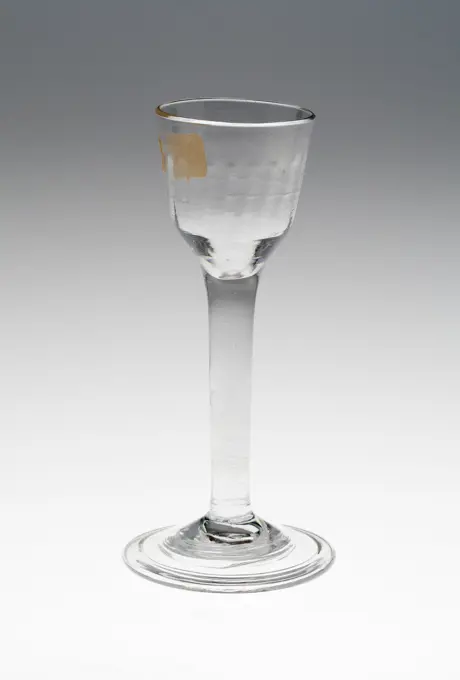
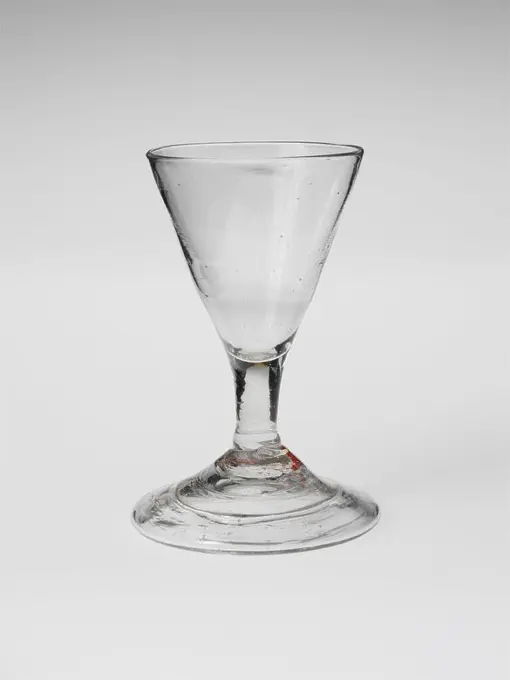
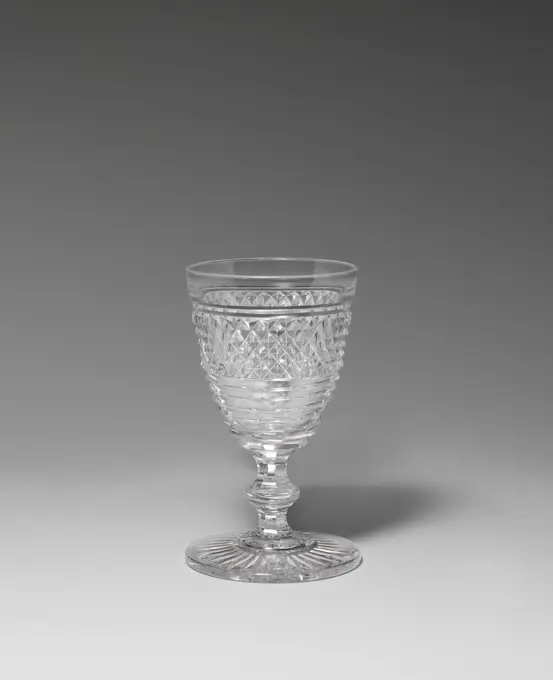
Cordial glass, c. 1765, 5 5/8 x 2 1/2 x 2 1/2 in. (14.3 x 6.4 x 6.4 cm), Lead glass, England, 18th century
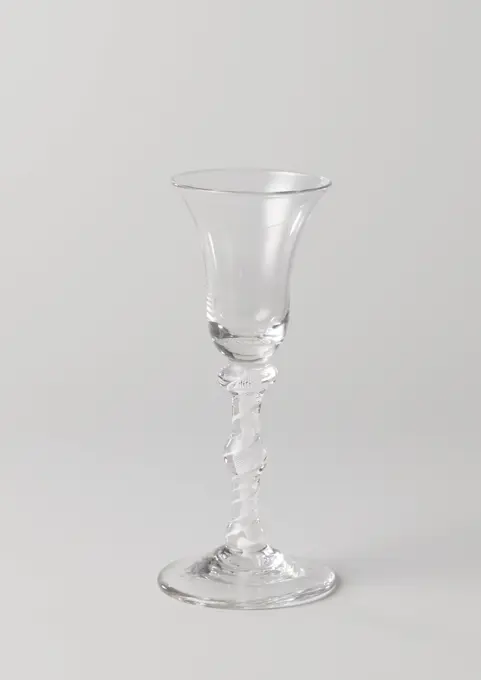
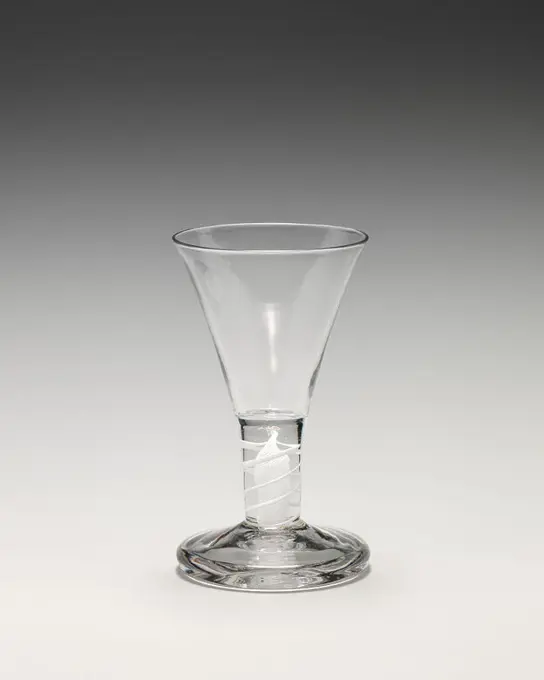
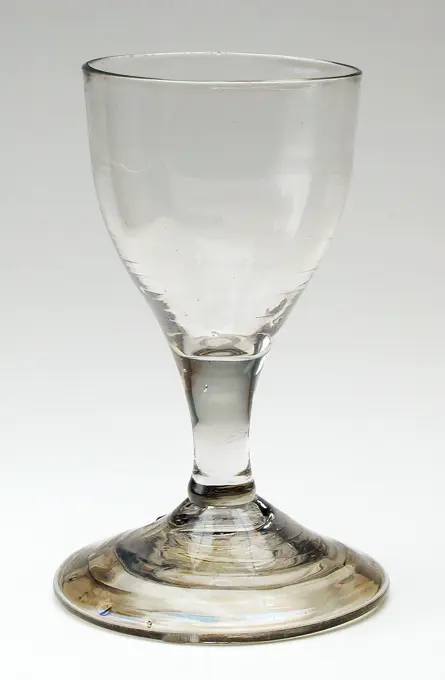
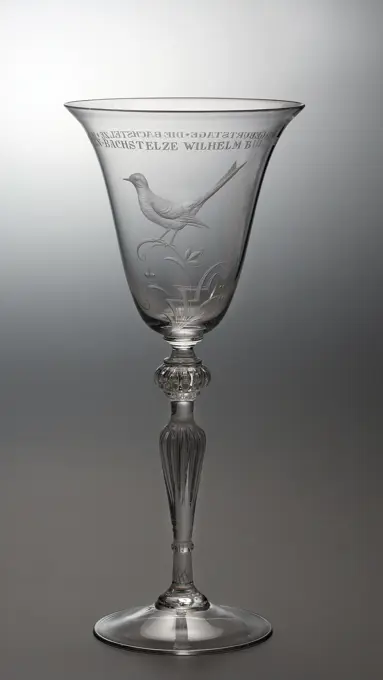
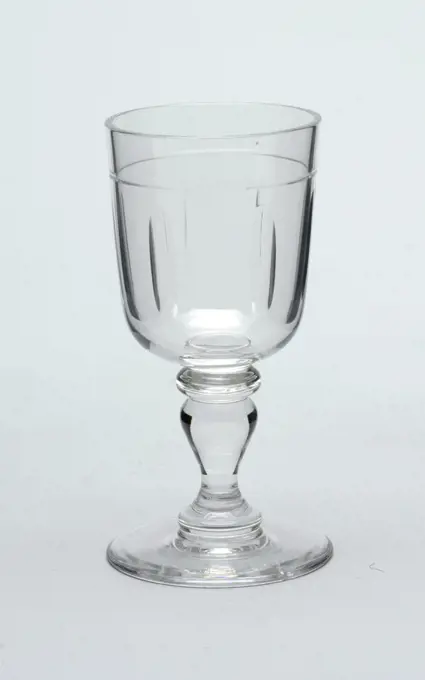
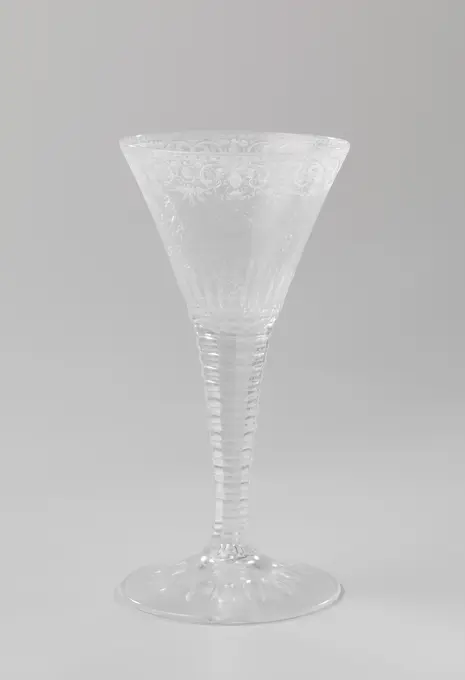
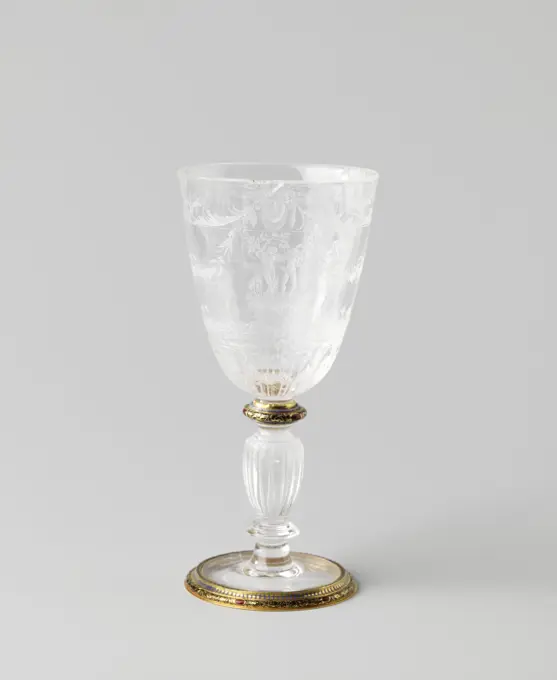
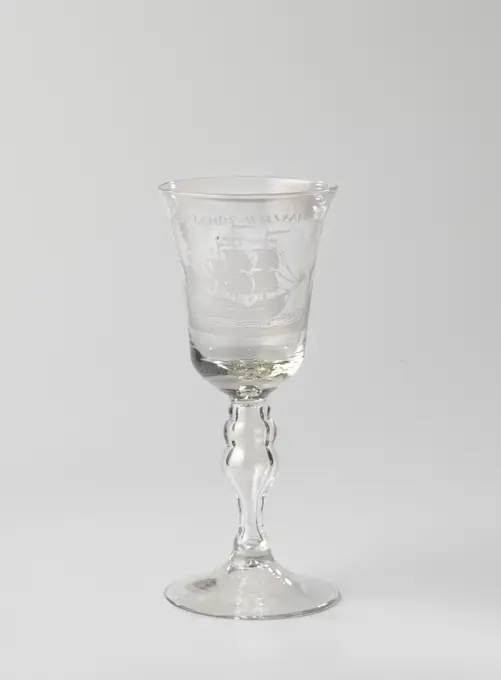
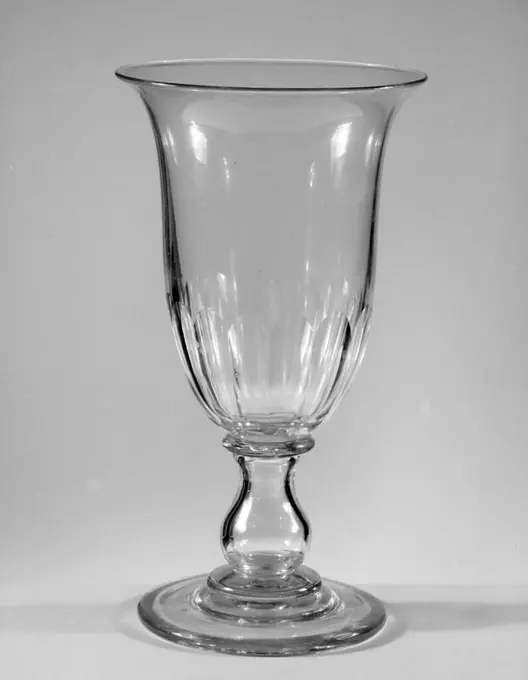
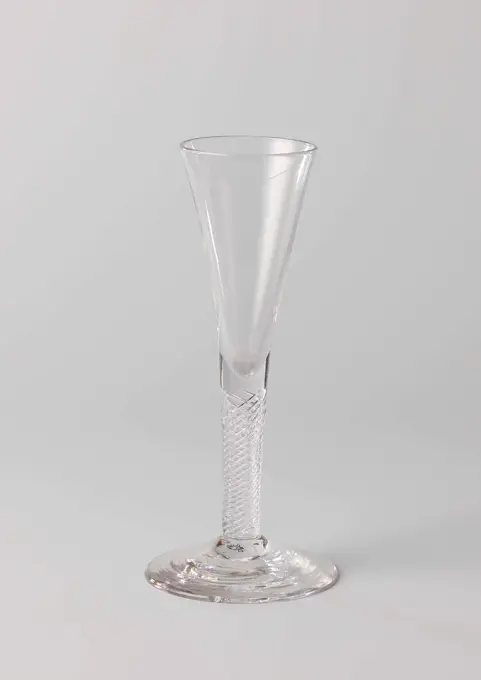
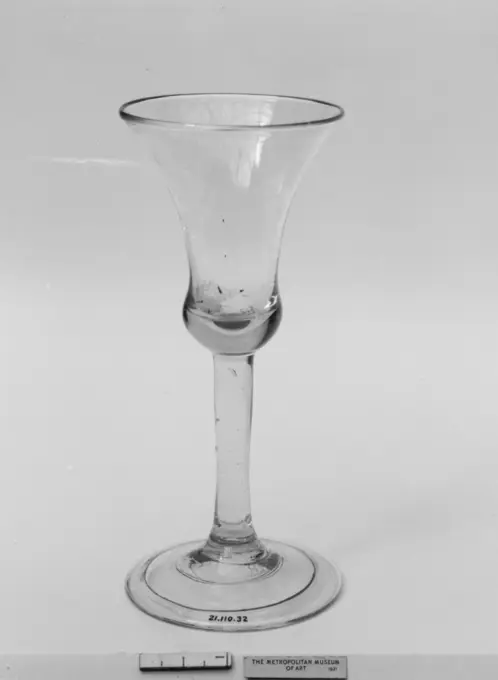
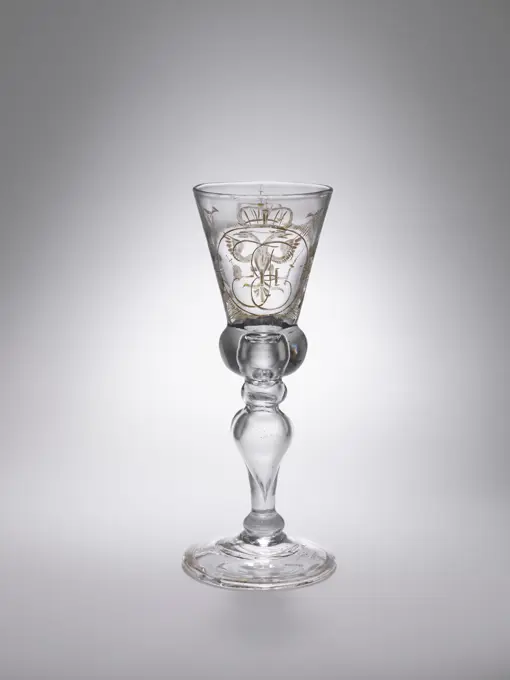
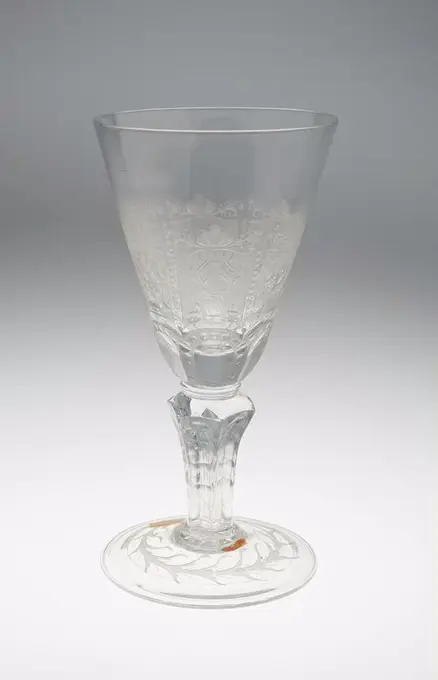
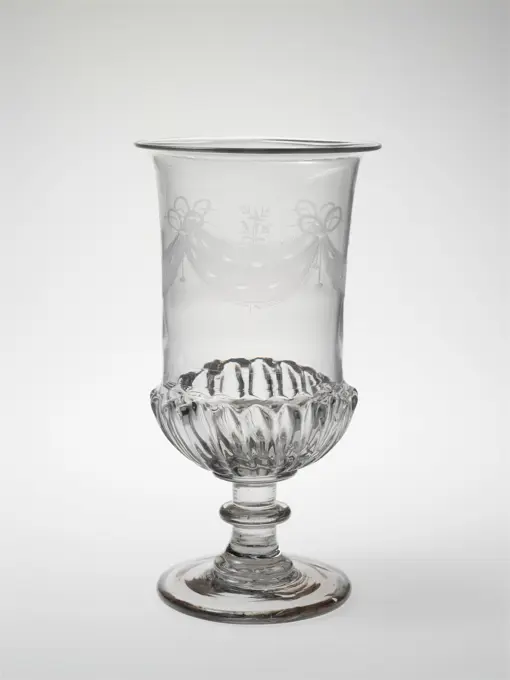
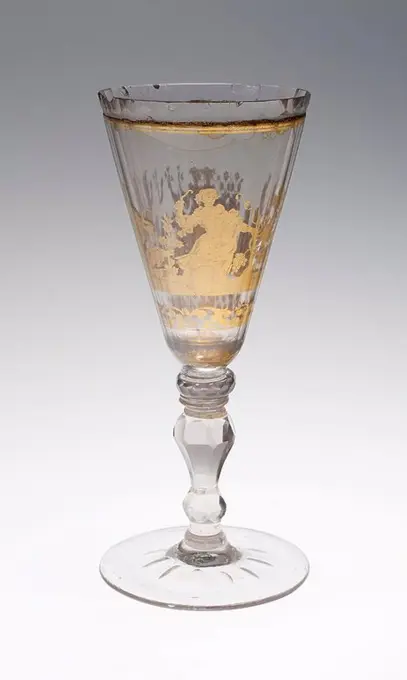
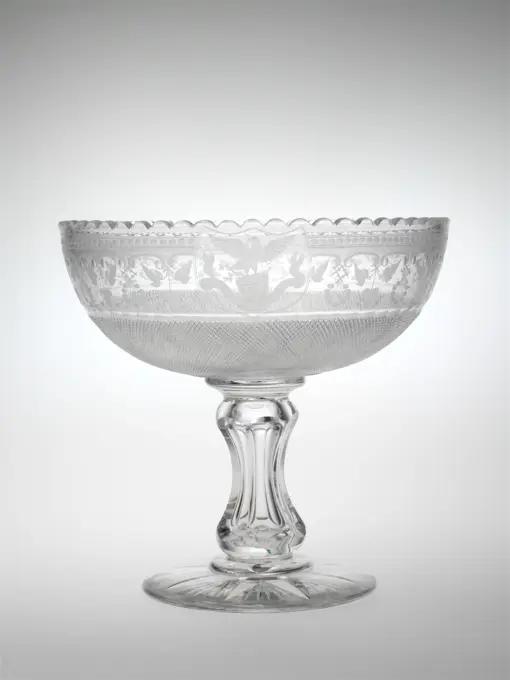
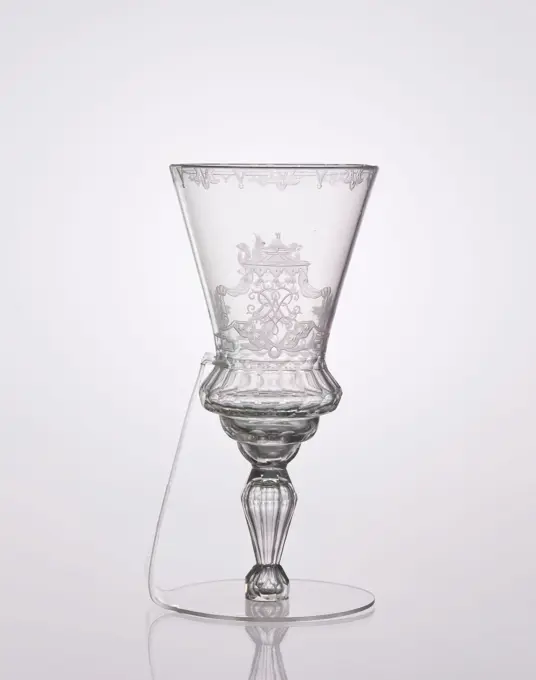
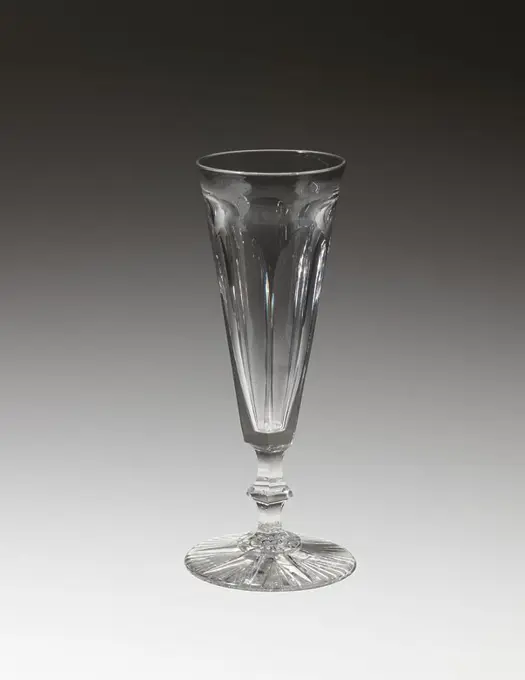
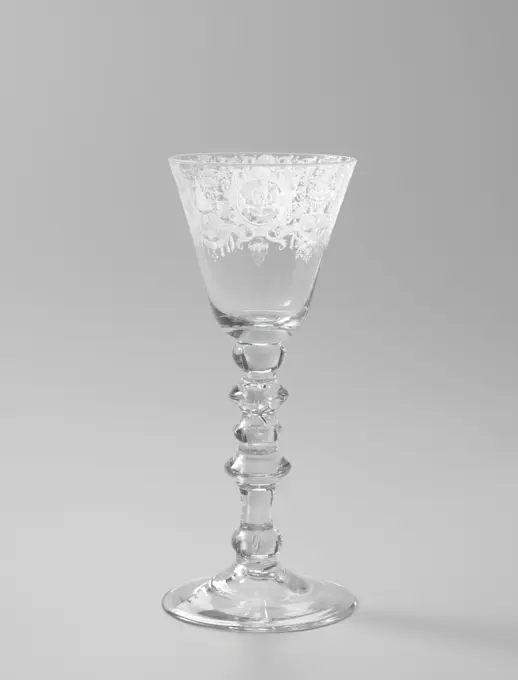
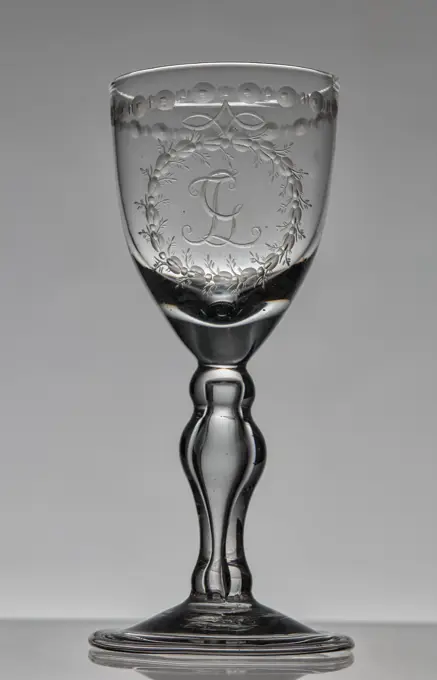
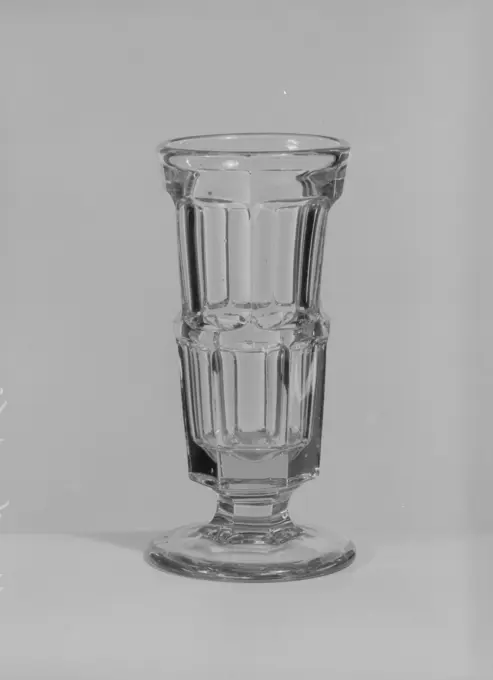
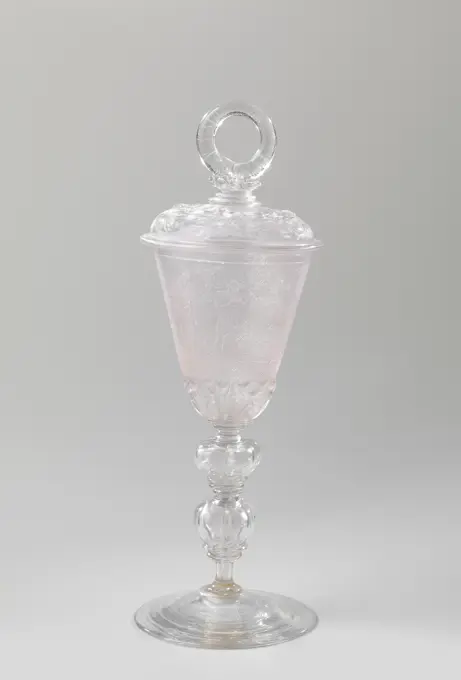
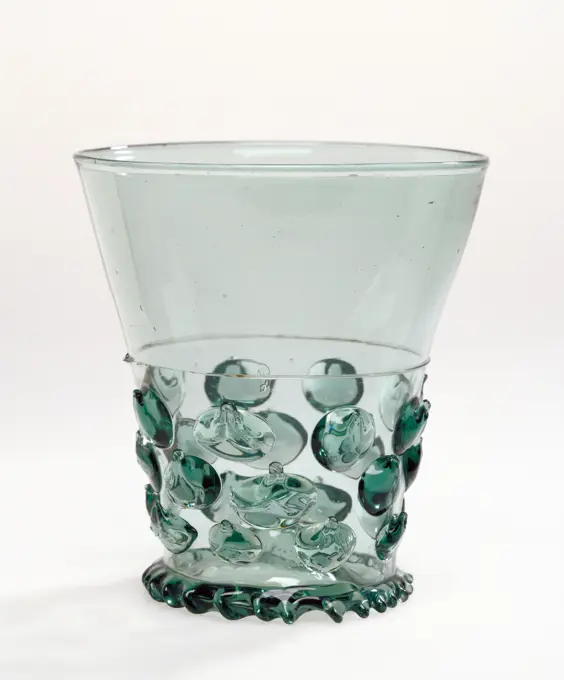
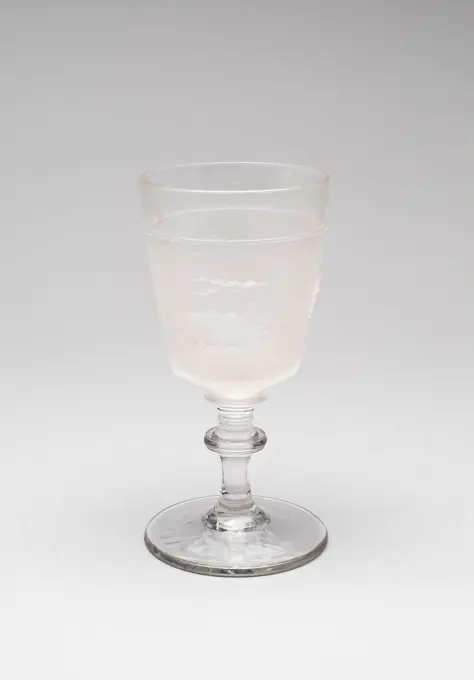
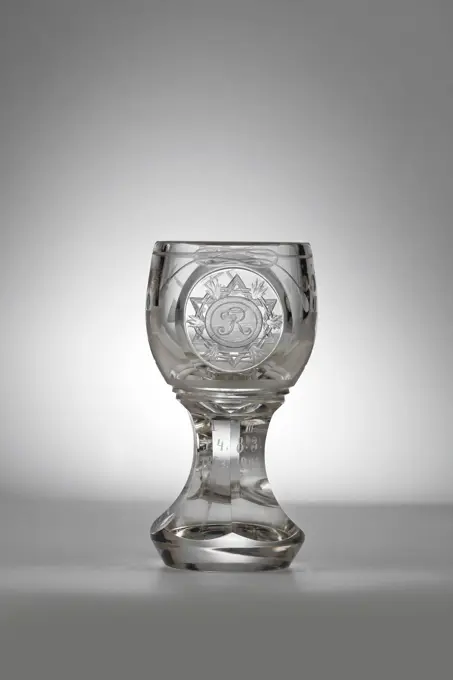
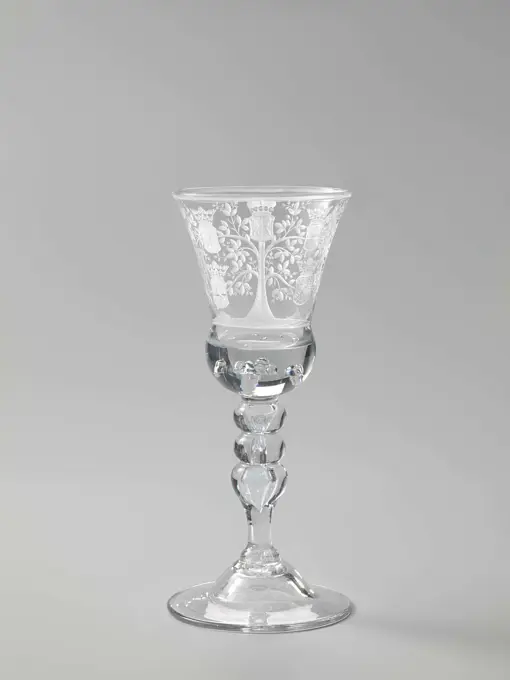
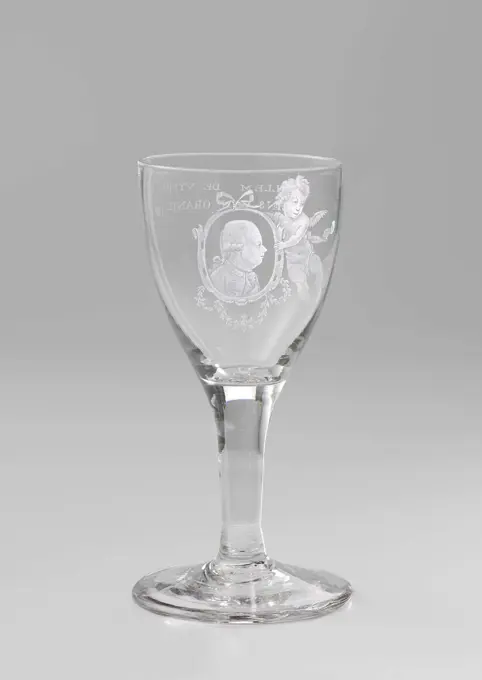
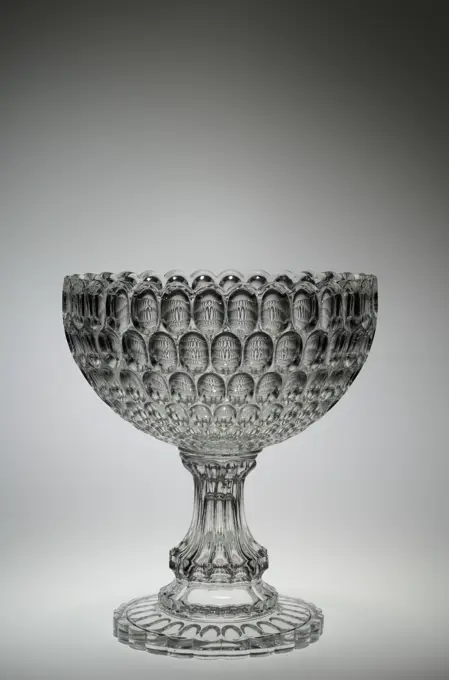
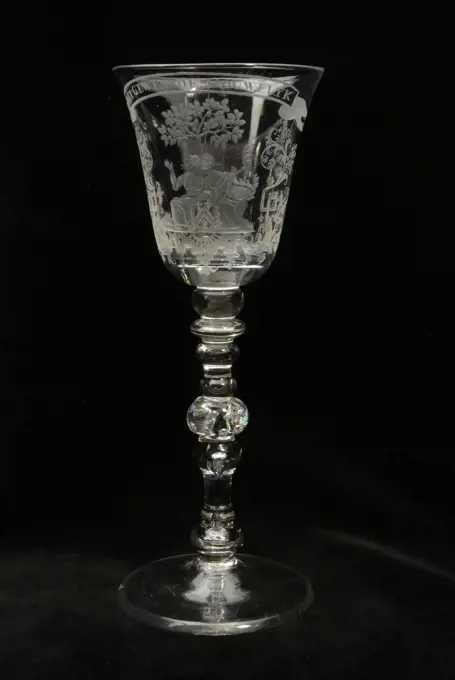
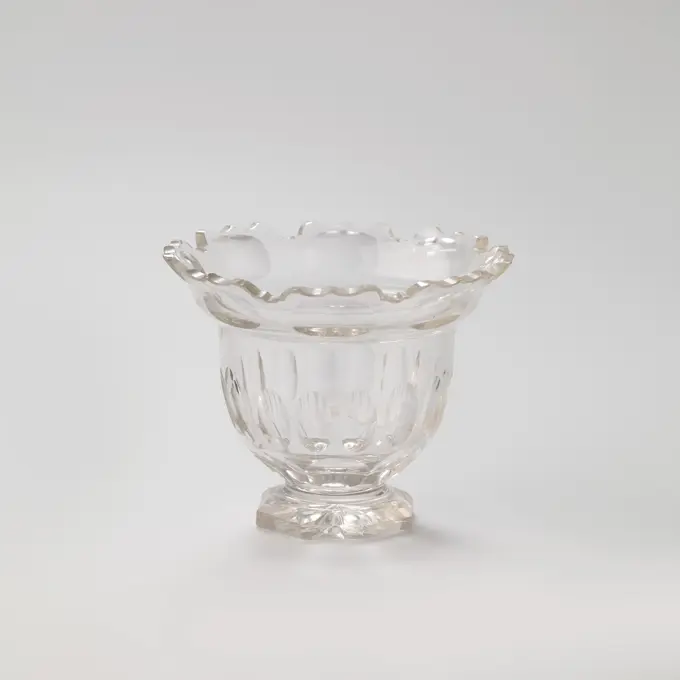
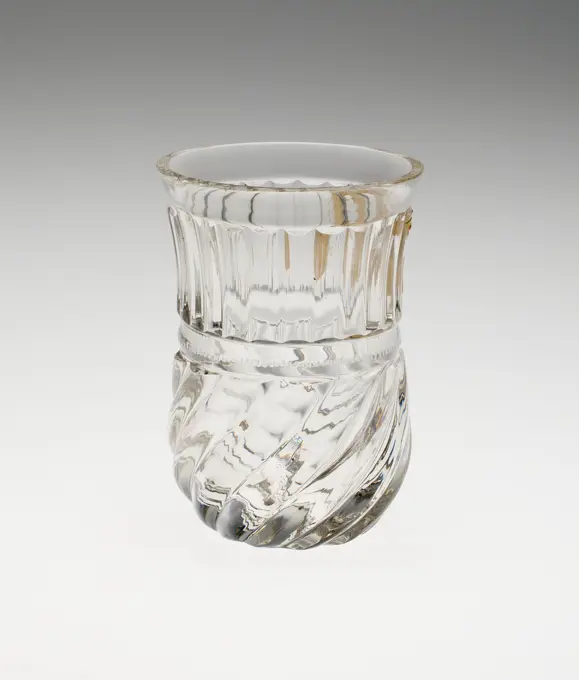
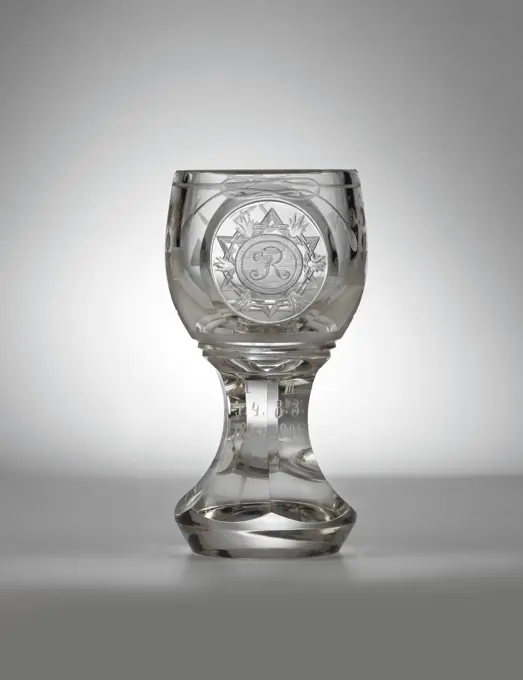
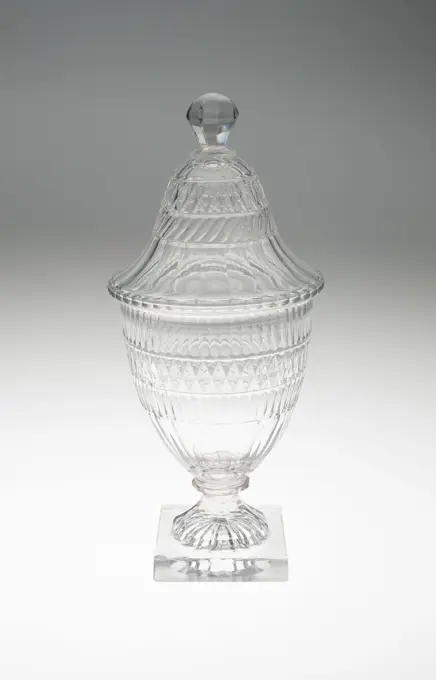
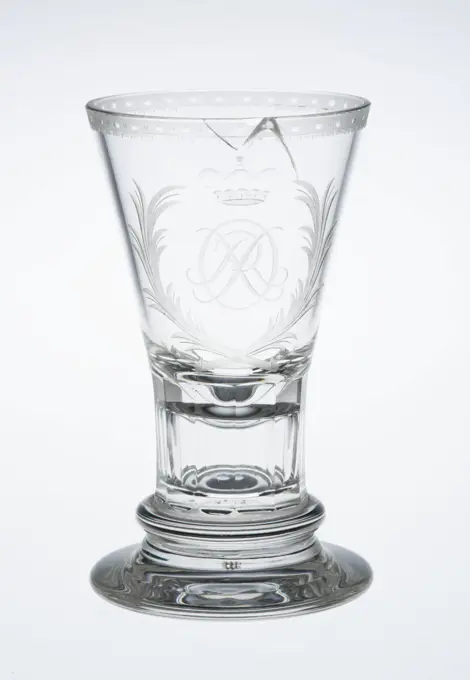
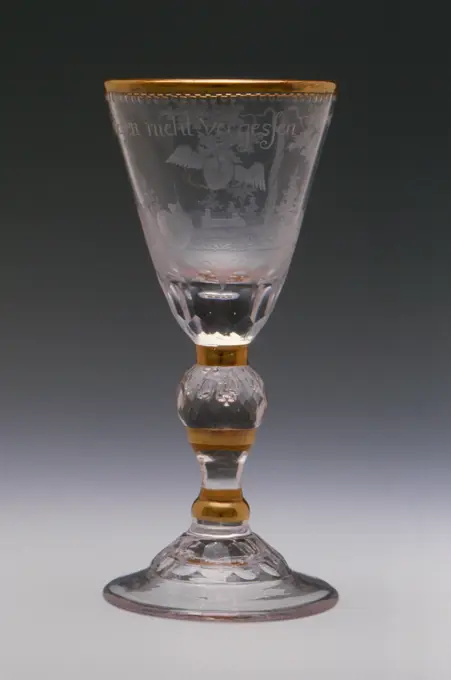
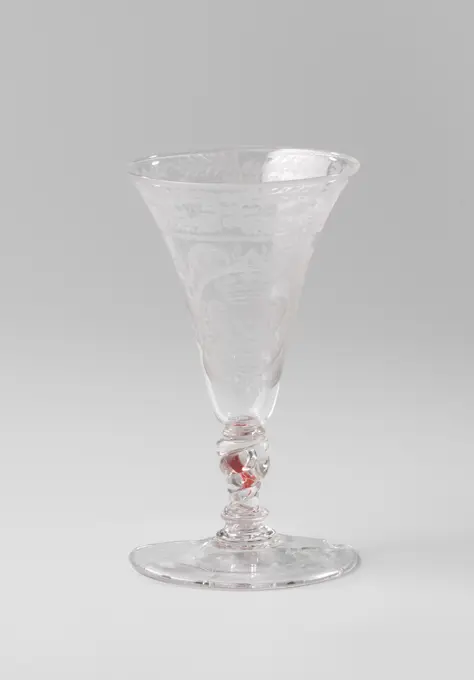
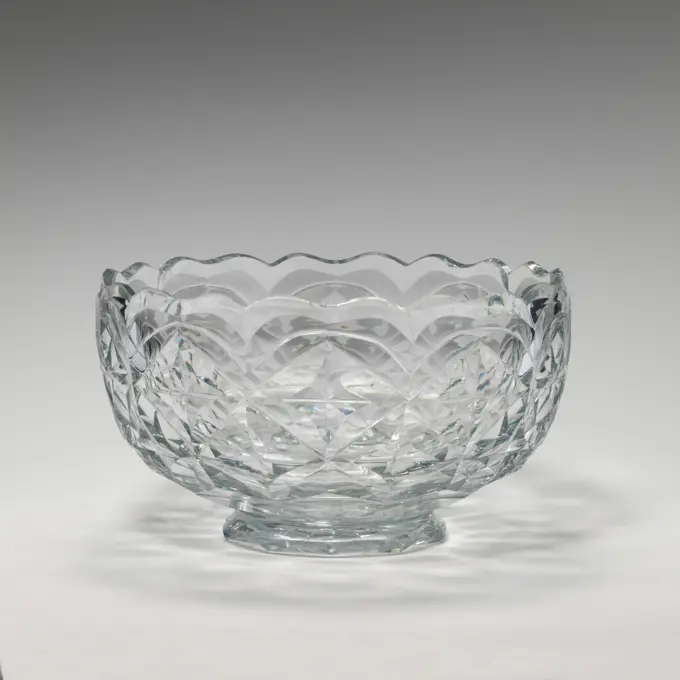
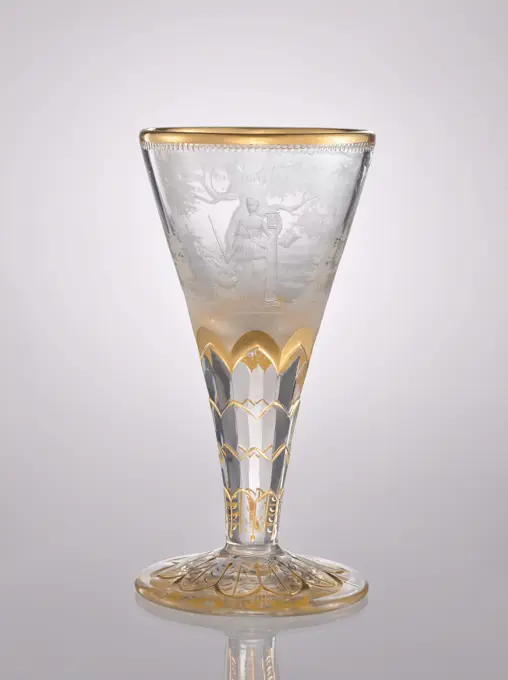
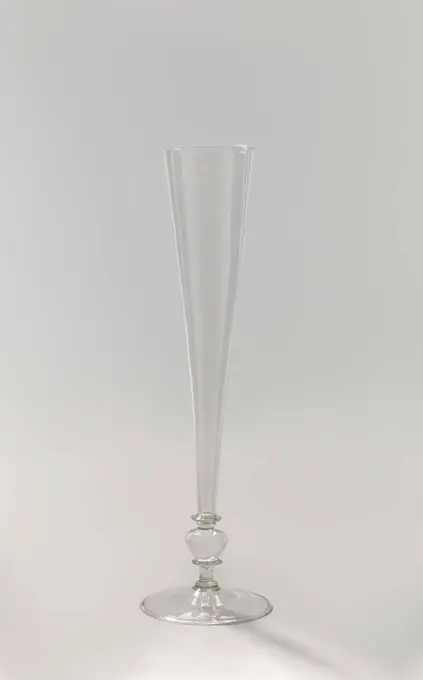
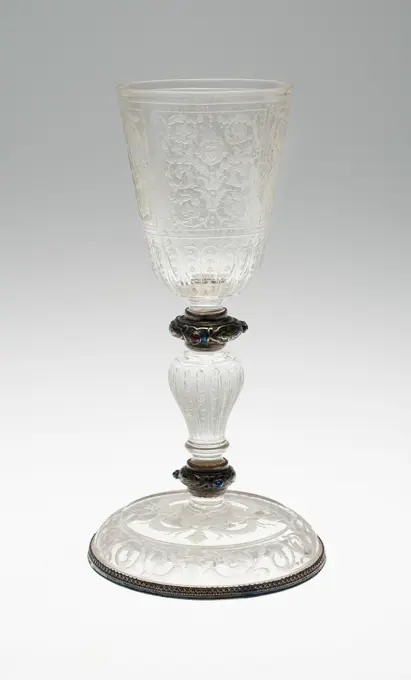
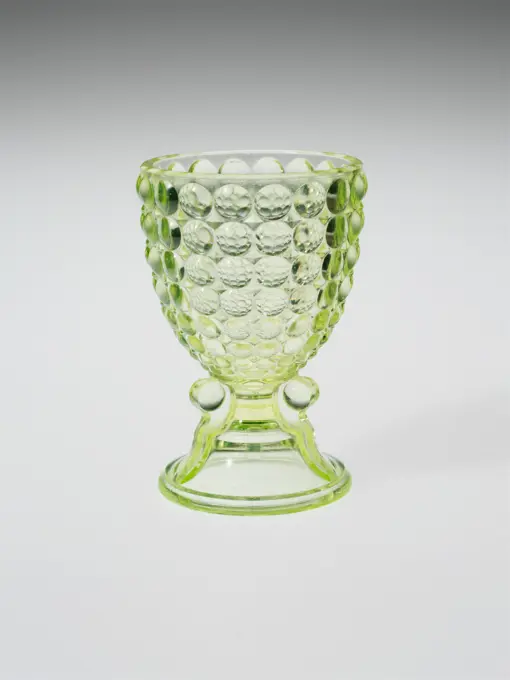
Bowl with sunflowers, dots and ovals. Vaulted foot. Baluster-shaped strain with a button and discs. Conical chalice with rounded soil. Sunflowers, dots and ovals engraved on the chalice.Salt cellar, 18th-19th century, 3 x 2 1/2 x 2 1/2in. (7.6 x 6.4 x 6.4cm), Glass, United States, 18th-19th centuryKelkglas with the weapon of Holland. Kelkglas of thick glass. Stem and chalice in one-end. On the chalice the weapon of Holland with two lions as shield carriers as well as the inscription: "Vigitale deo confidents".Cup;  1920-39 (1920-00-00-1939-00-00);Sling glass with bell -shaped calyx, anonymous, c. 1750 - c. 1775 Slingerlas with conical foot and balust raw trunk. In the trunk, white pendulum around white network spiral. Bell -shaped chalice. England glass glassblowing Slingerlas with conical foot and balust raw trunk. In the trunk, white pendulum around white network spiral. Bell -shaped chalice. England glass glassblowingWine or cordial glass. Culture: British. Dimensions: Height: 5 in. (12.7 cm). Date: 1750-1800.The heavy foot on this glass indicates that it was of the type used as a "firing glass," to be pounded on the table after a toast. Museum: Metropolitan Museum of Art, New York, USA.Jar with a three -mast and the inscription: 't Vaaren van de East Indise Komp:, Anonymous, c. 1725 - c. 1750 Bokaal with conical foot with turned edge. Facetted baluster tribe with button and large, inserted bubble. Klock -shaped chalice with solid, faceted bottom. A wreath of inserted air bubbles in the soil. On the chalice an East Indies sailor above which: 't Vaaren van de East Indise Komp: and the monogram of the VOC room of Amsterdam a // VOC between branches. Glassblower: Glücksburgnorthern Netherlands glass grinding / glassblowing  Amsterdam Bokaal with conical foot with turned edge. Facetted baluster tribe with button and large, inserted bubble. Klock -shaped chalice with solid, faceted bottom. A wreath of inserted air bubbles in the soil. On the chalice an East Indies sailor above which: 't Vaaren van de East Indise Komp: and the monogram of the VOC room of Amsterdam a // VOC between branches. Glassblower: Glücksburgnorthern Netherlands glass grinding / glassblowing  AmsterdamKelkglas with a luit player and two land runners in a landscape. Conical foot. Straight strain with a tear-shaped air bubble, overtoring in a trumpet-shaped chalice. On the chalice, in a landscape with trees, there is a lute player between two sitting land runners. The judge, with wooden leg, lifting a bottle, the left sticks his hand to his companion.Wine Glass. United States, New York, 19th century. Furnishings; Serviceware. GlassCordial glass, c. 1765, 5 5/8 x 2 1/2 x 2 1/2 in. (14.3 x 6.4 x 6.4 cm), Lead glass, England, 18th centuryGoblet. England, circa 1830-1840. Furnishings; Serviceware. GlassChalip glass with the coat of arms of Sint Sebastian or Schuttersgilde, c. 1725 - c. 1750 Chalice glass made of clear, colorless glass, engraved with the coat of arms of Sint Sebastian or Schuttersgilde in The Hague. glassblower: Low CountriesNorthern Netherlands glass glassblowing  The Hague Chalice glass made of clear, colorless glass, engraved with the coat of arms of Sint Sebastian or Schuttersgilde in The Hague. glassblower: Low CountriesNorthern Netherlands glass glassblowing  The HagueGoblet. Pfohl, Alexander (1894-1953), designer, Benna, Wenzel (1873-1964), glass engraver, Josephinenhütte (Szklarska Poręba ; 1842-1945), glass worksChalip glass on the marriage of Z. Verbeek and I.M. des Milleville, Anonymous, 1753 Vaulted foot with turned around and pontil brand. The trunk made up of a double baluster and a nodus. Funnel -shaped chalice rounded at the bottom. A flower drink is engraved on the foot. On the chalice is the inscription 'The prosperity of this house'. Above that is the inscription "1753/Z; Verbeek/and i; m; des Milleville.ehelieden in a cartouche of rococonament." engraved. Along the edge of the chalice a wide strap of flower vines. Two cartouches from Rococo ornament are engraved on the downside. In the left, a swan desired to the left is depicted in the right a village view. Among the two cartouches is the signature and the year 'Me Fecit A.C.Schonck 1753'. glassblower: EnglandNorthern Netherlands glass glassblowing Vaulted foot with turned around and pontil brand. The trunk made up of a double baluster and a nodus. Funnel -shaped chalice rounded at the bottom. A flower drink is engraved on the footWine Glass 1775-1799 England. GlassGoblet. Czechy, creatorSmall drinking vessel. Culture: American. Dimensions: 4 3/4 in. (12.1 cm). Manufacturer: Brooklyn Flint Glass Company (American, Brooklyn, New York, 1824-1868). Date: ca. 1855.This drinking glass is one of three (2015.459.2-.4) graduated sizes of glasses made for a large luxury table service. In addition to the glasses, the Museum has a compote and a decanter from the same service (69.257, 2015.459.1a, b). Dating to the mid-19th century, the service represents a moment when dining patterns were evolving, and fine tables were set with a proliferation of glassware for different functions. A Gothic-style "H" is prominently engraved on each piece of glass. The service descended in the family of Johns Hopkins (1795-1873), prominent businessman, entrepreneur, abolitionist, and philanthropist of Baltimore, Maryland. Hopkins may have purchased the service for use in his country estate, Clifton, outside of Baltimore, which he extensively renovated into an Italianate mansion in 1858. It is knowWineglass ca. 1740-1800 British. Wineglass. British. ca. 1740-1800. Glass. GlassCupGlass; Lobmeyr, J. & L. (Vienna; 1823-); 1920-39 (1920-00-00-1939-00-00);No. 104, Ludwig Lobmeyr, Austrian, 1829 - 1917, J. & L. Lobmeyr GmbH, Vienna, Austria, founded ca. 1935, Mouth-blown crystal, cut and polished, Mouth-blown crystal, deeply-cut and polished, 1865, glasswares, Decorative Arts, White wine glass, White wine glassWine Glass With The Arms or William IV. Vaulted foot. Hexagonal in shape blown stem with a knot. Conical chalice with solid, rounded soil with a bubble. On the chalice the weapon of Willem IV, Prince of Orange. On the downside an orange tree with the weapons of Friesland, Groningen, Drenthe and Gelderland.Jam; Non -like Lona Huta; around 1770-1780 (1770-00-00-1780-00-00);Chalip glass with a voosteestia, anonymous, c. 1775 - In or Before 1798 Conical foot. Broadening, moving in facets, transferring to a curved chalice. On the chalice, in a landscape with trees, the hope, personified by a woman, leaning on an anchor. glassblower: EnglandNorthern Netherlands glass grinding / glassblowing Conical foot. Broadening, moving in facets, transferring to a curved chalice. On the chalice, in a landscape with trees, the hope, personified by a woman, leaning on an anchor. glassblower: EnglandNorthern Netherlands glass grinding / glassblowingGlass;  around 1770 (1760-00-00-1780-00-00);Sling glass with bell -shaped calyx, anonymous, c. 1750 - c. 1775 Slinger glass with conical foot and straight trunk. In the trunk, white garlands around winding network spiral. Clock -shaped chalice England glass glassblowing Slinger glass with conical foot and straight trunk. In the trunk, white garlands around winding network spiral. Clock -shaped chalice England glass glassblowingGoblet 1815-1835 England. Glass .Chalice glass with an ornament edge, c. 1725 - c. 1750 Chalice glass with a flat base with sliced rosette on the bottom. Slightly flared, faceted tribe, ending in a funnel -shaped chalice. Along the mouth edge of the chalice, under a pearl edge, a fine, symmetrical band with bandwork, vases, flowerguirles, surfaces with fencing and clocks. glassblower: GermanyNorthern Netherlands glass glassblowing Chalice glass with a flat base with sliced rosette on the bottom. Slightly flared, faceted tribe, ending in a funnel -shaped chalice. Along the mouth edge of the chalice, under a pearl edge, a fine, symmetrical band with bandwork, vases, flowerguirles, surfaces with fencing and clocks. glassblower: GermanyNorthern Netherlands glass glassblowingGoblet, anonymous, c. 1550 - c. 1575 Bokaal from Berg crystal. The frame on trunk and foot edge is made of gold with black email. On the chalice, in matt sharpening, a Frisian with Apollo and Daphne, Diana and Endymion and Leda with the swan, including waves. Malib Gold (Metal). frame:. frame: Bokaal from Berg crystal. The frame on trunk and foot edge is made of gold with black email. On the chalice, in matt sharpening, a Frisian with Apollo and Daphne, Diana and Endymion and Leda with the swan, including waves. Malib Gold (Metal). frame:. frame:Jar with a three-master and the inscription: s.lands.Welvaaren. Vaulted foot. Hollow Baluster Stem. On the chalice: s.lands.Welvaaren, including a sailing ship.Cup;  1920-39 (1920-00-00-1939-00-00);Celery Vase. Culture: American. Dimensions: H. 9 1/4 in. (23.5 cm); Diam. 5 5/16 in. (13.5 cm). Date: ca. 1850. Museum: Metropolitan Museum of Art, New York, USA.Wine Glass 1755-1765 England. Glass .Slinger glass with funnel-shaped chalice. Slinger glass with conical foot and lightly flared tribe. In the multiple air spiral strain. Stam continuously in funnel-shaped chalice.Wine Glass. Culture: British, probably. Dimensions: H. 4 in. (10.2 cm). Date: 1700-1800. Museum: Metropolitan Museum of Art, New York, USA.Bowl with a rider next to a triggering horse and a deer hunt. Ball of bright, colorless glass. Facet cut, conical foot. Facet cut, baluster-shaped strain with three buttons. Bell-shaped chalice with facet cut, rounded soil. On the chalice a continuous landscape with trees, birds, in the background a deer hunt, and two houses. In the foreground a lawn with a rider holding a leaving horse with the left hand at the reins. In the right hand the man holds a whip. Along the mouth edge a band of polished circles.Wine Glass. England or Netherlands. Date: 1775-1799. Dimensions: 13 × 5.6 cm (5 1/8 × 2 3/16 in.). Glass; cut and stipple engraved. Origin: England. Museum: The Chicago Art Institute, Chicago, USA.Bowl of Wine Glass with Silver Foot 1735-1745 Bohemia. Glass; engraved and silver .Jar with flower branches, oval and triangles, c. 1725 - c. 1750 Bokaal with conical foot, baluster -shaped trunk with two knots and five discs. Funnel -shaped chalice with facet cut, rounded underside. On the chalice three flower branches with sunflowers and berries between arches, separated from each other by oval between triangles with gridwork. Bohemia glass grinding / glassblowing Bokaal with conical foot, baluster -shaped trunk with two knots and five discs. Funnel -shaped chalice with facet cut, rounded underside. On the chalice three flower branches with sunflowers and berries between arches, separated from each other by oval between triangles with gridwork. Bohemia glass grinding / glassblowingChalip glass with the coat of arms of the province of Holland, c. 1725 - c. 1750 Conical foot with turned around. The trunk composed of a button, an eight -sided, ribbed baluster -shaped trunk with eight diamonds on the shoulder. Funnel -shaped chalice with a rounded, thickened bottom with bubble. On the chalice, on a lambrequin with frills, the crowned weapon of the province of Holland in a circular shield, flanked by two lions. glassblower: EnglandNorthern Netherlands glass glassblowing Conical foot with turned around. The trunk composed of a button, an eight -sided, ribbed baluster -shaped trunk with eight diamonds on the shoulder. Funnel -shaped chalice with a rounded, thickened bottom with bubble. On the chalice, on a lambrequin with frills, the crowned weapon of the province of Holland in a circular shield, flanked by two lions. glassblower: EnglandNorthern Netherlands glass glassblowingWineglass first half 18th century British or Dutch. Wineglass. British or Dutch. first half 18th century. Glass. GlassGlass; Non -like Lona Huta; 1740-1762 (1740-00-00-1740-00-00);Wine Glass 1715-1725 England. Glass .Goblet. Germany, Saxony. Date: 1730-1740. Dimensions: 28.3 x 14.5 cm (11 1/8 x 5 11/16 in.). Glass. Origin: Saxony. Museum: The Chicago Art Institute, Chicago, USA.Celery vase 1810-20 Possibly Benjamin Bakewell & Co. The molded fluting around the base of the vase may reference gadrooning on silver vessels of the seventeenth and eighteenth centuries.. Celery vase. American. 1810-20. Blown-molded and engraved glass. Possibly made in United States; Possibly made in Pittsburgh, Pennsylvania, United StatesChalip glass with the coat of arms of the city of Utrecht, Anonymous, c. 1725 - c. 1750 Konical base with changed edge and pontil brand. Balus -shaped trunk of the 'Silesian type' with one nodus. Funnel -shaped chalice with thick bottom, in which an air bubble is stabbed. On the chalice, the crowned weapon of the city of Utrecht is engraved with two standing lions as shield carriers. Above it, two putti hold a Lauerkrans, including "T'Welv Vanutreg". On the reverse side a freedom of freedom is depicted with in one hand the freedom staff with the hate of freedom. The other hand rests on a book that stands on a pedestal. Above. The Virgin stands 'Aurea Libertas'. To the right of her the lion of the Republic of the Association of the Netherlands. A leaf vank with rosettes along the upper edge. Glassblower: Englandual right glass glassblowing  Utrecht Konical base with changed edge and pontil brand. Balus -shaped trunk of the 'Silesian type' with one nodus. Funnel -shaped chalice with thicWine Glass. Bohemia, Czech Republic. Date: 1725-1735. Dimensions: 21.6 × 8.6 cm (8 1/2 × 3 3/8 in.). Glass with engraved gold leaf decoration. Origin: Bohemia. Museum: The Chicago Art Institute, Chicago, USA.. Conical foot. Baluster-shaped strain with a wreath air bubbles, three buttons. Conical, rugged on the bottom. On the chalice, in a cartouche of Rococo ornament and flowers, a woman playing on a spinet. A man looks over her shoulder. Center instruments on either side. Willem Fortuyn signed Me Fecit 1757 under the show.Compote 1861 Long Island Flint Glass Works of Christian Dorflinger This compote, engraved with a version of the Great Seal of the United States, was part of a larger service ordered by Mary Todd Lincoln in 1861 for use in the White House.. Compote 2211Cup; Glucksburg (glassworks; 1700-Post 1756); approx. 18th century (1740-00-00-1760-00-00);coats of arms, genre scenesGoblet 1747 Schleswig. Glass .Cup; Naliboki (glassworks; 1722-1862); before 1746 (1740-00-00-1746-00-00);Okulicz-Kozaryn Wanda, militia deposit, monograms, message (provenance)Champagne flute. Culture: American. Dimensions: 4 7/8 in. (12.4 cm); Diam . 2 7/8 (7.3 cm). Manufacturer: Jersey Glass Company of George Dummer (1824-1862). Date: 1824-35. Museum: Metropolitan Museum of Art, New York, USA.Salt. United States, 19th century. Furnishings; Serviceware. Pattern-molded glassChalice glass with performances concerning marriage and fertility, anonymous, c. 1725 - c. 1750 Vaulted foot. Baluster tribe with buttons and an elongated bubble. The conical, rounded chalice, is decorated along the edge with band and leaf work with fruit garlands and alternately a bird on its nest and a pyramid and cartouches in which performances concerning marriage and fertility. glassblower: Low CountriesNorthern Netherlands glass glassblowing Vaulted foot. Baluster tribe with buttons and an elongated bubble. The conical, rounded chalice, is decorated along the edge with band and leaf work with fruit garlands and alternately a bird on its nest and a pyramid and cartouches in which performances concerning marriage and fertility. glassblower: Low CountriesNorthern Netherlands glass glassblowingPrzeszłośc Przyszłości Huta Uarzecko NalibockieChalice glass with an ornament edge, anonymous, c. 1750 - c. 1775 Chalice glass with baluster -shaped trunk with buttons in which air bubbles. Chalice -shaped glass with garlands engraved along the top edge. glassblower: Low CountriesNorthern Netherlands glass glassblowing Chalice glass with baluster -shaped trunk with buttons in which air bubbles. Chalice -shaped glass with garlands engraved along the top edge. glassblower: Low CountriesNorthern Netherlands glass glassblowingAle Glass 1830-70 New England Glass Company. Ale Glass. American. 1830-70. Pressed glass. Made in East Cambridge, Massachusetts, United StatesFooted Beaker. UnknownCup with lid, with a scissors sleeper, a woodcut and a boy, anonymous, c. 1680 - c. 1700 Vaulted foot with turned around. Strain with a hollow, ribbed button and a hollow, four -lobe button; Both between discs. Conical chalice with rounded soil. On the chalice, a scissors sleeper, a woodvester and a boy. Lid with a button in the shape of a ring. Graved flower and leaf garland on the lid. Low Countries glass glassblowing Vaulted foot with turned around. Strain with a hollow, ribbed button and a hollow, four -lobe button; Both between discs. Conical chalice with rounded soil. On the chalice, a scissors sleeper, a woodvester and a boy. Lid with a button in the shape of a ring. Graved flower and leaf garland on the lid. Low Countries glass glassblowingPressed Glass Compote, 19th century, 5 7/8 x 5 1/8 x 5 1/8 in. (14.9 x 13.02 x 13.02 cm), Glass, United States, 19th centuryBowl, Glass, Spherical bowl with wide flaring rim. Stem with flattened knop and stepped circular base. Top rim has scalloped edge and row of cut blazes. Bowl has band of ovals containing shallow cut diamonds, each with 9 smaller diamonds inside; row of facets cutting-above, prismatic rings below., Ireland, ca. 1800-10, glasswares, Decorative Arts, BowlGobletWing glass with optically blown, vertically ribbed, six times cut chalice, anonymous, c. 1600 - c. 1700 Wing glass on a flat base with overflowed edge. The trunk made up of a rod set in loops, ending in two serpent heads with pinched comb. Two pinched comb on both sides. Optically blown, vertically ribbed, six times cut chalice. Low Countries glass glassblowing Wing glass on a flat base with overflowed edge. The trunk made up of a rod set in loops, ending in two serpent heads with pinched comb. Two pinched comb on both sides. Optically blown, vertically ribbed, six times cut chalice. Low Countries glass glassblowingPrunted Goblet (Berkemeyer). Unknown. Bagic of bright, colorless glass with engraved representation of a maternity bed and the inscription: Geluck with the iong / birth.WineGlassWestward Ho!/Pioneer pattern goblet (one of a set of four) c 1876 Philadelphia. Glass . Gillinder and Sons (Manufacturer)Masonic cup of a member of the Zur Kette lodge, München (Munich). unknown, authorWine Glass With A Tree With The Seven Arms Of The Republic Of The Seven United Netherlands. Bell-shaped base. Baluster trunk with two buttons and an elongated air bubble. Bell-shaped chalice with solid, rounded base with air bubbles. On the chalice the weapons of the seven provinces.. Conical foot. Smooth, dredging tribe, undervantage in a slightly curved chalice. On the chalice, in circulating rococo ornament and flower garlands, ceased by a floating putto, the right-handed medallion portrait of Stadholder Prince Willem V (1748-1806), the husband of Princess Wilhelmina van Prussen (1751-1820). On the down side, Willem de Vyfde prince of Orange.Argus Compote, c. 1865. Bakewell, Pears and Company (American). Glass; overall: 46.4 x 25.7 cm (18 1/4 x 10 1/8 in.).Chalice, wine glass with lid engraved with family arms, Baelde and Het gewensde Houwelijk, wine glass drinking glass drinking utensils tableware holder lead glass glass, with lid 333 gram without lid 225 gram free blown radgraving polished polished goblet wine glass with lid in clear colorless lead glass Het Gewensde Houwelijk Rotterdam Baelde heraldry marriage allegoryRoemer with three rows of braam buds. Large grummer with inserted soil, on concave, spun base from a wire. Bolle Kelk, as one completely blown with the hollow stem, which is busy with three rows of braam buds. The transition from the chalice to the trunk indicated by a ribbed wire.Berkemeyer with two rows of flat prunts, anonymous, c. 1625 - c. 1675 Low, conical base of injured glass wire. Inserted soil. Cylindrical shaft blown on one piece with light convex chalice. On shaft two rows of large flat studs. The transition from the chalice to the shaft indicated by a smooth thread. Germany glass glassblowing Low, conical base of injured glass wire. Inserted soil. Cylindrical shaft blown on one piece with light convex chalice. On shaft two rows of large flat studs. The transition from the chalice to the shaft indicated by a smooth thread. Germany glass glassblowing. Jacob Sang, originally from Erfurt, was the most important glass-engraver working in Amsterdam in the mid-18th century. The high quality of his wheel-engravings is evident in the wealth of details, such as the pipes on the table and the earrings worn by the lady at centre. The glass was used to toast to friendship, as the people depicted on the vessel are doing.Translation of inscription: He who excludes friendship from this Life / Banishes the sun from the world.Glass;  1920-39 (1920-00-00-1939-00-00);Sugar bowl of cut crystal on octagonal base, anonymous, c. 1881 Round sugar bowl of sharpened crystal. The pot rests on an octagonal base. The ball -walled barrel has a sloping scalloped top edge. With lid (BK-1981-12-B-2). Netherlands (possibly) crystal (lead glass) Round sugar bowl of sharpened crystal. The pot rests on an octagonal base. The ball -walled barrel has a sloping scalloped top edge. With lid (BK-1981-12-B-2). Netherlands (possibly) crystal (lead glass)Water Glass 1800-1825 Sussex. Glass .Cup;  19th/20th century (1895-00-00-1905-00-00);Maso cup of the part of the "Zur Kette", München (Munich);  around 1900 (1895-00-00-1905-00-00);Columns of Boas and Jakin (Masonic symbol), Germany, Circus (Masonic emblem), Solomon star (Masonic emblem), Kielnia (Masonic emblem), letter G (Masonic symbol), Freemasonry, monograms, hammer (Masonic emblem), level (symbol Masoński), flames, cord (Masonic symbol), FreemasonryGlass; Karlsthal (glassworks; 1754-Post 1874), Jeleniogórska Basin (engraving center; Ca 1600-); 4. Exercise of the 18th century (1775-00-00-1800-00-00);Maker Unknown, Tumbler, c. 1780-c. 1820, colorless non-lead glass.Claret 1818 Pellatt & Green William Bayard (1761-1826) commissioned this table service (2008.594.1-.53) in 1818 for his daughter Harriet (1799-1875) and her husband Stephen Van Rensselaer IV (1789-1868) from Pellatt & Green, Londons premier glasshouse. The fine lead glass and deep Regency cutting would have created a brilliant sparkle in their candlelit dining room, in Albany, New York. The set originally included dozens of drinking glasses, for claret, ale, and champagne, as well as decanters, wine coolers, tumblers, and finger glasses, all “elegantly cut in diamonds & Rings” according to the surviving bill of sale (2008.594.54a,b). In addition to its elegance and quality, the service is extremely rare in its documentation to the specific American family who owned it and to the English glasshouse that made it.. Claret 20233Covered Urn 1805-1835 England. Glass .Wineglass ca. 1750 German or Dutch. Wineglass. German or Dutch. ca. 1750. Glass. GlassCup; Non -like Lona Huta; 1. PO. 18th century (1700-00-00-1750-00-00);Glass; Lobmeyr, J. & L. (Vienna; 1823-); 1920-39 (1920-00-00-1939-00-00);Goblet with Landscapes and Hearts. Germany, Brandenburg, Zechlin, circa 1760-1770. Furnishings; Serviceware. Free-blown, cut, engraved and gilt glassKelkglas with the arms of the Beuningen family. Kelkglas of clear, colorless glass. Flat foot. The twisted, baluster-shaped strain has a red spiral, a bubble and three mereses. The trumpet-shaped chalice has a rounded bottom. On the chalice, in a cartouche consisting of volutes with matted surfaces with dots and circles, surrounded by leafwork, is an oval medallion with the crowned family crest of beuningen, flanked by two branches that are tied to each other at the bottom. Along the mouth edge a band with symmetrical leafwork and flower branches and two pigeons between a cartel edge and a stylized branch with leaves. The foot is trimmed with a band consisting of matted half ovals.Bowl 1775-1800 British or Irish. Bowl. British or Irish. 1775-1800. Glass. GlassGoblet. Zechlin (huta szkła ; 1736-1890), creator. Flat foot with beaten edge. The stem made up of a hollow baluster-shaped button and a disc. Funnel shaped chalice.Chalk glass with rose branches, insects and inscription, anonymous, c. 1599 - c. 1699 Flat base with turned around and pontil brand. Four -lobe, hollow, baluster -shaped trunk with two discs. Conical chalice with rose branches, insects and calligraphy inscription 'Don't let it be lurk'. Two flowering branches on the foot. Low Countries glass glassblowing Flat base with turned around and pontil brand. Four -lobe, hollow, baluster -shaped trunk with two discs. Conical chalice with rose branches, insects and calligraphy inscription 'Don't let it be lurk'. Two flowering branches on the foot. Low Countries glass glassblowingGoblet 1800-1899 Vienna. Rock crystal, stones, and silver .Glass;  around 1840 (1830-00-00-1860-00-00);Egg Cup 1870-80 Adams and Company. Egg Cup 3520Glass boot ca. 1800-1850 British. Glass boot. British. ca. 1800-1850. Glass. GlassGlassGlass;  1920-39 (1920-00-00-1939-00-00);