Decorative Glassware Collection

A variety of elegant glass decanters and bottles in blue, green, and clear glass, showcasing intricate designs and historic styles from different eras.

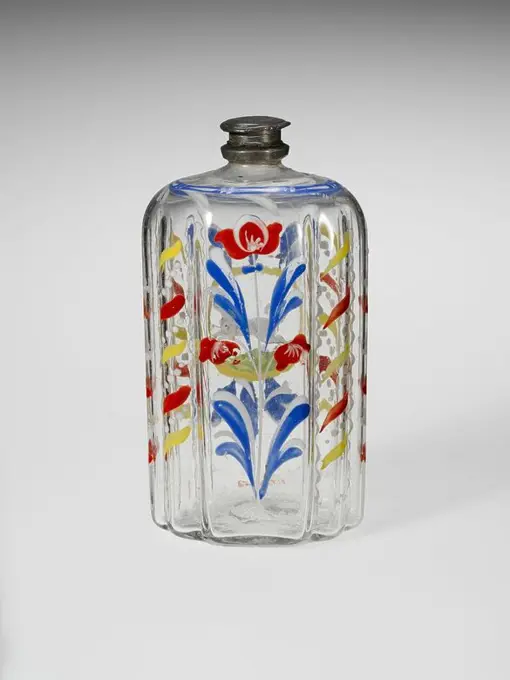
Decanter, 18th century, 9 5/8 x 3 5/8 x 3 5/8in. (24.4 x 9.2 x 9.2cm), Glass, Switzerland, 18th century
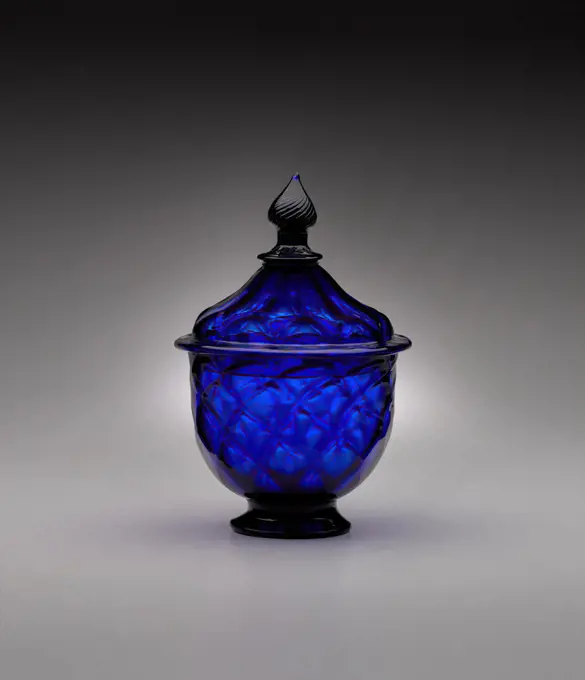
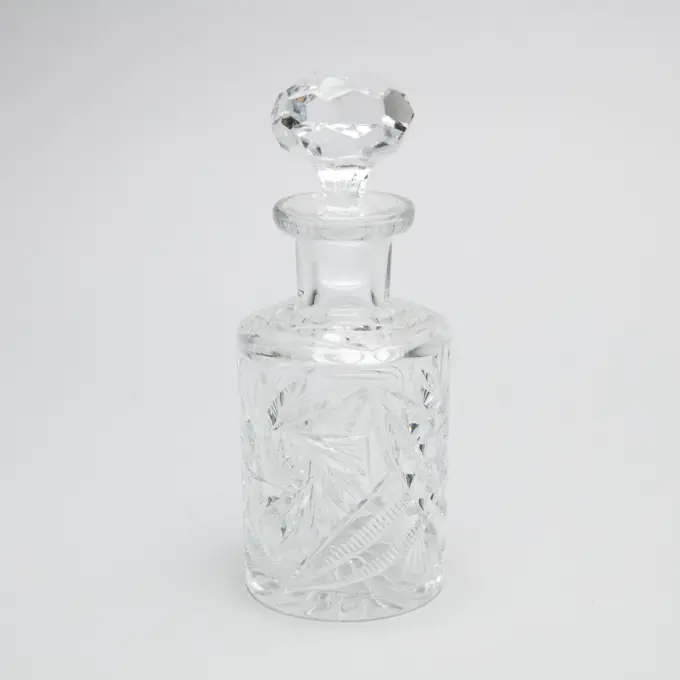
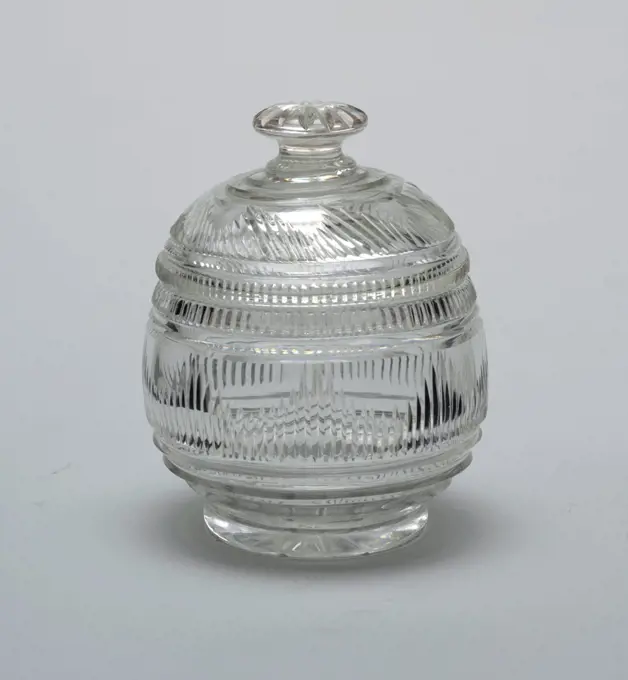
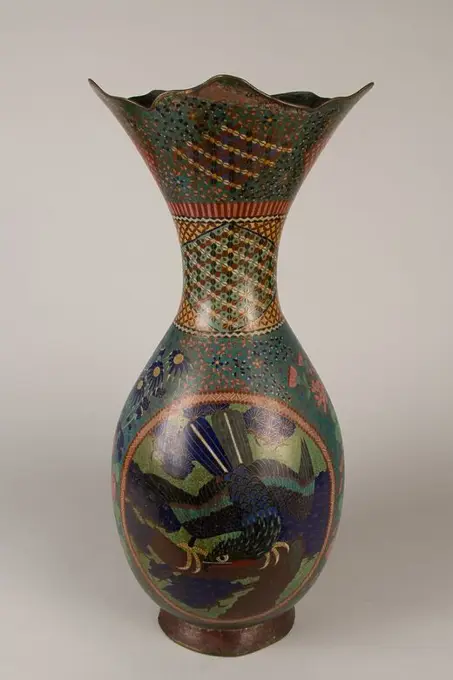
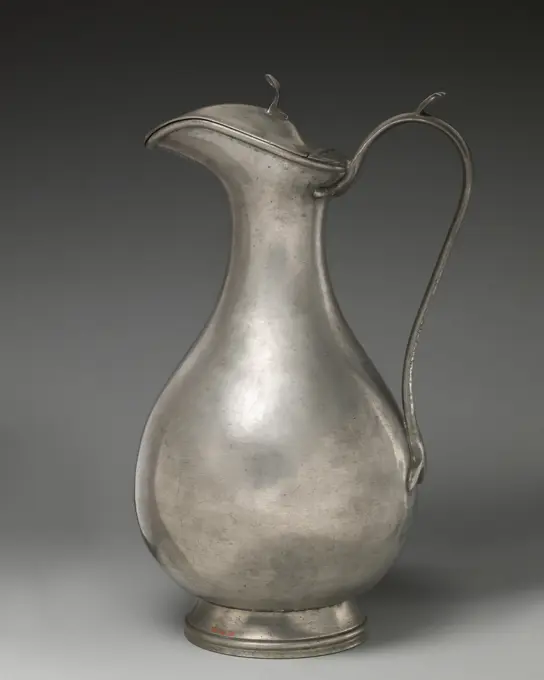
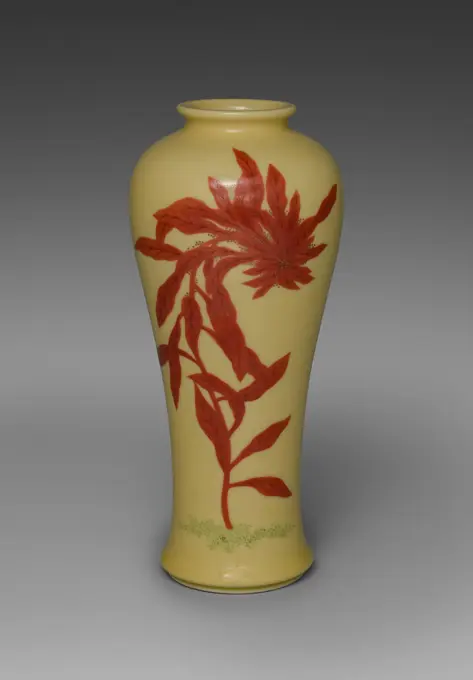
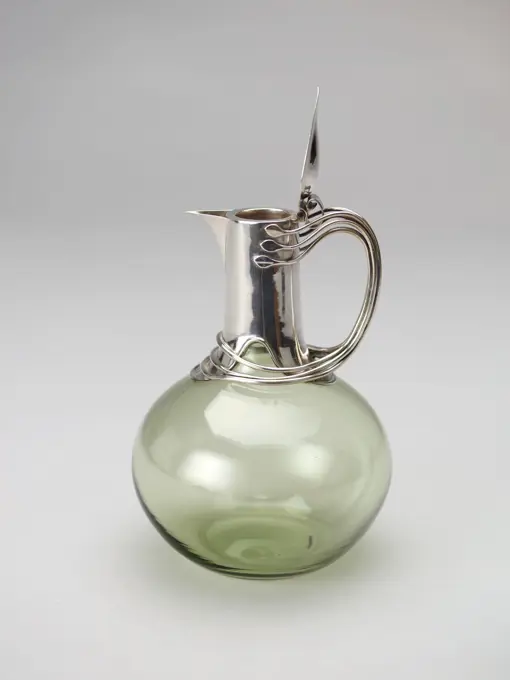
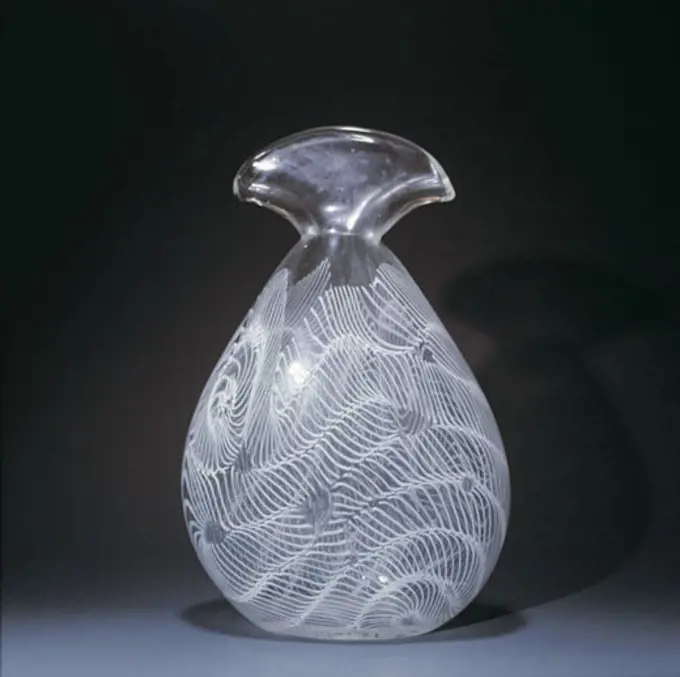
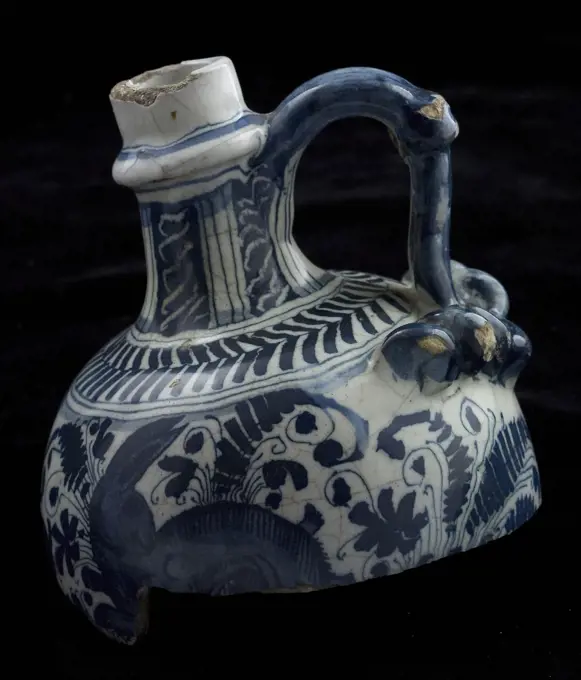
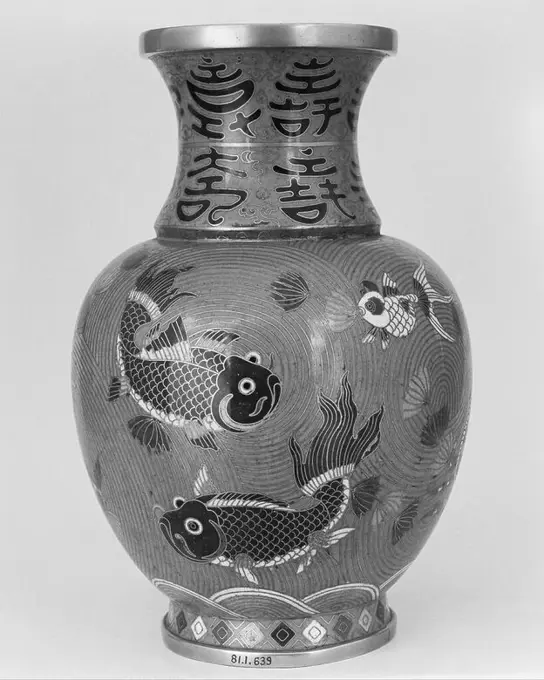
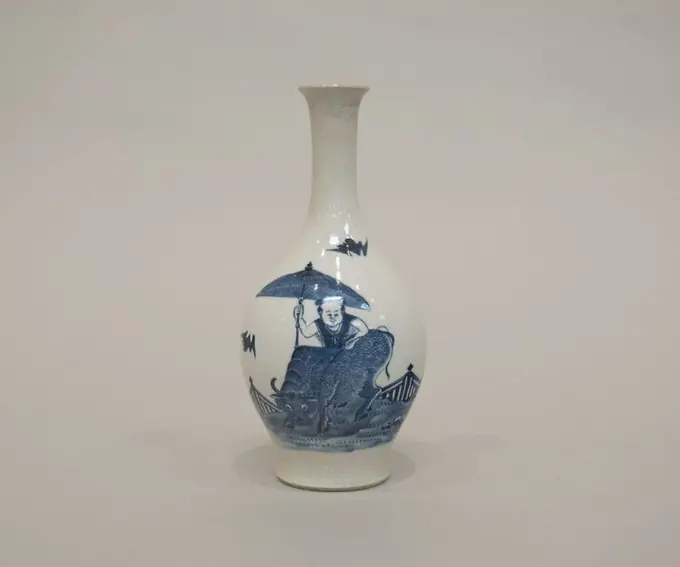
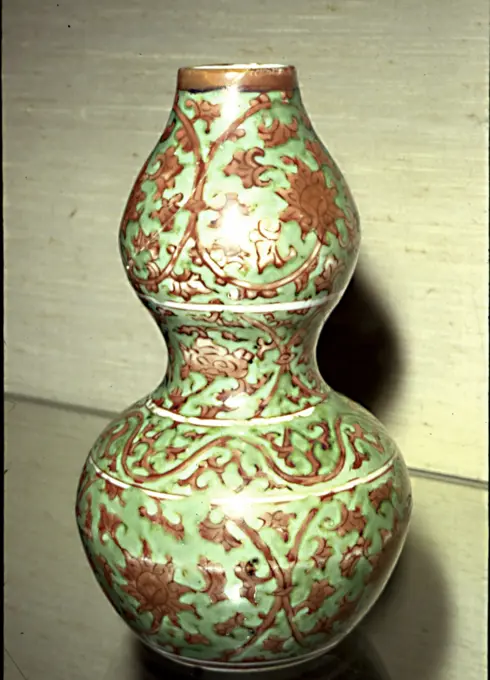
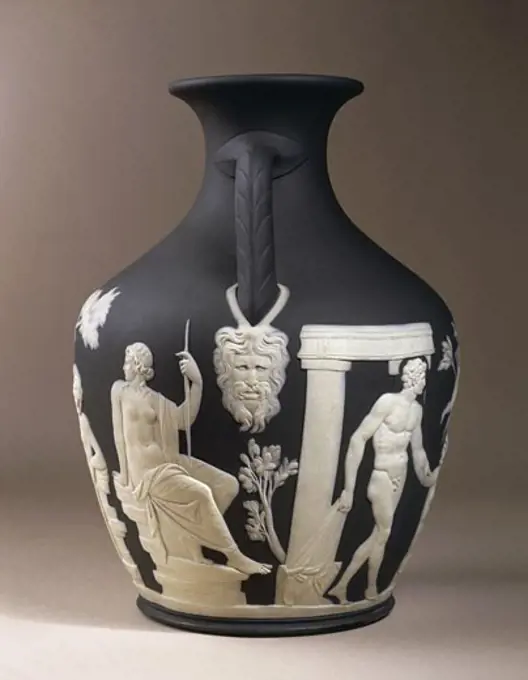
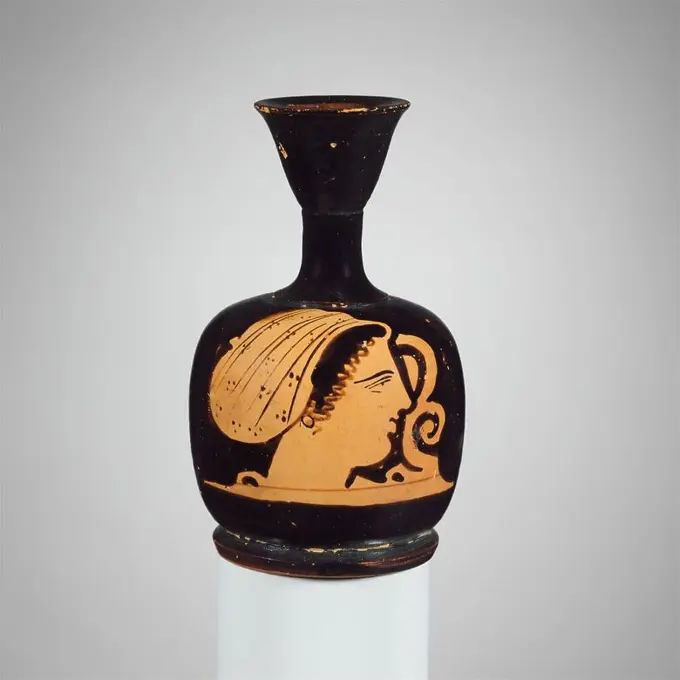
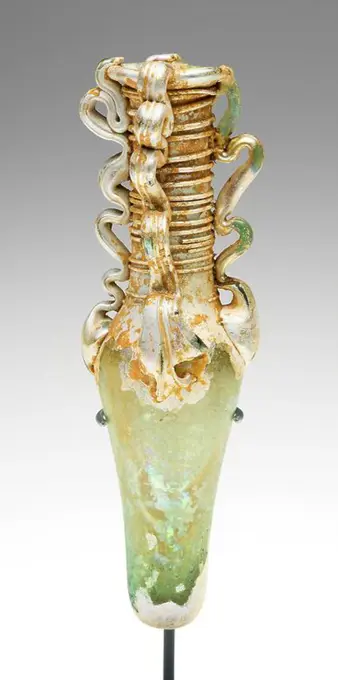
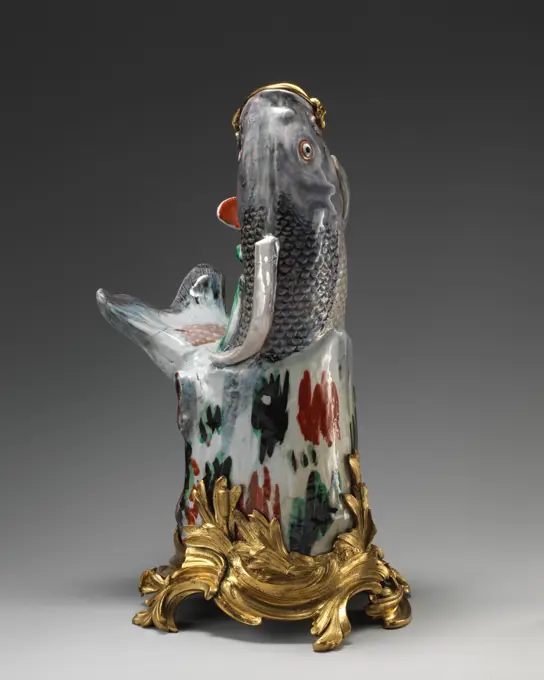
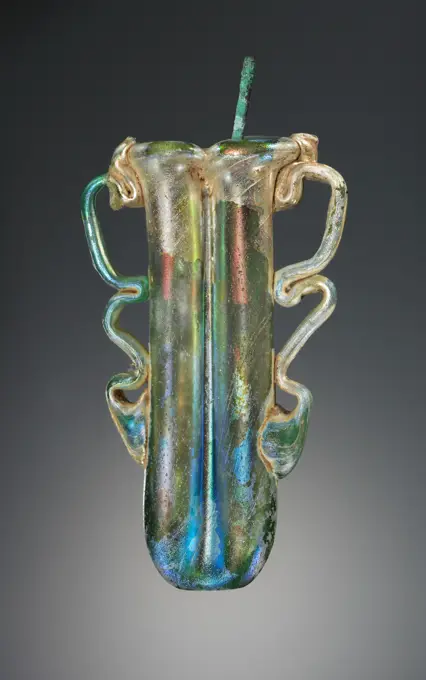
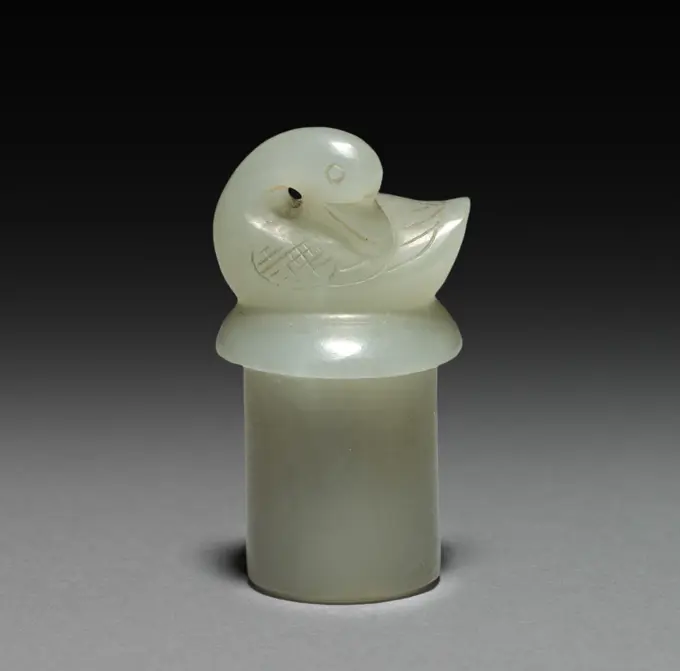
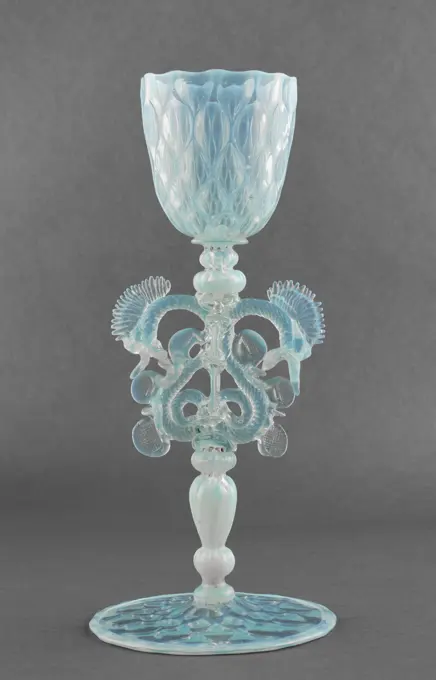
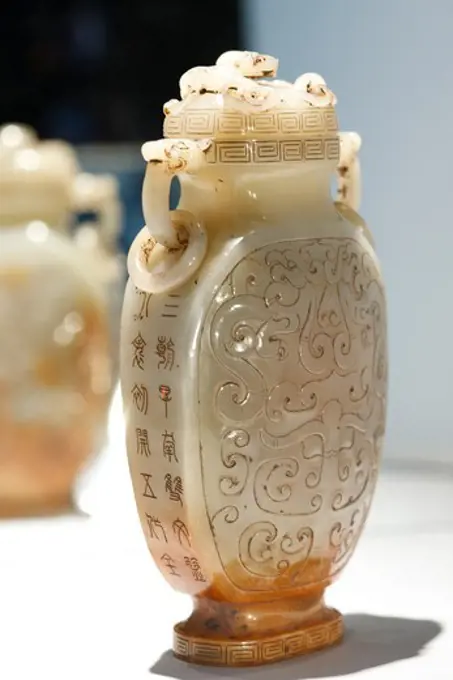
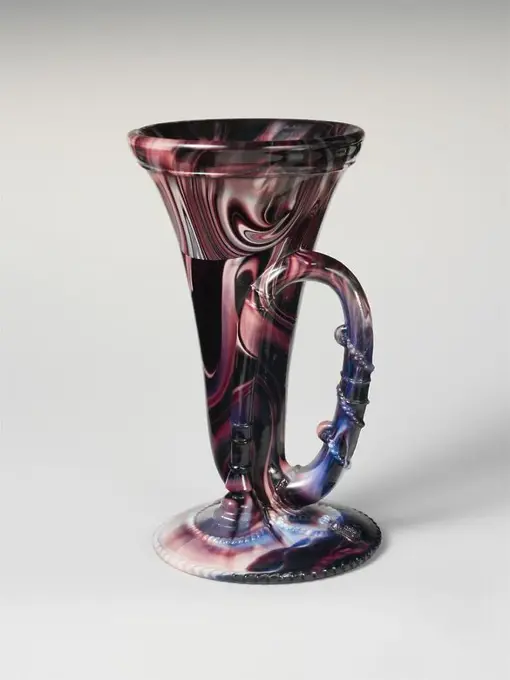
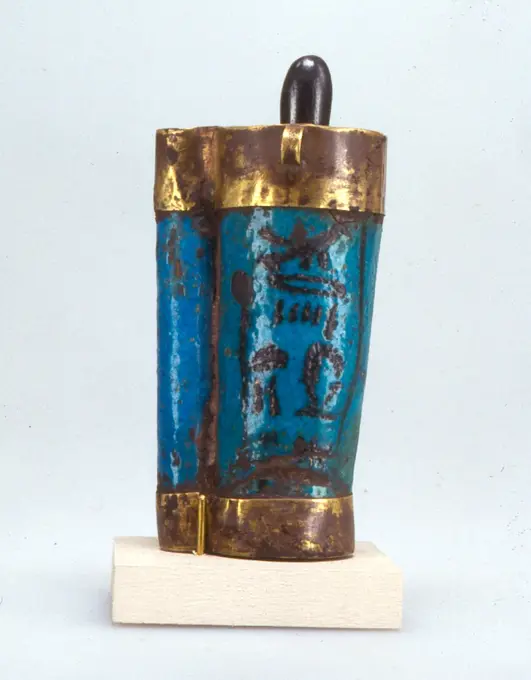
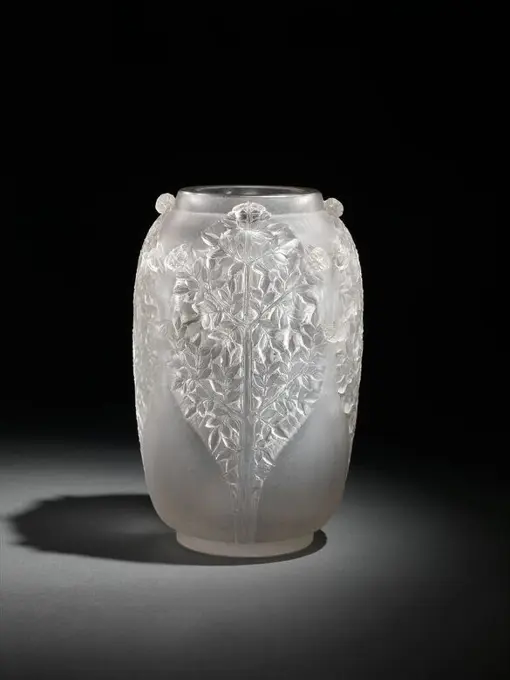
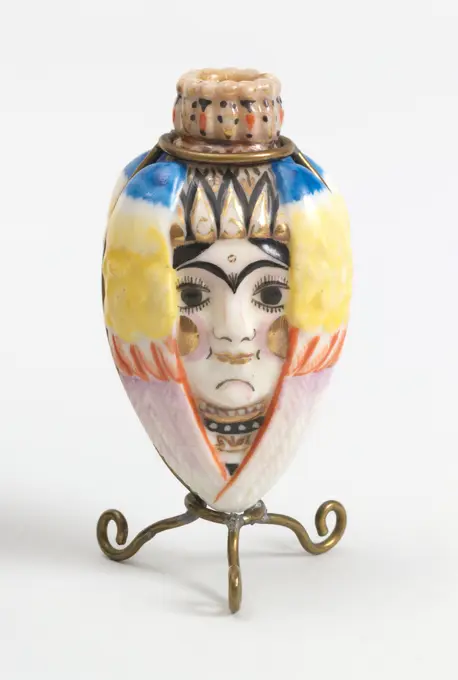
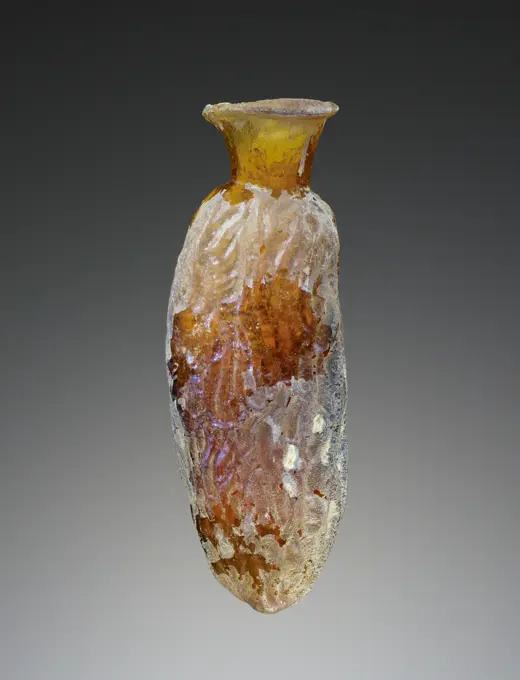
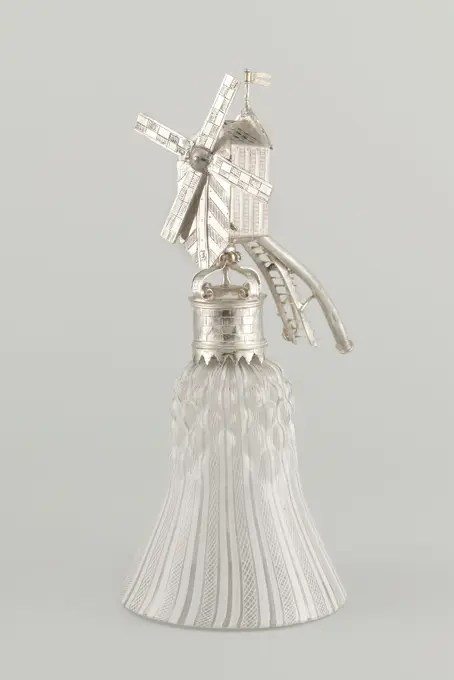
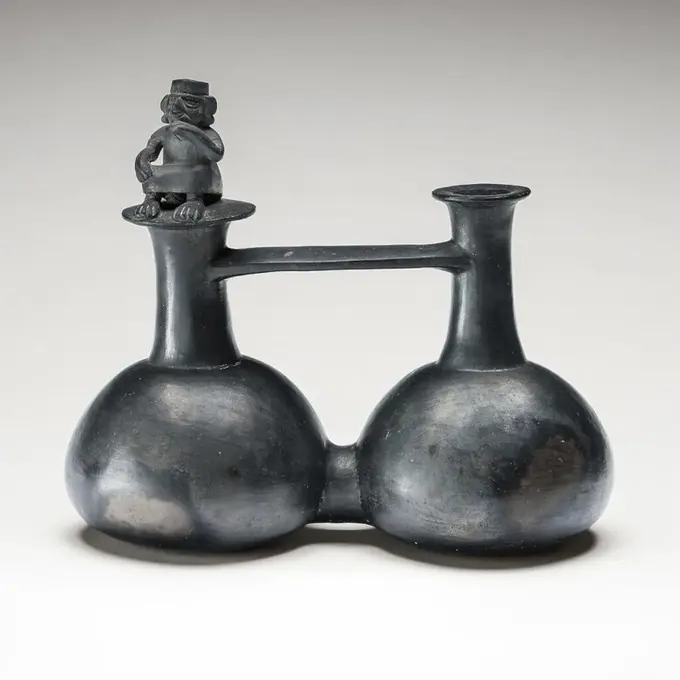
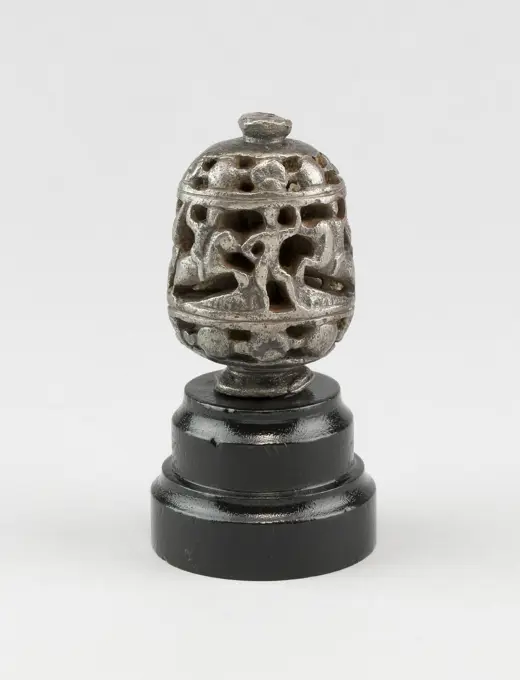
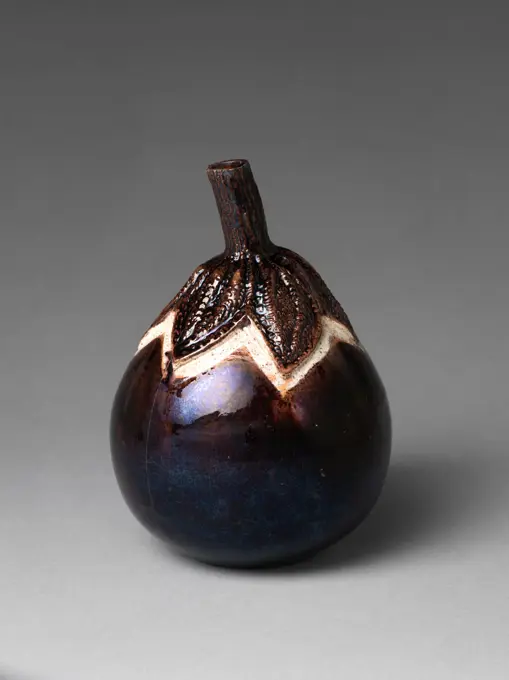
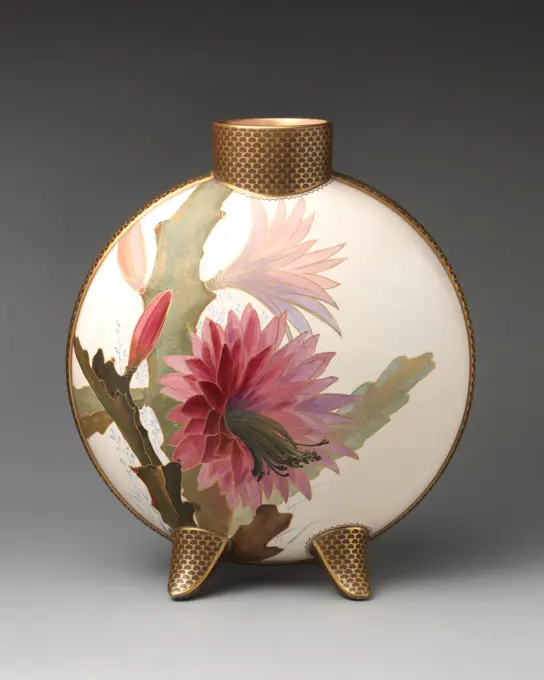
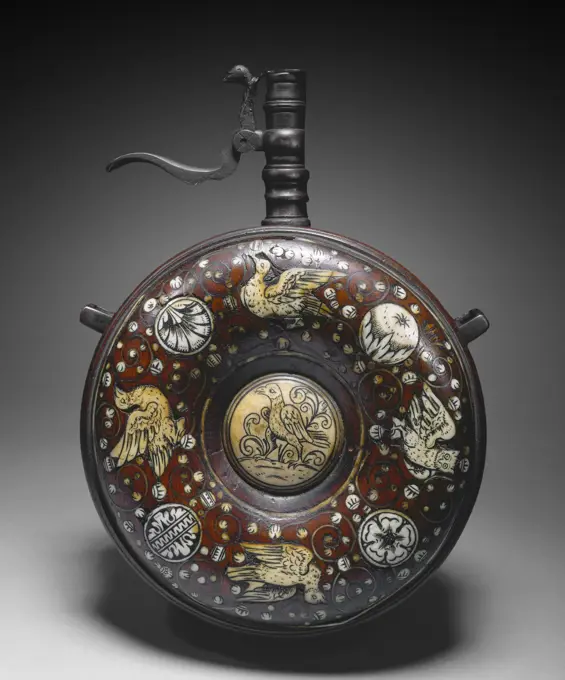
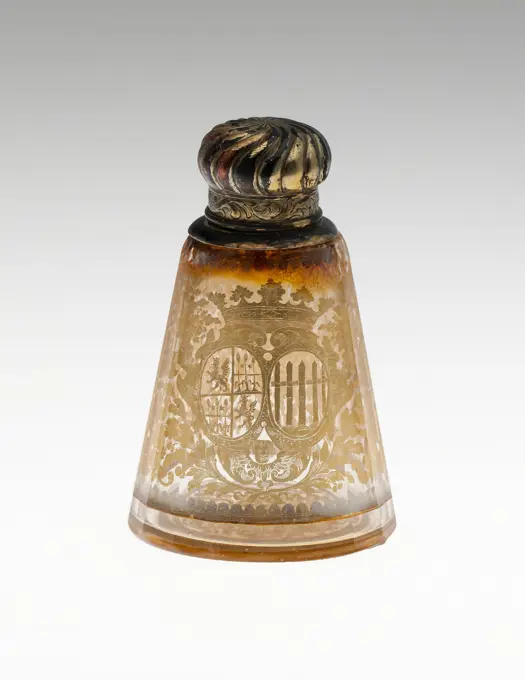
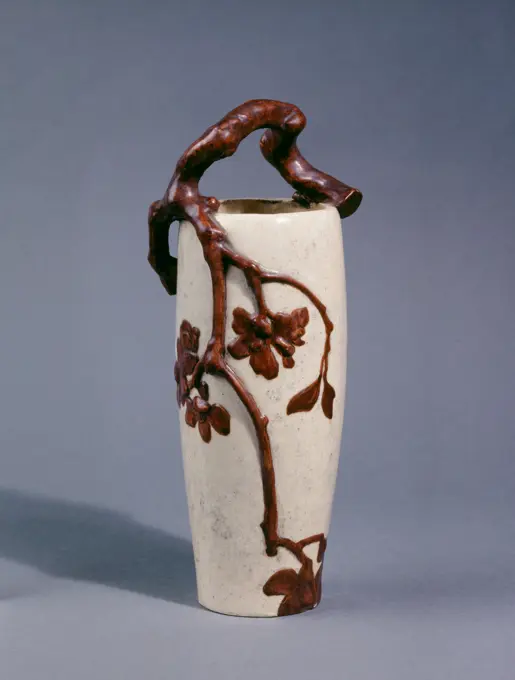
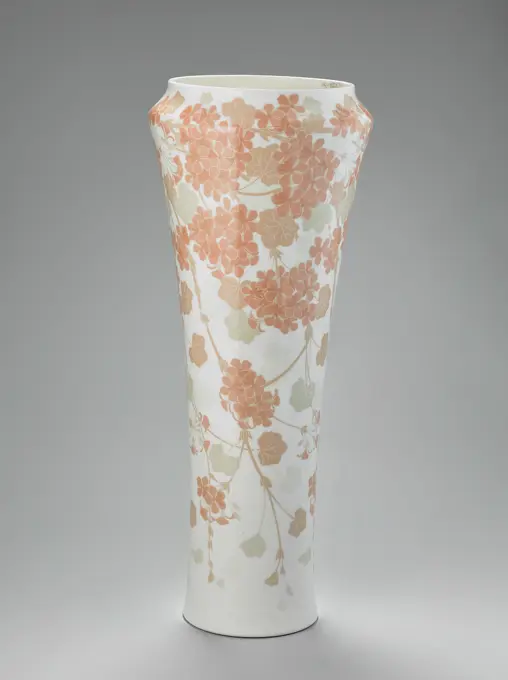
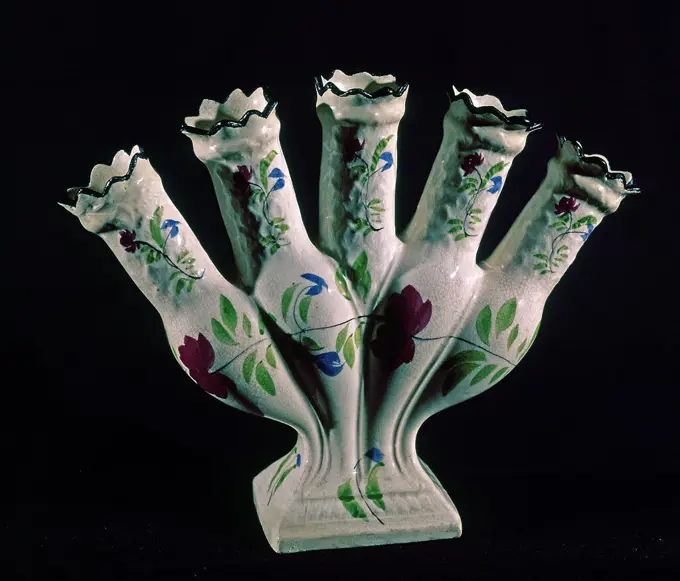
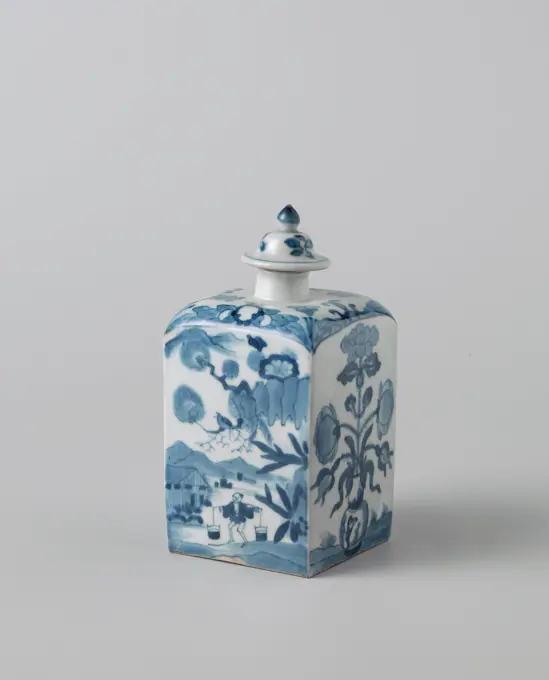
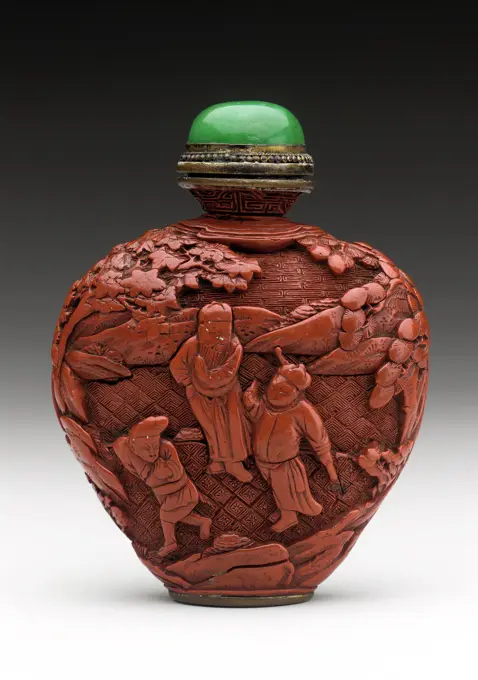
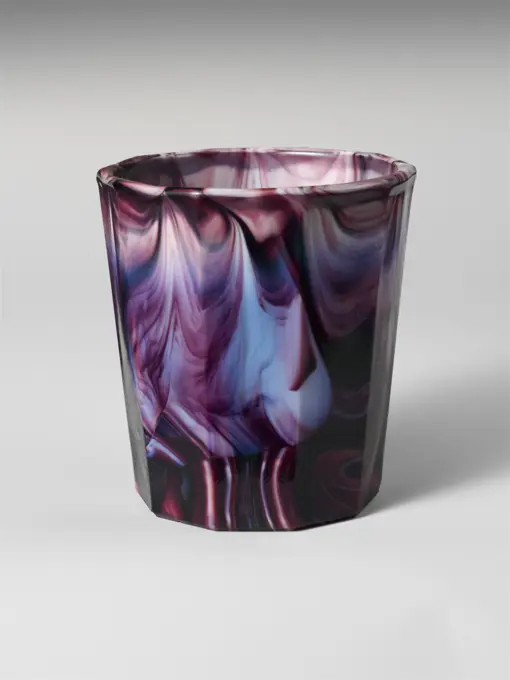
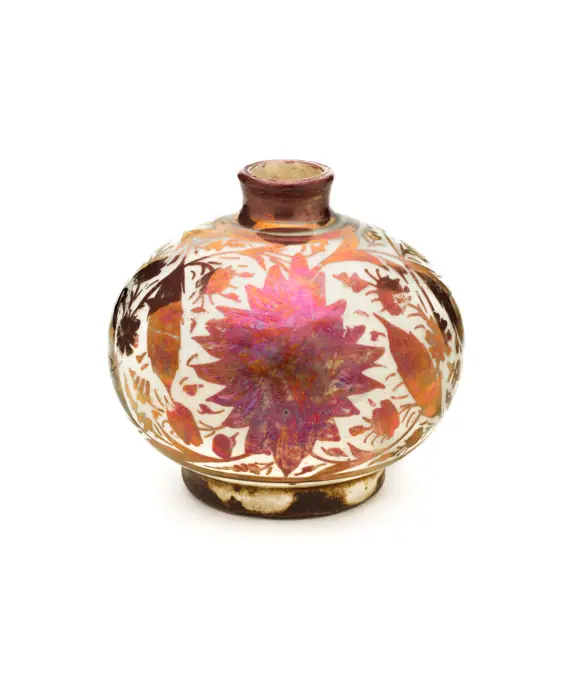
Pear-Shaped Bottle Vase With Three Shishi. Bottle-shaped vase of porcelain with pear-shaped belly and long, straight neck, painted in underglaze blue and red. On the wall a shishi (lion dog) three times, almost completely black. Middle blue and copper red.Maker Unknown, Bottle, c. 1800-40, olive green glass.Bottle. Jachman, Hans mł. (fl. 1681-1728), goldsmithMaker, attributed to: Henry William Stiegel, American, 1729-1785, Covered SugarBowl, Mold-blown lead glass, 7 1/2 in. (19.1cm), Probably made in Manheim, Pennsylvania, American, 18thcentury, Containers -GlassBottle Fragment. Culture: Coptic. Dimensions: Overall: 5 1/4 x 3 3/4 x 1 3/4 in. (13.4 x 9.5 x 4.5 cm). Date: 4th century. Museum: Metropolitan Museum of Art, New York, USA.Toilet set: Flakon with cork, biggerJar and lid, Glass, Round body cut with vertical flutes in graduated lengths prismatic cutting above and below, with vertical flutes around lip, a star on bottom of base; domed cover with mushroom finial cut with vertical flutes at out rim., Ireland or England, ca. 1810, glasswares, Decorative Arts, Jar and lidPiasecznica with the coverVase. Culture: Japan. Dimensions: 24 3/4 × 10 3/4 in. (62.9 × 27.3 cm)Diam. of rim: 10 5/8 in. (27 cm)Diam. of foot: 7 in. (17.8 cm). Date: 1865-71. Museum: Metropolitan Museum of Art, New York, USA.Snuff Bottle, 1644-1911. China, Qing dynasty (1644-1911). Glass; overall: 5.8 cm (2 5/16 in.).Claret jug ca. 1870-79 James Dixon & Sons British The British manufacturer James Dixon & Sons was the largest producer of Britannia metal during the nineteenth century. Britannia metal is a tin alloy similar to pewter, but contains a higher percentage of antimony and less copper or lead. This composition made the metal more lustrous and malleable. Britannia metal became popular in Victorian domestic wares for its affordability, when the market for pewter wares experienced a revival.. Claret jug. British, Sheffield. ca. 1870-79. Britannia metal. Metalwork-Base MetalCovered SugarBowlSnuff Bottle, 17th-19th century, 2 3/4 x 2in. (7 x 5.1cm), Glass, China, 17th-19th centurySnuff Bottle with Bug-Eyed Long-Tailed Fish and Fronds. China. Date: 1909. Dimensions: 4.9 × 4.2 × 2.6 cm (1 15/16 × 1 5/8 × 1 in.). Banded agate with inside-painted decoration. Origin: China. Museum: The Chicago Art Institute, Chicago, USA.Flask c 1850-1859 Baltimore. Glass . Spring Garden Glass WorksCoopered Jug, 1750-1800. Pinto Collection - Purchased from Edward H Pinto, 1965.. This oak jug is typical of the type of household equipment which was used in ordinary houses in England for hundreds of years. It was probably made over 200 years ago. The cooper made containers for both dry and liquid goods. Their work was highly specialized and required a 7 year apprenticeship, which was the longest of all the woodworking trades. .Belly bottle, belly bottle bottle holder soil find glass, bottom Inwardly bending body to convex shoulders and short rejuvenated neck with round sharp glass wire (small chip) and flattened lip archeology packagingFigured flask 1830-35 J. R. Robinson and Sons. Figured flask 3745Wine bottle -Seif Yohei III (1851-1914) was a son of the Maruyama school painter Okada Ryhei (dates unknown). Though he studied painting, he ultimately succeeded his ceramics mentor, Seif Yohei II (1845-1878), in Kyoto. He distinguished himself as a remarkable porcelain artist, taking Qing dynasty Chinese wares as his inspiration. He experimented widely with new glazing techniques. In 1893, he became the first ceramicist to be appointed as an Imperial Household Artist under a system introduced by the Japanese government in 1890. He produced many works for use in Chinese-style tea gatherings called sencha. Prunus Vase with Amaranth, 1914-46. Seifū Yohei IV (Japanese, 1872-1951). Porcelain with yellow glaze and overglaze color enamel and gold; height: 29.8 cm (11 3/4 in.); diameter: 11.4 cm (4 1/2 in.); height with stand: 32.4 cm (12 3/4 in.).Jug Decanter, 1903. Manufacturer: James Powell & Sons. Free blown glass decanter, the neck is encased in a silver mount.Glassware, Italy 20th century. Crystal 'Lattimo'  vase  by Vetreria Archimede Seguso 1954.Sake Bottle with Poured Glaze. Japan, Meiji period, 1868-1912, 19th century. Ceramics. Narushima ware; stoneware with iron and rice straw ash glazesFlask. England, Staffordshire, circa 1745. Tools and Equipment; flasks. Salt-glazed stonewareBottle probably 18th-19th century. Bottle 444733Fragment faience jug, blue on white, on the belly leaf motifs with hare and deer, curls under the ear, jug crockery holder soil find ceramic earthenware glaze tin glaze, Curled attachment of ear on the shank Cuff around the hlass archeologyVase. Culture: Japan. Dimensions: H. 9 in. (22.9 cm); W. 6 1/4 in. (15.9 cm). Date: 19th century. Museum: Metropolitan Museum of Art, New York, USA.Bottle with Child Riding an Ox. Culture: China. Dimensions: H. 7 3/4 in. (19.7 cm); W. 3 3/8 in. (8.6 cm); Diam. of rim 1 3/8 in. (3.5 cm); Diam. of foot 2 3/16 in. (5.6 cm). Date: 18th century. Museum: Metropolitan Museum of Art, New York, USA.Vase (USA); Made by Louis Comfort Tiffany (American, 1848-1933); favrile glassMing Dynasty Vase. Decorated with flower pattern.Close-up of a Wedgwood vase, EnglandVase with multicolored décor, factory gérard et duffraisseix, c. 1900 Vase of porcelain with multicolored pâte-sur-pâte décor in green, yellow, purple and pink. The mouth rim is green, the foot edge purple. Marked with: two stamps in green: E. Colonna and Monogram ANB for Art Nouveau Bing, both in rectangle, including the word leuconoë and the figure 2. Established 500.  porcelain Vase of porcelain with multicolored pâte-sur-pâte décor in green, yellow, purple and pink. The mouth rim is green, the foot edge purple. Marked with: two stamps in green: E. Colonna and Monogram ANB for Art Nouveau Bing, both in rectangle, including the word leuconoë and the figure 2. Established 500.  porcelainBeaker with Fish Motifs. Dimensions: H. 5 1/4 in. (13.3 cm)Diam. 2 1/8 in. (5.4 cm). Date: 13th-14th century.Glass decorated with contrasting colors was common in the early Islamic period and continued to be made well into the thirteenth century, as is exemplified by these marvered, enameled, and applied glass beakers. Museum: Metropolitan Museum of Art, New York, USA.REMATE VIDRIADO DE COLOR VERDE-CERAMICA POPULAR DE TRIANA-S XX. Location: BARRIO TRIANA. Sevilla. Seville. SPAIN.black ceramic black ceramic homemade vase over white background Copyright: xZoonar.com/tudorxantonelxadrianx 6067271Bottle Roman Period A.D. 1st century View more. Bottle. A.D. 1st century. Brown and white glass. Roman Period. From EgyptTerracotta squat lekythos (oil flask). Culture: Greek, Attic. Dimensions: H. 3 3/4 in. (9.6 cm). Date: late 5th-early 4th century B.C..Head of a womanThe woman wears a sakkos, a kind of snood often worn in representations from the late sixth century on. Museum: Metropolitan Museum of Art, New York, USA.Snuff bottle. Culture: China. Dimensions: H. 2 1/2 in. (6.4 cm). Museum: Metropolitan Museum of Art, New York, USA.Bottle. Late Roman or early Byzantine; coast of Syria or Palestine. Date: 301 AD-600 AD. Dimensions: 12.9 × 4.6 × 4.6 cm (5 1/8 × 1 3/4 × 1 3/4 in.). Glass, blown technique. Origin: Mediterranean Region. Museum: The Chicago Art Institute, Chicago, USA. Author: ancient Mediterranean.Vase probably 18th-19th century. Vase. probably 18th-19th century. Glass; free blown; tooled on the pontil. Attributed to Iran. GlassVase, c. 1900, Carl Frederick Liisberg; Manufacturer: Royal Copenhagen Porcelain Manufactory, Copenhagen, Denmark, Danish, 1860-1909, 9 x 4in. (22.9 x 10.2cm), Porcelain, Netherlands, Art Nouveau, Royal Copenhagen, one of the foremost porcelain manufactories in Denmark, played a significant role in the continued development of technical and artistic advances throughout Europe at the turn of the century.Vase 1903 Van Briggle Pottery Company. Vase. American. 1903. Earthenware. Made in Colorado Springs, Colorado, United StatesCarp in gilt-bronze mount (one of a pair) porcelain, early to mid-eighteenth century; mount, ca. 1750 Japanese, with French mount Japan exported figures of humans and animals early on in its trade with Europe, sending crates as early as 1659 to the Dutch market. Pairs of carp made in the seventeenth century survive in a variety of versions, some of which depict the story of Benkei, a 12th-century tale of a boy with supernatural strength who fought a giant carp. This pair probably represents a later Imari porcelain type from the early to mid-eighteenth century. The sensual, curling form of these carp would have been a topic of fascination for Rococo artists. The French artist Gabriel de Saint Aubin, who was an avid attendee at the great art sales of eighteenth-century Paris, depicted a pair of Japanese carp remarkably similar to this pair in his copy of the 1768 Gagnat sale catalog, which described the items in lot 22 as Deux Carpes de porcelaine du Japon, sur leurs rochers vernissés eVase of porcelain, cylindrical, with thickening under mouth edge, N.V. Haagsche Plateel factory Rozenburg, 1903 Vase of porcelain, cylindrical, upwards strongly rejuvenating, with three centimeters under the mouth edge a thickening. Painted in green, yellow, red and gray with ornamental ranking. Model 135. The Hague porcelain Vase of porcelain, cylindrical, upwards strongly rejuvenating, with three centimeters under the mouth edge a thickening. Painted in green, yellow, red and gray with ornamental ranking. Model 135. The Hague porcelainAlabastron. UnknownCrocus Pot, one of a pair, Kangxi period, 1621-1722, H.6 in., Porcelain, China, 17th-18th centuryBipartite Kohl Tube. UnknownGoose and Goslings (Stopper), 1700s. China, Qing dynasty (1644-1911). Jade; overall: 5.2 cm (2 1/16 in.).old ceramic vase in the Oriental style on the white backgroundAnonymous, glass (main title). White semi-opaque glass. Petit Palais, Museum of Fine Arts of the City of Paris.Close-up of jade sculptureVase. Dimensions: H. 5 1/2 in. (14 cm); Diam. 3 in. (7.6 cm). Date: 1880-90. Museum: Metropolitan Museum of Art, New York, USA.Kohl Tube and Applicator ca. 1550-1295 B.C. New Kingdom This small kohl tube is made of bright blue Egyptian faience with gold mounts around the base and rim. A stick of hematite serves both as the closure for the tube and an applicator for the powdery cosmetic that would have been stored inside. Both the quality of the piece, and the use of gold indicate that it belonoged to a person of importance. This is confirmed by the the inscription on the side of the vessel which reads: Greatest of the Five, Djehutymose. The title "greatest of the five" was held by the high priest of Thoth at Hermopolis.In ancient Egypt, men as well as women used cosmetics and wore jewelry. For examples of this, see the collection of facsimile paintings (copies of wall paintings in Egyptian tombs - for example, 30.4.144); the cosmetic box of Kemeni (26.7.1438); and the jewelry of Wah (40.3.1).. Kohl Tube and Applicator. ca. 1550-1295 B.C.. Faience, gold; hematite. New Kingdom. From Egypt. Dynasty 18JARRO PARA VINAGRE-VIDRIADO Y DECORADO EN BLANCO Y AZUL-ARTE POPULAR. Location: PRIVATE COLLECTION. GRANADA. SPAIN.Small vase. Kawaguchi, Bunzaemon (fl. ca 1880-1920), enamellist. Dropping lessons on concave foot with beaten edge. The spherical, cured body consists of a double layer of glass, the grinding and curved neck from three tubes. Scaled mouth with spout of filigraanglas A fili and a retortoli.Vase;  18th century (1701-00-00-1800-00-00);Snella, with tinplated lid. Siegburg (ośrodek ceramiczny ; ca 1300-ca 1900), potter's workshopVase. Designer: René-Jules Lalique (French, Aÿ 1860-1945 Paris). Dimensions: 7 1/8 × 4 1/2 × 4 1/2 in. (18.1 × 11.4 × 11.4 cm). Date: 1929.This piece was made using the cire-perdue, or "lost wax," method, moretraditional to bronze sculpture but perfected by Lalique for glass. A full-scalemodel of the design carved in wax would be covered with plaster; after thewax was melted, molten glass was poured into the reserve, which wasbroken away after the glass had solidified. Although molds could be usedonly once--effectively rendering each piece unique--a master design couldbe copied several times. Museum: Metropolitan Museum of Art, New York, USA.Ting vase. Bronze. China. Paris, Cernuschi museum. 71475-18 Asian art, Chinese art, extreme art, bronze, metal, container, ritual, dishes, sacrificial vaseSun and Moon Flask; Designed by Natalya Yakovlevna Danko (Russian, b. Georgia, 1892-1942); Manufactured by State Porcelain Factory (Russia); gilt and enameled porcelain; H (w/ stand): 6.5 cm (2 9/16 in.); The Henry and Ludmilla Shapiro Collection; Partial gift and partial purchase through the Decorative Arts Association Acquisition and Smithsonian Collections Acquisition Program Funds; 1989-41-70Date Flask. UnknownDecanter with stopper, 19th-20th century, 11 3/16 x 3 1/2 in. (28.42 x 8.89 cm), Bohemian ruby glass, Germany, 19th-20th centuryCylindrical bottle, bottle holder soil found glass, hand-blown glass application Cylindrical bottle in clear light green glass. Pontil mark under raised, bottom Bottom of body slightly bulging straight wall to tapered shoulders and rejuvenated neck with tension triae and round wide (4,2 cm) convex glass thread archeology packagingVase. Kumeno, Teitarô (1865-1939), enamellistMolenbeker, anonymous, c. 1600 - c. 1700 Silver mill, an unreadable brand on one of the blades. Low Countries glass. molen: silver (metal) glassblowing / engraving Silver mill, an unreadable brand on one of the blades. Low Countries glass. molen: silver (metal) glassblowing / engravingTumbler after 1886 Probably Hobbs, Brockunier and Company. Tumbler 9077Double Vessel with a Seated Figure. Chimú; North coast, Peru. Date: 1200-1450. Dimensions: 18.4 × 22 cm (7 1/4 × 8 5/8 in.). Ceramic. Origin: North Coast. Museum: The Chicago Art Institute, Chicago, USA.Vase of pottery, decorated embossed with roses and leaves in black and white on a yellow-white fond. Vase of pottery, decorated embossed, in sludge technique, with a decor of roses and leaves in black and white on yellow-white fond.A pair of a Yueh PAI glazing with Moon White) unknownSmall vase. Nogawa, workshopSword Pommel Made 1600-1633 Italy. Iron .Sake Bottle early 19th century Japan. Sake Bottle. Japan. early 19th century. Stoneware with crackled glaze (Satsuma ware). Edo period (1615-1868). CeramicsMoon flask with pink flower motif 1882-1891 Doulton Manufactory. Moon flask with pink flower motif. British, Lambeth, London. 1882-1891. Earthenware with enamel and gilding. Ceramics-PorcelainPowder Flask, c. 1620-50. Germany, 17th century. Walnut inlaid with ivory decoration; turned steel funnel with spring cap; diameter: 12.1 cm (4 3/4 in.); overall: 17.2 cm (6 3/4 in.). Powder flasks are small, portable containers designed to hold gunpowder. From the 1400s to the 1800s, powder flasks were indispensable for charging and priming firearms of all types. Without powder flasks firearms were of little use to their owners. Many highly decorated flasks rank as works of art.Snuff Bottle, 1644-1911. China, Qing dynasty (1644-1911). Glass; overall: 8 cm (3 1/8 in.).Flask 1725-1735 Bohemia. Glass with engraved gold leaf decoration .Tea Caddy and Cover, 1713. Thomas Ash (British). Silver; overall: 11.5 cm (4 1/2 in.); base: 5 x 7.5 cm (1 15/16 x 2 15/16 in.).Edmond Lachenal (1855-1948). Vase. Enamelled sandstone, reported decor. Museum of Fine Arts of the City of Paris, Petit Palais. Anse, Decor, Gres emaille, vaseFlash with a traffic jamVessel in the Form of a Gourd 1100-1450 North Coast. Ceramic . ChimúManufacture de Sèvres, Cache (main title), 1903. White porcelain. Petit Palais, Museum of Fine Arts of the City of Paris.Antique glass 1898, Middle EastGlass and bottle of brandy with orange gradient backgroundCERAMICA DE SARGADELOS. Location: MUSEUM OF FINE ARTS. LA CORUNA. A CORUÑA. SPAIN.Square bottle with figures in a landscape, a flower vase and a flowering plant near a rock, anonymous, c. 1660 - c. 1680 Porcelain bottle of square bottle, painted in underlaze blue. The lid with three branches is not matching. Arita, Blauw-Wit. Japan porcelain. glaze. cobalt (mineral) painting / vitrification Porcelain bottle of square bottle, painted in underlaze blue. The lid with three branches is not matching. Arita, Blauw-Wit. Japan porcelain. glaze. cobalt (mineral) painting / vitrificationTwo-Handled Vase Vase; Manufactured by Rozenburg Pottery and Porcelain Factory (Netherlands); Painted by Samuel Schellink (1876 - 1958); Netherlands; porcelain, vitreous enamelBottle. Dimensions: H. 5 3/4 in. (14.6 cm). Date: 1763-79. Museum: Metropolitan Museum of Art, New York, USA.Snuff Bottle (Biyanhu) with Scholars in Landscape. China, middle Qing dynasty, about 1700-1800. Tools and Equipment; bottles. Carved red lacquer on metal core, with hardstone stopperSnuff Bottle ca. 1800-1825 China. Snuff Bottle 41226Tumor to the semi -characteristic hat of the fourth rank clerk;  19th century (1801-00-00-1900-00-00);Glass perfume bottle Roman 1st-early 2nd century CE Thick-walled bottle, containing traces of a red pigment, identified as the mineral cinnabar.Translucent green.Everted rim, folded over and in, with beveled upper surface; cylindrical neck, expanding slightly downwards, then tooled in around base; elongated conical body, curving in to uneven, concave bottom.Intact; pinprick and elongated bubbles, with blowing striations; deep pitting and brilliant iridescence on exterior, encrustation and weathering on interior. View more. Glass perfume bottle. Roman. 1st-early 2nd century CE. Glass; blown. Early Imperial. GlassBixi Disc Pendant, 206 BCE - 220 CE, 2 15/16 x 1 13/16 x 1 in. (7.46 x 4.6 x 2.54 cm), Green-brown jade, China, 3rd century BCE - 3rd century CESadler and Green, White tea caddy with in gray man and woman in landscape and two bulls, tea caddy holder ceramic earthenware glaze, transferTumbler 1870-90 Challinor, Taylor and Company. Tumbler 9112little country planet in glass jar little country planet preserved in closed glass jar Copyright: xZoonar.com/ValeryxVoennyyx 5759425Vase. Iran, second half of 17th century. Ceramics. Fritware, overglaze luster-paintedPharmacy Jars Retro Style Orange and Blue Pharmacy Jars Copyright: xZoonar.com/MarkoxBericx 14242763Guz do półoficjalnej czapki urzędnika czwartej rangi. unknown, craftsmanBliżej Kultury