Decorative Glassware Collection

A variety of elegant glass decanters and bottles in blue, green, and clear glass, showcasing intricate designs and historic styles from different eras.

Decanter, 18th century, 9 5/8 x 3 5/8 x 3 5/8in. (24.4 x 9.2 x 9.2cm), Glass, Switzerland, 18th century
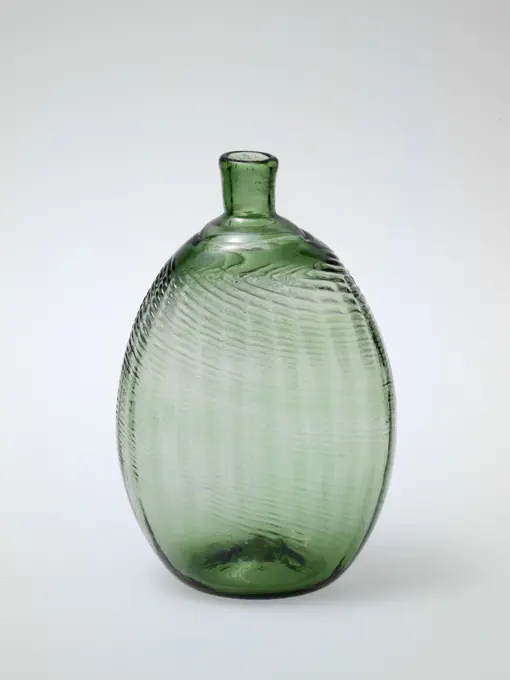
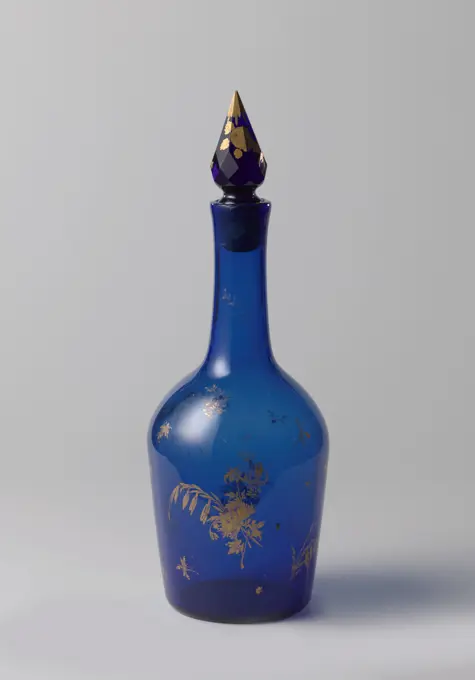
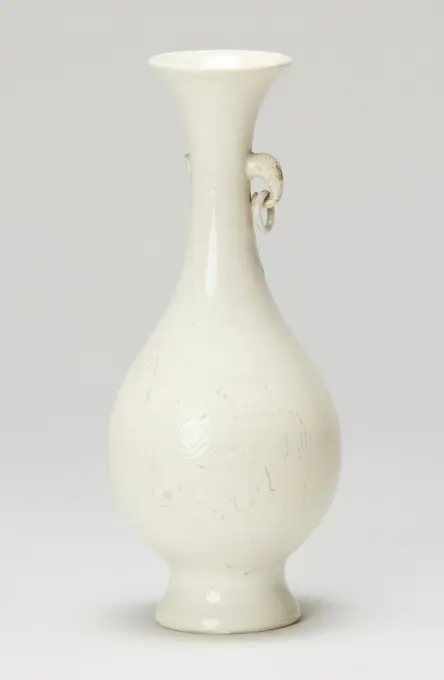
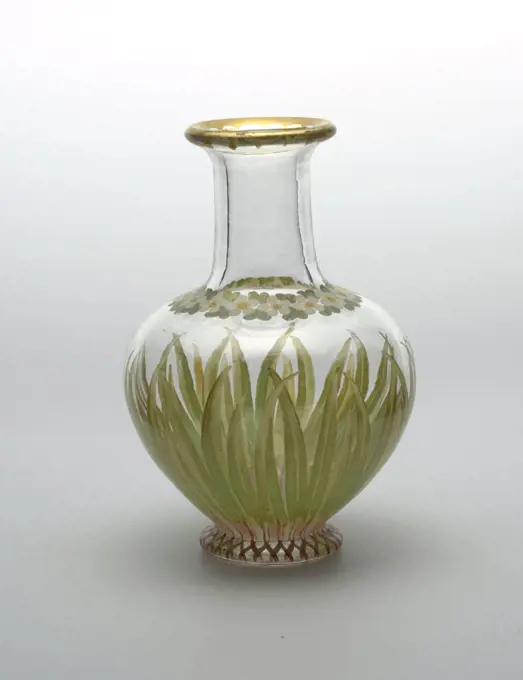
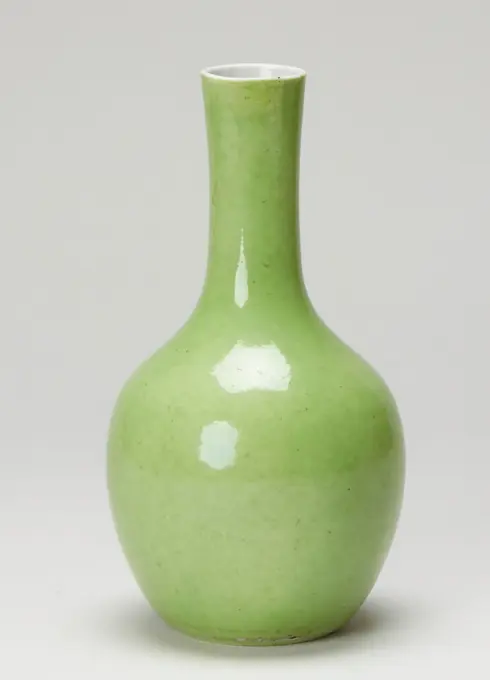
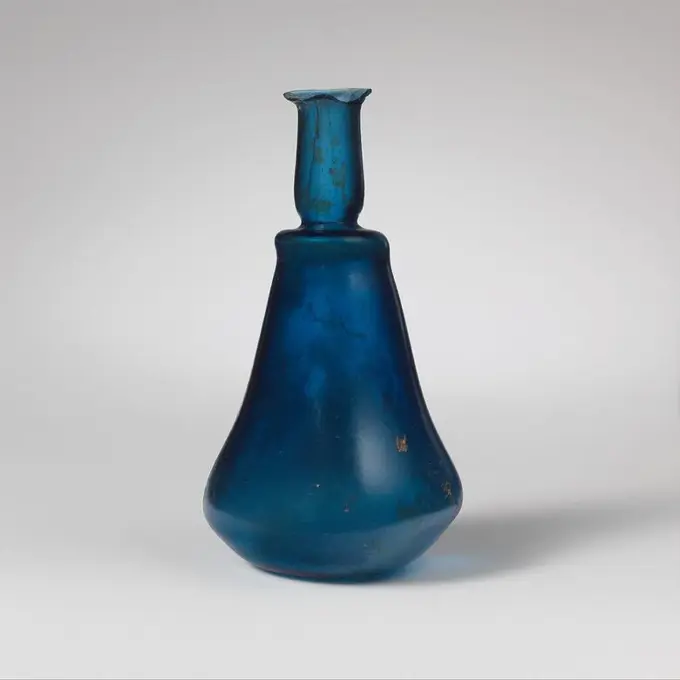
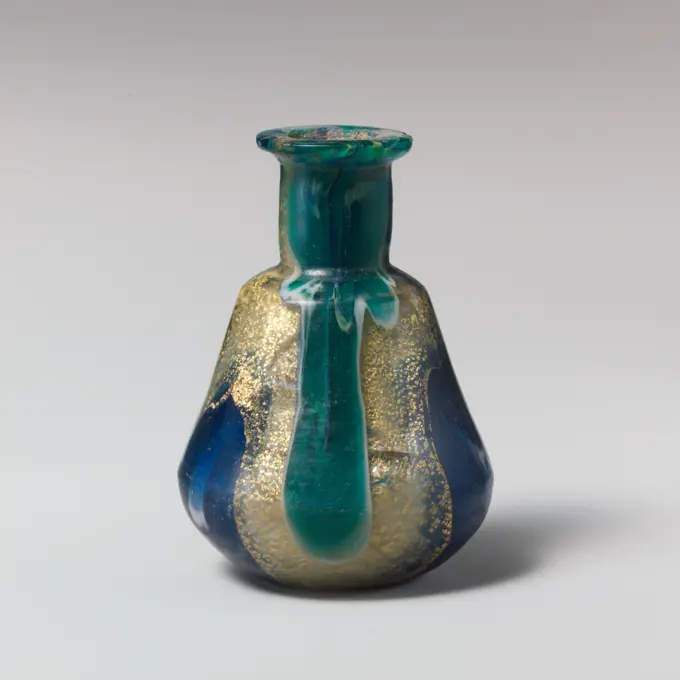
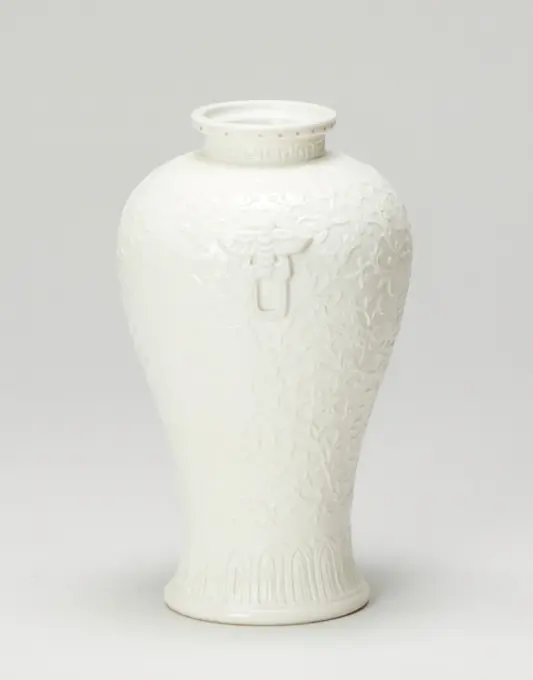
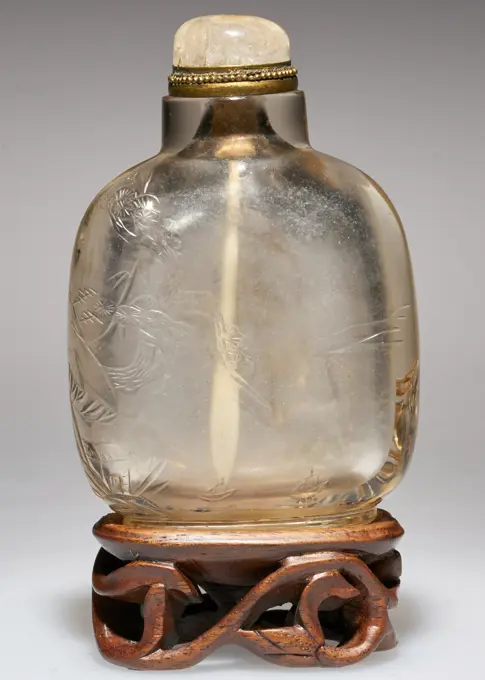
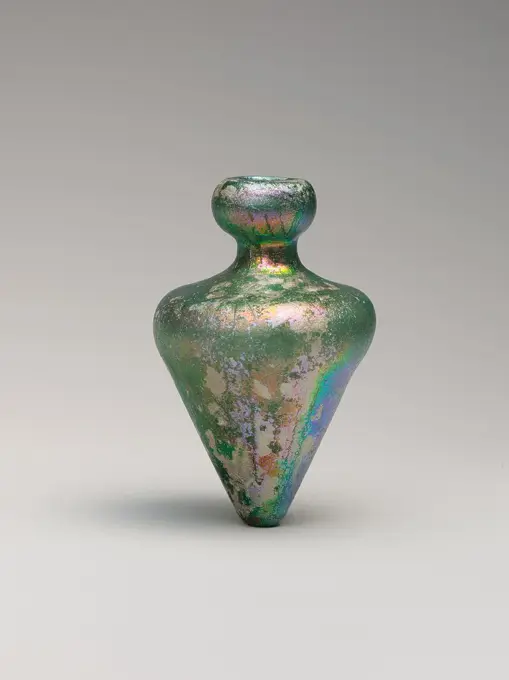
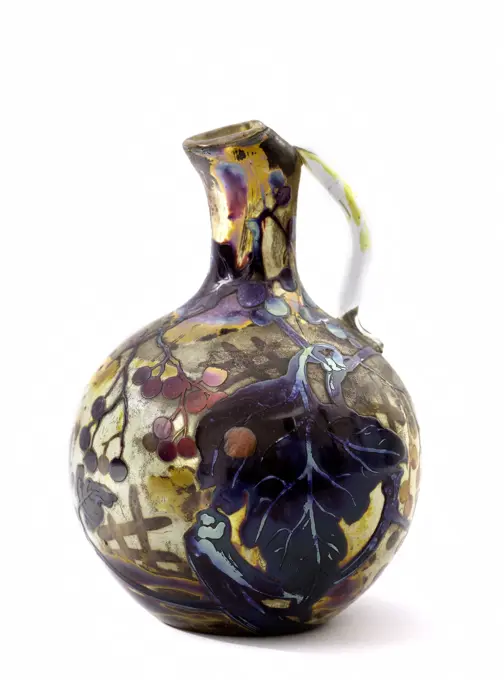
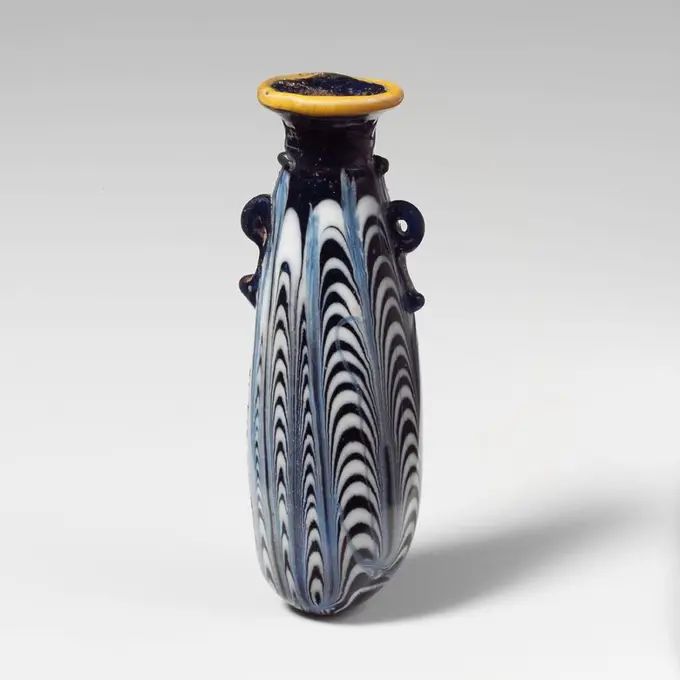
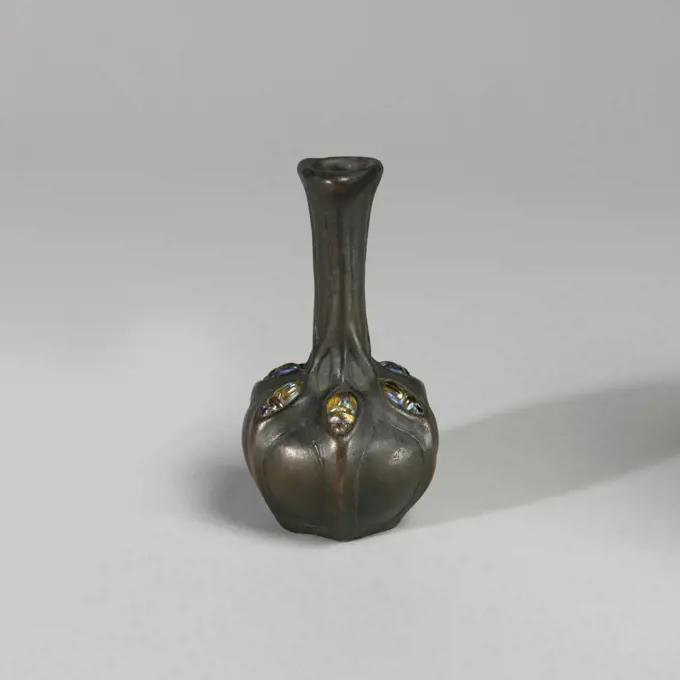
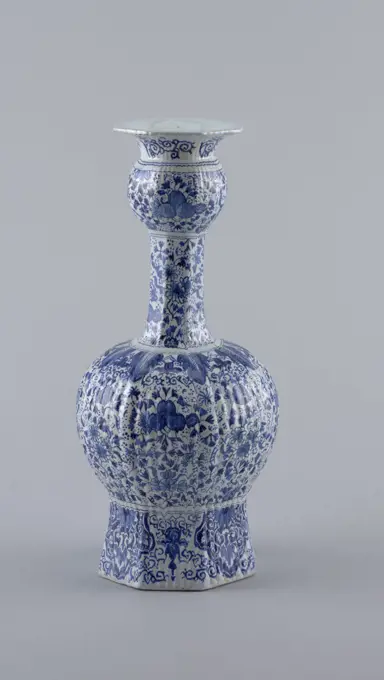
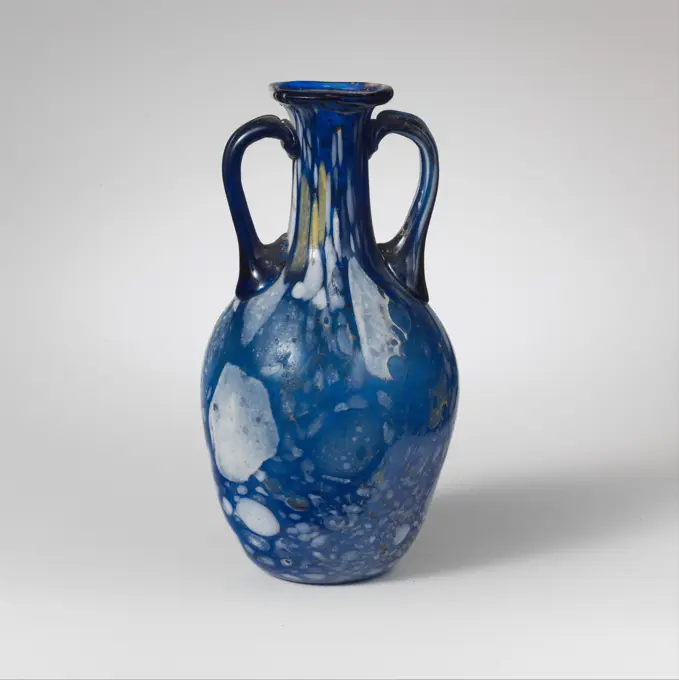
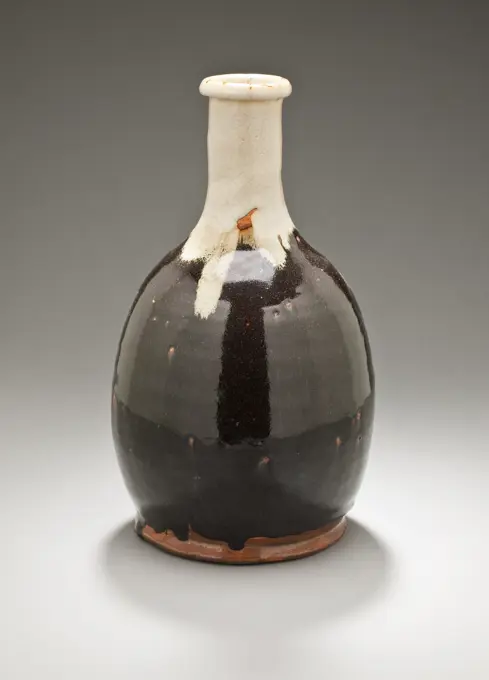
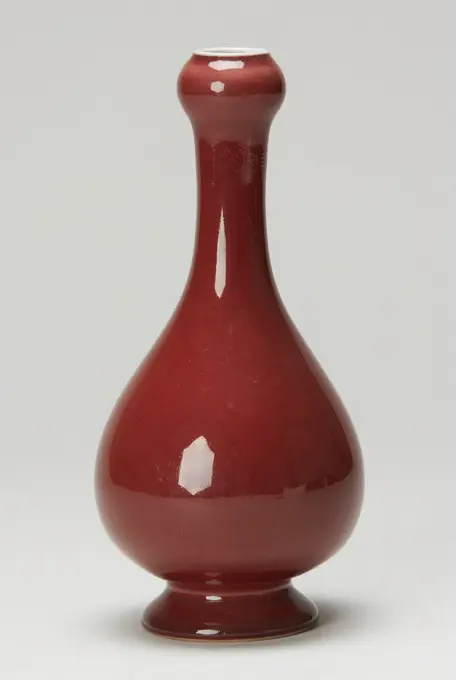
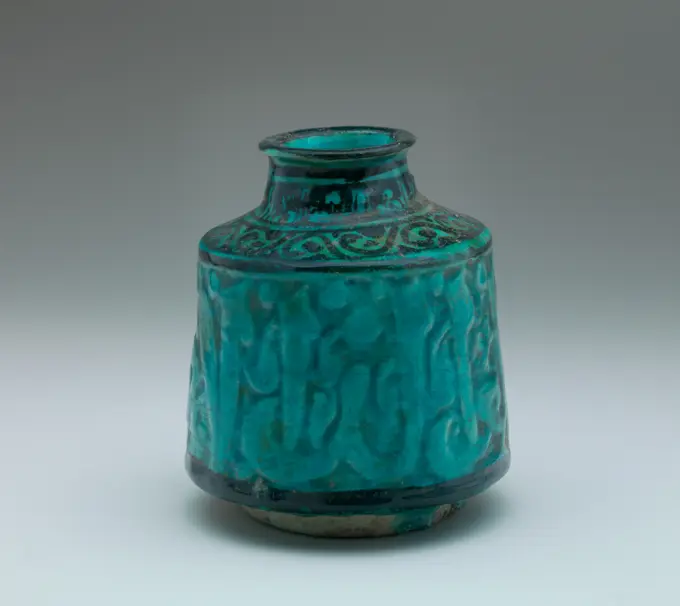
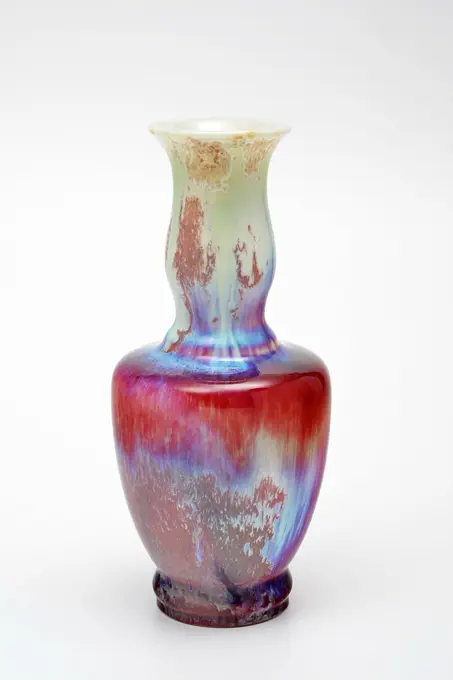
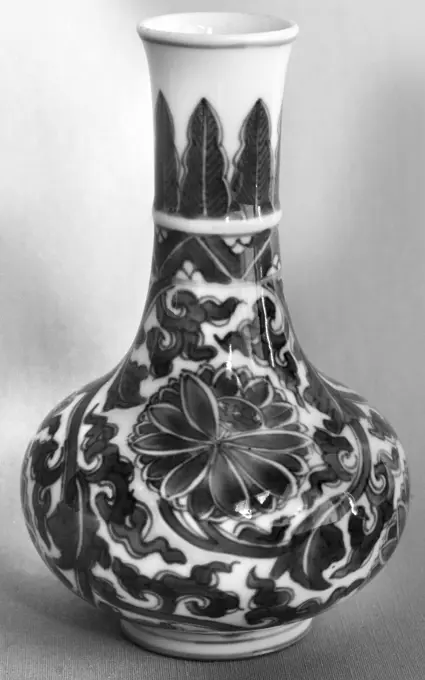
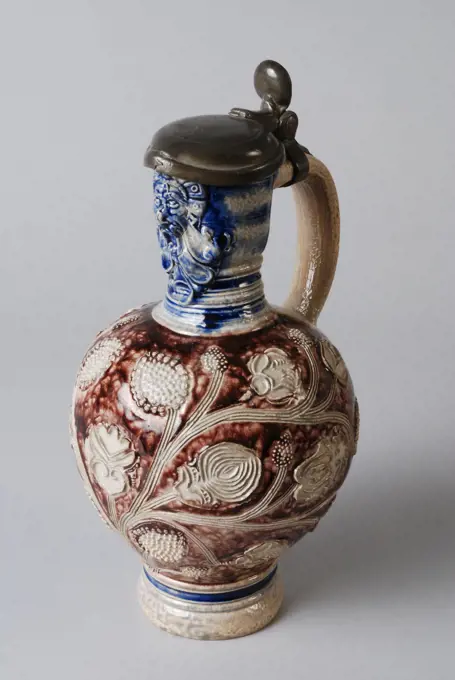
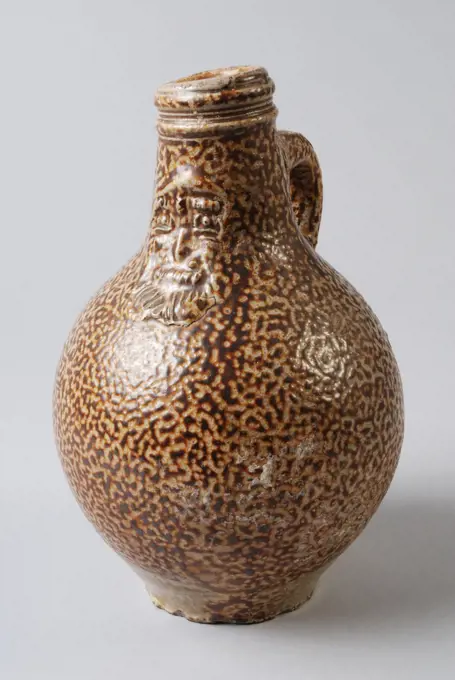
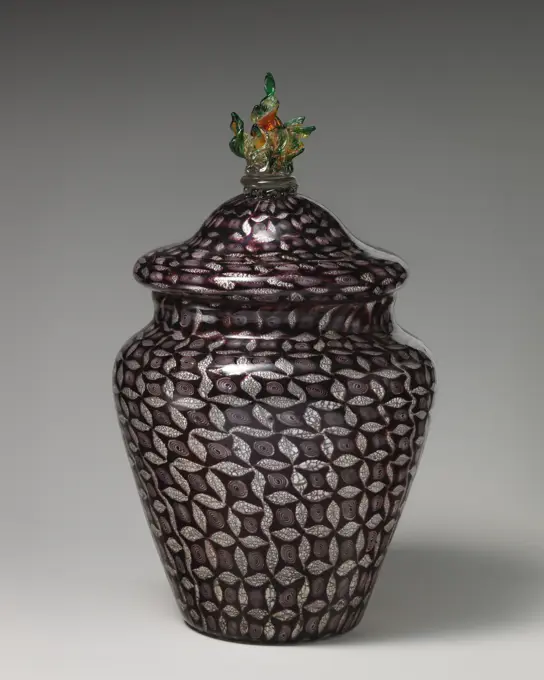
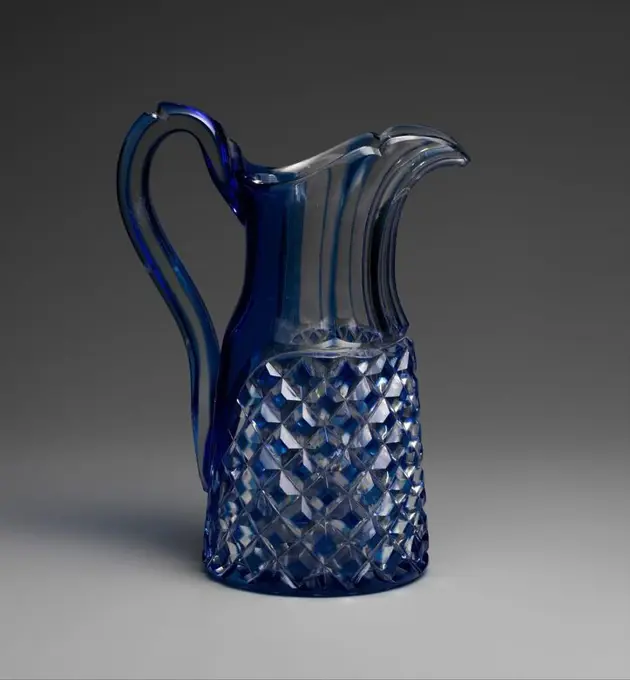
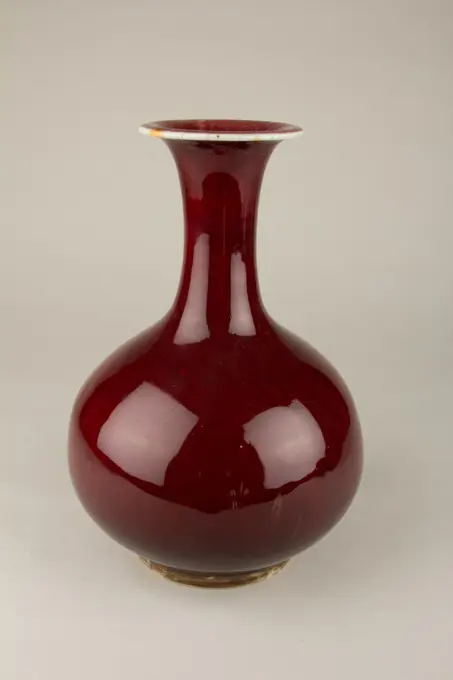
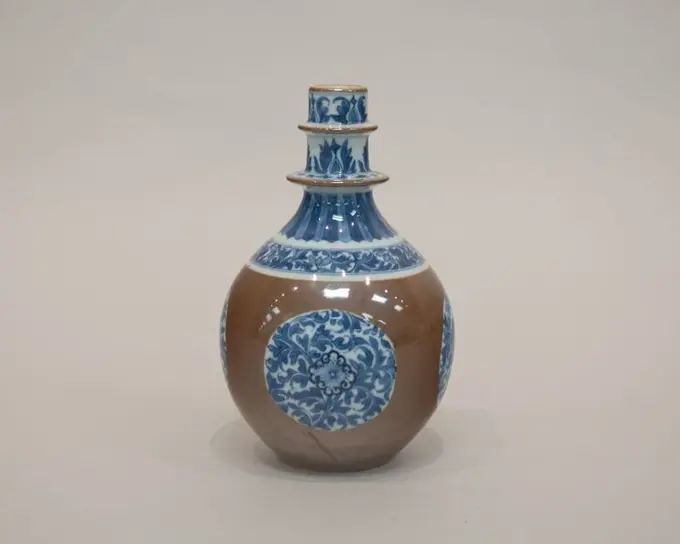
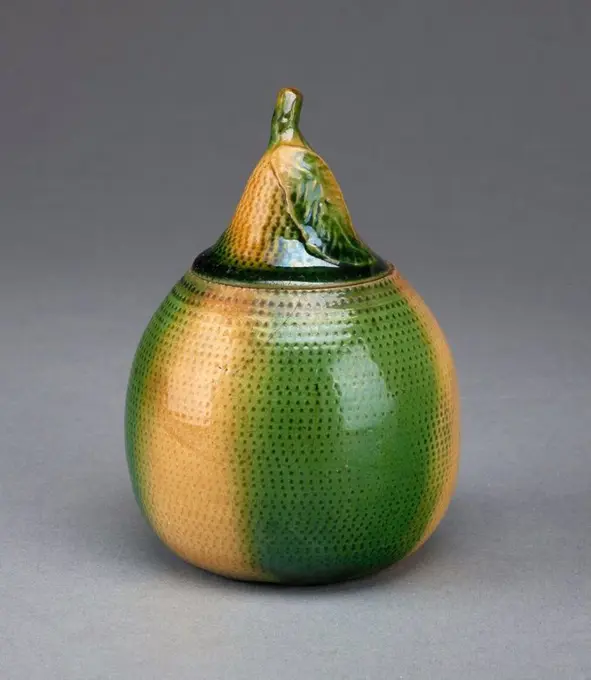
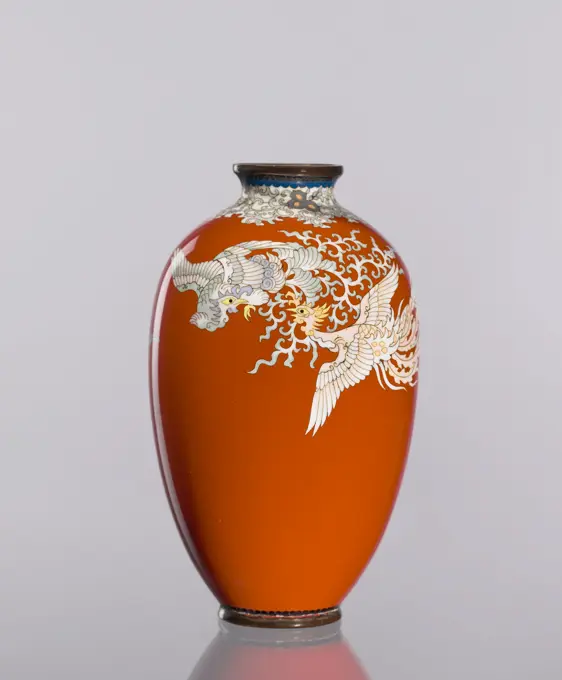
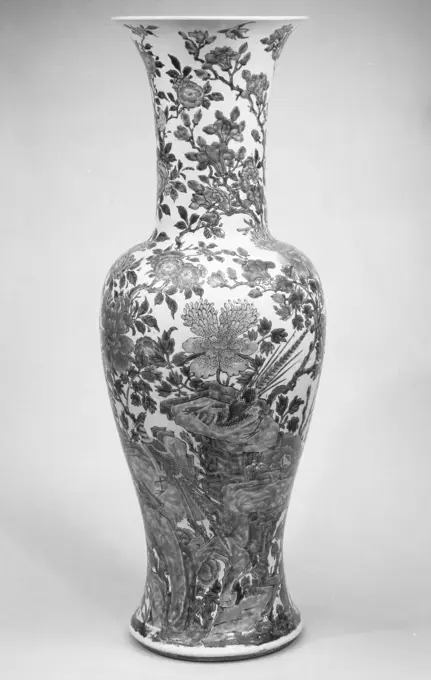
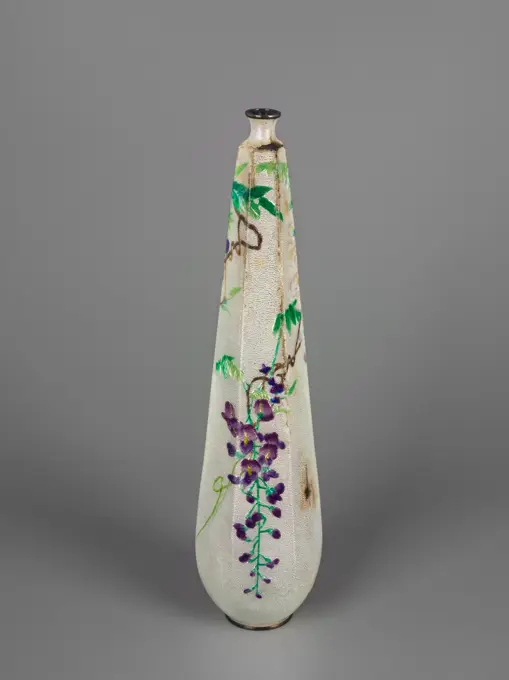
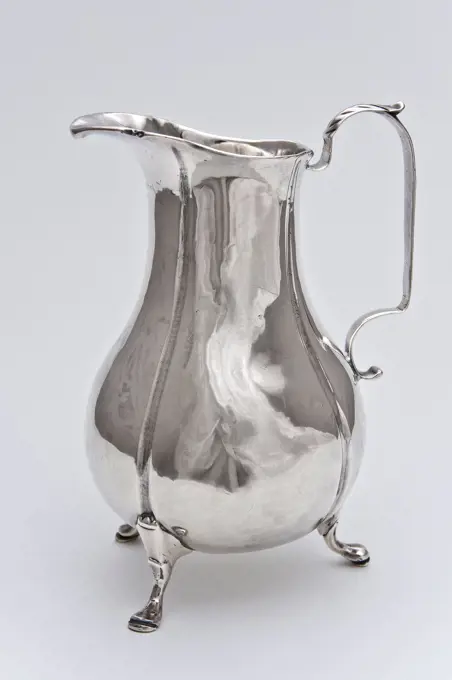
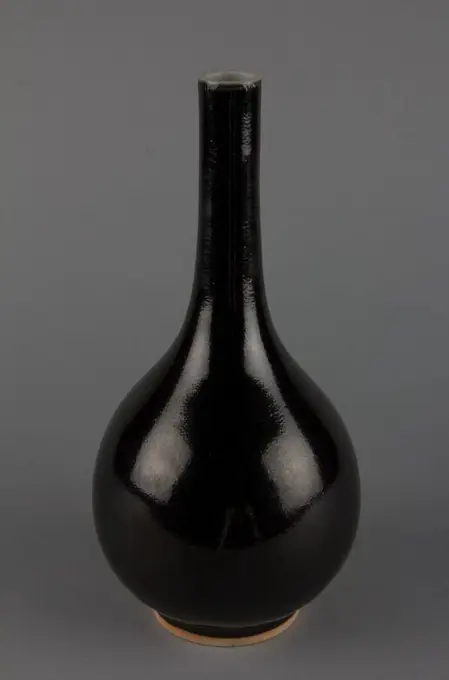
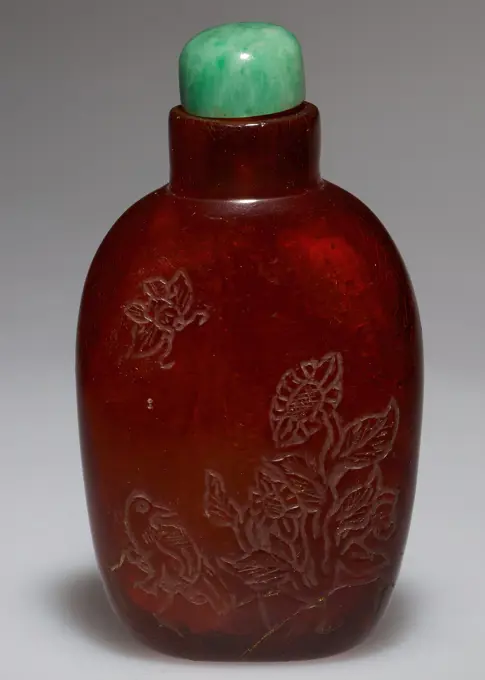
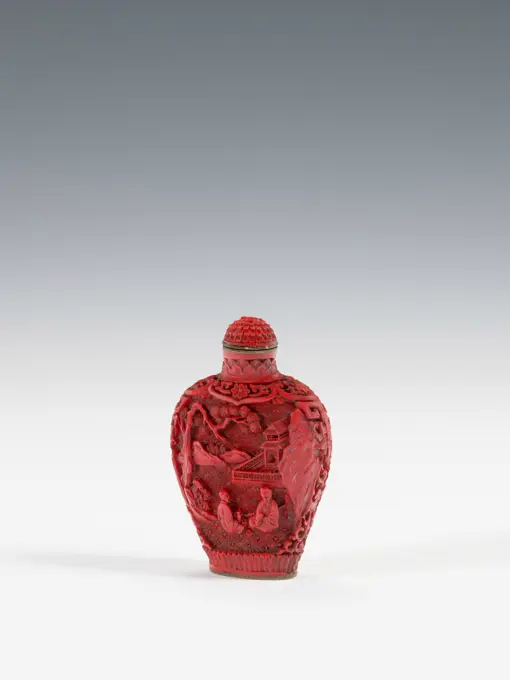
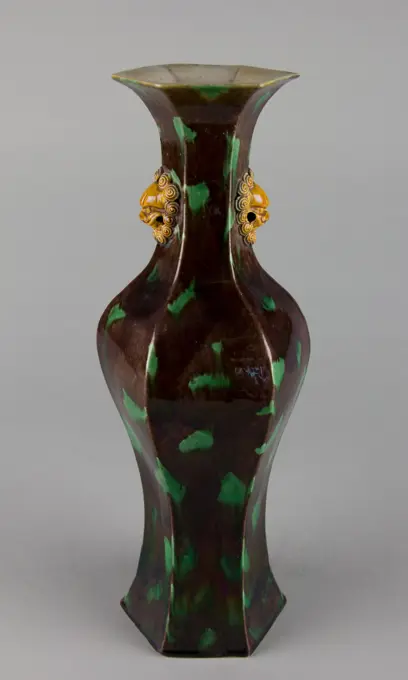
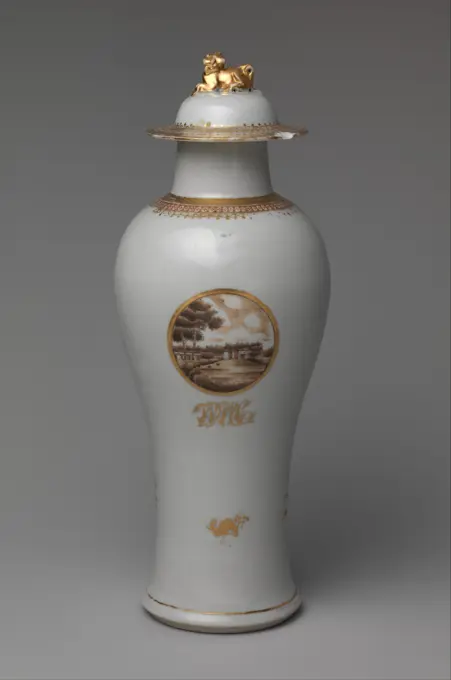
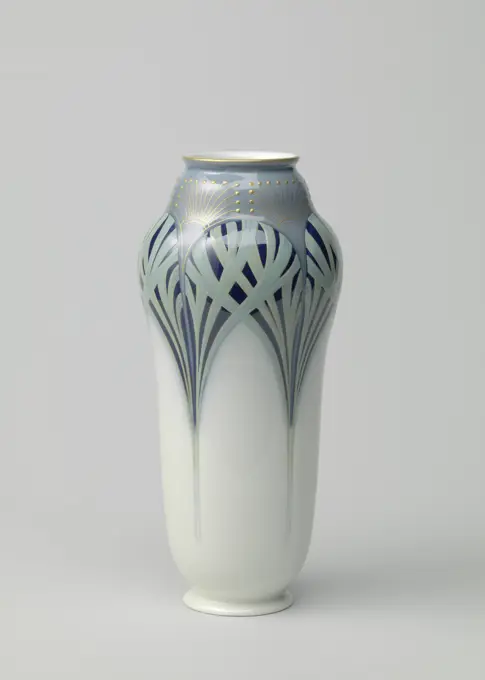
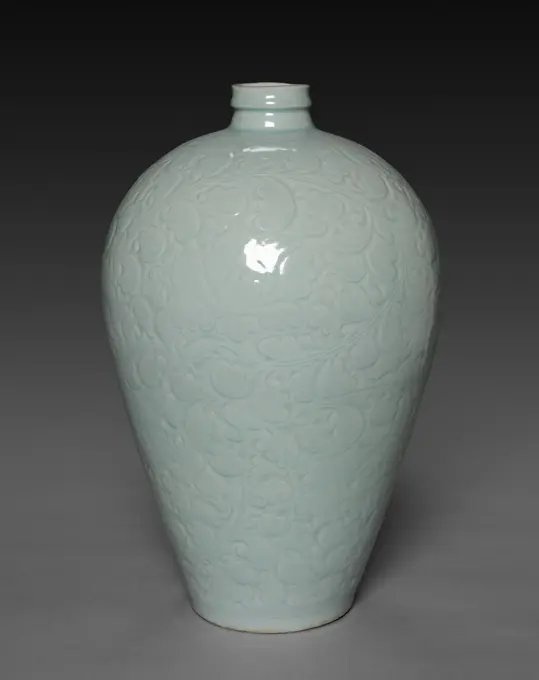
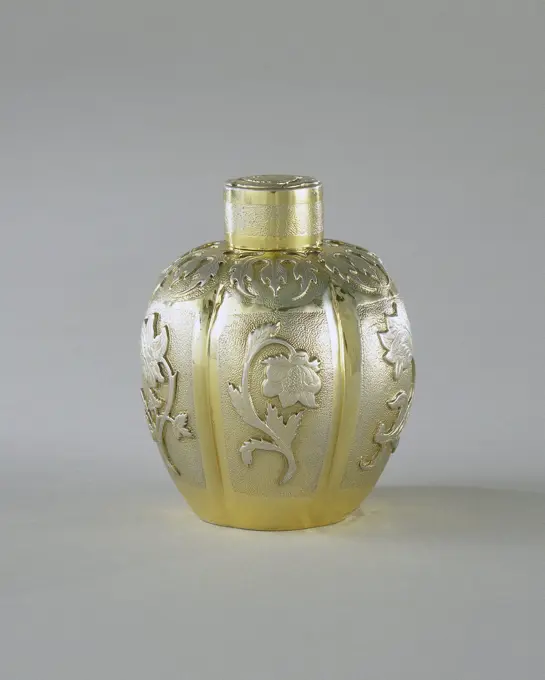
Decanter c 1830-1839 Sandwich. Glass . Boston and Sandwich Glass Company (Manufacturer)Pocket bottle 1815-45 American. Pocket bottle. American. 1815-45. Blown pattern-molded glass. Possibly made in Pennsylvania, United States; Probably made in Ohio, United StatesGlass jar. Culture: Roman. Dimensions: H.: 4 7/16 in. (11.2 cm). Date: 3rd-4th century A.D..Translucent olive green.Everted rim with beveled lip; funnel-shaped neck with irregular tooling marks in side; narrow, horizontal shoulder with projecting bulge around edge; bulbous body; pushed-in bottom with circular pontil mark at center.Body decorated with 22 vertical ribs, extending from bulge around top of body to bottom, made by dipping the paraison into a mold, then withdrawing it, and inflating.Intact; some pinprick and large bubbles, with a few glassy and black inclusions; patches of faint dulling and iridescent weathering.The extreme clarity and good state of preservation of the glass is unusual but is not totally unknown among Roman glass vessels. Museum: Metropolitan Museum of Art, New York, USA.probably Boston and Sandwich Glass Works, Decanter and Stopper, c. 1826-40, colorless lead glass.Carafe, with bouquets, insects and sprinkling flowers, anonymous, c. 1765 Flat cut soil. The slightly flared -up body turns into a straight neck through a rounded shoulder. On the body and neck in gilding bouquets, insects and sprinkling flowers. England glass glassblowing / grinding / gilding Flat cut soil. The slightly flared -up body turns into a straight neck through a rounded shoulder. On the body and neck in gilding bouquets, insects and sprinkling flowers. England glass glassblowing / grinding / gildingDecanter, 18th century, 9 5/8 x 3 5/8 x 3 5/8in. (24.4 x 9.2 x 9.2cm), Glass, Switzerland, 18th centuryCarafe with neolaissancist and neo-gothic ornaments. Flat soil and conical, faceted foot. Pear-shaped, faceted body with a cut-out, wide, lobed edge, undervantage in a cylindrical, faceted neck with three rings and a bent mouth. Mushroom-shaped, faceted stop. Six empty medallions on the body, surrounded by neureaisan and neo-gothic tires and spankpling.Vase, 18th-19th century, Di.7-3/8 in., Porcelain, China, 18th-19th centuryDecanter with Diamond Pattern, Glass, 3-part molded blown, barrel-shaped body. Central band of vertical flutes, diamond pattern above and below, fluted shoulder to neck everted slip with pouring spout, molded fluted bulls-eye stopper., Ireland, ca. 1820-30, glasswares, Decorative Arts, decanter, decanterWellspring, Richard Redgrave, British, 1804 - 1888, Sir Henry Cole (also known as Felix Summerly), A. J. F. Christy, Stangate Glass Works, Felix Summerly's Art Manufacturers, British, Enameled and gilt glass, ca. 1847, glasswares, Decorative Arts, Carafe, CarafeVase. Culture: China. Dimensions: H. 7 3/4 in. (19.7 cm); Diam. 3 9/16 in. (9 cm). Museum: Metropolitan Museum of Art, New York, USA.Small vase. unknown, craftsmanVase, anonymous, c. 1660 - c. 1685 vase Vase van Faience, painted in blue and manganese with a decoration to the Chinese porcelain from the transition period. On the pear -shaped abdomen a standing and a sitting figure in a landscape with scattered trees; On the slender neck a figure and profil standing in front of trees; On the foot two ovals with landscapes, between which four leaves and a flower as the center. Delft .  Chinese (+ other cultural aspects)Bottle, 1736-1795, 8 13/16 in. (22.38 cm), Porcelain with pea green glaze, China, 18th centuryGlass carinated perfume bottle. Culture: Roman. Dimensions: H,9.2cm D,4.6cm (rim,1.6cm). Date: 1st century A.D..Translucent cobalt blue.Outsplayed, rounded rim; cylindrical neck, with deep horizontal tooled indent around base; narrow horizontal shoulder with projecting flange below; carinated body, with slightly concave profile to upper section and lower section curving in sharply to concave bottom.Intact, except around rim, of which 2/3 is missing; some bubbles, elongated in neck; dulling, patches of pitting and iridescent weathering on exterior, whitish weathering on much of interior.Blue, bell shaped. Museum: Metropolitan Museum of Art, New York, USA.Vessel for ginger with lid. unknown, craftsmanGlass gold-band mosaic bottle 1st half of 1st century A.D. Roman Translucent cobalt blue, translucent turquoise blue and opaque yellow partially mixed together to appear green, opaque white, and colorless encasing shattered gold leaf.Everted, horizontal rim with rounded outer lip; cylindrical neck; sloping shoulder; small carinated body, with straight side above and curving side below point of greatest diameter; flat bottom.Gold-band mosaic pattern formed from a single serpentine length of layered canes formed in the following order: blue outlined in white, blue, colorless with gold leaf, and green outlined in white and blue; the length is wound three times round body, being fused together across bottom.Intact; slight dulling and pitting, and faint iridescent weathering; encrustation on inside of neck.Rotary grinding marks on exterior.Gold-band cast glass was a particularly opulent type of early Roman glassware. It combines canes of brightly colored translucent and opaque glass with stBottle with a View of Dresden. Workshop of Samuel Mohn; German, 1762-1815; Dresden, Germany. Date: 1814. Dimensions: H. 25.4 cm (10 in.). Glass; colorless, blown, stained and painted in transparent enamels and gilding. Origin: Dresden. Museum: The Chicago Art Institute, Chicago, USA.Mei-Ping, 1736-1795, Dia.6-1/8 in., Porcelain, China, 18th centurySnuff Bottle, 1850-1900, 3 1/8 x 2 1/8in. (7.9 x 5.4cm), Crystal, ChinaWater Bottle, Gladys” Pattern.  Maker: T.G. Hawkes and Company, American, 1880-1962Pear-shaped bottle vase with a red glaze, anonymous, c. 1720 - c. 1740 Bottle -shaped vase of porcelain with a pear -shaped body and long, cylindrical neck, covered with a monochrome red glaze. White glazed inside the foot edge and the lip edge. Monochrome. China porcelain. glaze vitrification Bottle -shaped vase of porcelain with a pear -shaped body and long, cylindrical neck, covered with a monochrome red glaze. White glazed inside the foot edge and the lip edge. Monochrome. China porcelain. glaze vitrificationLoom Weight or Vessel. Dimensions: H. 3 5/8 in. (9.2 cm)Diam. 2 3/8 in. (6 cm)Wt. 4.1 oz. (115.5 g). Date: 10th-11th century. Museum: Metropolitan Museum of Art, New York, USA.Celadon-glazed lotus vase (shoudaier huluping) 1700-1899 China. Porcelain with clair-de-lune glaze and underglaze molded decoration .probably Boston and Sandwich Glass Works, Cologne Bottle or Cruet, c. 1826-40, cobalt blue glass.Muller brothers. Pitcher. Glass. Museum of Fine Arts of the City of Paris, Petit Palais. 54218-4 Anse, art nouveau, leaf, pitcher, glass, glassware, fruitGlass alabastron (perfume bottle). Culture: Greek, Eastern Mediterranean. Dimensions: 3 5/8 × 1 3/16 × 1 3/16 in. (9.2 × 3 × 3 cm)Diam. of rim: 15/16 in. (2.4 cm). Date: late 6th-5th century B.C..Translucent cobalt blue, with handles in same color; trails in opaque yellow and opaque white.Narrow, inward-sloping rim-disk, with outsplayed rounded edge; short cylindrical neck with tooled indent around base; very small angular shoulder; convex sides to cylindrical body, tapering upwards; convex bottom; two vertical ring handles with knobbed tails, applied over trail decoration.A yellow trail attached at edge of rim-disk; a white trail applied on upper body, wound down, tooled into an inverted festoon pattern, with ten irregular downward strokes mixing and blurring trails with blue ground.Intact; some dulling and encrustation on one side, and faint iridescence. Museum: Metropolitan Museum of Art, New York, USA.Snuff Bottle, 1644-1911. China, Qing dynasty (1644-1911). Glass; overall: 6.8 cm (2 11/16 in.).Vase, Tiffany & Company, American, established 1853, Molded and bronze electroplated semi-porcelain, mold-blown favrile glass, Bronze-plated vase with six inlaid scarabs. White clay body, semi-porcelain, cast. Bulbous body with long slender neck with slightly flaring rim. Raised ribs on neck and extending down body, incorporating six iridescent amber glass scarabs into the recessed areas around the shoulder. Allover electro-plating of bronze, with dark patina., Queens, New York, New York, USA, ca. 1909-10, ceramics, Decorative Arts, VaseVase, Tin-glazed earthenware, Tall reeded, eight-sided vase, straight-sided base swells to bulbous body, long thin neck, small bulbous section top, flaring mouth; painted in underglaze blue on white with overall floral pattern, lambrequin border bottom, leaf border top of bulbous body section., Delft, Netherlands, 19th century, ceramics, Decorative Arts, VaseBottle. unknown, craftsmanGlass two-handled bottle (amphora) 1st century A.D. Roman Translucent cobalt blue; handles in same color, but one streaked with opaque white; splashed decoration in opaque white and opaque pale yellow.Everted rim, folded over and in; concave cylindrical neck; steeply sloping shoulder; side of body tapering downwards; concave bottom; two rod handles applied as large pads on shoulder over splashed decoration, drawn up, out and round in a curve, and pressed onto side of neck below rim.Decoration applied before inflation causing splashes to expand and become elongated on neck.Intact; few bubbles; pitting of splashed decoration on exterior, some weathering on interior.The decoration was created by applying small fragments of differently colored glass to the surface of the vessel before it was fully blown. Such glassware was very fashionable in the middle decades of the 1st century A.D. and may have been influenced by the production of cast mosaic glass.. Glass two-handled bottle (amphora). Sake Bottle. Japan, 19th century. Ceramics. Tsutsumi ware; stoneware black and white glazesVase 1903 Denver China and Pottery Company. Vase. American. 1903. Earthenware. Made in Denver, Colorado, United StatesPeach Bloom Vase, 1723-1736, 8in. (20.3cm), Porcelain, China, 18th centuryCovered Vase ca. 1800 Chinese. Covered Vase 9582Lid of Roemer, Anonymous, c. 1690 - 1800 Vaulted lid with a massive button made up of two nodes. Low Countries glass glassblowing Vaulted lid with a massive button made up of two nodes. Low Countries glass glassblowingSnuff Bottle, 19th century, Agate, China, 19th centuryWig Stand (China); porcelainSprinkler 18th-19th century. Sprinkler 446816Jar with Carved Benedictory Arabic Inscription in Thuluth Script 12th-13th century. Jar with Carved Benedictory Arabic Inscription in Thuluth Script 451352Double Gourd Vase; Manufactured by Mintons; England; glazed earthenware ("majolica"); 27.5 x 13 cm (10 13/16 x 5 1/8 in.)ase with birds and flowers 19th century China. ase with birds and flowers 46104Bottle 1815-45 American. Bottle 5187Vase. .Flask 17th-18th century Italian, Venice (Murano). Flask. Italian, Venice (Murano). 17th-18th century. Glass. GlassBottle vase with floral scrolls early 18th century China. Bottle vase with floral scrolls. China. early 18th century. Porcelain painted in underglaze cobalt blue (Jingdezhen ware). Qing dynasty (1644-1911), Kangxi period (1662-1722). CeramicsVase. Culture: China. Dimensions: H. 12 1/2 in. (31.8 cm). Date: 19th century. Museum: Metropolitan Museum of Art, New York, USA.Vase, 1644-1911. China, Qing dynasty (1644-1911). Porcelain; overall: 10.8 cm (4 1/4 in.).Covered Vase. Culture: Chinese. Dimensions: H. 13 in. (33 cm). Date: ca. 1800. Museum: Metropolitan Museum of Art, New York, USA.Bottle 18th century Italian, Venice (Murano). Bottle. Italian, Venice (Murano). 18th century. Glass. GlassTinsmith: A S, Stoneware jug be glazed with tin lid, sgraffito and appliqués, blue and purple, jug crockery holder soil find ceramic stoneware glaze salt glaze tin, hand twisted stamped sgraffito glazed baked Stoneware jug with tin lid. Enghalskanne. Egg-shaped can with slender neck on standing foot. Profile rings around the foot and neck Baardman under the sneb Floral decor over the belly appliqués and sgraffito Belly purple neck and foot blue accents Covered lid marked in the mark:  S in between hand Antwerp mark metalworker archeology indigenous pottery import drink serve serve wine beerPerfume Bottle, c. 1888. England, 19th century. Stoneware with silver mounts; diameter: 7.2 cm (2 13/16 in.); overall: 14 cm (5 1/2 in.).Cruet, 18th-19th century, 5 3/8 x 1 3/4 x 1 3/4in. (13.7 x 4.4 x 4.4cm), Glass, United States, 18th-19th centuryJean Carriès (1855-1894). "Large bottle". Enameled sandstone. Museum of Fine Arts of the City of Paris, Petit Palais. 24204-6 Ceramic, large bottle, Gres emailleVase Vase; Designed by Bert (Lambertus) Nienhuis (1873 - 1960); Manufactured by de Distel Pottery, Amsterdam (Netherlands); Netherlands; earthenware; 15.5 x 7.8 cm (6 1/8 x 3 1/16 in.)Szklanica. unknown, authorBottle with Incised Decoration first half 18th century This bottle along with a bowl (11.137.1) are part of a group of Iranian ceramics known as Gombroon ware, named after a trading post on the south coast of Iran. Ideally situated, the port was frequented by both the Dutch and English East India Companies and served as an entrepot for ceramics and other luxury goods into Europe. The style of Gombroon ceramics and their role in international trade reflect the significant artistic, cultural, and economic ties that existed between China, Iran, and Europe in the seventeenth century.Like much of Iranian ceramic production from the ninth century onward, Gombroon wares sought to emulate Chinese ceramics, which were especially prized, not only for their aesthetic appeal but also for their unique technical qualities. Gombroon ware is characterized by incised lines that serve to emphasize the thinness of the walls  a characteristic of Chinese porcelain that Iranian craftsmen hoped to emulate. Pear-shaped bottle with auspicious Symbols and pendants in panels. Pear-shaped bottle of porcelain with a thickening just below the edge, painted in underglazing blue. The wall is divided into compartments with alternating lucky objects (incense burner) on a stool and long bows and brushes; On the shoulder a band with Ruyi motif; The neck with a row of dots in each box ending in a brush. Kraakporkein.Jenny LindBottle.   Maker: Fislerville Glass Works, American, 1850-1867  Subject: Johanna Maria Lind, Swedish, 1820-1887Bartmann jug, also called Bellarmine jug, brown-brindled salt-glaze, profiled sausage ear, Bartmann jug, also called Bellarmine jug, mask on the neck, Bartmann juggejug tableware holder soil find ceramic stoneware clay engobe glaze salt glaze, hand turned stamped glazed glazed baked stoneware jug gray shard brown engobe and brindled salt glaze profiled sausage ear with blunt flat tail two ridges below the mouth rim Bartmann jug mask on the neck archeology import pottery drink store package transport .Murrine urn with silver leaf ca. 1880 Italian, Venice (Murano) When Jarves wrote about his collection of Venetian glass in Harpers New Monthly Magazine in 1881, he described this vessel as a “cinerary urn,” intended to hold the ashes of the dead. The splashy green flame and sparkly surface, created through the application of silver leaf, seem ill-suited to a funerary function.. Murrine urn with silver leaf. Italian, Venice (Murano). ca. 1880. Glass. GlassVase With Dragons. Porcelain vase with tapered belly, round shoulder and slightly spreading neck, painted in underglaze blue and red. On the wall and neck two cloud drills in underglaze red with a lowergraing blue eye. Signed on the underside with the six character mark of Emperor Kangxi in two horizontal rows. Goudaak repair on the edge. Middle blue with copper red.Pocket bottle 1815-45 American. Pocket bottle 6610Roman Vase 5th century AD, Held in the National Museum, Budapest, HungaryPitcher. Culture: American. Dimensions: 10 3/4 in. (27.3 cm). Engraver: Possibly cut by Joseph Stouvenel and Company (1851-1857). Manufacturer: Brooklyn Flint Glass Company (American, Brooklyn, New York, 1824-1868). Date: 1850-55.New York City was an important center for machine-cut luxury glass in the middle of the nineteenth century. This partial group (2014.626.1a,b -.7) of blue-cut-to-clear glass is extraordinarily rare and perhaps even experimental when it was made in the 1850s. This is the only known blue plated cut glass attributed to the Brooklyn Flint Glass Works. The diamond pattern is thought to have been executed by Joseph Stouvenel, a highly skilled glass cutter whose works were exhibited at the New York Exhibition of 1853-54 and published during the period. Museum: Metropolitan Museum of Art, New York, USA.Vase China. Vase 48580Glass perfume bottle Roman 1st-early 2nd century CE Translucent purple.Everted rim, folded over and in, flattened unevenly on upper surface; cylindrical neck with slight tooling indent around base; globular body; flat bottom.On upper body, a band of three concentric wheel-cut lines, comprising two fine lines flanking a central broader line.Intact; many bubbles and blowing striations; pitting and brilliant iridescence on exterior, soil encrustation and weathering on interior. View more. Glass perfume bottle. Roman. 1st-early 2nd century CE. Glass; blown and cut. Early Imperial. GlassPersian bottle from V.O.C. ship De 'Witte Leeuw', Anonymous, Before 1613  Persian bottle from V.O.C. ship the 'Witte Leeuw'. The neck is not decorated and broken down, there are still 95. The shard is glassy and white and has little ingrained dirt. The glaze is blue tinted. The bottom is glazed and the shape of the foot ring is straight. Jingdezhen porcelain. bone china (material)   Sint-HelenaCelery vase. Culture: American. Dimensions: H. 10 1/4 in. (26 cm); Diam. 4 3/4 in. (12.1 cm). Date: 1845-70. Museum: Metropolitan Museum of Art, New York, USA.Glass Vase in a Brass Mount, c. 1900 Colorless glass, colored glass wires and "Krösel", brass frame with a wide base, a bracket on both sides, above a handle, the brackets with three buttons. Viennamaker: Viennamaker: Bohemendesigner: Vienna brass (alloy). glass. uranium glass Colorless glass, colored glass wires and "Krösel", brass frame with a wide base, a bracket on both sides, above a handle, the brackets with three buttons. Viennamaker: Viennamaker: Bohemendesigner: Vienna brass (alloy). glass. uranium glassJug 201 CE-400 CE Syria. Glass, blown technique . Ancient RomanVase, Jan Jansz Van Der Laan, De 3 Klokken (the 3 Clocks Factory), Tin-glazed earthenware, Tall reeded 8-sided body, bulge at shoulder, tapered neck, slightly flared mouth; painted in underglaze blue on white with large stylized lotus leaf band around center, 3 smaller scroll bands surrounding, and floral/leaf sprays interspersed., Delft, Netherlands, 1680-1710, ceramics, Decorative Arts, VaseBottle. Culture: China. Dimensions: H. 8 1/2 in. (21.6 cm); W. 4 1/2 in. (11.4 cm); Diam. of rim 1 1/4 in. (3.2 cm); Diam. of foot 2 5/8 in. (6.7 cm). Date: late 17th-early 18th century. Museum: Metropolitan Museum of Art, New York, USA.Container in the shape of a pear. Staffordshire, England. Date: 1760-1770. Dimensions: 8.9 x 6.4 cm (3 1/2 x 2 1/2 in.). Lead-glazed earthenware (creamware). Origin: Staffordshire. Museum: The Chicago Art Institute, Chicago, USA.Vase;  around 1910-1920 (1910-00-00-1920-00-00);Block, Julius Henry (1858-1934) - collection, cloisonné, gift (provenance), phoenixes (iconogr.), Japanese (culture), Japanese art, vasesFlight Container for PoisonDartsVase with birds and flowers 17th-early 18th century China. Vase with birds and flowers 52020Vase decorated with glycynia on a silvery background; Kawaguchi, Bunzemon (1860-Post 1910); around 1890-1900 (1891-00-00-1910-00-00);Block, Julius Henry (1858-1934) - collection, Krakow, so -called REPWINDING ACTION - collection, gift (provenance), glycine, Japanese art, vasesSilversmith: Bartholomeus van der Tooren, Silver milk jug on legs, milk jug be crockery holder silver, hammered cast Pear shaped in four pieces lobed jug on three hoof-shaped paws ear ending in curl and on top of leaf motif wide lip on both sides slightly retracted bottom bottom (debossed ) serve before serving dairyVase. Manufacturer: Grueby Faience Company, American, 1894-1909Bottle. Culture: China. Dimensions: H. 9 in. (22.9 cm). Museum: Metropolitan Museum of Art, New York, USA.Vase with inlaid decorations and tea cup with stylized peonies, northern celadon porcelainPocketBottle. Manufacturer attributed to: American Flint Glass Manufactory, American, 1764-1774Proprietor: Henry William Stiegel, American, 1729-1785Scent Bottle 1835-1855 Bohemia. Glass; cut and colored with metal mounts .Bottle. Culture: British, probably Nailsea. Dimensions: Height: 7 3/4 in. (19.7 cm). Date: late 18th-early 19th century. Museum: Metropolitan Museum of Art, New York, USA.Snuff Bottle, 17th-19th century, 2 7/8 x 1 1/2in. (7.3 x 3.8cm), Amber, China, 17th-19th centuryMiniature bottle with cover. Artist: David Clayton (British, active 1689). Culture: British, London. Dimensions: Height: 1 7/8 in. (4.8 cm). Date: 1720-23. Museum: Metropolitan Museum of Art, New York, USA.Flask - snuff bottle. unknown, craftsmanHexagonal vase with lion-head handles late 16th-early 17th century China. Hexagonal vase with lion-head handles. China. late 16th-early 17th century. Biscuit with polychrome enamels (Jingdezhen ware). Ming dynasty (1368-1644). CeramicsCovered Vase ca. 1800 Chinese. Covered Vase 9583Vase with Stylized Leaves and An Ornamental Border, Royal Porcelain Manufaktur, 1902 Vase of porcelain with slightly convex shoulder, continuously modeled in five compartments. Painted in underly glaze blue and on the glaze green, yellow and gold. Each box with a stem along the edge, ending on the shoulder in intertwined leaves (Lancet). On the neck a band with five times a double arch with gold lines and dots. Marked on the underside with the scepter and two illegible figures (99 or 66 ), 59, a red government apple with 'K.P.M', annual letters F.B (1902), the model number 672  1, 9599 and the diameter symbol With II. Art Nouveau. Berlin porcelain. glaze. cobalt (mineral). painting / vitrification Vase of porcelain with slightly convex shoulder, continuously modeled in five compartments. Painted in underly glaze blue and on the glaze green, yellow and gold. Each box with a stem along the edge, ending on the shoulder in intertwined leaves (Lancet). On the neck a band with five times a dCompound Vase with Six Trumpet-Shaped Necks 1736-1795 China. Glazed stoneware .A vase in the shape of a cylinder with a dragon motif among plant flagella unknownBottle vase late 17th-early 18th century China. Bottle vase. China. late 17th-early 18th century. Porcelain with copper red glaze (Jingdezhen ware). Qing dynasty (1644-1911), Kangxi period (1662-1722). CeramicsMeiping Vase with Carved Floral Sprays, 960-1279. China, Song dynasty (960-1279). Porcelain with pale bluish-white glaze, qingbai ("blue-white") ware; overall: 37.7 x 23.5 cm (14 13/16 x 9 1/4 in.). This magnificent plum vase (meiping) derives its name from being used to hold a branch from a flowering plum tree. Vases of this shape with a round shoulder and narrow opening originally served as wine containers. Kilns in southern China that produced this ware with a transparent bluish glaze were among the first that applied underglaze blue-and-white decoration, which became popular during the Yuan (1271-1368) and Ming (1368-1644) dynasties. These elegantly carved floral sprays on a monochromatic ground reflect the refined taste of the Song dynasty emperors.Pineapple of faience. Inverted pineapple () On a profiled foot, multicolored painted faience. There is a brand under the foot. The image is marbled in the colors green and blue.Vase. unknown, craftsman, Nogawa, workshopBamboo-shaped Sake Bottle. Japan, 2nd half 18th century. Ceramics. Chikuzen ware, Koishiwara type; stoneware with wood ash, straw ash, iron and clear glazesTeabus with flowers in Cut Card technology, Anonymous, 1677 The Rondebus is divided into six lobes. Every lob is decorated with a flower on a punched field in Cut Card technology. A tulip, a garden anemone, a daffodil, a rose, a Turkish lily and a marigold are shown. Six leaves have been applied to the neck, also in Cut Card technology on a punched ground. The lid fits over the cylindrical neck, the straight wall of which has a wide punched band. The flat top shows a marigold, again in Cut Card technology on a punched soil. Amsterdam silver (metal). gilding (material) gilding The Rondebus is divided into six lobes. Every lob is decorated with a flower on a punched field in Cut Card technology. A tulip, a garden anemone, a daffodil, a rose, a Turkish lily and a marigold are shown. Six leaves have been applied to the neck, also in Cut Card technology on a punched ground. The lid fits over the cylindrical neck, the straight wall of which has a wide punched band. The flat top shows a marig