Decorative Historical Artifacts

A collection of unique decorative objects, including sculptures and artifacts from different cultures, showcasing intricate designs and historical significance.
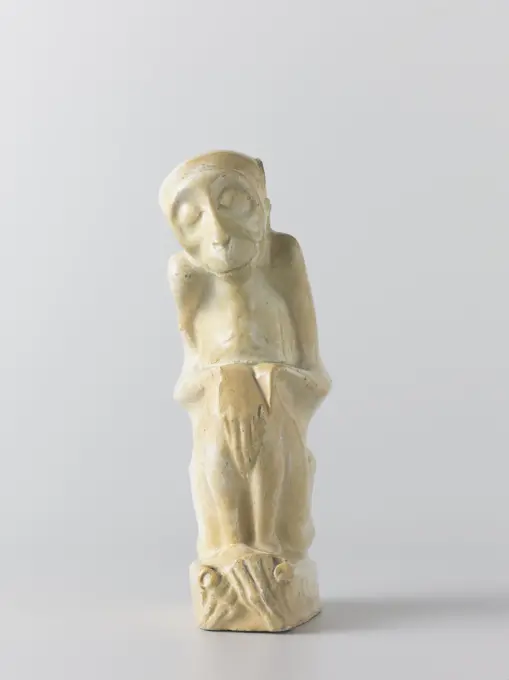
Zieke aap, joseph mendes da costa (1863-1939), c. 1900 Decorative object in the shape of the sick monkey, in yellow and white glazed stoneware. Monogrammed. Netherlands stoneware vitrification Decorative object in the shape of the sick monkey, in yellow and white glazed stoneware. Monogrammed. Netherlands stoneware vitrification
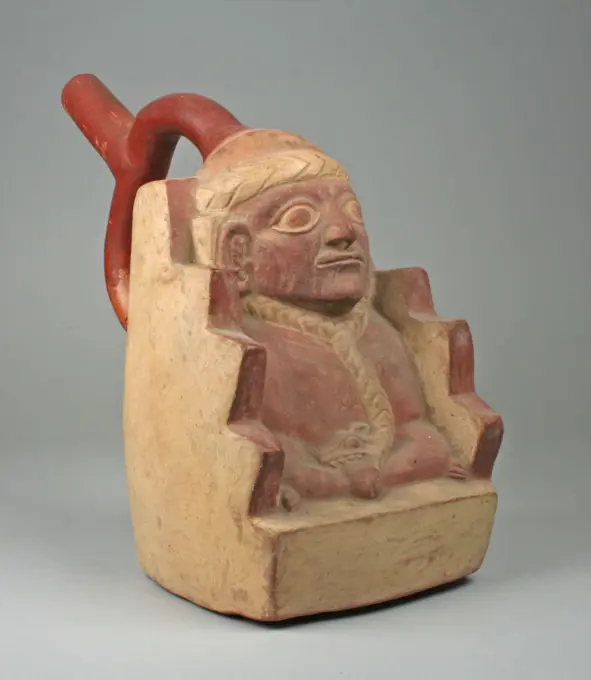
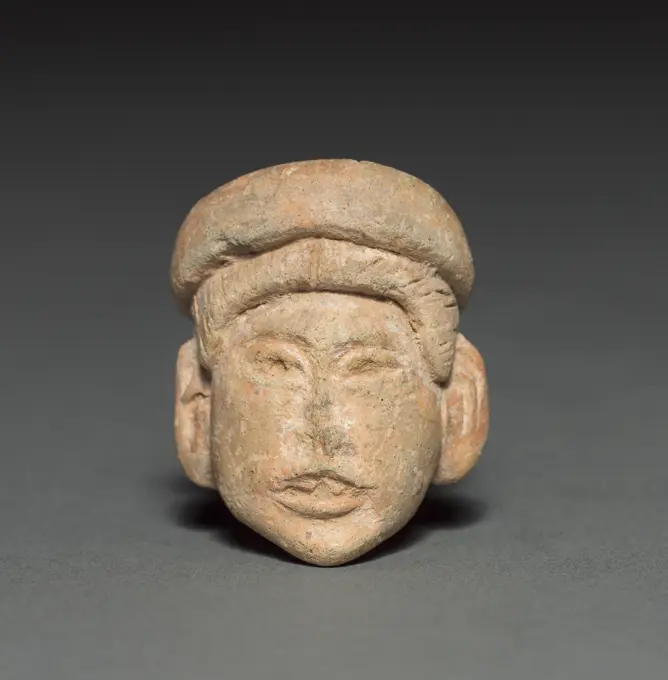
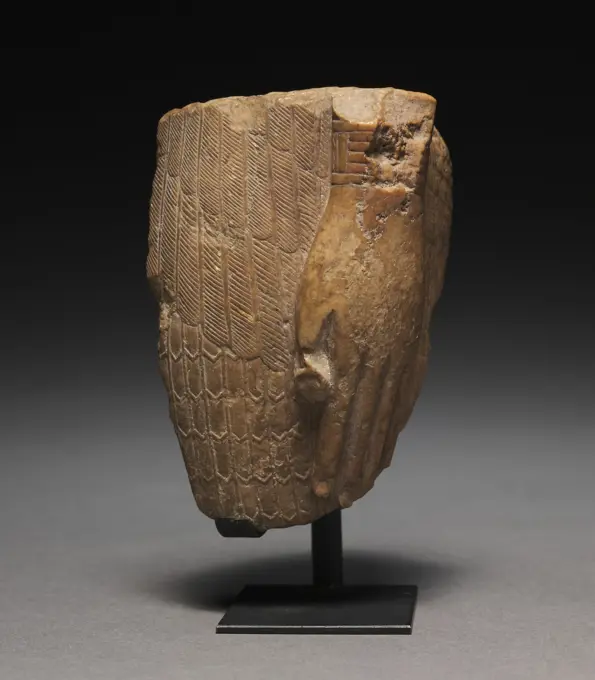
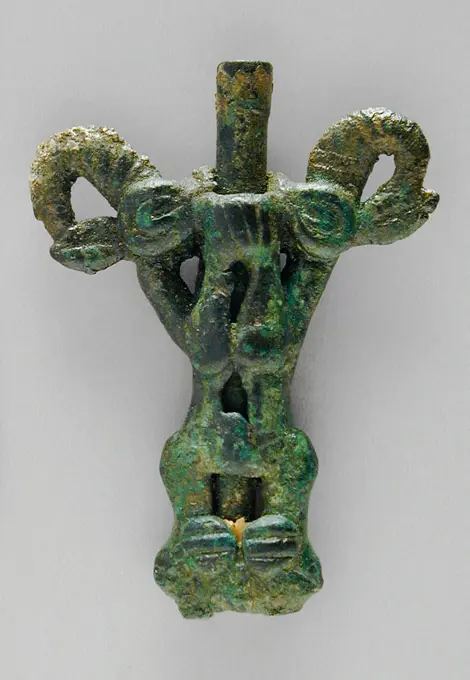
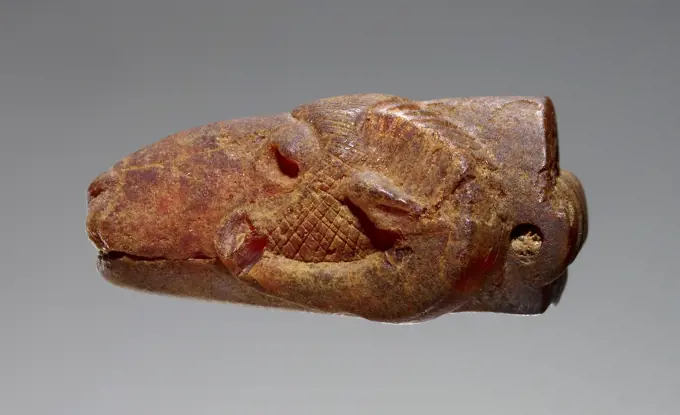
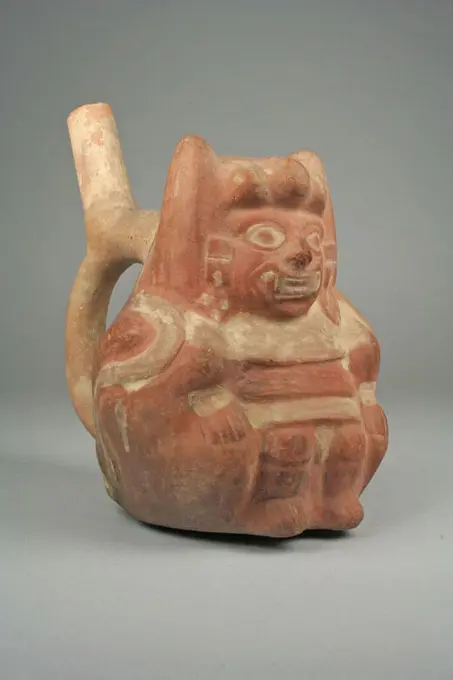
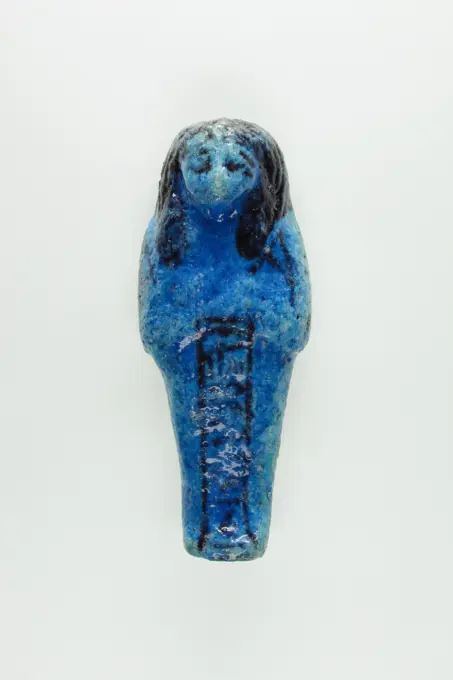
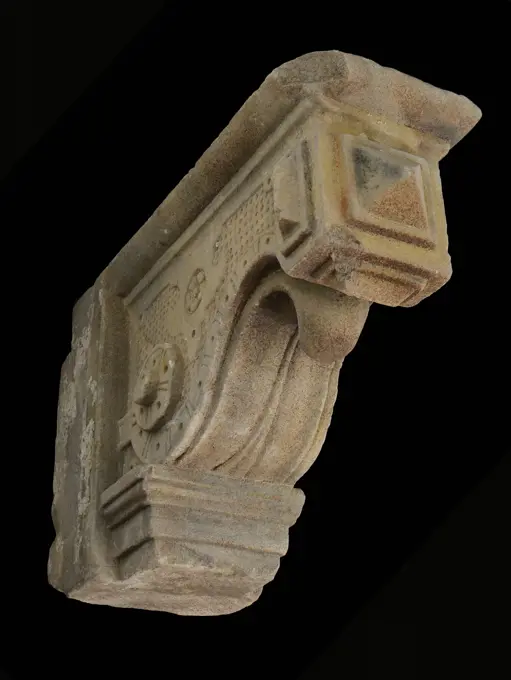
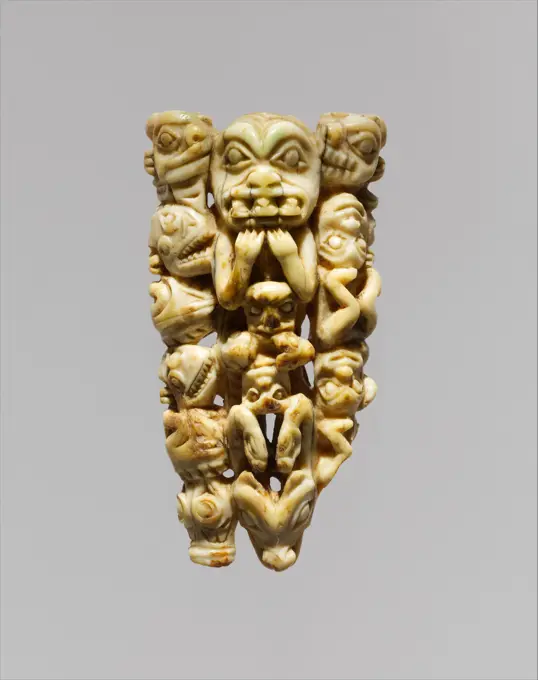
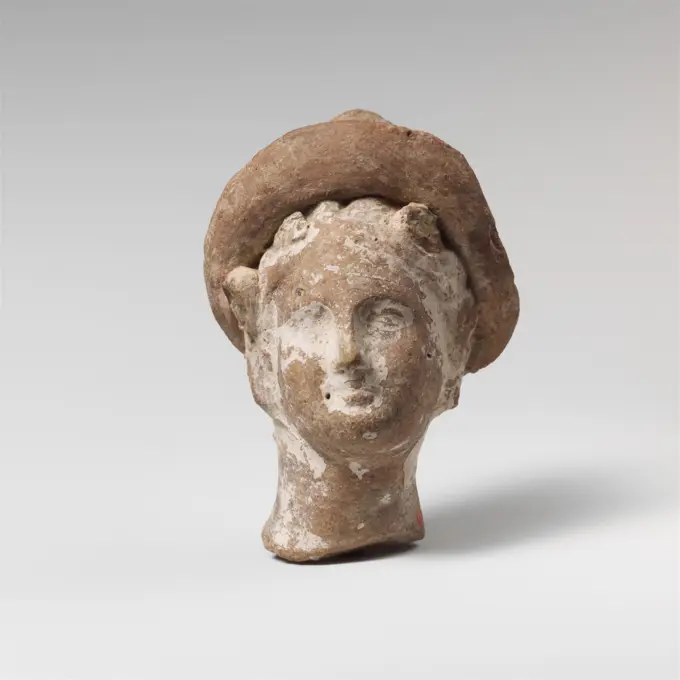
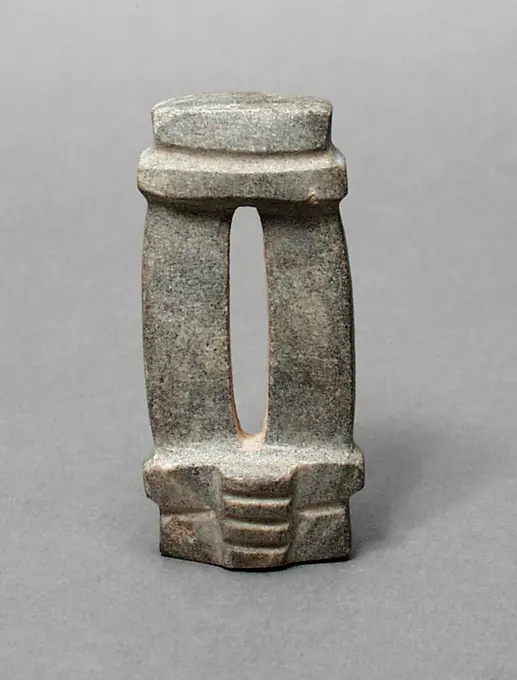
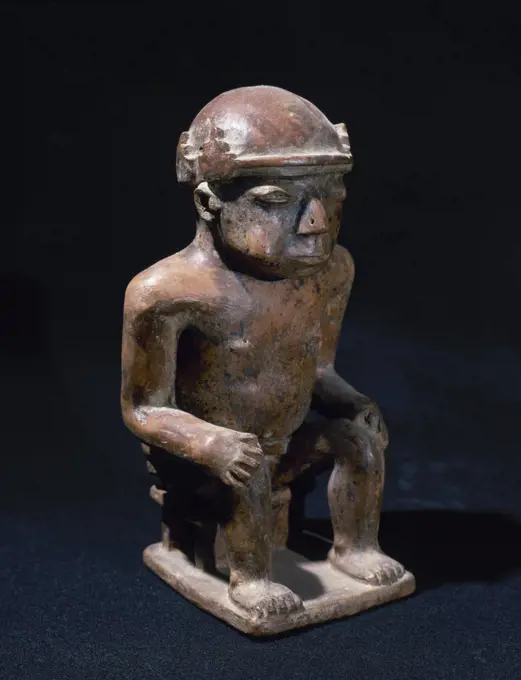
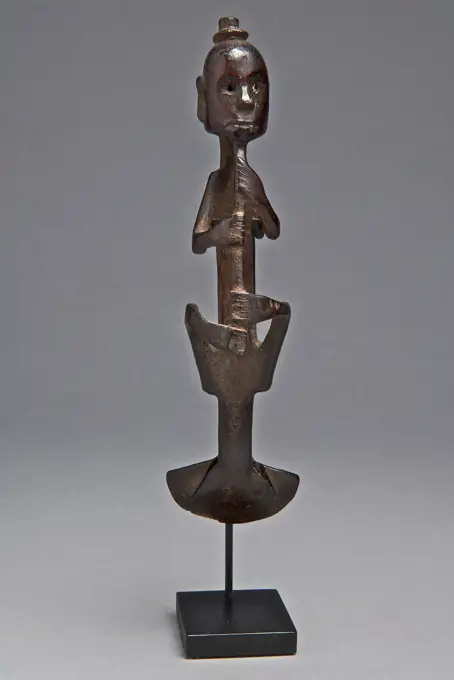
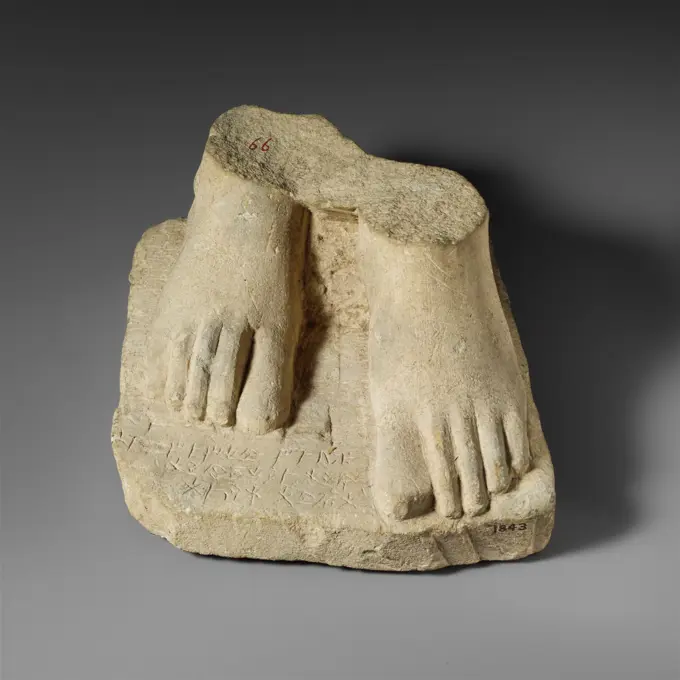
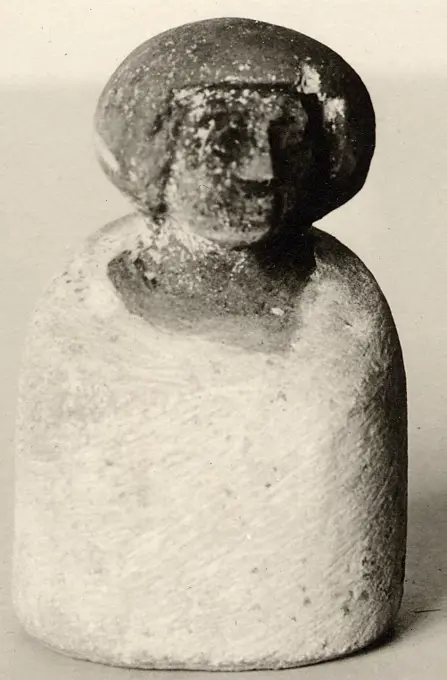
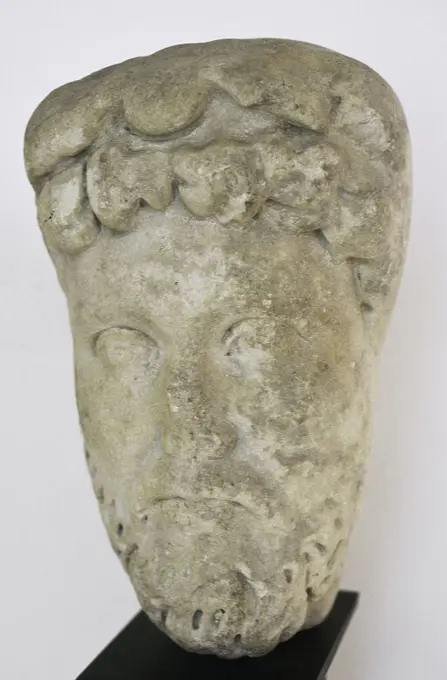
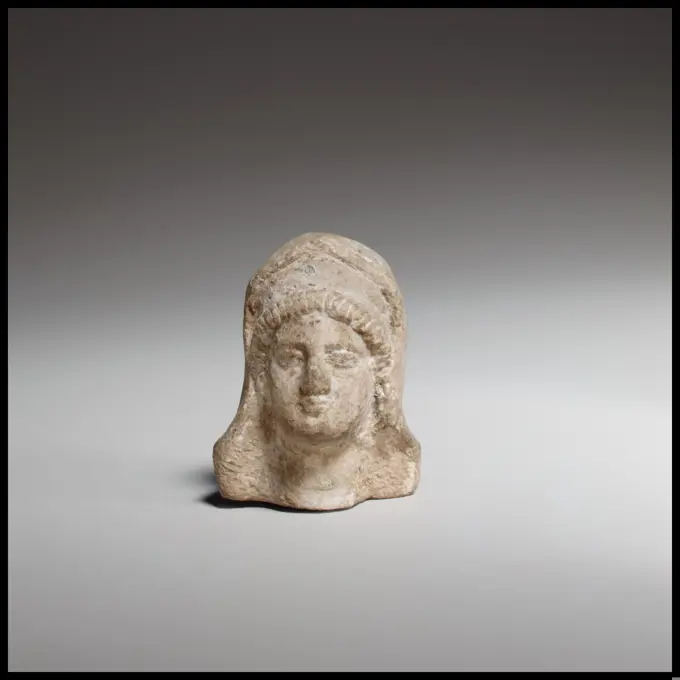
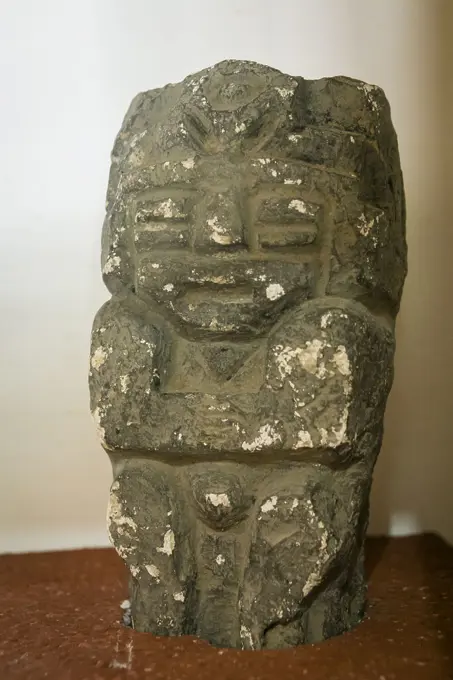
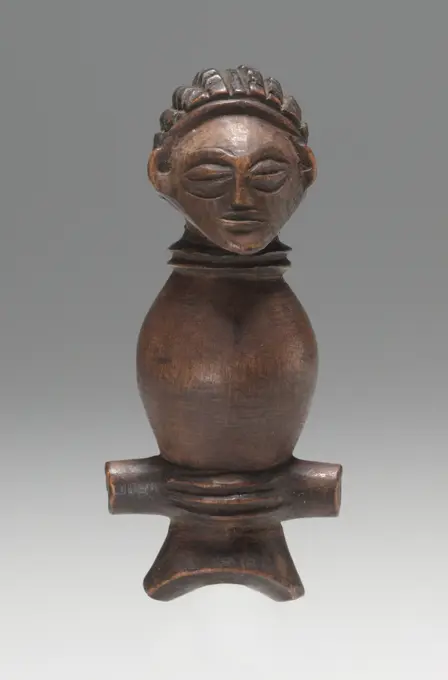
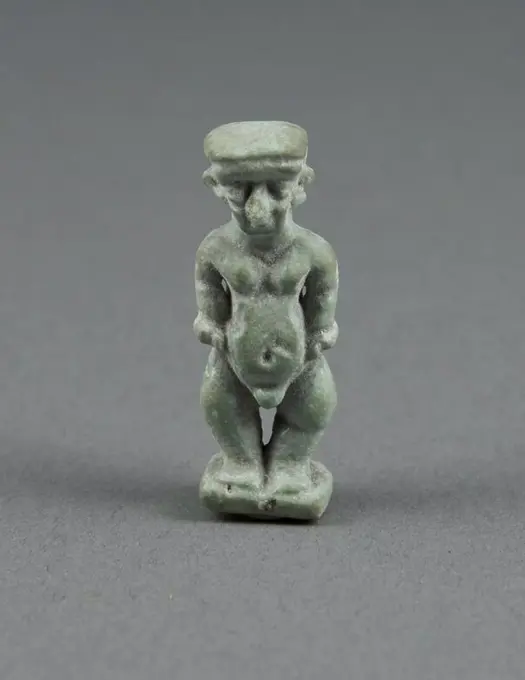
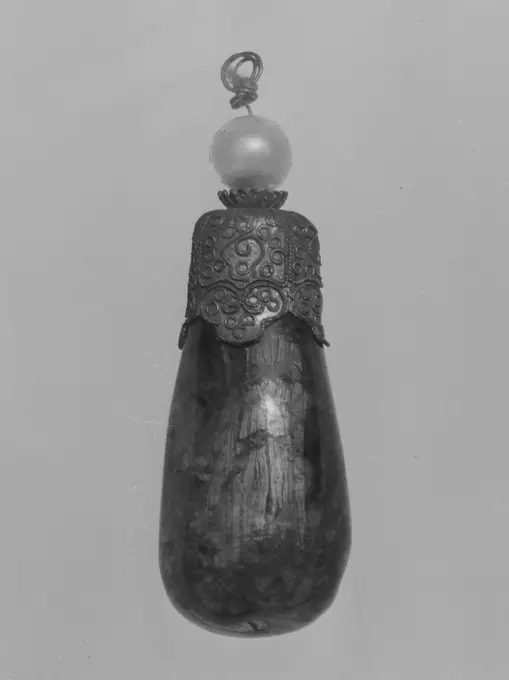
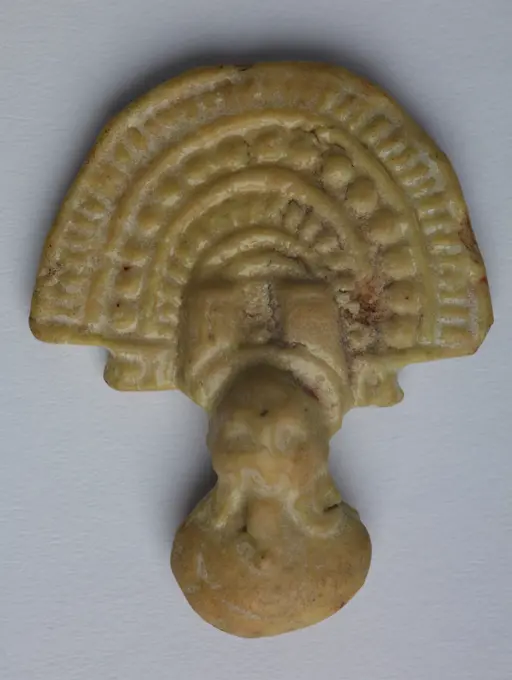
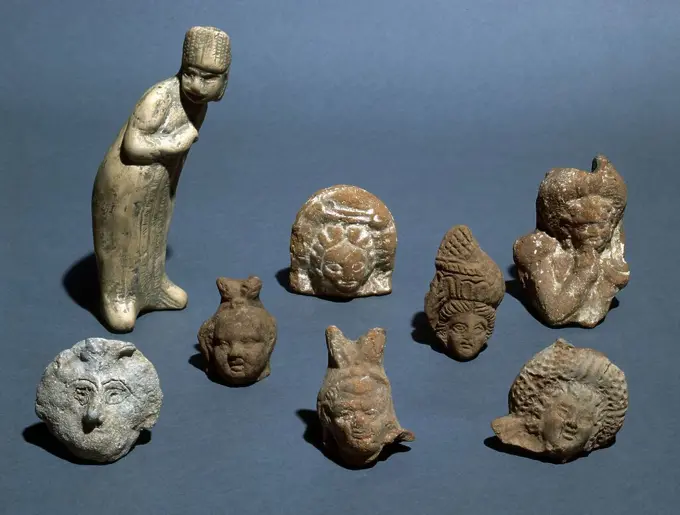
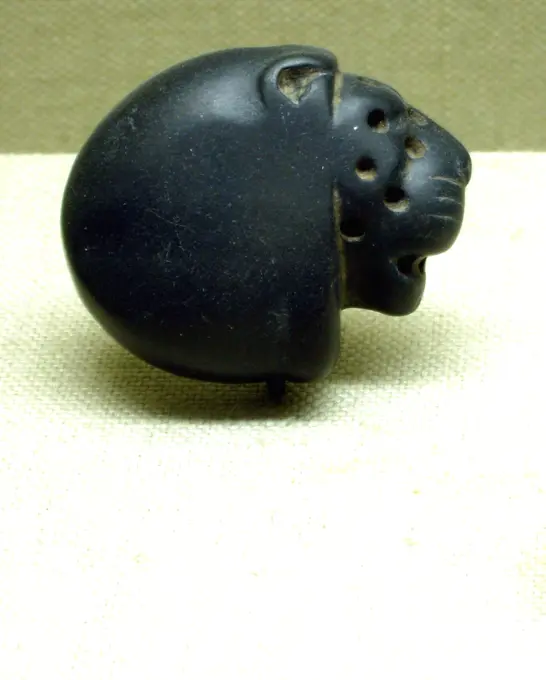
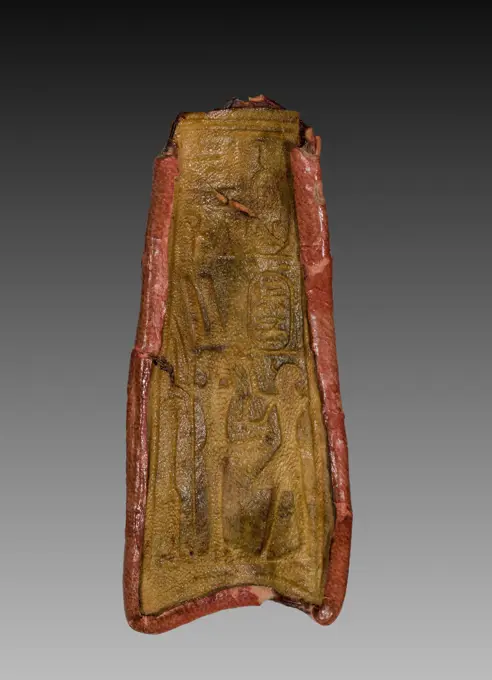
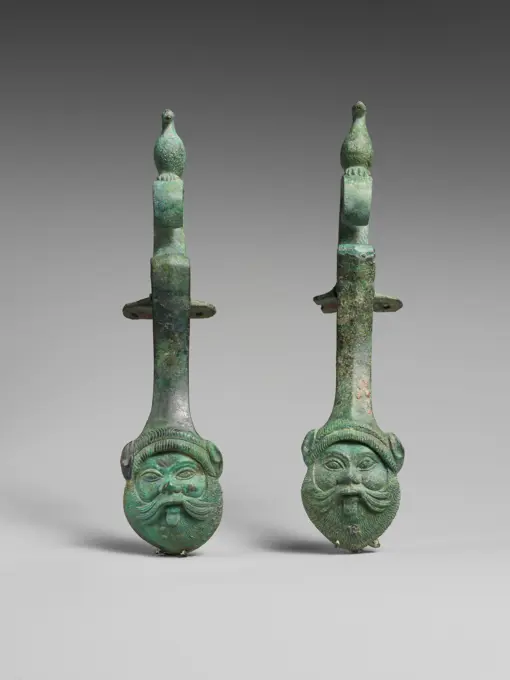
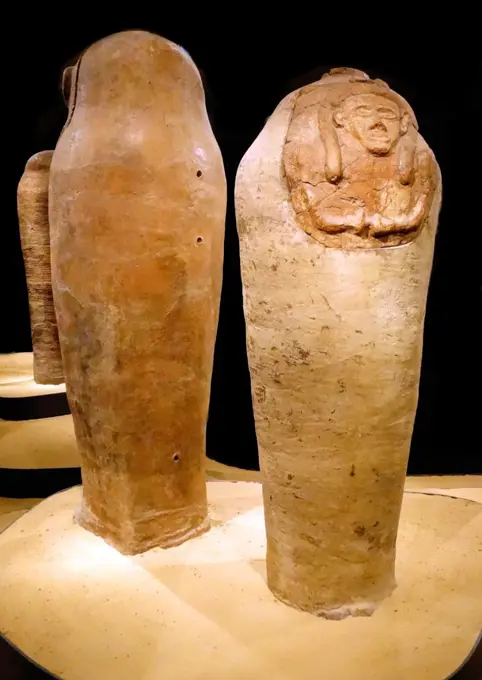
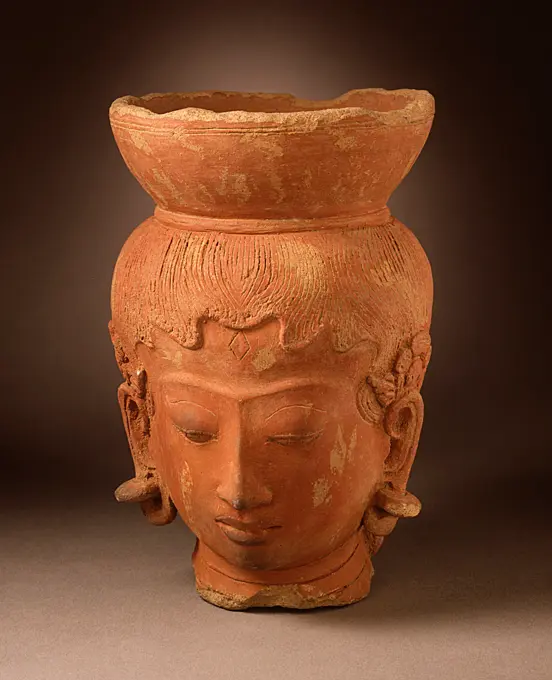
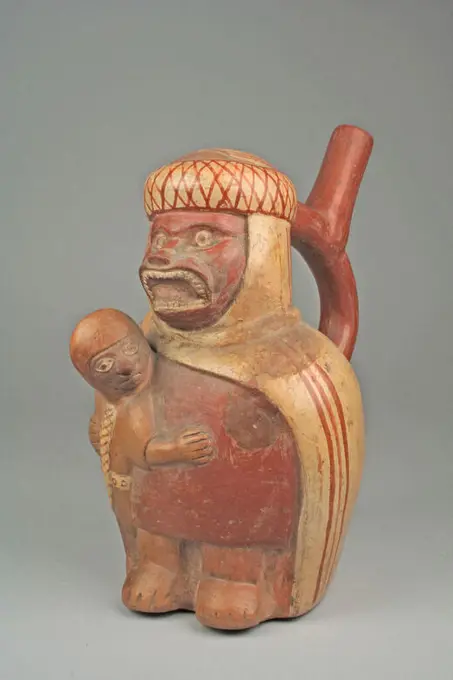
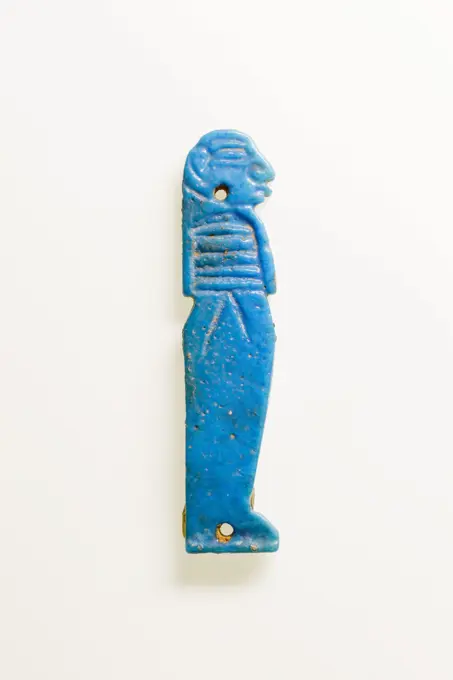
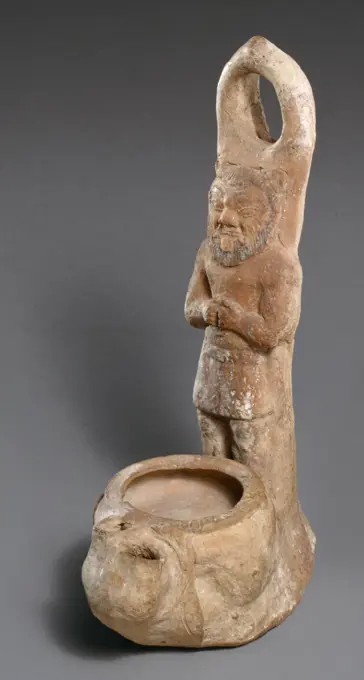
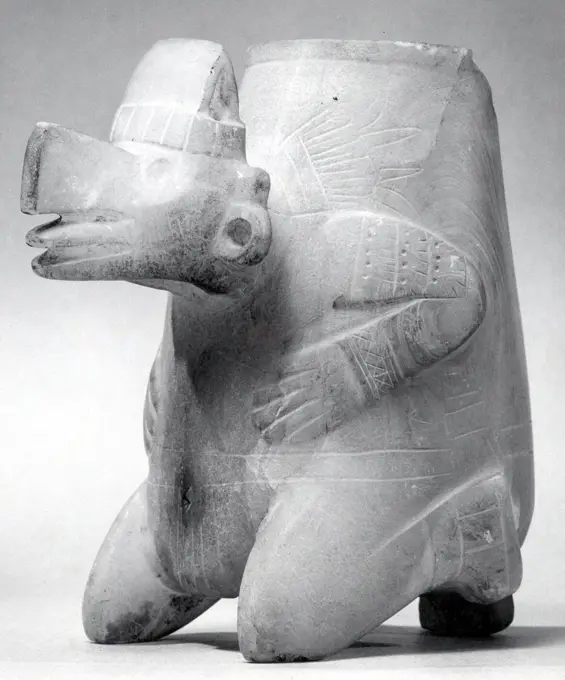
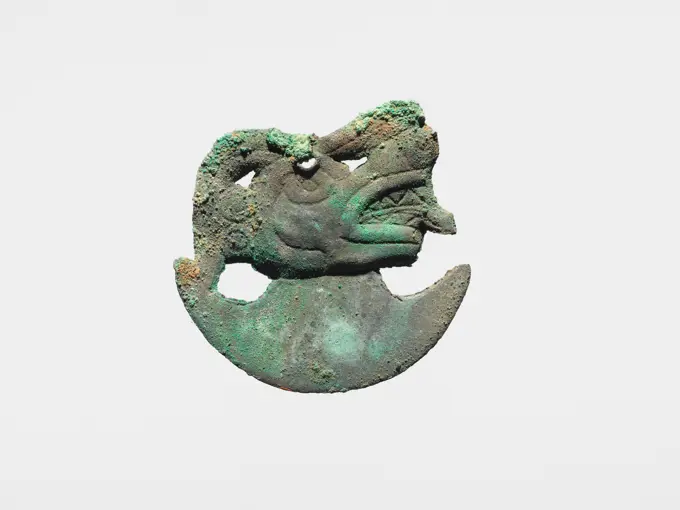
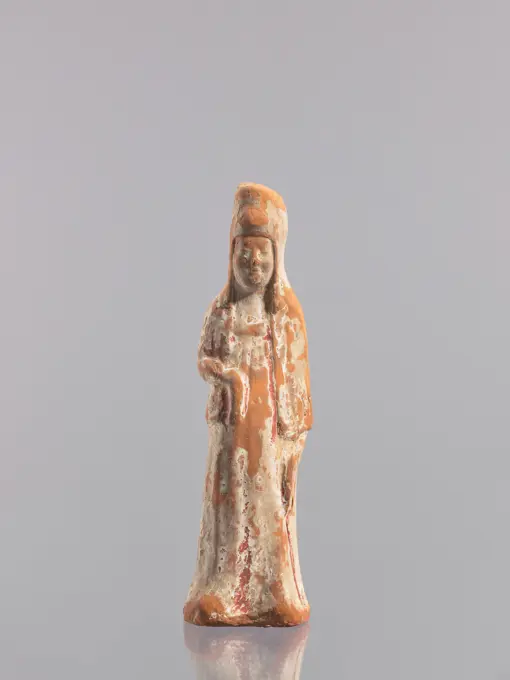
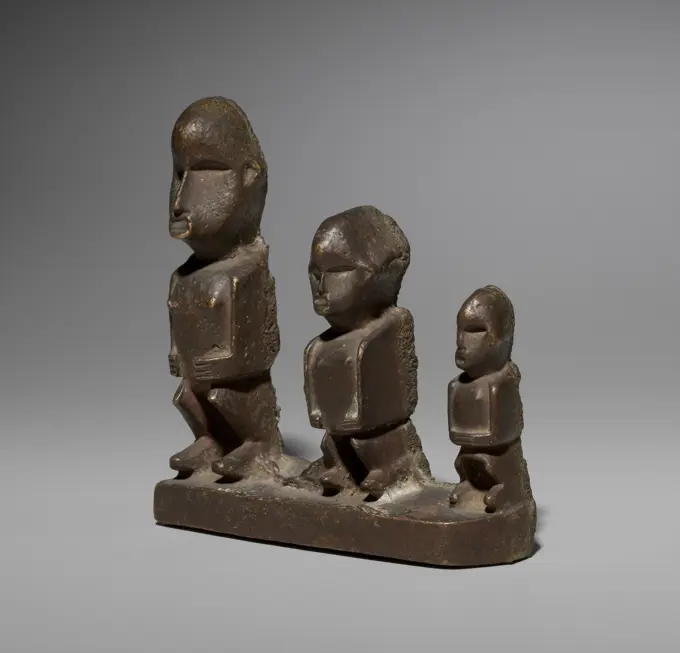
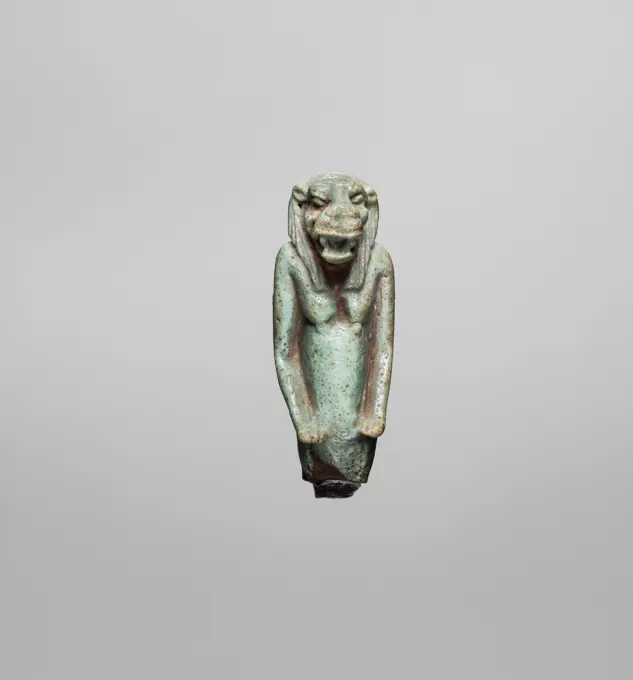
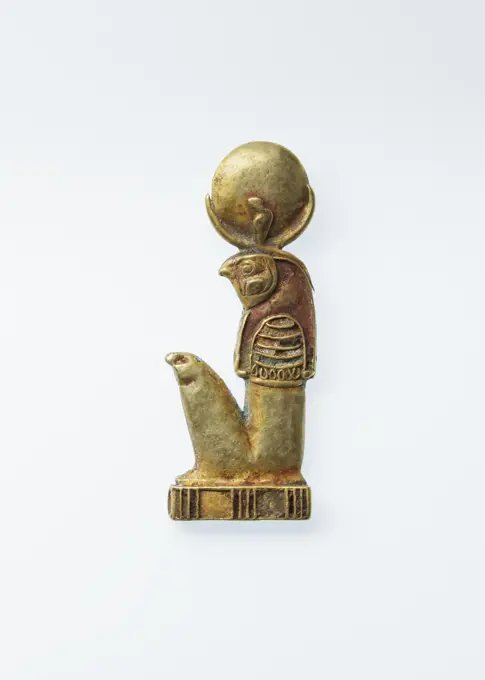
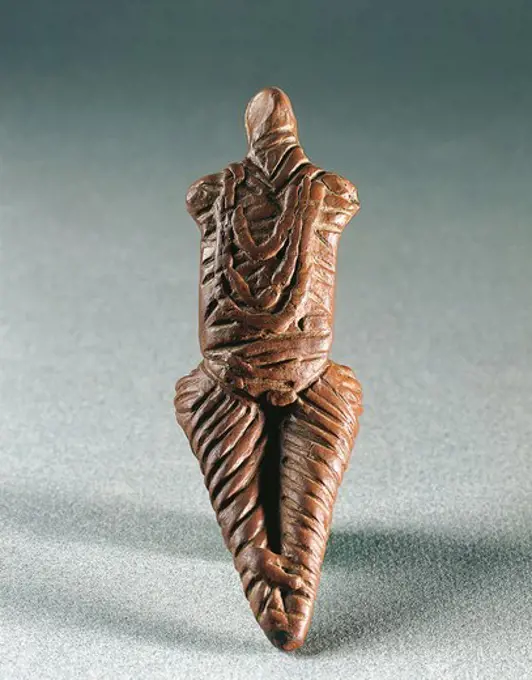
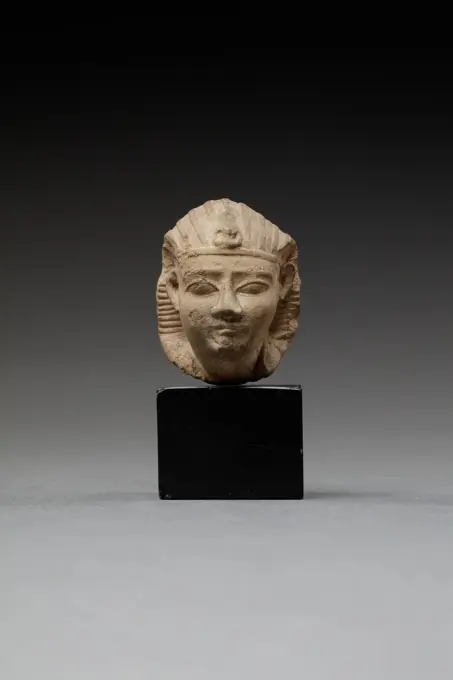
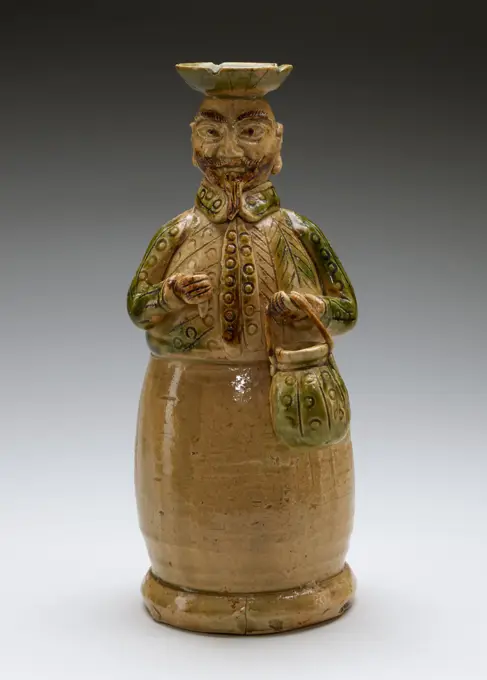
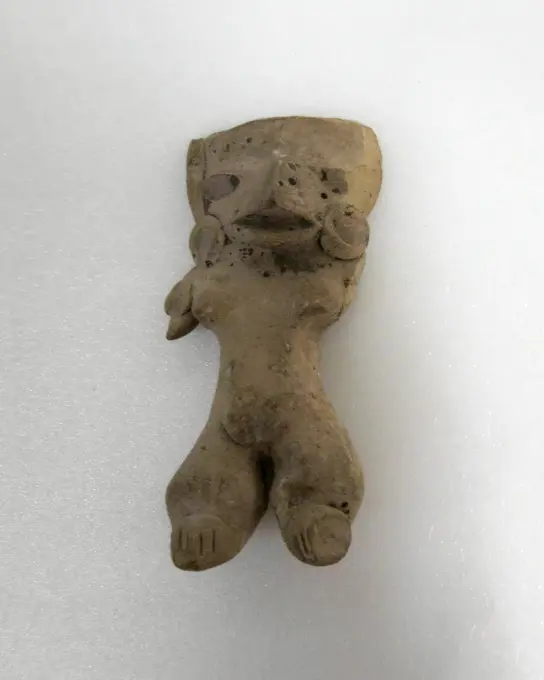
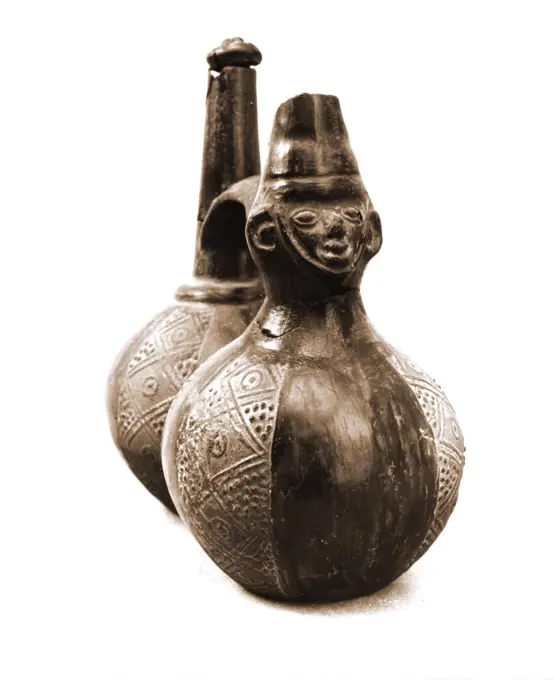
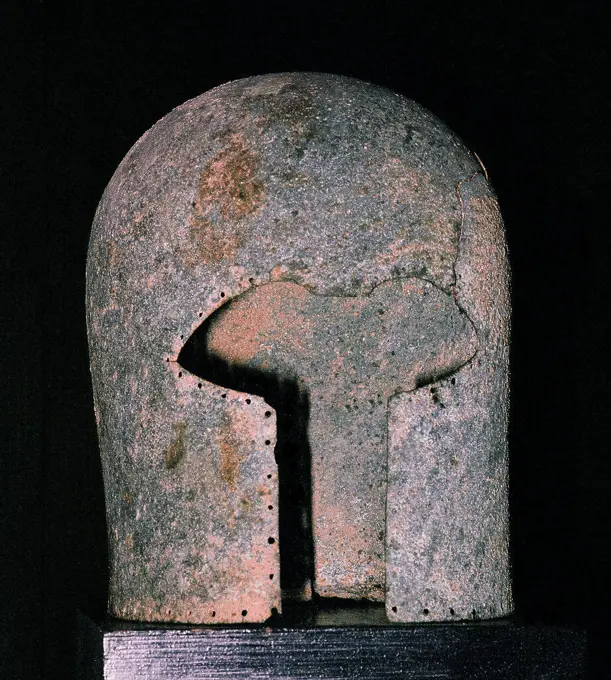
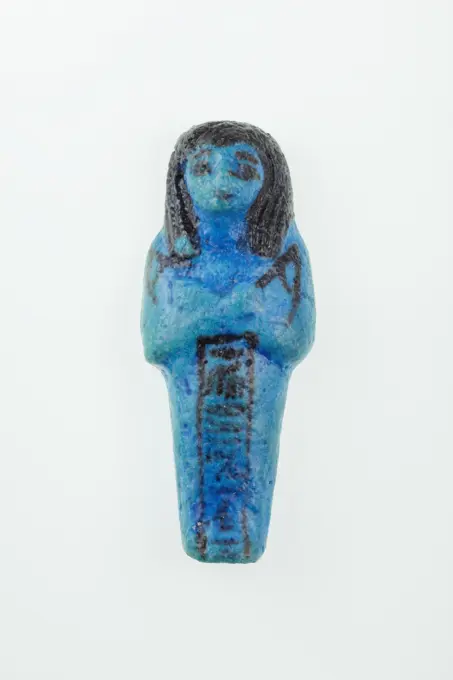
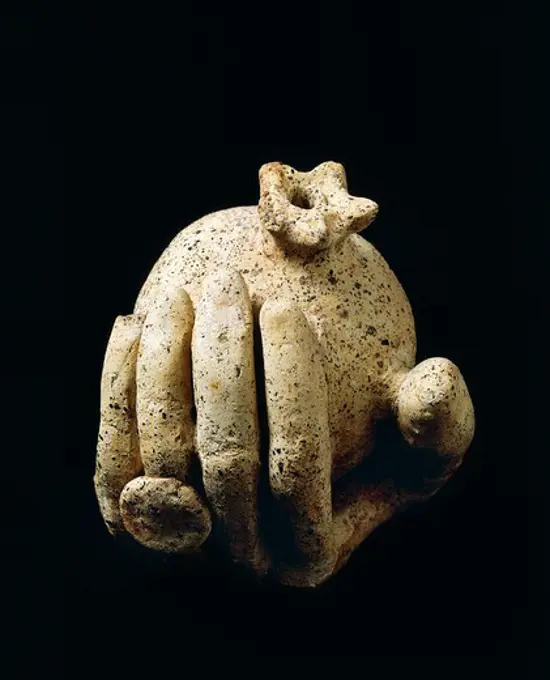
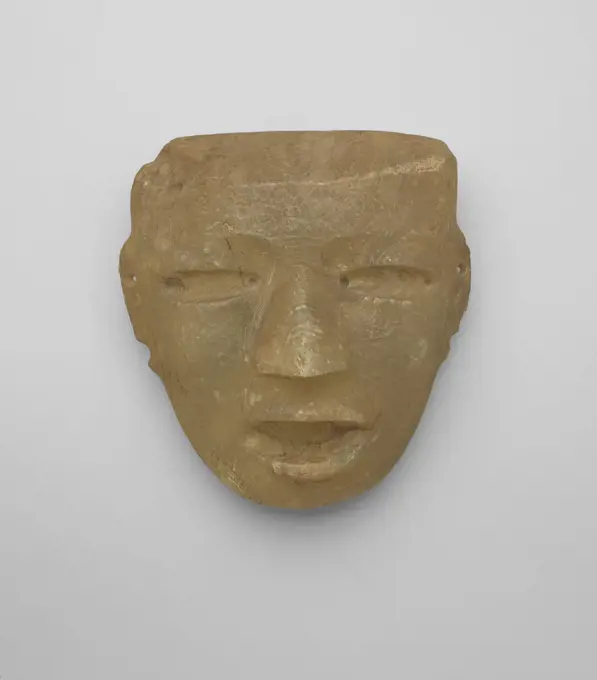
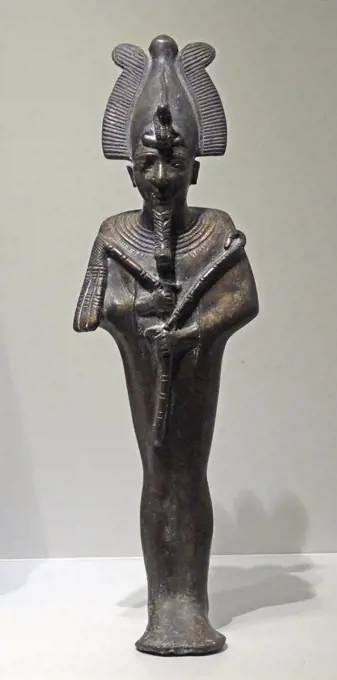
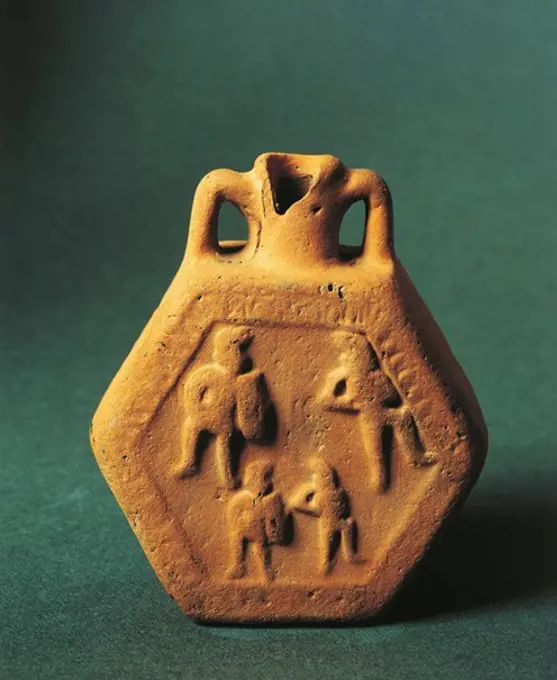
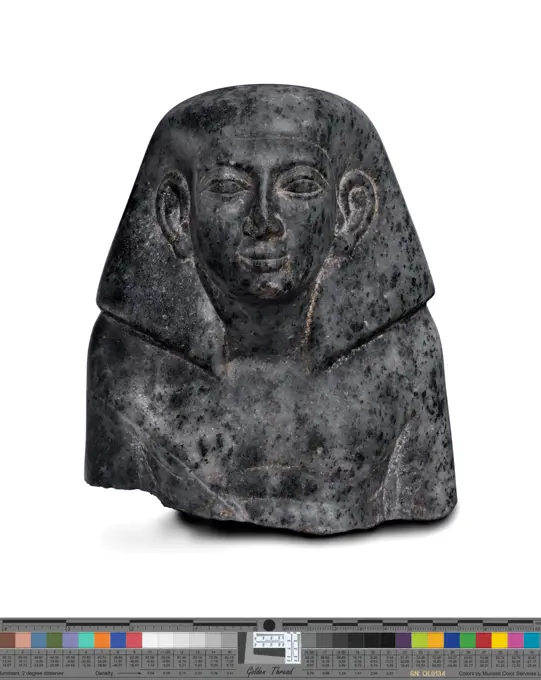
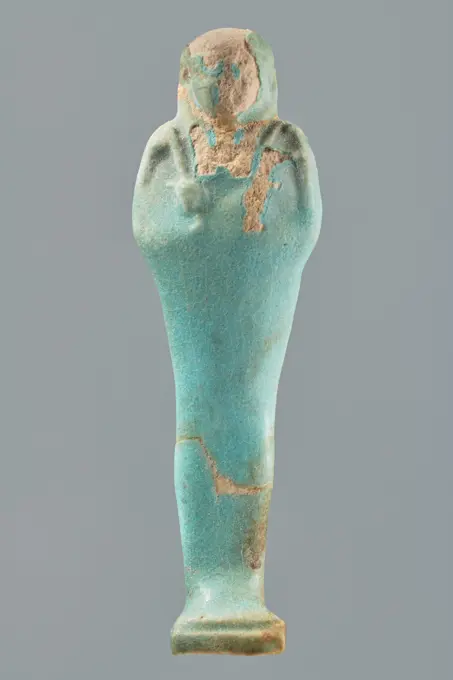
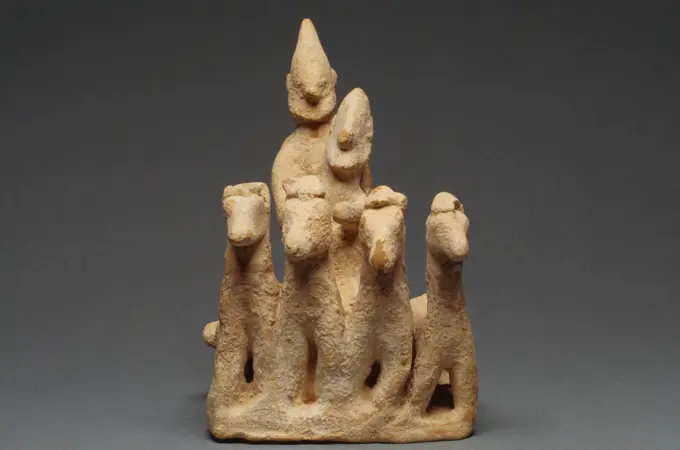
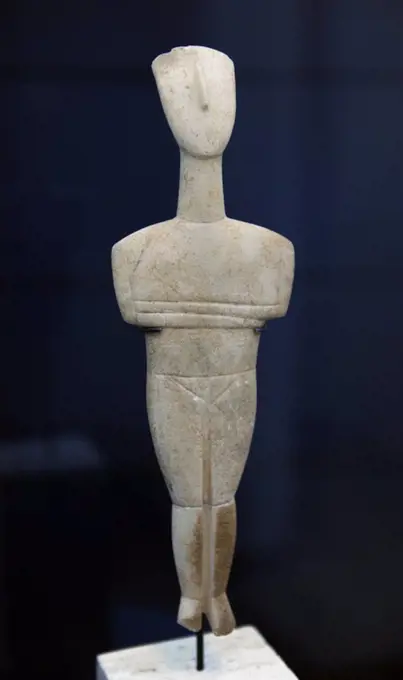
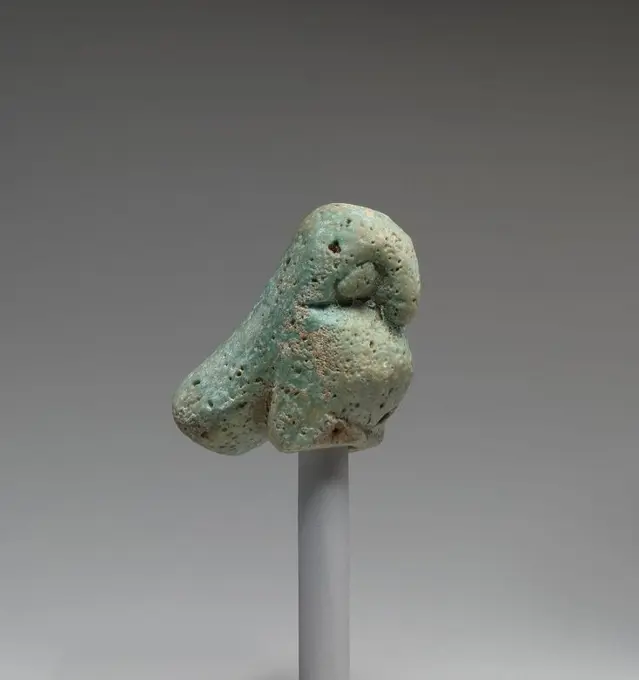
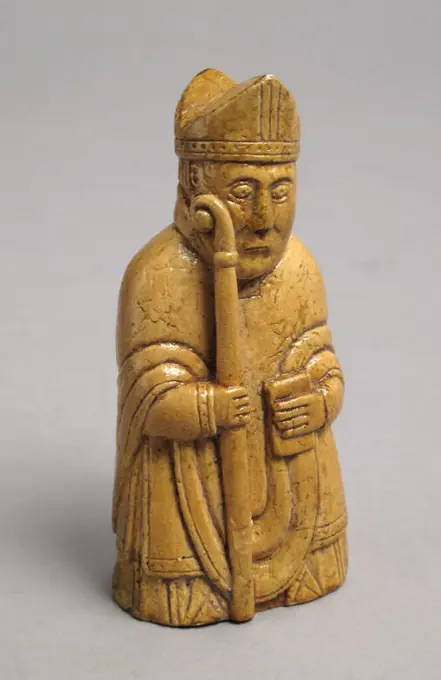
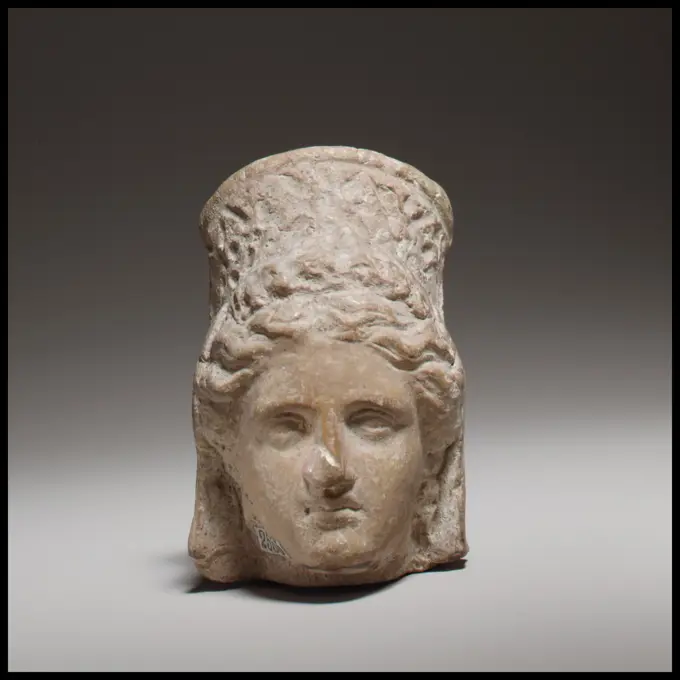
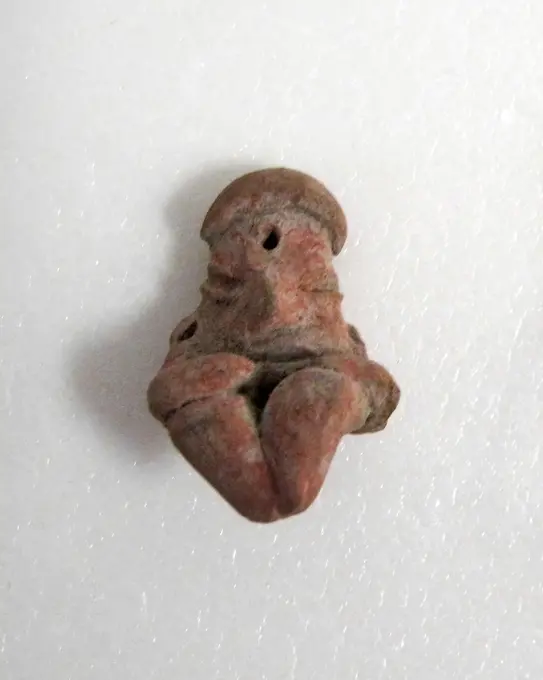
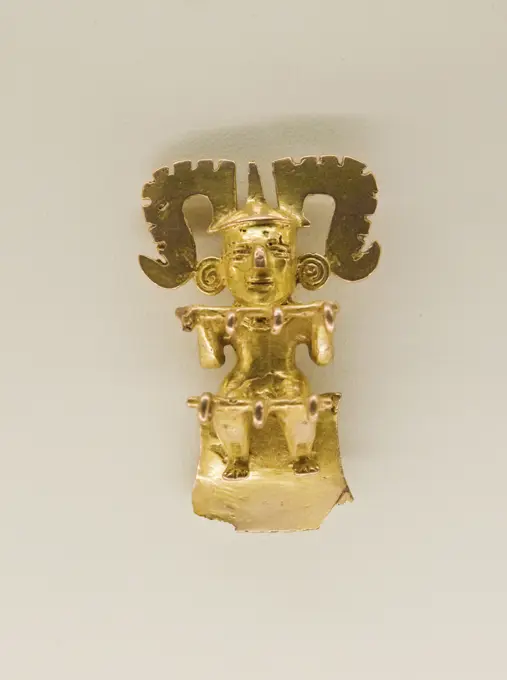
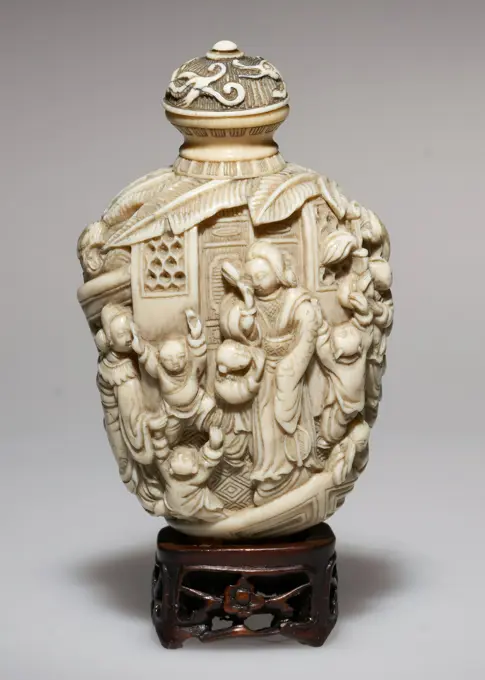
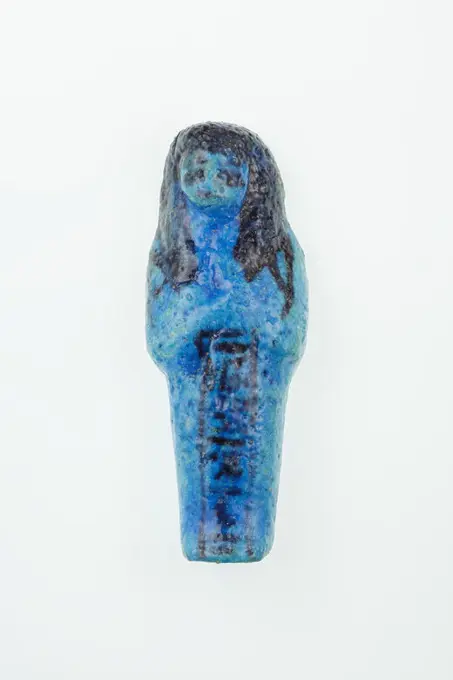
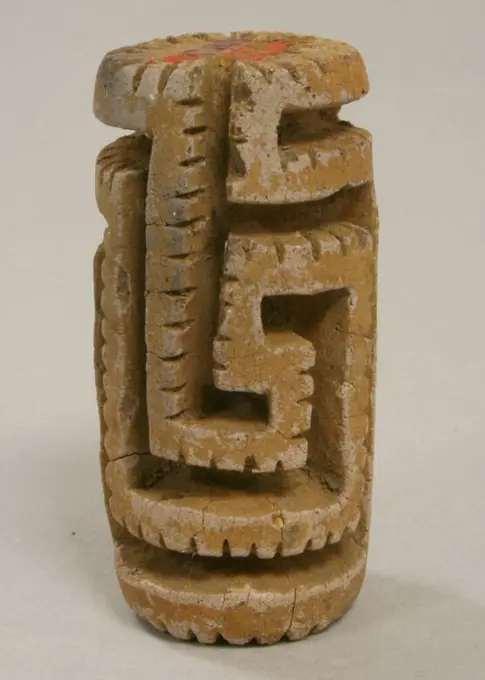
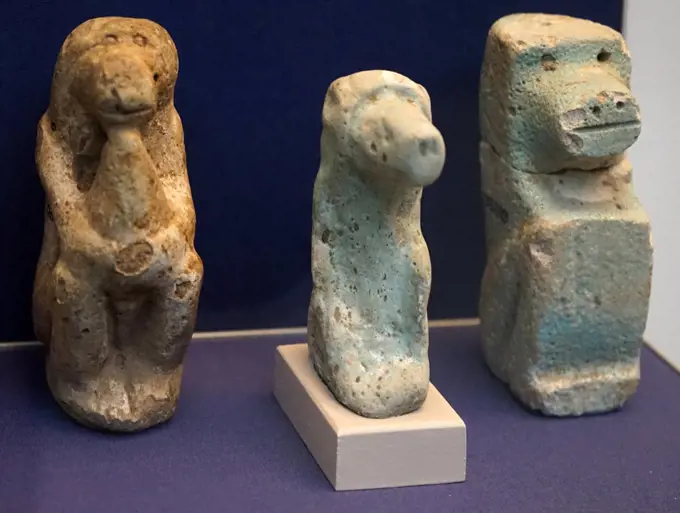
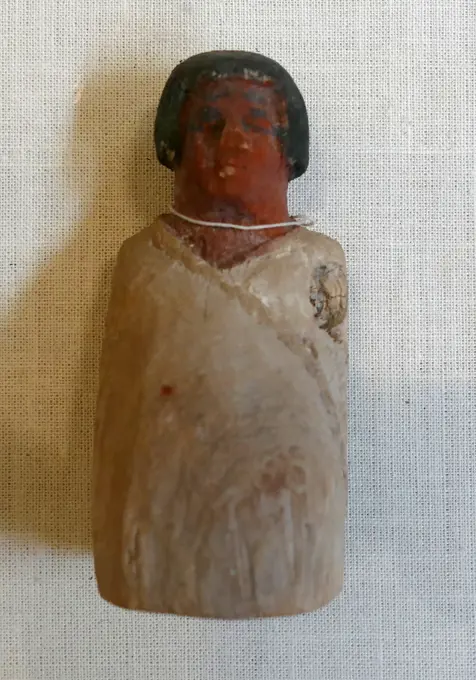
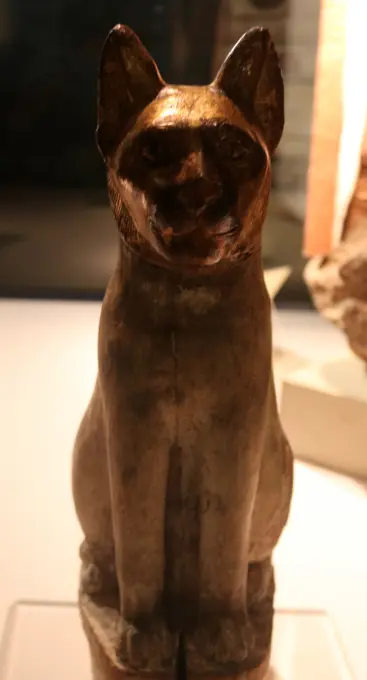
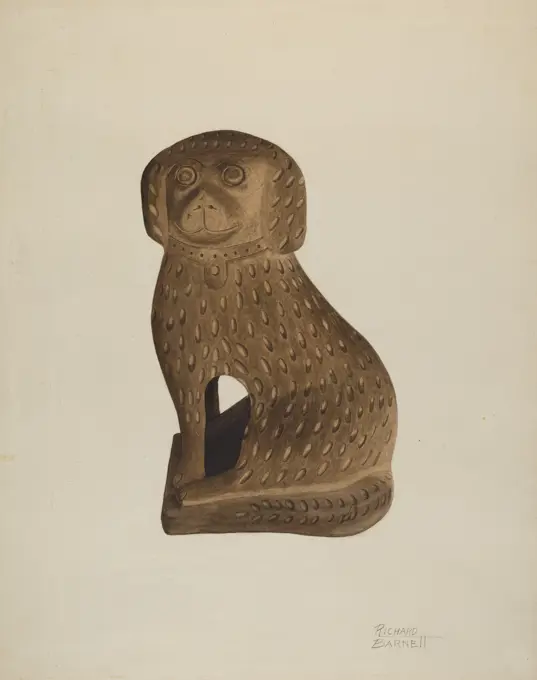
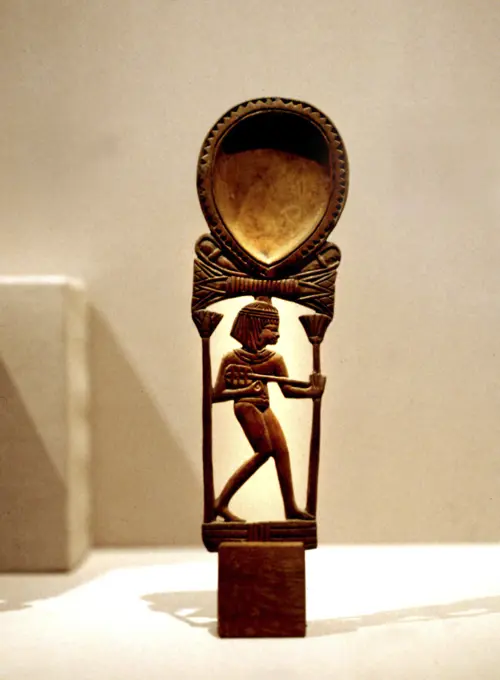
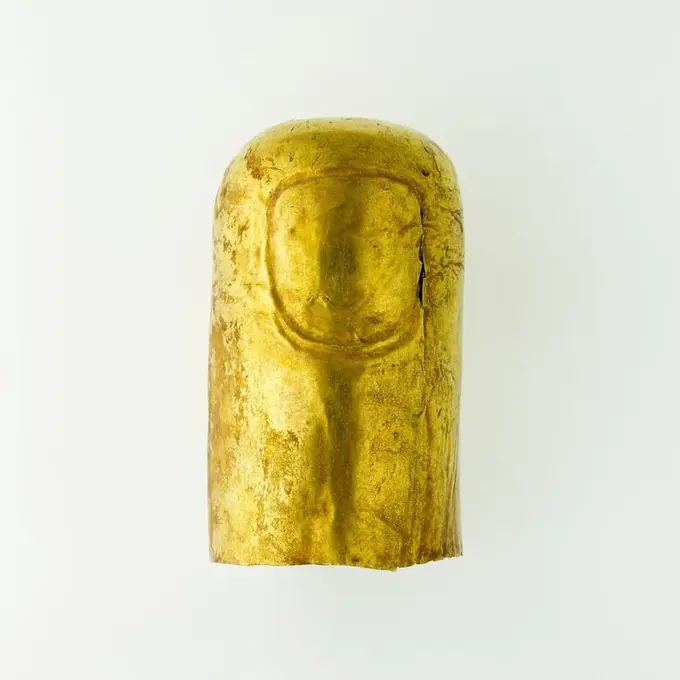
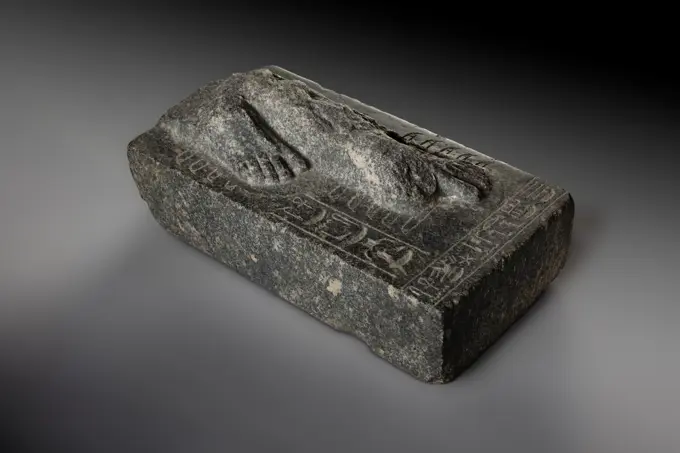
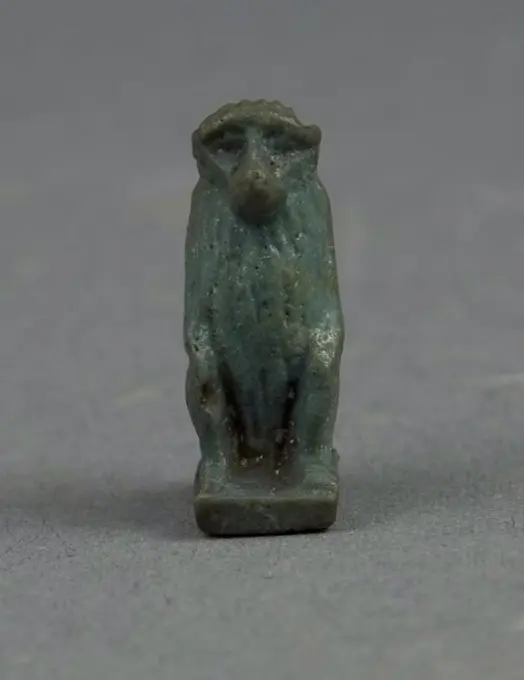
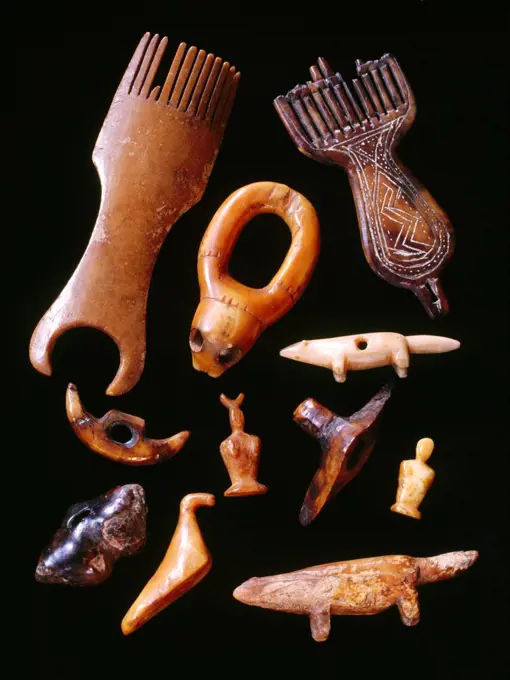
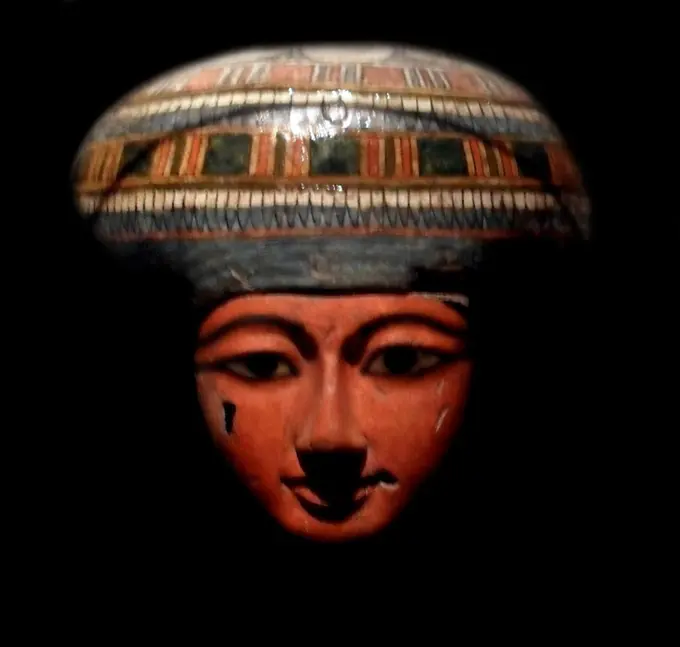
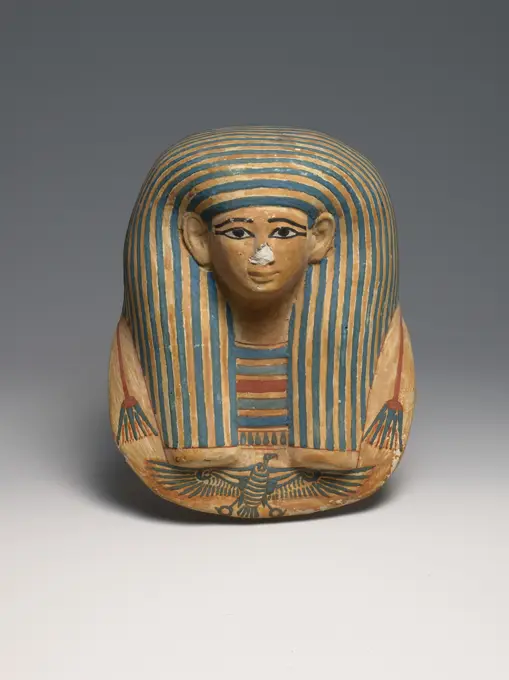
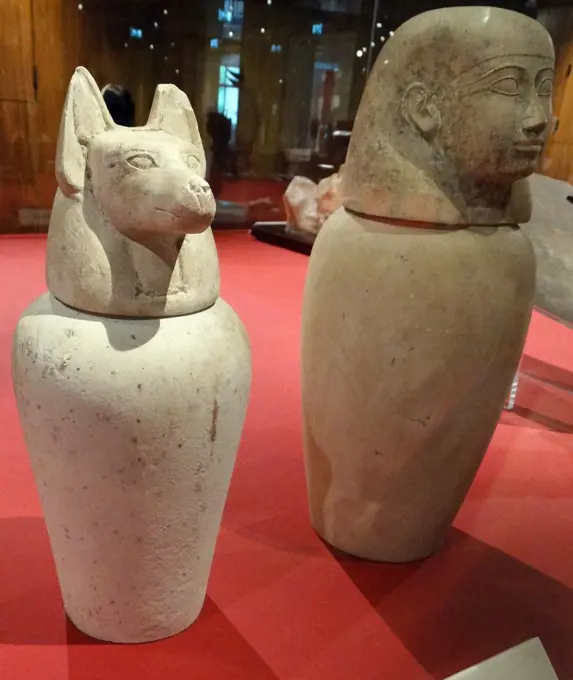
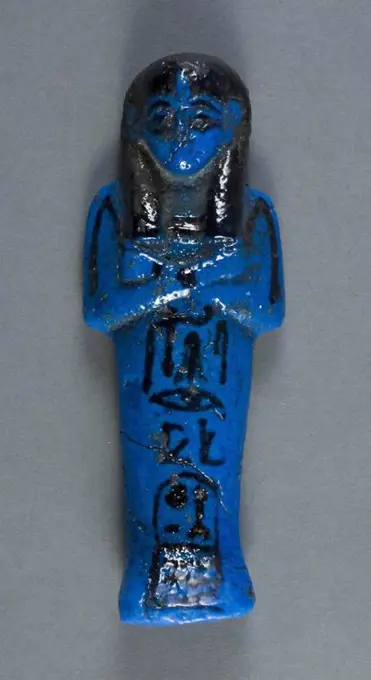
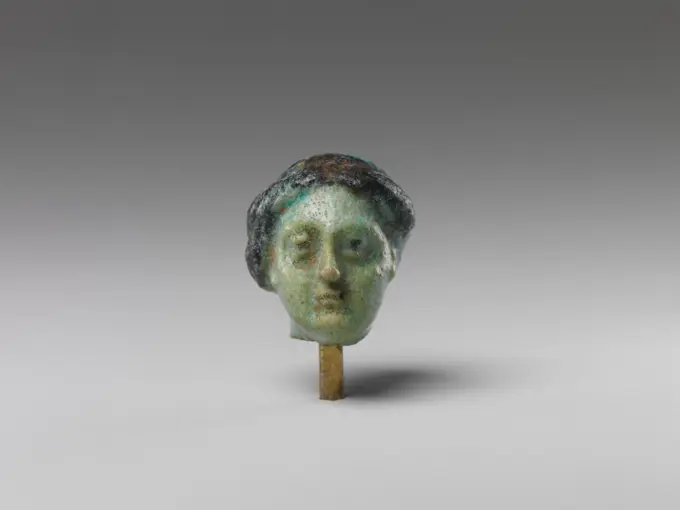
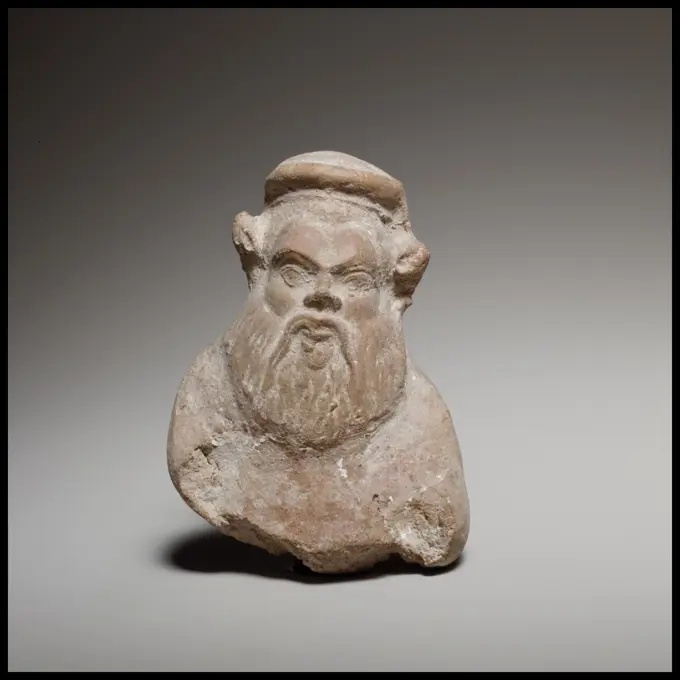
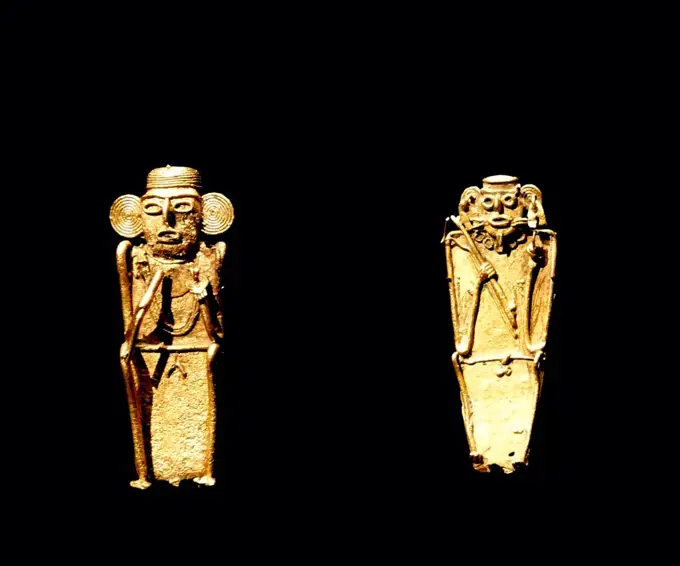
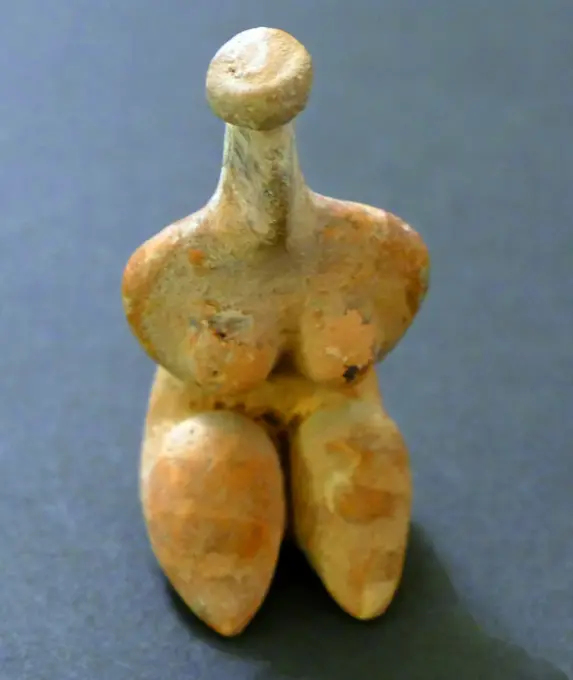
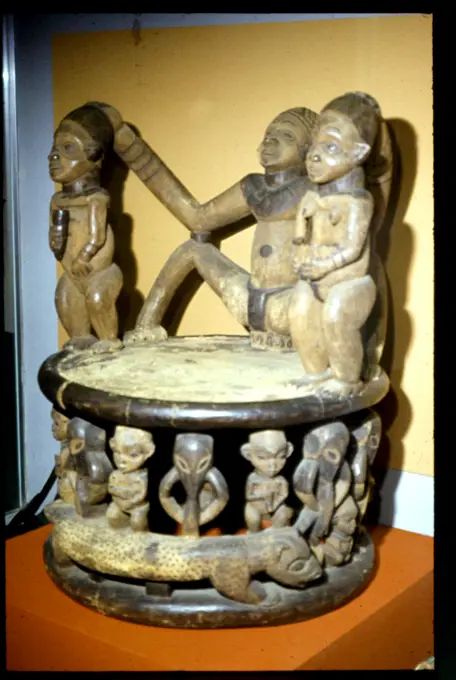
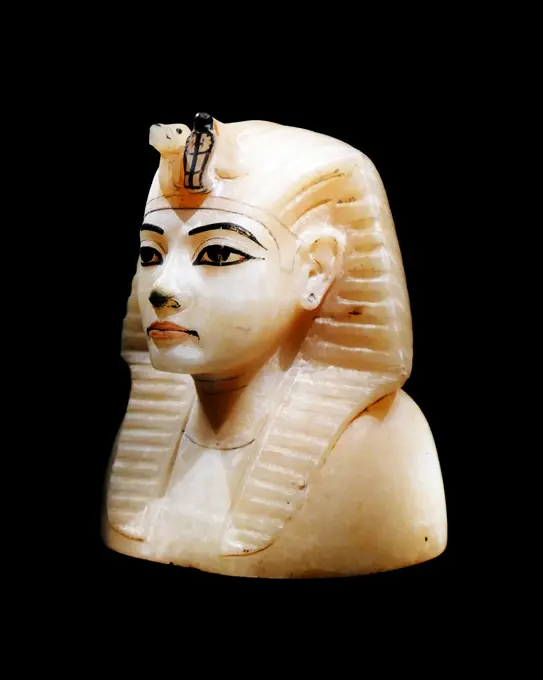
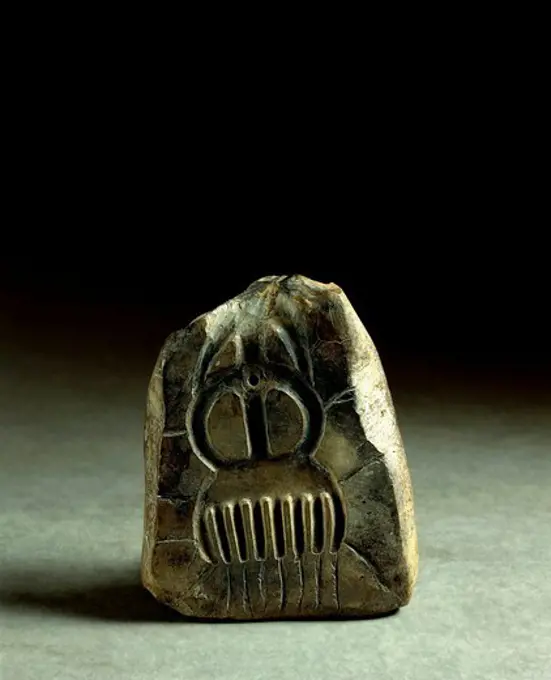
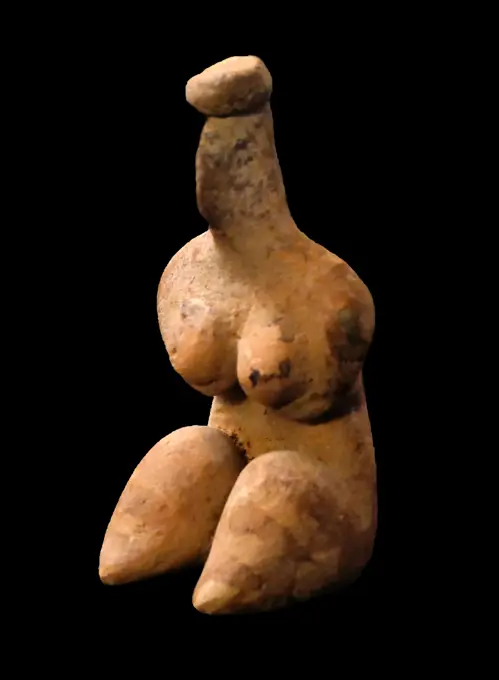
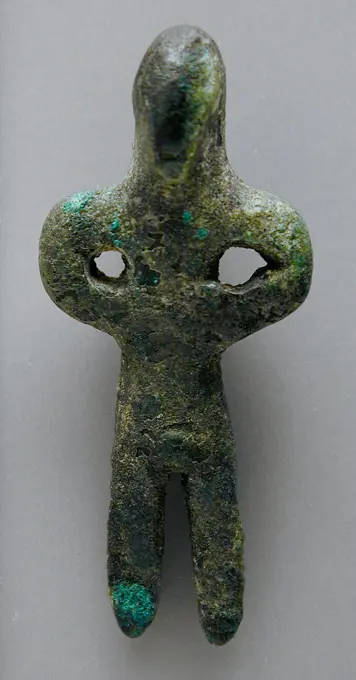
Pendant. Western Iran, circa 1000-650 B.C.. Jewelry and Adornments; pendants. Bronze, castStirrup Spout Bottle with Figure 4th-7th century Moche. Stirrup Spout Bottle with Figure 309339Figurine Head, 1500-1000 BC. Mexico, Guerrero, Xochipala, 16th-11th century BC. Pottery; overall: 3.1 x 2.4 x 2 cm (1 1/4 x 15/16 x 13/16 in.).Fragment of a Feather-Garmented Figure, 1540-715 BC. Egypt, New Kingdom or Third Intermediate Period. Limestone; overall: 9 x 5.6 x 5.8 cm (3 9/16 x 2 3/16 x 2 5/16 in.).Standard Finial. Iran, Luristan, circa 1350-800 B.C.. Architecture; Architectural Elements. Bronze, castPendant: Ram's Head; Italy; 500 - 400 B.C; Amber; 20.5 × 12.5 × 27.5 mm (13,16 × 1,2 × 1 1,16 in.)Stirrup Spout Bottle with Figure. Culture: Moche. Dimensions: H. 7 5/8 x W. 4 15/16 in. (19.4 x 12.5 cm). Date: 4th-7th century. Museum: Metropolitan Museum of Art, New York, USA.Worker Shabti of Nany ca. 1050 B.C. Third Intermediate Period See 30.3.26.1a, b. Worker Shabti of Nany 625712Console with abstract ornaments, console building element sandstone stone, sculpted Console with curved sides at the bottom and top of the sides, curls and lilies and tongue-like curl at the front. In front of square piece with pyramidal decorations.Object native to Egypt created from the semi- precious stone Lapis lazuli. Mini sarcophagus. Barcelona. Spain 2013Amulet 1820-50 Tlingit. Amulet. Tlingit. 1820-50. Ivory. United States, Alaska. Bone/Ivory-SculptureTerracotta head of a woman 3rd-2nd century B.C. Egyptian () With wreath and heavy fillet around head, and earrings.. Terracotta head of a woman 246749Face Mask Ornament 6th-7th century Moche (Loma Negra). Face Mask Ornament 314547Architectural ModelPre-Columbian art. Pre-Incan. Negative Carchi culture. 850-1500 AD. "Coquero". Man sitting with hands on knees and chewing coca leaves.20 x 10,5 x 8 cm. From Ecuador. Private collection.Spoon Fragment with a FluteplayerLimestone plinth with the feet of a male statuette mid- or 2nd half of 6th century B.C. Cypriot On a plinth with Cypriot inscription, dedicated to the God with Two Right Hands.. Limestone plinth with the feet of a male statuette 241890Model figure from boat ca. 1900-1850 B.C. Middle Kingdom. Model figure from boat 546845Marcus Aurelius (Marcus Aurelius Antoninus) (121-180). Roman emperor (161-180). Fifth of the Five Good Emperors. NervaAntonine dynasty. Head of a statue of the Emperor Marcus Aurelius. 2nd century AD. From Constantia. National Archaeological Museum. Sofia. Bulgaria.Female head Cypriot 2nd-1st century BCE The head is mold-made and solid. The back is handmade and flattened. The head and neck are preserved.bronze votive offering, Iberian sanctuaries of Collado de los Jardines and Castellar de Santisteban, Iberian culture, Archeological Museum. Úbeda, Jaén province, Andalusia, Spain.Anthropomorphic sculpture, central square museum, Chichicastenango, municipality of the department of El Quiché, Guatemala, Central America.Whistle, late 1800s. Central Africa, Democratic Republic of Congo or Angola, Chokwe people, late 19th century. Wood; overall: 8.9 x 3.8 cm (3 1/2 x 1 1/2 in.).Chess Piece, probably a Pawn 8th-11th century. Chess Piece, probably a Pawn 452386Amulet of Pataikoi (or Ptah). Egyptian. Date: 1070 BC-656 BC. Dimensions: 3.8 × 1.6 × 1.3 cm (1 1/2 × 5/8 × 1/2 in.). Faience. Origin: Egypt. Museum: The Chicago Art Institute, Chicago, USA. Author: Ancient Egyptian.Funerary Staffs 15th-16th century Inca. Funerary Staffs 313056Pendant China. Pendant. China. Jadeite, mottled green. Qing dynasty (1644-1911), Qianlong period (1736-95). JadeAmulet - AegisFIGURILLA Y CABEZAS DE TERRACOTA. Location: BANCO EXTERIOR-COLECCION. MADRID. SPAIN.Seal amulet in the form of a lion's head ca. 3300-2900 B.C.. Seal amulet in the form of a lion's head 327294Mummy Band, 945-715 BC. Egypt, Third Intermediate Period, Dynasty 22, reign of Osorkon I. Stained leather; overall: 3 cm (1 3/16 in.).Pair of bronze amphora (jar) handles 5th century B.C. Etruscan These elegant handles were once attached to the sides of a large bronze amphora with two rivets at the rim and one on the satyr-head escutcheon. A bird, perhaps a dove or a duck, surmounts the curving volute at the top of each handle.. Pair of bronze amphora (jar) handles. Etruscan. 5th century B.C.. Bronze. Classical. BronzesHuman-shaped Coffins from Deir el-Balah, Southern costal plain. Dated 13th Century B.COffering Vessel in the Form of a Female Head. Indonesia, East Java, Trawulan (), 14th-15th century. Furnishings; Serviceware. TerracottaAmulet - egida z głową bogini Sachmet. unknown, authorStirrup Spout Bottle with Figures. Culture: Moche. Dimensions: H. 7 7/8 in. (20 cm). Date: 3rd-7th century. Museum: Metropolitan Museum of Art, New York, USA.Son of Horus (Imsety) from Bead Net Third Intermediate Period-Late Period ca. 1070-525 B.C. View more. Son of Horus (Imsety) from Bead Net. ca. 1070-525 B.C.. Blue faience. Third Intermediate Period-Late Period. From Egypt, Upper Egypt, Thebes, Deir el-Bahri, Cemetery 100, Tomb TT 114, MMA excavations, 1926-27. Dynasty 21-26Terracotta lamp representing Bes end of 6th century B.C. Cypriot A small lamp with a short nozzle and flat rim is embedded in a deeper bowl and attached to a vertical handle decorated on the front with a figure of Bes. Incised in the Cypriot syllabary on the rim of the lamp is the inscription "of Philotimos," who was perhaps the maker or owner.. Terracotta lamp representing Bes. Cypriot. end of 6th century B.C.. Terracotta; mold-made and hand-made. Cypro-Archaic II. Cesnola InscriptionsEhecatl Vessel 10th-13th century Mixtec. Ehecatl Vessel 313146Harpokrates;  Hellenistic or Roman period (0-00-00-0-00-00);Daszewski, Wiktor A. (1936-), Daszewski, Wiktor A. (1936-)-collection, gift (provenance)Crescent Ornaments 6th-7th century Moche (Loma Negra). Crescent Ornaments. Moche (Loma Negra). 6th-7th century. Copper. Peru. Metal-OrnamentsFigure of a standing woman - sepulchre figurine. unknown, craftsmanGroup Figures(Buti)Chariot Linchpin with Rabbit 11th-9th century B.C. China. Chariot Linchpin with Rabbit 49502Amulet - Toeris. unknown, authorKhonsu pendant ca. 1295-1070 B.C. New Kingdom, Ramesside. Khonsu pendant. ca. 1295-1070 B.C.. Gold. New Kingdom, Ramesside. From Egypt. Dynasty 19-20Terracotta idolHead of a King Wearing the Nemes ca. 6th-4th century B.C. () Late Period Although his facial features have been altered and his name lost (origially it would have been inscribed on the base or the back of the completed figure), this royal head can be dated to the Late Period. It is carved from limestone and one can suppose it was painted in ancient times. The distinctive nemes headdress and the uraeus characterize it as a royal effigy.. Head of a King Wearing the Nemes. ca. 6th-4th century B.C. (). Limestone. Late Period. From EgyptCandlestick in the Shape of a European Man, 17th century, Unknown Japanese, 12 × 5 × 4 7/8 in. (30.48 × 12.7 × 12.38 cm), Oribe ware; glazed stoneware, Japan, 17th century, This stoneware candlestick takes the shape of a so-called nanban, or 'southern barbarian,' a word used historically in Japan to refer to Europeans. Here, red bushy eyebrows and a beard, a prominent nose, large eyes, and his collared shirt all highlight his foreignness. The green glaze that covers the jar he carries as well as part of his shirt is characteristic of Oribe ceramics, which were made in the Mino region of central Japan and demonstrated more diversity of form and surface decoration than most other Japanese ceramics of the time. The bowl-shaped plate on top of his head would have once had a metal pricket onto which a candle would have been placed.Ceramic Head Vessel 10th-13th century Toltec (). Ceramic Head Vessel 312896Standing figure, 200-700, 2 5/8 x 1 5/8 x 1 in. (6.7 x 4.1 x 2.5 cm), Earthenware, Mexico, 3rd-8th centuryAbruzzo, L'Aquila, S. Giuliano (L'Aquila environs), Museo, Italy, 20th century, photo, photography, EuropeStanding female figure, 200-700, 3 3/4 x 2 x 3/4 in. (9.5 x 5.1 x 1.9 cm), Earthenware, Mexico, 3rd-8th centuryCASCO GRIEGO S VII-ANTES DE RESTAURAR (Nº 16088 RESTAURADO). Location: MUSEO DE CADIZ-ARQUEOLOGIA. Cadiz. SPANIEN.Ceramic vessel, erotic art Moche culture 100 AC-800 AC Perú.Worker Shabti of Nany ca. 1050 B.C. Third Intermediate Period See 30.3.29.1a, b. Worker Shabti of Nany. ca. 1050 B.C.. Faience. Third Intermediate Period. From Egypt, Upper Egypt, Thebes, Deir el-Bahri, Tomb of Meritamun (TT 358, MMA 65), first corridor, burial of Nany, MMA excavations, 1928-29. Dynasty 21Terracotta sculpture, from the site of Lavinium-Pratica di Mare, Lazio, Italy. Detail of a hand presenting a pomegranate. Latin Civilization, 5th Century BC.Mask, A.D.200-500, Calcite (cave onyx), 17.7 × 16.7 × 6.8 cm (6 15/16 × 6 9/16 × 2 11/16in.), Made in Mexico, Mexico, Valley of Mexico, TeotihuacanCulture, Early ClassicPeriod, SculptureStatuette of Osiris, the king of the dead, shown as a mummy holding the royal insignia. From the 7th-5th century.Italy, Emilia-Romagna, Hip-flask representing gladiatorsFunerary Headrest. Egypt, 5th Dynasty, circa 2513-2374 BCE. Furnishings; Furniture. GraniteBust of an Official. Egypt, Middle Kingdom, late 12th or 13th Dynasty, circa 1991-1665 BCE. Sculpture. DioriteUszebti. unknown, authorStatuette of a Quadriga with Warrior and Charioteer. Unknown 6th century B.C. The terracotta statuette depicts a charioteer who drives a quadriga (four-horse chariot) and is accompanied by a warrior. Both figures are bearded and wear conical Cypriot caps or helmets. The chariot has a rounded back and two wheels attached to an axle on either side. The manes of the horses are high. Details, such as the horses bridles, would have originally been added in paint, but the pigment no-longer survives.Cycladic civilization. Early Bronze Age. 3300-2000 BC. Idol. Cycladic island of Amorgos, 2700-2300 BC. National Museum of Denmark.Figurine of a crouching falcon. Dimensions: H: 3.5 cm (1 3/8 in.); W: 4.2 cm (1 5/8 in.). Date: ca. 3100-2650 B.C.. Museum: Metropolitan Museum of Art, New York, USA.Chessman (Bishop). Culture: British, Birmingham after a Scandinavian original. Dimensions: Overall (confirmed): 4 x 1 7/8 x 1 3/8 in. (10.2 x 4.8 x 3.5 cm). Maker: Elkington & Co. (British, Birmingham, 1829-1963). Date: ca. 1870. Museum: Metropolitan Museum of Art, New York, USA.Terracotta head of a goddess 3rd century B.C. Greek, Cypriot Head of a goddess, mold-made and solid.. Terracotta head of a goddess 241089Miniature figurine, 1500 BCE, 1 3/16 in. (3.0 cm), Earthenware, Mexico, Pre-ClassicCosta Rica, San Jose, Gold Museum (Museo Oro), Gold Ornamental FigureSnuff Bottle, 1900-1935, 3 x 1 5/8in. (7.6 x 4.1cm), Ivory, ChinaCampania Caserta Capua Museo Campano89. Hutzel, Max 1960-1990 Medieval: Byzantine architectural fragments; parchment fragments with miniatures (12th century) from Montecassino; painted wooden crucifix (13th century); Carolingian crucifixes; Bishop's miter (11th century) of gold and silver damask; fresco (13th century). Post-medieval: Architecture (15th century). Formerly the Palazzo Antignano. Unusual Catalan/Moorish-style portal; Paintings on panel and canvas (15th-18th centuries); marble intarsia (16th century); marble sculpture: busts of Christ and Mary (17th century); sculpture of saints in marble and in wood (15th century); painted and gilded sculpture in wood; marble grave sculpture (16th century); sarcophagus with allegorical carvings; gold reliquary "Rosa d'Oro"; crucifix made of elephant tusk Specific Location: Pianterreno Antiquities: Italic sculpture (seated women holding babies); inscription. Photo campaign #1: 533 photos. Roman relief and sculpture; cinerary urns; Greek anWorker Shabti of Nany. Dimensions: H. 8.5 × W. 3.2 × D. 1.9 cm (3 3/8 × 1 1/4 × 3/4 in.). Dynasty: Dynasty 21. Reign: reign of Psusennes I. Date: ca. 1050 B.C..See 30.3.28.1a, b. Museum: Metropolitan Museum of Art, New York, USA.Roller Stamp. Culture: Atlantic Watershed. Dimensions: H. 2 x Diam. 7/8 in. (5.1 x 7/8 cm). Date: 5th-6th century. Museum: Metropolitan Museum of Art, New York, USA.Egyptian Faience baboon figurines.Human Figure Maya 100 BCE-200 CE View more. Human Figure. Maya. 100 BCE-200 CE. Clay. Mexico, Mesoamerica, Veracruz. Ceramics-SculptureStanding Farmer holding a Pitchfork China. Standing Farmer holding a Pitchfork 44393Model of an Egyptian rower or oarsman found at Giza, Necropolis. Circa 2500 BCgilded wooden statue of the cat goddess, Bastet from Gurna in Egypt. Late period circa 400 BCRichard Barnett, Door Stop, c 1939 Door StopOffertory wooden spoon. A woman playing lute among, waterlilies. 1400-1350 BC. From Egypt.Memorial Gravestone(Penji)Toe stall. Dimensions: L. 4.4 cm (1 3/4 in.); W. 2.7 cm (1 1/16 in.). Dynasty: Dynasty 18. Reign: reign of Thutmose III. Date: ca. 1479-1425 B.C.. Museum: Metropolitan Museum of Art, New York, USA.Nike. UnknownInscribed Base of a Royal Statue ca. 1295-1070 B.C. New Kingdom, Ramesside Atop this statue base are preserved two sandaled feet from the statue of a king, shown trampling on the nine bows that symbolized the traditional enemies of Egypt. "All lands and all foreign countries are under the feet" of this king, according to the inscription, which also invokes for him life, dominion, health and joy. Between the two feet are traces of a support, perhaps for an offering table that would have been held by the king. Visible in back is the bottom of a pillar on which one hieroglyph is still visible.. Inscribed Base of a Royal Statue. ca. 1295-1070 B.C.. Gray porphyritic diorite. New Kingdom, Ramesside. From Egypt. Dynasty 19-20Amulet of an Ape. Egyptian. Date: 1070 BC-656 BC. Dimensions: 1.9 × 1 × 0.6 cm (3/4 × 3/8 × 1/4 in.). Faience. Origin: Egypt. Museum: The Chicago Art Institute, Chicago, USA. Author: Ancient Egyptian.USA, Alaska, Assorted prehistoric Siberian Eskimo ivory artifacts found on St. Lawrence IslandLate Dynastic Period Wooden Mask 525 B.C.Head of a Bishop Saint 1300-1500 Germany. Stone .Miniature Mask for a Canopic bundle ca. 1427-1400 B.C. New Kingdom Small masks like this one were sometimes placed over the mummified canopic bundles containing the four internal organs that were removed during mummification.. Miniature Mask for a Canopic bundle. ca. 1427-1400 B.C.. Cartonnage, paint. New Kingdom. From Egypt, Upper Egypt, Thebes, Valley of the Kings, Tomb KV 51 ( "The Animal Tomb"), Davis/Ayrton excavations, 1906. Dynasty 18Canopic jars. Egyptian, made from limestone.Shabti of Henuttawy. Egyptian; Thebes, Deir el-Bahri. Date: 1096 BC-945 BC. Dimensions: 11.7 × 4.8 × 2.2 cm (4 5/8 × 1 7/8 × 7/8 in.). Faience. Origin: Egypt. Museum: The Chicago Art Institute, Chicago, USA. Author: Ancient Egyptian.Female head 332-30 B.C. Ptolemaic Period This tiny head was molded and carved in the round, but was attached at the neck and behind the head to another surface. She wears no emblem of Ptolemaic royalty in her hair, although this is not necessarily determining. The head may have been attached to a vessel or its handle.. Female head 551346Silenos 3rd century B.C. Cypriot The figurine is mold-made. There appears to have been no back, since the edges of the front are rounded.. Silenos 241259gold alloy, copper and silver votive figurines. MexicanTell Halaf, Clay Fertility Idol, circa 5,000 BC. Ancient Near East, Anatolia (central Turkey) and Northern Syria, Tell Halaf. The Halaf culture of Anatolia and ancient Syria came about in approximately 5000 BCE and created female figurines with particular fertility attributes that are displayed in this example. Note how the figure sits with upraised knees and legs extended, with both of her arms cradling and supporting her protruding breasts.Carved wooden throne, Cameroon.Calcite lid or stopper of a canopic jar from the tomb of King Tutankhamun. 1326 BCStone mould from Emilia Romagna region, ItalyTell Halaf, Clay Fertility Idol, circa 5,000 BC. Ancient Near East, Anatolia (central Turkey) and Northern Syria, Tell Halaf. The Halaf culture of Anatolia and ancient Syria came about in approximately 5000 BCE and created female figurines with particular fertility attributes that are displayed in this example. Note how the figure sits with upraised knees and legs extended, with both of her arms cradling and supporting her protruding breasts.