Decorative Historical Artifacts

A collection of unique decorative objects, including sculptures and artifacts from different cultures, showcasing intricate designs and historical significance.
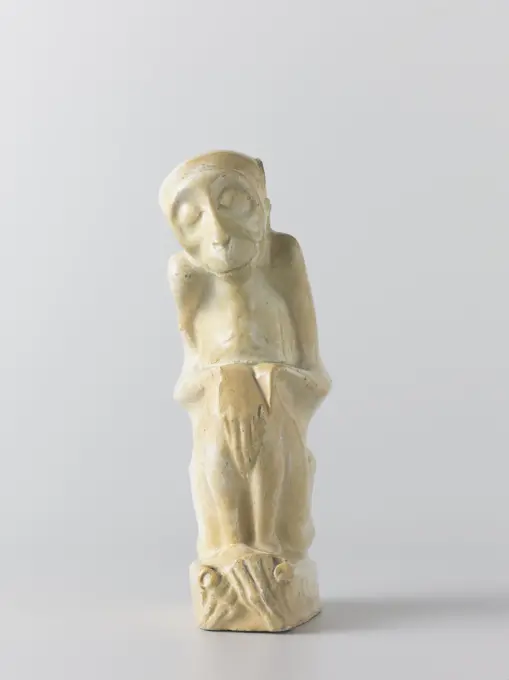
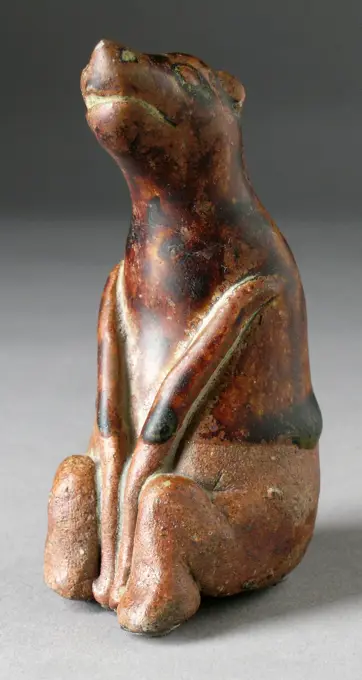
Zieke aap, joseph mendes da costa (1863-1939), c. 1900 Decorative object in the shape of the sick monkey, in yellow and white glazed stoneware. Monogrammed. Netherlands stoneware vitrification Decorative object in the shape of the sick monkey, in yellow and white glazed stoneware. Monogrammed. Netherlands stoneware vitrification
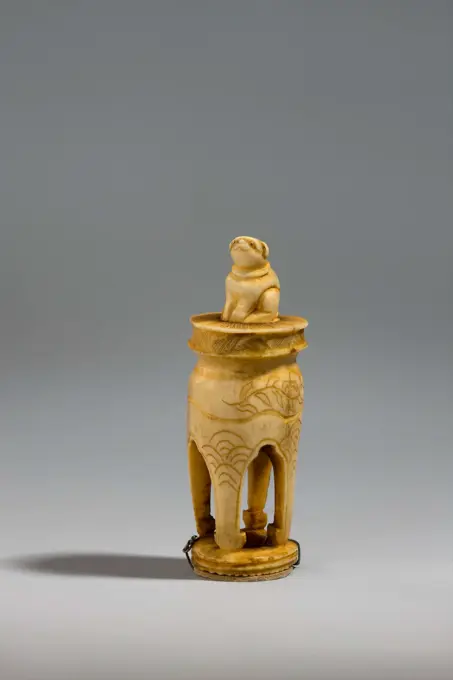
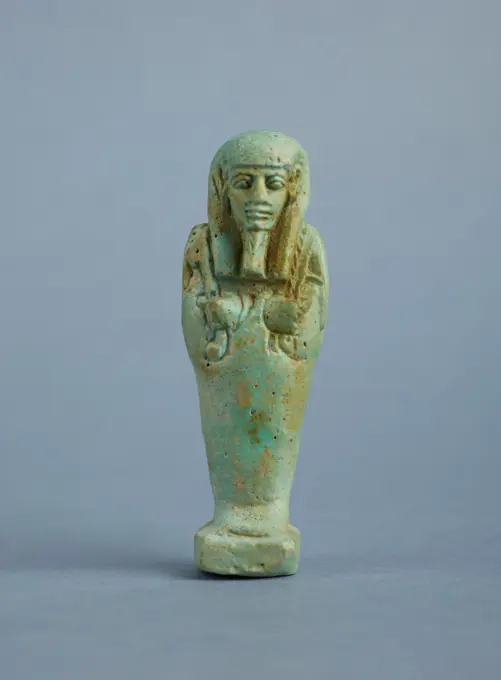
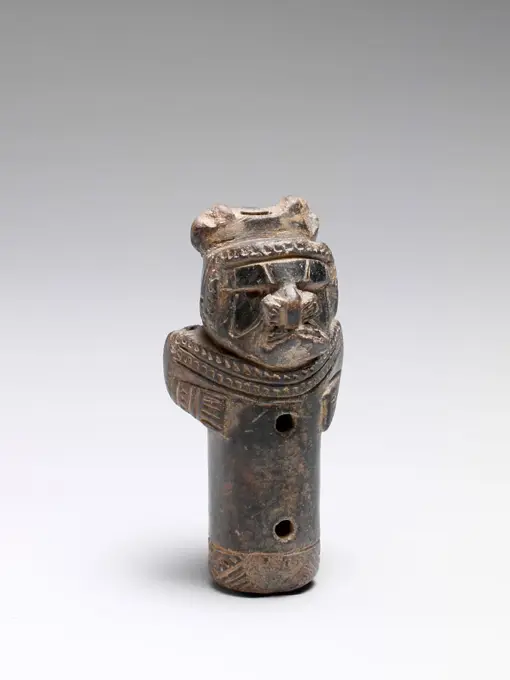
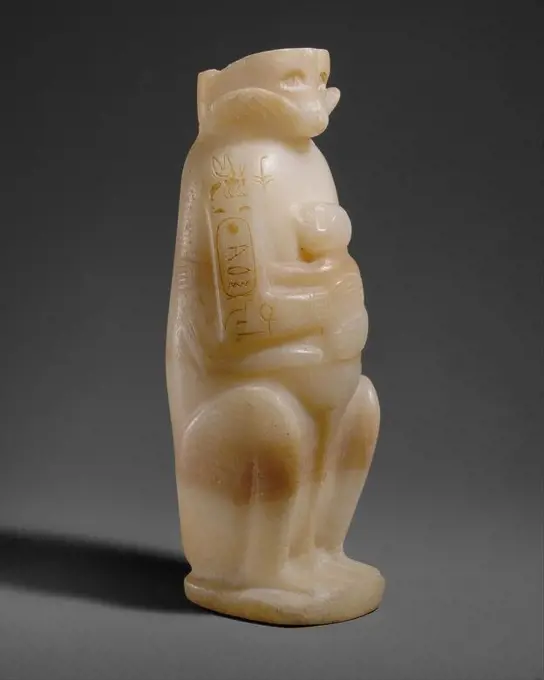
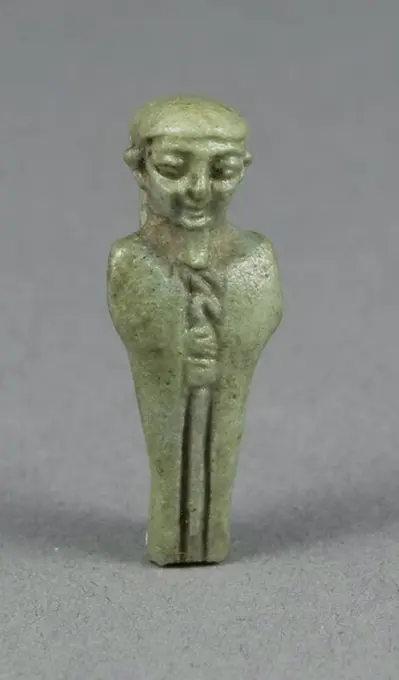
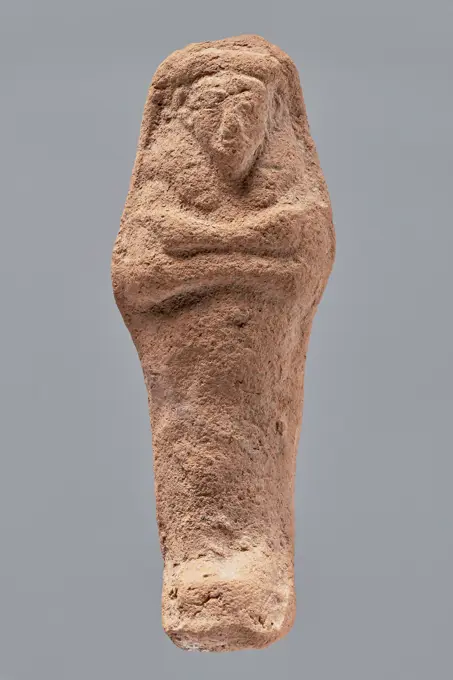
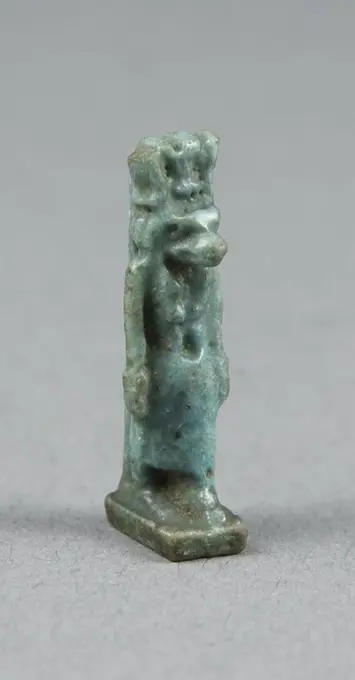
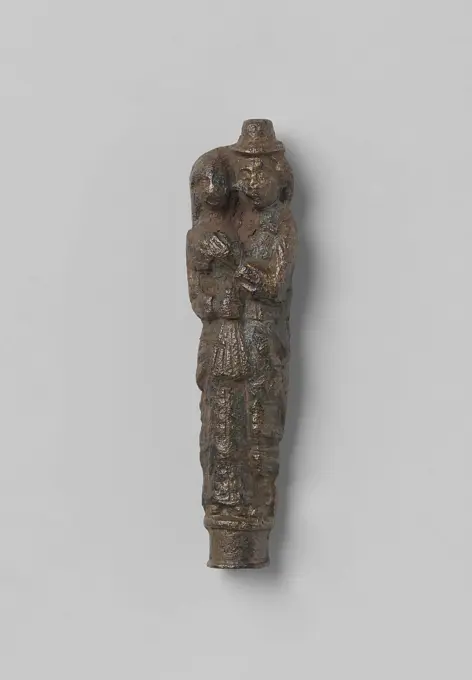
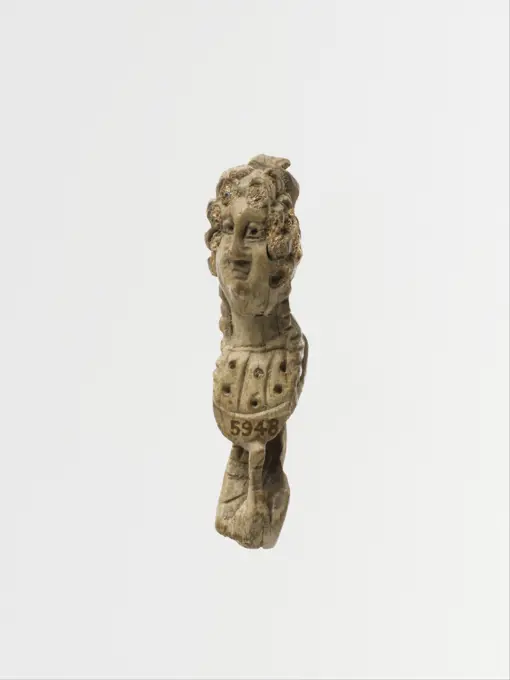
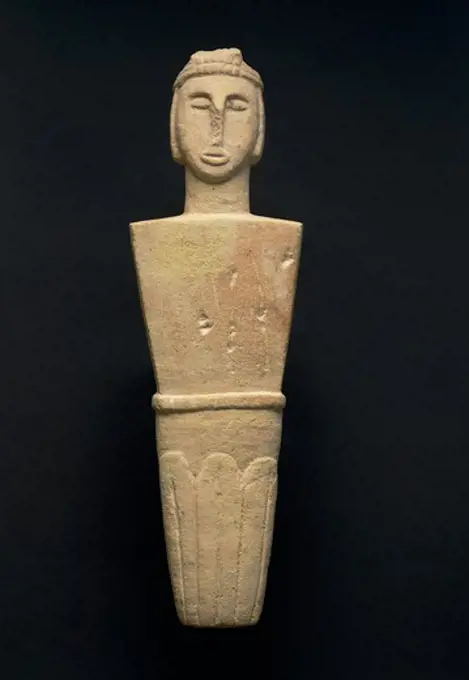
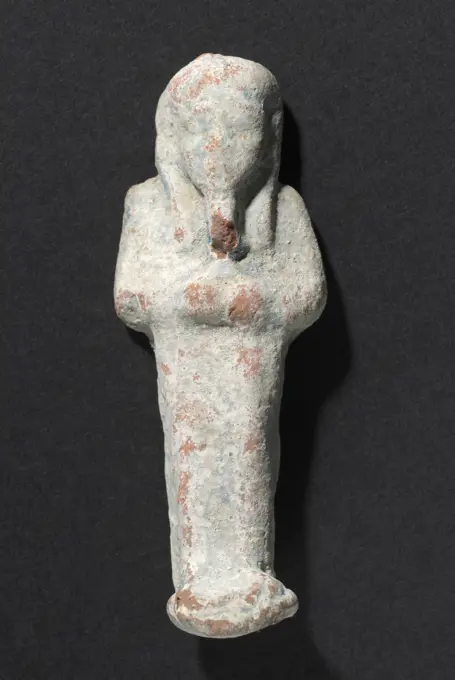
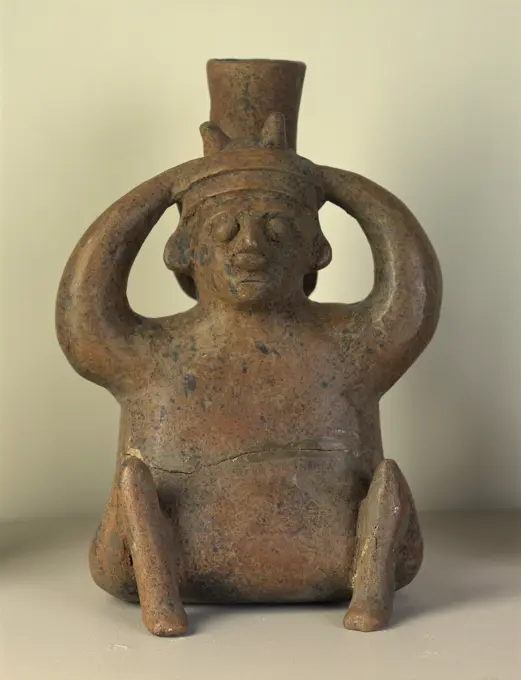
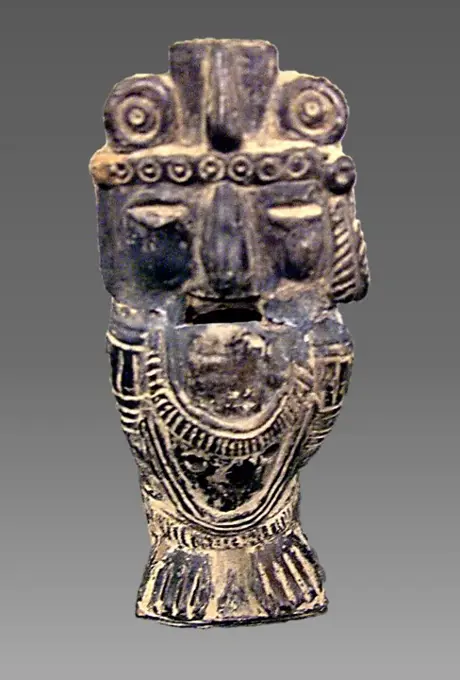
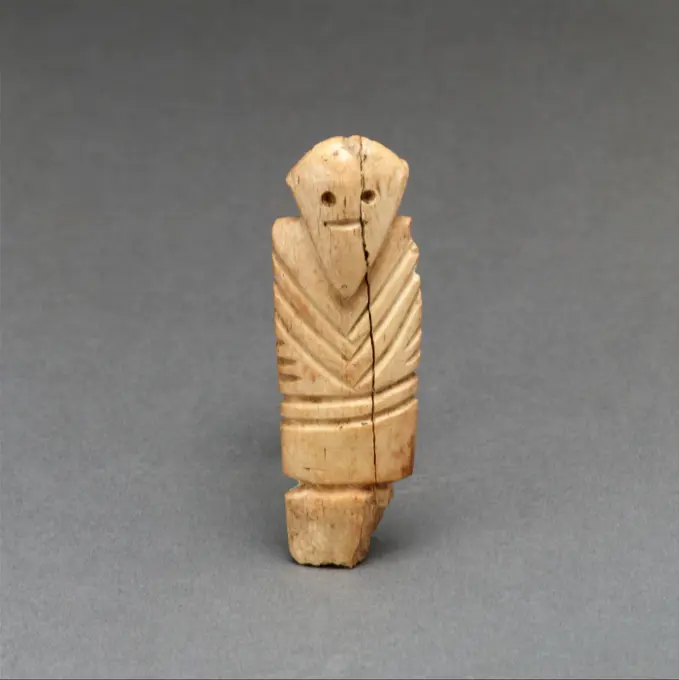
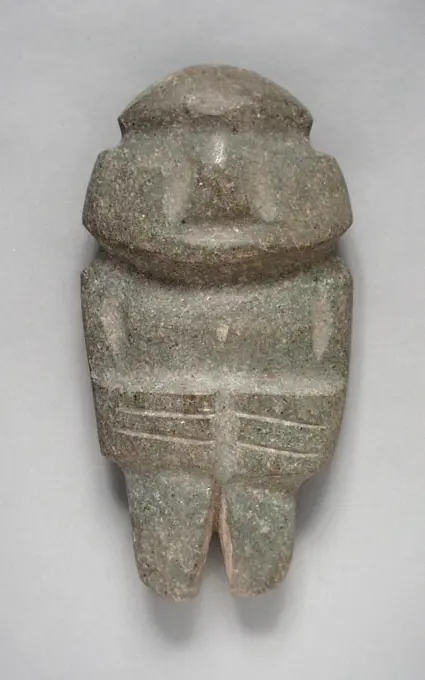
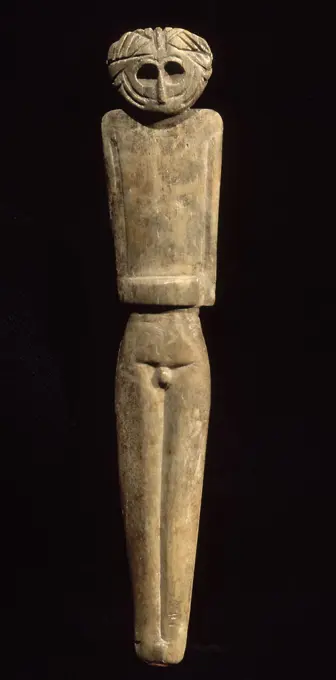
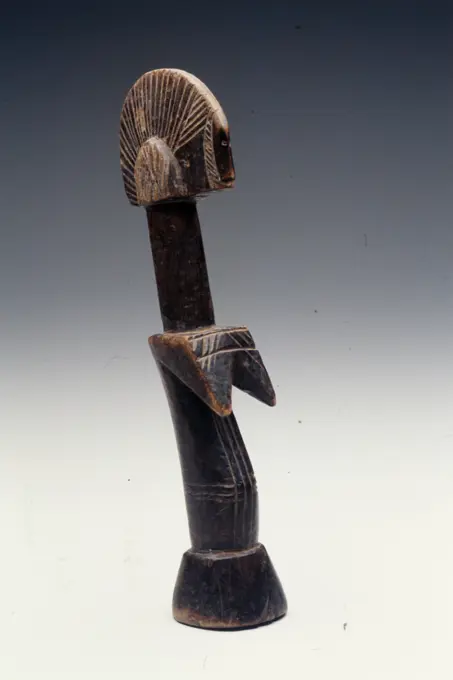
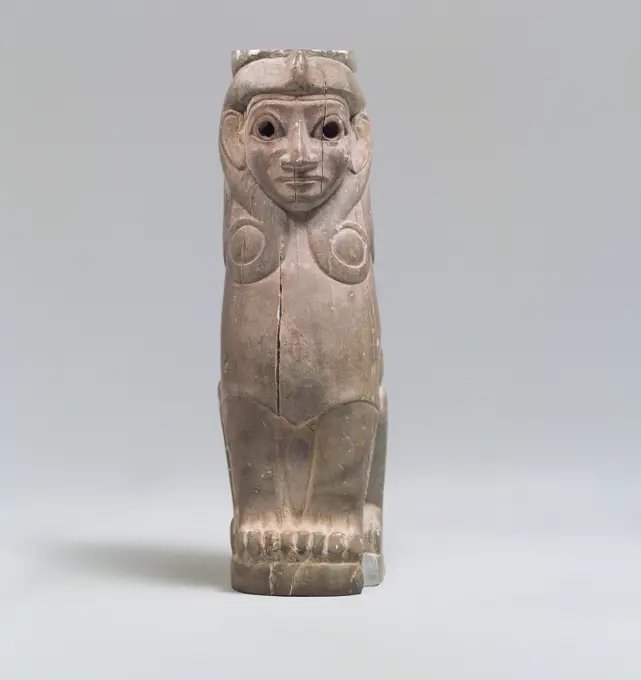
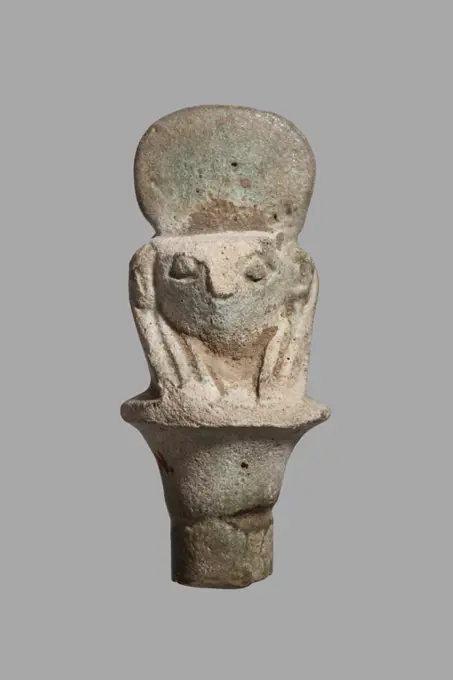
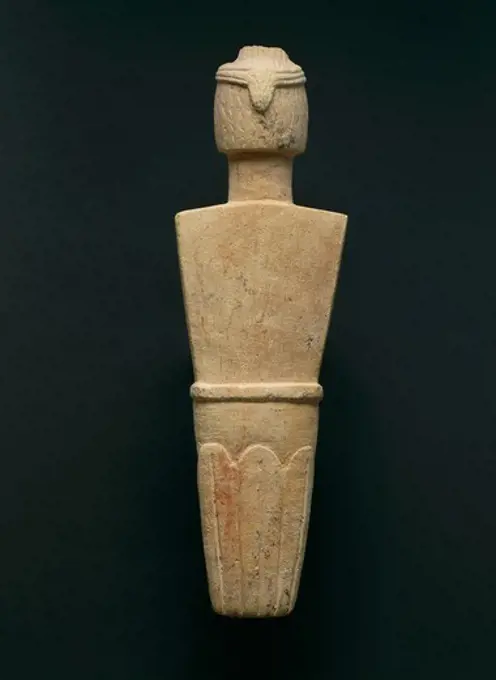
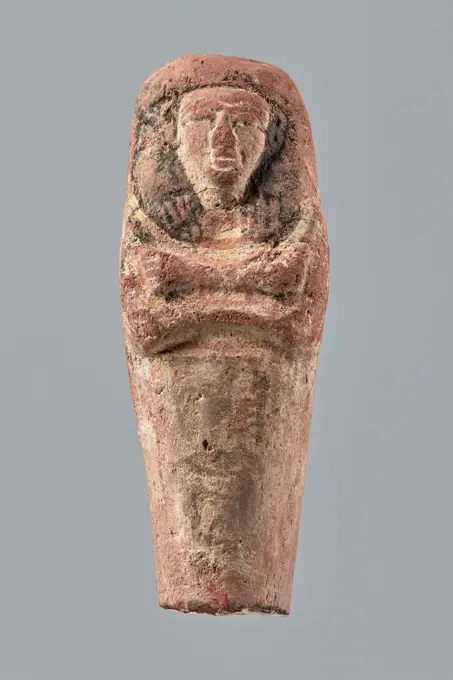
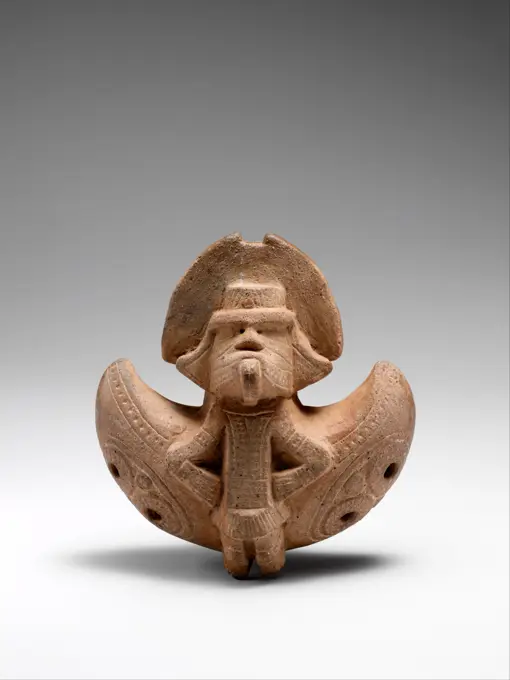
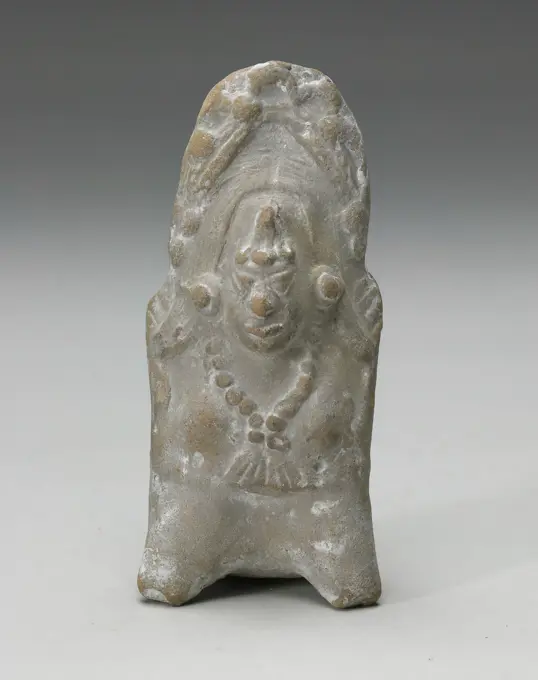
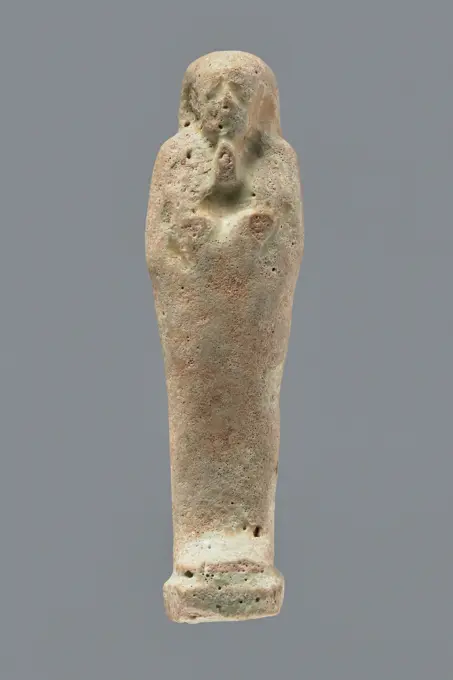
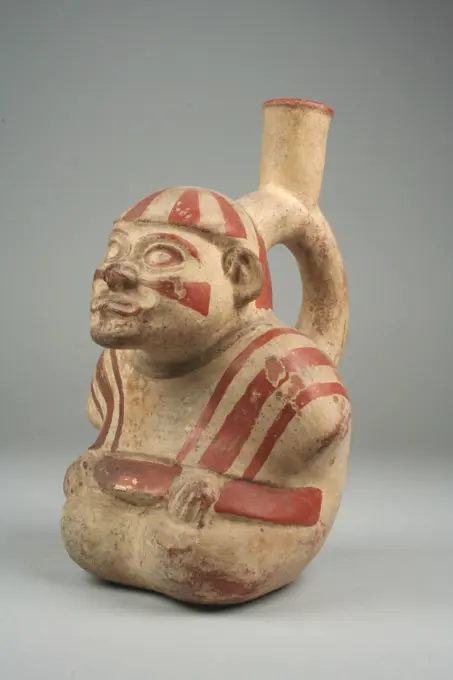
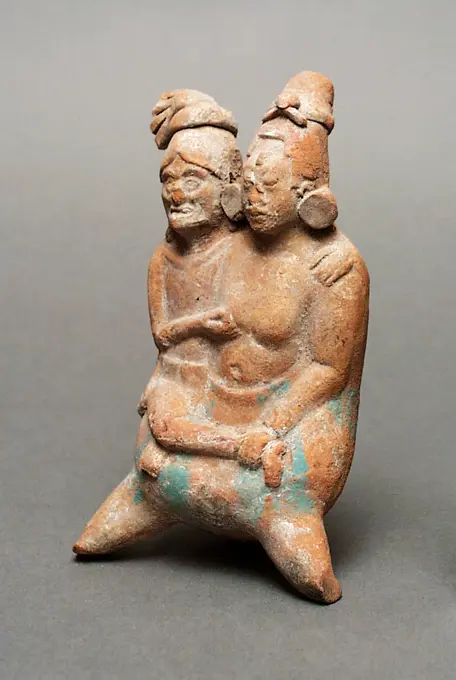
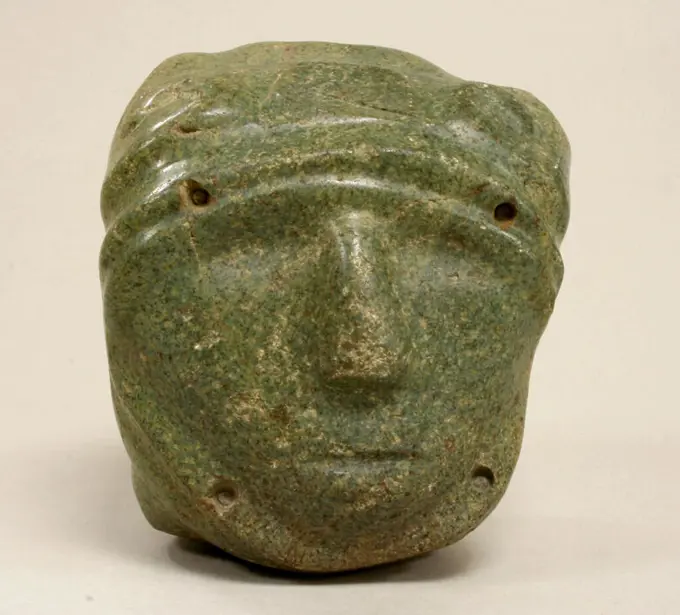
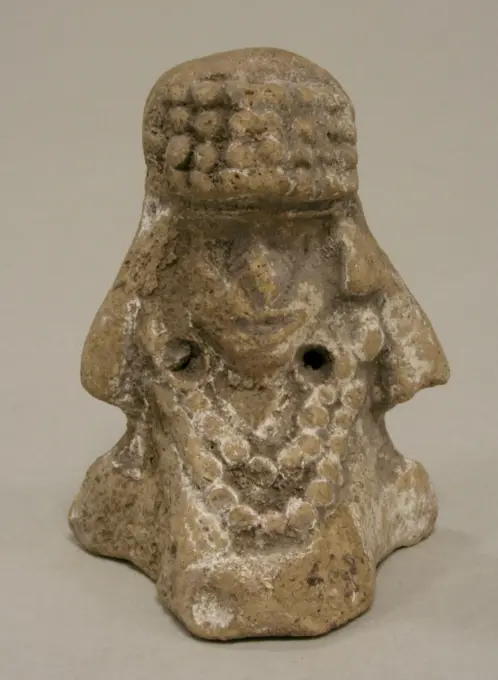
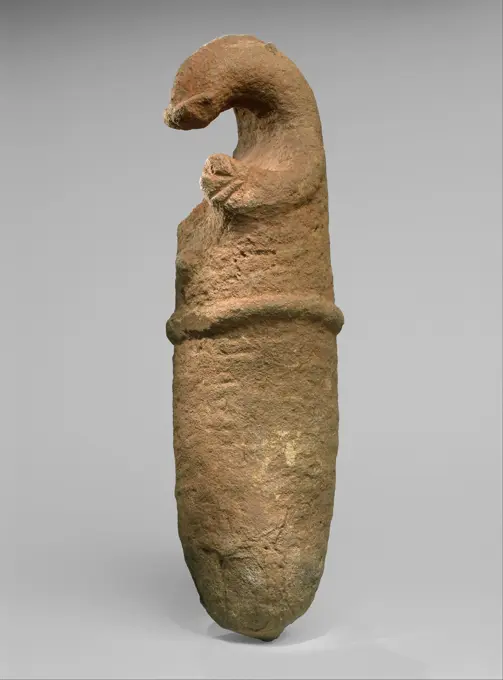
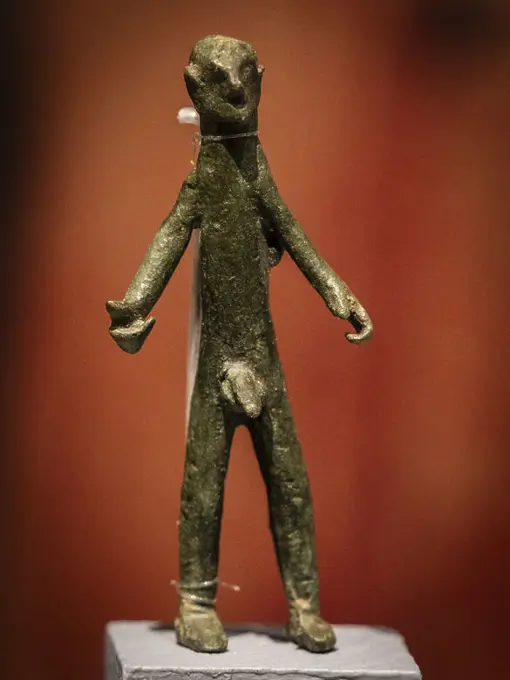
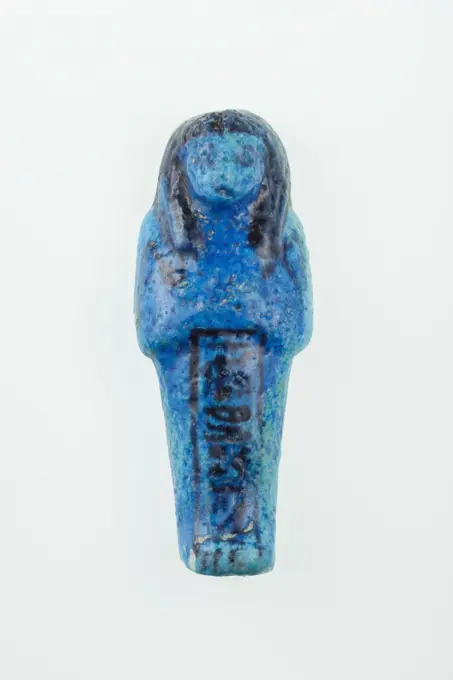
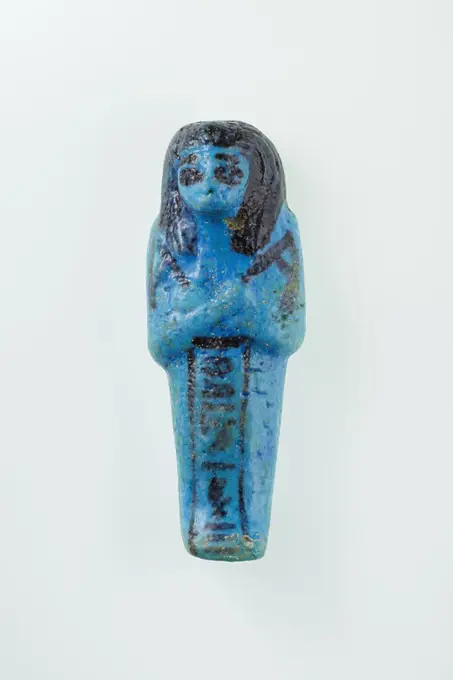
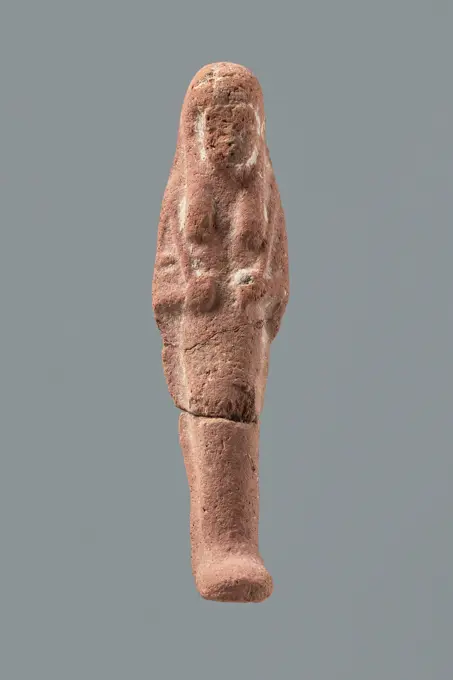
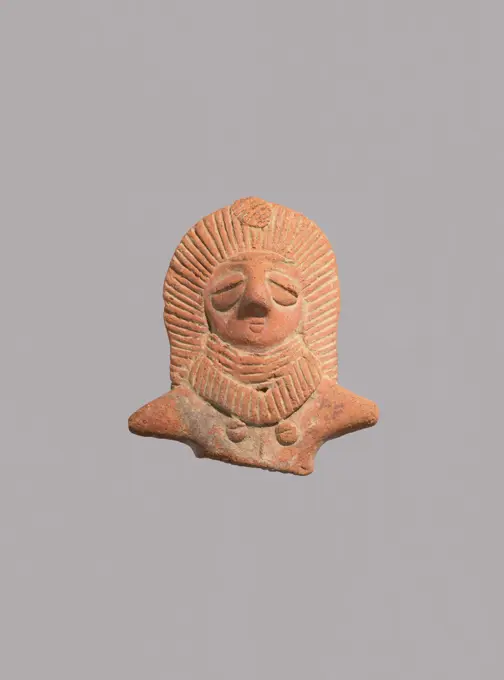
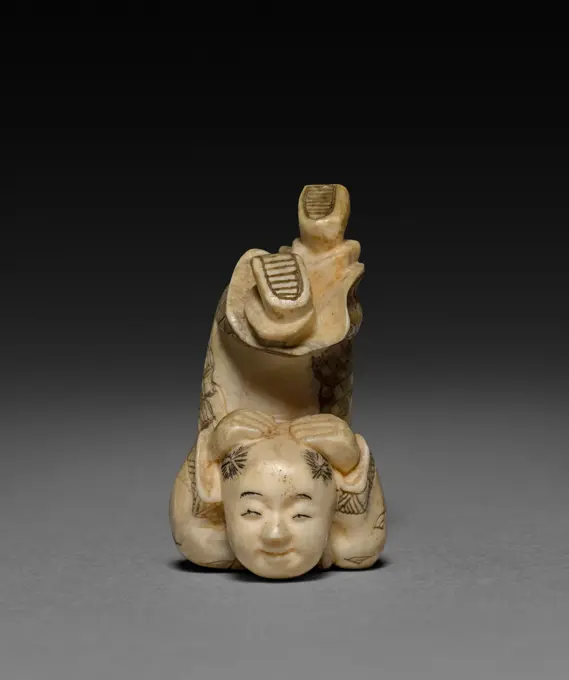
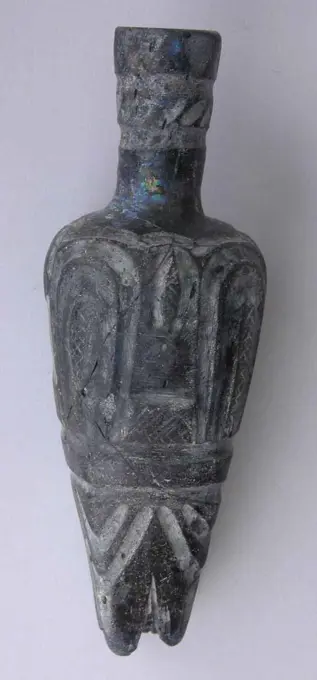
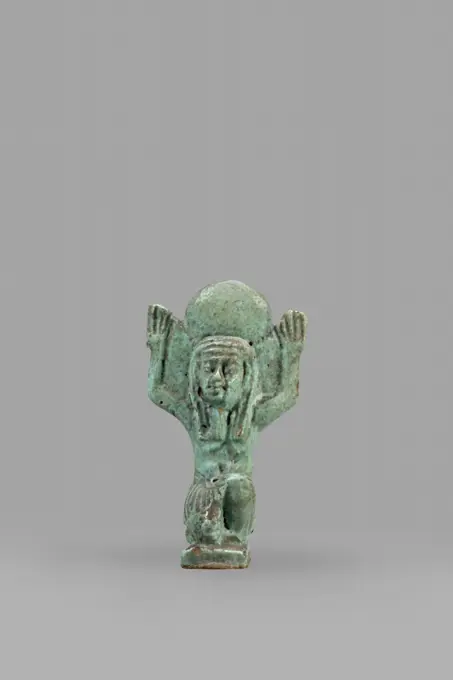
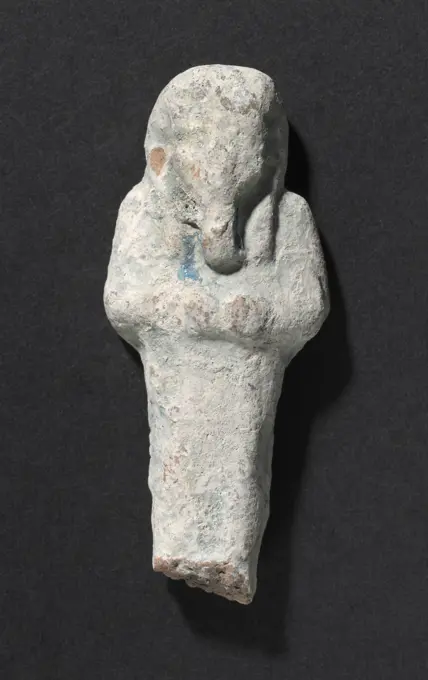
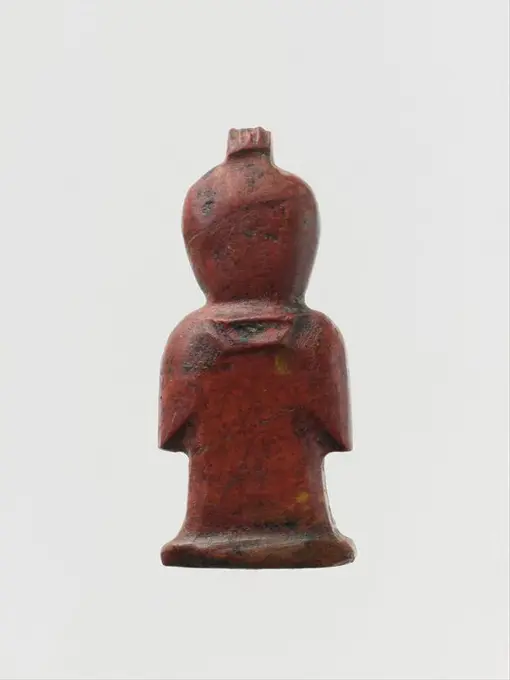
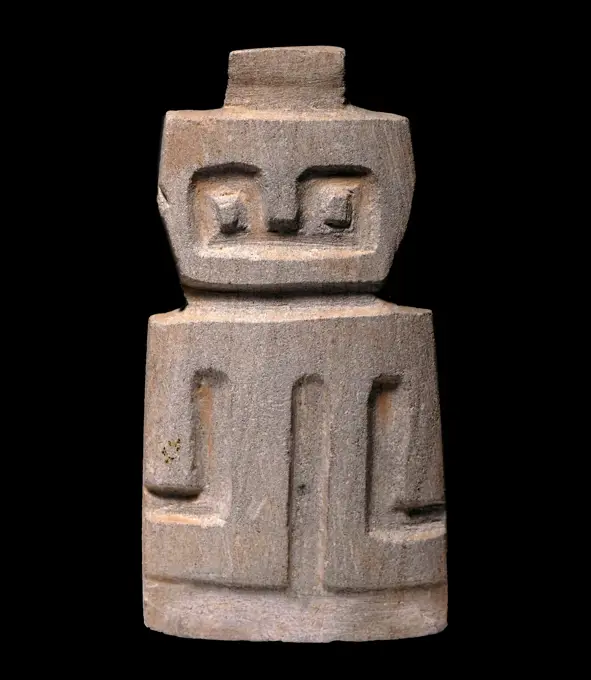
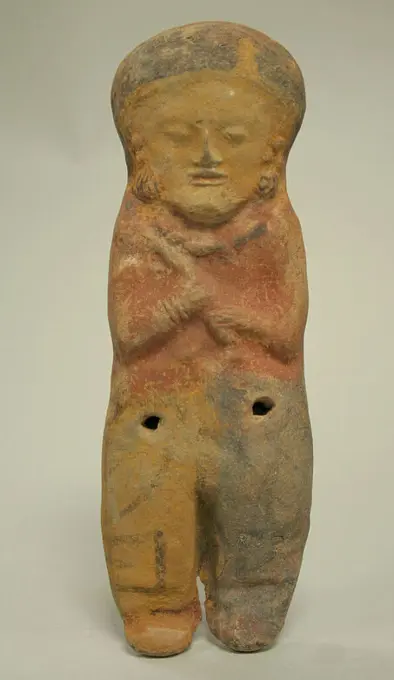
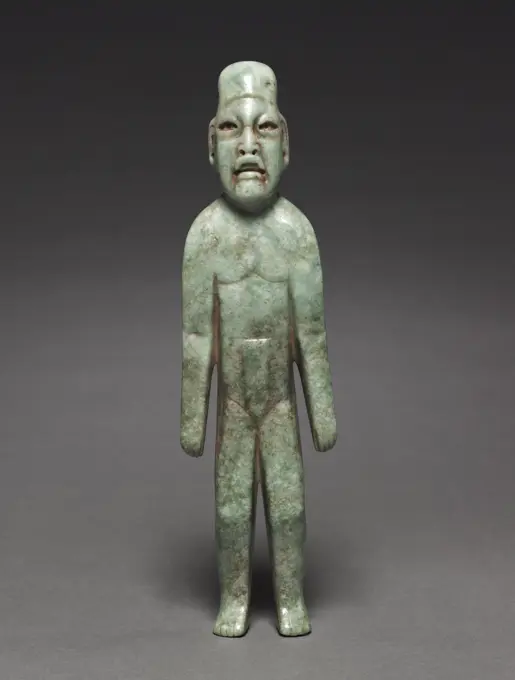
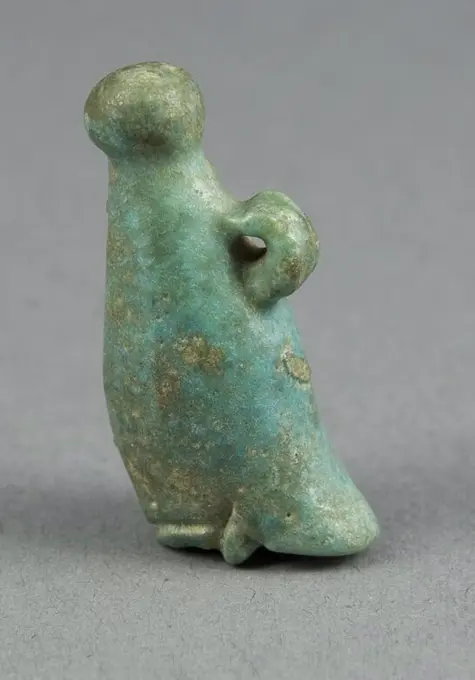
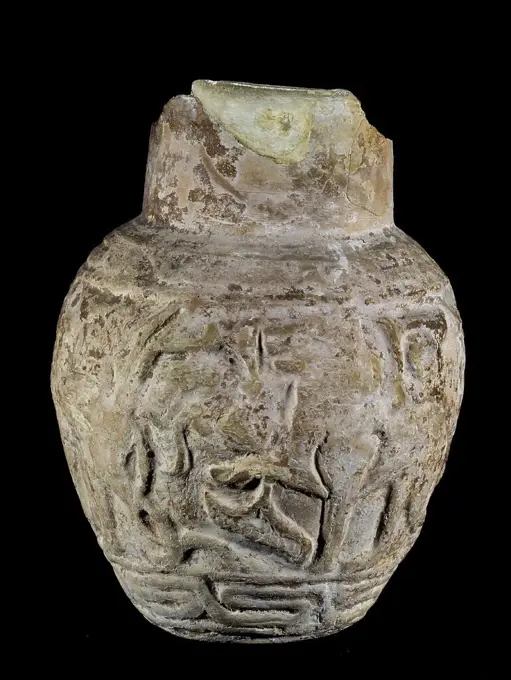
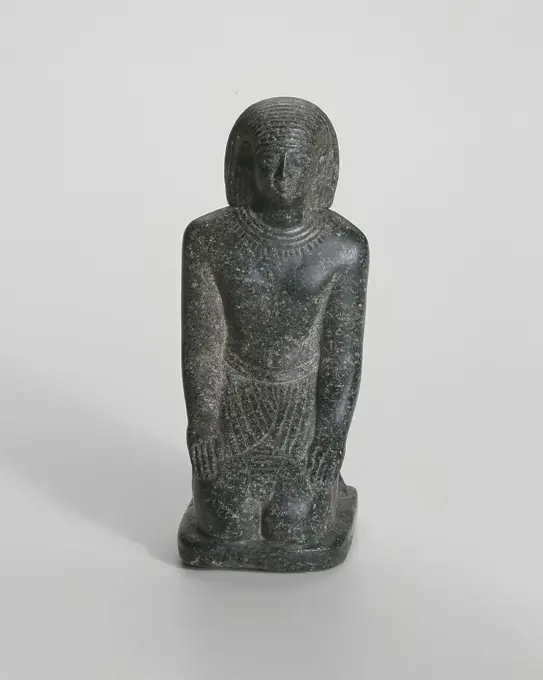
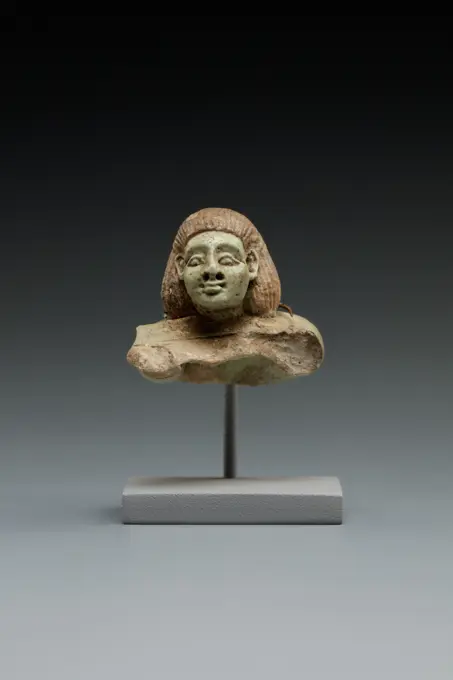
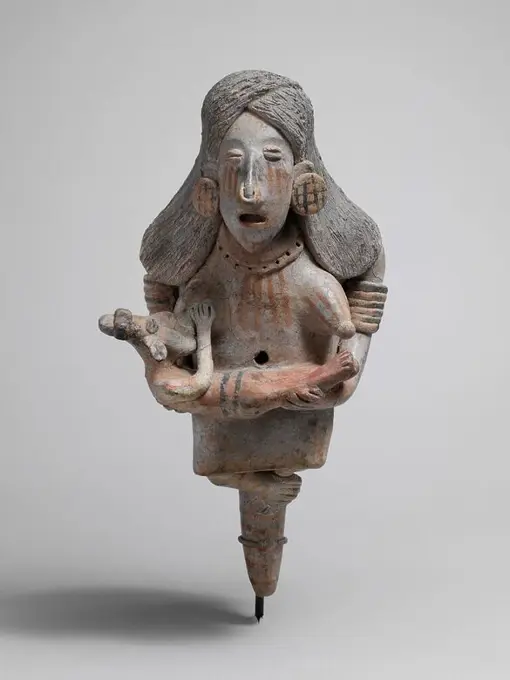
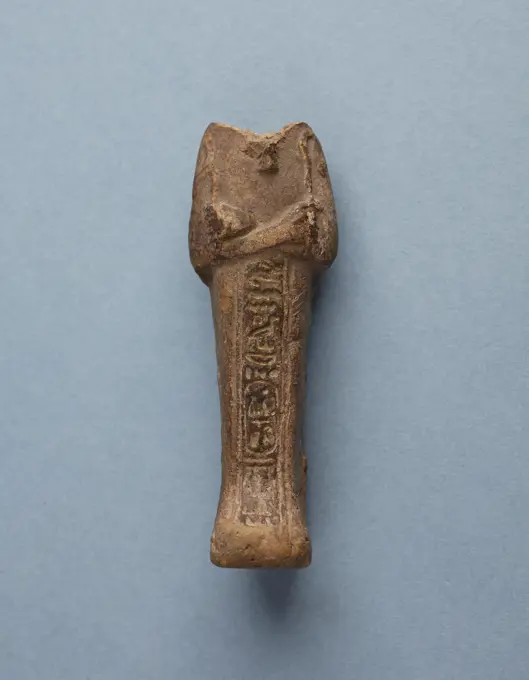
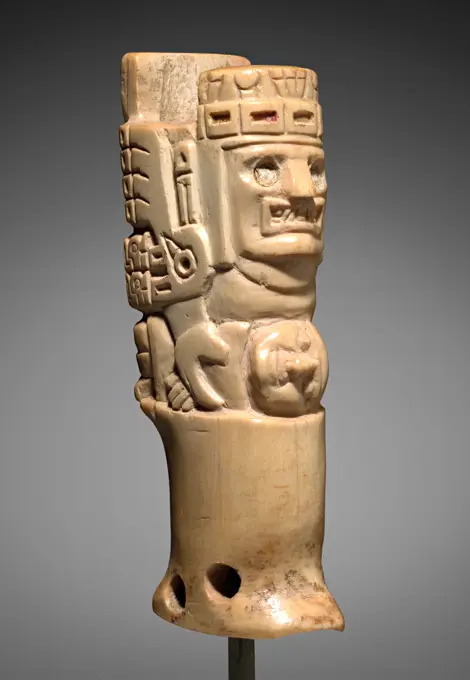
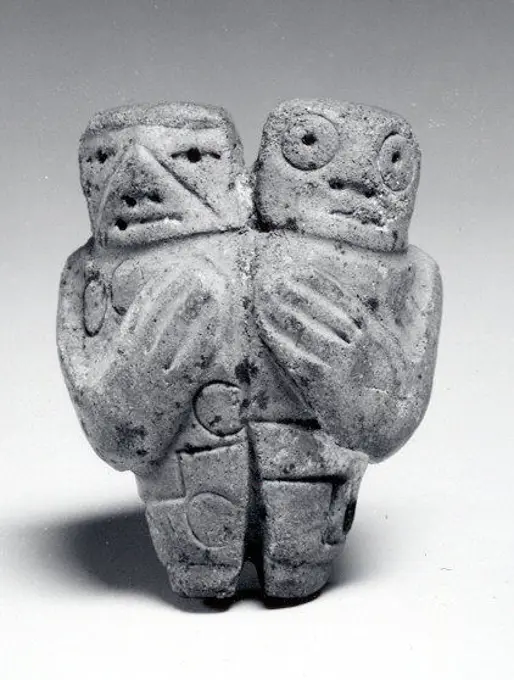
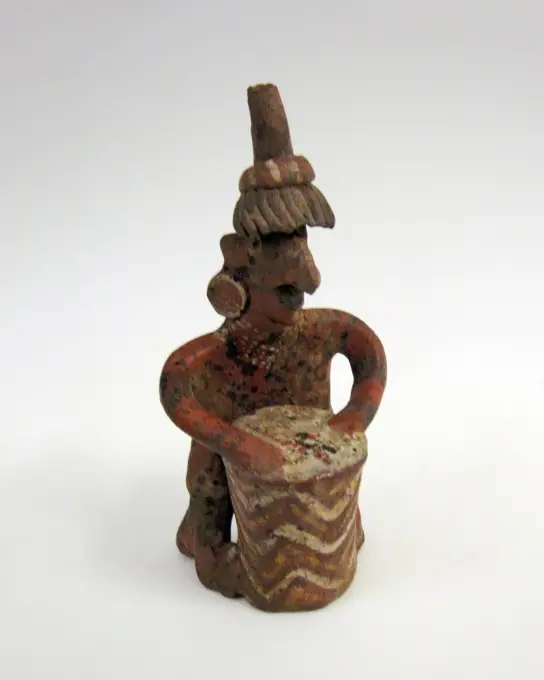
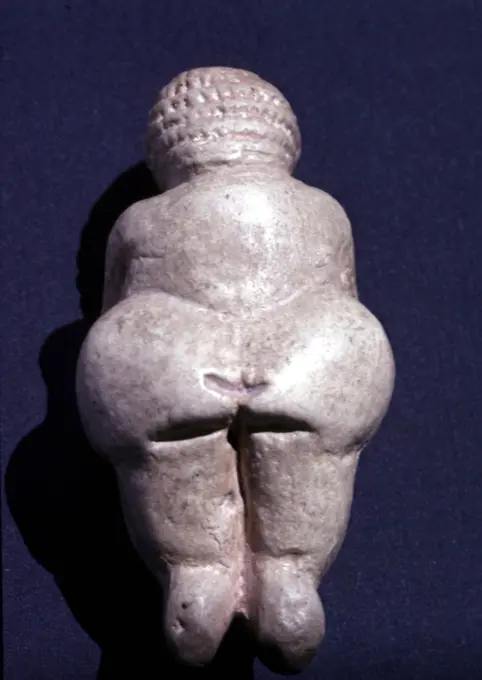
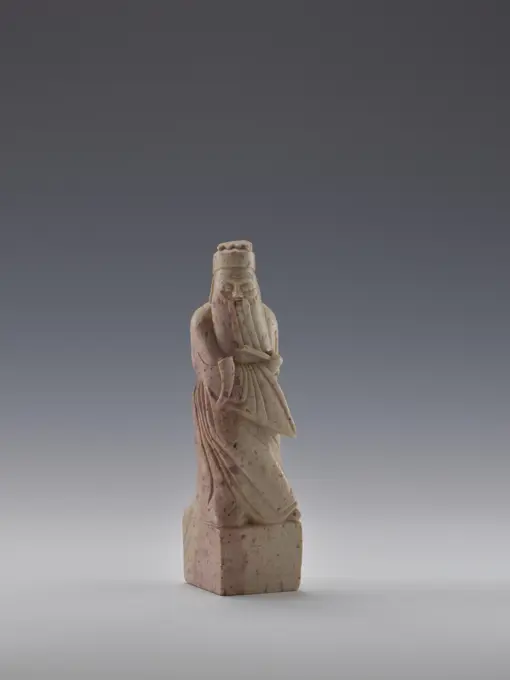
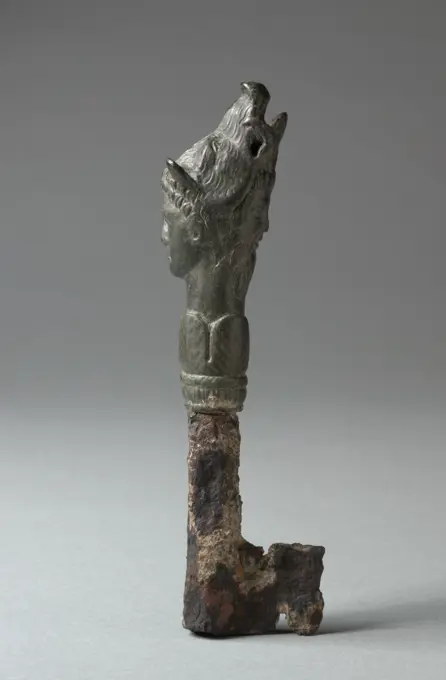
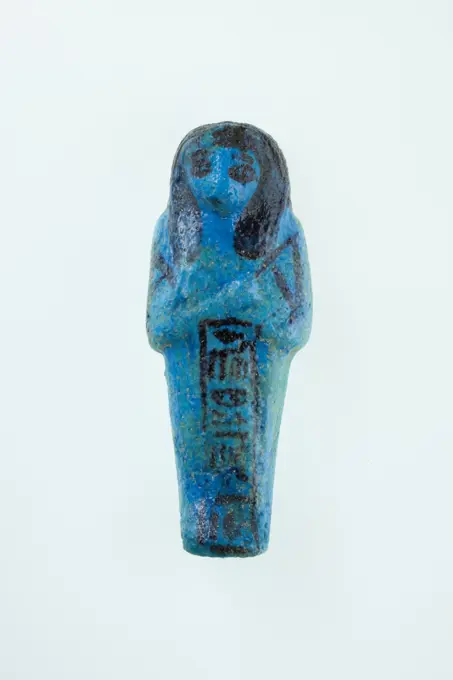
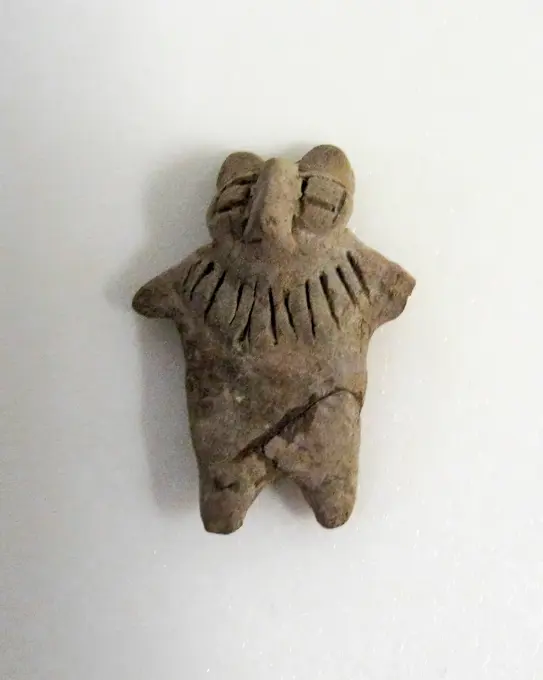
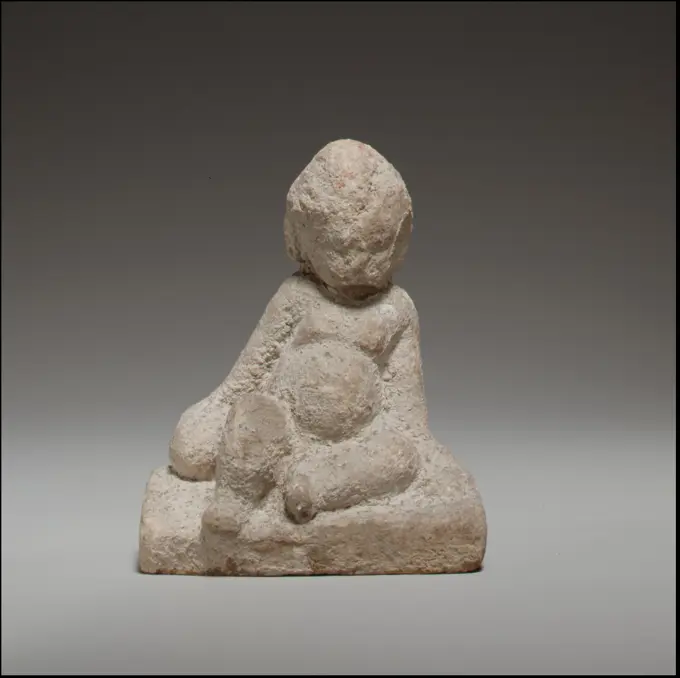
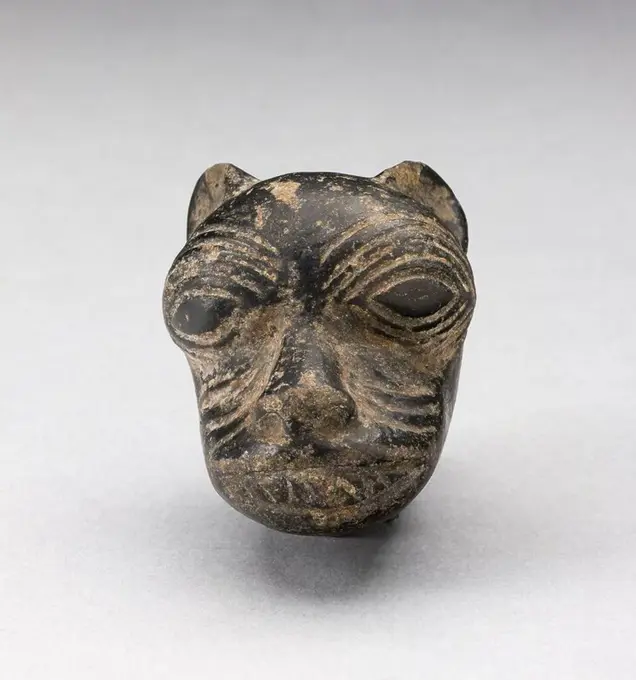
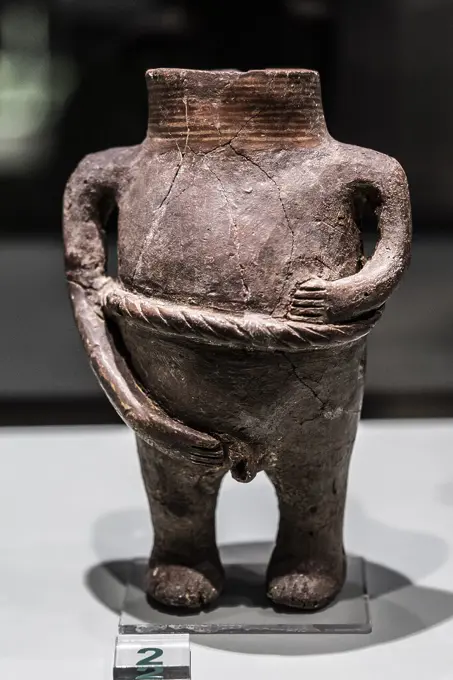
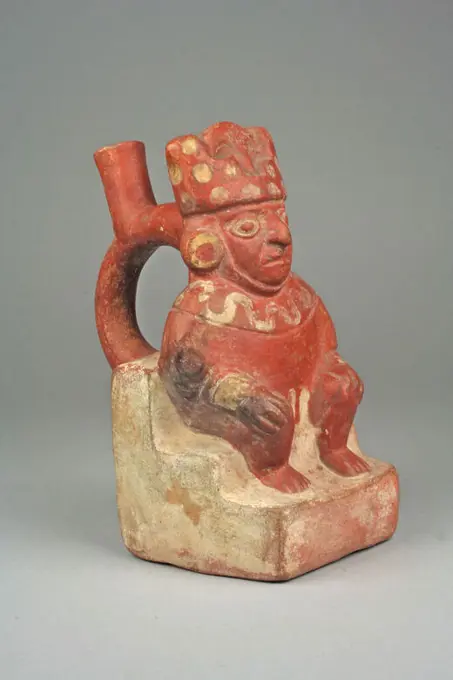
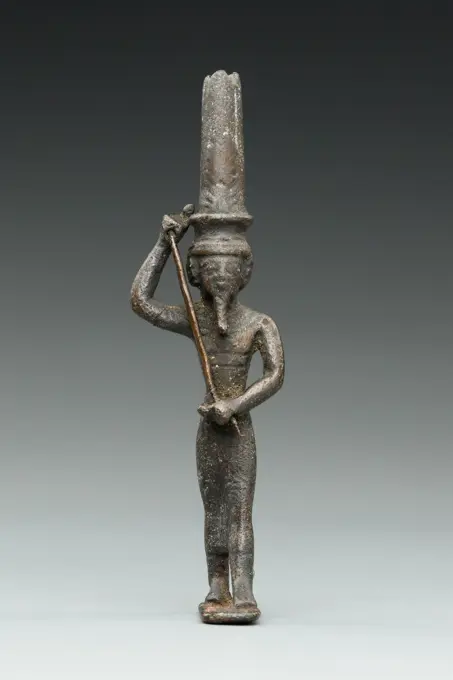
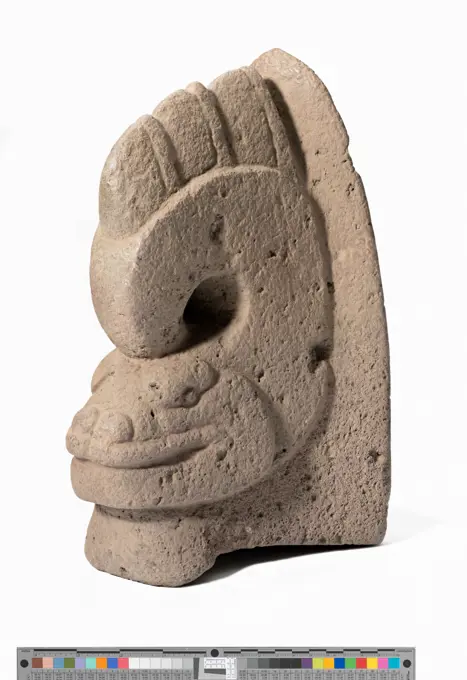
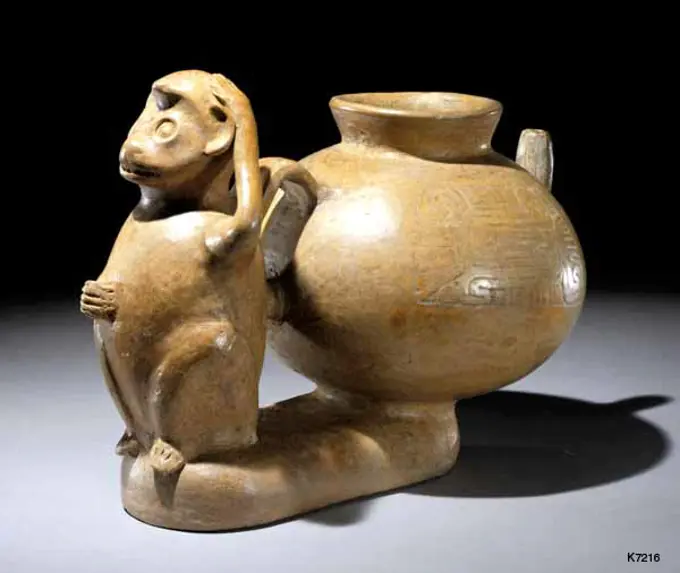
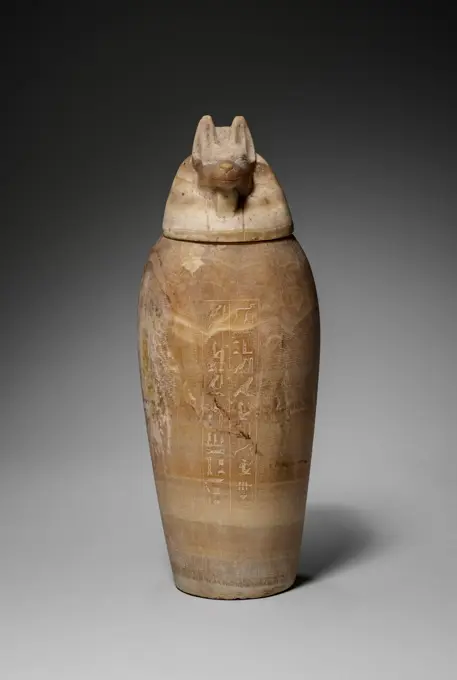
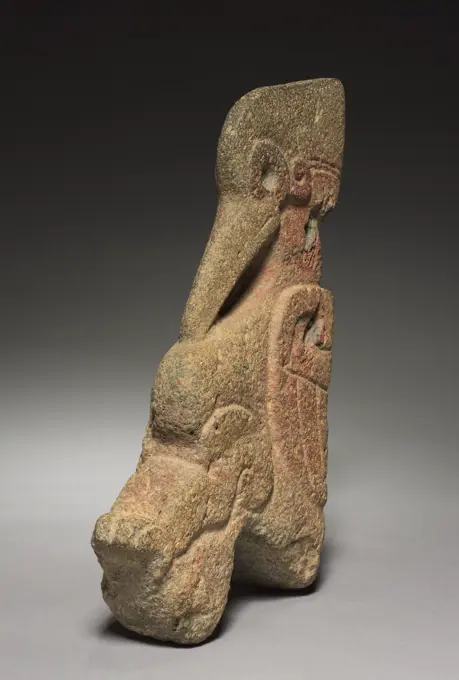
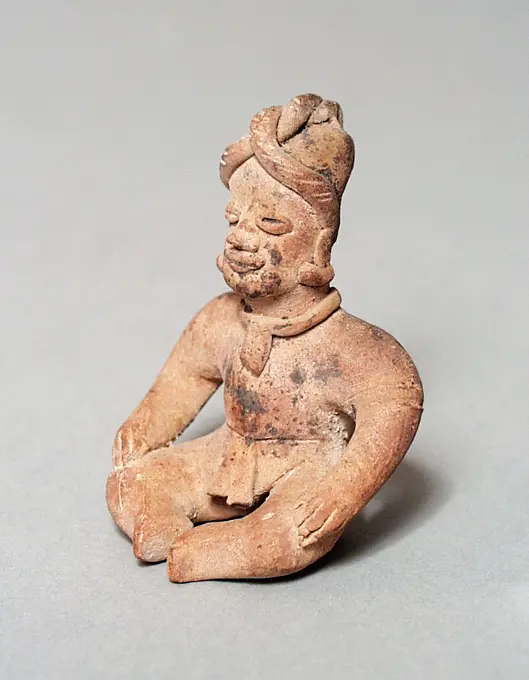
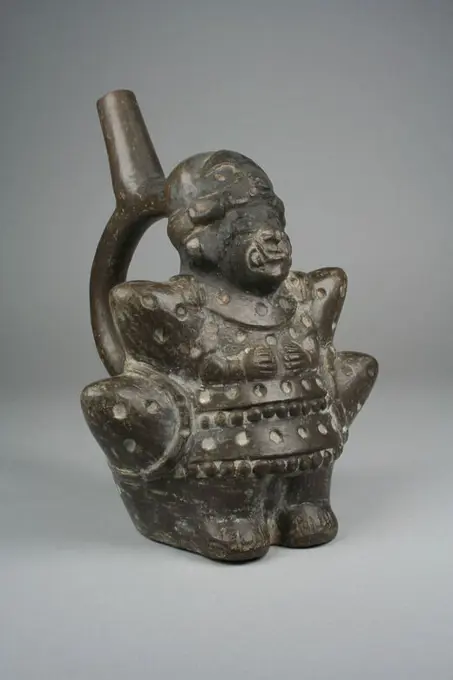
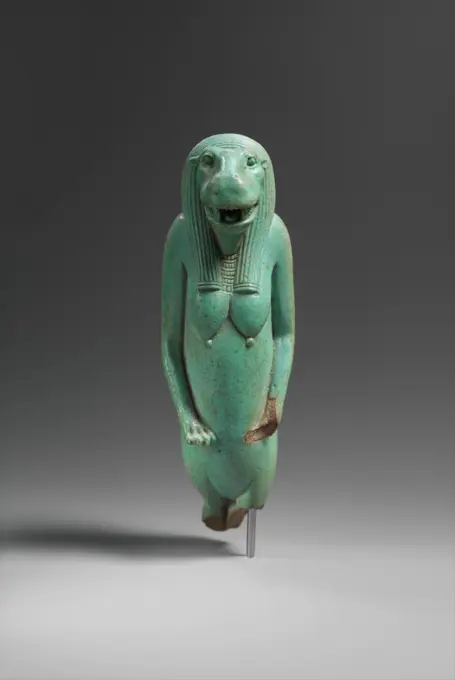
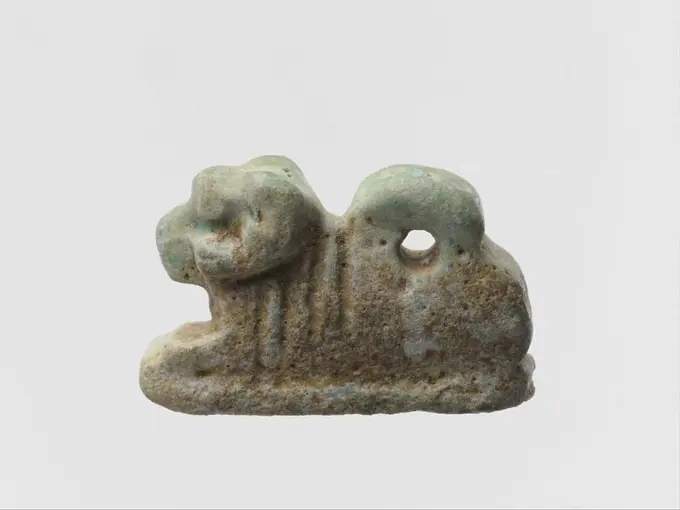
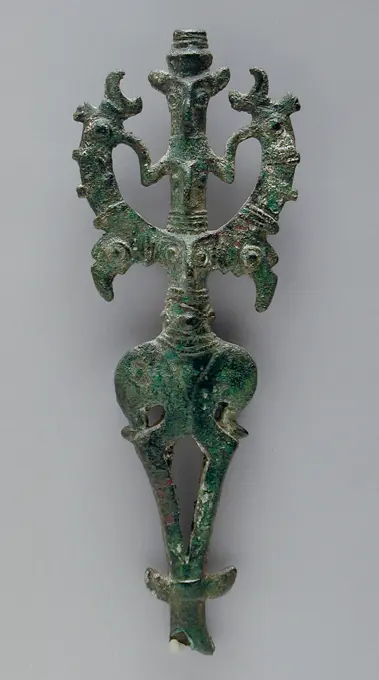
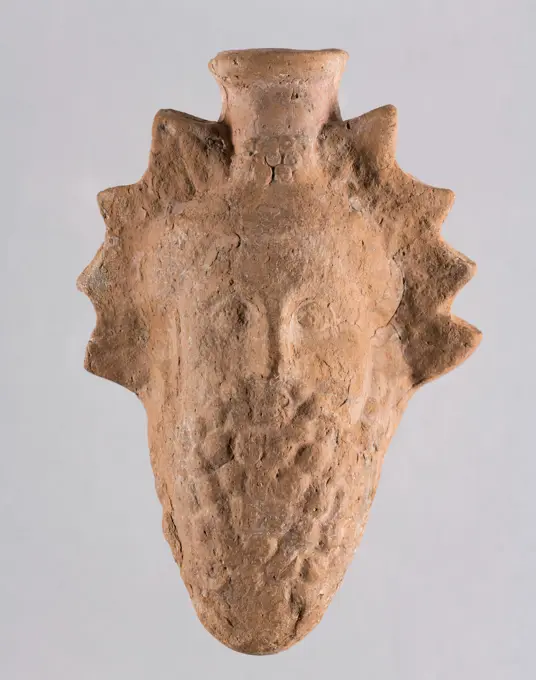
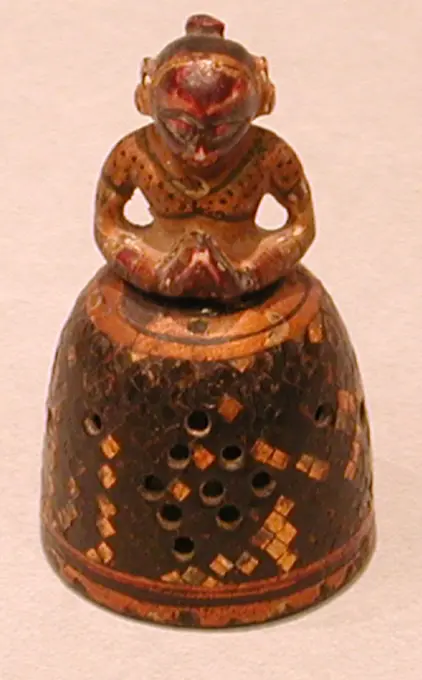
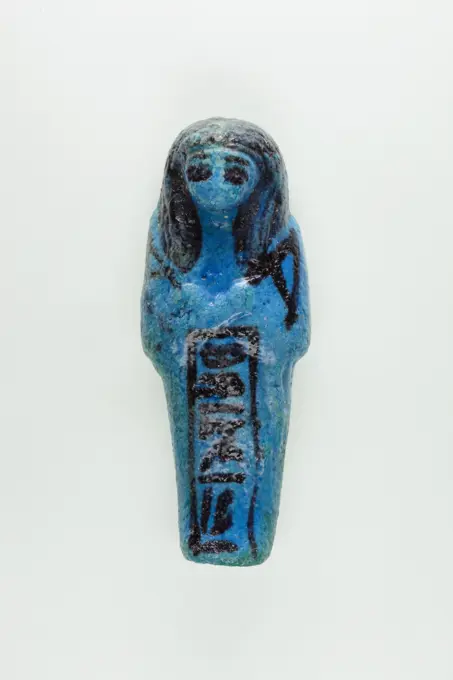
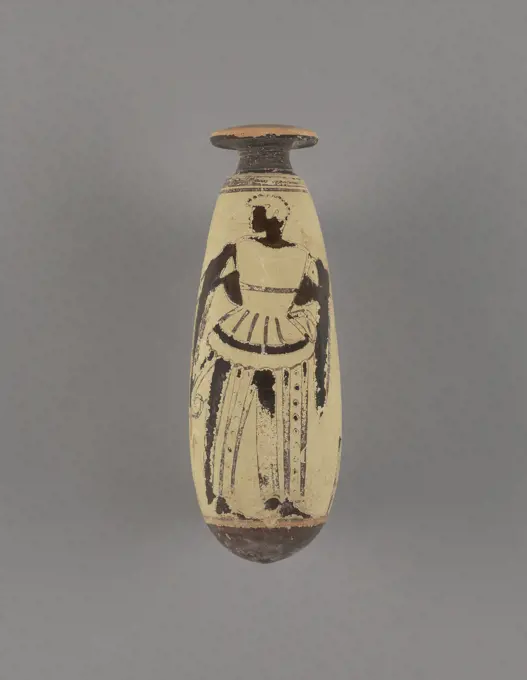
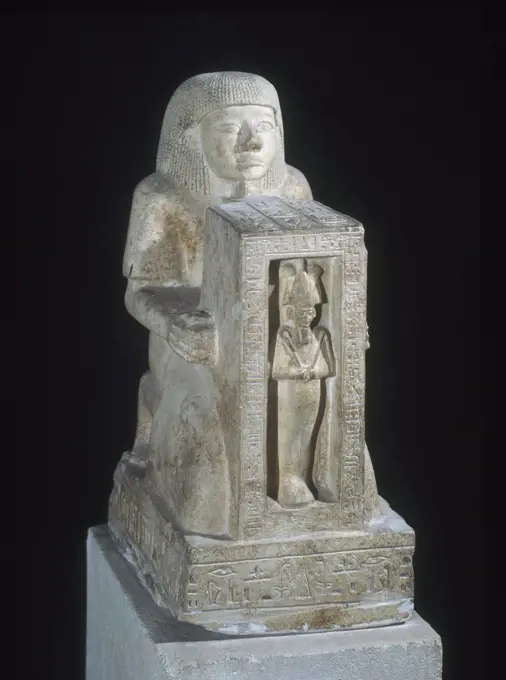
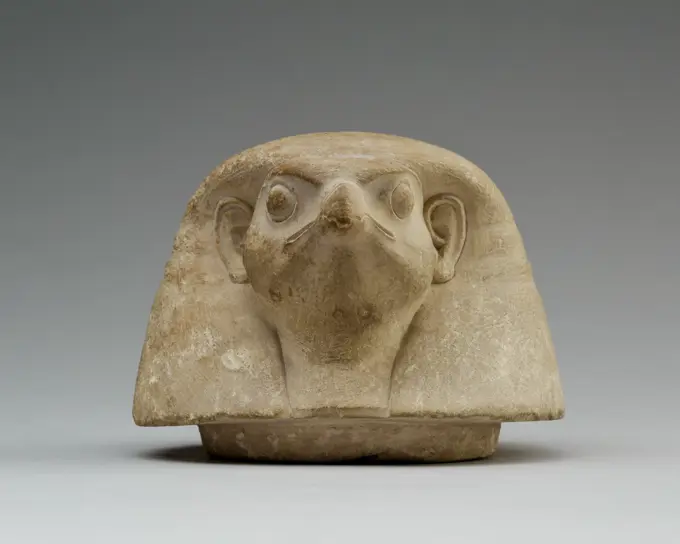
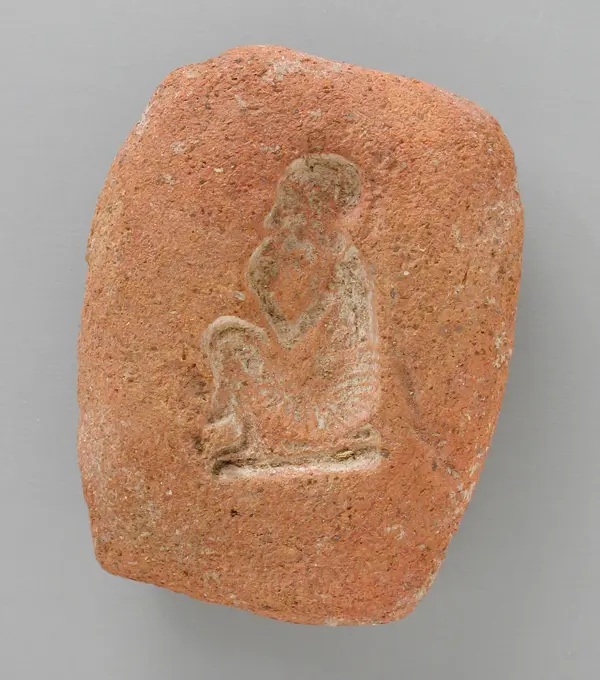
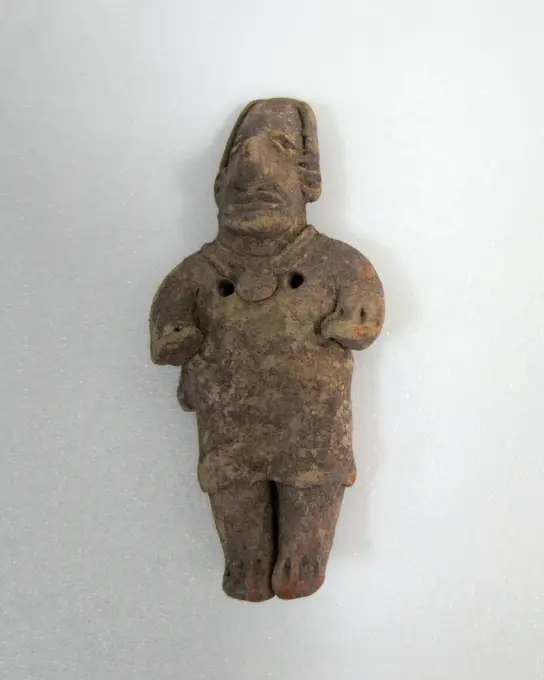
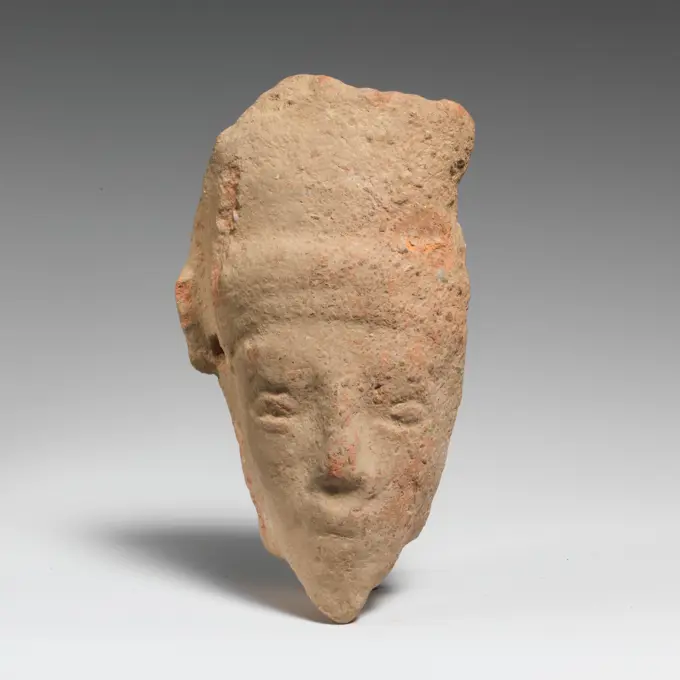
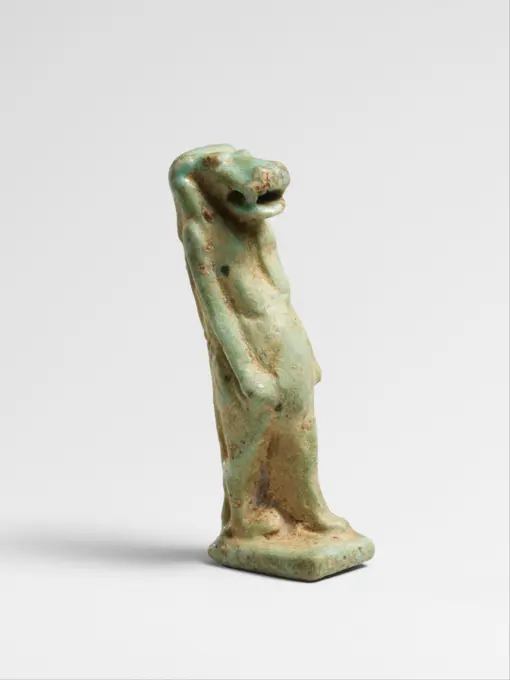
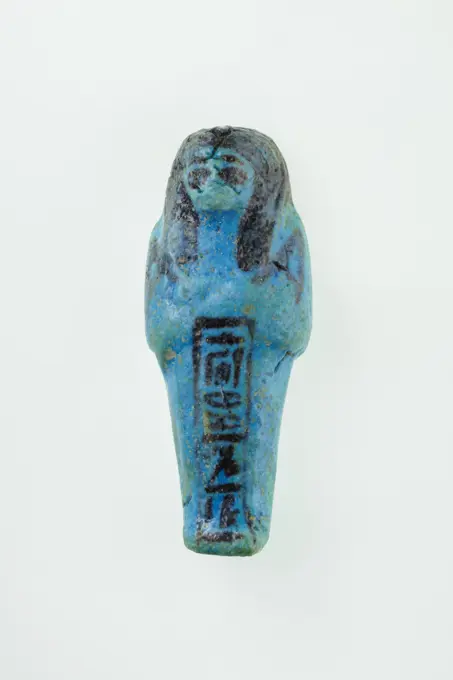
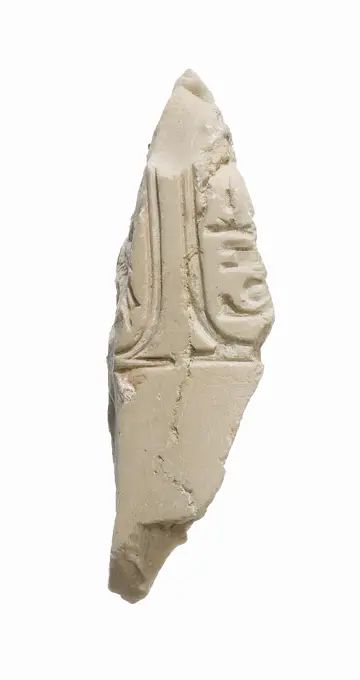
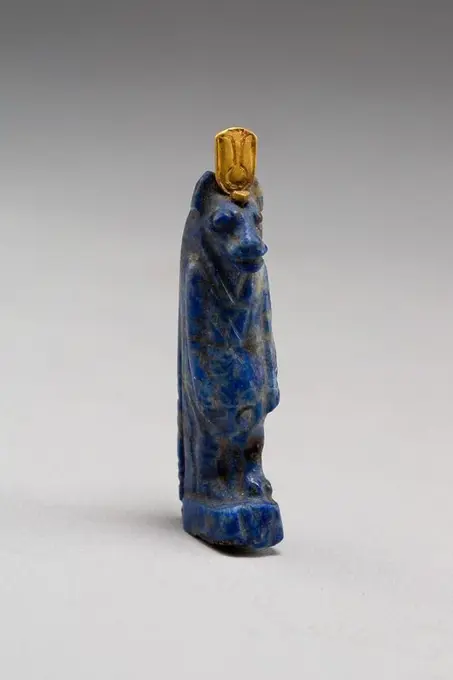
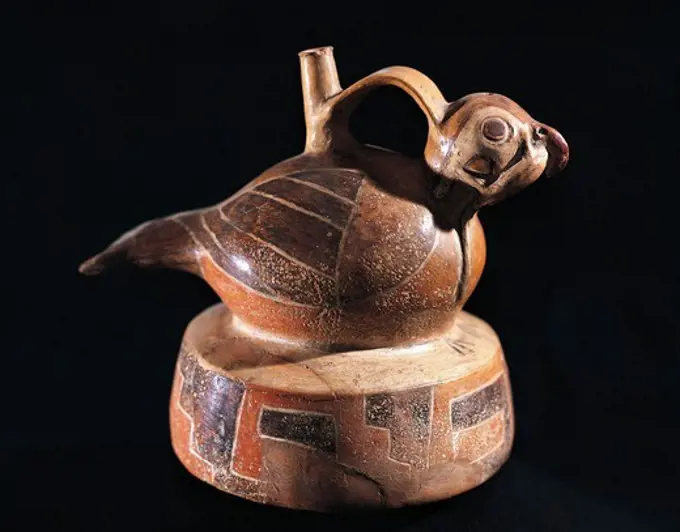
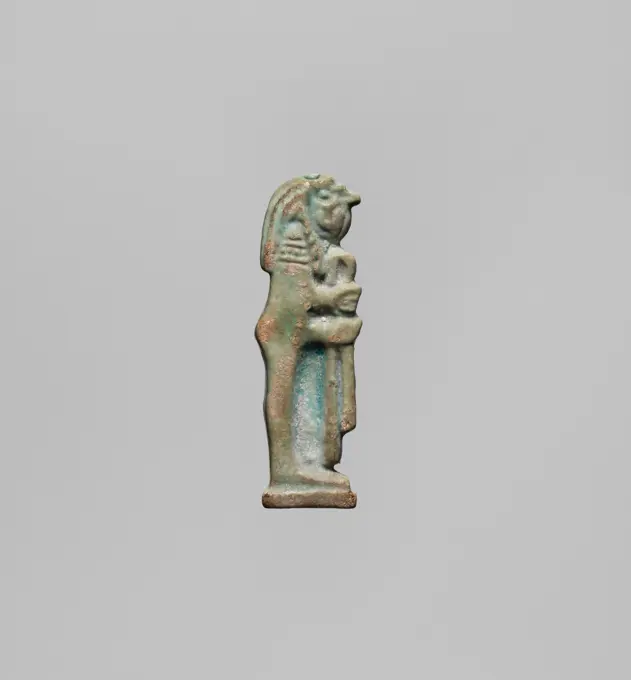
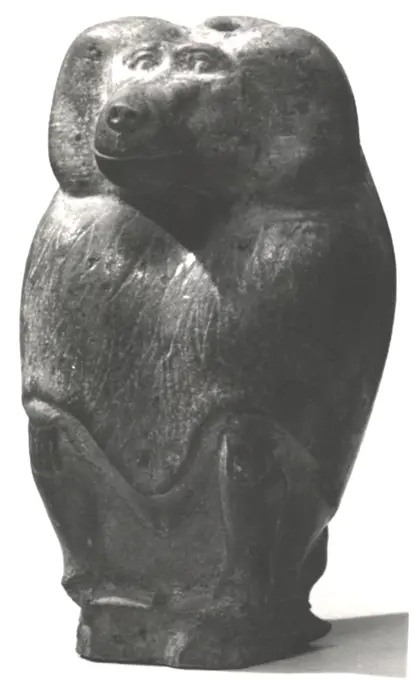
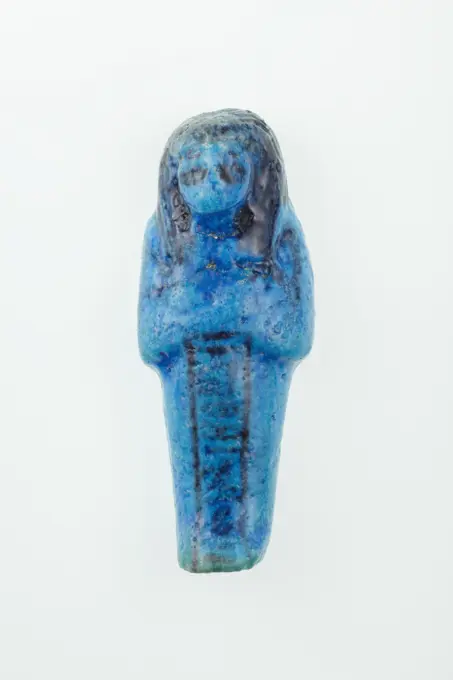
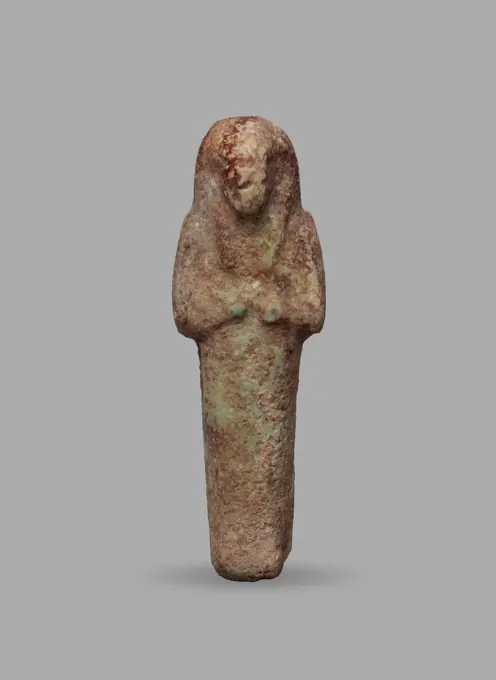
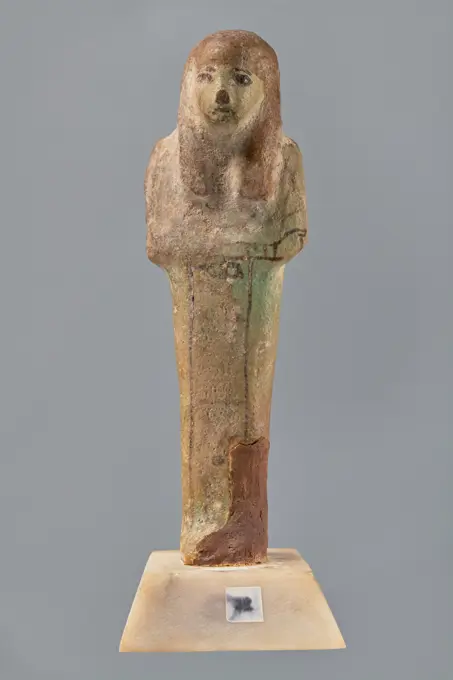
Boat;  around 1295 1186 BC ; New PAZieke aap, joseph mendes da costa (1863-1939), c. 1900 Decorative object in the shape of the sick monkey, in yellow and white glazed stoneware. Monogrammed. Netherlands stoneware vitrification Decorative object in the shape of the sick monkey, in yellow and white glazed stoneware. Monogrammed. Netherlands stoneware vitrificationDog sitting on a table; netsuke. unknown, sculptorUshabtiFlute. Culture: Tairona People; La Aguja Style. Dimensions: L. 6.6 cm (2-9/16 in.); W. 3.3 cm (1-5/16 in.). Date: 1300-1500. Museum: Metropolitan Museum of Art, New York, USA.Vase in the Shape of Mother Monkey with Her Young. Dimensions: H. 18.6 × W. 6.5 × D. 7.6 cm (7 5/16 × 2 9/16 × 3 in.). Dynasty: Dynasty 6. Reign: reign of Merenre I. Date: ca. 2255-2246 B.C..Inscribed with the name of Merenre I, fourth king of Dynasty 6. This charming composition alludes to motherhood and fertility and also to the exotic lands that provided rare ingredients for the oils and unguents contained in these vases. The contents were presumably believed to have rejuvenating effects. Inscriptions on this and similar vases (1992.338) suggest that the vessels were given by Sixth Dynasty kings to favored courtiers, particularly women, at the time of the king's jubilee. Museum: Metropolitan Museum of Art, New York, USA.Amulet of the God Ptah. Egyptian. Date: 664 BC-332 BC. Dimensions: 2.9 × 1.3 × 1 cm (1 1/8 × 1/2 × 3/8 in.). Faience. Origin: Egypt. Museum: The Chicago Art Institute, Chicago, USA. Author: Ancient Egyptian.Uszebti. unknown, authorAmulet of the Goddess Hathor () with Cow's Head. Egyptian. Date: 1069 BC-332 BC. Dimensions: 2.5 × 1 × 0.5 cm (1 × 3/8 × 3/16 in.). Faience. Origin: Egypt. Museum: The Chicago Art Institute, Chicago, USA. Author: Ancient Egyptian.Lifts silver. A separate silver handle. On the lift a victory bar and the shelling of a city, a running dog at the end.Bone pin ca. 1st-2nd century A.D. Roman Representing a female bust.. Bone pin 244073Prehistory, Malta, Neolithic. Votive statue. From Brochtorff Circle at Xaghra, Gozo IslandShawabty of Ditamenpaankh, 715-656 BC. Egypt, Late Period, Dynasty 25. Terracotta; overall: 6.8 x 2.5 x 1.6 cm (2 11/16 x 1 x 5/8 in.). High demand for shawabtys in the Late Period, a time when as many as 400 or more shawabtys were placed in the tomb with the deceased, gave rise to a specialized container for storing them: the shawabty box. This example is inscribed for the lady of the house, Ditamenpaankh, and was probably one of a pair originally made for her. The single-masted boat on the box's lid is perhaps an allusion to the pilgrimage of the deceased to the holy city of Abydos, the cult city of Osiris, king of the dead. The shawabtys inside are crude, mass-produced examples cast in an open mold. Made of terracotta, their blue paint imitates more costly shawabtys made of faience. As for the shawabty spell, it has been removed from its traditional location on the shawabty's front and relocated onto the sides of box, where it needed only to be written once, thus expediting productSeated Water Carrier  Colima Culture, West Mexico 200 B.C. - 300 A.D. Ceramic  Pre-Columbian  The Cummer Museum of Art and Gardens, Jacksonville, Florida  Pottery Whistle and Rattle 19th century Mexican. Pottery Whistle and Rattle 501257Carved seal. UnknownFigurine of a man ca. 3650-3450 B.C. Predynastic, early Naqada II The earliest pieces of Egyptian sculpture represent men and women in formal poses. Figurines were made from mud or unbaked clay, ceramic, or ivory; details such as body hair, clothing, and tattoos were either incised or painted on the clay surface. This bearded man is made from the end portion of a hippo incisor. The features of his face and clothing were incised into the ivory and filled with a black paste like substance. Figurines are very rare in this period of Egyptian art and little is known about their use in the Predynastic cultures that created them.. Figurine of a man 547233Standing Male FigureIDOLO ANTROPOMORFO DE HUESO O DIVINIDAD CON ATRIBUTOS HUMANOS PROCEDENTE DE VALENCINA DE LA CONCEPCION (SEVILLA) 2100-1800 AC TRANSICI. Location: MUSEO ARQUEOLOGICO-COLECCION. Sevilla. Seville. SPAIN.Biiga, late 20th century, 10 11/16 x 3 5/16 x 2 1/8 in. (27.1 x 8.4 x 5.4 cm), Wood, Burkina Faso, 20th centuryFurniture support: female sphinx with Hathor-style curls ca. 18th century B.C. Old Assyrian Trading Colony This piece is one of a set of four furniture legs, probably found at the site of a palace at Acemhöyük in central Anatolia, carved in the shape of compact seated sphinxes without wings. They have large eyes with inlaid pupils, only one of which survives intact. Traces of gold foil remain on the hair and headdresses as well as eyes of some examples. The pink staining of this piece indicates that iron oxides are present on the surface, although it is not known whether this was a deliberate decorative treatment, or a result of contact with the soil in which the pieces were buried. Additionally, the overall gray color indicates that the object was exposed to considerable heat, perhaps during the destruction of the palace. Each sphinx wears a wig or hairstyle in which heavy locks of hair ending in large curls, held behind protruding ears, frame the face, resembling images of the EgyptiAmulet - głowa sokoła na kolumience. unknown, authorPrehistory, Malta, Neolithic. Votive statue. From Brochtorff Circle at Xaghra, Gozo IslandBoat;  around 1295 1069 BC ; New PAOcarina 1300-1500 Tairona People; Gayraca style Tubular ceramic flutes and ocarinas (vessel flutes) are frequent finds in Tairona burials. Replete with sculptural imagery and finely detailed surfaces typical of Tairona art, these instruments continue to be used by religious specialists of the Kogidescendants of the Taironaduring ritual dances. This example is a crescent or winged type. The "wings," each with two finger holes, may refer to the symbolic soul flight of the shaman, who was believed capable of leaving his body to contact the spirit world. Worked in high relief and wearing ritual attire, the frontal figure is in a hands-on-hips stance. Dense incision and stippling decorate both body and face. His lower jaw projects stronglyan animal mouth mask is probably wornand a long, curved and grooved tongue hangs from his mouth, a common feature on Tairona ocarinas. No eyes are indicated under the bulging brow. The mouthpiece, indicated by the central notch, is at the top of the faCanopic Jar of Ruiu ca. 1504-1447 B.C. New Kingdom The burial of Ruiu was found in the tomb of her father, Neferkhawet, which was excavated by the Museums Egyptian Expedition in 1935. Ruius coffin and canopic box had been placed in the east chamber of the tomb along with the burials of seven other family members. The canopic box had been badly damaged by dampness and insects, but enough was left to allow the archaeologists to reconstruct the box and its decoration and texts on paper.The box was divided into four compartments by two interlocking partitions, and the jars had been placed in these compartments. Each side of the box was decorated with the image of one of the four funerary goddesses: Isis, Nephthys, Selkit, and Neit. In the texts on the box, each goddess was associated with one of the Four Sons of Horus who protected the four internal organs that were removed during mummification and were stored in the jars inside the box.Ruius four canopic jars are made of buff-colored cBear. Thailand, Sawankhalok, 14th-16th century. Sculpture. Modeled stoneware with brown glazeFemale molded figure, 6th-9th century, 4 1/2 x 2 1/8 in. (11.4 x 5.4 cm), Earthenware, Mexico or Guatemala, 6th-9th centuryUszebti. unknown, authorFigure Stirrup Spout Jar 2nd-5th century Moche. Figure Stirrup Spout Jar 318603Couple in the Form of a WhistleHead. Culture: Guerrero (). Dimensions: Overall: 6 x 5 1/4 x 5 in. (15.24 x 13.34 x 12.7 cm)Other: 5 1/4 x 5 in. (13.34 x 12.7 cm). Date: 12th-early 16th century. Museum: Metropolitan Museum of Art, New York, USA.Seated Female with Headdress 15th-early 16th century Aztec. Seated Female with Headdress 307663Zoomorphic Figure ca. 1500 B.C.- A.D. 1600 Mendi region The earliest known Oceanic sculptures are a variety of ancient stone objects discovered in New Guinea. Unearthed primarily in the mountainous highlands ofthe interior, they are enigmatic remnants of a culture, or cultures, that once flourished widely on the island. They include independent figures as well as mortars, pestles, club heads, and other forms. The dating of these objects remains uncertain, although organic material associated with one example recently has been carbon dated to around 1500 B.C., indicating that some are of great antiquity.This figure possibly depicts an echidna, an egg-laying mammal related to the platypus. Although their original significance is unknown, prehistoric stone objects play, or played, important roles in the religious life of many contemporary Highland peoples. Unearthed by chance, they are regarded as supernaturally powerful objects and areused in diverse ceremonial contexts, including fertibronze votive offering, 4th-3rd centuries BC, archaeological museum of Seville, Andalusia, Spain.Worker Shabti of Nany ca. 1050 B.C. Third Intermediate Period See 30.3.30.1a, b. Worker Shabti of Nany. ca. 1050 B.C.. Faience. Third Intermediate Period. From Egypt, Upper Egypt, Thebes, Deir el-Bahri, Tomb of Meritamun (TT 358, MMA 65), first corridor, burial of Nany, MMA excavations, 1928-29. Dynasty 21Worker Shabti of Nany. Dimensions: H. 8.9 × W. 3.3 × D. 2.3 cm (3 1/2 × 1 5/16 × 7/8 in.). Dynasty: Dynasty 21. Reign: reign of Psusennes I. Date: ca. 1050 B.C..See 30.3.27.1a, b. Museum: Metropolitan Museum of Art, New York, USA.Head, 600-1100. Mexico, Classic Veracruz (Totonac or Tajin). Stone; overall: 11.5 x 8.7 x 11.9 cm (4 1/2 x 3 7/16 x 4 11/16 in.).Boat;  around 1069 715 BC ; 3rd transition period, 21-23 dynasty (-1069-00-00--715-00-00);Womans head - figurine fragment. unknown, craftsmanNetsuke of Child, early 1900s. Japan, Meiji period (1868-1912). Ivory, pigment; overall: 3.9 x 2.3 x 2.9 cm (1 9/16 x 7/8 x 1 1/8 in.).Decorated TubeFlask 9th century Among the numerous molar flasks -- named for their feet, which resemble the roots of molar teeth -- that have been discovered, this cobalt blue example stands out for its unusually large size. Molar flasks have been found in a variety of places, including Nishapur in Iran and Fustat in Egypt, indicating that they were probably produced or disseminated widely.. Flask. 9th century. Glass; cut and incised. Attributed to probably Egypt. GlassAmulet - bóg Szu. unknown, authorShawabty of Ditamenpaankh, 715-656 BC. Egypt, Late Period, Dynasty 25. Terracotta; overall: 6.2 x 2.5 x 1.7 cm (2 7/16 x 1 x 11/16 in.).Shawabty of Ditamenpaankh, 715-656 BC. Egypt, Late Period, Dynasty 25. Terracotta; overall: 6.3 x 2.6 x 1.4 cm (2 1/2 x 1 x 9/16 in.). High demand for shawabtys in the Late Period, a time when as many as 400 or more shawabtys were placed in the tomb with the deceased, gave rise to a specialized container for storing them: the shawabty box. This example is inscribed for the lady of the house, Ditamenpaankh, and was probably one of a pair originally made for her. The single-masted boat on the box's lid is perhaps an allusion to the pilgrimage of the deceased to the holy city of Abydos, the cult city of Osiris, king of the dead. The shawabtys inside are crude, mass-produced examples cast in an open mold. Made of terracotta, their blue paint imitates more costly shawabtys made of faience. As for the shawabty spell, it has been removed from its traditional location on the shawabty's front and relocated onto the sides of box, where it needed only to be written once, thus expediting productiRed jasper amulet of tyet. Culture: Egyptian. Dimensions: H.: 1 in. (2.5 cm). Date: 664-304 B.C..Amulet of a girdle tie. Museum: Metropolitan Museum of Art, New York, USA.Pedra stone idol from Ecuador. Dated 5th CenturyCeramic Whistle in the Form of a Standing Figure. Culture: Bahia. Dimensions: H. 10 x W. 3 1/2 in. (25.4 x 8.9 cm). Date: 5th century B.C.-A.D. 4th century. Museum: Metropolitan Museum of Art, New York, USA.Standing Figurine, 1900s(). Mexico, Olmec, 20th century (). Polished jadite; overall: 20.4 x 5.5 x 2.6 cm (8 1/16 x 2 3/16 x 1 in.).Amulet of the White Crown of Upper Egypt. Egyptian. Date: 664 BC-332 BC. Dimensions: 3.5 × 1.75 × 1 cm (1 3/8 × 11/16 × 3/8 in.). Faience. Origin: Egypt. Museum: The Chicago Art Institute, Chicago, USA. Author: Ancient Egyptian.VASO CON RELIEVES DE LEONES PASANTES RECUBIERTO DE ENGALBA - PROCEDE DE MALAGA - SIGLO XII. Location: INSTITUTO VALENCIA DE DON JUAN-COLECCION. MADRID. SPAIN.Statuette of Wesir-nakht. Egyptian. Date: 342 BC-332 BC. Dimensions: 16.5 × 6.6 × 8.5 cm (6 1/4 × 2 5/8 × 3 3/8 in.). Stone. Origin: Egypt. Museum: The Chicago Art Institute, USA. Author: Ancient Egyptian.Head and Torso from a Male Swimmer Holding a Spoon ca. 1070-664 B.C. Third Intermediate Period This unusual piece is a fragment from a small 'swimmer spoon.' Atypically the swimmer is male. The spoon bears a general typological resemblance to a male swimmer in the Louvre considered to date to the Third Intermediate Period, but, while the date is likely to be the same, the features and treatment of hair on this spoon suggests to specialists that it is a foreign production.. Head and Torso from a Male Swimmer Holding a Spoon. ca. 1070-664 B.C.. Faience. Third Intermediate Period. From Egypt. Dynasty 21-25Rattle. Culture: Jalisco. Dimensions: 11 9/16 × 5 3/8 × 5 11/16 in. (29.4 × 13.6 × 14.5 cm). Date: 100 B.C.-200 A.D.. Museum: Metropolitan Museum of Art, New York, USA.UshabtiThumb Rest of a Spear Thrower, 600-1000. Andes, Wari people. Bone; overall: 7.1 x 2.1 cm (2 13/16 x 13/16 in.). This object was lashed to a spear thrower, where it served as a thumb rest or grip. The imagery is suited to the use: a supernatural being throttles a human, turning its head to expose its throat to a knife the being holds in one hand. Thus, the scene captures the crucial moment of an offering likely intended to assure the benevolence of divine forces.Whistle, Double Figure 9th-5th century B.C. Tembladera. Whistle, Double Figure 316714Board Game Player 25 CE-220 CE China. Earthenware with green lead glaze .Figure, 1st century BCE - 3rd century CE, 8 x 4 in. (20.3 x 10.2 cm), Ceramic, pigment, Mexico, 1st century BCE - 3rd century CEThe Venus of Willendorf- rear view. 25, 000 BC. AUSTRIA.A sage with a fan;  19th century (1800-00-00-1900-00-00);Key, AD 1-100. Italy, Roman, 1st Century. Iron tang, bronze handle; overall: 15.6 cm (6 1/8 in.).Worker Shabti of Nany ca. 1050 B.C. Third Intermediate Period See 30.3.27.1a, b. Worker Shabti of Nany. ca. 1050 B.C.. Faience. Third Intermediate Period. From Egypt, Upper Egypt, Thebes, Deir el-Bahri, Tomb of Meritamun (TT 358, MMA 65), first corridor, burial of Nany, MMA excavations, 1928-29. Dynasty 21Miniature figurine, 1500 BCE, 1 3/4 in. (4.4 cm), Earthenware, Mexico, Pre-ClassicSeated baby 3rd century B.C. Cypriot The figurine is mold-made and hollow; the head is solid. The back is handmade and rounded.. Seated baby 241154Fragment from a Blackware Vessel in the Form of a Puma Head. Chimú; North coast, Peru. Date: 1000-1400. Dimensions: 6.4 x 4.5 x 4.1 cm (2 1/2 x 1 3/4 x 1 5/8 in.). Ceramic and pigment. Origin: North Coast. Museum: The Chicago Art Institute, Chicago, USA.Head of a Fourth Dynasty King in a White Crown ca. 2575-2465 BC Old Kingdom This small royal head wearing a white crown probably originates from a depiction of a Fourth Dynasty king either seated or standing. The date is indicated by the long inner canthi extending onto the bridge of the nose, the shape of the white crown, cheeks that are broad at the sides of the head, and the low, natural brow. It either originates from a royal pyramid temple or was a donation to a temple dedicated to one of the deities of the Egyptian pantheon.. Head of a Fourth Dynasty King in a White Crown. ca. 2575-2465 BC. Limestone, traces of paint. Old Kingdom. Dynasty 4Small Three Thousand Year Old Bronze Bird Sanxingdui Museum, Chengdu, Sichuan, China. Numerous bronze 3,000 year old bronze artifacts were discovered in the vicinity of the museum. The statues have been carbon dated to the 11th-12th Century BCE.Anthropomorphic clay vessel with penis, Gabarevo, Stara Zagora region, Chalcolithic, fifth millennium BC, Bulgarian National Archaeological Museum, Sofia, Republic of Bulgaria, Europe.Stirrup Spout Bottle with Figure on Throne. Culture: Moche. Dimensions: Overall: 6 1/4 x 3 3/8 in. (15.88 x 8.61 cm)Other: 3 3/8 in. (8.61 cm). Date: 2nd-4th century. Museum: Metropolitan Museum of Art, New York, USA.Onuris (Anhur) Late Period-Ptolemaic Period 664-30 B.C. View more. Onuris (Anhur). 664-30 B.C.. Bronze or cupreous alloy. Late Period-Ptolemaic Period. From EgyptHacha in Form of a Serpent. El Salvador or Mexico, Maya or Veracruz, 600-900 CE. Stone. BasaltVessel with Standing MonkeyCanopic Jar with Jackal's Head, 664-525 BC. Egypt, Late Period, Dynasty 26. Travertine; diameter: 16.3 cm (6 7/16 in.); diameter of mouth: 9 cm (3 9/16 in.); overall: 42.6 cm (16 3/4 in.). In the process of mummification, the liver, lungs, stomach, and intestines were removed, separately embalmed, and stored in specialized jars known as canopic jars (after a sailor in Greek mythology, who died at the town of Canopus in the Nile Delta and was worshipped there in the form of a human-headed jar). Each organ was identified with one of four funerary deities collectively known as the Sons of Horus: the liver with Imsety (man's head), the lungs with Hapy (baboon's head), the stomach with Duamutef (jackal's head), and the intestines with Qebehsenuef (falcon's head). It was their duty to protect the deceased and restore to him his body parts in the hereafter.Bird Hacha, 300-900. Mexico, Veracruz, El Tajín. Gray volcanic stone with red pigment; overall: 41.4 x 9.5 x 20.3 cm (16 5/16 x 3 3/4 x 8 in.).Small Hunchback FigureBottle, Deity Figure. Culture: Moche. Dimensions: H. 8 1/4 x W. 6 1/2 in. (21 x 16.5 cm). Date: 4th-7th century. Museum: Metropolitan Museum of Art, New York, USA.Taweret Amulet 664-332 B.C. Late Period. Taweret Amulet 550913Faience amulet in the form of a ram. Culture: Egyptian. Dimensions: H.: 11/16 in. (1.7 cm). Date: 664-30 B.C..Amulets representing animals were attributed to a deity: a hawk for Ra, the Sun God, a lion for Sakhmi, the War Goddess, a ram for Khnum and a cat for Bast. Museum: Metropolitan Museum of Art, New York, USA.Bearded male head. Culture: Cypriot. Dimensions: H. 3 1/2 in. (8.9 cm). Date: early 6th century B.C..The head is mold-made and hollow with an unusual domed helmet. Museum: Metropolitan Museum of Art, New York, USA.Standard-Finial. Iran, Luristan, 8th-7th century B.C.. Architecture; Architectural Elements. BronzeNaczynie plastyczne w kształcie głowy Dionizosa. unknown, authorPawn in the Form of an Indian Lady 18th century Chess originated in India and has been popular in Islamic world for centuries. This ivory chess piece from the eighteenth century is a pawn in the form of a woman. The figures round skirt, decorated with gold leaf and small piercings, forms a steady base for the piece. A long braid hangs down from the back of her head. Because the entire surface is covered with paint, gilding, and lacquer, the piece was once thought to have been made of wood rather than ivory.. Pawn in the Form of an Indian Lady 452520Worker Shabti of Nany ca. 1050 B.C. Third Intermediate Period See 30.3.26.1a, b. Worker Shabti of Nany 625747Attic White-ground Alabastron; Athens, Greece; about 480 B.C; Terracotta; 14.5 cm (5 11,16 in.)Statue of Royal Scribe Sethi with Osiris  c. 1301-1235 B.C., Artist Unknown Egyptian   Limestone  Musee du Louvre, Paris Canopic jar lid with falcon head (Qebehsenuef) 664-525 B.C. Late Period. Canopic jar lid with falcon head (Qebehsenuef) 546137Mold with Image of a Royal Child with Sidelock. Egypt, New Kingdom, late 18th Dynasty - 20th Dynasty (1346 - 1081 BCE). Tools and Equipment; molds. TerracottaStanding female figure, 200-700, 3 3/4 x 1 3/4 x 7/8 in. (9.5 x 4.4 x 2.2 cm), Earthenware, Mexico, 3rd-8th centuryFragment of a terracotta head 7th century B.C. Greek, Cretan The high polos makes it likely that the figure is a woman.. Fragment of a terracotta head 254760 Greek, Cretan, Fragment of a terracotta head, 7th century B.C., Terracotta, 4 1/4 in x 2 1/2 in. (10.8 cm x 6.3 in.). The Metropolitan Museum of Art, New York. Gift of the Archaeological Institute of America, 1953 (53.5.35)Faience amulet of Taweret 664-30 B.C. Egyptian Amulet, Thueris.. Faience amulet of Taweret 243754Worker Shabti of Nauny ca. 1050 B.C. Third Intermediate Period See 30.3.27.1a, b. Worker Shabti of Nauny. ca. 1050 B.C.. Faience. Third Intermediate Period. From Egypt, Upper Egypt, Thebes, Deir el-Bahri, Tomb of Meritamun (TT 358, MMA 65), first corridor, burial of Nauny, MMA excavations, 1928-29. Dynasty 21Miscellaneous fragment, Aten cartouche ca. 1353-1336 B.C. New Kingdom, Amarna Period. Miscellaneous fragment, Aten cartouche 549678Taweret amulet. Dimensions: H. 3.5 cm (1 3/8 in.); W. 0.8 cm (5/16 in.); D. 1.1 cm ( 7/16 in.). Date: 664-30 B.C.. Museum: Metropolitan Museum of Art, New York, USA.Bird-shaped ceramic vase, from PeruAmulet - Kebehsenuf. unknown, authorBaboon figurine ca. 2030-1640 B.C. Middle Kingdom. Baboon figurine 558350Worker Shabti of Nany ca. 1050 B.C. Third Intermediate Period See 30.3.29.1a, b. Worker Shabti of Nany. ca. 1050 B.C.. Faience. Third Intermediate Period. From Egypt, Upper Egypt, Thebes, Deir el-Bahri, Tomb of Meritamun (TT 358, MMA 65), first corridor, burial of Nany, MMA excavations, 1928-29. Dynasty 21Boat;  around 1069-715 BC ; 3rd passing period, 21-23 dynasty (-1074-00-00--710-00-00);Scen.Gal.Eg.