Decorative Historical Objects

Artifacts such as hearing stones and ornate bricks with intricate designs, representing craftsmanship from various centuries.

Hearing stone with lion's head in profiled diamond, c. 1575 - c. 1625 Hearing stone with a representation of Leeuwenkop in Lauwerkrans, placed in profiled diamond, which motif repeated itself in the half windows on the sides. The Hale windows at the top and bottom are filled with half medallions with star motif. Southern Netherlands earthenware Hearing stone with a representation of Leeuwenkop in Lauwerkrans, placed in profiled diamond, which motif repeated itself in the half windows on the sides. The Hale windows at the top and bottom are filled with half medallions with star motif. Southern Netherlands earthenware
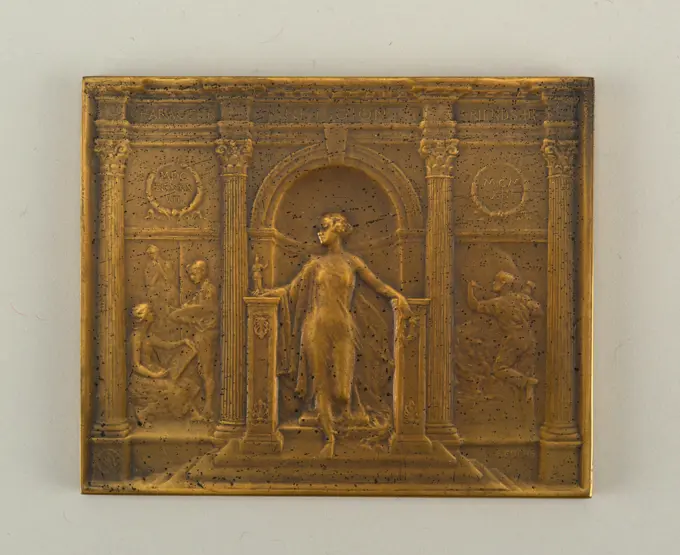
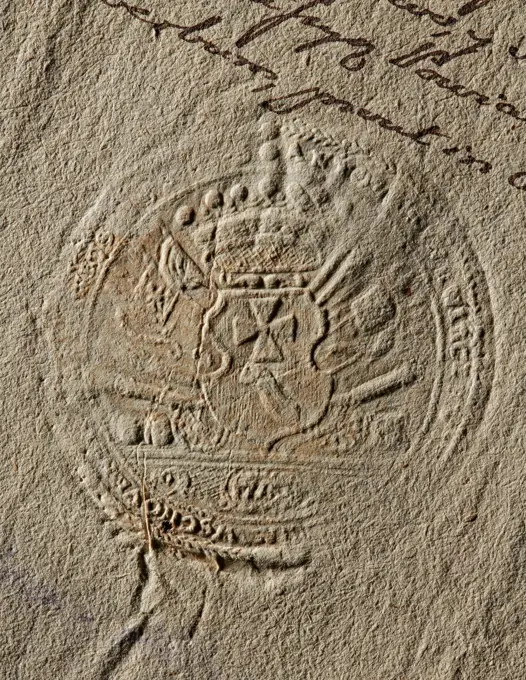
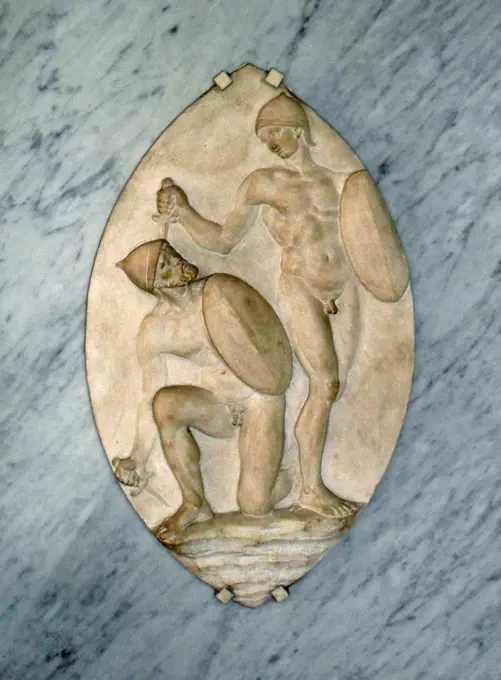
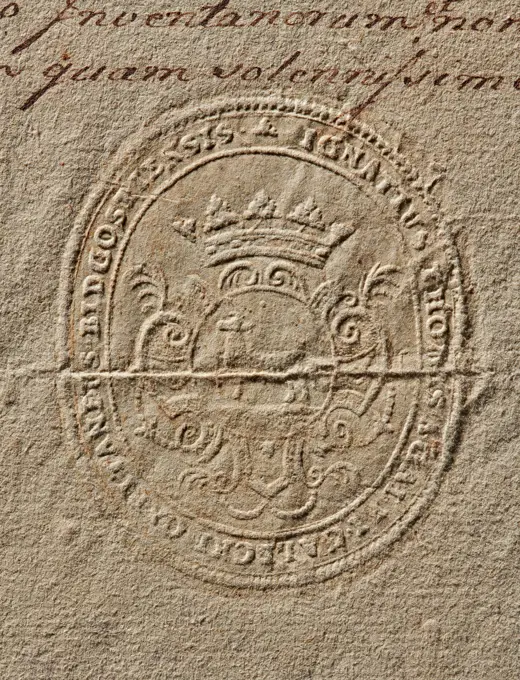
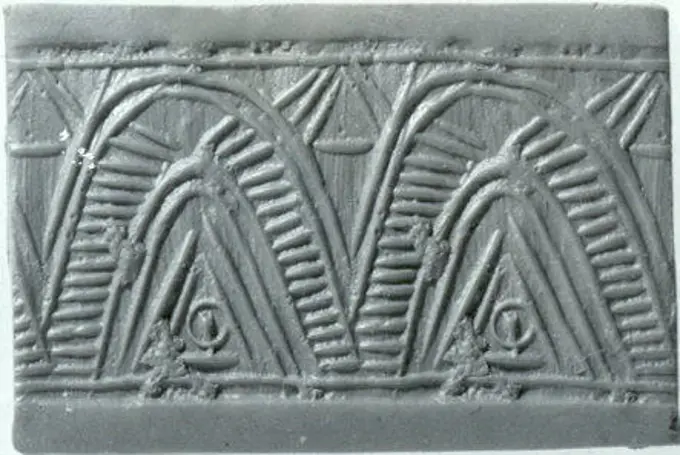
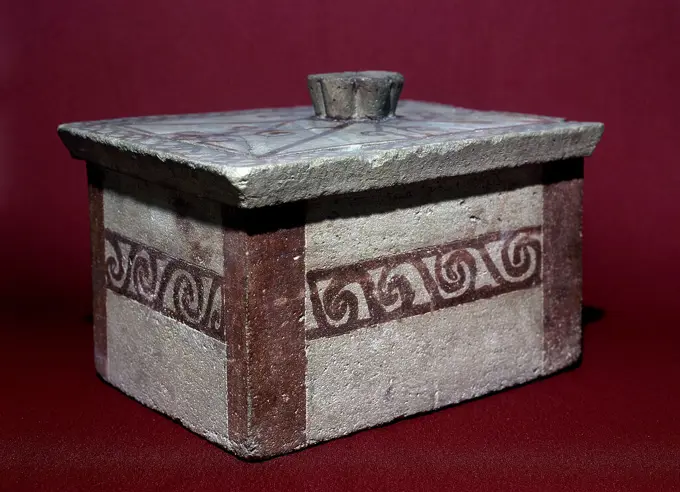
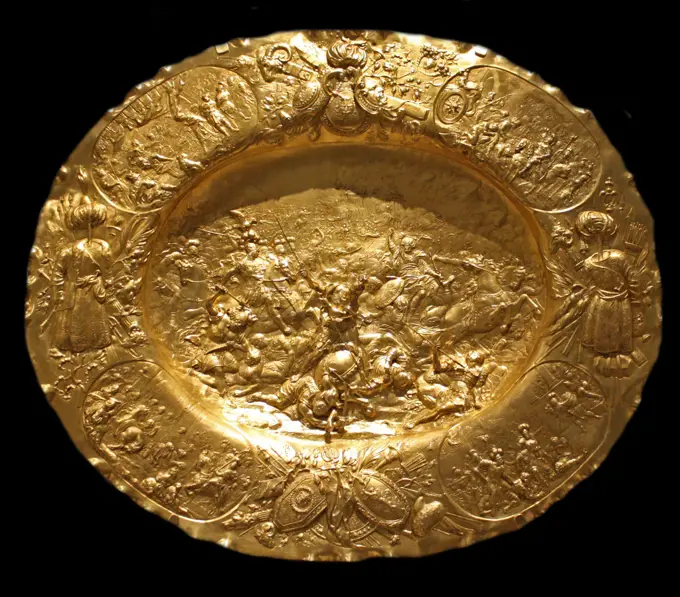
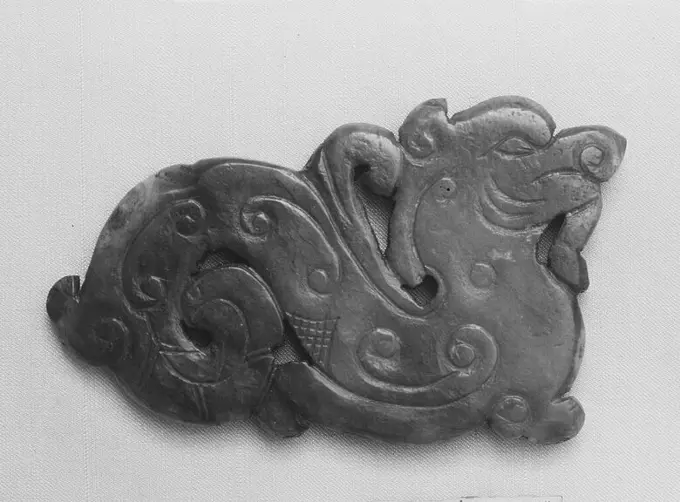
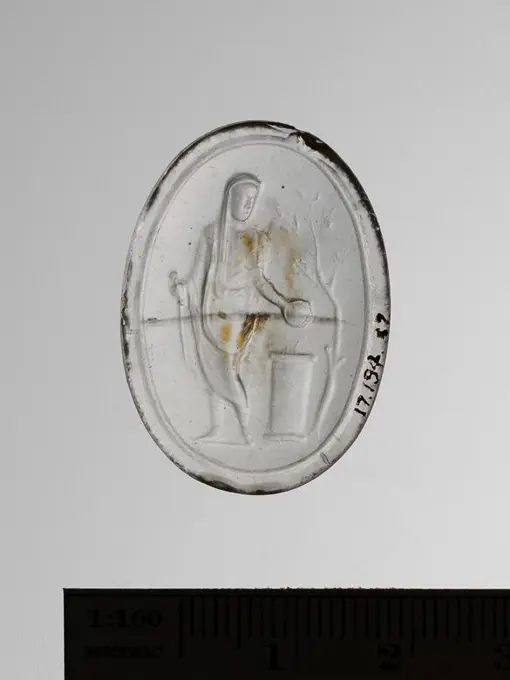
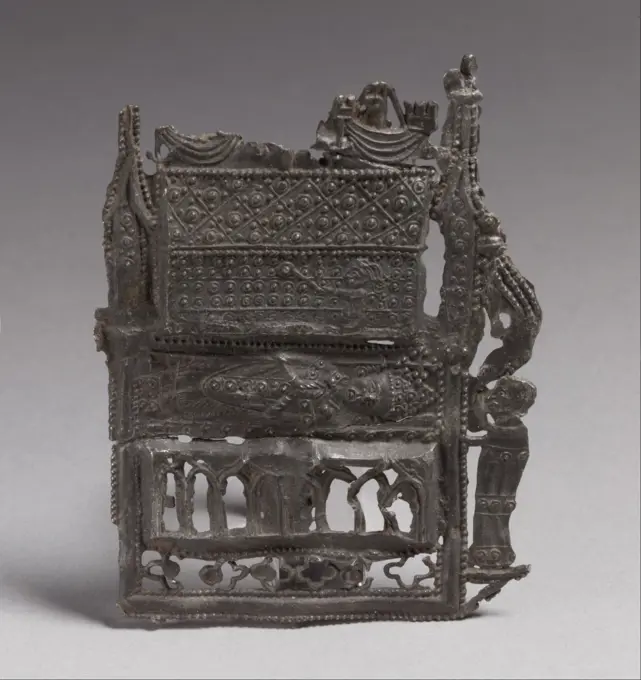
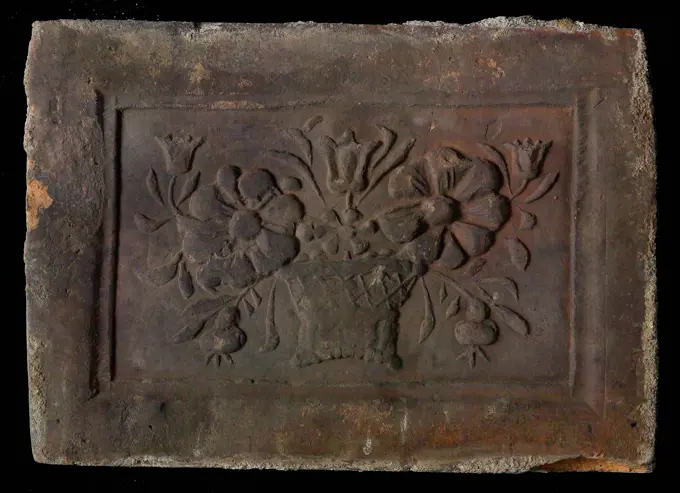
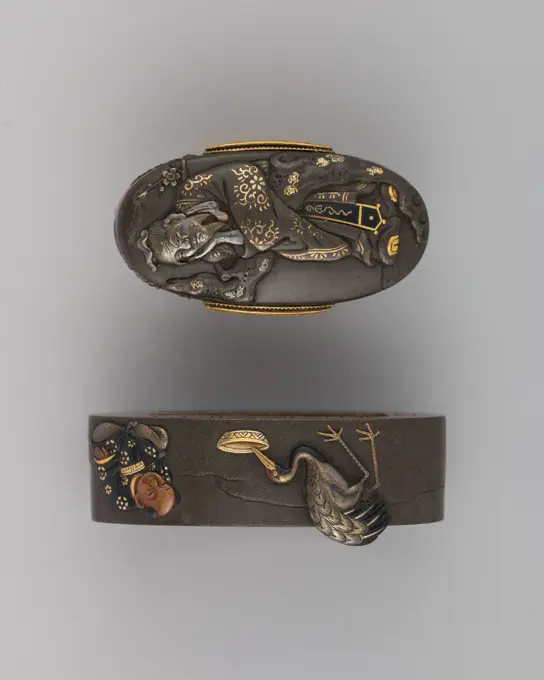
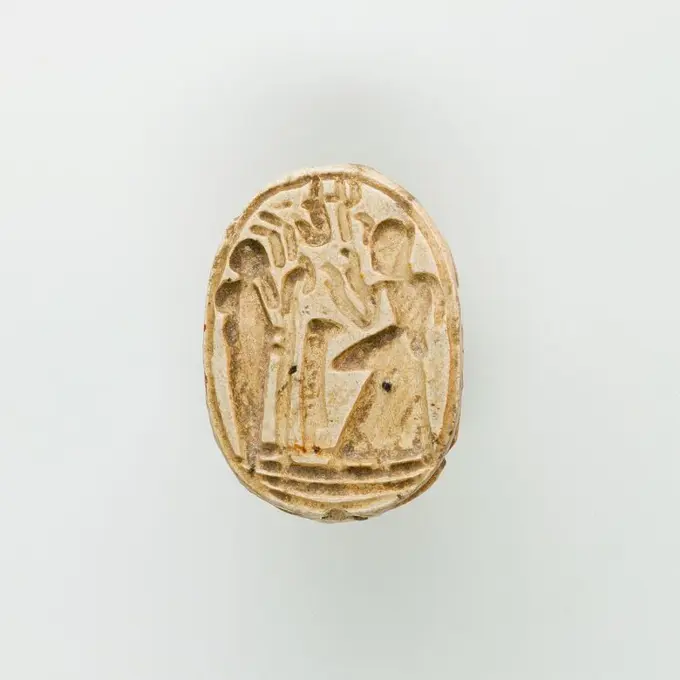
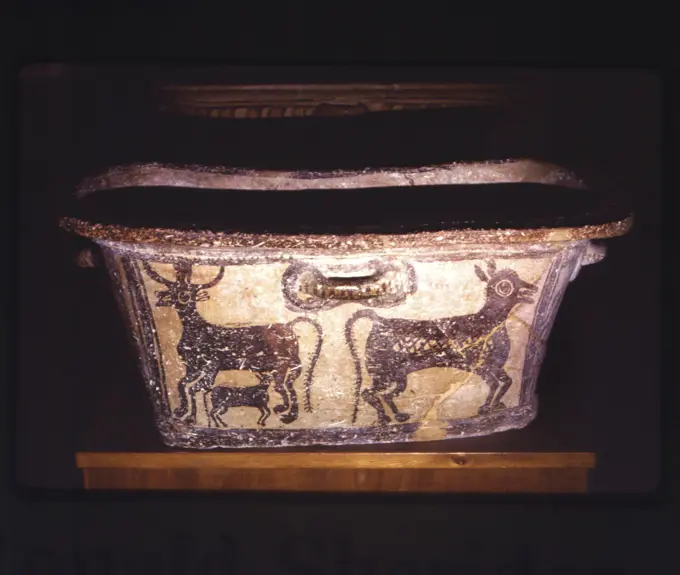
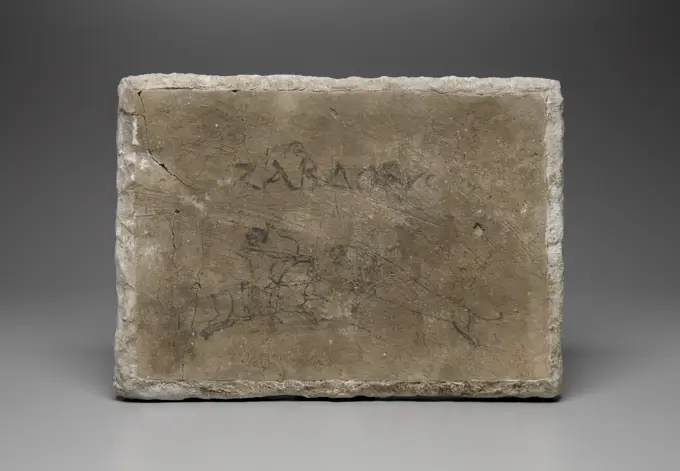
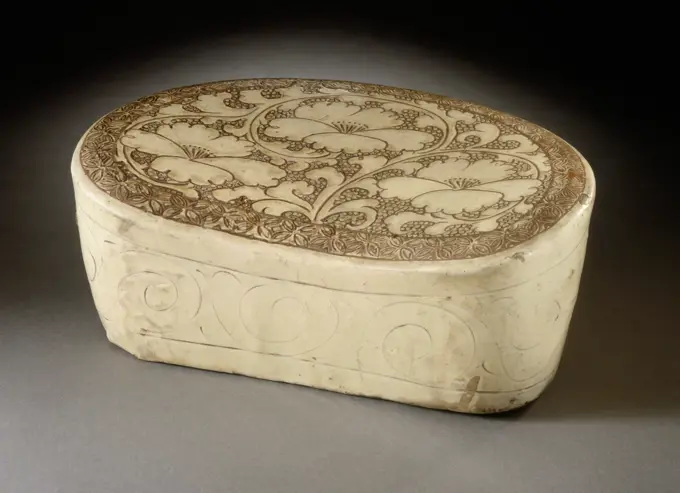
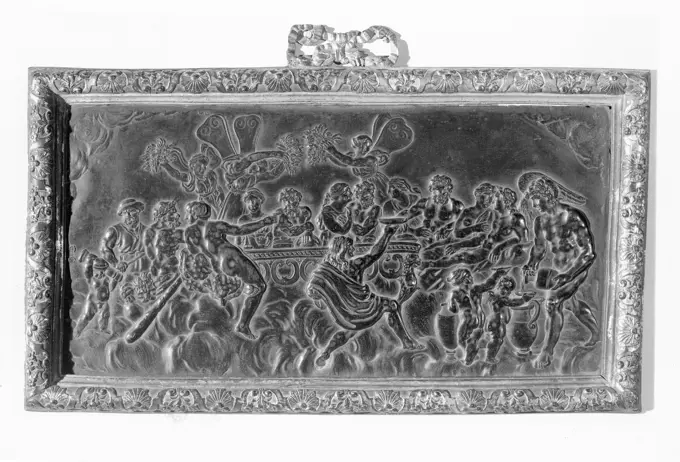
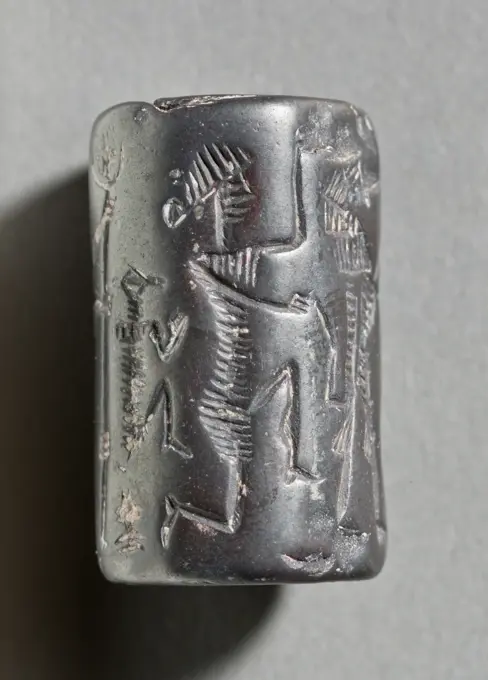
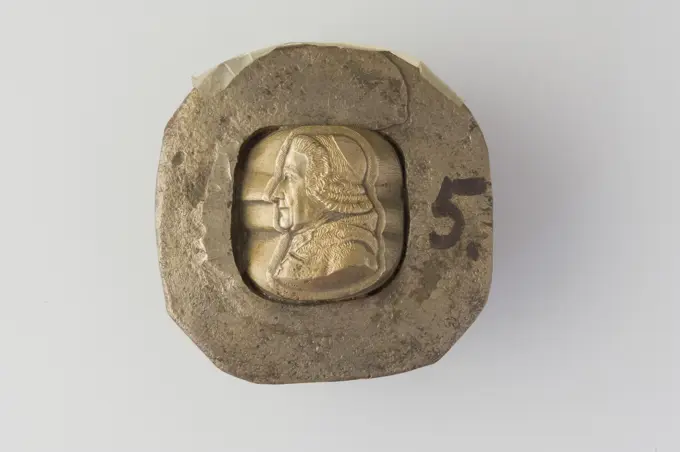
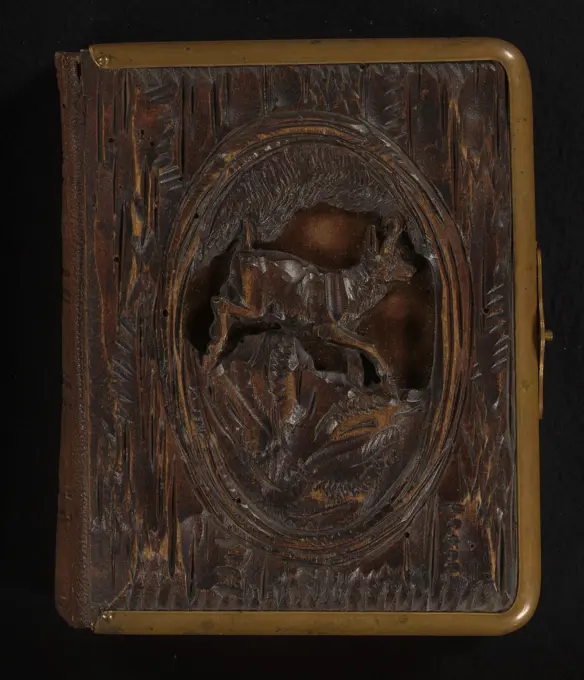
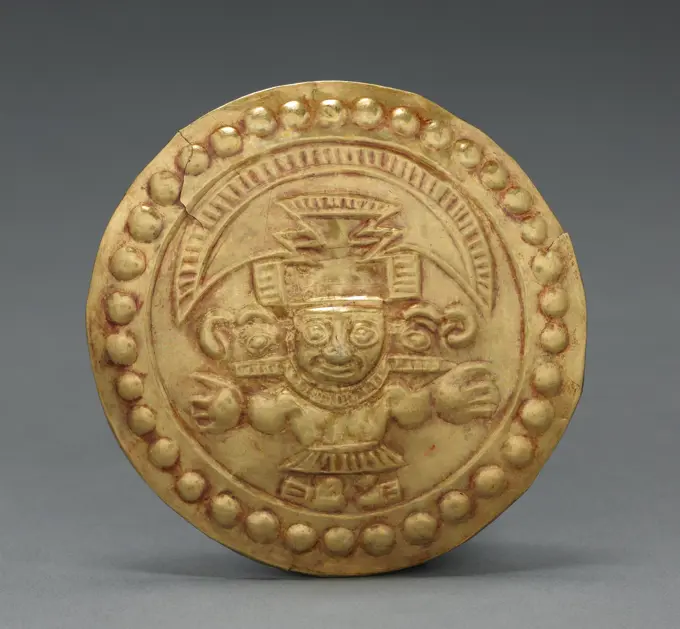
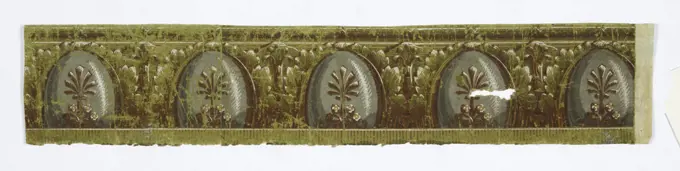
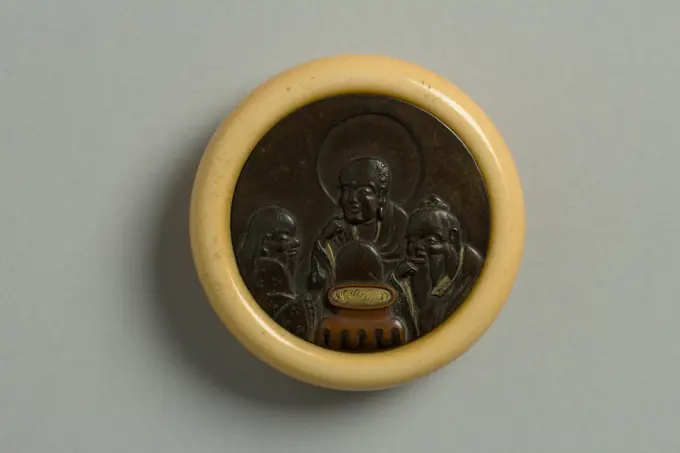
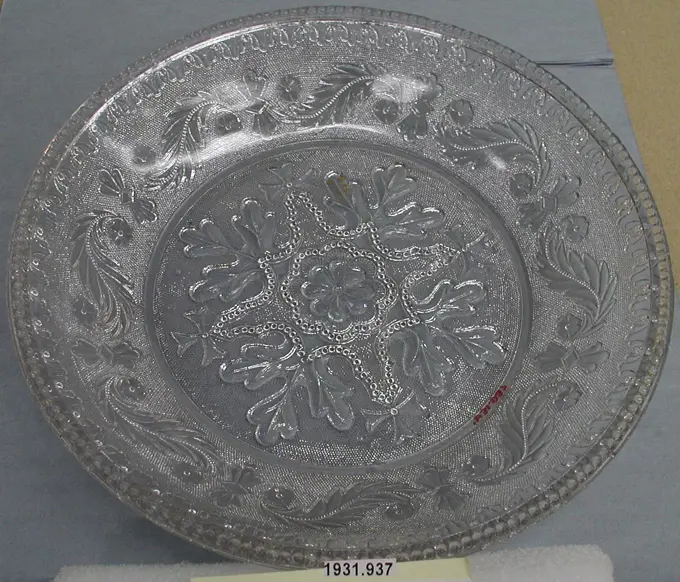
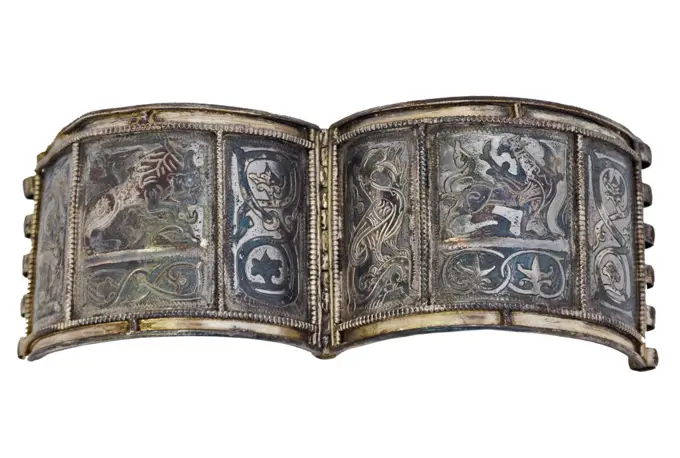
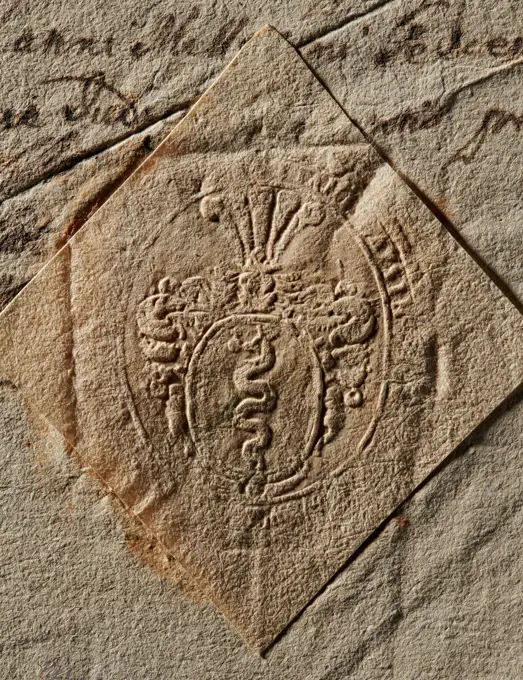
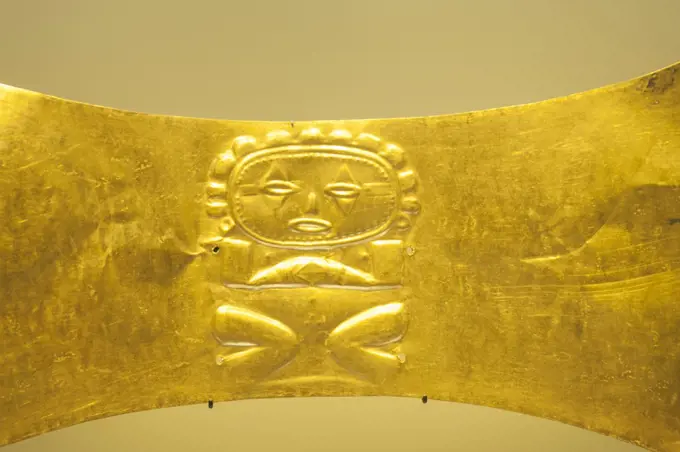
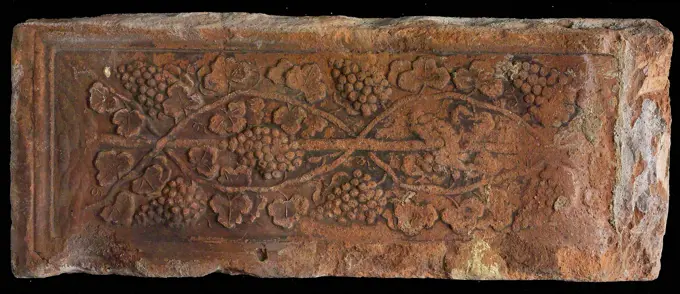
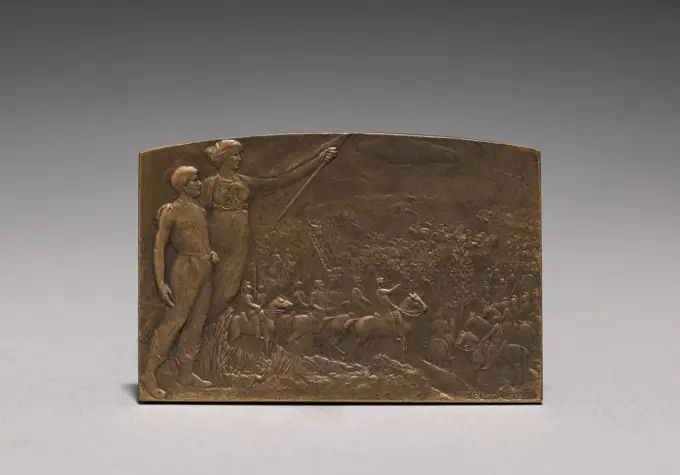
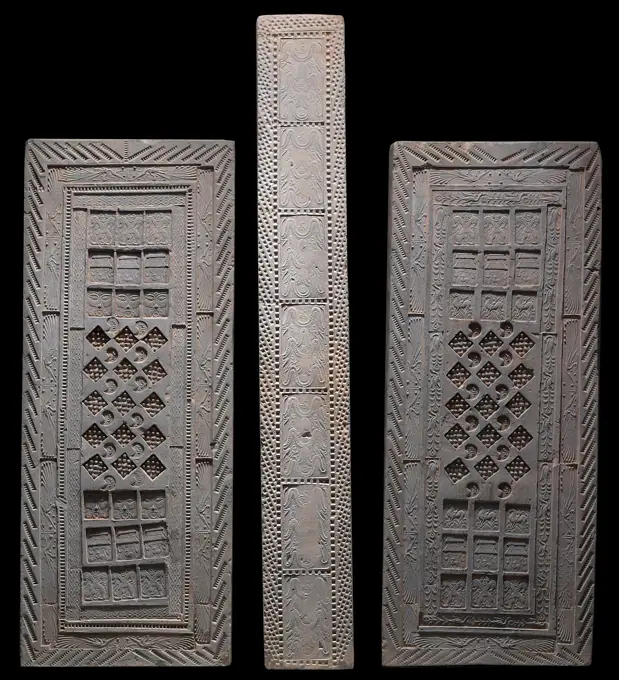
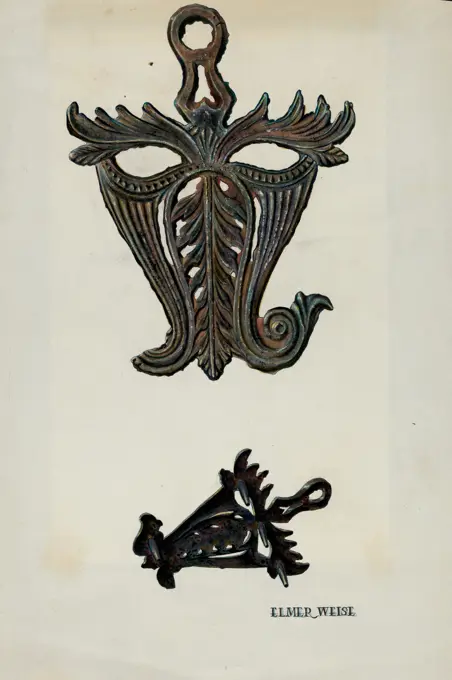
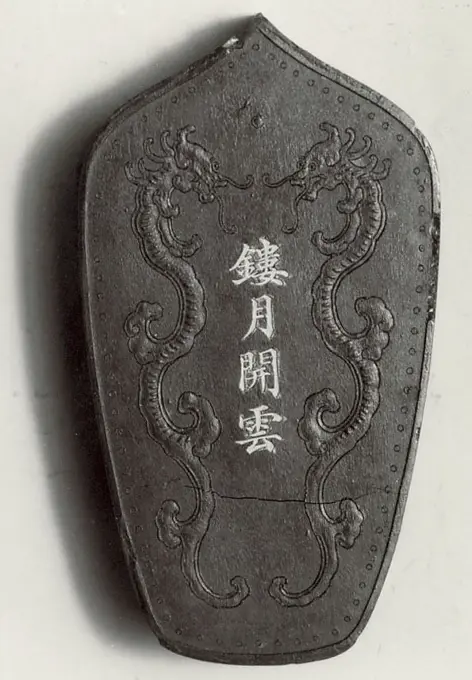
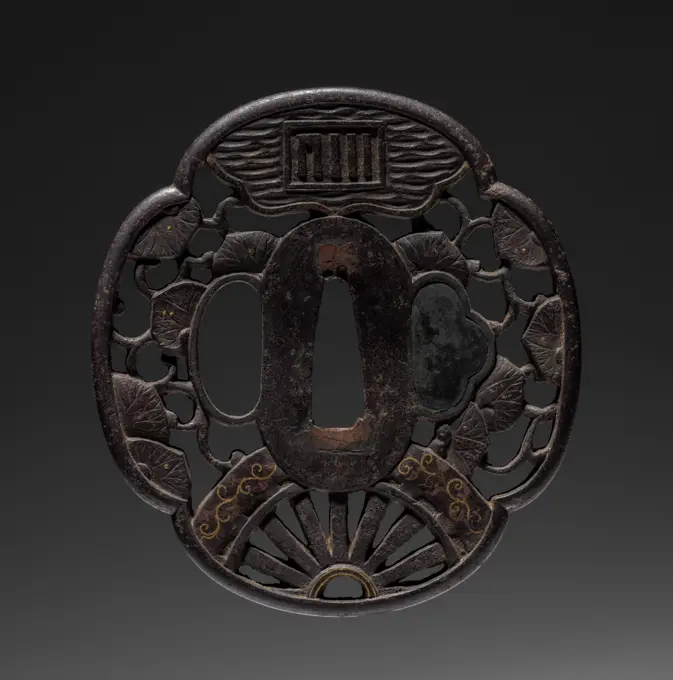
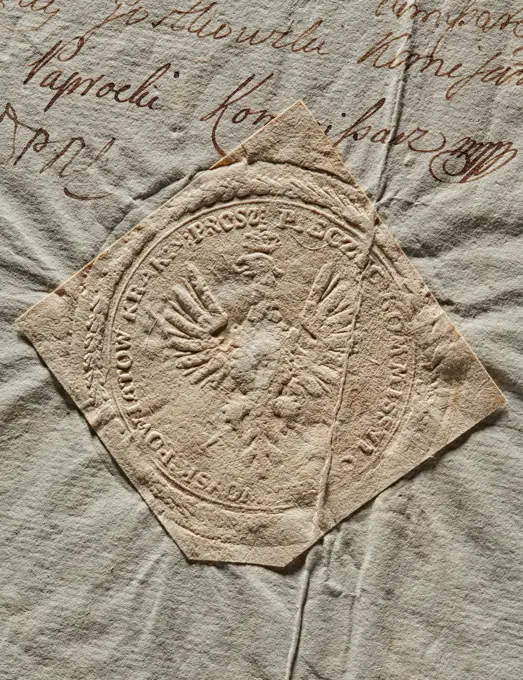
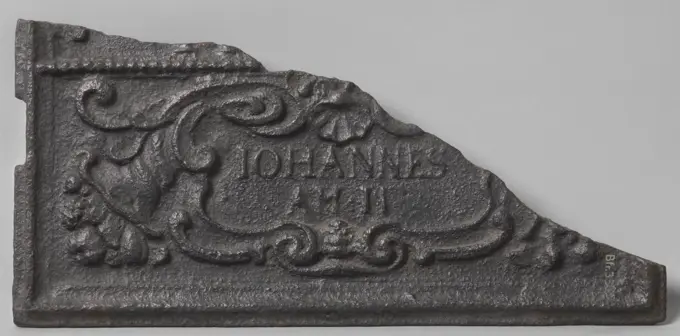
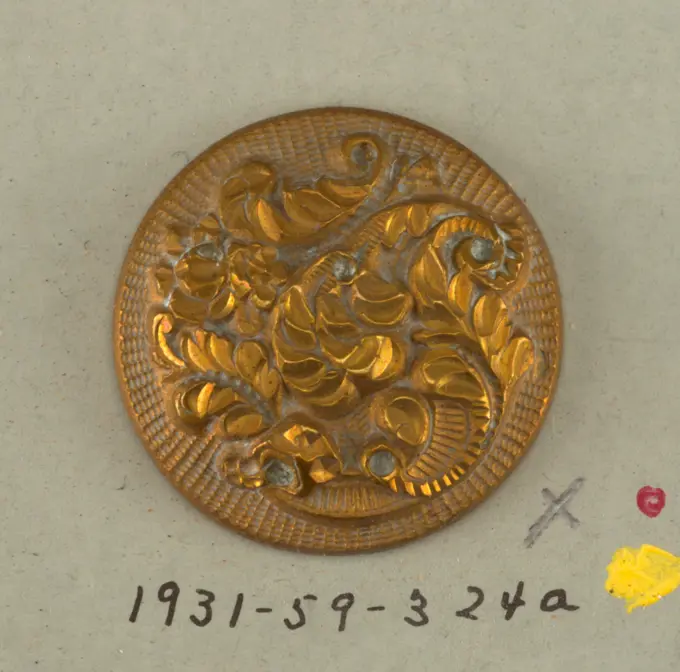
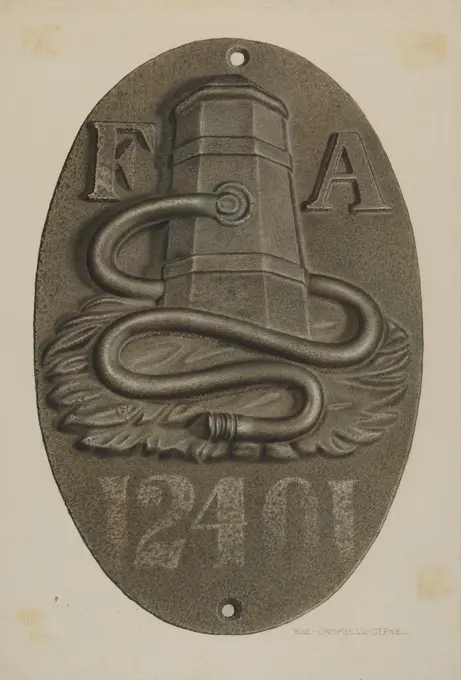
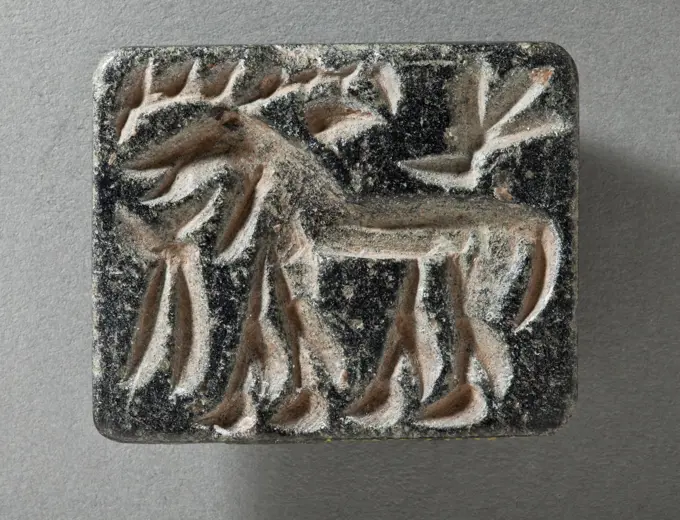
Ovoid seal ca. 3100-2900 B.C.. Ovoid seal. ca. 3100-2900 B.C.. Chlorite or steatite, black. Early Bronze Age. Northern Syria or southeastern AnatoliaPicture frame -Scarab of Queen Nebuhetepti. Dimensions: l. 2.8 cm (1 1/16 in). Dynasty: Dynasty 13. Date: ca. 1802-1640 B.C.. Museum: Metropolitan Museum of Art, New York, USA.Cylinder seal ca. 3100-2900 B.C.. Cylinder seal 324128Bronze belt buckle from the Parthian period. Dated 1st Century ADURNA FUNERARIA DE LA NECROPOLIS GRANADINA DE TUTUGI (GALERA) - PIEDRA PINTADA - ARTE IBERICO. Location: MUSEO ARQUEOLOGICO NACIONAL-COLECCION. MADRID. SPAIN.Anthropomorphic Pendant 5th-10th century Tolima. Anthropomorphic Pendant 312753Tryptyk: Deesis. Warsztaty pomorskie, factoryStove plate, Elijah and the Ravens of BSDW”.   Maker: Benedict Schwoope  Maker: Dietrich Welcker  Maker: Shearwell FurnaceDish. Elkington & Co. English (Birmingham), 1883. Electroformed copper, gilt. Copy of a gilt-silver original, Augsburg, ca. 1675 (State Hermitage Museum, Saint Petersburg)Plate. William Chaffers (English, 1811 - 1892)Amulet box. unknown, craftsman16th Century horizontal table clock, marked with the signs of the zodiac.Roman art. Early Christian. Wooden comb. 4th-6th c. AD. Vatican Museum.Girdle ornament. Culture: China. Dimensions: H. 1 5/8 in. (4.1 cm); W. 2 3/4 in. (7 cm); D. 1/4 in. (.6 cm). Museum: Metropolitan Museum of Art, New York, USA.Colorless glass ring stone. Culture: Roman. Dimensions: Length: 1 1/4 in. (3.2 cm). Date: ca. 1st century B.C.-3rd century A.D..Priest pouring a libation at an altar. Museum: Metropolitan Museum of Art, New York, USA.Pilgrim's Badge of the Shrine of St. Thomas Becket at Canterbury 1350-1400 British The brutal murder of Archbishop Thomas Becket in Canterbury Cathedral on December 29, 1170, transformed him into one of the most venerated saints in Western Christendom, and his shrine instantly became a pilgrimage site. This impressed badge shows the shrine of the martyred saint before it was plundered by Henry VIII's commissioners in 1538. The golden structure, as seen on the badge was ordered by Archbishop Stephen Langton and dedicated on July 7, 1220. Created by the famed goldsmith Walter of Colchester, the tomb, supported on four bays, contained an effigy of Thomas Becket in ecclesiastical vestments. Here, raised above it, is the gabled shrine, encrusted with jewels on a trellis-like ground and surmounted by two ship models, one of which was damaged. A small figure points to a ruby, claimed to be the largest in existence and given in 1179 by the king of France. To the right another figure raises theHearthstone, Luiks, from Luik, Liege Belgium, with wide frame, with flowers, hearth fireplace part ceramics brick, fired fireplace of the Liege type with wide frame depicting flowers in an openwork basket or vase building history heatingSword Guard (Tsuba) with Crane and Plum, c. 1615-1868. Japan, possibly Edo period (1615-1868). Iron; average: 6.4 x 6.4 cm (2 1/2 x 2 1/2 in.).Stove. Culture: American. Dimensions: 57 1/2 x 33 3/4 x 18 1/2 in. (146.1 x 85.7 x 47 cm). Maker: Francis S. Low; John S. Leake. Date: ca. 1844.Albany and Troy, New York, were the principal centers for cast-iron manufacture in the mid-nineteenth century. This stove, utilitarian in function and material, was intended to occupy a fashionable entry hall or parlor and illustrates the thorough dissemination of the antique style into all American manufactures by the 1840s. Museum: Metropolitan Museum of Art, New York, USA.Badge with Figure 14th-15th century British. Badge with Figure 474365Sword-Hilt Collar and Pommel (Fuchigashira) 18th century Japanese A fuchigashira is a pair of matching sword fittings comprising the fuchi (collar at the base of the grip of the sword hilt) and kashira (pommel cap at the end of a sword hilt).. Sword-Hilt Collar and Pommel (Fuchigashira). Japanese. 18th century. Copper-silver alloy (shibuichi), gold, silver, copper-gold alloy (shakud), copper. Sword Furniture-Fuchi-KashiraDetail of a lion-hunt on the inside of a bronze bowl, 8th century BC. Artist: UnknownGrahal-Manzara. Carnavalet 2013-2016 collection sites. Numismatics.Forty -two Stuiver, emergency coin from Kampen, beaten to pay overdue welding to the garrison, Anonymous, 1578 coin. siege coin Unilateral, diamond -shaped emergency coin with beveled corners. Front: Seven stamps: coat of arms between value indication, below and above inscriptions. Reverse: Blanco Match silver (metal) striking (metalworking)  MatchScarab of Ramesses II. Dimensions: L. 2.2 cm (7/8 in.). Dynasty: Dynasty 19-20. Date: ca. 1295-1070 B.C.. Museum: Metropolitan Museum of Art, New York, USA.Bread-consacration stamps. Wood, carving. 18th century. Caucasus area (Armenia or Georgia). The State Hermitage Museum. Saint Petersburg.Larnax with goats and kid. Gournia. Minoan Bronze Age. GREECE.Depinto Picture andInscriptionPainted Terracotta Tiles 700 B.C.Headrest (Zhen) with Peony Scrolls. China, Hebei or Henan Province, middle Northern Song dynasty, about 1000-1100. Furnishings; Furniture. Cizhou ware, slab-built stoneware with incised and stamped decoration in white and brown slips and transparent glazeToken, Burnum Archaeological Collection, near Ivosevci, Dalmatia, Croatia. Roman civilization.Eastern daily from the collection of Leopold Meyet, in the collections of the National Museum in Warsaw from 1915 - a general view;  around 1920 (not after 16.05.1922) (1918-00-00-1922-00-00);ZAFRA - RECIPIENTE DE CUERDA SECA PARCIAL SOBRE BIZCOCHO CON ATAURIQUES - SIGLO XI - OMEYA - 60x119 cm. Location: MUSEO ARQUEOLOGICO-COLECCION. CORDOBA. SPAIN.Glass Fragment 15th century European. Glass Fragment. European. 15th century. Colorless glass. Glass-StainedTile 9th-12th century Syrian This lustrous tile is made of dark purple glass overlaid with gold foil and sealed again with clear glass. The gold foil triangles form a cross pattern. Such tiles may have been used to decorate walls or other objects in a Syrian church.. Tile 468152Medal; bronze; 1914-26-2Tile first quarter 18th century. Tile 453326Mythological Banquet Scene 1675-1685 French. Bronze .Cylinder Seal. Anatolia, circa 1920-1700 B.C.. Tools and Equipment; seals. HematiteTile, flower pot in blue on blue, corner motif oxenkop, misbaksel, wall tile tile sculpture ceramic earthenware glaze, baked 2x glazed paintedGrahal-Manzara. Carnavalet 2013-2016 collection sites. Numismatics. Cardinal de Belloy bust law, left profile.Ornament tile, crossing diagonals, wall tile tile sculpture ceramic earthenware glaze, baked 2x glazed painted Yellow shard square two nail holes purple on white.Dish with Interlace Designs 9th century The rimless shape of this flat dish is probably based on metal prototypes. The abstract geometric decoration is an Islamic adaptation of an interlace design drawn from the Greco-Roman tradition. The green and turquoise accents add color to the otherwise plain, inscribed surface.. Dish with Interlace Designs 451164bake  Miejska M.Kargowa; Kargów; 1781 (1781-00-00-1781-00-00);urban seals, seals at documents, official seals, seal with the coat of arms, Żurakowski, Witold ( -1927)- collectionDragon head with open mouth China. Dragon head with open mouth 44350Photo album (empty), Anonymous, 1860 - 1900  Photo album with fifty pages each with a passe-partout-framed edge for a carte-de-visiting.  cardboard. paper. wood (plant material). leather. metal. velvet (fabric weave)  hoofed animals: deerEar Flare Frontal, Chimú style (900-1470). Peru, North Coast, Paramonga(), Chimú style (900-1470). Hammered gold alloy; diameter: 8.5 cm (3 3/8 in.).Border, Block-printed on handmade paper, A row of egg-shaped forms, resting on truncated bottoms, outlined in foliage. Each egg contains highlights and a stylized foliate stem with flower and curl decorations at the base. Bottom edge has dentilling, and vestigial dentilling is under stripes of the top edging. Printed in chartreuse, brown, grey, tan, white., H# 513, France, 1810-35, Wallcoverings, BorderNetsuke of The Three Wine Tasters (Confucious, Buddha, Laozi) 19th century Japan. Netsuke of The Three Wine Tasters (Confucious, Buddha, Laozi). Japan. 19th century. Ivory with bronze disk inlaid with gold. Edo (1615-1868) or Meiji period (1868-1912). NetsukeDish. Maker, possibly by: Boston and Sandwich Glass Works, American, 1826-88Golden Artifact In The Gold Museum In La Candelaria, The Old Town Of Bogota, ColombiaBracelet from Old Ryazan, Ancient Russian Art  Vase fragment 1st century B.C.-1st century A.D. Roman Upper part of a woman.. Vase fragment 250432Carnavalet Museum, Medals Collectionseal of Stanisław Wężyk, Starost of Sieradz. Wężyk, Stanisław (fl. ca 1674), signatoryfine arts, bronze, folding mirror with cover, diameter: 13 cm, Orest and Electra at the tomb of Agamemnon, Corinth, circa 350 / 300 BC, The Metropolitan Museum of Art New York,Ancient medals. n � 9 Ancient medals. N � 9. Black and white projection plate. 1900-1930. Photograph of Jacques-Ernest Bulloz (1858-1942).Golden Artifact From Yotoco Malagana Tribe In The Gold Museum In La Candelaria, The Old Town Of Bogota, ColombiaBlack and white photo from a book of a Angbu-ilgu, a concave sundial shaped like a hemisphere and was first made 16 years' rule of King Sejong (1434). That was composed of the hour lines, the seasonal lines, sibanmyeon, Yeoungchim and the horizonal surface.Judaism. Torah scroll case wrapped in black. Libya, 1889. Carved wood and cotton. Case: Gift of the Moshav movement, through Rabbi Menahem Hacohen and Bracha Yaniv, Survey of Synagogues, The Center for Jewish Art, The Hebrew University of Jerusalem. Wrapper: Gift or Dr. Naouri from the Synagogue of Tripoli, Rome. Israel Museum. Jerusalem.Man ,. Messenger CollectionStone with smooth wine list, vine with bunches of grapes, stone building element ceramics brick, baked Stone with the representation of vine vine with bunches of grapes and around narrow frame.Glass Fragment. Culture: French. Dimensions: Overall: 3 3/4 x 3 3/4 incehs (9.5 x 9.5 cm). Date: 13th-14th century. Museum: Metropolitan Museum of Art, New York, USA.Glass Fragment European 19th centuryBOTE DE MARFIL HISPANOMUSULMAN - PERIODO CALIFAL - SIGLO X - 11,5x18,5. Location: VICTORIA AND ALBERT MUSEUM. LONDON. ENGLAND.Stamp seal ca. 3rd-7th century A.D. Sasanian. Stamp seal. Sasanian. ca. 3rd-7th century A.D.. Rock crystal. Sasanian. IranFragment Made 501 CE-800 CE Egypt. Wool and linen, slit and dovetailed tapestry weave with eccentric wefts and wrapped outlining wefts . CopticDoor wing;  1751 (1751-00-00-1751-00-00);Chess Piece, King 9th-12th century. Chess Piece, King 449842seal of the Civil-Military Order Commission of Wieluń Land. Komisja Porządkowa Cywilno Wojskowa, signatoryPlate money of half a fall in the name of Adolf Frederik, King of Sweden, Anonymous, 1752 coin Unilateral, almost rectangular plate with five stamp print made. Front: Print of the front of Half Daler in every corner: monogram and year under Kroon; In the middle print on the side of half a fall: inscription. Reverse: Blanco. Karlberg Palace copper (metal) striking (metalworking)  SwedenA cigarette case with a dragon motif among the clouds unknownSilversmith's art, Poland, 12th century. Embossed silver reliquary of Saint Stanislaus. Detail.Medal (obverse). Jules Prosper Legastelois (French, 1855-1931). Bronze; overall: 5.8 x 3.9 cm (2 5/16 x 1 9/16 in.).A Centaur. Dated: 15th century. Dimensions: overall (oval): 4.89 × 4.09 cm (1 15/16 × 1 5/8 in.) gross weight: 45.94 gr (0.101 lb.). Medium: bronze//Medium brown patina. Museum: National Gallery of Art, Washington DC. Author: Florentine 15th Century.Tomb Pillar, 1st century, 55 1/4 x 10 1/2 x 7 1/2 in. (140.3 x 26.7 x 19 cm) (irregular), Impressed earthenware, China, 1st centuryglass tray, (Lanx), 1st century, Montealegre de Campos, Roman Hispania, Valladolid Museum, Community of Castile and Leon, Spain.Fragmento de mesa romano, procedente del yacimiento arqueológico de Can Modolell. Museu de Mataró.Pair of Stirrups 19th century Nigerian Each of these stirrups is made of two elements cast in bronze, with the footplate pierced with geometric elements and the sides decorated with spirals in relief, typical of traditional Nigerian metalwork. This shape of stirrups, with their long rectangular footplates and their wide flaring sides, is found in most of the Islamic world. Arab equestrian equipment spread in North Africa and then south across the Sahara desert alongside the spread of Islam itself, and was then adopted by local populations and adapted in their own styles.. Pair of Stirrups. Nigerian. 19th century. Copper alloy. Equestrian Equipment-StirrupsIvory of Salerno, reliefMadrid, 06/06/2023. Museum of the Royal Collections, National Heritage. Archaeological remains found in the walled area. Photo: Ernesto Agudo Archdc.Amulet of a Vulture 780 BCE-343 BCE Egypt. Glass . Ancient EgyptianElmer Weise, Flat Iron Stand, c 1938 Flat Iron StandCarving the Moon, Opening the Clouds late 19th-early 20th century Workshop of Jian Guzhai Chinese This ink tablet is from a sixty-four-tablet set (30.76.216-.279) commissioned by the Jiaqing emperor from the Studio for Appreciating the Antique (Jiangu Zhai) manufactory of the Wang Jinsheng family in Huizhou, Anhui Province. Each ink tablet commemorates a hall or pavilion in one of the imperial gardens. Each sites name is written in gilt characters on one side; a view of the site is presented on the other. Such inks were purely decorative and not intended for use.. Carving the Moon, Opening the Clouds 41837MONUMENTO DE LOS HIJOS DE LA TIERRA - DETALLE DE UNO DE LOS MEDALLONES DE PIEDRA Y BRONCE- S XX. Location: EXTERIOR. North Cape.Lock. Culture: French. Dimensions: Overall: 8 x 9 1/2 x 6 7/8 x 2 7/8 in. (20.3 x 24.1 x 17.5 x 7.3 cm). Date: 15th-16th century.The decoration of Gothic iron locks and keys was often elaborate and of the highest standard of workmanship. The motifs were frequently drawn from Gothic architecture, reproducing on a miniature scale complicated tracery patterns and even tiny statuettes. A number of these tiny locks were compound, with some of the mechanisms concealed from view, and required two or even three keys used in sequence to open them. It has been suggested that the greatly expanded use of locks on doors, or coffrets and other types of storage chests was a result of the increasing urbanization of life and the new emphasis on material wealth and private ownership which developed in the late Middle Ages. Museum: Metropolitan Museum of Art, New York, USA.CAJAS DE CERILLAS. Location: MUSEO DEL PUEBLO ESPAÑOL. MADRID. SPAIN.Sword Guard (Tsuba) with Aoi (Heartvine) Chapter of The Tale of Genji, c. 1615-1868. Japan, possibly Edo period (1615-1868). Iron; diameter: 7.7 cm (3 1/16 in.).Top of embroidered burse unknownseal of the Civil-Military Order Commission of the Krakow Voivodeship. Komisja Porządkowa Cywilno Wojskowa, signatoryStove plate with show of the wedding in Kana, Anonymous, 1550 - 1650 Cast iron stove plate, divided into two zones. In the lower zone there is a Cartoucehe of leaf motifs with the inscription: John Am II. The upper zone is a separate part, numbered BK-BFR-320. Siegerland (Possibly) iron (metal) casting Cast iron stove plate, divided into two zones. In the lower zone there is a Cartoucehe of leaf motifs with the inscription: John Am II. The upper zone is a separate part, numbered BK-BFR-320. Siegerland (Possibly) iron (metal) castingButton (France); brassRose Campbell Gerke, Firemark, c 1940 FiremarkTable screen (username). Cernuschi Museum, Asia Museum of Asia in the city of Paris.seal of Antoni Kwilecki, Starost of Wschowa. Kwilecki, Antoni, Franciszek (1725-1794), signatoryMarble Relief at the base of the Borghese Gladiator Statue 100 B.C. Depicting gymnastic exercises.seal of Ignacy Tomasz Gałecki, Starost of Bydgoszcz. Gałecki, Ignacy Tomasz (1726-1798), signatorySweden, Blekinge, Blekinge, Karlskrona, Karlskrona, external marina (depicted, town).Sweden, Blekinge, Blekinge, Karlskrona, Karlskrona, External War Gogs (depicted, City)Stamp Seal. Northern Syria or Southeast Anatolia, circa 3500-3100 B.C.. Tools and Equipment; seals. Black chlorite