Decorative Historical Objects

Artifacts such as hearing stones and ornate bricks with intricate designs, representing craftsmanship from various centuries.

Hearing stone with lion's head in profiled diamond, c. 1575 - c. 1625 Hearing stone with a representation of Leeuwenkop in Lauwerkrans, placed in profiled diamond, which motif repeated itself in the half windows on the sides. The Hale windows at the top and bottom are filled with half medallions with star motif. Southern Netherlands earthenware Hearing stone with a representation of Leeuwenkop in Lauwerkrans, placed in profiled diamond, which motif repeated itself in the half windows on the sides. The Hale windows at the top and bottom are filled with half medallions with star motif. Southern Netherlands earthenware
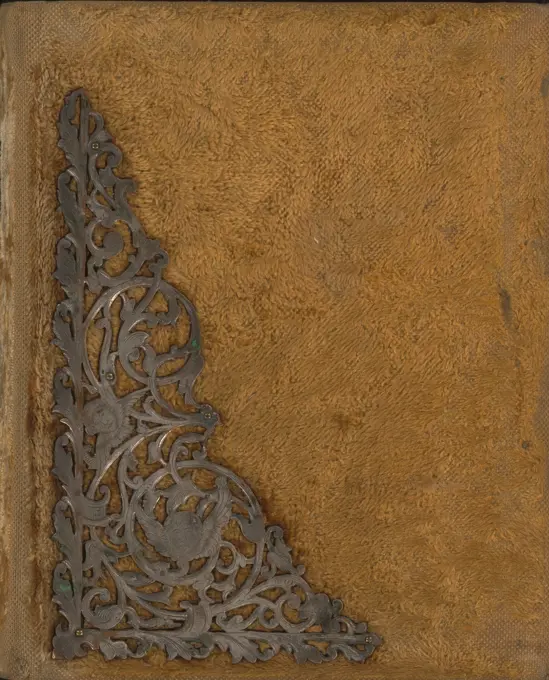
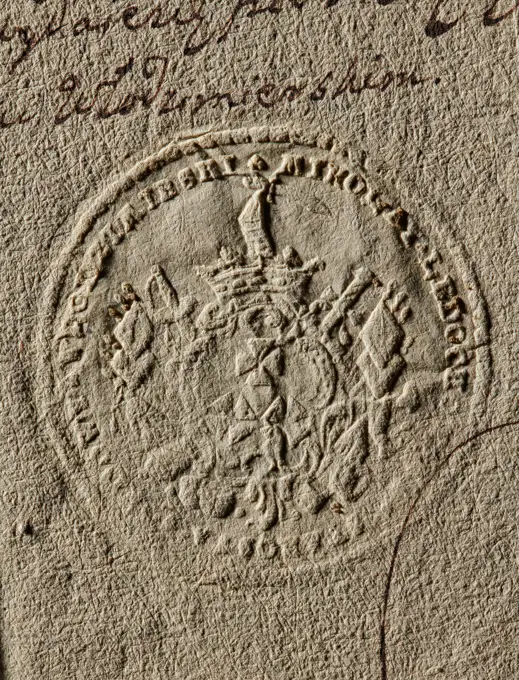
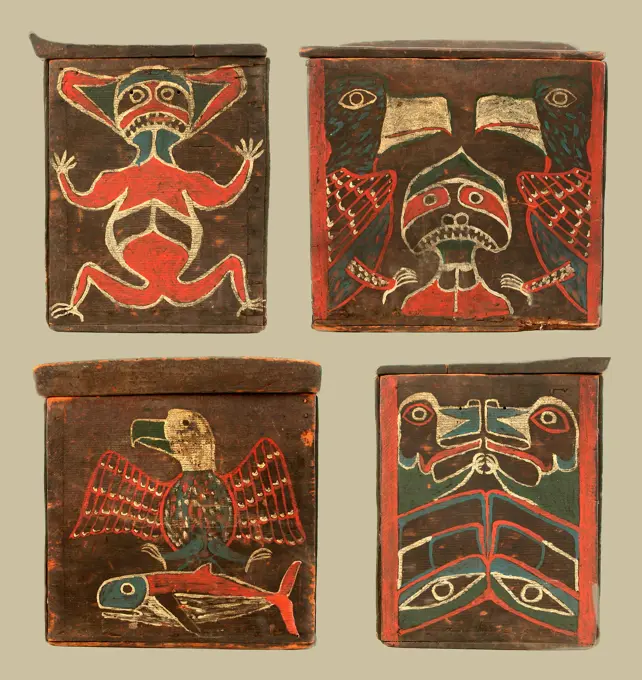
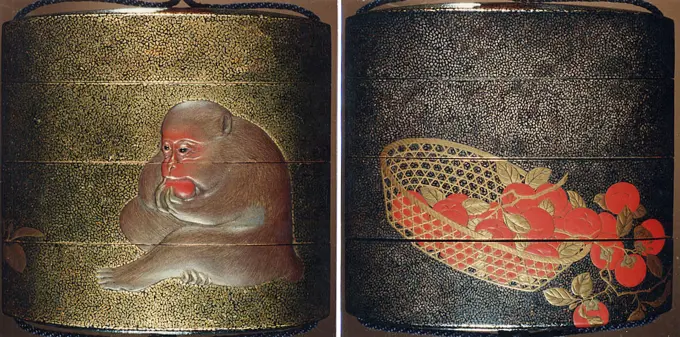
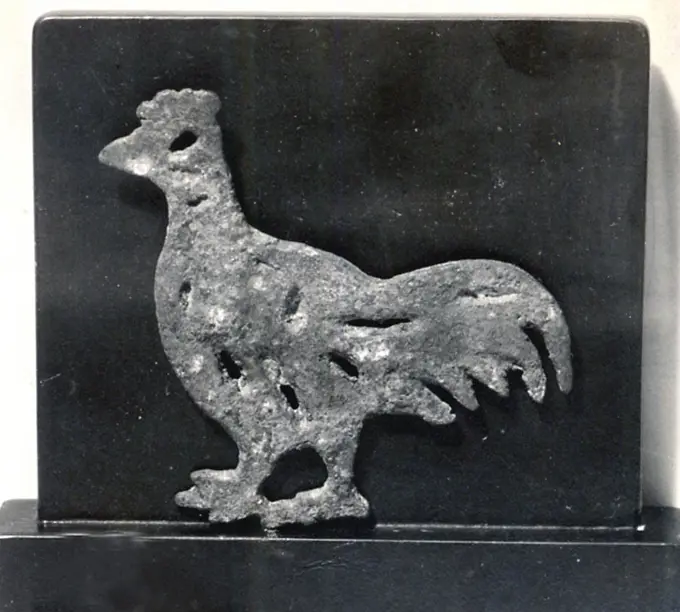
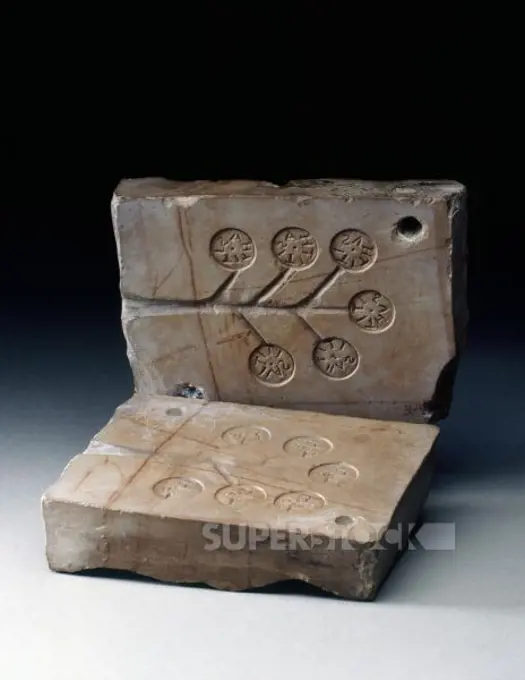
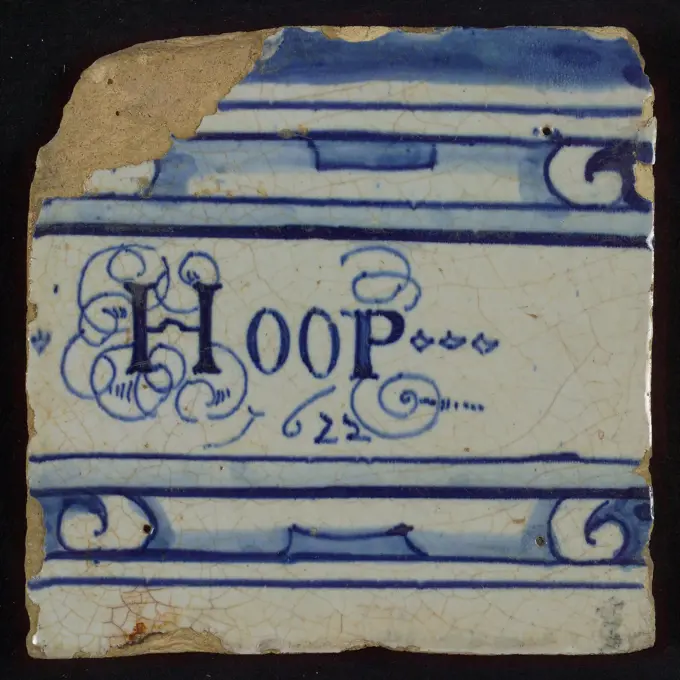
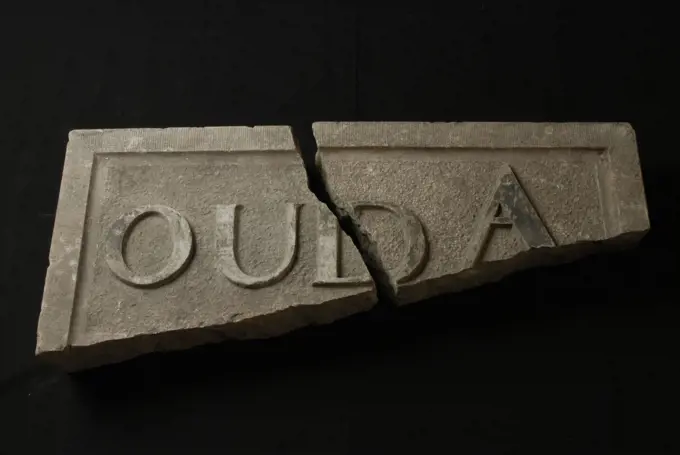
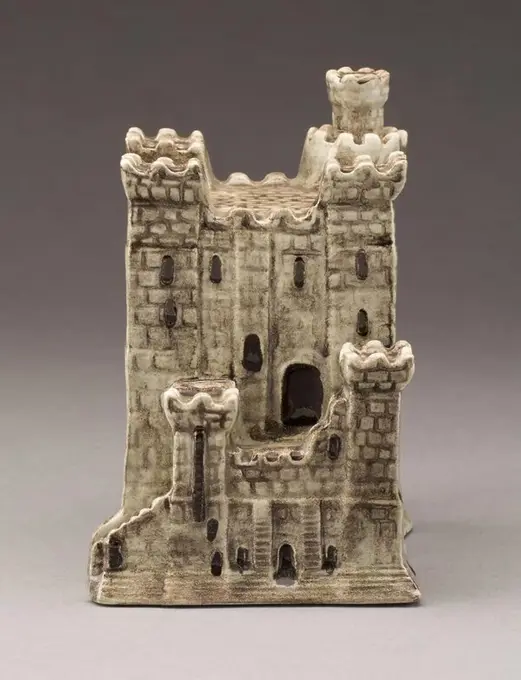
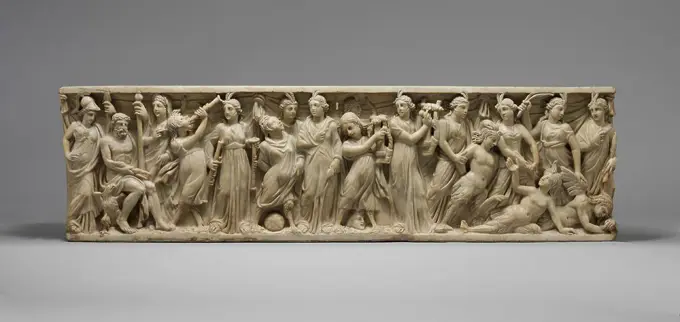
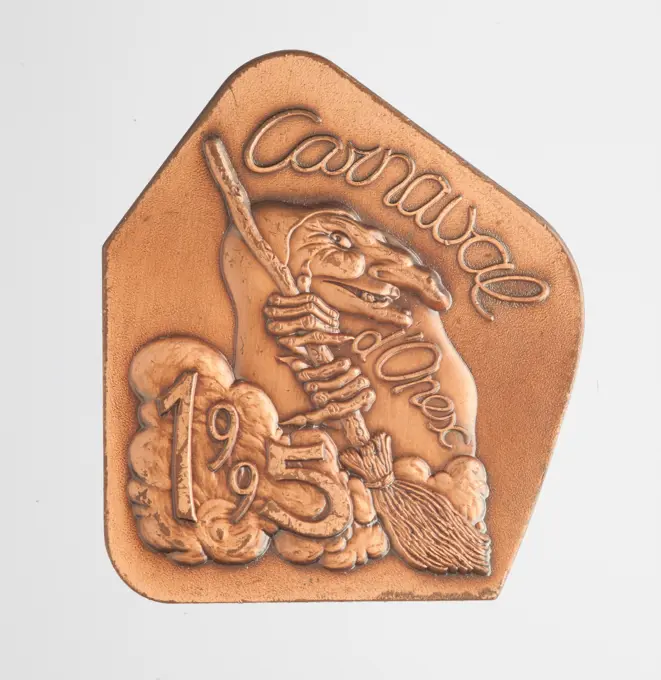
Carnival badge in Onex, 1995 René F. Müller AGBlack-Glaze Dish with Inscription. UnknownPhoto album (empty), inside front cover - pasted, Photo album with 26 pages, each with a passe-partout with an embossed edge for a carte-de-visite., photo album, insert album, photos, DIENST, VERSPREIDE, RIJKSKOLLEKTIES, A 802, GRAND BAZAR CENTRAL, Aug. BEUDON, 10, Rue Bellain Do.A., height 155 mm, width 124 mm, thickness, 53 mm, width 253 mm, maker, verwerker, 1860 - 1900, cardboard, papier, paper, plush, knuffel, metaal, kleur op ekStamp seal (cubical with loop handle) with monsters and anthropomorphic figure 9th - 7th century B.C. Urartian. Stamp seal (cubical with loop handle) with monsters and anthropomorphic figure 327684Casket or toilet box 1770 Russian, Velikii Ustiug (Siberia). Casket or toilet box 187184White tile with blue fruit bowl, corner pattern lily, wall tile tile sculpture ceramic earthenware glaze, baked 2x glazed paintedKarczew town seal. Karczew, signatoryseal of Mikołaj Ledóchowski, Starost of Volodymyr-Volynskyi. Ledóchowski, Mikołaj (1720-), signatoryAncient Roman slave collar with inscription. "I have fled, take me to my master Zoninus and you wil earn gold coin. 4th-6th century AD. National Roman Museum (Baths of Diocletian). Rome. Italy.Stamp seal ca. 5th-7th century A.D. Sasanian. Stamp seal. Sasanian. ca. 5th-7th century A.D.. Stone. Sasanian. IranHousehold box -old tin box about 1910 with angel on grunge background old tin box about 1910 with angel on grunge background Copyright: xZoonar.com/FrankxRohdex 3184341seal of the Civil-Military Order Commission of the Płock Voivodeship. Komisja Porządkowa Cywilno Wojskowa, signatoryCase (Inrō) with Design of Basket of Persimmons (obverse); Monkey Eating Persimmon (reverse) 19th century Mori Sosen Japanese. Case (Inrō) with Design of Basket of Persimmons (obverse); Monkey Eating Persimmon (reverse) 58771Liquor Flask. Dated: c. 1936. Dimensions: overall: 28.5 x 22.5 cm (11 1/4 x 8 7/8 in.). Medium: watercolor, graphite, and gouache on paperboard. Museum: National Gallery of Art, Washington DC. Author: Charles Caseau.Log Cabin CupPlate. Maker, probably by: Boston and Sandwich Glass Works, American, 1826-88Engraved Gem. UnknownHonor Medaillon Franz Xaver Gabelsberger (one-sided)Fireplace;  1929 (1929-00-00-1929-00-00);Theophile Roussel School founded by the Department of Seine, 1893 Alphonse Eug�ne Lechevrel. Medal of the Ecole Th�ophile Roussel founded by the department of the Seine. Bronze, 1893.Bliej Kultury unknownRooster Figure China. Rooster Figure. China. Bronze. Han dynasty (206 B.C.-A.D. 220). MetalworkBi-valve limestone mold for metal tiles with the writing Lt and Tithasi on both sides, House of the Shrine, Herculaneum, Campania, Italy. Roman civilisation, 1st century AD.Metal plaquettes and coins and a Medusa head, anonymous, c. 1860 - c. 1885 photograph   photographic support albumen print ornaments ~ art. coin. Medusa (one of the Gorgons)White tile with in blue Hoop and 1622 between horizontal decorated lines, tile picture footage fragment ceramics pottery glaze, baked 2x glazed painted Yellow shard four nail holes Was part of tile picture, Hoop 1622Ancient aztec calendar isolated on whiteFragment of facing brick with text OUD , facing brick building part stone 31,5, minced rectangular frame and text in high relief Hard stone OUD Jufferstraat City triangle City center Rotterdam war World War II bombardment Bombardment May 1940. Jufferstraat district 1 no 204 Rotterdam.PTTK Mountain Tourist Badge  Little Srebrna unknown labelEurope, Scandinavia, Sweden. Sjoebo. Loevestad Carved statues. HembygdsmuseumVotiveOfferingVotiveOfferingChimney Ornament. England, Staffordshire. Date: 1825-1850. Dimensions: 12.4 x 8.5 x 10 cm (4 7/8 x 3 3/8 x 3 15/16 in.). Glazed earthenware with polychrome enamel decoration. Origin: Staffordshire. Museum: The Chicago Art Institute, Chicago, USA.Marble sarcophagus with the contest between the Muses and the Sirens. Culture: Roman. Dimensions: Overall: 21 3/4 x 77 1/4 x 22 1/2 in. (55.3 x 196.2 x 57.2 cm). Date: 3rd quarter of 3rd century A.D..The deities Athena, Zeus, and Hera, assembled at the far left, preside over a musical contest betweenthe Muses and Sirens. The Muses, associated withthe highest intellectual and artistic aspirations, are defeating the Sirens, creatures that are half woman and half bird who lured men to destruction with their song.A drawing of the sarcophagus was commissioned by Cassiano dal Pozzo, one of the most respected patrons of art and scholarship in Rome during the first half of the seventeenth century. It belonged at that time to the del Nero family, who apparently converted it into a chest with a keyhole cut into the upper center of the frontal panel and had their coat of arms, a rampant hound, carved on the short endsof the sarcophagus. Museum: Metropolitan Museum of Art, New York, USA.