Decorative Italian Wall Tiles

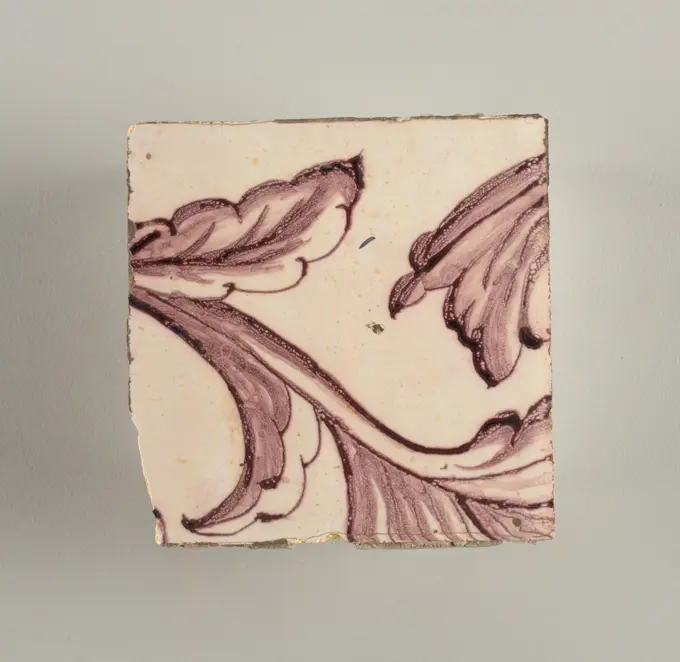
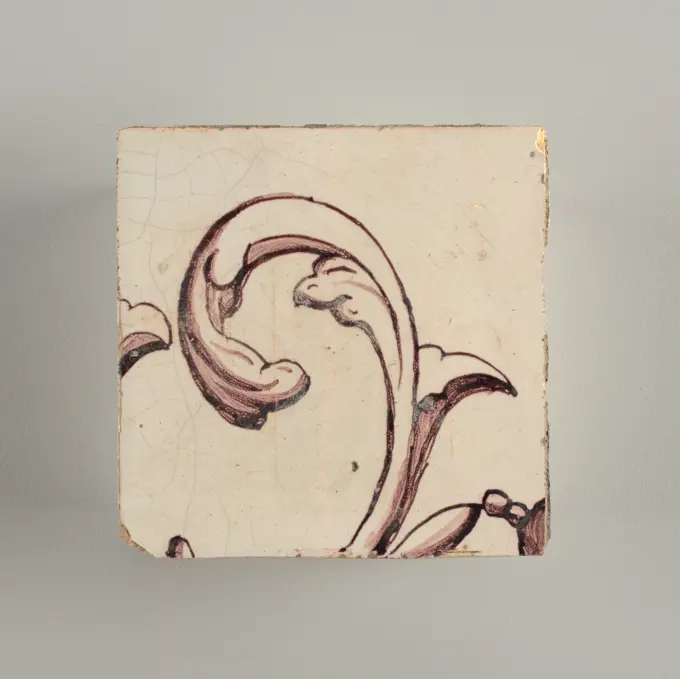
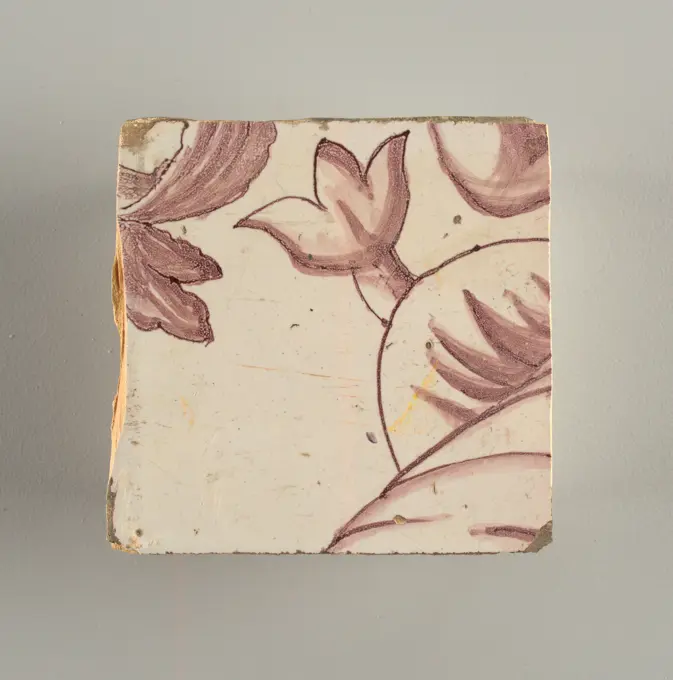
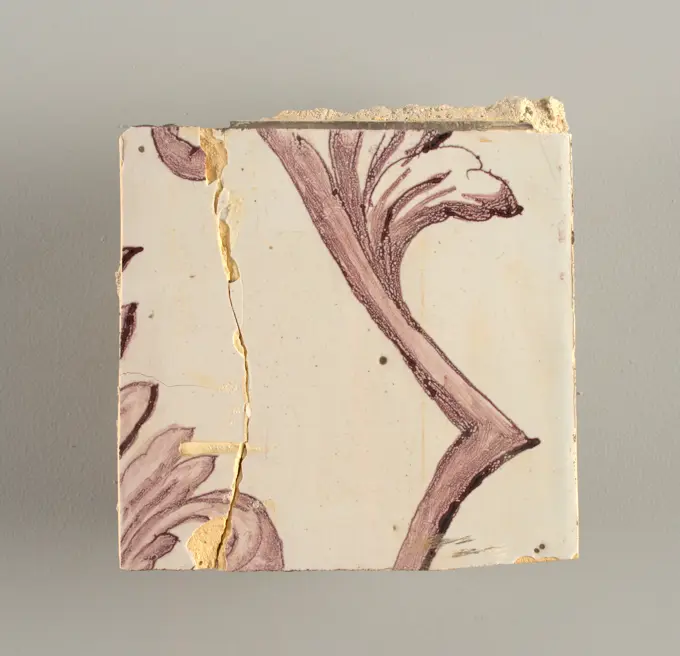
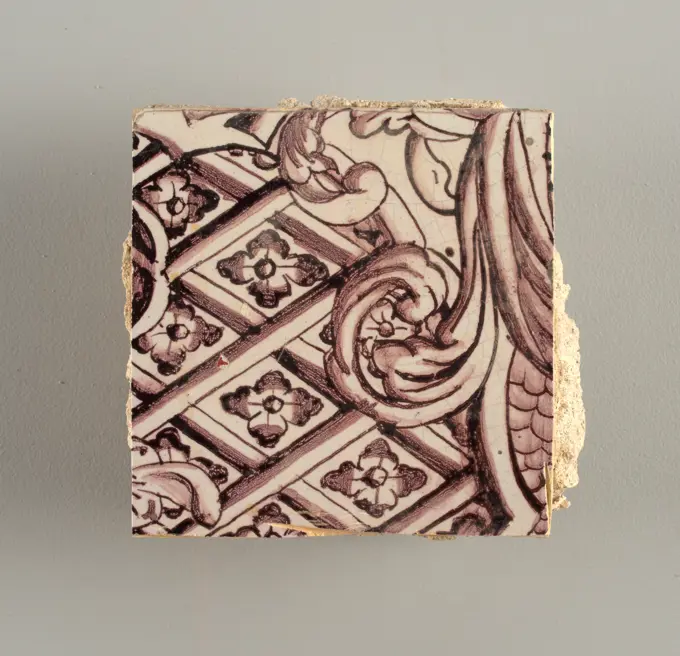
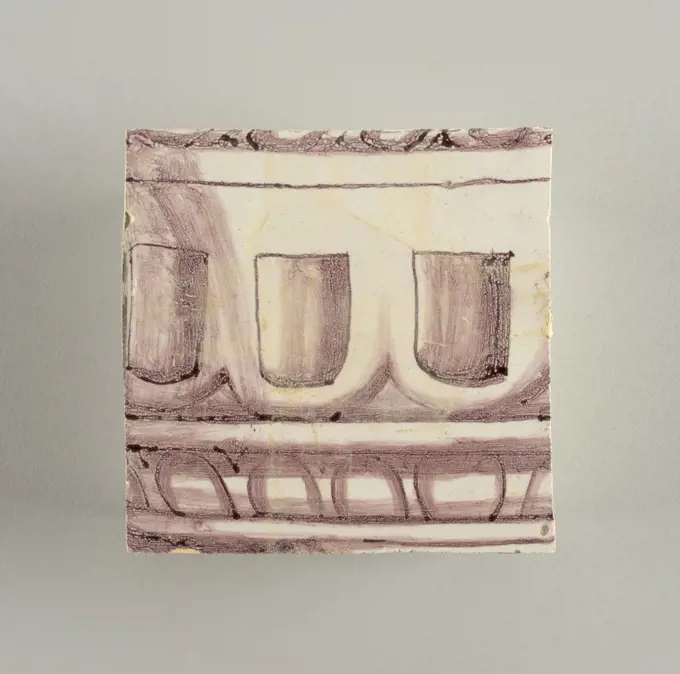
Various styles of tin-glazed earthenware wall tiles featuring ornamental designs in soft, muted colors, showcasing intricate patterns and historical craftsmanship.

Wall Facing (Holland); tin-glazed earthenware, underglaze
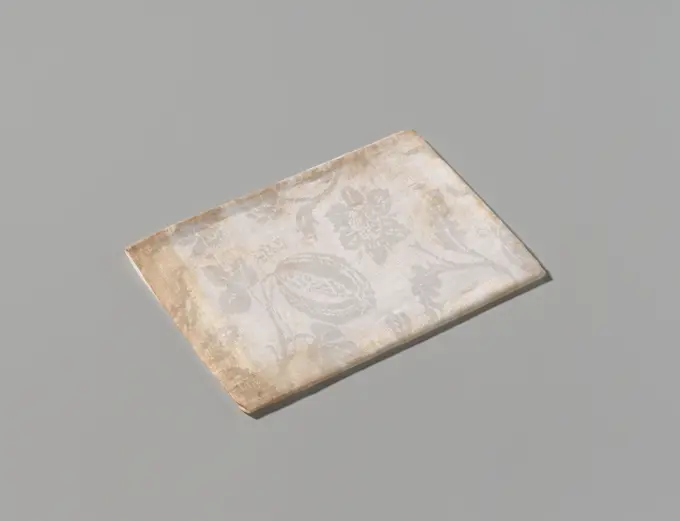
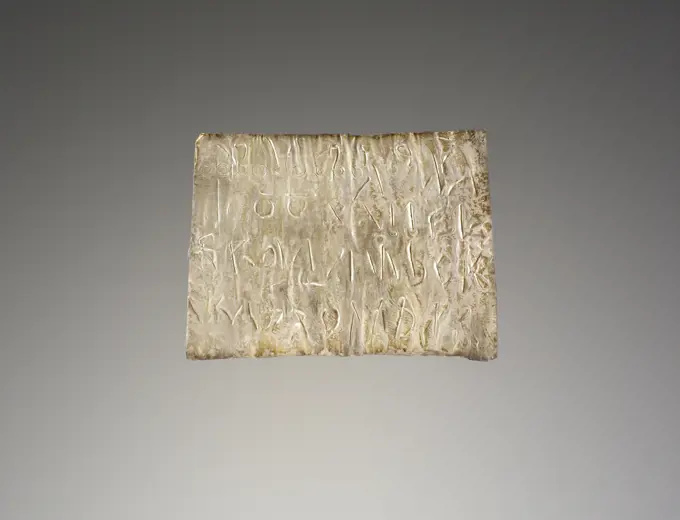
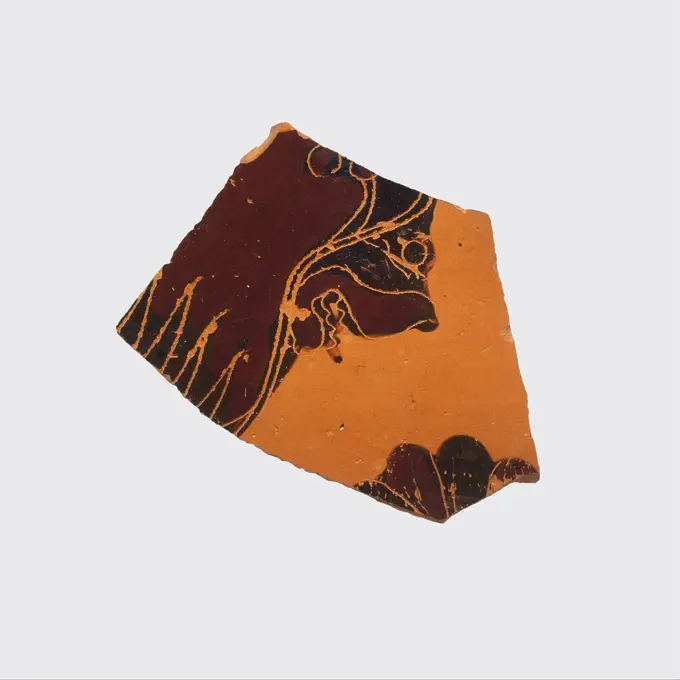
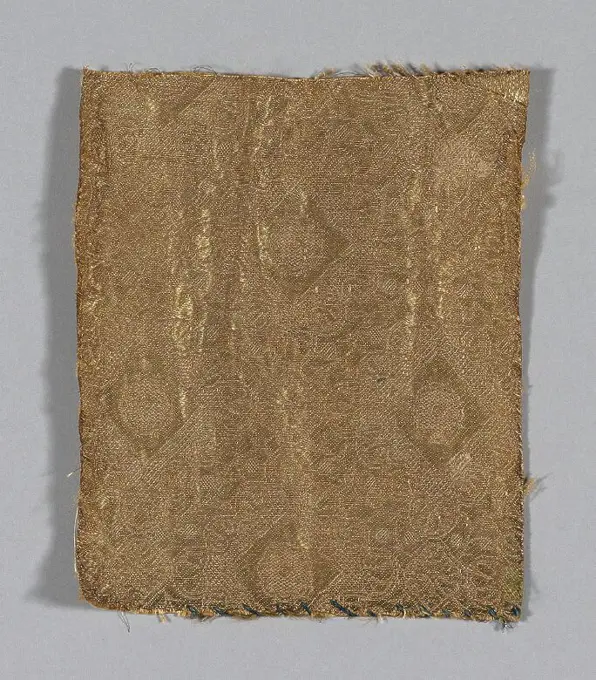
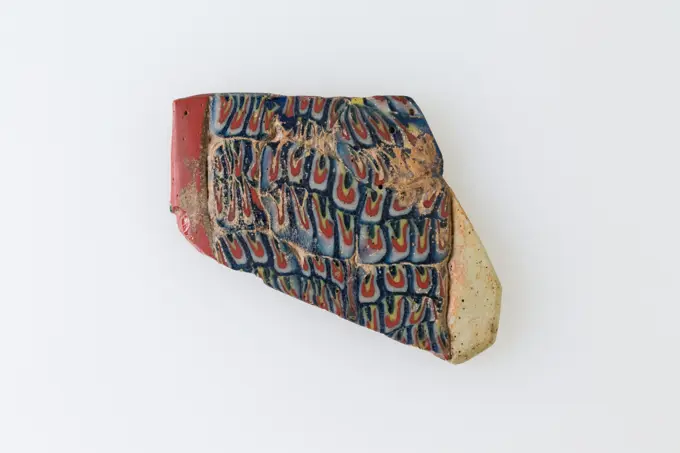
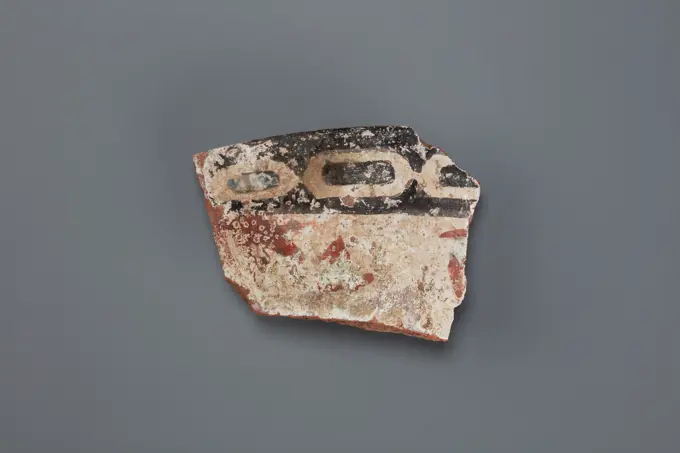
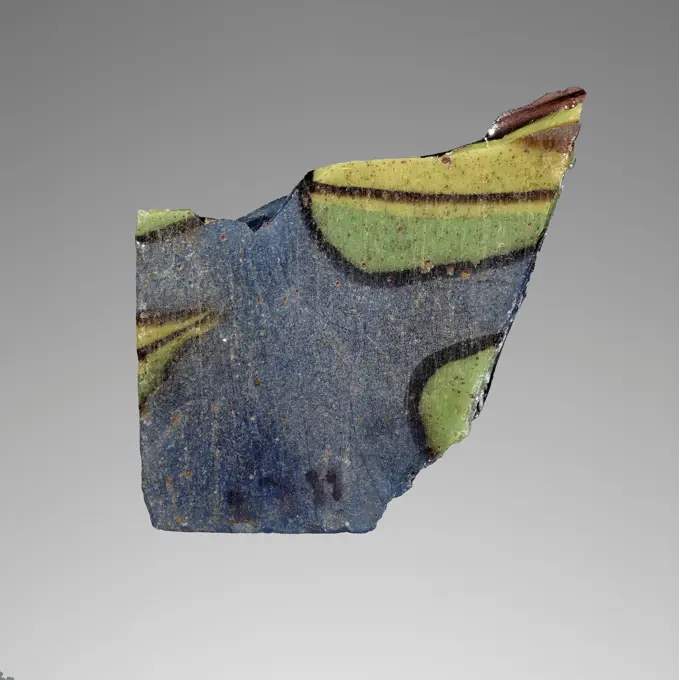
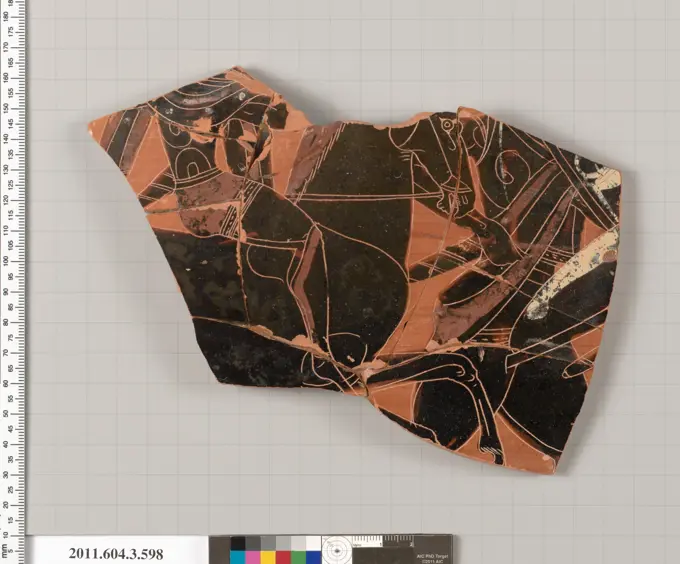
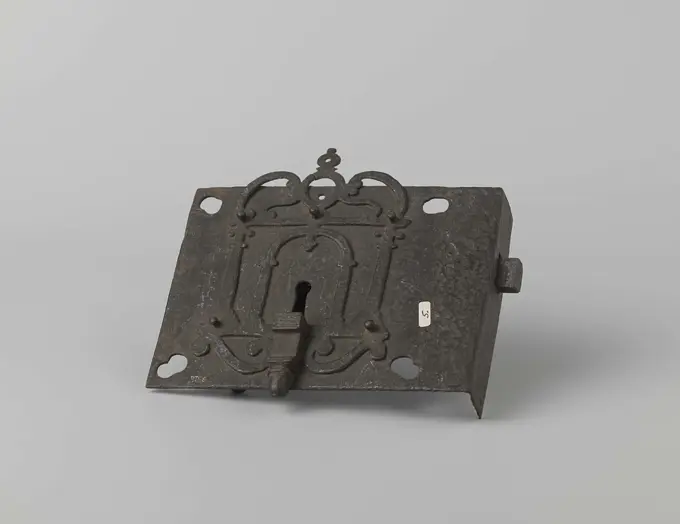
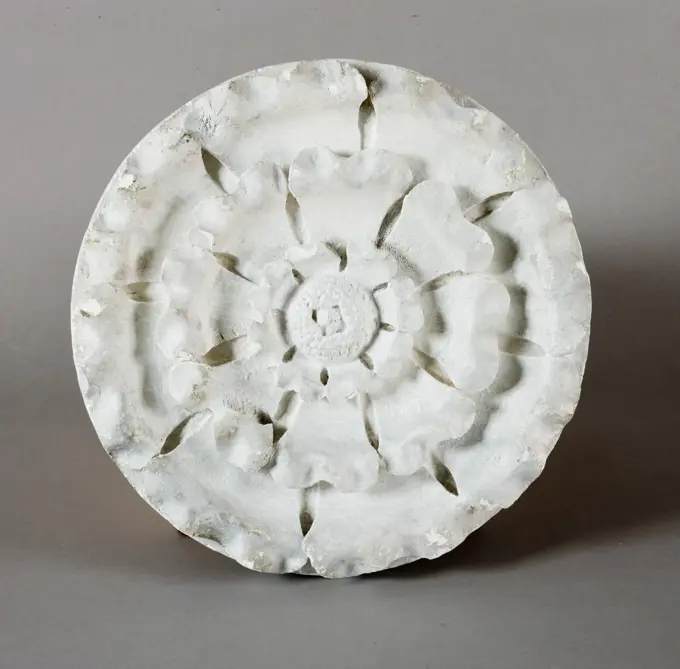
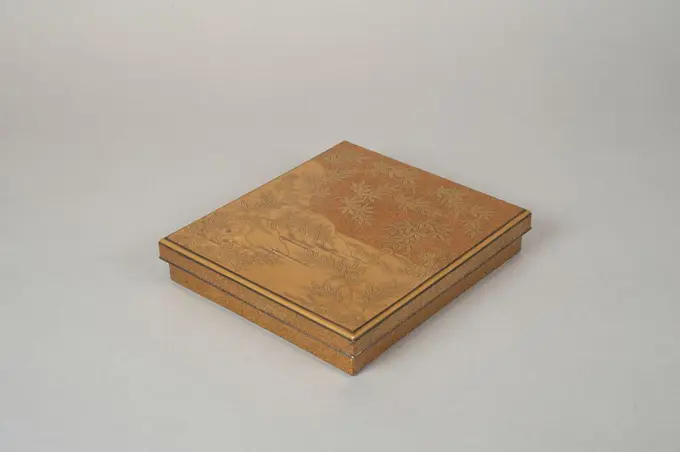
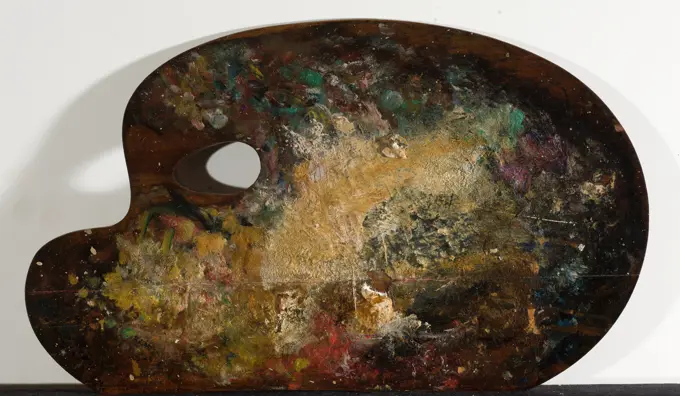
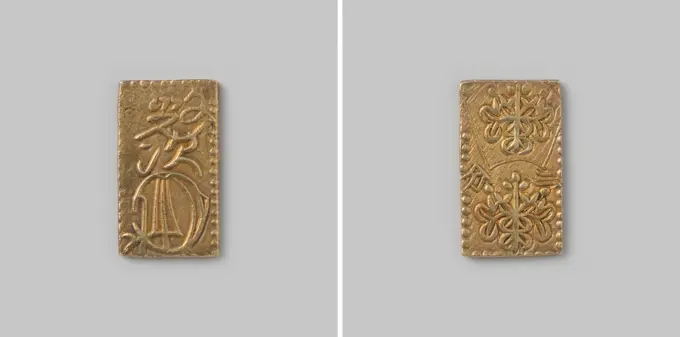
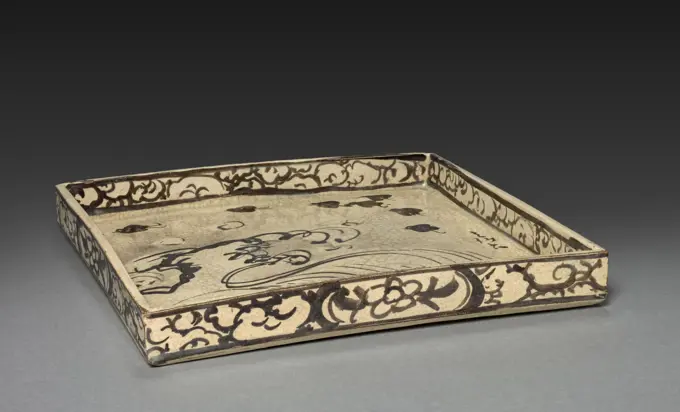
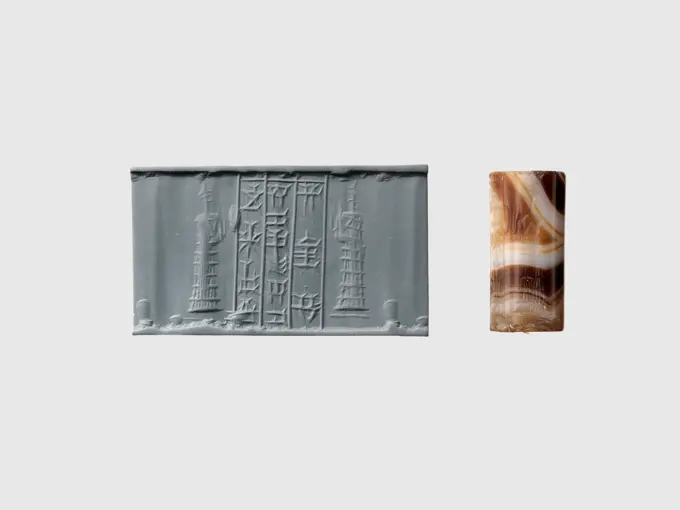
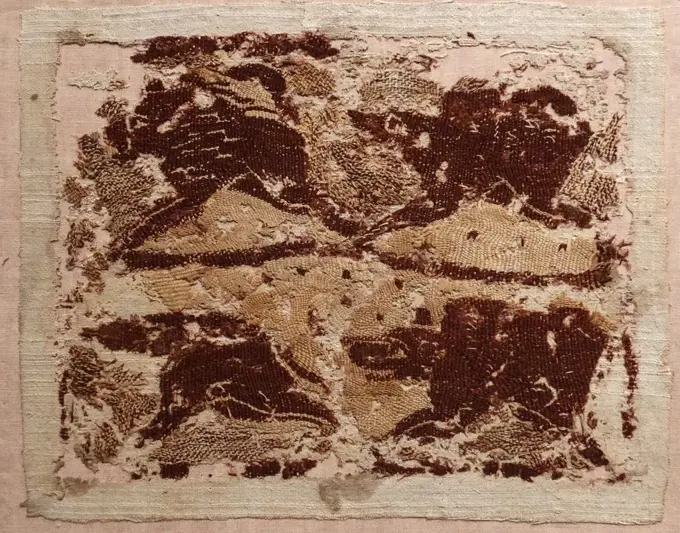
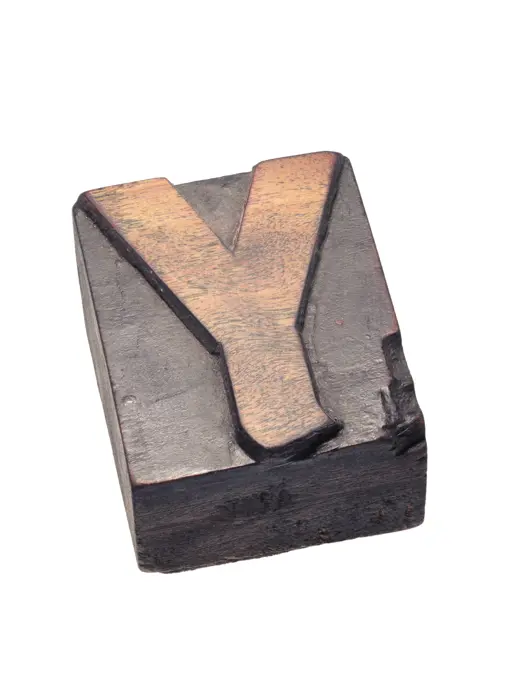
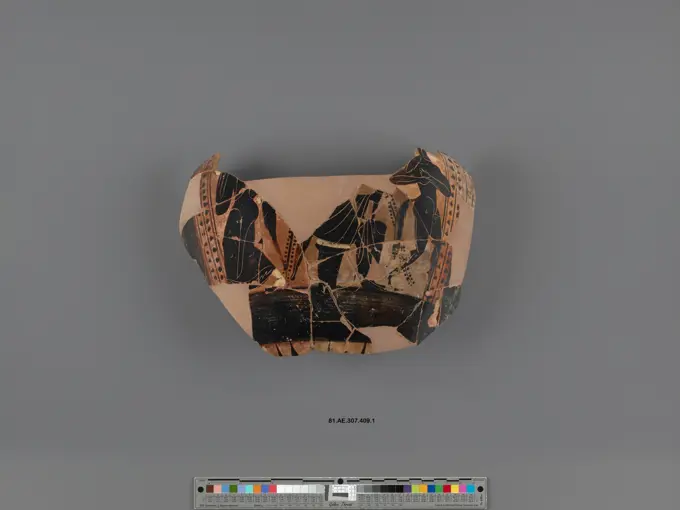
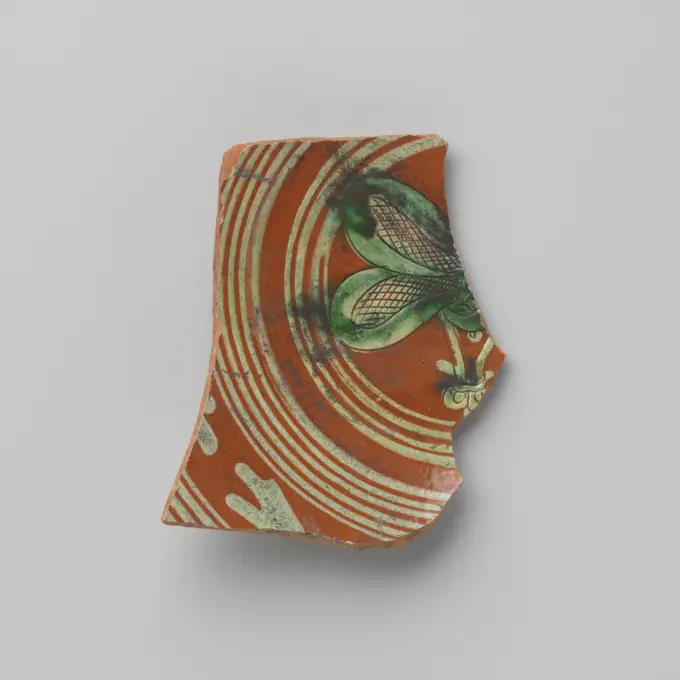
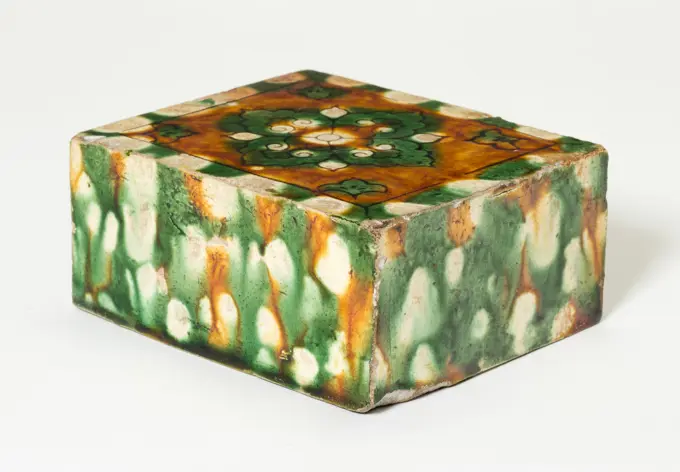
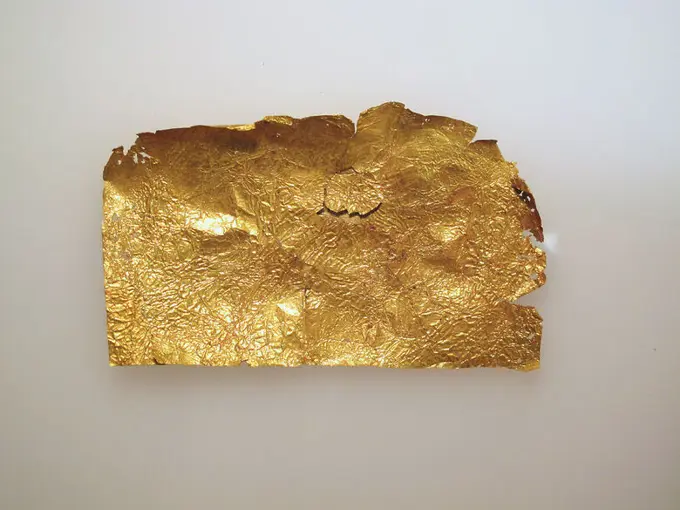
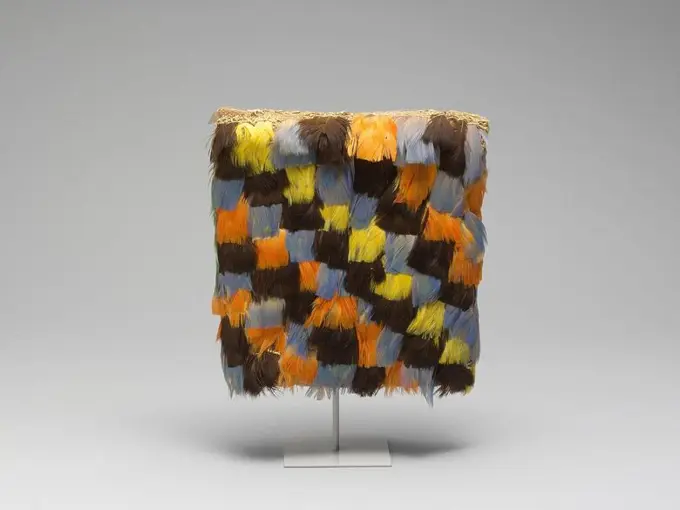
Wall Facing (Holland); tin-glazed earthenware, underglazeWall Facing (Holland); tin-glazed earthenware, underglazeWall Facing (Holland); tin-glazed earthenware, underglazeWall Facing (Holland); tin-glazed earthenware, underglazeTile Wall Facing (Netherlands); tin-glazed earthenware, underglazeWall Facing (Netherlands); tin-glazed earthenware, underglazeWall Facing (Netherlands); tin-glazed earthenware, underglazeBible illustrations, c. 1550 - c. 1699    wood (plant material)Wall Facing (Netherlands); tin-glazed earthenware, underglaze; 5 tiles tall, various wideTile Wall Facing (Netherlands); tin-glazed earthenware, underglazeWall Facing (Holland); tin-glazed earthenware, underglazeWall Facing (Netherlands); tin-glazed earthenware, underglaze; 5 tiles tall, various wideWall Facing (Holland); tin-glazed earthenware, underglazeLinnamast napkin with a flower pattern, c. 1670 Napkin from Linnamast with thrown flower and fruit branches. The napkin is piece of good. The napkin is marked: MF 12. Flanders (Possible) linen (material) damask Napkin from Linnamast with thrown flower and fruit branches. The napkin is piece of good. The napkin is marked: MF 12. Flanders (Possible) linen (material) damaskGrahal-Manzara. Carnavalet 2013-2016 collection sites. Numismatics.Tile Wall Facing (Netherlands); tin-glazed earthenware, underglazeWall Facing (Holland); tin-glazed earthenware, underglazeWall Facing (Holland); tin-glazed earthenware, underglazeTile Wall Facing (Netherlands); tin-glazed earthenware, underglazeTile Wall Facing (Netherlands); tin-glazed earthenware, underglazeWall Facing (Holland); tin-glazed earthenware, underglazeLamella; Roman Empire; 3rd century; Silver; 3.8 x 5.1 cm (1 1,2 x 2 in.)Square Plaque. Culture: Vicús. Dimensions: Height 3-5/16 in. (8.4 cm). Date: 3rd century B.C.-A.D. 2nd century. Museum: Metropolitan Museum of Art, New York, USA.Shard of a bearded manner from the wreck of the East Indieschief Hollandia. Stoneware, rhenish, frechen-ware, jug; Fragm or Bellalarmine Mask-Appliqué.Wall Facing (Holland); tin-glazed earthenware, underglazeWall Facing (Netherlands); tin-glazed earthenware, underglaze; 5 tiles tall, various widePyxis fragment ca. 9th century B.C. Iran. Pyxis fragment 325809Fragment of a terracotta oinochoe: olpe (jug). Culture: Greek, Attic. Dimensions: greatest diameter 2 5/8in. (6.6cm). Date: ca. 580 B.C..LionThe Gorgon Painter is associated with a type of jug often decorated with a lion within a panel. Museum: Metropolitan Museum of Art, New York, USA.Bible illustrations, c. 1550 - c. 1699    wood (plant material)Scherf of a sign from V.O.C. ship De 'Witte Leeuw', Before 1613 plate (dishes) Sharf of a sign from V.O.C. ship the 'Witte Leeuw'.  porcelain   Sint-HelenaKohl jar lid. Dimensions: diam. 5.9 cm (2 5/16 in). Dynasty: Dynasty 12-13. Date: ca. 1981-1640 B.C.. Museum: Metropolitan Museum of Art, New York, USA.Fragment. Spain. Date: 1601-1700. Dimensions: 16.1 x 13.2 cm (6 3/8 x 5 3/16 in.). Silk. Origin: Spain. Museum: The Chicago Art Institute, Chicago, USA.Tile; tin-enamelled earthenwareWall Facing (Holland); tin-glazed earthenware, underglazeWall Facing (Netherlands); tin-glazed earthenware, underglaze; 5 tiles tall, various widePlanets-manager. Cornalet Collection Sites 2013-2016. Numismatic.Hearing stone with representation of two climbing lions, c. 1875 - c. 1900 Hearing stone with representation of two climbing lions, placed in profiled window. The half windows at the top and bottom are filled with star motif. Netherlands earthenware Hearing stone with representation of two climbing lions, placed in profiled window. The half windows at the top and bottom are filled with star motif. Netherlands earthenwareInlay fragment, feather() design 1st-3rd Century A.D. Roman Period A mosaic glass technique allowed multiples of an image to be created: a figural or design composition was made by bundling colored glass canes, which were then drawn out into a long bar. The bar was then sectioned at right angles, probably by striking the bar with appropriate tools, to produce small inlay tiles. The tile would then be smoothed and polished on the face intended to appear outwards.. Inlay fragment, feather() design. 1st-3rd Century A.D.. Glass. Roman Period. From EgyptDecorated jar fragment with inscription ca. 1390-1352 B.C. New Kingdom. Decorated jar fragment with inscription. ca. 1390-1352 B.C.. Pottery and ink, paint. New Kingdom. From Egypt, Upper Egypt, Thebes, Malqata, Palace of Amenhotep III, MMA excavations. Dynasty 18Sherd with flowers, anonymous (possibly), c. 1600 - c. 1799 Sharp of earthenware, painted with flowers. Faience. Netherlands earthenware. tin glaze painting / vitrification Sharp of earthenware, painted with flowers. Faience. Netherlands earthenware. tin glaze painting / vitrificationWall facing, Tin-glazed earthenware, underglaze, Horizontal rectangle. Thirty-seven tiles wide and twenty-one high with opening for door or window nineteen and one-half tiles high and twelve wide. To left and right of opening, centered canopy above. Left, woman representing Hope, right, a sculputure urn. Centered above opening, a mascaron. Arabesque design of foliage., Possibly Delft, Netherlands, Possibly Rotterdam, Holland, ca. 1725, tiles, Decorative Arts, Wall facingOld CardboardShard of ross-baking earthenware, with blue glaze at the top, painted with a representation of a soil with green and yellow vegetation, on which two brown-white legs of an animal are visible, the whole circled with lines in brown, yellow and blue, Anonymous, 1600 - 1650  Northern Netherlands earthenware. glaze majolica  Northern Netherlands earthenware. glaze majolicaburnt paper blank burnt paper isolated on white ,model released, Symbolfoto Copyright: xZoonar.com/RuslanxNassyrovx 1995915 ,model released, Symbolfoto ,property releasedA fragment of the stele with inscription in Arabic;  2. PO. XI W.-1. after. 14th century (1051-00-00-1350-00-00);Cylinder seal ca. 1720-1650 B.C.. Cylinder seal. ca. 1720-1650 B.C.. Hematite. Old Syrian. SyriaFragment of white -baking earthenware, with blue glaze at the top, with a painting of a pear in yellow, orange and green glaze, with blue glaze on the bottom, anonymous, 1200 - 1899  Italy earthenware  Italy earthenwareIntake of Tournai, Georg Friedrich Nuernberger, 1709 history medal Diamond -shaped silver medal. Front: Temple of the Peace in the midst of olive trees standing at the top of Berg, of which foot is covered with thorn bushes inside Covering, above inscription. Reverse: inscription inside wreath of thorn bushes, on which grape bunches hang. Nuremberg silver (metal) striking (metalworking)  Tour. Tour. HainautVase fragment ca. 1600-1450 B.C. Minoan. Vase fragment 247712Hearing stone with representation of two climbing lions, c. 1875 - c. 1900 Hearing stone with representation of two climbing lions, placed in profiled window. The half windows at the top and bottom are filled with star motif. Netherlands earthenware Hearing stone with representation of two climbing lions, placed in profiled window. The half windows at the top and bottom are filled with star motif. Netherlands earthenwareFragment of a Mosaic Glass Vessel (part of 83.AF.28.15). Unknown 1st century B.C.-1st century A.D.Field of four tiles with people and their crafts. Four tiles field (2 x 2) each with a purple painted figure with his craft and appeal. In the corners, an oxen head.Floor tile, painted with a representation of a rider on horseback, c. 1300 - c. 1500 Floor tile with a primitive type of tinglaze, painted with a rider on horseback in a circle against a green Acher soil. France (possibly) earthenware. tin glaze Floor tile with a primitive type of tinglaze, painted with a rider on horseback in a circle against a green Acher soil. France (possibly) earthenware. tin glazeTerracotta fragment of a column-krater (bowl for mixing wine and water) 540-530 B.C. Greek, Attic Mounted warrior to right, wearing a chitoniskos and greaves, with his himation draped around his shoulders; in front of the mounted warrior and horse, a warrior to right, wearing a cuirass, chitoniskos and himation, and scabbard, holding a spear in his right hand and holding a shield in his left; the shield has a tripod as a shield device; part of the shield and scabbard of a warrior to left. Terracotta fragment of a column-krater (bowl for mixing wine and water). Greek, Attic. 540-530 B.C.. Terracotta; black-figure. Archaic. VasesBible illustrations, c. 1550 - c. 1699    wood (plant material)Shards of a crow head from V.O.C. ship De 'Witte Leeuw', Anonymous, Before 1613 bowl Shards of a crow head from V.O.C. ship De 'Witte Leeuw', 40 present. Jingdezhen bone china (material)   Sint-HelenaWall Facing (Holland); tin-glazed earthenware, underglazeFragment 14th-15th century. Fragment 446492Lock plate. A lock plate in the form of a porch with columns. Columns are missing.Fragment of terra sigillata. Culture: Roman. Dimensions: 2 5/16 × 3 3/16 × 1/4 in. (5.9 × 8.1 × 0.6 cm). Date: ca. A.D. 170-220.Plant forms.These fragments demonstrate how some producers of Roman fineware pottery in the Rhineland experimented with incised decoration inspired by that found on contemporary glassware. Museum: Metropolitan Museum of Art, New York, USA.A wedge of Vorarlberger Bergkäse cheeseThree Fishplates. Unknownlittle red ceramic tile on a white background, majolica. for the catalog. square small tileEight petal rosette  Zwornik  sacristy, Wawel Cathedral, KrakowWall Facing (Netherlands); tin-glazed earthenware, underglaze; 5 tiles tall, various wideFragment of a Mosaic Glass Vessel. Unknown 1st century A.D.Plaquette van Oesterschelp, Jean Bellekin, 1600 - 1699 Oyster shell with engraving in mother -of -pearl with the presentation of Abraham's sacrifice. Marked.  oyster shell engraving Oyster shell with engraving in mother -of -pearl with the presentation of Abraham's sacrifice. Marked.  oyster shell engravingWriting Box (Suzuribako) with Episodes from the Tales of Ise (Ise monogatari). Artist: Nakayama Komin (Japanese, 1808-1870). Culture: Japan. Dimensions: H. 1 1/2 in. (3.8 cm); W. 7 in. (17.8 cm); D. 7 3/4 in. (19.7 cm). Date: 19th century.Inside the lid of this box, a portable Buddhist monk's shrine set amid maple leaves and ivy and, inside on the bottom, designs of waves and waterfowl refer to the "Ivy Lane" and "Sumidagawa" episodes from Chapter 9 of Tales of Ise. Museum: Metropolitan Museum of Art, New York, USA.Snuffbox ca. 1760 German. Snuffbox 198372Glass mosaic body fragment. Culture: Roman. Dimensions: 15/16 × 1 1/4 × 1/16 in. (2.4 × 3.1 × 0.2 cm). Date: late 1st century B.C.-early 1st century A.D..Translucent light blue appearing green, purple, opaque white and yellow, and colorless.Shallow convex curving side or bottom.Striped mosaic pattern formed from lengths of two alternating canes: one with stripes in yellow flanked to either side by green, and the other in alternating squares, one in yellow, another in a purple ground outlined in white and a central blue rod containing a yellow spiral and a second square in a purple ground outlined in white and a central colorless rod containing a yellow spiral.Polished on exterior, with some pitting of surface bubbles; pitting and iridescent weathering on interior and jagged edges. Museum: Metropolitan Museum of Art, New York, USA.Artist palette; Pankiewicz, Józef (1866-1940); the beginning of the 20th century (1900-00-00-1930-00-00);gift (provenance), paints, painting pallets2 BU or Ni BU BAN = ½ Koban of the Empire Japanvan Emperor Nin Kau from the Bunsei era ,, 1818 - 1830 coin Golden rectangular mint. Front: two flower motifs twisted to each other, between which value designation: two, indicated by two lying stripes. Reverse: rectangle within each other placed motifs.  gold (metal) striking (metalworking)Square Dish with Design of Plovers over Waves, c. 1700. Ogata Kōrin (Japanese, 1658-1716), Ogata Kenzan (Japanese, 1663-1743). Glazed stoneware with iron oxide underglaze slip; overall: 22 x 22 x 2.7 cm (8 11/16 x 8 11/16 x 1 1/16 in.). The Ogata brothers Krin and Kenzan often collaborated on ceramics. This dish is one of a set used for serving tea cakes. Kenzan shaped the dish, after which Krin drew the iron oxide design of plovers, a type of shorebird, flying over waves. Kenzan then covered the object with a clear glaze and fired it. Krin placed his signature next to his design, while Kenzan signed the back.Cylinder seal and modern impression: suppliant goddesses ca. 17th-16th century B.C. Babylonian or Kassite Although engraved stones had been used as early as the seventh millennium B.C. to stamp impressions in clay, the invention in the fourth millennium B.C. of carved cylinders that could be rolled over clay allowed the development of more complex seal designs. These cylinder seals, first used in Mesopotamia, served as a mark of ownership or identification. Seals were either impressed on lumps of clay that were used to close jars, doors, and baskets, or they were rolled onto clay tablets that recorded information about commercial or legal transactions. The seals were often made of precious stones. Protective properties may have been ascribed to both the material itself and the carved designs. Seals are important to the study of ancient Near Eastern art because many examples survive from every period and can, therefore, help to define chronological phases. Often preserving imagery no loFragment of Coptic fabric from Egypt. Made from knitting wool, linen and taffeta. Dated 5th CenturyEmpty wooden cutting board with cracks and scuffs Empty wooden cutting board with cracks and scuffs located on a dark concrete background Copyright: xZoonar.com/TetianaxChernykovax 21413735wooden letterpress Y block detailed wooden letter Y stacked image - all in focus Copyright: xZoonar.com/YuryxZapx 21235775slate stone and shelf on black background wallSculpture model, anonymous, 1800 - 1900 Sculpture model: cutting, test model or example of a bay and oak branch, caught in a laurel wreath with ribbon. Netherlands linden. spruce (wood) cutting / gluing Sculpture model: cutting, test model or example of a bay and oak branch, caught in a laurel wreath with ribbon. Netherlands linden. spruce (wood) cutting / gluingBook on a tablet over a bookPanel 14th-15th century. Panel 445134Terracotta fragments of pots; unglazed on the inside second quarter of the 5th century B.C. Greek, Attic Drapery and left hand, playing lyre, of a figure to right; part of the head, upper torso, lower legs and feet of a woman to left wearing a patterned garment; below, meander. Terracotta fragments of pots; unglazed on the inside. Greek, Attic. second quarter of the 5th century B.C.. Terracotta; red-figure. Classical. VasesDecorative Door Boss And Nail; wrought ironAttic Black-Figure Column Krater Fragment (comprised of 27 Joined Fragments). UnknownFragment of a dish, anonymous, c. 1590 - c. 1620 Fragment of a dish of lead glaze pottery. The fragment has a red stock and is decorated on the flat in green and white with a vegetable motif. Wanfried earthenware. lead glaze Fragment of a dish of lead glaze pottery. The fragment has a red stock and is decorated on the flat in green and white with a vegetable motif. Wanfried earthenware. lead glazePlatehand made wooden candle holder on gray backgroundArtist palette with various colors isolated over white backgroundRectangular Pillow with Quatrefoil Medallion 700 CE-750 CE China. Earthenware with three-color (sancai) lead glazes .Low TrayTableChessboard late 18th century German. Chessboard. German. late 18th century. Brown leather, gold tooled. Chess SetsFrontlet of gold leaf. Dimensions: Other: 2 3/8 × 3 15/16 in. (6.1 × 10 cm). Museum: Metropolitan Museum of Art, New York, USA.Miniature Dress. Culture: Ica. Dimensions: H. 8 1/4 x W. 8 in. (21 x 20.3 cm). Date: 12th-13th century. Museum: Metropolitan Museum of Art, New York, USA.unpolished blue kyanite mineral isolated on white close up of sample of natural stone from geological collection - unpolished blue kyanite mineral isolated on white background Copyright: xZoonar.com/ValeryxVoennyyx 21467298Tea bag in an empty bowlFragment. Culture: European or Middle Eastern. Dimensions: L. 2 1/8 in. (5.4 cm). Date: ca. 1150-ca. 1250. Museum: Metropolitan Museum of Art, New York, USA.objectParasol ca. 1860 probably French. Parasol 122433Cylinder seal ca. 1720-1650 B.C.. Cylinder seal 322396Loop.