Decorative Knife Handles and Accessories

Artistic knife handles from different cultures, showcasing intricate designs and craftsmanship, highlighting historical significance.

Passement of linen and yellow side in diamond pattern, anonymous, c. 1700 - c. 1899 Passement of linen and yellow side in a pattern of windows in windows. BK-NM-12186-19, BK-NM-12186-20-B and BK-NM-12186-21 have the same pattern. Europe silk. linen (material) Passement of linen and yellow side in a pattern of windows in windows. BK-NM-12186-19, BK-NM-12186-20-B and BK-NM-12186-21 have the same pattern. Europe silk. linen (material)
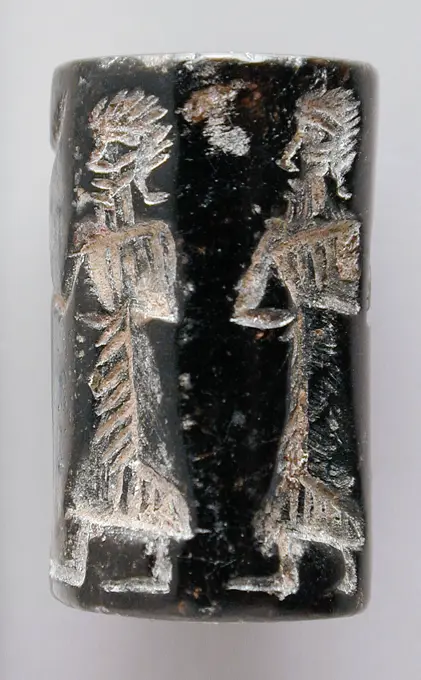
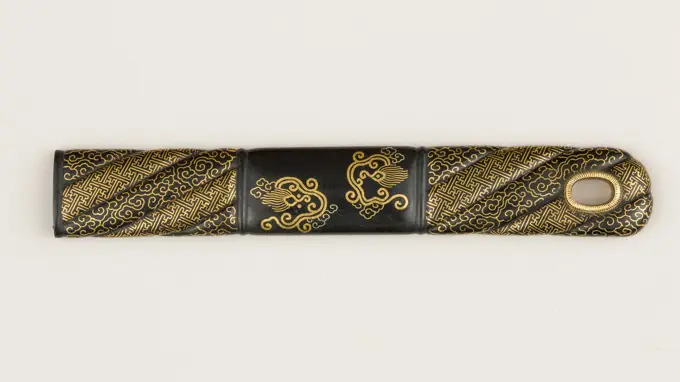
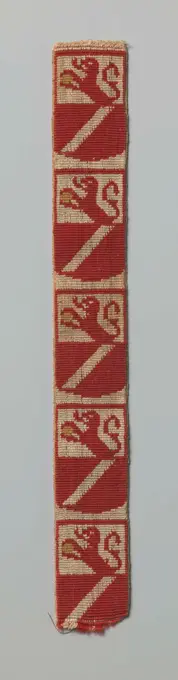
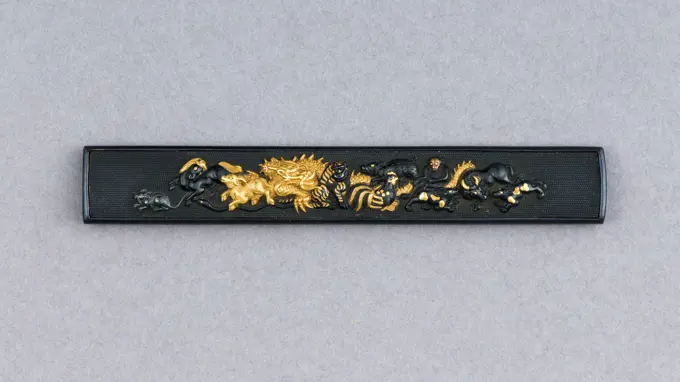
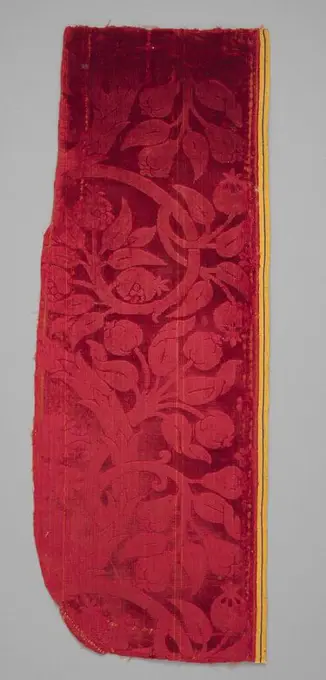
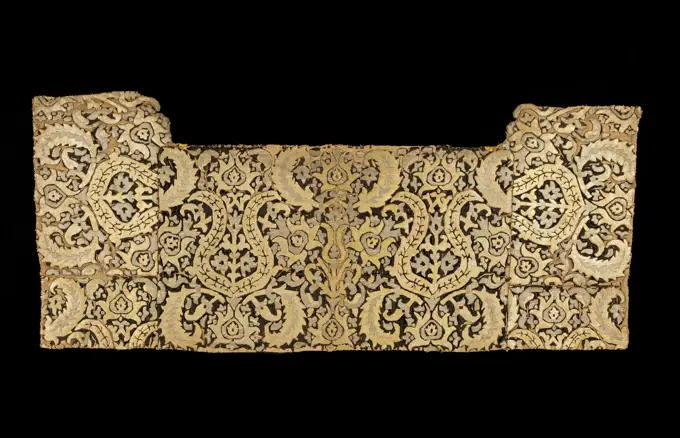
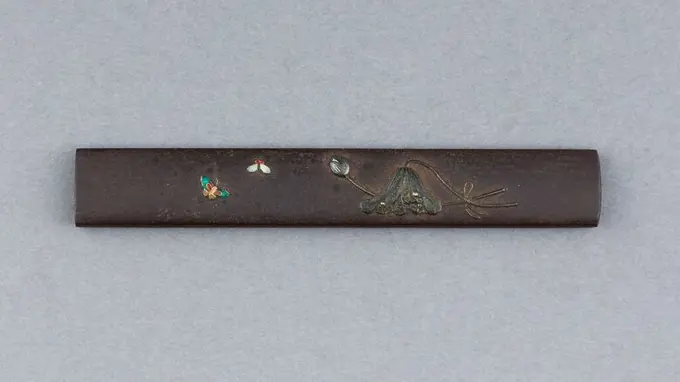
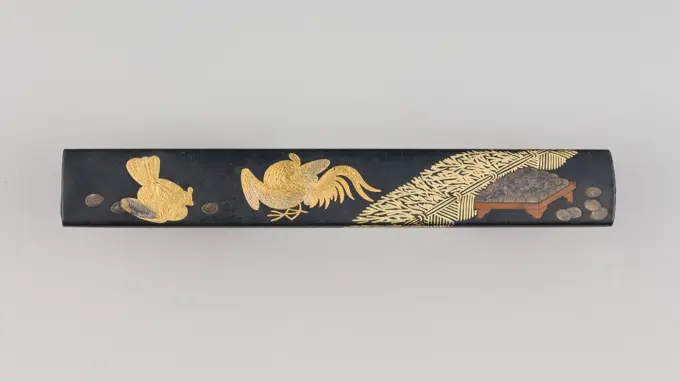
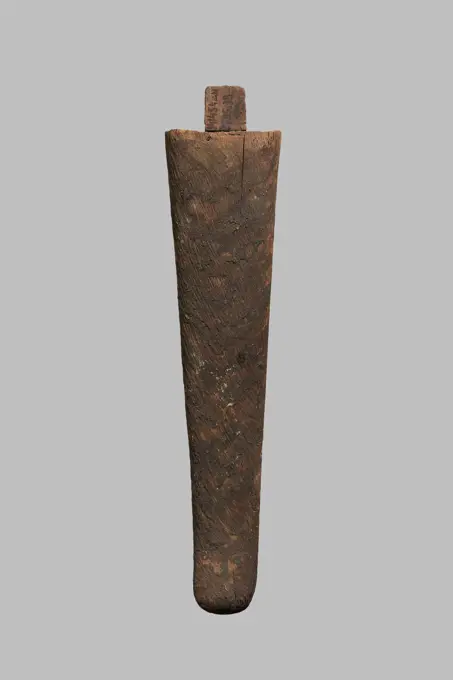
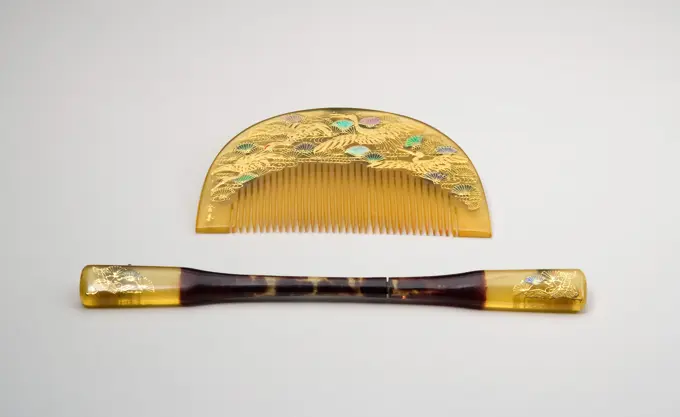
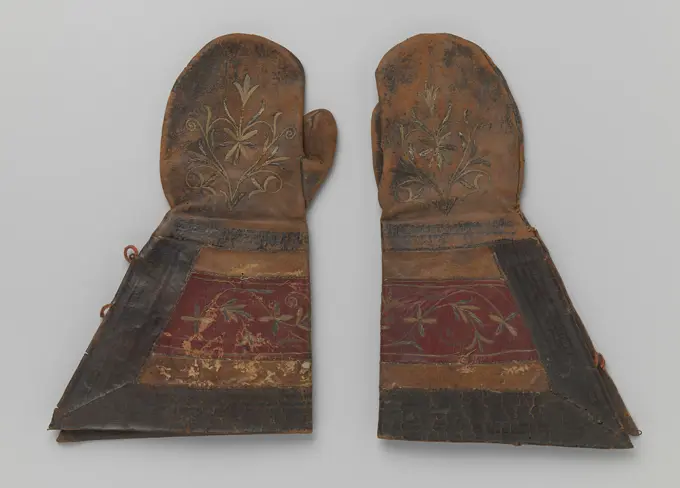
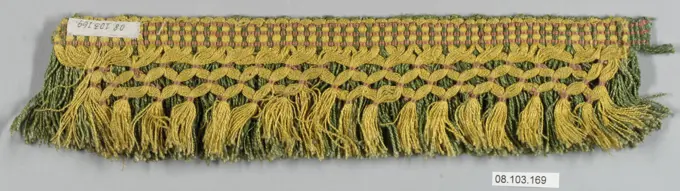
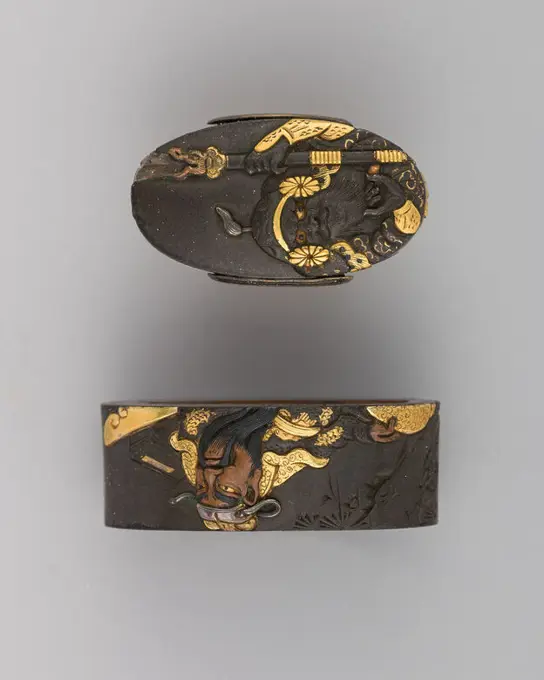
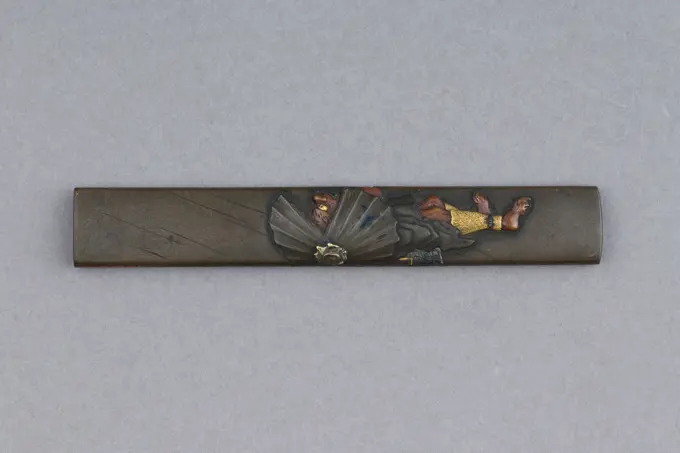
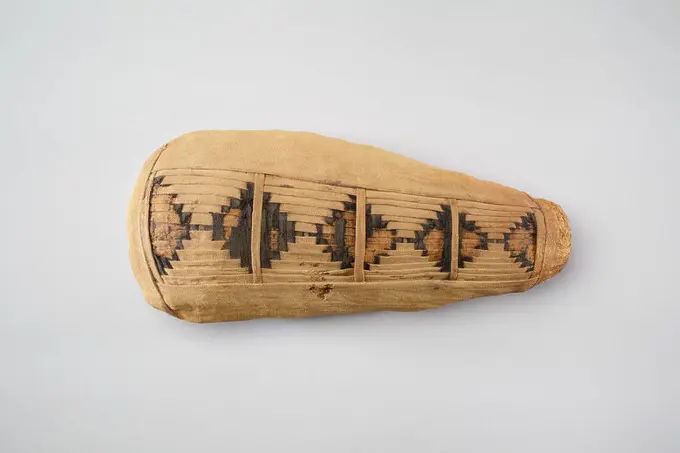
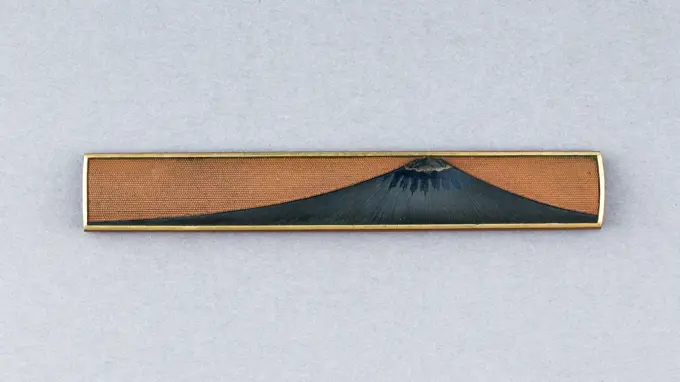
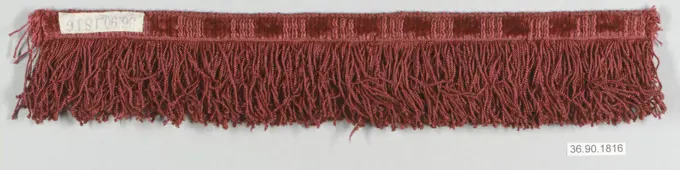
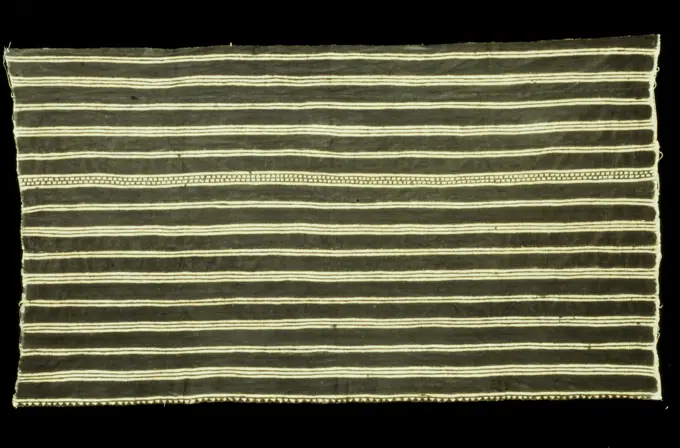
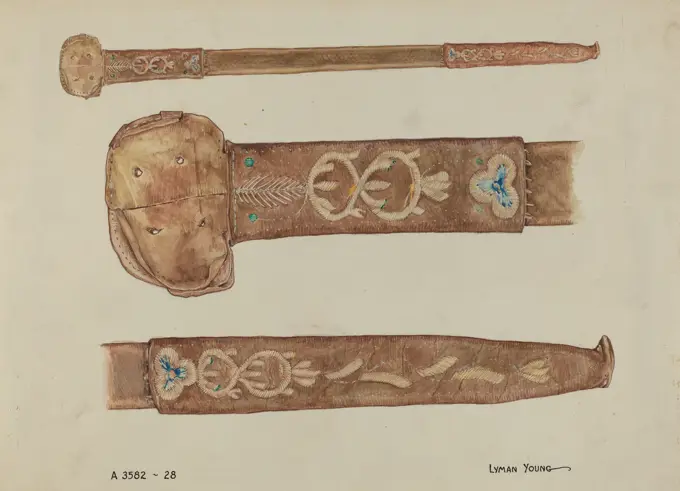
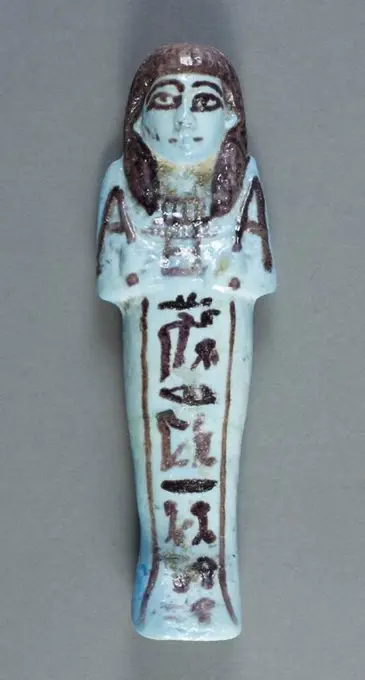
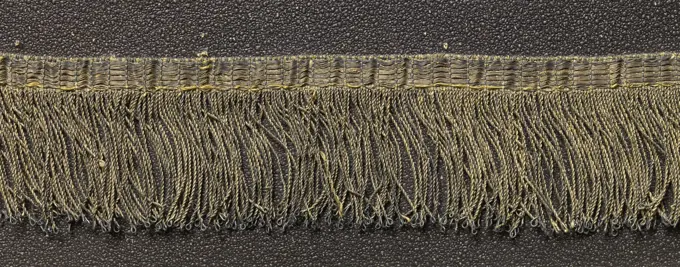
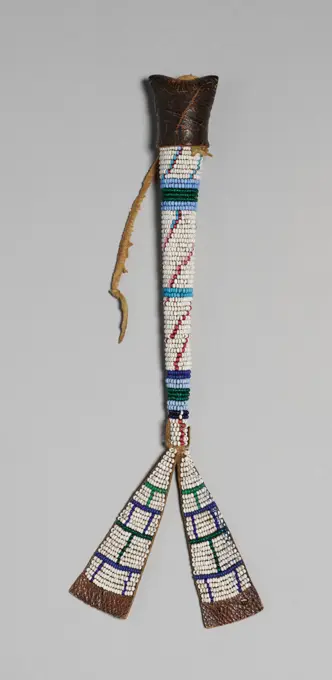
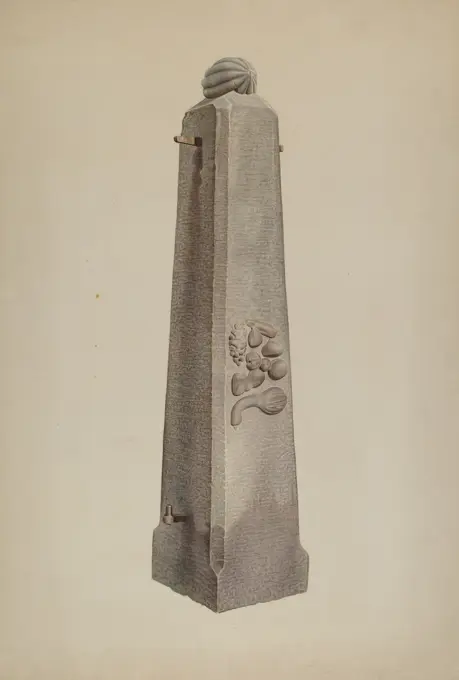
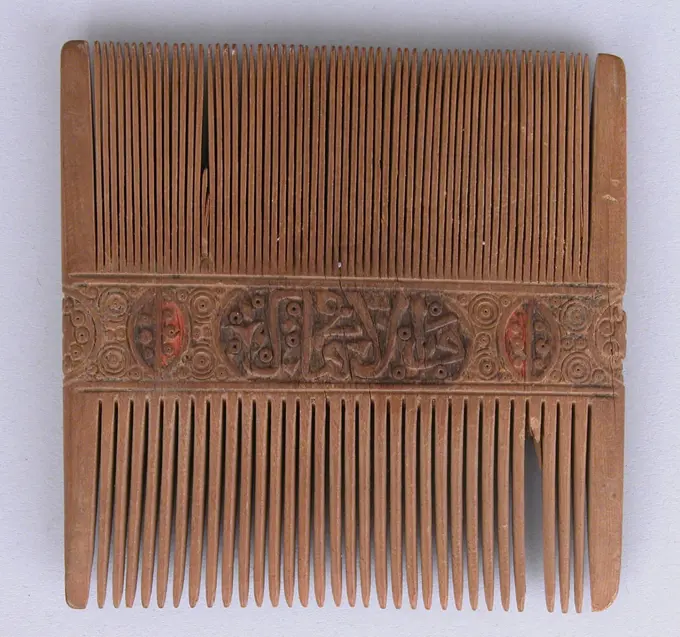
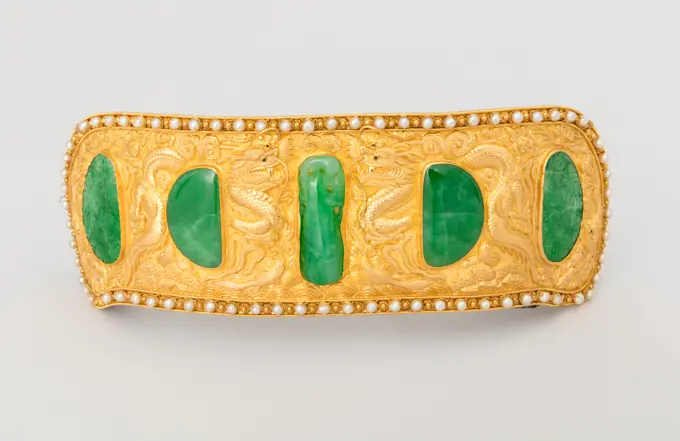
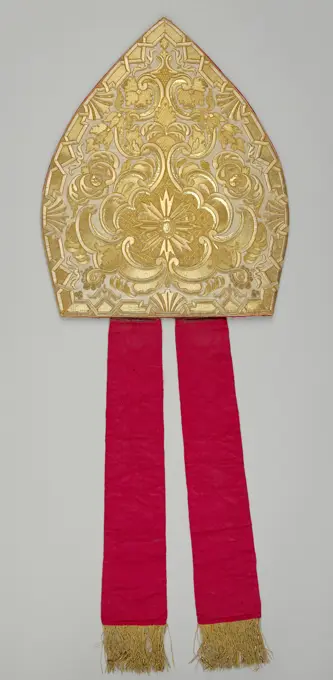
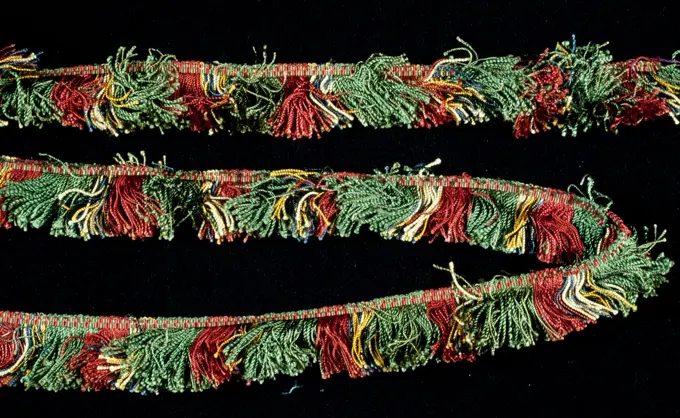
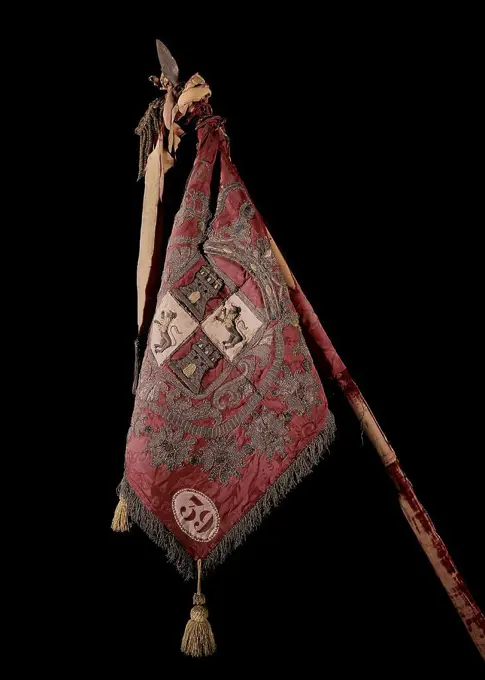
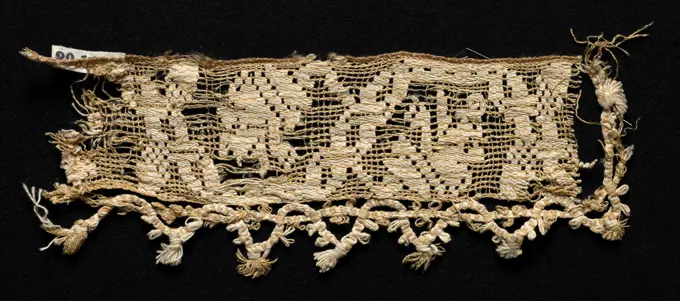
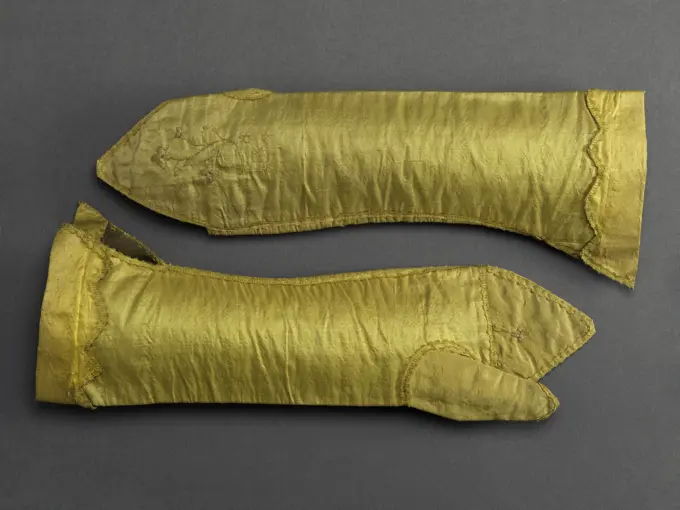
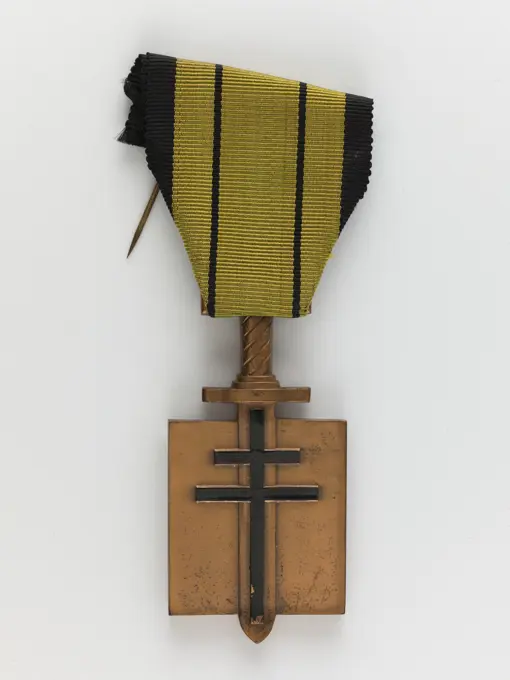
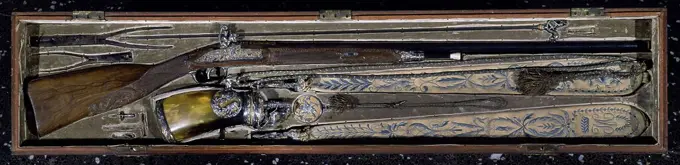
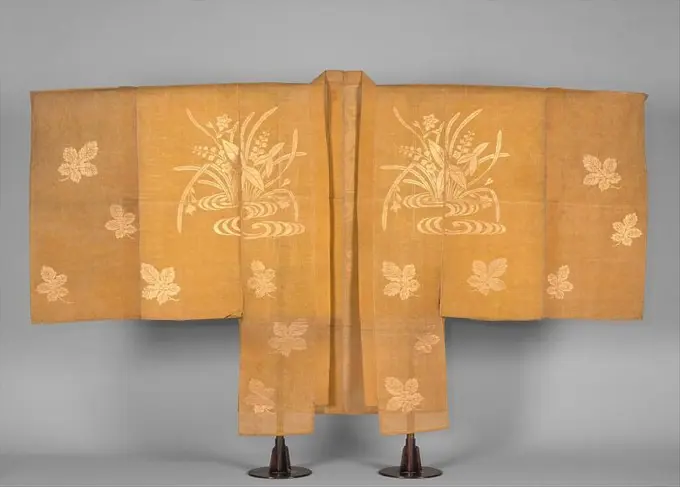
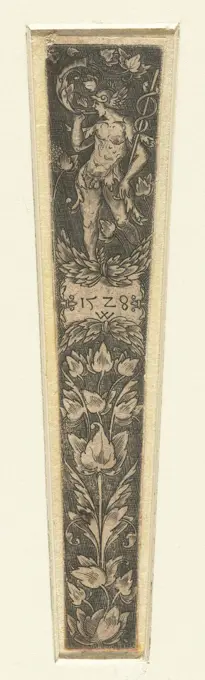
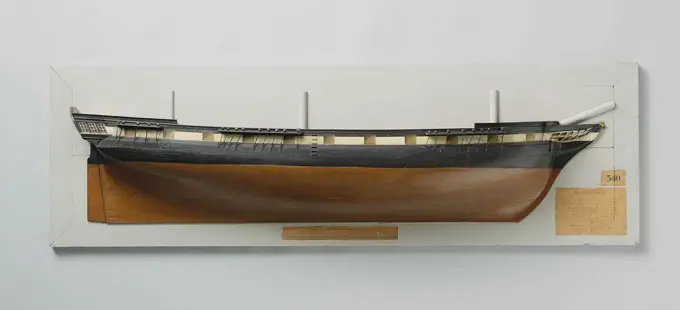
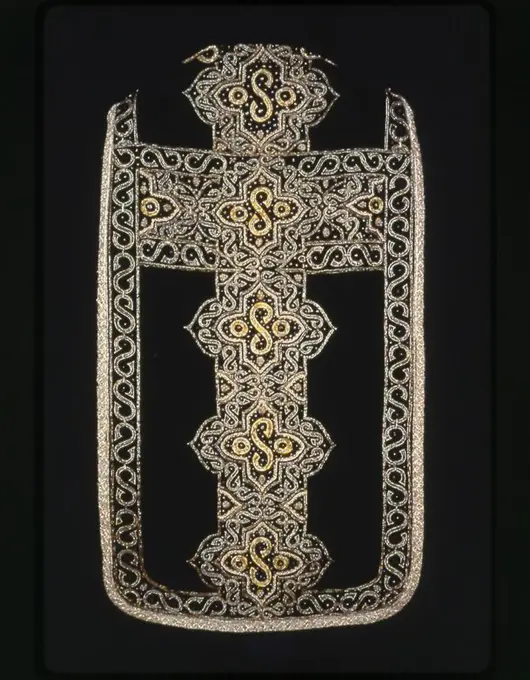
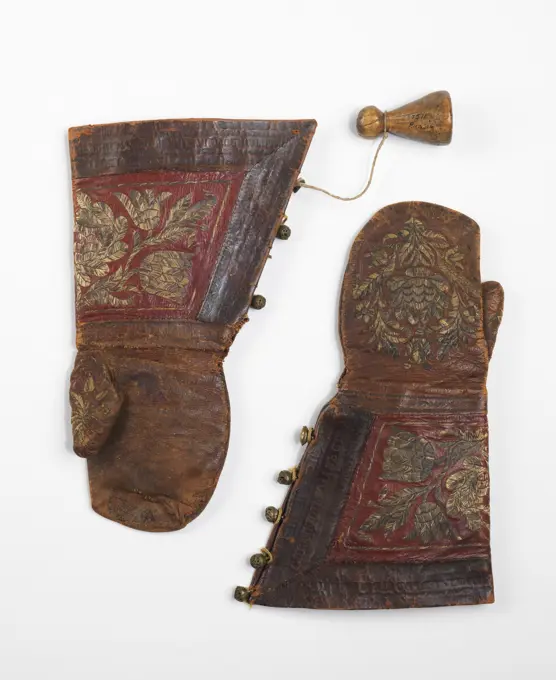
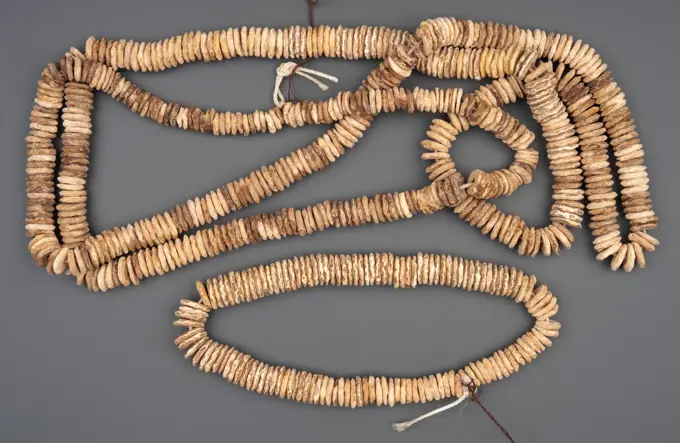
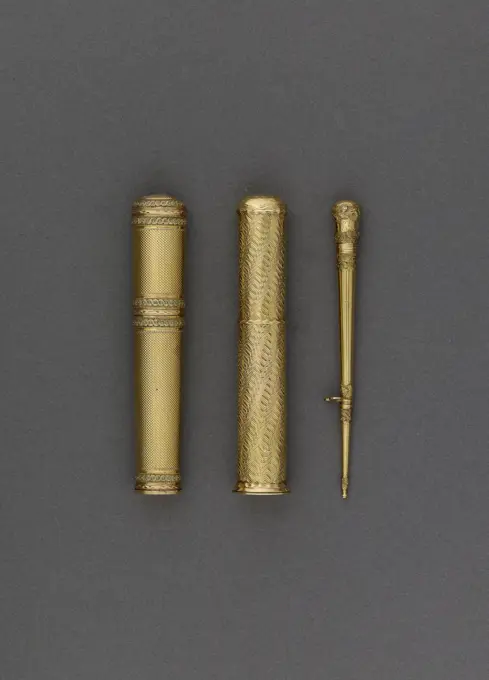
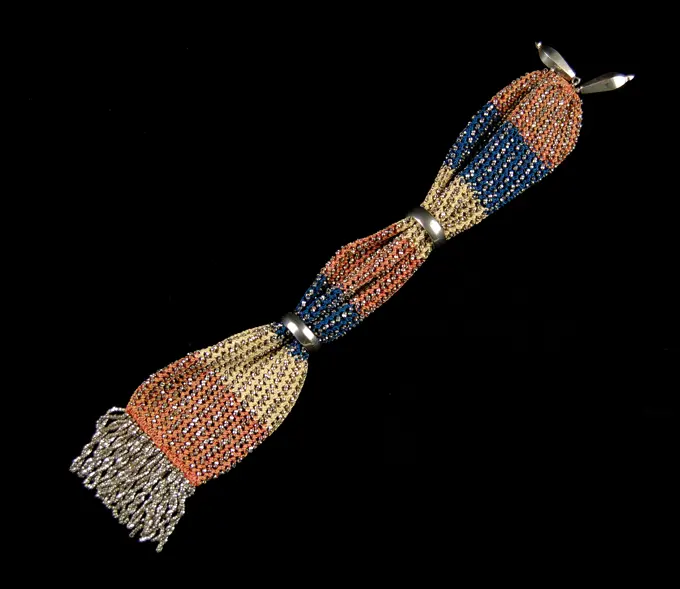
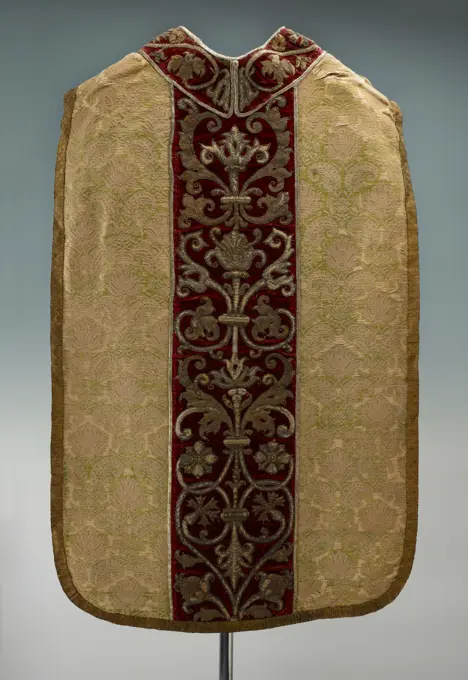
Chasuble with embroidered column unknownComb. Egypt, Coptic Period (4th - 8th century CE) or later. Jewelry and Adornments; combs. WoodCylinder Seal. Mesopotamia, Agade period, about 2334-2154 B.C.. Tools and Equipment. Jasper brecciaKnife Handle (Kozuka) late 18th-early 19th century Japanese A kozuka is a handle of a by-knife that is part of a sword mounting. It is kept in a slot on the reverse of a katana scabbard, often with a matching kōgai (hairdressing tool).. Knife Handle (Kozuka) 25240MoldingModel of a Made Mast.Round mast with square top. The mast itself consists of an octagonal mast king surrounded by eight cheeks. The parts are held together by tub tires. At the height of the homer and the march, the cheeks end and the mast king is square; In addition, the corners have been completed slightly. This model can be exploited.Conciliate belt;  2nd half 18th century (1751-00-00-1800-00-00);Belt -Genevieve Sherlock, Hitchcock Chair, c 1940 Hitchcock ChairStrip -Woman's skirt, 1980s, Nampere, 37 x 58 in. (94 x 147.3 cm), Cotton; painted and dyed (bogolanfini), Mali, 20th centuryPassement met wapen familie Backer.Padement with weapon family backer from white, red and yellow silk with five times the arms of the Amsterdam family backer. The Netherlands (Amsterdam or Haarlem), second half of the 18th century.Knife Handle (Kozuka) 16th century Japanese A kozuka is a handle of a by-knife that is part of a sword mounting. It is kept in a slot on the reverse of a katana scabbard, often with a matching kōgai (hairdressing tool).. Knife Handle (Kozuka) 34524Partially block and partially clamp model (starboard). The skin above the waterline is closed. Three levels: Blocks lies very low below, on which two fires are made; semi-deck and baking deck, a chimney on the baking deck; Top campanje. Disclains are over the pit. Round stern with a fall gate. The seam goes forward and behind, two bark wood and one Reehout. Running with flat bottom.Half Model of a Jolly Boat.Molds model (starboard) of a rowing boat. Flat mirror. The seam runs to both ends. Running. Scale approx. 1:22 (Scale by model). According to the scale, this Jol is 24 Amsterdam feet long.Fragment with Sempervivum tectorum motif. Culture: Italian, probably Milan. Dimensions: Overall: 23 5/8 x 8 3/4 in. (60 x 22.2 cm). Date: 1475-1525. Museum: Metropolitan Museum of Art, New York, USA.Arm Ornament 13th-16th century Colombia. Arm Ornament 307512Manipel of gold brocade, c. 1700 - c. 1725 Manipel of gold bracat. Two manipels with invnrs belong to the manipel. BK-1972-1-H and BK-1972-1-I. The manipels belong to nine ecclesiastical tissues with embroidery with invnrs. BK-1972-1-A to BK-1972-1-I and a non-corresponding stock market with invnr. BK-1972-1-J. France brocade (textile) embroidering Manipel of gold bracat. Two manipels with invnrs belong to the manipel. BK-1972-1-H and BK-1972-1-I. The manipels belong to nine ecclesiastical tissues with embroidery with invnrs. BK-1972-1-A to BK-1972-1-I and a non-corresponding stock market with invnr. BK-1972-1-J. France brocade (textile) embroideringVestment Russian late 17th century This object is from the collection of Natalia de Shabelsky (1841-1905), a Russian noblewoman compelled to preserve what she perceived as the vanishing folk art traditions of her native country. Traveling extensively throughout Great Russia, she collected many fine examples of textile art of the wealthy peasant class. From the 1870s until moving to France in 1902, Shabelsky amassed a large collection of intricately embroidered hand-woven household textiles and opulent festival garments with rich decoration and elaborate motifs. The Brooklyn Museum holdings include many fine examples including the majority of the garments. Portions of Shabelsky's collection are also housed at the Museum of Fine Arts, Boston, the Cleveland Art Museum, and the Russian Museum of Ethnography in St. Petersburg.The embroidery of this piece does not appear to be religious work, and was likely made for secular use and later donated to the church.Baluster from the balustrade of Amalia van Solms, Anonymous, c. 1640 Round baluster, slightly narrowing up, with horizontal sections at the top and bottom and on two-thirds of the body. Completely covered with paintwork. Large cartouches with figurative representations against a Nashiji background and decorative tires in gold against a black background. Japan wood (plant material). lacquer (coating) lacquering Round baluster, slightly narrowing up, with horizontal sections at the top and bottom and on two-thirds of the body. Completely covered with paintwork. Large cartouches with figurative representations against a Nashiji background and decorative tires in gold against a black background. Japan wood (plant material). lacquer (coating) lacqueringRuyi-shaped Sceptre, anonymous, c. 1700 - c. 1800 Scepter, panels in gilded repoussé, decorated with catfish. China gilding (material) gilding Scepter, panels in gilded repoussé, decorated with catfish. China gilding (material) gildingKnife Handle (Kozuka). Culture: Japanese. Dimensions: L. 3 13/16 in. (9.7 cm); W. 9/16 in. (1.4 cm); thickness 1/4 in. (0.6 cm); Wt. 1.1 oz. (31.2 g). Date: ca. 1615-1868. Museum: Metropolitan Museum of Art, New York, USA.Tile/tile fragment, Glazed earthenware, Spain or Italy, 17th century, tiles, Decorative Arts, Tile/tile fragmentHalf Model of a 14-Gun Cutter, anonymous, c. 1780 - c. 1820 ship model. half model. builder's model Polychromed mold model (starboard) of a single -master. Wandered mirror, hollow wulf, closed gate, strong stern; Straight with square stirring king. The Zeeg runs up strongly, one barkhout and one reehout. Peaked around, sharp underwater ship, a lot of steering burden. Strongly sloping mast. Netherlands wood (plant material)Knife Handle (Kozuka) 18th century Japanese A kozuka is a handle of a by-knife that is part of a sword mounting. It is kept in a slot on the reverse of a katana scabbard, often with a matching kgai (hairdressing tool).. Knife Handle (Kozuka). Japanese. 18th century. Copper-gold alloy (shakud), gold, copper, silver, copper-silver alloy (shibuichi). Sword Furniture-KozukaBroda z maski sarkofagowej. unknown, authorComb with pines and cranes, late 19th century, Unknown Japanese, 2 3/8 × 4 × 1/8 in. (6.03 × 10.16 × 0.32 cm), Tortoise shell with gold maki-e and enamels, Japan, 19th centuryBecause leather with colored and embroidered caps. Judge for leather with broken roof with red and brown leather pieces. On the back and the hood decorated with embroidered flower pattern in silver thread. Along the hood decorated with treated leather with Roman text. The cover is open on the side.Fringe 17th-18th century probably European. Fringe 213665Sword-Hilt Collar and Pommel (Fuchigashira). Culture: Japanese. Dimensions: Kashira (a); H. 1 1/4 in. (3.2 cm); Wt. 0.5 oz. (14.2 g); fuchi (b); H. 1 3/8 in. (3.5 cm); Wt. 0.8 oz. (22.7 g). Date: 18th century. Museum: Metropolitan Museum of Art, New York, USA.Knife Handle (Kozuka) 18th century-early 19th century Japanese A kozuka is a handle of a by-knife that is part of a sword mounting. It is kept in a slot on the reverse of a katana scabbard, often with a matching kgai (hairdressing tool).. Knife Handle (Kozuka). Japanese. 18th century-early 19th century. Copper-silver alloy (shibuichi), gold, silver, bronze. Sword Furniture-KozukaSacred animal mummy containing small ibises. Dimensions: L. 15.5 × W. 11.5 × H. 7 cm (6 1/8 × 4 1/2 × 2 3/4 in.). Date: ca. 400 B.C.-100 A.D..Animal cults The Egyptians considered certain individual animals to be living manifestations of a god, such as, since earliest times, the Apis bull . Those individuals were duly mummifed when they died and buried for eternal life, then replaced by another single living manifestation. During the first millennium BC, many multiples of animals associated with certain gods were specially raised in temple precincts as simultaneous avatars of that god and then mummified in large contingents and deposited in catacombs for eternal life. The ancient perception of these multiples, the evolution of the practice in this direction, and variations within the practice are not easily accessible to us. But the hundreds of thousands of often elaborately prepared animal mummies found in catacombs and other locales testify to its ancient resonance. Animal mummiesKnife Handle (Kozuka) ca. 1615-1868 Japanese A kozuka is a handle of a by-knife that is part of a sword mounting. It is kept in a slot on the reverse of a katana scabbard, often with a matching kōgai (hairdressing tool).. Knife Handle (Kozuka) 34628Fringe mid-19th century British. Fringe 224904Stole, Medium: linen, wool Technique: embroidered, Design of lozenges enclosing palmettes and arabesques arranged in wide horizontal rows, green and reddish-brown on off-white ground. Lined with reddish-colored linen., Spain, 16th-17th century, woven textiles, StoleGirdle (Belt) 1320-1380 Italy, northern. Girdles or belts like this rare fourteenth-century example were important luxury accessories for men and women. Medieval and Renaissance fashion consisted of flowing gathers of fabric that were cinched at the waist. This long girdle would loop through a buckle, with the remaining length hanging with the costume. There are two silver-gilt fittings a larger hook likely used to hold back the excess belt length, and another to carry small personal objects like a purse.Frequently given as betrothal gifts, girdle designs often feature heraldic emblems or scenes of courtly love. On this example, silver plaques are coated with a layer of translucent glass enamelócalled basse tailleówhich reveals the images engraved beneath. Here they depict a lady in prayer, the profile of a man, and even fantastical beasts. With the long end swaying back and forth with each step taken by the wearer, it is no wonder that much of this fragile glass enamel is nearly lost.Half Model of a 10-Gun Sloop of War, anonymous, c. 1836 ship model. half model. builder's model Mallen model (starboard) of a three -mast. Striking is the large number of clamps. The skin above the barkwood is closed. Six gun gates on one deck. The Schegbeeld is a female bust, cutting between the slooiknies. A rosette on the crane bar. Get mirror and side gallery of one floor, decorated with cutting work; Straight with square stirring king. The model is equipped with all the rest with Juffer blocks. Sail to the front and rear slightly rising, one bark wood and one reehout. Peaked around. Scale 1:40 (scale on model). Flushing (possibly) wood (plant material). brass (alloy)Half Model of a Fireship.Partial molds and partially clamp model (starboard) of a one-mast ship. The skin above the water line is closed and has eight rowing species. Four levels: Very low so detached with malls; slightly higher a walk along the hem with combustible material (branch forests); semi-deck and baking deck, a chimney and a roasting spindle on the baking cover; Top campanje. Removable deck beams are over the pit. In the spacious, two square bins hang to chains. Round stern. The seam goes forward and behind, two bark wood and one Reehout. Running with flat bottom. One mast midship.Mudcloth skirt, 20th century, 66 x 33 3/4 in. (167.64 x 85.7 cm) (uneven; with frayed fringe), Cotton; mudcloth (bogolanfini); dyed, Mali, 20th centuryLyman Young, Embroidered Leather Scabbard, c 1936 Embroidered Leather ScabbardShabti. Egyptian. Date: 1069 BC-945 BC. Dimensions: 15.5 × 5 × 3 cm (6 × 2 × 1 3/16 in.). Faience. Origin: Egypt. Museum: The Chicago Art Institute, Chicago, USA. Author: Ancient Egyptian.Incised Bone Balance Beam 10th-16th century () Peruvian. Incised Bone Balance Beam 316868Seven samples or lightning conductors. Sevents samples of lightning leaders or thunderborns for ships in the form of copper wire, all suspensions. Three consist of four cabling stroke of three mistress strands of seven, six and five yarns respectively. The other four, all with a rope in the heart, all consist of five rigging skeins of seven yarns each, which differ in thickness.Franes of gold and red silk, 1700 - 1900 Fringes of gold and red silk.  silk Fringes of gold and red silk.  silkKontusz sash/belt. unknown, authorBag (England); cotton, silk. Kazuifel from light blue satin with embroidery of gold and silver wire, blood corals, grenades and pearls. The embroidery has two symmetrical spiral drinks such as side tracks and one as a middle coaster, with a running tendrilder pattern ending in golden flowers with silver blades. The flower hearts are filled with corals, grenades, pearls and a single stream diamond. The Kazuifel is part of six ecclesiastical embroidery with Invnrs. BK-1966-54-A T / M BK-1966-54-F.Kloskant collar made from gray wool, M. Schutten-Putters, c. 1925 - c. 1949  Kloskant collar - Dutch side - for which unpacked and hand -spun wool of a gray colored sheep is used. Half -circle -shaped model. The repeating pattern consists of troubles that are made alternately in linen and mains stroke. The collar is finished with an open picot edge on the outside and short sides. The collar was made by Mrs Schutten-Putters, director of Kantklosvereniging Het Molenwiekje. The association had a 'wool side department' called 't Web, which specialized in lace bobbins with wool. Designer: Hoorn (North Holland) (Possible) Hellevoetsluis (Possible) wool bobbin laceBeaded Awl Case, late 1800s. America, Native North American, Gaigwu (Kiowa), Post-Contact. Leather, beads; overall: 23.5 cm (9 1/4 in.).Edward DiGennero, Gate Post, c 1941 Gate PostDouble-Sided Comb 7th century Frankish. Double-Sided Comb 465708 Frankish, Double-Sided Comb, 7th century, Bone, iron pins, Overall: 4 1/16 x 2 1/16 x 9/16 in. (10.3 x 5.2 x 1.5 cm). The Metropolitan Museum of Art, New York. Gift of J. Pierpont Morgan, 1917 (17.193.37)Fringe European 19th centuryComb 13th century Bath accessories are handy for beautifying the body after it has been scrubbed and cleaned. Cosmetic cases, perfume bottles, and combs were brought to the hammam by owners to help them dress as they turned attention to their appearance. This comb includes inscriptions on both sides, which wish its owner luck. One side features the phrase Everlasting Glory,” which continues on the other side and Prosperity.”. Comb 449531Model of a Longboat, anonymous, c. 1865 - c. 1880 ship model. demonstration model Polychromed truss model on a standard. Smooth bodder double -belt barkas, around with almost flat siege and flat mirror, disc in the voorsteven; A foreclock, eight dids and seven railway sticks, and an open cabin with side rods and extra loose doft. Easy stir with a curved brass tile stick to be able to go around the drizzle. Scale 1:10 (derived). Netherlands wood (plant material). brass (alloy)Band or sash, Medium: silk Technique: plain weave with supplementary weft, Stripes in gold, blue and red with geometric designs and decorative script., North Africa, 18th century, woven textiles, Band or sashTwo traditional portuguese fish straw baskets isolated on white background.Fragment talerza z malowaną dekoracją. unknown, authorFringe French first half 19th centuryHead Ornament (China); Made by Tinfook; gold, jade, pearls; velvet-covered silk-lined caseBoat, Anonymous, c. 1865 - c. 1880Barrel, 1910, 1910  Crowned metal pin on a black and red ribbon with gold -colored fringe and an orange band. The letter I or J has been saved. With date and inscription. Reverse: pin with hook Netherlands textile materialsBishops mitre, embroidered unknownAnklet -Trim, fringe, 18th-19th century, 48 in. (121.92 cm), Silk; passementerie, 18th-19th centuryESTANDARTE BATALLA DE AYACUCHO. Location: ALCAZAR / MUSEO DEL EJERCITO-COLECCIÓN. Toledo. SPANIEN.Fragment of a Border with Abstract Pattern, 16th century. Italy, Sicily, 16th century. Needle lace, burato (twined ground and darned in one direction) and bobbin lace edging; brown silk (est.), unbleached and bleached linen (est.), or cotton (est.); overall: 8 x 19.1 cm (3 1/8 x 7 1/2 in.). The dark yellow ground of the unbleached linen allows for the pattern, worked in bleached linen in the buratto technique, to stand out. Brown silk thread has also been incorporated, adding a shimmering effect to the contrasting colors.Pair of mittens. Embroidered yellow taffeta. Second quarter of the 18th century. Galliera, fashion museum of the city of Paris. Small flowers with stems. Embroidered embroidered, feminine fashion, yellow, mity, mitt, female fashion, pair mitten, mittens pair, taffeta, taffeta, yellowTrimming, Medium: silk Technique: cut and uncut supplementary warp pile (velvet), Trimming fragment in a design of red and yellow blocks in cut and uncut velvet., France, 19th century, trimmings, TrimmingRobe (Attush)Companion cross of the order of liberation. Metal, fabric, after 1945. General Leclerc Museum of Hauteclocque and the Liberation of Paris, Jean Moulin Museum.Belt buckle ca. 1890 probably American. Belt buckle 122330Sugar savesp with sliced show of Andromeda chained to the rock. Grater, caught in wood in which relief cut Andromeda chained to the rock. Above the shining sun and on the right trees and plants on the right. The whole is surrounded by simple sliced edge with a shell-shaped underside. Top has a raised edge with the iron bold grater with raised grater and circular top in between. On the inside is a raised edge in the middle and at the bottom is an opening with a vaulted plateau, which forms other side of shell.Alte hölzerne Wäscheklammern, Wäschehaken, auf Hanfseil, dunkler Hintergrund Old wooden clothespins, laundry hooks, on hemp rope, dark background LicenseRF Copyright: xZoonar.com/RobertoxSorinx 23230342Fragment, Medium: linen Technique: needle lace, Fragment in a pattern of a flower with a scalloped edge. Partly in openwork. Several tiny superimposed rosettes., Venice, Italy, 17th century, lace, FragmentESCOPETA DE 1800-1817 EN SU ESTUCHE. Author: EUSEBIO ZULOAGA GONZALEZ (1808-1898) ARMERO. Location: MUSEO LAZARO GALDIANO-COLECCION. MADRID. SPAIN.Splizes from Faience decorated with a bird on a branch. Faience. Painted multi-colored. The hairs are partially missing.Noh Costume (Choken) with Water Plants and Mulberry Leaves. Culture: Japan. Dimensions: Overall: 47 1/8 x 80 1/4 in. (119.7 x 203.8 cm). Date: 18th century.An outer robe worn primarily for dances by Noh actors in female roles, the choken is often made of silk gauze delicately patterned in metallic thread. Here, as in many choken, there are two different patterns. Scattered mulberry leaves decorate the bottom of the robe while at the top are larger designs of water plants: omodaka, with its arrowhead-shaped leaves, and suisen, a type of narcissus. The conventionalized flowing water beneath the plants is sometimes called kanze mizu (literally, "Kanze water"), a pattern associated with the Kanze troupe of Noh actors. Kanze mizu later became the symbol for a particular Kabuki actor, Sawamura Sojuro III, who appears wearing clothing patterned with the motif in a woodblock print (JP2720) by Utagawa Toyokuni. Museum: Metropolitan Museum of Art, New York, USA.Ornament met Mercurius.Design for a sheath. Lower half decorated with leaf rights, at the top Mercury is blowing on a trumpet.Belt plaque 16th century China. Belt plaque. China. 16th century. Jade (nephrite). Ming dynasty (1368-1644). JadeShoe buckles 1775-1825 European. Shoe buckles 122377Half model or a 24-gun bomb demolition or war. Polychromed Blanket mold model (starboard) of a three-master. Elf gunpaints on one deck; Campagned deck and baking deck indicated by gillings. Gold plated flower as shipment. Wrecked mirror, almost flat wulf, fence and side gallery of one floor; Stir straight with square roofing. The model is equipped with all rest with mufflocks. Side ahead of something ascending, one Barkhout and one Reehout. Peaked round trip, sharp underwater ship. Scale 1:40 (Scale by model).The Stafford Chasuble. England. Date: 1620-1640. Dimensions: 129 × 72.5 cm (50 3/4 × 28 1/2 in.). Silk, broken warp chevron twill weave, cut solid velvet; appliquéd with silk, satin weave; embroidered with gilt-metal strips and purl, gilt-metal-wire-wrapped linen, and gilt-metal-strip-wrapped silk in laid work and couching; edged with gilt-metal-strip-wrapped silk, bobbin straight lace. Origin: England. Museum: The Chicago Art Institute, Chicago, USA.Mittens late 17th century Russian These Russian gloves, with their beautiful gold metallic embroidery, were collected by Stewart Culin (1858-1929) during a collection expedition in 1920. Culin was the Brooklyn Museum's first Curator of Ethnology, serving from 1903 to 1929. Possessing an insatiable curiosity and appetite for collecting objects of all kinds, Culin conducted over twenty worldwide collecting expeditions between 1901 and 1928. The trips covered American Indian territories, New England, Asia, India, Great Britain, and all of Eastern and Western Europe. The seven expeditions between 1917 and 1928 were specifically focused on collecting regional textiles and costumes from Eastern and Western Europe and, to a lesser extent, New England. Culin's goals for these trips were not just to expand the Museum's holdings, but also to preserve their cultural contexts. He did so through amassing photographs, notebooks, and ephemera which documented the social, commercial, and cultural circNecklace and bracelet;  IV-VI century; Postmeroic period (301-00-00-600-00-00);Collection of ancient Egypt, message, rescue excavations, IV Qatracta, SudanFolding Comb ca. 1500 Central European. Folding Comb 466123Half Model of a Pilot Vessel.Semi-model (stacking model, starboard) of a two-timed flat bottom. Round bow and stern, strongly falling stern; Wide stir with tiller. The seam runs to both ends, a barque, a sword. The rig is detailed with booms for both masts, bowsprit and parrot skirt. Blue-white base board. Scale 1:40 (according to Obeen).French goldsmiths. Wax. Gold chopped. 18th century. Paris, Cognacq-Jay museum. 56641-6 Wax, etui, french, gold chisel, orfevreryGlass striped mosaic fragment. Culture: Roman. Dimensions: Overall: 1 1/2 x 1 1/2 in. (3.8 x 3.8 cm). Date: late 1st century B.C.-early 1st century A.D.. Museum: Metropolitan Museum of Art, New York, USA.Ranat Ek. Culture: Thai. Dimensions: L. 54.6 cm (21-1/2 in.), L. of bars 20.3 cm (8 in.). Date: 19th century. Museum: Metropolitan Museum of Art, New York, USA.Strip -Miser's purse late 19th century American. Miser's purse 168421Fragment pasa dekoracyjnego. warsztat egipski, workshopStrip -Colorful Blackfeet beadwork designs decorate a tepee storage bagBasket, 20th century, 1 1/4 x 6 5/8 x 3 5/8 in. (3.2 x 16.8 x 9.2 cm), Plant fibers, United States, 20th centuryFragment; silk; Bequest of Richard Cranch Greenleaf in memory of his mother, Adeline Emma Greenleaf; 1962-56-175Trimming With Fringe (Italy); gilt foil on silk core, linenEtenard de Venise, Heraldry - Flags & BannersDecorated apron from a Zulu tribe. This apron would be worn by a bride during her first pregnancy, made from animal hide.Close-up of a good luck Chinese hand carved bamboo