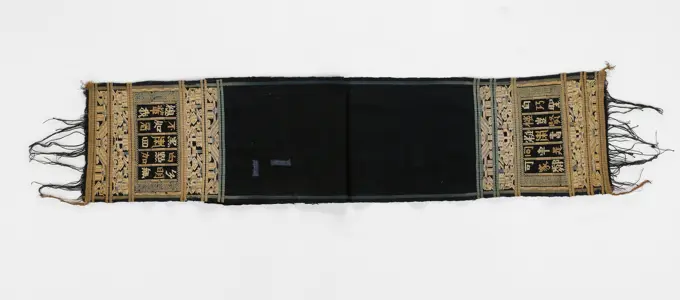
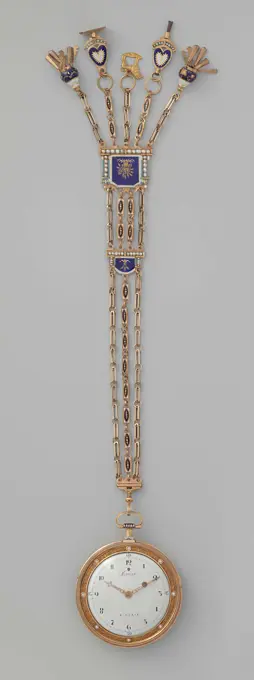
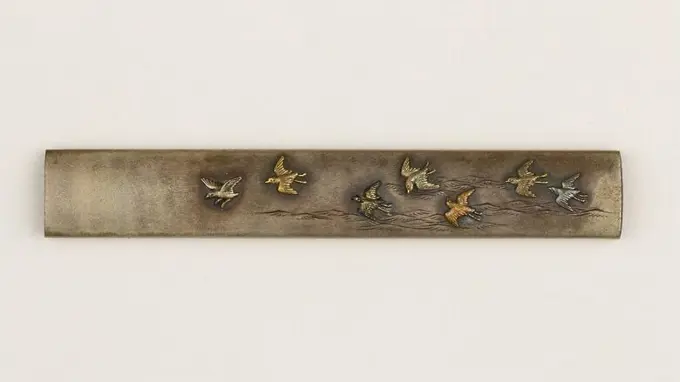
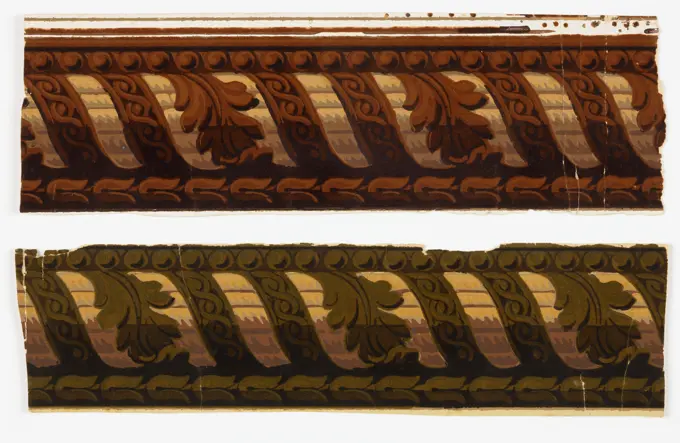
Decorative Knife Handles and Accessories

Artistic knife handles from different cultures, showcasing intricate designs and craftsmanship, highlighting historical significance.

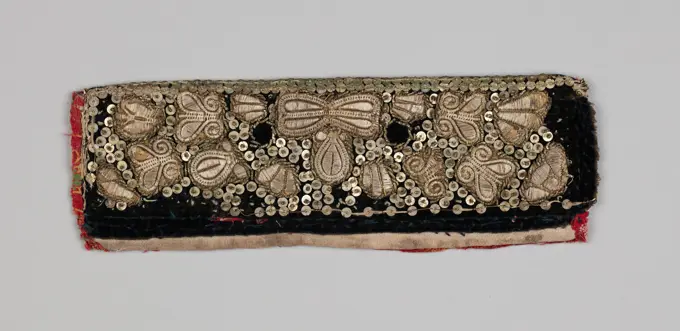
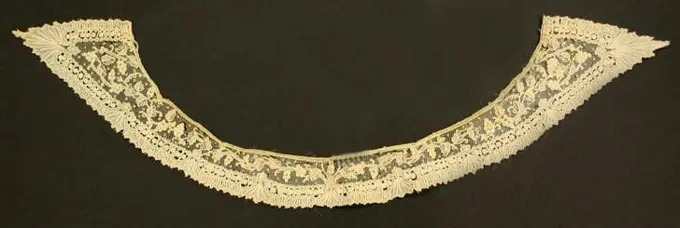
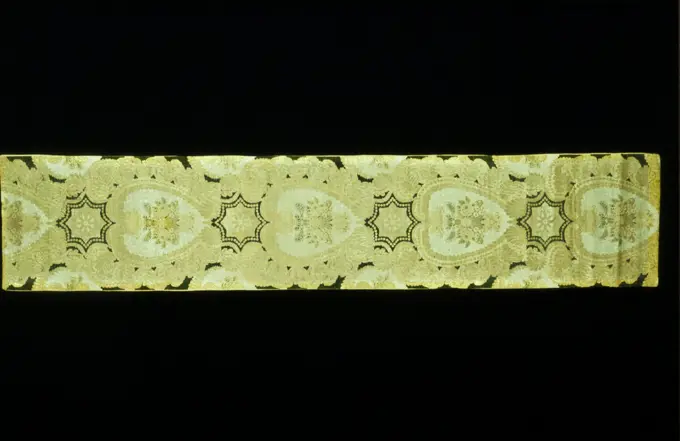
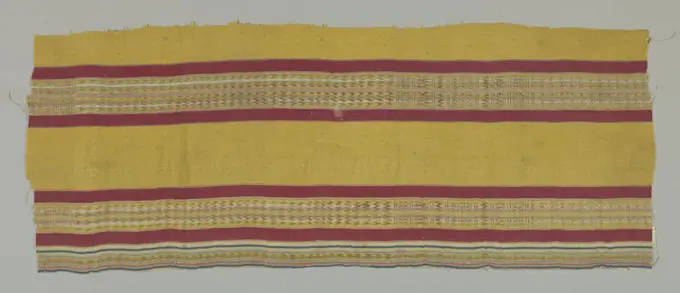
Passement of linen and yellow side in diamond pattern, anonymous, c. 1700 - c. 1899 Passement of linen and yellow side in a pattern of windows in windows. BK-NM-12186-19, BK-NM-12186-20-B and BK-NM-12186-21 have the same pattern. Europe silk. linen (material) Passement of linen and yellow side in a pattern of windows in windows. BK-NM-12186-19, BK-NM-12186-20-B and BK-NM-12186-21 have the same pattern. Europe silk. linen (material)
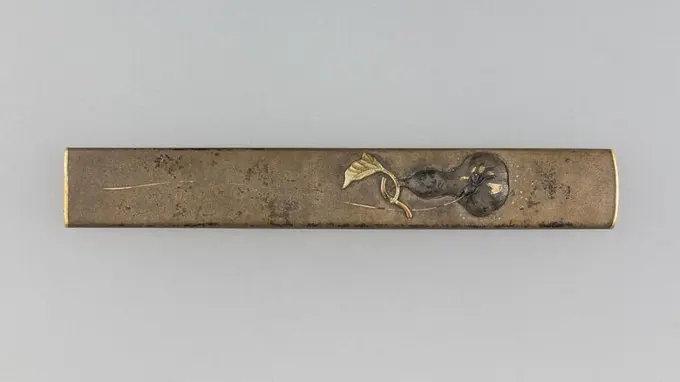
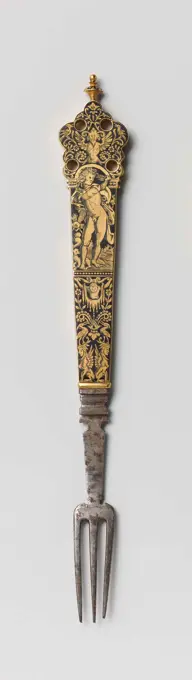
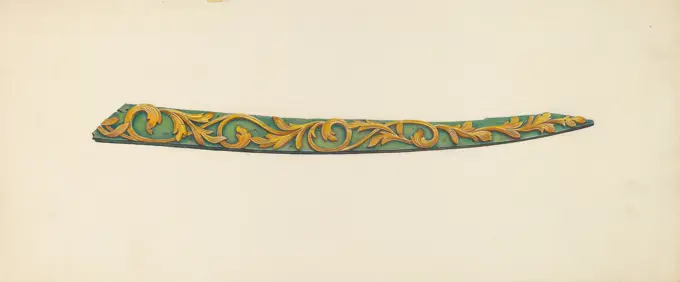
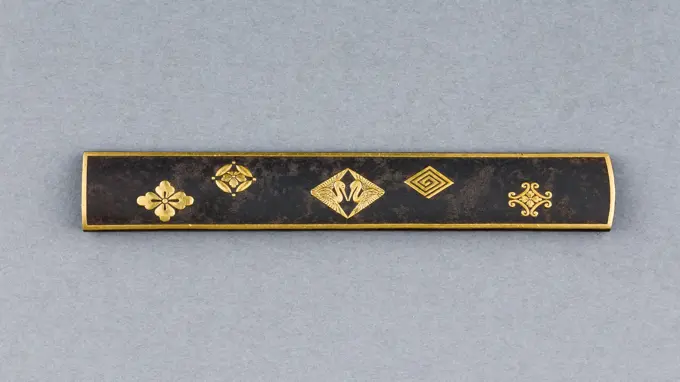
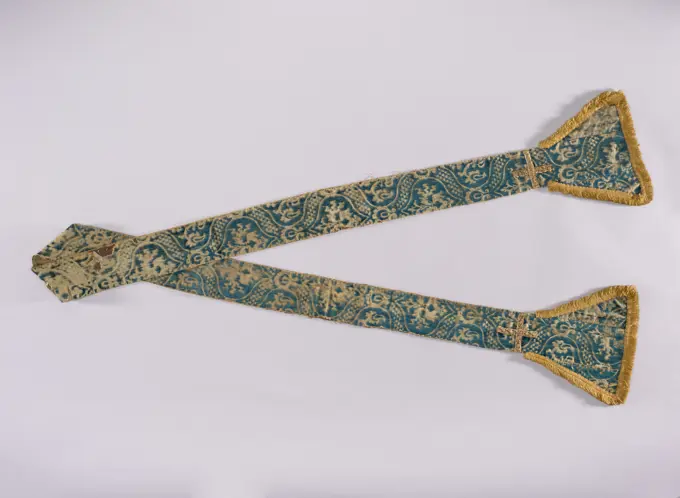
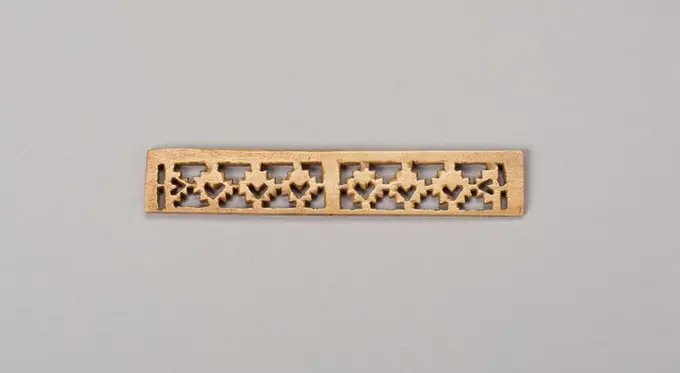
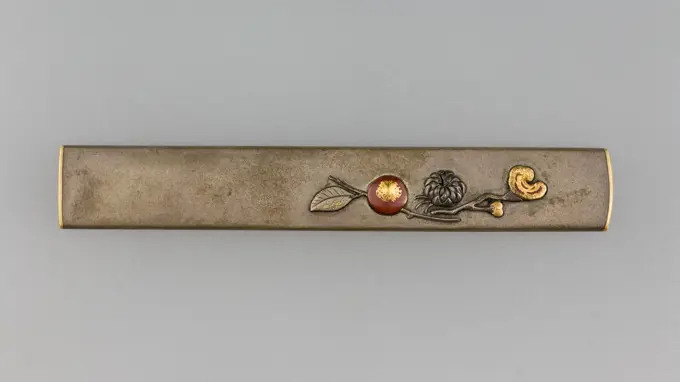
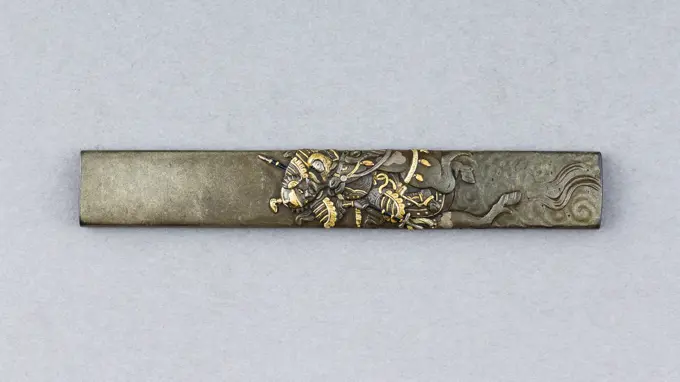
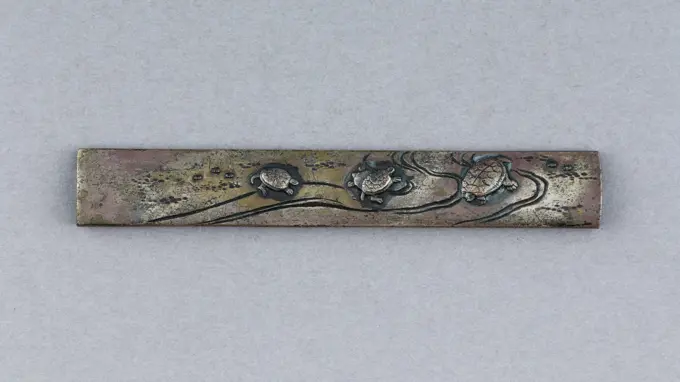
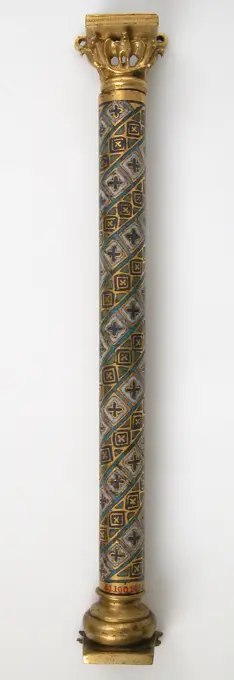
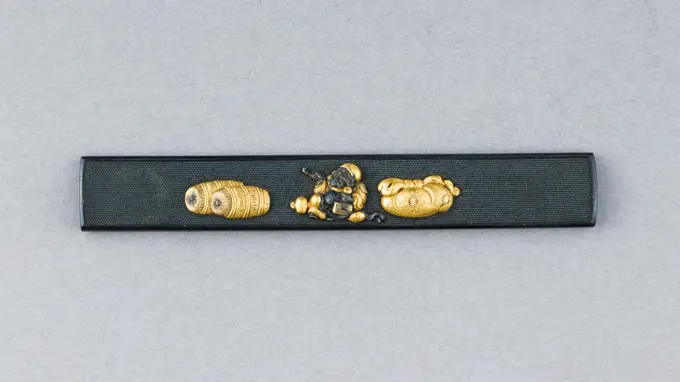
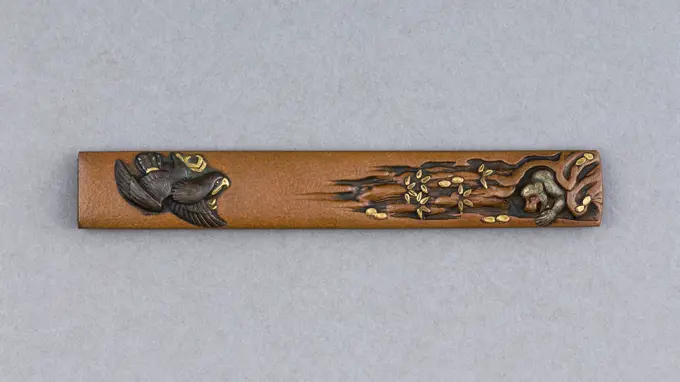
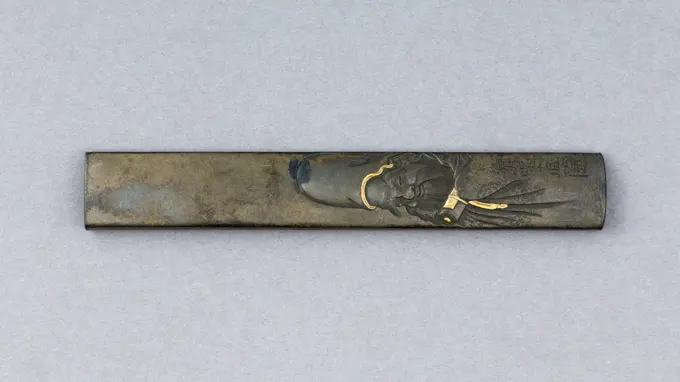
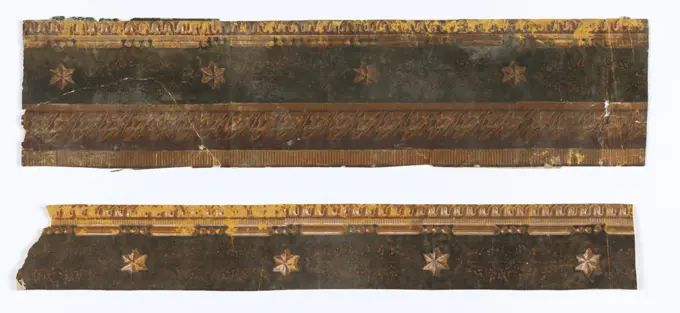
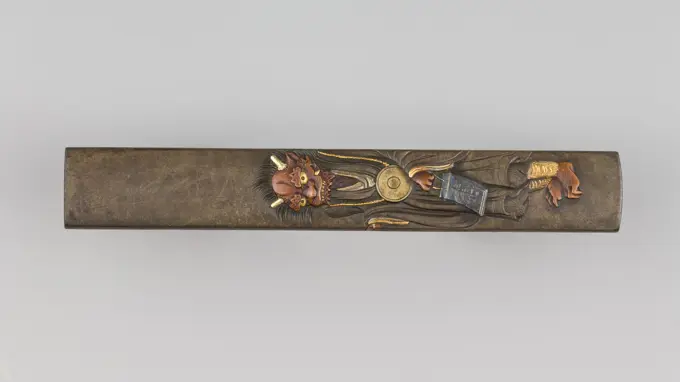
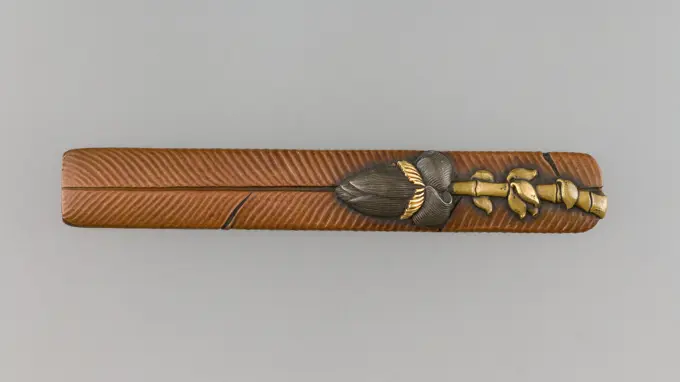
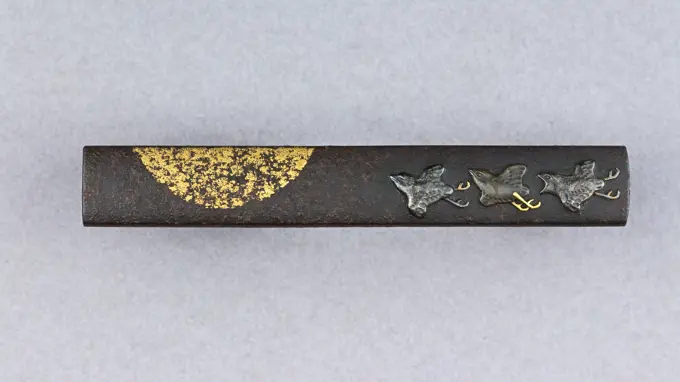
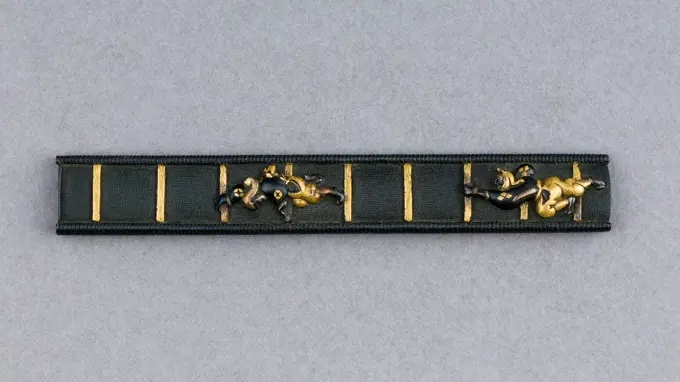
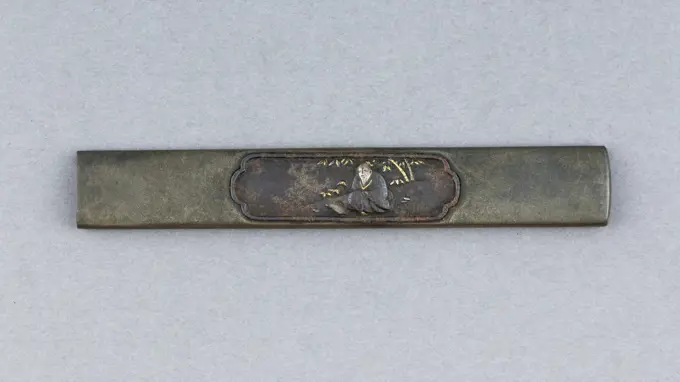
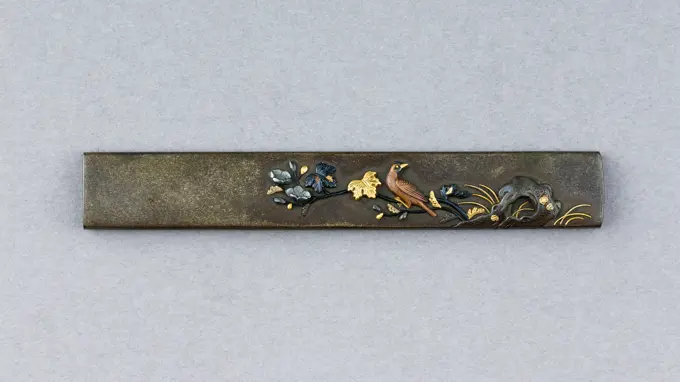
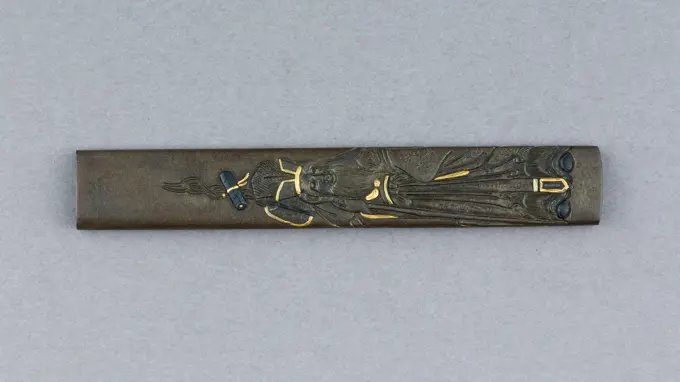
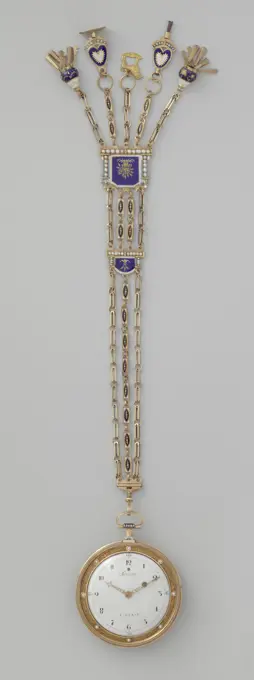
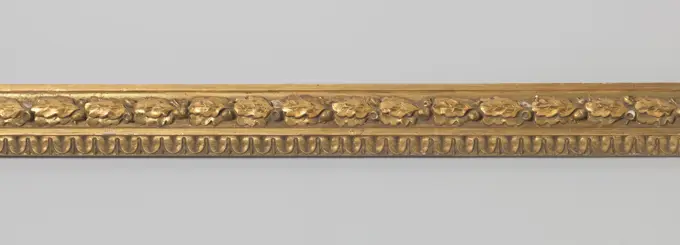
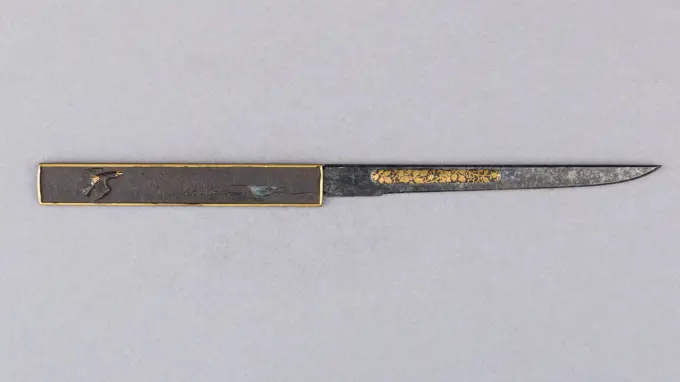
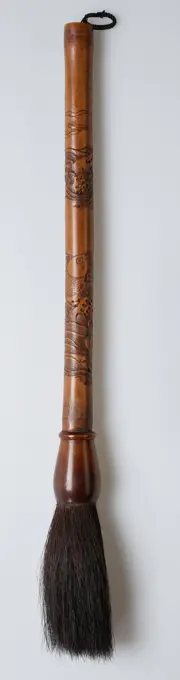
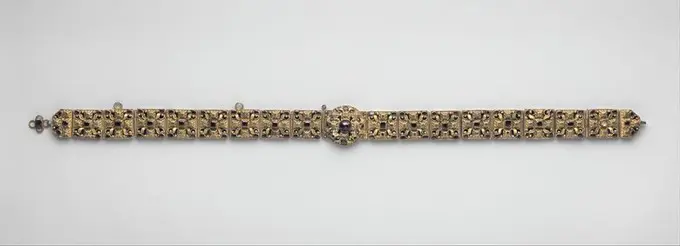
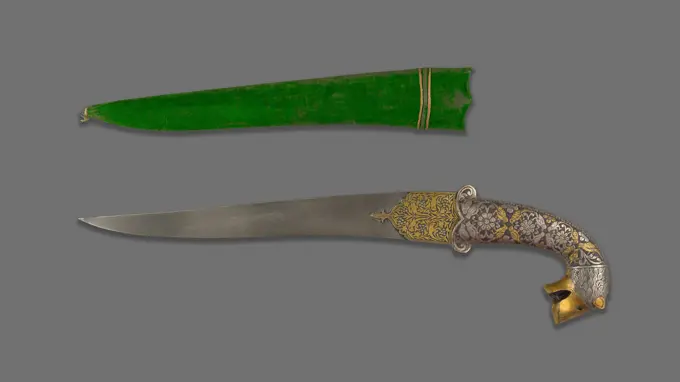
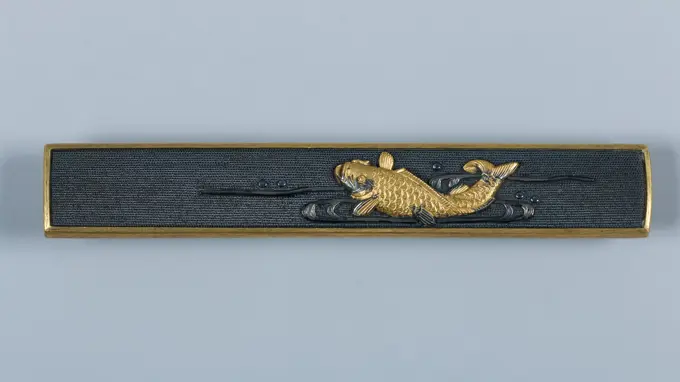
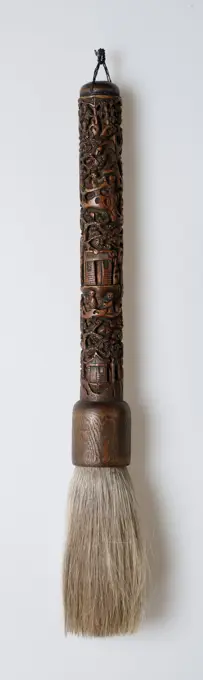
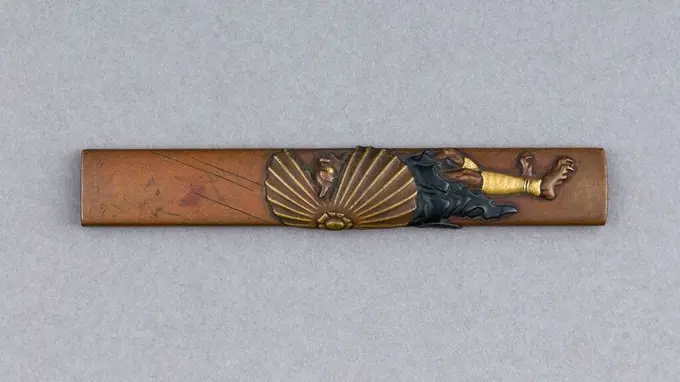
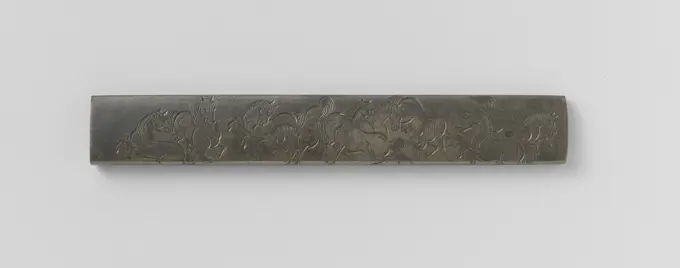
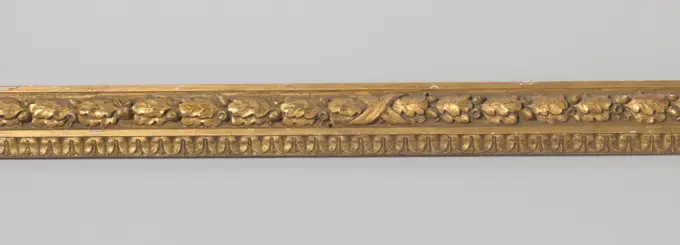
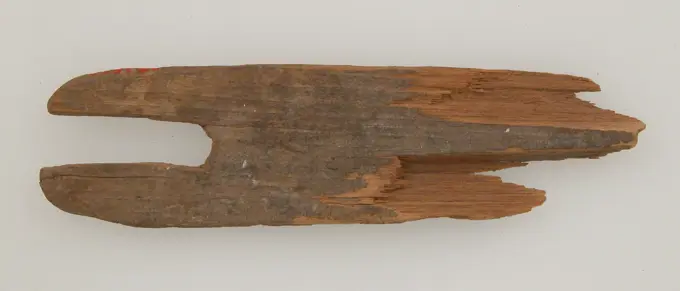
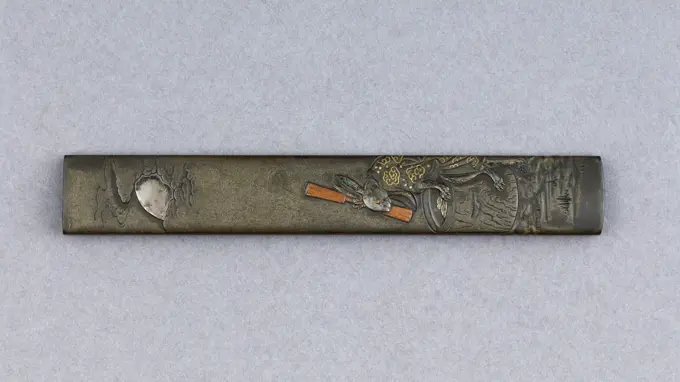
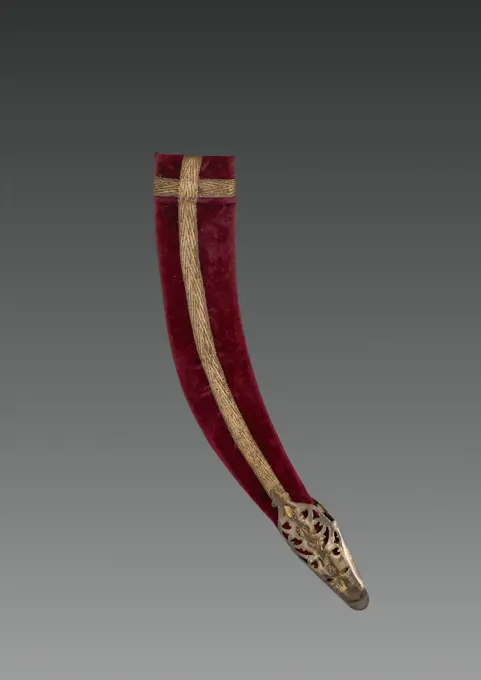
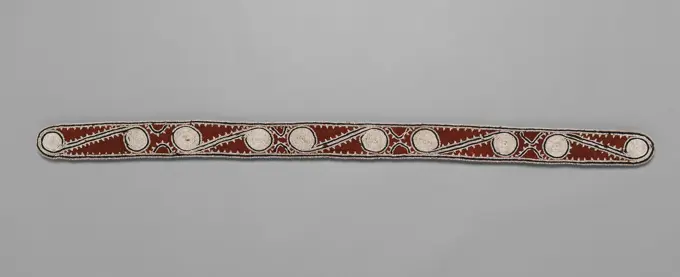
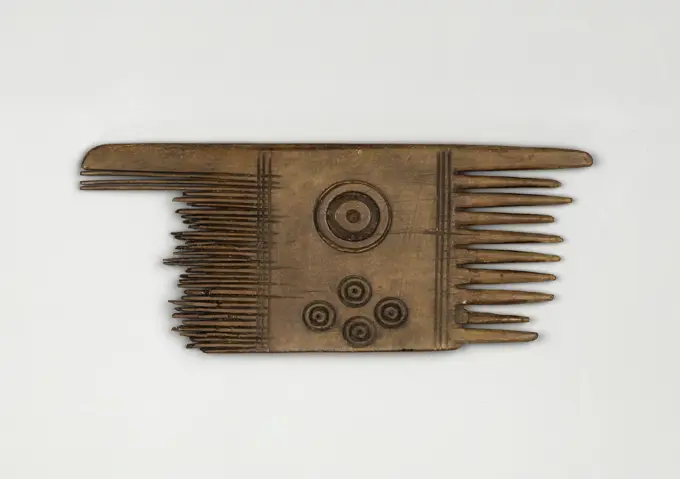
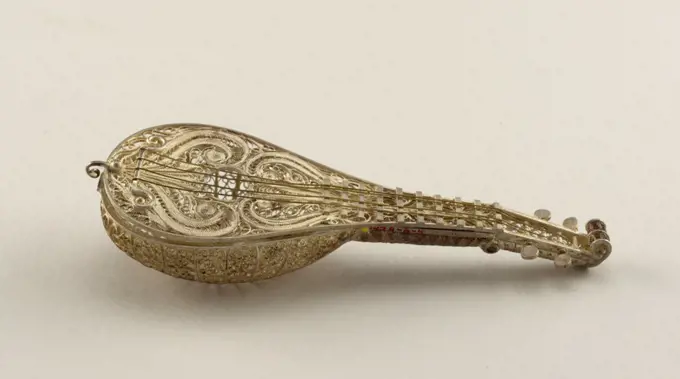
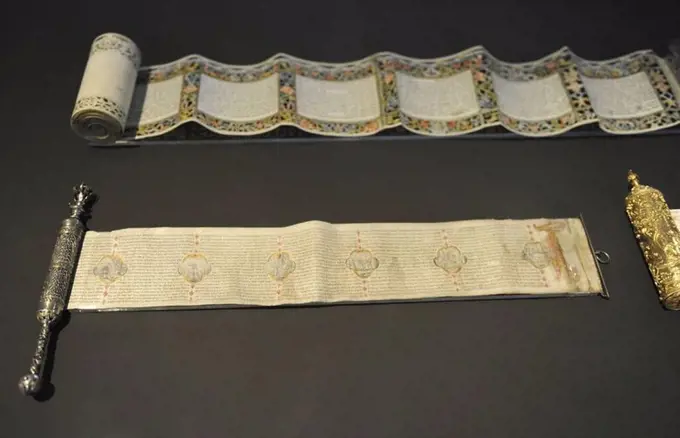
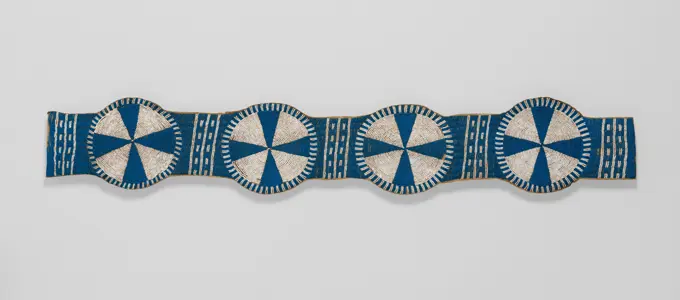
Passement of linen and yellow side in diamond pattern, anonymous, c. 1700 - c. 1899 Passement of linen and yellow side in a pattern of windows in windows. BK-NM-12186-19, BK-NM-12186-20-B and BK-NM-12186-21 have the same pattern. Europe silk. linen (material) Passement of linen and yellow side in a pattern of windows in windows. BK-NM-12186-19, BK-NM-12186-20-B and BK-NM-12186-21 have the same pattern. Europe silk. linen (material)Knife Handle (Kozuka). Culture: Japanese. Dimensions: L. 3 13/16 in. (9.7 cm); W. 9/16 in. (1.4 cm); thickness 3/16 in. (0.5 cm); Wt. 1.1 oz. (31.2 g). Date: ca. 1615-1868. Museum: Metropolitan Museum of Art, New York, USA.Knife Handle (Kozuka). Culture: Japanese. Dimensions: L. 3 13/16 in. (9.7 cm); W. 9/16 in. (1.4 cm); thickness 1/4 in. (0.6 cm); Wt. 1.2 oz. (34 g). Date: mid-17th century. Museum: Metropolitan Museum of Art, New York, USA.Brisé fan and case, Pierced and painted horn sticks, silk ribbon, Brisé fan with pierced horn sticks painted with forget-me-nots, laced with a pale silk ribbon. Fan case has removable lid., France, early 19th century, costume & accessories, Brisé fan and caseBelt of heavy green brownish sheet with irritating and stitching. Belt or heavy green browish sheet with silk light green blurst and stitching. Owned passerant.Knife Handle (Kozuka). Culture: Japanese. Dimensions: L. 3 13/16 in. (9.7 cm); W. 9/16 in. (1.4 cm); thickness 3/16 in. (0.5 cm); Wt. 1 oz. (28.3 g). Date: ca. 1615-1868. Museum: Metropolitan Museum of Art, New York, USA.Bliżej Kultury unknownVork, behorend bij bruidsbestek.Fork of iron with three teeth and golden lift. The stem widens towards the worked end. The handle is equipped with engraved decorations with Niollo. On the side the year 1597 and the letters IDL.Gallon;  19th century (1801-00-00-1900-00-00);Beatrice DeKalb, Woodcarving from Ship's Bow, c 1938 Woodcarving from Ship's BowKnife Handle (Kozuka) ca. 1615-1868 Japanese A kozuka is a handle of a by-knife that is part of a sword mounting. It is kept in a slot on the reverse of a katana scabbard, often with a matching kōgai (hairdressing tool).. Knife Handle (Kozuka) 34659Stole. unknown, authorBalance-Beam Scale with Cut-Out Lattice-Like Design. Possibly Nazca; South coast, Peru. Date: 500 AD-800 AD. Dimensions: L. 9.8 cm (3 7/8 in.). Bone. Origin: Peru. Museum: The Chicago Art Institute, Chicago, USA.Knife Handle (Kozuka) 1789-1876 Japanese A kozuka is a handle of a by-knife that is part of a sword mounting. It is kept in a slot on the reverse of a katana scabbard, often with a matching kōgai (hairdressing tool).. Knife Handle (Kozuka) 29803Knife Handle (Kozuka) ca. 1615-1868 Japanese A kozuka is a handle of a by-knife that is part of a sword mounting. It is kept in a slot on the reverse of a katana scabbard, often with a matching kōgai (hairdressing tool).. Knife Handle (Kozuka) 34601Kama with a scabbardKnife Handle (Kozuka) ca. 1615-1868 Japanese A kozuka is a handle of a by-knife that is part of a sword mounting. It is kept in a slot on the reverse of a katana scabbard, often with a matching kōgai (hairdressing tool).. Knife Handle (Kozuka) 34671Knife Handle (Kozuka) Japanese ca. 1615-1868 A kozuka is a handle of a by-knife that is part of a sword mounting. It is kept in a slot on the reverse of a katana scabbard, often with a matching kōgai (hairdressing tool).Colonnette from a Reliquary Shrine ca. 1175-1200 German. Colonnette from a Reliquary Shrine 467718Staff Weapon dated 1741 German. Staff Weapon 34290Fan box. Culture: Chinese. Dimensions: 13 3/4 x 3 x 1 3/4 in. (34.9 x 7.6 x 4.4 cm). Date: first half 19th century. Museum: Metropolitan Museum of Art, New York, USA.Knife Handle (Kozuka) ca. 1615-1868 Japanese A kozuka is a handle of a by-knife that is part of a sword mounting. It is kept in a slot on the reverse of a katana scabbard, often with a matching kōgai (hairdressing tool).. Knife Handle (Kozuka) 34635Mount; L x W x D: 20.2 cm (7 15/16 in.)Knife Handle (Kozuka) ca. 1615-1868 Japanese A kozuka is a handle of a by-knife that is part of a sword mounting. It is kept in a slot on the reverse of a katana scabbard, often with a matching kōgai (hairdressing tool).. Knife Handle (Kozuka) 34535Knife Handle (Kozuka) ca. 1615-1868 Japanese A kozuka is a handle of a by-knife that is part of a sword mounting. It is kept in a slot on the reverse of a katana scabbard, often with a matching kōgai (hairdressing tool).. Knife Handle (Kozuka) 34576Border, Block-printed on handmade paper, Band of dentilling at top edge, adjoining a foliate band over a narrow band of dentilling. Center band of border is flocked and contains six-pointed stars spaced 5 1/4 inches apart. Lower edge of border contains bead-and-reel strip and vague traces of egg-and-dart design. Printed in brown flock, and white on pale orange ground., H# 460, France, 1800-1825, Wallcoverings, BorderTalon ax (title awarded). Bronze. Carnavalet museum, history of Paris.Knife Handle (Kozuka) 19th century Hamano Toshihiro Japanese A kozuka is a handle of a by-knife that is part of a sword mounting. It is kept in a slot on the reverse of a katana scabbard, often with a matching kgai (hairdressing tool).. Knife Handle (Kozuka). Japanese. 19th century. Copper-silver alloy (shibuichi), gold, silver, copper. Sword Furniture-KozukaKnife Handle (Kozuka) mid-17th-mid-18th century Japanese A kozuka is a handle of a by-knife that is part of a sword mounting. It is kept in a slot on the reverse of a katana scabbard, often with a matching kgai (hairdressing tool).. Knife Handle (Kozuka). Japanese. mid-17th-mid-18th century. Silver. Sword Furniture-KozukaBuckle Shank 7th century Visigothic. Buckle Shank. Visigothic. 7th century. Copper alloy. Miscellaneous-Buckles & OrnamentCut-out Decorative Foil (India); Designed by Lockwood de Forest (American, 1850-1932); pierced and cut-out sheet brass foilKnife Handle (Kozuka) early-mid-18th century Hamano Masayuki Japanese A kozuka is a handle of a by-knife that is part of a sword mounting. It is kept in a slot on the reverse of a katana scabbard, often with a matching kgai (hairdressing tool).. Knife Handle (Kozuka). Japanese. early-mid-18th century. Copper, gold, copper alloy (sentoku), silver. Sword Furniture-KozukaFob 18th century French. Fob 102455Strip of gold side with one -sided focused ivy leaves, anonymous, c. 1800 - c. 1899 Strip bobbin, gold side. The pattern consists of a succession of one -sided oriented leaves that have the shape of ivy leaves or wine leaves. The leaves form the scallops along the underside of the strip. A mesh soil is made above the leaves, a lace-hole stroke grade. Work has been done with slat gold thread, smooth filé yarn and ribbed filé yarn, in different thicknesses. One half of each leaf is mainly filled with slat gold thread, with a few accent lines of ribbed filé yarn. With the other half this is the other way around. The handle of the leaf, the contour lines and the grain in the middle are made with thicker filé yarn. In the ground, one flat ring -shaped sequin between the threads of the bars is inserted between each leaf. Italy (possibly) . bobbin lace Strip bobbin, gold side. The pattern consists of a succession of one -sided oriented leaves that have the shape of ivy leaves or wine leaves. Knife Handle (Kozuka) 18th century Japanese A kozuka is a handle of a by-knife that is part of a sword mounting. It is kept in a slot on the reverse of a katana scabbard, often with a matching kōgai (hairdressing tool).. Knife Handle (Kozuka) 35033Headband, 21 x 1 1/2 in. (53.34 x 3.81 cm), Cotton, ChinaSilk brokaat ribbon; A continuous pattern of pink/ orange windows and stars, anonymous, c. 1700 - c. 1725 Silk brokaat ribbon. A continuous pattern of pink/ orange windows and stars is applied to a silver -colored surface. The edges are trimmed with decorative band. West-Europa geheel: silk. silver thread Silk brokaat ribbon. A continuous pattern of pink/ orange windows and stars is applied to a silver -colored surface. The edges are trimmed with decorative band. West-Europa geheel: silk. silver threadCollar ca. 1861 probably European. Collar 110133List fragment: gilt list of pâte ornaments, upper rule., C. 1700 - c. 1899 frame Gilded list of oak leaves with acorns. List part, above rule. With written on the back: 'Top, Panel Right or Door, no. 1'.  wood (plant material). gold leaf gildingKnife Handle (Kozuka) ca. 1615-1868 Japanese A kozuka is a handle of a by-knife that is part of a sword mounting. It is kept in a slot on the reverse of a katana scabbard, often with a matching kōgai (hairdressing tool).. Knife Handle (Kozuka) 34554Bourse. GAL1961.34.69Knife Handle (Kozuka) ca. 1615-1868 Japanese A kozuka is a handle of a by-knife that is part of a sword mounting. It is kept in a slot on the reverse of a katana scabbard, often with a matching kōgai (hairdressing tool).. Knife Handle (Kozuka) 34673Knife Handle (Kozuka) 1720-84 Japanese A kozuka is a handle of a by-knife that is part of a sword mounting. It is kept in a slot on the reverse of a katana scabbard, often with a matching kōgai (hairdressing tool).. Knife Handle (Kozuka) 29760Knife Handle (Kozuka) ca. 1615-1868 Japanese A kozuka is a handle of a by-knife that is part of a sword mounting. It is kept in a slot on the reverse of a katana scabbard, often with a matching kōgai (hairdressing tool).. Knife Handle (Kozuka) 34602Knife Handle (Kozuka) ca. 1615-1868 Japanese A kozuka is a handle of a by-knife that is part of a sword mounting. It is kept in a slot on the reverse of a katana scabbard, often with a matching kgai (hairdressing tool).. Knife Handle (Kozuka). Japanese. ca. 1615-1868. Copper-silver alloy (shibuichi), gold. Sword Furniture-KozukaWatch with an Allegory of Crowned Fame, anonymous, c. 1820 - c. 1840 Golden watch chain composed of several chains. Partly decorated with blue and white email. Pearls and diamonds on the connecting pieces. Switzerland (possibly) gold (metal). pearl. diamond (mineral) Golden watch chain composed of several chains. Partly decorated with blue and white email. Pearls and diamonds on the connecting pieces. Switzerland (possibly) gold (metal). pearl. diamond (mineral)List fragment: Gilded list of pâte ornaments, left style., C. 1700 - c. 1899 frame Gilded list of oak leaves with acorns. List part, left style. With written on the back: 'Left Side, no. 3'.  wood (plant material). gold leaf gildingSculpted style of oak, from the so -called house of Alva, Warmoestraat in Amsterdam, c. 1500 - c. 1699 Carryed oak style, from the so -called house of Alva, Warmoestraat in Amsterdam. In total it concerns six painted styles (see BK-KOG-754-1 to 3 & 5 to 7). See also BK-KOG-755-A to H, these are two capitals and six styles of untreated oak that come from the same house.  oak (wood). paint (coating) Carryed oak style, from the so -called house of Alva, Warmoestraat in Amsterdam. In total it concerns six painted styles (see BK-KOG-754-1 to 3 & 5 to 7). See also BK-KOG-755-A to H, these are two capitals and six styles of untreated oak that come from the same house.  oak (wood). paint (coating)Brocade panel, 19th century, 94 x 19 1/2 in. (238.76 x 49.53 cm), Chenille, Russia, 19th centuryKnife Handle (Kozuka) with Blade 18th century Japanese A kozuka is a handle of a by-knife that is part of a sword mounting. It is kept in a slot on the reverse of a katana scabbard, often with a matching kgai (hairdressing tool).. Knife Handle (Kozuka) with Blade. Japanese. 18th century. Iron, gold, copper, copper-silver alloy (shibuichi). Sword Furniture-KozukaEVENTAIL. "Rebecca at La Fontaine". Watercolor on skin, ivory frame repercussions and painted, pivot rhinestones. Paris, Carnavalet museum. 100087-28 Fashion accessory, EventailGarter with silver buckle, Anonymous, Before 1887 Stocking tires with silver buckle, Louis XV. West-Europa Buckle: Silver (Metal). Garter: Silk Stocking tires with silver buckle, Louis XV. West-Europa Buckle: Silver (Metal). Garter: SilkDessert Fork with Hunt Scenes, c. 1822. Paul Storr (British, 1771-1844). Gilt silver; overall: 21.1 x 3 x 3 cm (8 5/16 x 1 3/16 x 1 3/16 in.). Paul Storr was perhaps the most famous and successful English silversmith working in the early 19th century. This fork and spoon were originally part of a larger set. The exceptionally high quality of the metalworking and gilding of these pieces is typical of Storr's work.Calligraphy brush, late 19th century, 16 3/4 × 1 5/16 × 1 5/16 in. (42.55 × 3.33 × 3.33 cm) (without hanging cord), Bamboo, bone, hair, China, 19th century, In Chinese literati culture, the brush, a writing implement, is known as one of the 'four treasures of the study' along with the inkstick, inkstone, and paper. Brush handles are commonly constructed from bamboo, but some brushes have handles of sandalwood, jade, carved bone or ivory, and other precious materials as demonstrated by these examples. During late imperial times, artists catered to the tastes of gentlemen collectors and elaborated brushes with motifs derived from folklore, legends, superstitious beliefs as well as religious subjects from Confucianism, Buddhism, and Daoism.Belt. Culture: Hungarian, Transylvania. Dimensions: Overall: 30 1/8 in. (76.5 cm). Date: ca. 1700.This belt consists of eighteen hinged segments and a larger rectangular section with a round plaque in the center. Additional jewelry or silk tassel ornaments were once suspended from the three attached loops. The various colors of the semiprecious stones and the traces of enamel are reminiscent of sumptuous and exotic Ottoman-inspired designs. At the same time, several details evoke early Medieval- Romanesque- goldsmith work, such as reliquaries from northern Europe that survived at least until the early sixteenth century.LiteratureSilhouettes, Portrait Miniatures, Objects of Vertu, Gold Boxes, and European Silver. Sale cat., Sotheby's, London, March 7, 1983, p. 56, no. 171.Judit H. Kolba. Hungarian Silver: The Nicolas M. Salgo Collection. London, 1996, p. 96, no. 74.ReferencesImportant English, Continental and American Silver and Gold. Sale cat., Christie's, NeDagger with Lion-Head Pommel 1601-1800 India. Bronze with applied gold, silver, and gemstones .Set of Sword Fittings (Mitokoromono) with Two Additional Knife Handles (Kozuka) and a Pair of Grip Ornaments (Menuki) mid-late 18th century Got Mitsumori (Keij) Japanese The Got School of sword-fittings makers was founded in the fifteenth century by Got Yj, who is said to have been patronized by the shogun Ashikaga Yoshimasa (1435-1490). The work of the Got masters is characterized by painterly designs carved in high relief on a ground of shakud (an alloy of copper and gold chemically treated to turn a rich blue-black), finished in nanako (tiny circles punched regularly over the surface to give it a granular appearance) with colorful accents in gold and silver. The succeeding generations of Got masters continued to work in these soft metals and concentrated on the smaller sword fittings, such as kozuka (the handle of the small utility knife fitted into a slot on the back of a sword scabbard), kgai (a skewer-like hairdressing tool carried in the front of the scabbard), and menCalligraphy brush, late 19th century, 13 3/8 × 1 1/2 × 1 1/2 in. (33.97 × 3.81 × 3.81 cm) (without hanging cord), Wood, hair, China, 19th century, In Chinese literati culture, the brush, a writing implement, is known as one of the 'four treasures of the study' along with the inkstick, inkstone, and paper. Brush handles are commonly constructed from bamboo, but some brushes have handles of sandalwood, jade, carved bone or ivory, and other precious materials as demonstrated by these examples. During late imperial times, artists catered to the tastes of gentlemen collectors and elaborated brushes with motifs derived from folklore, legends, superstitious beliefs as well as religious subjects from Confucianism, Buddhism, and Daoism.Knife (possibly France); steel, gilding, agate; L x W: 18.1 x 1.2 cm (7 1/8 x 1/2 in.); The Robert L. Metzenberg Collection, gift of Eleanor L. Metzenberg; 1985-103-45Knife Handle (Kozuka). Culture: Japanese. Dimensions: L. 3 13/16 in. (9.7 cm); W. 9/16 in. (1.4 cm); thickness 1/4 in. (0.6 cm); Wt. 1.1 oz. (31.2 g). Date: 18th century. Museum: Metropolitan Museum of Art, New York, USA.Bliżej Kultury unknownSash, ChinaGallon;  19th century (1801-00-00-1900-00-00);Horloge met de gekroonde roem.Golden watch with white enamel dial. On the supernat in multi-colored email a representation of two women with a globe. The glass front base is decorated with a filigree and white stones.Fragment (France); cottonHalf Model of a Gaff-Rigged Gunboat, anonymous, c. 1780 - c. 1830 ship model. half model. builder's model Mallen model (starboard) of a single -master. The skin above the barkwood is closed; one guns in the bow, one on the aft deck. The front deck is closed and has an expiring area for the guns. Round stern, wide rudder with tie stick over deck. Flat -bottomed. The Zeeg runs forward and back, one barkhout. This gaffel canon boat had two pieces in front and two in the sides. Netherlands wood (plant material). paint (coating)Busk 18th century French In the upper register, though read upside down, a man holds a heart which a woman pierces with a sword. Below, there is a mermaid.. Busk 85408Knife Handle (Kozuka). Culture: Japanese. Dimensions: L. 3 3/4 in. (9.5 cm); W. 9/16 in. (1.4 cm); thickness 1/4 in. (0.6 cm); Wt. 1.2 oz. (34 g). Maker: Funada Yoshinaga (Japanese, 1812-1863). Date: 19th century. Museum: Metropolitan Museum of Art, New York, USA.Border (England); block-printed and flocked; a) Overall: 31.1 x 9.5 cm (12 1/4 x 3 3/4 in.) b) Overall: 31.6 x 8.5 cm (12 7/16 x 3 3/8 in.)Foundation deposit brick ca. 1279-1213 B.C. New Kingdom, Ramesside. Foundation deposit brick. ca. 1279-1213 B.C.. Faience. New Kingdom, Ramesside. From Egypt. Dynasty 19-20Blade and Mounting for a Short Sword (Wakizashi) blade, 18th century; mounting, 18th-early 19th century Blade inscribed by Kawachino Kamifujiwara Rai... Crushed abalone shells incorporated into the lacquer of this wakizashi scabbard give it a green, shimmering finish, offsetting the slightly raised, gilded cherry blossoms clustered near the tip. The engraved silver mounts feature Chinese dragons, swastika (manji) latticework, and peonies.. Blade and Mounting for a Short Sword (Wakizashi). Japanese. blade, 18th century; mounting, 18th-early 19th century. Steel, wood, lacquer, gold, abalone shell, iron, silver, copper-gold alloy (shakud?), copper, silk. SwordsBand fragment, Medium: S-spun undyed linen weft, S-spun undyed wool warp and weft Technique: slit tapestry weave, Narrow band fragment in dark brown and natural linen shows a procession of animals moving left to right. The animals, which alternate between a long-bodied spotted animal and a more compact animal with long ears and a tail, are enclosed by a double guard border. Outside this border is a scrolling wave pattern., Egypt, 4th-5th century, woven textiles, Band fragmentSword knife hilt, anonymous, 1500 - 1900 Presentation with engraved, frolicking horses. Japan . Presentation with engraved, frolicking horses. Japan .Half Model of A Screw Steamer, Rijkswerf Amsterdam (attributed to), 1857 ship model. half model. builder's model Polychromed block model (starboard) of a three -mast screw steam ship. Gun gates or decks are not indicated on the model. Elliptical gate; Stir with round stirring king (American rudder) and rounded Roerblad; The model has a screw window. Zeeh virtually flat. Round underwater ship with fairly sharp kimmen. The model is an exception in this collection: the underwater ship is dyed red, and the skin strap indicates that the model only indicates the hull within the skin. Scale approx. 1:50 (derived). Amsterdam wood (plant material). brass (alloy)Votive menat fragment ca. 1479-1458 B.C. New Kingdom. Votive menat fragment. ca. 1479-1458 B.C.. Wood. New Kingdom. From Egypt, Upper Egypt, Thebes, Deir el-Bahri, Hatshepsut Hole, MMA excavations, 1923-24. Dynasty 18Fragment, Medium: silk Technique: plain weave with floats of supplementary warp, Striped weave of dark yellow, red, blue and yellow-green. Broadest stripes are dark yellow and red. Chevron-like patterning made from supplementary warp threads., North Africa, 17th-18th century, woven textiles, FragmentBorder, Block-printed paper, flocked, Grisaille laurel leaves, horizontal and overlapping, within a gilt-lined and beaded frame. Below, warm red flock strip, finished by a graded gray line., France, 1850, Wallcoverings, BorderList fragment: gilt list of pâte ornaments, upper rule., C. 1700 - c. 1899 frame Gilded list of oak leaves with acorns. List part, above rule. With written on the back: 'Top, no. 2'.  wood (plant material). gold leaf gildingKnife Handle (Kozuka). Culture: Japanese. Dimensions: L. 3 13/16 in. (9.7 cm); W. 9/16 in. (1.4 cm); thickness 5/16 in. (0.8 cm); Wt. 1.2 oz. (34 g). Date: ca. 1615-1868. Museum: Metropolitan Museum of Art, New York, USA.Half Model of a Launch, anonymous, c. 1780 - c. 1820 ship model. half model. builder's model Polychromed mold model (starboard) of a sloop. The skin above the barkwood is closed. Flat mirror, cave wulf, closed gate; Wide rudder. De Zeeg rises to both ends, one barkhout. Peaked around. Netherlands wood (plant material)Half Model of an 8-Gun Brig.Polychromed mold model (starboard) of a tweemaster. Four gunposes on a deck. Wrinkled mirror, hollow wulf, no details of fence or side gallery; Straight stir with square roofing, falling stern. Side forward and backwards, one bark wood. Peaked round trip.Sleeves (possibly England); linenFragment of a Shuttle or Bobbin 580-640 Coptic. Fragment of a Shuttle or Bobbin 475023Knife Handle (Kozuka) ca. 1615-1868 Japanese A kozuka is a handle of a by-knife that is part of a sword mounting. It is kept in a slot on the reverse of a katana scabbard, often with a matching kōgai (hairdressing tool).. Knife Handle (Kozuka) 34534Ruyi Scepter, 1736-1795, Porcelain, China, 18th centuryFragment Zijderips. A fragment of white silk tissue with salmon and white rides flowers and stripes.Przeszo Przyszoci unknownDagger (red velvet case), 1700s-1800s. India. Wood sheath covered in velvet with metallic thread; overall: 34.4 cm (13 9/16 in.). Daggers with curved blades, known as khanjar, were worn tucked into the belt as one of the basic accessories for Mughal men. An all-purpose knife that could be used in hunting or fighting, the khanjar was also a visible status symbol. The use of jade and gold indicates that this dagger was owned by a member of the court. The gold inscriptions on the blade, just under the hilt, are quotations from the Quran, the most sacred book for Muslims. On one side is the opening line: “In the Name of God the Merciful and the Compassionate,” and on the other is a popular verse from chapter (sura) 61: “Help comes from God, and Victory is imminent.”Kris with Sheath 16th-19th century Madurese. Kris with Sheath. Madurese. 16th-19th century. Steel, wood, ivory, brass. Madura, Jawa Timur. KrissesSash ca. 1790 Choctaw, Native American The flowing spiral and scroll designs on this sashancient motifs commonly seen on earlier pottery of the southeastare undoubtedly symbolic. The white beads may reference white shell, a material with spiritual associations. Sashes of this type served as emblems of Choctaw belief and identity, signifying status and prestige. Made by women, they were worn by men around their waists or over their chests, often paired with a second sash.. Sash. Choctaw, Native American. ca. 1790. Wool cloth, glass beads, and cordage. Possibly made in Alabama, United States; Possibly made in Louisiana, United States; Possibly made in Mississippi, United States; Possibly made in Florida, United StatesWood gilded cubit and wood folding cubit with leather case, offer of the Pharaoh Amenhotep III, eighteenth dynastyComb;  VI-VII century (501-00-00-700-00-00);Deposit of the University of Warsaw from 1937-1939, carved decorations, combs, toiletries, craftsmanship, woodcarvingArrow sleeve with 26 arrows belonging to Cornelis Tromp, Anonymous, c. 1650 - c. 1679  Arrow case for 26 arrows. The wooden tube is lacquered and decorated with imitations of Japanese family weapons, Mons. The arrows are made of bamboo with a yellow -cut point. southeast Asia Cypress (Wood). Lacquer (coating). arrow:  flowers ~ ornamentMandolin, Silver filigree, Top worked in plumose designs; equipped with four keys and brass strings. Underside of sound box opens on hinge and is constructed of radiating ribs with open scrollwork filling the spaces between., Italy, mid-19th century, miniatures, Decorative Arts, Miniature, MiniatureScroll of Esther with miniature illustrations in a silver case. By the scribe Aarib Wolf Herlingen (ca. 1700-ca. 1760). Pen and ink on parchment. Gold leaf. Scroll: Vienna, 18th century. Case: Silver, cut and engraved, filigree, partly gilt. Inscribed in Hebrew on the case: "Solomon Halib son of Moses Anib". Israel Museum. Jerusalem.Panel with Cross 11th century. Panel with Cross 447965Soil of lantern with weapons above the windows, 1700 Soil of the lantern, reversed equal to the roof (see BK-16969-B-1), but without the last section. The lamp is decorated with rosettes. Coming from the collection of Dr. F. Mannheimer. Venice iron (metal) gilding Soil of the lantern, reversed equal to the roof (see BK-16969-B-1), but without the last section. The lamp is decorated with rosettes. Coming from the collection of Dr. F. Mannheimer. Venice iron (metal) gildingBlanket strip Central Plains, probably Lakota/Teton Sioux, Native American ca. 1830 The cross within a circle, the principal design element on this blanket strip, is one of the most visually powerful motifs in Plains art; it symbolizes the circle of the world, the four directions, and the sacred centerconcepts fundamental to Plains worldviews. The massive strip also conveys wealth and prestige. The beading is a blend of shorter lane-stitch rows and the longer spot-stitch method, resulting in thousands of contrasting blue and white antique beads affixed to the leather. As glass beads became more plentiful through trade in the early decades of the nineteenth century, artists increasingly used them to present community affiliations, connections to place, or status. View more. Blanket strip. Central Plains, probably Lakota/Teton Sioux, Native American. ca. 1830. Tanned leather and glass beads. Made in Central Plains, United StatesDragon Pendant 410 BCE-290 BCE China. Jade .Piece 17th century Japan. Piece 71894