Decorative Linen Textiles

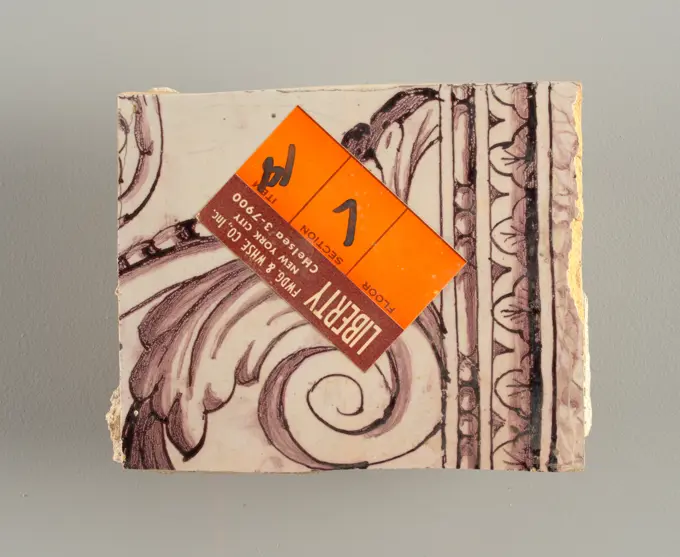
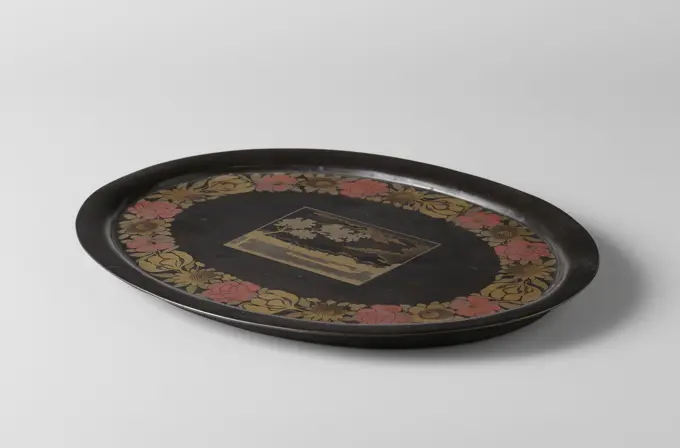
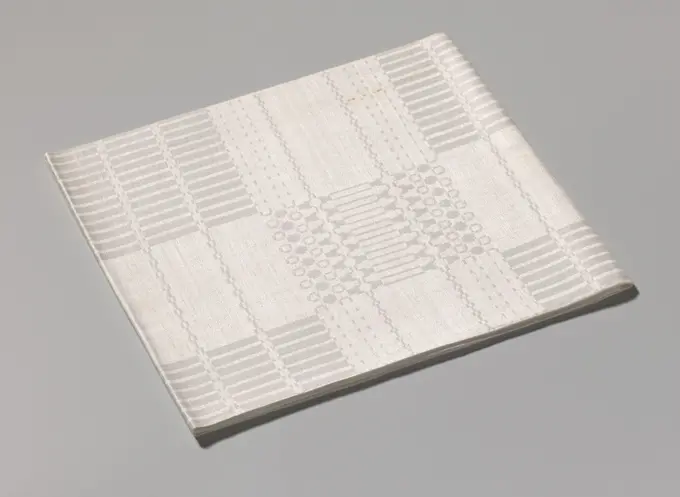
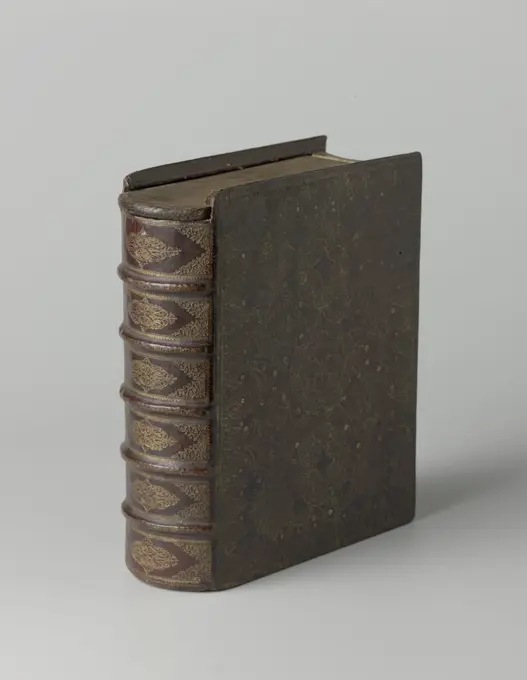
Collection of intricately designed linen napkins and wall tiles with floral patterns, reflecting historical craftsmanship.

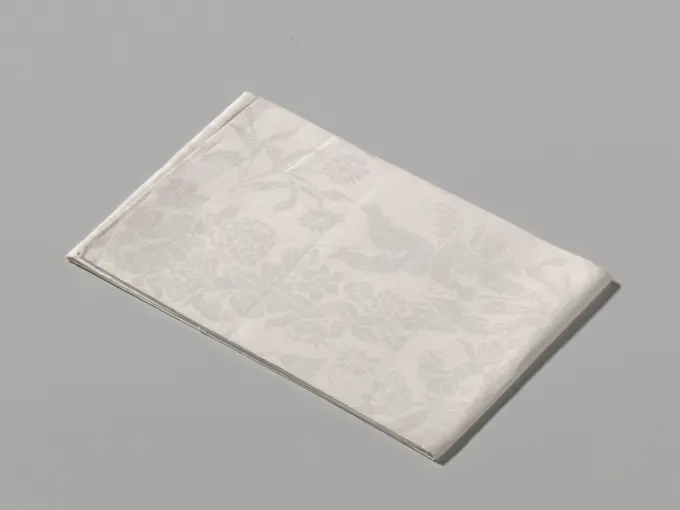
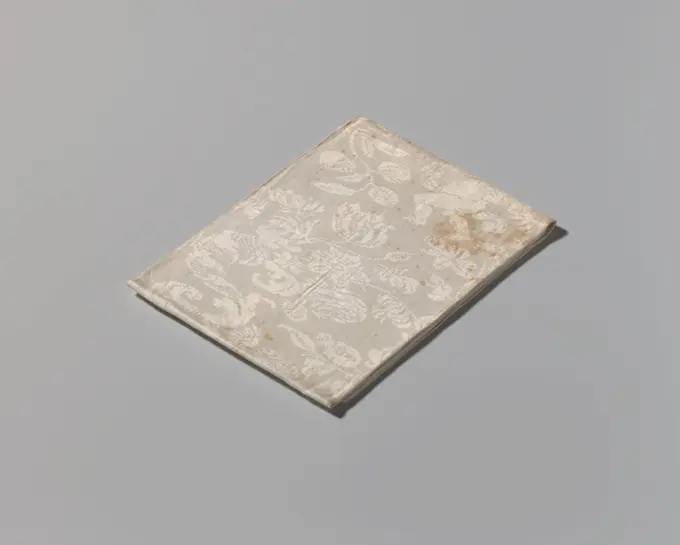
Napkin with flower bouquets, anonymous, c. 1700 - c. 1899 Linnamast napkin with flower bouquets. Midfield: flower pattern of staggered rows with two types of flower bouquets. Standing and lying edges: a flower garland, the corners a flower bouquet. Scissors (possibly) linen (material) damask Linnamast napkin with flower bouquets. Midfield: flower pattern of staggered rows with two types of flower bouquets. Standing and lying edges: a flower garland, the corners a flower bouquet. Scissors (possibly) linen (material) damask
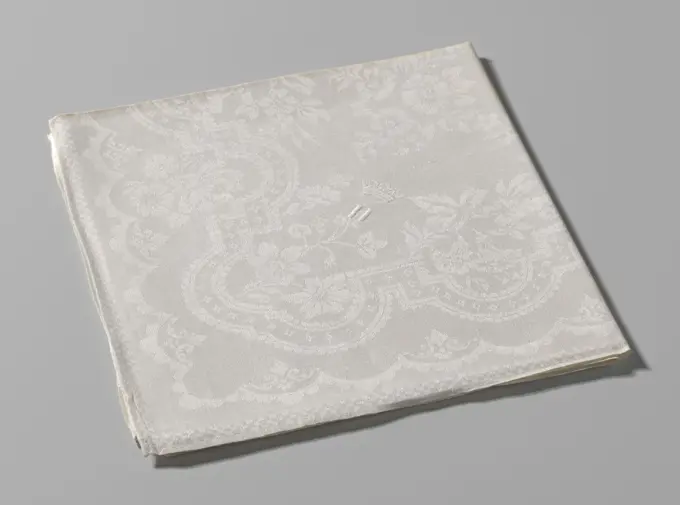
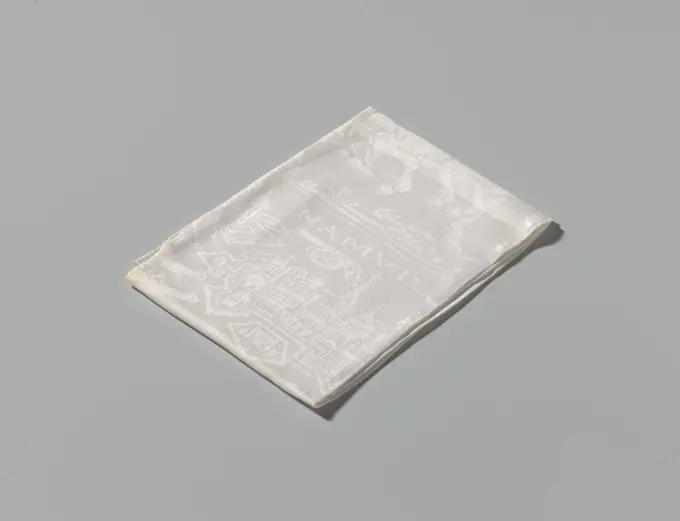
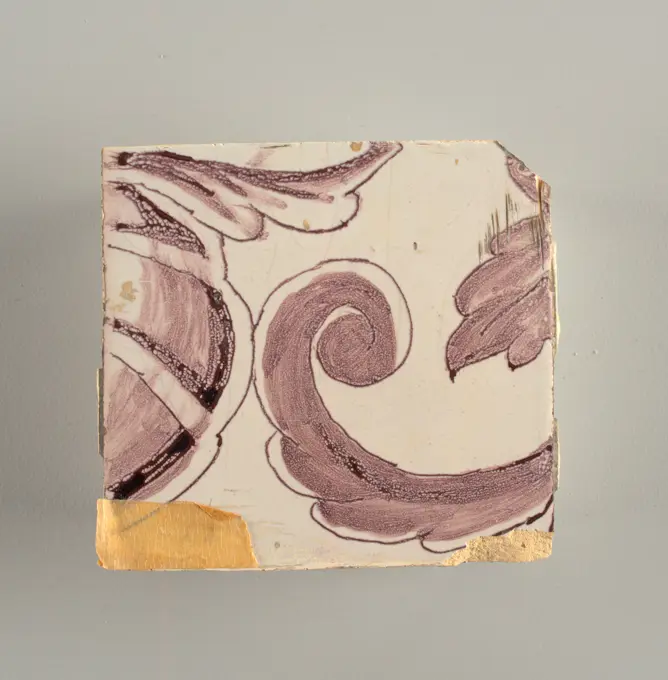
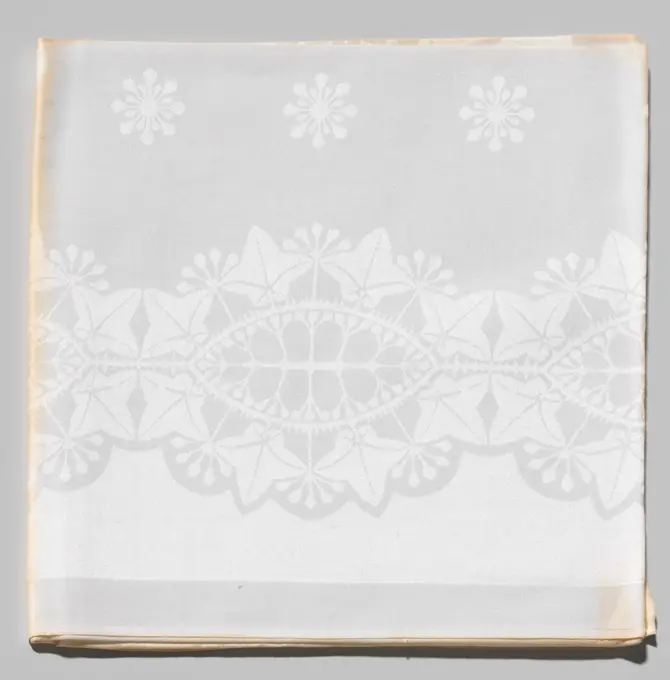
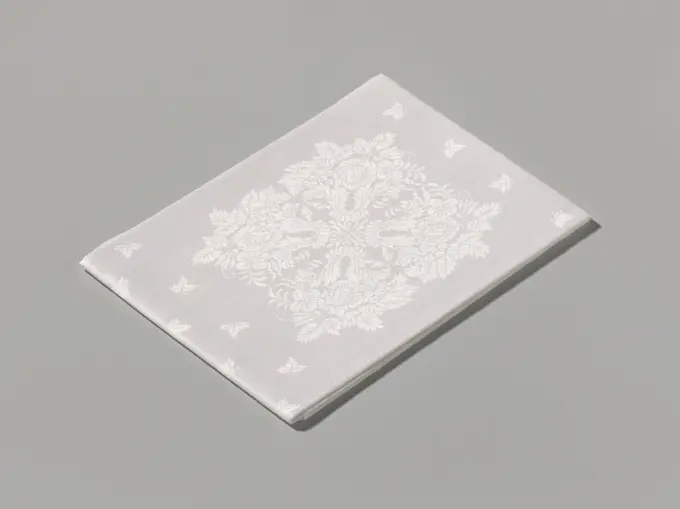
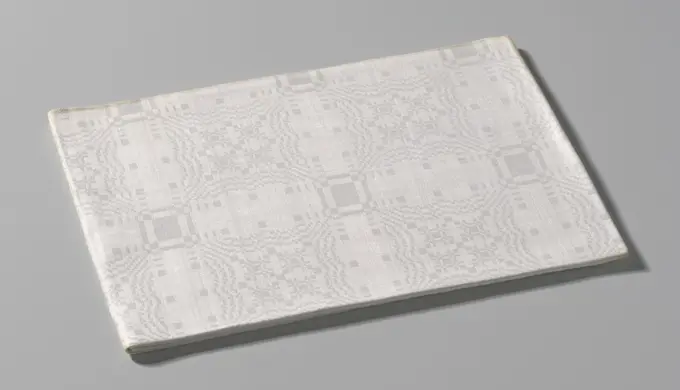
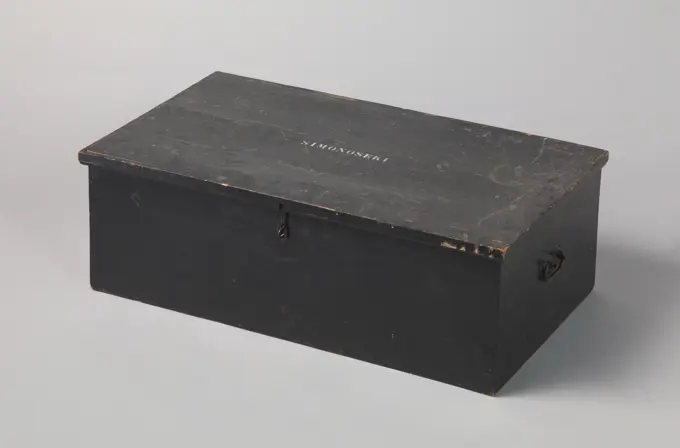
Napkin from white Linnamast with the linked weapons von Inn-und Kniphausen and Van Ewsum, Anonymous, c. 1665 - c. 1670 Napkin from White Linnamast with flower pattern around the linked weapons von Inn-und Kniphausen and Van Ewsum. Marked: Kroon le 17. Northern Netherlands linen (material) damask Napkin from White Linnamast with flower pattern around the linked weapons von Inn-und Kniphausen and Van Ewsum. Marked: Kroon le 17. Northern Netherlands linen (material) damaskNapkin van Wit Linnamast, S.J. Spaniard, 1859 White linen damask napkin with "floral window", brand Kroon H and 24. Borne linen (material) damask White linen damask napkin with "floral window", brand Kroon H and 24. Borne linen (material) damaskNapkin with flower bouquets, anonymous, c. 1700 - c. 1899 Linnamast napkin with flower bouquets. Midfield: flower pattern of staggered rows with two types of flower bouquets. Standing and lying edges: a flower garland, the corners a flower bouquet. Scissors (possibly) linen (material) damask Linnamast napkin with flower bouquets. Midfield: flower pattern of staggered rows with two types of flower bouquets. Standing and lying edges: a flower garland, the corners a flower bouquet. Scissors (possibly) linen (material) damaskWall Facing (Netherlands); tin-glazed earthenware, underglaze; 5 tiles tall, various wideWall Facing (Netherlands); tin-glazed earthenware, underglaze; 5 tiles tall, various wideIntermediate installation of cream -white machine side with pattern of continuous floral motifs, on cardboard, c. 1925 Intermediate installation of cream -white machine side with pattern of continuous floral motifs, on cardboard. Nijmegen cardboard Intermediate installation of cream -white machine side with pattern of continuous floral motifs, on cardboard. Nijmegen cardboardNapkin from white Linnamast with pattern of putti with decorative trusses and monogram in the corners, c. 1665 - c. 1675 Napkin from white Linnamast with pattern of putti with decorative trusses and monograms in the corners. Flanders (Possible) Holland (Possible) linen (material) damask Napkin from white Linnamast with pattern of putti with decorative trusses and monograms in the corners. Flanders (Possible) Holland (Possible) linen (material) damaskTile Wall Facing (Netherlands); tin-glazed earthenware, underglazeNapkin of linen with peel pattern ,, 1734 Napkin of white linen with peel pattern "Oranjeboom", brand WG 60 1734. Northern Netherlands (Possible) linen (material) Napkin of white linen with peel pattern "Oranjeboom", brand WG 60 1734. Northern Netherlands (Possible) linen (material)Napkin from white Linnamast ,, 1695 White Linen Damas napkin with the conquest of names and the interwing "NAMVR", marked ICVDL 12. Flanders linen (material) damask White Linen Damas napkin with the conquest of names and the interwing "NAMVR", marked ICVDL 12. Flanders linen (material) damaskWall Facing (Holland); tin-glazed earthenware, underglazeNapkin with Naal, Quirijn Jansz. Damast, c. 1620 Napkin from Linnamast with Naal. Midfield: The symmetrical pattern shows three scenes from bottom to top: 1 sheep shaver, ram and basket for the wool. 2 Naball at the seat dismissing, and group of four men in short puff pants (only the front, from the rear three only the heads visibly) in bent position sedented; The word Naal doubled in mirror image. 3 Camel with a rider and packed donkey. As a filling between the scenes: trees, bushes and smaller cattle. Standing edges Symmetrical pointed bow benches filled with birds and flowers. Around a block edge. Zoom: Open Zoom. Haarlem linen (material) damask Napkin from Linnamast with Naal. Midfield: The symmetrical pattern shows three scenes from bottom to top: 1 sheep shaver, ram and basket for the wool. 2 Naball at the seat dismissing, and group of four men in short puff pants (only the front, from the rear three only the heads visibly) in bent position sedented; The word Naal doubled in mirrWall facing, Tin-glazed earthenware, underglaze, Horizontal rectangle. Thirty-seven tiles wide and twenty-one high with opening for door or window nineteen and one-half tiles high and twelve wide. To left and right of opening, centered canopy above. Left, woman representing Hope, right, a sculputure urn. Centered above opening, a mascaron. Arabesque design of foliage., Possibly Delft, Netherlands, Possibly Rotterdam, Holland, ca. 1725, tiles, Decorative Arts, Wall facingWall facing, Tin-glazed earthenware, underglaze, Horizontal rectangle. Thirty-seven tiles wide and twenty-one high with opening for door or window nineteen and one-half tiles high and twelve wide. To left and right of opening, centered canopy above. Left, woman representing Hope, right, a sculputure urn. Centered above opening, a mascaron. Arabesque design of foliage., Possibly Delft, Netherlands, Possibly Rotterdam, Holland, ca. 1725, tiles, Decorative Arts, Wall facingWall Facing (Holland); tin-glazed earthenware, underglaze; 5 tiles tall, various wideTile Wall Facing (Netherlands); tin-glazed earthenware, underglazeTowel from Pellendamast ,, c. 1700 - c. 1800 Pellendamast towel. Solid lanes with small squares along the sides, cross each other. Large squares at the intersections. The spaces between the intersections are filled with lines and blocks. The edges are striped. The towel is part of two towels (BK-1977-355-A to BK-1977-355-C). Northern Netherlands (Possible) linen (material) Pellendamast towel. Solid lanes with small squares along the sides, cross each other. Large squares at the intersections. The spaces between the intersections are filled with lines and blocks. The edges are striped. The towel is part of two towels (BK-1977-355-A to BK-1977-355-C). Northern Netherlands (Possible) linen (material)Tile wall facing, Tin-glazed earthenware, underglaze, Horizontal rectangle. Thirty tiles wide and twenty-three tiles high with opening for fireplace eleven tiles wide and ten high. Foliage arabesques disposed about three vertical axes from which are emphazised by urns at center and right, and at left by the figure of a standing woman carrying an infant on her arm and accompanied by two children., Possibly Rotterdam, Holland, Possibly Delft, Netherlands, ca. 1725, tiles, Decorative Arts, Tile wall facingWall Facing (Netherlands); tin-glazed earthenware, underglaze; 5 tiles tall, various wideFragment silk, moiré, in light gray and silver ,, 1700 - 1800 Fragment silk, moiré. Gros de Tours with a shots of silver lamé wire between each rib. Neg and attachment without silver thread. Pattern: incomplete, so that a symmetry in the pressed, ganged pattern can only be suspected. France (possibly) silk. Fragment silk, moiré. Gros de Tours with a shots of silver lamé wire between each rib. Neg and attachment without silver thread. Pattern: incomplete, so that a symmetry in the pressed, ganged pattern can only be suspected. France (possibly) silk.Wall facing, tin-glazed earthenware, underglaze, Running design for a frieze or a dado, composed of scrolls of foliage and strapwork, and four repeating motifs--a seated woman in a small upright oval medallion, a putto seated on a rocailled base, and strapwork in axial pattern. The various panels, A to F, show various repeats of the same design, all being five tiles high and a varying number of tiles wide., Possibly Rotterdam, Holland, Possibly Delft, Netherlands, ca. 1725, tiles, Decorative Arts, Wall facingNapkin from white Linnamast ,, 1919 White linen dams napkin with the peace of Versailles. Netherlands (possibly) linen (material) damask White linen dams napkin with the peace of Versailles. Netherlands (possibly) linen (material) damaskTablecloth with peel pattern, anonymous, c. 1400 - c. 1950 Tablecloth from white Linnamast with peel pattern, brand is. Northern Netherlands (Possible) linen (material) Tablecloth from white Linnamast with peel pattern, brand is. Northern Netherlands (Possible) linen (material)Wall Facing (Netherlands); tin-glazed earthenware, underglaze; 5 tiles tall, various wideTablecloth, c. 1650 - c. 1699 White linen tablecloth with a peel pattern in twill and edges all around, brand Ig 4. Netherlands (possibly) linen (material) White linen tablecloth with a peel pattern in twill and edges all around, brand Ig 4. Netherlands (possibly) linen (material)Tablecloth from Linnamast with a flower pattern and fruits, anonymous, c. 1800 - c. 1900 Tablecloth from Linnamast with a neo-Rococo dessin with fruits and flowers.  linen (material) damask Tablecloth from Linnamast with a neo-Rococo dessin with fruits and flowers.  linen (material) damaskPhoto album with photos of the house of the Van den Berg family on Keizersgracht and of Amsterdam by Frank Willem van den Berg, Frank Willem van den Berg (1912-1998), 1931 - 1934 scrapbook Scrapbook with 209 photos and 33 photomechanical prints, spread over 48 pages. In addition, there are also photos on the intermediate blades and stuck to the inside sides of the front and back slat. In addition, the album contains four separate photos, three handwritten sheets and a typed letter. The photos were largely taken by Frank Willem van den Berg, but supplemented with photos of anonymous photographers and aerial photos of the KLM photo service. The album was compiled in the years 1931-1934, but also contains a three panorama photos of circa 1890. You can see the house of the Van den Berg family on Keizersgracht 806-808 and further the city of Amsterdam, with a lot of attention for the new neighborhoods in Amsterdam South. All pages contain handwritten captions. Amsterdam cardboard. paper. baWhite machine side, Gustav Schnitzler, c. 1920 White machining side. Nijmegen (possibly)Belgium (possibly) cardboard White machining side. Nijmegen (possibly)Belgium (possibly) cardboardNapkin with flower pattern and grid, anonymous, c. 1700 - c. 1749 Linnamast napkin with flower pattern and grid. On a rush -hour field, over the full width, there is a console () With gridwork, from which a symmetrical bouquet sprouts, consisting of a pineapple -shaped flower, a leaf vank and a leaf rosette on which three roses. The field is limited by a wide band with network filling and edge of leaf vine and some flowers. In the Zwikken, among others, carnations. Double standing edges: the inner with gridfond and running volute vend, the outer with lace debt; Outside of that: blocking edge. Southern Netherlands (possibly) linen (material) damask Linnamast napkin with flower pattern and grid. On a rush -hour field, over the full width, there is a console () With gridwork, from which a symmetrical bouquet sprouts, consisting of a pineapple -shaped flower, a leaf vank and a leaf rosette on which three roses. The field is limited by a wide band with network filling and edge of leaf vine Fragment zijdesatijn.Fragment blue silk with pattern in yellow from rosettes formed by leafwork connected by winding leaf raft. Pattern is signed.Tablecloth ,, 1725 - 1730 White Linnamaster tablecloth with a so-called side pattern, brand Kroon IAVG 1. Northern Netherlands (Possible) linen (material) damask White Linnamaster tablecloth with a so-called side pattern, brand Kroon IAVG 1. Northern Netherlands (Possible) linen (material) damaskAbstract composition, 1919    wood (plant material)Wall Facing (Holland); tin-glazed earthenware, underglazeWall Facing (Holland); tin-glazed earthenware, underglazeNapkin from white Linnamast ,, 1692 - 1700 White Linnamasten napkin with pattern of volutes, brand is 24. Northern Netherlands (Possible) linen (material) damask White Linnamasten napkin with pattern of volutes, brand is 24. Northern Netherlands (Possible) linen (material) damaskTile Wall Facing (Netherlands); tin-glazed earthenware, underglazeNapkin from white Linnamast, 1859 White linen dams napkin with a performance of the Last Supper. Borne linen (material) damask White linen dams napkin with a performance of the Last Supper. Borne linen (material) damaskWall Facing (Holland); tin-glazed earthenware, underglazeGlass Fragment 15th century French. Glass Fragment. French. 15th century. Colorless glass. Glass-StainedNapkin with fish and shellfish, anonymous, c. 1600 - c. 1649 Linnamast napkin with fish and shellfish. Midfield: Various fish. Standing edges: fishing and fishing. Lying edges: sea gods. Hoek: Krab. Haarlem linen (material) damask Linnamast napkin with fish and shellfish. Midfield: Various fish. Standing edges: fishing and fishing. Lying edges: sea gods. Hoek: Krab. Haarlem linen (material) damaskLinnamast napkin with ivy, Chris Lebeau, c. 1904 Linnamast's napkin with ivy: Motif Klimop, Dessin No. 513. The napkin belongs to eleven napkins (BK-1979-262-A to BK-1979-262-L) and two tablecloths (BK-1979-261-A and BK-1979-261-B). Eindhoven linen (material) damask Linnamast's napkin with ivy: Motif Klimop, Dessin No. 513. The napkin belongs to eleven napkins (BK-1979-262-A to BK-1979-262-L) and two tablecloths (BK-1979-261-A and BK-1979-261-B). Eindhoven linen (material) damaskNapkin with herme, god and lions in the midst of acanthus leaves, anonymous, c. 1850 - c. 1899 Linnamast napkin with Herme, God, Lions in the midst of Acanthus leaves. Midfield: four passenger flower bouquets with rose and scattered leaf work. In the non -border four passes, the bouquets of overhoeks placed on two acanthus fillets. Corners: Overhoeks placed a Herme with midas head (or donkey head), With musical instruments and thyrsus bars. Left and right a wandering lion, held in check by a winged young god (Apollo) Dressed in Draperie. Edges: Without a dividing line, the field is surrounded by a wide edge of symmetrical acanthus drinks. In turn, the deeply incised, feathered leaf voltues wear a fruit and flower basket, or they are in two twisted spiral shapes that end in a ram mask, above two flower branches and a pineal. North Brabant linen (material) damask Linnamast napkin with Herme, God, Lions in the midst of Acanthus leaves. Midfield: four passenger flower bouquets with rose anLinnamast napkin with butterflies, Chris Lebeau, c. 1904 Linnamast napkin with butterflies: Butterfly Motif, Dessin No. 505. The napkin belongs to twelve napkins (BK-1979-259-A to BK-1979-259-M), twelve finger cloths (BK-1979-260-A T/m BK-1979-260-L) and two tablecloths (BK-1979-258-A and BK-1979-258-B). Eindhoven linen (material) damask Linnamast napkin with butterflies: Butterfly Motif, Dessin No. 505. The napkin belongs to twelve napkins (BK-1979-259-A to BK-1979-259-M), twelve finger cloths (BK-1979-260-A T/m BK-1979-260-L) and two tablecloths (BK-1979-258-A and BK-1979-258-B). Eindhoven linen (material) damaskWall Facing (Holland); tin-glazed earthenware, underglaze; 5 tiles tall, various wideWall facing, Tin-glazed earthenware, underglaze, Horizontal rectangle. Thirty-seven tiles wide and twenty-one high with opening for door or window nineteen and one-half tiles high and twelve wide. To left and right of opening, centered canopy above. Left, woman representing Hope, right, a sculputure urn. Centered above opening, a mascaron. Arabesque design of foliage., Possibly Delft, Netherlands, Possibly Rotterdam, Holland, ca. 1725, tiles, Decorative Arts, Wall facingWall Facing (Holland); tin-glazed earthenware, underglazeJean Carriès (1855-1894). "Floor covering, pilaster fragment". Museum of Fine Arts of the City of Paris, Petit Palais. 24202-8 Ceramic, fragment, pilaster, reverse, soilChest with composite metals, John Brown & Co Ltd, 1850 - 1900 chest. sample Box with composite metals, intended as a sample for armored plates. Equipped with inscription in gold letters. Sheffield wood (plant material). metal  industrial processes, handling of materials (+ base metals ~ crafts, industries, agriculture) SheffieldFragment pink silk droguet, anonymous, c. 1740 - c. 1760 A fragment pink silk tissue with a pattern of feather batteries that form a network of diamond -shaped medallions in which a flower branch. Germany silk A fragment pink silk tissue with a pattern of feather batteries that form a network of diamond -shaped medallions in which a flower branch. Germany silkNapkin van Linen with peel pattern ,, 1725 - 1775 White linen napkin with peel pattern, brand IB HW Northern Netherlands (Possible) linen (material) White linen napkin with peel pattern, brand IB HW Northern Netherlands (Possible) linen (material)Band for the New Testament and the Psalms. The New Testament and the Psalms from 1854, tied in a solid band with old silver locks, corners and rings. On the locks driven Abraham's sacrifice and the three angels at Abraham. The proclamation and birth. The circumcision and the assignment in the temple. On the corners: love with the law, twice; faith with the cross, twice; The innocence with a pigeon, twice; The confidence or power with a column twice. On the seizure that the rings: hope with the anchor; The innocence () With the lamb. On one of the lips of the jh. Ooamish (from later time).Vinaigrette 1811-1822 Birmingham. Silver and silver gilt .Sketchbook with 52 magazines, Willem Hendrik Schmidt, 1819 - 1849  Sketchbook consisting of 52 magazines with composition studies, architecture, furniture, figures, genre performances and copies to portraits of kings, queens and church reformers.  paper. ink. watercolor (paint). pencil. chalk. boekband: cardboard. boekband: leather pen / brush historical persons (portraits and scenes from the life). interior of the house. architecture. furniture and household effectsEmpty wooden cutting board on gray textured concrete background Empty wooden cutting board on gray textured concrete background. Cutlery, preparation for dinner Copyright: xZoonar.com/TetianaxChernykovax 21909353Wall Facing (Holland); tin-glazed earthenware, underglazeStencil 19th century Japan. Stencil. Japan. 19th century. Paper, silk. StencilsPiece of white mesh in the form of a letter J, which serves to decorate the pillow on the front door knocker, which dampens the sound during the maternity period., Anonymous, 1600 - 1950   .   .Wall Facing (Holland); tin-glazed earthenware, underglazeOval leaf, c. 1780 - c. 1820 Oval leaf with a raised edge, possibly a tray. Lacquer, decorated with a border of flower and leaf work around a square cartouche with a cityscape. Japan gilding (material). lacquer (coating) gilding Oval leaf with a raised edge, possibly a tray. Lacquer, decorated with a border of flower and leaf work around a square cartouche with a cityscape. Japan gilding (material). lacquer (coating) gildingKyōsai Drunken Pictures (Vol. 1), 1882, Kawanabe Kyōsai, Japanese, 1831 - 1889, 7 5/16 × 4 7/8 × 3/8 in. (18.57 × 12.38 × 0.95 cm), Woodblock printed book; ink on paper, Japan, 19th centuryPaperLinen napkin with pellet pattern ,, 1790 White Linnamasten napkin with peel pattern, Brand Kroon SW 35 EN 1790. Northern Netherlands (Possible) linen (material) White Linnamasten napkin with peel pattern, Brand Kroon SW 35 EN 1790. Northern Netherlands (Possible) linen (material)blackboard used for advertisement advertisingPanel, Glass, Blue. Amid scrolled foliations, a sparrow rides on outspread wing., USA, ca. 1880, glasswares, Decorative Arts, PanelLadedoos for tokens in the form of a leather -bound book, Anonymous, 1650 - 1700 Ladedoos for tokens in the form of a leather -bound book. Due to a slider that can be pulled away from the underside on the back, the interior space opens, in which six lines with depth of the location for the tokens. The book is gilded on cut with polychrome floral motifs decorated at the top and side. The beard is in red Maracher with gilded petits-pen decoration on both sides and on the back in the lines of Magnus.  leather. gilding (material) gilding Ladedoos for tokens in the form of a leather -bound book. Due to a slider that can be pulled away from the underside on the back, the interior space opens, in which six lines with depth of the location for the tokens. The book is gilded on cut with polychrome floral motifs decorated at the top and side. The beard is in red Maracher with gilded petits-pen decoration on both sides and on the back in the lines of Magnus.  leather. gilding (material) gildingwooden frame isolated on white background Empty wooden cutting board on dark concrete background Empty wooden cutting board on dark concrete background. Preparing the kitchen table for cooking at home Copyright: xZoonar.com/TetianaxChernykovax 21345326Workpiece for diploma beautiful crafts, Geesje Smid, c. 1890 - c. 1900 Piece of batist with clock flower in plumetis embroidery. Netherlands  embroidering Piece of batist with clock flower in plumetis embroidery. Netherlands  embroideringWall Facing (Holland); tin-glazed earthenware, underglazeTegel. .Epitaph Tablet for Mok Seoheum (1571-1652), from a Set of 11 Korean. Epitaph Tablet for Mok Seoheum (1571-1652), from a Set of 11, ca. 1652. Porcelain with underglaze, 10 1/16 × 7 1/2 in. (25.5 × 19 cm).   Asian Art ca. 1652Black leather book band mounted with silver, at the front in the middle a silver cartouche with coat of arms without a weapon, anonymous, c. 1600 Black leather book band mounted with silver, at the front in the middle a silver cartouche with coat of arms without a weapon. The same cartouche at the rear, in which engraved a man and a woman, giving each other hand. Costume from around 1600. The four corners of each leaf decorated with an angel's head in Cartouche. The two ditches are connected to the blades, also by engraved pictures in a cartouch form. One of the pictures is damaged and broken. The back is broken in the middle, as a result of the insertion of a Bible from 1777, which turned out to be too thick. This has been removed from it.  leather. silver (metal) Black leather book band mounted with silver, at the front in the middle a silver cartouche with coat of arms without a weapon. The same cartouche at the rear, in which engraved a man and a woman, giving each other hand. CostCapitel of the vault service  presbytery, Basilica Assumption of the Virgin Mary (Mariacki), KrakówPanel 13th-14th century. Panel 445043Temptation of St. Anthony Matchsafe; silver; 5 x 3.3 x 1 cm (1 15/16 x 1 5/16 x 3/8 in. )Panel, Glass, Light green. A regularly disposed pattern of intertwined blackberry fruit, leaves, and stems., USA, ca. 1880, glasswares, Decorative Arts, PanelTile 1894-1911 Grueby Faience Company. Tile. American. 1894-1911. Probably earthenware. Made in Boston, Massachusetts, United StatesHearing stone with representation of two climbing lions, c. 1875 - c. 1900 Hearing stone with representation of two climbing lions, placed in profiled window. The half windows at the top and bottom are filled with star motif. Netherlands earthenware Hearing stone with representation of two climbing lions, placed in profiled window. The half windows at the top and bottom are filled with star motif. Netherlands earthenwareWall Facing (Holland); tin-glazed earthenware, underglazeWall Facing (Holland); tin-glazed earthenware, underglazeTerracotta fragment of a kylix (drinking cup) 480-470 B.C. Attributed to the Boot Painter Interior, part of head and lower legs of a helmeted warrior with greaves, with a round shield, spear, and drapery; part of an inscription, KALOS; Exterior, part of a round shield, seen from the inside; helmeted warrior wearing a chitoniskos holding a round shield in his left hand and a spear in his right; left arm, hand, and feet of a Scythian archer to left; greaved leg of a warrior to left. Terracotta fragment of a kylix (drinking cup). Greek, Attic. 480-470 B.C.. Terracotta; red-figure. Early Classical. VasesHearing stone with representation of two climbing lions, c. 1875 - c. 1900 Hearing stone with representation of two climbing lions, placed in profiled window. The half windows at the top and bottom are filled with star motif. Netherlands earthenware Hearing stone with representation of two climbing lions, placed in profiled window. The half windows at the top and bottom are filled with star motif. Netherlands earthenwareNapkin with putti, horns of abundance, fruits, flowers and a flower basket, anonymous, c. 1700 - c. 1799 Linnamast napkin with representations of putti, horns of abundance, fruits, flowers and a flower basket. While there are three axles of symmetry, the pattern in the middle is completely, but a report has been halved in addition to the outer axes. There are three groups of two putti each. 1 A few awarded winged and leaned draperie flopped Putti floating next to a dragonfly on the center line. They hold a volute -shaped end of a portered horn in the outer hand, including a grenade, melon (and for the matching napkins grapes and hazelnuts), in the other hand they hold a standing horn with a rose, tigerlily, one bee next to it , and a big tulip. 2. A few pending and back -bending puti hold such a horn with a large pomegranate, a cherry branch and a currant branch on their two hands raised. 3 a few floating putti with an insect at their feet, wear a flat basket on the ears; In the middleBuckle with maple branch, Williams Ltd., 1902 - 1903 Silver buckle decorated with a maple branch. Birmingham silver (metal) Silver buckle decorated with a maple branch. Birmingham silver (metal)Fragment of Dish 14th century. Fragment of Dish 446516Wall Facing (Holland); tin-glazed earthenware, underglazeNatural handmade soap on a white, isolated background. Top view, close-up. Concept of beauty and body care. Natural handmade soap on a white, isolated backgroundPrinting block - No Title John Henry Walker (1831-1899)Kant, anonymous, c. 1900 photograph  France paper. cyanotype laceCube -shaped list of five photos of an unknown woman, a child, cars and a bell, 1967 photomechanical print. frame  France Plexiglas (TM). cardboard  adult woman. automobile. church bellBorder tile, garland, with six-leaf flower, border tile wall tile tile sculpture ceramic earthenware glaze, baked 2x glazed painted Light blue tile yellow potteryRoll with dark brown silk satin ribbon, c. 1925 Roll with dark brown silk satin ribbon. Nijmegenmaker: France silk. cardboard Roll with dark brown silk satin ribbon. Nijmegenmaker: France silk. cardboardMedal (reverse). Jules Prosper Legastelois (French, 1855-1931). Bronze; overall: 4.8 x 4.8 cm (1 7/8 x 1 7/8 in.).Balzac, Honoré de (N.1799-05-20-D.1850-08-18), Parisian Review (Paris), n ° 3: September 25, 1840, 1840. Maison de Balzac.Relief, filling jars with wine. Dimensions: h. 59.4 cm (23 3/8 in); w. 145.4 cm (57 1/4 in). Dynasty: Dynasty 12, early. Date: ca. 1981-1950 B.C.. Museum: Metropolitan Museum of Art, New York, USA.Printable wall art vector poste. Hand drawn minimalism design for scandinavian interior.. Printable wall art vector posteWall Facing (Netherlands); tin-glazed earthenware, underglazeTile; tin-enamelled earthenwareWooden fragment, from Huis de Voorst, Anonymous, c. 1700 Wooden fragment, decorated with cutting. The fragment has a fanning motif in the middle, made up of opposite S-Voluten, held together from below by a fruit motif; From this sprouts to the left and right lush leaf vines. Northern Netherlands wood (plant material). stain (coating). linden   House De Voorst Wooden fragment, decorated with cutting. The fragment has a fanning motif in the middle, made up of opposite S-Voluten, held together from below by a fruit motif; From this sprouts to the left and right lush leaf vines. Northern Netherlands wood (plant material). stain (coating). linden   House De VoorstKist Association "The Metal Cross", Anonymous, 1850 - 1853 Kist in which objects Metal Cross and Simonoseki have been preserved. Rods on the sides. Simonoseki is on lid with template letters. On the inside of the lid with pencil: silk flags metal cross simonoseki. Album Huldebulent from residents of The Hague offered to J.W. The Casembroot February 1865. Northern NetherlandsNetherlands wood (plant material). beslag: iron (metal)   Shimonoseki, Street of Kist in which objects Metal Cross and Simonoseki have been preserved. Rods on the sides. Simonoseki is on lid with template letters. On the inside of the lid with pencil: silk flags metal cross simonoseki. Album Huldebulent from residents of The Hague offered to J.W. The Casembroot February 1865. Northern NetherlandsNetherlands wood (plant material). beslag: iron (metal)   Shimonoseki, Street of