Decorative Metal Artifacts

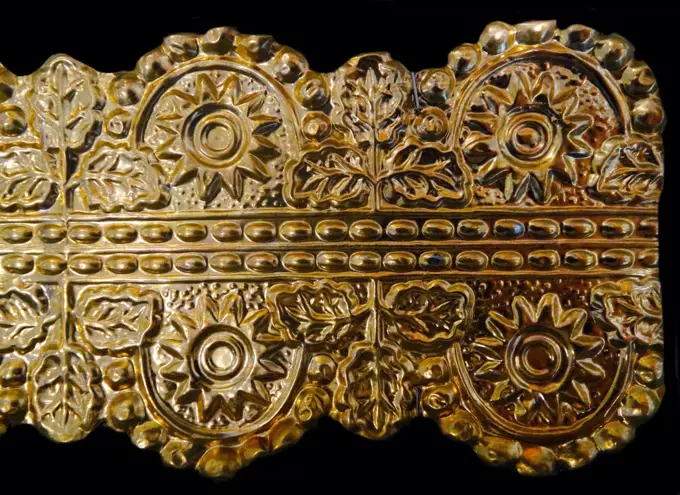
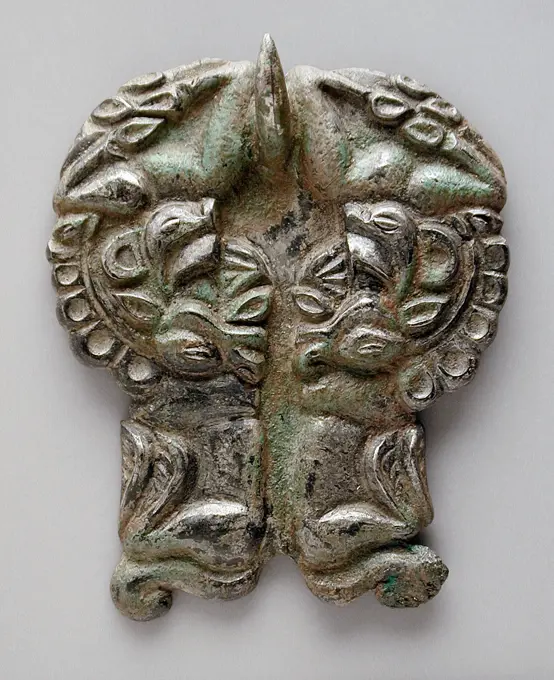
An assortment of elaborately designed metal artifacts such as mirrors, clasps, and plates, featuring intricate patterns and historical significance.
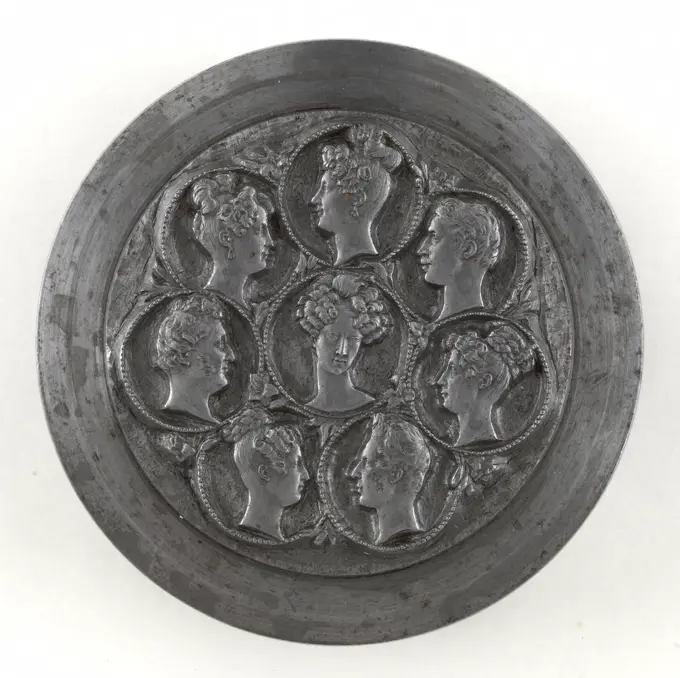
Rod. "Medal matrix. The Orleans family". Metal, steel, 19th century. Museum of Fine Arts of the City of Paris, Petit Palais. 57559-6 Steel, Averse, Bourbon, Orleans family, matrix, medal, metal, numismatics, profile, portrait, queen, king France, 19th century
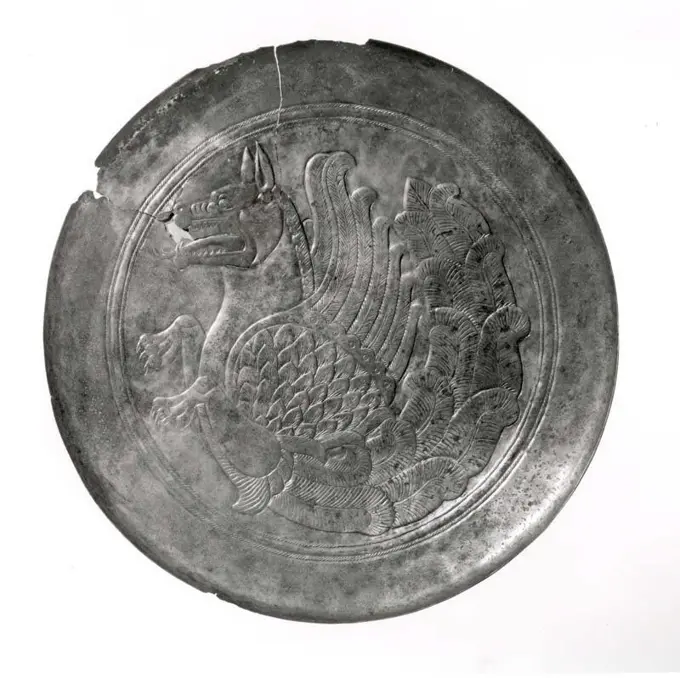
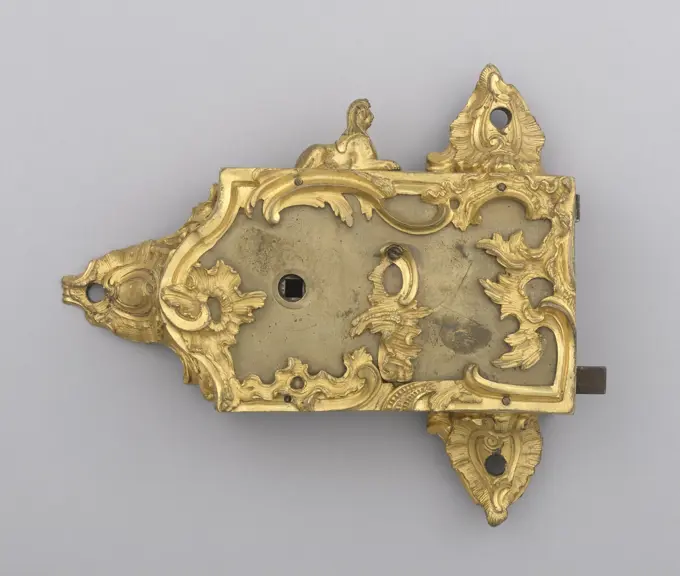
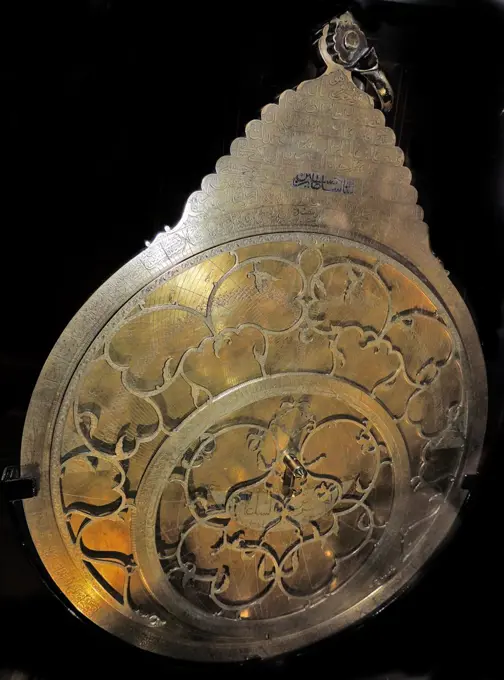
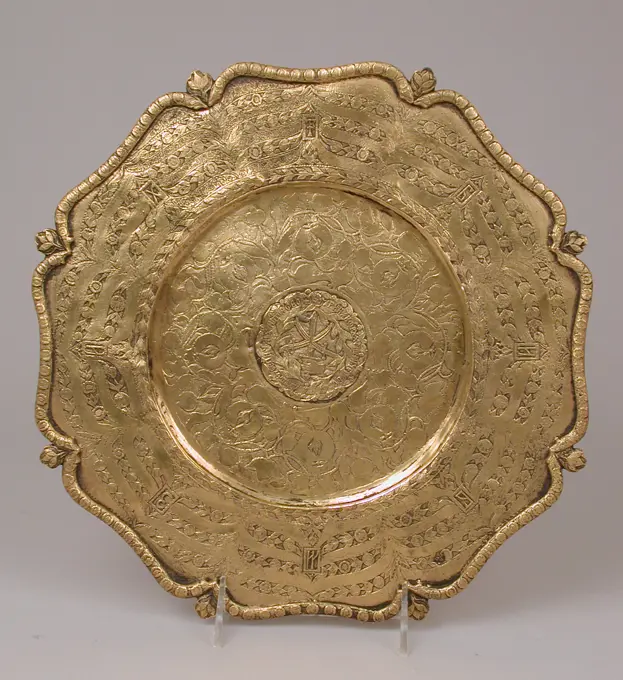
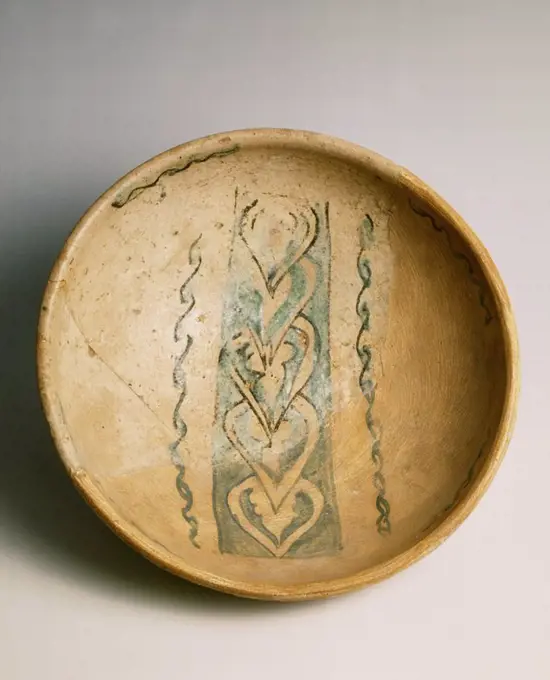
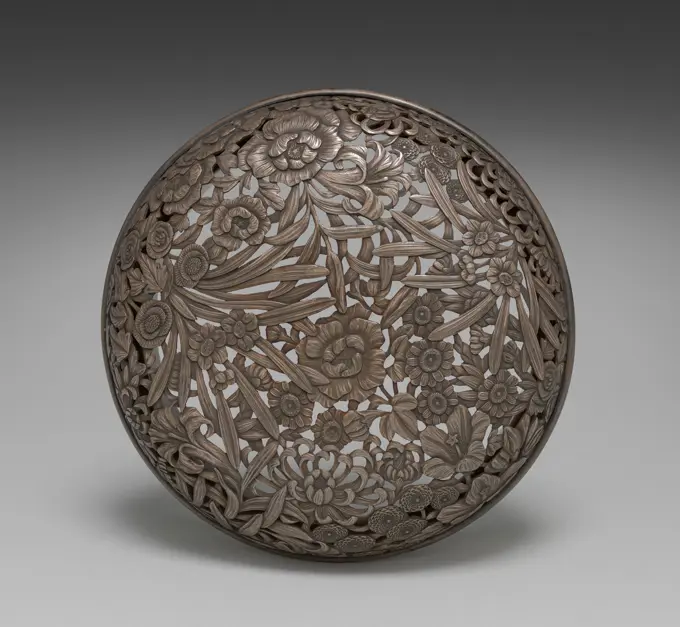
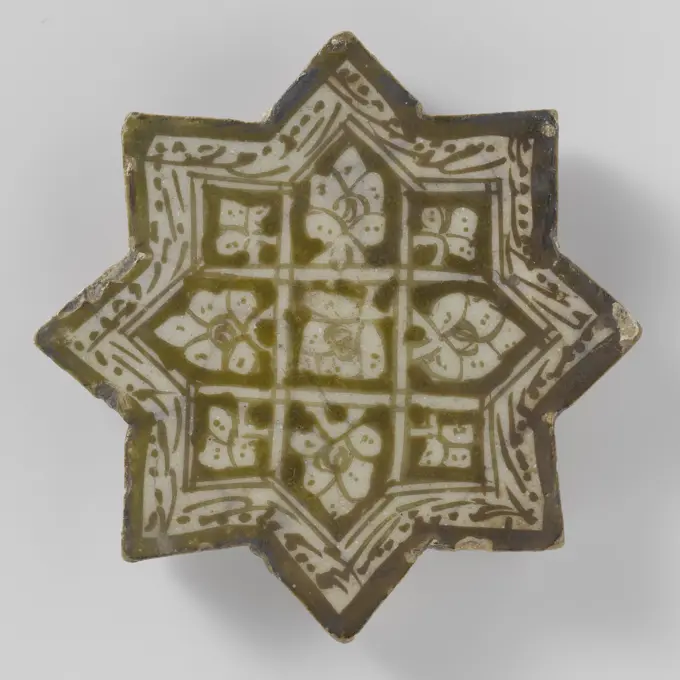
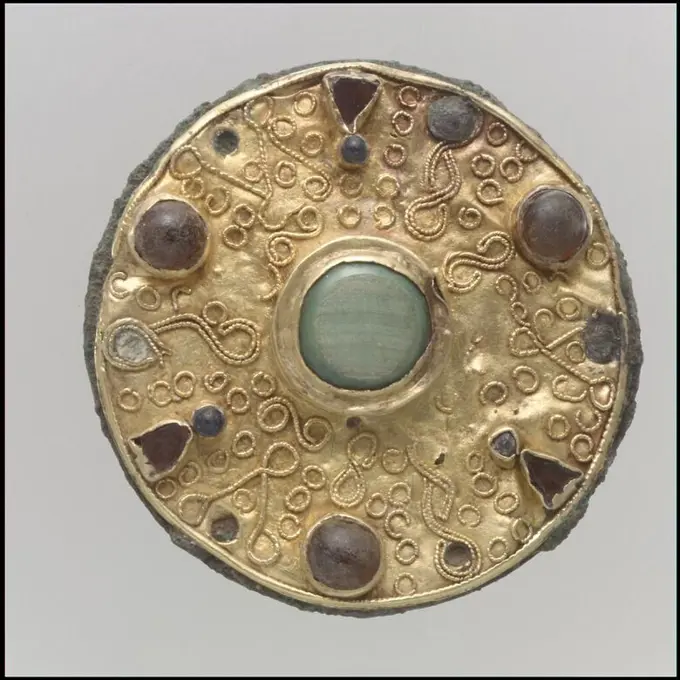
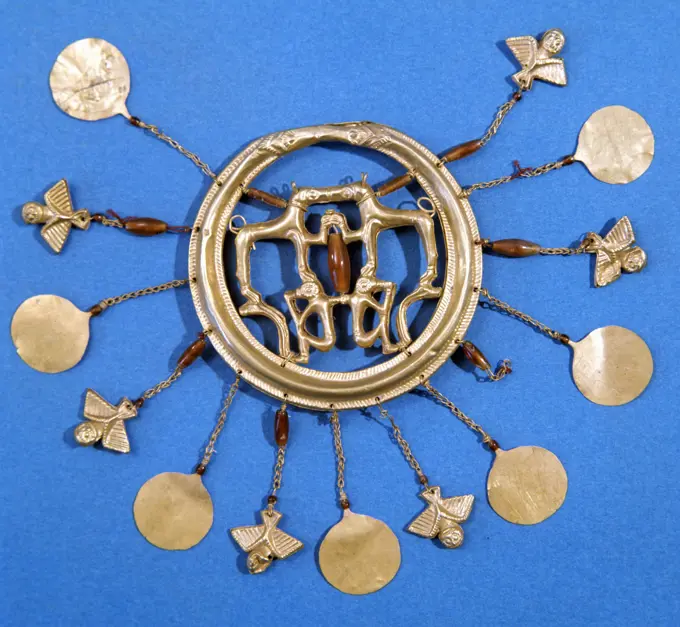
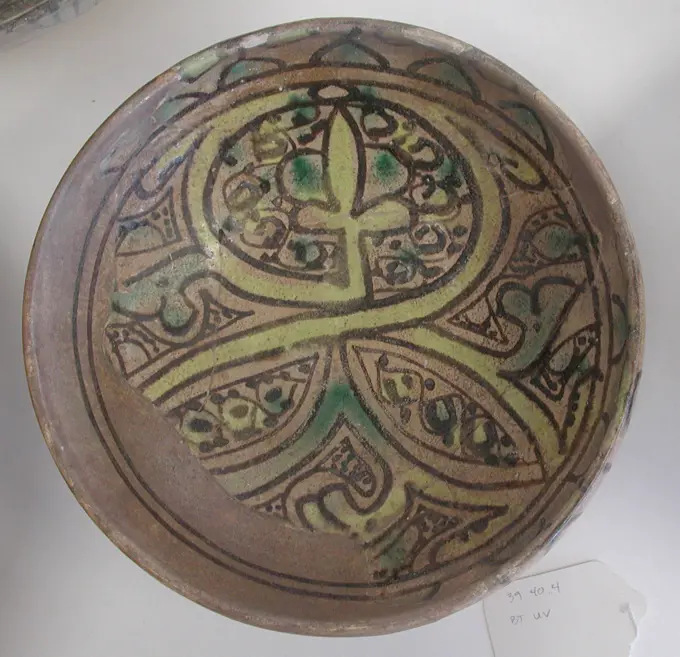
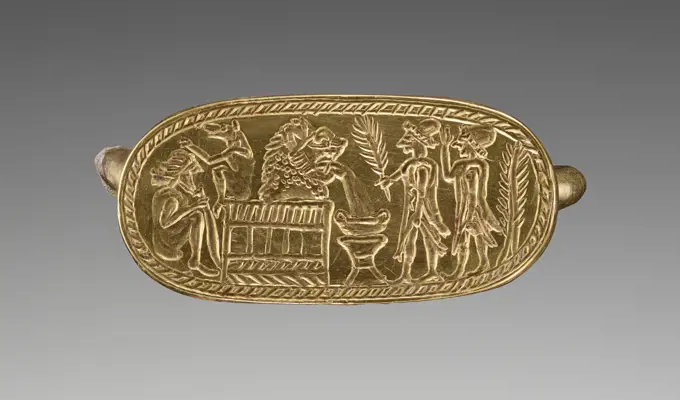
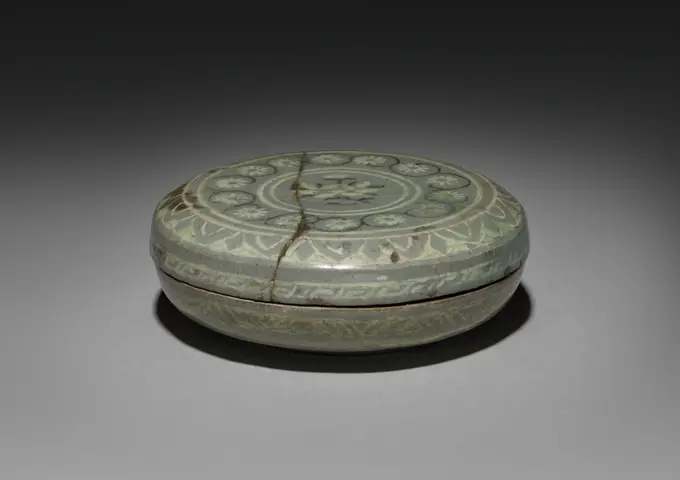
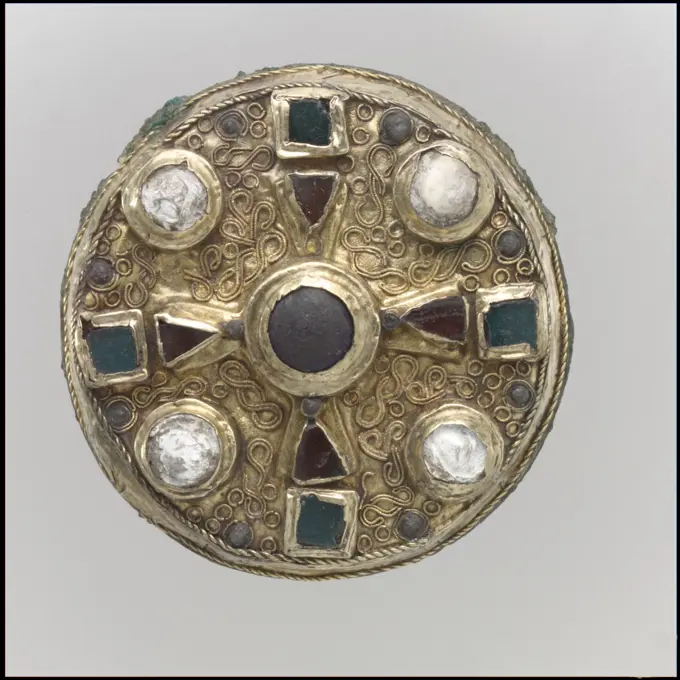
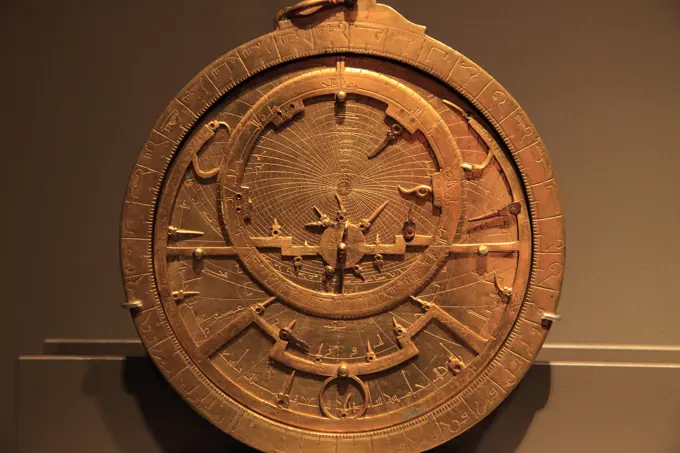
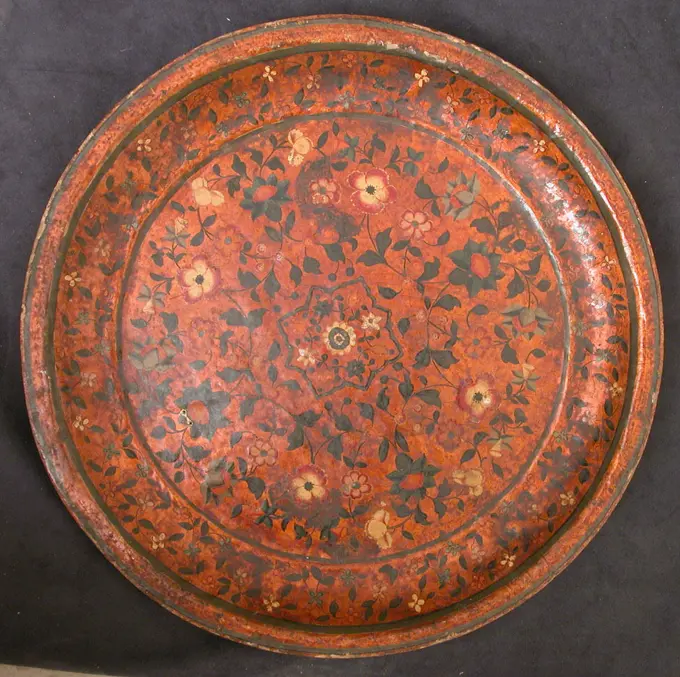
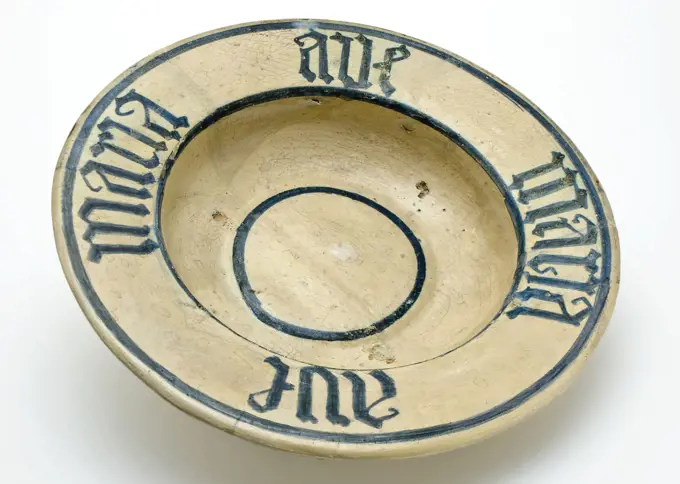
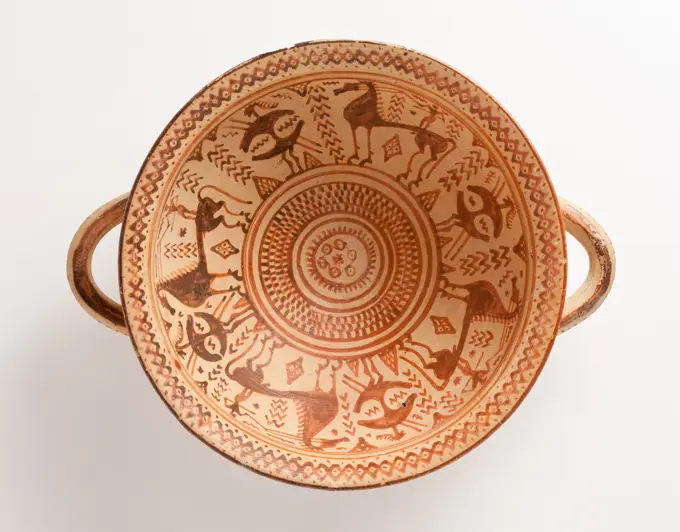
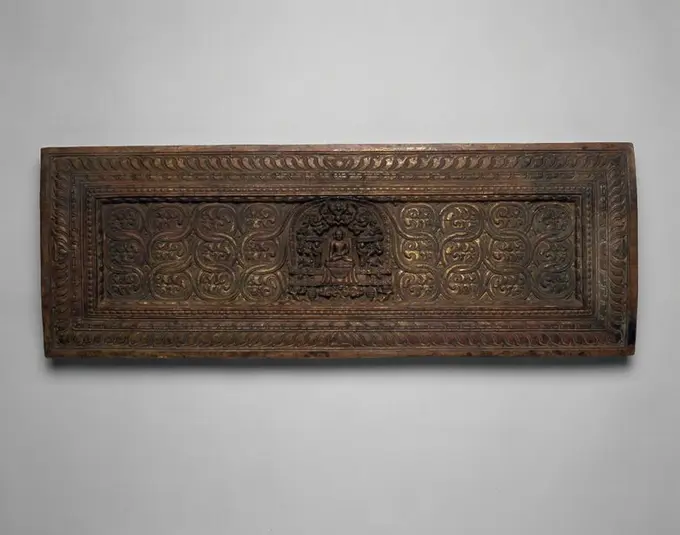
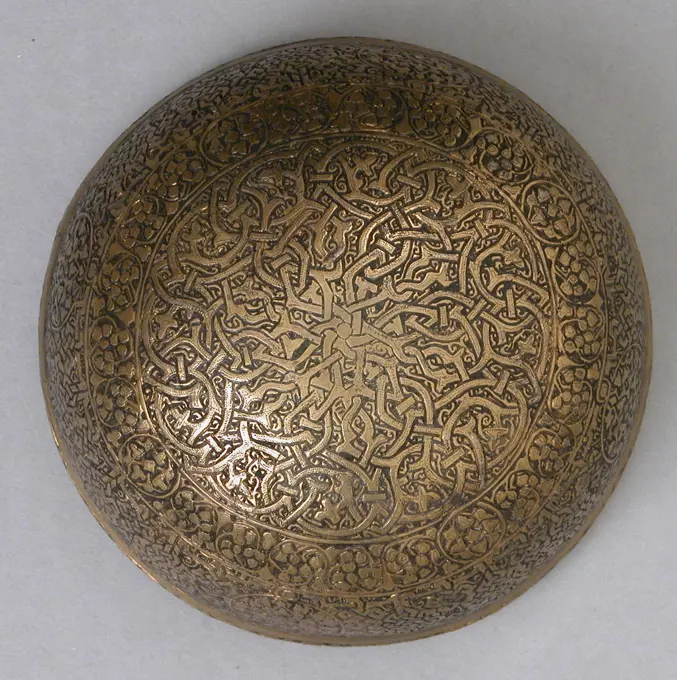
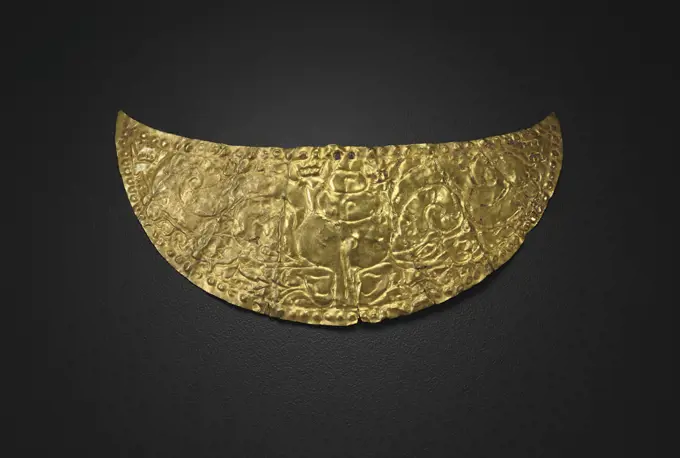
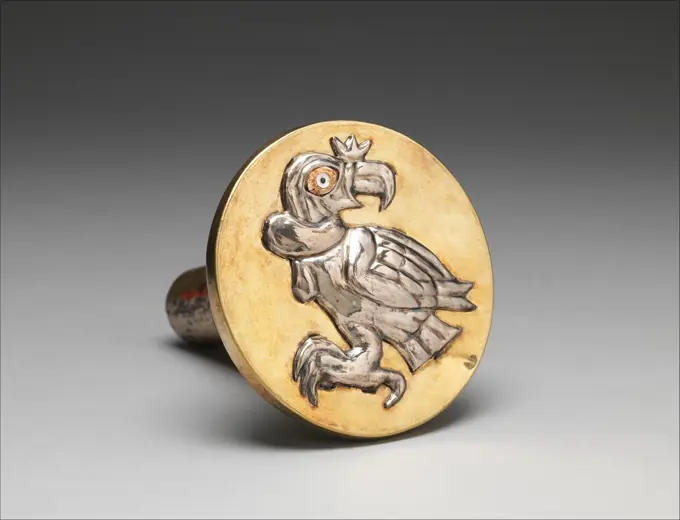
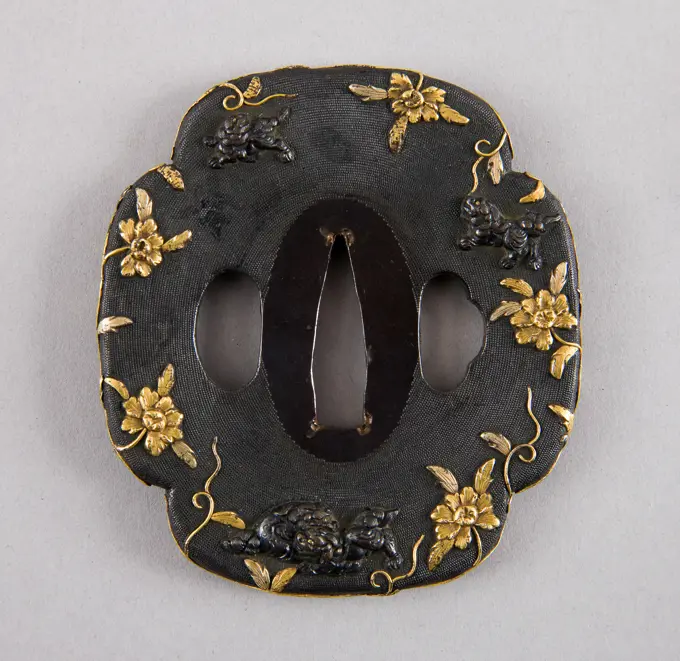
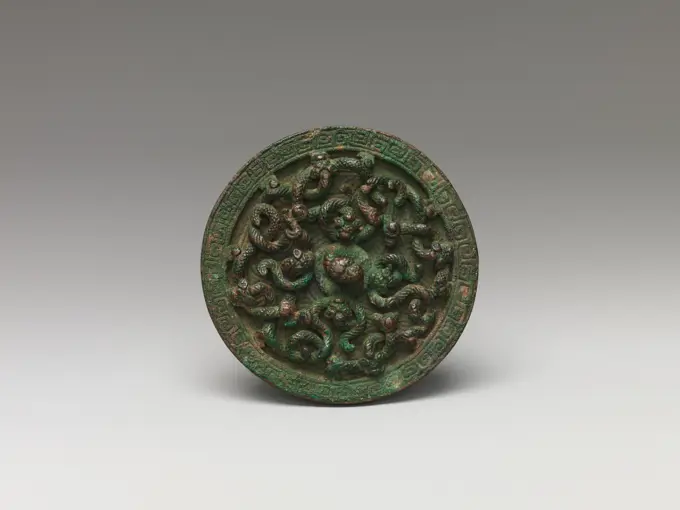
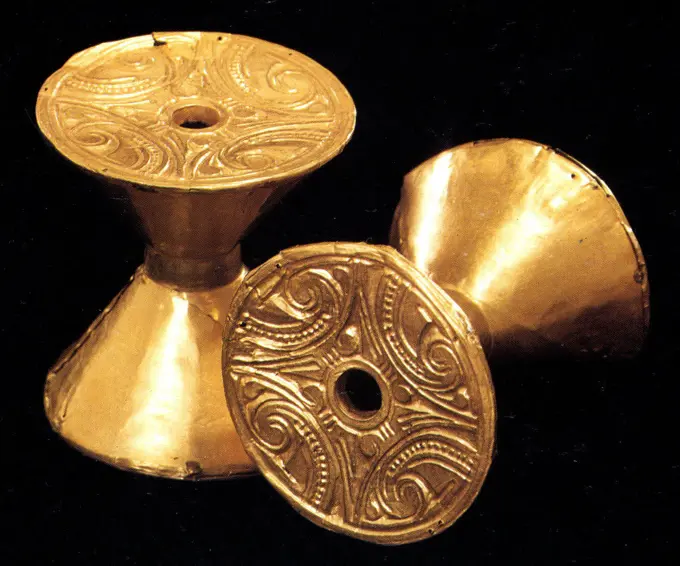
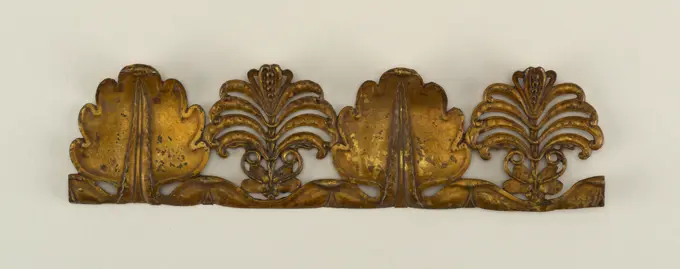
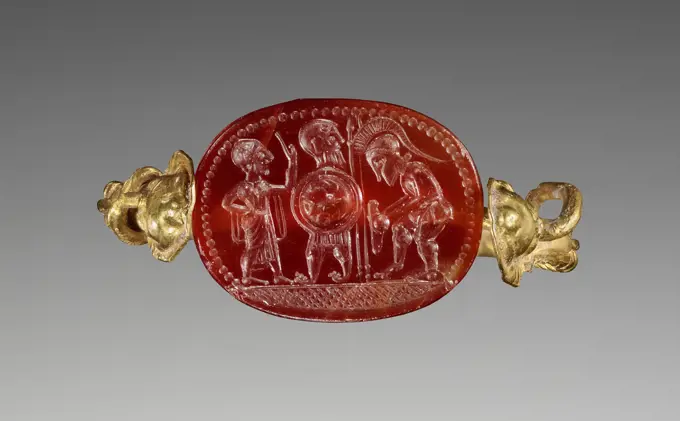
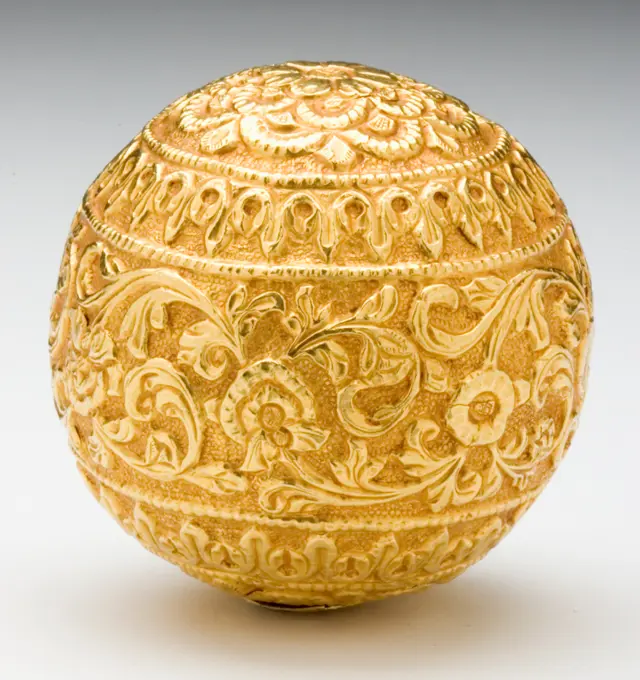
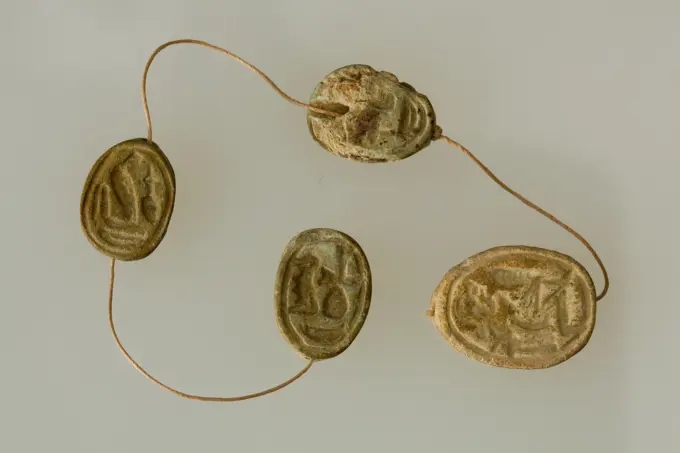
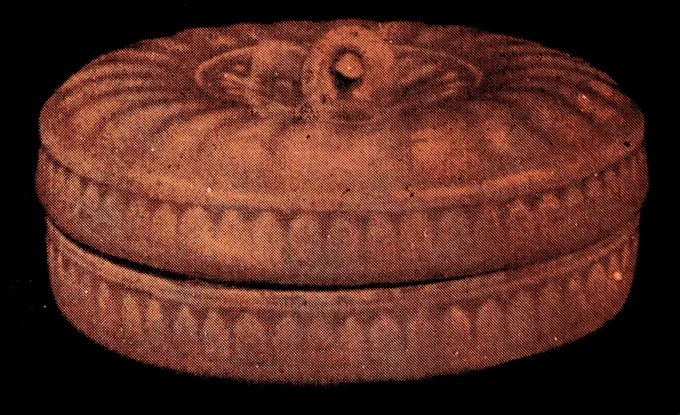
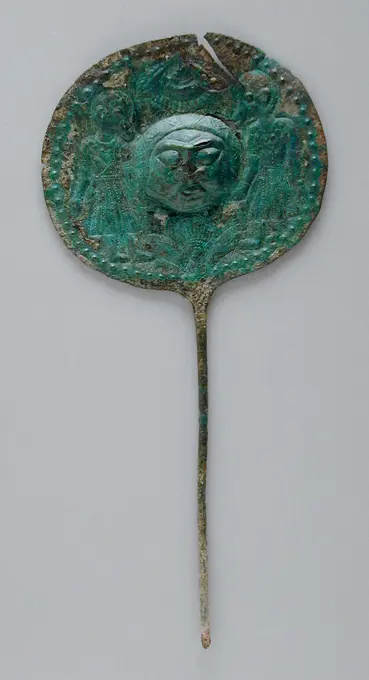
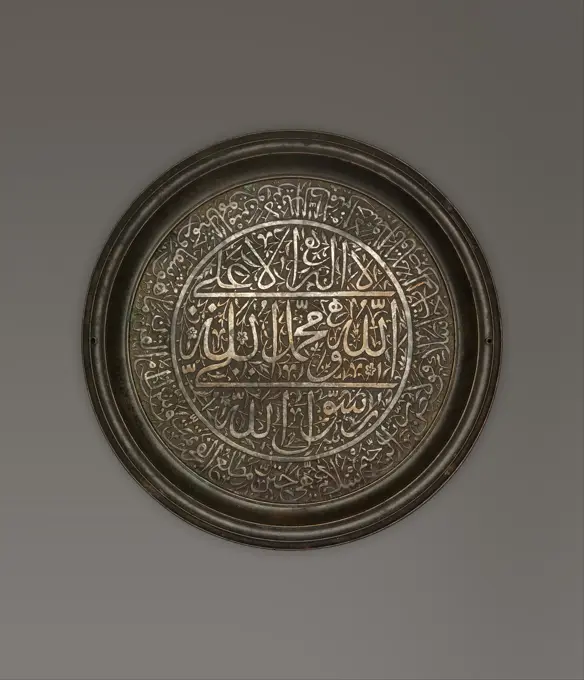
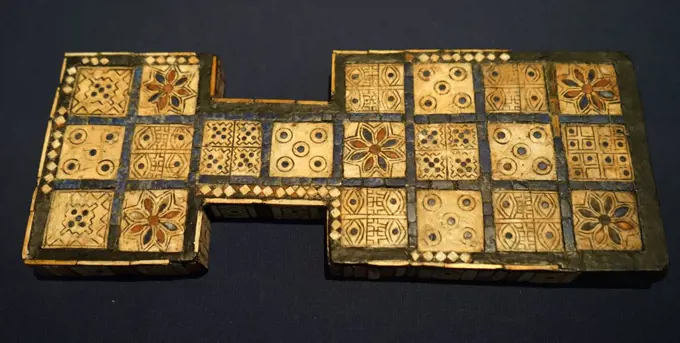
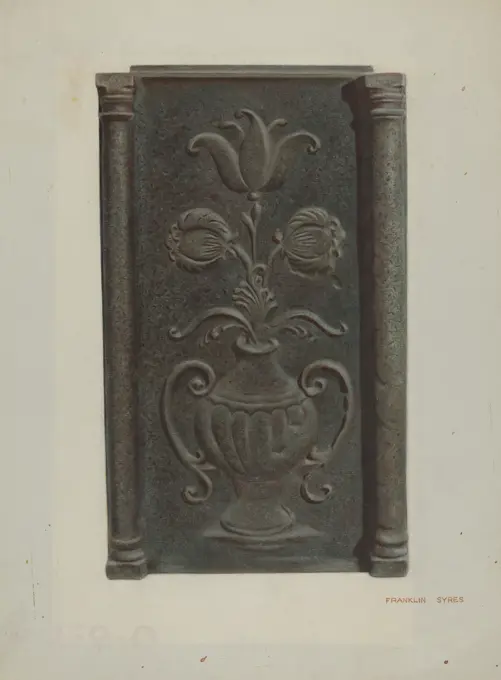
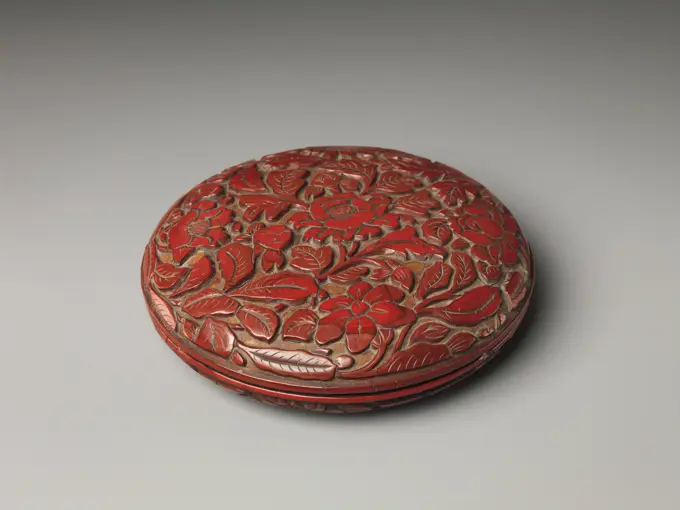
Box with Camellias 13th century China Small boxes of this type, which are preserved in Japan in some number, are often identified as incense boxes, for they were used as such during the tea ceremony. It seems likely that boxes of this type were also used in China to hold incense or other powdered substances such as cosmetics. The camellia spray on the cover is set against a plain background, a characteristic of early carved lacquers that would reemerge in the sixteenth century.. Box with Camellias 72740Boiler, Anonymous, 1600 - 1699 A forged iron round needle tube with screw -up lid, decorated by ciseleerwerk with tendrils and dragons. France (possibly) iron (metal) forging A forged iron round needle tube with screw -up lid, decorated by ciseleerwerk with tendrils and dragons. France (possibly) iron (metal) forgingSword Guard (Tsuba) 18th century Japanese A tsuba is a sword guard and part of a sword mounting. It is mounted between the swords blade and grip to protect the users hands.. Sword Guard (Tsuba) 26413CDK unknownPlate with modern decoration of a mythical griffin bird, known as a senmurv ca. 7th century CE and Modern Close examination of the surface of the object indicates that the hybrid creature, known as a senmurv, is likely a modern embellishment to a Sasanian forged (not cast as previously thought) plate.Plaque, 600s. Merovingian, Burgundian, Migration period, 7th century. Iron inlaid with gold and silver; overall: 4.2 x 2.7 cm (1 5/8 x 1 1/16 in.).Box Lock Lock; France; bronze, gold; L x W x D: 21 × 17.8 × 5.1 cm (8 1/4 in. × 7 in. × 2 in.)Bowl 10th century. Bowl 447783Mirror with Nipple and Dragon Design. Culture: China. Dimensions: Approx. diam. 6 1/8 in. (15.6 cm). Date: 1st century B.C.. Museum: Metropolitan Museum of Art, New York, USA.Brass astrolabe with silver inlay 171 A.D. The data provided in the gazeteer would have been used by an educated person to calculate from each location the direction of Mecca.Plate 19th century, after 17th century original British, after Russian original This electrotype isd after a seventeenth-century original a treasure of the Kremlin, Moscow, at the time of reproduction.. Plate. British, after Russian original. 19th century, after 17th century original. Silver on base metal. Metalwork-ElectrotypeAplique romano de bronce procedente del yacimiento arqueológico de Can Modolell. Can Serra Museu de Mataró.PLATO HONDO ANDALUSI O ATAIFOR, CON CORDON DE LA ETERNIDAD FLANQUEADO POR DOS VOLUTAS. Nº INV. 1027. DIAMETRO MAXIMO 27 CM. MUSULMAN. (EXPOSICION :ARTE ISLAMICO ESPAÑOL)(DEPOSITO: S.P.A.VALENCIA).Seif Yohei IVs incense burner has a pale pink glaze named dawns light. Lid for an Incense Burner with Peony and Cloud, 1914-46. Seifū Yohei III (Japanese, 1851-1914). Floral openwork silver lid; lid: 3.5 x 10.9 cm (1 3/8 x 4 5/16 in.).Star-shaped tile with flower sprays and an inscription, anonymous, c. 1250 - c. 1324 Tile of quartz fritry, star-shaped, with painting in Luster with flower branches in a grid and a bond with a (psuedo) inscription. is the earthenware. glaze. luster (textile) painting / vitrification Tile of quartz fritry, star-shaped, with painting in Luster with flower branches in a grid and a bond with a (psuedo) inscription. is the earthenware. glaze. luster (textile) painting / vitrificationDisk Brooch. Culture: Frankish. Dimensions: Overall: 1 5/8 x 9/16 in. (4.1 x 1.5 cm). Date: 7th century. Museum: Metropolitan Museum of Art, New York, USA.Minoan ear pendant, GreeceRELOJ DE BOLSILLO NUERMBURGES DEL SIGLO XVI. Location: PRIVATE COLLECTION. MADRID. SPAIN.Bowl late 10th century. Bowl 449541Gallon;  beginning of the 19th century (1901-00-00-1910-00-00);Mirror handle, anonymous, 1200 - 1500 Mirror handle. Edited both -sided, performances of 'Asceet' and 'Man and Woman'. Indonesia bronze (metal) Mirror handle. Edited both -sided, performances of 'Asceet' and 'Man and Woman'. Indonesia bronze (metal)Tokens with an emblem and the names of Spanish kings, Anonymous, After Nicolas Chevalier, 1713 print Design of a round medal with, in ten concentric circles, the names of Spanish kings and their year of government, starting at King Bermudo I and ending with King Philip V. In the middle of the medal an emblem with three figures and the motto: "Concedat Laurea Linguae ". Amsterdam paper etching seal (symbol of sovereignty). king. device (as symbol of the state, etc.). Abstract Ideas and Concepts (+ emblematical representation of concept)Victorian era English coffin lace made from metal or metallic threads, such as gold, silver, or copper and used to line coffinsTray (Pan) with a Pair of Peafowls among Peonies. China, Yuan dynasty, 1279-1368. Furnishings; Serviceware. Carved red lacquer on wood coreAmbush at a Fountain; Etruria; 550 - 500 B.C; Hoop: gold-plated silver; bezel: gold; 2.1 × 1 cm (13,16 × 3,8 in.)Badge (probably from Horse Harness). Culture: Spanish (). Dimensions: H. 3 1/8 in. (7.9 cm); W. 2 3/4 in. (7 cm); Wt. 2 oz. (56.7 g). Date: late 14th century. Museum: Metropolitan Museum of Art, New York, USA.Plate of multicolor hard-baked pottery; Staffordshire. Plate of multicolored hard-baked pottery, with a scalloped edge. The edge is embossed with six fields of corrugated railing. The plate is covered with blue gray lead glaze with stains in green, yellow and manganese. The back is dotted in manganese. Four signs belong to the board (BK-1987-41-A to BK-1987-41-E).Medal: Creation (reverse), 1900s. Anthony de Francisci (American, 1887-1964). Metal; diameter: 7.4 cm (2 15/16 in.).Box and Cover with Chrysanthemum and Scroll Design, 1200s-1300s. Korea, Goryeo period (918-1392). Inlaid celadon ware; overall: 2.8 cm (1 1/8 in.). Celadons, spoons, seals, and bronze mirrors were the most common burial objects in tombs during the Goryeo period (918-1392). Once used to contain colored powder, rouge, and eyebrow gel for makeup, this small container was one of the standard goods that furnished elites' tombs. Both women and men used the grain powder of rice or millet for whitening their skin, safflower extract for rouge, and plant ash or soot for eyebrow gel. Yet, natural-looking makeup seems to have been the most favorable one in Korea according to the travelogue by Xu Jing (1091-1153), the Chinese diplomat who visited Korea in 1123.Disk Brooch late 7th century Frankish The dress of Frankish women generally consisted of a tunic, cinched by a belt from which hung an array of pendants. A wrap or cloak went over the tunic. Shoes and hosiery, fastened with buckles, covered the legs. Earrings, necklaces, and hairpins completed the ensemble.Aspects of this dress changed from the 300s to the 600s, and brooches in particular convey changes in taste. From the 300s to the 500s, pairs of small brooches, in an array of inventive shapes, held the wrap in place. By the 600s, a single large disc brooch, usually elaborately decorated, served the same function. No other piece of jewelry is more characteristic of Frankish dress than the brooch, and no other better demonstrates the virtuosity of Frankish metalworkers.. Disk Brooch 465778 Frankish, Disk Brooch, late 7th century, Gold sheet with copper alloy backing, and inlays of garnet, glass and calcite, Overall: 2 1/4 x 15/16 in. (5.7 x 2.4 cm) 2 1/4in. (5.7cm). The Metropolitan Fragment majolica salt scale, orange, green and blue on white, in the middle grid motif, salt bowl salt barrel tableware holder soil find ceramic earthenware glaze, total, archeologyPendant: Face in Diamond, 1900s. Africa, West Africa, Côte d'Ivoire, probably Baule-style goldsmith. Gold; overall: 9.2 x 8.9 cm (3 5/8 x 3 1/2 in.). These pendants were cast in gold using the lost-wax method. Gold objects are the only Baule art forms associated with ancestor spirits. Usually hidden in pots or suitcases, gold adornments are displayed on important occasions such as funerals. They are laid out around the corpse before burial. A widow will wear them on a chain around her neck or attached to her hair at the ceremony signaling the end of mourning.Qatar, Doha, Museum of Islamic Art, universal astrolabe,Plate 19th century. Plate 444620Back Plate from a Belt Buckle 675-725 Frankish Belts were important features of early medieval dress. Not only did they serve the practical function of holding weapons and tools, but their fittings, which could vary in terms of material, decoration, and size, were also highly visible indicators of rank and status. Iron buckles, many imposing in size, were worn by both men and women. Their intricate decoration was achieved by squeezing narrow twisted strips of silver into patterns engraved on the surface of the prefabricated iron pieces. A complete belt would have consisted of a buckle, a counter plate that was placed opposite the buckle, and sometimes a rectangular plate placed in the middle of the belt at the back for decoration.. Back Plate from a Belt Buckle. Frankish. 675-725. Copper alloy. Metalwork-CopperLock 15th-16th century European The decoration of Gothic iron locks and keys was often elaborate and of the highest standard of workmanship. The motifs were frequently drawn from Gothic architecture, reproducing on a miniature scale complicated tracery patterns and even tiny statuettes. A number of these tiny locks were compound, with some of the mechanisms concealed from view, and required two or even three keys used in sequence to open them. It has been suggested that the greatly expanded use of locks on doors, or coffrets and other types of storage chests was a result of the increasing urbanization of life and the new emphasis on material wealth and private ownership which developed in the late Middle Ages.. Lock. European. 15th-16th century. Iron. Metalwork-IronPlanispheric Astrolabe, North African, 18th century. Silver. An astrolabe was an elaborate inclinometer, historically used by astronomers and navigators to measure the altitude above the horizon of a celestial body, day or night. It can be used to identify stars or planets, to determine local latitude given local time, to survey, or to triangulate. It was used in classical antiquity, the Islamic Golden Age, the European Middle Ages and the Age of Discovery for all these purposes.Bride Box. Culture: European. Dimensions: 6 1/2 x 17 1/8 x 10 7/8 in. (16.5 x 43.5 x 27.6 cm). Date: ca. 1780. Museum: Metropolitan Museum of Art, New York, USA.Bit Boss. Culture: possibly Netherlandish. Dimensions: Diam. 3 9/16 in. (9 cm); Wt. 4.5 oz. (128 g). Date: first half 17th century.This boss, adorned with a spiral motif partly covered by foliage, decorated the side of a horse bit. The exact same bosses, which seem to have been produced in high number in the first half of the 17th century, are visible on several portraits of King Charles I of England painted by Jan van Dyck for example. Museum: Metropolitan Museum of Art, New York, USA.Fragment 14th century. Fragment 445379Ring brooch with linked hoop from Ireland. Dated 8th CenturyButton, Paper, metal foil, thread, paillettes, Folding envelope of paper with tie closure; used as a case for ten circular buttons., On card 14, France, late 18th century, costume & accessories, Decorative Arts, ButtonMirror, 1392-1573. Japan, Muromachi period (1392-1573). Bronze; diameter: 10.2 cm (4 in.).Set of Sword-Hilt Washers and Pommels (Fuchigashira) and Sword Guards (Tsuba) for a Pair of Swords (Daish) 19th century Japanese A fuchigashira is a pair of matching sword fittings comprising the fuchi (collar at the base of the grip of the sword hilt) and kashira (pommel cap at the end of a sword hilt). A tsuba is a sword guard and part of a sword mounting. It is mounted between the sword’s blade and grip to protect the user’s hands.. Set of Sword-Hilt Washers and Pommels (Fuchigashira) and Sword Guards (Tsuba) for a Pair of Swords (Daish). Japanese. 19th century. Iron, gold, copper-silver alloy (shibuichi), copper-gold alloy (shakud)Spindle Whorl, 700s - 900s. Iran, early Islamic period, 8th - 10th century. Bone, incised; overall: 1.3 x 1.7 x 1.7 cm (1/2 x 11/16 x 11/16 in.).Belt Buckle. Han, 206 B.C. -220 A.D. Costumes; Accessories. BronzeMajolica plate with twice on the wide edge in Gothic letters Ave Maria, plate crockery holder soil find ceramic earthenware glaze tin glazing, majolica baked 2x painted glazed Majolica on the rupture pale red Wide edge Twice on the wide edge in Gothic letters: Ave Maria archeology Rotterdam Spangen castle indigenous pottery import adorn serving serve food gothic religion Soil discovery: Soil discovery Castle Spangen from canal on front East wing 1941.Skyphos with Warriors and RidersManuscript Cover with Enshrined Sakyamuni Buddha with Hand in Earth Touching (Bhumisparsha) Mudra. Tibet; Central Tibet. Date: 1401-1500. Dimensions: 25.2 x 70.8 x 3.9 cm (9 15/16 x 27 7/8 x 1 1/2 in.). Wood with traces of gilding. Origin: Tibet. Museum: The Chicago Art Institute, Chicago, USA.Tray Picking an iris’. Alliot, Lucien (1877-1967), designerClose-up of a traditional drum, Lapland, NorwayPlaque; Venice (Murano), Italy; late 19th century; Glass, gold-leaf; 13.5 cm (5 5,16 in.)Bowl 15th century. Bowl 444550Gold belt buckle fom the ship-burial at Sutton Hoo, Suffolk, early 7th century.Fragment of a Bowl or Cup 13th-16th century. Fragment of a Bowl or Cup 452439Gilt Nail Head, c 1800s. Japan, Edo period (1615-1868). Gilt bronze; overall: 9.8 cm (3 7/8 in.).Crescent-shaped HeadOrnament, 8thcentury, Repousse gold, 4.8 × 10.59 cm, 8.944 g, 0.034 cm (1 7/8 × 4 3/16 in., 8.944g), Made in Java, Indonesia, Java, Early Classic Period(650-1000), JewelryEarflare with Condor 6th-7th century Moche (Loma Negra) Moche metalworkers were among the most inventive and talented in ancient Peru. They developed sophisticated mechanical and metallurgical techniques for joining the three basic metals they worked: gold, copper, and silver. On these technically complex earflares, the front plates are made of sheet gold to which repoussé silver birds are attached by small tabs. The back plates and shafts are of gilded copper and also join in this manner. The ornaments were worn in the distended lobes of the ears, the long tubular shafts counterbalancing the weight of the frontals.The birds with massive talons and strong, curved beaks adorning these earflares depict Andean condors, identified by the large caruncle (fleshy protuberance) at the base of their beaks and the wattle around their necks. Impressive birds with a wing span of up to ten feet, Andean condors inhabit the high Andes mountains above 9,000 feet. They are primarily carrion eaters, butTsuba  Kaashishi and golden peonies unknown, schoolMirror in the style of the Eastern Zhou, Warring States period (475-221 B.C.) 19th century China. Mirror in the style of the Eastern Zhou, Warring States period (475-221 B.C.) 61101Pompeo Leoni (1533-1608). Italian sculptor. Helmet and shield. Milan, 1560-1565. Iron, gold and silver. German Historical Museum. Berlin. Germany.Roof tile end with dragon 18th century China. Roof tile end with dragon 48325Ear Spool 100 B.C.-A.D. 800 Calima-Yotoco Calima leaders of the Yotoco period in the Cauca Valley region of southwest Colombia wore resplendent regalia in life and in death. These included diadems, pectorals, nose ornaments, and elaborate, multicomponent ear ornaments terminating in large, circular pendants. Biconical or spool-shaped objects with decorated ends such as these were inserted through the earlobes, and large concave disks gold would be suspended through an opening at the center of these with thin gold wires. Made of lightweight hammered gold sheet, the biconical elements probably had interior wooden supports (now lost) which would have strengthened them and allowed for the suspension of the concave disks (not shown here, but see 66.196.24 for an example of such multi-component ear ornaments depicted on a headdress diadem). This pair of earspools was made by hammering gold into a sheet, and then cutting pieces into desired shapes. The central cones of the hollow spools were Pear wood candy form in the form of a lion, anonymous, 1800 - 1900 Cango shape of pear wood in the form of a lion. Netherlands pear (wood) Cango shape of pear wood in the form of a lion. Netherlands pear (wood)Gold of Troy, Priams Treasure by anonymous artist, gold, 2400-2300 BC, Russi, Moscow, State A. Pushkin Museum of Fine ArtBracket; L x W x D: 20.1 x 5.8 cm (7 15/16 x 2 5/16 in.)Sword Guard (Tsuba) with Dragon in Storm and Sea, c. 1615-1868. Japan, possibly Edo period (1615-1868). Iron; overall: 7.7 x 8.4 cm (3 1/16 x 3 5/16 in.).Scarab; Master of the Boston Dionysos; Etruria; 520 - 510 B.C; Carnelian and gold; 0.7 × 1.2 × 0.9 cm (1,4 × 1,2 × 3,8 in.)Cabinet door ca. 1510-20 French. Cabinet door 460597Rectangular copper fittings with four mounting holes, embossed biblical representation, ornament batter ground find copper brass metal, cast Rectangular copper fittings with four mounting holes with embossed story of Cain and Abel Above maskon with ornaments decoration. In the middle upright round border for gemstone frame archeology Rotterdam City Triangle underground pit Groenendaal Bible adorn religion Cain Abel Soil discovery: underground pit Groenendaal Rotterdam from canal dredger.CDK unknownIncense Box (Kogo) with Camellia Design, 1500s. Japan, Muromachi period (1392-1573). Carved wood with black and red lacquer; diameter: 14.9 cm (5 7/8 in.); overall: 6.4 cm (2 1/2 in.).Stained glass window; 1648-1668 (1648-00-00-1648-00-00);Jan Kazimierz Waza (King of Poland - 1609-1672), Tadeusz (1892-1974) - collection, Wierzejski, Dar (provenance), coats of arms, personality, rulersRing probably 19th century Chinese This collection of largely ethnographic jewelry includes examples from cultures in South America, North America, Europe, Asia, and Africa and dates from the Pre-Columbian period to the twentieth century. Owned by renowned art collector and fashion enthusiast Muriel Kallis Newman, the collection represents her knowledge and appreciation of a wide range of jewelry design and making traditions. Numerous items in her collection are composite artifacts made from various cultures and time periods reappropriated as modern jewelry creations by or for Muriel. It is important to note that Newman wore many of the pieces in the collection, interpreting them to suit and express her own singular, often avant-garde style.. Ring 141637Votive Tablet China. Votive Tablet. China. Unglazed terracotta. Tang dynasty (618-907). SculptureEngraved Gem. UnknownSword Guard (Tsuba) 18th century Japanese A tsuba is a sword guard and part of a sword mounting. It is mounted between the swords blade and grip to protect the users hands.. Sword Guard (Tsuba) 26292Ball for a Krishna Ritual. India, Gujarat, Kachchh (Kutch), Mandvi, circa 1875-1900. Sculpture. Gold, repousséGroup of Four Scarabs ca. 1550-1458 B.C. New Kingdom. Group of Four Scarabs. ca. 1550-1458 B.C.. Faience, Paste. New Kingdom. From Egypt, Upper Egypt, Thebes, Asasif, Courtyard CC 41, Pit 2, Burial C 1, On body, MMA excavations, 1915-16. Dynasty 18, earlyRound celadon, glazed box. Goreyoo Dynasty, Korean. 12th centuryPa. German Dish. Dated: c. 1936. Dimensions: overall: 46.9 x 37.2 cm (18 7/16 x 14 5/8 in.). Medium: oil paint on paperboard. Museum: National Gallery of Art, Washington DC. Author: Eugene Shellady.Watch ca. 1800-1820 Watchmaker: Firm of Esquivillon Frères. Watch 195630RELOJ SOLAR MUY UTILIZADO EN NAUTICA S XVIII. Author: J RUST (SXVIII). Location: PRIVATE COLLECTION. MADRID. SPAIN.Tray with central daisy and figures, 2 3/4 × 10 1/4 × 10 1/4 in. (6.99 × 26.04 × 26.04 cm), Plant fibers, United StatesAnthropomorphic Pendant 5th-10th century Tolima. Anthropomorphic Pendant. Tolima. 5th-10th century. Gold. Colombia. Metal-OrnamentsDisc - headed Pin. Iran, Luristan, Luristan, circa 1000-650 B.C.. Jewelry and Adornments; pins. Bronze, hammeredTray with pommel scrolls 14th century China Layers of black lacquer applied between the red ones enhance this trays surface appearance and contribute to the vivacity of the scroll design.. Tray with pommel scrolls 40182Bowl Depicting a Mask atop a Bighorn-Sheep Head 1300-1400 Arizona. Ceramic and pigment . CibolaDishCalligraphic Dish ca. 1600 The central inscription on this dish is a slightly altered form of the Shi'i profession of faith and the passages around it are from the Qur'an. This dish is one of a group of about twenty objects decorated with superb thuluth script, the specific function of which is unknown.. Calligraphic Dish 453207Pre-Columbian Gold pendants. Old traditional pieces dating back to 500AD. The Gold Museum. San Jose. Costa Rica. Central America.A Decorative Plaque. Dated: 16th century. Dimensions: overall: 3.3 x 10.5 cm (1 5/16 x 4 1/8 in.) gross weight: 43 gr. Medium: gilded bronze. Museum: National Gallery of Art, Washington DC. Author: Probably French 16th Century.The Royal Game of Ur. also known as the Game of Twenty Squares, refers to an ancient game represented by two game boards found in the Royal Tombs of Ur in Iraq by Sir Leonard Woolley in the 1920s. Dated 2600 BCButton (France); brass with colored enamelEngland, London, Gold bag hinge with enamel decorations, from the Sutton Hoo treasure, goldworkFranklyn Syres, Pa German Stove Plate, c 1939 Pa. German Stove PlateThracian funerary mask of gold, necropolis of Trebenishte, 6th century BCBulgarian National Archaeological Museum, Sofia, Republic of Bulgaria, Europe.Mimbres brown on buff, from Gila area of New MexicoWoven basket of the Bushman People of Botswana 2018. The San or Saan people are members of various Khoisan-speaking indigenous hunter-gatherer people representing the first nation of Southern Africa, whose territories span Botswana, Namibia, Angola, Zambia, Zimbabwe, Lesotho and South Africa.Votive Tablet China. Votive Tablet. China. Unglazed pottery. Ming dynasty (1368-1644). Sculpture