Decorative Metal Artifacts

An assortment of elaborately designed metal artifacts such as mirrors, clasps, and plates, featuring intricate patterns and historical significance.
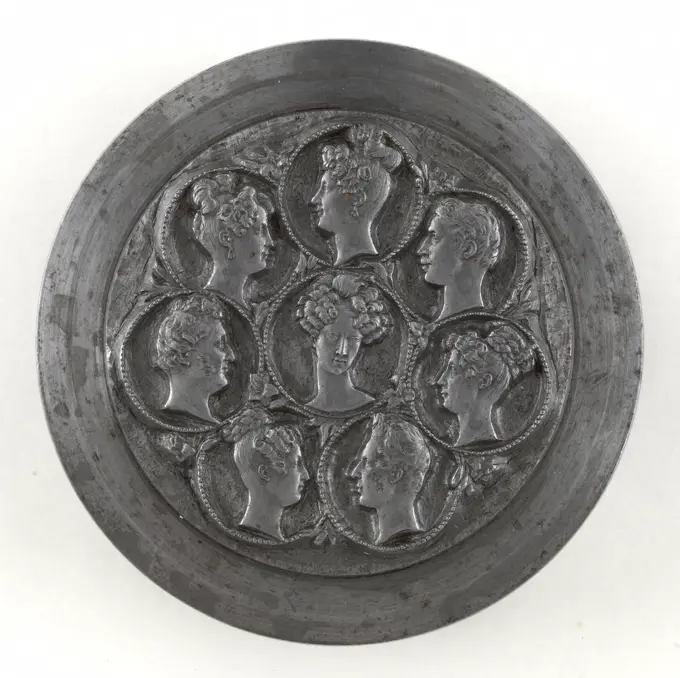
Rod. "Medal matrix. The Orleans family". Metal, steel, 19th century. Museum of Fine Arts of the City of Paris, Petit Palais. 57559-6 Steel, Averse, Bourbon, Orleans family, matrix, medal, metal, numismatics, profile, portrait, queen, king France, 19th century
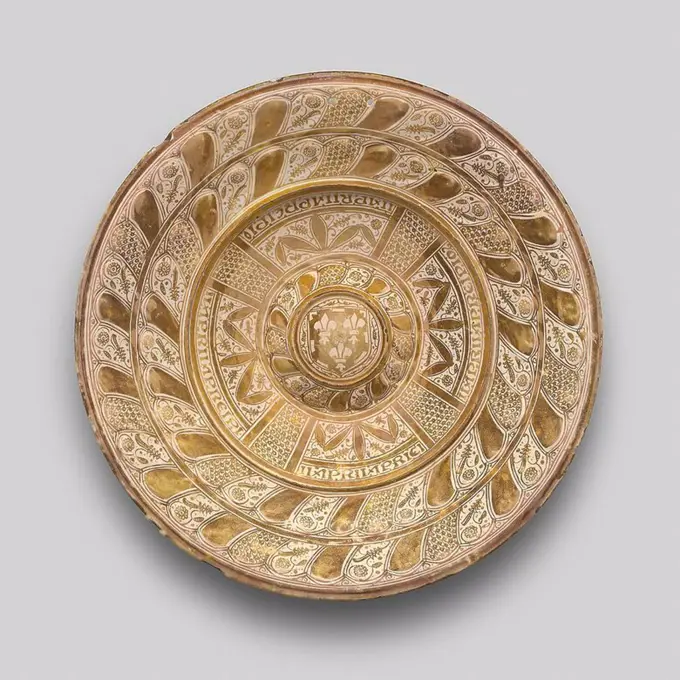
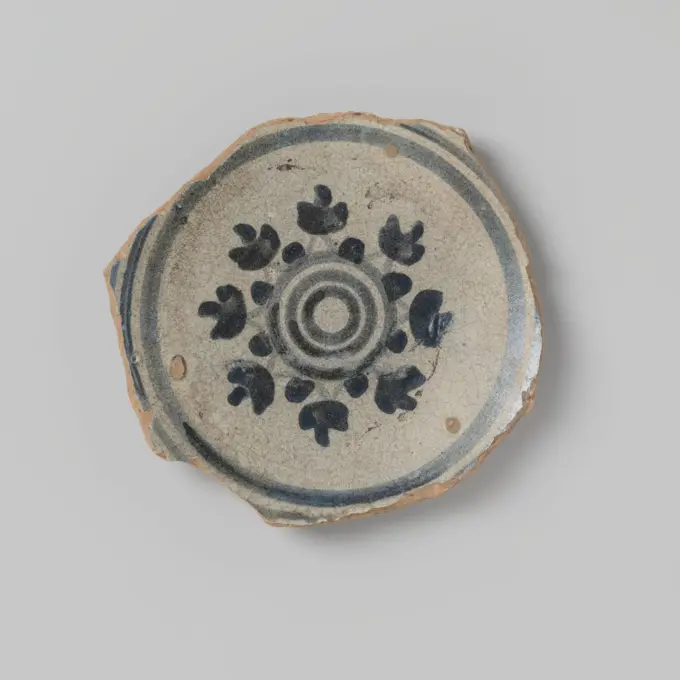
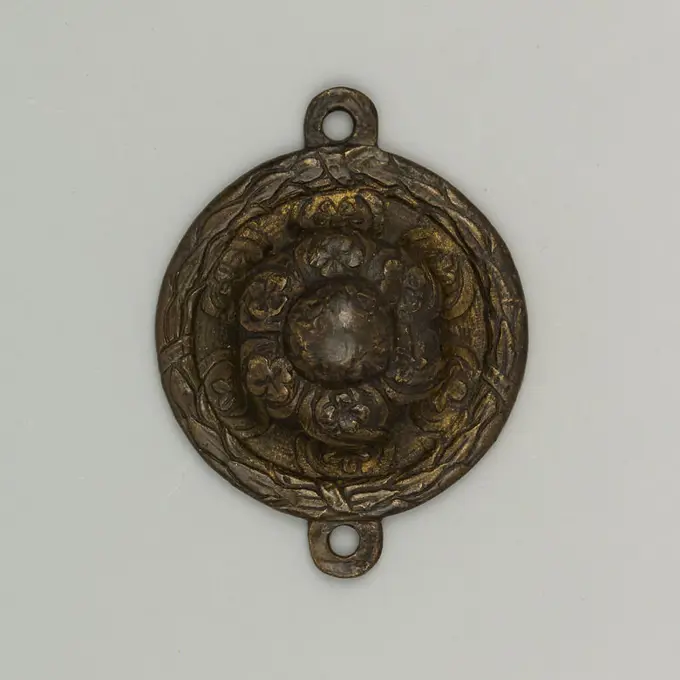
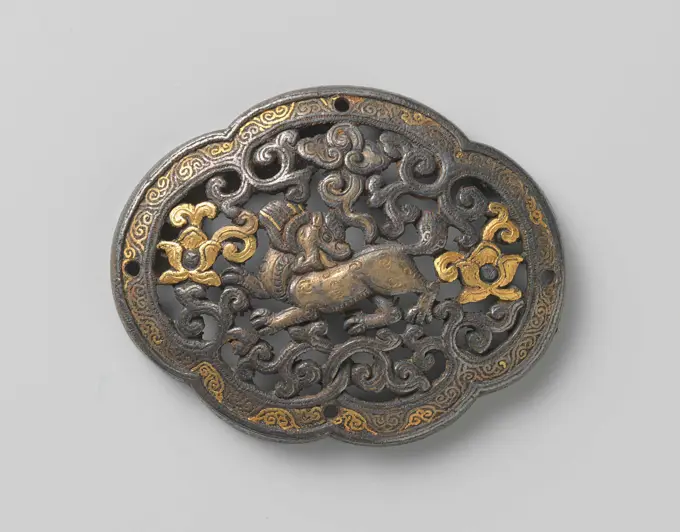
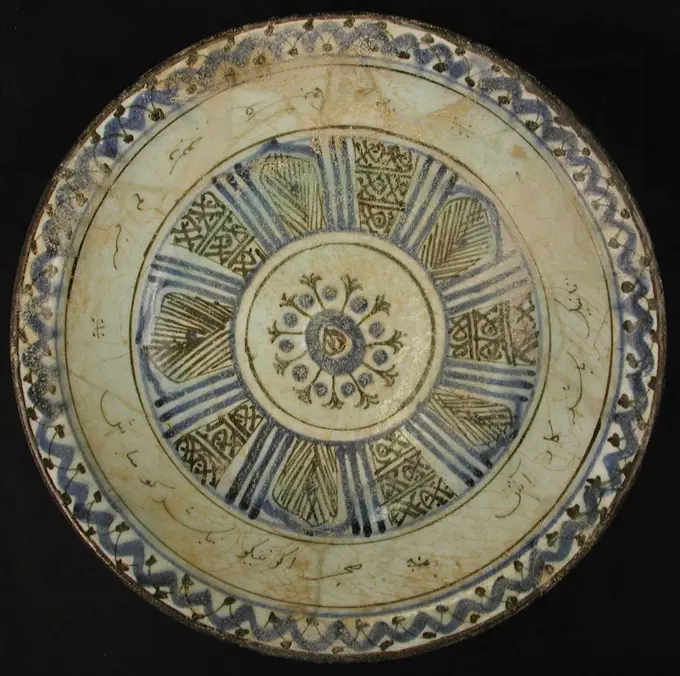
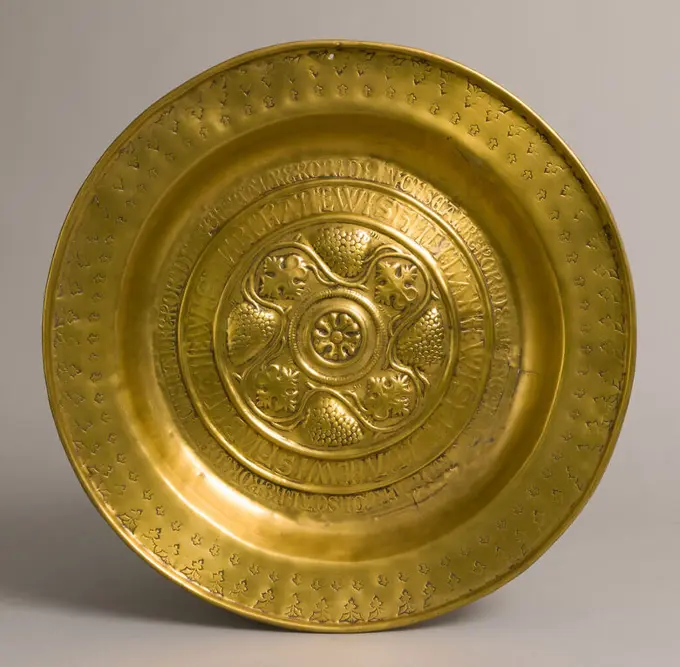
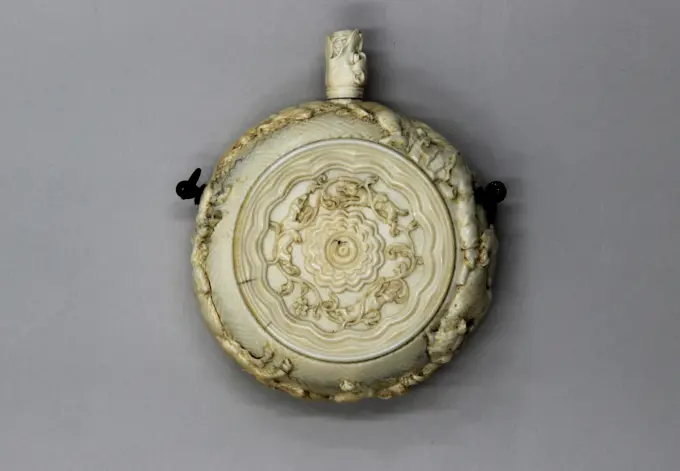
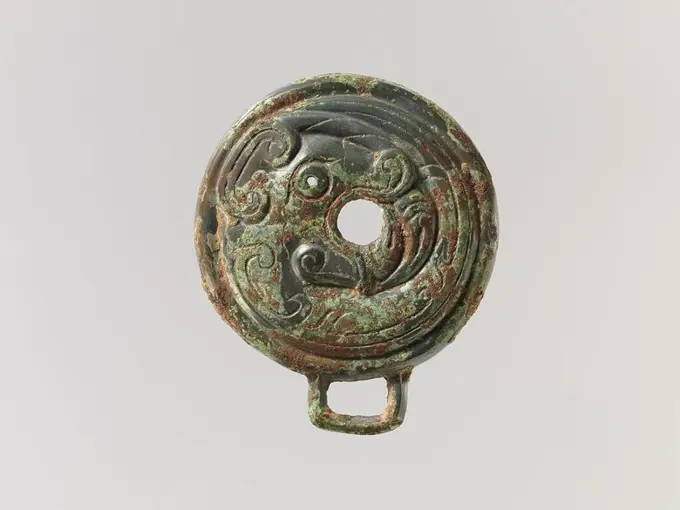
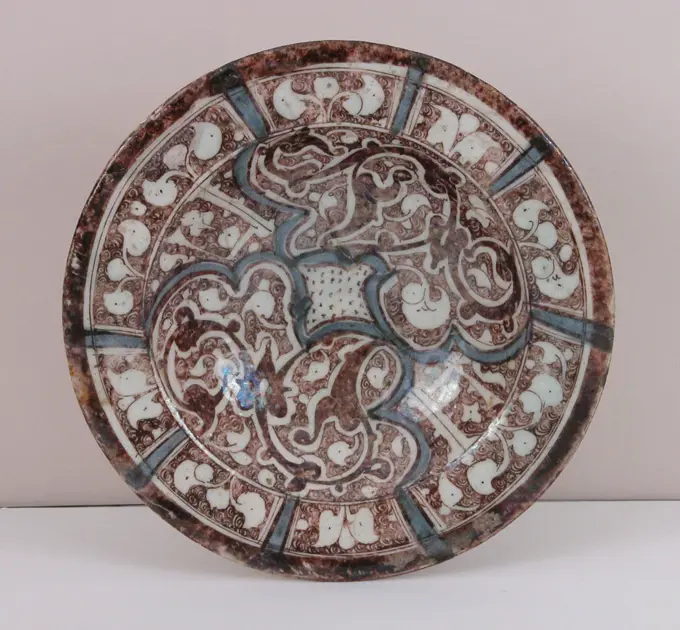
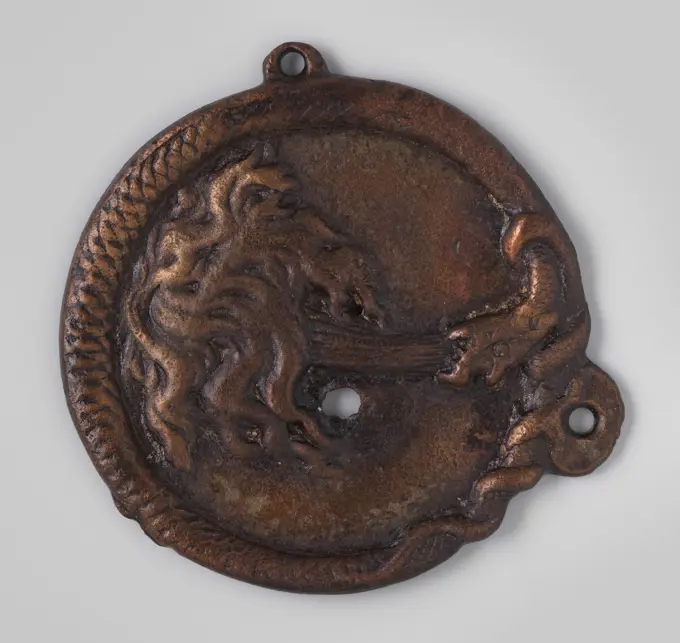
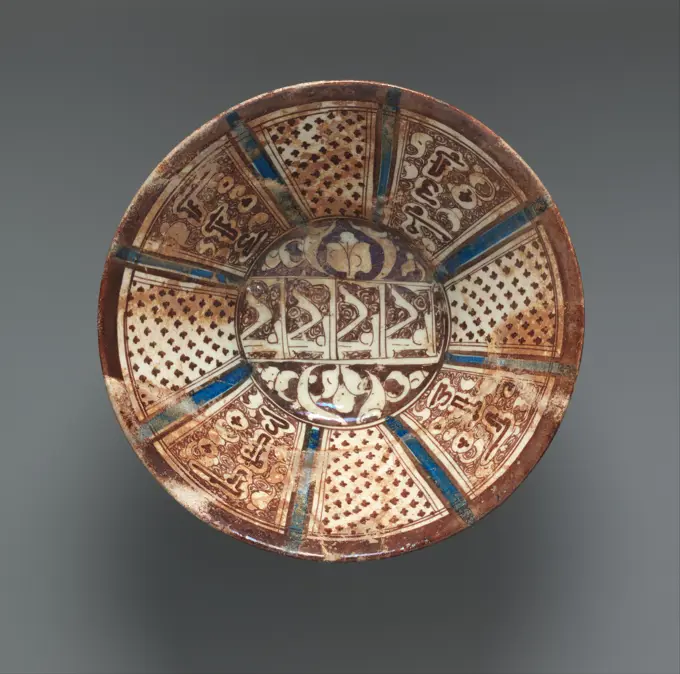
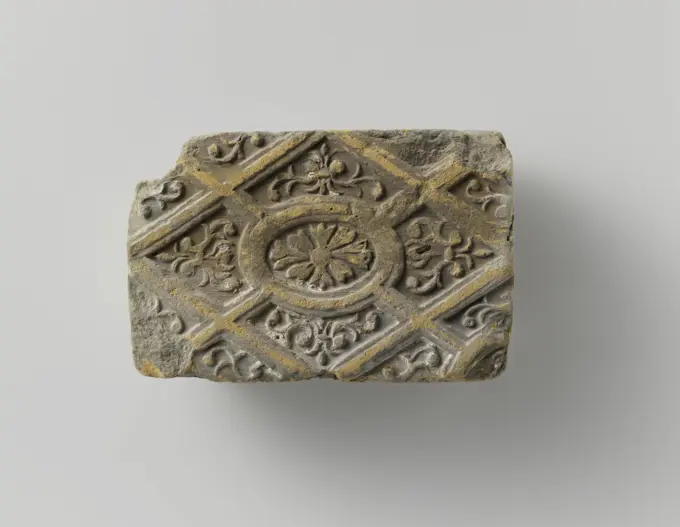
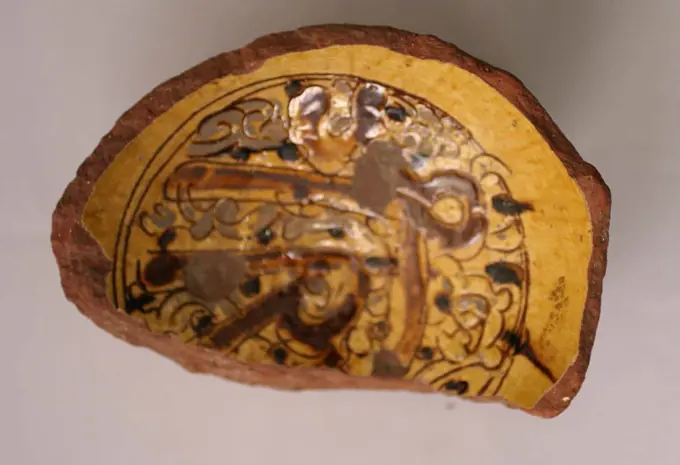
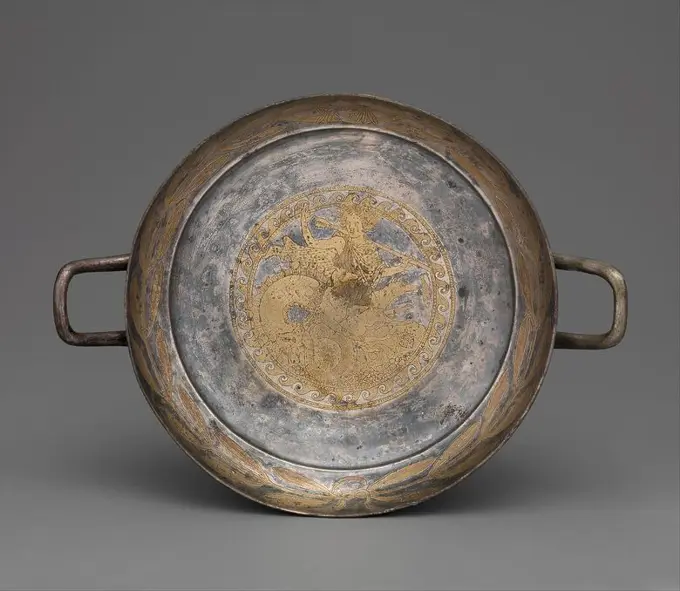
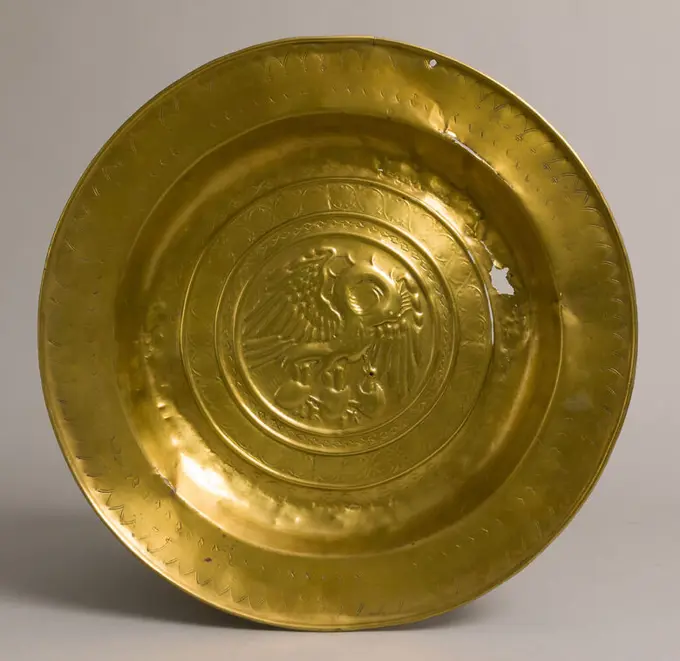
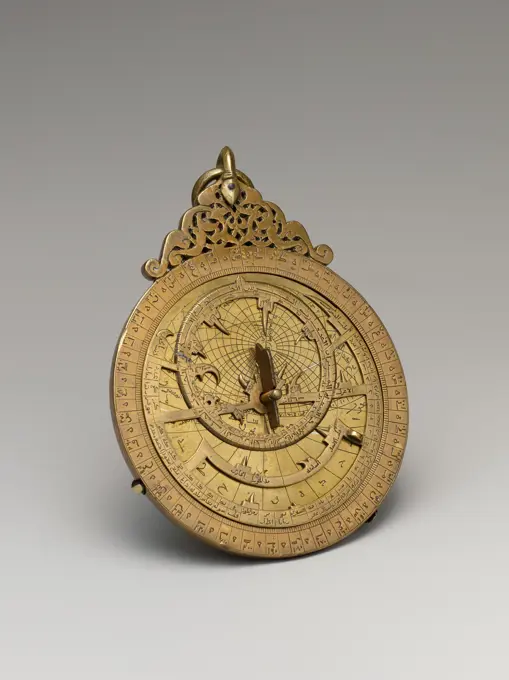
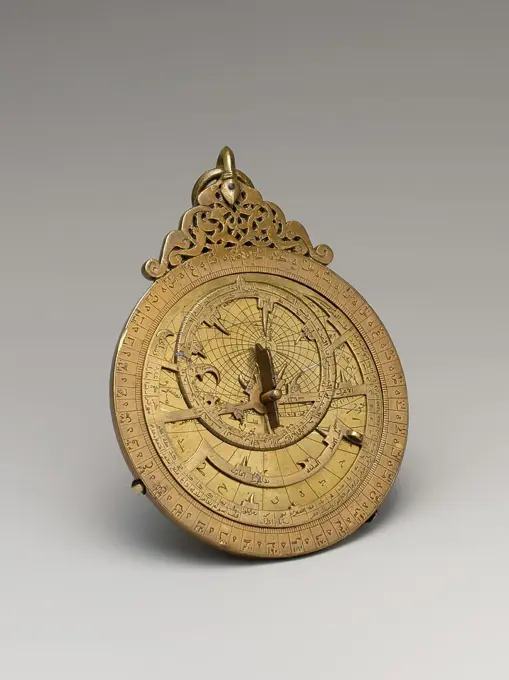
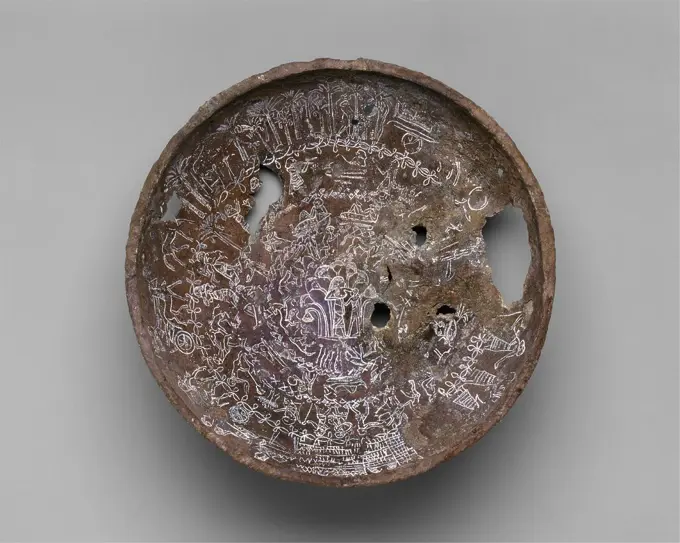
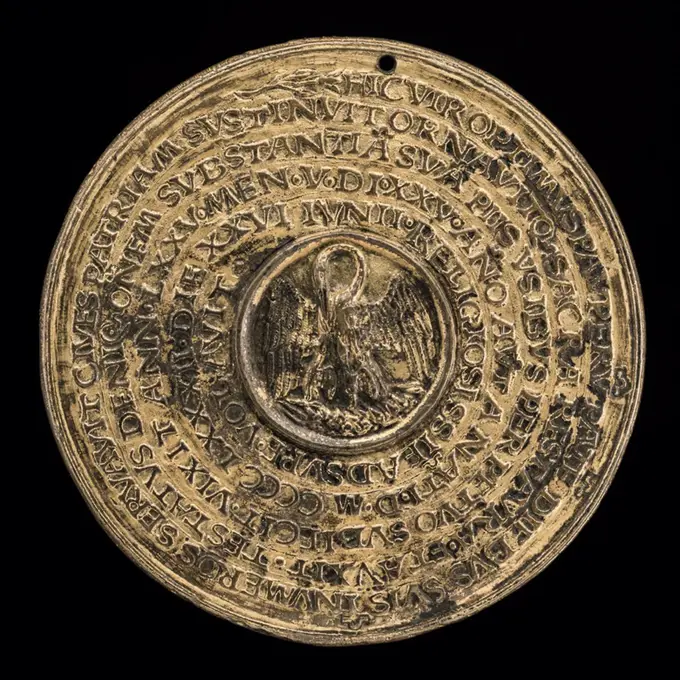
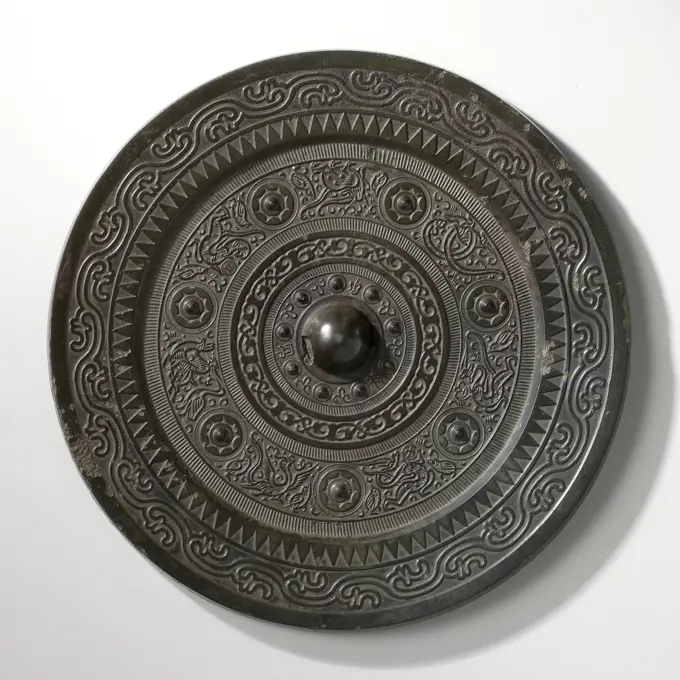
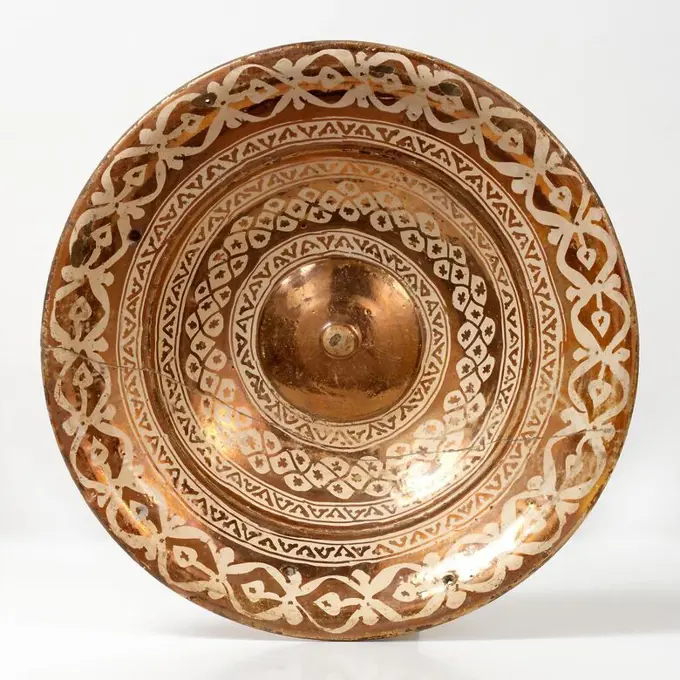
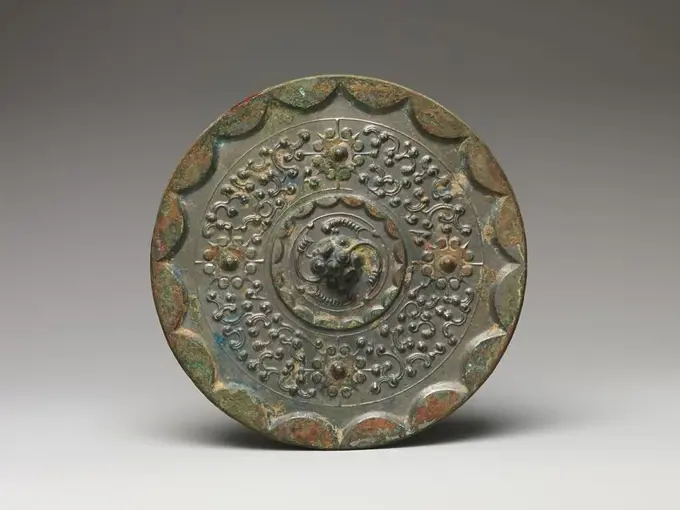
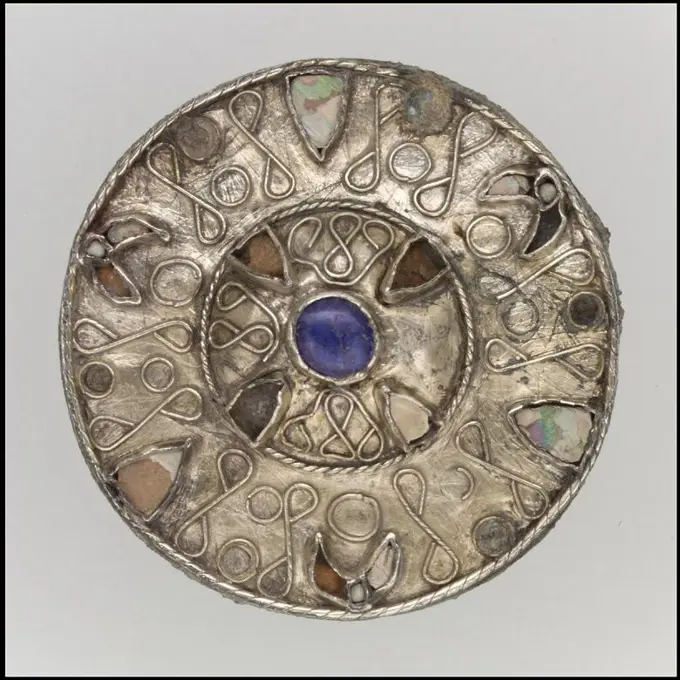
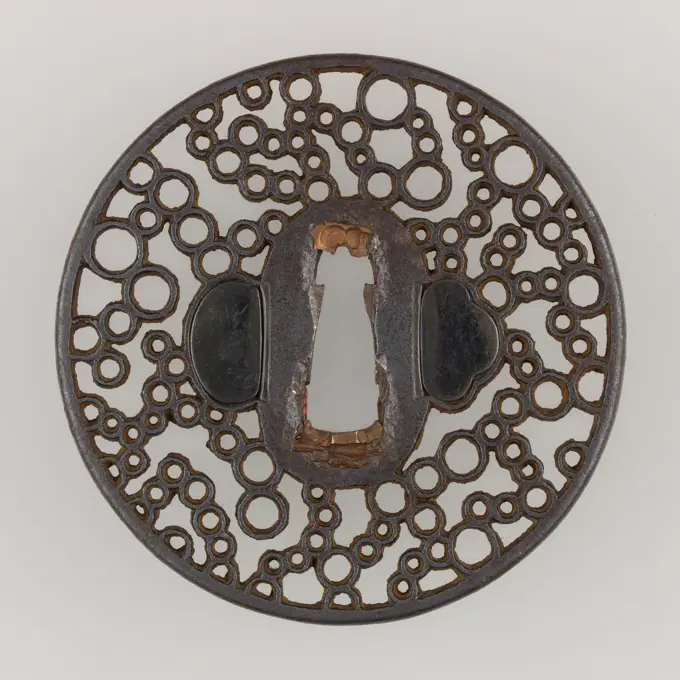
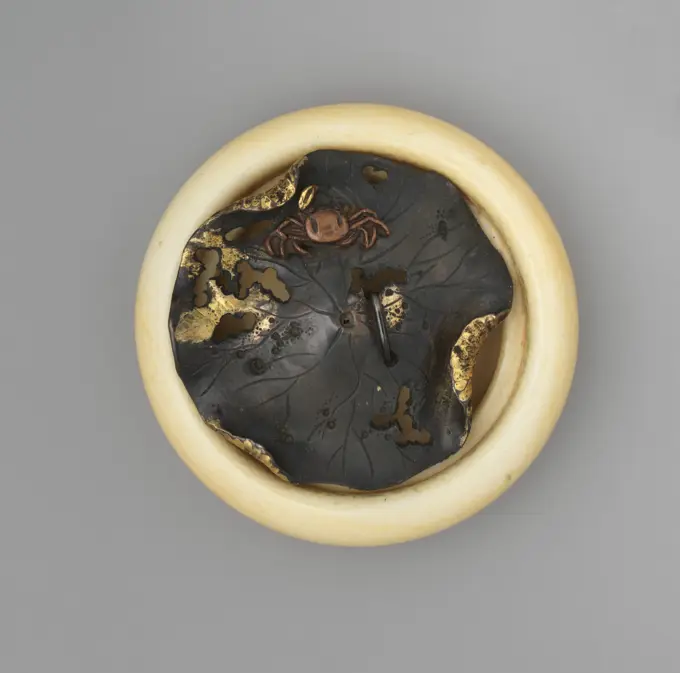
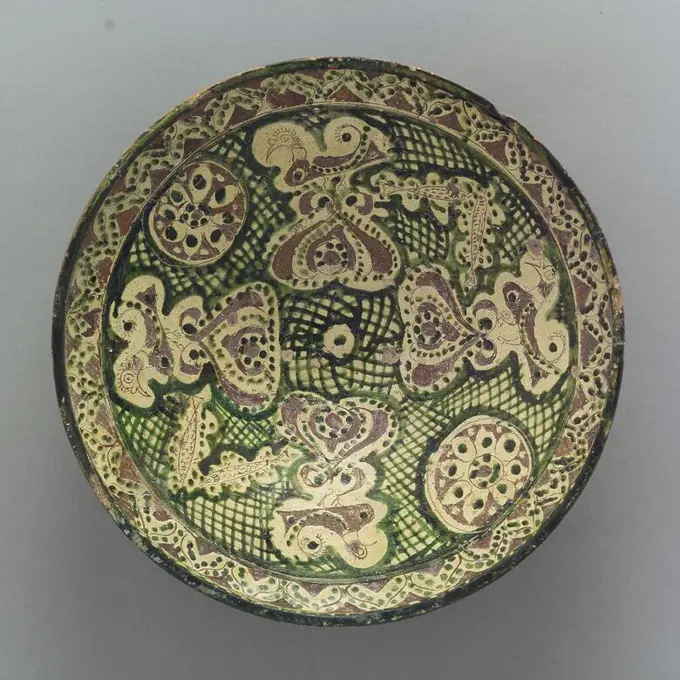
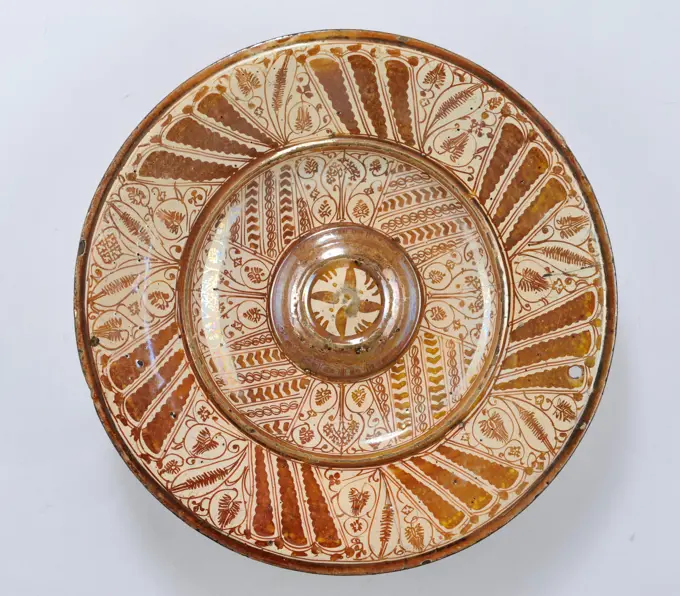
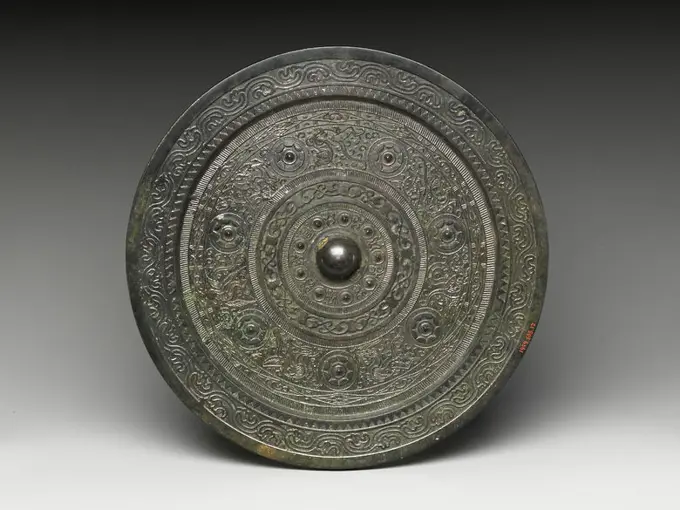
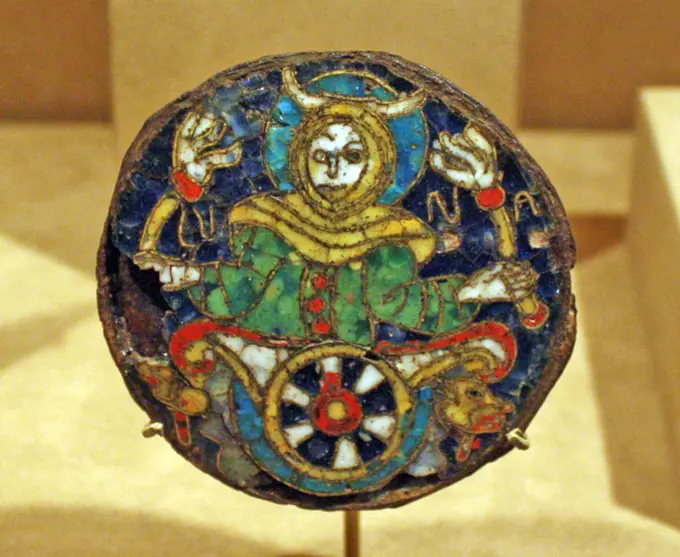
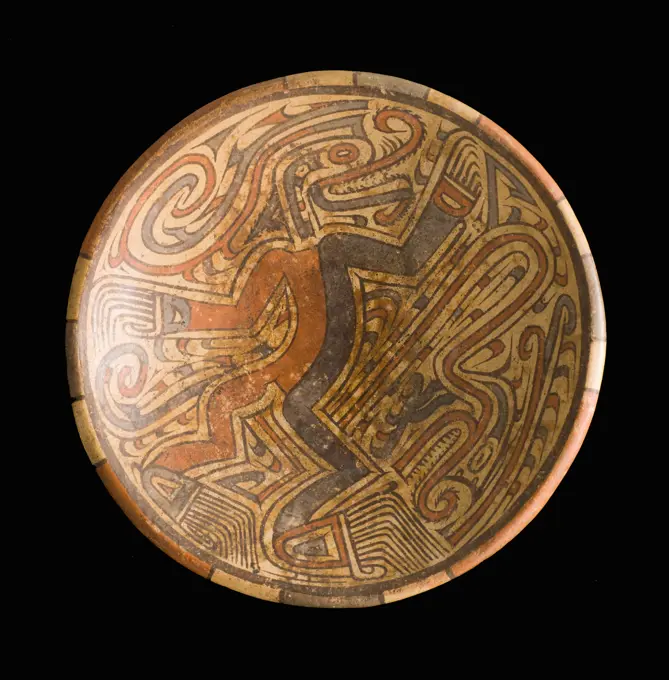
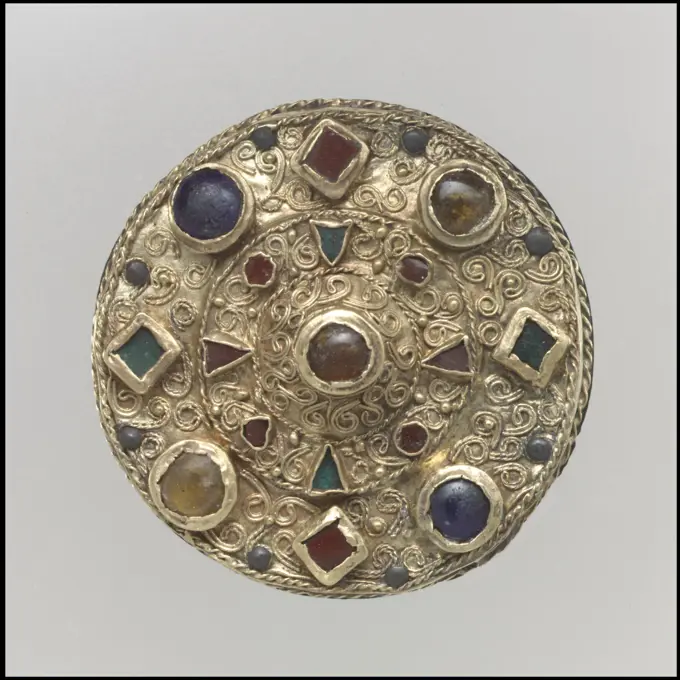
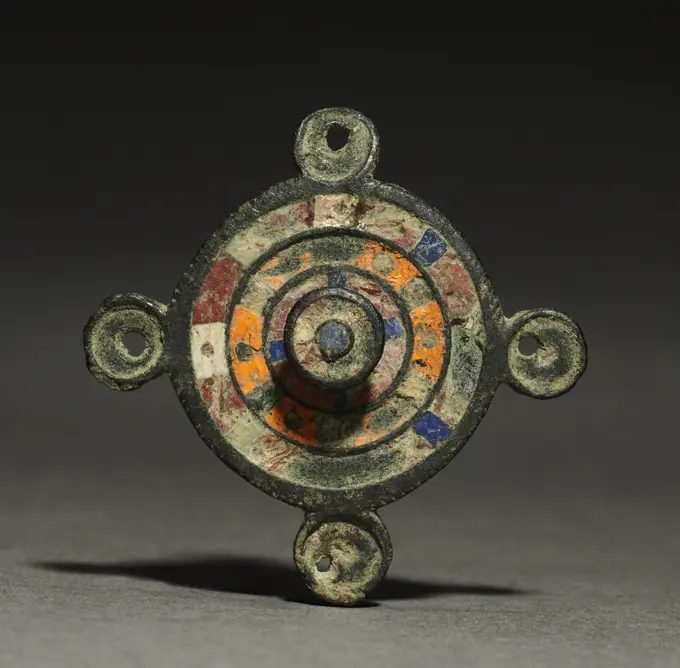
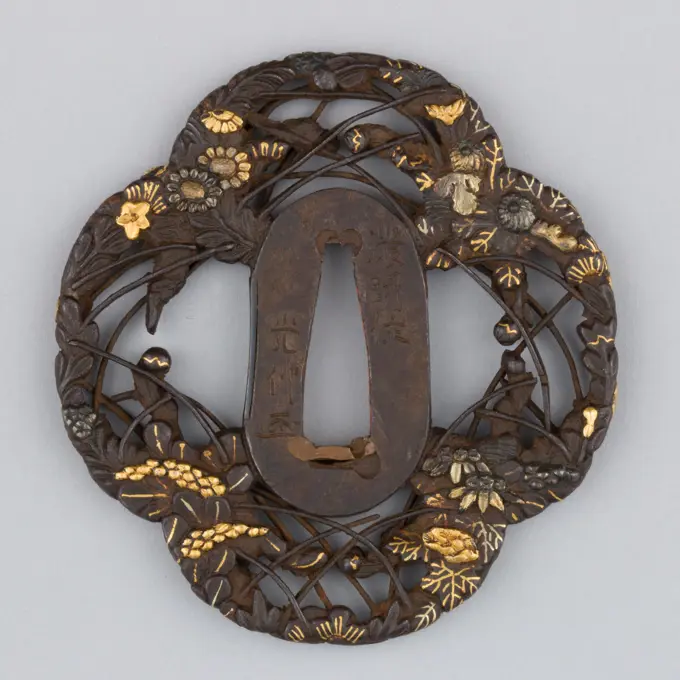
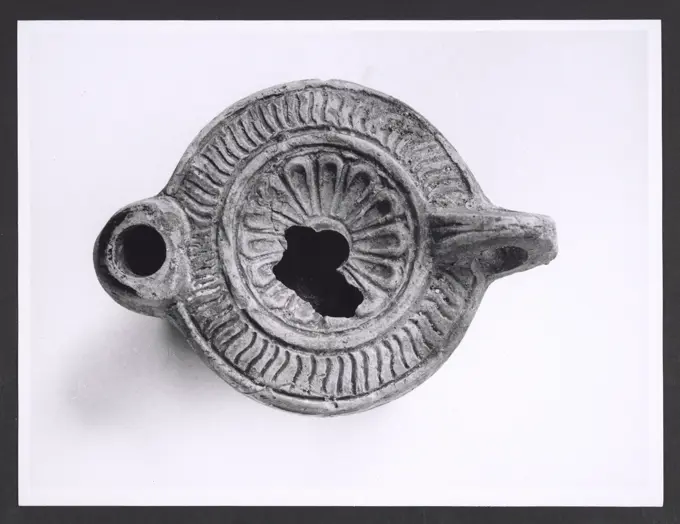
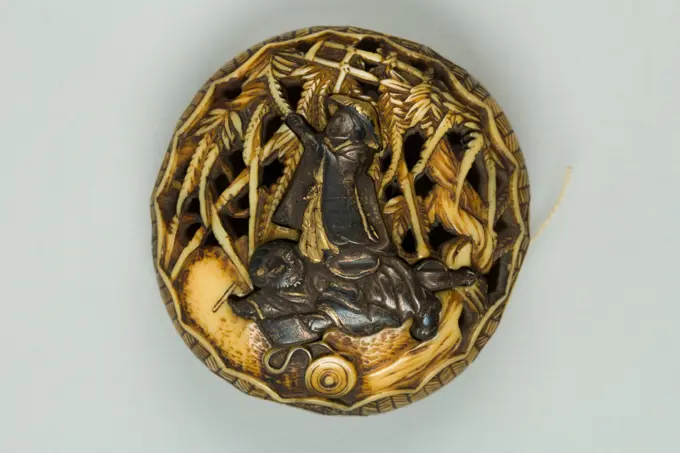
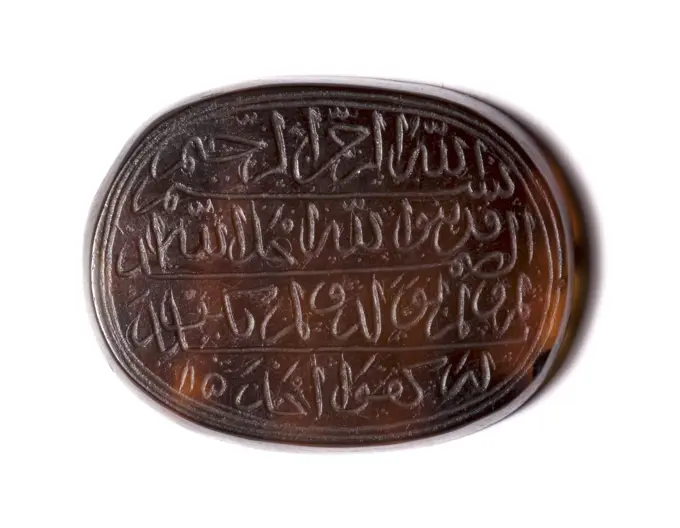
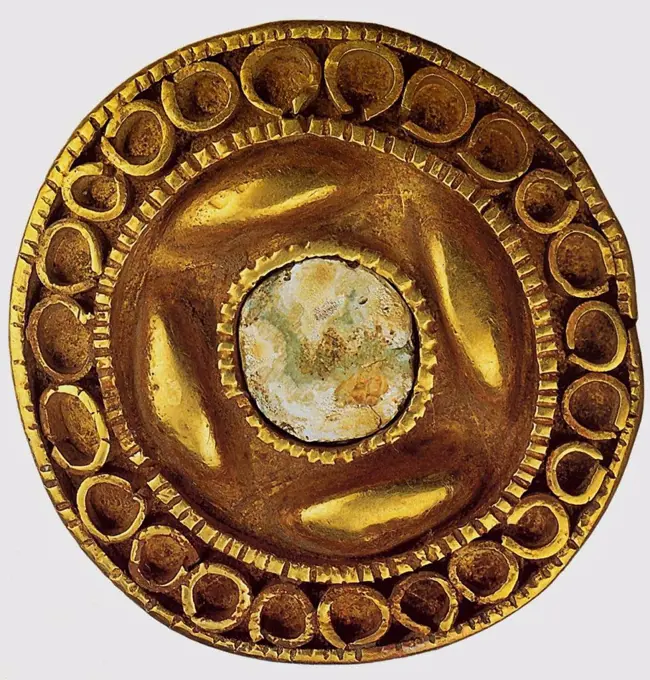
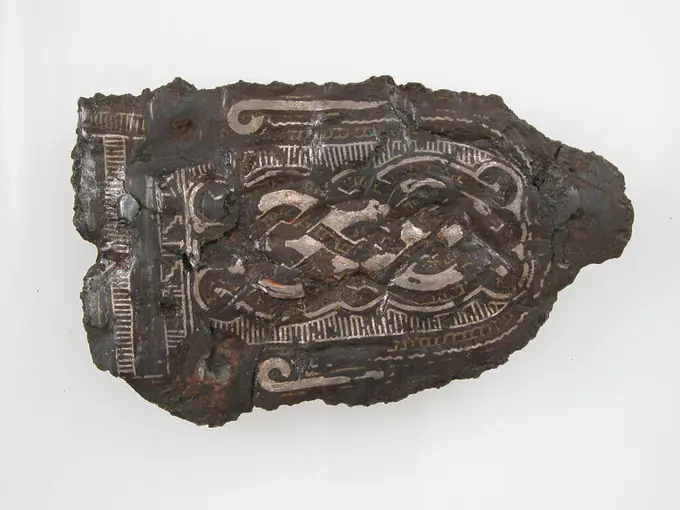
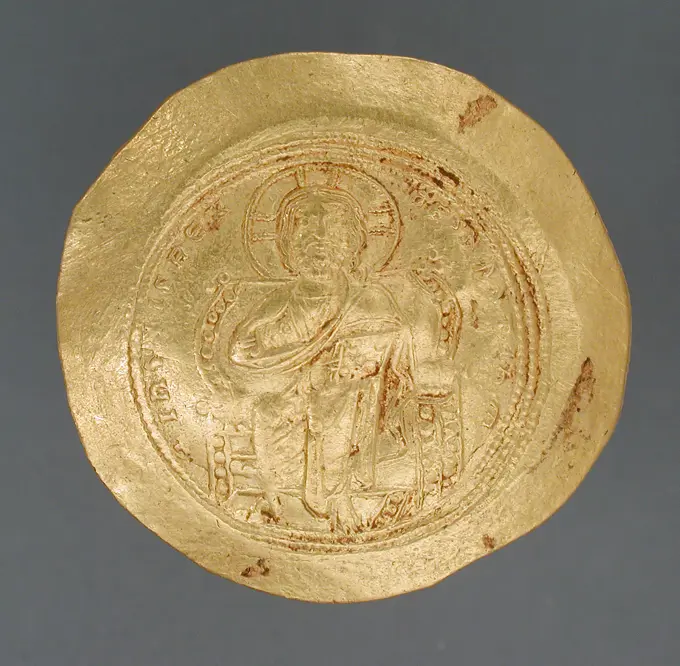
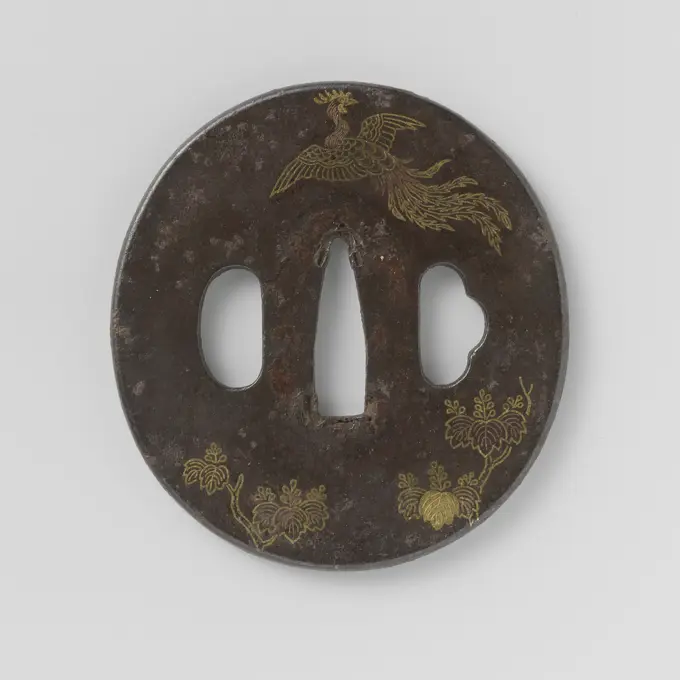
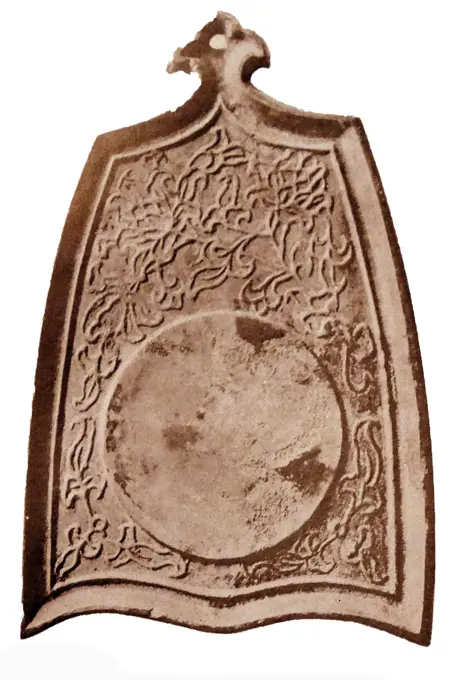
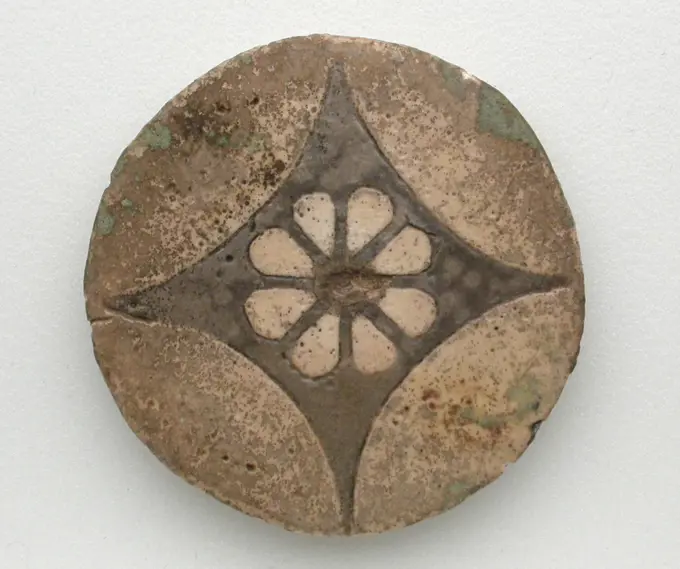
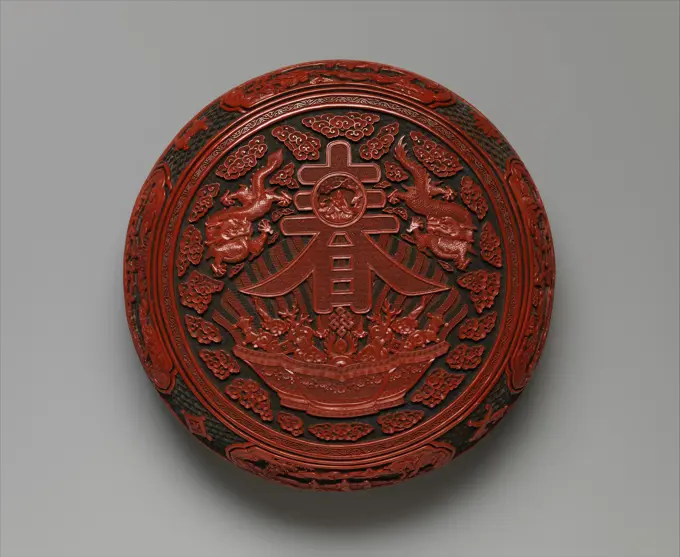
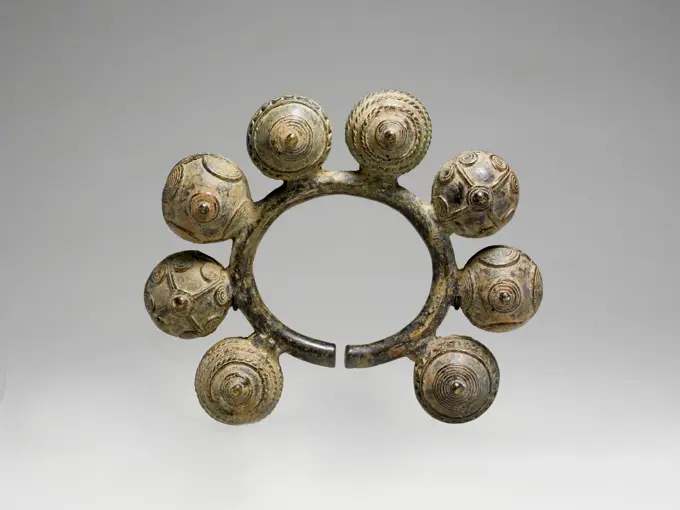
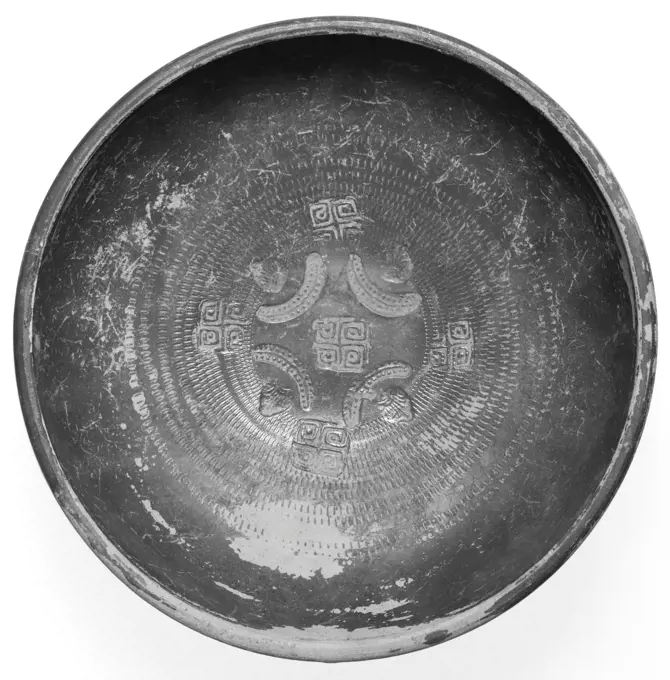
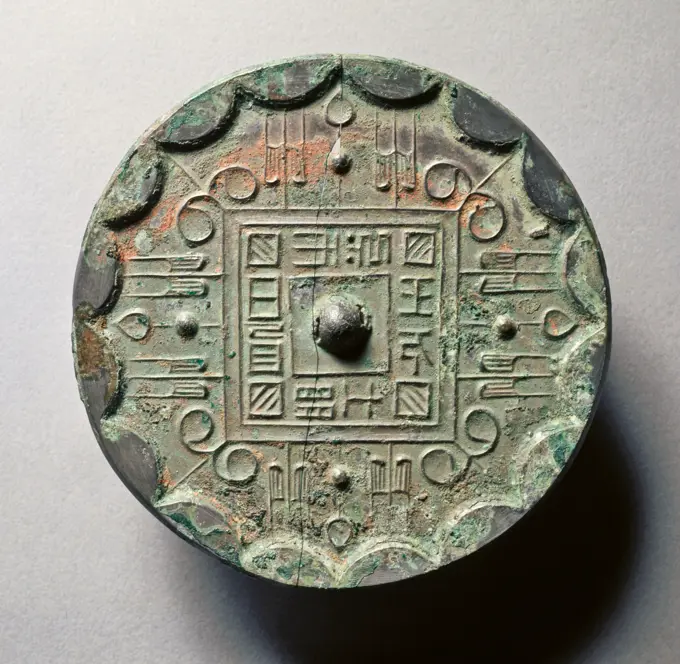
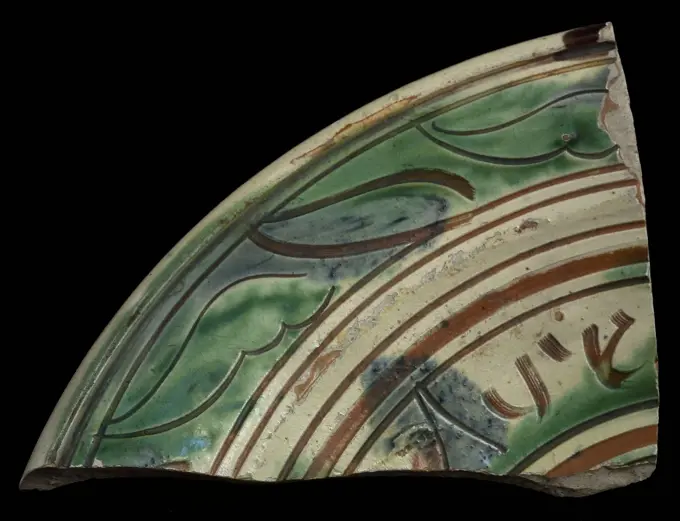
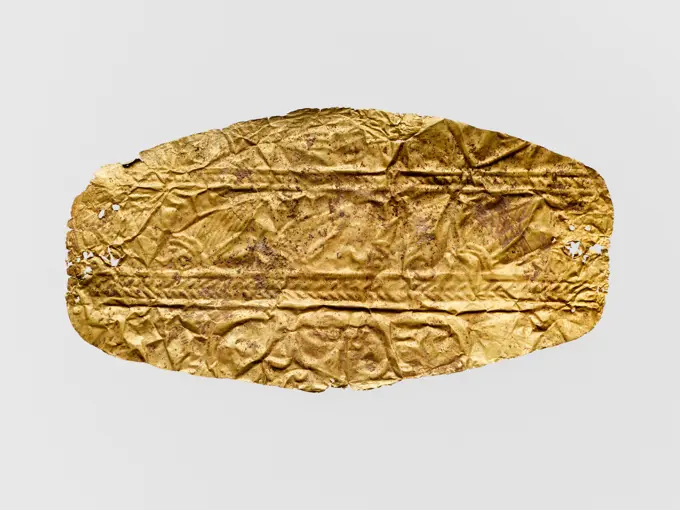
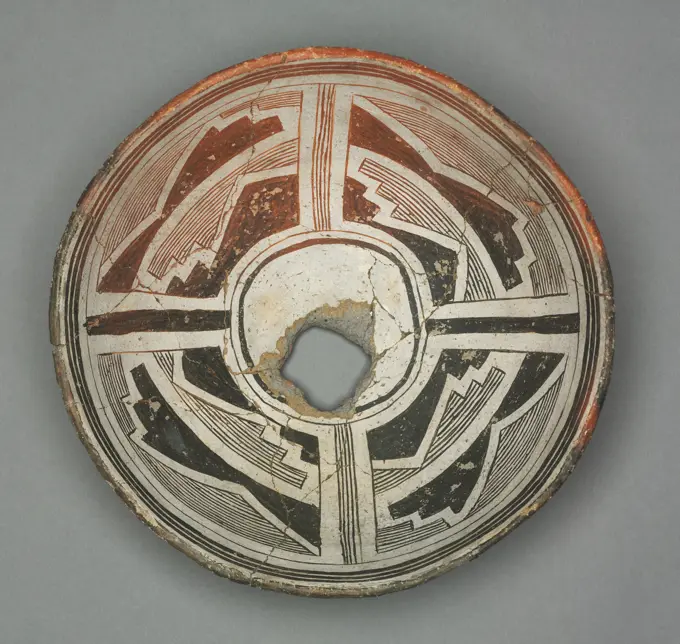
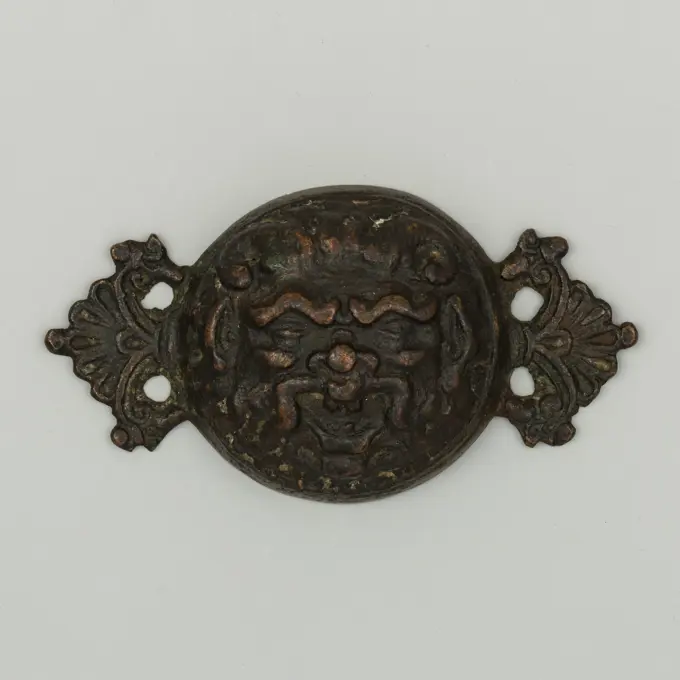
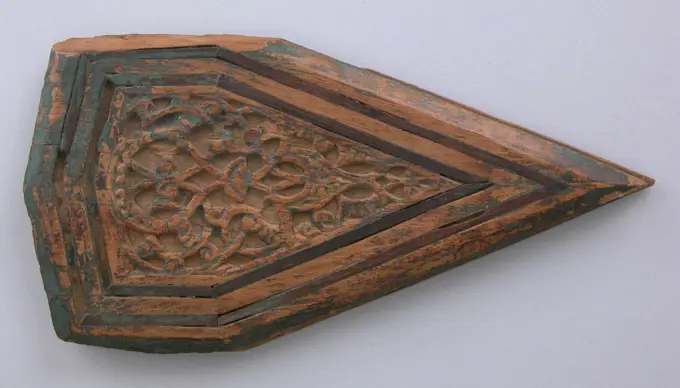
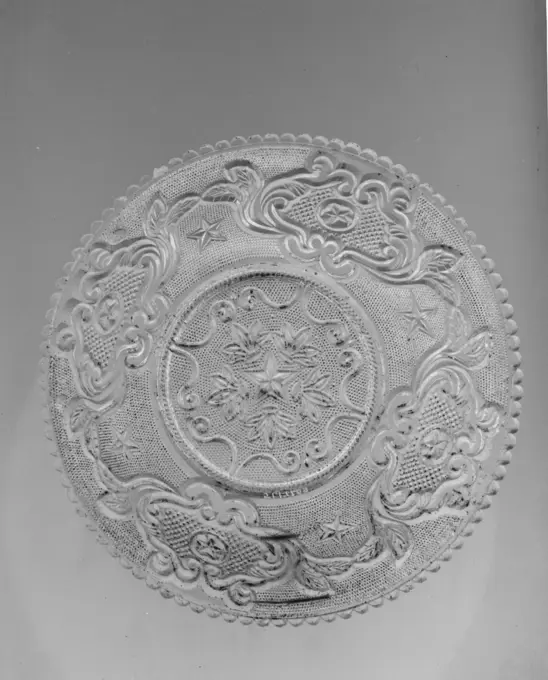
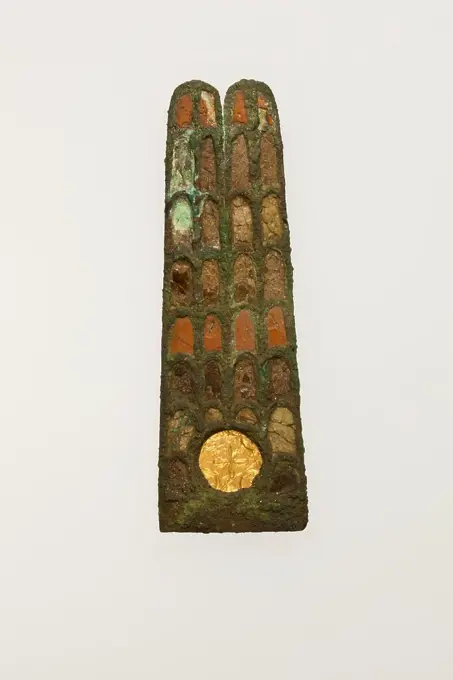
. Bronze mirror decorated with four monkeys that seize each other at the tail.Polish highlanders' decorative claspPlate with a Coat of Arms (Possibly Burgundy). Spanish; Valencia (probably Manises). Date: 1500-1533. Dimensions: Diameter: 48.3 cm (19 in.). Tin-glazed earthenware with copper luster. Origin: Spain. Museum: The Chicago Art Institute, Chicago, USA.Paten 16th century South Netherlandish. Paten 466342Dishwill made of earthenware with a drawing of a stylized flower in blue, anonymous, 1500 - 1799   earthenware. glaze   earthenware. glazeBit Boss. Culture: European. Dimensions: Diam. 2 15/16 in. (7.5 cm); Wt. 2.6 oz. (73 g). Date: late 17th - early 18th century.Bit bosses were ornamental elements decorating both sides of a horse bit. This type of boss, with a classical decoration featuring scrolls and flowers circled by a leaf garland, was very popular in Western Europe around 1700. Museum: Metropolitan Museum of Art, New York, USA.Applique. Openwork, oval-shaped Applique representing a Chinese fabulier in the middle of tendrils and flowers.Bit Boss. Culture: Italian. Dimensions: Diam. 3 1/2 in. (8.9 cm); Wt. 4.8 oz. (135 g). Date: second half 16th - early 17th century.The domed center of this boss is decorated with a frieze of alternating cherubs' heads and grotesque masks, circled by volutes and palmettes on the rim. Bit bosses were ornamental elements decorating both sides of a horse bit. The hat-shape design, probably inspired by ancient shield bosses excavated at the time, was very popular in Italy and France in the 16th and early 17th century. Museum: Metropolitan Museum of Art, New York, USA.Bowl with Persian Inscription dated A.H. 779/ A.D. 1377 A group of ceramics produced in fourteenth-century Iran has traditionally been associated with the city of Sultanabad, where many examples were found. These so-called Sultanabad wares, however, comprise many differing types of ceramics - and, thus far no kilns have been found at the site. This Sultanabad bowl incorporates a loosely-written Persian inscription that hints at the function of the vessel, reading: "As long as the soup is good, do not worry if the bowl is pretty!". Bowl with Persian Inscription 452079Rod. "Medal matrix. The Orleans family". Metal, steel, 19th century. Museum of Fine Arts of the City of Paris, Petit Palais. 57559-6 Steel, Averse, Bourbon, Orleans family, matrix, medal, metal, numismatics, profile, portrait, queen, king France, 19th centuryDish. Culture: German. Dimensions: Overall: 16 1/8 x 1 3/4 in. (41 x 4.5 cm). Date: early 16th century. Museum: Metropolitan Museum of Art, New York, USA.Fragment of a Bowl 13th-14th century. Fragment of a Bowl 447135Powder Flask ca. 1670-80 German This flask combines several techniques for working ivory. The main surfaces are lathe-turned in concentric circles, the center carved in low relief, and the edges carved in high relief with hunters and their prey.. Powder Flask. German. ca. 1670-80. Ivory, copper alloy. Firearms Accessories-Flasks & PrimersBridle Cheekpiece. Culture: China. Dimensions: H. 3 13/16 in. (9.7 cm); W. 3 1/4 in. (8.3 cm). Date: 11th-10th century B.C.. Museum: Metropolitan Museum of Art, New York, USA.Footed Bowl late 12th-first half 13th century Nineteenth-century antiquarians fascination with The Thousand and One Nights and its 9th-century protagonist, Harun al‑Rashid, provoked interest in the Syrian city of Raqqa, where this Abbasid caliph once resided, and in the ceramics unearthed there. These prized objects date to the Ayyubid period, however, not Haruns time. Recent study confirms that Raqqa was an important ceramics center, especially in the first part of the twelfth century, but other centers produced so‑called Raqqa ware as well.. Footed Bowl 450939Trademark plaque of Jan van der Heyden's fire engine workshop from the wreck of the Dutch East India ship Hollandia, Jan van der Heyden, 1700 - in or before 1743  Fire engine, trademark plaque; eroded: circular, flat disc, on outer rim 2 flat semicircular fastening-rings (1 broken off), relieved decoration of a snake along the rim spitting water into a fire (trademark of Jan van der Heyden). Netherlands copper (metal)   SecondOne from a Set of Dishes with Bamboo, Plum Blossoms, Butterflies, and Birds late 13th-14th century China Vessels such as these were used mainly for formal entertaining. It was likely to have been made in one of the cities along the lower reaches of the Yangzi River. The vessel has the same shape as contemporaneous works in porcelain and lacquer.. One from a Set of Dishes with Bamboo, Plum Blossoms, Butterflies, and Birds. China. late 13th-14th century. Silver with chased and punched decoration and gilding. Southern Song (1127-1279)-Yuan (1271-1368) dynasty. MetalworkCeramic Bowl Inscribed with "'Izz" ("Glory") 12th century Bowls such as this one were typical tableware used daily by well-to-do, middle-class owners for liquid or solid food. This examples biconical shape with a high, slightly conical foot was common in ceramics during the twelfth and thirteenth centuries in both the eastern and the western spheres of the Seljuq realm. Its decorative elements, formulaic benedictory inscriptions—baraka kamila (consummate blessing) in radiating panels, and al-‘izz (glory) repeated four times in reserve on a ground of spirals—and color palette are characteristic of ceramics produced in Raqqa and elsewhere in Greater Syria.. Ceramic Bowl Inscribed with "'Izz" ("Glory"). 12th century. Stonepaste; underglaze-painted, glazed (transparent colorless), luster-painted. Attributed to Syria, probably Raqqa. CeramicsFireplace, with rider ornament, anonymous, c. 1400 - c. 1950 Highstone, with rider ornament. Southern Netherlands earthenware Highstone, with rider ornament. Southern Netherlands earthenwareFragment of a Bowl 14th-15th century. Fragment of a Bowl 446395Gilt silver kylix. Culture: Greek. Dimensions: Width: 8 13/16 in. (22.4 cm)Height: 1 3/4 in. (4.4 cm)Other: 14.284oz. (404.99g). Date: late fifth century B.C..On the tondo is represented 'dread-yelping' Scylla, the Homeric sea monster who lived in a cave on a cliff along the Sicilian coast off the Straits of Messina. She is depicted in the characteristic way, with the upper body of a beautiful woman and three fierce dogs springing from her hips amidst her scaly extremities, one of which terminates in a ketos or sea dragon. Her dog's heads snap at fish jumping around her and she brandishes the broken rudder of ship, which she has sent to the deep. Scylla is framed by a wave pattern and encircling the interior of the rim is a gilt laurel wreath. Museum: Metropolitan Museum of Art, New York, USA.Shallow Dish fragment 12th-13th century Byzantine. Shallow Dish fragment 462737Sword Guard (Tsuba), c. 1615-1868. Japan, possibly Edo period (1615-1868). Iron; diameter: 8.4 cm (3 5/16 in.).Dish. Culture: German. Dimensions: Overall: 15 7/8 x 1 7/16 in. (40.3 x 3.7 cm). Date: early 16th century. Museum: Metropolitan Museum of Art, New York, USA.Astrolabe of Umar ibn Yusuf ibn Umar ibn Ali ibn Rasul al-Muzaffari dated A.H. 690/ A.D. 1291 Umar ibn Yusuf ibn Umar ibn Ali ibn Rasul al-Muzaffari For an object produced during the medieval period, this astrolabe is unusually well documented. Its inscription attributes it to a Rasulid prince, 'Umar ibn Yusuf, a few years before he ascended to the throne (r. 1295-96). 'Umar compiled a number of scientific treatises, including one on the construction of astrolabes, an autographed version of which, preserved in Cairo, contains certifications by his teachers as to his competence as a maker of such devices and a description of this very piece. Listen to experts illuminate this artwork's story Listen Play or pause #6694. Astrolabe of Umar ibn Yusuf ibn Umar ibn Ali ibn Rasul al-Muzaffari, Part 1 Play or pause #6740. Astrolabe of Umar ibn Yusuf ibn Umar ibn Ali ibn Rasul al-Muzaffari, Part 2 Supported by Bloomberg Philanthropies We're sorry, the transcript for this audio track iVase fragment Roman, Gaul Human figures above rosettes in medallions.. Vase fragment. Roman, Gaul. Terracotta. VasesLentoid engraved seal; Crete, Greece; Obsidian; 0.5 × 1.7 × 1.6 cm (3,16 × 11,16 × 5,8 in.)Astrolabe of 'Umar ibn Yusuf ibn 'Umar ibn 'Ali ibn Rasul al-Muzaffari. Dimensions: Case (a): Max. W. 7 5/8 in. (19.4 cm) Diam. 6 1/8 in. (15.6 cm) D. 1/4 in. (0.6 cm)Bar with attached nail (b): Max. H. 1 7/8 in. (4.8 cm)Max. W. 1 1/8 in. (2.9 cm)L. 5 in. (12.7 cm)Net (c): Diam. 5 in. (12.7 cm)Plates (d-g): Diam. 5 in. (12.7 cm)Pin (h): L. 1 3/4 in. (4.4 cm)W. 1/2 in. (1.3 cm). Maker: 'Umar ibn Yusuf ibn 'Umar ibn 'Ali ibn Rasul al-Muzaffari. Date: dated A.H. 690/ A.D. 1291.For an object produced during the medieval period, this astrolabe is unusually well documented. Its inscription attributes it to a Rasulid prince, 'Umar ibn Yusuf, a few years before he ascended to the throne (r. 1295-96). 'Umar compiled a number of scientific treatises, including one on the construction of astrolabes, an autographed version of which, preserved in Cairo, contains certifications by his teachers as to his competence as a maker of such devices and a description of this very piece. Museum: MetSword Guard (Tsuba) with Shells and Seaweed, c. 1615-1868. Japan, possibly Edo period (1615-1868). diameter: 7.4 cm (2 15/16 in.).Fragment 14th-15th century. Fragment 446423Silver bowl. Culture: Cypriot. Dimensions: H. 1 3/8 in. (3.5 cm)diameter 6 in. (15.3 cm). Date: ca. 675-625 B.C..The particularly dense decoration consists of a tondo surrounded by four friezes. In the center, the Egyptian goddess Isis suckles her son Horus amid papyrus plants. The innermost frieze shows a shepherd, a horse, a cow and calf. The next frieze presents six banqueters attended by men and women. The third zone combines banqueters with tribute bearers. The outermost zone depicts figures in carts departing from a citadel to a palm grove and going back. The carts are particularly reminiscent of the terracotta models. The Isis motif and the fortifications derive from Egyptian and Assyrian sources. Museum: Metropolitan Museum of Art, New York, USA.Pelican in Her Piety and Inscription reverse. Dated: c. 1482. Medium: gilt bronze. Museum: National Gallery of Art, Washington DC. Author: Sperandio.Galvanoplastic reproduction of a round shield with tendrils and putti, c. 1400 - c. 1950 shield Galvanoplastic reproduction of a round shield with tendrils and putti. unknown iron (metal)Mirror with ornament tires and rosettes, anonymous, -100 - 100 Numerous concentric ornament tires; At the widest seven rosettes. China bronze (metal) Numerous concentric ornament tires; At the widest seven rosettes. China bronze (metal)Spindle Whorl, 700s - 900s. Iran, early Islamic period, 8th - 10th century. Bone, incised; overall: 0.4 x 2.1 x 2.1 cm (3/16 x 13/16 x 13/16 in.).Compass Card, Jan Marten Kleman, 1825 - 1849 compass card Compass rose with a compass with a rubble point. The rose has a brass cap in the middle with hole in front of the pen at the bottom. Amsterdam paper. brass (alloy). ruby (mineral). iron (metal)Carnavalet Museum, Medals CollectionSource (container), Late sixteenth century - early seventeenth century, Ceramics (earthenware decorated with metallic reflections, central umbo and concentric borders of geometric patterns contrasted in negative), of Manises or Valencia (Valencia), Diameter: 38.5 cm. Museum: Museo Fundación Francisco Godia, Barcelona, Cataluña, España.Mirror with Constellation and Cloud Design. Culture: China. Dimensions: Approx. diam. 6 1/8 in. (15.6 cm). Date: 1st century B.C.. Museum: Metropolitan Museum of Art, New York, USA.Disk Brooch. Culture: Frankish. Dimensions: Overall: 1 5/8 x 9/16 in. (4.1 x 1.5 cm). Date: 7th century.The dress of Frankish women generally consisted of a tunic, cinched by a belt from which hung an array of pendants. A wrap or cloak went over the tunic. Shoes and hosiery, fastened with buckles, covered the legs. Earrings, necklaces, and hairpins completed the ensemble.Aspects of this dress changed from the 300s to the 600s, and brooches in particular convey changes in taste. From the 300s to the 500s, pairs of small brooches, in an array of inventive shapes, held the wrap in place. By the 600s, a single large disc brooch, usually elaborately decorated, served the same function. No other piece of jewelry is more characteristic of Frankish dress than the brooch, and no other better demonstrates the virtuosity of Frankish metalworkers. Museum: Metropolitan Museum of Art, New York, USA.Sword Guard (Tsuba) 16th century Japanese A tsuba is a sword guard and part of a sword mounting. It is mounted between the swords blade and grip to protect the users hands.. Sword Guard (Tsuba) 24782Netsuke in the Shape of Crab on a Lotus Leaf 19th century Japan A crab of copper alloy sidles across this decaying lotus leaf. The upturned edges of the leaf and the crab's claw are rendered in gold.. Netsuke in the Shape of Crab on a Lotus Leaf. Japan. 19th century. Ivory with metal disc. Edo (1615-1868) or Meiji period (1868-1912). NetsukeBowl. Dimensions: 11 1/8 x 3 7/16 in. (28.3 x 8.7 cm). Date: 13th century or later. Museum: Metropolitan Museum of Art, New York, USA.Round trayPlate second half 18th century Style of Whieldon type. Plate. probably British, Staffordshire. second half 18th century. Earthenware, glazed. Ceramics-PotteryPlate. Manises (ośrodek ceramiczny ; ca 1400- ), potter's workshopBatter of a mission tire. Ten fitting parts of a mission tape, from brass. The ten parts are cut from copper plate, driven, engraved and sponately edited. A copper button with seven facets is riveted on each of them. They are equipped with holes on the corners or along the edge to be able to turn nails, with which they were constituted on the book band. Four corner pieces have a rear edged on two sides. The remaining four have that only at the top or bottom (these were placed against the back of the book). Two sides have been deposited with an open edge of cross flowers from each corner piece. The field in the middle is taken by three-dialed tendrils. The ornament on the middle parts exists on the corners from a plant with three leaves and two flowers in a pot. The four parts in between are taken by fantasy decreases.Fragment of a Bowl 14th-15th century. Fragment of a Bowl 445447Mirror with Fantastic Animals. Culture: China. Dimensions: Diam. 9 1/4 in. (23.5 cm). Museum: Metropolitan Museum of Art, New York, USA.Roundel with a Personification of the Moon. Copper alloy, iron and cloisonne enamel Carolingian. Made about 860-90, probably in south central France. This plaque is one of the earliest known examples in the West of the cloisonne enamel technique.Silver Disk Ornament 12th-15th century Ecuador. Silver Disk Ornament 315292Carving; wood, paintedEngageante with a continuous pattern of coordonated application work, anonymous, c. 1750 - c. 1900 Engageante consisting of three strips decorated with a continuous pattern of tendrils, leaves and flowers in coordonated application work. The fund and the fillings are of Flemish open sewing work in alternating motives. West-Europa . embroidering Engageante consisting of three strips decorated with a continuous pattern of tendrils, leaves and flowers in coordonated application work. The fund and the fillings are of Flemish open sewing work in alternating motives. West-Europa . embroideringRound brooch of silver 'Forever Flying for Freedom', c. 1944 - c. 1945 Round brooch made of silver with hook closure with on banderol in the middle the text 'Forever Flying for Freedom'. In an openwork edge of leaves and berries, twelve flags of the Allies are flagging. Zandvoort silver (metal) Round brooch made of silver with hook closure with on banderol in the middle the text 'Forever Flying for Freedom'. In an openwork edge of leaves and berries, twelve flags of the Allies are flagging. Zandvoort silver (metal)Pedestal Dish. Panama, Parita, 1000-1100. Ceramics. Burnished ceramic with slipCERAMICA IRANI-PLATO DE BARRO BLANCO S XIV. Location: MUSEO ARQUEOLOGICO NACIONAL-COLECCION. MADRID. SPAIN.Disk Brooch 7th century () Frankish The dress of Frankish women generally consisted of a tunic, cinched by a belt from which hung an array of pendants. A wrap or cloak went over the tunic. Shoes and hosiery, fastened with buckles, covered the legs. Earrings, necklaces, and hairpins completed the ensemble.. Disk Brooch 464976 Frankish, Disk Brooch, 7th century (), Gold sheet with filigree and glass inlays, Overall: 1 3/4 x 7/8 in. (4.5 x 2.3 cm). The Metropolitan Museum of Art, New York. Gift of J. Pierpont Morgan, 1917 (17.191.27)Peru, Pre-Inca civilization, Nazca culture, Double spout and bridge vessel with painted monkey figuresSword Guard (Tsuba). Culture: Japanese. Dimensions: H. 2 5/8 in. (6.7 cm); W. 2 1/2 in. (6.4 cm); thickness 1/4 in. (0.6 cm); Wt. 4 oz. (113.4 g). Date: ca. 1615-1868. Museum: Metropolitan Museum of Art, New York, USA.Ornamental Brooch, c. 100-300. Gallo-Roman or Romano-British, Migration period, 2nd-3rd century. Bronze and champlevé enamel; overall: 5.3 x 5.3 x 1.6 cm (2 1/16 x 2 1/16 x 5/8 in.).Sword Guard (Tsuba) ca. 1615-1868 Japanese A tsuba is a sword guard and part of a sword mounting. It is mounted between the swords blade and grip to protect the users hands.. Sword Guard (Tsuba) 34370Emilia-Romagna Ferrara Ferrara Museo Civico di Schifanoia76. Hutzel, Max 1960-1990 General Notes: INCOMPLETE RECORD--NEGATIVES PROCESSED, PRINTS FILED German-born photographer and scholar Max Hutzel (1911-1988) photographed in Italy from the early 1960s until his death. The result of this project, referred to by Hutzel as Foto Arte Minore, is thorough documentation of art historical development in Italy up to the 18th century, including objects of the Etruscans and the Romans, as well as early Medieval, Romanesque, Gothic, Renaissance and Baroque monuments. Images are organized by geographic region in Italy, then by province, city, site complex and monument.Bowl. unknown, manufacturerDisk Brooch 7th century () Frankish. Disk Brooch 465425 Frankish, Disk Brooch, 7th century (), Gold, glass, mother-of-pearl, copper alloy, Overall: 2 3/8 x 7/8 in. (6.1 x 2.3 cm). The Metropolitan Museum of Art, New York. Gift of J. Pierpont Morgan, 1917 (17.193.118)Netsuke 19th century Japan. Netsuke. Japan. 19th century. Ivory carved in openwork, ornamented with silver. Edo (1615-1868) or Meiji period (1868-1912). NetsukeOval amulet with Quranic inscription. unknown, craftsmanDecorative object, Gold, silver, glass stones, 8th century BC, Ukraine, Kiev, National museum of History of Ukraine,Counter Plate of a Belt Buckle. Culture: Frankish. Dimensions: Overall: 4 1/8 x 2 9/16 x 7/16 in. (10.4 x 6.5 x 1.1 cm). Date: 7th century. Museum: Metropolitan Museum of Art, New York, USA.Mirror with Three Dragons, 200s BC. China, Eastern Zhou dynasty (771-256 BC), Warring States period (475-221 BC). Bronze; diameter: 16.9 cm (6 5/8 in.); overall: 0.6 cm (1/4 in.); rim: 0.5 cm (3/16 in.).. Mokko-shaped tsuba with raised edge; This edge is made up of stylized clouds in relief; Inside styled waves in relief.Broche, obra de Manuel Hugué, siglo XX. Colección privada.Coin, Constantine IX Monomachus. Constantinople, Byzantine, circa 1042-1055 A.D.. Tools and Equipment; coins. GoldWallet Bead, 1540-1296 BC. Egypt, New Kingdom, probably Dynasty 18. Gold; overall: 0.9 cm (3/8 in.).Spindle Whorl, 700s - 900s. Iran, early Islamic period, 8th - 10th century. Bone, incised; overall: 0.7 x 2.4 x 2.4 cm (1/4 x 15/16 x 15/16 in.).Mirror with deities and mythical creatures late 2nd century China. Mirror with deities and mythical creatures. China. late 2nd century. Bronze with black patina. Eastern Han dynasty (25-220). MirrorsOrnament with Goat 3rd century B.C. North China. Ornament with Goat 59544Badge or Harness Pendant ca. 1400 Spanish Heraldry, or coat-of-arms, were vitally important in Europe throughout the Middle Ages and the Renaissance. Heraldic emblems were used to identify noble families, cities, regions, and even countries. In addition to being displayed on shields and flags, heraldry was incorporated into architectural decoration on the interior and the exterior of buildings, on furniture, works of art, clothing, and horse equipment. Harness pendants, like this example, would have been attached to a headstall, bridle, or other straps making up the tack of a horse ridden by a nobleman or noblewoman, or a member of their household. Many harness pendants also have decoration that is simply ornamental, or have symbols that are not specifically heraldic in nature.. Badge or Harness Pendant. Spanish. ca. 1400. Copper, gold, enamel. Miscellaneous-BadgesGold Back Plate of Belt ca. 600 Langobardic This group of objects was found in the grave of a Langobardic horseman, who was buried in his warrior dress, with weapons, shield, helmet, and the fittings for his horse. What remains are the many gold pieces that would have ornamented his clothing and equipment, and they attest to the great wealth of the Langobardic aristocracy within a generation of settling in Italy.. Gold Back Plate of Belt 469028Hand guard, anonymous, 1700 - 1900 Oval tsuba with a Phoenix and Paulownia branches at the front in the flat in the flat in the flat; A Paulownia branch at the rear. Japan iron (metal). gold (metal) Oval tsuba with a Phoenix and Paulownia branches at the front in the flat in the flat in the flat; A Paulownia branch at the rear. Japan iron (metal). gold (metal)Bronze mirror from Koryo (Goreyo) (Goreyo) dynasty (918-1392).Rosette from the Temple of Ramesses III 1186 BCE-1069 BCE Egypt. Faience . Ancient EgyptianPrecious Spring Longevity Box 1736-1795 China The Qianlong emperor commissioned at least eighteen versions of this box. He especially valued the design on the top: a large representation of the character for spring (chun, an allusion to long life), and a small image of Shoulao, the god of longevity. The character and the overflowing bowl below it are set against a background of radiating rainbows. The bowl of treasures motif first appeared in carved lacquer in the sixteenth century; it was incorporated into this more complicated program of imagery during the reign of Qianlong.. Precious Spring Longevity Box 667288Ankle Bells early 19th century Dan, Wobe. Ankle Bells. Dan, Wobe. early 19th century. Metal. Ivory Coast. Idiophone-Shaken-crotal bellCampanian Black Bowl; Campania, South Italy, Europe; 323 - 31 B.C; Terracotta; 5.8 x 15.8 cm (2 5,16 x 6 1,4 in.)Mirror with a Square Band, Four Nipples, and Grass Leaf Motifs, late 3rd century BC-1st century. China, Western Han dynasty (202 BC-AD 9). Bronze; diameter: 10 cm (3 15/16 in.); overall: 0.8 cm (5/16 in.); rim: 0.4 cm (3/16 in.).Commemorative badge of the Lithuanian Belarusian Division No. 20501 Filipski, TeodorFragment of a terracotta stemmed dish late 7th-early 6th century B.C. East Greek, Wild Goat Style Head of a young deer.. Fragment of a terracotta stemmed dish. East Greek, Wild Goat Style. late 7th-early 6th century B.C.. Terracotta. Archaic. VasesBorder fragment earthenware bowl with sgraffito, dishware holder earthenware ceramic earthenware glaze lead glaze, hand-turned sgraffito ringlet glazed baked Edge fragment of shallow earthenware bowl white shard white on red sludge inscribed with lead glaze. Sgraffito: concenrical circles and on the edge leaf motifs Green (copper oxide) accents archeology indigenous pottery import food serve serve tableGold leaf frontlet (band for forehead) ca. 1450-1200 B.C. Cypriot Three rows of ornament. In the central one, leaping fish.. Gold leaf frontlet (band for forehead). Cypriot. ca. 1450-1200 B.C.. Gold. Possibly Late Cypriot II. Gold and SilverPlate 1846 Samuel Troxel The eagle under a political banner was a common motif for Troxel, who designed a number of plates commemorating electoral victories, including this one for James Knox Polk, the eleventh president of the United States (1845-49).. Plate 6208Bowl with Geometric Design (Four-part Design), c 1000- 1150. Southwest, Mogollan, Mimbres, Pre-Contact Period, 11th-12th century. Ceramic; overall: 12 x 28.8 cm (4 3/4 x 11 5/16 in.).Mirror with fantastic animals amid grape vines 7th-8th century China. Mirror with fantastic animals amid grape vines. China. 7th-8th century. Bronze. Tang dynasty (618-907). MirrorsOrnamental Boss first half 17th century probably Netherlandish The domed center of this ornamental boss is adorned with a smiling satyrs mask in relief. On each side, an extension called ‘ear, made of a pierced palmette flanked by small masks, would have allowed the piece to be sewn onto maybe a horse's harness or a carousel costume. These ears are made from elements of the traditional palmette rim found on this type of boss, usually used for decorating horse bits, like 42.50.198 and 42.50.199. This object belongs to a large group of bosses using a series of rims and centers combined in different ways. The exact center of production of these bosses is still unclear. If the motifs used are Italian, the scale of the production and the process of combining a series of rims and center recalls contemporary German practices. Some of them, however, are identical or very similar to bosses seen in several early 17th-century Netherlandish paintings, a likely origin for the manufacture of theseHammered Gold Disk. Culture: Veraguas (). Dimensions: Diameter 5 in. (12.2 cm). Date: 11th-16th century. Museum: Metropolitan Museum of Art, New York, USA.Panel 13th-14th century. Panel 445039Medallion with Varlet with Horn and Hound ca. 1240-60 French. Medallion with Varlet with Horn and Hound 464212Bowl 1835-40 American. Bowl. American. 1835-40. Lacy pressed glass. Possibly made in Midwest, United StatesDouble feather crown of Amun. Dimensions: H. 10.3 cm (4 1/16 in.); W. 3.4 cm (1 5/16 in.); D. 0.4 cm (3/16 in.). Date: 664-30 B.C..This double feather crown belonged to a large Amun statuette, or to a child god who had close associations with Amun. The statue was probably made out of wood but would have incorporated copper alloy elements like this crown, a common technique for high prestige, large, and costly cult images. Because this type of mixed media construction was commonly used, pieces such as these, even in their fragmented state, provide excellent clues about the appearance of large-scale temple statuary made from organic materials, much of which is now degraded and lost. The piece also displays the stunning craftsmanship and capabilities of Egyptian bronze workers with the multi-colored inlays and gilded sun disk. Even though the inlays have deteriorated over time, the piece's original combination of colors and materials would have been stunning and overall it shows the many Brass book fittings with linear decoration, decorative fittings ground find copper metal, whipped riveted engraved Double horseshoe with at the end hook Other end fans out and has two cams Two holes with pins archeology Rotterdam rail tunnel close book adorn Soil discovery: trajectory Rotterdam rail tunnel.Plate; Montelupo (ceramic family; Ca 1400-); around 1530-1540 (1525-00-00-1540-00-00);Sobańska from Górski Maria Zofia Teodozja (1865-1951), Dar (provenance), ornaments