Decorative Metal Artifacts

Detailed images of decorative metal mounts and insignia, showcasing intricate designs and historical significance. The style reflects antique and artistic craftsmanship.

Military Insignia of musketeer or grenadiers from the wreck of the Dutch East Indiaman Hollandia, anonymous, 1700 - in or before 1743  Badge, military; ID. Of-1975-19-h-345/1113. Netherlands copper (metal)   Second
Military Insignia of musketeer or grenadiers from the wreck of the Dutch East Indiaman Hollandia, anonymous, 1700 - in or before 1743 Badge, military; ID. Of-1975-19-h-345/1113. Netherlands copper (metal) Second
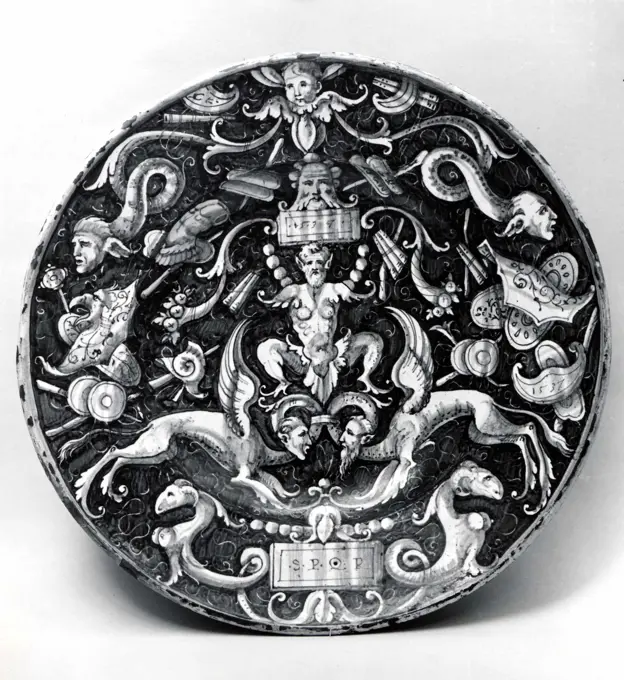
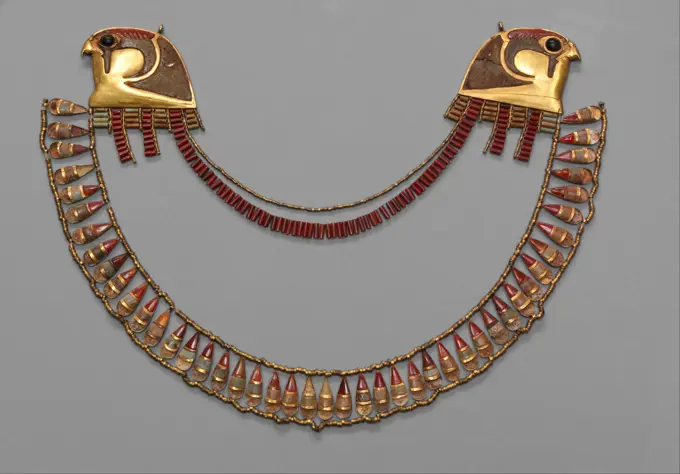
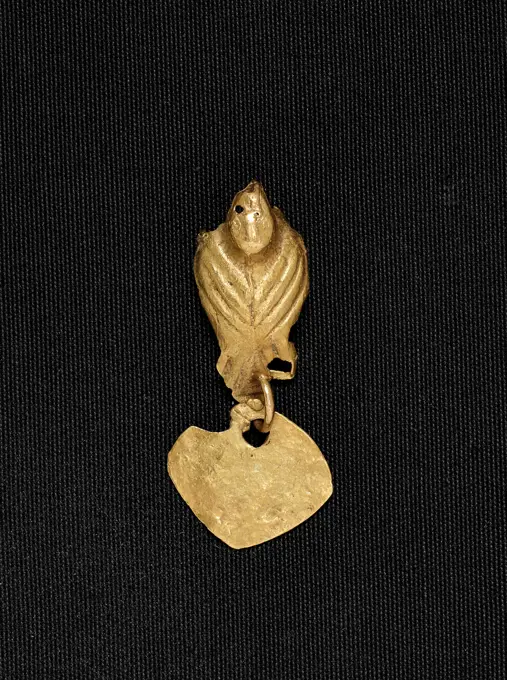
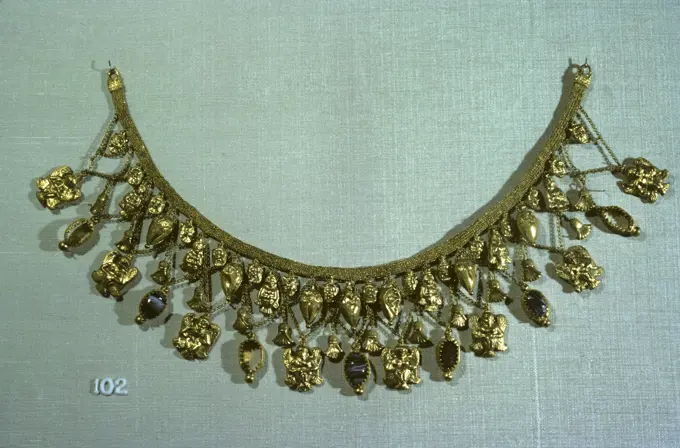
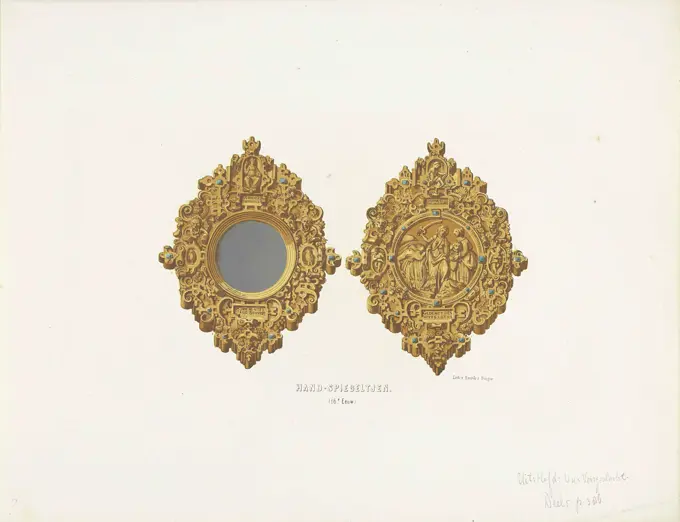
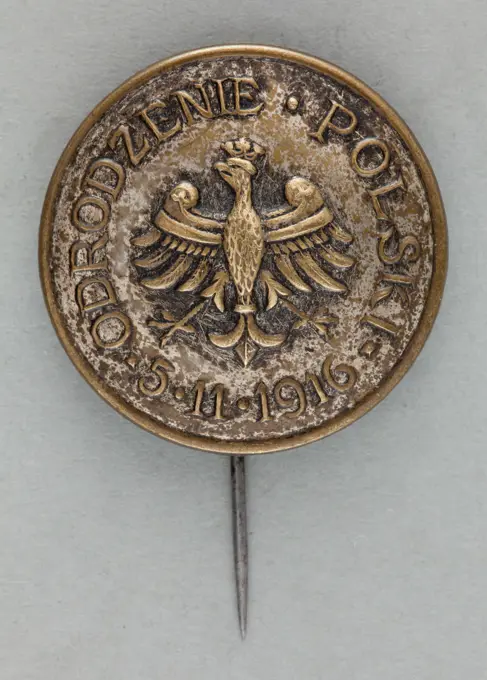
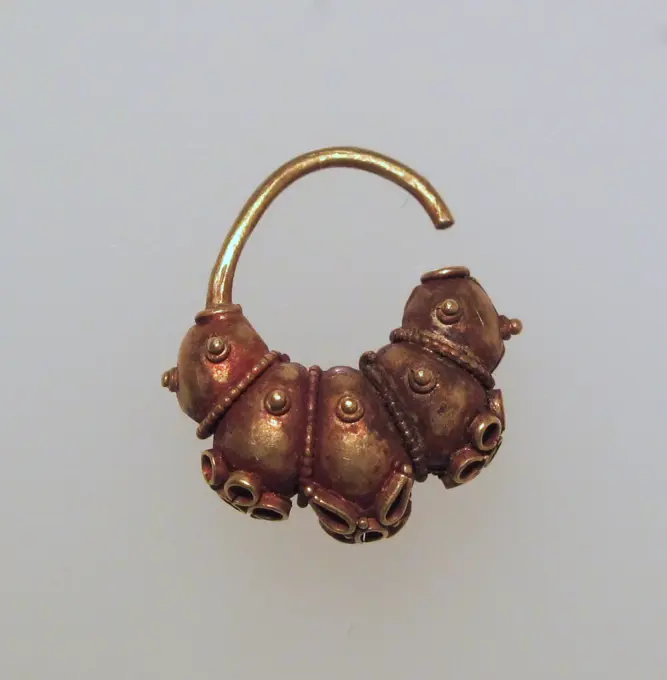
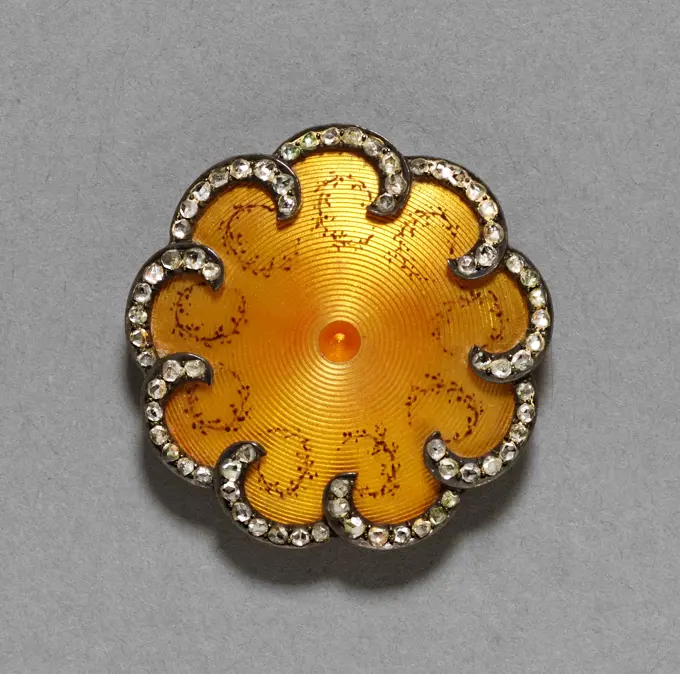
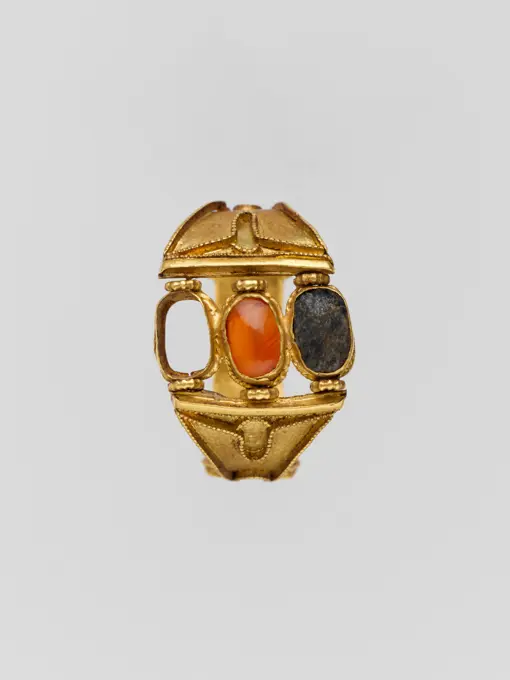
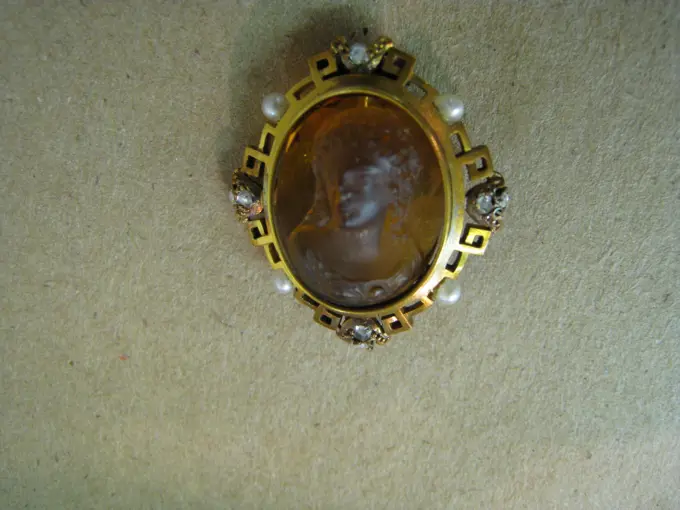
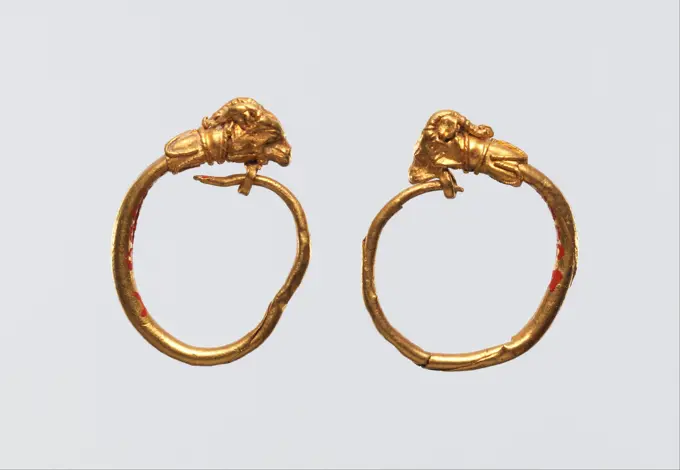
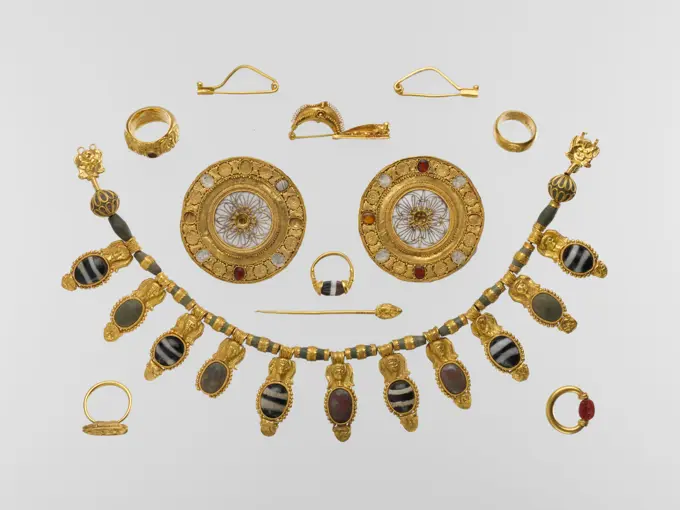
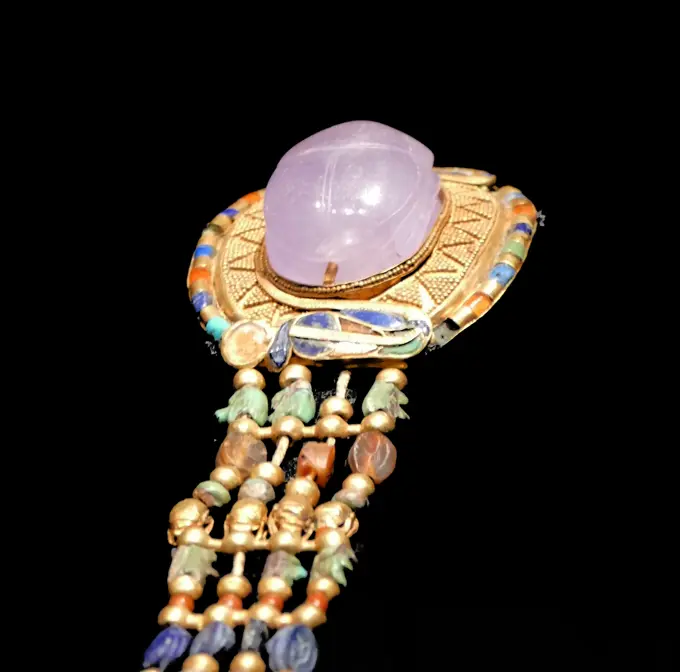
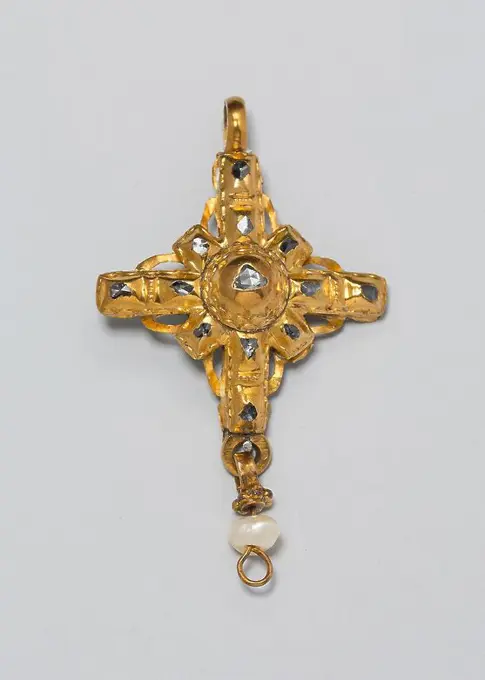
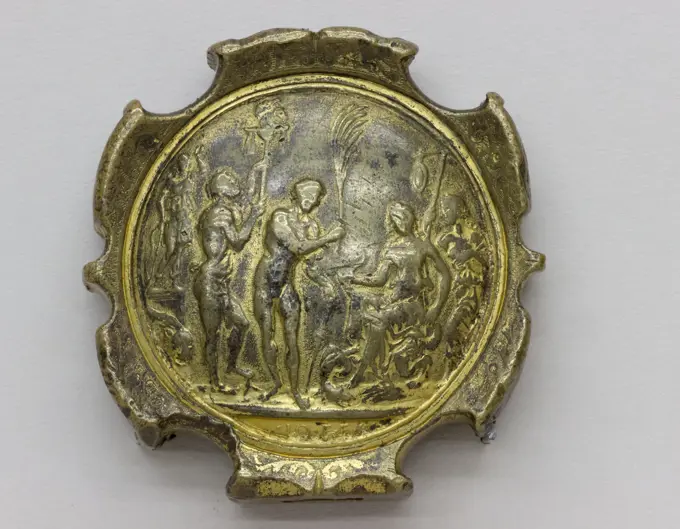
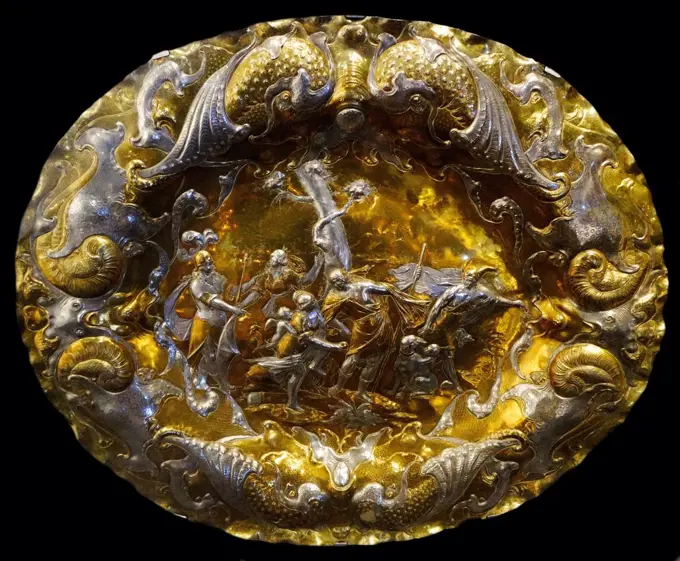
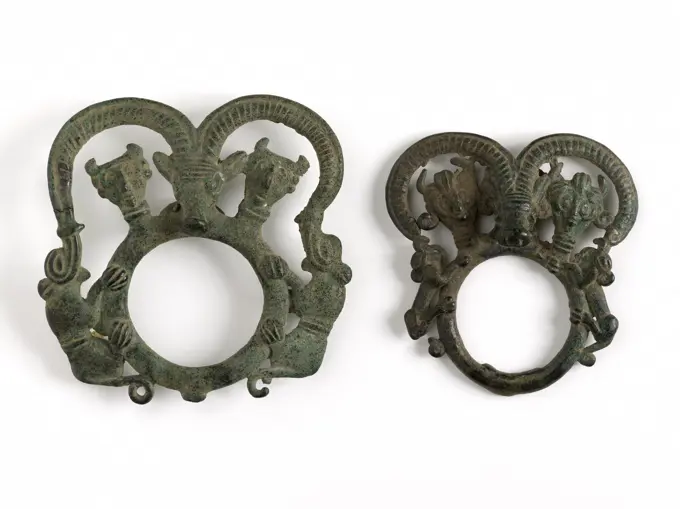
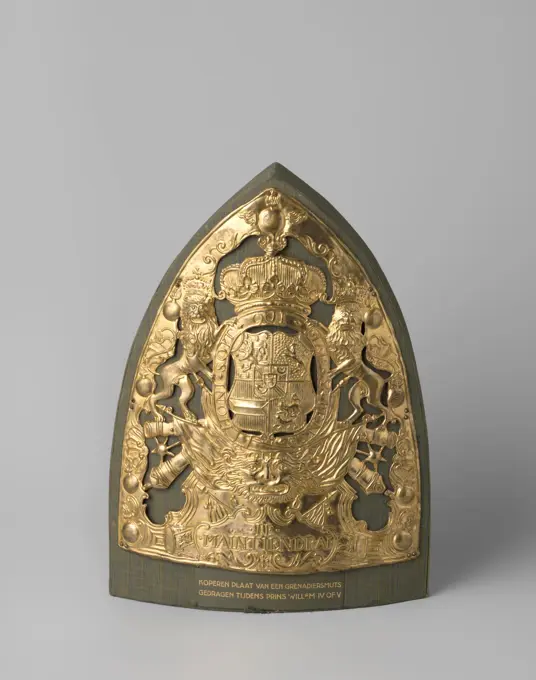
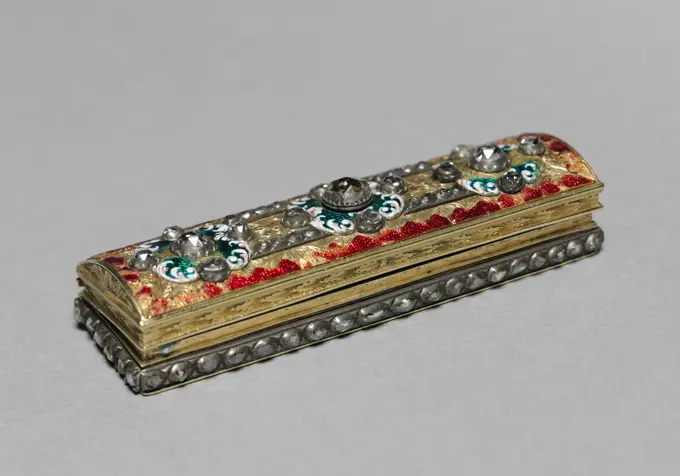
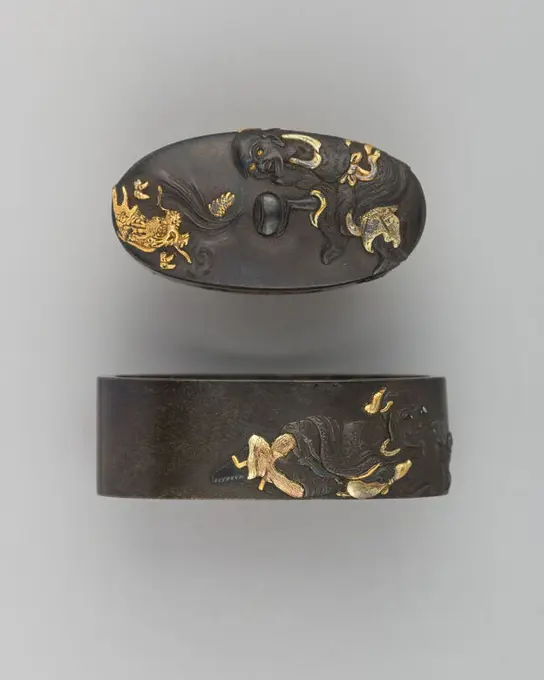
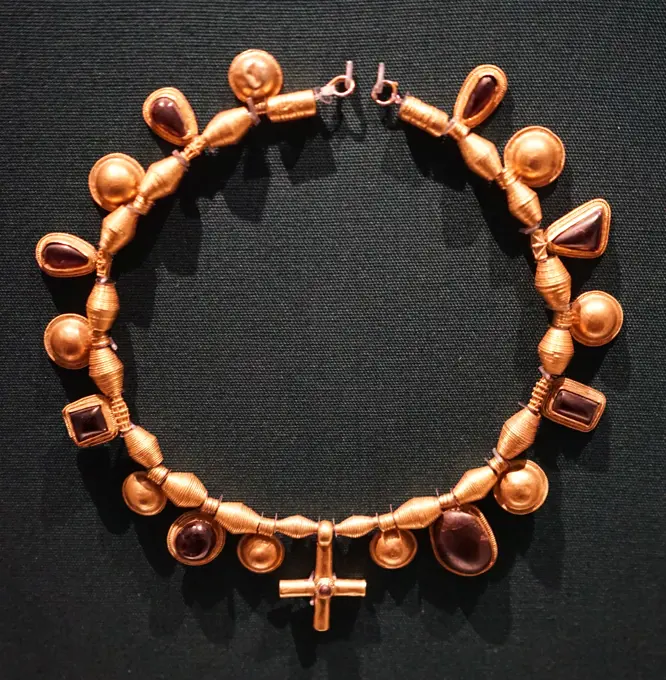
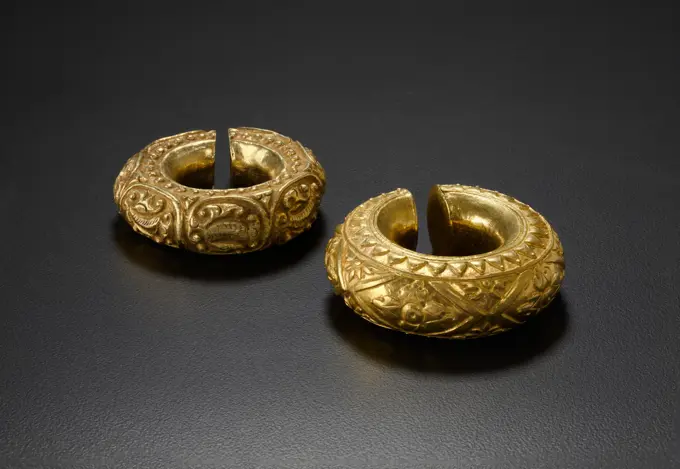
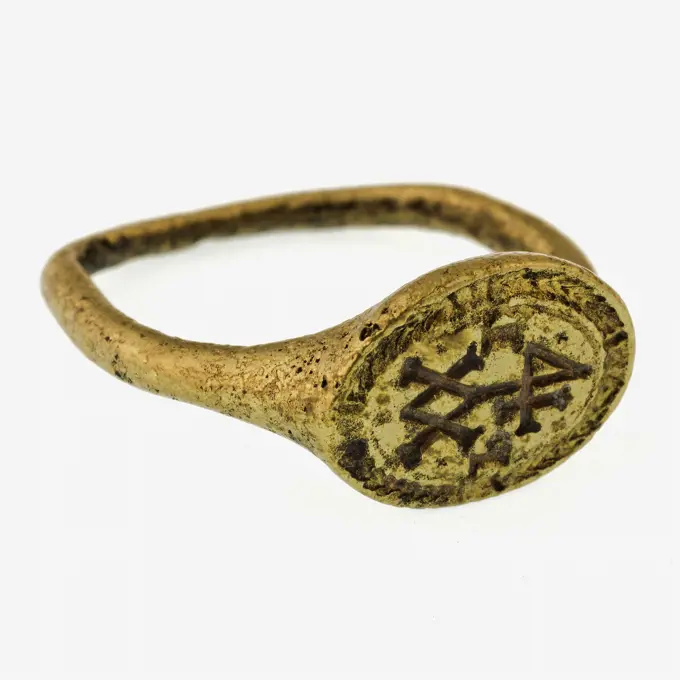
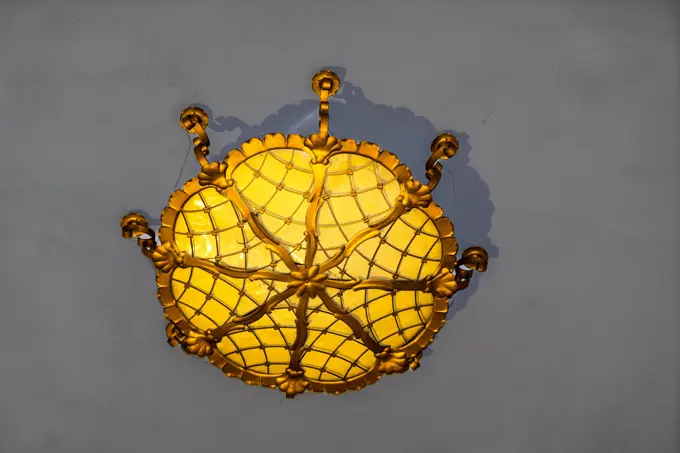
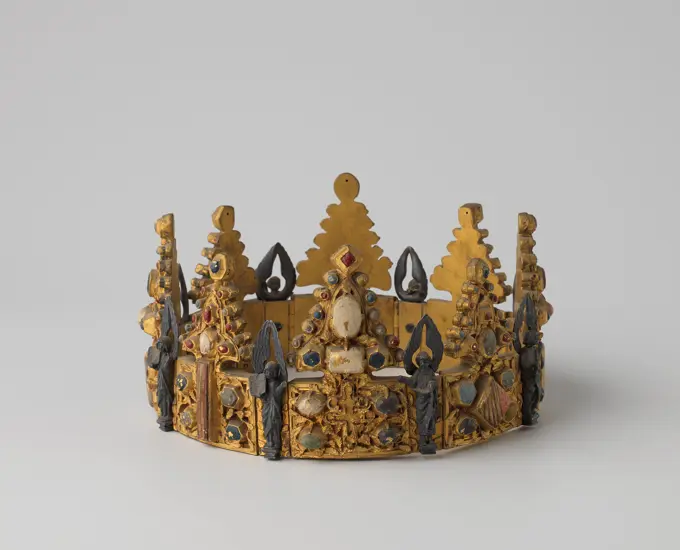
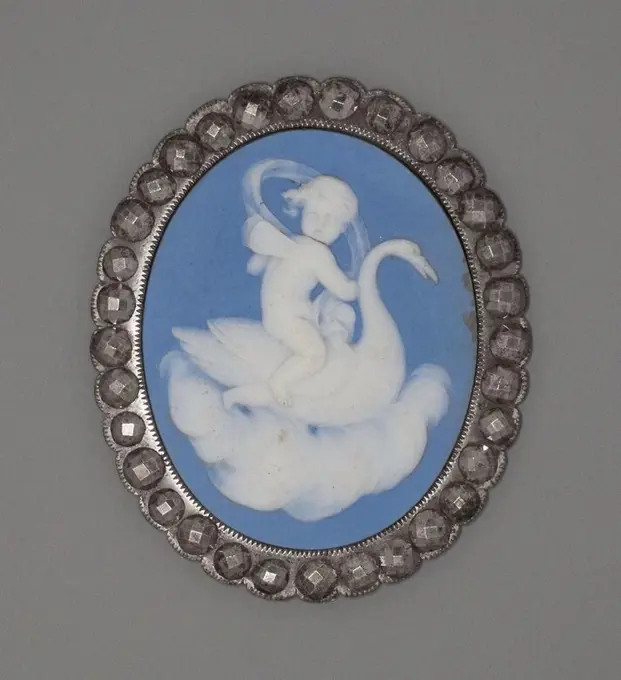
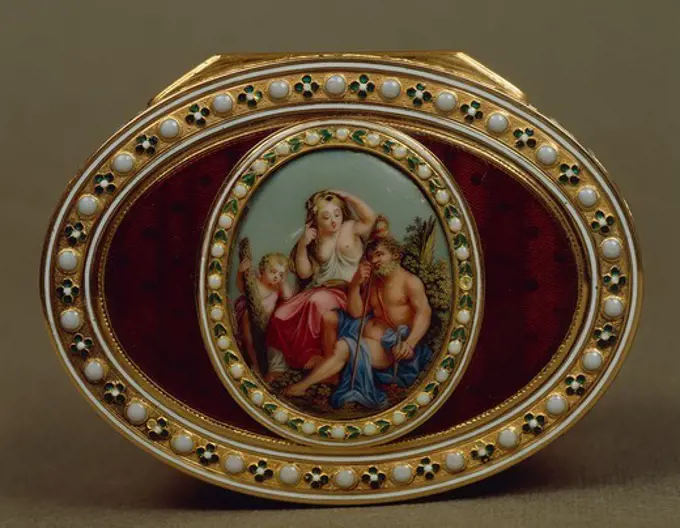
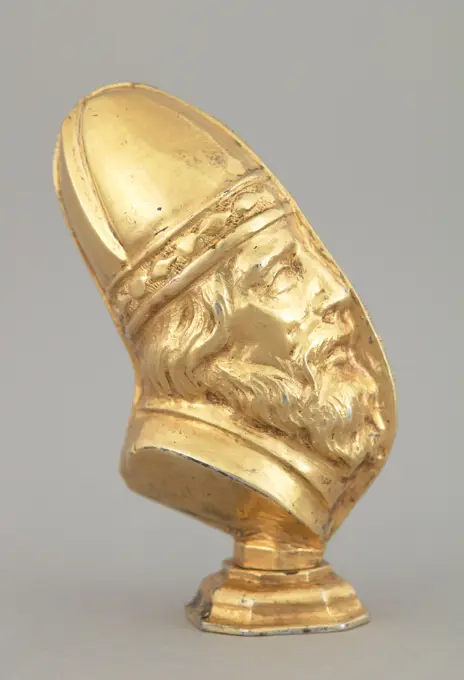
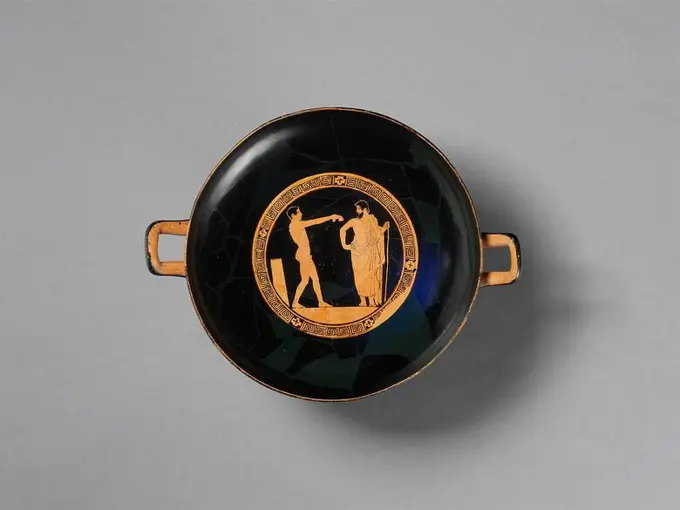
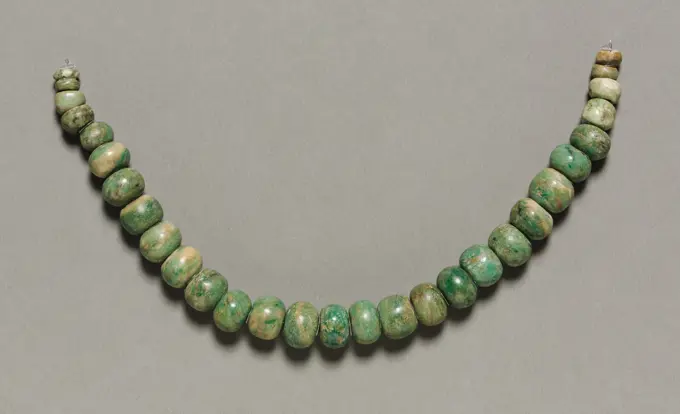
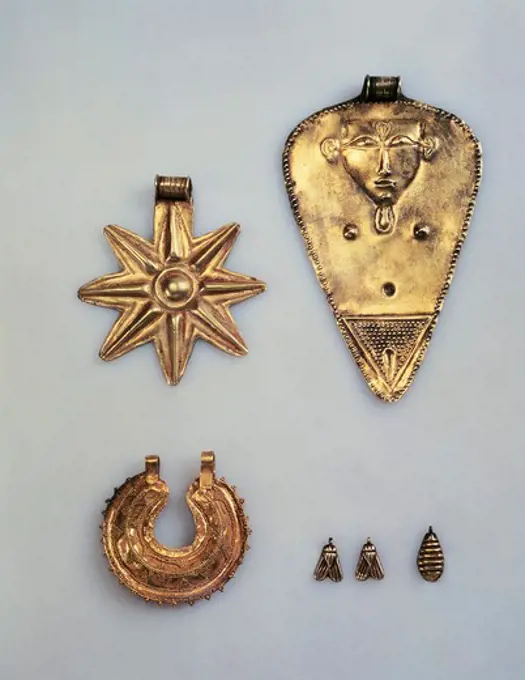
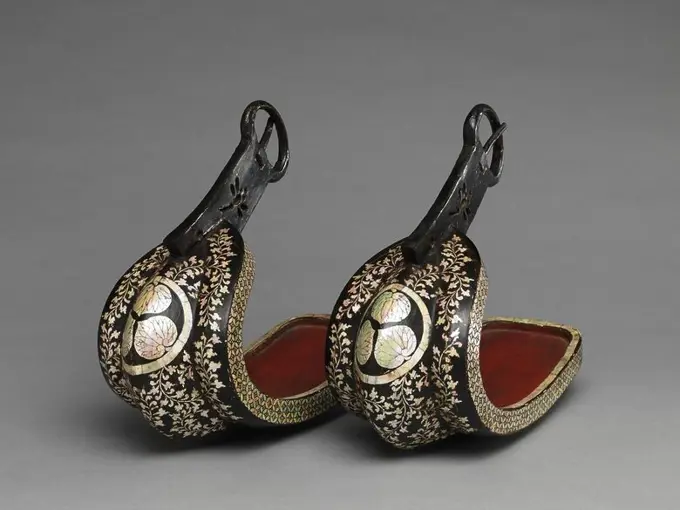
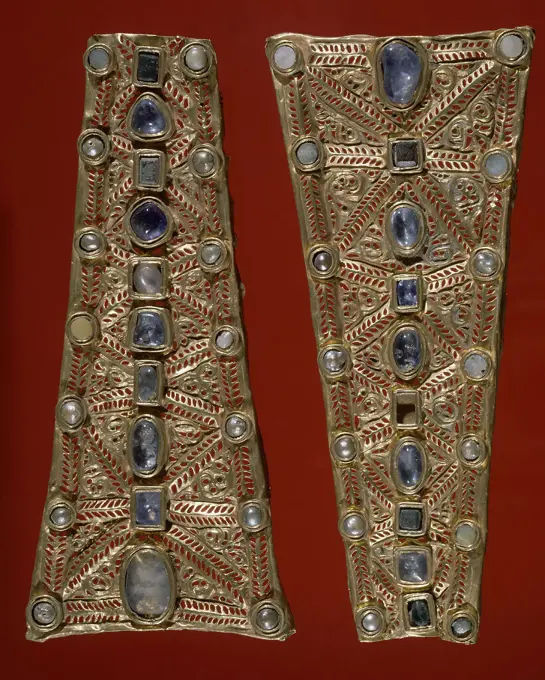
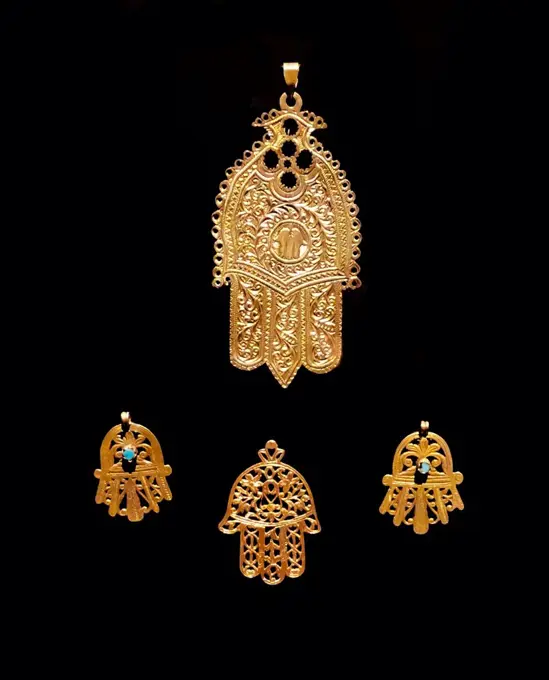
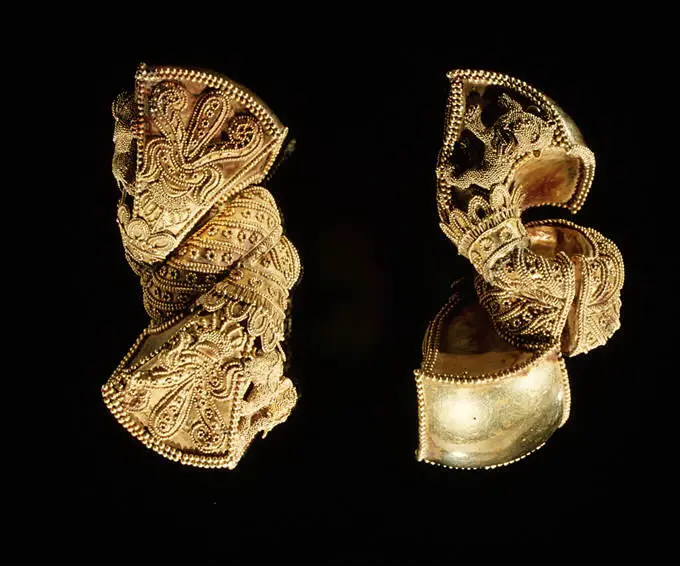
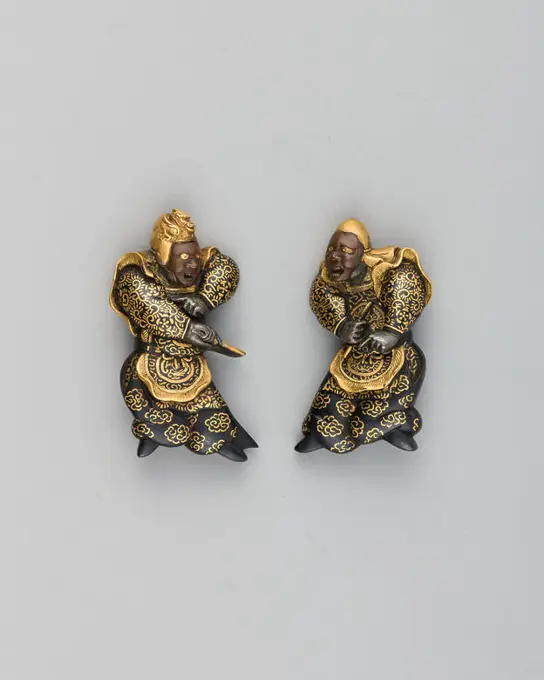
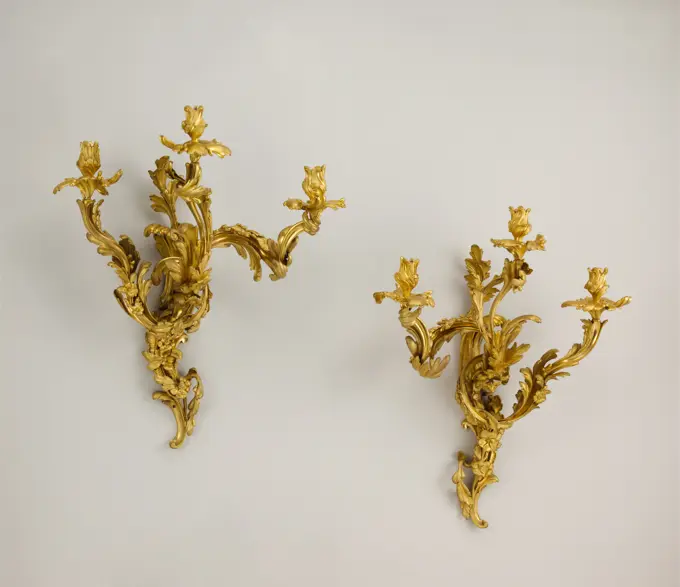
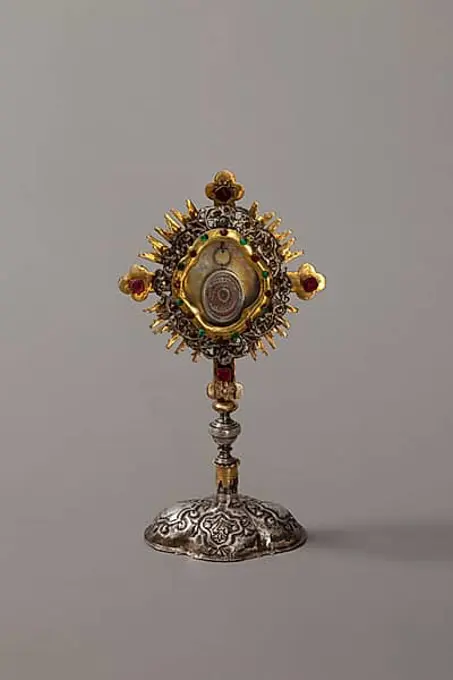
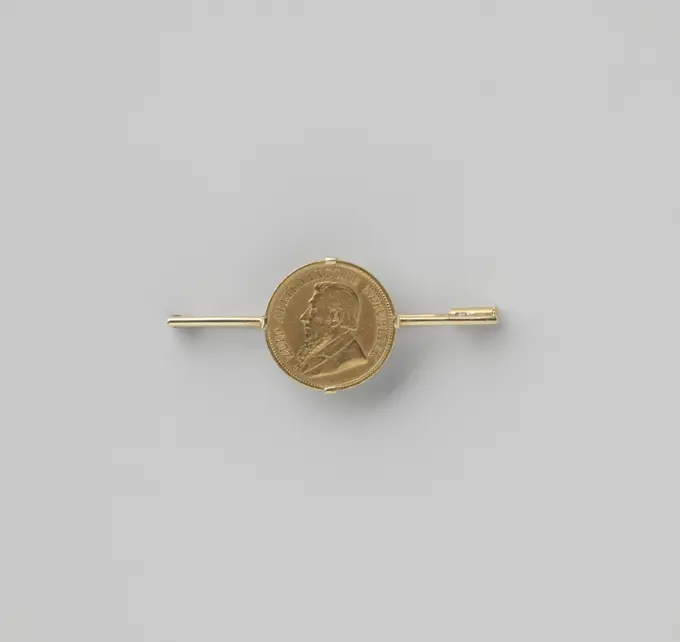
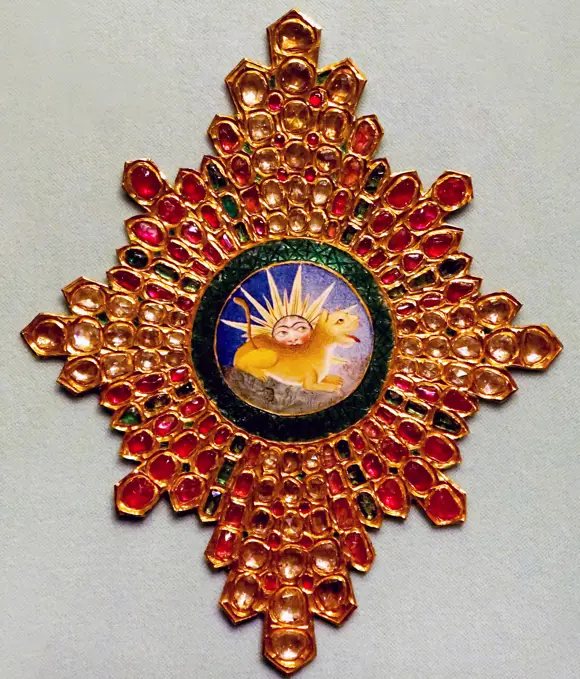
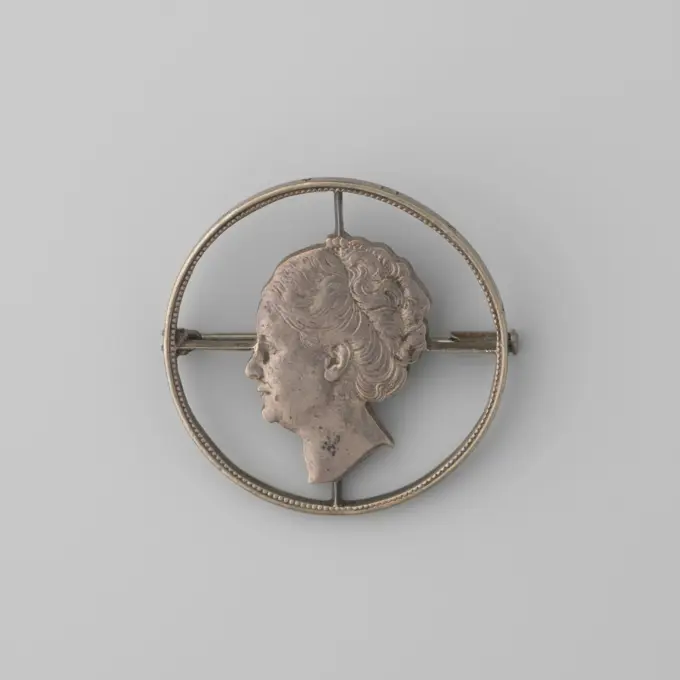
Government on A Horse After Adam Kazimierz Czartoryski as a commander of the Galician noble Guard Morycz Warszawski embroidered, Sender Z Otnik WarszawskiDish (piatto) 1537 Italian, probably Castel Durante. Dish (piatto). Italian, probably Castel Durante. 1537. Maiolica (tin-glazed earthenware). Ceramics-PotteryMaker, attributed to: John David, Jr., American, active ca. 1785-1811, Beltbuckle, ca.1800, Silver, 1 13/16 × 1 13/16 in. (4.6 × 4.6 cm, 5g), Probably made in Philadelphia, Pennsylvania, American, 19thcentury, JewelryBroad Collar ca. 1479-1425 B.C. New Kingdom By the New Kingdom, broad collar necklaces were the most frequently worn pieces of jewelry among the royalty and elite in ancient Egypt. This necklace belonged to one of three foreign wives of Thutmose III. The king's name is inscribed on the backs of the falcon-headed terminals indicating that it was a gift from him to his wife.. Broad Collar. ca. 1479-1425 B.C.. Gold, carnelian, obsidian, glass. New Kingdom. From Egypt; Probably from Upper Egypt, Thebes, Wadi Qabbanat el-Qurud, Tomb of the 3 Foreign Wives of Thutmose III (Wadi D, Tomb 1). Dynasty 18Bracelet, 1800s. India. Silver; diameter: 5.2 cm (2 1/16 in.).Bird Bead, c. 900-1550. Colombia, Muisca style, 10th-16th century. Cast gold; Muisca metalwork divides into two categories: ornaments to be worn, such as these, and offering figurines, in the case to the right. The elaborate bird pendant features delicate herringbone moldings, openwork patterns, and wing details-all part of the wax model from which the pendant was cast (see nearby computer animation). The dangles were attached after casting.Mount; bronze (gilt), goldEurope, Italy. Gold necklace. Etruscan. 6th cent. BC. hung with heads of river golds. Sirens, flowers, buds and scarabs.JOYA-ROSA DE PECHO CON ALJOFARES Y VENTANA CON SANTA TERESA S XVII - PERLAS. Location: MUSEE D'ARTS DECORATIFS. MADRID. SPAIN.Bracelet, engraved raised sheet gold, cabochon emerald, rose-cut cut diamonds, Cabochon emerald set into center and surrounded by bands set with diamonds, the links engraved with foliagein reserves. The bracelet in fitted box covered with velvet and with gold leaf crown impressed into textile., possibly Germany, 1850-70, jewelry, Decorative Arts, BraceletHand mirror from the sixteenth century; Hand mirrors. Both sides of the mirror are depicted. The edge of the mirror is decorated with floral motifs, birds, putti and lion heads in relief. On the right, on the back, a biblical scene is depicted with Judith and Holofernes.Commemorative plaque Rebirth of Poland 5.11.1916. League of Women's Supreme National CommitteeElectrum earring with lobes and rosettes 6th century B.C. Cypriot. Electrum earring with lobes and rosettes 242681Guild chain of a guild of Saint Anthony, anonymous, c. 1480 - c. 1499 Gild chain consisting of fourteen links, each formed by two openwork, curled leaves, between which gilded figures: a hunter, a dog, a deer and a bird. There is a concave -bent breastplate on the chain, on which a gilt, cast statue of St. Antonius Abt, with book, staff, flames and pig. The plate has a border, which is trimmed along the inside and outside with a cable, between which three gilded flower rosettes are mounted each time. Northern Netherlands silver (metal) casting / gilding Gild chain consisting of fourteen links, each formed by two openwork, curled leaves, between which gilded figures: a hunter, a dog, a deer and a bird. There is a concave -bent breastplate on the chain, on which a gilt, cast statue of St. Antonius Abt, with book, staff, flames and pig. The plate has a border, which is trimmed along the inside and outside with a cable, between which three gilded flower rosettes are mounted each time. NortBracelet. Date: 14th century. Museum: Metropolitan Museum of Art, New York, USA.Gold ring. Culture: Greek. Dimensions: Length: 9/16 in. (1.4 cm). Date: early 4th century B.C..Seated woman crowning female herm. Museum: Metropolitan Museum of Art, New York, USA.Three Bracelets. UnknownButton, after 1896. Firm of Peter Carl Fabergé (Russian, 1846-1920), August Wilhelm Holmström (Russian, 1929-1903). Gold, enamel, diamonds; diameter: 3.5 cm (1 3/8 in.).Gold ring: 3 box settings on the bezel and cloisons on the sides 6th century B.C. Cypriot Two elements of the bezel are filled with plasma and glass paste.. Gold ring: 3 box settings on the bezel and cloisons on the sides. Cypriot. 6th century B.C.. Gold, sard, glass paste. Archaic. Gold and SilverCameoPinEarrings with ibex head terminal 2nd century B.C., perhaps Ptolemaic Period Hoops with animal head terminals are the commonest type of Hellenistic earring. The heads on these earrings have been referred to as those of gazelles, but is now thought more likely to be an ibex. Ibex-head earrings are well-known in Egypt, but also Asia Minor and Cyprus. The gold bead that forms part of the collar behind the animal's head is scarcely rounded, pointing to a 3rd or probably 2nd century date.The hoops on these earrings are formed of sheet gold.. Earrings with ibex head terminal 574132Ancient jewelry by anonymous artist, gold, 6th century BC, Greece, Delphi, Delphi Archaeological museumSet of jewelry early 5th century B.C. Etruscan The tomb group represents one of the richest and most impressive sets of Etruscan jewelry ever found. It comprises a splendid gold and glass pendant necklace, a pair of gold and rock-crystal disk earrings, a gold dress fastener (fibula) decorated with a sphinx, a pair of plain gold fibulae, a gold dress pin, and five finger rings. Two of the rings have engraved scarabs that revolve on a swivel bezel; one is decorated with embossed satyr heads, and the other two have decorated gold bezels. Listen to experts illuminate this artwork's story Listen Play or pause #1216. Set of Jewelry Supported by Bloomberg Philanthropies We're sorry, the transcript for this audio track is not available at this time. We are working to make it available as soon as possible.. Set of jewelry. Etruscan. early 5th century B.C.. Gold, glass, rock crystal, agate, carnelian. Late Archaic. Gold and SilverEar Studs and Chains, 1800s. India. Silver; overall: 28 cm (11 in.).Earrings 18th century-19th century European, Eastern. Earrings 102419old, Lapis and carnelian bracelet with Amethyst scarab clasp; from the tomb of King Tutankhamen 1336 - 1326 B.C.Cross. European. Date: 1625-1675. Dimensions: 5.5 × 3 cm (2 1/4 × 1 3/16 in.). Gold, enamel, diamonds, and pearl. Origin: Europe. Museum: The Chicago Art Institute, Chicago, USA.Fitting mid-7th-9th century Northwest China/Eastern Central Asia. Fitting. Northwest China/Eastern Central Asia. mid-7th-9th century. Gold. period of Tibetan rule. MetalworkSword Pommel 16th century Italian. Sword Pommel 29112Sarmatian gold eagle holding an ibex. Artist: UnknownBasin for the washing the hands of the priests (Cohanim). Amsterdam, 1670.Chain, 1800s. India. Brass; overall: 38.8 cm (15 1/4 in.).Narcis, Napier, c. 1950 - c. 1955 Brooch made of gold -colored metal and blue glass with a ball closure. United States of America glass. metal Brooch made of gold -colored metal and blue glass with a ball closure. United States of America glass. metalTêtes de bouquetins. Lurctan. 1000-750 av. J.-C. Par musée musée malée. 35407-4 Iron Age, Bouquetin, Bronze, Horn, Fauve, Tete, Corne Human, AnimalSuspensionRing 14th-15th century or earlier Mindanao. Ring 317668Buckle 1775-1799 Burslem. Stoneware (jasperware) . Wedgwood Manufactory (Manufacturer)Vrouwenkop, Applique, Anonymous, c. 1600 sculpture  France bronze (metal)ARTE TARTESO. ESPAÑA. COLLAR DE ORO del TESORO DEL CARAMBOLO. Hallado en un cerro próximo a Sevilla en el año 1958, está compuesto por 21 piezas de oro. Orfebrería tartésica datada en el siglo VI a. C. Museo arqueológico de Sevilla. Andalucía.Copper plate from Grenadiersmuts ,, 1700 - 1800  A yellow -cut plate is screwed on a wooden board in the shape of a grenadiersmijter. The plate, partially opened, carries the crowned weapon held by two crowned lions, underneath a lion's head surrounded by cannons, flags, buns, drums and inscription: M.O.: Ie. / .Maitiendrai. Randschrift around weapon: Honi.Soit.qui.Mal.y.pense. Standard M.O.: copper plate of grenadiersmuts / worn during William IV or V. The whole surrounded by grenades. Netherlands wood (plant material). copper (metal). linen (material). iron (metal) striking (metalworking) / printingSheet metal;  19th century (1801-00-00-1900-00-00);Earrings 18th century-19th century European, Eastern. Earrings 90374Mask 17th-18th century French. Mask 190449Mount (France); gilt bronzeGold of Troy, Priams Treasure by anonymous artist, gold, 2400-2300 BC, Russia, Moscow, State A. Pushkin Museum of Fine ArtsOrfebrería, anillo con amatista engastada y grabada, figurando la inscripcion "la fama". Decoracion de palmetas a los lados, S.XIV, Reino Nazarí de Granada. Museum: Museo Arqueológico Nacional, Madrid.Box, 1800s . France, 19th century. Gilt metal, enamel, brilliants; overall: 8.3 x 2.6 x 2 cm (3 1/4 x 1 x 13/16 in.).Greek gold pectoral plaque showing Artemis, 7th century BC. Artist: UnknownBroche, obra de Emili Armengol, 1955. Colección privada.Sword-Hilt Collar and Pommel (Fuchigashira). Culture: Japanese. Dimensions: Fuchi (a); H. 1 7/16 in. (3.7 cm); Wt. 0.9 oz. (25.5 g); kashira (b); H. 1 1/4 in. (3.2 cm); Wt. 0.5 oz. (14.2 g). Date: mid-19th century. Museum: Metropolitan Museum of Art, New York, USA.The Desborough Necklace of Anglo-Saxon England. Dated 7th CenturyLarge Round EarOrnamentDecoration of a tubular end of a water pump, in the form of a lion's head. The molded and topic object has the shape of a lion's head with open mush.Turtle Pendant 11th-16th century Chiriquí. Turtle Pendant 316664Lluís Masriera / Brazalete con hojas, 1902. Colección privada. Author: LLUÍS MASRIERA I ROSÉS.Pair of Ear Clips Composed of Fused Discs Indonesia (Java) 8th-early 10th centuryBrass signet ring with private label, signet ring ring ornament clothing accessory clothing soil find brass metal, brass seal ring with house mark oval stamping area with, among others, cross and number 4 on the seal: 4 PL XX archeology Rotterdam City Triangle Bulgersteyn Castle decorate to ensure prosperity status characteristics Soil discovery Bulgersteyn Rotterdam.PAX (Pacific);  XVI (1501-00-00-1600-00-00);Deckenlampe im Großen Saal des Theaters Walhalla Deckenlampe im Großen Saal des Theaters Walhalla ,property released Copyright: xZoonar.com/wolfgangxcezannex 21608753 ,model released, Symbolfoto ,property releasedGold pendant in the form of a bull's head ca. 1600-1050 B.C. Cypriot Most of the raw materials for Cypriot jewelry came from the East. Gold became plentiful in the Late Bronze Age, when Syria and Egypt were the primary sources. These earrings are a Cypriot creation, an ornament in the form of a bull's head.. Gold pendant in the form of a bull's head. Cypriot. ca. 1600-1050 B.C.. Gold. Late Bronze Age. Gold and SilverGalvanoplastic reproduction of the crown of Saint Louis, Fa. Elkington & Co., after 1879 - Before 1880 Galvanoplastic reproduction of a crown. The edge, decorated with engraved gemmen and precious stones, is made up of eight rectangular plates, crowned by triangles. Between the triangles of silver cherubs. Partially gilded. London copper (metal). silver (metal). pearl. precious stone (material) gilding Galvanoplastic reproduction of a crown. The edge, decorated with engraved gemmen and precious stones, is made up of eight rectangular plates, crowned by triangles. Between the triangles of silver cherubs. Partially gilded. London copper (metal). silver (metal). pearl. precious stone (material) gilding01/01/1906, unmissable Used by Queen Victoria Eugenia at her wedding with Alfonso Xiii.Demi-parure -Bell Głonka (coat of arms white eagle)  Zygmuntów tower, Wawel Cathedral, KrakowSea Horse Pendant 5th-10th century International Style. Sea Horse Pendant. International Style. 5th-10th century. Gold. Panama. Metal-OrnamentsFemale Skier, Webster Company, Silver, with traces of gilding, Oblong, serpentine-curved sides and rounded corners, featuring raised decoration of female skier on downhill slope with a single pole held in her hands; she wears waist-length jacket and long skirt with trim, stocking cap, muffler, and ankle boots. Lid hinged on side. Striker on bottom., ca. 1900, containers, Decorative Arts, Matchsafe, MatchsafeStirrup-shaped Ring with Circular Bezel Second half of the 8th-second half of the 10th century Indonesia (Java). Stirrup-shaped Ring with Circular Bezel. Indonesia (Java). Second half of the 8th-second half of the 10th century. Gold. Central Javanese period. JewelryCOLLAR PROCEDENTE DE ESTADOS UNIDOS - 1985/2004 - BISUTERIA - DISEÑO DE IRADJ MOINI. Location: PRIVATE COLLECTION.Medallion with Cupid and Swan. Wedgwood Manufactory; England, founded 1759. Date: 1775-1799. Dimensions: 8.1 × 6.8 × 0.6 cm (3 3/16 × 2 11/16 × 1/4 in.). Stoneware (jasperware). Origin: Burslem. Museum: The Chicago Art Institute, Chicago, USA.Button (France); pearl shell, copper and glassHat of application side with blue ribbons, anonymous, c. 1850 Hat of natural -colored application side, bobbin lacquered on mechanical tulle. The hat is composed of a round hat ball and a straight forehead strip. The bulb is decorated with a small circle and a closed edge motif. A large loose branch with flowers is sewn on the straight forehead strip. In the middle, this branch shows a row of corals, a row of roses at the ends. A triple strip of Mechelen Klsoaknt runs along the forehead. The lining is of very pale blue satin. A large bow of light blue ribbon is attached to the left sleep. Brussels linen (material). satin. silk Hat of natural -colored application side, bobbin lacquered on mechanical tulle. The hat is composed of a round hat ball and a straight forehead strip. The bulb is decorated with a small circle and a closed edge motif. A large loose branch with flowers is sewn on the straight forehead strip. In the middle, this branch shows a row of corals, a row of roses at the eWatch ca. 1845 possibly Swiss. Watch 195587Pair of Sword-Grip Ornaments (Menuki) 18th century Japanese Menuki are a pair of ornamental sword fittings attached to either side of a sword hilt.. Pair of Sword-Grip Ornaments (Menuki). Japanese. 18th century. Gold. Sword Furniture-MenukiRing wirh Round Bezel, Javanese Calligraphy 8th-12th century Indonesia (Central Java). Ring wirh Round Bezel, Javanese Calligraphy 64310Matchsafe; brass; Overall: 5.5 x 3.8 x 1 cm (2 3/16 x 1 1/2 x 3/8 in.)Goldsmith's art, France, 18th century. Joseph Etienne Blezzy, gold and enamel snuffbox with miniature, Paris, 1782.Badge of Recognition. Culture: Spanish. Dimensions: H. 5 9/16 in. (14.1 cm); W. 3 3/4 in. (9.5 cm); Wt. 6 oz. (170.1 g). Date: 14th century. Museum: Metropolitan Museum of Art, New York, USA.Przeszo Przyszoci unknownTerracotta kylix (drinking cup). Culture: Greek, Attic. Dimensions: H. 4 1/2 in. (11.4 cm); diameter 11 1/4 in. (28.6 cm). Date: ca. 460-450 B.C..Interior, post, athlete with halteres (jumping weights) and trainerExterior, obverse and reverse, athletes and trainerThe representations here beautifully convey two fundamental aspects of athletic training, expressed in the Latin saying "mens sana in corpore sano" ( a healthy mind in a sound body). The interior depicts the mastery of a specific sport, in this case the long jump, and the discipline of the body. The exterior shows the easy, serious interchange among young men and their older mentors. The javelins and the strigil establish an athletic setting. Museum: Metropolitan Museum of Art, New York, USA.Necklace and Nose Ornament, 150-200. Central Mexico, Teotihuacán, Classic Period. Jadeite-albitite, gold; overall: 40.3 cm (15 7/8 in.); each bead: 2 cm (13/16 in.). Near Teotihuacán’s largest palace is a temple ornamented with green-feathered serpents, symbols of the earth’s fertility. Beneath the temple were at least 120 human sacrifices, most men, many warriors, and some wearing greenstone ornaments like these, perhaps a set. The sacrifices may have consecrated the temple or a ruler’s tomb, or both.Palestine, Tell El-Ajjul, End of the middle bronze age, jewelsPendant in the shape of a path, anonymous, c. 1600 - c. 1620 Pendant in the form of a path. Formed from baroque pearls, gold and email. Spain (possibly) gold (metal). pearl. precious stone (material) Pendant in the form of a path. Formed from baroque pearls, gold and email. Spain (possibly) gold (metal). pearl. precious stone (material)Pair of Stirrups (Abumi). Culture: Japanese. Dimensions: L. of each 11 3/4 in (29.8 cm); H. of each 10 3/8 in. (26.5 cm); W. of each 4 7/8 in. (12.5 cm). Date: late 16th-early 17th century.Stirrups decorated with mother-of-pearl are rare, and this pair is perhaps the finest surviving example. Prominently placed on the front of each stirrup is a mon (heraldic emblem) consisting of three hollyhock leaves in a circle signifying the ownership of the Tokugawa family, which held the office of shogun (supreme military commander of Japan) from 1603 to 1868. At the time these stirrups were made, luxurious objects displaying the Tokugawa mon so prominently would have been appropriate only for Ieyasu Tokugawa, his son Hidetada Tokugawa (the first and second shoguns, respectively), or one of their closest relatives. Museum: Metropolitan Museum of Art, New York, USA.BRAZO DE CRUZ VISIGODA DEL TESORO DE GUARRAZAR - SIGLO VII - FILIGRANA Y PIEDRAS EN CABUJON. Location: MUSEO ARQUEOLOGICO NACIONAL-COLECCION. MADRID. SPAIN.MEDALLA DE MARFIL Y ESMALTES ENGARZADA EN ORO CON BRILLANTES.Shoe buckles. Culture: American or European. Date: late 18th century. Museum: Metropolitan Museum of Art, New York, USA.Gold palm shaped amulet, known as, the Hamsa throughout the Middle East and Africa. Dated 18th CenturyComb. Hair comb of gold, fan-shaped and on either side ending in a curl with a baroque pearl. In the middle a stylized flower from email. The seven teeth are of horn.SmileA Pair of Royal Earrings ca. 1st century B.C. India (probably Andhra Pradesh) The place of these earrings in the history of Indian art is assured, not only for their intrinsic beauty but also because of the light they shed on the superb quality of goldsmithing early in this region. Early Indian statues of both male and female figures were usually portrayed wearing elaborate jewelry that sometimes seemed fanciful, since very little comparable jewelry from that period survives. The discovery of this pair of earrings provided the first tangible evidence that the jewelry depicted by sculptors was in fact based on real models, for a very similar pair is shown on a first century B.C. relief portrait of a "Universal Ruler" (chakravartin), from Jaggayapeta.These earrings, judging from their material worth, excellence of craftsmanship, and use of royal emblems (a winged lion and an elephant) as part of their design, were most probably made as royal commissions. Each earring is composed of two rPair of Sword-Grip Ornaments (Menuki). Culture: Japanese. Dimensions: 31.49.18; L. 1 5/16 in. (3.3 cm); Wt. 0.3 oz. (8.5 g); 31.49.19; L. 1 3/16 in. (3 cm); Wt. 0.3 oz. (8.5 g). Date: 18th century. Museum: Metropolitan Museum of Art, New York, USA.Gold metal comb from Italy. Dated 19th CenturySet of four three-light sconces (bras de lumière) ca. 1750 French, Paris Gilt bronze was used extensively for different types of lighting, ranging from freestanding candlesticks and candelabra to hanging chandeliers and lanterns. Sconces were usually placed on either side of a mirror so that the flames of their candles were reflected and multiplied in the glass. Given their size, these examples, which were originally part of a set of six,1 must have been intended for a large, formal room. Three scrolling arms spring organically from a shaped stem, which incorporates floral trails, fruit-bearing olive branches, and rocaille ornament. The candleholders at the ends of the arms are in the form of spiraling foliage, and their drip pans resemble acanthus leaves. The sconces complement each other symmetrically and form two proper pairs. Each one consists of a number of separate elements, fastened in such a way that it appears as if they were cast as a single piece. The virtuosity of their dOstensorium with an arm relic of St Leonhard, goldsmithing and textile art from the 16th to the 20th century, St., Saint, SaintBrochette of gold with half a pound from 1897 with the sculptor of Paul Krüger, c. 1900 Brochette of gold with half a pound from 1897 with the sculptor of Paul Krüger with a cannon closure. South Africa gold (metal) Brochette of gold with half a pound from 1897 with the sculptor of Paul Krüger with a cannon closure. South Africa gold (metal)Gold earring with head of a bull ca. 1400-1050 B.C. Cypriot Most of the raw materials for Cypriot jewelry came from the East. Gold became plentiful in the Late Bronze Age, when Syria and Egypt were the primary sources. This earring is a Cypriot creation, an ornament in the form of a bull's head.. Gold earring with head of a bull. Cypriot. ca. 1400-1050 B.C.. Gold. Late Bronze Age. Gold and SilverOrder of the Lion and the Sun. Iran, Tehran Dated 1826-27. Fath Ali Shah created this order in 1810, to match the orders of chivalry current in Europe. The insignia consists of a collar and plaque, and a jewelled star worn on the breast. The Shah of Persia, awarded this example to John Macdonald Kinneir, who represented the East India Company in Tehran in the 1820s. Gold, gemstones and painted enamel Enamelling signed by Muhammad Ja'far. Dated 19th CenturyHat Badge with a Cameo of a Laureate Head 1550-1600 Northern Italy. Agate, gold, and enamel .Brooch van Zilveren coin with sculptor from Wilhelmina, c. 1940 - c. 1950 Brooch van Zilveren coin with sculptor from Wilhelmina, with a cannon closure. The portrait has been cut out. Netherlands silver (metal) Brooch van Zilveren coin with sculptor from Wilhelmina, with a cannon closure. The portrait has been cut out. Netherlands silver (metal)Blue Bead BirdRing