Decorative Metal Artifacts

Detailed images of decorative metal mounts and insignia, showcasing intricate designs and historical significance. The style reflects antique and artistic craftsmanship.

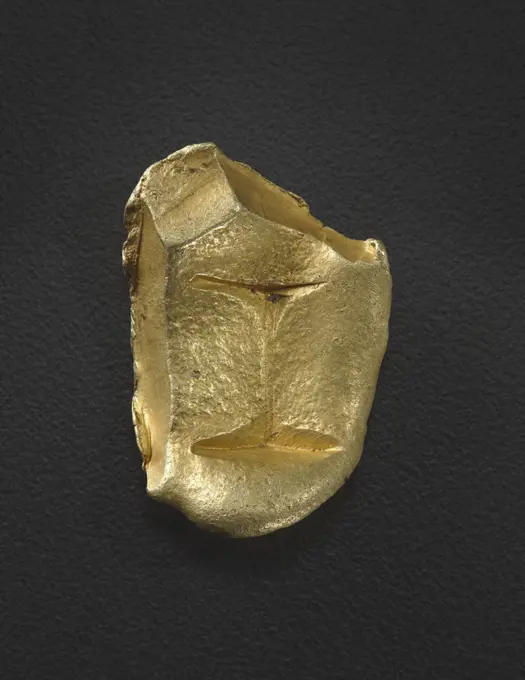
Military Insignia of musketeer or grenadiers from the wreck of the Dutch East Indiaman Hollandia, anonymous, 1700 - in or before 1743  Badge, military; ID. Of-1975-19-h-345/1113. Netherlands copper (metal)   Second
Military Insignia of musketeer or grenadiers from the wreck of the Dutch East Indiaman Hollandia, anonymous, 1700 - in or before 1743 Badge, military; ID. Of-1975-19-h-345/1113. Netherlands copper (metal) Second
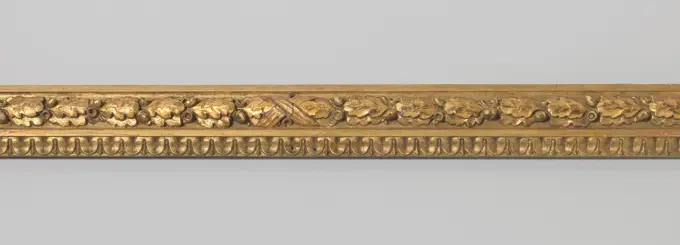
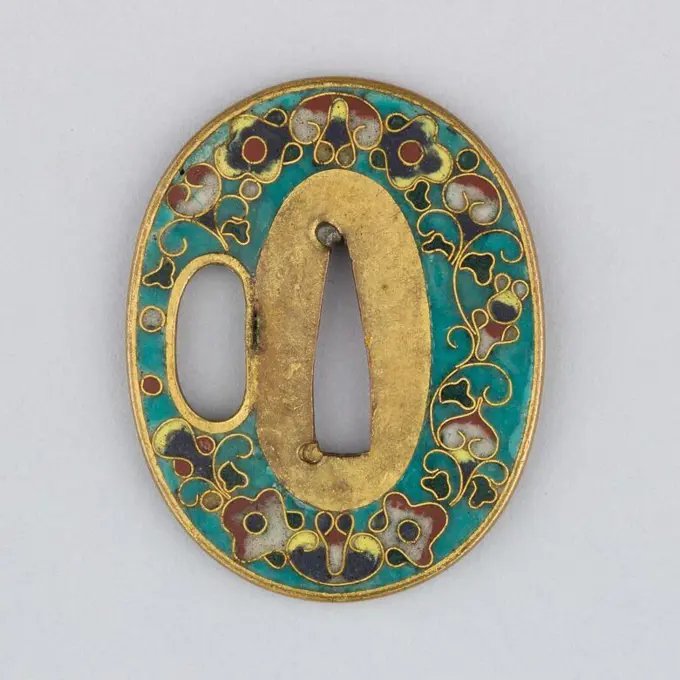
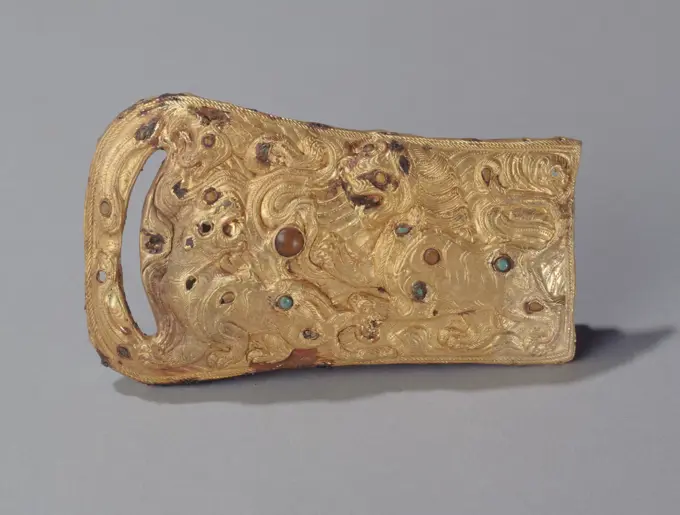
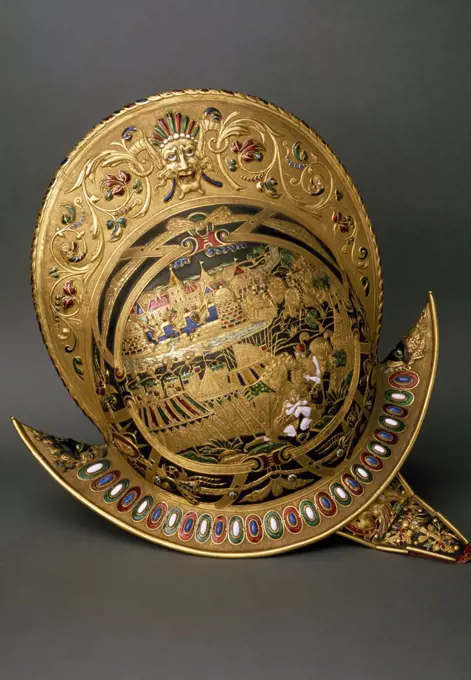
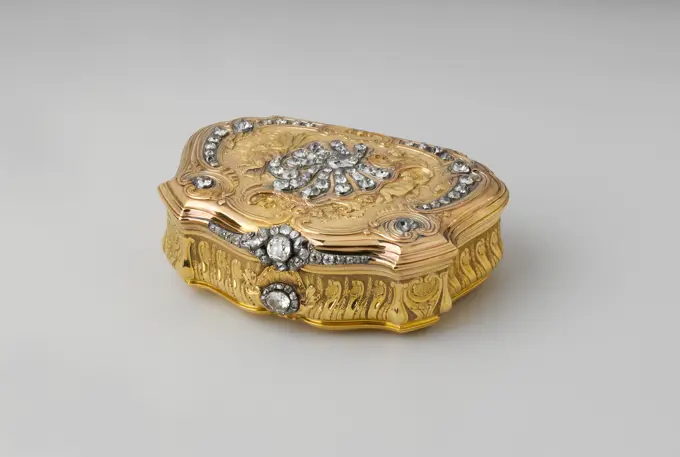
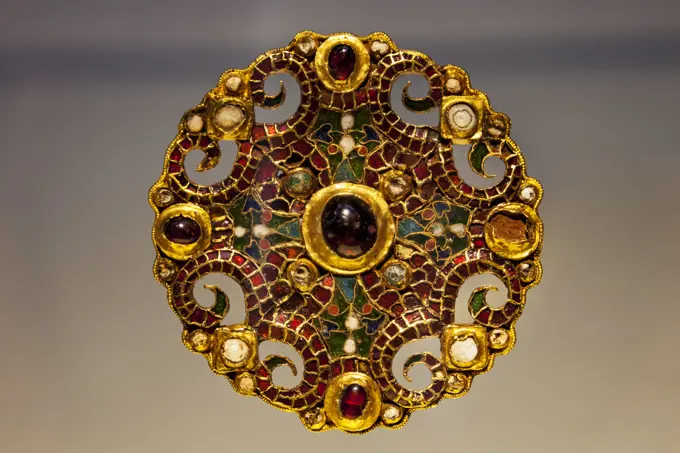
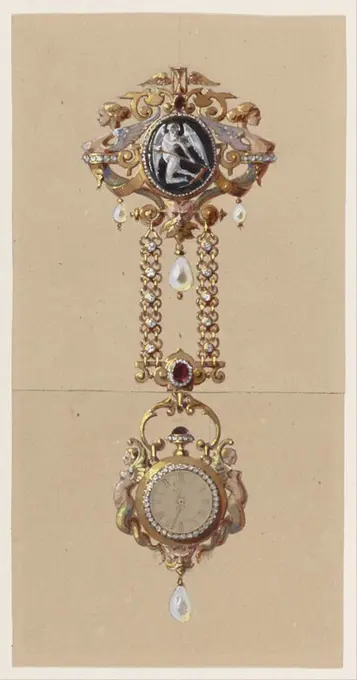
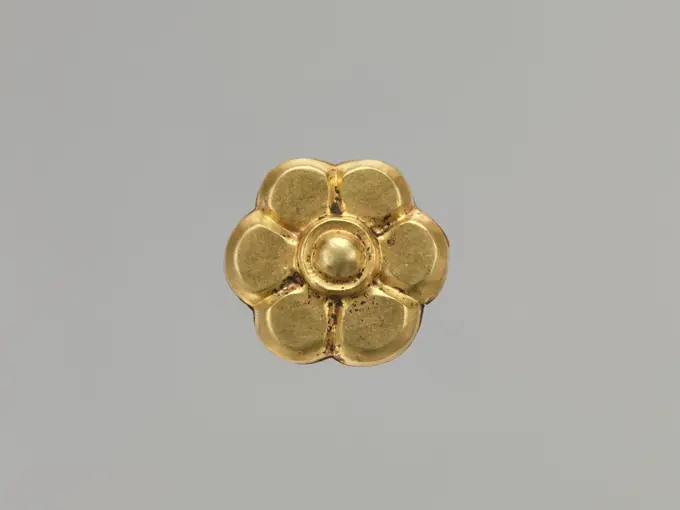
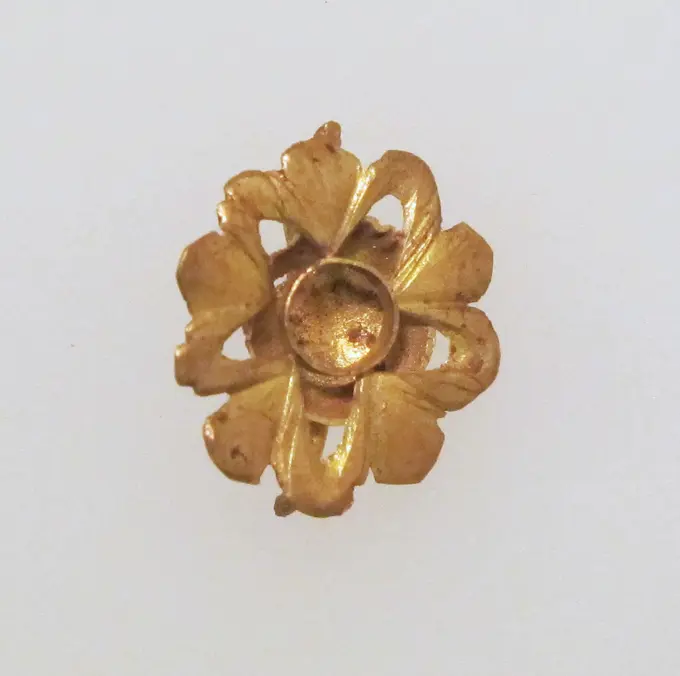
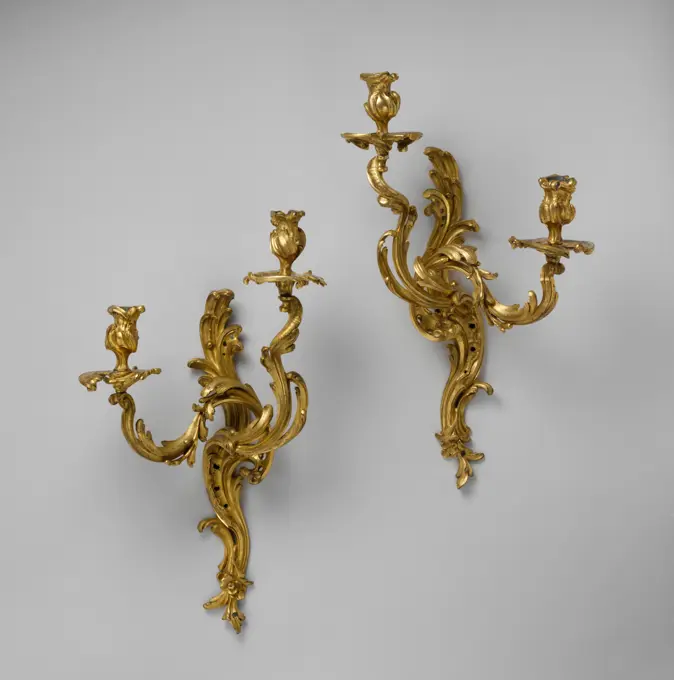
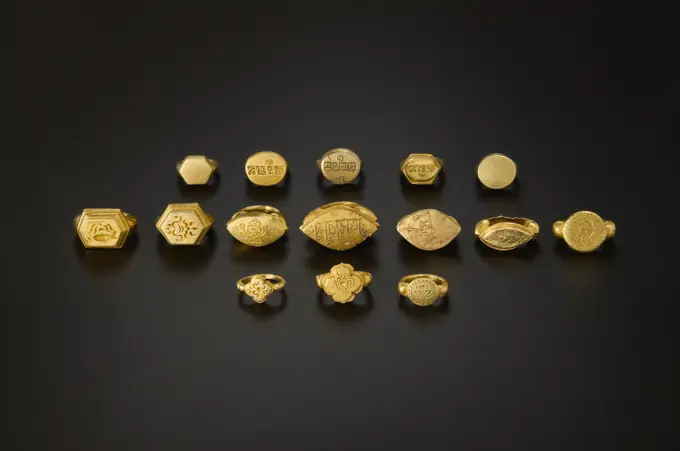
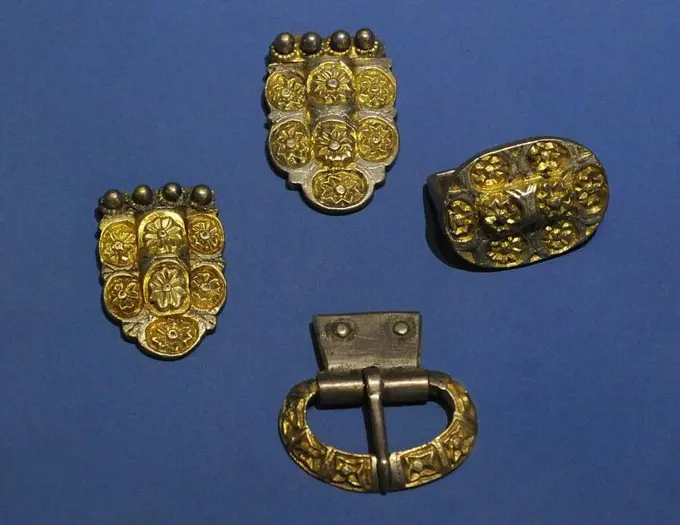
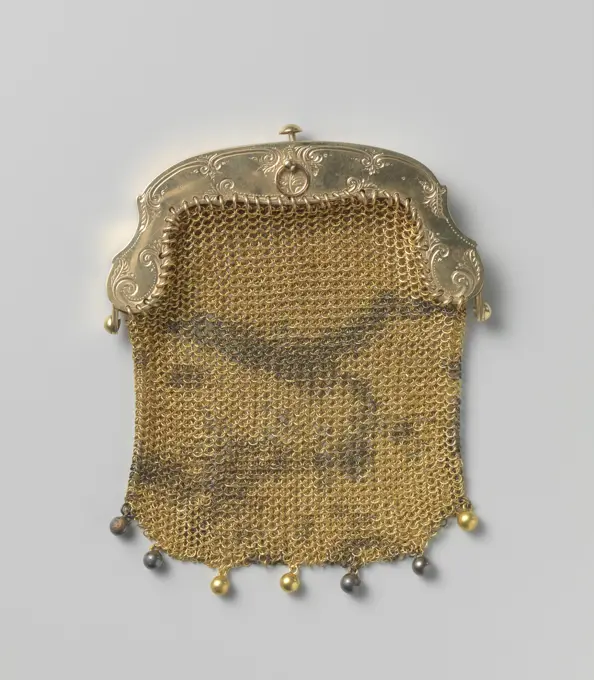
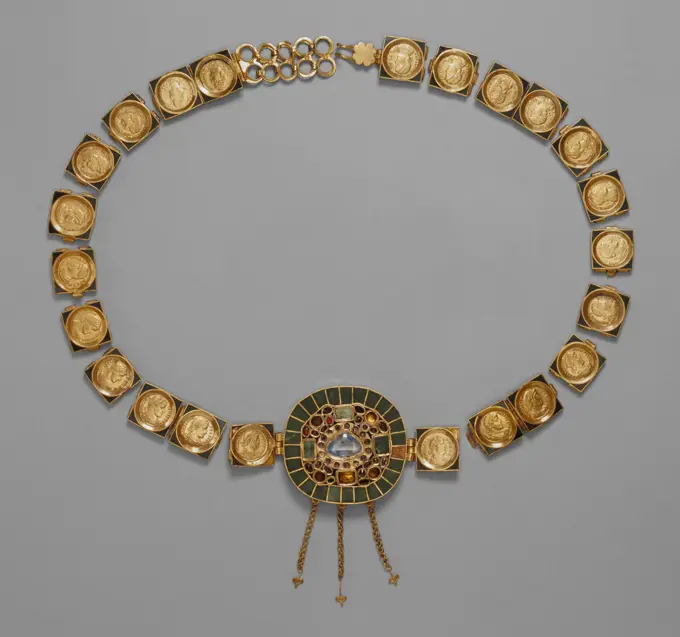
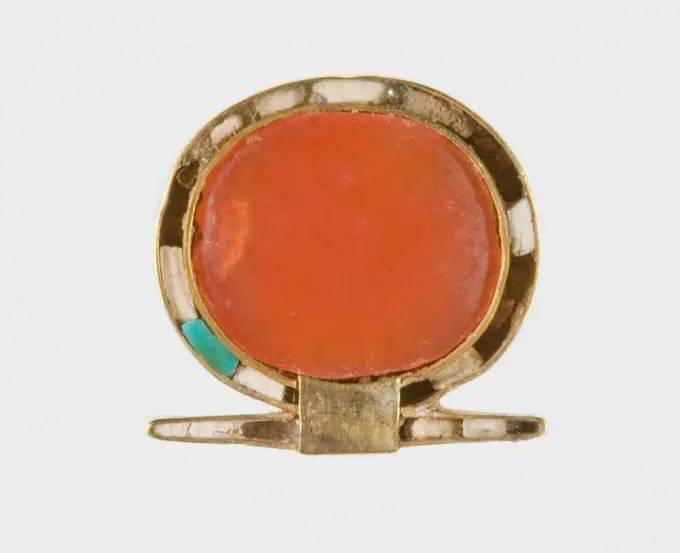
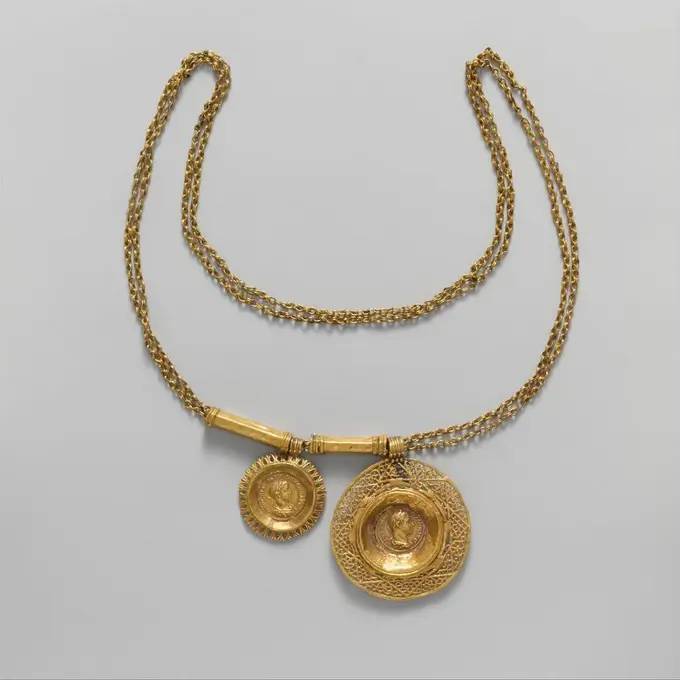
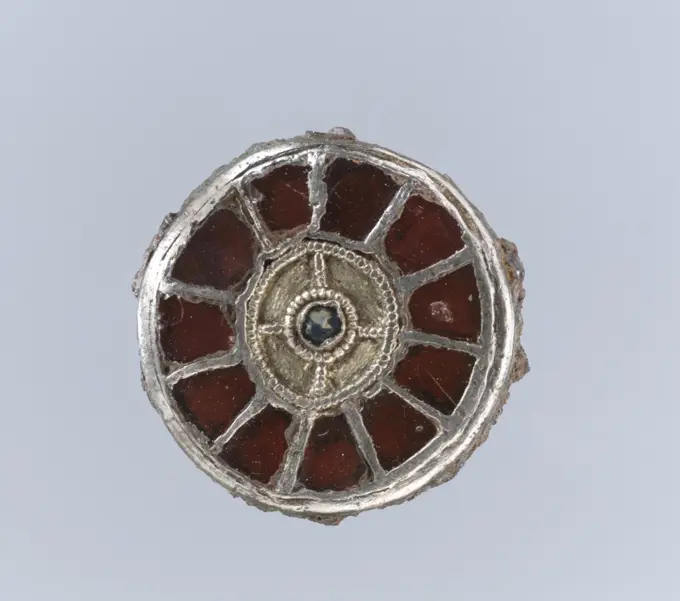
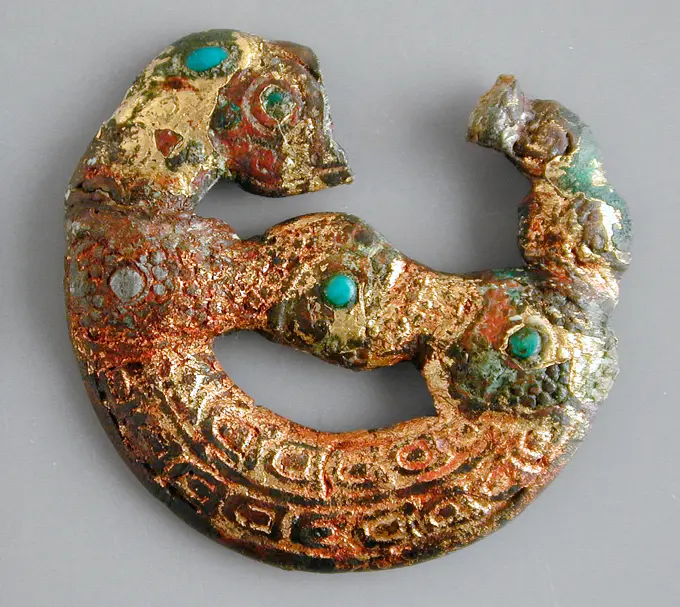
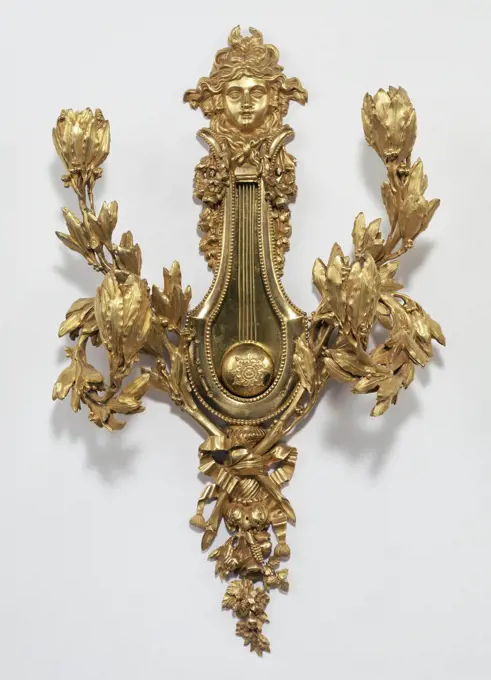
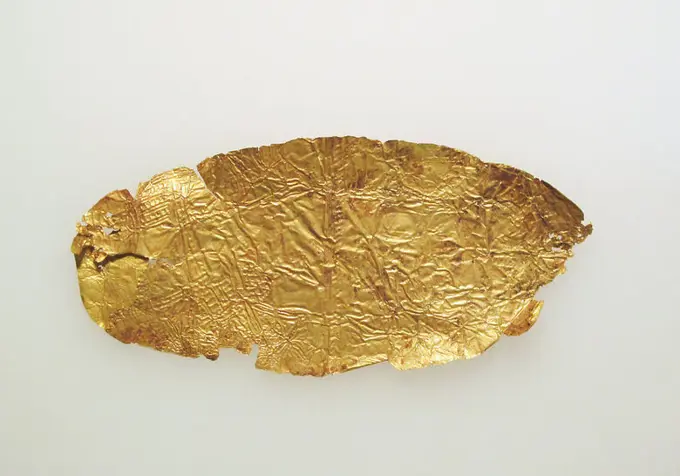
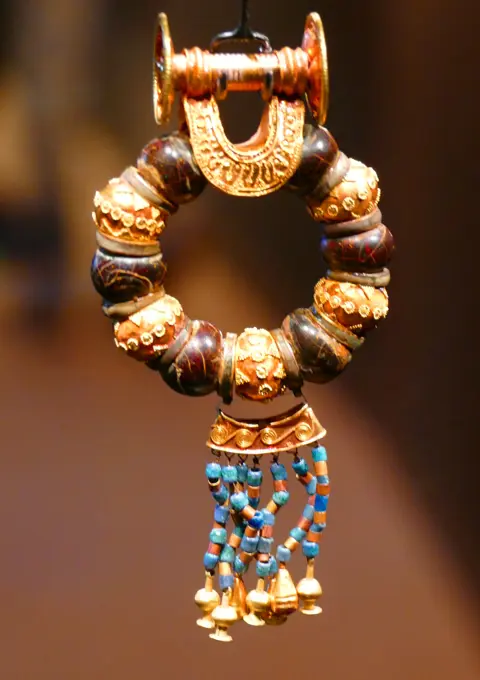
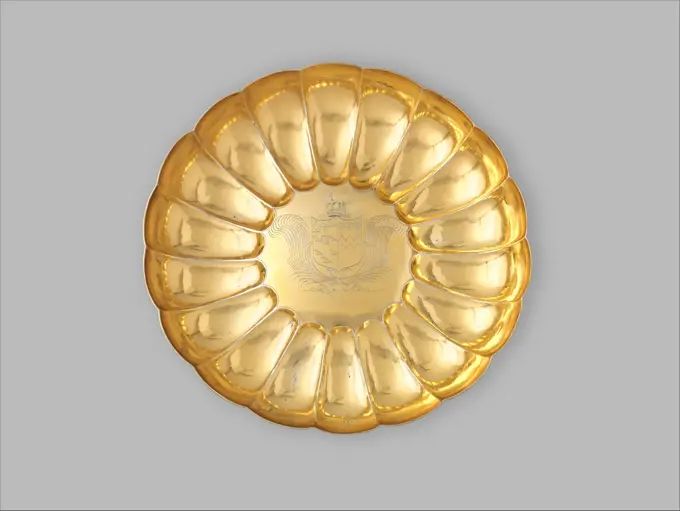
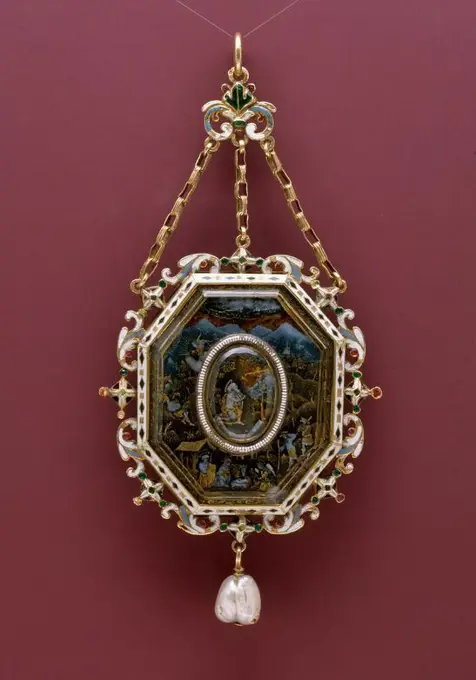
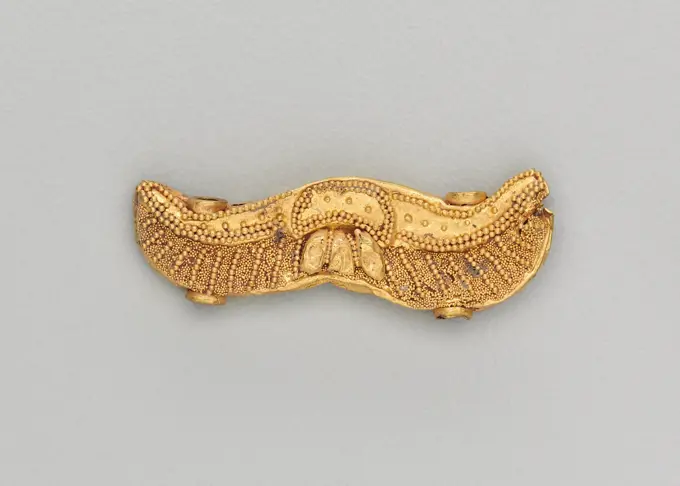
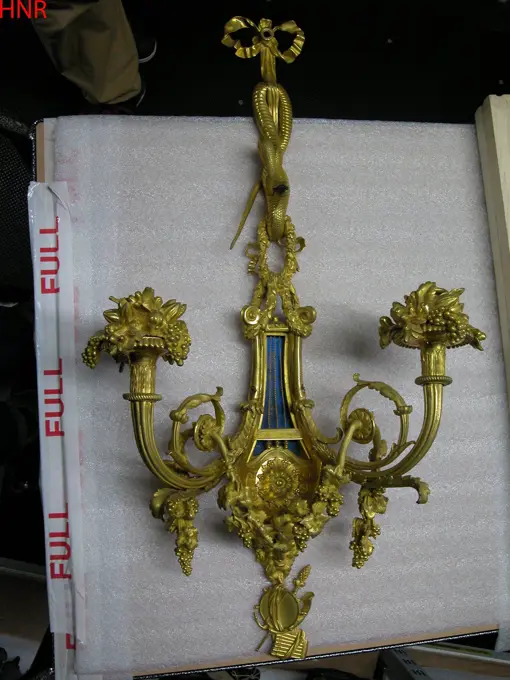
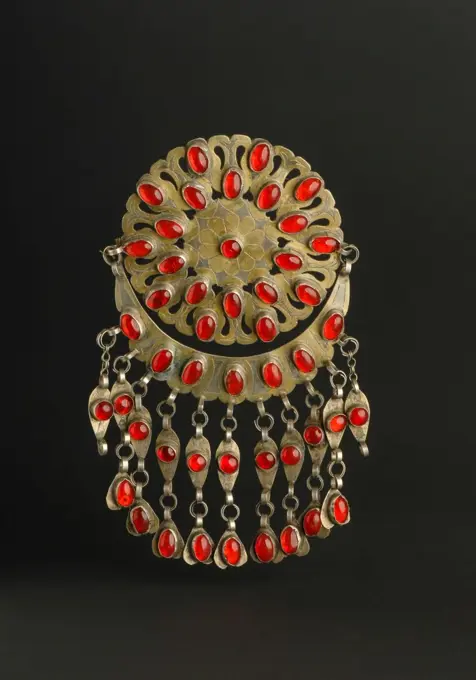
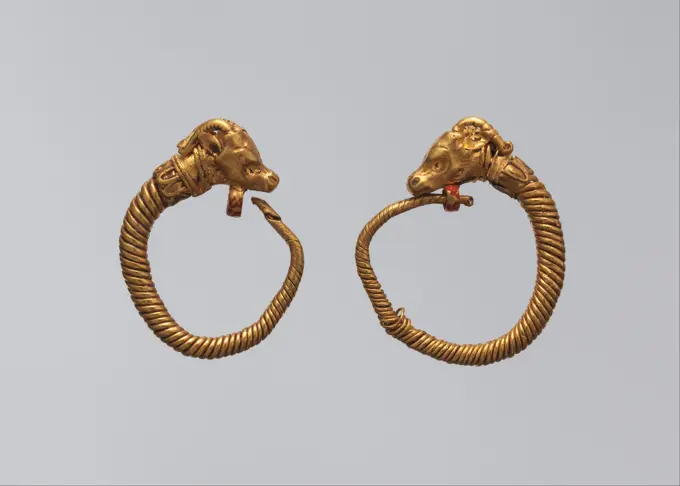
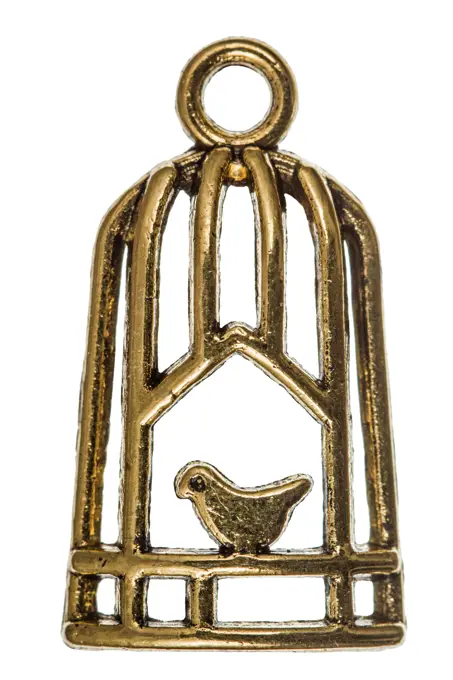
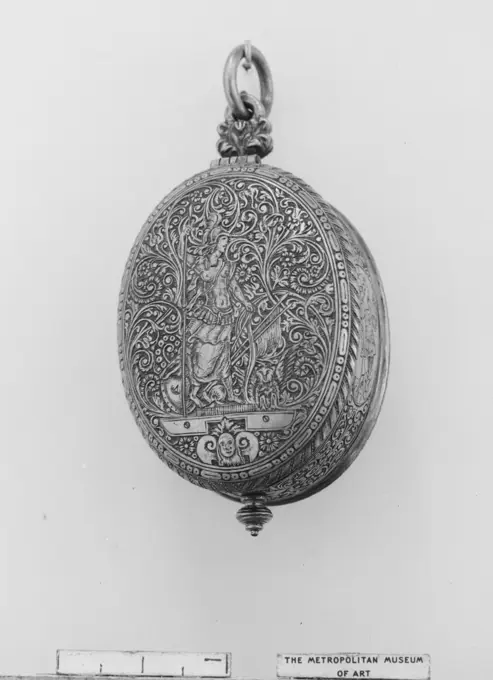
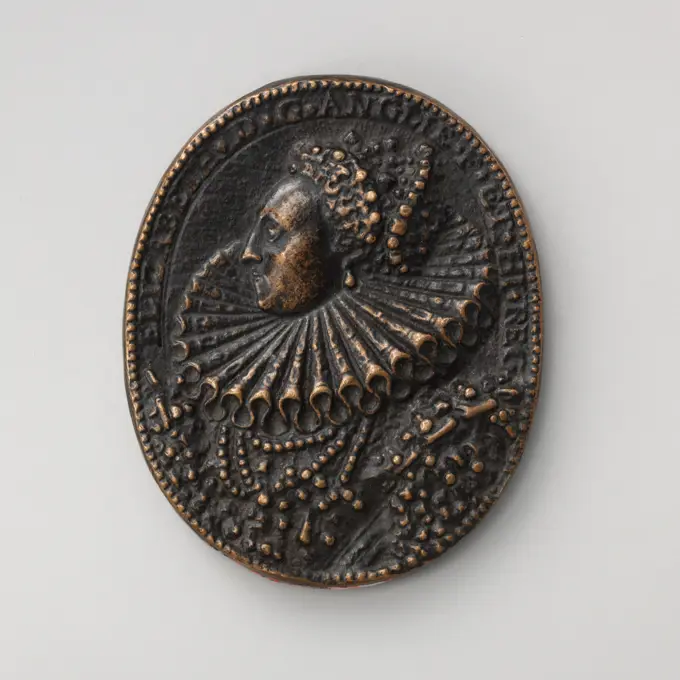
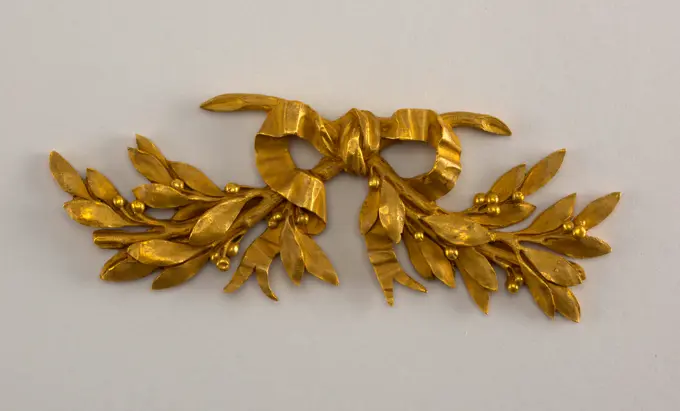
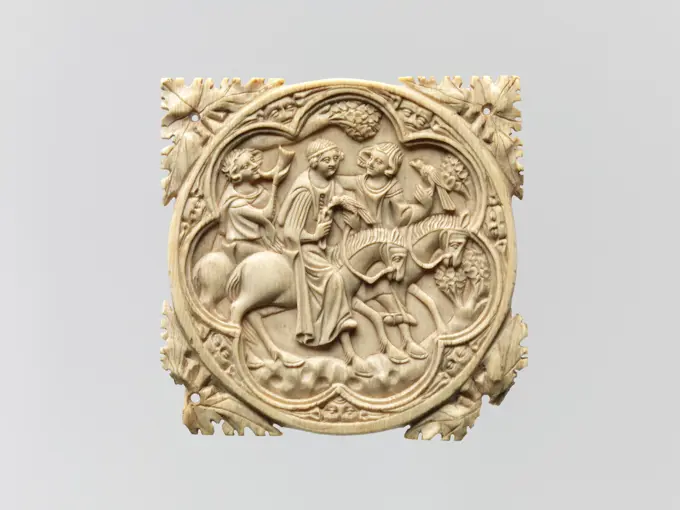
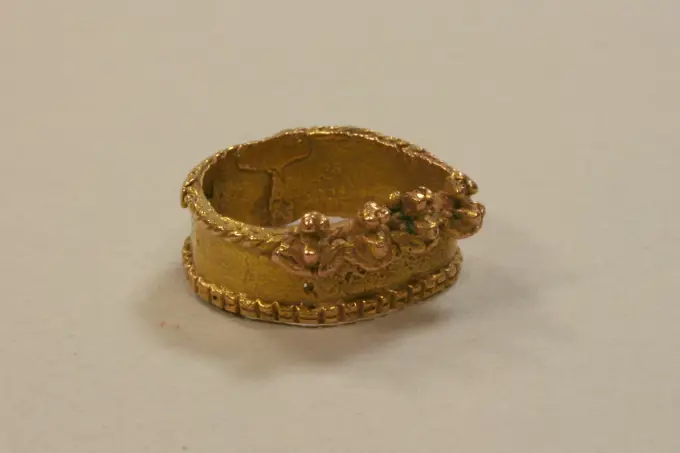
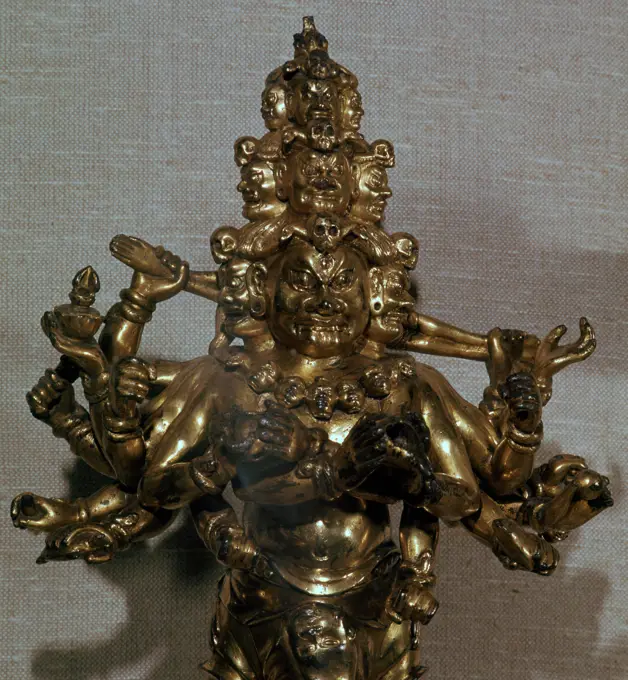
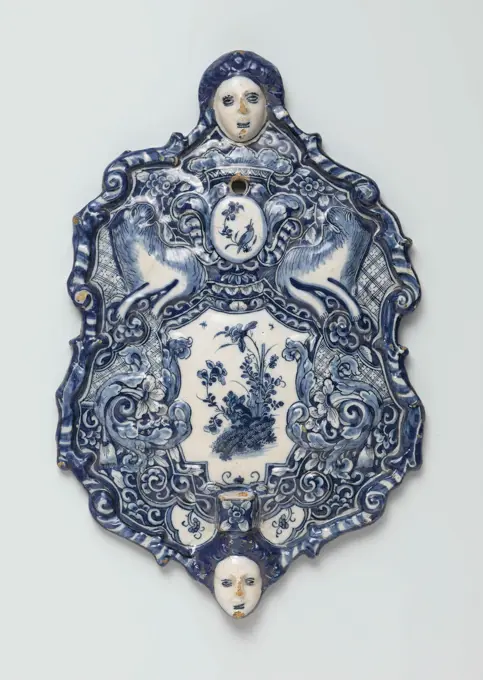
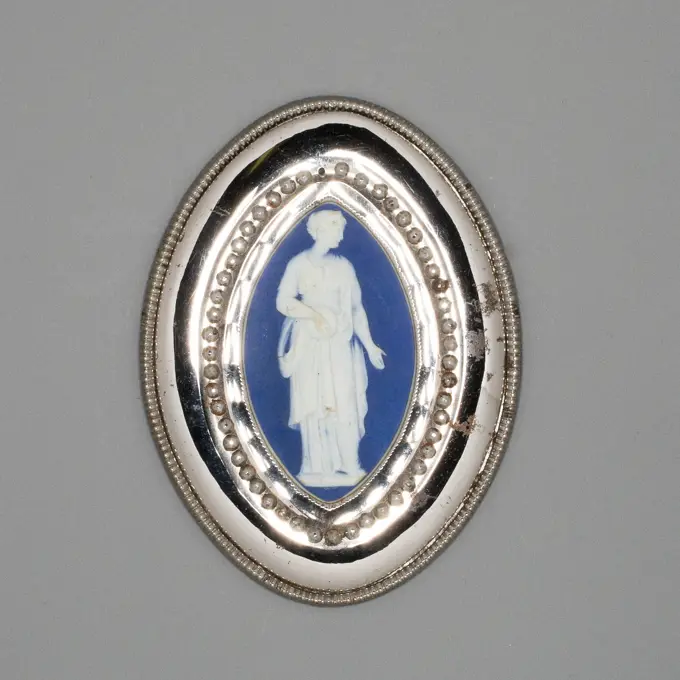
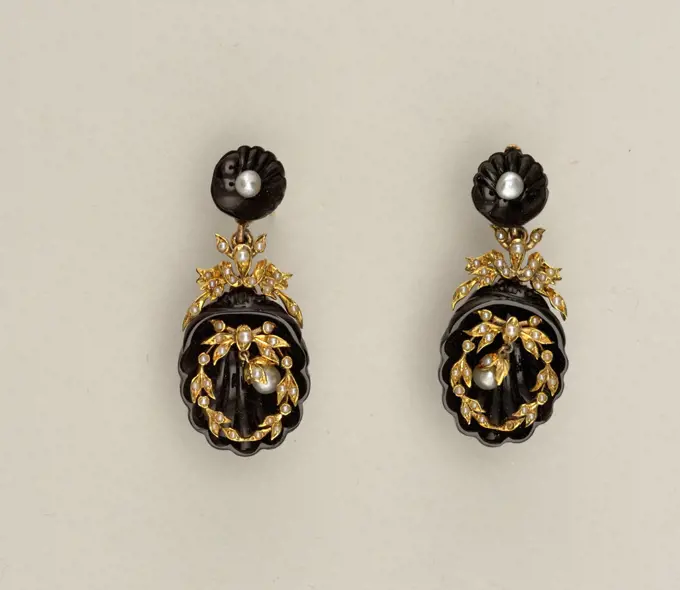
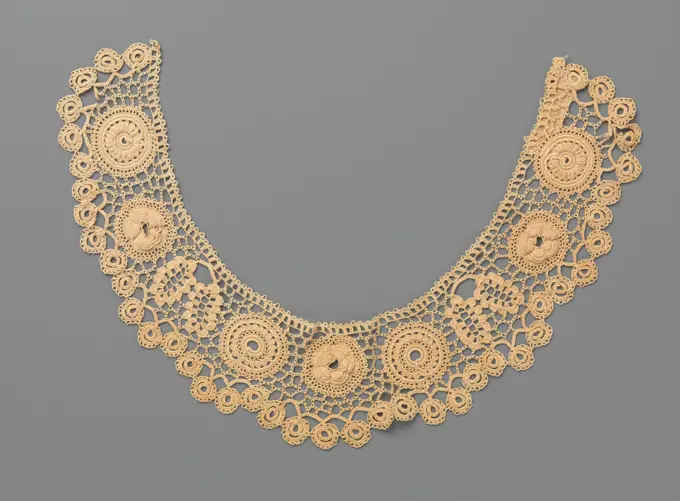
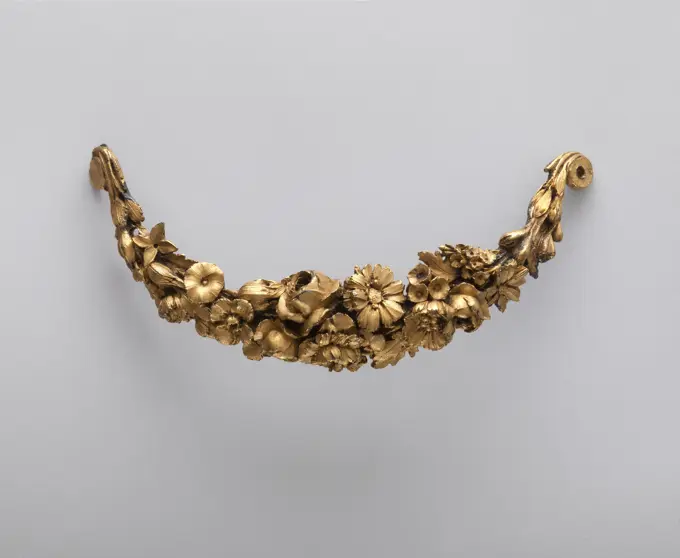
Pair of swags 18th century French. Pair of swags 190184 French, Pair of swags, 18th century, Gilt bronze, Overall (confirmed): 1 3/4  3 1/2  3/4 in. (4.4  8.9  1.9 cm). The Metropolitan Museum of Art, New York. Gift of J. Pierpont Morgan, 1906 (07.225.510.446a, b)Wall plate with Leeuwenkop for a wall airer, anonymous, c. 1685 - c. 1700 The cast and accompanying plate has the shape of a lion's head with a open mouth, in which a square hole. Around it a spell tape shared in four with the name and the inscription .sterck.alsden.leev. / VoorSictich.voort. / .Tslanghen.vier. /. Jean.Gavtier. Around it a roll work ornament, which ends at the bottom in an inverted French lily. Various decorations have been punched on the framing, including four -leaf roses. Two holes have been installed at the top and bottom. Marseille brass (alloy) casting The cast and accompanying plate has the shape of a lion's head with a open mouth, in which a square hole. Around it a spell tape shared in four with the name and the inscription .sterck.alsden.leev. / VoorSictich.voort. / .Tslanghen.vier. /. Jean.Gavtier. Around it a roll work ornament, which ends at the bottom in an inverted French lily. Various decorations have been punched on the framing, including four -leaf roList fragment: Gilded list of pâte ornaments, under rule., C. 1700 - c. 1899 frame Gilded list of oak leaves with acorns. List part, under line. With written on the back: 'Bottom, Panel R. or by, no. 1'.  wood (plant material). gold leaf gildingSword Guard (Tsuba). Culture: Japanese. Dimensions: H. 2 1/8 in. (5.4 cm); W. 1 11/16 in. (4.3 cm); thickness 3/16 in. (0.5 cm); Wt. 1.6 oz. (45.4 g). Date: 18th or 19th century. Museum: Metropolitan Museum of Art, New York, USA.MountTwo Pairs of Earrings and Armbands, anonymous, c. 1200 - c. 1400 A few ears, each divided into six panels and filled with stylized calak heads and floral motifs. Performed in Gold Repoussé. East Java gold (metal) rejected A few ears, each divided into six panels and filled with stylized calak heads and floral motifs. Performed in Gold Repoussé. East Java gold (metal) rejectedGold belt loop ". China, western or earlier Han dynasty (between 206 BC -24). Paris, Cernuschi museum. 24593-1 Accessory, ceremonial, cabochon, han anterior dynasty, gold, semi-précious stoneMolding; wood, gildedRing with Lotus Bud and Foliate Designs Second half of the 8th-second half of the 10th century Indonesia (Java). Ring with Lotus Bud and Foliate Designs 50149Pair of Circular Ear Hoops second half of the 8th-second half of the 10th century Indonesia (Java). Pair of Circular Ear Hoops 50087Double-Sided Pendant with Christ and Virgin 1600-1699 France. Hardstone, gold, and enamel .Pair of single-light sconces ca. 1690 British. Pair of single-light sconces. British. ca. 1690. Carved and gilded wood. Woodwork-FurnitureBrooch ca. 1850 American or European. Brooch. American or European. ca. 1850. gold, garnet, pearlParure: tiara, necklace, and brooch. Artist: Cameos carved by Luigi Saulini (Italian, 1819-1883). Culture: Italian, Rome. Designer: Designer of Diadem (a) John Gibson (British, Gwynedd, Wales 1790-1866 Rome). Dimensions: Diadem, visible cameo: 1 13/16 x 3 1/16 in. (4.7 x 7.8 cm); 46.8 x 78 mm; Diadem, overall with setting: 2 1/4 x 5 5/8 in.; Brooch, visible cameo: 1 11/16 x 1 5/16 in. (4.3 x 3.3 cm); 42.6 x 33.4 mm; Brooch, overall with setting: 2 1/16 x 1 11/16 in.; Necklace: visible cameo at clasp: 20.2 x 14.6 mm; visible cameo at PL: 26.7 x 20.9 mm; visible cameo at center: 29 x 23.1 mm; visible cameo at PR: 27.2 x 20.7 mm. Date: mid-19th century.Luigi Saulini learned hardstone and shell carving from his adopted father, Tommaso (1784-1864), and continued in the family trade from a successful shop in the Via del Babuino in Rome.Cameo-laden parures that included tiaras became fashionable among Napoleon's sisters and the ladies of his court. The taste survived for at least a half cenCupids and Scroll Work, Unger Brothers, Silver, Oblong, rounded sides and corners with irregular curves and counter-curves along four sides, upper portion of box wider than lower, with lid slanted on the diagonal; box features neo-rococo, repoussé decoration with c-scrolls, flowers and two cupids above a cartouche; reverse features no decoration except an irregularly shaped reserve inscribed 'Beth to Ceph, Xmas '96'; reverse side also concave in form. Lid hinged on side. Slightly concave striker on bottom., ca. 1896, containers, Decorative Arts, Matchsafe, MatchsafeMedallion with the crowned monogram of Hendrik Casimir II, prince of Nassau-Dietz and stadholder of Groningen and Friesland, Anonymous, c. 1690 Golden, partially geemailled medallion with the crowned monogram of Hendrik Casimir II, prince of Nassau-Dietz and Stadholder of Groningen and Friesland, Netherlands gold (metal). Golden, partially geemailled medallion with the crowned monogram of Hendrik Casimir II, prince of Nassau-Dietz and Stadholder of Groningen and Friesland, Netherlands gold (metal).MirrorHelmet of Charles IX of France, 16th CenturySnuffbox 1734-35 Daniel Govaers (or Gouers) French The use of snuff did not become fashionable in France until after the death in 1715 of Louis XIV, who was known to disapprove of the habit. By the time this gold box was produced, the taking of snuff was an important and elaborate social ritual. Not only were there rules of etiquette for it but the boxes that contained the powdered tobacco became highly desirable and visible accessories, serving as statements about both one's taste and one's financial status. While visiting Paris from England with her great friend Samuel Johnson, Hester Thrale wrote, "We went nowhere to day but to the Great Toy Shop called the Petit Dunkerque; I bought a Trinket or two, & longed for a Snuffbox of exquisite beauty."1 Boxes were produced at all levels of artistic skill and expense. Only the very rich could afford gold boxes, and gold boxes set with diamonds, such as this one, were the most expensive of all.Boxes of significant cost often served as discThe Dorestad Brooch (9th Century AD), part of the permanent collection in the Rijksmuseum, Arsenaal, Leiden, Zuid Holland, Netherlands.Design for a Chatelaine with Watch. Date/Period: Ca. 1875. Drawing. Brush and gouache, gum varnish, graphite on buff-colored laid paper. Height: 306 mm (12.04 in); Width: 240 mm (9.44 in). Author: Alexis Falize.Mount; 1904-21-41Gold Signet Ring with Virgin and Child 6th-7th century Byzantine As Christianity became the dominant religion in Byzantine society, Christian imagery was increasingly found on jewelry. Crosses appear by the fifth century; the Virgin Mary, saints, angels, and other holy figures became popular in the sixth century. The images were thought to protect the wearer, aid in prayers, and even perform miracles.. Gold Signet Ring with Virgin and Child. Byzantine. 6th-7th century. Gold. Metalwork-GoldPendant 17th-19th century Philippines. Pendant 40590Gold and ivory ring 8th-7th century B.C. Etruscan Ivory finger ring covered with thin gold plate.. Gold and ivory ring. Etruscan. 8th-7th century B.C.. Gold, ivory. Geometric. Gold and SilverFlower-Shaped Plaque 7th-9th century China (Xinjiang Autonomous Region, Central Asia) The nomadic communities of Central Asia used such plaques to embellish clothing and horse trappings. As these nomadic cultures herded animals and were constantly moving, their artistic production was expressed in portable objects that marked the wearers status and wealth. The outstanding preservation of these fragile ornaments suggests they were used in conjunction with burials, where the body was aggrandized with valuable textiles and augmented with gold. Although it is difficult to date and place these objects geographically, their presence in Central Asia and has a long, established history.. Flower-Shaped Plaque. China (Xinjiang Autonomous Region, Central Asia). 7th-9th century. Gold. Period of Tibetan Empire. MetalworkCurb Bit 17th century German According to contemporary equestrian manuals, this mouthpiece was designed for a horse with a regular good mouth and a very thick tongue. This kind of bit, with its engraved, pierced and chiseled ornamentation, is a very common type of German 17th-century bit, found in many collections. They might have been pre-made generic bits, mounted with mouthpieces and shanks of regular strength suitable for most horses.. Curb Bit. German. 17th century. Iron alloy. Equestrian Equipment-BitsPatternas belonging to the equipment of a juice of the 1st Department of Noord-Hollandse Schutterij, Anonymous, 1832 cartridge pouch Pattern bag made of black leather. Four yellow metal jumping grenades in the corners. Two yellow metal crossed axes in the middle. A few holes in the leather under the axes. Klep has a battery shape and the inside is made of brown leather. Inside valve: holes in the leather, causing the eyes of the batter from the front, causing a yellow metal wire. Also a strap with a hole stitched. Inside of the black leather bag, in which numbers 9 and 369 are beaten. In the bag, slightly bent, a wooden holder with eight holes (for storing patterns). Holder is stitched to the pattern bag. Two learn to flap left and right. Bottom pattern bag: yellow metal button for clip. Back of pattern bag three vertical black leather loops. Netherlands copper (metal). iron (metal). leatherEarring-hook type with disc. Earring-hook type with disc 243411Stirrup-shaped Ring with Oval Bezel with Diaper Design Second half of the 9th-first quarter of the 10th century Indonesia (Java). Stirrup-shaped Ring with Oval Bezel with Diaper Design. Indonesia (Java). Second half of the 9th-first quarter of the 10th century. Gold. late Central Javanese period. JewelryPair of two-light wall brackets ca. 1750 French The preference of the Rococo for continuous swirling and curvilinear lines is well expressed in the shape of these wall sconces of which a number of closely related models exist. The flickering flames of the candles would have enhanced the sense of movement.. Pair of two-light wall brackets. French. ca. 1750. Gilt bronze. Metalwork-Gilt BronzeCOLLAR DELECTRON. Nº INV. 23859. MUSULMAN. (EXPOSICION :ARTE ISLAMICO ESPAÑOL)(DEPOSITO: MUSEO DE MALLORCA).Goldsmith's art, France, 18th century. Gold and pietre dure snuffbox.Pair of Shell-Shaped Ear Clips. Geldt voorPair of Sword-Grip Ornaments (Menuki) 18th century Japanese Menuki are a pair of ornamental sword fittings attached to either side of a sword hilt.. Pair of Sword-Grip Ornaments (Menuki). Japanese. 18th century. Gold. Sword Furniture-MenukiGold pendant in the form of a bull's head ca. 1400-1050 B.C. Cypriot Most of the raw materials for Cypriot jewelry came from the East. Gold became plentiful in the Late Bronze Age, when Syria and Egypt were the primary sources. These earrings are a Cypriot creation, an ornament in the form of a bull's head.. Gold pendant in the form of a bull's head. Cypriot. ca. 1400-1050 B.C.. Gold. Late Bronze Age. Gold and SilverHexagonal BezelRingMarquise SriRingTESORO DEL CARAMBOLO - PECTORAL DE ORO - SIGLOS VII/VI AC - ARTE TARTESICO. Location: MUSEO ARQUEOLOGICO-COLECCION. Sevilla. Seville. SPAIN.Gold vase-shaped pendant. Culture: Cypriot or Greek. Dimensions: Other: 1 1/8 in. (2.9 cm). Date: 5th-4th century B.C..Earring of the loop type with hook-and-eye fastening and vase pendant. Museum: Metropolitan Museum of Art, New York, USA.Prince's grave in the vaulted tomb beneath the Basilica's south nave. Biskupija-Crkvina. Croatia. Museum of Croatian Archaeological Monuments, Split, Croatia.Flower-Shaped Clothing Plaque. Culture: China (Xinjiang Autonomous Region, Central Asia). Dimensions: Diam. 1 1/4 in. (3.2 cm). Date: 7th-9th century.The nomadic communities of Central Asia used such plaques to embellish clothing and horse trappings. As these nomadic cultures herded animals and were constantly moving, their artistic production was expressed in portable objects that marked the wearer's status and wealth. The outstanding preservation of these fragile ornaments suggests they were used in conjunction with burials, where the body was aggrandized with valuable textiles and augmented with gold. Although it is difficult to date and place these objects geographically, their presence in Central Asia and has a long, established history. Museum: Metropolitan Museum of Art, New York, USA.Distortedcoin, mid-7th to 10thcentury, Gold, 3 × 2.06 cm, 24.947 g (1 3/16 × 13/16 in., 24.947g), Made in Java, Indonesia, Java, 7th-10thcentury, JewelryGolden Beurs from Schakels, Anonymous, c. 1853 - c. 1900 The bracket is decorated with Louis XV leaf ornament. Schoonhoven gold (metal) The bracket is decorated with Louis XV leaf ornament. Schoonhoven gold (metal)One square. UnknownTwo squares. UnknownGuarrazar Hoard. Votive crown. Visigothic goldsmithing. Dated between 621 and 672 AD. From Guarrazar (Guadamur, province of Toledo, Spain). National Archaeological Museum. Madrid. Spain.Application;  18th century (1701-00-00-1800-00-00);China, Shanghai, Shanghai Museum. Ancient jade collection. Huan (ring) in the shape of a dragon from Western Jin, c. (265-316 AD).Circular box ca. 1780 French Luxurious containers for snuff or sweet meats were created of many different materials. Here flawless rock crystal is enhanced by the Neoclassical swags and pendants of the gold mount. Transparent by nature, this crystal box would have offered a glimpse at the contents stored inside, most likely dragées or pastilles made of anise seed.. Circular box. French. ca. 1780. Two-tone gold, rock crystal. Metalwork-Gold and PlatinumPendant ca. 1600 probably German. Pendant. probably German. ca. 1600. Gold, enamel, rubies, pearlsBadge or Harness Pendant 14th century Spanish Heraldry, or coat-of-arms, were vitally important in Europe throughout the Middle Ages and the Renaissance. Heraldic emblems were used to identify noble families, cities, regions, and even countries. In addition to being displayed on shields and flags, heraldry was incorporated into architectural decoration on the interior and the exterior of buildings, on furniture, works of art, clothing, and horse equipment. Harness pendants, like this example, would have been attached to a headstall, bridle, or other straps making up the tack of a horse ridden by a nobleman or noblewoman, or a member of their household. Many harness pendants also have decoration that is simply ornamental, or have symbols that are not specifically heraldic in nature.. Badge or Harness Pendant. Spanish. 14th century. Copper, gold, enamel. Miscellaneous-BadgesMotto Clasp of Sithathoryunet ca. 1887-1813 B.C. Middle Kingdom. Motto Clasp of Sithathoryunet. ca. 1887-1813 B.C.. Gold, carnelian, paste. Middle Kingdom. From Egypt, Fayum Entrance Area, Lahun, Tomb of Sithathoryunet (BSA Tomb 8), Chamber E, box 1, BSAE excavations 1914. Dynasty 12Gold necklace with coin pendants. Culture: Roman. Dimensions: Other: 31 1/2 in. (80 cm)Diam. (Large coin): 2 3/16 in. (5.6 cm)Diam. (Small coin): 1 3/8 in. (3.5 cm). Date: 3rd century A.D..Two openwork pendants are suspended from a double chain of figure-of-eight loops. Each pendant is set with an aureus (gold coin) of the Emperor Alexander Severus (r. A.D. 222-235). Their different sizes and the second spacer suggest that additional pendants are now missing from the chain. The use of coins in jewelry became very fashionable in the third century and persisted until the early seventh century. Museum: Metropolitan Museum of Art, New York, USA.Disk Brooch 6th century Frankish. Disk Brooch 465338 Frankish, Disk Brooch, 6th century, Silver, glass and garnets, Overall: 15/16 x 1/4 in. (2.4 x 0.6 cm). The Metropolitan Museum of Art, New York. Gift of J. Pierpont Morgan, 1917 (17.192.32)Brooch. Culture: American. Dimensions: Overall: 1 1/8 x 1 5/8 in. (2.9 x 4.1 cm)Chain: 4 5/8 in. (11.7 cm). Date: ca. 1850. Museum: Metropolitan Museum of Art, New York, USA.Oval brooch made of silver with green glass, c. 1916 Oval brooch made of hammered silver with a green glass with a hook closure in the middle. Schoonhoven silver (metal). glass hammering Oval brooch made of hammered silver with a green glass with a hook closure in the middle. Schoonhoven silver (metal). glass hammeringPrinting plate, Brass, A brass printing plate for the letter B with a serpent wrapping around the center of the letter. Around the outside of the letter is detailed abstract pattern. Scene of Adam and Eve on the right., probably USA, ca. 1870, metalwork, Decorative Arts, Printing platePair of Earrings. Iran, Sasanian, Sasanian period (5th century). Jewelry and Adornments; earrings. GoldA buckle consisting of two partsOrnament. China, Warring States period, 481-221 B.C.. Sculpture. Bronze, castGem, Gold, turquoise, coral, garnet, pearl, glass, 11th-12th century, Russia, Suzdal, Museum of History and Art,Anonymous. Khaki -shaped box; Decor gold on a adventurous background; Gold bronze frame. Lacquer. Museum of Fine Arts of the City of Paris, Petit Palais. Box, bronze, adventurine background, khaki, lacquer object, goldPair of Wall Lights; Pierre Gouthière (French, 1732 - 1813,1814 (master 1758)), after a design by François-Joseph Bélanger (French, 1744 - 1818); Paris, France; about 1781; Gilt bronze;Earring-hook type, with disc and pendant. Earring-hook type, with disc and pendant 243363Buckle, 1900s. China, 20th century. Gilt brass, engraved and set with green jade and quartz; overall: 10.2 cm (4 in.).Frontlet of gold leaf. Dimensions: Other: 1 5/16 × 3 3/4 in. (3.4 × 9.5 cm). Museum: Metropolitan Museum of Art, New York, USA.Silversmith's Art, Austria 19th century. Silver grapes basket with vegetable decorations.Anonymous (n. - d.), Cross (main title), 1575. Now enameled, fine pearls. Petit Palais, Museum of Fine Arts of the City of Paris.Bird Ornament 2nd-3rd century Moche (). Bird Ornament 313422Ceintuur spot of copper with green émail rand, anonymous, c. 1915 Ceintuur spot of copper with green émail rand. Oval model with a fixed pivot and pin on the back. A fixed half arch on one side to attach one end of the belt. A deepened, granulated and shilly soil is caught in fine, smooth uprisings through a green email window. Netherlands (possibly) whole: copper (metal). edge: forging Ceintuur spot of copper with green émail rand. Oval model with a fixed pivot and pin on the back. A fixed half arch on one side to attach one end of the belt. A deepened, granulated and shilly soil is caught in fine, smooth uprisings through a green email window. Netherlands (possibly) whole: copper (metal). edge: forgingGold Inlaid pendant earing showing Tutankhamen flanked by Uraei. from the tomb of King Tutankhamen 1336 - 1326 B.C.Dish (one of a pair) 1664/65 Anthony Ficketts British The somber simplicity of these dishes, which were intended for display on a sideboard, is complemented by the restrained engraving of the armorials at the center. The shield contains the arms of Sir John Brownlow (1594-1679) impalingthat is, shown side-by-side withthe arms of his wife, Alice Pulteney. The crest above, depicting a greyhound, is engraved in a different style and was added by the family at a later date.. Dish (one of a pair) 210330Pair of silver attachments in the form of seashells. Culture: Greek. Dimensions: length 1 5/8in. (4.1cm)width 1 3/4in. (4.4cm). Date: late 4th-3rd century B.C..Appliqués like these delicate shells could have decorated boxes or chests or the junction of the handle and shoulder of an oinochoe (jug). Museum: Metropolitan Museum of Art, New York, USA.Belt buckle 19th century Dutch. Belt buckle 102489Willem V and Wilhelmina van Pruisen, Prince and Princess of Oranje -Nassau, Anonymous, 1787 - 1795  One -sided, open -up sign with star wreath, decorated with orange apples to Sea Equals. Front: breastpiece man inside shaded, smooth and cable edge. Reverse: Breastpiece Woman Inside shaded, smooth and cable edge Netherlands metal gildingMount; bronze, giltCarved Bead 19th century Japan. Carved Bead. Japan. 19th century. Ivory. OjimePendant with Scenes from the Life of Christ and Two Saints. Culture: German or French. Designer: Reinhold Vasters (German, Erkelenz 1827-1909 Aachen). Dimensions: Height: 5 1/4 in. (13.3 cm). Date: ca. 1870-95.The frame of this pendant was made from an unpublished design by Reinhold Vasters in the collection of the Victoria and Albert Museum, London (inv. No. E 3569-1919). The pendant is based on a sixteenth-century type believed to have been made in northern Italy or perhaps Spain. Faith Dennis published an example from the J. Pierpont Morgan Collection in The Metropolitan Museum of Art (17.190.882).While it is possible that the frame may have been designed for existing pieces of verre églomisé, or reverse-painted glass, close examination of the paintings suggests that they, too, are the products of a nineteenth-century craftsman. There are four verre églomisé paintings, all apparently by the same hand. Those on one side of the jewel illustrate the Nativity and Annunciation to the SSet of Pendants Ending in a Bull's Head, 185-72 BC. India, Sunga Period (185-72 BC). Gold repoussé with granulation;Wall arm of gilded bronze with two arms and winch -shaped tribe, Anonymous, 1775 - 1800 Gilt bronze wall arm, with two arms. At the bottom of the winch -shaped trunk there is a saters's head with bacchus instruments and at the top a hose, which is wriggling through a festoon at the bottom and is stopped at the top by a bow. The C-shaped arms wear on top of a leaf volume, through which a festival with grape bunches runs, which connect the two arms. The fat catchers are surrounded by grape bunches and fruits. See also: BK-16900-A. France bronze (metal). iron (metal) gilding Gilt bronze wall arm, with two arms. At the bottom of the winch -shaped trunk there is a saters's head with bacchus instruments and at the top a hose, which is wriggling through a festoon at the bottom and is stopped at the top by a bow. The C-shaped arms wear on top of a leaf volume, through which a festival with grape bunches runs, which connect the two arms. The fat catchers are surrounded by grape bunches and fruiOrnaments China. Ornaments. China. Gold. Tang dynasty (618-907). Jewelryancient antique brooch with stones on black background. Middle-Asian vintage jewelry. old Oriental ornamentsEarring with head of ibex 3rd-2nd century BC Ptolemaic Period Hoops formed of wound wire with animal head terminals are the commonest type of Hellenistic earring. The heads on these earrings have been referred to as those of gazelles, but is now thought more likely to be an ibex. Ibex-head earrings are well-known in Egypt, but also Asia Minor and Cyprus. The gold bead that forms part of the collar behind the animal's head is scarcely rounded, pointing to a 3rd or probably 2nd century date.. Earring with head of ibex 561154Tiara 1870-89 American. Tiara 117767Bird in a cage, decorative element, isolated on white background Bird in a cage, decorative element, isolated on white background Copyright: xZoonar.com/OleksandrxKostiuchenkox 9785492Watch ca. 1590 Watchmaker: Nicolas Galliard (or Gaillard). Watch. Watchmaker: Nicolas Galliard (or Gaillard) (active 1555; died 1602). French, Lyons. ca. 1590. Silver. HorologyNaval Reward Medal of Elizabeth I 18th century, aftercast of a model of 1588 British. Naval Reward Medal of Elizabeth I. British. 18th century, aftercast of a model of 1588. Bronze. Medals and PlaquettesFurniture Mount (France)Silver gilt Torah shield and pointer. The Tree of Life is depicted in the central panel. Dated 18th CenturyIvory Mirror Case with a Falconing Party 1330-60 French Such mirror cases were made by ivory carvers called pigniers, who specialized in them as well as combs. Among the most popular products of Gothic ivory carvers, mirrors were made in pairs so that they could be stored facing each other, to protect the polished metal surfaces, and they were often sold in leather cases. The courtly subject matter, elegant carving, and use of a luxury material such as ivory indicate that they were intended for aristocratic clients; medieval inventories confirm that these objects frequently belonged to such households.. Ivory Mirror Case with a Falconing Party. French. 1330-60. Ivory. IvoriesRing 12th-14th century Coclé (Parita). Ring 309946Chinese gilt-bronze statuette of a Dharmapala, 13th century. Artist: UnknownZischägge (Helmet) and Cuirass of Emperor Ferdinand II 1610-1630 Southern Germany. The design of this armor follows an eastern European fashion for lighter-equipped cavalry. Its considerable thickness and weight (about 25 pounds) were meant to protect the wearerís vitals from the deadly threat of firearms.This armor, however, did not belong to any ordinary cavalryman, but to Holy Roman Emperor Ferdinand II. Ferdinand ruled during the turmoil of the Thirty Yearsí War (1618ñ48), which devastated much of central Europe. Asserting the authority of the Habsburg dynasty, the etched and gilt decoration on the breastplate depicts two of the emperorís great forebears, Maximilian I on the right and Charles V on the left.. steel, gilding, brass, and leather .. Candle holders could be attached to these two plates. Sconces provided wall lighting. Back plates were decorative and also protected the wall from candle flames. <Faience> sconces did not reflect light as strongly as those with silver or mirrored back plates.Medallion with Classical Figure 1775-1799 Burslem. Stoneware (jasperware)Silvered Copper and Glass Button, 1770-1800. Made in Birmingham, maker unknownEarrings, Gold, onyx, pearls, France, ca. 1860, jewelry, Decorative Arts, EarringsGold pediment-shaped brooch ca. 340-320 B.C. Greek This remarkable object gains most of its effect from the calligraphic use of filigree wire on its large flat surface. There are now no traces of enamel, but this may well have added the further dimension of color.. Gold pediment-shaped brooch 247575Collar of crocheted side with rosettes in a row of circles, c. 1850  Collar of natural Irish crocheted side. Strip -shaped semi -circular model. Symmetrical pattern with a row of seven circles with one rosette each made in different ways. Next to the middle three circles there are a double leaf on both sides. The motifs are connected by a sewn hexagonal network. Along three sides, a scrap edge of oval flowers runs. The inner edge is straight finished with a picot edge. Ireland cotton (textile)