Decorative Metal Objects

A collection of intricately designed metal objects including hairpins, arrowheads, and skewers from various cultures, showcasing craftsmanship and artistic details.

Foundry - Empire Candle;  2 19th century (1801-00-00-1900-00-00);
Foundry - Empire Candle; 2 19th century (1801-00-00-1900-00-00);
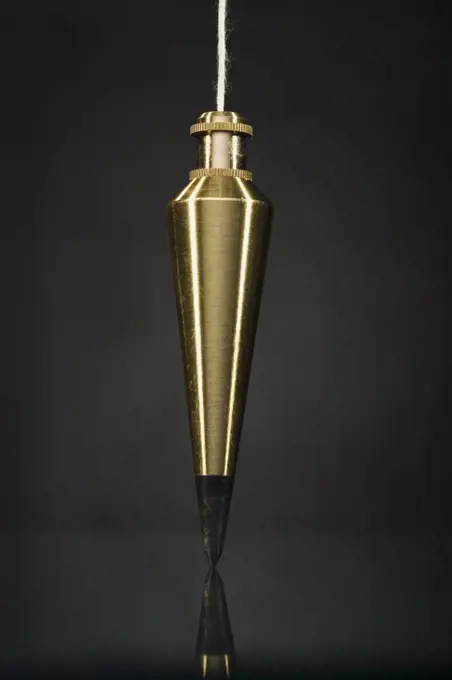
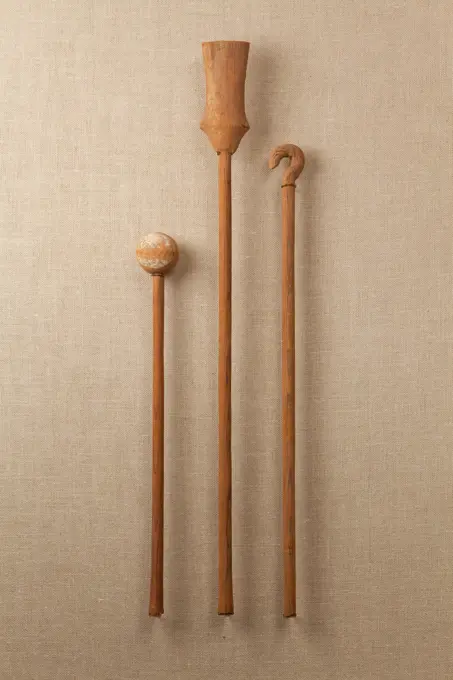
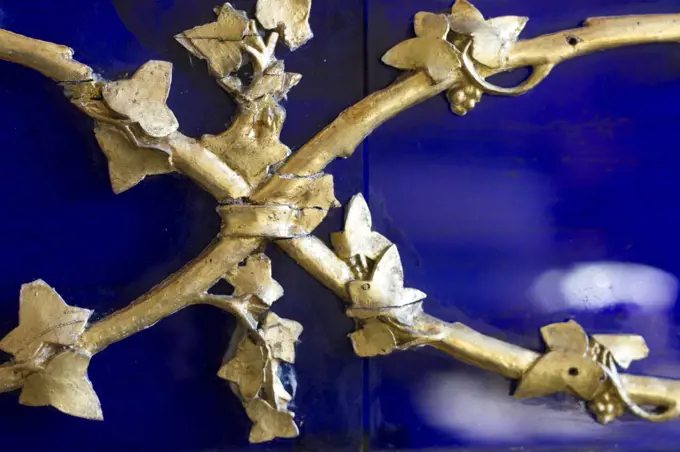
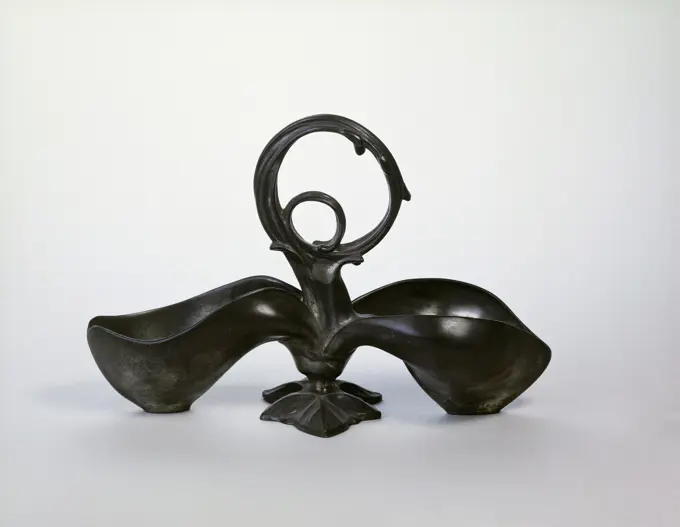
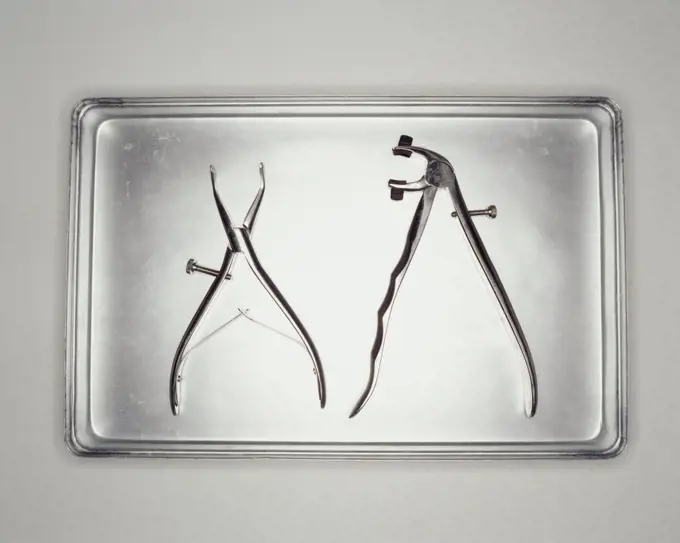
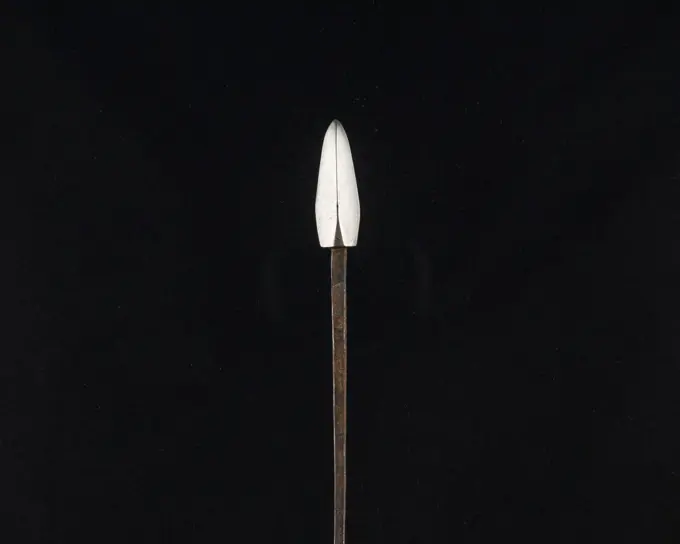
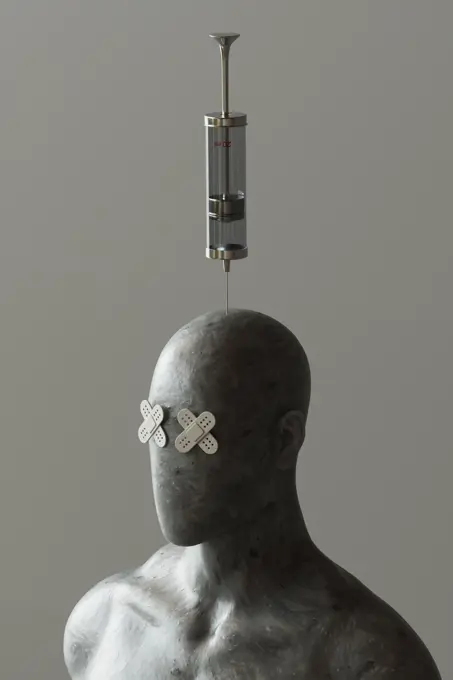
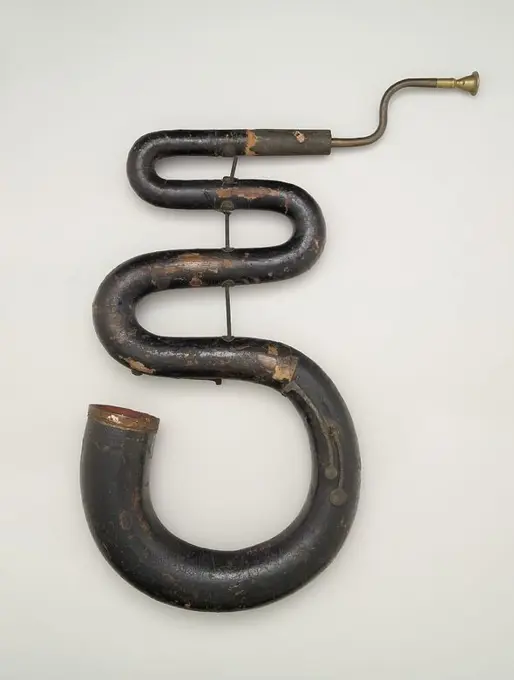
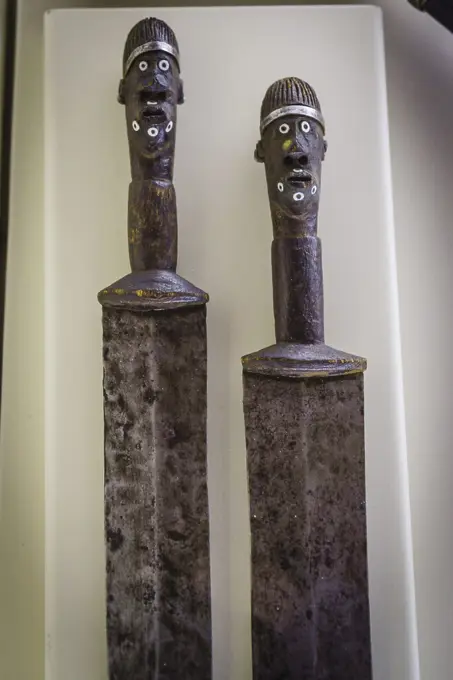
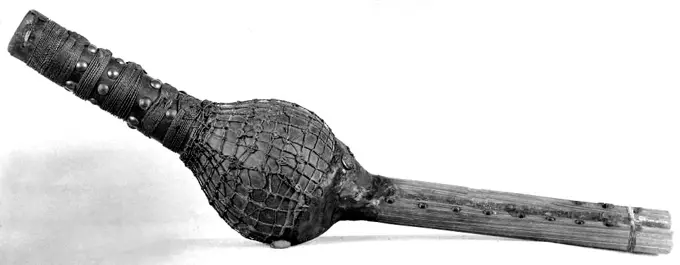
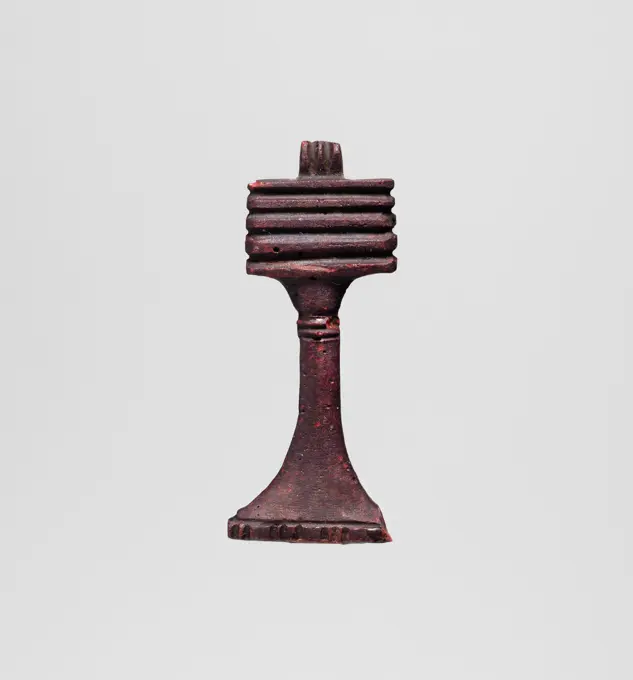
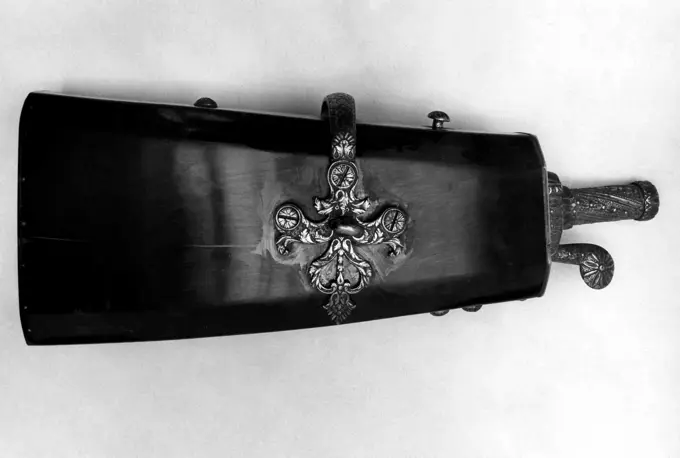
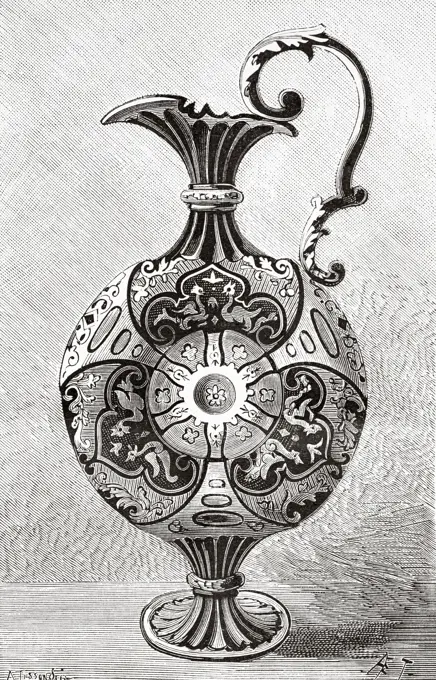
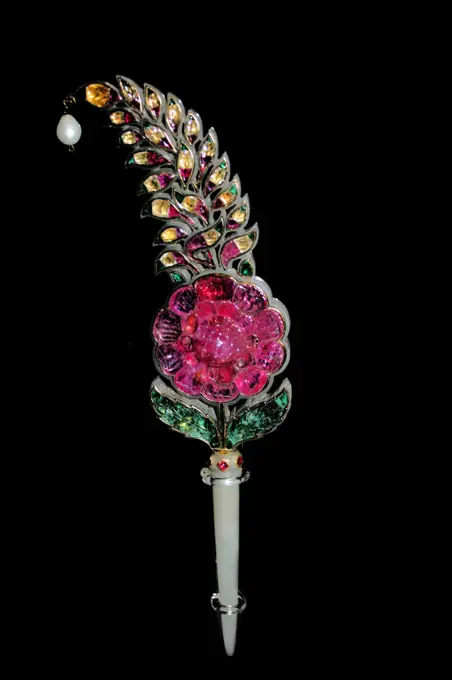
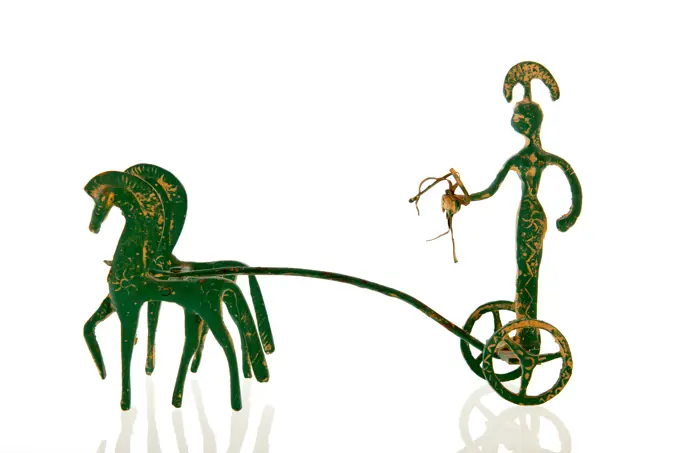
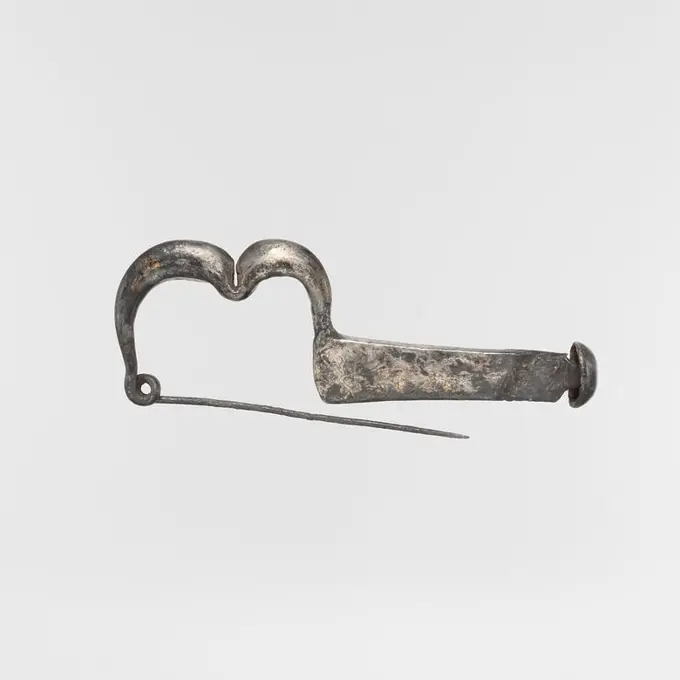
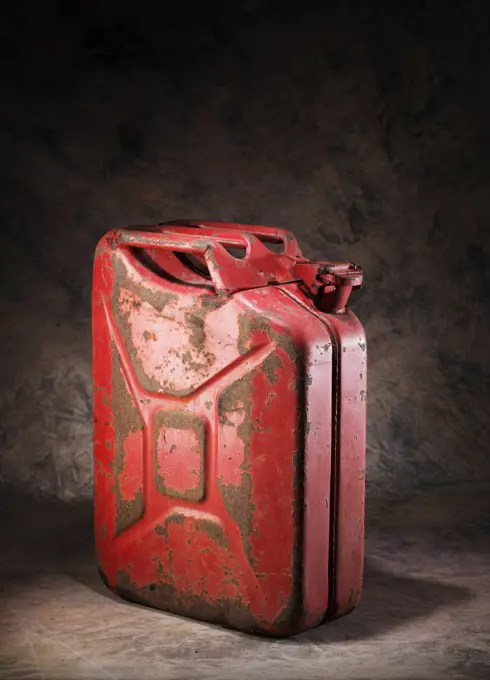
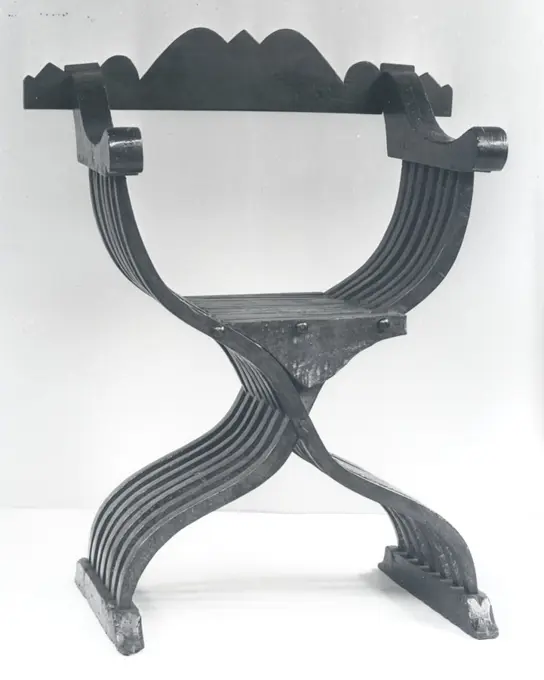
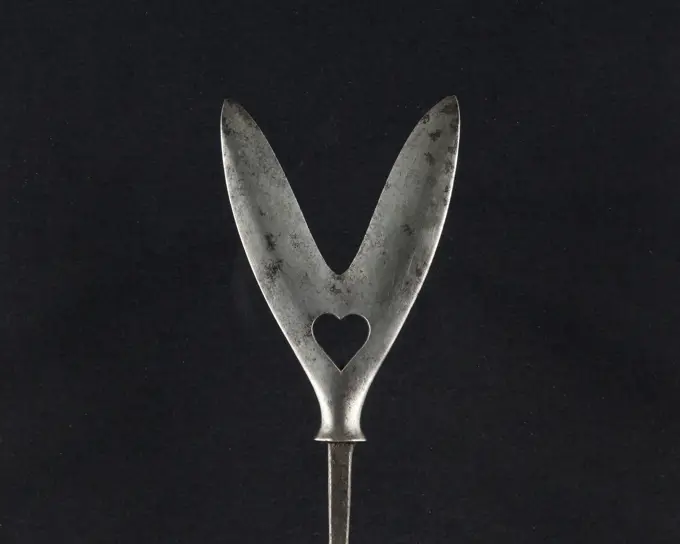
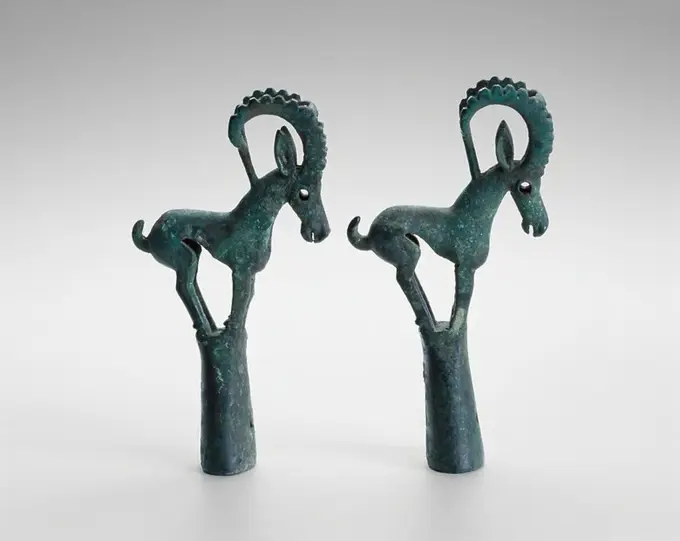
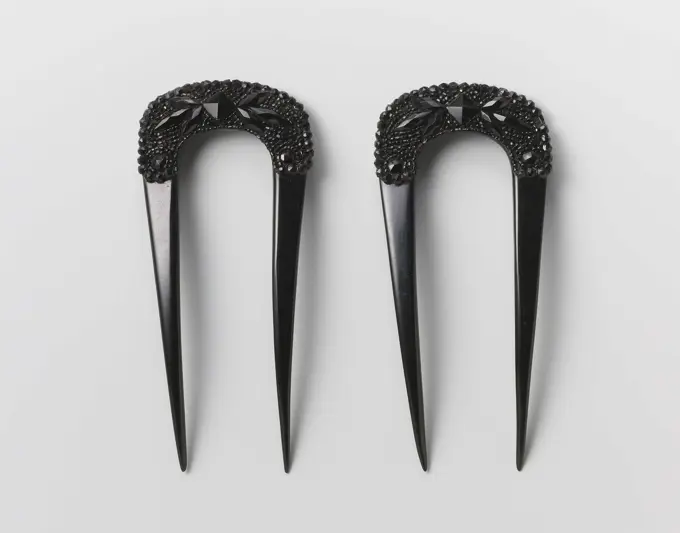
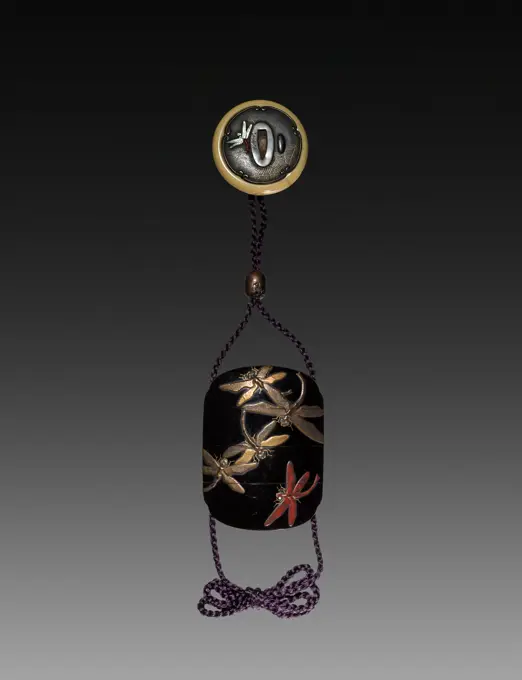
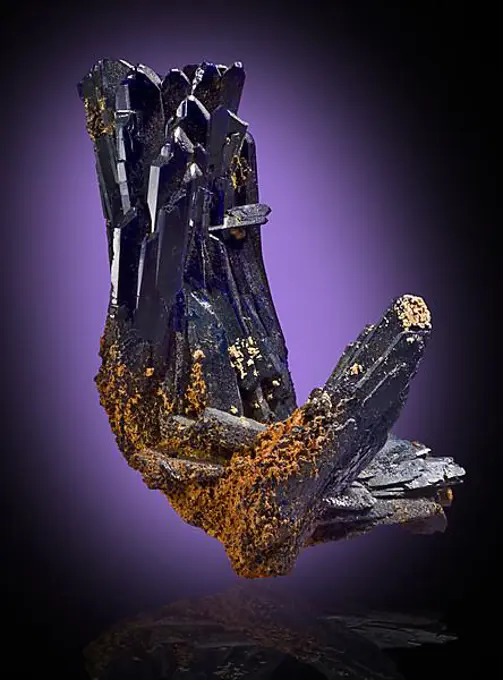
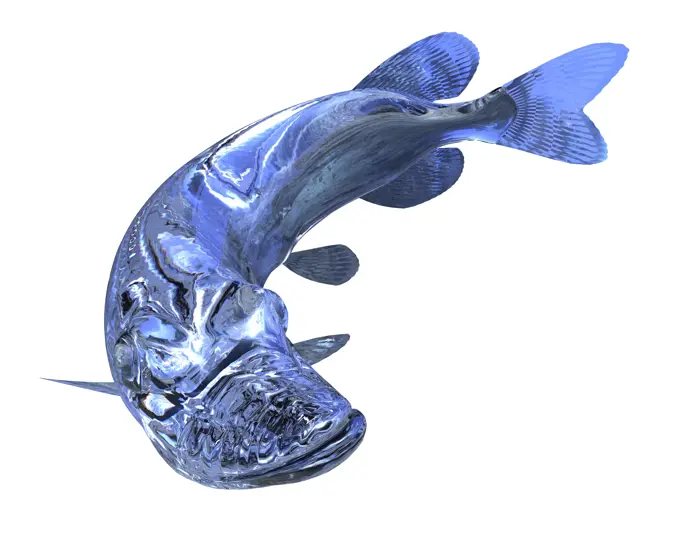
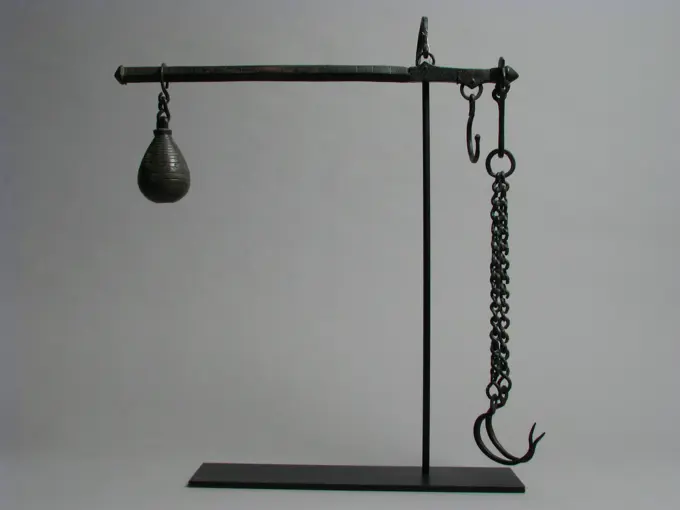
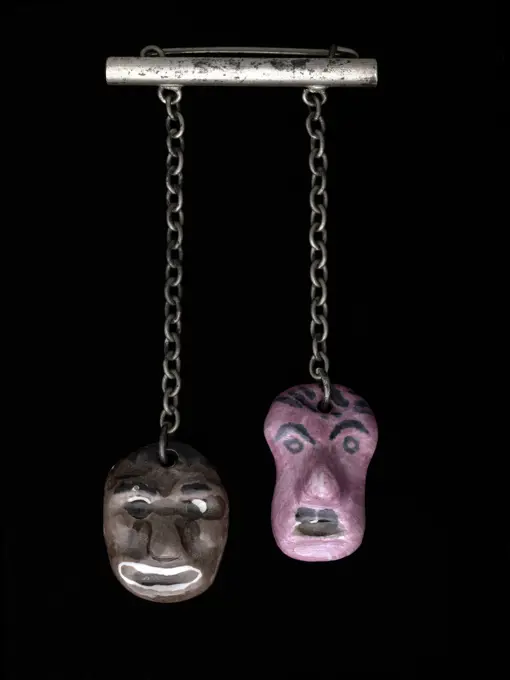
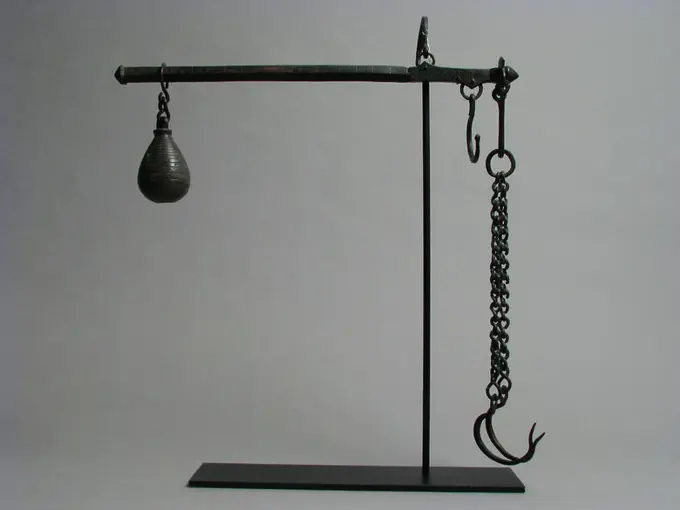
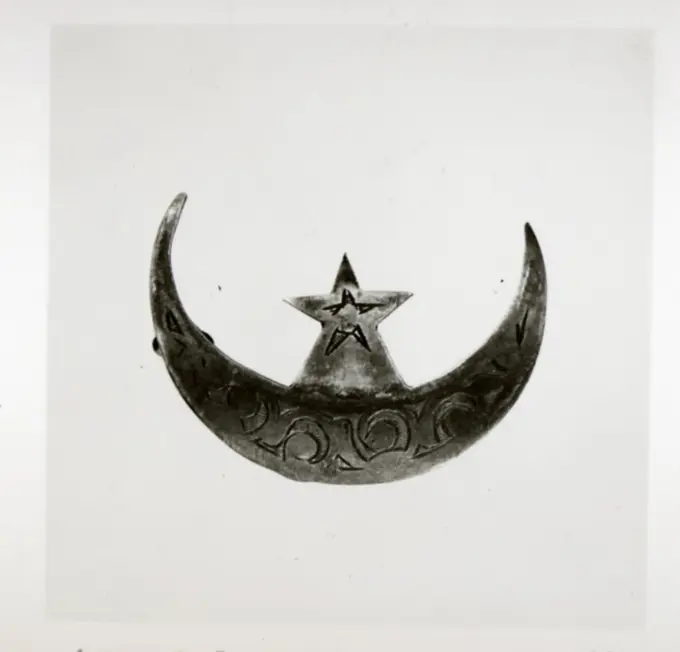
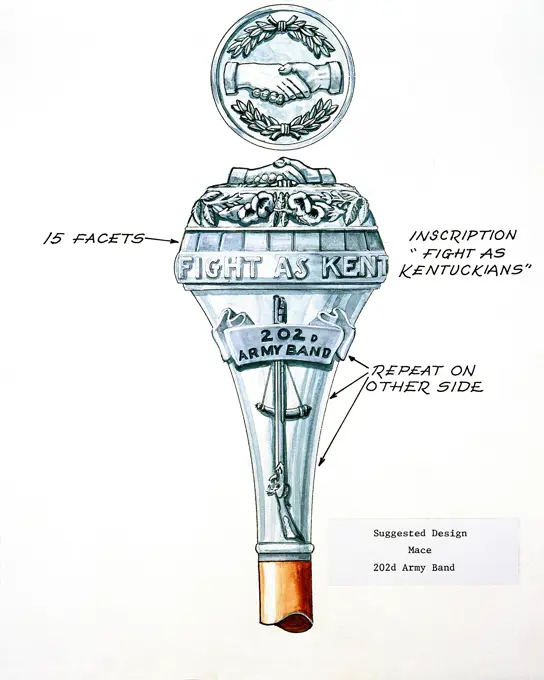
Armblaker of iron, c. 1400 - c. 1950 An iron armblaker with Ajour Blaker.  iron (metal) An iron armblaker with Ajour Blaker.  iron (metal)Four corner rods, c. 1400 - c. 1950   iron (metal)   iron (metal)Carving details of railing at Forbidden City, Xicheng District, Beijing, ChinaSmallsword 1645-1665 Nuremberg. Steel with gilding and iron . Gottfried Christian LeygebeBird on Pole on Stand 800 BCE-701 BCE Greece. This precious bronze object is a votive, or devotional gift, made as an offering to the gods. They come in many forms, such as animals, beads and brooches. Many seem once to have been attached to something else. Votives were hung from sacred trees or placed in sanctuaries around Greece. Once a shrine was full, the votives were ceremonially buried to make room for more offerings.. Bronze . Ancient GreekNecklace of the Rising Sun. 1370 -1352 BC. From Tutankhamun's Tomb. Made of gold with precious stones inlaid. Egyptian art. New Kingdom. Jewelry. EGYPT. CAIRO. Cairo. Egyptian Museum. Proc: EGYPT. QUENA. Dayr al-Bahri. Valley of the Kings. Tomb of Tutankhamun.liquid metal drips, image on white backgroundAsian-style lanternTwo Meermans in a mirror fight, door handle, c. 1600 - c. 1699  Italy bronze (metal)  Italy bronze (metal)Plumb line.Model sekhem or aba scepter ca. 1981-1802 B.C. Middle Kingdom. Model sekhem or aba scepter. ca. 1981-1802 B.C.. Wood. Middle Kingdom. From Egypt, Middle Egypt, Meir, Burial of Seni, Khashaba excavations, 1910-11. Dynasty 12Lock-Ornament late 15th-early 16th century German The decoration of Gothic iron locks and keys was often elaborate and of the highest standard of workmanship. The motifs were frequently drawn from Gothic architecture, reproducing on a miniature scale complicated tracery patterns and even tiny statuettes. A number of these tiny locks were compound, with some of the mechanisms concealed from view, and required two or even three keys used in sequence to open them. It has been suggested that the greatly expanded use of locks on doors, or coffrets and other types of storage chests was a result of the increasing urbanization of life and the new emphasis on material wealth and private ownership which developed in the late Middle Ages.. Lock-Ornament 468789Gold balance, c. 1400 - c. 1950 A gold balance with a silver bowl.  silver (metal) A gold balance with a silver bowl.  silver (metal)Blue glass frame with gilded ivy tendrils, detail of the anteroom of the Queen's apartment, Hunting residence (UNESCO World Heritage Site, 1997), by Filippo Juvarra (1678-1736), Stupinigi, Piedmont, Italy, 18th century.A fallen white queen and a standing black king on a reflective background, symbolising power, relationship, conflictJean Baffier (1851-1920). "Salt salt", 1894. Etain. Museum of Fine Arts of the City of Paris, Petit Palais. Sculpted handle, art nouveau, art table, rounded, tin, container, salt, salt, salt18th century (1701-00-00-1800-00-00);close up of eyes on carapace of Eastern eyed click beetle (Alaus oculatus) Dacusville, Pickens County, South Carolina, USA, June. meetyourneighbours.net projectMedical tools on metal trayARTE IRANI-LUCERNA DE BRONCE. Location: MUSEO ARQUEOLOGICO NACIONAL-COLECCION. MADRID. SPAIN.Arrowhead (Yanone) 18th century Japanese Although today Japanese warriors are renowned most for their swordsmanship, archery, especially from horseback, has been an essential part of samurai warfare and culture for centuries. Arrows were fitted with heads of varying shape according to their intended use in war, the hunt, or target practice. Arrowheads made for use on the battlefield incorporated different designs intended for specialized purposes such as the piercing of armor or to cause maximum damage to horses and unarmored personnel.Large arrowheads, pierced and elaborately chiseled with landscapes, birds, flowers, dragons, and Buddhist divinities, were created to be admired for the beauty of their metalwork and design rather than for use in archery. Such highly elaborate examples may have been made for presentation or as a votive offerings to a shrine.. Arrowhead (Yanone). Japanese. 18th century. Steel. Archery Equipment-ArrowheadsMannequin with band aid eyes and syringe pierced in head against gray backgroundFolding Fork And Spoon Bowl; silver; L x W: 15.9 x 3.9 cm (6 1/4 x 1 9/16 in.); The Robert L. Metzenberg Collection, gift of Eleanor L. Metzenberg; 1985-103-78-a,bRetro styled golden color key with a mirrorCampania Caserta Capua Museo Campano065. Hutzel, Max 1960-1990 Medieval: Byzantine architectural fragments; parchment fragments with miniatures (12th century) from Montecassino; painted wooden crucifix (13th century); Carolingian crucifixes; Bishop's miter (11th century) of gold and silver damask; fresco (13th century). Post-medieval: Architecture (15th century). Formerly the Palazzo Antignano. Unusual Catalan/Moorish-style portal; Paintings on panel and canvas (15th-18th centuries); marble intarsia (16th century); marble sculpture: busts of Christ and Mary (17th century); sculpture of saints in marble and in wood (15th century); painted and gilded sculpture in wood; marble grave sculpture (16th century); sarcophagus with allegorical carvings; gold reliquary "Rosa d'Oro"; crucifix made of elephant tusk Specific Location: Pianterreno Antiquities: Italic sculpture (seated women holding babies); inscription. Photo campaign #1: 533 photos. Roman relief and sculpture; cinerary urns; Greek aFront View of Gold Menorah Holding Unlit Gold Candles for HanukahSerpent in C. Culture: British. Dimensions: Length 725 mm, Diam. of bell 105 mm, Length of crook ca. 247 mm. Date: early 19th century. Museum: Metropolitan Museum of Art, New York, USA.Top view of wooden scoop with chia seeds against brown vinyl background.Bottle openerClose-up of a seashelltraditional knife, Pende tribe, Angola, Africa, 19th Century,Castle of San Carlos, seventeenth century, Palma, Mallorca, Spain.Jc NecklaceLuang Prabang, Laos. Close-up of expensive silver jewelryPūngī late 19th century Indian. Pūngī 500749Amulet - filar dżed. unknown, authorClose-up of a scepter with the cross, England, LondonArtfully designed spout for drainage, Hanseatic City of Wismar, Mecklenburg-Western Pomerania, Germany, Europechristmas decoration fir tree on a white backgroundGui comb in enamel on wrought gold, tortoiseshell and false pearls by Paul Vever (1851-1915) comb in carved horn, enamel, and gold by Rene Lalique (1860-1945)Lead figure, standing 11" high, made by Moore in 1940. October 25, 1947.Classic lion head door knobTheme Problem, solution, crack, still life with rolling fork spanner and walnuts, studio shot, symbol photoThe plough or plow is a tool (or machine) used in farming for initial cultivation of soil in preparation for sowing seed or planting. It has been a basic instrument for most of recorded history, and represents one of the major advances in agriculture.Powder Flask ca. 1740-50 Joseph Cano Spanish Cano worked for the Spanish kings Felipe V and Ferdinand VI. He was appointed royal gunsmith in 1749.. Powder Flask. Spanish, Madrid. ca. 1740-50. Tortoiseshell, steel, gold. Madrid. Firearms Accessories-Flasks & PrimersCovered vase by Ulysse Besnard 1826-1899, France. Europe. Old 19th century engraved illustration from La Nature 1884DA-SC-85-04240. Country: UnknownCandelabra in bedroom, Residenz, Munich, Upper Bavaria, Bavaria, GermanyTurban ornament. First half of the 18th century. While nephrite jade set with rubies, emeralds and rock crystal in gold. Mughal.Greek Chariot Greek war chariot with horses isolated over white background Copyright: xZoonar.com/IvonnexWierinkx 7833821in oman     the sky of   lantern    and   abstract illuminationBelt 19th centurySilver fibula (safety pin). Culture: Greek, South Italian, probably Apulian. Dimensions: L: 6 in. (15.2 cm)H.: 2 3/8 in. (6 cm). Date: 4th century BC.With a double arc for the bow and a long catch plate ending in a hemisphere. The catch plate is engraved with lotus flowers. The bow is solid. Museum: Metropolitan Museum of Art, New York, USA.Gasoline Old rusty red metallic jerry can. Copyright: xZoonar.com/J.xSandvikx 2824659Savonarola Chair 15th-16th century Italian. Savonarola Chair. Italian. 15th-16th century. Walnut. Woodwork-FurnitureAxe or mace head ca. 2300-2000 B.C. Hattian. Axe or mace head 324448Coat hanger, elevated viewIncense Burner, 100s BC. Italy, Etruscan, 2nd Century BC. Bronze; overall: 61 cm (24 in.).Dragon Pendant. China. Date: 400 BC-200 BC. Dimensions: 6.7 × 2.5 × 0.5 cm (2 5/8 × 1 × 3/16 in.). Jade. Origin: China. Museum: The Chicago Art Institute, Chicago, USA.Support under Okie;  Ok. PO. 20th century (1946-00-00-1955-00-00);Hair Pin, one of three, 6 1/8 x 1 1/8 x 1 1/2 in. (15.56 x 2.86 x 3.81 cm), Silver, ChinaCanada,  First Nations Canadian art. Typical carved caribou antler figure,  Clyde River drummer. Property release.Antique scales rusted iron with weights on vintage backgroundCandle holder, Wrought iron, A tripod base twisted feet and a triangular platform with scrolling corners. The stem is a wire spiral that extends to form a handle with scroll finial., Possibly Switzerland, ca. 1730, metalwork, Decorative Arts, Candle holderspoons in a plate abundance of spoons in marsala color plate on black table Copyright: xZoonar.com/FuroxLxFelixx 7381740Historical photograph, Winter aconite (Eranthis cilicius), from: Karl Blossfeldt, Art Forms in NatureArrowhead (Yanone) 18th century Japanese Although today Japanese warriors are renowned most for their swordsmanship, archery, especially from horseback, has been an essential part of samurai warfare and culture for centuries. Arrows were fitted with heads of varying shape according to their intended use in war, the hunt, or target practice. Arrowheads made for use on the battlefield incorporated different designs intended for specialized purposes such as the piercing of armor or to cause maximum damage to horses and unarmored personnel.Large arrowheads, pierced and elaborately chiseled with landscapes, birds, flowers, dragons, and Buddhist divinities, were created to be admired for the beauty of their metalwork and design rather than for use in archery. Such highly elaborate examples may have been made for presentation or as a votive offerings to a shrine.. Arrowhead (Yanone). Japanese. 18th century. Steel. Archery Equipment-ArrowheadsClassical GuitarPole Top with Ibex (one of pair). Northern China or Eurasian Steppes. Date: 599 BC-400 BC. Dimensions: 17.7 × 9.5 cm (7 × 3 3/4 in.). Bronze. Origin: China, northern. Museum: The Chicago Art Institute, Chicago, USA.. Hair comb of black plastic, U-shaped, the round of back with ghitten is topped against a background of small gests a diamond-shaped git in the middle, with three ghits as a branch shape on both sides.spoons in a plate abundance of spoons in marsala color plate on black table Copyright: xZoonar.com/FuroxLxFelixx 7381725Heart, formed from dried leaves of Common Teasel ((Dipsacus sylvestris) Dipsacus silvester) (Dipsacus fullonum)Vintage looking EU flag Vintage looking The national flag of European Union floating over blue sky Copyright: xZoonar.com/ClaudioxDiviziax 9723370Inro, 1615-1868. Japan, Edo period (1615-1868). Lacquer; overall: 7 x 5.3 cm (2 3/4 x 2 1/16 in.).Azurite, Touissit Mine, Oujda, Morocco, AfricaThe mace design for the 215th Army Band, Massachusetts Army National Guard. Country: UnknownGolden bracelets, 3rd century BC National Archaeological Museum, Taranto, Apulia, Taranto, Apulia, Italy, Europe3d Illustration glass fish isolated on white background 3d Illustration blue glass fish isolated on white background Copyright: xZoonar.com/VictorxGladkiyx 9221947front view of gold sport cup on white background.Soothing serum with natural green tea extract in a pipette. High quality photo.Chilren of ChernobylWooden bowl with lemonsCompass from CambodiaDoor KnockerSouvenir spoon with profile portrait of Christopher Columbus European late 19th centuryCircle, vintage engraved illustration. Magasin Pittoresque 1870Plastic cutlery, disposable cutlery, knives, forks, spoons, plastic waste, transparent, transparentElizabeth Johnson, Branding Iron, 1935 1942 Branding IronSCULPTURE of woman (Opal Stone) by GEDION NYANHONGO - Shona people of ZimbabweClose-up of a spinning globeVintage terrestrial globe isolated on white backgroundShown here are seven European helmets from approximately the year 1500. The illustration dates to 1882.Steelyard Rod with Weight and Hooks 5th-7th century Byzantine Steelyards, a Roman invention, were used to weigh goods by sliding weights along the rod to balance the load suspended from hooks on the chains. This rod is inscribed with scales for two sets of measures and the names of the owners.. Steelyard Rod with Weight and Hooks. Byzantine. 5th-7th century. Copper alloy. Metalwork-Copper alloyRené Mittler. Pin "Hitler and black", made up of a metallic pin to which two chains each carrying a ceramic mask, representing the face of a black man, and, no doubt, that of Adolf Hitler, 1940-1944 . Galliera, fashion museum of the city of Paris. The 2 faces represented on this pin are those of a black man and an Adolphe Hitler caricature. Accessory, jewelry, spindle, female, German state man, Nazism, black, NaziSpice Container in the Shape of the Tower of Saint Johns Cathedral in Den Bosch, anonymous, 1629 salt (condiment vessel) Silver spice jar, in the form of a tower, consisting of three -closing, octagonal parts, surrounded by four balustrades. The pot is crowned by a spire with wind vane and rest on a cast foot and eight bol feet. A poem is engraved over seven sides of all parts. Flushing silver (metal) forging / casting / striking (metalworking) / engraving tower, clock tower ~ monumental adornment Den Bosch. Sint-JanskathedralSteelyard Rod with Weight and Hooks. Culture: Byzantine. Dimensions: Overall: 20 5/8 x 17 7/8 x 2 3/4 in. (52.4 x 45.4 x 7 cm). Date: 5th-7th century.Steelyards, a Roman invention, were used to weigh goods by sliding weights along the rod to balance the load suspended from hooks on the chains. This rod is inscribed with scales for two sets of measures and the names of the owners. Museum: Metropolitan Museum of Art, New York, USA.Ornament mid-19th century. Ornament 451632Simple black cross Simple black cross isolated over white background Copyright: xZoonar.com/IvonnexWierinkx 7836778Suggested mace design for: 202nd Army Band. Country: Unknownsmall cat tree or tower with hideaway scratching post and lookout platformSchild Schild Copyright: xZoonar.com/rgbx 851332