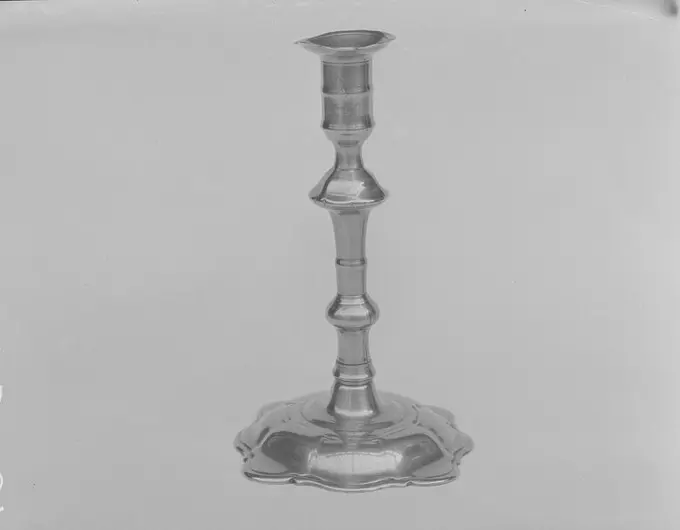
Decorative Metal Objects

A collection of intricately designed metal objects including hairpins, arrowheads, and skewers from various cultures, showcasing craftsmanship and artistic details.

Foundry - Empire Candle;  2 19th century (1801-00-00-1900-00-00);
Foundry - Empire Candle; 2 19th century (1801-00-00-1900-00-00);
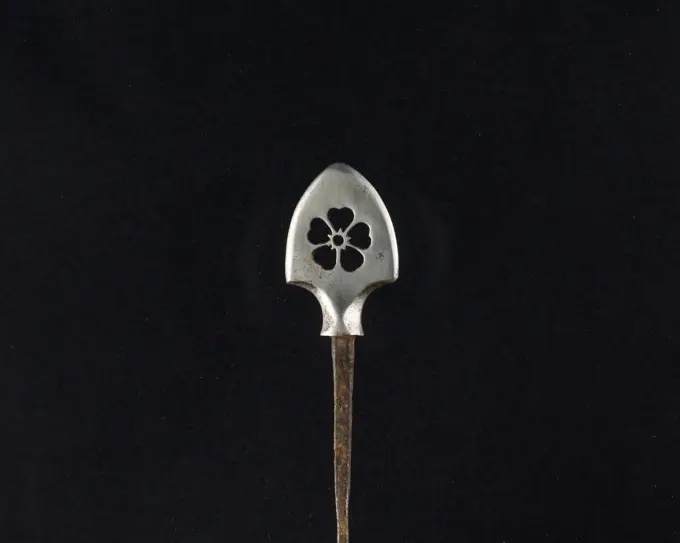
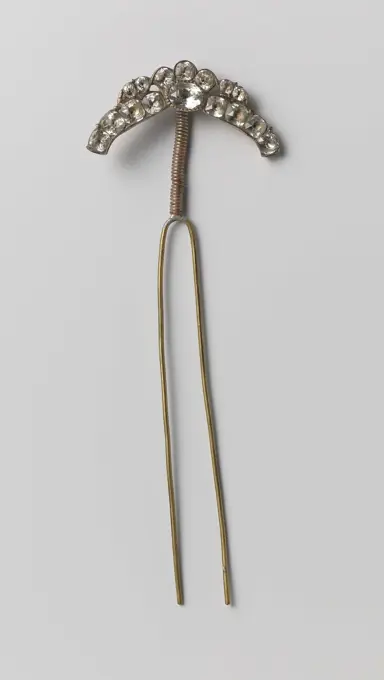
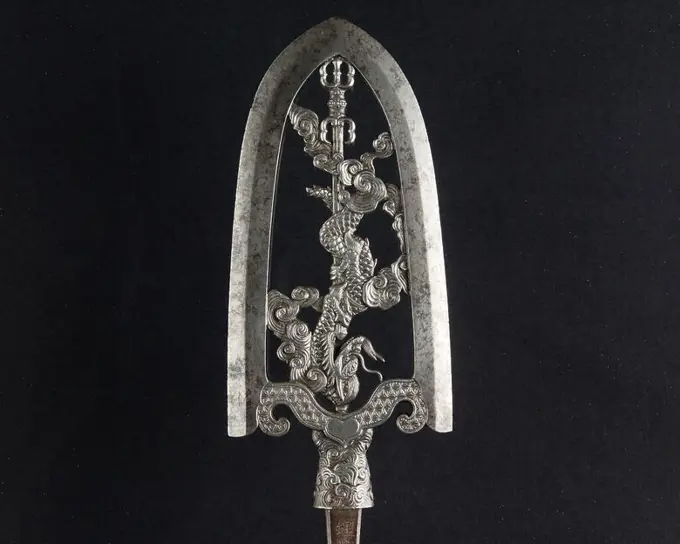
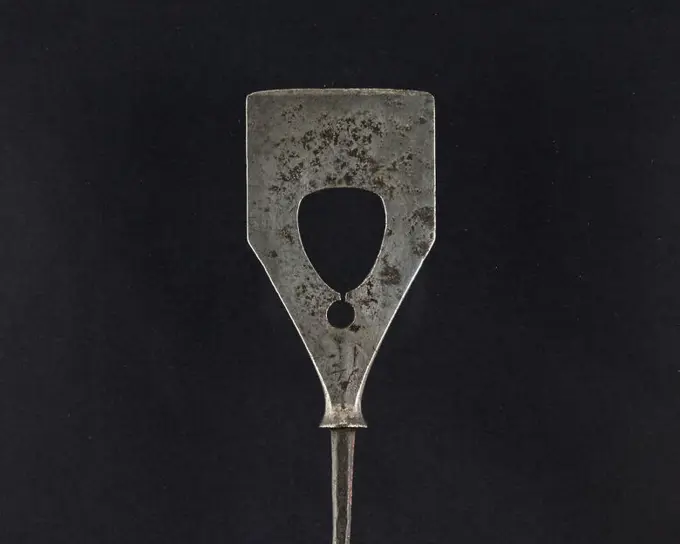
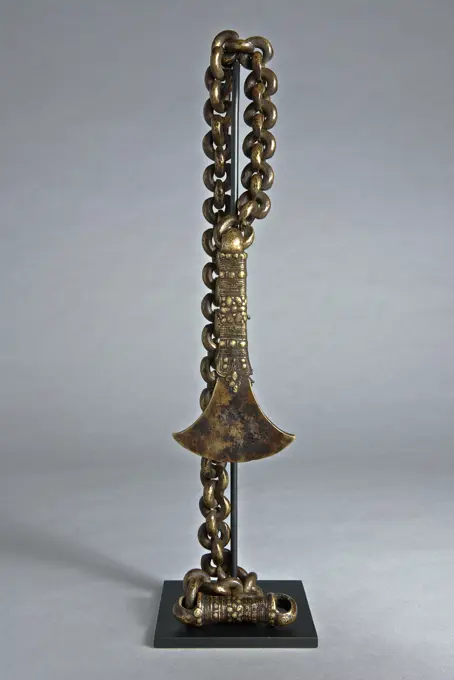
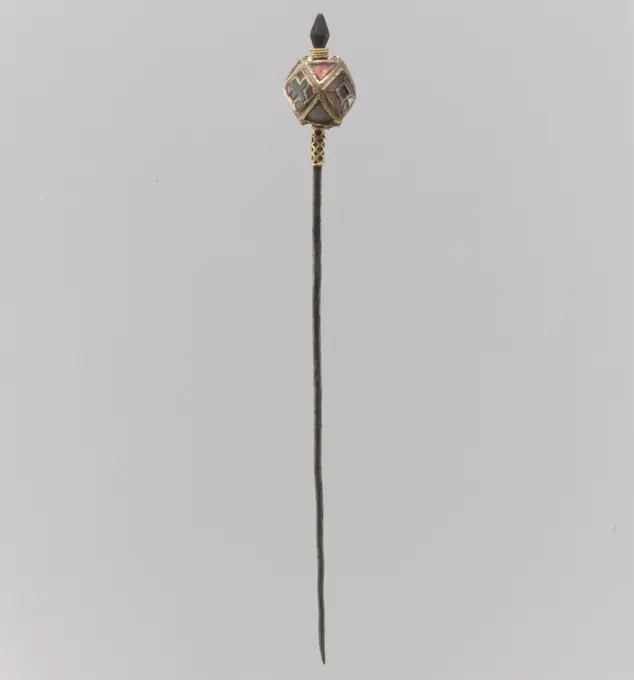
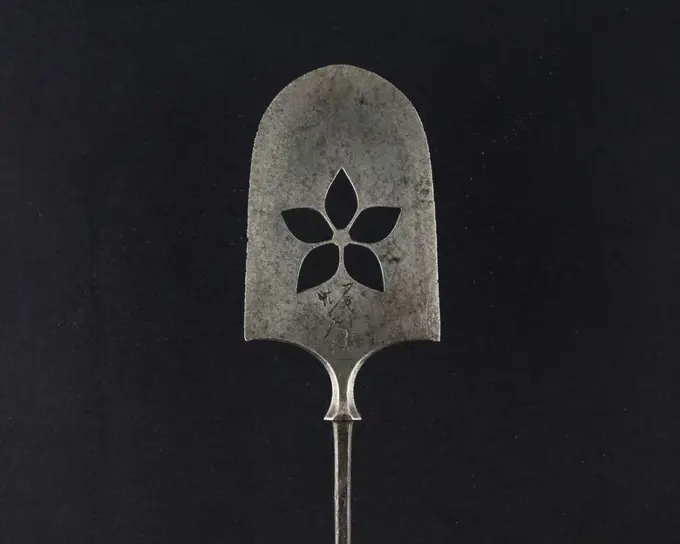
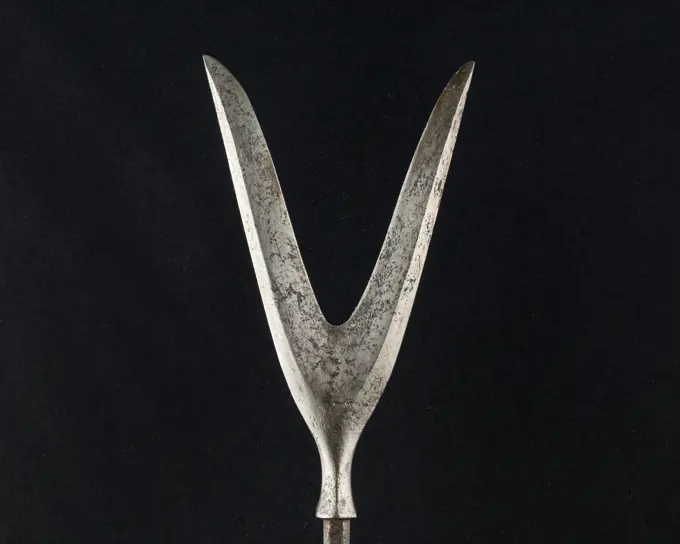
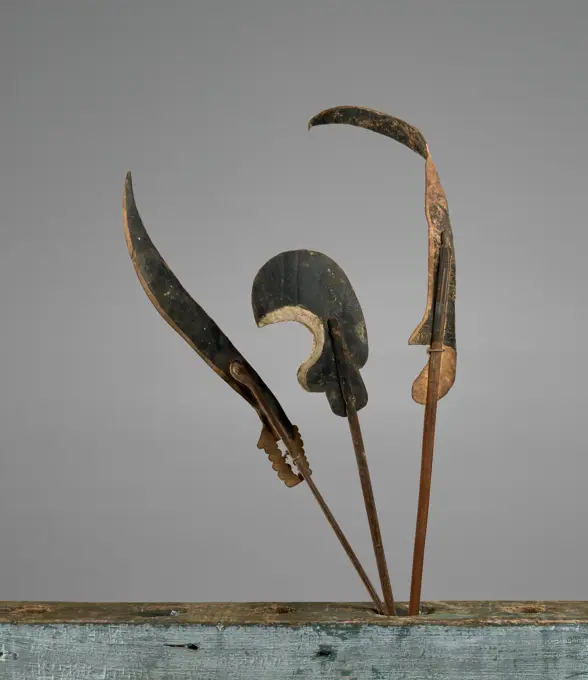
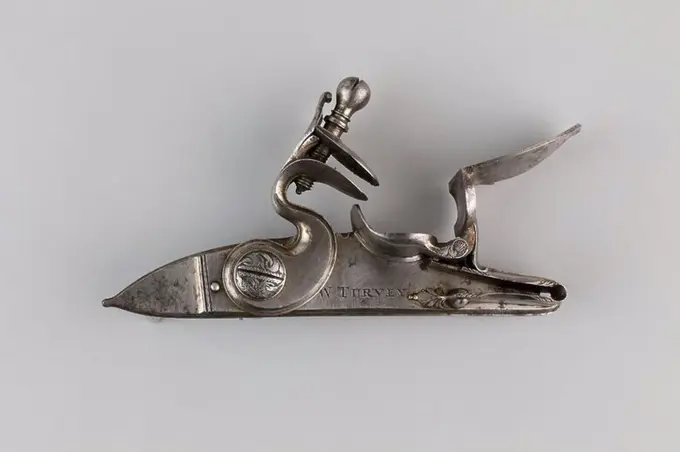
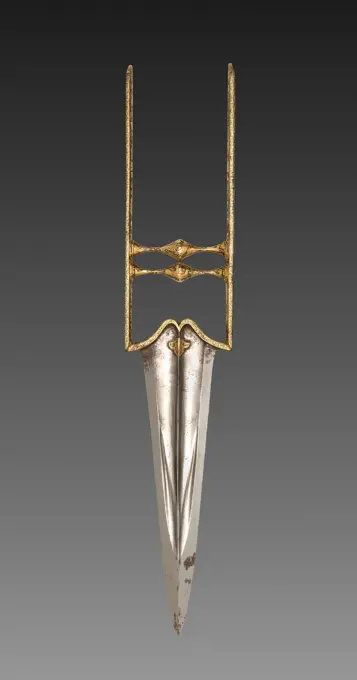
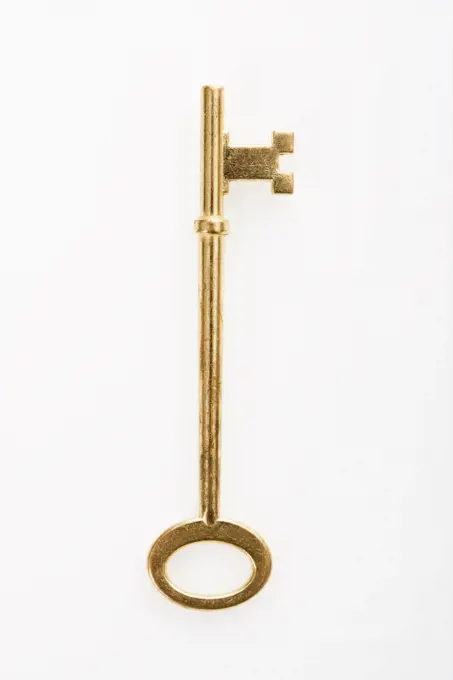
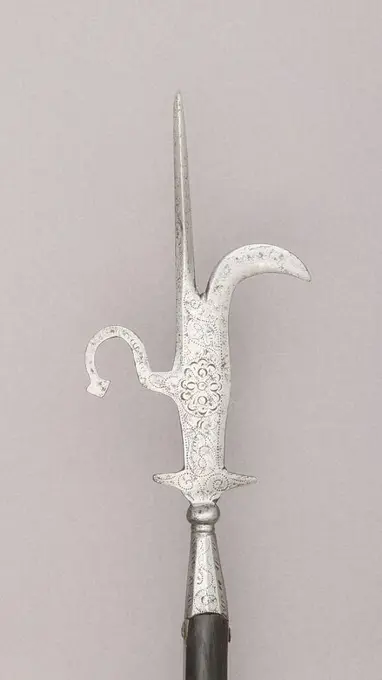
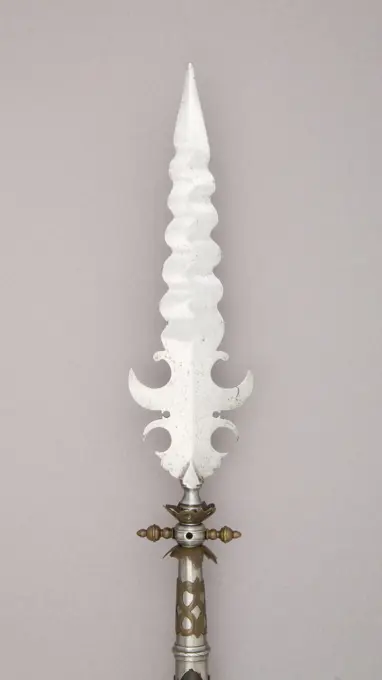
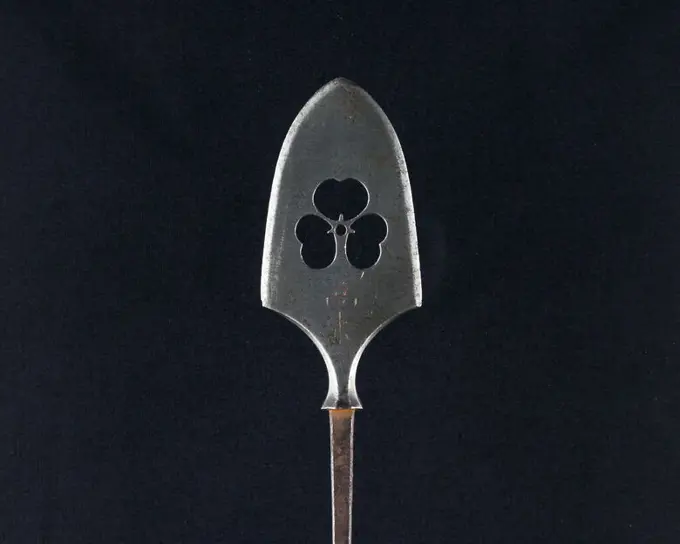
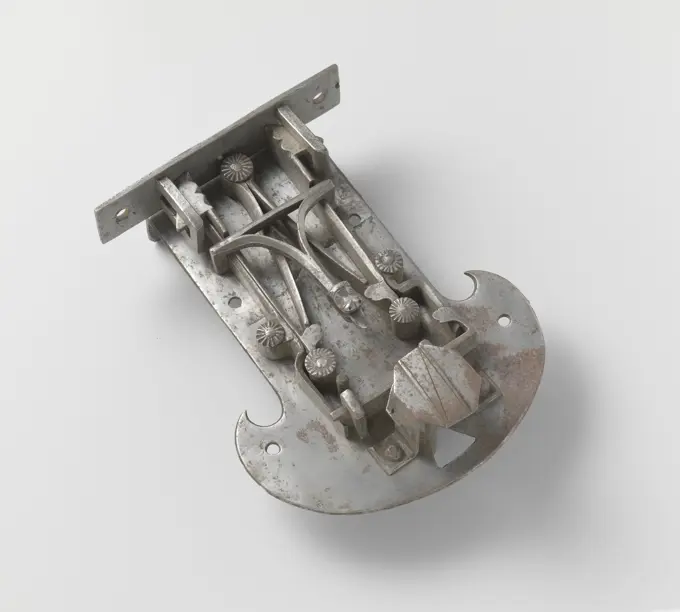
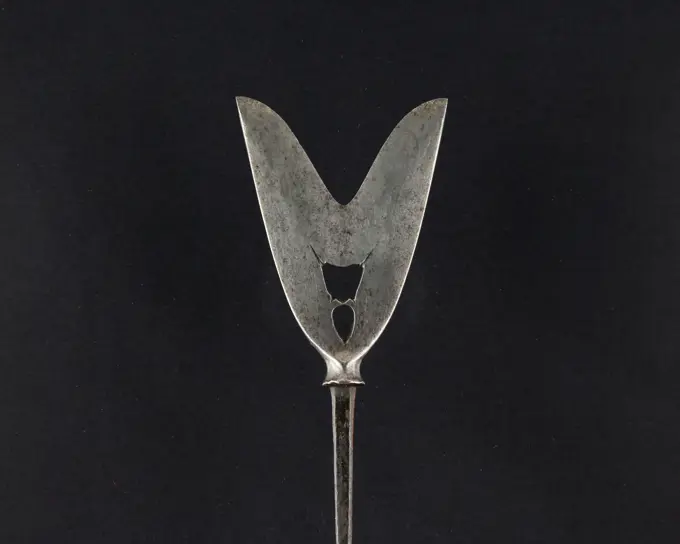
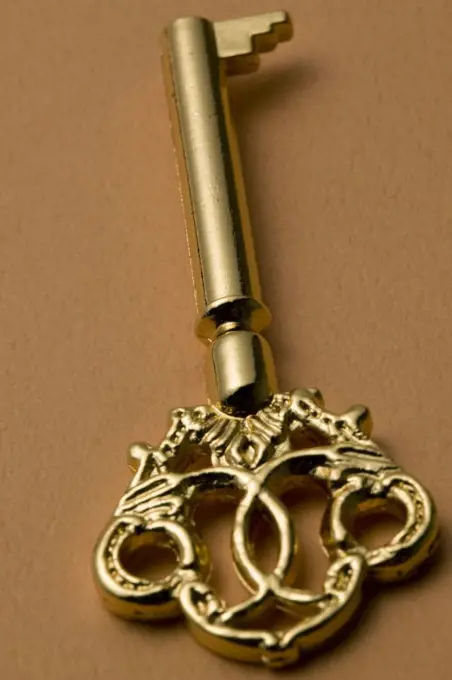
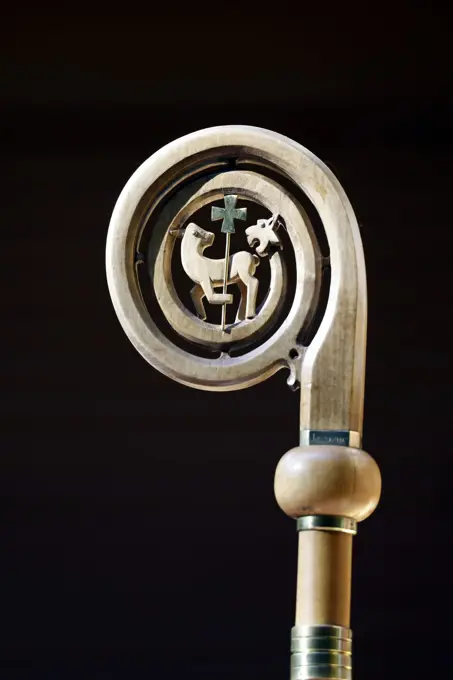
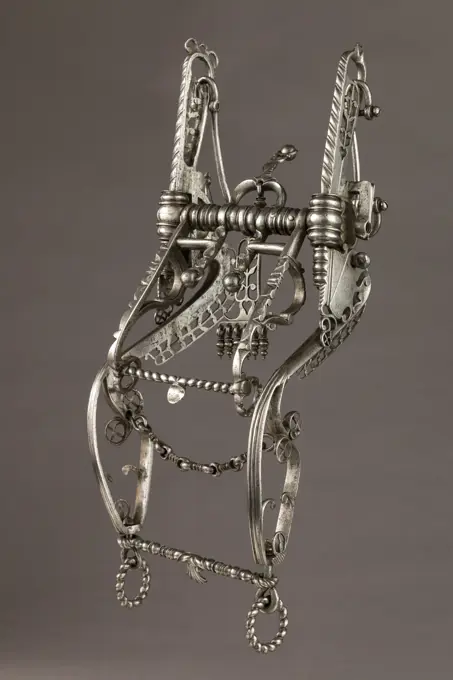
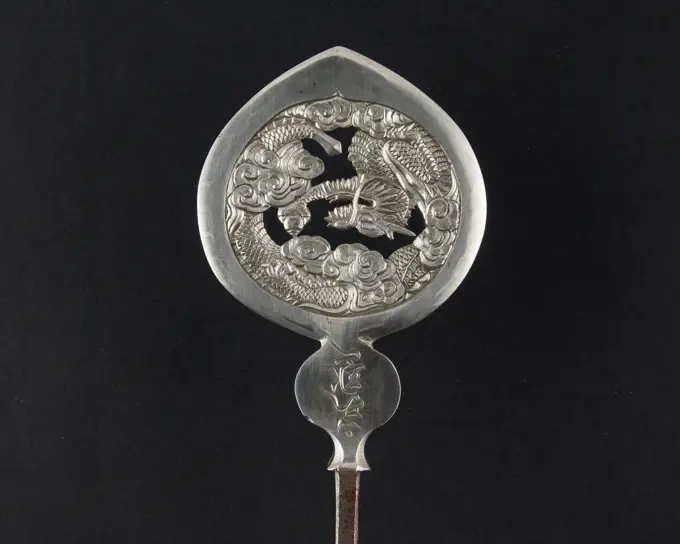
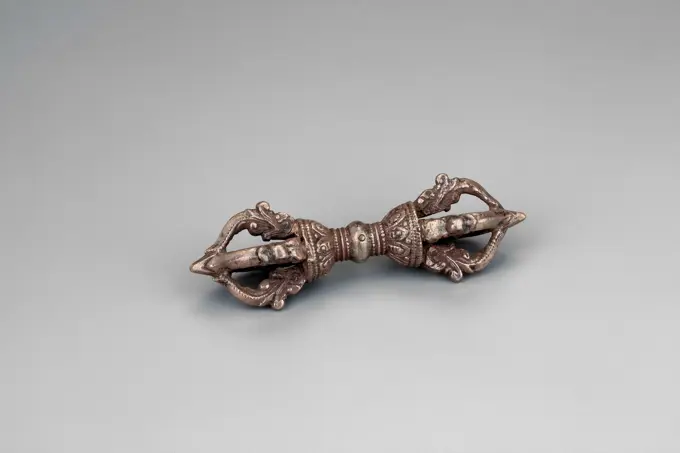
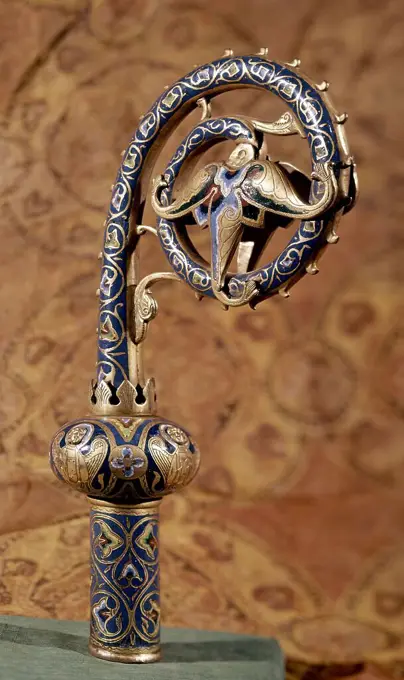
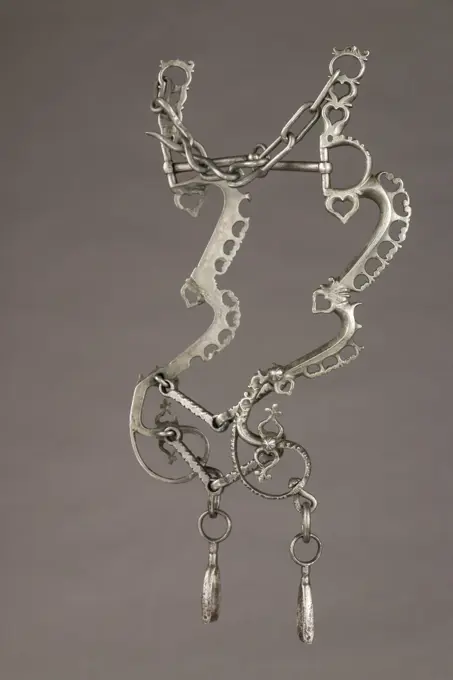
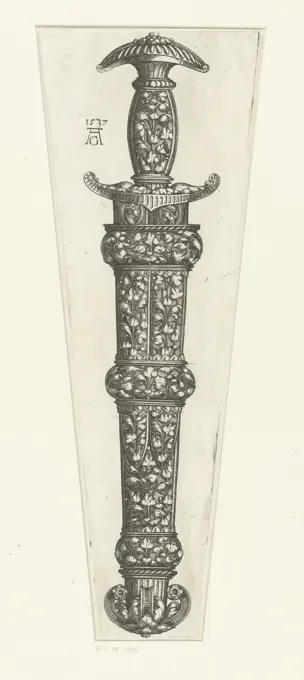
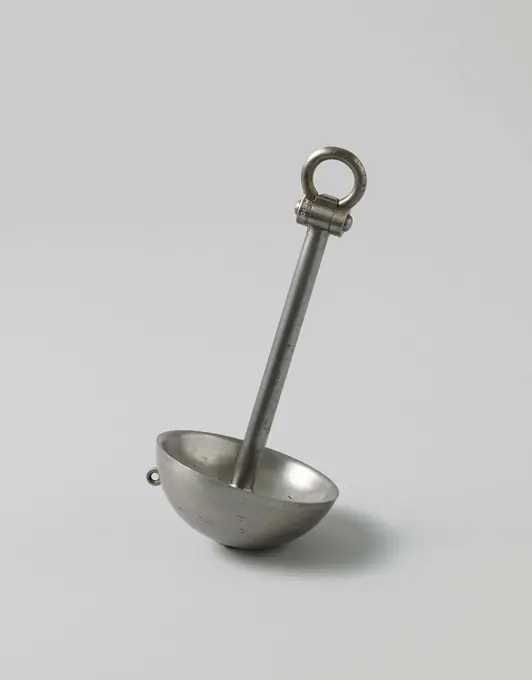
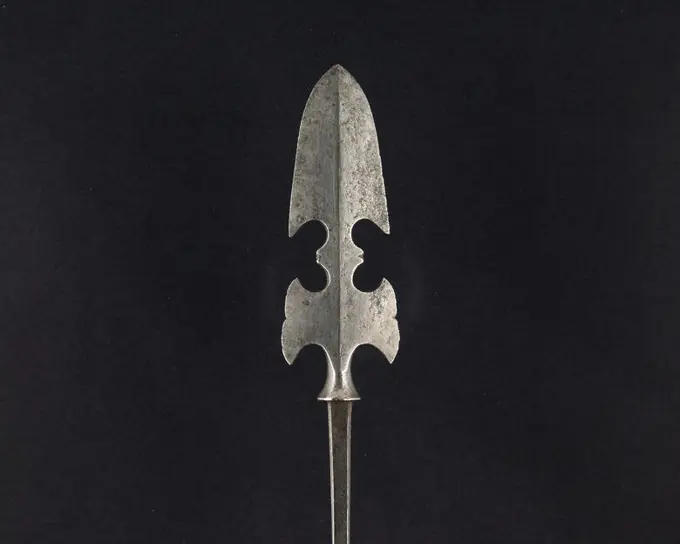
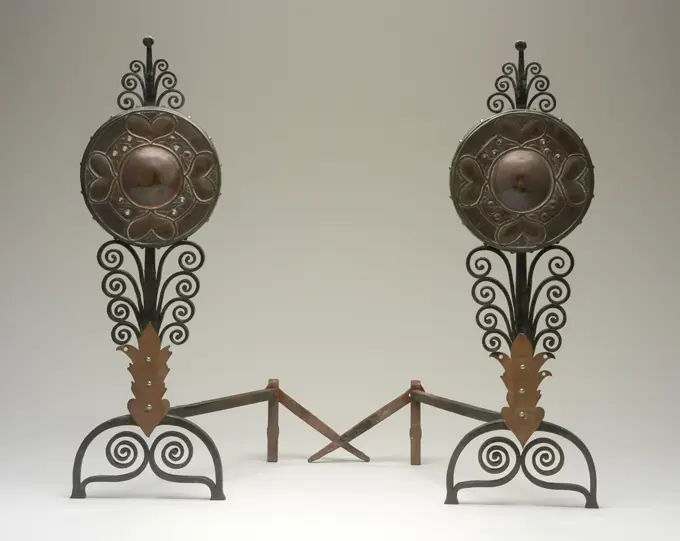
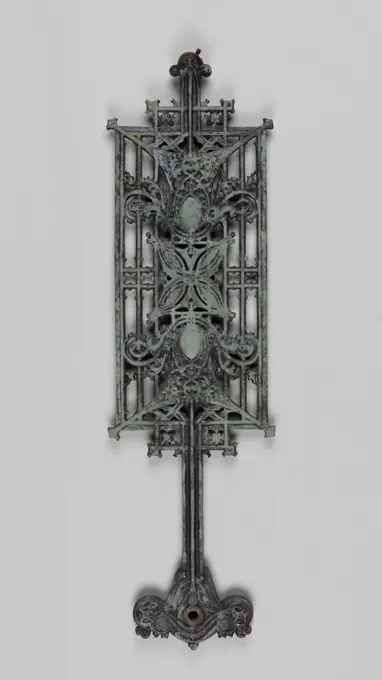
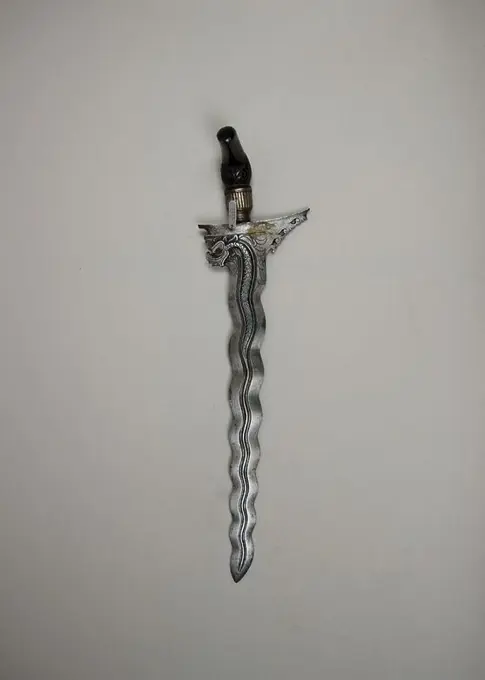
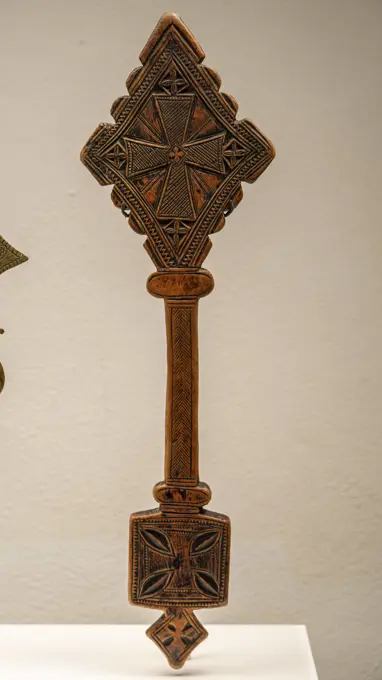
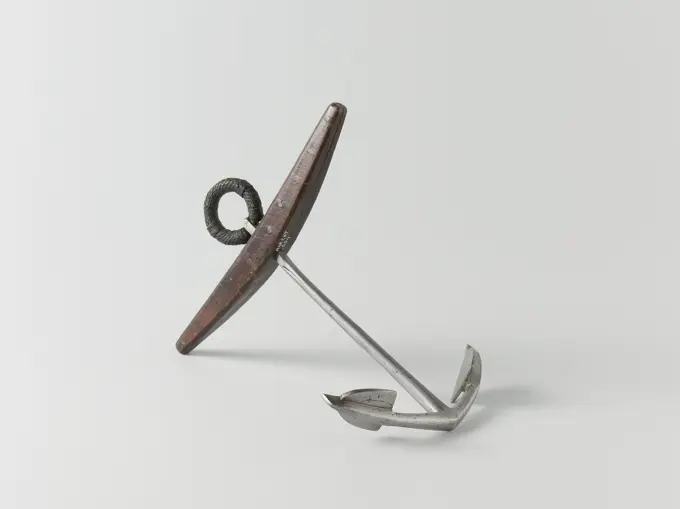
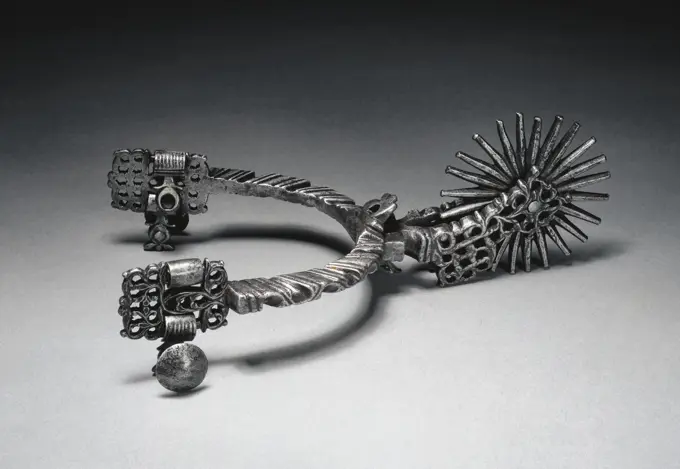
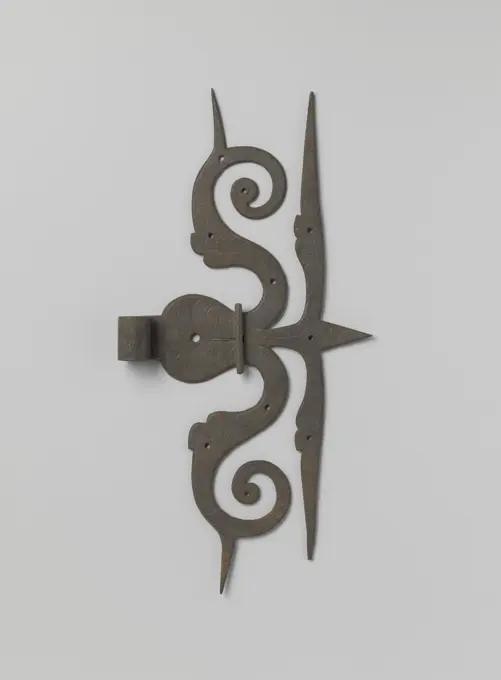
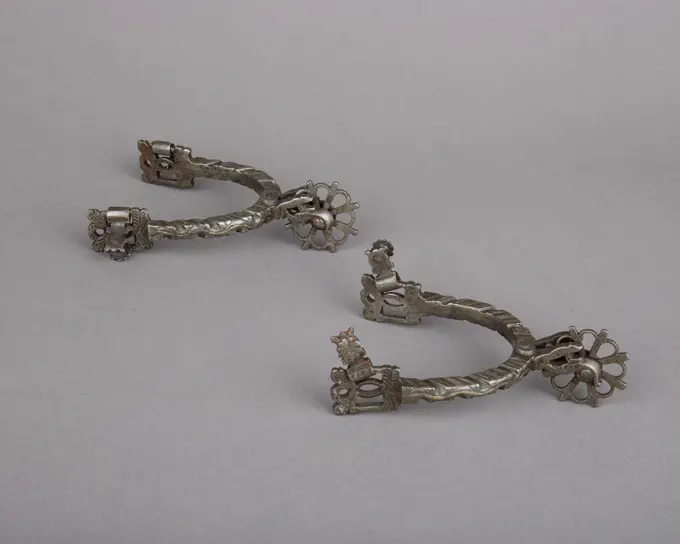
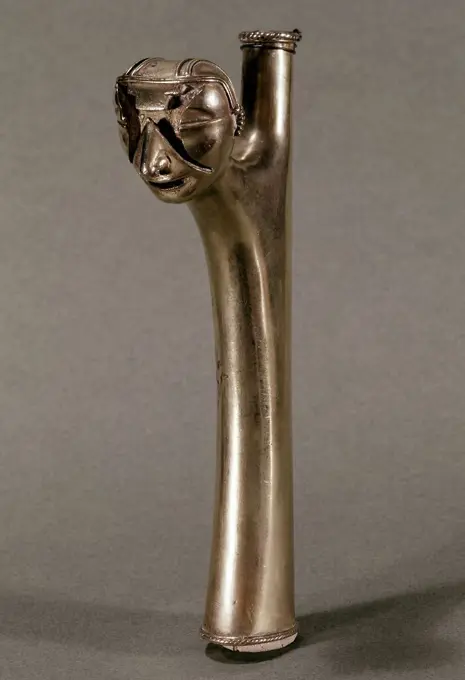
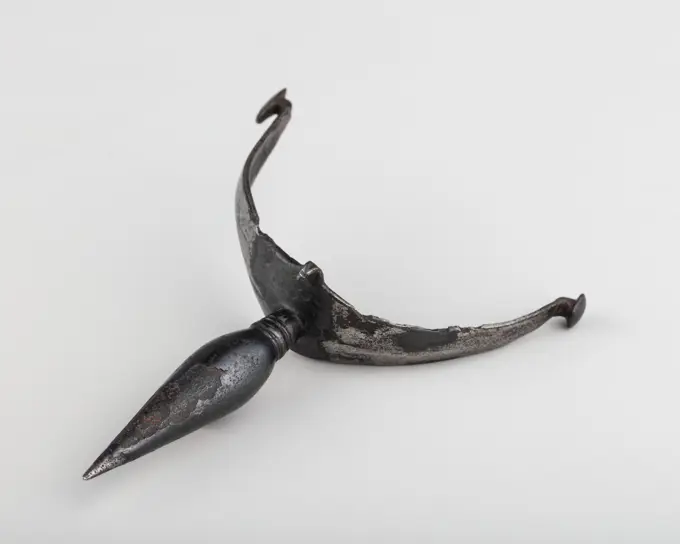
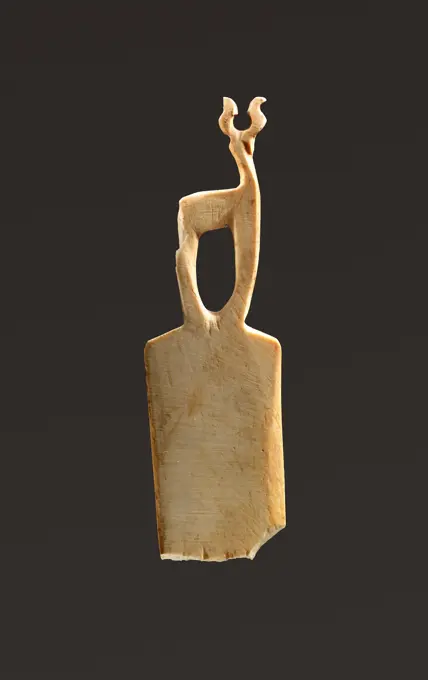
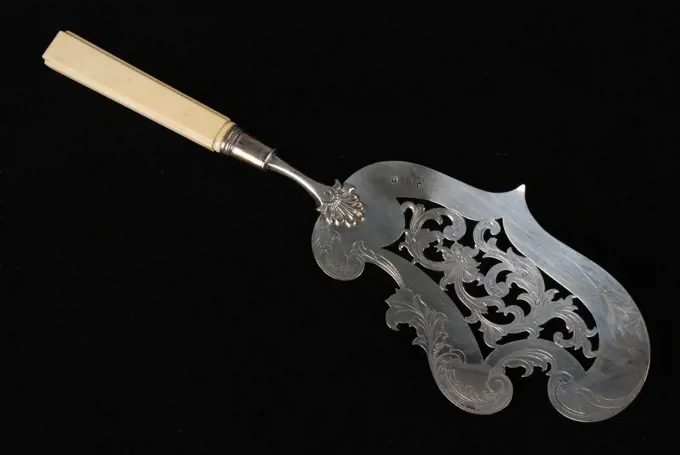
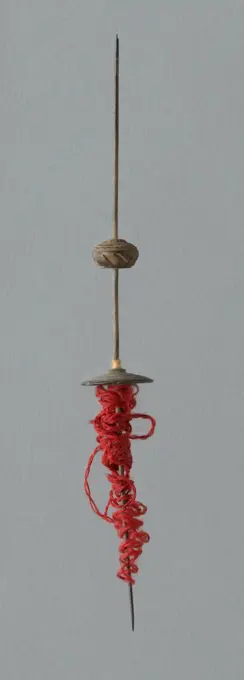
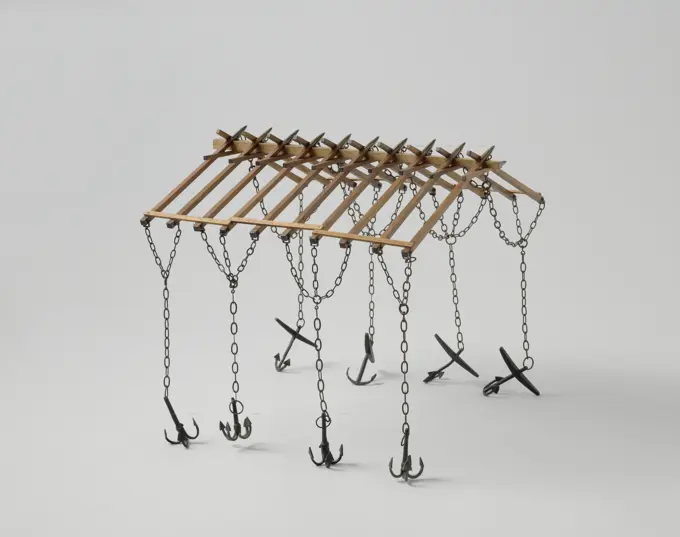
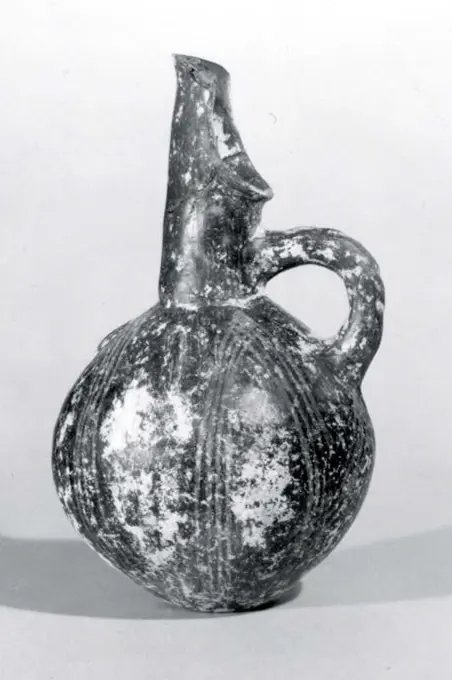
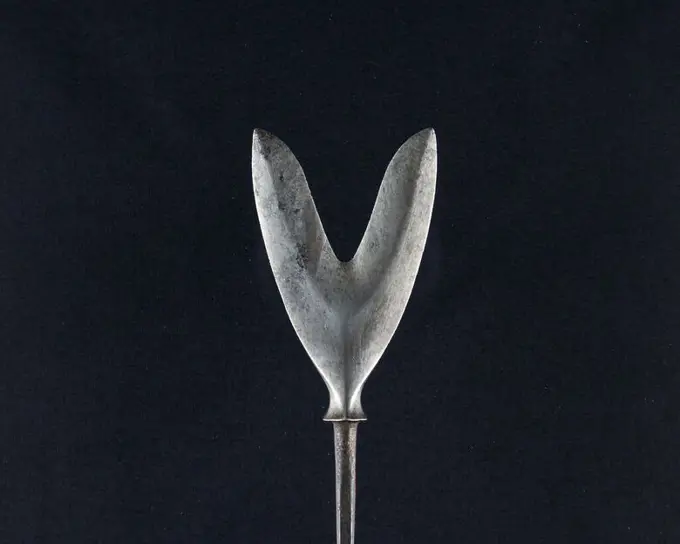
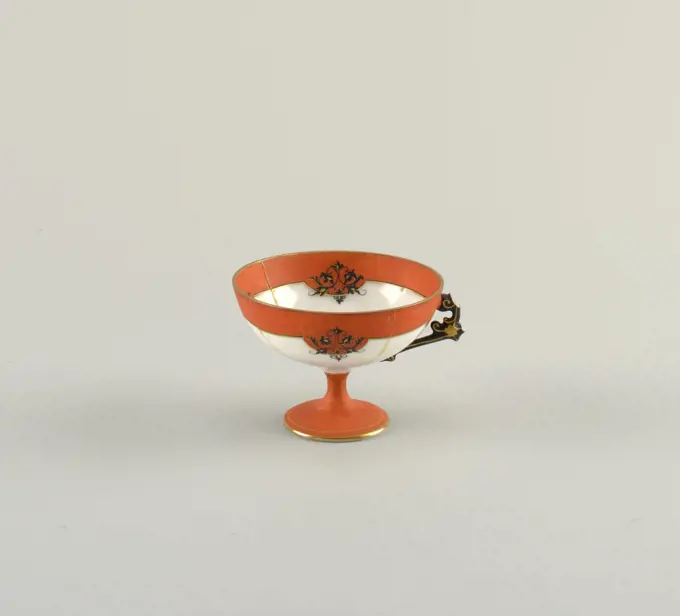
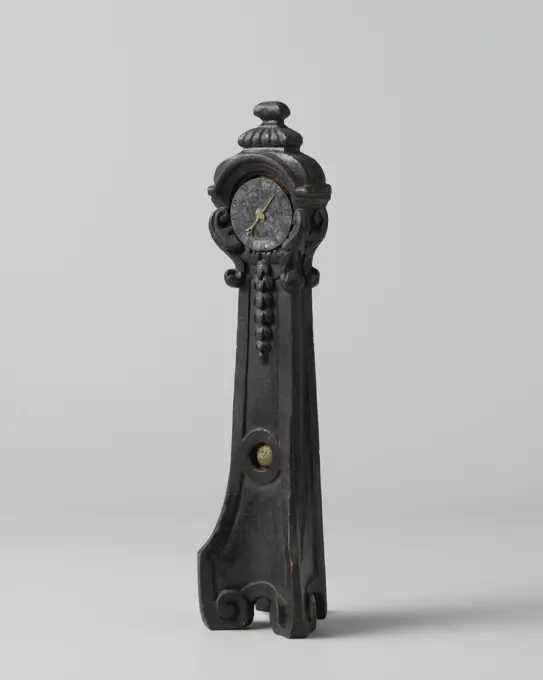
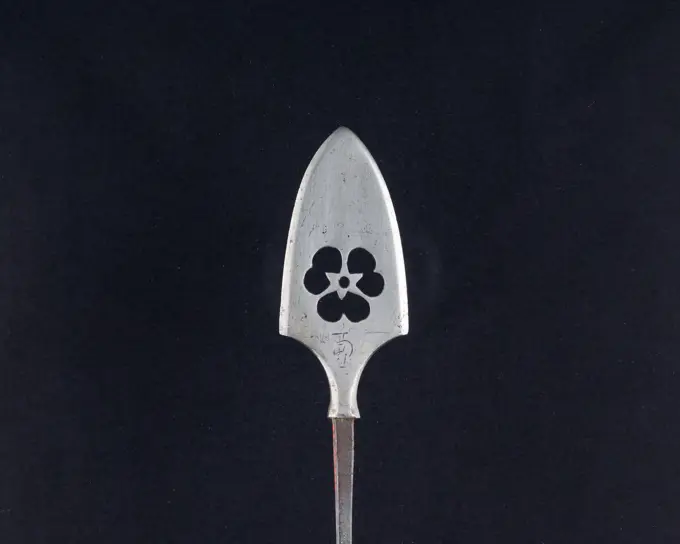
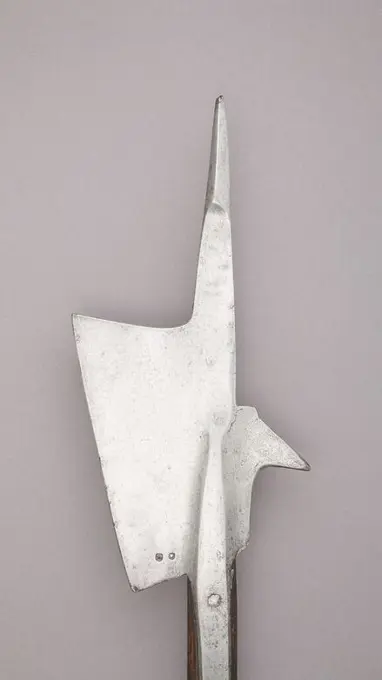
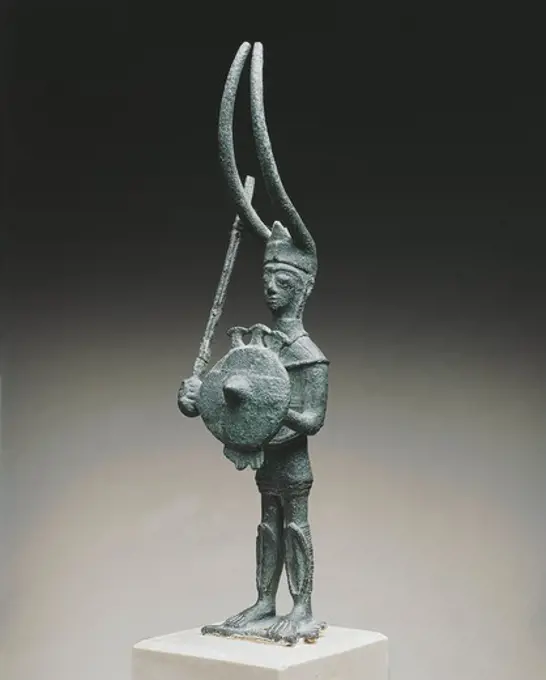
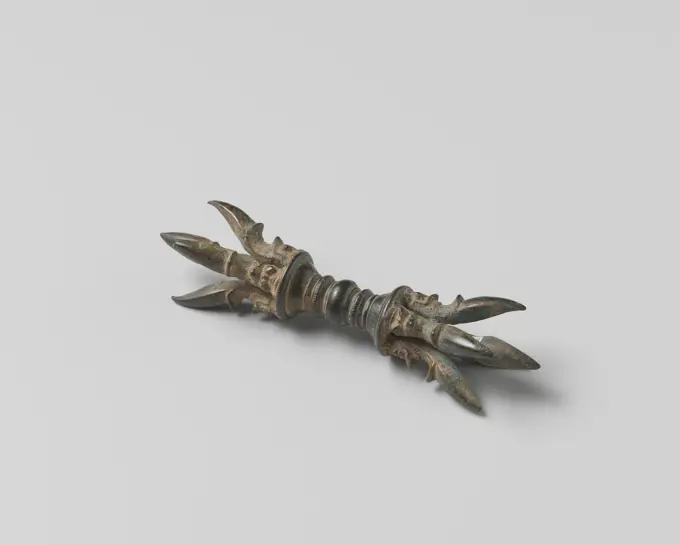
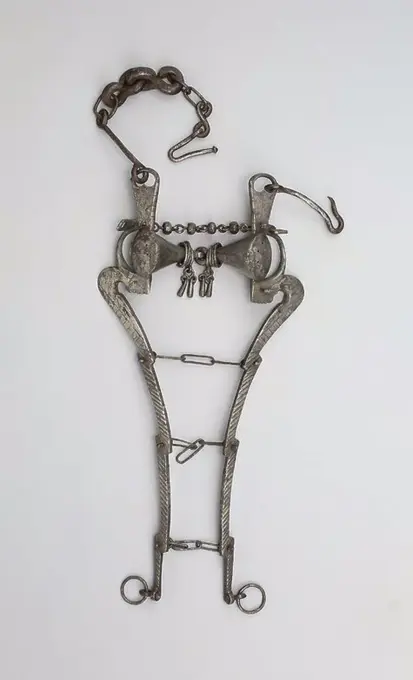
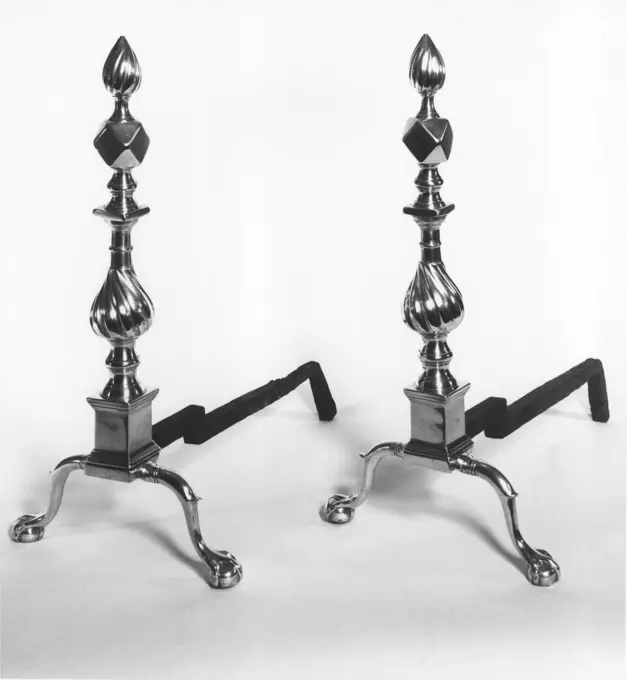
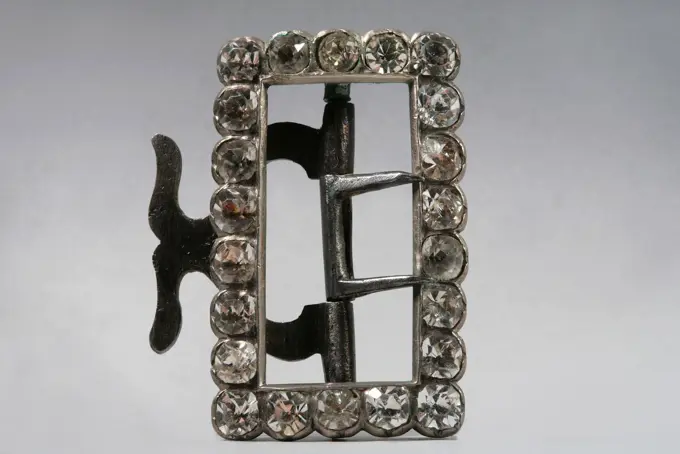
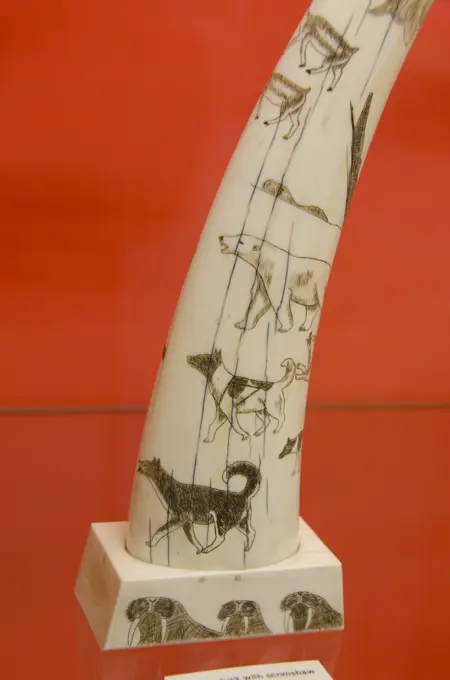
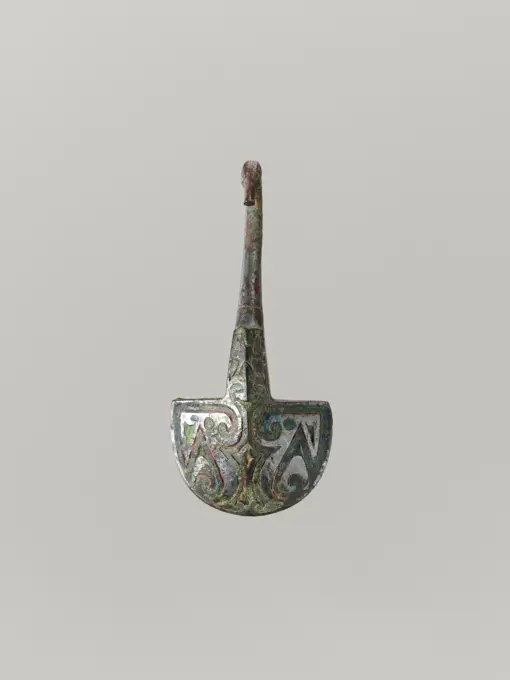
Office notes and pegArrowhead (Yanone) 18th century Japanese Although today Japanese warriors are renowned most for their swordsmanship, archery, especially from horseback, has been an essential part of samurai warfare and culture for centuries. Arrows were fitted with heads of varying shape according to their intended use in war, the hunt, or target practice. Arrowheads made for use on the battlefield incorporated different designs intended for specialized purposes such as the piercing of armor or to cause maximum damage to horses and unarmored personnel.Large arrowheads, pierced and elaborately chiseled with landscapes, birds, flowers, dragons, and Buddhist divinities, were created to be admired for the beauty of their metalwork and design rather than for use in archery. Such highly elaborate examples may have been made for presentation or as a votive offerings to a shrine.. Arrowhead (Yanone). Japanese. 18th century. Steel. Archery Equipment-Arrowheads. Hairpin (trmbleuse) of copper, silver () And Stras. A fork-shaped hairpin from copper and a ditto extension of a vibrating spring carry a small diamade form of double row of large, diamond cut stones. The middle oval, the 15 other round.Skewer (Italy); silver; L x W x D: 20 x 2.4 x 0.4 cm (7 7/8 x 15/16 x 3/16 in.)Ceremonial Arrowhead (Yanone). Culture: Japanese. Dimensions: L. 12 5/8 in. (32.1 cm); L. of head 5 3/4 in. (14.6 cm); W. 2 5/8 in. (6.7 cm); Wt. 6.7 oz. (189.9 g). Steel-chiseler: Umetada Motoshige (Japanese, Edo period, died 1675). Date: dated 1645.Large arrowheads, pierced and elaborately chiseled with landscapes, birds, flowers, dragons, and Buddhist divinities, were created to be admired for the beauty of their metalwork and design rather than for use in archery. This arrowhead is dated 1645 and signed by Umetada Motoshige (died 1675), a member of the Umetada school of swordsmiths, tsuba makers, and iron chiselers. It belongs to a group of more than thirty similarly signed and dated pieces in the Metropolitan Museum's collection (including acc. nos. 32.75.318, .327, .330, .334, .337, .339-.340, .398-.399, .403, .406, .409) that may have been made for presentation or as a votive offering to a shrine. The symbol on this arrowhead is that of the Buddhist deity Kurikara (or FuFoundry - Empire Candle;  2 19th century (1801-00-00-1900-00-00);Arrowhead (Yanone). Culture: Japanese. Dimensions: L. 10 1/2 in. (26.7 cm); L. of head 3 1/2 in. (8.9 cm); W. 2 in. (5.1 cm); Wt. 2.2 oz. (62.4 g). Date: 18th century. Museum: Metropolitan Museum of Art, New York, USA.Fire-Making Tool (LotingSantik)Hairpin 6th century Frankish. Hairpin 465143 Frankish, Hairpin, 6th century, Silver (pin), gold (knop) with filigree granulation, garnets, Overall: 5 1/2 x 9/16 in. (13.9 x 1.4 cm) knop: 9/16 in. (1.4 cm). The Metropolitan Museum of Art, New York. Gift of J. Pierpont Morgan, 1917 (17.191.91)Spontoon 1770-90 American, Wrentham, Massachusetts. Spontoon 27483Halberd Made 1580-1610 Italy, central. Steel, iron, and wood .Bronze dagger, from Amorgos Island, GreeceArrowhead (Yanone). Culture: Japanese. Dimensions: L. 12 3/4 in. (32.4 cm); L. of head 4 in. (10.2 cm); W. 2 1/4 in. (5.7 cm); Wt. 2.6 oz. (73.7 g). Date: 18th century. Museum: Metropolitan Museum of Art, New York, USA.Mildred Ford, Pa German Butt of Side Hinge, c 1938 Pa. German Butt of Side HingeArrowhead (Yanone) 18th century Japanese Although today Japanese warriors are renowned most for their swordsmanship, archery, especially from horseback, has been an essential part of samurai warfare and culture for centuries. Arrows were fitted with heads of varying shape according to their intended use in war, the hunt, or target practice. Arrowheads made for use on the battlefield incorporated different designs intended for specialized purposes such as the piercing of armor or to cause maximum damage to horses and unarmored personnel.Large arrowheads, pierced and elaborately chiseled with landscapes, birds, flowers, dragons, and Buddhist divinities, were created to be admired for the beauty of their metalwork and design rather than for use in archery. Such highly elaborate examples may have been made for presentation or as a votive offerings to a shrine.. Arrowhead (Yanone). Japanese. 18th century. Steel. Archery Equipment-ArrowheadsPuppet (Wayang Klitik) of a Sword(Pedang)Trowel, Johannes Lutma (1584-1669) (attributed to), 1648 Trowel of silver. On the shovel the engraved weapon of Mayor Cornelis de Graeff in a cartouche of quab ornament, with caption. The driven handle is fully formed by lobe ornament. Amsterdam silver (metal)   City Hall of Amsterdam (1655-1808) Trowel of silver. On the shovel the engraved weapon of Mayor Cornelis de Graeff in a cartouche of quab ornament, with caption. The driven handle is fully formed by lobe ornament. Amsterdam silver (metal)   City Hall of Amsterdam (1655-1808)Flintlock of a Gun. English, London; Locksmith: William Turvey. Date: 1740. Dimensions: L. 14.5 cm (5 11/16 in.). Steel. Origin: Europe. Museum: The Chicago Art Institute, Chicago, USA.Katar (Stabbing Dagger), 1700s. India, Mughal. Steel blade, iron and gold handle; overall: 45.6 x 8.2 cm (17 15/16 x 3 1/4 in.). Stabbing daggers called katar were distinctive to India and often worn by soldiers and courtiers, tucked into their belts. Covering the entire handle are tiny scenes of lions and cheetahs hunting deer and buffalo in rocky wooded settings.Brass skeleton key.Guisarme for a Child. Culture: Italian. Dimensions: L. 59 1/2 in. (151.1 cm); L. of head 10 3/4 in. (24.8 cm); W. 4 5/8 in. (11.7 cm); Wt. 1 lb. 8 oz. (680 g). Date: 17th century. Museum: Metropolitan Museum of Art, New York, USA.Brook & Son, Caddy Spoon, 1925/26, silver.Skewer, c. 1760. England, 18th century. Silver; overall: 23.3 cm (9 3/16 in.).Flintlock of a Gun Made 1850-1900 Europe. Steel .Partisan ca. 1690 French. Partisan 25930Stirrup second half 17th century German Such stirrups of circular shape came back in fashion in the mid-17th century in the northern part of Europe. The swivel suspension eye allowed the stirrup leather to stay flat against the horses flank when the stirrup is in use, but it is more fragile than non-rotating systems.. Stirrup. German. second half 17th century. Iron. Equestrian Equipment-StirrupsWatch with chain, J. Worke, c. 1750 - c. 1800 Watch with silver chain with a quoted dial with date indicator. In the outer cabinet, a performance is driven by the lost son as a pig herd. The chain is composed of 5 chains with a pendant with two cachets and a watch key. London silver (metal) Watch with silver chain with a quoted dial with date indicator. In the outer cabinet, a performance is driven by the lost son as a pig herd. The chain is composed of 5 chains with a pendant with two cachets and a watch key. London silver (metal)Arrowhead (Yanone). Culture: Japanese. Dimensions: L. 9 5/8 in. (24.4 cm); L. of head 3 in. (7.6 cm); W. 1 1/2 in. (3.8 cm); Wt. 1.3 oz. (36.9 g). Date: 18th century. Museum: Metropolitan Museum of Art, New York, USA.Bow Brooch 400-600 Ostrogothic. Bow Brooch 469061Lock with final piece, anonymousArrowhead (Yanone) 18th century Japanese Although today Japanese warriors are renowned most for their swordsmanship, archery, especially from horseback, has been an essential part of samurai warfare and culture for centuries. Arrows were fitted with heads of varying shape according to their intended use in war, the hunt, or target practice. Arrowheads made for use on the battlefield incorporated different designs intended for specialized purposes such as the piercing of armor or to cause maximum damage to horses and unarmored personnel.Large arrowheads, pierced and elaborately chiseled with landscapes, birds, flowers, dragons, and Buddhist divinities, were created to be admired for the beauty of their metalwork and design rather than for use in archery. Such highly elaborate examples may have been made for presentation or as a votive offerings to a shrine.. Arrowhead (Yanone). Japanese. 18th century. Steel. Archery Equipment-ArrowheadsKeyHandle. UnknownArrowhead (Yanone). Culture: Japanese. Dimensions: L. 17 5/8 in. (44.8 cm); L. of head 5 1/2 in. (14 cm); W. 2 3/4 in. (7 cm); Wt. 4.4 oz. (124.7 g). Date: 18th century. Museum: Metropolitan Museum of Art, New York, USA.Cluny Museum, Italian Lamp of the sixteenth century, vintage engraved illustration. Magasin Pittoresque 1873Bishops wooden crozier with stylized Lamb of God and cross, symbol of episcopal authority and Christ. La Roche sur Foron.  France.Arrowhead (Yanone). Culture: Japanese. Dimensions: L. 8 7/8 in. (22.5 cm); L. of head 2 3/4 in. (7 cm); W. 1 3/8 in. (3.5 cm); Wt. 1 oz. (28.3 g). Date: 18th century. Museum: Metropolitan Museum of Art, New York, USA.Double Curb Bit first half 17th century South German This kind of curb bit belongs to a rare type, typically German, already recorded in Saxony in the mid-16th century and still produced in the early 1600s. Instead of eliciting one pair of shanks (the levers on the sides of the bit to which the reins were attached), it has two, each one having a different effect on the horse. Pulling back the longest shanks with the reins would have an action on the purchase (the piece at the top of each cheekpiece), pressing on the sensitive poll area through the bridle attached to the bits eyes, and pressing on the chin with the curb chain (missing, would have originally from the hooks). The second pair of shanks would only have an action on the port, the U-shape central part of the mouthpiece. Pulling this second pair of reins would swing forward the elongated piece at the top, and roll it against the horses palate. The mouthpiece itself is harsh, its molded revolving cylinders being very sharp foArrowhead (Yanone) ca. 1615-1868 Japanese Although today Japanese warriors are renowned most for their swordsmanship, archery, especially from horseback, has been an essential part of samurai warfare and culture for centuries. Arrows were fitted with heads of varying shape according to their intended use in war, the hunt, or target practice. Arrowheads made for use on the battlefield incorporated different designs intended for specialized purposes such as the piercing of armor or to cause maximum damage to horses and unarmored personnel.Large arrowheads, pierced and elaborately chiseled with landscapes, birds, flowers, dragons, and Buddhist divinities, were created to be admired for the beauty of their metalwork and design rather than for use in archery. Such highly elaborate examples may have been made for presentation or as a votive offerings to a shrine.. Arrowhead (Yanone). Japanese. ca. 1615-1868. Steel. Archery Equipment-ArrowheadsJewellery ring isolated on the whiteKey. Key intended for a sign mark. The handle is formed from a large C-volt rotated with the curls that clamp the shaft in itself. On this large C-voltage, a smaller decided C-volute, of which the splitting ends keep a ring. Two volutes escue on each side to the large C-sufficient. The high narrow plate iron beard is with some and double circles, which are completely connected to each other, cut out. Beard of modern sheet iron, grip modern welded.Uniform brand.Partisan 16th century Italian. Partisan 25626Vajra. unknown, craftsmanBACULO DE ESMALTE DE LIMOGES. Location: CATEDRAL. RODA DE ISABENA. HUESCA. SPANIEN.Close-up of paper clips in the shape of Yen symbolSouvenir spoon with Imperial double-headed eagle and St. Stephan's Cathedral in Vienna European late 19th centuryCenser second half 18th century Italian, Naples In 1964, Loretta Hines Howard generously presented to the Museum over 140 Neapolitan crèche figures, dating from the second half of the eighteenth century. The varied assortment includes figures from the three traditional scenes of a complete Neapolitan presepio: the Nativity, with angels, shepherds, and sheep; the procession of the three Magi, with their colorful retinue of attendants; and the varied and gay crowd of country and town people thronging the tavern, or inn, of Bethlehem  the diversorium mentioned by St. Luke, where on the Holy Night there was no place for Mary and Joseph. Averaging between twelve and fifteen inches in height, according to the position they were to take in perspective in the stage set, the figures are pliable and can be given poses at will, according to their facial expressions. Their bodies are made of tow and wire, their arms and legs are finely carved of wood, and their heads and shoulders are modeled of Curb Bit second half 17th century German The cheekpieces of this bit are adorned with a pierced decoration featuring hearts and friezes of stylized fleurs-de-lis running on the edge of the shanks. These shanks were called strong,’ meaning that the swivel ring’s hole is placed ahead of the axis of the banquet (piece to which the mouthpiece is attached). Strong shanks were used for lowering the head of a horse that would hold it too high. The mouthpiece, the curb chain and the rein rings hanging at the bottom of the lower loops are modern. The pierced decoration of this bit, giving a lace-like aspect to the metal, is typical of the decoration used by the spur makers in South East of Germany in the 16th and 17th centuries. Despite their name, spur makers not only made spurs, but also other small equestrian hardware like bits, stirrups, muzzles, cavessons or curry-combs, sometimes adorned with the same intricate decoration.. Curb Bit. German. second half 17th century. Iron alloy, tin. EquHandle ca. 9th century B.C. Iran. Handle 325759Dolk in a sheath, Heinrich Aldeglever, 1537 print A dagger in a sheath decorated with leaf vines. Germany paper engraving scabbard, sheath. hacking and thrusting weapons: daggerModel of an Anchor. Model of a mushroom anchor. It consists of a shaft with a harp at the end, while the arms are replaced by the section of a sphere, weighted to the middle. Another eye has been confirmed. Scale 1:10 (estimation).Arrowhead (Yanone). Culture: Japanese. Dimensions: L. 10 in. (25.4 cm); L. of head 3 1/2 in. (8.9 cm); W. 1 1/8 in. (2.9 cm); Wt. 2.2 oz. (62.4 g). Date: 18th century. Museum: Metropolitan Museum of Art, New York, USA.Andirons. Mackay Hugh Baillie Scott (England, Kent, 1865-1945)J. Fordham (England). England, circa 1895. Furnishings; Furniture. Iron, copper, and enamel. The components are poured and criminated. The tub is placed on the six-feet foot. The tub has a convex form that is chamfered by three vertical surfaces and again by three globe segments, such that the edge of the cockpit has the shape of a four-pass. Kuip and lid have three pairs of eyes. The openwork lid, the edge of which connects to that of the tub, is common and striker, and has a cross at the top. The foot is originally, necklaces, ring carrier and ring have been updated.Spoon, from a flatware dessert service, 18th century, Meissen Porcelain Factory, Meissen, Germany, est. 1710, Hard paste porcelain, gilt metal, Germany, 18th centuryBaluster with Panel designed for the Schlesinger and Mayer Store (now Carson, Pirie, Scott and Company), 1899-1904. George Grant Elmslie (American, 1871-1952). Cast iron; overall: 89.5 x 25.1 cm (35 1/4 x 9 7/8 in.).Hand drawing old street lamp near Bolshoi theatre in Moscow (Russia) vector isolated illustration Kris. Culture: possibly Bornean. Dimensions: L. 17 1/16 in. (43.3 cm); L. of blade 14 in. (35.6 cm); W. 4 in. (10.2 cm); Wt. 14.9 oz. (422.4 g). Date: 18th-19th century. Museum: Metropolitan Museum of Art, New York, USA.Mirror ca. 1550-1458 B.C. New Kingdom This was cast in two pieces and a tang at the bottom of the disk was inserted into the handle and held in place with a rivet. The handle is in the form of a stylized papyrus plant, a symbol of creative female power, and brings to mind the papyrus swamp, which in Egyptian mythology was associated with regeneration.The mirror belongs to a set of cosmetic equipment (26.7.837a-d) that includes a razor and whetstone, tweezers, and a kohl tube (26.7.1447). All of these items were found in a basket placed in a tomb for the use of the owner's spirit.. Mirror 547605Handkreuz Hand cross, Ethiopia, 18th century, carved wood, MEB, Barcelona, Catalonia, Spain LicenseRF Copyright: xZoonar.com/BartomeuxBalaguerxRotgerx 23171311Model of an Anchor, anonymous, c. 1800 instruction model Model of an ordinary anchor, consisting of a shaft with a curved arm with anchor hands on the ends. Wooden anchor; Iron Ankerring with anchorage of tacked rope. Scale 1:10 (estimate). Netherlands iron (metal). wood (plant material). brass (alloy). ropeArrowhead (Yanone). Culture: Japanese. Dimensions: L. 19 3/4 in. (50.2 cm); L. of head 4 3/4 in. (12.1 cm); W. 3 1/4 in. (8.3 cm); Wt. 6.7 oz. (189.9 g). Date: ca. 1615-1868. Museum: Metropolitan Museum of Art, New York, USA.Dividers with Regulator, 1500s. Germany (), 16th century. overall: 32.1 x 34 cm (12 5/8 x 13 3/8 in.).Rowel Spur, c. 1700. Spain, early 18th Century. Steel ; diameter: 7.2 cm (2 13/16 in.); overall: 9.5 cm (3 3/4 in.). Instead of a "prick" terminus at the neck, the rowel spur had a rotating wheel installed between two prongs. This type of spur gradually supplemented the prick spur as a safer and less severe alternative for the horse. Rowel spurs first appeared during the 1200s and were in general use by the 1300s.ESCULTURA DESPIEZABLE. Author: MIGUEL BERROCAL (1933-2006). Location: GALERIA SEN. MADRID. SPAIN.Deurhengsel, c. 1400 - c. 1950   iron (metal) forging   iron (metal) forgingPair of Rowel Spurs 18th century Mexican This pair of spurs was made for a Mexican charro (the Mexican cowboy) probably in the second half of the 18th century. The necks of these spurs are decorated with what looks like a canid on a leaf, possibly a gray fox, the only American canid that can climb trees. They hold pierced rowels shaped as a flowers. The heel bands are chiseled on the sides as waving branches inlaid with silver. An engraved and pierced foliate design adorns the terminals, of which the bottom slots attached a heel chain, an element disappearing from later examples, only featuring attaches for an upper strap. If the animal in relief is still a typical 18th century decoration, the general shape of these spurs is already close to the types developed and appreciated in the 19th century.Charros were originally land, horse and cattle owners who had an high social and economical status. They would meet during ceremonies and festivals and demonstrate their skills through severalTESORO DE LOS QUIMBAYAS - EMPUÑADURA DE ORO - COLOMBIA - 200-1000 DC. Location: MUSEO DE AMERICA-COLECCION. MADRID. SPAIN.Prick Spur 2nd-3rd century Germanic This exceptional spur has features in common with Germanic and Gallo-Roman examples from around the 3rd century. However its size and width make it very unusual, as spurs from this period are normally very small. The spur was secured to the foot by the means of straps attached to the side buttons and to the small hook shaped as a small stylized horses head.The state of preservation and the partially removed black patina indicate that it may have been found in a humid context with a low level of oxygen, like a bog, preserving the metal from rust. In this case this spur would have probably been thrown there as an offering. Germanic populations regularly offered sacrifices of military and equestrian objects (including war booties) to their gods in this way after a successful battle.. Prick Spur. Germanic. 2nd-3rd century. Iron alloy. Equestrian Equipment-SpursBone comb with an antelope ca. 3900-3500 B.C. Predynastic, Late Naqada l-Naqada II. Bone comb with an antelope. ca. 3900-3500 B.C.. Bone. Predynastic, Late Naqada l-Naqada II. From EgyptSilver fish scoop with open worked design and ivory stem, fish scoop shovel kitchenware silver ivory, sawn engraved cast Elongated flat sawn shovel but slightly hollow bent inwards. Outside edges seen from the top on the left side of the brace-shape patterned on the right-hand side following the contour of engraved volutes and tendrils along the edge of the top of the scoop on the outer edge (debossed) servingWooden Spindles with Ceramic Whorls Made 1000-1476 Peru. Wood and ceramic .William Plummer, Fish Slice or Pudding Trowel, 1771/72, silver.K  19th century (1801-00-00-1900-00-00);Model of an Artificial Reef, 's Lands Werf Amsterdam, 1800 scale model. demonstration model Model of a water palissade or water rider. It is a roof -shaped framework with two rows of sharp points at the top, pointing in one direction. On the one hand it has ordinary anchors, to the other. Amsterdam wood (plant material). brass (alloy). lead (metal)Badge of the Women's League Congress on June 11, 1916 in Krakow Zając, Franciszek ( 1937)Jar with spout ca. 2700-2400 B.C. Yortan. Jar with spout 325520Arrowhead (Yanone). Culture: Japanese. Dimensions: L. 8 3/4 in. (22.2 cm); L. of head 2 3/4 in. (7 cm); W. 1 3/4 in. (4.5 cm); Wt. 1.4 oz. (39.7 g). Date: 18th century. Museum: Metropolitan Museum of Art, New York, USA.Cup, Porcelain, Overglaze and underglaze decoration in colors of American flag, eagels, head of Liberty with decorative borders of orange, gold, and black., USA, 19th century, ceramics, Decorative Arts, CupBalancing of opener with bottle cap, india, asia Copyright: xHarixMahidhar/DinodiaxPhotoxWine Glass, 1750-1799. England, 18th century. Glass; diameter: 4.8 cm (1 7/8 in.); overall: 13.9 x 6.7 cm (5 1/2 x 2 5/8 in.).Standing clock, miniature, anonymous, c. 1700 - c. 1720 Standing clock, cut from a solid piece of black stained wood. The dial is made of silver, engraved with flowers, the hands are made of gold. Amsterdam (possibly) wood (plant material). linden. silver (metal). gold (metal) engraving Standing clock, cut from a solid piece of black stained wood. The dial is made of silver, engraved with flowers, the hands are made of gold. Amsterdam (possibly) wood (plant material). linden. silver (metal). gold (metal) engravingSerpent Labret with Articulated Tongue. Culture: Aztec. Dimensions: H. 2 5/8 × W.1 3/4 × D. 2 5/8 in. (6.67 × 4.45 × 6.67 cm)Wt. 1.81 oz (51.35 g). Date: A.D. 1300-1521.Crafted in the shape of a serpent ready to strike, this labret (lip plug) was ingeniously cast as two separate pieces, so that the movable bifurcated tongue could be retracted or allowed to swing from side to side as the wearer moved. The curled eyebrow and snout and the feathered headdress may mark this creature as Xiuhcoatl, the mighty fire serpent and animate weapon of the Sun God, Huitzilopochtli. Labrets were insignia of military and political power, and specific types were awarded based on achievement on the battlefield.Este bezote estupendamente elaborado en forma de serpiente lista para el ataque, fue fundido en dos partes separadas: la lengua bifurcada amovible podía ser retractada, o podía moverse de lado a lado con el movimiento de la persona que lo llevaba puesto. Los bezotes eran insignias de poder militar Arrowhead (Yanone) 18th century Japanese Although today Japanese warriors are renowned most for their swordsmanship, archery, especially from horseback, has been an essential part of samurai warfare and culture for centuries. Arrows were fitted with heads of varying shape according to their intended use in war, the hunt, or target practice. Arrowheads made for use on the battlefield incorporated different designs intended for specialized purposes such as the piercing of armor or to cause maximum damage to horses and unarmored personnel.Large arrowheads, pierced and elaborately chiseled with landscapes, birds, flowers, dragons, and Buddhist divinities, were created to be admired for the beauty of their metalwork and design rather than for use in archery. Such highly elaborate examples may have been made for presentation or as a votive offerings to a shrine.. Arrowhead (Yanone). Japanese. 18th century. Steel. Archery Equipment-ArrowheadsHalberd. Culture: Swiss. Dimensions: L. 73 in. (185.3 cm); L. of head 16 1/4 in. (41.2 cm); W. 8 in. (20.3 cm); Wt. 7 lbs. 5.3 oz. (3325.4 g). Date: 15th century. Museum: Metropolitan Museum of Art, New York, USA.Fish slice 1772-73 Charles Aldridge. Fish slice 205683Track spinning wheel, upright model on tripod, anonymous, c. 1700 - c. 1799 A spinning wheel, upright model of twisted and with various decoration processed leg on tripod with Trappedaal connected to metal sling of the wheel that is located in the middle between three twisted styles; Upstairs, attached to these styles the coil or spindle with wing and the spider skirts. Netherlands bone (material). metal A spinning wheel, upright model of twisted and with various decoration processed leg on tripod with Trappedaal connected to metal sling of the wheel that is located in the middle between three twisted styles; Upstairs, attached to these styles the coil or spindle with wing and the spider skirts. Netherlands bone (material). metalBronze statuette of a soldier wearing a horned helmetVajra. Vajra. A little green oxidized bronze Donderkeil with five protrusions on either side.Curb Bit. German (). Date: 1500-1533. Dimensions: . Iron. Origin: Germany. Museum: The Chicago Art Institute, Chicago, USA.spoon with mayonnaise isolated on white background. spoon with mayonnaisePair ofAndironsFire iron, 1000 - 2000 A fire iron. All iron.  iron (metal) A fire iron. All iron.  iron (metal)Loop . Band of 22 round stones.Canada, Manitoba, Churchill, Eskimo Museum. First Nations scrimshaw ivory walrus tusk carved with dog and polar bear design.Kozio Silver Products Factory K.F. Malcza (Warsaw; Sreber label; 1828-1864), Malcz, Karol (1797-1867); 1. PO. 19th century (1852-00-00-1860-00-00);Buckle China. Buckle 61079Door knockerCandlestick. Dimensions: H. 7 3/4 in. (19.7 cm). Date: 1740-70. Museum: Metropolitan Museum of Art, New York, USA.