Decorative Metal Plates

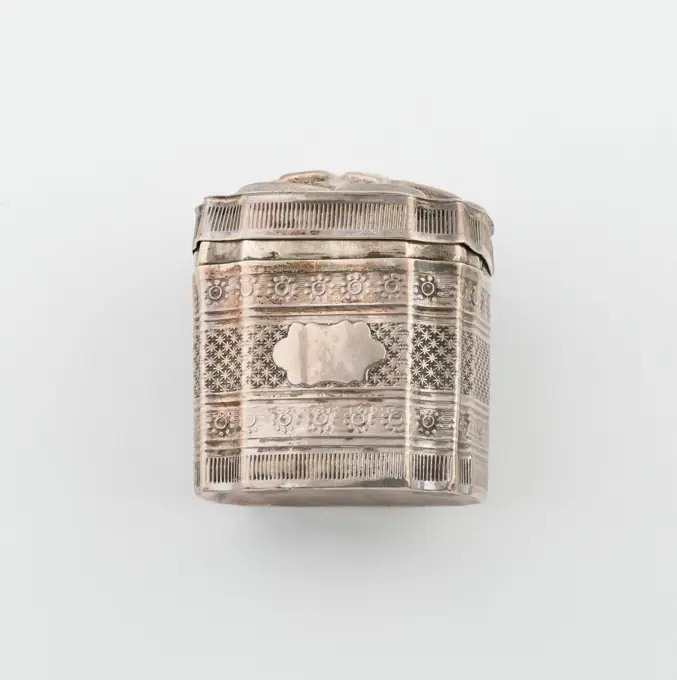
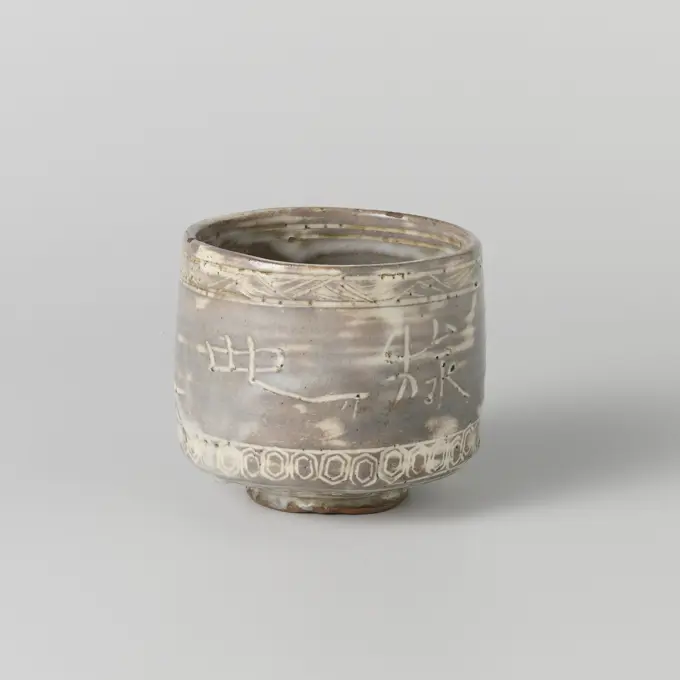
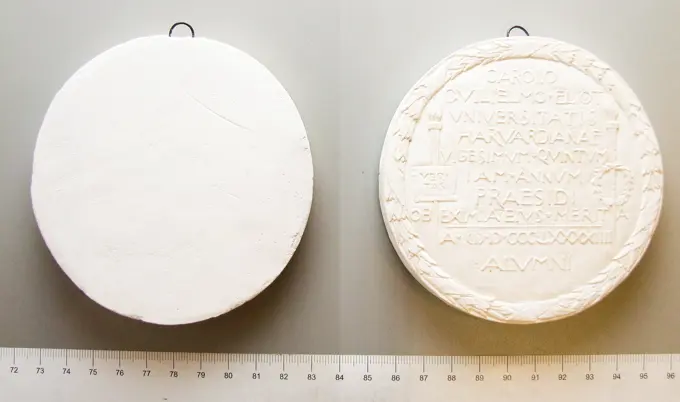
A variety of antique dishes and bowls, showcasing unique designs and materials like brass and silver, with engravings and historical context from different cultures.

Bowl, 12th-13th century, 1 1/2 x 5 3/4 x 5 3/4 in. (3.81 x 14.61 x 14.61 cm), Silver with parcel gilt decor, China, 12th-13th century
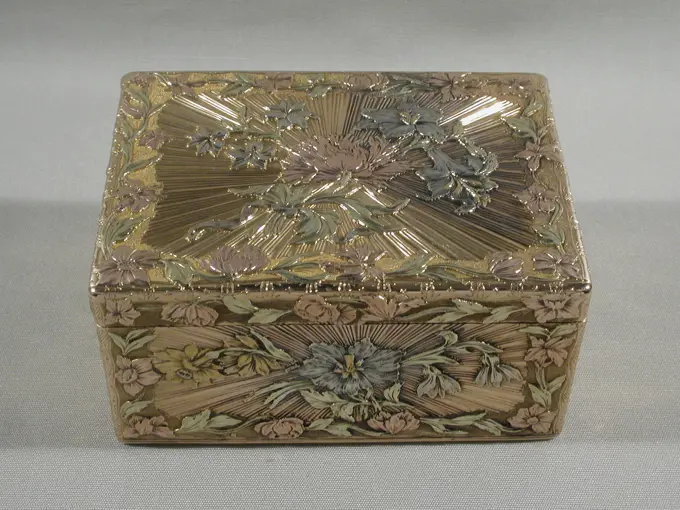
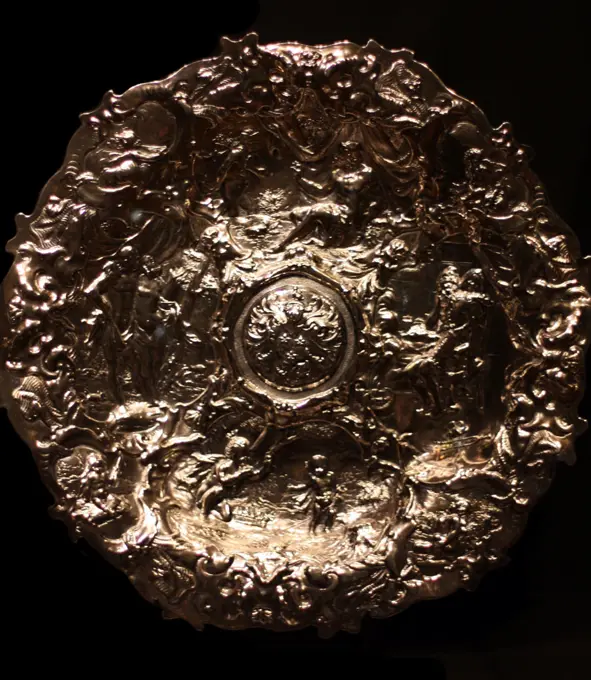
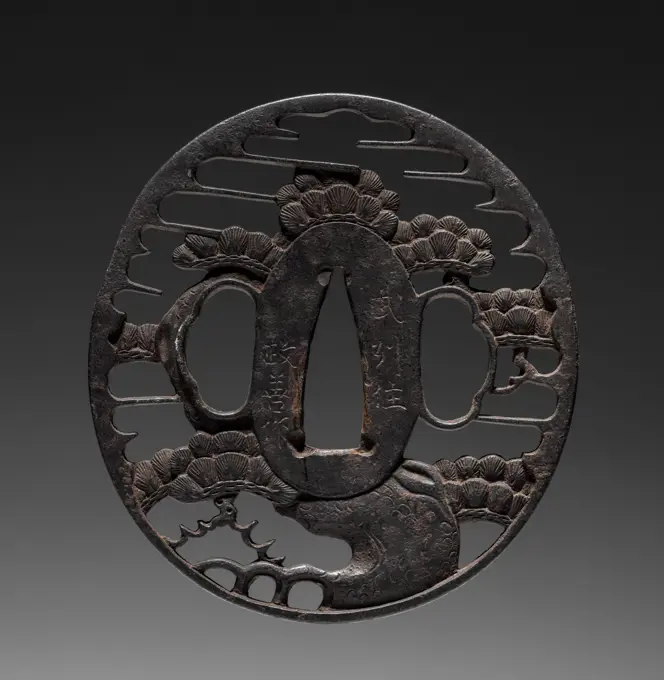
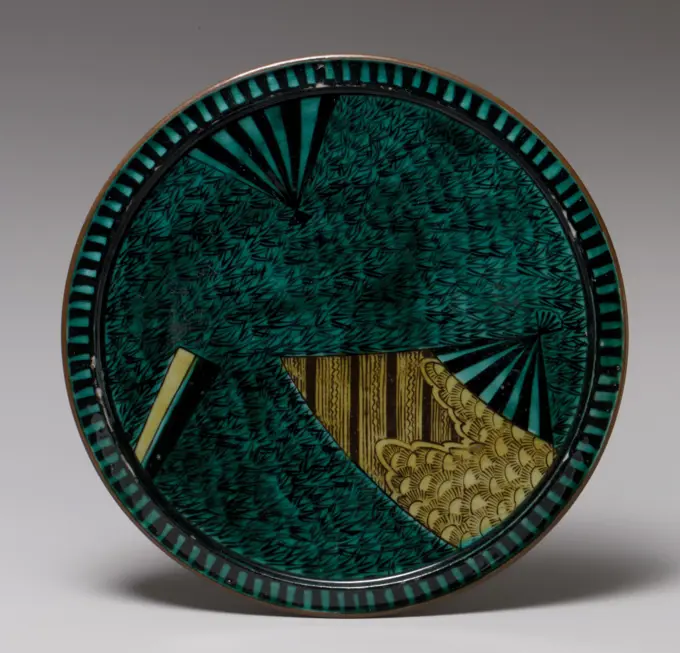
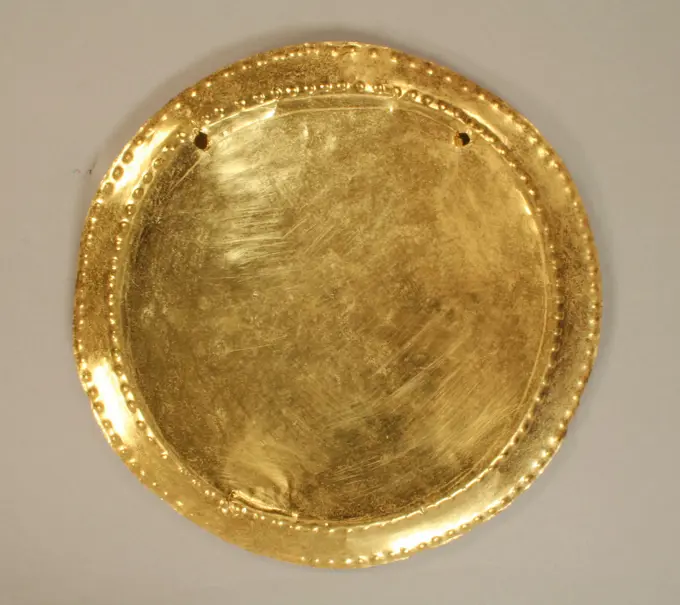
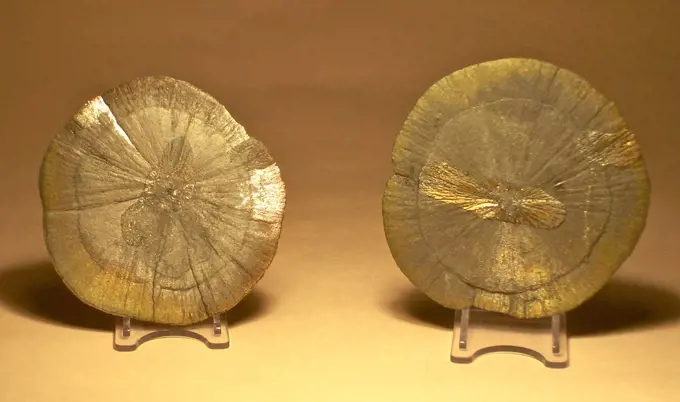
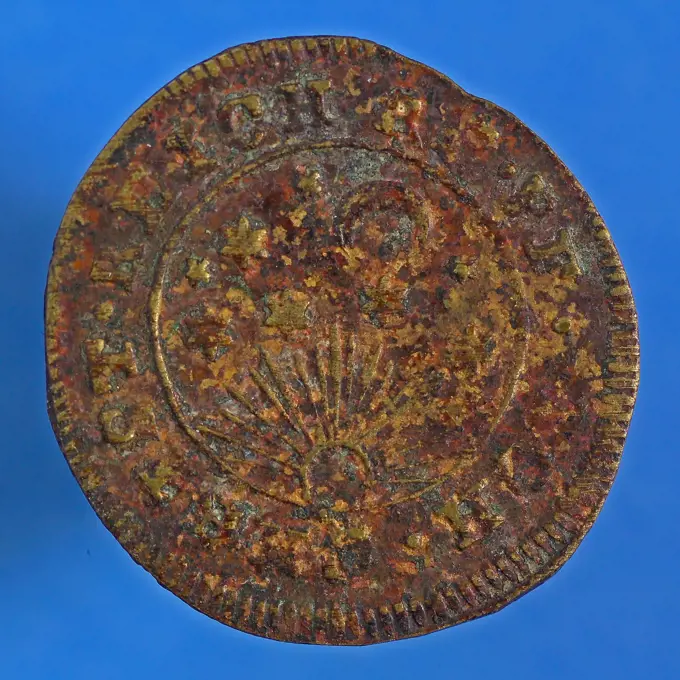
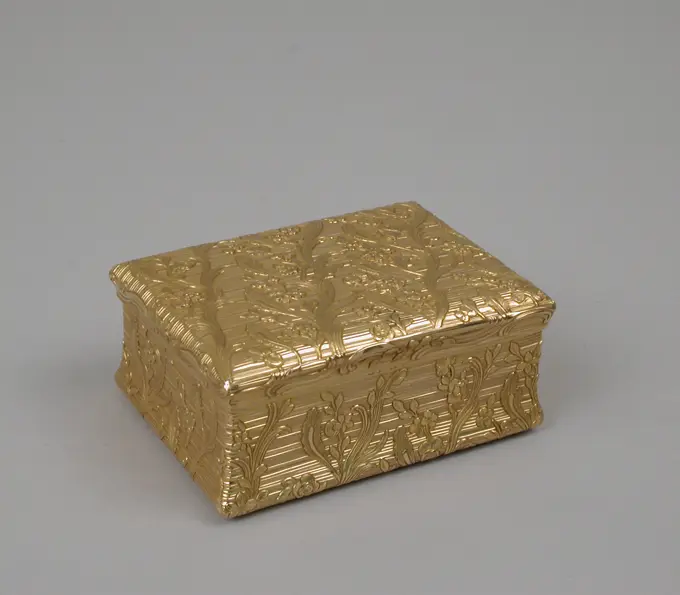
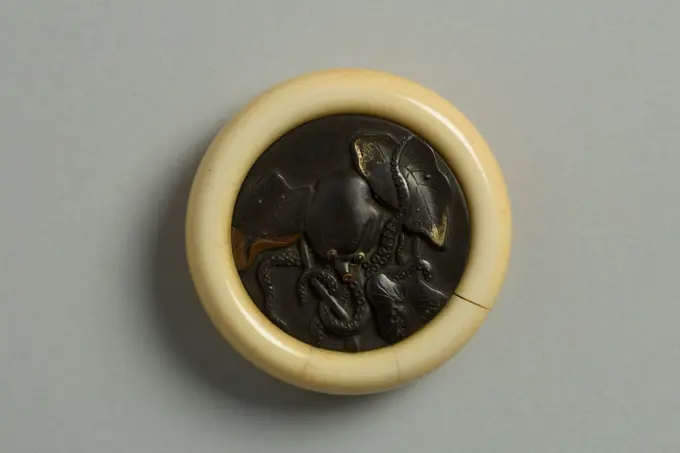
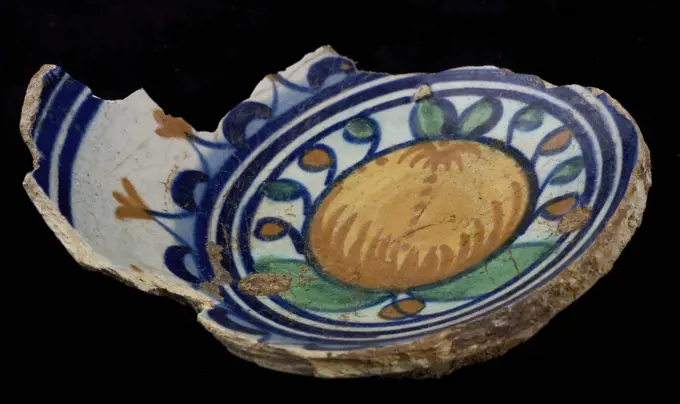
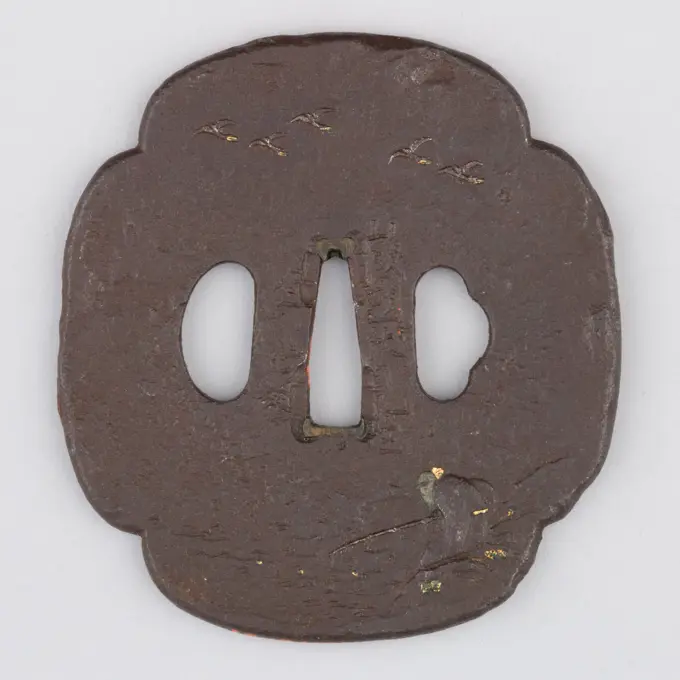
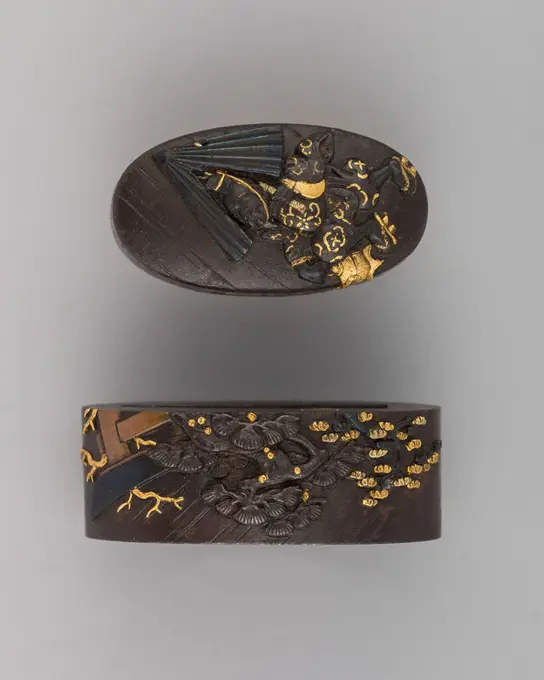
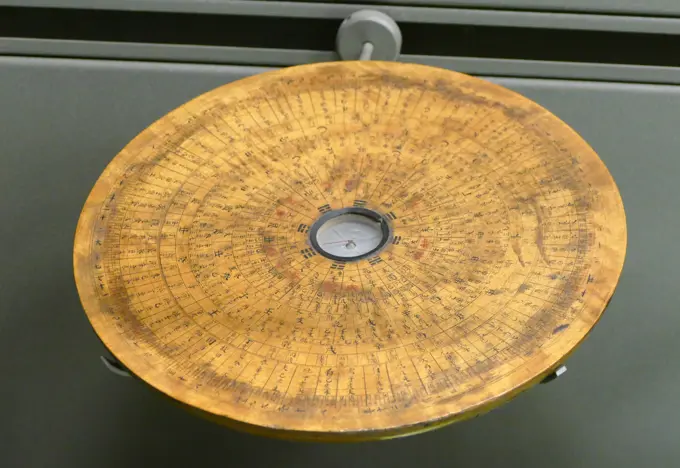
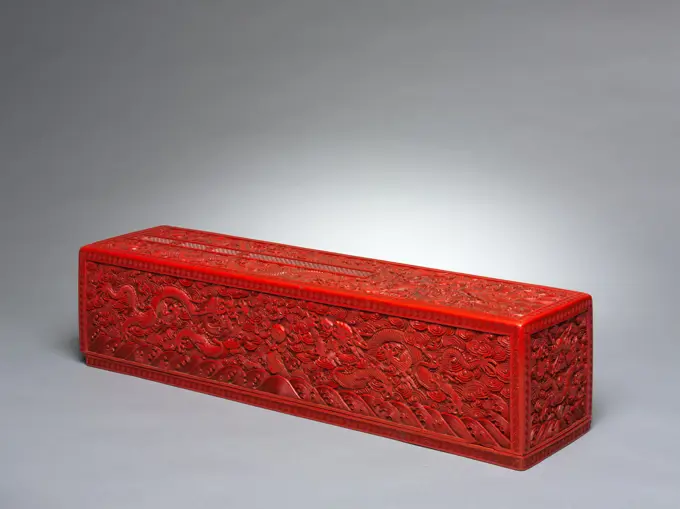
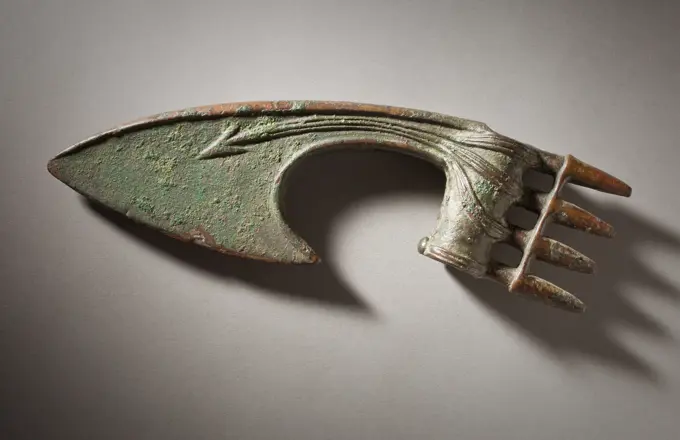
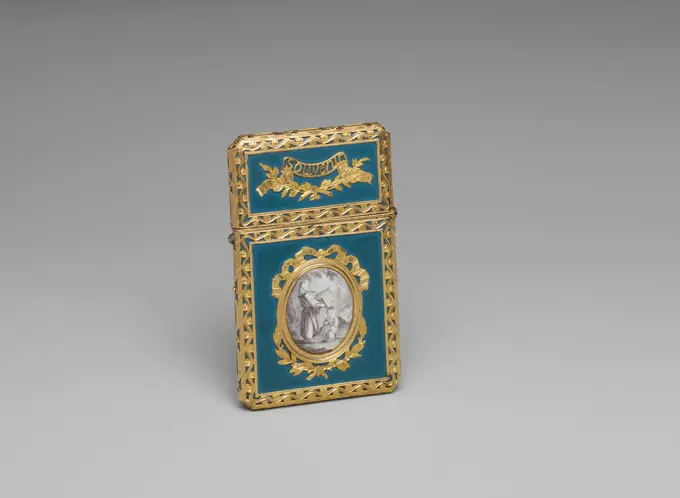
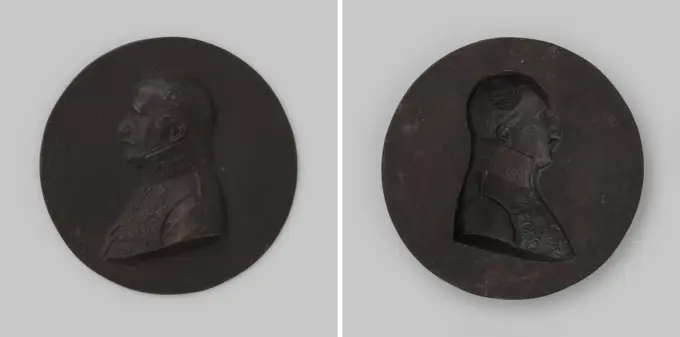
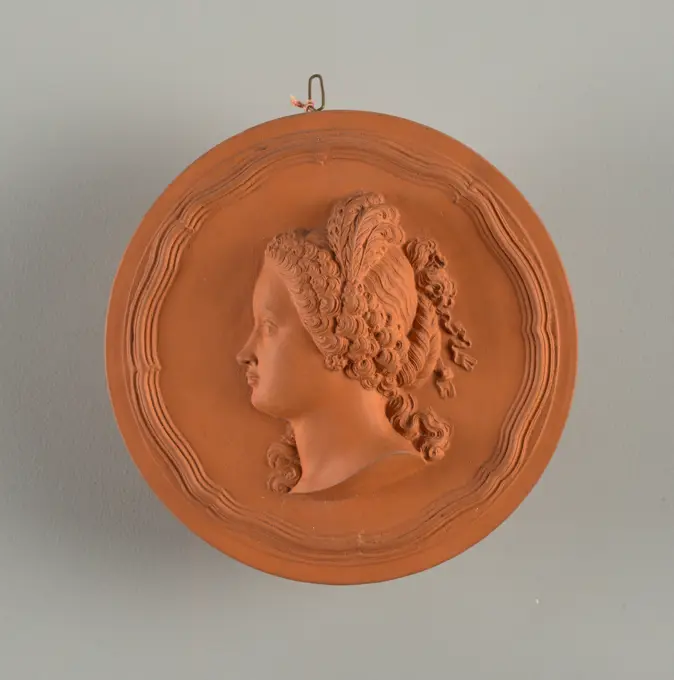
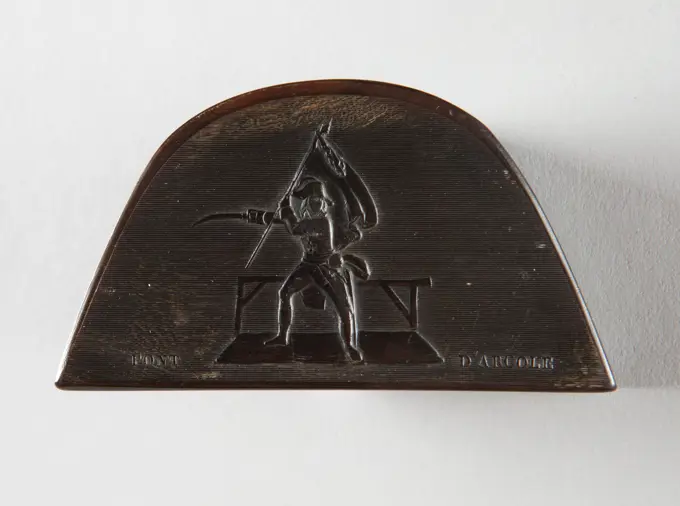
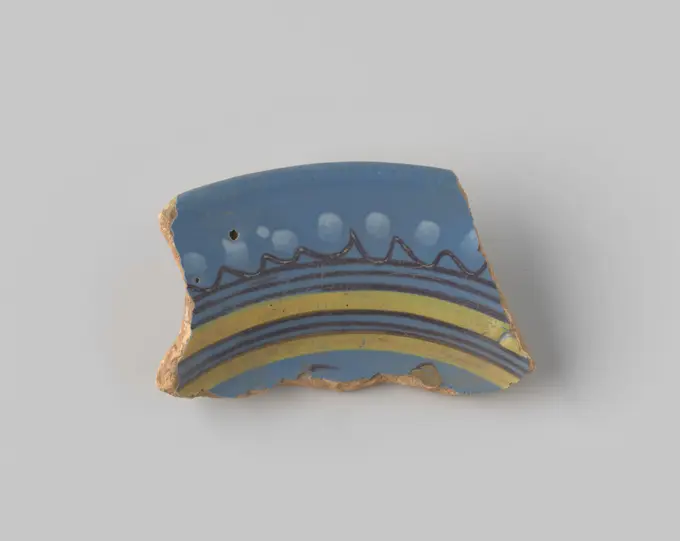
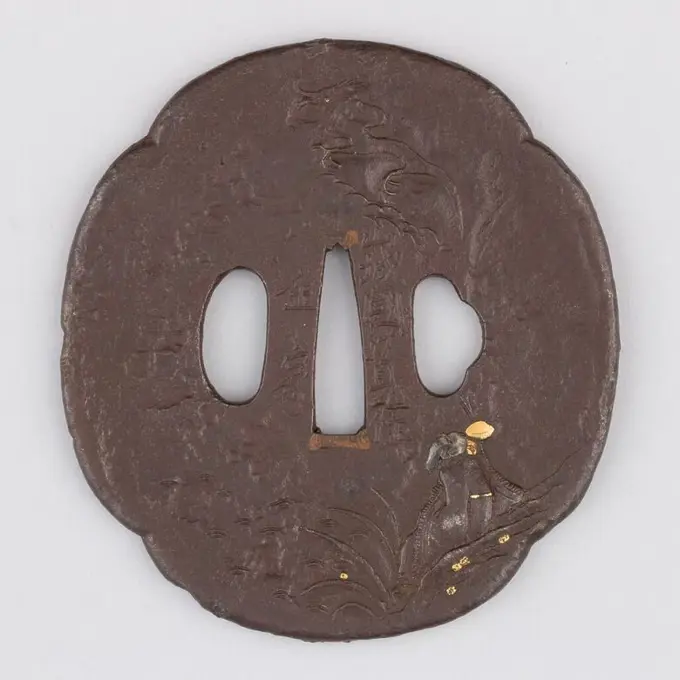
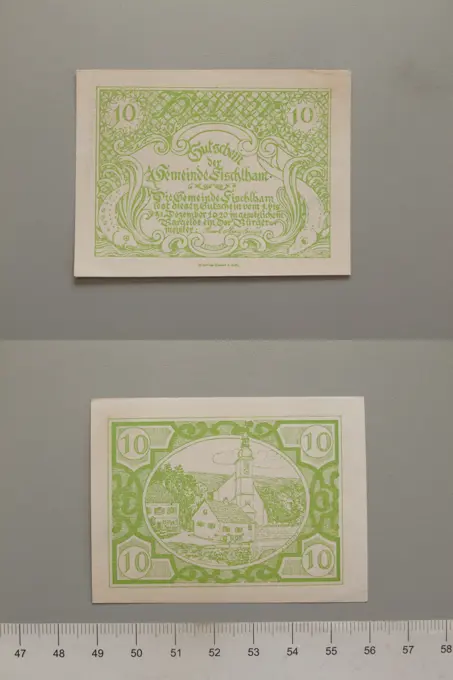
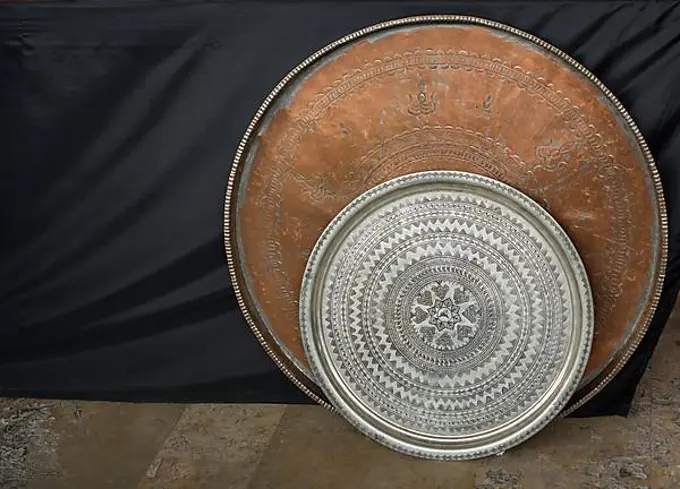
MoldingSnuffbox 1754-55 French, Paris In eighteenth-century Europe, Paris led the production of high-quality luxury goods. Parisian goldsmiths made a wide range of small, personal articles such as snuffboxes; étuis to hold sealing wax, tweezers, or utensils for sewing; souvenirs, which contained thin ivory tablets for note taking; and shuttles for knotting lace. Gold snuffboxes and boxes decorated with portrait miniatures were prized and frequently given as royal gifts, often to ambassadors or members of the court in lieu of cash payments for their services. Coveted and admired, these boxes were produced from a variety of materials. The best were skillfully made of gold and embellished with diamonds, enameled decoration, lacquer, and other luxurious materials. By the middle of the century, the taking of snuff had become an entrenched social ritual, and the snuffbox, too, had become an important social prop. Snuffboxes were considered highly fashionable accessories, with some merchants advertiBox, anonymous, 1775 - 1825 Round box, decorated with pheasants, pheasant chicks, flowers, small rock formations and a stream in gold. Japan wood (plant material). lacquer (coating) Round box, decorated with pheasants, pheasant chicks, flowers, small rock formations and a stream in gold. Japan wood (plant material). lacquer (coating)Ewer and basin, Johannes Grill (1614-1670) Amsterdam, 1649. Scenes chased on silver were an Amsterdam speciality. This ewer and basin demonstrate Johannes Grills mastery in combining fanciful motifs with Classical figures. His work was also admired outside the Netherlands. This ensemble, for instance, was made for Edward Sebright, an English nobleman. These showpieces were used to wash ones hands before and after a meal.Goldweight Geometric, 20th century, 5/8 x 13/16 in. (1.59 x 2.1 cm), Bronze, Ghana, 20th centuryPhoto album with 43 photos, Spanish and Cuban, Anonymous, 1860 - 1900  Photo album with 43 photos on 25 sheets. The album contains portraits, manufactured in Spain and Cuba (Havana) with the exception of one portrait made in Algeria. The photos were made by Antonio Sorgato, Esteban Mestre and C.D. Fredricks y Daries, some photos are anonymous.  leather. cardboard. photographic support. paper. metal albumen print historical persons. historical persons - BB - woman. beard. head-gear: hat. sideburns. moustache. boy (child between toddler and youth). girl (child between toddler and youth)Sword Guard, early 1800s. Japan, Edo period (1615-1868). Iron (Akasaka type); diameter: 7 cm (2 3/4 in.).Rock-Tomb or GranaryDoorPlate with Design of Fans ca. 1650 Japan This handsome high-footed dish is a characteristic product of the nineteenth-century revival of Ko Kutani porcelain. The body is dense and very heavy, and it is crudely and boldly produced. The design is strongly drawn in the well and somewhat cursorily in the back. If there is a glaze under the coarse dark enamels, it is very thin and concealed by the overall decoration. The design of scattered fans that boldly defies the confines of the round plate is characteristic of these celebrated, if problematic, wares.Controversy surrounds the definition of wares termed Ko Kutani (Old Kutani). The best known are large plates that feature bold, decorative designs rendered in a limited palette of blue, green, yellow, and aubergine, with touches of red. The pigments are so thickly applied that they often form deep pools of glossy color. It is now thought that Ko Kutani porcelain was made at the Hizen kilns on Kyushu, rather than at the Kutani kilns in nortRing with Dragon. China. Date: 480 BC-221 BC. Dimensions: Diam. 3 cm. Bone with incised decoration. Origin: China. Museum: The Chicago Art Institute, Chicago, USA.Glass bead ca. 3rd-5th century A.D. Roman Translucent deep blue green; blobs or crumbs in opaque white, red, yellow, and grey blue.Flattened doughnut shape; off-center vertical hole, larger on one side than the other.Numerous blobs of varying sizes applied randomly over entire surface, most marvered but a few in relief.Intact, except for one chip in edge of hole; pitting of some blobs, dulling, and small patches of creamy weathering.. Glass bead 249642Game Board, 17th century, 9 1/16 x 19 x 19 in. (23.02 x 48.26 x 48.26 cm), Huang-hua-li, ji-chi-mu hardwood, zitan and brass, China, 17th century, The Chinese have played weiqi, or go, since ancient times and it is first mentioned in the Confucian classics of the fifth century B.C. Both men and women of the educated class played weiqi and to the literati, it became a symbol of the intellect. This huanghuali board is framed in jichimu hardwood and inlaid with silver. One side is a board for weiqi, while the reverse is a board for chess, or xiangqi or elephant chess. The fluted bowls, used to hold the stone weiqi markers are also made of huanghuali wood. They are fashioned in the shape of a melon and the round lids are carved with an eight-pointed star pattern. These containers are generally made in a size that can be easily held in the palm of the hand. Weiqi markers during Qing were generally made from stone or glass.Pectoral Disk (Patena) 8th-12th century Coclé (Macaracas). Pectoral Disk (Patena) 316674PatchBox.   Maker: Jacob Hurd, American, 1702-1758Pyrite sun discs, from the coal mines of Sparta, Illinois, USA. Originally thought to have been fossilized sand dollars.Abstract composition, 1919    wood (plant material)Medal of Yale Seal from Hyde Park, NewYork.  Subject: Yale University Mint: Hyde Park Artist: UnknownJohann Christian Reich, Medal from Johan Christian Reich, jeton usage fee coin exchange medium find copper, sailing vessel Signature: MIT - GLUCK archeologyBrush holder with immortal realms. Culture: China. Dimensions: H. 6 5/8 in. (16.8 cm); Diam. 4 1/4 in. (10.8 cm); Diam. of rim: 5 3/4 in. (14.6 cm); Diam. of foot: 6 in. (15.2 cm).Features such as the gourd held by a standing attendant, the peach blossom clasped by another, and the individual riding on the back of a deer suggest that the figures on this brush holder represent tales of people who visited the mountains, inadvertently entered other realms, and transgressed time, respectively. The two gentlemen playing chess may refer to a story about two individuals who played the game for so long that the eggs they had in their pockets disintegrated. Museum: Metropolitan Museum of Art, New York, USA.1 Schepel from Alkmaar. Chips and iron content sizes for dry goods with bridge and style of 1 Schepel, v.z.v. Brand and labels.ASTROLABE OF FELIPE II - REVERSE - 1566. Author: GUALTERIO ARSENIO DE LOVAINA (S XVI). Location: MUSEO ARQUEOLOGICO NACIONAL-COLECCION. MADRID. SPAIN.Sharf of ross -baking earthenware, with blue glaze at the front, with a flower painted on it, and around it stripes and a wavy edge, in brown and yellow, anonymous, 1600 - 1650  Northern Netherlands earthenware. glaze majolica  Northern Netherlands earthenware. glaze majolicaNetsuke 19th century Japan. Netsuke 60371Grahal-Manzara. Carnavalet 2013-2016 collection sites. Numismatics.Pa. German Plate. Dated: c. 1938. Dimensions: overall: 50.7 x 38.3 cm (19 15/16 x 15 1/16 in.) Original IAD Object: 14" in diameter. Medium: oil paint on paperboard. Museum: National Gallery of Art, Washington DC. Author: William L. Antrim.Sword Guard (Tsuba), c. 1615-1868. Japan, possibly Edo period (1615-1868). Iron;Pot from V.O.C. ship De 'Witte Leeuw', Before 1613 pot Pot from V.O.C. ship the 'Witte Leeuw'. 70 present. One loose shard, the rest glued together.  porcelain   Sint-HelenaCarnavalet museum, medal collectionJar (lid), 1736-1795. China, Qing dynasty (1644-1911), Qianlong reign (1735-1795). Carved wood; overall: 20 cm (7 7/8 in.).Cuneiform tablet: account statement, Egibi archive ca. 6th century B.C. Babylonian or Achaemenid. Cuneiform tablet: account statement, Egibi archive 321543Commemoration 1814-1864 ,, 1864 history medal Cocarde with yellow, blue, white, green, red and white concentric tracks, on which an oval pewter knot with inscription 1814/1864, sewn on white mesh at the back  tin (metal). textile materials castingSnuffbox 1744-45 Probably by Thomas-Louis Lévesque In eighteenth-century Europe, Paris led the production of high-quality luxury goods. Parisian goldsmiths made a wide range of small, personal articles such as snuffboxes; étuis to hold sealing wax, tweezers, or utensils for sewing; souvenirs, which contained thin ivory tablets for note taking; and shuttles for knotting lace. Gold snuffboxes and boxes decorated with portrait miniatures were prized and frequently given as royal gifts, often to ambassadors or members of the court in lieu of cash payments for their services. Coveted and admired, these boxes were produced from a variety of materials. The best were skillfully made of gold and embellished with diamonds, enameled decoration, lacquer, and other luxurious materials. By the middle of the century, the taking of snuff had become an entrenched social ritual, and the snuffbox, too, had become an important social prop. Snuffboxes were considered highly fashionable accessories, with soNetsuke Decorated with an Octopus in Lotus Leaves 19th century Japan. Netsuke Decorated with an Octopus in Lotus Leaves. Japan. 19th century. Ivory with metal disc. Edo (1615-1868) or Meiji period (1868-1912). NetsukeFragment majolica bowl, polychrome, in the middle one pomegranate, bowl crockery holder soil find ceramic earthenware glaze, baked underside covered with lead glaze. Polychrome archeology Rotterdam City center Stadsdriehoek Schielandshuis decorate food Soil discovery probably comes from rubble collapse in 1662 when the Schielandshuis was built.Sword Guard (Tsuba) ca. 1615-1868 Japanese A tsuba is a sword guard and part of a sword mounting. It is mounted between the swords blade and grip to protect the users hands.. Sword Guard (Tsuba) 33458Snuff bottle. unknown, craftsmanEmilia-Romagna Ferrara Ferrara Museo Civico di Schifanoia11. Hutzel, Max 1960-1990 General Notes: INCOMPLETE RECORD--NEGATIVES PROCESSED, PRINTS FILED German-born photographer and scholar Max Hutzel (1911-1988) photographed in Italy from the early 1960s until his death. The result of this project, referred to by Hutzel as Foto Arte Minore, is thorough documentation of art historical development in Italy up to the 18th century, including objects of the Etruscans and the Romans, as well as early Medieval, Romanesque, Gothic, Renaissance and Baroque monuments. Images are organized by geographic region in Italy, then by province, city, site complex and monument.OmphaleSpiral-form EarringBanknote motif: a circular lathe work design composed out of the repetition of the words "Five thousand dollars". Artist: Associated with Cyrus Durand (American, 1787-1868). Dimensions: octagonal sheet: 2 1/2 x 2 1/2 in. (6.4 x 6.4 cm). Printer: Printed by A. B. & C. Durand & Company (American, active 1824-27); Printed by Durand, Perkins, and Company (New York). Date: ca. 1824-42. Museum: Metropolitan Museum of Art, New York, USA.Knife Handle (Kozuka) ca. 1615-1868 Japanese A kozuka is a handle of a by-knife that is part of a sword mounting. It is kept in a slot on the reverse of a katana scabbard, often with a matching kōgai (hairdressing tool).. Knife Handle (Kozuka) 34658Cup plate. American; Midwest. Date: 1830-1835. Dimensions: diam. 8.9 cm (3 1/2 in.). Pressed glass. Origin: Midwest. Museum: The Chicago Art Institute, Chicago, USA.A white wooden wall in a cowboy family’s house in the Wild West with classic cowboy hats hanging from itPlate c 1825-1855 Pennsylvania. Earthenware . Asa E. Smith PotteryCopper alloy belt with incised animal and geometrical desings. Iron Age. 1000BC-500 BC. Ardabil, Iran. British Museum. London.Astronomical astrolabe, 1598. María Pita House Museum. Corunna, Galicia, Spain.BOINA DE PARADA DE TROPA MILICIA DEL REQUETE. Location: EXPOSICION DE LA GUERRA CIVIL ESPAÑOLA. MADRID. SPAIN.Saucer from a tea service for twelve, 1807-08, Christophe-Ferdinand Caron; Manufacturer: Sèvres Porcelain Factory, French (Sèvres), French, 1774-1831, 1 1/4 x 6 x 6 in. (3.18 x 15.24 x 15.24 cm), Hardpaste porcelain, gilt, France, 19th centurySword-Hilt Collar and Pommel (Fuchigashira) ca. 1615-1868 Japanese A fuchigashira is a pair of matching sword fittings comprising the fuchi (collar at the base of the grip of the sword hilt) and kashira (pommel cap at the end of a sword hilt).. Sword-Hilt Collar and Pommel (Fuchigashira). Japanese. ca. 1615-1868. Copper-gold alloy (shakud), gold. Sword Furniture-Fuchi-KashiraSword-Hilt Collar and Pommel (Fuchigashira). Culture: Japanese. Dimensions: Kashira (a); H. 1 5/16 in. (3.3 cm); Wt. 0.4 oz. (11.3 g); fuchi (b); H. 1 1/2 in. (3.8 cm); Wt. 0.8 oz. (22.7 g). Date: 18th century. Museum: Metropolitan Museum of Art, New York, USA.19th century Chinese compass. The compass was invented in China during the Han Dynasty between the 2nd century BC and 1st century AD. The magnetic compass was not, at first, used for navigation, but for geomancy and fortune-telling by the Chinese. The earliest Chinese magnetic compasses were possibly used to order and harmonize buildings in accordance with the geomantic principles of feng shui. These early compasses were made with lodestone, a form of the mineral magnetite that is a naturally occurring magnet and aligns itself with the Earth's magnetic fieldTea Bowl, 10th-11th century, H.2-1/2 x Dia.5-1/2 in., Yaozhou ware (Northern celadon) Porcelaneous stoneware with carved and incised lotus decor under green glaze, China, 10th-11th centuryLEBRILLO VIDRIADO Y DECORADO EN AMARILLO. Location: ALFARERIA. JAEN. SPAIN.Brass Compass. Iranian, 1800-75. The magnetic compass, a Chinese invention, had arrived in the Middle East by the 13th century. Originally employed in navigation, it was soon adapted for religious use to establish the direction of the Ka'bah in Mecca.Mirror (ekags) in the case;  19th century (1801-00-00-1900-00-00);Shallow Bowl with Geometric Design 3rd century B.C. Paracas. Shallow Bowl with Geometric Design 308469Carved Lacquer Scroll Box, 1736-95. China, Qing Dynasty (1644-1911), Qianlong reign (1736-95). Cinnabar carved lacquer on wood; overall: 14 x 14.7 cm (5 1/2 x 5 13/16 in.).Bird Plaque Ornament 3rd century B.C.-A.D. 2nd century Vicús. Bird Plaque Ornament 315471Shaft-hole Axehead. Iran, Luristan, circa 1350-1200 B.C.. Arms and Armor; axes. BronzeSponge Box 1865 Netherlands. Silver .Wall Facing (Holland); tin-glazed earthenware, underglazePlate from The Fruit Service Faces by Pablo Picasso, painted ceramic, 1881-1973, The Fruit Service Faces. Spherical knot, hollow and thin-walled, top and bottom flattened; different openings; A relief on the top.Tea bowl with characters and ornamental borders, anonymous, anonymous, c. 1875 - c. 1899 Teaom of stoneware, covered with a white sludge and a gray glaze. Five unidentified entry characters and decorative tires on the outer wall. On the bottom a band with stylized flowers. The Ingred Decoration is filled with a white sludge (Mishima technology). Old label on the bottom with 'W705'. Satsuma. Japan stoneware. glaze engraving / vitrification Teaom of stoneware, covered with a white sludge and a gray glaze. Five unidentified entry characters and decorative tires on the outer wall. On the bottom a band with stylized flowers. The Ingred Decoration is filled with a white sludge (Mishima technology). Old label on the bottom with 'W705'. Satsuma. Japan stoneware. glaze engraving / vitrificationMedal of Charles William Eliot, reverse 2 of2.   Subject: Charles William Eliot, American, 1834-1926 Artist: Bela Lyon Pratt, American, 1867-1917, Art School Certificate of Completion, 1888, B.F.A. 1899Souvenir probably 1762-68 French In eighteenth-century Europe, Paris led the production of high-quality luxury goods. Parisian goldsmiths made a wide range of small, personal articles such as snuffboxes; étuis to hold sealing wax, tweezers, or utensils for sewing; souvenirs, which contained thin ivory tablets for note taking; and shuttles for knotting lace. Gold snuffboxes and boxes decorated with portrait miniatures were prized and frequently given as royal gifts, often to ambassadors or members of the court in lieu of cash payments for their services. Coveted and admired, these boxes were produced from a variety of materials. The best were skillfully made of gold and embellished with diamonds, enameled decoration, lacquer, and other luxurious materials. By the middle of the century, the taking of snuff had become an entrenched social ritual, and the snuffbox, too, had become an important social prop. Snuffboxes were considered highly fashionable accessories, with some merchants adverDisc, one of a pair, 1736-1795, 1/4 x 8 3/8 x 8 3/8 in. (0.64 x 21.27 x 21.27 cm), Jade, China, 18th centuryPortrait of a man from the German royal family, Leonhard Posch, 1825  Iron medal. Front: breastpiece man. Berlin iron (metal) casting  BerlinMedallion (France); Jean-Baptiste Nini (Italian, active Italy and France, 1717 - 1786); earthenware, salmon coloredAnonymous, pennant of the Sherman Barfleur tank - 2nd peloton, 2nd squadron, 12th regiment of African hunters (RCA) - destroyed in Toussus -le -Noble (attributed title), 1943. embroidered fabric, felt, manual seams. General Leclerc Museum of the Liberation of Paris - Jean Moulin Museum.TabakierkaSharf of red -baking earthenware, with blue glaze at the top with decoration of stripes and dots in brown, yellow and white, anonymous, 1600 - 1650  Northern Netherlands earthenware. glaze majolica  Northern Netherlands earthenware. glaze majolicaFireplace of baked earth with diamond-shaped distribution. Fireplace of baked earth with diamond-shaped distribution. With the year 1587. In two pieces.Cup and saucer ca. 1780 Gotha. Cup and saucer 188758 Factory: Gotha, German, 17571900, Cup and saucer, ca. 1780, Hard-paste porcelain, Height (cup .262): 2 1/4 in. (5.7 cm); Diameter (saucer .263): 5 in. (12.7 cm). The Metropolitan Museum of Art, New York. Gift of Alfred Duane Pell, 1902 (02.6.262, .263)Viking objects. Comb made in bone, decorated with metal inlays. 10th century. Fohr, Denmark.Mandan boys enjoyed playing the hoop and pole game. The object of the game was to shoot spears through the center hole of a willow hoop with leather webbing.Wall arm of red painted teak, copper, anonymous, 1820 - 1830 Wall arm of red painted teak, copper. The Spitsovale Houten back plate is rayed hollow and has a palm-shaped connecting piece to which the shell-shaped attachment is applied of the S-shaped bent, ribbed, copper arm-stricted copper arm that ends in a widened, high round holder. Indonesia wood (plant material). teak (wood). copper (metal). glass Wall arm of red painted teak, copper. The Spitsovale Houten back plate is rayed hollow and has a palm-shaped connecting piece to which the shell-shaped attachment is applied of the S-shaped bent, ribbed, copper arm-stricted copper arm that ends in a widened, high round holder. Indonesia wood (plant material). teak (wood). copper (metal). glassFifty years of independence 1863 ,, 1863 history medal Silver carrying sign on orange rosette with three hanging ribbons and on the back of a carrier, crowned coat of arms with a bundle of arrows, between numbers 18 - 13 and 18 - 63, surrounded by a described belt with buckle. Strucked content and master sign.  silver (metal). textile materialsDenko Misy; Ghajbi (fl. Ante Ca 1450); 15th century (1401-00-00-1500-00-00);Genius, Mieczysław (1852-1920) - collection, Arabic (culture), ceramics, gift (provenance), fragments, plant (ornament), Islamic artPewter Basin. Dated: 1935/1942. Dimensions: overall: 18.1 x 26.5 cm (7 1/8 x 10 7/16 in.) Original IAD Object: 8" in diameter. Medium: graphite on paperboard. Museum: National Gallery of Art, Washington DC. Author: Harry Goodman.This is a very old stopcock. Everytime unhealthy. And this composition like city life indicator.Example of Ottoman art patterns applied on metalsCUENCO CAMPANIFORME DE AZNALCOLLAR (REVERSO). Location: MUSEO ARQUEOLOGICO-COLECCION. Sevilla. Seville. SPAIN.Button, Paper, metal foil, thread, paillettes, Folding book of four panels; used as a case for set of sample buttons of various sizes and embellishments., France, late 18th century, costume & accessories, Decorative Arts, ButtonCase (Inrō) with Design of Geese in Flight above Thatched Roofs and Pines 19th century Japan. Case (Inrō) with Design of Geese in Flight above Thatched Roofs and Pines 58502Veil. unknown, authorGaming stick -India, Rajasthan, Bikaner, art object in the museum of the Junagarh FortBeautiful textileFragment of a Bowl or Cup 13th-16th century. Fragment of a Bowl or Cup 452462Sword Guard (Tsuba). Culture: Japanese. Dimensions: H. 3 7/16 in. (8.7 cm); W. 3 3/16 in. (8.1 cm); thickness 1/4 in. (0.6 cm); Wt. 5.5 oz. (155.9 g). Date: ca. 1615-1868. Museum: Metropolitan Museum of Art, New York, USA.Glass mosaic fragment late 1st century B.C.-early 1st century A.D. Roman Thin-walled bottom fragment.Translucent blue, opaque white and yellow, and colorless.Flat, curving upward along two edges.Confused pattern of mosaic lengths including a colorless network cane wound spirally with white thread.Polished exterior; pitting of surface bubbles on exterior; dulling, pitting, and creamy iridescent weathering on interior and edges.. Glass mosaic fragment 25733510 Heller from Fischlham,Notgeld.  Mint: FischlhamMalachite. A carved and polished octagonal column with a brass base.Porringer.   Maker: William Calder, American, 1792-1856Brass astronomical calendar by Chapotot, 1680Turkish traditional Antique decorative handmade metallic trayBook cover, Gutta-percha, paper, buckram, leather, Rectangular, front (a) and back (b) book covers of dark brown gutta-percha, each with large circular seal and heraldic device in center, within pierced design of foliage and acorns. Each mounted on red paper and leather binding. Marbleized end papers attached., England, 19th century, containers, Decorative Arts, Book coverJapanese sword-guards (tsuba) 1800-1900, Edo or Meiji era. These guards were fixed on swords belonging to Japanese men of the samurai class. They protected the wearer's hand but also acted as a symbol of his status and beliefs. A Japanese myth said that the Emperor's sword, one of his three sacred possessions, came from the tail of a dragon.Match box Firma: Boudet