Decorative Metal Plates

A variety of antique dishes and bowls, showcasing unique designs and materials like brass and silver, with engravings and historical context from different cultures.

Bowl, 12th-13th century, 1 1/2 x 5 3/4 x 5 3/4 in. (3.81 x 14.61 x 14.61 cm), Silver with parcel gilt decor, China, 12th-13th century
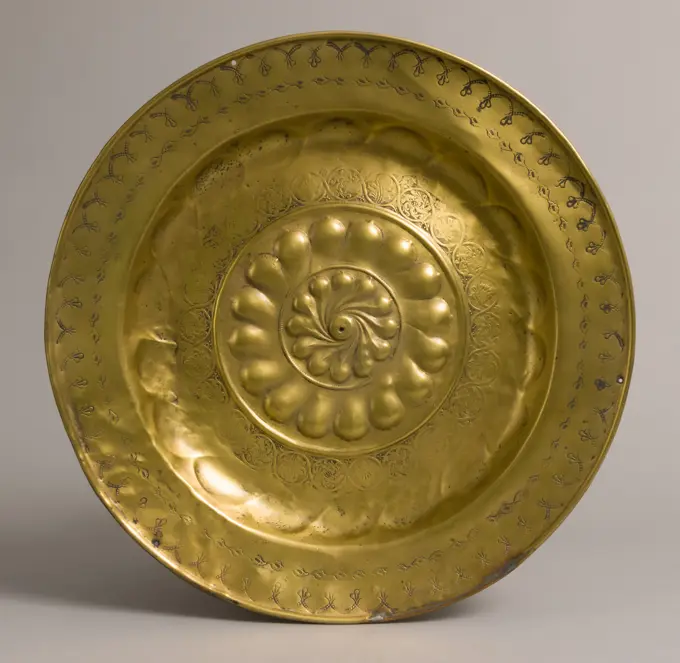
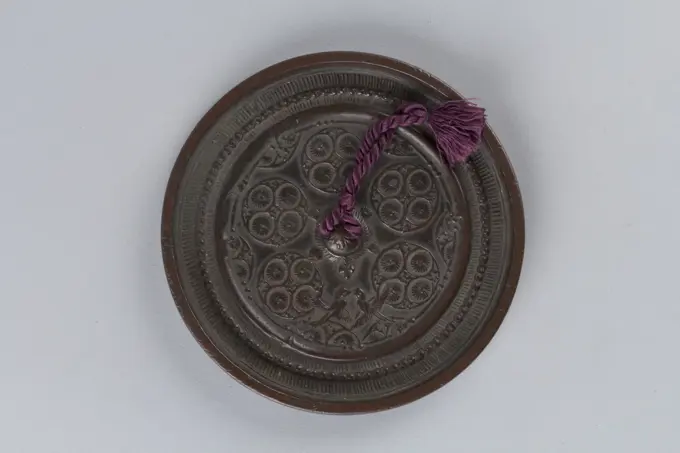
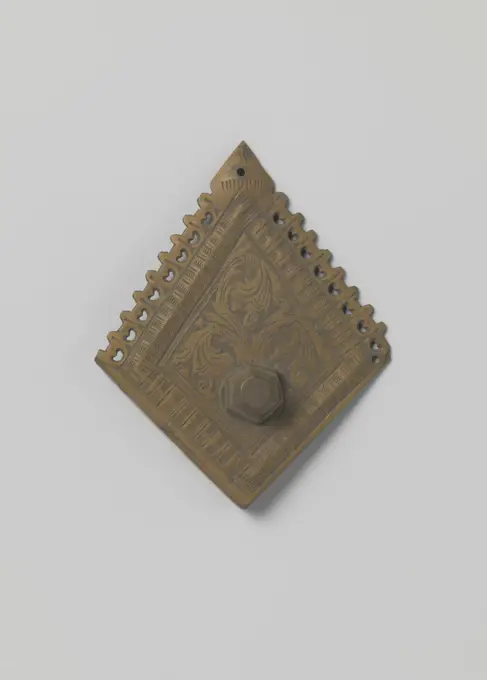
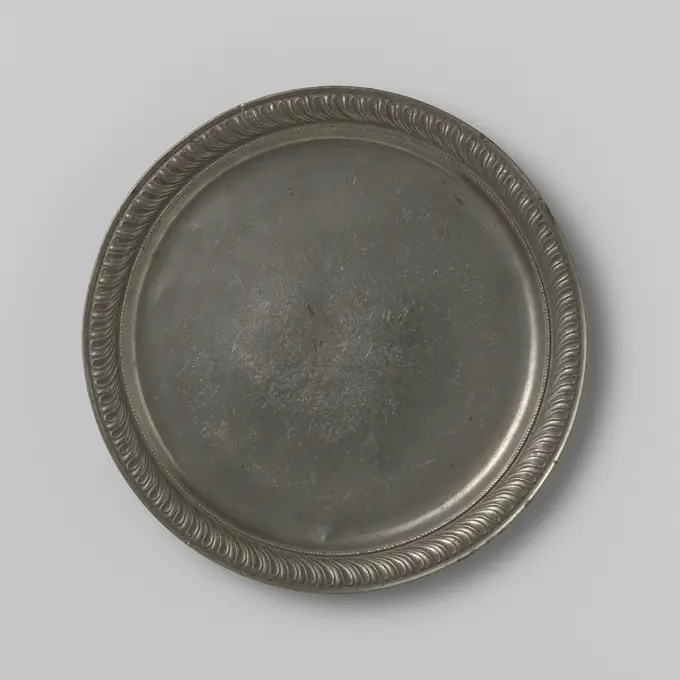
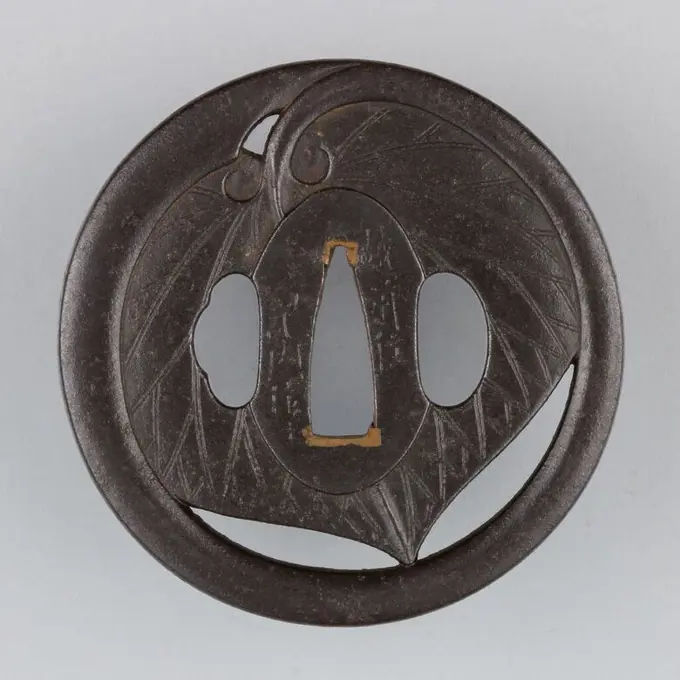
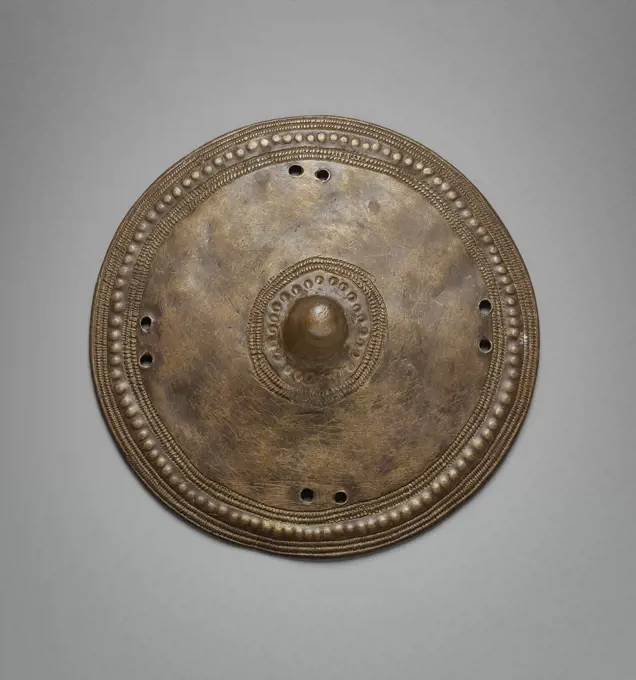
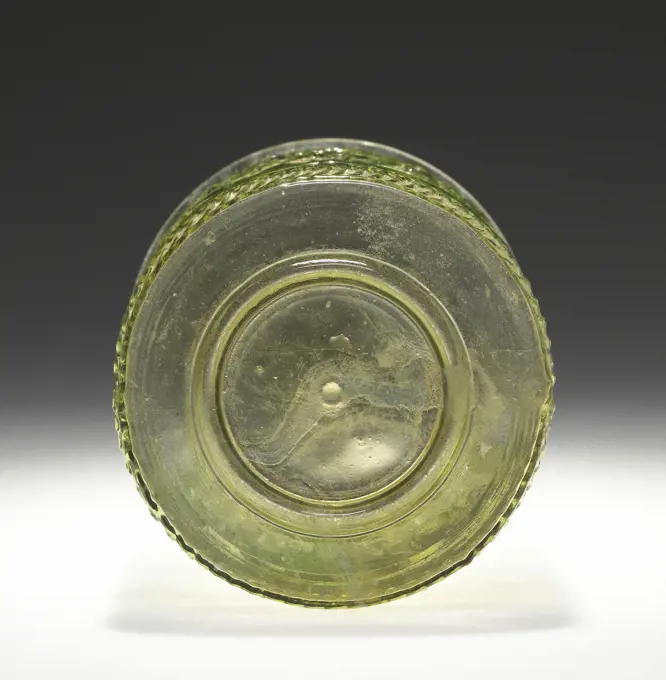
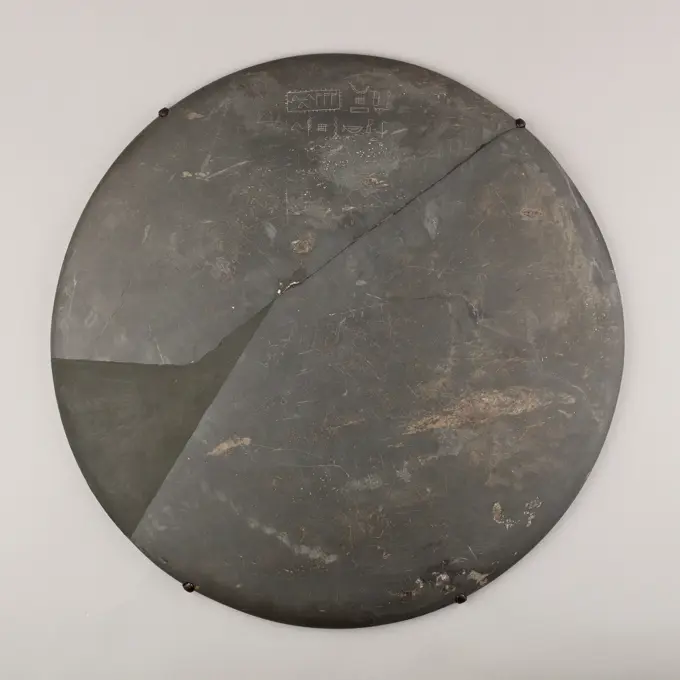
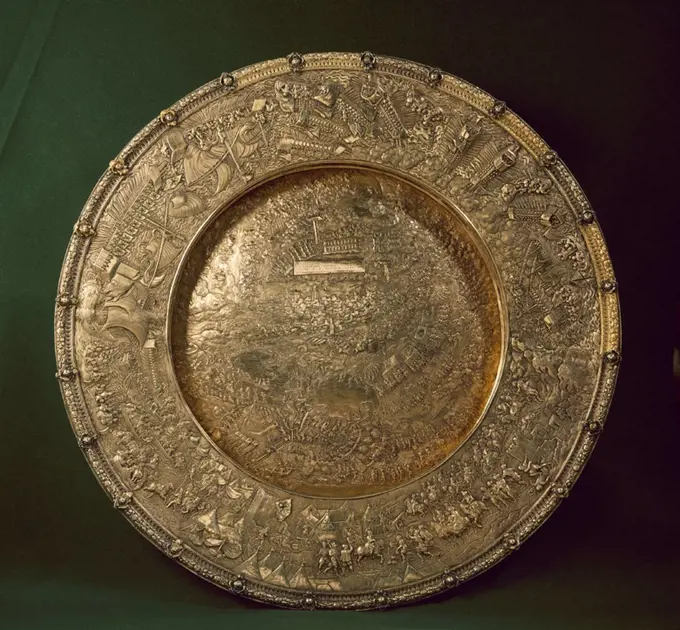
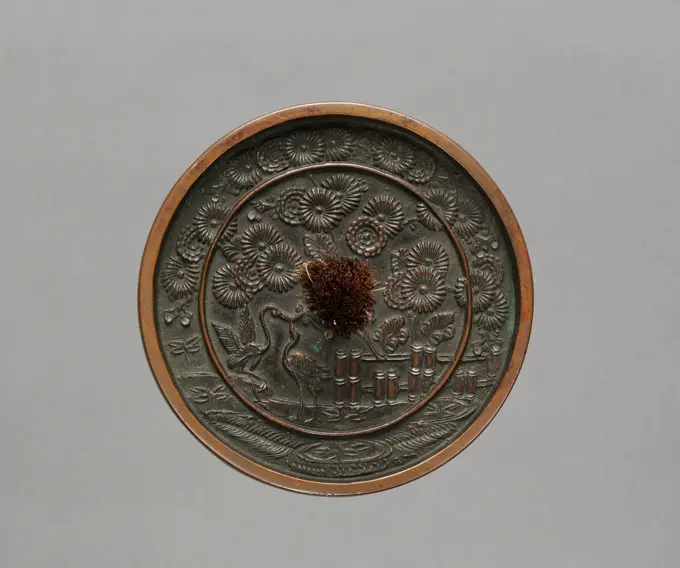
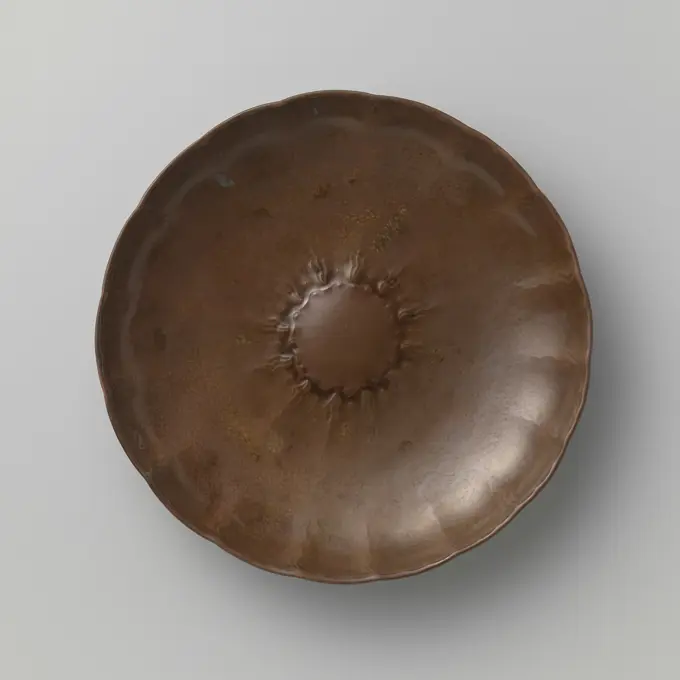
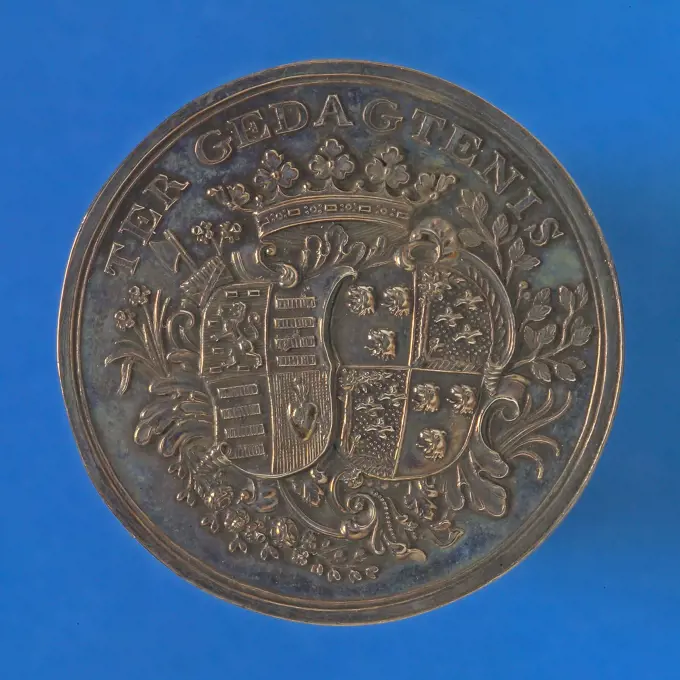
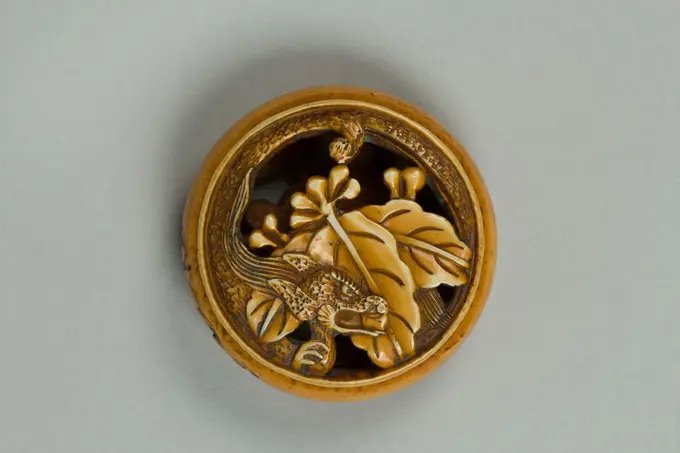
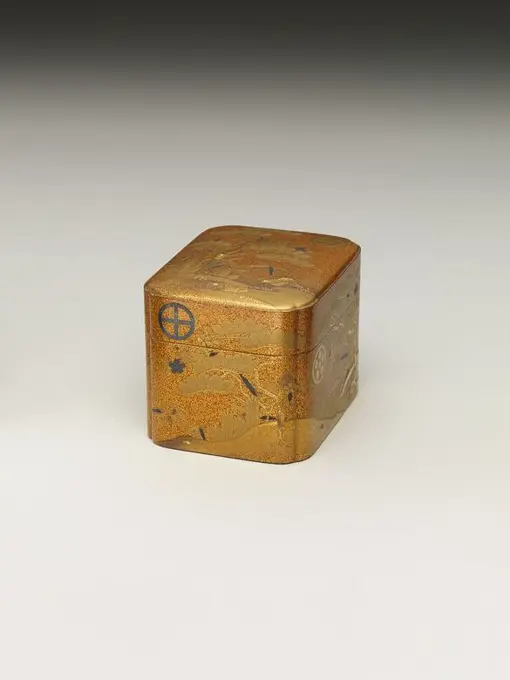
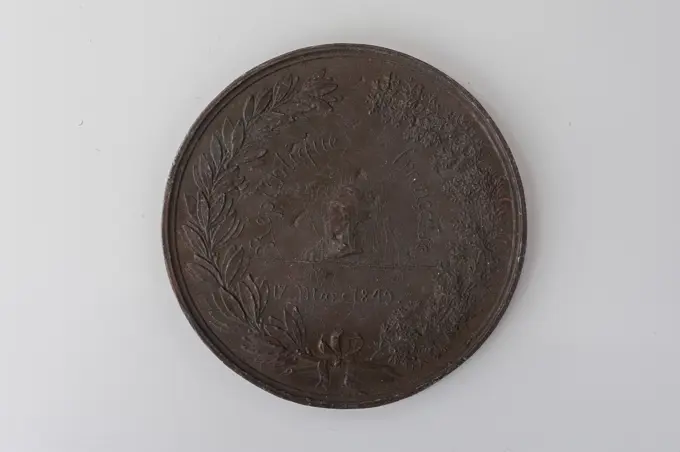
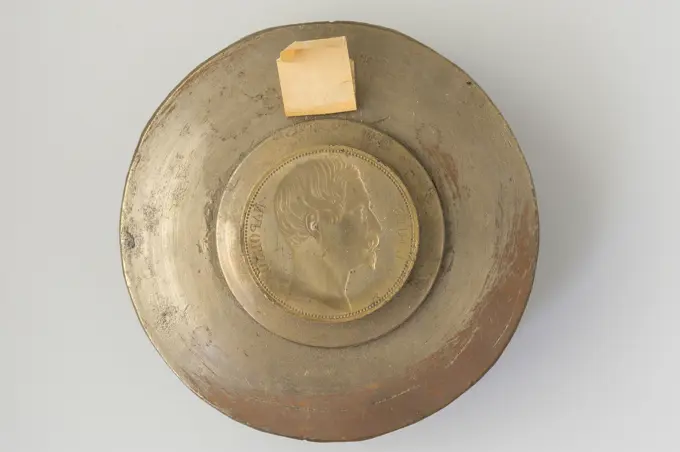
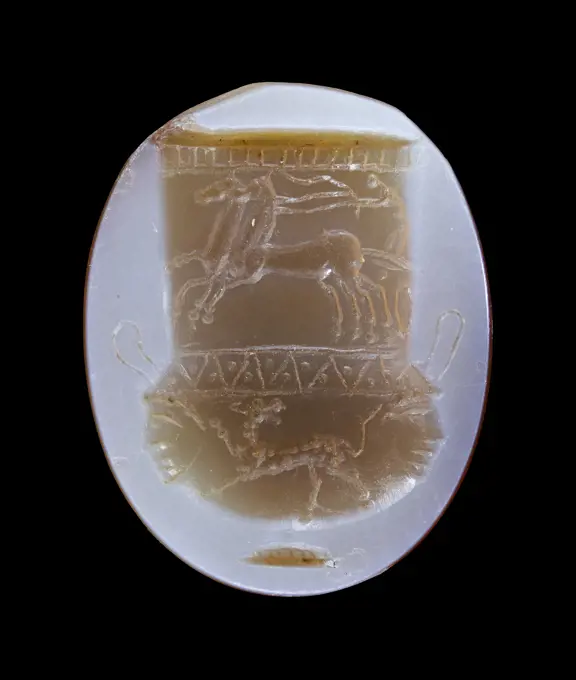
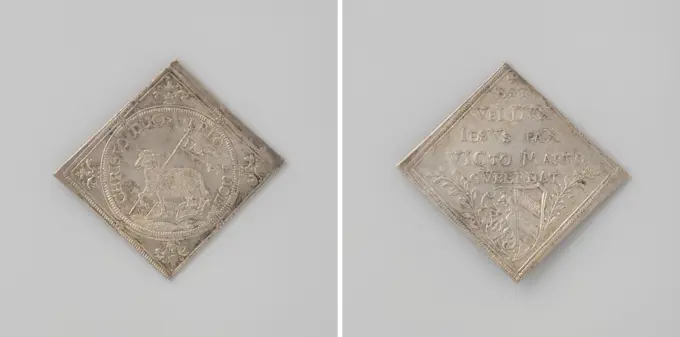
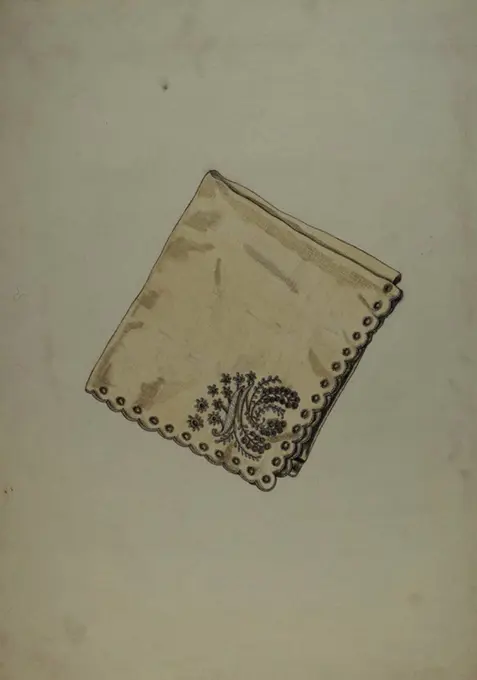
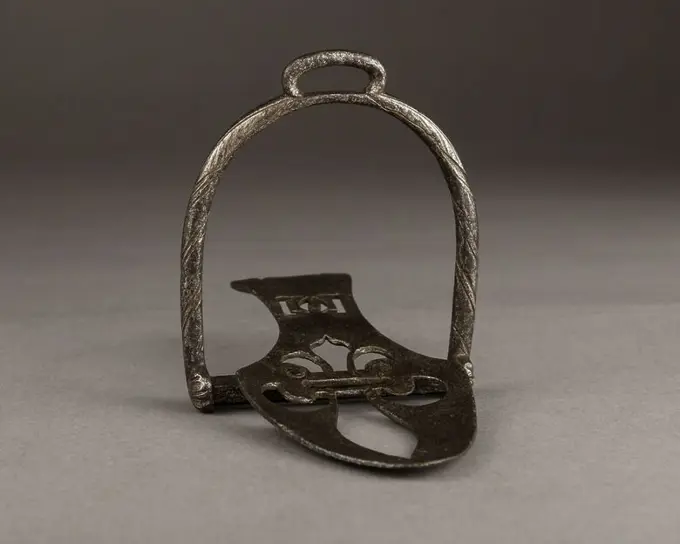
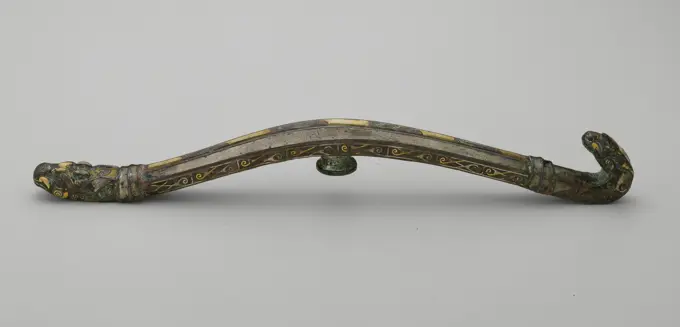
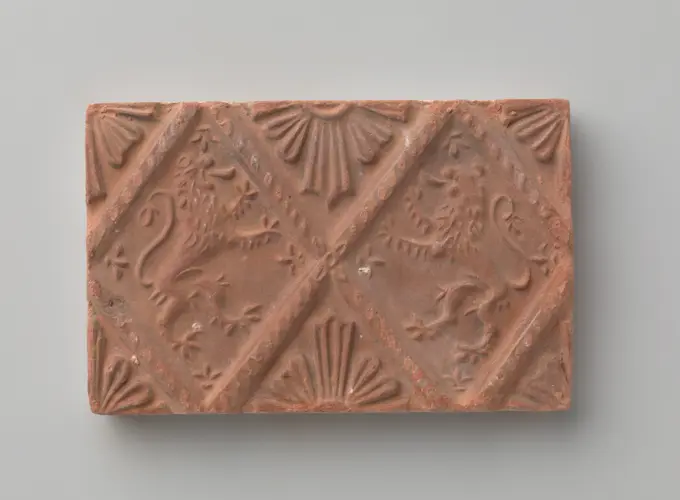
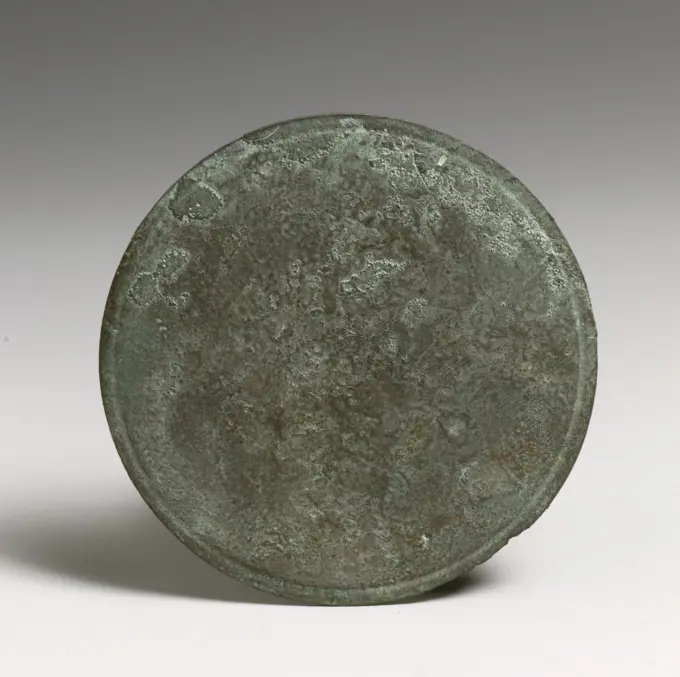
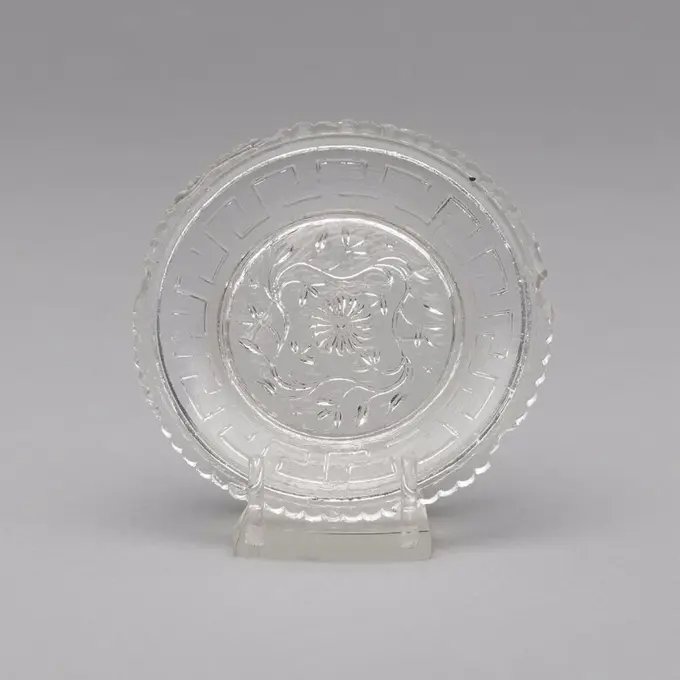
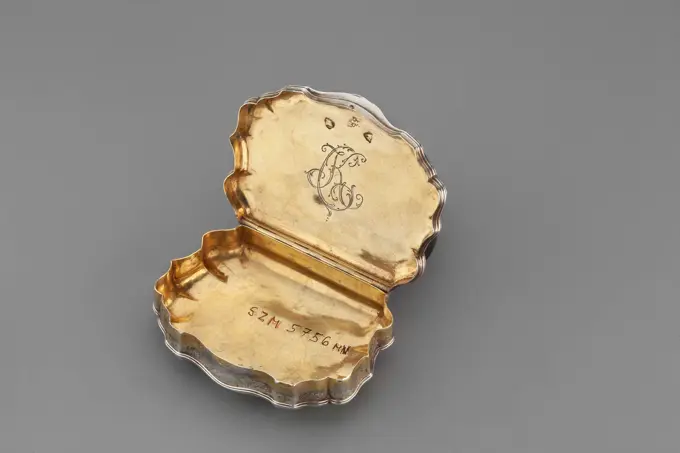
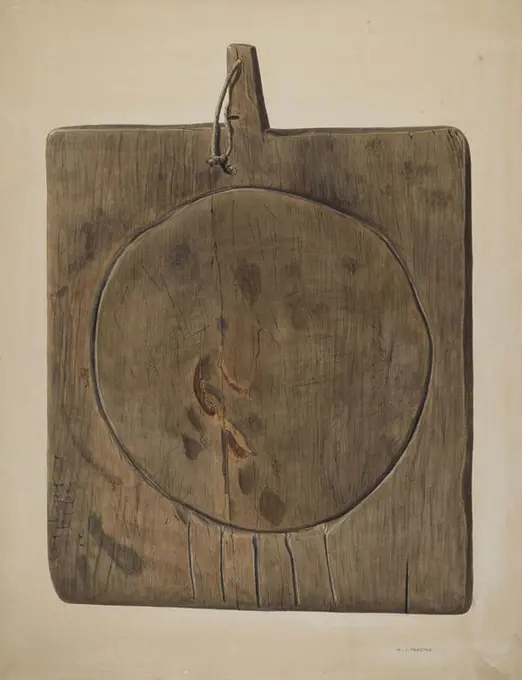
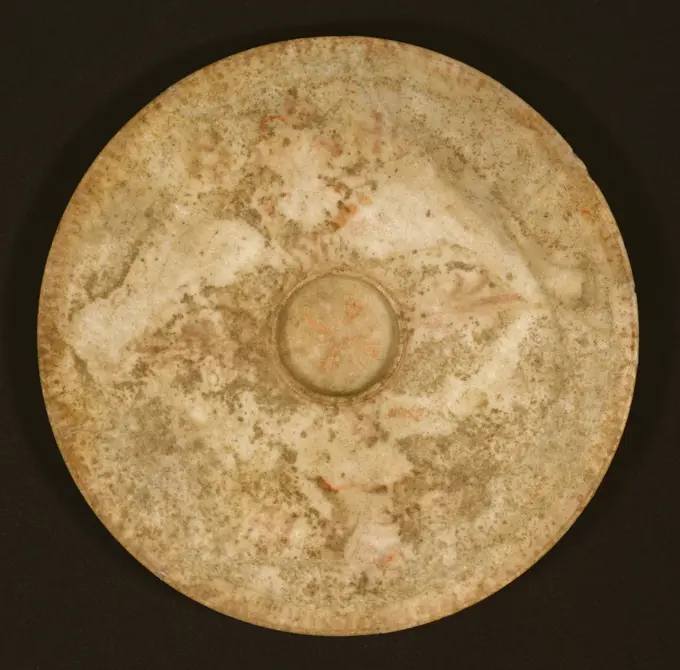
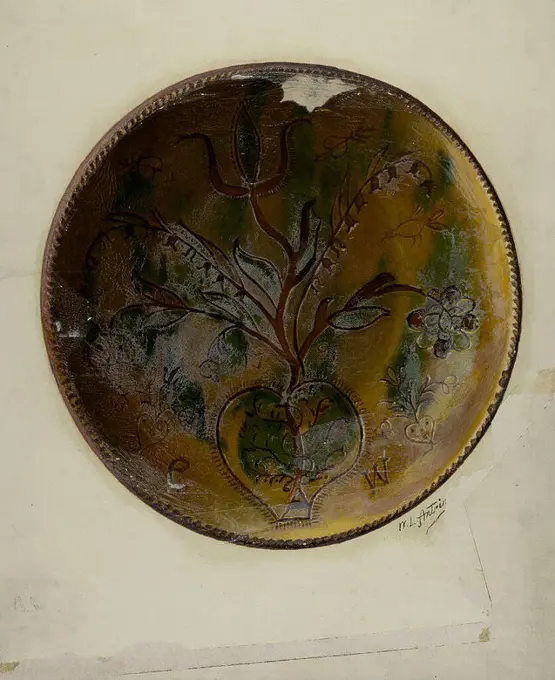
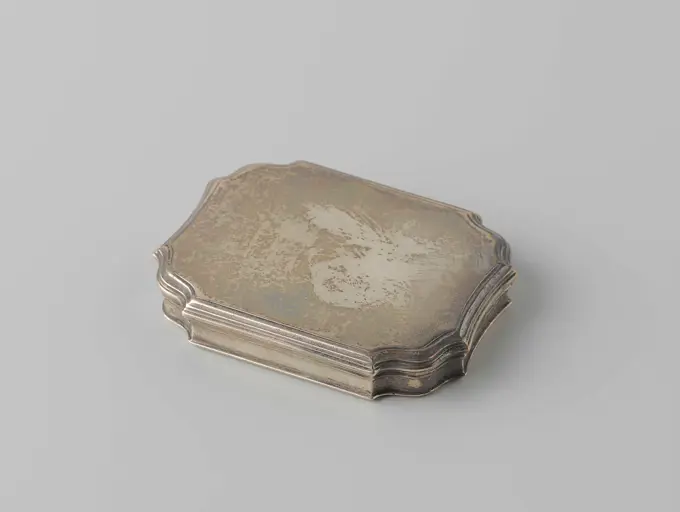
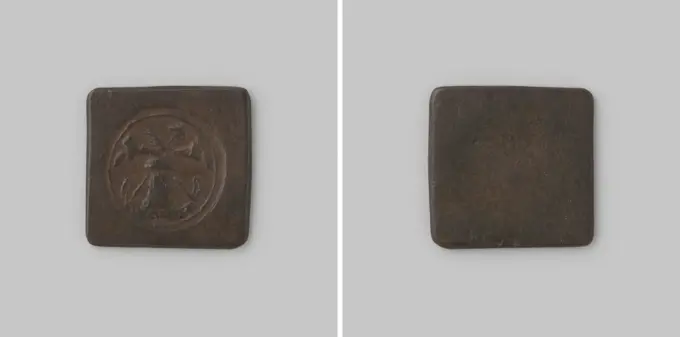
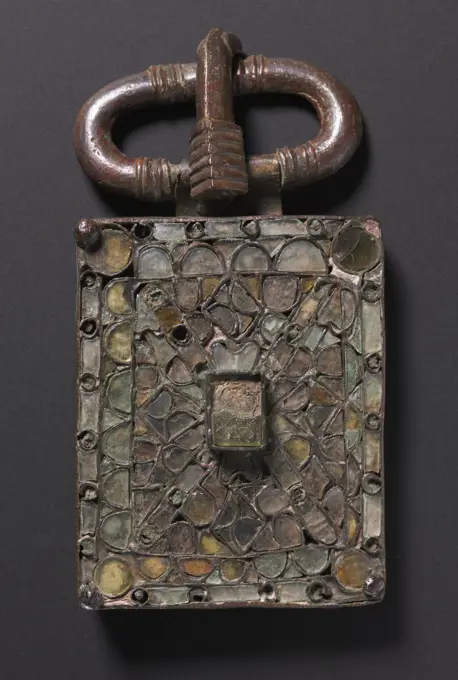
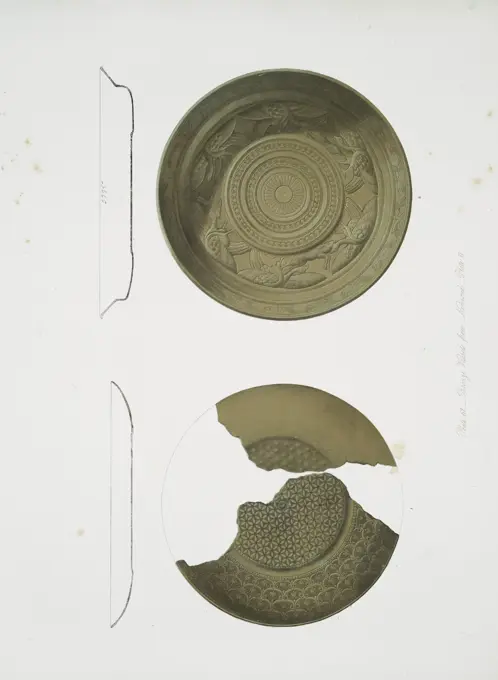
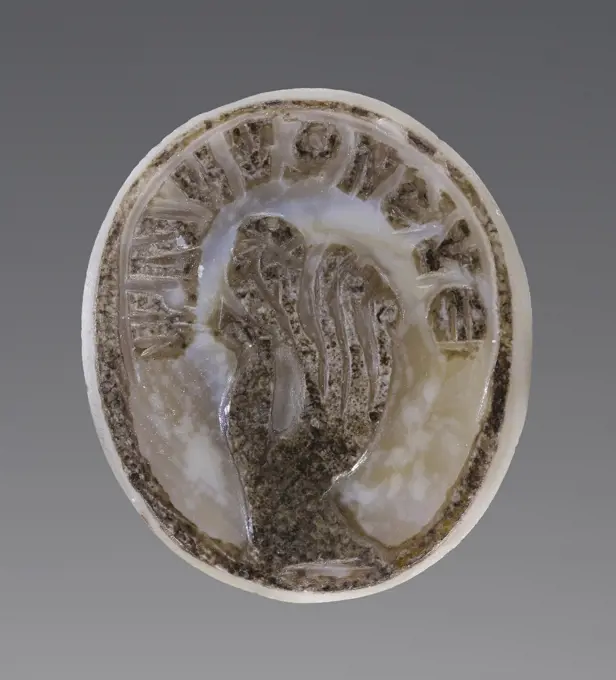
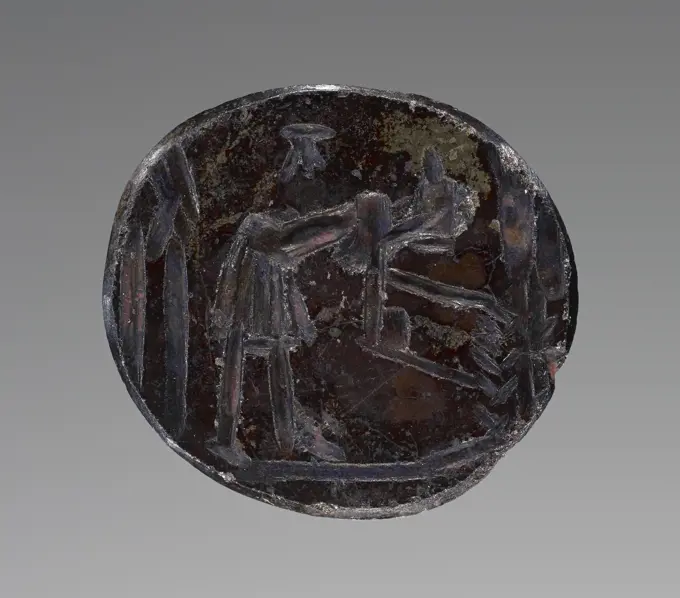
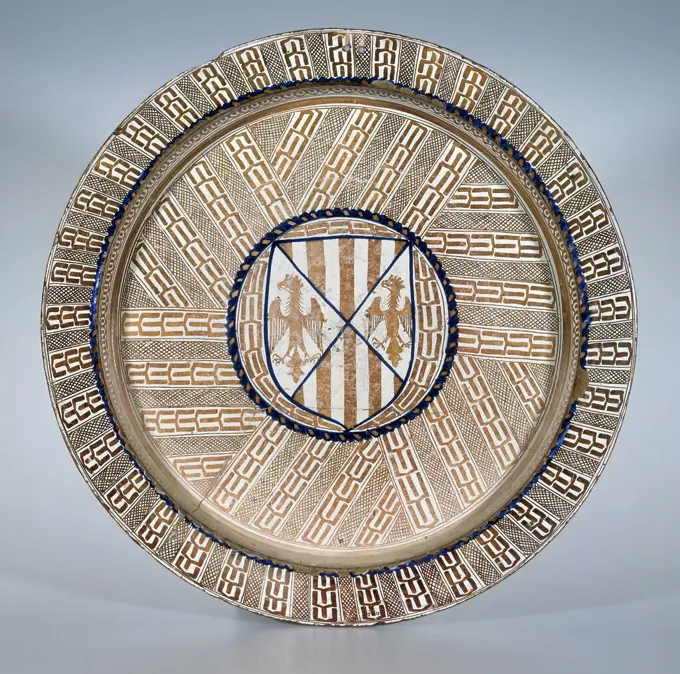
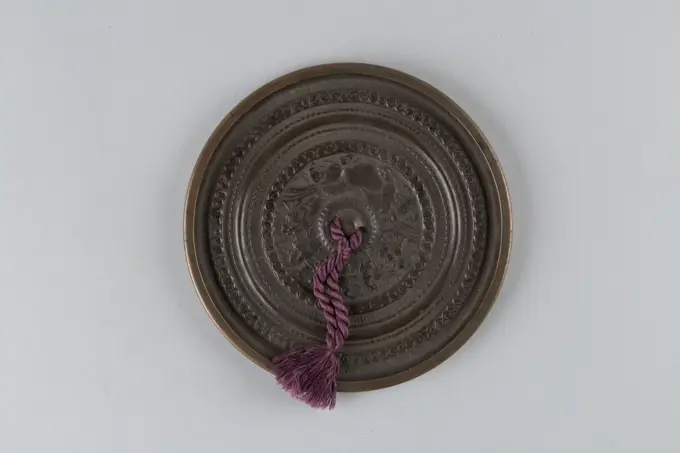
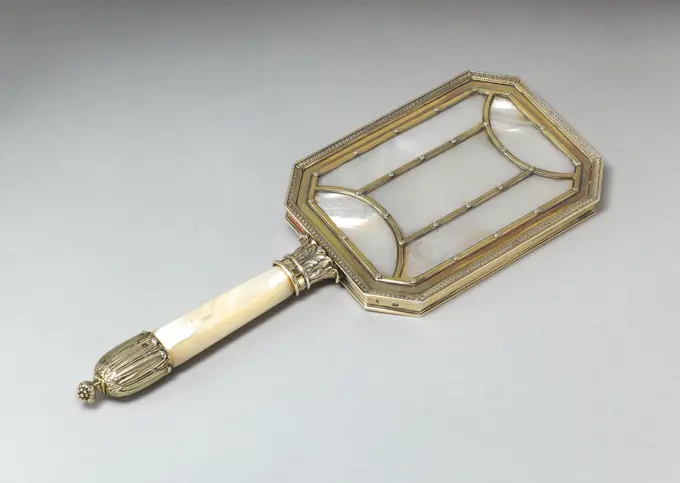
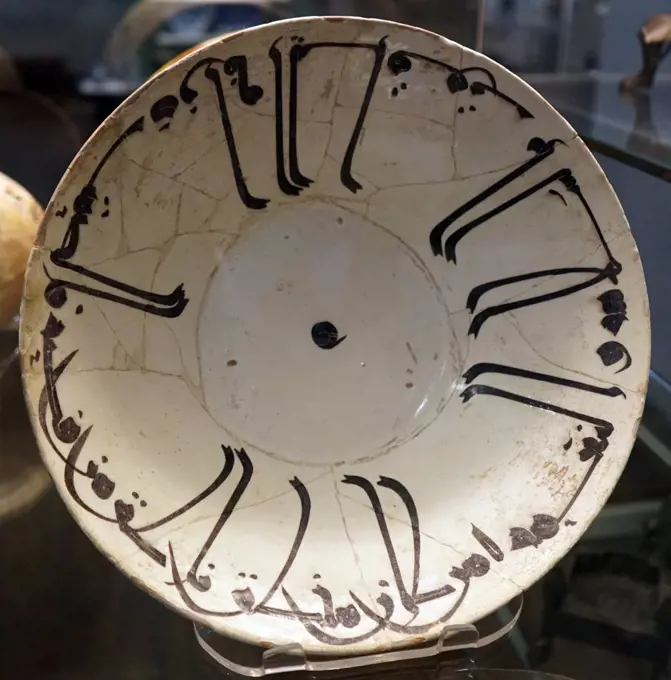
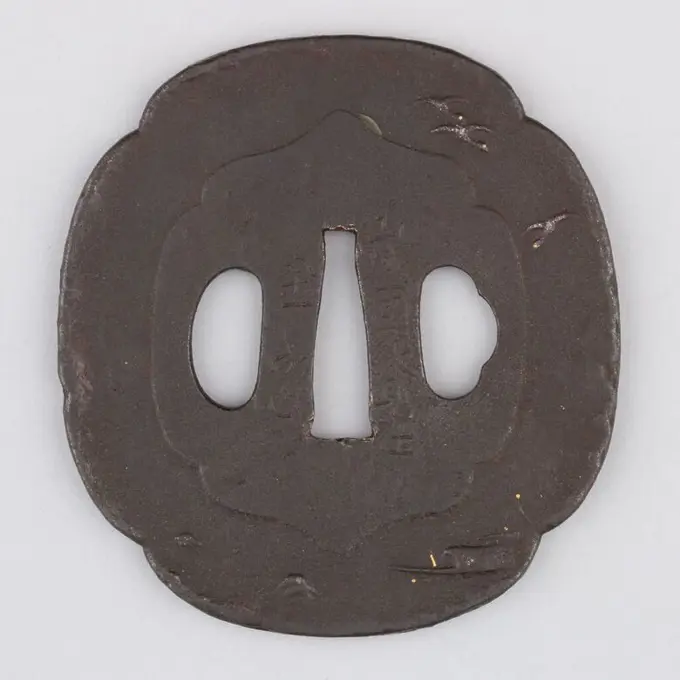
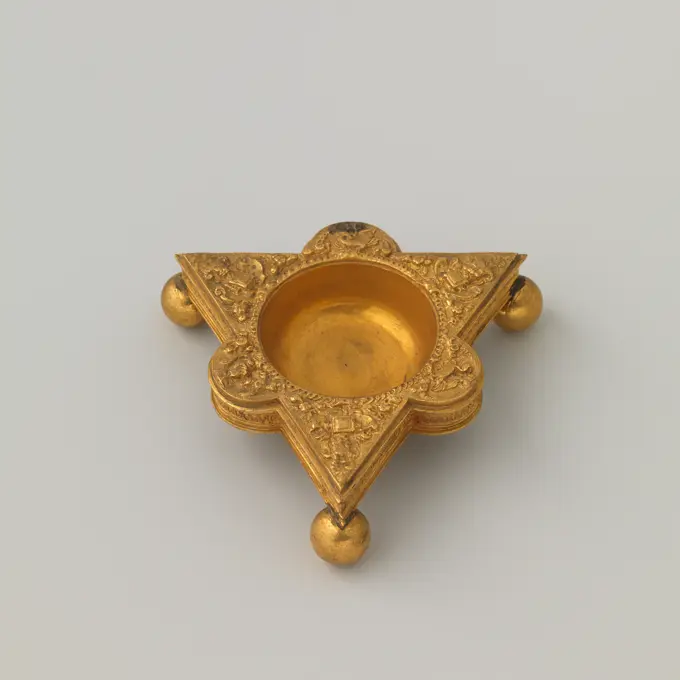
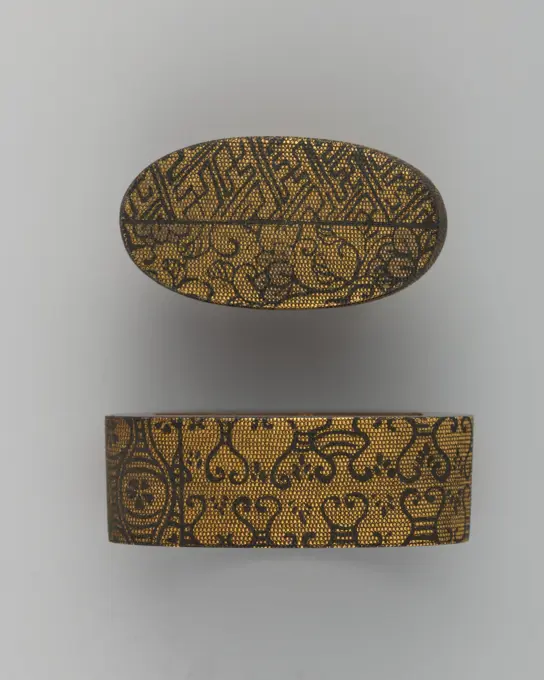
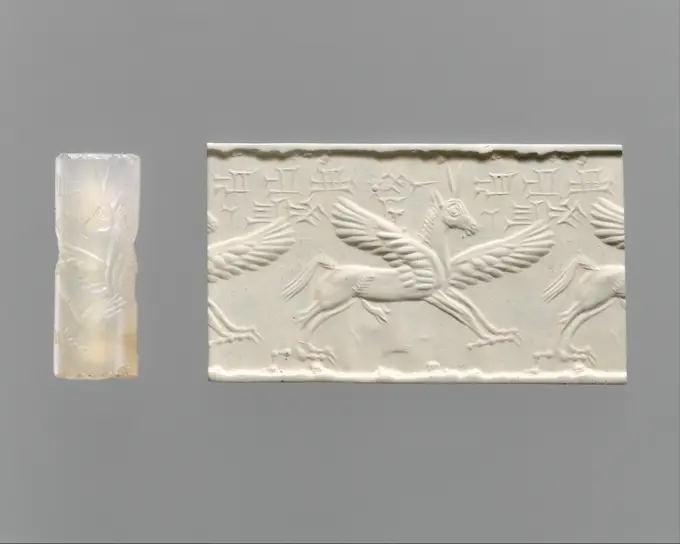
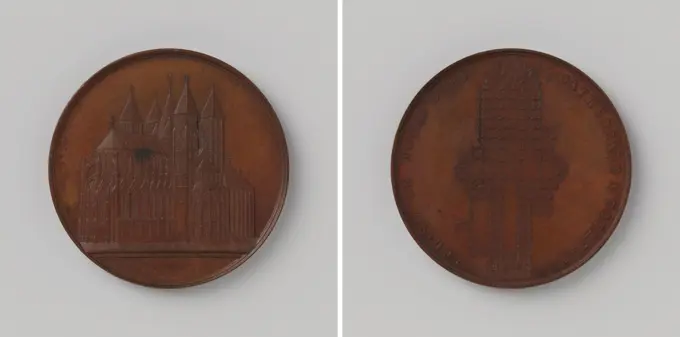
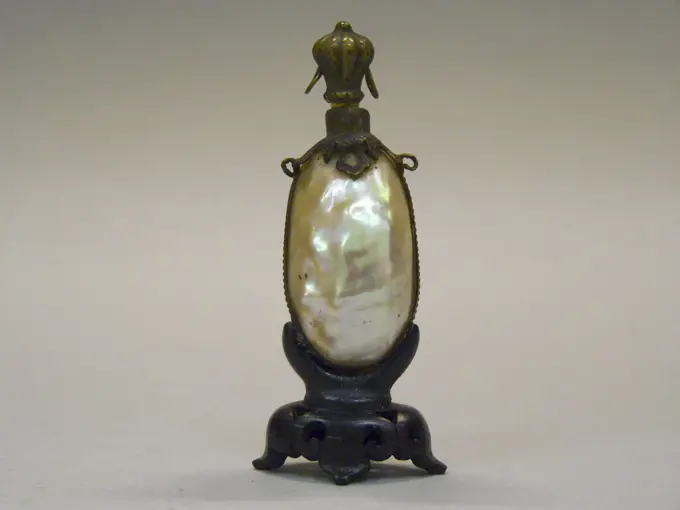
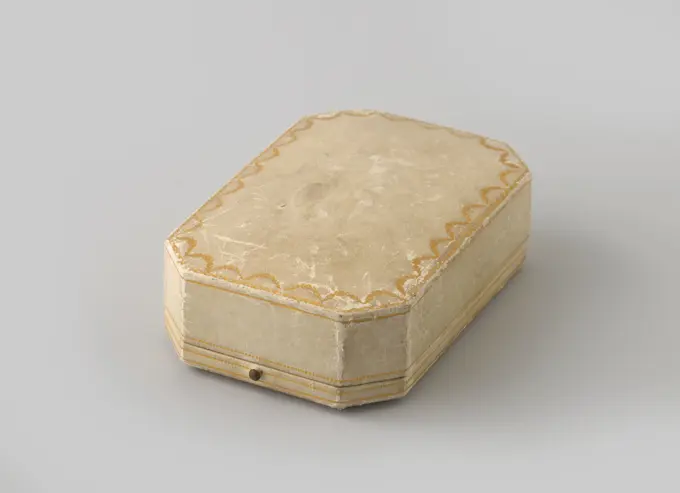
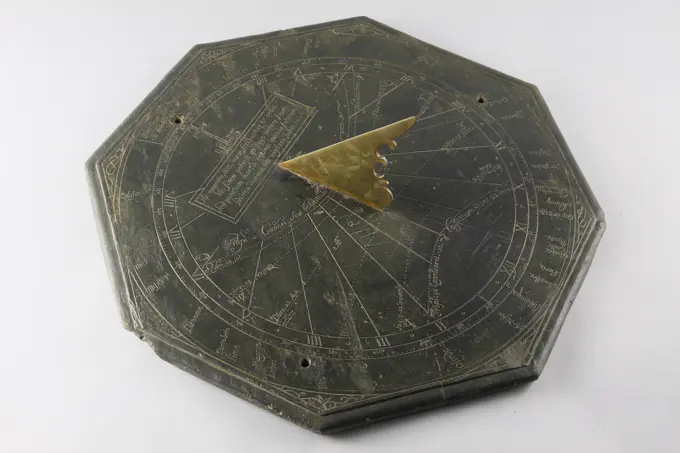
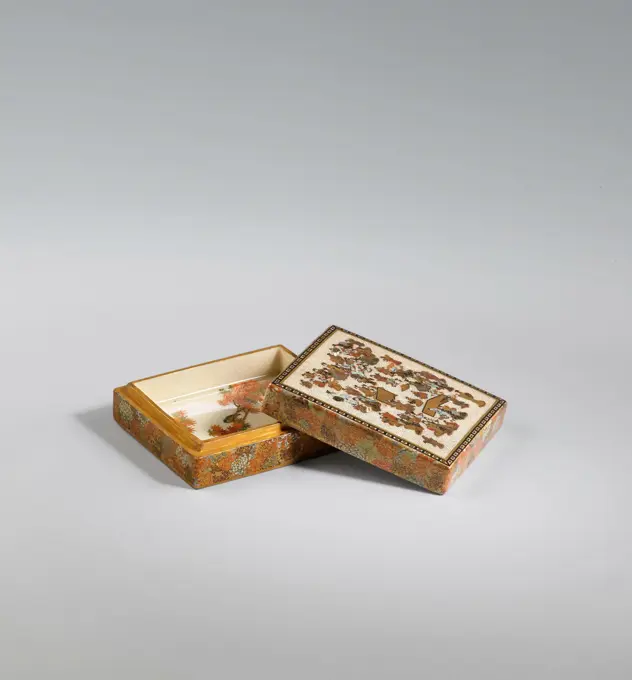
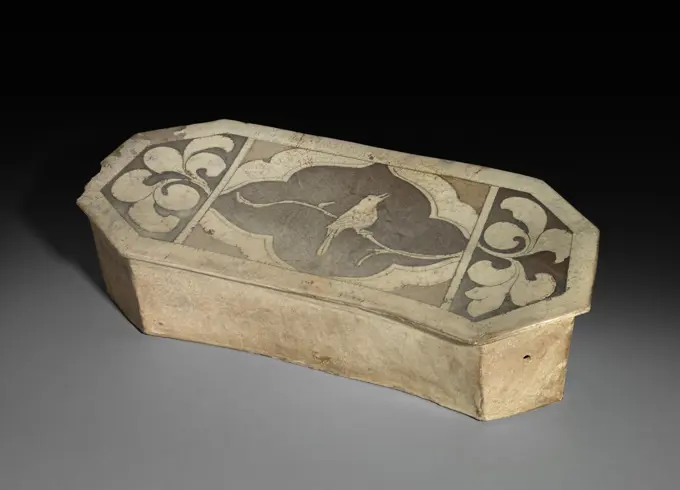
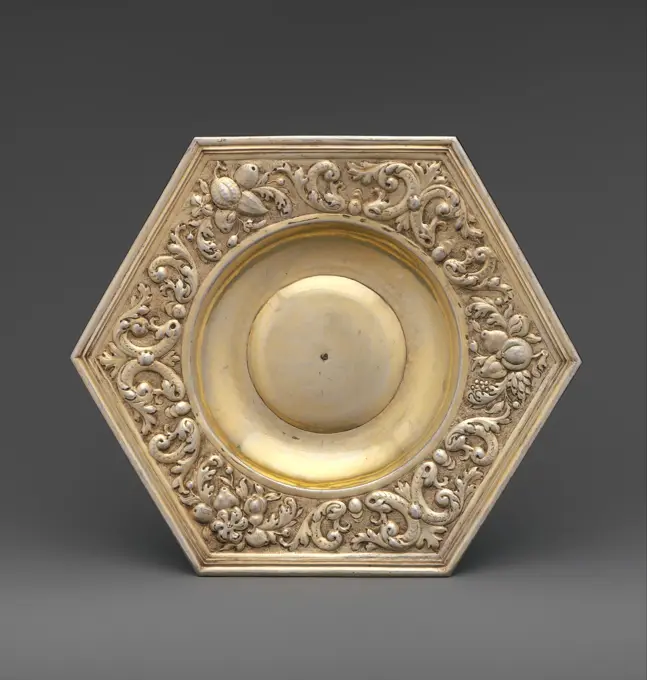
Heart shaped plaque with the image of Buddha unknownDish early 16th century German. Dish. German. early 16th century. Brass. Metalwork-BrassBowl, 12th-13th century, 1 1/2 x 5 3/4 x 5 3/4 in. (3.81 x 14.61 x 14.61 cm), Silver with parcel gilt decor, China, 12th-13th centuryDish. Culture: German. Dimensions: Overall: 15 5/8 x 2 3/16 in. (39.7 x 5.5 cm). Date: early 16th century. Museum: Metropolitan Museum of Art, New York, USA.Mirror Japan. Mirror. Japan. Bronze. Nanbokuch (1336-92)-Muromachi (1392-1573) period. MirrorsBowl first half 14th century. Bowl 444535Bowl with Leaf Calyx Medallion; 1st century B.C; Silver with gilding; 4.4 × 19.7 cm, 0.2406 kg (1 3,4 × 7 3,4 in., 1,2 lb.);Mirror (Jing) with Landscape. China, Tang dynasty, 618-906. Furnishings; Accessories. Cast bronzeDishBatter of a Missaalband, Anonymous, c. 1450 - c. 1500 Ten fittings of a missal band, from brass. The ten volumes are cut from copper plate, driven, engraved and sponed. A copper button with seven facets has sounded on each of them. They are equipped with holes on the corners or along the edge to be able to stock nails, with which they were contested on the book band. Four corner pieces have a rim turned backwards on two sides. The remaining four have that only on the top or bottom (these were placed against the back of the book). Two sides of each corner piece are trimmed with an open edge of cross flowers. The field in the middle is taken by three stilled tiflines. The ornament on the center pieces consists of a plant with three leaves and two flowers in a pot on the corners. The four parts in between are taken by fantasy drugs. Germany (possibly) brass (alloy) cutting / engraving Ten fittings of a missal band, from brass. The ten volumes are cut from copper plate, driven, engraved anWine tasting scale, Anonymous, 1631 Round drinking bowl of partially gilded silver. The scale has a flat, short ear. The inside is decorated with engraved flame -like motifs with a punched surface. Amsterdam silver (metal). gilding (material) gilding Round drinking bowl of partially gilded silver. The scale has a flat, short ear. The inside is decorated with engraved flame -like motifs with a punched surface. Amsterdam silver (metal). gilding (material) gildingGrahal-Manzara. Carnavalet 2013-2016 collection sites. Numismatics.Poster sheet with blowing blowers on the edge. Round Poster of Tin. The edge is equipped with a narrow, sloping channel. Around it a wider bond with blisters.Sword Guard (Tsuba). Culture: Japanese. Dimensions: Diam. 3 1/8 in. (7.9 cm); thickness 3/16 in. (0.5 cm); Wt. 5.4 oz. (153.1g). Date: 18th century. Museum: Metropolitan Museum of Art, New York, USA.Backpiece, 19thcentury, Brass, 6 × 6 × 2 in. (15.24 × 15.24 × 5.08cm), Made in Kenya, Borana, 19thcentury, JewelryBronze mirror mid-6th century B.C. Greek. Bronze mirror. Greek. mid-6th century B.C.. Bronze. Archaic. BronzesGreen Cup with a Greek Inscription:  Rejoice and be merry; Eastern Mediterranean; 1st century; Glass; 7.8 x 7.3 cm (3 1,16 x 2 7,8 in.)Dish with an inscription recording a ritual event ca. 3100-2650 B.C. Predynastic, Naqada III-Early Dynastic Period. Dish with an inscription recording a ritual event. ca. 3100-2650 B.C.. Greywacke. Predynastic, Naqada III-Early Dynastic Period. From EgyptSword Guard (Tsuba) with Tortoises and Chrysanthemums, c. 1615-1868. Japan, possibly Edo period (1615-1868). Iron; diameter: 8.2 cm (3 1/4 in.).PLATO QUE REPRODUCE LA CONQUISTA DE TUNEZ POR EL EMPERADOR CARLOS V EN 1535 - PLATA DORADA - SIGLO XVI. Location: MUSEO DEL LOUVRE-ORFEBRERIA. France. CARLOS V (CARLOS I). Charles I (V of the Holly Roman Empire).Mirror with Pair of Cranes in Chrysanthemum, 1400-1573. Japan, Muromachi period (1392-1573). Bronze; diameter: 11.3 cm (4 7/16 in.).Copper scale with flameous motifs. The scale colored in a sulfur bath has a driven form. The ornaments are smashed at the back. A decoration of twelve flame-like motifs is placed on the plane in the middle. These are more or less repeated along the edge, such that they mark the 17 slight bulges, which enliven the wall to the folded edge. Two eyes were soldered at the back.Silversmith's Art, Italy 20th century. Embossed silver plate with cabochon-cut malachite, narrow bands and Italian punch marks.Planets-manager. Cornalet Collection Sites 2013-2016. Numismatic.Plate. Iran, 8th century B.C.. Furnishings; Serviceware. Silver-alloyed bronze, incised and raisedSmall cup. Covered sandstone. Cernuschi Museum, Asia Museum of Asia in the city of Paris.Gijsbert van Moelingen, Medal on the 25th wedding anniversary of Th. Beels and Maria van Royen, wedding medal penning footage silver, beaten, Two family arms covered by crown and surrounded by rocaille motifs, TER DEDICTION Rotterdam marriageMirror. Bronze. Cernuschi Museum, Asia Museum of Asia in the city of Paris.Fragment, Panel; wood, painted and gildedNetsuke. Culture: Japan. Dimensions: H. 1/2 in. (1.3 cm); Diam. 1 5/8 in. (4.1 cm). Date: 19th century. Museum: Metropolitan Museum of Art, New York, USA.. Oval leaf, black with gold-plated flowers. Possibly a tray.Box with Design of Pine, Bamboo, and Cherry Blossom. Culture: Japan. Dimensions: H. 2 1/8 in. (5.4 cm); W. 2 3/4 in. (7 cm); D. 2 1/8 in. (5.4 cm). Date: 19th century.This covered box, part of a wedding trousseau, comprised of thirty-one pieces, represents late Edo-period maki-e (decoration in gold and/or silver sprinkled powder) art at its finest. The Shimazu family, lords of Satsuma in Kyushu, ordered this traditional trousseau most likely for Taka-hime, who was married to Matsudaira Sadakazu, lord of Kuwana (Ise Province), around 1830.The items of the wedding set are decorated with various auspicious motifs. The evergreen pine represents longevity and also symbolizes renewal. The fast-growing, springy, but at the same time very strong and enduring bamboo also stands for longevity and represents endurance and strength. The plum blossoms are the first flowers of spring, representing the renewal of nature. The combination of the "Three Friends of Winter"--originating from China--is aCarnavalet museum, medal collection Right head of the Republic wearing the Phrygian cap on the left; Reverse registration on five lines.Grahal-Manzara. Carnavalet 2013-2016 collection sites. Numismatics.Gem: Mixing Vessel Decorated with a Chariot and a Panther; Italy; 1st century B.C; Banded agate, blue and brown; 1.6 × 1.3 × 0.3 cm (5,8 × 1,2 × 1,8 in.)Peace of Munster, Anonymous, 1648 history medal Silver medal, diamond -shaped. Front: Lamb with banner with inscription standing on open book Inside Omnipia. Reverse: Inscription Boven Pain School between two olive branches. Nuremberg silver (metal) striking (metalworking)  Münster. North Rhine-WestphaliaCharger late 15th century German. Charger. German. late 15th century. Brass. Metalwork-BrassEconomy Handkerchief. Dated: c. 1938. Dimensions: overall: 50.9 x 38.2 cm (20 1/16 x 15 1/16 in.). Medium: watercolor and graphite on paperboard. Museum: National Gallery of Art, Washington DC. Author: Katherine Hastings.Offerblad, anonymous, 800 - 930 Talam, sacrificial sheet, bronze, decorated in the middle with a pot of flower -bearing branches. On the belly of the "SRI sign". Indonesia bronze (metal) Talam, sacrificial sheet, bronze, decorated in the middle with a pot of flower -bearing branches. On the belly of the "SRI sign". Indonesia bronze (metal)Lady's Stirrup. Culture: French. Dimensions: H. 5 in. (12.7 cm); W. 4 in. (10.2 cm); D. 8 in. (20.3 cm); Wt. 9.5 oz. (269.3 g). Date: late 18th-early 19th century.Ladies' side saddles of the 18th and early 19th century were made with only one stirrup on the left side of the horse, and were shaped at this time as slippers that would give more stability and elegance to the rider. A leather slipper was originally attached to the iron sole of this stirrup. The pierced decoration, however, showing a fleur-de-lis and two letter Ds, has been added later, to falsely suggest it belonged to Diane de Poitiers (1499-1566), the mistress of the French king Henri II. Museum: Metropolitan Museum of Art, New York, USA.Garment Hook (Daigou) 399 BCE-200 BCE China. Bronze inlaid with gold and silver .Bowl with an inscription and roundel, anonymous, c. 1200 - c. 1220 Come from quartz-fritgoed decorated with a inscription, flower rosette, palmets and tendrils on curls in brown luster, turquoise and green on the surface of white enamel. is the earthenware. glaze. luster (textile) painting / engraving / vitrification Come from quartz-fritgoed decorated with a inscription, flower rosette, palmets and tendrils on curls in brown luster, turquoise and green on the surface of white enamel. is the earthenware. glaze. luster (textile) painting / engraving / vitrificationIncense box with "fragrant grass" design. Culture: China. Dimensions: H. 1 1/4 in. (3.2 cm); Diam. 3 3/8 in. (8.6 cm). Date: 14th century.Carved lacquers in which a predominant color--in this case red--is interspersed with black, yellow, and sometimes green, were common in the late thirteenth and the fourteenth centuries. The additional colors add subtlety and a richness not found in lacquer with a single-color covering produced in later periods.This box has the signature of Yang Mao incised into the bottom. Yang worked in the fourteenth century and is one of the few lacquer artists whose name is preserved in written records. While it is not possible to be certain if Yang made this box or if the signature was added later, the quality of the lacquer used, the three different colors layered onto one another, and the depth of the carving suggest that it may have been made in his workshop. Museum: Metropolitan Museum of Art, New York, USA.Seder plate, c. 1750, 1 1/16 x 14 1/2 x 14 1/2 in. (2.7 x 36.83 x 36.83 cm), Pewter, Germany, 18th centuryHearing stone with representation of two climbing lions, c. 1875 - c. 1900 Hearing stone with representation of two climbing lions, placed in profiled window. The half windows at the top and bottom are filled with star motif. Netherlands earthenware Hearing stone with representation of two climbing lions, placed in profiled window. The half windows at the top and bottom are filled with star motif. Netherlands earthenwareSeal with knob in the shape of a wheel dated 1424 China Symbolic of teaching, the wheel is a standard motif in Buddhist art. The Chinese inscription on the top of this seal gives the date and indicates that it was commissioned for a Tibetan monk, whose name can be transliterated as Yeshi Zangbu. The seal on the bottom reads ji xiu qiu lü, or study the law [Buddhism with diligence.”. Seal with knob in the shape of a wheel 42014Mirror Roman, Cypriot. Mirror 244292Galvanoplastic reproduction of a jug with representations of the four elements from the Popta treasure, Fa. Elkington & Co., 1881 Galvanoplastic reproduction of a jug. Driven representations of the four elements on the basic; On the belly Neptunus surrounded by sea gods. The handle has the shape of a snake. London copper (metal). silver (metal) Galvanoplastic reproduction of a jug. Driven representations of the four elements on the basic; On the belly Neptunus surrounded by sea gods. The handle has the shape of a snake. London copper (metal). silver (metal)Cup plate. American; Philadelphia, Pennsylvania. Date: 1840-1850. Dimensions: 8.6 cm (3 3/8 in.). Glass. Origin: Philadelphia. Museum: The Chicago Art Institute, Chicago, USA.. Rectangular stacking box of two trays and a slightly bubbled lid, up to the top less deep. Decorated with a mosaic of inlaid gold leaf, with larger squares scattered against a background of smaller rectangles. The larger squares on the lower container sparingly applied, on the upper container and lid in increasing numbers inlaid, contrasting with the upwards always narrowing sides of the containers and the lid.Snuffbox. Herbert, David (fl. 1747-1773), goldsmithCheese Draining Board. Dated: 1935/1942. Dimensions: overall: 45.9 x 35.5 cm (18 1/16 x 14 in.). Medium: watercolor, graphite, and colored pencil on paperboard. Museum: National Gallery of Art, Washington DC. Author: Walter Praefke.Gilded vane for a Viking ship. Oslo. Norway. VIKING.Fishplate. UnknownCompass and sundial, inscribed with Muslim cities. 1582. TURKEY.Pa. German Pie Plate. Dated: c. 1938. Dimensions: overall: 50.9 x 43 cm (20 1/16 x 16 15/16 in.). Medium: oil paint on paperboard. Museum: National Gallery of Art, Washington DC. Author: William L. Antrim.Snuff box of silver. Octagonal and scalloped with gold-plated inside.Square Plaque. Culture: Vicús. Dimensions: Height 3-1/4 in. (8.2 cm). Date: 3rd century B.C.-A.D. 2nd century. Museum: Metropolitan Museum of Art, New York, USA.Box, Anonymous, 1800 - 1900 Rectangular box decorated with carp. Japan wood (plant material). lacquer (coating) Rectangular box decorated with carp. Japan wood (plant material). lacquer (coating)Butt Cap for Spear Haft, 5th-4th century BCE, 5 3/8 × 1 7/16 × 1 1/16 in., 0.4 lb. (13.65 × 3.65 × 2.7 cm, 0.2 kg)1 5/16 × 15/16 in. (3.33 × 2.38 cm) (object part, open end), Jincun style Bronze inlaid with silver, China, 5th-4th century BCEUtrecht Presence or Shooting, Anonymous, 1783  Copper medal, square, unilateral stamped. Front: altar with the Wapen van Utrecht. Behind this a palm branch, crossed with a spear with freedom hat. Two arms appear on either side of a cloud, the hands collapsed resting on the altar. At the bottom a banderole with inscription: Concordia. Utrecht penning: copper (metal)MountBelt Buckle, c. 525-560. Visigothic, Iberian Peninsula, Migration period, 6th century. Bronze and glass; overall: 12.8 x 6.7 x 2.4 cm (5 1/16 x 2 5/8 x 15/16 in.).Bronze vessels from Nimroud (Nimrud), 1853. Published by J. Murray in London. The images depict various bronze implements and utensils discovered in Nineveh (an extinct city in Assyria), showcasing artifacts from the British Museum. The extent includes four images on one pageCameo Gem with a Hand pinching an Ear; first half of 3rd century; Agate, brown on white; 1.8 × 1.6 × 0.5 cm (11,16 × 5,8 × 3,16 in.)Three hundred -year -old commemoration of the intake of the Briel by the Watergeuzen 1872 (pin) ,, 1872 history medal Brass pin with print: on an orange field a crowned coat of arms, in which the bust of Willem van Oranje, between two Dutch flags, below and above text.  brass (alloy). iron (metal). paint (coating) printingBaza kolumny. warsztat nubijski, workshopSugar stripper with round open work with twisted, serrated edge, Johan Hendrik Schmidt (attributed to), c. 1800 Silver sugar litter with a wooden handle and cut figures in the container. Amsterdam silver (metal). steel: wood (plant material) Silver sugar litter with a wooden handle and cut figures in the container. Amsterdam silver (metal). steel: wood (plant material)Grahal-Manzara. Carnavalet 2013-2016 collection sites. Numismatics. Coin 9 and 10 Thermidor, Palloy Patriot. Registration in the field.Engraved Gem; Roman Empire; 1st - 4th century; Jasper Ringstone; 1.5 x 1.4 cm (5,8 x 9,16 in.)ASTROLABE OF FELIPE II - REVERSE - 1566. Author: GUALTERIO ARSENIO DE LOVAINA (S XVI). Location: MUSEO ARQUEOLOGICO NACIONAL-COLECCION. MADRID. SPAIN.The Baptism in the river Jordan (mould with original impression). In the Middle Ages many cheap, simple religious items were produced, such as this terracotta pax. The mould was created directly from the costly ivory pax adjacent. While the scene of the baptism of Christ is an exact copy, the heraldic shield is omitted. This group of three objects shows how luxury works of art inspired cheap serial products."BACI GRAN" O BRASERO DECORADO CON ACICATES CON EL ESCUDO DE LAS DOS SICILIAS EN EL CENTRO - CERAMICA DE MANISES - SIGLO XV. Location: INSTITUTO VALENCIA DE DON JUAN-COLECCION. MADRID. SPAIN.Planets-manager. Cornalet Collection Sites 2013-2016. Numismatic.Mirror Japan. Mirror. Japan. Bronze. Muromachi period (1392-1573). MirrorsHand mirror 1887-1911 André Aucoc A member of a Parisian family of gold- and silversmiths, André Aucoc often worked in an eighteenth-century style and also dealt in antique silver. These boxes are part of a dressing-table set that also comprises a mirror and stand, a pair of candelabra, two glove trays, and two pincushions.. Hand mirror. French (Paris). 1887-1911. Silver gilt, mother-of-pearl. Metalwork-SilverSword Pommel (Kashira). Culture: Japanese. Dimensions: H. 1 3/8 in. (3.5 cm); Wt. 0.4 oz. (11.3 g). Date: late 18th-early 19th century. Museum: Metropolitan Museum of Art, New York, USA.Bowl with kufic inscription from the Samanid Dynasty, Iran. Dated 10th CenturyInsigne with double eagle, anonymous, c. 1400 - c. 1950 Insigne with double eagle of driven silver. Netherlands (possibly) silver (metal) Insigne with double eagle of driven silver. Netherlands (possibly) silver (metal)Sword Guard (Tsuba). Culture: Japanese. Dimensions: H. 3 1/2 in. (8.9 cm); W. 3 1/4 in. (8.3 cm); thickness 3/16 in. (0.5 cm); Wt. 5.2 oz. (147.4 g). Date: ca. 1615-1868. Museum: Metropolitan Museum of Art, New York, USA.Galvanoplastic reproduction of a triangular salt barrel on three bolts. Galvanoplastic reproduction of a triangular salt barrel with driven birds and fruits on three bolts. Gold plated.Cake Tray 19th century Japan. Cake Tray 57646Sword-Hilt Collar and Pommel (Fuchigashira) ca. 1615-1868 Japanese A fuchigashira is a pair of matching sword fittings comprising the fuchi (collar at the base of the grip of the sword hilt) and kashira (pommel cap at the end of a sword hilt).. Sword-Hilt Collar and Pommel (Fuchigashira). Japanese. ca. 1615-1868. Copper-gold alloy (shakud), gold. Sword Furniture-Fuchi-KashiraHearing stone with representation of two climbing lions, c. 1875 - c. 1900 Hearing stone with representation of two climbing lions, placed in profiled window. The half windows at the top and bottom are filled with star motif. Netherlands earthenware Hearing stone with representation of two climbing lions, placed in profiled window. The half windows at the top and bottom are filled with star motif. Netherlands earthenwarePlanets-manager. Cornalet Collection Sites 2013-2016. Numismatic.Cylinder seal and modern impression: winged horse with claws and horns ca. 14th-13th century B.C. Assyrian Although engraved stones had been used as early as the seventh millennium B.C. to stamp impressions in clay, the invention in the fourth millennium B.C. of carved cylinders that could be rolled over clay allowed the development of more complex seal designs. These cylinder seals, first used in Mesopotamia, served as a mark of ownership or identification. Seals were either impressed on lumps of clay that were used to close jars, doors, and baskets, or they were rolled onto clay tablets that recorded information about commercial or legal transactions. The seals were often made of precious stones. Protective properties may have been ascribed to both the material itself and the carved designs. Seals are important to the study of ancient Near Eastern art because many examples survive from every period and can, therefore, help to define chronological phases. Often preserving imagery no lNotre Dame in Doornik, Jacob Wiener, 1849 history medal Bronze medal. Front: church; Cut: signature. Reverse: Map of church within Inverschruit Brussels bronze (metal) striking (metalworking)  Our LadySnuff Bottle China. Snuff Bottle. China. Mother-of-pearl shells with bronze mounting and stopper. Modern. Snuff BottlesCarnavalet Museum, Medals CollectionWhite rectangular fed with slanted corners, anonymous, c. 1908 - c. 1910 White rectangular fed for pendant. Along the lid edge gold leaf vines. Inside Gold Print G. Fouquet // g. Rue Royale // Paris.  leather White rectangular fed for pendant. Along the lid edge gold leaf vines. Inside Gold Print G. Fouquet // g. Rue Royale // Paris.  leatherSundial -Casket. Yabu, Meizan (1853-1934), authorTea table, with marbled leaves with cured corners. Without the tea table, the marble leaf with stenced corners has a gold-plated, raised edge. The hinged leaf rests on a trunk on three volutely large legs.Pillow: Cizhou ware, 11th-12th Century. China, Northern Song dynasty (960-1127). Buff stoneware with carved underglaze slip decoration; overall: 11.8 x 19.8 cm (4 5/8 x 7 13/16 in.).Pair of Ear Ornaments, c. 800-1370. Peru, North Coast, Sicán, 9th-14th century. Hammered and embossed gold alloy; diameter: 8.6 cm (3 3/8 in.); overall: 8.8 cm (3 7/16 in.).Silversmith's Art, Italy 20th century. Mario Buccellati, Linen silver cigarette case, engraved with the the saying of D'Annunzio Ardisco non ordisco and with an illustration of Adolfo De Carolis; on the closing the signature Maestro Paragon Cappolla Orafo del Vittoriale.Round Plaque 3rd century B.C.-A.D. 2nd century Vicús. Round Plaque 315513Owl by Pablo Picasso, painted ceramic, 1881-1973Hexagonal dish (part of a set) second half 17th century Paulus Roth These five dishes (2010.110.13-17) would appear most spectacular when seen in flickering candlelight or radiant sunlight. The masterful balance between the foliage and fruit ornamentation on the rim is exquisite. These dishes originally belonged to members of the Hungarian dynasty of the Barons Bornemisza.LiteratureTihamér Gyárfás. A brassai ötvösség története. Brassó, 1912, pp. 110-11, no. 206.European Silver, Objects of Vertu and Miniatures / Orfèvrerie européene, objets de vitrine et miniatures. Sale cat., Christies, Geneva, May 9, 1989, p. 58, no. 109.Judit H. Kolba. Hungarian Silver: The Nicolas M. Salgo Collection. London, 1996, p. 45, no. 23.ExhibitedErdély régi művészeti emlékeinek kiállítása az Iparművészeti múzeumban / Ausstellung alten Kunstgewerbes aus Siebenbürgen. Exh. cat. Museum of Applied Arts. Budapest, 1931, p. 47, no. 231, pl. XVI.ReferencesElemér Kőszeghy. Magyarországi ötvösjegyek a középkortól 1Carnavalet museum, tokens collection