Decorative Metalwork and Art

Intricately designed metal objects including cups, candelabras, and ornate sheaths, reflecting craftsmanship from various historical periods.

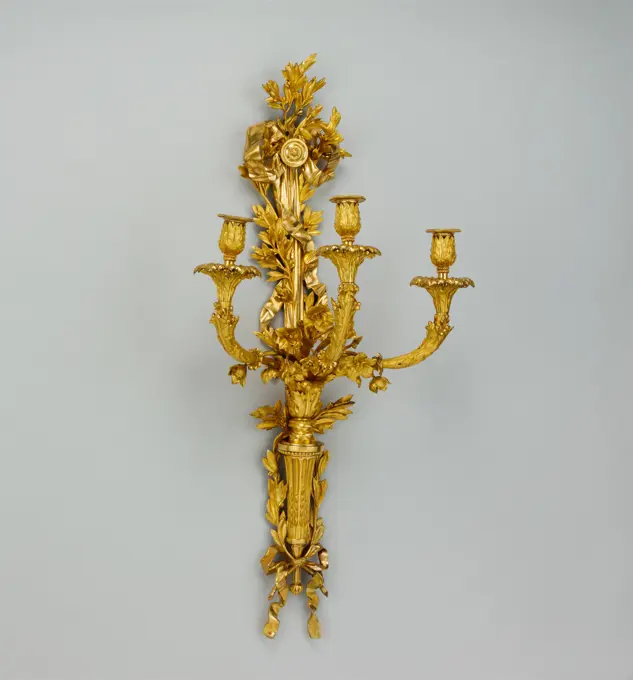
Wall Light; French; about 1735; Gilt bronze; 63.8 × 29 × 19.7 cm (25 1,8 × 11 7,16 × 7 3,4 in.)
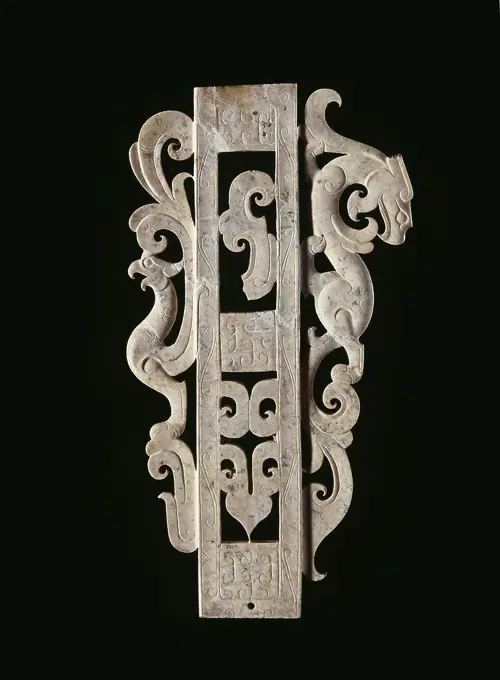
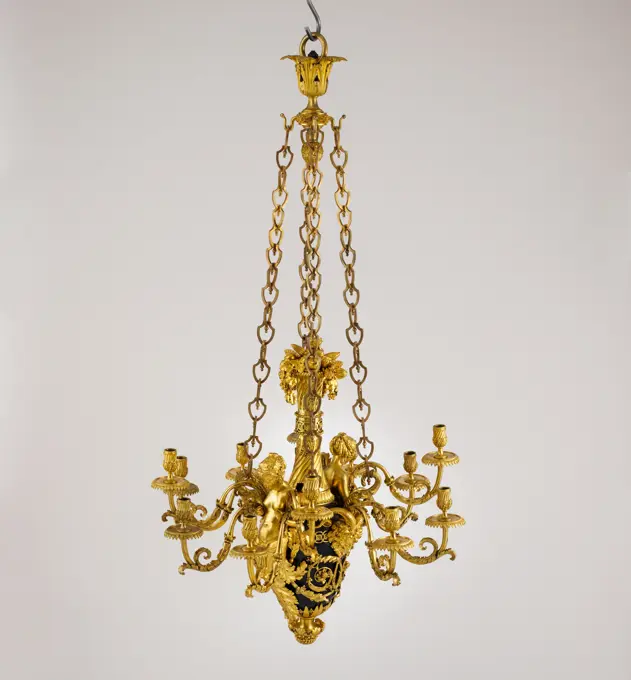
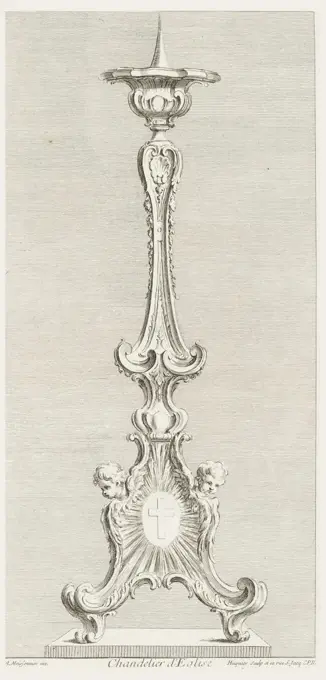
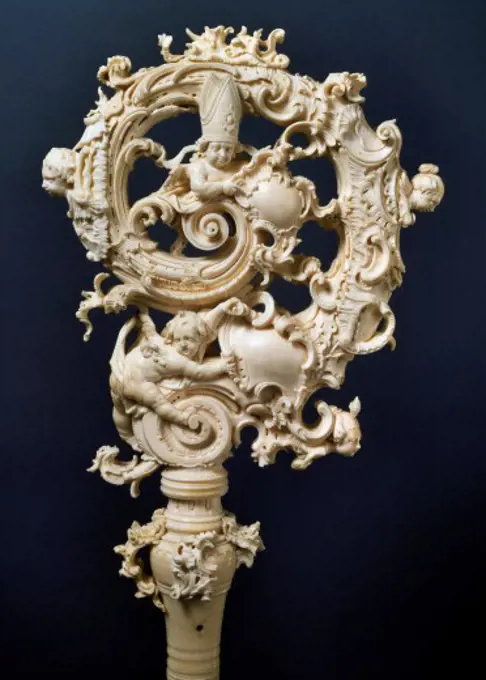
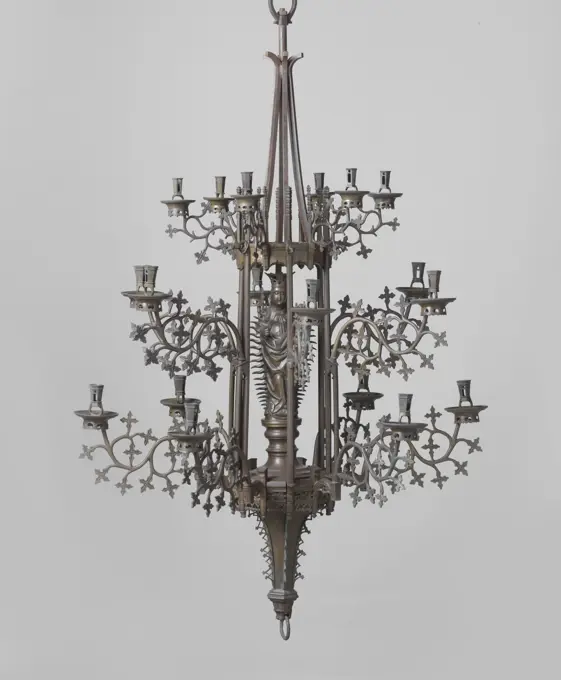
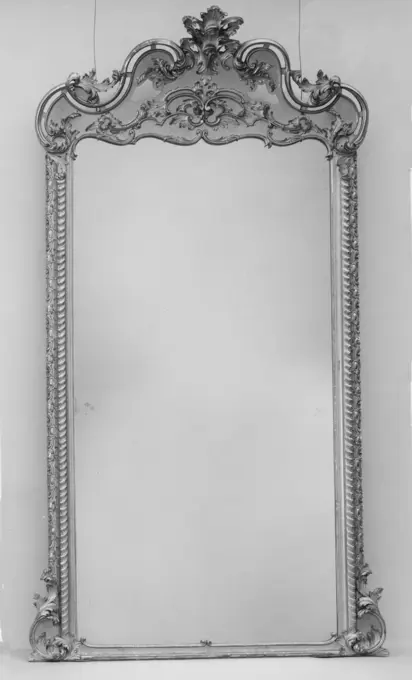
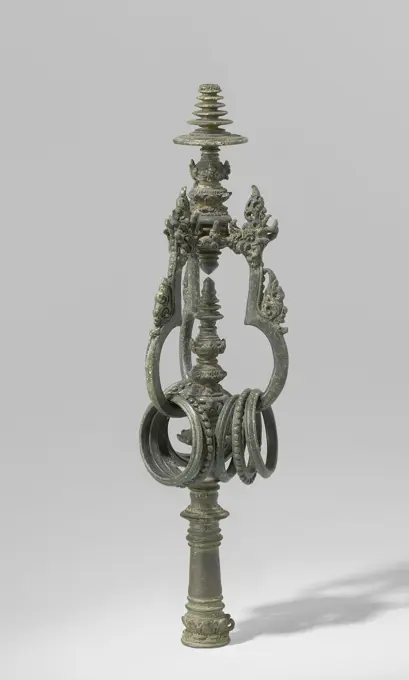
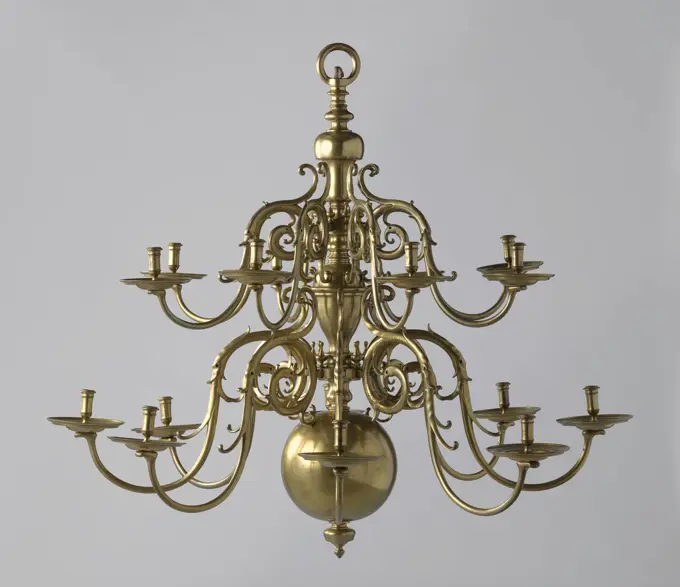
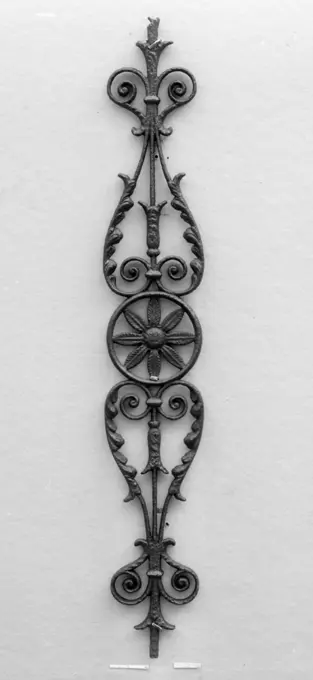
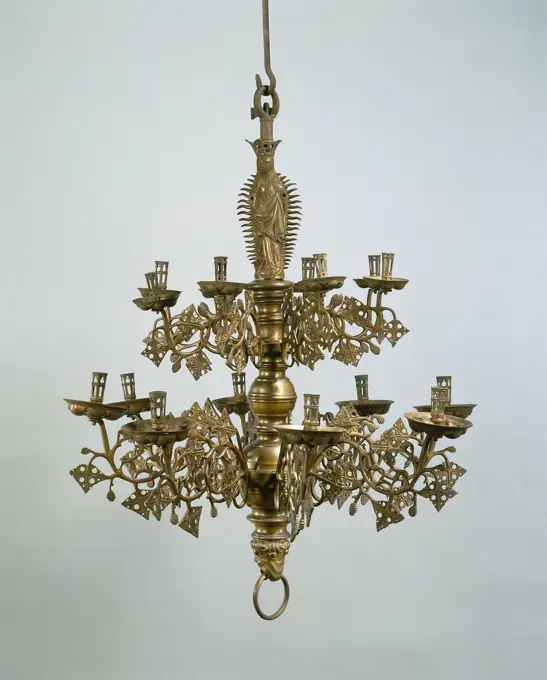
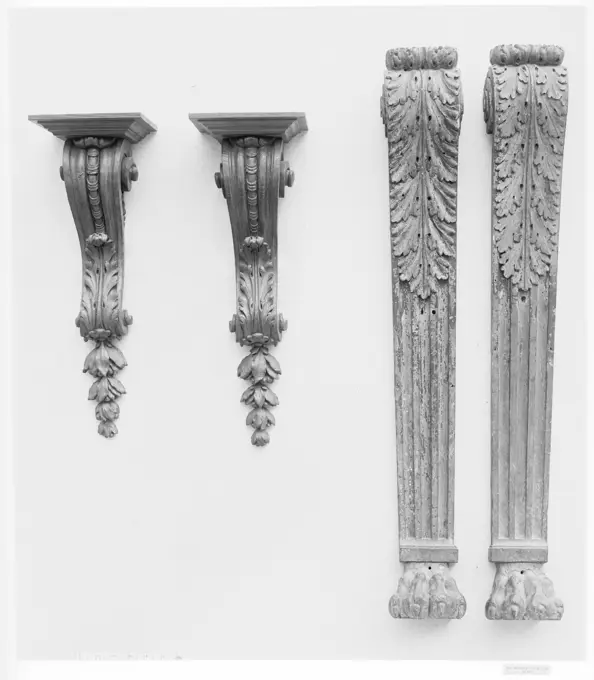
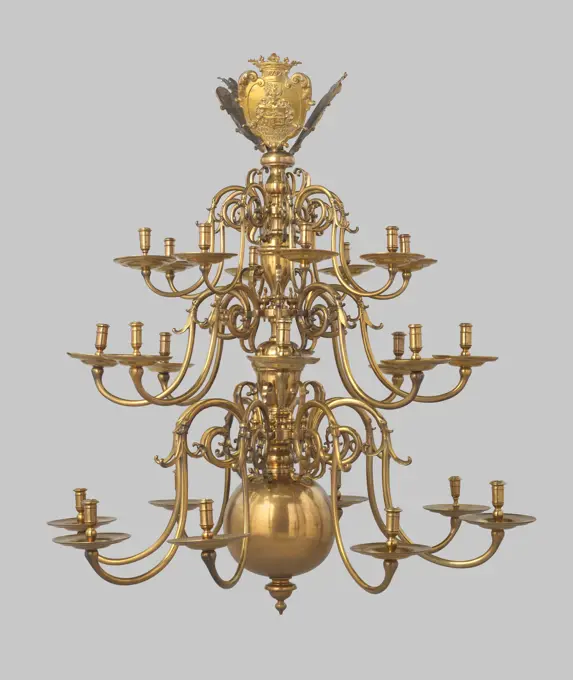
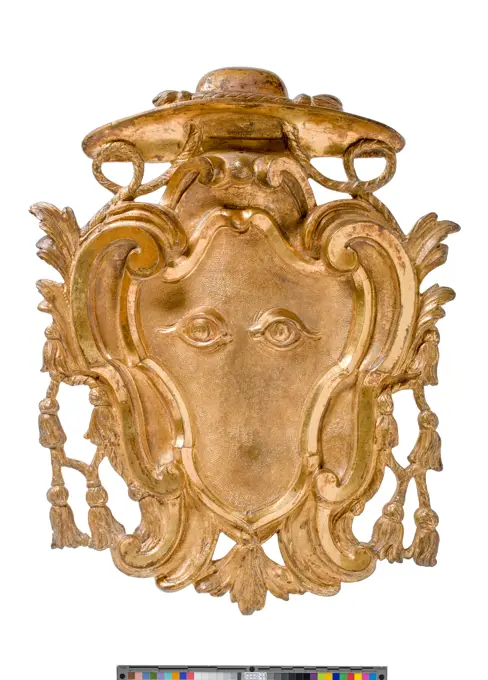
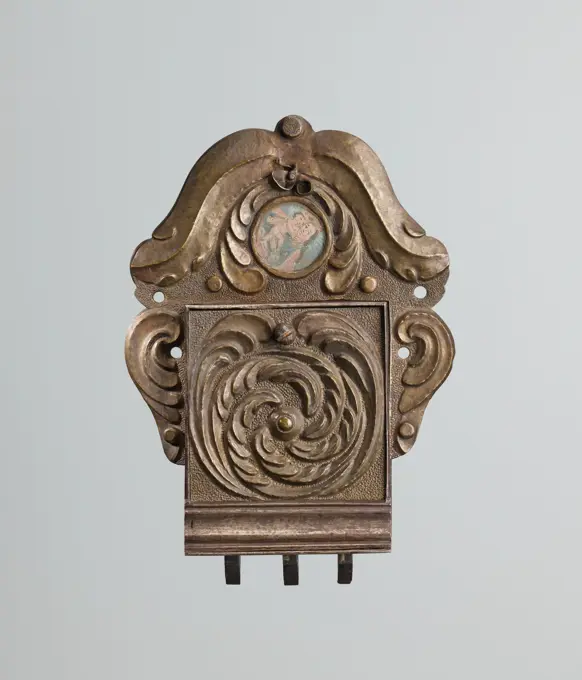
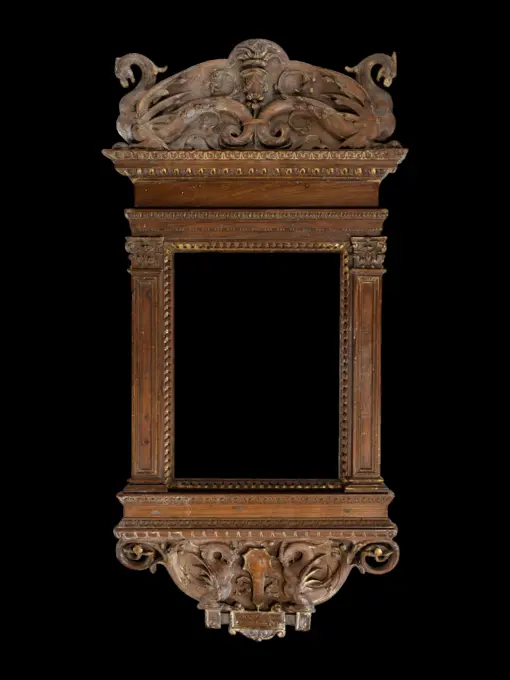
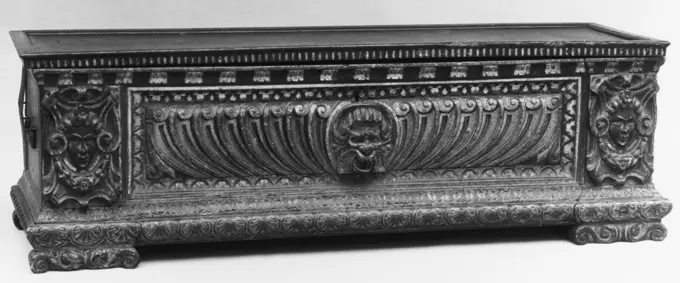
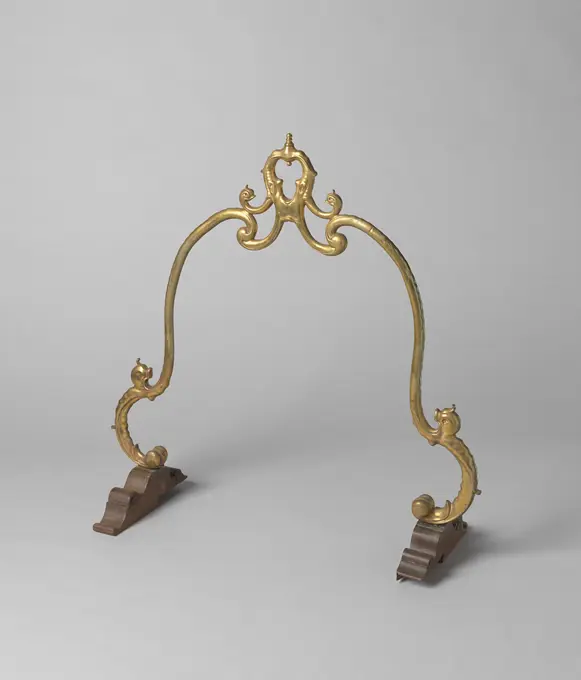
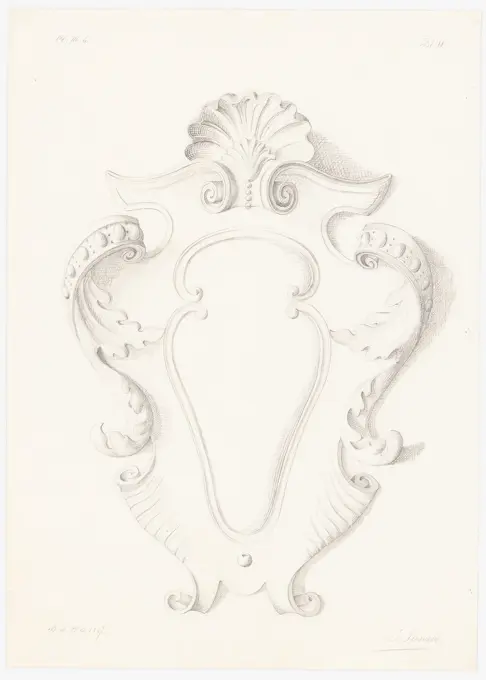
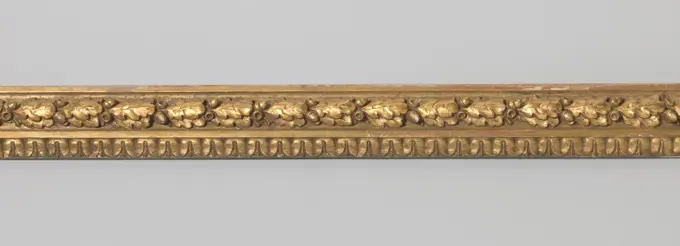
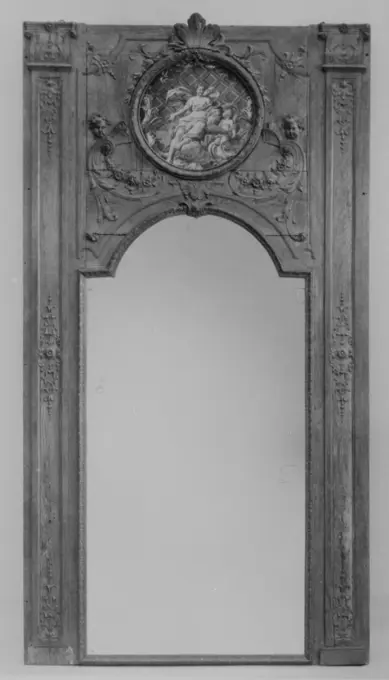
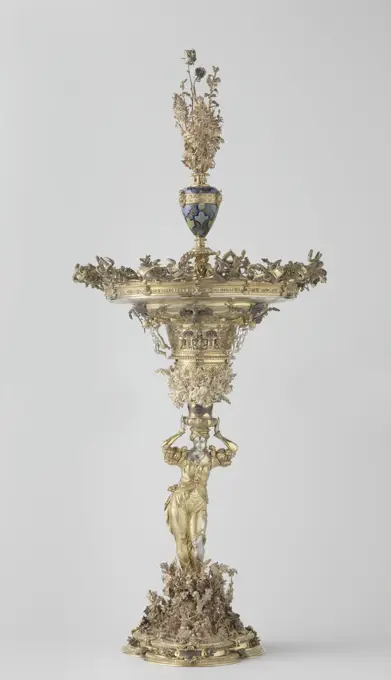
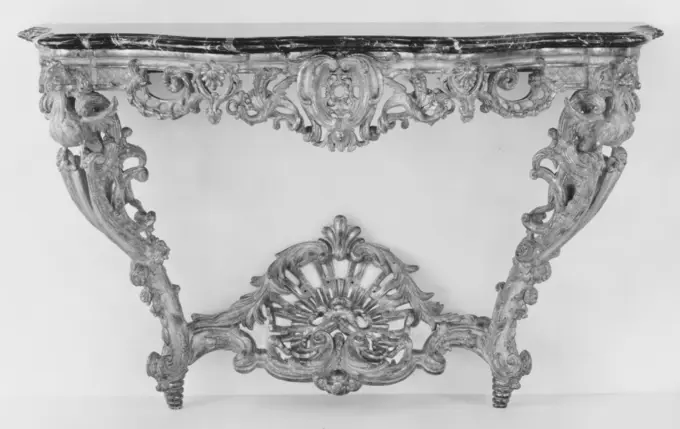
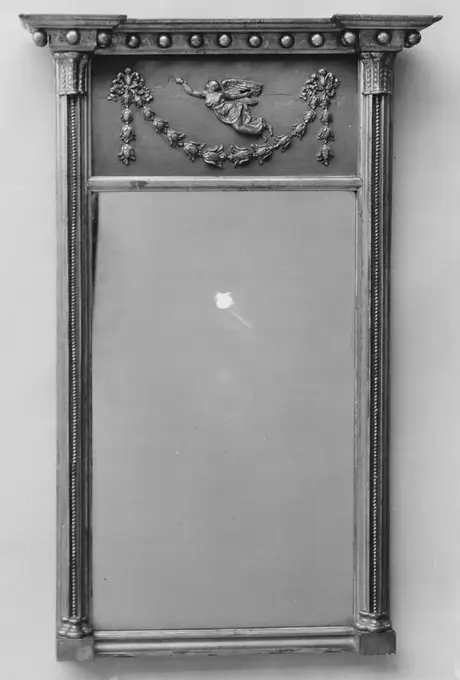
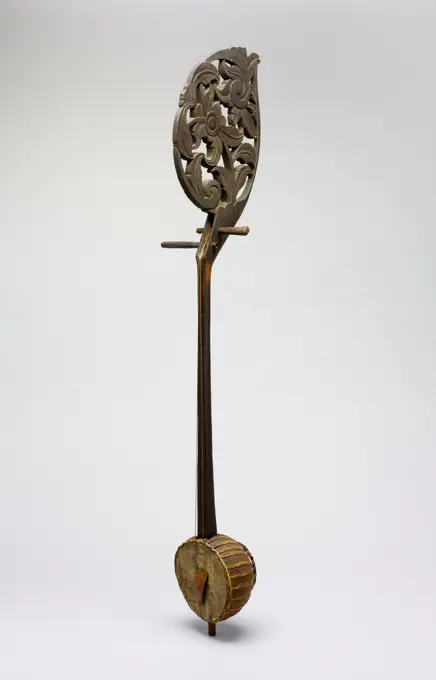
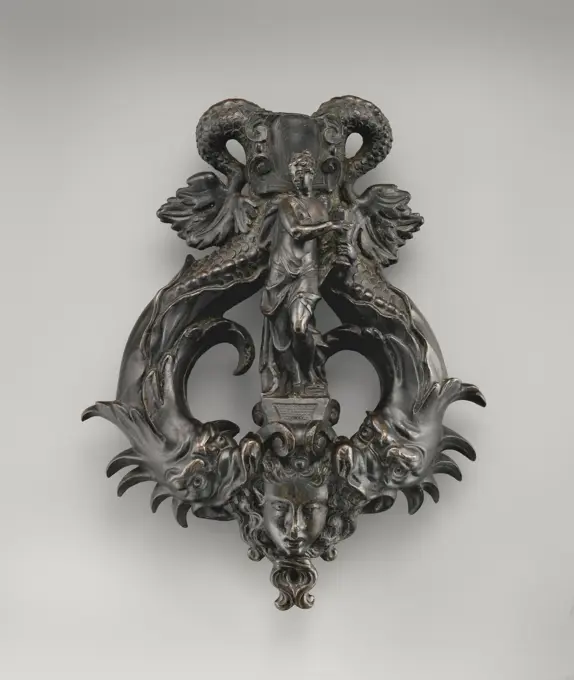
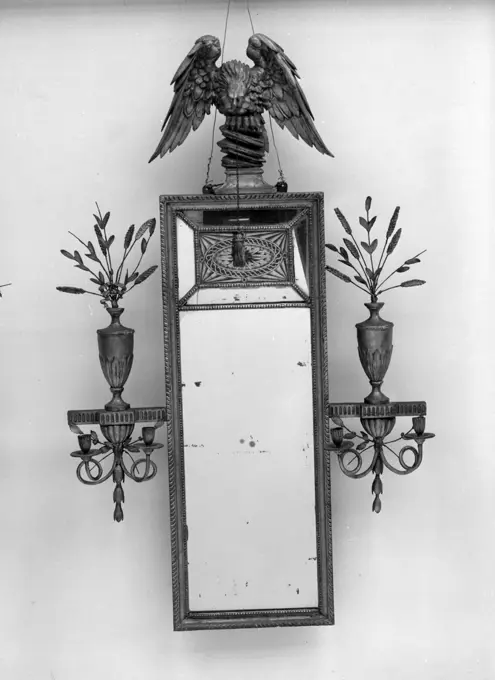
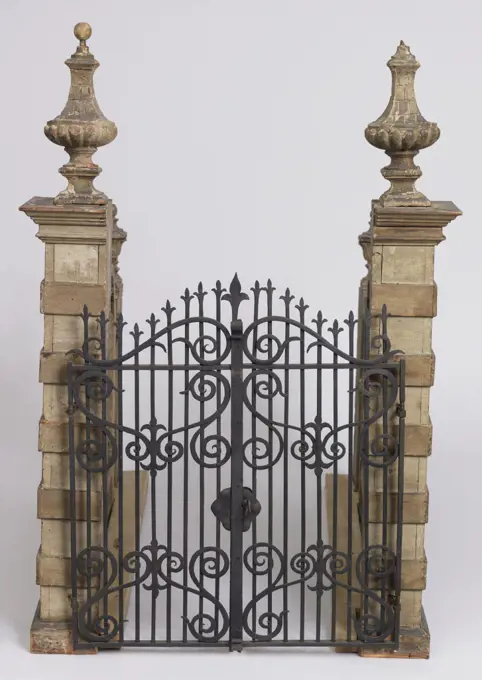
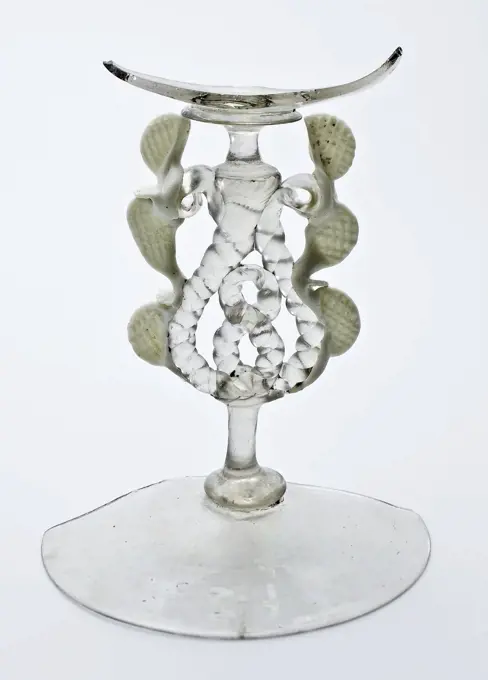
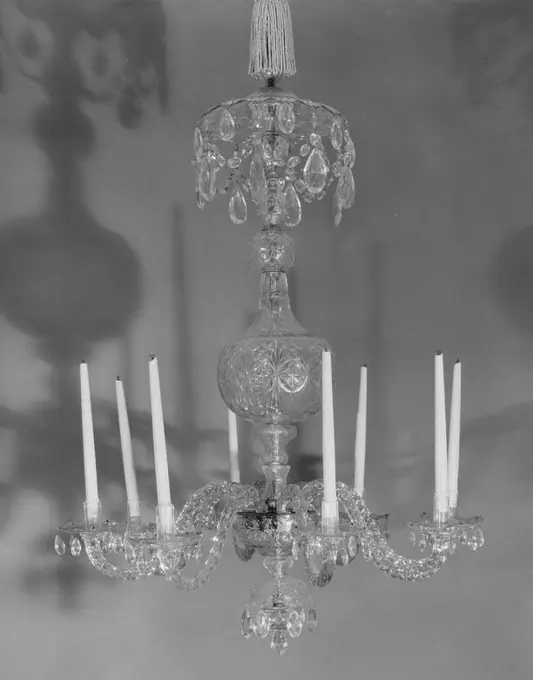
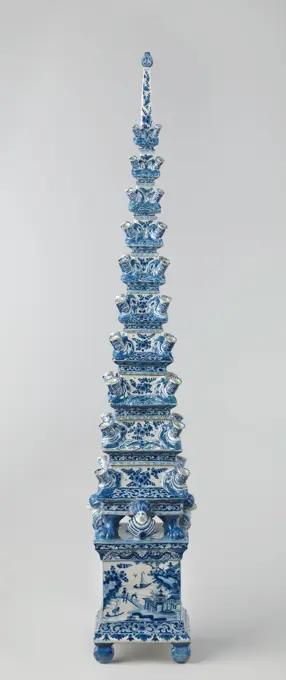
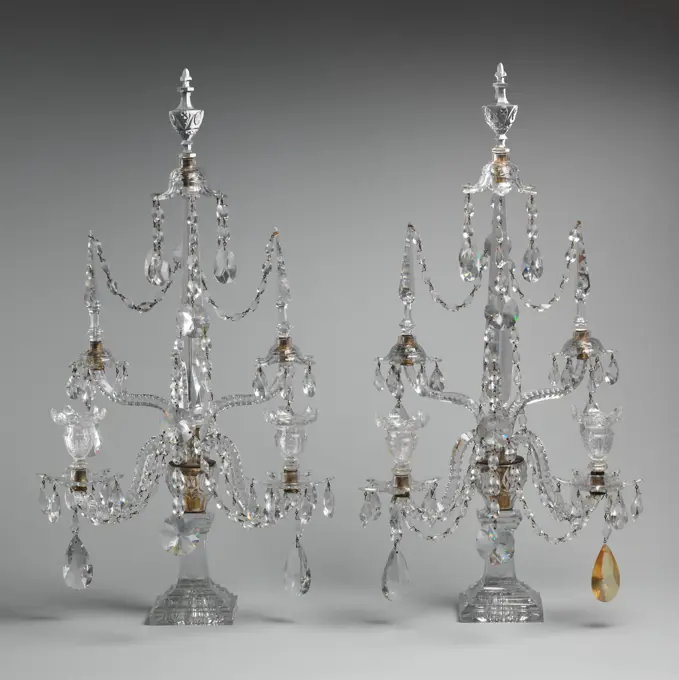
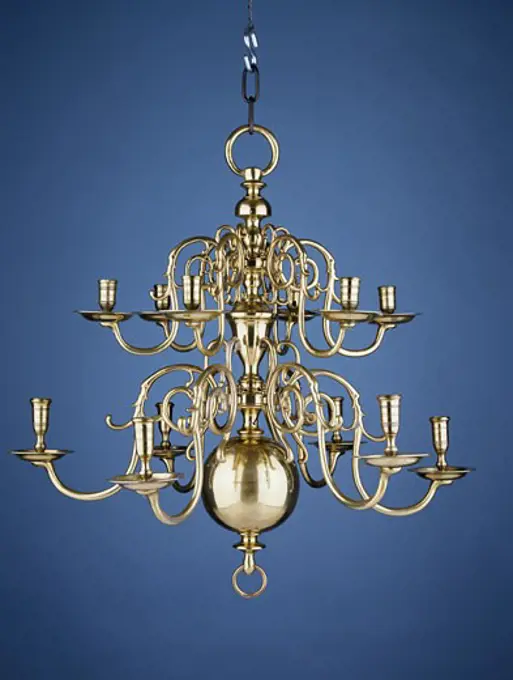
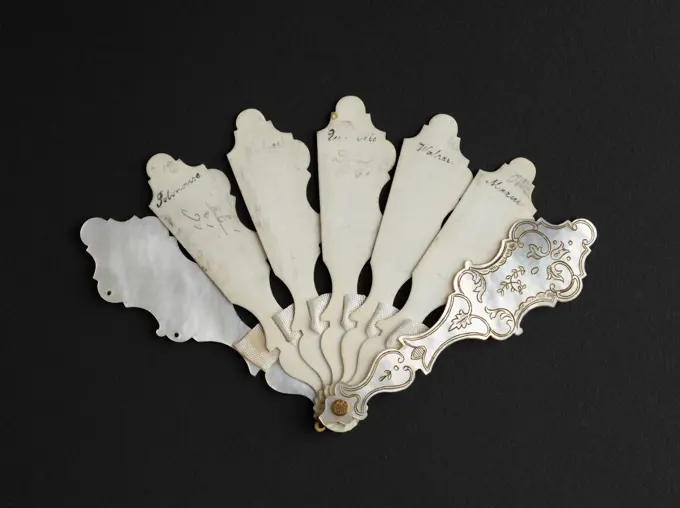
Cup. Culture: Flemish. Dimensions: 17 3/4 × 4 3/4 in. (45.1 × 12.1 cm). Maker: Possibly by Lukas Faydherbe (Flemish, Mechelen 1617-1697 Mechelen). Date: 17th century.See 24.80.85 for an ivory relief by Faydherbe, Cupids in Bacchanalian Scene. Museum: Metropolitan Museum of Art, New York, USA.Set of four three-light wall brackets ca. 1785 French Functional and exceedingly decorative bronzes dameublement, the so-called furnishing bronzes - wall lights, candelabra, and other types of lighting, firedogs, hearth furnishings, and clocks - were an important aspect of the eighteenth-century décor. Well-known artists and sculptors designed them closely following the latest styles. An elaborate guild system regulated the process of their creation and maintained high standards of craftsmanship. Consisting of many different steps, the manufacture of gilt-bronze objects was principally in the hands of the bronze workers, who were divided in eighteenth-century France in two guilds: that of the fondeurs-ciseleurs, or casters and chasers, and that of the ciseleurs-doreurs, or chasers and gilders.These wall lights, consisting of a set of six [see also 2019.283.76, .77, are made of chased and gilded bronze and epitomize the neo-classical style prevalent at the time. The back plate of eachSheath with Bird and Feline or Dragon. China. Date: 300 BC-100 BC. Dimensions: 10.6 × 5.7 × 0.5 cm (4 3/16 × 9 3/8 × 1/8 in.). Jade. Origin: China. Museum: The Chicago Art Institute, USA.. The pear-shaped can, with a separate lid, rest on three legs and has three tapes and two ears. The legs are each built up from two C-volutes, the lower decorated with leaf motifs, the upper with a vine and flowers under a shell-shaped rocaille, and awarded by an asymmetrical cartouche inside foam edges. The can be provided over the entire surface of a driven decoration. The basic bottom has a foam edge around the smooth middle. In addition, the belly is divided into six cartouches, alternately asymmetrical, against which the legs are attached, and symmetrical, flanked by palm leaves, which contain the faucets. The decoration of the portion above the belly is rotated. There are similar, elongated cartouches above the cartouches with the legs, with an even grillier frame of C-Volutes, foam edges and seed beads with cabochons and flames. In the upper right corner of these cartouches, a vineyard and two different flower branches escaping on a roughened ground, which swing down, fill the Lazio Rieti Rieti Museo del Tesoro del Duomo6. Hutzel, Max 1960-1990 Photos are all of metalwork: crucifixes, chalices and monstrances in most part. Negatives without prints also show some statuary. Owner: Cathedral Object Notes: Hutzel photo campaign date: December 27, 1982. His notes indicate that this is the "Museum of the Processional Cross," however TCI indicates that it is the Museo del Tesoro del Duomo. It is also possible that negatives without prints may belong to the Museo Civico in Rieti. German-born photographer and scholar Max Hutzel (1911-1988) photographed in Italy from the early 1960s until his death. The result of this project, referred to by Hutzel as Foto Arte Minore, is thorough documentation of art historical development in Italy up to the 18th century, including objects of the Etruscans and the Romans, as well as early Medieval, Romanesque, Gothic, Renaissance and Baroque monuments. Images are organized by geographic region in Italy, then by province, city, site cWall Light; French; about 1735; Gilt bronze; 63.8 × 29 × 19.7 cm (25 1,8 × 11 7,16 × 7 3,4 in.)Baluster 18th century French. Baluster. French. 18th century. Carved and gilded wood. WoodworkTwelve-light chandelier (lustre) ca. 1785 Attributed to Pierre Rémond The metal body of this graceful chandelier is composed of a vase fitted with a slender, spiral-fluted neck of gilt bronze, topped by an arrangement of various fruits. Two pairs of S-shaped candle branches emerge from the folded arms of two beautifully modeled female half-figures evolving from acanthus leaves, while additional branches spring from between the horns of two satyr masks. The combination of varnished metal and gilt bronze offers the kind of rich and sophisticated contrast favored during the late eighteenth century. This chandelier has been attributed to the bronze worker François Rémond, based on similarities with some of his documented work. A highly successful artist, Rémond worked for the marchand-mercier Dominique Daguerre and was patronized by the comte dArtois and Marie-Antoinette. Several variants of this model are known; a closely related chandelier is in the collection of the Musée Nissim de CamChandelier d'Eglise (Church Chandelier), plate 81, from Oeuvres de Juste-Aurèle Meissonnier (Works by Juste-Aurèle Meissonnier), Juste-Aurèle Meissonnier, French, b. Italy, 1695-1750, Gabriel Huquier, French, 1695-1772, Engraving on white laid paper, Footed lamp in rococo style; main body shows cross with what look like rays. Above, two putti heads gaze downward; above, lamp is in a roughly triangular shape, made up of C-curves leading upward to a bowl-like element topped with a point., Paris, France, 1695-1750, metalwork, Print, PrintCrook from a crosier, ivory. Germany, 18th century.Six-branch chandelier (one of a pair) ca. 1725 British. Six-branch chandelier (one of a pair). British. ca. 1725. Gilded wood, gesso, gilt-bronze candle sockets. Woodwork-FurnitureCandle of candle crown, anonymous, c. 1475 - c. 1485 Candle arm belonging to a candle crown of three heights with Maria Chapel in the middle. The arm is bent twice and has eleven leaves. The fat catcher rests at the end, which has a vertical serrated edge with cruciferous motifs on the underside. The candle holder is six-flagged with a perforated side on the front and back and has a vertical ring-shaped lower piece. This is the second arm of the bottom ring (pedestal), numbered with 2 dots. Southern Netherlands brass (alloy) casting Candle arm belonging to a candle crown of three heights with Maria Chapel in the middle. The arm is bent twice and has eleven leaves. The fat catcher rests at the end, which has a vertical serrated edge with cruciferous motifs on the underside. The candle holder is six-flagged with a perforated side on the front and back and has a vertical ring-shaped lower piece. This is the second arm of the bottom ring (pedestal), numbered with 2 dots. Southern NetherlanCandle of candle crown, c. 1475 - c. 1485 Candle arm belonging to a candle crown of three heights with Maria Chapel in the middle. The arm is bent twice and has five leaves. The fat catcher rests at the end, which has a vertical serrated edge with cruciferous motifs on the underside. The candle holder is six-flagged with a perforated side on the front and back and has a vertical ring-shaped lower piece. This is the fifth arm of the upper ring (the hood), numbered with 5 dots. Southern Netherlands brass (alloy) casting Candle arm belonging to a candle crown of three heights with Maria Chapel in the middle. The arm is bent twice and has five leaves. The fat catcher rests at the end, which has a vertical serrated edge with cruciferous motifs on the underside. The candle holder is six-flagged with a perforated side on the front and back and has a vertical ring-shaped lower piece. This is the fifth arm of the upper ring (the hood), numbered with 5 dots. Southern Netherlands brass (alloy) caCandle Bracket, c. 1780. France, style of Louis XVI, 18th Century. Gilt bronze; overall: 63.5 x 34.3 cm (25 x 13 1/2 in.).Loop.Pier Looking Glass ca. 1853. Pier Looking Glass 5618Finial of a monks staff and a bell, anonymous, c. 800 - c. 1000 Rinkstaf for a Buddhist monk. Indonesia bronze (metal) Rinkstaf for a Buddhist monk. Indonesia bronze (metal)Scenes from the Life of Christ and the Virgin first quarter 16th century Italian, Milan. Scenes from the Life of Christ and the Virgin. Italian, Milan. first quarter 16th century. Reverse-painted rock crystal with partly enameled gold mounts and pearlsArm with candle crown candle crown of two heights, Anonymous, 1650 Candle belonging to a brass candle crown of two heights. The S-shaped arm has a curl at the start, halfway through a dolphin head and turns outside into the flat thickening with a screw hole. The candle holder is secured with the fat catcher. The fat catcher is ribbed at the bottom of the opening and has one down and a slightly excellent edge. The Cylindrian candle holder has a profiled and an excellent edge, two grooved rings, a rib and a profiled narrower bottom piece, which turns into a protrusion with a thread with a center hole. The pin to attach the arm is cone -shaped with a round button on top. The Vetvanger has closed a close one, which indicates that the candle crown has ever been elected. This is the first arm of the upper position ring, numbered with the number 7. Amsterdam (possibly) brass (alloy) casting Candle belonging to a brass candle crown of two heights. The S-shaped arm has a curl at the start, halfTribe of candle crown of two heights, Anonymous, 1650 Round ball of brass, undecorated. Amsterdam (possibly) brass (alloy) casting Round ball of brass, undecorated. Amsterdam (possibly) brass (alloy) castingAnonymous, small torch in chiseled copper. Copper chiseled. House of Victor Hugo - Hauteville House.Monstrance third quarter 16th century Italian, probably Florence. Monstrance 194451Pair of balusters from a staircase first quarter 19th century British. Pair of balusters from a staircase 196885. Small arm of candles wreath.. Small arm of candles wreath.Pair of consoles (consoles d'appliques) 18th century French. Pair of consoles (consoles d'appliques). French. 18th century. Carved and gilded wood. Woodwork-FurnitureUithangarm, in or before 1888 A forged iron outlet, belonging to the signboard, representing a bunch of grapes in a wreath. Style Louis XIV.  iron (metal) forging A forged iron outlet, belonging to the signboard, representing a bunch of grapes in a wreath. Style Louis XIV.  iron (metal) forgingArm of a candle crown in three heights, Anonymous, 1717 chandelier The S-shaped arm is equipped with a ridge on the tribe side to secure it with a pin in the stand ring. At the trunk, the arm is decorated at the end and to the center with two stylized dolphin heads and with curls, the shape of which is derived from the lobe ornament. To the outside, the arm ends in a thickening, in which a hole provided with a thread is applied to attach the candle holder to the fat catcher. The arm is cast using the same model as the other arms of the wreath. The candle holder is cylinder -shaped with profiled excellent edge and with a baluster foot, which turns into a threaded end, in which the center hole at the bottom. The fat catcher is deepened twice at the top towards the center. At the bottom it is profiled around the hole in the somewhat spherical center and the edge is ribbed. The fat catcher has been cast using the same model as the other fat catchers of this wreath. The pin is equipped withArm of a candle crown in three heights, Anonymous, 1717 chandelier The S-shaped arm is equipped with a ridge on the tribe side to secure it with a pin in the stand ring. At the trunk, the arm is decorated at the end and to the center with two stylized dolphin heads and with curls, the shape of which is derived from the lobe ornament. To the outside, the arm ends in a thickening, in which a hole provided with a thread is applied to attach the candle holder to the fat catcher. The arm is cast using the same model as the other arms of the wreath. The candle holder is cylinder -shaped with profiled excellent edge and with a baluster foot, which turns into a threaded end, in which the center hole at the bottom. The fat catcher is deepened twice at the top towards the center. At the bottom it is profiled around the hole in the somewhat spherical center and the edge is ribbed. The fat catcher has been cast using the same model as the other fat catchers of this wreath. The pin is equipped withArm of a candle crown in three heights, Anonymous, 1717 chandelier The S-shaped arm is equipped with a ridge on the tribe side to secure it with a pin in the stand ring. At the trunk, the arm is decorated at the end and to the center with two stylized dolphin heads and with curls, the shape of which is derived from the lobe ornament. To the outside, the arm ends in a thickening, in which a hole provided with a thread is applied to attach the candle holder to the fat catcher. The arm is cast using the same model as the other arms of the wreath. The candle holder is cylinder -shaped with profiled excellent edge and with a baluster foot, which turns into a threaded end, in which the center hole at the bottom. The fat catcher is deepened once at the top to the middle. At the bottom it is profiled around the hole in the somewhat spherical center and the edge is ribbed. The fat catcher has been cast using the same model as the other fat catchers of this wreath. The pin is equipped with a vasPlaque with the Arms of a Cardinal of the Bussi Family. Italy, Rome, circa 1720. Sculpture. Gilt bronzeMountGeorge III Style Chinoiserie Giltwood Mirror Antique Furniture Pair of candlesticks 1731 Abraham Ten Brinck. Pair of candlesticks. Dutch, Amsterdam. 1731. Silver. Metalwork-SilverArm of a candle crown, anonymous, 1700 - 1800 The S-shaped arm runs towards the trunk in a stylized dolphin head and outside in a thickening, in which the screw hole is applied. The round -profiled and grooved -rings -decorated candle holder was screwed with the fat -lined fat catcher with grooved rings. The arm, the fat catcher and the candle holder are cast using the same models as the other arms, fat catchers and candle holders. This is the fifth arm of the middle stand ring, marked on the ridge with five points. Northern Netherlands brass (alloy) casting The S-shaped arm runs towards the trunk in a stylized dolphin head and outside in a thickening, in which the screw hole is applied. The round -profiled and grooved -rings -decorated candle holder was screwed with the fat -lined fat catcher with grooved rings. The arm, the fat catcher and the candle holder are cast using the same models as the other arms, fat catchers and candle holders. This is the fifth arm of the middle stand rinBroaching or toasting fork 17th century possibly Spanish. Broaching or toasting fork. possibly Spanish. 17th century. Iron. Metalwork-IronFour -promoted rosette fitting;  1 PO. XVII century (1600-00-00-1650-00-00);Frame possibly Italian 18th-19th century View more. Frame. possibly Italian. 18th-19th century. Wood, gilt. WoodworkMagical unicorn with flowers with lettering Smile. Cartoon vector illustration. Kids monochrome coloring page with colored template. For coloring, education, print, game, decor, puzzle, design. Unicorn head with flowers and lettering coloring and template vectorThree -bargain wardrobe lock;  Ok. PO. 18th century (1730-00-00-1770-00-00);Pair of consoles (consoles d'appliques). Culture: French. Dimensions: Overall (each): 18 1/2 × 6 3/4 in. (47 × 17.1 cm). Date: 18th century. Museum: Metropolitan Museum of Art, New York, USA.Gerrit Beijers (), Silver ball holder with clip and ivory spool, tangle holder holder silver ivory, cast Tangle holder ivory bobbin silver needle case with asymmetrical flower and leaf motifs volutes backside hook: knittingAntique Renaissance Tabernakel frame of Del Tasso - carved wood, 16th antique Renaissance Tabernakel frame by del Tasso - carved wood, decorated, 16thCassone second half 16th century Italian. Cassone 197167Hand mirror with handle, irregular round in shape, with cutting work in C and S forms and flowers and leaf work and crowned by C-shaped crest with stalactite with two roses., Anonymous, 1750 Wooden cut and gilded hand mirror consisting of a handle and the organically connected mirror frame, which is irregularly round in shape. The cutting work consists of stretched S and C forms, leaf work and flowers. The mirror is crowned in the middle by a C-shaped crest with a stalactite and two small roses. Ter Halver height are also installed small roses for decoration. The back has probably been covered with red fabric; Traces still present. France (possibly) wood (plant material). looking glasses. gilding (material). gypsum gilding Wooden cut and gilded hand mirror consisting of a handle and the organically connected mirror frame, which is irregularly round in shape. The cutting work consists of stretched S and C forms, leaf work and flowers. The mirror is crowned in the middle by a C-shaped crAndiron 1760-80. Andiron. 1760-80. Brass, ironPilgrim's Badge 14th-16th century French. Pilgrim's Badge. French. 14th-16th century. Lead. Metalwork-LeadChandelier 1700-1720. Chandelier. 1700-1720. Brass. Made in NetherlandsModel for a Klamp from a book lock in the form of a capital with floral motifs, anonymous, c. 1750 - c. 1775 Model of Red buyer for a mold from a bold of a book lock. The show shows flowers in a rococo ornament, formed by two large, inside C-Voluten. A shell shape above that. The top and bottom are straight. Amsterdam copper (metal) cutting Model of Red buyer for a mold from a bold of a book lock. The show shows flowers in a rococo ornament, formed by two large, inside C-Voluten. A shell shape above that. The top and bottom are straight. Amsterdam copper (metal) cuttingBaptism arch of brass. The bow executed in lobe is made up of more or less round shapes. In the decoration at the top and in the two ends, which have the shape of a curl, discrete dolphins and joint parts. The original presumably removable vase-shaped button has been replaced by a simple button decoration. Arch's arms. Test fractions. The left arm has bowed out, has some casts at the bottom and can be restored. The pedestals are originally.Seal 18th century French. Seal 204734Fender ca. 1780 British. Fender. British. ca. 1780. Steel. Metalwork-SteelPax 15th-16th century Northern Italian. Pax 193650Siewert Georg, Floral Ornaments (March 29, 1887): View of an ornament sign. Pencil on paper, 56.7 x 40.6 cm (including scan edges) Siewert Georg : Florale OrnamenteHand mirror with handle, irregularly round of shape, with carving in C and S shapes and flowers and leafwork and crowned by C-shaped crest with stalactite with two roses .. Wooden cut and gold-plated hand mirror consisting of a handle and the organically connected Mirror frame, which is irregularly round in shape. The carving consists of stretched S and C forms, leafwork and flowers. The mirror is crowned in the middle by a C-shaped crest with a stalactite and two small roses. Small roses are also installed for decoration at halfway. The rear has probably been placed with red fabric; Traces still present.List fragment: Gilded list of pâte oraments, right style., C. 1700 - c. 1899 frame Gilded list of oak leaves with acorns. List part, right style. With written on the back: 'Right, no. 2'.  wood (plant material). gold leaf gildingHairpin 18th century China. Hairpin 60896Pier glass (encadrement de glace) late 17th-early 18th century French. Pier glass (encadrement de glace). French. late 17th-early 18th century. Oak, wax-polished. WoodworkArm of a candle crown in two heights, Anonymous, 1630 The S-shaped arm is provided with a ridge on the trunk side with an opening to secure it with a pin in the stand rings. At the trunk the arm is decorated on the end and to the center with two stylized dolphin heads and with three pairs of curls or leaves executed in lobe style. To the outside, the arm ends in a lip, in which a hole provided with a thread is applied, to confirm the candle holder and the fat catcher. The arm is cast using the same model as the other arms of the wreath. The cylindrical candle holder has two profiled ribs, two grooved rings and profiled excellent edge. The fat catcher is deepened twice at the top towards the center. At the bottom it is profiled around the hole on the somewhat spherical middle and ribbed on the edge and with two grooved rings. The fat catcher has been cast using the same model as the other fat catchers of this wreath. The pin is equipped with a vase -shaped button. This is the fifth arm Table ornament, Wenzel Jamnitzer, 1549 Table piece of largely gilded and enamelled silver. On a three -lobby pedestal, on which three turtles are attached, a vegetation of crops drained to nature has been applied. From that, a standing female figure (Mother Earth) rises from this, which supports the base of a wide-ranging pelvis with highly hired hands, the outdoor and inside of which are painted with painted Renaissance ornament, while all kinds of naturalistic leaf work and winding lizards are around the edge to around the edge Rolwerkbanderolles are hurled. In the middle of the bowl, three back -placed sirens wear an enamelled vase with flower branches. Nuremberg silver (metal). casting / etching / gilding Table piece of largely gilded and enamelled silver. On a three -lobby pedestal, on which three turtles are attached, a vegetation of crops drained to nature has been applied. From that, a standing female figure (Mother Earth) rises from this, which supports the base of a wide-rangA German Steckzahl with the number 25Console table (one of a pair) 1735-40 possibly by François Rournier Made by François Roumier, these two console tables can be dated to around 1740. Sculpteur ordinaire du roi in 1721, Roumier was famous for this type of furniture and published a number of books such as the Livre de plusieurs Desseins de Pieds de Tables en Consoles, which was published after his death in 1750. Working for most of the royal residences, Roumiers masterwork is a magnificent carved table supplied in 1737 for the Cabinet doré in Louis XVs private apartments in Versailles.The rich decoration of these two consoles is emblematic of the Régence (1715-1723) and the beginning of Louis XVs reign. They illustrate the triumph of sculptors from the Btiments du Roi responsible for room paneling of which consoles and mirrors were part. Here the frieze is carved in the center with a heart-shaped cartouche pierced with a rose-window motif. Four dragons decorate the consoles, two flanking the cartouche and two others oBase for an oil lamp.Pair of wall ornaments. Culture: French. Dimensions: Overall: 16 1/2 × 8 1/2 in. (41.9 × 21.6 cm). Date: 18th century. Museum: Metropolitan Museum of Art, New York, USA.Looking Glass. Culture: American. Dimensions: 35 x 22 1/4 in. (88.9 x 56.5 cm). Maker: John Doggett (1780-1857). Date: 1810-20. Museum: Metropolitan Museum of Art, New York, USA.Ornamental Beaker, 1581. Bernhard Zan (German). Engraving;Ensuranai Sea Dayaks (Iban) Iban people 19th century The Iban people of northern Borneo formerly made the ensuranai, a distinctive stringed instrument played with a small bow and with a resonating chamber made from coconut shell or gourd. The performer sat on the ground and held the stem in the left hand, with the resonator resting against the calf of the leg or with the lower tip of the stem grasped in the toes.Door knocker late 16th century Italian, Venice. Door knocker. Italian, Venice. late 16th century. Bronze. Sculpture-BronzeFinial with a Makara Disgorging a Lion ca. first quarter of the 10th century Indonesia (Java). Finial with a Makara Disgorging a Lion 39079Looking Glass 1795-1810 American This looking glass bears motifs characteristic of the work of the Scottish architect Robert Adam (1728-1792), such as paterae, urns, bellflowers, and fans. It reflects the neoclassical taste that swept the United States after the Revolution.. Looking Glass. American. 1795-1810. Gilded gesso, verre eglomise with pine, wire. Made in Boston, Massachusetts, United StatesBit Boss. Culture: English. Dimensions: Diam. 2 3/8 in. (6 cm); Wt. 1.5 oz. (42 g). Date: 17th century.The center part of this horse bit boss displays the royal coat of arms of the United Kingdom, which consists, at that time, of the association of the arms of France, Scotland, Ireland and England. The shield is topped by a crowned helmet, circled by the Order of the Garter and flanked by the two traditional supporters of the British arms: a lion and a unicorn.The pierced rim consists of a frieze alternating the French fleur-de-lis (France was an official claim for England since the 14th century) and the English rose. Museum: Metropolitan Museum of Art, New York, USA.Goldsmith's art, Great Britain, 20th century. Stylized floral motif bijou, late 1950s.Atemberaubendes Gold-Barock-Ornament: Exquisites Vintage-Design für luxuriöse Dekoration Atemberaubendes Gold-Barock-Ornament: Exquisites Vintage-Design für luxuriöse Dekoration Copyright: xZoonar.com/GallóxGusztávx 22873277Game rack (Couronne D'office) 17th century possibly French. Game rack (Couronne D'office). possibly French. 17th century. Iron. Metalwork-IronModel of a Walled Entrance with Gate, Carved and painted pine, wrought iron gate and window grill, Model in the form of two walls surmounted by urns and punctuated with iron-decorated windows, and rusticated pilasters; connected, as if for an entry allee by a wrought iron gate (of possible later date), the metalwork surrounded by quoined rusticated pillars supporting urns with finials (one missing, one replaced), Italy, ca. 1710, models and prototypes, Decorative Arts, Model of a Walled Entrance with GateBracket, oak, carved, France, early 18th century, Decorative Arts, BracketMountblur in iran antique door entrance and      decorative handle for backgroundFragment of foot, trunk and calyx of wing glass, wine glass drinking glass drinking utensils tableware holder soil find glass, free blown and formed appliqué Fragment of foot trunk and very small part of calyx of wing glass in clear colorless and white-opaque glass. Pontil mark under concave ascending foot. Flat knot and solid short trunk to flat knot. Twisted glass wire in pretzel on both sides ascending continuously to short solid trunk to flat knot and attachment of calyx. Waffled glass thread in white-opaque glass attached on both sides in waffle pattern Small part of drinking bowl-shaped chalice archeology950/18 century 950/1000 silver loop. GAL 1990-148-27 2nd title silver hallmark for Paris.Bliżej Kultury unknownChandelier. Culture: Irish. Dimensions: H. 47 in. (119.4 cm). Date: 1770-80. Museum: Metropolitan Museum of Art, New York, USA.MountPart Bloempyramid of Delft pottery, Anonymous, c. 1700 Sections of flower pyramid from Faience. Decorated with flower branches and with four streams, with a short obelisk as crown. Delft . Sections of flower pyramid from Faience. Decorated with flower branches and with four streams, with a short obelisk as crown. Delft .Mirror (part of a set) late 17th-early 18th century French. Mirror (part of a set) 202719Arm with candle crown candle holder, 1825 - 1875 Candle belonging to a brass candle crown. The S-shaped arm is decorated with nine vine leaves of wingerd leaves, partly to entangled tenders, and ends in the flat thickening with a screw hole. The round Vetvanger is equipped with ajour processed serrated decorations on the underside. This is attached with an eight -fold front and rear perforated candle holder on a vertical ring -shaped base, which are screwed onto the arms. This is the second arm, numbered with 2 triangles. West-Europa brass (alloy) casting Candle belonging to a brass candle crown. The S-shaped arm is decorated with nine vine leaves of wingerd leaves, partly to entangled tenders, and ends in the flat thickening with a screw hole. The round Vetvanger is equipped with ajour processed serrated decorations on the underside. This is attached with an eight -fold front and rear perforated candle holder on a vertical ring -shaped base, which are screwed onto the arms. This is thVintage Baroque Ornamental Collection: Vector Illustrations of Classic Architectural Ornament ElementsTwo Wooden Capitals:CorinthianCandelabrum (one of a pair) ca. 1785 British or Irish. Candelabrum (one of a pair). British or Irish. ca. 1785. Glass. GlassBrass Chandelier Antiques Small fan  dance card unknownDesign for room decorations with a panel with a diamond in blue and green.design for a Wall Decoration.Pendant. Culture: Italian, Sicily. Dimensions: Overall: 4 × 2 1/8 in. (10.2 × 5.4 cm). Date: 17th century. Museum: Metropolitan Museum of Art, New York, USA.Pair of silver attachments in the form of seashells late 4th-3rd century B.C. Greek Appliqués like these delicate shells could have decorated boxes or chests or the junction of the handle and shoulder of an oinochoe (jug).. Pair of silver attachments in the form of seashells 256183Pair of pedestals with candleholders. Culture: British. Dimensions: Each: 82 × 12 × 12 in. (208.3 × 30.5 × 30.5 cm);Pedestal: 53 1/2 in. × 12 in. × 12 in. (135.9 × 30.5 × 30.5 cm). Date: ca. 1775. Museum: Metropolitan Museum of Art, New York, USA.Watch ca. 1592 Watchmaker: François Hubert. Watch 194005Nuremberg ceremonial armour, armour of a knight, work from 1607, Historic, digitally restored reproduction from the 19th century, exact date unknownLambal or strip of application embroidery, anonymous, c. 1500 - c. 1600 Lambal or strip of application registration on a wine red velvet stock. The pattern has symmetrical s-ranks, tied together in the middle with a lily and a rose. The richly branched rank is occupied with leaf rosettes and ends in volutes of acanthus leaves and silver sutures. The strip is finished with gold consideration and gold frills along the bottom. The strip is part of three strips. Italy (possibly) velvet (fabric weave). silk. embroidering Lambal or strip of application registration on a wine red velvet stock. The pattern has symmetrical s-ranks, tied together in the middle with a lily and a rose. The richly branched rank is occupied with leaf rosettes and ends in volutes of acanthus leaves and silver sutures. The strip is finished with gold consideration and gold frills along the bottom. The strip is part of three strips. Italy (possibly) velvet (fabric weave). silk. embroideringGoldsmith's art, 20th century. Clip with gem-cut crystals, late 1940s.Compote. Dated: 1937. Dimensions: overall: 28 x 22.3 cm (11 x 8 3/4 in.). Medium: watercolor, graphite, and gouache on paperboard. Museum: National Gallery of Art, Washington DC. Author: Ralph Atkinson.