Decorative Mounts and Hardware

Historical decorative mounts and embellishments, crafted in metal, showcasing intricate designs and fine details from various eras.
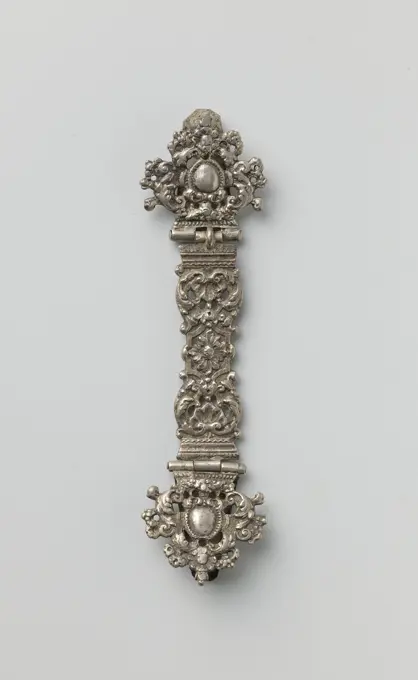
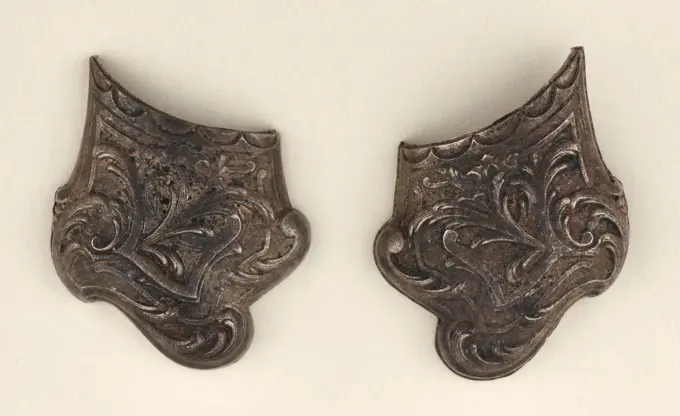
Book lock of silver, anonymous, c. 1800 - c. 1900 Book lock of silver, with signed mark.  silver (metal) Book lock of silver, with signed mark.  silver (metal)
Book lock of silver, anonymous, c. 1800 - c. 1900 Book lock of silver, with signed mark. silver (metal) Book lock of silver, with signed mark. silver (metal)
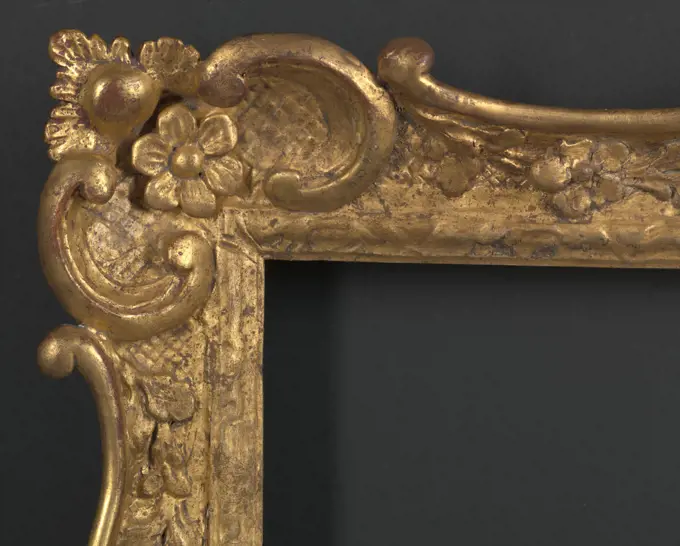
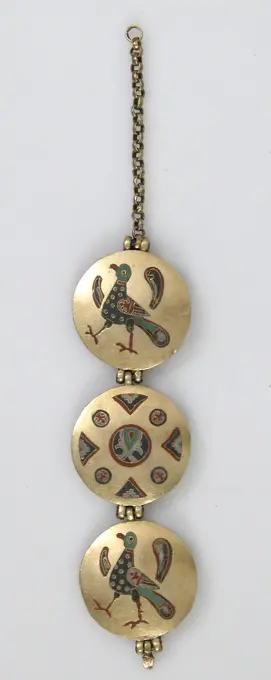
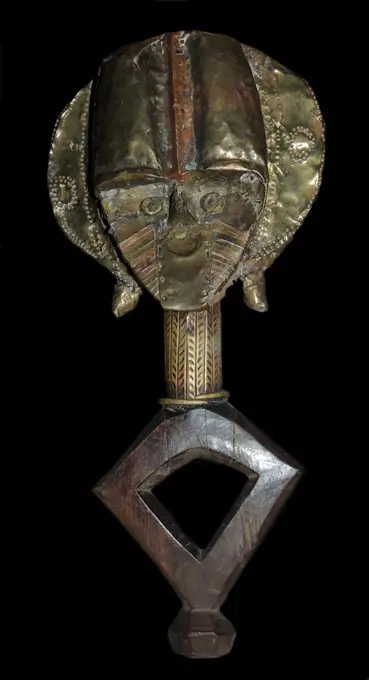
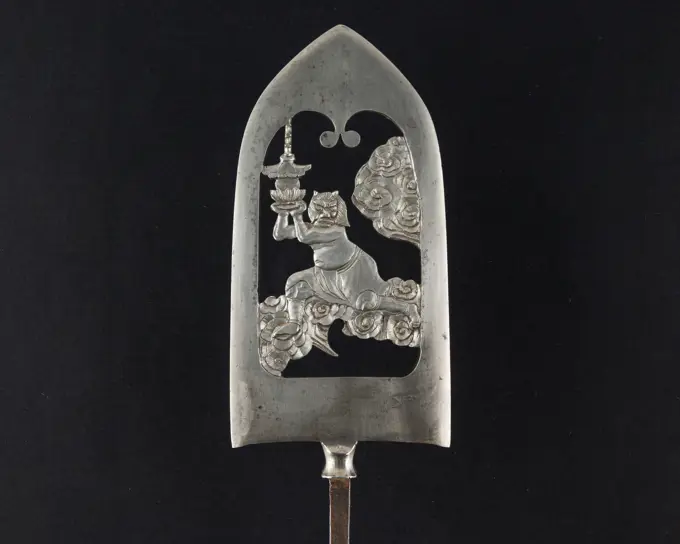
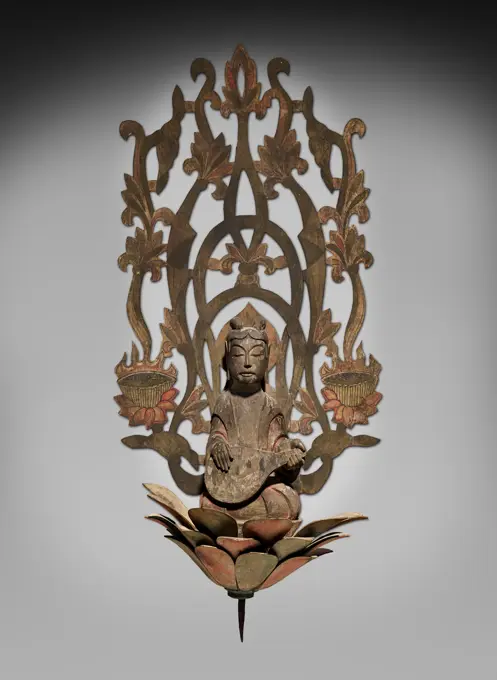
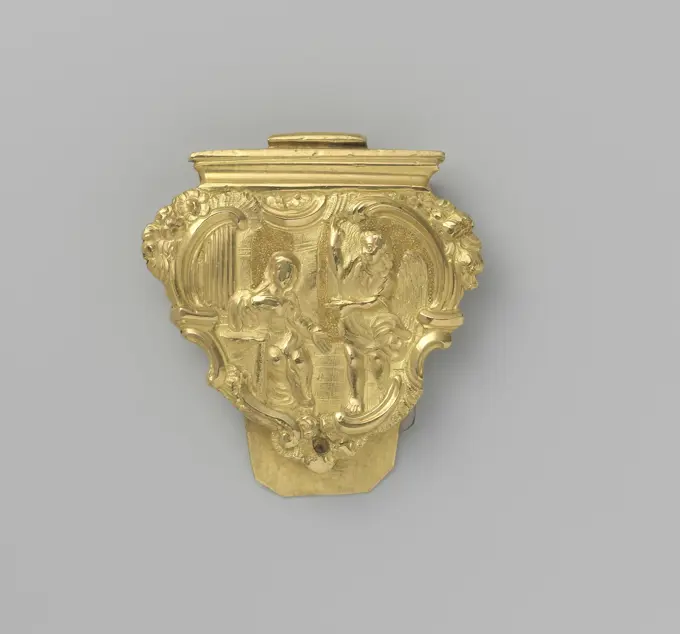
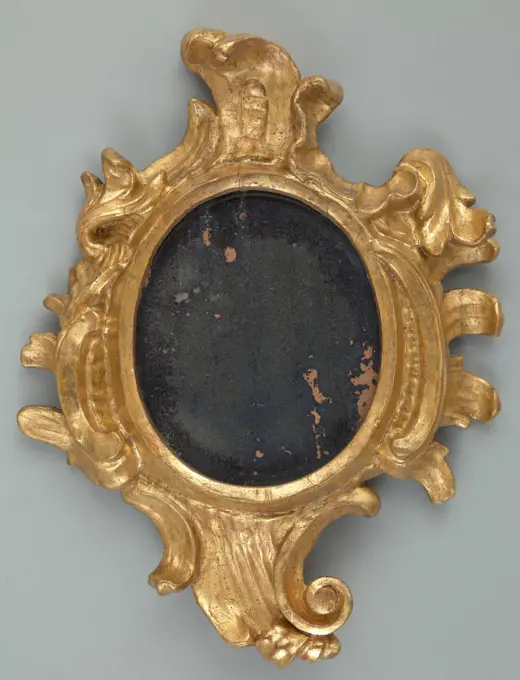
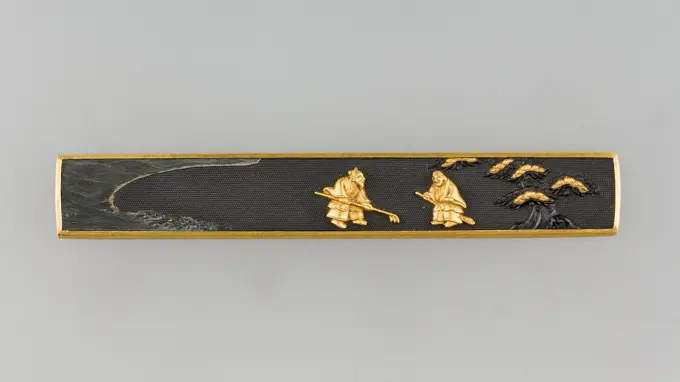
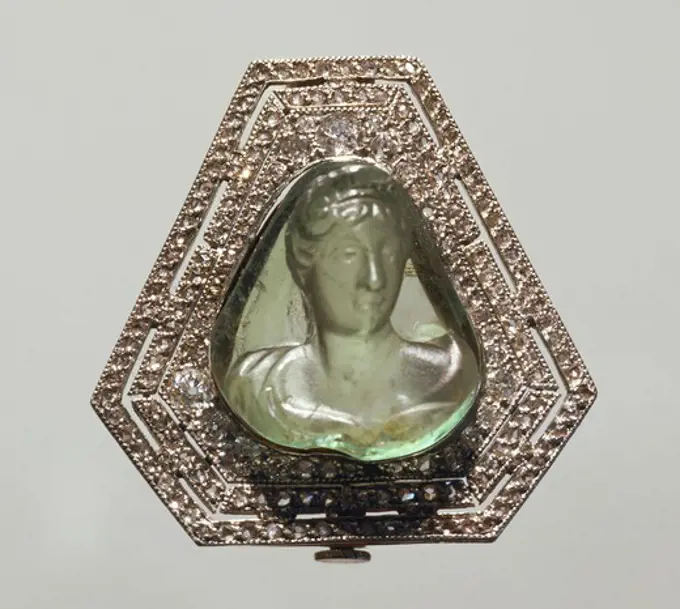
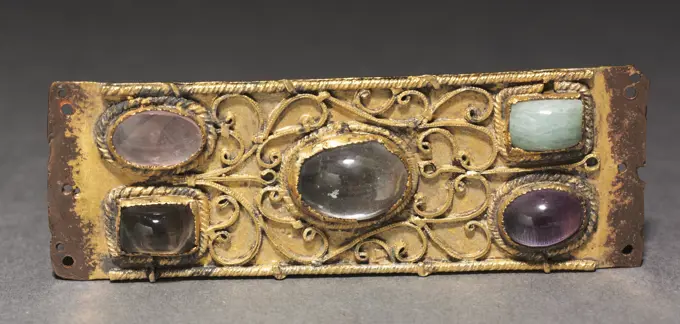
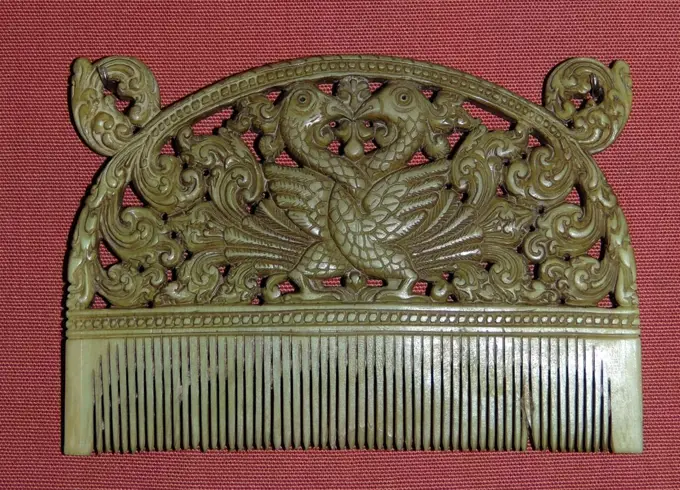
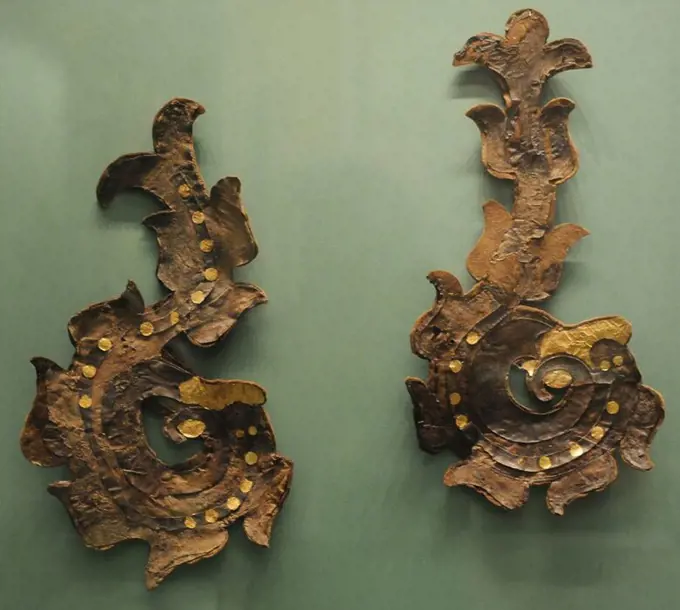
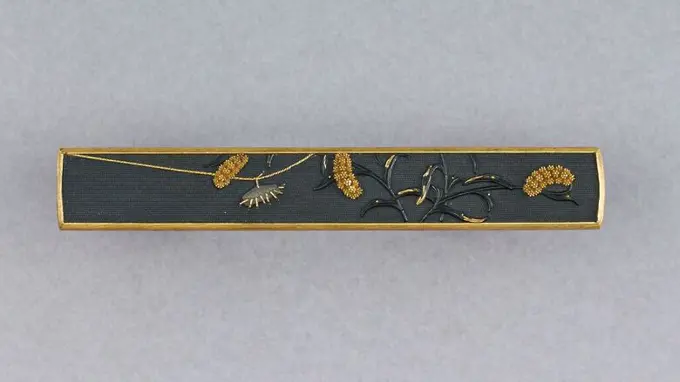
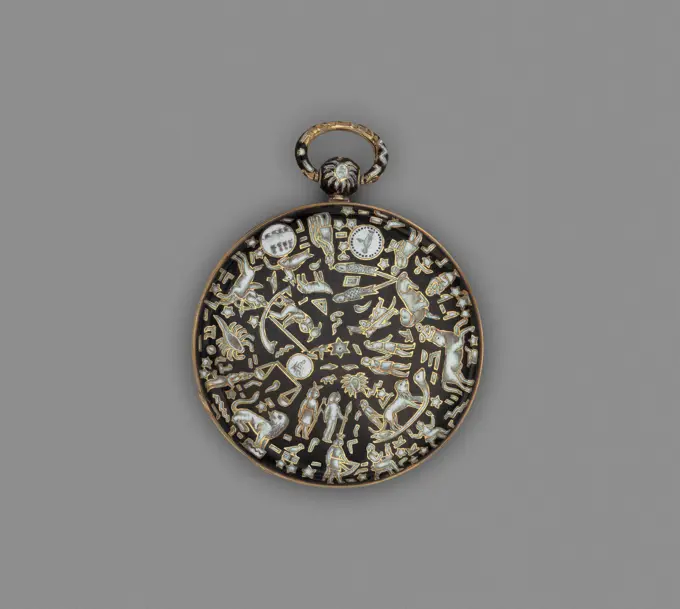
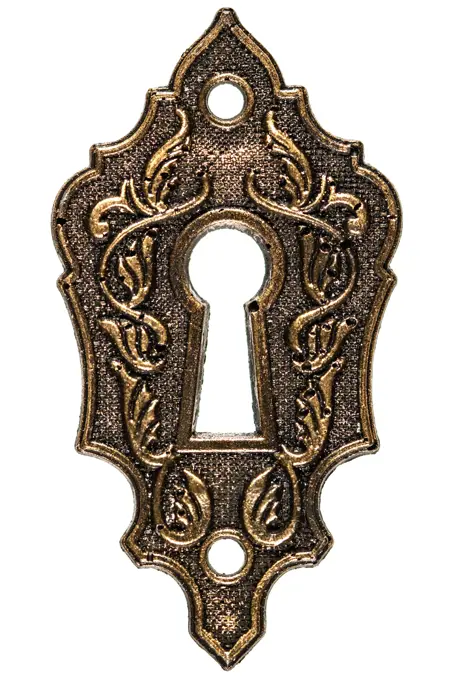
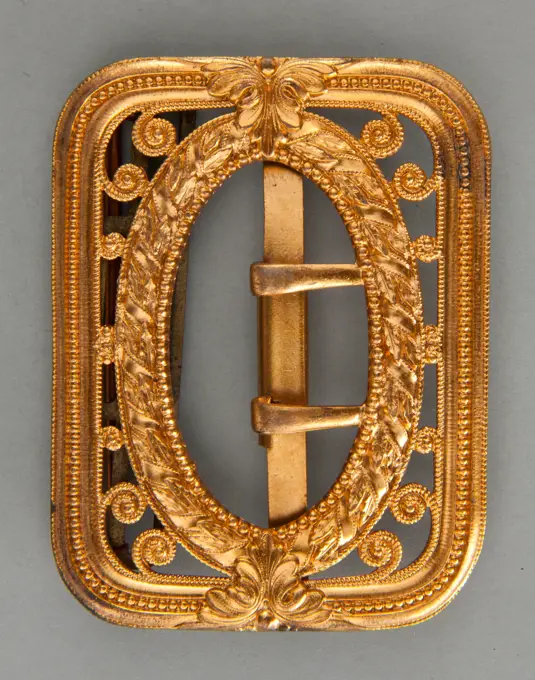
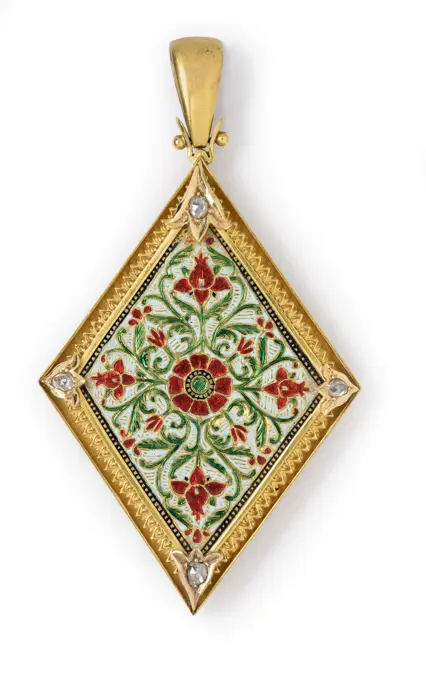
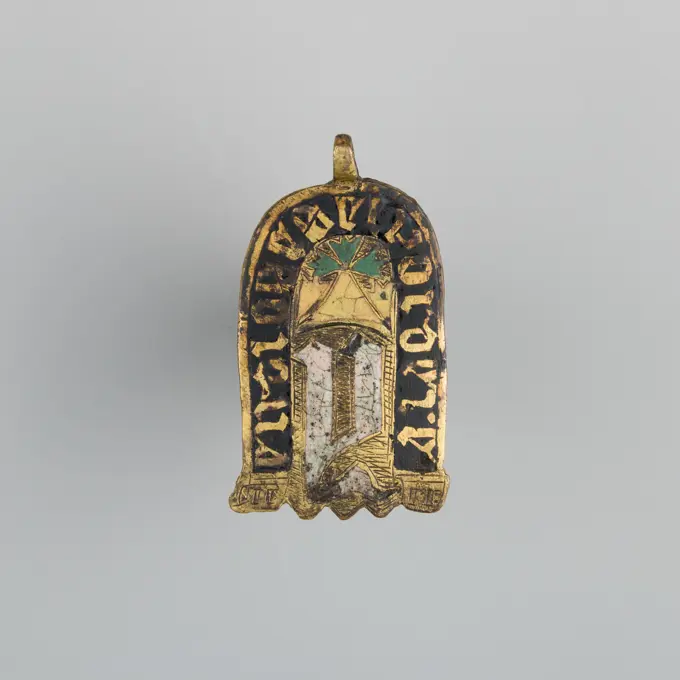
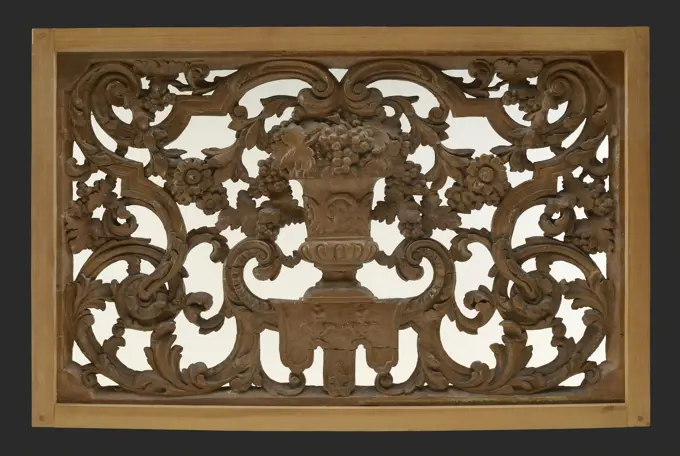
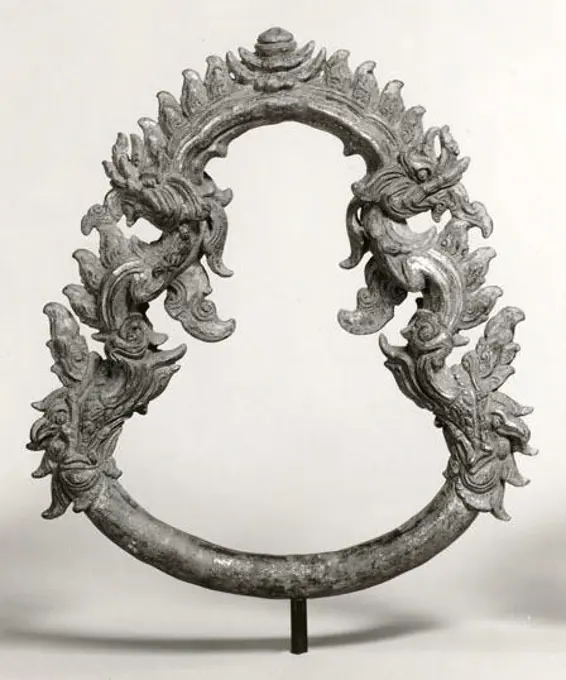
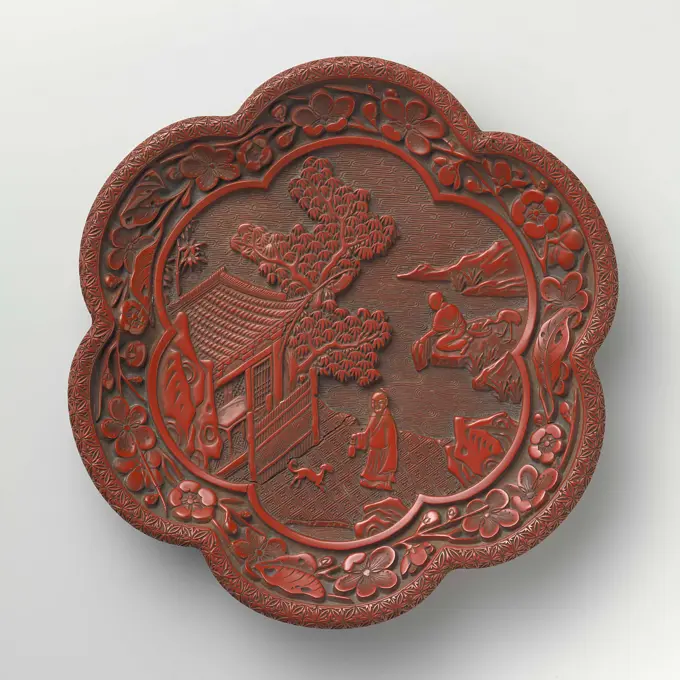
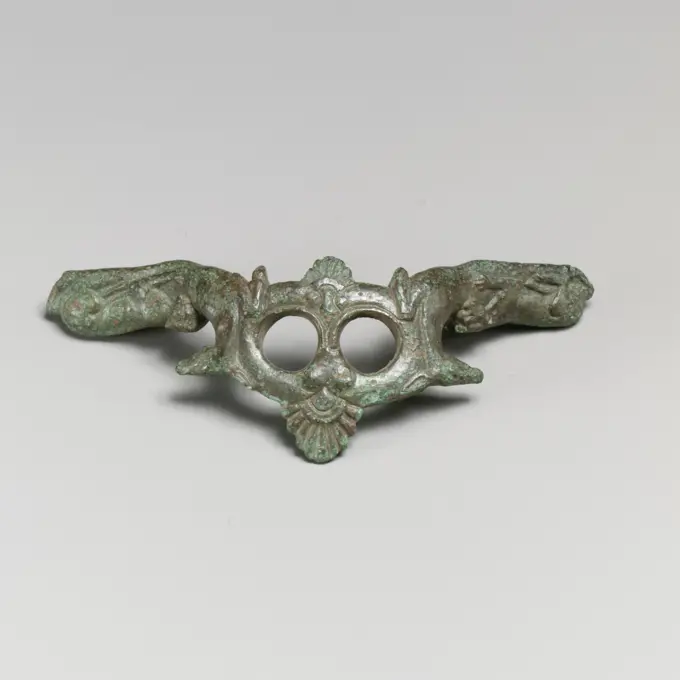
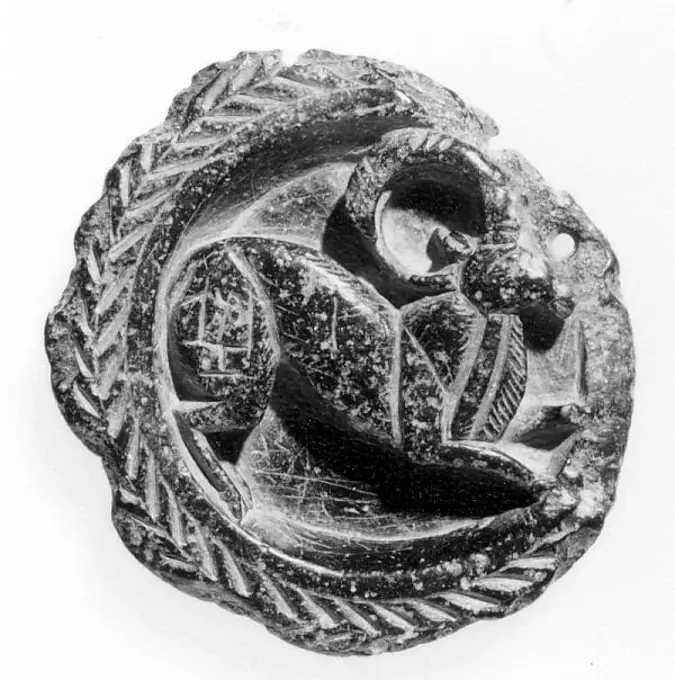
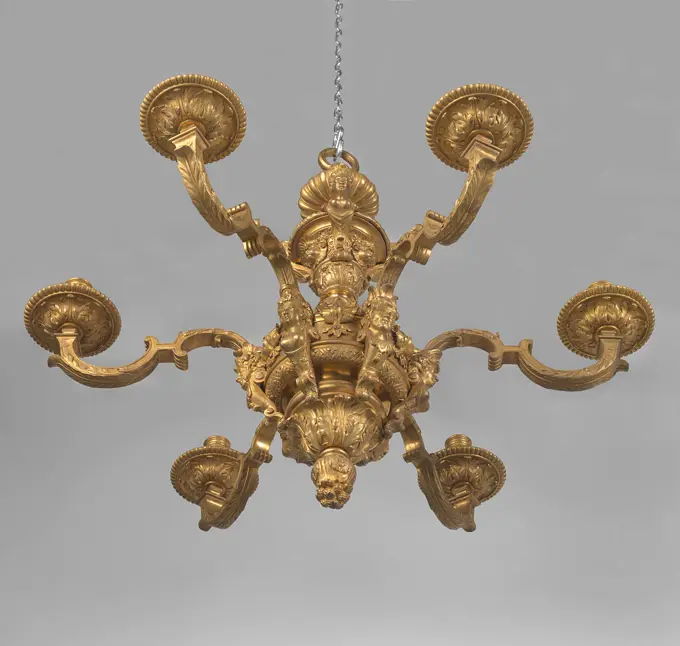
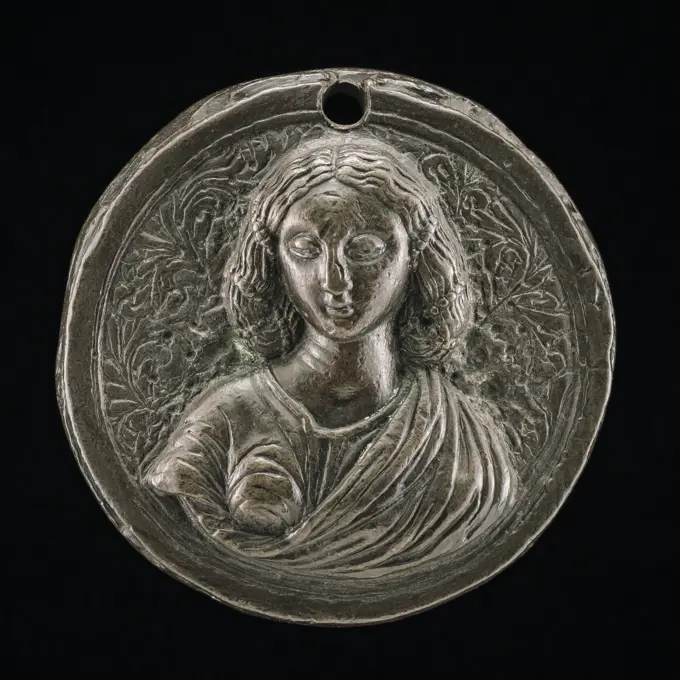
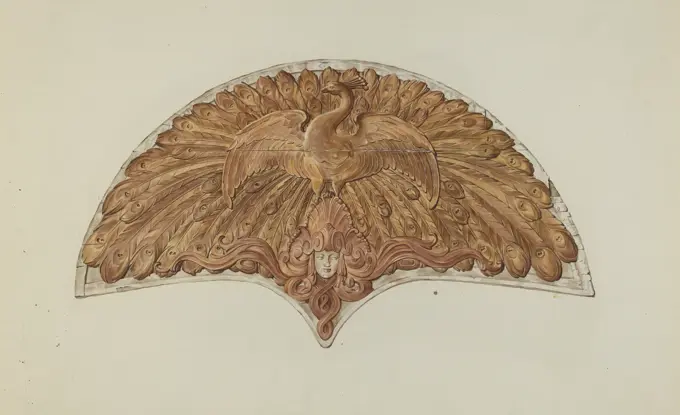
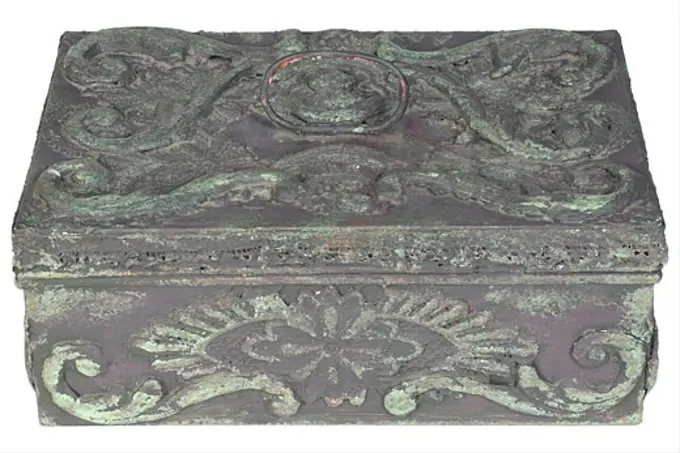
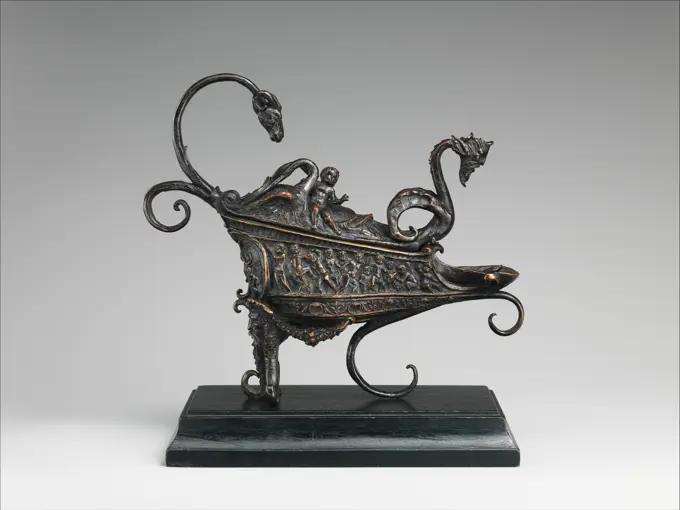
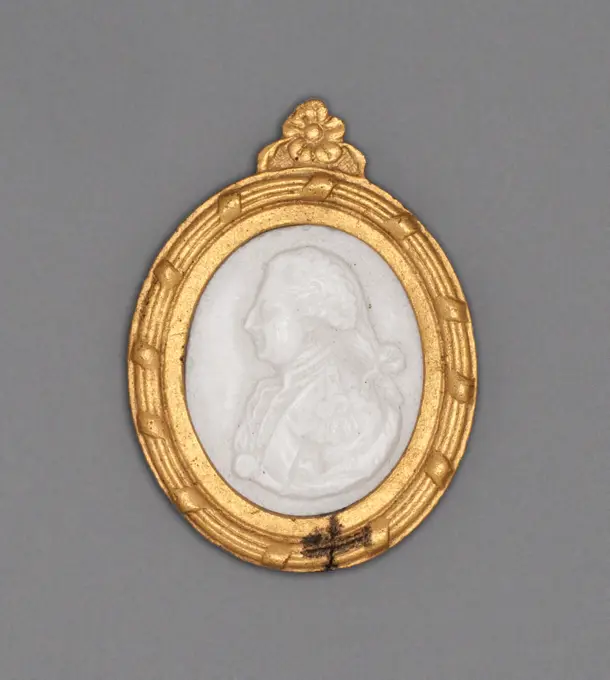
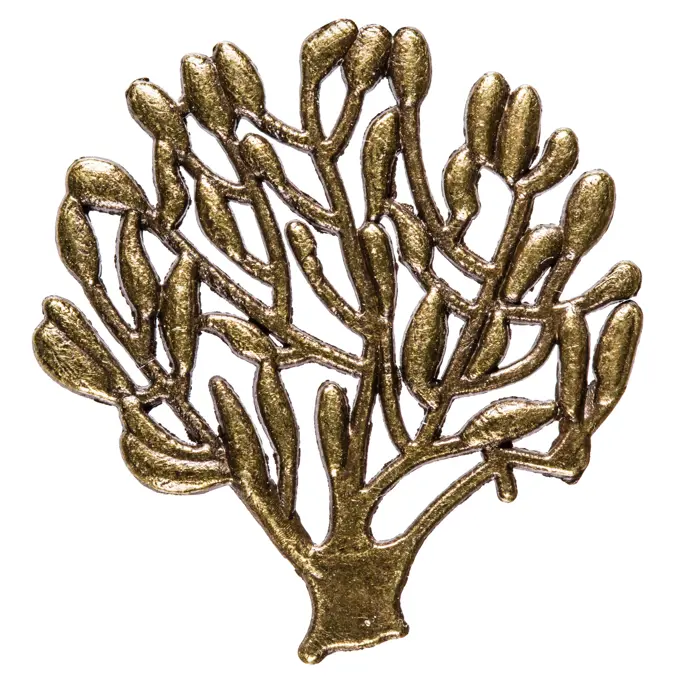
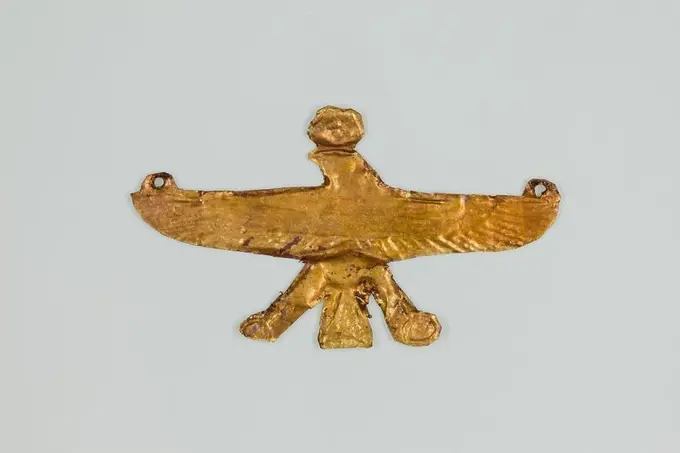
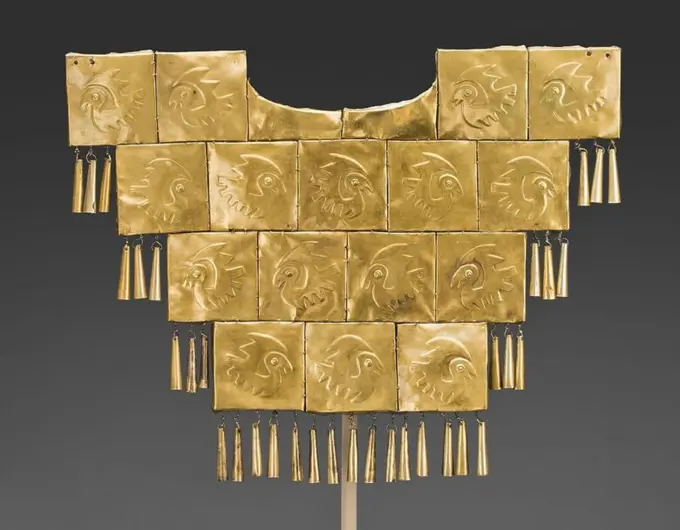
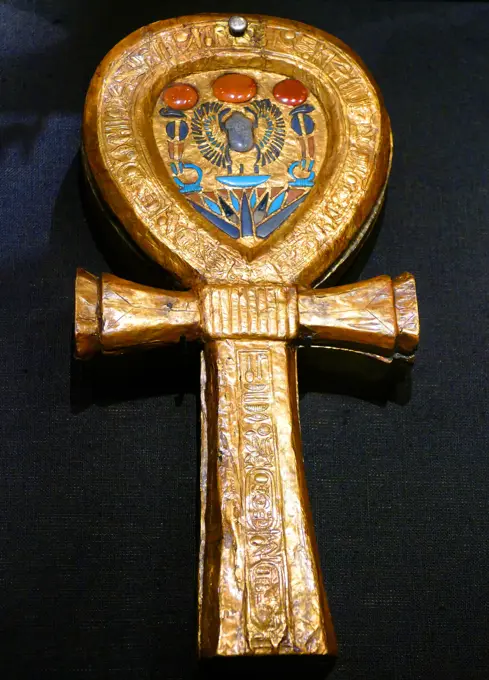
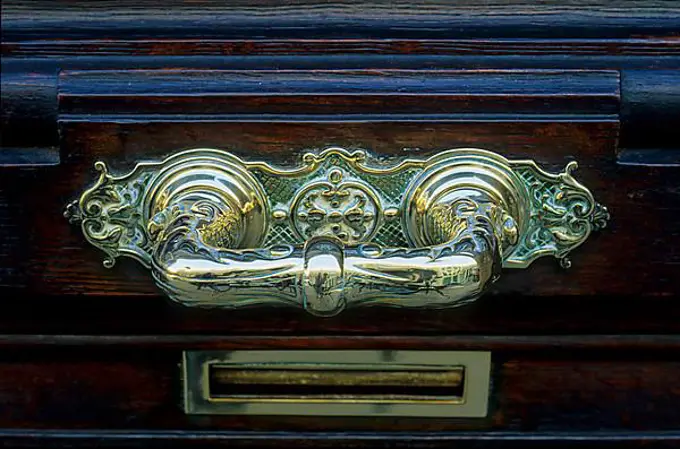
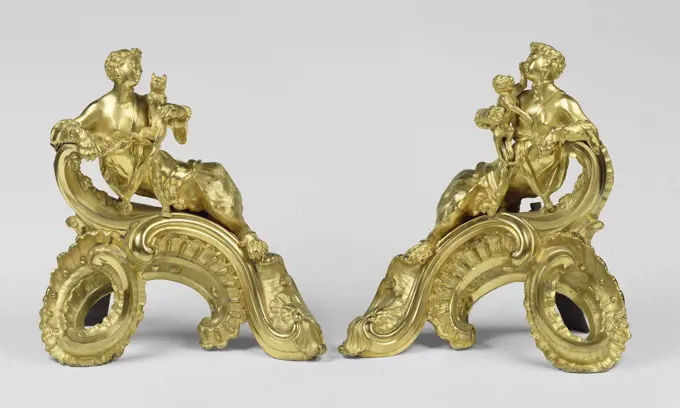
Necklace, Seed pearls, mother-of-pearl, gold, fiber, Necklace comprising eight sunburst-ornaments of seed pearls connected by strands and loops of seed pearls; gold clasp. Necklace and companion members of suite in a circular red leather case designed to hold the group., England or Scotland, ca. 1830, jewelry, Decorative Arts, NecklaceDeraisme, Pierre -Georges (n.1859 - D.1932). Petit Palais, Museum of Fine Arts of the City of Paris.Silver buckle 1st title 950/1000th. Stone strip imitated in volume, 2 marguerite patterns in the upper and low middle.British, Rococo frame, Huguenot craftsman, British, 3rd quarter of 18th century, Carved wood, later oil gilding over original gildingPLACA Y CINTURON DE HIERRO S VII. Location: ARCHAEOLOGICAL MUSEUM. Brüssel. Belgien.CrossMountEagle Pendant. Culture: Chiriquí. Dimensions: H. 5 3/8 in. (13.7 cm). Date: 11th-16th century. Museum: Metropolitan Museum of Art, New York, USA.Chain with Birds and Geometric Motifs 1000-1200 Kievan Rus' Chains, called riazni, were created from small cloisonné enamel medallions. The chains may have joined layers of dress, been worn as necklaces or bracelets, or used to suspend circular or crescent-shaped pendants known as temple pendants or kolti. Rus' women wore temple pendants in pairs, suspended beside the face, at the temple, as part of their elaborate headdress.. Chain with Birds and Geometric Motifs. Kievan Rus'. 1000-1200. Cloisonné enamel, gold. Made in Kiev (probably). Enamels-Cloisonnéstatue of goddess laxmi, india Copyright: xTxSatyan/DinodiaxPhotoxEscutcheonReliquary guardian figures Kota-Obamba people, Gabon, Early 20th century.Arrowhead (Yanone) ca. 1615-1868 Japanese Although today Japanese warriors are renowned most for their swordsmanship, archery, especially from horseback, has been an essential part of samurai warfare and culture for centuries. Arrows were fitted with heads of varying shape according to their intended use in war, the hunt, or target practice. Arrowheads made for use on the battlefield incorporated different designs intended for specialized purposes such as the piercing of armor or to cause maximum damage to horses and unarmored personnel.Large arrowheads, pierced and elaborately chiseled with landscapes, birds, flowers, dragons, and Buddhist divinities, were created to be admired for the beauty of their metalwork and design rather than for use in archery. Such highly elaborate examples may have been made for presentation or as a votive offerings to a shrine.. Arrowhead (Yanone). Japanese. ca. 1615-1868. Steel. Archery Equipment-ArrowheadsEarring with disc, amphora, chains. Earring with disc, amphora, chains 245956Brush; silverCross-Shaped Clock, c. 1600. Urban Hörle (German). Gilt copper, steel, and rock crystal; overall: 6.7 x 4.2 x 1.3 cm (2 5/8 x 1 5/8 x 1/2 in.).Replica of Heavenly Musician from Horyu-ji, 1615-1868. Japan, Edo period (1615-1868). Camphor (hinoki) wood with traces of polychromy in vermillion red, verdigris green, gesso white, and soot black; overall: 53.7 cm (21 1/8 in.); halo: 41.6 x 23.2 cm (16 3/8 x 9 1/8 in.); figure: 16.2 cm (6 3/8 in.).Klamp of a book lock with the presentation of the proclamation to Maria, 1773 Bracket of a book lock of gold, cast and ciseled, with a representation in relief the proclamation to Mary. The performance is surrounded by rocaille onion. Bible lock. The Hague gold (metal) casting Bracket of a book lock of gold, cast and ciseled, with a representation in relief the proclamation to Mary. The performance is surrounded by rocaille onion. Bible lock. The Hague gold (metal) castingMirrorKnife Handle (Kozuka) 18th century Japanese A kozuka is a handle of a by-knife that is part of a sword mounting. It is kept in a slot on the reverse of a katana scabbard, often with a matching kgai (hairdressing tool).. Knife Handle (Kozuka). Japanese. 18th century. Copper-gold alloy (shakud), gold, silver. Sword Furniture-KozukaGoldsmith's art, 19th century. Chiselled diamond brooch with central emerald cameo.Decorative Plaque, Probably from a Reliquary Shrine, c. 1200. Germany, Cologne, Romanesque period, 12th century. Gilded copper, gold wire, cabochons; overall: 2.9 x 8.3 cm (1 1/8 x 3 1/4 in.).Netsuke with Kagamabuta-stylized Baku. Culture: Japan. Dimensions: H. 5/8 in. (1.6 cm); Diam. 1 5/8 in. (4.1 cm). Date: 19th century. Museum: Metropolitan Museum of Art, New York, USA.Comb Decorated with Sacred Geese 12th Century. Sri Lanka.Nomadic peoples. Siberia. Pazyryk culture. Saddle pendants. Leather, gold. 5th-4th c. BC. Pazyryk burial site, barrow 1. The State Hermitage Museum. Saint Petersburg. Russia.Pendant (part 2), 1700s. Belgium, 18th century. Silver gilt and enamel; overall: 11.5 cm (4 1/2 in.).Pilgrim's Badge 14th-16th century French. Pilgrim's Badge. French. 14th-16th century. Lead. Metalwork-LeadKnife Handle (Kozuka). Culture: Japanese. Dimensions: L. 3 13/16 in. (9.7 cm); W. 9/16 in. (1.4 cm); thickness 1/4 in. (0.6 cm); Wt. 1.4 oz. (39.7 g). Fittings maker: Inscribed by Ginshotei Tomei (Japanese, 1817-1870). Date: 19th century.This set of sword fittings features a design of millet. Museum: Metropolitan Museum of Art, New York, USA.Watch ca. 1826-31 Watchmaker: Firm of Bautte et Moynier This pocket watch belongs to a category of upscale souvenir watches. It features Egyptian zodiac symbols taken from a Ptolemaic sandstone bas-relief that was brought to France in 1821 from the Temple of Hathor in Dendera, Egypt. Watch 209247Five Hand Guards (TSUBA), Hagiya Katsuhira, 1825-1875 Rounded rectangular tsuba, caught in a silver edge; At the front in Iroe-Taka, two ONI flees, while they are checked by a lady from a window; Signed "Seiryoken Hagiya Katsuhira". Japan copper (metal). silver (metal). Rounded rectangular tsuba, caught in a silver edge; At the front in Iroe-Taka, two ONI flees, while they are checked by a lady from a window; Signed "Seiryoken Hagiya Katsuhira". Japan copper (metal). silver (metal).. At the centre of this civic guard badge is Saint George, who has killed a dragon with his lance. He was the patron saint of crossbowmen. He is flanked by two coats of arms: at left those of the Lords of Breda and on the right the arms of the town.Belt buckle 1840s European. Belt buckle 122026The keyhole, decorative design element, isolated on white background The keyhole, decorative design element, isolated on white background Copyright: xZoonar.com/OleksandrxKostiuchenkox 11583061BucklePendant. Ghuma Singh (India, Rajasthan, Jaipur, active circa 1850-1900). India, Rajasthan, Jaipur, 1879. Jewelry and Adornments; pendants. Enameled gold; European-style gold mount set with four diamonds; glass backingBadge or Harness Pendant ca. 1400 Spanish Heraldry, or coat-of-arms, were vitally important in Europe throughout the Middle Ages and the Renaissance. Heraldic emblems were used to identify noble families, cities, regions, and even countries. In addition to being displayed on shields and flags, heraldry was incorporated into architectural decoration on the interior and the exterior of buildings, on furniture, works of art, clothing, and horse equipment. Harness pendants, like this example, would have been attached to a headstall, bridle, or other straps making up the tack of a horse ridden by a nobleman or noblewoman, or a member of their household. Many harness pendants also have decoration that is simply ornamental, or have symbols that are not specifically heraldic in nature.. Badge or Harness Pendant. Spanish. ca. 1400. Copper, gold, enamel. Miscellaneous-BadgesSkylight with an antique vase of wood carved in wood, surrounded by leaves, flowers and garlands, cutting window toplight carvings sculpture footage wood paint, of frameThe Four Quarter of the Coat of Arms of M.A. De Ruyter. Crowned wooden coat of arms, relieved. Silver cross on red field. The crown plated. The cross is now black. Tracks of mounting on the downside.Fragment 16th century French. Fragment 231167Reflector;  IIPO .Xixw. (1860-00-00-1865-00-00);Fragment, Medium: linen Technique: needle lace, Fragment with a portion of a flower and deep scallops., Venice, Italy, 17th century, lace, FragmentOrnament (Egypt); warp s-spun linen; wefts s-spun linen, s-spun wool, z-spun woolVase ornament () 18th century French. Vase ornament () 190029 French, Vase ornament (), 18th century, Gilt bronze, Overall (confirmed): 18  12 1/8  5 in., 16oz. (45.7  30.8  12.7 cm, 453.643g). The Metropolitan Museum of Art, New York. Gift of J. Pierpont Morgan, 1906 (07.225.510.283)One from a Pair of Palanquin Rings 13th century Cambodia or Thailand. One from a Pair of Palanquin Rings 53018 Cambodia or Thailand, One from a Pair of Palanquin Rings, 13th century, Bronze with traces of gilding, H. 8 3/4 in. (22.2 cm). The Metropolitan Museum of Art, New York. Gift of Enid A. Haupt, 1993 (1993.387.12)Six-Lobed Dish. Scale with lobed edge, sliced red lacquer. Decorated with landscape. Bottom is equipped with a collapsed poem and signature.Bronze situla (bucket) handle with panthers attacking deer 4th century B.C. Etruscan On either side of rings, panther attacking deer.. Bronze situla (bucket) handle with panthers attacking deer 255867Badge or Harness Pendant 14th century possibly Spanish Heraldry, or coat-of-arms, were vitally important in Europe throughout the Middle Ages and the Renaissance. Heraldic emblems were used to identify noble families, cities, regions, and even countries. In addition to being displayed on shields and flags, heraldry was incorporated into architectural decoration on the interior and the exterior of buildings, on furniture, works of art, clothing, and horse equipment. Harness pendants, like this example, would have been attached to a headstall, bridle, or other straps making up the tack of a horse ridden by a nobleman or noblewoman, or a member of their household. Many harness pendants also have decoration that is simply ornamental, or have symbols that are not specifically heraldic in nature.. Badge or Harness Pendant. possibly Spanish. 14th century. Copper, gold. Miscellaneous-Badgesgolden vintage ornament on wallBorder (possibly France); block-printed; 53 x 13 cm (20 7/8 x 5 1/8 in.)Carrying sign for the militia, anonymous, c. 1850 - c. 1899 medal Carrying sign with crown, eye, ring and ribbon.  penning: metal. lint: textile materialsBadge or Harness Pendant late 14th century Spanish Heraldry, or coat-of-arms, were vitally important in Europe throughout the Middle Ages and the Renaissance. Heraldic emblems were used to identify noble families, cities, regions, and even countries. In addition to being displayed on shields and flags, heraldry was incorporated into architectural decoration on the interior and the exterior of buildings, on furniture, works of art, clothing, and horse equipment. Harness pendants, like this example, would have been attached to a headstall, bridle, or other straps making up the tack of a horse ridden by a nobleman or noblewoman, or a member of their household. Many harness pendants also have decoration that is simply ornamental, or have symbols that are not specifically heraldic in nature.. Badge or Harness Pendant. Spanish. late 14th century. Copper, gold, enamel. Miscellaneous-BadgesMount; silvered brassPair of chutes 18th century French. Pair of chutes 190058 French, Pair of chutes, 18th century, Gilt bronze, Overall (.312a confirmed): 14  3 5/8  1 3/4 in. (35.6  9.2  4.4 cm); Overall (.312b confirmed): 13 7/8  3 1/2  1 3/4 in. (35.2  8.9  4.5 cm). The Metropolitan Museum of Art, New York. Gift of J. Pierpont Morgan, 1906 (07.225.510.312a, b)MountTombak Gilded Plaque probably 16th century This plaque is engraved with a symmetrical arabesque pattern against a ring-punched ground and terminates in two trefoils. It was probably one of a set adorning a large door, as can be seen in examples in the Suleymaniye Mosque and the Topkapi Palace in Istanbul. Three of the seven rivets used for attachment remain.. Tombak Gilded Plaque. probably 16th century. Copper; chased, engraved and gilded (tombak technique). Attributed to Turkey. MetalDish with Ram 2nd-1st century B.C. Pakistan (ancient region of Gandhara). Dish with Ram 38310MountCarnavalet museum, medal collection Right the music personified by a young girl sitting on the right on an altar, laureate, dressed in a medieval dress, holding a lyre; At his feet, a child seated naked on the right, holding a score; At the rear, a music trophy composed of instruments placed on the ground; above, a palm; Reverse a palm and a bay branch.Wind iron. A gold-plated copper spray with rooster. Head and tail are damaged.Mount; bronze, giltSelection of Colombian goldwork. Dated 16th CenturyBronze situla (pail) attachment in the form of a Silenos head 4th century B.C. Greek One of a pair of situla handle attachments depicting the form of a Silenos mask.. Bronze situla (pail) attachment in the form of a Silenos head 247978War 1939-1945. Promotion badge Emia 22 Lieutenant Henri Leclec de Hauteclocque. General Leclerc Museum of Hauteclocque and the Liberation of Paris, Jean Moulin Museum. 75312-15 French army, war 1939-1945, war 39-45, insignia, promotion insignia, military insignia, object, Second World WarPendant disc with bells Cypriot. Pendant disc with bells 242819Lion mask door pull. Culture: German. Dimensions: Overall: 8 7/8 x 7 7/16 x 2 5/16 in. (22.5 x 18.9 x 5.9 cm)Back Plate only: 7 15/16 x 7 7/16 x 2 5/16 in. (20.2 x 18.9 x 5.9 cm). Date: ca. 1425-50.Door pulls in the form of lion masks were a feature of many medieval churches throughout the Middle Ages. Such pulls functioned not only as decorative door hardware but also as sanctuary rings, symbols of the protection the church offered to those fleeing legal prosecution and other dangers.This bold example was cast in copper alloy, and the radiating locks of hair representing the mane were reinforced with an engraving tool after casting. Stylistic and elemental analyses reveal that this door pull was likely made in the first half of the fifteenth century in Nuremberg, in southern Germany, where prolific workshops also created impressive aquamanilia (water vessels in animal and human form used for washing hands) and other cast objects. It is strikingly close to a pair of door pulls stilliron door knocker iron door knocker with face of lion Copyright: xZoonar.com/GoneWithTheWindx 9224395Jewelry ,, 800 - 900 Jewelry of an impossible shape (!), Decorated with curls, between which is halfway in front of a human being above such an being; Another half figure on either side. Java gold (metal) Jewelry of an impossible shape (!), Decorated with curls, between which is halfway in front of a human being above such an being; Another half figure on either side. Java gold (metal)Furniture OrnamentAbruzzo, L'Aquila, L'Aquila, Museo Nazionale d'Abruzzo, Italy, 20th century, photo, photography, EuropeEarring-hook type with pendants and disc. Earring-hook type with pendants and disc 243373British, Baroque moulding frame, Unknown framemaker, 2nd half of 17th century, Carved wood, sucessive later oil gildings over original gildingPair of Sword-Grip Ornaments (Menuki) probably 18th century Japanese Menuki are a pair of ornamental sword fittings attached to either side of a sword hilt.. Pair of Sword-Grip Ornaments (Menuki). Japanese. probably 18th century. Possibly peach stone, copper, gold. Sword Furniture-MenukiTwo chandeliers. In addition to furniture, André-Charles Boulle also made other objects in gilt-bronze, for example this sort of chandelier. Whether these two came from his workshop is not known. It is also possible that they were made by another craftsman influenced by his style. Gilt chandeliers with candles heightened the luxurious and festive atmosphere of a room.Grahal-Manzara. Carnavalet 2013-2016 collection sites. Numismatics.Bowl with ribs on the inside. Wide bowl of stoneware, partially covered with a crackled, transparent glaze with a light blue hue. The inside with six ribs. The edge is unglazed. A crack in the edge. Qingbai.North Italian 16th Century, A Female Bust, 16th century A Female BustAbruzzo, L'Aquila, L'Aquila, Museo Nazionale d'Abruzzo, Italy, 20th century, photo, photography, EuropeBird Bead, c. 900-1550. Colombia, Muisca style, 10th-16th century. Cast gold; Muisca metalwork divides into two categories: ornaments to be worn, such as these, and offering figurines, in the case to the right. The elaborate bird pendant features delicate herringbone moldings, openwork patterns, and wing details-all part of the wax model from which the pendant was cast (see nearby computer animation). The dangles were attached after casting.Fireback. Unknown maker, FrenchFlora Merchant, Peacock Cabin Decoration, 1935 1942 Peacock Cabin DecorationGolden door knocker, historic city hall, Frankfurt am Main, Hesse, Germany, Europejewelry box container The Rothschild Lamp ca. 1510-20 Andrea Briosco, called Riccio Italian The great master of the small bronze in the early Renaissance, Andrea Briosco, called Riccio, trained first as a goldsmith in the workshop of his father, Ambrogio Briosco. He owes his renown to the bronze statuettes and functional objects he cast for a small circle of clients, particularly in his native Padua. Many of them were made in homage to the art of antiquity; Riccio borrowed motifs from ancient sources and combined them in novel ways to give them fresh meaning for his humanist patrons in that university town. Although members of his workshop and his followers issued, on a level of mass production, bronze oil lamps as well as inkwells and candlesticks, Riccio himself produced only a handful of them, including some unique oil lamps, which transcend utility to become masterpieces. Long in the collection of the Rothschild family, this is one of three superlative examples of its kind; the others are the Morgan LamCross 18th century Iberian. Cross. Iberian. 18th century. Gold, crystalsCameo with Head of a Man 1775-1799 Burslem. Stoneware (jasperware) . Wedgwood Manufactory (Manufacturer)Filigree in the form of a tree, decorative element for manual work, isolated on white background Filigree in the form of a tree, decorative element for manual work, isolated on white background Copyright: xZoonar.com/OleksandrxKostiuchenkox 11632301Dado (France); block-printed on joined sheets; 50 cm (19 11/16 in.) rollOttoman art example of Mother of Pearl inlays from IstanbulFalcon amulet. Dimensions: l. 4.5 cm (1 3/4 in.) × h. 2.4 cm (15/16 in.). Dynasty: Dynasty 26-29. Date: 664-380 B.C.. Museum: Metropolitan Museum of Art, New York, USA.Pendant in Foliate Shape 8th-early 10th century Indonesia (Java). Pendant in Foliate Shape 50126Gold necklace with an onyx locket, detail of a seahorsePendant 15th century French. Pendant. French. 15th century. Bronze, patina. Miscellaneous-Buckles & OrnamentBreastplate. Chimú; North coast, Peru. Date: 1000-1470. Dimensions: 34.2 × 21.6 cm (13 1/2 × 8 1/2 in.). Gold. Origin: North Coast. Museum: The Chicago Art Institute, Chicago, USA.Goldsmith's art, France, 19th-20th century. Opal, horn and gilded metal comb with dragonfly-shaped decoration. Vermeil and silver belt buckles, around 1900.Christmas badge For Christmas issued by the efforts of the League of Women's Supreme National Committee and the Central Star Committee for Legionnaires League of Women's Supreme National CommitteeGilded wooden mirror case in the form of an Ankh; from the tomb of King Tutankhamen 1336 - 1326 B.C.Door knocker abstract  house door    in italy   lombardy   column  the milano old        closed nail rustyCAJA CON ADORNOS VALENCIANOS. Location: MUSEE D'ARTS DECORATIFS. MADRID. SPANIEN.Pair of Firedogs; Attributed to Charles Cressent (French, 1685 - 1768 (master 1719)); Paris, France; about 1735; Gilt bronze;