Decorative Mounts and Hardware

Historical decorative mounts and embellishments, crafted in metal, showcasing intricate designs and fine details from various eras.
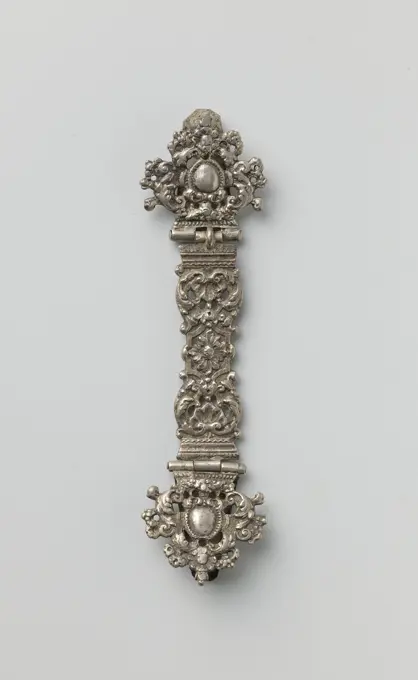
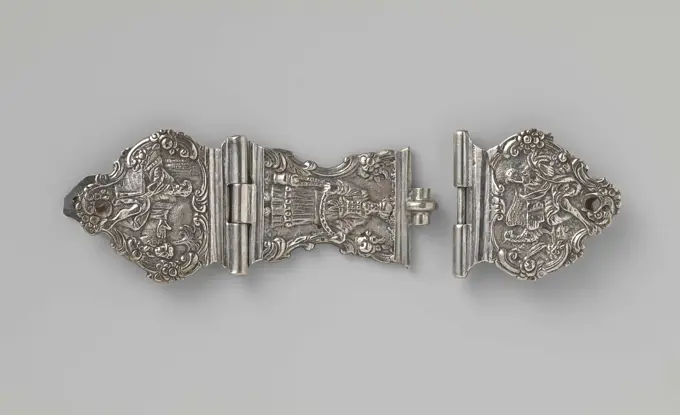
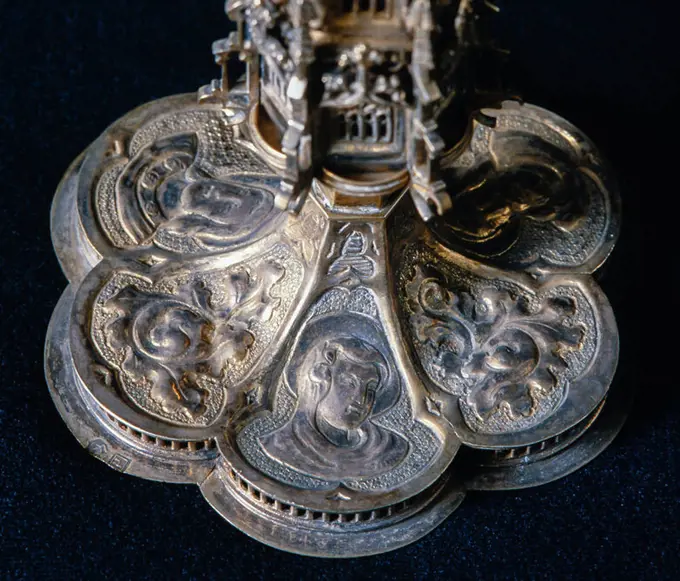
Book lock of silver, anonymous, c. 1800 - c. 1900 Book lock of silver, with signed mark.  silver (metal) Book lock of silver, with signed mark.  silver (metal)
Book lock of silver, anonymous, c. 1800 - c. 1900 Book lock of silver, with signed mark. silver (metal) Book lock of silver, with signed mark. silver (metal)
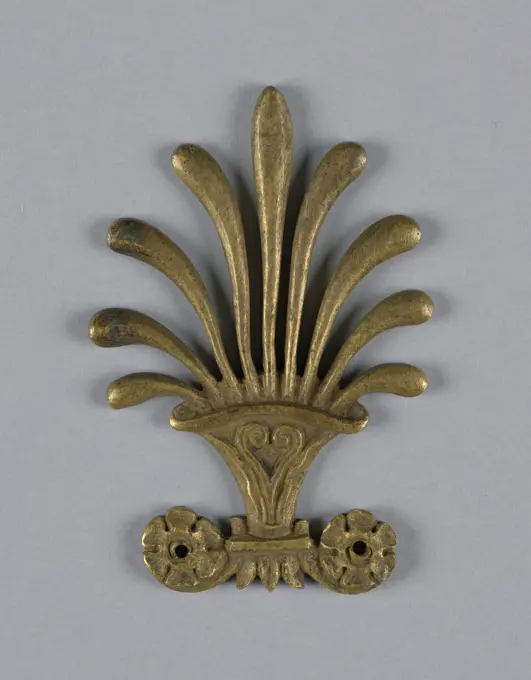
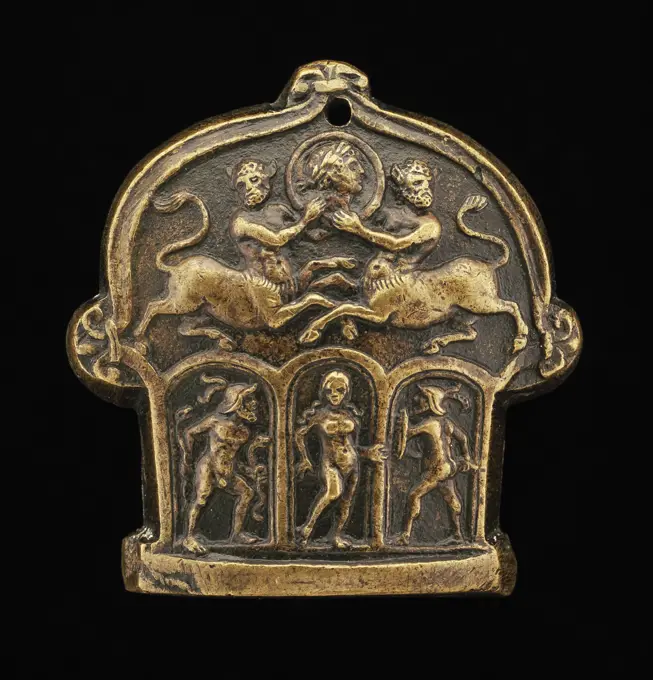
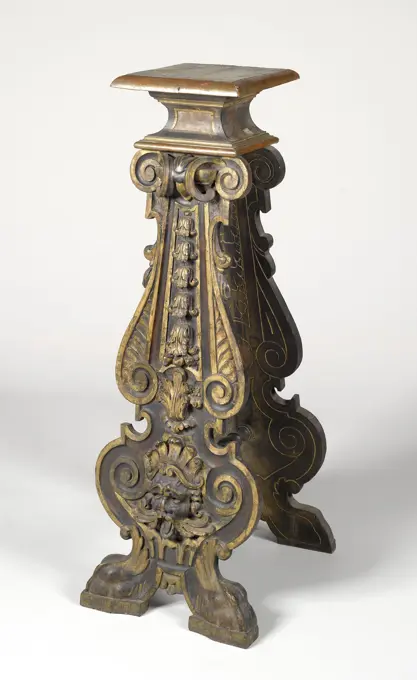
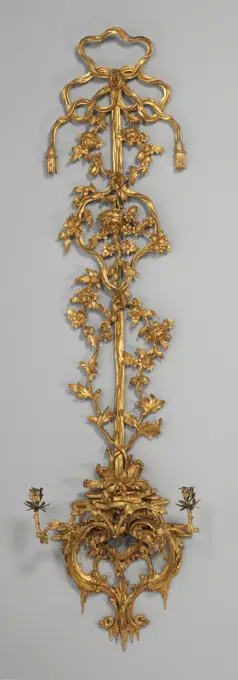
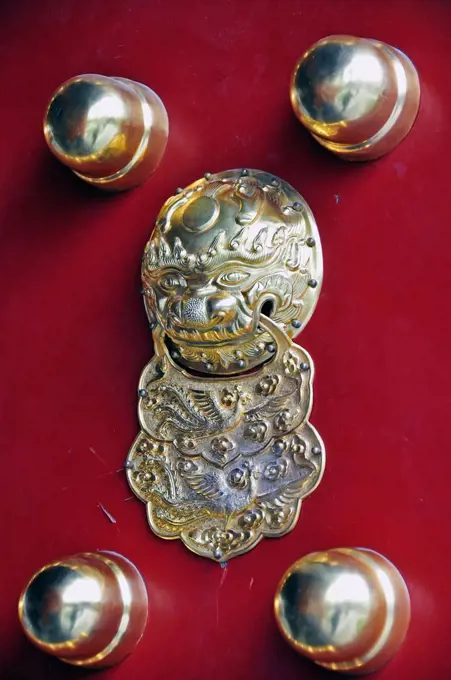
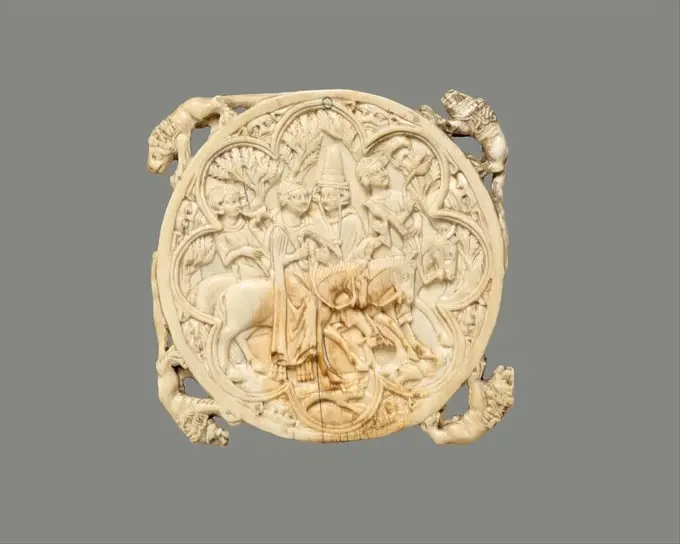
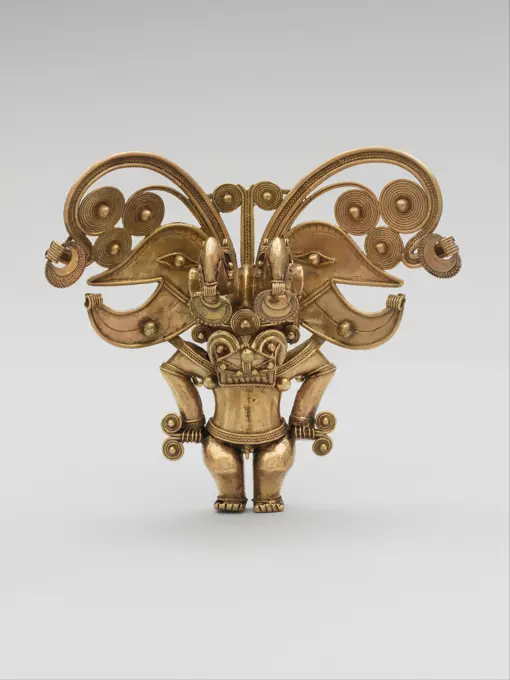
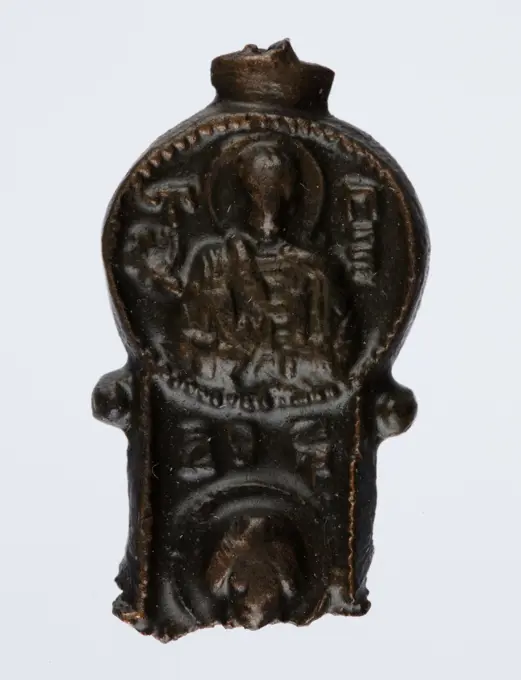
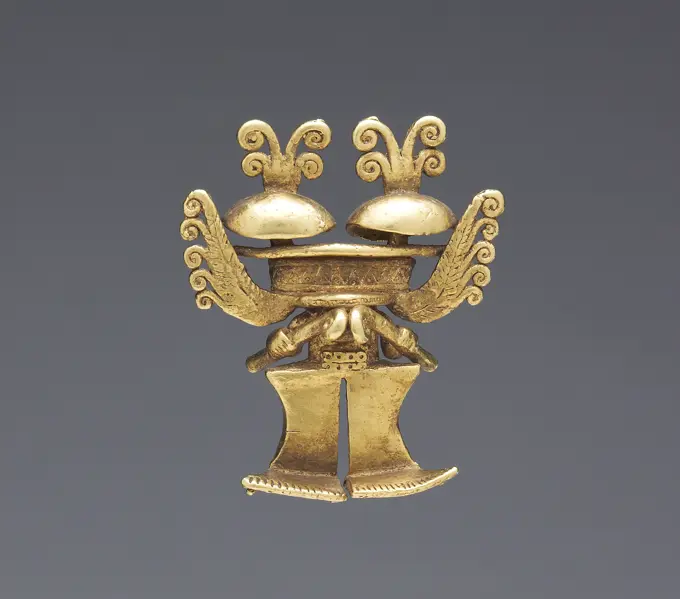
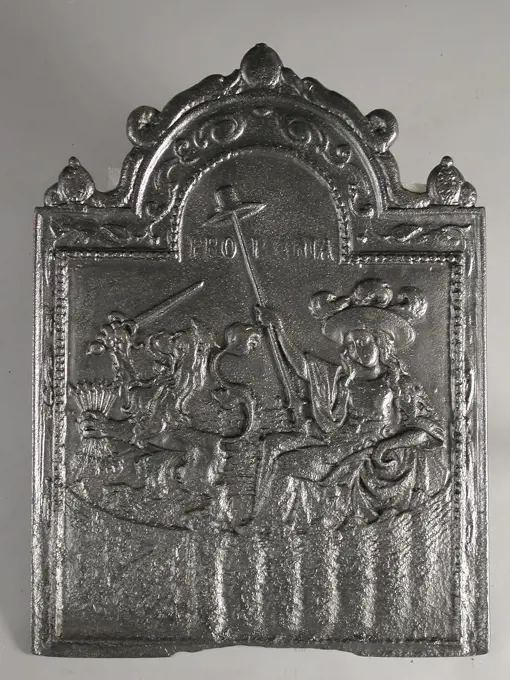
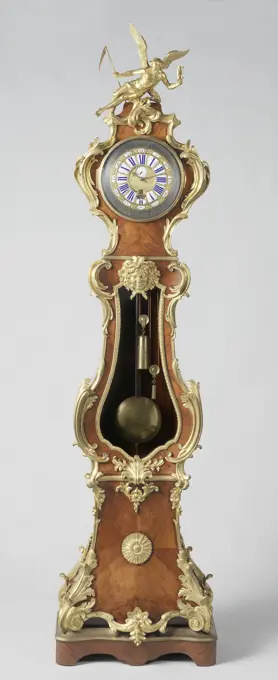
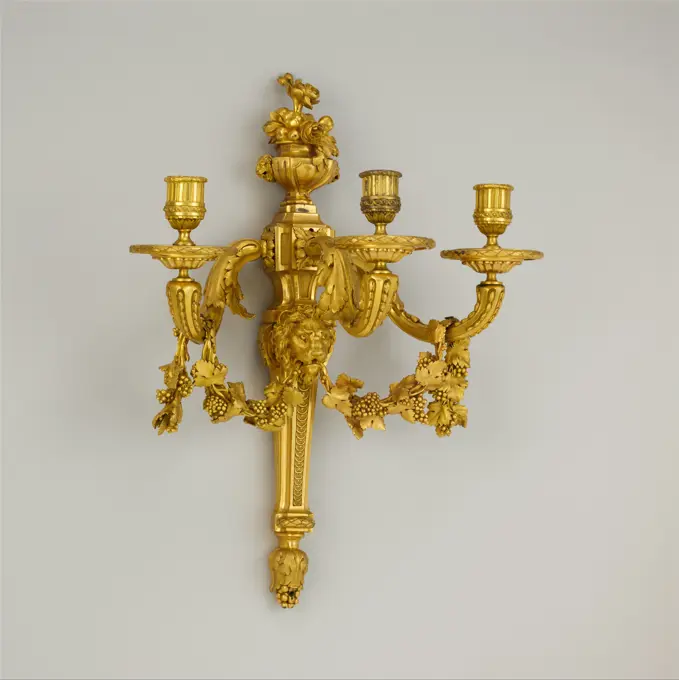
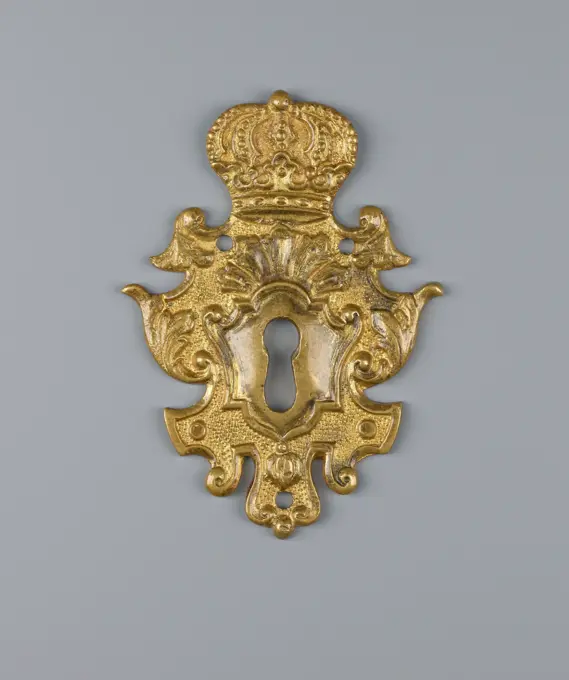
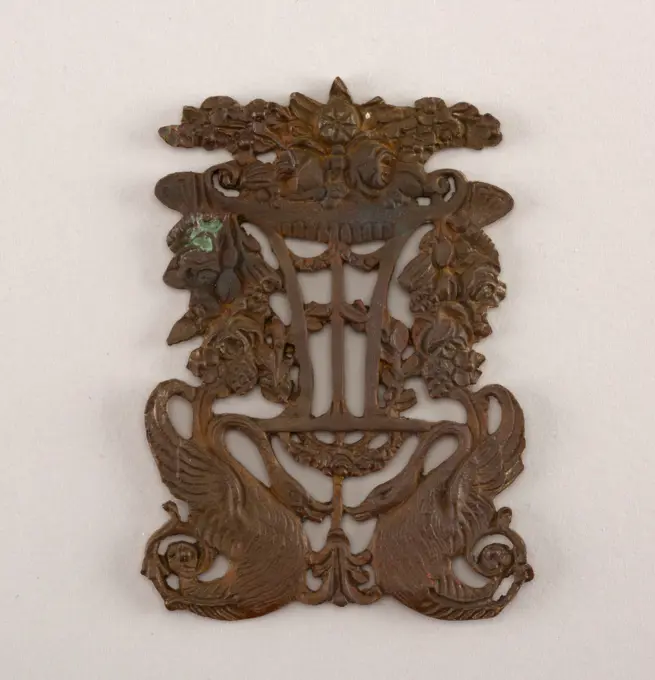
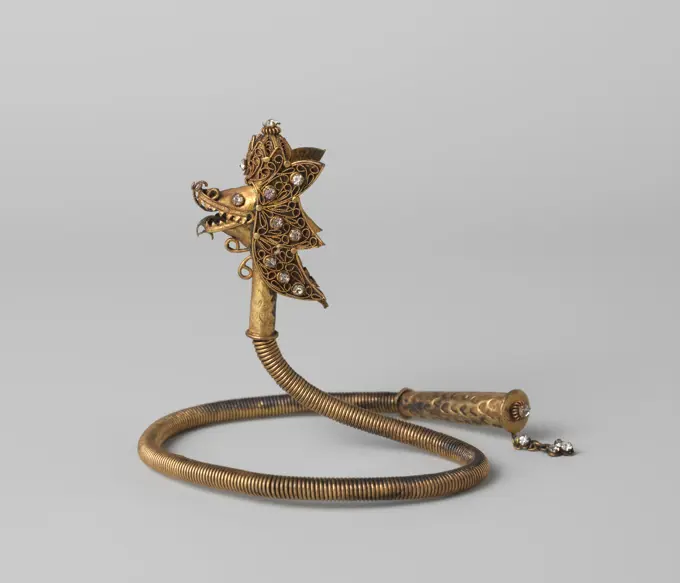
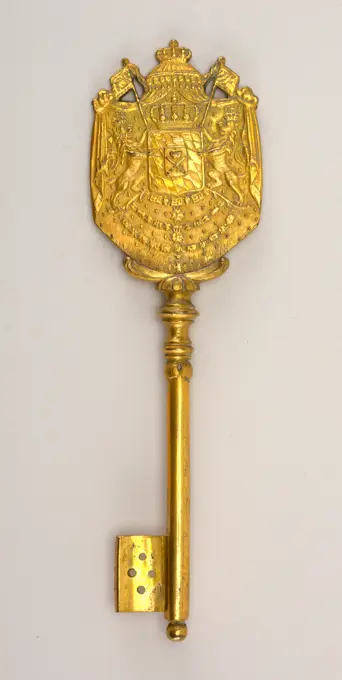
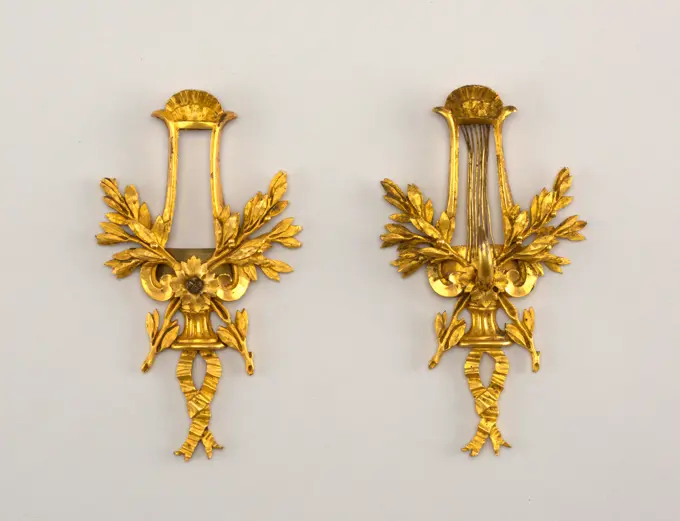
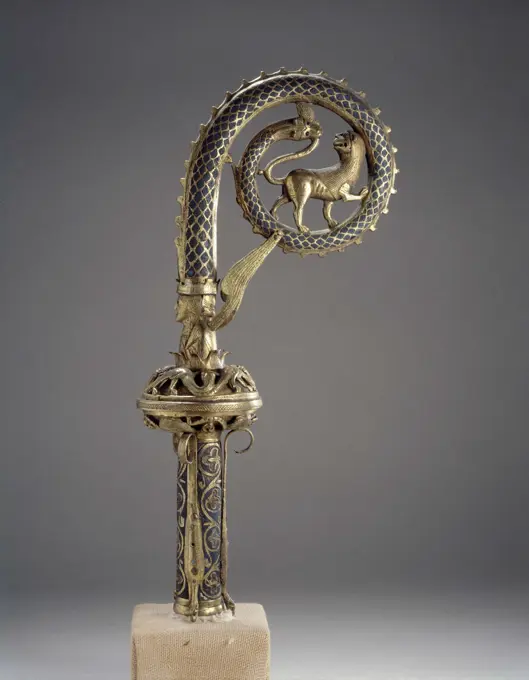
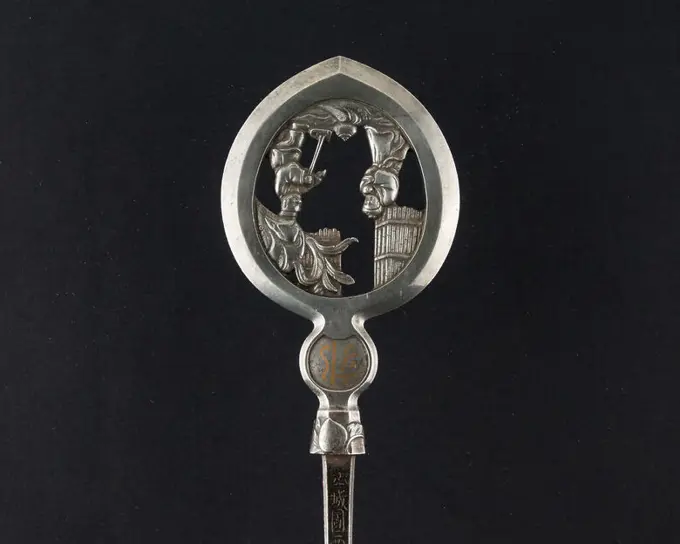
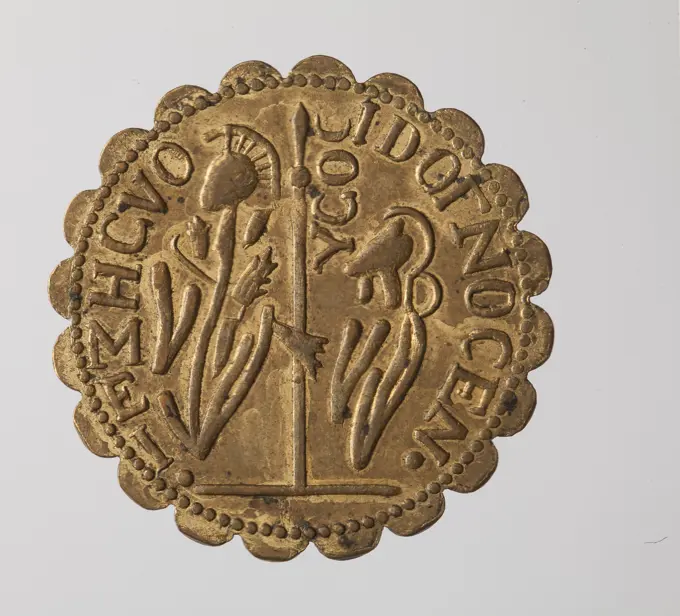
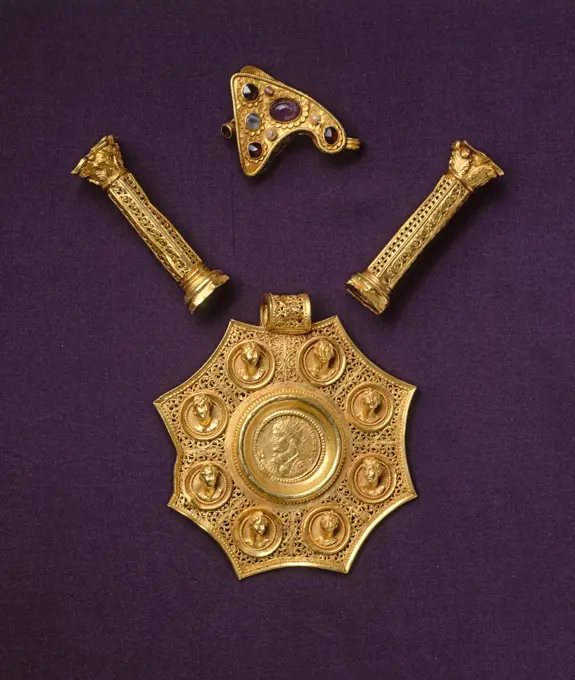
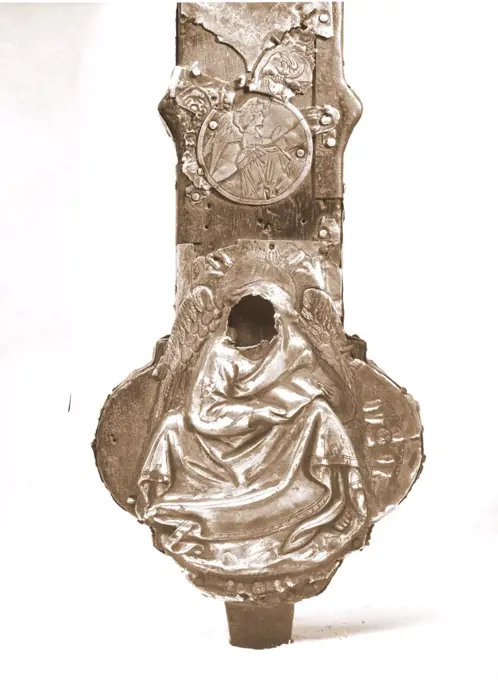
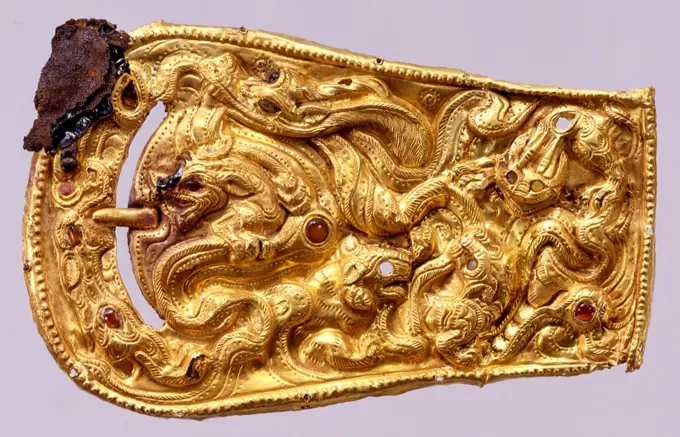
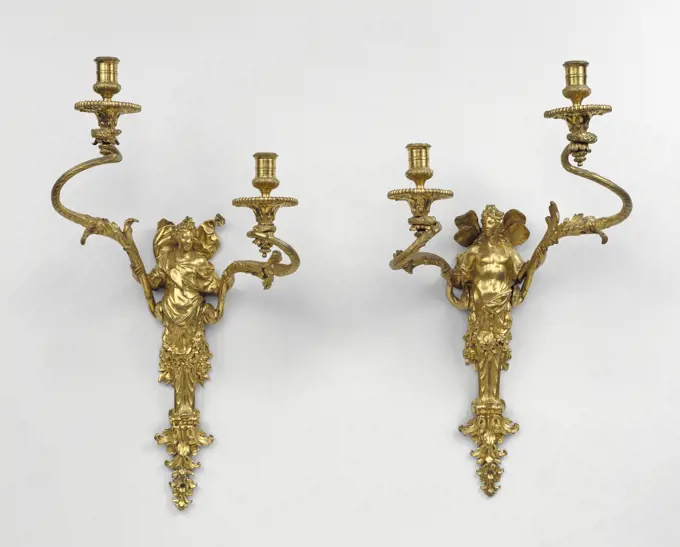
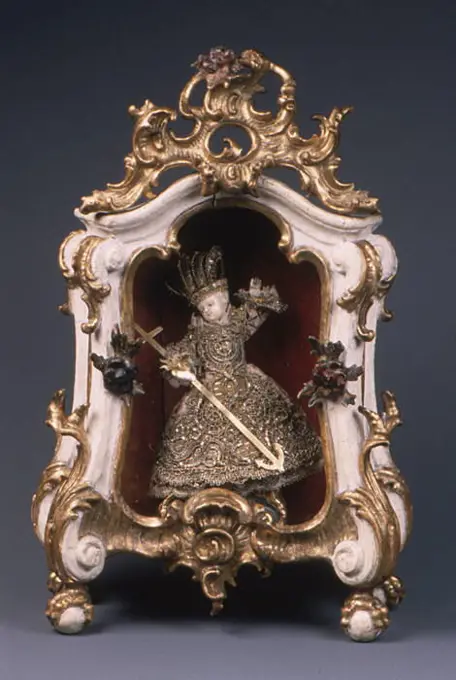
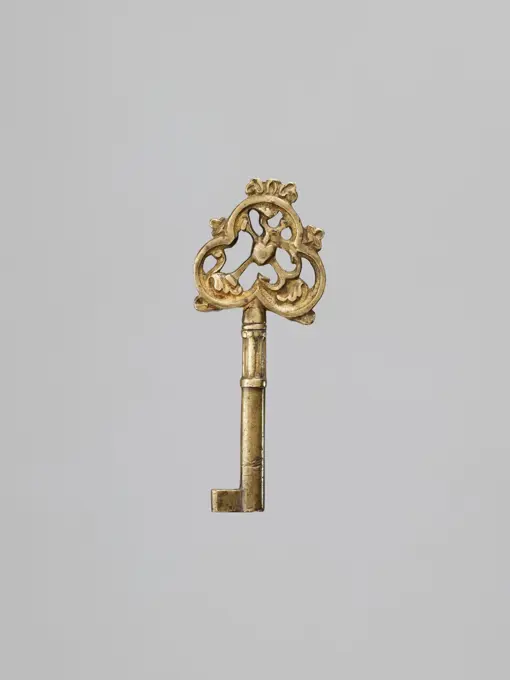
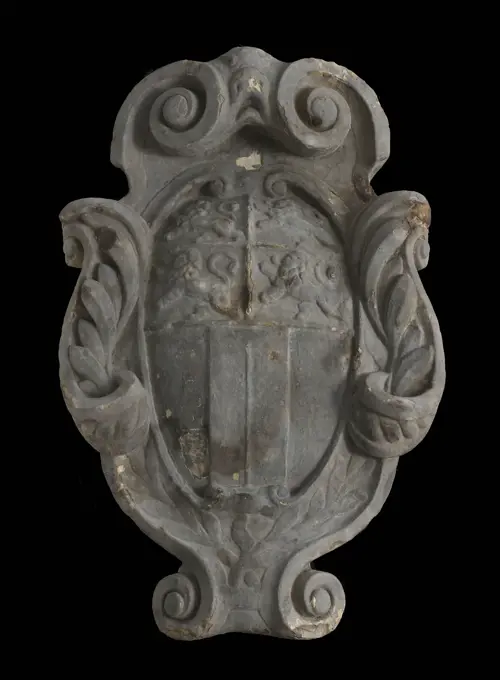
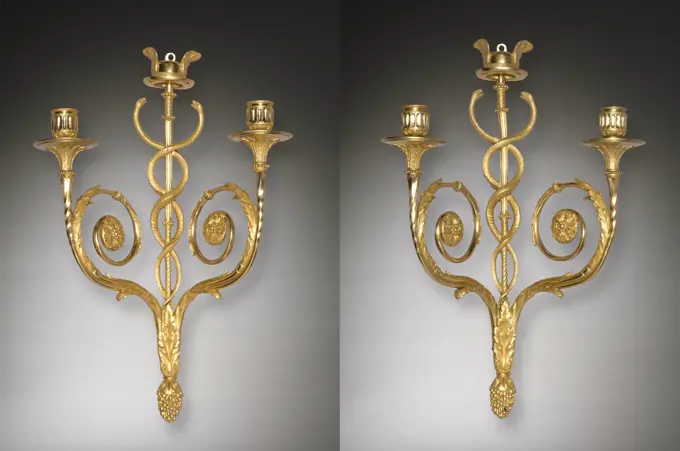
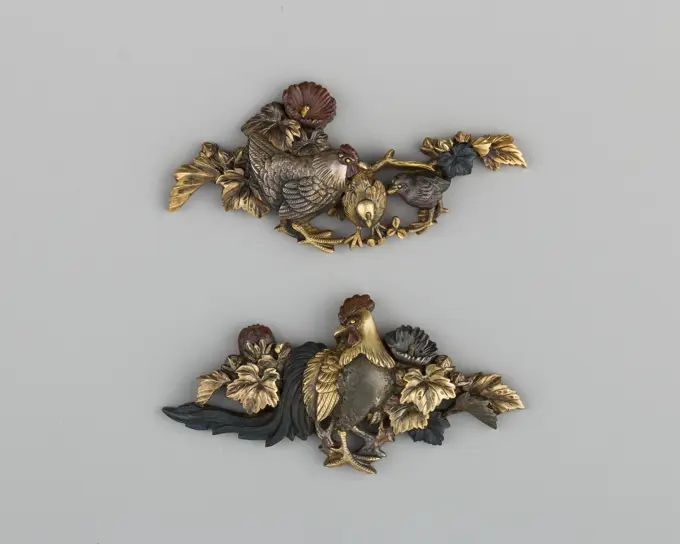
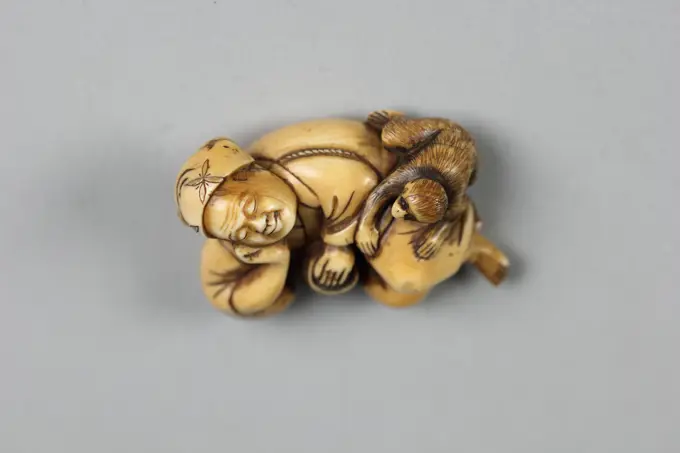
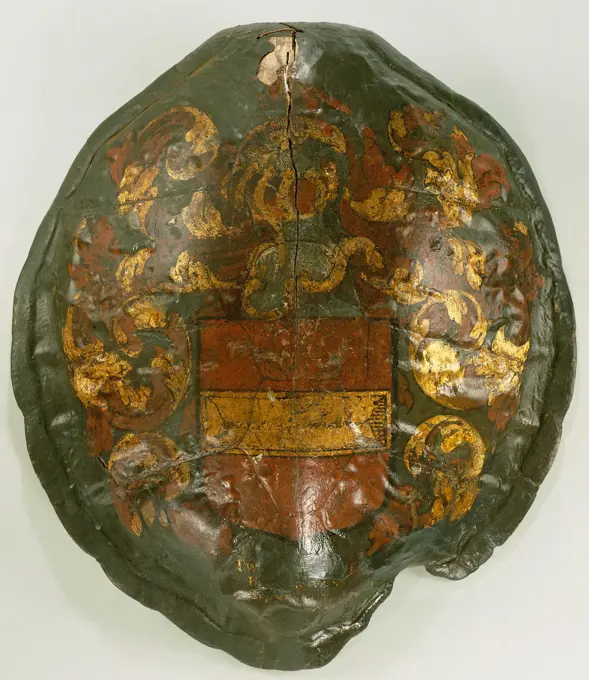
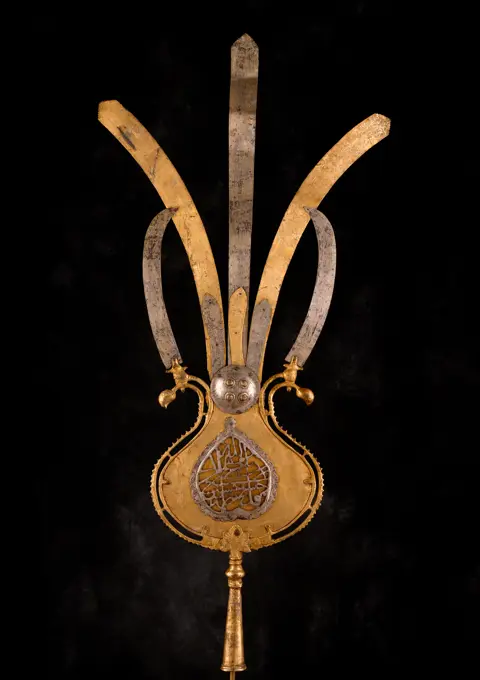
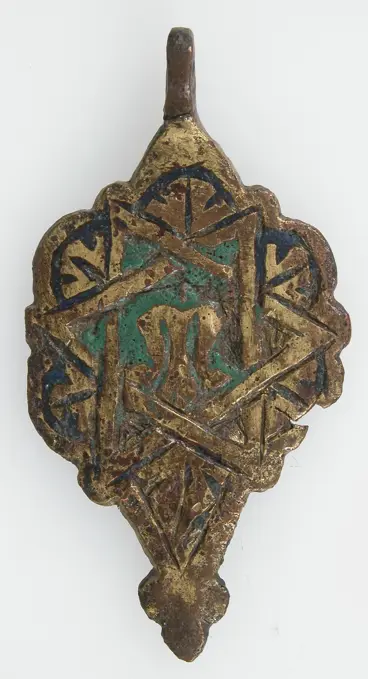
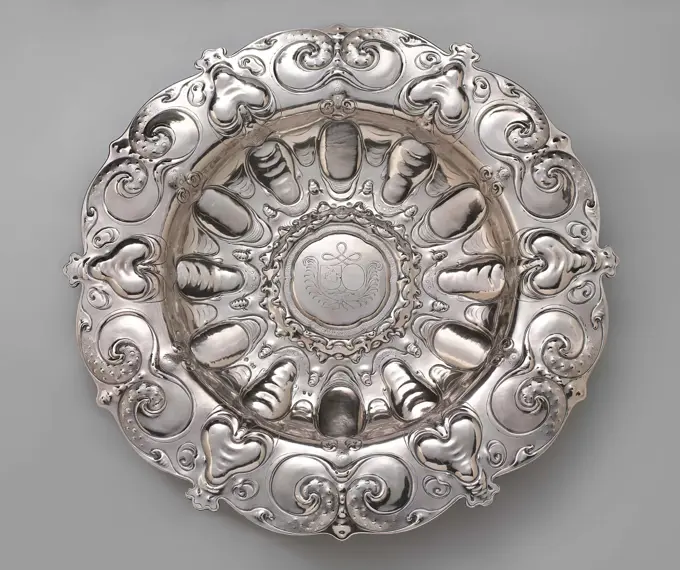
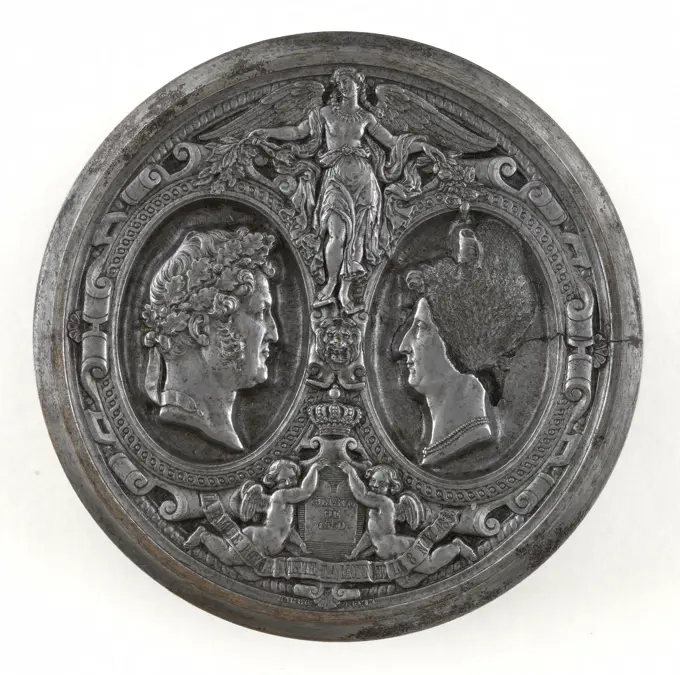
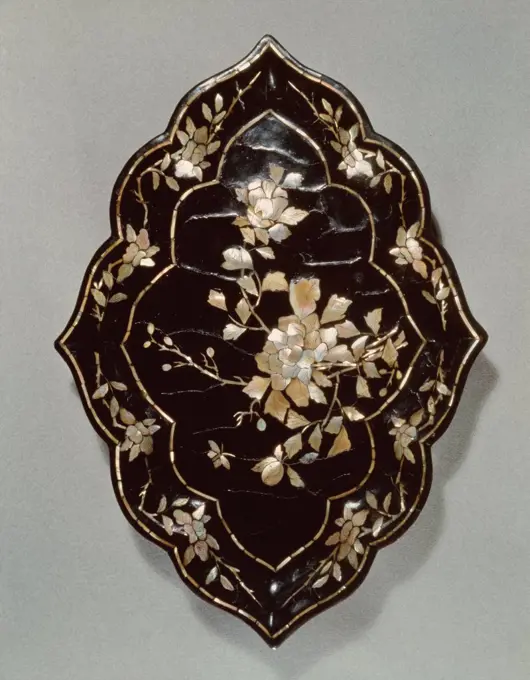
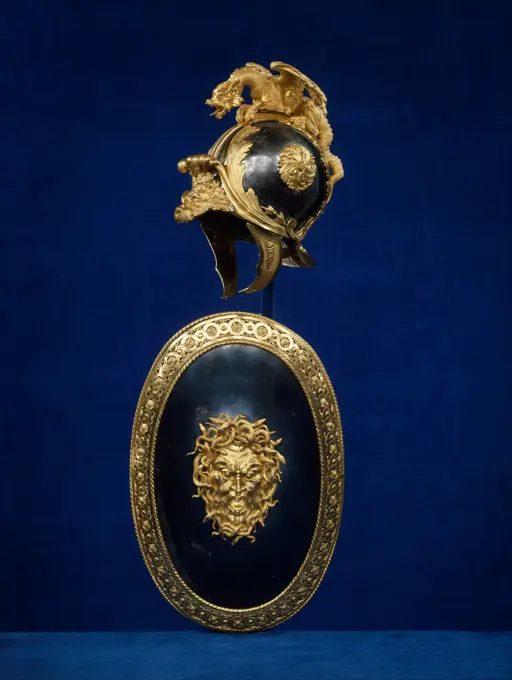
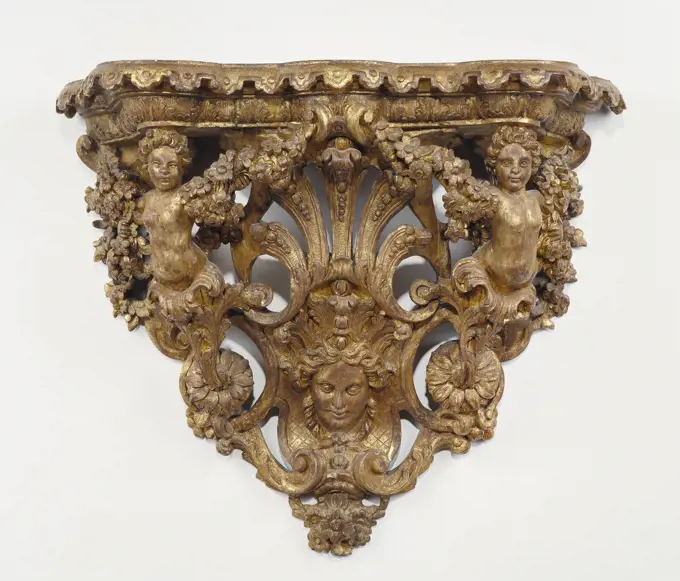
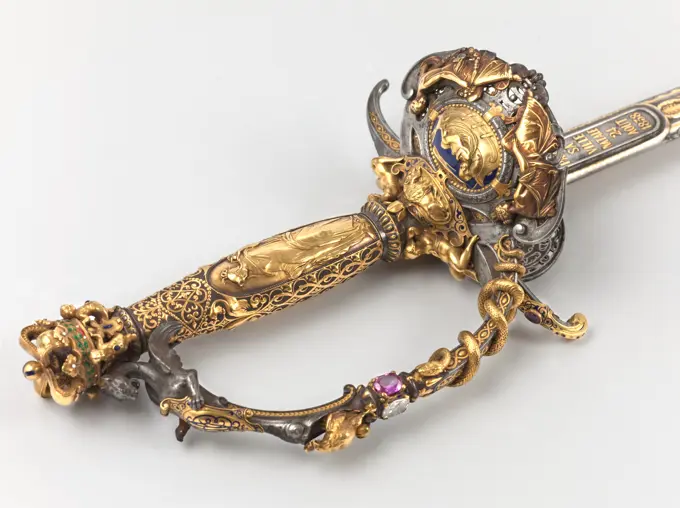
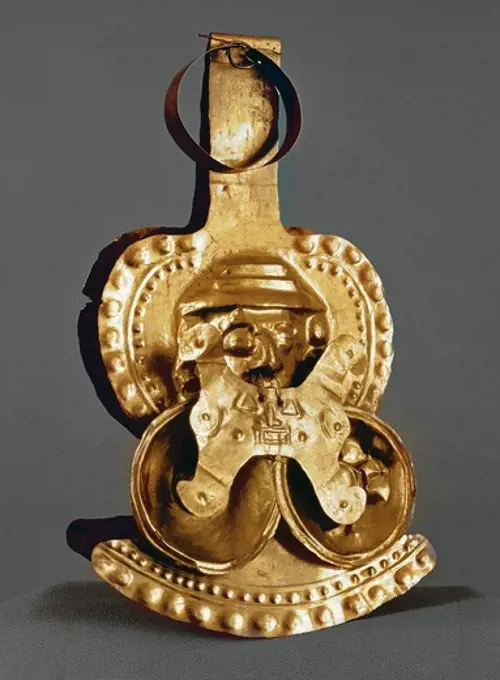
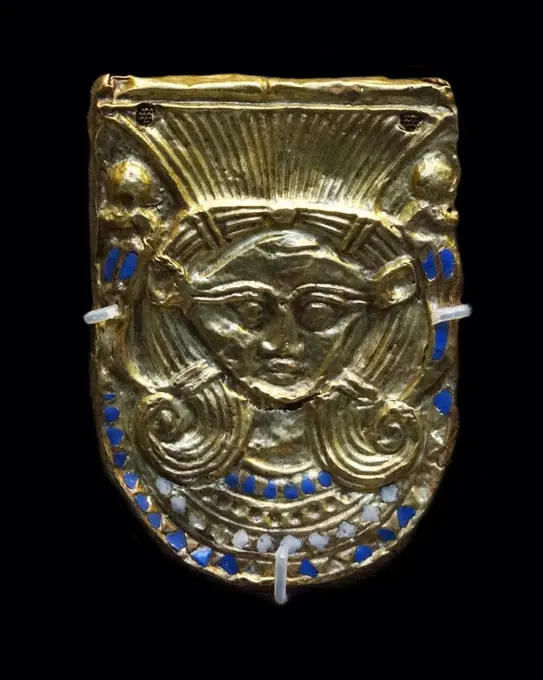
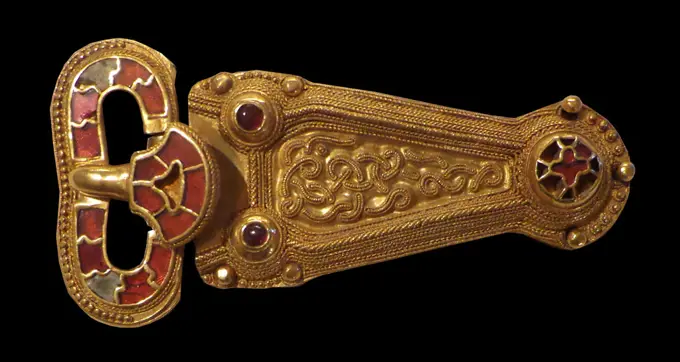
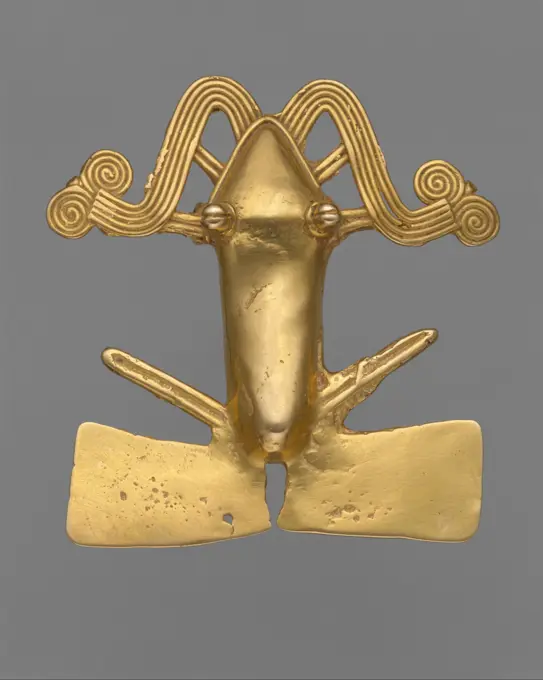
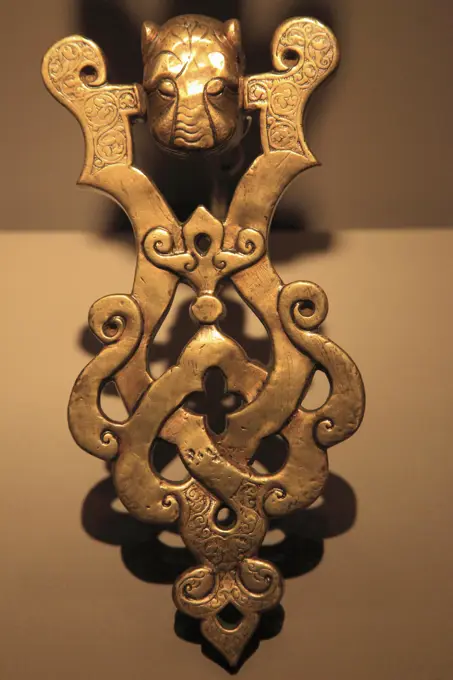
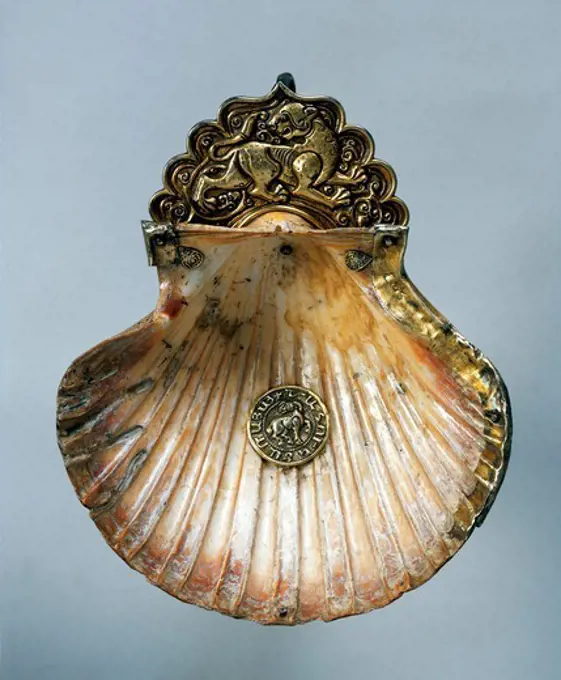
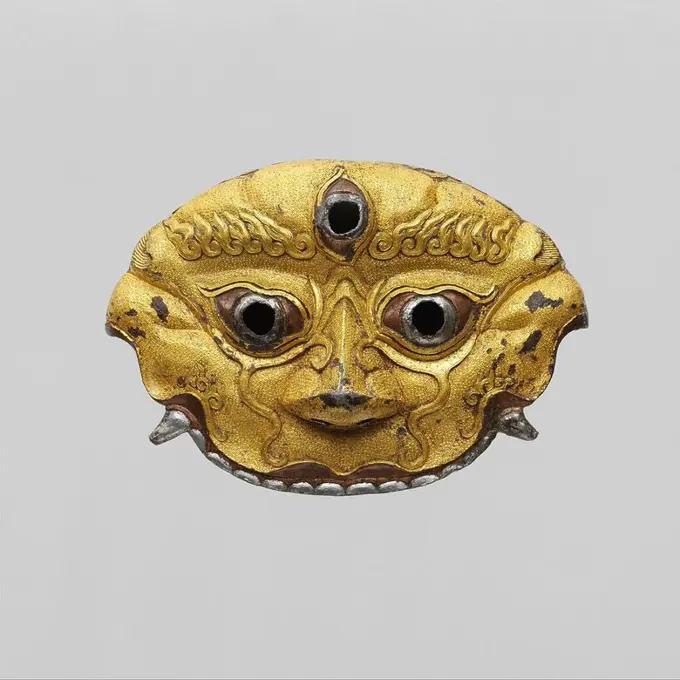
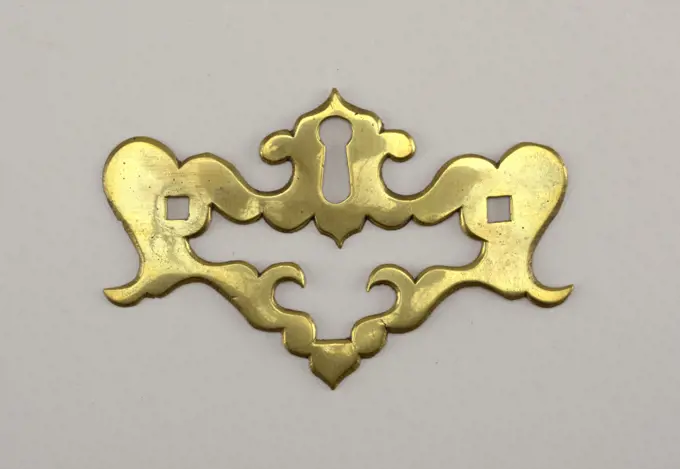
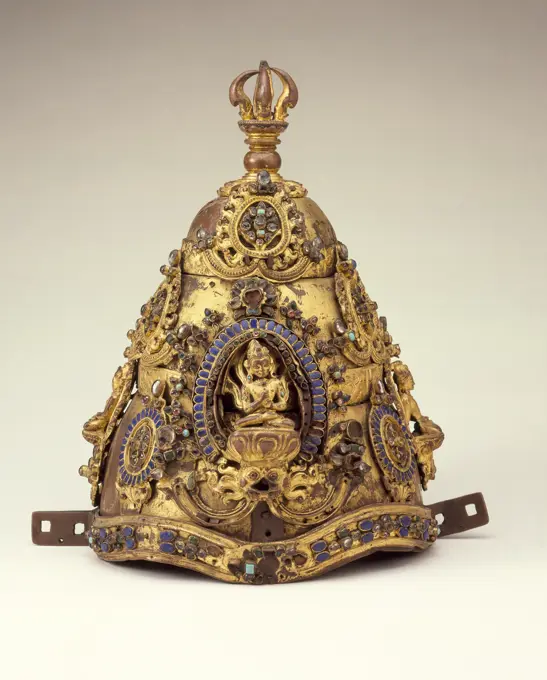
Mount; 1904-18-11EscutcheonMountMountMount (England); brassMountCaradosso Foppa, Part of a Sword Pommel (Centaur Supporting Medallion; Venus Flanked by Mars and Hercules) Part of a Sword Pommel (Centaur Supporting Medallion; Venus Flanked by Mars and Hercules)Book lock of silver, anonymous, c. 1800 - c. 1900 Book lock of silver, with signed mark.  silver (metal) Book lock of silver, with signed mark.  silver (metal)Fed Spot of partially gilded nuthout, Anonymous, 1550 - 1600 Pedimis of partially gilded walnut. The flat-sawn front and backs are placed in spread stand and are connected by an articulated sport at the bottom. The front shows a stabbed mascaron in the midst of lion claws ending in lion claws; Above it a clock cord, also amidst voluten. The back building has a similar decoration on the inside, indicated by deepened gilded contours. The pedestal has been cut and profiled. See: BK-16869-B. Italy wood (plant material). walnut (hardwood). gilding (material) gilding Pedimis of partially gilded walnut. The flat-sawn front and backs are placed in spread stand and are connected by an articulated sport at the bottom. The front shows a stabbed mascaron in the midst of lion claws ending in lion claws; Above it a clock cord, also amidst voluten. The back building has a similar decoration on the inside, indicated by deepened gilded contours. The pedestal has been cut and profiled. See: BK-16869-B. MountWall sconce (one of a pair) British ca. 1755 These sconces were formerly in the drawing room of Ecton Hall, Northamptonshire. View more. Wall sconce (one of a pair). British. ca. 1755. Gilded pine, brass. Woodwork-FurnitureA gold door knocker on a red door, beijing chinaCandle Bracket, c. 1780. France, style of Louis XVI, 18th Century. Gilt bronze; overall: 63.5 x 34.3 cm (25 x 13 1/2 in.).Two balusters with stabbed C and S-Voluten, Anonymous, c. 1740 - c. 1760 Two balusters with S-shaped baluster with stabbed C and S-Voluten with rocaille shells. Northern Netherlands wood (plant material) Two balusters with S-shaped baluster with stabbed C and S-Voluten with rocaille shells. Northern Netherlands wood (plant material)Panel, 1600s. India, Mughal dynasty (1526-1756). Ivory; overall: 43.8 cm (17 1/4 in.).MountMount, Gilt bronze, Flower, furniture mount fragment, France, ca. 1830, metalwork, Decorative Arts, MountKnob; 1914-27-81MountPair of Sword-Grip Ornaments (Menuki). Culture: Japanese. Dimensions: L. of each 1 in. (2.5 cm); Wt. of each 0.2 oz. (5.7 g). Date: 18th century. Museum: Metropolitan Museum of Art, New York, USA.Netsuke 19th century Japan. Netsuke 603083 loan wardrobe lock;  XVII/XVIII (1691-00-00-1710-00-00);Pendant ca. 1575 French. Pendant. French. ca. 1575. Bronze. Miscellaneous-Buckles & OrnamentMirror Case. Culture: French. Dimensions: Overall: 4 3/8 x 4 1/8 x 7/16 in. (11.1 x 10.4 x 1.1 cm)diameter: 4 in. (10.1 cm). Date: 1350-75.Mirror cases, which might be considered forerunners of the modern compact, were primarily destined for the aristocracy, and their subject matter reflects the activities and interests of their owners. Here, a lady and gentleman hunt with falcons, accompanied by attendants. Medieval literature frequently drew a parallel between falconry and courtly love, and the playful imagery of this ivory may be read as a metaphorical hunt for love. Museum: Metropolitan Museum of Art, New York, USA.Masked Figure Pendant 10th-16th century Tairona The Tairona people of the Sierra Nevada de Santa Marta in northern Colombia produced some of the grandest and most complex gold objects ever made in the Americas. This pendant is an excellent example of the skill and virtuosity possessed by Tairona goldworkers. Of considerable volume, it depicts a broad-shouldered male figure standing in a confrontational hands-on-hips stance. His head is that of a crocodilian or bat. He is wearing an animal mask with a square toothy snout and diamond-shaped nose leaf. Covering the head is an enormous headdress that is as tall as the figure itself. It has two big-beaked birds on the front of its cap and elaborate sidepieces with detailed spiral and braided elements. The figure may portray a ruler, a supernatural ancestor, or a shaman in the state of symbolic and spiritual transformation, in which its features assume those of a helping animal spirit. A powerful image such as this one would have been worn bBliżej Kultury unknownAnimal-Headed Figure Pendant, 1-800. Colombia, Quimbaya or Yotoco style, 5th-10th Century. Cast gold; overall: 5 x 4.2 x 1.3 cm (1 15/16 x 1 5/8 x 1/2 in.). The same creature, nasty but precious, appears in both pendants (1939.515). Human in its posture and arms, its head is that of an animal with a long, toothy snout. It holds batons to its mouth, and whiskers or ears flare from the sides of the head. The little headdress domes are mystifying; they have been described as mushrooms, gourds, and ceramic vessels, among other things.Okucie. unknown, creatorFireback Dutch virgin in garden, text Pro Patria, hob plate cast iron, cast Rectangular bow at the top. On top of pomegranate flanked by dolphins Around border with plant garlands between the frame and the pearl necklace. In the middle the sitting Dutch virgin with the right hand holding hat up on stick. Next to her the Dutch lion with sword and bundle arrows. Virgo and lion are in braided wooden fence the so-called 'garden' Above the Dutch virgin: PRO PATRIA living environment interior warming freedom fight politics Dutch virgin Dutch gardenLongcase clock, Balthazar Lieutaud, c. 1760 - c. 1765 Standing clock decorated with marqueterie on oak core and with gilded bronze. On a low pedestal is the rejuvenating base with four fields, the winch -shaped cupboard with door and glass window and the, head and up and up, head with the timepiece; everything separated by lists. At the front the edges are contained in a frame, as well as the hind legs, with shell, volute and floral motifs; On top of a figure of the time. Marqueterie in herringbone motif. Figuratively gilded bronze fittings. Paris wood (plant material). oak (wood). softwood. rosewood (wood). rosewood (wood). bronze (metal). glass. gilding Standing clock decorated with marqueterie on oak core and with gilded bronze. On a low pedestal is the rejuvenating base with four fields, the winch -shaped cupboard with door and glass window and the, head and up and up, head with the timepiece; everything separated by lists. At the front the edges are contained in a frame, as well aFour Funeral Shields of the Amsterdam Guild of Corn Measurers, Johannes Lutma (1584-1669), 1633 On each of the two related, cartouch -shaped plates (A and B), a cornfield is driven in which a corn meter is bent over the size, a basket with grain. In his left hand he holds a shovel and a bar in his right with which he pushes the size. This scene is shown on the two plates from a different point of view; On A the corn meter is shown diagonally from behind; On B from the front. The almost identical cartouches are made up of soft tissue that have mask-like shapes in the middle of the top and top. The city coat of arms of Amsterdam is included in the upper edge. Left and top right protrudes a corn meters scoop from the list; A basket with LAT has been processed in the lower edge. At the bottom of each shield hangs on a chain a banderol decorated with soft ornaments with a roughed soil. On that of A is the text Cooren. Meters and that of B 16 Gildt 33. Amsterdam silver (metal)   Amsterdam OnSet of four three-light sconces (bras de lumière) 1788 Cast by either Etienne-Jean Forestier This set of wall lights was adapted from an existing model in order to match the decor of Louis XVIs bedchamber at the Chteau de Saint-Cloud, for which the four wall lights were commissioned. First executed for Marc-Antoine Thierry, baron de Ville dAvray (1732-1792), who had been in charge of the royal furnishings as head of the Garde-Meuble de la Couronne since 1783, the original design incorporated a rams head holding a garland of vine leaves and bunches of grapes in its mouth, below a flower vase. For Louis XVIs set, the rams head was replaced by that of a lion, the king of animals and a symbol of power. A lion also served as a decorative motif on the bed and seat furniture in the same room. Since the rest of the design was not altered, the lions appear, curiously enough, to be eating grapes, as if they had turned herbivorous for the occasion.According to extant bills, the bronze casteBoekslot met voorstelling van Mozes.Book Lock of Silver with Presentation of Moses. Two evangelists in the corners.Pendant: Face in Crescent, 1900s. Africa, West Africa, Côte d'Ivoire, probably Baule-style goldsmith. Gold; overall: 7 x 7.4 cm (2 3/4 x 2 15/16 in.). Gold objects, always cast using the lost-wax method, are the only Baule art forms associated with ancestor spirits. Usually hidden in pots or suitcases, gold adornments are displayed on important occasions such as funerals. They are laid out around the corpse before burial. A widow will wear them on a chain around her neck or attached to her hair at the ceremony signaling the end of mourning.Lock sign. unknown, creatorhttp://cprhw.tt/o/2AZDX/Bracelet in the shape of a snake. Bracelet in the shape of a hose (Naga). Long cana. The bracelet is made up of gold-plated copper and decorated with diamond (brilliant cut - old grinding). Upper bracelet for man or woman (dancers or wedding couple).List fragment: gilt list of pâte ornaments, upper rule., C. 1700 - c. 1899 frame Gilded list of oak leaves with acorns. List part, above rule. With written on the back: 'Top, no. 3'.  wood (plant material). gold leaf gildingKey (Germany); gilded bronze ; 1909-27-6MountCopper stick (volute on the right). Limoges, 13th century. Museum of Fine Arts of the City of Paris, Petit Palais. 24210-8 Stick, copper, inlays, lion, medium age, snake, voluteArrowhead (Yanone). Culture: Japanese. Dimensions: L. 11 1/2 in. (29.2 cm); L. of head 4 1/2 in. (11.4 cm); W. 2 3/4 in. (7 cm); Wt. 5.4 oz. (153.1 g). Date: dated 1645. Museum: Metropolitan Museum of Art, New York, USA.token, imitation of Cekin VeniceOctagonal Pendant with Corinthian Column Spacers and Clasp Set , AD 324-26. Byzantium, Late Roman, Eastern Mediterranean, (probably Sirium or Nicomedia), Byzantine period. Gold; Mounted at the center of this octagonal pendant is a rare coin issued by Constantine the Great, the Roman Empires first Christian emperor. Constantines portrait appears on the coins front, those of two of his sons on the back. Constantines image is surrounded by male and female busts, some of which are mythological figures. The pendant once formed the centerpiece of a sumptuous gold necklace, likely a gift for a high-ranking court official or member of the imperial family. This larger necklace is thought to have included four additional coin-set pendants—two hexagonal and two circular, now in Washington, DC (Dumbarton Oaks), London (British Museum), and Paris (Musée du Louvre).Escutcheon; brassCopón, siglo XV. Museo de Vilafranca del Penedès.Abruzzo, L'Aquila, Celano, Museum, Italy, 20th century, photo, photography, EuropeModel for a decorative element of a chatelaine, anonymous, c. 1750 - c. 1775 The model-driven model for a mold is equipped with a recessed rococo ornament to a dead hare and a bird hung on a bow. Four eyes on the corners. Amsterdam copper (metal) The model-driven model for a mold is equipped with a recessed rococo ornament to a dead hare and a bird hung on a bow. Four eyes on the corners. Amsterdam copper (metal)Chatelaine with watch wrench and cachet. Chatelaine of driven gold with cachet.Belt Buckle with Zoomorphic Motif 1st-2nd century North China. Belt Buckle with Zoomorphic Motif 59573Gold earringPair of Wall Lights; about 1700; Gilt bronze;Reliquary vitrine mid-18th century German or Austrian This type of Christ Child is described as being made for nuns upon the profession of the vows.. Reliquary vitrine. German or Austrian. mid-18th century. Wood (pine), gilded and polychromed and glass. Woodwork-FurnitureKey;  XIX W (1801-00-00-1900-00-00);. Hinge of gold, with square glasses. The holder is decorated with engraved flowers and leaves.Facade brick Bieraccynshuis with weapon Rotterdam in floral cartouche, facing brick sculpture sculpture building component sandstone stone paint, ca 256 kg sculpted Cartouche with weapon of Rotterdam from the façade of the Bieraccyn house With chalk on weapon: F28-7-7 Rotterdam Stadscentrum Stadsdriehoek Torenstraat bier brouwerij armenzorg rumfordsche soup volunteer fire brigade fire brigade beer heraldiek Van het Bieraccynshuis on the corner of the Torenstraat opposite the Grote Kerk in Rotterdam.Sankofa birds on gilded umbrella top. 19th cent. Ghana.Pair of Louis XVI Style Candle Brackets, c. 1775-1790. France, style of Louis XVI, 18th Century. Gilded bronze;Wood attachment, decorated with bacchus head, anonymous, c. 1815 Mind of a chimney level, decorated with a bacchus head in the midst of tendrils and crowned by a list of Acanthus leaf. Northern Netherlands wood (plant material). pine (wood). linden. oak (wood). chalk. composition (material). gold leaf. paint (coating) Mind of a chimney level, decorated with a bacchus head in the midst of tendrils and crowned by a list of Acanthus leaf. Northern Netherlands wood (plant material). pine (wood). linden. oak (wood). chalk. composition (material). gold leaf. paint (coating)Pair of Sword-Grip Ornaments (Menuki) 18th century Japanese Menuki are a pair of ornamental sword fittings attached to either side of a sword hilt.. Pair of Sword-Grip Ornaments (Menuki). Japanese. 18th century. Copper-gold alloy (shakud), gold, silver, copper, copper-silver alloy (shibuichi). Sword Furniture-MenukiMountBrush 1757-59 German. Brush 102432Netsuke of Sleeping Man and a Monkey 19th century Japan. Netsuke of Sleeping Man and a Monkey 60180Turtle bowl with the weapon of Mr. Bennebroek. Shield of a turtle with the painted weapon of Mr Bennebroek on the outside. Copper wire has been attached from the inside. The weapon consists of three horizontal jobs, above and below red, middle gold. The coveres are red, green and gold tanks. Inscription under the heart shield: 'TW ..... e // Heeren van // bennebrouck.': In golden letters with shadow edge. Everything against a dark background.Religious Standard (alam). India, Andhra Pradesh, Hyderabad, 18th-19th century. Architecture; Architectural Elements. Copper alloy with gilding and silveringHarness Pendant possibly Spanish 13th-early 15th century Heraldry, or coat-of-arms, were vitally important in Europe throughout the Middle Ages and the Renaissance. Heraldic emblems were used to identify noble families, cities, regions, and even countries. In addition to being displayed on shields and flags, heraldry was incorporated into architectural decoration on the interior and the exterior of buildings, on furniture, works of art, clothing, and horse equipment. Harness pendants, like this example, would have been attached to a headstall, bridle, or other straps making up the tack of a horse ridden by a nobleman or noblewoman, or a member of their household. Many harness pendants also have decoration that is simply ornamental, or have symbols that are not specifically heraldic in nature.Silver scale. Scale of silver. Decorated with driven lobe ornament. An alliance weapon is engraved in the middle of the dish: i = Fam. Meerman, II = univupplus.Albert-Désiré Barre (1818-1878). "Medal matrix. Louis-Philippe and Marie Amélie". Metal, steel, 19th century. Museum of Fine Arts of the City of Paris, Petit Palais. 57559-13 Steel, avers, bourbon, royal family, matrix, medal, metal, numismatics, queen, king France, 19th centuryMount, Partially silvered brass, Pierced compound anthemion motif soldered to flat brass plate., Italy, early 19th century, metalwork, Decorative Arts, MountFrame (France); cast and gilt bronze, cast ironLobed Tray with Mother of Pearl Inlay Korean Art Spink & Son Ltd., LondonShield in the Classical Style probably ca. 1760-70 French, Paris The great weight of this extraordinary shield and a related helmet also in the Metropolitan Museums collection (04.3.259) (over thirteen pounds each) indicates that they were never intended to be worn. They must have served a purely decorative function, perhaps as part of an ornamental panoply of arms that graced some rich interior.The bronze helmet bowl and shield were silvered and patinated to look like blued steel. Finely crafted ormolu (gilt bronze) mounts were cast separately and attached individually to them. The mounts are equal in quality to the best ormolu furniture mounts made in Paris around 1760, when Neoclassical design was superseding Rococo. Rather than the work of an armorer, this helmet and shield were probably designed by an artist and made by a craftsman or workshop that produced furniture mounts and other decorative bronze objects.By the eighteenth century, the purpose of armor was chiefly symbolic. Ar. .Wall Bracket; France; about 1715 - 1720; Gilded oak; 45.7 x 85.1 x 21.6 cm (18 x 33 1,2 x 8 1,2 in.)Fossin & Fils, A. Vechte, J.-V. Morel, J. Klagmann and H. Lepage, under the direction of François-Désiré Froment-Meurice. "Epée du Comte de Paris". Registration on the work: God will lead him / count of Paris his hometown, August 24, 1838: Urbs of Patriae Prosit. Steel, diamond, gold, sapphire, ruby, pearl, enamel. May 2, 1841. Paris, Carnavalet museum. Steel, stabbing weapon, weapon, count of Paris, motto, diamond, detail, email, enpee, inscription, gold, goldsmith, pearl, ruby, sapphireLock plate, attributed to Pompeo Leoni, c. 1550 - c. 1600ESCUDO DE LA CORUÑA. Location: MONASTERIO. OSERA / OSEIRA. Orense. SPAIN.Golden frame of heart shape isolated on a white background with clipping path.Gold pectoral from Calima culture, ColombiaDecorated flag stick bud. Wooden gold plated bud; Upper compartment in the form of budding flour, consisting of four heads around between which twice a grape venue and twice a rosary; on top of a cross shape in leaf motif and four flower-like buttons; lower edge four angels against background of rugs around; Under hole for stick with roset-like decorations around it. Below is a longer part of polychrome wood with tendrils and roses on a dark background. Probably used on Amsterdam's ship.Silver buckle 2nd title from 1838. 14 Large relief pattern, same kind as bumps in picardy, hook cut in the shape of a heart.SPIEGEL, Anonymous, 1200 - 1500 Mirror, back. Indonesia bronze (metal) Mirror, back. Indonesia bronze (metal)Kushite jewellery, 400 BC - AD 350. gold foil plaque depicting the head of the Egyptian goddess Hathor. inlaid with blue enamelPlebiscite badge Our Silesia unknownRings: divine birth of the king and king in front of gods. Goddesses nursing the king Gold, Silver.Sword belt, Anglo-Saxon, early AD 600s. Gold belt buckle, inlaid with garnets and a pair of clasps. Example of the finest in early medieval craftsmanship. Found in a grave mound in Taplow, Buckinghamshire in the 1880's.Wooden ornament of wagon with standing lion with sword and arrows bundle, ornament part wood carving sculpture sculpture wood paint gold, Wooden ornament with carved standing lion with sword and arrows bundle (symbol United Netherlands) coming from farm wagon (meager) driving adorn standing wagon Dutch lionFrog Pendant 11th-16th century Chiriquí Frogs are frequently depicted in the goldwork of Costa Rica and Panama. In this tropical region numerous species abound, from tiny terrestrial varieties to giant tree frogs, some with poisonous skins and some vibrantly colored. A tree frog may be depicted here, with its long thin legs projecting from its body. Bifurcated tongues, a pervasive serpent symbol, emerge from either side of the mouth and are stylized as split scrolls. Chiriquí-style objects come from both sides of the Costa Rica-Panama border. This example is said to have come from Puerto González Víquez, located in the far south of Costa Rica.. Frog Pendant 316661Triptych: Mother of God, consolation of all distressed, Miko Aj and other people; unknown workshop of ancient information; 1. PO. 19th century (1801-00-00-1850-00-00);Qatar, Doha, Museum of Islamic Art, door-knocker, Iraq,Ladle made out of a shell with silver handle and metal border, from the treasure of Berdyansk, Ukraine. Mongolian Civilization, 13th-15 th Century.Sword Guard. Culture: Tibetan or Chinese. Dimensions: H. 3 1/4 in. (8.3 cm); W. 4 3/4 in. (12.1 cm). Date: 14th-15th century.Depicting the face of a wrathful Tibetan Buddhist guardian deity, this extremely rare sword guard was originally part of a complete and very lavish sword. It is from the peak period of Tibetan or Sino-Tibetan ironwork, coinciding with the rule of the Phagmodrupa kings in central Tibet and the Hongwu and Yongle dynasties in China. It is exceptional for the precision and crispness of its chiseling, punched work, and damascening; for the height of the raised decoration; and for the balance and cohesion of its overall design. Museum: Metropolitan Museum of Art, New York, USA.Wall arm of gold-plated copper, decorated with C and S-filler-shaped acanthus leaves .. Wall arm of gold-plated copper. The applique consists of three cylindling acanthus drinks overlivering. From this, two S and C-shaped volutes are screwed to the left and right, to which the candle holders, formed by three acanthus leaves, are screwed. Roset-shaped fat catchers are applied under the candle holders. See: BK-1953-3-b.Escutcheon, Brass, England, ca. 1740-50, metalwork, Decorative Arts, EscutcheonPendant in the Shape of a Fish-Tailed Elephant, 185-72 BC. India, Shunga Period (c. 187-78 BC). Gold; Because of water's life-giving properties, animals such as fish and Indian elephants who love the water were considered auspicious. This composite elephant with a playfully raised trunk and a curling fish tail would have been strung as a pendant on a necklace.Ritual Crown. Nepal, 12th century. Jewelry and Adornments; crowns. Gilt copper (embossed and cast), inlaid with lapis and other gemstonesPilgrim's Badge 14th century European. Pilgrim's Badge 463115MountPendant, formed by oval medal with portrait Anna, Emperor Matthias, Gemalin. Silver pendant, formed from a mounted oval medal with Anna's portrait, Emperor Matthias produce.Brooch (USA); hair (human), gold, silver, metal; 4.7 x 3.5 x 0.3 cm (1 7/8 x 1 3/8 x 1/8 in.)