Decorative Oriental Carpets

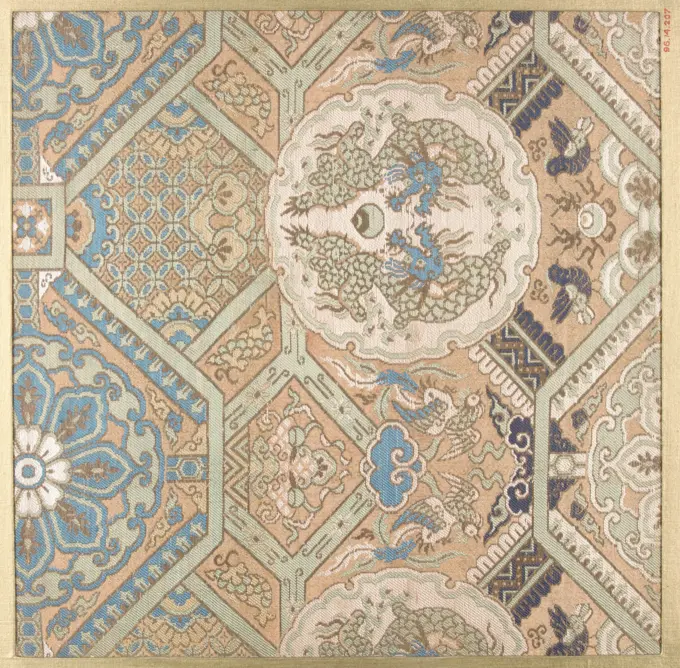
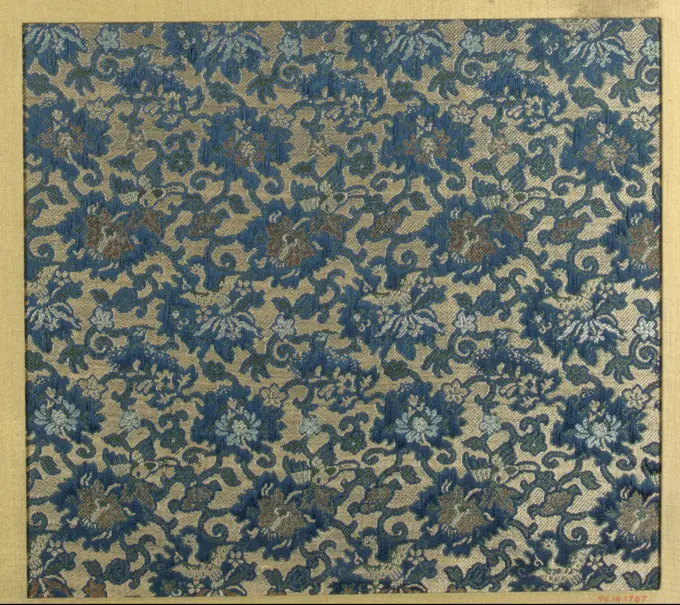
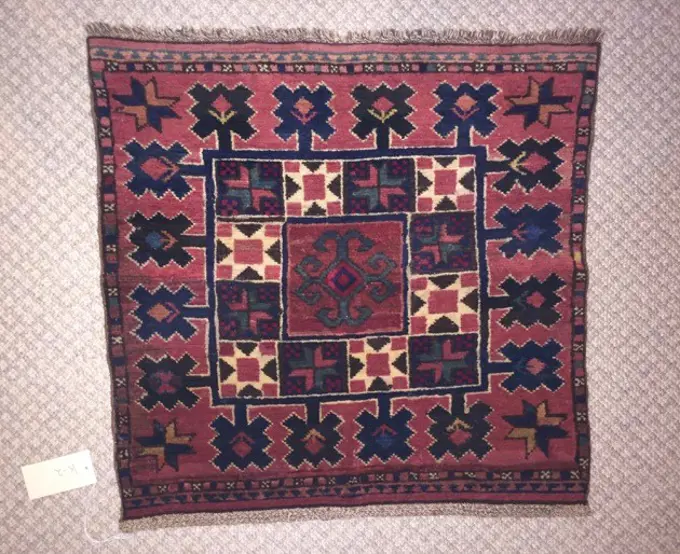
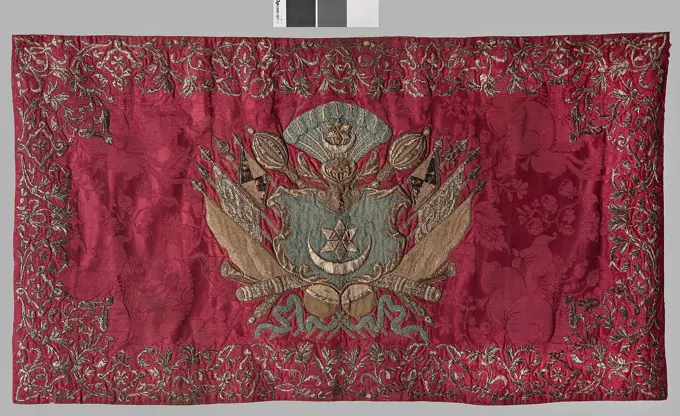
A variety of intricate oriental carpets featuring floral motifs and vibrant colors, showcasing traditional craftsmanship and designs from different regions.
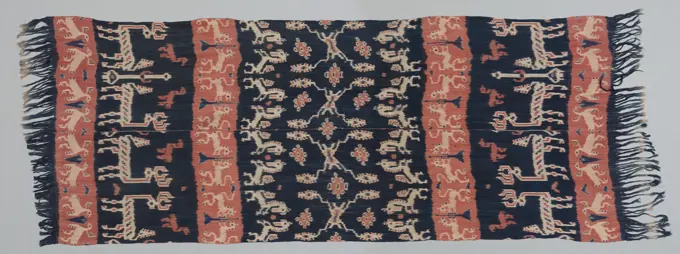
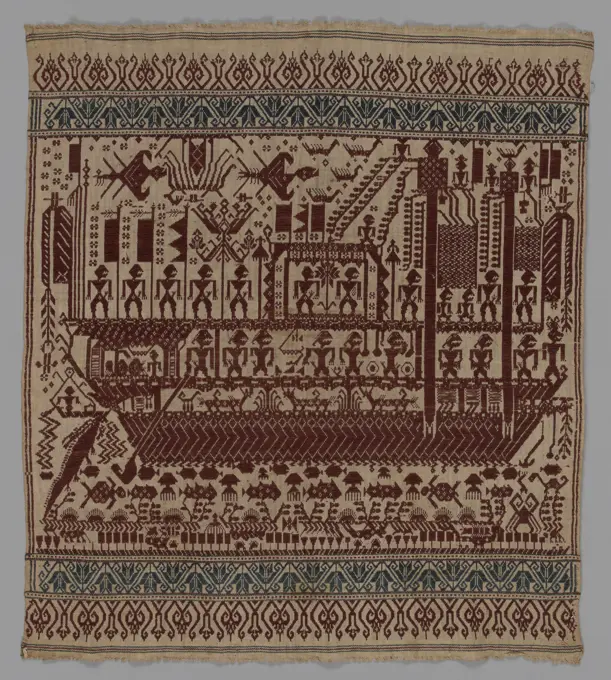
Hinggi, late 1800s. Indonesia, Sumba, late 19th century. Cotton, ikat dyed; overall: 268.5 x 94 cm (105 11/16 x 37 in.).
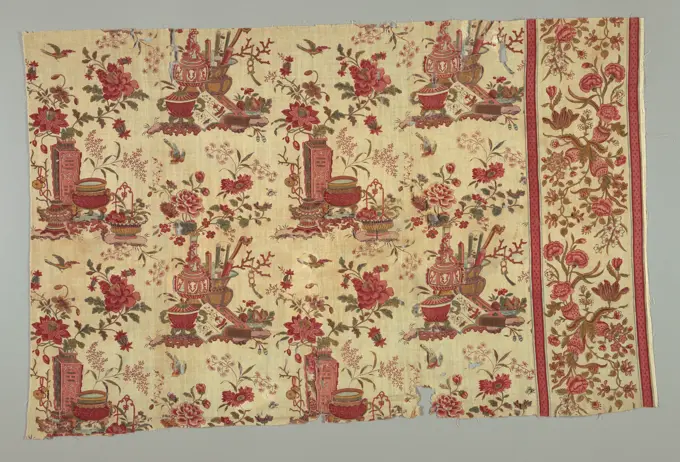
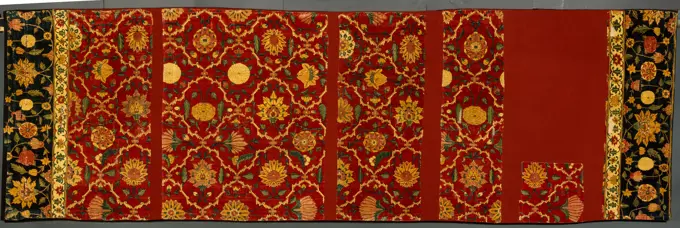
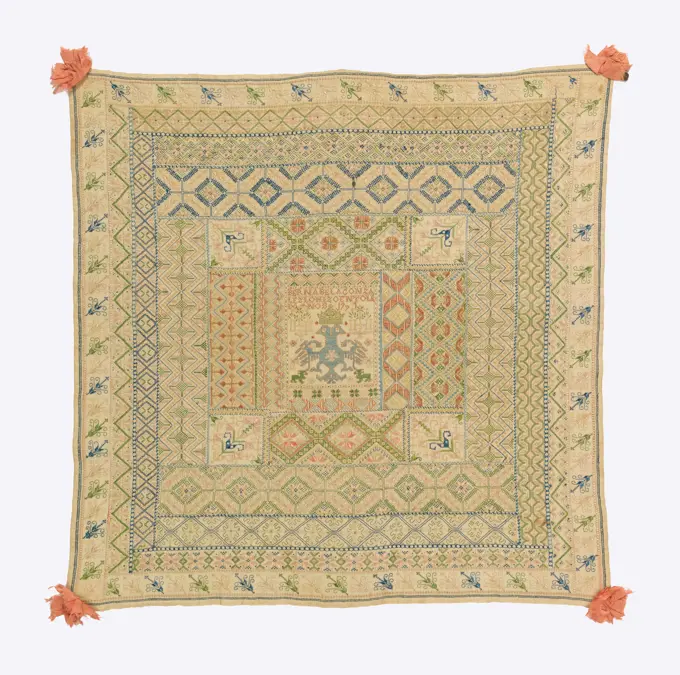
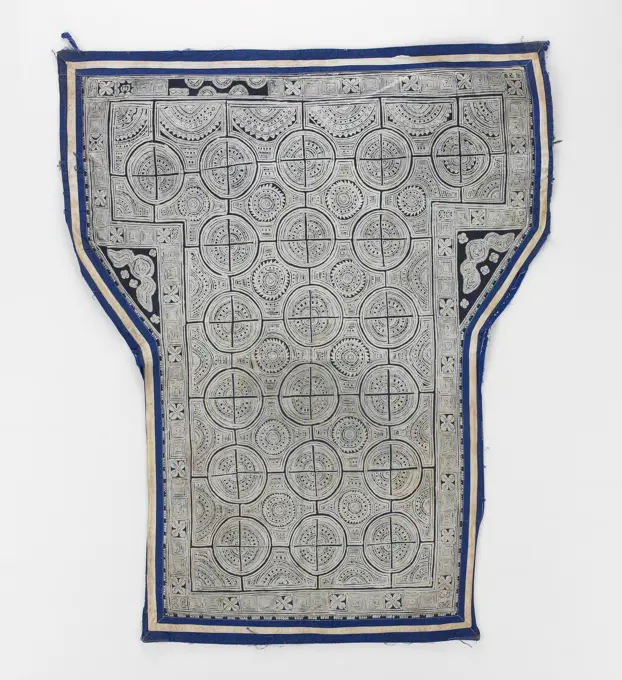
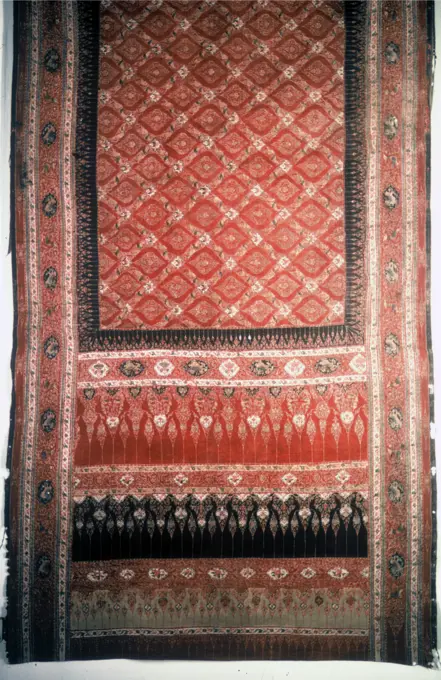
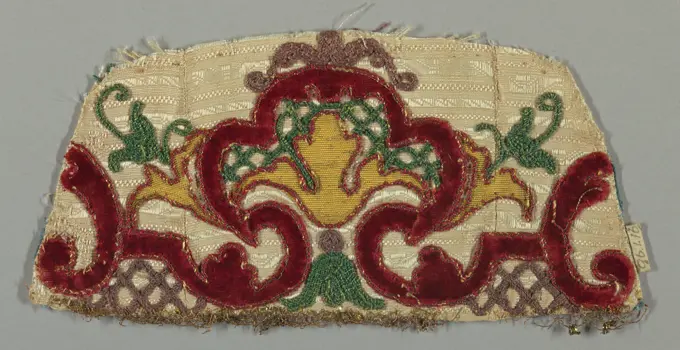
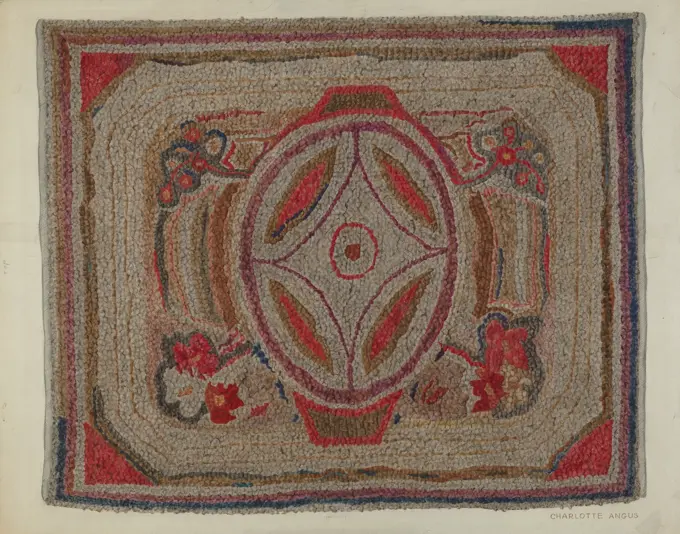
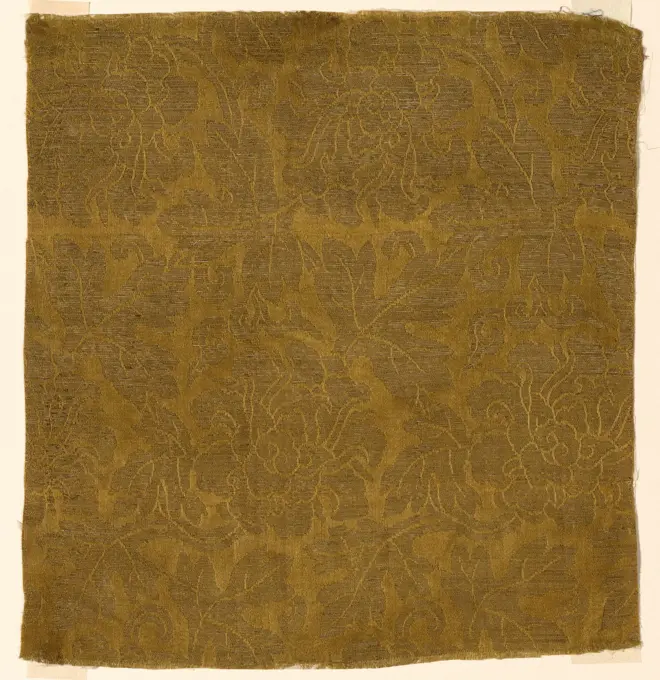
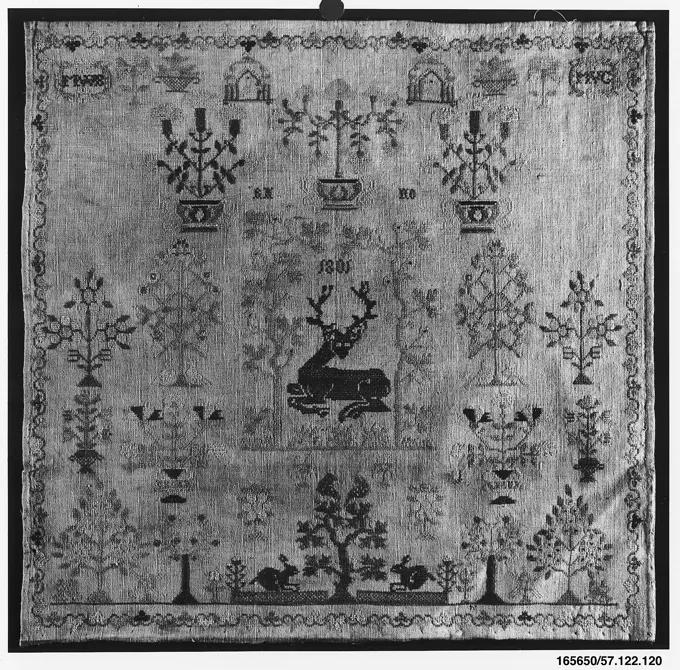
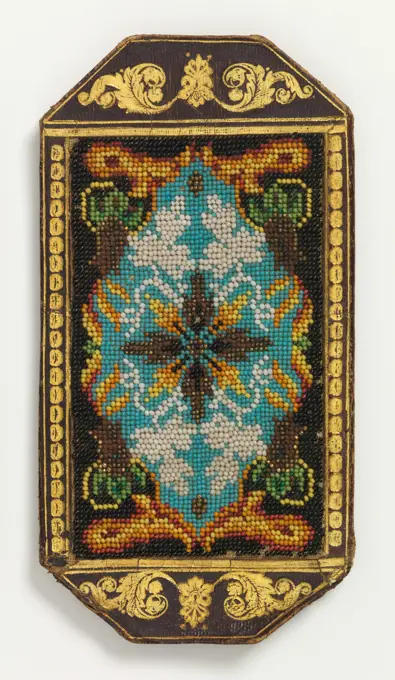
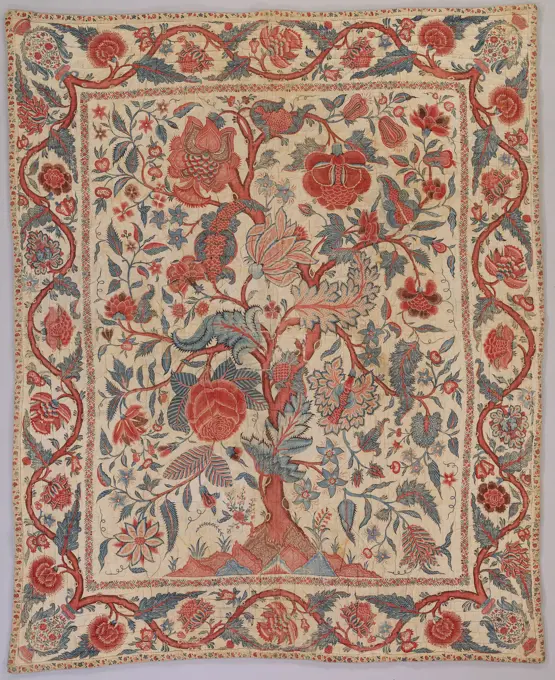
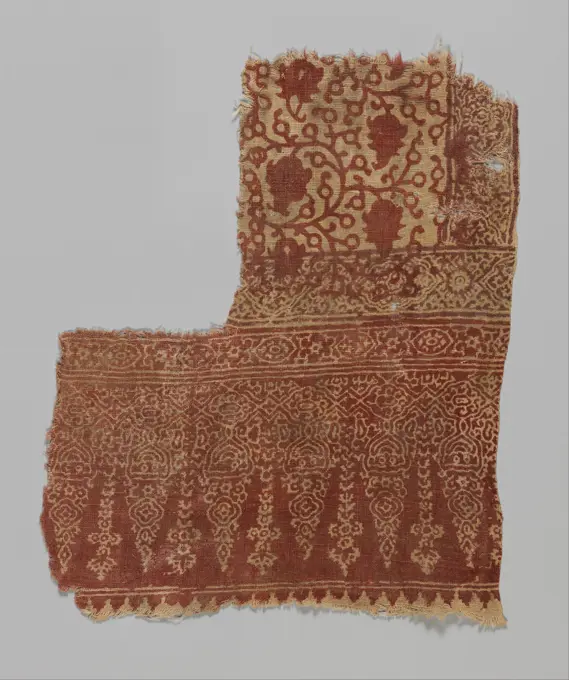
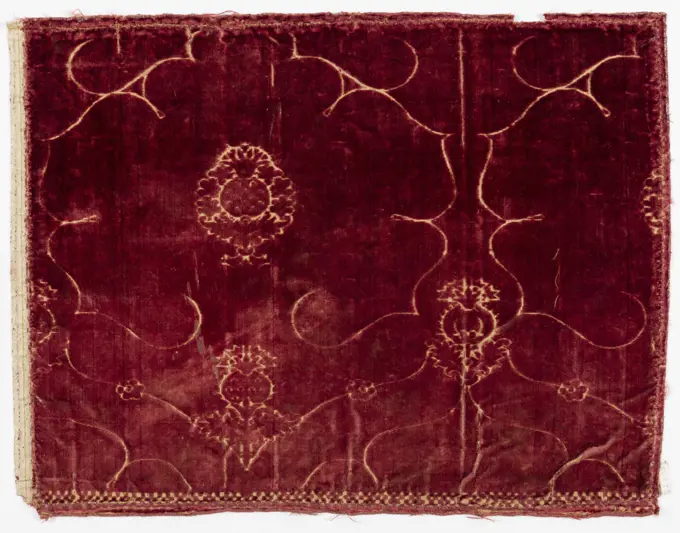
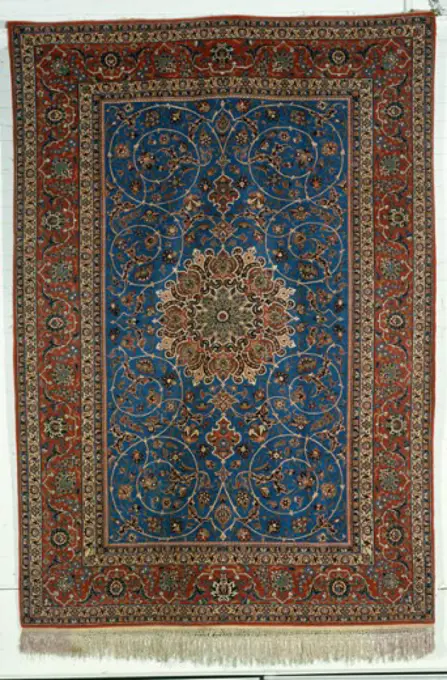
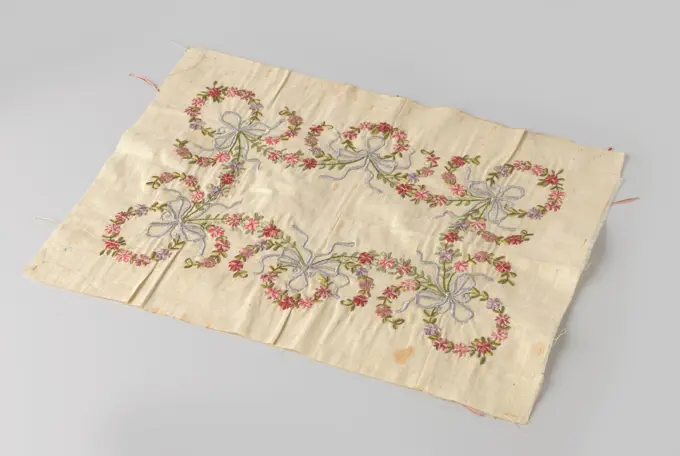
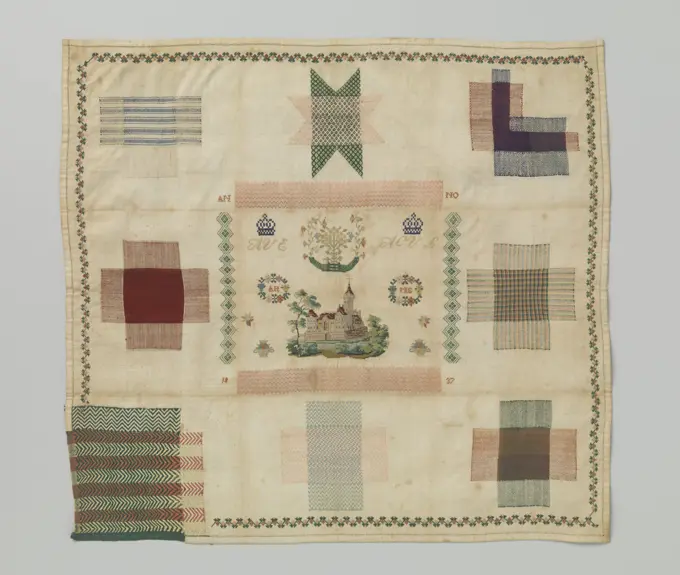
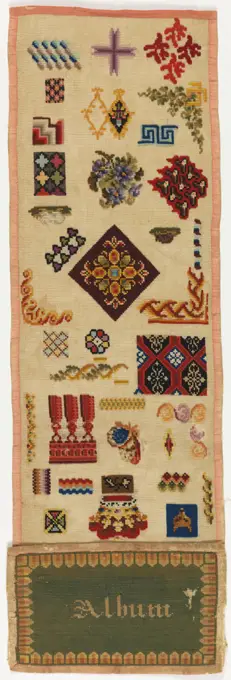
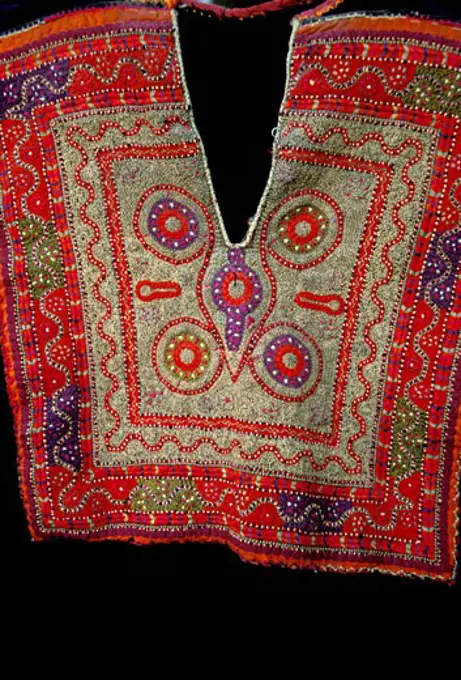
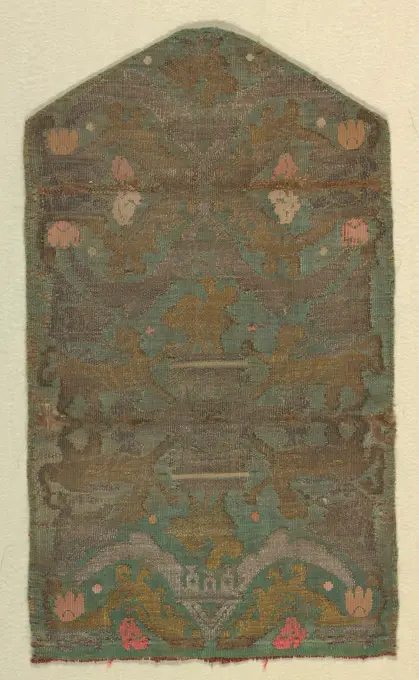
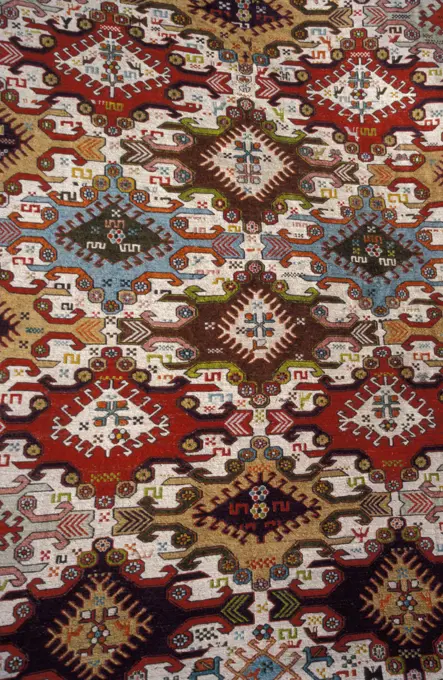
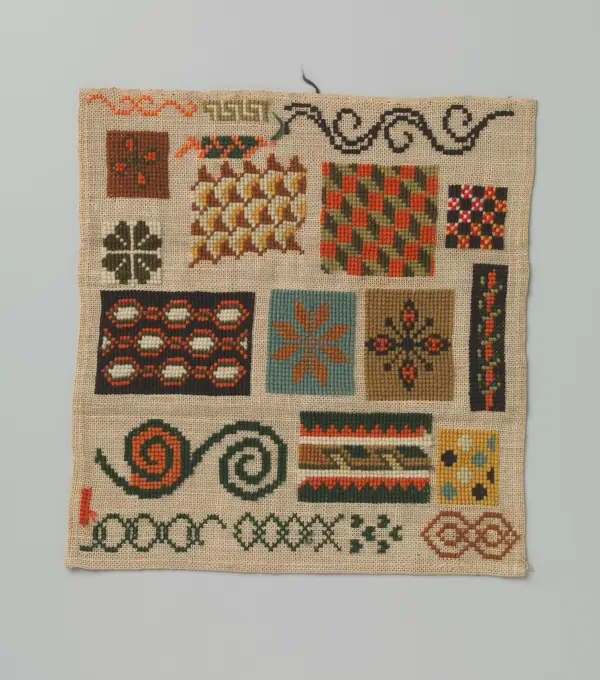
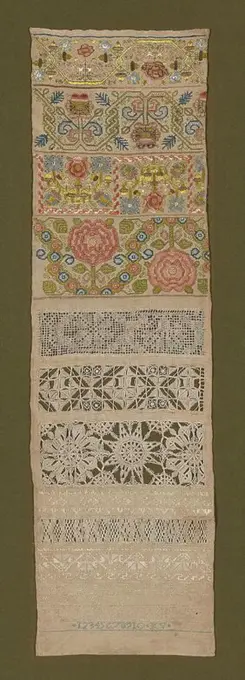
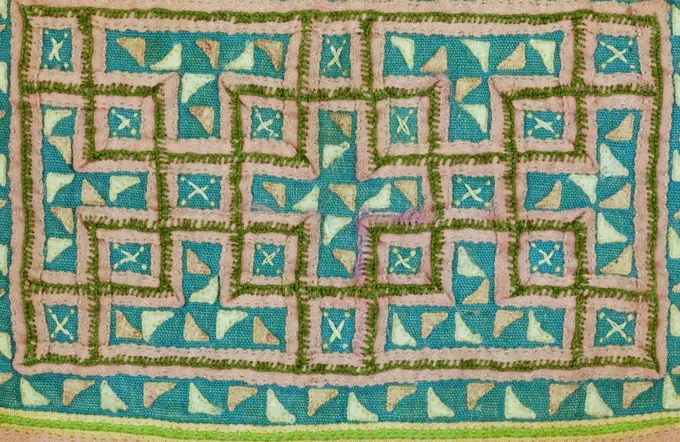
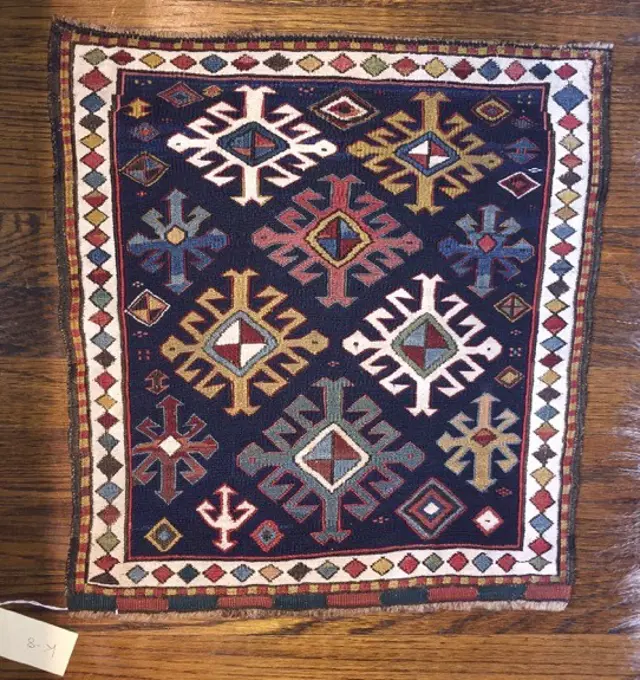
Panel (Iran); silk, metallic thread, cotton backingEmbroidered altar-cloth. unknown, authorTextile (France); Produced by Oberkampf & Cie. (France); cottonSampler. Date/Period: 1802. Sampler. Medium: silk embroidery on linen foundation. Technique: embroidered in satin, cross, back, chain, running, four-sided, and buttonhole stitches on plain weave foundation. Height: 690 mm (27.16 in); Width: 675 mm (26.57 in). Author: Augustina Barero.Chudar India 19th centurySampler, Anna Margareta Wartenberg, Medium: silk embroidery on cotton foundation Technique: embroidered in running and cross stitches on plain weave foundation, Central pattern darning cross within inner border and signature surrounded by seventeen darning crosses and squares and floral outer border., Netherlands, 1787, embroidery & stitching, SamplerOrnamental tapiser;  1. PO. 19th century (1801-00-00-1850-00-00);Sampler, 1810. Norway. Linen, silk, and cotton; embroidery; average: 24.1 x 22.3 cm (9 1/2 x 8 3/4 in.).Textile Fragment ca. 1650 The original length of this carpet was an impressive thirty feet, indicating its use in a royal building for hosting audiences or other special occasions. Similar trellises enclosing blossoms were also painted on the walls and ceilings of such buildings, and floral friezes covered the dadoes and facades, creating a world of sumptuous flowers surrounding the emperor. Kashmir, with its pashmina shawlweaving tradition, is probably the source of pashmina carpets such as this, but workshops in Lahore also produced many imperial-grade carpets in the mid-seventeenth century.. Textile Fragment. ca. 1650. Silk (warp and weft), pashmina wool (pile); asymmetrically knotted pile. Attributed to India or Pakistan, Kashmir or Lahore. Textiles-RugsBorder, Medium: silk, metallic Technique: plain weave with supplementary weft floats forming pattern., Border design of S-shaped foliate scrolls in gold on green., 17th century, woven textiles, BorderApparel made into a cushion 17th century Italian. Apparel made into a cushion. Italian. 17th century. silk; metal;. Textiles-VelvetsSampler (Spain); Embroidered by Bernabela Gonzalez; silk embroidery on linen foundationPiece 18th-19th century Japan. Piece. Japan. 18th-19th century. Silk. Edo period (1615-1868). Textiles-WovenBaby Carrier Fragment, 34 3/4 x 28 1/2 in. (88.27 x 72.39 cm), Cotton; dyed, ChinaSarong (Thailand); cottonBatists pillow (maternity beater) With plumetis, anonymous, c. 1846 Batists cushion with plumetis embroidery and shade work. The pattern has a large kidney -shaped flour with leaves and buds in the middle. The same flower in each corner between which a row of windows interspersed by two half-flowers. The pillow has an open hem. Netherlands whole: Batiste Batists cushion with plumetis embroidery and shade work. The pattern has a large kidney -shaped flour with leaves and buds in the middle. The same flower in each corner between which a row of windows interspersed by two half-flowers. The pillow has an open hem. Netherlands whole: BatisteTempeldoek, anonymous, 1900 - 1949 Tempor cloth with floral pattern. Bali silk. brocade (textile) Tempor cloth with floral pattern. Bali silk. brocade (textile)Ceremonial Weaving(Tampan)Fragment (Italy), 17th century; silkCharlotte Angus, Hooked Rug (Cotton), c 1940 Hooked Rug (Cotton)Band; silk, metallic thread; Bequest of Marian Hague; 1971-50-54Fragment Made 1700-1800 Japan. Brocade .Silk Carpet. Date/Period: 1550 - 1600. Carpet. Author: Iran Unknown.Head Scarf, early 20th century, 37 x 36 in. (93.98 x 91.4 cm), Cotton, silk, metallic thread; needlework, Turkey, 20th centurySampler 1801 Dutch. Sampler 228047Card Case (Italy); leather, glass beadsCarpet. unknown, authorA bedspread of sits, with a tree motif on white fond, anonymous, c. 1700 - c. 1725 A bedspread of sits, with pattern of a flowering tree in the shape of a trunk on hill on which a few branches with large flowers and leaves. Around it a wide edge, decorated with wavy flower branches that come together in vases in the four corners. Coromandelkust cotton (textile) chintz A bedspread of sits, with pattern of a flowering tree in the shape of a trunk on hill on which a few branches with large flowers and leaves. Around it a wide edge, decorated with wavy flower branches that come together in vases in the four corners. Coromandelkust cotton (textile) chintzFragment, Medium: silk Technique: appliqué and embroidery, Appliqué of arabesques and flowering forms in yellow silk and red velvet on a white figured silk ground. Couching of colored cords added., Italy, 17th century, embroidery & stitching, FragmentTrimming (France); silkEmbroidered Square, 19th century. Turkey, 19th century. Embroidery: silk on linen tabby ground; average: 112.4 x 101.6 cm (44 1/4 x 40 in.).Piece 18th-19th century Japan. Piece 67724Sampler Unknown. , ca. 1860. Steel engraving, Picture: 13 x 11 1/2 in. (33 x 29.2 cm).    ca. 1860Chasuble, Stole, Maniple, and Burse Made 1775-1825 Italy. Silk, plain weave; embroidered with silk, gilt-metal strips, spangles, and purl, and gilt-metal-strip-wrapped silk in couching and padded couching; lining and ribbons of silk, plain weave; d lined with linen, plain weave .Traditional Turkish hand made carpet and rugsTextile Fragments (Japan); silk, paper with applied gold foil; Warp x Weft (a): 16.5 x 14.6 cm (6 1/2 x 5 3/4 in.) Warp x Weft (b): 17.1 x 14.9 cm (6 3/4 x 5 7/8 in.)Half a victim belt;  XVII century (1601-00-00-1700-00-00);Sampler, Mary Dormer, Medium: silk embroidery, wool foundation Technique: cross, counted satin and eyelet stitches on plain weave, Cross borders of alphabets, floral and geometric patterns, birds and verses. Signature 'Mary Dormer 1762.', England, 1762, embroidery & stitching, SamplerPillowcase unknownTable Frontal (China); silk, metallic yarnsCover (Italy); linenBand (Italy); linenTextile Fragment 13th-14th century Dated to the thirteenth or fourteenth century, this cotton textile uses both block-print and mordant dye techniques to create its dense and ornate designs. The textile is decorated with a center piece of vegetal ogival motifs with emerging stylized tendrils and a series of borders with floriated medallions. The largest border of the textile, closest to the edge, is reminiscent of stylistic motifs which emulate Jain illustrated manuscript paintings and architecture surface ornamentation. This textile, which is one of a larger group of textile fragments found in Fustat, Egypt (known as old Cairo), but produced in Gujarat, India serves as evidence of the maritime trade relations between the two areas. This relationship can be traced as far back as the tenth century and extends into the nineteenth century. Fustats dry and arid climate allowed for the preservation of these textiles unlike the monsoon heavy climate in India which would have caused the deteCover early 19th century Southern German. Cover 217140Coverlet (USA); wool, cottonPanel (Showing 'Lace' Design) Made 1724-1726 France. Silk, gilt-and-silvered-metal-strip-wrapped silk, warp-float faced 4 1 satin weave with supplementary patterning and supplementary brocading wefts tied by supplementary binding warps in twill interlacings; one full and one partial selvage present .Kontusz sash/belt. unknown, authorTextile, Medium: silk Technique: supplementary warps forming raised pile in 4&1 satin foundation (velvet), Deep red cut and voided velvet with a design of lobed medallions containing a central pineapple or pomegranate motif, in the linear style., Italy or Spain, 15th-16th century, woven textiles, TextileFragment, Medium: wool Technique: sprang, Pattern of polychrome diamonds. Fragment of bonnet or bag, Egypt, 5th century, knotted, knitted and crocheted textiles, FragmentHandkerchief; cottonWall Pocket; silk, metal threadFragment of Coptic fabricTablet with Design for a Carpet 18th century China. Tablet with Design for a Carpet 41943Isphahan Rug Antiques Tapestry/Textiles Spread 16th-17th century Spanish. Spread. Spanish. 16th-17th century. Filet. Textiles-LacesTextile; silkProblem of embroidery on unfinished Moiré side, which show six wreaths and six garlands of pink and lilac roses, tied together with silver bows, Gustav Schnitzler, c. 1900 - c. 1915 Boduurwerk test patch on unfinished Moiré side, which show six wreaths and six garlands of pink and lilac roses, tied together with silver bows. Nijmegenfrance whole: Silk. Ribbons: Silk. Embroidery: Silver thread embroidering Boduurwerk test patch on unfinished Moiré side, which show six wreaths and six garlands of pink and lilac roses, tied together with silver bows. Nijmegenfrance whole: Silk. Ribbons: Silk. Embroidery: Silver thread embroideringCotton stop patch in which nine stops of different sizes have been worked with multicolored side and a performance in Petit Point surrounded by crowns and wreaths with initials, in 1837, Maria Egersman, 1837 This is an example of a second test in stopping the public work and learning school in Amsterdam. The stop work is of high quality and the very large stop in the Left Hoek, with the self -sides performed, deserves respect. The romantic castle landscape and the decorative edge are embroidered over one dust wire. The stops are arranged in horizontal riding, v.l.n.r. and V.B.N.B.: Spitskeper, eye (recognition sign of this school), Winkelhaak: Spits, Kreisteek (nice example, see also the back of Merklap!), Stopping, flat binding, Spitskeper, Spitskeper, Keper. The open zoom is made with a linen wire. AH stands for Alida Haring, the handicraft lady. Public work and learning school Lap: Cotton (textile). Stopwork: Silk. Open Zoom: Linen (Material)   Amsterdam This is an example of a secoSampler, Medium: wool embroidery on cotton foundation Technique: embroidered in cross stitches on plain weave foundation, Long and narrow panel of motifs. At one end a rectangle 'Album.', Germany, late 19th century, embroidery & stitching, SamplerWoman's wedding veil (Odhani), 20th century, L.62-1/2 x W. 38 in., Silk, sequins, metallic thread; embroidery, tied resist dye, India, 20th centuryPendents (For Bed Curtains) Made 1736-1795 China. Silk, gold-leaf-over-lacquered-paper strips, and gold-leaf-over-lacquered-paper-strip-wrapped silk, warp-float faced 7 1 satin weave with supplementary brocading wefts bound in weft-float faced 1 3 'S' twill interlacings . ManchuAnonymous, Léopold Hugo travel chest, 1731. Leather, copper nails and wood. House of Victor Hugo - Hauteville House.Chair Back 1670-1700 British. Chair Back 13592Bethlehem traditional Palestinian embroiderySidewall (USA); machine-printedSleeve Band 19th century China. Sleeve Band 68713Pouch or Knotte Pong made of linen, embroidered as a brand patch with cross stitches in multi -colored side, anonymous, 1678 Pouch or Knotte pong made of linen, embroidered as a brand patch with cross stitches in multi -colored side. Model: square, with opening at the top. At the top edge with holes so that a new () Green cord. Around the holes a thin metal eye that is attached to the linen with different color silk in feston stitch. Lined with solid linen. Decoration: front: vase with flowers, one of which hangs down on both sides. At the bottom left a ship with sailors; At the bottom right of the letter C and a figure next to half a tree in which a bird on a branch. The other half of the tree is on the back of the pouch. Back: the same vase with flowers as at the front, also with hanging flour on either side. In addition, a rosette -like motif on both sides, in which eight birds are depicted per pair. At the bottom left of the other half of the tree with birds. In addition, the letteShawl, Medium: Technique: machine woven, Allover pattern of two alternating bands. Pattern derived from Spanish ornament of the 13th century. Dominant color is a shade of rose-red., England, late 19th century, woven textiles, ShawlPurse (France); silk, metalDarning Sampler, Medium: silk embroidery on cotton foundation Technique: embroidered in running (pattern darning), cross and four-sided stitches with withdrawn element work on plain weave foundation, Thirteen darning crosses and one darning corner. Decorative darning and withdrawn element work in central square. In center crowned initials and date., Netherlands, 1814, embroidery & stitching, Darning SamplerBand; silk on linenEurope, Turkey, Istanbul, colorful Turkish rugSampler 19th century Spanish. Sampler 228188Embroidery patch made of wool on a coarse pattern, anonymous, c. 1900 - c. 1920  The embroidery has Berlin Woolwork and was made to German or Austrian examples. Netherlands wool embroideringPiece 18th-19th century Japan. Piece 65932Band.  Artist: UnknownCommemorative embroidered kerchief unknownPiece 18th-19th century Japan. Piece 67500Kontusz sash/belt. Manufaktura Aleksandra Unruga (Kobyłka ; wytwórnia pasów ; 1781-1787), factorySampler 1817 British. Sampler. British. 1817. Silk on wool canvas. Textiles-EmbroideredPanel 17th century Spanish. Panel. Spanish. 17th century. Silk, metal thread and metal lace on silk. Textiles-EmbroideredKirghiz Bag Face late 19th century While the term "carpet" evokes a heavy, large rectangular textile (either knotted pile or flat-woven tapestry, called kilim) that covers a floor, a vast array of rug genres and techniques can be found in the Islamic world, where they serve various functions in nomadic encampments, villages, cities, and palaces. Flat-woven and richly embroidered textiles, such as this one, belong to the kinds of smaller tribal weavings that were common in the Middle East from Anatolia to Iran; it was generously given to The Met by Inger G. and William B. Ginsberg of New York. Such textiles were woven by nomadic tribes as containers for everyday items. Some were designed specifically to transport or store bedding, flour, salt, and wooden spindles used to make the woolen yarns from which these works were woven. Others were of smaller size, comparable to cross-body women's handbags, or çanta, or also possibly used by children. Most notable is the ubiquitous double saddlebReticle. 1830. back. Gal1995.74.4_2Sample 16th century Italian. Sample 215368Sampler 19th century German. Sampler 228634Sampler, Medium: silk embroidery on linen foundation Technique: embroidered in cross, long-armed cross, eyelet, and double running stitches on plain weave foundation, Small sampler with church at top and grapes in middle., Germany, 18th century, embroidery & stitching, SamplerKain Panjan (Skirt), 1800s. Indonesia, Central Java, 19th century. Batik; cotton; overall: 248.9 x 104.8 cm (98 x 41 1/4 in.).Sampler 18th century Spanish or Mexican. Sampler 228169Coverlet Made 1840-1845 Ohio. Wool, plain weave double cloth; main warp and ground weft fringe; woven on loom with Jacquard attachment .Length late 18th century Spanish. Length 229565Kettledrum banner. unknown, authorSampler. Katherine Veren (English, active c. 1676); England. Date: 1676. Dimensions: 73.3 × 21.2 cm (28 7/8 × 8 3/8 in.)Matted: 71.1 × 91.4 cm (28 × 36 in.). Linen, plain weave; bands of cut and drawn thread work in interlocking lace and Romanian stitches; bands of linen, needle lace of a type known as "Reticello"; and embroidered with silk in Algerian eye, hem, Montenegrin cross, running, double running, and satin stitches; buttonhole couching. Origin: England. Museum: The Chicago Art Institute, Chicago, USA.Proeflap van kantborduurwerk op machinale tule.Testlap from natural-colored edge embroidery: tulle embroidery on machine tulle. Many different motifs have been created in a horizontal and vertical direction, grouped in rows or rectangular plane, creating a kind of patchwork effect.Sampler; silk embroidery on cotton foundationFour Collar Pieces, 20th century, Cotton; embroidery and appliqué, Laos, 20th centurySprei of cotton sits with the weapon goslinga, c. 1725 - c. 1750 Unsurdedly multicolored sitsen weapon square. In midfield central an oval shield with the Goslinga weapon; In the four corners a flower bouquet in a pot on foot. In the edges, trees with spout branches, flowers and leaves. Eastern textile.  cotton (textile) printing Unsurdedly multicolored sitsen weapon square. In midfield central an oval shield with the Goslinga weapon; In the four corners a flower bouquet in a pot on foot. In the edges, trees with spout branches, flowers and leaves. Eastern textile.  cotton (textile) printingCollin McGregor, Letter book, Date Created: 1786-10-15 - 1787-05-02Table Cover (Italy); silk, linenBliżej Kultury unknownShahsevan Saddle Bag Face ca. 1870 While the term "carpet" evokes a heavy, large rectangular textile (either knotted pile or flat-woven tapestry, called kilim) that covers a floor, a vast array of rug genres and techniques can be found in the Islamic world, where they serve various functions in nomadic encampments, villages, cities, and palaces. Flat-woven and richly embroidered textiles, such as this one, belong to the kinds of smaller tribal weavings that were common in the Middle East from Anatolia to Iran; it was generously given to The Met by Inger G. and William B. Ginsberg of New York. Such textiles were woven by nomadic tribes as containers for everyday items. Some were designed specifically to transport or store bedding, flour, salt, and wooden spindles used to make the woolen yarns from which these works were woven. Others were of smaller size, comparable to cross-body women's handbags, or çanta, or also possibly used by children. Most notable is the ubiquitous double saddleb