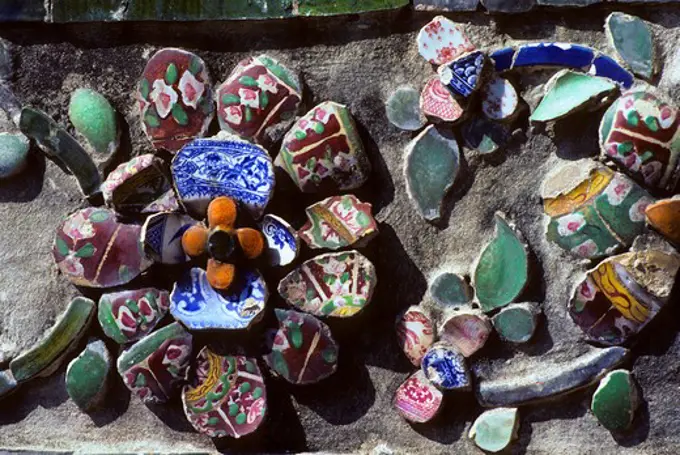
Decorative Paperweights

Variety of colorful glass paperweights featuring intricate floral designs, showcasing craftsmanship from Baccarat and other renowned glassmakers of the 19th century.
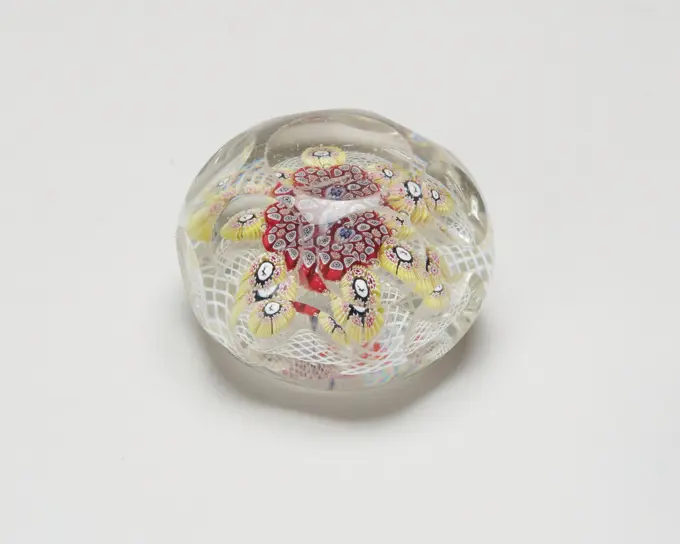
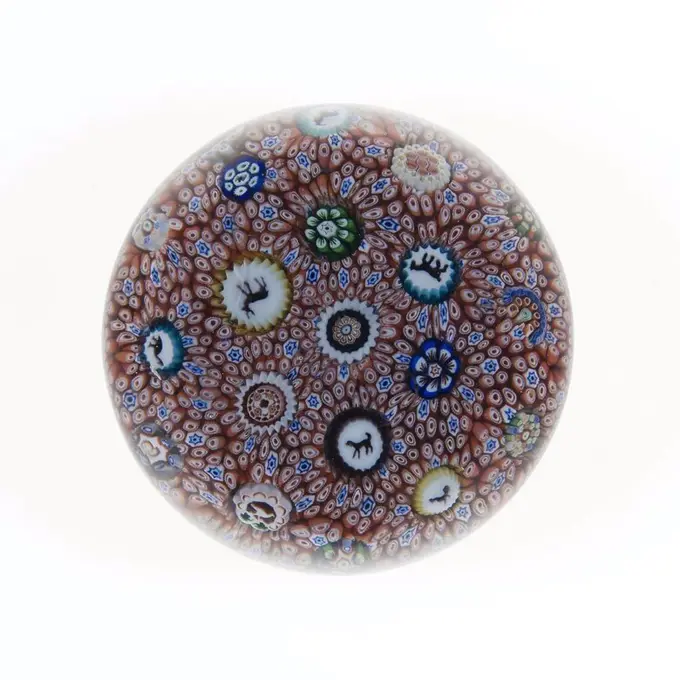
Paperweight, c. 1850-1875, New England Glass Company, 1 3/4 x 2 1/2 x 2 1/2 in. (4.45 x 6.35 x 6.35 cm), Glass, United States, 19th century
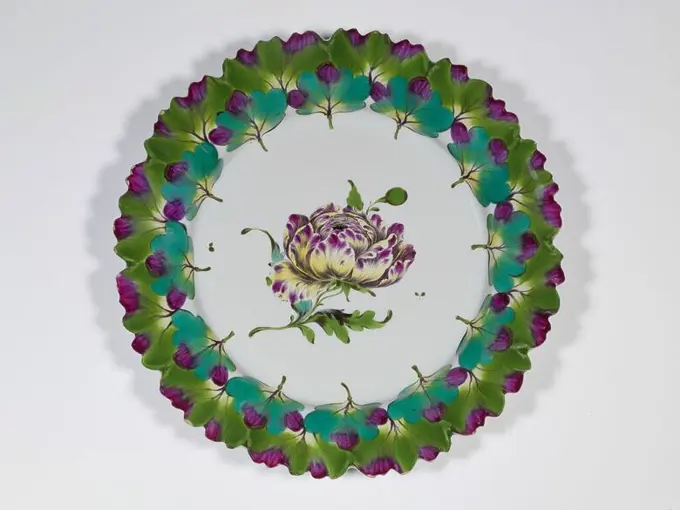
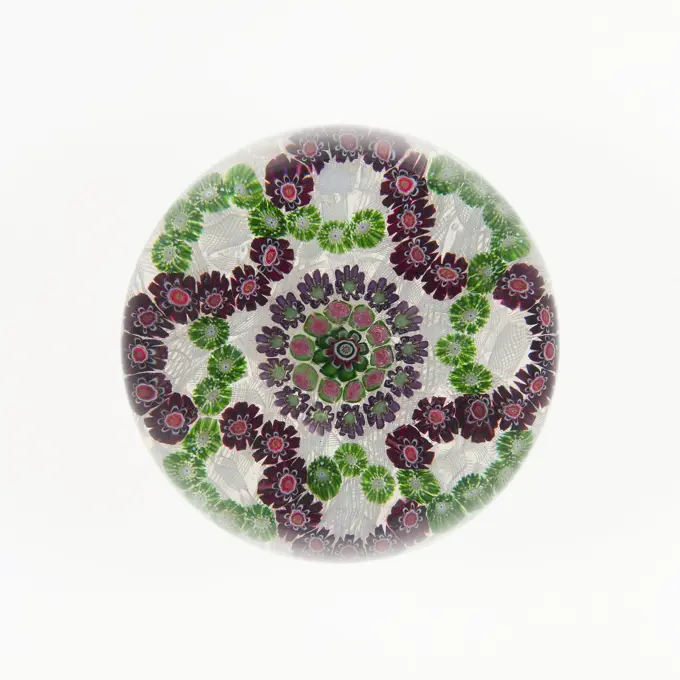
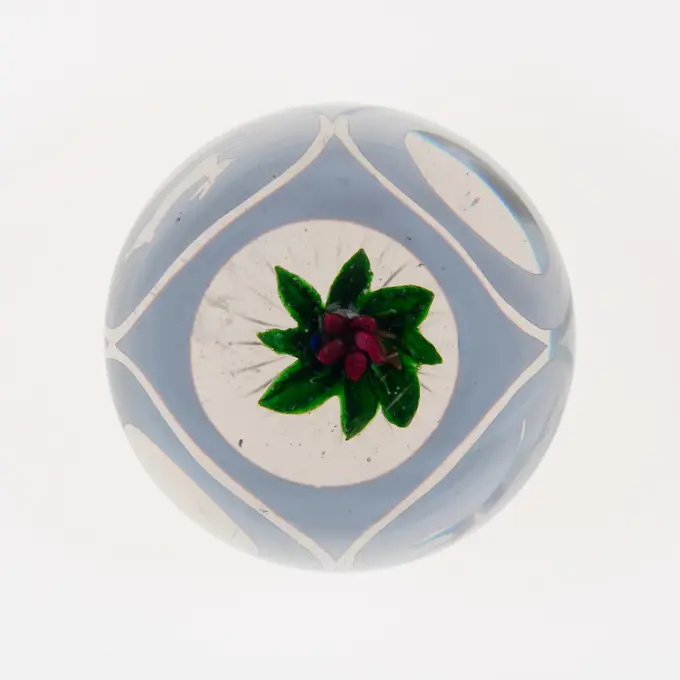
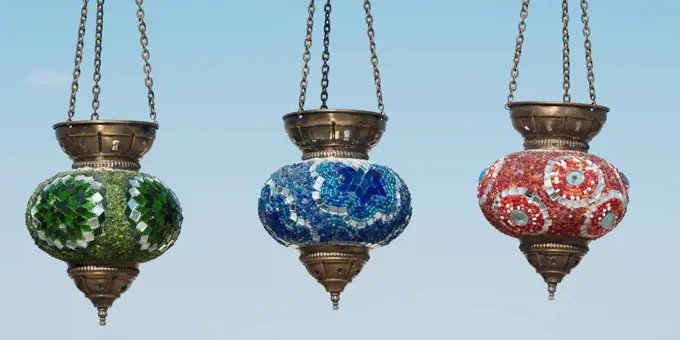
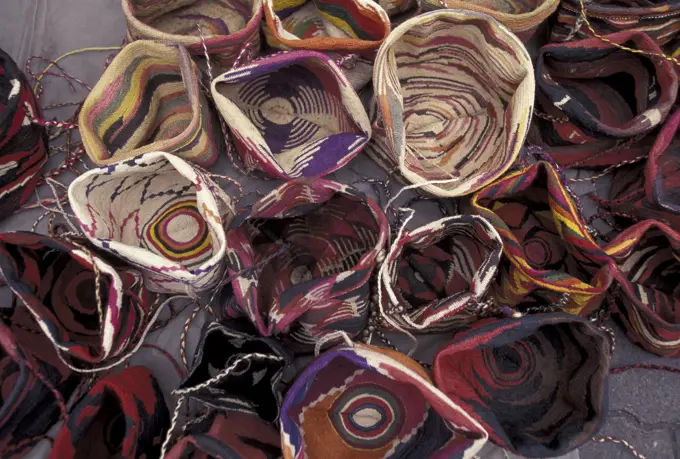
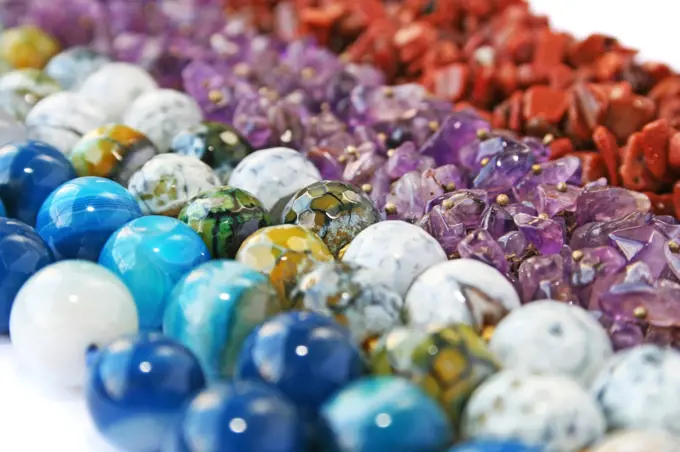
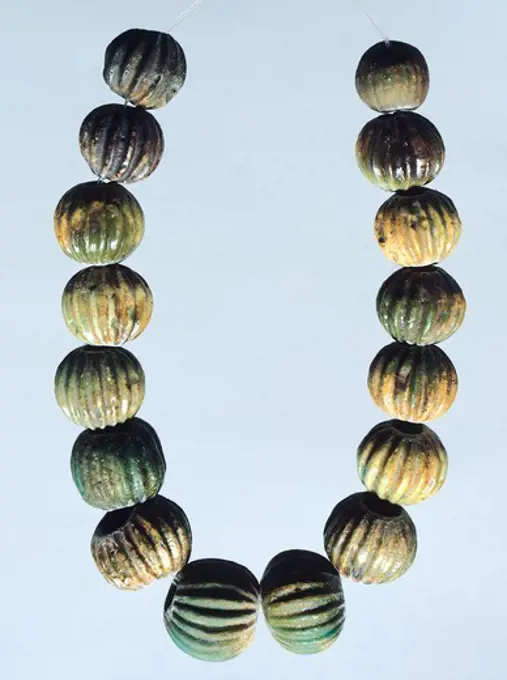
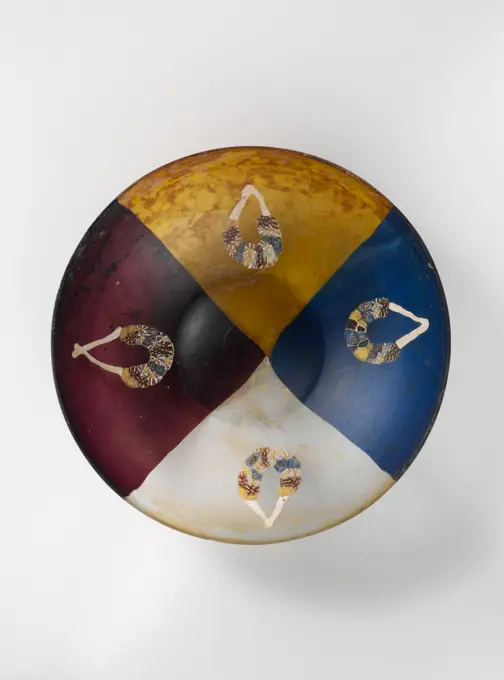
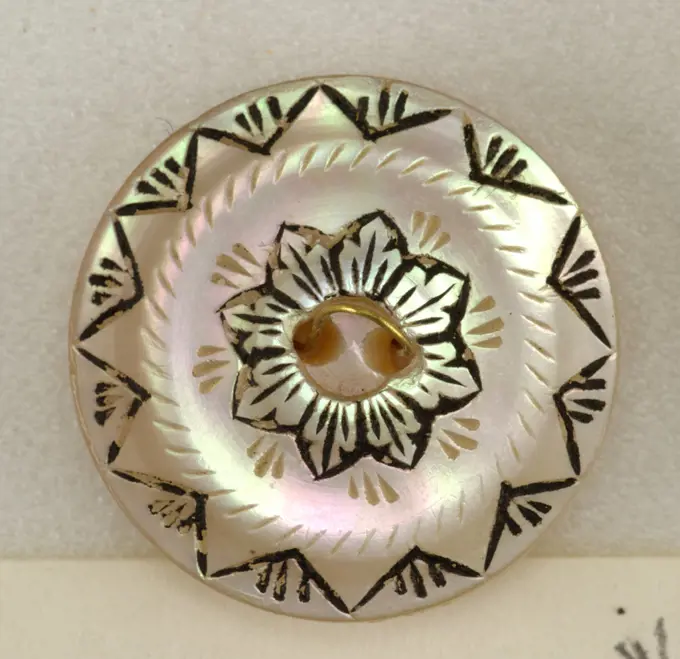
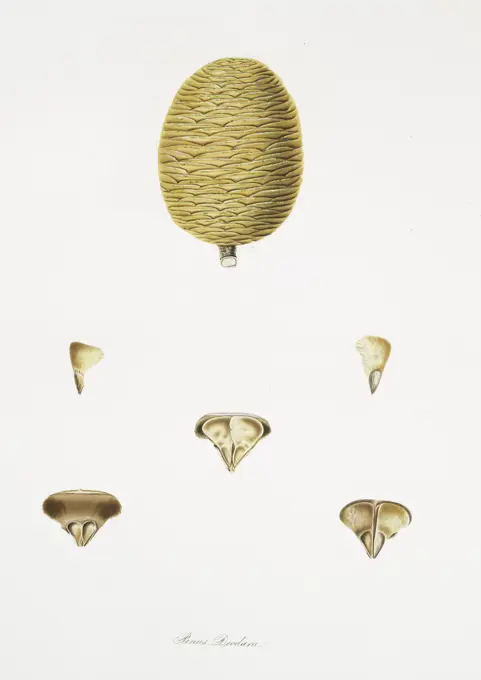
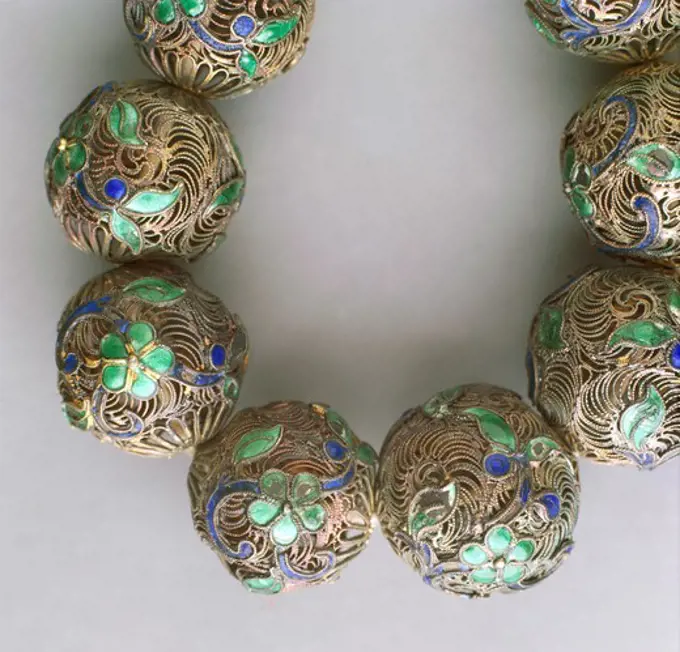
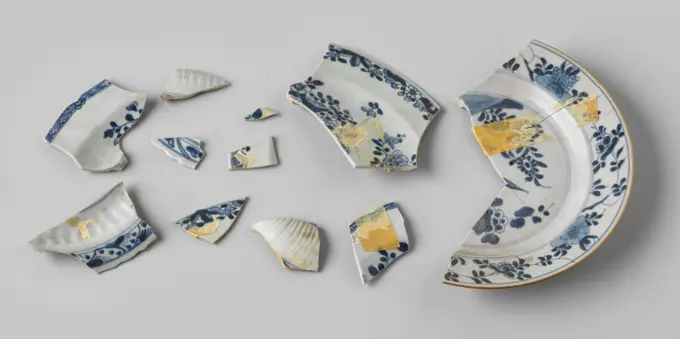
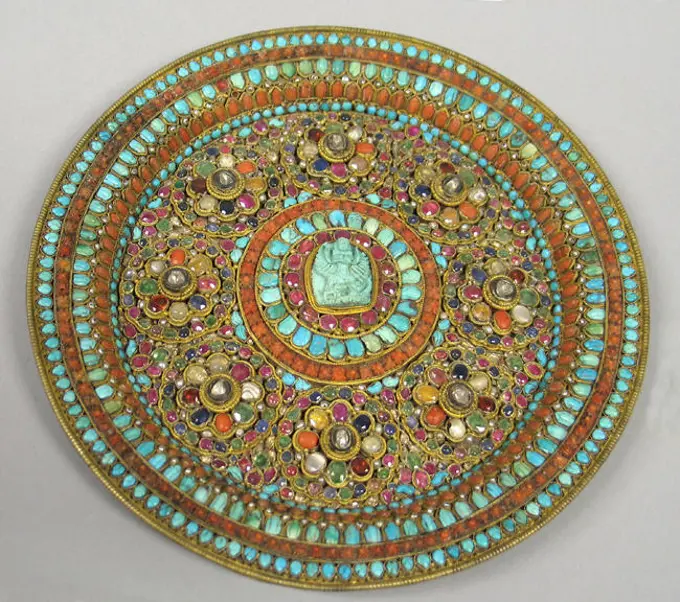
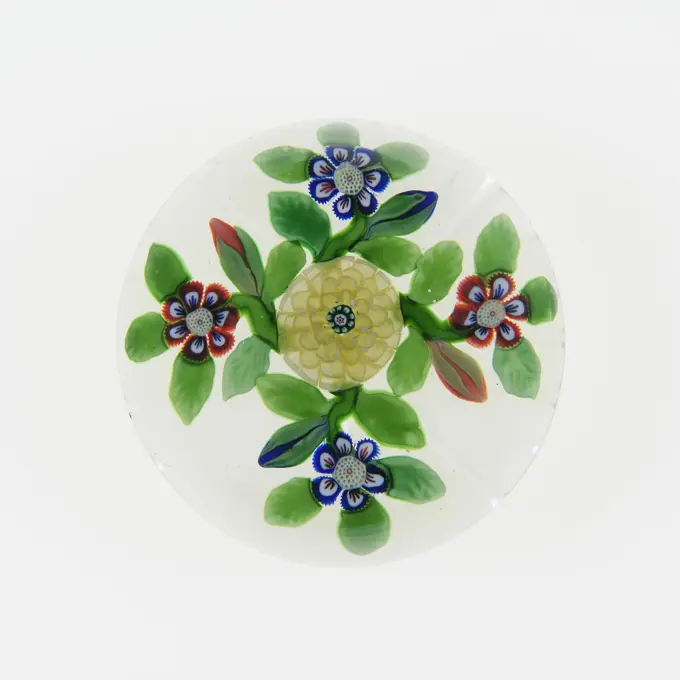
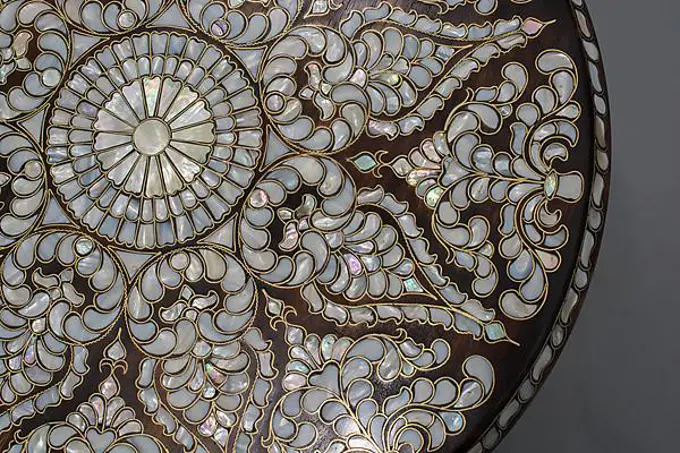
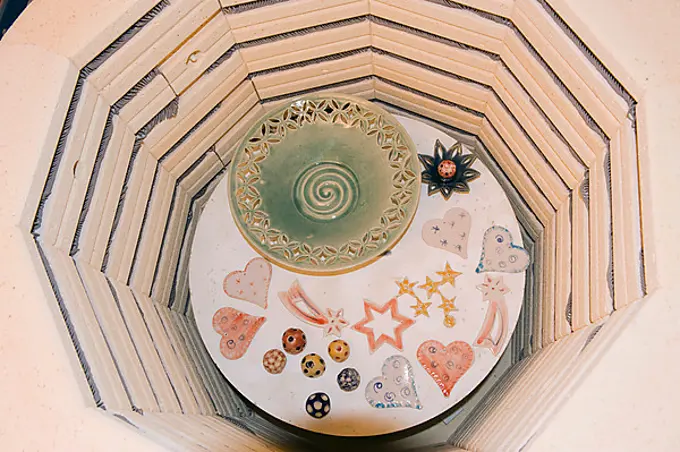
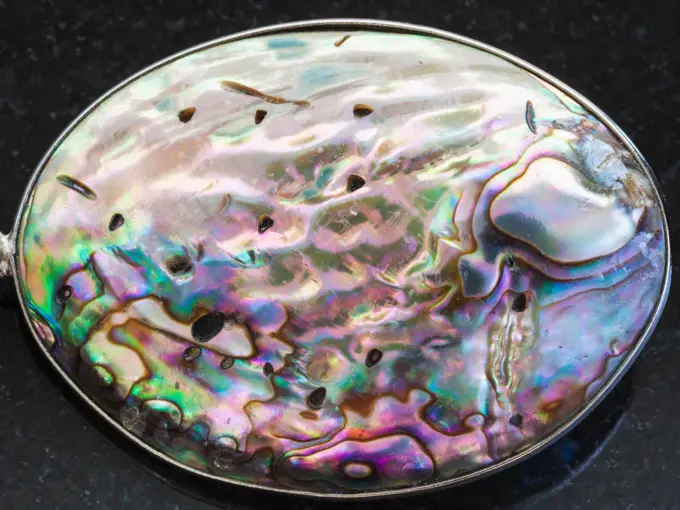
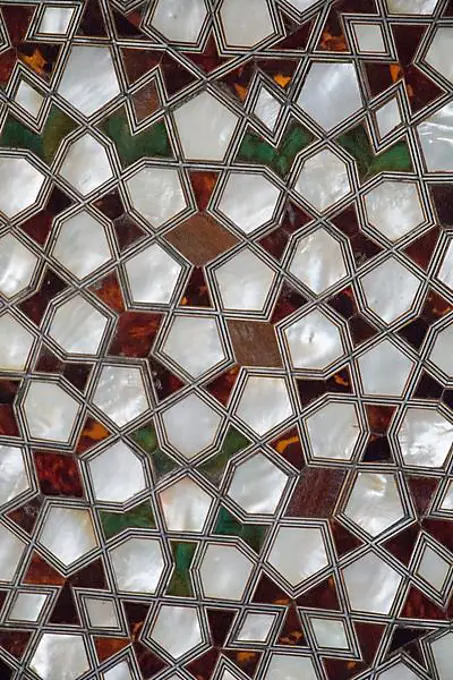
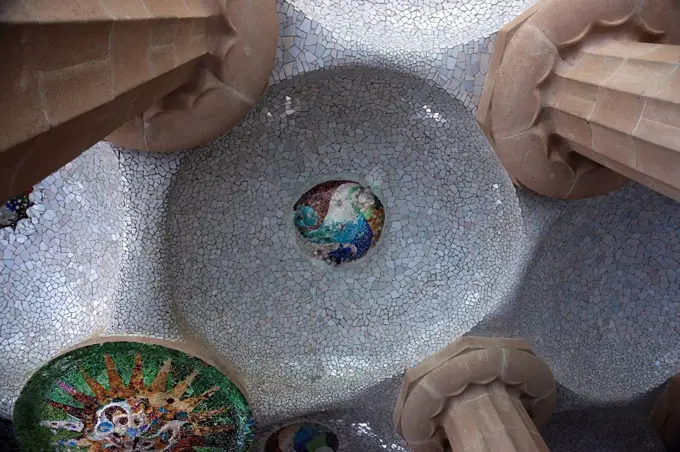
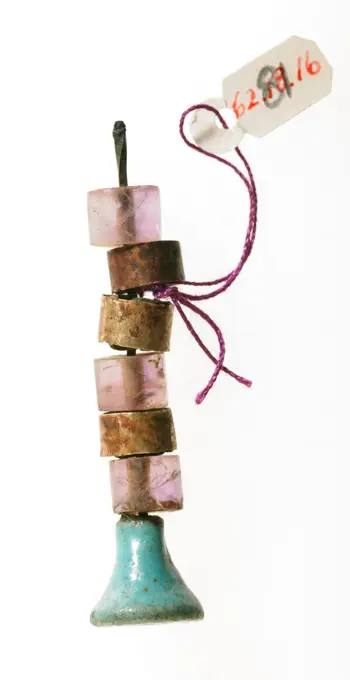
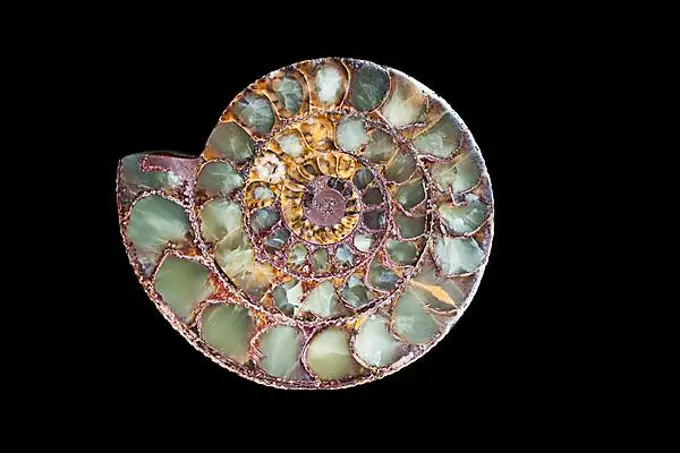
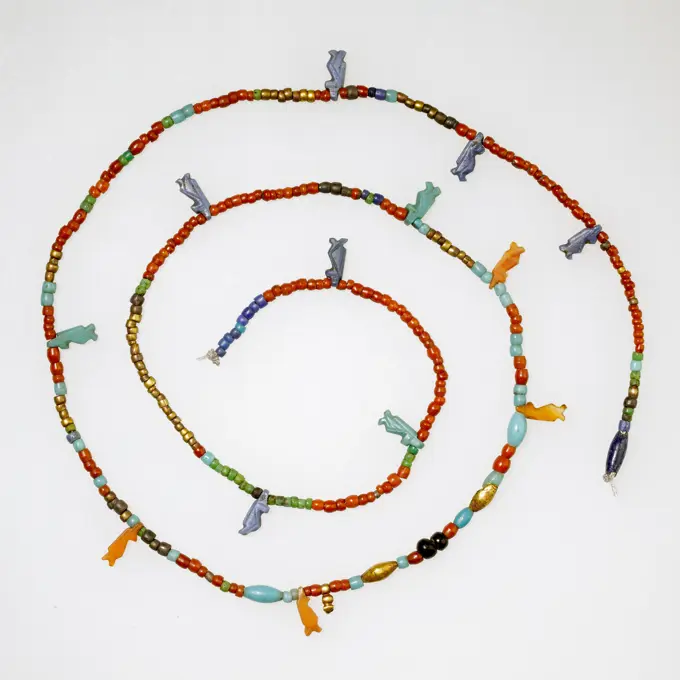
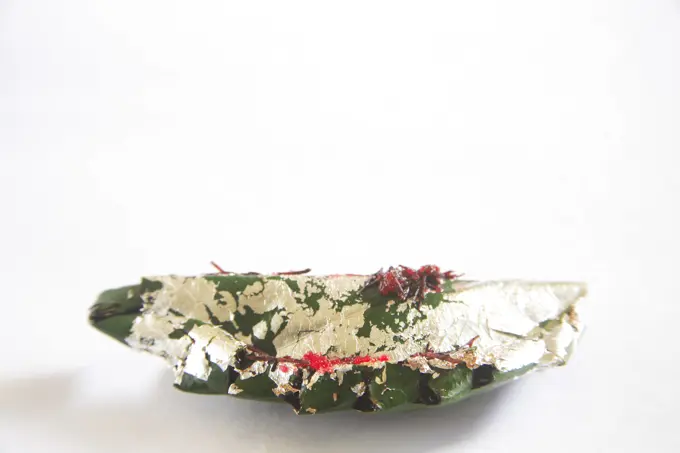
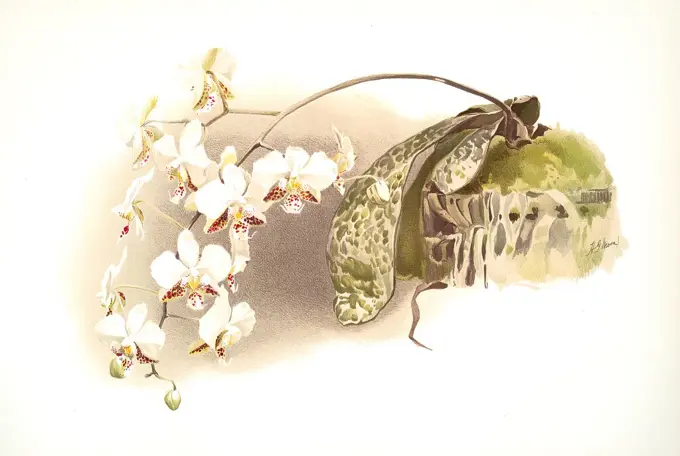
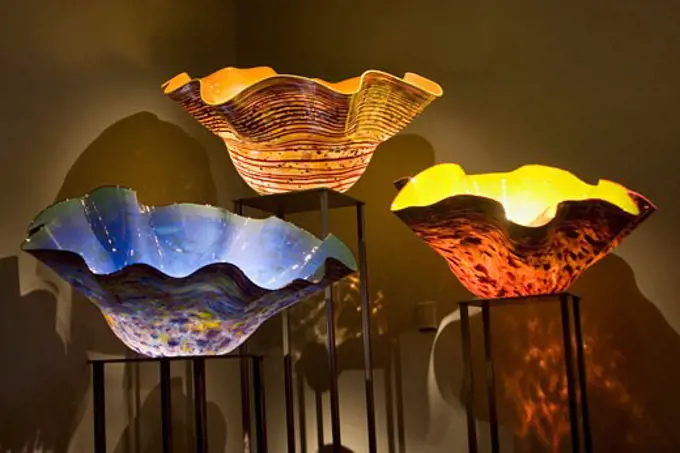
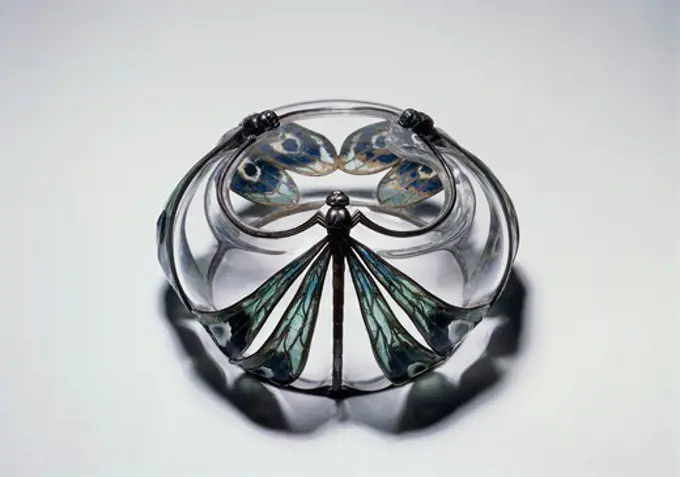
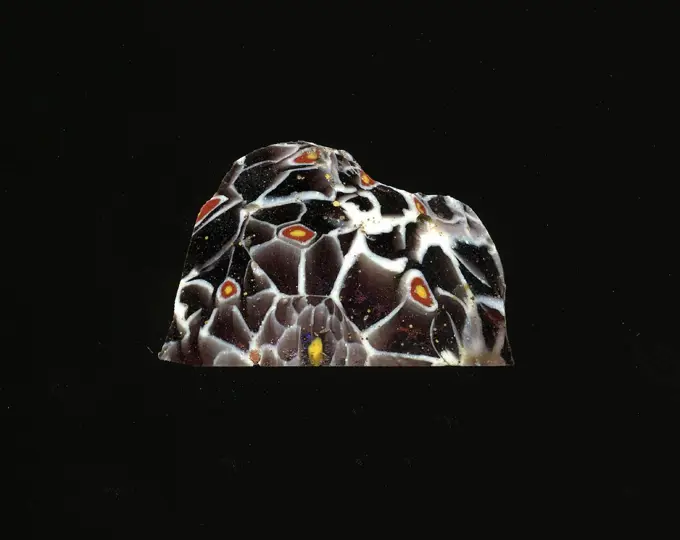
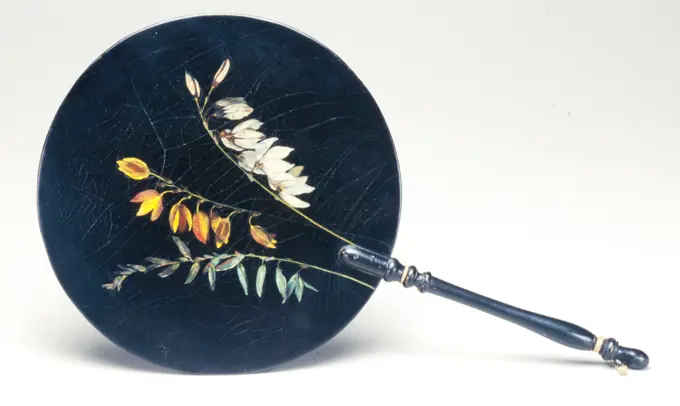
Paperweight. Baccarat; France, founded 1764. Date: 1848. Dimensions: Diam. 7.9 cm (3 1/8 in.). Glass. Origin: Lunéville. Museum: The Chicago Art Institute, Chicago, USA. Author: Baccarat Glassworks.Paperweight, c. 1850-1875, New England Glass Company, 1 3/4 x 2 1/2 x 2 1/2 in. (4.45 x 6.35 x 6.35 cm), Glass, United States, 19th centurySpa room Decoration in spa room. Vertical photo Copyright: xZoonar.com/ArmanxZhenikeyevx 7859896Plate. Culture: French, Sceaux. Dimensions: Diameter: 9 1/8 in. (23.2 cm). Date: ca. 1765-70.Faience, or tin-glazed and enameled earthenware, first emerged in France during the sixteenth century, reaching widespread usage among elite patrons during the seventeenth and early eighteenth centuries, prior to the establishment of soft-paste porcelain factories. Although characterized as more provincial in style than porcelain, French faience was used at the court of Louis XIV as part of elaborate meals and displays, with large-scale vessels incorporated into the Baroque garden designs of Versailles. Earlier examples of French faience attest to the strong influence of maiolica artists from Italy. Later works demonstrate the ways in which cities such as Nevers, Rouen, Lyon, Moustiers, and Marseille developed innovative vessel shapes and decorative motifs prized among collectors throughout Europe.While faience can be created from a wide mixture of clays, it is foremost distinguished by the mPaperweight 1843-1860 Birmingham. Glass . George Bacchus & SonsPaperweight 1801-1900 Clichy. This paperweight uses a traditional glass-making technique called millefiori to great effect. Italian for ìone thousand flowers,î millefiori was first developed in fifteenth-century Venice. In the nineteenth century, French glassmakers revived the technique with a cultural twist. Arranged to evoke traditional French gardens such as the Tuileries in Paris, paperweights like this example brought a little of this landscaping magic indoors.From the late 1840s to early 1860s, French manufacturers of fine glass and crystalósuch as Baccarat (Alsace), Clichy (Paris), and Saint-Louis (Lorraine)ócatered to the vast public enthusiasm for beautiful yet functional desk accessories. Paperweights, which were designed to secure loose papers against drafts, were among their most popular products.. Glass . Clichy Glasshouse (Manufacturer)Tile (USA); Manufactured by J. & J. G. Low Art Tile Works; glazed stoneware; 10.8 x 10.8 x 1.2 cm (4 1/4 x 4 1/4 x 1/2 in. )Vector Bright Bouquet of red and yellow Flowers. EPS10 opacityPaperweight 1801-1900 France. Technological improvements to optical scientific instruments in the mid-nineteenth century spurred a veritable obsession across Europe with identifying and classifying the natural world. Amateur botanists were eager to collect and preserve floral specimens, which they intently researched and catalogued. In response to this broad appeal, French glassmakers made paperweights that portrayed the very botanical subjects that were so enthusiastically sought. Many weights represented specimens with horticultural correctness, but others were entirely fanciful creations. Paperweights like this example speak to the periodís fascination with taxonomic systems.From the late 1840s to early 1860s, French manufacturers of fine glass and crystalósuch as Baccarat (Alsace), Clichy (Paris), and Saint-Louis (Lorraine)ócatered to the vast public enthusiasm for beautiful yet functional desk accessories. Paperweights, which were designed to secure loose papers against drafts, wetraffic light stop light red green streetPaperweight 1840-1865 France. This paperweight uses a traditional glass-making technique called millefiori to great effect. Italian for ìone thousand flowers,î millefiori was first developed in fifteenth-century Venice. In the nineteenth century, French glassmakers revived the technique with a cultural twist. Arranged to evoke traditional French gardens such as the Tuileries in Paris, paperweights like this example brought a little of this landscaping magic indoors.From the late 1840s to early 1860s, French manufacturers of fine glass and crystalósuch as Baccarat (Alsace), Clichy (Paris), and Saint-Louis (Lorraine)ócatered to the vast public enthusiasm for beautiful yet functional desk accessories. Paperweights, which were designed to secure loose papers against drafts, were among their most popular products.. Glass . Clichy GlasshouseColorful Easter Eggs And Rabbit Colorful easter eggs and rabbit Copyright: xdi0raxPottery, ceramics, souvenirs, Thira, Santorini, Cyclades, Greece, EuropeLarge pink dahlia flower in a small vase on a light background.Heart shaped object in view as love conceptionColourful Lanterns Hanging On Display Against A Blue Sky, Nevsehir TurkeyS.A., Ecuador, Highlands, Otavalo Market.  Quechua handmade colorful basketsPaperweight 1840-1865 France. Technological improvements to optical scientific instruments in the mid-nineteenth century spurred a veritable obsession across Europe with identifying and classifying the natural world. Amateur botanists were eager to collect and preserve floral specimens, which they intently researched and catalogued. In response to this broad appeal, French glassmakers made paperweights that portrayed the very botanical subjects that were so enthusiastically sought. Many weights represented specimens with horticultural correctness, but others were entirely fanciful creations. Paperweights like this example speak to the periodís fascination with taxonomic systems.From the late 1840s to early 1860s, French manufacturers of fine glass and crystalósuch as Baccarat (Alsace), Clichy (Paris), and Saint-Louis (Lorraine)ócatered to the vast public enthusiasm for beautiful yet functional desk accessories. Paperweights, which were designed to secure loose papers against drafts, weColorful natural stones necklaces picture.Majolica ribbed beads for a necklace, Crimea. Scythian Civilization, 1st Century BC-3rd Century AD.Glass garland bowl late 1st century B.C. Roman Colorless, translucent purple, translucent honey yellow, translucent cobalt blue, opaque yellow, and opaque white.Vertical, angular rim; convex curving side, tapering downwards; base ring and concave bottom.Four large segments of colorless, purple, yellow, and blue, and applied to the interior of the bowl at the center of each segment a hanging garland, comprising an inverted V-shaped white string above a U-shaped swag made up of a mosaic pattern formed from polgonal or circular sections of four different composite canes: one in a yellow ground with a white spiral, a second in a purple ground with yellow rods, the third in a colorless ground with white lines raditating from a central yellow rod, and the fourth in a blue ground a white spiral. The four different canes are arranged in pairs side by side but the order in which they are placed differs in each swag. On interior, a single narrow horizontal groove below rim. Intact, except for onCircular Shard. China. Date: 960 AD-1279. Dimensions: H. 0.8 cm (5/16 in.); diam. 6.0 cm (2 3/8 in.). Jun ware; stoneware with light blue and purple glaze. Origin: China. Museum: The Chicago Art Institute, Chicago, USA.Floral art pattern example of the Ottoman time. Floral art pattern example of the Ottoman Islamic artButton, Mother-of-pearl, On card 29. Small round button with incised design. Center rosette and saw-toothed border incisions blackened. Two holes for sewing., France, 1840-50, costume & accessories, Decorative Arts, ButtonSauce bowls of the 1950s, Industrial Museum Lauf an der Pegnitz, Middle Franconia, Bavaria, Germany, EuropePinus deodara (seeds), 1837. Published in London by George White and H. Weddell. Conifers and pine engravingsMadagascar, Island of Nosy Komba (next to Nosy Be) fishing village of Ampangoriana. Typical Sakalava embroidery tablecloth detail.Bouquet consisting of shells. On the back of the box: shells from the West brought by your father in 1885. Collected by your grandmother. December 1885.Paperweight 1840-1865 France. This paperweight uses a traditional glass-making technique called millefiori to great effect. Italian for ìone thousand flowers,î millefiori was first developed in fifteenth-century Venice. In the nineteenth century, French glassmakers revived the technique with a cultural twist. Arranged to evoke traditional French gardens such as the Tuileries in Paris, paperweights like this example brought a little of this landscaping magic indoors.From the late 1840s to early 1860s, French manufacturers of fine glass and crystalósuch as Baccarat (Alsace), Clichy (Paris), and Saint-Louis (Lorraine)ócatered to the vast public enthusiasm for beautiful yet functional desk accessories. Paperweights, which were designed to secure loose papers against drafts, were among their most popular products.. Glass . Compagnie de Saint LouisSilversmith's art, Italy, 15th century. Silver-gilt and enamels necklace by Venetian jeweler. Detail.Eleven shards of different plates, found at V.O.C. -ship Witte Leeuw, possibly from Zeelelie, 1725 - 1800 plate (dishes) Eleven shards, one of which has two two-glued fragments, made of different plates, made for export to Anglo-Saxische countries. This object is 18th century and cannot therefore be from the freight of the Witte Leeuw. It is unclear whether the object will come from the site or whether it was mixed later, possibly with material from the Zeelelie. Jingdezhen porcelain   Sint-HelenaDish for Ritual Offerings with Durga Defeating a Demon 17th-19th century Nepal. Dish for Ritual Offerings with Durga Defeating a Demon 39470Ornament Mandala from thread. Mandala woven with threads on a background of white brick wallpainted easter egg with cut out patternsColorfulness heart glassPaperweight 1848 Saint-Louis. This paperweight uses a traditional glass-making technique called millefiori to great effect. Italian for ìone thousand flowers,î millefiori was first developed in fifteenth-century Venice. In the nineteenth century, French glassmakers revived the technique with a cultural twist. Arranged to evoke traditional French gardens such as the Tuileries in Paris, paperweights like this example brought a little of this landscaping magic indoors.From the late 1840s to early 1860s, French manufacturers of fine glass and crystalósuch as Baccarat (Alsace), Clichy (Paris), and Saint-Louis (Lorraine)ócatered to the vast public enthusiasm for beautiful yet functional desk accessories. Paperweights, which were designed to secure loose papers against drafts, were among their most popular products.. Glass . Compagnie de Saint LouisPaperweight 1801-1900 Saint-Louis. The colorful geometric clusters embedded in this paperweight reflect the nineteenth-century European fascination with optical effects. Sir David Brewster invented the kaleidoscope in 1815, and its colorful and changing patterns brought great visual entertainment. Paperweights such as this example reformed this childlike pastime for a sophisticated adult audience. Depicted in glass were tiny glittering flowers, small black and blue cameos of figures, and even miniature bottlecaps. These were delicately arranged within the orb for the observant eye to discover.From the late 1840s to early 1860s, French manufacturers of fine glass and crystalósuch as Baccarat (Alsace), Clichy (Paris), and Saint-Louis (Lorraine)ócatered to the vast public enthusiasm for beautiful yet functional desk accessories. Paperweights, which were designed to secure loose papers against drafts, were among their most popular products.. Glass . Compagnie de Saint LouisOrnament Mandala from thread. Mandala woven with threads on a background of white brick wallPaperweight 1840-1865 France. Technological improvements to optical scientific instruments in the mid-nineteenth century spurred a veritable obsession across Europe with identifying and classifying the natural world. Amateur botanists were eager to collect and preserve floral specimens, which they intently researched and catalogued. In response to this broad appeal, French glassmakers made paperweights that portrayed the very botanical subjects that were so enthusiastically sought. Many weights represented specimens with horticultural correctness, but others were entirely fanciful creations. Paperweights like this example speak to the periodís fascination with taxonomic systems.From the late 1840s to early 1860s, French manufacturers of fine glass and crystalósuch as Baccarat (Alsace), Clichy (Paris), and Saint-Louis (Lorraine)ócatered to the vast public enthusiasm for beautiful yet functional desk accessories. Paperweights, which were designed to secure loose papers against drafts, weOttoman art example of Mother of Pearl inlaysFired ceramic items in a kiln, Geisenhausen, Bavaria, Germany, Europecabochon from Abalone haliotis shell on dark macro shooting of natural mineral rock specimen - cabochon from Abalone haliotis shell on dark granite background Copyright: xZoonar.com/ValeryxVoennyyx 11380528Abstract closeup of a bunch of marbles and shadowsOttoman art example of Mother of PearlVarious cosmetic textures on a golden tray. High quality photo.Example of Ottoman art patterns applied on metalsSouthwest, American Indian art & handicrafts. Traditional Acoma pueblo pottery.A bouquet of dried flowers is arranged in a ribbed vase on a table against a backdrop of a peach-colored wall and a red chair.top view of green square saucer on gray table top view of green square saucer on gray brown table Copyright: xZoonar.com/ValeryxVoennyyx 9791730Happy Diwali - Clay Diya lamps lit during Dipavali, Hindu festivCeiling Tiles In The Lower Court In Park Güell, Barcelona, SpainA thing of beauty , Anna Tas, Sa Bassa Blanca Museum (msbb). Yannick Vu and Ben Jakober , Alcudia, Majorca, Spain.Christmas balls as vintage style on crumpled paperRed stone heart in bowlPill containers arranged in cross shapeBeads on a pin, 945-930 BCE, 1 3/4 x 3/8 x 3/8 in. (4.4 x 1 x 1 cm), Faience, gold, Egypt, 10th century BCEUSA, Alaska, Ketchikan, antique Japanese fishing floats.High angle view of colorful ceramic plates set High angle view of colorful ceramic plates set Copyright: xZoonar.com/minheexparkx 17430601Cosmetic gel with glitter on a beige background. High quality photo.A green pinwheel with polka dotsColourful diyas Taditional Turkish metal plates in the vieweuro in the form of butterflies. Origami butterfly made out of euro billsminiature blackboard with different colored powder isolated white backgroundFanPipette with 24k gold serum on a pink background. High quality photo.Ammonite with agate, found in Madagascar, AfricaToy Bączek Heavy, monika, heavy, krzysztof, heavy designUsa, Florida, Celebration, Blue and Yellow Orchid WreathLaguna agate from MexicoSpa setting on white background. Flat layString of tiny disk beads, barrels, and 13 Taweret amulets ca. 1981-1504 B.C. Middle Kingdom-Early New Kingdom. String of tiny disk beads, barrels, and 13 Taweret amulets 560261Gilouri pan prepared and folded in betel leaves on white background India Copyright: xNirmalaxMishra/DinodiaxPhotoxFiligree dried poppy capsule (Papaver)Button; wood, metal, glass, linen; 1940-28-1Phalaenopsis stuartiana, Sander, F. (Frederick) (1847-1920), Mansell, Joseph (Lithographer), Moon, H. G.Decorative paperweight on a white wooden tableVenetian series of glass art by Dale Chihuly deYoung Museum  Sna Francisco  CaliforniaSealSeashells on thread background on tropical resortHandmade dream catcher with feathers threads and beads rope hanging Dream catcher with feathers threads and beads rope hanging. Dreamcatcher handmade Copyright: xZoonar.com/FedorovaxDariax 23046383Colored Handycrafts hanging on a wall in the city center of Pisticci, Basilicata, Italy.Marbles in bowl, toys, glass marbles, glass marbleBaloon bunch in form of number 6 six isolated on white. Text letter for age, holiday, birthday, celebration. Baloon bunch in form of number 6 six isolated on white. Text letter for age, holiday, birthday, celebration. 3d illustration Copyright: xZoonar.com/MaksymxYemelyanovx 20218918Bonbon dish with enameled dragonflies by Eugene Feuillatre (1879-1916)On the way to Agadir, Morocco, North Africa, Africa, Colourful ceramic shards form a mosaic with diverse patterns, AfricaInterior facility with a beige handmade ceramic vase interior with beige handmade ceramic vaseHeart shaped semi precious stones as a necklaceMug and cookies on the kitchen table readyused colorful watercolor palette over whiteCreative flat lay of christmas ornaments in minimal style on yellow background, holiday conceptView of large big star decorated with light bulbs on a dark background for ChristmasSet of natural cosmetic products, face cream and dropper bottle with essential oil on red background with colorful flowers, flat lay image. Skincare, beauty and natural cosmetics conceptWhite porcelain Easter egg with floral decorFragment of a vessel. A low curvature of the glass fragment allows the assignment to a vessel, possibly a shell. The purple glass shows two types of flowers in millefiori technique seamlessly lying together. They consist of a yellow point with white contour to cluster the violet petals in double row, or from a yellow point with red and white contour as the core to collect the trapezoidal violet petals. For the production of different colored glasses were tubing and shaped bars. These were compressed and heated, causing a long bar. The glass sliced now had different amorphous or floral patterns. Thereafter, several of these platelets were folded together, heated again and pressed into the vascular shape. Burry for the elaborate manufacturing process and its fragility was one of the luxury articles of antiquity.Fan, c. 1850, 9/16 x 9 1/4 x 16 3/8in. (1.4 x 23.5 x 41.6cm), Papier mché, England, 19th centuryButtons in different compositions and sizesTHAILAND, BANGKOK,WAT ARUN (TEMPLE OF DAWN), PORCELAIN ORNAMENTA- TION FROM CHINESE TEA CUPSMini vase on marble table, stock photoPodium for product advertisement or restaurant menus with pink background 3d illustrated