Decorative Plates

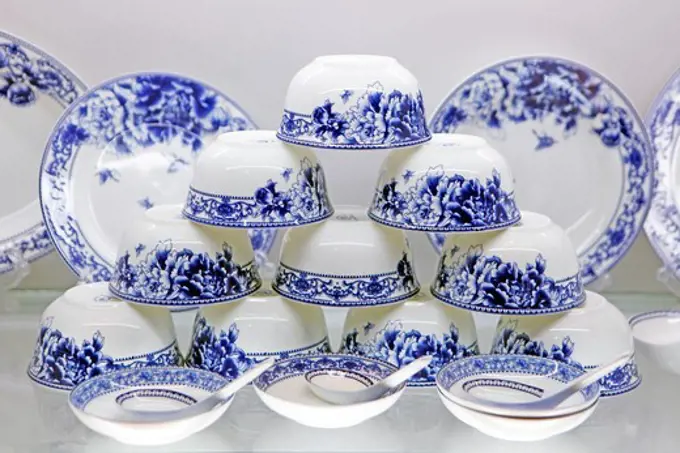
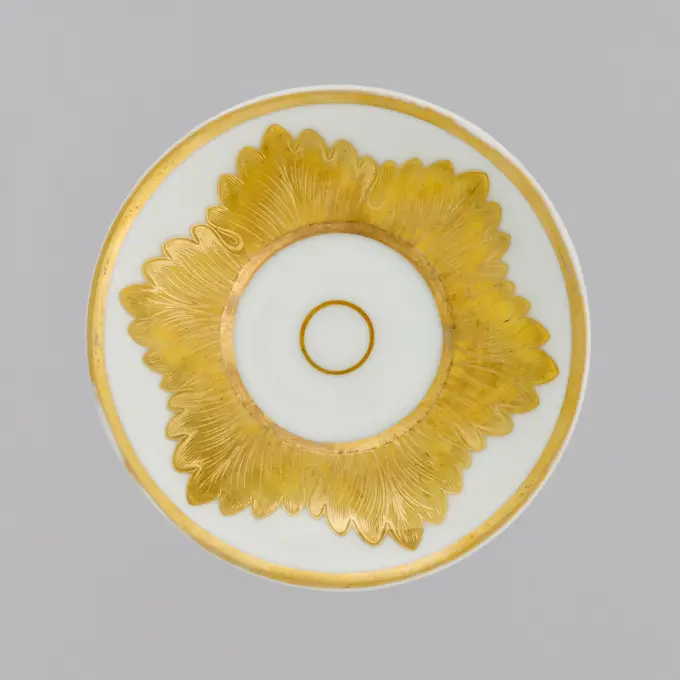
Elegant and artistic plates made of porcelain and glass, featuring intricate designs, floral patterns, and gold accents. Vintage and modern aesthetics.

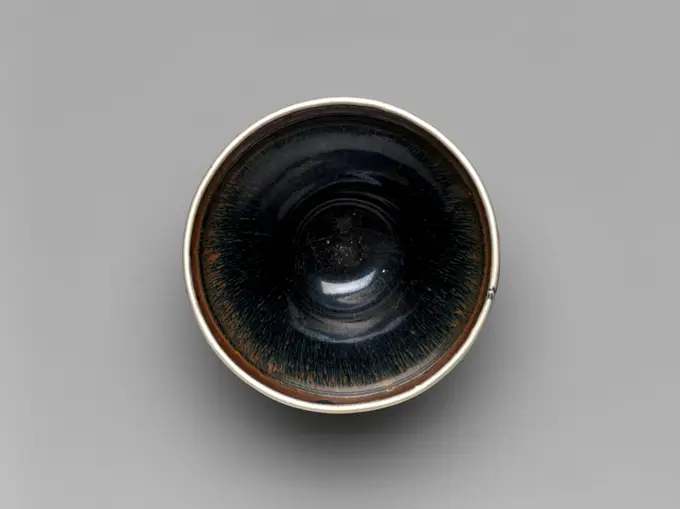
Tea Bowl, 11th century, 1 1/2 x 3 5/8 in. (3.81 x 9.21 cm), Ding ware Porcelain with incised lotus decor under clear glaze, China, 11th century
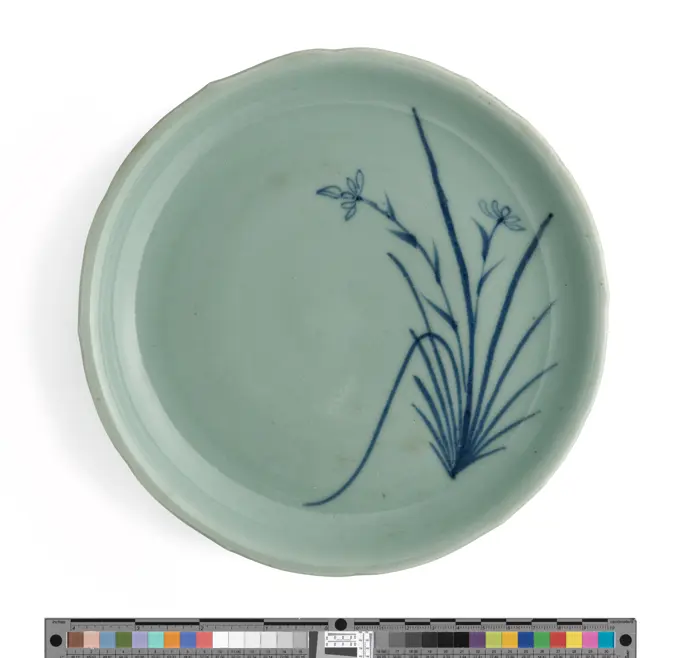
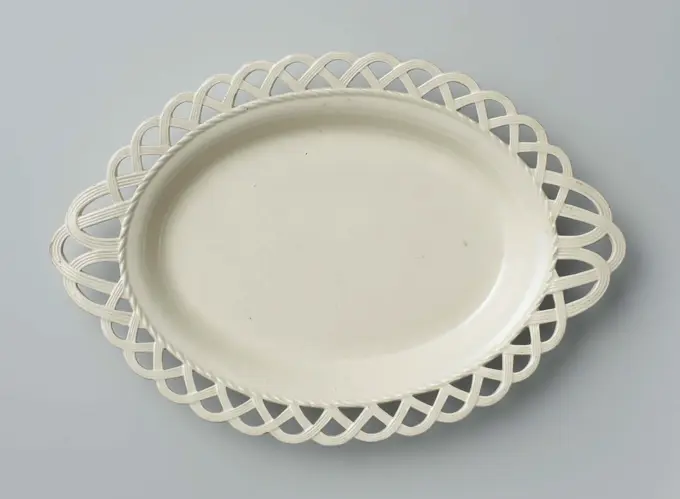
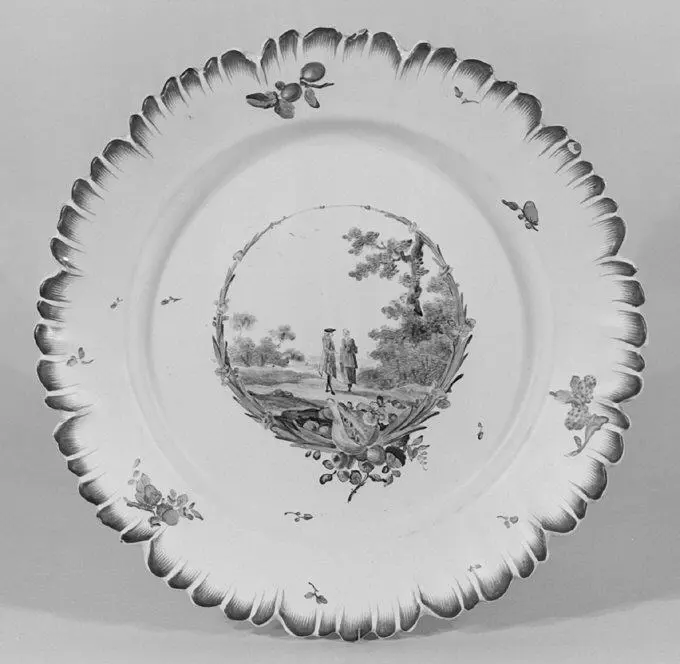
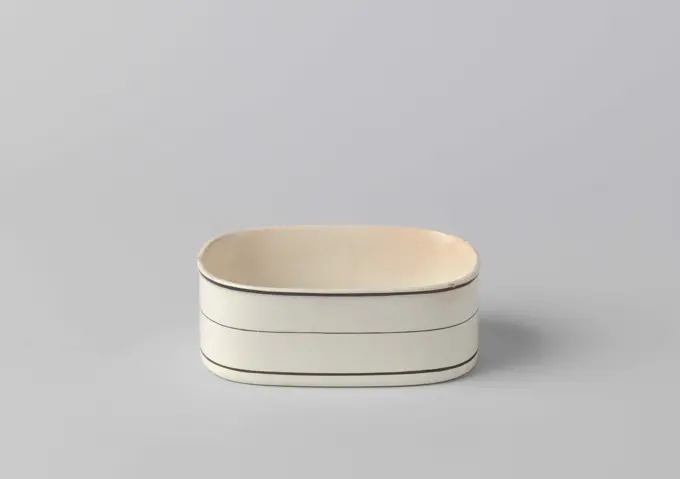
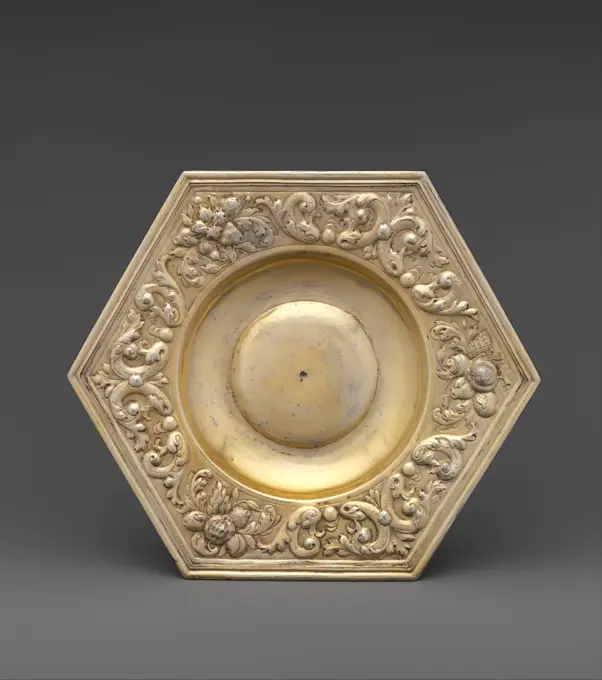
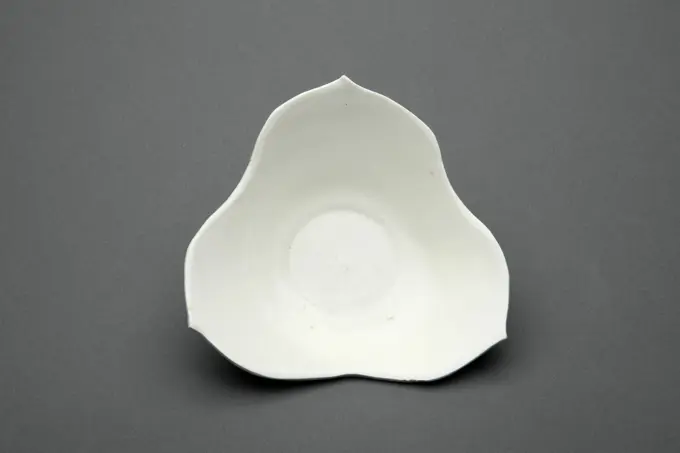
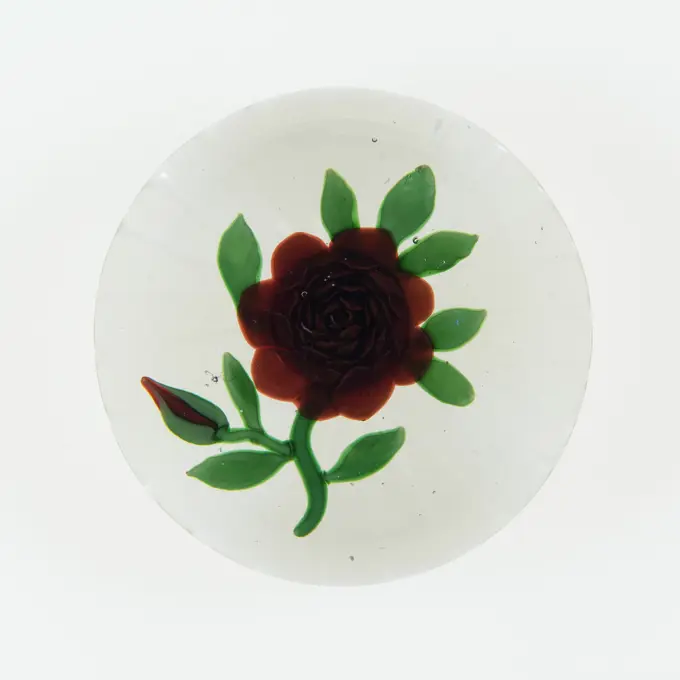
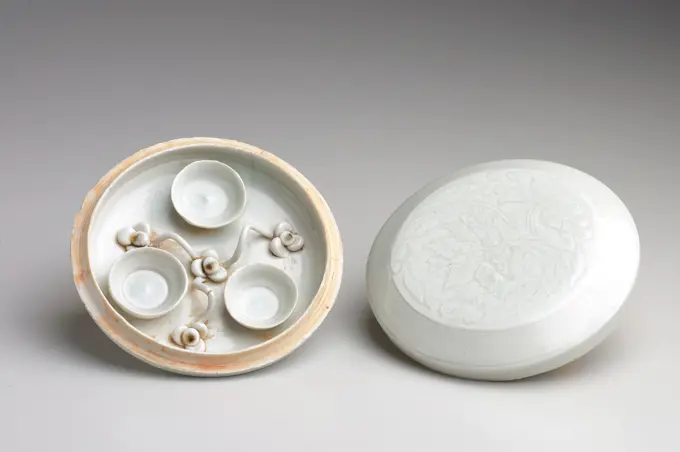
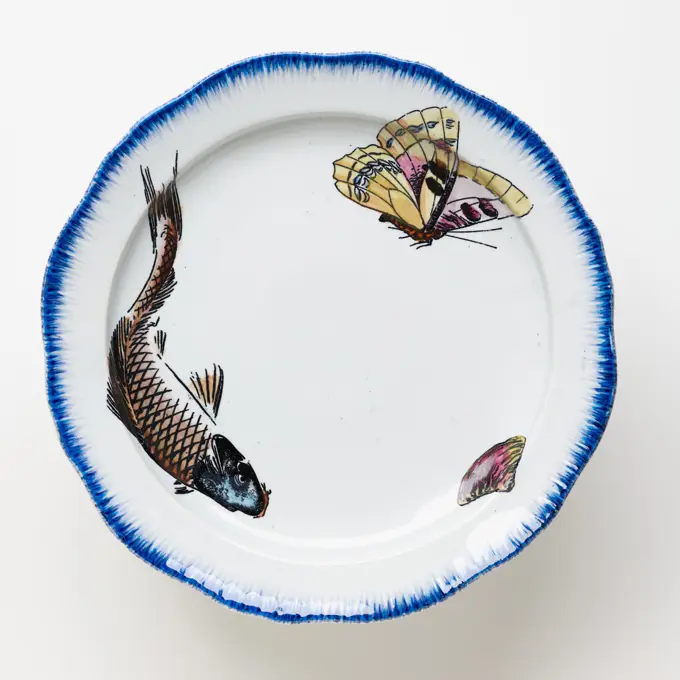
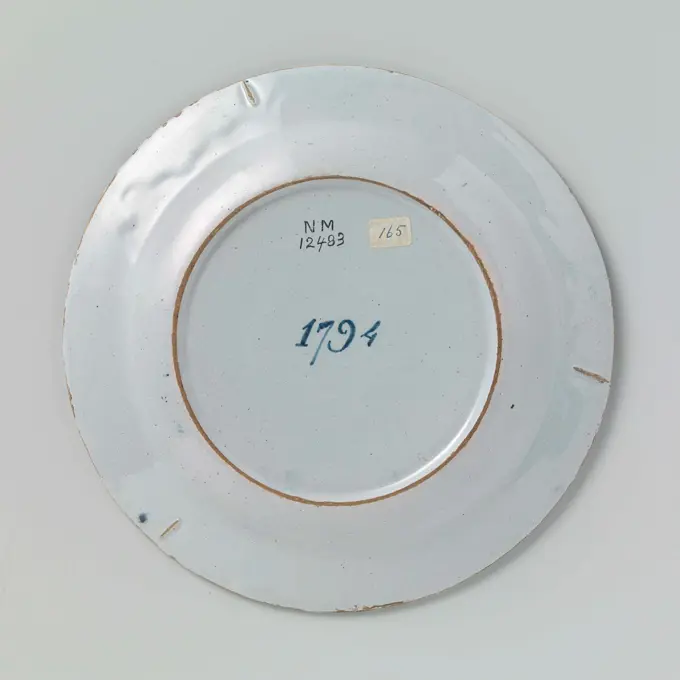
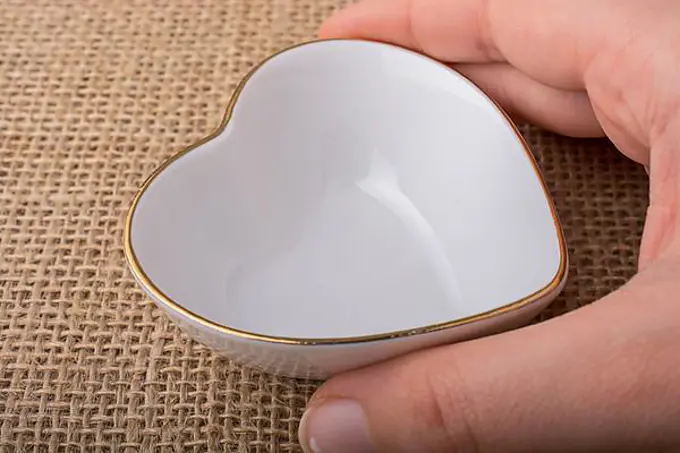
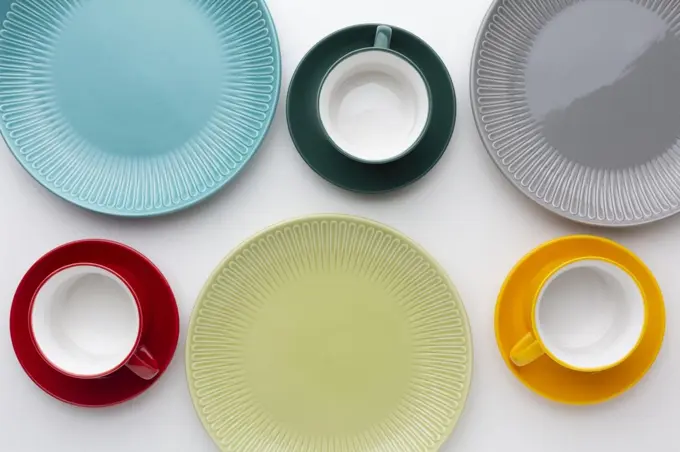
Excerpt deep plate from v.o.c.-ship De 'Witte Leeuw', Anonymous, Before 1613 plate (dishes) Fragment deep plate from V.O.C. ship De 'Witte Leeuw', 25 present. Jingdezhen bone china (material)   Sint-HelenaSalver (one of a pair) 1703-4 Andrew Moore. Salver (one of a pair) 238335Bowl and five bowls for herring Glassworks HydrangeaOne from a Set of Dishes with Orchid Designs. Japan, Edo period (1615-1868), mid-18th century. Ceramics. Porcelain with celadon glaze and blue underglazeSoup plate - St. Johns Stone Chinaware Company (founded 1873) St. Johns Stone Chinaware Company (founded 1873)Dish of hard-baked pottery, cream true .. Dish of hard-baked pottery, with a cutting edge. The dish is marked: Jan Derks Delft 3. See also a bowl with Invnr. BK-NM-12622.Serving plate - L. Bernardaud & Company L. Bernardaud & CompanyPlate 1753-95 French, Sceaux Faience, or tin-glazed and enameled earthenware, first emerged in France during the sixteenth century, reaching widespread usage among elite patrons during the seventeenth and early eighteenth centuries, prior to the establishment of soft-paste porcelain factories. Although characterized as more provincial in style than porcelain, French faience was used at the court of Louis XIV as part of elaborate meals and displays, with large-scale vessels incorporated into the Baroque garden designs of Versailles. Earlier examples of French faience attest to the strong influence of maiolica artists from Italy. Later works demonstrate the ways in which cities such as Nevers, Rouen, Lyon, Moustiers, and Marseille developed innovative vessel shapes and decorative motifs prized among collectors throughout Europe. While faience can be created from a wide mixture of clays, it is foremost distinguished by the milky opaque white color achieved by the addition of tin oxide to Flat lay clean tableware set with copy sapce. Beautiful photoButter fleet of hard-baked pottery, wedgwood creamware. Butter fleet of hard-baked pottery. The fleet is oval and has a straight upright edge. The fleet is painted with brown lines. A lid and a dish (BK-NM-14087-A to BK-NM-14087-C) belongs to the fleet.Dessert plate - Paragon, 1900- Paragon, 1900-pottery plate An image of a nice blue pottery plate Copyright: xZoonar.com/magannx 2902949Plate Kraszewski, Józef Ignacy (1812 1887), miHexagonal dish (part of a set) second half 17th century Paulus Roth These five dishes (2010.110.13-17) would appear most spectacular when seen in flickering candlelight or radiant sunlight. The masterful balance between the foliage and fruit ornamentation on the rim is exquisite. These dishes originally belonged to members of the Hungarian dynasty of the Barons Bornemisza.LiteratureTihamér Gyárfás. A brassai ötvösség története. Brassó, 1912, pp. 110-11, no. 206.European Silver, Objects of Vertu and Miniatures / Orfèvrerie européene, objets de vitrine et miniatures. Sale cat., Christies, Geneva, May 9, 1989, p. 58, no. 109.Judit H. Kolba. Hungarian Silver: The Nicolas M. Salgo Collection. London, 1996, p. 45, no. 23.ExhibitedErdély régi művészeti emlékeinek kiállítása az Iparművészeti múzeumban / Ausstellung alten Kunstgewerbes aus Siebenbürgen. Exh. cat. Museum of Applied Arts. Budapest, 1931, p. 47, no. 231, pl. XVI.ReferencesElemér Kőszeghy. Magyarországi ötvösjegyek a középkortól 1Tri-Lobed Dish 907 CE-960 CE China. Ding-type ware; glazed porcelain .Continental Porcelain Plate, Kentucky ca. 1878-89 Joseph S. Potter. Continental Porcelain Plate, Kentucky 20616Paperweight 1843-1860 Lunéville. Technological improvements to optical scientific instruments in the mid-nineteenth century spurred a veritable obsession across Europe with identifying and classifying the natural world. Amateur botanists were eager to collect and preserve floral specimens, which they intently researched and catalogued. In response to this broad appeal, French glassmakers made paperweights that portrayed the very botanical subjects that were so enthusiastically sought. Many weights represented specimens with horticultural correctness, but others were entirely fanciful creations. Paperweights like this example speak to the periodís fascination with taxonomic systems.From the late 1840s to early 1860s, French manufacturers of fine glass and crystalósuch as Baccarat (Alsace), Clichy (Paris), and Saint-Louis (Lorraine)ócatered to the vast public enthusiasm for beautiful yet functional desk accessories. Paperweights, which were designed to secure loose papers against drafts,Porcelain factory on the Amsteloper-Amstel, c. 1784-1809Hard-Paste PorcelainToy serving plate - Spode SpodeChinese traditional ceramicCUENCOS DECORADOS Y VIDRIADOS. Location: ALFARERIA. VALDEVERDEJA. Toledo. SPAIN.Utensils and plate decorated with a decorative branchBox by Peter the Great. Flat oval ivory box with lid rotated by Tsar Peter the Great and honored by His physician Nicolaas Bidloo. On the underside a inscription is engraved over the entire surface; Embraced decorations in the lid, with centrally three star-shaped twelve rosettes on top of each other, surrounding oval rings, there again a double ring of small waves; The side of lid is formed by some descending ridges. Inscription on the lid: Opus Petri Magni Primi Totius Russiae Imperatoris Propria Manu Torno Factum Mihi Nicolas Bidloo Archiatro Suo, in Aeternam Ejus Gratia Memoriam Petropoli Clementer Largitum November 13, 1724 Reverenter Acreligiosis in MEA Familia Conservetur. This ivory box is kept in an oval box of Tomak with a painting.Incense conesSalad Bowl, Porcelinfabriek aan den Amstel, c. 1784 - c. 1809 Porcelain slag, with scalloped edge. On the soil the 'parasol motif of Conr. Pronk ', on the inner wall insects. On the outer wall, along the mouth edge the edge motif of the showboards. Ouder-Amstel porcelain Porcelain slag, with scalloped edge. On the soil the 'parasol motif of Conr. Pronk ', on the inner wall insects. On the outer wall, along the mouth edge the edge motif of the showboards. Ouder-Amstel porcelainPlate; Koenigliche Porzellan Manufaktur (KPM; Berlin; 1763-1918); 1870-82 (1823-00-00-1832-00-00);Plate of sides; Koenigliche Porzellan Manufaktur (KPM; Berlin; 1763-1918); 1803-10 (1823-00-00-1832-00-00);Empty round ceramic plate on a plain background, flatley with copy space Empty round ceramic plate on a plain background, flatley with copy space. Kitchen utensils in home kitchen Copyright: xZoonar.com/TetianaxChernykovax 21758058Tulipán de vidrio, siglo XIX. Museum: COLECCION PRIVADA.Saucer. Baranówka (manufaktura porcelany ; 1804-post 1900 )Bowl. Compagnia di Venezia e Murano (Italian, founded 1866, dissolved 1909)ceramic cupRound plate of hard baked pottery; Wedgwood Creamware., Wedgwood, c. 1780 - c. 1820 plate (dishes) Round plate of hard baked pottery. The board has a serrated edge and is marked: Wedgwood. Burst earthenwareTabletop, Dirk van Rijswijck, c. 1650 - c. 1660Covered Cosmetic Box, 11th-early 12th century, 1 7/8 x 5 5/16 in. (4.8 x 13.49 cm), Qingbai ware Porcelain with incised décor under a pale blue glaze with iron brown details, China, 11th-12th century, Ceramic cosmetic boxes were popular during Song (960-1279), and numerous examples have survived in Qingbai as well as a variety of celadon glazes. This one is decorated on its lid with an incised lotus blossom. The interior reveals three small containers in the form of open flowers linked by appliqué tendrils. There is a faint hint of iron brown accenting each of the containers. While the plasticity of Jingde Zhen porcelain allowed Qingbai potters to create rather complex forms, their ceramics were always utilitarian in purpose, as is the case with this container for powdered cosmetics.Tea Bowl with Hare’s-Fur” Decoration 12th-13th century China. Tea Bowl with Hare’s-Fur” Decoration. China. 12th-13th century. Stoneware with iron-oxide glaze (Jian ware). Southern Song dynasty (1127-1279). CeramicsSoba cup 18th century Japan. Soba cup 63744Plate; Manufactured by Thomas Wieldon Factory; lead-glazed earthenwareTropical white Podium geometric and plants decoration on white background .3D renderingCake plate with fish, butterfly, and shell, 1866-1867, Félix Bracquemond; Manufacturer: Lebeuf, Milliet & Co., Creil; Retailer: Francois-Eugene Rousseau, French, 1833-1914, 3 × 8 3/4 in. (7.62 × 22.23 cm), Lead-glazed earthenware, transfer printing, France, 19th century, This platter and three footed plates come from a large table service commissioned by the French dealer and publisher Eugène Rousseau (1827-1890) and designed by the painter and print maker Felix Bracquemond. First exhibited in Paris at the Universal Exhibition in 1867 and considered to be the earliest example of French ceramics inspired by Japanese art, they sparked a genuine revolution in the history of style. The service was so popular it continued to be produced up to 1940.Tri-Lobed Dish with Butterfly 1100-1125 China. Ding ware; glazed porcelain .Doll dinner plate - F. K. Martin Löchner F. K. Martin LöchnerDoll dinner plate - F. K. Martin Löchner F. K. Martin LöchnerPlate with on the flat letters i.c.w. And at the rear dated 1794. Round plate of blue painted faience. On the flat are inside a round pearl necklace the letters i.c.w. Painted and along the edge of the flat garlands. A wreath of leaves and flowers is painted on the edge. The plate is dated at the rear: 1794.Hand holding heart shaped plate on canvasPlate.   Maker: Thomas Danforth II, American, 1731-1782White House China. Plate from the service of President Franklin Pierce in the White House china collection.Switches for light and door, interior of a house from the 1950s, North Rhine-Westphalia, Germany, EuropeCommemorative plate - Wileman & Company, 1892-1925 Wileman & Company, 1892-1925Colander, part of a toilet garnish, Villeroy & Boch Ceramic Werke K.G., after 1874 Colander, part of a toilet garnish of earthenware. Decorated with red piping and the weapon of the Duke of Arenberg with crown in red and yellow. Wallerfangen earthenware Colander, part of a toilet garnish of earthenware. Decorated with red piping and the weapon of the Duke of Arenberg with crown in red and yellow. Wallerfangen earthenwareflat lay clean tableware 3Plate 1780 Japan. Plate 47127Hand-Painted PlatesCeramic Ornamental  Plate Isolated on Pink Background. Top View. Ceramic Ornamental  Plate Isolated on PinkAnonymous. Beard dish "long live the queen". Earthenware. 1789-1792. Paris, Carnavalet museum. 72437-8 Decoration, faience, revolutionary period, Queen France, French Revolution, Vive