Decorative Plates

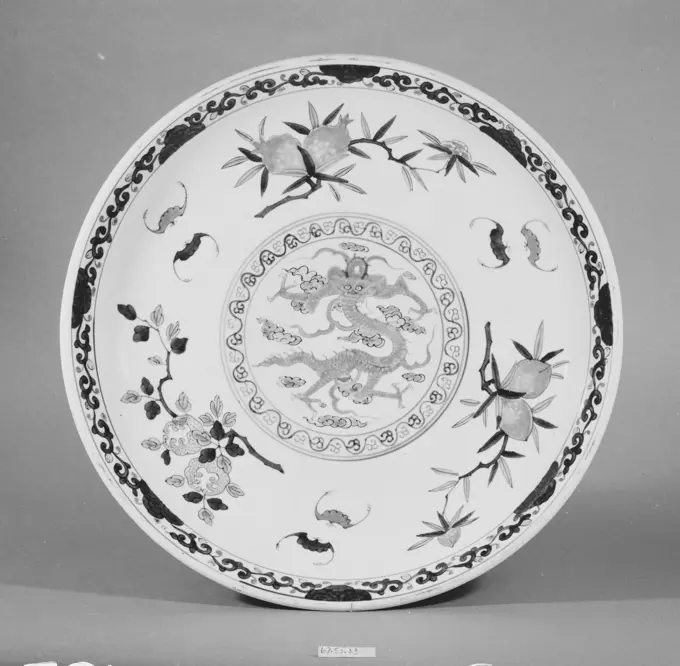
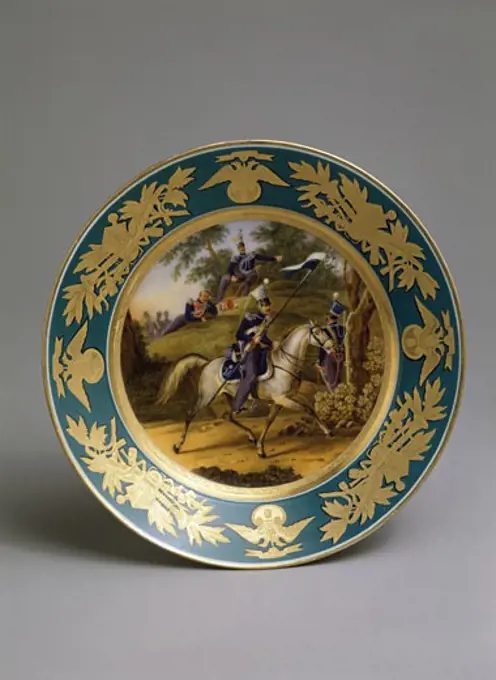
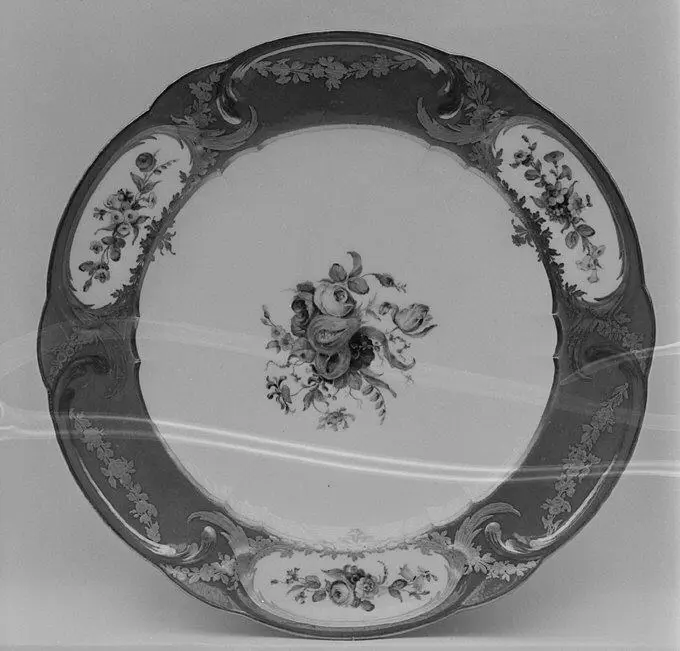
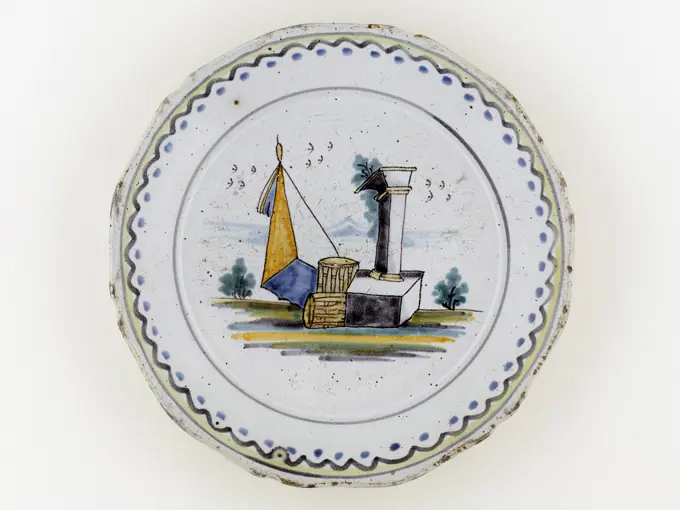
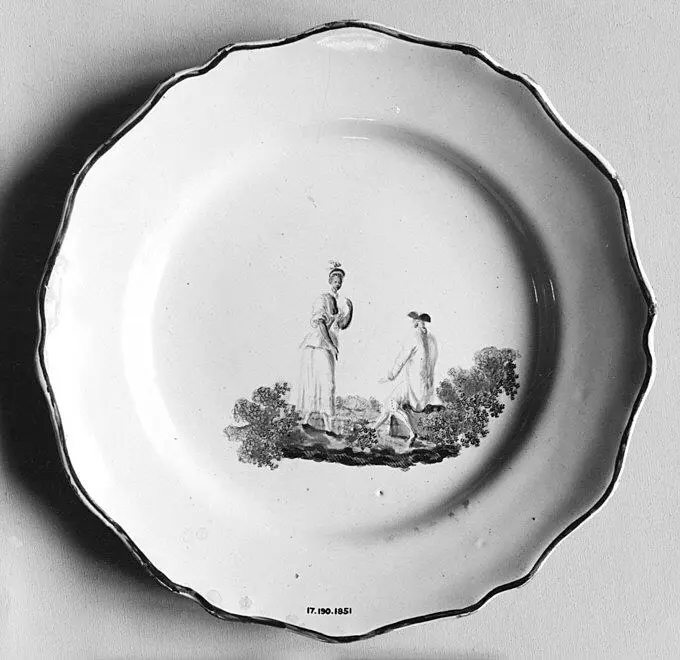
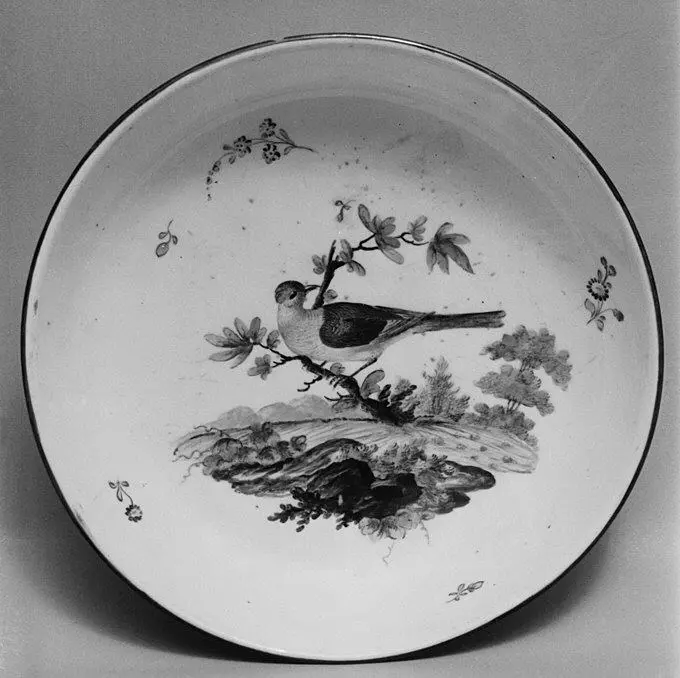
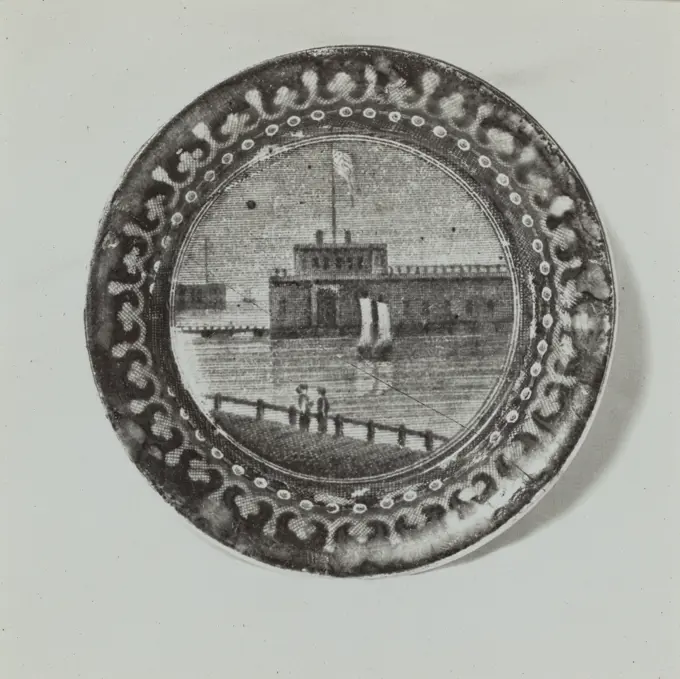
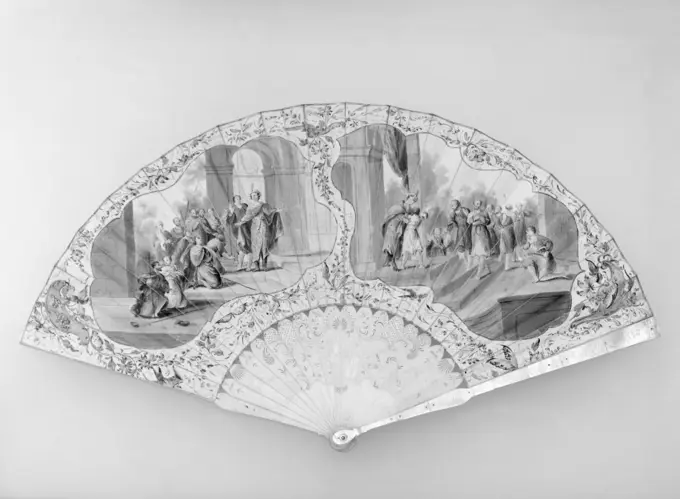
A variety of decorative plates featuring historical scenes and floral patterns, made from porcelain and ceramics, depicting artistry from different eras.
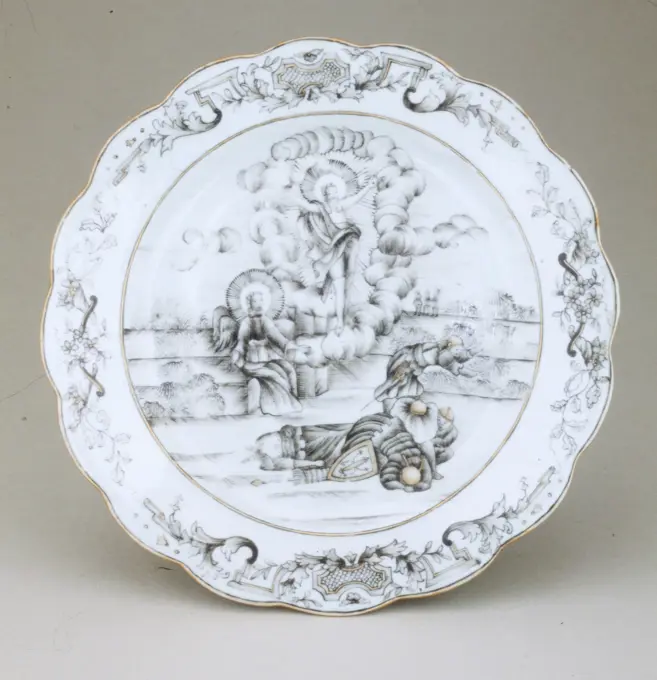
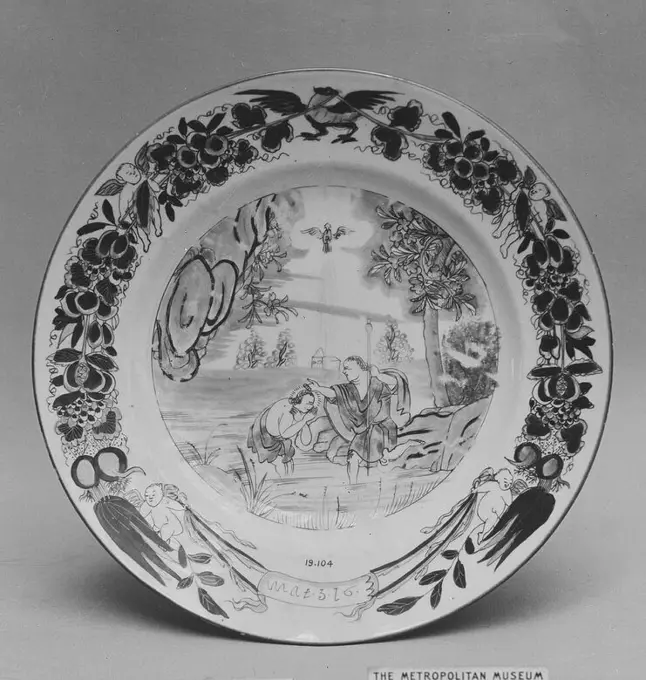
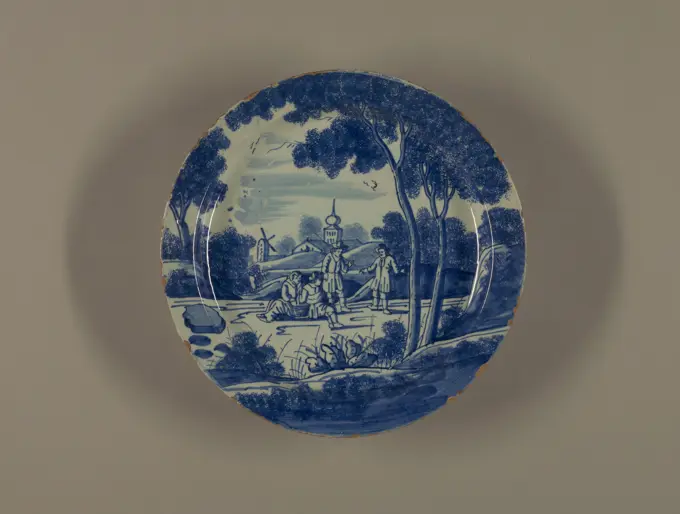
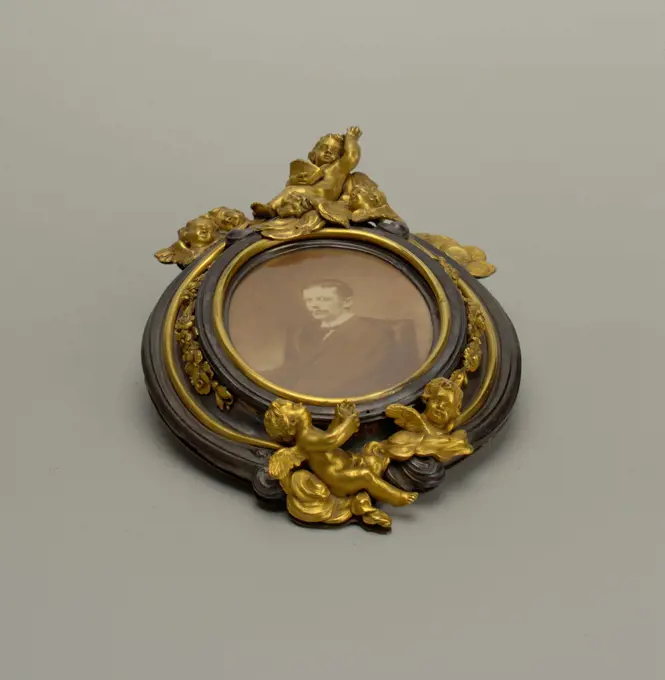
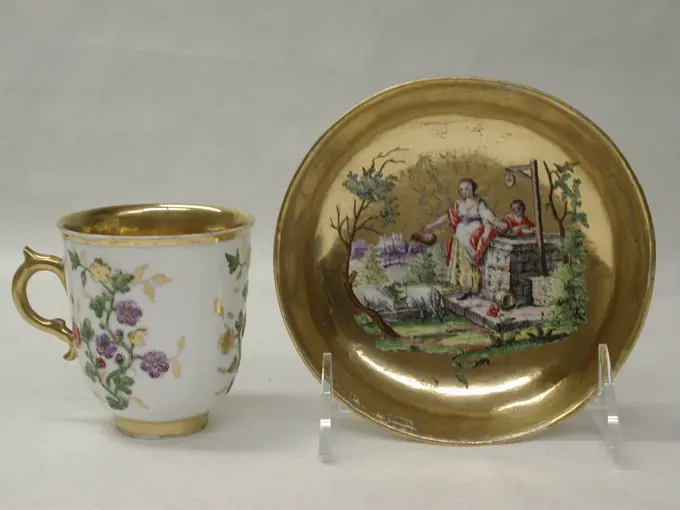
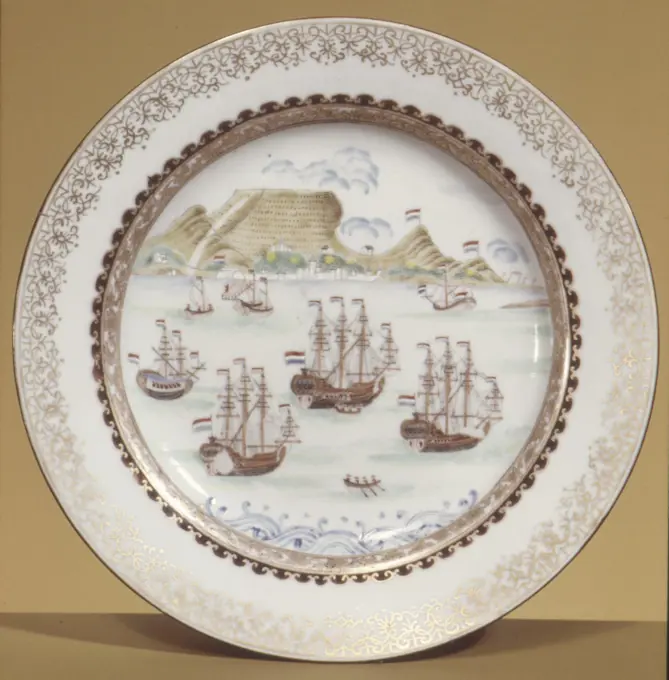
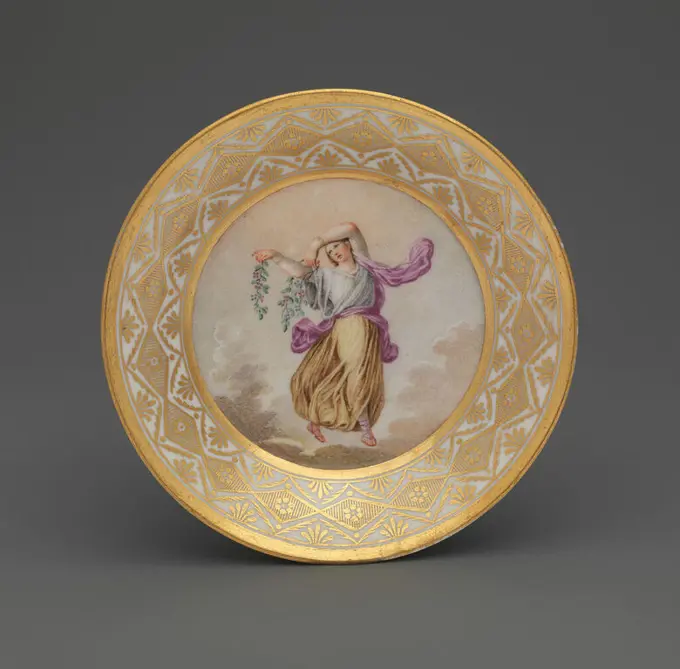
Resurrection' plate, c. 1745, After Jan Luyken, Dutch, 1649-1712, 1 x 8 7/8 in. (2.54 x 22.54 cm), Porcelain, China, 18th century
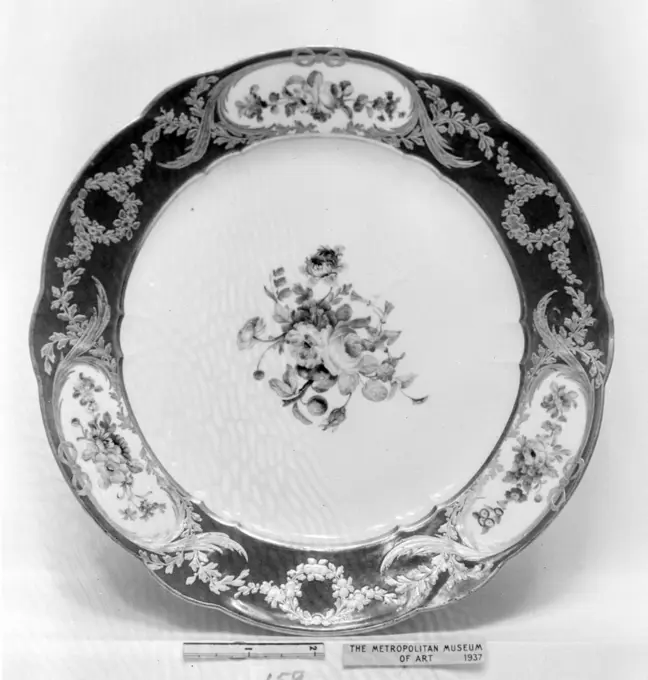
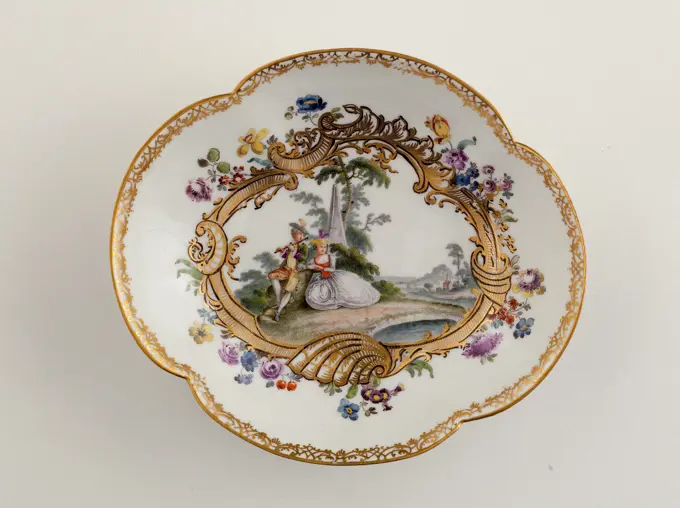
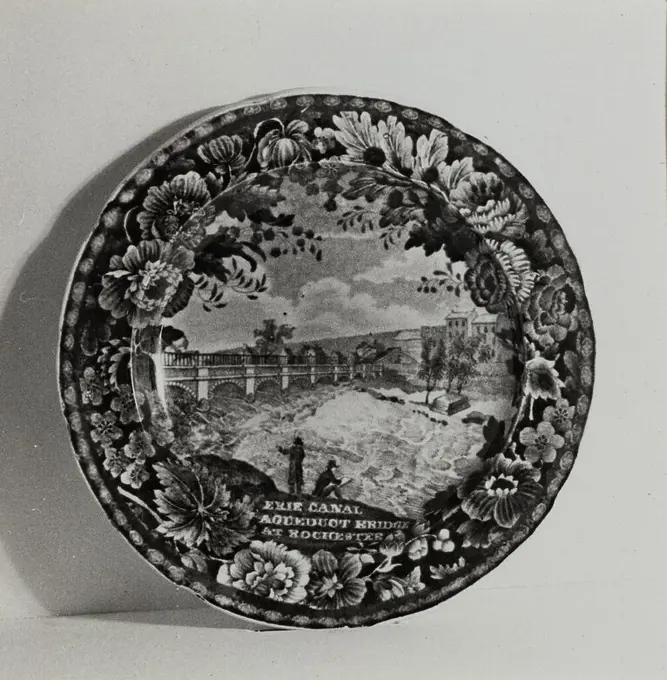
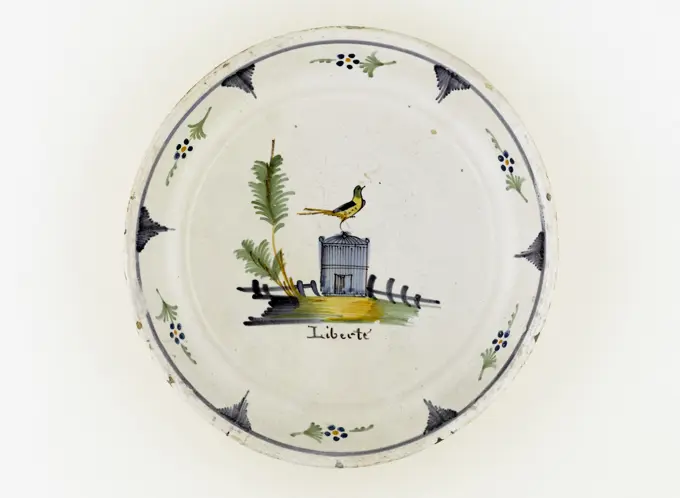
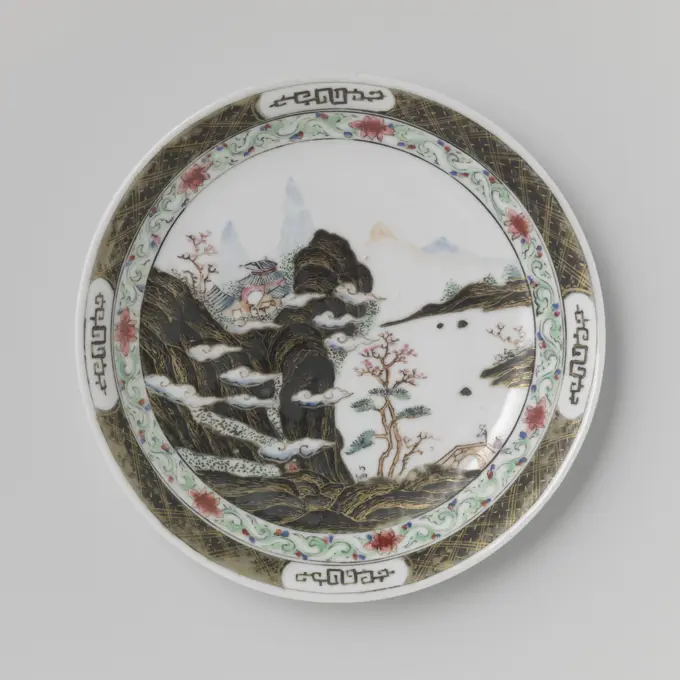
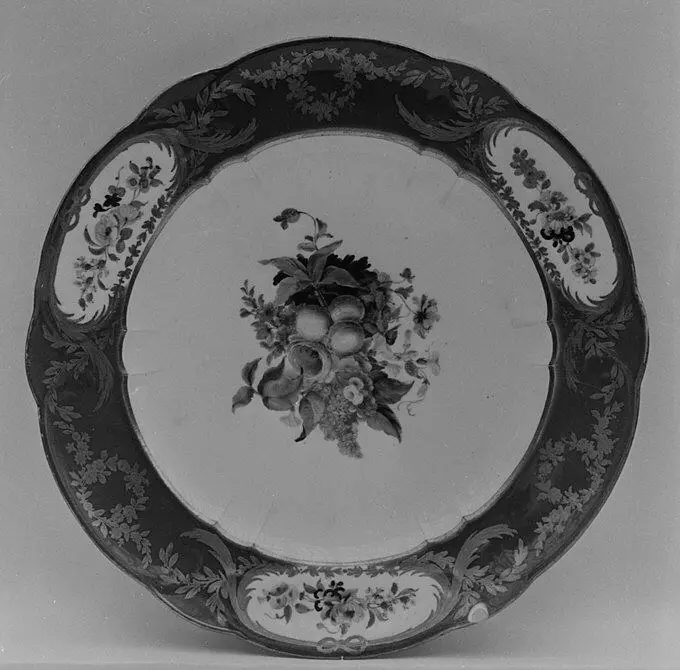
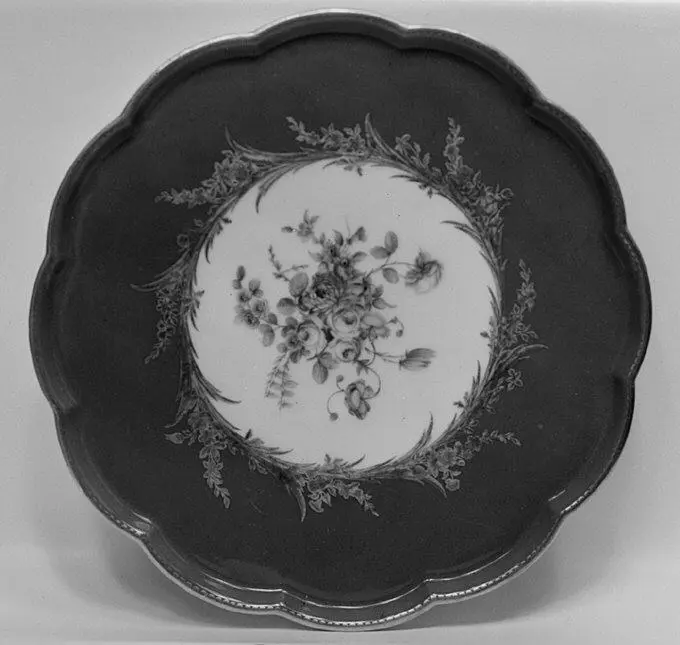
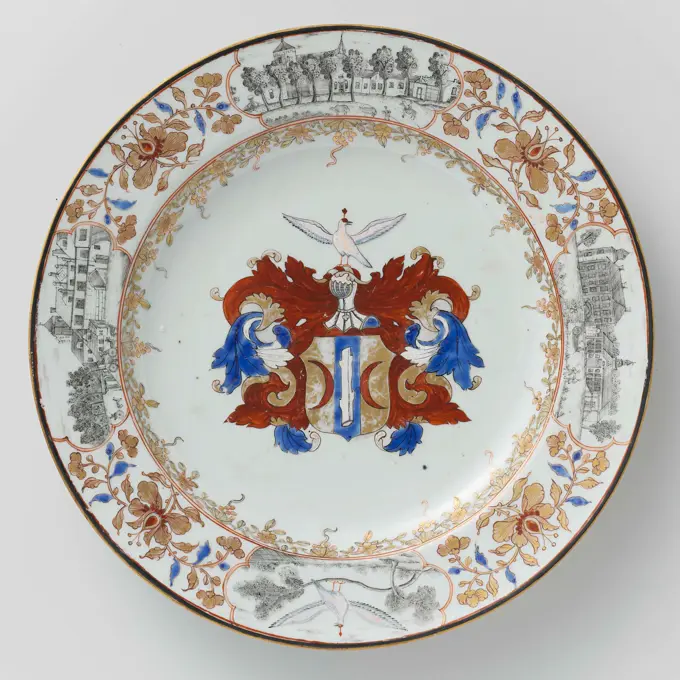
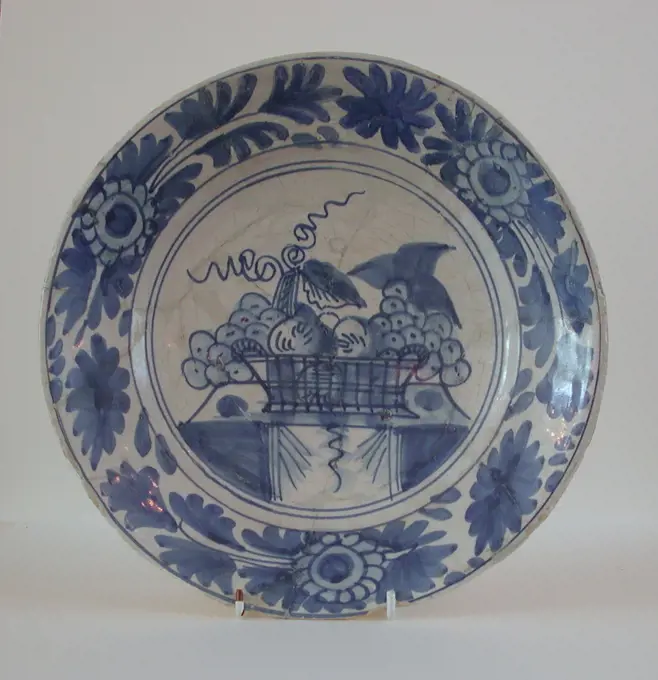
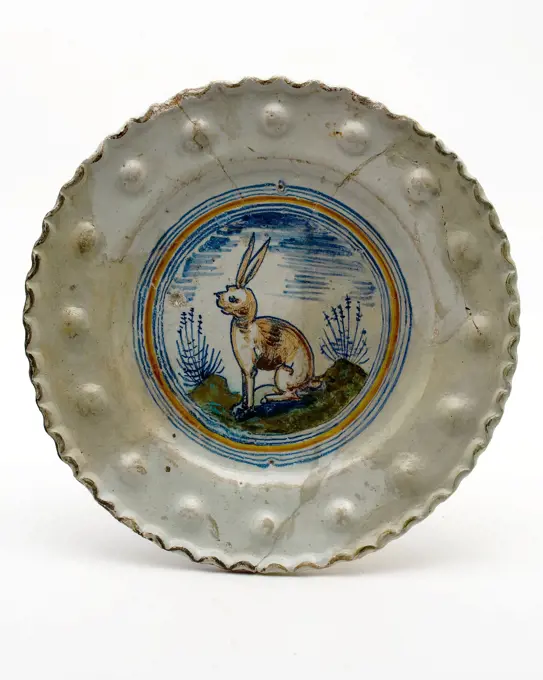
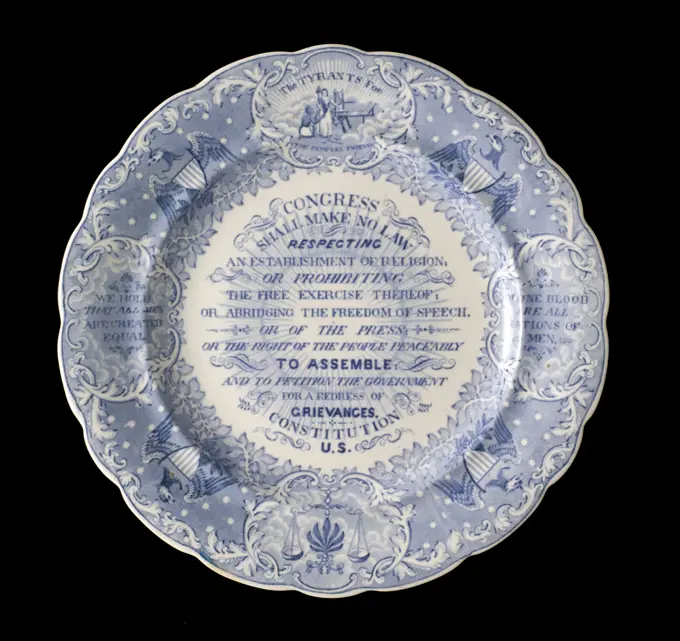
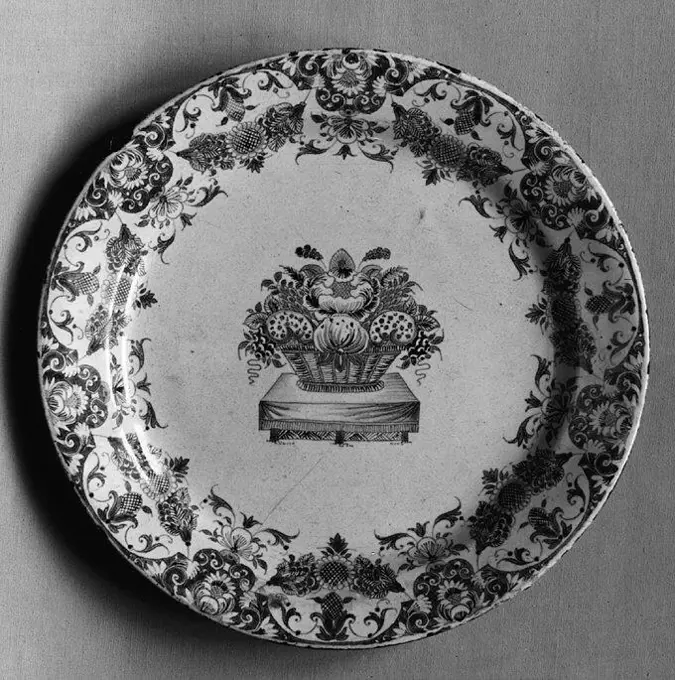
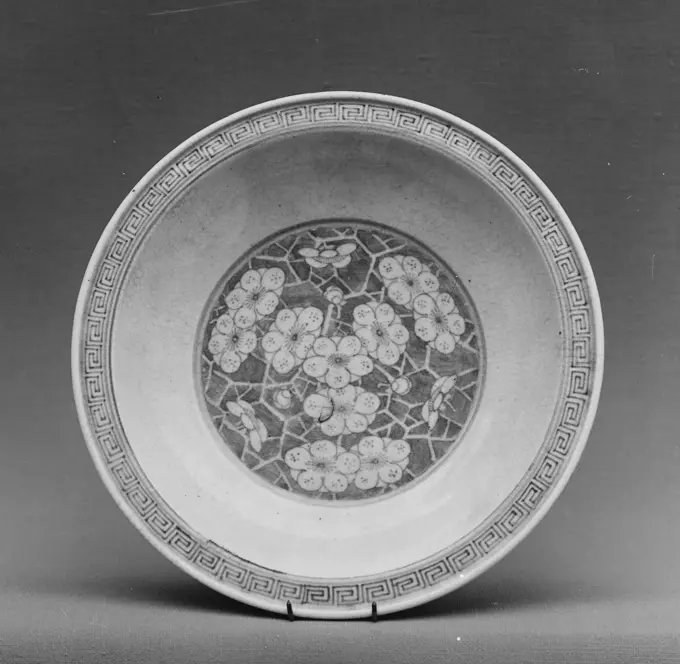
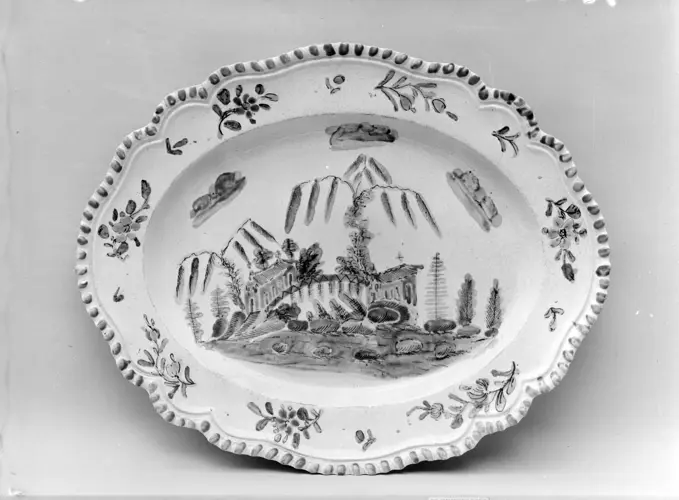
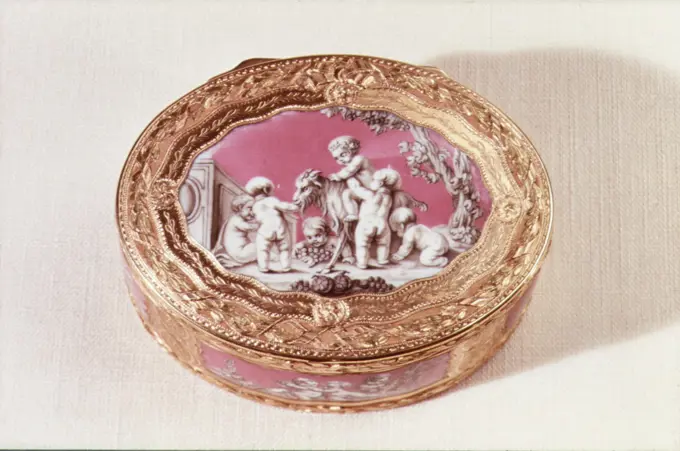
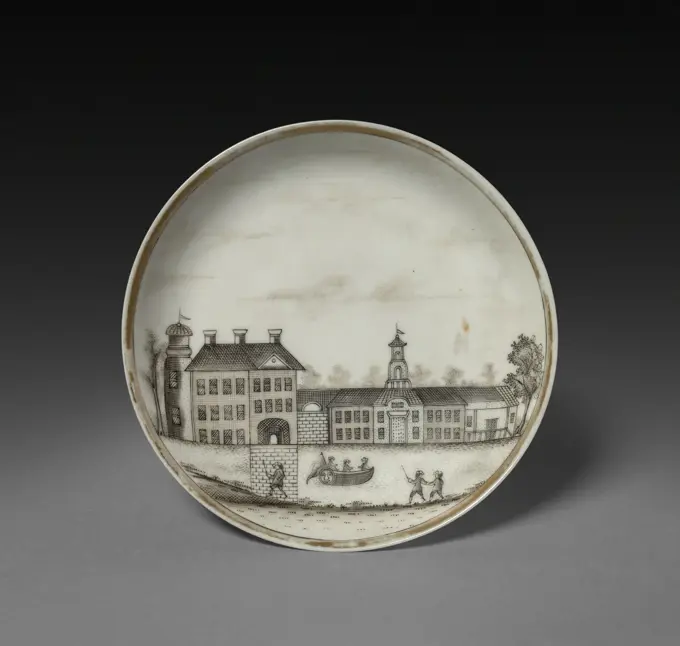
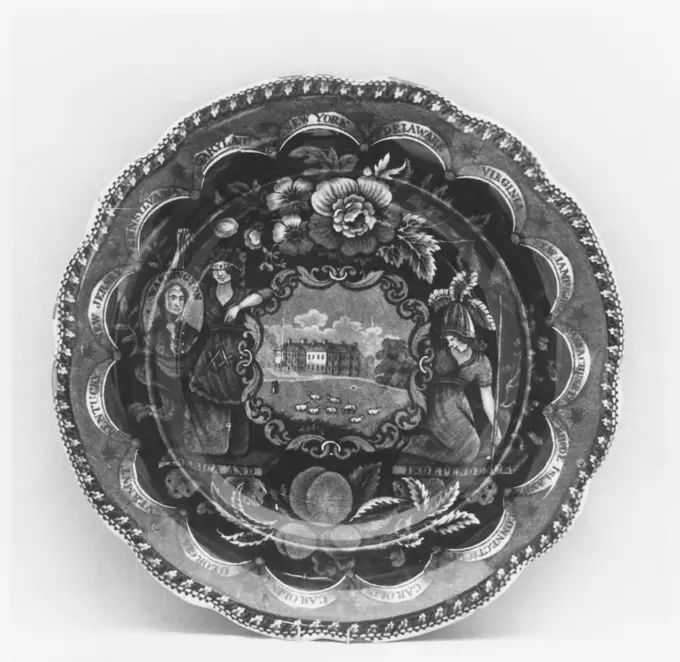
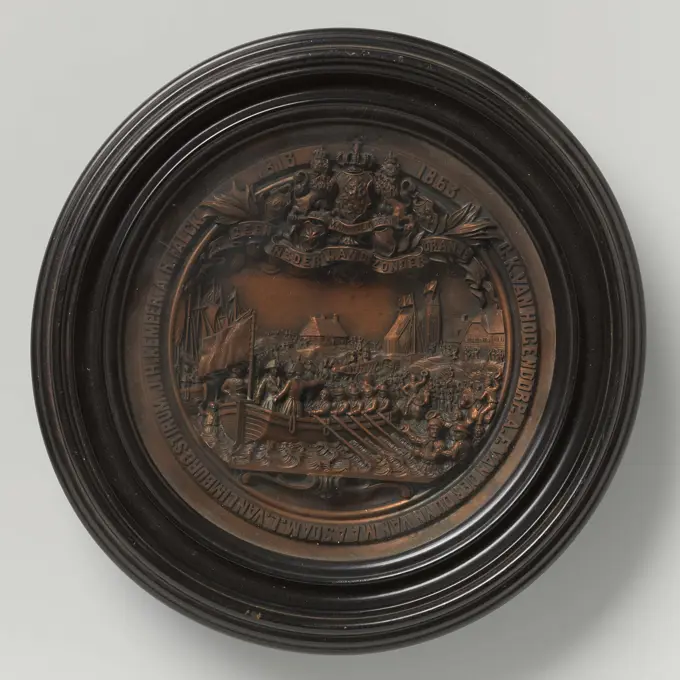
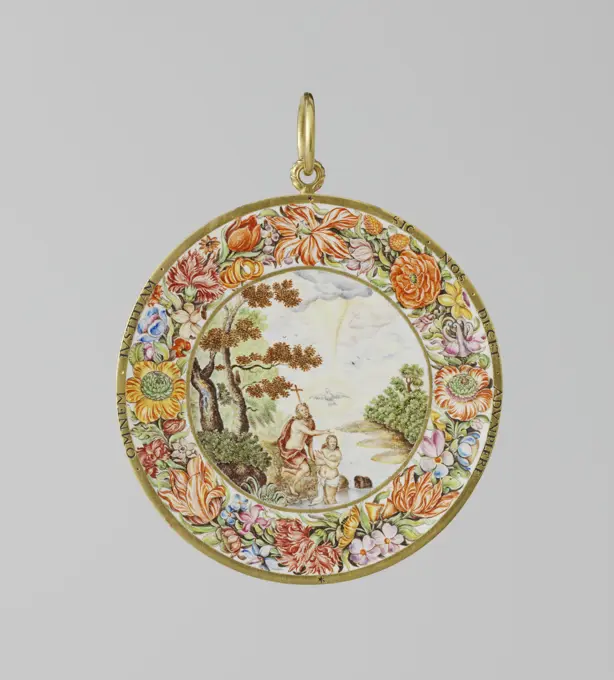
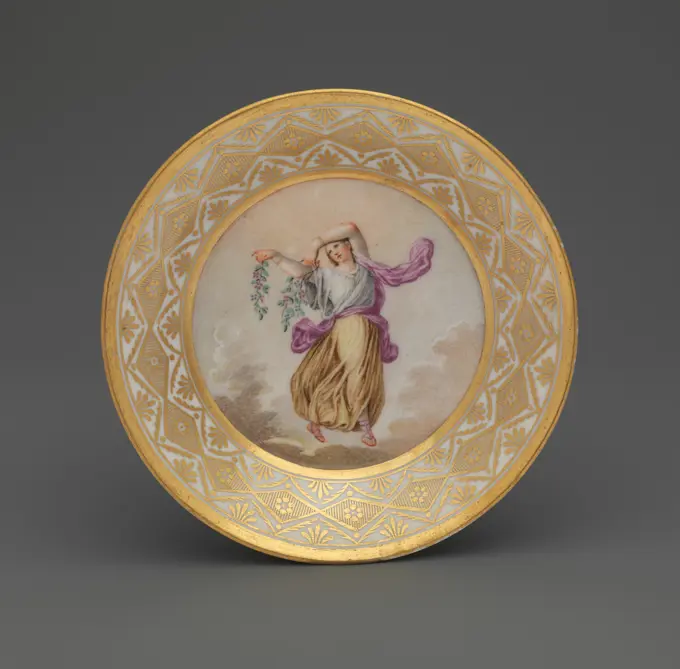
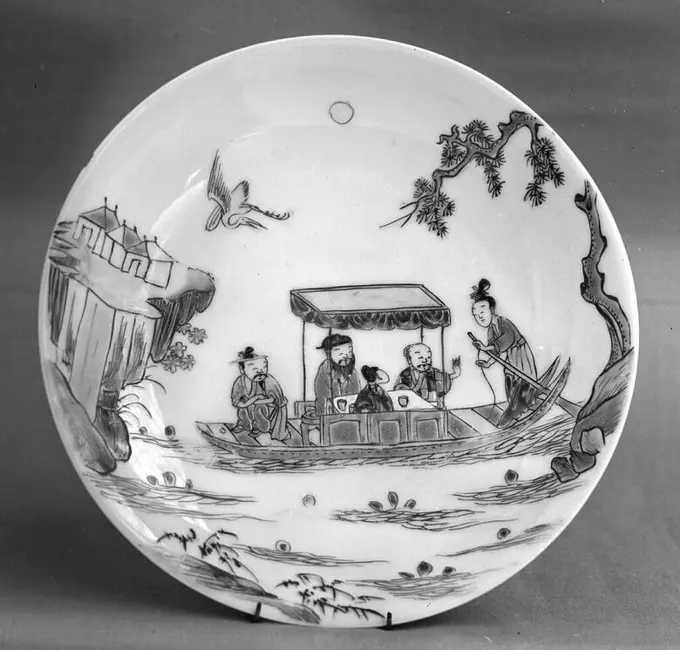
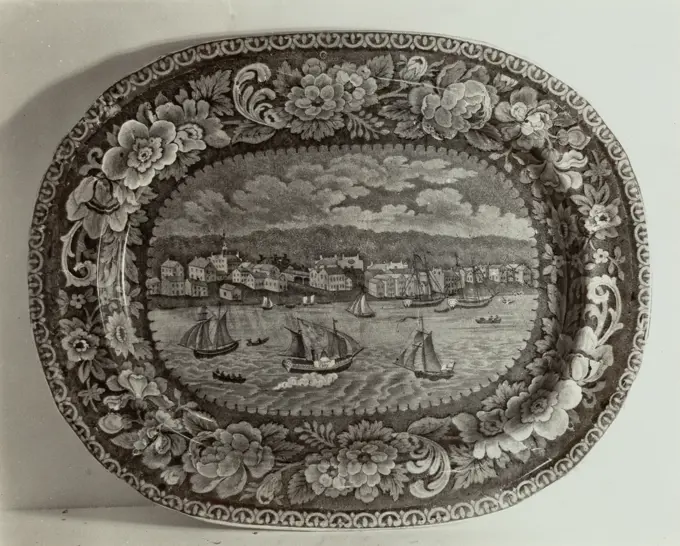
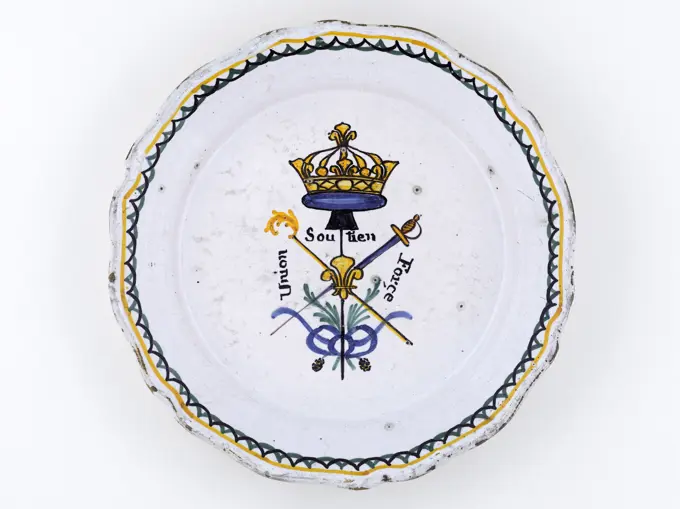
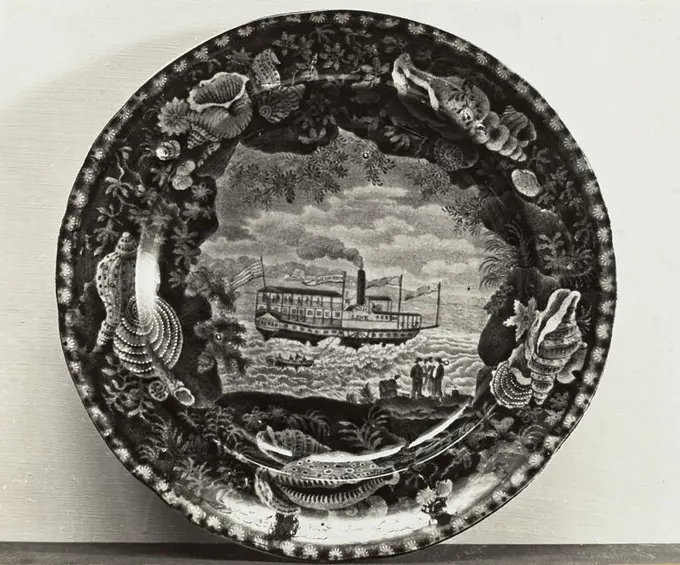
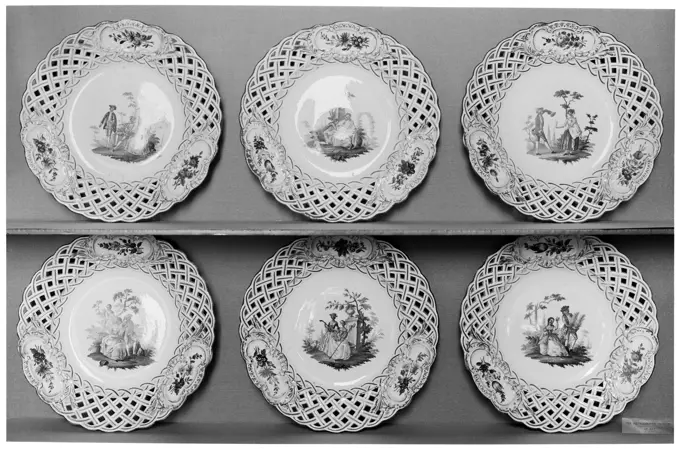
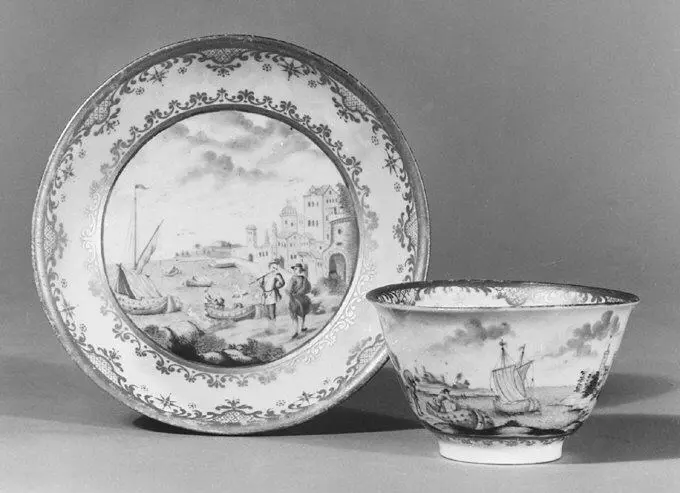
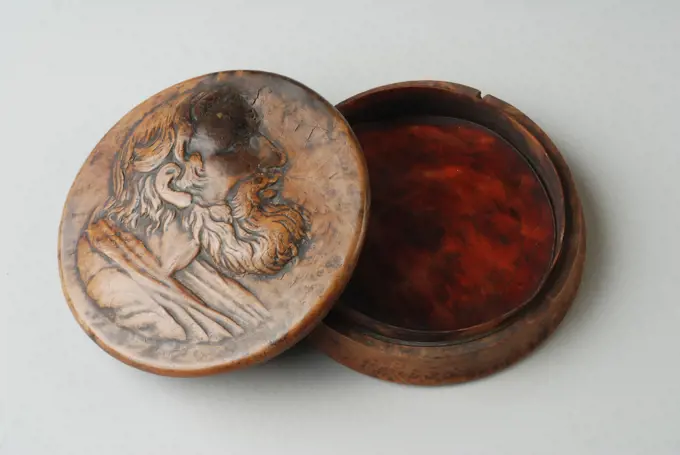
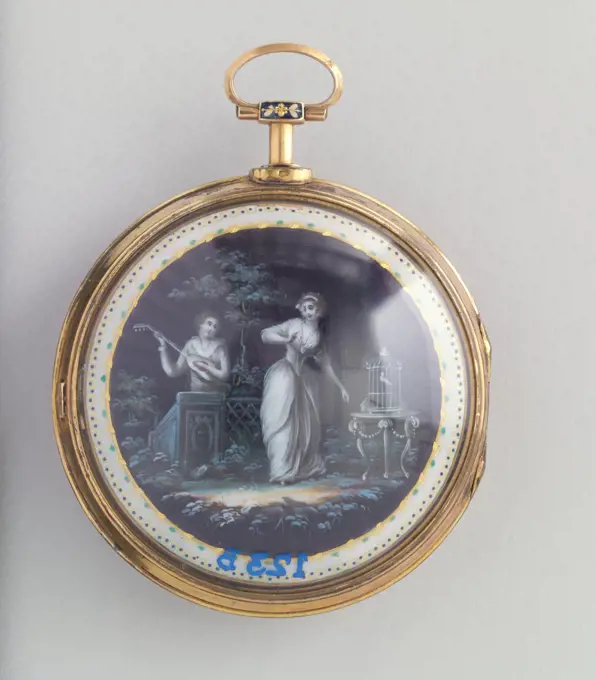
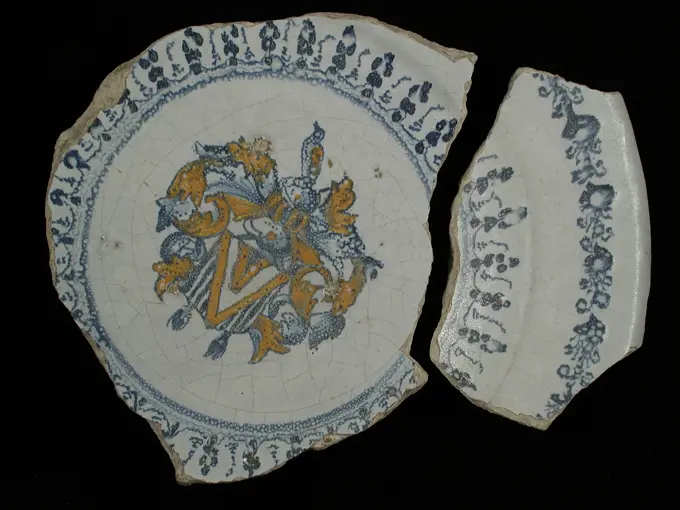
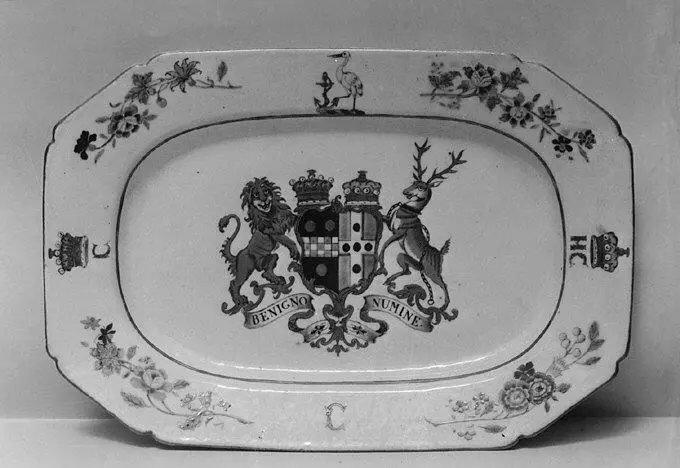
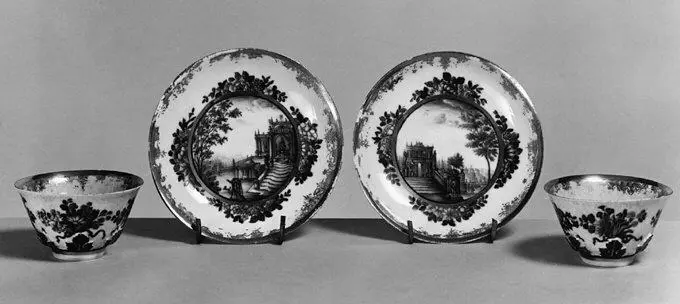
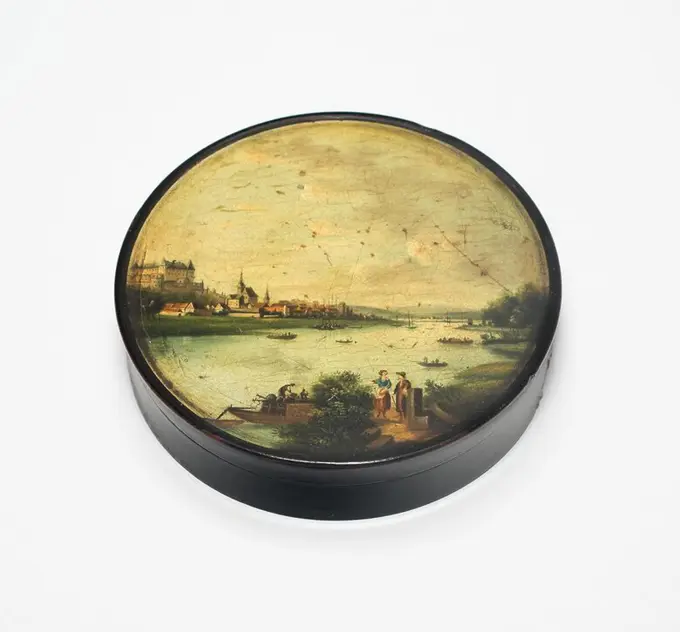
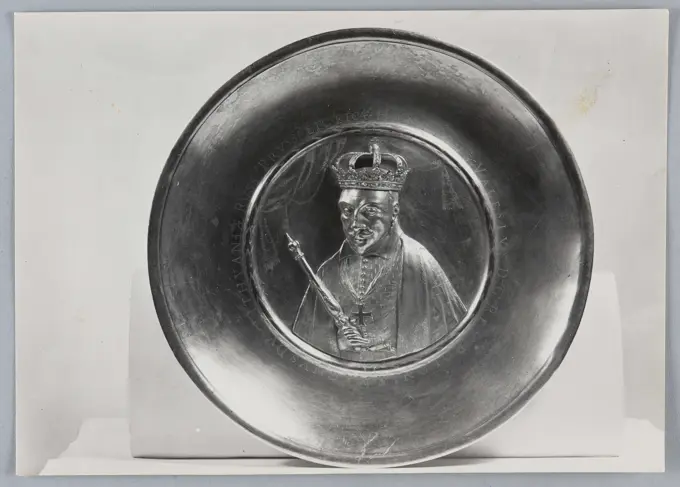
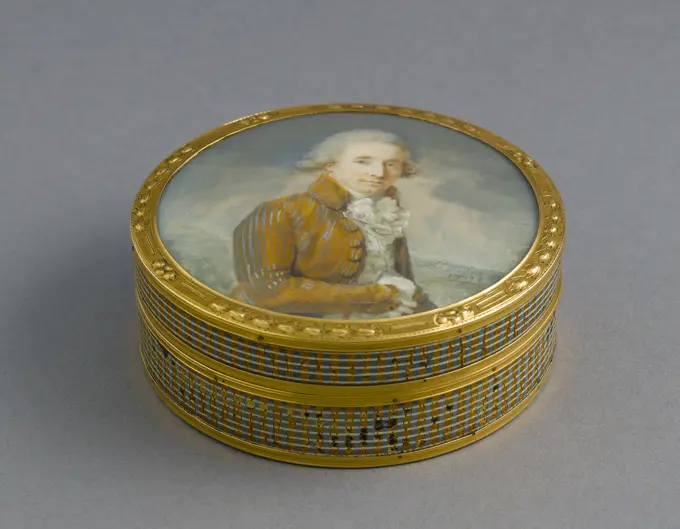
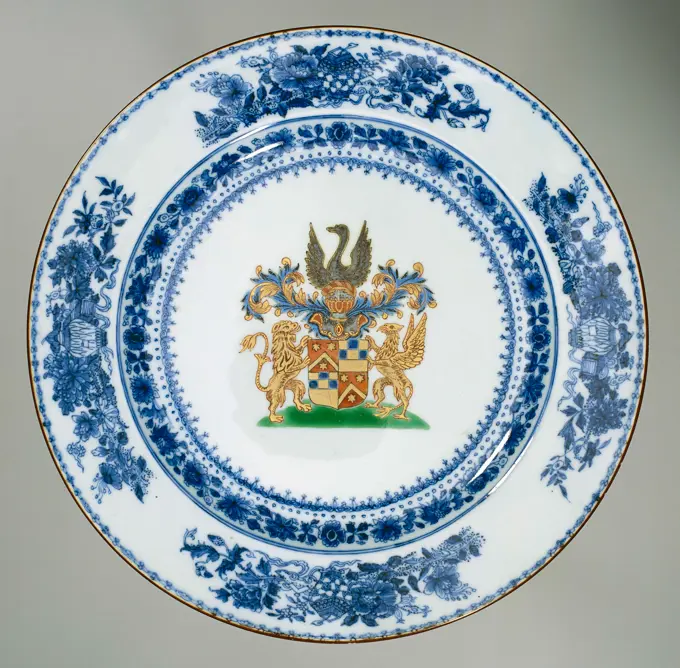
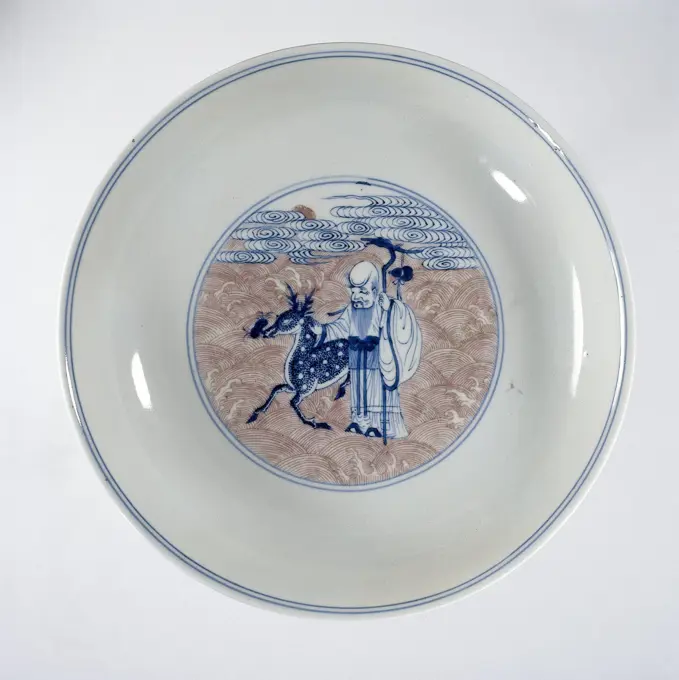
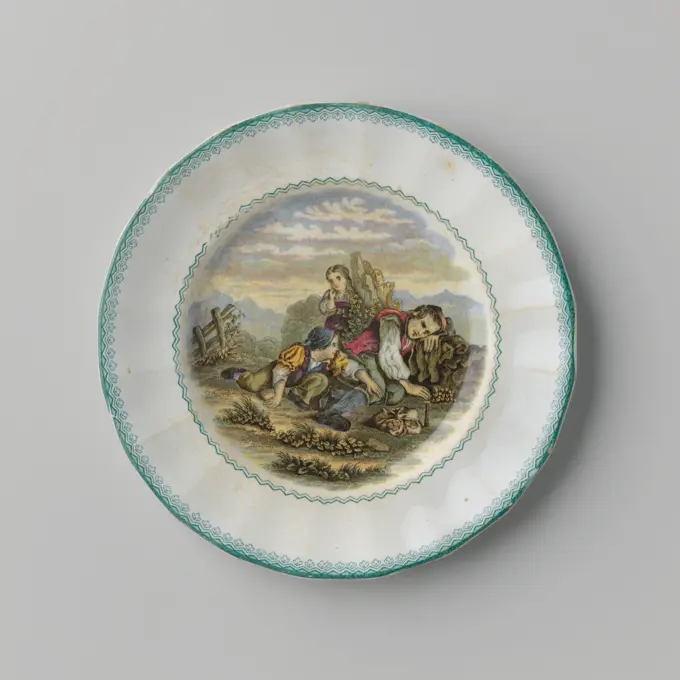
Resurrection' plate, c. 1745, After Jan Luyken, Dutch, 1649-1712, 1 x 8 7/8 in. (2.54 x 22.54 cm), Porcelain, China, 18th centuryDinner plate - D'après George L. Ashworth & Brothers, 1862-1968Plate. Culture: China. Dimensions: H. 1 1/4 in. (3.2 cm); Diam. 9 3/4 in. (24.8 cm). Museum: Metropolitan Museum of Art, New York, USA.Plate, Indian Pagoda” Pattern.  Manufacturer: Job and John Jackson, British, active 1831-35Plate (part of a service) 1784 Sèvres Manufactory French. Plate (part of a service). French, Sèvres. 1784. Soft-paste porcelain. Ceramics-PorcelainA plate with a view of PA ACU in Wilanów; Ko O - Freudenreich faience factory (1842-1939); around 1860 (1840-00-00-1860-00-00);Plate ca. 1750-60 Chinese, for Dutch market. Plate 202481Meissen Manufacture. Quadrilobed saucer. Hard porcelain, polychrome enamels. 18th century. Museum of Fine Arts of the City of Paris, Petit Palais. Faience, table service, saucer, dishes, 18th 18th 18th 18th 18th 18th 18 centurySaucer (part of a set) 1760-70 Chinese, for Danish market. Saucer (part of a set) 201306Plate with a picture of a waterfall in Pavlovsk. Cesarska Fabryka Porcelany w Petersburgu (1744-1917), manufacturePlate. Dated: c. 1936. Dimensions: overall: 20.3 x 25.4 cm (8 x 10 in.) Original IAD Object: 7 1/4" in diameter. Medium: black and white photograph. Museum: National Gallery of Art, Washington DC. Author: Helmut Hiatt.Plate (one of a pair) 18th century Japan. Plate (one of a pair). Japan. 18th century. Porcelain decorated in underglaze enamels (Arita ware, Imari style). Edo period (1615-1868). CeramicsPlate with Uhlan Regiment Russian Soldiers Antiques-Decorative Arts State Historical Museum, Moscow, Russia Plate (Assiette à palmes) (1 of 102) (part of a service) 1780 Sèvres Manufactory French. Plate (Assiette à palmes) (1 of 102) (part of a service). French, Sèvres. 1780. Soft-paste porcelain. Ceramics-PorcelainAnonymous. Plate. Earthenware. Paris, Carnavalet museum. 71680-29 Decoration, Faience, Beam, Revolutionary Periode, French Revolution, PlateSaucer with a Crowned, illegible monogram surrounded by two Flower sprays. Dish of porcelain, painted on the glaze in blue, red, pink, green, yellow, black and gold. On the flat a crowned, unreadable monogram surrounded by two flower branches; The wall with flower refines with four cartouches with a landscape and four medallions with plants. European performance in email colors.Bird plate on the cage. Earthenware. Around 1791. Paris, Carnavalet museum. 76184-18 Former diet, cage, revolutionary faience, freedom, free, bird, French revolution, plateSalt dish late 18th-early 19th century Chinese, for British or American market. Salt dish 201060Dish, Anonymous, c. 1680 - c. 1750 Round dish of multi -colored painted majolica. On the flat, a landscape with trees is painted in which a man running to the left on and a stick in his left hand. The man wears a long jacket or a cape. Eight segment arches have been painted on the edge within which a coarse -applied decoration. Friesland earthenware. tin glaze. lead glaze majolica Round dish of multi -colored painted majolica. On the flat, a landscape with trees is painted in which a man running to the left on and a stick in his left hand. The man wears a long jacket or a cape. Eight segment arches have been painted on the edge within which a coarse -applied decoration. Friesland earthenware. tin glaze. lead glaze majolicaSaucer with a mountainous landscape with pavilion, river and trees, anonymous, c. 1730 - c. 1740 Porcelain dish, painted on the glaze in blue, red, pink, green, black and gold. On the flat of the dish a mountain landscape with pavilion, a river, trees and people on a bridge; Two tires on the wall: one with lotus vines and one with servetwork interspersed with a cartouche with angular tiflines. Famle Rose. China porcelain. glaze. gold (metal) painting / gilding / vitrification Porcelain dish, painted on the glaze in blue, red, pink, green, black and gold. On the flat of the dish a mountain landscape with pavilion, a river, trees and people on a bridge; Two tires on the wall: one with lotus vines and one with servetwork interspersed with a cartouche with angular tiflines. Famle Rose. China porcelain. glaze. gold (metal) painting / gilding / vitrificationHelmut Hiatt, Plate, c 1936 PlatePlate (part of a service) 1784 Sèvres Manufactory French. Plate (part of a service) 197981Plate; Copeland & Garret (England; Ceramics; 1833-1847); 1833-46 (1833-00-00-1846-00-00);Tray (soucoupe à pied) (one of four) (part of a service) ca. 1780 Sèvres Manufactory French. Tray (soucoupe à pied) (one of four) (part of a service) 197840Plate (Netherlands); tin-glazed earthenwarePlate. The coat of arms is that of the Valckenier family. The plate was part of a set ordered by Governor Adriaan Valckenier. The town depicted at the right could be Cleves in Germany, where a distant relative of Adriaan lived. Perhaps one of the other city views includes the Governors house in Batavia.Plate - St. Louis Gate. Porte St. Louis  Britannia Pottery Company, 1920-1936 Britannia Pottery Company, 1920-1936Dish. Culture: China. Dimensions: Diam. 7 7/8 in. (20 cm). Date: second quarter of 17th century. Museum: Metropolitan Museum of Art, New York, USA.Saucer (part of a service) ca. 1740 After a design by Cornelis Pronk Dutch. Saucer (part of a service) 202540. Round dish of painted porcelain. The dish is painted with landscapes in which figures and along the edge a wide strip of green braid. The dish has been marked.Dish with a landscape, anonymous, A.T. Vaillant, c. 1850 - c. 1860 Leaf -shaped bowl of porcelain, painted on the glaze in sepia and gold. On the narrow side a modeled leaf, turned on with gold. On the flat a water landscape with a church, boat, trees and mountains. Golden Rand. Marked on the underside with V . Europe porcelain. glaze. gold (metal) painting / gilding / vitrification Leaf -shaped bowl of porcelain, painted on the glaze in sepia and gold. On the narrow side a modeled leaf, turned on with gold. On the flat a water landscape with a church, boat, trees and mountains. Golden Rand. Marked on the underside with V . Europe porcelain. glaze. gold (metal) painting / gilding / vitrificationLarge majolica dish with blue decor on white fond, fruit basket, back lead glaze, dish crockery holder soil find ceramic earthenware glaze lead glaze, hand turned fried glazed decorated baked Frontside white with blue trim edge floral pattern mirror fruit basket Dish on stand ring baked Bottom glaze archeology Valckensteyn Poortugaal Albrandswaard indigenous pottery food serve to decorate Soil discovery: castle Valckensteyn in Poortugaal now Albrandswaard 1961-1962.Helmut Hiatt, Plate  Erie Canal, c 1936 Plate - Erie CanalPlate 1815-34 James and Ralph Clews British. Plate 6119Saucer with a view of Budziszyn; Koenigliche Porcellain Fabrique, Meissen (1710-1763); around 1735 (1730-00-00-1735-00-00);Majolica plate with seated hare, polychrome, studs in the rim, plate crockery holder soil find ceramic earthenware glaze tin glaze lead glaze, majolica baked 2x glazed painted Blue and brown green on white fond Hare on the ground Air stripe archeology Valckensteyn Poortugaal Albrandswaard adorn domestic furnishing serve serve Bottom valley Valckensteyn castle Poortugaal now Albrandswaard 1962.Plate, 'The Tyrant's Foe, The People's Friend'. England, probably Staffordshire, circa 1840. Furnishings; Serviceware. Earthenware, blue transfer printed decorationDish, multi -colored painted with a landscape with figures., Meissener Porzellan Manufaktur, 1777 Round dish of painted porcelain. The dish is painted with landscapes in which figures and along the edge a wide strip of green braid. The dish is marked. Float porcelain Round dish of painted porcelain. The dish is painted with landscapes in which figures and along the edge a wide strip of green braid. The dish is marked. Float porcelainPlate ca. 1705-20 French, Rouen Faience, or tin-glazed and enameled earthenware, first emerged in France during the sixteenth century, reaching widespread usage among elite patrons during the seventeenth and early eighteenth centuries, prior to the establishment of soft-paste porcelain factories. Although characterized as more provincial in style than porcelain, French faience was used at the court of Louis XIV as part of elaborate meals and displays, with large-scale vessels incorporated into the Baroque garden designs of Versailles. Earlier examples of French faience attest to the strong influence of maiolica artists from Italy. Later works demonstrate the ways in which cities such as Nevers, Rouen, Lyon, Moustiers, and Marseille developed innovative vessel shapes and decorative motifs prized among collectors throughout Europe. While faience can be created from a wide mixture of clays, it is foremost distinguished by the milky opaque white color achieved by the addition of tin oxide Saucer 1820 Japan. Saucer. Japan. 1820. Clay covered with a crackled transparent glaze and decorated with blue under the glaze (Satsuma ware). Edo period (1615-1868). CeramicsSeven plates from the service of Stadtholder William v. These seven plates are from a 435-part service owned by Stadtholder William v of Orange. The service was produced in Meissen between 1772 and 1774, possibly on commission for the Dutch East India Company (VOC). The plates bear scenes of various Dutch cities and buildings, as well as views of Java and Ceylon, then important Company territories.Plate (one of two) ca. 1760 Meissen Manufactory German. Plate (one of two) 206346Platter 1730-70 British (American market). Platter. British (American market). 1730-70. Stoneware. Made in Staffordshire, EnglandToy dinner plate - Georgeville D'après Francis Morley, 1845-1850Snuffbox 1763-64 Louis Charonnat French In eighteenth-century Europe, Paris led the production of high-quality luxury goods. Parisian goldsmiths made a wide range of small, personal articles such as snuffboxes; étuis to hold sealing wax, tweezers, or utensils for sewing; souvenirs, which contained thin ivory tablets for note taking; and shuttles for knotting lace. Gold snuffboxes and boxes decorated with portrait miniatures were prized and frequently given as royal gifts, often to ambassadors or members of the court in lieu of cash payments for their services. Coveted and admired, these boxes were produced from a variety of materials. The best were skillfully made of gold and embellished with diamonds, enameled decoration, lacquer, and other luxurious materials. By the middle of the century, the taking of snuff had become an entrenched social ritual, and the snuffbox, too, had become an important social prop. Snuffboxes were considered highly fashionable accessories, with some merchantPlate - "Erie Canal". Dated: c. 1936. Dimensions: overall: 20.3 x 25.4 cm (8 x 10 in.) Original IAD Object: 8 5/8" in diameter. Medium: black and white photograph. Museum: National Gallery of Art, Washington DC. Author: Helmut Hiatt.Plate (Assiette à palmes) (1 of 102) (part of a service) 1786 Sèvres Manufactory French. Plate (Assiette à palmes) (1 of 102) (part of a service) 197967Decorative plate; Manufaktura Majoliki in Nieborów (Nieborów; Wytwórnia; 1881-1899); 19th century (1801-00-00-1900-00-00);Cup and saucer ca. 1800 Wallendorf Porcelain Manufactory. Cup and saucer 188985 Factory: Wallendorf Porcelain Manufactory, German, founded 1764, Cup and saucer, ca. 1800, Hard-paste porcelain, Height (cup .342a): 3 1/8 in. (7.9 cm); Diameter (saucer .342b): 4 3/4 in. (12.1 cm). The Metropolitan Museum of Art, New York. Rogers Fund, 1906 (06.342a, b)Plate ca. 1718 Chinese, probably with Dutch decoration. Plate 204615Tray with scholars 15th century China This dish depicts Chinese literati, or scholar-officials, engaging in leisure activities. In the foreground, three such men, identifiable by their clothing, travel on horseback toward a gate attended by two figures holding large fans. The trio in the middle ground examines a painting displayed by a pair of young attendants. The other scholars are either strolling in the garden, reading books, enjoying tea, or engaged in conversation.. Tray with scholars 40259Saucer with View of Town (Cleves), c. 1770-1785. China, Chinese Export -- Continental Market, 18th century. Porcelain; diameter: 11.5 cm (4 1/2 in.).Platter (part of a service) 1770-85 Chinese, for British market. Platter (part of a service). Chinese, for British market. 1770-85. Hard-paste porcelain. Ceramics-Porcelain-ExportWorcester Porcelain Manufactory, Basket, c. 1770, soft-paste porcelain.Platter ca. 1815-34 James and Ralph Clews British. Platter 6115Spoon tray with handle with three ladies in a panel on a ground of scrolls. Rectangular, hexagonal pattipan of porcelain with ribbed wall, painted on the glaze in blue, red, pink, green, yellow, black and gold. The front is covered with curlwork and tendrils with a cartouche in this with three ladies around a table with besides them vases and lucky symbols; On the edge a bond with tendrils interspersed with branches in cartouches. Family Rose.Landing of King Willem I in Scheveningen. In a black table behind glass a copper relief, representing a sloop, which is rowed to shore with some standing men; On the beach an enthusiastic crowd. Turning side: Groen felt on which label with guarantee against counterfeiting, signed by the artist. Inscription; Boardbook: 1813 1863 G. K. van Hogendorp. A. F. van der Duyn van Maasdam. L. van Limburg Stirum. J. H. Kemper. A. R. Falck. On top of Banderol: your Maintiendrai / no Netherlands without orange. Under: PS CXXVL.3.Medallion with the Baptism of Christ in the River Jordan, anonymous, c. 1665 Enamelled gold medallion. On one side, John the Baptist preaches a group of people preaching. On the other side the baptism of Christ by John. Both performances within an edge of flowers. Amsterdam (possibly) gold (metal). Enamelled gold medallion. On one side, John the Baptist preaches a group of people preaching. On the other side the baptism of Christ by John. Both performances within an edge of flowers. Amsterdam (possibly) gold (metal).Roundel with Hunting Scene 1575-1699 Germany. Glass, painted and gilded; gilded wood .Saucer (part of a service) late 18th century Royal Porcelain Manufactory, Naples. Saucer (part of a service). Italian, Naples. late 18th century. Soft-paste porcelain. Ceramics-PorcelainSoup plate 19th century James and Ralph Clews British. Soup plate 192987Saucer. Culture: China. Dimensions: Diam. 5 3/8 in. (13.7 cm). Date: late 18th-first half of the 19th century. Museum: Metropolitan Museum of Art, New York, USA.Easel and frame, gilt bronze, Frame, easel, Oval frame with bronze cupids at top - easel, France, 19th century, metalwork, Decorative Arts, Easel and frameSaucer (part of a service) 1760-65 Nymphenburg Porcelain Manufactory. Saucer (part of a service) 210918Two designs for watch-cases. The watch-cases were intended to be executed in enamelled gold, probably set with rubies and diamonds. An enamel picture could be mounted at the centre. These are probably presentation drawings. A goldsmith or merchant would show them to prospective clients for them to choose a pattern.Round dish of hard-baked pottery. Round dish of hard-baked pottery. The flat is decorated with a black overpressure with a representation of a mother and a child on a couch.Plate ca. 1740 Chinese, for Dutch market. Plate 202382Platter 1790-1800 Chinese, for American market. Platter. Chinese, for American market. 1790-1800. Porcelain. Made in ChinaSaucer (part of a service). Culture: Italian, Naples. Dimensions: Diam. 4 in. (10.2 cm.). Factory: Naples Royal Porcelain Manufactory (Ferdinand IV period, ca. 1771-ca. 1807). Date: late 18th century. Museum: Metropolitan Museum of Art, New York, USA.Helmut Hiatt, Platter, c 1936 PlatterAnonymous. Plate. Earthenware. 1789. Paris, Carnavalet museum. 70955-8 Weapon, Crown, Epee, Faience, Force, Decorative Pattern, Revolutionary Periode, French Revolution, Support, Union, Crockery, PlatePlate - "Steamer, Union Line". Dated: c. 1936. Dimensions: overall: 20.3 x 25.4 cm (8 x 10 in.) Original IAD Object: 10 1/8" in diameter. Medium: black and white photograph. Museum: National Gallery of Art, Washington DC. Author: Helmut Hiatt.Saucer-dish with the Arms of Namur. Scale of porcelain with ribbed wall and scalloped edge, painted in underglaze blue and on the glaze blue, red, green, yellow, black and gold. On the flat in a medallion the weapon of Namur with the inscription 'namor', including the weapon flower branches, two butterflies and two birds. The wall is divided into twelve flower leaf-shaped compartments with alternating a flower vase and a person in a landscape; between the napkin workers. The back with two flower branches. Weapon porcelain with famille verte email colors.Plate (one of six) Manufactory Meissen Manufactory German late 19th century View more. Plate (one of six). German, Meissen. late 19th century. Hard-paste porcelain. Ceramics-PorcelainBandbox Lid (USA); block-printed paper on pasteboard support; 43 x 34 cm (16 15/16 x 13 3/8 in.)Plate 1700-1722 China. Plate. China. 1700-1722. Porcelain painted in overglaze famille verte enamels. Qing dynasty (1644-1911), Kangxi period (1662-1722). CeramicsPlate 1800-1825 Montereau. Earthenware, transfer-printed (creamware) . Montereau Pottery (Manufacturer)Plate 1785 () French, Valenciennes Faience, or tin-glazed and enameled earthenware, first emerged in France during the sixteenth century, reaching widespread usage among elite patrons during the seventeenth and early eighteenth centuries, prior to the establishment of soft-paste porcelain factories. Although characterized as more provincial in style than porcelain, French faience was used at the court of Louis XIV as part of elaborate meals and displays, with large-scale vessels incorporated into the Baroque garden designs of Versailles. Earlier examples of French faience attest to the strong influence of maiolica artists from Italy. Later works demonstrate the ways in which cities such as Nevers, Rouen, Lyon, Moustiers, and Marseille developed innovative vessel shapes and decorative motifs prized among collectors throughout Europe. While faience can be created from a wide mixture of clays, it is foremost distinguished by the milky opaque white color achieved by the addition of tin oxBox possibly German 19th century View more. Box. possibly German. 19th century. Paper and pasteboard. PaperSaucer (part of a service) ca. 1770 Frankenthal Porcelain Manufactory. Saucer (part of a service) 196958Round plate of hard baked pottery; Creamware (Liverpool), Anonymous, c. 1780 - c. 1800 Round plate of hard baked pottery; Creamware with decoration on the glaze. A woman is depicted on the flat, including a rectangle in which the text: our lime vrou as kevelaar. The edge is scalloped and has flowerguirles as a decoration. The board includes a board with invnr. BK-NM-4221. Liverpool (possibly)Netherlands earthenware Round plate of hard baked pottery; Creamware with decoration on the glaze. A woman is depicted on the flat, including a rectangle in which the text: our lime vrou as kevelaar. The edge is scalloped and has flowerguirles as a decoration. The board includes a board with invnr. BK-NM-4221. Liverpool (possibly)Netherlands earthenwarePlate early 18th century German, Lower Rhine region. Plate 191355Helmut Hiatt, Plate  Castle Garden and Battery, c 1936 Plate - Castle Garden and BatteryFlowers in a Vase, anonymous, 1780 - 1799 painting. overdoor Decorative piece with a bouquet of flowers in a vase decorated with a portrait, standing on a pedestal where there is also some fruit. Possibly a designer-de-porte. Holland canvas. oil paint (paint)  flowers in a vaseAnonymous. Plate. Earthenware. Paris, Carnavalet museum. 71680-19 Canon, castle, decoration, flag, faience, revolutionary period, French revolution, tower, plateFan third quarter 18th century French. Fan. French. third quarter 18th century. Paper, ivory, mother-of-pearl. FansCardplate pillbox with handwritten inscription 11 febr 32 MJuffr Falconer and green floral side, pillbox box holder cardboard ink, handwriting 11 few 32 MJuffr Falconer as fore ... healthcare pharmacy medicine drugCup and saucer ca. 1735 Meissen Manufactory German. Cup and saucer. German, Meissen. ca. 1735. Hard-paste porcelain. Ceramics-PorcelainWooden snuff box with bust of man with beard, snuffbox holder turtle wood, d 3,0 wood carving Tortoise-covered wooden snuffbox Disc-shaped. At the top decorated with carved bust of man with beard. Looking to the right Rootwood personal attribute personal equipment smokehouse snuff snuff tobacco snort tobacco tobacco box animal material keratinWatch and chatelaine, Gold, enamel, glass, steel, Circular gold case having stem with small ring at top; front with circular white face with roman numerals in black and blued steel() hands, the whole surrounded by a narrow off-white enameled band with gilt and green lozenge decoration. Reverse shows grisais scene of a couple in a verdant garden, the gowned woman in the foreground standing near a caged bird on a table, the man to the left and behind a low wall or fence, serenading her with a lute., Paris, France, late 18th century, timepieces & measuring devices, Decorative Arts, Watch and chatelaineFragments majolica dish, blue on white, details with yellow, coat of arms, signed, plate dish crockery holder soil find ceramic earthenware glaze , baked underside covered with lead glaze gray. Polychrome. Signed. signature difficult to read: JANK archeology heraldry decorate serving foodPlatter ca. 1772 Chinese, for British market The arms are those of William Pitt (1708-1778), "The Great Commoner", and his wife, Hester Grenville (m. 1754, d. 1803).. Platter 195460Pair of teabowls and saucers ca. 1720, decorated ca. 1740-45 Meissen Manufactory German. Pair of teabowls and saucers 203173Box with Fortress of Sonnenstein. Johann Heinrich Stobwasser; German, 1740-1829. Date: 1775-1799. Dimensions: Diam. 9.5 cm (3 3/4 in.). Paper maché and black lacquer with painted cover. Origin: Germany. Museum: The Chicago Art Institute, Chicago, USA.Photograph of a plate: Made of metal, showing Henry de Valois with royal insignia. unknown, photographerBox. Varnished scales circulated with gold with a portrait of Billaud-Varennes, miniature on ivory signed Madame J.-D. Doucet de Suriary / 1791. France, 1780-1789. Paris, Cognacq-Jay museum. 36968-6 Box, gold circle, varnished, ivory, art object, orfevrery, portrait, sign, miniature. Porcelain plate, painted in Odnerglaze blue and on the glaze blue, red, green, black and gold. On the Flat the arm of the family the young divided into four planes. The weapon is supported by a lion and a griffin on a green surface. The helmet sign is a black swan and a coverage of leaf raft. On the wall a bond with flower drinks and (early) Spearhead border; the edge with four flower groups with lucky symbols (vase, music stone, books); On the back of the plate three butterflies and three pourets. Weapon porcelain in blue and white and email colors.Handscreen; painted paper leaf, turned wood handleSaucer-dish with the Eight Immortals and Shoulao, anonymous, c. 1800 - c. 1824 Porcelain bowl with round wall, painted in underly glaze blue and red. On the flat shouldlao with staff and next to him a deer with mushroom in his mouth against a background of waves and clouds; The outer wall with the eight immortals against a ground of waves. Marked on the bottom with a four-character seal brand with 'Hall for Cultivating Harmony'. Underglaze blue and red. China porcelain. glaze. cobalt (mineral). copper (metal) painting / vitrification Porcelain bowl with round wall, painted in underly glaze blue and red. On the flat shouldlao with staff and next to him a deer with mushroom in his mouth against a background of waves and clouds; The outer wall with the eight immortals against a ground of waves. Marked on the bottom with a four-character seal brand with 'Hall for Cultivating Harmony'. Underglaze blue and red. China porcelain. glaze. cobalt (mineral). copper (metal) painting / vitrificationPlate, with man and two children, Peter Regout, c. 1880 - c. 1900 Plate of pottery with multicolored transfer decor. A lying man on the flat, who pretends he is sleeping. A boy tries to steal something from the man's knapsack, while a girl watches from behind a tree stump. The performance is surrounded by two green zigzag lines. The edge of the plate with green, stylized flowers and a zigza edge. Maastricht . Plate of pottery with multicolored transfer decor. A lying man on the flat, who pretends he is sleeping. A boy tries to steal something from the man's knapsack, while a girl watches from behind a tree stump. The performance is surrounded by two green zigzag lines. The edge of the plate with green, stylized flowers and a zigza edge. Maastricht .