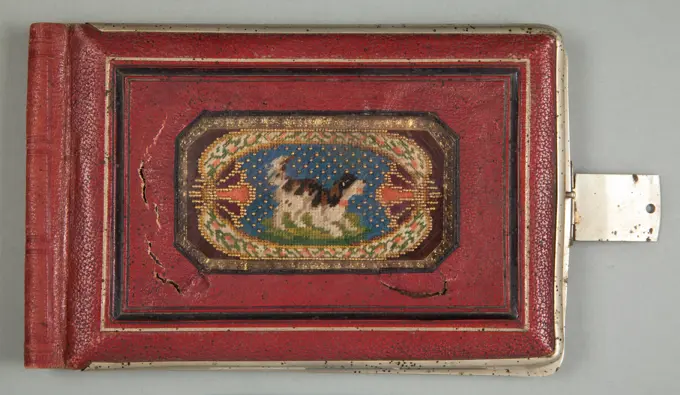
Decorative Plates

Artistic ceramic plates featuring intricate designs and historical motifs, showcasing craftsmanship from various styles and periods.

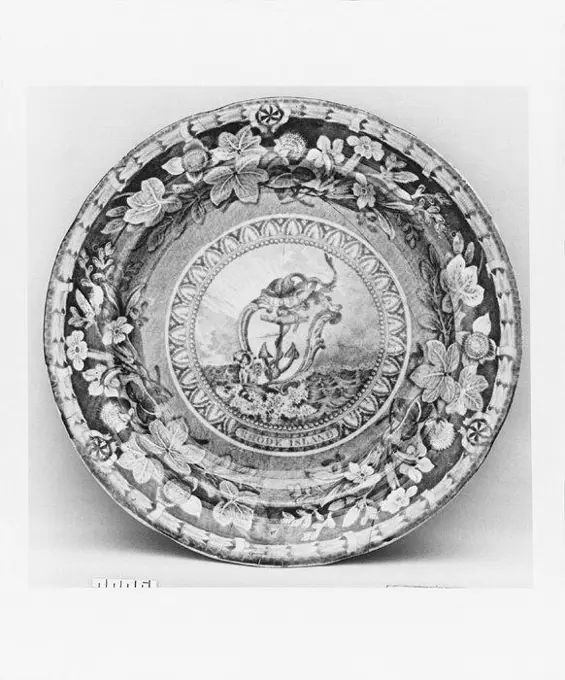
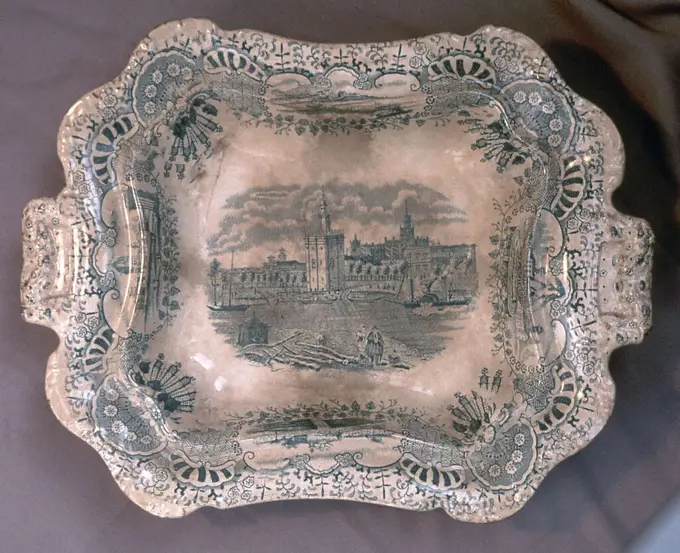
Tray, porcelain, USA, 19th century, ceramics, Decorative Arts, Tray
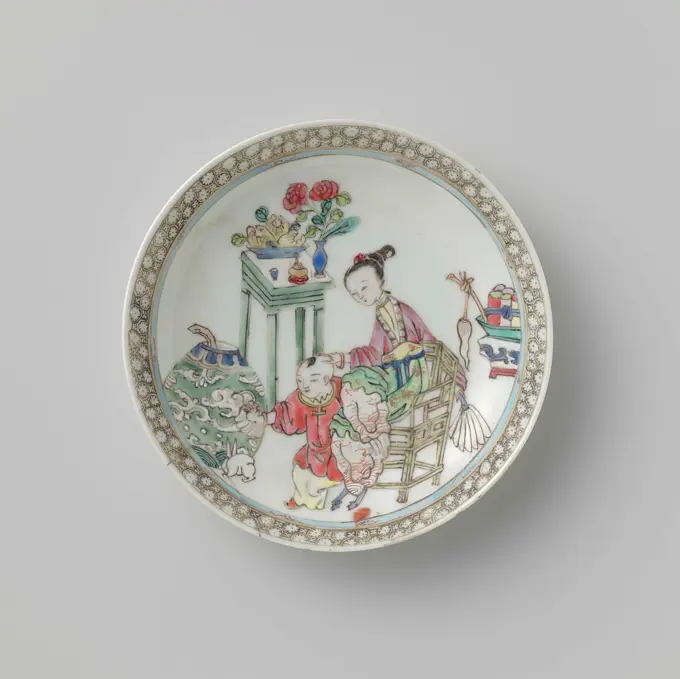
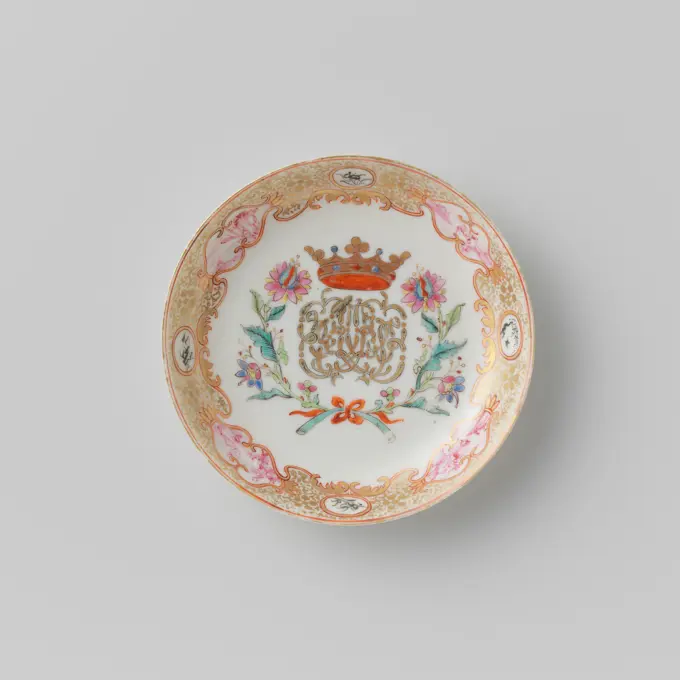
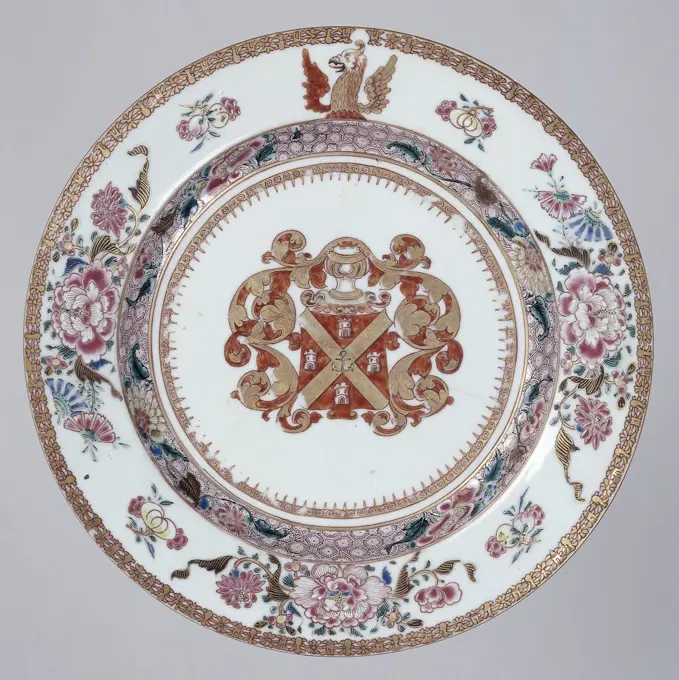
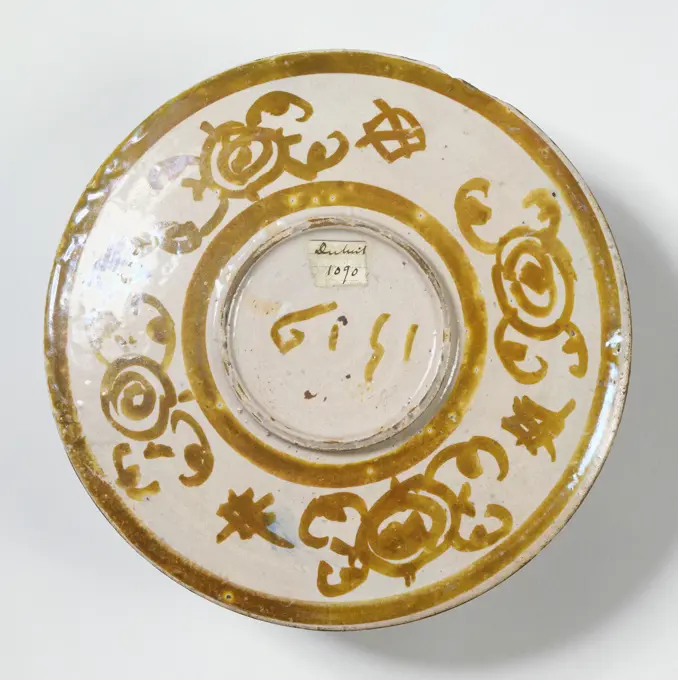
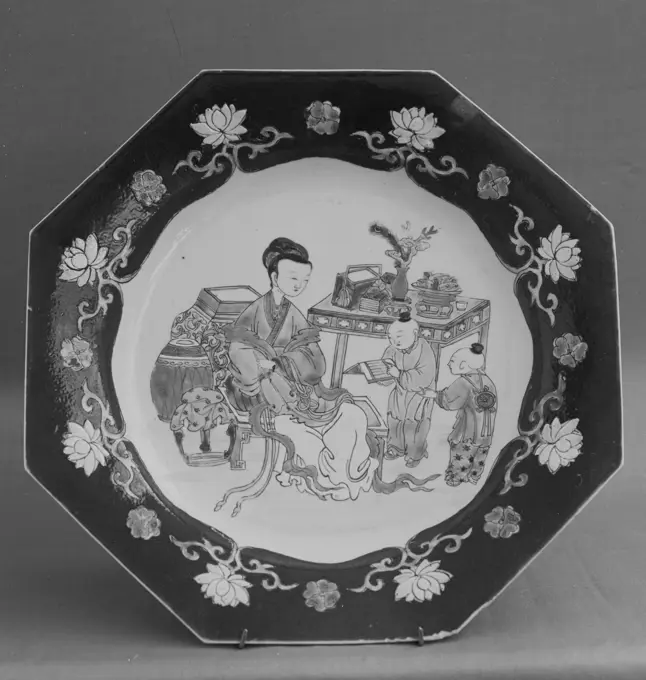
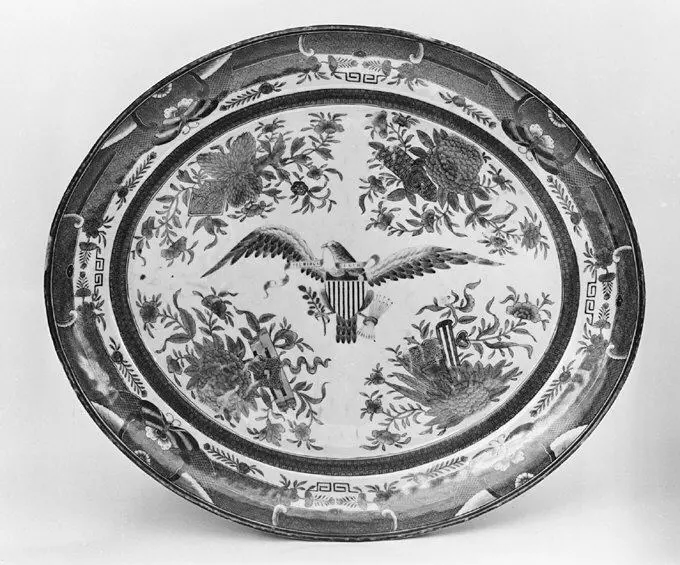
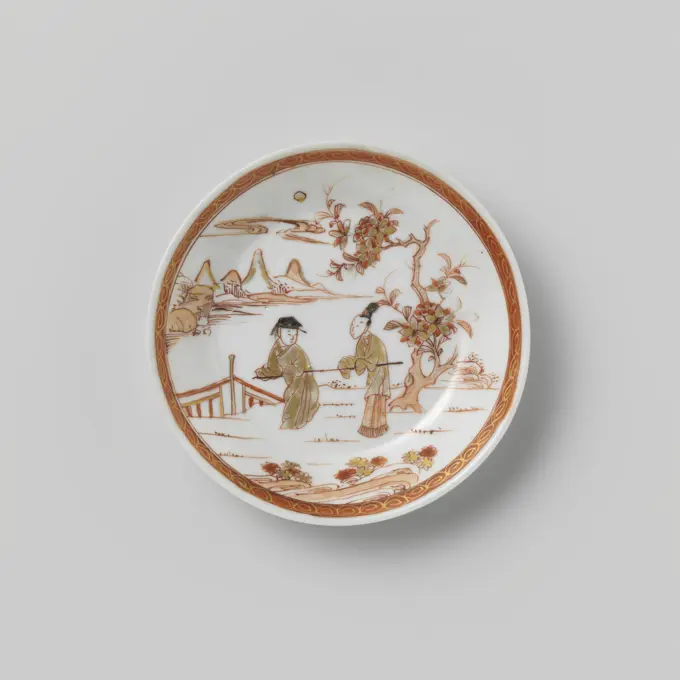
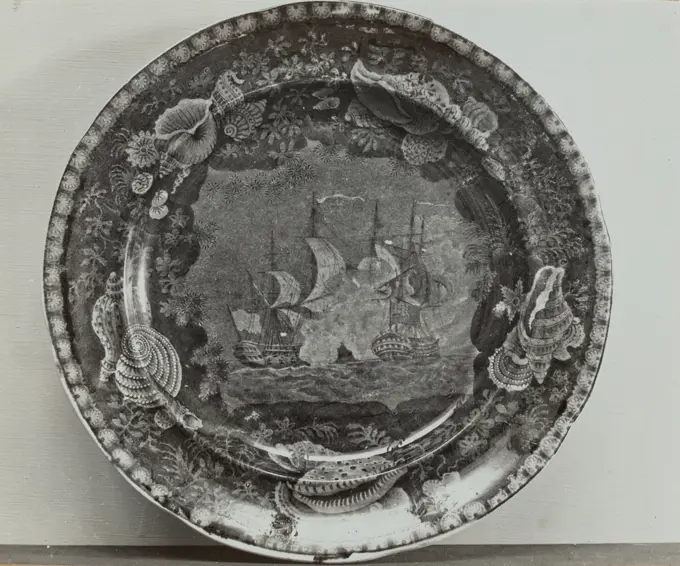
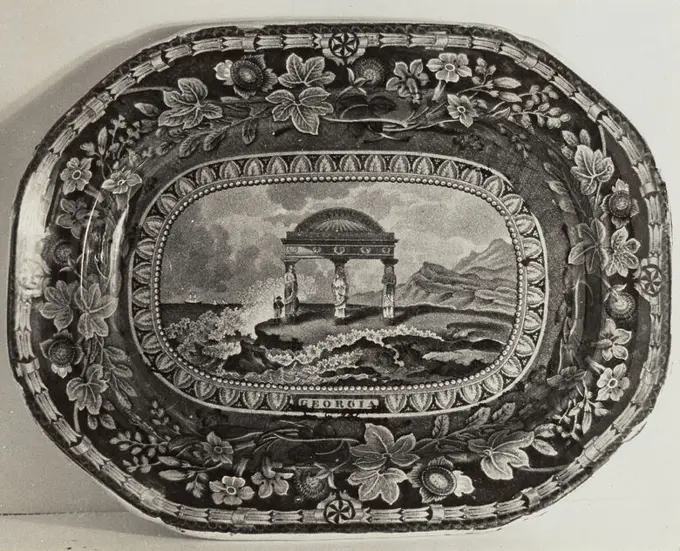
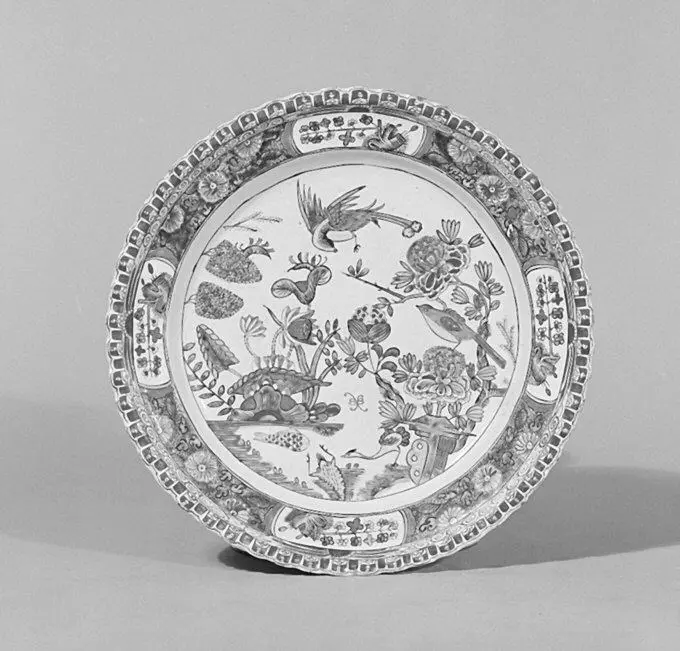
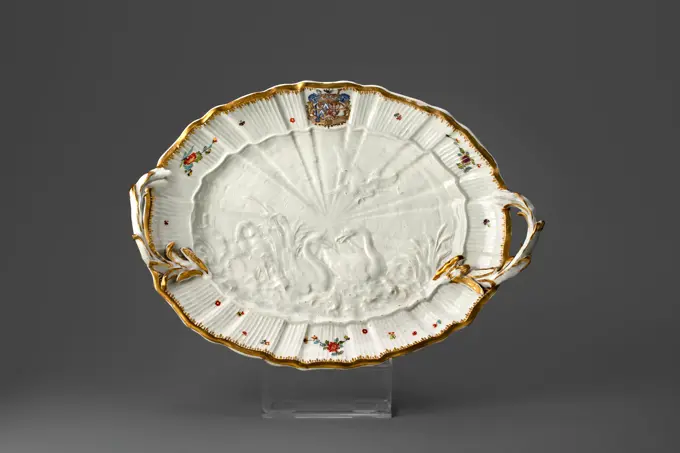
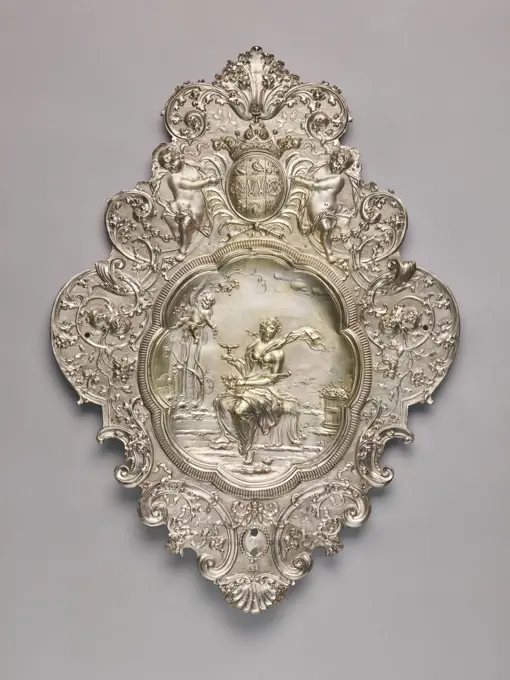
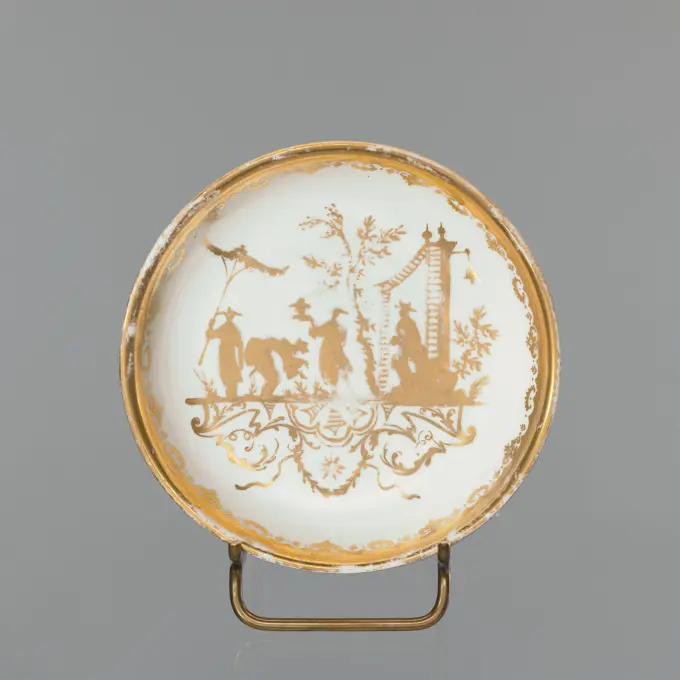
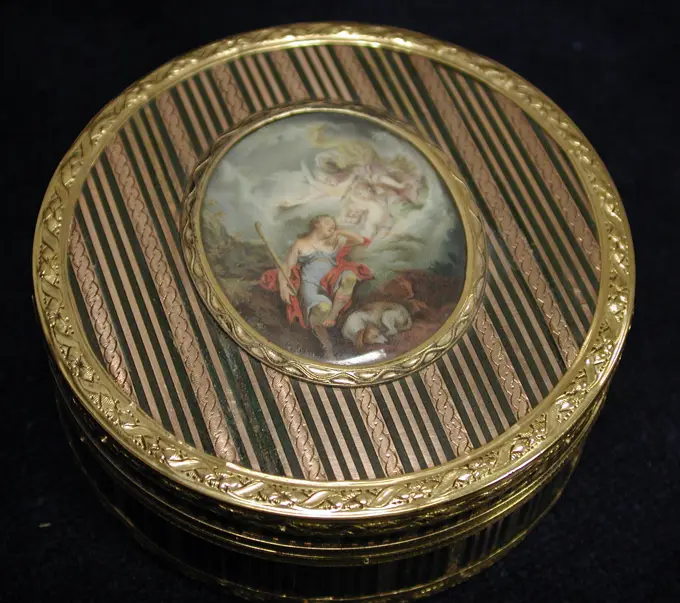
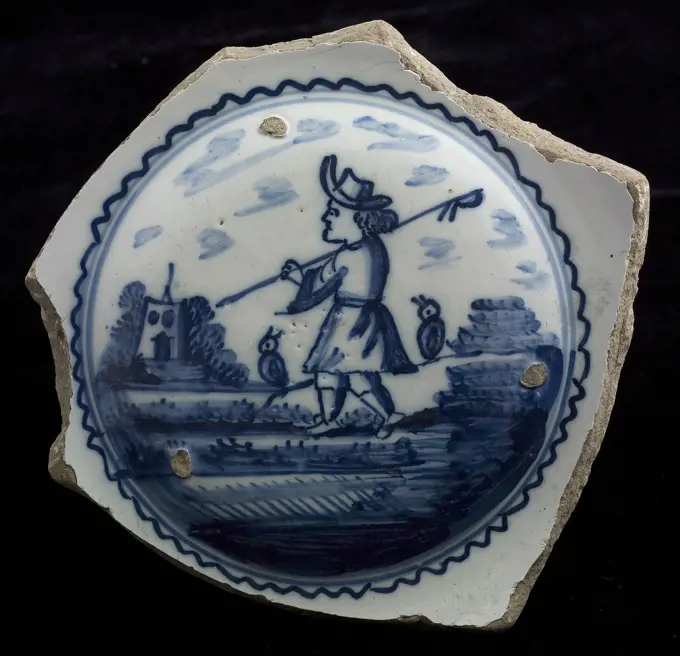
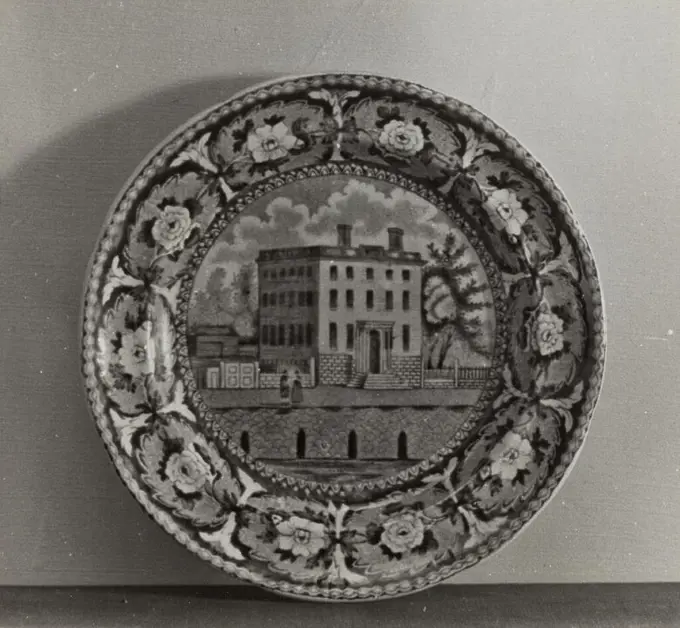
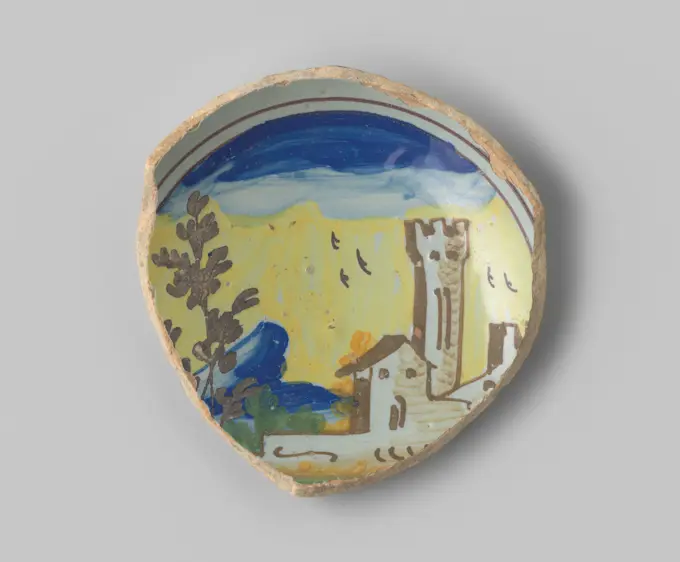
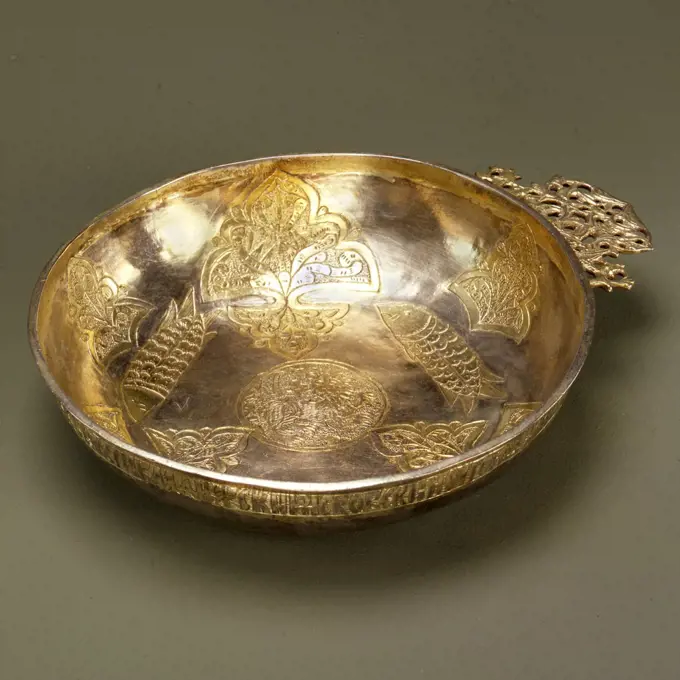
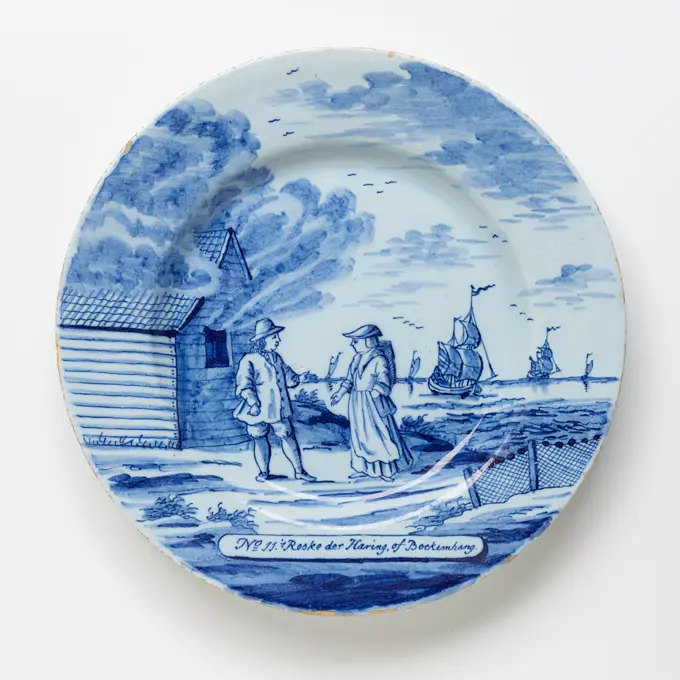
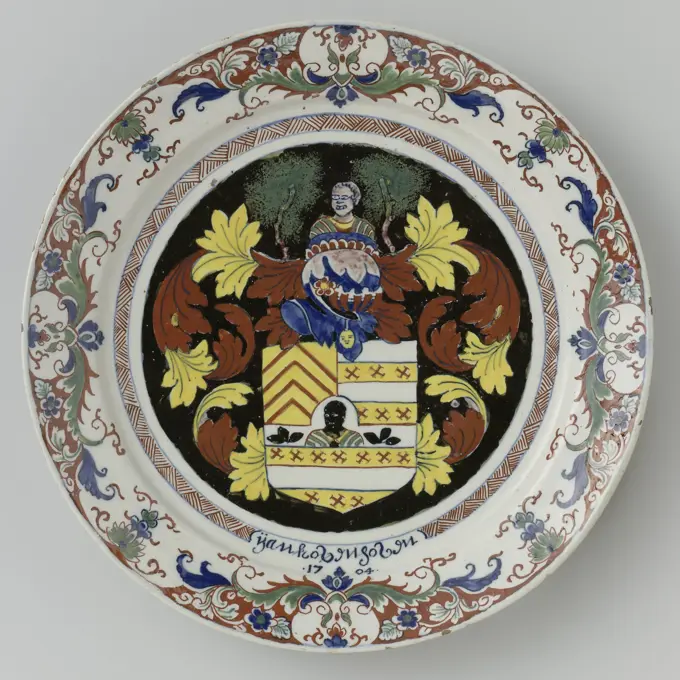
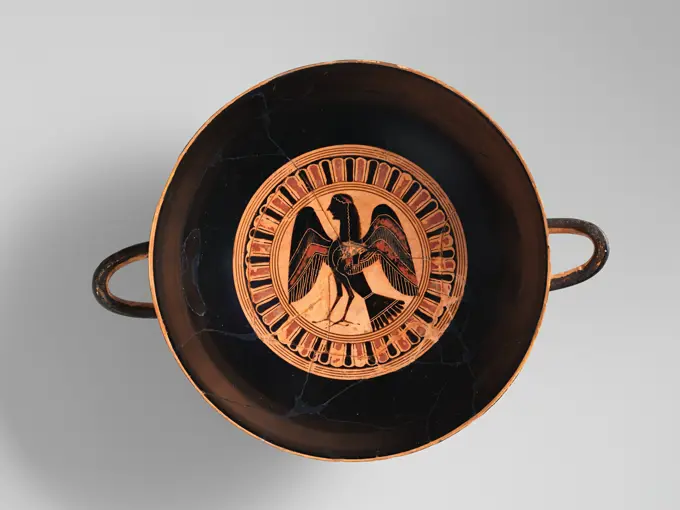
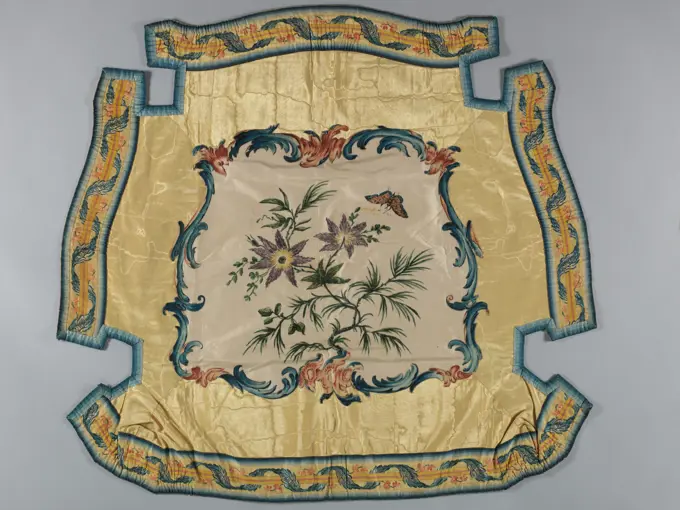
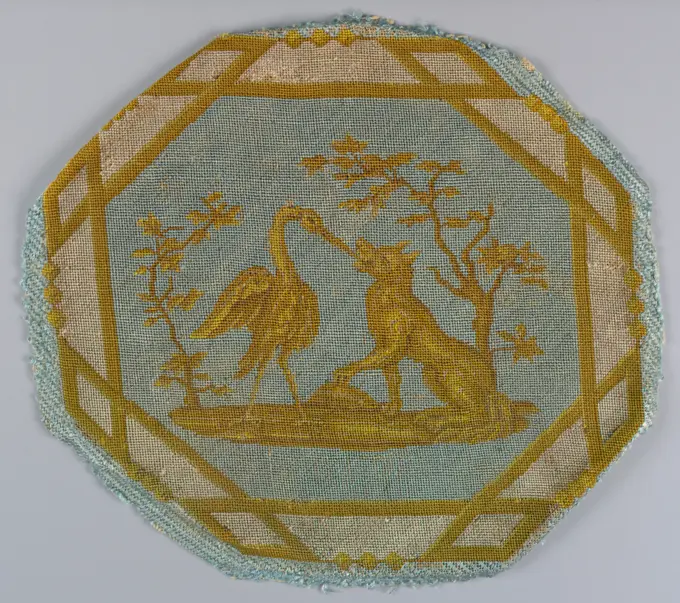
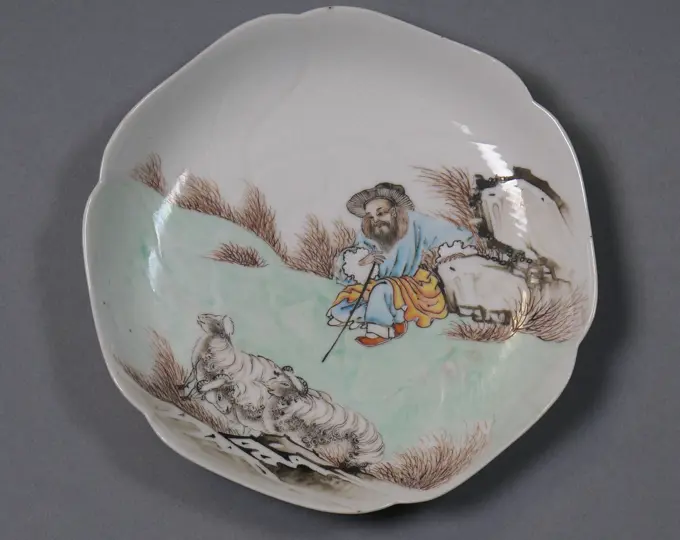
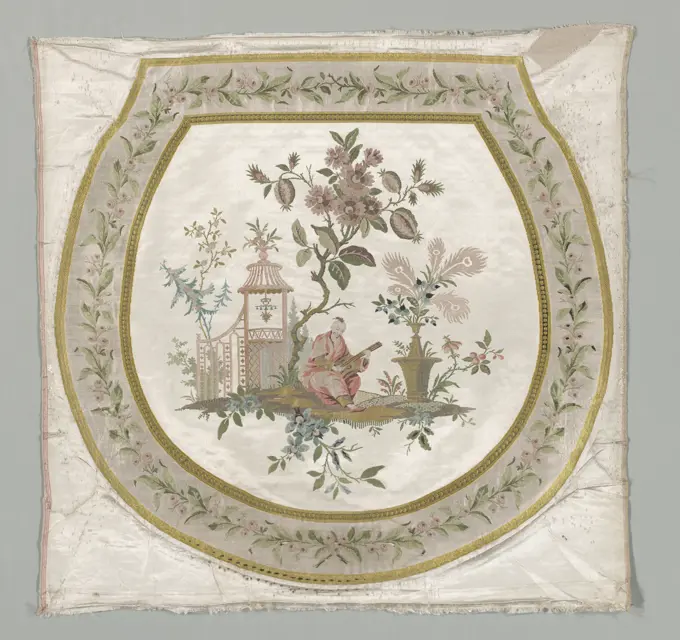
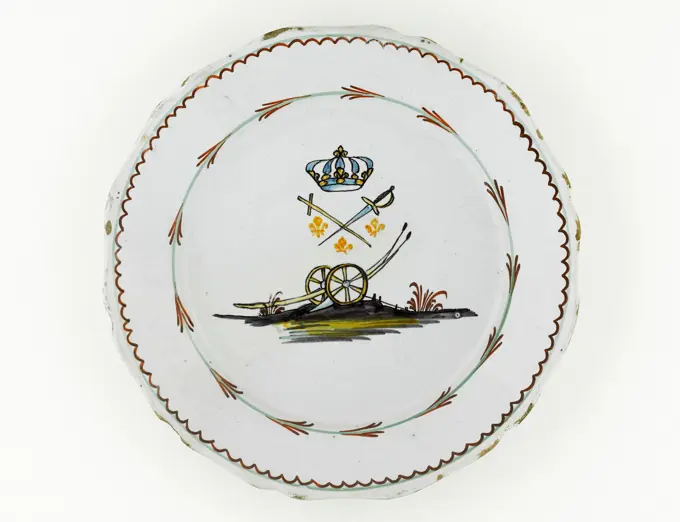
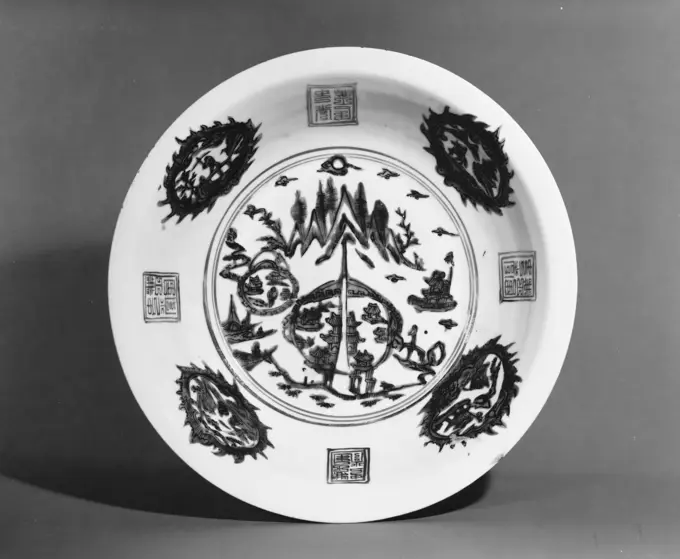
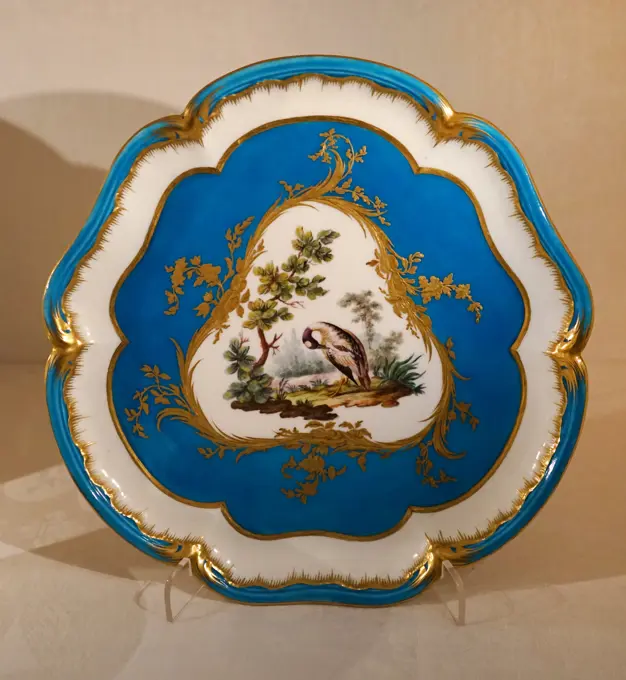
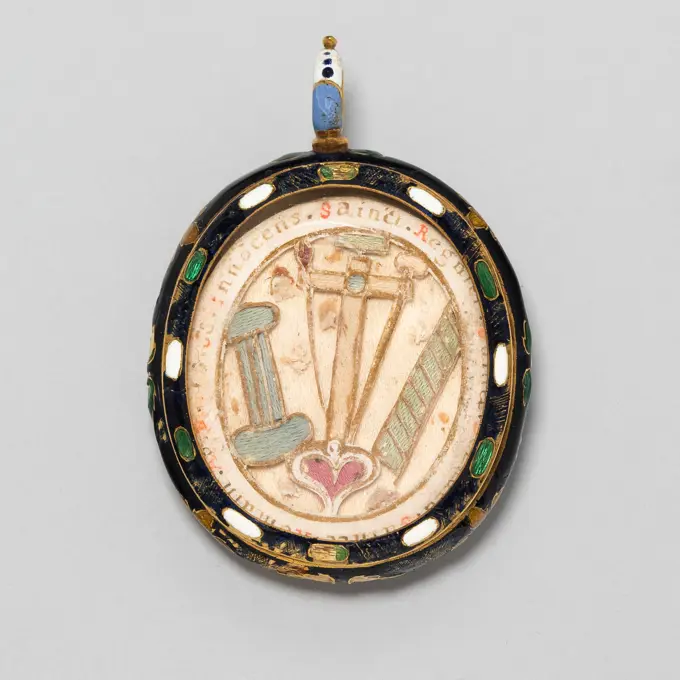
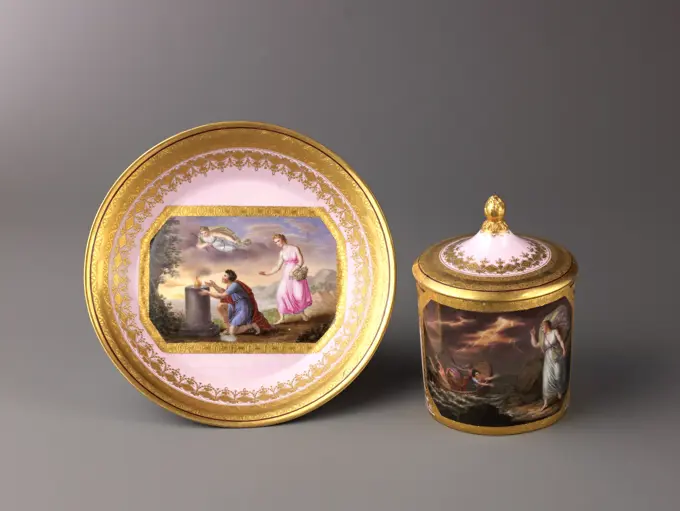
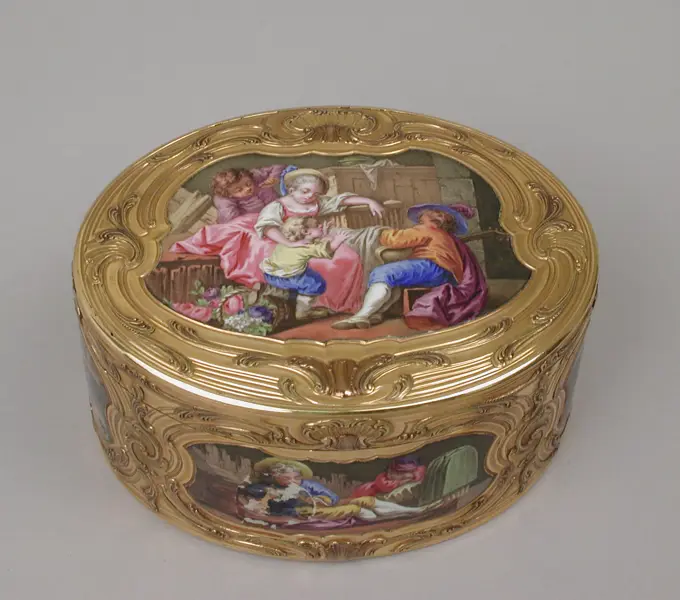
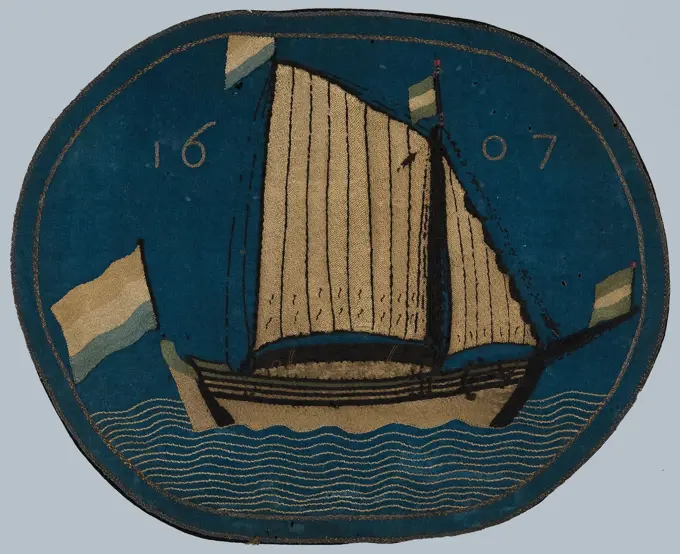
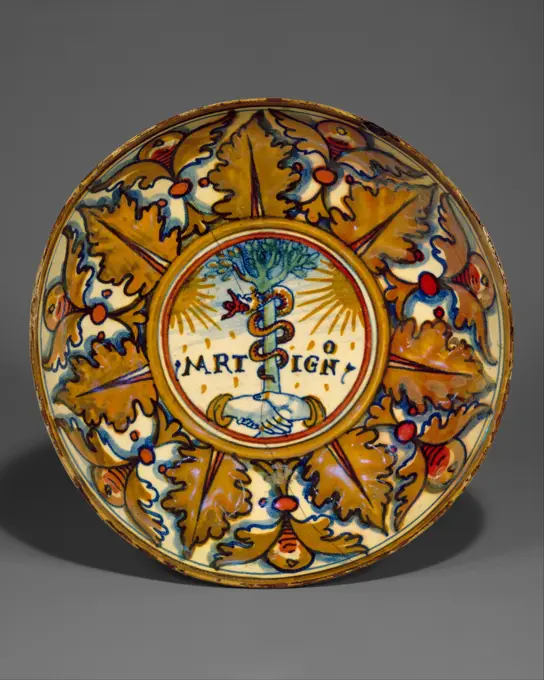
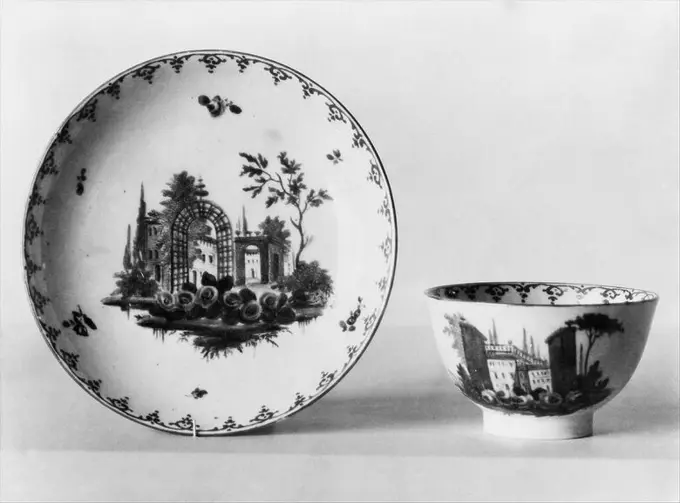
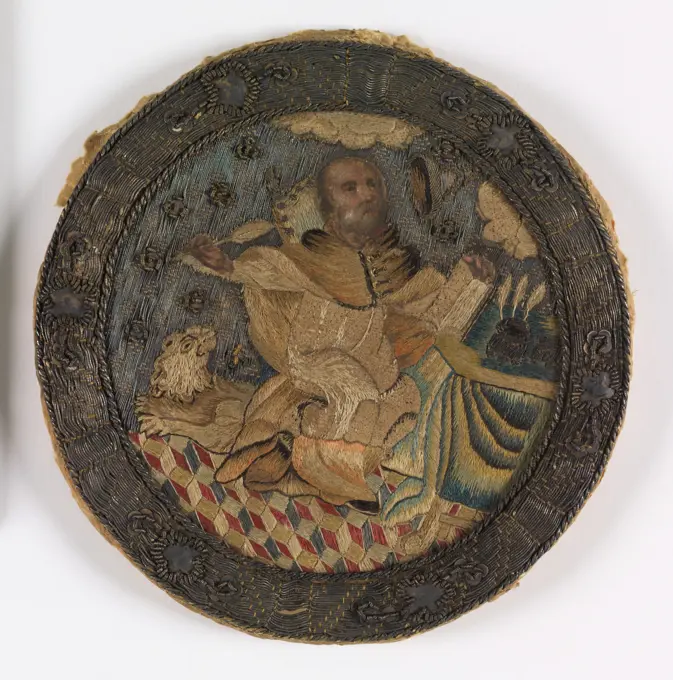
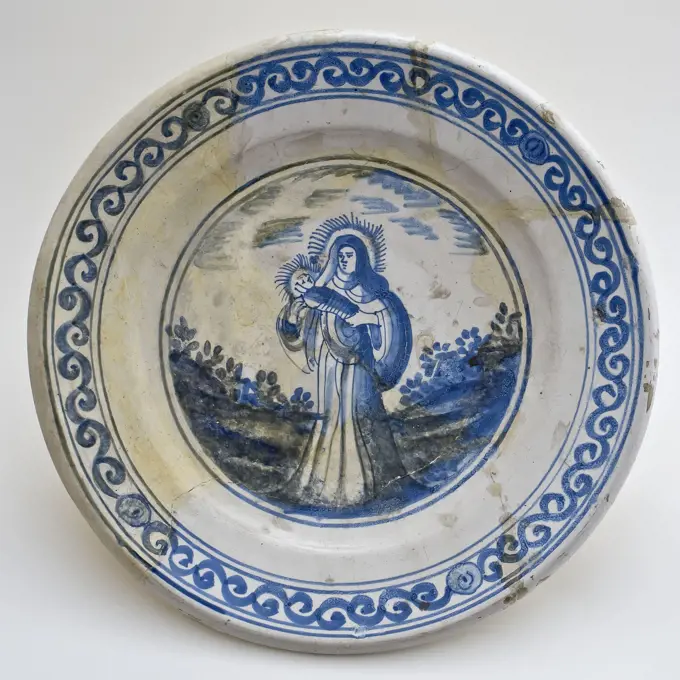
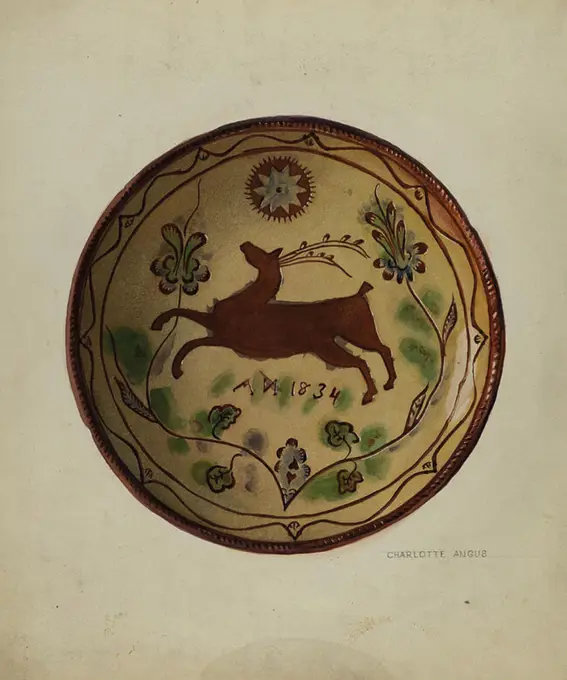
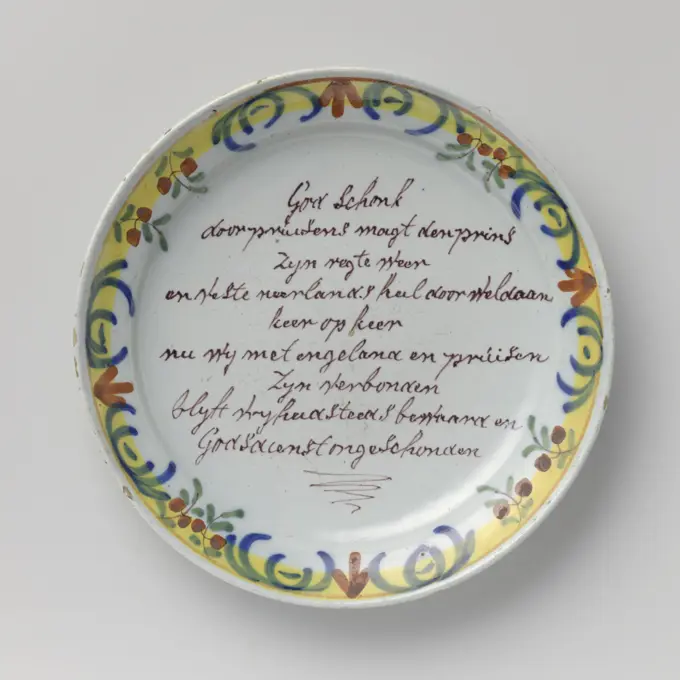
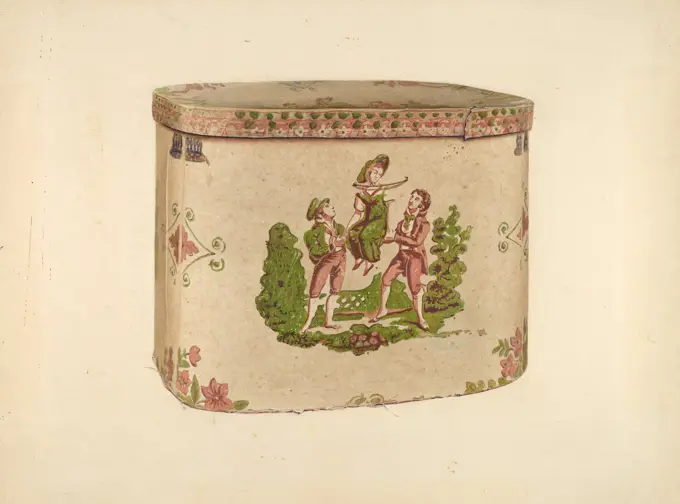
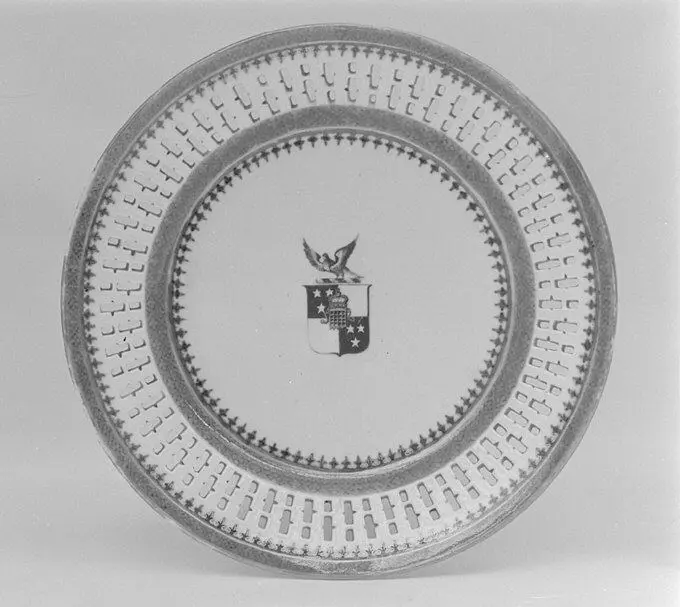
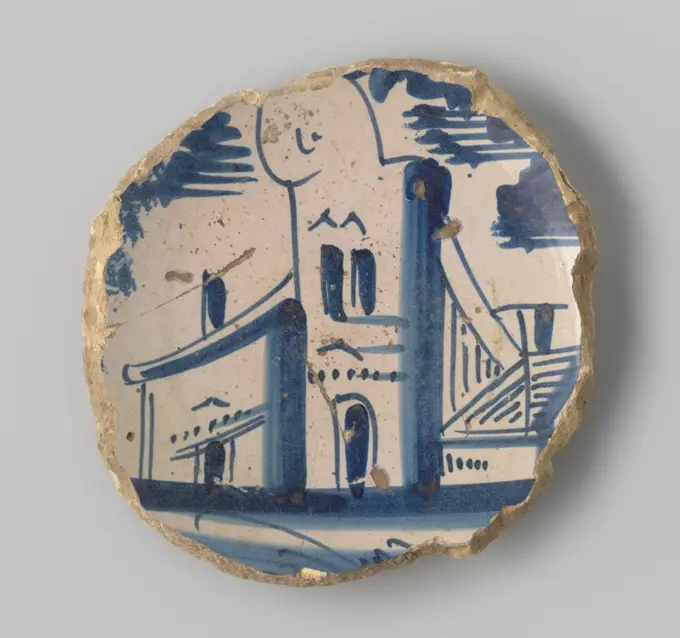
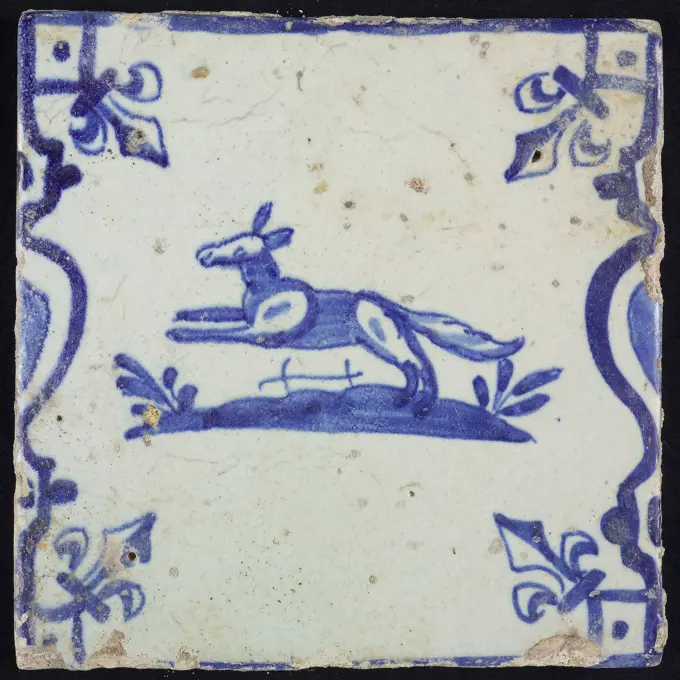
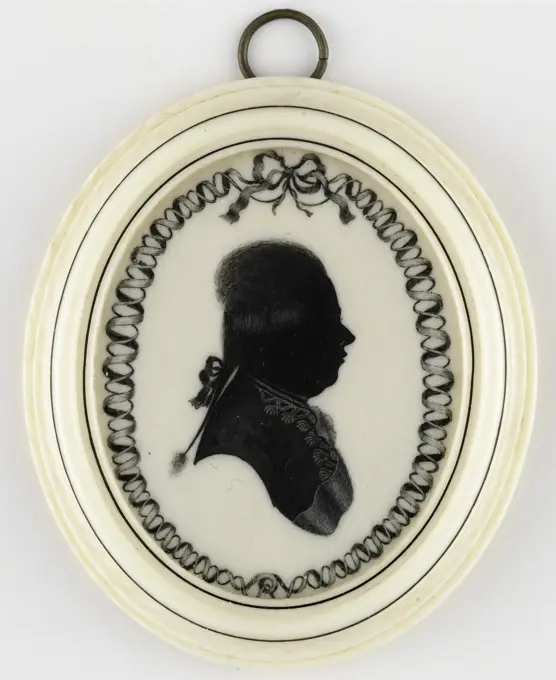
Helmut Hiatt, Plate, c 1936 PlateSaucer With Lady, Boy and Precious Objects. Dish of porcelain, painted on the glaze in blue, pink, green, yellow, black and gold. On the flat one on a chair sitting lady with a boy and a rabbit, around them lucky symbols and antiques (o.a. vase with peacock feathers, incense burner, finger lemon, rolls); On the edge a tire with napkin. Wall has been broken. Family Rose.Plate Manufacturer Elkington & Co. British 19th century, after 16th century original This electrotype is after a sixteenth-century German, pewter original in a private collection at the time of reproduction.Saucer with a crowned, illegible monogram surrounded by two flower sprays, anonymous, c. 1750 - c. 1774 Porcelain dish, painted on the glaze in blue, red, pink, green, yellow, black and gold. On the flat a crowned, illegible monogram surrounded by two flower branches; The wall with flower vines with four cartouches with a landscape and four medallions with plants. European performance in email colors. China porcelain. glaze. gold (metal) painting / gilding / vitrification Porcelain dish, painted on the glaze in blue, red, pink, green, yellow, black and gold. On the flat a crowned, illegible monogram surrounded by two flower branches; The wall with flower vines with four cartouches with a landscape and four medallions with plants. European performance in email colors. China porcelain. glaze. gold (metal) painting / gilding / vitrificationRound dish of blue painted majolica. Round dish of blue painted majolica. A landscape is painted on the flat with a farm and a haystack. The edge is divided into courses in which stylized flowers (WAN-L1).Saucer (part of a service) ca. 1800-1805 Chinese, for Portuguese market. Saucer (part of a service) 201102Saucer with a Crowned, illegible monogram surrounded by two Flower sprays. Dish of porcelain, painted on the glaze in blue, red, pink, green, yellow, black and gold. On the flat a crowned, unreadable monogram surrounded by two flower branches; The wall with flower refines with four cartouches with a landscape and four medallions with plants. European performance in email colors.Plate with the arms of the De Neufville family, anonymous, c. 1725 - c. 1749 Porcelain plate, painted on the glaze in blue, red, pink, green, black and gold. On the flat the weapon of the Neufville family. The weapon consists of four towers and a golden Sint Andreaskruis with an anchor in the middle. The shape of the shield is in Louis XIV style. The weapon is surrounded by a cover of leaf vines. To the weapon a Spearhead border. On the wall servetwork with flower vines. On the edge four fruit branches, three flower groups, the helmet sign and a decorative band. The rear with four flower branches. A crack in the soil; A chip in the edge. Weapon porcelain with email colors. China porcelain. glaze. gold (metal) painting / gilding / vitrification Porcelain plate, painted on the glaze in blue, red, pink, green, black and gold. On the flat the weapon of the Neufville family. The weapon consists of four towers and a golden Sint Andreaskruis with an anchor in the middle. The shape of the shiePlate; Copeland & Garret (England; Ceramics; 1833-1847); 1833-46 (1833-00-00-1846-00-00);Tray, porcelain, USA, 19th century, ceramics, Decorative Arts, TrayBread plate - D'après George L. Ashworth & Brothers, 1862-1968Plate with the Hasselaer - Kick Alliance Arms, Meissener porcelain manufactory, c. 1726 Plate of painted porcelain. The slightly deepened flat is painted with the crowned alliance weapon of Nicolaas Cornelis Hasselaer (1703-1741) and Anna Divera Kick Pancras (1707-1769) on an engraved and fiddled cloak in gold. The edge is painted in red with four elongated four passes with port landscapes with figures on the bank. Symmetrical leaf and band work runs in gold between the four passes. On the back of the edge, three garlands have been painted with Indianic blums. The board is marked. Float porcelain Plate of painted porcelain. The slightly deepened flat is painted with the crowned alliance weapon of Nicolaas Cornelis Hasselaer (1703-1741) and Anna Divera Kick Pancras (1707-1769) on an engraved and fiddled cloak in gold. The edge is painted in red with four elongated four passes with port landscapes with figures on the bank. Symmetrical leaf and band work runs in gold between the four passCoat of arms of King William I, Anonymous, 1815 - 1840  Coat of arms of Willem I Frederik, King of the Netherlands in round blacklist with hook and behind glass. Two standing crowned lions keep coat of arms high. Below buckle with 'Honi' and 'Pense'. Below two bander rolls, one of which is unreadable. The lower 'Je Maintiendrai'. Curtains on either side draped above which Kroon. On blue background. A label with text stuck on the back. Netherlands wood (plant material). glass. waxTray for a Tea Service 1768 Sèvres. Soft-paste porcelain, polychrome enamels, and gilding . Manufacture nationale de Sèvres (Manufacturer)Jardiniere; enameled and gilt tôleBasket. Worcester Porcelain Factory; Worcester, England, founded 1751. Date: 1763-1773. Dimensions: H. 7.5 cm (3 in.); diam. 20.8 cm (7 3/4 in.). Soft-paste porcelain, underglaze blue, polychrome enamels and gilding. Origin: Worcester. Museum: The Chicago Art Institute, Chicago, USA. Author: Worcester Royal Porcelain Company.Giorgio Andreoli. "Plate: Fruit picking, Italian Majolique de Gubbio, 1519 (reverse)". Museum of Fine Arts of the City of Paris, Petit Palais. 26971-1 Cueillette, Gubbio, Italy, Italian majolica, various objects, pottery, reverse, plate, fruitPlate 18th century China. Plate. China. 18th century. Porcelain painted in overglaze famille rose enamels. Qing dynasty (1644-1911), Qianlong period (1736-95). CeramicsDishPlatter late 18th-early 19th century Chinese, for American market. Platter 201096Saucer with two figures in a water landscape and a flowering tree, anonymous, c. 1700 - c. 1724 Porcelain dish with straight wall, painted on the glaze in red, black and gold. On the flat of the dish, two people next to a flowering tree and a fence in a river landscape; The edge with curl. Milk and blood. China porcelain. glaze. gold (metal) painting / gilding / vitrification Porcelain dish with straight wall, painted on the glaze in red, black and gold. On the flat of the dish, two people next to a flowering tree and a fence in a river landscape; The edge with curl. Milk and blood. China porcelain. glaze. gold (metal) painting / gilding / vitrificationSaucer with figures, a go-bord and inscriptions, anonymous, c. 1800 - c. 1899 Porcelain dish with a stepped wall, painted on the glaze in blue, red, pink, green, yellow, black and gold. On the flat of the dish a medallion with a sitting man leaning on a stool, next to him three Chinese characters; To the medallion a standing woman and on the other hand a man with characters on either side; In between a cartouche with a meander band with a inscription in characters and a GO sign. The dish marked with the seal of Keizer Xianfeng (). Famle Rose. China porcelain. glaze. gold (metal) painting / gilding / vitrification Porcelain dish with a stepped wall, painted on the glaze in blue, red, pink, green, yellow, black and gold. On the flat of the dish a medallion with a sitting man leaning on a stool, next to him three Chinese characters; To the medallion a standing woman and on the other hand a man with characters on either side; In between a cartouche with a meander band with a inscription inSoup plate (part of a service) Chinese, for Portuguese market ca. 1800-1805Plate with Phoenixes first half 14th century This bowl is a fine example of the so-called 'Sultanabad' wares which were produced during in the Ilkhanid period. This type is characterized by a distinctive glaze, incorporating fine underdrawing in black or grey-green, often combined with cobalt and turquoise accents.. Plate with Phoenixes 452511Helmut Hiatt, Plate  Naval Battle, c 1936 Plate - Naval BattlePlatter - "Georgia Arms". Dated: c. 1936. Dimensions: overall: 20.3 x 25.4 cm (8 x 10 in.) Original IAD Object: 12 3/4" long; 10" wide. Medium: black and white photograph. Museum: National Gallery of Art, Washington DC. Author: Helmut Hiatt.Diamond-shaped platter. Eberlein, Johann Friedrich (1695-1749), sculptor, Koenigliche Porcellain Fabrique, Meissen (1710-1763), factoryPlate 1730-40 German, Ansbach. Plate 205846Oval platter. Eberlein, Johann Friedrich (1695-1749), sculptor, Koenigliche Porcellain Fabrique, Meissen (1710-1763), factoryPlatter with the Arms ofDelaware.  Manufacturer: Thomas Mayer, British, active 1826-38After Source material drawn by: Thomas Sully, American, born England, 1783-1872Maker Source material etched and engraved by: George Murray, American, died 1822Publisher source material by: John Binns, American, born Ireland, 1772-1860Shield to the applry of a thin person with personification Autumn; Ram, Peter (Fl. 1694-1737); 1708-10 (1708-00-00-1710-00-00);Saucer (part of a service) 1770-85 Chinese, probably for Swedish market. Saucer (part of a service) 201180Micro-mosaic Brooch; Italy; gold sheet and wire, glass mosaicsTray 18th century China. Tray. China. 18th century. Lacquer. Qing dynasty (1644-1911). LacquerSoup Plate 1800-1830 Chinese. Soup Plate. Chinese. 1800-1830. Porcelain. Made in ChinaSaucer; Koenigliche Porcellain Fabrique, Meissen (1710-1763), Augsburg (city); around 1715-1725 (1714-00-00-1725-00-00);Carnavalet museum, medal collection Right view of the completed basilica; Reverse registration on ten lines.Saucer-dish with a coat of arms and lotus scrolls, anonymous, c. 1725 - c. 1749 Porcelain bowl, painted in underly glaze blue and on the glaze red, green, eggplant, black and gold. On the flat a crowned family crest with the French lily; To the weapon a double tire with curl work and lotus vines interspersed with a cartouche; on the wall four times a medallion with lotus drink or fan and four times a lotus leaf or branch with a bowl with a fingercitroen or peach; the inner edge with a decorative band; the outer edge with curl work; A flower branch four times on the outer wall. Old label on the bottom with 'Beurdeley Collection/ T.J. Larkin, London/ 149 '. Weapon porcelain with email colors. China porcelain. glaze. cobalt (mineral). gold (metal) painting / gilding / vitrification Porcelain bowl, painted in underly glaze blue and on the glaze red, green, eggplant, black and gold. On the flat a crowned family crest with the French lily; To the weapon a double tire with curl work and lotusDrinking scale with Argus and Mercury, Arent van Bolten (attributed to), c. 1600 - c. 1625 Scale, round, completely driven. Within an edge of Rolwerk, the performance of Argus, asleep by Mercury with his flute game. Northern Netherlands silver (metal) Scale, round, completely driven. Within an edge of Rolwerk, the performance of Argus, asleep by Mercury with his flute game. Northern Netherlands silver (metal)Watch ca. 1835 Watchmaker: Firm of Guirodon & Archinard. Watch. Swiss, Geneva. ca. 1835. Gold, silver, steel, jewels. HorologySnuffbox with miniature of sleeping Endymion and Selene 1772-73 French, Paris In eighteenth-century Europe, Paris led the production of high-quality luxury goods. Parisian goldsmiths made a wide range of small, personal articles such as snuffboxes; étuis to hold sealing wax, tweezers, or utensils for sewing; souvenirs, which contained thin ivory tablets for note taking; and shuttles for knotting lace. Gold snuffboxes and boxes decorated with portrait miniatures were prized and frequently given as royal gifts, often to ambassadors or members of the court in lieu of cash payments for their services. Coveted and admired, these boxes were produced from a variety of materials. The best were skillfully made of gold and embellished with diamonds, enameled decoration, lacquer, and other luxurious materials. By the middle of the century, the taking of snuff had become an entrenched social ritual, and the snuffbox, too, had become an important social prop. Snuffboxes were considered highly fashiSaucer With Figures in a Landscape with Trees, Rocks and Pavilions. Scale of porcelain with braco-shaped wall and edge, painted in underglaze blue. On the flat a landscape with a rider and two running people between rocks and trees. In the background two pavilions and clouds. The inner edge is with a blue band. Marked on the bottom with the six character mark of Emperor Chenghua. Two preen on the bottom. Arita, blue-white.Fragment majolica dish, blue on white, on convex mirror image shepherd in landscape, plate crockery holder soil find ceramic earthenware glaze, baked underside covered with lead glaze. Monochrome waised soul of pancake dish or salad dish archeology decorate serving food plateelbakkerij Rotterdam Stadscentrum Stadsdriehoek Delftsevaart Soil discovery of the partial reclamation of the Delftse Vaart here for the purpose of making the lift over the Vaart in the summer of 1928.Anonymous. Plate. Earthenware. Paris, Carnavalet museum. 71680-50 Decoration, flag, faience, revolutionary period, French revolution, long live the nation, platePlate - "Athaneum, Boston". Dated: c. 1936. Dimensions: overall: 20.3 x 25.4 cm (8 x 10 in.) Original IAD Object: 6 1/4" in diameter. Medium: black and white photograph. Museum: National Gallery of Art, Washington DC. Author: Helmut Hiatt.Excerpt (foot ring) of a dish with white-baking shard, with gray-blue glaze at the front and rear, on which a landscape with buildings is painted in blue, brown, yellow, yellow and green at the front, and at the rear stripes with leaf shapes.,,, Anonymous, 1200 - 1899  Italy earthenware  Italy earthenwareSalver (one of a pair) 1731-32 Paul de Lamerie British. Salver (one of a pair). British, London. 1731-32. Silver. Metalwork-SilverEngraved bowl by unknown artist, silver, before 1552, Russia, Sergyev Possad, State Open-air Museum of the Trinity Lavra of St. Sergius, D 12,7No. 11, Rooke der Haring, of Bokemhang (The smoking of the herring or mackerel), from 'The Herring Catch', c. 1780, Porcelain Axe (Porceleyne Bijl) Factory, 1 1/16 × 9 × 9 in. (2.7 × 22.86 × 22.86 cm), Tin-glazed earthenware, Netherlands, 18th century, The 17th century has been called the Golden Age of the Dutch Republic, its prosperity built by a new and expanding merchant class which had become wealthy through industry and international trade, its tolerance of religious and intellectual diversity, and its patronage of home grown and international traders, craftsmen and artists. This radiance was in large part supported by the Dutch mastery of fishing for herring and by preserving this otherwise undistinguished silver fish. So much of the national wealth was accumulated through this industry that Amsterdam was said to have been built on herring bones. What could be a more appropriate subject to be celebrated by the potteries in Delft'Sign painted with the weapon of IJan Kovenhoven, Anonymous, 1704 Faïence board, multi -colored painted with the weapon of IJan Kovenhoven. Dated 1704. Delft . Faïence board, multi -colored painted with the weapon of IJan Kovenhoven. Dated 1704. Delft .Terracotta kylix: lip-cup (drinking cup) ca. 560-550 B.C. Signed by Nearchos Interior, sirenExterior, obverse and reverse, inscription: Nearchos made meNearchos was a potter and painter active during the second quarter of the sixth century B.C. His major preserved works include the aryballos (oil flask) displayed nearby. The incisive characterization of figures and a predilection for color are important features of his style. His signature on lip-cups attests to his activity into the middle of the century.. Terracotta kylix: lip-cup (drinking cup). Greek, Attic. ca. 560-550 B.C.. Terracotta; black-figure. Archaic. VasesPair of chair seat covers third quarter 18th century Painted designs in the style of Jean Pillement French This is a rare surviving example of 18th century painted silk upholstery panels that were designed to be removable, presumably for the seasonal change of show covers which was a French tradition. The additional marking of the reverse connects these covers to the practice of marking furniture frames, no doubt the numbers on these covers corresponded to the frames on which they were used.. Pair of chair seat covers. probably French. third quarter 18th century. Painted and woven silkChair Seat (France); linen, silkPlate. Culture: British (American market). Dimensions: Diam. 10 in. (25.4 cm). Date: ca. 1830-ca. 1835. Museum: Metropolitan Museum of Art, New York, USA.Red-Figure Kylix. Apollodoros (Greek (Attic), active about 500 B.C.)Saucer late 18th-first half of the 19th century China. Saucer 51205Upholstery for a Chair Seat, c. 1743-1774. Philippe de Lasalle (French, 1723-1805). Lampas weave, brocaded; silk; overall: 76.2 x 77.5 cm (30 x 30 1/2 in.).Anonymous. Plate. Earthenware. Around 1789. Paris, Carnavalet museum. 70955-49 Canon, Crown, Epee, Faience, Lys, Decorative Pattern, Revolutionary Periode, Crockery, PlateCup Plate ca. 1850 E. Challinor & Co.. Cup Plate 6021Plate late 16th-early 17th century China. Plate 42546Object from a Dessert Service 'The Razumovsky Service', made from soft-paste porcelain. Dated 18th CenturyDouble-Sided Pendant with Instruments of the Passion and Emblem of a Confraternity 1701-1799 Europe. Gold, enamel, silk, and paperwork with gilding .Covered cup and saucer ca. 1800 Anton Kothgasser Austrian. Covered cup and saucer. Anton Kothgasser (Austrian, 1769-1851). ca. 1800. Hard-paste porcelain. Ceramics-PorcelainWerra dish, mirror decor with fish, plant and year 1621, border with circles and stripes, dish crockery holder soil find ceramic earthenware glaze, hand turned decorated glazed baked Red pottery on stand surface Lightly curled side wall thickened and vertical dish edge In the mirror fish year and plant. Circles in the sidewall dark band with oblique stripes and circles halfway along the sidewall. Short stripes perpendicular to the saucer edge and long stripes in the longitudinal direction of the glaze: 1621 archeology serve food decorateSnuffbox 1759-60 Possibly by Jean-Charles-Simphorien Dubos In eighteenth-century Europe, Paris led the production of high-quality luxury goods. Parisian goldsmiths made a wide range of small, personal articles such as snuffboxes; étuis to hold sealing wax, tweezers, or utensils for sewing; souvenirs, which contained thin ivory tablets for note taking; and shuttles for knotting lace. Gold snuffboxes and boxes decorated with portrait miniatures were prized and frequently given as royal gifts, often to ambassadors or members of the court in lieu of cash payments for their services. Coveted and admired, these boxes were produced from a variety of materials. The best were skillfully made of gold and embellished with diamonds, enameled decoration, lacquer, and other luxurious materials. By the middle of the century, the taking of snuff had become an entrenched social ritual, and the snuffbox, too, had become an important social prop. Snuffboxes were considered highly fashionable accessories,Tile with standing figure. Tile with a multicolored (blue, orange and green) standing figure resting on a stick framed by a circle with in the corners, meander ornament.Hat. Culture: Swiss. Date: first quarter 19th century. Museum: Metropolitan Museum of Art, New York, USA.Blazon of the Groot Schippersgilde, left sailing ship, blazon cushion leaf wool silk, textile woven embroided Oval blazon on blue drape embroided with silk representation left sailing ship Large Schippersgilde with mirrored pendant (2) 1607 embroided: 1607 Rotterdam Groot Schippersgilde guildDish (coppa) ca. 1530-35 Italian, Gubbio. Dish (coppa) 460256Teabowl and saucer. Culture: Italian, Venice. Dimensions: Height (teabowl): 1 3/4 in. (4.4 cm); Diameter (saucer): 4 3/8 in. (11.1 cm). Factory: Cozzi manufactory (Italian, 1764-1812). Date: ca. 1765-75. Museum: Metropolitan Museum of Art, New York, USA.Roundel (Italy); silk, metallic thread; Bequest of Marian Hague; 1971-50-45Plate ca. 1826-ca. 1835 Thomas Mayer. Plate 6156Plate, one of a pair, c. 1775, 1 1/8 x 9 in. (2.86 x 22.86 cm), Porcelain with enamel decoration, China, 18th centuryNaudin, Bernard (n.1876-11-11-D.1946-03-07), sign of the Group Le Verre de Vin: Berdery scenes. Oval medallion painted on both sides. (Dummy title), 1898. Oil on painted sheet metal on both sides. Carnavalet museum, history of Paris.Large majolica dish, with blue decor on Maria's flat with child, rim with band motif, dish crockery holder soil find ceramic earthenware glaze tin glaze lead glaze, hand-turned baked decorated glazed fried Large dish with slanting flag Lightly curved mirror and shallow shoulder Stand ring. Yellow shard bottom covered with bright lead glaze. Blue decor on white background In the mirror standing Madonna with child with halo stylized landscape Restoration is discolored. Wood-baked archeology Valckensteyn Poortugaal Albrandswaard native earthenware serve adornment bible religion Jesus Christ Maria archaeological find in the soil Poortugaal ValckensteynPlate, 19th century, Bordeaux Factory, 1 1/4 x 9 x 9 in. (3.18 x 22.86 x 22.86 cm), Porcelain, France, 19th centuryBowl, c. 1100-1300, 3 3/16 x 9 5/16 in. (8.1 x 23.65 cm), Clay, pigments, United States, 13th-14th century, Perfectly proportioned, geometric, abstractancient Puebloan pottery appears almost modern. Thin black lines precisely painted on white surfaces look as though they might have been done by computer instead of with small brushes of yucca-plant fibers. Likewise, the animal designs on Mimbres pottery (1000-1200 CE) are minimalist, stylized figures, cleanly painted on curved surfaces. The smaller pots to the right have the same ageless quality as the ancient ceramics but were made in the 21st century by Acoma artists, descendants of the Ancestral Puebloan people.Pa. German Pie Plate. Dated: c. 1936. Dimensions: overall: 40.4 x 38.3 cm (15 7/8 x 15 1/16 in.). Medium: watercolor and graphite on paperboard. Museum: National Gallery of Art, Washington DC. Author: Charlotte Angus.Sword Pommel. Culture: Italian. Dimensions: H. 3 in. (7.6 cm); Wt. 12 oz. (331 g). Date: 16th century. Museum: Metropolitan Museum of Art, New York, USA.Purse. Culture: probably Austrian. Date: first quarter 18th century. Museum: Metropolitan Museum of Art, New York, USA.Jean-Jacques Barre (1793-1855). Medal avec. EUG. Louise Princess of Orleans. Metal, bronze. Nineteenth century. Museum of Fine Arts of the City of Paris, Petit Palais. 58766-7 Avers, bronze, medallit, metal, numismatics, french princess, profile, portrait, 19th centurySpeech fair of wine red velvet decorated with silver brocade and embroidered in silver thread and multicolored silk with an unidentified weapon. Speech fair of wine red velvet decorated with silver brocade and embroidered in silver thread and multicolored silk with an unidentified weapon. Model: flat round bottom of which a wavy raised edge has holes through which a cord of braided silk - ending in a button with wooden core and wounded with silk - has been pulled. Lined with goat leather, where originally red silk was over; Now only remains of this. Decoration: The 20 bulges or 'ribs' are decorated with a spreamy of French lilies and flowers or stars in relief of silver wire. A horizontal line of silver thread runs at three-quarters of height. Along the top was originally fixed from silver thread with feston stitches. Only a few remains of the passing. The bottom is circled with a double edge within which a zigzag line of silver wire. In it a fleuron of silver brookat on which an oval Plate with inscription: God donated by Prussal Magt ..., 1787 plate (dishes) Plate, white with polychrome painted edge. On the Plat The text: God donated his Regte again and Veste Neerlands salvation through Prussia by Prussian by soon time and again now that we are connected to England and Prussia, freedom is always preserved and religion is intact. Delft porcelainWalter Doran, Bandbox, c 1939 BandboxHatBox.   Maker: N. Tarbell, AmericanFUENTE DE LOZA - PICKMAN Y CIA - 1845/60. Location: MUSEO DE CERAMICA GONZALEZ MARTI. Valencia. SPAIN.Dish. Culture: Japan. Dimensions: H. 1 in. (2.5 cm); W. 5 in. (12.7 cm); L. 4 3/8 in. (11.1 cm). Date: 1700. Museum: Metropolitan Museum of Art, New York, USA.Tray, late 1800s. Japan, Meiji period (1868-1912). Wood with lacquer and gold; tray: 0.9 x 11.8 x 10.8 cm (3/8 x 4 5/8 x 4 1/4 in.).Fragment majolica bowl or bowl, blue on white, landscape with church and farm, bowl bowl container holder soil find ceramic earthenware enamel, baked underside covered with lead glaze. Monochrome Coarse but expertly painted. Deep dish or bowl of archeology Rotterdam underground pit adorn serving food Soil discovery of the Rotterdam metroPlate (part of a service) ca. 1790 Chinese, for British market. Plate (part of a service) 201196Fragment of a dish with yellowish shard, with a painting of a building in blue on a white surface, c. 1500 - c. 1899 fragment   earthenware. glazeSaucer (part of a set) 1770-80 Chinese, for Dutch market. Saucer (part of a set) 201005White tile with blue fruit bowl, corner pattern ox head, wall tile tile sculpture ceramic earthenware glaze, baked 2x glazed paintedAnimal tile, spinning fox left on ground between balusters, in blue on white, corner pattern french lily, wall tile tile sculpture ceramic earthenware glaze, baked 2x glazed painted Square. Blue fox jumping on white. Baluster ornament with french lilies.Pomander 1645-1655 France. Gold and enamel .Willem V (1748-1806), Prince of Oranje-Nassau, Anonymous, c. 1780 miniature (painting) Silhouette portrait of Willem V (1748-1806), Prince of Oranje-Nassau. Bust, to the right. Part of the portrait miniatures collection. Holland ivory. metalAlbum bindingButton 18th century probably European. Button 114695Eleanor Ruelos, Bandbox Design  Stagecoach, c 1941 Bandbox Design - StagecoachAnonymous. Plate. Earthenware. Paris, Carnavalet museum. 71680-24 Chateau, decoration, flag, faience, die, revolutionary period, bridge, French revolution, tour, free living, plate