Decorative Plates and Bowls

Elegant porcelain plates and bowls with intricate designs and vibrant colors, showcasing craftsmanship from various historical eras.
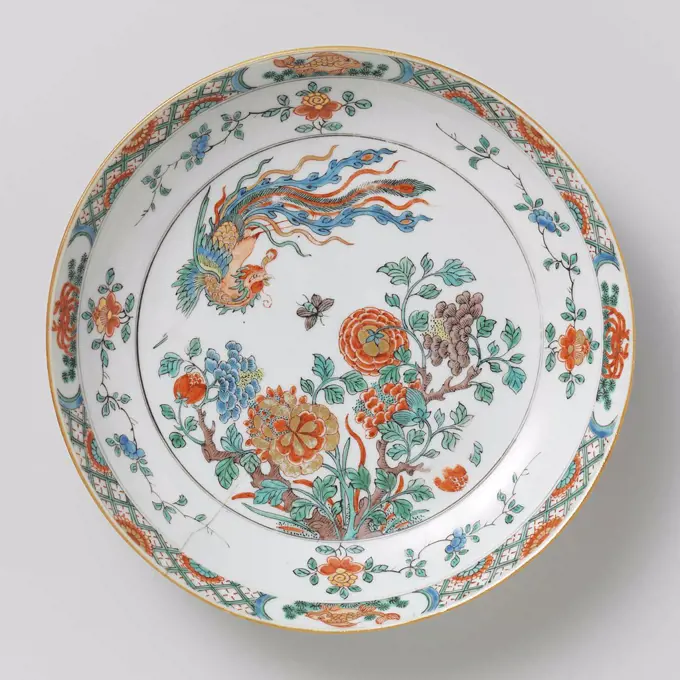
Bowl with decoration of flowering branches, ca. 1700 - ca. 1750, China porcelain
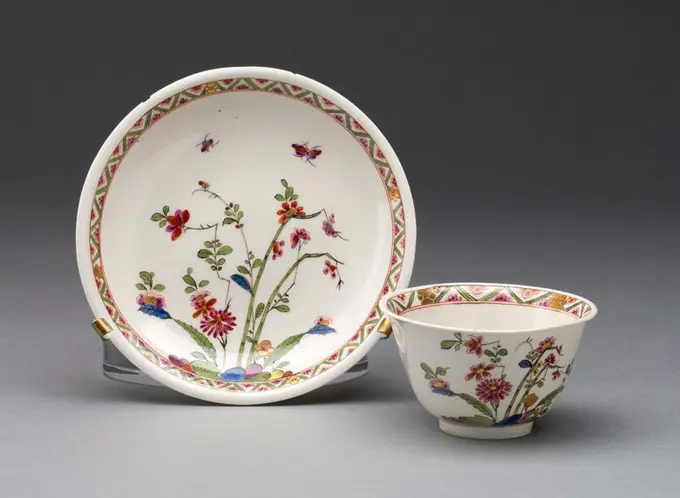
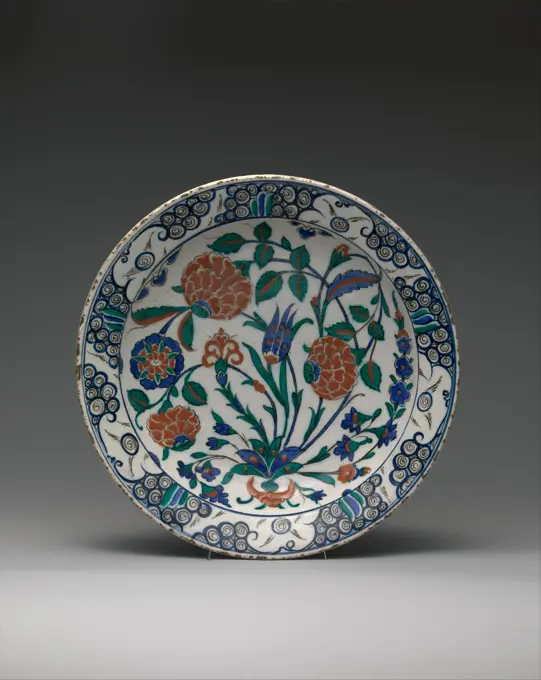
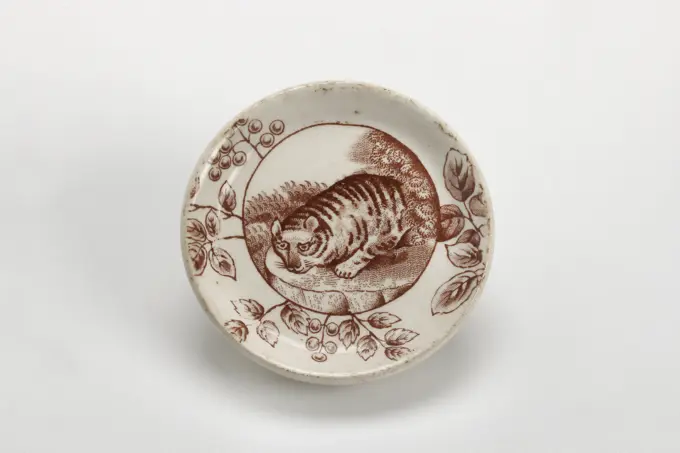
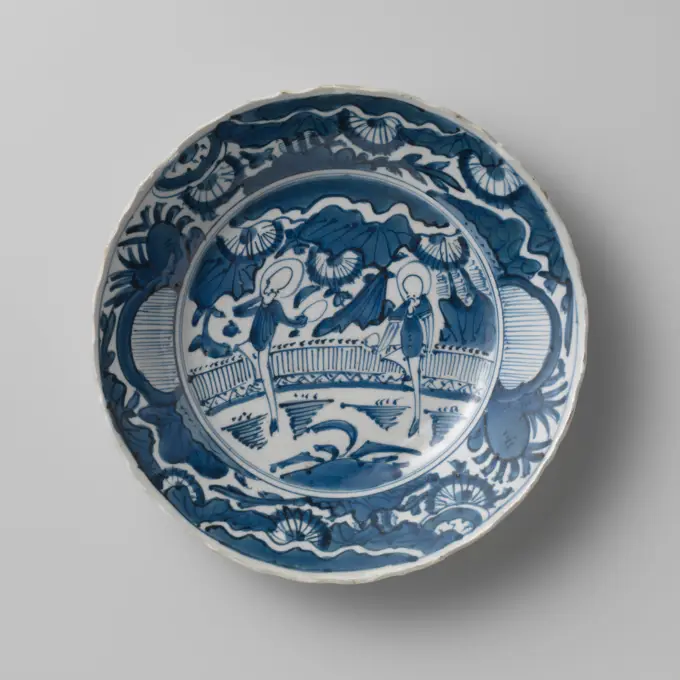
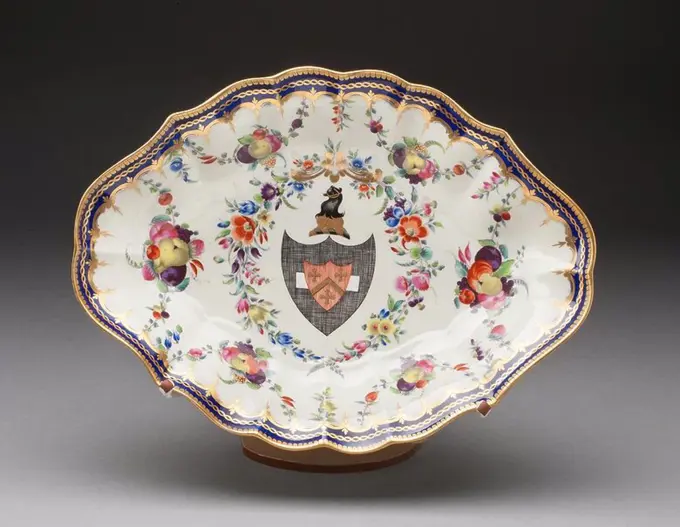
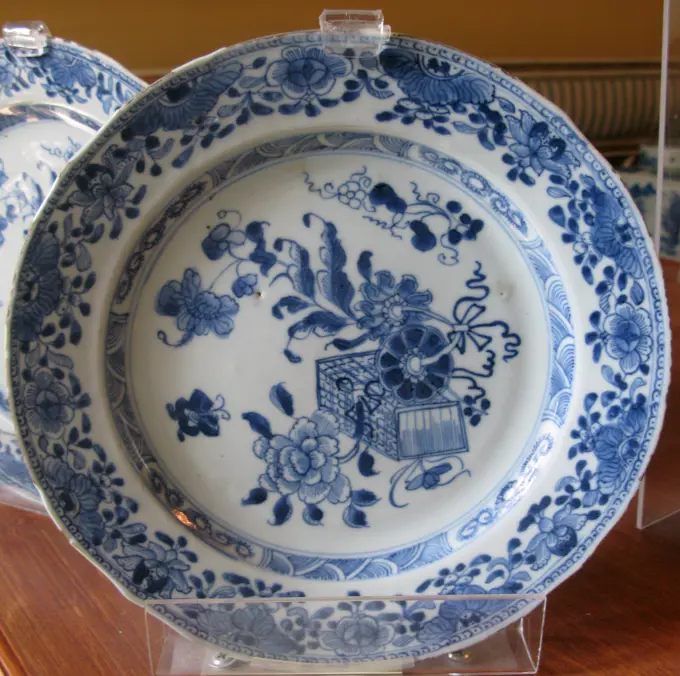
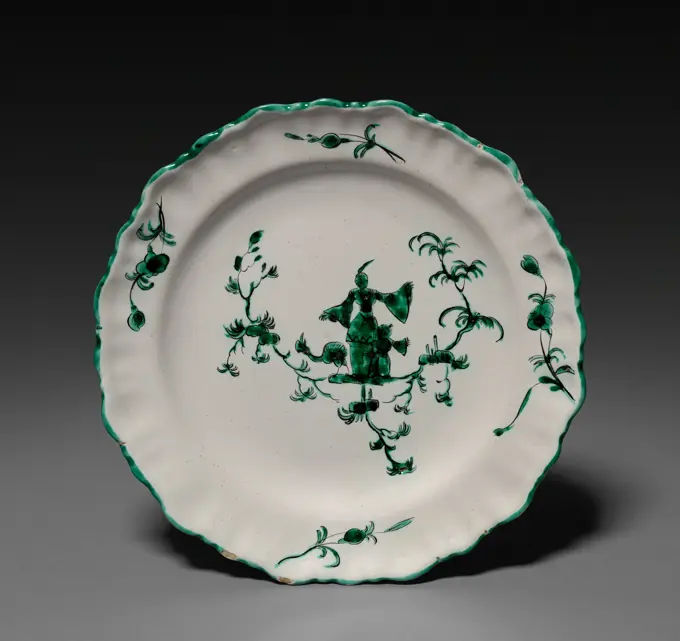
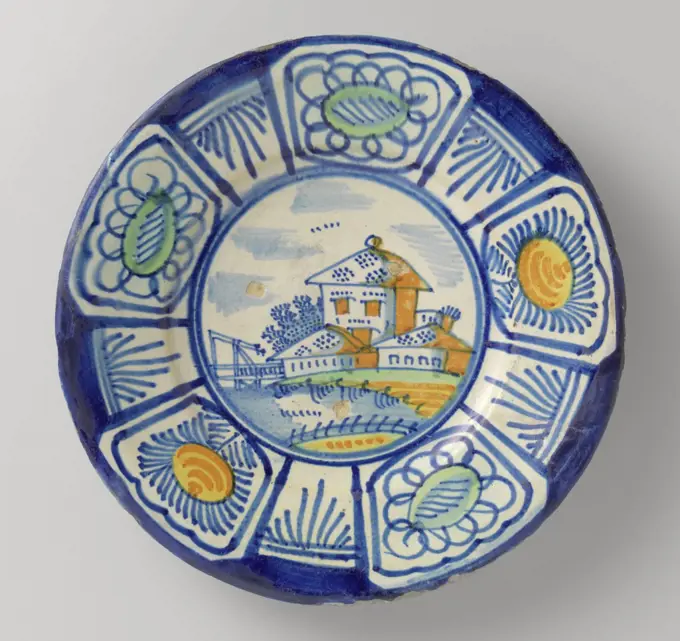
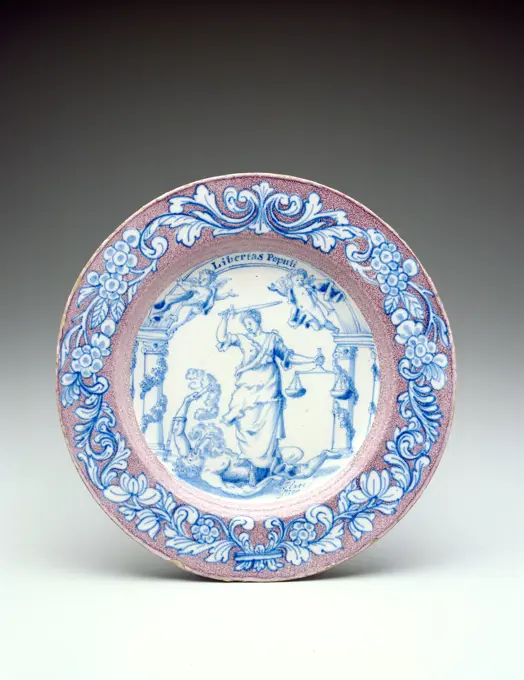
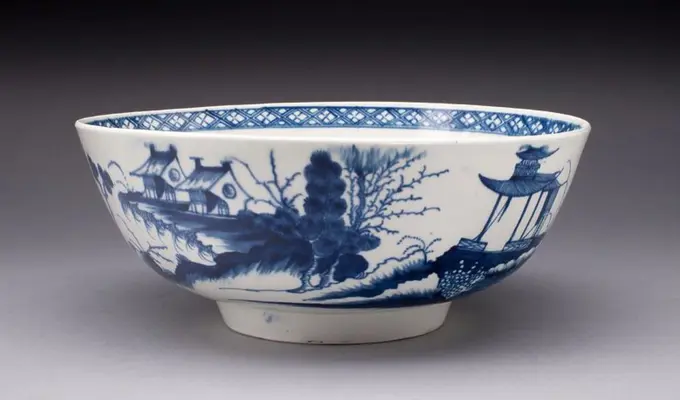
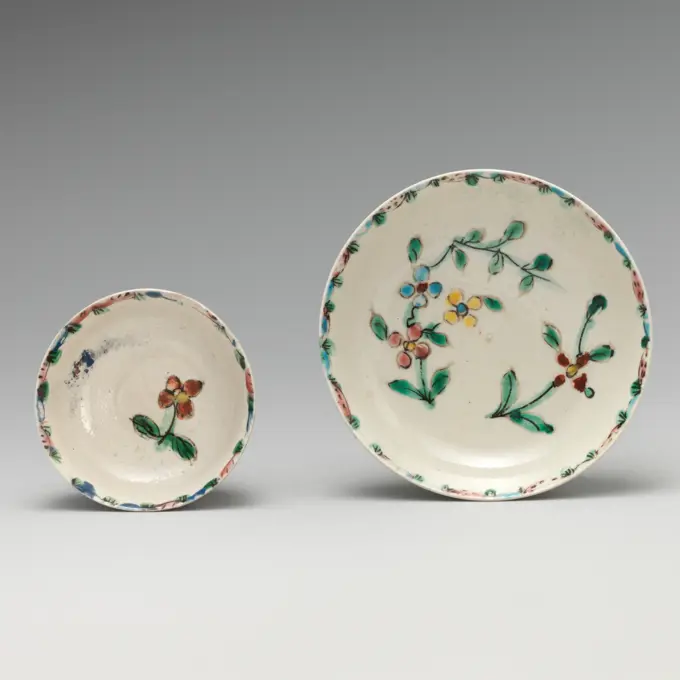
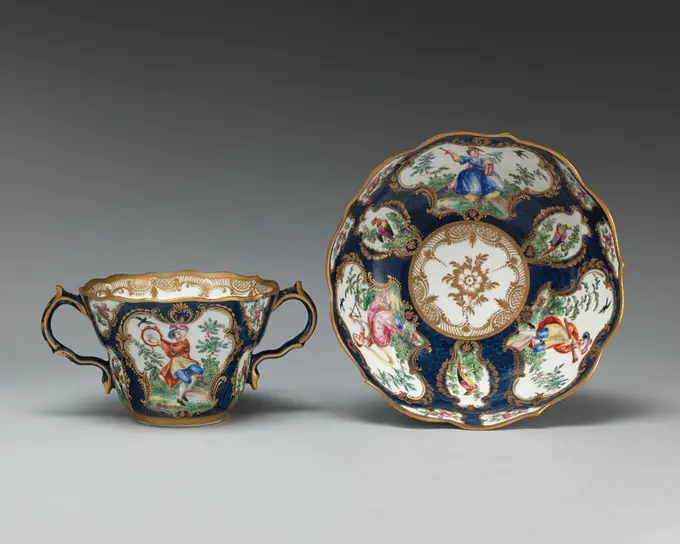
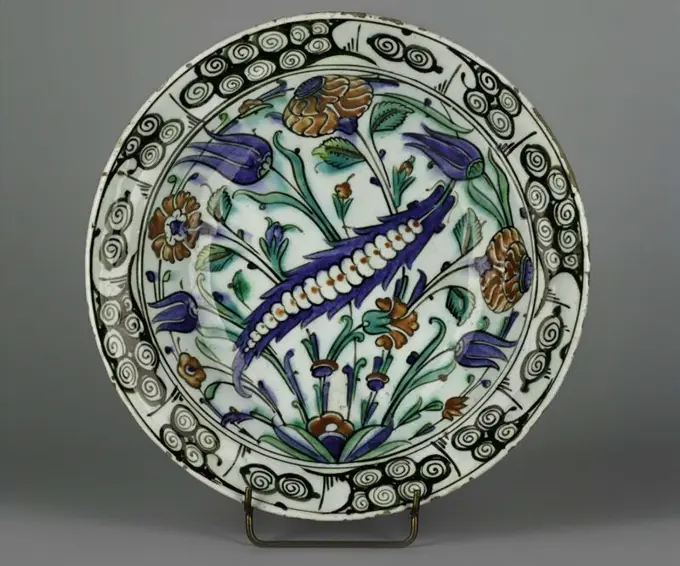
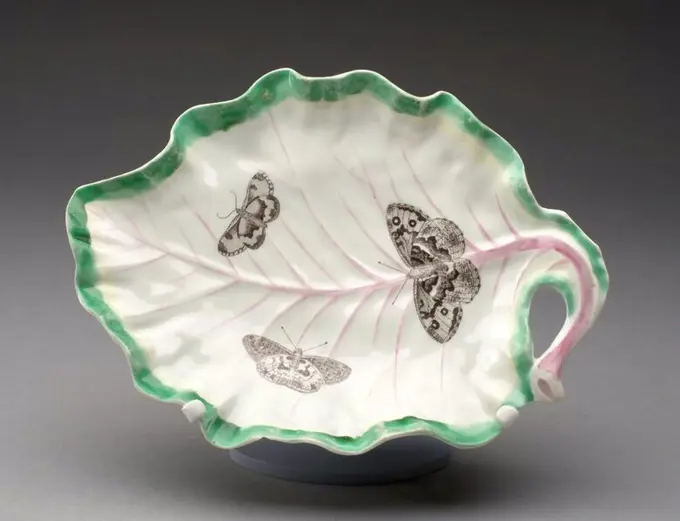
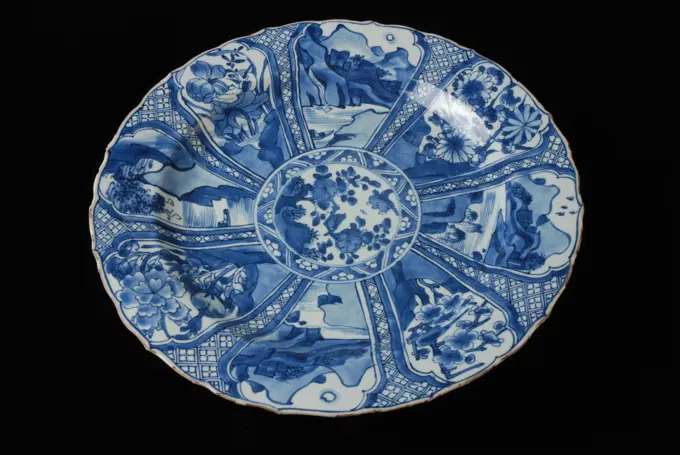
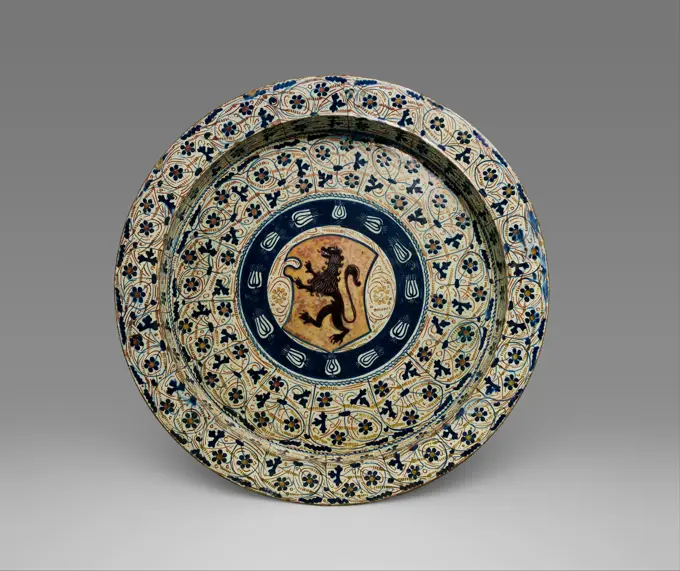
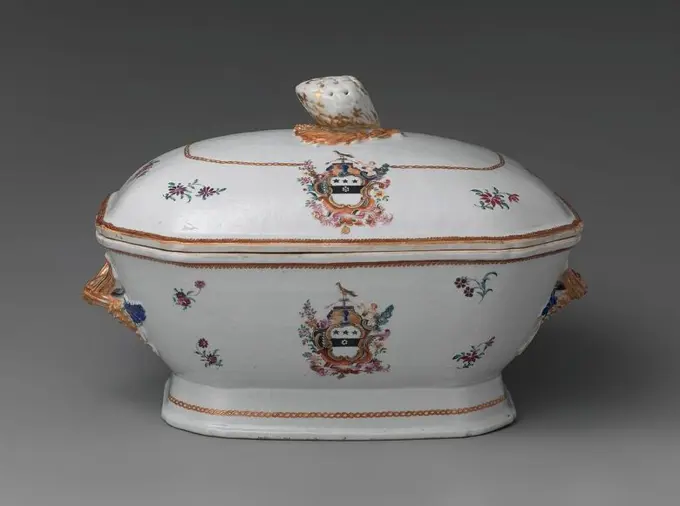
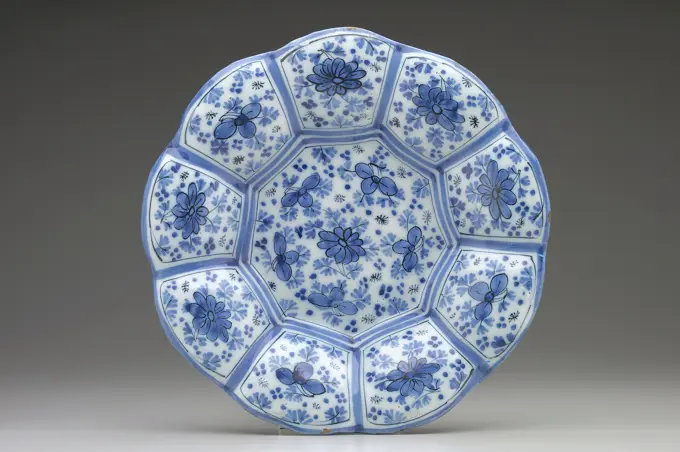
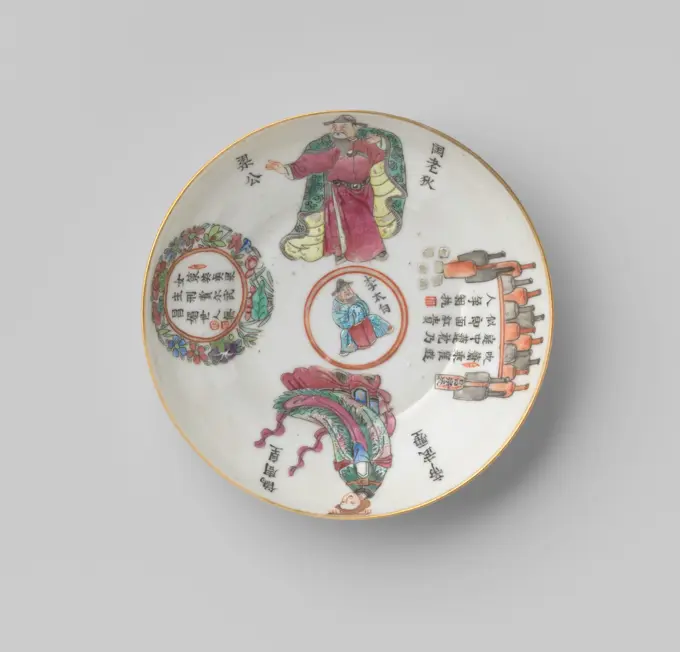
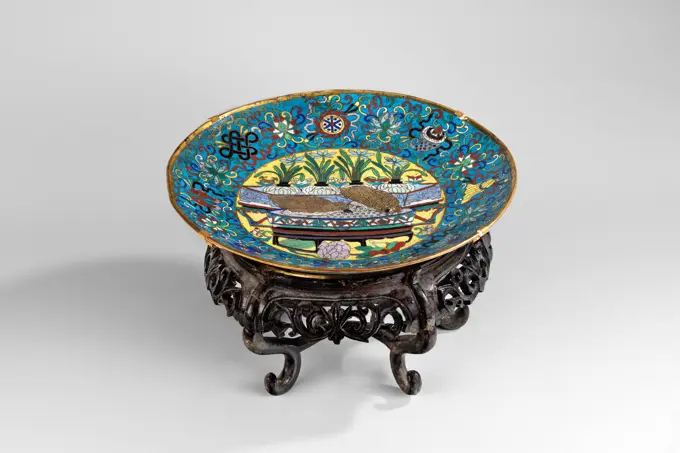
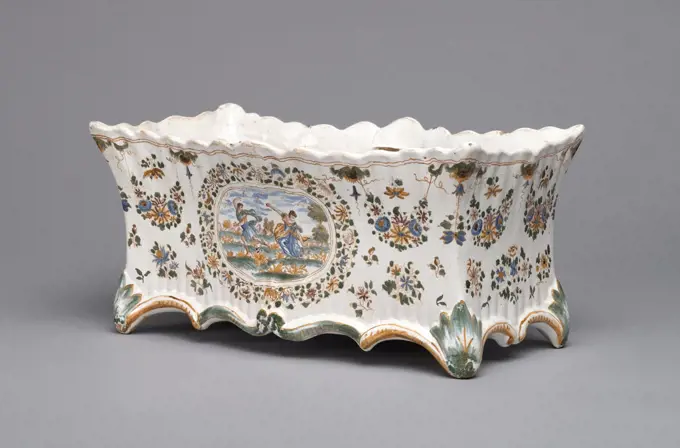
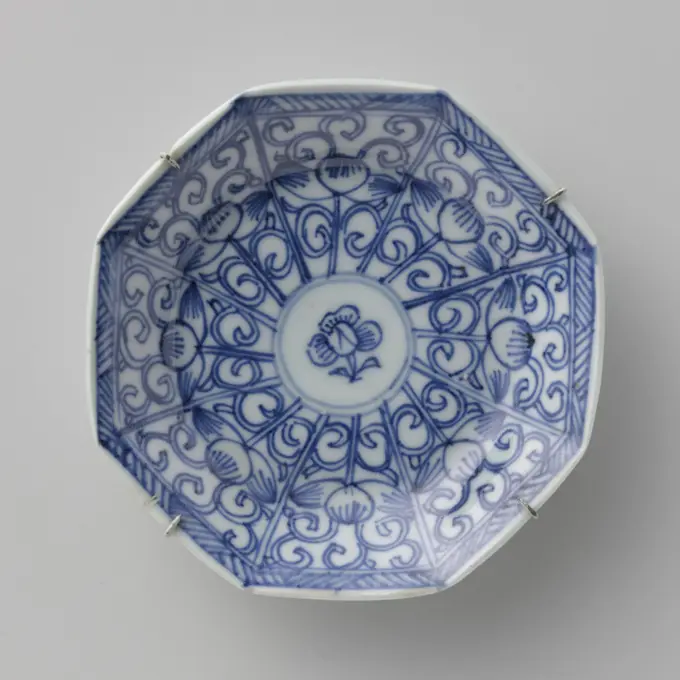
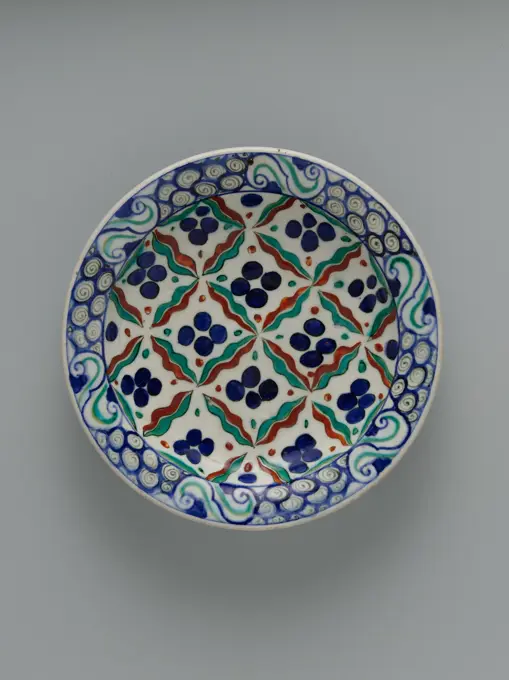
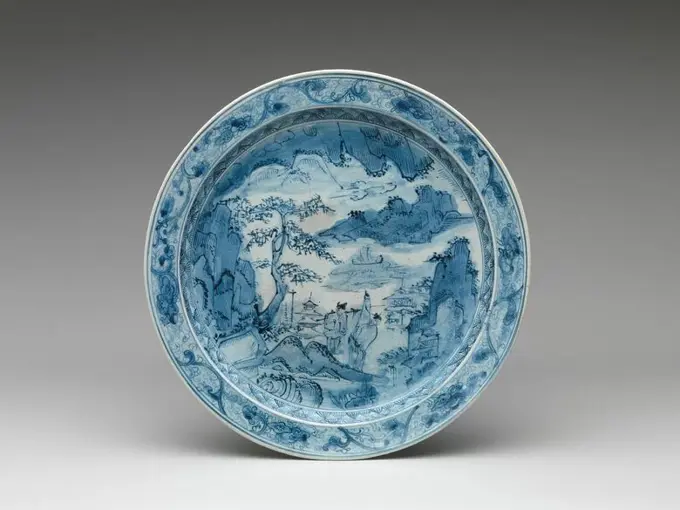
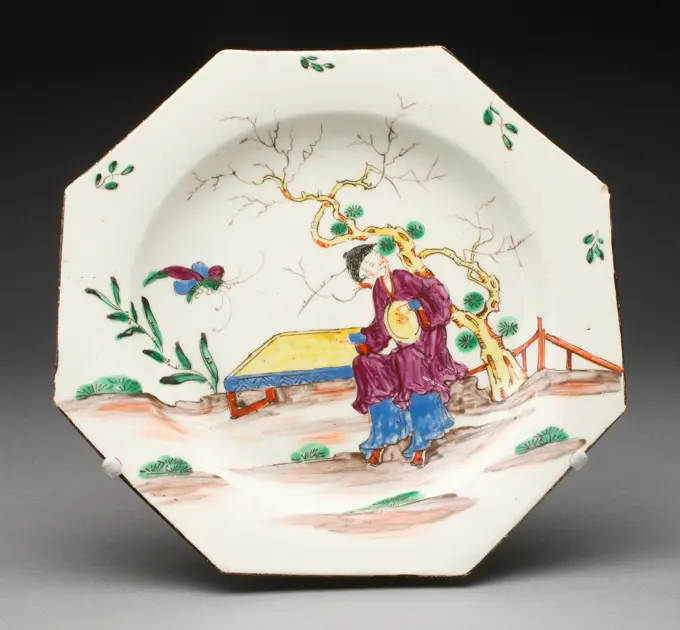
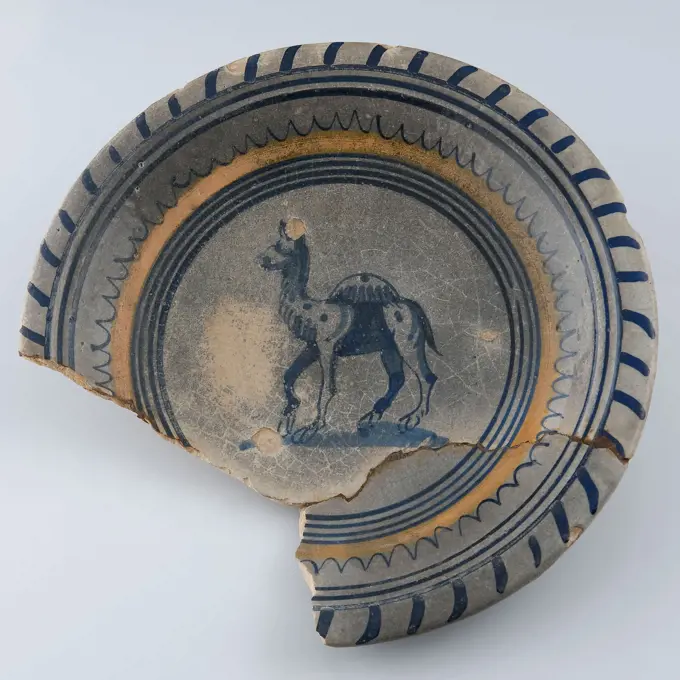
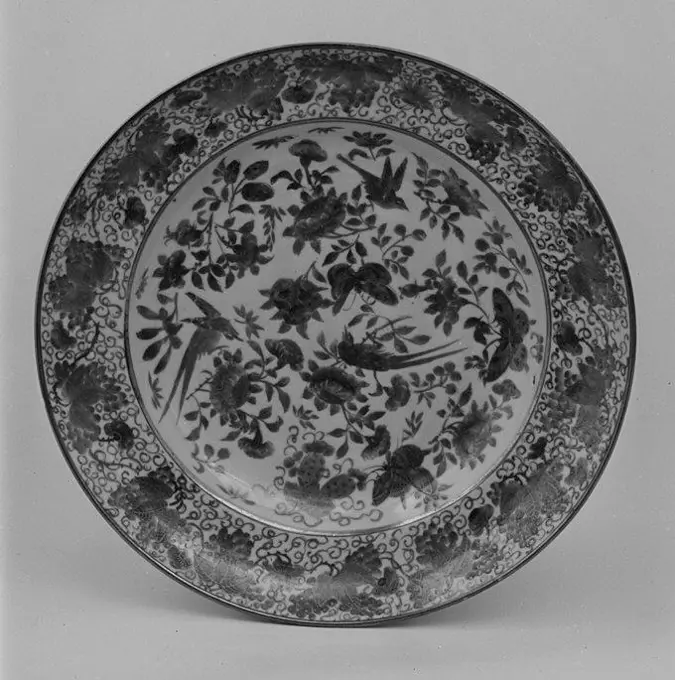
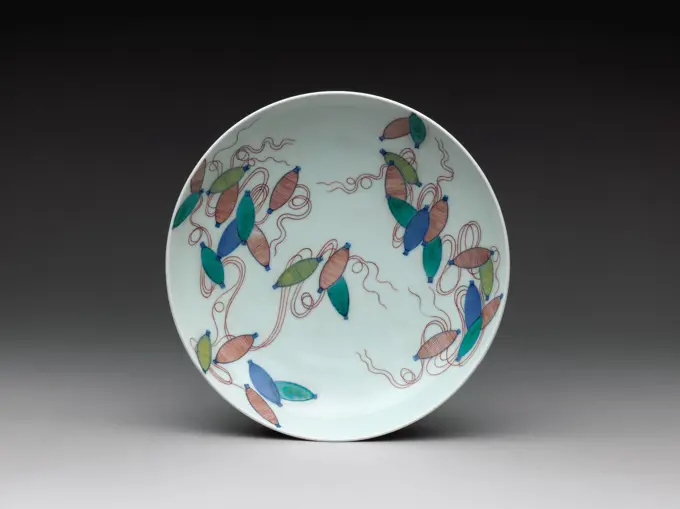
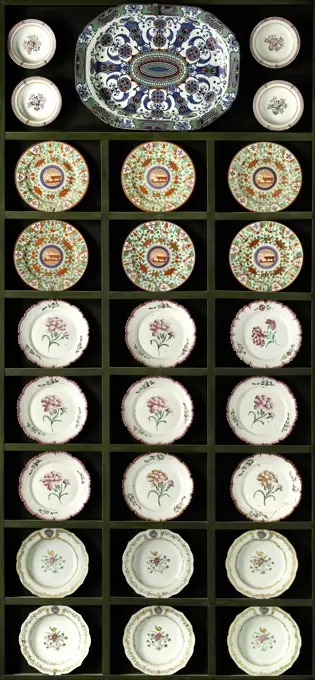
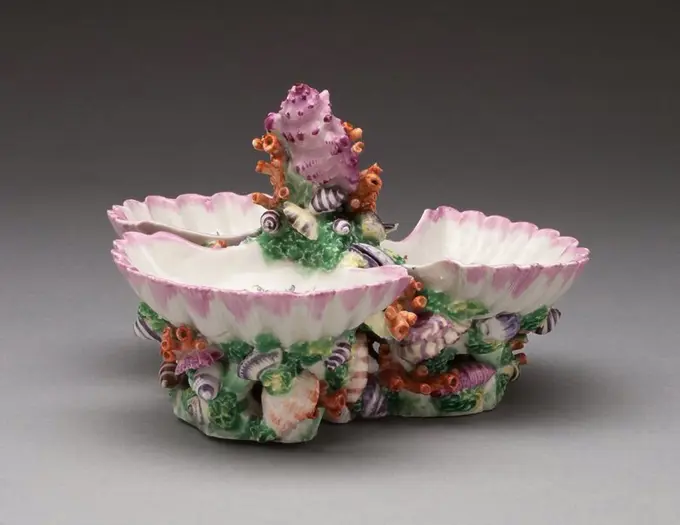
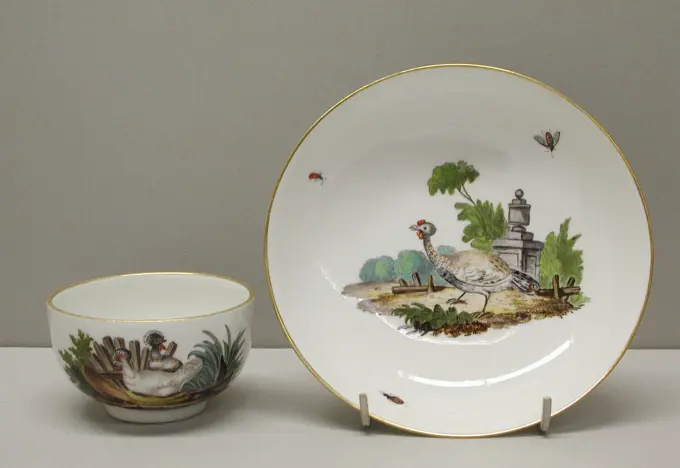
Dish ca. 1720 China. Dish 42197Cup and Saucer. Du Paquier Porcelain Manufactory; Austrian, 1718-1744. Date: 1720-1730. Dimensions: Cup: H. 4.9 cm (1 14/16 in.); diam. of top rim 7.6 cm (3 in.); Saucer: H. 12.5 cm (4 15/16 in.). Hard-paste porcelain with polychrome enamels and gilding. Origin: Vienna. Museum: The Chicago Art Institute, Chicago, USA.Dish 16th century. Dish 451848Plate, one of a pair, 18th century, 1 7/8 x 10 3/8 x 10 3/8 in. (4.76 x 26.35 x 26.35 cm), Cloisonne, China, 18th centuryNiderviller Porcelain Manufactory, Cup and Saucer, c. 1800, hard-paste porcelain.Plate. Earthenware. JULES Old and Cie Manufacture. 2nd half of the 19th century. Museum of Fine Arts of the City of Paris, Petit Palais. PLATE CROCKERY, EARTHENWARE, FAIENCE, FLEUR, Flower, MANUFACTURE JULES VIEILLARD ET CIE, Scenic, assiette, plateThe Peace of Versailles, De Porceleijne Fles, 1966  Plate, blue painted with image of a standing sword with ribbon with inscription. In the background sun with inscription and clouds. Back v.z.v. Two holes and iron wire to hang the plate. Marked. Delft earthenware. glaze vitrificationDish late 16th century. Dish 444884Bread plate -Saucer with a crowned, illegible monogram surrounded by two flower sprays, anonymous, c. 1750 - c. 1774 Porcelain dish, painted on the glaze in blue, red, pink, green, yellow, black and gold. On the flat a crowned, illegible monogram surrounded by two flower branches; The wall with flower vines with four cartouches with a landscape and four medallions with plants. Two chips and a crack in the edge. European performance in email colors. China porcelain. glaze. gold (metal) painting / gilding / vitrification Porcelain dish, painted on the glaze in blue, red, pink, green, yellow, black and gold. On the flat a crowned, illegible monogram surrounded by two flower branches; The wall with flower vines with four cartouches with a landscape and four medallions with plants. Two chips and a crack in the edge. European performance in email colors. China porcelain. glaze. gold (metal) painting / gilding / vitrificationUnknown, Bowl from the George Washington Memorial Service, c. 1800, porcelain, enamel, and gilding.Plate With Two Schematic Figures in a Fenced Garden. Porcelain plate with a scalloped edge, painted in underglaze blue. On the flat two schematic persons in a fenced garden with blooming plants in the background. The edge with a bond with flowering plants at rocks. The outer wall with three wavy lines. The bottom partially unglazed. Old label on the underside with 'P 3779 / Japan 18th century / f. 150 '. Blue White.. Tête-à-tête of porcelain, consisting of leaf, teapot, sugar bowl and two low heads (with ear) and dishes. Multicolored painted with large flower bouquets. Golden piping, partly with leafwork, along the edges. On the spout a flower sprig in gold. Between edge and flat of the leaf an ornament band in gold, consisting of a striped trim surrounded by two different-shaped leaf garlands. The buttons decorated with struts in gold.Saucer, 1807-1813. Worcester Porcelain Factory (British, established 1751). Porcelain; overall: 2.6 x 13.1 cm (1 x 5 3/16 in.).Plate (Assiette), c. 1775. Sceaux Factory (French, active 1748-66). Soft-paste porcelain with enamel decoration; diameter: 24.2 cm (9 1/2 in.).A half -bowl with a view of the pause;  Mielów (faience and porcelain factory; 1804-); 1840-1860 (1840-00-00-1860-00-00);Plate with portrait of Queen Victoria, c. 1897, 1 x 8 11/16 x 8 11/16 in. (2.54 x 22.07 x 22.07 cm), Porcelain, China, Chinese exportSaucer-dish with bamboo, prunus, tiger and a Chinese boy, anonymous, c. 1700 - c. 1724 Scale of porcelain with a ribbed wall and lobed edge, painted on the glaze in blue, red, green, yellow, black and gold. On the front a dancing Chinese boy between three tigers on one side and bamboo and prunus branch behind hedges on the other. Famle Verte in the Japanese Kakiemon style. China porcelain. glaze. gold (metal) painting / gilding / vitrification Scale of porcelain with a ribbed wall and lobed edge, painted on the glaze in blue, red, green, yellow, black and gold. On the front a dancing Chinese boy between three tigers on one side and bamboo and prunus branch behind hedges on the other. Famle Verte in the Japanese Kakiemon style. China porcelain. glaze. gold (metal) painting / gilding / vitrification. Round dish of painted porcelain. The dish is painted with landscapes in which figures and along the edge a wide strip of green braid. The dish has been marked.Dessert Dish. Worcester Porcelain Factory; Worcester, England, founded 1751. Date: 1785-1795. Dimensions: 21.8 x 29.2 cm (8 9/16 x 11 1/2 in.). Soft-paste porcelain, polychrome enamels and gilding. Origin: Worcester. Museum: The Chicago Art Institute, Chicago, USA. Author: Worcester Royal Porcelain Company.unknown, Lautanen, East Indian, porcelain, arts and craftsDish with decoration of birds and flowers 17th century Japan (Ryūkyū Islands). Dish with decoration of birds and flowers 40543Plate, c. 1775. Ferrat Factory (French). Faience; diameter: 24.8 cm (9 3/4 in.); overall: 3.1 cm (1 1/4 in.).Porcelain "Kovsh", 1893-1917. Kornilov Brothers (Russian, established 1835). Porcelain; overall: 13.4 cm (5 1/4 in.).. Bell-shaped cup and saucer of porcelain, painted on the glaze in blue, red, pink, yellow, brown, black and gold. On the platter of the dish a hoined man and woman in a landscape with mountains and trees; behind them a third person; In the background a shepherd with three sheep. The cup with the same decoration in a medallion, with a European lady in a second medallion with a child on a chair with a castle in the background. Some chips in the edge of the dish; A chip in the edge of the head. European performance in email colors.Charger.  Maker: UnknownCharger 1675-1699 Seville. Tin-glazed earthenware .Plate, polychrome-painted the flat landscape with houses and a drawbridge; edge with five courses a stylized flower.Sèvres Porcelain Manufactory, Teabowl and Saucer, 1768, soft-paste porcelain.Sèvres Porcelain Manufactory, Cup and Saucer, Cup: 1757; saucer: 1763, soft-paste porcelain.Placeman plate, 1735-1750, 15/16 x 9 1/16 in. (2.38 x 23.02 cm), Ceramic, delftware, England, 18th centuryBowl. Worcester Porcelain Factory; Worcester, England, founded 1751. Date: 1765-1775. Dimensions: H. 9.5 cm (3 3/4 in.); diam. 23.5 cm (9 1/4 in.). Soft-paste porcelain, underglaze blue. Origin: Worcester. Museum: The Chicago Art Institute, Chicago, USA. Author: Worcester Royal Porcelain Company.Czarka, Spodek; Kaiserliche Porzellanmanufaktur in Wien (1744-1864); around 1740 (1735-00-00-1745-00-00);Cup and saucer ca. 1760 British, Staffordshire. Cup and saucer. British, Staffordshire. ca. 1760. Salt-glazed stoneware. Ceramics-PotterySaucer with an image of a Chinese junk near a fort. Dish of porcelain, painted on the glaze in blue, red, pink, green, purple, black and gold. On the front of the dish a seascape with a Chinese jon next to a fort in the middle of the water, for the jonk three boats, on the waterfront some trees and houses; The inner edge with a tire napkin. A chip in the edge of the dish. Family Rose.Dish with a water landscape in a star-shaped panel, anonymous, anonymous, c. 1750 Porcelain saucer with a round wall, painted in underly glaze blue. On the flat a star -shaped cartouche of two cutting squares each other; In it a river landscape with two people on a shore and pavilions, trees and mountains. To alternately a fruit branch (pomegranate) and lucky symbols. The edge with a tire with Swastika pattern interrupted by flower rosettes. Marked on the underside with the six-character brand of Keizer Chenghua in a double circle. Six prenes on the bottom. Arita, Blauw-Wit. Japan porcelain. glaze. cobalt (mineral) painting / vitrification Porcelain saucer with a round wall, painted in underly glaze blue. On the flat a star -shaped cartouche of two cutting squares each other; In it a river landscape with two people on a shore and pavilions, trees and mountains. To alternately a fruit branch (pomegranate) and lucky symbols. The edge with a tire with Swastika pattern interrupted by floweDish, painted with the presentation of a village school, Anonymous, 1670 Dish of Faïence, painted in blue with a village school. Delft . Dish of Faïence, painted in blue with a village school. Delft .Cup and Saucer. Sèvres Porcelain Manufactory; French, founded 1740. Date: 1767-1799. Dimensions: Cup: 7.6 x 9.8 x 7.3 cm (3 x 3 7/8 x 2 7/8 in.); Saucer: 3.5 x 8.9 cm (1 3/8 x 3 1/2 in.). Hard-paste porcelain with polychrome enamels and gilding. Origin: Sèvres. Museum: The Chicago Art Institute, Chicago, USA.Sèvres Porcelain Manufactory, Cup and Saucer, 1774, hard-paste porcelain.Wine Ewer with Birds and Flowers: Kakiemon Type (lid), late 1600s. Japan, Edo period (1615-1868). Porcelain, molded, with overglaze enamel decoration; overall: 13.3 x 7.8 cm (5 1/4 x 3 1/16 in.).Round saucer with the 'three friends of winter', anonymous, c. 1670 - c. 1700 Round dish of porcelain, painted on the glaze in blue, red, green, black and gold with the 'three friends of winter' (bamboo, prunus, pine), in two bound hedges. Brown edge. Some proen in the foot ring. Kakiemon style. Japan porcelain. glaze. gold (metal) painting / gilding / vitrification Round dish of porcelain, painted on the glaze in blue, red, green, black and gold with the 'three friends of winter' (bamboo, prunus, pine), in two bound hedges. Brown edge. Some proen in the foot ring. Kakiemon style. Japan porcelain. glaze. gold (metal) painting / gilding / vitrificationBell-shaped cup with a crowned monogram with putto and a bamboo border with floral scrolls, anonymous, c. 1750 - c. 1774 Bell -shaped head of porcelain, painted on the glaze in blue, red, pink, green, yellow, black and gold. On the flat a crown monogram with 'i.e.'. The weapon is worn by a flying putto. On the wall a bamboo band with flower vines. The head with the same decoration. A chip in the edge of the dish. Weapon porcelain with email colors. China porcelain. glaze. gold (metal) painting / gilding / vitrification Bell -shaped head of porcelain, painted on the glaze in blue, red, pink, green, yellow, black and gold. On the flat a crown monogram with 'i.e.'. The weapon is worn by a flying putto. On the wall a bamboo band with flower vines. The head with the same decoration. A chip in the edge of the dish. Weapon porcelain with email colors. China porcelain. glaze. gold (metal) painting / gilding / vitrificationEleven Dinner Plates, Meissener porcelain manufactory, c. 1735 - c. 1740 Round plate of painted porcelain. The board has a scalloped edge and is painted with a contour chinoiserie in a landscape with a high horizon. The chinoise series consists of a running man who wears a box on the back, on which a boy is sitting. A boy with a frizzy in his hand runs out for him. The board is marked. Float porcelain Round plate of painted porcelain. The board has a scalloped edge and is painted with a contour chinoiserie in a landscape with a high horizon. The chinoise series consists of a running man who wears a box on the back, on which a boy is sitting. A boy with a frizzy in his hand runs out for him. The board is marked. Float porcelainCup and saucer. Culture: British, Worcester. Decorator: Decorated in workshop of James Giles (British, 1718-1780). Dimensions: cup a: 2 3/4 × 3 3/4 in. (7 × 9.5 cm);saucer b: 1 15/16 × 6 3/4 in. (4.9 × 17.1 cm). Factory: Worcester factory (British, 1751-2008). Date: ca. 1770. Museum: Metropolitan Museum of Art, New York, USA.Plate with Peony Decoration, 1765. Worcester Porcelain Factory (British, established 1751). Soft-paste porcelain; diameter: 14.5 cm (5 11/16 in.).Iznik plate. unknown, craftsmanAnonymous, basin (common name). 0960. CERUNUSCHI Museum, Museum of Arts in Asia in the city of Paris.Tobacco Leaf Dish. Worcester Porcelain Factory; Worcester, England, founded 1751. Date: 1755-1765. Dimensions: L. 20.6 cm (8 1/8 in.). Soft-paste porcelain with polychrome enamels. Origin: Worcester. Museum: The Chicago Art Institute, Chicago, USA. Author: Worcester Royal Porcelain Company.Cup and saucer with views of Pulawy, a Palladian country house ca. 1817 Austrian, Vienna. Cup and saucer with views of Pulawy, a Palladian country house. Austrian, Vienna. ca. 1817. Hard-paste porcelain. Ceramics-PorcelainDessert Service (Saucer). Flight, Barr & Barr (England, Worcester, 1813-1840). England, 1813. Furnishings; Serviceware. Porcelain. Dish of porcelain with raised wall and sloping edge, painted in underglaze blue and on the glaze blue, red, green, yellow, eggplant, black and gold. The front of the dish is covered with bleu poudré (powder blue) with shed on the flat a large spare with scalloped edge filled with three people on a fenced terrace with rocks and two trees, a scholar at a table playing on a Qin, a Lady sitting at a table for a bed, a maid with a bowl on a tray; the wall with a gold decoration on blue with flour rosettes and tendrils; The edge with a gold decoration on the blue with a geometric pattern, clarified eight pockets with antiques (whose burner, ruyi-scepter), valuables (pearl, diamond, music stone, horns), buddhist lucky symbols (shell) and (mythological) animals in one Landscape (crab, deer, roosters, fish, bird and shishi / lion dog). Marked on the bottom with two fish in a double circle. Edge damaged. Bleu poudré with famille verte.Conical saucer. Korzec (manufaktura porcelany ; 1790-1832)Plate; De Drye Vergulde Astonnens (Facans Factory; 1655-1803); around 1700 (1695-00-00-1705-00-00);Dish with Flowering Branches. Culture: China. Dimensions: Diam. 12 1/2 in. (31.8 cm). Date: late 16th-early 17th century. Museum: Metropolitan Museum of Art, New York, USA.Tea Bowl and Saucer. Weesp Porcelain Factory; Netherlands, 1757-1814. Date: 1765-1775. Dimensions: Cup: H. 3.8 cm (1 1/2 in.); diam. 6.4 cm (2 1/2 in.); Saucer: H. 2.9 cm (1 1/8 in.); diam. 12.4 cm (4 7/8 in.). Porcelain with polychrome enamel decoration. Origin: Oudover. Museum: The Chicago Art Institute, Chicago, USA.Dish (England); Designed by Latino Movio (active 1892-1915); Manufactured by Holland, Aldwinkle & Slater; silverBlue plate, 18th century.Rivorous Face, Royal Porcelain Factory Dommer & Co., 1809 - 1814 Rinse bowl decorated with a multi -colored landscape. Along the edges a leaf vank. Marked: Amstel. Nieuwer-Amstel porcelain Rinse bowl decorated with a multi -colored landscape. Along the edges a leaf vank. Marked: Amstel. Nieuwer-Amstel porcelainLarge porcelain dish with blue Oriental landscapes and flowers, dish plate tableware holder tableware ceramics earthenware glaze feldspar glaze, baked painted glazed round dish with sloping ascending outer edge on stand ring bottom underside inside double circle: one of eight valuables adorn domestic Kangxi Kang Shi. Fragmentary dish of blue painted faience. The dish is painted with chinoiseries on the flat. The edge is divided into compartments, alternately painted with a chinoiserie and with a floral rank. The dish is a composite soil find.Deep Dish 1430-1460 Spanish This dish (or brasero) comes from a lavish ensemble of tableware created for the delle Agli family of Florence. The family's arms, featuring a rampant wolf, appears at the center. (The purplish color is as close as the potters could get to the prescribed red.) The arms are ringed by garlic, a playful reference to the consonance between the family name and the Italian word for garlic (aglio). The scrolling vine pattern of the border is recognizable as bryony.. Deep Dish 471805Plate China. Plate. China. Porcelain painted in overglaze famille rose enamels; with white-on-white decoration. Qing dynasty (1644-1911), Qianlong period (1736-95). CeramicsSoup Tureen. Culture: Chinese, for American market. Dimensions: 8 1/2 x 11 1/2 in. (21.6 x 29.2 cm). Date: 1785-90.This object belongs to a large dinner service (10.149.1-.248) bearing the Townley family coat-of-arms. The service, probably ordered by Justice Samuel Chase (1741-1811) of Annapolis, Maryland, displays the enamel-painted arms of Margaret Townley, Chase's aunt. Museum: Metropolitan Museum of Art, New York, USA.Dish, late 18th century, 2 1/4 x 12 x 12 in. (5.7 x 30.5 x 30.5 cm), Tin-glazed earthenware, Netherlands, 18th century, The Dutch East India Company, founded in 1609, imported into Europe large quantities of Chinese porcelain, usually with bright blue-and-white floral patterns. Such thin, translucent porcelain was unknown in Europe at this time and became highly prized for its rarity and decorative qualities.Plate from v.O.c.-ship the 'white lion'. Plate from v.O.c.-ship the 'white lion', 100% available, made up of shards. The shard is white and has little ingrained dirt. The glaze is blue tinted, has pinholes and frying tears and reflects over the lip edge. The bottom is glazed and the foot ring is faceted. The flat is decorated with a pheasant with flowers. The wall of the interior is decorated with 4 medallions with a sketchy flower.Dish Made 1875-1885 England. The artists associated with the British Arts and Crafts movement responded to machine production in various ways. While some designers embraced the machine as an efficient way to produce good design for the masses, William Frend De Morgan, held fast to the idea of handwork and cooperative, guild-based production. Like much of De Morganís work, this plate incorporates a pastiche of Near Eastern motifs and luster decoration, a technique used in ninth-century Egypt, Persia (now Iran), and Syria.. Tin-glazed earthenware with polychrome decoration . William De Morgan & Company (Manufacturer)Saucer with figures, a go-bord and inscriptions, anonymous, c. 1800 - c. 1899 Porcelain dish with a stepped wall, painted on the glaze in blue, red, pink, green, yellow, black and gold. On the flat of the dish a medallion with a sitting man leaning on a stool, next to him three Chinese characters; To the medallion a standing woman and on the other hand a man with characters on either side; In between a cartouche with a inscription. The dish marked with the seal of Keizer Xianfeng (). Famle Rose. China porcelain. glaze. gold (metal) painting / gilding / vitrification Porcelain dish with a stepped wall, painted on the glaze in blue, red, pink, green, yellow, black and gold. On the flat of the dish a medallion with a sitting man leaning on a stool, next to him three Chinese characters; To the medallion a standing woman and on the other hand a man with characters on either side; In between a cartouche with a inscription. The dish marked with the seal of Keizer Xianfeng (). Famle Rose. ChinDish (part of a set) ca. 1752-55 Chelsea Porcelain Manufactory. Dish (part of a set). British, Chelsea. ca. 1752-55. Soft-paste porcelain. Chelsea Porcelain Manufactory (British, 1744-1784). Ceramics-PorcelainPlate. China, Qianlong period, mid-18th century. Furnishings; Serviceware. PorcelainPlate 1813-1819 Worcester. Soft-paste porcelain with polychrome enamels and gilding . Worcester Royal Porcelain Company (Manufacturer)Dessert Plate 1826 Moscow. Hard-paste porcelain, polychrome enamels, and gilding . Prince Iusupov Porcelain Factory (Manufacturer)Plate on a wooden stand. unknown, craftsmanDoll washbasin with washbasin, anonymous, c. 1400 - c. 1950 Doll wash table, mahogany. On two legs, connected from below. In the middle a drawer why a golf edge, button is missing. Two towel racks on the sides. Washbasin service with blue Saxon pattern, unnoticed.  mahogany (wood). Doll wash table, mahogany. On two legs, connected from below. In the middle a drawer why a golf edge, button is missing. Two towel racks on the sides. Washbasin service with blue Saxon pattern, unnoticed.  mahogany (wood).. Bell-shaped cup and saucer of porcelain, painted on the glaze in blue, red, pink, green, yellow and black. On the front of the dish a group of people sitting in a landscape at a rock, tree and plants, in the background mountains; People are dressed in classic robes. The head with the same decoration. Based on an unidentified European source. European performance in email colors.Maker Unknown, Reticulated Fruit Basket Base from the George Washington Memorial Service, c. 1800, porcelain, enamel, and gilding.Subdecast of butter dish. Botersloot underfish, painted multi-colored with the coat of arms of the Josselet family. Four snails on the edge of the dish.Tray, 1882-1890. Ott & Brewer Company (American). Porcelain with gilt decoration; overall: 7 x 38 x 40 cm (2 3/4 x 14 15/16 x 15 3/4 in.).Jardinière, Olérys-Laugier Factory, France, founded 1738, Tin-glazed earthenware, Horizontal rectangular form with everted and shaped rim; base with feet flanking shaped lower edges. White ground with blue, green, and ochre decoration of flowers and garlands surrounding central oval cartouche showing man and woman frolicking in meadow. Opposite side shows a boar hunt scene. Internal supports for missing liner., Moustiers-Sainte Marie, France, ca. 1770, ceramics, Decorative Arts, JardinièreOctagonal saucer with flower scrolls in panel decoration, anonymous, c. 1700 - c. 1724 Octagonal dish of porcelain, painted in under -glaze blue. On the flat a flower branch in a double medallion; Around eight -radiating compartments with stylized flower vines; The edge with a band with zigzag work. Iron wire frame. Blue White. China porcelain. glaze. cobalt (mineral). iron (metal) painting / vitrification Octagonal dish of porcelain, painted in under -glaze blue. On the flat a flower branch in a double medallion; Around eight -radiating compartments with stylized flower vines; The edge with a band with zigzag work. Iron wire frame. Blue White. China porcelain. glaze. cobalt (mineral). iron (metal) painting / vitrificationDish with 'Cintamani' and Tiger-stripe Pattern ca. 1575-90 The pattern of this charming dish is a variant of the socalled chintamani (Sanskrit for "auspicious jewel") design. Appearing on ceramics as well as on carpets and textiles, this pervasive design originated in Buddhist iconography. Originally, the circles and wavy stripes represented auspicious flaming pearls, but in the Ottoman context this significance was transformed through their association with tiger stripes and leopard spots, symbols connoting strength and courage.. Dish with 'Cintamani' and Tiger-stripe Pattern. ca. 1575-90. Stonepaste; polychrome painted under transparent glaze. Made in Turkey, Iznik. CeramicsCoveredBowlDish with Landscape and Figures. Culture: Japan. Dimensions: H. 2 1/2 in. (6.4 cm); Diam. 13 3/8 in. (34 cm); Diam. of foot 6 1/4 in. (15.9 cm). Date: late 17th century. Museum: Metropolitan Museum of Art, New York, USA.. Porcelain earhead, painted on the glaze in blue, red, pink, green, yellow, purple, black and gold. On the wall a medallion of flower reflences with a representation of a sitting European couple in a landscape. They are waited by a third person behind them, who reminds of a character from the Dell'Arte Commedia. Behind the couple a vase on a base. A crack in the wall of the head. European performance in email colors.Ching Dynasty, Cup and Saucer, 19th century, hard-paste porcelain.Plate 1760-1770 Bow. Soft-paste porcelain, polychrome enamels . Bow Porcelain FactoryMajolica plate, polychrome with dromedary in the mirror, plate dish crockery holder soil find ceramic earthenware glaze tin glaze lead glaze, majolica baked 2x glazed painted Majolica plate with blue dromedary in the mirror and polychrome border around the show. Cooked on pruned underside covered only with lead glaze. Cable rope decor over the edge archeology serving serve decorate home interiorCup and Saucer 1815-1825 Burslem. Porcelain with monochrome purple and gilding . Wedgwood Manufactory (Manufacturer)Soup plate early 19th century Chinese, probably for American market. Soup plate 201267Oyster Plate 1879-1887 Limoges. Porcelain, enamel, and gilding . Theodore R. DavisPlate, one of a pair, 10 1/4 in. (26.04 cm) (diameter), Porcelain, China, Qing dynastyDish with Design of Spools of Thread early 18th century Japan. Dish with Design of Spools of Thread 40461BANDEJAS DE CERAMICA DE SARGADELOS - SIGLO XIX/XX. Location: BANCO EXTERIOR-COLECCION. MADRID. SPAIN.For a long time;  19th century (1801-00-00-1900-00-00);Bowl with A Lover Tied to a Tree ca. 1535-40 Italian, Faenza. Bowl with A Lover Tied to a Tree. Italian, Faenza. ca. 1535-40. Maiolica (tin-glazed earthenware). Ceramics-PotterySugar Bowl and Lid (lid), c. 1800-1825. England, 19th century. Earthenware; overall: 14.7 x 22.6 x 13.7 cm (5 13/16 x 8 7/8 x 5 3/8 in.).Victor Hugo (1802-1885). Chinese decor from Juliette Drouet's house in Guernsey, West Wall. Green wooden record containing plates and dishes, composed of twenty-seven compartments (right side of the west wall). Painted wood. 1857-1864. Paris, house of Victor Hugo. 78171-18 Asian art, decorative arts, painted wood, green wood, Chinese cabinet, locker, chinoiserie, compartment, decor, faience, storage, Chinese living room, dishes, 19th XIX 19th 19th 19th 19th century, plate, dishDish with Peony and Lotus Flowers 1723-1735 China. Porcelain with underglaze blue and overglaze yellow enamel decoration .Sweetmeat Stand. Worcester Porcelain Factory; Worcester, England, founded 1751. Date: 1765-1775. Dimensions: 12.1 x 16.5 cm (4 3/4 x 6 1/2 in.). Soft-paste porcelain with polychrome enamels. Origin: Worcester. Museum: The Chicago Art Institute, Chicago, USA. Author: Worcester Royal Porcelain Company.Félix Henri Bracquemond, Eugène Rousseau. "Rousseau" service "" hollow plates ". Earthenware. 1866-1875. Museum of Fine Arts of the City of Paris, Petit Palais. 74386-8 Hollow plate, faience, flower, bird, rousseau service, dishesTeacup and saucer ca. 1775 Höchst Manufactory This partial tea and coffee service is distinguished by its relative completeness and its two components (the coffee pot and the hot milk jug) signed by the painters who decorated themJoseph Angele and Johann Heinrich Usinger, respectivelya rarity on 18th-century porcelain.[Jeffrey H. Munger, 2009. Teacup and saucer 234907