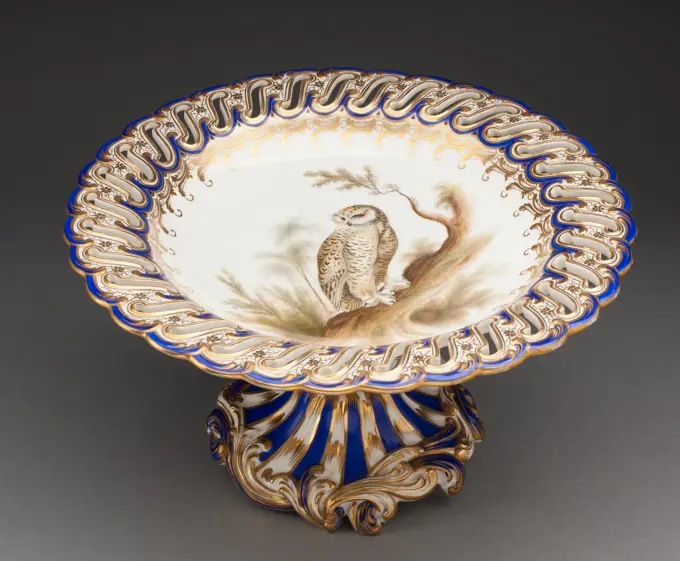
Decorative Plates and Bowls

Elegant porcelain plates and bowls with intricate designs and vibrant colors, showcasing craftsmanship from various historical eras.
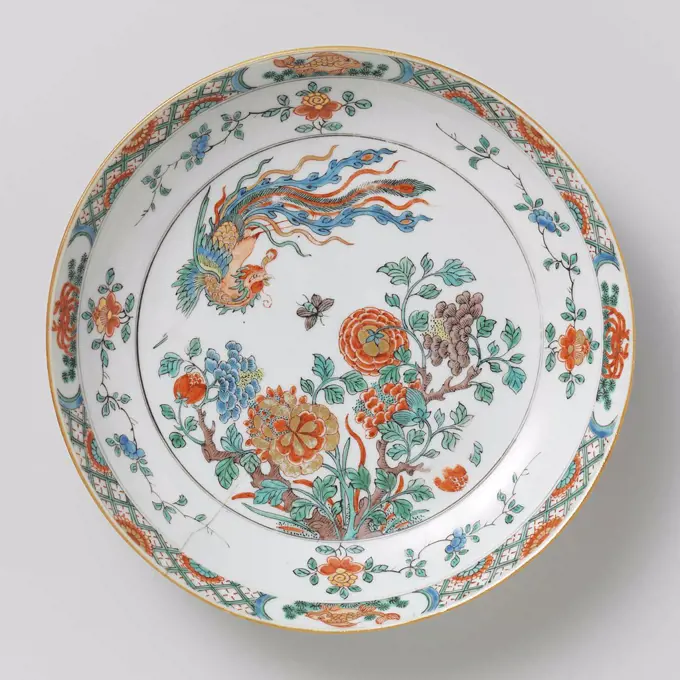
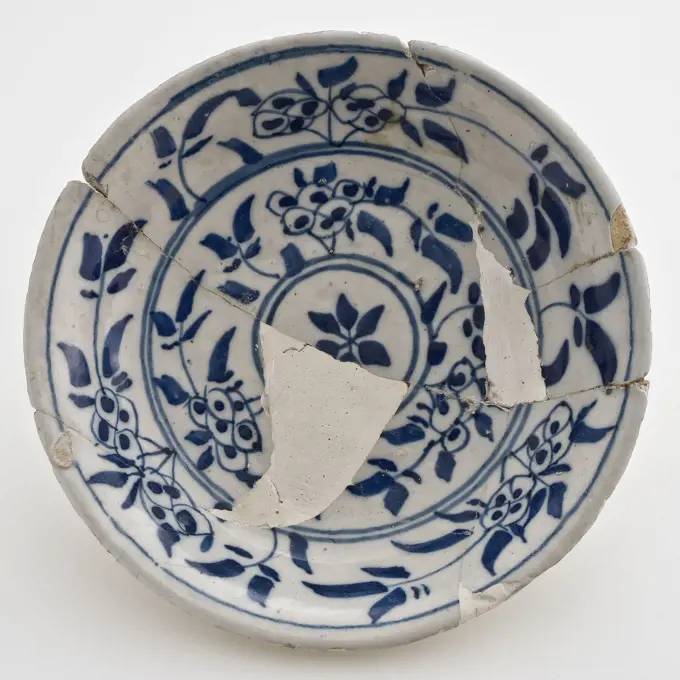
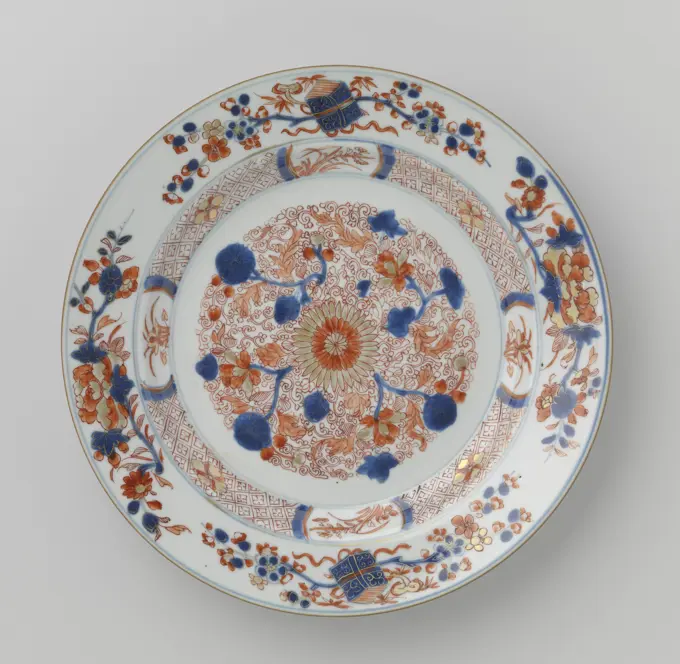
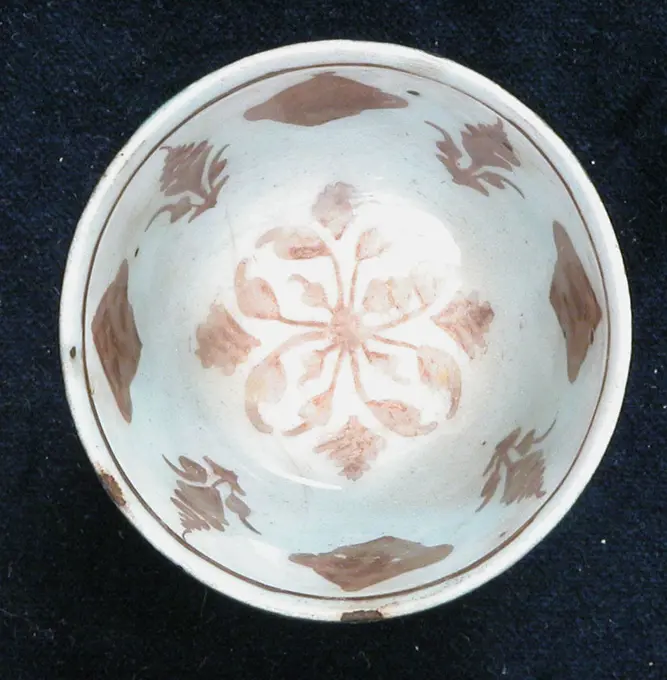
Bowl with decoration of flowering branches, ca. 1700 - ca. 1750, China porcelain
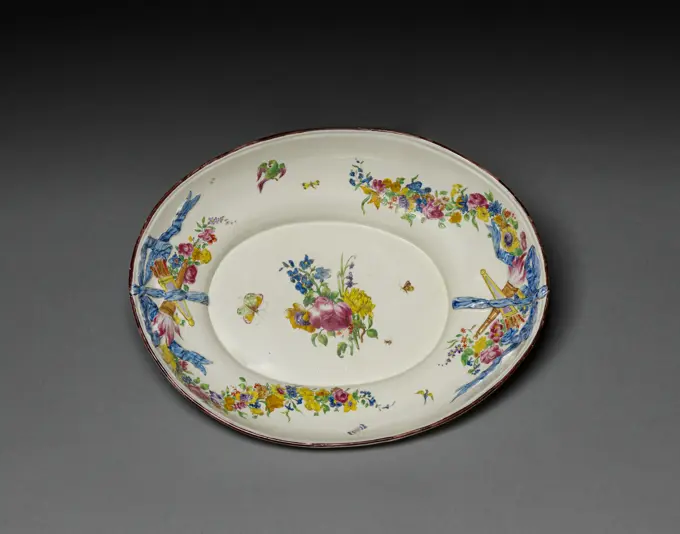
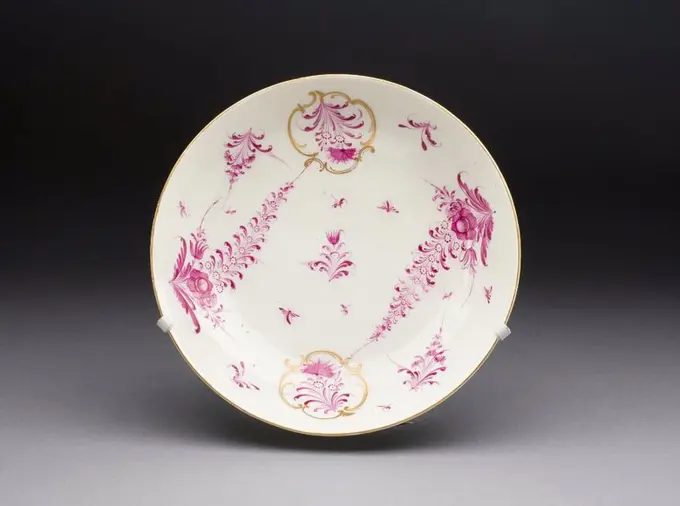
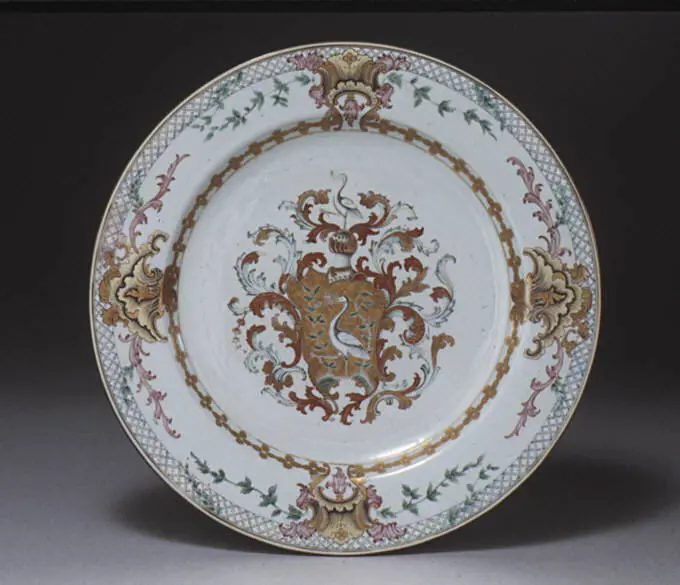
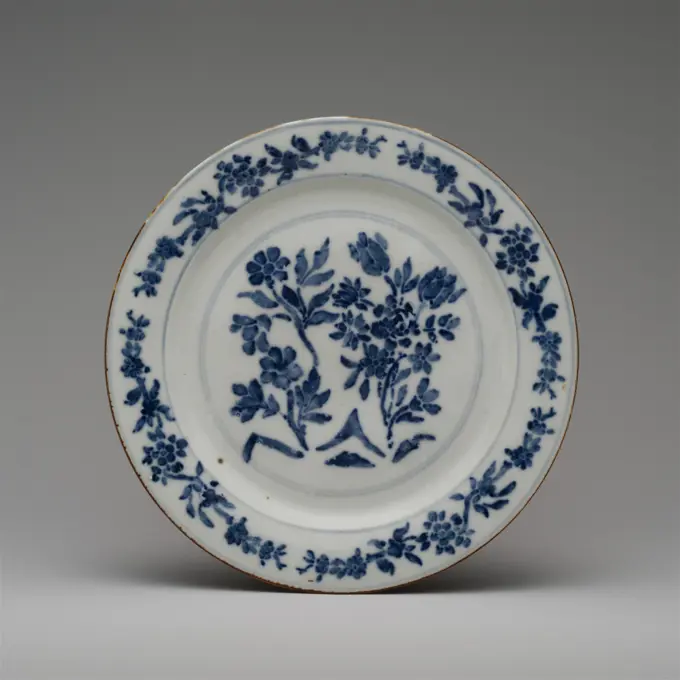
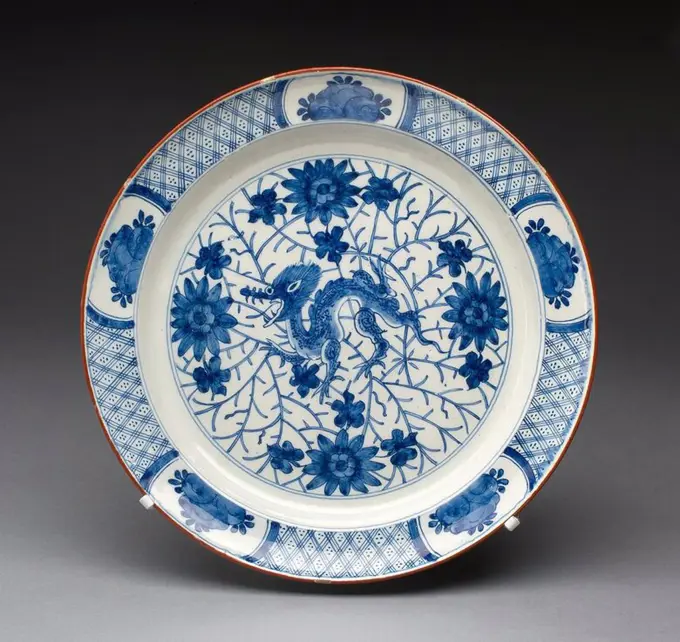
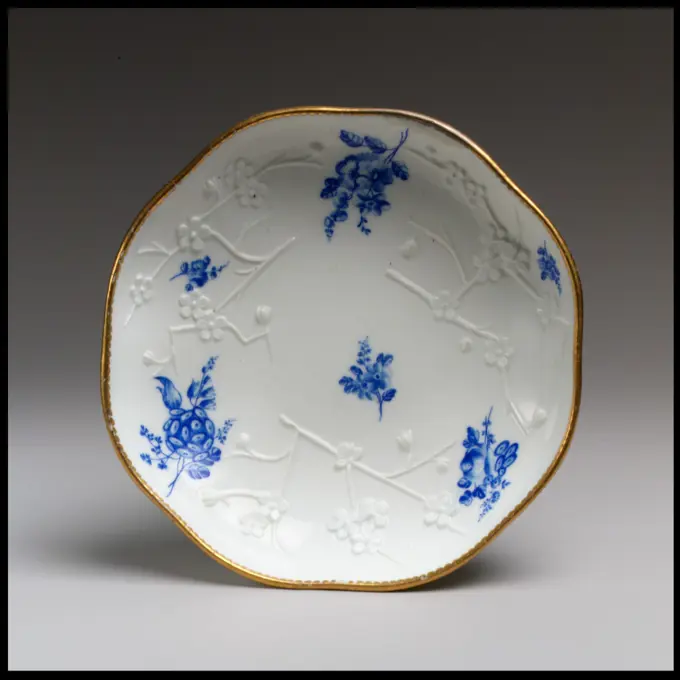
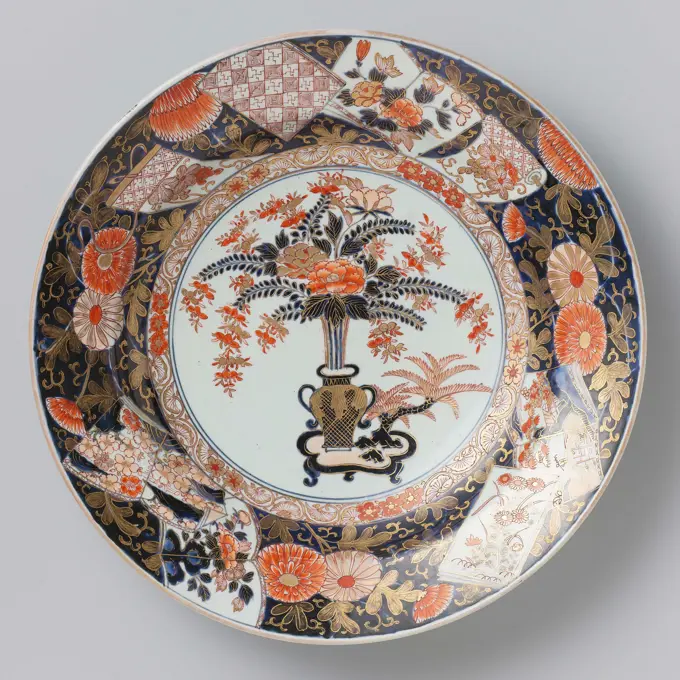
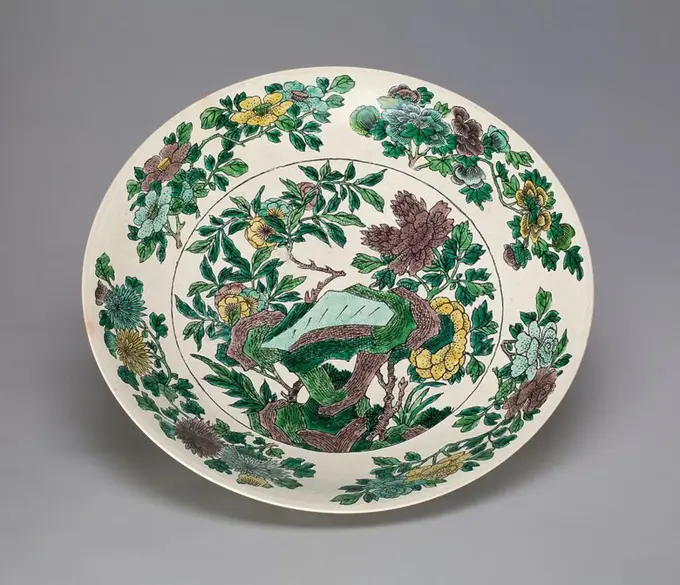
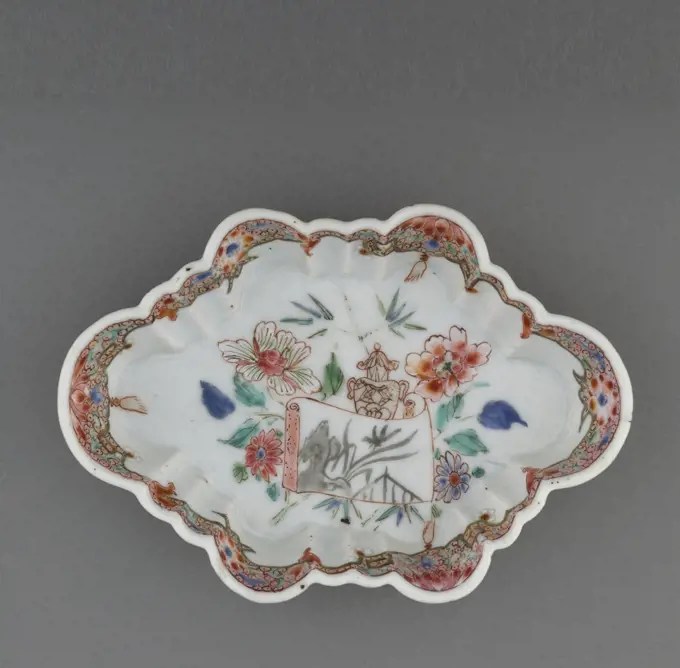
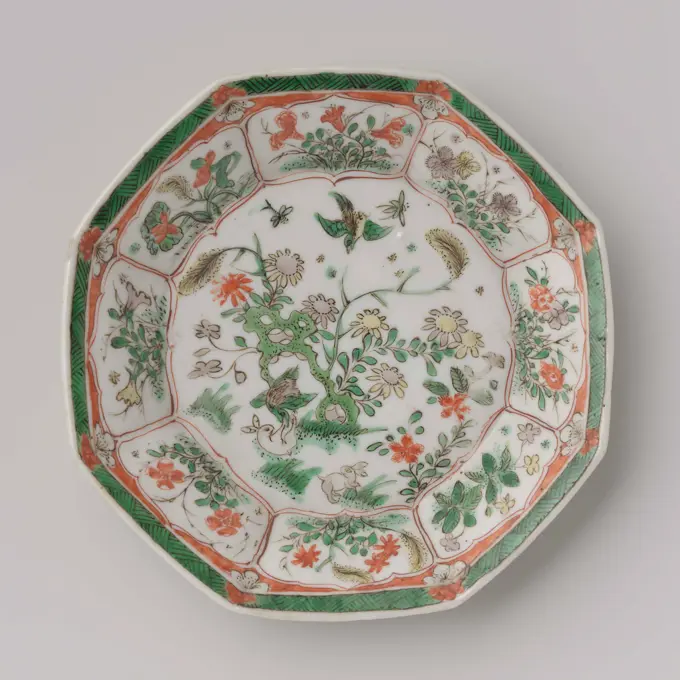
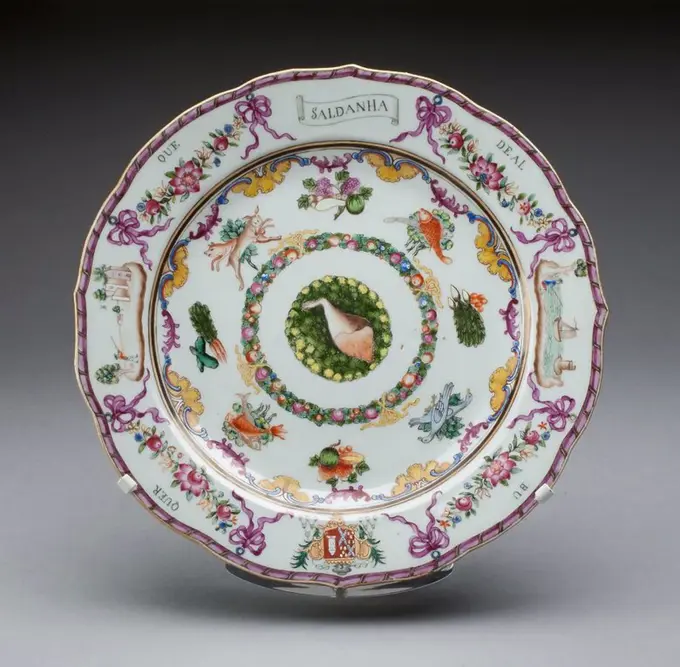
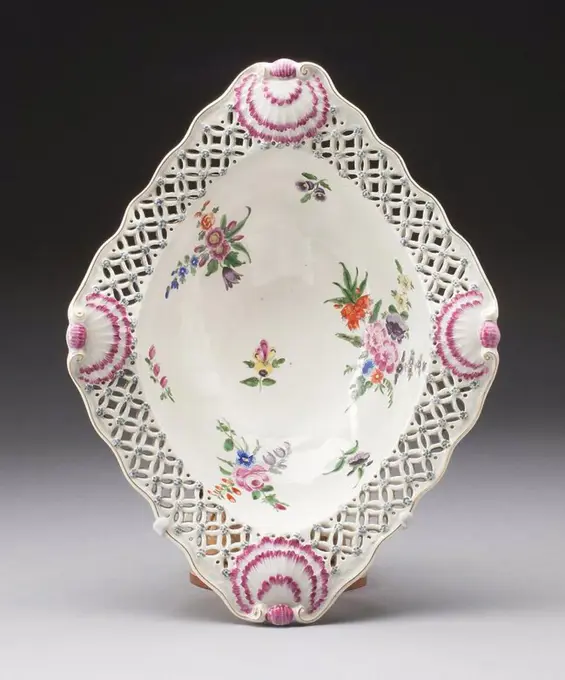
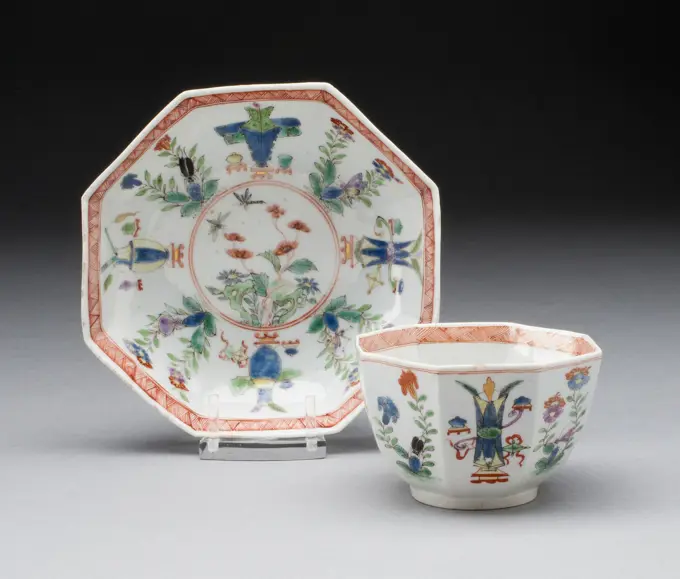
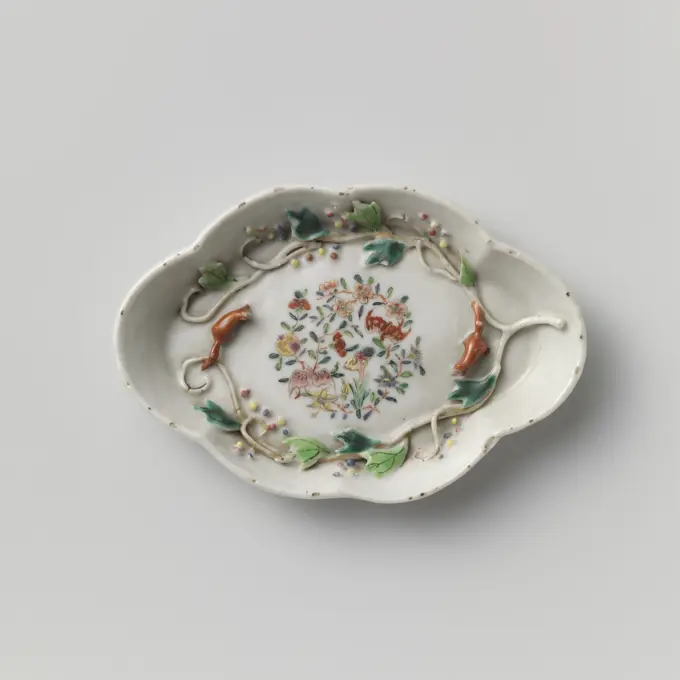
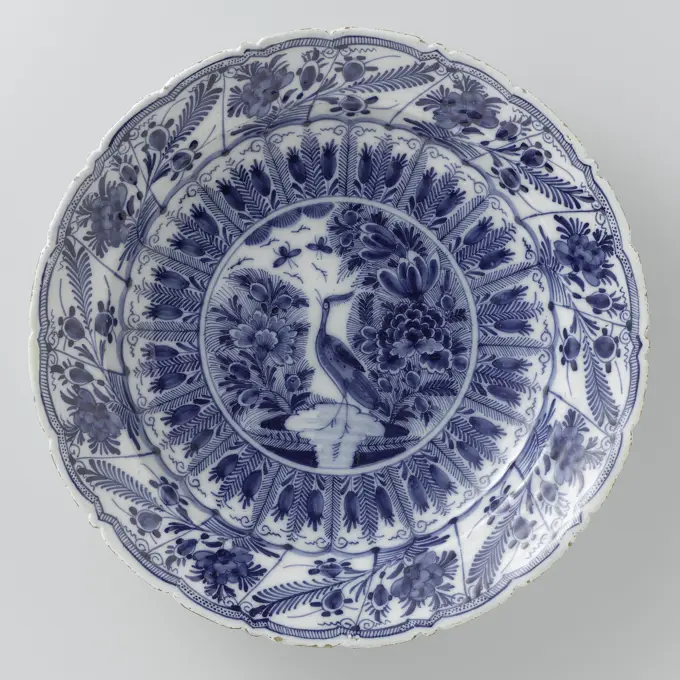
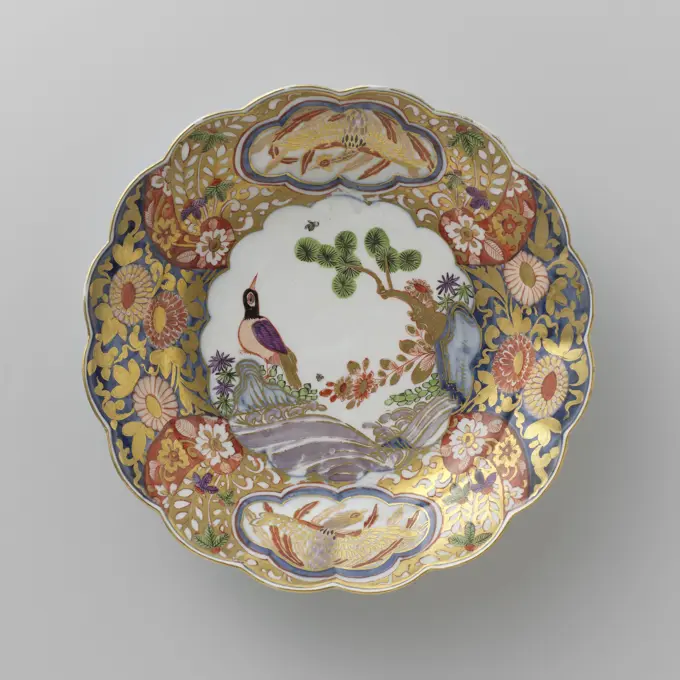
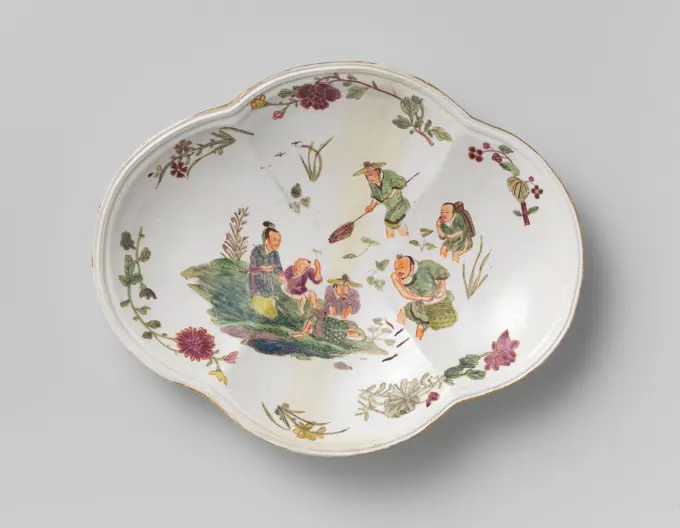
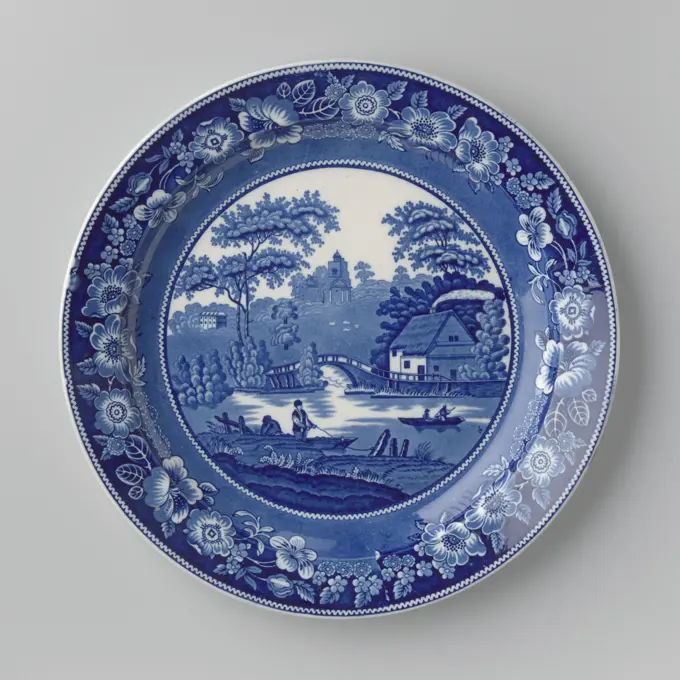
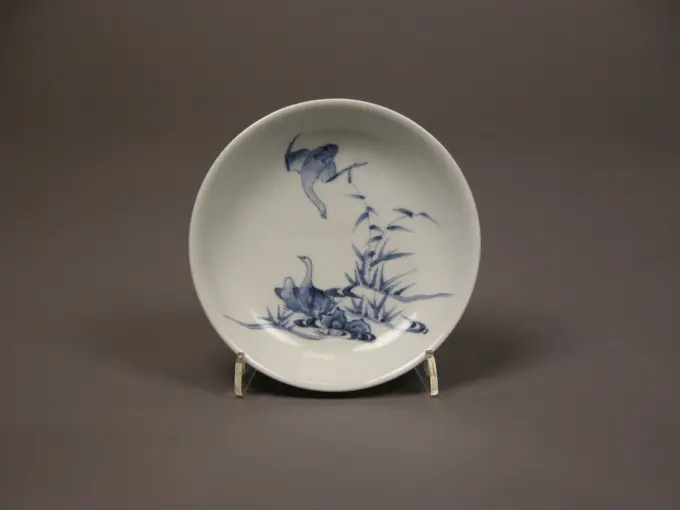
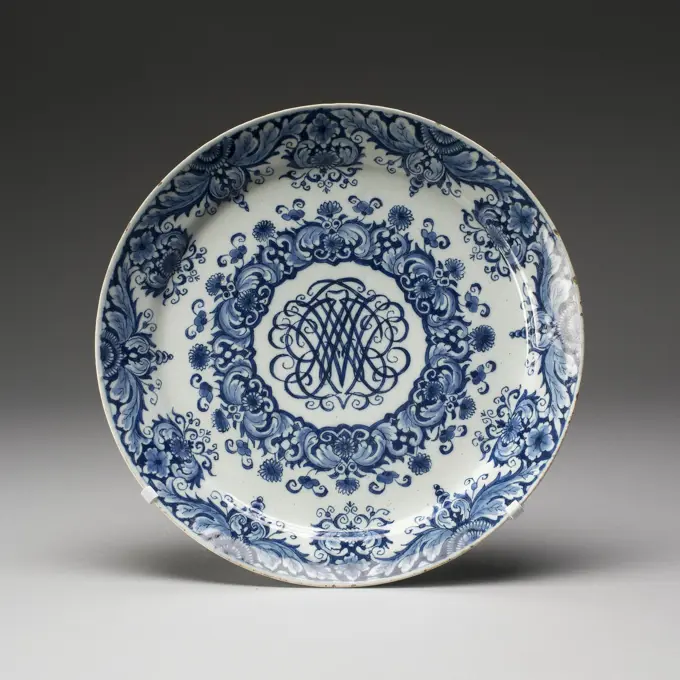
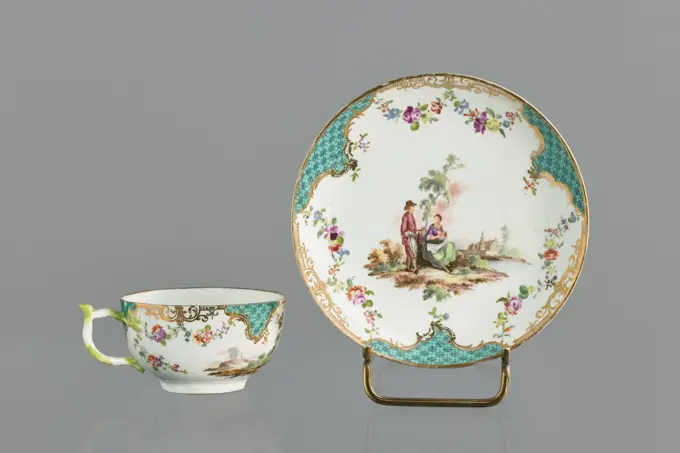
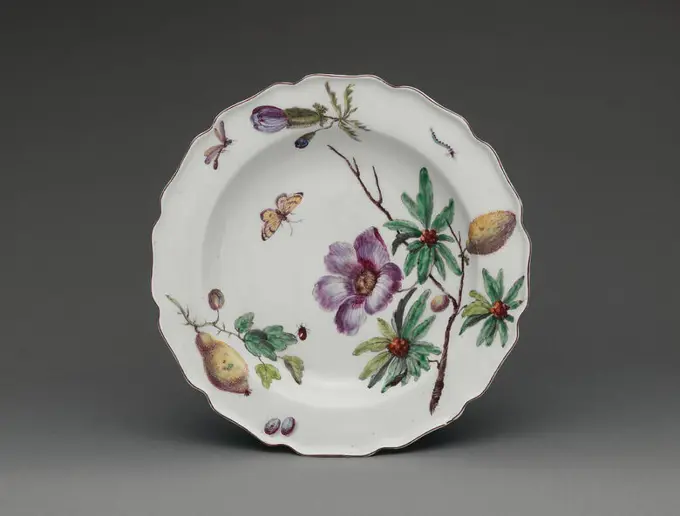
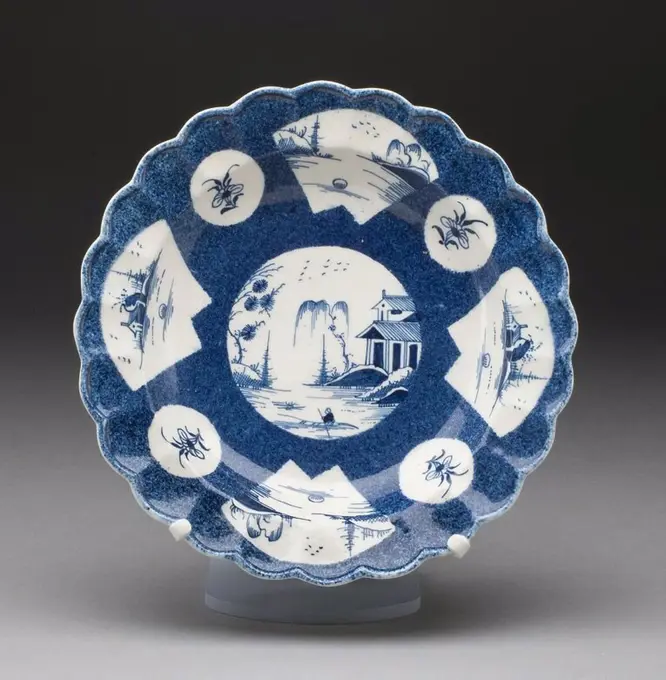
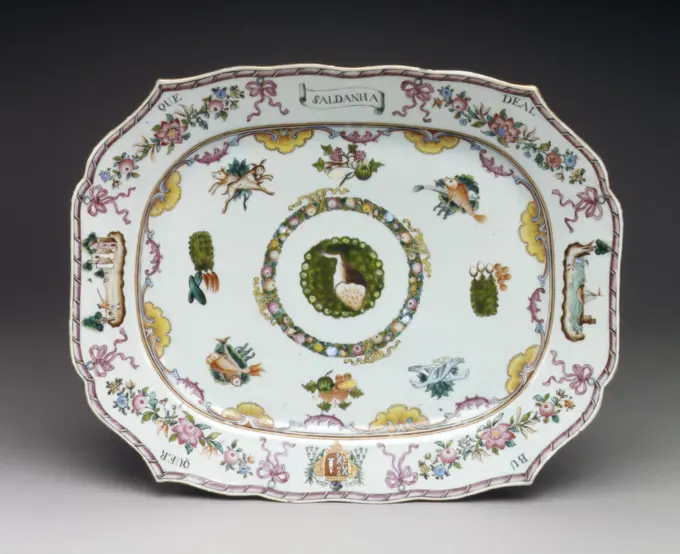
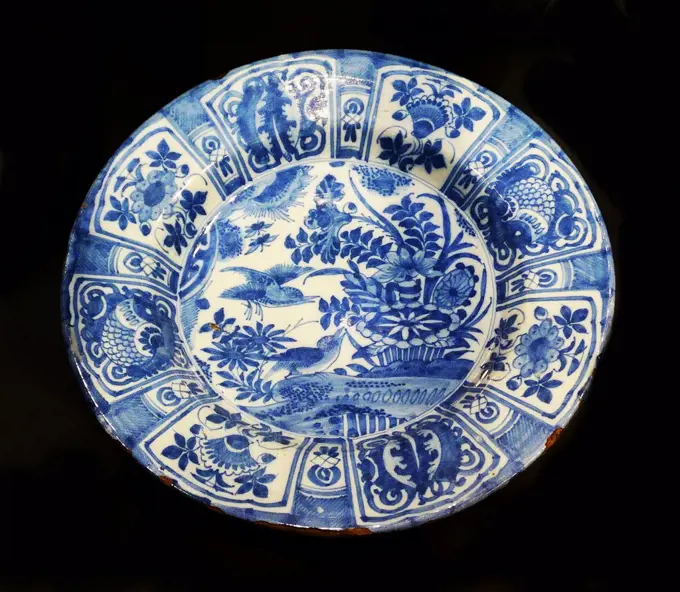
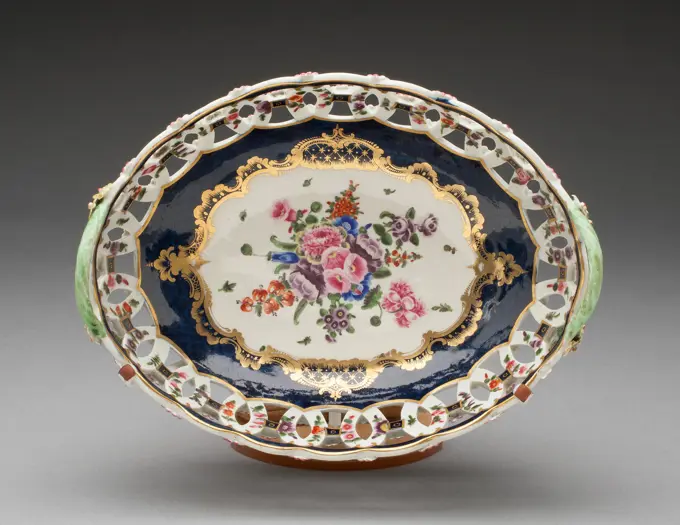
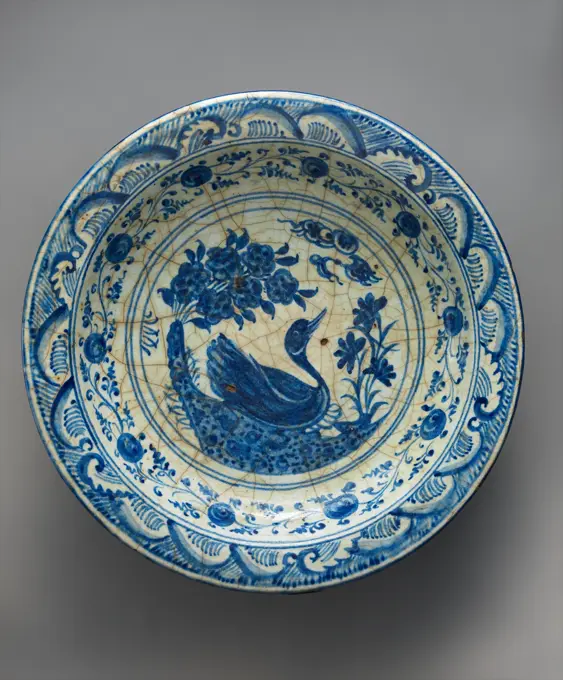
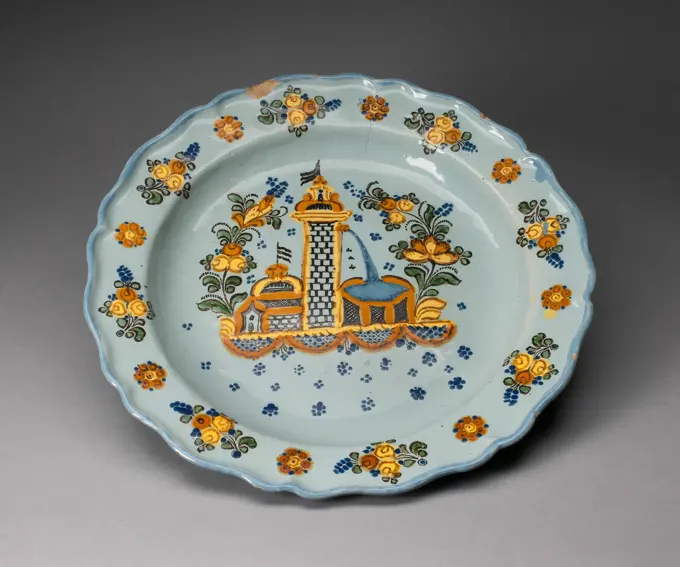
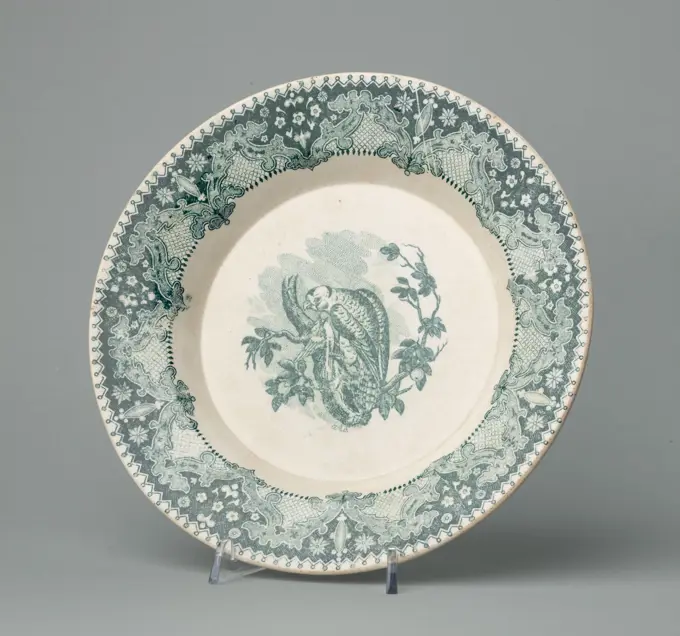
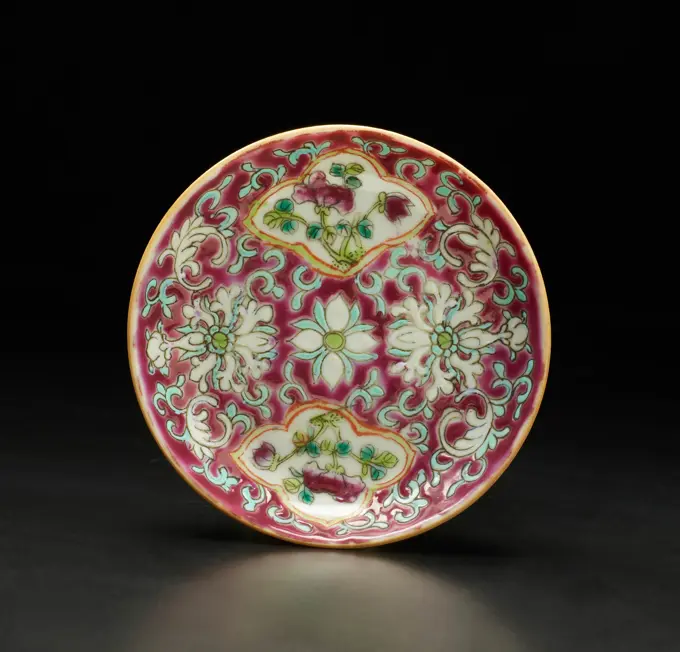
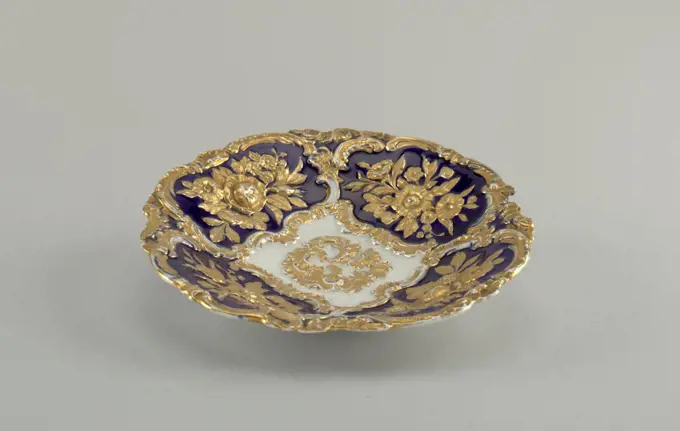
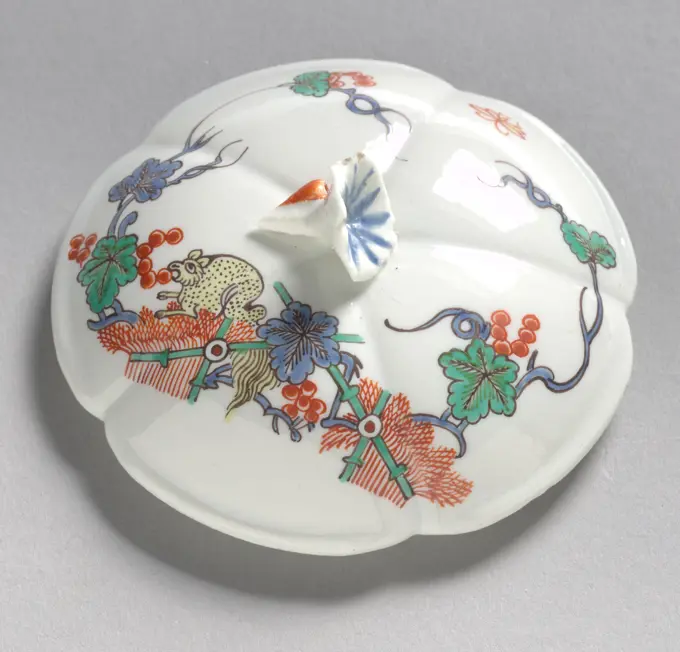
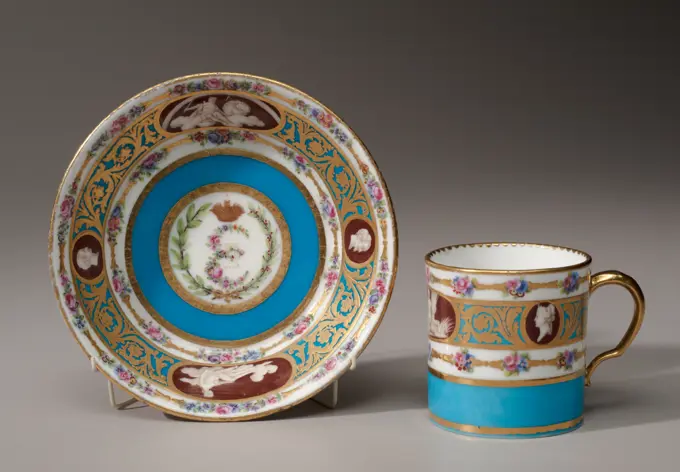
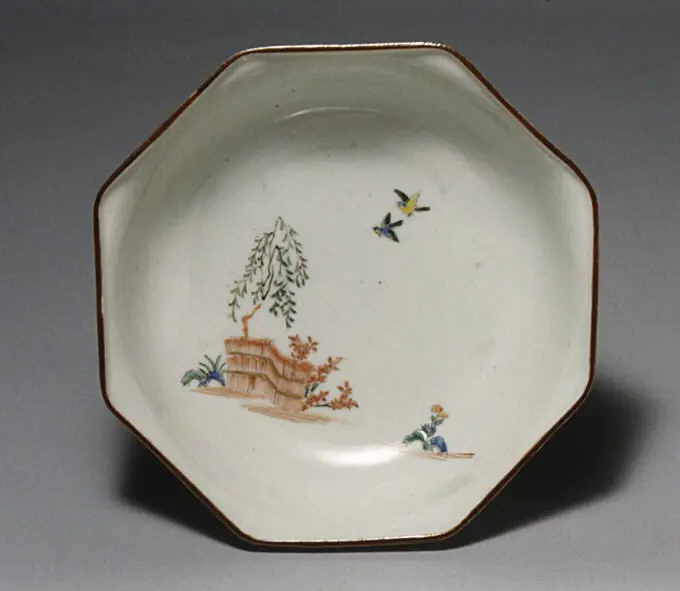
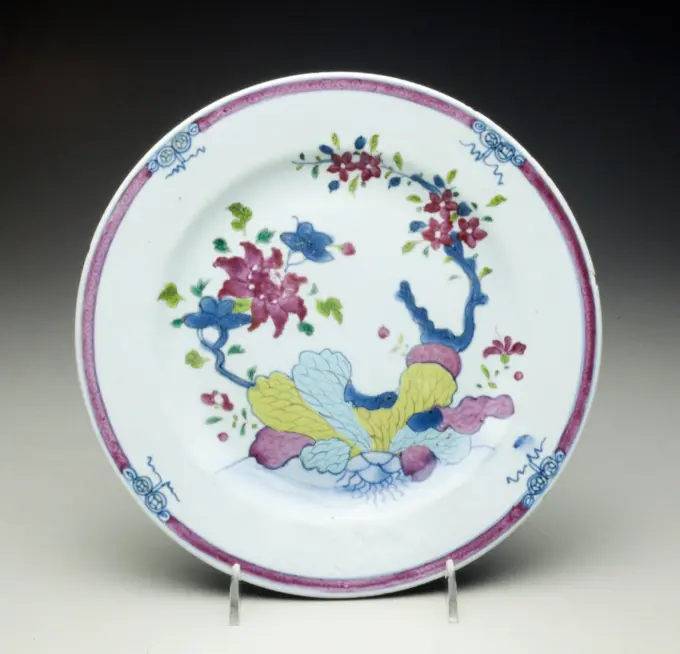
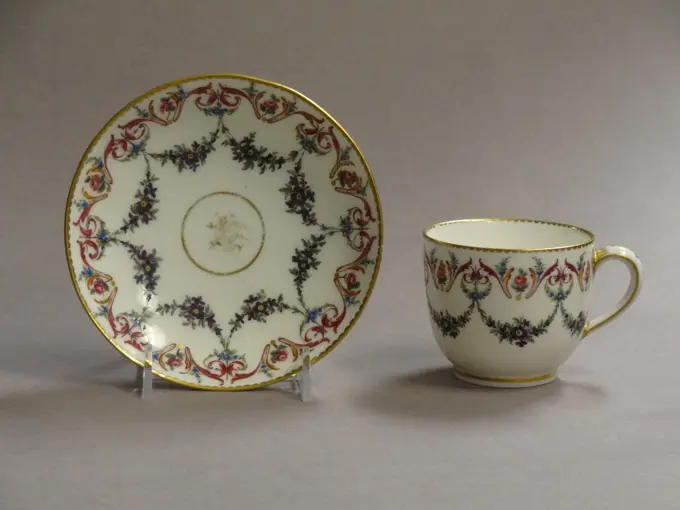
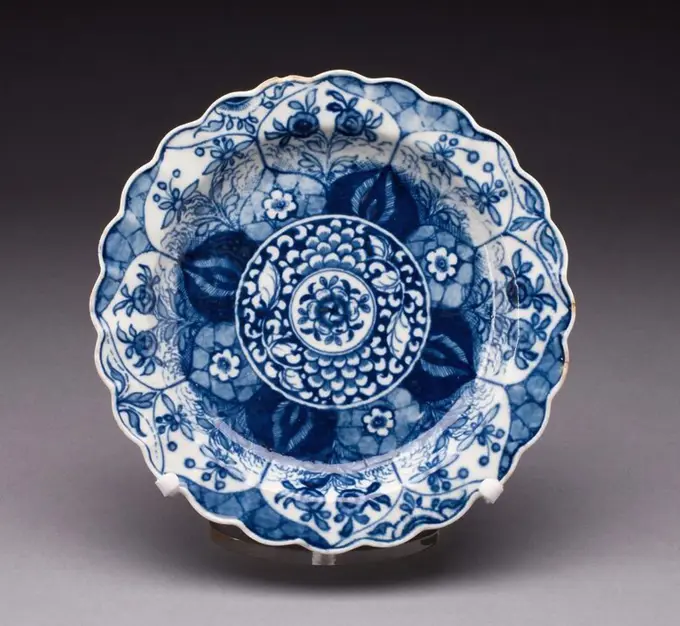
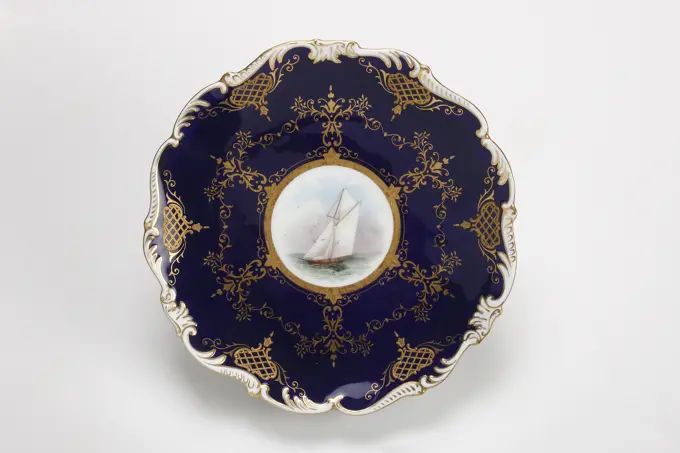
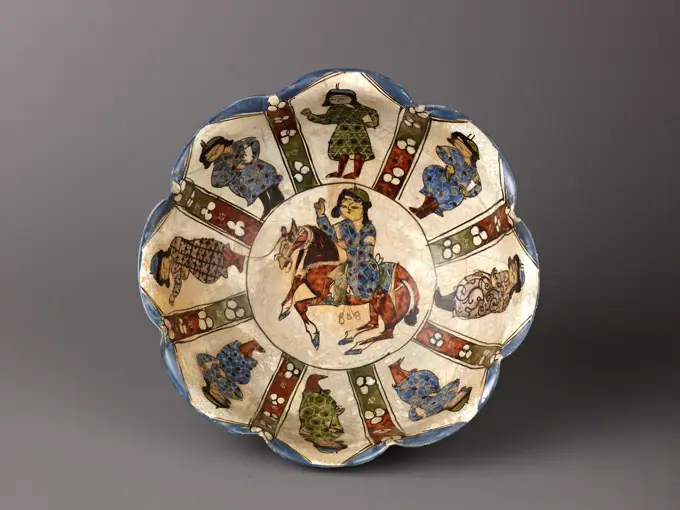
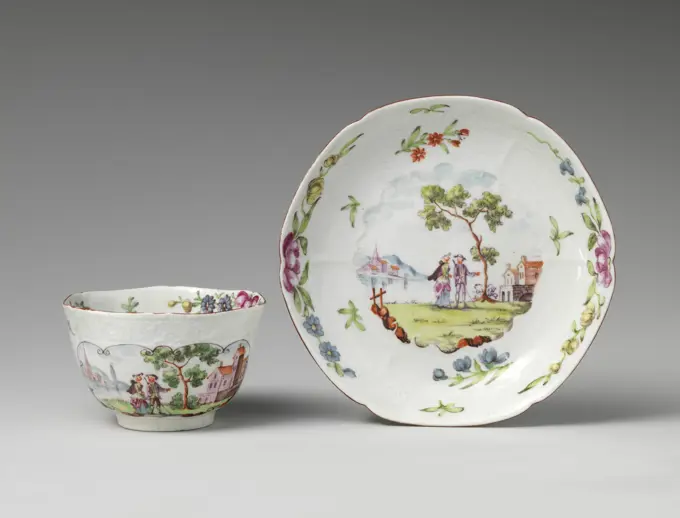
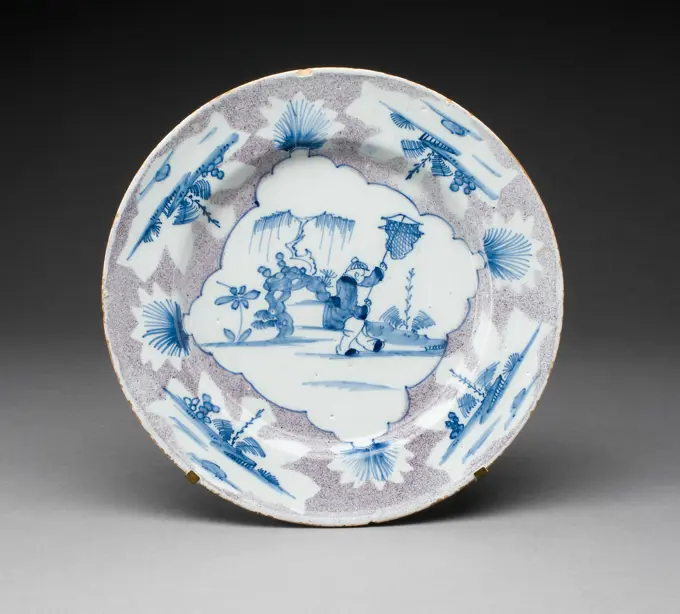
Plate 1745-1755 Bristol. Tin-glazed earthenware .Plate with bird and flower late 17th-early 18th century China. Plate with bird and flower 48582Bowl with decoration of flowering branches, ca. 1700 - ca. 1750, China porcelainBasin, c. 1770. Chantilly Porcelain Factory (French). Soft-paste porcelain; overall: 33 x 26.1 cm (13 x 10 1/4 in.). On the basis of the style of its decoration, particularly the symbolic trophies of love derived from the repertoire of classic ornament, this ewer and basin can be dated c. 1770. At this period, the output of the Chantilly factory was largely restricted to comparatively utilitarian table wares; pieces such as these are quite rare.. Octagonal soup plate made of porcelain, painted on the glaze in blue, red, pink, green, yellow, black and gold. On the flat two pheasants with a rock with flowering plants; On the wall a Spearhead border interrupted by the arms of the Venables family surrounded by flower and grape branches. On the edge, opposite the weapon, the helmet sign in the form of a dragon. Furthermore, two flower branches (peony, lotus). Weapon porcelain with email colors.Oval Platter China 19th centuryPlatePlate. Worcester Porcelain Factory; Worcester, England, founded 1751. Date: 1765-1775. Dimensions: Diam. 18.7 cm (7 3/8 in.). Soft-paste porcelain with purple enamel and gilding. Origin: Worcester. Museum: The Chicago Art Institute, Chicago, USA. Author: Worcester Royal Porcelain Company.Lobed dish with dragon, tiger, bamboo and prunus, anonymous, c. 1670 - c. 1690 Porcelain plate with a lobed edge, painted on the glaze in blue red, green, yellow, black and gold with a tiger at Prunus, looking up at a dragon that wriggles around a bamboo. Brown edge. Four pronen on the bottom. Kakiemon. Japan porcelain. glaze. gold (metal) painting / gilding / vitrification Porcelain plate with a lobed edge, painted on the glaze in blue red, green, yellow, black and gold with a tiger at Prunus, looking up at a dragon that wriggles around a bamboo. Brown edge. Four pronen on the bottom. Kakiemon. Japan porcelain. glaze. gold (metal) painting / gilding / vitrification. Soft-paste porcelain, polychrome enamels and gilding . Worcester Royal Porcelain Company (Manufacturer)Dish With Mythological Animals in landscapes. Dish of porcelain with ribbed wall and lobed edge, painted in underglaze blue and on the glaze blue, red, green, yellow, eggplant, black and gold. On the flat a double medallion with a flying feng Huang above a Qilin in a landscape with a fence, rocks, blooming plants and clouds. To the medallion on the wall six compartments with varied flowering plants at a rock (prachtanjer, aster) and mythological animals in a landscape (shishi / lion dog). On the edge a bond with flower drinks. The outer wall with three flower branches. Marked on the bottom with a lucky object (books) in a double circle. On the underside an old label with 'Honk Kong Museum of Art / 23'. Famille Verte.Plate 1740-50 Chinese, for Swedish market. Plate 205349Plate ca. 1745 Doccia Porcelain Manufactory Italian The blue-and-white flower spray combines Kangxi and Meissen elements, while the stenciled technique is adapted from Isnik-inspired decoration of the sixteenth-century Florentine ("Medici") porcelain.. Plate 206805Plate. Grieksche A Factory; Dutch, 1658-1722. Date: 1695-1705. Dimensions: Diam. 26.2 cm (10 5/16 in.). Tin-glazed earthenware (Delftware). Origin: Delft. Museum: The Chicago Art Institute, Chicago, USA. Author: Grieksche A Factory.Extensive painted multi-colored with insects and flower branches. Subdamer painted faience, belonging to a sauce bowl with Invnr. BK-NM-5348. The edge is scalloped, three flower branches and three flying insects are painted on the bottom. The dish has been marked.Plate. Josiah Spode II (England, 1754-1827)Spode (England, Stoke-on-Trent, founded 1770). England, circa 1800. Furnishings; Serviceware. Porcelain with enamel, gilding, and glazeSaucer 1759 Vincennes Manufactory French The gift of the Hans Syz Collection in 1995 endowed the Museum with nearly three hundred examples of European and Asian ceramics meticulously acquired by Swiss-born collector Dr. Syz (1894-1991) to chart the migration of models and patterns from East to West. Documenting a continuous process of influence and adaptation, these pieces provide a discriminating review of the nuances of stylistic change resulting from three centuries of trade.. Saucer. French, Vincennes. 1759. Soft-paste porcelain. Ceramics-Porcelain. Dish of porcelain, painted in underglaze blue and on the glaze red, black and gold. On the flat in a medallion a flower vase and a miniature tree on a table; A tire with flower drinks. On the wall and edge cartouches in the form of books and rolls with flower branches and drinks against a background of chrysanthranks on blue. The outer wall with three flower branches (prunus, peony, chrysanthemum) and a bond with curl. Sixteen preen on the bottom. Imari.Green and Aubergine-glazed Dish (Susancai). China. Date: 1662-1722. Dimensions: H. 6.6 cm (2 5/8 in.); diam. 35.0 cm (13 3/4 in.). Stoneware painted in overglaze enamels. Origin: China. Museum: The Chicago Art Institute, Chicago, USA.. Dish of Faience. Plychrome painted: on the flat inside a circle a rock landscape with a kilin and a bird. The four boxes placed around it have a corresponding decor. Edge decorated with braid in which six saved medallions with butterflies.Spoon rest, porcelain, Scalloped plate, bordered with floral pattern along with tassels. In well, plate decorated with an opened scroll before and urn and flowers., China (for export), mid-late 18th century, ceramics, Decorative Arts, Spoon restOctagonal Saucer With Light Brown, Animals and Flower Sprays. Octagonal dish of porcelain, partly covered with café-au-lait, painted in underglaze blue and on the glaze red, green, yellow, eggplant and black. On the flat two hare and two birds at a rock with blooming plants; the wall with flower branches and butterflies in a trade decoration; The edge with zigzag work interspersed with flowers. The outside is covered with a café-au-lait-colored glaze with flower branches. Marked on the bottom with a hare in red email. Two chips in the edge of the dish. Famille Verte.Saucer with incised lotus scrolls and flower sprays in cartouches. Dish of porcelain with straight wall, painted on the glaze in blue, red, pink, green, yellow and black. On the flat of the dish a lobd cartouche with flower branches (o.. peony, chrysanthemum, aster, orchid); On the wall blue email with ingrangled lotus drinks, shelled flowers and medallions with flower branches. A chip and a crack in the edge of the dish. Family Rose.For a long time;  18th century (1701-00-00-1800-00-00);Krystall, Bronisław (1887-1983), Krystall, Bronisław (1887-1983)-collection, qing (style), ceramics, Chinese (culture), gift (provenance), iMari, flowers, colorful porcelain, Chinese art. Round plate of painted faience, with plants on the flat and edge and flowers in the colors brown, blue, yellow and green.. Round plate of multicolored padded faience. On the flat are flowers on a ground and on the edge styled flowers painted in the colors yellow, blue, green, red and purple. Two identical signs with Invnr belong to the board. BK-NM-13346-E and BK-NM-13346-F.Plate. China. Date: 1760-1770. Dimensions: 2.5 × 22.5 × 22.5 cm (7/8 × 8 7/8 × 8 7/8 in.). Hard-paste porcelain with polychrome enamels and gilding. Origin: China. Museum: The Chicago Art Institute, Chicago, USA.Dish. Worcester Porcelain Factory; Worcester, England, founded 1751. Date: 1765-1775. Dimensions: 23.9 x 31.6 cm (9 7/16 x 12 7/16). Soft-paste porcelain, polychrome enamels and gilding. Origin: Worcester. Museum: The Chicago Art Institute, Chicago, USA. Author: Worcester Royal Porcelain Company.Dish, Gilded tin-glazed earthenware, Floral bouquets and gilding at rim. At center, ruins in a landscape. Cut-outs above molded handles., Italy, ca. 1770, ceramics, Decorative Arts, DishSmall faience dish on stand with blue floral decor inside circles, dish plate tableware holder soil find ceramic earthenware glaze tin glaze, hand turned baked decorated glazed fried Faience dish on stand. Yellow shard entirely covered with tin glaze. Blue decor on white fond. Floral decor within lines circle in the middle. Cooked in tube Part of mark on the backside visible: blue unclear mark archeology Valckensteyn Poortugaal Albrandswaard native earthenware serve serve tea thee drink Soil discovery of Poortugaal castle Valckensteyn.Tea Bowl and Saucer 1750-1760 Worcester. Soft-paste porcelain, polychrome enamels and gilding . Worcester Royal Porcelain Company (Manufacturer)Spoon tray with flower sprays and animals modelled in relief, anonymous, c. 1725 - c. 1749 Pattipan of porcelain, rectangular and hexagonal, with lobed wall, painted on the glaze in blue, red, pink, green, yellow, black and gold. On the flat a medallion of flower branches with two bats and a mushroom (Lingzhi) in it; Around the medallion two modeled branches with two squirrels. European forms with Famle Rose. China porcelain. glaze. gold (metal) painting / gilding / vitrification Pattipan of porcelain, rectangular and hexagonal, with lobed wall, painted on the glaze in blue, red, pink, green, yellow, black and gold. On the flat a medallion of flower branches with two bats and a mushroom (Lingzhi) in it; Around the medallion two modeled branches with two squirrels. European forms with Famle Rose. China porcelain. glaze. gold (metal) painting / gilding / vitrificationDeep Dish With Cranes, Prunus Trees and Antiquities. Deep dish of porcelain with raised wall and sloping, scalloped edge, painted in underglaze blue. On the flat two cranes in a flowering prunus branch and plants in a shout medallion; On the wall and edge to medallet six flower leaf-shaped compartments with antiques (books, vase with peacock feathers and scepter), valuables (Artemisiablad, diamond, books) and taoist symbols (castagnets), between the boxes loose flower branches; The back with flower drinks and six compartments with Ruyi motif. Marked on the bottom with the character 'Yù', jade, in a double circle. A chip in the edge. Blue White.Dish, the Porceleijne Claheuw, c. 1750 - c. 1800  Round dish of blue painted faience, with a scalloped edge and decorated with the heron pattern. The dish is marked with the brands of the Plateelbakkerij de Porceleijne Claheuw. Delft earthenware. tin glaze.Plate, painted with an Imari decor, Meissener Porzellan Manufaktur, c. 1740 Plate of painted porcelain. The board is a faithful copy of an imari example. On the flat, a bird on a rock is painted on the edge, a pressure backdrop of flowers painted, in which two asle -lobe fields have been saved, each with a bird in it. The board is marked. Float porcelain Plate of painted porcelain. The board is a faithful copy of an imari example. On the flat, a bird on a rock is painted on the edge, a pressure backdrop of flowers painted, in which two asle -lobe fields have been saved, each with a bird in it. The board is marked. Float porcelainSoup plate with the arms of the Sayer, Woodhave and Brooke family, anonymous, c. 1725 - c. 1749 Porcelain soup plate, painted on the glaze in blue, red, green, yellow, black and gold. On the flat the coat of arms of the Sayer, Woodhave and Brooke families, with an arm as a helmet that holds a dragon head; To the weapon a Spearhead border. On the wall a honeycomb pattern with a stylized Lotus, interrupted by lobed cartouches with a fruit branch (pomegranate, peach). On the edge again the helmet sign, fruit branches, lucky symbols (Ruyi-SCEPTER, LOTUS stem) in the 'Three Friends of Winter' (pine, prunus, bamboo), fingercitroen on an artimisia leaf and a piece of fruit in a bowl; On the edge also a narrow band with a decorative pattern. Four flower branches on the back. Some chips in the edge. Weapon porcelain with email colors. China porcelain. glaze. gold (metal) painting / gilding / vitrification Porcelain soup plate, painted on the glaze in blue, red, green, yellow, black and gold. OnSubdued of a terrine. Bottom dish with a multicolored decoration of Chinese figures and loose flower branches. Marked with two crossed swords and three dumplings in underglazing blue and rebel N.I.. Plate of faience. Muchic painted with so-called peacock fertilia. Labeled LPKANSign, with a river landscape on the flat, Petrus Regout, 1870 Plate of pottery with blue transfer decor. On the flat a river landscape with bridge and two boats. The edge with flowers. Maastricht . Plate of pottery with blue transfer decor. On the flat a river landscape with bridge and two boats. The edge with flowers. Maastricht .Small Saucer dated 1808 Japan. Small Saucer 52503Plate with figures in a garden late 17th-early 18th century China. Plate with figures in a garden 48264Plate 1703 Delft. Tin-glazed earthenware (Delftware) . Grieksche A Factory (Maker)Sugar Basin, c. 1750. Sceaux Factory (French, active 1748-66). Faience; overall: 13.7 x 17.2 x 14 cm (5 3/8 x 6 3/4 x 5 1/2 in.).. Plate of pottery, front and back with white tining acid. Front multicolored decoration of dragons, birds and butterflies. Follow-up of Chinese Porcelain Famille Verte. Marked at the back with rose.A few spherical, bowl saucer; Gotzkowsky-Manufaktur; around 1763/65 (1763-00-00-1765-00-00);Botanical plate with a tropical specimen. Culture: British, Chelsea. Dimensions: Overall (confirmed): 1 7/16 × 9 × 9 in. (3.7 × 22.9 × 22.9 cm). Maker: Chelsea Porcelain Manufactory (British, 1745-1784, Red Anchor Period, ca. 1753-58). Date: ca. 1755.These botanical plates (2016.217-.226) were produced by the Chelsea factory around 1755 and are often referred to as Chelsea "Hans Sloane" wares, in reference to the royal physician, traveler, and natural historian who helped transform the Chelsea Physik Garden into a center of botanical knowledge during the British Enlightenment. Several subjects depicted on these plates were taken from botanical illustrations published by Philip Miller, curator of Chelsea Physik Garden. Although flowers and fruits could typically be found on earlier porcelain wares from Meissen, the lively naturalism of the Chelsea botanical plates reflects a broadening public interest in the natural world, and evidence the forms of global commerce that brought exotic sSoup plate - Davenport Davenport. Scale of porcelain with round wall, painted in underglaze blue and on the glaze blue, red, green, yellow, eggplant and black. On the flat a medallion with three ladies (long tales) with a peacock in a fenced garden for a pavilion, behind the pavilion different lucky symbols; to medallion a bond with Ruyi motif; On the wall groups lucky symbols, such as valuables (artemisia leaf, window), taoist symbols (castanets, lotus stalk) and antiques (incense burner, tripod, scepter, books) interspersed with a cartouche of flower drinks; The back with three flower branches. Marked on the bottom with a lotus in a double circle. Edge has been broken. Famille Verte.Terrine of multi -colored Faïence, Anonymous, c. 1715 - c. 1730 Terrine of Faïence. Multicolored painted. Delft . Terrine of Faïence. Multicolored painted. Delft .Sèvres Porcelain Manufactory, Cup and Saucer, 1775, soft-paste porcelain.Dish, anonymous, c. 1600 Porcelain saucer, covered with a white sludge and blue glaze. On the glaze painted with white sludge with a flowering plant on the flat (chrysanthemum). Plants flowering on the inner wall. The edge with a strap with flower vines. SWATOW (Zhangzhou). China porcelain. glaze painting / vitrification Porcelain saucer, covered with a white sludge and blue glaze. On the glaze painted with white sludge with a flowering plant on the flat (chrysanthemum). Plants flowering on the inner wall. The edge with a strap with flower vines. SWATOW (Zhangzhou). China porcelain. glaze painting / vitrificationArita (ceramic production center), covered bowl saucer, Imari decor (common name). Ceramics, porcelain, polychrome enamels: cobalt blue under glaze, iron red on glaze, gilding. Petit Palais, Museum of Fine Arts of the City of Paris.Scallop-shell-shaped bowl with antiquities, anonymous, c. 1700 - c. 1724 Shell -shaped bowl of porcelain with ribbed wall, painted on the glaze in blue, red, green, yellow, eggplant, black and gold. On the soil antiques (flower vase, ruyi-skept, incense burner etc.); On the handle two lucky symbols (parasol, fishing); Lotus drinks stylized on the edge against a black speckled green soil. Back of the back. Famle Verte. China porcelain. glaze. cobalt (mineral). gold (metal) painting / gilding / vitrification Shell -shaped bowl of porcelain with ribbed wall, painted on the glaze in blue, red, green, yellow, eggplant, black and gold. On the soil antiques (flower vase, ruyi-skept, incense burner etc.); On the handle two lucky symbols (parasol, fishing); Lotus drinks stylized on the edge against a black speckled green soil. Back of the back. Famle Verte. China porcelain. glaze. cobalt (mineral). gold (metal) painting / gilding / vitrificationDish with women in a fenced garden and flowering plants near a rock, anonymous, c. 1680 - c. 1720 Deep dish of porcelain with a lobed edge, painted in underlaze blue. On the flat in a medallion a woman (long lijs) on a horse in a fenced garden. Opposite her another woman with a twig in her hand, behind her a servant with a parasol. Three birds fly above them. The wall and edge with eight lobed compartments with alternating two women, one with a fan, in a fenced garden or flowering plants in a rock. A Swastika pattern and bows between the cartouches. The outer edge with six flower vines. The outer wall with Ruyi motifs separated by vertical stripes. Marked on the underside with the six-character brand of Kangxi in a double circle. Two cracks and a few chips in the edge. Blue White. China porcelain. glaze. cobalt (mineral) painting Deep dish of porcelain with a lobed edge, painted in underlaze blue. On the flat in a medallion a woman (long lijs) on a horse in a fenced garden. Opposite heDish. Worcester Porcelain Factory; Worcester, England, founded 1751. Date: 1765-1775. Dimensions: Diam. 20.5 cm (8 1/16 in.). Soft-paste porcelain, underglaze blue decoration. Origin: Worcester. Museum: The Chicago Art Institute, Chicago, USA. Author: Worcester Royal Porcelain Company.Platter (part of a service) ca. 1765 Chinese, for Portuguese market. Platter (part of a service) 201151Tin-glazed earthenware dish. Dated 17th CenturyBasket 1765-1775 Worcester. Soft-paste porcelain, underglaze blue, polychrome enamels and gilding . Worcester Royal Porcelain Company (Manufacturer)Saucer with the 'three friends of winter', anonymous, c. 1670 - c. 1700 Porcelain dish, painted on the glaze in blue, red, green, black and gold with the 'three friends of winter' (bamboo, prunus, pine), with two bound hedges. Brown edge. Kakiemon style. Japan porcelain. glaze. gold (metal) painting / gilding / vitrification Porcelain dish, painted on the glaze in blue, red, green, black and gold with the 'three friends of winter' (bamboo, prunus, pine), with two bound hedges. Brown edge. Kakiemon style. Japan porcelain. glaze. gold (metal) painting / gilding / vitrification. Soft-paste porcelain with polychrome enamels and gilding . Worcester Royal Porcelain Company (Manufacturer)Plate Made 1775-1785 France. Tin-glazed earthenware (faience) .Dish with lotus scrolls, flowering plants and flower sprays, anonymous, c. 1700 - c. 1724 Porcelain saucer, painted in underly glaze blue and on the glaze red and gold. On the flat a rosette of Lotus vranks, the wall with a tire servetwork with a flower interrupted by flowering plants (lotus) in a cartouche. On the wall two peon branches and two prunus branches with a book. Chinese Imari. China porcelain. glaze. cobalt (mineral). gold (metal) painting / gilding / vitrification Porcelain saucer, painted in underly glaze blue and on the glaze red and gold. On the flat a rosette of Lotus vranks, the wall with a tire servetwork with a flower interrupted by flowering plants (lotus) in a cartouche. On the wall two peon branches and two prunus branches with a book. Chinese Imari. China porcelain. glaze. cobalt (mineral). gold (metal) painting / gilding / vitrificationbord, anonymous, c. 1730 - c. 1760 Round plate of multicolored painted faience, with a vase with flowers on the flat for a bowl of flowers in the colors green, red, blue and yellow and around it a ten -angled border in the colors green and red. A Chinese motif is painted on the edge of the board. The board includes two identical signs with invnrs. BK-KOG-2427-B and BK-KOG-2427-C. Delft earthenware. tin glaze. Round plate of multicolored painted faience, with a vase with flowers on the flat for a bowl of flowers in the colors green, red, blue and yellow and around it a ten -angled border in the colors green and red. A Chinese motif is painted on the edge of the board. The board includes two identical signs with invnrs. BK-KOG-2427-B and BK-KOG-2427-C. Delft earthenware. tin glaze.Plate with antiquities and dragons, anonymous, c. 1700 - c. 1724 Plate of porcelain, painted in underlaze blue. On the flat antiques (vases, peacock springs, books, rolls, al stations) and wonderful objects such as an image of a dragon on a pillow and a parrot on standard; the edge with servetwork interspersed with lobed cartouches with a dragon in white saved in a blue background; On the back of valuables (window, pearl, music stone), lucky symbols (shell) and an attribute of the eight immortals (castagnets). Marked on the underside with a seal brand in a double circle. Two chips and a crack in the edge. Blue White. China porcelain. glaze. cobalt (mineral) painting / vitrification Plate of porcelain, painted in underlaze blue. On the flat antiques (vases, peacock springs, books, rolls, al stations) and wonderful objects such as an image of a dragon on a pillow and a parrot on standard; the edge with servetwork interspersed with lobed cartouches with a dragon in white saved in a blue bDish with a Swimming Duck 16th century This dish belongs to a group of ceramics known as Kubachi ware. Named for a village in the Caucasus where this pottery was discovered in quantity, Kubachi wares are now thought to have actually been produced in Tabriz. One attribute of the Kubachi style is an uneven application of the glaze that has resulted in a surface-wide crackle. Dirt has seeped into the cracklure, discoloring the underlying body to a brownish tint.Like so many ceramics produced in Iran during the Safavid period, the style and decoration of this dish demonstrates an attempt to emulate the highly-regarded Chinese porcelain. The wave pattern around the rim, the central imagery of a duck swimming, and the use of blue and white coloring, illustrate Chinese inspiration in this piece.. Dish with a Swimming Duck 452035Large Plate 1775-1825 Puebla. Tin-glazed earthenware . Talavera Poblana (Potter)Plate ĆmielówBliżej Kultury ĆmielówPlate with graviata decoration with a floral motif on a maroon background unknownSmall Dish late 17th century Japan. Small Dish 52270CERAMICA POPULAR CHINA S XVI-CUENCO EPOCA MING.Dessert Dish, Meissen Porcelain Manufactory, German, active from 1710 to the present, hard paste porcelain, vitreous enamel, gold, Dark blue ground with gilded floral relief ornament., Germany, mid- 19th century, ceramics, Decorative Arts, dish, dishPlate with bamboo and grape vines mid-18th century China. Plate with bamboo and grape vines 47771Sugar Bowl (cover), c. 1730. Chantilly Porcelain Factory (French). Soft-paste porcelain; overall: 8.2 cm (3 1/4 in.). The pieces composing this individual tea set are entirely typical of Chantilly soft-paste porcelain in the Kakiemon style. Both the form and decoration of these pieces were inspired by Japanese prototypes. The use of knobs in the form of trumpet-shaped blossoms is characteristic of Chantilly wares.Barber's bowl, early 18th century, 3 7/8 x 14 1/4 x 12 1/2 in. (9.8 x 36.2 x 31.75 cm), Tin-glazed earthenware, Spain, 18th centurySèvres Porcelain Manufactory, Cup and Saucer from the Catherine II Service of 1777-1779, saucer: 1778; cup: 1779, soft-paste porcelain.Bowl ca. 1690-1750 Japanese with European decoration The gift of the Hans Syz Collection in 1995 endowed the Museum with nearly three hundred examples of European and Asian ceramics meticulously acquired by Swiss-born collector Dr. Syz (1894-1991) to chart the migration of models and patterns from East to West. Documenting a continuous process of influence and adaptation, these pieces provide a discriminating review of the nuances of stylistic change resulting from three centuries of trade.. Bowl 208329Dish with Three Lions 18th century This dish is typical of the objects that were displayed in open niches in reception rooms of upper-class Syrian residences during the Ottoman period. Dish with Three Lions 448904Scale painted with chinoiseries in blue. Dish of faience with a chinoiserie decoration and with pseudo Chinese characters. Bell-shaped cup and saucer of porcelain, painted on the glaze in blue, red, pink, green, yellow, black and gold. On the platter of the dish a European shell ornament with a shell-shaped vase with blooming plants. The head with the same decoration, with a flower branch. Two cracks in the wall of the dish. European performance in email colors.Plate ca. 1825 Mexican. Plate 3211Plate with floral decoration, c. 1735, 1 x 9 1/4 in. (2.54 x 23.5 cm), Porcelain with enamel decoration, China, 18th centuryArmorial Plate, c. 1770, 1 1/16 x 8 5/8 in. (2.7 x 21.91 cm), Porcelain with enamel and gilded decoration, China, 18th centurySèvres Porcelain Manufactory, Cup and Saucer, 1790, soft-paste porcelain.Plate. Worcester Porcelain Factory; Worcester, England, founded 1751. Date: 1765-1775. Dimensions: Diam. 17.6 cm (6 15/16 in.). Soft-paste porcelain with underglaze blue decoration. Origin: Worcester. Museum: The Chicago Art Institute, Chicago, USA. Author: Worcester Royal Porcelain Company.Tray (part of a set) ca. 1740 Meissen Manufactory German. Tray (part of a set) 209406Dish with Court Carriage beneath a Cherry Tree ca. 1770-1800 Japan. Dish with Court Carriage beneath a Cherry Tree 52322Plate - Coalport China Company Coalport China CompanyPlateCup 17th century. Cup 448386Lobed bowl, Minai'i ("enameled") ware early 13th century Iranian. Lobed bowl, Minai'i ("enameled") ware 460910bord, anonymous, c. 1730 - c. 1770 Round plate made of multi -colored fowence, with a medallion in the middle containing a flower and leaves in the colors green and red. There are five white compartments in a blue background in which flower and leaf decorations. The board includes two identical signs with the invnrs. BK-KOG-2432-B and BK-KOG-2432-C. Delft earthenware. tin glaze. Round plate made of multi -colored fowence, with a medallion in the middle containing a flower and leaves in the colors green and red. There are five white compartments in a blue background in which flower and leaf decorations. The board includes two identical signs with the invnrs. BK-KOG-2432-B and BK-KOG-2432-C. Delft earthenware. tin glaze.Two Platters. China, mid-18th century. Furnishings; Serviceware. PorcelainDish. Just as in the Netherlands, earthenware imitations of Chinese porcelain were being produced in Portugal already in the early 17th century. These objects were exported to the Netherlands and, together with the genuine Chinese porcelain, were a source of inspiration for Dutch potters. Dishes like these, embellished with imaginary coats of arms, were even made especially for the Dutch and German market.Poppenwashel with sinks. Poppenwastel, mahogany. On two legs, from below. In the middle a late one why a golf edge, buddy is missing. Two towel racks on the sides. Washbasin set with blue saksian pattern, unnoticed.Dessert plate - Davenport DavenportTeabowl and saucer 18th century British. Teabowl and saucer. British. 18th century. Soft-paste porcelain. Ceramics-PorcelainCompote 1849 Worcester. Soft-paste porcelain with polychrome enamels and gilding . Worcester Royal Porcelain CompanyPlate with insects, flower sprays and grapevines, Rue Thiroux Parijs, c. 1797 - c. 1798 service (set). plate (dishes) Twelve -corner plates of porcelain, painted on the glaze in email colors and gold. The front is covered with colored insects (butterflies, beetles, dragonflies, etc.) and in gold flower branches and grape vines. Golden Rand. Marked on the underside 'GB/ Rue Thiroux/ à Paris'. Paris porcelain. glaze. gold (metal) painting / gilding / vitrificationPunch Bowl with the arms of Smith impaling Horne 1735-1745 Jingdezhen. Hard-paste porcelain with polychrome enamels and gilding .