Decorative Plates and Porcelain

A collection of decorative plates featuring intricate designs, including scenes of cranes, mythological figures, and lively garden gatherings, showcasing historical artistry.
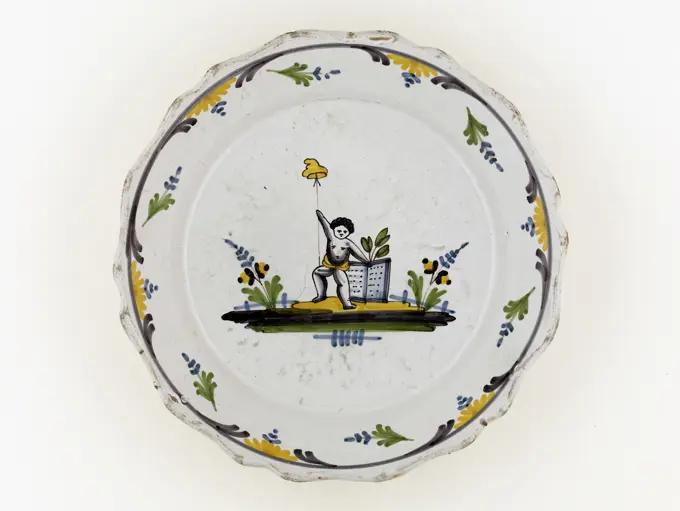
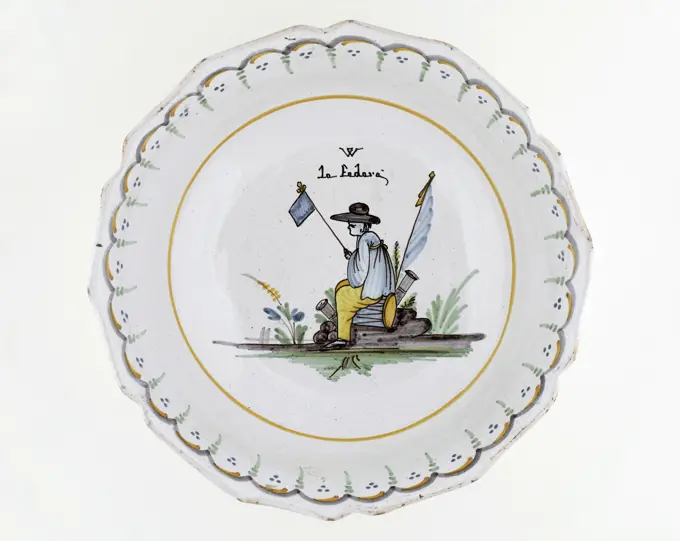
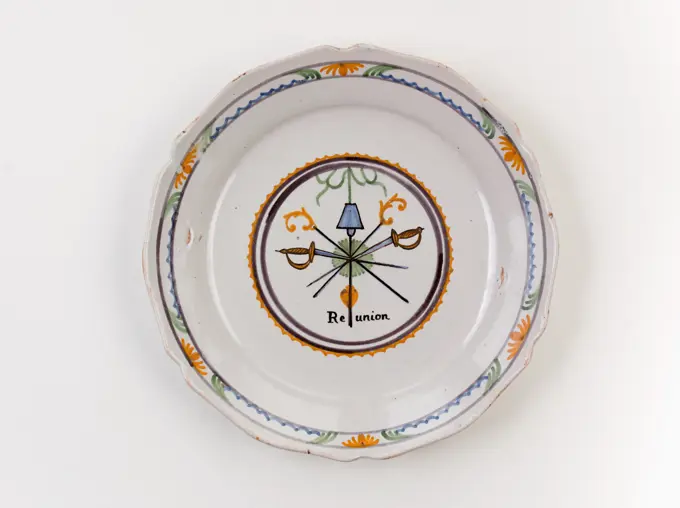
Anonymous. Plate to the Constitution. Earthenware. Paris, Carnavalet museum. 71680-60 Phrygian cap, constitution, decoration, faience, man, revolutionary period, French revolution, text, plate
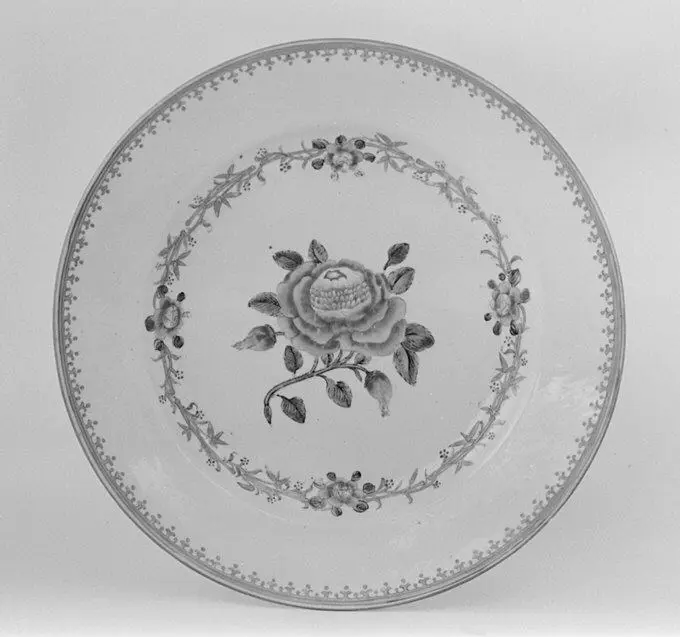
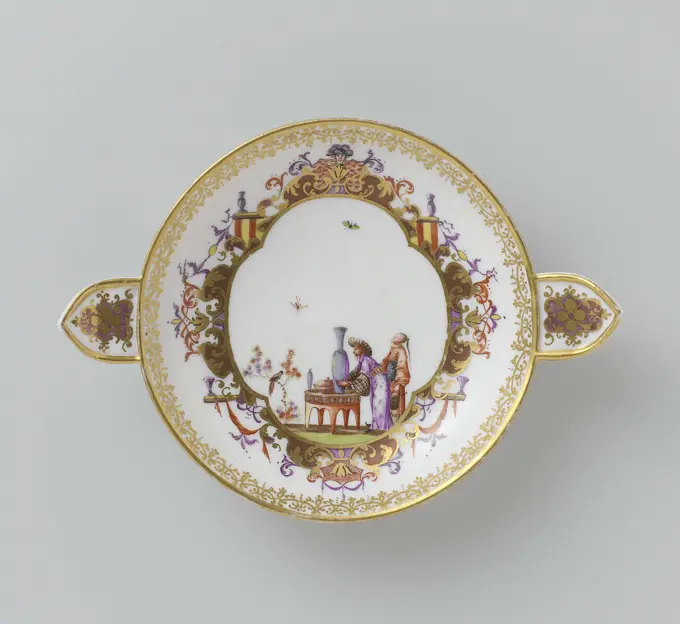
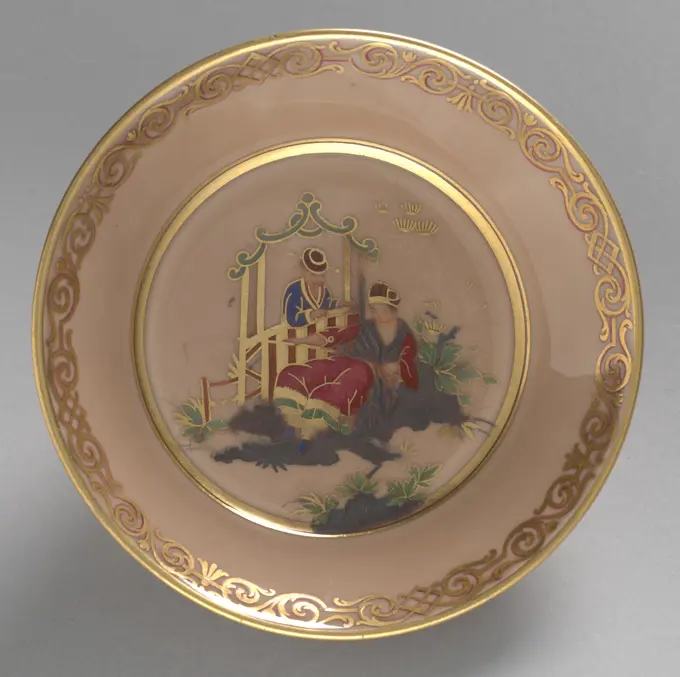
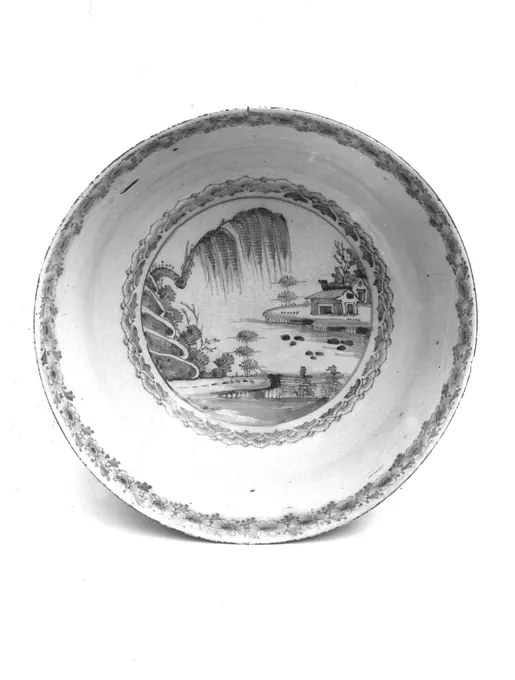
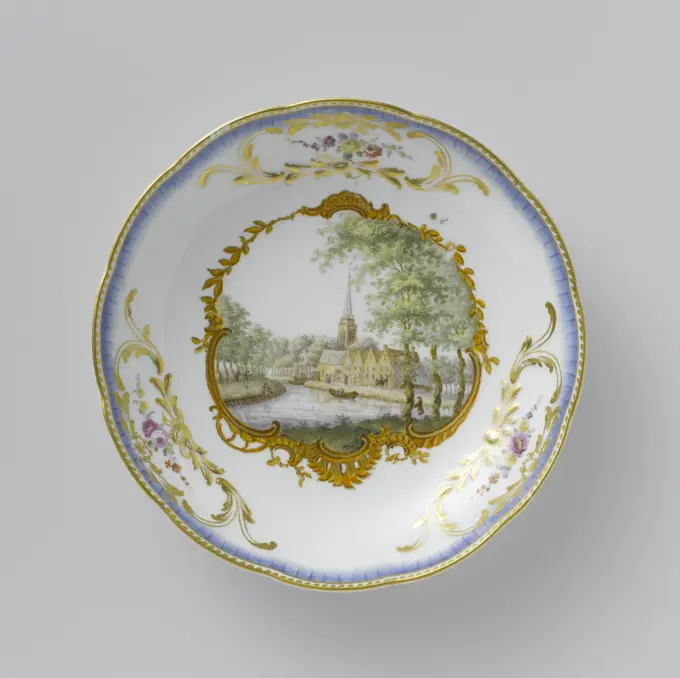
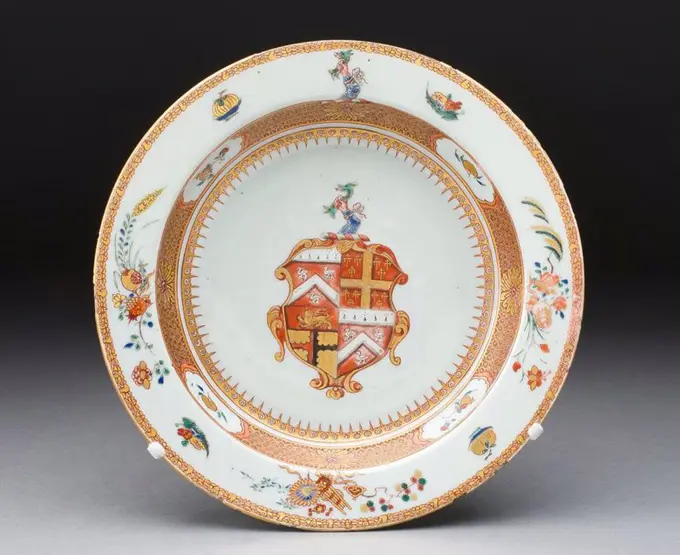
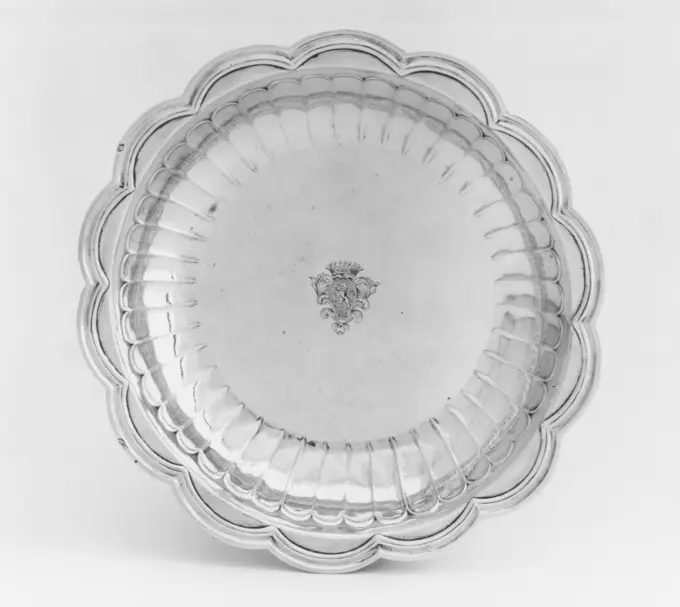
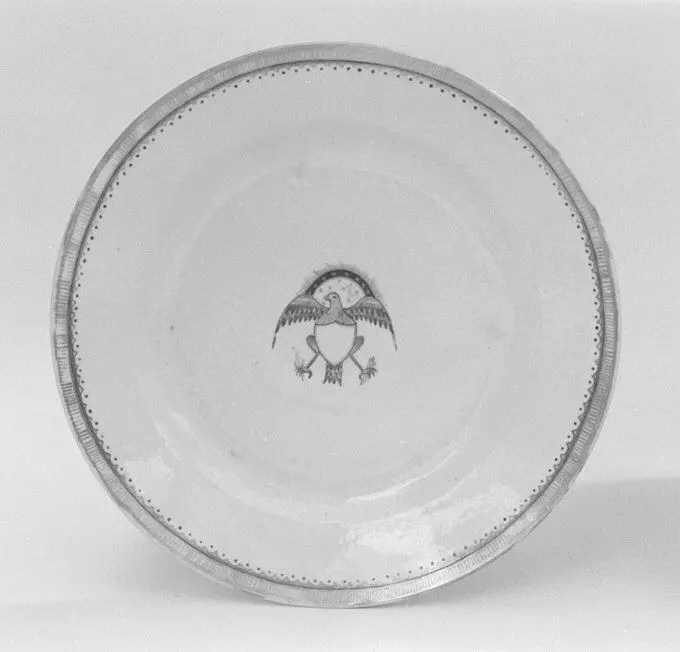
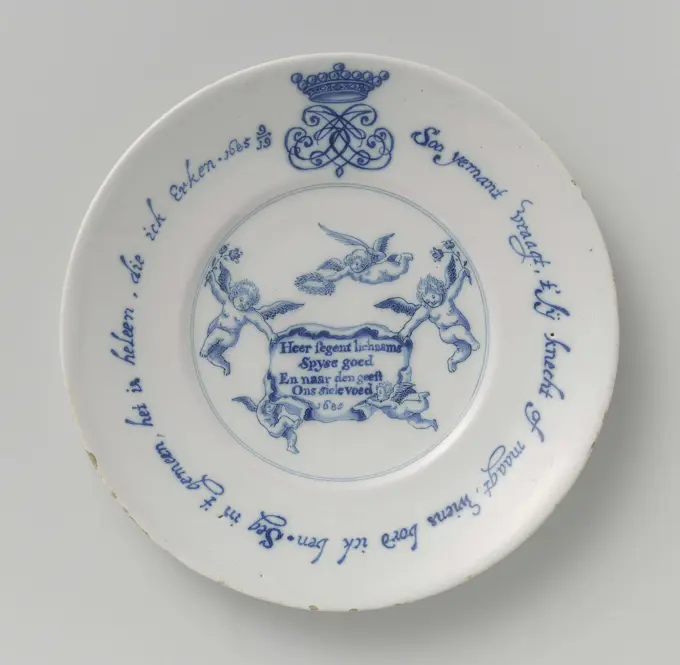
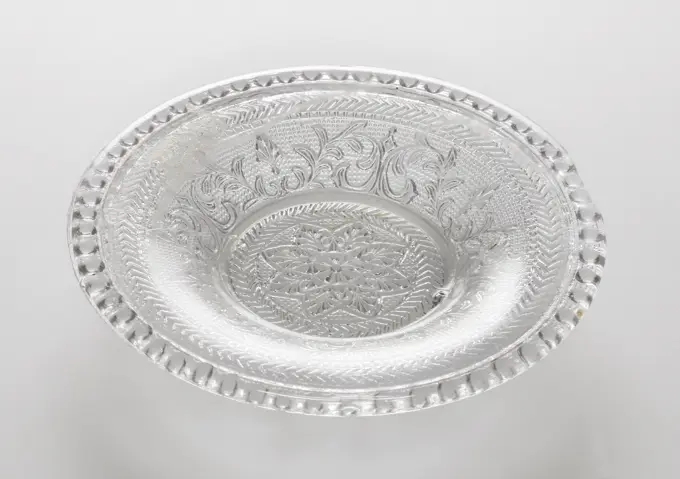
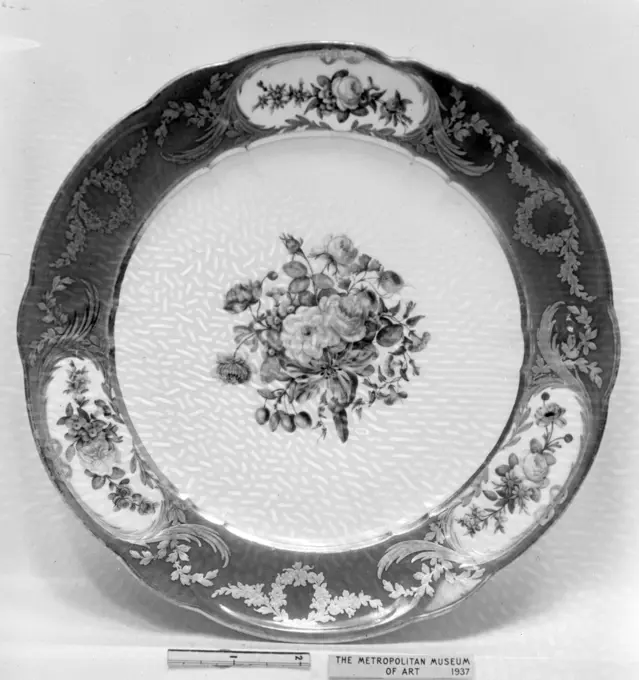
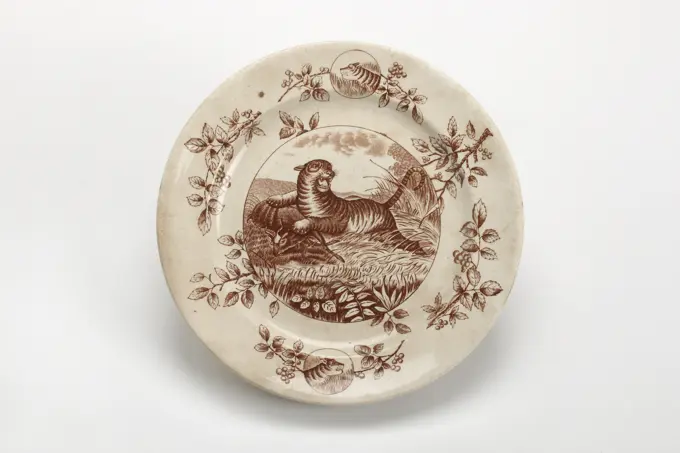
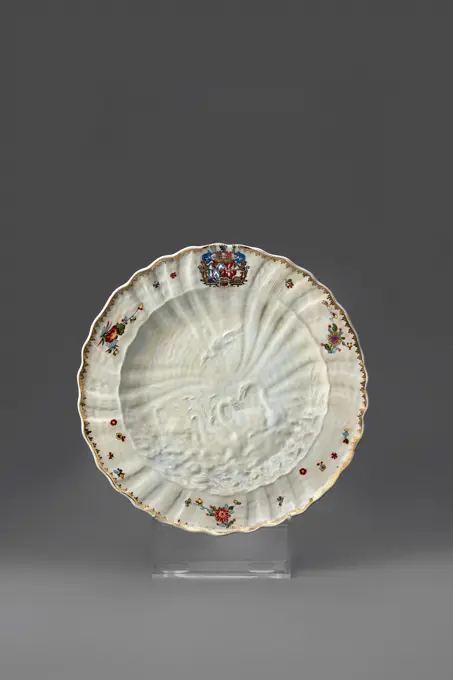
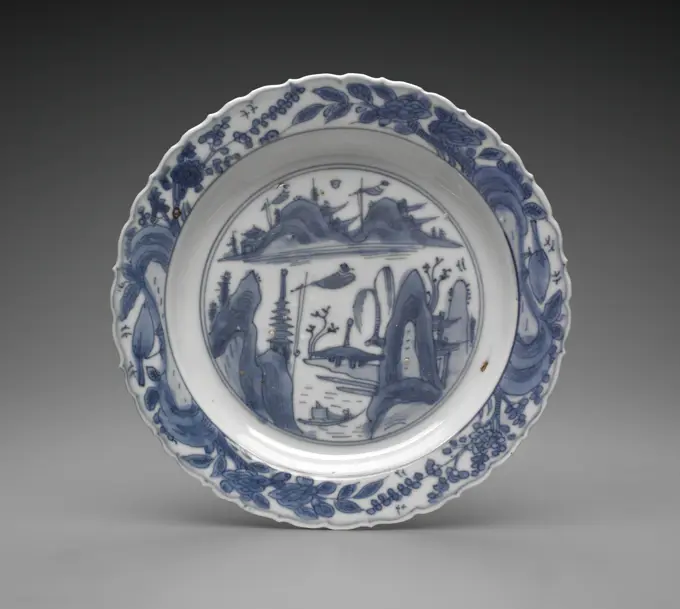
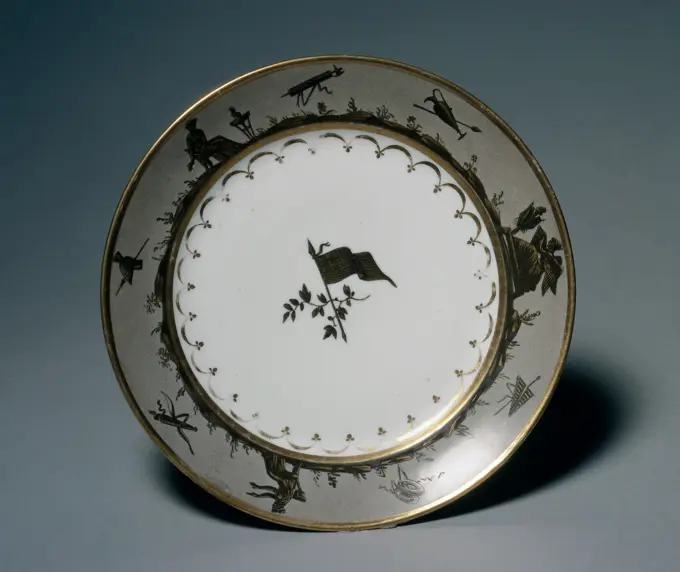
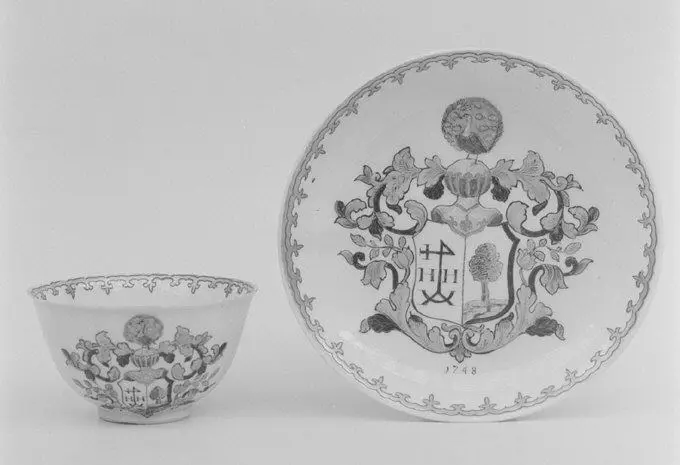
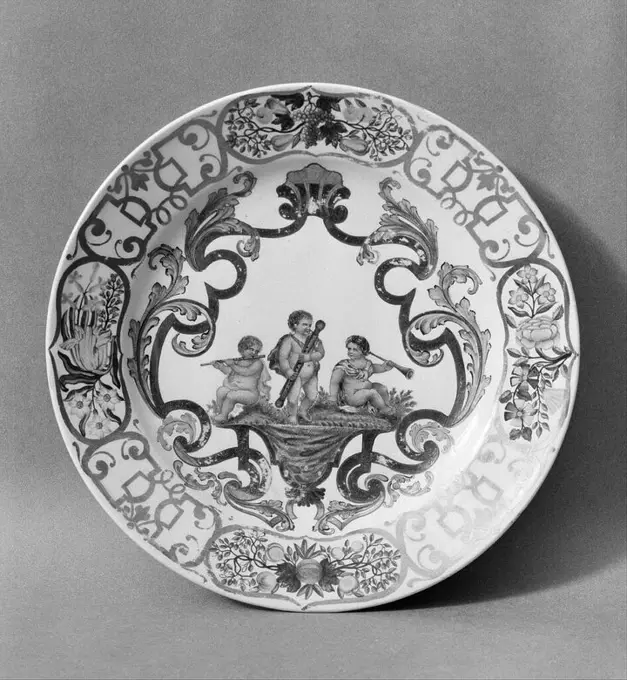
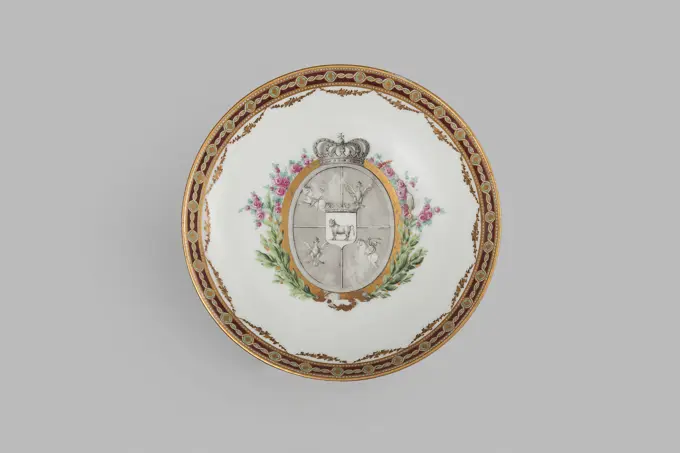
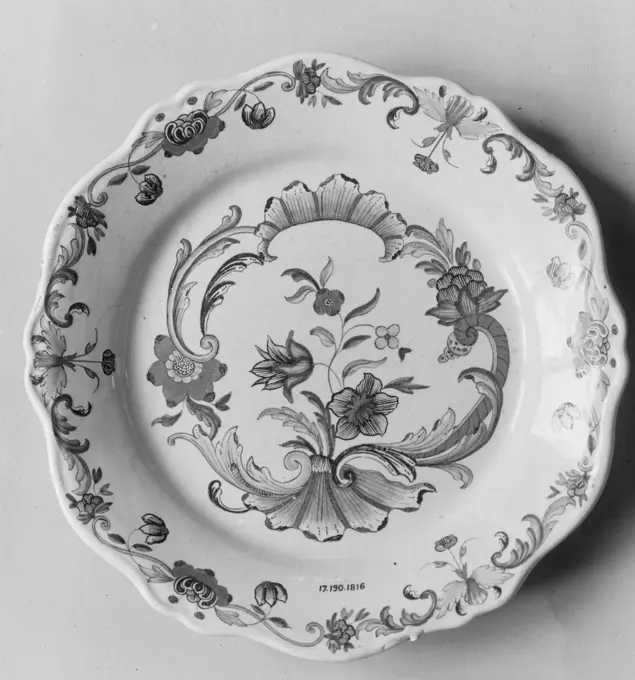
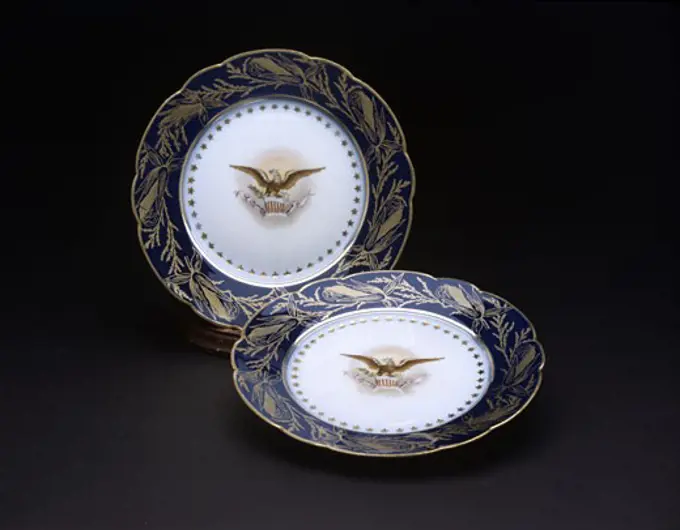
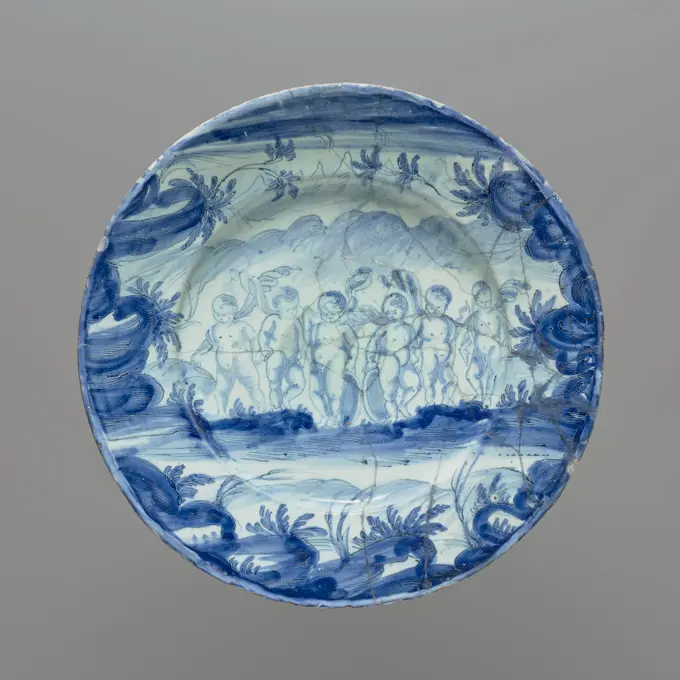
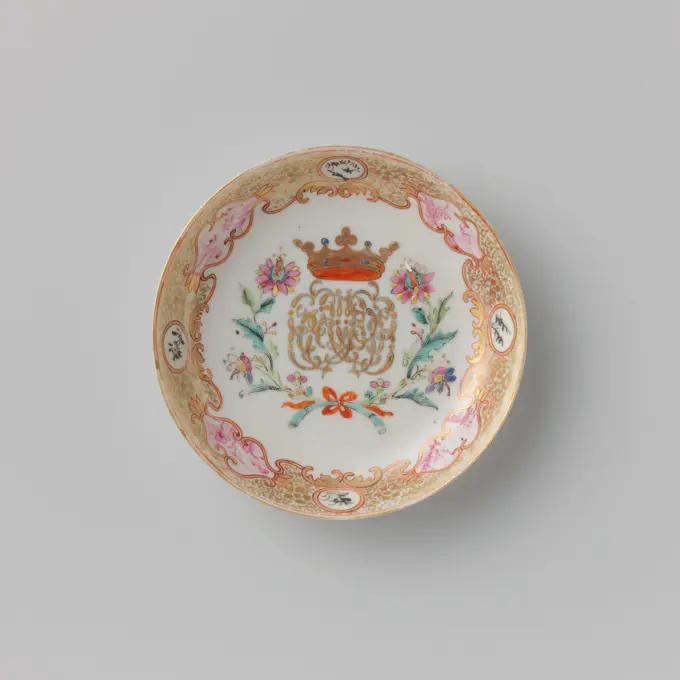
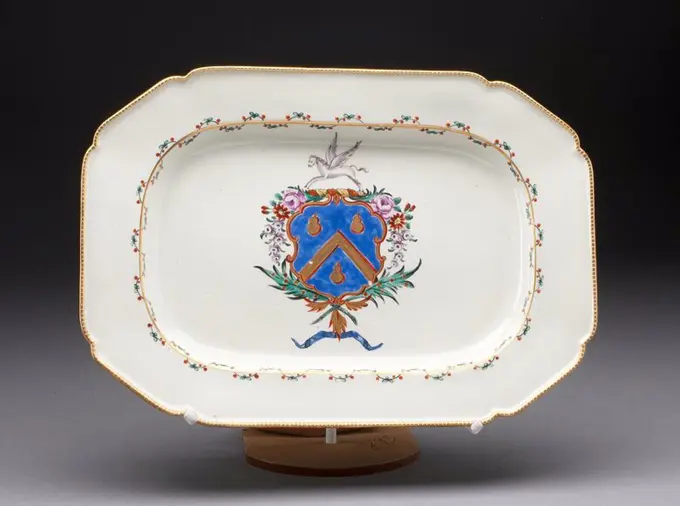
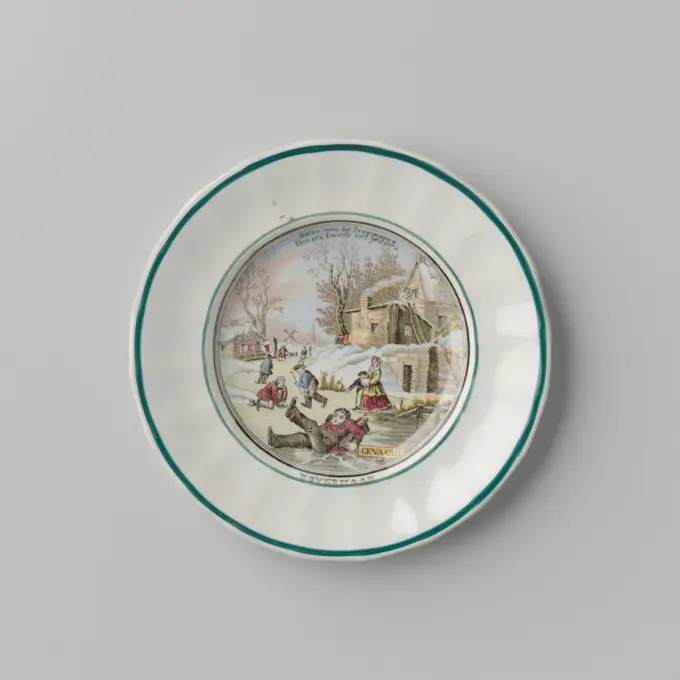
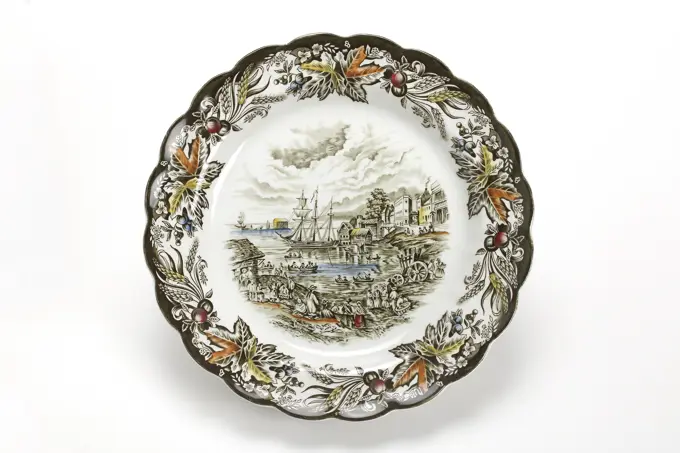
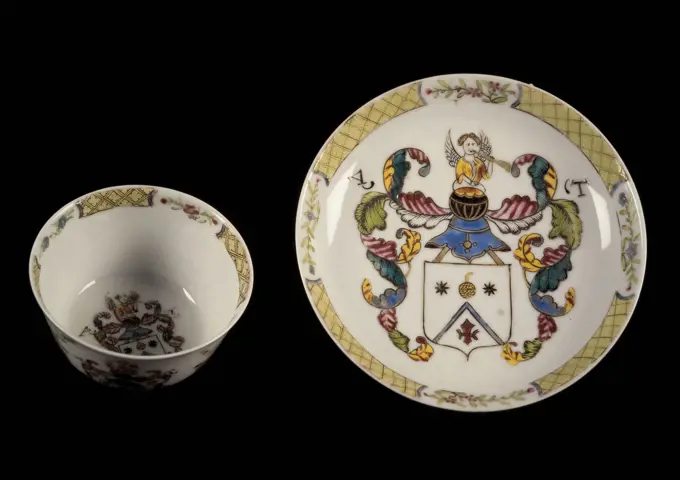
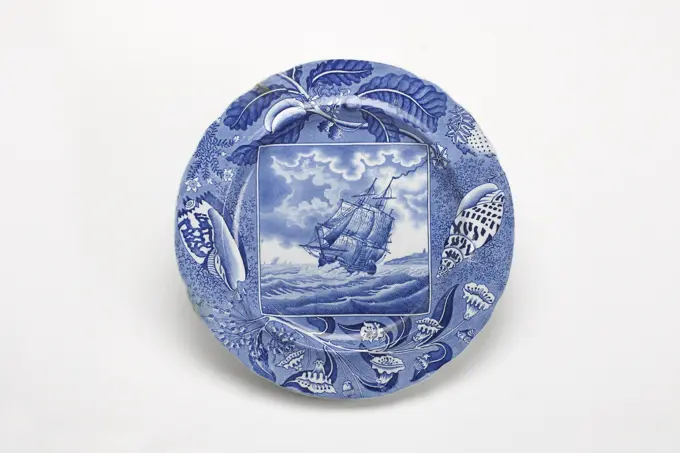
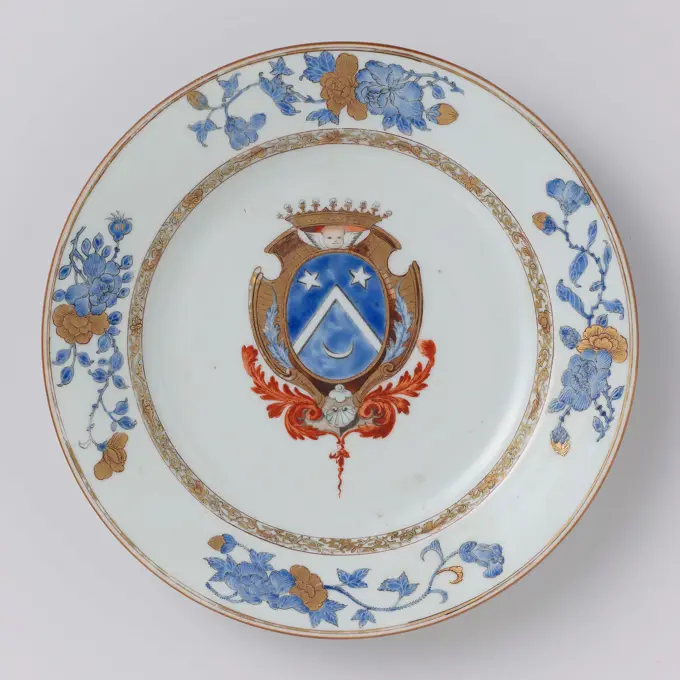
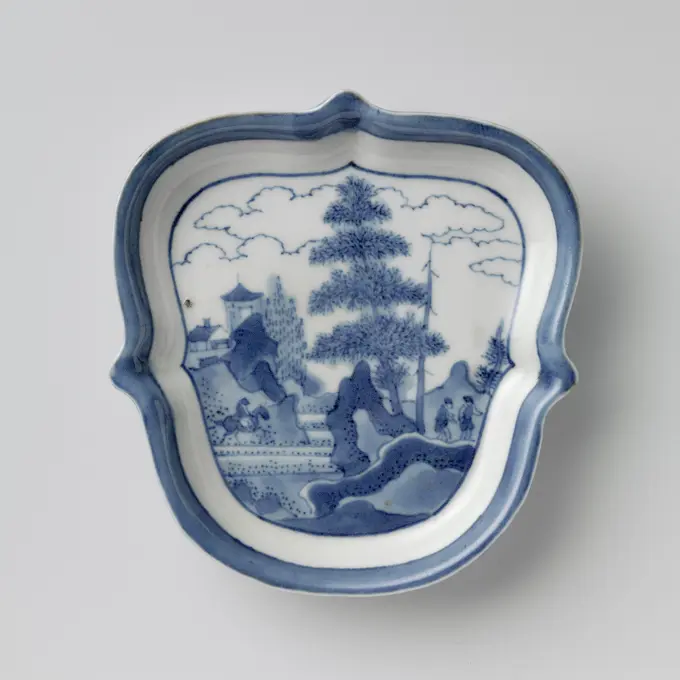
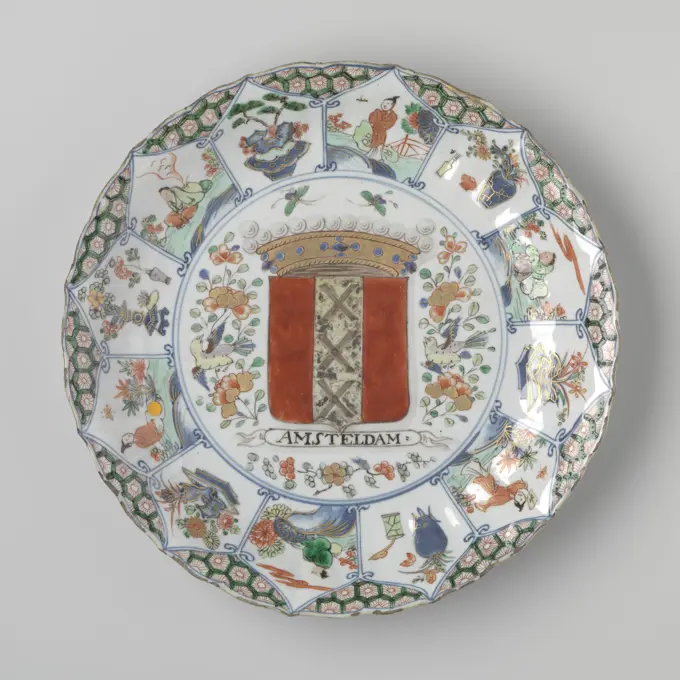
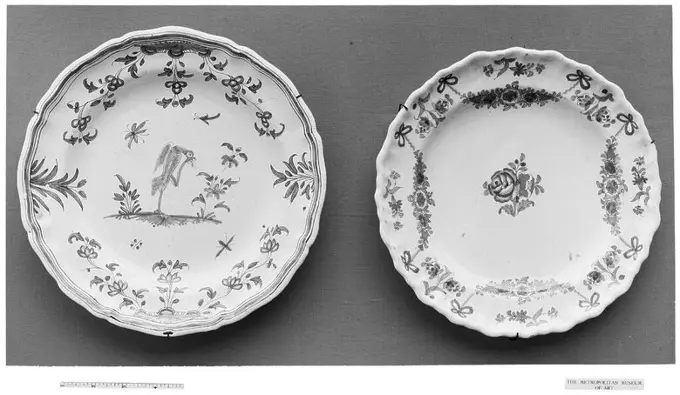
Saucer with a Crane Near a Peony Plant and Rock. Dish of porcelain, painted on the glaze in blue, red, pink, green, black and gold. On the flat a leaf-shaped cartouche with a crane in a landscape in a flowering peony plant and a rock; the wall with flower drinks in Bianco Sopra Bianco; The edge with a decorative pattern. Two cracks in the wall. Part of a crockery. European forms with famille rose.Anonymous. Plate to the Constitution. Earthenware. Paris, Carnavalet museum. 71680-60 Phrygian cap, constitution, decoration, faience, man, revolutionary period, French revolution, text, platePlate: Female Figure, 1700s. China, Chinese Export, 18th century. Porcelain; diameter: 23.2 cm (9 1/8 in.).. Porcelain plate, painted on the glaze in red, black and gold. On the flat a mythological show with Cybele in her car drawn by two lions, to the left of her a squatted woman who gives her a wreath. On the right of Cybele three goddesses: Ceres, Flora and Pomone; a decorative band on the wall; The edge with a decorative band and a 'Spearhead-Border'. A chip in the edge. Two old labels on the bottom with 'F. Bodenham / Elmhurst, Hereford / 73 'and' 7 / Cybele / ... '. European performance in Encre de Chine.Plate with a company in a garden on the flat, Petrus Regout, 1879 Plate of pottery with multicolored transfer decor. On the flat a company with flute playing man in a garden. The edge of the flat is trimmed with a green zigza edge. The edge of the board is decorated with green flowers. Maastricht . Plate of pottery with multicolored transfer decor. On the flat a company with flute playing man in a garden. The edge of the flat is trimmed with a green zigza edge. The edge of the board is decorated with green flowers. Maastricht .A plate;  XVIII/19th century (1791-00-00-1810-00-00);Plate 1800-1850 Creil. Earthenware, transfer-printed (creamware) . Creil Pottery (Manufacturer)Blackboard with a house with a garden on the flat, in which two women are walking. Powerboard plate with black transfer decor and muffling colors. On the flat a house with a garden, in which two women are walking. There is still a figure for the window of the house.Dish, multi-colored painted with a Kakiemon decor and the coat of arms of the Querini family, Meissener Porzellan Manufaktur, c. 1735 - c. 1740 Round dish of painted porcelain. The dish is painted with the coat of arms of the Venetian graves Querini, with Kakiemon Sprinklemen and with a landscape that has been saved in the Ozier Rand. The dish is marked. Float porcelain Round dish of painted porcelain. The dish is painted with the coat of arms of the Venetian graves Querini, with Kakiemon Sprinklemen and with a landscape that has been saved in the Ozier Rand. The dish is marked. Float porcelainPlate (one of two) 1750-70 Chinese, possibly for Continental European market. Plate (one of two) 201062"William Penn's Treaty" Plate; Manufactured by Thomas Godwin (United Kingdom); England; earthenware, transfer-printed decoration; 3 h. x 27.5 diameter cm (1 3/16 x 10 13/16 in. )Plate China. Plate 50690Plate with a cityscape and bouquets, c. 1778 Soft-paste porcelain plate (fruit board) (Pâte Tendre) with a lobed and openwork edge, painted on the glaze in enamel colors and gold. On the flat a cityscape of Workum. The edge is open in braid work, interrupted by rocaille subjects containing bouquets. Golden Rand. Marked on the underside with the stork, 'Workum' and M. porcelain company: Doornikporcelain company: The Hague porcelain. soft-paste porcelain. glaze. gold (metal) painting / gilding / vitrification  Workum Soft-paste porcelain plate (fruit board) (Pâte Tendre) with a lobed and openwork edge, painted on the glaze in enamel colors and gold. On the flat a cityscape of Workum. The edge is open in braid work, interrupted by rocaille subjects containing bouquets. Golden Rand. Marked on the underside with the stork, 'Workum' and M. porcelain company: Doornikporcelain company: The Hague porcelain. soft-paste porcelain. glaze. gold (metal) painting / gilding / vitrification  Workum. Dish with handles, painted porcelain. Along the inside of the mouth edge a lace-like ornament runs into gold. The had barrel took pointed. The dish is decorated with an Höroltt chinoiseries within a four-pass. Vertical red yellow striped fields are painted around the four passes. Indian Blumen has been painted on the back. The top of the handles is decorated with an ornament in gold. The dish has been marked.Saucer, 1778. Sèvres Porcelain Factory (French, est. 1756). Hard-paste porcelain; diameter: 12.9 cm (5 1/16 in.).Dinner plate - View of Montreal Davenport DavenportBowl 1750-60 British. Bowl. British. 1750-60. Tin-enameled earthenware. Made in Bristol, Bristol, EnglandPattipan, multi -colored painted with a landscape with figures, Meissener Porzellan Manufaktur, 1777 Oval pattipan with a scalloped edge. The Pattipan is painted with landscapes in which figures and along the edge a wide strip of green braid. The Pattipan is marked. Float porcelain Oval pattipan with a scalloped edge. The Pattipan is painted with landscapes in which figures and along the edge a wide strip of green braid. The Pattipan is marked. Float porcelainSeven Plates from the Service of Stadtholder William V, Meissener Porzellan Manufaktur, c. 1772 - c. 1774 Round scale of painted porcelain. The edge is scalloped and has three cartouches in relief with gold, within which a multicolored flower garland. A blue, ribbed piping runs along the edge. The mirror is painted with a rocaille cartouche in which a topographical face; on the back described as "Abcoude aan de Vegt". The scale is marked. Float porcelain Round scale of painted porcelain. The edge is scalloped and has three cartouches in relief with gold, within which a multicolored flower garland. A blue, ribbed piping runs along the edge. The mirror is painted with a rocaille cartouche in which a topographical face; on the back described as "Abcoude aan de Vegt". The scale is marked. Float porcelainSaucer-dish with the oxherd and the weaver girl, anonymous, c. 1725 - c. 1749 Porcelain bowl with round wall, painted on the glaze in blue, red, pink, green, yellow, black and gold. On the front a river landscape with a shepherd, ox are tied to a tree, and a weaver in a pavilion, a second woman looks around the corner of the frame; The inner edge with lotus drinks. Famle Rose. China porcelain. glaze. gold (metal) painting / gilding / vitrification Porcelain bowl with round wall, painted on the glaze in blue, red, pink, green, yellow, black and gold. On the front a river landscape with a shepherd, ox are tied to a tree, and a weaver in a pavilion, a second woman looks around the corner of the frame; The inner edge with lotus drinks. Famle Rose. China porcelain. glaze. gold (metal) painting / gilding / vitrificationPack dish decorated with block motif and dots in yellow and black, Chris van der Hoef, c. 1900 - c. 1925 Pastry dish of earthenware. The edges of the dish are decorated with a block motif with dots in yellow and black in between three yellow piping on either side. Designer: Netherlandsmaker: Oegstgeest earthenware Pastry dish of earthenware. The edges of the dish are decorated with a block motif with dots in yellow and black in between three yellow piping on either side. Designer: Netherlandsmaker: Oegstgeest earthenwareSoup Bowl. China. Date: 1715-1725. Dimensions: 4 x 24.1 x 21 cm (1 9/16 x 9 1/2 x 8 1/4 in.). Hard-paste porcelain with polychrome enamels and gilding. Origin: Jingdezhen. Museum: The Chicago Art Institute, Chicago, USA.Dish 1728-29 Philippe-Jacques Langlois. Dish 200333Plate - St. Louis Gate. Porte St. Louis D'après Robert Cochran & Company, 1846-1896Dessert plate - Joseph Clementson, 1839-1864 Joseph Clementson, 1839-1864Plate (part of a service) late 18th-early 19th century Chinese, for American market. Plate (part of a service) 201119Plate; Copeland & Garret (England; Ceramics; 1833-1847); 1833-46 (1833-00-00-1846-00-00);Round Tray with Rose Medallion Tray; Manufactured by Fürstenberg Porcelain Manufactory (Germany); porcelain, vitreous enamel, gold. Plate of faïence with a monogram and text, presumably made on the occasion of a marriage.Plate (England); Made by John Sutton (English); silver. Porcelain plate, painted on the glaze in black and gold. On the flat a representation of the resurrection of Christ, with an angel sitting on his grave and in the foreground the fallen soldiers asleep; The edge with a decorative band in the Viennese du Paquier-style. The show is based on a print of Jan Luyken (1649-1712). European performance with encre de chine.Dish, multi -colored painted with a landscape with figures., Meissener Porzellan Manufaktur, 1777 Round dish of painted porcelain. The dish is painted with landscapes in which figures and along the edge a wide strip of green braid. The dish is marked. Float porcelain Round dish of painted porcelain. The dish is painted with landscapes in which figures and along the edge a wide strip of green braid. The dish is marked. Float porcelainNappy - Burlington Glass Works Burlington Glass WorksPlate (part of a service) ca. 1775 Sèvres Manufactory French. Plate (part of a service). French, Sèvres. ca. 1775. Soft-paste porcelain. Ceramics-PorcelainLuncheon plate -Plate - EML  John Ridgway & Company, 1830-1855 John Ridgway & Company, 1830-1855Child's plate -Dinner plate. Kaendler, Johann Joachim (1706-1775), sculptor, Koenigliche Porcellain Fabrique, Meissen (1710-1763), factoryPlate; Koenigliche Porzellan Manufaktur (KPM; Berlin; 1763-1918); 1803-13 (1823-00-00-1832-00-00);Plate; Copeland & Garret (England; Ceramics; 1833-1847); 1833-46 (1833-00-00-1846-00-00);PlateTray; Wedgwood, Josiah (1730-1795); around 1788 (1780-00-00-1790-00-00);. Round dish of multicolored painted majolica. Two angels were painted on the dish that stop a crown in their one hand and hold flower drinks in the other hand, within which the alphabet is written in Gothic letters and the year 1722.Serving plate - Quebec Harbour & Levis / Hâvre de Québec & Lévis D'après Robert Cochran & Company, 1846-1896Dinner Plate, c.1805. Probably by Guérhard et Dihl (French). Porcelain; diameter: 23 cm (9 1/16 in.).Sign of Black Hyalith glass with chinoiserie, Franz August van Longueval (Count of Bucquoy), c. 1830 Round, shallow board, the edge light concave. On the flat and edge plated decoration of chinoiserie with butterflies, dragons and diamond motifs. South Bohemia glass gilding / glassblowing Round, shallow board, the edge light concave. On the flat and edge plated decoration of chinoiserie with butterflies, dragons and diamond motifs. South Bohemia glass gilding / glassblowingPlate. Sèvres Manufactory, manufacturer (French, founded 1756) Decoration attributed to the painter Jean-François-Henry Philippine (French, active 1784 - 1791, active 1801 - 1837) 1791 The mottled reddish-brown color on this plate imitates the look of tortoiseshell. The image of the heron was copied from one of the colored illustrations by François-Nicolas Martinet that accompanied the editions of the Natural History of Birds by the comte de Buffon, published between 1770 and 1786. Front inscribed in black, "Héron Bleuâtre De Cayenne".Saucer with a crowned, illegible monogram surrounded by two flower sprays, anonymous, c. 1750 - c. 1774 Porcelain dish, painted on the glaze in blue, red, pink, green, yellow, black and gold. On the flat a crowned, illegible monogram surrounded by two flower branches; The wall with flower vines with four cartouches with a landscape and four medallions with plants. Some chips in the edge. European performance in email colors. China porcelain. glaze. gold (metal) painting / gilding / vitrification Porcelain dish, painted on the glaze in blue, red, pink, green, yellow, black and gold. On the flat a crowned, illegible monogram surrounded by two flower branches; The wall with flower vines with four cartouches with a landscape and four medallions with plants. Some chips in the edge. European performance in email colors. China porcelain. glaze. gold (metal) painting / gilding / vitrificationCup and saucer 1748 Chinese, for Dutch market The arms on this cup and saucer are those of Hendrik Hesselink (1723-1780), though they appear to have been rendered incorrectly: the tinctures in the dexter pale should be gules and argent.. Cup and saucer. Chinese, for Dutch market. 1748. Hard-paste porcelain. Ceramics-Porcelain-ExportPlate;  19th century (1751-00-00-1800-00-00);Manufacture of the widow Perrin, Marseille. Decor plate of fruit and flowers. Small fire earthenware, polychrome enamels. 2nd half of the 18th century. Museum of Fine Arts of the City of Paris, Petit Palais. Faience, table service, dishes, 18th 18th 18th 18th 18th 18th 18 century, platePlate. Culture: German, Meissen and Breslau. Decorator: Decorated by the Hausmaler Hans Gottlieb von Bressler (Breslau). Dimensions: H. 1 1/4 in. (3.2 cm.); Diam. 8 7/16 in. (21.4 cm.). Factory: Meissen Manufactory (German, 1710-present). Date: ca. 1735-40. Museum: Metropolitan Museum of Art, New York, USA.Plate dated 1778 French, Rouen This scene of winter skating is probably the "January" plate from a set of twelve 'months' plates. No artist or print-maker of the name inscribed (Pierre Duchemin) found for the 18th century.. Plate 194410Saucer with the coat of arms of King Stanislaw August. Koenigliche Porcellain Fabrique, Meissen (1710-1763), factoryPlate ca. 1750 Pierre-Clement Caussey Faience, or tin-glazed and enameled earthenware, first emerged in France during the sixteenth century, reaching widespread usage among elite patrons during the seventeenth and early eighteenth centuries, prior to the establishment of soft-paste porcelain factories. Although characterized as more provincial in style than porcelain, French faience was used at the court of Louis XIV as part of elaborate meals and displays, with large-scale vessels incorporated into the Baroque garden designs of Versailles. Earlier examples of French faience attest to the strong influence of maiolica artists from Italy. Later works demonstrate the ways in which cities such as Nevers, Rouen, Lyon, Moustiers, and Marseille developed innovative vessel shapes and decorative motifs prized among collectors throughout Europe. While faience can be created from a wide mixture of clays, it is foremost distinguished by the milky opaque white color achieved by the addition of tin Ploosis with a putto in the flat. Pleated dish of multicolored painted faience. The dish is scalloped. On the flat, a putto is painted on a ground and a wreath on the edge, the colors used are blue, yellow, orange and purple.Dessert plate - Brameld & Company, 1806-1842 Brameld & Company, 1806-1842Plate 19th century James and Ralph Clews British. Plate. British, Cobridge, Staffordshire. 19th century. Pottery. James and Ralph Clews (British, Cobridge, Stoke-on-Trent, active ca. 1818-36). Ceramics-PotterySaucer (part of a service) 1760-65 Nymphenburg Porcelain Manufactory. Saucer (part of a service) 210908Saucer 1795-1805 Nyon. Hard-paste porcelain with polychrome enamels and gilding . Nyon Porcelain FactoryPlate with the coat of arms of Hendrik Peter Godfried Quack and Isabella Gertraud von Carnap, Etienne Blancheron, c. 1790 - c. 1800 Porcelain plate, painted on the glaze with gold. On the flat the alliance weapon of Hendrik Peter Godfried Quack and Isabella Gertraud von Carnap. The edge with a flower drink and a golden band. A proen on the bottom. Marked on the bottom with L. porcelain company: Paris (possibly)Netherlands (possibly) porcelain. glaze. gold (metal) painting / gilding / vitrification Porcelain plate, painted on the glaze with gold. On the flat the alliance weapon of Hendrik Peter Godfried Quack and Isabella Gertraud von Carnap. The edge with a flower drink and a golden band. A proen on the bottom. Marked on the bottom with L. porcelain company: Paris (possibly)Netherlands (possibly) porcelain. glaze. gold (metal) painting / gilding / vitrificationAntique plates, Limoges bread and butter with presidential seal, for President Benjamin HarrisonPlate - "Nahant Hotel". Dated: c. 1936. Dimensions: overall: 20.3 x 25.4 cm (8 x 10 in.) Original IAD Object: 8 1/2" in diameter. Medium: black and white photograph. Museum: National Gallery of Art, Washington DC. Author: Helmut Hiatt.Saucer (part of a coffee service) early 19th century Nymphenburg Porcelain Manufactory. Saucer (part of a coffee service) 186244Plate with the coat of arms of Hendrik Peter Godfried Quack and Isabella Gertraud von Carnap, Etienne Blancheron, c. 1790 - c. 1800 Deep plate of porcelain, painted on the glaze with gold. On the flat the alliance weapon of Hendrik Peter Godfried Quack and Isabella Gertraud von Carnap. The edge with a flower drink and a golden band. Two prenes on the bottom. Marked on the underside with N. porcelain company: Paris (possibly)Netherlands (possibly) porcelain. glaze. gold (metal) painting / gilding / vitrification Deep plate of porcelain, painted on the glaze with gold. On the flat the alliance weapon of Hendrik Peter Godfried Quack and Isabella Gertraud von Carnap. The edge with a flower drink and a golden band. Two prenes on the bottom. Marked on the underside with N. porcelain company: Paris (possibly)Netherlands (possibly) porcelain. glaze. gold (metal) painting / gilding / vitrificationFor a long time; Sawona (ceramic family; 16th-20th centuries); XVII/18th century (1690-00-00-1710-00-00);Bowl. Syria, 15th century. Ceramics. Fritware, underglaze-paintedJohn Robinson II, Salver, 1747/48, silver.Dinner Plate. Culture: French, for American market. Dimensions: H. 1 1/4 in. (3.2 cm); Diam. 9 1/4 in. (23.5 cm). Maker: Attributed to Dihl et Guérhard (French, 1781-ca. 1824). Date: 1800-1815.This now-partial dinner service originally contained more than 125 pieces, including dinner and soup plates, sauceboats, tureens, platters, serving dishes, and butter dishes on stands.Porcelain dinner services made in Europe and Asia for the American market typically included motifs that resonated with consumers in the United States. Museum: Metropolitan Museum of Art, New York, USA.. Plate of faïence. Oval and painted in blue with a flower vase.Anonymous. Plate. Earthenware. 1789-1790. Paris, Carnavalet museum. 70955-14 Weapon, Crown, Epee, Faience, Decorative Reading, Revolutionary Periode, Crockery, PlatePlate; Copeland & Garret (England; Ceramics; 1833-1847); 1833-46 (1833-00-00-1846-00-00);Dish. Manufacturing former loose ruderecht, c. 1778-1782Hard-Paste PorcelainSaucer with a crowned, illegible monogram surrounded by two flower sprays, anonymous, c. 1750 - c. 1774 Porcelain dish, painted on the glaze in blue, red, pink, green, yellow, black and gold. On the flat a crowned, illegible monogram surrounded by two flower branches; The wall with flower vines with four cartouches with a landscape and four medallions with plants. European performance in email colors. China porcelain. glaze. gold (metal) painting / gilding / vitrification Porcelain dish, painted on the glaze in blue, red, pink, green, yellow, black and gold. On the flat a crowned, illegible monogram surrounded by two flower branches; The wall with flower vines with four cartouches with a landscape and four medallions with plants. European performance in email colors. China porcelain. glaze. gold (metal) painting / gilding / vitrificationPlatter. Worcester Porcelain Factory; Worcester, England, founded 1751. Date: 1780. Dimensions: 29.9 x 21.3 cm (11 3/4 x 8 3/8 in.). Soft-paste porcelain, polychrome enamels and gilding. Origin: Worcester. Museum: The Chicago Art Institute, Chicago, USA. Author: Worcester Royal Porcelain Company.Soup Plate 1800-1830 Chinese. Soup Plate. Chinese. 1800-1830. Porcelain. Made in ChinaPlate, with an ice face on the flat, Petrus Regout, 1874 Plate of pottery with multicolored transfer decor. On the flat an ice face. In the foreground a boy who made a smack on the ice. Next to the boy is a sign with the text: danger. Trembling the show: "Better had he trugged. Then an evil fall done". The show says: "Y Verzeting". The edge of the board is trimmed on both sides with a green trim. Maastricht . Plate of pottery with multicolored transfer decor. On the flat an ice face. In the foreground a boy who made a smack on the ice. Next to the boy is a sign with the text: danger. Trembling the show: "Better had he trugged. Then an evil fall done". The show says: "Y Verzeting". The edge of the board is trimmed on both sides with a green trim. Maastricht .. The family of Cornelis Chastelein, a member of the Council of the Indies, had this silver salver made in his memory. Such trays were used to serve drinks; piring is the Malaysian word for tray or dish.Plate (Assiette à palmes) (1 of 102) (part of a service) 1772 Sèvres Manufactory French. Plate (Assiette à palmes) (1 of 102) (part of a service) 197952Plate with the coat of arms of Hendrik Peter Godfried Quack and Isabella Gertraud von Carnap, Etienne Blancheron, c. 1790 - c. 1800 Deep plate of porcelain, painted on the glaze with gold. On the flat the alliance weapon of Hendrik Peter Godfried Quack and Isabella Gertraud von Carnap. The edge with a flower drink and a golden band. Marked on the underside with N. porcelain company: Paris (possibly)Netherlands (possibly) porcelain. glaze. gold (metal) painting / gilding / vitrification Deep plate of porcelain, painted on the glaze with gold. On the flat the alliance weapon of Hendrik Peter Godfried Quack and Isabella Gertraud von Carnap. The edge with a flower drink and a golden band. Marked on the underside with N. porcelain company: Paris (possibly)Netherlands (possibly) porcelain. glaze. gold (metal) painting / gilding / vitrificationBoard, with on the flat fishermen for a water mill. Plate of pottery with lilac transfer decor. On the flat two women and fishermen for a water mill. The Rands is decorated with flowers.Anonymous. Saladier to the national guard. Earthenware. Around 1790. Paris, Carnavalet museum. 72429-38 Flag, faience, beam, national guard, revolutionary period, French revolution, salad bowlPlate, 18th century, 1 x 9 1/2 in. (2.5 x 24.13 cm), Pewter, England, 18th centuryPlate with a crowned family crest and four flower sprays, anonymous, c. 1725 - c. 1749 Porcelain plate, painted on the glaze in blue, red, black and gold. On the flat a crowned weapon with two stars, a twill and a half moon saved in a blue background; The helmet sign is a putto under a crown with pearls; A shell motif and leaf vines around the weapon. On the wall a band with flower vines; The edge with four flower branches (peony). Old label on the bottom with 'Ingelse or Vaillant'. Weapon porcelain with email colors. China porcelain. glaze. gold (metal) painting / gilding / vitrification Porcelain plate, painted on the glaze in blue, red, black and gold. On the flat a crowned weapon with two stars, a twill and a half moon saved in a blue background; The helmet sign is a putto under a crown with pearls; A shell motif and leaf vines around the weapon. On the wall a band with flower vines; The edge with four flower branches (peony). Old label on the bottom with 'Ingelse or Vaillant'. WeaDinner plate - Heritage D'après Ridgways Potteries Limited, 1955-1964. Plate of Faïence with a jumping horse to the rightBrothers Private George W. Detrick of Company F, 23rd Ohio Infantry Regiment and Private Samuel Detrick of Company A, 63rd Pennsylvania Infantry Regiment in a brooch. Liljenquist Family Collection of Civil War Photographs , pp/liljunion. Detrick, George W, -1862, Detrick, Samuel, United States, Army, Ohio Infantry Regiment, 23rd (1861-1865), People, United States, Army, Pennsylvania Infantry Regiment, 63rd (1861-1864), People, United States, History, Civil War, 1861-1865, Military personnel, Union, Soldiers, Union, 1860-1870, Military uniforms, Union, 1860-1870.White cup and saucer with multi-colored painting, coat of arms, leaf and flower decoration, cup and saucer drinking utensils tableware holder ceramics porcelain glaze, baked glazed painted stove enamelled, cup-shaped cup on stand ring on both sides of the angel in encla: AT (Abraham Toussaint Enkhuizen) coat of arms heraldry chine to drink the command of Abraham ToussaintDinner plate - Inconnu / UnknownPlate; Copeland & Garret (England; Ceramics; 1833-1847); 1833-46 (1833-00-00-1846-00-00);Plate with three orders, Nivernais, Nevers. Faïence in the big fire, polychrome decor. Around 1789. Paris, Carnavalet museum. Plate with three orders, Nivernais, Nevers Clerge, Polychrome decor, Faience to Grand Fire, Nivernais, nobility, French Revolution, Symbol, Third State, Three orders, Distes, Put. Porcelain plate, painted on the glaze in blue, red, black and gold. On the flat a crowned weapon with two stars, a twill and a half moon saved in a blue background; The helmet mark is a putto under a crown with pearls; To the weapon a shell pattern and leaf refines. A bond with flower drinks on the wall; The edge with four flower branches (peony). Old label on the bottom with 'Ingelse or Vaillant'. Weapon porcelain with email colors.Plate ca. 1760-70 British The gift of the Hans Syz Collection in 1995 endowed the Museum with nearly three hundred examples of European and Asian ceramics meticulously acquired by Swiss-born collector Dr. Syz (1894-1991) to chart the migration of models and patterns from East to West. Documenting a continuous process of influence and adaptation, these pieces provide a discriminating review of the nuances of stylistic change resulting from three centuries of trade.. Plate 208228Plate ca. 1790 Chinese, for British market. Plate 208180Saucer with figures in a landscape with trees, rocks and pavilions, anonymous, c. 1700 Porcelain bowl with accolade wall and edge, painted in underlaze blue. On the flat a landscape with a rider and two running people among rocks and trees. Two pavilions and clouds in the background. The inner edge is with a blue band. Marked on the underside with the six-character brand of Keizer Chenghua. Three prenes on the bottom. Arita, Blauw-Wit. Japan porcelain. glaze. cobalt (mineral) painting / vitrification Porcelain bowl with accolade wall and edge, painted in underlaze blue. On the flat a landscape with a rider and two running people among rocks and trees. Two pavilions and clouds in the background. The inner edge is with a blue band. Marked on the underside with the six-character brand of Keizer Chenghua. Three prenes on the bottom. Arita, Blauw-Wit. Japan porcelain. glaze. cobalt (mineral) painting / vitrificationPlate bearing the arms of Amsterdam, anonymous, c. 1710 Porcelain saucer with ribbed wall and scalloped edge, painted in underly glaze blue and on the glaze blue, red, green, yellow, black and gold. On the flat in a medallion the crowned weapon of Amsterdam with the inscription 'Amsteldam', around the weapon of flower branches, two butterflies and two birds. The wall is divided into twelve petal subjects with alternately a flower vase (aster, prunus, peony, lotus, orchid, chrysanthemum) and a person in a landscape; Between the compartments of servetwork. The back with two flower branches. Some chips in the edge; Three cracks in the edge. Weapon porcelain with famille e -mail colors. China porcelain. glaze. cobalt (mineral). gold (metal) painting / gilding / vitrification Porcelain saucer with ribbed wall and scalloped edge, painted in underly glaze blue and on the glaze blue, red, green, yellow, black and gold. On the flat in a medallion the crowned weapon of Amsterdam with the inscripPlate late 18th-early 19th century Japanese, for Dutch market. Plate 202387. Round dish of painted porcelain. The dish is painted with landscapes in which figures and along the edge a wide strip of green braid. The dish has been marked.Serving plate - Neptune John & George Alcock John & George AlcockPlate. Culture: Southern French, possibly Montpellier. Dimensions: Diameter: 10 in. (25.4 cm). Date: ca. 1750-75.Faience, or tin-glazed and enameled earthenware, first emerged in France during the sixteenth century, reaching widespread usage among elite patrons during the seventeenth and early eighteenth centuries, prior to the establishment of soft-paste porcelain factories. Although characterized as more provincial in style than porcelain, French faience was used at the court of Louis XIV as part of elaborate meals and displays, with large-scale vessels incorporated into the Baroque garden designs of Versailles. Earlier examples of French faience attest to the strong influence of maiolica artists from Italy. Later works demonstrate the ways in which cities such as Nevers, Rouen, Lyon, Moustiers, and Marseille developed innovative vessel shapes and decorative motifs prized among collectors throughout Europe.While faience can be created from a wide mixture of clays, it is foremost di