Decorative Porcelain Dishes

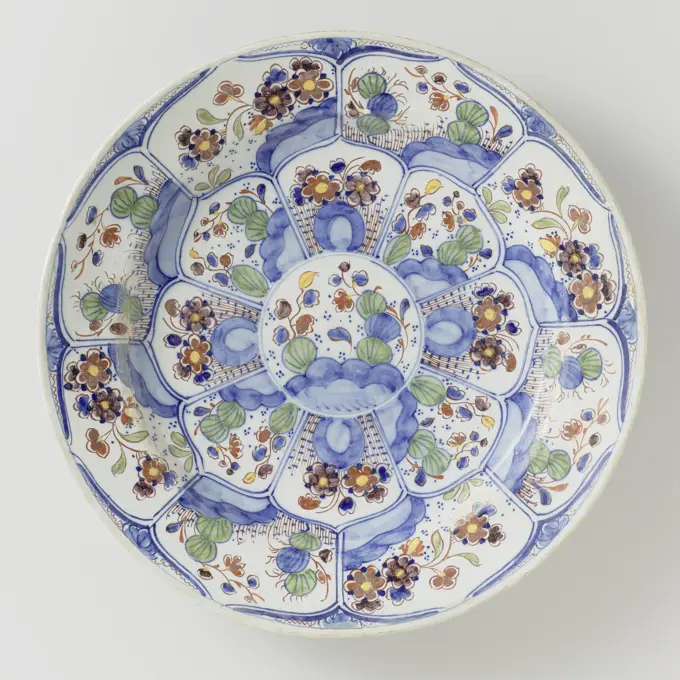
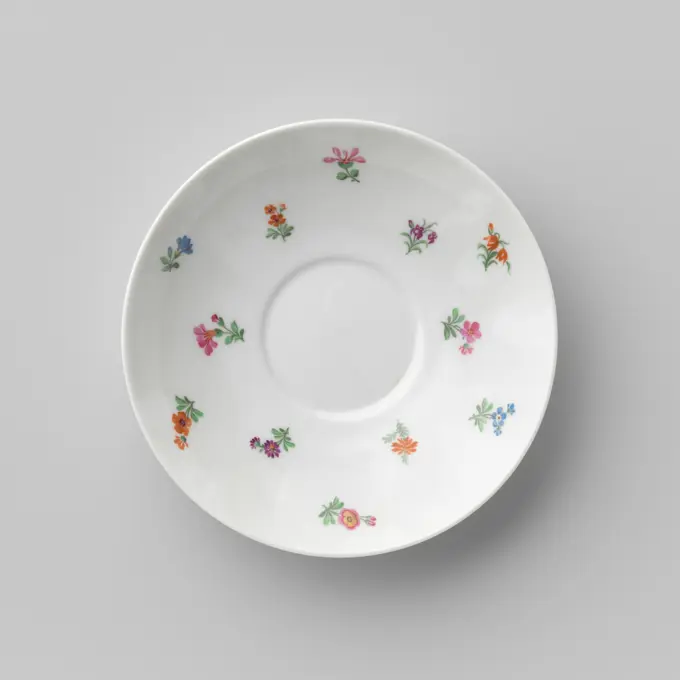
Elegant porcelain dishes adorned with floral patterns and intricate designs, featuring various colors and styles, reflecting fine craftsmanship.

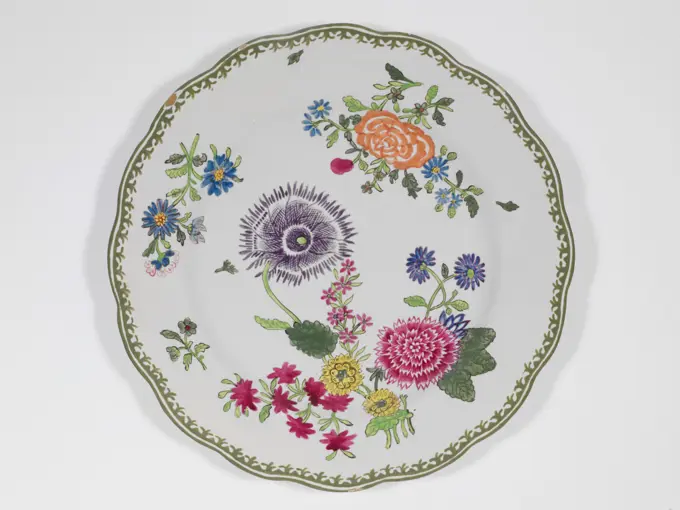
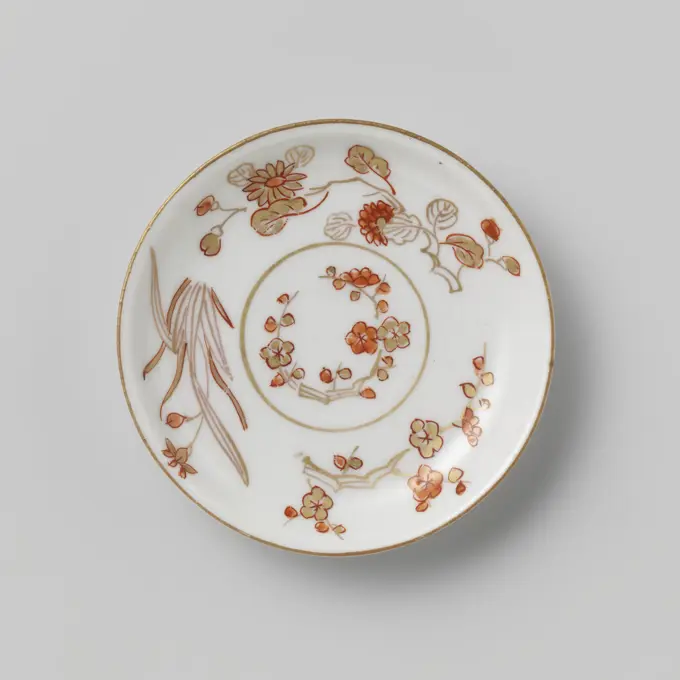
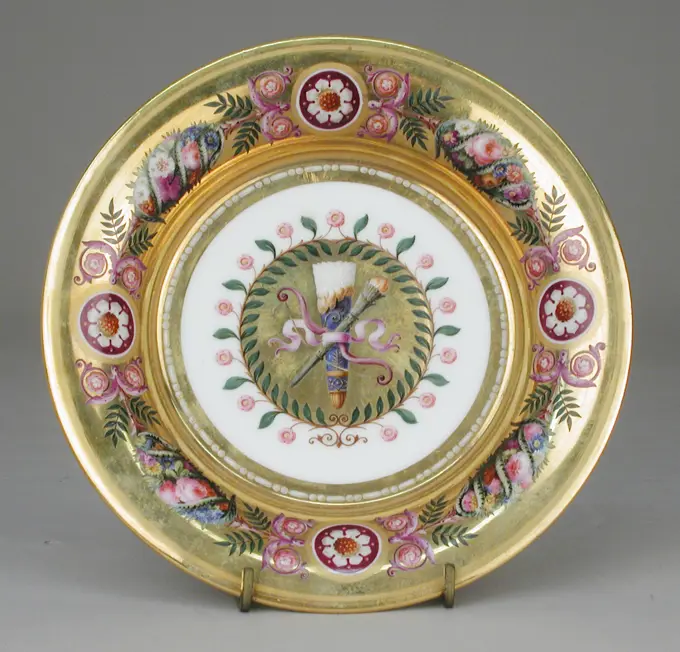
Unknown (n. - d.), Plate, decor called Pompadour (main title). Hard porcelain, polychrome enamels on covered (green, orange red, yellow, blue, pink and purple). Petit Palais, Museum of Fine Arts of the City of Paris.
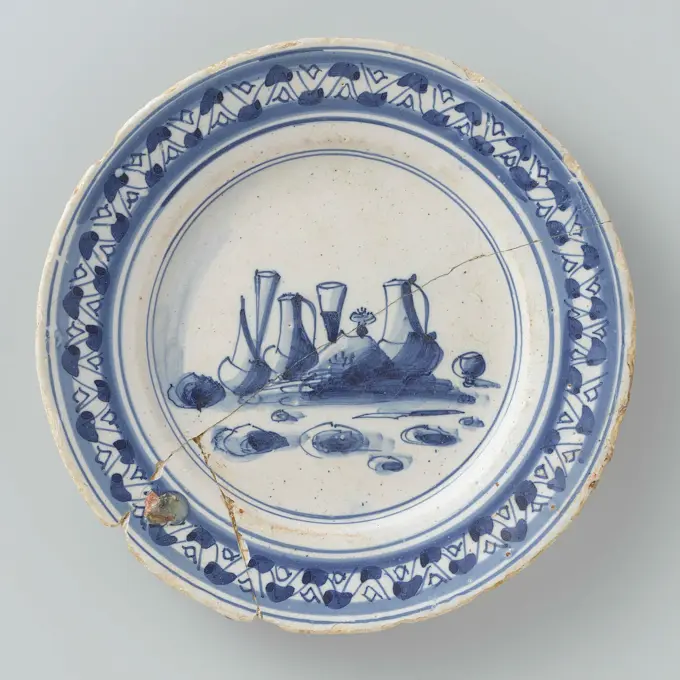
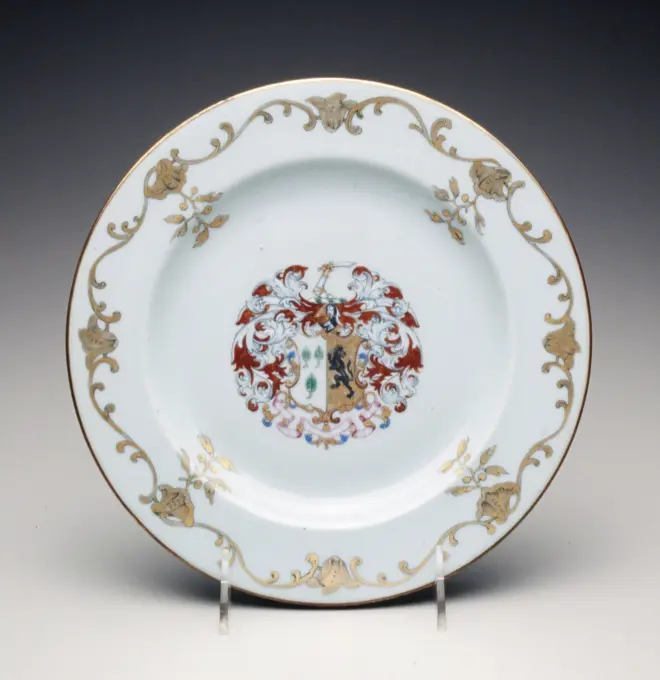
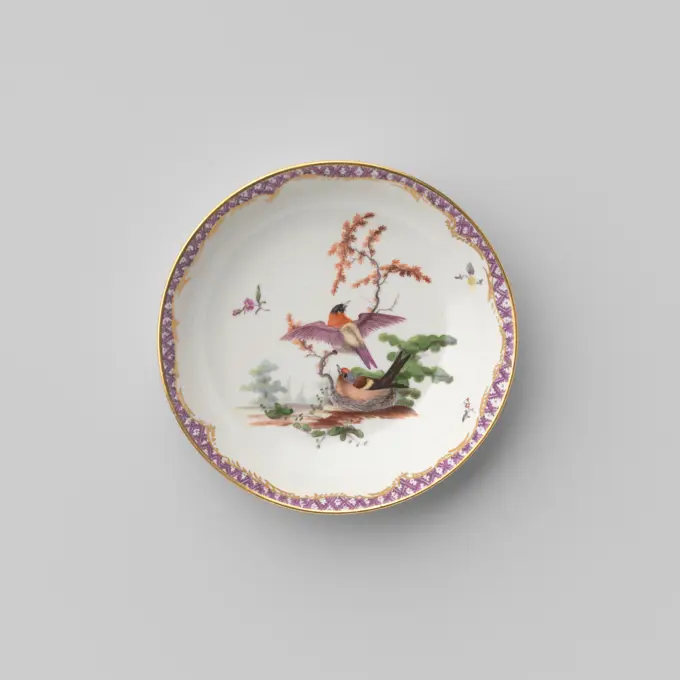
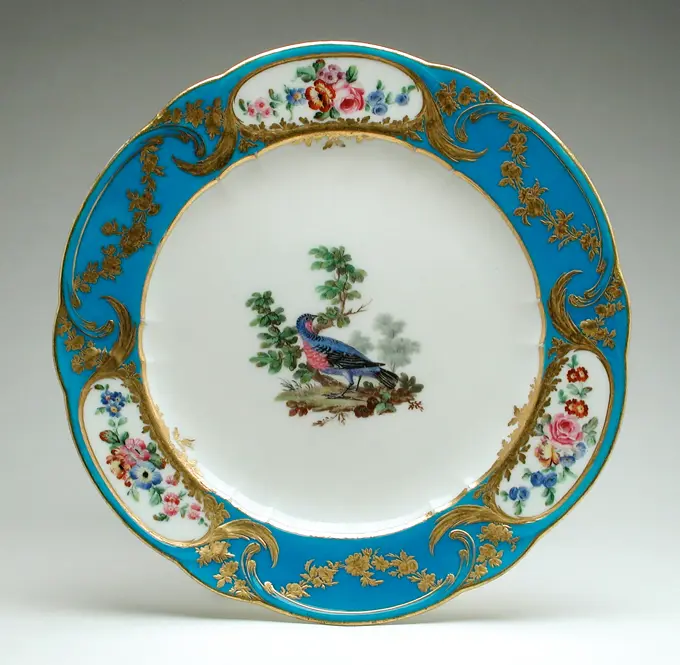
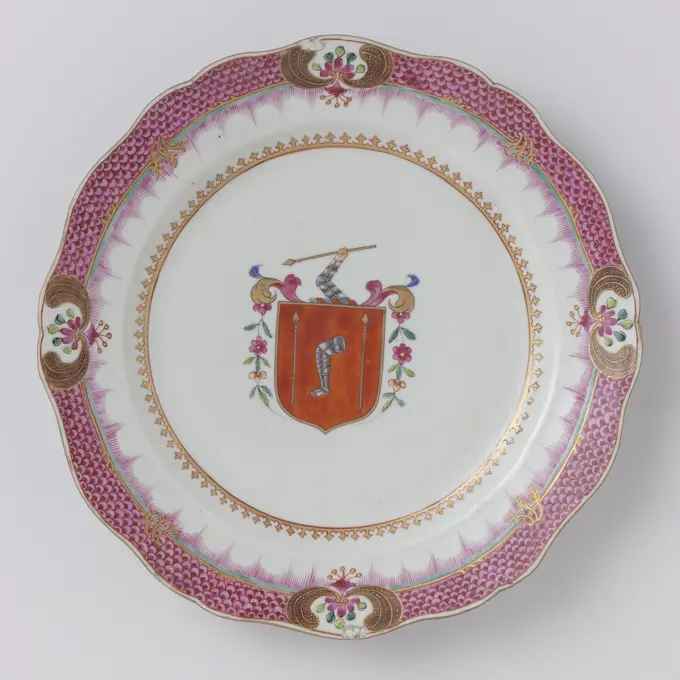
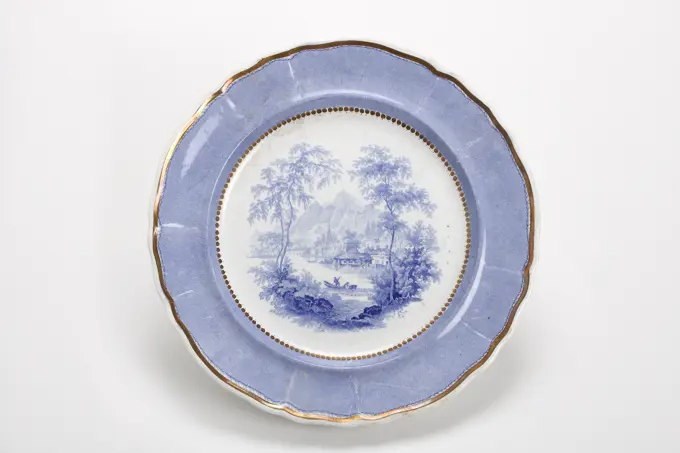
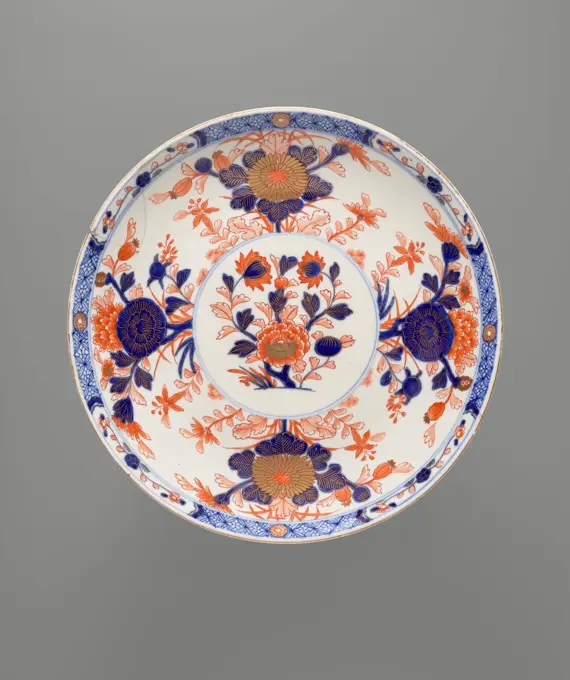
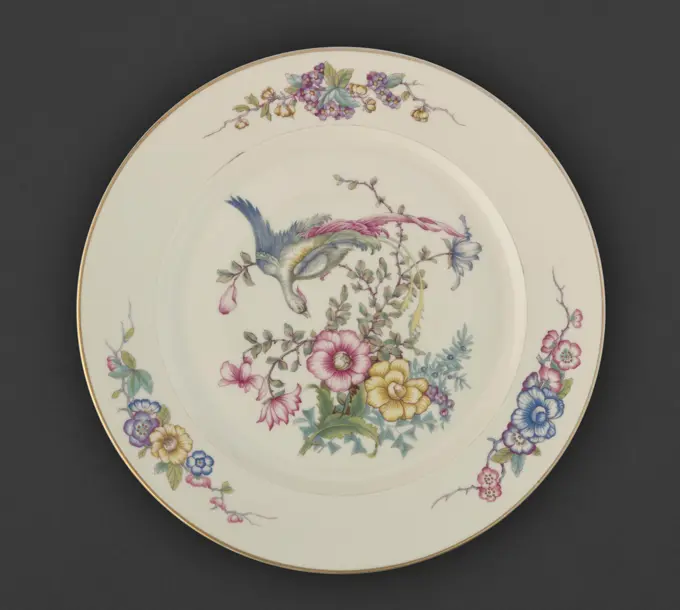
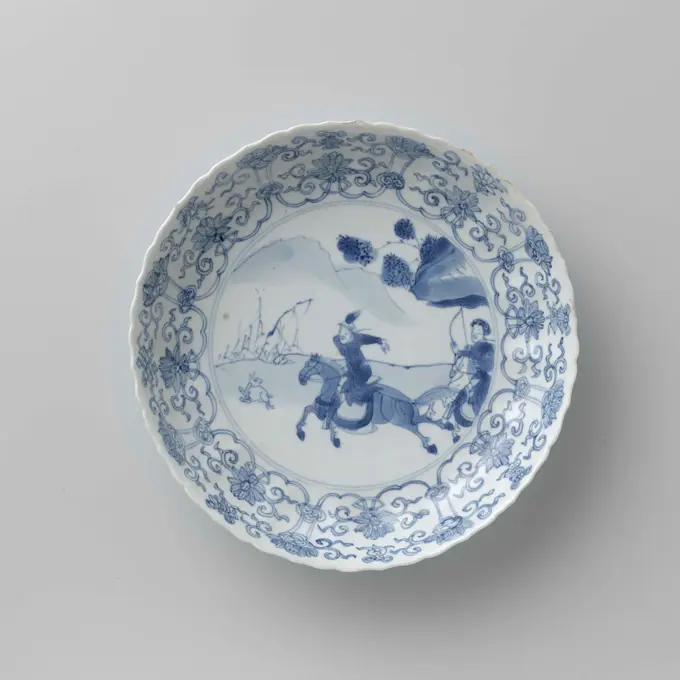
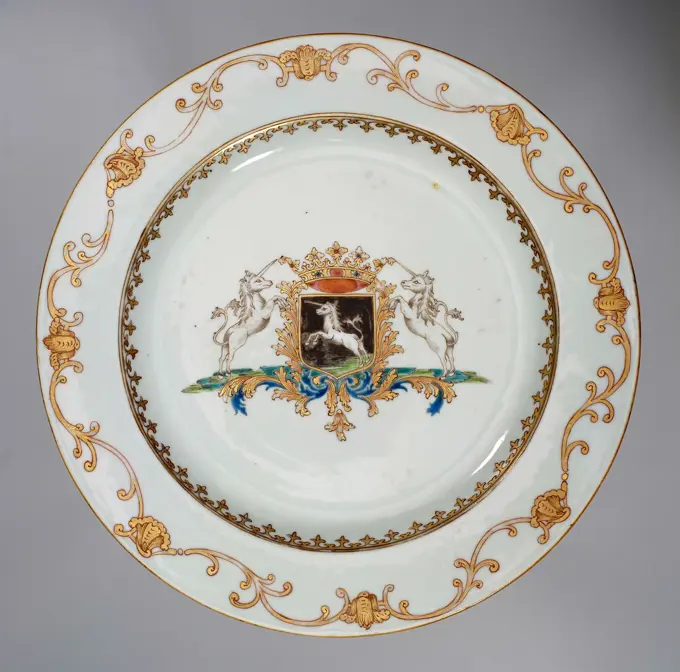
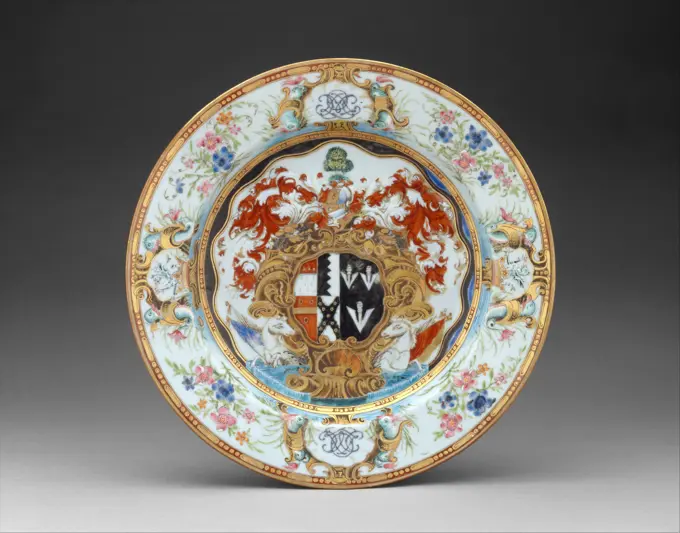
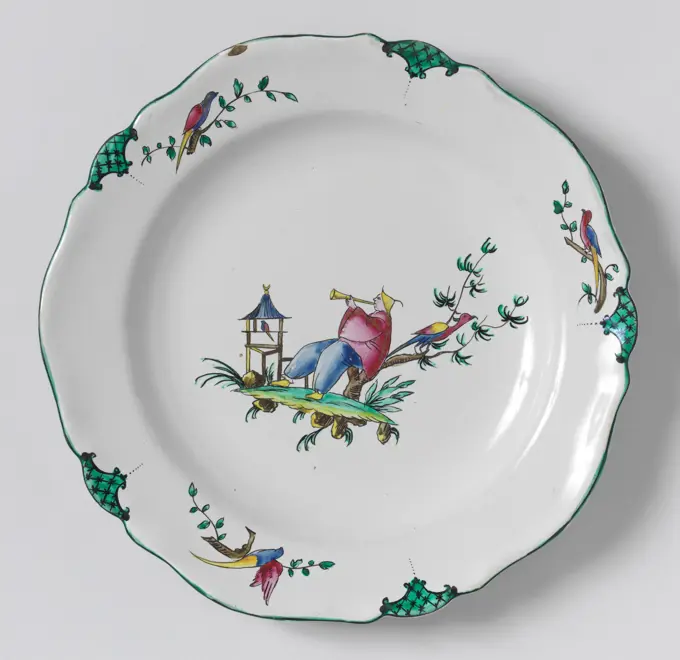
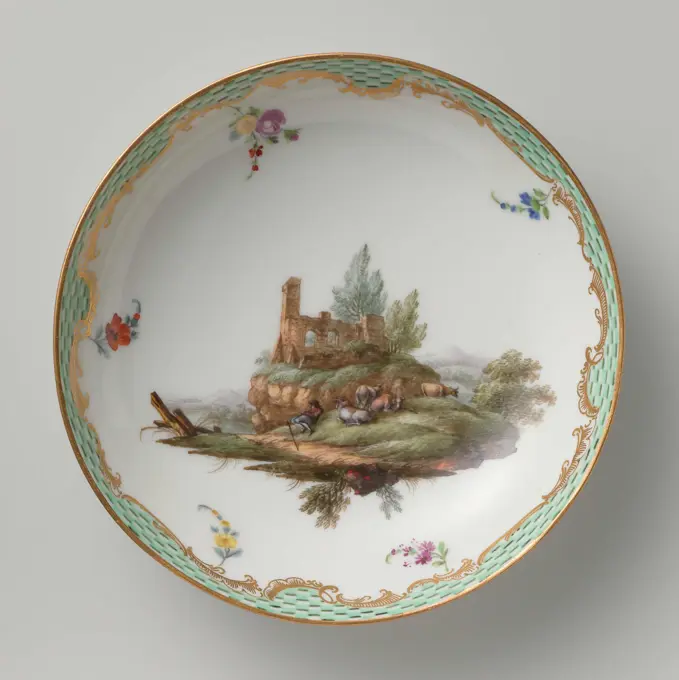
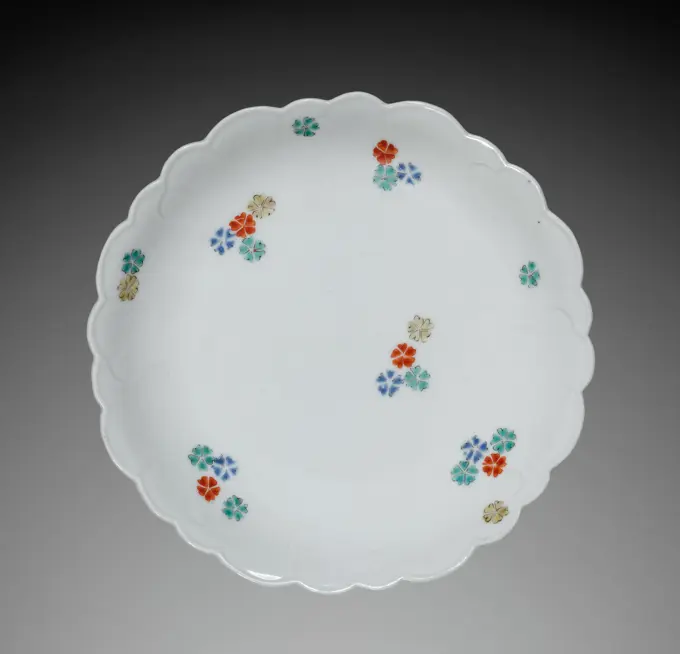
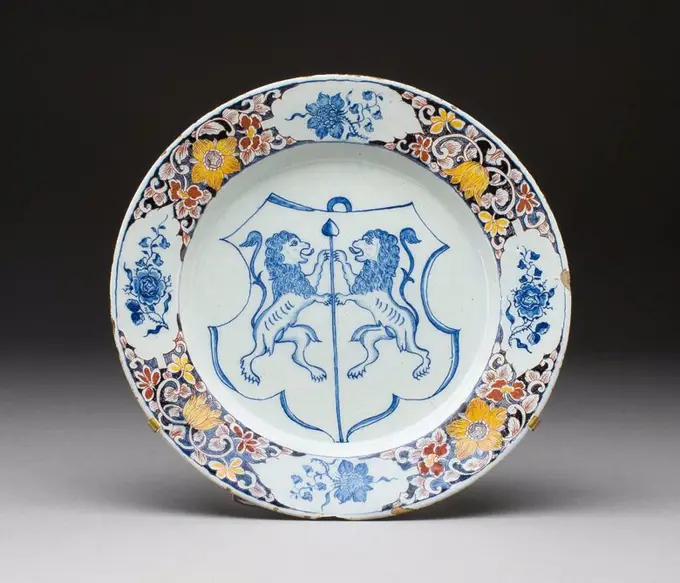
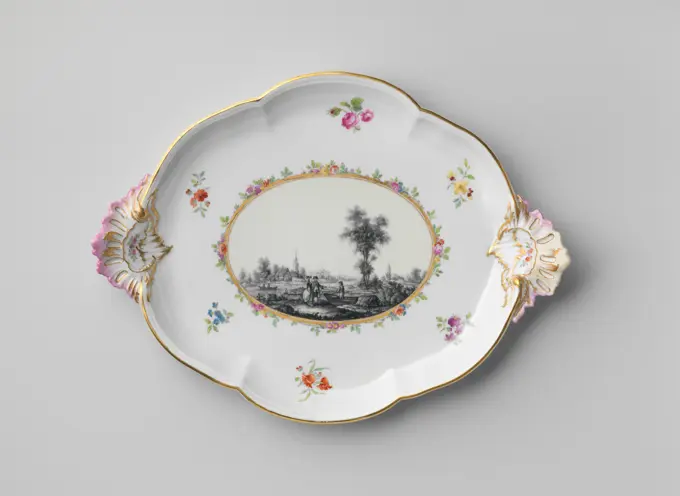
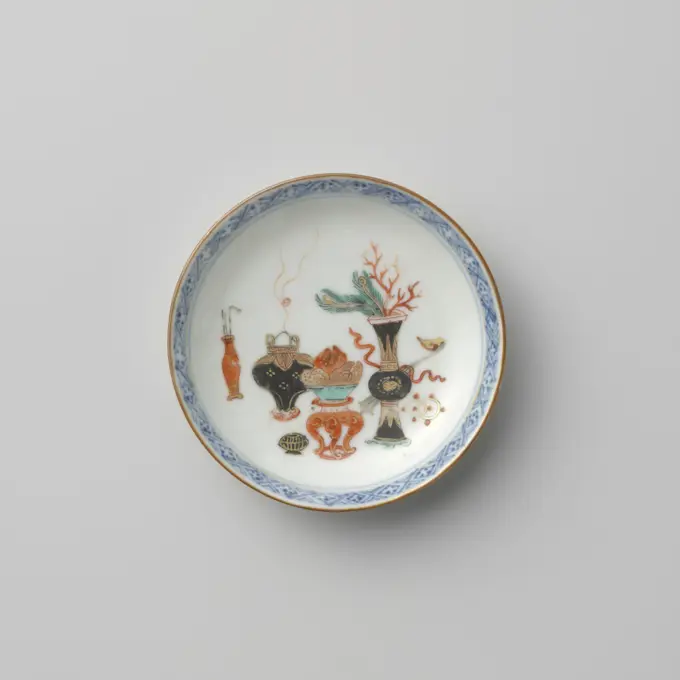
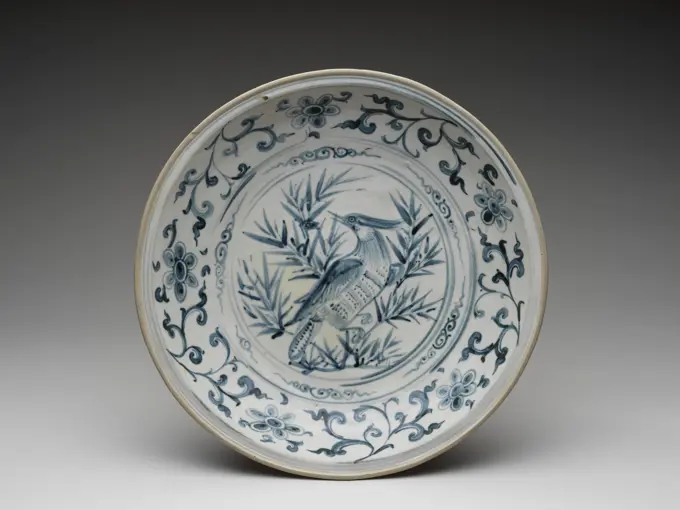
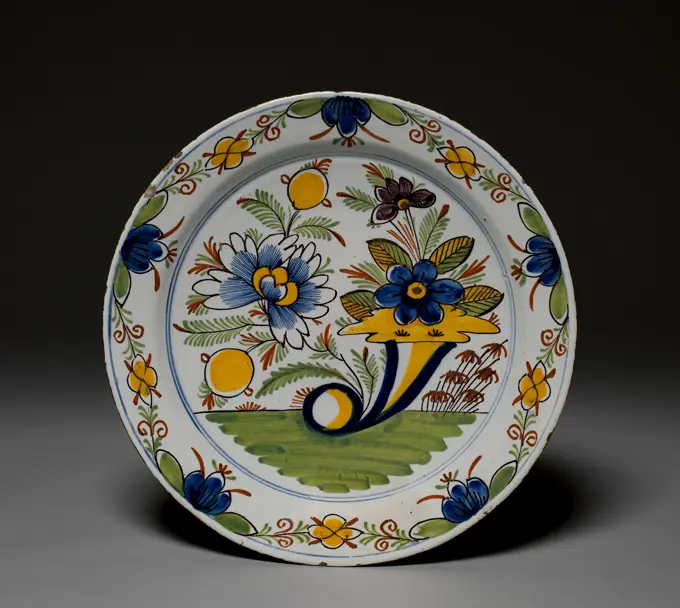
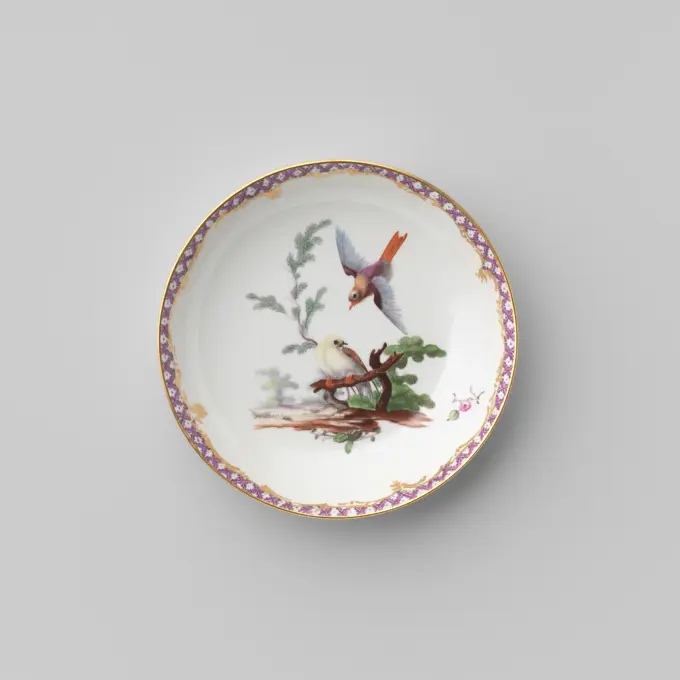
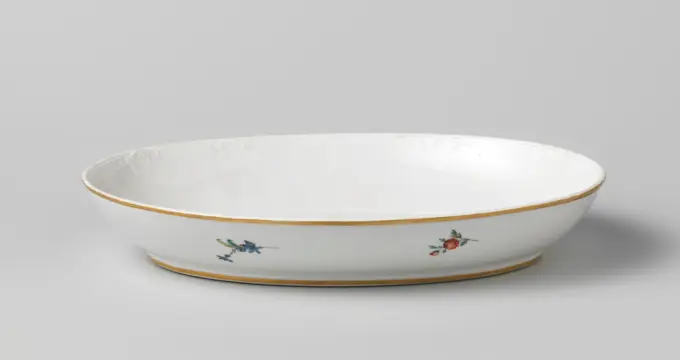
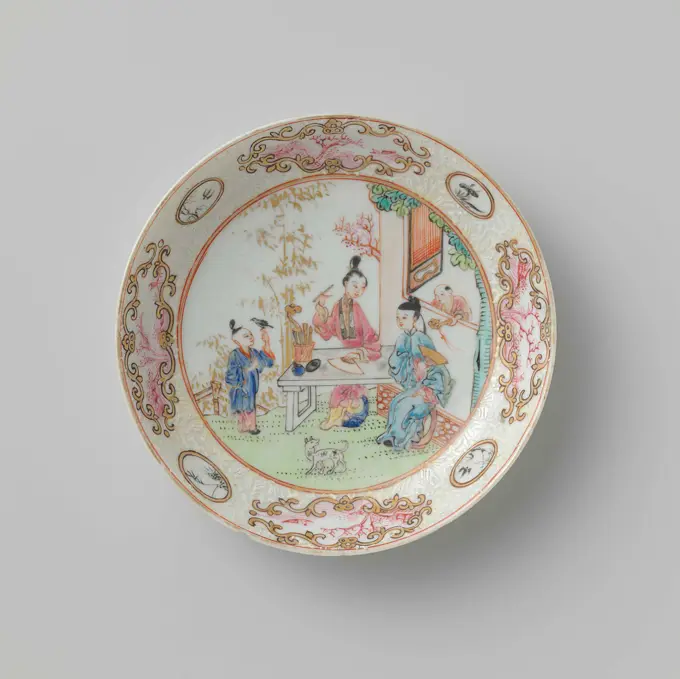
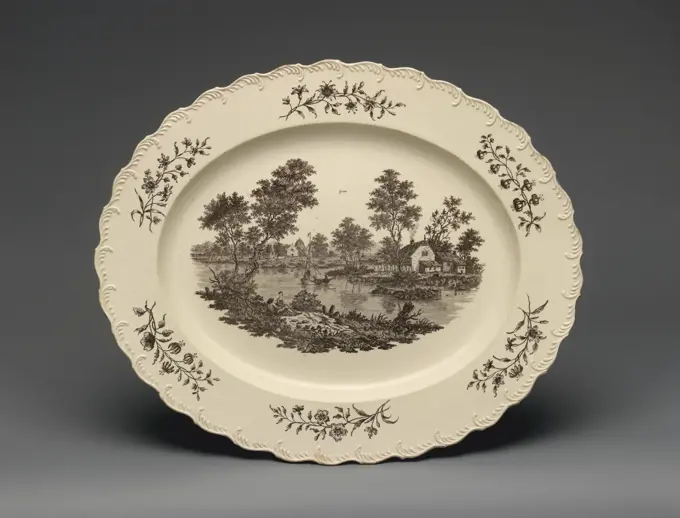
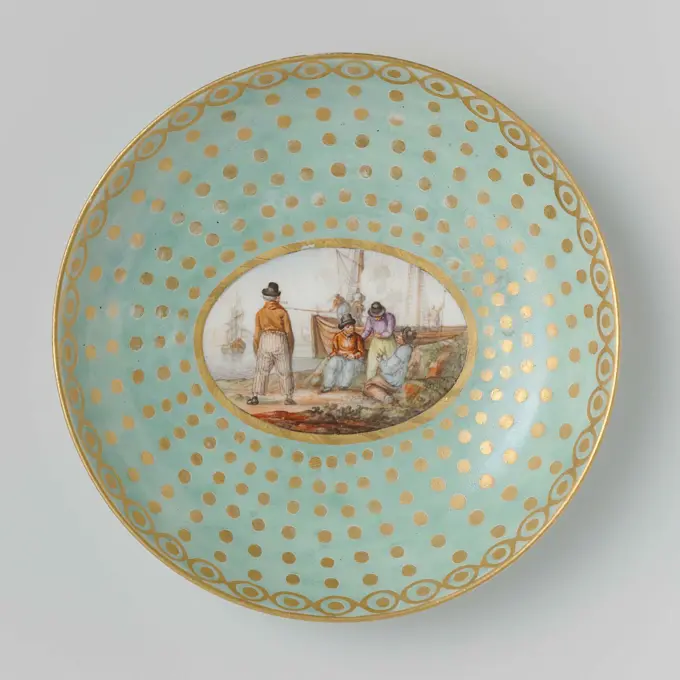
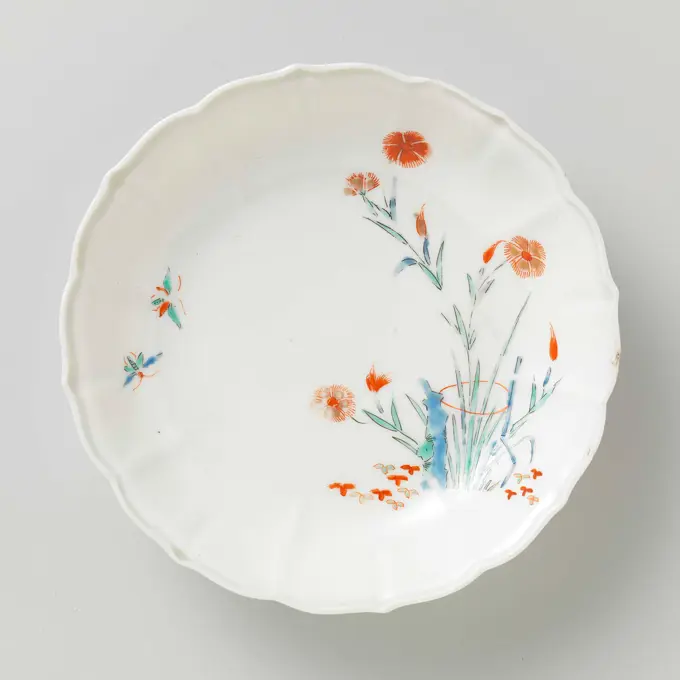
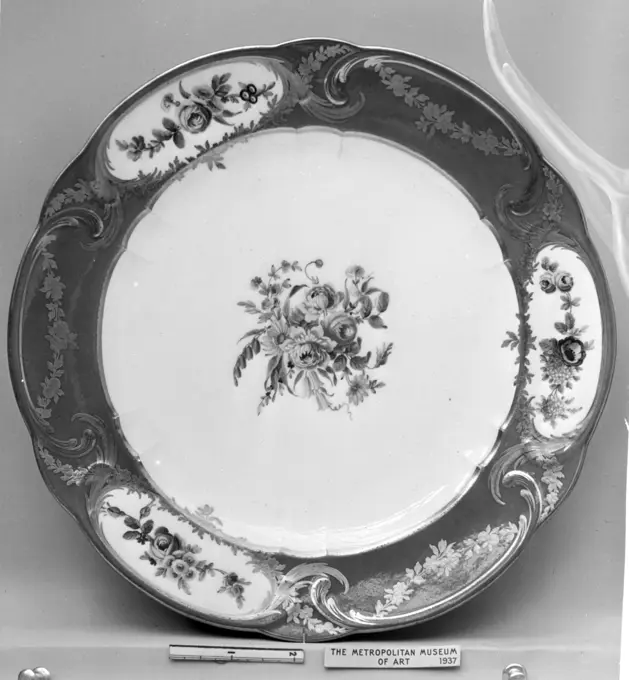
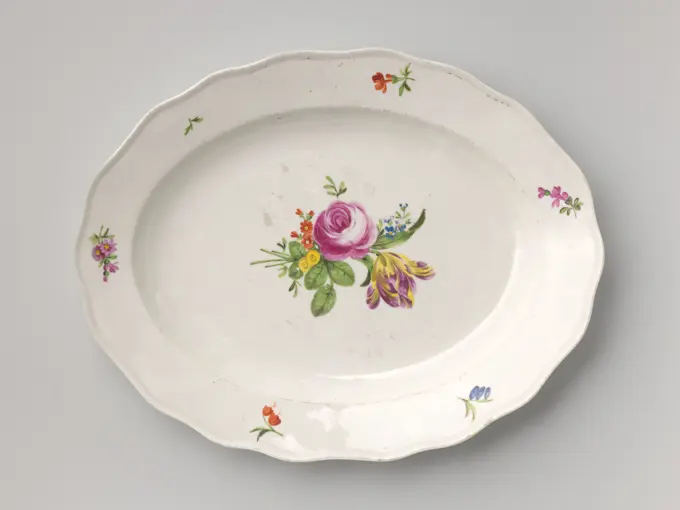
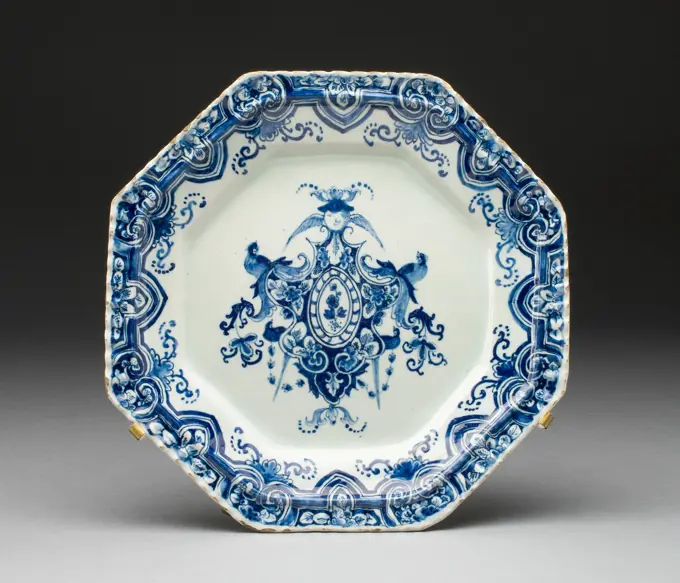
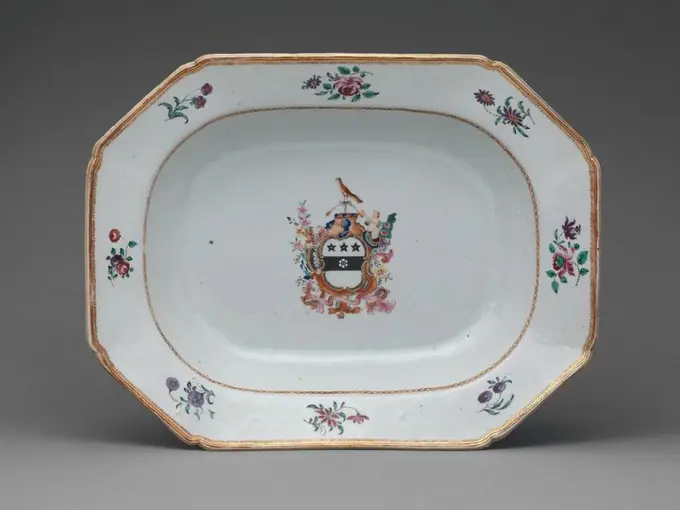
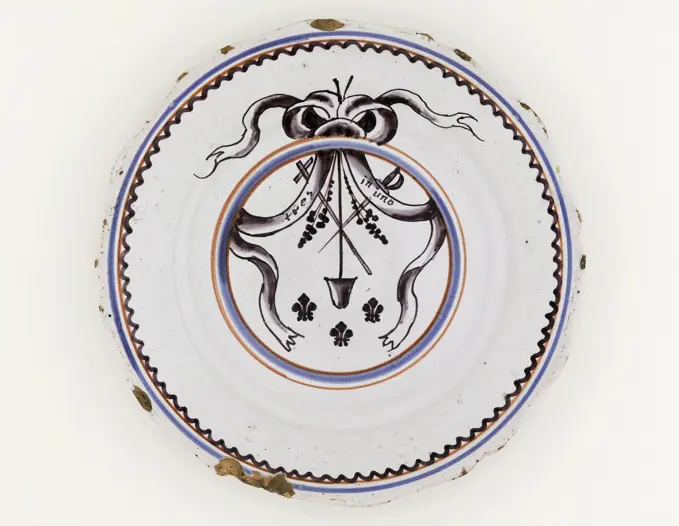
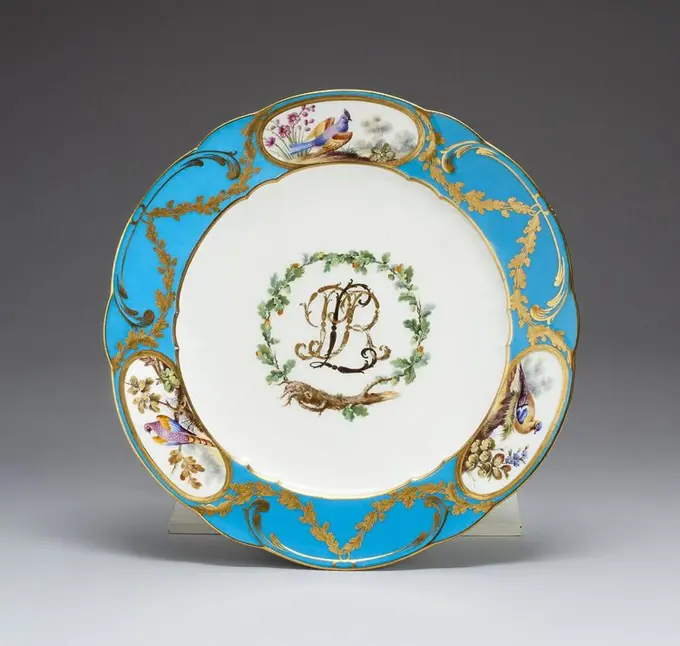
Oval bowl; Glinica (Fiansu Factory; 1771-Ca 1870); 2.. Round plate of blue painted faience. Cannen and flute glasses are painted on the flat and a geometric band on the edge. The plate is a soil find out of Delft.Dish, belonging to a coffee and tea set, painted with birds in a landscape. Dish, belonging to a coffee and tea set, multi-colored painted with birds in a landscape. Along the edges of napkin. Signature a in underglaze blue and rebel 4.Dish with the arms of the Van Reede van Oudtshoorn and Boesses families, anonymous, c. 1725 - c. 1749 Porcelain dish, painted on the glaze in red, pink, green, brown, black and gold. On the flat the alliance weapon of the families of Reede van Oudtshoorn and Boesses. On the left the weapon of the Van Reede van Oudtshoorn family in gray and black. On the right the weapon of the Boesses family divided into four areas: 1. and 4. A golden glans on a green background, 2. and 3. A tree on a red background. The helmet sign is a crown and the cover is in Louis XIV style in pink, gray, green and gold with palm leaves on either side. On the edge a gold acanthus decoration. Weapon porcelain with email colors. China porcelain. glaze. gold (metal) painting / gilding / vitrification Porcelain dish, painted on the glaze in red, pink, green, brown, black and gold. On the flat the alliance weapon of the families of Reede van Oudtshoorn and Boesses. On the left the weapon of the Van Reede van OudtshoornA plate MieleówArmorial Plate, c. 1750, 1 x 9 1/8 in. (2.54 x 23.18 cm), Porcelain with enamel and gilded decoration, China, 18th centuryDish, belonging to a coffee and tea set, painted with birds in a landscape. Dish, belonging to a coffee and tea set, multi-colored painted with birds in a landscape. Along the edges of napkin. Signature a in underglaze blue and rebel 4.Six Turquoise Plates. Francois-Joseph Aloncle (France, 1734-1781)Antoine-Joseph Chappuis (France, 1743-1787)Sèvres Porcelain Manufactory (France, Sèvres, established 1756)Etienne Evans (France, active 1752-1806). France, Sèvres, 1767-1768. Furnishings; Serviceware. Porcelain with enamel, gilding, and glazePlate with the arms of the Gilbert family, anonymous, c. 1750 - c. 1774 Plate of porcelain with go -scallowed edge, painted on the glaze in blue, red, pink, green, yellow, black and gold. On the flat the coat of arms of the Gilbert family surrounded by leaf vines and flower branches. The wall with a Spearhead border. On the edge a decorative tire interrupted by four cartouches with a stylized flower. Two chips in the edge. Weapon porcelain with email colors. China porcelain. glaze. gold (metal) painting / gilding / vitrification Plate of porcelain with go -scallowed edge, painted on the glaze in blue, red, pink, green, yellow, black and gold. On the flat the coat of arms of the Gilbert family surrounded by leaf vines and flower branches. The wall with a Spearhead border. On the edge a decorative tire interrupted by four cartouches with a stylized flower. Two chips in the edge. Weapon porcelain with email colors. China porcelain. glaze. gold (metal) painting / gilding / vitrification. Dish of soft porcelain, with mansed edge and decorated on white ground with blue: edge and flat with arabes and chinese emblems. At the rear two double circular lines and a fantastic improvised Chinese brand.Dinner plate - William Davenport & Company, 1835-1881 William Davenport & Company, 1835-1881Platter (ôzara);  19th century (1800-00-00-1899-00-00);Plate; Rosenthal (Selb; Porcelain Factory; 1879-); 1925-41 (1920-00-00-1930-00-00);. Porcelain diamond shaped dish with ribbed wall and lobed edge, painted on the glaze in red, pink, green, black and gold. On the Flat the Weapon of the De Wilde family. A goat is depicted on the weapon. The helmet sign is a lion's head with mane with a wild / barbarian that holds a knot. The cover cover consists of leaf rights in a European style. On the edge a bond with leaf raft and palm branches in Rococo style. Old label on the underside with 'De Wilde Hoogheemwijs v.D. Beemster '. Weapon porcelain with email colors.Bliżej Kultury ĆmielówSaucer with the arms of the Van Oyen, De Quay and Ingenool families, anonymous, c. 1760 - c. 1770 Porcelain dish, painted on the glaze in blue, red, pink, green, yellow, black and gold. On the flat the weapon of the Van Oyen families and the Quay to which added Intool. The weapon to the left of the Van Oyen family has depicted a red background with three Golden Fleur-de-Lis on it. The weapon to the right of the De Quay and Ingenool families is divided into four areas: 1. and 4. A green bar with a leaf above it, 2. and 3. Three flowers in green and blue. The shields are surrounded by a selection of military trophies with two lions on either side. There are spears with banners trumpets, cannons, barrels and cannonballs. On the wall a European band with branches, tendrils and twice a sun. A crack and a few chips in the edge. Weapon porcelain with email colors. China porcelain. glaze. gold (metal) painting / gilding / vitrification Porcelain dish, painted on the glaze in blue, red, pink, gSaucer-dish with hunting scene, Lotus Scrolls and auspicious Symbols. Scale of porcelain with round, ribbed wall and scalloped edge, painted in underglaze blue. On the flat a yacht scene with two armed riders in a landscape, jaming on a hare; the edge with a linked band of lotus drinks with Ruyi motif, between the eight lucky symbols (chakra, shell, parasol, canopy, lotus, vase, fish, infinite knot); The back with sixteen loose flower branches. Marked on the underside with the six character mark of Emperor Chenghua in a double circle. Blue White.Chamber pot lid - Dufferin Terrace & Citadel. Place Dufferin & Citadelle D'après Robert Cochran & Company, 1846-1896. Porcelain plate, painted on the glaze in blue, red, pink, green, black and gold. On the flat the coat of arms of the family of BEVENDINGH. The weapon has shown a black background with a unicorn. The helmet sign is a crown. Two unicorns are shown on the side of the weapon, standing on a base of leafwork. On the wall a Spearhead border and on the edge a European decorative bond with shell motifs and tendrils. Weapon porcelain with email colors.. Meissen porcelain manufactory ice cream, c. 1735-1740After prints by Petrus Schenk (1693-1775) Hard Paste PorcelainPlate 1739-43 Chinese, for British market This plate is distinguished by the lavishness of its enamel painting, and by the fact that a design for the plate's decoration survives, the only recorded instance for an armorial service.. Plate. Chinese, for British market. 1739-43. Hard-paste porcelain. Ceramics-Porcelain-ExportDish. unknown, craftsmanBlackboard with two men on the flat twice in a boat. Plate of pottery with liquefy transfer decor. On the flat a representation of twice two men in a boat, with a bridge and a few buildings in the background. The edge of the plate with a wreath of flowers and leaves and a wavy trim.Plate ca. 1770 Veuve Perrin Factory Faience, or tin-glazed and enameled earthenware, first emerged in France during the sixteenth century, reaching widespread usage among elite patrons during the seventeenth and early eighteenth centuries, prior to the establishment of soft-paste porcelain factories. Although characterized as more provincial in style than porcelain, French faience was used at the court of Louis XIV as part of elaborate meals and displays, with large-scale vessels incorporated into the Baroque garden designs of Versailles. Earlier examples of French faience attest to the strong influence of maiolica artists from Italy. Later works demonstrate the ways in which cities such as Nevers, Rouen, Lyon, Moustiers, and Marseille developed innovative vessel shapes and decorative motifs prized among collectors throughout Europe. While faience can be created from a wide mixture of clays, it is foremost distinguished by the milky opaque white color achieved by the addition of tin oxDish 17th-early 18th century. Dish 447239Plate. Round plate of multicolored painted porcelain. Along the edge are six volutely leaf motifs painted in blue. Flower bouquets are painted on the flat and edge. The plate has been marked.Oval platter. Glinica (wytwórnia fajansu ; 1771-ok. 1870), factoryPlate with flowering plants and flower sprays, Doornik, c. 1890 - c. 1900 plate (dishes) Soft-Paste Porcelain plate (Pâte Tendre) with a scalloped edge, painted in underlaze blue. A flowering plant on the flat. The edge, continuously on the wall, is slightly modeled in three narrow and one wide -ranged box. A flower branch in the four wide courses. Marked on the underside with the crossed swords with four crosses and an A. Torlative porcelain. glaze. cobalt (mineral) painting / vitrificationDish, painted with figures in landscapes. Part of a service, Weesper Porcelain Factory, 1759 - in Or Before 1771 Porcelain dish, multi -colored painted with figures in landscapes. Part of a service. Marked with two crossed swords and grabs: MHS. Weesp porcelain Porcelain dish, multi -colored painted with figures in landscapes. Part of a service. Marked with two crossed swords and grabs: MHS. Weesp porcelainPlate; Manufactured by Veuve Perrin Factory (France); tin-glazed earthenware painted in muffle colors; L x W x D: 3.3 × 24.6 × 42.7 cm (1 5/16 × 9 11/16 × 16 13/16 in.)Plate, Tin-glazed earthenware, overglaze muffle colors, possibly Marseille, France, ca. 1775-1800, ceramics, Decorative Arts, PlateDish 1770-1775 Worcester. Soft-paste porcelain, polychrome enamels and gilding . Worcester Royal Porcelain Company (Manufacturer)bord van faience, 1691 - 1724 Plate of earthenware, blue painted on a white stock. Presentation of a bird standing on a rock. Behind it trees and bushes, two more birds in the air. Chinese inspired. Delft earthenware. Plate of earthenware, blue painted on a white stock. Presentation of a bird standing on a rock. Behind it trees and bushes, two more birds in the air. Chinese inspired. Delft earthenware.Plate 1755-60 Chinese, for British market. Plate 202482. Round dish of painted porcelain. The dish is painted with landscapes in which figures and along the edge a wide strip of green braid. The dish has been marked.Plate, multi -colored painted with Deutsche Blumen, Insekten and Fruits, Meissener Porzellan Manufaktur, c. 1750 - c. 1760 Round plate of painted porcelain. The board is painted with Deutsche Blumen, Insekten and Fruits. The edge is decorated in relief with the Neuozier pattern. The board is marked and belongs to a service (BK-17474-1 to BK-17474-253). Float porcelain Round plate of painted porcelain. The board is painted with Deutsche Blumen, Insekten and Fruits. The edge is decorated in relief with the Neuozier pattern. The board is marked and belongs to a service (BK-17474-1 to BK-17474-253). Float porcelainCup and saucer. Ansbachpainted decoration: Porseleinfabriek Den Haag, 1778hard-paste porcelainUnknown, plate, 1750, great fire earthenware, polychrome enamels, green shades and manganese. Petit Palais, Museum of Fine Arts of the City of Paris.Small Dish with Flowers, late 1600s. Japan, Edo period (1615-1868). Porcelain with overglaze color enamel and molding (Hizen ware, Kakiemon type); diameter: 14.4 cm (5 11/16 in.).Fruit or Dessert Plate with 'Disheveled Birds', Chelsea Porcelain Manufactory, English, established ca. 1743/45, soft paste porcelain, vitreous enamel, A porcelain and enameled plate with three birds perched on green branches., England, ca. 1758-1769, ceramics, Decorative Arts, plate, plateSaucer-dish with Fluted Sides and Flowers and Shellfish Above Waves. Scale of porcelain with ribbed wall and lobed edge, painted in underglaze blue and on the glaze blue, red, green, yellow, eggplant, black and gold. On the flat a medallion with prunus flowers and shellfish above swirling waves; The wall divided into eight surfaces with the same decoration at the other side at the other side: lotus drinks protruded against a red ground, flowering trees with bird and butterfly, a landscape in gold against a bleu poudré (powder blue) soil and costs (artemisia leaf) with happiness symbols (tripod, vase with peacock feathers, rolls, books, scepter); the back with three flower branches and three twigs; A double circle on the bottom. Famille Verte.Plate. Netherlands, Delft. Date: 1720-1745. Dimensions: Diam. 22.5 cm (8 7/8 in.). Tin-glazed earthenware (Delftware). Origin: Delft. Museum: The Chicago Art Institute, Chicago, USA.Leaf, belonging to Tete-A-Tete, painted with landscapes within ovals. Leaf, belonging to Tête-à-tête. Painted within oval fields with landscapes in encre-chine surrounded by a flower garland on a yellow soil. Marked with a skewer in underglazing blue.Saucer with decorations flowers; Korzec (Porcelain and faience manufacture; 1790-1832); 1805-1821 (1805-00-00-1821-00-00);Saucer with antiquities and diaper pattern, anonymous, c. 1725 - c. 1749 Porcelain saucer, painted in under -glaze blue and on the glaze red, green, black and gold. On the flat of the dish a group of antiques (vase with peacock springs and coral, scepter, fruit bowl with fingercitroen, incense burner); The edge with a tire servetwork. Famle Verte. China porcelain. glaze. gold (metal) painting / gilding / vitrification Porcelain saucer, painted in under -glaze blue and on the glaze red, green, black and gold. On the flat of the dish a group of antiques (vase with peacock springs and coral, scepter, fruit bowl with fingercitroen, incense burner); The edge with a tire servetwork. Famle Verte. China porcelain. glaze. gold (metal) painting / gilding / vitrificationDish belonging to a tea set with decoration of trophies on tied ribbons, Royal Porcelain Factory Dommer & Co., 1809 - in Or Before 1814 Tea set consisting of a teapot, a sugar bowl, a coil and twelve cups and saucers multicolored painted with trophies hanging on blue bows. The trophies relate to various professions. Marked in black: Amstel (the sugar bowl Amstel N. 805 and Inganglift A). Various entry brands in the heads and saucers. Nieuwer-Amstel porcelain Tea set consisting of a teapot, a sugar bowl, a coil and twelve cups and saucers multicolored painted with trophies hanging on blue bows. The trophies relate to various professions. Marked in black: Amstel (the sugar bowl Amstel N. 805 and Inganglift A). Various entry brands in the heads and saucers. Nieuwer-Amstel porcelainDish, Cozzi Porcelain Factory, Italian, 1763 - 1812, hard paste porcelain, vitreous enamel, gold, Scalloped shell form with Chinese-style decoration and bow knot., Italy, ca. 1765, ceramics, Decorative Arts, dish, dishSaucer With Flower Sprays and a Butterfly. Dish of porcelain, painted on the glaze in blue, red, pink, green, yellow and black. On the front loose flower branches and a butterfly. Decorated in email colors in Europe.Dish with bird amid bamboo design and foliate meander on cavetto Vietnam, probably Hai Duong Province early 16th century This dish, decorated in cobalt on a white slip and immersed in a translucent glaze, is typical of the Hoi An shipwreck cargo, salvaged near Cu Lao Cham island, offshore from Da Nang, central Vietnam. It is characterized by freely drawn brushwork that displays all the hallmarks of mass production, a skilled hand executing the underglaze blue designs with a practiced confidence. Technically the Vietnamese kilns never produced true porcelain but rather a high fired stoneware. The discovery of the Hoi An shipwreck in the late 1990s demonstrated the massive scale of Vietnamese glazed ceramic production at its peak in the early 16th century. View more. Dish with bird amid bamboo design and foliate meander on cavetto. Vietnam, probably Hai Duong Province. early 16th century. Stoneware painted with cobalt blue under a transparent glaze. CeramicsSaucer Dish With Two Warriors On Horseback And A Man On Foot. Dish of porcelain with round wall, painted on the glaze in blue, red, pink, green, yellow and black. On the flat a fighting scene with two warriors on horseback, to which an older man on foot; in the background a tent with banners; between the persons some unidentified, budget Chinese characters; The edge with napkin with flour interspersed with a flower branch in a cartouche. Some chips and two cracks in the edge. Family Rose.Covered tureen with groups of flowers and ornamental border, anonymous, c. 1800 - c. 1899 Porcelain lid, painted on the glaze in blue, red, pink, green, yellow, black and gold. On the outer wall of the bowl three flower groups with peony, aster and bamboo; On the outer edge a wide decorative band with flower branches on servetwork and hanging lotus vines with lucky symbols (musical stone, Ruyi motif); On the bottom a large flower group and three flower groups on the inner wall; The inner edge with a band Ruyi motifs. The lid with the same decoration with a flower rosette on the lid button and on the edge a strap with flower vines on servetwork. Famle Rose. China porcelain. glaze. gold (metal) painting / gilding / vitrification Porcelain lid, painted on the glaze in blue, red, pink, green, yellow, black and gold. On the outer wall of the bowl three flower groups with peony, aster and bamboo; On the outer edge a wide decorative band with flower branches on servetwork and hanging lotus viPlate with a bouquet and flower sprays, imperial porcelain factory, c. 1800 - c. 1849 Porcelain plate with a lobed edge, painted on the glaze in red, pink, green and yellow. On the flat a bouquet of different flowers (including peony) surrounded by loose twigs and five flower branches on the edge. Marked on the underside with the shield, the letters P, S and the numbers 32, 40 and 89. In a few places the email has released. Vienna porcelain. glaze. painting / vitrification Porcelain plate with a lobed edge, painted on the glaze in red, pink, green and yellow. On the flat a bouquet of different flowers (including peony) surrounded by loose twigs and five flower branches on the edge. Marked on the underside with the shield, the letters P, S and the numbers 32, 40 and 89. In a few places the email has released. Vienna porcelain. glaze. painting / vitrification. Plate of Faïence. Multicolored painted with a Chinese water landscape and Lambrequins, in Imari colors.Dish with a stylized flowering plant, anonymous, c. 1560 - c. 1575 Quarter fritry with lead saucer decorated with a stylized flowering plant in blue, red, black and green on white under a transparent lead-alakali-laze glaze. Iznik. Iznik earthenware. glaze. cobalt (mineral) painting / vitrification Quarter fritry with lead saucer decorated with a stylized flowering plant in blue, red, black and green on white under a transparent lead-alakali-laze glaze. Iznik. Iznik earthenware. glaze. cobalt (mineral) painting / vitrificationBliżej Kultury ĆmielówPolychrome Charger, 1700s. Holland, Delft, 18th century. Tin-glazed earthenware; diameter: 35 cm (13 3/4 in.).Saucer with different flower sprays, anonymous, c. 1720 - c. 1740 Porcelain dish, painted on the glaze in red and gold. On the flat a flower branch in a medallion with three different flower branches around it; The back with three flower branches. Milk and blood. China porcelain (material). glaze. gold (metal) painting / gilding / vitrification Porcelain dish, painted on the glaze in red and gold. On the flat a flower branch in a medallion with three different flower branches around it; The back with three flower branches. Milk and blood. China porcelain (material). glaze. gold (metal) painting / gilding / vitrificationBowl with an 8-piece rim. Frankfurt n/Menem (1666-1772), factoryDish, belonging to a coffee and tea set, painted with birds in a landscape. Dish, belonging to a coffee and tea set, multi-colored painted with birds in a landscape. Along the edges of napkin. Signature a in underglaze blue and rebel 4.. Round plate of multi-colored padded faience, with a multicolored decoration of a floral basket on the flat. On the edge, five stylized flowers in the colors of blue, red and manganese are painted, which are interspersed by five stylized plants in the colors green and red.Shaving basin, anonymous, c. 1750 - c. 1780 Shaving basin painted faïence with the representation of two lumberjacks; Along the edge a lambrequin motif in relief. Delft earthenware. tin glaze. Shaving basin painted faïence with the representation of two lumberjacks; Along the edge a lambrequin motif in relief. Delft earthenware. tin glaze.Luncheon plate - John Ridgway & Company, 1830-1855 John Ridgway & Company, 1830-1855Scale, Porcelinfabriek aan den Amstel, 1784 - 1814 Oval bowl multicolored painted with sprinkling flowers with stylized leaves in relief. Marked: Amstel. Amstel (river) porcelain Oval bowl multicolored painted with sprinkling flowers with stylized leaves in relief. Marked: Amstel. Amstel (river) porcelainPlate with river landscape and flower sprays, anonymous, c. 1740 - c. 1760 Plate of porcelain with round, short wall and wide, sloping edge, painted in underlaze blue. On the flat a river landscape with two people on a bridge, pavilions, trees and rocks, around it a band with geometric motif; A flower branch on the edge four times. Blue White. China porcelain. glaze. cobalt (mineral) painting / vitrification Plate of porcelain with round, short wall and wide, sloping edge, painted in underlaze blue. On the flat a river landscape with two people on a bridge, pavilions, trees and rocks, around it a band with geometric motif; A flower branch on the edge four times. Blue White. China porcelain. glaze. cobalt (mineral) painting / vitrificationOctagonal Saucer With Peony Spray and Lotus Scrolls. Octagonal dish of porcelain, painted on the glaze in green, pink, black and gold. On the flat a piona branch in a medallion with Spearhead border; The wall with lotus drinks alternately against a green ground with curlwork or pink soil with 'frogs'. Wall has been broken. Family Rose.Unknown, plate, imitation imitation decor (common name). Porcelain, polychrome enamels. Petit Palais, Museum of Fine Arts of the City of Paris.Chinese, Pair of Plates, porcelain.Saucer With Two Ladies and Two Boys in a Fenced Garden near a Pavilion. Dish of porcelain, painted on the glaze in blue, red, pink, green, yellow, black and gold. On the flat a fenced garden with trees, bamboo and two Chinese ladies with impeller, seated at a table with objects, one holds a brush; A boy stands next to the table with a bird, the other hangs out of the window of a pavilion with a ruyi scepter in his hand; a dog in front of the table; On the edge tendrils in Bianco Sopra Bianco with round cartouches spelled here with a branch or whimsical cartouches formed with a landscape. Some chips in the edge; A crack in the wall and one in the bottom. Famille Rose / Mandarin.Platter ca. 1780 Josiah Wedgwood British This platter represents two great inventions of British potters in the eighteenth century: creamware, a durable white earthenware with yellowish glaze, and transfer-printing, a technique that allowed for high-quality decoration at a relatively low cost. Creamware was developed by Staffordshire potters around 1750 as a substitute for porcelain. Lightweight, yet durable, it proved ideal for moderately-priced domestic wares. Josiah Wedgwood achieved commercial success in producing creamware of elegant designs often with transfer-printed decoration. After gaining the patronage of Queen Charlotte, Wedgwood was allowed to use the name Queens ware.[Elizabeth Sullivan, 2014. Platter. British, Staffordshire. ca. 1780. Creamware with transfer-printed decoration in black. Ceramics-PotteryToy dessert plate - Inconnu / UnknownDish (China); porcelain. Round dish of blue painted faience. A landscape with a tree and two figures (Chinese) is painted on the flat. The edge has a checkered surface and four oval compartments. In two of the courses, a seated figure (Chinese) is painted in a landscape and two figures (Chinese) in a landscape in the other two courses.Tea Service for Two People (Tête-à-Tête). Manufacture Oud-Loosdrechtsugar Bowl: Manufacturing Oud-Loosdrecht or Porcelainfabriek aan den Amstelelessrecht and Ouder-Amstel, c. 1782-1784Hard-Paste PorcelainImari Plate, one of a pair, c. 1715, 15/16 x 8 7/16 in. (2.38 x 21.43 cm), Porcelain with undergalze decoration, China, 18th centuryCharger with the Rape of Europa, De Grieksche A, c. 1715 - c. 1722 Dish of Faïence. Multicolored painted with the robbery of Europe. Delftdelftprint Maker: Haarlem . Dish of Faïence. Multicolored painted with the robbery of Europe. Delftdelftprint Maker: Haarlem .Dinner plate - Montreal Davenport DavenportPlate of multi -colored Faïence, Anonymous, c. 1700 - c. 1725 Faïence board. Multicolored painted with a Chinese water landscape and lambrequins, in Imari colors. Delft . Faïence board. Multicolored painted with a Chinese water landscape and lambrequins, in Imari colors. Delft .Saucer-Dish With Flowering Plants And Butterflies. Scale of porcelain with a ribbed wall and scalloped edge, painted on the glaze in blue, red, green, black and gold. Plants (peekanjer) and two butterflies on the front. A preen on the bottom. Arita, Kakiemon.Plate (Assiette à palmes) (1 of 102) (part of a service) 1772 Sèvres Manufactory French. Plate (Assiette à palmes) (1 of 102) (part of a service). French, Sèvres. 1772. Soft-paste porcelain. Ceramics-PorcelainDISH with a bouquet and flower sprays, imperial porcelain factory, c. 1800 - c. 1849 Oval porcelain dish with lobed edge, painted on the glaze in red, pink, green, yellow and purple. On the flat a bouquet of different flowers (including peony) and five flower branches on the edge. Marked on the underside with the shield, P54, M, I and the number 87. Vienna porcelain. glaze. painting / vitrification Oval porcelain dish with lobed edge, painted on the glaze in red, pink, green, yellow and purple. On the flat a bouquet of different flowers (including peony) and five flower branches on the edge. Marked on the underside with the shield, P54, M, I and the number 87. Vienna porcelain. glaze. painting / vitrificationOval dish of hard baked earthenware, hackwood, c. 1840 - c. 1860  Oval dish of hard baked earthenware with a decoration in blue of a landscape with buildings, a tree and a man with an animal. The edge is decorated with flower branches. The dish is marked: Hackwood. Shelton earthenwareDish, painted multi-colored with flowers and fruits. Round dish of painted porcelain. The dish is painted with flowers and fruits. The dish has been marked.. Dish of Faience. Many color painted with floral baskets. Brand: D with a 7 under the fracture line.Saucer from the 'SwellenGrebel Service' with a Double Crowned monogram and a Border with floral scrolls. Dish of porcelain, painted on the glaze in blue, red, pink, green, yellow, black and gold. On the flat a crowned, double mirror monogram with 'mva' and 'hedd' surrounded by shell motifs, curlwork and flower branches; The inner edge with a bond with flower drinks. Goudemail Monogram worn down; A crack in the wall. European performance in email colors.Plate: 'St. Cecelia'. Humphrey Chamberlain, Jr. (England, Worcester, 1791-1824)Chamberlain's Factory (England, Worcester, 1788-1852). England, circa 1800. Furnishings; Serviceware. Porcelain, gildingPlate Made 1701-1800 France. Tin-glazed earthenware (Delftware) .Platter. Culture: Chinese, for American market. Dimensions: 11 x 14 1/2 in. (27.9 x 36.8 cm). Date: 1785-90.This object belongs to a large dinner service (10.149.1-.248) bearing the Townley family coat-of-arms. The service, probably ordered by Justice Samuel Chase (1741-1811) of Annapolis, Maryland, displays the enamel-painted arms of Margaret Townley, Chase's aunt. Museum: Metropolitan Museum of Art, New York, USA.Dish of multi -colored painted faience, the porcelaine dish, c. 1765 - c. 1780  Round dish of multi -colored painted faience. On the flat, a circle with plants inside is painted on a soil, around it around eight compartments with plants and flowers. The edge is divided into eight courses in which plants and flowers. The colors used are: blue, green, red, purple and yellow. Five identical dishes with invnrs belong to the dish. BK-NM-13347-A, BK-NM-133347-C, BK-NM-13347-D, BK-NM-13347-E, BK-NM-13347-F. The glaze completely released. Delft earthenware. tin glaze.Anonymous. Plate. Earthenware. 1789. Paris, Carnavalet museum. 70955-33 Weapon, Crown, Epee, Faience, Flower, Decorative Pattern, knot, Revolutionary period, French revolution, dishes, plateToy dessert plate - Inconnu / UnknownPlate painted with standing vegetative motif, N.V. Haagsche Plateel Factory Rozenburg, 1891 Plate of earthenware, painted in blue, green, yellow and manganese with a symmetrical vegetative motif (a rose branch) that releases a large part of the white stock. Hang hole in the foot ring. The Hague earthenware Plate of earthenware, painted in blue, green, yellow and manganese with a symmetrical vegetative motif (a rose branch) that releases a large part of the white stock. Hang hole in the foot ring. The Hague earthenwareBarber's Bowl with Baroque Decorations ca. late 17th-early 18th century Japan. Barber's Bowl with Baroque Decorations 49326Porcelain Dish, Ming Dynasty. Plate (China); porcelain, enamel, gildingSoup plate -Dish painted with multicolored spreading flowers. Dish of porcelain with multicolor spreading pattern. Part of a series of eight cups and saucers. Signature: Three dishes with the scepter, four with the scepter and circular stamp and one with the scepter and kpm, everything in underglaze blue; All dishes have the rice apple with KPM in red: urging: figure 3 with numeral 1 below, or the letter N with a 1 underneath and once the letter A () With a 1 below.Dish, multi -colored painted with a landscape with figures., Meissener Porzellan Manufaktur, 1777 Round dish of painted porcelain. The dish is painted with landscapes in which figures and along the edge a wide strip of green braid. The dish is marked. Float porcelain Round dish of painted porcelain. The dish is painted with landscapes in which figures and along the edge a wide strip of green braid. The dish is marked. Float porcelainSaucer, part of Breakfast Service (déjeuner) Manufactory Sèvres Manufactory French Decorator Jacques-Nicolas Sisson (or Sinsson) 1813 This breakfast service (56.29.1-.8) was presented by Napoleon I to Princess Auguste-Amélie, wife of his stepson Eugène Beauharnais, on New Year's Day of 1814. The overall theme of the decoration was described in the factory records as the "loves of amors and nymphs," and the title given to the scene on the tray was "Accused Nymphs Appearing before the Tribunal of Love." View more. Saucer, part of Breakfast Service (déjeuner). French, Sèvres. 1813. Hard-paste porcelain. Ceramics-PorcelainPlate. Sèvres Porcelain Manufactory; French, founded 1740. Date: 1771-1772. Dimensions: Diam. 24 cm (9 3/4 in.). Soft-paste porcelain, turquoise blue ground, polychrome enamels, and gilding. Origin: Sèvres. Museum: The Chicago Art Institute, Chicago, USA. Author: Manufacture nationale de Sevres.. Round dish of painted porcelain. The dish is painted with landscapes in which figures and along the edge a wide strip of green braid. The dish has been marked.