Decorative Porcelain Dishes

Elegant porcelain dishes adorned with floral patterns and intricate designs, featuring various colors and styles, reflecting fine craftsmanship.

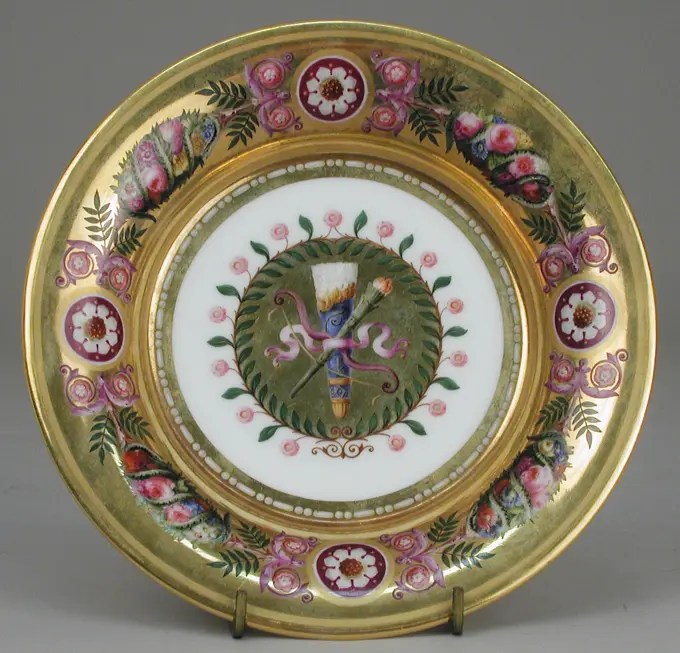
Unknown (n. - d.), Plate, decor called Pompadour (main title). Hard porcelain, polychrome enamels on covered (green, orange red, yellow, blue, pink and purple). Petit Palais, Museum of Fine Arts of the City of Paris.
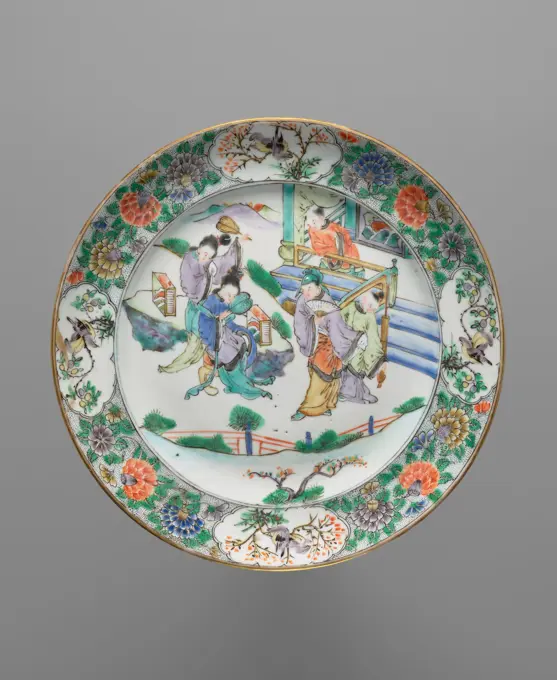
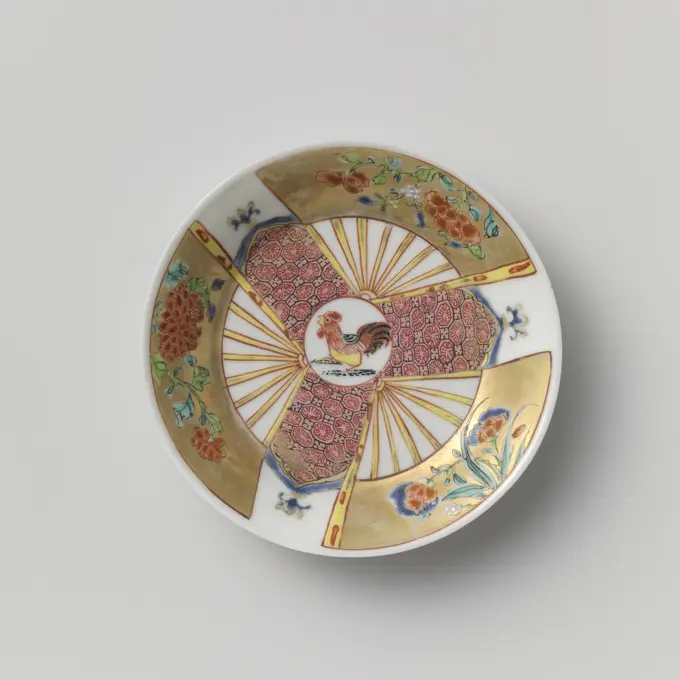
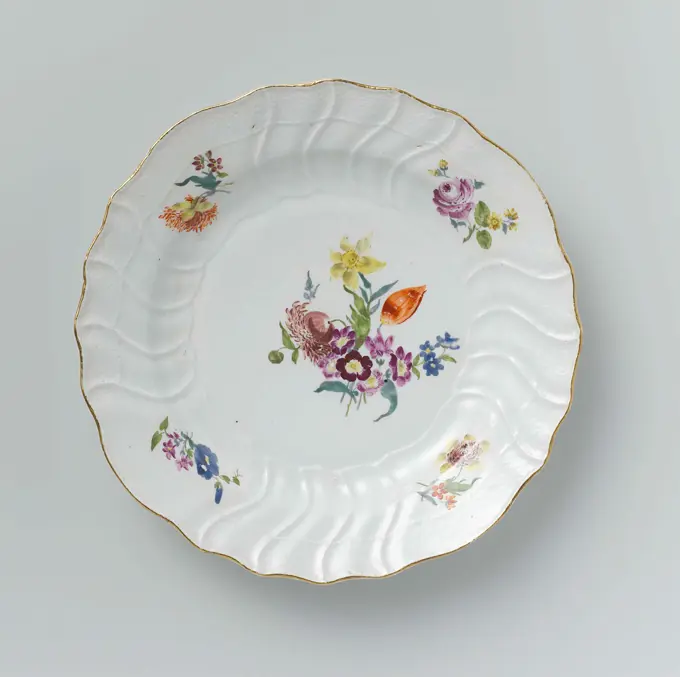
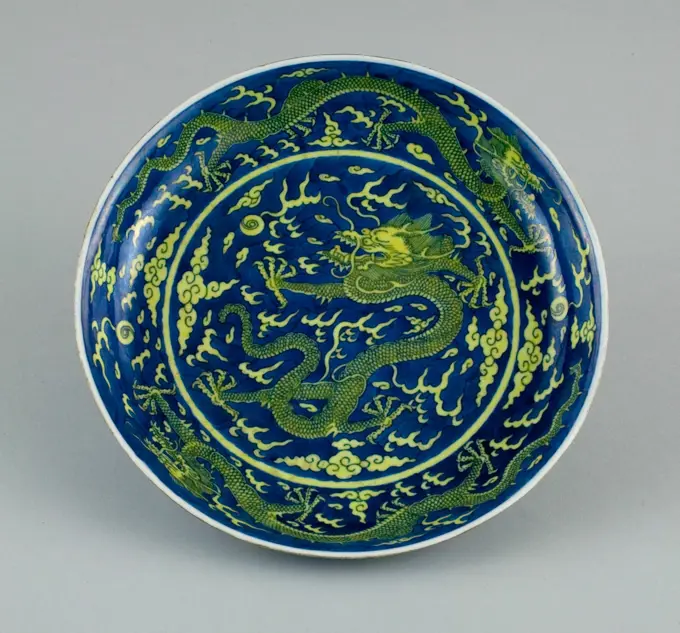
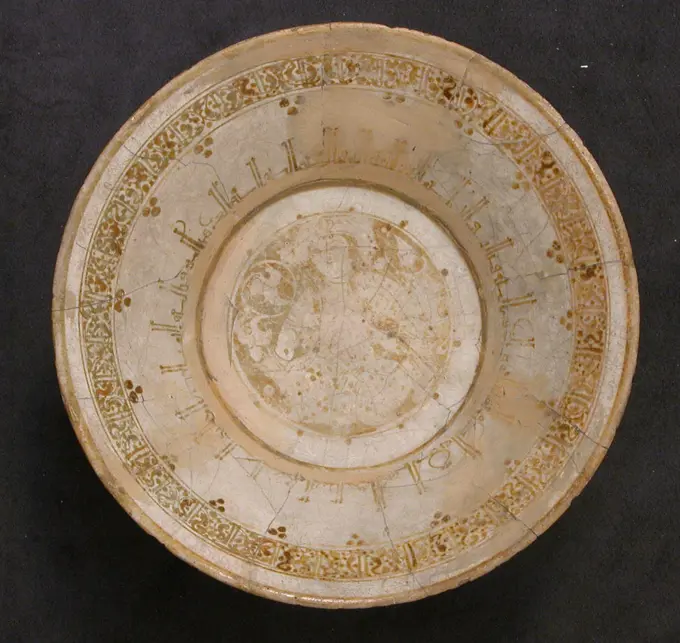
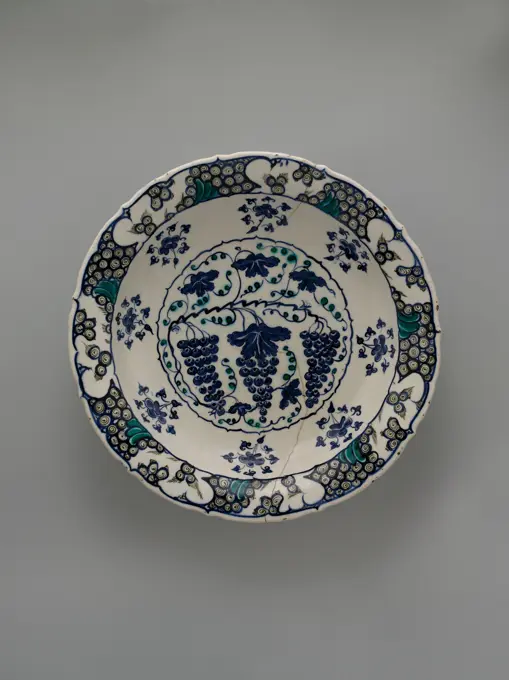
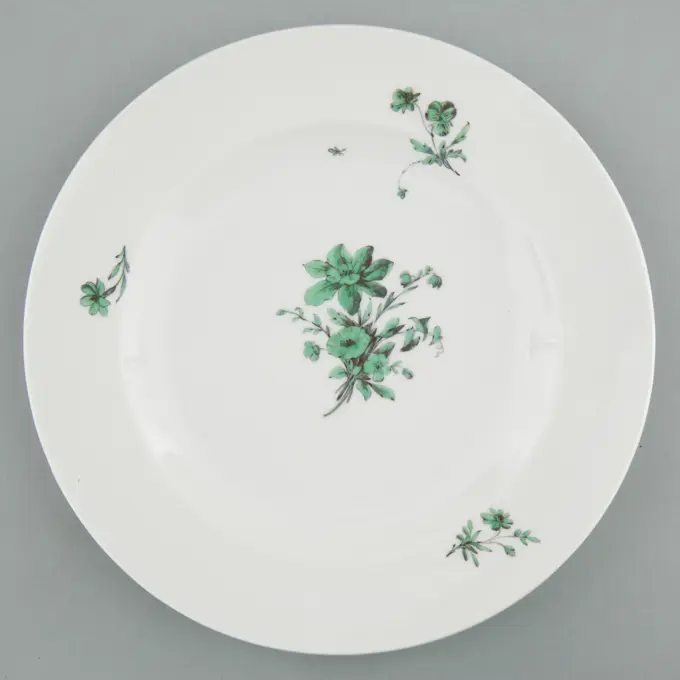
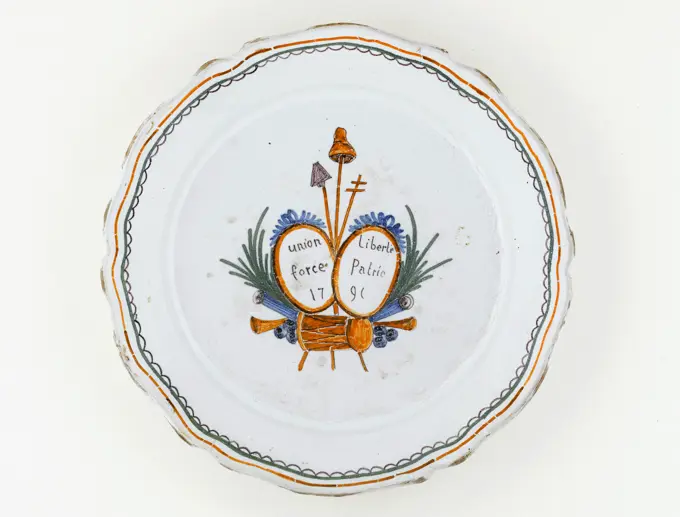
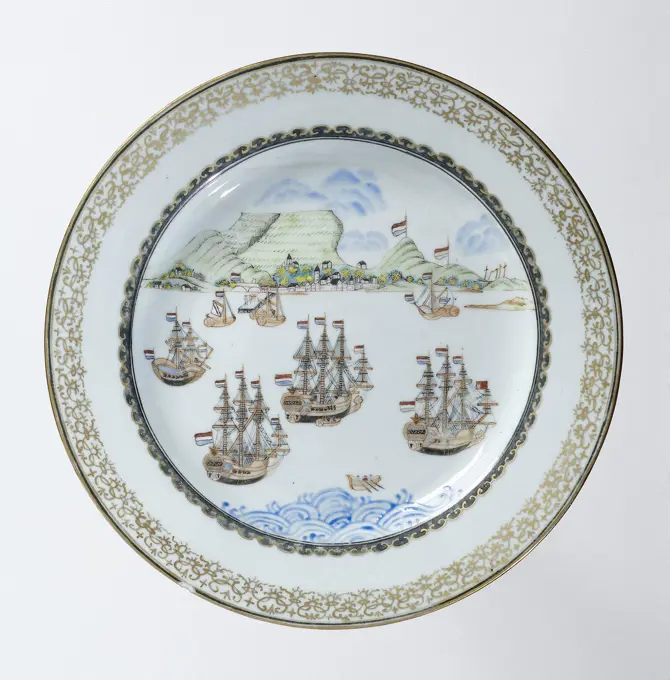
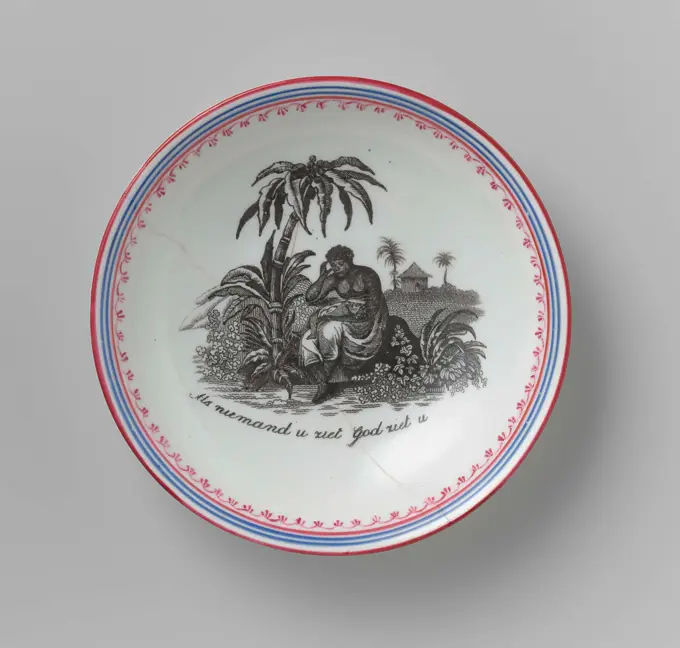
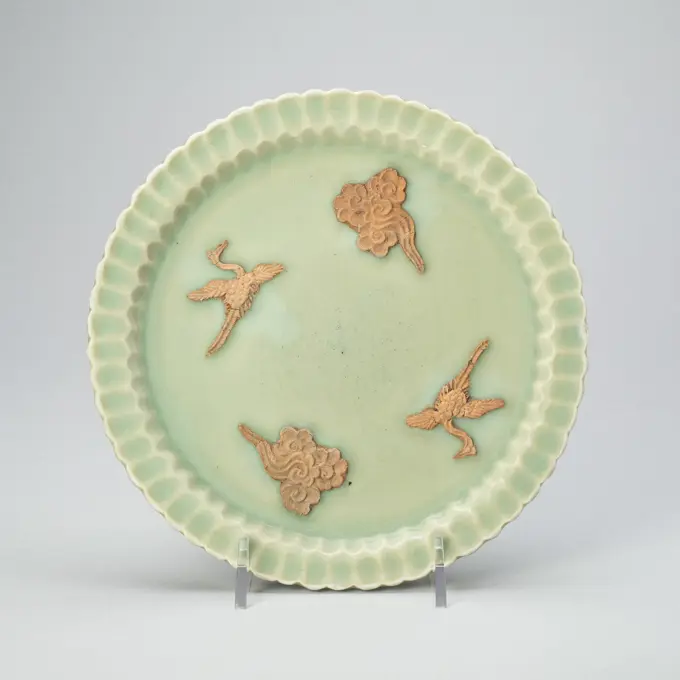
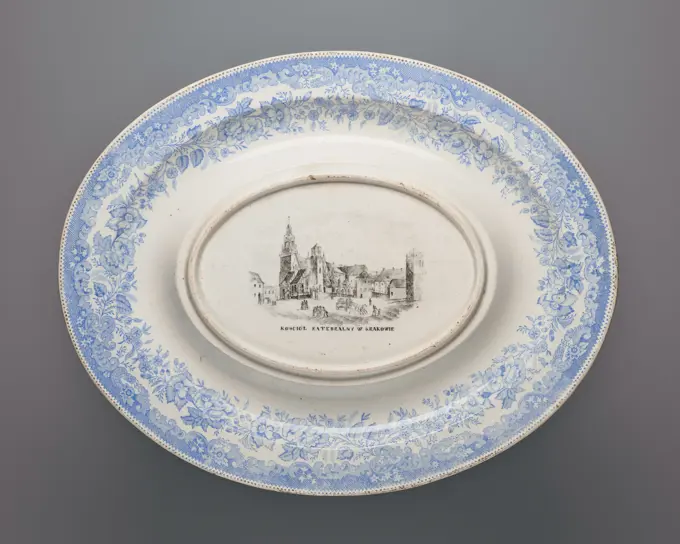
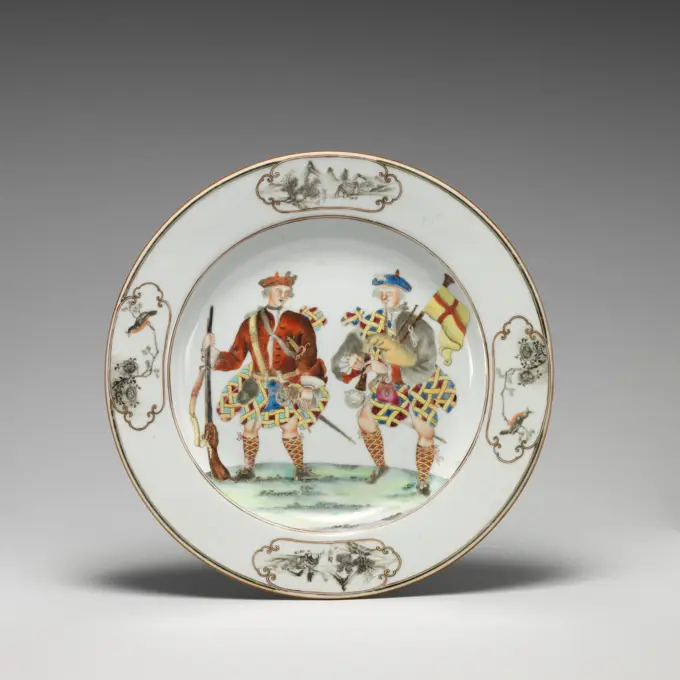
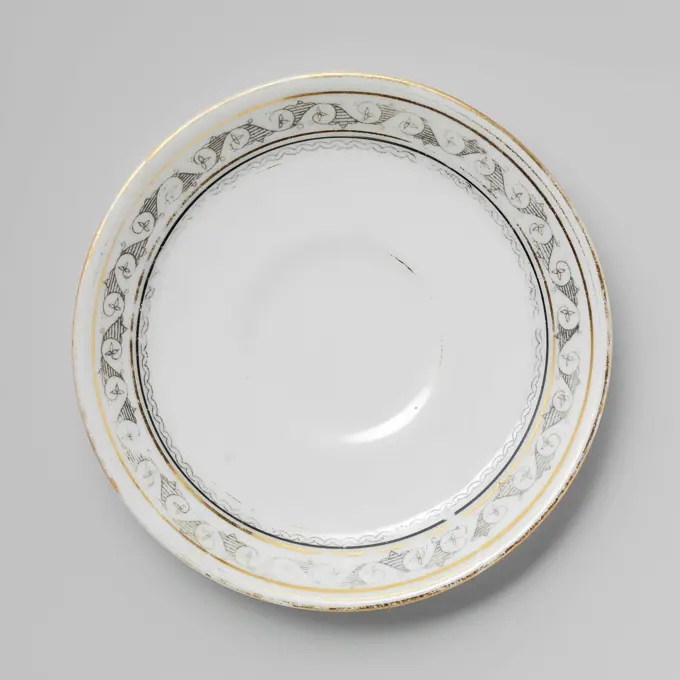
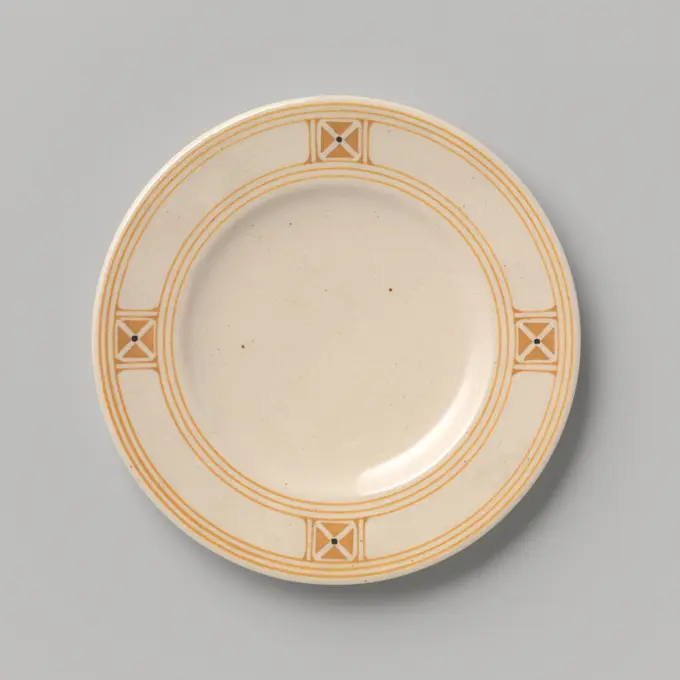
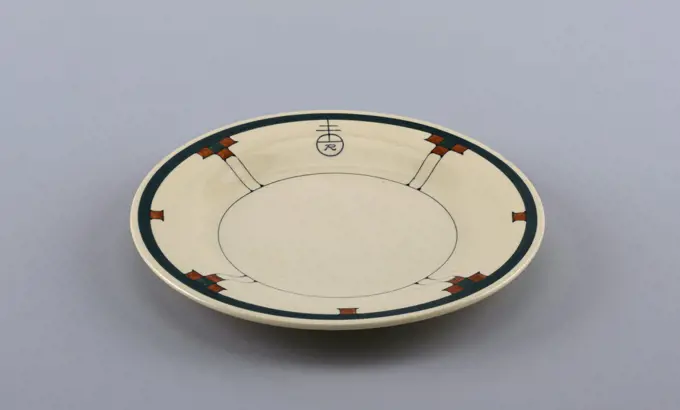
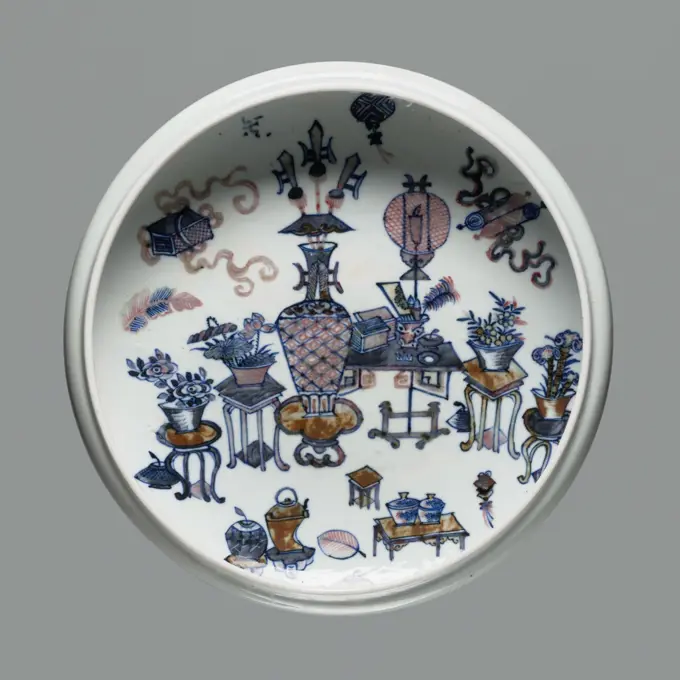
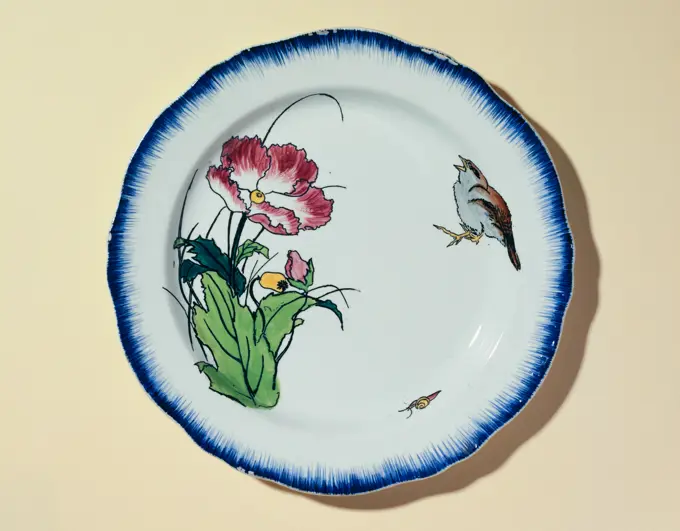
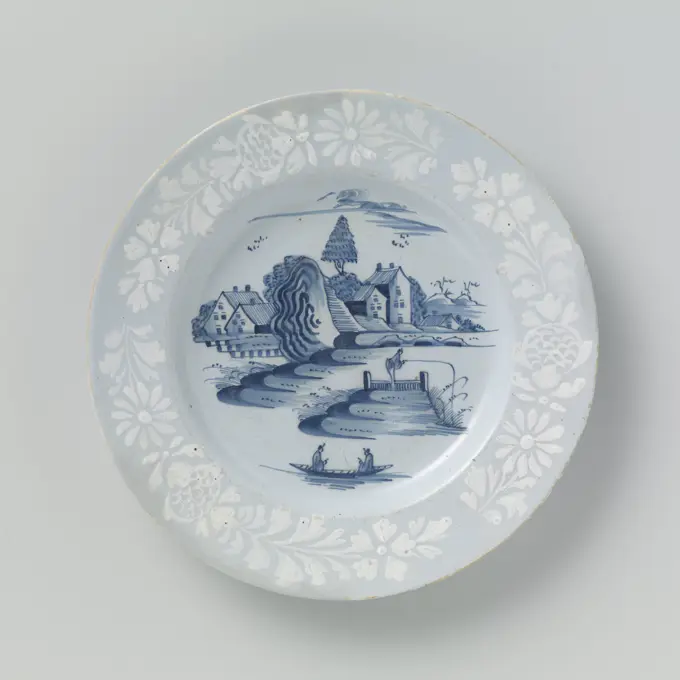
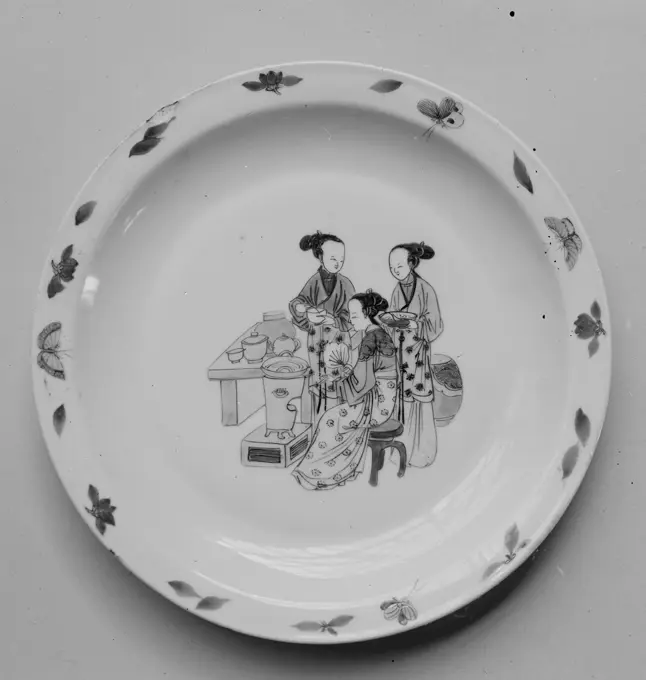
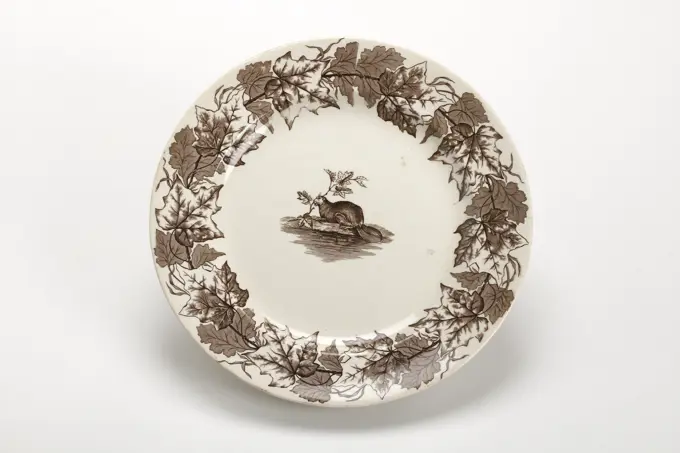
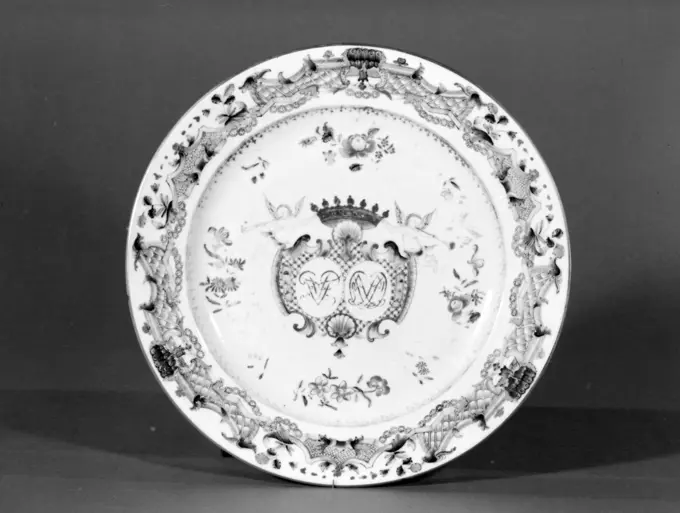
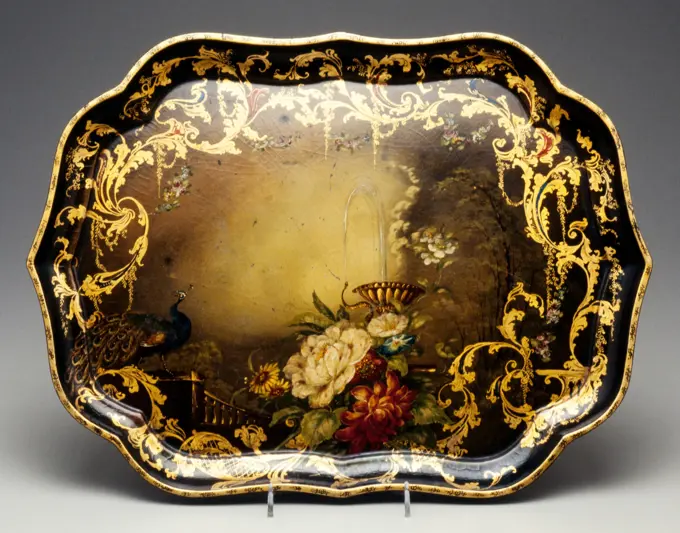
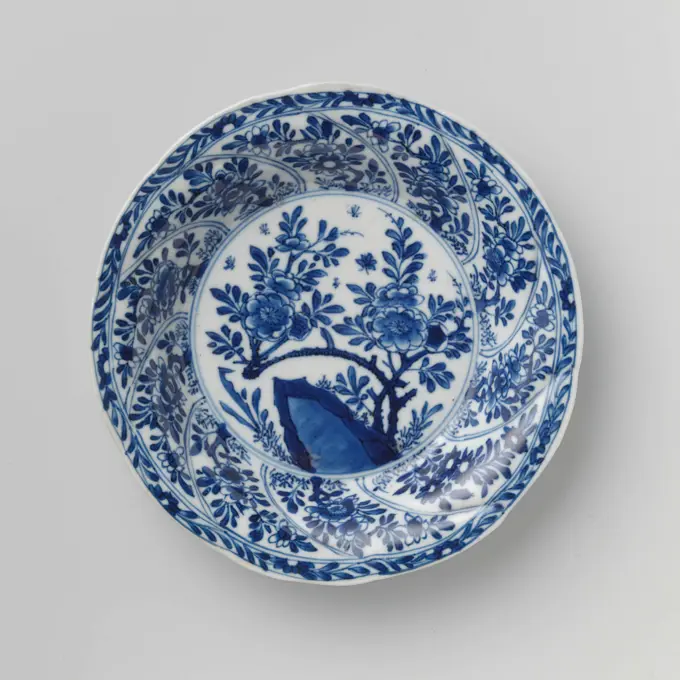
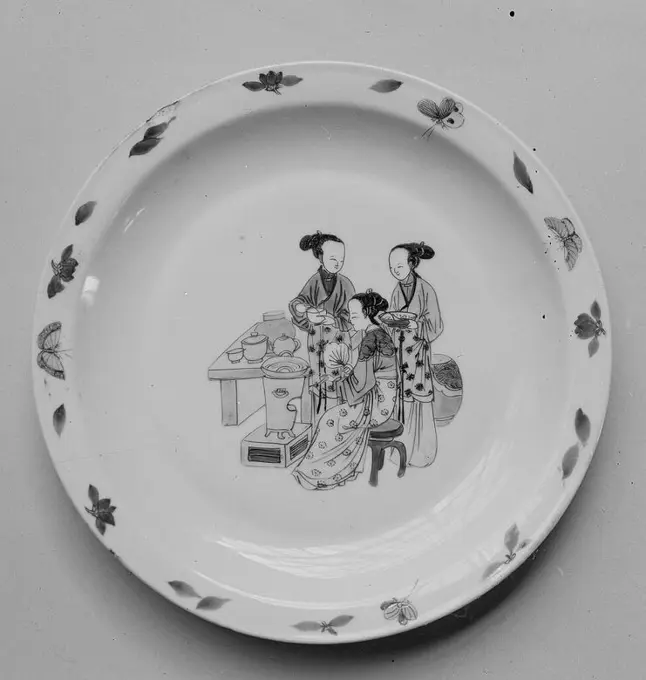
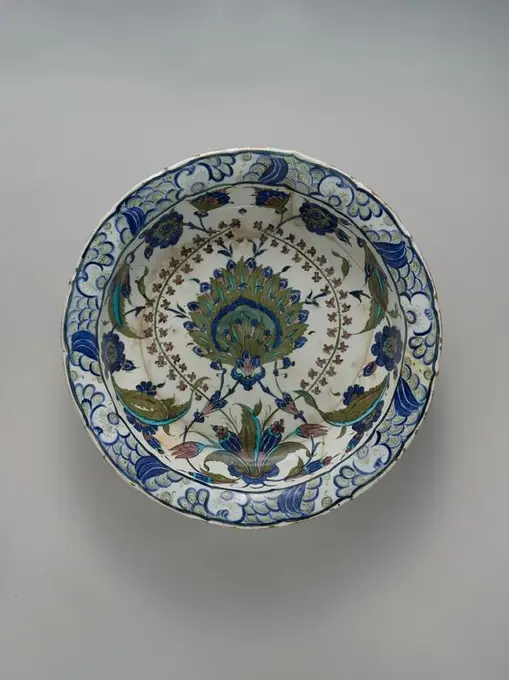
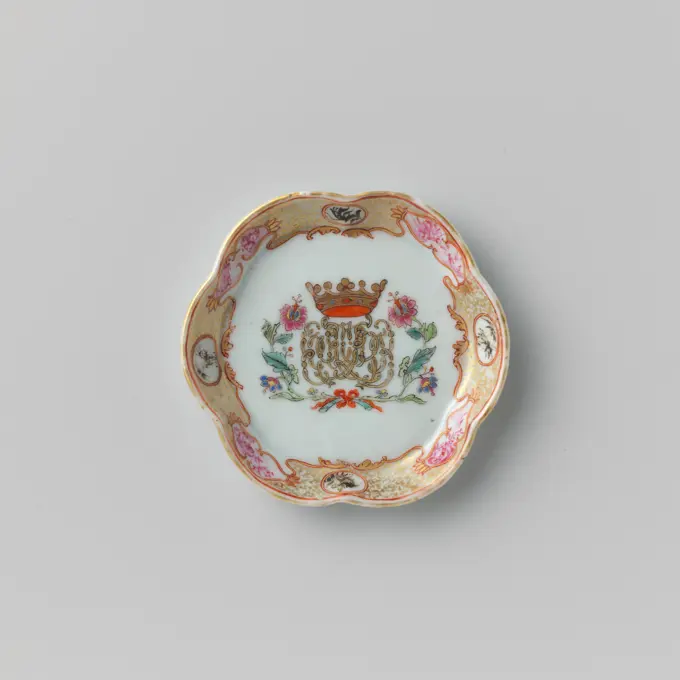
Dinner plate - Francis Morley, 1845-1850 Francis Morley, 1845-1850Plate. unknown, craftsmanSaucer with cock and three fans with flower sprays, anonymous, c. 1725 - c. 1749 Porcelain dish with sloping wall, painted on the glaze in blue, red, pink, green, yellow, black and gold. On the flat a medallion with a rooster; around the medallion three fans with flower branches against a golden soil; Three elongated compartments with servetwork between the fans. Famle Rose. China porcelain. glaze. gold (metal) painting / gilding / vitrification Porcelain dish with sloping wall, painted on the glaze in blue, red, pink, green, yellow, black and gold. On the flat a medallion with a rooster; around the medallion three fans with flower branches against a golden soil; Three elongated compartments with servetwork between the fans. Famle Rose. China porcelain. glaze. gold (metal) painting / gilding / vitrificationPlate, painted multi-colored with Deutsche Blumen, insects and fruits. Round plate from painted porcelain. The plate is painted with Deutsche Blumen, insects and fruits. The edge is embossed with the Neuozier pattern. The sign has been marked and belongs to a service (BK-17474-1 to BK-17474-253).Dish with Dragons amid Clouds, Chasing Flaming Pearls 1736-1795 China. Porcelain painted in underglaze blue and overglaze yellow enamel .Dish of Multicolor painted majolica. Round dish of multicolored painted majolica. Three apples with leaves have been painted on the vaulted flat within a wide ornamented circular edge. Outside this edge, pointed ornaments consisting of stripes have been painted. Blue niches (godruns) are painted on the edge.Bowl 12th century. Bowl 447174Dish 1705-23 De Witte Starre Manufactory. Dish 205463. Bell-shaped head of porcelain, painted on the glaze in blue, red, pink, green, black and gold. On the wall a rich-decorated cartouche with the 'IDF' monogram in this; to the cartouche a landscape with a peacock, a Greek-looking, round temple and a bust of a Greek looking lady; On the edge a bond with leaf raft with twice a radiant sun with a face. European performance in email colors.Plate with Grapes ca. 1570 Lacking the clay necessary for the production of porcelain, potters in Turkey (and elsewhere in the Middle East) created stonepaste bodies that included clay and quartz to mimic the appearance of porcelain. The cluster of grapes in the center of this dish was inspired by fifteenth-century Chinese ceramics, which were first collected in Turkey in the sixteenth century. Listen to experts illuminate this artwork's story Listen Play or pause #6657. Plate with Grapes, Part 2 Supported by Bloomberg Philanthropies We're sorry, the transcript for this audio track is not available at this time. We are working to make it available as soon as possible.. Plate with Grapes. ca. 1570. Stonepaste; polychrome painted under transparent glaze. Made in Turkey, Iznik. CeramicsDish, multi -colored painted with a landscape with figures., Meissener Porzellan Manufaktur, 1777 Round dish of painted porcelain. The dish is painted with landscapes in which figures and along the edge a wide strip of green braid. The dish is marked. Float porcelain Round dish of painted porcelain. The dish is painted with landscapes in which figures and along the edge a wide strip of green braid. The dish is marked. Float porcelain. Round dish of blue painted faience. On the flat is a tree (tea tree) Painted in front of a fence and on the edge floral motifs. The dish has been marked with the brand of the Plateelbakkerij de Grieksche A. There are four identical dishes with Invnrs at the dish. BK-NM-13291-A, BK-NM-13291-B, BK-NM-13291-D and BK-NM-13291-e.Two Plates (France); Manufactured by Chantilly Porcelain Manufactory (France); porcelain; The John Jay Ide Collection; 1977-52-15-bOpenwork shell, Anonymous, Northern Netherlands, c. 1692Plate Berlin (KPM)Dinner plate - D'après George L. Ashworth & Brothers, 1862-1968Saucer-dish with precious objects and antiques. Dish with round wall of porcelain, painted in underglaze blue and on the glaze blue, red, green, yellow, eggplant, black and gold. On the flat Chinese antiques; The bottom with four valuables. Marked on the underside with a seal mark in a double circle. Three cracks in the edge. Famille Verte.Scale. Square dish with cured corners, painted multi-colored with spreader flowers. Signature: Amstel.Anonymous. Plate. Earthenware. Paris, Carnavalet museum. 71478-46 Attribut, Beche, Phrygian Bonnet, Boulet, Canon, Cross Lorraine, Embleme, Epee, Revolutionary Pot, Faience, Force, Liberte, Fatherland, French Revolution, Tambour, Three orders, Union, CatsBlackboard, with the stroke in Palestro. Plate of pottery with black and blue transfer decor. The flat is decorated with a black transfer decor, the edge with a blue transfer decor. On the flat a representation of the battle in Palestro. Under the show the text: Combat de Palestro 2 Juin 1859 / Battle in Palestro 2 Juny 1859. The edge is decorated with three cartouches with portraits. Between the cartouches leaf branches, banners and ribbons with the following text: Meetdeck the Schlick Buol.; Giuly Hess Brück; Garibaldi Buoncompagnie Riga; La Marmora Cavour Civriani; Forey Espinasse Regnaud St J.dea; Niel de Macmahoi Walewski.Saucer, part of Breakfast Service (déjeuner) 1813 Sèvres Manufactory French This breakfast service (56.29.1-.8) was presented by Napoleon I to Princess Auguste-Amélie, wife of his stepson Eugène Beauharnais, on New Year's Day of 1814. The overall theme of the decoration was described in the factory records as the "loves of amors and nymphs," and the title given to the scene on the tray was "Accused Nymphs Appearing before the Tribunal of Love.". Saucer, part of Breakfast Service (déjeuner). French, Sèvres. 1813. Hard-paste porcelain. Ceramics-PorcelainDish, multi -colored painted with a flying putto above a fence on the flat. Marrowed edge decorated with aigrettes., Anonymous, c. 1625 - c. 1645 Dish of multicolored painted majolica. A flying putto above fence is painted on the flat. The serrated edge is painted with aigrettes in blue and orange. Haarlem (possibly) earthenware. tin glaze. lead glaze majolica Dish of multicolored painted majolica. A flying putto above fence is painted on the flat. The serrated edge is painted with aigrettes in blue and orange. Haarlem (possibly) earthenware. tin glaze. lead glaze majolicaSaucer ca. 1825-30 Jean-Baptiste-Edouard Honoré. Saucer 207796Saucer with a bouquet and flower sprays, imperial porcelain factory, c. 1900 - c. 1949 Porcelain dish, painted on the glaze in red, pink, green and yellow. On the flat a bouquet of different flowers (including peony) surrounded by three loose twigs on the wall. Marked on the underside with it an arrow  And number 11. Vienna (possibly) porcelain. glaze. painting / vitrification Porcelain dish, painted on the glaze in red, pink, green and yellow. On the flat a bouquet of different flowers (including peony) surrounded by three loose twigs on the wall. Marked on the underside with it an arrow  And number 11. Vienna (possibly) porcelain. glaze. painting / vitrification. Round dish of painted porcelain. The gold-plated mouth edge is decorated with a lace-like ornament in gold. A four-pass is painted on the flat in which a Höroltt chinoiserie. The dish has been marked and belongs to a tea set (BK-17420-A to BK-17420-O). The crockery is on a chassis or statement (BK-17017).Porcelain saucer, manufacture Oud-Loosdrecht, c. 1774 - c. 1778 Porcelain dish. Painted in sepia with figures in a landscape. Along the edge a lilac fries between golden piping. Loosdrecht porcelain Porcelain dish. Painted in sepia with figures in a landscape. Along the edge a lilac fries between golden piping. Loosdrecht porcelainBouillon bowl with cover ca. 1760 French, St. Clement Faience, or tin-glazed and enameled earthenware, first emerged in France during the sixteenth century, reaching widespread usage among elite patrons during the seventeenth and early eighteenth centuries, prior to the establishment of soft-paste porcelain factories. Although characterized as more provincial in style than porcelain, French faience was used at the court of Louis XIV as part of elaborate meals and displays, with large-scale vessels incorporated into the Baroque garden designs of Versailles. Earlier examples of French faience attest to the strong influence of maiolica artists from Italy. Later works demonstrate the ways in which cities such as Nevers, Rouen, Lyon, Moustiers, and Marseille developed innovative vessel shapes and decorative motifs prized among collectors throughout Europe. While faience can be created from a wide mixture of clays, it is foremost distinguished by the milky opaque white color achieved by the . Plate of faience. Painted multi-colored with flower decorations and so-called lightning pattern.Dish, painted with a landscape with houses. Dish of porcelain, painted with a landscape with houses. Signature in black: Amstel.Saucer with the personification of Peace and an inscription, anonymous, in or after 1815 Porcelain saucer, painted on the glaze with email colors and gold. On the flat the personification of peace with a spear and a (willow) Tak in her hands. For her, a helmet, sword with shield and two flags are floating. On the wall, between two golden tires, the inscription 'Distress from Parys consequence the remarkable days of Juny 1815'. France porcelain. glaze. gold (metal) painting / gilding / vitrification Porcelain saucer, painted on the glaze with email colors and gold. On the flat the personification of peace with a spear and a (willow) Tak in her hands. For her, a helmet, sword with shield and two flags are floating. On the wall, between two golden tires, the inscription 'Distress from Parys consequence the remarkable days of Juny 1815'. France porcelain. glaze. gold (metal) painting / gilding / vitrificationDessert Plate, c. 1800, Wedgwood, Staffordshire, England, est. 1759, 8 3/4 x 8 3/4 in. (22.23 x 22.23 cm), Porcelain, England, 18th-19th centuryQuatrefoil Dish, c. 1800, Wedgwood, Staffordshire, England, est. 1759, 12 3/4 x 8 3/4in. (32.4 x 22.2cm), Porcelain, England, 18th-19th centuryDish of porcelain. Dish of porcelain. Painted in sepia with figures in a landscape. Along the edge a lilac fries between golden piping.. The octagonal porcelain dish is polychrome painted with a bird and violets (purple, light and dark blue and yellow) within an ornamental decor. Labeled with: Kroon, Rozenburg, Stork, The Hague (upper each other); On the left the brand before 1913, on the right the work order number 332; under the painting mark of c.w.j. 't heart.Remembrance Board Boer War: Fighting Men, Petrus Regout & Co., 1899 - 1925 plate (dishes) Memory board Boer War: white plate with decoration in black and golden edges. British soldiers at a cannon shot at by farmers from the hills. In the foreground a fallen horse. Signed on the underside: manufacturer brand, underneath farmers. Belonged to a series of 6 signs: NG-1982-19-A to F. Performances and edges somewhat faded. Maastrichtzuid-Africa earthenware printing being attacked; defencePlate with Dutch ships anchored at the Table Bay, anonymous, c. 1740 - c. 1760 Porcelain plate, painted on the glaze in blue, red, green, black and gold. On the flat a performance of various Dutch ships for anchor in the South African table bay, at the Dutch location; The edge with two decorative tires. European performance in email colors. China porcelain. glaze. gold (metal) painting / gilding / vitrification  Table Bay. Cape of Good Hope Porcelain plate, painted on the glaze in blue, red, green, black and gold. On the flat a performance of various Dutch ships for anchor in the South African table bay, at the Dutch location; The edge with two decorative tires. European performance in email colors. China porcelain. glaze. gold (metal) painting / gilding / vitrification  Table Bay. Cape of Good HopePlate, with two soldiers on the flat on a table on which a map is located, Petrus Regout, 1870 Plate of earthenware with black and blue transfer decor. The flat is decorated with a black transfer decor, the edge with a blue transfer decor. On the flat a representation of two soldiers at a table on which lies a map. Under the show The text: Villafranca 23 Juillet 1859. The edge of the board with a wavy band on which garlands hanging and a ribbon. Maastricht . Plate of earthenware with black and blue transfer decor. The flat is decorated with a black transfer decor, the edge with a blue transfer decor. On the flat a representation of two soldiers at a table on which lies a map. Under the show The text: Villafranca 23 Juillet 1859. The edge of the board with a wavy band on which garlands hanging and a ribbon. Maastricht .Footed Dish (soucoupe à pied), 1786. Sèvres Porcelain Factory (French, est. 1756), Etienne Evans (French, 1733-1806). Soft-paste porcelain with enamel and gilt decoration; diameter: 4 x 22.4 cm (1 9/16 x 8 13/16 in.).Platter. Kaendler, Johann Joachim (1706-1775), sculptor, Koenigliche Porcellain Fabrique, Meissen (1710-1763), factory. Plate of Faïence. Blue painted with a flower decoration inspired by the Chinese porcelain.Saucer Höroldt, Johann GregoriusDish with a hoo-bird on a peony branch and floral scrolls, c. 1875 - c. 1925 Porcelain saucer, painted in underly glaze blue and on the glaze red, black and gold. On the front a whimsically formed cartouche containing a Hoo-Vogel on a peony branch with a prunus branch next to it. A blue background on the wall and edge chrysanthen drinks. The back with three flower branches. The dish has a double foot ring and is caught in a metal frame. A European (French) imitation of the Japanese Imari. Europe porcelain. glaze. cobalt (mineral). gold (metal). montuur: metal. uranium oxide painting / gilding / vitrification Porcelain saucer, painted in underly glaze blue and on the glaze red, black and gold. On the front a whimsically formed cartouche containing a Hoo-Vogel on a peony branch with a prunus branch next to it. A blue background on the wall and edge chrysanthen drinks. The back with three flower branches. The dish has a double foot ring and is caught in a metal frame. A European (French) Saucer, the Greek a, c. 1764 - c. 1768  Round dish of blue painted faience. On the flat, a tree (tea tree) For a fence is painted and floral motifs on the edge. The dish is marked with the brand of the Plateelbakkerij De Grieksche A. At the dish, four identical dishes with invnrs belong. BK-NM-13291-A, BK-NM-13291-B, BK-NM-13291-D and BK-NM-13291-E. Delft earthenware. tin glaze.Dish with a dragon battle. When the ancient Chinese saw dark and yellow clouds in a stormy sky they would say The dragons are fighting .. Round plate of multi-colored padded faience, with a circle on the flat in which a star. There around it around multicolored oval medallions with a floral branch. A Chinese motif is painted on the edge.Dessert plate - William Davenport & Company, 1835-1881 William Davenport & Company, 1835-1881Sharp of yellowish baking earthenware, with white glaze, with a painting of fruits and a decorative edge in blue glaze, anonymous, 1600 - 1650 at the front  Northern Netherlands earthenware. glaze majolica  Northern Netherlands earthenware. glaze majolicaPlate of Faience with landscape, anonymous, c. 1750 - c. 1775 Plaat from Faience. Blue painted with a figure in a landscape, within a multicolored edge. Delft . Plaat from Faience. Blue painted with a figure in a landscape, within a multicolored edge. Delft .Plate with a blacksmith and a cupid in a landscape, Piero Bergantini (workshop of), 1521 - 1523 Majolica plate with light blue glaze ('A Berettino'). In the middle a round medallion with a landscape in which a sitting young man left a heart on an anvil and an Amor with arrow and bow on the left in the foreground. Wide edge with grotes' light blue heights with white; Save on dark blue soil. In the edge is, spread over four Banderolles, the year: ANO 1521 ADHI DMAIO. On the back a circle with a cross through it, that is, the fire wheel of the workshop of the Casa Pirota; Furthermore leaf ornament in dark blue, served dark blue round spots. Faenza earthenware. tin glaze. lead glaze majolica Majolica plate with light blue glaze ('A Berettino'). In the middle a round medallion with a landscape in which a sitting young man left a heart on an anvil and an Amor with arrow and bow on the left in the foreground. Wide edge with grotes' light blue heights with white; Save on dark blue soil. In theCup and Saucer with an Abolitionist Scene. This cup and saucer were probably made for a Dutch anti-slavery committee. Such womens groups sold embroidery, jewellery and chinaware for the benefit of the slaves in ‘the West. The decoration is after a design by the English porcelain manufacturer Josiah Wedgwood, a leading supporter of the anti-slavery movement. The English abolished slavery in 1833. In Suriname and the Dutch Antilles, this took place only in 1863.. Dish of Faience. Required painted with a flower decoration.Dish, Glazed earthenware, Saucer-shaped, painted in center with green bird within orange and green borders and two outer borders in orange and blue., Montelupo, Italy, ca. 1490-1520, ceramics, Decorative Arts, DishPlate; De Porceleyne Claeuw (Facans Factory; 1658-1840), Lambertus Sanderus (1764-1806); 19th century (1801-00-00-1900-00-00);Scalloped-Rim Dish with Cranes and Clouds 1279-1368 China. Longquan ware; glazed stoneware with molded decoration and biscuit reserve .Faience plate with blue decor, Chinese figures in the mirror and on the edge, dish crockery holder soil find ceramic earthenware glaze tin glaze, hand-turned baked decorated glazed fried Large dish with oblique raised flag and steep shoulder Completely covered with tin glaze. Yellow shard Cooked in tube Decor in blue on white fond In the mirror Chinese show in which two people offer an animal or demon food along the edge alternating between Chinese and landscapes. The edge is painted in such way that the top and bottom are equal to the central representation. Mark at the bottom Mark in the ring: 3 archeology Valckensteyn Poortugaal Albrandswaard native pottery food decorate serve Chinese mythology mythology Chinese Chinese landscape archaeological find in the soil Poortugaal castle Valckensteyn.Vase stand, with a miniature: The Cathedral church in Kraków. Ćmielów (fabryka fajansu i porcelany ; 1804-), factoryPlate (one of a pair) mid-18th century Chinese, for British or Scottish market. Plate (one of a pair). Chinese, for British or Scottish market. mid-18th century. Hard-paste porcelain. Ceramics-Porcelain-ExportPlate. William Pollard (England, 1803-1854)Welsh, Swansea (England). England, circa 1817. Furnishings; Serviceware. PorcelainDish with black-gray edge decoration and golden fillets. Dish of porcelain with black-gray outer glaze edge decoration and golden fillets.Plate with the generation of Lazarus, Anonymous, c. 1680 - c. 1700 Faïence board with the generation of Lazarus Delft . Faïence board with the generation of Lazarus Delft .Pack dish decorated with block motif and dots in yellow and black, Chris van der Hoef, c. 1900 - c. 1925 Pastry dish of earthenware. The edges of the dish are decorated with a block motif with dots in yellow and black in between three yellow piping on either side. Designer: Netherlandsmaker: Oegstgeest earthenware Pastry dish of earthenware. The edges of the dish are decorated with a block motif with dots in yellow and black in between three yellow piping on either side. Designer: Netherlandsmaker: Oegstgeest earthenware. Porcelain plate, painted on the glaze in blue, red, turquoise, black and gold. On the arms the weapons of the Neufville and the Wolff. The arms left is from the De Neufville family and consists of four towers and a golden Sint-Andrieskruis with an anchor in the middle. The weapon on the right is from the De Wolff family and consists of wolves and vulture swifts. The helmet sign is a bird. The weapons are surrounded by a coverage of blue and golden leaf drinks and at the bottom of two tassels in iron red. Around the weapon a Spearhead Border; On the wall a honeycomb pattern with stylized lotus interrupted by four cartouches with mushroom (Lingzhi). The back with four flower branches. Plate has been broken, the edge has been ground. Weapon porcelain with email colors.Plate, Glazed pottery, Cream-colored ground with a decorative pattern of a dark blue circle on the edge from which are suspended four designs connected by fine blue lines to a fine blue inner circle, alternating with three brown brown squares, with the Roycroft logo in one panel., Buffalo, New York, USA, 1910-15, ceramics, Decorative Arts, PlatePlate with a landscape, anonymous, A.T. Vaillant, c. 1850 - c. 1860 Porcelain plate, painted on the glaze in sepia and gold. On the flat a landscape with a representation of Rome with the Saint Pieter and the Engelenburcht. In the foreground a gondola with four people on the river. Golden Rand. A proen on the bottom. Signed in the performance with A.T.V and marked on the underside with III. Europe porcelain. glaze. gold (metal) painting / gilding / vitrification Porcelain plate, painted on the glaze in sepia and gold. On the flat a landscape with a representation of Rome with the Saint Pieter and the Engelenburcht. In the foreground a gondola with four people on the river. Golden Rand. A proen on the bottom. Signed in the performance with A.T.V and marked on the underside with III. Europe porcelain. glaze. gold (metal) painting / gilding / vitrificationBowl. unknown, craftsmanPlaque, anonymous, c. 1725 - c. 1750 Plate with multi -colored birds and flower branches. Delft . Plate with multi -colored birds and flower branches. Delft .Félix Henri Bracquemond, Eugène Rousseau. "Flat plate". Ceramics, fine earthenware, printed decor and painted under cover. 1866-1875. Museum of Fine Arts of the City of Paris, Petit Palais. 74386-12 Flat, ceramic, prints, fine, fine, flower, bird, painting, dishesPatchy board in blue painted with a sea god, Anonymous, c. 1645 - c. 1660Plate, the flat painted with a landscape with houses, anonymous, c. 1760 - c. 1770 Round plate of painted faience. The board has a light blue stock. On the flat, a landscape with houses is painted in blue and white flowers on the edge. The board includes three identical signs (BK-NM-11334-A, BK-NM-11334-B and BK-NM-11334-D). Bristol earthenware. tin glaze. Round plate of painted faience. The board has a light blue stock. On the flat, a landscape with houses is painted in blue and white flowers on the edge. The board includes three identical signs (BK-NM-11334-A, BK-NM-11334-B and BK-NM-11334-D). Bristol earthenware. tin glaze.Dish. Culture: China. Dimensions: Diam. 7 3/4 in. (19.7 cm). Museum: Metropolitan Museum of Art, New York, USA.Plate with River Landscape and Flower Sprays. Porcelain plate with round, short wall and wide, sloping edge, painted in underglaze blue. On the flat a river landscape with two people on a bridge, pavilions, trees and rocks, a band with geometric motif. A flower branch on the edge four times. A chip and a crack in the edge. Blue White.Bowl on a foot  floral decoration of the famille rose type unknownDish. Davenport Pottery and Porcelain Factories; English, c.1793-1887. Date: 1794. Dimensions: 29.3 x 21.6 cm (11 1/2 x 8 1/2 in.). Soft-paste porcelain with polychrome enamels and gilding. Origin: Longport. Museum: The Chicago Art Institute, Chicago, USA.Lobed saucer with flower spray and bird, anonymous, c. 1670 - c. 1700 Porcelain dish, painted on the glaze in blue, red, green, yellow, eggplant and black, with a bird with chrysanthemum branches on the head, a bird in a prunus branch in rocks and water on the dish. Head probably does not belong to Daadel, given the difference in the colors red and yellow. Kakiemon style. Japan porcelain. glaze. painting / vitrification Porcelain dish, painted on the glaze in blue, red, green, yellow, eggplant and black, with a bird with chrysanthemum branches on the head, a bird in a prunus branch in rocks and water on the dish. Head probably does not belong to Daadel, given the difference in the colors red and yellow. Kakiemon style. Japan porcelain. glaze. painting / vitrificationTray with a genre miniature. Kaiserliche Porzellanmanufaktur in Wien (1744-1864), factoryPlate Mi Nia (Meissen)Unknown (n. - d.), Soucoup (main title), 1736. Hard porcelain, polychrome enamels. Petit Palais, Museum of Fine Arts of the City of Paris.Bliżej Kultury ĆmielówDish Biała PodlaskaPlate with a blacksmith and a cupid in a landscape.Plate with women cooking China. Plate with women cooking. China. Porcelain painted with overglaze polychrome enamels (Jingdezhen ware). Qing dynasty (1644-1911), Kangxi period (1662-1722). CeramicsPainted plate isolated on white.Luncheon plate - Maple Thomas Furnival & Sons Thomas Furnival & SonsPlatter (one of a pair) ca. 1760 Chinese, for Danish market. Platter (one of a pair). Chinese, for Danish market. ca. 1760. Hard-paste porcelain. Ceramics-Porcelain-ExportRussian National Wooden Tableware Russian national handmade wooden container on an isolated studio background Copyright: xZoonar.com/AndreyxSkatx 9861273Tray, c. 1850, Jennens and Bettridge, 7/8 x 1 1/4 x 13in. (2.2 x 3.2 x 33cm), Papier mché, England, 19th centurySaucer with Twisted Panels and Flower Sprays. Dish of porcelain with round wall Modeled in ten tossed boxes, painted in underglaze blue. On the flat a rock with a flower branch, plants and butterfly; a flower branch on the wall in each box; the edge with a flower drink; On the back also in every box a flower branch. Marked on the bottom with the Chinese character 'Fú' in a double circle. Blue White.Plateau early 16th century Italian, Tuscany. Plateau. Italian, Tuscany. early 16th century. Earthenware. Ceramics-PotteryPlate. Culture: China. Dimensions: Diam. 6 3/4 in. (17.1 cm). Museum: Metropolitan Museum of Art, New York, USA.Plate, probably Liverpool. The fishing scene is copied from an engraving by P.C. Canot after Jean Pillement who was famous for his chinoiserie designs. It also appears in the Ladies Amusement, but reversed.Dish, multi -colored painted with a landscape with figures., Meissener Porzellan Manufaktur, 1777 Round dish of painted porcelain. The dish is painted with landscapes in which figures and along the edge a wide strip of green braid. The dish is marked. Float porcelain Round dish of painted porcelain. The dish is painted with landscapes in which figures and along the edge a wide strip of green braid. The dish is marked. Float porcelainSaucer. China, Qianlong period, circa 1795-1805. Furnishings; Serviceware. PorcelainBowl Bachmi Ski, Alexander (1820 1882)Silver plate Salver. Makers: Matthew Boulton & John FothergillPlate - Commodore MacDonough's Victory, War of 1812 D'après Enoch Wood & Sons, 1818-1845Sèvres Porcelain Manufactory, Cup and Saucer, 1769, soft-paste porcelain.Dish with Floral Design. Dimensions: H. 2 7/8 in. (7.3 cm)Diam. 13 7/8 in. (35.2 cm). Date: ca. 1545-60.This dish shows a cusped edge drawn from a Ming prototype. The wave, foam and rock design of the rim recall its Chinese model as well. Unusual coloration of sage-green and manganese purple are combined with more typical Iznik tones such as blue and turquoise. The bottom of the dish is dominated by a large and complex palmette. It is surrounded by saz or feathery leaves, that curl over themselves, which was a common motif for the period. However the two sprays of hyacinths that frame the central palmette, and the two tulips at the bottom of the composition, mark the debut of the new floral style that was to dominate Ottoman art in the second half of the 16th century and beyond.This type of ceramic dish was produced in fairly small numbers and consequently both rare and highly sought-after by collectors and museums. It is of special interest because its production coincided with a pTeapot stand with a crowned, illegible monogram surrounded by two Flower sprays. Pattipan of porcelain with six times lobed wall, painted on the glaze in blue, red, pink, green, yellow, black and gold. On the flat a crowned, unreadable monogram surrounded by two flower branches; The wall with flower refines with four cartouches with a landscape and four medallions with plants. European performance in email colors.Seven plates from the service of Stadtholder William v. These seven plates are from a 435-part service owned by Stadtholder William v of Orange. The service was produced in Meissen between 1772 and 1774, possibly on commission for the Dutch East India Company (VOC). The plates bear scenes of various Dutch cities and buildings, as well as views of Java and Ceylon, then important Company territories.Serving plate - William Davenport & Company, 1835-1881 William Davenport & Company, 1835-1881