Decorative Porcelain Figures

Artistic and historical porcelain items, featuring detailed figures, jugs, and vessels, showcasing intricate designs and cultural heritage in muted tones.

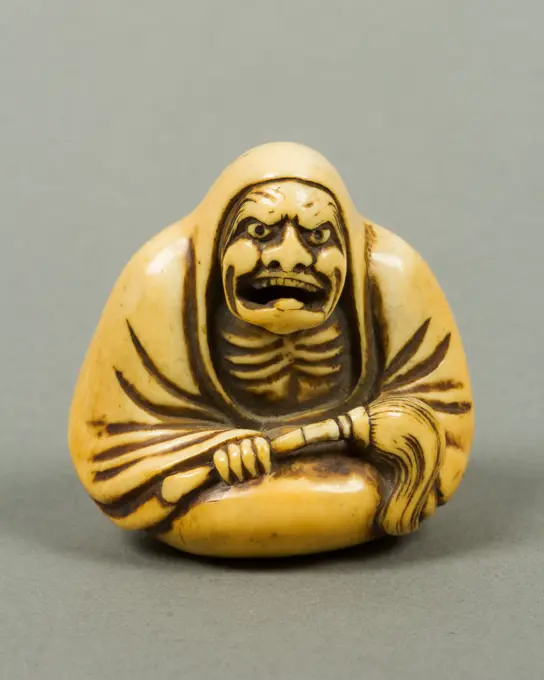
Fisherman carrying an octopus over his shoulder, 19th century, Kōsen, Japanese, 2 1/4 x 1 1/4 x 1in. (5.7 x 3.2 x 2.5cm), Ivory, Japan, 19th century
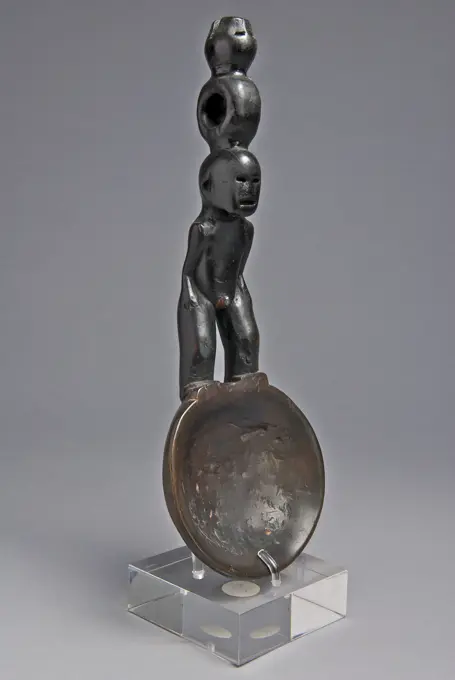
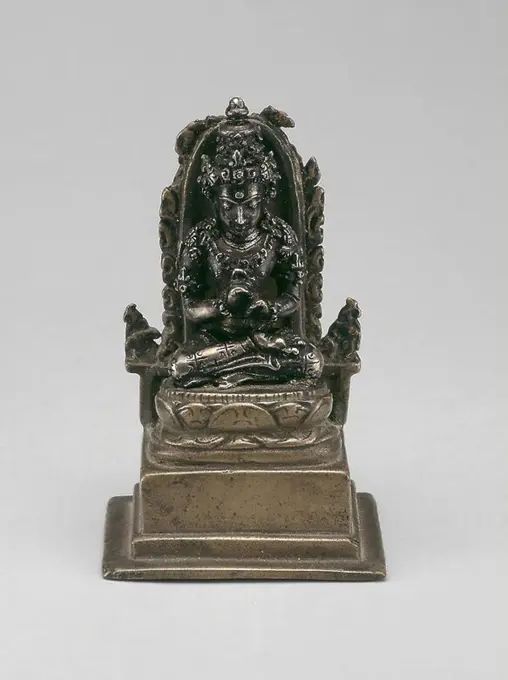
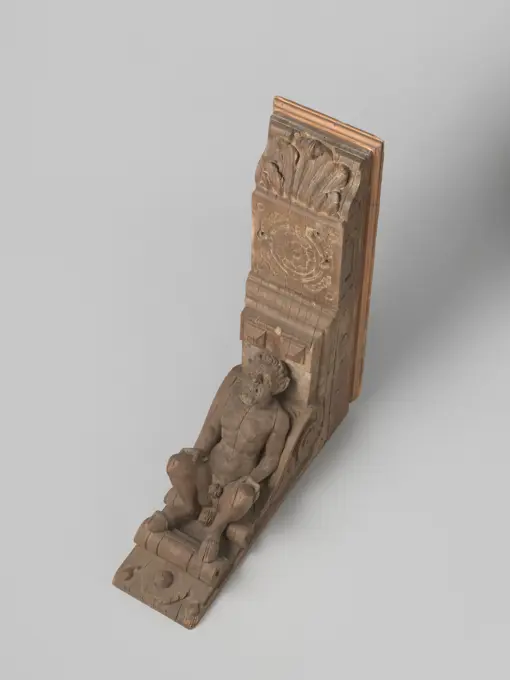
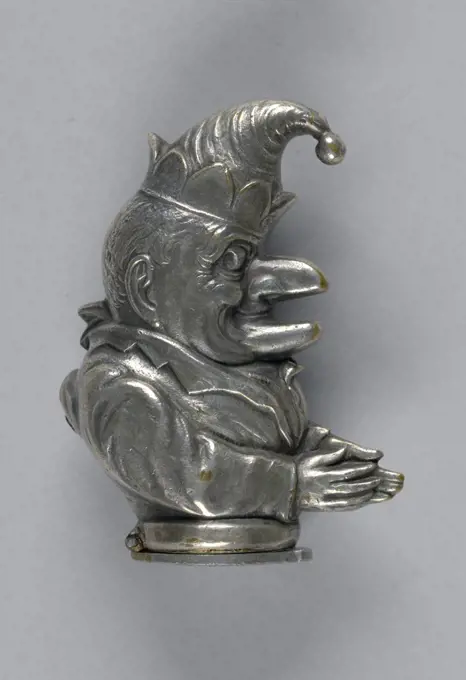
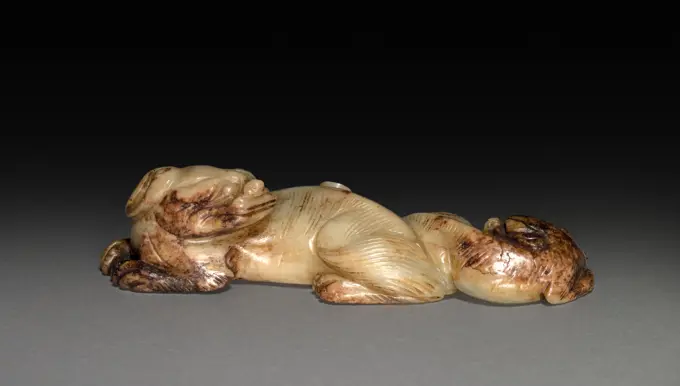
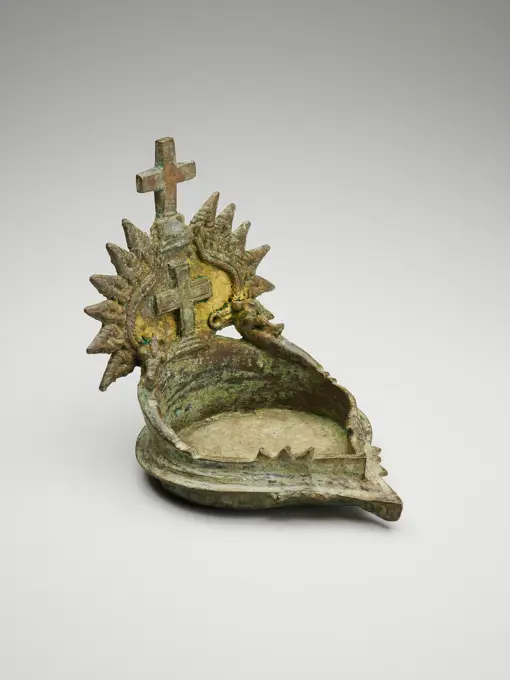
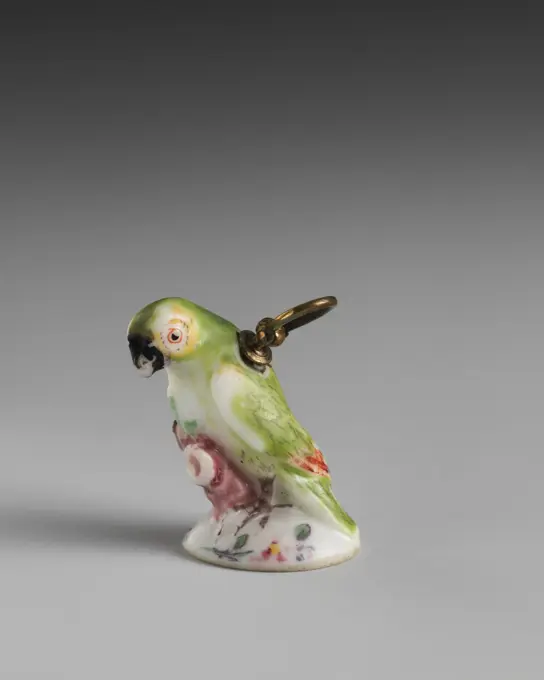
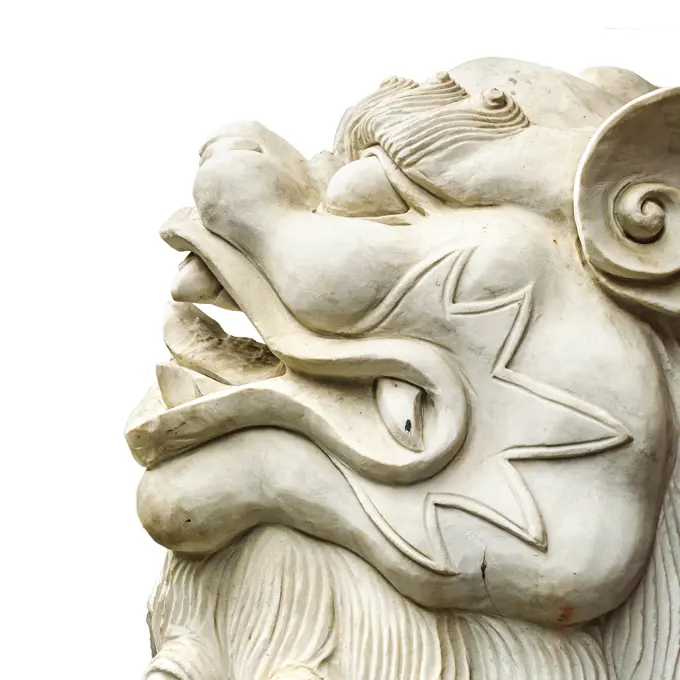
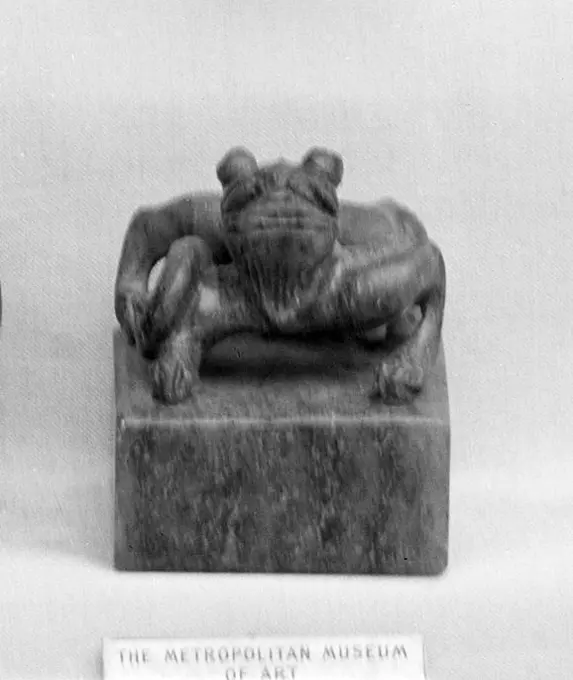
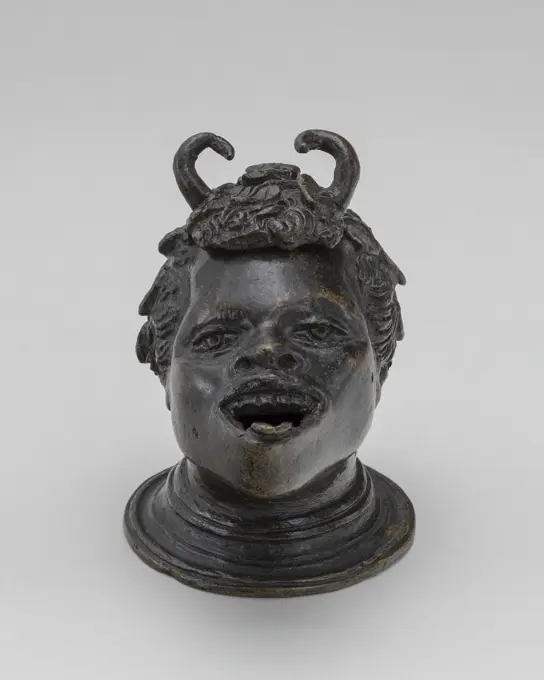
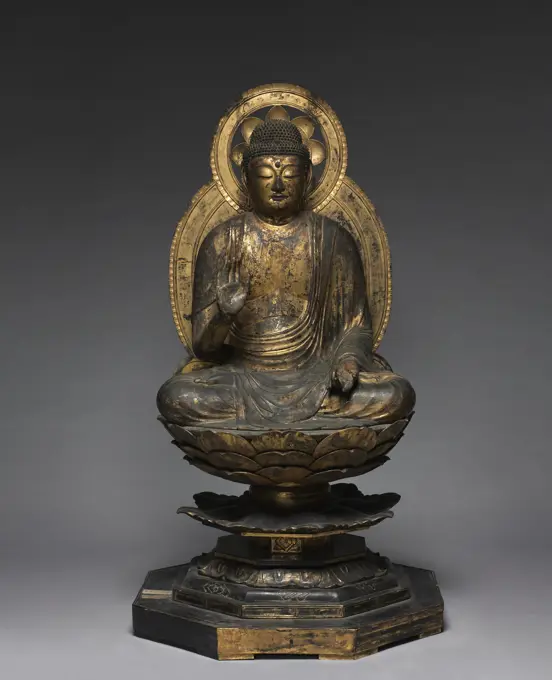
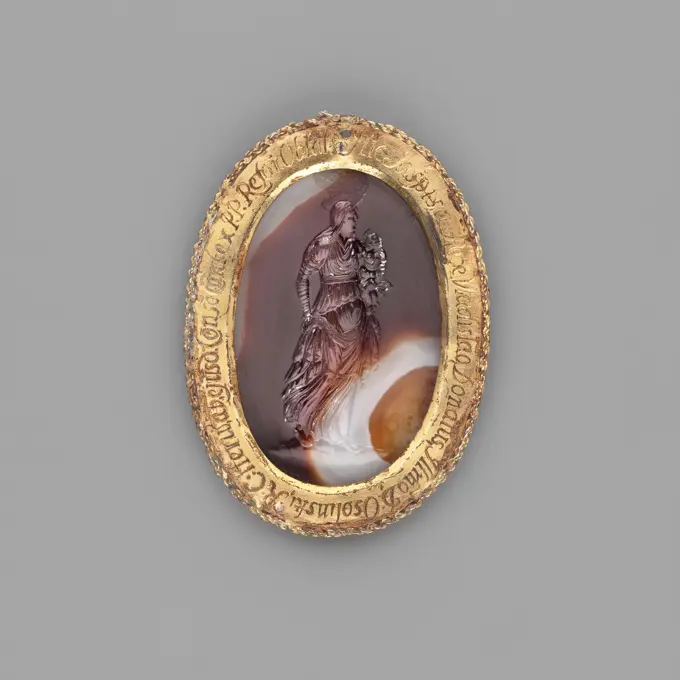
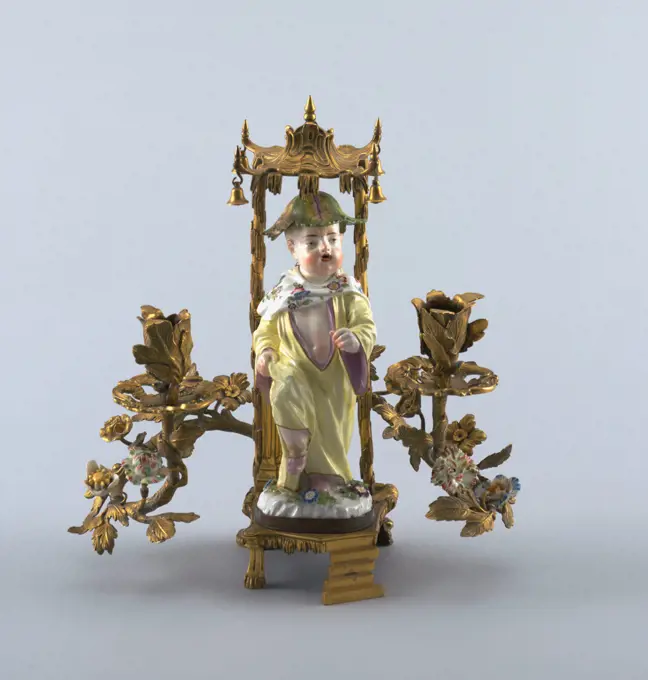
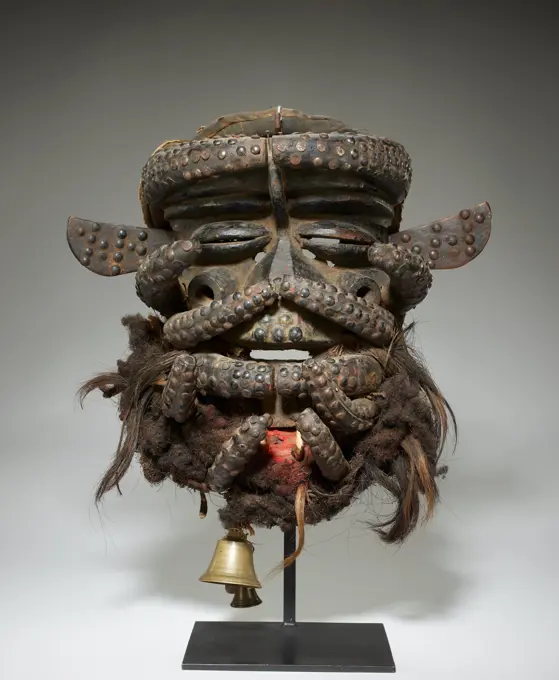
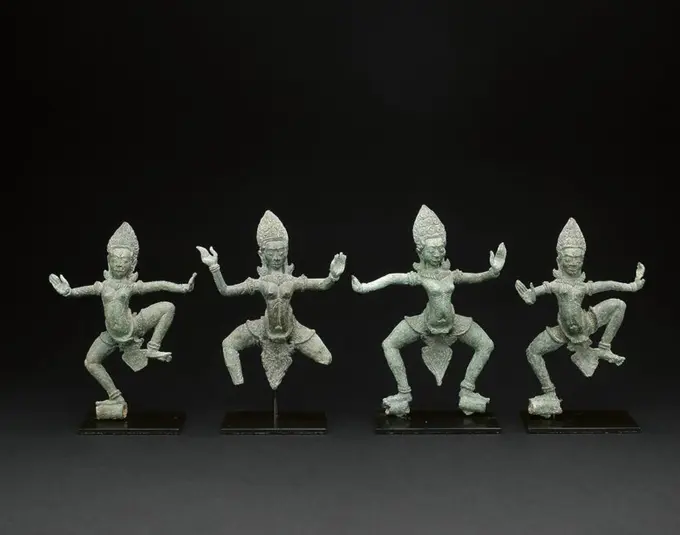
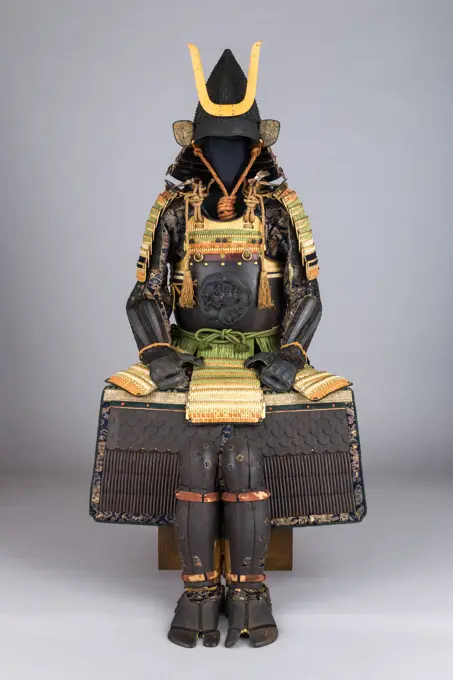
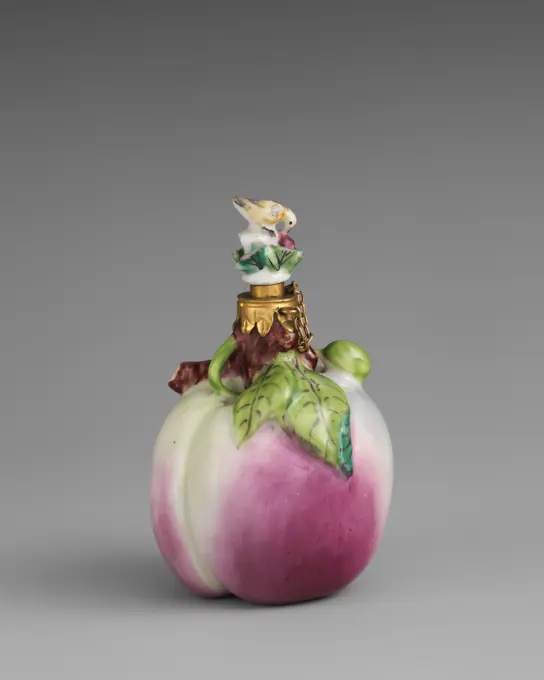
Mr Czyzna;  19th century (1801-00-00-1900-00-00);Engel, anonymous, 1475 - 1485 The figure consists of the following cast, quoted and stabbed parts: the angel, the wing piece, the sounded hands, the crown of thorns. The angel stands on a five -sided pedestal, which is marked in the front V. In the back, a part has been saved around the eye, in which the wing piece is attached with a pin Northern Netherlands (possibly) brass (alloy) casting The figure consists of the following cast, quoted and stabbed parts: the angel, the wing piece, the sounded hands, the crown of thorns. The angel stands on a five -sided pedestal, which is marked in the front V. In the back, a part has been saved around the eye, in which the wing piece is attached with a pin Northern Netherlands (possibly) brass (alloy) castingFigure of a Parrot on a rock. Image of porcelain, covered with a monochrome turquoise, blue glaze. A parrot standing on a cut-away rock. Image has been restored. Monochromes.Girl 1700-1799 France. Glass; lampwork (verre de Nevers), metal armature .Girl with a bird in a basket and a rabbit, Höchst, c. 1767 - c. 1775 Image of porcelain, painted on the glaze in email colors and gold. The image represents a girl, walking with a bird (goose) In a basket on her back and a dead rabbit in her hand. With her right hand she holds her overkken. Marked on the underside with the wheel, hm and n4. Maximum porcelain. glaze. gold (metal) painting / gilding / vitrification Image of porcelain, painted on the glaze in email colors and gold. The image represents a girl, walking with a bird (goose) In a basket on her back and a dead rabbit in her hand. With her right hand she holds her overkken. Marked on the underside with the wheel, hm and n4. Maximum porcelain. glaze. gold (metal) painting / gilding / vitrificationLadleMahavairochana. Indonesia; Central Java. Date: 801 AD-1000. Dimensions: 8.8 × 5.6 × 4.6 cm (3 7/16 × 2 13/16 × 1 13/16 in.). Silver and copper alloy. Origin: Central Java. Museum: The Chicago Art Institute, Chicago, USA.Bouwfragment, anonymous, 1600 Balk key of oak wood, worn at the front by a sculpted squat Satyr. On the sides volutes with leaf motifs in the ground. The key piece shows flat chain stocks and ends at the front in a console with Acanthus leaf. Coming from the so -called Huis van Alva in the Warmoesstraat in Amsterdam Northern Netherlands oak (wood) Balk key of oak wood, worn at the front by a sculpted squat Satyr. On the sides volutes with leaf motifs in the ground. The key piece shows flat chain stocks and ends at the front in a console with Acanthus leaf. Coming from the so -called Huis van Alva in the Warmoesstraat in Amsterdam Northern Netherlands oak (wood)Cane handle. Meissener Porzellan ManufakturMeissen, c. 1730-1735hard-paste porcelain, silverFigure of Punch, Plated brass, In the shape of the character Punch shown from the waist up, with long nose and chin, wearing a pointed cap, hands joined together at his front, identical front and reverse. Circular opening at base, hinged at back. Striker on bottom., late 19th century, containers, Decorative Arts, Matchsafe, MatchsafeTwo Falcons, Meissener Porcelain Manufaktur, 1731 Figure of painted porcelain. The figure proposes a falcon on a tree stump that is placed in the middle of a soil with rocks. The falcon is painted in brown, gray, black and yellow. The figure is marked. Float porcelain Figure of painted porcelain. The figure proposes a falcon on a tree stump that is placed in the middle of a soil with rocks. The falcon is painted in brown, gray, black and yellow. The figure is marked. Float porcelainBliżej Kultury unknownMingqi: offer of offerings. Terracotta with glaze. Paris, Cernuschi museum. Asian art, beyond, belief, figurine, mingqi, funeral object, model character, funeral rite, statuetteReclining Dog and Puppy, 1271-1368. China, Yuan dynasty (1271-1368). Jade; overall: 8 cm (3 1/8 in.).Netsuke in the form of a fisherman in rain wear, anonymous, c. 1700 - c. 1800 Visser in rain gear with a net in his hands. Japan ivory Visser in rain gear with a net in his hands. Japan ivoryOil Lamp with Christian Crosses 1501-1700 Sri Lanka. Bronze .Netsuke 19th century Japan. Netsuke. Japan. 19th century. Ivory. Edo (1615-1868) or Meiji period (1868-1912). NetsukeDutchman with Child. Japan, 18th century. Costumes; Accessories. Ivory with staining, sumi, inlaysMermaid shaped pendantNetsuke of Boy Riding a Hobby Horse 19th century Japan. Netsuke of Boy Riding a Hobby Horse 59303Snuff Bottle China. Snuff Bottle. China. White porcelain with green jadeite stopper. Qing dynasty (1644-1911), Qianlong period (1736-95). Snuff BottlesMulticolored padded frog from Faïence. Animal figure representing a frog painted multi-colored.Cup in the shape of a magnolia blossom. Culture: China. Dimensions: H. 4 in. (10.2 cm); H. incl. base 5 3/4 in. (14.6 cm). Date: early 17th century.Once grown exclusively for the imperial family, magnolias are sometimes understood as allusions to beautiful women. Museum: Metropolitan Museum of Art, New York, USA.Snuff Bottle, 1875-1925, 3 1/8 x 2 1/8in. (7.9 x 5.4cm), Ivory, ChinaA sumo wrestler figurine poses for a portrait in Lake Tahoe, Nevada.Marble coupe with lid. Coupe of white marble worn by four female kariatides. A bird on the lid.Angel plastic statue of an gold angel isolated on white background.Lid with Seated Male Figure. Culture: Pakistan (ancient region of Gandhara). Dimensions: H. 3 3/4 in. (9.5 cm); Diam. 6 3/16 in. (15.7 cm). Date: 1st-2nd century.Such vessels were important to the Buddhist community at Gandhara, as pouring water marked ritual actions. Given its early date, this vessel was likely used in conjuction with the veneration of relics that were housed in stupas (relic mounds), though in later centuries water was also poured on devotional images. Museum: Metropolitan Museum of Art, New York, USA.'Cybele'. Italy, Second half of the 1690s. Dimensions: h. 58 cm. Museum: State Hermitage, St. Petersburg.Garuda 18th century Tori Japanese. Garuda 59420A bracket with a rosette (condition with completed rosette petals; doublet with MNK I G 27) treasury, cathedral in Wawel, KrakowBronze statuette (of a man) 9th-8th century B.C. Etruscan With arms lowered.. Bronze statuette (of a man) 246284Pair of Sword-Grip Ornaments (Menuki) 18th century Japanese Menuki are a pair of ornamental sword fittings attached to either side of a sword hilt.. Pair of Sword-Grip Ornaments (Menuki). Japanese. 18th century. Copper-gold alloy (shakud), copper, gold, silver. Sword Furniture-MenukiStanding man still bank, c. 1920, 4 7/8 x 1 7/8 x 1 7/8 in. (12.38 x 4.76 x 4.76 cm), Wood, pigment, United States (probably), 20th centuryHanging Lamp in the Form of a Peacock 6th-7th century Byzantine Conjuring images of the garden of paradise and heavenly splendor,the peacock became a Christian symbol in the 300s.. Hanging Lamp in the Form of a Peacock. Byzantine. 6th-7th century. Copper alloy, cast. Metalwork-Copper alloyMask Group. Naitō Toyomasa (Japan, 1773-1856). Japan, first half of 19th century. Costumes; Accessories. WoodJug - owl, with a cover; Prószków L Ski (Factory of the Fajans; 1763-1853); 1769-1783 (1769-00-00-1783-00-00);Vase. Designer Joseph Locke, American, born England, 1846-1936 Manufacturer: New England Glass Works, W. L. Libbey & Son, American, 1878-1888Bronze statuette of a philosopher on a lamp stand. Roman, late 1st century, B.C. Adaptation of a Greek statue of the 3rd century B.C.Cup probably ca. 1840-50, or somewhat earlier Italian A copy of a late-Mannerist gold cup that was once in the possession of the Rospigliosi family in Rome, this object was formerly attributed to the Italian goldsmith Benvenuto Cellini.. Cup 192708Curled rat, second half 19th century, Suzuki Masanao, Japanese, 1815 - 1890, 1 1/2 x 1 1/2 in. (3.81 x 3.81 cm), Wood, China, 19th centuryEagle and Eaglets' or 'American Eagle' mechanical bank, c. 1883, Charles M. Henn; Manufacturer: J. & E. Stevens Company, Cromwell, Connecticut, 1843-1950s, American, 5 1/4 x 6 3/4 x 4 in. (13.34 x 17.15 x 10.16 cm), Iron, pigment, 19th centuryDelicious fresh colorful Christmas or New Year gingerbread cookies on a ceramic plate on a dark concrete backgroundGame Pie Dish (Lid), c. 1860-80. Minton Pottery and Porcelain Factory (British). Earthenware; overall: 18.6 x 34.5 x 21.5 cm (7 5/16 x 13 9/16 x 8 7/16 in.).. Portification of a big wicker basket with removable lid. A small male at the height of the basket holds a large fish in his left hand.Marble right foot wearing a sandal 1st or 2nd century A.D. Roman Right foot and ankle, wearing a sandal.. Marble right foot wearing a sandal 252959Parrot ca. 1750-55 Saint James's Factory. Parrot. British, London. ca. 1750-55. Soft-paste porcelain. Ceramics-PorcelainSide View Mythological Lion Sculpture Isolated Side view detail head mythologic chinese stone lion sculpture head isolated on white background Copyright: xZoonar.com/DanielxFerreira-LeitesxCiccarinox 13753106Seal with Crouching Dragon China. Seal with Crouching Dragon 40968Paduan 16th Century, Lamp in the Form of a Satyr's Head, early 16th century Lamp in the Form of a Satyr's HeadSeated Buddha, 1100s. Japan, Heian period (794-1185). Gilded wood; overall: 145.4 cm (57 1/4 in.); figure: 88.2 cm (34 3/4 in.); pedestal: 57.2 cm (22 1/2 in.).Actor with Moustache 1675-1725 France. Glass; lampwork (verre de Nevers), metal armature .Acrobat, Anonymous, c. 1600 - c. 1700 On an elongated plate is an acrobat on a raised object. The image is marked with a boar head. Netherlands silver (metal) On an elongated plate is an acrobat on a raised object. The image is marked with a boar head. Netherlands silver (metal)Medallion - Intaglio from Madonn from children  beginning of the 17th century, Polish setting, near the 17th century (1600-00-00-1610-00-00);Our Lady with the Child, Sanguszko, Barbara Urszula (1718-1791) - collection, renaissance (style)Candelabra with Chinoiserie Figure, Mennecy Porcelain Manufactory, French, active 1735 - 1773, porcelain, vitreous enamel, bronze, gold, Porcelain Chinoiserie figure of a young boy dressed in a yellow robe with flowered shawl, wearing a leaf cap and pink slippers, prancing beneath an ormolu bell-hung canopy on rustic supports; the base fitted with two scrolling enleafed candle arms bearing porcelain flowers., France, 18th or 19th century, ceramics, Decorative Arts, candelabra, candelabra, Candelabra with Chinoiserie Figure, Mennecy Porcelain Manufactory, French, active 1735 - 1773, porcelain, vitreous enamel, bronze, gold, Porcelain Chinoiserie figure of a young boy dressed in a yellow robe with flowered shawl, wearing a leaf cap and pink slippers, prancing beneath an ormolu bell-hung canopy on rustic supports; the base fitted with two scrolling enleafed candle arms bearing porcelain flowers., France, 18th or 19th century, ceramics, Decorative Arts, candelabra, candelabraNETSUKE EN MARFIL. Location: PRIVATE COLLECTION. MADRID. SPAIN.Incense Burner early 19th century Japan. Incense Burner. Japan. early 19th century. Pottery decorated with colors. Edo period (1615-1868). CeramicsMask, 1940s, 20 × 17 1/2 × 9 in. (50.8 × 44.45 × 22.86 cm) (approx.), Wood, metal, hair, fur, pigments, plant fibers, leopard teeth, Côte d'Ivoire, 20th century, How wild and ferocious do you have to look' Depends what youre trying to accomplish. This mask, encrusted with teeth, fur, human hair, and countless protuberances resembling horns or tusks, was used in ceremonies performed to command authority, administer justice, and detect wrongdoers. The little bells added an aural element to the powerful appearance of the mask itself.Bust of Sarah Bernhardt by Jean-Leon Gerome, Circa 1890, (1824-1904), France, Paris, Musee D'OrsayEpiphany. Three kings group on a six-clicked plate. The plate is on three ball legs. The group consists of three figures with crowns on the head. One of the figures hold a pole to which an eight-pointed star is attached. The star can be rotated through a cord that holds one of the other figures. There is a putto on top of the pole. The letters C a B are scratched in the image. The image is not noticed.Cabinet on Stand; Attributed to André-Charles Boulle (French, 1642 - 1732, master before 1666), and medallions after Jean Varin (French, 1596 - 1672); Paris, France; about 1675 - 1680; Oak veneered with pewter, brass, tortoise shell, horn, ebony, ivory, and wood marquetry; bronze mounts; figures of painted and gilded oak; with drawers of snakewood; 229.9 x 151.2 x 66.7 cm (90 1,2 x 59 1,2 x 26 1,4 in.)The Metamorphoses of Ovid Before 1886 Auguste Rodin (1840-1917/French) Bronze, brown patina Masterless Samurai. Japan, early 19th century. Costumes; Accessories. Ivory with staining, sumiTwo pot-pourri censers, with hunting decorations. Koenigliche Porcellain Fabrique, Meissen (1710-1763), factoryWomen's figurine Troger, Simon (1693 1768)Caricature Candlestick, one of a pair, c. 1830-1850, 13 1/2 x 6 1/2 x 4 1/4in. (34.3 x 16.5 x 10.8cm), Bronze, France, 19th centurySeal China. Seal 41007Dragons on Gong. Asakusa School (Japan, group of netsuke carvers, mid- to late 19th century). Japan, mid-19th century. Costumes; Accessories. Stag antlerCamel ca. 1760 Chelsea Porcelain Manufactory. Camel. British, Chelsea. ca. 1760. Soft-paste porcelain. Chelsea Porcelain Manufactory (British, 1745-1784, Red Anchor Period, ca. 1753-58). Ceramics-PorcelainCrucifix 1700-1725 France. Glass, gilded paper, and wood .Figure of a European merchant.Bust of J.C.J. Van Speyk (1802-1831), foundry Nering Bögel, after Louis Moritz, 1832 - 1858 bust Two busts from J.C.J. From Speyk and one pedestal. Two identical bronze busts from a Dutch navy officer, the head light turned to the left. He is wearing a uniform and a military William order. The bust belongs to one wall sink, on which the explosion of the ship of the portrayed person is depicted. The base is finished with a garland at the bottom. brazier: Deventerafter design by: Netherlands bronze (metal). iron (metal). wood (plant material)   Antwerp. ScalesSuzon by Auguste Rodin, circa 1872, (1840-1917), England, London, Christie's ImagesDouble Frog Pendant, c. 1000-1550. Western Panama, Veraguas-Gran Chiriquí Style, 11th-16th century. Cast and hammered gold; overall: 6.6 x 8.7 x 2.5 cm (2 5/8 x 3 7/16 x 1 in.).Incense burner ,, 1700 - 1800 Incense bead in the form of a quail. China copper (metal). Incense bead in the form of a quail. China copper (metal).Baby Jesus Christmas rustic isolated on a white backgroundEquinoctial dial. Culture: British. Dimensions: Diameter: 3 1/4 in. (8.3 cm). Maker: Thomas Wright. Date: 1740. Museum: Metropolitan Museum of Art, New York, USA.Cannoneer, anonymous, c. 1670 - c. 1700  Amsterdam (possibly) bronze (metal)  Amsterdam (possibly) bronze (metal)Doll  a sitting boy in an outfit with coats of arms unknownInkstand 18th century German, Westerwald For another figure from the same mold, see 34.165.6.. Inkstand 197486To the cat that sleeps To the cat that sleeps ". Forged iron and pushed leather. XVIIth century.Namanari. Kimura Ryūmin (Japan, active mid- to late 19th century). Japan, mid- to late 19th century. Costumes; Accessories. WoodManekineko japanische Winkekatze Manekineko japanische Winkekatze Copyright: xZoonar.com/AntjexLindert-Rottkex 4546204Group of Four Celestial Dancing Beauties (Apsaras). Cambodia. Date: 1175-1225. Dimensions: 1: 16.5 × 12 × 5.3 cm (6 1/2 × 4 3/4 × 2 1/8 in.); 2: 15.5 × 10.6 × 4.4 cm (6 1/8 × 4 1/8 × 1 3/4 in.); 3: 13.8 × 11.5 × 3.4 cm (5 3/8 × 4 1/2 × 1 3/8 in.); 4: 15.2 × 11 × 3.5 cm (6 × 4 3/8 × 1 3/8 in.). Bronze. Origin: Cambodia. Museum: The Chicago Art Institute, Chicago, USA.Chess Piece Bishop 1800-1899 Burslem. Stoneware (jasperware) . Wedgwood Manufactory (Manufacturer)Armor (Nimaid Gusoku) armor, dated 1717; helmet, late 16th century; restorations, 2015 Armor inscribed Mychin Muneakira Armor embossed in high relief came into vogue in the eighteenth century, a period of peace and stability under Tokugawa rule. With less concern about battlefield functionality, armorers explored new decorative possibilities, including embossing, a technique that would have compromised the armor’s defensive qualities, since it created catch points for an opponent’s weapons. The Mychin, among the most well-known armor-making families of the period, specialized in this difficult but spectacular technique.. Armor (Nimaid Gusoku). Japanese. armor, dated 1717; helmet, late 16th century; restorations, 2015. Iron, copper, copper-gold alloy (shakud), gold, silver, horn, leather, silk. Armor for ManApple ca. 1755 Saint James's Factory. Apple. British, London. ca. 1755. Soft-paste porcelain. Ceramics-PorcelainGroup: Polish Unek; Koenigliche Porcellain Fabrique, Meissen (1710-1763), Kaendler, Johann Joachim (1706-1775); 1 PO. 19th century (1801-00-00-1850-00-00);figurines, figurines of Poles, figural groups, nobles, purchase (provenance)Candlesticks, Bow Porcelain, circa 1760, UK, London, London MuseumHelmet in dragonfly shape, 17th century, Unknown Japanese, 28 x 24 x 13 3/4 in. (71.12 x 60.96 x 34.93 cm) (approx.), Iron, lacquer, wood, leather, gilt, pigments, silk, papier-mché, Japan, 17th century, During the 15th and 16th centuries, Japan's feudal families vied for supremacy, amassing vast armies to ensure their dominion and to conquer weaker neighbors. High-ranking lords began to embellish their helmets with sculptural forms so that they could be visually located on the battlefield. Exotic helmets (kawari kabuto) also allowed leaders to choose symbolic motifs for their helmets that reflected some aspect of their personality or that of their collective battalions.Edward L Loper, Fish Pitcher, c 1938 Fish PitcherCoachman Bottle. United States, Vermont, Bennington, 19th century. Furnishings; Accessories. EarthenwareClose-up of a hen shaped box, FranceSet of ten figurines of craftsmen at work. Shimura ( fl. ca 1870-1910), sculptorIndian Bottle (Medicine Bottle). Dated: 1935/1942. Dimensions: overall: 51 x 41 cm (20 1/16 x 16 1/8 in.). Medium: watercolor, graphite, and colored pencil on paperboard. Museum: National Gallery of Art, Washington DC. Author: Loraine Makimson.Hoop-La Bank' mechanical bank, c. 1897-1920s, John Harper & Company, Ltd., English, Willenhall, Staffordshire, England, 1790-1980s, 7 3/8 x 8 3/8 x 2 11/16 in. (18.73 x 21.27 x 6.83 cm), Iron, pigment, 19th-20th centuryBracket (England); carved mahoganyFigurine  Lady with mandolineNetsuke red figure. Vintage statue.  Close upVase in the Form of an Owl Proto-Corinthian C.640 BC Greek Art Ceramic Musee du Louvre, Paris, France