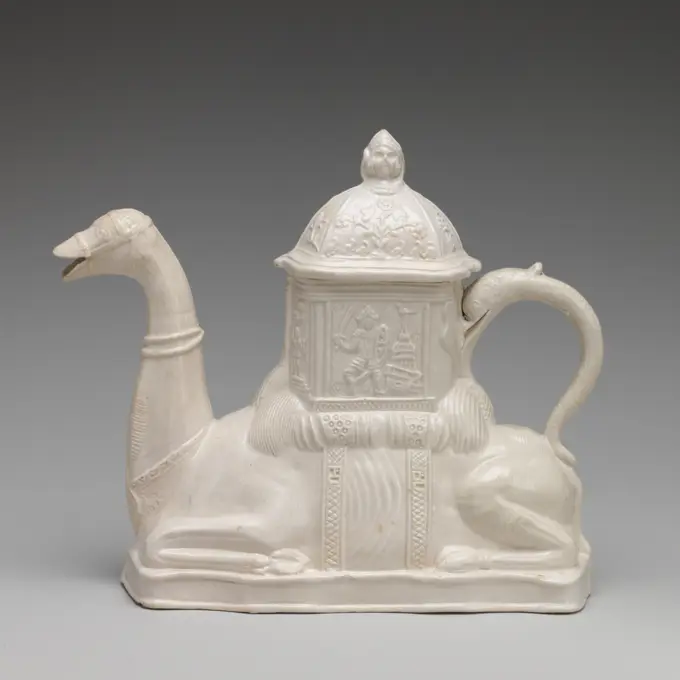
Decorative Porcelain Figures

Artistic and historical porcelain items, featuring detailed figures, jugs, and vessels, showcasing intricate designs and cultural heritage in muted tones.

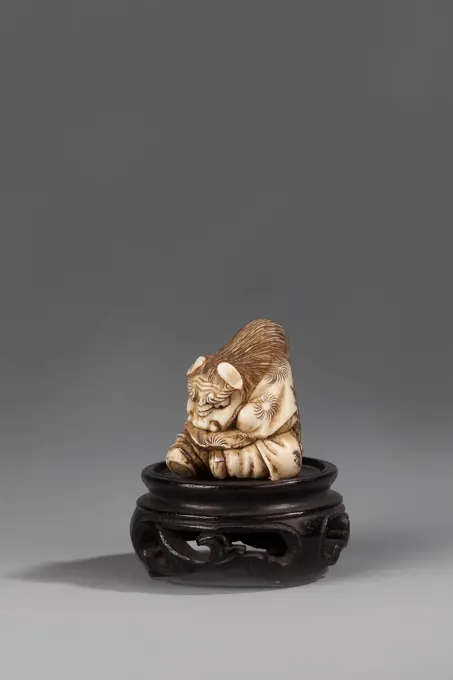
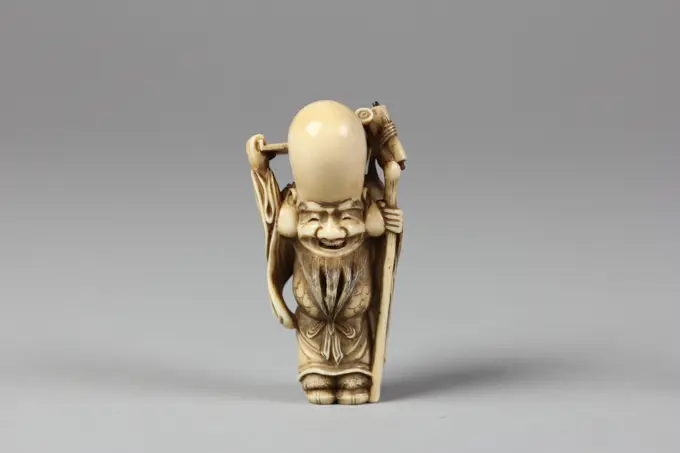
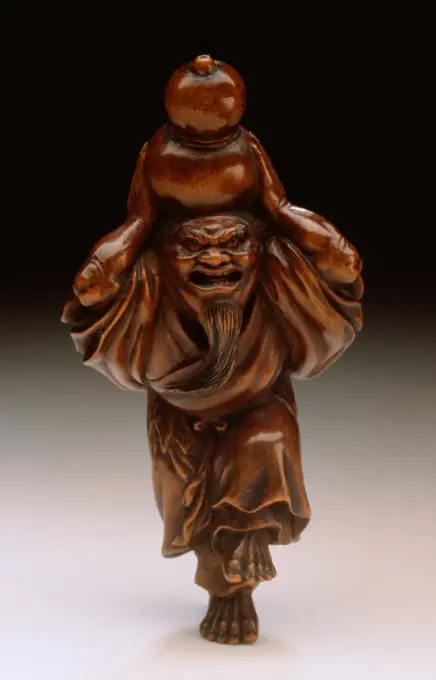
Fisherman carrying an octopus over his shoulder, 19th century, Kōsen, Japanese, 2 1/4 x 1 1/4 x 1in. (5.7 x 3.2 x 2.5cm), Ivory, Japan, 19th century
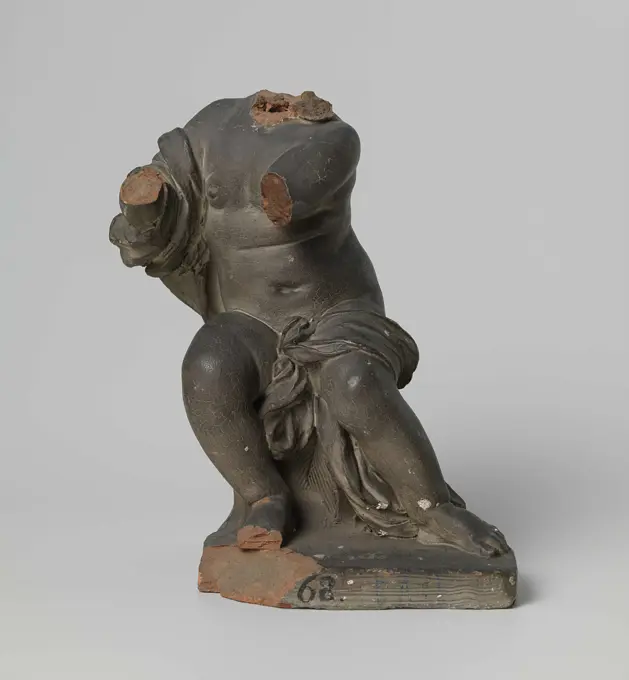
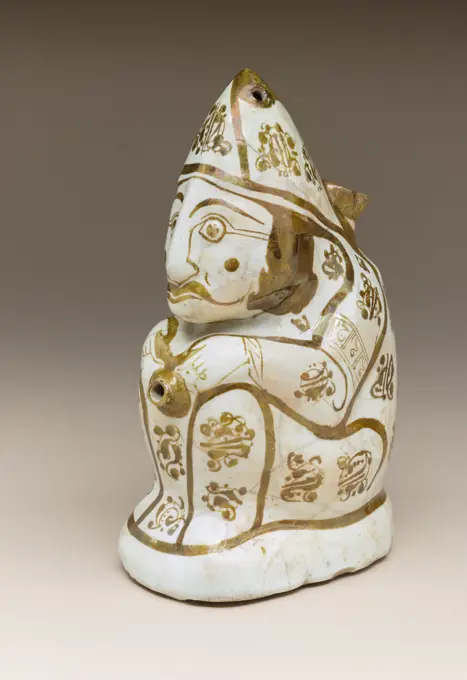
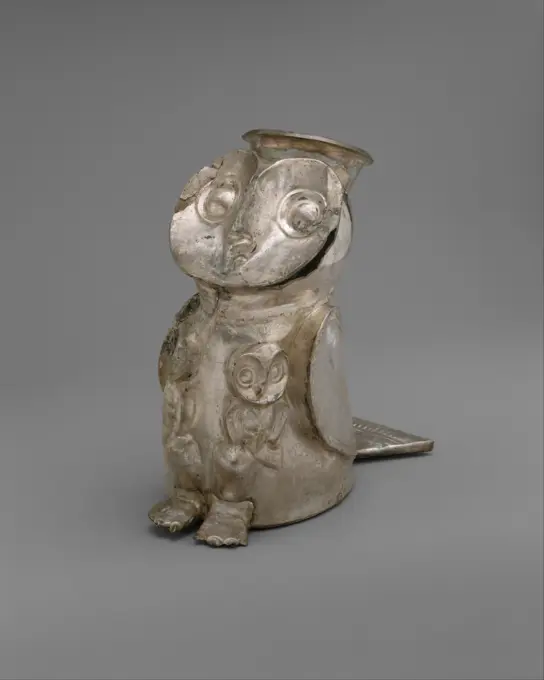
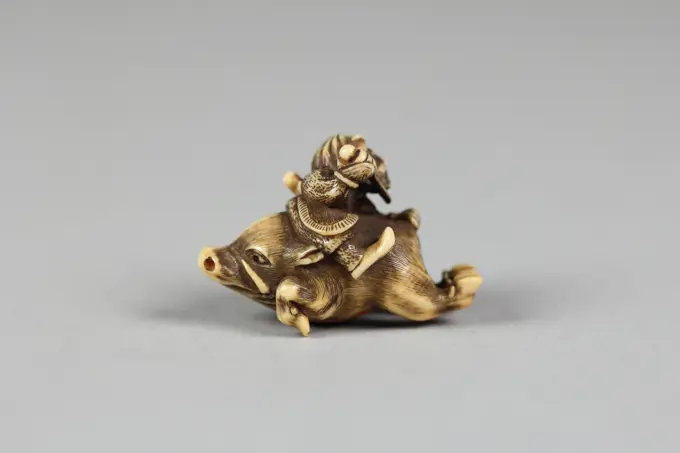
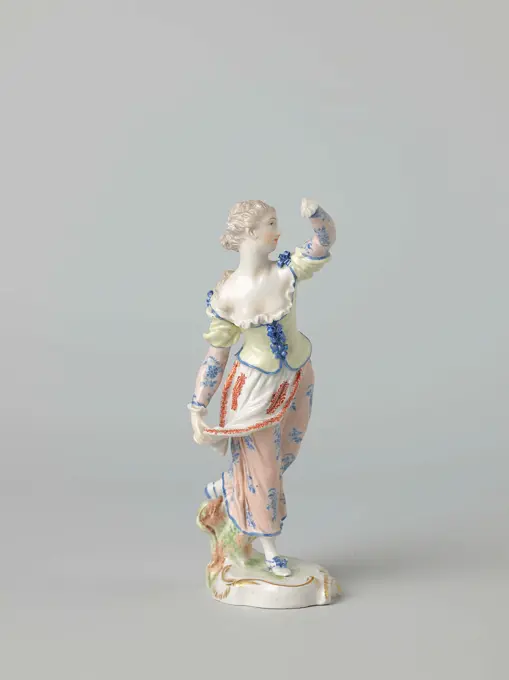
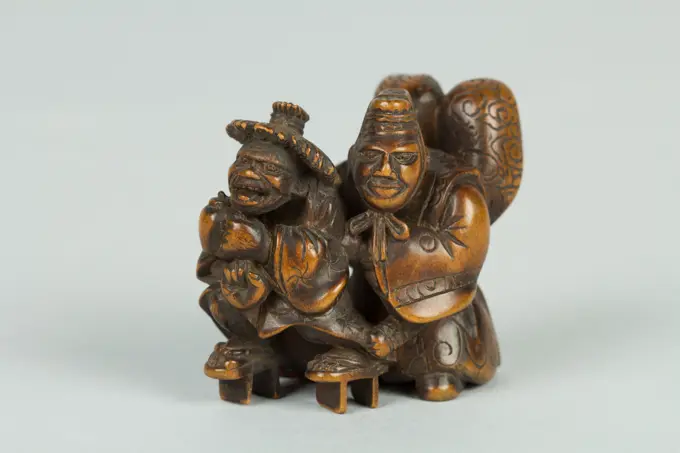
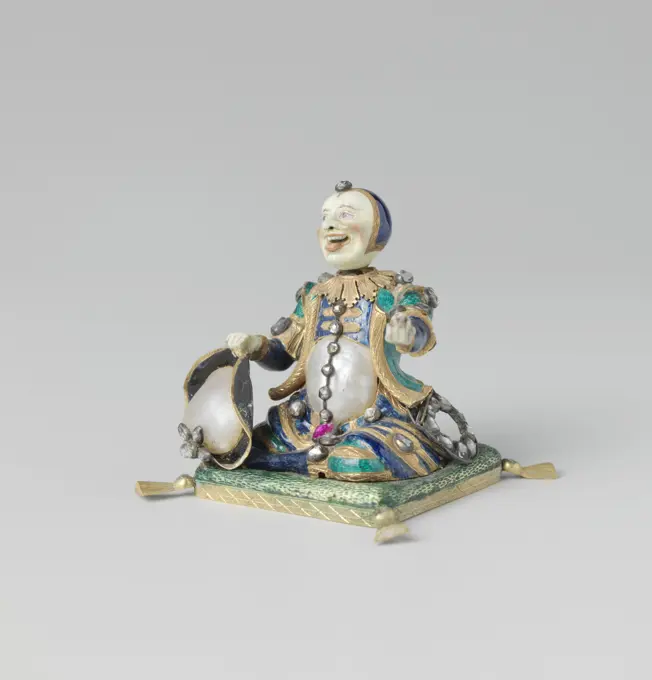
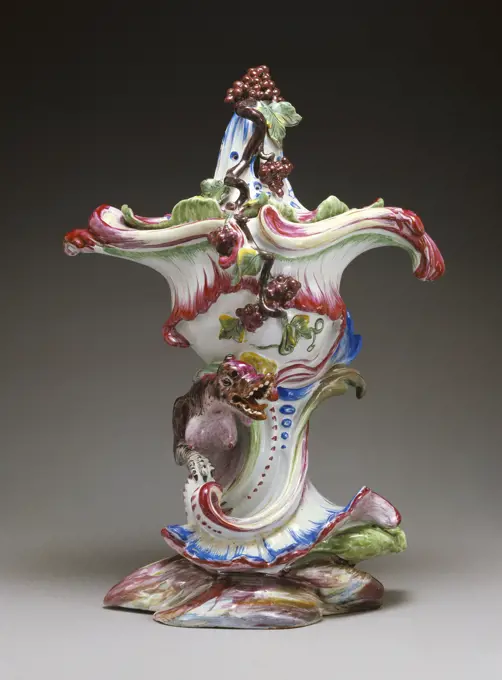
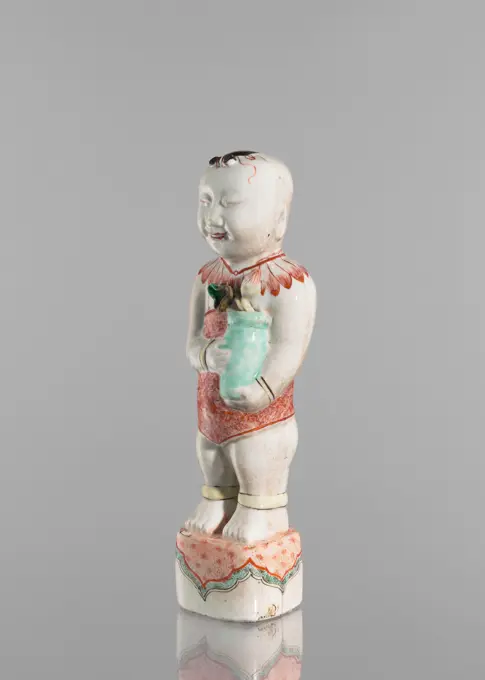
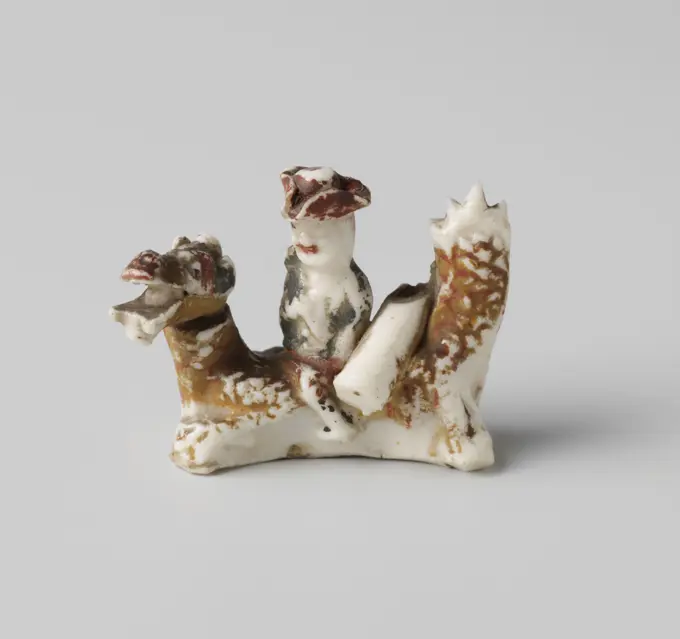
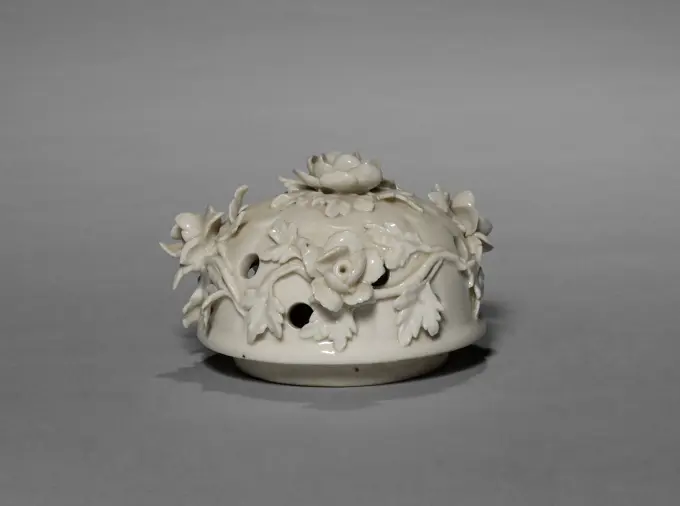
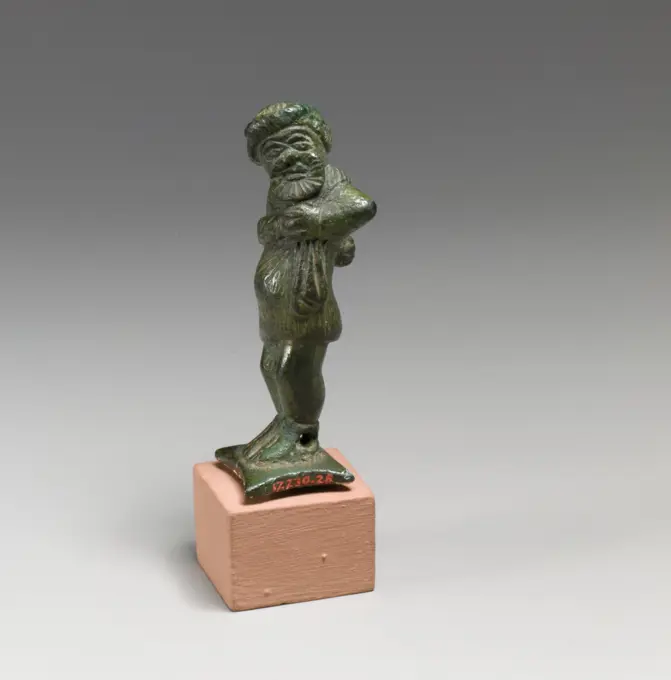
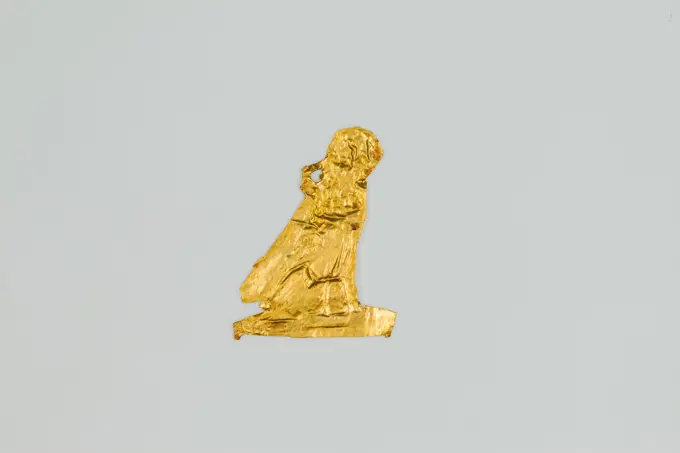
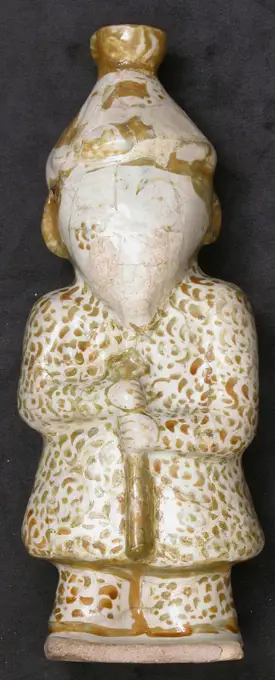
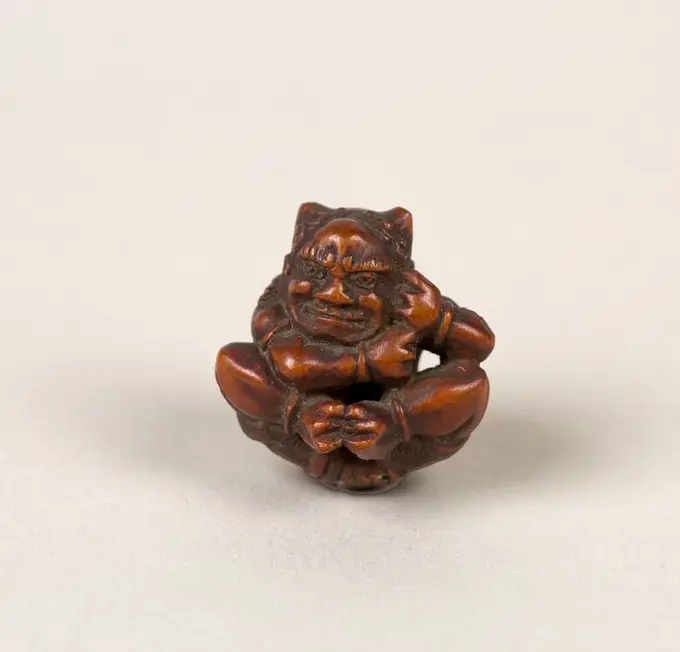
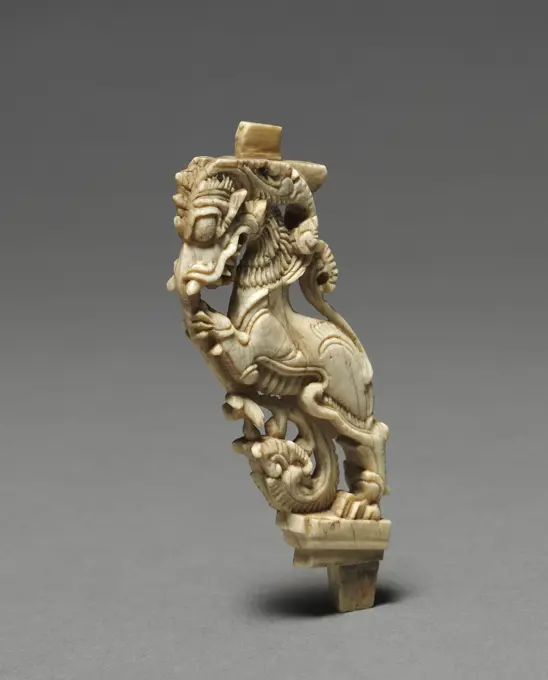
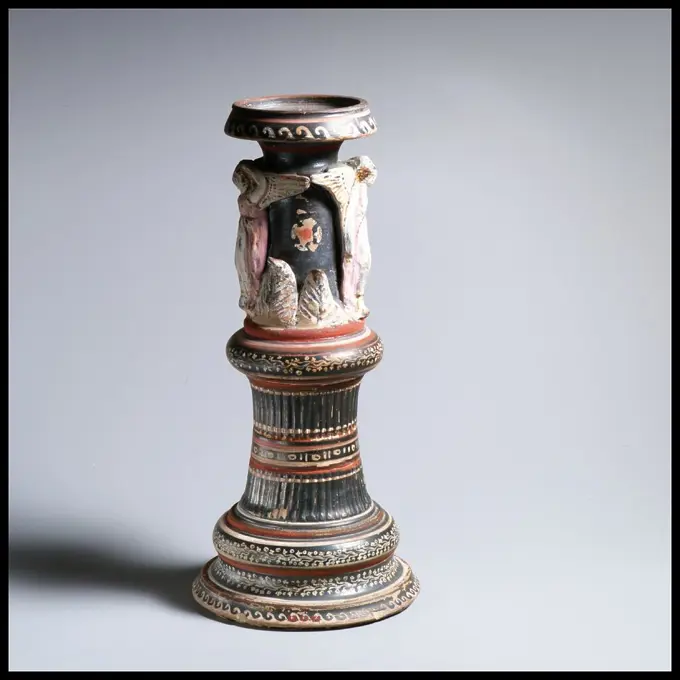
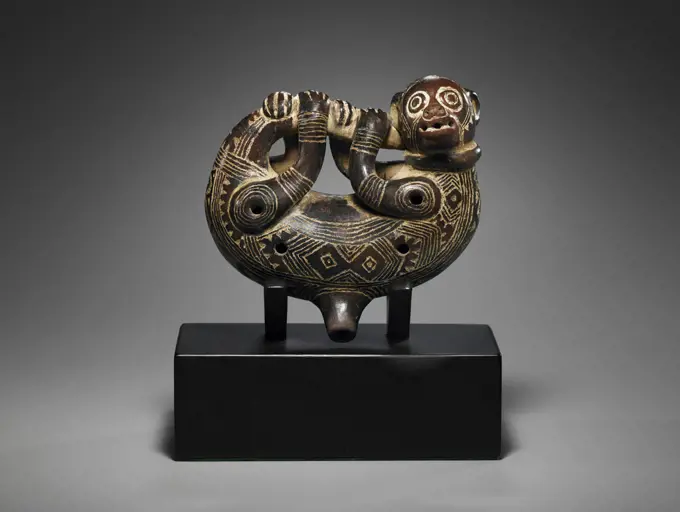
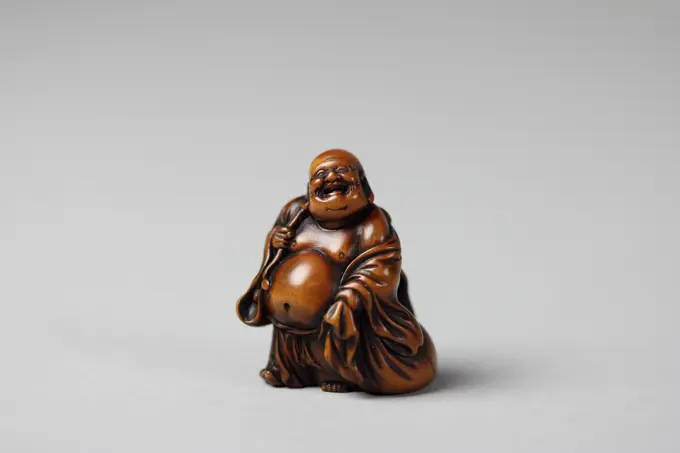
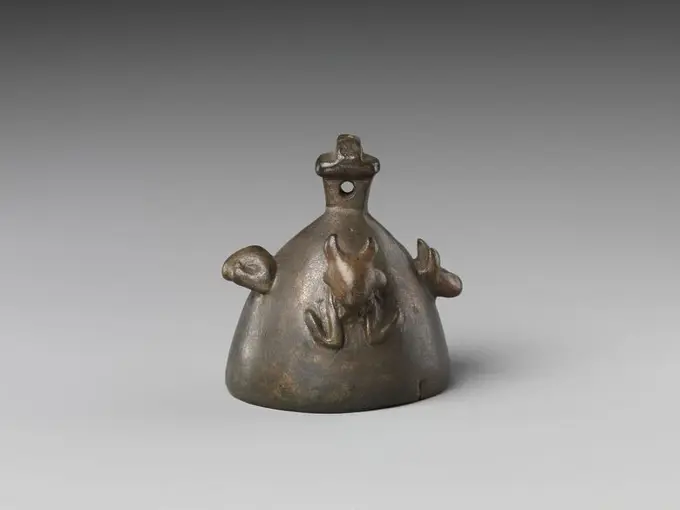
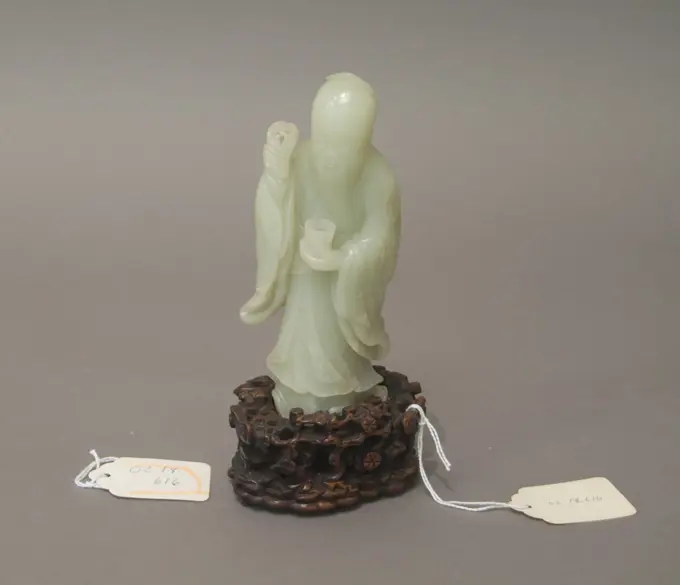
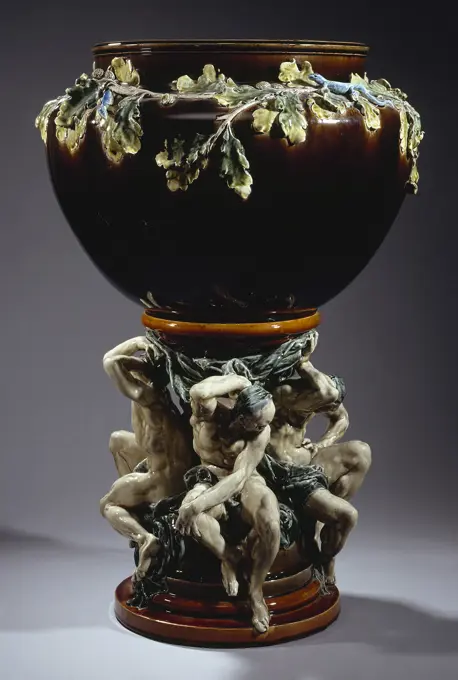
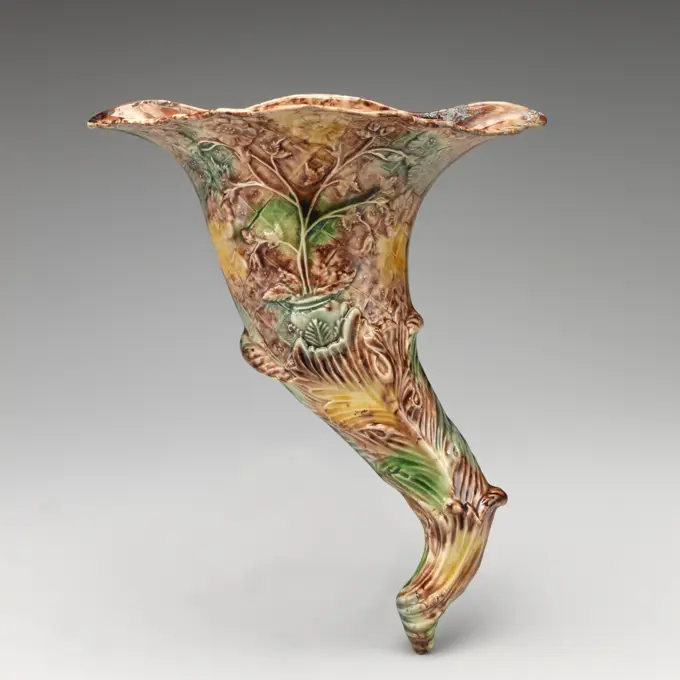
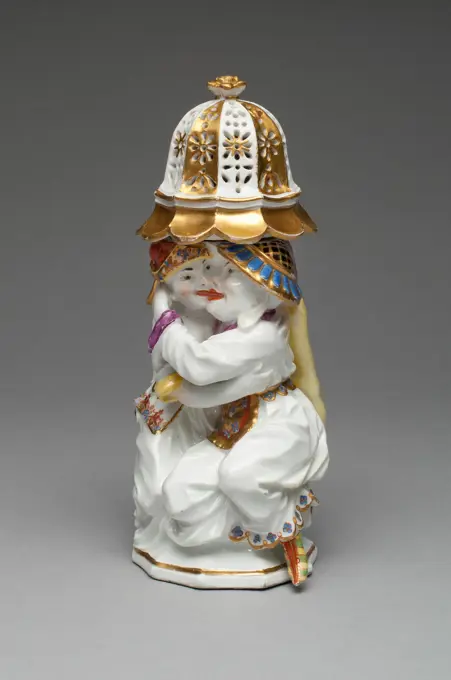
Sugar Caster with Cover (one of a pair) 1732-1742 Meissen. By the 17th century, many European nations were trading heavily in the Orient, importing such products as tea, chocolate, furniture, silk, and porcelain. The discovery in the 18th century of the secret method the Chinese used to make porcelain was one of the most important achievements of the royal Meissen porcelain factory near Dresden. The tureen from this centerpiece and stand with a pair of sugar casters, designed by Meissenís chief modeler, Johann Joachim Kndler, would have been filled with lemons. Very sculptural in quality, the ensemble is animated with Oriental figures, Buddhas, imaginary birds, antique masks, flowers, and insects.. Hard-paste porcelain, polychrome enamels, and gilding . Meissen Porcelain Manufactory (Manufacturer)Image of a sitting child. Image of a sitting child.Dancer in the costume for Lion Dance (Shishimai); netsuke. unknown, sculptorJug in the Form of a Crouching Man. Iran, late 12th century/circa 6th century A.H.. Ceramics. Fritware, overglaze luster-paintedOwl Vessel 14th-15th century Chimú. Owl Vessel 310610Fisherman carrying an octopus over his shoulder, 19th century, Kōsen, Japanese, 2 1/4 x 1 1/4 x 1in. (5.7 x 3.2 x 2.5cm), Ivory, Japan, 19th centuryKnife Handle in the Form of a Lioness Devouring a Boar's Head. Eastern Mediterranean, Roman, 1st or 2nd century A.D.. Arms and Armor; handles. Bronze, castFigure, ivory, Men with bonsai trees, Japan, 19th century, sculpture, Decorative Arts, FigureSeal. Seal, crowned by a winged lion with horns; "Seal of Mao Kuang".Netsuke of Tadatsune Slaying the Wild Boar 19th century Japan. Netsuke of Tadatsune Slaying the Wild Boar. Japan. 19th century. Ivory. Edo (1615-1868) or Meiji period (1868-1912). NetsukeDancer. Dancer on pedestals with tree stump. Marked with crowned double c in underglazing blue. Ludwigsburg porcelain.Sitting bishop with opened book on the knees. His head is missing., C. 1700 - 1800   terracotta (clay material)   terracotta (clay material)Ewer in the shape of a triton and a nereid. This flagon in the form of a freestanding sculpture seems to defy the law of gravity. The stem is shaped like a dolphin with its tail curled up. Balancing on its tail fins is a triton, a sea creature with the torso of a man and the legs of a horse. A nereid - a sea nymph - sits on his back.. Offer in the shape of a winged lion, on the back is a square lid. On wooden base.Small candlestick. Werner, Teodor August (1836-1902), goldsmith, Werner i S-ka (Warszawa ; wytwórnia złotnicza ; 1864-1939), goldsmithNetsuke 19th century Japan. Netsuke. Japan. 19th century. Wood. Edo (1615-1868) or Meiji period (1868-1912). NetsukeHeadrest. unknown, craftsmanHarlequin, anonymous, before 1725 Image of gold with email, baroque pearls and precious stones, representing a harlequin with a movable head. In his right hand he has a hat, a mirror in the left. jeweler: Frankfurt am Main (possibly)jeweler: Dresden gold (metal). precious stone (material). pearl Image of gold with email, baroque pearls and precious stones, representing a harlequin with a movable head. In his right hand he has a hat, a mirror in the left. jeweler: Frankfurt am Main (possibly)jeweler: Dresden gold (metal). precious stone (material). pearlSpirit Keg in the shape of a dutchman sitting astride a barrel. Genkar of porcelain, painted in underglaze blue. The jug is in the form of a husband Dutch man sitting on a ton, a bottle of persistent in his raised left hand and a glass in his other hand. The head is separate from the body and serves as a cap; On the head a sprung hat. At the front of the ton is a hole made for a (missing) brass tap. The ton rests on a pedestal with with plot ornaments in European style; The pedestal is decorated with leaf raft. Blue White.Netsuke 19th century Japan. Netsuke 60270Netsuke of Lion and Cubs 19th century Japan. Netsuke of Lion and Cubs 60063Statuette of a Dancer; Tarentum (Taras), South Italy; 400 - 200 B.C; Terracotta with white slip (white lead) and polychromy (pink, light blue and turquoise, purple, violet, white); 23.7 × 10.4 × 8.8 cm (9 5,16 × 4 1,8 × 3 7,16 in.)Bottle in the form of a man Roman Red-glazed bottle in the form of a man reclining on left elbow.. Bottle in the form of a man. Roman. Terracotta. VasesNetsuke, Shoki, Anonymous, 1850-1900 Shoki, the spirit suspender. Signed "Masakazu". Japan wood (plant material) Shoki, the spirit suspender. Signed "Masakazu". Japan wood (plant material)Netsuke of Fukurokujin with Karako Boy 19th century Japan. Netsuke of Fukurokujin with Karako Boy. Japan. 19th century. Ivory. Edo (1615-1868) or Meiji period (1868-1912). NetsukeFo lion on the pedestal;  the beginning of the 20th century (1900-00-00-1910-00-00);Bronze furniture attachment 1st century A.D. Roman These two bronze mules heads (grouped with separable object 27.253.1) were originally part of the fulcra (headrests) of a Roman couch. The mule is associated with Dionysus, the god of wine and feasting. One of the heads is decorated with an ivy garland, and the other has an animal (panther?) skin around his neck; both are Dionysiac attributes.Gift of John Marshall, 1927 (27.160.79). Bronze furniture attachment. Roman. 1st century A.D.. Bronze. Early Imperial. BronzesMonkey Vessel 1st century B.C.-A.D. 7th century Moche. Monkey Vessel 312608Scene from the Noh Play "Dōjōji". Attributed to Tametaka (Japan, active circa 1730-1790). Japan, mid- to late 18th century. Costumes; Accessories. Wood with inlaysKadzielniczka - duck;  19th century (1801-00-00-1900-00-00);Sauce Boat (England); Manufactured by Bow Porcelain Manufactory (England, GB, United Kingdom); glazed and gilt porcelainSnuff Bottle, 19th century, 4 1/4 x 1 1/2in. (10.8 x 3.8cm), Ivory, China, 19th centurySnuff Bottle China. Snuff Bottle. China. Bloodstone agate with pink tourmaline stopper. Qing dynasty (1644-1911), Qianlong period (1736-95). Snuff BottlesBottle c 1830 Ohio. Earthenware . Artist unknownPotpourri Vase; Jacques Chapelle (French, born 1721), Sceaux Manufactory (French, active about 1748 - 1766); France; about 1755; Faience; 33 x 24.1 x 15.2 cm (13 x 9 1,2 x 6 in.)Knocker (Italy); bronzeOne of the Hehe Er Xian brothers holding small vase with lotus buds. unknown, craftsmanDecorative object: man with bottle in hand, on tub. Decorative object of multicolored painted faïence. There is a tub on a four-legged chassis. On the ton a man with a bottle in his right hand. The man has a blue jacket.Snuff Bottle, 2 1/4 x 1in. (5.7 x 2.5cm), Coral, ChinaKorbeel with Weapon Dekema, Anonymous, 1600 Korbeel of oak. On the consolorous front piece the coat of arms of the Dekema family, above which a helmet with a lion as a helmet sign. The sides show s-shaped volutes with blossoms in the flower. Coming from the stins demolished in 1887 in Franeker. (See also inv.no. BK-16706-A and BK-16706-C to -j) Northern NetherlandsNetherlands wood (plant material). oak (wood) Korbeel of oak. On the consolorous front piece the coat of arms of the Dekema family, above which a helmet with a lion as a helmet sign. The sides show s-shaped volutes with blossoms in the flower. Coming from the stins demolished in 1887 in Franeker. (See also inv.no. BK-16706-A and BK-16706-C to -j) Northern NetherlandsNetherlands wood (plant material). oak (wood)Immortal with Gourd. Sekkō (or Yukimitsu) (Japan, active late 19th century). Japan, late 19th century. Costumes; Accessories. Wood with inlaysNetsuke of Demon 19th century Japan. Netsuke of Demon. Japan. 19th century. Wood. Edo (1615-1868) or Meiji period (1868-1912). NetsukeStatuette of a youth 6th century B.C. Etruscan. Statuette of a youth 255373Pendant on pedestal with cupido, anonymous, c. 1700 Gem representing Cupido on a pedestal. The figure shooting with bow and arched figure is enamelled and set with rubies, and was originally intended as a pendant. A large, eight -sided cut topaz has been set in the middle of the pedestal. Germany gold (metal). pearl. topaz (mineral). ruby (mineral). Gem representing Cupido on a pedestal. The figure shooting with bow and arched figure is enamelled and set with rubies, and was originally intended as a pendant. A large, eight -sided cut topaz has been set in the middle of the pedestal. Germany gold (metal). pearl. topaz (mineral). ruby (mineral).Decorative object: man with bottle in hand, on tons, anonymous, c. 1760 - c. 1790 Decorative object of multicolored painted faïence. There is a ton on a frame with four legs. On the barrel is a man with a bottle in his right hand. The man has a blue jacket. Delft earthenware. tin glaze. Decorative object of multicolored painted faïence. There is a ton on a frame with four legs. On the barrel is a man with a bottle in his right hand. The man has a blue jacket. Delft earthenware. tin glaze.Mounted Shell; Arita, Japan; porcelain about 1660 - 1680; mounts about 1750; Hard-paste porcelain, celadon ground color, and polychrome enamel decoration; gilt-bronze mounts; 15.2 x 18.7 x 16.5 cm (6 x 7 3,8 x 6 1,2 in.)Vase. Culture: China. Dimensions: H. 5 3/4 in. (14.6 cm). Date: 18th century. Museum: Metropolitan Museum of Art, New York, USA.Crow-Tengu. Japan, early 19th century. Costumes; Accessories. Wood with inlaysMiniature image of a European man on a dragon, anonymous, c. 1700 - c. 1724 Miniature image of porcelain of a European man on a dragon, partly polychrome painted in Europe. Blanc the Chine. Dehua porcelain. glaze painting / vitrification Miniature image of porcelain of a European man on a dragon, partly polychrome painted in Europe. Blanc the Chine. Dehua porcelain. glaze painting / vitrificationClaterr from the "swan" service, small; Koenigliche Porcellain Fabrique, Meissen (1710-1763), Eberlein, Johann Friedrich (1695-1749); 1739-1741 (1739-00-00-1741-00-00);Bruehl, Henryk (1700-1763), swan service, coats of arms, candlesticks, purchase (provenance)Gardener with a basket of flowers - figure. Kaendler, Johann Joachim (1706-1775), sculptor, Koenigliche Porcellain Fabrique, Meissen (1710-1763), factoryDog ca. 1745 British, Staffordshire. Dog. British, Staffordshire. ca. 1745. Salt-glazed stoneware. Ceramics-PotteryThree Yamabushi climbing conchshellCover for a Potpourri Vase, 1860-1880. France. Blanc-de-chine porcelain; gilt bronze mount; overall: 7.1 x 10.2 cm (2 13/16 x 4 in.).Bronze statuette of a comic actor ca. 1st-2nd century A.D. Roman Statuette of an actor, comic.. Bronze statuette of a comic actor 250562 Roman, Bronze statuette of a comic actor, ca. 1st2nd century A.D., Bronze, H. 2 13/16 in. (7.2 cm). The Metropolitan Museum of Art, New York. Rogers Fund, 1917 (17.230.28)Ba-bird amulet 664-380 B.C. Late Period. Ba-bird amulet 561553Standing Buddha Sakyamuni, anonymous, 618 - 907 The Buddha stands upright on a low, round and tapered base. His right arm with abhayamudā (soothing anxiety gesture), the other vast arm Varamuddrā (give blessing). He wears an inner dress, of which only the breast part is visible and a long folded robe that falls to his bare feet. His head shows the characteristic characteristics: the contemplative facial expression, the Ushnisha and the large ears. China bronze (metal) casting The Buddha stands upright on a low, round and tapered base. His right arm with abhayamudā (soothing anxiety gesture), the other vast arm Varamuddrā (give blessing). He wears an inner dress, of which only the breast part is visible and a long folded robe that falls to his bare feet. His head shows the characteristic characteristics: the contemplative facial expression, the Ushnisha and the large ears. China bronze (metal) castingHollow Vessel in the Shape of a Bearded man second half 12th-first half 13th century This figurine in the shape of a bearded man with a pointed headdress is made in luster technique. Both this and a similar figural vessel are hollow, suggesting that the pieces were probably used for storing and dispensing water. Hollow vessels such as this one have been attributed to Rayy, Iran.. Hollow Vessel in the Shape of a Bearded man 452027Paperweight in the form of a reclining lady, Early 17th century, 1 1/4 x 5 1/4 x 2 in. (3.19 x 13.34 x 5.08 cm), Cast copper alloy, China, 17th centuryNetsuke of Demon. Culture: Japan. Dimensions: H. 3/4 in. (1.9 cm); W. 3/4 in. (1.9 cm); D. 1/2 in. (1.3 cm). Date: 19th century. Museum: Metropolitan Museum of Art, New York, USA.Carved Bracket, 1600s. South India, probably Madurai. Ivory with traces of pigment; overall: 10.2 cm (4 in.).Bronze oinochoe (jug) handle with lion's head and female protome 6th century B.C. Etruscan Terminating above in a lion's head flanked by two smaller animal heads and below a female protome flanked by two snakes.. Bronze oinochoe (jug) handle with lion's head and female protome 255065 Etruscan, Bronze oinochoe (jug) handle with lion's head and female protome, 6th century B.C., Bronze, Other: 6 13/16 in. (17.3 cm). The Metropolitan Museum of Art, New York. Rogers Fund, 1960 (60.11.7)Amulet of kneeling cow wearing disk and feathers. Dimensions: H. 2.9 × W. 3.1 cm (1 1/8 × 1 1/4 in.). Date: 400-30 BC.Starting in the later Late Period and continuing through the Ptolemaic Period, a type of glass amulet cast by pressing the glass into a shallow open mold appears. The back was left rough, and the amulets may look ragged because glass overflowed the mold around the edges. The earlier amulets are monochrome, bi- or multicolor amulets supplement the repertoire during the Ptolemaic Period. Some of the amulets can be specifically tied to spells of the Book of the Dead - for example, acc. no. 17.194.2526 - and most are clearly funerary amulets, presumably meant to be wrapped between the bandages of the mummy where the presence of the amulet would do its job irrespective of its degree of finish. Museum: Metropolitan Museum of Art, New York, USA.Business card holder; Horace Woodward & Co (Birmingham; Ca.1850-1919); 1912 (1912-00-00-1912-00-00);Figurine of peacock. unknown, craftsmanClose-up of a figurine, FranceCup with the ear in the shape of a winged woman, Limoges (possibly), c. 1800  Porcelain head, painted in gold. The outer wall is modeled in petals in relief, on which a garland. The ear is in the form of a winged woman (Victoria) in Biscuit, who keeps the head between her arms and legs. Marked on the underside with J CC. Limoges porcelain. glaze. gold (metal) painting / gilding / vitrificationElephant and two boys 19th century China. Elephant and two boys 43285Bird-Man Pendant, c. 700-1550. Western Panama, or Diquís, Costa Rica, Veraguas-Gran Chiriquí or Diquís Style, 8th-16th Century. Cast and hammered gold; overall: 7.6 x 6.7 x 2 cm (3 x 2 5/8 x 13/16 in.).Amulet of a Seated Cat (the Goddess Bastet) 1069 BCE-332 BCE Egypt. Faience . Ancient EgyptianTerracotta roundel with mask of Pan 1st century B.C. Greek Roundel with the face of Pan attached.. Terracotta roundel with mask of Pan 257632Bulgaria, Horse frontlet decorated with a relief depicting a lion fighting against a bull, gilded silverParrot ca. 1750 Whieldon type. Parrot. British, Staffordshire. ca. 1750. Lead-glazed earthenware. Ceramics-PotteryNobleman Mi Nia (Meissen)Base; jade with hardstone baseFigure Pendant 10th-16th century Tairona Works in gold made by the Tairona people of the Sierra Nevada de Santa Marta in north Colombia emphasize volume and three-dimensional form. The figure shown here is part of a small group called caciques ("chieftains") because of their flamboyant, awe-inspiring appearance. Caciques range from about one to six inches in height and are among the most spectacular and detailed Precolumbian gold castings. They are hollow, having been cast by the lost-wax method in tumbaga to achieve remarkable detail. Loops in back indicate that they were worn as pendants.There are two types of cacique: one is fully human (shown here); the other is similar but has the head of a bat or crocodile. Both wear enormous headdresses, sometimes as tall as the figures, with two large birds on the front and elaborate sidepieces. The human-headed pendant also has a visor or diadem, a kidney-shaped nose ornament, a labret in the lower lip, disk-headed rods and crescent-shaped danHeadrest with Three Lions, 916-1125. China, Liao dynasty (916-1125). Glazed earthenware, sancai (three-color ware); overall: 13.4 x 37.9 x 18.2 cm (5 1/4 x 14 15/16 x 7 3/16 in.). Three lionstwo ferocious adults and one playful cubform the base of this Chinese headrest. Often found at burial sites, headrests probably had multiple uses for their owners, but their exact origins are unknown. As ceramic pillows, headrests were cooling on hot summer nights. As decorative objects, their form and ornamentation conveyed symbolic meaning for their owners. Lions are used as decoration on headrests because of their association with protection, as fierce beasts with the strength to ward off evil spirits while one sleeps. While headrests made of hard materials may seem unusual now, their use crosses time periods and cultures.Chandelier woman (Leuchterweibchen) with a coat of arms. The meaning of the curious combination of a woman with a coat of arms and a suspended deer antler are not clear. Such objects were found in town halls and thus must have had an official significance. They owe their German name Leuchterweibchen (chandelier woman) to the custom of sticking candles onto the antler points.Netsuke of Shoki Holding a Demon by a Cord 19th century Japan. Netsuke of Shoki Holding a Demon by a Cord. Japan. 19th century. Ivory. Edo (1615-1868) or Meiji period (1868-1912). NetsukeNetsuke 19th century Japan. Netsuke. Japan. 19th century. Ivory. Edo (1615-1868) or Meiji period (1868-1912). NetsukePair of birds. Culture: British, Staffordshire. Dimensions: Height (.15): 4 3/4 in. (12.1 cm);Height (.16): 4 5/8 in. (11.7 cm). Date: ca. 1750-55. Museum: Metropolitan Museum of Art, New York, USA.Gold earring. Culture: Greek. Dimensions: H. 1 3/4 in. (4.4 cm). Date: mid-4th century B.C..From this earring dangles a siren, part bird and part woman, playing a kithara. Museum: Metropolitan Museum of Art, New York, USA.Anonymous. Fire. Bronze chiseled and gilded in Mati and Bruni gold, 18th century. Paris, Carnavalet museum. 72593-23 Accessory, bronze, cheminee, chenet, gilding, leaf pattern, gold, 18th century, fireErnest Chaplet (1835-1909). Grotesque. Flammed porcelain. 1909. Museum of Fine Arts of the City of Paris, Petit Palais. 60192-8 Grotesque, flame porcelain, back viewWater Dropper in The Shape of a Duck. Water dropar of stoneware in the shape of a duck, covered with a cracked green glaze. Celadon.Ruiter on horseback, Pieter van Somerwil (i) (attributed to), c. 1731 - c. 1735 On an elongated plate is a rider with a stitch and a whip in his right hand. A ZIG-Zag line is engraved along the edge of the plate. The image is marked: stk. = Amsterdam, Mt. = Pieter van Somerwil I and an ax. Amsterdam silver (metal) On an elongated plate is a rider with a stitch and a whip in his right hand. A ZIG-Zag line is engraved along the edge of the plate. The image is marked: stk. = Amsterdam, Mt. = Pieter van Somerwil I and an ax. Amsterdam silver (metal)Miniature image of a European man on a tarragon. Miniature image of porcelain of a European man on a dragon, partly polychrome painted in Europe. Blanc De Chine.Terracotta thymiaterion (incense burner). Culture: Greek, South Italian, Apulian, Gnathian. Dimensions: H. 10 11/16 in. (27.1 cm). Date: ca. 350-325 B.C..Two Nikai (personifications of Victory)The early phase of Gnathian pottery is distinguished by a wide range of colors, well represented by this piece. At the top of the shaft, between leaves in relief, appear the Nikai, also in relief, with pink drapery and various tonalities of yellow on their hair and feathers. Museum: Metropolitan Museum of Art, New York, USA.Ocarina in the Shape of aKinkajou, Incised ceramic with pigment, Castillo engraved, 11.43 × 15.24 cm (4 1/2 × 6in.), This kinkajou is shown doing what it does best: hanging. It uses its tail here as it would the limb of a tree. The pose makes the figure easy to hold and use as an ocarina (whistle). The hip and shoulder joints, as well as its flanks, have tone holes. The mouthpiece projects from the center of its back. The kinkajou, also called the honey bear, is a member of the raccoon family. , Made in Costa Rica, Costa Rica, Carrillo,Nicoya, 13th-16thcentury, MusicalInstrumentsBottleStopperKane-jo Halting a Runaway Horse. Ichiyūsai Naomitsu (Japan, late 18th-early 19th century). Japan, late 18th-early 19th century. Costumes; Accessories. Ivory with staining, sumi; manjū typeNetsuke of Hotei and Bag with Fan 19th century Japan. Netsuke of Hotei and Bag with Fan. Japan. 19th century. Wood. Edo (1615-1868) or Meiji period (1868-1912). NetsukeHarlequin and Columbine, Meissener porcelain manufactory, c. 1740 - c. 1744 Group of painted porcelain. On an oval pedestal covered with flowers and leaves is a dancing pair: Harlequin and Colombine. Colombine wears an apron with a red edge and painted with multicolored flowers. Harlequin wears a pointed hat and a white collar. His jacket and pants are painted with playing cards. The group is marked. Float porcelain Group of painted porcelain. On an oval pedestal covered with flowers and leaves is a dancing pair: Harlequin and Colombine. Colombine wears an apron with a red edge and painted with multicolored flowers. Harlequin wears a pointed hat and a white collar. His jacket and pants are painted with playing cards. The group is marked. Float porcelainBell with heads of a ram, a jackal, and a bovine wearing a yoke ending in uraei. Dimensions: H. 4.4 × W. 4.3 × D. 4 cm (1 3/4 × 1 11/16 × 1 9/16 in.). Date: 332-30 B.C..Bells began to appear in Egypt about the 8th century BC. This elaborate bell is decorated with heads of animals: a bovine wearing a yoke ending in uraei, a ram, a jackal, and a snake. The clapper is missing. Similarly shaped bells with heads of mythological animals were found in the cemetery at Naukratis, where they must have had some kind of amuletic function for the deceased. Museum: Metropolitan Museum of Art, New York, USA.Daoist Immortal late 17th-early 18th century China. Daoist Immortal. China. late 17th-early 18th century. Nephrite, white with light greenish tint. Qing dynasty (1644-1911), Qianlong period (1736-95). JadeCarrier-Belleuse (Albert-Ernest Carrier de Belleuse, 1824-1887) and Auguste Rodin (1840-1917). "Titans vase: Overview of the pot holder decorated with branches of oak leaves and lizard and its base decorated with four Atlanteans, in enameled ceramic, last quarter of the 19th century". Ceramics and enamel, Manufacture de Choisy-le-Roi. Museum of Fine Arts of the City of Paris, Petit Palais. 26363-14 Atlante, branch, pot, ceramic emaillee, decor, email, chene leaf, lezard, choisy-le-roi manufacture, black, decorative object, base, vase of titans, 19th XIX 19th 19th 19th 19th century, mythologyWall pocket ca. 1765 Style of Whieldon type. Wall pocket. British, Staffordshire. ca. 1765. Lead-glazed earthenware (creamware). Ceramics-PotteryFigures, Painted terracotta, glass (eyes), Two cherubs heads, with wings growing out from shoulders. One, behind and above the other, has curly hair and parted lips showing two teeth. Painted in flesh colors, with pink and blue accents on wings. Glass eyes., Italy, 18th century, ceramics, Decorative Arts, FiguresTeapot in the form of a camel ca. 1745 British, Staffordshire Listen to experts illuminate this artwork's story Listen Play or pause #407. Teapots Supported by Bloomberg Philanthropies We're sorry, the transcript for this audio track is not available at this time. We are working to make it available as soon as possible.. Teapot in the form of a camel. British, Staffordshire. ca. 1745. Salt-glazed stoneware. Ceramics-PotterySilver angel, christmas decoration, isolated on white