Decorative Porcelain Items

Elegant porcelain pieces including bowls, vessel designs, and decorative items, showcasing intricate details and historical craftsmanship.

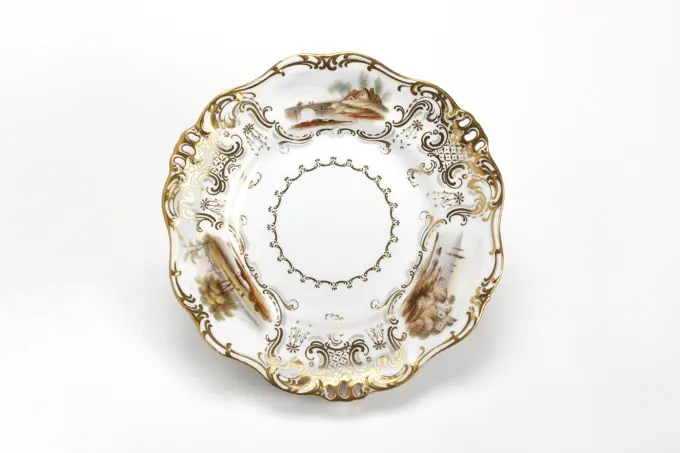
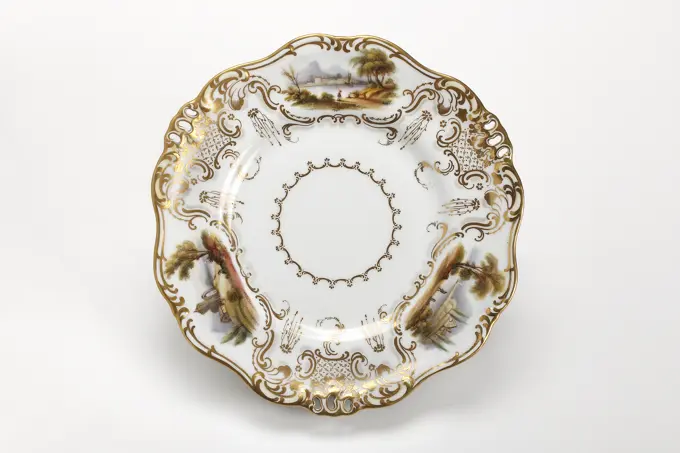
Dish with a landscape, anonymous, A.T. Vaillant, c. 1850 - c. 1860 Leaf -shaped bowl of porcelain, painted on the glaze in sepia and gold. On one side on the front a modeled leaf, turned on with gold. On the flat a landscape with two people in front of a large building with a water wheel. Marked on the underside with III and t. Europe porcelain. glaze. gold (metal) painting / gilding / vitrification Leaf -shaped bowl of porcelain, painted on the glaze in sepia and gold. On one side on the front a modeled leaf, turned on with gold. On the flat a landscape with two people in front of a large building with a water wheel. Marked on the underside with III and t. Europe porcelain. glaze. gold (metal) painting / gilding / vitrification
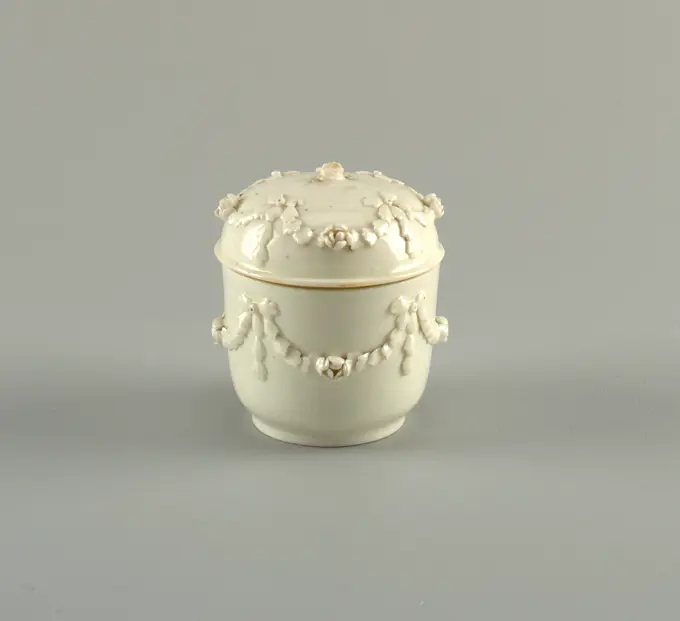
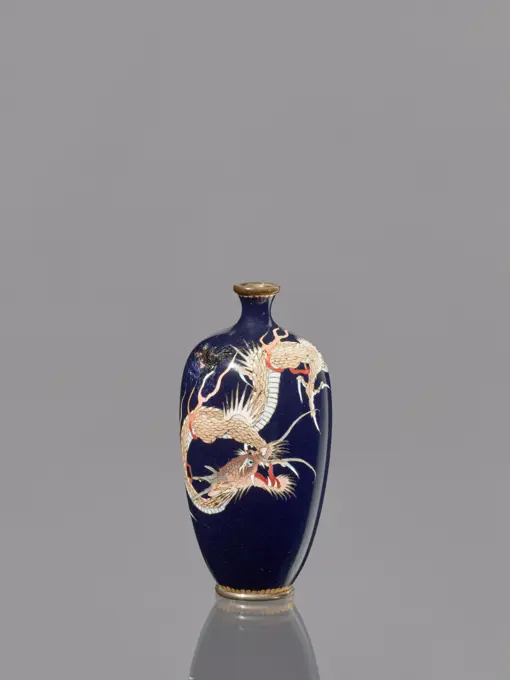
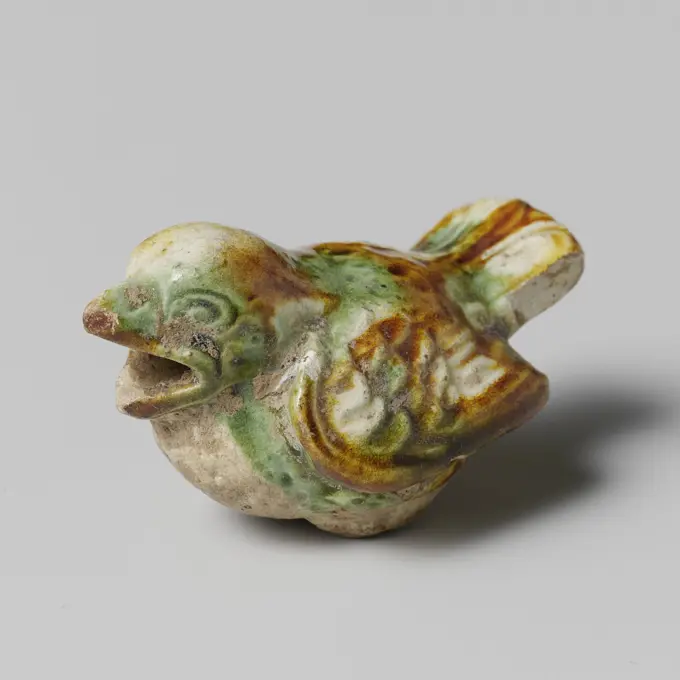
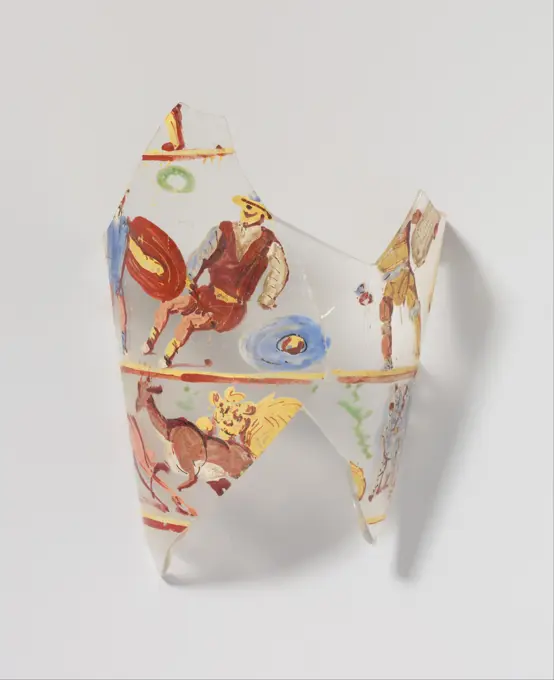
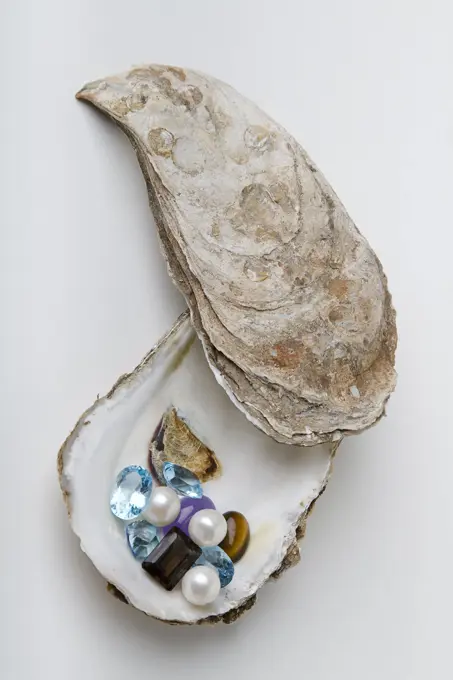
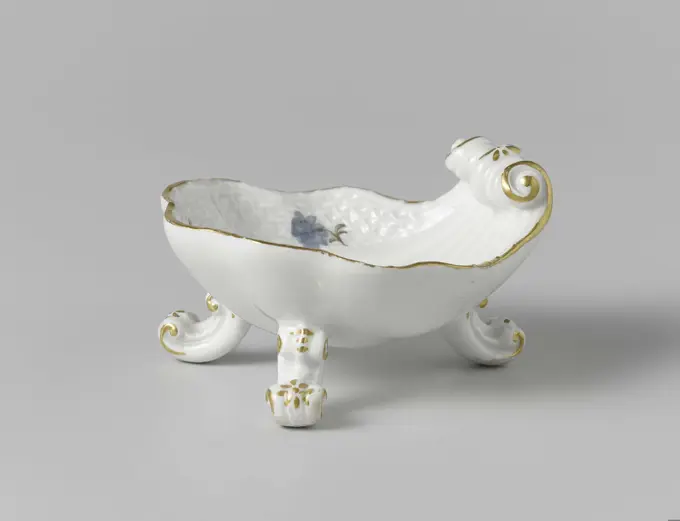
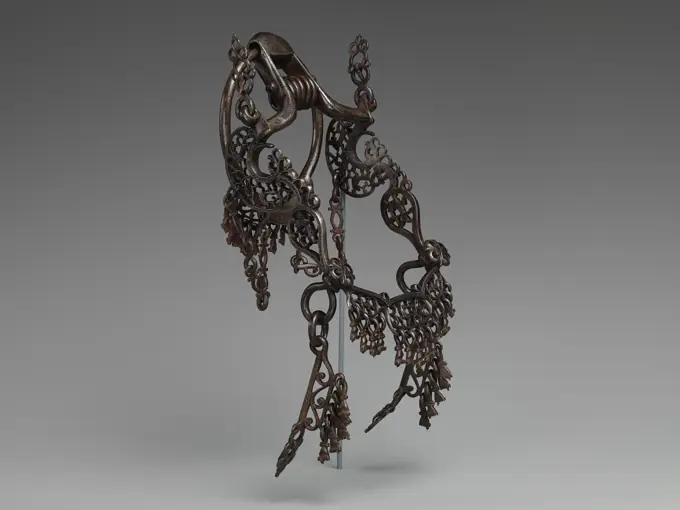
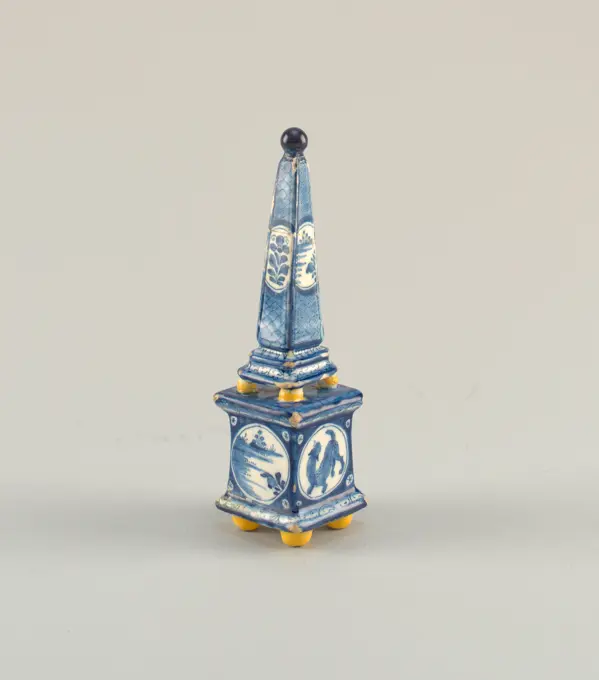
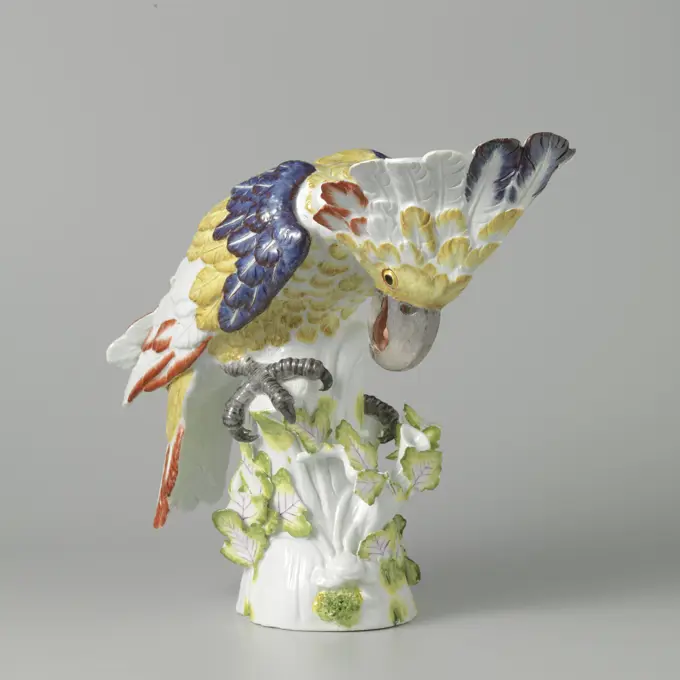
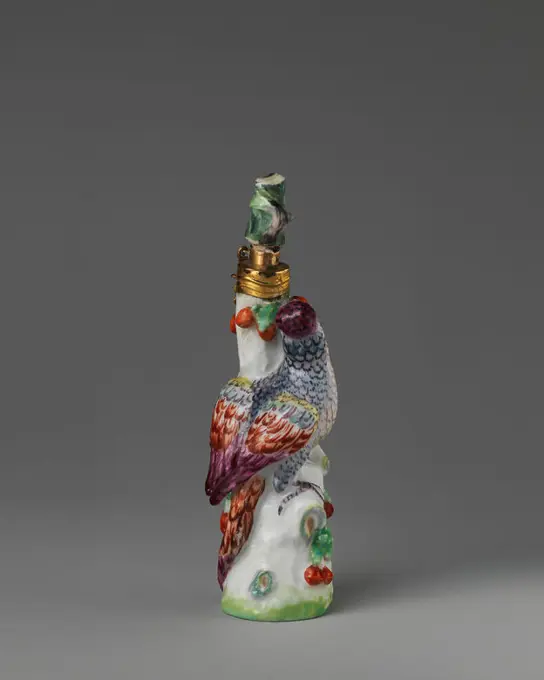
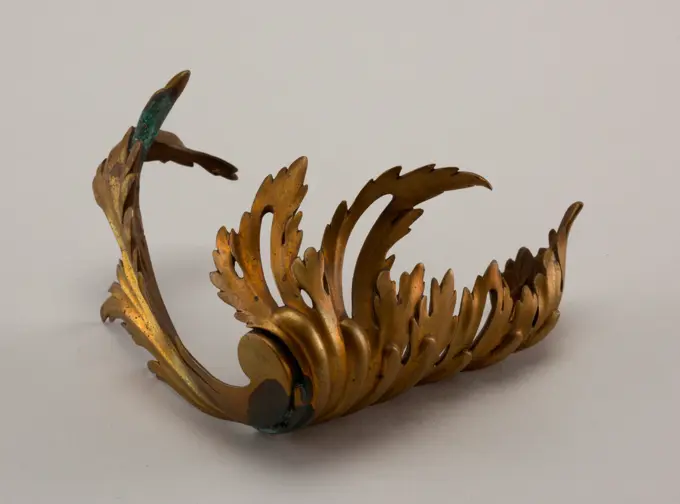
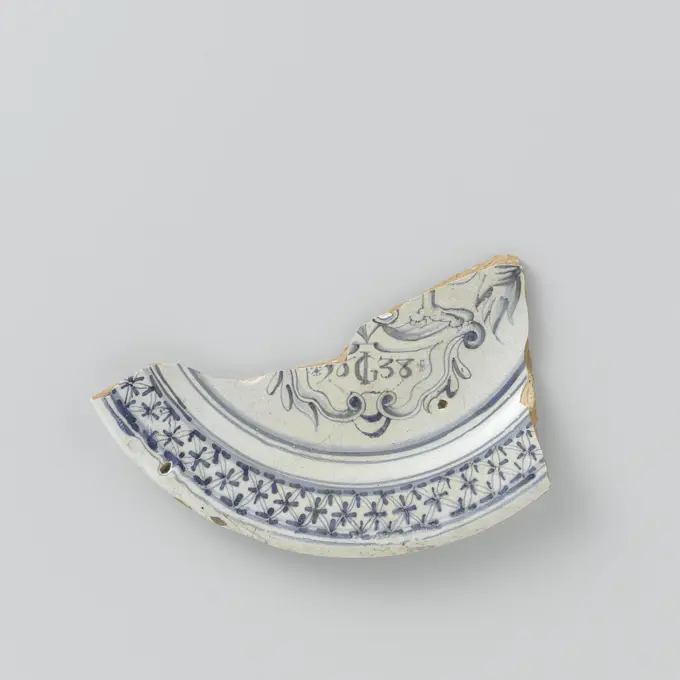
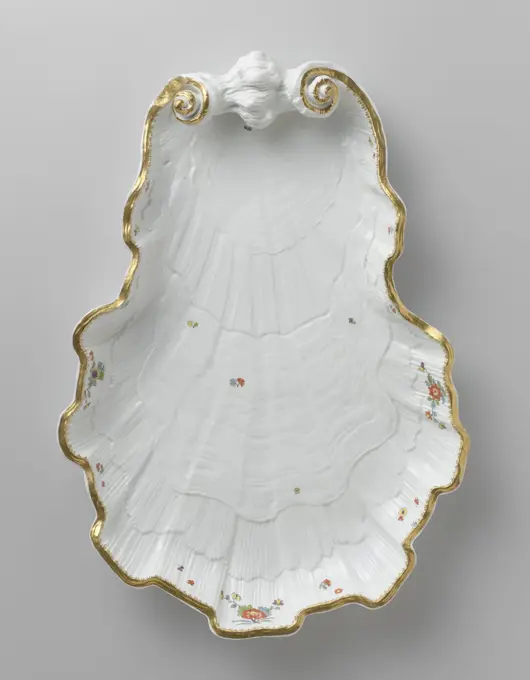
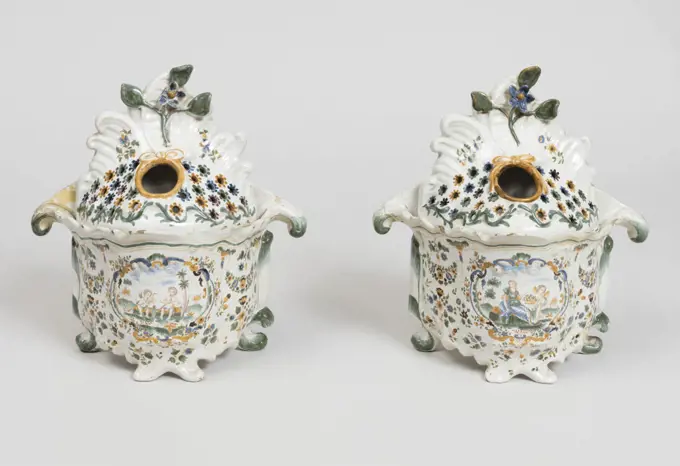
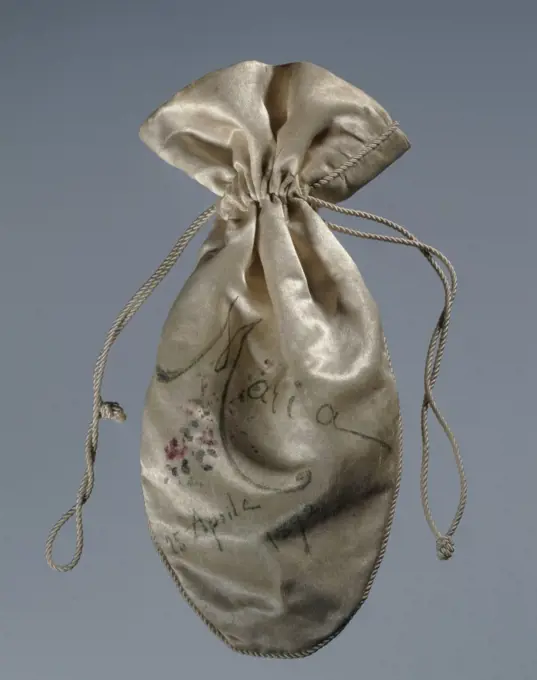
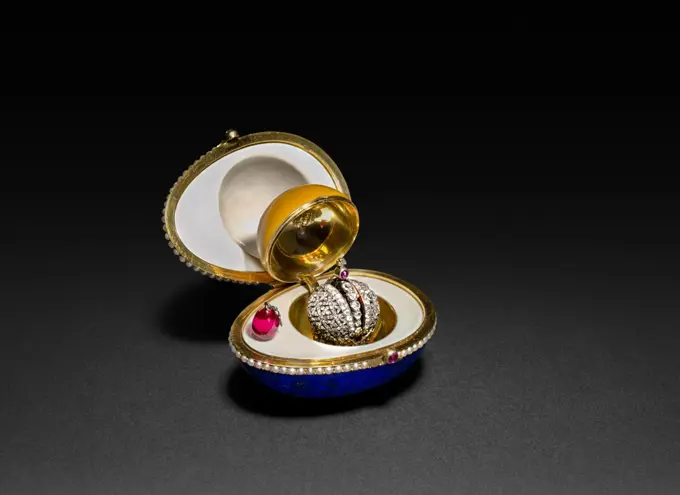
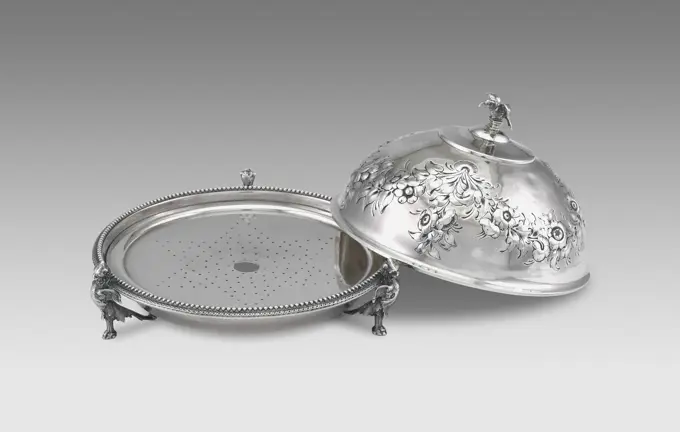
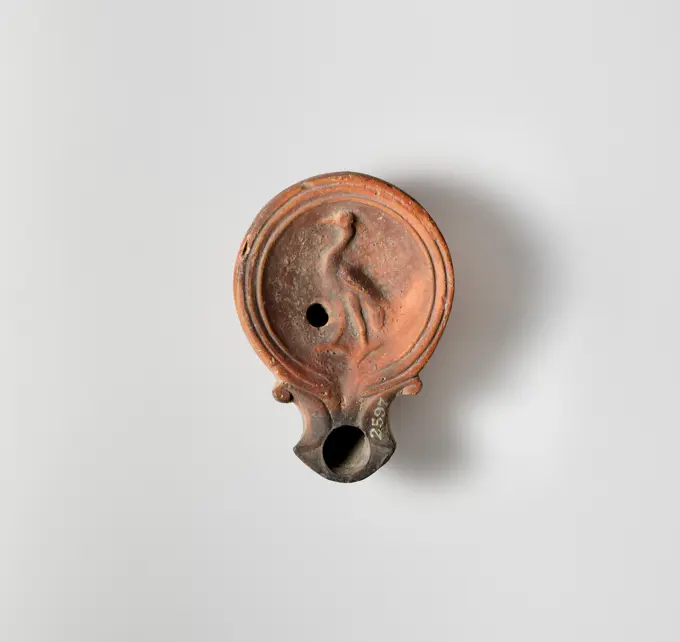
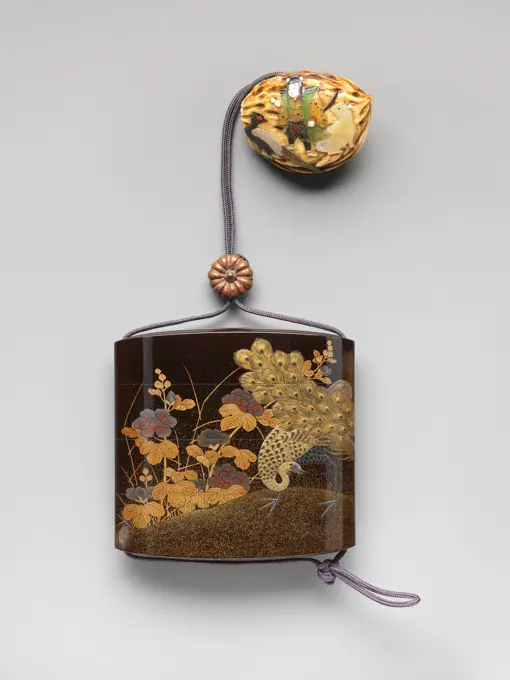
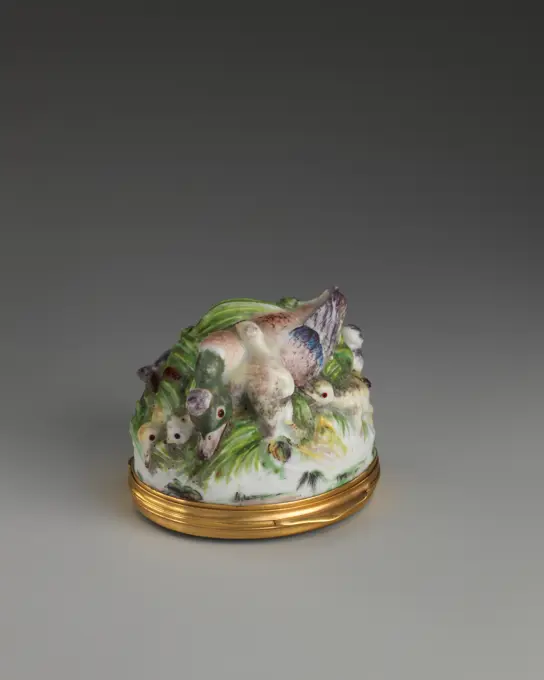
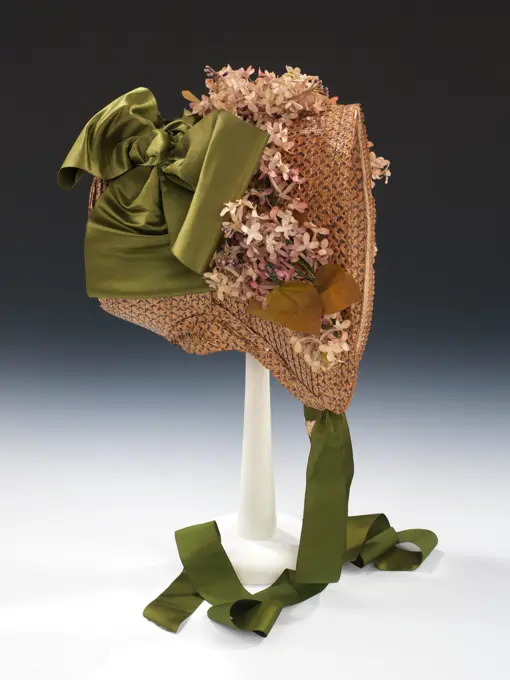
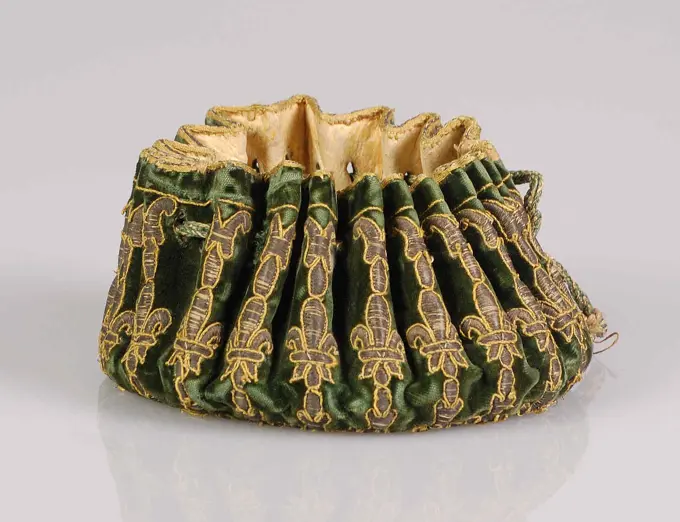
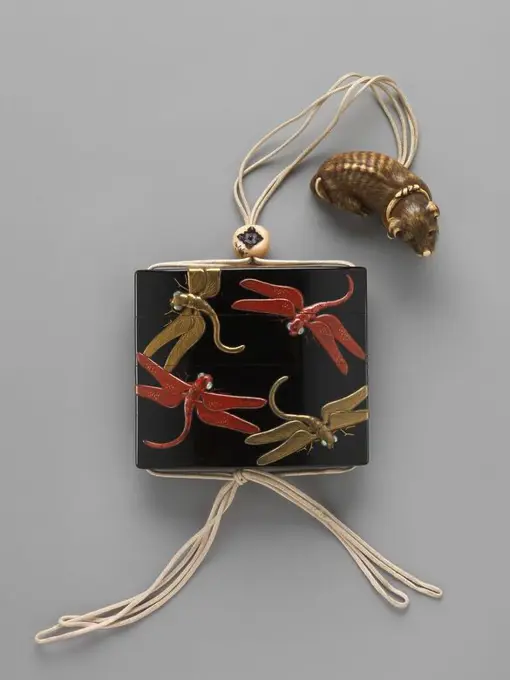
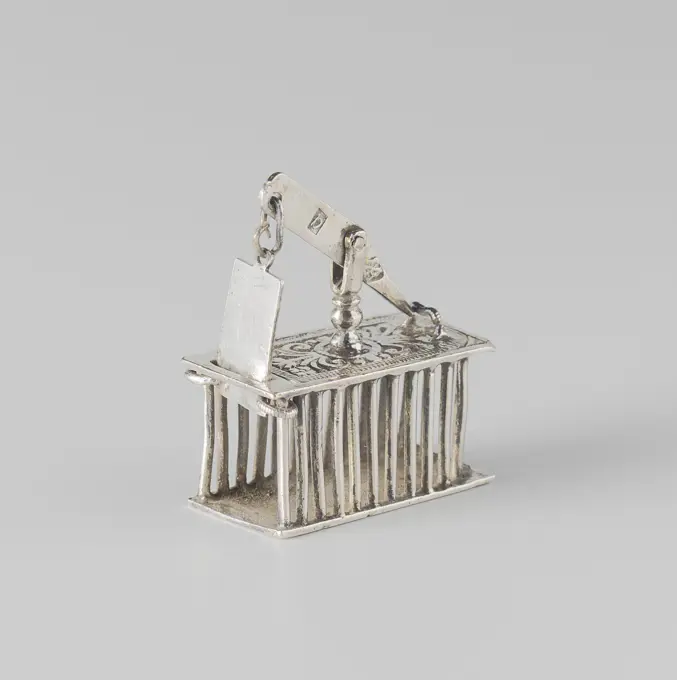
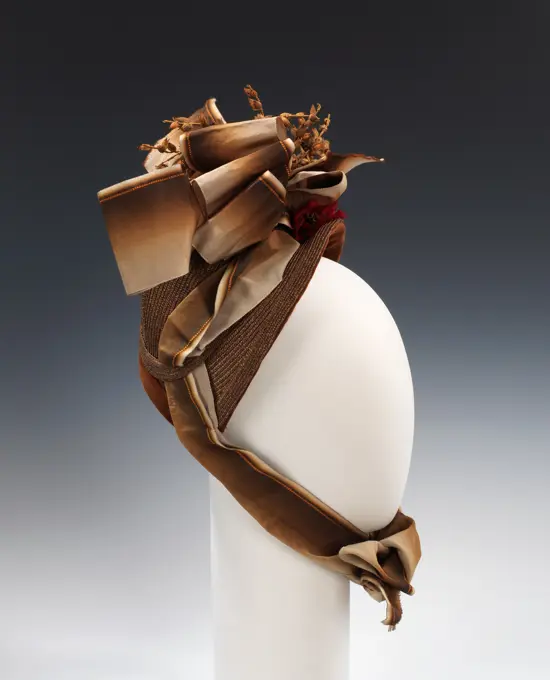
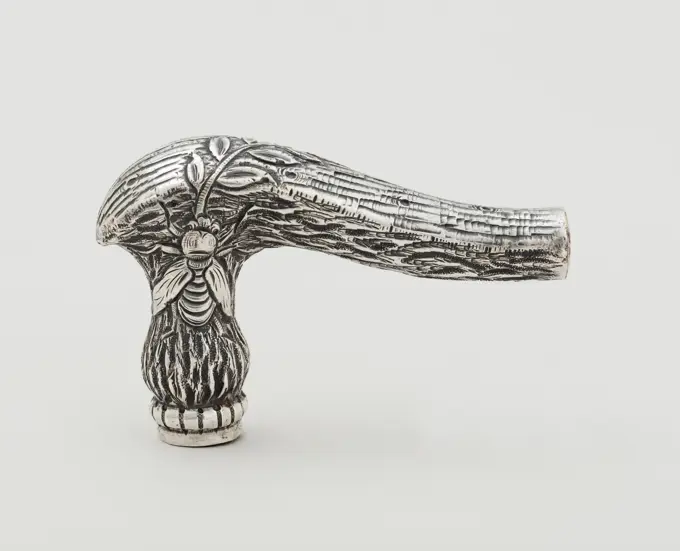
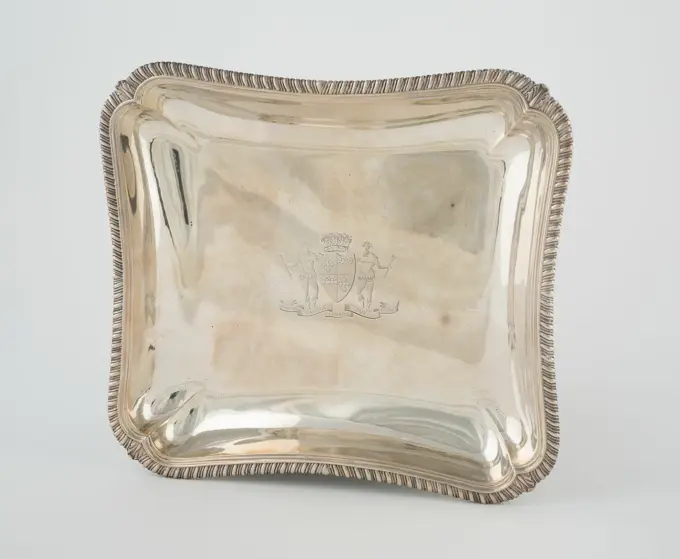
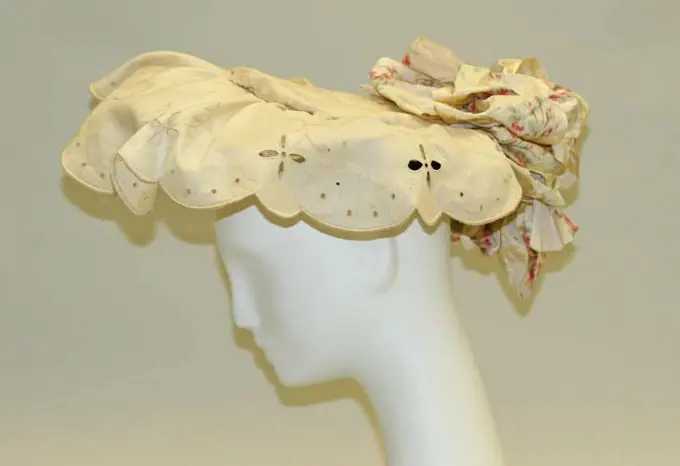
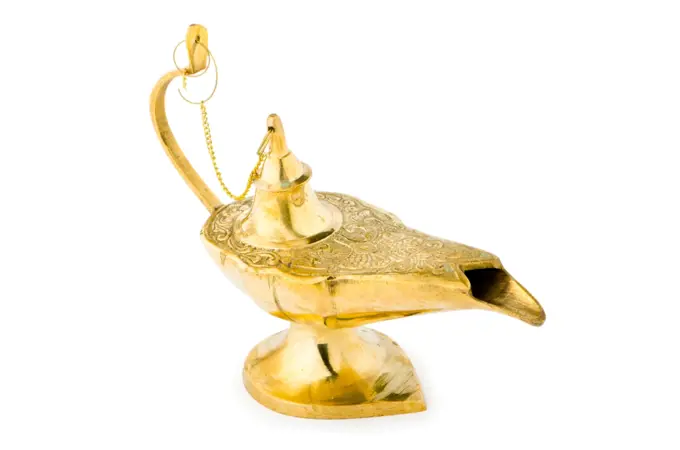
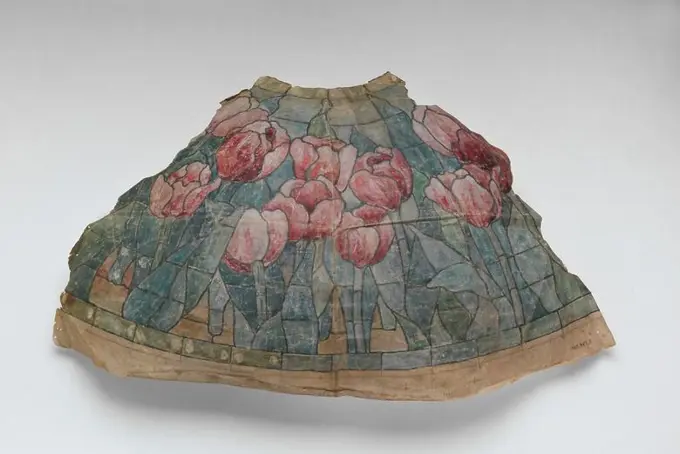
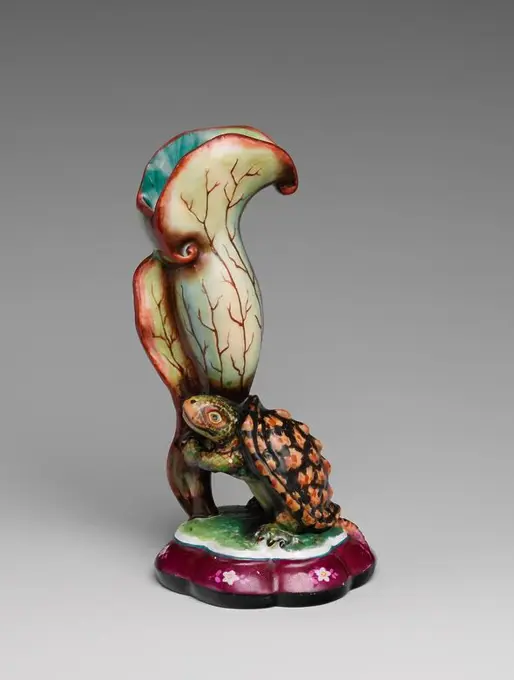
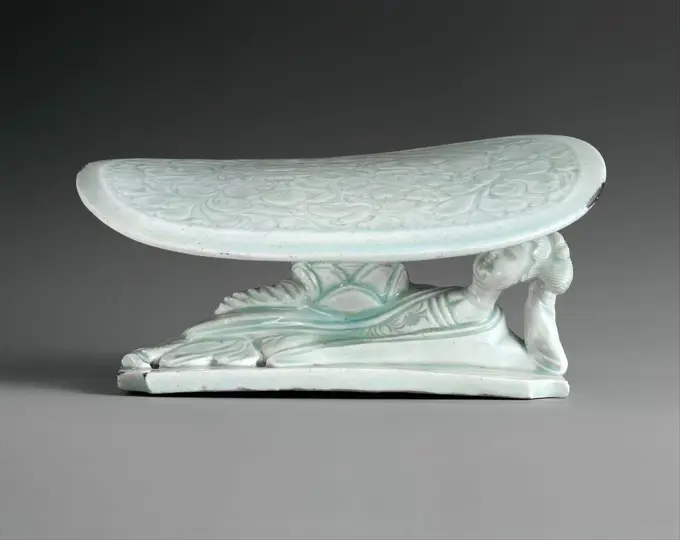
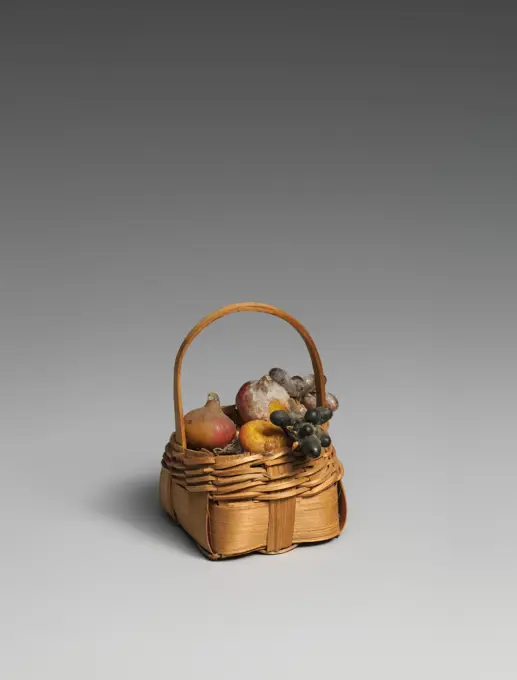
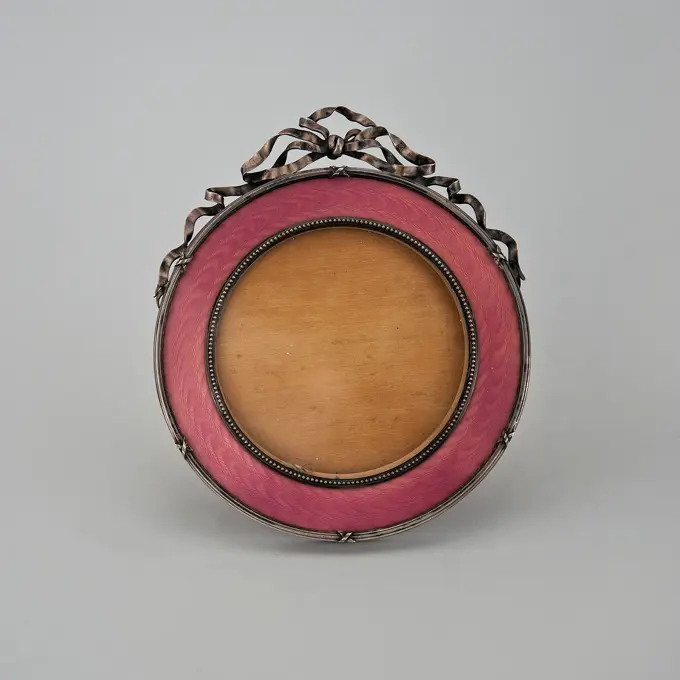
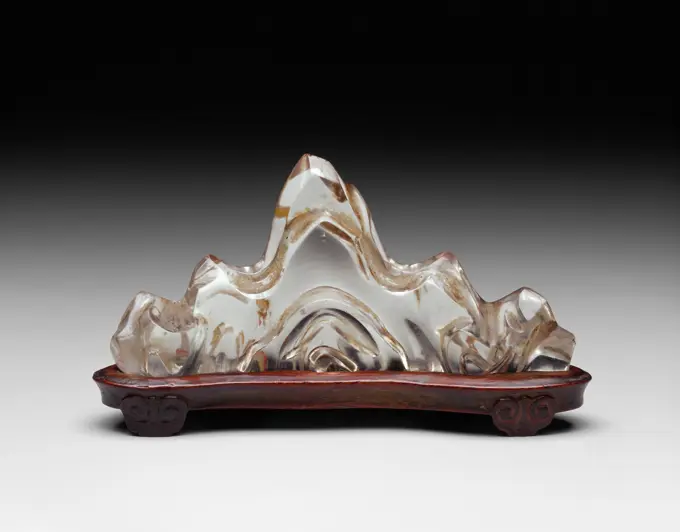
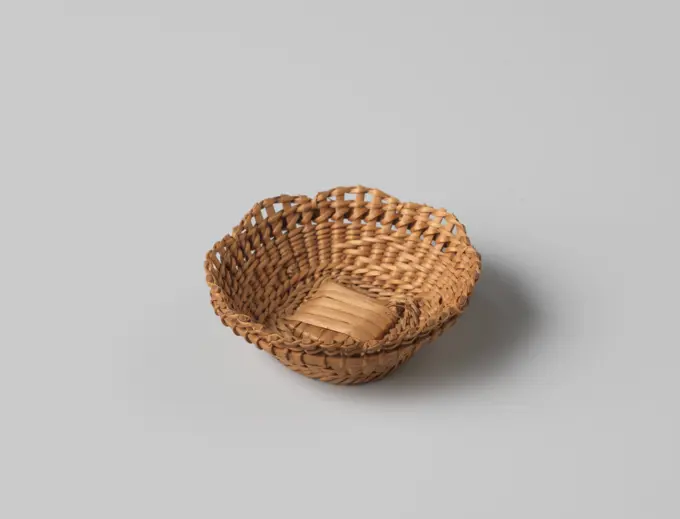
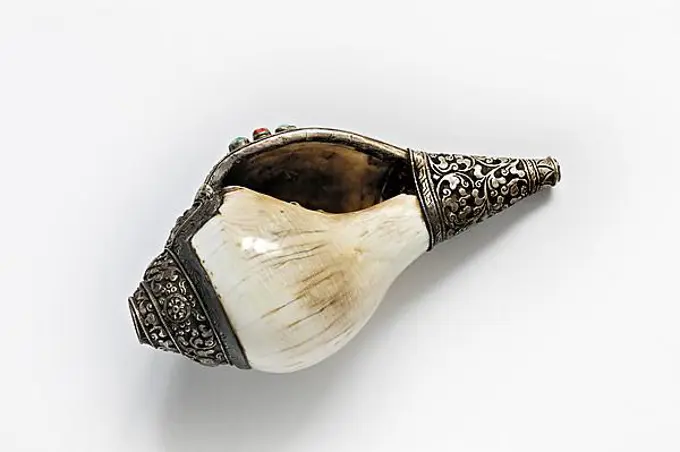
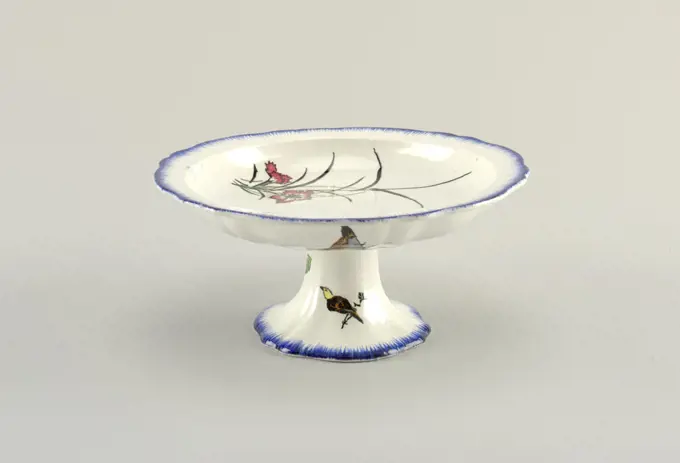
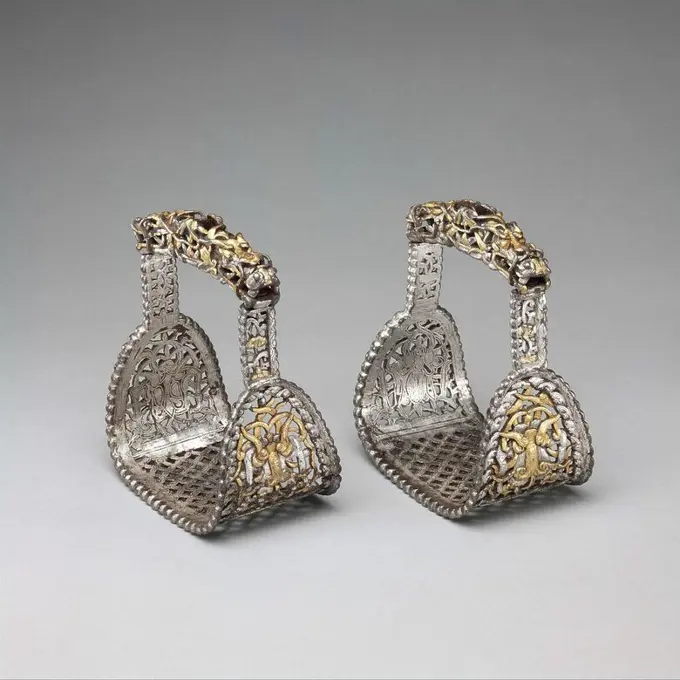
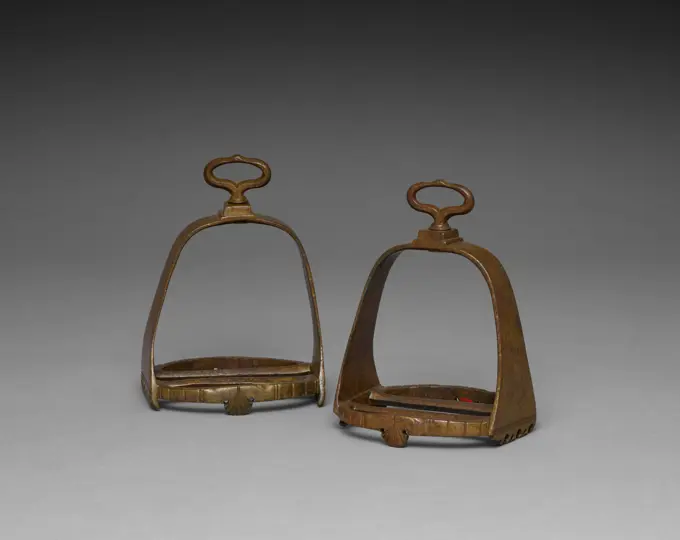
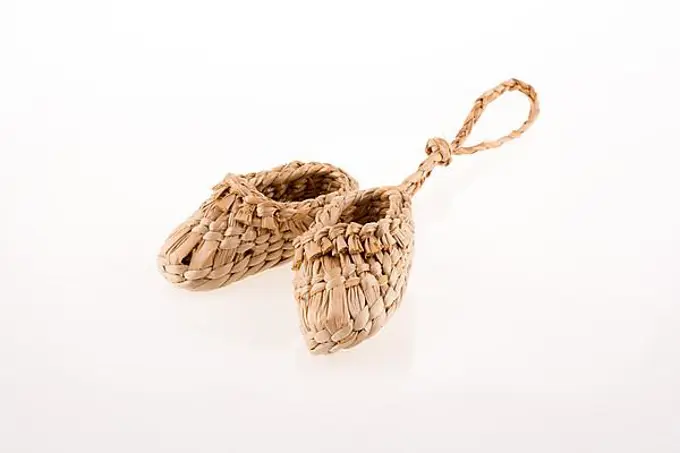
Dish with a landscape, anonymous, A.T. Vaillant, c. 1850 - c. 1860 Leaf -shaped bowl of porcelain, painted on the glaze in sepia and gold. On one side on the front a modeled leaf, turned on with gold. On the flat a landscape with two people in front of a large building with a water wheel. Marked on the underside with III and t. Europe porcelain. glaze. gold (metal) painting / gilding / vitrification Leaf -shaped bowl of porcelain, painted on the glaze in sepia and gold. On one side on the front a modeled leaf, turned on with gold. On the flat a landscape with two people in front of a large building with a water wheel. Marked on the underside with III and t. Europe porcelain. glaze. gold (metal) painting / gilding / vitrificationTassel (Italy); linenSpice box in the shape of the ship Mauritius, Anonymous, c. 1600Box And Cover (France); Manufactured by Mennecy Porcelain Manufactory (France); soft-paste porcelain; a) H x diam.: 6.4 × 9 cm (2 1/2 × 3 9/16 in.) b) H x diam.: 8.8 cm (3 7/16 in.)Salt vessel, multi -colored painted with Deutsche Blumen, Insekten and Fruits, Meissener Porzellan Manufaktur, c. 1750 - c. 1760 Salt vessel made of painted porcelain. The salt barrel has the shape of a shell with a scalloped edge and stands on three volute -shaped legs. The salt barrel is painted with Deutsche Blumen, Insekten and Fruits. The edge is decorated with the Neuozier pattern in relief. The salt barrel is marked and belongs to a service (BK-17474-1 to BK-17474-253). Float porcelain Salt vessel made of painted porcelain. The salt barrel has the shape of a shell with a scalloped edge and stands on three volute -shaped legs. The salt barrel is painted with Deutsche Blumen, Insekten and Fruits. The edge is decorated with the Neuozier pattern in relief. The salt barrel is marked and belongs to a service (BK-17474-1 to BK-17474-253). Float porcelainVase;  19th/20th century (1890-00-00-1910-00-00);Cap ca. 1800 American. Cap 98093Figure of a bird and a lidded pot, anonymous, c. 700 - c. 750 Image or graffer of earthenware in the form of a bird with open mouth, covered with a cream -colored, brown and green glaze. Sancai, Tang. China earthenware. glaze vitrification Image or graffer of earthenware in the form of a bird with open mouth, covered with a cream -colored, brown and green glaze. Sancai, Tang. China earthenware. glaze vitrificationSalt vessel, multi -colored painted with Deutsche Blumen, Insekten and Fruits, Meissener Porzellan Manufaktur, c. 1750 - c. 1760 Salt vessel made of painted porcelain. The salt barrel has the shape of a shell with a scalloped edge and stands on three volute -shaped legs. The salt barrel is painted with Deutsche Blumen, Insekten and Fruits. The edge is decorated with the Neuozier pattern in relief. The salt barrel is marked and belongs to a service (BK-17474-1 to BK-17474-253). Float porcelain Salt vessel made of painted porcelain. The salt barrel has the shape of a shell with a scalloped edge and stands on three volute -shaped legs. The salt barrel is painted with Deutsche Blumen, Insekten and Fruits. The edge is decorated with the Neuozier pattern in relief. The salt barrel is marked and belongs to a service (BK-17474-1 to BK-17474-253). Float porcelain. Salt barrel of painted porcelain. The salt barrel has the shape of a shell with a scalloped edge and stands on three volutely legs. The salt barrel is painted with Deutsche Blumen, insects and fruits. The edge is decorated with the Neuozier pattern in relief. The salt barrel is marked and belongs to a tableware (BK-17474-1 to BK-17474-253).Fragment Wine bottle from the wreck of the East Indians' t Vliegend Hart, Anonymous, 1700 - 1735  Soil of onion -shaped wine bottle of green glass. Netherlands .Glass fragmentary beaker with painted decoration ca. 2nd century A.D. Roman Colorless; enamel-painted in blue, yellow, green, brown, brick red, and white.Body with straight side, tapering downwards; band at bottom beveled by cutting.Parts of three horizontal registers of painted decoration on exterior, divided by horizontal ground lines in yellow and red: at top, only part of a vertical object, possibly a leg and foot, in yellow and red survives; at center, two pairs of gladiators, one pair with round, the other with oblong shields - at left, a gladiator in a blue tunic defeats his opponent dressed in red, who has dropped his shield and falls backwards; above and between them a victory wreath and to either side small Greek letters, perhaps the names of the gladiators; at right, the gladiators are still fighting, the one to the left is dressed in yellow with his left leg also covered; only the large shield of his opponent has survived; at bottom, an animal hunt is depicted with two largTreasure on a shell open oyster shell with different gemstone resting on it s lips Copyright: xZoonar.com/YannxPoirierx 2290351Miniature cruet stand 1738 Possibly S. A.. Miniature cruet stand. Dutch, Amsterdam. 1738. Silver. Metalwork-Silver-MiniatureSwan of multicolored painted porcelain ,, Anonymous, c. 1750 Swan of multicolored painted porcelain, on pedestal with plastic leaf decorations in blue -green, green and yellow. The swan has a ring of gilded bronze around the neck. maker: Parisporcelain company: MeissenMeissenporcelain company: Vincennesporcelain company: Sèvres porcelain. bronze (metal) gilding Swan of multicolored painted porcelain, on pedestal with plastic leaf decorations in blue -green, green and yellow. The swan has a ring of gilded bronze around the neck. maker: Parisporcelain company: MeissenMeissenporcelain company: Vincennesporcelain company: Sèvres porcelain. bronze (metal) gildingEarrings, 1800s. India. Silver; overall: 4.6 cm (1 13/16 in.).Fruit bowl - Canadian Thistle Pattern. Salt barrel of painted porcelain. The salt barrel has the shape of a shell with a scalloped edge and stands on three volutely legs. The salt barrel is painted with Deutsche Blumen, insects and fruits. The edge is decorated with the Neuozier pattern in relief. The salt barrel is marked and belongs to a tableware (BK-17474-1 to BK-17474-253).Ring Bit first half 18th century Mexican This Mexican bit is adorned with lavish pierced decoration featuring lions, lizards and vegetal scrolls. In addition, small pendants shaped as closed fists, with the thumb placed between the index and the middle finger, are hanging from the curb ring, the slobber bar, and the rein buckles. This gesture is called in Spanish the mano de fica (fig hand). It is an obscene gesture still used in some countries that derives from ancient Mediterranean cultures, including Rome, where it was used in domestic rituals for warding off the evil spirits of the dead. Many amulets in the shape of this fist, for averting the evil eye, have been found in Roman sites. The symbolism and protective use of the mano de fica survived into the modern period, and was introduced to the Spanish colonies in the Americas. Mano de fica pendants can be found on several Mexican equestrian objects from the 18th century and later, such as bits, spurs and anqueras (leather cruppersAppliqué with a Lion's Head. UnknownMusical Stone with Theme of the "Hundred Antiques" China The association of bells and stone chimes with ancient ritual made them ideal subjects for reproduction as decorative objects. In the late eighteenth century, when the supply of jade was plentiful, archaistic bells and fanciful stone chimes were made from the precious material. The fashion for this type of jade object probably began in the imperial workshops during the Qianlong reign (1736-95) and continued in commercial enterprises through the nineteenth century.. Musical Stone with Theme of the "Hundred Antiques" 43951Netsuke of Merchant. Culture: Japan. Dimensions: H. 1 in. (2.5 cm); L. 1 1/4 in. (3.2 cm). Date: mid-19th century. Museum: Metropolitan Museum of Art, New York, USA.Dessert plate - William Davenport & Company, 1835-1881 William Davenport & Company, 1835-1881Glass double cosmetic flask (kohl tube) 4th century A.D. Roman, Syrian Translucent yellow green; handles and trails in same color.Everted tubular rim, folded over and in; body comprising two tubes, side by side, made from a single inflated gather by pinching sides vertically to make diaphragm; large, jagged pontil pad on very thick bottom; two ring handles attached to lower body in large, rounded pads, drawn vertically up sides in uneven loops, then turned up, out, and down, forming loops above rim, and pressed onto top edge of rim.Single fine trail applied as a pad and wound in a spiral nine times around middle of body; two other thick trails, resembling the handles, attached to lower body over join of tubes in large, rounded pads, drawn vertically up sides, one in prominent loops, the other as a slightly sinuous rod, then turned in and pressed onto top of rim.Body intact, but tops of handles chipped, and one missing part of loop; some pinprick bubbles and blowing striations; dulling,Obelisk (Netherlands); tin-glazed earthenware; 19 x 5.5 x 5.5 cm (7 1/2 x 2 3/16 x 2 3/16 in.); Bequest of Walter Phelps Warren; 1986-61-57Gourd-Shaped Sake Cup. Ōhara Mitsuhiro (Japan, 1810-1875). Japan, mid-19th century. Costumes; Accessories. Ivory with light staining, sumiBai Baby Hat, 20th century, 5 1/2 x 5 1/2 in. (14 x 13.97 cm), Cotton, silk, hair, wool, sequins, beads, embroidery, China, 20th centuryCockatoo, Meissener porcelain manufactory, 1734 Figure of painted porcelain. The figure represents a tree stump with leaves on which there is a bent cockatoo. The cockatoo has yellow and white springs; On the wings, the tail and the head also blue and red feathers. The figure is not marked. Float porcelain Figure of painted porcelain. The figure represents a tree stump with leaves on which there is a bent cockatoo. The cockatoo has yellow and white springs; On the wings, the tail and the head also blue and red feathers. The figure is not marked. Float porcelainPipe sleigh, with painted men's head within Lauwerkrans in relief, Manufactuur Oud-Loosdrecht, c. 1778 - c. 1782 Por it of porcelain. On the wall a relief decor consisting of a louwed men's head within a laurel wreath on both sides, between which draperies, that depend on the upper edge, everything in purple, with the exception of the heads and the ribbons above, which are gilded. The edges gilded. Loosdrecht porcelain Por it of porcelain. On the wall a relief decor consisting of a louwed men's head within a laurel wreath on both sides, between which draperies, that depend on the upper edge, everything in purple, with the exception of the heads and the ribbons above, which are gilded. The edges gilded. Loosdrecht porcelainTrinket Box 1830-70 American. Trinket Box 8815SJEES, Abraham van der Hoeff (attributed to), c. 1704 - c. 1734 SJEES without a hood, pulled by a horse. In the Sjees there is a man with a stitch and in his right hand a stick and a woman with a fan in her right hand. The image is marked: stk. = Haarlem, size = attributed to Abraham van der Hoeff, and a dolphin. Haarlem silver (metal) SJEES without a hood, pulled by a horse. In the Sjees there is a man with a stitch and in his right hand a stick and a woman with a fan in her right hand. The image is marked: stk. = Haarlem, size = attributed to Abraham van der Hoeff, and a dolphin. Haarlem silver (metal)Toe-ring, 1800s. India. Silver; diameter: 1.8 cm (11/16 in.).EscutcheonParrot. Culture: British, Chelsea. Dimensions: Overall: 3 1/4 × 1 1/8 in. (8.3 × 2.9 cm). Factory: Chelsea Porcelain Manufactory (British, 1745-1784, Gold Anchor Period, 1759-69). Date: 1759-69. Museum: Metropolitan Museum of Art, New York, USA.Furniture Scroll; bronzeExcerpt of a plate, painted in blue under the glaze with a cartouche with the monogram IG and the year 1638, Anonymous, 1638 plate (dishes) Fragment of a plate of earthenware painted in blue under the glaze with a cartouche with the monogram IG and the year 1638. Northern Netherlands earthenwareParts of a Service, Known as the Swan Service, Meissener Porzellan Manufaktur, c. 1739 Scale of the swan service, of painted porcelain. The scale has the shape of an elongated shell with a scalloped edge. The surface is decorated in relief with flared waves and painted with Kakiemon sprinkles. The scale is marked. Float porcelain Scale of the swan service, of painted porcelain. The scale has the shape of an elongated shell with a scalloped edge. The surface is decorated in relief with flared waves and painted with Kakiemon sprinkles. The scale is marked. Float porcelain. The oval, flat bottom is caught in the molded lower edge, which is made up of palm leaves remembering C-voltages, with a leg in the middle of each side, on the long sides in the form of a voluntaries from which a flower branch flows and to the Short sides in the form of volutes above a foam head. The vaulted wall is completely opened with asymmetrical, engraved flower rinks, which follow the same pattern on the long and short sides. The molded upper edge is again formed by C-Volutes, separated by flower branches under a foam head. The ears built from Volutes are decorated with flowers. On the bottom engraved the shared weapon Holbech / Hood for Hugh Holbech, who married HON. 4-1-1838. Jane Sarah Hood, third daughter of second Baron Bridport (died 8-6-1849), above which the Holbech helmet mark against a background of acanthus leaves. Engraved on the underside of the soil: D.d Donum the (gift from)? / R.W. Halldare / 1837.Bulb pot, Olérys-Laugier Factory, France, founded 1738, Tin-glazed earthenware, One of a pair. Tureen-form bulb pot with cartouches and green and gold floral decoration; rococo upper body pierced with bulb hole., ca. 1760, ceramics, Decorative Arts, Bulb potPouch ca. 1840 European. Pouch 156860Tieback ca. 1860 American. Tieback 8495Pair of Rowel Spurs Made 1700-1800 México. Iron .Bracelet of iron. An iron army bag with ajour sconce.Bucket bag in ivory satin with cord strap decorated with a painted floral pattern, 1892, fashion accessories, Italy, 19th century.Lapis Lazuli Easter Egg, c. 1885-90. Attributed to Peter Carl Fabergé (Russian, 1846-1920), attributed to House of Fabergé (Russian, 1842-1918). Gold, enamel, lapis lazuli, pearls, diamonds, rubies; overall: 5.9 x 4.5 cm (2 5/16 x 1 3/4 in.). Peter Carl Fabergé became the crown jeweler to the imperial court of Russia in 1885 after he produced the very first Easter egg for Tsar Alexander III to give to his wife, Empress Marie Feodorovna. Fabergé created his celebrated Easter eggs, symbols of rebirth and renewal, as gifts for the Russian imperial family every year until he had to leave the country in 1919 after the Russian Revolution. Made of gold and lapis lazuli from the Ural Mountains, this egg opens to reveal a compartment enameled to resemble an egg yolk, which contains yet another delightful surprise of an imperial crown holding a tiny ruby or pink sapphire on a chain.Butter dish c 1853-1865 Providence. Silver . Gorham Manufacturing CompanyTerracotta oil lamp 1st century B.C.-1st century A.D. Roman Loeschcke Type 1A. Mold-made. Small, deep body. Deep concave discus: crane facing and walking left; a single filling hole at lower left; broad band of lines and grooves at edge. Volutes flanking angular nozzle, with narrow channel between discus and nozzle, and large wick hole. Undefined, flat base.Intact.. Terracotta oil lamp. Roman. 1st century B.C.-1st century A.D.. Terracotta. Early Imperial. TerracottasLove hat made of white tulle on coarse mesh, trimmed with white rip side and decorated with bobbin, cotton flowers and satin ribbon, anonymous, c. 1855 - c. 1865 Laifel hat made of white mechanical tulle on coarse mesh, trimmed with white rips side and decorated with bobbin, cotton flowers and satin ribbon. Model: Hood of coarse -mesh tulle reinforced with laitan wire and ribs. Set with rip ribbon all around. Both inside and outside with Crêpe Georgette, which is wrinkled over the hood on the outside. Decoration: 'Bavolette' (strip in the neck) of ... Carnation -like flowers with chenille stamens and chalice of green wax. Satin bow ribbons. Netherlands (possibly) whole:. whole:. ribbon:. bobbin: Silk. Flowers: Cotton (textile). strengthening:. stamens:. Flower chalice: wax bobbin lace Laifel hat made of white mechanical tulle on coarse mesh, trimmed with white rips side and decorated with bobbin, cotton flowers and satin ribbon. Model: Hood of coarse -mesh tulle reinforced with laitan Tassel (Spain); silk and metallic thread (gold foil on silk core) on a wood coreInrō with Peacocks and Flowers 19th century Koma Yasutada Japanese. Inrō with Peacocks and Flowers 58927Bonbonnière ca. 1756 Chelsea Porcelain Manufactory. Bonbonnière. British, Chelsea. ca. 1756. Soft-paste porcelain. Chelsea Porcelain Manufactory (British, 1745-1784, Transitional (Brown Anchor) Period, ca. 1758-1759). Ceramics-PorcelainDessert plate - William Davenport & Company, 1835-1881 William Davenport & Company, 1835-1881Netsuke in shape of Mount Fuji with Traveling Monk and Pine. Culture: Japan. Dimensions: H. 1 5/8 in. (4.1 cm); W. 2 3/4 in. (7 cm); D. 1 1/2 in. (3.8 cm). Date: 19th century. Museum: Metropolitan Museum of Art, New York, USA.Glass striped mosaic fragment late 1st century B.C.-early 1st century A.D. Roman Rim fragment.Translucent cobalt blue, deep purple, purple appearing opaque brick red, opaque white and yellow, with colorless glass.Applied coil rim with rounded, vertical lip; almost straight side. Rim in colorless glass with double spiral yellow threads; body decorated with vertical bands, forming a pattern: blue, colorless with double spiral yellow threads, white, purple, colorless with double spiral yellow threads, blue, red, yellow, and blue.Pinprick bubbles; exterior polished, with slight surface pitting; dulling and iridescent weathering on interior and edges.. Glass striped mosaic fragment 257181Twenty cap;  XVIII/19th century (1790-00-00-1810-00-00);cap, embroidery, judaica, clothing, women's clothes, Jewish clothing, purchase (provenance)Bell-shaped cup with a crane near a peony plant and rock.Bell-shaped head of porcelain, painted on the glaze in blue, red, pink, green, black and gold. Two leaf-shaped cartouches on the outside with a crane in a landscape in a flowering peony plant and a rock; Between the cartouches flower drinks in Bianco Sopra Bianco; The inner edge with a decorative pattern. Part of a crockery. N.B. Head is broken. European forms with famille rose.Bottle 100 BCE-100 CE Syria. Glass, blown technique . Ancient RomanMilding of Faïence. Milding of Faïence. Many color painted with flowers.Wreath from the celebrations of the 100th anniversary of the Kościuszko Insurrection Schütz, HeinrichFragment Kraaikop from V.O.C. ship De 'Witte Leeuw', Anonymous, Before 1613 bowl Fragment Kraaikop from V.O.C. ship the 'Witte Leeuw'. Jingdezhen bone china (material)   Sint-HelenaLa Kang. Culture: Thai. Dimensions: Diam. 19.7 cm (7-3/4 in.). Date: late 19th century. Museum: Metropolitan Museum of Art, New York, USA.Glued fragment of majolica dish decorated with monochrome decor, blue flowers, dish crockery holder fragment soil find ceramic earthenware glaze tin glaze lead glaze, w 24.9 hand-turned baked 2x majolica Glued fragment of majolica dish decorated with monochrome decor. Blue flowers coarse and roughly displayed with strong brush strokes. symmetrical leaf decor along the flag. Yellow shard remarkably thin shard underside covered very sloppily and some greenish lead glaze Sintering of enamel on top and bottom. Archeology in Rotterdam flesh Rotterdam Heliport grounds indigenous pottery food room decorate table serve serve Soil discovery: Heliport site Rotterdam June 1978.Inlay of a Leg. UnknownPoke bonnet ca. 1865 American Poke bonnets, named for their small crown and large brim that extends past the face, shielded the profile of the wearer and provided for ample surface area for decoration. With its exuberant ribbon detail, this cheerful bonnet exudes youthfulness and the enchantment of spring. The feminine flourish of the decoration invites the passerby to see who is hiding beneath the brim of the bonnet.. Poke bonnet. American. ca. 1865. straw, silk, cottonBob, weight or plumb, conical with flattened top in which a hole is applied. Bob, weight or plumb, conical with a flattened top in which a hole is applied and a cavity or soul on the underside. The lead can be attached to a thin cord. This lead may have been part of a nautical instrument (a quadrant).Gaming purse late 17th century French. Gaming purse 170357Aker of kwast, anonymous, 1625 - 1700 Aker or decorative brush, made of white glass beads, strung on threads and made up of two strands of six star-shaped bundles of 10-12 threads with beads, strung on top of each other with large intermediate beads. The strands are taken together again with four bundles of beads. See also: BK-NM-5448-4-B.  linen (material). glass Aker or decorative brush, made of white glass beads, strung on threads and made up of two strands of six star-shaped bundles of 10-12 threads with beads, strung on top of each other with large intermediate beads. The strands are taken together again with four bundles of beads. See also: BK-NM-5448-4-B.  linen (material). glassInro with Dragonflies. Artist: Koami Nagataka (Japanese, active second half of the 18th century). Culture: Japan. Dimensions: H. 2 11/16 in. (6.8 cm); W. 2 3/4 in. (7 cm); D. 7/8 in. (2.2 cm). Date: second half of the 18th century. Museum: Metropolitan Museum of Art, New York, USA.Muizenval, anonymous, in or before 1704 Elongated, runied muizeval with traps. The top of the fall is engraved with flowers and leaves. The Muizeval is marked: Crowned O, Bijtje and the Monogram WO (old works, Haarlem). Netherlands silver (metal) Elongated, runied muizeval with traps. The top of the fall is engraved with flowers and leaves. The Muizeval is marked: Crowned O, Bijtje and the Monogram WO (old works, Haarlem). Netherlands silver (metal)Bonnet 1883 American This quintessential bonnet of the early 1880s belonged to Amelia Beard Hollenback (1881-1917), wife of prominent financier and philanthropist John Welles Hollenback (1834-1923). While their primary residence was in the Brooklyn neighborhood of Clinton Hill, the Hollenback family spent summers at their mountaintop retreat in Glenn Summit (Pocono Mountains). Worn in the summer of 1883, Amelia likely wore the bonnet for formal teas, luncheons and lawn parties. As is apparent in the ombré ribbon and artificial flowers, millinery ornamentation were extraordinarily crafted and highly regarded in this period.. Bonnet 156879Umbrella Handle (USA); Manufactured by Henry Rado (American, 1859-1921); silver; 8.8 x 5.5 x 2.2 cm (3 7/16 x 2 3/16 x 7/8 in.)Dish 1809 London. Silver .Women's shoe of dark blue calf leather with dark blue lace and horizontal inserted narrow tires on the forefoot, Van Schijndel, c. 1935 - c. 1940 Ladies shoe from Donkerl blue calf leather with dark blue lace from Ripszijde. Model: rounded pointed nose, one piece of leather leaf. Closure in the middle of the instep through two rows with five lace holes with a dark blue lace. A blue bead is attached to the ends of the lace. The front of the heel runs straight down in a rounded angle. The side and back of the heel is slightly tailored and covered with dark blue calf leather. Brown leather behind with six nails stuck to the heel and brown leather sole. Shoe lined with black leather. The tongue is lined with cream -colored felt. The heel is reinforced with a T-shaped piece of leather. The insole is made of black leather. Decoration: The forefoot is decorated with horizontal inserted narrow tires. Vertical from the lacing to the tip of the foot runs a dark ball of tire calf leather. On the Hat 1895-1905 American or European. Hat 113063Two forging. Two forces on two movable slats with an anvil one between them in the upper bar. At the back and forth moving the slats, the one blacksmith and then the other blacksmith on the anvil. The forging hammers are missing. The image is not noticed.Bracelet, 1800s. India. Silver; diameter: 5.8 cm (2 5/16 in.).Ancient lamp isolated on the whiteSample pattern for a lamp shade. Culture: American. Dimensions: 1980.497.5a: 9 1/2 x 16 1/16 in. (24.1 x 40.8 cm)1980.497.5b: 9 9/16 x 5 1/2 in. (24.3 x 14 cm). Maker: Tiffany Studios (1902-32). Date: 1900-1907.Floral motifs dominate some of the most evocative nature-inspired lampshades produced by Tiffany Studios. The tulip was a popular subject and as this sample pattern shows, the colors range from rich pink and deep red to a range of blues and greens for the foliage. This watercolor rendering on linen represents the first step in the making of a Tiffany Studios lampshade. Once approved, the sample pattern was then translated into a working cartoon (1980.497.14) used for the actual cutting of the individual glass pieces to create a lampshade. This pattern is part of a group of tools and objects, including a workbench, given to the Met by John Dikeman (1882-1967), the last head of the lampshade shop at the firm. (For example, see 1980.497.1-.9,.15, .23-.25). Museum: Metropolitan MuMaster Koner, composed of driven, partially gilded flowers, J.O. Christoph Beck, 1682 Master crown, composed of driven, partially gilded flowers. Basel gilding (material) gilding Master crown, composed of driven, partially gilded flowers. Basel gilding (material) gildingVase. Culture: American. Dimensions: H. 8 5/8 in. (21.9 cm); Diam. 4 3/8 in. (11.1 cm). Maker: Union Porcelain Works (1863-ca. 1922). Date: 1879. Museum: Metropolitan Museum of Art, New York, USA.Priming Flask or Sander 1675-1725 France. Ivory and silver .CoiledSnakePillow in Shape of Reclining Woman. Culture: China. Dimensions: H. 4 3/8 in. (11.1 cm); L. 9 in. (22.9 cm). Date: 12th-13th century.The making of ceramic pillows is one of the more interesting results of the dramatic increase in the use of ceramic goods in China from the ninth to the fourteenth century. Produced in many of the kiln complexes throughout China, these uncomfortable-looking pillows were widely used, and are sometimes explained as neck rests intended to protect a woman's elaborate coiffure while she slept. Museum: Metropolitan Museum of Art, New York, USA.Romplel, with Bound Grab Steel with Dancing Amor, Eduard Elgersma, 1725 - 1750 Crown of silver with curved stem on which a dancing amor. The container is in the form of a shell with ribs with pearl edges. Leeuwarden, second quarter of the 18th century. Brands: Ee = Eduard Elgersma. Leeuwarden silver (metal) Crown of silver with curved stem on which a dancing amor. The container is in the form of a shell with ribs with pearl edges. Leeuwarden, second quarter of the 18th century. Brands: Ee = Eduard Elgersma. Leeuwarden silver (metal)Bell Pull; glassHandled basket with fruit second half 18th-mid-19th century Italian The practice of using crèche figures to restage religious events reached the height of its complexity and artistic excellence in eighteenth-century Naples, and the Metropolitan Museum of Arts group of Neapolitan crèche is one of the finest and most complete survivals of the art form. The ensemble consists of characters traditional to eighteenth-century Italian Christmas holiday customs. The Nativity, featuring the holy family, shepherds and their flocks, and a host of angels and cherubs is joined by the procession of the three Magi and colorful peasants, townspeople, and animals. The figures have articulated bodies of tow and wire with polychromed terracotta heads, and are all in partially distressed condition.These vibrant characters are further brought to life by a wide-ranging set of cloth, embroidery, leather, wicker, wax, and silver accessories. Many of these, such as the figures luxurious costumes, baskets of fPhoto frame; Fabergé, Karl (St. Petersburg and Moscow; label Z Otnicz and jewelry; 1872-1918), Gorianow, Andrey (Fl. 1898-Ca 1917); 1908-1918 (1908-00-00-1918-00-00);Foundation Jakub Ksawery Count. Potocki (1934-) - collections, Potocki, Jakub Ksawery (1863-1934) - collection, gift (provenance), bows, neoclassicism (style), testamentary record of Jakub Ksawery PotockiBrush Rest, 18th century, 3 1/16 x 5 7/16 x 2 1/8 in. (7.78 x 13.81 x 5.4 cm), Natural crystal, wood, China, 18th centuryBasket, round, braided with diamond pattern, anonymous, c. 1675 - c. 1700 Low round basket of split willow, braided with diamond pattern, open layer scalloped edge. Halle (possibly) . Low round basket of split willow, braided with diamond pattern, open layer scalloped edge. Halle (possibly) .Shell of a Sacred Chank or Diveine Conch (Turbinella pyrum) decorated with silver and semiprecious stones, from Tibet, the simplest and oldest trumpet instrumentButton 1775-1799 Burslem. Stoneware (jasperware) . Wedgwood Manufactory (Manufacturer)Dish of multicolored painted faience. Round dish of multicolored faience painted, on a foot. On the small, circular flat is an amoret painted on a ground, with arrow and bow in the hands and an arrow sleeve over his shoulder. The wide edge has been opened.Service Rousseau, Felix Bracquemond, France, 1833 - 1914, Enameled earthenware, Footed bowl with flower, fish, and grasshopper, bordered by blue., France, ca. 1867, ceramics, Decorative Arts, Footed bowl, Footed bowlFragment deep plate from v.O.c.-ship the 'white lion'. Fragment deep plate from v.O.c.-ship the 'white lion', 75% present. Type 1.3.1.Pair of Stirrups (Yob). Culture: Tibetan or Mongolian. Dimensions: H. 6 1/2 in. (16.5 cm). Date: possibly 12th-14th century.This pair of stirrups is without equal in style, form, and construction. In particular, the combination of high relief, pierced work, and deep chiseling of the iron, highlighted by the lavish use of gold and silver, is unmatched on any other known pair of stirrups from Tibet, China, or Mongolia. Museum: Metropolitan Museum of Art, New York, USA.Pair of Stirrups, 1600s. England (), 17th century. Brass; overall: 17.2 x 12.1 cm (6 3/4 x 4 3/4 in.). With the aid of stirrups, the knight could rise (especially during jousts) and, buttressed against the high cantle of the saddle, bend forward in order to gain the full advantage of the weight of his own armor and that of his horse. The footplate of the stirrup gradually became wider, as shown by these examples from the 1600s.Coinpurse.  Maker: Eastwood-Park Company, American, 1909-ca. 1915Retailer: Shreve and Company, American, founded 1852Pair of footware made of straw on white backgroundSpeelbeurs van Wijnrood velvet, embroidered in gold, silver thread and multicolored silk with an unidentified alliance weapon, anonymous, c. 1680 - c. 1720 Wine red velvet play fair, embroidered in gold, silver thread and multicolored silk with an unidentified alliance weapon. Model: flat round bottom around which a wavy raised edge has holes with holes, ending a cord of yellow and red side - ending in a button with a wooden core covered with yellow side and metal wire. Halfway between two buttons - with a core of wood with silk - are sewn on the edge. Lined with goat leather. Decoration: The 20 bulges or 'ribs' are decorated with long stacked ornaments with lobes on the underside, wings in the average and curls on top. Along the top the whole is trimmed with a narrow silver passement. The bottom is circled with a double edge within which a zigzag line of silver thread. This contains a golden -colored field in relief on which an unknown double weapon. France whole: velvet (fabric weaveEar Drops 1775-1799 Burslem. Stoneware (jasperware) . Wedgwood Manufactory (Manufacturer)