Decorative Porcelain Jars

A variety of intricately painted porcelain jars showcasing traditional motifs and floral designs, highlighting craftsmanship and cultural heritage.

Baluster covered jar with flowering plants and auspicious symbols in panels, anonymous, c. 1680 - c. 1720 Balus -shaped porcelain lid jar with a wide neck, painted in underly glaze blue and on the glaze gold. The wall is divided into three rows with scalloped, rectangular compartments with a flowering plant in a rock and happiness symbols and antiques. On the neck a bond with lotus drinks saved in a blue background. The underside is unglazed. Blauw-Wit with Goudemail. China porcelain. glaze. cobalt (mineral). gold (metal) painting / gilding / vitrification Balus -shaped porcelain lid jar with a wide neck, painted in underly glaze blue and on the glaze gold. The wall is divided into three rows with scalloped, rectangular compartments with a flowering plant in a rock and happiness symbols and antiques. On the neck a bond with lotus drinks saved in a blue background. The underside is unglazed. Blauw-Wit with Goudemail. China porcelain. glaze. cobalt (mineral). gold (metal) painting / gild
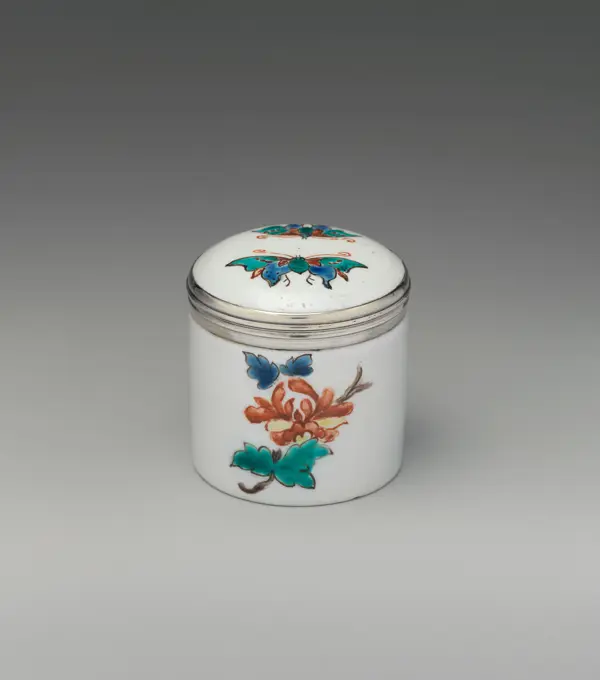
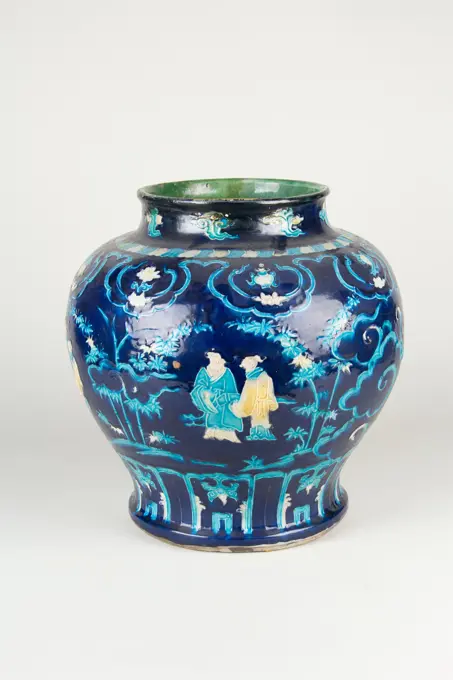
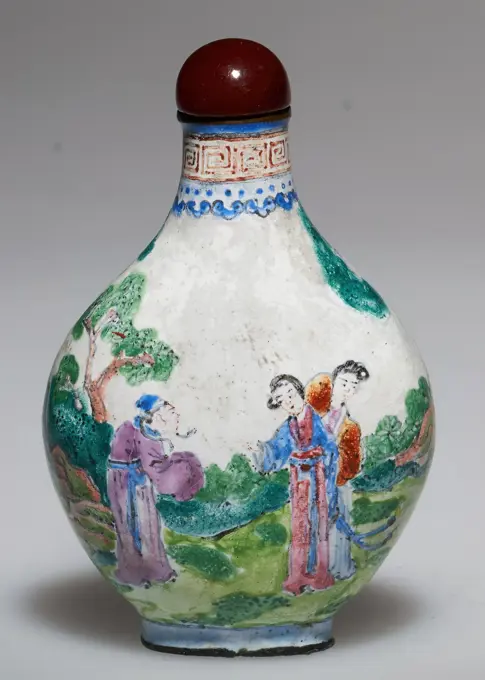
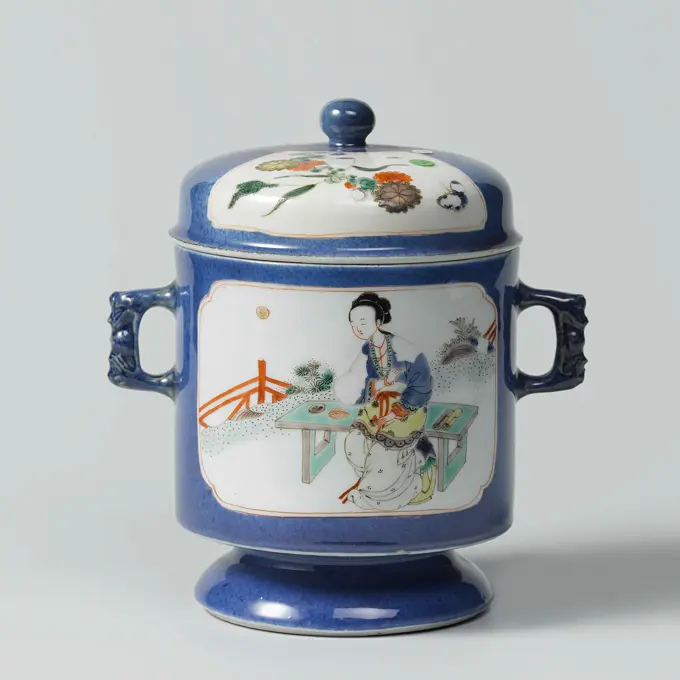
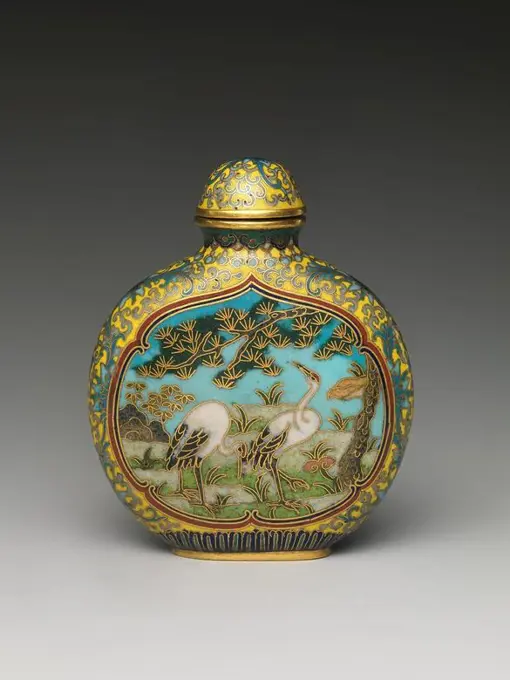
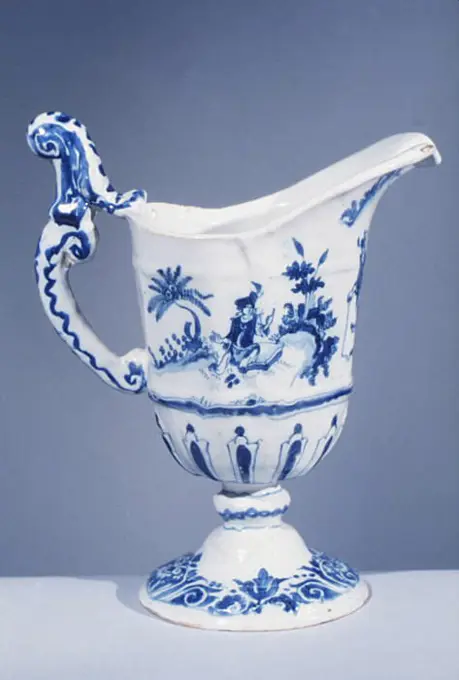
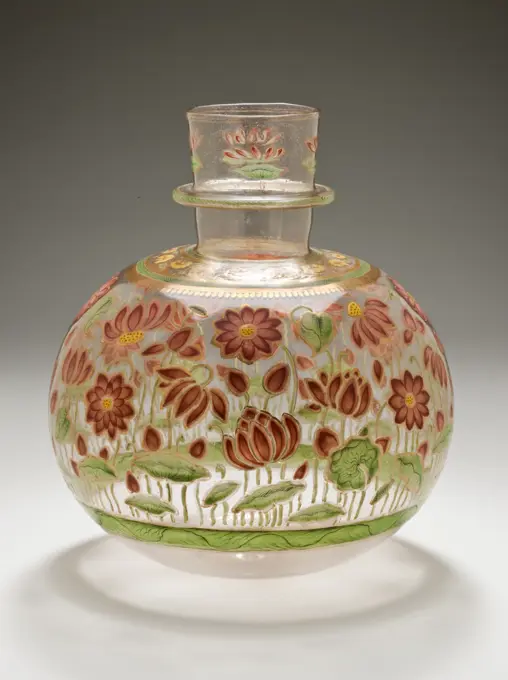
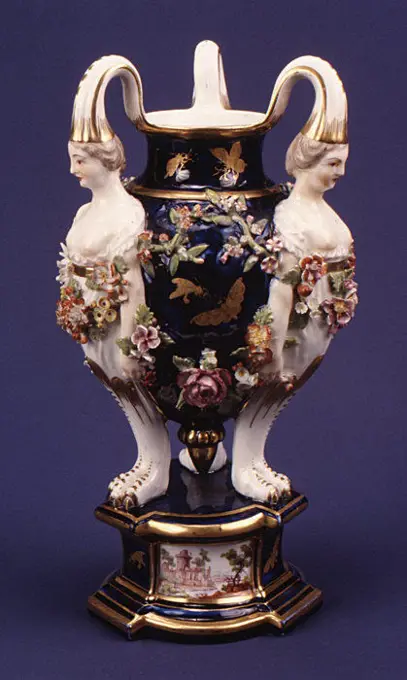
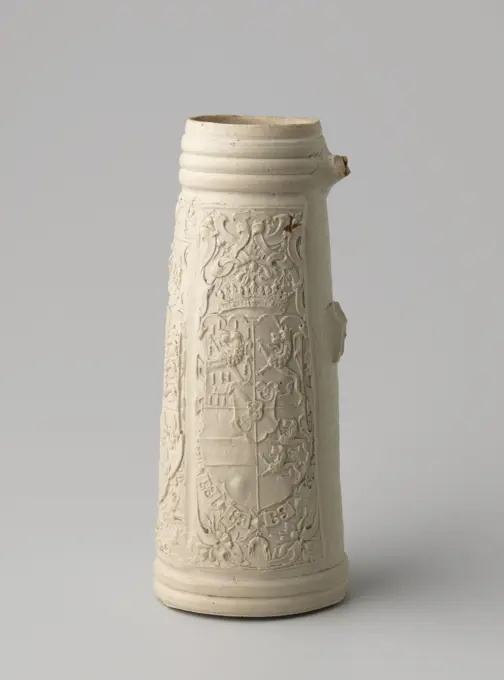
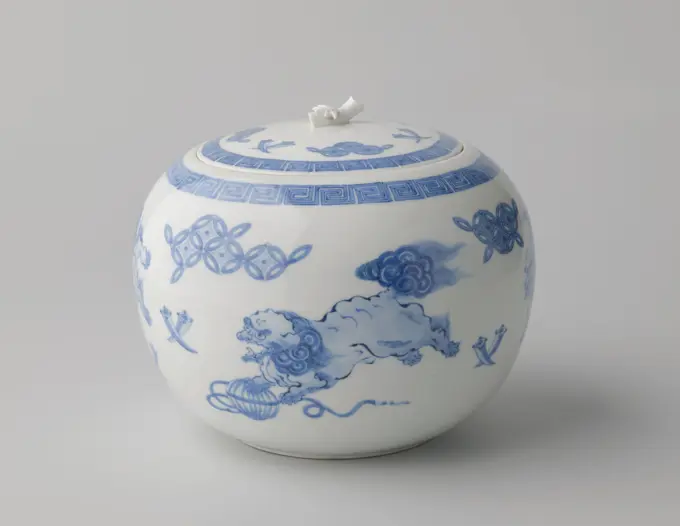
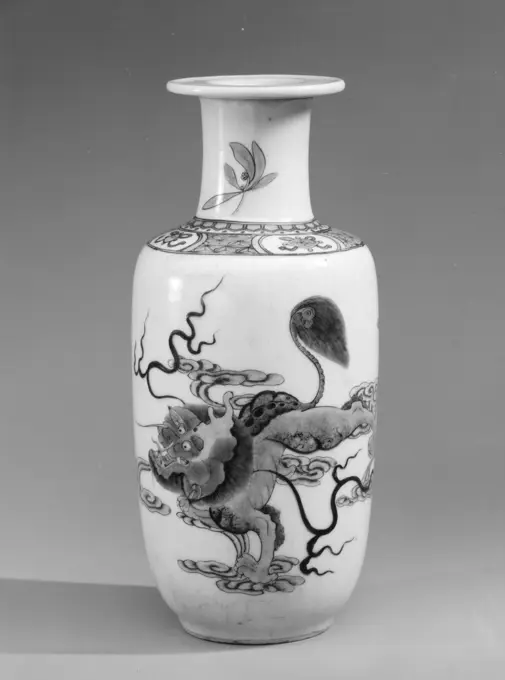
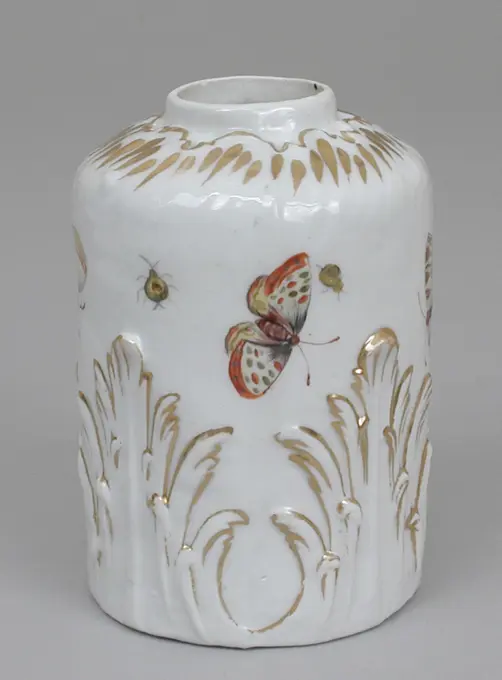
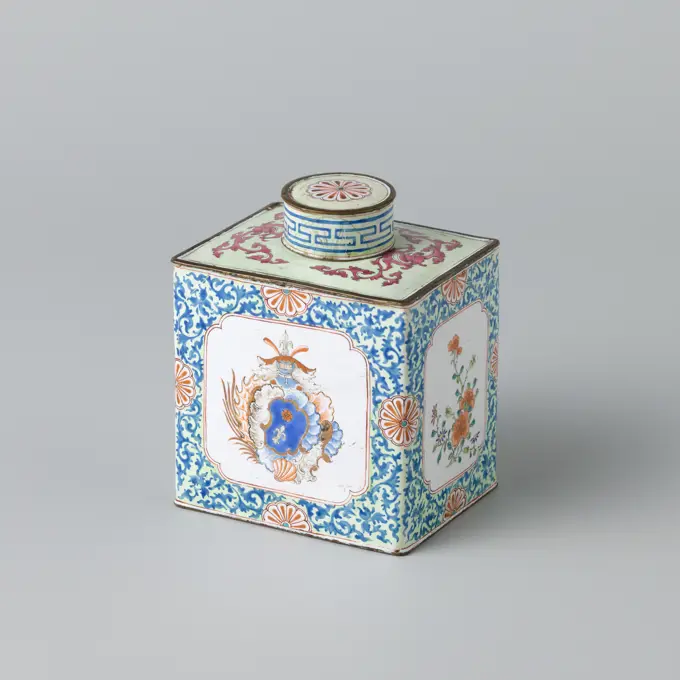
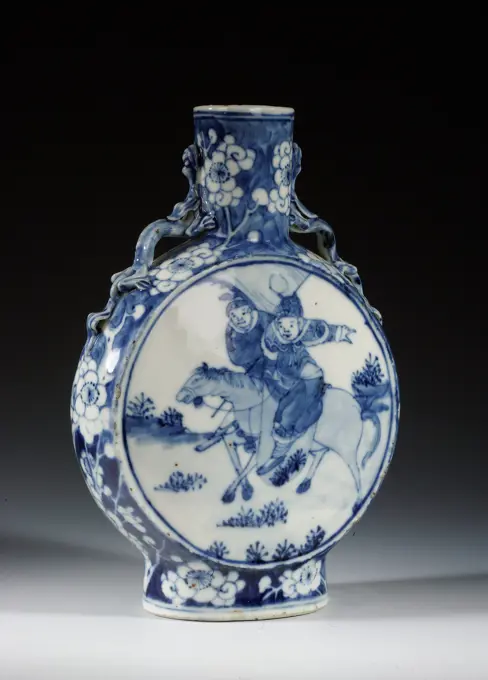
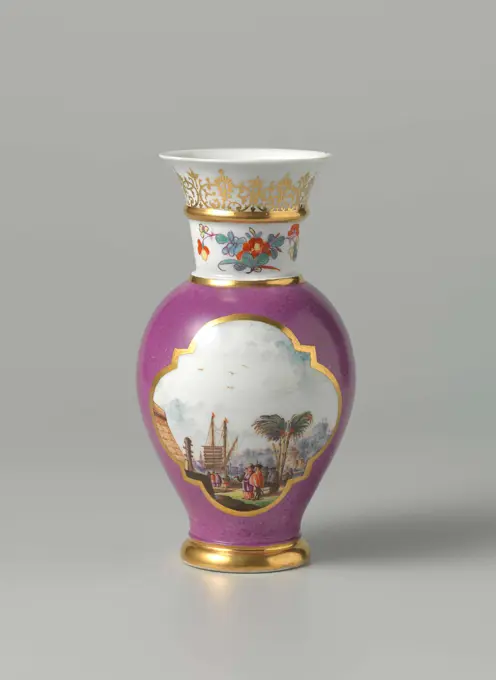
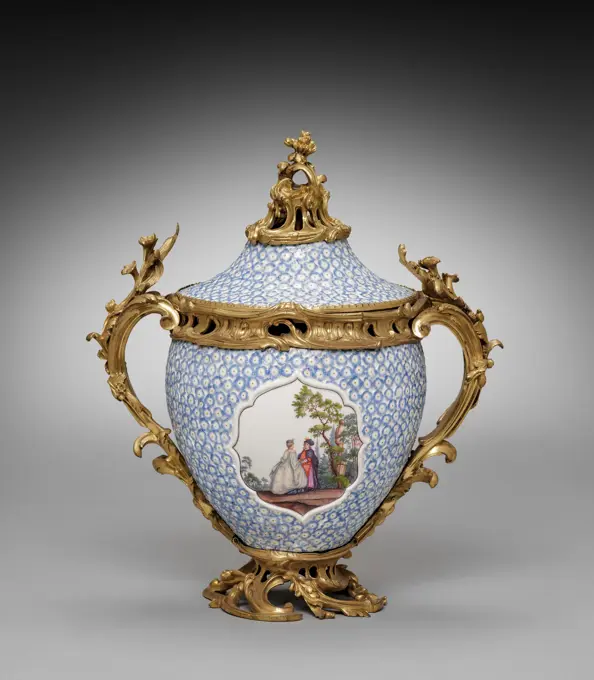
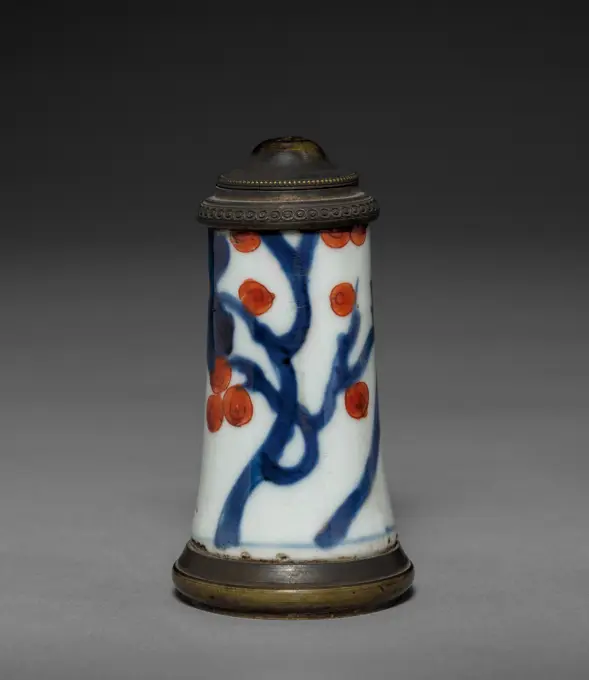
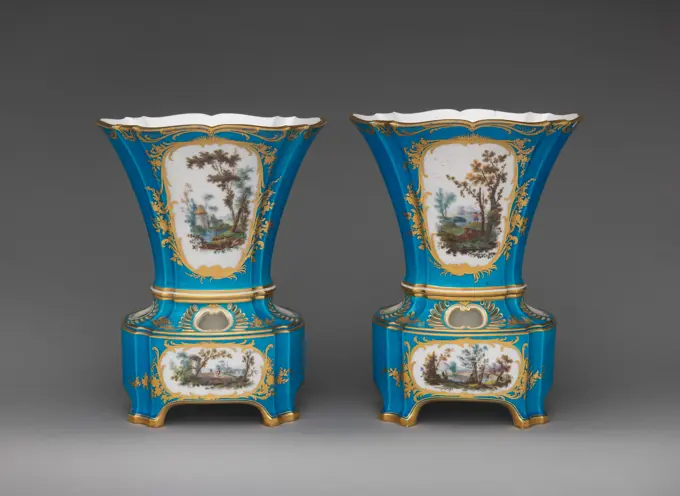
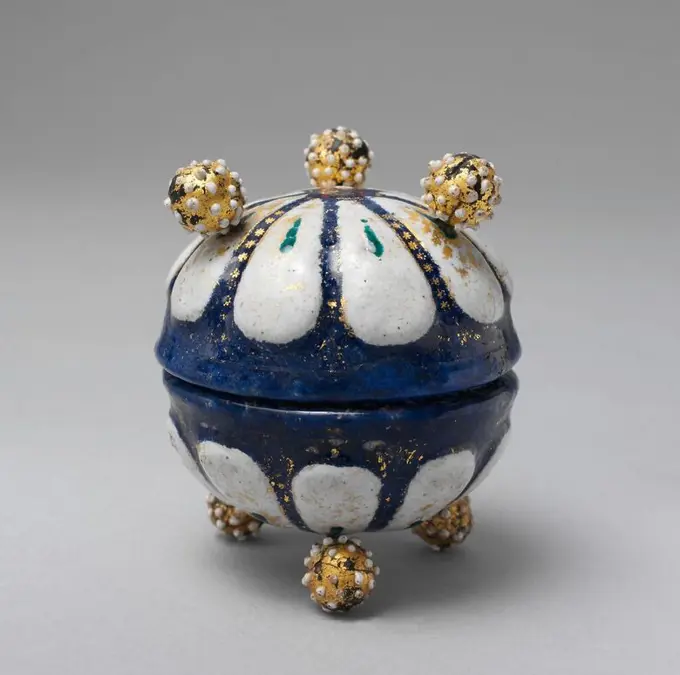
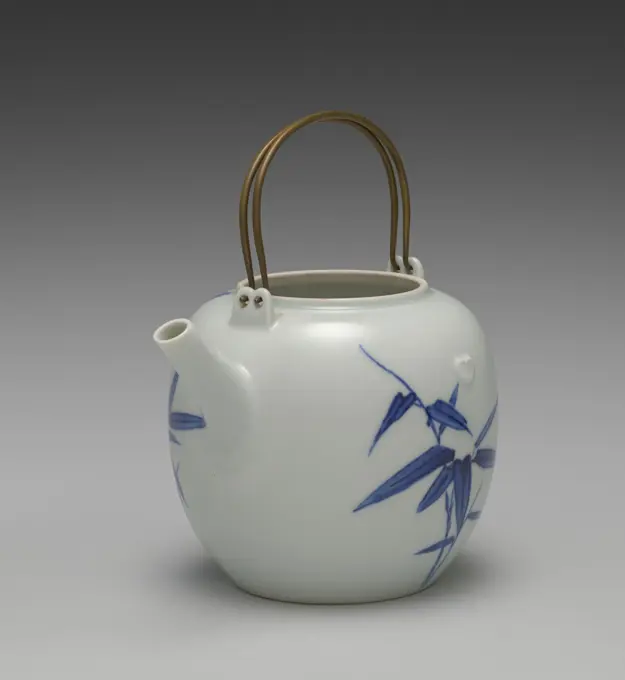
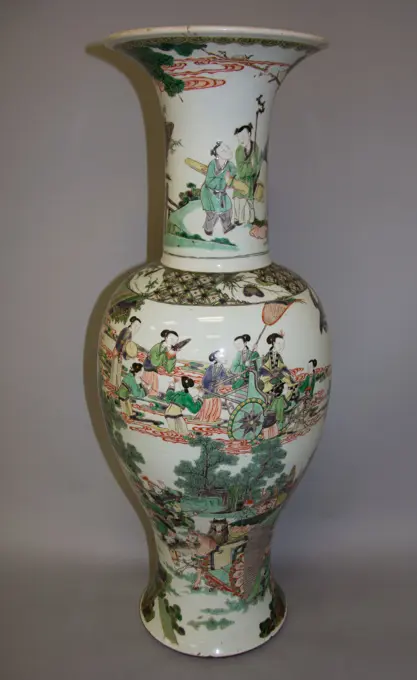
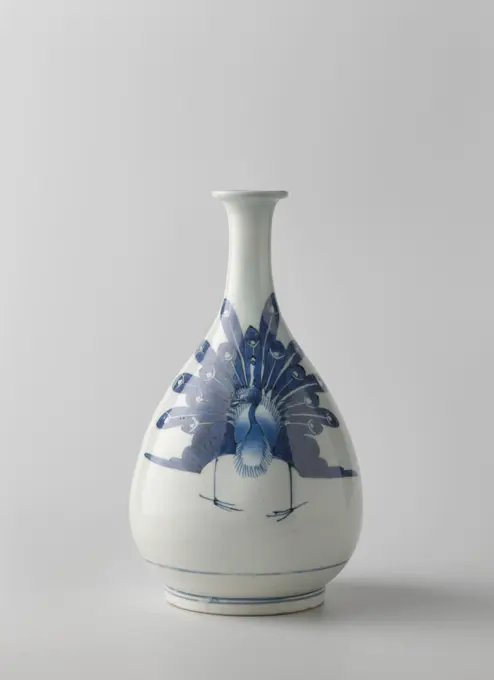
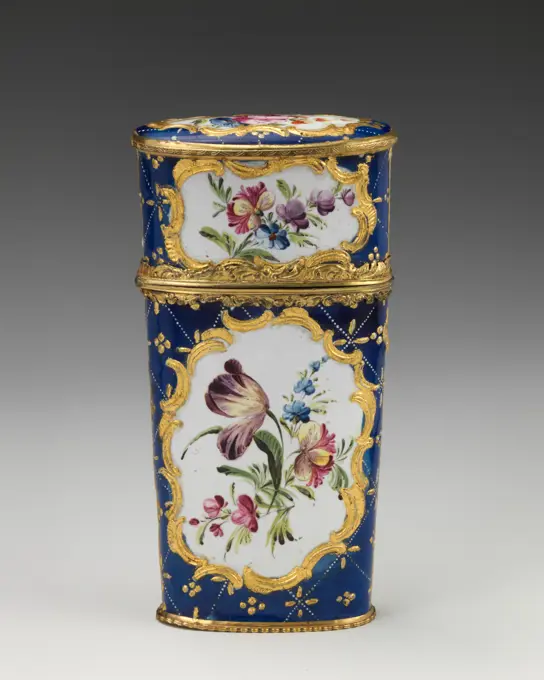
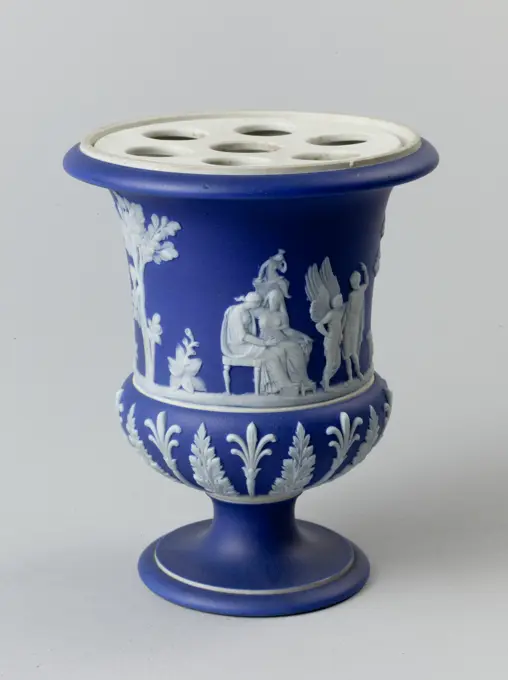
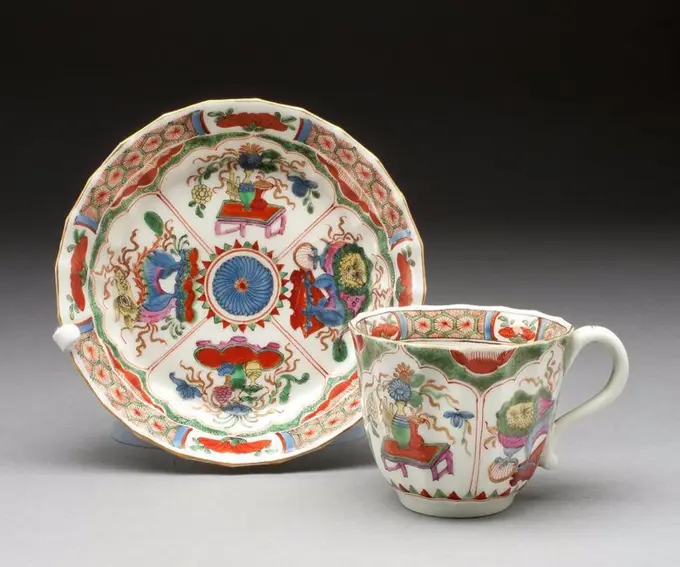
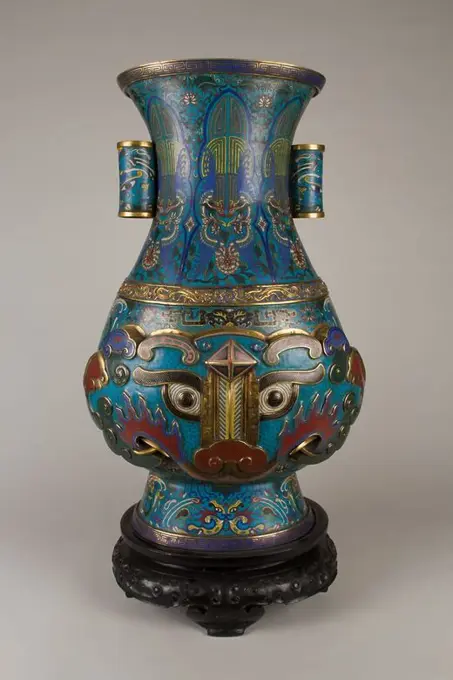
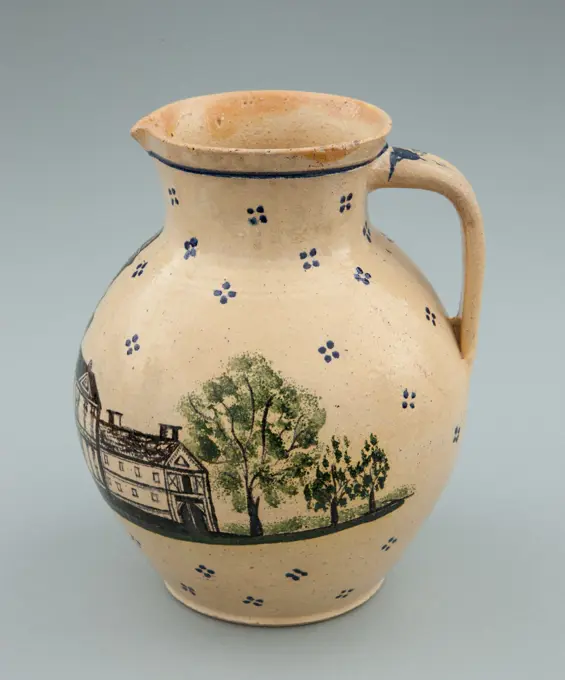
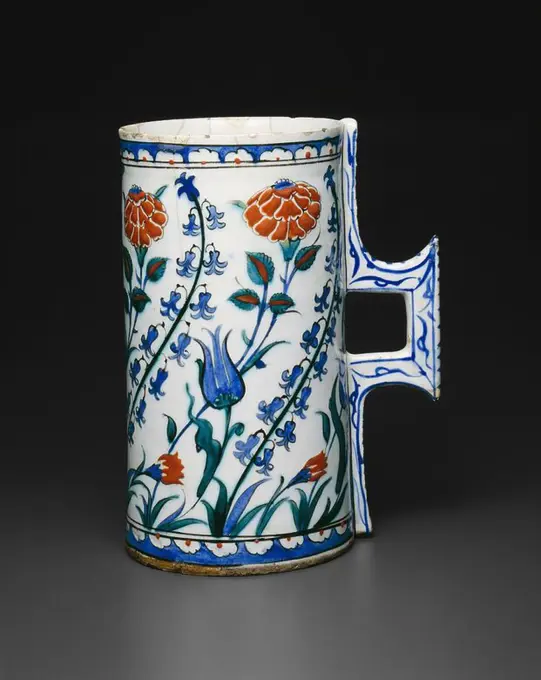
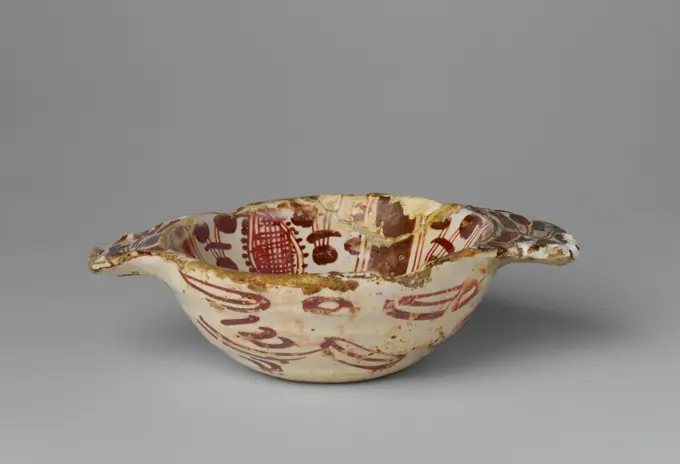
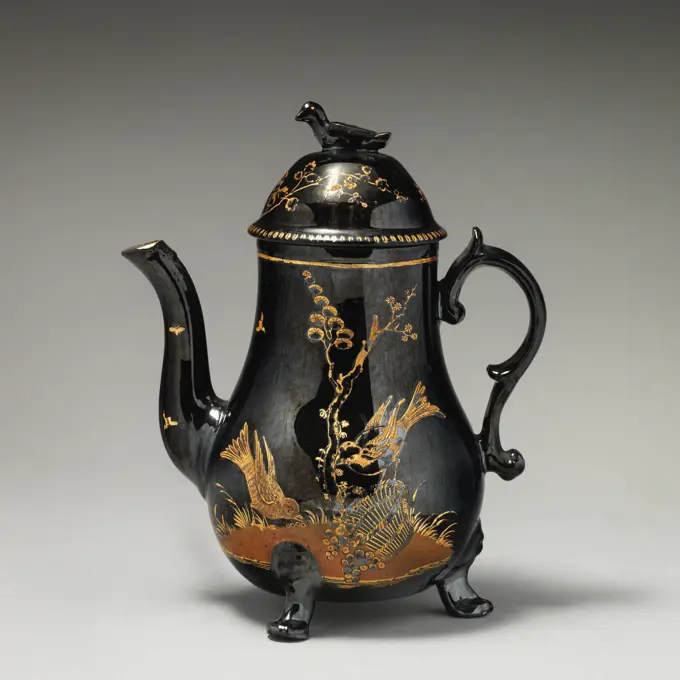
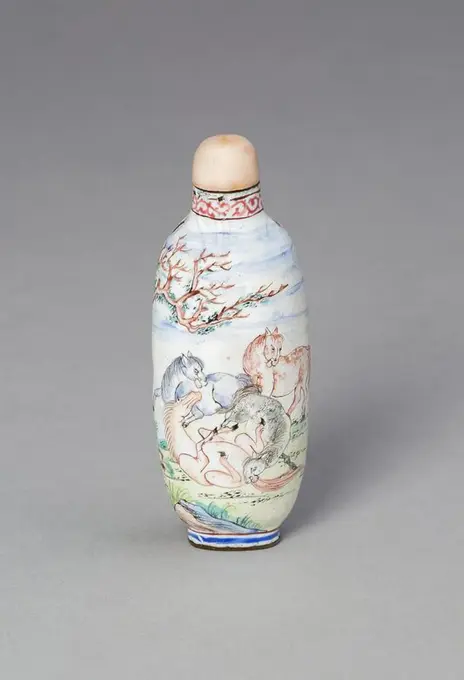
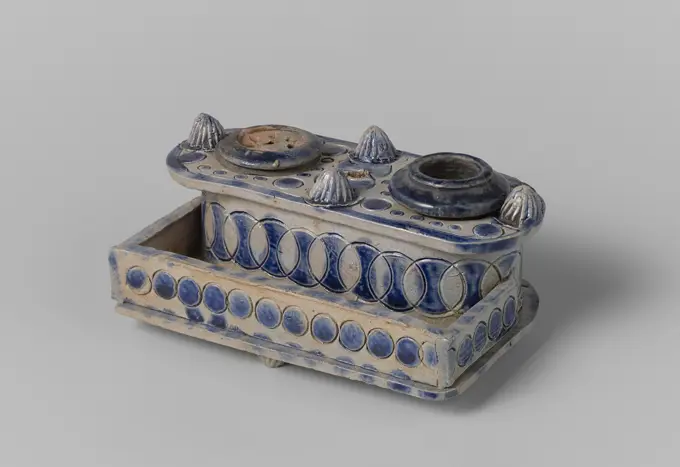
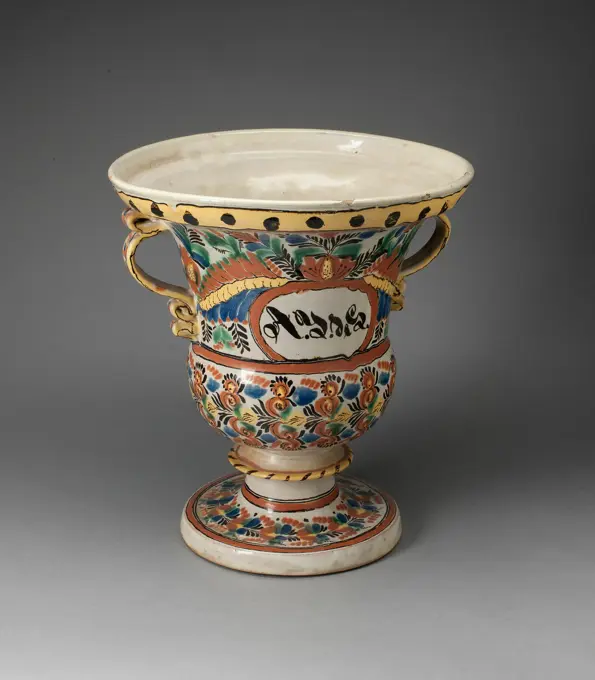
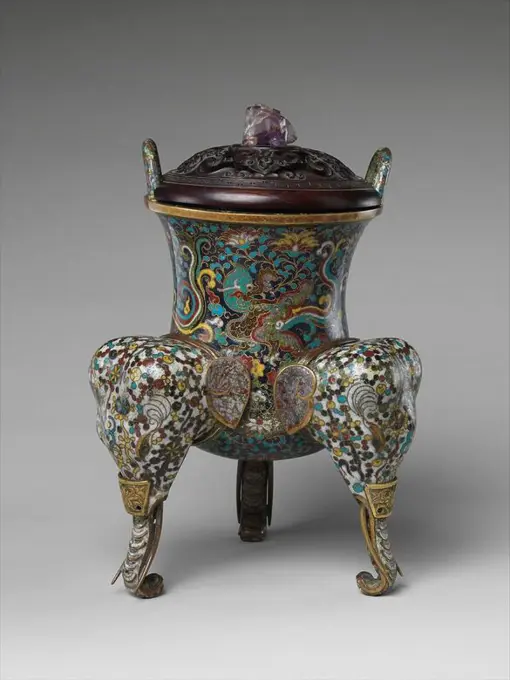
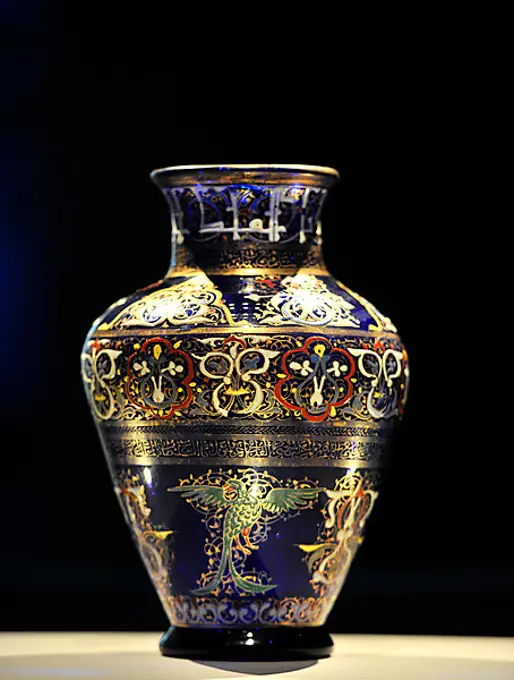
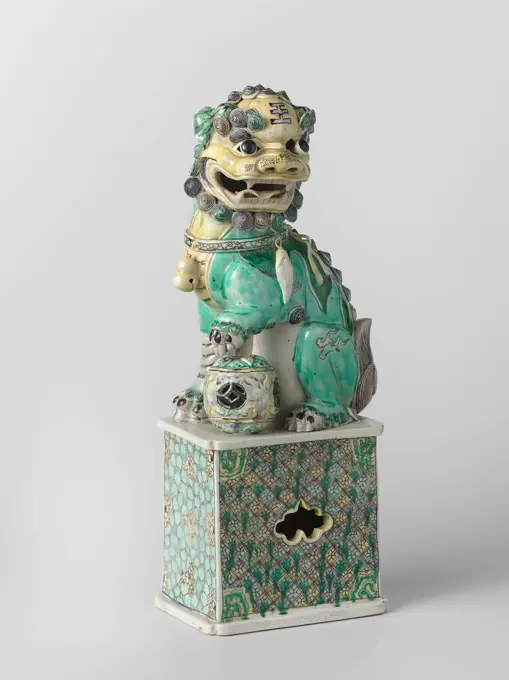
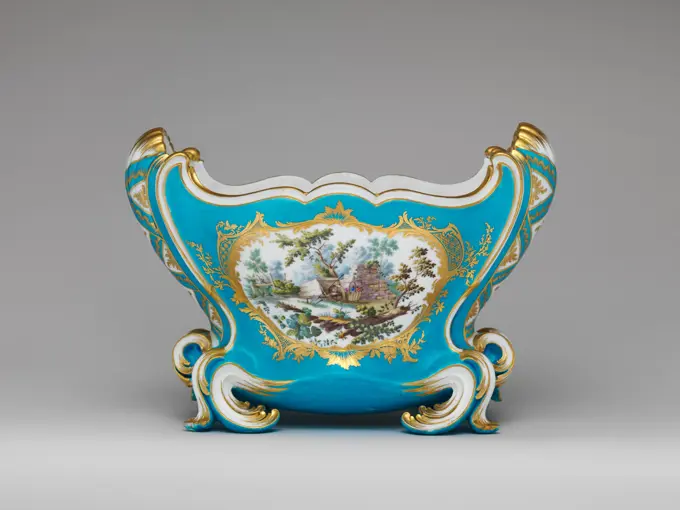
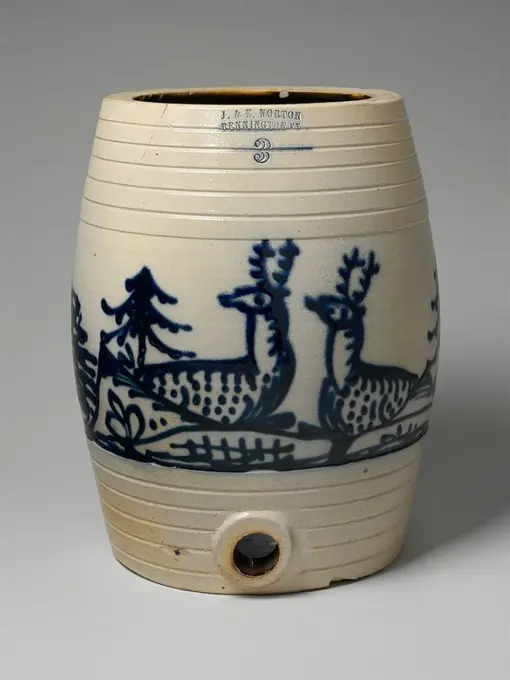
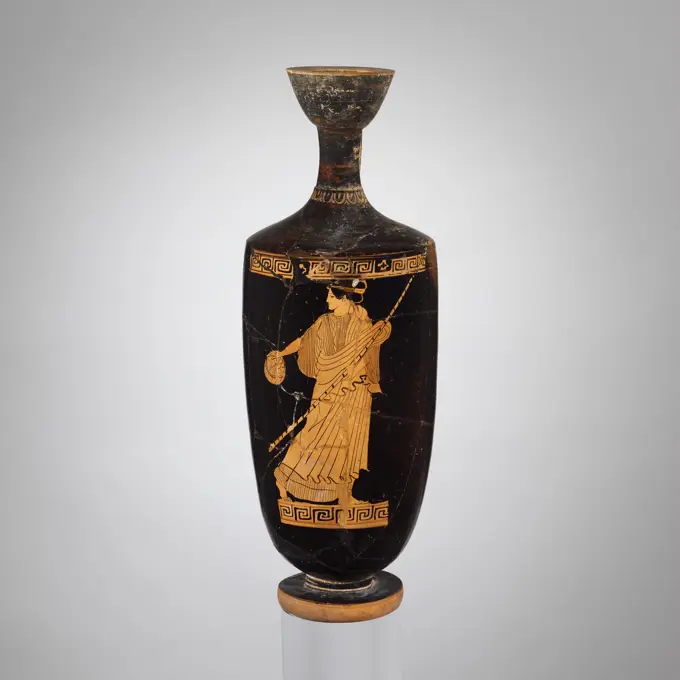
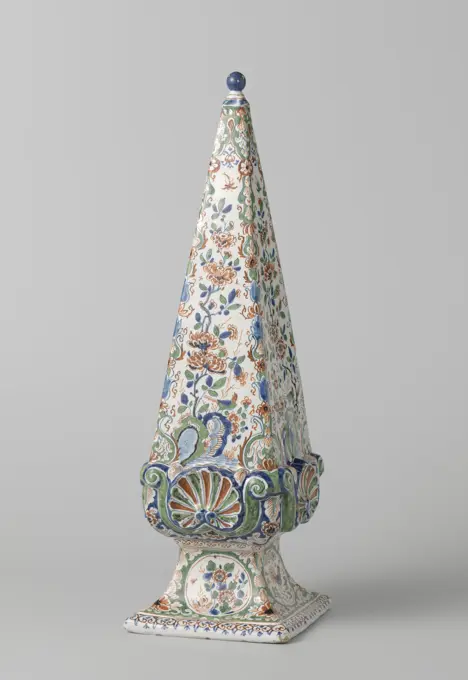
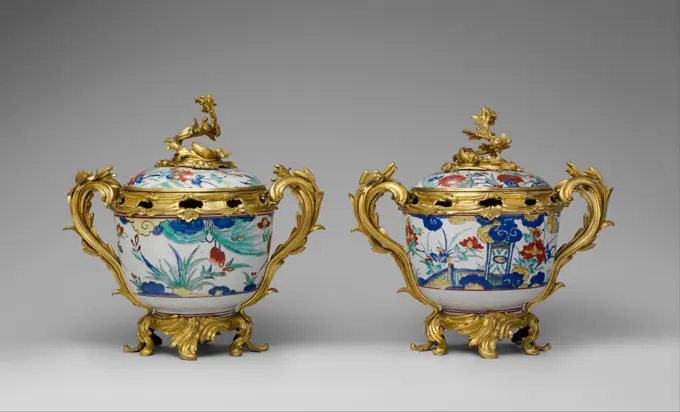
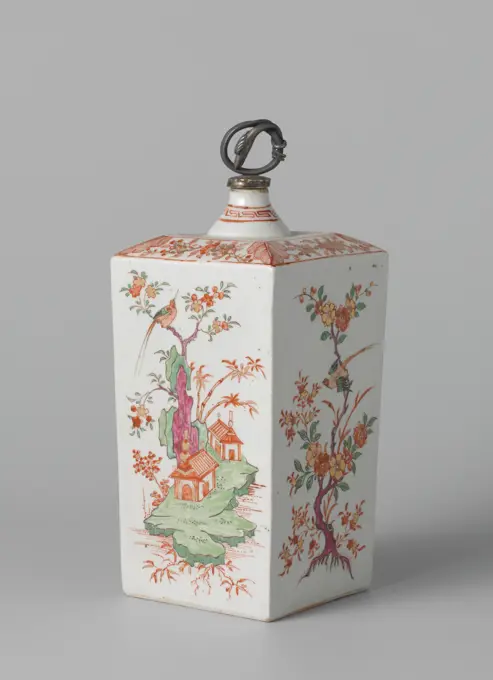
Melon-Shaped Water Pot 1700-1799 China. Gray opaque glass with ivory lid .Pomade pot 1735-40 French, Chantilly The widespread use of beauty products in eighteenth-century France inspired the creation of porcelain toilet jars, or pots à fard, in different sizes, sometimes provided with silver mounts.. Pomade pot 208122Jar with scholars late 15th century China. Jar with scholars 53765Snuff Bottle, 19th century, 2 1/4 x 1 3/8in. (5.7 x 3.5cm), Enamel on copper, China, 19th centuryBaluster Jar, One of a Pair, 17th-18th century, 17in. (43.2cm), Porcelain, China, 17th-18th centuryPharmacy Jar 1400s Italian Maiolica storage jars for Italian pharmacies were highly decorative and frequently combined animal and floral motifs, as demonstrated by this particularly fine pair.. Pharmacy Jar 468158Covered Jar With Bleu Poudré and Chinese Ladies in a Fenced Garden. Porcelain cylindrical lid pot on a foot and two raised ears with sample heads, painted in underglaze blue and on the glaze blue, red, green, yellow, black and gold. On the wall Two saved boxes with squeezed corners with a Chinese lady (long lice) sitting in a fenced garden on or at a table with objects (rolls, artemisia leaf, incense burner). The lid with two saved, impeller-shaped compartments with flowering plants (prunus, chrysanthemum), birds and butterflies. The blue email flakes in a few places. Bleu poudré with famille verte.Snuff Bottle with Cranes under a Pine Tree. Culture: China. Dimensions: H. 2 3/4 in. (7 cm); W. 2 5/16 in. (5.9 cm); D. 3/4 in. (1.9 cm). Museum: Metropolitan Museum of Art, New York, USA.Vase ca. 1760 Chelsea Porcelain Manufactory. Vase. British, Chelsea. ca. 1760. Soft-paste porcelain. Chelsea Porcelain Manufactory (British, 1745-1784, Gold Anchor Period, 1759-69). Ceramics-PorcelainTeapot ca. 1823-ca. 1842 John Rogers & Son. Teapot 8327Snuff Bottle, 1760-1820, 3 3/8 x 1in. (8.6 x 2.5cm), Porcelain, enamel, jade, China, Jiaqing periodEwer ca. 1700 probably French, Moustiers Faience, or tin-glazed and enameled earthenware, first emerged in France during the sixteenth century, reaching widespread usage among elite patrons during the seventeenth and early eighteenth centuries, prior to the establishment of soft-paste porcelain factories. Although characterized as more provincial in style than porcelain, French faience was used at the court of Louis XIV as part of elaborate meals and displays, with large-scale vessels incorporated into the Baroque garden designs of Versailles. Earlier examples of French faience attest to the strong influence of maiolica artists from Italy. Later works demonstrate the ways in which cities such as Nevers, Rouen, Lyon, Moustiers, and Marseille developed innovative vessel shapes and decorative motifs prized among collectors throughout Europe. While faience can be created from a wide mixture of clays, it is foremost distinguished by the milky opaque white color achieved by the addition of tHookah Base. India, Uttar Pradesh, Awadh, Lucknow, circa 1700-1750. Tools and Equipment; hookahs. Clear glass with polychrome enamel and gildingVase, c. 1884-1887. Edward Lycett (American, 1833-1910), Faience Manufacturing Company (American). Earthenware; diameter: 18.3 cm (7 3/16 in.); overall: 27.4 cm (10 13/16 in.).Incense burner ca. 1770 Possibly made at Chelsea Porcelain Manufactory. Incense burner. British, Chelsea-Derby. ca. 1770. Soft-paste porcelain. Ceramics-PorcelainTankard (schnelle) with the coat of arms of Spain, England and the House of Orange, anonymous, c. 1574 - c. 1600 Jug (schnelle) of stoneware with cylindrical, tapered body. The ear and soil are missing. Profiles under the edge and above the foot. On the body in relief three times a printed and imposed, elongated box containing the crowned weapon of England, Spain or Oranje Nassau. Under the middle weapon the dating '1574' and the signature 'H.H.'. At the top of the courses rolling, angels or leaf vines. Siegburg. Siegburg stoneware. glaze vitrification Jug (schnelle) of stoneware with cylindrical, tapered body. The ear and soil are missing. Profiles under the edge and above the foot. On the body in relief three times a printed and imposed, elongated box containing the crowned weapon of England, Spain or Oranje Nassau. Under the middle weapon the dating '1574' and the signature 'H.H.'. At the top of the courses rolling, angels or leaf vines. Siegburg. Siegburg stoneware. glaze vitrificaRound covered jar with shishi and auspicious symbols, anonymous, c. 1750 - c. 1849 Round lid pot made of porcelain, painted in underly glaze blue. On the outer wall four times a shishi (lion dog) with lucky symbols (horns, coins). A band with a meander pattern on the shoulder. Blauw-Wit Hirado. Japan porcelain. glaze. cobalt (mineral) painting / vitrification Round lid pot made of porcelain, painted in underly glaze blue. On the outer wall four times a shishi (lion dog) with lucky symbols (horns, coins). A band with a meander pattern on the shoulder. Blauw-Wit Hirado. Japan porcelain. glaze. cobalt (mineral) painting / vitrificationVase with mythical creature qilin 19th century China. Vase with mythical creature qilin 48329Tea caddy late 18th century Volkstedt Porcelain Manufactory. Tea caddy. German, Thuringia. late 18th century. Hard-paste porcelain. Ceramics-PorcelainLid of tea bus from 'canton email'. The lid has a geometric pattern on the side and on top of a flower.Bian Hian (pilgrim) book (pilgrim);  18th century (1701-00-00-1800-00-00);Kangxi (Styl), MINC, Bronisław (1913-2004), MINC, Bronisław and Elżbieta-collection, minc-kawenoki, Elżbieta (1910-2008), Qing (style), ceramics, Chinese (culture), gift (provenance), riding, white and blue porcelain, figural scenes, Chinese artContainer for kidding ();  19th century (1801-00-00-1899-00-00);Cane knob with a flower and ornamental borders, Saint-Cloud, c. 1700 - c. 1724 Walking stick button from Soft-Paste Porcelain (Pâte Tendre), painted in underly glaze blue. The top with stylized flour and a tire hanging on the wall. On the edge a double decorative band with circles and windows. Saint-Cloud porcelain. soft-paste porcelain. glaze. cobalt (mineral) painting / vitrification Walking stick button from Soft-Paste Porcelain (Pâte Tendre), painted in underly glaze blue. The top with stylized flour and a tire hanging on the wall. On the edge a double decorative band with circles and windows. Saint-Cloud porcelain. soft-paste porcelain. glaze. cobalt (mineral) painting / vitrificationBowl and cover. This possibly relates to the Bristol Carpenters' Company which was in existence in the 17th and 18th centuries.Vase. Meissen porcelain manufactory Meissen, c. 1735 Hard Paste PorcelainCovered Vase (1 of 2), 1749. Meissen Porcelain Factory (German). Porcelain mounted in gilt bronze; overall: 37.4 x 32.7 x 21 cm (14 3/4 x 12 7/8 x 8 1/4 in.). One of these vases is dated 1749. They were perhaps part of a set of four covered vases that we know from documents were acquired by Mme. de Pompadour, mistress of Louis XV in 1752.Pair of Potpourri Vases (potspourris Pompadour, troisième grandeur).Bottle with flower branches, tendrils and dots. Flat bottom, rectangular, blown in shape with profiled corners with in white, yellow, blue and red a stylized flower branch on front and back and tendrils and dots on the narrow sides and corners.Vase with a landscape with trees and mountains, Aoki Mokubei (follower of), c. 1900 - c. 1930 Cylindrical vase of stoneware, slightly ending to the edge and with a ring -shaped thickening. Painted on the glaze in green, yellow and purple. The vase is divided into two parts by the thickening with an Ingrift Landscape with figures, trees and mountains in Nanga style. Marked on the wall. Concentric circles in relief in the foot ring. Japanese stoneware. glaze. engraving / painting / vitrification Cylindrical vase of stoneware, slightly ending to the edge and with a ring -shaped thickening. Painted on the glaze in green, yellow and purple. The vase is divided into two parts by the thickening with an Ingrift Landscape with figures, trees and mountains in Nanga style. Marked on the wall. Concentric circles in relief in the foot ring. Japanese stoneware. glaze. engraving / painting / vitrificationFlower - shaped Cup with Inlaid Chrysanthemum Spray DesignSnuff Bottle with Stopper, 1723-35. China, Jiangxi province, Jingdezhen kilns, Qing dynasty (1644-1911), Yongzheng mark and reign (1723-35). Porcelain; overall: 8.4 cm (3 5/16 in.).Vase of multicolored painted faïence. Vase of Faïence. Multicolor painted with flower decorations. The vase is part of a cabinet set.Vase with alliance weapon and the interior of the Dutch Reformed Church in Wassenaar, N.V. Haagsche Plateel Factory Rozenburg, 1896 Vase of earthenware, belonging to a couple of three, polychrome painted with sunflowers, weapons and topographical representations. On one side the alliance weapon of Willem Adolf Maximilian Carel, Vorst van Wied and his wife Princess Marie der Nederlanden, above which 1871-1896, on the other hand, is depicted the interior of the Dutch Reformed Church of Wassenaar. Sunflowers are painted between and above the performances. The Hague earthenware Vase of earthenware, belonging to a couple of three, polychrome painted with sunflowers, weapons and topographical representations. On one side the alliance weapon of Willem Adolf Maximilian Carel, Vorst van Wied and his wife Princess Marie der Nederlanden, above which 1871-1896, on the other hand, is depicted the interior of the Dutch Reformed Church of Wassenaar. Sunflowers are painted between and above the perforImari Ware () Container with Brass Mounts, late 1600s. Japan, Edo period (1615-1868). Porcelain with brass mounts (possibly Hizen ware, Arita type, Imari style); overall: 8.9 cm (3 1/2 in.); diameter of base: 4.8 cm (1 7/8 in.).Storage Jar. Italian, Pesaro. Date: 1460-1500. Dimensions: H: 27.3 cm (10 3/4 in.); diameter: 19.4 cm (7 5/8 in.). Tin-glazed earthenware. Origin: Faenza. Museum: The Chicago Art Institute, Chicago, USA.Flower vase (vase hollandais nouveau) (one of a pair) 1759 Sèvres Manufactory French. Flower vase (vase hollandais nouveau) (one of a pair). French, Sèvres. 1759. Soft-paste porcelain. Ceramics-PorcelainPartridges in wheatsheaf. Culture: British, Chelsea. Dimensions: Overall: 4 1/2 × 3/4 in. (11.4 × 1.9 cm). Factory: Chelsea Porcelain Manufactory (British, 1745-1784, Red Anchor Period, ca. 1753-58). Date: ca. 1755. Museum: Metropolitan Museum of Art, New York, USA.Toilet box. Culture: Italian, Venice. Dimensions: Diameter: approx. 3 in. (approx. 7.6 cm). Date: late 15th or early 16th century.This dainty box, which separates into two hemispheres, may have been intended to hold so-called wash balls--potash mixed with various oils and scented with powdered herbs, roots, and flowers then kneaded into a paste and shaped into small balls of soap. Museum: Metropolitan Museum of Art, New York, USA.Two Vases, N.V. Plateelbakkerij Ram, c. 1925 Vase, Konic shaped, with Art Nouveau decor in black, yellow, green and light brown. Marked with factory stamp from RAM, Arnhem in circular shape, 29/d, painters' brand of Willem Elstrodt, everything in black, and Inganglift 29. Arnhem earthenware Vase, Konic shaped, with Art Nouveau decor in black, yellow, green and light brown. Marked with factory stamp from RAM, Arnhem in circular shape, 29/d, painters' brand of Willem Elstrodt, everything in black, and Inganglift 29. Arnhem earthenwareFlask in the shape of pilgrim flask. unknown, craftsmanTeapot with Bamboo, c. 1915-40. Seifū Yohei IV (Japanese, 1872-1951). Porcelain with underglaze blue, molded decoration and metal handle;Vase with pheasants and horses in landscapes, anonymous, c. 1575 - c. 1599 Vase of porcelain with a body, round shoulder and a narrow, spreading neck with a raised edge, painted in underly glaze blue. The belly is divided into two parts. The upper part with two pheasants - one flying, the other on a rock - in a landscape with flowering plants (peony, prunus) and clouds. At the bottom two horses surrounded by flames, running above swirling waves and rocks. On the shoulder three compartments with a swast gap pattern interrupted by a cartouche with peach branches; The courses are separated by a Ruyi motif. On the neck a band with pointed leaf motifs. A crack in the edge and one in the abdomen. Ming porcelain in blue and white. China porcelain. glaze. cobalt (mineral) painting / vitrification Vase of porcelain with a body, round shoulder and a narrow, spreading neck with a raised edge, painted in underly glaze blue. The belly is divided into two parts. The upper part with two pheasants - oLarge covered bowl wit a continuous landscape with pavillions, mountains and trees, anonymous, c. 1680 - c. 1700 Large lid bowl of porcelain, painted in under -glaze blue. The outer wall with a continuous landscape with pavilions, mountains and trees. Below that a decorative band. The lid with the same decoration; Cover button in the form of a shishi (lion dog). A proen on the bottom. Arita, Blauw-Wit. Japan porcelain. glaze. cobalt (mineral) painting / vitrification Large lid bowl of porcelain, painted in under -glaze blue. The outer wall with a continuous landscape with pavilions, mountains and trees. Below that a decorative band. The lid with the same decoration; Cover button in the form of a shishi (lion dog). A proen on the bottom. Arita, Blauw-Wit. Japan porcelain. glaze. cobalt (mineral) painting / vitrificationVase with immortals late 17th-early 18th century China. Vase with immortals. China. late 17th-early 18th century. Porcelain painted in overglaze polychrome enamels (Jingdezhen ware). Qing dynasty (1644-1911), Kangxi period (1662-1722). CeramicsVase with peacock and bamboo, anonymous, 1650 - 1700 Vase of porcelain in the form of a pear -shaped bottle with a foot ring, decorated in underly glaze blue with a frontal depicted, standing peacock with spread tail springs and on the other side bamboo. Arita porcelain Vase of porcelain in the form of a pear -shaped bottle with a foot ring, decorated in underly glaze blue with a frontal depicted, standing peacock with spread tail springs and on the other side bamboo. Arita porcelainVanity bottle ca. 1760-1800 British, Staffordshire. Vanity bottle. British, Staffordshire. ca. 1760-1800. Enameled copper. Enamels-PaintedHuqqa Base mid-19th century India (probably Lucknow). Huqqa Base. India (probably Lucknow). mid-19th century. Silver with enamel. MetalworkVase ca. 1800 Chinese. Vase 9209Vase (one of a pair) ca. 1761 Chelsea Porcelain Manufactory The deep crimson ground of this vase and its mate (64.101.504a, b) was a technical triumph of the Chelsea factory. It came to be called claret, after a description of such vases in Horace Walpole's 1774 catalogue of his collection at Strawberry Hill.. Vase (one of a pair). British, Chelsea. ca. 1761. Soft-paste porcelain. Chelsea Porcelain Manufactory (British, 1744-1784). Ceramics-PorcelainFunnel with a light brown glaze and ruyi border, anonymous, c. 1700 - c. 1724 Porcelain funnel with right-walled, flared cup, ball between cup and steel, partially covered with a cafe-au-lait-colored glaze and painted in under-glaze blue. The cup with a band Ruyi motif with curl work; Around the base of the cup a band with hanging, pointed leaf motifs; The handle with a light brown glaze. Monochrome brown with blue and white. China porcelain. glaze. cobalt (mineral) painting / vitrification Porcelain funnel with right-walled, flared cup, ball between cup and steel, partially covered with a cafe-au-lait-colored glaze and painted in under-glaze blue. The cup with a band Ruyi motif with curl work; Around the base of the cup a band with hanging, pointed leaf motifs; The handle with a light brown glaze. Monochrome brown with blue and white. China porcelain. glaze. cobalt (mineral) painting / vitrificationVase. Meissen porcelain manufactory ice cream, c. 1725-1730Hard Paste PorcelainVase 19th century China. Vase 42074Wedgwood Manufacture. "Small Medici type vase (of a pair)". Wedgwood fine earthenware. Paris, Museum of Romantic Life. EARTHENWARESugar bowl with cover (part of a service) 18th century Meissen Manufactory German. Sugar bowl with cover (part of a service) 209393Teapot with Pattern of the "Hundred Antiques" 19th century China. Teapot with Pattern of the "Hundred Antiques". China. 19th century. Painted enamel. Qing dynasty (1644-1911). EnamelsMale bust ca. 1765 Chelsea Porcelain Manufactory. Male bust. British, Chelsea. ca. 1765. Soft-paste porcelain. Chelsea Porcelain Manufactory (British, 1745-1784, Transitional (Brown Anchor) Period, ca. 1758-1759). Ceramics-PorcelainJug with stylized flowers, anonymous, c. 1750 - c. 1799 Jug of stoneware on stand ring with a hexagonal, spherical body and wide neck. The C-shaped ear is attached to the neck and shoulder. Partly covered with cobalt blue. On the abdomen an entry and blue colored decoration of six medallions with a stylized flower. Stamped stamps are saved in blue. The neck is divided into three tires: stamped flowers, a pressed, sloping zigzag line (knibis) and stars. Lahntal, Westerwald. Lahntal stoneware. glaze. cobalt (mineral) vitrification Jug of stoneware on stand ring with a hexagonal, spherical body and wide neck. The C-shaped ear is attached to the neck and shoulder. Partly covered with cobalt blue. On the abdomen an entry and blue colored decoration of six medallions with a stylized flower. Stamped stamps are saved in blue. The neck is divided into three tires: stamped flowers, a pressed, sloping zigzag line (knibis) and stars. Lahntal, Westerwald. Lahntal stoneware. glaze. cobalt (mineral) Snuff Bottle Japan. Snuff Bottle 41598Covered Vegetable Dish. Culture: American. Dimensions: 5 3/8 x 11 in. (13.7 x 27.9 cm). Maker: Union Porcelain Works (1863-ca. 1922). Date: 1885.Union Porcelain Works was one of the most important and inventive American porcelain manufacturers in the second-half of the nineteenth century. In addition to their imaginative works designed by the German-born artistic director, Karl H. L. Müller, the firm's mainstay was the production of heavy porcelain hotel dinnerware. This extensive service was made by Thomas Carll Smith, head of the Union Porcelain Works, as a gift to his daughter, Pastora Forest Smith Chace. The neoclassical decoration of the gilt bellflower and basket motif is complimented by turquoise enamel. Unlike the firm's more eccentric and lavish designs created for their display at the Philadelphia Centennial Exposition in 1876, the pottery favored a more restrained classical style for their dinner services. This service descended in the Chace family. Museum: Metropolitan MusTeacup and Saucer. Worcester Porcelain Factory; Worcester, England, founded 1751. Date: 1765-1775. Dimensions: H. 11.8 cm (4 5/8 in.). Soft-paste porcelain, polychrome enamels and gilding. Origin: Worcester. Museum: The Chicago Art Institute, Chicago, USA. Author: Worcester Royal Porcelain Company.Vase. Culture: China. Dimensions: 25 × 15 7/8 in. (63.5 × 40.3 cm)Diam. of rim: 11 3/8 in. (28.9 cm)Diam. of foot: 11 in. (27.9 cm)Height (incl. base): 29 3/4 in. (75.6 cm). Date: 19th century. Museum: Metropolitan Museum of Art, New York, USA.PitcherCover for a Spice Bowl, c. 1775-80. France, Montpellier, 18th century. Faience; overall: 8.9 x 12.7 x 8.3 cm (3 1/2 x 5 x 3 1/4 in.).Wine Flask with Plum and Bamboo Design, 1600s. Korea, Joseon dynasty (1392-1910). Glazed porcelain with underglazed iron design; overall: 21.9 x 19 x 8.4 cm (8 5/8 x 7 1/2 x 3 5/16 in.).Tankard (Hanap) with Tulips, Hyacinths, Roses, and Carnations. Turkey; Iznik. Date: 1570-1599. Dimensions: 19.6 × 15 × 10.5 cm (7 3/4 × 5 7/8 × 4 1/8 in.). Fritware with underglaze painting in blue, turquoise, red, and black. Origin: Turkey. Museum: The Chicago Art Institute, Chicago, USA. Author: Islamic.Scudello 16th century Spanish, Valencia Tin-glazed earthenware, of which lusterware is one type, was developed in the Middle East in the ninth and tenth centuries to imitate the porcelains produced in China. The opaque white glaze concealed the clay body, which could range from pale buff to brick red, allowing for brilliant effects created by painting the white surface with metal oxides that fired to a range of colors. This technique, as well as the use of metallic lusteran iridescent, coppery painted glazespread throughout the Muslim world, arriving among the potters of Valencia in the thirteenth century. The so-called Hispano-Moresque lusterware, with its fusion of Islamic and Gothic styles and motifs, often in shaped imitating those of metal vessels, was treasured by the elite in Spain during the fifteenth century and exported to the courts of Europe. The Valencian industry declined in the late sixteenth century, as colorful Italian Renaissance maiolica gained in popularity among Coffeepot 18th century Probably made at Jackfield Pottery, Shropshire, England. Coffeepot. British, probably Shropshire. 18th century. Glazed earthenware. Ceramics-PotterySnuff Bottle with Eight Horses of Mu Wang. China. Date: 1722-1735. Dimensions: 7.2 × 2.9 × 2.0 cm (2 13/16 × 1 1/8 × 13/16 in.). Enamels painted on copper. Origin: China. Museum: The Chicago Art Institute, Chicago, USA.Ink set. Base of stoneware in gray with blue decoration.Inkwell. Inkwell of stoneware in gray with blue decoration.Two-Handled Jardiniere Made 1825-1875 Puebla. Tin-glazed earthenware . Talavera Poblana (Potter)Pipe Head, c. 1740. Germany, 18th century. Porcelain; overall: 5.8 x 7 cm (2 5/16 x 2 3/4 in.).Incense Burner. Culture: China. Dimensions: H. (vessel) 13 in. (33 cm); W. 8 1/2 in. (21.6 cm); H. with lid 14 in. (35.6 cm). Museum: Metropolitan Museum of Art, New York, USA.Exhibit, vase, Syria, 13th century, Museum of Islamic Art, Corniche, Doha, Qatar, Persian Gulf, Middle East, AsiaApothecary vase. Nieokreślona manufaktura, factoryFigure of A Shishi. Image of porcelain on a high, rectangular pedestal, painted on the biscuit with blue, green, yellow, eggplant and black. On the pedestal a shishi (lion dog) with a paw on a opened ball. The pedestal is covered with napkin work and open to two sides, in the form of a scalloped cartouche and a peach roof. Email sur biscuit in famille verte.Chinese couple in a group. Culture: British, London. Dimensions: Overall: 3 1/4 × 1 1/2 in. (8.3 × 3.8 cm). Maker: Saint James's Factory (British, ca. 1748/49-1760). Date: ca. 1755. Museum: Metropolitan Museum of Art, New York, USA.Insence burner with lobed sides, moulded rings and a metal cover, anonymous, c. 1800 - c. 1899 Incense burner (Koro) of porcelain in the form of a bronze pot with a four times lobed wall separated by four ribs, painted in underlaze blue. A modeled ring on each wall. The foot is hexagonal; The edge has been lobed six times, just like the metal lid. The lid has openwork flower vines. Blue White. Japan porcelain. glaze. cobalt (mineral). deksel: metal painting / vitrification Incense burner (Koro) of porcelain in the form of a bronze pot with a four times lobed wall separated by four ribs, painted in underlaze blue. A modeled ring on each wall. The foot is hexagonal; The edge has been lobed six times, just like the metal lid. The lid has openwork flower vines. Blue White. Japan porcelain. glaze. cobalt (mineral). deksel: metal painting / vitrificationInk well with a blue border, anonymous, c. 1750 - c. 1799 Inktpot of stoneware with a cylindrical body, flared edge to place in the holder and low, raised neck. The edge is covered with cobalt blue. Westerwald. Westerwald stoneware. glaze. cobalt (mineral) vitrification Inktpot of stoneware with a cylindrical body, flared edge to place in the holder and low, raised neck. The edge is covered with cobalt blue. Westerwald. Westerwald stoneware. glaze. cobalt (mineral) vitrificationBlue and white Chinese porcelain vase at Warwick Castle, England.Charcoal burner with lobed sides, moulded rings, anonymous, c. 1800 - c. 1899 Charcoal burner (Hiire) of porcelain in the form of a bronze pot with a four times lobed wall separated by four ribs, painted in under -glaze blue. A modeled ring on each wall. The foot is hexagonal; The edge has been lobed six times. Blue White. Japan porcelain. glaze. cobalt (mineral). deksel: metal painting / vitrification Charcoal burner (Hiire) of porcelain in the form of a bronze pot with a four times lobed wall separated by four ribs, painted in under -glaze blue. A modeled ring on each wall. The foot is hexagonal; The edge has been lobed six times. Blue White. Japan porcelain. glaze. cobalt (mineral). deksel: metal painting / vitrificationBox And Lid (USA); block-printed on paper, pasteboard support; 14.5 x 14.5 x 13 cm (5 11/16 x 5 11/16 x 5 1/8 in.); Giift of Alexander Wilson Drake; 1913-9-6Covered Vase. Culture: China. Dimensions: H. 10 1/2 in. (26.7 cm). Museum: Metropolitan Museum of Art, New York, USA.Vase with Figural and Floral Decoration 1300-1368 China. Cizhou ware; stoneware, slip-coated with overglaze painted decoration in iron brown .Hexagonal Faceted Covered Box 14th-ca. mid-16th century Thailand (Si Satchanalai). Hexagonal Faceted Covered Box 37471Square bottle with flowering plants and birds, anonymous, c. 1700 - c. 1724 Square bottle of porcelain with a short, narrow, spreading neck, painted on the glaze in blue, red, green, black and gold. On two sides a peony and prunus at a rock with a Hoo bird; On the other two sides a flowering plant and two birds. On the shoulder flower branches and a chrysanan drink. The neck with two flower branches. Kakiemon style. Japan porcelain. glaze. gold (metal) painting / gilding / vitrification Square bottle of porcelain with a short, narrow, spreading neck, painted on the glaze in blue, red, green, black and gold. On two sides a peony and prunus at a rock with a Hoo bird; On the other two sides a flowering plant and two birds. On the shoulder flower branches and a chrysanan drink. The neck with two flower branches. Kakiemon style. Japan porcelain. glaze. gold (metal) painting / gilding / vitrificationSnuff Bottle, 17th-19th century, 3 x 1 3/8in. (7.6 x 3.5cm), Glass, China, 17th-19th centuryMineral water mug. Manufaktura porcelany w Slavkovie (1792- ), factoryFlower vase (cuvette Mahon) ca. 1757-60 Sèvres Manufactory French. Flower vase (cuvette Mahon) 206107Water cooler. Culture: American. Dimensions: H. 13 in. (33 cm); Diam. 10 in. (25.4 cm). Maker: Julius and Edward Norton (active 1850-59). Date: 1850-59.During the 1850s, Julius and Edward Norton, like their upstate New York competitors, produced stoneware with designs in cobalt blue slip. Typical of the motifs found on their wares are birds, flowers, stags, dogs, and eagles, executed with little regard to relative scale. Museum: Metropolitan Museum of Art, New York, USA.Terracotta lekythos (oil jar) ca. 470 B.C. Attributed to the Oionokles Painter Goddess with a phiale (libation bowl) and scepterWhile the Greeks made offerings to their gods, during the Classical period, the gods are often shown performing libations or holding ritual objects, most often a phiale. The question is whether the deities are performing a ritual or are being shown as the recipients.. Terracotta lekythos (oil jar) 252963 : Attributed to the Oionokles Painter, Terracotta lekythos (oil jar), ca. 470 B.C., Terracotta, H. 14 in. (35.6 cm). The Metropolitan Museum of Art, New York. Fletcher Fund, 1928 (28.57.11)Anonymous. Sauerlet in the national guard. Earthenware. 1790-1800. Paris, Carnavalet museum. 72437-19 Decoration, Faience, National Guard, Revolutionary Periode, French Revolution, TaireletVase, 7 7/8 x 5 7/8 x 4 1/4 in. (20 x 14.92 x 10.8 cm), CeramicHot milk jug 1763-66 Höchst Manufactory. Hot milk jug 199273Obelisk of multi -colored Faïence, the Metale Pot, c. 1691 - c. 1724 Obelisk of Faïence. Multicolored painted with flower vines. Delft . Obelisk of Faïence. Multicolored painted with flower vines. Delft .Potpourri bowl with cover (one of a pair) porcelain late 17th century, mounts ca. 1745-50 Japanese with French mounts Japanese porcelains with French mounts from the mid-eighteenth century are less common than mounted Chinese porcelains of the same period. Porcelains from Japan were sometimes chosen for mounting in silver in the first part of the century, but it seems that within several decades Chinese porcelains embellished with gilt bronze became the preferred choice of European collectors. Not only are surviving examples of mounted Chinese porcelains more numerous than their Japanese counterparts but the former appear with greater frequency in eighteenthcentury auction catalogues and inventories.These covered porcelain bowls were produced at Arita, in southwestern Japan, in the late seventeenth century. Their decoration displaying highly stylized vegetation and rock work is in the Kakiemon style, named after a family of potters working in Arita whose wares were commonly painted in . Vase with lid of painted porcelain. The vase rejuvenates down and has a slightly outstanding foot. The vase is painted in underglazing blue with flowering plants and an insect. The vase has been marked.Candlestick of porcelain painted with birds and flowers. Candlestick of square shape, with upwardly rejuvenating walls that move at the top in a wider and round part with opening for the candle. Something excellent mouth edge. Multicolored painted with birds and flowers in a decorative schedule.Jug. Jug, blue-white glazed with, among other things, chip motifs and rosettes.. Bronze cap from square bottle of porcelain, in the shape of a braided ring, ending in a hay bird head on a flower rosette. The edge has been ground. Arita, decorated in Europe ? In the Japanese Kakiemon style.