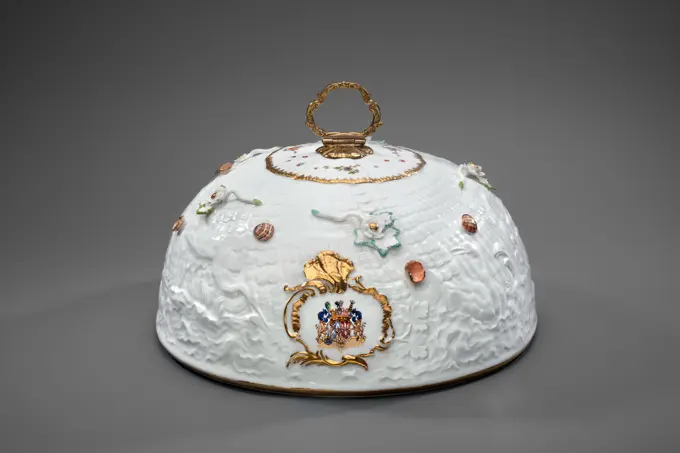
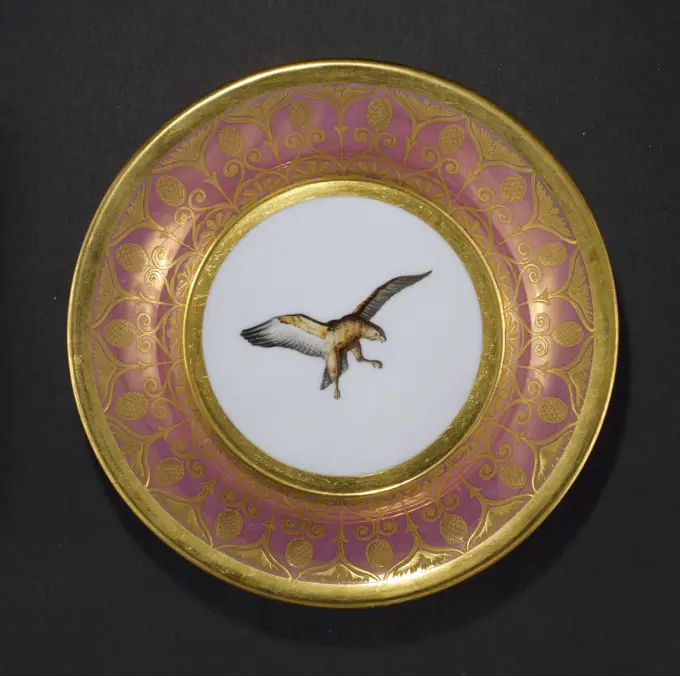
Decorative Porcelain Plates

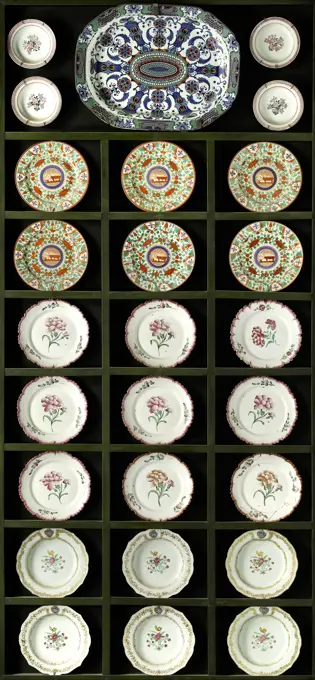
A collection of intricately designed porcelain plates featuring colorful floral and animal motifs, showcasing various decorative styles.
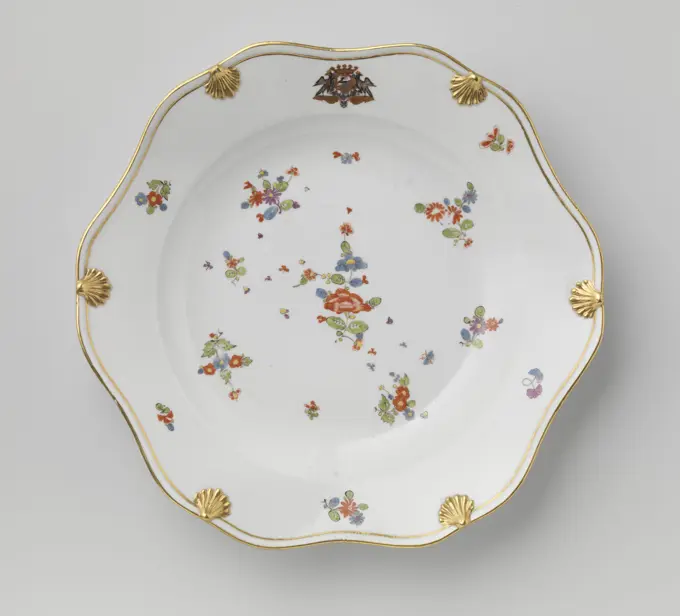
Dish, multicolored painted with kakiemon sprinkles and the weapon of Heinich Graaf von Podewils (1695-1760), Meissener Porzellan Manufaktur, c. 1742 Round dish of painted porcelain. The dish has a scalloped edge and is decorated with six gilded shells in relief. The painting consists of the weapon of Heinrich Graaf von Podewils on the edge and Kakiemon Sprinkle flowers on the flat and the edge. The dish is marked. Float porcelain Round dish of painted porcelain. The dish has a scalloped edge and is decorated with six gilded shells in relief. The painting consists of the weapon of Heinrich Graaf von Podewils on the edge and Kakiemon Sprinkle flowers on the flat and the edge. The dish is marked. Float porcelain
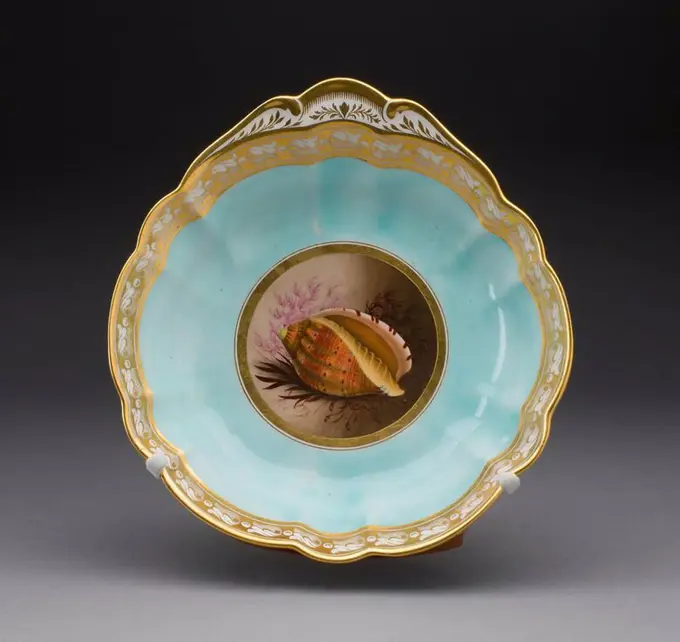
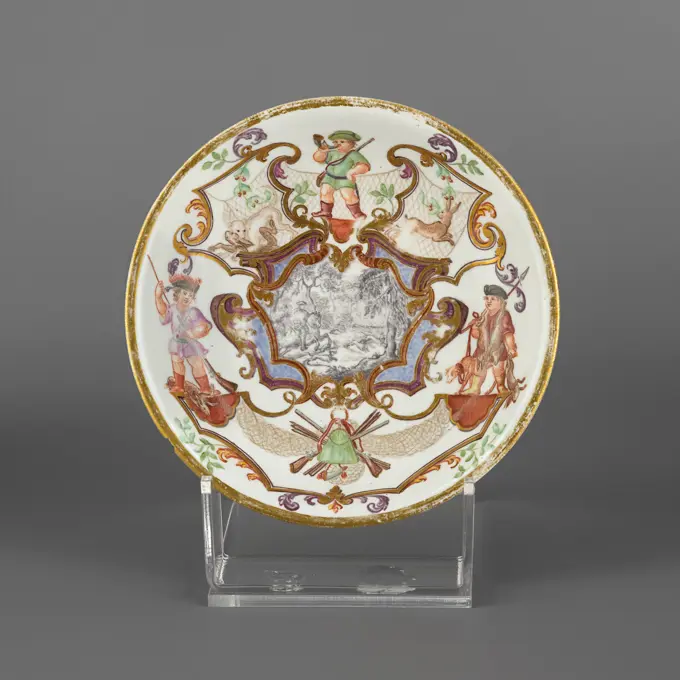
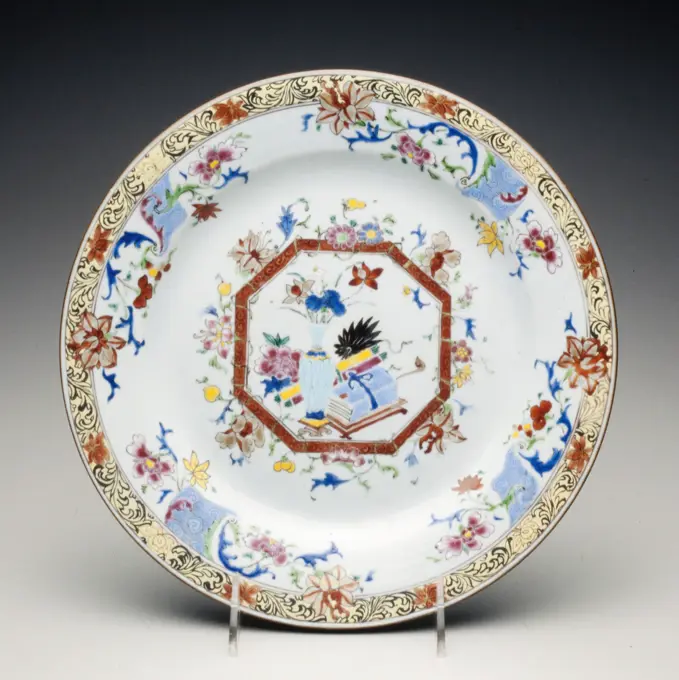
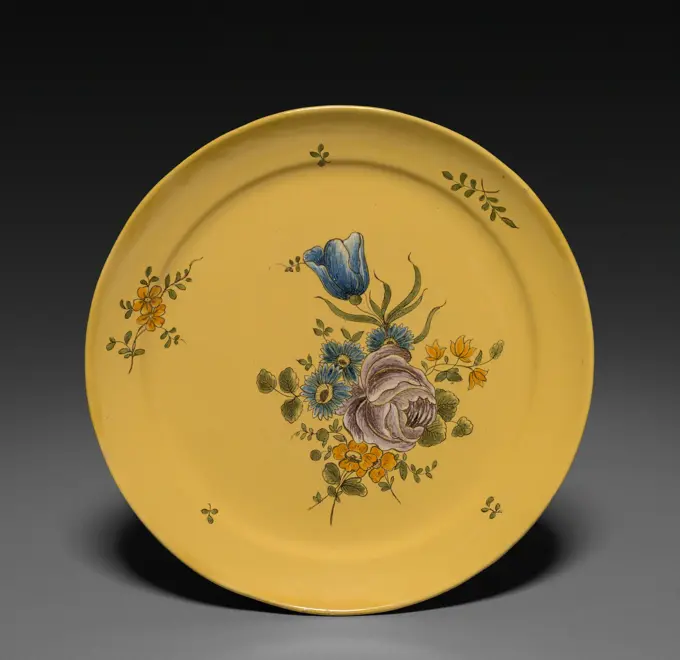
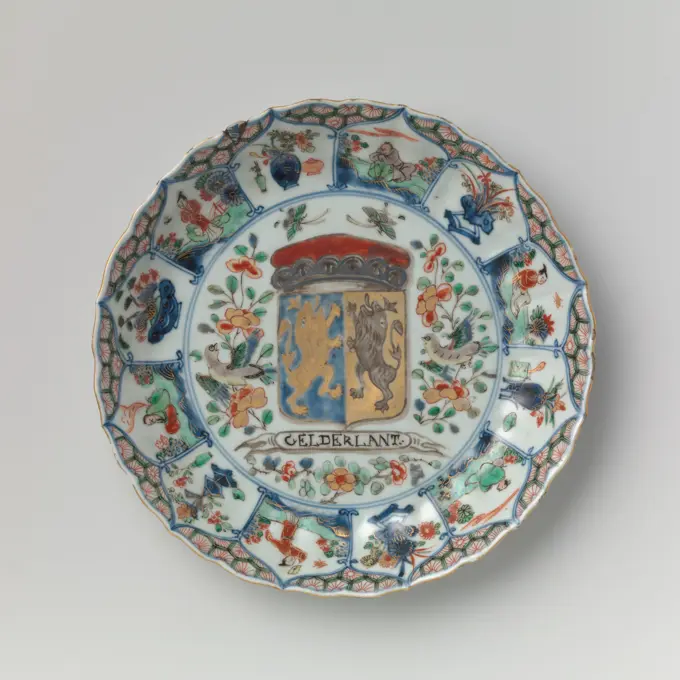
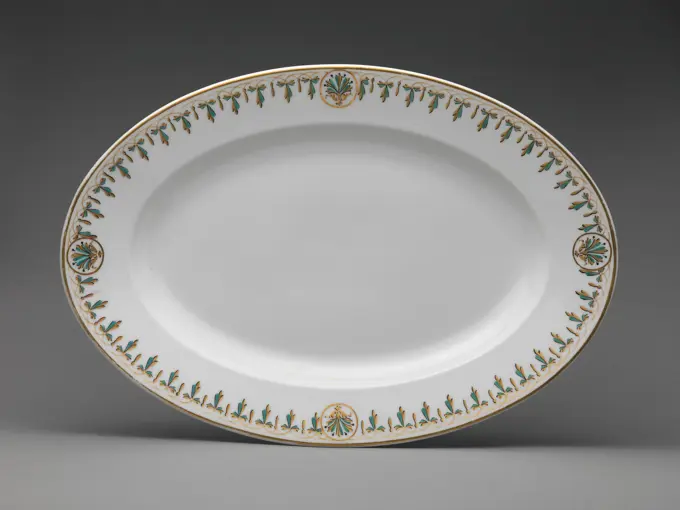
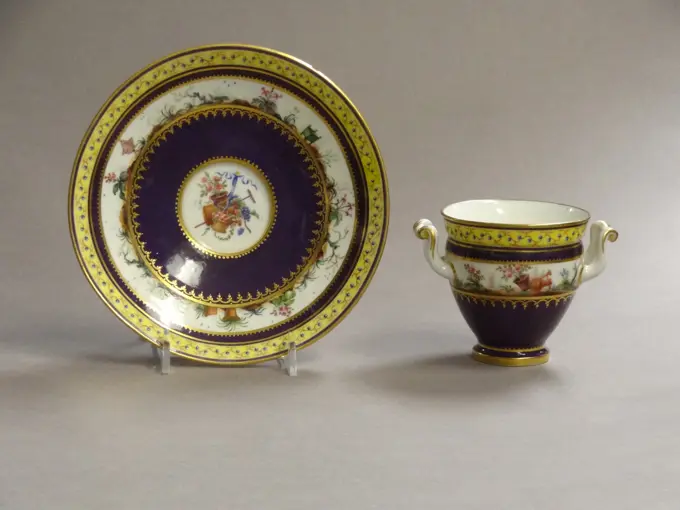
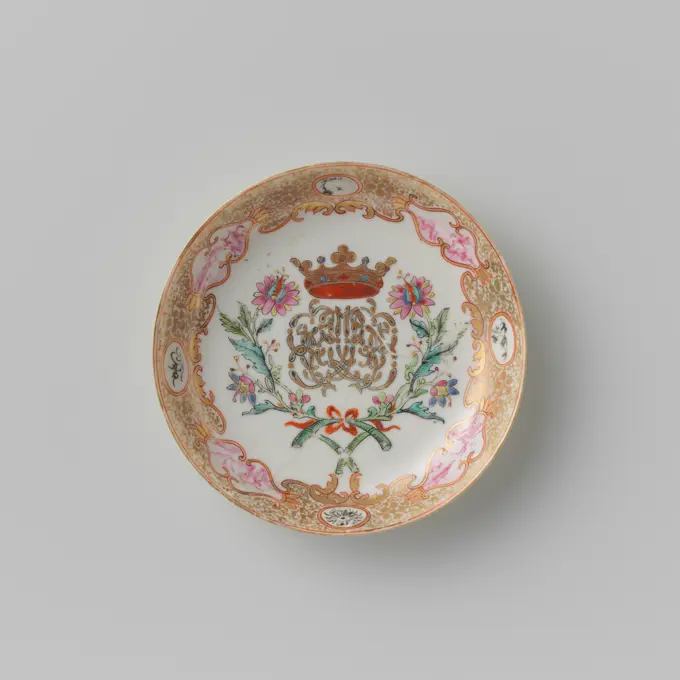
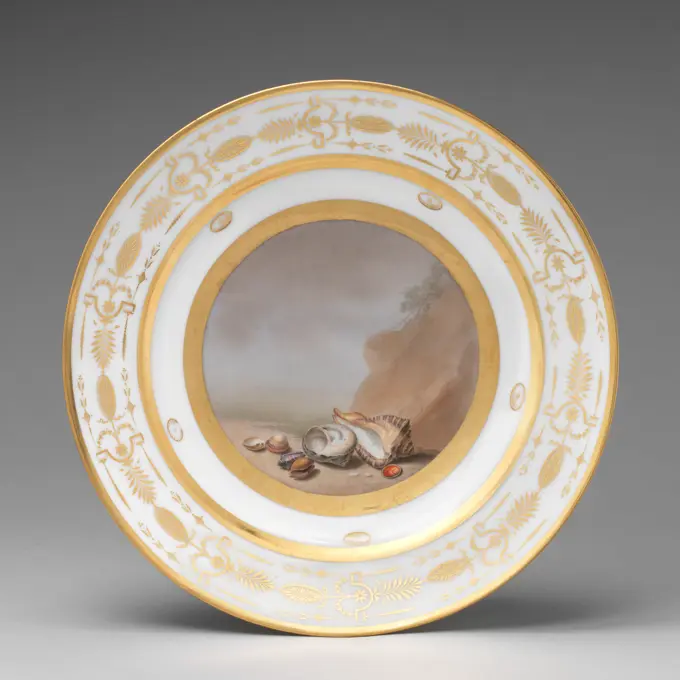
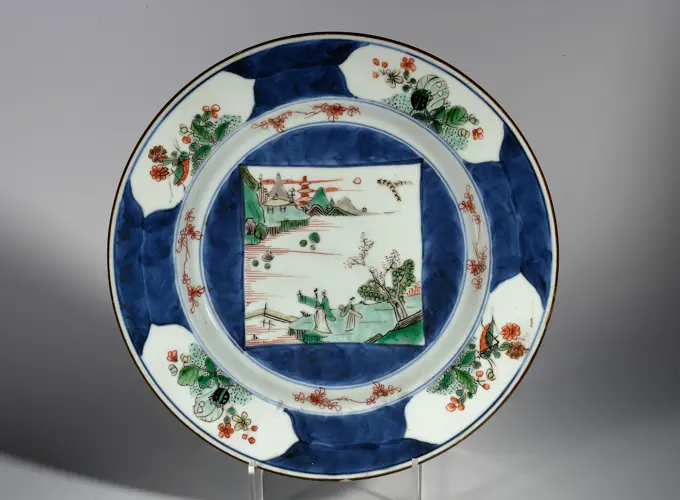
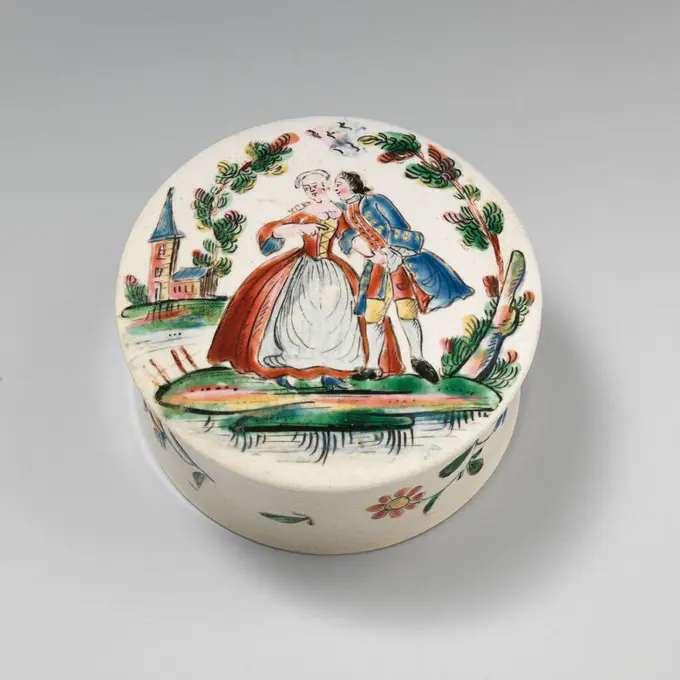
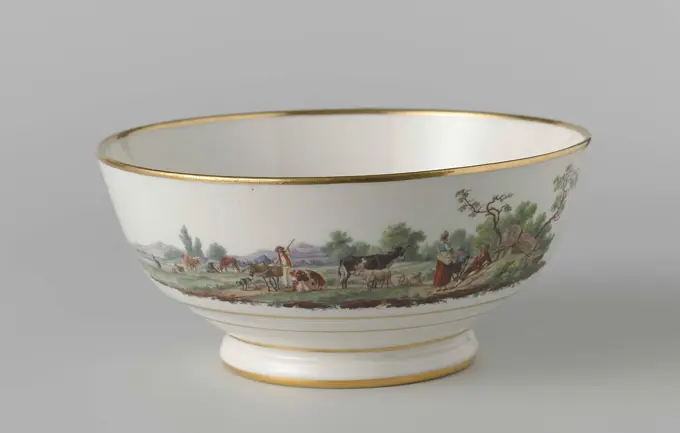
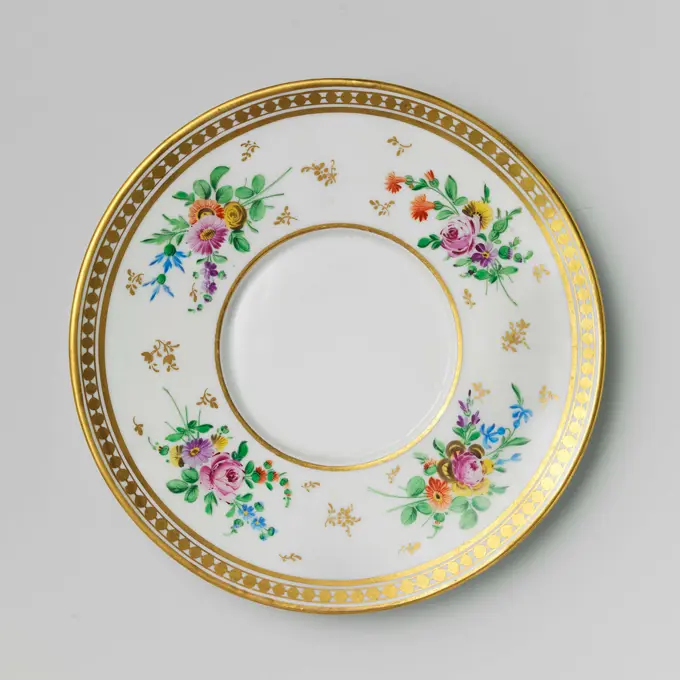
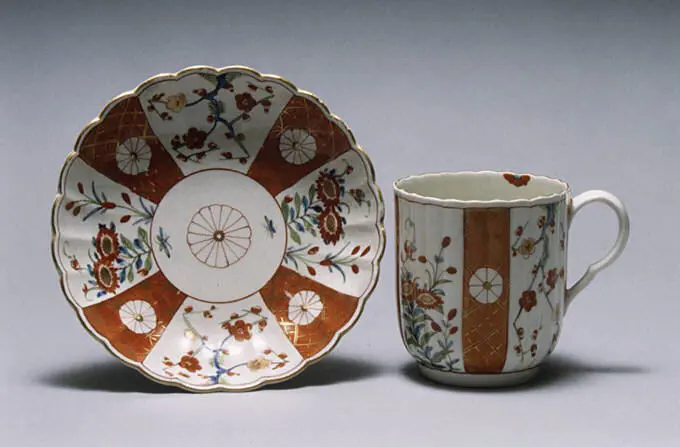
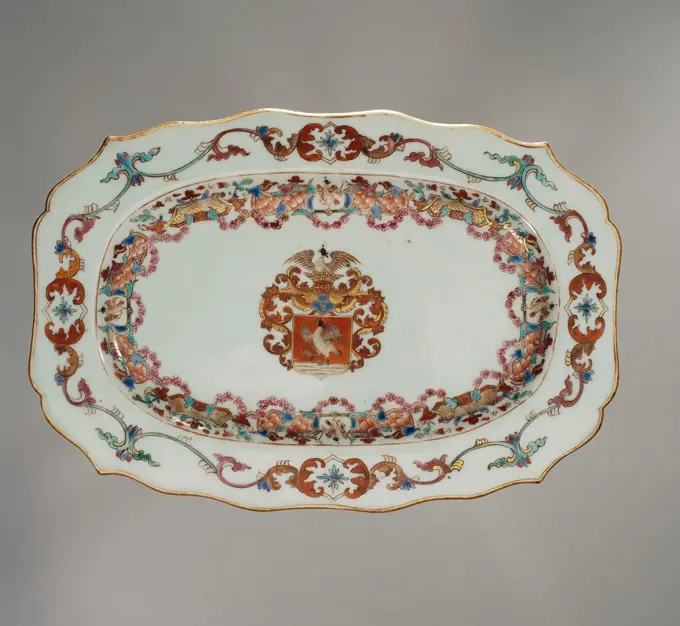
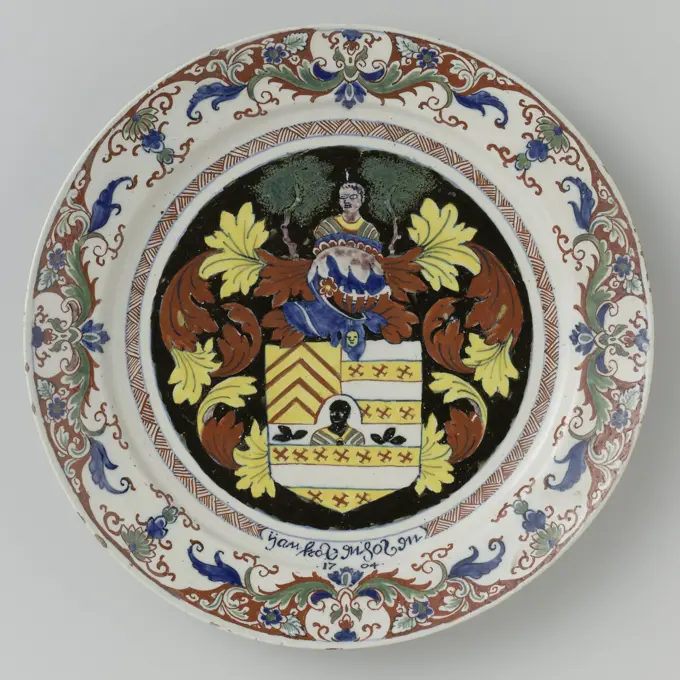
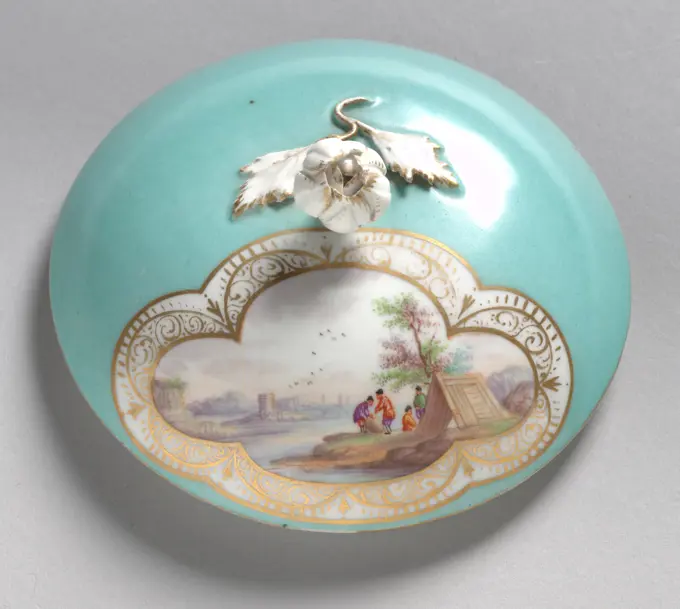
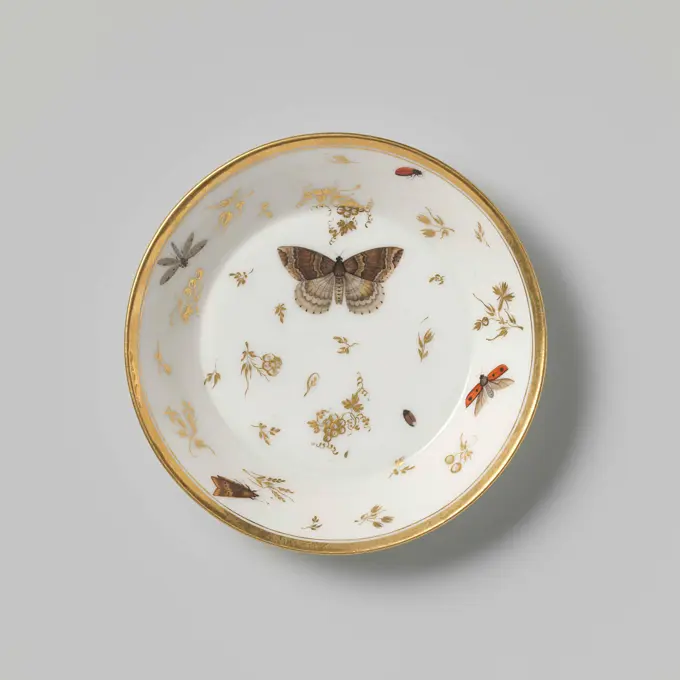
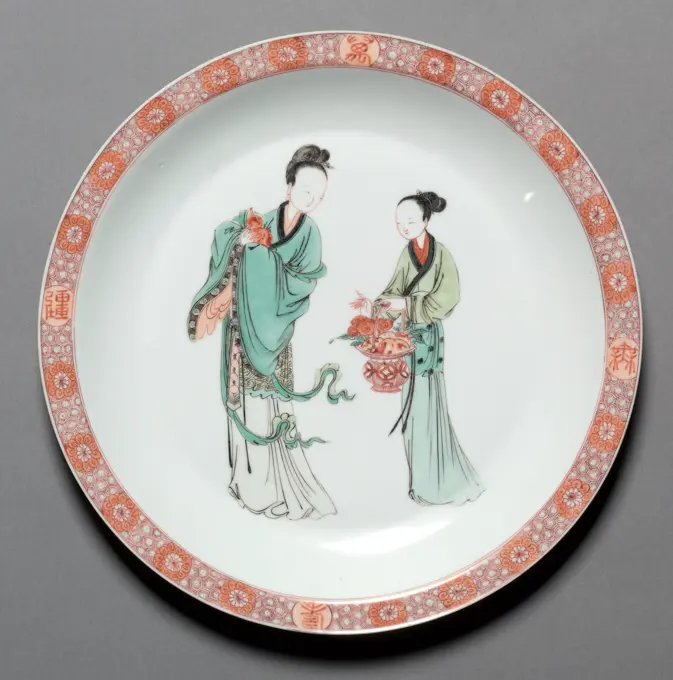
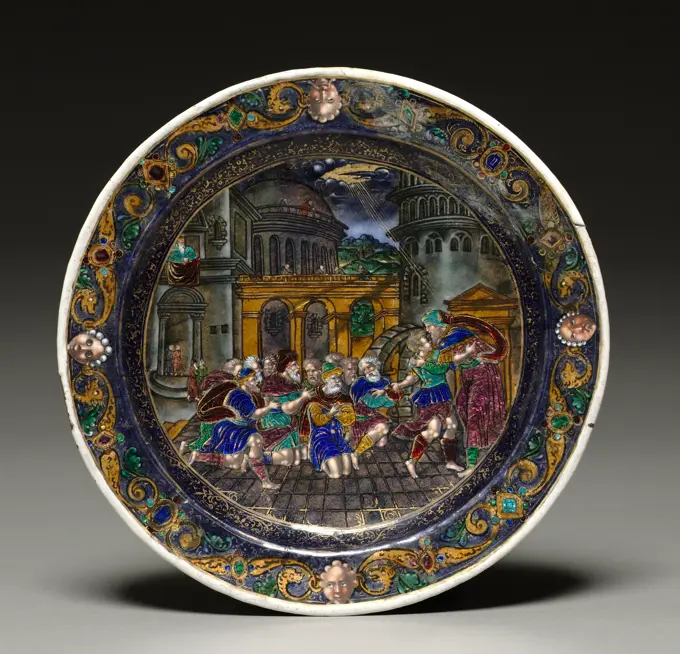
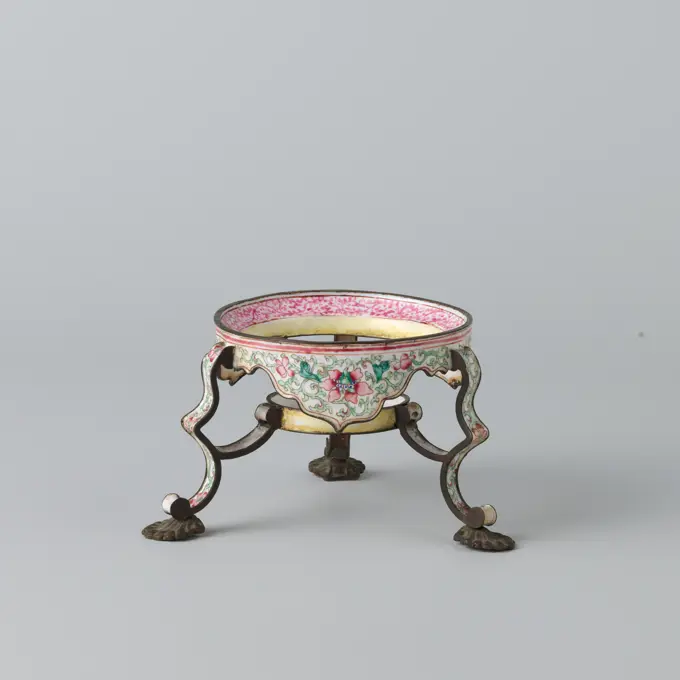
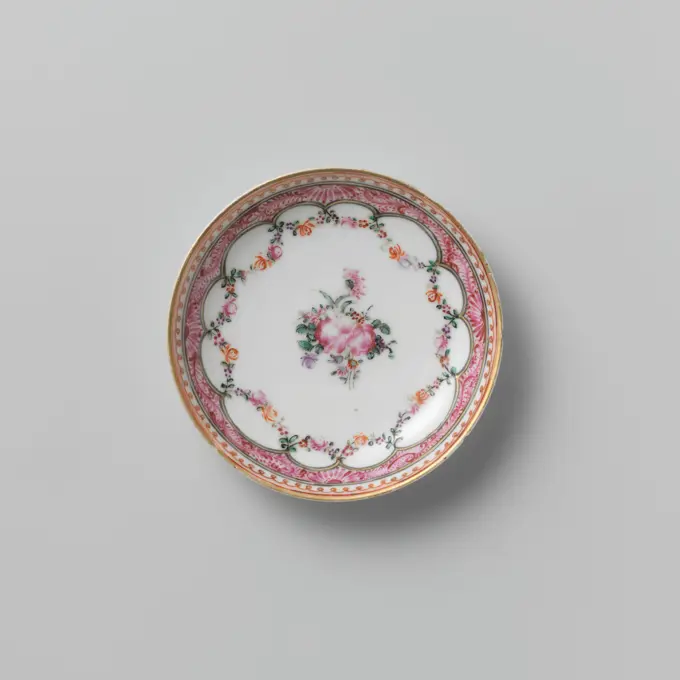
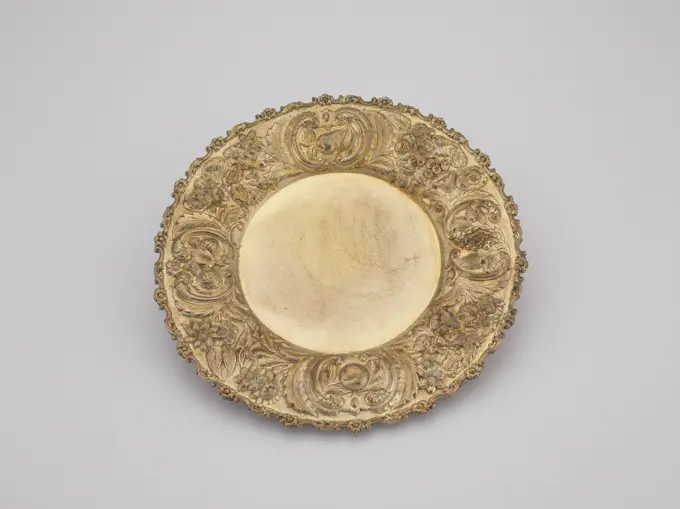
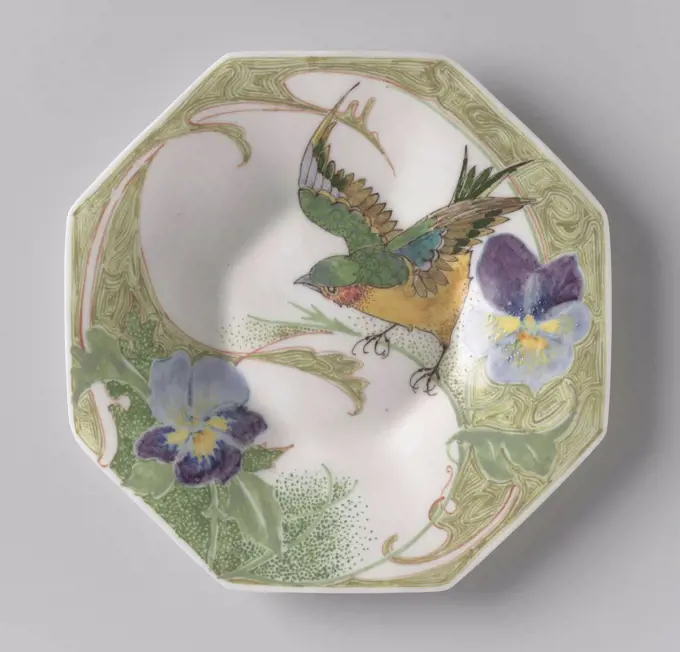
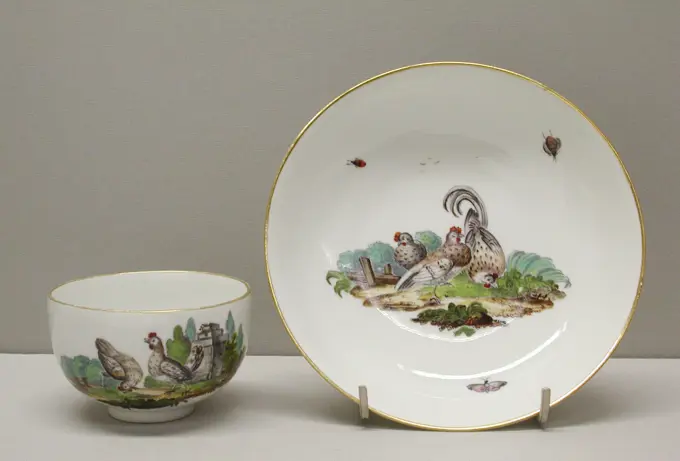
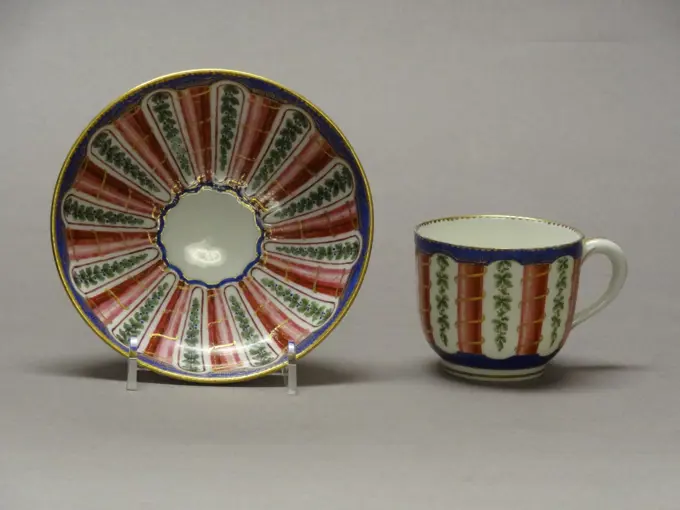
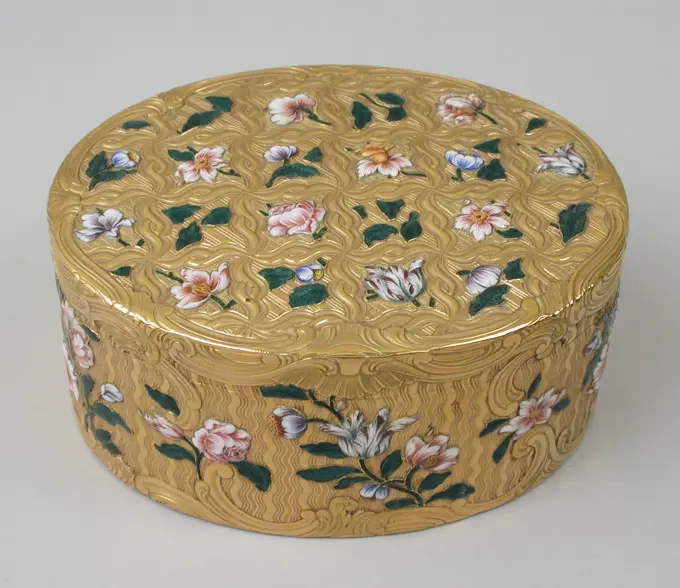
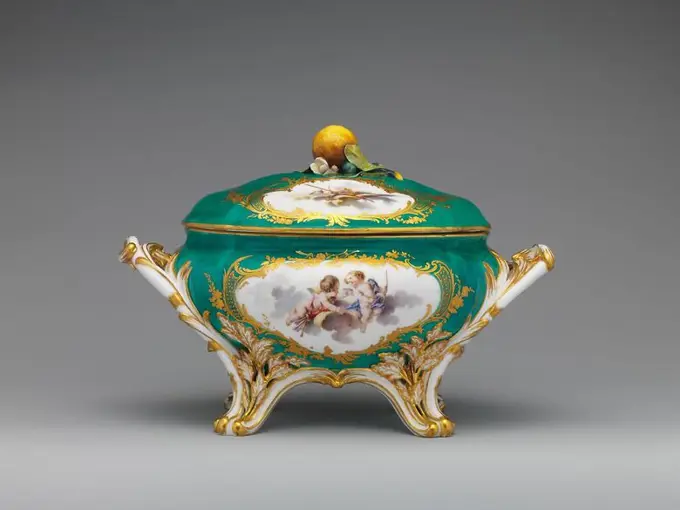
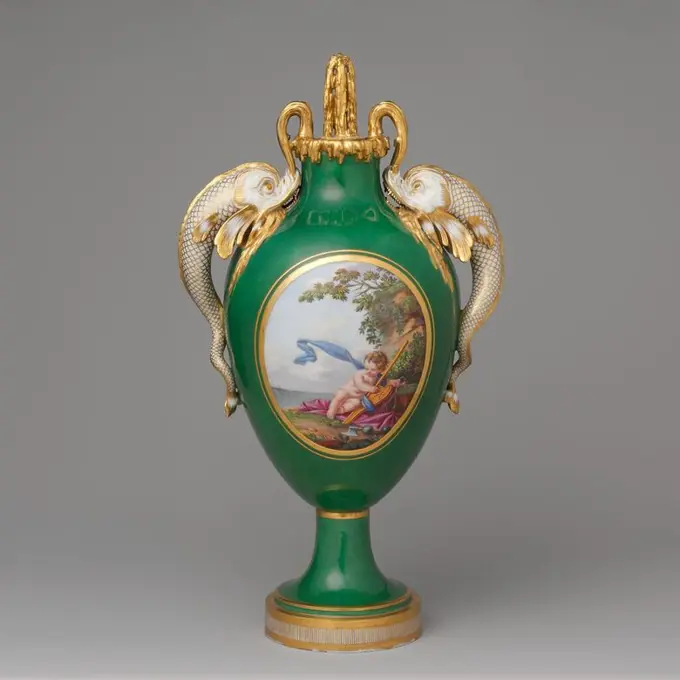
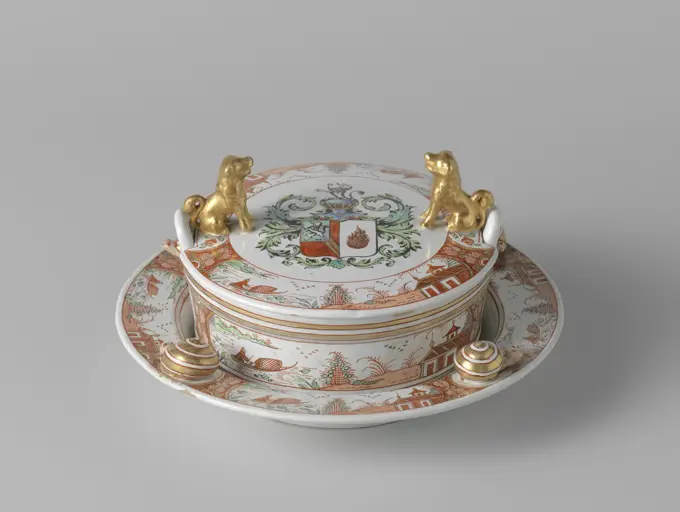
Botervloot, anonymous, 1740 - 1765 Butter fleet, multi -colored painted. Delft . Butter fleet, multi -colored painted. Delft .Dish, multi -colored painted with a landscape with figures., Meissener Porzellan Manufaktur, 1777 Round dish of painted porcelain. The dish is painted with landscapes in which figures and along the edge a wide strip of green braid. The dish is marked. Float porcelain Round dish of painted porcelain. The dish is painted with landscapes in which figures and along the edge a wide strip of green braid. The dish is marked. Float porcelainBowl with Phoenixes and Flowers. Culture: China. Dimensions: H. 2 1/16 in. (5.2 cm); Diam. 4 5/8 in. (11.7 cm). Museum: Metropolitan Museum of Art, New York, USA.Minton Porcelain Manufactory, Stoke-on-Trent, Cup and Saucer, 1901, Bone china.Plate. Worcester Porcelain Factory (Flight, Barr & Barr Period); Worcester, England, founded 1751. Date: 1813-1819. Dimensions: 4.8 x 18.9 x 19.7 cm (1 7/8 x 7 7/16 x 7 3/4 in.). Soft-paste porcelain with polychrome enamels and gilding. Origin: Worcester. Museum: The Chicago Art Institute, Chicago, USA. Author: Worcester Royal Porcelain Company.Dish 1770-1780 Worcester. Soft-paste porcelain, polychrome enamels and gilding . Worcester Royal Porcelain Company (Manufacturer)Storage from miniatures we Liwsk; Porzellanmanufaktur du Paquier (Vienna; 1718-1744), Bottengruuber, Ignaz (Fl. Ca 1720-1736); 1725-28 (1725-00-00-1728-00-00);Hausmalerei, hunting miniatures, ornaments, dogs, hares, purchase (provenance), animalsPlate;  XVII century (1601-00-00-1700-00-00);Plate with blue floral decoration, one of two, c. 1750, 1 3/16 x 10 1/8 in. (3.02 x 25.72 cm), Porcelain with enamel decoration, China, 18th centuryPlate, c. 1770. France, Moustiers, 18th century. Faience; diameter: 26.5 cm (10 7/16 in.).Shaving Bowl, c. 1830. Mexico, Guanajuato, 19th century. Pottery; overall: 24.5 x 33 cm (9 5/8 x 13 in.).Bowl 12th-13th century. Bowl 446906Saucer-dish with the arms of Gelderland, anonymous, c. 1700 - c. 1724 Porcelain bowl with ribbed wall and scalloped edge, painted in underly glaze blue and on the glaze blue, red, green, yellow, black and gold. On the flat in a medallion Het Wapen van Gelderland with the inscription 'Gelderlant' underneath, around the Wapen Bloemakaks, two butterflies and two birds. The wall is divided into twelve petal subjects with alternating a flower vase and a person in a landscape; Between the compartments of servetwork. The back with two flower branches. A few cracks and chips in the edge. Weapon porcelain with famille e -mail colors. China porcelain. glaze. cobalt (mineral). gold (metal) painting / gilding / vitrification Porcelain bowl with ribbed wall and scalloped edge, painted in underly glaze blue and on the glaze blue, red, green, yellow, black and gold. On the flat in a medallion Het Wapen van Gelderland with the inscription 'Gelderlant' underneath, around the Wapen Bloemakaks, two buttePlatter 1885 Union Porcelain Works Union Porcelain Works was one of the most important and inventive American porcelain manufacturers in the second-half of the nineteenth century. In addition to their imaginative works designed by the German-born artistic director, Karl H. L. Müller, the firms mainstay was the production of heavy porcelain hotel dinnerware. This extensive service was made by Thomas Carll Smith, head of the Union Porcelain Works, as a gift to his daughter, Pastora Forest Smith Chace. The neoclassical decoration of the gilt bellflower and basket motif is complimented by turquoise enamel. Unlike the firms more eccentric and lavish designs created for their display at the Philadelphia Centennial Exposition in 1876, the pottery favored a more restrained classical style for their dinner services. This service descended in the Chace family.. Platter 6568Chocolate or Coffee Cup and Saucer with Harbor Scenes Cup And Saucer; Manufactured by Meissen Porcelain Manufactory (Germany), Meissen Porcelain Manufactory (Germany); Style of Johann Georg Heintze (German, 1707 - after 1749); Germany; porcelain, vitreous enamel, goldSaltcellar ca. 1760-1800 British, Staffordshire. Saltcellar. British, Staffordshire. ca. 1760-1800. Enamel on copper. EnamelsSèvres Porcelain Manufactory, Two-Handled Cup and Saucer, 1793, soft-paste porcelain.Saucer with a crowned, illegible monogram surrounded by two flower sprays, anonymous, c. 1750 - c. 1774 Porcelain dish, painted on the glaze in blue, red, pink, green, yellow, black and gold. On the flat a crowned, illegible monogram surrounded by two flower branches; The wall with flower vines with four cartouches with a landscape and four medallions with plants. European performance in email colors. China porcelain. glaze. gold (metal) painting / gilding / vitrification Porcelain dish, painted on the glaze in blue, red, pink, green, yellow, black and gold. On the flat a crowned, illegible monogram surrounded by two flower branches; The wall with flower vines with four cartouches with a landscape and four medallions with plants. European performance in email colors. China porcelain. glaze. gold (metal) painting / gilding / vitrificationSèvres Porcelain Manufactory, Saucer, 1811, Hard-paste porcelain.Dish, decorated with insects. Dish of porcelain, part of a tea set, decorated with golden edges, insects in colors and golden spreading flowers. Note: Some parts of the tea set are marked with the letters GB, rue Thirou à Paris.Saucer with a Crowned, illegible monogram surrounded by two Flower sprays. Dish of porcelain, painted on the glaze in blue, red, pink, green, yellow, black and gold. On the flat a crowned, unreadable monogram surrounded by two flower branches; The wall with flower refines with four cartouches with a landscape and four medallions with plants. Dish has been broken. European performance in email colors.Plate with marine subject ca. 1789-97 Dihl et Guérhard The decoration and unusual painting composition found on this plate, which probably dates to around 1797, attest to the high quality and experimental work of the Dihl et Guérhard manufactory. Founded in 1781 by the modeler Christophe Dihl and the entrepreneur Antoine Guérhard and based in Paris, the factory became the most important private porcelain firm during the French Revolution. Reaching a height during the turbulent period of 1789 to 1798, the firm capitalized upon the abolition of Sèvress royal monopoly on porcelain in order to experiment with a variety of vessel shapes, ground colors, decorative effects, and subject matter. Although eighteenth-century natural history cabinets often featured shells and corals, artists rarely depicted specimens in a natural setting, particularly one as unsettling as the misty shoreline and cliffs found in this group of three plates (2018.143.1-.3).. Plate with marine subject. French, Paris.Plate;  XVII/18th century (1662-00-00-1722-00-00);Kangxi (style), qing (style), ceramics, Chinese (culture), green family, landscape motif, color porcelain, message (provenance), figural scenes, Chinese art, platesPomade box. Culture: British, Staffordshire. Dimensions: Height: 1 3/8 in. (3.5 cm);Diameter: 2 7/8 in. (7.3 cm). Date: ca. 1765. Museum: Metropolitan Museum of Art, New York, USA.Charger. Spain, Seville. Date: 1675-1699. Dimensions: H. 6.5 (2 5/8 in.); diam. 30.5 cm (12 in.). Tin-glazed earthenware. Origin: Seville. Museum: The Chicago Art Institute, Chicago, USA.Rinse bowl, painted with a landscape with cattle. Rinse bowl, painted with landscape with cattle. Signature: Amstel in blue.Dish. Round dish of multicolored porcelain painted. Along the edge is a golden trim painted and four flower bouquets on the edge, between which small leaves. The dish is falsely marked and belongs to a head (BK-1977-258-b) with lid (BK-1977-258-C).Cup and saucer ca. 1770 Worcester factory The gift of the Hans Syz Collection in 1995 endowed the Museum with nearly three hundred examples of European and Asian ceramics meticulously acquired by Swiss-born collector Dr. Syz (1894-1991) to chart the migration of models and patterns from East to West. Documenting a continuous process of influence and adaptation, these pieces provide a discriminating review of the nuances of stylistic change resulting from three centuries of trade.. Cup and saucer 208271. Elongated dish of porcelain with scalloped edge, painted on the glaze with blue, red, pink, green, brown, black and gold. On the flat the coat of arms of the Falck family. The weapon has a red background with a falcon. The helmet mark is also a falcon and the cover consists of leaf refrences in red and gold. On the wall a decoration in the Viennese du Paquier style with cartouches, flowers, garlands and falcons. On the edge a decoration of flower and leaf raft. A chip in the edge. Weapon porcelain with email colors.Dish polychrome painted with watercolor, N.V. Plateelbakkerij Ram, c. 1920 - c. 1922 Dishes of earthenware, multi -colored painted with watercolor, unglazed. Arnhem earthenware. watercolor (paint) Dishes of earthenware, multi -colored painted with watercolor, unglazed. Arnhem earthenware. watercolor (paint)Spice box, multi-colored painted with a kakiemon decor, meissener porzellan manufaktur, c. 1735 Spice box of painted porcelain. The spice box is rectangular and has two oval flooded parts on either side of a round part, which is closed by a lid contained in a copper frame in the form of a shell. The wall is painted with bound hedges and flowers. The spice box has been marked. Float porcelain. copper (metal) Spice box of painted porcelain. The spice box is rectangular and has two oval flooded parts on either side of a round part, which is closed by a lid contained in a copper frame in the form of a shell. The wall is painted with bound hedges and flowers. The spice box has been marked. Float porcelain. copper (metal)Sign painted with the weapon of IJan Kovenhoven, Anonymous, 1704 Faïence board, multi -colored painted with the weapon of IJan Kovenhoven. Dated 1704. Delft . Faïence board, multi -colored painted with the weapon of IJan Kovenhoven. Dated 1704. Delft .Cover for a Sugar Bowl, c. 1750-70. Meissen Porcelain Factory (German). Porcelain; overall: 14 x 38 x 14 cm (5 1/2 x 14 15/16 x 5 1/2 in.).Pillow, late 11th-early 12th century, 7 x 11 x 12 1/4 in. (17.78 x 27.94 x 31.12 cm), Tzu-chou ware Stoneware with black and white slips and sgraffito decoration under transparent glaze, China, 11th-12th century, Leaf-shaped pillows were an innovation of the Cizhou kilns and those with sgraffito decoration on black slip over white slip like this one were popular from the late eleventh through the twelfth century. This handsome example displays a boldly incised peony spray symbolizing wealth, spring, and feminine beauty. The peony was a common motif during this period and one that archaeologists have shown was manufactured largely at northern kilns in the Guantai area, near the former Cizhou in southern Hebei Province. Cizhou ware developed entirely as a popular, inexpensive stoneware tradition for everyday use. The rough clay bodies were given a smooth white surface by the application of a white slip upon which the potters explored a great variety of decorative techniquesDish, decorated with insects. Dish of porcelain, part of a tea set, decorated with golden edges, insects in colors and golden spreading flowers. Note: Some parts of the tea set are marked with the letters GB, rue Thirou à Paris.Dish with Female and Attendant, c. 1713. China, Jiangxi province, Jingdezhen, Qing dynasty (1644-1911), Kangxi mark and period (1662-1722). Porcelain with famille verte overglaze enamel decoration; diameter: 24.6 cm (9 11/16 in.).For a long time;  XVIII/19th century (1791-00-00-1810-00-00);Krystall, Bronisław (1887-1983), Krystall, Bronisław (1887-1983)-collection, qing (style), ceramics, Chinese (culture), gift (provenance), Phoenixes (iconogr.), Color porcelain, Qilin (iconogr. ), Chinese artLid for a Teapot, c. 1750-70. Meissen Porcelain Factory (German). Porcelain; overall: 12.9 x 39.2 x 18.3 cm (5 1/16 x 15 7/16 x 7 3/16 in.).. Box with lid of painted porcelain. The box has a five-spectable form and is painted with contour chinoiseries, on one side a running chinese with a dog on a rope for herself approaching one on his knees sitting Chinese in a landscape, on the other side one on a tabouret sitting Chinese With a dog in front of him in a landscape and on the lid two figures twice in a landscape. The box has been marked.Saint-Cloud Porcelain Manufactory, Snuffbox, 1734-48, soft-paste porcelain and silver.Ewer and basin. The form of this set with ribbed borders was popular and used by various Delft potteries. The colours are inspired by a kind of Japanese porcelain that the Dutch called Imari, after the Japanese port of the same name. Imitating Imari was a speciality of the De Grieksche A factory, where Jannetje van der Heul stipulated that her painters should leave especially the art of painting and firing in gold’ for her alone to do.Sèvres Porcelain Manufactory, Saucer, 1811, Hard-paste porcelain.Dinner Plate Attributed to Dihl et Guérhard French 1800-1815 This now-partial dinner service originally contained more than 125 pieces, including dinner and soup plates, sauceboats, tureens, platters, serving dishes, and butter dishes on stands.Porcelain dinner services made in Europe and Asia for the American market typically included motifs that resonated with consumers in the United States. View more. Dinner Plate. French, for American market. 1800-1815. Porcelain. Made in Paris, FrancePlate, mid-late-1500s. Jean II de Court (French, bef 1583), or Jean Courtois (French). Painted enamel on copper; diameter: 19.8 cm (7 13/16 in.).Comfoor, painted enamel to buyer. The Comfoor has three curved legs and shell-shaped feet. In the edge, between the legs, three large volull forms. The edge and legs are painted with flower drinks. In the Comfoor an oil reservoir with lid (marbled) falls.Sèvres Style, Cup and Saucer, 19th century, hard-paste porcelain.Saucer with a flower group and garlands, anonymous, c. 1750 - c. 1774 Porcelain dish, painted on the glaze in red, pink, green, black and gold. A flower group on the flat of the dish; On the wall a scalloped band with flower vines, including garlands; The edge with a curl pattern. Two chips in the edge of the dish. Famle Rose. China porcelain. glaze. gold (metal) painting / gilding / vitrification Porcelain dish, painted on the glaze in red, pink, green, black and gold. A flower group on the flat of the dish; On the wall a scalloped band with flower vines, including garlands; The edge with a curl pattern. Two chips in the edge of the dish. Famle Rose. China porcelain. glaze. gold (metal) painting / gilding / vitrificationDish. Manufacturer: Tiffany and Company, American, founded 1837Dish, part of a set, painted with bird and violins, N.V. Haagsche Plateelfabriek Rozenburg, C.W.J. 't Hart, 1913Plate, 1662-1722. Kangxi Period.. One of the 60 birthday plates presented to the emperor Kang Hsi on this 60th birthday.. Porcelain, decorated in rich famille-verte colours on a fine white background, border having a trellis design in rouge-de-fer and white with formal floiage etc. This is one of 30 remaining plates.Teacup and saucer ca. 1775 Höchst Manufactory This partial tea and coffee service is distinguished by its relative completeness and its two components (the coffee pot and the hot milk jug) signed by the painters who decorated themJoseph Angele and Johann Heinrich Usinger, respectivelya rarity on 18th-century porcelain.[Jeffrey H. Munger, 2009. Teacup and saucer 234905. Bell-shaped head of porcelain, painted on the glaze in blue, red, pink, green, yellow, black and gold. On the flat a crazy monogram with 'I.E.'. The weapon is worn by a flying putto. On the wall a bamboo tire with flower drinks. The head with the same decoration. A chip in the edge of the dish. Weapon porcelain with email colors.Wall sconce with flower sprays and a pavilion in a fenced garden, Claudius Innocentius Du Paquier (fabriek), c. 1730 Porcelain wallblaker, painted on the glaze in blue, red, green, yellow, purple and gold. The wall plate is sculpted and is crowned by a modeled fan shape with leaves and curls. On the plate, flower branches surround a medallion in relief with a pavilion in a fenced garden with a rock, trees and a bird. The candlestick with flower branches and decorative tires. Back is unglazed. Vienna porcelain. glaze. gold (metal) painting / gilding / vitrification Porcelain wallblaker, painted on the glaze in blue, red, green, yellow, purple and gold. The wall plate is sculpted and is crowned by a modeled fan shape with leaves and curls. On the plate, flower branches surround a medallion in relief with a pavilion in a fenced garden with a rock, trees and a bird. The candlestick with flower branches and decorative tires. Back is unglazed. Vienna porcelain. glaze. gold (metal) painting /Dihl and Guérhard Porcelain Manufactory, Cup and Saucer, c. 1797, hard-paste porcelain.Sèvres Porcelain Manufactory, Assembled Cup and Saucer, 1765, soft-paste porcelain.Snuffbox 1756-57 Jean Frémin French In eighteenth-century Europe, Paris led the production of high-quality luxury goods. Parisian goldsmiths made a wide range of small, personal articles such as snuffboxes; étuis to hold sealing wax, tweezers, or utensils for sewing; souvenirs, which contained thin ivory tablets for note taking; and shuttles for knotting lace. Gold snuffboxes and boxes decorated with portrait miniatures were prized and frequently given as royal gifts, often to ambassadors or members of the court in lieu of cash payments for their services. Coveted and admired, these boxes were produced from a variety of materials. The best were skillfully made of gold and embellished with diamonds, enameled decoration, lacquer, and other luxurious materials. By the middle of the century, the taking of snuff had become an entrenched social ritual, and the snuffbox, too, had become an important social prop. Snuffboxes were considered highly fashionable accessories, with some merchants adVase. Culture: American. Decorator: Tucker Factory (1826-1838) , Philadelphia. Dimensions: H. 6 3/4 in. (17.1 cm); Diam. 6 5/8 in. (16.8 cm). Date: 1828-38. Museum: Metropolitan Museum of Art, New York, USA.Snuff Box, early 1800s. Switzerland, early 19th century. Tortoiseshell with painted automaton miniature under glass mounted in gold on gilt metal; overall: 2.3 x 8 cm (7/8 x 3 1/8 in.).Sèvres Porcelain Manufactory, Cup and Saucer, 1773, soft-paste porcelain.Victor Hugo (1802-1885). Chinese decor from Juliette Drouet's house in Guernsey, West Wall. Green wooden record containing plates and dishes, composed of twenty-seven compartments (right side of the west wall). Painted wood. 1857-1864. Paris, house of Victor Hugo. 78171-18 Asian art, decorative arts, painted wood, green wood, Chinese cabinet, locker, chinoiserie, compartment, decor, faience, storage, Chinese living room, dishes, 19th XIX 19th 19th 19th 19th century, plate, dishTureen with cover (terrine du roi). Culture: French, Vincennes. Decorator: Attributed to Charles Nicolas Dodin (French, Versailles 1734-1803 Sèvres). Designer: Model attributed to Jean-Claude Duplessis (French, ca. 1695-1774, active 1748-74). Dimensions: Overall: 9 1/4 × 13 5/8 × 8 1/8 in. (23.5 × 34.6 × 20.6 cm). Factory: Vincennes Manufactory (French, ca. 1740-1756). Date: 1757.This tureen was part of a large dinner service delivered in 1758 to the Danish king Frederik V as a gift of Louis XV. This was the first service to be produced with the newly-developed green ground color, and it must have been regarded as an extremely fashionable and lavish gift. Diplomatic correspondence indicates that the French king's gift was in response to gift of stallions from Frederik V. Museum: Metropolitan Museum of Art, New York, USA.Vase with cover (vase à dauphins). Culture: French, Sèvres. Decorator: Decoration attributed to Charles Nicolas Dodin (French, Versailles 1734-1803 Sèvres). Dimensions: H. 13 1/4 in. (33.7cm). Manufactory: Sèvres Manufactory (French, 1740-present). Date: ca. 1765-70. Museum: Metropolitan Museum of Art, New York, USA.Dish (one of two) ca. 1775 Chinese, for Russian market. Dish (one of two) 202277Plate, octagonal, painted with two birds and a branch. Rand with braid in relief, painted with insects. Plate, octagonal with a multi-colored painted branch with two birds. On the edge braid in relief painted with insects. Signature: Amstel and M.O.L. In underglazing blue.Jardinière and stand ca. 1834-48 Fontainebleau. Jardinière and stand 195496Oval Tray. Georgius J. Van Os (Holland, active France, 1782-1861)Sèvres Porcelain Manufactory (France, Sèvres, established 1756). France, 1812-1813. Furnishings; Serviceware. Porcelain with enamel, gilding, and glazeSamson and Company, Cup and Saucer, mid-19th century, hard-paste porcelain.Teacup and saucer ca. 1775 Höchst Manufactory. Teacup and saucer. German, Höchst. ca. 1775. Hard-paste porcelain. Ceramics-PorcelainLee Hager, Bandbox, 1935 1942 BandboxDecorative plate. Koenigliche Porcellain Fabrique, Meissen (1710-1763), factorySaucer-dish with the arms of Mechlin, anonymous, c. 1700 - c. 1724 Porcelain bowl with ribbed wall and scalloped edge, painted in underly glaze blue and on the glaze with blue, red, green, yellow, black and gold. On the flat in a medallion Het Wapen van Mechelen with the inscription 'Meggelen' underneath, around the weapon of flower branches, two butterflies and two birds. The wall is divided into twelve petal subjects with alternating a flower vase and a person in a landscape; Between the compartments of servetwork. The back with two flower branches. Weapon porcelain with famille e -mail colors. China porcelain. glaze. cobalt (mineral). gold (metal) painting / gilding / vitrification Porcelain bowl with ribbed wall and scalloped edge, painted in underly glaze blue and on the glaze with blue, red, green, yellow, black and gold. On the flat in a medallion Het Wapen van Mechelen with the inscription 'Meggelen' underneath, around the weapon of flower branches, two butterflies and two birdSaucer-dish with a woman and two boys, c. 1725 - c. 1735 Porcelain dish, covered with a pink glaze and painted on the glaze in blue, red, pink, green, yellow, purple, black and gold. On the flat a sitting woman with two boys surrounded by happiness objects; the wall with a tire servetwork interspersed with leaf -shaped cartouches with flower branches; On the inner edge a band with servetwork; The back is covered with a pink glaze. Famle Rose with a Ruby Back. China porcelain. glaze. gold (metal) painting / gilding / vitrification Porcelain dish, covered with a pink glaze and painted on the glaze in blue, red, pink, green, yellow, purple, black and gold. On the flat a sitting woman with two boys surrounded by happiness objects; the wall with a tire servetwork interspersed with leaf -shaped cartouches with flower branches; On the inner edge a band with servetwork; The back is covered with a pink glaze. Famle Rose with a Ruby Back. China porcelain. glaze. gold (metal) painting / gilding /Bouillon cup with cover ca. 1750-55 Period of Paul Hannong The matching tray to this covered bouillon cup is 50.211.97.. Bouillon cup with cover. French, Strasbourg. ca. 1750-55. Faience (tin-glazed earthenware). Ceramics-PotterySnuffbox ca. 1770 German. Snuffbox. German. ca. 1770. Hard-paste porcelain, gold. Ceramics-PorcelainPlate: Majolica, 1700s. Mexico, 18th century. Tin-glazed earthenware (maiolica); diameter: 42.2 cm (16 5/8 in.).Glass cover for a platter. Kaendler, Johann Joachim (1706-1775), sculptor, Eberlein, Johann Friedrich (1695-1749), sculptor, Koenigliche Porcellain Fabrique, Meissen (1710-1763), factorySaucer with a Chinese junk and the arms of Amsterdam, anonymous, c. 1800 - c. 1899 Porcelain dish, painted on the glaze in blue, red, pink, green, yellow, black and gold. On the front of the dish a Chinese junction with a crew on the waves, above the weapon of Amsterdam. Weapon porcelain. China porcelain. glaze. gold (metal) painting / gilding / vitrification Porcelain dish, painted on the glaze in blue, red, pink, green, yellow, black and gold. On the front of the dish a Chinese junction with a crew on the waves, above the weapon of Amsterdam. Weapon porcelain. China porcelain. glaze. gold (metal) painting / gilding / vitrificationInk set; Lid of ink set on which lying Chinese in the dresser. Lid of ink set. On a set-up rectangular bottom item, a watch holder is flanked in the middle by candle holders in canilla forms. The ink set has been painted with a water landscape and the underfaith with a writing figure surrounded by classicist buildings. On the lid a Chinese (), Dressed in dressing gown.Antike Keramiken Ancient ceramics, Arkeologi Museoa, Aqueologico museum, Bilbao, Bizkaia, Basque Country, Spain Copyright: xZoonar.com/Tolox 22845641Brooch with cameo. A brooch, cameo, representing a bacchante. In a gold frame with fine pearl and cable races.Saucer from a tea service for twelve, 1807-08, Christophe-Ferdinand Caron; Manufacturer: Sèvres Porcelain Factory, French (Sèvres), French, 1774-1831, 1 1/4 x 6 x 6 in. (3.18 x 15.24 x 15.24 cm), Hardpaste porcelain, gilt, France, 19th centuryCandelabrum (one of a pair) ca. 1765 Chelsea Porcelain Manufactory. Candelabrum (one of a pair). British, Chelsea. ca. 1765. Soft-paste porcelain. Chelsea Porcelain Manufactory (British, 1745-1784, Gold Anchor Period, 1759-69). Ceramics-Porcelain