Decorative Porcelain Vases

A series of beautifully crafted porcelain vases with intricate blue and colorful designs, featuring floral and decorative patterns.
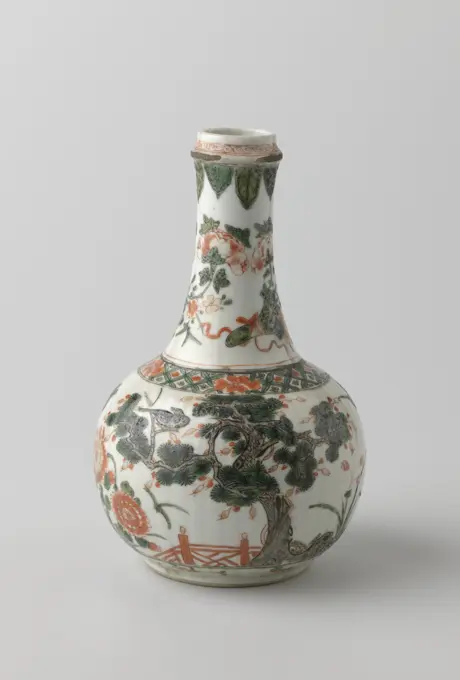
Fluted bottle with trees, plant, birds and bouquets, anonymous, c. 1700 - c. 1724 Bottle -shaped vase of porcelain with ribbed wall and thickening under the edge, painted on the glaze in blue, red, green, eggplant, black and gold. On the wall twice a pine with two birds in front of a fence, with two plants in between, one of which is a chrysanthemum; On the shoulder a tire with servetwork with flowers interspersed with a flower; The neck with two bouquets with peoning, chrysanthemum and splendid, above which a bond with hanging leaf motifs. 'Sidebottom' painted on the bottom. Dappering around the edge damaged. Famle Verte. China porcelain. glaze. gold (metal) painting / gilding / vitrification Bottle -shaped vase of porcelain with ribbed wall and thickening under the edge, painted on the glaze in blue, red, green, eggplant, black and gold. On the wall twice a pine with two birds in front of a fence, with two plants in between, one of which is a chrysanthemum; On the shoulder a tire wit
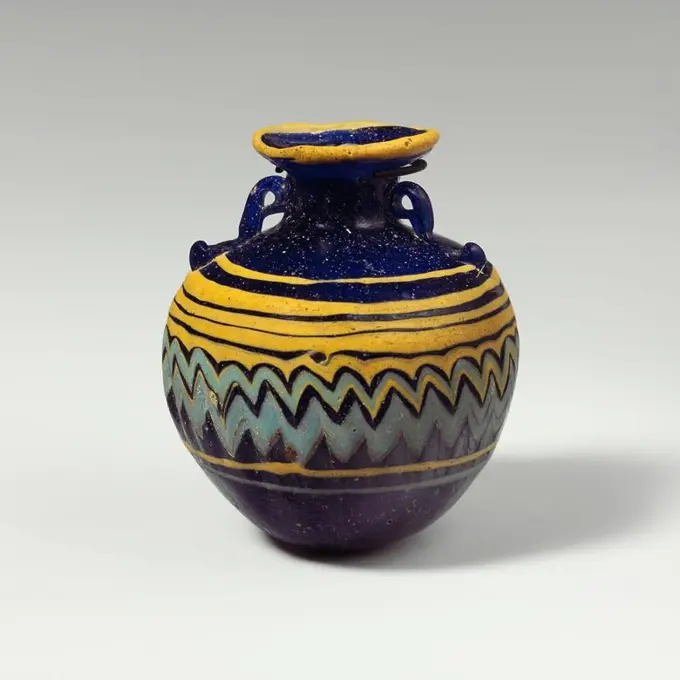
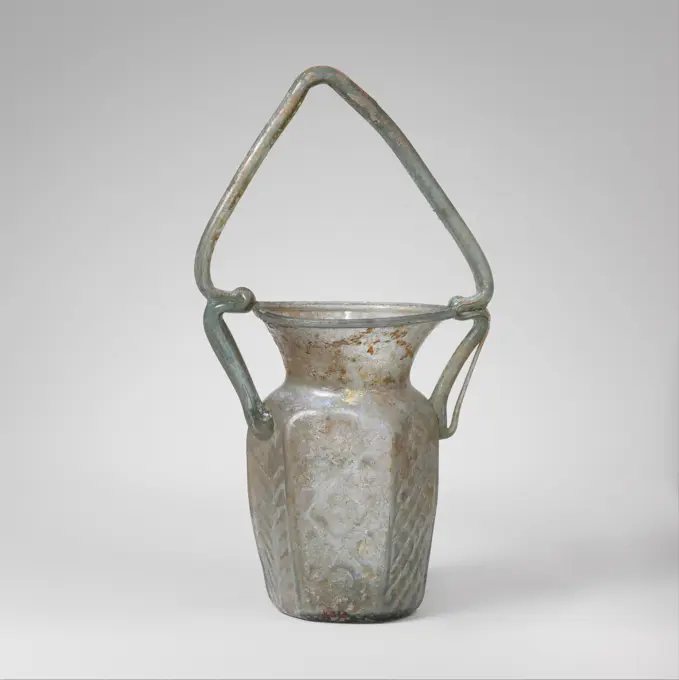
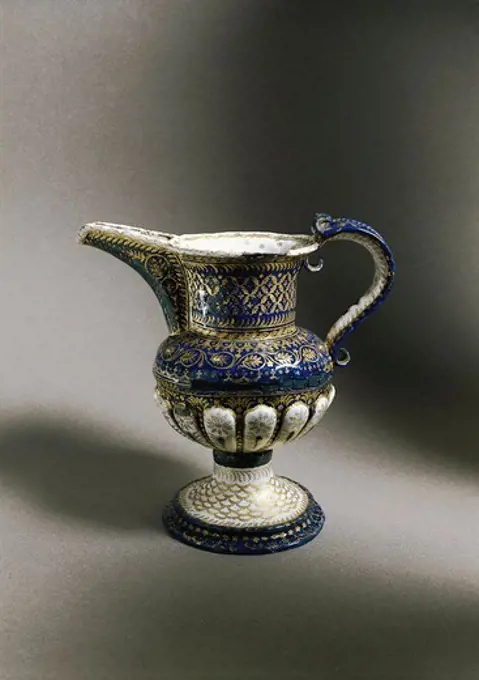
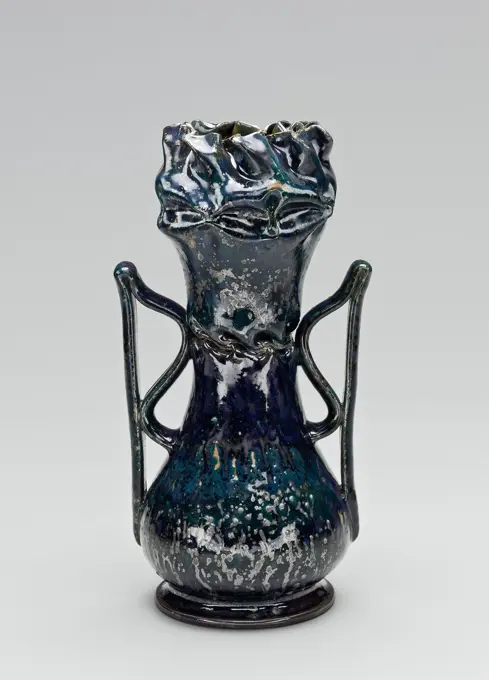
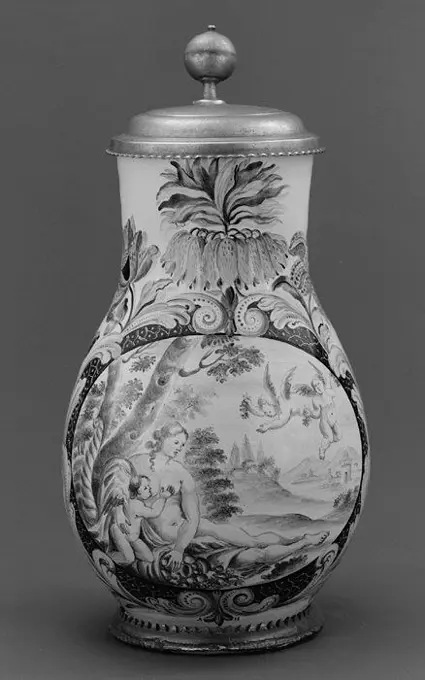
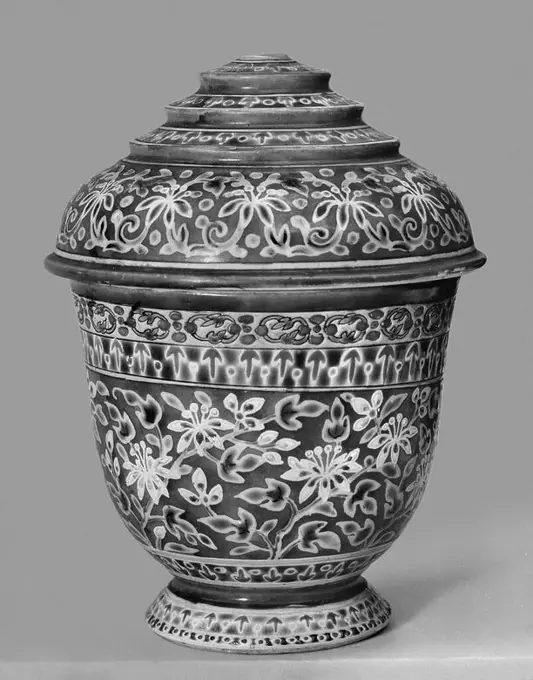
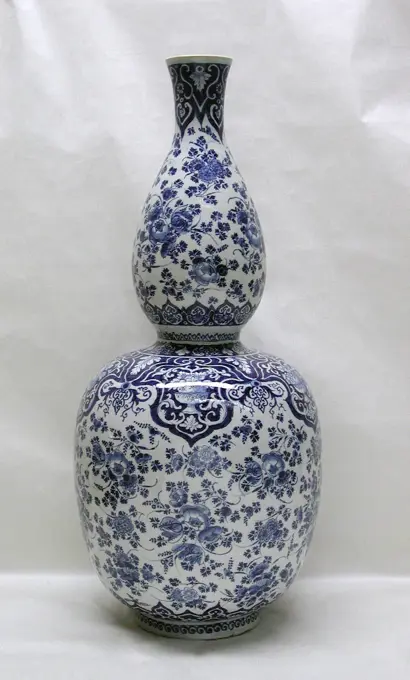
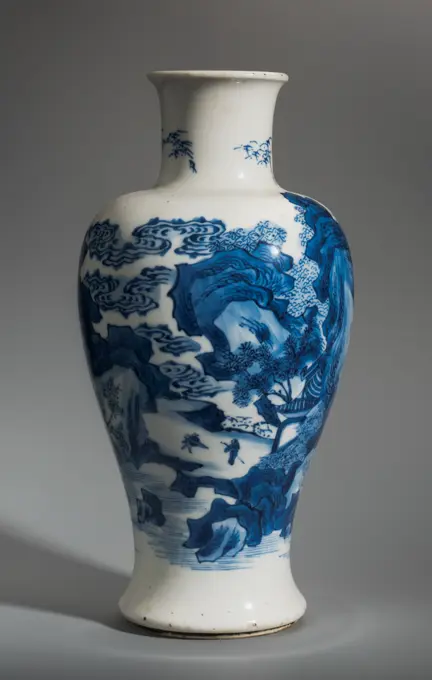
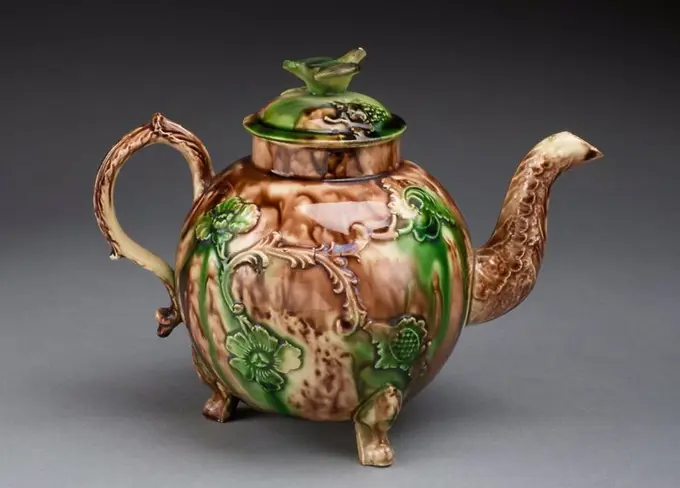
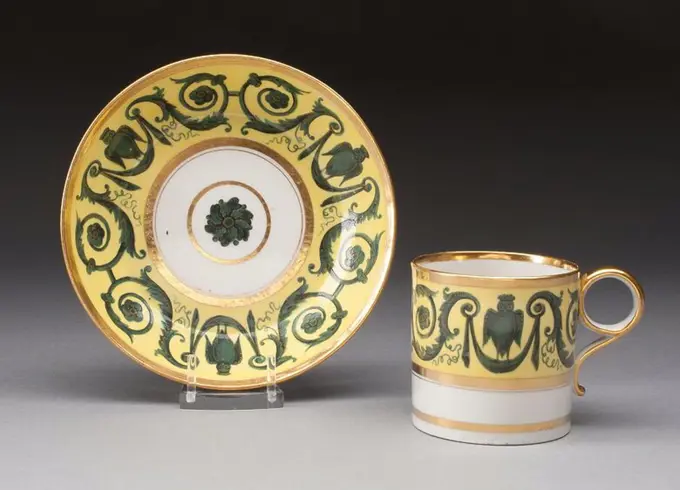
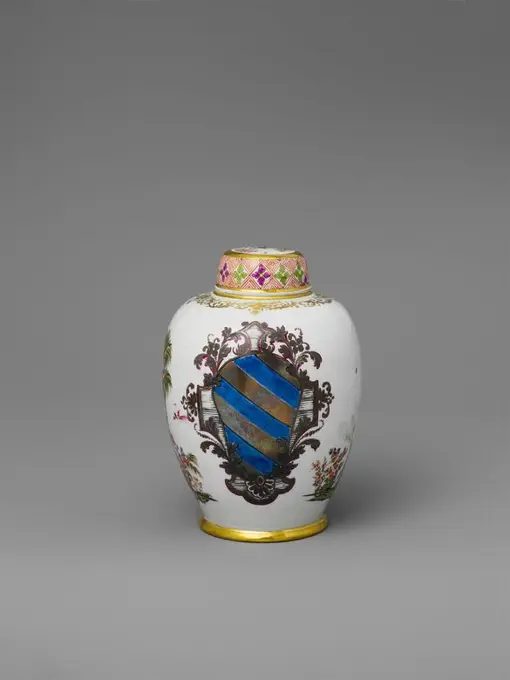
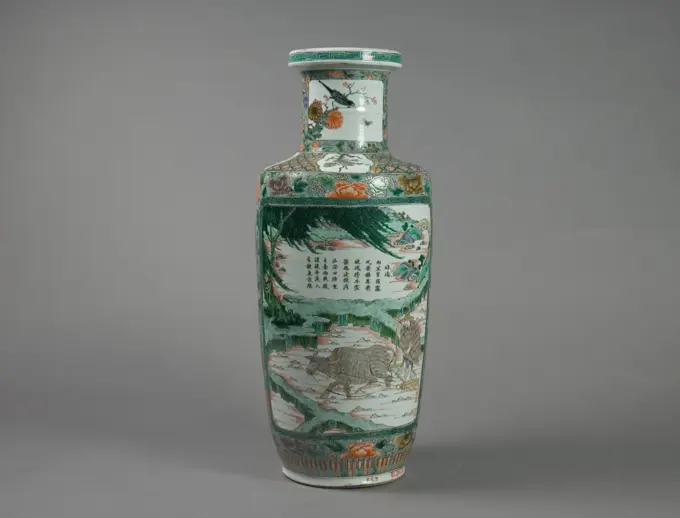
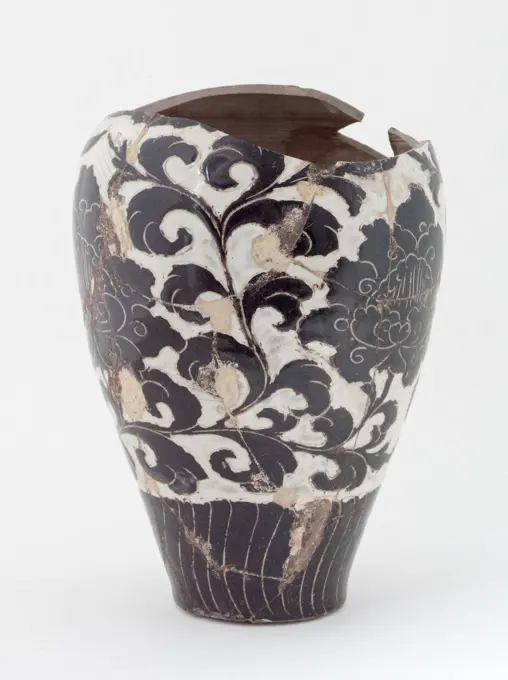
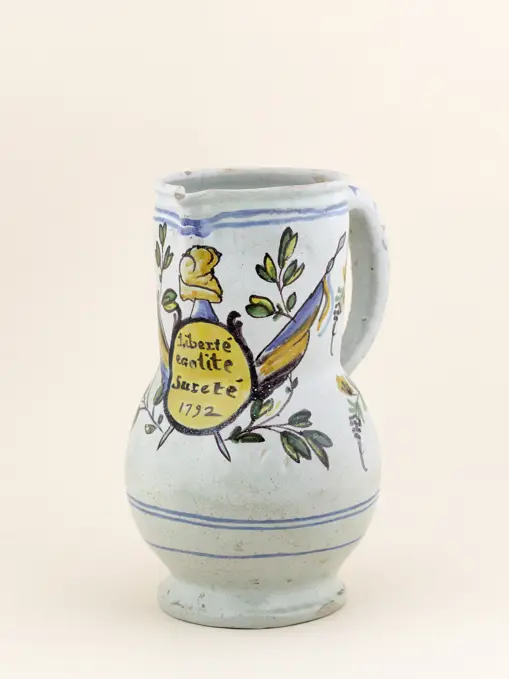
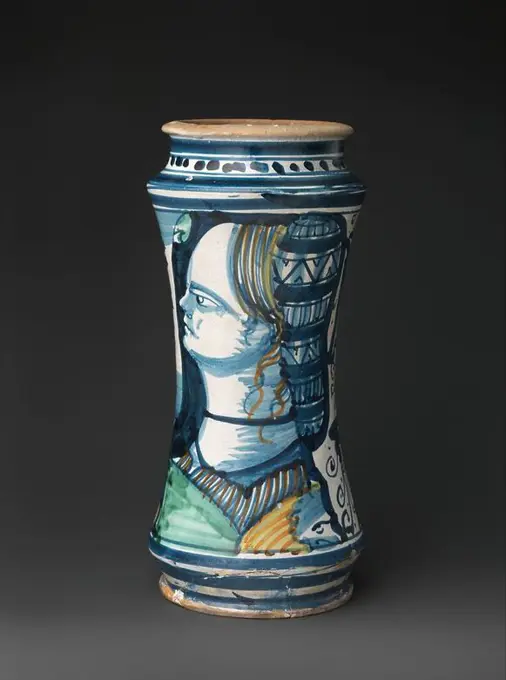
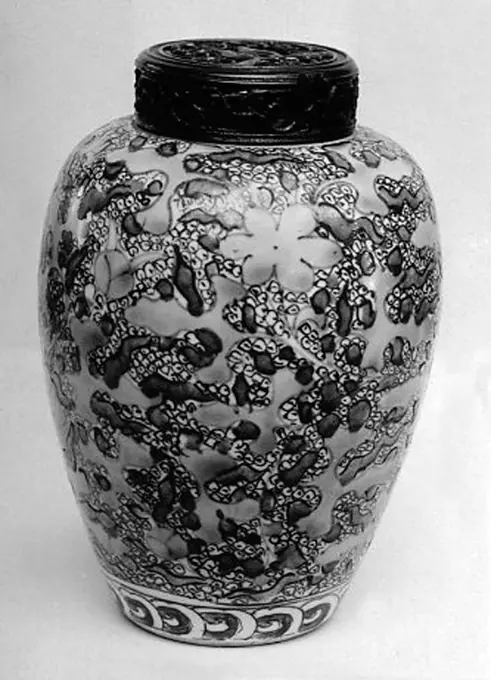
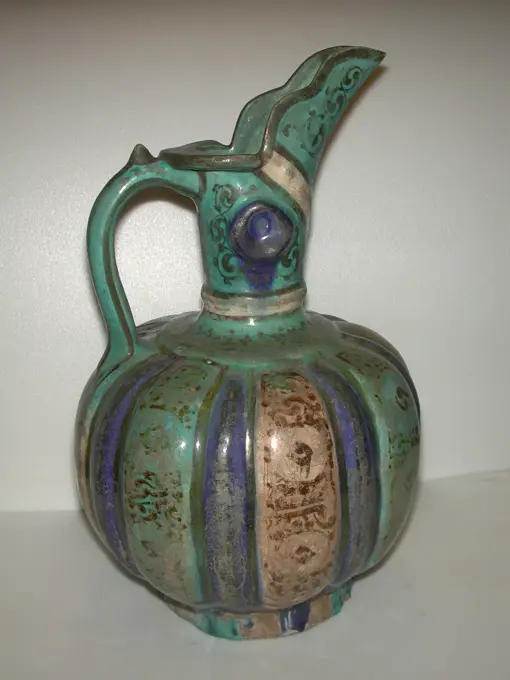
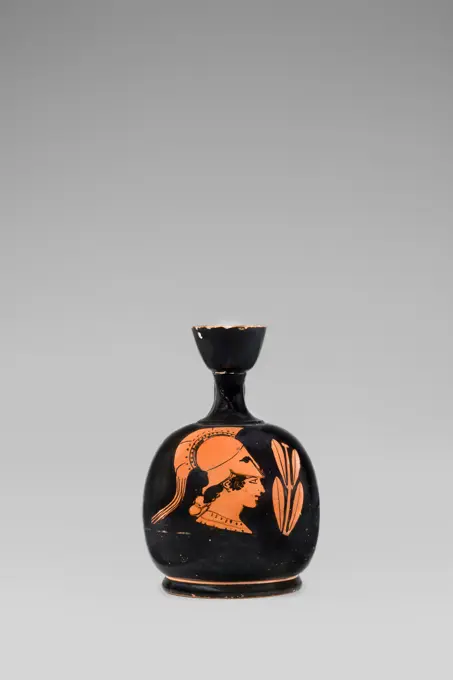
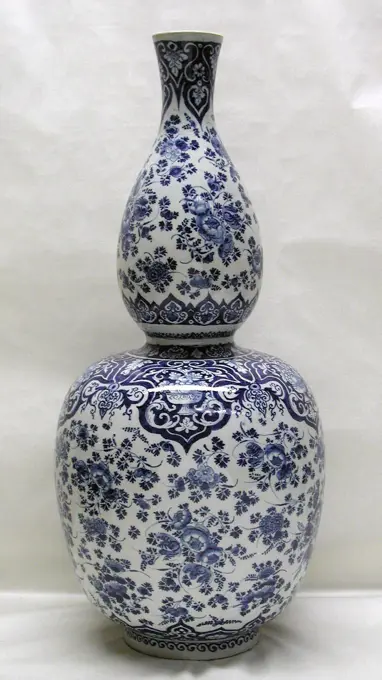
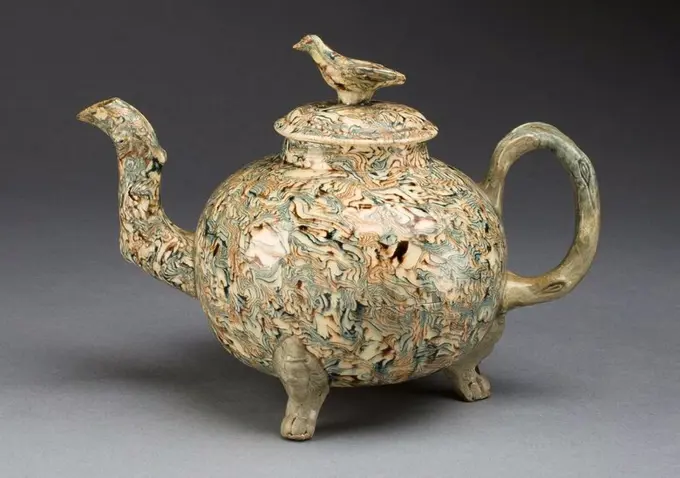
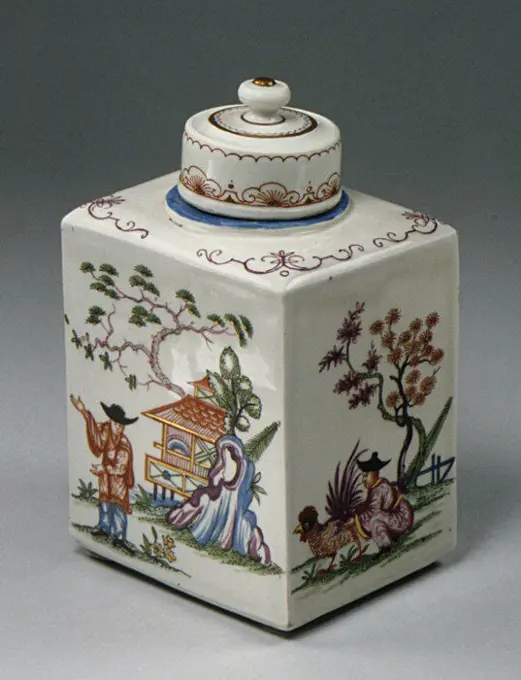
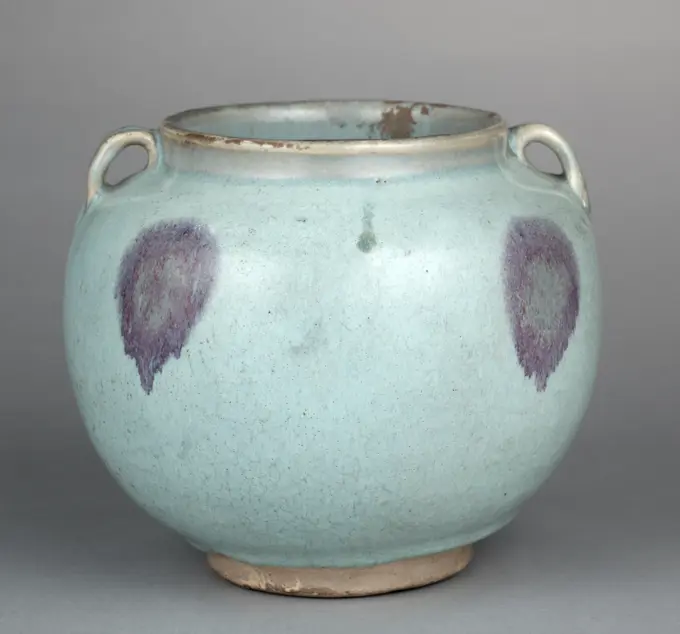
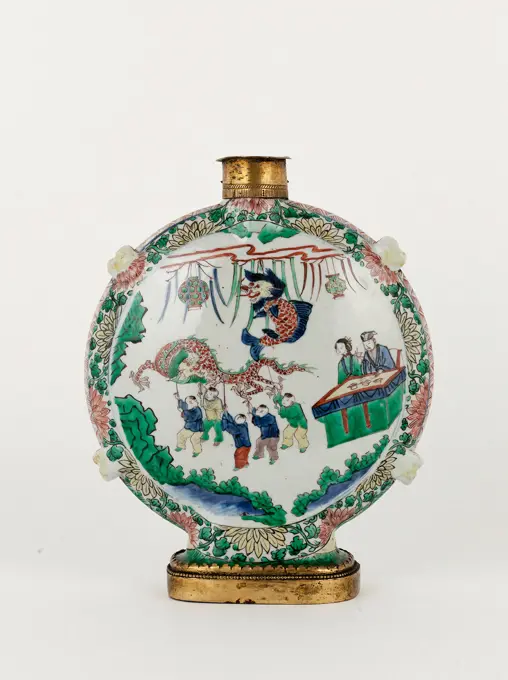
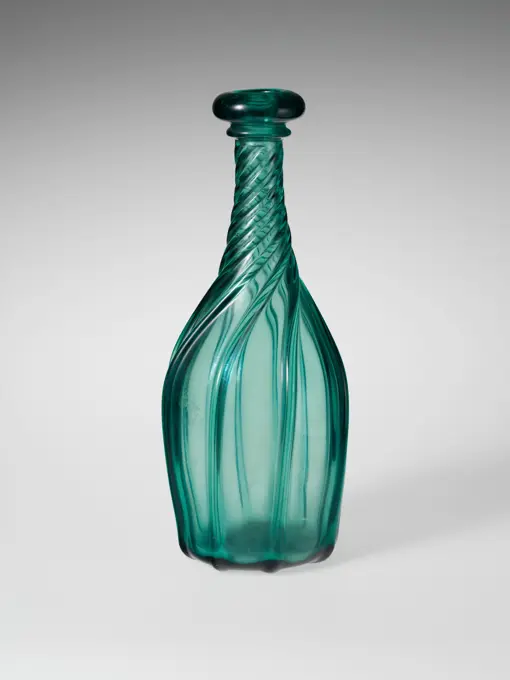
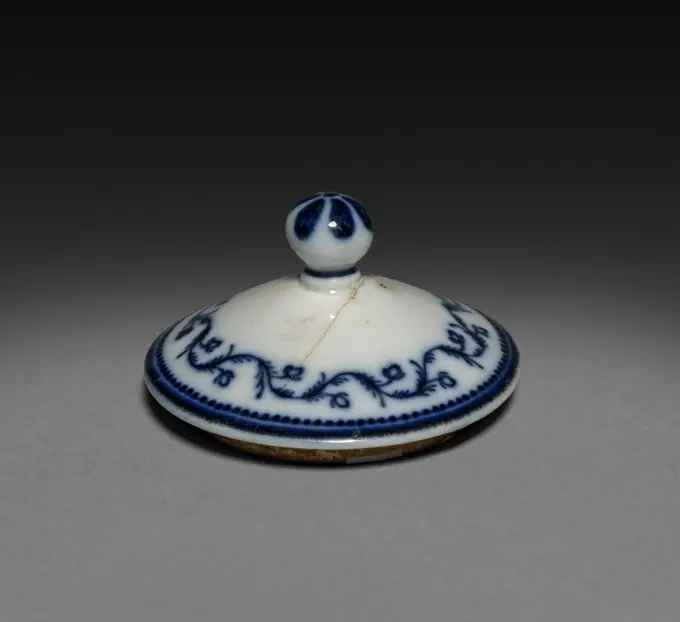
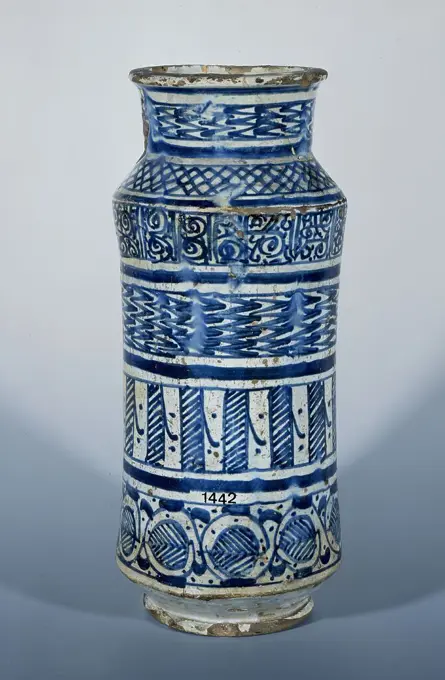
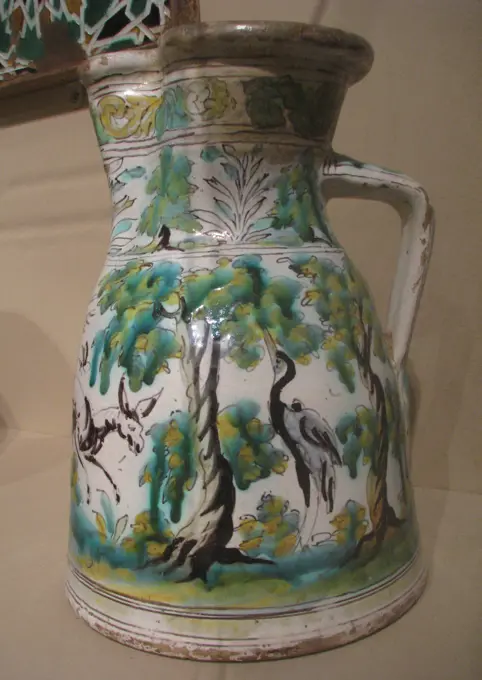
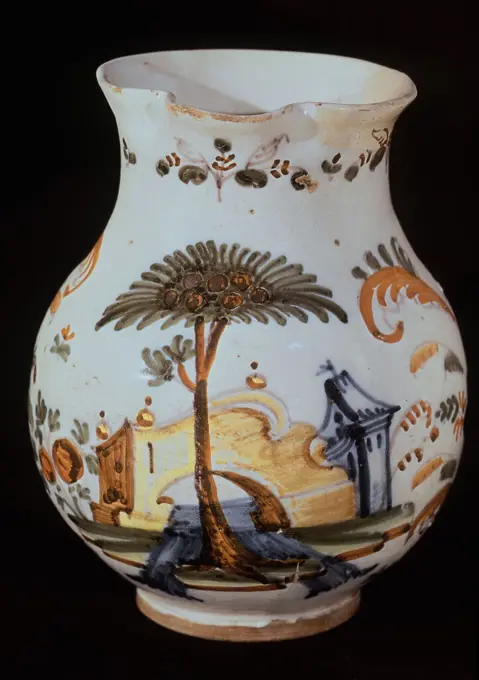
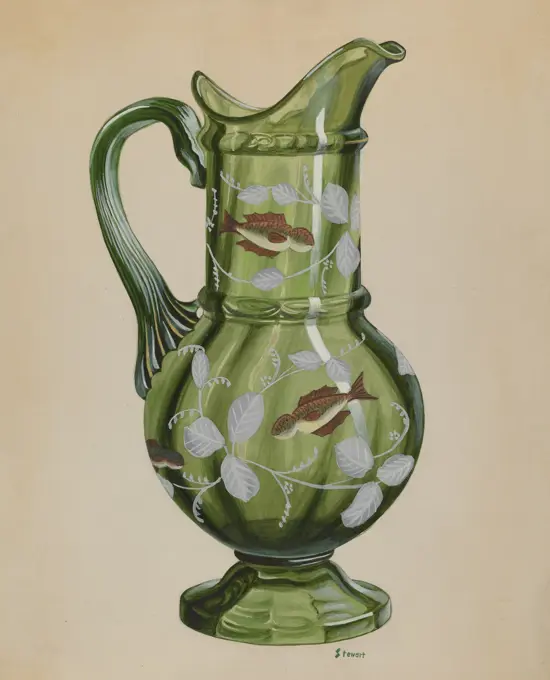
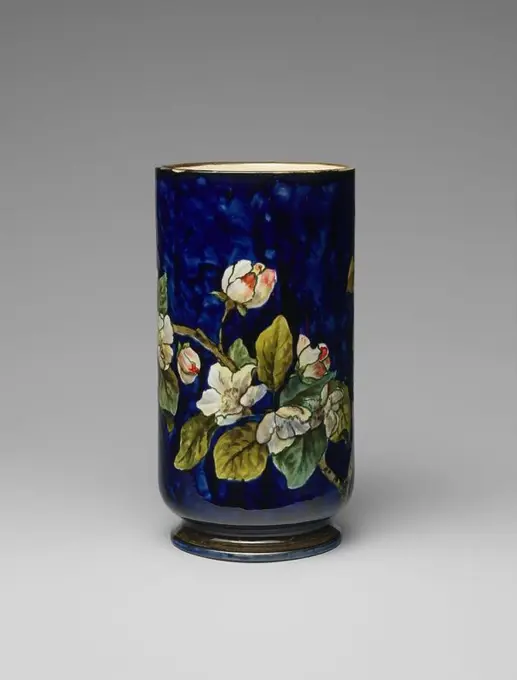
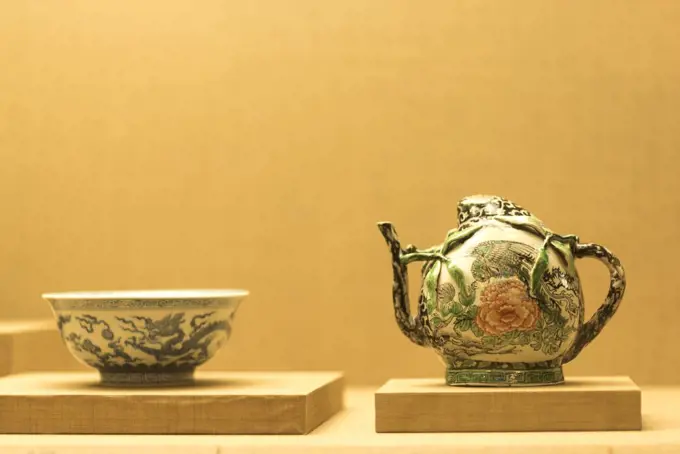
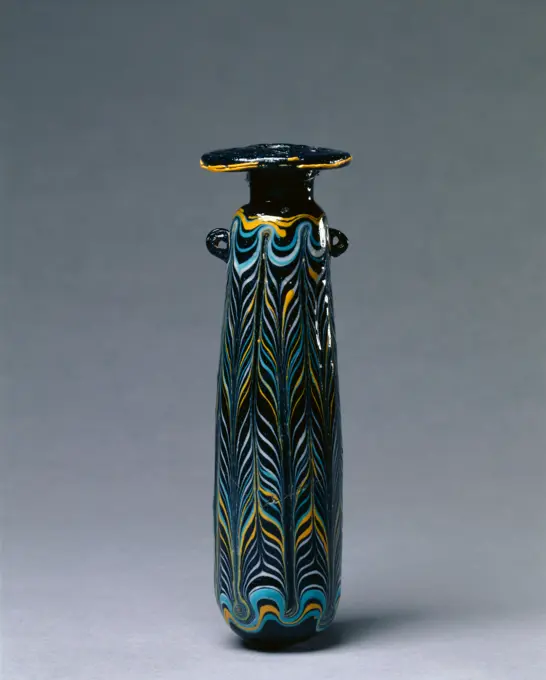
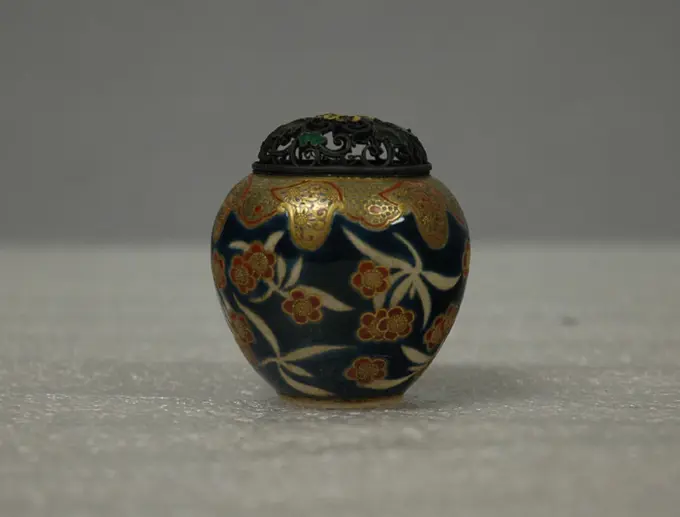
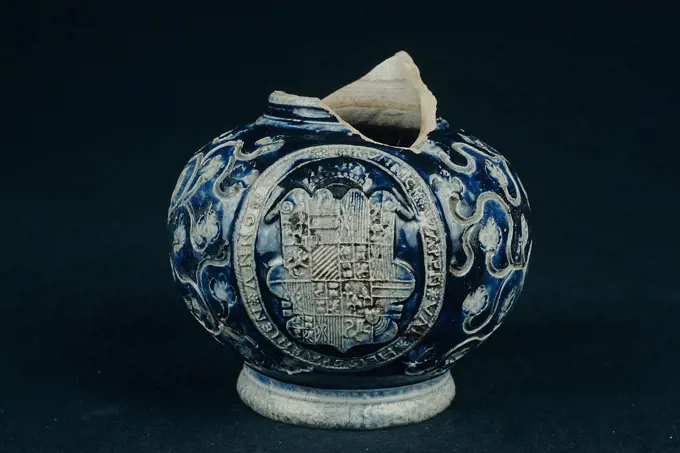
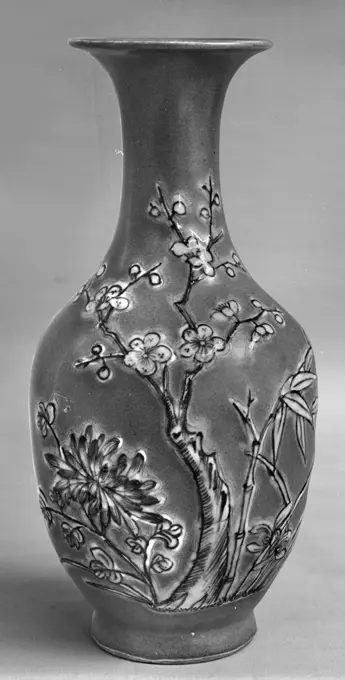
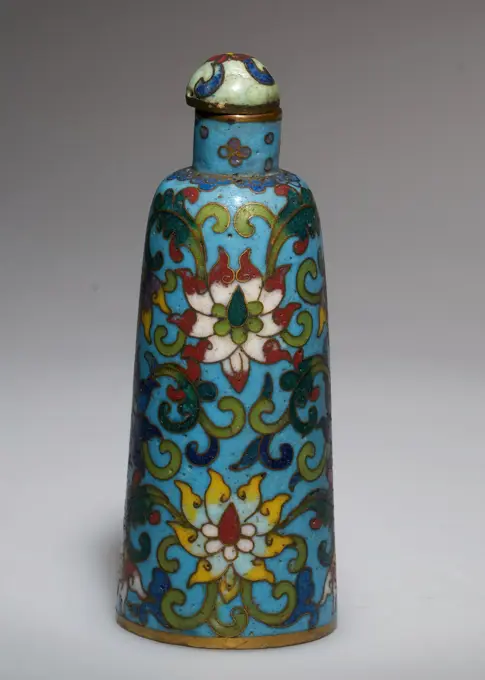
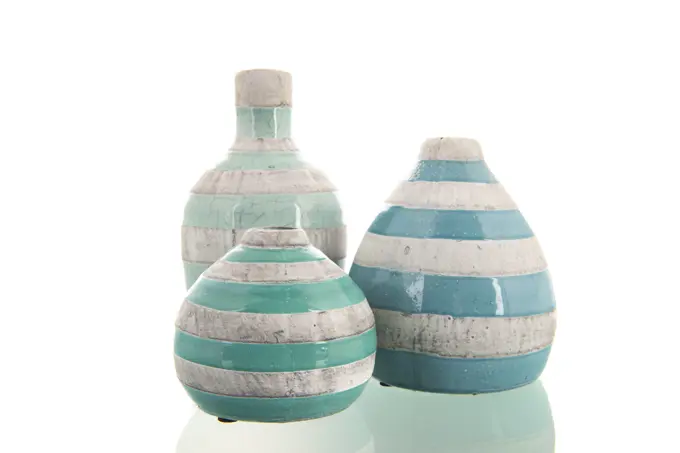
Tureen with cover ca. 1760 Thomas Whieldon factory, Stoke-on-Trent, Fenton Vivian, Staffordshire These pieces (see stand 67.191.2) illustrate a notable aspect of Whieldons inventive and prolific production - the creation of fine earthenwares based on contemporary silver models in dimension, form, and decoration.. Tureen with cover. British, Staffordshire. ca. 1760. Tortoiseshell ware. Thomas Whieldon factory, Stoke-on-Trent, Fenton Vivian, Staffordshire. Ceramics-PotteryCovered vase with stand, modelled in bamboo-shaped sections with flower sprays, anonymous, c. 1700 - c. 1724 Foot of porcelain vase, painted on the glaze in green, yellow, eggplant and black. Modeled in bamboo -shaped segments. The segments are subdivided into courses filled with flower areas, flowering plants or leaves. The octagonal pedestal has four short legs. Email sur biscuit with family distance colors. China porcelain. glaze. painting / vitrification Foot of porcelain vase, painted on the glaze in green, yellow, eggplant and black. Modeled in bamboo -shaped segments. The segments are subdivided into courses filled with flower areas, flowering plants or leaves. The octagonal pedestal has four short legs. Email sur biscuit with family distance colors. China porcelain. glaze. painting / vitrificationGlass aryballos (perfume bottle). Culture: Greek, Eastern Mediterranean. Dimensions: H.: 2 7/8 in. (7.3 cm). Date: late 6th-5th century B.C..Translucent blue, with same color handles; trails in opaque yellow, probably with another in opaque turquoise blue. Broad inward-sloping rim-disk with radiating tooling marks on underside; short cylindrical neck; angular shoulder; almost spherical body; convex, slightly pointed bottom with small indent at center; two ring handles with knobbed tails extend from shoulder to neck.A yellow trail applied to outer edge of rim-disk; another broad yellow trail applied on upper body and wound down in spiral, at first in horizontal lines, then tooled into a close-set zigzag pattern around central section of body, formed by uneven, shallow vertical tooling indents; a second trail in turquoise blue added to middle of body, mingling with the yellow trail; below zigzag pattern, a yellow and a turquoise blue trail wound once round body .Intact; dulling, pittGlass hexagonal jar with basket handle 6th-early 7th century A.D. Roman, Syrian Translucent pale blue green, with same color handle.Outsplayed rim folded outward, over, and inward; broad, funnel-shaped neck; narrow, sloping shoulder; hexagonal body, with slightly convex vertical edges, tapering downwards, with slightly impressed side panels; pushed-in bottom, with central pontil scar; rod handle, applied in a pad to top of one panel on body, drawn up and outward, then tooled in horizontally onto outer edge of rim, drawn back outward and then curved up and tooled into a triangular basket handle, then dropped onto edge of rim and down onto top of body above edge of one panel, and finally trailed off, with trail extending to apex of basket handle.On body, six elongated rectangular panels, flanked with prominent vertical ribbed edges and decorated with matching pairs of three different geometric relief patterns: vertical lozenges with central dots, a lattice of diamond-shaped bosses, and aAnonymous. Pichet with three orders. Earthenware. 1791. Paris, Carnavalet museum. 72437-24 Clerge, Crown, Decoration, Faience, nobility, Revolutionary Periode, Pichet, French Revolution, Third-Stat, three orderSicilianVase. Designer Frederick S. Shirley, British, 1841-1908 Manufacturer: Mount Washington Glass Company, American, 1876-1907Covered Box 18th century Japan. Covered Box 46749Enamelled copper pitcherSnuff Bottle with Stopper, 1736-95. China, Qing Dynasty (1644-1911), Qianlong reign (1736-95). Porcelain; overall: 7.7 cm (3 1/16 in.).Vase: Qingbai Shufu-type ware (pair with 1975.1.1669). Artist: Chinese , probably from the Jingdezhen kilns, Jiangxi Province. Culture: Chinese. Dimensions: Height: 26 cm.. Date: 14th century. Museum: Metropolitan Museum of Art, New York, USA.Hexagonal ewer with flowering plants and floral scrolls, anonymous, c. 1680 - c. 1720 Hexagonal can of porcelain with a pear-shaped body, long, s-shaped spout and s-shaped ear, painted in under-glaze blue. On the belly flowering plants interrupted by a modeled cartouche with a modeled flower branch saved in blue. The foot, edge and lid are divided into six compartments with flower areas. Cloud motifs on the spout and the ear. Blue White. China porcelain. glaze. cobalt (mineral) painting / vitrification Hexagonal can of porcelain with a pear-shaped body, long, s-shaped spout and s-shaped ear, painted in under-glaze blue. On the belly flowering plants interrupted by a modeled cartouche with a modeled flower branch saved in blue. The foot, edge and lid are divided into six compartments with flower areas. Cloud motifs on the spout and the ear. Blue White. China porcelain. glaze. cobalt (mineral) painting / vitrificationVase 1900 George E. Ohr In many ways George Edgar Ohr was the quintessential Arts and Crafts potter, combining artistic vision with extraordinary skill with his hands. Working in the seaside resort town of Biloxi, Mississippi, he dug the clay, processed and prepared it, threw the shape on the wheel, altered the piece according to his vision, mixed and applied his own glazes, fired the kiln, created his own style of advertising, and took his wares on the road. Ohrs personal mantra was “no two alike,” and he was as eccentric as his work was individualistic, with its manipulated forms on ultra-thin thrown vessels, crimping, ruffling, off-centering, and twisting, to create unprecedented forms for the 1890s. To these forms, he applied his own completely new and unusual glazes, applied by sponging, splashing, and spattering, resulting in works that in many ways anticipated the abstract art movements that would find form decades later. This vase combines several of Ohrs trademarks in its ruTea bus, decorated with octagon within which Jesus on the cross. Square tea bus from stoneware. Decorated with blue ornaments. On one of the sides, within a wreath, an octagon within which Jesus on the cross.Covered Punch Bowl ca. 1885-87 Probably Hobbs, Brockunier and Company. Covered Punch Bowl 2443Cutlery holder. Korzec (manufaktura porcelany ; 1790-1832), factoryGlass flask. Culture: Roman. Dimensions: 3 9/16 in. (9.1 cm)Other: 2 7/16 in. (6.2 cm)Diam. of rim: 1 7/16 in. (3.7 cm). Date: 3rd-4th century A.D..Colorless with bluish green tinge, with same color trail and ribs.Rim folded out, over, and in; funnel-shaped mouth; short, cylindrical neck, expanding downward; bulbous body; kick in bottom with trace of pontil scar.Trail wound once round neck; eight slanting, vertical ribs of varying length around body.Intact; some large and pinprick bubbles; several gritty inclusions; slight iridescence. Museum: Metropolitan Museum of Art, New York, USA.Bottle, painted multily with flower branches. Faïence bottle. Multicolor painted with flower branches.Flagon ca. 1690 Abraham Helmhack This flagon is decorated with a scene of Cupid with Ceres, goddess of Autumn, surrounded by a frame of large garden flowers.. Flagon 207989Ovoid Covered Jar With Continuous Foliate Scrolls. Egg-shaped porcelain lid pot, painted in underglaze blue. The wall and shoulder covered with continuous leaf raft. A tire with pointed leaf motifs on the neck. Marked on the bottom with the four-character mark of Emperor Chenghua. Edge is unglazed; Lid is missing. Two cracks in the edge. Blue White.Covered Urn. Culture: China. Dimensions: H. 6 1/2 in. (16.5 cm); Diam. 4 1/2 in. (11.4 cm). Date: late 18th-19th century. Museum: Metropolitan Museum of Art, New York, USA.Vase;  XIXW. (1850-00-00-1865-00-00);Double-gourd vase (one of a pair, part of a garniture) ca. 1690 Lambertus van Eenhoorn Dutch Garnitures consisting of three, five, or seven vases were made for decorative purposes to be placed on top of cabinets and mantelpieces, and a garniture of large vases might even have stood in front of the fireplace during the summer months. This five-piece group is composed of a covered vase, two double gourd vases, and two beakers. The middle section on all five is painted in blue on a white ground with scattered clusters of spring flowers that seem random but are in fact carefully placed to form different diaper patterns. The borders at the bases of the vases are decorated with scrollwork and floral and leaf ornament reserved on a dark blue ground. Under the lip of the beakers and at the shoulders of the vases, similarly painted in reserve, are lambrequin motifs enclosing fruit bowls. As one would expect from De Metaale Pot, one of the leading factories in Delft, both the potting and the quaFlower vase. Delft (ośrodek ceramiczny ; ca 1600- ), factoryMosque lamp Turkey, about 1510. This stone paste lamp is associated with the mausoleum of Bayezid II, its decoration has been attributed to the influence of Baba Nakkas, an important court artist.Vase with Lizard. China. Date: 960 AD-1279. Dimensions: H. 23.8 cm (9 3/8 in.); diam. 11.7 cm (4 5/8 in.). Celadon-glazed stoneware and underglaze molded decoration. Origin: China. Museum: The Chicago Art Institute, Chicago, USA.Miniature bottle vase with lotus scrolls. Miniature bottle-shaped vase of porcelain with egg-shaped body, painted in underglaze blue. Lotus drinks twice on the belly; around the foot a band with landscaped leaf motifs; The neck with a decorative tire twice. Blue White.Vase 1882 John Bennett. Vase. John Bennett (1840-1907). American. 1882. Earthenware. Made in New York, New York, United StatesVase with ornamental ornament; Boles beginning of the 19th century (1800-00-00-1810-00-00);Decoration with overlays, Kamionki Bolesławieckie, ornamentsAlabastron; perhaps Syria; 2nd - 1st century B.C; Glass; 11.4 cm (4 1,2 in.)Vase, Meissener porcelain manufactory, c. 1725 - c. 1730 Vase with lid, made of multicolored painted porcelain. The vase and the lid are almost completely covered with a violet stock in which two-shaped four-passen-shaped four-passes have been saved on the top. Chinoiseries are painted in a garden in the four passes, on one side in the style of Höroldt. A lace gold Frisian runs on the shoulder. The lid has a gilded pear -shaped button on a white base. The vase is marked. Float porcelain Vase with lid, made of multicolored painted porcelain. The vase and the lid are almost completely covered with a violet stock in which two-shaped four-passen-shaped four-passes have been saved on the top. Chinoiseries are painted in a garden in the four passes, on one side in the style of Höroldt. A lace gold Frisian runs on the shoulder. The lid has a gilded pear -shaped button on a white base. The vase is marked. Float porcelain. The shape and size of these two vases suggest that they stood in a garden. Depicted are the mythological figures of Vertumnus and Pomona (on one side), and Flora with her cornucopia (on the other side). Vertumnus is the god of the seasons, who seduced Pomona, the goddess of fruit trees; Flora is the personification of spring and flowers.Flower vase with a lid. unknown, authorChinese, Vase, porcelain.Vase (usual name). Covered covered. Cernuschi Museum, Asia Museum of Asia in the city of Paris.Teapot. Staffordshire, England. Date: 1760-1770. Dimensions: 14.6 x 18.1 x 11.4 cm (5 3/4 x 7 1/8 x 4 1.2 in.). Lead-glazed earthenware (creamware). Origin: Staffordshire. Museum: The Chicago Art Institute, Chicago, USA.Snuff Bottle, 17th-19th century, 1 7/8 x 1 3/4in. (4.8 x 4.4cm), Glass, China, 17th-19th centuryCoffee Cup and Saucer. Worcester Porcelain Factory; Worcester, England, founded 1751. Date: 1804-1813. Dimensions: Cup: H. 6.4 cm (2 1/2 in.); diam. 6 cm (2 3/8 in.) Saucer: diam. 12.7 cm (5 in.). Soft-paste porcelain with polychrome enamels and gilding. Origin: Worcester. Museum: The Chicago Art Institute, Chicago, USA. Author: Worcester Royal Porcelain Company.Jar China. Jar 42540Tea caddy with cover. Culture: German, Meissen. Decorator: Possibly by Johann Gregor Höroldt (1696-1775). Dimensions: H. 4 1/2 in. (11.4 cm.). Factory: Meissen Manufactory (German, 1710-present). Date: ca. 1725. Museum: Metropolitan Museum of Art, New York, USA.Vase with scenes and poems from Farming and Weaving China Rice farming and silk production, both represented here, were cornerstones of agrarian society in premodern China. Woodcuts made after imperial court paintings based on the twelfth-century text Farming and Weaving (Geng Zhi Tu) were widely used as models for artworks in other media, such as this vase. The headings of the texts on the front and back sides of the vase are flattening rice paddy” (ludu) and shelving silkworm cocoons” (shangcu).. Vase with scenes and poems from Farming and Weaving. China. Porcelain painted with overglaze polychrome enamels (Jingdezhen ware). Qing dynasty (1644-1911), Kangxi mark and period (1662-1722). CeramicsCilindrical vase with powder blue and panels with figures and animals in landscapes, anonymous, c. 1700 - c. 1720 Cylindrical vase of porcelain with a wide, straight neck and upright edge, decorated in under -glaze blue. The vase is covered with bleu poudré (powder blue) with different cartouches saved in it. On the abdomen two elongated cartouches with one woman in the window of a pavilion with a man in front of a dragon on swirling waves. In the other two ducks by the banks of a river and a third duck flying in the air. Two smaller ones between the elongated cartouches: a fan -shaped cartouche with flowering plants with a rock and a four -pass with a hare. On the other side in the four pass a shrimp between aquatic plants. Bleu Poudré with blue and white. China porcelain. glaze. cobalt (mineral) painting / vitrification Cylindrical vase of porcelain with a wide, straight neck and upright edge, decorated in under -glaze blue. The vase is covered with bleu poudré (powder blue) with difVase with lid with alliance weapon and the interior of the Dutch Reformed Church in Wassenaar, N.V. Haagsche Plateel Factory Rozenburg, 1896 Vase with pottery lid, belonging to a couple of three, polychrome painted with sunflowers, weapons and topographical representations. On one side the alliance weapon of Willem Adolf Maximilian Carel, Prince of Wied and his wife Princess Marie der Nederlanden, above which 1871-1896, on the other hand, the interior of the Dutch Reformed Church of Wassenaar is depicted. The coat of arms of the municipality of Wassenaar is depicted at the pointed lid. Sunflowers are painted between and above the performances. The Hague earthenware Vase with pottery lid, belonging to a couple of three, polychrome painted with sunflowers, weapons and topographical representations. On one side the alliance weapon of Willem Adolf Maximilian Carel, Prince of Wied and his wife Princess Marie der Nederlanden, above which 1871-1896, on the other hand, the interior of the DutcVase. Culture: China. Dimensions: H. 9 3/8 in. (23.8 cm). Date: first half of the 19th century. Museum: Metropolitan Museum of Art, New York, USA.Meiping ". Sandstone dressed in white slip with transparent covered cream decor, decor painted in brown and incised. Paris, Cernuschi museum. Chinese art, brown, Chinese ceramic, painted decor, ebrecher, gres, incise, meiping, motifSnuff Bottle, 1875-1925, 3 3/8 x 2 1/8in. (8.6 x 5.4cm), Turquoise, China, Qing dynastyCukiernica z nakrywką. unknown, craftsmanArmorial Jug with Lid. China, export for European markets, circa 1740. Furnishings; Serviceware. PorcelainGlass alabastron (perfume bottle) 5th century B.C. Greek, Eastern Mediterranean Translucent pale blue green, with handles in same color; trails in opaque yellow and opaque turquoise blue.Broad horizontal rim-disk; short cylindrical neck; narrow rounded shoulder; straight-sided cylindrical body with upward taper; convex bottom; two large vertical ring handles with knobbed tails, applied over trail decoration.Yellow trail attached at edge of rim-disk; another yellow trail overlaid with turquoise blue applied under rim-disk, wound down in a spiral, then both tooled into an uneven, close-set zigzag pattern on lower two-thirds of body to bottom, where the trails end in irregular swirls.Complete, except for most of one handle; dulling, pitting, and iridescent creamy weathering.. Glass alabastron (perfume bottle). Greek, Eastern Mediterranean. 5th century B.C.. Glass; core-formed, Group I. Classical. GlassSnuff Bottle with Hundred Beauties 18th century China. Snuff Bottle with Hundred Beauties 41327Anonymous. Pichet "Freedom, equality, safety". Earthenware. 1792. Paris, Carnavalet museum. 72430-13 Phrygian cap, flag, equalitis, faience, freedom, revolutionary period, pitcher, French revolution, securityVase with a motif of birds and flowers unknownPharmacy jar (albarello). Culture: Italian, probably Naples district or Vietri sul Mare. Dimensions: Overall (confirmed): 10 3/4 × 5 × 5 in. (27.3 × 12.7 × 12.7 cm). Date: ca. 1530-60.Very similar female profiles are painted on the fronts of these jars (see also 41.100.269), while the backs are decorated with simpler vegetal motifs. Museum: Metropolitan Museum of Art, New York, USA.Jar China. Jar 52797Ewer 12th-13th century. Ewer 447080Lekyt aryballosowy czerwonofigurowy z wizerunkiem Ateny w hełmie korynckim. Malarz Achillesa (ok. 450 p.n.e.), authorGlobular Jar with Stylized Peonies 1000-1035 Korea. Celadon-glazed stoneware with underglaze incised decoration .Double-gourd vase (one of a pair, part of a garniture) ca. 1690 Lambertus van Eenhoorn Dutch Garnitures consisting of three, five, or seven vases were made for decorative purposes to be placed on top of cabinets and mantelpieces, and a garniture of large vases might even have stood in front of the fireplace during the summer months. This five-piece group is composed of a covered vase, two double gourd vases, and two beakers. The middle section on all five is painted in blue on a white ground with scattered clusters of spring flowers that seem random but are in fact carefully placed to form different diaper patterns. The borders at the bases of the vases are decorated with scrollwork and floral and leaf ornament reserved on a dark blue ground. Under the lip of the beakers and at the shoulders of the vases, similarly painted in reserve, are lambrequin motifs enclosing fruit bowls. As one would expect from De Metaale Pot, one of the leading factories in Delft, both the potting and the quaVase of earthenware with geometric decoration, Chris van der Hoef, c. 1900 Vase of earthenware in brown -red with yellow geometric decoration. Amsterdam earthenware Vase of earthenware in brown -red with yellow geometric decoration. Amsterdam earthenwareTeapot. Staffordshire, England. Date: 1755-1765. Dimensions: 12.7 x 17.8 x 10.8 cm (5 x 7 x 4 1/4 in.). Lead-glazed earthenware (agateware). Origin: Staffordshire. Museum: The Chicago Art Institute, Chicago, USA.Bottle Vase With Light Brown and Precious Object And Antiques. Point bottle of porcelain with pear-shaped body, covered with a café-au-lait glaze and painted in underglaze blue. The lower part of the body is covered with a light brown glaze above which a tire with a thick cream-colored glaze; The upper part in underglaze blue with a geometric band interspersed with a flower in a medallion, above-top of valuables (pearl, music stone) and antiques (vase, tripod, scepter, books); The neck with inverted pointed leaf motifs. Edge damaged. Monochrome brown with blue and white.Tea caddy with cover ca. 1725 Vienna. Tea caddy with cover 200960Two-Eared Jar, 1200s-1300s. China, Henan province, Yuxian, Jin dynasty (1115-1234) - Yuan dynasty (1271-1368). Porcelaneous stoneware with blue glaze and splashes of purple, Jun ware; diameter: 12.1 cm (4 3/4 in.); overall: 16.4 cm (6 7/16 in.).Tankard (Stein) 18th century German, Westerwald German stoneware tankards were brought to America in large numbers on Dutch fur-trading ships. Shards of these popular vessels have been uncovered at seventeenth century sites in New York and New England.. Tankard (Stein) 191352Anonymous, China. Gourd Green Family Gourde. Hard porcelain, moufle fire enamels, golden bronze frame. XVIIth century. Museum of Fine Arts of the City of Paris, Petit Palais. Faience, gourd, container, 17th XVIIth XVII 17th 17th 17 CENTURY18th century, Mughal Powder bowl from Kashmir, India.Pharmacy Jar early 15th century Spanish. Pharmacy Jar 468169Bar Bottle 1840-60 American. Bar Bottle 326Bottle. Culture: British, Stoke-on-Trent, Staffordshire. Designer: Design attributed to Christopher Dresser (British, Glasgow, Scotland 1834-1904 Mulhouse). Dimensions: Height: 7 5/8 in. (19.4 cm). Factory: Minton(s) (British, Stoke-on-Trent, 1793-present). Date: ca. 1862.The central pattern of scrolling interlaced foliage in orange edged in gold on a white ground harkens back to Islamic decorative motifs frequently found on ceramics. The vertical designs on the neck and under the bowl of the bottle are in imitation of fluting and gadrooning frequently found on silver hollowware. The bulbous shape of the vase, with a tall, narrow neck, takes its inspiration from Persian and Chinese examples.Attributed to Christopher Dresser (1834-1904), the vase's decorative scheme follows his idea that "the ornament must tend to emphasise sic the beautiful quality of the object and not destroy the form." By the early 1860s, Dresser was working for the Minton factory as a freelance designer and his. .Box with Figures in Landscape late 16th-early 17th century China The four characters on the cover read tianxi taiping, or all is well under heaven,” a common wish often written on porcelains in the late sixteenth and early seventeenth century.. Box with Figures in Landscape. China. late 16th-early 17th century. Porcelain painted with cobalt blue under and colored enamels over transparent glaze (Jingdezhen ware). Ming dynasty (1368-1644), Wanli mark and period (1573-1620). CeramicsSnuff Bottle China. Snuff Bottle 41698Tea Caddy 1775-1800 Chinese. Tea Caddy 8256Pitcher (lid), c. 1780. Niderviller Factory (French). Hard-paste porcelain; overall: 21.6 x 14.3 cm (8 1/2 x 5 5/8 in.).POT O BOTE DE PATERNA DECORADO CON MOTIVOS GEOMETRICOS Y HOJAS ENFILADAS - SIGLO XIV-XV. Location: INSTITUTO VALENCIA DE DON JUAN-COLECCION. MADRID. SPAIN.Giacinto Capelli, Jar, c 1940 JarJug 17th century Spanish, Talavera de la Reina The bold, sketchily drawn designs on this jug are typical of Talavera, in Castile, where potters broke with the Hispano-Moresque lusterware tradition to develop a vivacious polychrome pictorial style related to northern Italian wares of the period.. Jug. Spanish, Talavera de la Reina. 17th century. Tin-glazed earthenware. Ceramics-FaienceMiniature sixloby, bottle-shaped vase of porcelain, painted in underglaze blue. On the wall, six times flowering plants and Chinese ladies (long tales). Blue White.Vase. Culture: British (American market). Designer: Designed by Marc-Louis Emanuel Solon (1835-1913). Dimensions: 16 1/4 x 9 in. (41.3 x 22.9 cm). Manufacturer: Manufactured by Minton and Company (1793-present). Date: 1870. Museum: Metropolitan Museum of Art, New York, USA.Vase 1760-65 British. Vase 9292Ceramic jug. Talavera, Ruiz de Luna museum. Province of Toledo, Spain. Location: MUSEO RUIZ DE LUNA. TALAVERA DE LA REINA. Toledo. SPAIN.Vase;  18th century (1725-00-00-1740-00-00);Kendi from the wreck of the white lion. Kendi from v.O.c.-ship the 'white lion', 98%% present. Kendi with a flat unglazed soil, in the shape of an elephant with a handle on the back (now largely disappeared). Decorated in underglazing blue with a garment with swastikas and a field with flower branches on the back of the elephant, cloud motifs around the trunk of the handle and lucky symbols on the handle. With the ears, nostrils and slurf the enamel is deaf. The shard is glassy white and has little ingrained dirt. The glaze is blue tinted. The bottom is glazed. No oven sand has been found.Robert Stewart, Green Pitcher, c 1937 Green PitcherVase. Culture: American. Dimensions: 6 1/2 in. (16.5 cm). Maker: John Bennett (1840-1907). Date: 1877. Museum: Metropolitan Museum of Art, New York, USA.Gourd-Shaped Sake Bottle (Tokkuri). Culture: Japan. Dimensions: H. 9 × W. 7 in. (22.9 × 17.8 cm). Date: ca. 1700-1730. Museum: Metropolitan Museum of Art, New York, USA.Vase; Ôta, Jinnoei (Fl. Ca 1870-1920); End of the 19th century (1891-00-00-1900-00-00);Block, Julius Henry (1858-1934) - collection, cloisonné, gift (provenance), Japanese (culture), dragons (iconogr.), Japanese artAlabastron. UnknownTAIPEI, TAIWAN - November 24 : Antiques are displayed in Taipei’s National Palace Museum on November 24, 2016 in Taipei, Taiwan, Asia.Perfume Bottle (Alabastron), c. 325-275 BC. Italy or Eastern Mediterranean, Etruscan, 4th-3rd Century BC. Glass; diameter: 5.1 cm (2 in.); overall: 16.5 cm (6 1/2 in.).Bottle vase with three shishi, flowering plants and brushwood fences, anonymous, c. 1700 - c. 1724 Bottle -shaped vase of porcelain with a spherical body and narrow, long neck, painted in underly glaze red and on the glaze blue, red, green, yellow, black and gold. In China on the abdomen painted in underlaze red with three shishi (lion dog). In Europe around this, painted in email colors with pine, prunus and other flowering plants with tied hedges and insects. Hanging on the edge and neck, pointed leaf motifs. Around the foot a band with flower vines. Marked on the bottom with four imitation Chinese characters. Underglaze copper red in Europe decorated with email colors. Chinapainter: Europe porcelain. glaze. copper (metal). gold (metal) painting / gilding / vitrification Bottle -shaped vase of porcelain with a spherical body and narrow, long neck, painted in underly glaze red and on the glaze blue, red, green, yellow, black and gold. In China on the abdomen painted in underlaze red wSmall Covered Jar with Design of Cherry Blossoms and Lambrequin Border 19th century Japan. Small Covered Jar with Design of Cherry Blossoms and Lambrequin Border 63189MugFragment stoneware bell jar with crowned coat of arms in medallion, sgraffito and blue glaze, Bullet chuck jug crockery holder soil find ceramic stoneware glaze salt glaze, hand turned stamped molded sgraffito glazed baked stoneware bulletbelly dark gray shard with salt glaze short pointed tail around the weapon medallion: KUNNICK. WEAPON OF HEISSPAENIEN. ANNO. (date missing) archeology heraldry import pottery serve serve serve drink wine beer king Hispanje SpainCrane ca. 1750 Chelsea Porcelain Manufactory. Crane. British, Chelsea. ca. 1750. Soft-paste porcelain. Chelsea Porcelain Manufactory (British, 1744-1784). Ceramics-PorcelainVase first half of the 19th century China. Vase. China. first half of the 19th century. Porcelain with low-relief decoration under yellow and blue glazes. Qing dynasty (1644-1911). CeramicsSnuff Bottle, 1750-1850, 3 x 1 1/8 in. (7.62 x 2.86 cm), Cloisonné, China, Qing dynastyVase, Ottoman period, Museum of Ceramic Works, Great Karatay Medrese, Konya, Turkey, Konya, Turkey, AsiaModern green vases Modern green vases with stripes isolated over white background Copyright: xZoonar.com/IvonnexWierinkx 17698340Vase in the Shape of a Pomegranate 1250 BCE-1200 BCE Egypt. Glass, core-formed technique . Ancient EgyptianBall Made 1801-1900 Korea. Silk, shaped in twelve pentagonal, six hexagonal, and two circular motifs of satin, satin damask, twill, and plain weaves; some self-patterned; all embroidered with silk in knot, ribbed back stitched wheel, single, darned and padded satin, running, and whipped running stitches; pile formed from cut running stitches; padded with paper; laid work and couching; pieced with cotton in overcast stitches; underlaid with cotton, plain weave; padded; and filled with rattling element .