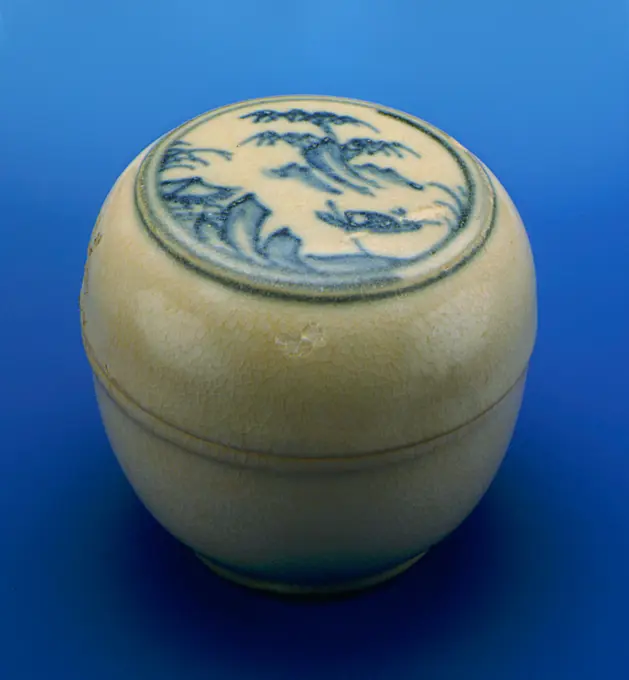
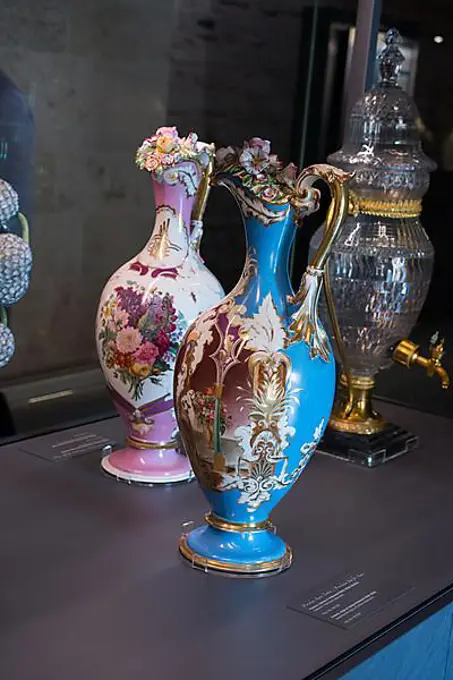
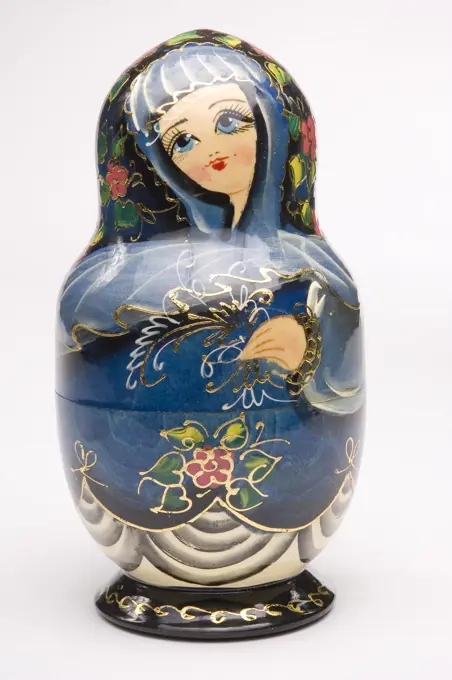
Decorative Porcelain Vases

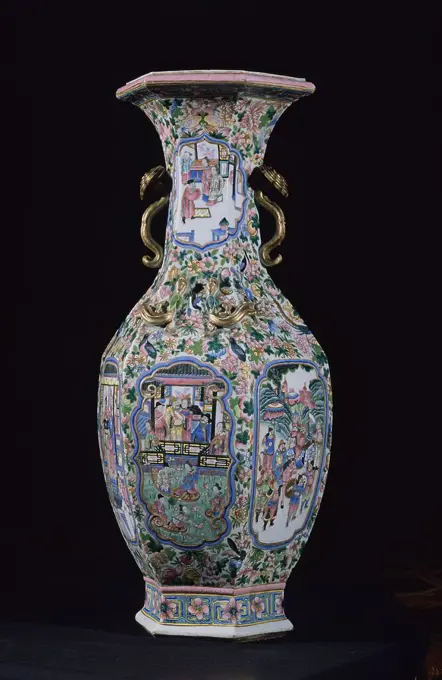
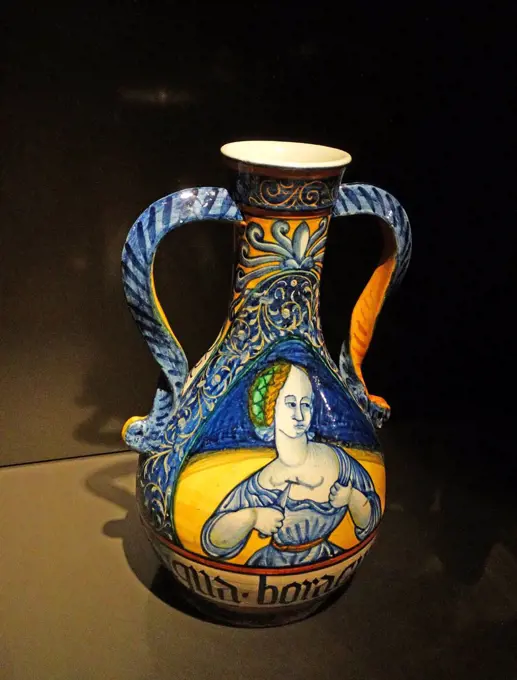
A selection of ornate vases made from porcelain and faience, featuring intricate designs and vibrant colors reflective of cultural heritage.
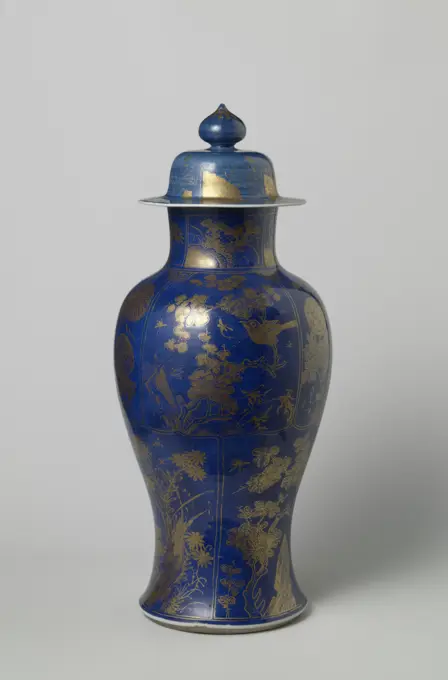
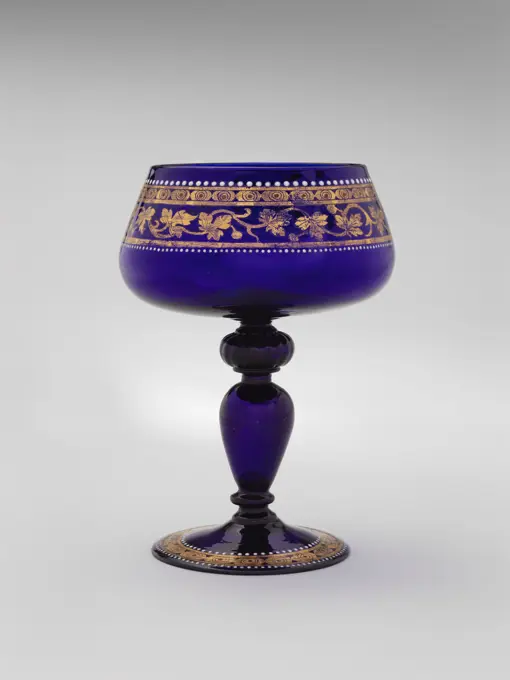
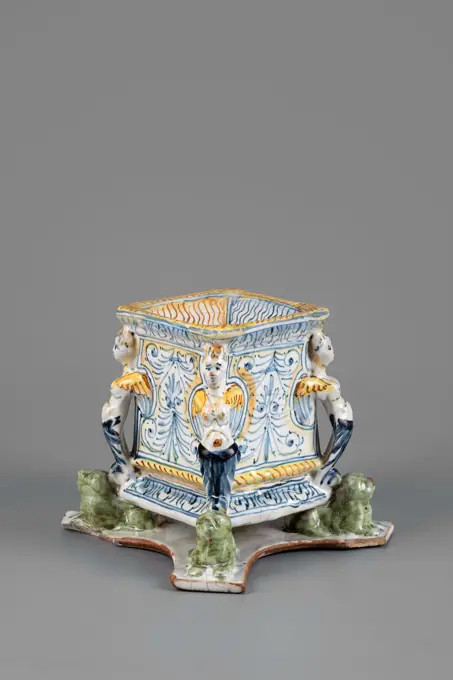
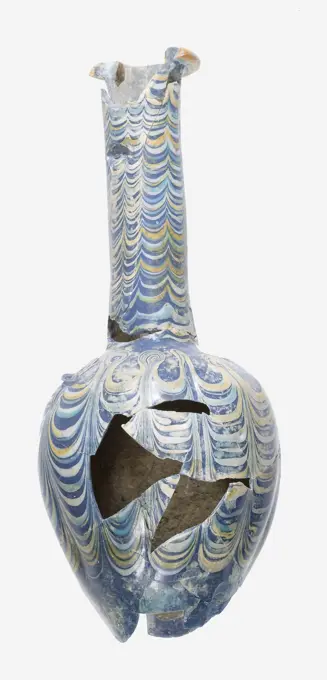
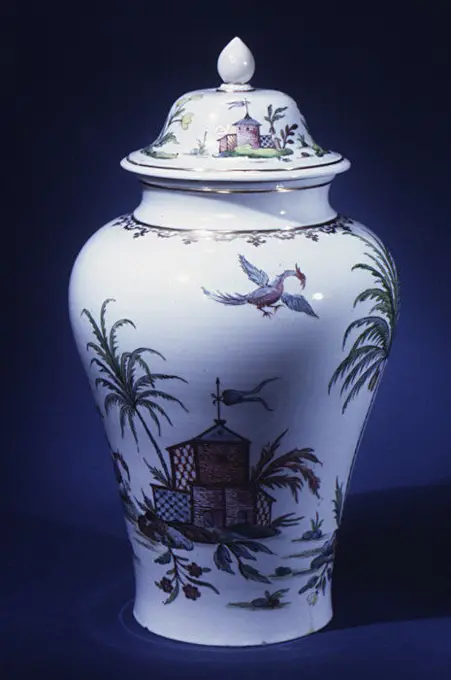
Baluster covered jar with powder blue and flowering plants and animals in panel decoration, anonymous, c. 1700 - c. 1724 Balus -shaped lid jar with long, spreading neck, painted in underly glaze blue and on the glaze gold. The pot is covered with bleu poudré (powder blue) and decorated with three rows of compartments: the bottom row has a different flowering plant or tree in each section with a rock with insects; The second row is also with four different flowering plants (Lotus, chrysanthemum, prunus, peony) with birds and/or butterflies. Around the neck four compartments with different flower areas and butterflies; A double circle on the bottom. The lid with worn decoration of four compartments with flowering plants on a rock and decorative edge. Lid has been restored. Bleu Poudré with gold. China porcelain. glaze. cobalt (mineral). gold (metal) painting / vitrification Balus -shaped lid jar with long, spreading neck, painted in underly glaze blue and on the glaze gold. The pot is co
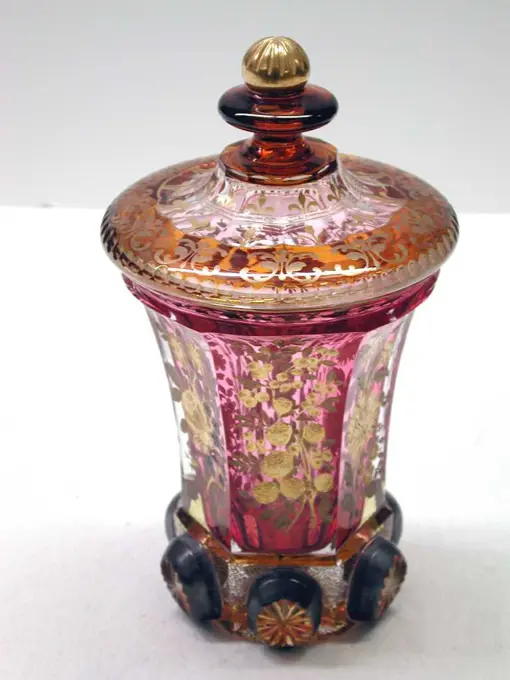
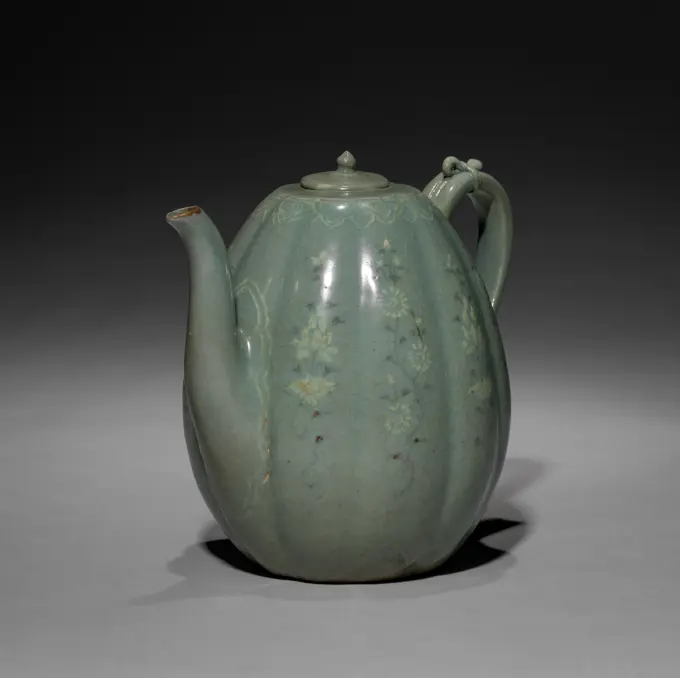
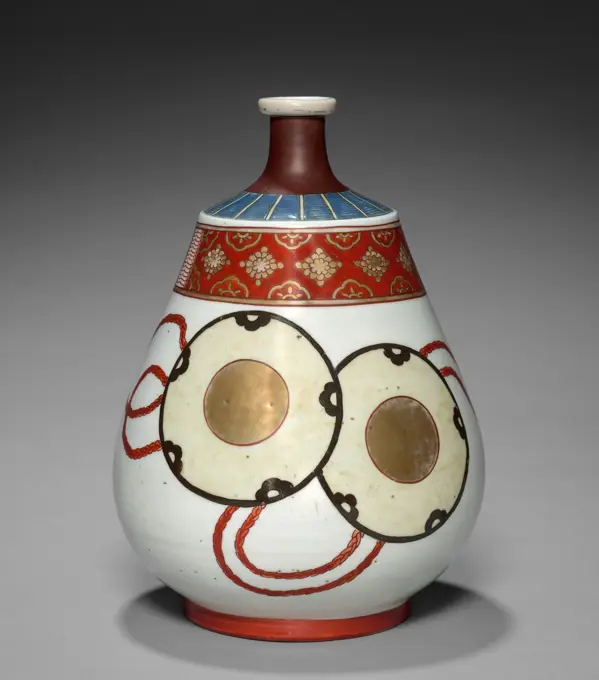
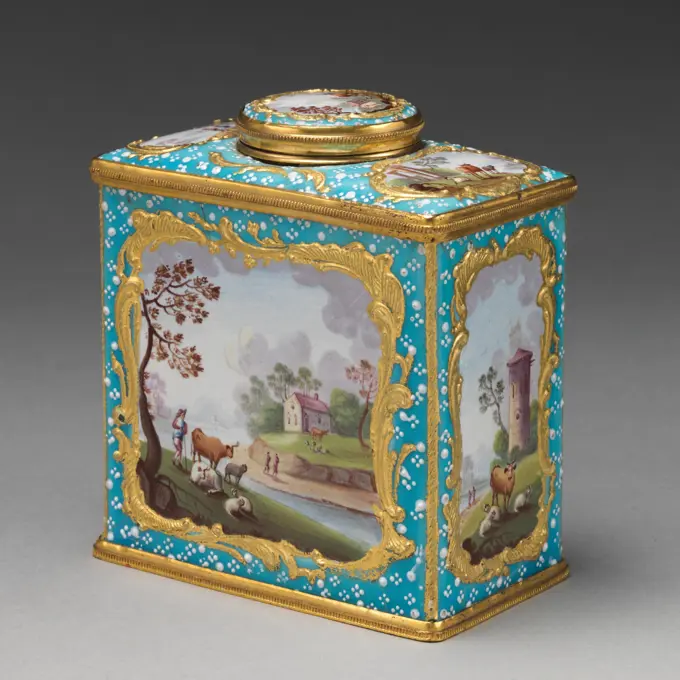
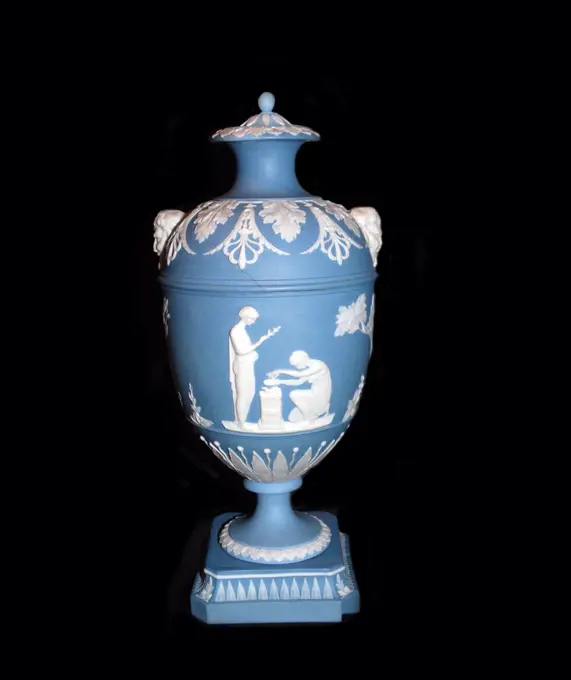
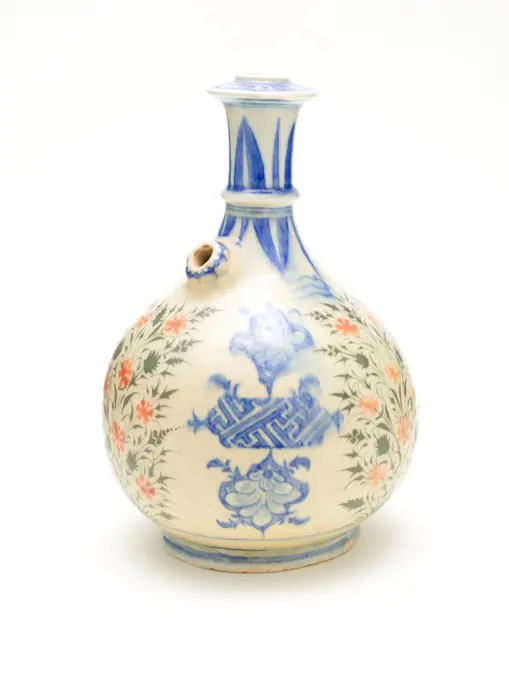
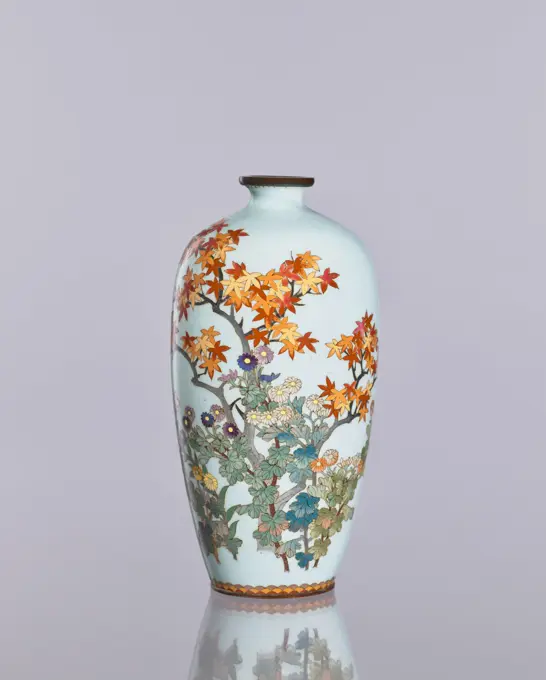
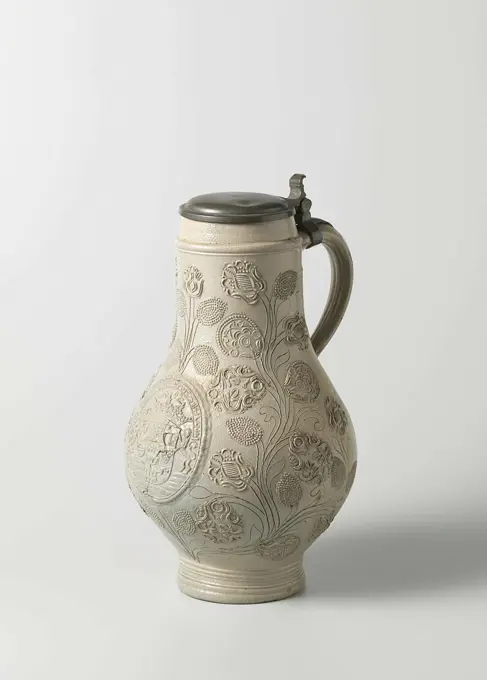
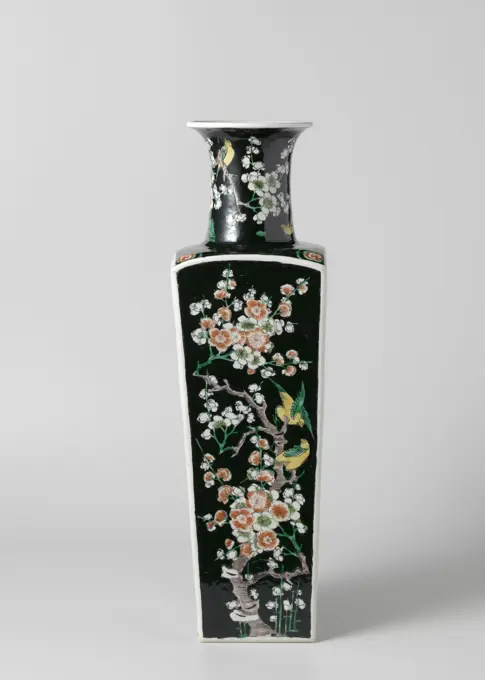
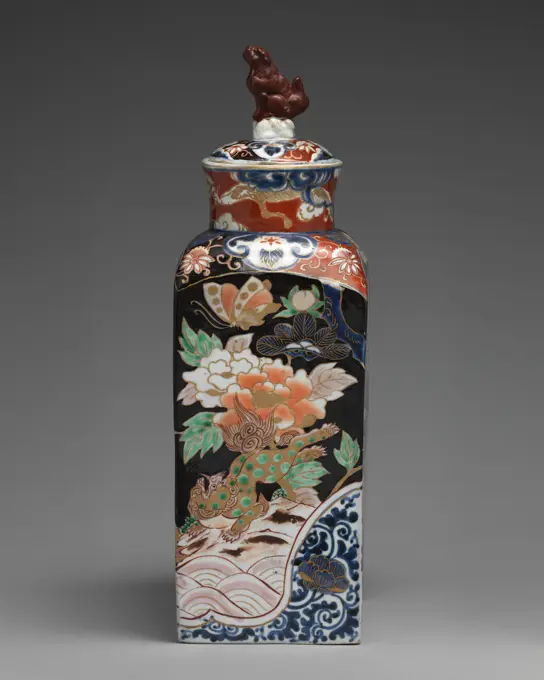
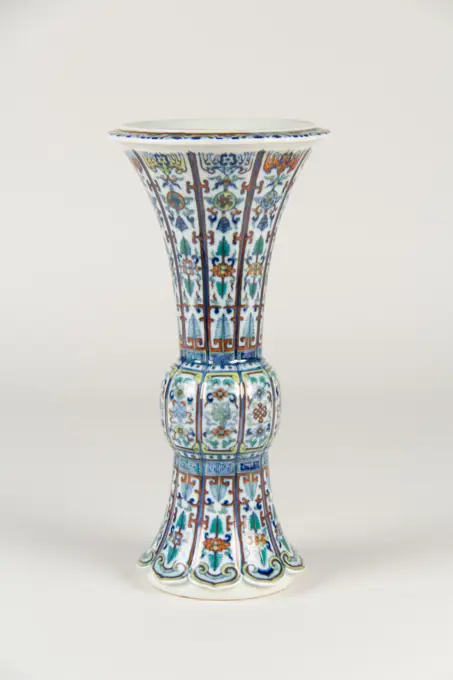
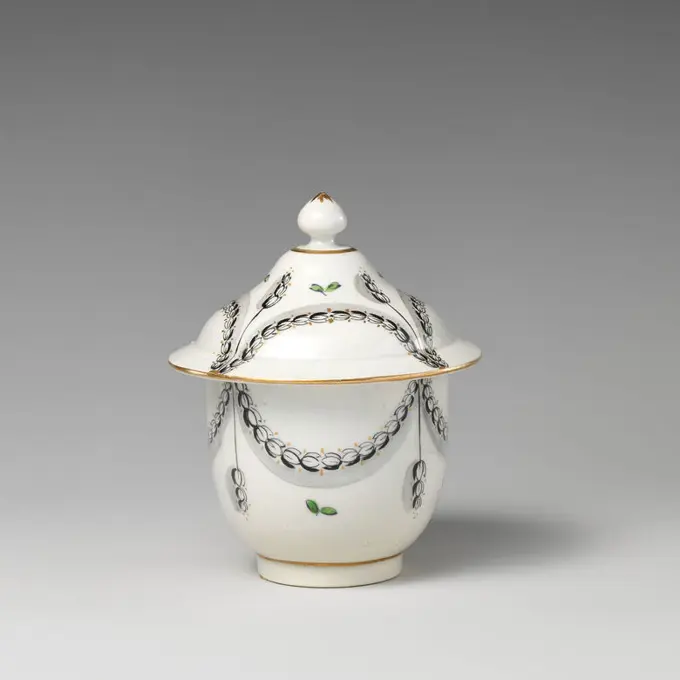
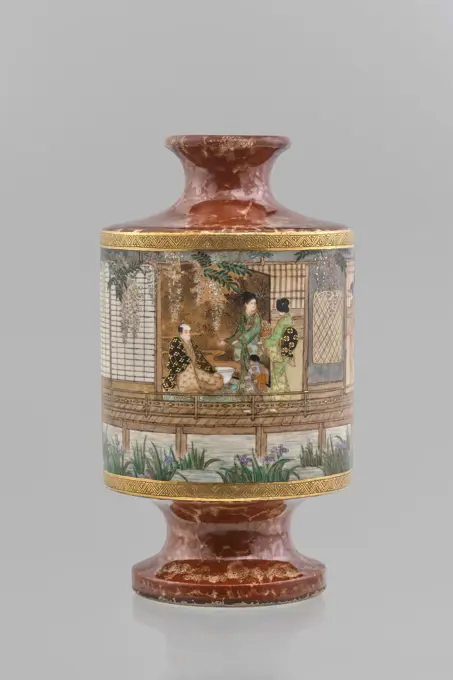
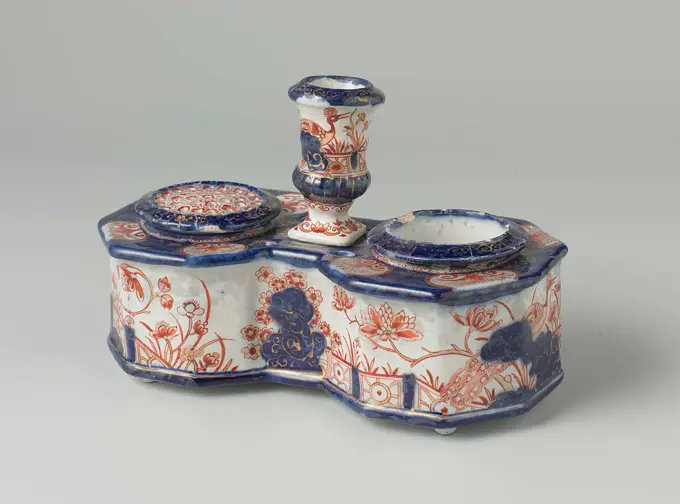
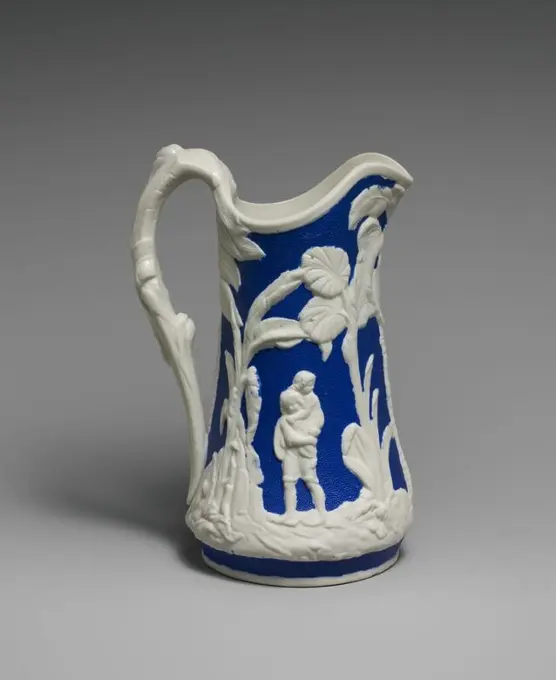
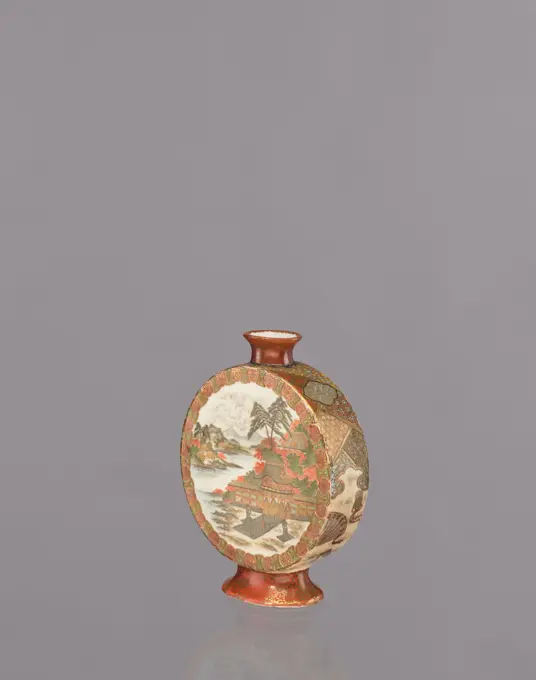
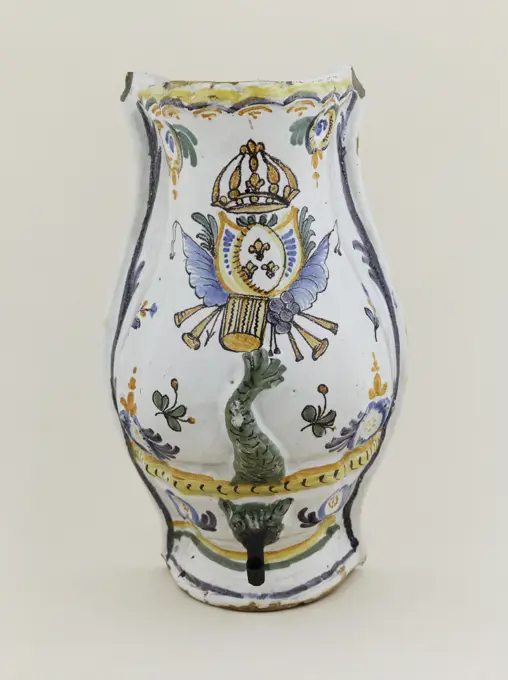
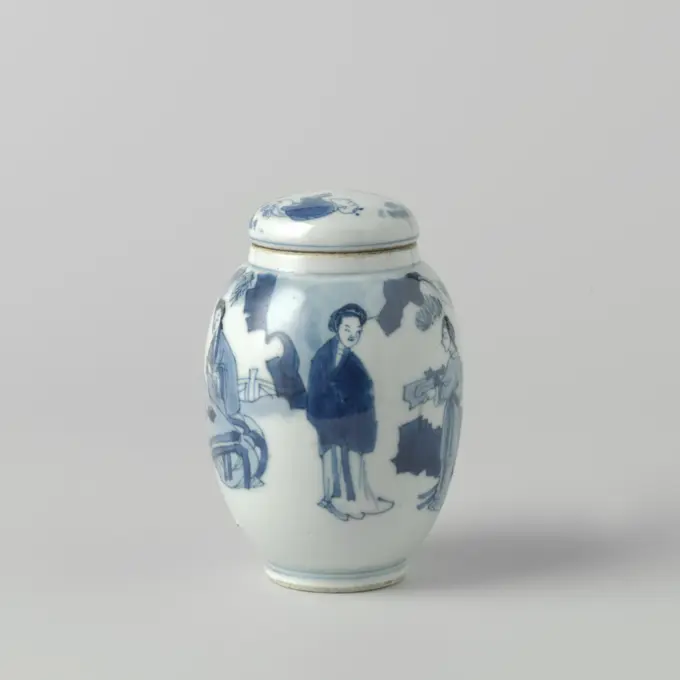
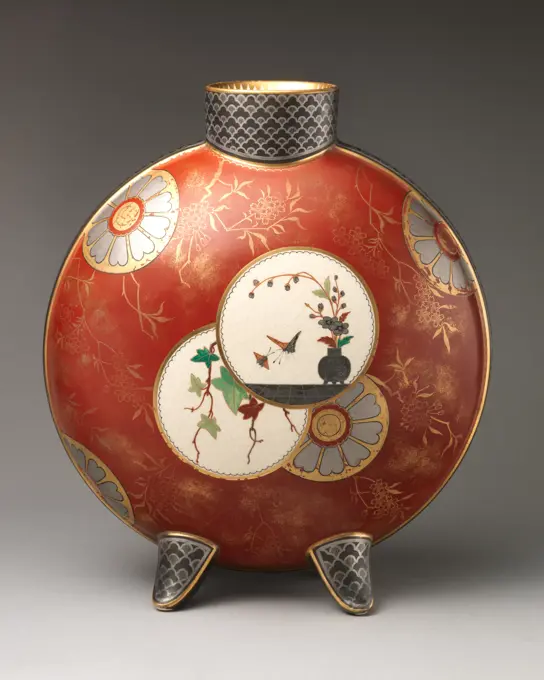
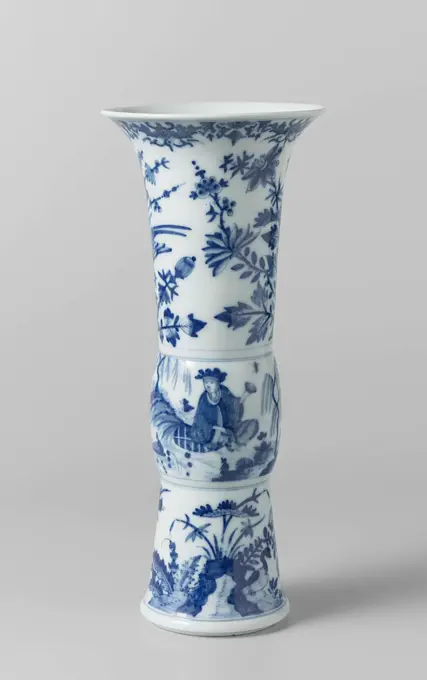
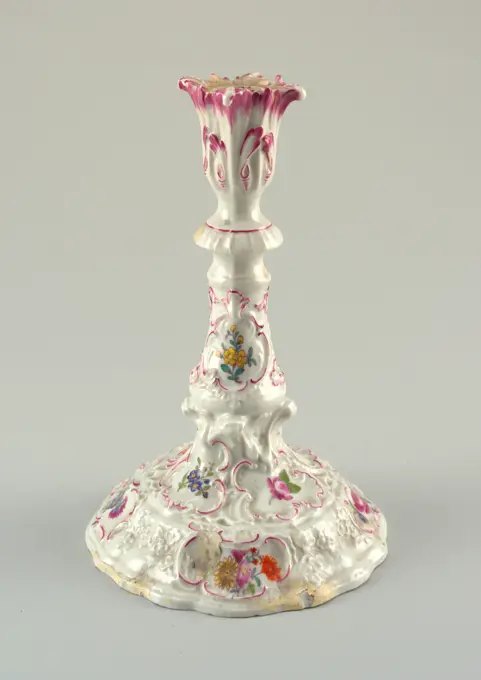
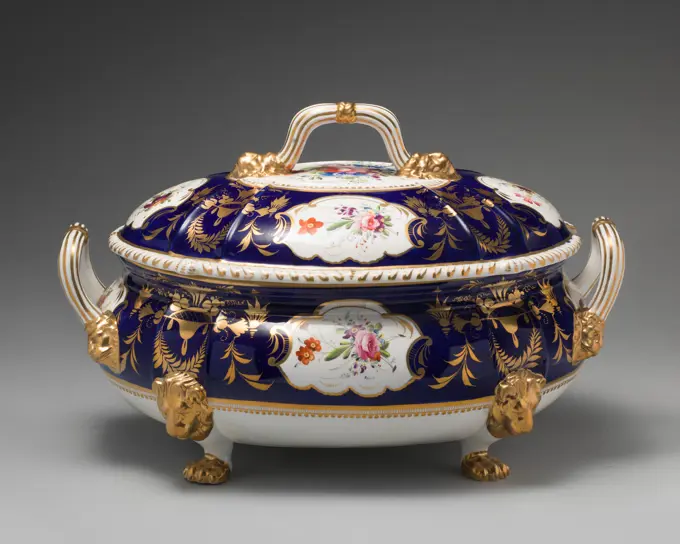
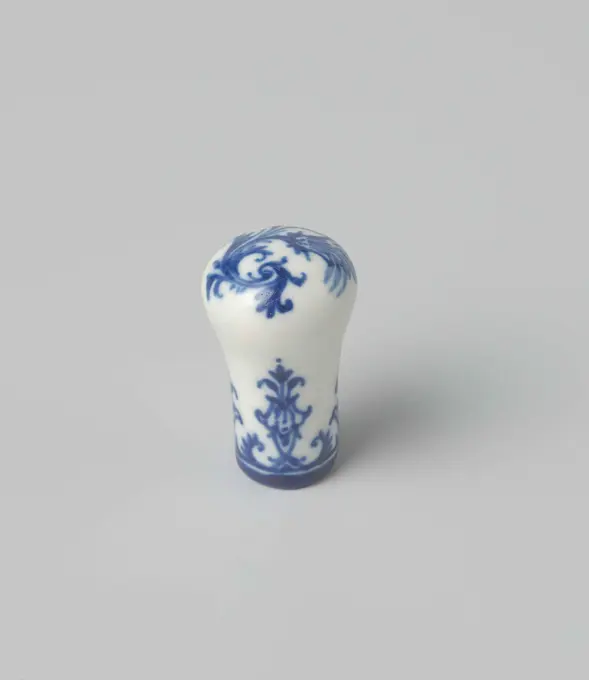
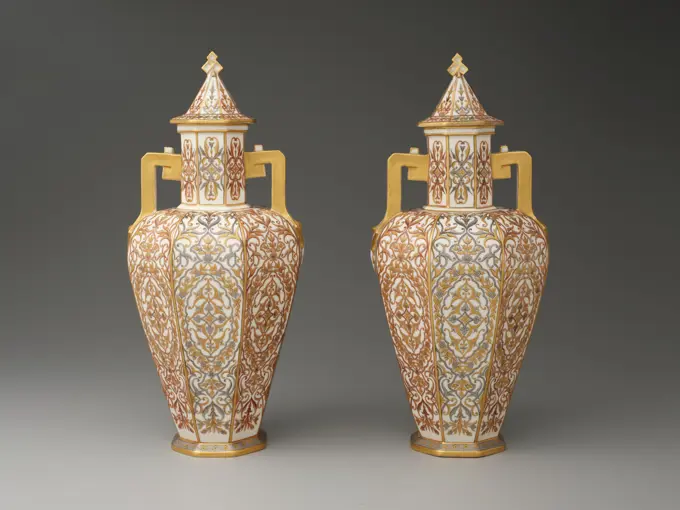
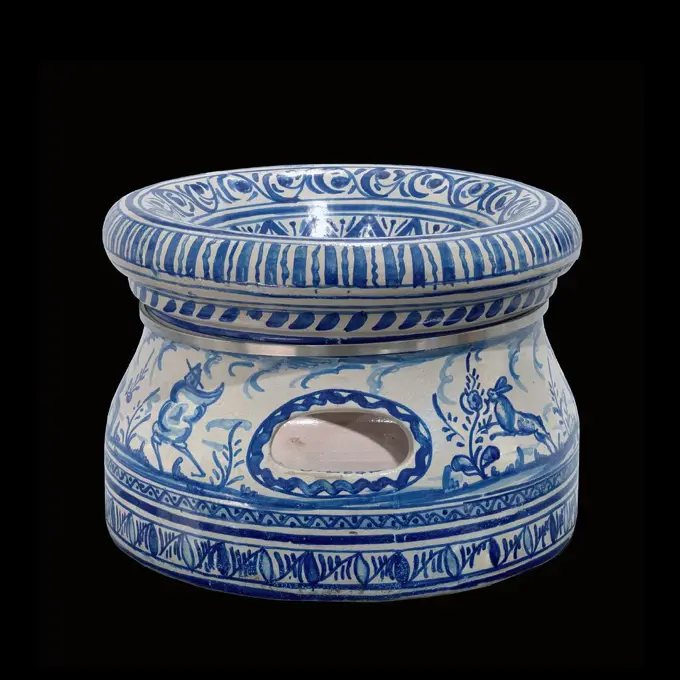
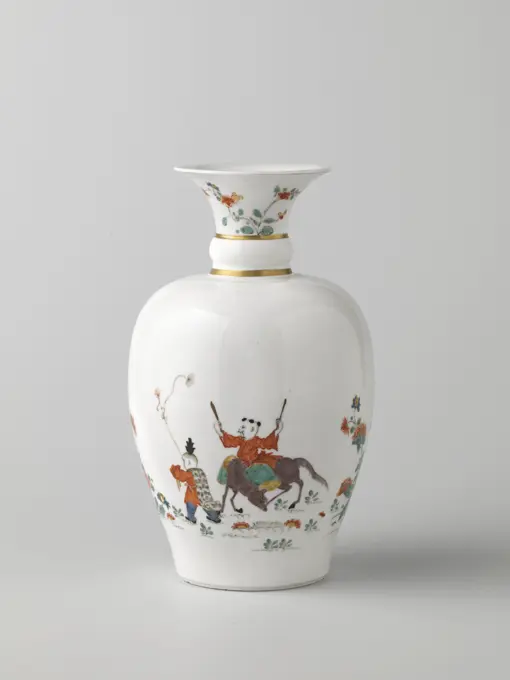
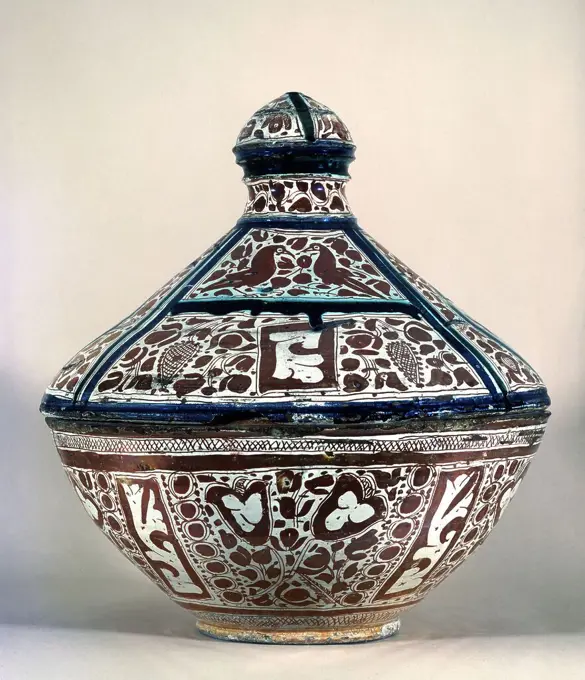
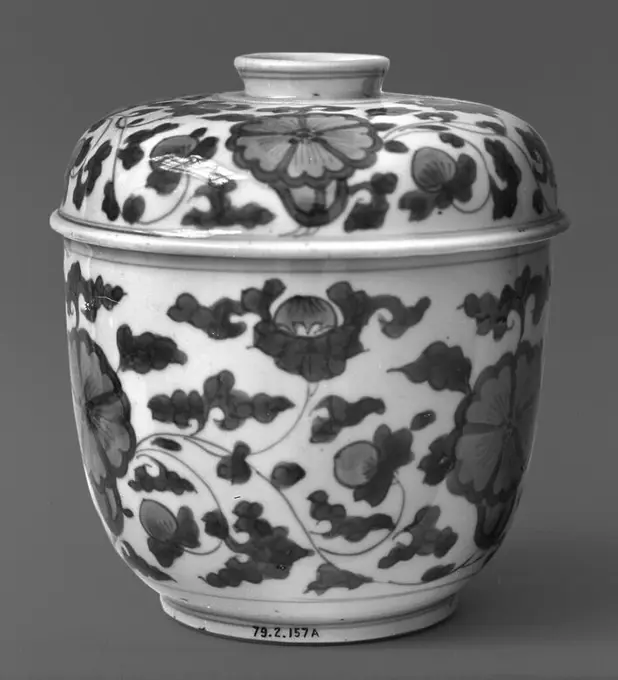
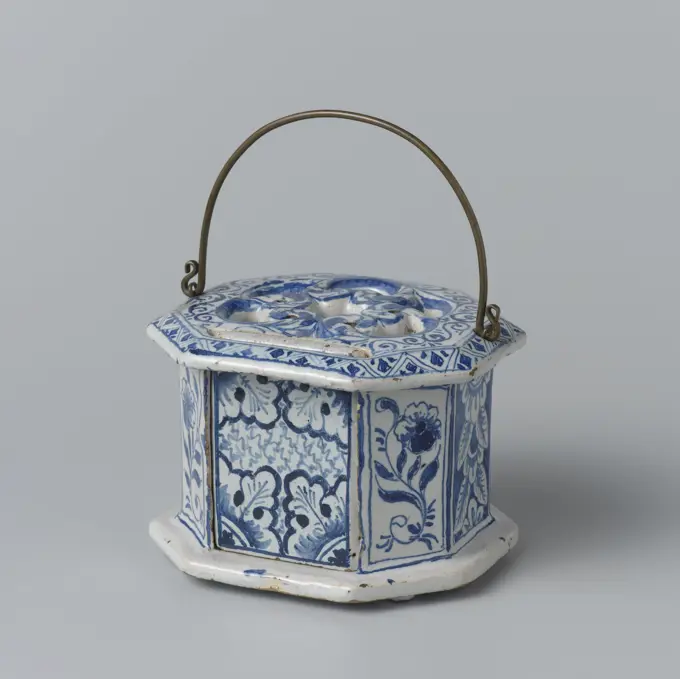
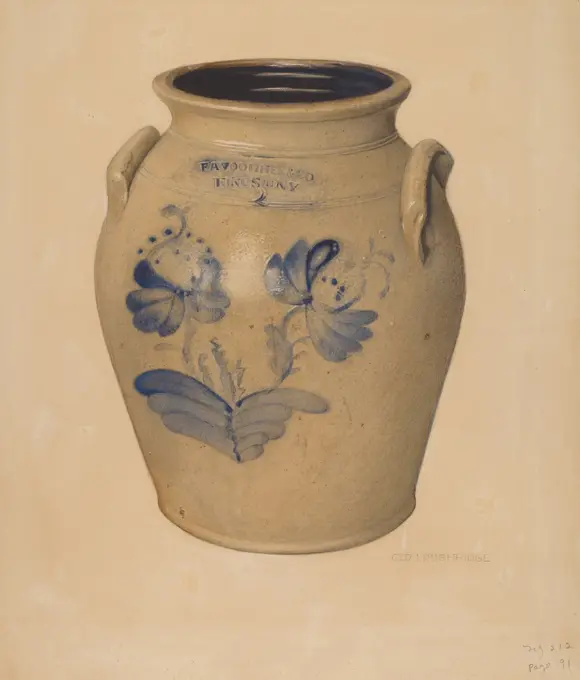
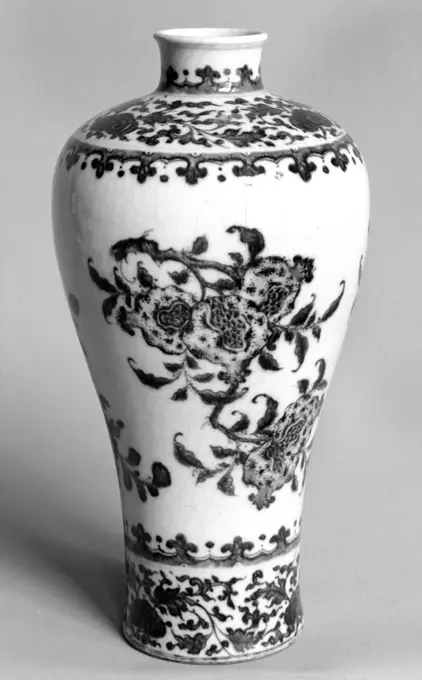
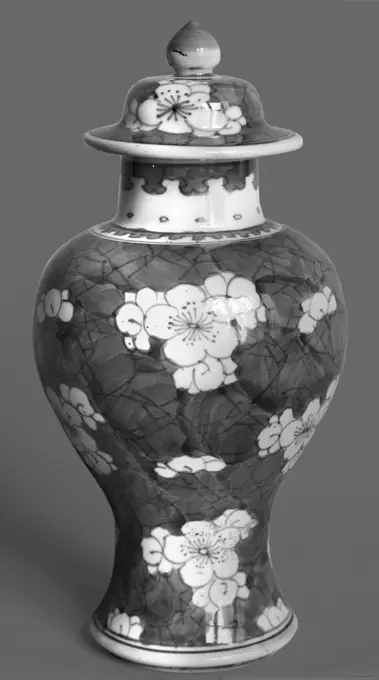
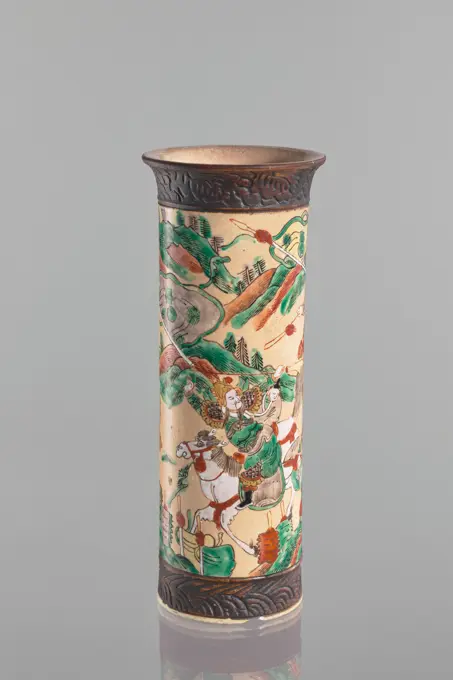
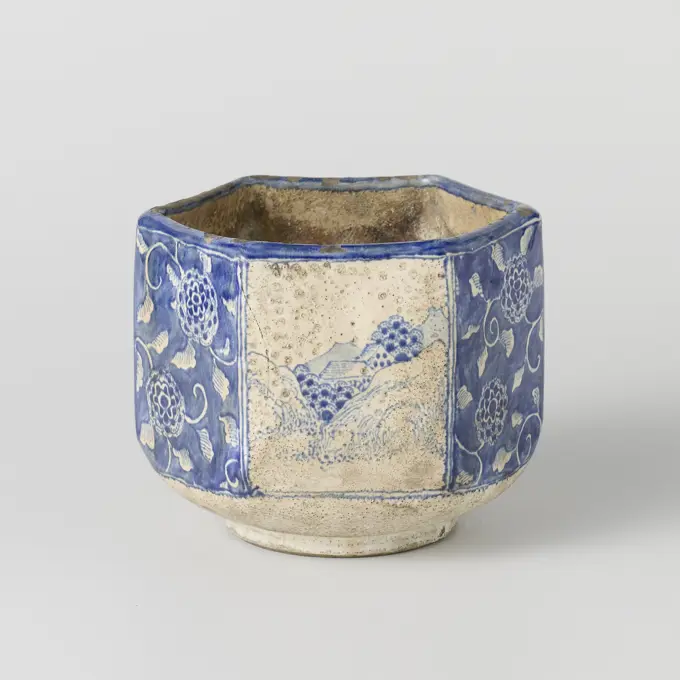
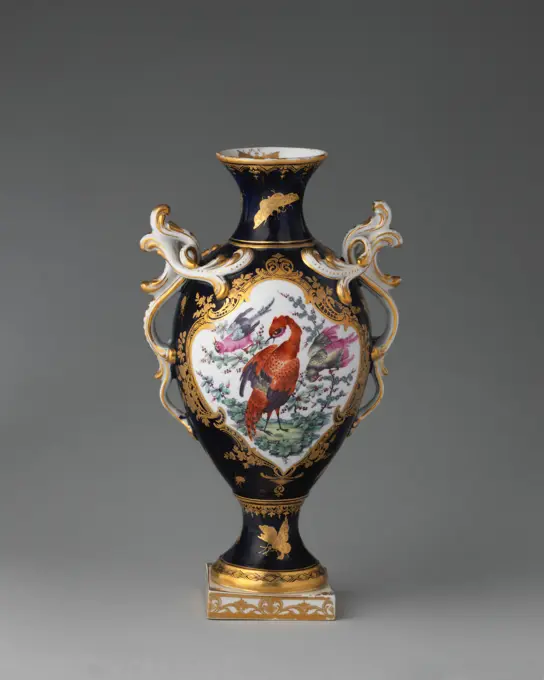
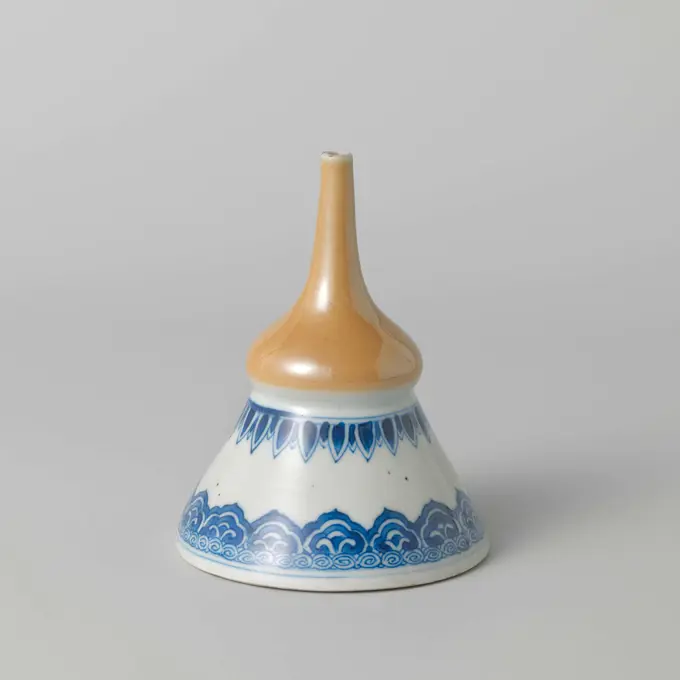
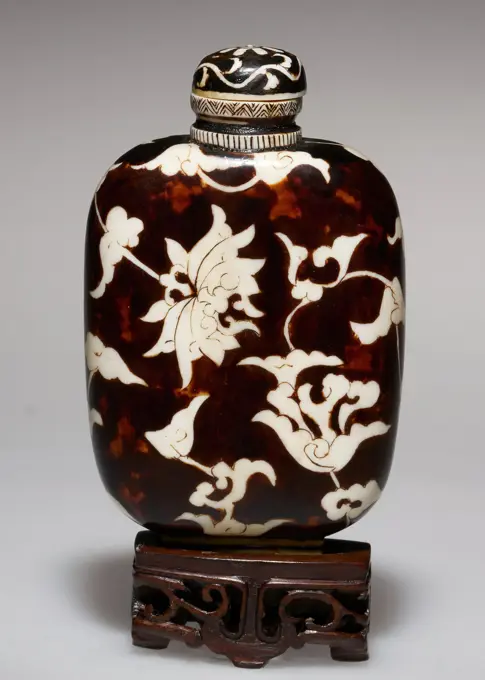
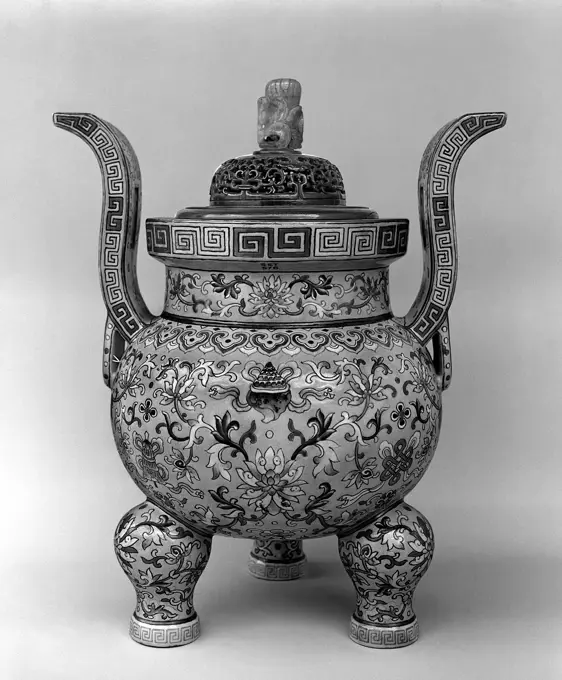
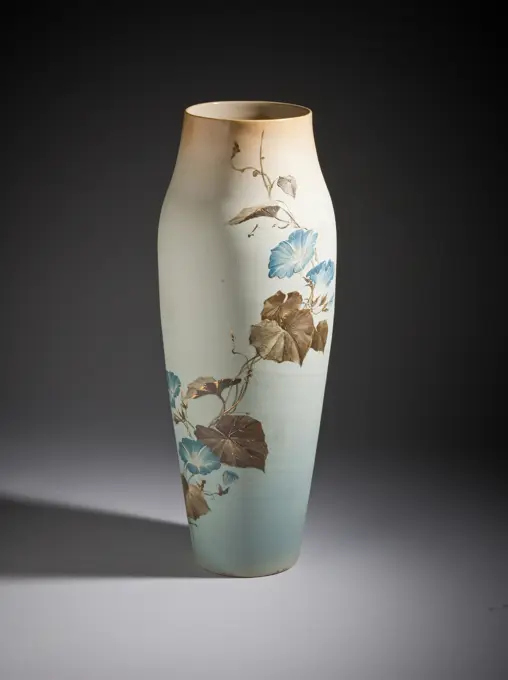
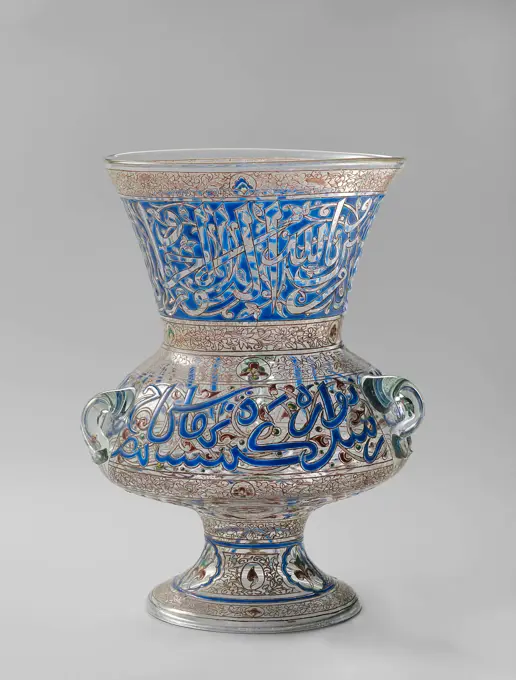
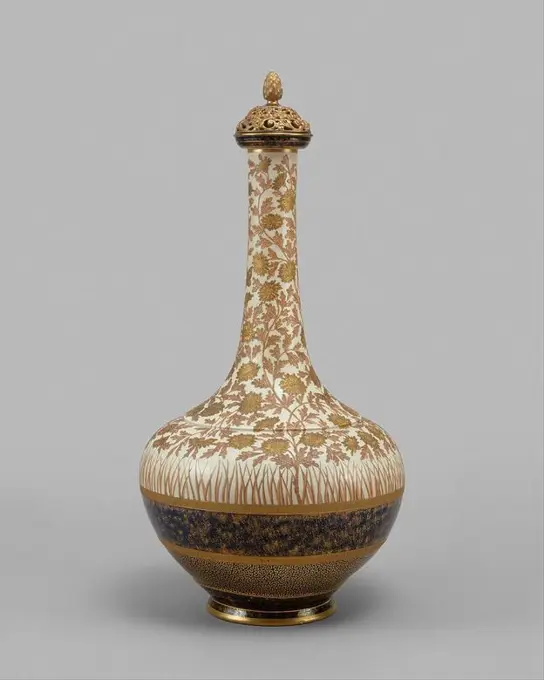
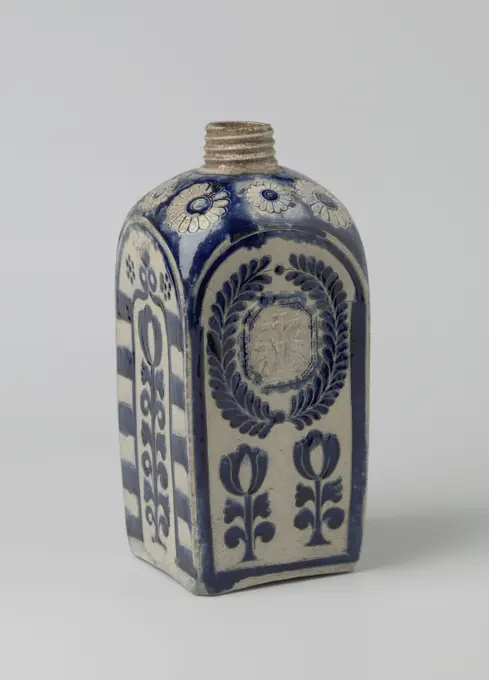
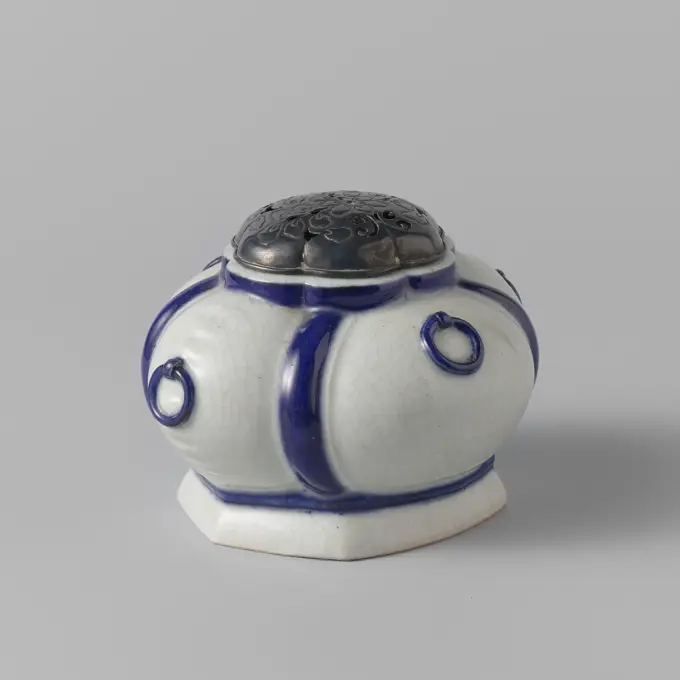
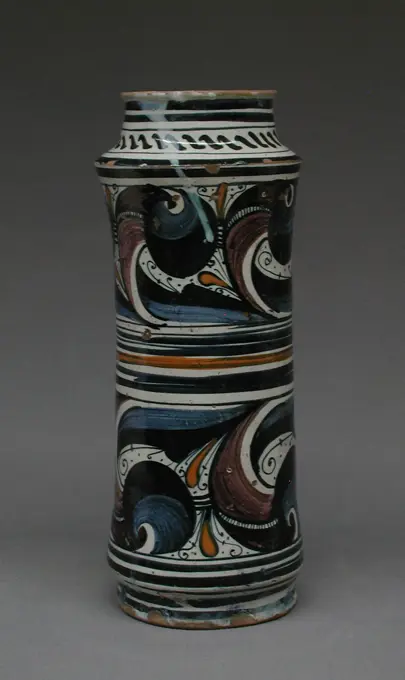
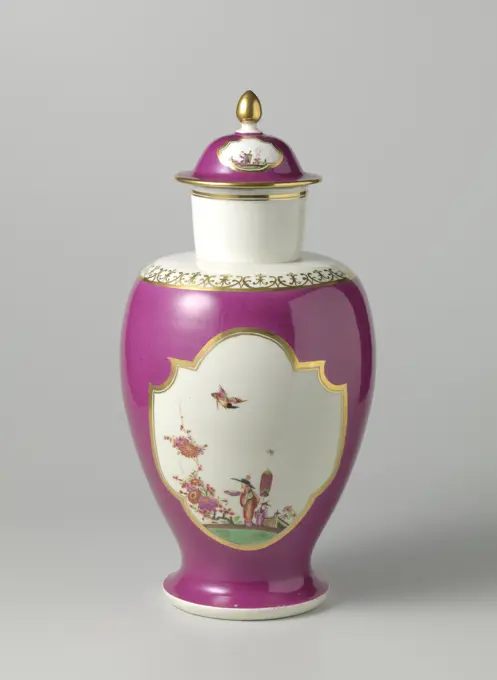
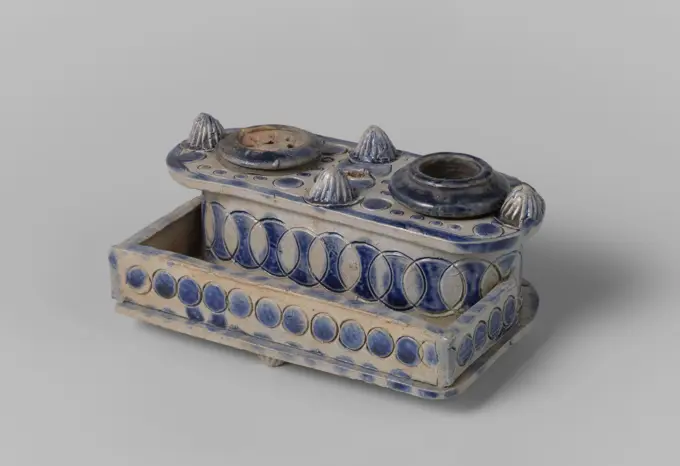
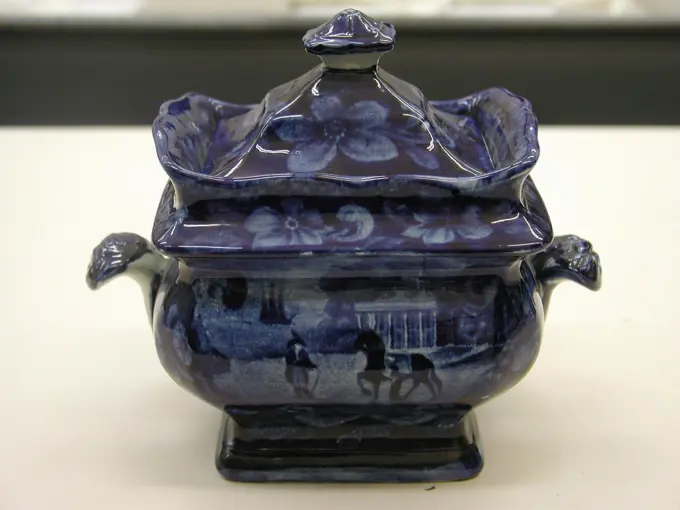
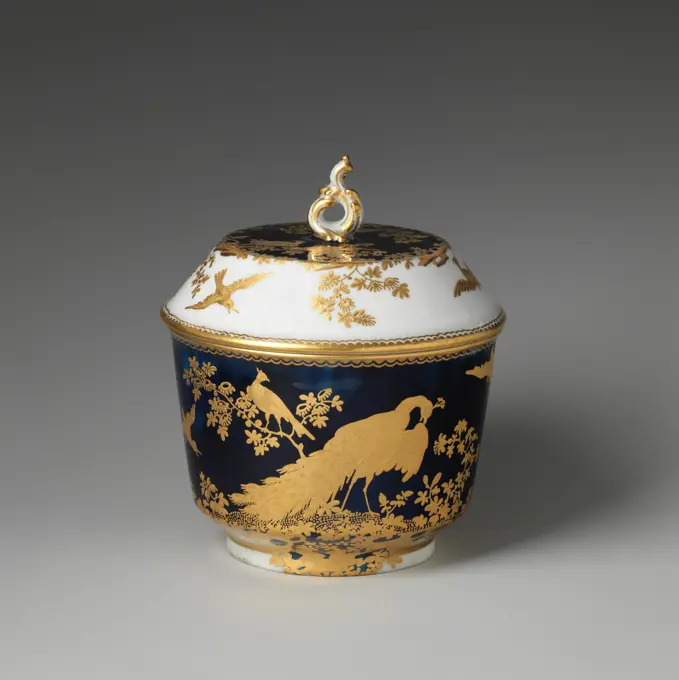
Sugar bowl (part of a service) ca. 1758-69 Chelsea Porcelain Manufactory The gilding on these pieces (see 54.163.7a, b-.34) is of a very high order, with tooled work on a thick application of honey gilding selectively matte and burnished for a lively design of pheasants, peacocks, and swallows in a landscape. The deep bowl was for little cakes. Listen to experts illuminate this artwork's story Listen Play or pause #407. Teapots Supported by Bloomberg Philanthropies We're sorry, the transcript for this audio track is not available at this time. We are working to make it available as soon as possible.. Sugar bowl (part of a service). British, Chelsea. ca. 1758-69. Soft-paste porcelain with enamel decoration and gilding. Chelsea Porcelain Manufactory (British, 1745-1784, Gold Anchor Period, 1759-69). Ceramics-PorcelainCan, painted with lambrequins and family crest, Anonymous, c. 1700 - c. 1730 Schenkkan painted in blue with lambrequins, leaf ornament and an unknown family crest. Rouen . Schenkkan painted in blue with lambrequins, leaf ornament and an unknown family crest. Rouen .English pottery Vase by Josiah Wedgwood in Jasperware, about 1780Kalian (water pipe). Iran, 17th century. Ceramics. Fritware, underglaze slip- and stain-painted, incisedVase. unknown, craftsmanCan be from stoneware. Gray can of stoneware with pewter lid. Decorated with ingrangled flower gel with leaves and flowers. On the front of the abdomen a medallion with arm in relief.Drucker Vase, anonymous, c. 1700 Square vase of porcelain with a wide, spreading neck, covered with a black glaze and painted in red, green, yellow, eggplant and black. A standing flower branch (Prunus) with one or more birds on each wall. Prunus branches on the shoulders. The neck with prunus branches and birds at a rock. Belongs to BK-NM-14283. Famle Noire. China porcelain. glaze. painting / vitrification Square vase of porcelain with a wide, spreading neck, covered with a black glaze and painted in red, green, yellow, eggplant and black. A standing flower branch (Prunus) with one or more birds on each wall. Prunus branches on the shoulders. The neck with prunus branches and birds at a rock. Belongs to BK-NM-14283. Famle Noire. China porcelain. glaze. painting / vitrificationSquare bottle with stopper (one of a pair) ca. 1690-1720 Japanese, for export market (Hizen ware, Imari type) Japanese porcelain made for export was avidly sought by aristocratic and royal patrons to decorate their stately homes and palaces in the late seventeenth and early eighteenth centuries. While Chinese porcelains were exported to Europe and Britain in larger quantities during this period, Japanese porcelains were prized for their boldly patterned and richly colored decoration. The popularity of works such as these changed European taste for Asian porcelain, with a more vivid palette preferred over the blue and white decoration which once defined imported porcelains.. Square bottle with stopper (one of a pair). Japanese, for export market (Hizen ware, Imari type). ca. 1690-1720. Hard-paste porcelain with underglaze blue and overglaze enamel and gilding. Ceramics-Porcelain-ExportVase China. Vase. China. Porcelain painted in underglaze blue and overglaze polychrome enamels. Qing dynasty (1644-1911), Qianlong mark and period (1736-95). CeramicsSugar bowl with cover (part of a service). Culture: British, Caughley. Dimensions: Height (with cover): 3 1/8 in. (7.9 cm). Factory: Caughley Factory (British, ca. 1772-1799). Date: ca. 1780-90. Museum: Metropolitan Museum of Art, New York, USA.Vase; Kinkôzan, Sôbei VII (1867-1927), Kinkôzan; 19th/20th century (1891-00-00-1910-00-00);Holder of ink set of multicolored painted faïence. Holder of Faïence ink set. Painted multi-colored.Roll trolley, trolley tumbler holder ceramic porcelain glaze, baked painted glazed cabinet set (1-4). Cylindrical body with band-shaped thickening at the middle height. Trumpet-shaped neck decorate home interiorFunerary jar with dragon 12th-13th century China Several vessels like this one have been excavated from tombs in southern China. They are thought to have been employed to store grains used in burial ceremonies, and are sometimes associated with the religious tradition of Daoism.. Funerary jar with dragon 42476Pitcher. Culture: American. Dimensions: H. 8 7/8 in. (22.5 cm). Maker: United States Pottery Company (1852-58). Date: 1852-58.Porcelain objects with white figures in low relief on a blue ground recall eighteenth-century Wedgwood wares. This pattern, known as "Paul and Virginia," is a copy of an English design. Museum: Metropolitan Museum of Art, New York, USA.Vase. unknown, craftsmanVase;  18th century (1701-00-00-1800-00-00);Moon flask. Taniguchi (fl. ca 1880-1920), ceramistJug. Fragment of a gray with blue jug of stoneware.Anonymous. Fountain with flags. Earthenware. 1789-1792. Paris, Carnavalet museum. 72437-52 Fantastic animal, crown, painted decor, flag, revolutionary faience, flower lily, fountain, music instrument, object, fish, revolution 1789, French revolution, drum, trumpet, 18th 18th 18th 18th 18th centuryOvoid covered jar with women in a landscape, anonymous, c. 1680 - c. 1720 Egg -shaped lid pot of porcelain, painted in underlaze blue. On the belly a landscape with two 'go' playing women (long lips). In addition, a two -standing women, one with a Qin. The performance is concluded with a cloud motif. On the lid two dancing boys (fools). Marked on the underside with an artemisia leaf. Blue White. China porcelain. glaze. cobalt (mineral) painting / vitrification Egg -shaped lid pot of porcelain, painted in underlaze blue. On the belly a landscape with two 'go' playing women (long lips). In addition, a two -standing women, one with a Qin. The performance is concluded with a cloud motif. On the lid two dancing boys (fools). Marked on the underside with an artemisia leaf. Blue White. China porcelain. glaze. cobalt (mineral) painting / vitrificationMoon flask rust body with central reserve ca. 1878-82 Doulton Manufactory. Moon flask rust body with central reserve. British, Lambeth, London. ca. 1878-82. Porcelain. Ceramics-PorcelainMiniature bottle vase with Chinese figures and pine sprays. Miniature bottle-shaped vase of porcelain with square body, painted in underglaze blue. On the belly four medallions with a Chinese person in each, one of which is on horseback, one running, one with a range and one sitting; on the shoulder a band with zigzag work; The neck with twice a pine branch. Blue White.Two vases.Meissen porcelain manufactory, Meissen, c. 1725, Hard Paste PorcelainCandlestick with Floral Decor Candlestick; Manufactured by Volkstedt; porcelain, vitreous enamelSnuff Bottle (Biyanhu) with Dragon Chasing Flaming Pearl. China, Chinese, Qing dynasty, Daoguang period, 1821-50. Tools and Equipment; bottles. Molded porcelain with painted overglaze enamel decorationJug of stoneware in gray and blue with around the neck three oval medallions in which three mances between which two flower vases. Jug of stoneware in gray and blue. To the neck three oval medallions in which three men's heads. Two flower vases in between. To the abdomen a wide tire on which a cavalcade with the overscription: Soldiers und Die Seint Ehren work, who serve zu faus und auch zu pert. Und Who Man Es von Ihnen Begerh in Decenber Anno 1617. Reidet In Nam DS Men. With tin lid. Note: The ear is broken.Beaker with Cover (Humpen) with Hunting Scenes. Bohemian or German. Date: 1550-1600. Dimensions: H: 38.1 cm (15 in.). Colorless glass and enamel. Origin: Bohemia. Museum: The Chicago Art Institute, Chicago, USA.Cylindrical, shoulderd vase with powder bleu and panels in reserve with flower sprays and birds, anonymous, c. 1700 - c. 1724 Cylindrical vase of porcelain with sloping shoulder, straight neck and flat, upright edge, painted in underlaze blue and on the glaze blue, red, green, yellow, black and gold. The vase is covered with bleu poudré (powder blue) with two rectangular cartouches with pressed corners filled with a bird on a flower branch (prunus and peony); On the blue a decoration in gold of curls with stylized flowers and two rectangular cartouches with crushed corners, one filled with rock, bamboo branch and two birds, the other with a prunus branch and a butterfly; On the shoulder a band Ruyi motif with geometric pattern interspersed with lobed cartouches with flower branches; the neck with geometric pattern in which two fan -shaped cartouches with flower branch and butterfly or river landscape; The edge with Meander motif. A chip in the edge and foot. On the bottom an old label Vase with Scholar in a Landscape (one of a pair) ca. 1915-35 China Early in the twentieth century, under the auspices of Yuan Shikai, some ceramics of surprisingly fine quality were produced at the Jingdezhen kilns of Jiangxi Province. Yuan had been named president of the Chinese Republic in 1912, and his ambitions to become emperor were realized in December 1915, when he "accepted" the throne. His reign was short-lived, however, as he died in June 1916.This pair of vases have mirror-image designs that have been painted over the glaze in sepia and black pigments with minute attention to detail. They are marked on the base with Yuan Shikai's reign title, Hongxian, and they stand as proof of a degree of excellence in ceramic manufacture that is generally unexpected in wares of this period.. Vase with Scholar in a Landscape (one of a pair) 42325Tureen 1814-30 Crown Derby. Tureen. British, Crown Derby. 1814-30. Soft-paste porcelain. Crown Derby (British, 1750-present). Ceramics-PorcelainWalking stick button with painting in blue. Walking stick button of porcelain, painted in underglaze blue with floor motifs standing on the wall and on top of a flower branch.Pair of Covered Vases 1880-1890 England. Bone china, enamel, and gilding .Fábrica de Mensaque Rodríguez y Cía. (Maker); José León Rodríguez / 'Spittoon'. After 1917. Ceramic paste. Museum: Museo del Prado, Madrid, España.Vase, multi -colored painted with chinoiseries, Meissener Porzellan Manufaktur, c. 1730 - c. 1735 Vase of painted porcelain. The vase is painted with a contour chinoiserie consisting of a running rider, preceded by a boy who wears a rolled-out music role on the back and with branches with Indianic blums. The vase is marked. Float porcelain Vase of painted porcelain. The vase is painted with a contour chinoiserie consisting of a running rider, preceded by a boy who wears a rolled-out music role on the back and with branches with Indianic blums. The vase is marked. Float porcelainGoblet with cover ca. 1830-40 Bohemian. Goblet with cover 207907Melon-shaped Ewer with Incised Peony Design, 1200s. Korea, Goryeo period (918-1392). Pottery; vessel only: 18.3 cm (7 3/16 in.). This melon-shaped pitcher is adorned with a delicate drawing that renders chrysanthemum buds with full blossoms in white and black inlays. In Korea, chrysanthemum flowers and leaves were made into both tea and wine. Chrysanthemum wine was enjoyed during the the Double Nine Festival (the ninth day of the ninth month in the lunar calendar) when praying for longevity.Bottle-Flask with Drums, 1700s. Japan, Edo period (1615-1868). Porcelain with overglaze color enamel (Hizen ware, Arita type, Imari style); diameter: 18.2 cm (7 3/16 in.); overall: 25.6 cm (10 1/16 in.).PILA BAUTISMAL DE MUEL - SIGLO XVI-XVII. Location: INSTITUTO VALENCIA DE DON JUAN-COLECCION. MADRID. SPAIN.Covered Deep Bowl. Culture: China. Dimensions: H. 5 1/2 in. (14 cm); Diam. 5 in. (12.7 cm). Date: early 18th century. Museum: Metropolitan Museum of Art, New York, USA.Test, 1760 Test of blue painted faience, ranging with an octagonal stew (BK-NM-4001). Makkum earthenware. tin glaze. Test of blue painted faience, ranging with an octagonal stew (BK-NM-4001). Makkum earthenware. tin glaze.Swimming pool - aquarium;  19th century (1801-00-00-1900-00-00);Container for kidding ();  19th century (1801-00-00-1900-00-00);Decorative Asian Pot with LidGeorge Loughridge, Crock, c 1938 CrockVase with Scene from The Story of the Blue Robe mid-17th century China Parallels to a vase with the same scene and an inscription identify the scene here as an episode from a Ming-dynasty play entitled The Story of the Blue Robe (Qingshan bao). This work recounts the story of a young scholar named Liang Hao who, for his help during a thunderstorm, was rewarded by the Daoist immortal Lu Dongbin with a bride, the promise of a successful career in government, and longevity.. Vase with Scene from The Story of the Blue Robe 76452Carafe with a medallion with a women's portrait, anonymous, c. 1850 - c. 1900 Matt glass carafe with small gold -plated medallion in which a bust portrait of a girl. A golden rosette on the opposite side. The stop ends in a point. Along the four -part lobed spout and along the base golden edges. France (possibly) glass glassblowing / gilding Matt glass carafe with small gold -plated medallion in which a bust portrait of a girl. A golden rosette on the opposite side. The stop ends in a point. Along the four -part lobed spout and along the base golden edges. France (possibly) glass glassblowing / gildingDrug Jar, 1550. Maiolica earthenware jar. Place of manufacture: Castelli, Italy.. The material used to make this drug jar is known in Italy as Maiolica.. It is earthenware with a thick, opaque white surface called tin glaze... Maiolica was established in the northern half of Italy by the mid-15th century when the pots were often decorated with bold patterns in green and purple.. As the industry developed throughout Italy, characteristic shapes emerged, amongst them drug jars like this used for display in pharmacies. The decoration on this pot shows a portrait of a bearded man in a damask robe, with an inscription reading 'nt agipriac', a contraction of the latin name of its original medicinal contents.Long neck bottle with lions early 18th century China. Long neck bottle with lions. China. early 18th century. Porcelain painted in underglaze cobalt blue (Jingdezhen ware). Qing dynasty (1644-1911). CeramicsMeiping vase with peach, pomegranade, and fingered citron 18th century China. Meiping vase with peach, pomegranade, and fingered citron. China. 18th century. Soft-paste porcelain painted in underglaze cobalt blue (Jingdezhen ware). Qing dynasty (1644-1911). CeramicsCovered jar with plum blossoms early 18th century China. Covered jar with plum blossoms. China. early 18th century. Porcelain painted in underglaze cobalt blue (Jingdezhen ware). Qing dynasty (1644-1911). CeramicsVase; Chang; 19th century (1801-00-00-1900-00-00);Hexagonal charcoal burner with water landscapes and floral scrolls, anonymous, anonymous, c. 1775 - c. 1799 Hexagonal charcoal burner (hiire) of stoneware, covered with a white sludge and painted on it in blue. The wall is divided into six courses with alternating a river landscape or in blue peony drinks. Kyoyaki. Japan stoneware. glaze. painting / vitrification Hexagonal charcoal burner (hiire) of stoneware, covered with a white sludge and painted on it in blue. The wall is divided into six courses with alternating a river landscape or in blue peony drinks. Kyoyaki. Japan stoneware. glaze. painting / vitrificationVase Necel, Franciszek (1868 1935)Miniature pitcher. Culture: American. Dimensions: 2 3/4 x 3 5/8 x 2 1/4 in. (7 x 9.2 x 5.7 cm). Maker: Charles Cartlidge and Company (1848-1856). Date: 1848-56. Museum: Metropolitan Museum of Art, New York, USA.Wazon. unknown, craftsmanBeaker 1825-1855 Bohemia. Glass with polychrome enamels and gilding .Ming dynasty, Yongle reign period. Porcelain painted in under glaze cobalt blue,.Jingdezhen, Jiangxi province.Vase (one of a pair) ca. 1765-70 Chelsea Porcelain Manufactory. Vase (one of a pair). British, Chelsea. ca. 1765-70. Soft-paste porcelain. Chelsea Porcelain Manufactory (British, 1744-1784). Ceramics-PorcelainFunnel with a Light Brown Glaze and Ruyi Border. Funnel of porcelain with a straight-handed, flared cup, bulb between cup and stem, partially covered with a café-au-lait-colored glaze and painted in underglaze blue. The cup with a ruyi motif band with curlwork; around the base of the cup a bond with dependent, pointed leaf motifs; The handle with a light brown glaze. Monochrome brown with blue and white.Snuff Bottle, 19th century, 3 1/8 x 2 in. (7.9 x 5.1 cm), Ivory, China, 19th centuryIncense Burner from a Set of Five-Piece Altar Set (Wugong) China. Incense Burner from a Set of Five-Piece Altar Set (Wugong). China. Porcelain. Qing dynasty (1644-1911), Daoguang period (1821-50). CeramicsCover of earthenware with black -covering glaze, anonymous, c. 1740 - c. 1770 A vaulted lid. The button of the lid has the shape of a bird with spread wings. The lid is decorated in relief with a winger drink and leaf work, which is gold -plated in a few places on the glaze. Staffordshire earthenware A vaulted lid. The button of the lid has the shape of a bird with spread wings. The lid is decorated in relief with a winger drink and leaf work, which is gold -plated in a few places on the glaze. Staffordshire earthenwareTea caddy with birds in a landscape, Ansbach, c. 1765 Porcelain tea with with a rectangular body, short, round neck and sloping, slightly excellent shoulder. Painted on the glaze in email colors and gold. Two birds in a landscape on the wide courses of the abdomen. The narrow compartments and the shoulder with sprinkling flowers. On the edge just below the shoulder a band with servetwork, including Golden Ranks. Golden line on the neck. Marked on the underside with the A. Ansbach porcelain. glaze. gold (metal) painting / gilding / vitrification Porcelain tea with with a rectangular body, short, round neck and sloping, slightly excellent shoulder. Painted on the glaze in email colors and gold. Two birds in a landscape on the wide courses of the abdomen. The narrow compartments and the shoulder with sprinkling flowers. On the edge just below the shoulder a band with servetwork, including Golden Ranks. Golden line on the neck. Marked on the underside with the A. Ansbach porcelain. glaze. Sugar bowl with lid, part of a tête-à-tête, painted with Lelies, N.V. Haagsche Plateel Factory Rozenburg, 1900 Sugar pot of a porcelain tête-à-tête. Painted in yellow, reddish -brown and different shades of green with an ornamental decor, in which lilies. On all parts the monogram MVV (= Michiels van Verduynen) and the weapon of this family, in which the color blue also occurs. Marked Rozenburg. The Hague porcelain Sugar pot of a porcelain tête-à-tête. Painted in yellow, reddish -brown and different shades of green with an ornamental decor, in which lilies. On all parts the monogram MVV (= Michiels van Verduynen) and the weapon of this family, in which the color blue also occurs. Marked Rozenburg. The Hague porcelainUnknown (n. - d.), Covered vase (main title). Ceramics, porcelain, moufle fire enamels. Petit Palais, Museum of Fine Arts of the City of Paris.Vase, Ernest Chaplet, c. 1885 - c. 1886 Vase of Grès Brun with entered and in relief modeled decoration, partially matte brown glazed, painted in colors and black and white enamel, heighted with gold. The vaulted, widening vase has a slightly cut neck. The body is decorated with three flying swallows and prunus blossoms. Brands: Stamped: Rosary within which H&CO (scratched away); Form number 70; Ingrift G2 above B1; Painted in gold HB & Co (HB together); Ingrift into the decor AK in monogram. Paris stoneware Vase of Grès Brun with entered and in relief modeled decoration, partially matte brown glazed, painted in colors and black and white enamel, heighted with gold. The vaulted, widening vase has a slightly cut neck. The body is decorated with three flying swallows and prunus blossoms. Brands: Stamped: Rosary within which H&CO (scratched away); Form number 70; Ingrift G2 above B1; Painted in gold HB & Co (HB together); Ingrift into the decor AK in monogram. Paris stonewareMorning Glory Vase. Matthew Andrew Daly (United States, 1860-1937)Rookwood Pottery (United States, Ohio, Cincinnati, 1880-1960). United States, 1887. Furnishings; Accessories. Earthenware with glazeMosque lamp. .Covered Vase. Culture: American. Designer: Probably designed by Edward Lycett (1833-1910). Dimensions: H. 27 in. (68.6 cm); Diam. 14 1/2 in. (36.8 cm). Manufacturer: Manufactured by Faience Manufacturing Company (American, New York, 1881-1892). Date: 1886-90.Because of its massive size, this Near Eastern-inspired bottle-form vase is one of the most important examples of the Faience Manufacturing Company's work. It may have belonged to the eminent ceramic historian Dr. Edwin AtLee Barber, who acquired a vase of the same size, shape, and decoration at auction in 1910. On the lower body, broad bands of Mazarine blue, a difficult-to-achieve glaze for which the firm was renowned, are painted with powdered gold and gilt vermiculation. On the upper body and neck, raised gold-paste butterflies flutter among chrysanthemums of Far Eastern derivation on an ivory-glazed ground. Museum: Metropolitan Museum of Art, New York, USA.Square bottle with the Crucifixion and stylised flowers, anonymous, c. 1750 - c. 1799 Bottle of stoneware with a square body, rounded shoulder and narrow neck with thread. Partly covered with cobalt blue. On one side a small printed and imposed relief of the crucifixion with two Maria's comprises by a blowing blower. Below two stylized flowers. The other three sides with a long -term, stylized flower in a kind of gate. Stamped rosettes on the shoulder saved in blue. Dop is missing. Westerwald. Westerwald stoneware. glaze. cobalt (mineral) vitrification Bottle of stoneware with a square body, rounded shoulder and narrow neck with thread. Partly covered with cobalt blue. On one side a small printed and imposed relief of the crucifixion with two Maria's comprises by a blowing blower. Below two stylized flowers. The other three sides with a long -term, stylized flower in a kind of gate. Stamped rosettes on the shoulder saved in blue. Dop is missing. Westerwald. Westerwald stoneware. glaze.Lekythos 1st quarter of 5th century B.C. Attributed to the Athena Painter. Lekythos. Greek, Attic. 1st quarter of 5th century B.C.. Terracotta; black-figure. Late Archaic. VasesSnuff Bottle, 19th century, 3 3/4 x 2 1/4in. (9.5 x 5.7cm), Ivory, China, 19th centuryTankard. Germany, Hanau. Date: 1786. Dimensions: 22.2 x 12.1 cm (8 3/4 x 4 3/4 in.). Tin-glazed earthenware (faience) and pewter. Origin: Hanau. Museum: The Chicago Art Institute, Chicago, USA.Lantern;  End of the 19th century (1891-00-00-1900-00-00);Bow Porcelain Manufactory, Frill-Vase and Cover, c. 1760-65, soft-paste porcelain.. Metal lid of charcoal burner (hiire) of porcelain. The lid has openwork flower drinks. The edge is six times lobed. Blue White.Albarello ca. 1470-1500 Italian, Faenza Storage vessels were among the most frequently produced maiolica wares in late medieval and Renaissance Italy. Made in fairly standard shapes, they were designed to fit with dozens of others on a shelf, often in a pharmacy or shop. Their handles therefore tend to fit within the vessels profile, and the cylindrical albarello type is generally narrower at the middle than at the top or bottom, making it easy to grip. Other common features include inscriptions indicating contents and flanged lips to help secure cloth or paper seals. The decoration, usually more elaborate on one side than the other, can sometimes link pieces to a known dispensary or specific workshop or artist.. Albarello. Italian, Faenza. ca. 1470-1500. Maiolica (tin-glazed earthenware). Ceramics-PotteryVase, Meissener porcelain manufactory, c. 1725 - c. 1730 Vase with lid, made of multicolored painted porcelain. The vase and the lid are almost completely covered with a violet stock in which two-shaped four-passen-shaped four-passes have been saved on the top. Chinoiseries are painted in a garden in the four passes, on one side in the style of Höroldt. A lace gold Frisian runs on the shoulder. The lid has a gilded pear -shaped button on a white base. The vase is marked. Float porcelain Vase with lid, made of multicolored painted porcelain. The vase and the lid are almost completely covered with a violet stock in which two-shaped four-passen-shaped four-passes have been saved on the top. Chinoiseries are painted in a garden in the four passes, on one side in the style of Höroldt. A lace gold Frisian runs on the shoulder. The lid has a gilded pear -shaped button on a white base. The vase is marked. Float porcelainApothecary Jar ca. 1750-1800 Mexican. Apothecary Jar 3462Sand shaker with pierced top, anonymous, c. 1750 - c. 1799 Sand spreader of stoneware with a cylindrical body, flared edge to place in the holder and openwork top. The edge is covered with cobalt blue. Westerwald. Westerwald stoneware. glaze. cobalt (mineral) vitrification Sand spreader of stoneware with a cylindrical body, flared edge to place in the holder and openwork top. The edge is covered with cobalt blue. Westerwald. Westerwald stoneware. glaze. cobalt (mineral) vitrificationGarden vase; De Grieksche A (Fiansu Factory; 1658-1818), Kocks, Adrianus (Fl. 1686-1701); around 1690 (1801-00-00-1900-00-00);Unknown, covered vase (main title). Ceramics, porcelain, moufle fire enamels. Petit Palais, Museum of Fine Arts of the City of Paris.Vase (one of a pair) ca. 1870 Minton(s) British These vases reflect Christopher Dressers work in its most overtly decorative vein. The primary aesthetic impact of the vases lies in the strong pink ground, and the ‘cloisonné decoration, applied in bands, is further removed from a true cloisonné appearance than is normally encountered in Dressers work in this genre. There is a boldness to the simplicity of the decorative scheme, which relies on a strong color offset by two primary areas of dense pattern. These vases are unlike any other ceramic works designed by Dresser in the Museums collection. Listen to experts illuminate this artwork's story Listen Play or pause #418. Christopher Dresser and the Birth of Industrial Design Supported by Bloomberg Philanthropies We're sorry, the transcript for this audio track is not available at this time. We are working to make it available as soon as possible.. Vase (one of a pair). British, Stoke-on-Trent, Staffordshire. ca. 1870. Bone china. CeCharcoal burner with lobed sides, moulded rings and a metal cover, anonymous, c. 1800 - c. 1899 Metal lid of charcoal burner (Hiire) from porcelain. The lid has openwork flower vines. The edge has been lobed six times. Blue White. Japan porcelain. glaze. cobalt (mineral). deksel: metal painting / vitrification Metal lid of charcoal burner (Hiire) from porcelain. The lid has openwork flower vines. The edge has been lobed six times. Blue White. Japan porcelain. glaze. cobalt (mineral). deksel: metal painting / vitrificationCylindrical vase with powder blue and a chinese lady on a terrace. Trolley vase of porcelain with flat shoulder, straight neck and flared edge, painted in underglaze blue and on the glaze blue, red, green, yellow, eggplant, black and gold. The wall is covered with bleu poudré (powder blue) with two rectangular reserves with squeezed corners, one filled with a Chinese lady with a sprig of sitting on a stool on a terrace with rocks and plants, the other with a Chinese lady with sitting On a couch with a musical instrument next to a stool in a fenced garden with rocks, plants and a tree; To the courses a decoration in gold, between the boxes a flower vase, around the foot curling, on the shoulder a Swastika pattern interspersed with boxes filled with antiques, on the neck flower branches. Restored crack in the edge and neck; On the underside an old label with 'Collection S. Alberge-La Haye 1750'. Bleu poudré with famille verte.Goblet ca. 1870 Dott. Antonio Salviati & C.. Goblet. Italian, Venice (Murano). ca. 1870. Glass. GlassSalt-cellar. Castelli (ośrodek ceramiczny ; ca 1400- ), factoryVase ca. 1390-1353 B.C. New Kingdom This nearly complete glass bottle was discovered during the Museum's excavations at Malqata, the site of a city built for the jubilee festival of Amenhotep III.. Vase. ca. 1390-1353 B.C.. Glass. New Kingdom. From Egypt, Upper Egypt, Thebes, Malqata, Palace of Amenhotep III, MMA excavations, 1911-12. Dynasty 18Vase with cover ca. 1775-80 Cozzi Manufactory Italian The painted decoration on this vase reflects the ongoing popularity of chinoiserie, an evocation of the peoples, buildings and landscape of Asia, which exerted a strong fascination for eighteenth century Europeans.. Vase with cover 200962Terracotta oinochoe (jug) ca. 325-300 B.C. Attributed to the Stuttgart Group Nike driving a chariot preceded by Eros with a situla (bucket)The oinochoai are open at the bottom, indicating that they were made for funerary use. The opening rendered them useless as containers but permitted liquid offerings to flow into the ground.. Terracotta oinochoe (jug) 247372Tea set with view of Mount Vernon, The seat of the Late Genl Washington. Engraver Source material by: Samuel Seymour, American, 1797-1822 After: William Russell Birch, British, 1755-1834Bottle 1849-58 Probably designed by Daniel Greatbatch British. Bottle. American. 1849-58. Mottled brown earthenware. Made in Bennington, Vermont, United StatesSpirit Keg in the Shape of a Japanese Woman on a Chariot. Genkuja of porcelain, painted in underglaze blue and on the glaze red, green, black and gold. The jug is in the form of a woman in kimono, sitting on a two-wheel cart. Her kimono has been raised, so that her lower legs are visible. Front the cart is a hole made for the tap. The head is separate from the body and acts as a cap. Wheels were modeled on either side of the cart. The kimono is decorated with clemators, cherry blossom and paulown patients. On the front of the cart a rectangular compartment with a cloud of cloud and a scalloped cartouche with a lotus drink. The back of the cart with two birds behind bars, prunus blossoms and flower rinks that walk on the sides. Two corners of the cart broken off at the front. Imari.Covered Box. Vietnam, 15th century. Furnishings; Accessories. Stoneware with underglaze blue painted decorationTIBOR DE PORCELANA CHINA - PERIODO QIAN LONG (1736-1795). Location: MINISTERIO DE HACIENDA-COLECCION. MADRID. SPAIN.Tea caddy (one of a pair) ca. 1770 British, South Staffordshire. Tea caddy (one of a pair). British, South Staffordshire. ca. 1770. Enamel on copper. Enamels-PaintedOpulent Spanish Ceramic Earthenware from the 16th Century.Very old style glass ewer water jar in viewRussian Nesting Dolls Colorful russian nesting dolls isolated on a white background Copyright: xZoonar.com/VladxPodkhlebnikx 479627