Decorative Porcelain Vases

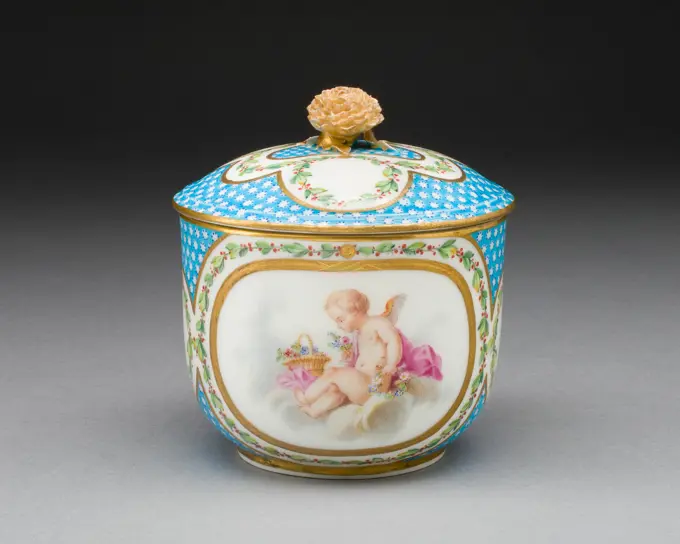
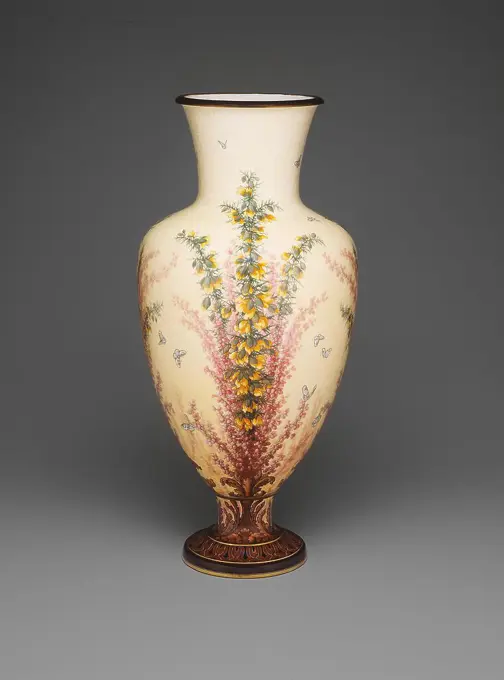
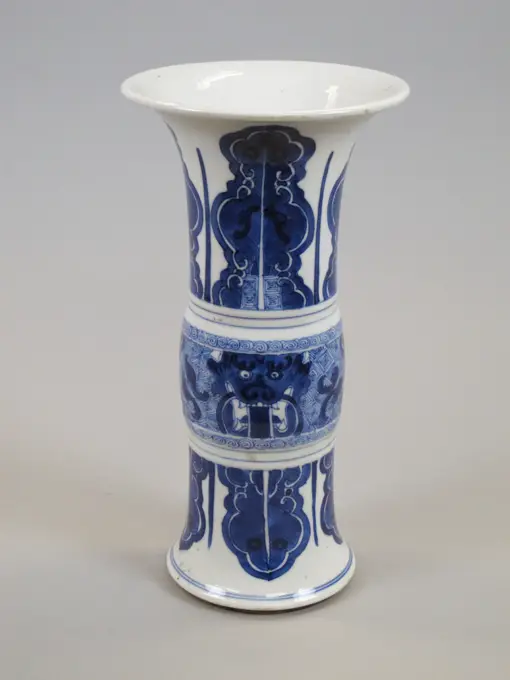
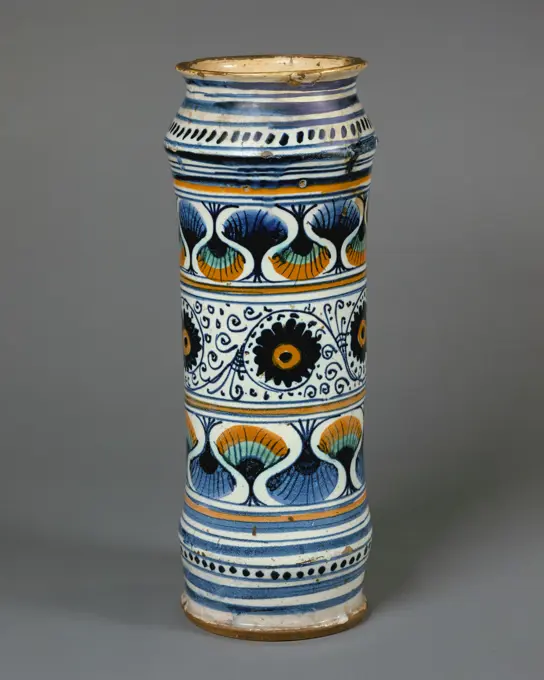
Colorfully painted porcelain vases showcasing intricate designs and floral patterns, combining traditional artistry with decorative elegance.
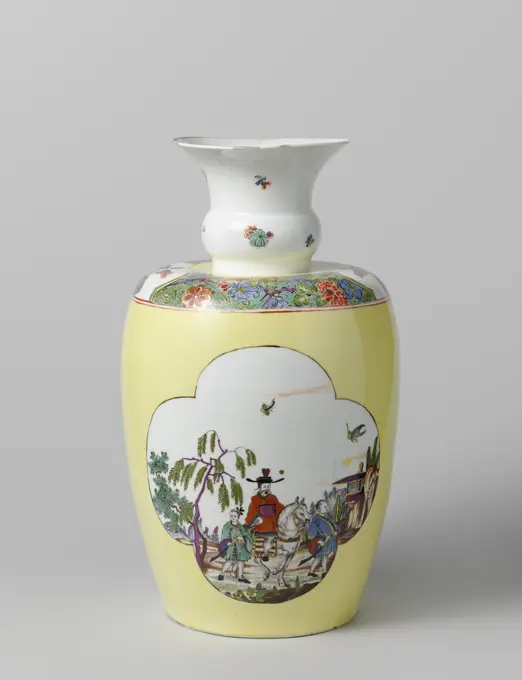
Vase, Meissener porcelain manufactory, c. 1730 - c. 1735 Vase of painted porcelain. The vase is almost completely covered emet a yellow stock in which two four -steps saved. In one four pass, a Chinese man on horseback is with two armed servants in a landscape with two trees on the right and a house on the right painted on rocks, in the other four pass a house on the water with three Chinese figures. On the shoulder a Frisian of Indianic Blumen is painted on black speckled green stock in which two fields with stylized birds. The vase is marked. Float porcelain Vase of painted porcelain. The vase is almost completely covered emet a yellow stock in which two four -steps saved. In one four pass, a Chinese man on horseback is with two armed servants in a landscape with two trees on the right and a house on the right painted on rocks, in the other four pass a house on the water with three Chinese figures. On the shoulder a Frisian of Indianic Blumen is painted on black speckled green stock
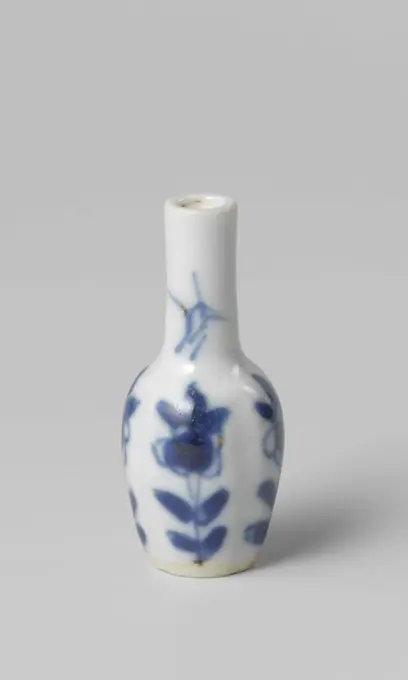
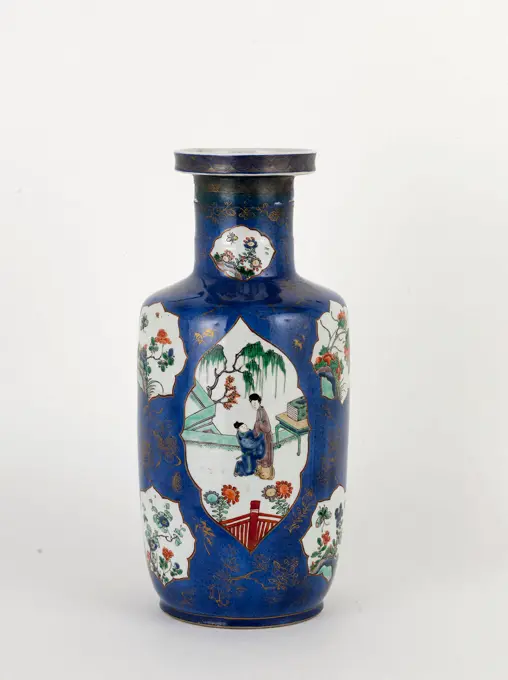
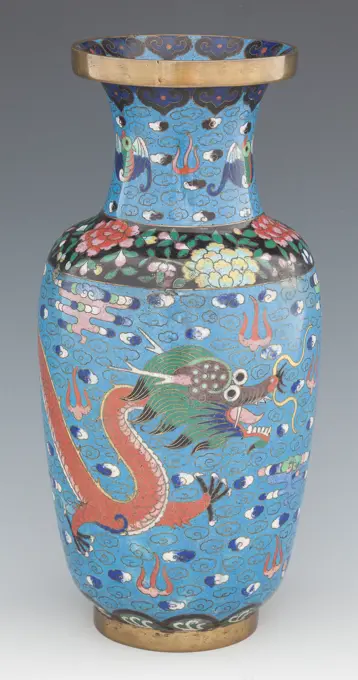
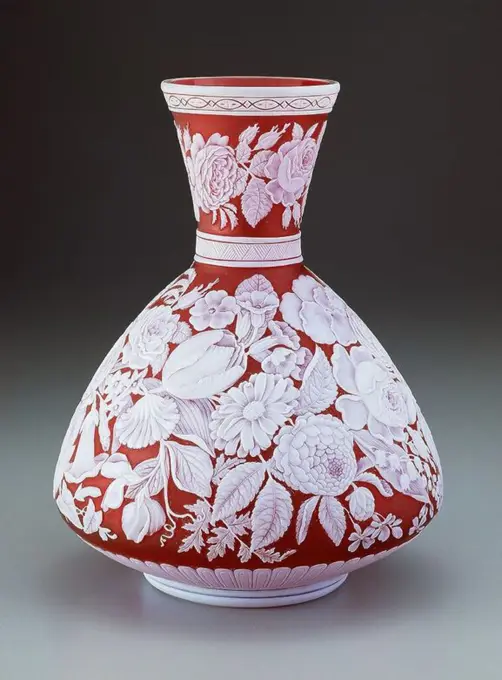
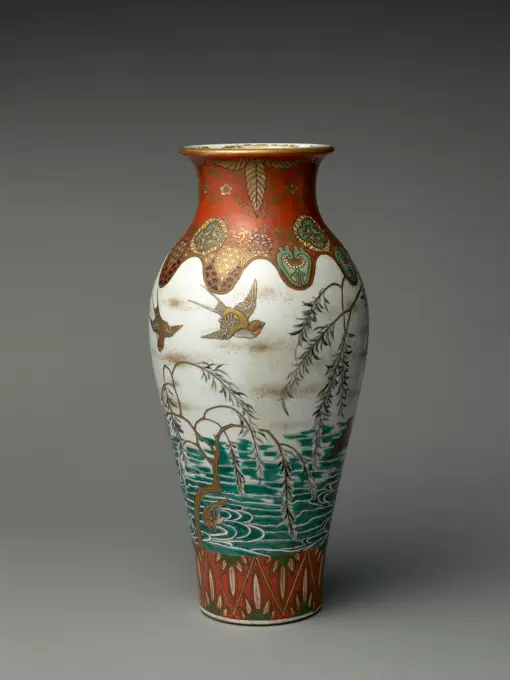
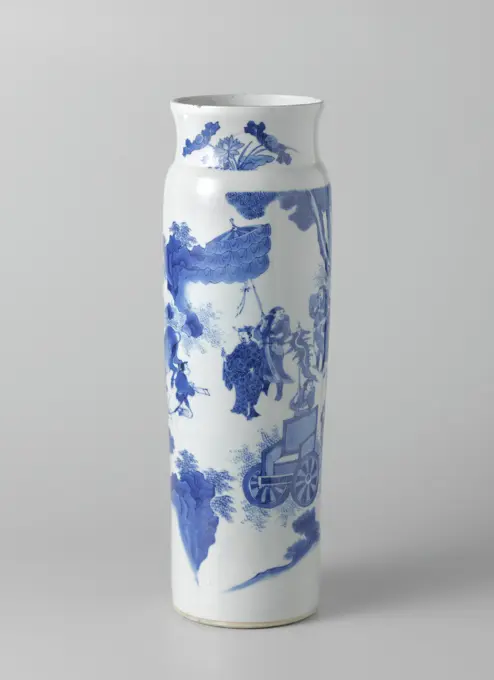
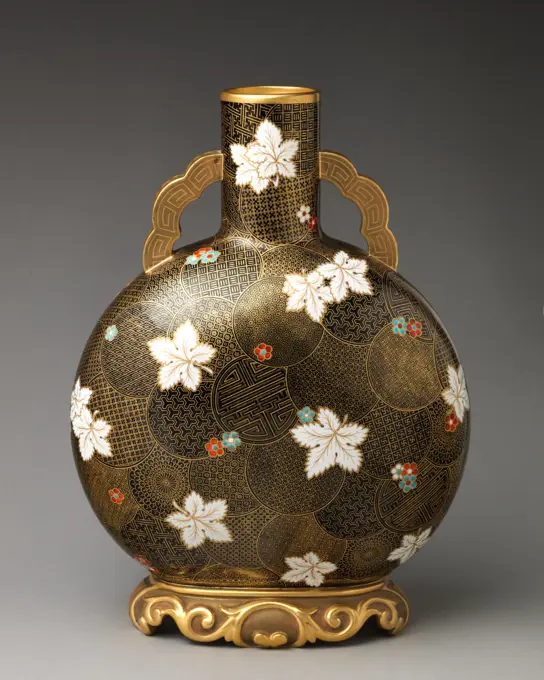
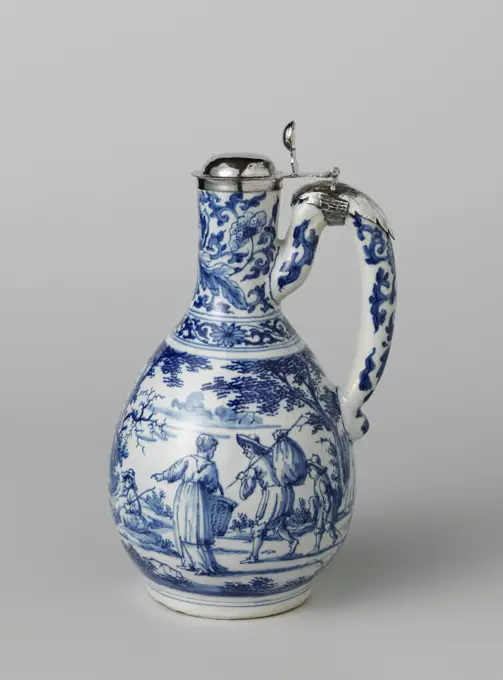
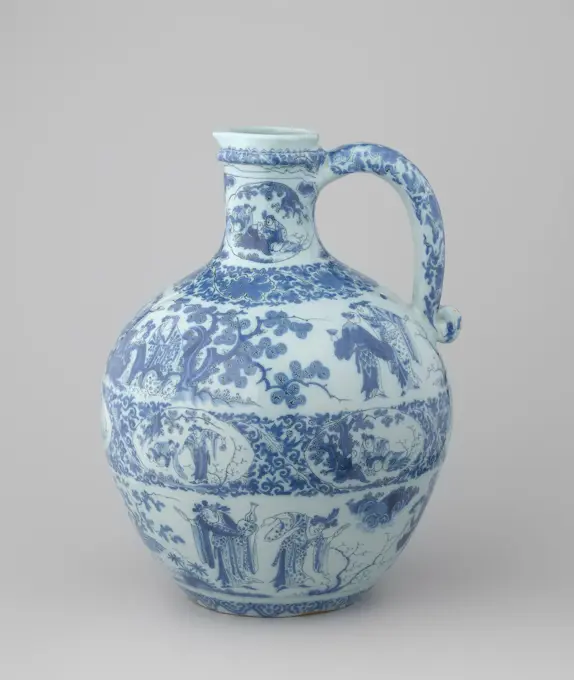
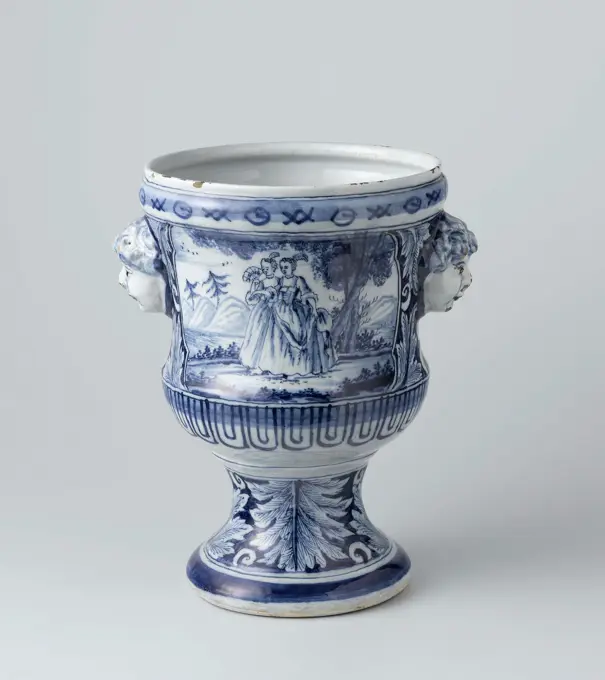
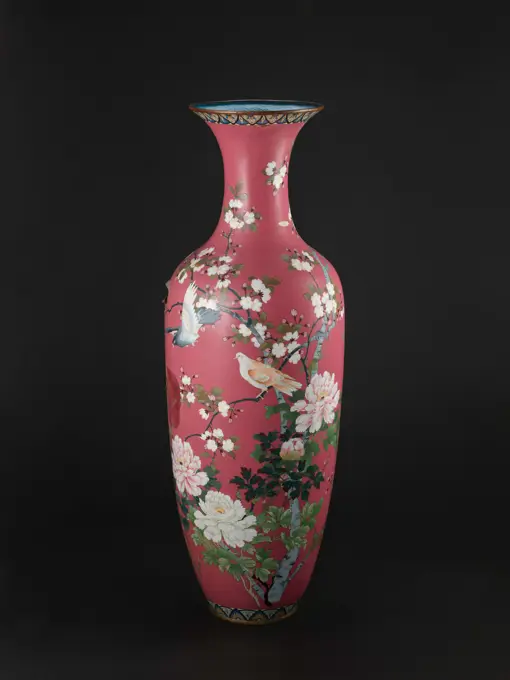
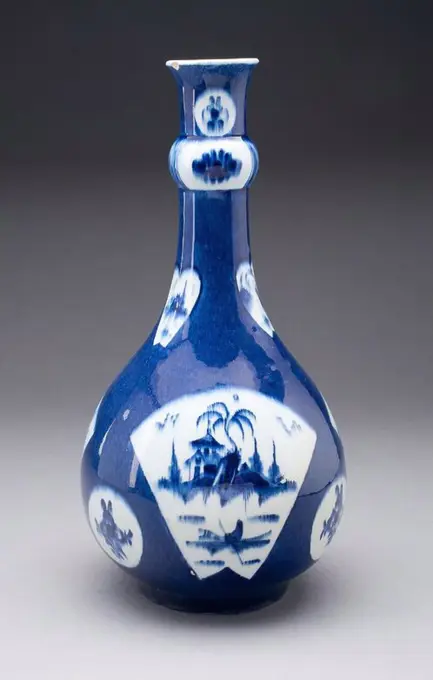
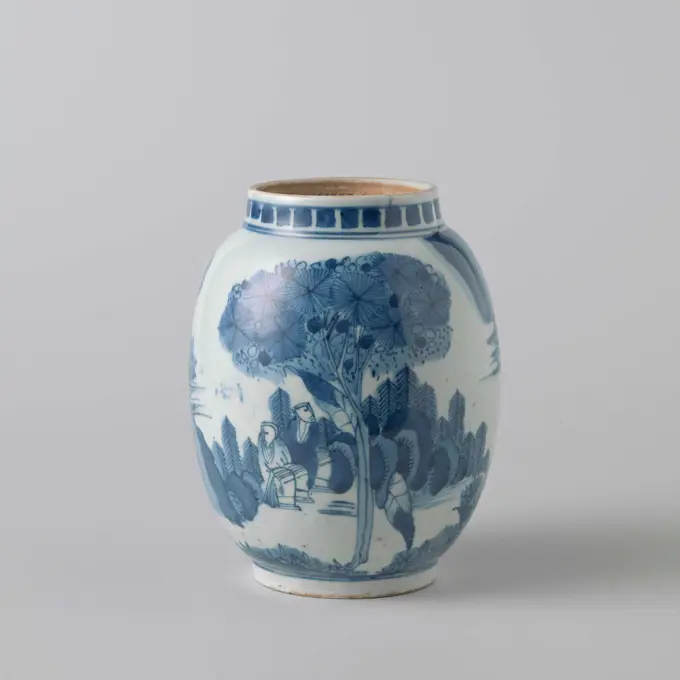
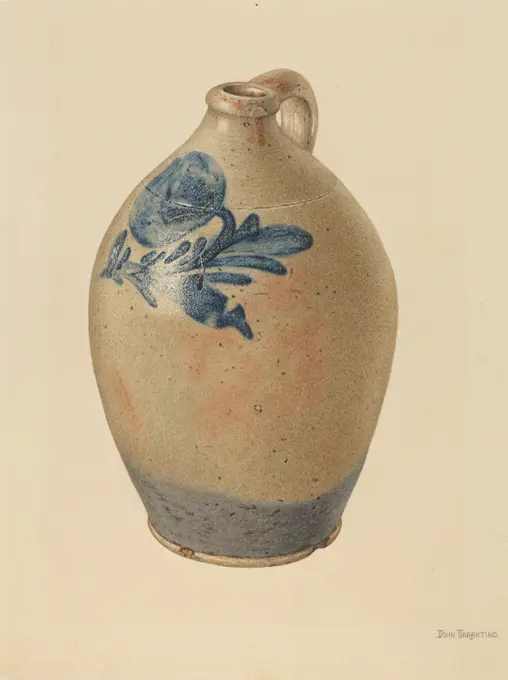
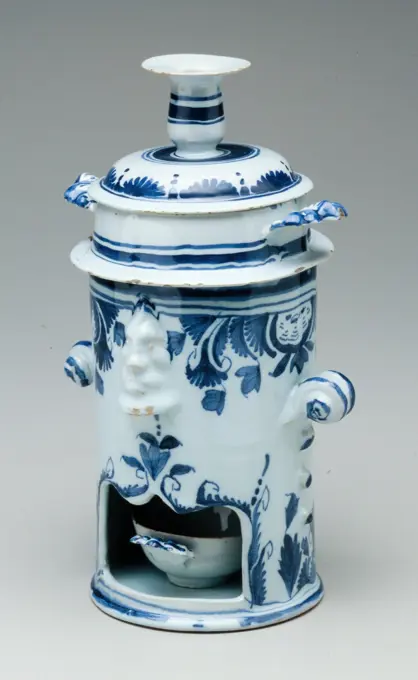
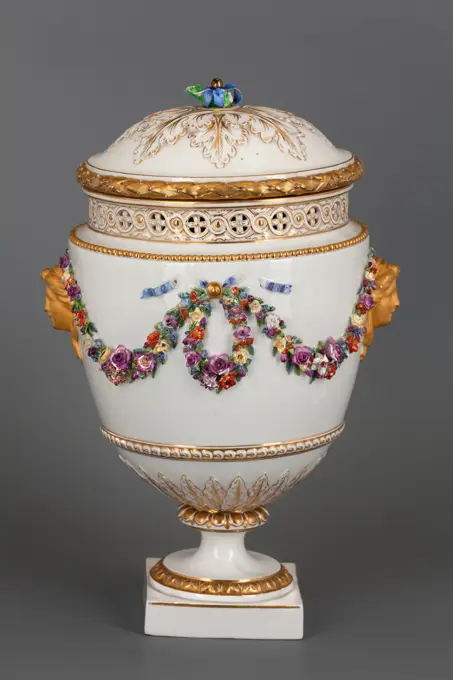
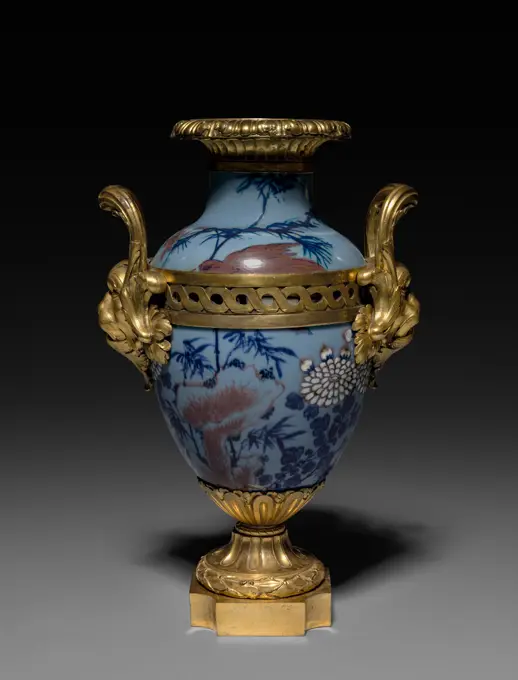
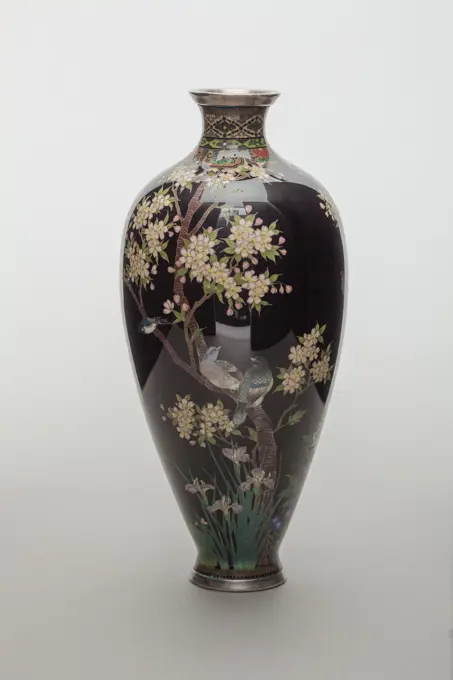
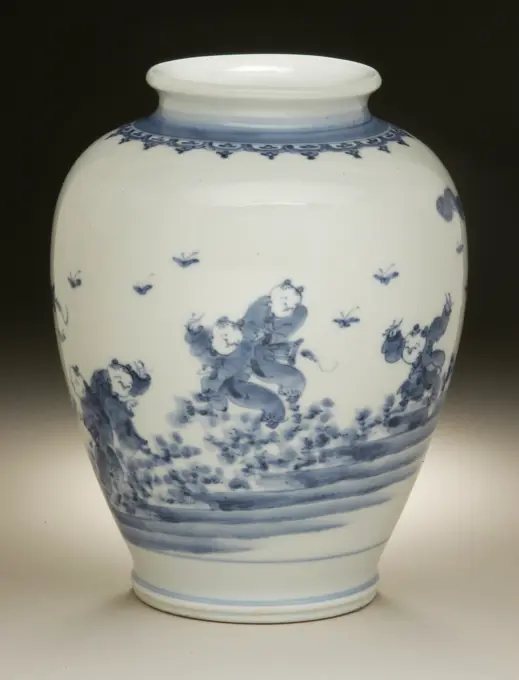
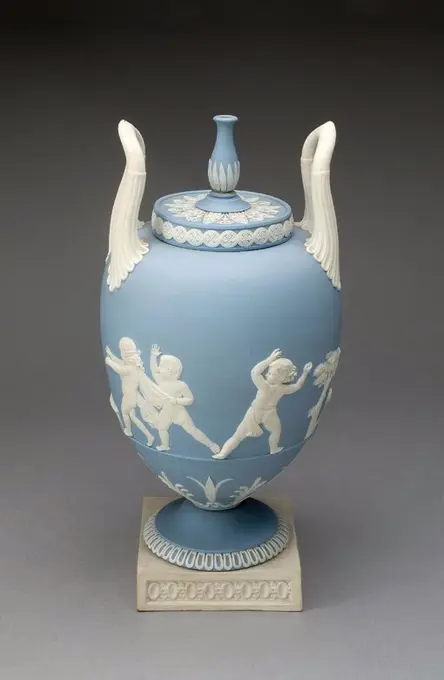
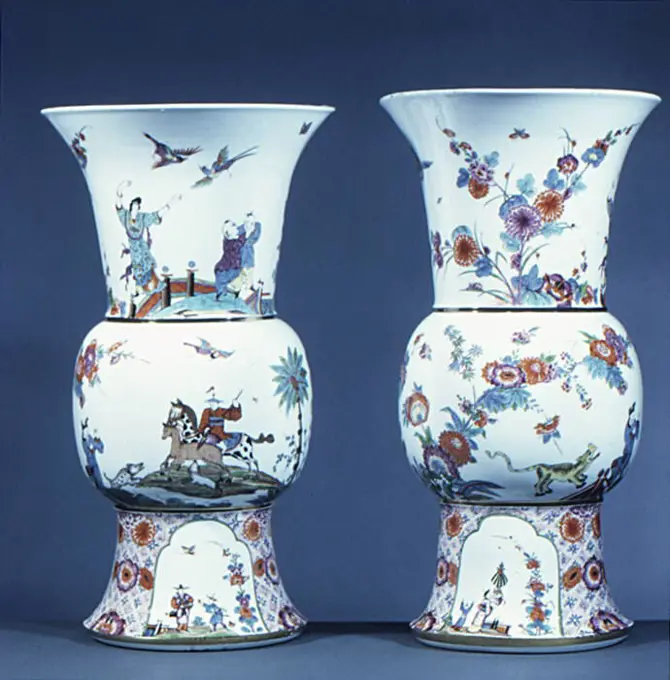
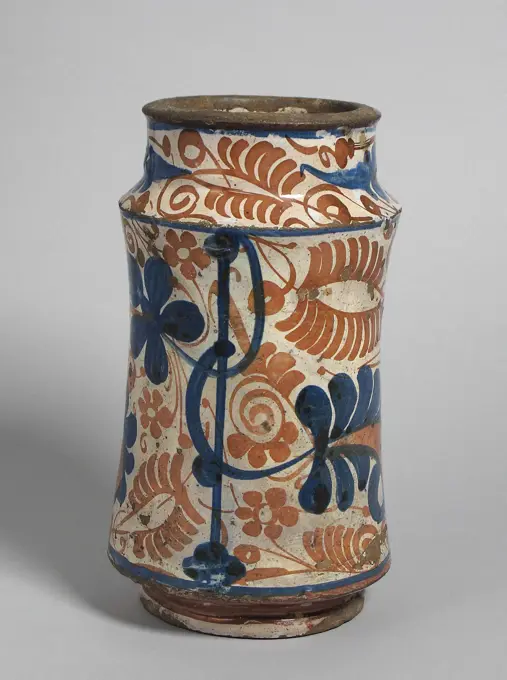
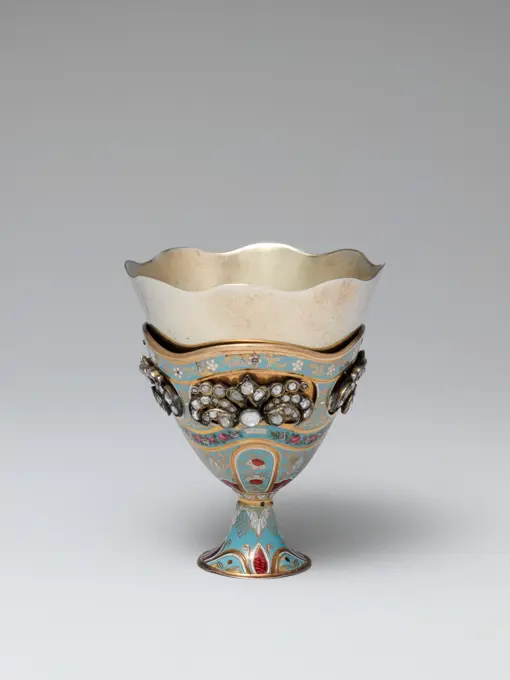
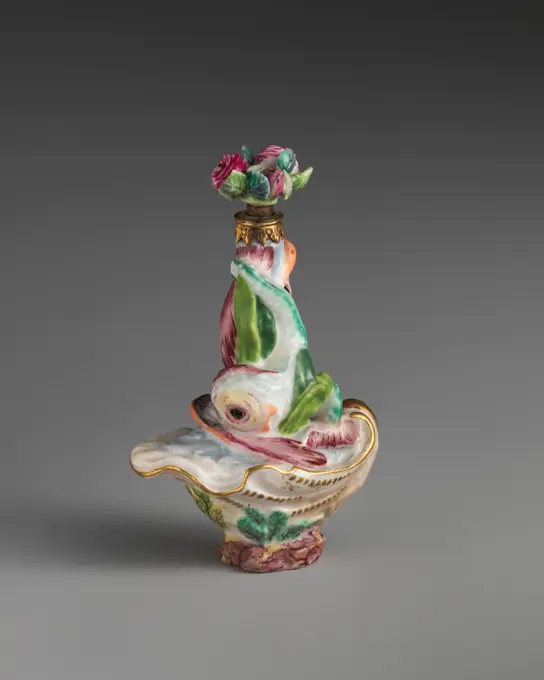
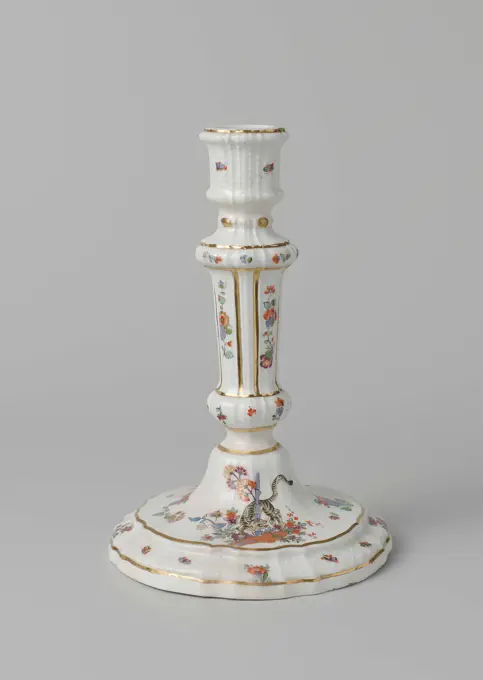
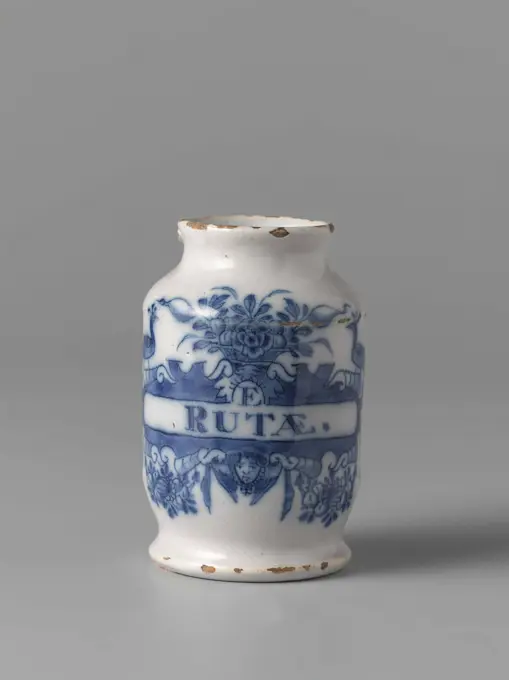
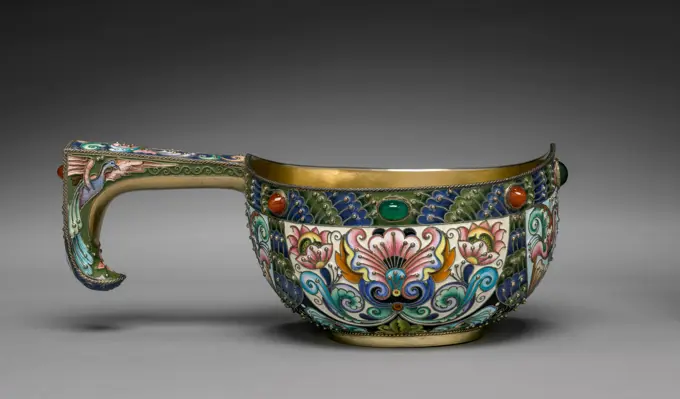
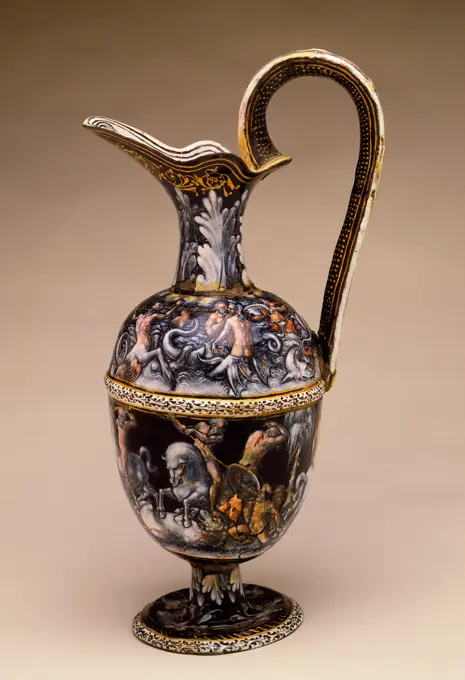
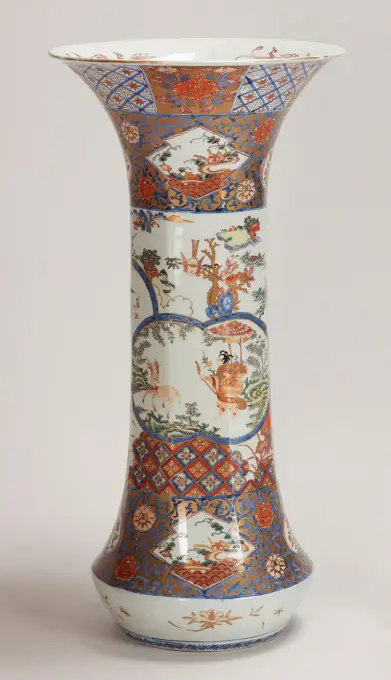
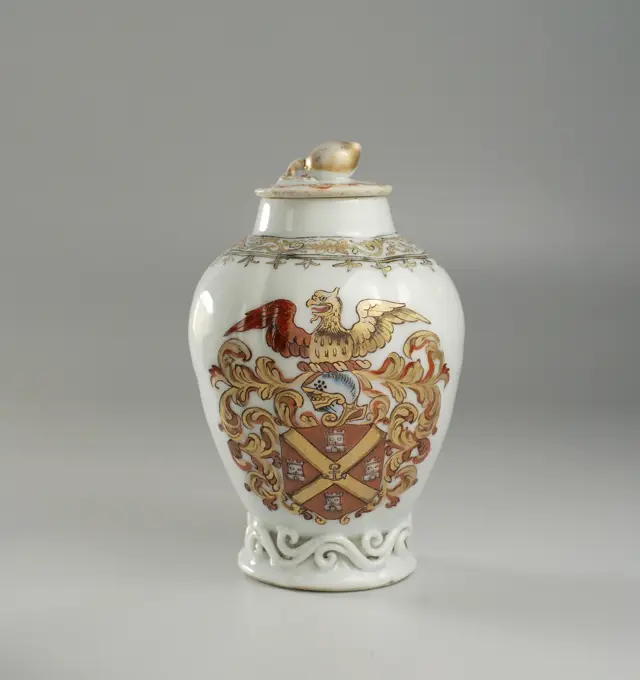
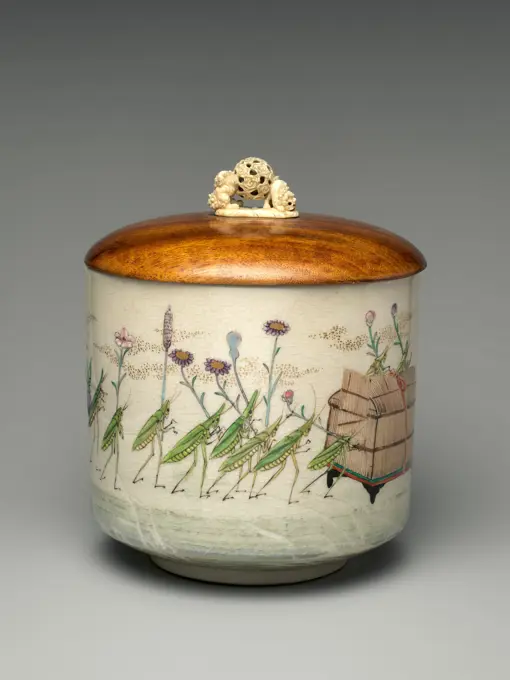
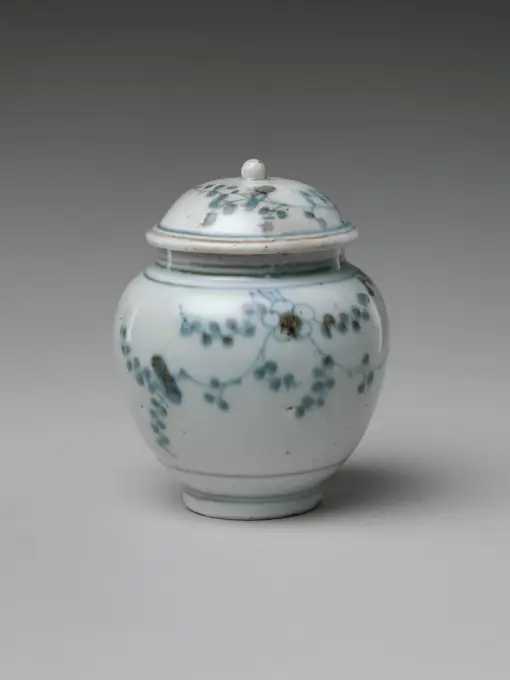
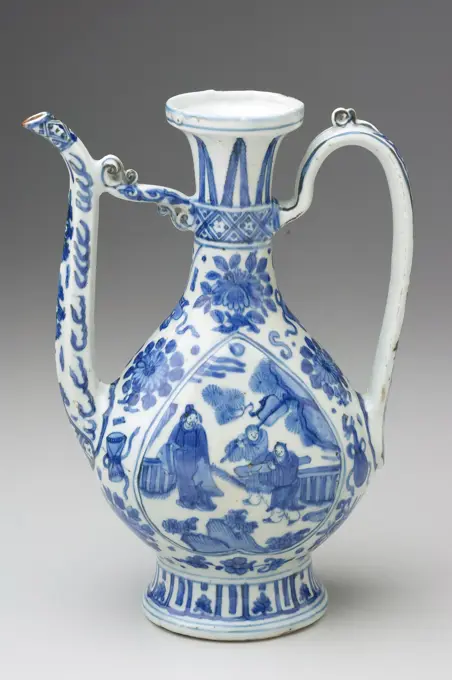
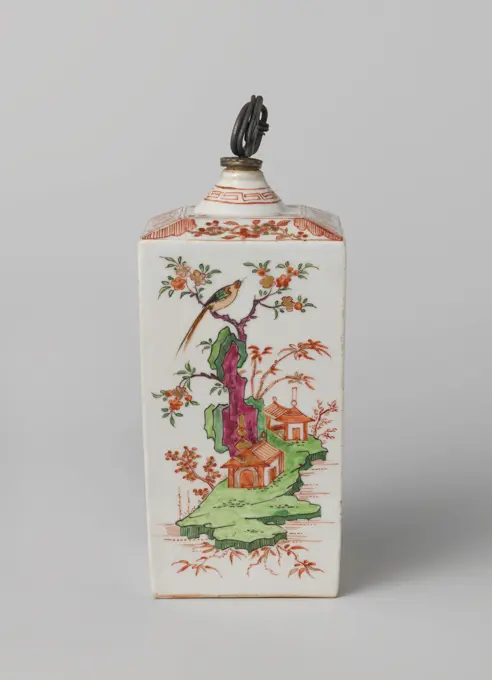
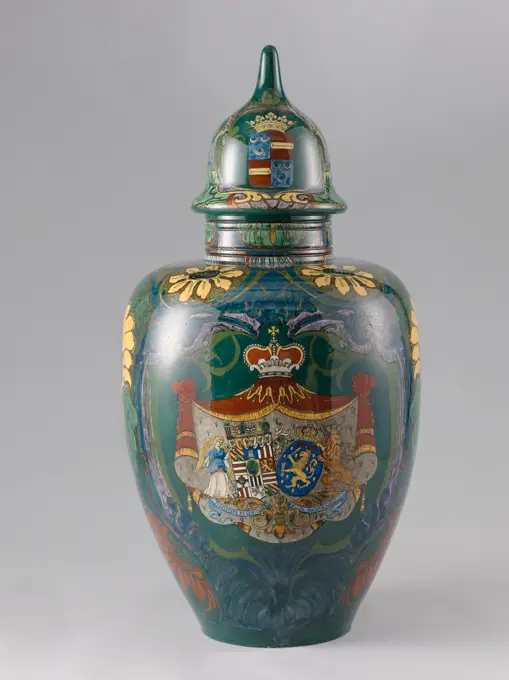
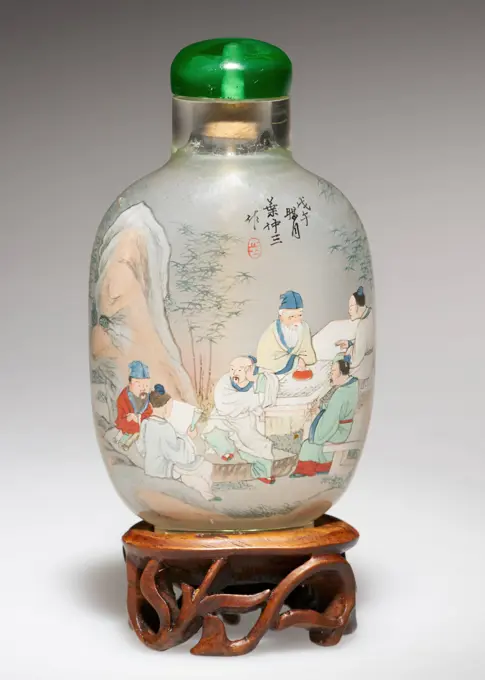
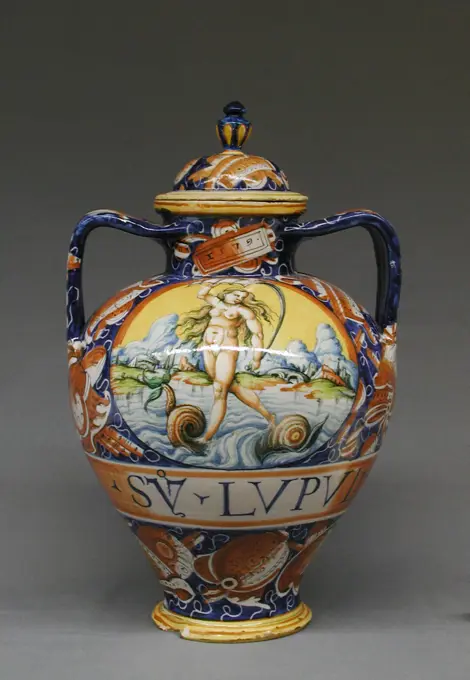
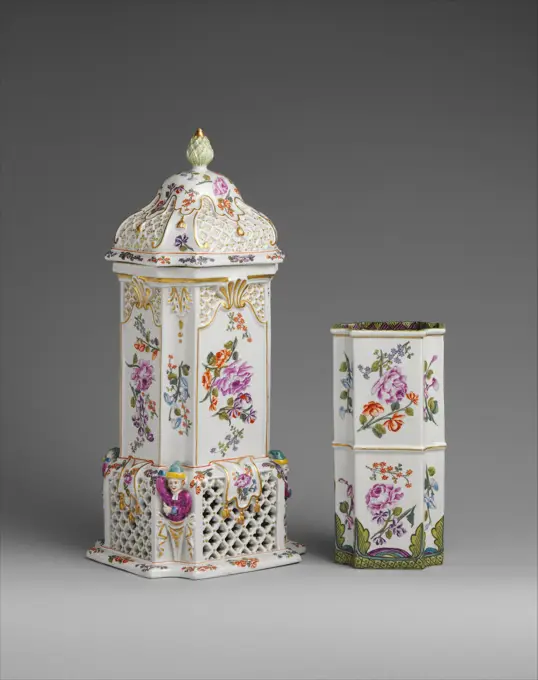
Vase. unknown, craftsmanScent bottle ca. 1760-1800 British, Staffordshire. Scent bottle. British, Staffordshire. ca. 1760-1800. Enameled copper. Enamels-PaintedMiniature sixloby, bottle-shaped vase of porcelain, painted in underglaze blue. On the wall six times a flowering plant. The neck with twigs. Blue White.Vase. Porcelain, polychrome enamels; whipped blue background; Green family decor. 1662-1722. Museum of Fine Arts of the City of Paris, Petit Palais. Asian art, ceramic, decor, blue background, lengthened form, character, porcelain, vase, 17th 18th 18th 17th 17th 17th century, 18th 18th 18th 18th 18th 18th 18IncenseBurnerVase;  around 1905-1908 (1905-00-00-1908-00-00);Blue vase with a red dragon unknownVase. Made by Thomas Webb and Sons; Stourbridge, England, founded 1837; Carved by George Woodall; English, 1850-1925. Date: 1880-1895. Dimensions: 26.7 cm × 20.6 cm (10 1/2 in. × 8 1/8 in.). Blown and cased glass. Origin: Stourbridge. Museum: The Chicago Art Institute, Chicago, USA.Vase 1800 Japan. Vase. Japan. 1800. Porcelain enameled in colors and gold (Kyoto ware). Edo period (1615-1868). CeramicsSleeve vase, anonymous, c. 1635 - c. 1650 Porcelain cylindrical vase (roller wagon) with a wide, spreading neck, painted in under -glaze blue. On the wall a continuous landscape with mountains, trees and rocks. In this a dignitaries and his entourage and a wheelchair. He meets a man with his ox. The shepherd is on his knees for the dignitaries. Probably a scene from the story of director Yang Su and General Li Mi. On the neck flowering plants (Lotus, peony) and two insects. Transitional porcelain in blue and white. China porcelain. glaze. cobalt (mineral) painting / vitrification Porcelain cylindrical vase (roller wagon) with a wide, spreading neck, painted in under -glaze blue. On the wall a continuous landscape with mountains, trees and rocks. In this a dignitaries and his entourage and a wheelchair. He meets a man with his ox. The shepherd is on his knees for the dignitaries. Probably a scene from the story of director Yang Su and General Li Mi. On the neck flowering plants (Lotus, Moon flask with white flower motif on raised foot with flat handles 1879 Worcester factory After the end of the Flight, Barr & Barr ownership of the Worcester factory in 1840, the firm went through a succession of owners and mergers before falling under the ownership of Kerr & Binns in 1852. During the partnership, the factory sought to rebuild its former eighteenth-century reputation in porcelain and known for Renaissance-inspired designs. With the establishment of the Royal Worcester Porcelain Company in 1862, the company gradually gained recognition for its Japanese-inspired designs, which formed part of Japonisme, a collective fascination with Japan that took place in Europe and the United States following the opening of Japanese markets to the West by Commodore Perry in 1853.. Moon flask with white flower motif on raised foot with flat handles. British, Worcester. 1879. Bone china. Ceramics-PorcelainThree decorated jugs, De Roos (attributed to), after Dammas Hofdijck, after Jacobus de Lange, 1696 Can from faïence with silver lid. Delftdelftdelftsilversmith: Leiden silver (metal) Can from faïence with silver lid. Delftdelftdelftsilversmith: Leiden silver (metal)Lobed Jar with Melons 1723-1735 China. Porcelain painted in underglaze blue .Lidded jar, anonymous, 1650 - 1680 Pottle of Faience lid. Blue painted. Delft . Pottle of Faience lid. Blue painted. Delft .Vinegar jug; De Porceleyne Claeuw (Facans Factory; 1658-1840); 3 18th century (1750-00-00-1775-00-00);Vase China. Vase. China. Porcelain under colored glazes. Qing dynasty (1644-1911), Jiaqing mark and period (1796-1820). CeramicsJug. Can of faience with a chinoiserie decoration.Vase 1904 Sèvres. Porcelain with polychrome enamels . Manufacture nationale de Sèvres (Manufacturer)Vase with flower sprays and animals in cartouches in reserve on an aubergine speckled ground, anonymous, c. 1800 - c. 1899 High, square vase of porcelain with flat shoulder, wide, straight neck and spreading edge, painted in under -glaze blue and on the glaze blue, red, green, yellow, eggplant and black. The vase is covered with a speckled eggplant -colored soil with peonies and butterflies; It contained cartouches in the form of a square, a pomegranate, a leaf, a peach or a roll, filled with flowering plants, a prunus branch, a river landscape, two deer next to a pine and mushrooms or two birds on a branch; A band Ruyi motif around the neck. Marked on the underside with an artemisia leaf. Famle Verte. China porcelain. glaze. cobalt (mineral). gold (metal) painting / gilding / vitrification High, square vase of porcelain with flat shoulder, wide, straight neck and spreading edge, painted in under -glaze blue and on the glaze blue, red, green, yellow, eggplant and black. The vase is covOvoid covered jar with flower sprays and narrative scenes in medallions, anonymous, c. 1680 - c. 1720 Porcelain lid made of egg -shaped lid jar with a ribbed wall, painted in underly glaze blue. On the lid a scene of three Chinese men on a terrace with a servant who offers one of them a bowl. On the edge of flower branches. Blue White. China porcelain. glaze. cobalt (mineral) painting / vitrification Porcelain lid made of egg -shaped lid jar with a ribbed wall, painted in underly glaze blue. On the lid a scene of three Chinese men on a terrace with a servant who offers one of them a bowl. On the edge of flower branches. Blue White. China porcelain. glaze. cobalt (mineral) painting / vitrificationOvoid vase with four women and two children at a table and with an inscription, c. 1724 Egg -shaped vase of porcelain with wide, short neck, painted on the glaze in blue, red, pink, green, yellow, purple, black and gold. On the wall a scene of two 'go' women playing at a table with four spectators, two women and two children, next to the spectators a flower vase, behind the women playing a table with antiques (vase with peacock feathers, coral, scepter, musical stone, incense burner), two large vases next to the table. On the other side an inscription 'Image of a game' go ', painted on the day of flowers in the year Jiachen in a beautiful house on the Zujiang River in Lingnan' and a seal with 'De Gouden Tang Hall'. Famle Rose. China porcelain. glaze. gold (metal) painting / gilding / vitrification Egg -shaped vase of porcelain with wide, short neck, painted on the glaze in blue, red, pink, green, yellow, purple, black and gold. On the wall a scene of two 'go' women playing at a table wVase (Austria); glass, goldSugar pock, porcelain factory The Hague, 1777 - 1790 Lid of sugar bowl. On the lid of the sugar bowl a pear as a button. On the edge a blue band with rocaille ornament. The main motif consists of a flower bouquet surrounded by sprinkling flowers. The Hague porcelain Lid of sugar bowl. On the lid of the sugar bowl a pear as a button. On the edge a blue band with rocaille ornament. The main motif consists of a flower bouquet surrounded by sprinkling flowers. The Hague porcelain. Flower pot holder from Faïence. With ears in the form of cobblestones. Blue painted with landscapes.Vase. unknown, craftsmanJuglet. Bow Porcelain Factory; London, England, 1744-1775. Date: 1755-1765. Dimensions: H. 20.3 cm (8 in.). Soft-paste porcelain, underglaze blue decoration. Origin: Bow. Museum: The Chicago Art Institute, Chicago, USA.Savings pot, anonymous, c. 1750 - c. 1780 Money box in the form of a vase multicolored painted with a water landscape. Delft . Money box in the form of a vase multicolored painted with a water landscape. Delft .Fopkan, painted with flowers and birds. Fopkan of Faïence, painted multi-colored with flowers and birds.Ovoid Jar With Figures in a Landscape with Trees, Houses and Rocks. Egg-shaped pot of porcelain, painted in underglaze blue. On the wall a landscape with rocks, houses and trees. In it two people at a pond, one with a banner, and two sitting people under a kind of pine. The neck with a band stylized leaf motifs. Blue White.John Tarantino, Jug, c 1939 JugBottle with flower branches, tippers and dots, anonymous, c. 1700 - c. 1800 Flat bottom, rectangular, body blown in the shape with profiled corners with in white, yellow, blue and red a stylized flower branch on the front and rear and tips and dots on the narrow sides and the corners. Middle Europe glass glassblowing Flat bottom, rectangular, body blown in the shape with profiled corners with in white, yellow, blue and red a stylized flower branch on the front and rear and tips and dots on the narrow sides and the corners. Middle Europe glass glassblowingCandlestick and Food Warmer, c. 1765, 10 1/4 x 6 5/16 x 5 1/2 in. (26.04 x 16.03 x 13.97 cm), Tin-glazed earthenware, England, 18th centuryFragment of a jug with a lion's head and medallions, anonymous, c. 1600 - c. 1699 Fragment of a jug of stoneware on a high foot with a spherical body and narrow neck with pinched spout. Part of the neck and the ear are missing. Profiles on the neck and foot. Partly covered with cobalt blue. Four rows of stamped medallions and one row of stamped rosettes on the belly. A printed and imposed lion's head in relief on the neck. Westerwald. Westerwald stoneware. glaze. cobalt (mineral) vitrification Fragment of a jug of stoneware on a high foot with a spherical body and narrow neck with pinched spout. Part of the neck and the ear are missing. Profiles on the neck and foot. Partly covered with cobalt blue. Four rows of stamped medallions and one row of stamped rosettes on the belly. A printed and imposed lion's head in relief on the neck. Westerwald. Westerwald stoneware. glaze. cobalt (mineral) vitrification. Can of faience. Blue painted with flowers.Vase with Golden Pheasants, 1736-95. China, Jiangxi province, Jingdezhen kilns, Qing dynasty (1644-1911), Qianlong mark and period (1736-95). Porcelain painted in polychrome enamels over transparent glaze; overall: 18.6 x 10.5 cm (7 5/16 x 4 1/8 in.).Decorative vase with covers; Imperial Porcelain Factory in St. Petersburg (1744-1917); 1762-1796 (1762-00-00-1796-00-00);garlands, masks, vases with floral decoration, purchase (provenance)Vase for a Garniture Set, 1736-1770. Chinese hard-paste porcelain, gilt bronze, enameled metal; overall: 34.4 x 22 x 15.2 cm (13 9/16 x 8 11/16 x 6 in.). The fascination with Chinese porcelain among aristocratic circles increased during the reign of Louis XV. In reaction to the perceived excesses of elaborate naturalistic ornament of the 1750s, mount makers increasingly turned to neoclassical designs, known as Goût Grec (Greek taste) in the 1760s and 1770s. These beautifully chased gilt-bronze mounts feature classical Greco-Roman motifs such as lion masks, acanthus and laurel leaves, and pilasters.Small vase - bottle. unknown, craftsmanOvoid covered jar with women in a garden, anonymous, c. 1680 - c. 1720 Egg -shaped lid pot of porcelain, painted in underlaze blue. On the wall a scene in a garden with trees, rocks and plants: two women (long lines) looking at a flower vase on a table, a stool under the table; Two women in a two crutches, one wears a fan, the other has a twig in her hand. The lid with two dancing boys (fools) in rocks and plants. Marked on the underside with an artemisia leaf. A crack in the neck; A crack in the lid. Blue White. China porcelain. glaze. cobalt (mineral) painting / vitrification Egg -shaped lid pot of porcelain, painted in underlaze blue. On the wall a scene in a garden with trees, rocks and plants: two women (long lines) looking at a flower vase on a table, a stool under the table; Two women in a two crutches, one wears a fan, the other has a twig in her hand. The lid with two dancing boys (fools) in rocks and plants. Marked on the underside with an artemisia leaf. A crack in the neck;Covered jar with hoo-birds in panels on a ground of lotus and floral scrolls, anonymous, c. 1720 - c. 1770 Porcelain lid of lid pot, painted in underly glaze blue and on the glaze red, black and gold. On the outer wall flower vines with a lotus vendal and a cartouche with a Hoo-Vogel alternately. Around the button a band with pointed leaf motifs. Lid button in the form of a rooster on a rock. Imari. Japan porcelain. glaze. cobalt (mineral). gold (metal) painting / gilding / vitrification Porcelain lid of lid pot, painted in underly glaze blue and on the glaze red, black and gold. On the outer wall flower vines with a lotus vendal and a cartouche with a Hoo-Vogel alternately. Around the button a band with pointed leaf motifs. Lid button in the form of a rooster on a rock. Imari. Japan porcelain. glaze. cobalt (mineral). gold (metal) painting / gilding / vitrificationVase.Vase with Design of Birds on Blossoming Cherry Tree. Namikawa Yasuyuki (Japan, 1845-1927). Japan, circa 1890-1895. Furnishings; Accessories. Cloisonne with silver wire, silver mounts on copper bodyVase with Design of Seven Chinese Boys. Japan, 19th century. Ceramics. Hirado Mikawachi ware, porcelain with underglaze blueSugar bowl with insects, flower sprays and grapevines, Rue Thiroux Parijs, c. 1797 - c. 1798 service (set) Porcelain sugar bowl with two modeled rings as a handle, painted on the glaze in email colors and gold. The pot is covered with colored insects (butterflies, beetles, dragonflies, etc.) and in gold flower branches and grape vines. Golden Rand. Marked on the underside 'GB/ Rue Thiroux/ à Paris'. Paris porcelain. glaze. gold (metal) painting / gilding / vitrificationFlower Holder. Wedgwood Manufactory; England, founded 1759. Date: 1785-1795. Dimensions: H. 26.7 cm (10 1/2 in.); diam. 12.7 cm (5 in.). Stoneware (jasperware). Origin: Burslem. Museum: The Chicago Art Institute, Chicago, USA.Vase (one of a pair) ca. 1735 Meissen Manufactory German. Vase (one of a pair) 203145Jar And Lid (Netherlands); Manufactured by Gerrit Pietersz Kam, de Paeuw (the Peacock Factory), Vergulde Astonnekens de 3 (3 Golden Ash Barrels); tin-glazed earthenware; 58 x 27.5 x 27.5 cm (22 13/16 x 10 13/16 x 10 13/16 in.); Bequest of Walter Phelps Warren; 1986-61-54-a,bSquare Bottle With Figures in a Landscape, A Flower Vase and a Flowering Plant Near a Rock. Lid of square bottle of porcelain, painted in underglaze blue. The lid with three branches is not matching. A chip in the edge of the lid. Arita, blue-white.. Salt barrel of faience, pulley-shaped, on three legs; bottom piece; The transferring upper part is formed by a deepened area and a sixteen-lubricated edge. On the lobes of the center alternately large and smaller Chinese in a landscape; On the lobes of the upper part alternate twice a floral pattern and one-time Chinese characters. In the deepened part a seated Chinese at a tree. On the neck a band with flowers and leaves, a top and including a floral pattern. This painting in blue with black pull on the white tining acid. Signature.Pharmacy Jar second half 15th century Spanish. Pharmacy Jar. Spanish. second half 15th century. Tin-glazed earthenware. Made in Manises, Valencia, Spain. CeramicsSalt cellar with birds and scrolls, anonymous, c. 1750 - c. 1799 Salt barrel of stoneware with a square body and a round bowl. Decorated in cobalt blue. On each side a printed relief decoration of two birds standing on an inverted heart shape with curl. The bowl rests on the heads of the birds. Westerwald. Westerwald stoneware. glaze. cobalt (mineral) vitrification Salt barrel of stoneware with a square body and a round bowl. Decorated in cobalt blue. On each side a printed relief decoration of two birds standing on an inverted heart shape with curl. The bowl rests on the heads of the birds. Westerwald. Westerwald stoneware. glaze. cobalt (mineral) vitrificationVase. Culture: China. Dimensions: H. 12 in. (30.5 cm). Date: late 18th-first half of the 19th century. Museum: Metropolitan Museum of Art, New York, USA.Scent Bottle, 1700s. Germany, 18th century. Glass with enamel decoration; overall: 10.2 cm (4 in.).Ewer with Strap Handle and Floral Decoration ca. 1680 Japan Western forms were commissioned by the Dutch East India Company. The Japanese were given either wooden models, European pieces or drawings to imitate. Here decoration is effectively used on a western form in the Kakiemon style.. Ewer with Strap Handle and Floral Decoration 49318Can with pewter lid, painted with spreamotief. Can from blue painted faience, with a blue fond, a pewter foot ring and a pewter lid. The can have a foot, a spherical belly and a cylindrical, ribbed neck. The ear is braided and ends in two curls on the belly. On the can, a spreamotone is painted consisting of flowers, birds, branches with leaves and fruits, a peacock and rosettes. In the top of the lid are the letters m.c.h. Engraved. The can be noticed.Vase, painted with chinoiseries on a black fond. Baluster-shaped vase of red Böttger-Stoneware. The vase has a thrilled, profiled foot and a short neck. The lid is a copy in wood. The original lid is missing. The vase, with the exception of the inside, is covered with black glaze, on which in multicolored cold lacquer and gold images are painted: on a side of Chinese figures, sitting on chairs at a table, on the other side a fence for which a handle with flowers with flowers . On the sides a tree with Chinese figures and a dog and a plant, bowl, vase and crane. Between the foot and body, between the shoulder and neck and on the flat foot edge, a gold band runs with dependent side-like ornaments. The coiled part of the foot is completely golded. Some small restorations at the foot and the mouth edge. The painting is rather damaged.Music Box ca. 1840 Swiss Gold, light blue and red enamel music box in the form of a Turkish coffee cup (zarf), decorated with rose diamond foliate sprays. Later silver gilt liner.. Music Box. Swiss. ca. 1840. Various materials. Switzerland. IdiophoneWaza from the cover;  19th century (1801-00-00-1900-00-00);Jug with a mask and waving borders, anonymous, 1650 - 1699 Can be made of stoneware on a high base with a spherical body and narrow neck with a pinched spout. The C-shaped ear is attached to the neck and shoulder. Profiles on the neck and the foot. Partly covered with cobalt blue and mangangan purple. On the belly in relief vertical printed and imposed ties with wavy lines in blue; In between purple. On the neck, under the spout, a mask. Blue lines on the neck and foot. Westerwald. Westerwald stoneware. glaze. cobalt (mineral). manganese oxide vitrification Can be made of stoneware on a high base with a spherical body and narrow neck with a pinched spout. The C-shaped ear is attached to the neck and shoulder. Profiles on the neck and the foot. Partly covered with cobalt blue and mangangan purple. On the belly in relief vertical printed and imposed ties with wavy lines in blue; In between purple. On the neck, under the spout, a mask. Blue lines on the neck and foot. Westerwald. WesterwaWine ewer with stopper (Tokkuri) late 17th-early 18th century Japan. Wine ewer with stopper (Tokkuri). Japan. late 17th-early 18th century. Stoneware with polychrome enamels (Ko-Kiyomizu ware). Edo period (1615-1868). CeramicsTwo entwined dolphins 1753-58 Chelsea Porcelain Manufactory. Two entwined dolphins. British, Chelsea. 1753-58. Soft-paste porcelain. Chelsea Porcelain Manufactory (British, 1745-1784, Red Anchor Period, ca. 1753-58). Ceramics-Porcelain. Soft-paste porcelain, polychrome enamels and gilding . Worcester Royal Porcelain Company (Manufacturer)Vase. unknown, craftsmanLid, the gilt blompot, 1780 - 1820  Lid Delft .Cup with lid. unknown, craftsmanZun, 17th century, 13 3/4 × 8 in. (34.9 × 20.32 cm), Ceramic, blue and white glaze, wooden stand, China, 17th centuryElephant Candelabrum Vase (Vase à Tête d'Eléphant) 1757-1758 Sèvres. This model is one of the more exotic forms created by Jean-Claude Duplessis. The elephantsí trunks originally supported double candle sockets that are now missing. The idea of combining elephant heads with a vase may have derived from a Ming dynasty Chinese vase or a Meissen candelabrum. The SËvres painter Pierre-Louis-Philippe Armand accentuated the sensuous qualities of the elephants by framing their brown eyes with pink lids and long eyelashes.. Soft-paste porcelain, polychrome enamels, and gilding . Manufacture nationale de Sèvres (Manufacturer)Candlestick, painted multi-colored with a kakiemon decor. Candlestick of painted porcelain. The candlestick has a round, scalloped foot with a profiled strain with two nodi. The 'Altbrandenstein' pattern has been painted on the candle holder and the foot edge. A tiger is painted on the foot to a bamboo stalk in flowers. The candlestick is noticed.. Pharmacist spot from faience. Blue painted with inscription: e / rutae.Kovsh (Wine Vessel), 1896-1906. House of Fabergé (Russian, 1842-1918), attributed to Feodor Ivanovich Rückert (Russian, 1840-1917). Silver gilt, enamel, cabochon gems, chrysoprases, carnelians; overall: 8.3 x 20.4 x 12.7 cm (3 1/4 x 8 1/16 x 5 in.).Ewer. Jean de Court (France, Limousin, Limoges, active 1541-1564, died before 1583). France, Limoges, circa 1560. Furnishings; Serviceware. Grisaille enamel, flesh tints, touches of color, gold on copperSugar Bowl (from a tea service) 1770 Sèvres. Soft-paste porcelain, polychrome enamels, and gilding . Manufacture nationale de Sèvres (Manufacturer)Vase d'Arezzo. Sèvres Porcelain Manufactory; Sèvres, France, founded 1740; Designed by Albert-Ernest Carrier-Belleuse (French, 1824-1887); Decorated by Henri Lucien Lambert (French, 1836-1909). Date: 1884-1885. Dimensions: H. 85 cm (33 1/2 in.). Hard-paste porcelain, polychrome enamels, and gilding, with copper alloy mounts. Origin: Sèvres. Museum: The Chicago Art Institute, USA.Gu-shaped vase with archaistic motifs late 17th-early 18th century China. Gu-shaped vase with archaistic motifs 50909Apothecary jar (albarello) ca. 1480 Italian, probably Faenza. Apothecary jar (albarello). Italian, probably Faenza. ca. 1480. Maiolica (tin-glazed earthenware). Ceramics-PotteryVase, c. 1750, 3 7/8 x 2 1/2 x 2 1/2 in. (9.84 x 6.35 x 6.35 cm), Glazed ceramic, England, 18th centuryBeaker vase, 19th century, Unknown Japanese, 27 1/2 × 13 1/2 × 13 1/2 in. (69.85 × 34.29 × 34.29 cm), Imari ware; glazed porcelain, polychrome enamel, Japan, 19th century, This is a fine example of the ware produced in Arita for export to Europe. In China, such vases were produced as well in a Japanese-style.Traditional Chinese ginger jar isolated on white background. Egg-shaped teabus from porcelain with ribbed wall, painted on the glaze in blue, red, black and gold. On the belly The coat of arms of the Neufville family. The weapon consists of four towers and a golden Sint Andreaskruis with an anchor in the middle. The shape of the shield is in Louis XIV style with the Griffin as a helmet sign on top. The weapon is surrounded by a coverage of leaf raft. Around the foot a bond with curl works in relief. On the shoulder a band lotus drinks and a Spearhead border. Weapon porcelain with email colors.Freshwater Jar (Mizusashi) with Procession of Grasshoppers ca. 1870-80s Makuzu Kzan I (Miyagawa Toranosuke) Japanese This delicately executed freshwater jar depicts a parade of grasshoppers and wasps, all painted in bright colors. The grasshoppers carry flowers—perhaps stand-ins for weapons or insignia—and accompany an insect cage, evoking the elaborate processions of a daimyo, or feudal lord. The Kyoto-based painter Maruyama kyo (1733-1795) seems to have been the source of the imagery, but there are many other related versions of the theme by his followers. Kzan, who descended from a long line of Kyoto potters, became popular with Western collectors after exhibiting vessels with high-relief motifs at the 1876 Philadelphia Centennial Exhibition.. Freshwater Jar (Mizusashi) with Procession of Grasshoppers. Makuzu Kzan I (Miyagawa Toranosuke) (Japanese, 1842-1916). Japan. ca. 1870-80s. Stoneware with polychrome overglaze enamels and gold; wood lid and ivory knob (Makuzu ware). Meiji Jar and Lid with Flowering Plant ca. 1630 Japan. Jar and Lid with Flowering Plant 52219Jar with scene of Wang Xizhi (303-361) watching geese late 16th century China. Jar with scene of Wang Xizhi (303-361) watching geese 52753TIBORES CHINOS - SIGLO XIX. Location: MUSEO DEL ROMANTICISMO-OBJETOS VARIOS. MADRID. SPAIN.Flakonik - tabakierka. unknown, craftsmanAmorous shepherds in a group ca. 1760 Chelsea Porcelain Manufactory. Amorous shepherds in a group. British, Chelsea. ca. 1760. Soft-paste porcelain. Chelsea Porcelain Manufactory (British, 1745-1784, Transitional (Brown Anchor) Period, ca. 1758-1759). Ceramics-PorcelainUnknown (n. - d.), Covered pot with blue background and decor of plum flowers, 1662. Porcelain, polychrome enamels. Petit Palais, Museum of Fine Arts of the City of Paris.Ewer, 16th century, 9 7/16 x 6 13/16 x 4 1/8 in. (24 x 17.3 x 10.5 cm), Porcelain with underglaze blue decoration, China, 16th century, Blue-and-white porcelains directly modeled on Persian and Islamic metalware were produced as early as the Yongle era (1403-25) most likely as diplomatic gifts for central Asian and Middle Eastern rulers. This pear-shaped ewer with its elongated spout, delicate handle, and slender proportions, while later in date, is likewise inspired by Islamic metalwork. The underglaze blue-and-white decoration however is entirely in Chinese taste. The heart-shaped pictorial panels depict scholars and their attendants in landscape settings. The remaining decoration of flower blossoms, Daoist attributes, and border patterns are also typically Chinese and can be traced back to at least the fourteenth and early fifteenth centuries. The ewer is a good example of the adaptation of foreign objects to Chinese aesthetic preferences. Its base contains a four-character inscriptRectangular sand brick with prunus, pine tree and, anonymous, c. 1670 - c. 1690 Sand spreader of porcelain, rectangular with straights down slightly rejuvenating walls and a slightly deepened top surface with three rows of seven holes. Painted on the glaze in blue, red, green, yellow, black and gold with a pine in rocks and a prunus on bound hedges on the long walls; Ranks on the short sides saved in a red stock with flour in blue and gold in the middle; Between the rows of flower and leaf vines in green and red. Kakiemon. Japan porcelain. glaze. gilding (material) gilding Sand spreader of porcelain, rectangular with straights down slightly rejuvenating walls and a slightly deepened top surface with three rows of seven holes. Painted on the glaze in blue, red, green, yellow, black and gold with a pine in rocks and a prunus on bound hedges on the long walls; Ranks on the short sides saved in a red stock with flour in blue and gold in the middle; Between the rows of flower and leaf vinesSquare bottle with birds, flowering plants and pavilions, anonymous, c. 1700 - c. 1724 Square bottle of porcelain with a gilt, bronze cap, painted on the glaze in red, green, yellow, purple, black and gold. On the walls twice pavilions on an island with rocks and flowering plants (bamboo), a bird on a branch, and twice a flying bird at a prunus branch and bamboo. On the shoulder a band with prunus branches and a leaf motif; Rank around the neck. A meander pattern on the neck. The cap is in the form of a braided ring, ending in a Hoo bird head on a flower rosette. The edge has been ground. Arita, decorated in Europe  In the Japanese Kakiemon style. Japanpainter: Europe (possibly) porcelain. glaze. gold (metal). dop: bronze (metal) painting / gilding / vitrification Square bottle of porcelain with a gilt, bronze cap, painted on the glaze in red, green, yellow, purple, black and gold. On the walls twice pavilions on an island with rocks and flowering plants (bamboo), a bird on a branch, aPilgrim Flask, no.1303.  Designer Christopher Dresser, British, 1834-1904 Manufacturer:  Minton and Company, British, founded 1793Covered square bottle with flowers late 18th century China. Covered square bottle with flowers. China. late 18th century. Porcelain painted in overglaze polychrome enamels (Jingdezhen ware). Qing dynasty (1644-1911), Qianlong period (1736-95). Ceramics. Vase of pottery, belonging to a couple of three polychrhouses painted with sunflowers, weapons and topographic representations. On one side, the alliance weapon is depicted by Willem Adolf Maximiliaan Carel, Vorst van Wied and his wife Princess Marie der Nederlanden, paralyzed 1871-1896, on the other hand, the interior of the Dutch Reformed Church of Wassenaar is depicted. Sunflowers have been painted between and above the performances.Covered Box with a Landscape. Vietnam, circa 1450-1550. Furnishings; Accessories. Wheel-thrown stoneware with cream slip, incised and underglaze blue painted decoration, clear glaze and overglaze green and red enamel decorationBeaker second half 17th century possibly Norwegian This beaker documents the widespread appreciation of the international Baroque floral style that disseminated along trade routes throughout Europe and far beyond the borders of the Holy Roman Empire.. Beaker 192129Chinese, Beaker-Shaped Vase, porcelain.Pommade Pot And Cover (France); Manufactured by Mennecy Porcelain Manufactory (France); soft-paste porcelain, hand-painted with polychrome enamelsCylindrical Vase With Flower sprays and precious objects. Cylindrical vase of porcelain with a spreading neck, painted in underglaze blue. On the abdomen a band with modeled leaf-shaped cartouches containing flower branches in it (chrysanthemum, peony). The shoulder with three valuables (pearl, artemisia leaf, window). On the neck a bond with curlwork and one with dots. A chip in the foot ring. Blue White.Snuff Bottle, 17th-19th century, 3 1/8 x 1 7/8in. (7.9 x 4.8cm), Crystal, green glass, China, 17th-19th centuryLidded pharmacy jar with the personification of Fortuna 1579 Italian, probably Pesaro The goddess Fortuna is depicted standing astride a sea-monster on each of these five jars (see 41.190.343a, b-.345a, b and 53.225.83, .84). She is likely a symbol identifying the pharmacy to which the objects belonged. It is clear from subtle differences in the decoration that a number of artists were involved in making this set. On the three lidded jars, the roundel creates an illusion of a window opening onto a deep pictorial space. The painters have achieved an ambitious perspectival viewmore impressive still on the two vessels with convex surfaces. On one, there is an amusing modification to the representation of Fortuna, who puckers her lips to blow wind into her own sail. The three lids are original, a rare survival.. Lidded pharmacy jar with the personification of Fortuna. Italian, probably Pesaro. 1579. Maiolica (tin-glazed earthenware). Ceramics-PotteryFood warmer with insert ca. 1730-35 Vienna This unusual vessel was made with an accompanying inner porcelain sleeve that is open at both the top and the bottom. When inserted, the sleeve rests on an inner ledge approximately four inches above the base of the vessel, and it extends slightly above the vessels top. The domed cover fits snugly over the projecting sleeve. The sleeve almost certainly supported a liner, now missing, probably made of metal.[1 It is very likely that this vessel was intended to serve as a food warmer with the metal liner containing a porridge or soup kept warm by a candle burning beneath the sleeve at the base of the vessel. The open trelliswork design of the vessels lower section provided the necessary air for the candle to burn, while the faux trellis pattern on the cover continued this design element and at the same time allowed the contents to remain warm. Food warmers, such as this one, were intended for individual use, and this example and others made a