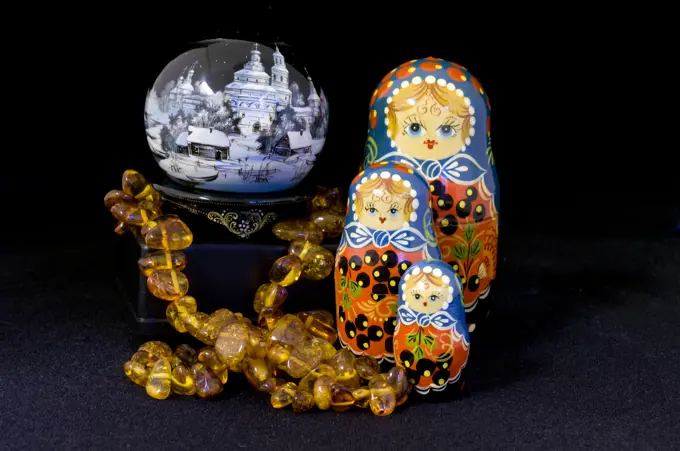
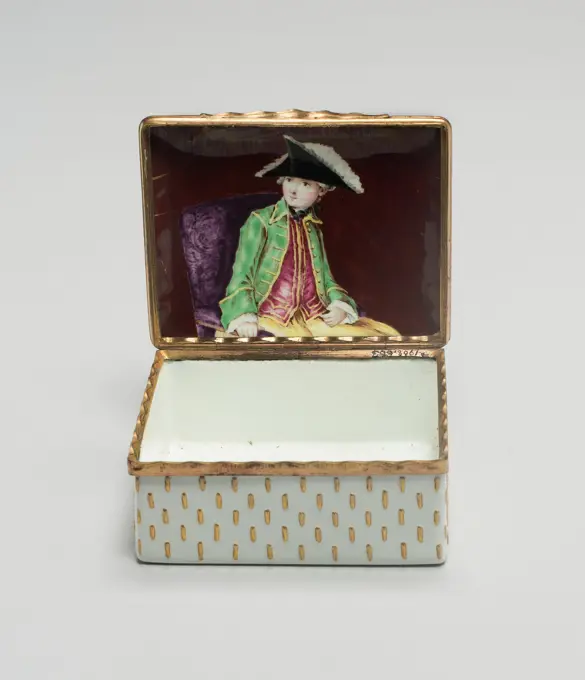
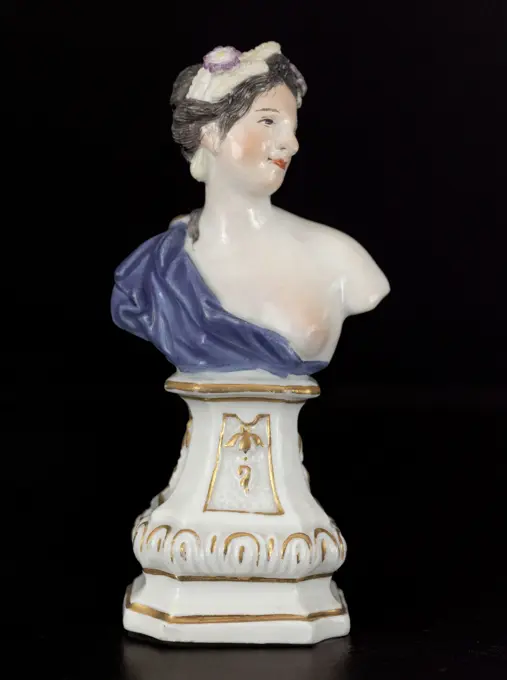
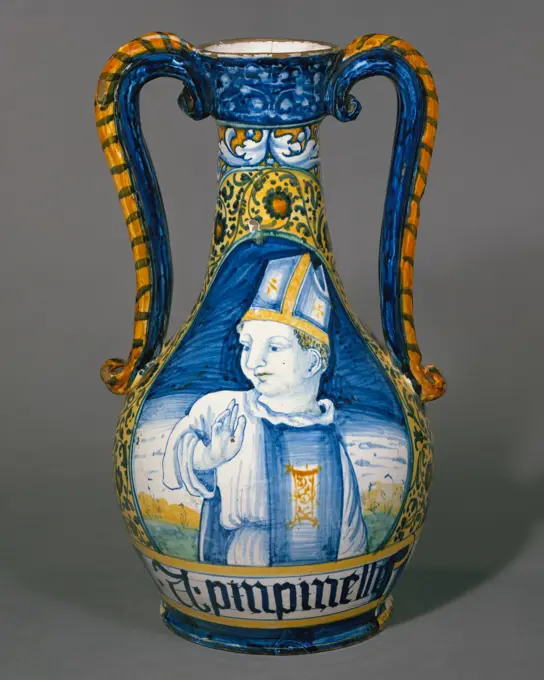
Decorative Serving Bowls

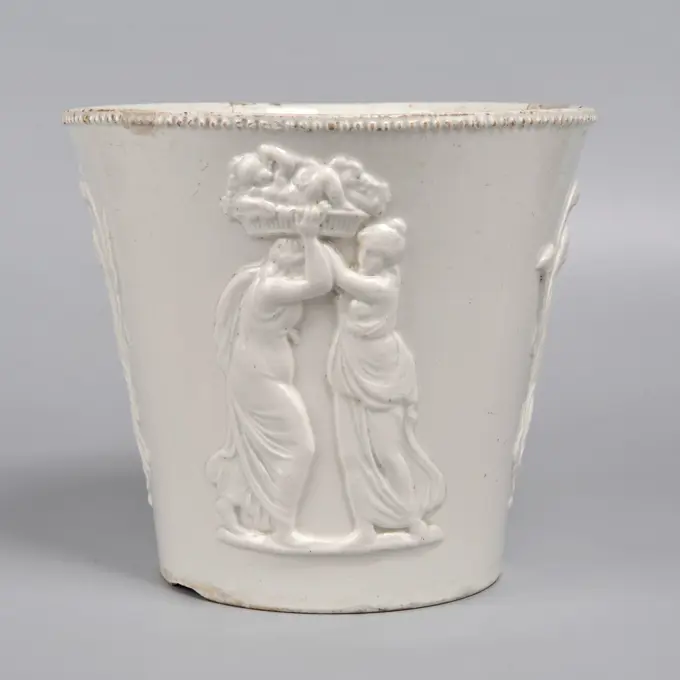
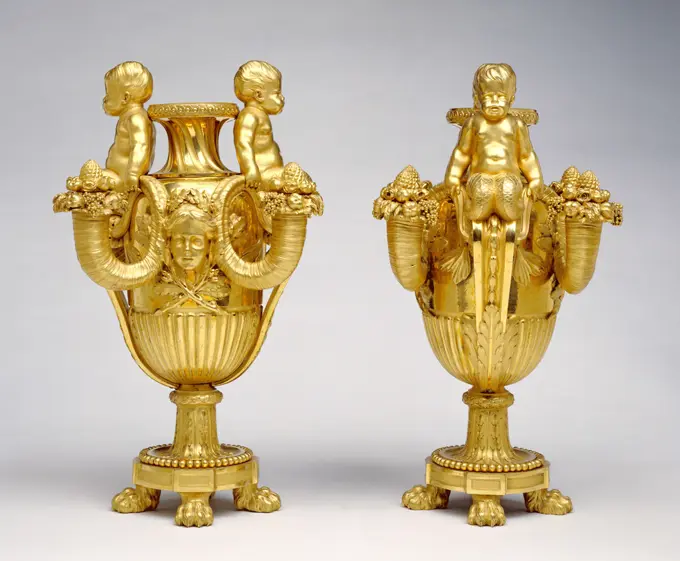
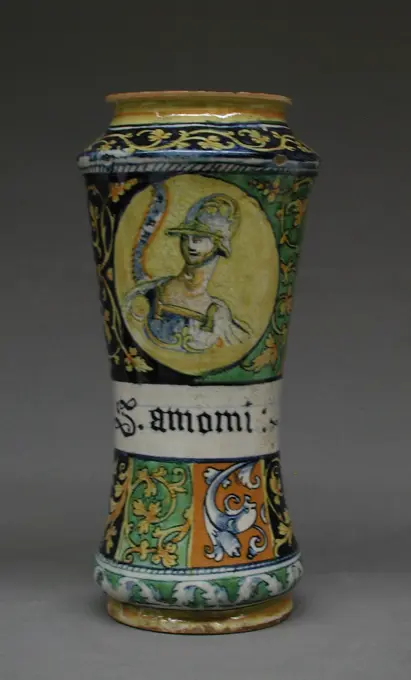
Exquisite ornamental bowls and jars from various historical periods, crafted with enamel and intricate designs, ideal for display.
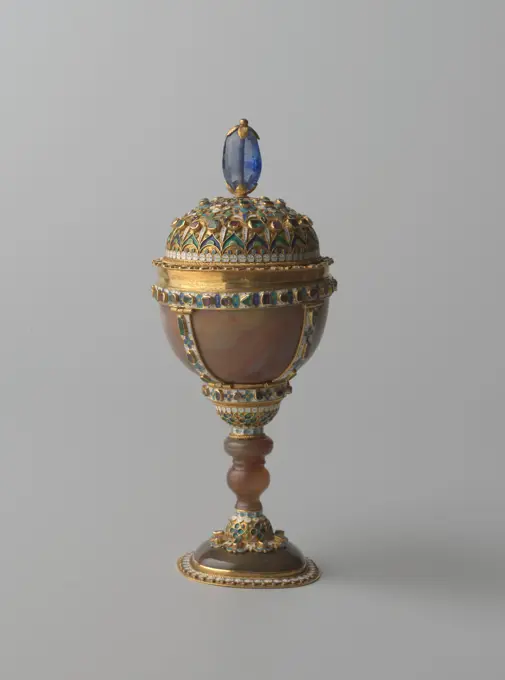
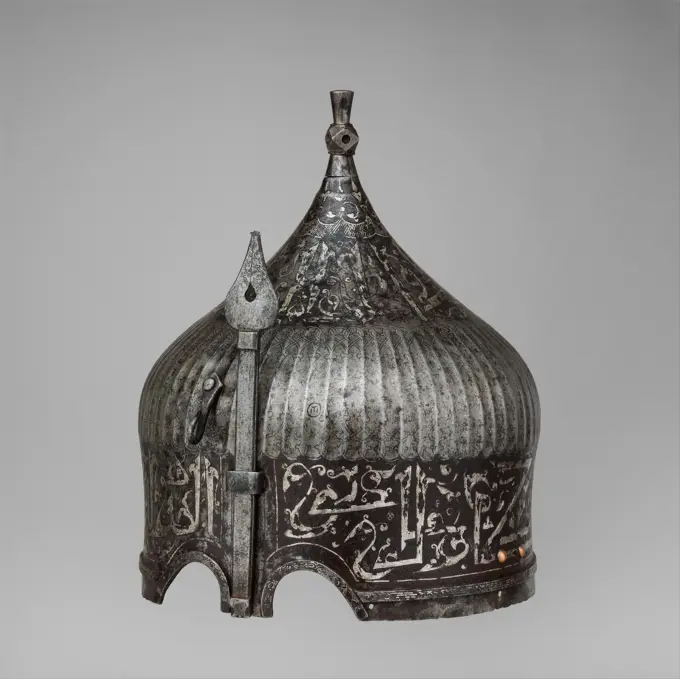
Coupe van Rossig-Bruin Chalcedon, decorated with gold and email, anonymous, c. 1500 - c. 1600 Cockel, foot, trunk and chalice of rossy use chalcedone with lid and frame of gold decorated with enamel cloisonne and precious stones. Russia chalcedony. gold (metal). precious stone (material). sapphire (mineral) Cockel, foot, trunk and chalice of rossy use chalcedone with lid and frame of gold decorated with enamel cloisonne and precious stones. Russia chalcedony. gold (metal). precious stone (material). sapphire (mineral)
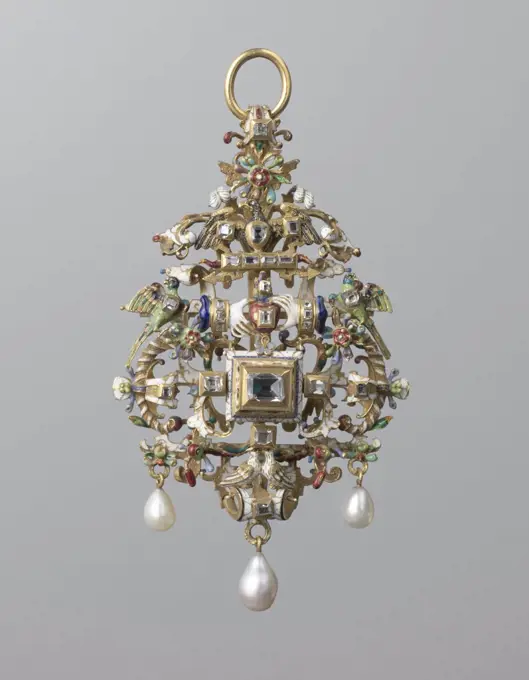
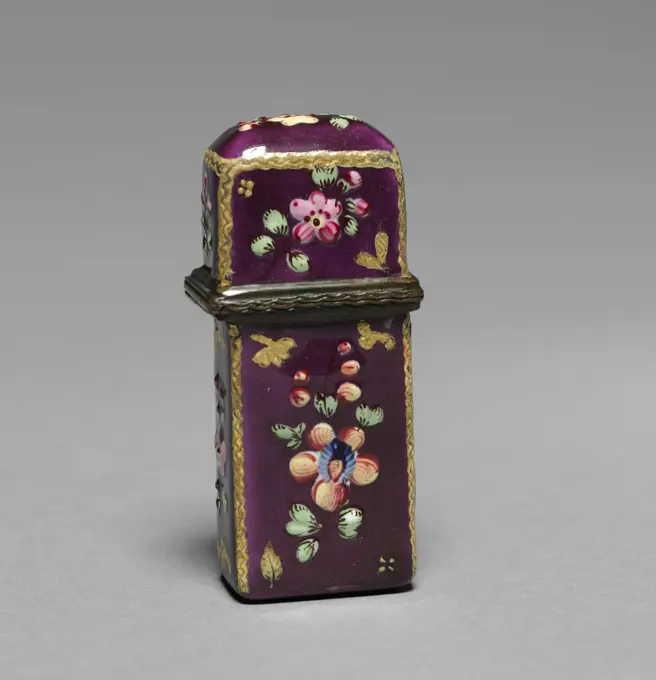
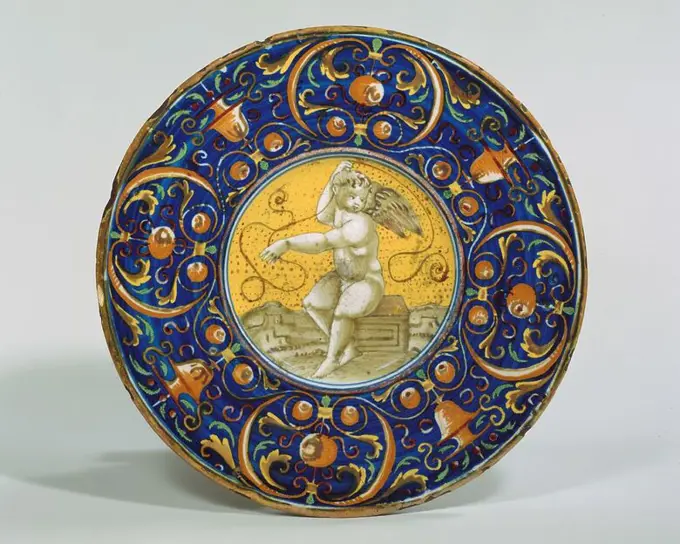
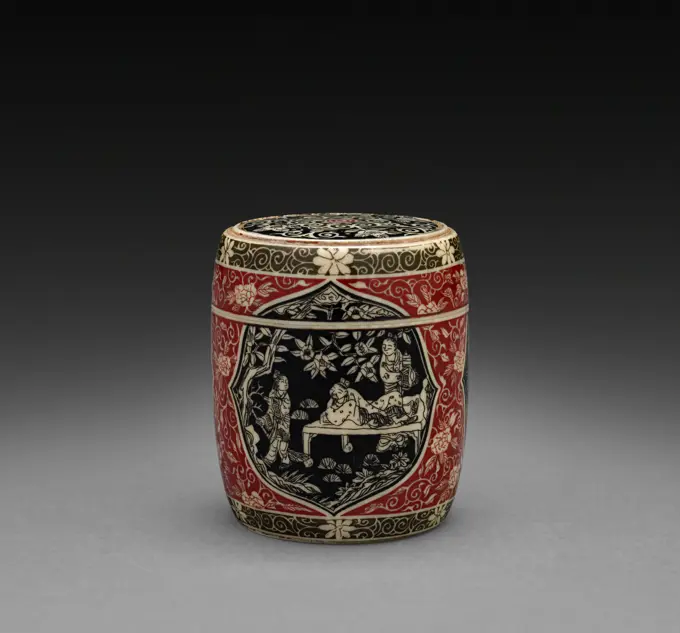
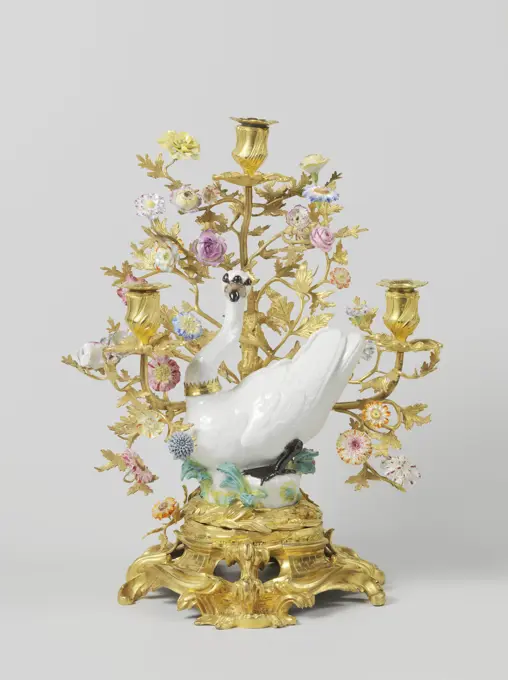
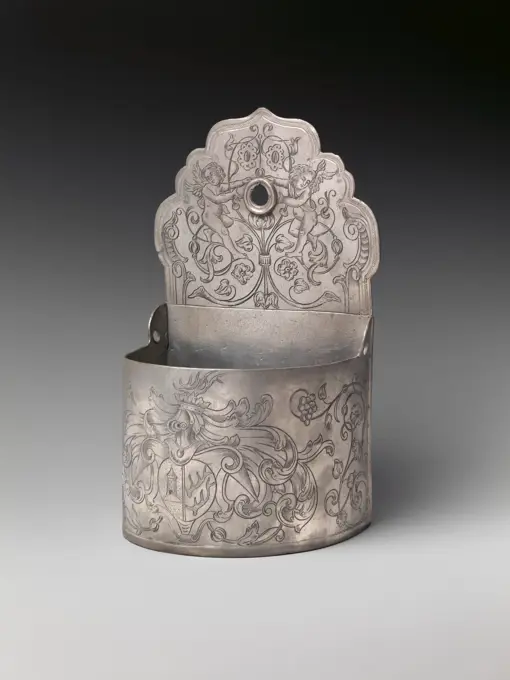
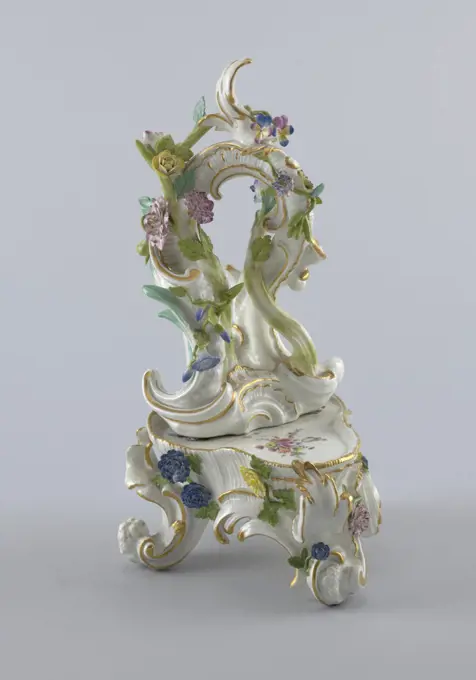
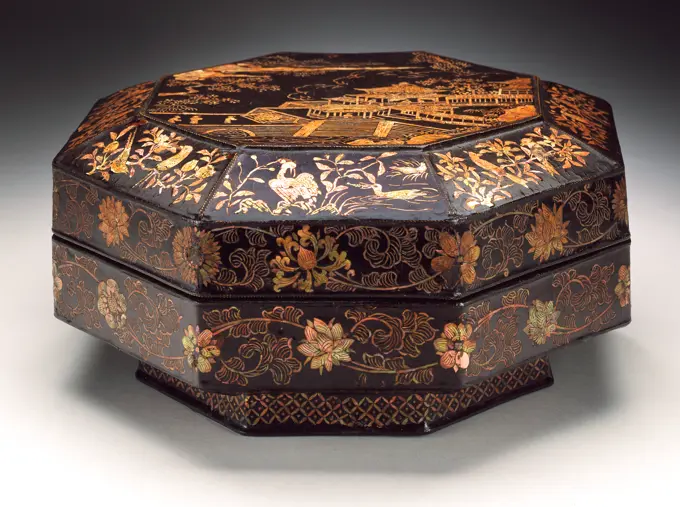
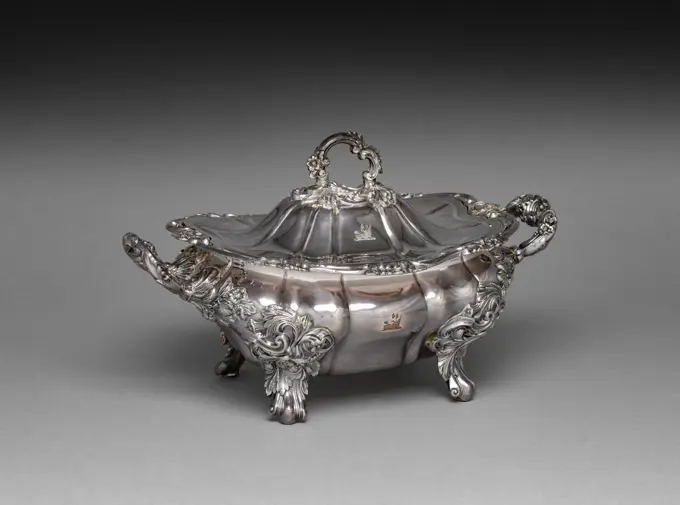
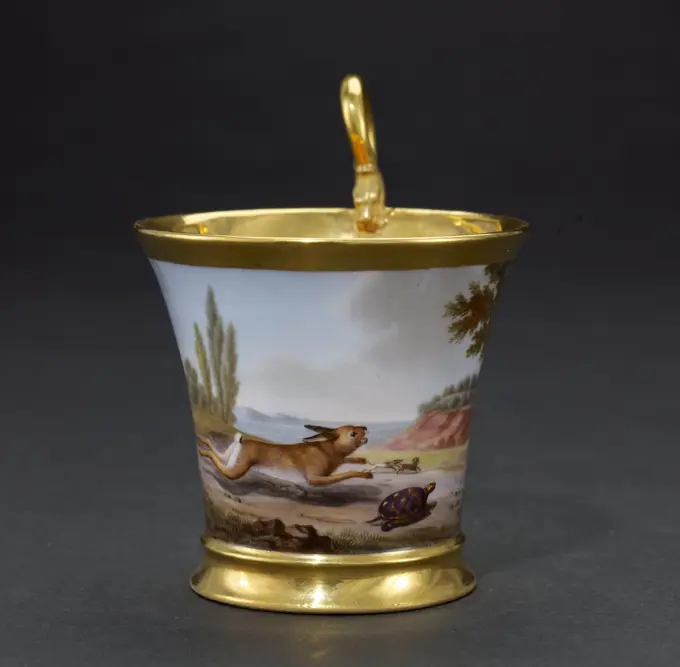
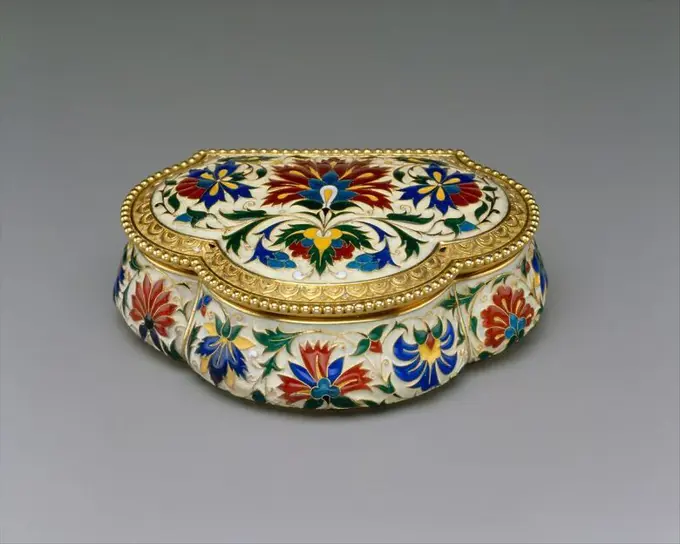
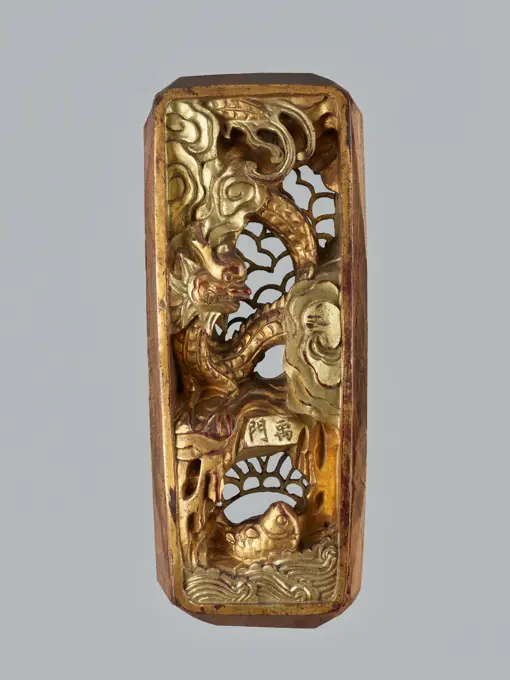
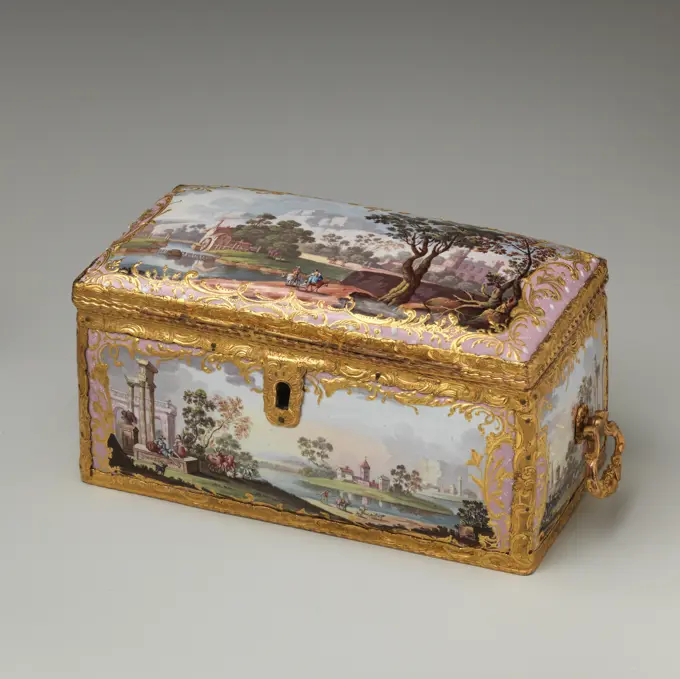
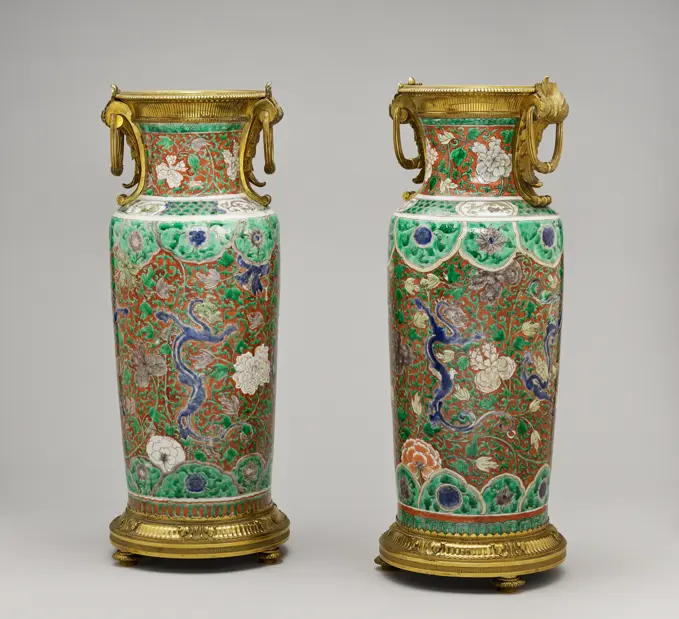
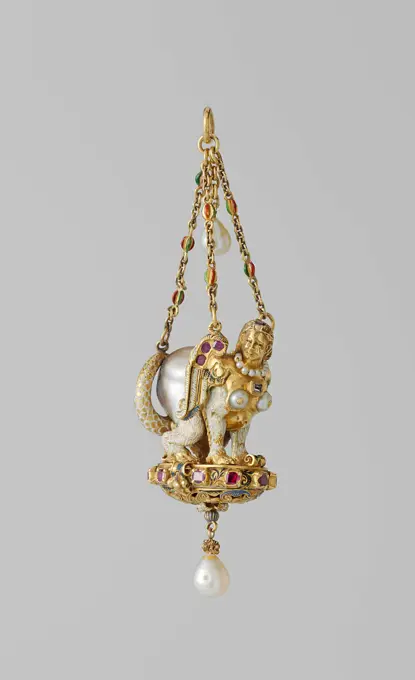
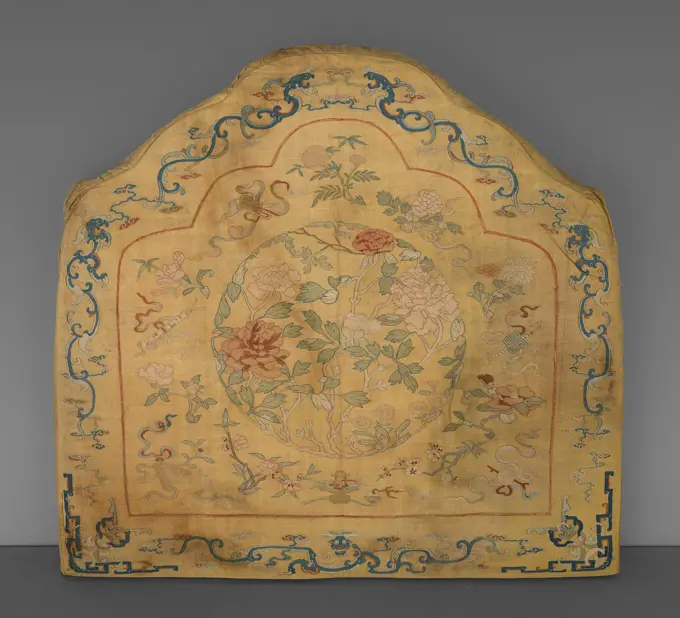
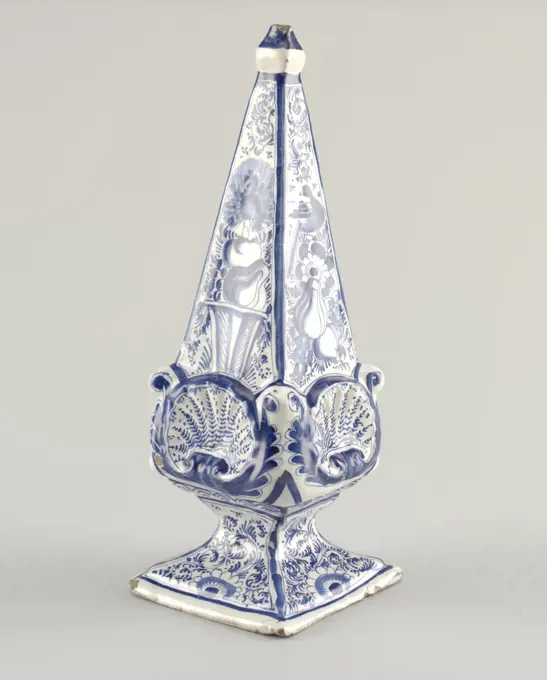
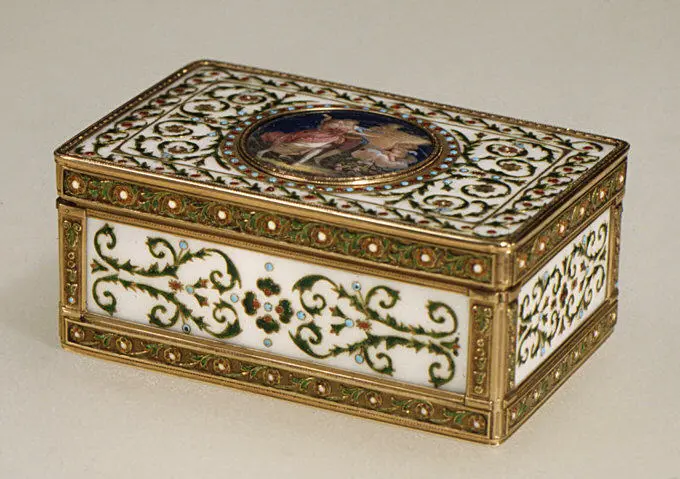
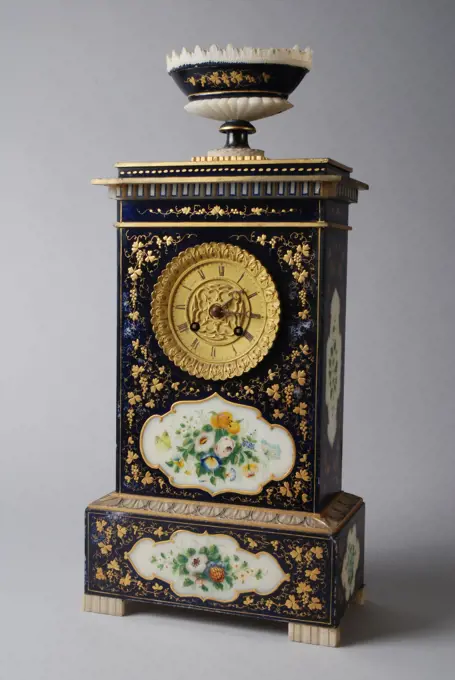
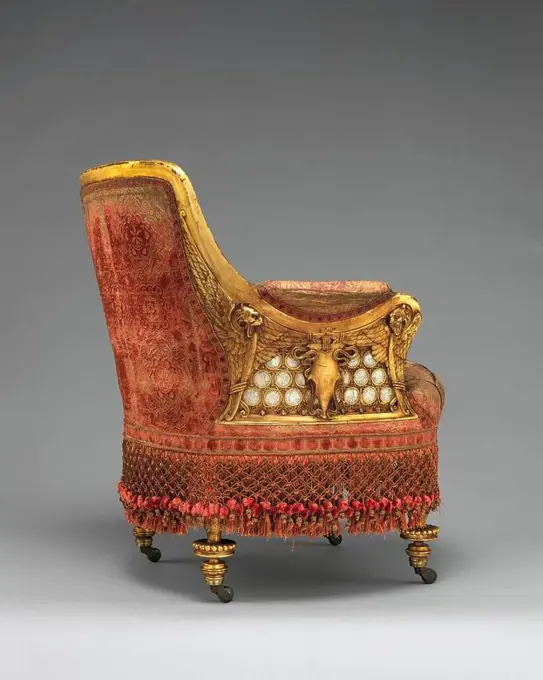
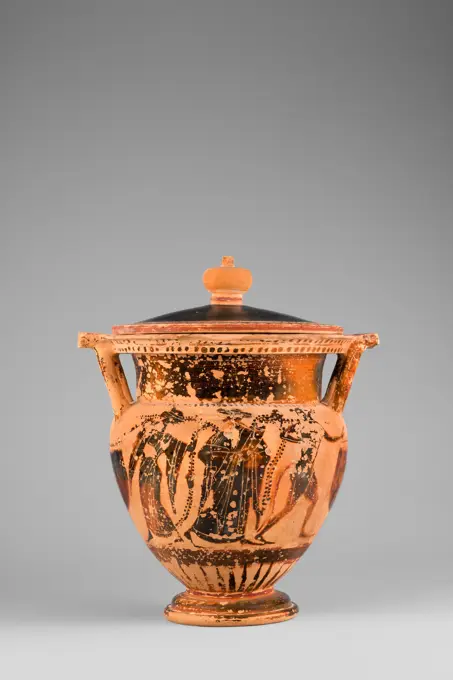
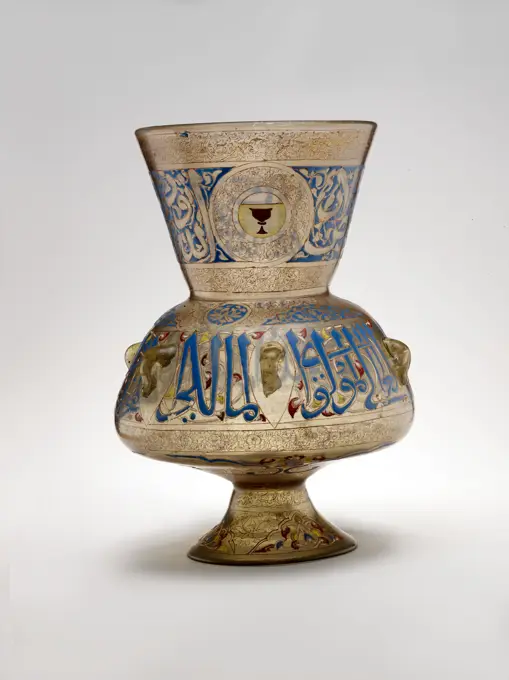
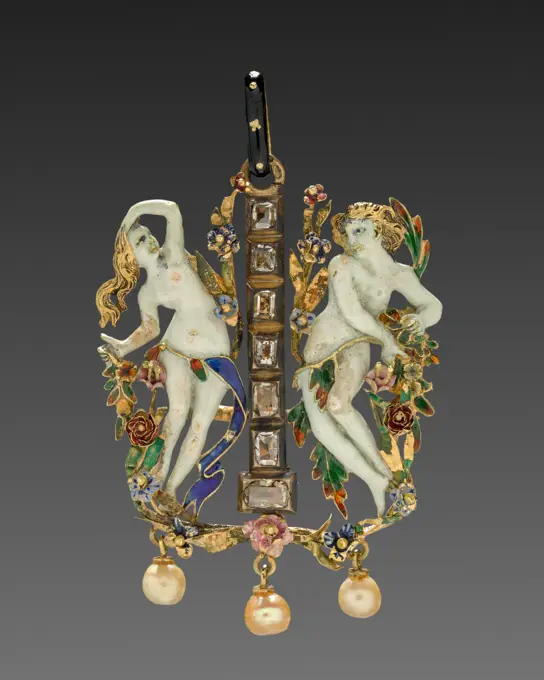
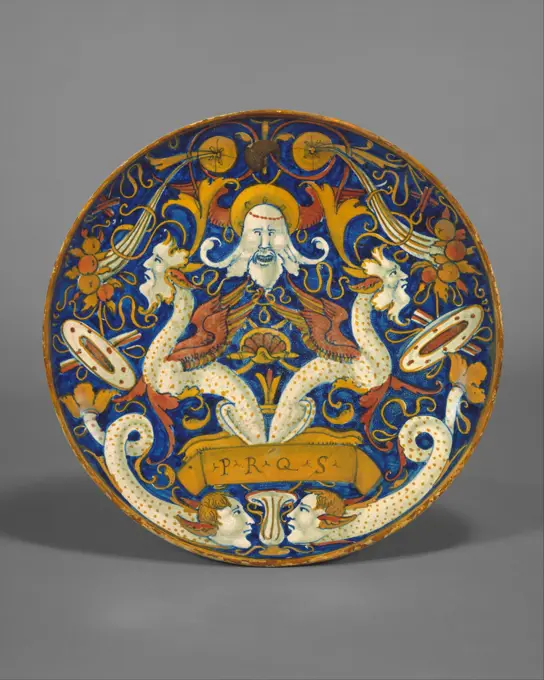
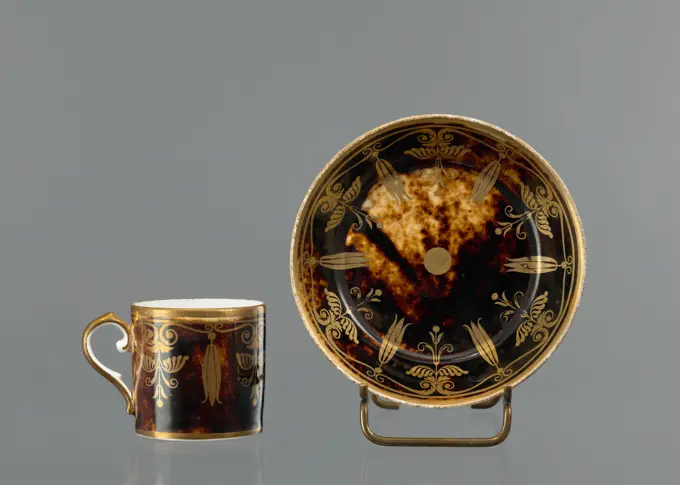
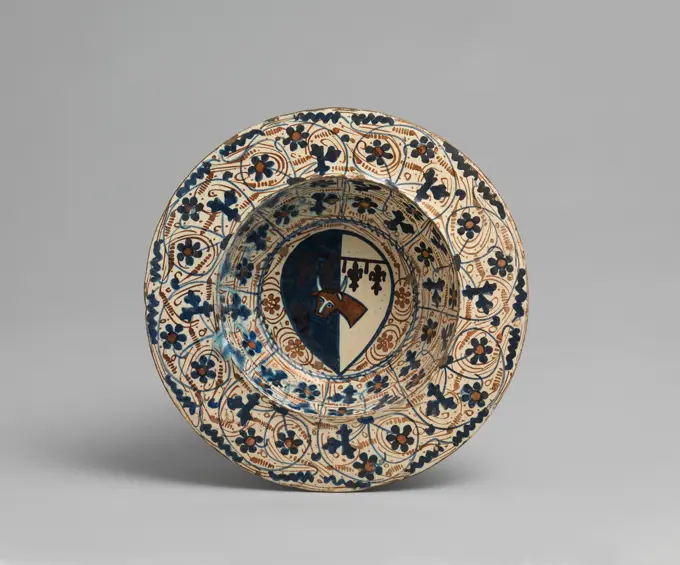
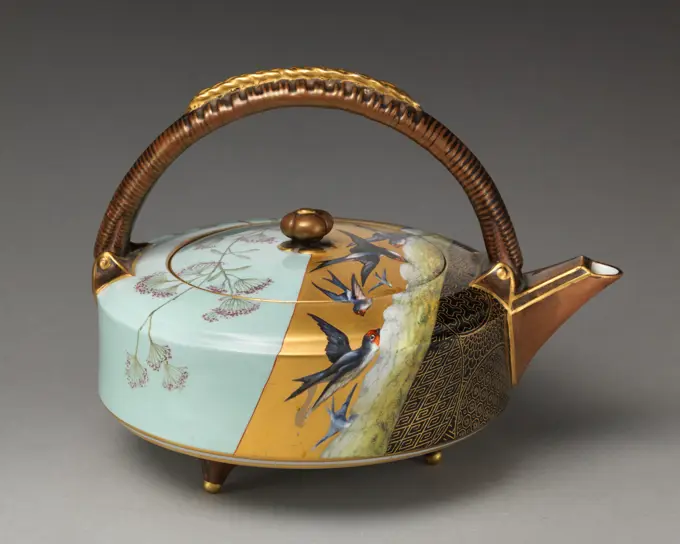
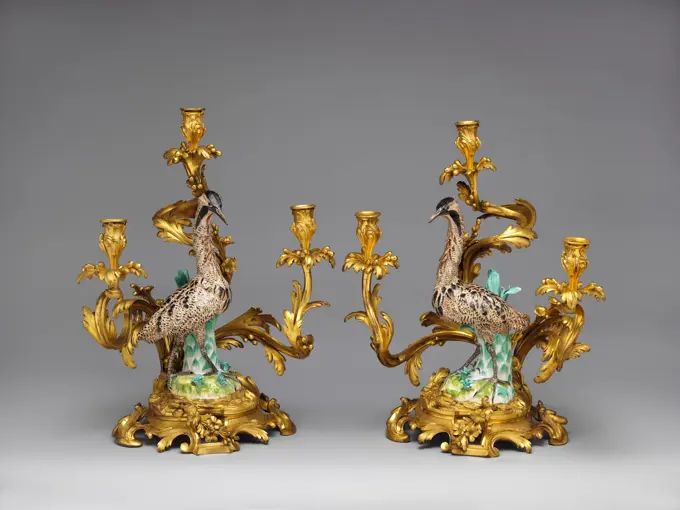
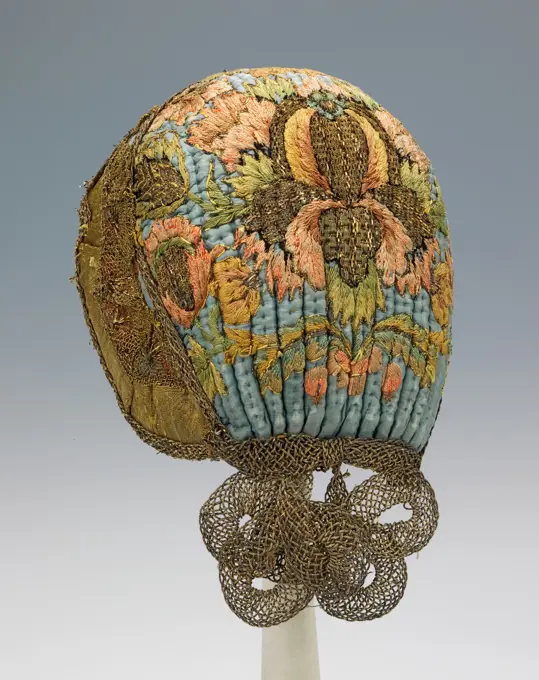
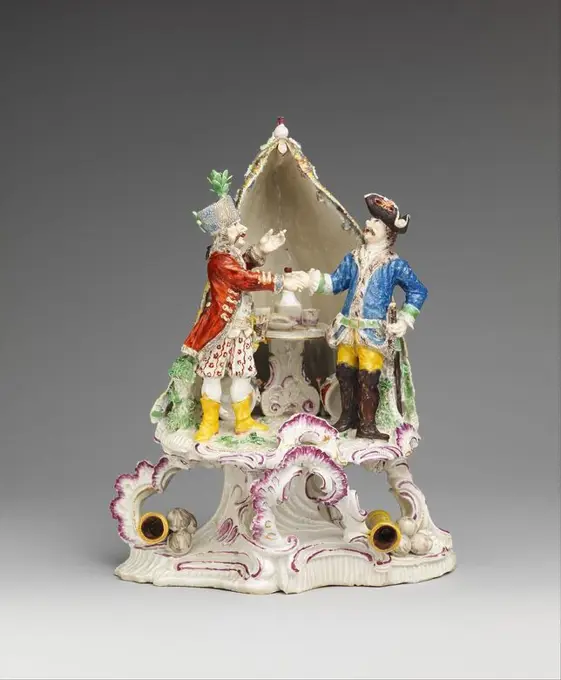
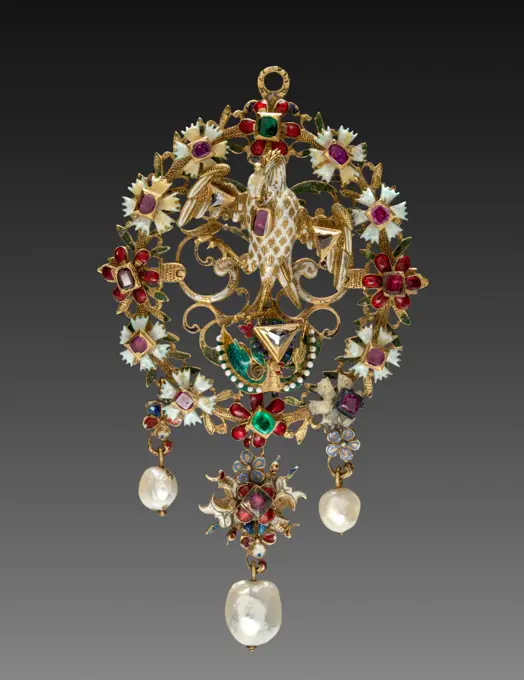
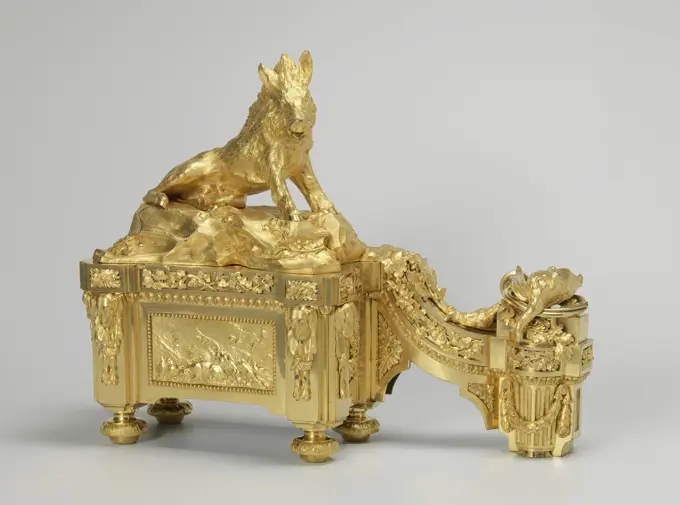
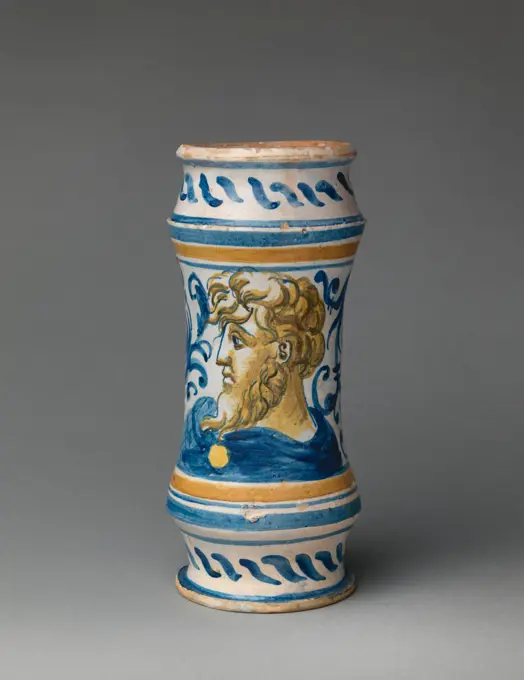
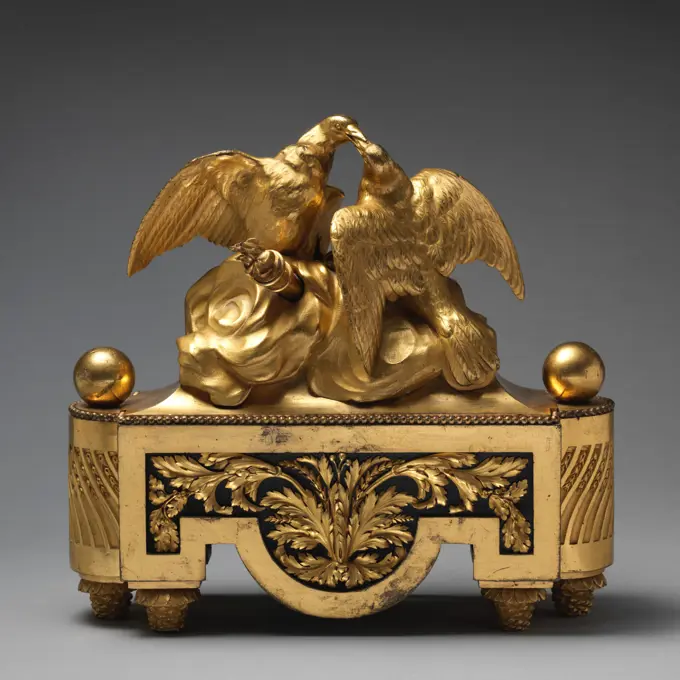
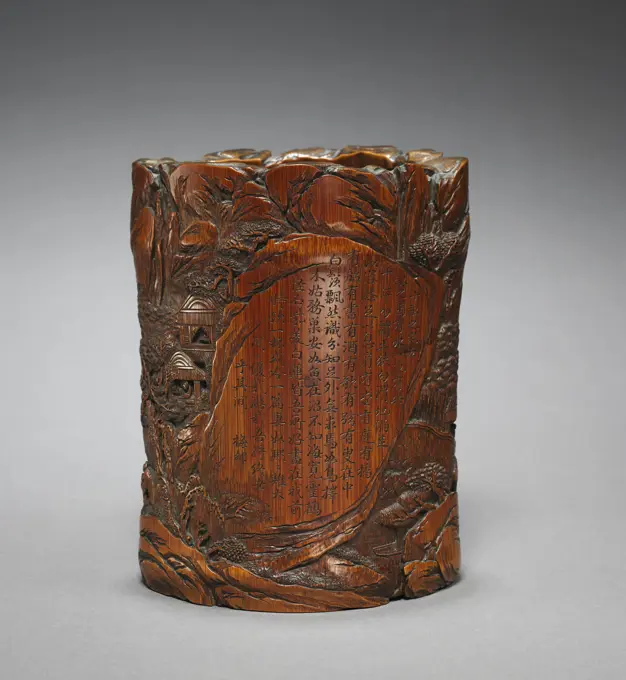
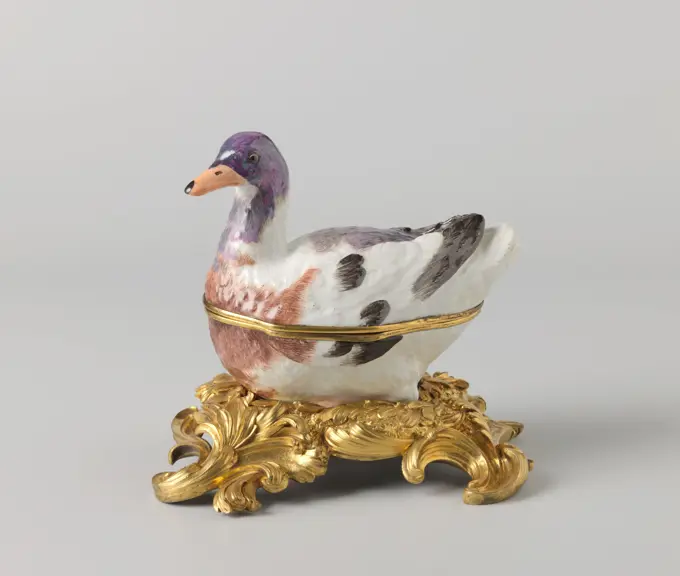
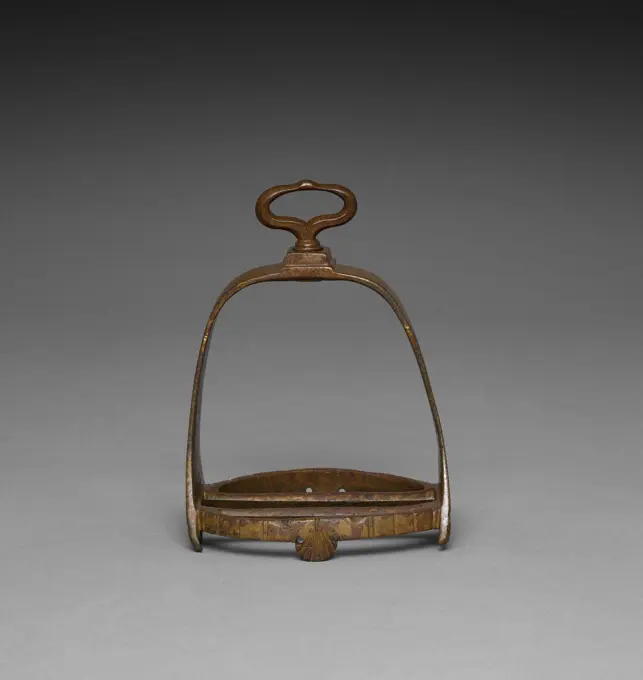
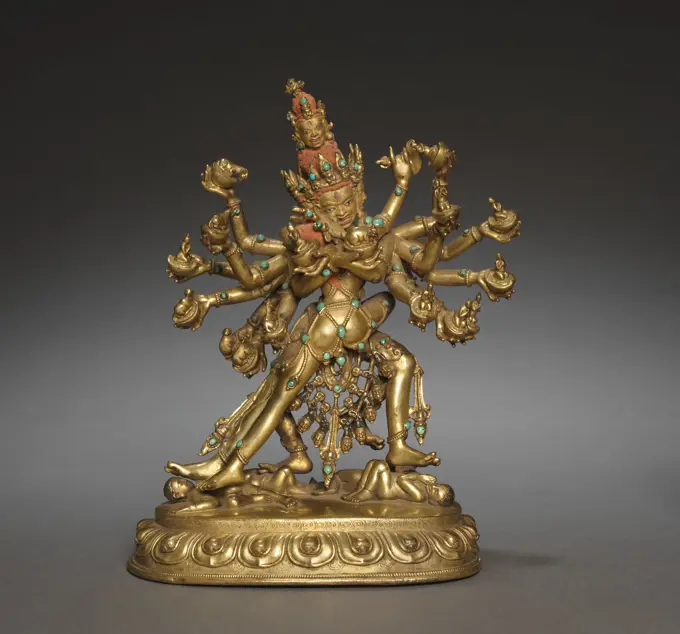
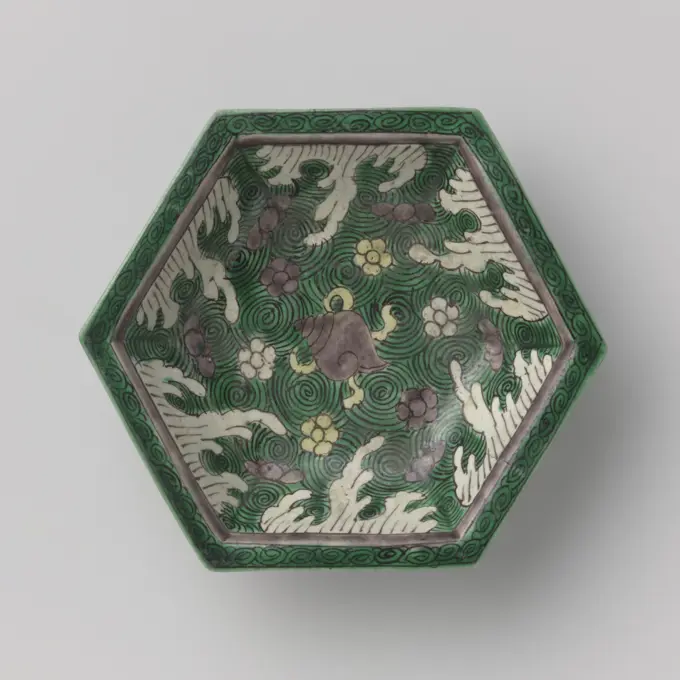
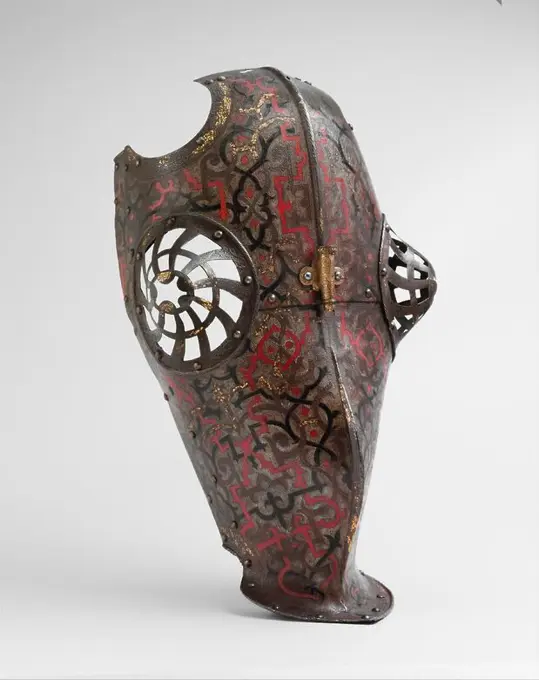
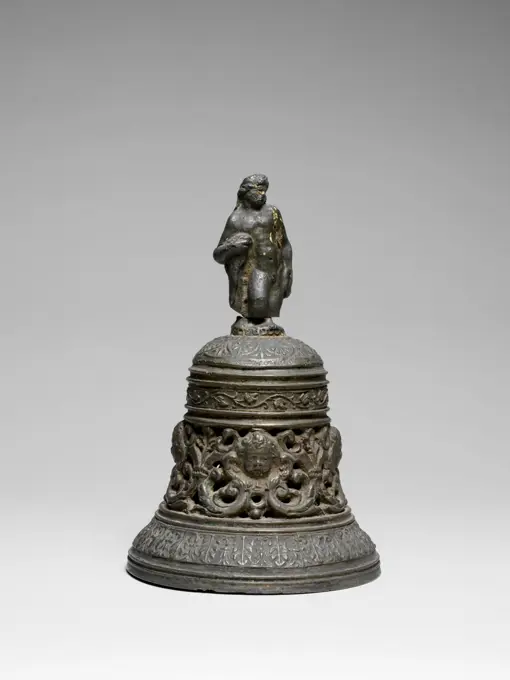
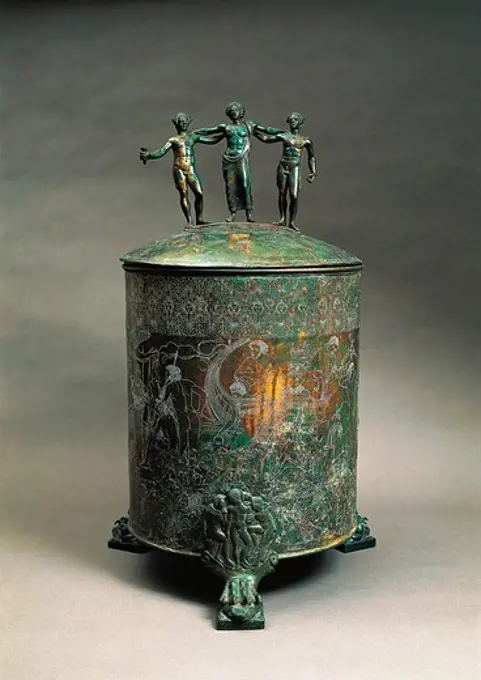
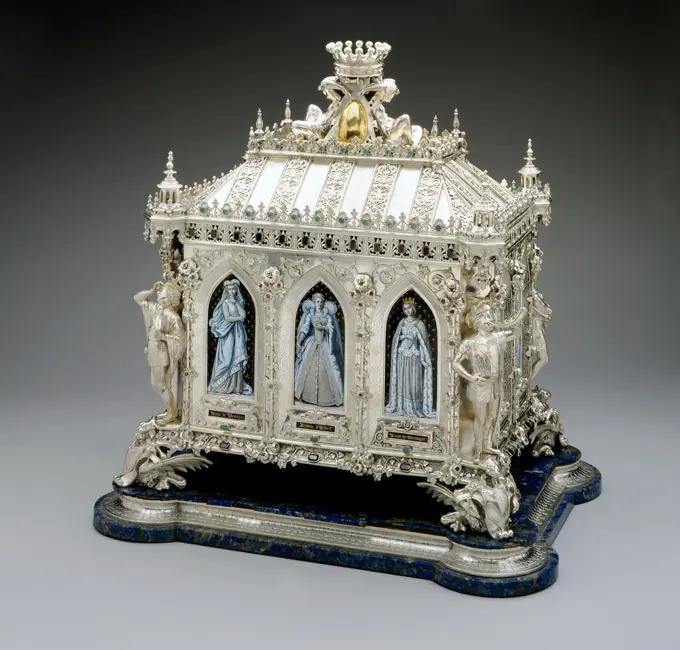
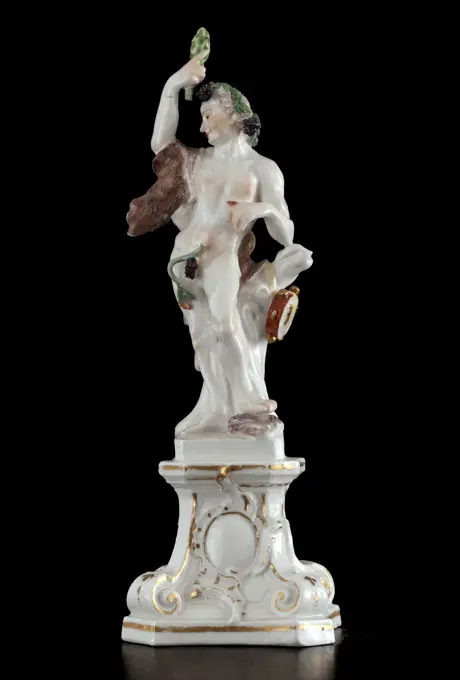
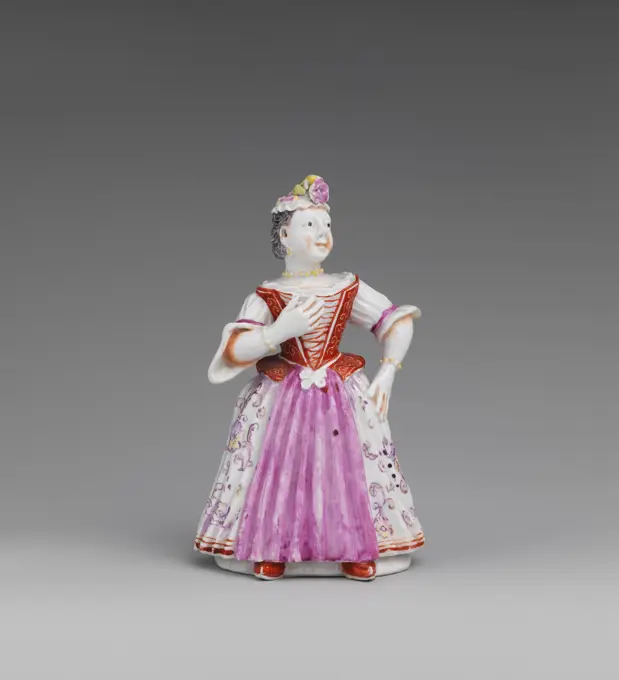
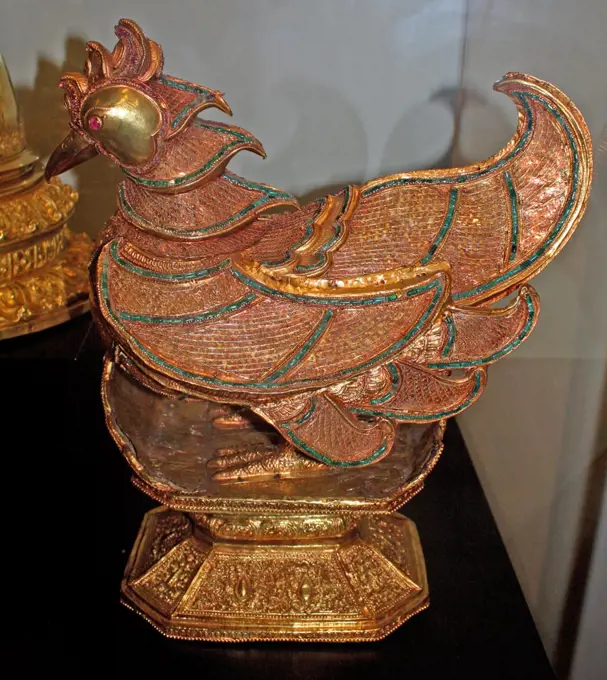
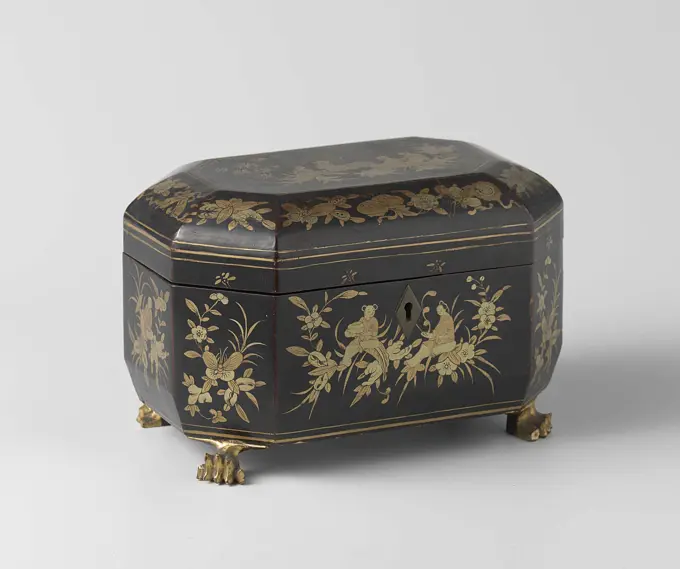
. Tea box of Chinese lacquer, in which two lead buses, resting on four gold-plated wooden claws. Decor of flower branches in two color gold lacquer. On the front with keyhole, a seated Chinese man and a woman are applied between the branches.Coffee urn, 1700 - 1800  Large cranes jug of partly black conquered and partly (fire) gilded Suassa, consisting of various soldiers soldered together. The jug has a convex belly, black conquered, with carved decorations (along top edge, tire over the center of the abdomen and three patterns with flowers and leaves), furthermore three cartouches with similar representations in relief of trees, branches with leaves and flowers, Birds, pagodas and people in a boat. On the underside of the Kan, three legs are soldered as stylized heads of samples with trunks -shaped legs stabbing out of their slump, in curl. Each leg is exactly between two cartouches on the belly. In the middle of each cartouche is a tap soldered by Gilded Suassa. This includes a tap in the form of dolphins. A straight tube -shaped neck is attached to the round belly of gilded suassa, somewhat tapered. Inserted decorations have been installed in horizontal tires along the top edge. Two smooth, round ears are attached to thPlate (tagliere). Culture: Italian, Gubbio. Dimensions: Diameter: 9 5/8 in. (24.4 cm). Date: 1534. Museum: Metropolitan Museum of Art, New York, USA.Miniature Garden Seat, late 1700s-early 1800s. China, Qing dynasty (1644-1911). Ivory with pigments; overall: 4.4 x 3.8 cm (1 3/4 x 1 1/2 in.).Two candelabra, anonymous, c. 1750 Swan of polychrome porcelain, on pedestal with plastic leaf decoration in blue -green, green and yellow. The swan has a ring of gilded bronze around the neck. The swan is placed in a gilded bronze frame in Rococo style, in the form of a tree on which leaves and flowers of porcelain in blue, orange-red, green, yellow, pink, violet and brown. The swan is marked. maker: Parisporcelain company: MeissenMeissenporcelain company: Vincennes porcelain. bronze (metal). gilding (material) gilding Swan of polychrome porcelain, on pedestal with plastic leaf decoration in blue -green, green and yellow. The swan has a ring of gilded bronze around the neck. The swan is placed in a gilded bronze frame in Rococo style, in the form of a tree on which leaves and flowers of porcelain in blue, orange-red, green, yellow, pink, violet and brown. The swan is marked. maker: Parisporcelain company: MeissenMeissenporcelain company: Vincennes porcelain. bronze (metal). gilding (mGoblet. Culture: British, Staffordshire. Dimensions: Height: 5 3/4 in. (14.6 cm). Date: ca. 1800. Museum: Metropolitan Museum of Art, New York, USA.Cruet set with stand, Silver, glass, London, England, 1765, metalwork, Decorative Arts, Cruet set with standSalt box late 16th century German Pewter was the cheaper alternative to silver, which remained unattainable to most people during the sixteenth century. In contrast, by the 1530s, all except the poorest members of society owned at least a couple of pewter household wares. Composed mainly of tin, usually with small amounts of lead or copper (in ratios regulated by local guilds), pewter was soft, malleable, and easily ornamented with engraved decoration, as here. A vessel like this onewhich would originally have included a lidwas made from molds, which were apparently regularly lent between pewterers and brass casters in Augsburg and Nuremberg.[Elizabeth Cleland, 2017. Salt box. German. late 16th century. Pewter. Metalwork-PewterStand with Floral Arch, Meissen Porcelain Manufactory, German, active from 1710 to the present, hard paste porcelain, vitreous enamel, gold, Stand on scrolling foot. Floral archway on a rocaille flourish., Germany, ca. 1745, ceramics, Decorative Arts, stand, standTwo doves in a group ca. 1755 Saint James's Factory. Two doves in a group. British, London. ca. 1755. Soft-paste porcelain. Ceramics-PorcelainOctagonal Food Box (Bajiao He) with Figures in a Pavilion and Floral Scrolls. China, Chinese, Early Ming dynasty, about 1386-1450. Furnishings; Accessories. Black lacquer on wood core with mother-of-pearl inlayCovered Tureen, c. 1830-50. England, Sheffield. Silver plated on copper (Old Sheffield Plate); overall: 25.9 x 107 x 40.5 cm (10 3/16 x 42 1/8 x 15 15/16 in.).Cup from a tea service for twelve, 1807-08, Christophe-Ferdinand Caron; Manufacturer: Sèvres Porcelain Factory, French (Sèvres), French, 1774-1831, 4 5/16 x 4 1/2 x 3 3/8 in. (10.95 x 11.43 x 8.57 cm), Hardpaste porcelain, gilt, France, 19th centuryBlackboard with deepened flat with multi-colored painted putto with sphere in both hands. Round plate of multi-colored painted majolica, with a deepened flat. On the flat is a putto with a sphere painted in both hands on a goudloster's ground. On the wide edge is a repeating arabishish tendrilse pattern painted in red and goudlester on a blue fond.Box. Culture: French, Paris. Dimensions: 15/16 × 2 3/4 × 1 15/16 in. (2.4 × 7 × 5 cm). Maker: Alexis Falize (French, 1811-98); Lucien Falize (French, Paris 1839-1897 Paris). Date: ca. 1875.Made by the illustrious Parisian firm Falize, this trilobed box is decorated in the Persian taste with flowers and foliage enameled in deep red, green, dark and turquoise blue, and yellow on a white ground. The gold-rimmed lid is decorated with ogee-shaped lappets on a matte ground and edged with beading that recalls the eighteenth-century French tradition of finely crafted gold boxes. Alexis Falize (1811-1898) began his career as an anonymous supplier of jewelry to retailers such as Boucheron and Tiffany's. Falize's firm, founded in 1838, followed the nineteenth-century fashion for the various revival styles as well as drawing inspiration from Near Eastern and Japanese sources. In 1867, Falize exhibited Japanese-inspired enameled jewelry to great success at the Exposition Universelle, Paris. Falize"Royal Flemish" Vase. Mount Washington Glass Company; American, 1837-1958. Date: 1885-1895. Dimensions: H. 39.1 cm (15 3/8 in.). Partially gilded and painted blown mold glass. Origin: New Bedford. Museum: The Chicago Art Institute, Chicago, USA. Author: Mount Washington Glass Works.Terracotta lekanis (dish) with lid second half of the 4th century B.C. Greek, South Italian, Apulian The primary decoration on this miniature lekanis, a womans head, was a widespread motif in South Italian vase painting during 4th century B.C. South Italian vases decorated with isolated heads have been found overwhelmingly in funerary contexts, either within or above tombs. The significance of these female representations is not known, and likely varied from region to region.. Terracotta lekanis (dish) with lid 330016Brama cesarza Yu (Smocza Brama) - panneu dekoracyjne. unknown, craftsmanTea casket (part of a set) ca. 1770 British, South Staffordshire Containing two canisters for tea (green and black) and a larger one for sugar, this chest could be locked to secure its valuable contents; both tea and sugar were expensive commodities during the eighteenth century. The polychrome pastoral scenes and Italianate landscapes, combined with Rococo-style gilding against a pink ground, create an opulent effect. Listen to experts illuminate this artwork's story Listen Play or pause #413. Retail Value. High and Low Supported by Bloomberg Philanthropies We're sorry, the transcript for this audio track is not available at this time. We are working to make it available as soon as possible.. Tea casket (part of a set). British, South Staffordshire. ca. 1770. White enamel on copper painted in polychrome enamels. Enamels-PaintedPair of Mounted Vases. UnknownScent bottle ca. 1760 British, South Staffordshire. Scent bottle. British, South Staffordshire. ca. 1760. Enamel on copper. Enamels-PaintedTubular Fitting 399 BCE-200 BCE China. Bronze inlaid with silver .Hanger in de vorm van een sfinx.Hanger of enameled gold and a baroque pearl. Suffering a Sphinx on a postament with rubies and a pearl.Cup with a landscape in a panel, anonymous, c. 1800  Porcelain head on high foot and with a high, curled ear, painted on the enamel in enamel colors and gold. The head is largely covered with gold, with two cartouches saved on the outside wall. In one tropical -looking landscape with a group in Camel, Horse and Os on the left and an attacking group on horseback with spears on the right. The other cartouche with golden flower and leaf vines against a red background. Below and above the cartouches a decorative band in relief. A lion mask in the curl of the ear. Marked on the bottom with 'B.S. & Cie à Paris'. Paris porcelain. glaze. gold (metal) painting / gilding / vitrificationChair Cover Made 1750-1800 ChinaDish with the arms of the province of Limburg, anonymous, c. 1700 - c. 1724 Porcelain dish with scalloped edge, painted on the glaze in blue, red, green, yellow, black and gold. On the flat Het Wapen van Limburg, with the inscription 'Limburgh', with a flower branch with bird on either side, two insects above the weapon and a flower branch under the weapon; The wall and edge are divided into twelve petal -shaped compartments alternately filled with a sitting man in a landscape, a standing woman in a landscape or flower vases; The edge with servetwork. Two flower branches on the back. A few cracks in the wall. Weapon porcelain with email colors. China porcelain. glaze. gold (metal) painting / gilding / vitrification Porcelain dish with scalloped edge, painted on the glaze in blue, red, green, yellow, black and gold. On the flat Het Wapen van Limburg, with the inscription 'Limburgh', with a flower branch with bird on either side, two insects above the weapon and a flower branch under theObelisk, Petrus van Marum, Glazed earthenware, Four-sided obelisk with molded shell and scroll ornaments at base of each side, finial at top, splayed foot; painted in underglaze blue, the sides with fruit and birds, the base with floral/leaf scrolls., Delft, Netherlands, ca. 1700-30, ceramics, Decorative Arts, ObeliskSnuffbox 1789-90 Adrien Jean Maximilien Vachette French In eighteenth-century Europe, Paris led the production of high-quality luxury goods. Parisian goldsmiths made a wide range of small, personal articles such as snuffboxes; étuis to hold sealing wax, tweezers, or utensils for sewing; souvenirs, which contained thin ivory tablets for note taking; and shuttles for knotting lace. Gold snuffboxes and boxes decorated with portrait miniatures were prized and frequently given as royal gifts, often to ambassadors or members of the court in lieu of cash payments for their services. Coveted and admired, these boxes were produced from a variety of materials. The best were skillfully made of gold and embellished with diamonds, enameled decoration, lacquer, and other luxurious materials. By the middle of the century, the taking of snuff had become an entrenched social ritual, and the snuffbox, too, had become an important social prop. Snuffboxes were considered highly fashionable accessories, wiColumbine. Culture: British, London. Dimensions: Height: 1 1/4 in. (3.2 cm). Maker: Saint James's Factory (British, ca. 1748/49-1760). Date: ca. 1755. Museum: Metropolitan Museum of Art, New York, USA.Inkstand.Désiré Romain (), Alabaster table clock, dark blue with gold painted and with flowers on open ground and on dial Romain Rotterdam, pendulum clock timepiece measuring instrument alabaster brass bronze steel, Rectangular cupboard rising from rectangular base on four rectangular legs with flutes crowned by low profiled terrine with serrated edge. At the top some profiles supported by block list. Cast bronze plated dial with lacquered figures for hours and minutes and some vague neo-Gothic motifs in the center. Steel hands. The timepiece is typical French pendulum clockwork with anchoring and percussion with striking plate on the gilded dial: ROMAIN ROTTERDAM Rotterdam time measuring house bourgeois BiedermeierPart of a console late 17th century French. Part of a console 189637 French, Part of a console, late 17th century, Carved and painted wood, Overall (confirmed): 12 x 11 x 8 3/8 in., 5.5lb. (30.5 x 27.9 x 21.3 cm, 2.4948kg). The Metropolitan Museum of Art, New York. Gift of J. Pierpont Morgan, 1906 (07.225.372)Armchair. Culture: American. Dimensions: 33 1/2 x 27 x 28 in. (85.1 x 68.6 x 71.1 cm). Maker: Herter Brothers (German, active New York, 1864-1906). Date: 1881-82.William H. Vanderbilt, son of Cornelius "Commodore" Vanderbilt, inherited a vast fortune and a lucrative transport business, which he expanded exponentially, becoming one of the wealthiest men in America. In 1879, to mark his elevated social and economic status, he built a mansion that spanned an entire city block on Fifth Avenue, between Fifty-First and Fifty-Second Streets. He commissioned Herter Brothers, one of the premier cabinetmaking firms in New York City, to decorate and furnish his home. In devising distinct decorative schemes for each room of the mansion, Herter Brothers drew inspiration from a wide range of historical styles and utilized expensive, exotic materials.The house's original furnishings were dispersed when the residence was redecorated between 1915 and 1916, and at the time of its demolition in 1946. Krater kolumienkowy (naczynie do mieszania wina z wodą) z pokrywką. warsztat attycki, workshopFili Anka with a saucer; Korzec (Porcelain Manufaktura; 1790-1832); around 1820 (1815-00-00-1825-00-00);Renaissance Easter Egg, Shuvalovsky Palace, St. Petersburg, RussiaPendant with closed hands together, Anonymous, c. 1580 - c. 1600Etui, 1800s. Germany , 19th century copy of an 18th century Chelsea etui. Enamel on copper with metal mounts; overall: 5.5 x 2.6 x 2 cm (2 3/16 x 1 x 13/16 in.).Mosque Lamp of Amir Qawsun ca. 1329-35 'Ali ibn Muhammad al-Barmaki Large glass lamps of this type were commissioned by sultans and members of their court for mosques, madrasas (Qur'anic schools), tombs, hospices, and other public buildings in fourteenth-century Mamluk Cairo. This example bears the name of its patron, Qawsun (d. 1342), amir of the Sultan al-Nasir Muhammad ibn Qalaun (r. 1293-1341 with brief interruptions), and was probably intended for one of his two architectural commissions in Cairoa mosque or a tomb-hospice complex. Listen to experts illuminate this artwork's story Listen Play or pause #6773. Reading: Qur'an, Light Verse Supported by Bloomberg Philanthropies We're sorry, the transcript for this audio track is not available at this time. We are working to make it available as soon as possible.. Mosque Lamp of Amir Qawsun. ca. 1329-35. Glass, colorless with brown tinge; blown, blown applied foot, enameled and gilded. Made in Egypt. GlassPendant, 1870-1890. France, late 19th century. Enameled figures surrounded by colored enameled flowers, gems and pearls; overall: 6.4 x 3.9 cm (2 1/2 x 1 9/16 in.).Dish (coppa) ca. 1530 Italian, Gubbio. Dish (coppa) 460249Candlestick of multicolored painted faïence, anonymous, c. 1700 - c. 1725 Faïence candlestick. Multicolored painted. Delft . Faïence candlestick. Multicolored painted. Delft .Rectangular Pillow with Figural and Landscape Scenes, Double-Lotus Medallions, and (back) Tiger Seated by Trees 1201-1234 China. Cizhou ware; stoneware, slip-coated and painted in underglaze iron brown slip .Cylinder Vessel Depicting Cormorants and Water Signs. Guatemala or Belize, Holmul style, Maya, 600-900 CE. Ceramics. Slip-painted ceramicFaïence flower holder, multicolored painted with sprinkling flowers, the three pursleyne astonne, c. 1770 - c. 1780 Flower holder from Faïence. Multicolored painted with sprinkling flowers. With accompanying perforated plate. Delft . Flower holder from Faïence. Multicolored painted with sprinkling flowers. With accompanying perforated plate. Delft .Saucer. Korzec (manufaktura porcelany ; 1790-1832)Hercules (Atlas) With a blue vault; Koenigliche Porcellain Fabrique, Meissen (1710-1763), Meyer, Friedrich Elias (1723-1786); The 1850s (1750-00-00-1790-00-00);Bowl 1430-1460 Spanish The technique of lusterware involves the use of a copper oxide which, when painted on in the desired patterns and fired separately, produced a metallic sheen in tones ranging from pale gold to deep reddish copper depending on the proportions of the mixture. This bowl, probably a remnant of a larger table service, was made for export for the Dazzi family of Florence, whose arms it bears. Italy was a major market for the Manisan pottery industry, and certain Spanish designs, such as the bryony leaf pattern on this bowl, were emulated by Florentine potters.. Bowl 471809Sword-Hilt Collar (Fuchi), 1700-1850. Japan, Edo period (1615-1868). Shakudo; average: 3.9 x 2.3 cm (1 9/16 x 7/8 in.).Teapot 1879 Worcester factory After the end of the Flight, Barr & Barr ownership of the Worcester factory in 1840, the firm went through a succession of owners and mergers before falling under the ownership of Kerr & Binns in 1852. During the partnership, the factory sought to rebuild its former eighteenth-century reputation in porcelain and known for Renaissance-inspired designs. With the establishment of the Royal Worcester Porcelain Company in 1862, the company gradually gained recognition for its Japanese-inspired designs, which formed part of Japonisme, a collective fascination with Japan that took place in Europe and the United States following the opening of Japanese markets to the West by Commodore Perry in 1853.. Teapot. British, Worcester. 1879. Bone china. Ceramics-PorcelainSalt 1846 Samuel Kirk and Son. Salt 7070Three-light candelabra (candélabre or girandole) (one of a pair) ca. 1750 Model for bittern attributed to Johann Joachim Kändler German Trained as a sculptor, Johann Joachim Kändler joined the porcelain manufactory in Meissen, near Dresden, as a modeler in 1731. A prolific and talented artist, Kändler supplied the workshops there with numerous models, ranging from small figural groups to table services and decorative wares. Among his most celebrated achievements were the animal figures he created for the Japanese Palace in Dresden at the behest of Augustus the Strong, elector of Saxony (1670-1733), which included many native European and exotic birds. These figures were based either on live specimens observed at the royal menagerie at Moritzburg or on stuffed ones preserved in the local natural-history collection, and they illustrate the contemporary fascination with the natural world. In March 1735, for the Japanese Palace, Kändler modeled his first bittern, an elusive long-necked birVase with Porcelain Flower Appliqués Vase; porcelain, vitreous enamel, gold; Bequest of Mrs. John Innes Kane; 1926-22-466-bCap early 19th century German. Cap 157105Multiculously painted pipe sleigh, anonymous, c. 1760 - c. 1800 Pijpeslee with curved back and scalloped edges on the sides, multi -colored painted with water landscapes and a shepherd. Delft . Pijpeslee with curved back and scalloped edges on the sides, multi -colored painted with water landscapes and a shepherd. Delft .Man's Cap, 1800s. India, 19th century. Embroidery; velvet decorated with gold thread, pearls and cornelians (); overall: 6 x 16 x 15.5 cm (2 3/8 x 6 5/16 x 6 1/8 in.).Candelabrum with Parrot , c. 1740. Meissen Porcelain Factory (German), Johann Joachim Kändler (German, 1706-1768). Porcelain mounted in gilt bronze; part 1: 19.6 cm (7 11/16 in.); part 2: 29.6 x 32.1 cm (11 5/8 x 12 5/8 in.).Box with lid in the shape of a duck on pedestal. Box of painted porcelain. The box has the shape of a duck. The duck is sitting on a gold-plated bronze rococo pedestal. The duck is partially painted in blue, brown, gray, violet and black; The head in violet and blue gray with a light red beak. The box is unnoticed.Coffee maker -Two soldiers shaking hands. Culture: German, Kelsterbach. Dimensions: Overall (confirmed): 7 3/16 × 5 9/16 × 3 5/8 in. (18.3 × 14.1 × 9.2 cm). Manufactory: Kelsterbach Pottery and Porcelain Manufactory (German, 1758-ca. 1823). Modeler: Probably Carl Vogelmann (German, active Kelsterbach, 1764-66). Date: ca. 1760-65. Museum: Metropolitan Museum of Art, New York, USA.Humpen with performances of a hunter and two women, Anonymous, 1594 Large humpen with slightly inserted soil. Smooth, set stand ring, decorated with white dots. Two medallions on the cylindrical body, each surrounded by a Lauerkrans. In one medallion a hunter with glue sticks over the shoulders with birds and a row of hares around the waist. In the second medallion two women, according to the captions mother and daughter, the first with a glue stick in one hand and in the other a staff with an owl, the second with a glue stick in one hand and a mirror in the other hand. Between the medallions the year 1594. Along the top edge a gilded band with rosettes and rows of dots. Above the hunter the caption: Hola wo her mitt der Leimstangen Ich Mein du Wolst Vogel Fangen. Underneath: Sich Lieber Sich Wie Ein Fein Leimknecht bin ich Mitt Meiner gem ckten leimstangen hab ich vogel und Hasen fangs. Above the mother: yes mein hand full of mitt zu feltt the gleich und gleich sich gern gem. Below: MPendant with Pelican, c. 1600. Germany, early 17th century. Enameled gold with rubies, emeralds, diamonds, and pearls; overall: 8.9 cm (3 1/2 in.).Fire Bob of Gilded Bronze with rectangular base animal heads, rosettes, grape vines and a hunting scene, a deer and shot game., Quentin-Claude Pitoin (Possible), c. 1772 - c. 1775 Gilded bronze Vuurbok. The rectangular basement shows corner kicks with animal heads, rosettes, grape vines and a performance of a hunting scene in relief. On top of a kind of raised landscape, a deer is placed. A descending connecting piece with grape vines and rosettes leads to a scanned pedestal with garlands, decorated with grape vines. On top of this pedestal is shot game. Paris bronze (metal) gilding Gilded bronze Vuurbok. The rectangular basement shows corner kicks with animal heads, rosettes, grape vines and a performance of a hunting scene in relief. On top of a kind of raised landscape, a deer is placed. A descending connecting piece with grape vines and rosettes leads to a scanned pedestal with garlands, decorated with grape vines. On top of this pedestal is shot game. Paris bronze (metal) gildingStacking box. In Asia, stacking boxes were used to transport food provisions. During the 19th century they became popular among European merchants in Canton - not because of their function, but rather because of the virtuoso carving in ivory. The walls of the box are decorated with Chinese figures in a landscape against an openwork background. The handles are dragon-shaped.Pair of firedogs. Firedogs were placed in the hearth as supports for the metal rods on which the logs of wood were laid. The poodle and the cat seem to be warming them-selves by the fire. The famous bronze-caster Philippe Caffieri is known to have made firedogs with such animals.Casket. Italian. Date: 1495-1505. Dimensions: 8.3 × 15.9 cm (3 1/4 × 6 1/4 in.). Gilded wood and molded white lead (pastiglia). Origin: Italy. Museum: The Chicago Art Institute, Chicago, USA.Albarello ca. 1545 Workshop of Masséot Abaquesne This albarello was art of an order for four thousand apothecary jars made for Pierre Dubose, pharmacist and entrepreneur in Rouen.. Albarello. French, Rouen. ca. 1545. Faience (tin-glazed earthenware). Ceramics-PotteryFiredog (feu or chenet) (one of a pair) ca. 1780 François Rémond The kissing doves on clouds bursting with quivers, torches and a wreath of roses give these firedogs a distinct love theme. In 1780, the bronze worker François Rémond supplied a pair of firedogs of this model to the Comte dArtois. It was used in one of the private rooms at the Chàteau de Bagatelle, the pleasure pavilion built for Comte dArtois in the Bois de Boulogne, Paris. The original provenance of this particular pair is unknown.. Firedog (feu or chenet) (one of a pair). French. ca. 1780. Gilded bronze. Metalwork-Gilt BronzeFiredog Vulcan 1725-1775 France. Gilt bronze, iron supports .Brush Holder with Figures in Landscape and Poetic Inscription by Wang Meilin from Jiading, 1800s. Wang Meilin (Chinese, active c. 1825). Carved bamboo; overall: 16 x 12.4 cm (6 5/16 x 4 7/8 in.).Gilded bronze Rococo footpiece, Meissener Porzellan Manufaktur, c. 1750 The duck is on a gilded bronze rococo footage. Float porcelain. bronze (metal) gilding The duck is on a gilded bronze rococo footage. Float porcelain. bronze (metal) gildingStirrup (2 of 2), 1600s. England (), 17th century. Brass; overall: 17.2 x 12.1 cm (6 3/4 x 4 3/4 in.).Bachus (mitol.), Tarasowiczów, Konstanty and Helena - collection, allegories, cache -pot, mythologyCoca Box (Coquera). Unidentified artist. Bolivia, possibly Moxos or Chiquitos, circa 1770. Furnishings; Accessories. Cast and chased wood and silverPair of Candelabra. Attributed to Pierre Gouthière (French, 1732 - 1813/1814, master 1758)Anonymous; Workshop of the Sarachi / 'Gadrooned cup with an eagle's head'. Ca. 1680. Diamond, Enamel, Bloodstone, Gold, Silver-gilt, Ruby, Serpentine, Spinel. Museum: Museo del Prado, Madrid, España.Multiculously painted pipe sleigh, anonymous, c. 1760 - c. 1800 Pijpeslee with curved back and scalloped edges on the sides, multi -colored painted with water landscapes and a shepherd. Delft . Pijpeslee with curved back and scalloped edges on the sides, multi -colored painted with water landscapes and a shepherd. Delft .Albarello Workshop of Lazzaro workshop second half 16th century Storage vessels were among the most frequently produced maiolica wares in late medieval and Renaissance Italy. Made in fairly standard shapes, they were designed to fit with dozens of others on a shelf, often in a pharmacy or shop. Their handles therefore tend to fit within the vessels profile, and the cylindrical albarello type is generally narrower at the middle than at the top or bottom, making it easy to grip. Other common features include inscriptions indicating contents and flanged lips to help secure cloth or paper seals. The decoration, usually more elaborate on one side than the other, can sometimes link pieces to a known dispensary or specific workshop or artist. View more. Albarello. Italian, Palermo, Sicily. second half 16th century. Maiolica (tin-glazed earthenware). Ceramics-PotteryHevajra and Consort, 1600s. Tibet, 17th century. Gilt bronze inlaid with semi-precious stones; overall: 18.4 cm (7 1/4 in.).Hexagonal bowl with precious objects on a green ground with cloud motifs, anonymous, c. 1875 - c. 1899 Hexagonal bowl of porcelain, painted on biscuit in green, yellow, eggplant and black. The bowl is covered with a cloud motif on a green soil on the front and back (except the bottom within the foot ring); on this motif valuables (pearl, window, artemisia leaf) and lucky symbols (shell); On the edge of the curl. Email sur Biscuit. China porcelain. glaze. cobalt (mineral) painting / vitrification Hexagonal bowl of porcelain, painted on biscuit in green, yellow, eggplant and black. The bowl is covered with a cloud motif on a green soil on the front and back (except the bottom within the foot ring); on this motif valuables (pearl, window, artemisia leaf) and lucky symbols (shell); On the edge of the curl. Email sur Biscuit. China porcelain. glaze. cobalt (mineral) painting / vitrificationPortions of an Armor Garniture for Field and Tournament Made for Duke Nikolaus "The Black" Radziwill (1515-1565), Duke of Nesvizh and Olyka, Prince of the Empire, Grand Chancellor and Marshal of Lithuania. Armorer: Kunz Lochner (German, Nuremberg, 1510-1567). Culture: German, Nuremberg. Dimensions: crinet plate (14.25.854): L. 13 7/8 in. (35.5 cm); H. 3 7/8 in. (9.8 cm); Wt. 9 oz. (261 g); vamplate (14.25.855): D. 8 1/2 in. (33.3 cm); H. 4 7/8 in. (12.4 cm); Diam. 13 1/8 in. (33.3 cm); Wt. 3 lb. 3 oz. (1454 g); left pauldron (14.25.856): H. 8 1/2 in. (12.6 cm); W. 12 1/2 in. (31.7 cm); Wt. 1 lb. 10 oz. (730 g); crinet plate (14.25.865): H. 2 3/8 in. (6 cm); W. 10 5/8 in. (27 cm); D. 6 5/16 in. (16 cm); Wt. 8 oz. (236 g); right tasset (14.25.881a): H. 6 in. (15.2 cm); W. 7 3/4 in. (19.7 cm); Wt. 1 lb. 5 oz. (587 g); left tasset (14.25.881b): H. 7 1/2 in. (19 cm); W. 8 1/2 in. (21.6 cm); Wt. 1 lb. 10 oz. (726 g); shaffron (21.42): H. 23 1/4 in. (59 cm); W. 13 1/4 in. (33.6 cm); Wt. 4 lb.Handbell 19th century Italian. Handbell. Italian. 19th century. Metal. Italy. Idiophone-Struck-bell-clapperItaly, Lazio, Preneste, The Ficoroni Cista (copper casket used to hold jewels) with a decoration depicting the Argonauts MythJewel Casket. François-Désiré Froment-Meurice (France, 1802-1855)Adolphe-Victor Geoffrey Dechaume (France, 1816-1892)Emile Froment-Meurice (France, Paris, 1837-1913)Jules Wièse (Germany, active France, Paris before 1839, 1818-1890)Jean-Jacques Feuchère (France, Paris, 1807-1852)Louis-Joseph Grisée (France, 1822-after 1867)Félix Duban (France, 1797-1870)Maison Froment-Meurice (France, Paris, 1814-1907). France, 1867. Furnishings; Accessories. Silver, gilt-metal, emeralds, garnets, lapis lazuli, enamel, and velvetWilhelm-Caspar Wegely (1714-1764). Bacchus or fall. Porcelain, 1755. Paris, Cognacq-Jay museum. 79170-5 Standing, Roman divinity, leaf, nudite, porcelain, grapes, statuette, tambourine, 18th 18th 18th 18th 18th 18th century, fruitCenterpiece and Stand with Pair of Sugar Casters and Oil or Vinegar Cruet. Meissen Porcelain Manufactory; Germany, founded 1710; Modeled by Johann Joachim Kändler; German, 1706-1775. Date: 1737. Dimensions: Bowl: 11 × 17 1/2 × 10 in. (27.9 × 44.5 × 25.4 cm)Plateau: 6 × 26 × 20 in. (15.2 × 66 × 50.8 cm). Hard-paste porcelain, polychrome enamels, gilding, and gilt bronze mounts. Origin: Meissen. Museum: The Chicago Art Institute, Chicago, USA.Tureen with cover and stand second half 18th century French, Lorraine. Tureen with cover and stand 461206Table Bell in the Form of a Chambermaid ca. 1735 Vienna This figure, modeled with a hollow interior, was equipped with a clapper that allowed it to serve as a table bell. The dress suggests that it represents a chambermaid, though the fashionable hairstyle and pearl necklace are slightly at odds with this interpretation. Producing a bell in this form, which may have been used to summon a chambermaid, reflects the playful spirit that appears throughout the manufactorys work.. Table Bell in the Form of a Chambermaid 207125Bandbox (USA); block-printed on paper, pasteboard support; 44.5 x 36.5 x 30.5 cm (17 1/2 x 14 3/8 x 12 in.)Snuff box of gold, oval, with six scenes in Émail, Jean Ducollay, c. 1758 - c. 1760 Oval gold snuff box, with six scenes in email. Paris gold (metal). Oval gold snuff box, with six scenes in email. Paris gold (metal).France, Loire valley, Blois, JarMug c 1810-1850 Staffordshire. Earthenware .Betel-Nut container, 1780-1885. Konbaung period. This container in the form of the sacred goose (hamsa), was part of the regalia of King Thibaw, the last Burmese monarch.Russia, Russian handicrafts. Unique round painted Russian lacquer box, amber & matryoshka dolls. (RF)Tabouret 12th-13th century. Tabouret 450490Box 1765-1775 BerlinFili Anka with decoration Szylkretow , Solar with decoration Szylkretow; Korzec (Porcelain and faience manufacture; 1790-1832); around 1810-1820 (1810-00-00-1820-00-00), around 1810-1820 (1805-00-00-1820-00-00);Helmet late 15th-16th century Turkey, possibly Istanbul, in the style of Turkman armor The Arabic inscriptions include the phrases "Glory to our Lord, the greatest Sultan, the noble, the mighty Khagan, master of the necks (of nations)." The foliate Kufic script is similar to that found on early sixteenth-century Turkish Iznik pottery.. Helmet 25378Anonymous. Bust of Ceres or Summer. Porcelain, 1755-1760. Paris, Cognacq-Jay museum. 79170-3 Bust, Roman de divine, drape, summer, hair flower, piedestal, porcelain, bare breast, statuette, head, turn, face, 18th 18th 18th 18th 18th 18th 18Apothecary vase (vaso da farmacia) ca. 1520-30 Italian, Castelli. Apothecary vase (vaso da farmacia). Italian, Castelli. ca. 1520-30. Maiolica (tin-glazed earthenware). Ceramics-Pottery