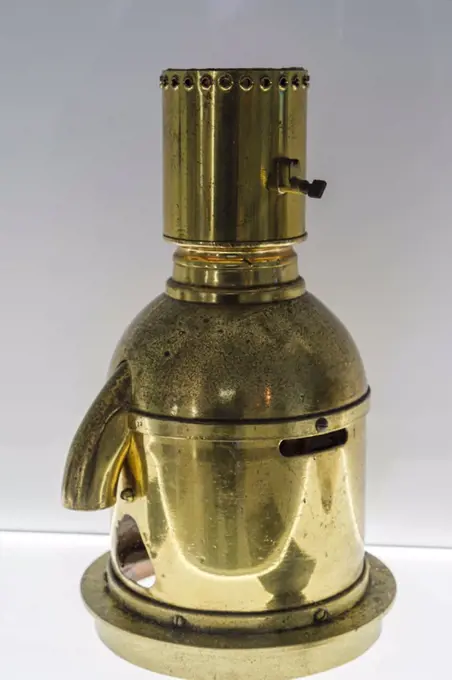
Decorative Silverware

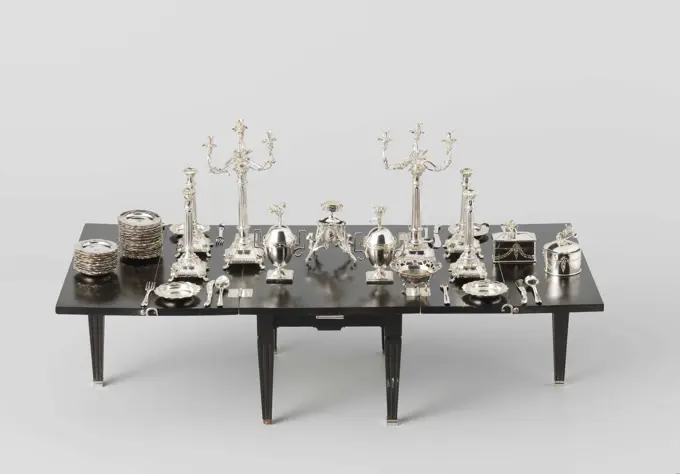
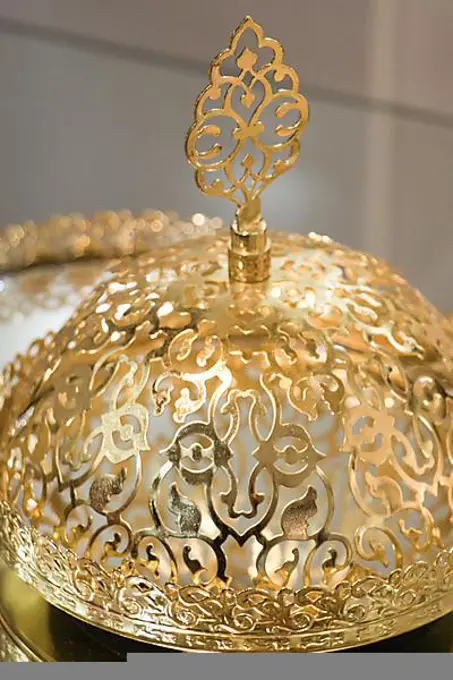
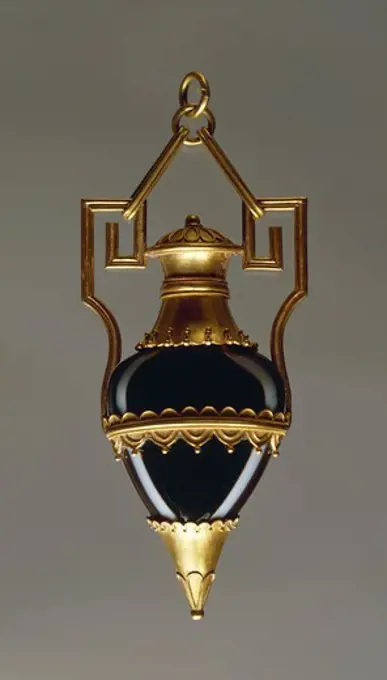
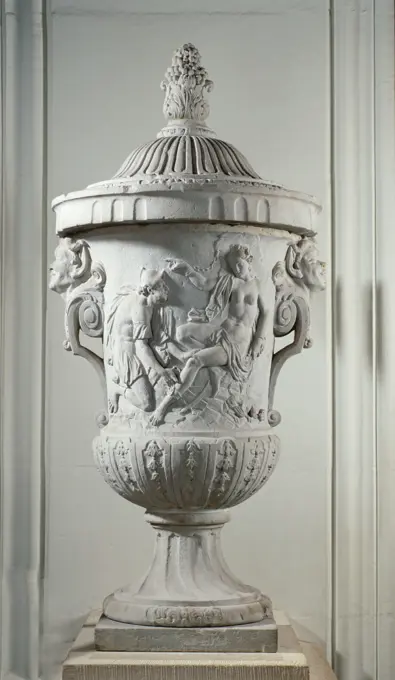
Elegant historical silver and glass pieces, showcasing intricate designs and craftsmanship, including candlesticks and vases.

Lidded cup of the Unie Society, 1754 The decorations of the cup relate to the mutual connection of the members of the Amsterdam Society De Unie. The trunk of the round cup is formed as a bundle of twigs, held together by a ribbon that winds over the bell -shaped cuppa and the vaulted lid to end in a bow. On the smooth cuppa, the coat of arms of the twelve members of the society are driven around the coat of arms, placed against a background of whimsical clouds. Fantastic human and animal masks appear under and above every shield, interspersed with flowers. The lid edge is decorated with alternating S and C-volutes, flowers, foliage and the same cloudy surface as on the cuppa, but without masks. Amsterdam silver (metal) gilding The decorations of the cup relate to the mutual connection of the members of the Amsterdam Society De Unie. The trunk of the round cup is formed as a bundle of twigs, held together by a ribbon that winds over the bell -shaped cuppa and the vaulted lid to end in a
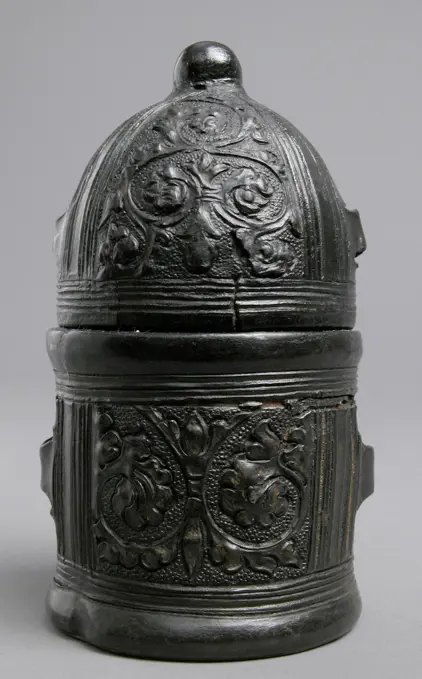
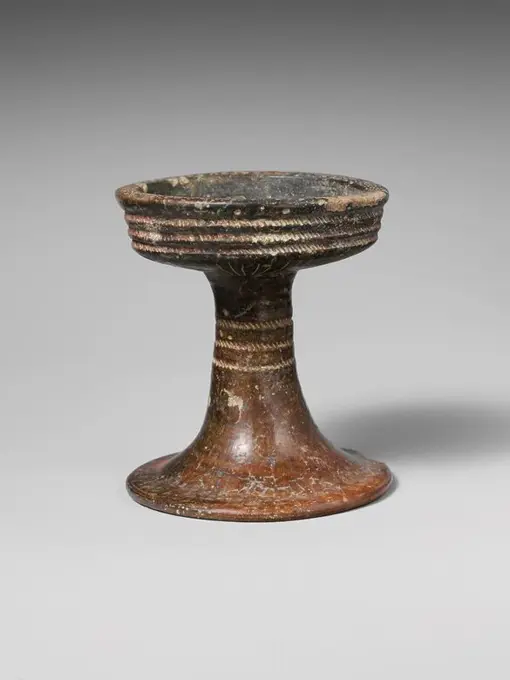
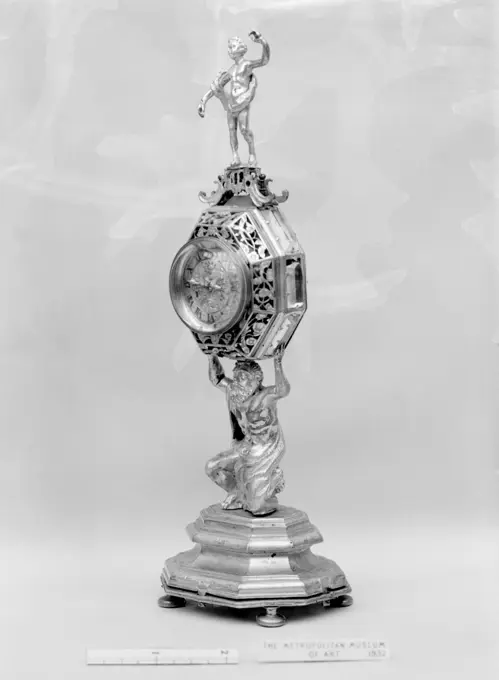
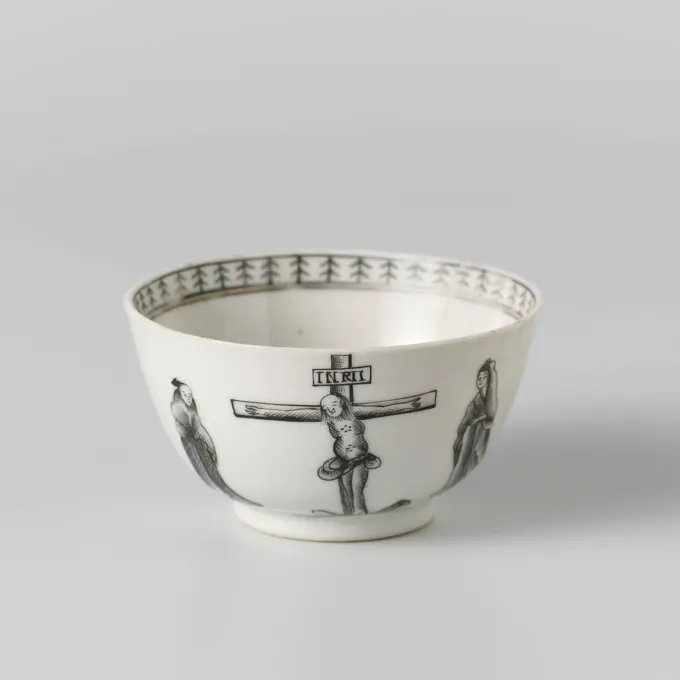
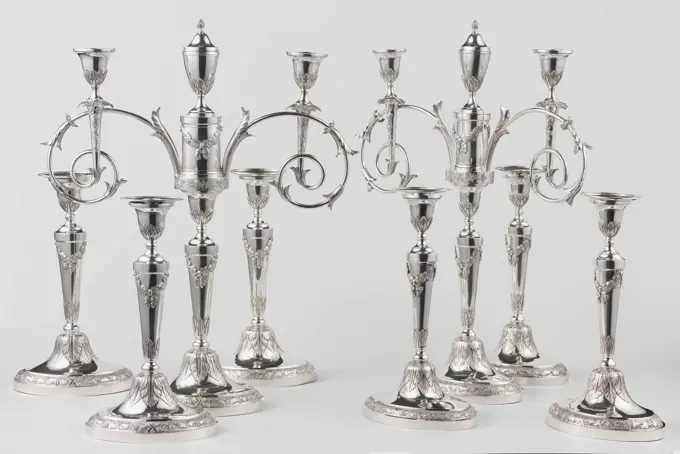
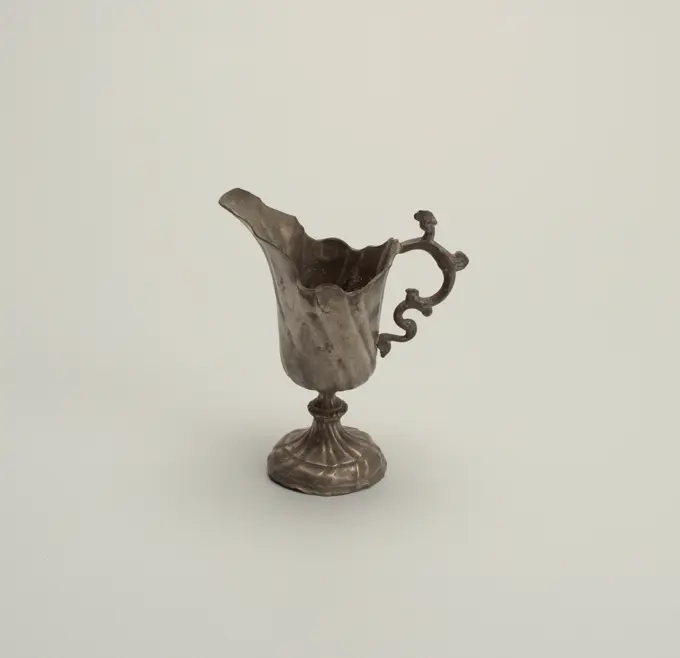
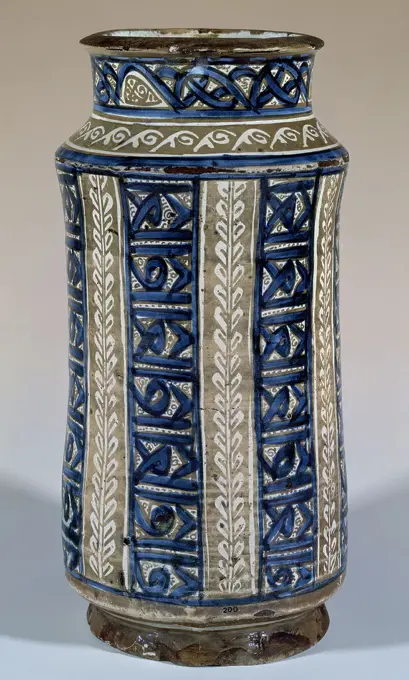
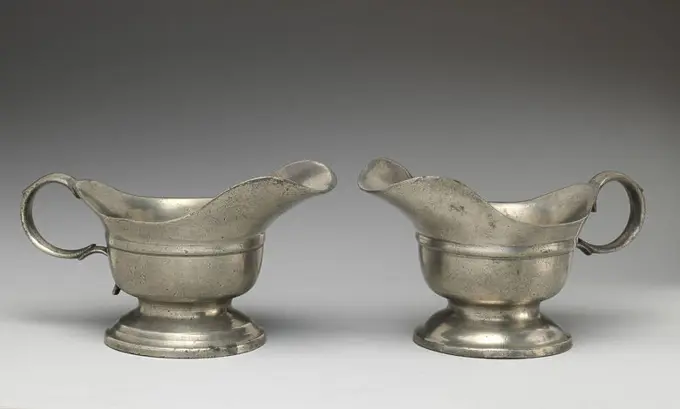
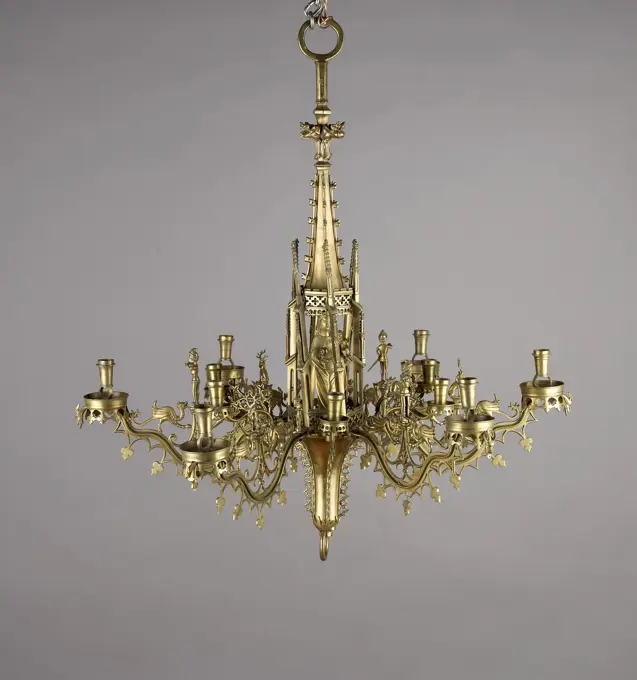
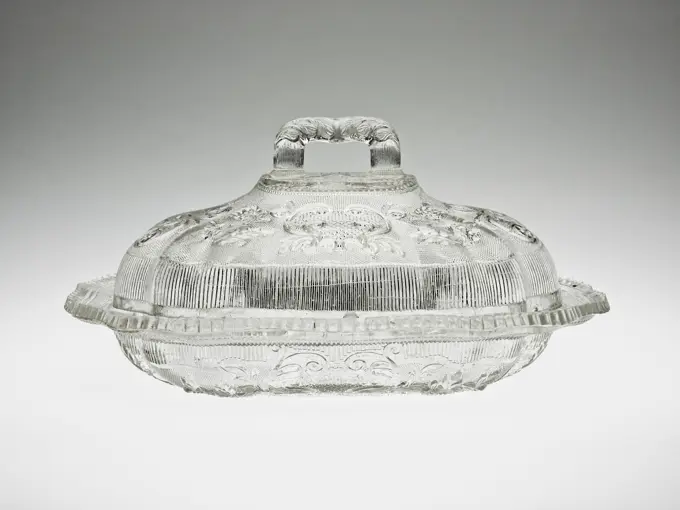
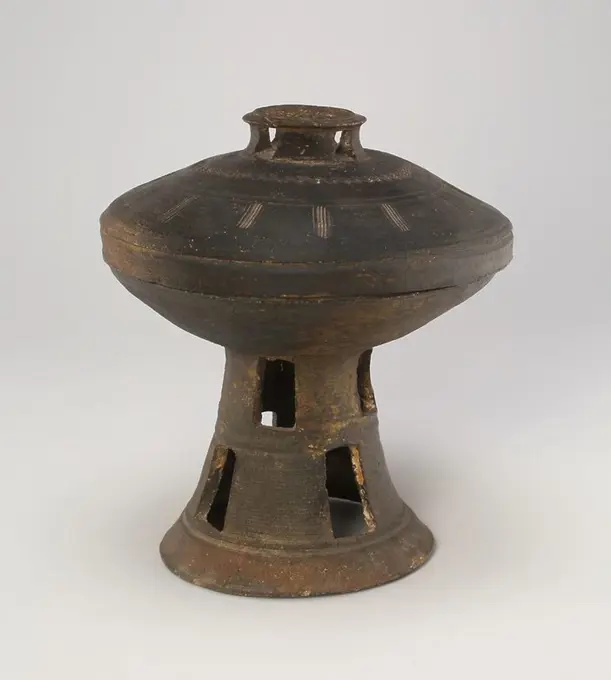
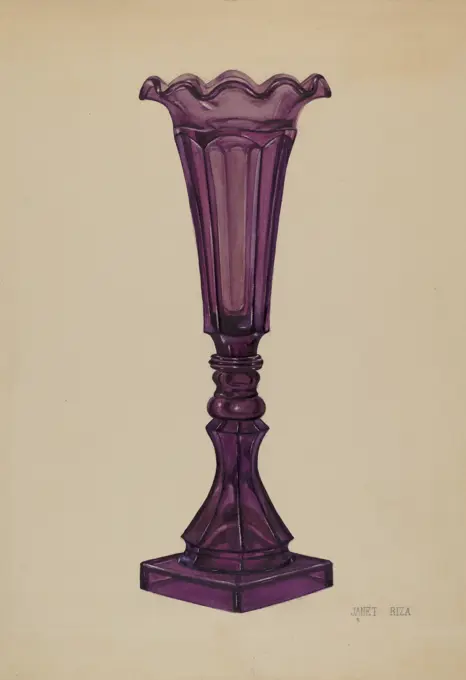
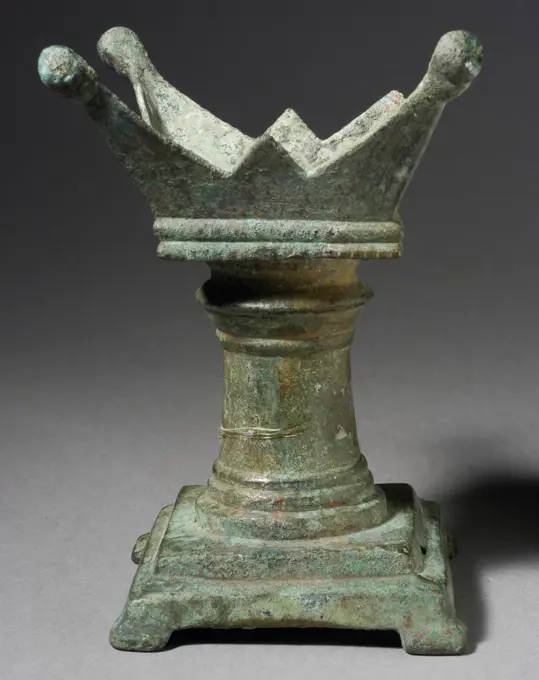
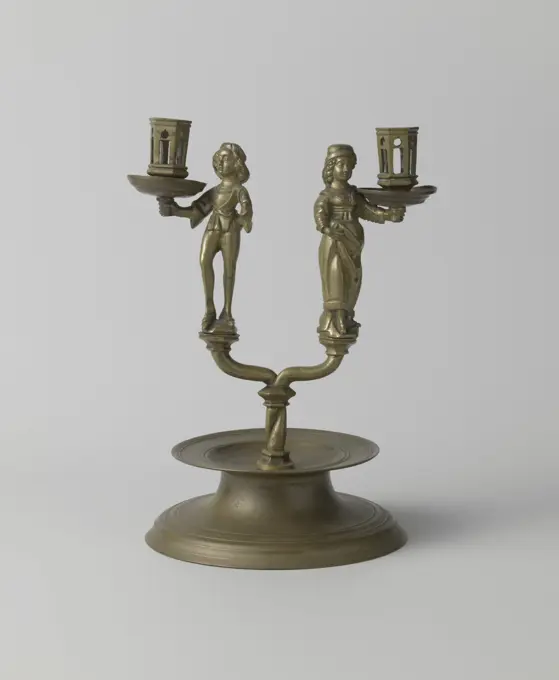
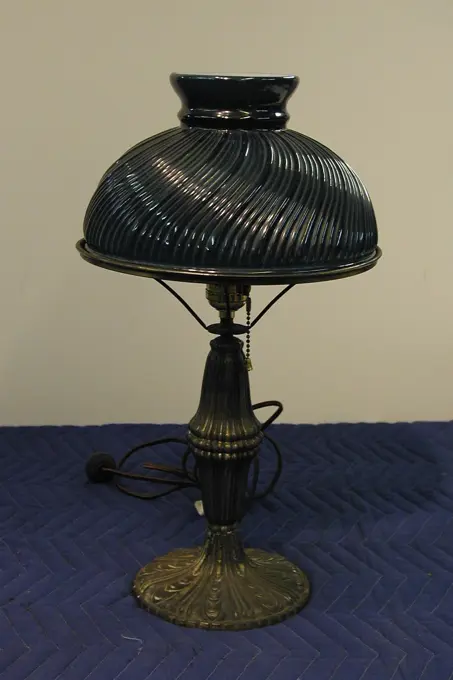
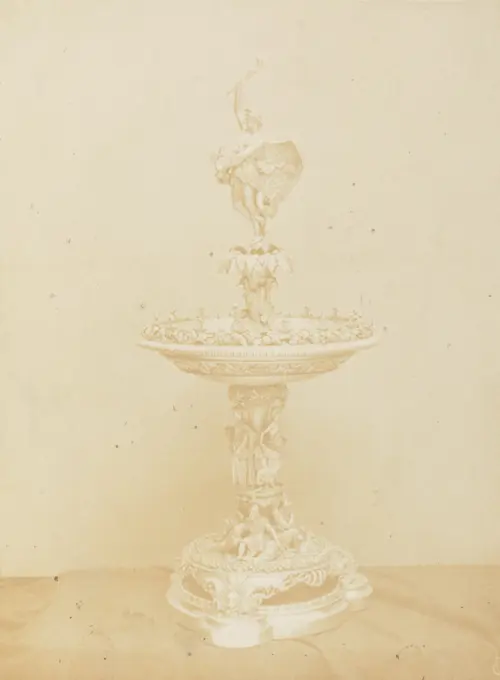
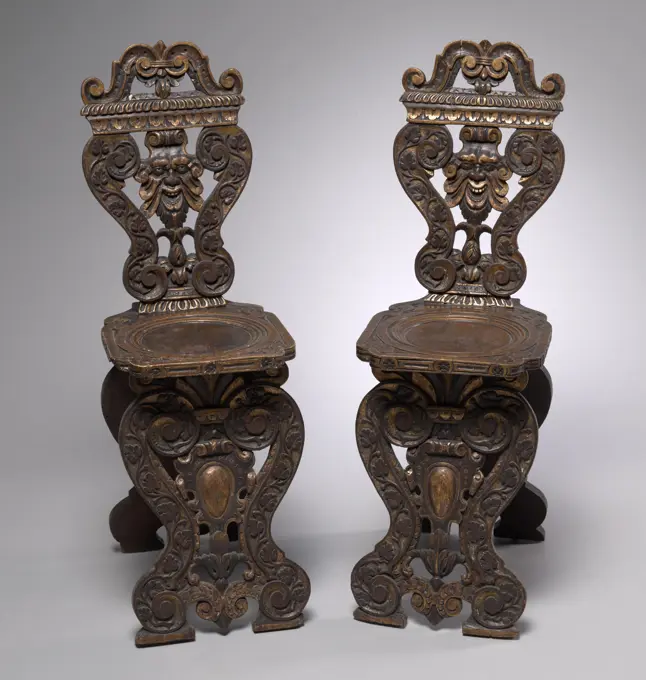
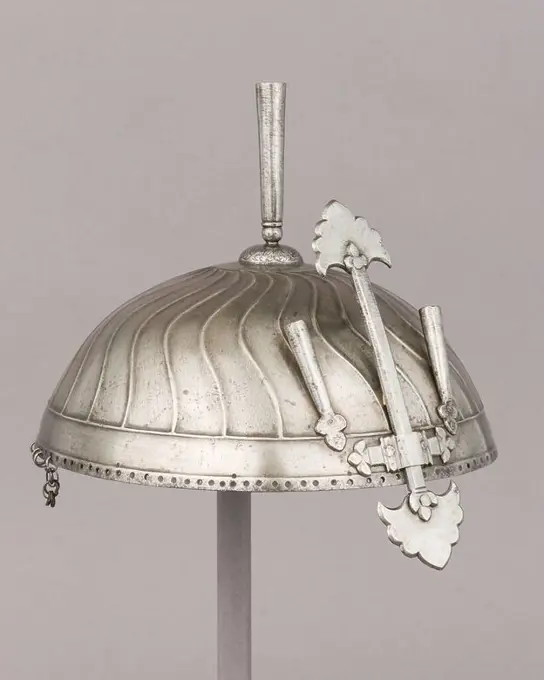
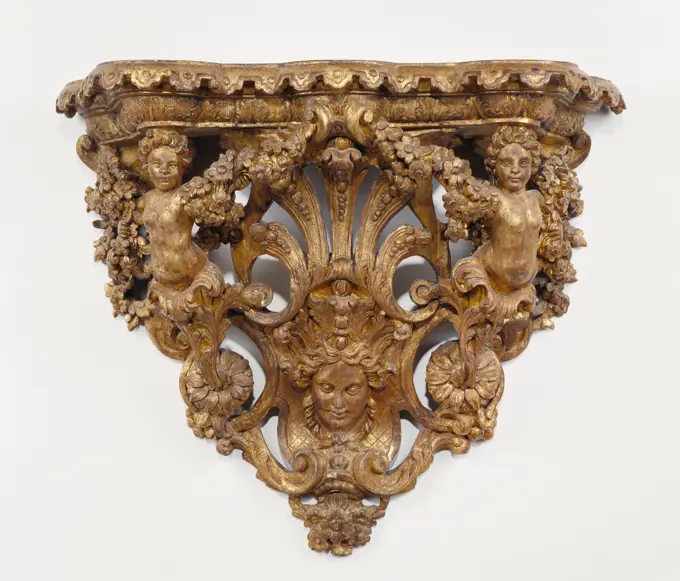
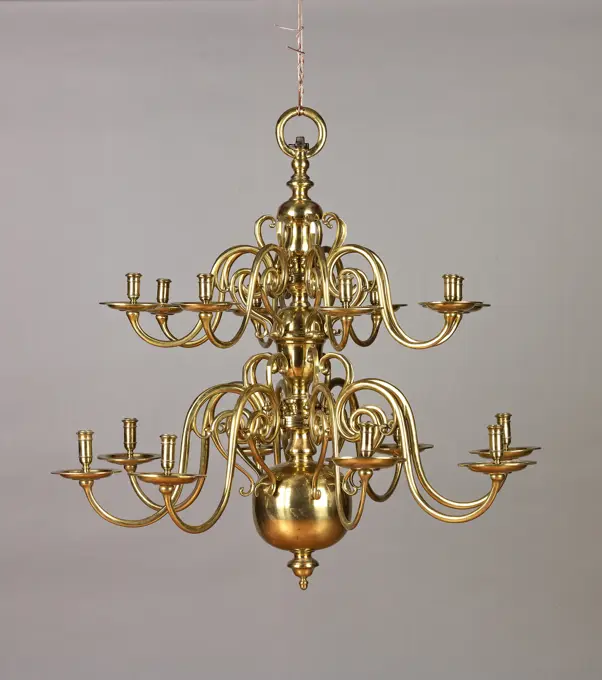
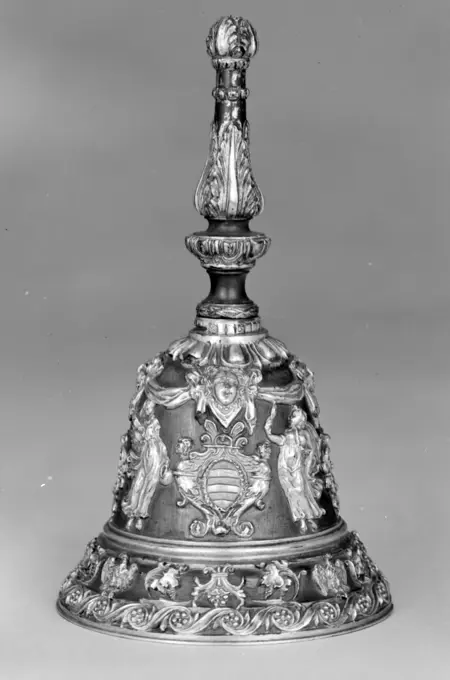
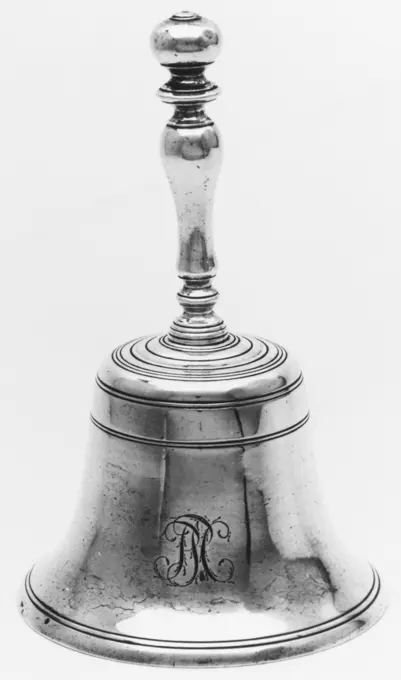
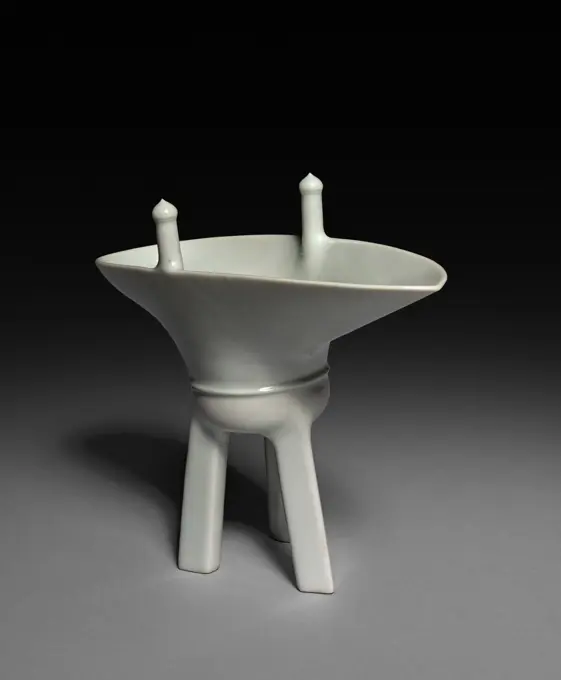
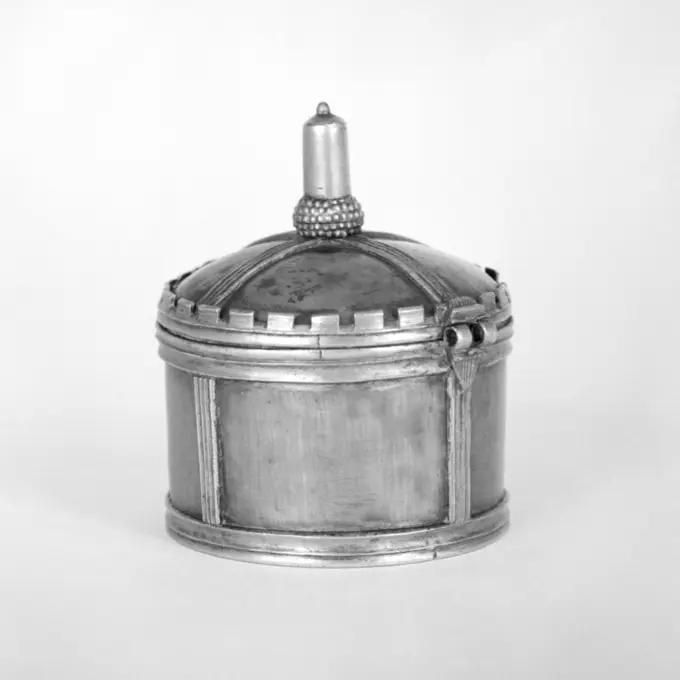
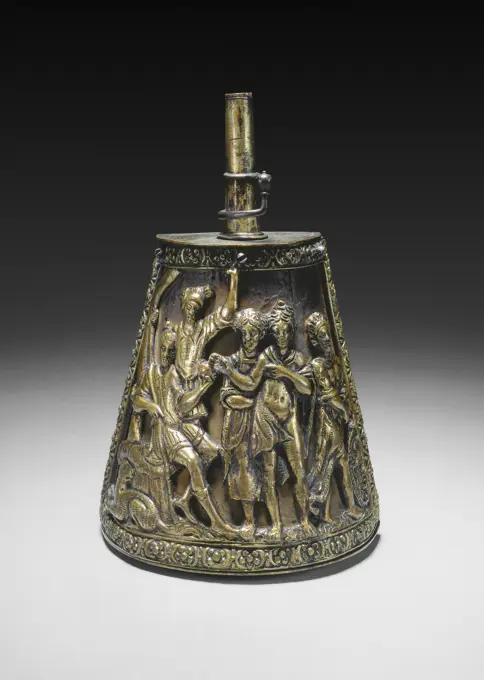
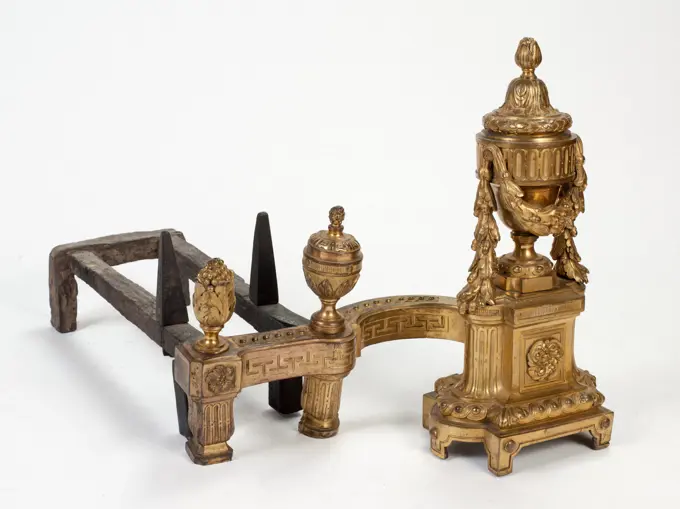
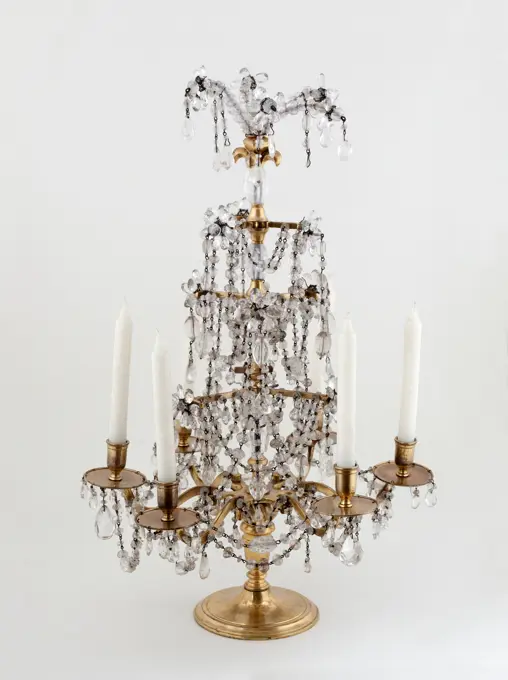
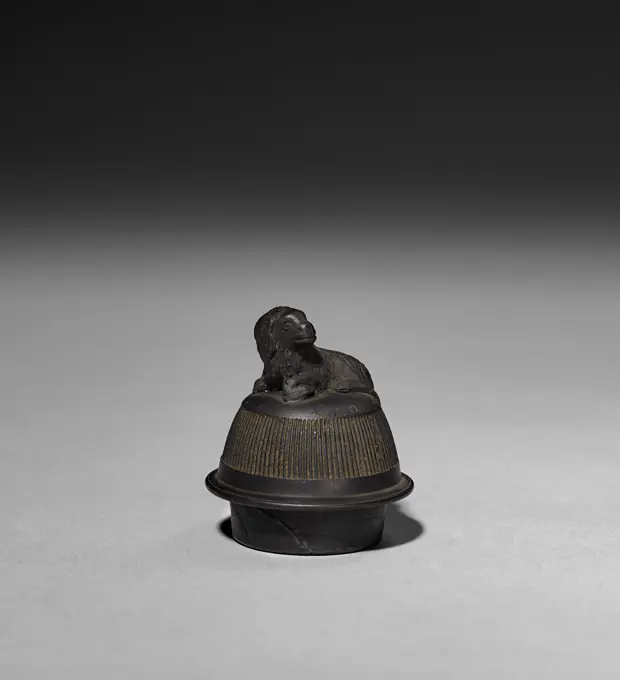
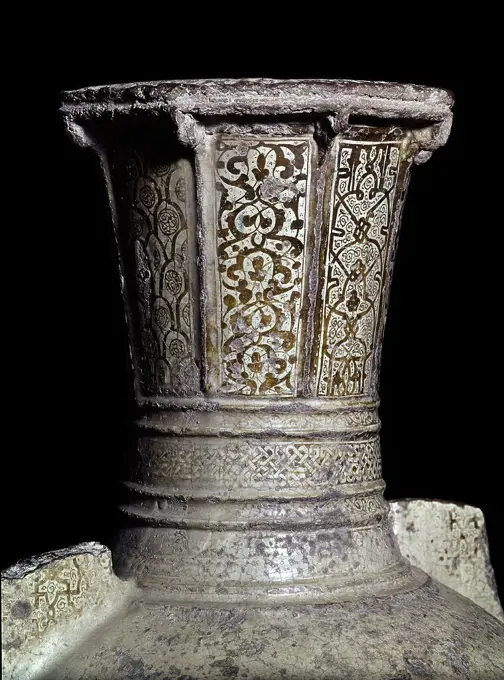
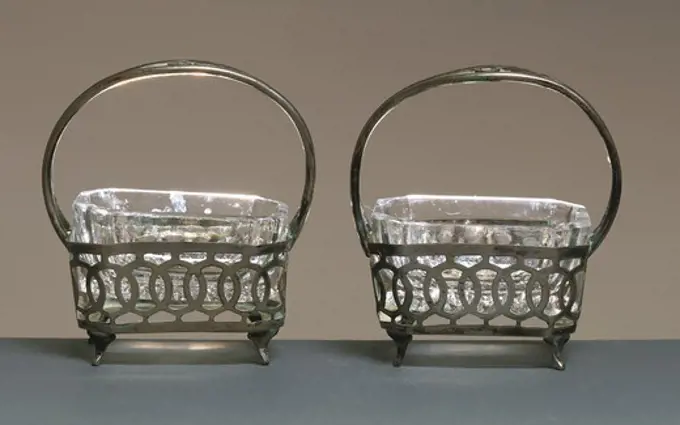
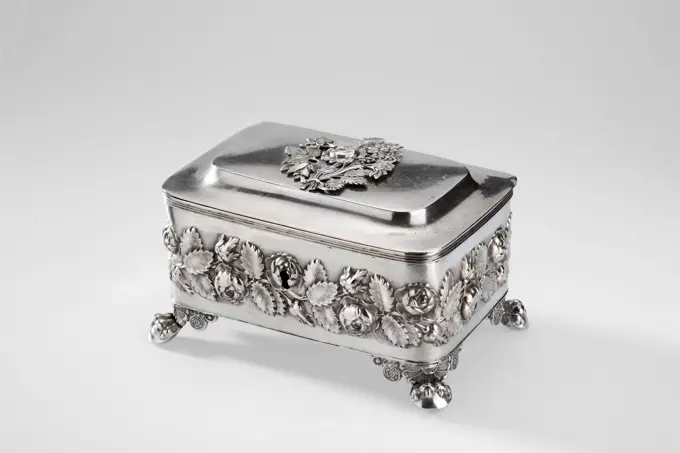
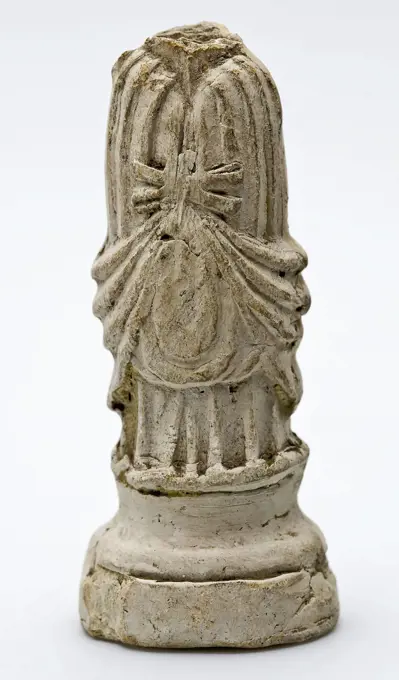
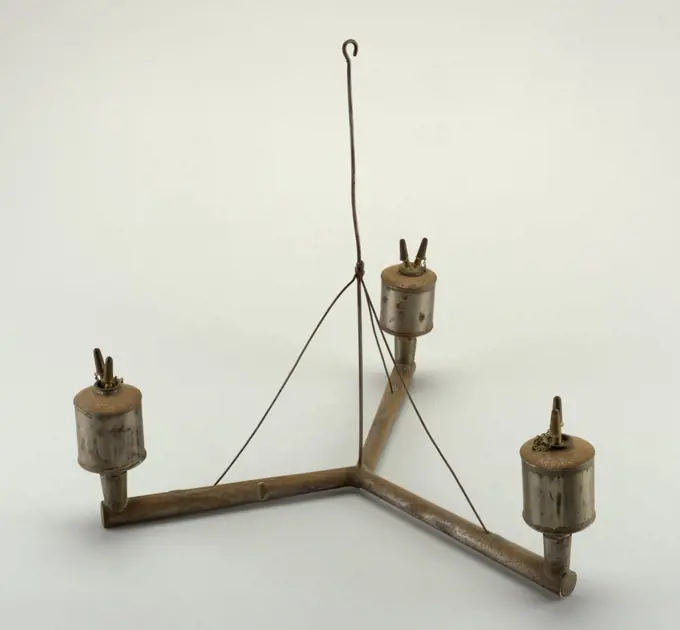
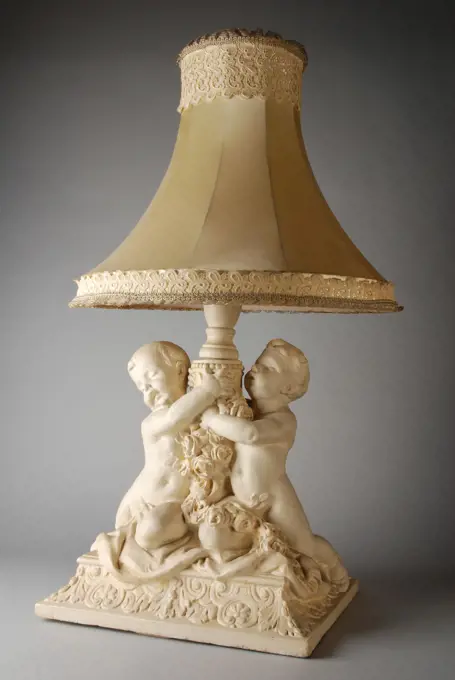
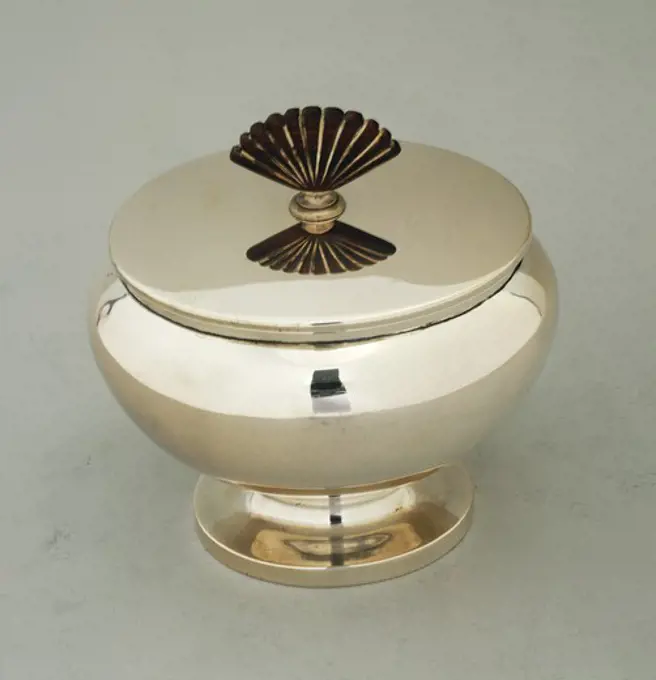
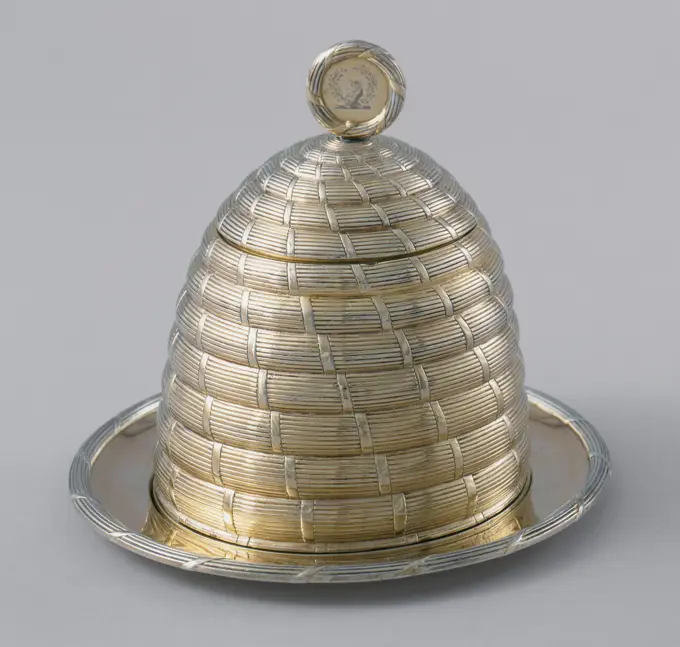
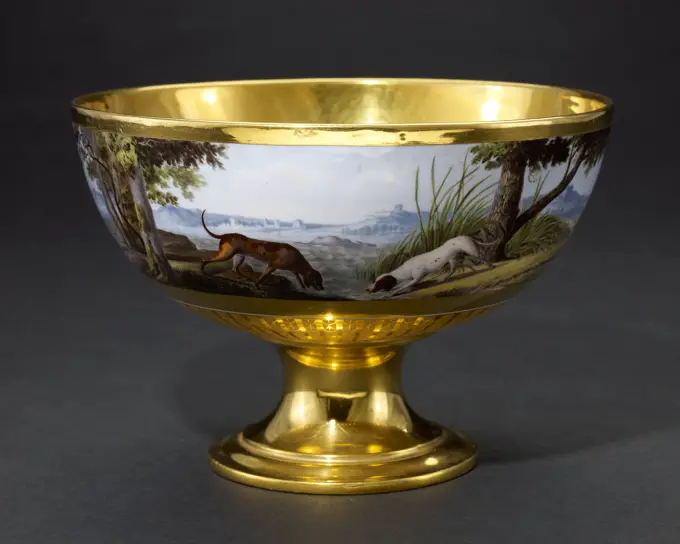
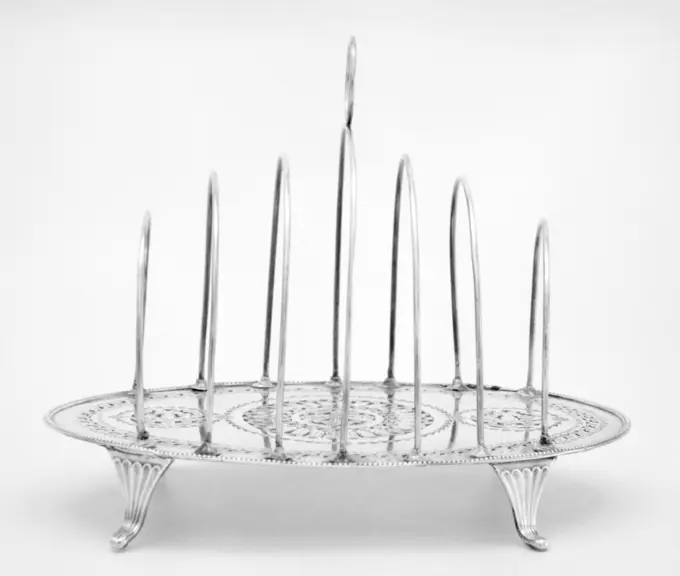
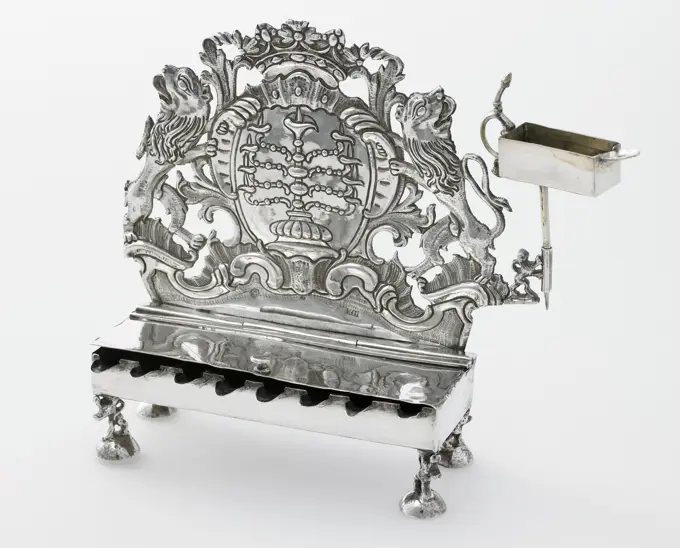
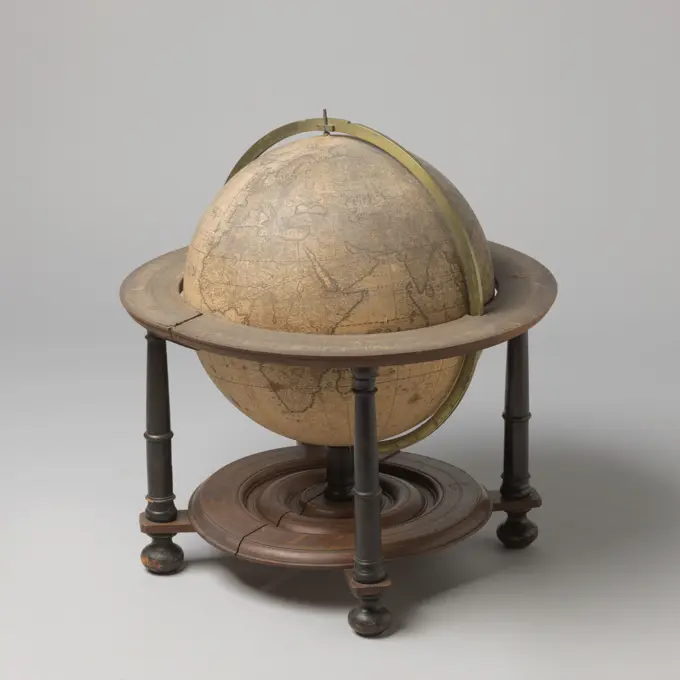
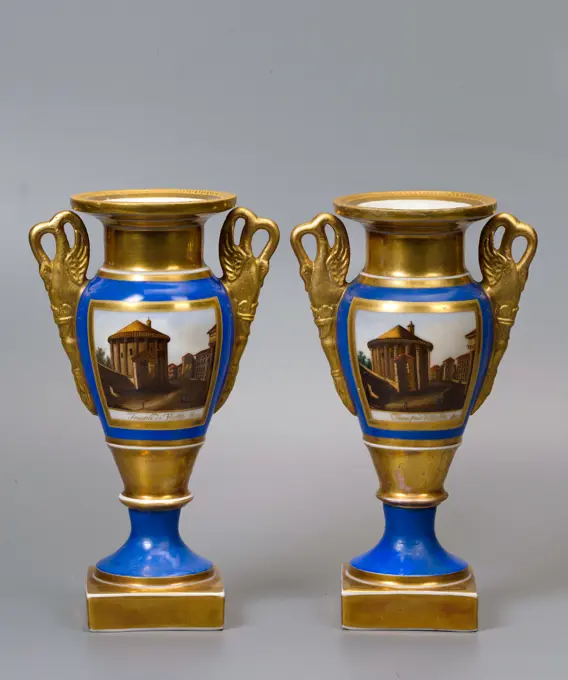
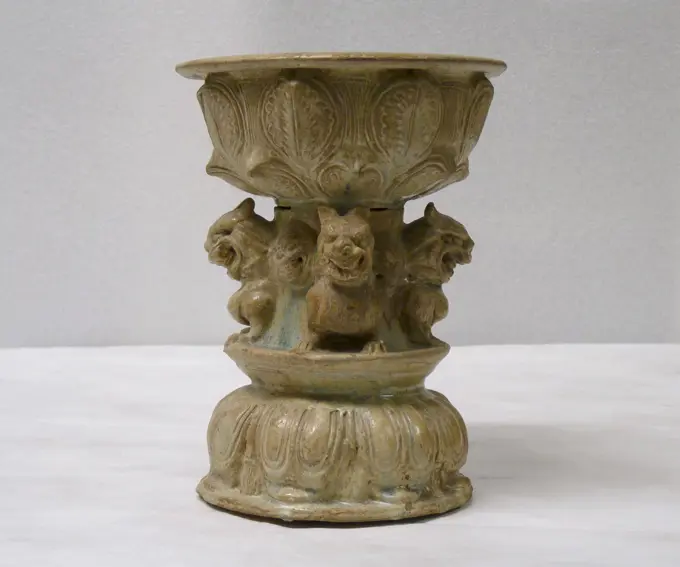
Lamp second half of the 6th century China While lions are not native to China, there is evidence that some specimens had reached China from the West by the Western Han (206 B.C.-A.D. 9) period. With the firm establishment of Buddhism in China in the Six Dynasties (220-589) period, lions-regarded as defenders of the faith and of the Buddhist law-began to be used in a specifically Buddhist context. The two types of relief lotus petals that circle the bowl and the bottom of this footed lamp were also a popular ornamental motif in sixth-century Buddhist art.. Lamp. China. second half of the 6th century. Earthenware with relief decoration under green glazes. Northern Dynasties (386-581)-Sui (581-618) dynasty. CeramicsBox 15th century Italian This tooled leather box served as an inkwell. Other boxes of similar construction but different shape were used for holding quills, rulers, or knives and for storing ink pigments and pounce (powder for drying a page).. Box 468351Dish. Culture: Italic, Villanovan. Dimensions: Overall: 3 7/8in. (9.9cm). Museum: Metropolitan Museum of Art, New York, USA.Clock late 16th-early 17th century Clockmaker: Martin Zoller. Clock 197085. Bell-shaped head of porcelain with a straight wall, painted on the glaze in black and gold. On the outside twice a representation of the crucifixion with the two Maria's; the bottom with a sprig; On the inner edge a band with a decorative pattern. A chip in the edge and a crack in the wall. Part of a tea service. European performance in Encre de Chine.. Candlestick with foot. Signature and dated.Candlestick, one of a pair, 1694-1695, Thomas Ash, English (London), English, dates unknown, 13 x 7 1/2 x 7 1/2 in. (33.02 x 19.05 x 19.05 cm), Silver, England, 17th centuryEwer; pewterPOT O BOTE DECORADO CON ALAFIAS GRUESAS EN COBALTO Y ORLAS - CERAMICA DE MANISES - SIGLO XIV. Location: INSTITUTO VALENCIA DE DON JUAN-COLECCION. MADRID. SPAIN.ChessmanPair of sauceboats. Culture: British. Dimensions: Height (.12): 3 5/8 in. (9.2 cm);Height (.13): 3 3/4 in. (9.5 cm). Date: 18th century. Museum: Metropolitan Museum of Art, New York, USA.Chandelier with tabernacle (Kapellenkrone) ca. 1875 after a dinanderie model from the Southern Netherlands, ca. 1450 German, cast in F. Ring Foundry. Chandelier with tabernacle (Kapellenkrone). German, cast in F. Ring Foundry , Munich. German, Munich. ca. 1875 after a dinanderie model from the Southern Netherlands, ca. 1450. Brass. Metalwork-Bronzestone column stone column made in 3 D graphics Copyright: xZoonar.com/StanislavxRishnyakx 2941348Covered Dish c 1835-1840 Sandwich. Pressed glass . Boston and Sandwich Glass CompanyCovered Stem Bowl with Openwork Decoration. Korea. Date: 400 AD-599 AD. Dimensions: H. 21.5 cm (8 7/16 in.); diam. 19.2 cm (7 9/16 in.). Stoneware with incised decoration. Origin: Korea. Museum: The Chicago Art Institute, Chicago, USA.Headrest ca. 2030-1640 B.C. Middle Kingdom. Headrest. ca. 2030-1640 B.C.. Hard wood. Middle Kingdom. From Egypt, Upper Egypt, Thebes, Asasif, East of Pabasa, Radim, Burial 6A.X.B24, MMA excavations, 1918-19Kwispedoor, Anonymous, c. 1775 - c. 1800 Round wag with a wide, flat scalloped edge and a stand ring. The kwispedoor is marked: stk. = Amsterdam, size = foot 430. The kwispedoor looks like a kwispedoor with the invnr. BK-NM-11177-148. Amsterdam silver (metal) Round wag with a wide, flat scalloped edge and a stand ring. The kwispedoor is marked: stk. = Amsterdam, size = foot 430. The kwispedoor looks like a kwispedoor with the invnr. BK-NM-11177-148. Amsterdam silver (metal)Janet Riza, Vase, c 1937 VaseCrozier head.. Blowjob swroeter with silver cachet. Consisting of a handle with slot in which the hinged pipe scratchers are salvaged. At the bottom is a cachet attached with in Monogram de Letters P G.Stand. Egypt, Roman Period (30 BCE - 395 CE) or later. Furnishings; Accessories. BronzeBeaker ca. 1720 German, Augsburg. Beaker 207291Possibly a Model for a Ceramic Vessel. UnknownCandlestick. Candlestick consisting of a wide range of circular base decorated with an egg list and a flat bead decorated with an egg list. Housewalk.Candelabrum (one of a pair) 18th century Italian, Venice (Murano). Candelabrum (one of a pair). Italian, Venice (Murano). 18th century. Glass. GlassTwo-poor candlestick with a men's and a female figure, anonymous, c. 1850 - c. 1900 The candlestick is composed of the following eight parts, of which only the first two are removable: the foot, the trunk, the two figures, the two fat catchers and the two candle holders. The trunk screwed into the foot is fixed with a nut. The thread, which was mounted in the trunk with tin or lead, has released there. The round -profiled foot turns into a holon section, which narrows upwards and that is closed by a collar. The two round arms of the trunk are rotated at the bottom and caught there in a hexagonal base and a hexagonal capital. They end in hexagonal pedestals for the two standing figures. The woman wears a long -covered, whose skirt with her right hand holds, so that both feet can be seen. In her left hand she carries the clocked fat catcher and the candle holder. The decolleted V-neck and the hems of the overclock are fierce, which is indicated in granulation. The oversmen are open at thRobberry of Hoorn mounted in gold, anonymous, 1685 - 1715 Smell bottle of Hoorn (Elandshoef) mounted in gold with a valve cover. Louis XIV ornament on a granulated soil.  gold (metal). horn (animal material) Smell bottle of Hoorn (Elandshoef) mounted in gold with a valve cover. Louis XIV ornament on a granulated soil.  gold (metal). horn (animal material)Covered Vessel with the Principal Bird and Peccary Heads 200 CE-300 CE Guatemala. This beautifully modeled and incised blackware vessel was likely was once the personal possession of a Maya king, who may have used it to serve food at royal feasts or who may have presented it as a gift to a visiting lord as a sign of alliance. Its shapeóa lidded dish supported by four legsówas a form frequently produced during the Early Classic period A.D. 250/450. These ceramics often display a consistent set of motifs, with birds on their domed lids and inverted peccary (wild pig) heads serving as supports. The artist who created this piece integrated the two-dimensional surface of the lid with its three-dimensional handle by connecting the birdís spread wings, lightly incised into the surface, with its head, sculpted in the round. The vessel thus captures the essence of an aquatic bird floating on the surface of the water with its preyóa small fishócaught in its open beak.Water birds and peccaries TableLampCup isolated on white background. Cup isolated on white background. Copyright: xZoonar.com/BorysxShevchukx 3114814Large Centre-Piece in Silver. Hugh Owen (British, 1808 - 1897)Pair of Chairs, Sgabello type, late 1500s. Italy, late 16th century. Walnut; overall: 100.3 x 33.7 x 44.2 cm (39 1/2 x 13 1/4 x 17 3/8 in.).Silversmith's Art, Italy 20th century. Oil and vinegar cruets with silver stand. Alessi manufacturing, 1926.Casque. Culture: Indian, North Indian. Dimensions: H. including nape defense 10 in. (25.4 cm); H. excluding nape defense 6 in. (15.2 cm); Diam. 7 3/8 in. (18.7 cm); Wt. 1 lb. 10 oz. (737.1 g). Date: 17th - 18th century. Museum: Metropolitan Museum of Art, New York, USA.Rhyton. Manufacture nationale de porcelaine de Sevres (1756-), factoryWall Bracket. UnknownChandelier 18th century Netherlandish, (Rotterdam) The chandelier has two series of eight S-shaped branches around a baluster stem resting on a massive globe. The branches and shaft have been correspondingly numbered from one to eight with a system of small bars arranged in two horizontal rows around the two central discs of the baluster. One of the attachment-pegs has been replaced. The slender, baluster-shaped pegs and the acorn-shaped finials are characteristics of a number of eighteenth-century chandeliers from Rotterdam.. Chandelier 461006Renaissance-style table bell Italian 19th century View more. Renaissance-style table bell. Italian. 19th century. Bronze, parcel gilt. Sculpture-BronzeBell 1779 Jean-Baptiste-Joseph Leroux (or Le Roux). Bell 200169Tripod Chalice. UnknownAltarBell.  Artist: Royal Bronze-casting Guild (Igun Eronmwon)Libation Cup (Jue), 1402-1424. China, Ming dynasty (1368-1644), Yongle reign (1402-1424). Glazed porcelain; overall: 15 cm (5 7/8 in.).Round tobacco spot from tombak with lid. The driven object consists of a container and a lid attached by a hinge. The foot and the konic wall of the container are decorated with a six-speed repeated and punched decor, consisting of a vertical with four-pups and a rosette decorated edge and a stylized decoration applied to the saved flat, which is an opened pod and rosette recognize. At this layout, connect the edge decoration of the lid. This consists of a six-time repeated surface distribution of a circle segment with a hitting circle. The latter is decorated with a decor consisting of a stylized open pod. The other surfaces have a decoration of stylized leaves or insects. The spherical increase has a decor, consisting of six times a repeat of an oval rounded outwards, with a stylized decoration of a pod, leaves and a rosette.Box, ink tube, with sawn ornamented and lid of mother -of -pearl on which a representation of the birth of Christ. In the box three buses with lid, Hendrik Jurrien Wolters, 1773 Silver box with lid made of mother -of -pearl. A round box with sawn rank ornament. Three cylinder -shaped vans with lids sink. The lid of the box or ink cooker has a show in mother -of -pearl from the birth of Christ: Maria kneels with folded hands on a ground of grass. Joseph is opposed to her. Between them, the Christ child lies in a braided basket against a wall with two windows with the ox and the donkey. To the left of the stable a bastion with shepherds. Above this scene an angel with spell band. Zutphen silver (metal). mother of pearl Silver box with lid made of mother -of -pearl. A round box with sawn rank ornament. Three cylinder -shaped vans with lids sink. The lid of the box or ink cooker has a show in mother -of -pearl from the birth of Christ: Maria kneels with folded hands on a ground of grass. JLamp, c. 1850 - c. 1870 lamp. oil lamp Oil lamp or moderator lamp, incomplete. Netherlands (possibly) copper (metal). brass (alloy)Gas Lamp. Dimensions: 34 1/2 x 23 in. (87.6 x 58.4 cm). Date: ca. 1855. Museum: Metropolitan Museum of Art, New York, USA.Candelabrum.  Manufacturer: Gorham Manufacturing Company, American, founded 1831Circular box with hinged cover late 16th century German. Circular box with hinged cover 206171Powder Flask, c. 1590. Italy, 16th century. Gilt brass over fabric covered wood; overall: 19.4 x 12.7 cm (7 5/8 x 5 in.). Luxury power flasks served as highly visible badges of ranks. Many highly decorated flasks, like this example, embody all the allure and characteristics of a work of art. This flask depicts an ancient Greek story in which the youthful Paris must reward the most beautiful woman in the world with a golden apple.Fire. Chenet. Chiseled and gilded bronze. 1785. Paris, Carnavalet museum. Bronze chisel, cheminee, chenet, dore, 18th 18th 18th 18th 18th 18th 18 century, fire,Girandole with six arms of light ". Golden bronze, pearls, pendants, pampilles and flowers of rock and glass crystal, golden bronze. XVIIth century. Paris, Musée Carnavalet. 72593-20 Candle holder, candle, bronze gilded, rock crystal, flower, girandole, furniture, paddling, pendant, six arms, glass, 17th century, furnitureCover for a Tea Caddy, c. 1770-80. England, Staffordshire. Black basalt stoneware; diameter: 7.7 cm (3 1/16 in.); overall: 15.1 cm (5 15/16 in.); container: 11.2 cm (4 7/16 in.).Sword Pommel Made 1600-1633 Europe. Iron .Chalice 18th century Italian, probably Padua. Chalice. Italian, probably Padua. 18th century. Silver. Metalwork-SilverChandelier made of wood with six arms., C. 1700 - c. 1800 Wooden sculpted chamber gown with six arms Indonesia walnut (hardwood). wood (plant material) Wooden sculpted chamber gown with six arms Indonesia walnut (hardwood). wood (plant material)CUELLO DE JARRON ARABE. Location: ALHAMBRA-MUSEO-CERAMICA. GRANADA. SPAIN.Silversmith's Art, Italy 20th century. Pair of crystal and silver saltcellars.Sugar bowl (box). Suck, Jan Fryderyk (fl. ca 1820-ca 1854), goldsmithArm of a candle crown in two heights, Anonymous, 1650 - 1675 chandelier The S-shaped arm is equipped with a ridge on the trunk side with an opening to secure it with a pin in the stand ring. At the trunk, the arm is decorated at the end with a stylized dolphin head and with two curls, the design of which is derived from the lobe ornament. To the outside, the arm ends in a thickening, in which a hole provided with a thread is applied to attach the candle holder with the fat catcher. The arm is cast using the same model as the other arms of the wreath and has the same size. The candle holder has a round narrowing upwards and in an excellent edge -transmitting vase shape on the baluster foot with a threaded end, in which the center hole at the bottom. The fat catcher is deepened once at the top to the middle. At the bottom she is profiled on the edge and around the hole on the somewhat spherical center. The fat catcher always has its own size and is cast with the help of the same model asAndiron ca. 1700. Andiron. ca. 1700. Brass, iron. Made in SpainLarge drum body with decoration of willow and waterwheel 17th century Japan. Large drum body with decoration of willow and waterwheel. Japan. 17th century. Gold makie on black lacquer. Edo period (1615-1868). LacquerSword Pommel Made 1590-1610 Europe. Iron .Beaker vase (one of a pair) ca. 1670-80 Thomas Jenkins. Beaker vase (one of a pair). British, London. ca. 1670-80. Gilded silver. Metalwork-SilverTwenty-four-light chandelier (lustre) (one of a pair) ca. 1790 French Numerous entries in the account book for the period 1748-58 of the marchand-mercier Lazare Duvaux show that he not only sold, shipped, and installed chandeliers but also took them apart for cleaning or repairs and reassembled them afterward. At times Duvaux would also provide crystal drops, finials, and globes to replace missing ones or mend those that were broken. This may explain why the late eighteenth-century frames of this magnificent pair of chandeliers incorporate earlier crystal pendants in their design. Arranged in three tiers, ropetwisted candle arms alternate with inward-scrolling branches decorated with acanthus leaves, stylized seedpods, and crystal finials. The elaborate model further includes gilt-bronze chains with crystal beads as well as a profusion of crystal drops and balls raining down from the umbrella-shaped row of arms near the top and from the multiple branches below. The splendid impression Sèvres Porcelain Manufactory, Cup and Saucer, 1824, hard-paste porcelain.2009.0001. Argand Lamp. Matthew Boulton & John Fothergill. Three-armed candelaber of silver. The foot, tribe and candle holder have been taught. The three branch-shaped, raating arms are uneven by height.mortarFragment of pipe earthenware, figure in mantle, on pedestal, sculpture visual material earth discovery ceramics earthenware pipe earth, in mold shaped baked Fragment of pipe horses sculpture figure in cloak on pedestal Cloak is shown with folds and is held on one side by snare archaeological indigenous pottery adornment toy worship religionPair of Cylinders, 1800-1940. China, Qing dynasty (1644-1911) or Republican period (1912-49). Jade; carved jade and gilt bronze; with base: 25.6 x 10.5 cm (10 1/16 x 4 1/8 in.); cylinder: 21.1 x 5.7 cm (8 5/16 x 2 1/4 in.).Rhyton. Manufacture nationale de porcelaine de Sevres (1756-), factoryBasket; E.S. Barnsley & Co. (Birmingham; Wytwórnia Z Otnicz; 1895-1921), Barnsley, Edward Souter; 1921 (1921-00-00-1921-00-00);chandelier, tin, brass, USA, ca. 1850, lighting, Decorative Arts, chandelier. Round eating sign with scalloped edge. Guird builds are engraved on the edge. A flower is engraved in the middle of the board. The sign has been labeled: stk. = Amsterdam, jrl. = X (1782) and mt. = Foot 430. The plate is a copy from a set consisting of 36 identical plates (BK-NM-11177-189 up to / m. NM-11177-224).. Round eating sign with scalloped edge. Guird builds are engraved on the edge. A flower is engraved in the middle of the board. The sign has been labeled: stk. = Amsterdam, jrl. = X (1782) and mt. = Foot 430. The plate is a copy from a set consisting of 36 identical plates (BK-NM-11177-189 up to / m. NM-11177-224).. Round eating sign with scalloped edge. Guird builds are engraved on the edge. A flower is engraved in the middle of the board. The sign has been labeled: stk. = Amsterdam, jrl. = X (1782) and mt. = Foot 430. The plate is a copy from a set consisting of 36 identical plates (BK-NM-11177-189 up to / m. NM-11177-224).CALIZ DE DOÑA URRACA CON INCRUSTACIONES DE RUBIES Y ZAFIROS - ORFEBRERIA DEL SIGLO XI. Location: COLEGIATA DE SAN ISIDORO. LEON. SPAIN.Taditional Turkish metal plates in the bazaarCafe Anonymous. "Man sitting at the cafe". Brass. 1830-1830.Goldsmith's art, 18th century. Gold and pietra dura pendant.JUPITER IN IO - PERSUS IN ANDROMEDA, 1700 - 1725 Lid of the garden vase.  sandstone Lid of the garden vase.  sandstoneKałarz; Kurokawa, Yoshikatsu (1867-1949), Kuhn & Komor (Sreber label; 1869-1919); beginning of the 20th century (1901-00-00-1910-00-00);Bowl.  Designer Edward C. Moore, American, 1827-1891 Manufacturer: Tiffany and Company, American, founded 1837Honorand: Starling Loving, American, 1828-1911Simon Miedema, White table lamp, with decorated plaster foot of two putti and lampshade trimmed with lace, table lamp lamp lighting medium interior decoration plaster plastic metal, lighting evening night RotterdamChandelier; Paris, France; about 1700; Glass and quartz crystal; gilt bronze; 107 x 62.5 cm (42 1,8 x 24 5,8 in.). Supper dish with an engraved monogram ECA and comprehensive engraved inscriptions.Silversmith's Art, Italy 20th century. Silver sugar bowl. Design by Argenteria Fratelli Alignani, approximately 1935.Honey Pot and Stand with Glass Liner. Paul Storr (England, London, 1771-1844). England, 1798-1799. Furnishings; Accessories. Silver gilt, glassBowl from a tea service for twelve, 1807-08, Christophe-Ferdinand Caron; Manufacturer: Sèvres Porcelain Factory, French (Sèvres), French, 1774-1831, 5 11/16 x 8 3/8 x 8 3/8 in. (14.45 x 21.27 x 21.27 cm), Hardpaste porcelain, gilt, France, 19th centuryGold shiny oriental lanterns with patterns. Elegant oil lamps that has ornament golden silhouettes isolated vector illustrations on black background.. Gold Shiny Oriental Lanterns with Patterns SetToast rack ca. 1784 N. Smith and Company. Toast rack 204476Earring, before 1916. India. Silver; overall: 9.6 cm (3 3/4 in.).Hanukkah lamp, c. 1760, Rotger (Rudiger) Herfurth, German, 1722-1776, 7 x 8 3/4 x 3 1/8 in. (17.78 x 22.23 x 7.94 cm), Silver, Germany, 18th century, In 1711 the Jewish ghetto of Frankfurt was destroyed by fire, prompting a resurgence of Jewish ceremonial art commissions. Roger Herfurth, a Christian silversmith, was uniquely positioned to take advantage of this demand, creating more than thirty documented works of ceremonial art for Jewish patrons. His Hanukkah lamp design features a chest-shaped container for oil, a solid back plate ornamented with repoussé shells and scrolls surrounding a Temple menorah, and rampant lions flanking a crowned cartouche. This form became so popular that it was replicated well into the 19th century and is still referred to as the 'Frankfurt type.'Taditional Turkish metal plates in the viewGlobe in a wooden chair made by G. Valck or Valk., Gerard Valck, 1650 - 1700  The chair has four legs with round feet, here and there woodworm holes. The horizontal degree arch is made of wood (broken in place and in another place a pile comes through the paper) and covered with paper. The card on the sphere is also made of paper, intact but very dirty. The vertical degree arch is made of copper. The map is equipped with Dutch names and Latin terms. Australia has been mapped for three -quarters ('Detecta 1644'). The Northern Pacific is unknown land. This includes a celestial gobes from the same maker. Netherlands wood (plant material). paper. copper (metal)UNA DE LAS CORONAS DE LA VIRGEN DEL SAGRARIO Y EL NIÑO - PLATA DORADA Y PEDRERIA - SIGLO XVI - FOTOGRAFIA EN BLANCO Y NEGRO - AÑOS 50 -. Author: FRANCISCO BECERRIL (1486-1551). Location: CATEDRAL-MUSEO DIOCESANO. BASIN. CUENCA. SPAIN.Pair of amphora vases. Baranówka (manufaktura porcelany ; 1804-post 1900 ), factoryoil lamp, 85mm Chance Brothers & Co. La Mola lighthouse museum, Formentera, Pitiusas Islands, Balearic Community, Spain.Flower pyramid, c. 1692 - c. 1700 Flower pyramid of Faience, blue painted in the glaze, consisting of eleven segments. Delft . Flower pyramid of Faience, blue painted in the glaze, consisting of eleven segments. Delft .Colorful New Year, Christmas tree bell decoration toys