Decorative Spoons Collection

A series of antique and modern decorative spoons showcasing different designs and materials, ideal for collectors and table settings.

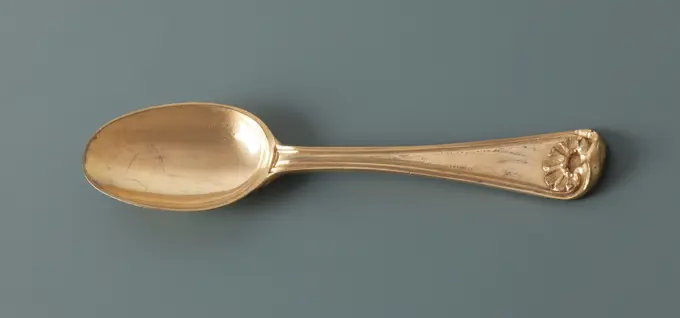
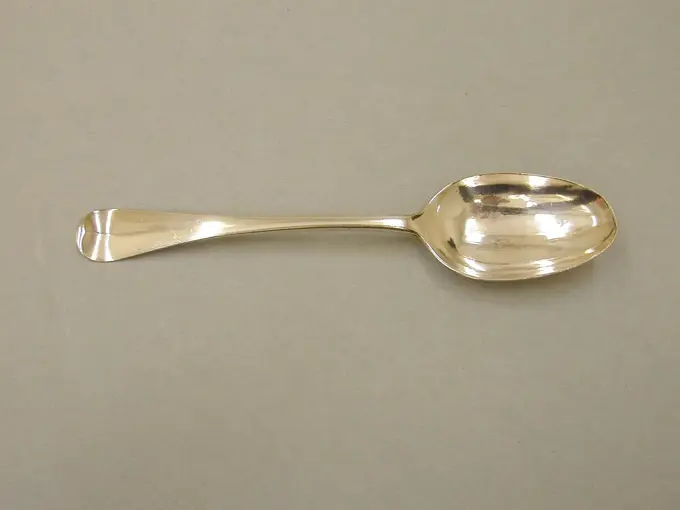
Dessert spoon with the Helmet Helmet, Roelof Helweg, 1806 The egg-shaped container of the spoon has a narrowed end and is connected to the flat, bent stem on both the top and bottom by means of a single praise, which broadens to the spatula-shaped end. At the top and bottom of the handle are surrounded by a double file edge, which has been swept up at the end. On the underside of the spatula of both the spoons and the forks, the Clifford helmet sign is engraved. Amsterdam silver (metal) The egg-shaped container of the spoon has a narrowed end and is connected to the flat, bent stem on both the top and bottom by means of a single praise, which broadens to the spatula-shaped end. At the top and bottom of the handle are surrounded by a double file edge, which has been swept up at the end. On the underside of the spatula of both the spoons and the forks, the Clifford helmet sign is engraved. Amsterdam silver (metal)
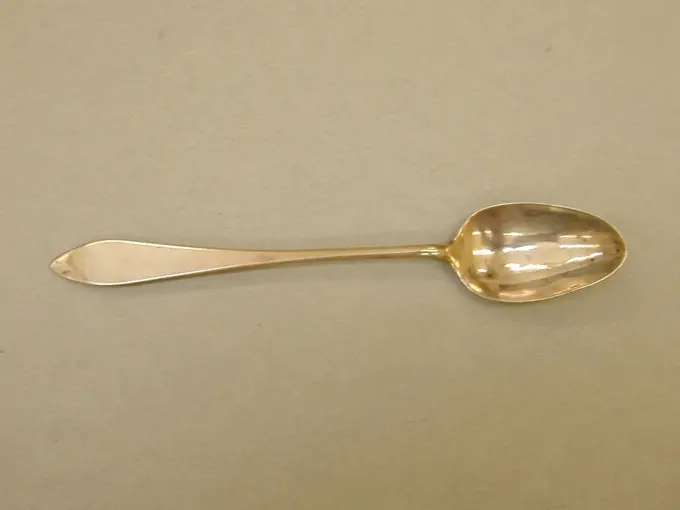
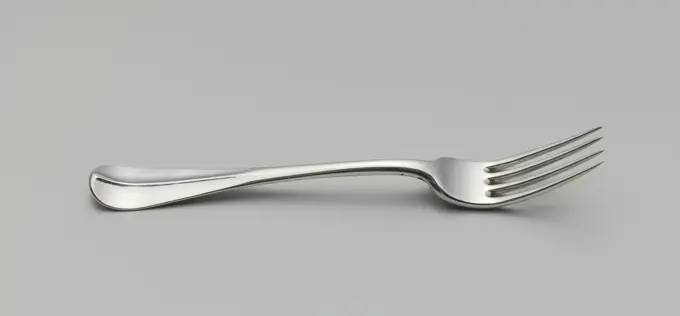
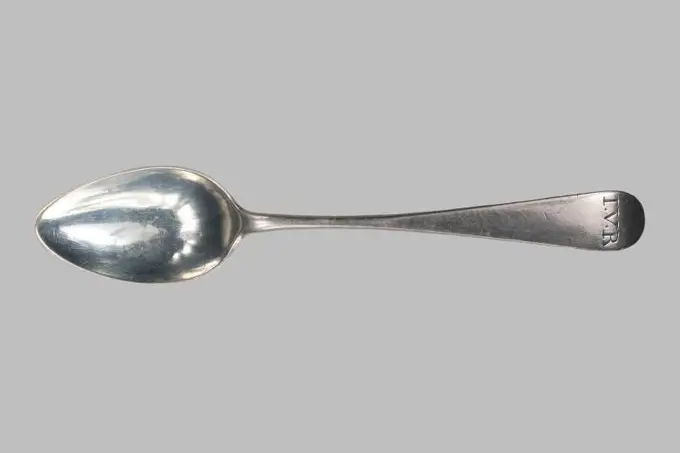
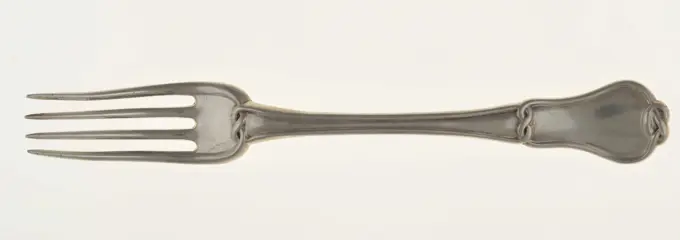
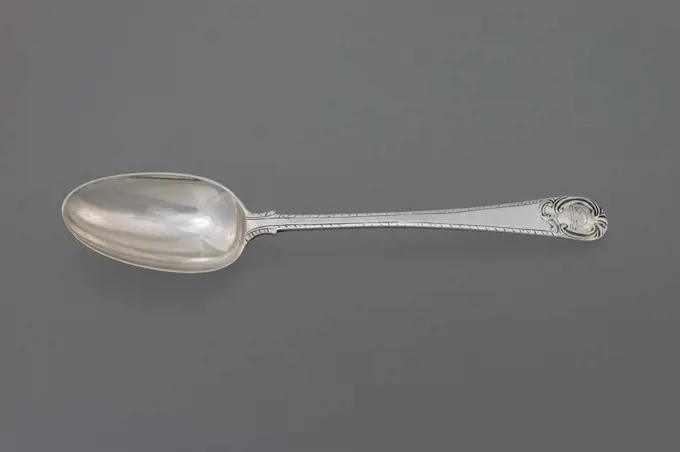
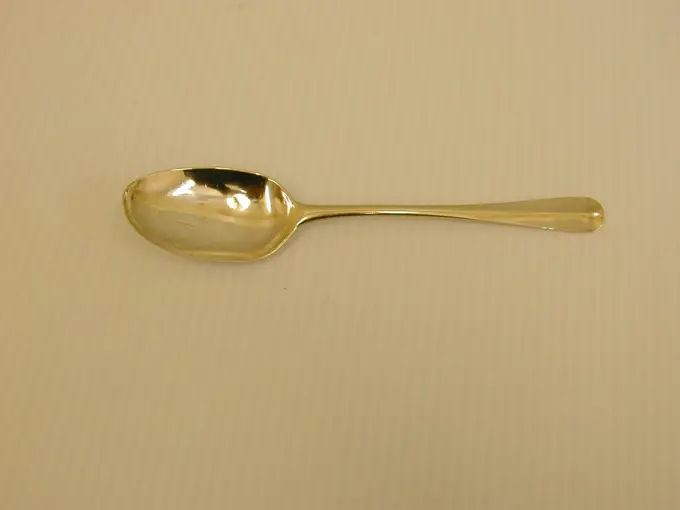
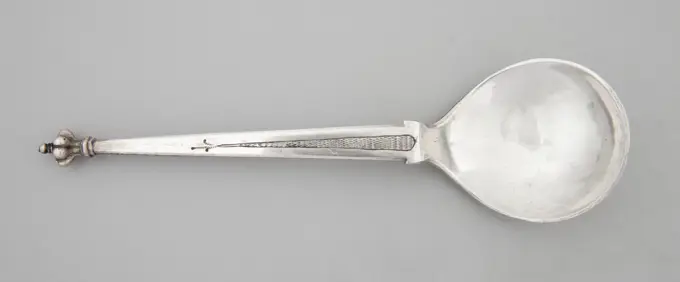
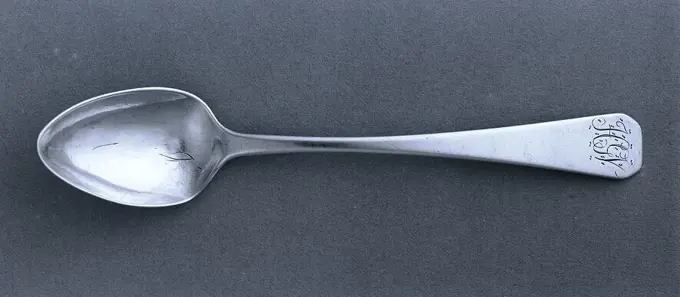
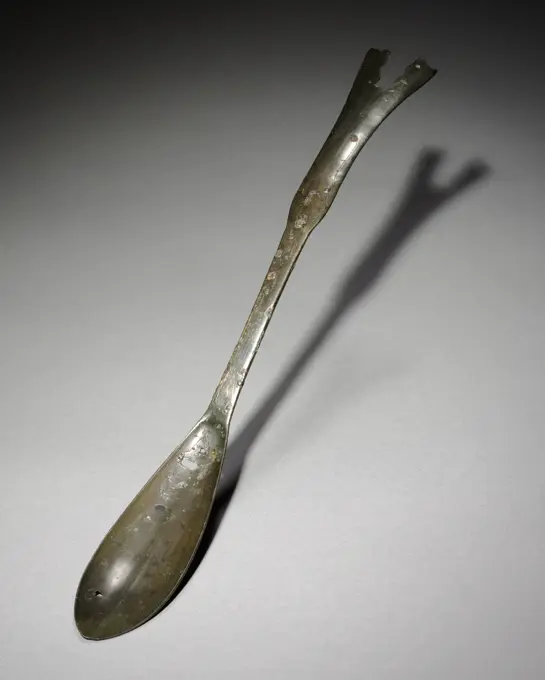
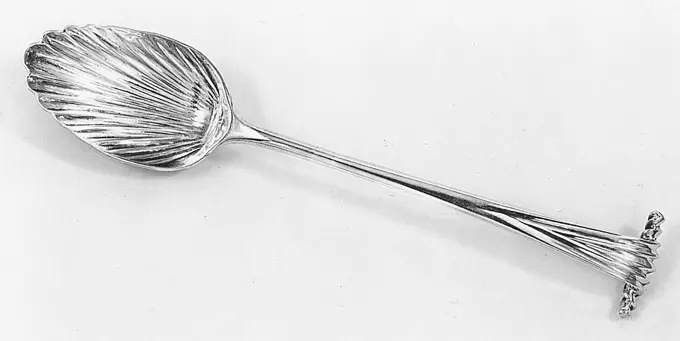
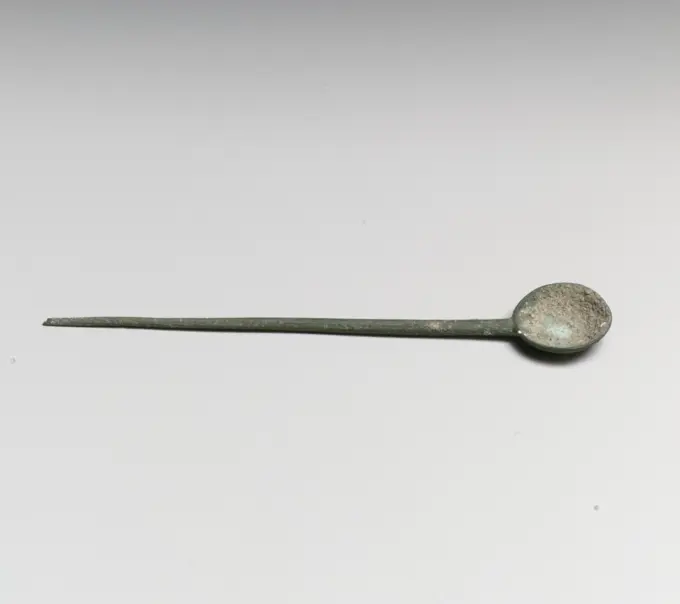
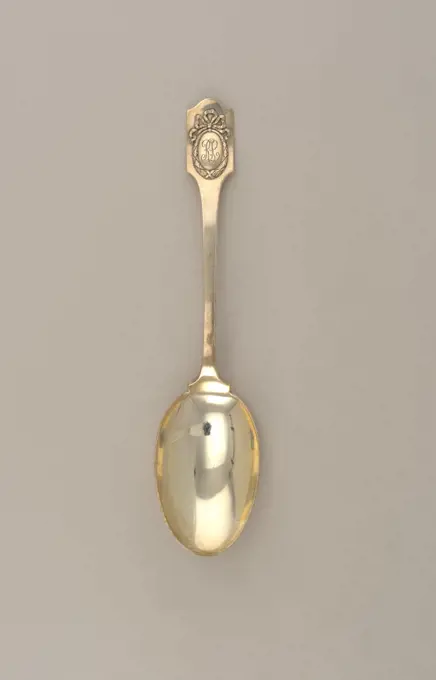
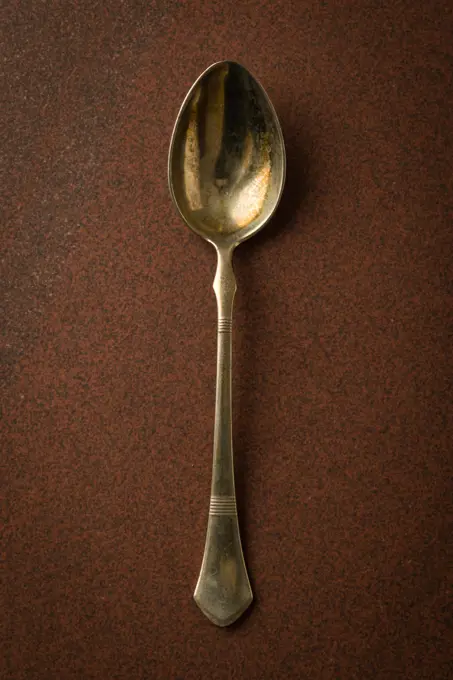
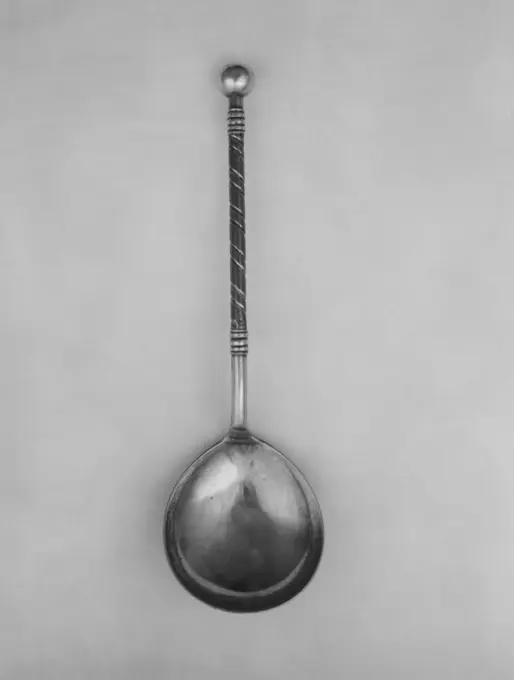
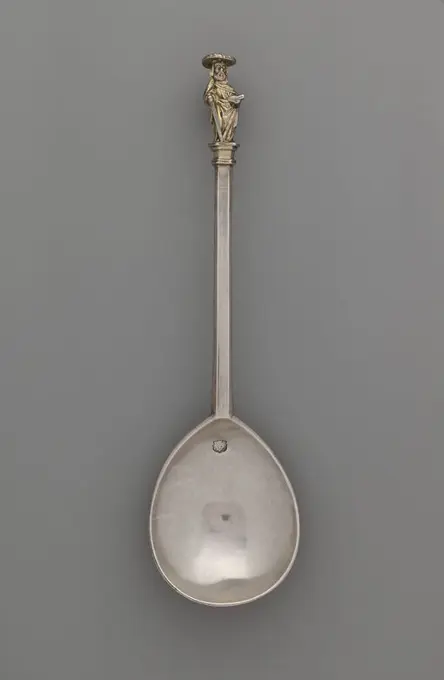
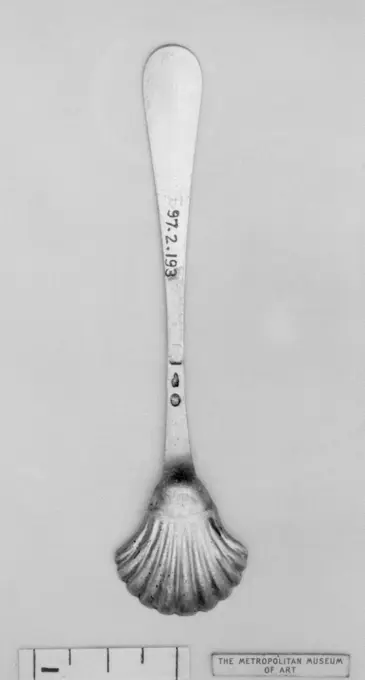
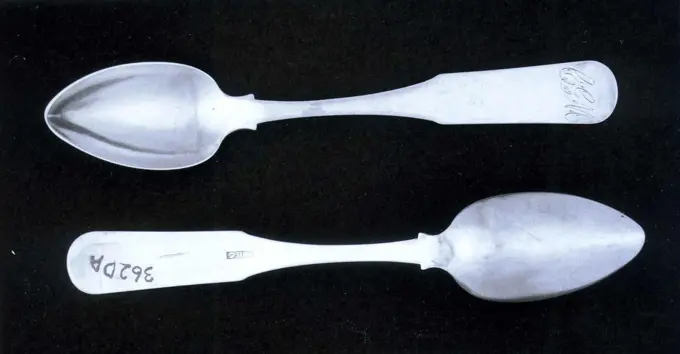
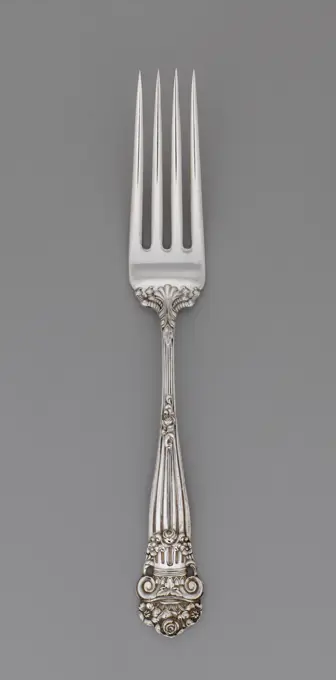
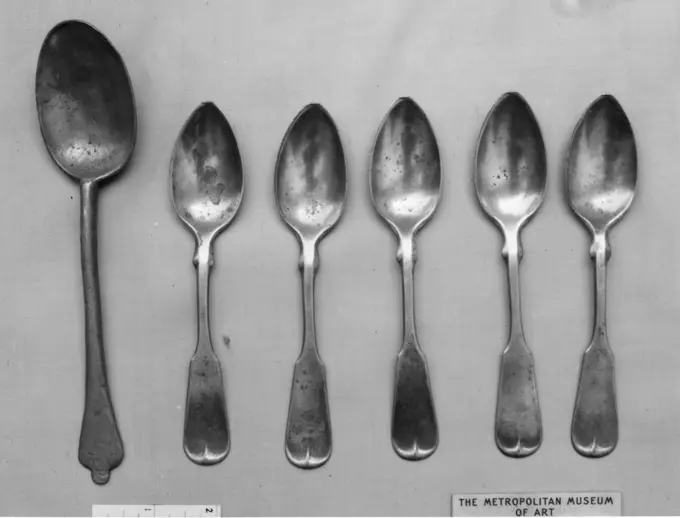
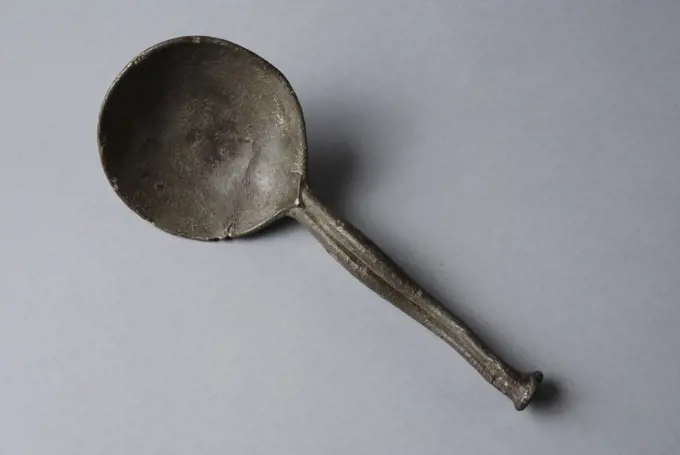
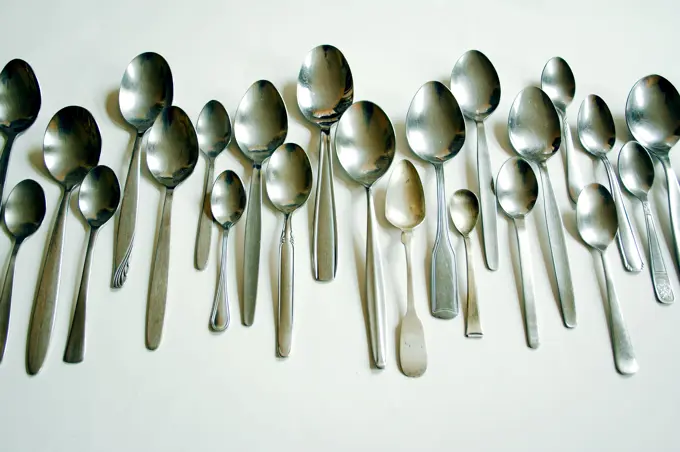
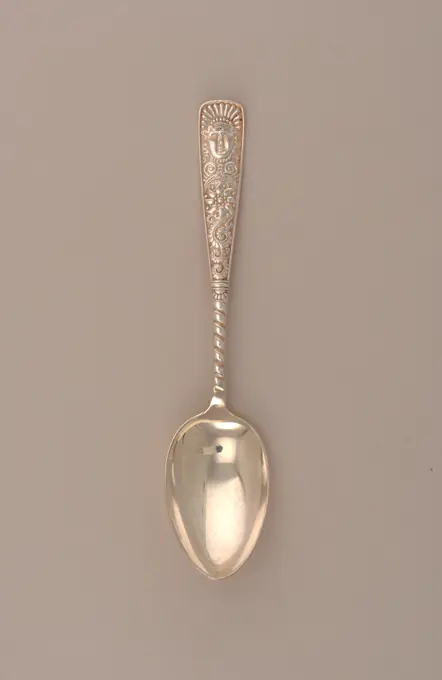
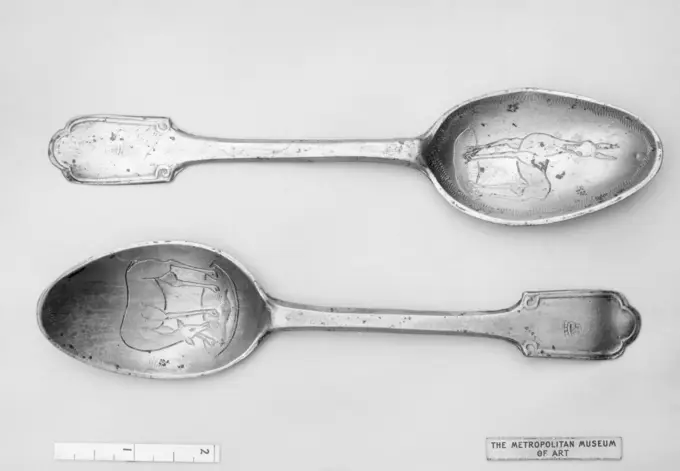
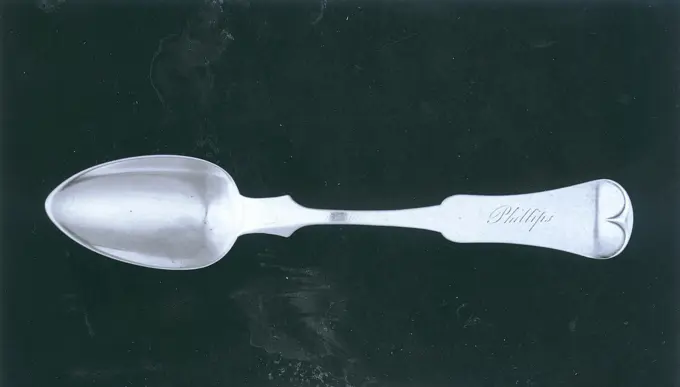
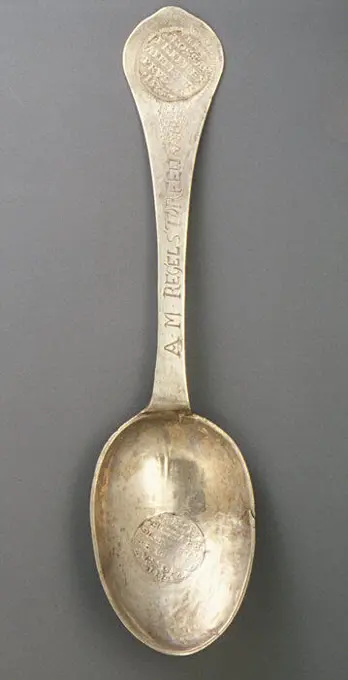
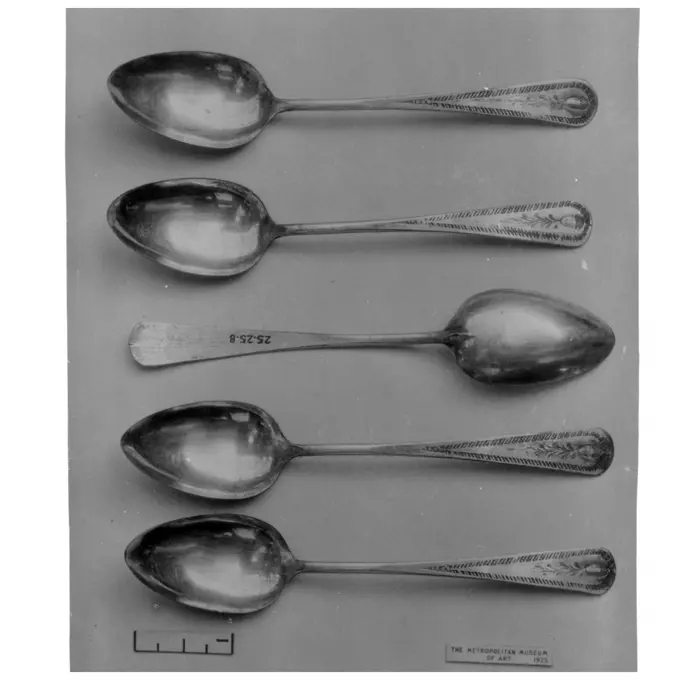
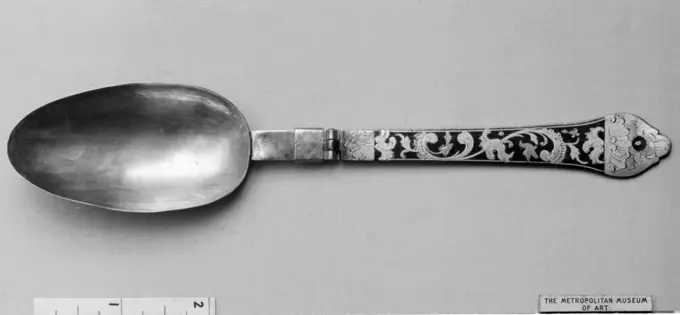
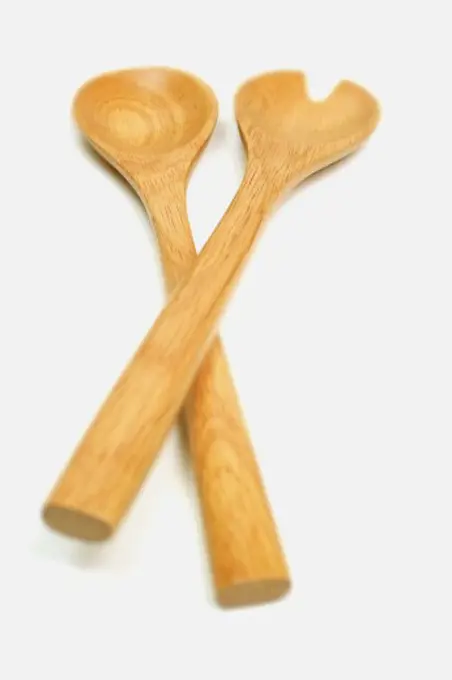
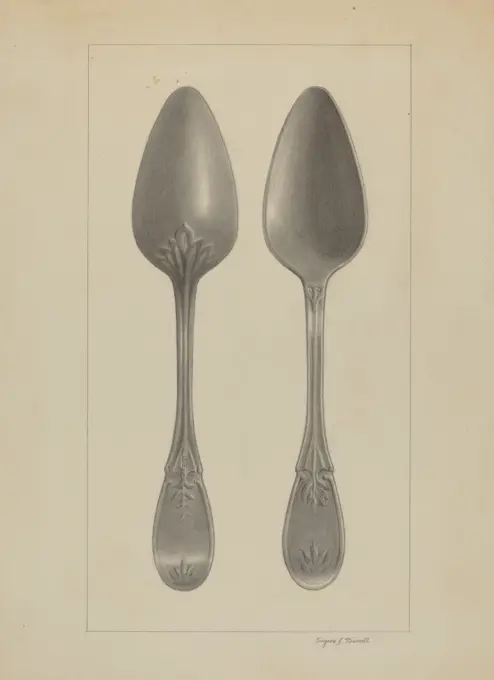
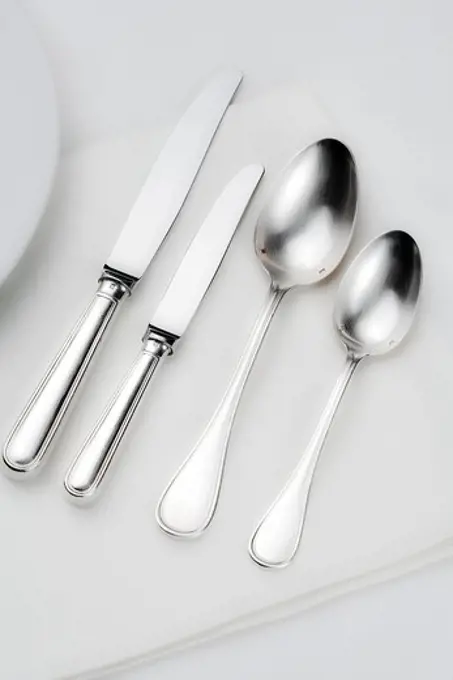
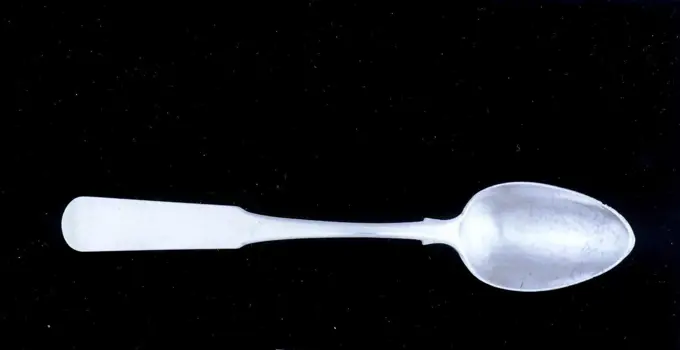
SpoonPair of DessertSpoons.   Maker: William Miller, American, active ca. 1810Coffee yield;  20th century (1901-00-00-2000-00-00);a hundred; Klinkosch, Josef Carl von (1822-1888); 1872-88 (1890-00-00-1890-00-00);Twotablespoons.   Maker: William Young, American, active ca. 1761-68Teaspoon.   Maker: John Wood, British, active 18th centuryTablespoon, Moresque” Pattern.   Maker: John R. Wendt and Company, c. 1855-1870Teaspoon.   Maker: John Avery, Sr., American, 1732-1794Lepel, Frans Rienks Baardt, 1638 Silver spoon with stem crowned by an apostle with an andreas cross. Ingrift on the Steel: S. Andreas. Bolsward silver (metal) Silver spoon with stem crowned by an apostle with an andreas cross. Ingrift on the Steel: S. Andreas. Bolsward silver (metal)Dessert spoon with the Helmet Helmet, Roelof Helweg, 1806 The egg-shaped container of the spoon has a narrowed end and is connected to the flat, bent stem on both the top and bottom by means of a single praise, which broadens to the spatula-shaped end. At the top and bottom of the handle are surrounded by a double file edge, which has been swept up at the end. On the underside of the spatula of both the spoons and the forks, the Clifford helmet sign is engraved. Amsterdam silver (metal) The egg-shaped container of the spoon has a narrowed end and is connected to the flat, bent stem on both the top and bottom by means of a single praise, which broadens to the spatula-shaped end. At the top and bottom of the handle are surrounded by a double file edge, which has been swept up at the end. On the underside of the spatula of both the spoons and the forks, the Clifford helmet sign is engraved. Amsterdam silver (metal)Tablespoon.   Maker: William Cleveland, American, 1770-1837Teaspoon.   Maker: Andrew Ellicott Warner, American, 1786-1870Spoon of tin, anonymous, 1550 - 1600 Spoon of tin. The stem is hexagonal. The container is a silly oval shape. Netherlands tin (metal) casting Spoon of tin. The stem is hexagonal. The container is a silly oval shape. Netherlands tin (metal) castingSpoon with ribbed end, anonymous, c. 1700 - c. 1750 Round spoon with a round handle. De Steel has a profiled end. The spoon is not marked. Netherlands silver (metal) Round spoon with a round handle. De Steel has a profiled end. The spoon is not marked. Netherlands silver (metal)Vork van Zilver, Rudolphus Sondagh, 1789 Fork of silver, with 4 teeth. The flat, curved stem extends to the rounded end. Rotterdam silver (metal) Fork of silver, with 4 teeth. The flat, curved stem extends to the rounded end. Rotterdam silver (metal)Spoon with egg-shaped container and stem crowned by hope. Spoon of silver with an egg-shaped container and a triangular handle with leafwork. The stem is awarded by a woman's figure with a pigeon and an anchor in her hands, symbolizing the hope.Teaspoon. Maker, possibly by: William LuppTeaspoon, Nathaniel Gillet (Aberdeen, Scotland, active 1785 - 1821) c. 1785STOP fork; Malcz, Karol (1797-1867), Silver Products Factory K.F. Malcza (Warsaw; Sreber label; 1828-1864); 1852 (1852-00-00-1860-00-00);Tablespoon.   Maker: Jacob Gregg, American, 1768-1832Maker, formerly attributed to: Isaac Gregg, American, active 1770-90Maker: Paul Revere, American, 1735-1818, Tablespoon, ca.1765-85, Silver, 8 7/8 in. (22.5cm), Made in Boston, Massachusetts, American, 18thcentury, FlatwareSpoon with the Helmet Helmet sign, Hendrik Helweg, 1832 The egg-shaped container of the spoon is connected to the flat, bent stem on both the top and bottom by means of a single praise, which broadens to the spatula-shaped end. At the top and bottom of the handle are surrounded by a double file edge, which has been swept up at the end. The Clifford helmet is engraved on the underside of the spatula. Amsterdam silver (metal) The egg-shaped container of the spoon is connected to the flat, bent stem on both the top and bottom by means of a single praise, which broadens to the spatula-shaped end. At the top and bottom of the handle are surrounded by a double file edge, which has been swept up at the end. The Clifford helmet is engraved on the underside of the spatula. Amsterdam silver (metal)Six Sauce Ladles,  1820sPorringerSpoon.   Maker: Timothy Bontecou, American, 1693-1784Spoon (France); Manufactured by Charles Victor Gibert (French); silver; L x W x D: 21.5 x 4.9 x 3.8 cm (8 7/16 x 1 15/16 x 1 1/2 in.)SpoonSpoonLepel.Spoon of silver, with striker oval bowl and peak tapered stem. The handle is engraved at the top with a flower drink and an oval medallion.Olivespoon.  Maker: Newell Harding and Company, American, active ca. 1852-81Teaspoon.   Maker: Moses Morse, American, w.ca. 1813-1830Teaspoon.   Maker: William Moulton IV, American, 1772-1861Spoon with Fish-Tail Design, 918-1392. Korea, Goryeo period (918-1392). Silver bronze; overall: 30 cm (11 13/16 in.).Richard Crossley and George Smith IV, Teaspoon (altered), 1807/8, silver.Twotablespoons.   Maker: Reed and Slater, active ca. 1845 - 1850Teaspoon.   Maker: Benjamin Brooks, American, active ca. 1829 - 1841Tablespoon. Retailer: Hyde and Goodrich, active ca. 1829 - 1866Retailer: Wood and Hughes, American, active 1840-99BIG SPOON ON DARK BACKGROUND BIG SPOON ON DARK BACKGROUND Copyright: xZoonar.com/VSaureix 14143333Tablespoon, c. 1850-1860. Erastus Cook (American, 1793-1864). Silver; overall: 5 cm (1 15/16 in.).Tablespoon.  Artist: Elihu Durfee, AmericanSpoon Roman. Spoon 250614 Roman, Spoon, Bronze, Other: 4 11/16 in. (11.9 cm). The Metropolitan Museum of Art, New York. Rogers Fund, 1917 (17.230.81)spoon old, vintage, antique, isolated,Joseph Moulton II, Tea Spoon, c. 1760, silver.Spoon c 1754-1795 Boston. Silver . Paul Revere Jr.'Louis XVI' tableware, Joseph E. Birmingham, Shreve & Co., founded 1852, silver, Integral construction. Oval concave bowl. Handle of rectangular line ending in shouldered, rectangular terminal embossed with oval wreath with ribbon bow, enclosing monogram., ca. 1909, cutlery, Decorative Arts, Spoon, SpoonFork with clifford helmet sign. The four-eddy fork is on both upstairs and bottom by means of single praise connected to the flat, curved stem, which widened to the spatula-shaped end. Upper and bottom of the handle are surrounded by a double fillet edge, which is injected at the end. The Clifford Helmet is engraved on the underside of the spatula.vintage spoon retro vintage used old spoon on a table Copyright: xZoonar.com/FuroxLxFelixx 7841481Spoon (one of a pair) (part of a set) 1728-30 Jean Écosse. Spoon (one of a pair) (part of a set) 206450TablewareSpoon 1839 Mikhail Chulkov. Spoon 208034Apostle spoon: St. Philip. Culture: British, London. Dimensions: Overall: 2 × 7 3/16 in. (5.1 × 18.3 cm). Maker: William Cawdell (British, 1560-1625). Date: 1592/93.The set (67.166.1-.13) includes a master spoon with a figure of Christ and twelve apostle spoons. Martin Hewitt who made the Saint Andrew spoon had served his apprenticeship under William Cawdell. Both were specialist spoonmakers. Museum: Metropolitan Museum of Art, New York, USA.Salt spoon 1819-38 French, Paris. Salt spoon 188217 French, Paris, Salt spoon, 181938, Silver, parcel gilt, L. 3 7/8 in. (9.8 cm.). The Metropolitan Museum of Art, New York. Gift of Mrs. Samuel P. Avery, 1897 (97.2.193)Vintage metal spoon on dark backgroundWooden Spoon isolated on white backgroundSugar sprinkle with the Clifford family crest, Diederik Lodewijk Bennewitz, 1806 Sugar stripping of silver. With a deep round container that is open with a symmetrical pattern of stars. On the top of the stem the coat of arms of the Clifford family is engraved. Amsterdam silver (metal) engraving Sugar stripping of silver. With a deep round container that is open with a symmetrical pattern of stars. On the top of the stem the coat of arms of the Clifford family is engraved. Amsterdam silver (metal) engravingTwoTeaspoons.   Maker: Daniel Booth Hempsted, American, 1784-1852Fork. Designer George Prescott Tilton ()„ American Manufacturer: Towle Manufacturing Company, American, founded 1882Retailer: C. B. TousleyPipette with serum, gel, oil or other cosmetic product. Macro.3d rendering of a large ladle isolated in white studio background 3d rendering of a metal ladle isolated in white studio background. Copyright: xZoonar.com/HugoxKurkx 14086307ThreeTeaspoons.  Maker: Elias Pelletreau, 1726-1810Spoon second half 17th century British or American. Spoon. British or American. second half 17th century. Pewter. Metalwork-PewterPewter spoon, spoon cutlery soil find tin, molded Figs bowl fixed on lower part of stem that is shaped so that spoon on flat surface must remain curved round handle with trench on top with shield as steel end of the top of the tank: plate with ZH above which three crowns eat archeologyMarrow Scoop c 1859-1862 New York City. Silver . Gale & Willis3d rendering of a metal spoon in colored background. 3d rendering of a metal spoon isolated in colored studio background Copyright: xZoonar.com/HugoxKurkx 14080473Löffel Löffel Copyright: xZoonar.com/LutzxWallrothx 760208Steel metal table knife spoon on white background Dessert fork with the Helmet Clifford, Roelof Helweg, 1806 The fourth fork is on both the top and bottom by means of only praise to the flat, curved stem, which broadens to the spatula-shaped end. At the top and bottom of the handle are surrounded by a double file edge, which has been swept up at the end. The Clifford helmet is engraved on the underside of the spatula. Amsterdam silver (metal) The fourth fork is on both the top and bottom by means of only praise to the flat, curved stem, which broadens to the spatula-shaped end. At the top and bottom of the handle are surrounded by a double file edge, which has been swept up at the end. The Clifford helmet is engraved on the underside of the spatula. Amsterdam silver (metal)"Assyrian Head" pattern Spoon; Manufactured by Meriden Silver Plate Company (United States); USA; silver plate; cm: L: 18Wooden Spoon isolated on white background
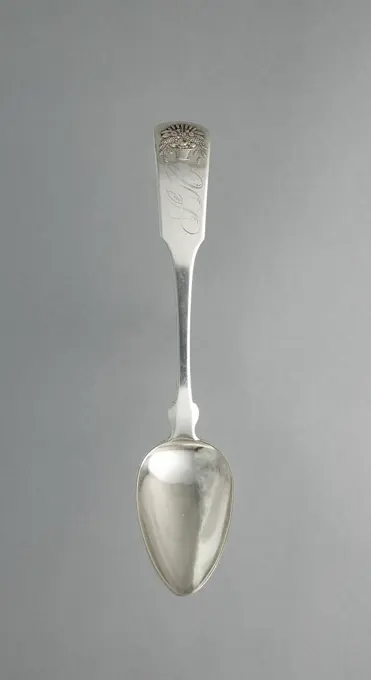
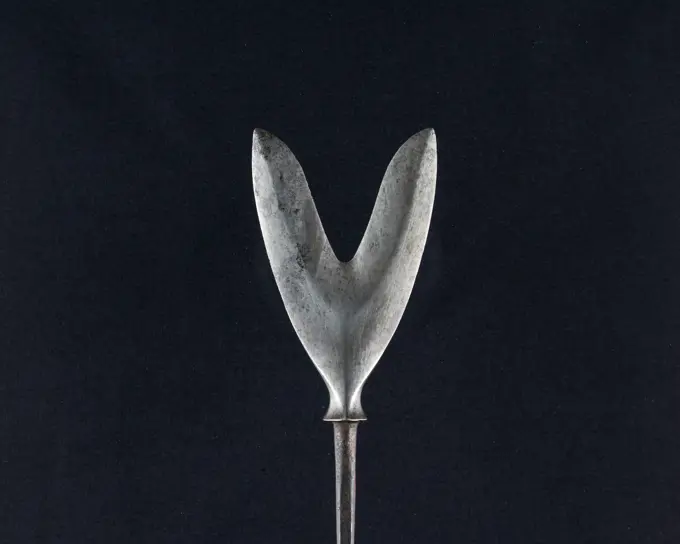
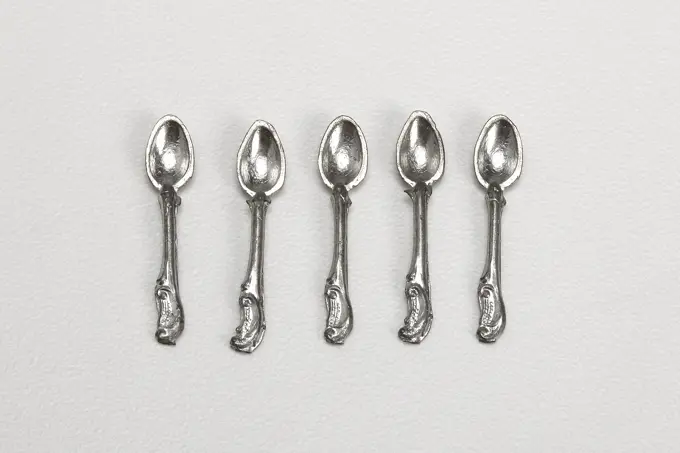
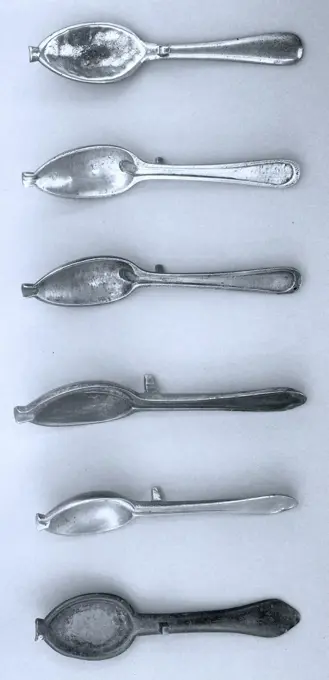
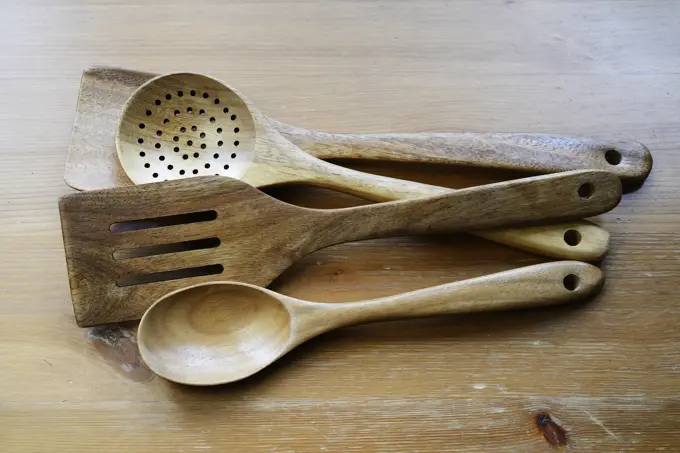
Spoon (France); Manufactured by Charles Victor Gibert (French); silver; L x W x D: 18.7 x 3.1 x 2.9 cm (7 3/8 x 1 1/4 x 1 1/8 in.)Toy spoon - Inconnu / UnknownHalf a Pewter SpoonMoldDessert fork with the Helmet Clifford, Roelof Helweg, 1806 The fourth fork is on both the top and bottom by means of only praise to the flat, curved stem, which broadens to the spatula-shaped end. At the top and bottom of the handle are surrounded by a double file edge, which has been swept up at the end. The Clifford helmet is engraved on the underside of the spatula. Amsterdam silver (metal) The fourth fork is on both the top and bottom by means of only praise to the flat, curved stem, which broadens to the spatula-shaped end. At the top and bottom of the handle are surrounded by a double file edge, which has been swept up at the end. The Clifford helmet is engraved on the underside of the spatula. Amsterdam silver (metal)Pair of spoons mid-18th century possibly German. Pair of spoons 189058 possibly German, Pair of spoons, mid-18th century, Pewter, .711: L. 7 5/8 in. (19.4 cm); L. of bowl 2 7/8 in. (7.3 cm); W. 1 3/4 in. (4.4 cm). The Metropolitan Museum of Art, New York. Rogers Fund, 1906 (06.711, .712)SpoonsTwo metal soup ladles in different sizesTeaspoon.   Maker: Clemens Oskamp, 1822-1887ThreeTeaspoons.   Maker: John Proctor Trott, American, 1769-1852Spoon 17th century () French. Spoon 188191 French, Spoon, 17th century (), Silver (), parcel gilt and enameled, Length: 7 in. (17.8 cm). The Metropolitan Museum of Art, New York. Gift of Mrs. Samuel P. Avery, 1897 (97.2.167)Spoon of silver, Johannes Jorritsma (attributed to), c. 1766 Spoon of silver, with an egg -shaped container. The stem is crowned with a pedestal with a woman with a child on her arm and a child next to her: Charitas. On the underside of the bin is engraved: Thijs Feddes is born on April 13 AO 1766. Franeker silver (metal) Spoon of silver, with an egg -shaped container. The stem is crowned with a pedestal with a woman with a child on her arm and a child next to her: Charitas. On the underside of the bin is engraved: Thijs Feddes is born on April 13 AO 1766. Franeker silver (metal)Vintage wooden spoon  isolated on white backgroundFocolare spoon second half of 6th century B.C. Etruscan Undecorated.. Focolare spoon. Etruscan. second half of 6th century B.C.. Terracotta; bucchero. Archaic. VasesUnknown, Four Tea Spoons, c. 1800, silver.Stephen Emery, Two Tea Spoons, c. 1785, silver.Wavy-end spoon early 18th century Georg Friedrich Scholtze. Wavy-end spoon 188096 Maker: Georg Friedrich Scholtze, 17371752, Wavy-end spoon, early 18th century, Silver, 7 1/2 in. (19.1 cm). The Metropolitan Museum of Art, New York. Gift of Mrs. Samuel P. Avery, 1897 (97.2.61)Teaspoon ca. 1770-80 British, Sheffield. Teaspoon. British, Sheffield. ca. 1770-80. Sheffield plate. Metalwork-Silverplatetop view wooden kitchenware packTrifid folding spoon late 17th-early 18th century possibly German. Trifid folding spoon 188159 possibly German, Trifid folding spoon, late 17thearly 18th century, Silver, steel (), copper gilt, niello, gold, 7 1/2 in. (19.1 cm). The Metropolitan Museum of Art, New York. Gift of Mrs. Samuel P. Avery, 1897 (97.2.124)Teaspoons. Teaspoons on a red velvet display case. Copyright: xZoonar.com/STRANNIK9211x 5751677Fork isolated on white backgroundA collection of wooden kitchen utensils, including spoons and spoons, which are arranged on a wooden surface, a collection of wooden kitchen utensils, including spoons and sword users, which are arranged on a wooden surfaceSilversmith: S.J. van der ..., Silver sugar sprinkle spoon with open-worked container, scoop spoon spoon kitchenware silver, sawn engraved mashed elongated oval bake (transversely placed) back bent stalk with pointed stalk end of stem (smashed) sugar spreading sprinkle serve sugarDessert Fork and Spoon with Hunt Scenes, c. 1822. Paul Storr (British, 1771-1844). Gilt silver; overall: 21.1 x 3 x 3 cm (8 5/16 x 1 3/16 x 1 3/16 in.). Paul Storr was perhaps the most famous and successful English silversmith working in the early 19th century. This fork and spoon were originally part of a larger set. The exceptionally high quality of the metalworking and gilding of these pieces is typical of Storr's work.Salad utensilsEugene Barrell, Pewter Spoon, c 1936 Pewter Spoonelegant table setting with silverware on white clothDessertspoon.   Maker: Nathan Hale, American, 1755-1776, B.A. 1773, M.A. 1776Silver mirror isolated on the white backgroundArrowhead (Yanone) 18th century Japanese Although today Japanese warriors are renowned most for their swordsmanship, archery, especially from horseback, has been an essential part of samurai warfare and culture for centuries. Arrows were fitted with heads of varying shape according to their intended use in war, the hunt, or target practice. Arrowheads made for use on the battlefield incorporated different designs intended for specialized purposes such as the piercing of armor or to cause maximum damage to horses and unarmored personnel.Large arrowheads, pierced and elaborately chiseled with landscapes, birds, flowers, dragons, and Buddhist divinities, were created to be admired for the beauty of their metalwork and design rather than for use in archery. Such highly elaborate examples may have been made for presentation or as a votive offerings to a shrine.. Arrowhead (Yanone). Japanese. 18th century. Steel. Archery Equipment-ArrowheadsSpoonFlorence Grant Brown, Silver Tablespoon, c 1939 Silver Tablespoon