Decorative Teapots

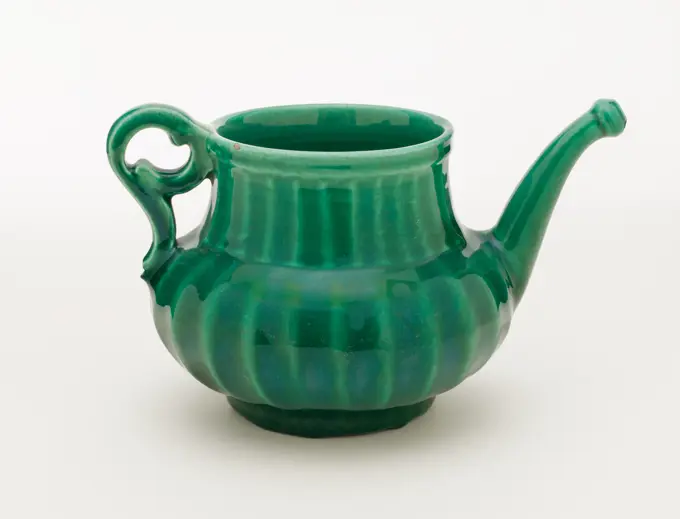
An array of uniquely designed teapots made from various materials, featuring intricate patterns and styles, suitable for tea enthusiasts.

Teapot of stoneware with salt glaze; Staffordshire .. teapot of stoneware with salt glaze. The teapot is octagonal and has on the eight sides relief decorations, consisting of trees, figures, animals and a weapon. The spout has a flower branch on both sides.
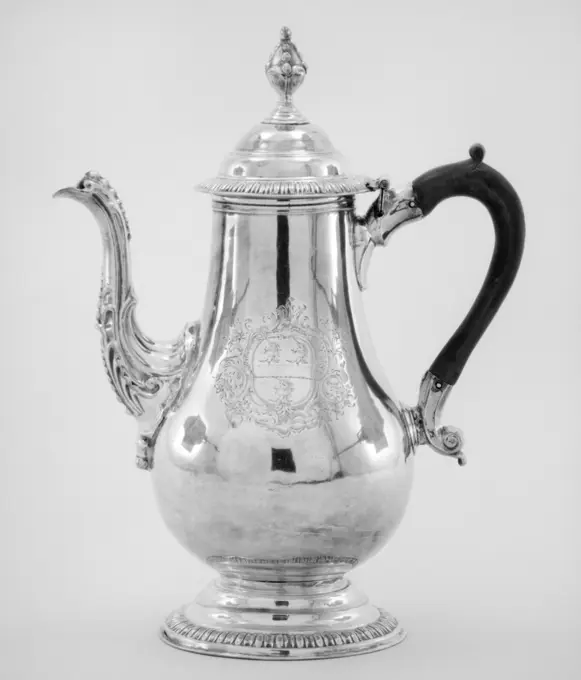
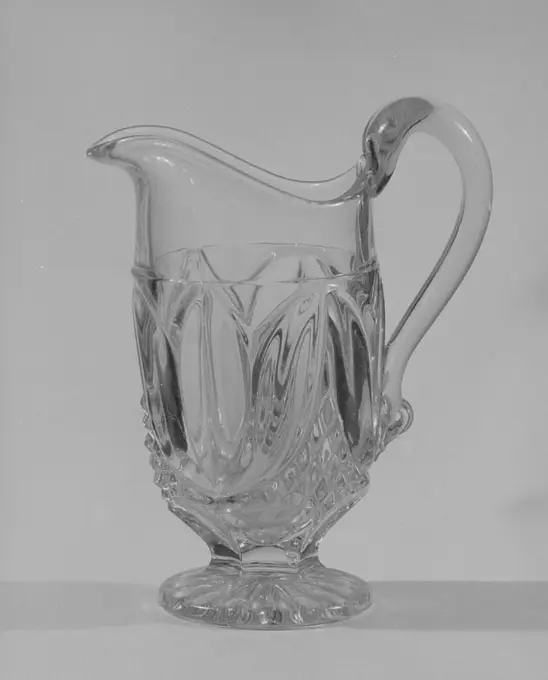
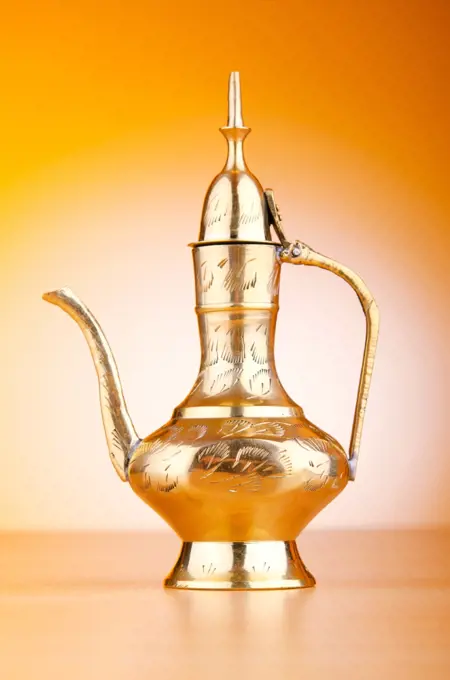
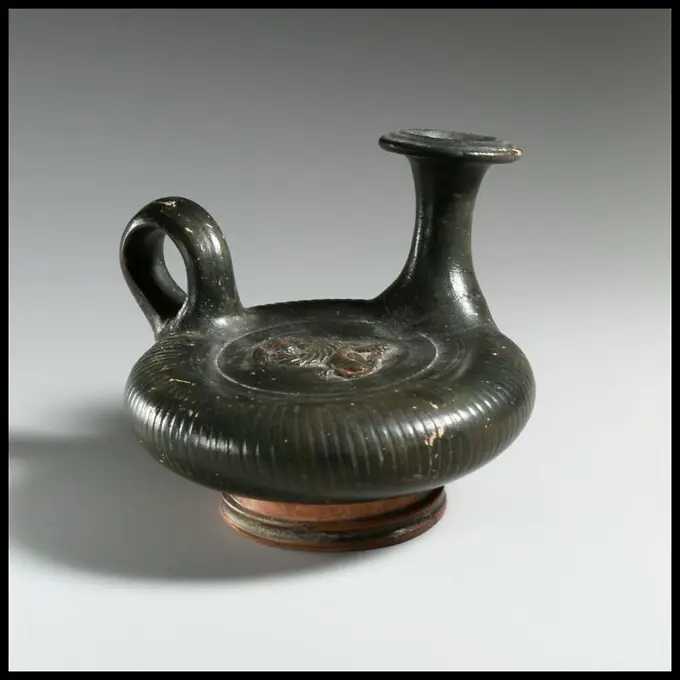
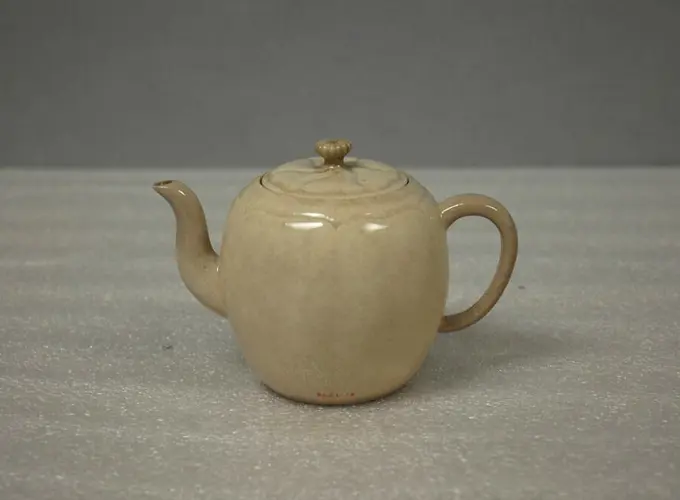
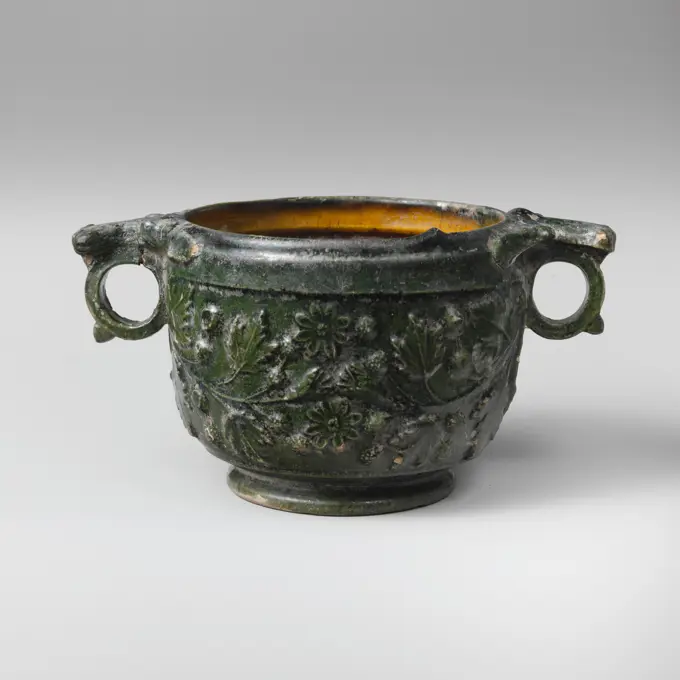
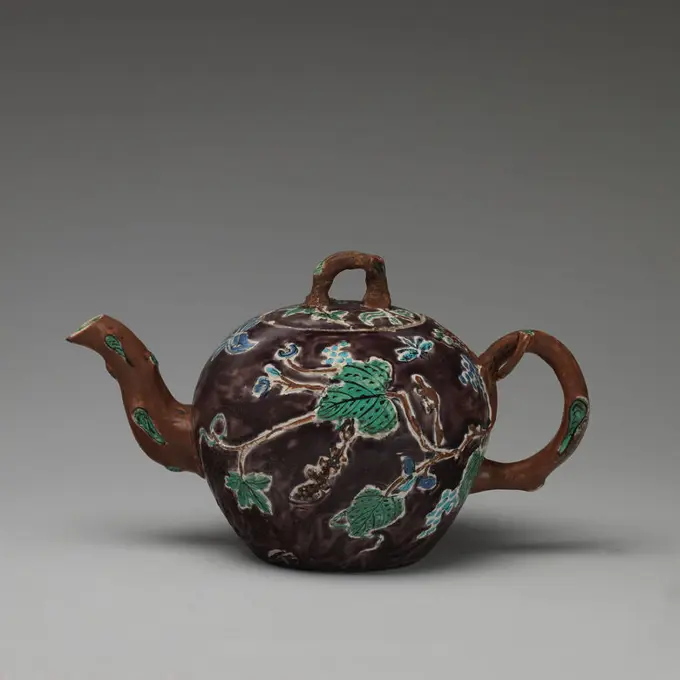
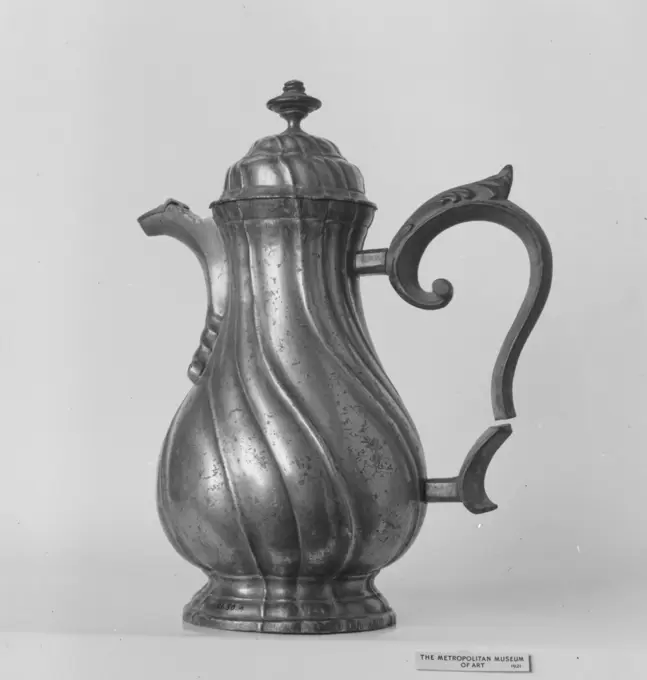
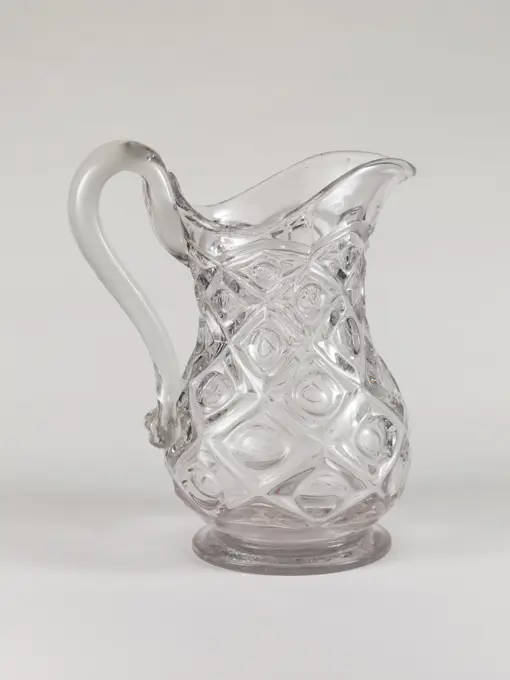
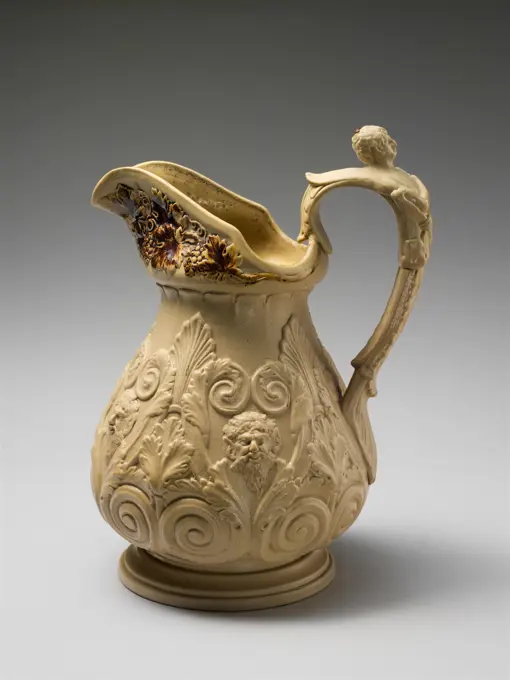
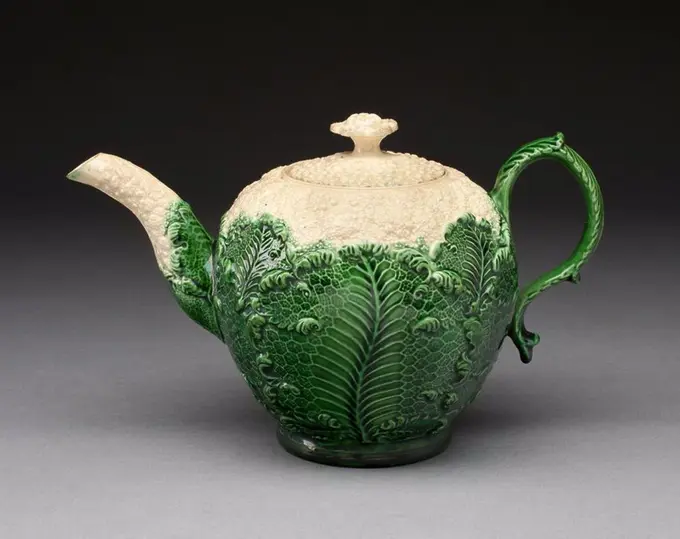
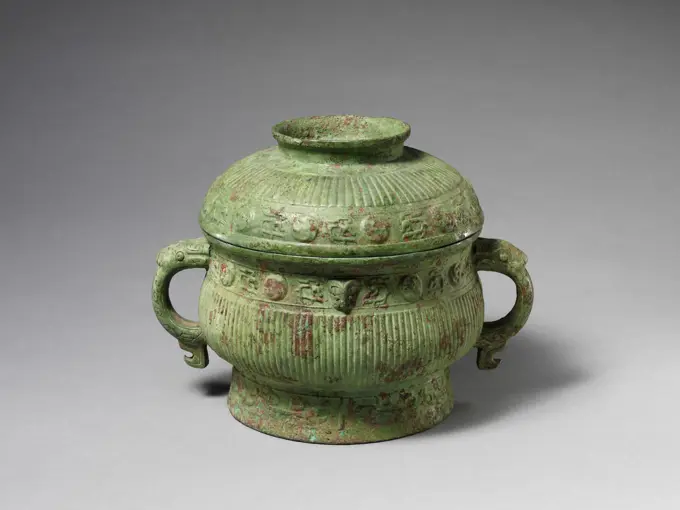
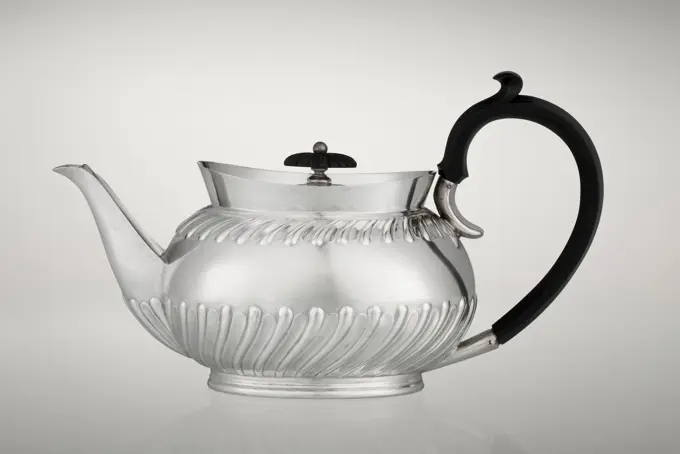
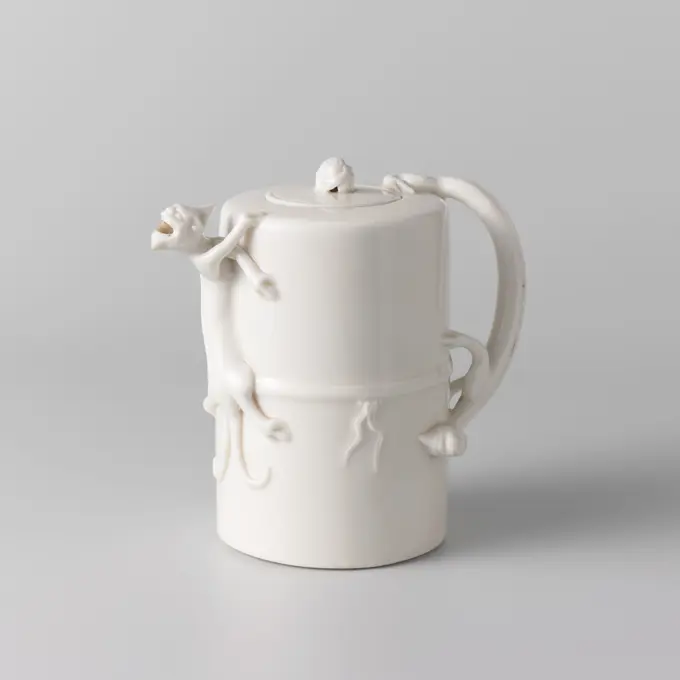
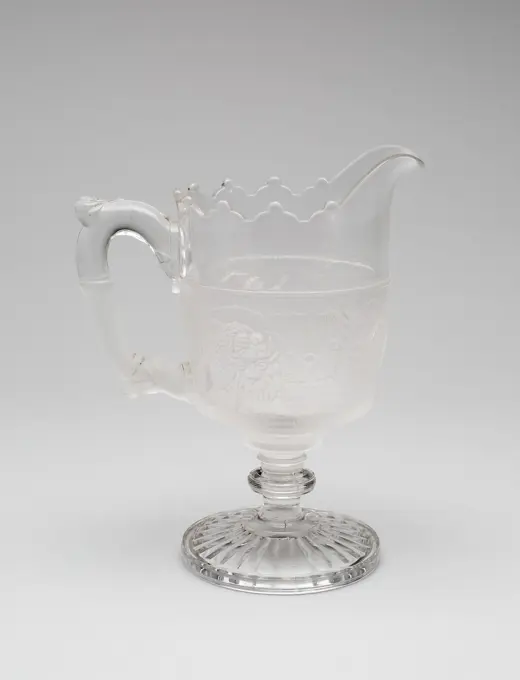
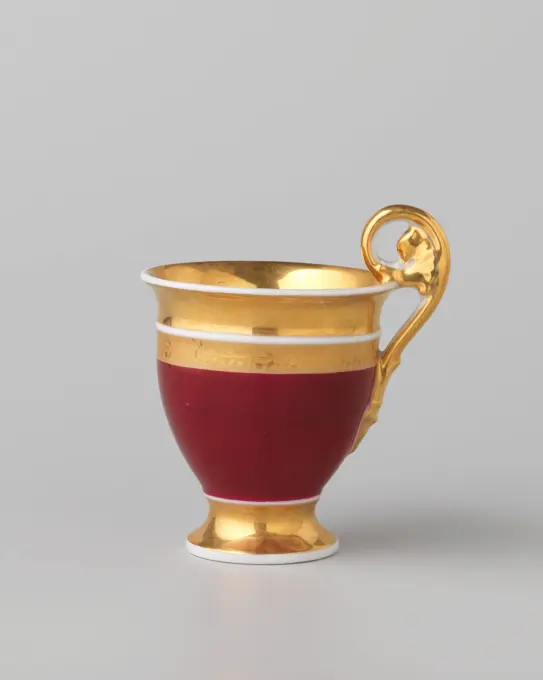
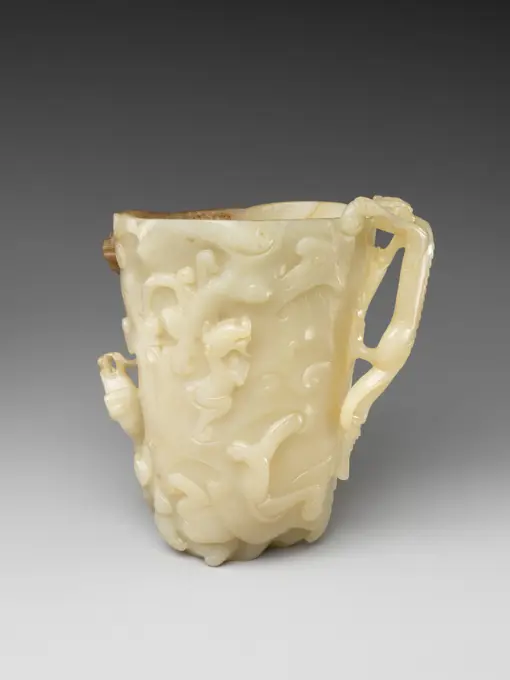
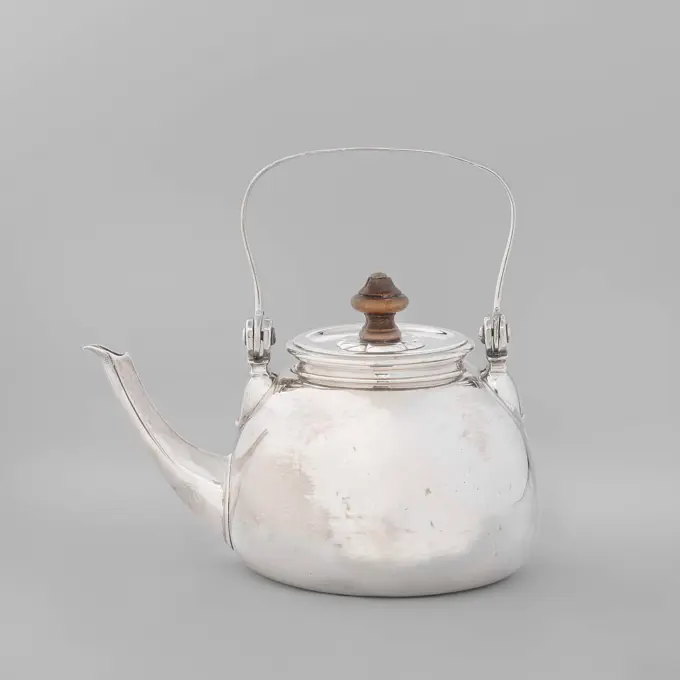
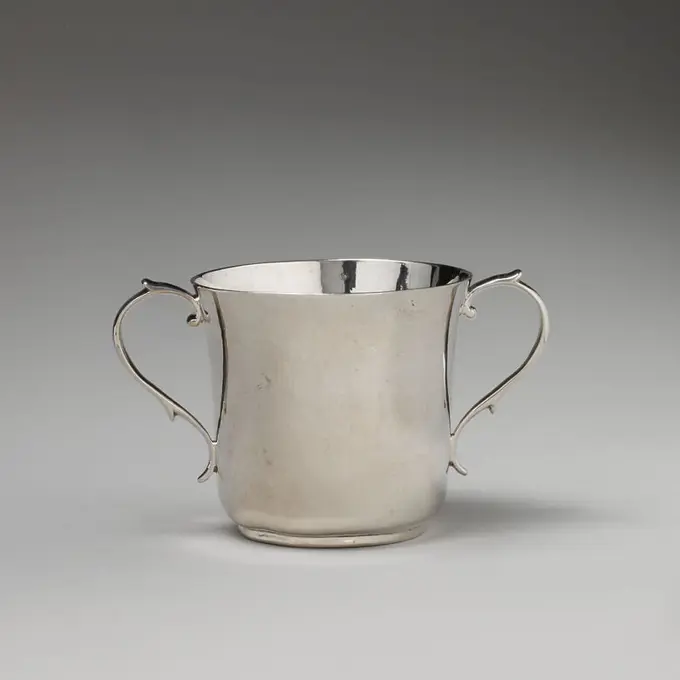
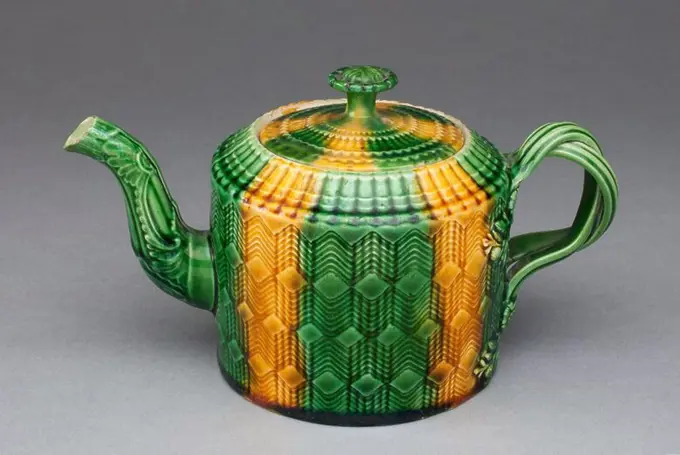
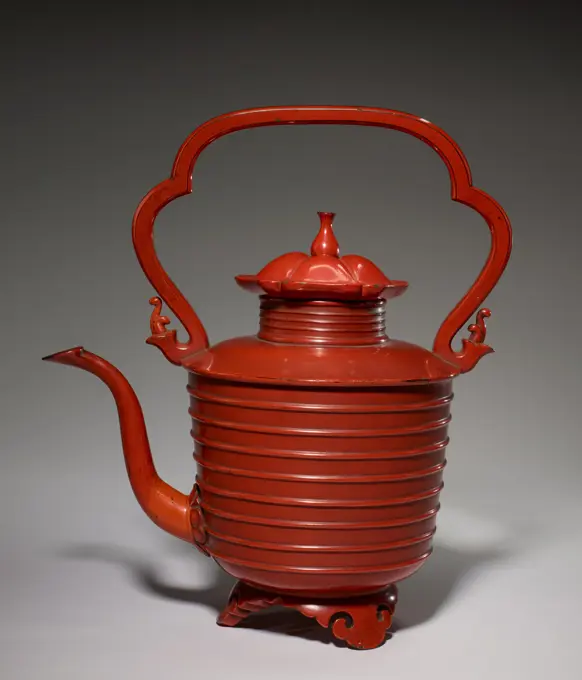
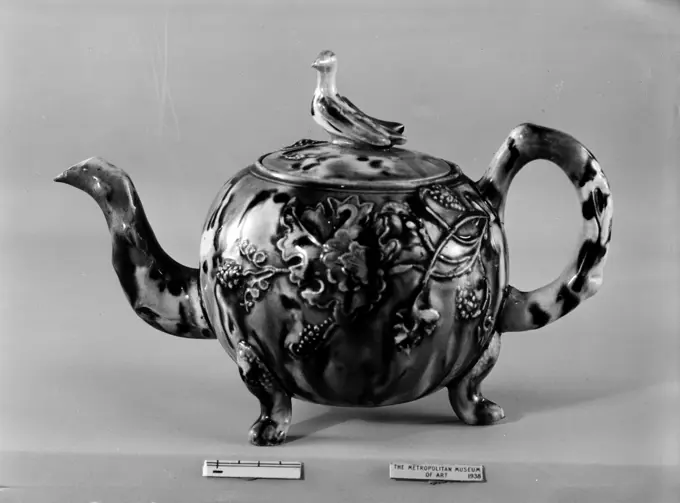
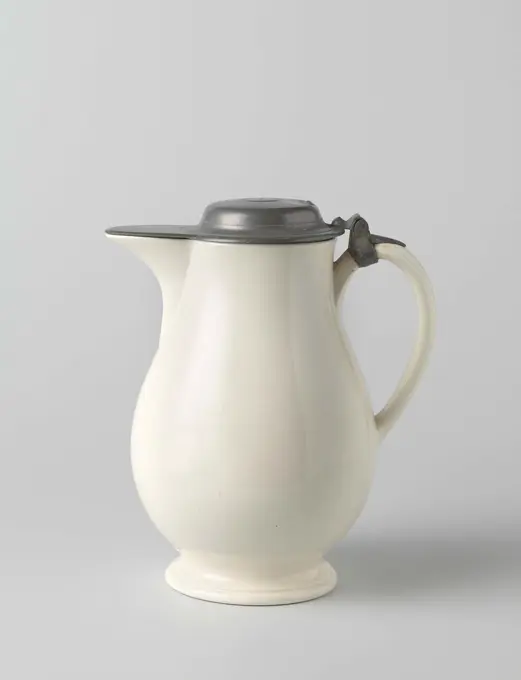
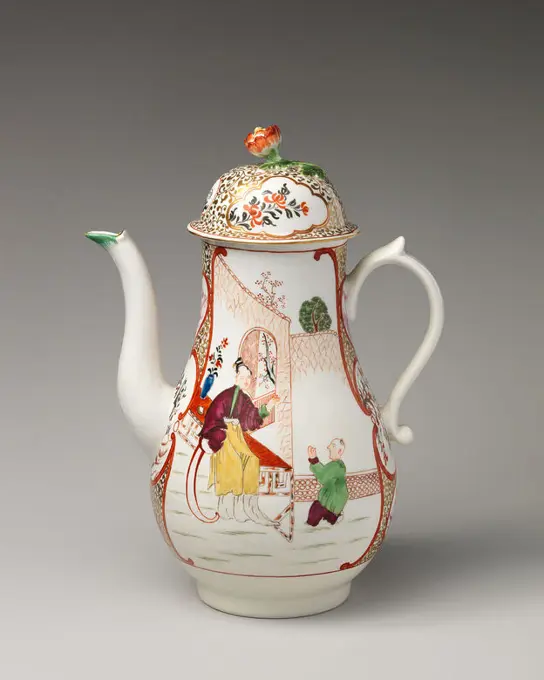
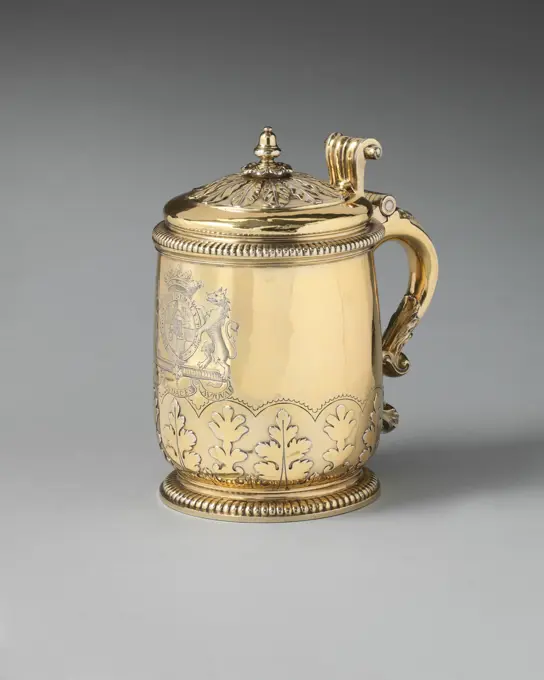
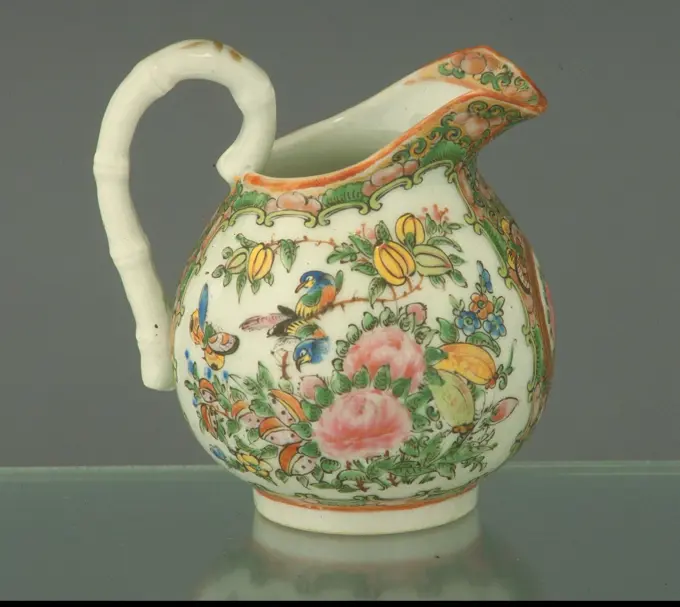
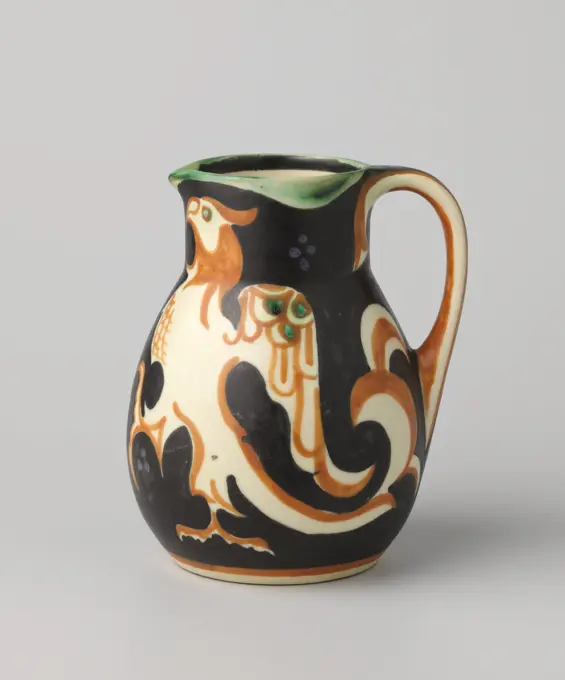
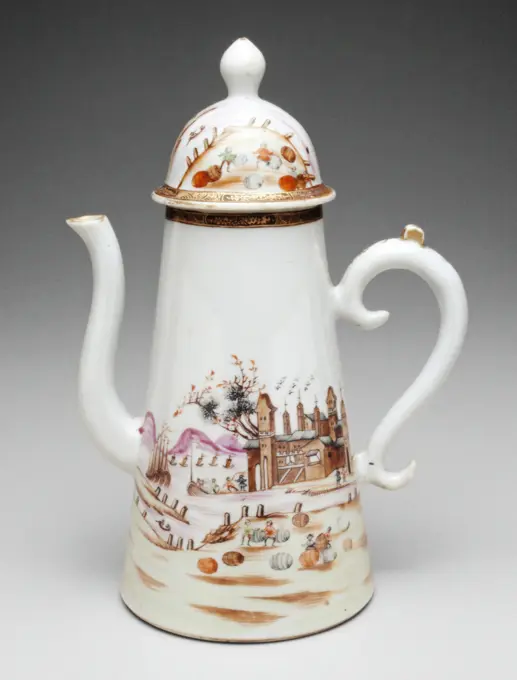
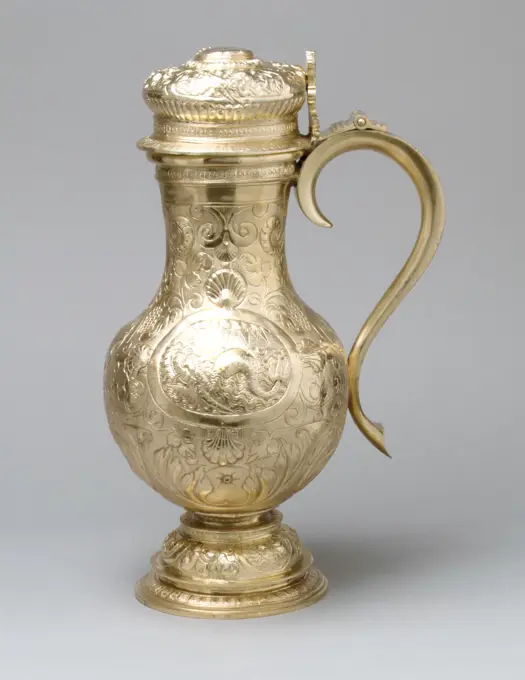
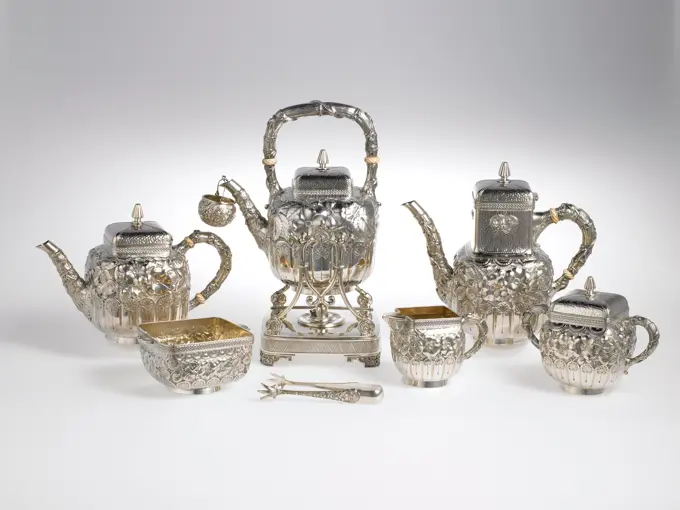
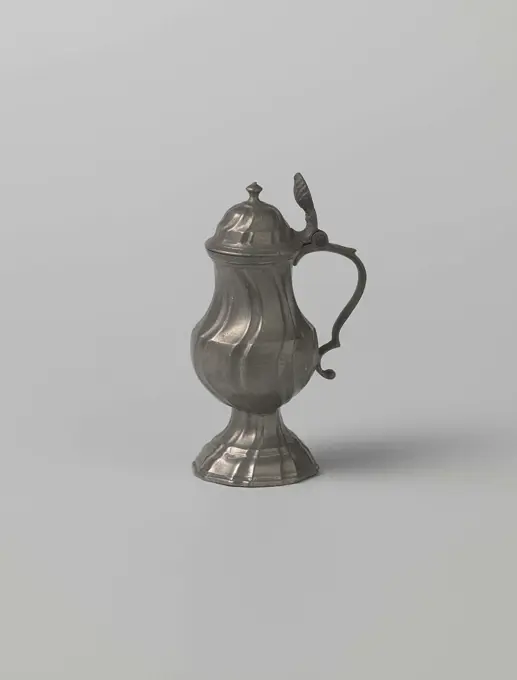
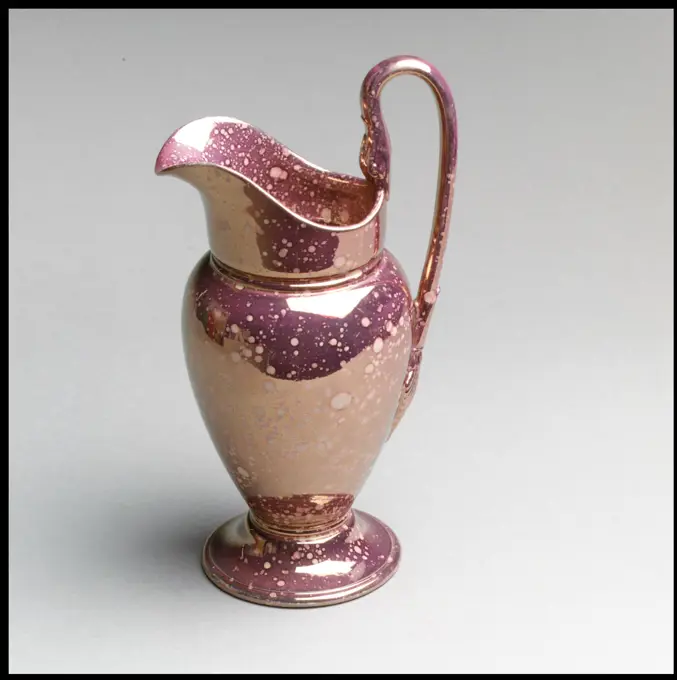
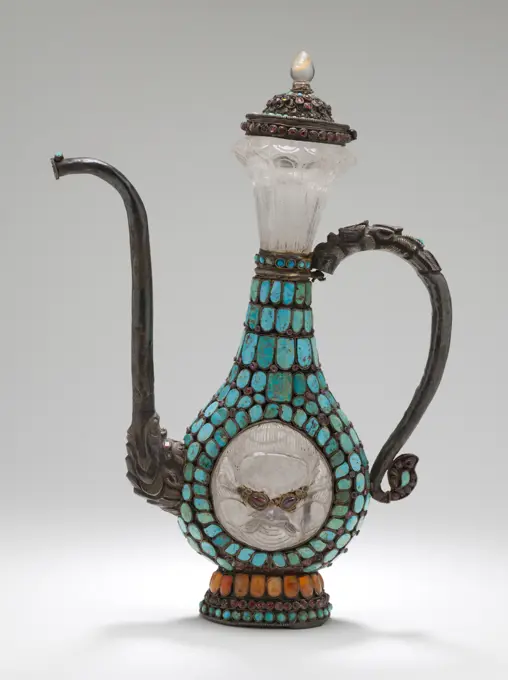
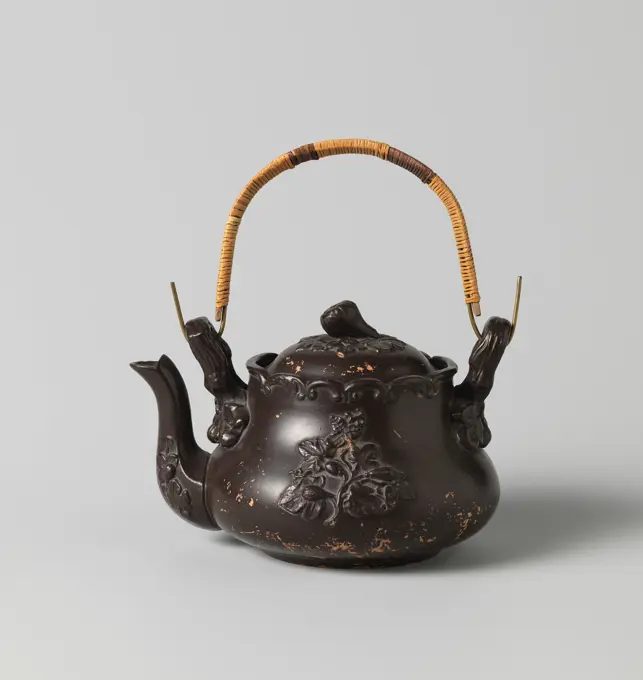
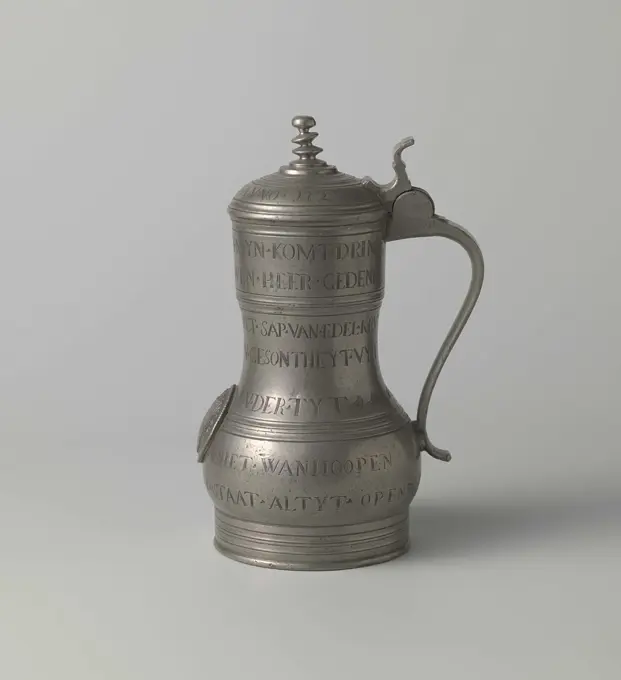
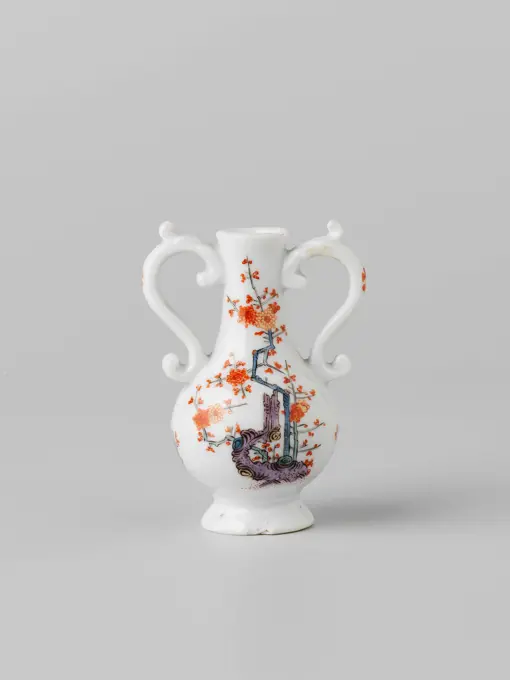
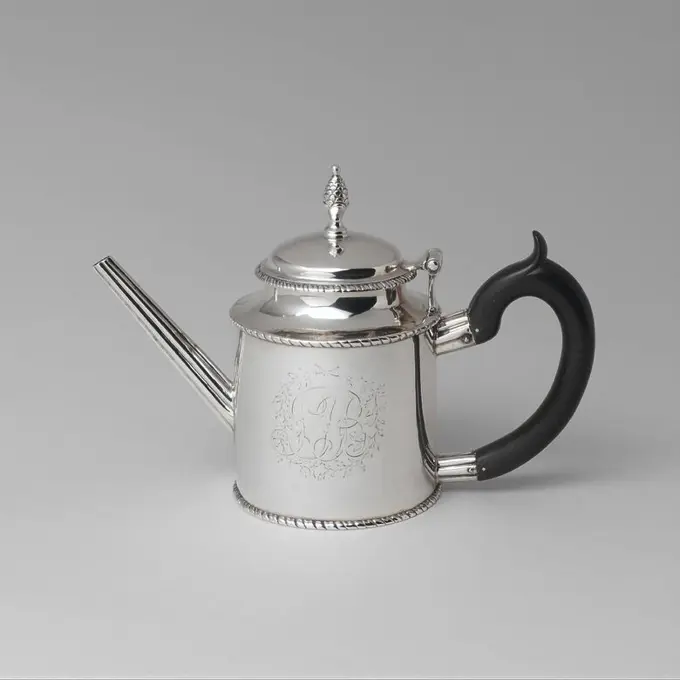
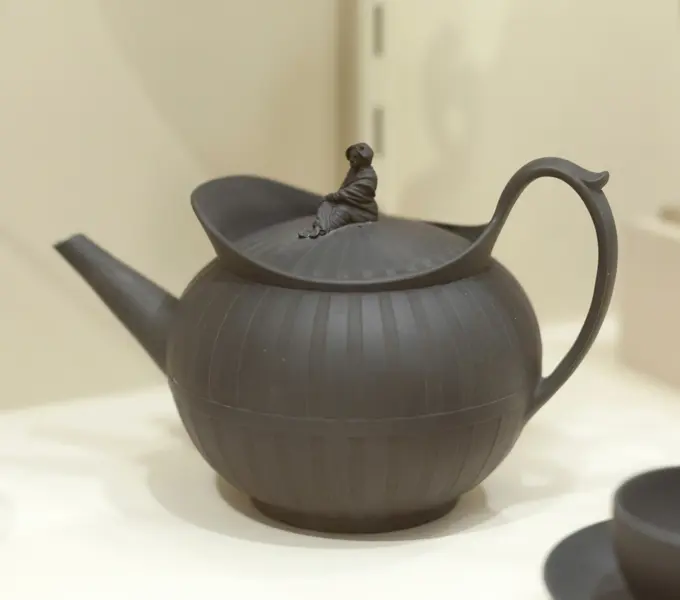
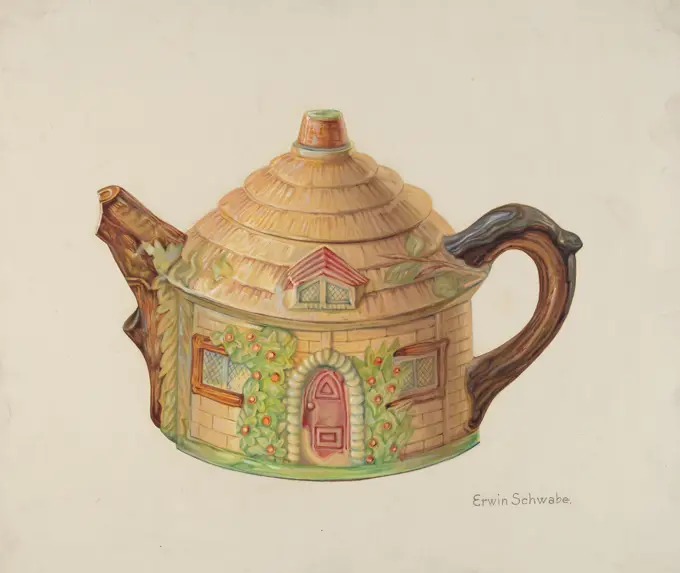
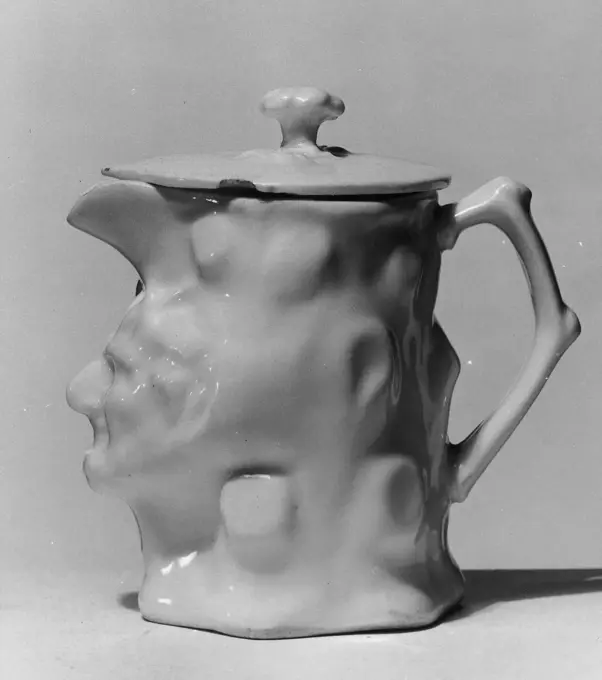
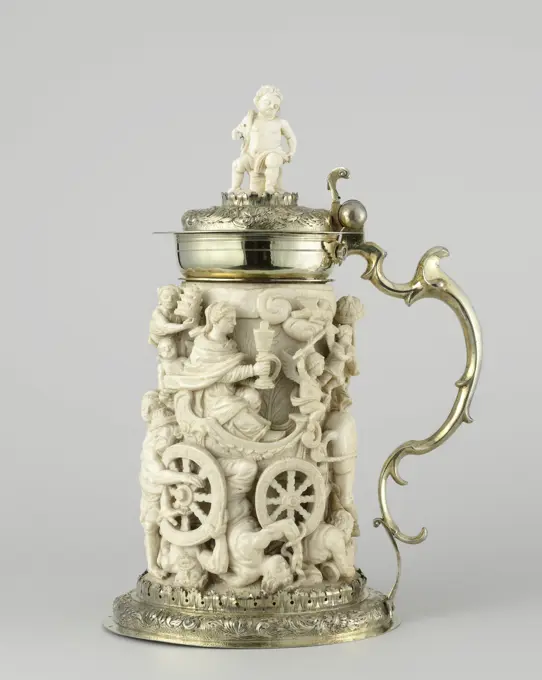
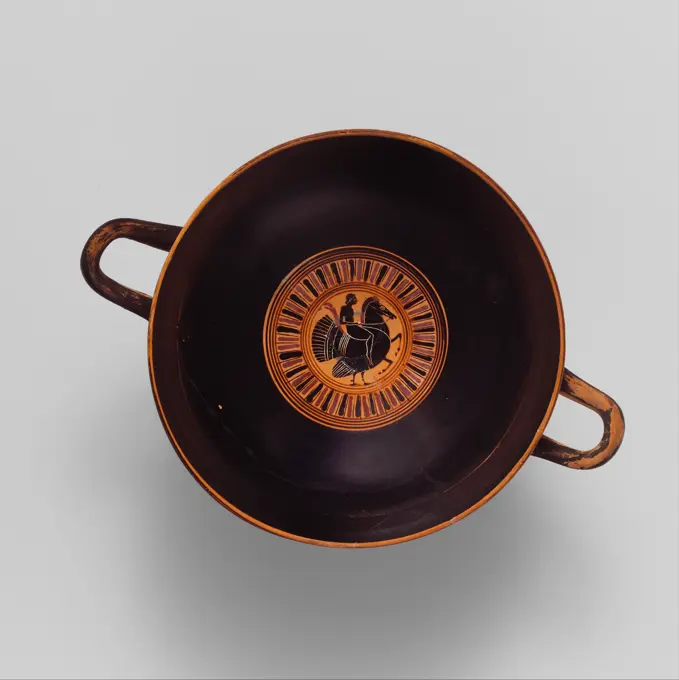
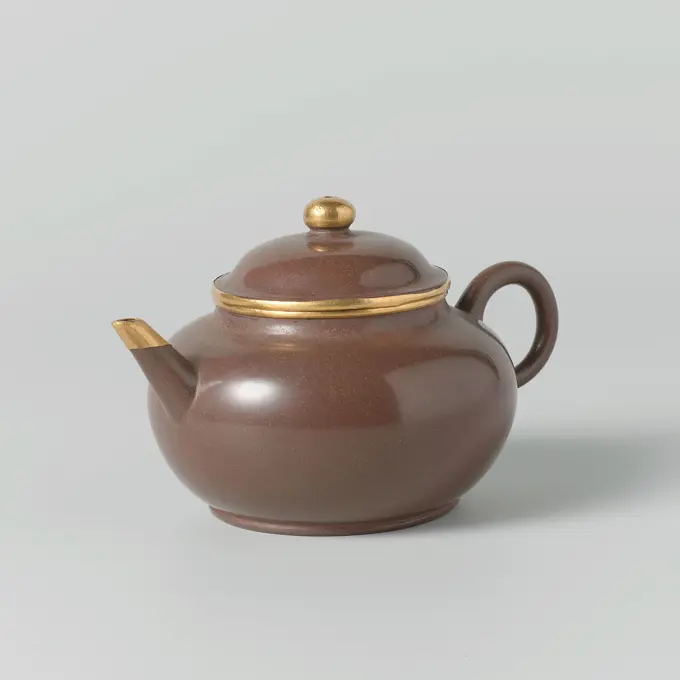
tea pot of red stoneware with gold mounts, anonymous, c. 1800 - c. 1899 Teapot of red stoneware with a straight spout, C-shaped ear and gilt edges, lid button and end of the spout. The walls of the pot are polished. Marked on the underside and under the ear with unidentified brands. This type of pot was produced especially for the Thai court. Yixing. China Stoneware. frame: Gold (Metal) polishing Teapot of red stoneware with a straight spout, C-shaped ear and gilt edges, lid button and end of the spout. The walls of the pot are polished. Marked on the underside and under the ear with unidentified brands. This type of pot was produced especially for the Thai court. Yixing. China Stoneware. frame: Gold (Metal) polishingTerracotta guttus (flask with handle and verticle spout). Culture: Greek, South Italian, Campanian. Dimensions: H. 3 7/16 in. (8.8 cm). Date: 3rd century B.C..The cental medallion of a seated sphinx in relief was a common feature on gutti. Museum: Metropolitan Museum of Art, New York, USA.Sencha Teapot (Kysu) early 19th century Japan. Sencha Teapot (Kysu). Japan. early 19th century. Stoneware with crackled transparent glaze (Satsuma ware). Edo period (1615-1868). CeramicsTerracotta scyphus (drinking cup) 1st half of 1st century A.D. Roman Lead-glazed cup decorated with leafy sprays, fillets and rosettes.. Terracotta scyphus (drinking cup). Roman. 1st half of 1st century A.D.. Terracotta; lead-glazed ware. Early Imperial, Julio-Claudian. VasesMilk;  19th century (1850-00-00-1860-00-00);Teapot ca. 1800 British. Teapot. British. ca. 1800. Stoneware. Ceramics-PotteryTeapot. Culture: British, Staffordshire. Dimensions: 4 1/8 × 6 3/4 in. (10.5 × 17.1 cm). Date: ca. 1760. Museum: Metropolitan Museum of Art, New York, USA.Coffeepot probably second half 18th century Possibly by I. B. Finck. Coffeepot. German or Swiss. probably second half 18th century. Pewter. Metalwork-PewterWater pitcher 1850-70 American With the development of new formulas and techniques, glass-pressing technology had improved markedly by the late 1840s. By this time, pressed tablewares were being produced in large matching sets and innumerable forms. During the mid-1850s, colorless glass and simple geometric patterns dominated. Catering to the demand for moderately-priced dining wares, the glass industry in the United States expanded widely, and numerous factories supplied less expensive pressed glassware to the growing market. At the Exhibition of the Industry of All Nations at New Yorks Crystal Palace in 1853, for example, the New England Glass Company exhibited 130 pieces of one design, "consisting of bowls, tumblers, champagnes, wines, and jelly glasses." This object belongs to one such service. Although the glass manufactory is not known, the glassware is very typical of the large services that were very popular with Americas middle class in the nineteenth century.. Water pitcherStudio, retro and brass coffee pot, victorian drinkware and decor on white background. Metal, antique container and tools for tea with copper cup, vintage collectable and rustic design with spacePitcher 1829-33 D. & J. Henderson Flint Stoneware Manufactory. Pitcher 20103Teapot.  Maker: Paul Revere, American, 1735-1818Hot MilkPotTeapot. Staffordshire, England. Date: 1765-1780. Dimensions: 14 x 12 cm (5 1/2 x 4 3/4 in. ). Lead-glazed earthenware (creamware). Origin: Staffordshire. Museum: The Chicago Art Institute, Chicago, USA.Ewer. Iran, 17th century. Ceramics. Fritware, molded and glazedRitual Grain Vessel (Gui) late 11th-early 10th century B.C. China The same four characters are cast on the interior of the vessel and on the inside of the lid: Wen Xian [had this made for deceased father Ding.”. Ritual Grain Vessel (Gui) 49385Tea teapot; Goldsmiths & Silversmiths CO ltd (London; company z Otnicz; Fl. 1880-1952), Gibson, William & Langman, John; 1896/97 (1896-00-00-1897-00-00);Cylindrical wine ewer with dragon-shaped spout and handle, anonymous, c. 1650 - c. 1699 Wine jug of porcelain, covered with a translucent white glaze. Cylindrian can with a flat lid with a button in the form of a curled dragon; On the body a light -entered rectangle and modeled tire; The spout and the ear in the form of a chilong (polled dragon). Unglazed underside. Blanc the Chine. China porcelain. glaze vitrification Wine jug of porcelain, covered with a translucent white glaze. Cylindrian can with a flat lid with a button in the form of a curled dragon; On the body a light -entered rectangle and modeled tire; The spout and the ear in the form of a chilong (polled dragon). Unglazed underside. Blanc the Chine. China porcelain. glaze vitrificationWestward Ho!/Pioneer pattern covered marmalade dish c 1876 Philadelphia. Glass . Gillinder and Sons (Manufacturer)Cup with gold borders on a red ground, anonymous, c. 1800 - c. 1824 Porcelain head on spreading foot and with a high, curled ear, covered on the glaze with red and gold. The outer wall is covered with red and the foot, edge, ear and part of the inner wall with gold. On the outer edge a flower vank in one of the golden tires. Empire. France (possibly) porcelain. glaze. gold (metal) painting / gilding / vitrification Porcelain head on spreading foot and with a high, curled ear, covered on the glaze with red and gold. The outer wall is covered with red and the foot, edge, ear and part of the inner wall with gold. On the outer edge a flower vank in one of the golden tires. Empire. France (possibly) porcelain. glaze. gold (metal) painting / gilding / vitrificationLibation cup with chi dragons 16th-17th century China. Libation cup with chi dragons. China. 16th-17th century. Jade (nephrite). Ming dynasty (1368-1644). JadeJug with three coats of arms in medallions, anonymous, c. 1596 - c. 1605 Can be made of stoneware on the standing surface with a cylindrical body, round shoulder and narrow neck with pinched spout. The C-shaped ear is attached to the neck and shoulder. Profiles on the neck, shoulder and belly. The belly is covered with horizontally taken lines. In this, it is saved three times a Ingrift Medallon containing a printed and imposed medallion with three weapons (government weapons, family crest von Merlan and the coat of arms of the city of Nuremberg) and the date '1596'. Just above the foot a stamped band with leaf motifs. A mask on the neck in relief. Attached to the ear a pewter frame with lid. On the lid the brand 'M + S'. Siegburg. Siegburg Stoneware. Glaze. frame: tin (metal) vitrification Can be made of stoneware on the standing surface with a cylindrical body, round shoulder and narrow neck with pinched spout. The C-shaped ear is attached to the neck and shoulder. Profiles on the nePitcher 1800-1830. Pitcher. 1800-1830. Earthenware, spatterware. Possibly made in Staffordshire, EnglandSilver tea kettle with engraved coat of arms of the Beaumont family. Silver tea kettle. The convex barrel is flattened at the bottom from which the spout rice with a silly bow. On one of the Hengsel attachments the engraved coat of arms of the Beaumont family.Handmade empty craft ceramic on  textile background.. Handmade empty craft ceramicTwo-handled cup. Culture: British, London. Dimensions: 3 5/16 × 5 9/16 in. (8.4 × 14.1 cm). Maker: R. M., London (ca. 1651-1662). Date: 1661-62. Museum: Metropolitan Museum of Art, New York, USA.Tea and Coffee Service. George Angell; English, active 1865; London, England. Date: 1865. Dimensions: Coffee pot: 30.5 x 23 x 13 cm (12 x 9 1/32 x 5 1/4 in.)Sugar bowl: 16 x 18.5 x 11 cm (6 5/16 x 7 1/4 x 4 5/16 in.)Cream pitcher: 16.5 x 13 x 9.2 cm (6 1/2 x 5 1/8 x 3 5/8 in.)Teapot: 23.7 x 23.3 x 13.2 cm (9 5/16 x 9 3/16 x 5 3/16 in.)Kettle: 45.4 x 31.3 x 25.9 cm (17 7/8 x 12 5/16 x 10 7/32 in.). Sterling silver and ivory. Origin: London. Museum: The Chicago Art Institute, Chicago, USA.Coffee Pot, c. 1879. Tiffany & Co. (American, New York, est. 1837). Silver inlaid with copper and gold, ivory; overall: 21.5 x 12.6 cm (8 7/16 x 4 15/16 in.).Pitcher, 19th century, 5 1/2 x 6 7/8 x 5 1/4 in. (14 x 17.5 x 13.3 cm), Ceramic with lustre glaze, England, 19th centuryTeapot with Lid 19th century China. Teapot with Lid. China. 19th century. Pewter. Qing dynasty (1644-1911). MetalworkTeapot with pearlchasing dragons, cranes and deer, anonymous, c. 1600 - c. 1699 Teapot of red stoneware with the belly, bent spout and the raised handle in the form of bamboo stems. With a gilded bronze frame and chains. On the upper part of the abdomen twice a four -clawy, pearl -hunting dragon in relief. The lower part with cranes, deer, flower branch and butterfly. Flower branches on the shoulder. The lid with a crane and flower branches. Handle and spout have been broken. Yixing. China Stoneware. frame: Bronze (metal). frame: Gilding (Material) Teapot of red stoneware with the belly, bent spout and the raised handle in the form of bamboo stems. With a gilded bronze frame and chains. On the upper part of the abdomen twice a four -clawy, pearl -hunting dragon in relief. The lower part with cranes, deer, flower branch and butterfly. Flower branches on the shoulder. The lid with a crane and flower branches. Handle and spout have been broken. Yixing. China Stoneware. frame: Bronze (metaMilk jug with flower basket and water landscape in panels, anonymous, c. 1700 - c. 1799 Small porcelain milk jug with pear-shaped body, triangular spout from the edge and C-shaped ear, painted in underly glaze blue and on the glaze red, green, black and gold. On the edge of the jug, the edge of the lid and the lid button, a Japanese decorative strap in underly glaze blue. In the Netherlands a decoration added in email colors. On the abdomen a wide decorative band with architecture with four cartouches saved with a river landscape with a man in a boat and a flower basket with two insects; On the edge of the curl. The lid with the same decoration. Overecored (Amsterdam Bont). Japan porcelain. glaze. cobalt (mineral). gold (metal) painting / gilding / vitrification Small porcelain milk jug with pear-shaped body, triangular spout from the edge and C-shaped ear, painted in underly glaze blue and on the glaze red, green, black and gold. On the edge of the jug, the edge of the lid and the lidEwer 12th century European. Ewer. European. 12th century. bronze, originally gilt. Metalwork-BronzeCharles Aldridge and Henry Green, Teapot and Stand, 1781/82, silver and wood.Teapot. Staffordshire, England. Date: 1760-1775. Dimensions: 10 x 17.2 x 9.2 cm (3 15/16 x 6 3/4 x 3 5/8 in.). Lead-glazed earthenware (creamware). Origin: Staffordshire. Museum: The Chicago Art Institute, Chicago, USA.Cup with cover ca. 1825-30 Jean-Baptiste-Edouard Honoré. Cup with cover 207795Coffeepot ca. 1760 Probably Tudor and Leader. Coffeepot 204475Pitcher. Culture: American. Dimensions: H. 6 3/8 in. (16.2 cm). Maker: Bryce, Walker and Company. Date: 1860-70. Museum: Metropolitan Museum of Art, New York, USA.Pear-shaped wine ewer with peach and spout ending in a bird's head, anonymous, c. 1800 - c. 1899 Porcelain wine can be lid, covered with a turquoise glaze. Monochrome. China porcelain. glaze. vitrification Porcelain wine can be lid, covered with a turquoise glaze. Monochrome. China porcelain. glaze. vitrificationHot-water ewer, 16th century, Unknown Japanese, 14 1/4 × 12 3/16 × 7 11/16 in. (36.2 × 30.96 × 19.53 cm), Negoro ware; wood, red and black lacquer, Japan, 16th century, This ewer used for hot water exemplifies the Japanese lacquer technique known as Negoro, whereby the artist covers a carved wooden core with black lacquer, allows it to dry, and then applies red lacquer. Over time and with use, the red lacquer on the surface is worn away to reveal the black lacquer beneath, an aspect of Negoro lacquer works that is beloved in Japan. Although modest forms often characterize the earliest Negoro lacquers, some later examples can be strikingly intricate. The design for this ewer, for example, includes multiple floral projections, repeated cord motifs, and a narrow, elegantly curved spout.Coffeepot.  Maker: Thomas Shields, American, 1742-1819Teapot 1750-60 Possibly Wedgwood-Whieldon partnership. Teapot. British (American market). 1750-60. Earthenware. Made in Staffordshire, EnglandCan of hard-baked pottery, wedgwood; Creamware (Queen's Ware). Pear-shaped milk jug from white hard-baked pottery. The can have a C-shaped ear and a pewter clapper cover. The can have a bent sneb and a stand ring.Stoneware decorated with biblical scenes and a weapon, Monogrammist LW, 1576Art Nouveau milk jug. Rembowski, Jan (1879-1923), sculptor, Hempel, Bracia (Warszawa ; wytwórnia złotnicza ; 1894-1944), factoryCoffeepot. Culture: British, Worcester. Dimensions: Height: 9 3/4 in. (24.8 cm). Factory: Worcester factory (British, 1751-2008). Date: ca. 1760-65. Museum: Metropolitan Museum of Art, New York, USA.Tankard (one of a pair) 1699-1700 John Le Chartier The arms, supporters, coronet, and motto are those of John Holles, Duke of Newcastle.. Tankard (one of a pair). British, London. 1699-1700. Silver gilt. Metalwork-SilverChinese export ware Rose Medallion pattern creampitcherCoffee Pot 1900-1901 England. Silver, ivory, and chrysoprase . Charles Robert Ashbee (Designer)Teapot ca. 1735 Meissen Manufactory German. Teapot 191580Beer mug (stein) with lid. Delft (ośrodek ceramiczny ; ca 1600- ), factoryWaterkan, belonging to cup and leaf, with decor with roosters, Plateelbakkerij de Distel, c. 1920 Waterkan belonging to a cup and a leaf with painted decoration in brown, purple and green spared in a black stock. Birds are depicted on the jug. Amsterdam earthenware Waterkan belonging to a cup and a leaf with painted decoration in brown, purple and green spared in a black stock. Birds are depicted on the jug. Amsterdam earthenwareCoffee pot from a coffee set, c. 1760, 9 5/8 x 6 5/8 x 4 1/2 in. (24.45 x 16.83 x 11.43 cm), Porcelain, China, 18th century, This coffee pot is part of a service decorated with scenes of Dutch ships in Capetown Harbor, in what is now South Africa. Investors created the Dutch East India Company in 1609 to provide support for Dutch trade. Other European nations created competing companies. Capetown was an important stop for European ships seeking provisions on the trade routes to and from China -- in this scene dock workers roll barrels of supplies toward the ships at the port.ceramic mugTankard with cover 19th century Engraved by Georg Schwanhardt the Elder German. Tankard with cover. German, Erfurt. 19th century. Silver gilt, glass. Engraved by Georg Schwanhardt the Elder (German, Nuremberg 1601-1667). Metalwork-Silver In CombinationCovered Tankard 1595-1605 Netherlands. Glass with pewter mounts .Green Glazed Jug 14th century British The speckled green glaze is typical of medieval ceramics from the kilns at Mill Green, about forty miles northeast of London. For about a century, beginning around 1270, potters there created tableware both for local use and for sale in the capital and at other locales within about a forty-mile radius, including Kent, Cambridge, and Hertfordshire. This jugs thin walls reflect the skill of the ceramicist. The decorative accents—with raised ribs and incised lines—further suggest its use by a refined clientele.. Green Glazed Jug. British. 14th century. Lead glazed earthenware. Made in Mill Green, Essex, England. Ceramics-PotteryChocolate jug; Balzac, Edme-Pierre (Fl. 1739-1781); 1764-1765 (1764-00-00-1765-00-00);Food bottle ca. 1800 British. Food bottle. British. ca. 1800. Pewter. Metalwork-PewterSpice container, 20th century, 2 1/8 x 1 15/16 x 1 7/16 in. (5.4 x 4.92 x 3.65 cm) (without chain), Silver, 20th centuryCream Jug. United States, Ohio, Stiegel, early 19th century. Furnishings; Serviceware. GlassEwer 1850-1900 Dinant. Brass .Flagon 19th century, after 1610-11 original Elkington & Co. British This electrotype is after a seventeenth-century original (1610-11), at the time of reproduction in the Treasury of the Patriarch, Moscow.. Flagon 186502Two-Handled Jar with Birds and a Coat of Arms. Culture: Italian. Dimensions: Overall: 8 1/4 x 9 3/4 x 8 7/16 in. (21 x 24.8 x 21.5 cm). Date: early 1400s.From 1400 on, finely turned and decorated glazed earthenwares have been associated with Florence. It is unlikely, however, that the earlier of these wares were actually made within the city walls, but rather in outlying Tuscan towns such as Montelupo, situated in the Arno valley between Florence and Pisa. Unlike the earlier Italian earthenwares, the so-called Florentine vessels initiated the use of an all-over white to gray tin-enamel glaze slip, against which the painted decoration was highlighted. For the first several decades of the fifteenth century, the palette was generally limited to tones of pale green, manganese purple (used primarily as an outline color), and, less frequently, cobalt blue. This particular example bears a coat of arms that has tentatively been identified as that of the Guida family if Siena or the Della MarcPitcher British 19th centuryCoffee pot, from an eight-piece tea and coffee service, 1883, Gorham Manufacturing Company, Providence, Rhode Island, 1865-1967, 8 1/2 x 8 7/8 x 4 7/8in. (21.6 x 22.5 x 12.4cm), Silver, United States, Aesthetic MovementPitcher. Culture: American. Dimensions: H. 8 in. (20.3 cm). Maker: Jersey Glass Company of George Dummer (1824-1862). Date: 1845-70. Museum: Metropolitan Museum of Art, New York, USA.Miniature watering can. Artist: David Clayton (British, active 1689). Culture: British, London. Dimensions: 2 × 2 1/4 in. (5.1 × 5.7 cm). Date: ca. 1720-30. Museum: Metropolitan Museum of Art, New York, USA.Mustard pot of tin, terry model. Mustard pot of tin, terry model. The foot slopes up narrow up to the baluster-shaped pot. The belly has a sharp nod halfway, just above the widest point. The switched handle runs from just below the widest point to the opening at the top of the pot. On top is a lid with a shell-shaped thumb trust.Pitcher Made 1814 Staffordshire. Lead-glazed earthenware with lustre decoration .Close-up of two tea kettlesMilk jug (part of a set) ca. 1810 French, Sarreguemines. Milk jug (part of a set) 822290Jacob Hurd, Tankard, c. 1730, silver.Kroes. Kroes of stoneware, with pewter lid. For a medallion with the letters G.R. Decorated with ornaments in blue.Ceremonial Ewer. Central Tibet, Gyantse() (by a Newar artist), 18th century. Furnishings; Serviceware. Silver, crystal, turquoise, and opalEgyptian Container in Bronze, c14th Century. Artist: UnknownPitcher, one of apairWater Pitcher. Dated: 1936. Medium: watercolor, graphite, and gouache on paper. Museum: National Gallery of Art, Washington DC. Author: Ralph Atkinson.Lid of red pottery, children's toys .. lid of red pottery. Lid with a pear as a button.Punch Pot ca. 1790 British Listen to experts illuminate this artwork's story Listen Play or pause #407. Teapots Supported by Bloomberg Philanthropies We're sorry, the transcript for this audio track is not available at this time. We are working to make it available as soon as possible.. Punch Pot. British. ca. 1790. Earthenware. Made in Yorkshire, EnglandMug with Three Brothers. Probably Bohemia, circa 1600-1630. Furnishings; Serviceware. Glass, enamel, pewterGildcan of tin of the bakery guild, for Johanes from Sas. Jug of tin, from the bakers guild. The foot is decorated with profiled tires. Above it the baluster-shaped jug with inscription and a generous medallion with a weapon. The top is closed with a vaulted lid with a button. The simple thumb trust runs over into the handle via a double-dinner hinge, which curls down slightly down.Teapot.  Manufacturer: Chelsea Keramic Art Works, American, 1872-1889Bottle with two ears, painted multily with a kakiemon decor. Bottle with two ears, painted porcelain. The bottle is painted with a tiger on the one hand to bamboo and on the other hand a prunus with a thick purple trunk. The bottle has been marked.Teapot. Culture: American. Dimensions: Overall: 6 1/2 x 9 3/8 in. (16.5 x 23.8 cm); 17 oz. 7 dwt. (539.2 g)Base: Diam. 4 1/8 in. (10.5 cm). Maker: Paul Revere Jr. (American, Boston, Massachusetts 1734-1818 Boston, Massachusetts). Date: ca. 1782.This drum-shaped teapot represents a transition to the Neoclassical style. It is one of six surviving Boston examples of this type, all made in the Revere shop. The oval-shaped teapots (33.120.543) so characteristic of Revere's post-Revolutionary War production were made from rolled sheet silver seamed at the handle. The drum-shaped bodies, however, were hammered up from a single disk of silver. Neoclassical styling is evident in the straight reeded spout and handle sockets of this pot and in the cast pinecone finial. The monogram "S I B," engraved on the body in intertwined script, is that of Stephen and Isannah (Hichborn) Bruce, who were married at Kings Chapel in Boston in the autumn of 1776. Isannah was a cousin of Revere's. The teapot desTeapot, c. 1780, Wedgwood, Staffordshire, England, est. 1759, 6 x 9 1/2 x 9 1/2 in. (24.1 x 24.1 cm), Basalt ware (black stoneware), England, 18th centuryCoffee Pot, 1884, Gorham Manufacturing Company, Providence, Rhode Island, 1865-1967, 13 1/8 x 7 1/4 x 5 in. (33.3 x 18.4 x 12.7 cm), Brass, silver, and ivory, United States, 19th centuryCupErwin Schwabe, Teapot, 1935 1942 TeapotTeapot (part of a set) 1790-1800 Chinese, for British market. Teapot (part of a set) 201064Tea set consisting of a hot water, teapot, sugar bowl, milk jug and presentation sheet, Orivit, c. 1905 Silver tea set consisting of a hot water jug, a teapot, a sugar bowl, a milk jug and a presentation sheet. Germany silver (metal) Silver tea set consisting of a hot water jug, a teapot, a sugar bowl, a milk jug and a presentation sheet. Germany silver (metal)Coffeepot 18th century possibly Dutch. Coffeepot. possibly Dutch. 18th century. Pewter. Metalwork-PewterChinese vintage teapot Chinese vintage teapot with dragon design isolated on white background Copyright: xZoonar.com/szefeix 4469099Jug 1870-1900 British. Jug 4554Satyrs Head Toby Pitcher and Cover.  Manufacturer: William Ellis Tucker, American, 1800-1832 Manufacturer: Tucker and Hemphill, American, active 1831-38 Manufacturer: Joseph Hemphill, American, 1770-1842Modeler: Andrew Craig Walker, American, died before 1893Very old style clay ewer water jar in viewAncient lamp against gradient backgroundTriumph of the Roman Catholic Church (ceremonial tankard), anonymous, c. 1674 - c. 1680 Cylindrical can of silver, with ear and oval base. The cylinder is covered with a relief in ivory representing the triumph of the Roman Catholic Church. Augsburg silver (metal). gilding (material). ivory gilding Cylindrical can of silver, with ear and oval base. The cylinder is covered with a relief in ivory representing the triumph of the Roman Catholic Church. Augsburg silver (metal). gilding (material). ivory gildingTerracotta kylix: lip-cup (drinking cup) ca. 530-520 B.C. Greek, Attic Interior, youth riding a hippalektryon (a mythical combination of a horse and a rooster)Late sixth-century vases connected with drinking occasionally have subjects that go beyond the familiar gorgons, griffins, or sphinxes. The hippalektryon belongs to this category. It is interesting to compare this piece to the fine early red-figure plate by Epiktetos showing a youth riding a rooster (The Bothmer Gallery II).. Terracotta kylix: lip-cup (drinking cup) 254676 Greek, Attic, Terracotta kylix: lip-cup (drinking cup), ca. 530520 B.C., Terracotta, H. 5 1/8 in. (13 cm). The Metropolitan Museum of Art, New York. Rogers Fund, 1951 (51.11.11)Maker Unknown, Coffee Cup, c. 1800, porcelain, enamel, and gilding.