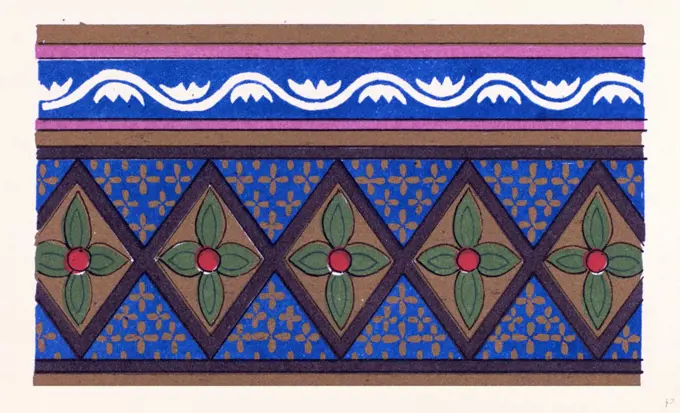
Decorative Textile Patterns

Richly designed textile patterns showcasing intricate floral and geometric motifs from various cultural heritages, highlighting artistic craftsmanship.

carpets in the market in Morocco Africa, Moroccan carpet carpets in the market, beautiful photo digital picture Copyright: xZoonar.com/albertoxgiacomazzix 13295888
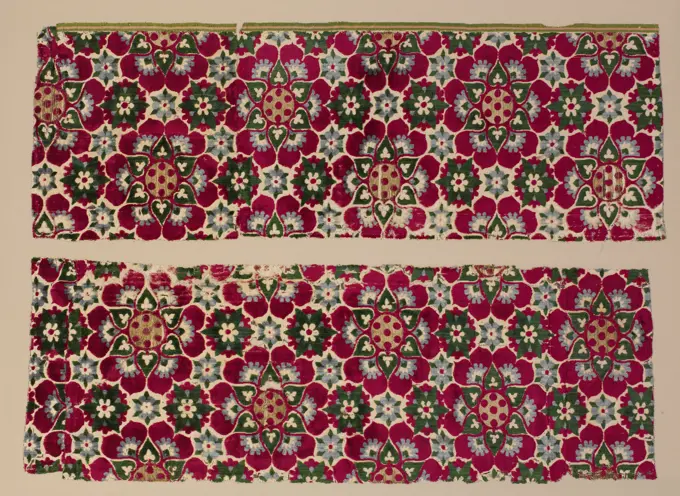
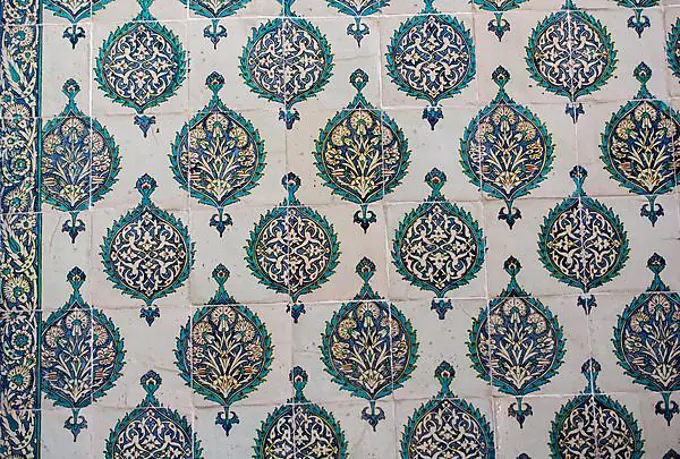
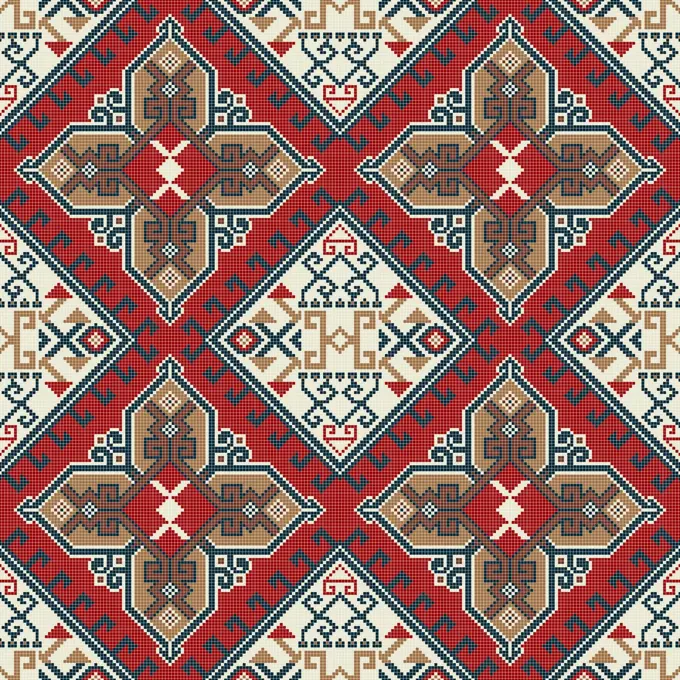
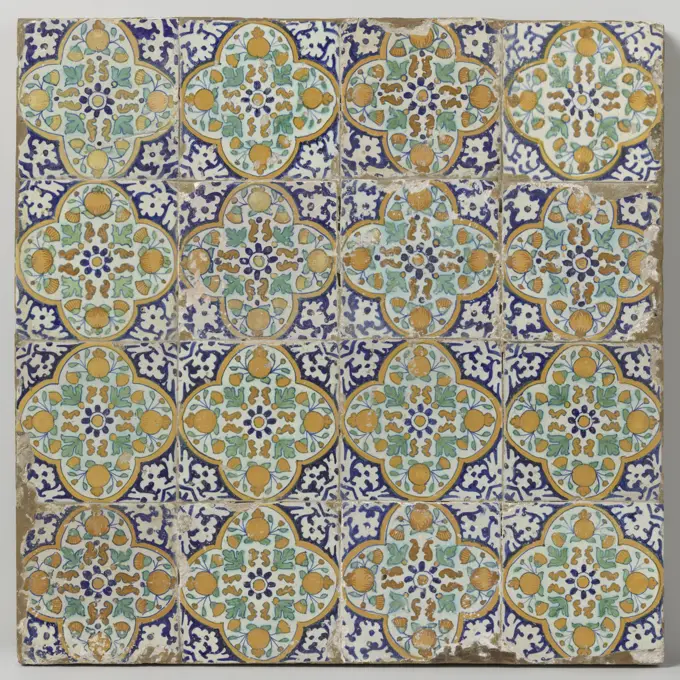
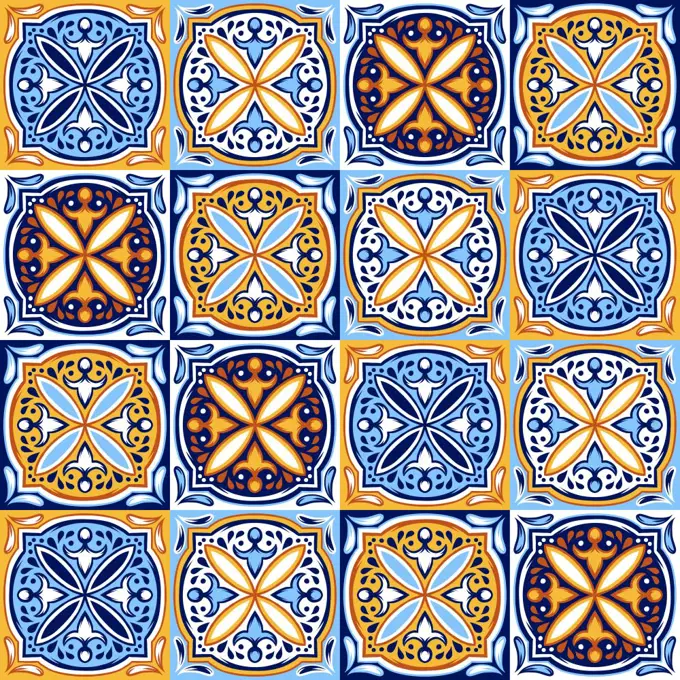
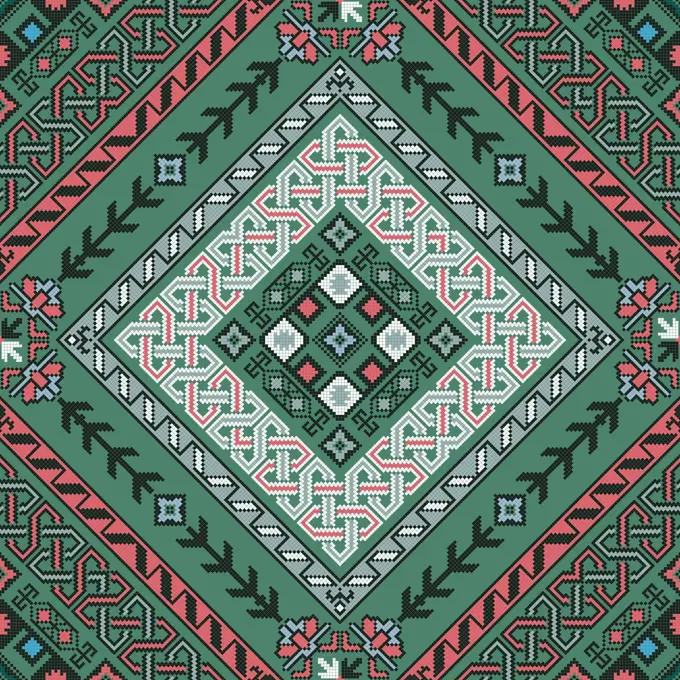
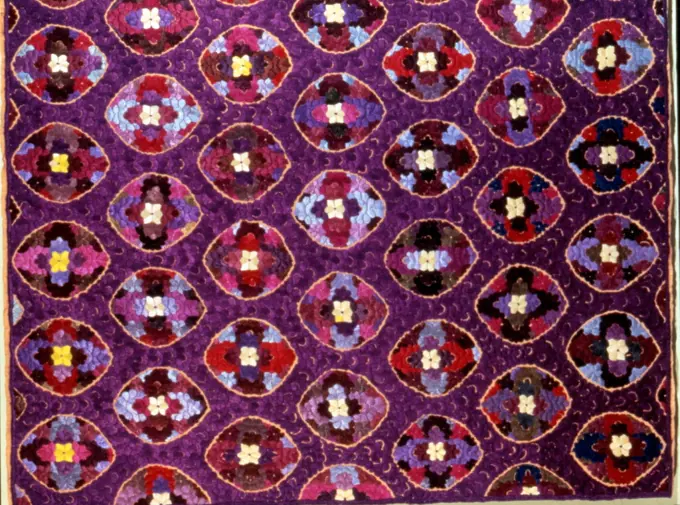
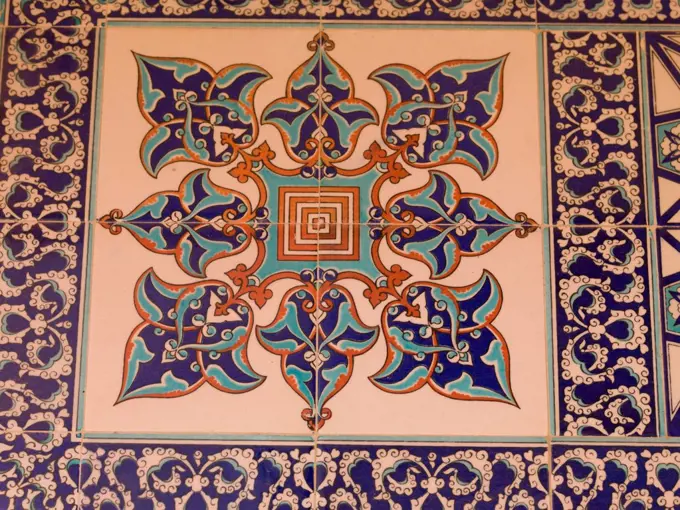
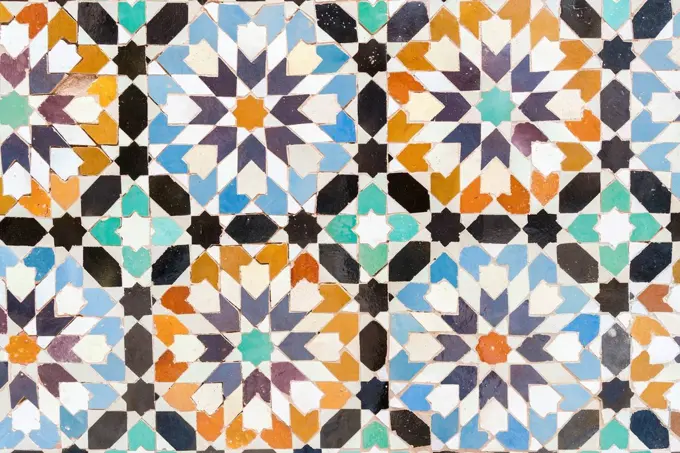
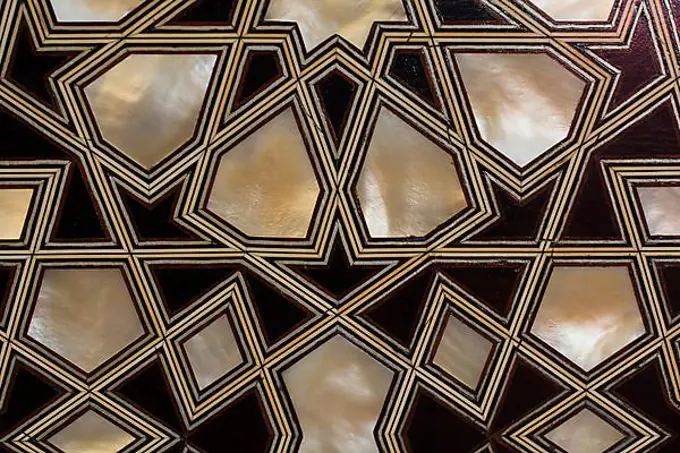
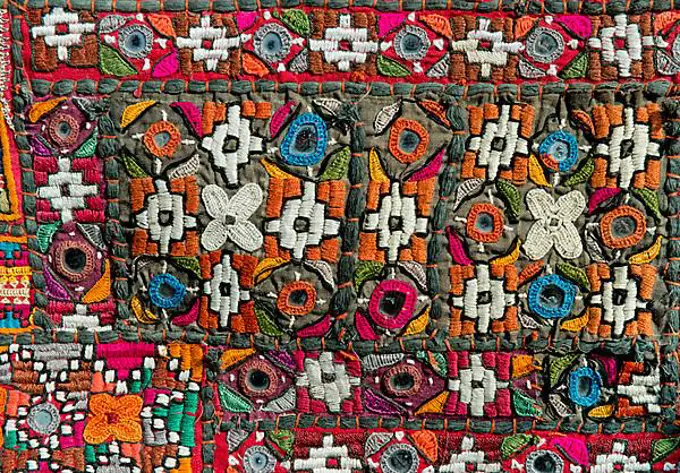
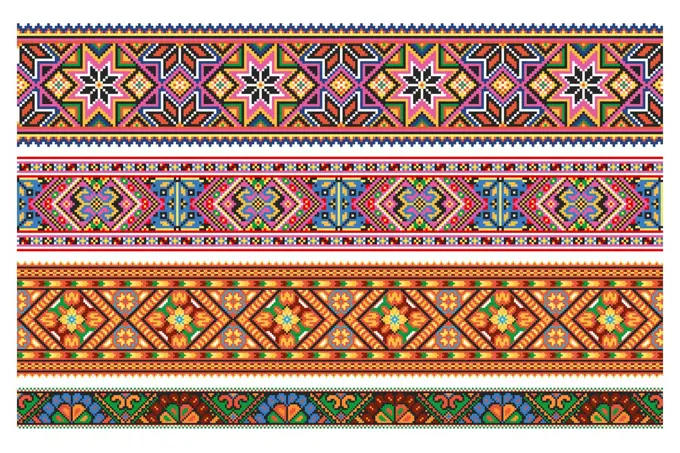
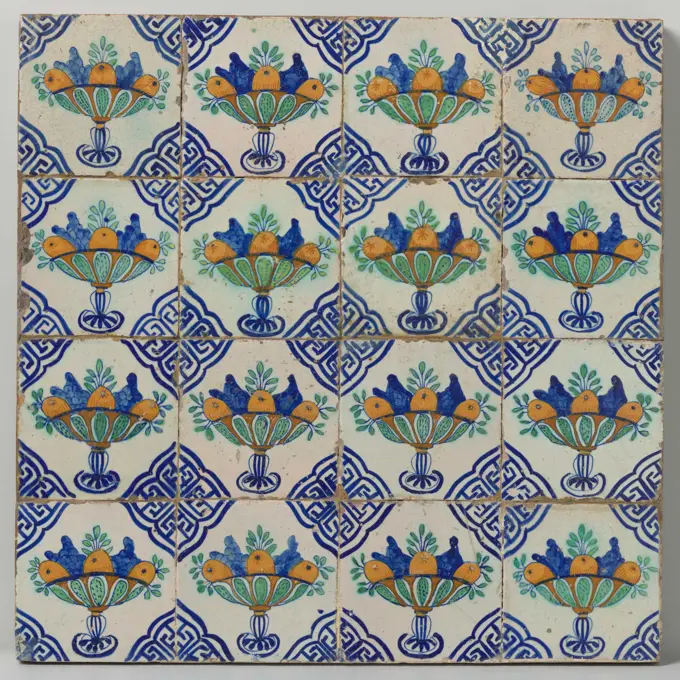
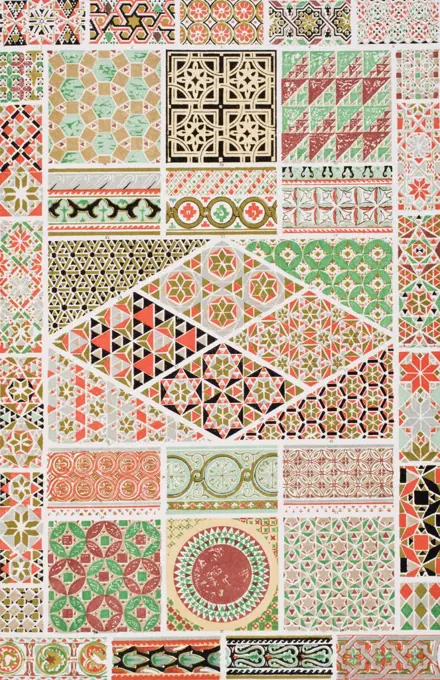
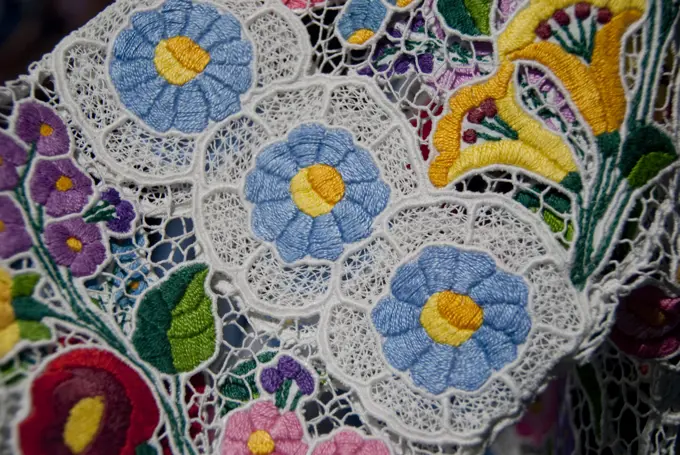
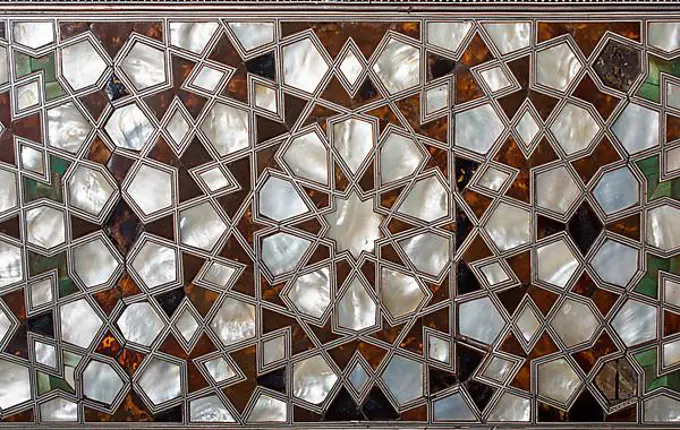
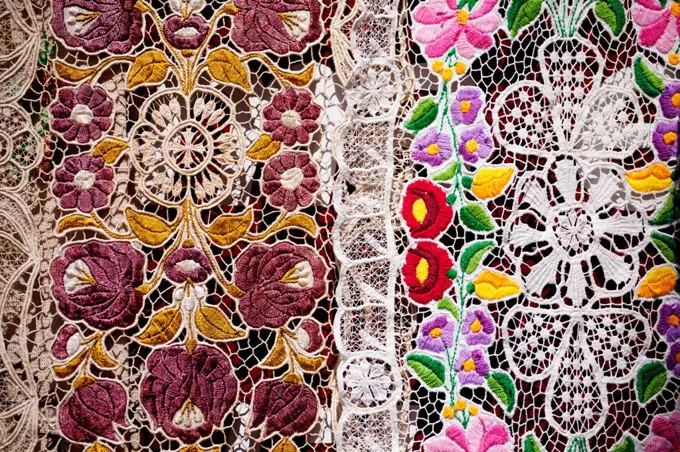
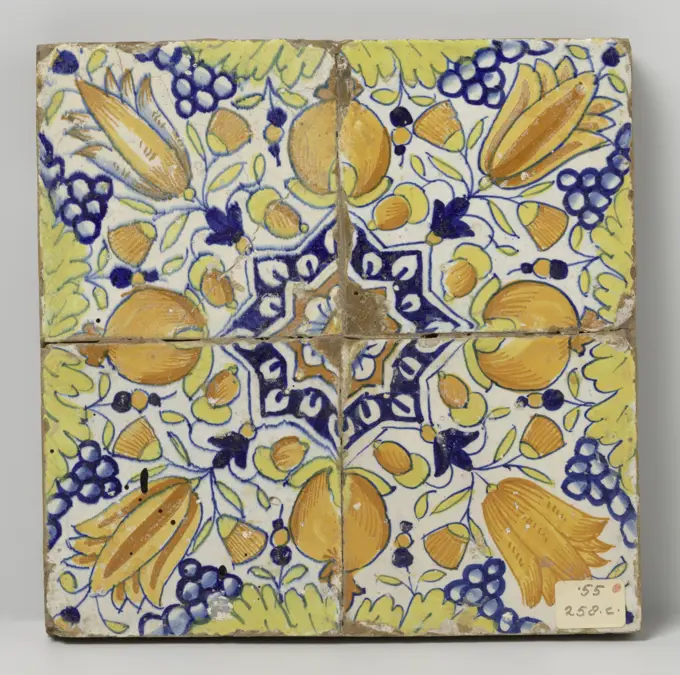
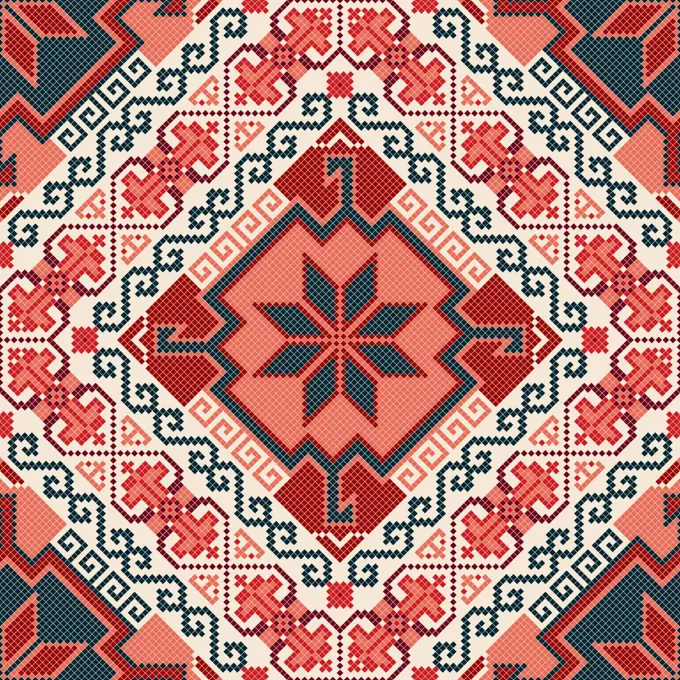
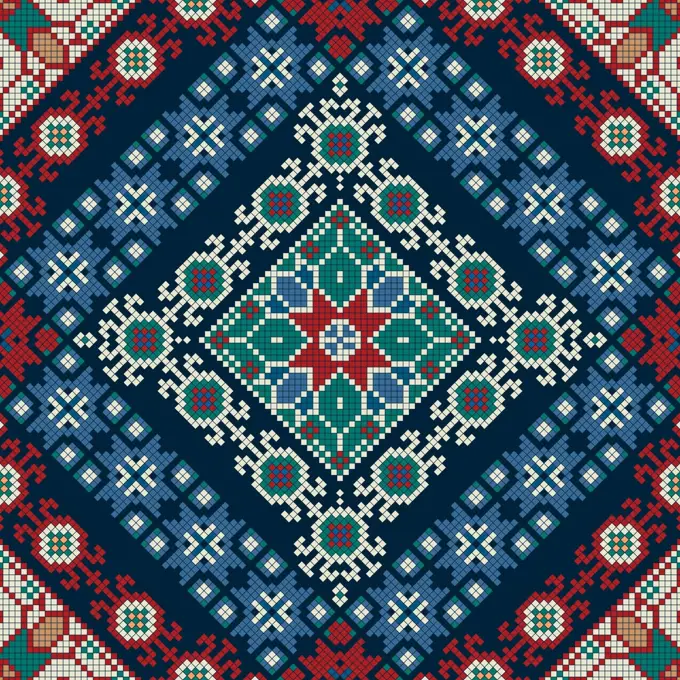
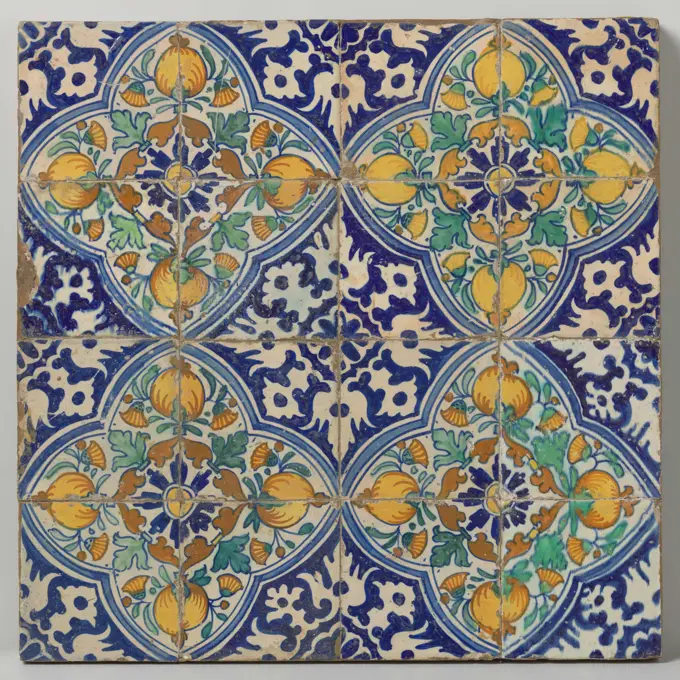
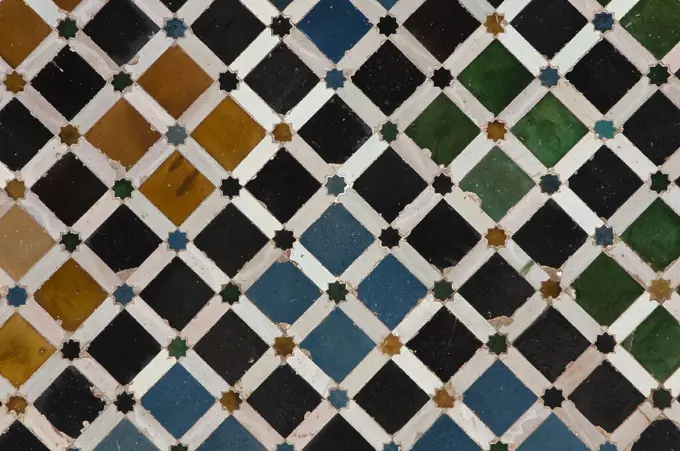
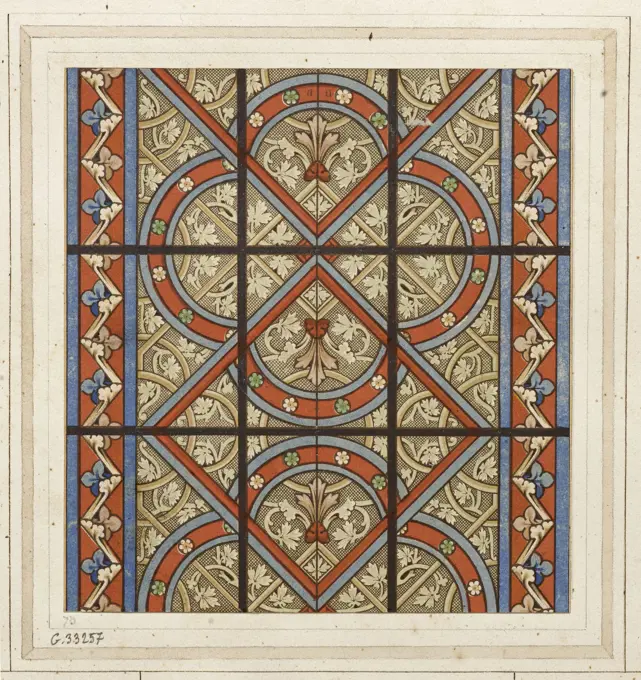
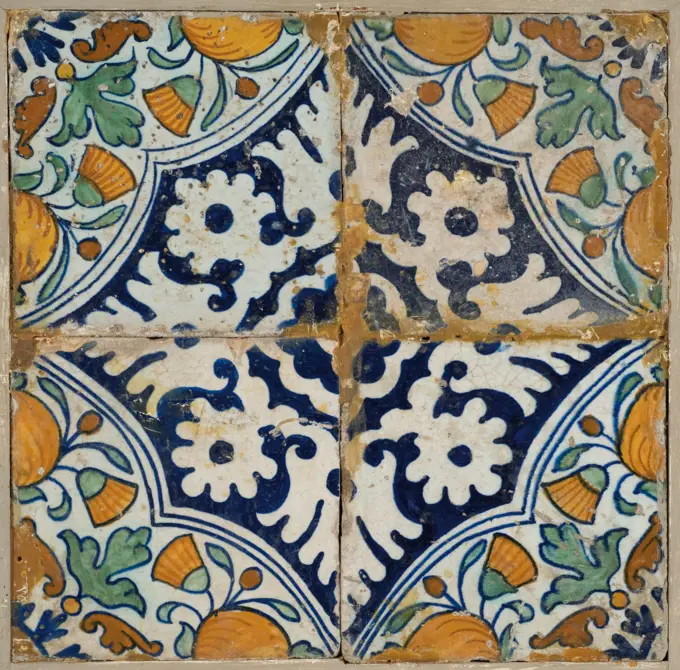
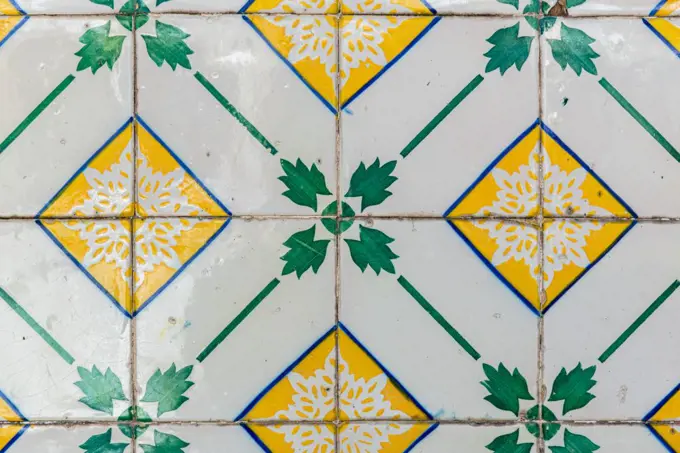
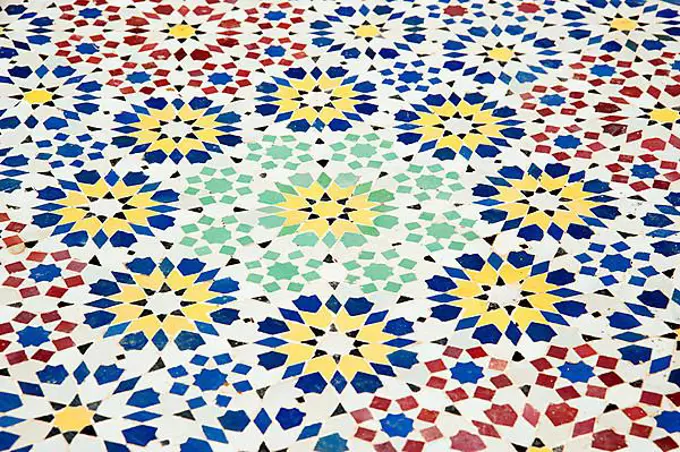
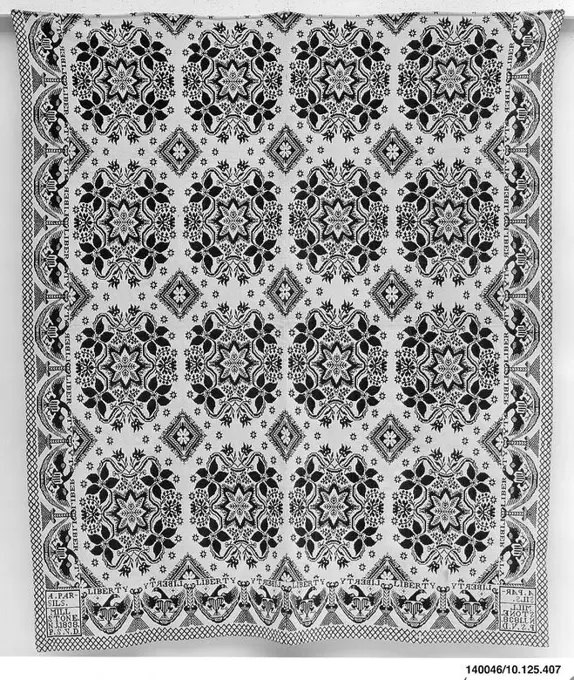
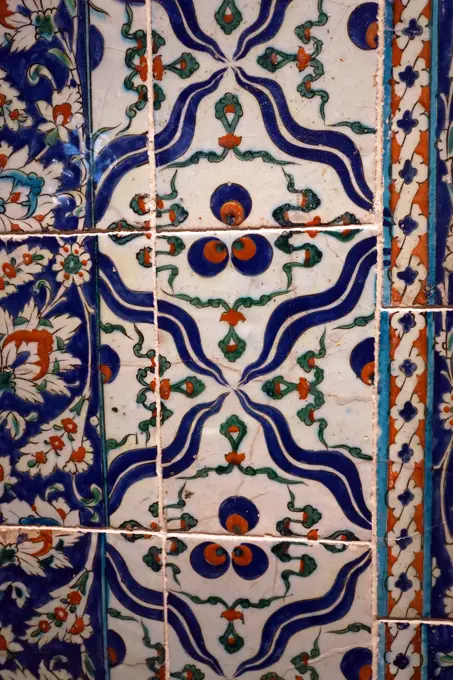
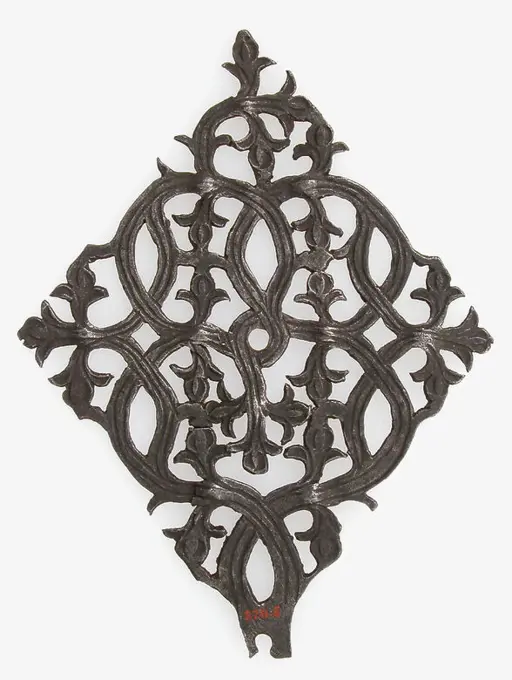
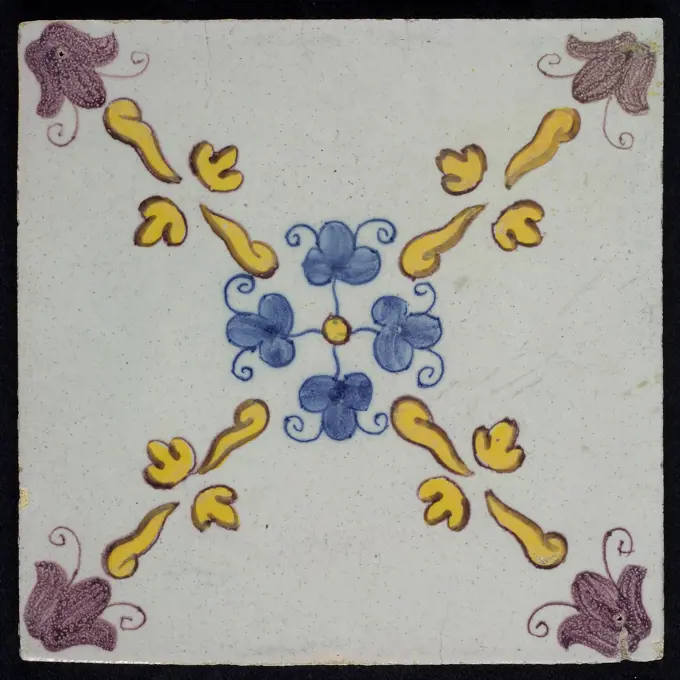
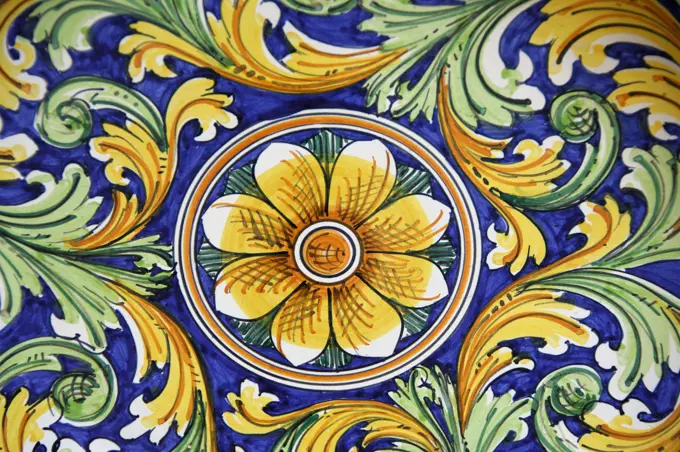
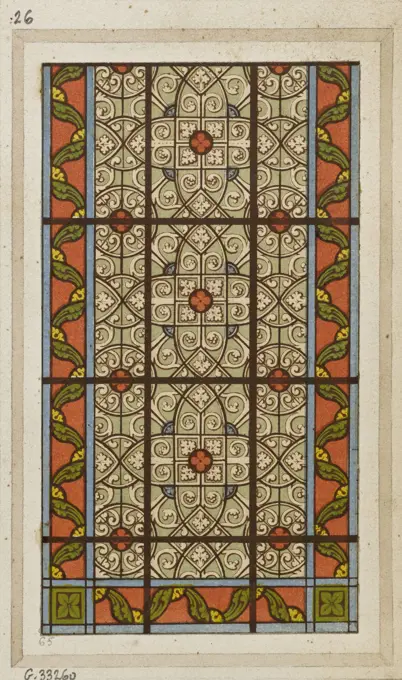
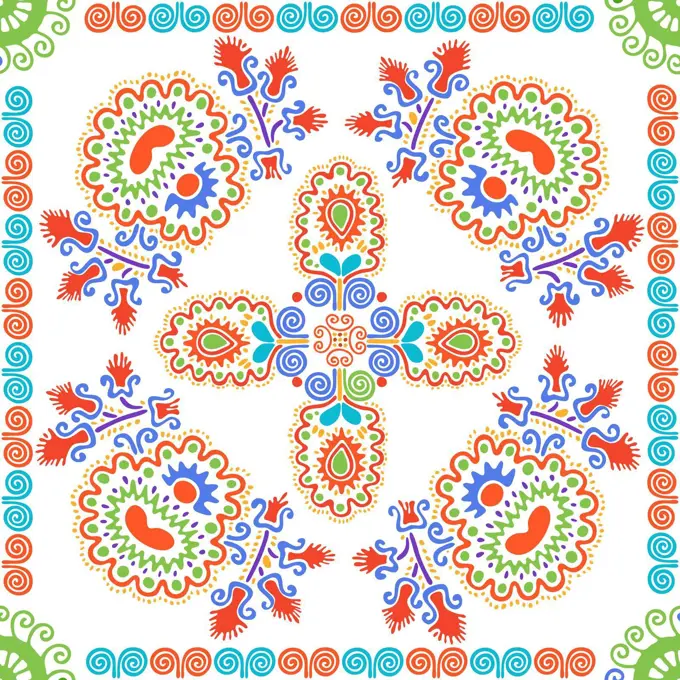
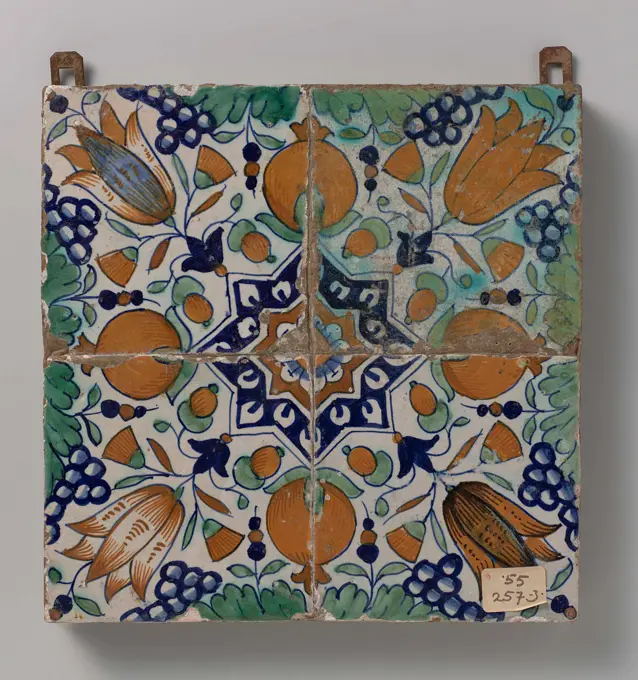
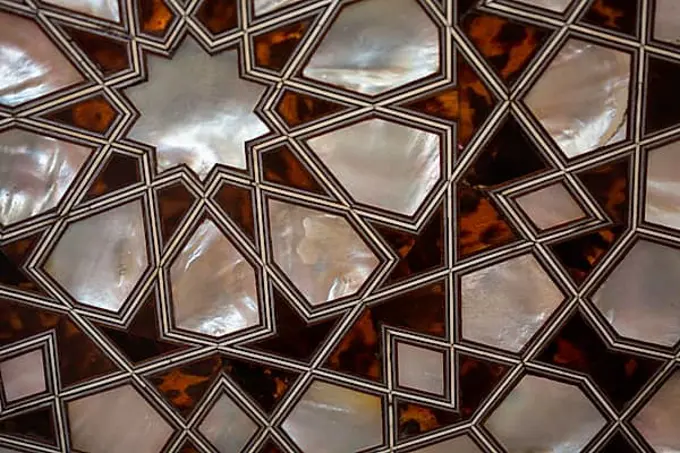
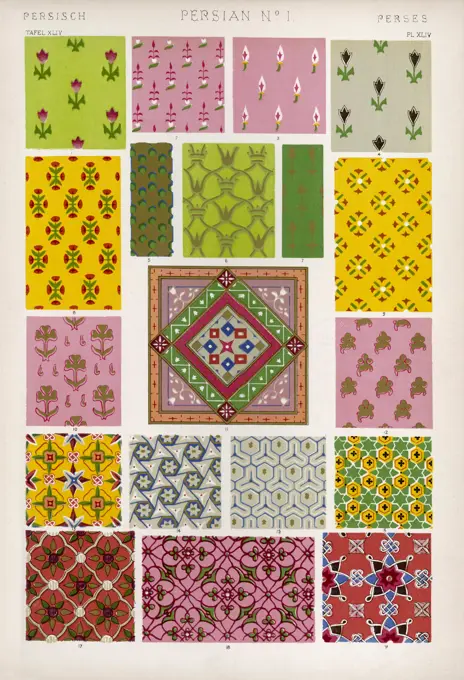
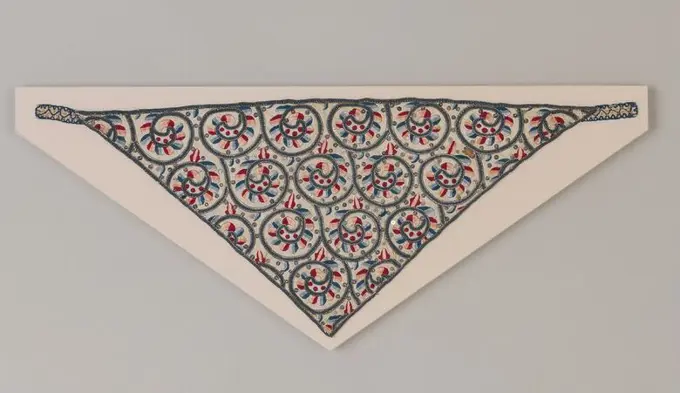
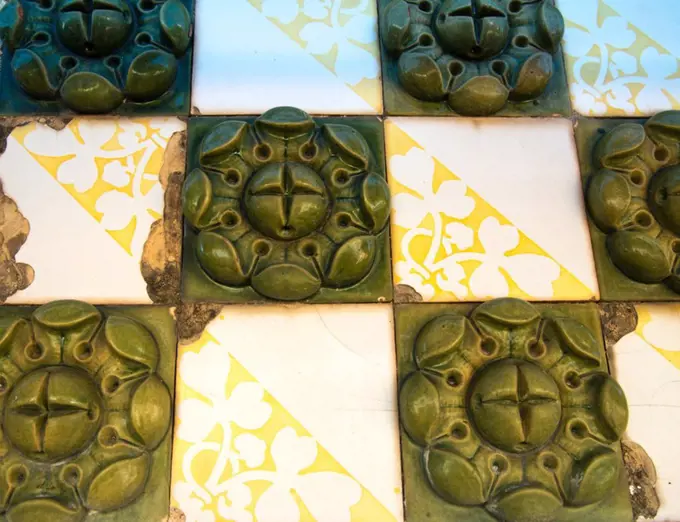
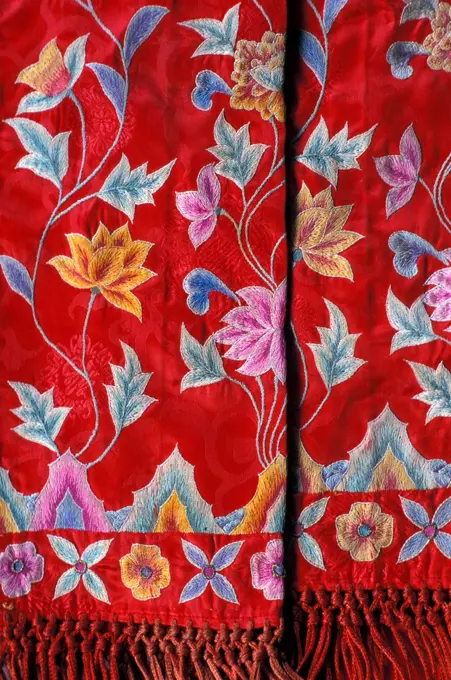
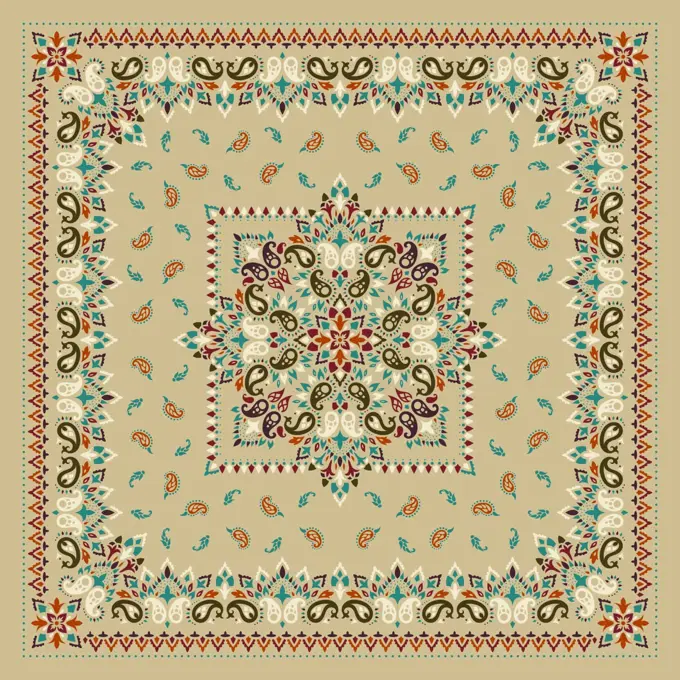
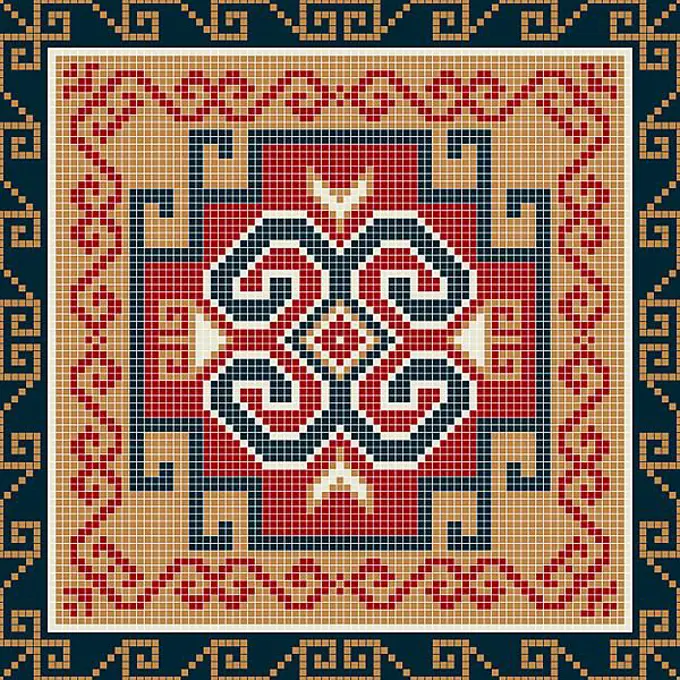
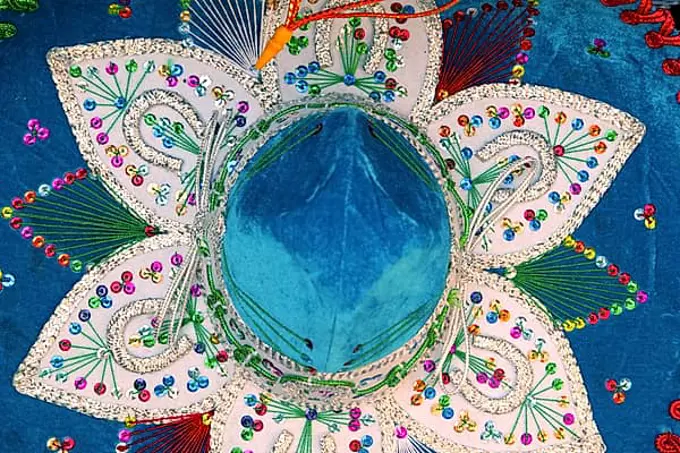
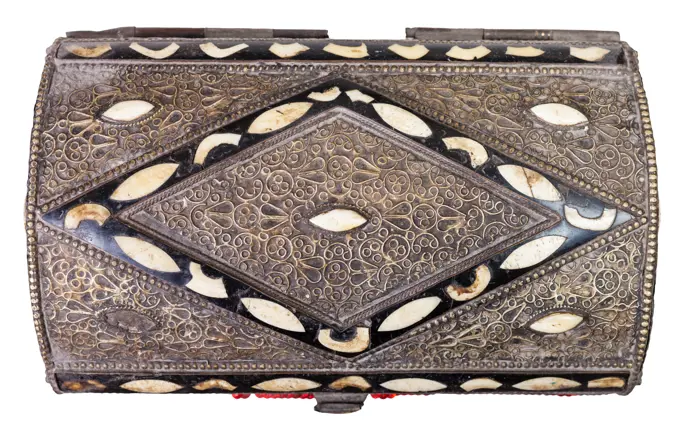
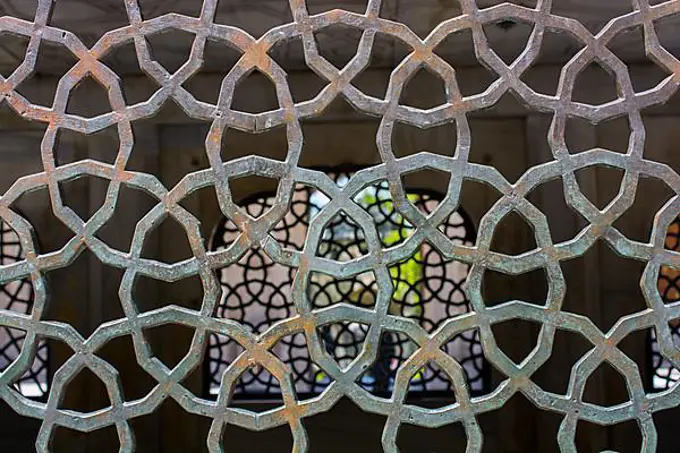
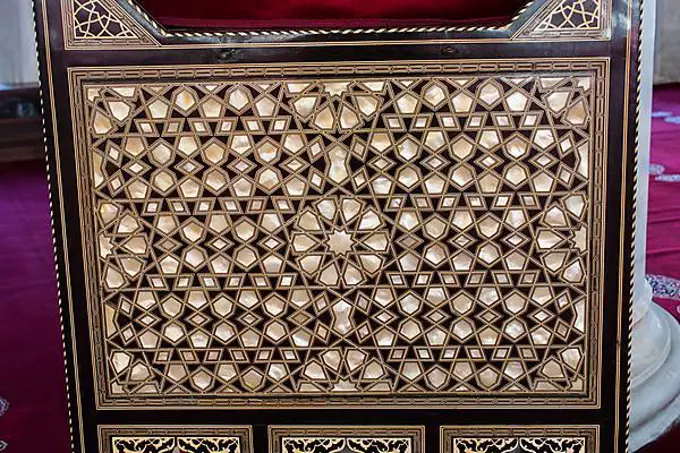
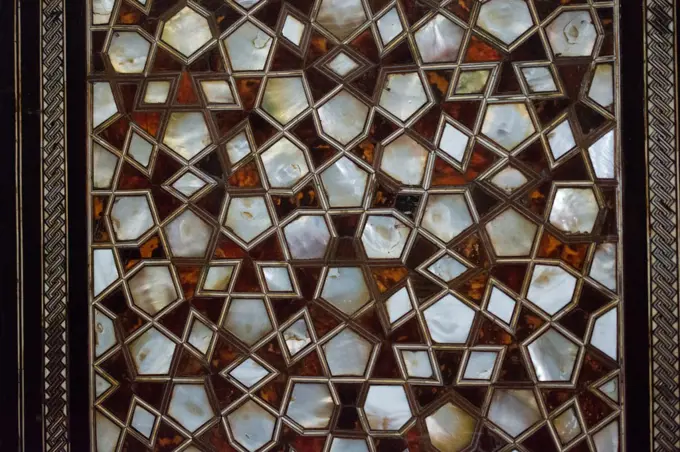
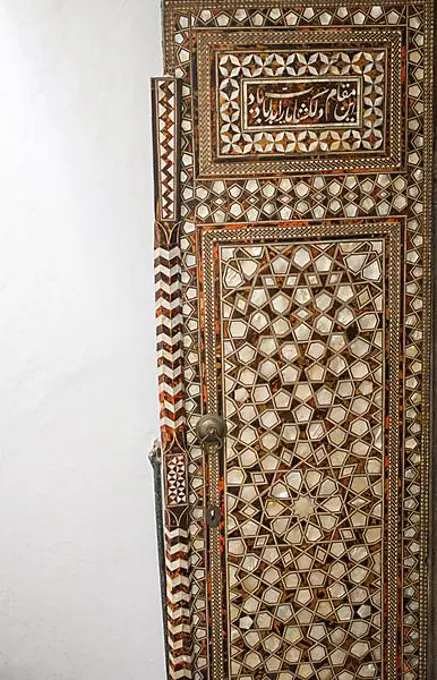
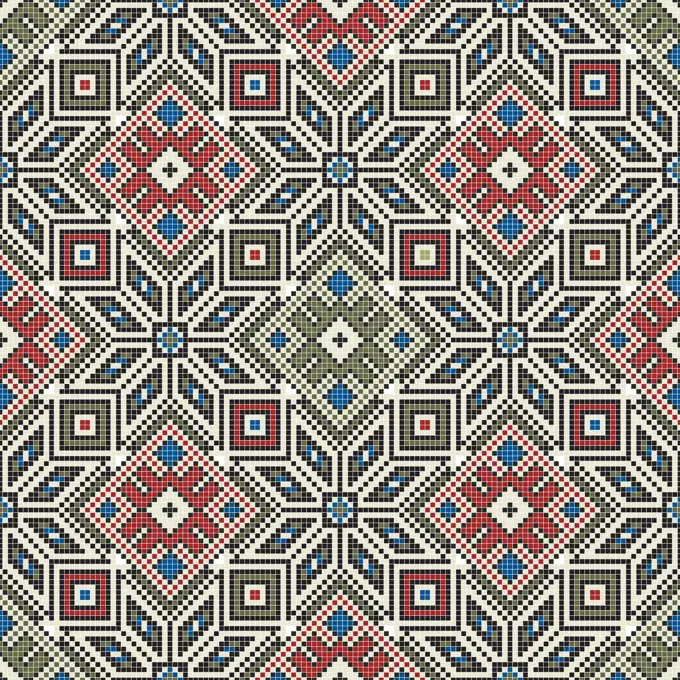
Georgian embroidery pattern 76Floral art pattern example of the Ottoman timePolychrome velvet with a variation on a Medici emblem late 15th century Italian, probably Florence Woven and embroidered textiles commissioned by noble families were among the most expensive expressions of wealth and power during the Renaissance. The production of luxurious silks was tightly regulated in order to ensure quality, and the movements of weavers were sometimes restricted to prevent the loss of technical and artistic advantages to rival city-states such as Venice, Milan, and Genoa. This stylized floral velvet is woven with a variation on a motif found in the Medici family coat of arms: the seven balls called palle (here, in the center of the largest flower). The placement of the red velvet circles on a background of golden thread draws attention to this feature. The original use of these fragments is not known; they might have been part of a liturgical vestment or a secular fragment.. Polychrome velvet with a variation on a Medici emblem 227206Vest, 25 3/4 x 14 3/16 in. (65.41 x 36.04 cm), Cotton, ChinaOttoman ancient Handmade Turkish Tiles with floral patternsTunisian colorful oriental pottery, detailGeorgian embroidery pattern 97Field of sixteen pumpAdourtes with rosettes and pomegranates, anonymous, c. 1600 - c. 1625 Field of sixteen pumpAdourtes (4 x 4) with a multicolored (blue, orange, green and yellow) rosette surrounded by pomegranates within a four -pass with in the corners, ornament in filling technique. Netherlands earthenware. tin glaze majolica Field of sixteen pumpAdourtes (4 x 4) with a multicolored (blue, orange, green and yellow) rosette surrounded by pomegranates within a four -pass with in the corners, ornament in filling technique. Netherlands earthenware. tin glaze majolicaGeorgian embroidery pattern 78Italian ceramic tile pattern. Ethnic folk ornament. Mexican talavera, portuguese azulejo or spanish majolica.. Italian ceramic tile pattern. Ethnic folk ornament.Georgian embroidery pattern 44carpets in the market in Morocco Africa, Moroccan carpet carpets in the market, beautiful photo digital picture Copyright: xZoonar.com/albertoxgiacomazzix 13295888Ornament tile, purple rosette, Rotterdams rosette diamond, corner motif quarter rosette, wall tile tile sculpture ceramic earthenware glaze, baked 2x glazed painted Purple on white central square decor RotterdamEmbroidered cotton cloth. Berber, Morocco early 20th century.Turkish floor patternOttoman ancient Handmade Turkish Tiles with floral patternsMorocco, Marrakesh, Ben Youssef Madrasa, detail of colorful tilesMexican talavera ceramic tile pattern. Ethnic folk ornament. Italian pottery, portuguese azulejo or spanish majolica.. Mexican talavera ceramic tile pattern. Ethnic folk ornament.Ottoman ancient Handmade Turkish Tiles with floral patternsOttoman art example of Mother of Pearl inlays from IstanbulTraditional wall hanging from Rajasthan, colourful, inlaid with mirrors and different patterns, detail, Udaipur, Rajasthan, India, AsiaUkrainian national embroidery ornament. Pixel mosaic ornament. Cross-stitch design.. Ukrainian national embroidery ornament. Pixel mosaic ornament.Beautiful ancient ottoman tilesField of sixteen tiles with fruit scales. Field of sixteen tiles (4 x 4) each with a multicolored (blue, orange and green) fruit bowl on foot with pomegranates and grape fees. In the corners, a meander. On the back, marked in black: V / 17 Wuo.Byzantine No 3 Plate XXX From The Grammar of Ornament by Owen Jones published by Day & Son London 1865Piece 18th-19th century Japan. Piece 66843Hungary, Kalocsa. Historic Regional Peasant House Museum of Folk Art (aka Nepmuveszeti Tajhaz). Famous traditional local embroidery.Ottoman art example of Mother of PearlHungary, Budapest, Central & Eastern Europe, Hungarian styled embroideryWoman's Shawl (pulkari), 20th century, 86 x 52 1/2 in. (218.44 x 133.4 cm), Silk, cotton; needlework, India, 20th centuryField of four tiles with pattern of grape bunches, pomegranates, tulips and stars, anonymous, c. 1600 - c. 1625 Field of four tiles (2 x 2) with a multicolored (blue, yellow, orange and purple) pattern with pomegranates, grape bunches and tulips around a star. Netherlands earthenware. tin glaze majolica Field of four tiles (2 x 2) with a multicolored (blue, yellow, orange and purple) pattern with pomegranates, grape bunches and tulips around a star. Netherlands earthenware. tin glaze majolicaCushion Cover, 1700s. China, Qing dynasty (1644-1911). Silk, metallic thread; overall: 48.9 x 52.1 cm (19 1/4 x 20 1/2 in.).Field of four pump back tiles with rosettes and pomegranates. Four Four Pump Saves Tiles (2 x 2) with a multicolored (blue, orange, green and yellow) rosette surrounded by pomegranates inside a four-pass with in the corners, ornament in filling technology.Georgian embroidery pattern 99Georgian embroidery pattern 42Field of sixteen tiles with marigolds and pomegranates in four four passes. Field of sixteen tiles (4 x 4) with multi-colored (blue, orange, green and yellow) painted pomegranates and marigolds within a four-pass, formed from four tiles. The four passes are surrounded by ornament in filling technology.Panel Made 1825-1875 New Hampshire. Cotton, plain weave; roller printed . Cocheco Manufacturing Company (Producer)Court of the Myrtles - arab tiles, The Alhambra, Granada, Region of Andalusia, Spain, Europe.Sintra, Portugal. Europe. Old Portuguese tilesAlbum # 2; Detail of a stained glass window, quadrilobic and red and blue diamonds, interlaces on gray background Gsell-Laurent workshop. Album # 2; Detail of a stained glass, quadrilobic and red and blue diamonds, interlaced on gray background. Chromolithography.Tile (Iran (formerly known as Persia)), 16th century; earthenware; 1953-118-2Tile field, four ornament tiles, diagonal decor, orange, blue and green on white, orange apples in quarter quad, tile field wall tile tile sculpture ceramic earthenware iron glaze metal, baked 2x glazed paintedESCRITORIO EN MARFIL. Location: PRIVATE COLLECTION. MADRID. SPAIN.Ornament tile, purple sprinkled, without corner motif, wall tile tile sculpture ceramic earthenware glaze, Baked 2x glazed painted Square yellow shard two nail holes. Purple sprinkled with blue on white.Closeup detail of old Portuguese glazed tiles.Mexican talavera ceramic tile pattern. Ethnic folk ornament. Italian pottery, portuguese azulejo or spanish majolica.. Mexican talavera ceramic tile pattern. Ethnic folk ornament.Bedcover (Star Variation Quilt) Made 1831 United States. This bedcover is attributed to Margaret Blean, the daughter of Robert Blean (1770ñ1848) and Mary Craig (1770ñ1833). She was born in Newville, Pennsylvania, and married John Work (1807ñ1899) in 1837; the couple lived in Illinois. This piece was probably made for her hope or dowry chest. The donor of the bedcover, Mary Work (1846ñ1932), was the daughter of the maker.. Cotton, plain weave and plain weaves; printed; pieced; edged with cotton, plain weave; backed with cotton, plain weaves; pieced; cotton batting; quilted . Margaret BleanColorful tile mosaic, Morocco, North Africa, AfricaCoverlet, Lilies of France pattern with Eagle and Liberty borders. Culture: American. Dimensions: 97 1/2 x 77 in. (247.7 x 195.6 cm). Maker: Peter Sutphen van Doren (1806-1899). Date: 1838.Undyed cotton and dark blue wool are woven together to form this coverlet. The field has repeating floral medallions, and the border has emblematic eagles in tassel-and-swag borders, with LIBERTY woven forward and in reverse above each of their heads. The coverlet is woven in two panels and seamed at the center. It is unfringed. Museum: Metropolitan Museum of Art, New York, USA.Ottoman, tilework Chimneypiece; from Turkey, probably Istanbul. Dated 1731. Fritware with under-glaze decorationTip of door band. Culture: German. Dimensions: Overall: 6 1/4 x 4 11/16 x 3/16 in. (15.9 x 11.9 x 0.4 cm). Date: 15th century. Museum: Metropolitan Museum of Art, New York, USA.Nakshi kantha, a type of embroidered quilt, is a centuries-old Bengali art tradition of the Bengal region, notable in Bangladesh and Indian states of West Bengal, Tripura and part of Assam. The basic material used is thread and old cloth. The colourful patterns and designs that are embroidered resulted in the name "Nakshi Kantha", which was derived from the Bengali word "naksha", which refers to artistic patterns.These items are preserved at the "Bangladesh Folk and Karur art Museum". Bangladesh.F.J. Kleyn, Ornament tile, clovers, Rotterdammer cross rose, corner pattern flower, wall tile tile sculpture ceramic earthenware glaze, baked 2x painted glazed Square yellow shard two nail holes colored cloverleaf. Multicolored: purple yellow and blue on white background Rotterdam tile bakery Piet HeijnEurope, Italy, Sicily, Taormina. Traditional hand-painted Sicilian pottery, detail.Album # 2; Vitrail detail, lower part of a window, glimpse on gray background, red background, green and yellow leaves Gsell-Laurent workshop. Album # 2; Stained glass detail, lower part of a window, glimpse on gray background, red background, green and yellow leaves. Chromolithography.Retro wooden ornament made in 3D graphicsTraditional Kilim round decorative element, vector templateCeramic plate, souvenir, Cordoba, Cordoba province, Andalusia, Spain, EuropeOttoman Turkish  art with geometric patterns on woodTraditional portuguese tile. BlueTatreez pattern 48Table Scarf (France); cotton; 43.5 cm x 65.3 cm; 1935-18-1Ukrainian embroidery round symbol, vector graphic over white backgroundCloseup detail of old Portuguese glazed tiles.Traditional Georgian folk art embroidery vector patternDetail of Portuguese glazed tiles.Kira, 20th century, 104 x 52 in. (264.16 x 132.1 cm), Silk, cotton, Bhutan, 20th centuryHungarian embroidery pattern 130Tile, flower on spot in blue, green, and brown on white, inside an oval with lilies, corner motif, wall tile tile sculpture ceramic earthenware glaze, baked 2x glazed paintedFour tiles with pattern of grape roses, pomegranates, tulips and stars. Field of four tiles (2 x 2) with a multi-colored (blue, green, yellow, orange and purple) pattern formed by four tiles with pomegranates, grapes of grapes and tulips around a star.Ottoman art example of Mother of Pearl inlaysVector round design element with traditional Russian embroidery symbolsDay of the Dead mexican talavera ceramic tile pattern. Traditional decorative objects. Ethnic folk ornament.. Day of the Dead mexican talavera ceramic tile pattern.Ornaments from Persian  manuscripts in the  British Museum        Date: 1868Table Cover (Spain); linenForehead cloth. Culture: British. Dimensions: Forehead cloth: H. 7 x W. 17 1/2 inches (17.8 x 44.5 cm). Date: 1600-1630. Museum: Metropolitan Museum of Art, New York, USA.Bedcover (Roses Quilt) Made 1820-1845 United States. . Letticia Keziah VernonBalsoda Abat Porta, Poblet .M.C.B.Coverlet Made 1830-1840 New York. Cotton and wool, plain weave double cloth; woven on loom with Jacquard attachment .Vector illustration of Ukrainian ornament in ethnic style, identity, vyshyvanka, embroidery for print clothes, websites, bannersThe ornaments in this plate  are taken from Mummy-cases in  the Louvre (1-5), from the  Tomb at Thebes (6+7), from a  Mummy-case (8+9) and from  the ceilings of various tombs.     Date: 1868Star-Shaped Tile 660 CE-1263 Iran. These star and cross-shaped luster tiles were originally part of the dado (lower part of the wall) decoration of the mausoleum of a holy man in Varamin, Iran. Tiles in these two shapes were fitted together to form a continuous panel of decoration. Appropriate for a religious context, each tile features vegetal patterns framed by Quríanic inscription and is devoid of figural representation.These tiles belong to a larger group of about 150 luster-painted tiles attributed to the mausoleum in Varamin. All 150 tiles are either star or cross-shaped, and they share many typological affinities, such as the use of rich brown luster, the inclusion of Quríanic scripts, and the predominant appearance of vegetal motifs and arabesques. By the end of the 19th century, all tiles had been removed from the mausoleum by European collectors.. Fritware painted in lustre over an opaque white glaze . Islamicmetal grey   morocco in    africa the old wood  facade home and rusty safe padlock Josep Puig i Cadafalch / Floral glazed ceramic buttons from the house Joaquim Coll i Regàs, 1897-1898, Mataró, Barcelona, Catalonia, Spain.Cloth traditional BhutanVector ornament Bandana Print. Traditional ornamental ethnic pattern with paisley and flowers. Silk neck scarf or kerchief square pattern design style, best motive for print on fabric or papper.Traditional Georgian folk art embroidery vector patternA weaving made from wool dyed with natural dyes at a weavers home in Teotitlan del Valle, a small town in the Valles Centrales Region near Oaxaca, southern Mexico.Coverlet Made 1810-1840 Pennsylvania. Cotton and wool, plain weave double cloth; woven on loom with Jacquard attachment; two loom widths joined . John Landis (Weaver)Charro Mexican mariachi blue hat sombrero top view detailabove view of traditional ancient arabic Casket above view of traditional ancient arabic Casket decorated by incrustation isolated on white background Copyright: xZoonar.com/ValeryxVoennyyx 9555727Example of Ottoman art patterns applied on metalsOttoman art example of Mother of Pearl inlays from IstanbulOttoman art example of Mother of Pearl inlays from TurkeyOttoman art example of Mother of Pearl inlaysOttoman ancient Handmade Turkish Tiles with floral patternsMedieval ornamentin iran antique carpet textile  handmade beautiful arabic ornamentLate Classic serape, c. 1875, 52 1/4 × 72 7/8 in. (132.72 × 185.1 cm), Wool, pigments, United States, 19th centuryEthnic hand painted square frame. Vector illustration.. Ethnic hand painted square frame.