Decorative Textiles

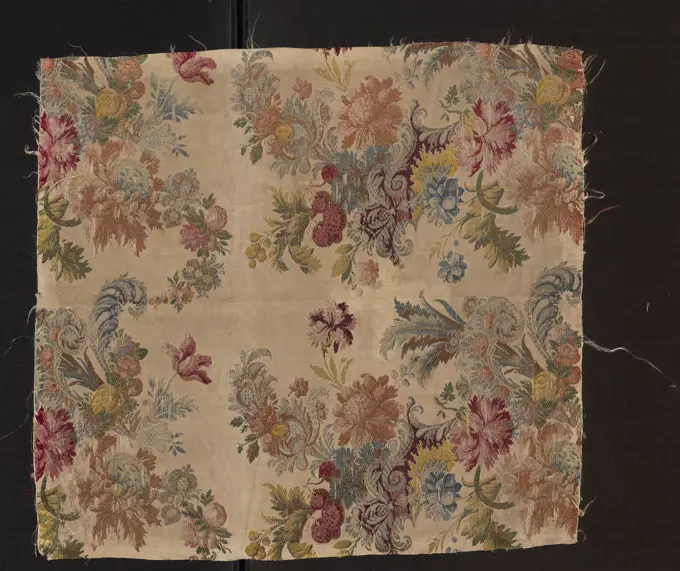
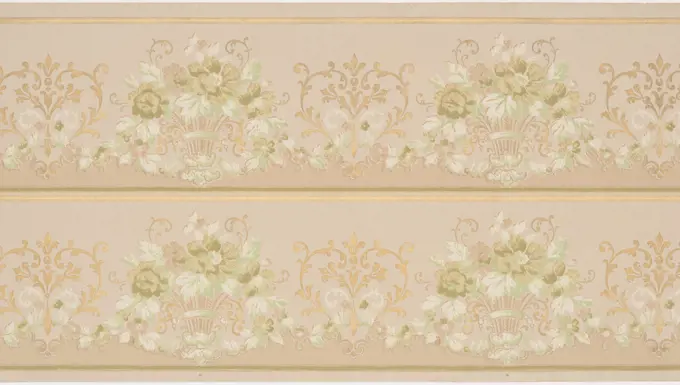
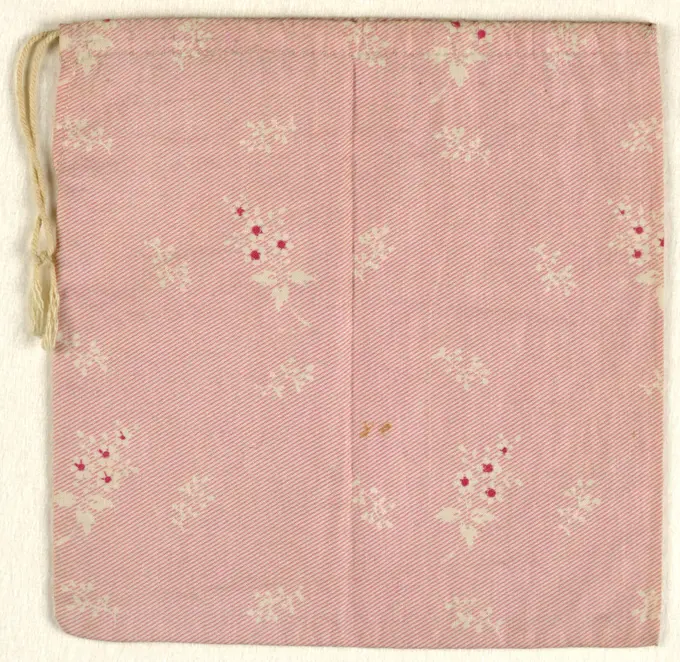
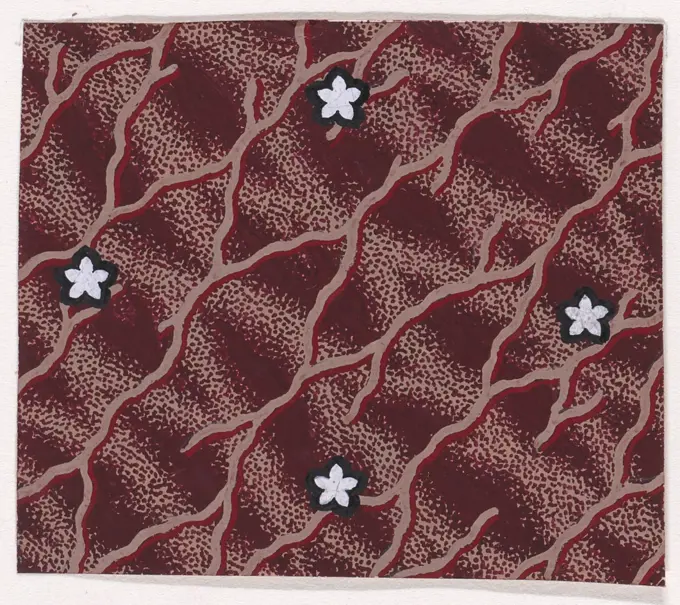
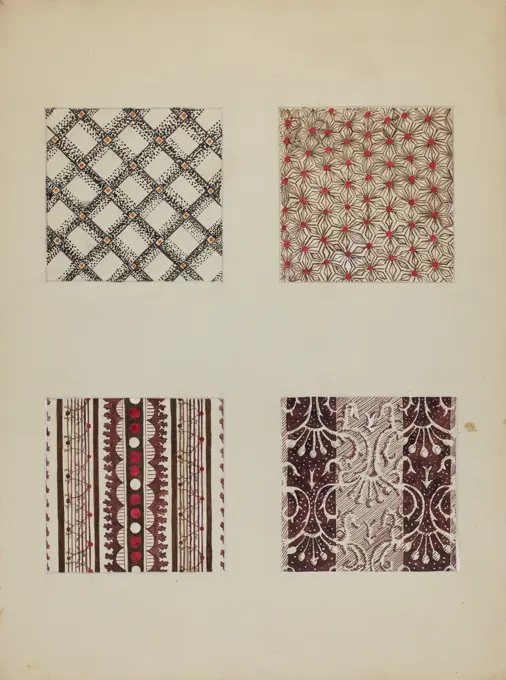
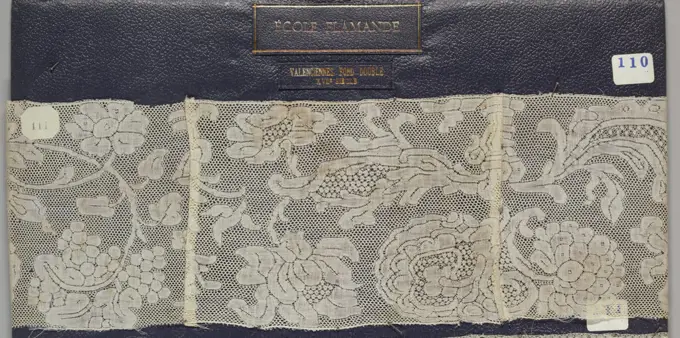
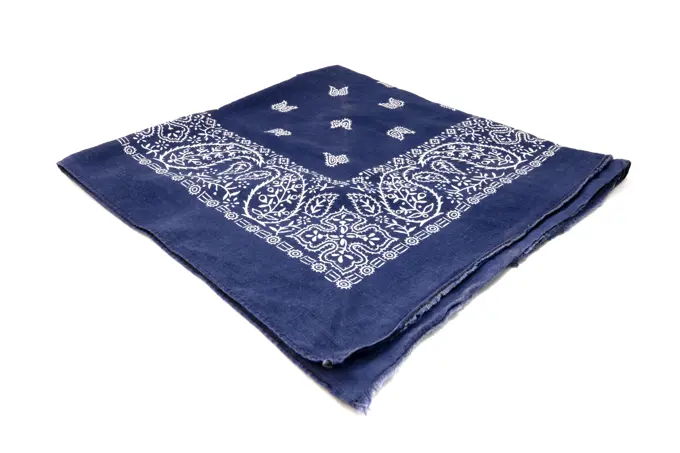
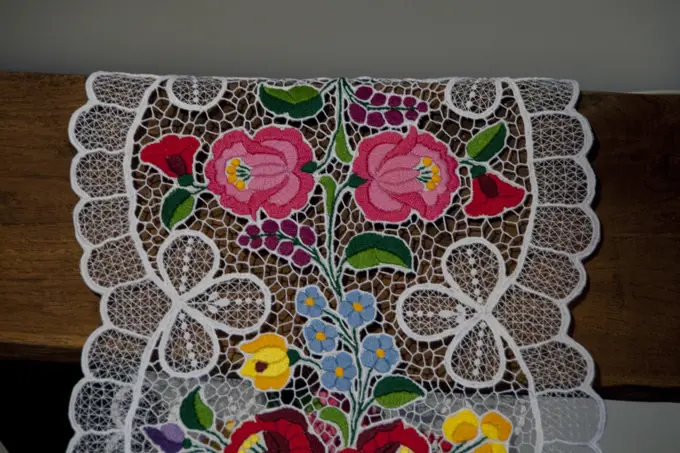
A collection of silk and cotton textiles with intricate floral patterns, showcasing various colors and textures, typical of historical European designs.
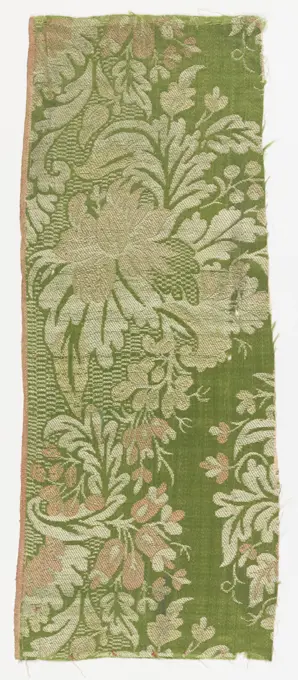
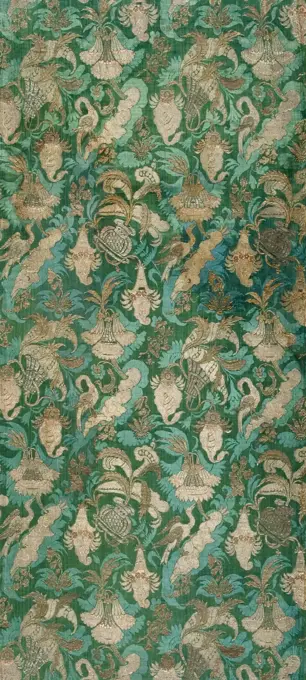
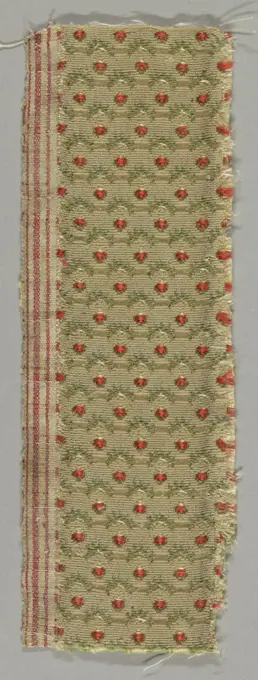
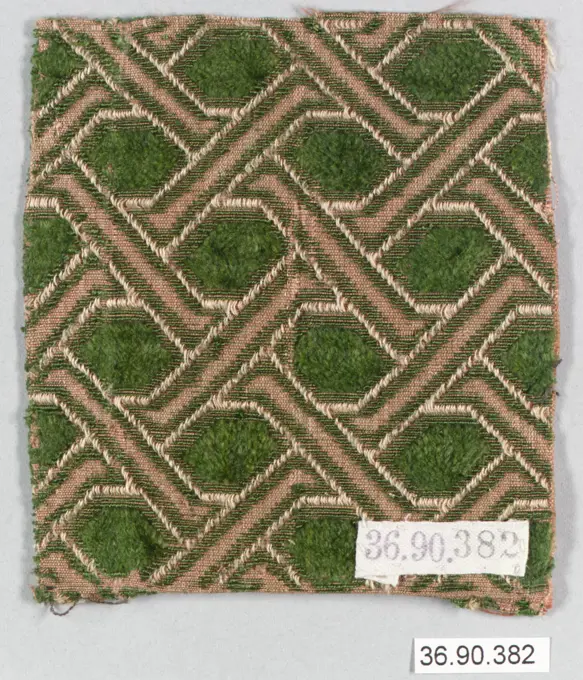
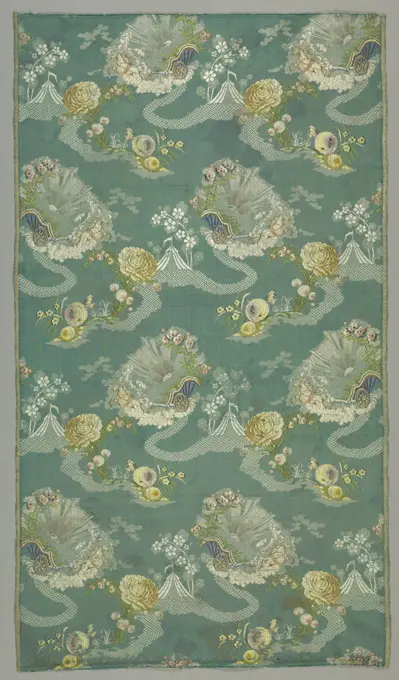
Fragment, Medium: silk Technique: lampas; combination of two structures 7&1 satin plus twill, Green silk weave, lampas, satin filed with leaf scrolls and details of checker motifs in twill weave. Large scale floral design., France or Spain, 17th century, woven textiles, Fragment
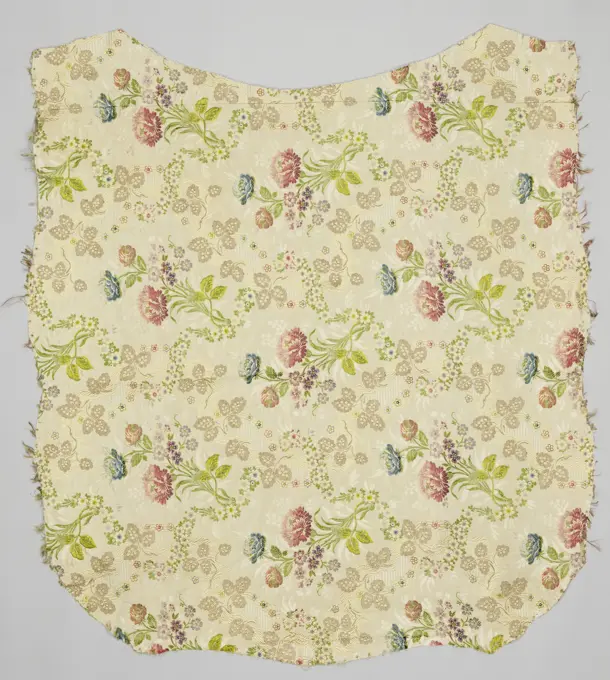
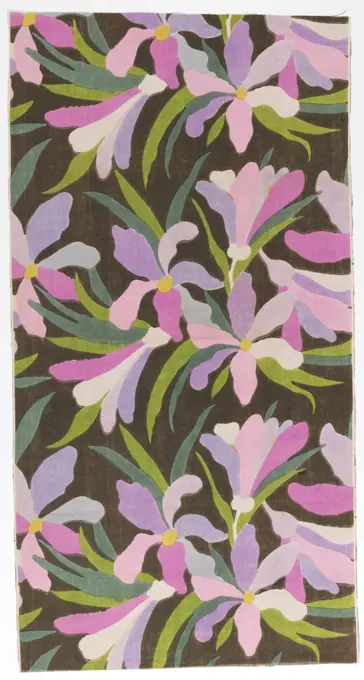
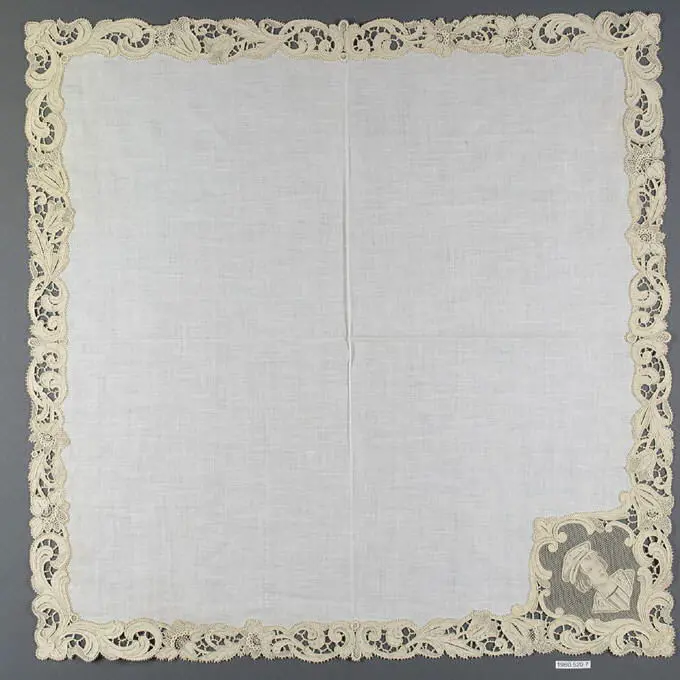
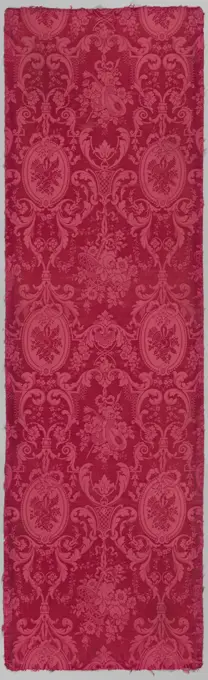
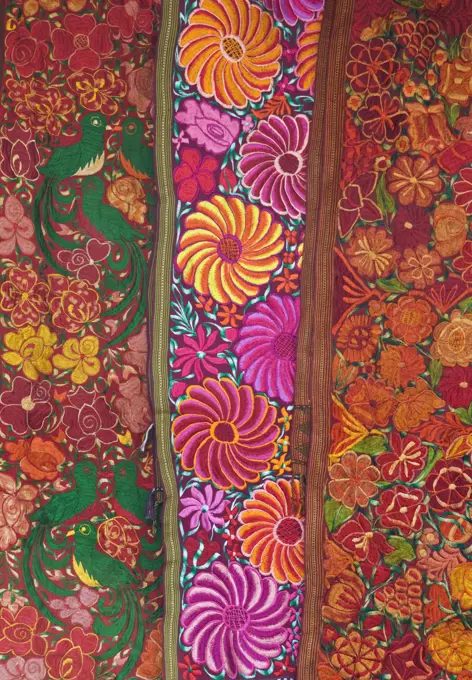
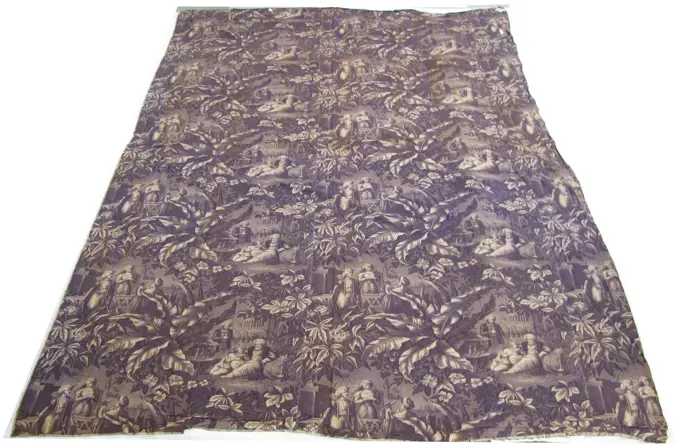
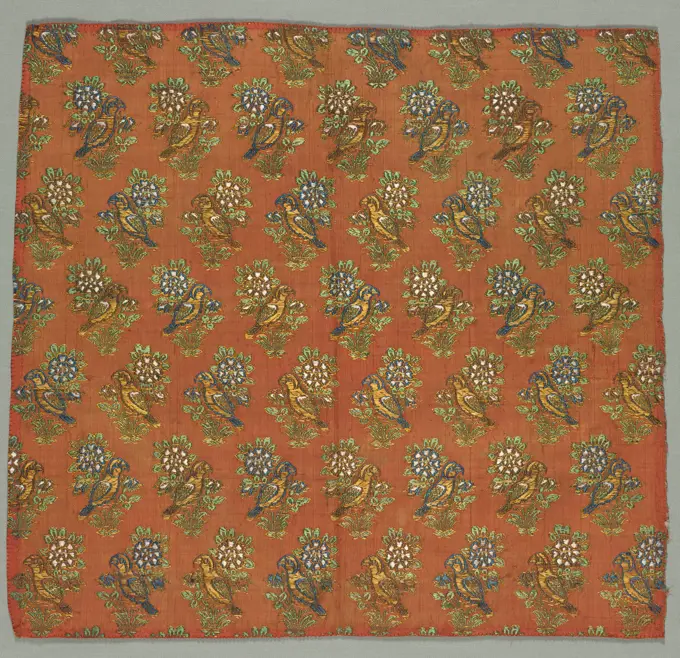
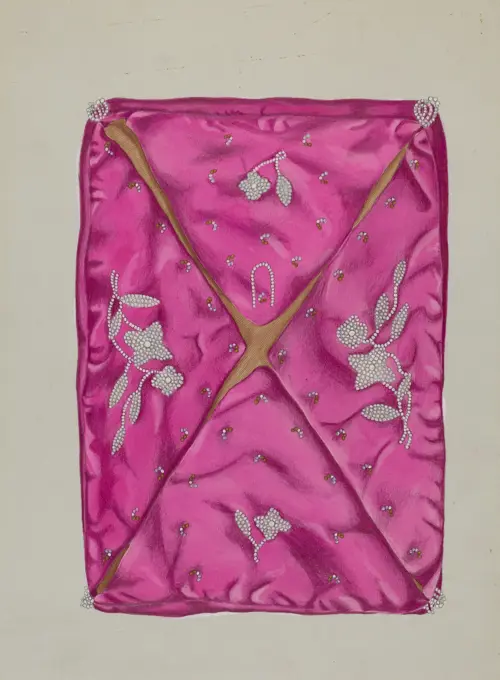
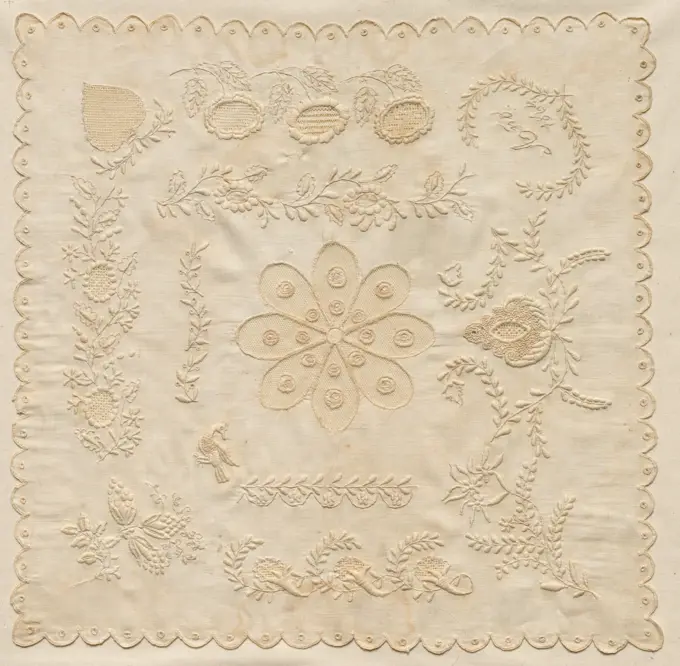
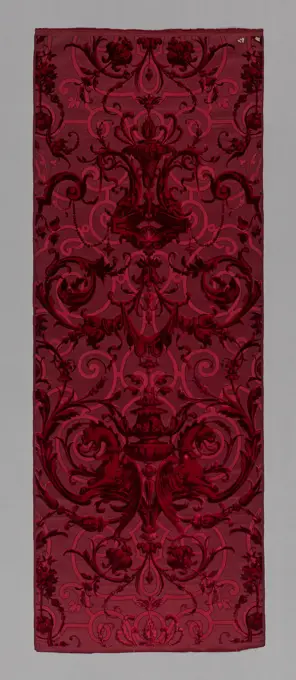
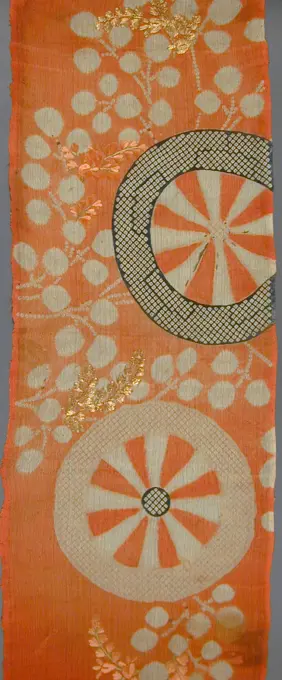
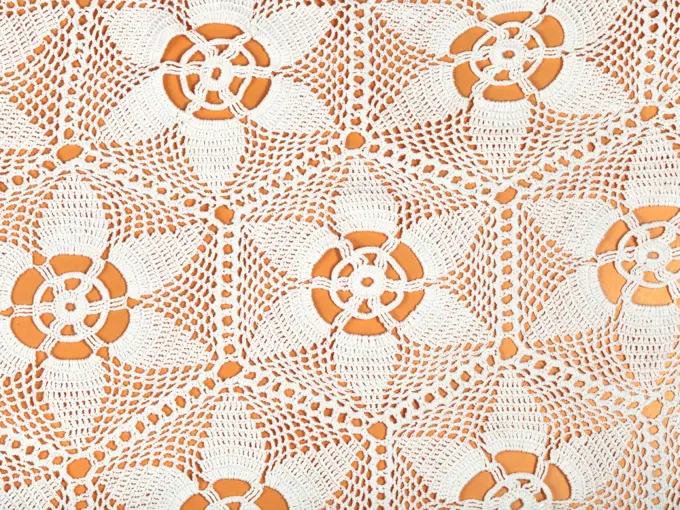
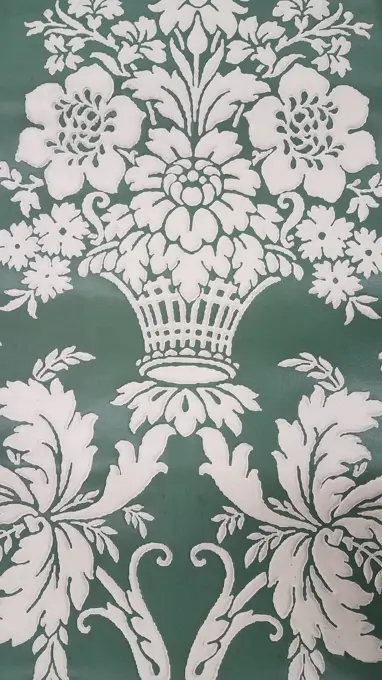
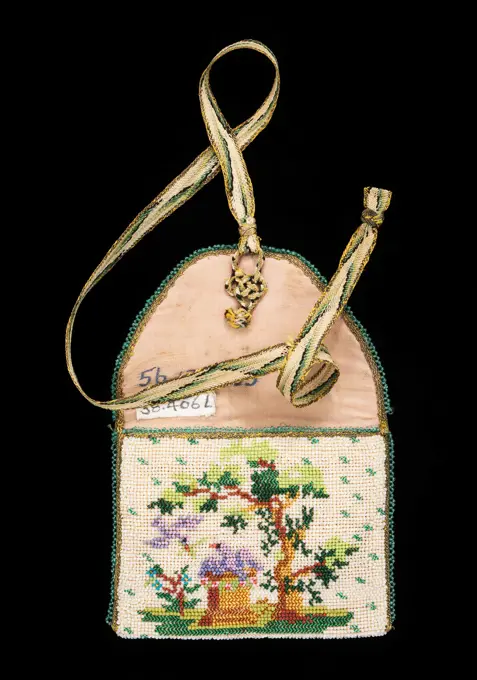
Handkerchief 1830-50 French. Handkerchief 168338Samples, Orinoka Mills, (Philadelphia, Pennsylvania, USA), a. pink ground with yellow floral motif, b. green ground with yellow floral motif, USA, ca. 1910, woven textiles, SamplesTextile Length. France, 1690-1720. Textiles; textile lengths. Silk damask with silk and metallic-thread discontinous supplementary weft patterning (brocade)Egyptian OrnamentBorder, Block-printed on handmade paper, Multi-colored flowers and foliage of assorted variety. At the bottom of the border is a narrow band containing a garland hung with small scale flowers and crosses. The effect is vaguely that of Indian-chintz. Printed in greens, pinks, yellow, gold, mauve, blue, dark red, orange and black on a white background., H# 724, France, 1795-1825, Wallcoverings, BorderFragment; medium; silk, linen ()Wille Theodor W. (1872-1945): Florales OrnamentFragment multicolored silk tissue with floral pattern ,, 1840 - 1870 Fragment multicolored silk tissue. A white soil has a white side garland with brown leaves, between which multi -colored flower bouquets and flower garlands. France silk. lampas (textile material) Fragment multicolored silk tissue. A white soil has a white side garland with brown leaves, between which multi -colored flower bouquets and flower garlands. France silk. lampas (textile material)Chasuble Fragments; silk, metallic threadPassementerie 17th century Spanish. Passementerie 215144Ellen Duncan, Patchwork Quilt, c 1936 Patchwork QuiltDouglas Campbell, Pieced Quilt, c 1939 Pieced QuiltFrieze, Janeway & Co. Inc., New Brunswick, New Jersey, 1848 - 1914, Machine-printed paper, White floral bouquet amidst scrolling foliage. Band of small stylized flowers along top and scrolling foliage along bottom edge. Background shades from light tan at top to blue at bottom., New Brunswick, New Jersey, USA, 1905-1915, Wallcoverings, FriezeTextile, Bluette; Designed by Atelier Martine; Made for Paul Poiret (French, 1879-1944); France; cotton warp, linen weft; Warp x Weft: 146 x 76 cm (57 1/2 x 29 15/16 in.) Repeat H x W: 56 x 76 cm (22 1/16 x 29 15/16 in.)Fragment; silkFragment of a Shawl, late 1700s or early 1800s. India, Kashmir, late 18th or early 19th century. Tapestry twill; wool; overall: 95.3 x 75.9 cm (37 1/2 x 29 7/8 in.).Fragment 18th century Italian, Venice. Fragment 230410Panel. France, provincial, possibly Tours, England or Netherlands. Date: 1712-1736. Dimensions: 103.8 × 48.0 cm (40 7/8 × 18 7/8 in.)Warp repeat: 66.2 cm (26 in.)Weft repeat: point repeat. Silk, warp-float faced 7:1 satin weave with supplementary patterning and brocading wefts and self-patterning ground wefts tied by supplementary binding warps in plain interlacing. Origin: France. Museum: The Chicago Art Institute, Chicago, USA.Wall Facing (Netherlands); tin-glazed earthenware, underglazeFragment, Medium: silk Technique: uncut supplementary warp pile (velvet) with supplementary weft, Narrow fragment of 'droguet' velvet, uncut pile. Cream-colored and green velvet pile with cream, yellow and red-orange silk showing through in tiny spots., France, mid-late 18th century, woven textiles, FragmentKerchief made of cotton, patterned unknownPiece 18th century French. Piece 216533Sidewall - Fragment; machine-printed; Overall: 31.5 x 25cm (12 3/8 x 9 13/16in.)Ribbon early 19th century possibly French. Ribbon 220661Byzantine No 2 bis Plate XXVIX bis From The Grammar of Ornament by Owen Jones published by Day & Son London 1865Border, Block printed on handmade paper, Gathered blue drapery with lace edging in white. Blue ribbon caught with medallions along bottom edge; was probably meant to be cut out to use as chair rail. Both motifs are ornamented with white pearls and black scroll and bead design., France, 1805-1815, Wallcoverings, BorderTextile; silkPiece 17th century French. Piece 217023Sampler, Elodia Altamirano, Medium: wool embroidery on cotton foundation Technique: embroidered in long-armed cross, cross, and double running stitches on plain weave foundation, Motifs and bands in brightly colored wools., Mexico, 1870, embroidery & stitching, SamplerFragment of the fabric;  18th century (1701-00-00-1800-00-00);Fabrics, purchase (provenance)Frieze, Machine-printed paper, Two bands of a repeating design placed one above the other. Composed of a flower-filled vase connected by a flower chain to ornamented heart-like shape on a solid ground which becomes a darker tone along the base. Bordered on the top and bottom by horizontal stripes. Printed in gold, brown, green, beige, tan and cream., USA, 1905-1915, Wallcoverings, FriezeFragment, Medium: Technique: printed, 19th century, printed, dyed & painted textiles, FragmentFragment from Bedcover (Crazy Quilt Block) Made 1884 United States. Pieced SquareSilk Tabby, warp-faced tabby, damask, satin, velvet, voided velvet, satin weave with extra pattern wefts, and hand painted ornament, & moirÈ treatment. Backed with cotton after piecing. Embroidered thru 2 layers.Embroidered in 2-ply silk twist, silk floss, silk chenilleStitches Herringbone, feather, knot, buttonhole, stem, line, cross, variations of these, raised basket stitch .Sash (France); linen, silkPocket, Medium: cotton Technique: printed on plain weave, Plain square calico pocket with drawstring top. Fabric has a hatched pink ground with white and rose flowers., USA, ca. 1870, printed, dyed & painted textiles, Pocket. Knotted rug, with blue center piece and ornam net edge in gray, green, blue and yellow orange and solid green outer edge. Design by Th.A.C. Colenbrander (1841-1930). There are wear spots in a number of places and some small mothic.Flower pattern. Brand: WH 2OONL., Anonymous, 1850 - 1899 Napkin made of white linen with a flower pattern. Brand: Wh 2oonl. Netherlands (possibly) linen (material) Napkin made of white linen with a flower pattern. Brand: Wh 2oonl. Netherlands (possibly) linen (material)Textile Design with Interlacing Branches and Alternating Rows of Rosettes over a Background with an Interlaced Pattern 1840 Anonymous, Alsatian, 19th century Rectangular sheet of paper with a textile design from a group, dated 1840, made in Mulhouse, Alsace, which was an important nineteenth-century center for textile production in the Haut-Rhin region of France. The design is made up of interlacing branches of light tan color with dark red shades and alternating rows of rosettes of five petals of white color over a background with an interlaced pattern rendered with stipples of dark reddish-brown color over a light tan base.. Textile Design with Interlacing Branches and Alternating Rows of Rosettes over a Background with an Interlaced Pattern. Anonymous, Alsatian, 19th century. 1840. GouachePiece French 19th centuryPiece 16th-17th century Italian. Piece 223483Napkin (from a set of table linens) Belgian late 19th centuryNapkin of white linen, 1660 - 1670 White Linnamasten napkin with a pattern of stripped flowers. Northern Netherlands (Possible) linen (material) damask White Linnamasten napkin with a pattern of stripped flowers. Northern Netherlands (Possible) linen (material) damaskFragment of a wall covering of Cerise -Red Silk Damask ,, 1850 - 1875 Fragment of a wall covering, of cerise-red silk damask. (In satin, taft and twill binding). A strict symmetrical ornament of acanthus leaves right and round lines of two pointed fields lined above each other, within which unymmetrical motifs are hung on a ribbon with bow; The one consisting of a precious flower basket with naturalistic flower arrangement, the other formed by a mandolin and a tambourine. Intermediate fields of approximately the same size, and staggering with the first, wear an oval medallion with pearl edge, also hanging on tied ribbons, starting at the junctions of the Acanthus ornament. The medallions are filled with two crossed horns of abundance. The main ornament is enlivened with fine winding twigs and symmetrical fields with net filling. This fragment comes from the Balzaal in the official residence of the mayor of Amsterdam, Herengracht 502, demolished in September 1950. France (possibly) silkCrewel Wool; crewel wool on cottonHandmade textiles, Santiago De Atitlan, Western Highlands, Guatemala, Latin AmericaFragment (Italy); silkSample early 19th century French. Sample 224708Table cover, Medium: linen, silk Technique: cross-stitch embroidery, Oblong table cover of hand-woven linen of sheer open weave, embroidered in brown and white silk in cross stitch. Allover pattern arranged in squares of highly stylized floral or lily pattern; wide border of stylized vine. Edging of narrow brown and white silk lace. Linen is seamed at the center., Spain, 18th century, embroidery & stitching, Table coverWoven Tablecover ca. 1850 British, probably. Woven Tablecover. British, probably. ca. 1850. Wool, woven. Probably made in EnglandCoverlet Made 1857 Ohio. Cotton and wool, plain weave with plain interlacings of secondary binding warps and patterning wefts (Beiderwand); woven on loom with Jacquard attachment; two loom widths joined; fringed . John Wunterlich (Weaver)Anonymous. Embroidery drawing project. Pencil and gouache on a map, around 1780-1790. Galliera, fashion museum of the city of Paris. Embroidery, map, pencil, drawing, flower, gouache, projectFrank Gutting, Quilt, c 1938 QuiltChar du Soleil, Medium: silk Technique: compound weave with discontinuous supplementary weft (brocading), A small two-wheeled chariot filled with flowers, drawn by a white horse across clouds and the bursting rays of the sun. A white scroll trails behind the chariot, serving as a base for a tent and a cluster of flowers. Brocaded in white, blue, green, pink, and brown on a turquoise ground. This unit is repeated in offset horizontal rows, alternating direction., France, ca. 1760, woven textiles, Textile, TextileScarf Sample (France); silkTextile (Japan); cottonPiece 18th century Japan. Piece 71855Valance (England); cotton; L x W: 47 × 47 cm (18 1/2 × 18 1/2 in.); 1952-80-10Dorothy Dwin, Bandbox, 1940 BandboxTurkish Orientalist scenes second quarter 19th century French. Turkish Orientalist scenes 236797Fragment of Silk Taffeta with Rose and Nightingale” Motif, 1700s. Iran, Safavid period (1501-1722). Silk and metallic thread: taffeta, brocaded; overall: 38.1 x 40.6 cm (15 x 16 in.); mounted: 48.3 x 50.8 cm (19 x 20 in.).Textile; silk; Anonymous bequest in memory of Albert and Rebecca Elsberg; 1938-82-67-bTextile Swatches Onondaga Silk Company, Inc. (1925-1981). Textile Swatches, 1948-1959. silk; metal, a-d: 9 × 5 in. (22.9 × 12.7 cm).    1948-1959Textile (Japan); silkEmbroidered Interior Textile. Cloth consisting of seven different buildings silk tissue in pink with over the panels Crém-colored embroidered flowers and winding lace motifs with bows. Right and bottom left Multiple inserted corners of the same fabric (here the embroidery does not run over the seams).Gordena Jackson, Handkerchief Case, c 1936 Handkerchief CaseConciliate belt;  18th century (1701-00-00-1800-00-00);Sampler, 1864. Mexico, 19th century. Embroidery; average: 36.9 x 37.5 cm (14 1/2 x 14 3/4 in.).Yogi Coverlet 19th century Japan. Yogi Coverlet 58844Panel Made 1860-1880 Lyon. This 19th-century velvet demonstrates the fashion for historical furnishings. The silk textile firm of Mathevon and Bouvard produced these velvets using designs and patterns from earlier eras. In comparing this particular design to the smaller and earlier example to the right, similarities in color palette as well as pattern become apparent. Anxieties about the inferiority of modern manufacturing contributed to the popularity of textiles such as these, in which works from the past seem to have been replicated.óModern Velvet A Sense of Luxury in the Age of Industry, Oct 21, 2016-Mar 19, 2017, Galleries 57-59. Silk, satin weave with multi-color supplementary pile warps forming cut and uncut voided velvet . Mathevon et Bouvard (Producer)Textile Swatches Onondaga Silk Company, Inc. (1925-1981). , 1948-1959. cotton; wool, largest component (a): 22 x 18 in. (55.9 x 45.7 cm).    1948-1959Silk Fragment, late 1600s. Italy, late 17th century. Damask, silk; overall: 120.3 x 56.9 cm (47 3/8 x 22 3/8 in.).Fragment multicolored brochure silk, c. 1700 - c. 1760 Fragment multicolored silk tissue. A white winding lace strip runs on a yellow ground that crosses a winding strip of multicolored flower branches. Netherlands silk Fragment multicolored silk tissue. A white winding lace strip runs on a yellow ground that crosses a winding strip of multicolored flower branches. Netherlands silkSample early 19th century French. Sample. French. early 19th century. Silk on felt. Textiles-EmbroideredMachine-made Openwork Samples (USA); cardboard, linen, silk, metallic; 1971-26-2-35Fragment decorated with peonies and latticework from an identical pair, 19th century, Unknown Ryukyuan, 43 3/8 × 7 1/8 in. (110.17 × 18.1 cm) (overall), Cloth: cotton; bingata (stencil resist with applied pigments), Japan, 19th centurySample early 19th century French. Sample. French. early 19th century. Silk on felt. Textiles-EmbroideredKosode (Kimono) Fragment with Genji Cart Wheels and Bush Clovers. Japan, Edo period (1615-1868), late 17th century. Textiles. Silk plain weave (crepe; chirimen), tie-resist-dyed (kanoko shibori), and stitch-reist-dyed (nuishime shibori), with silk- and gilt-paper-wrapped-silk-thread embroiderySidewall (possibly France); embossed, mica ground; 65.5 x 50 cm (25 13/16 x 19 11/16 in.)Katherine Hastings, Materials from Quilt, c 1937 Materials from QuiltPatchwork Quilt. Dated: 1935/1942. Dimensions: overall: 61.8 x 52.1 cm (24 5/16 x 20 1/2 in.) Original IAD Object: 72" wide; 90" long. Medium: watercolor, graphite, and gouache on paper. Museum: National Gallery of Art, Washington DC. Author: Mae A. Clarke.Piece ca. 1860-70 French, Mulhouse or Thann. Piece 223963Fragments; silk, linenBorder, Technique: bobbin lace, Bobbin lace joined, bold flowering plants; mid-18th century Valenciennes Fond, mid-18th century, lace, BorderPatchwork of woven textiles 17th-18th century China. Patchwork of woven textiles. China. 17th-18th century. Silk. TextilesFragment, Medium: silk Technique: compound satin weave Label: silk compound satin, Fragment of woven silk with a yellow paisley pattern on a blue ground. Flowers and details in white, pink, green, red, and purple., Japan, late 19th century, woven textiles, Fragmentabstract floral ornament with flowersFragment (USA)Border Fragment (USA); crewel wool on linenSachet of red silk on the front painted with a bouquet of flowers, lined, dropped off with twisted red silk cord. Sachet of red silk on the front painted with a bouquet of flowers, lined, dropped off with twisted red silk cord. The inside is stitched into a diamond pattern. Glovesachet.Bandana on a white backgroundTextile Sample Book 1870s British or American. Textile Sample Book. British or American. 1870s. Textiles-Sample BooksNo Robe , 18th century. gold float-weave silk, 60 x 58 in. (152.4 x 147.3 cm).   Asian Art 18th centuryHungary, Kalocsa. Regional Peasant House Museum of Folk Art (aka Nepmuveszeti Tajhaz). Antique handmade embroidery.vintage knitting craftsmanship - star ornament lace by crochet close upWallpapersample.   Maker: Jean Zuber & Cie, French, founded 1797Retailer: A. H. Davenport, American, late 19th-early 20th centuryVector Floral Design Elements, Crowns on Crumpled PaperMedieval ornamentSilk of a pedestal of a flower pyramid, painted with a representation of a lady at a vase with flowers, the Greek A (attributed to), c. 1690 - c. 1700 Silk of a pedestal of a flower pyramid, blue painted in the glaze with a representation of a lady at a vase with flowers, surrounded by flowers that are relatively large. Around the show a list of circles and leaf vines. Delft . Silk of a pedestal of a flower pyramid, blue painted in the glaze with a representation of a lady at a vase with flowers, surrounded by flowers that are relatively large. Around the show a list of circles and leaf vines. Delft .Coin purse 1820-40 Mexican The nesting birds, seen here, convey a strong sense of the domestic realm. The fine construction of the purse itself makes it a good example of its type, particularly in the application of details: especially the gilt metal edging and the beautiful coloration in the ombréd ribbon, which forms a lover's knot on the flap. The purse is part of the Mexican beadwork collection of over 600 pieces assembled by Elizabeth Morrow (1873-1955), mother of writer Anne Morrow Lindbergh, the wife of renowned aviator Charles Lindbergh. Morrow collected the objects between 1927 and 1930, when her husband, Dwight Morrow, Sr., served as U.S. ambassador to Mexico. She lent the collection to the Brooklyn Museum in 1938 and upon her death, her children donated it. A collection of 155 pieces of Mexican ceramics and other decorative arts were given to Amherst College, her husband's alma mater. Mrs. Morrow collected Mexican beadwork, along with other examples of colonial and native arSampler (USA); Embroidered by Maria Lamborn (American); silk embroidery, linen foundation