My Boards
View Pictures
  • My Boards
← Artworks

Decorative Textiles and Tapestries

Vibrant fabrics and tapestries featuring floral and mythical designs, reflecting rich craftsmanship and historic patterns.

'Mosaic binding signed by Le Monnier and bearing the monogram of Maria Josepha of Saxony', c1750 (19 Artist: Le Monnier.
168 assets in this story
6145-29829850
Valance 17th-18th century China. Valance. China. 17th-18th century. Silk, metallic thread; on silk. Qing dynasty (1644-1911), Kangxi period (1662-1722). Textiles-Embroidered
1100-955
A Fine Silk-On-Silk Needlework Picture 1750-1760 Tapestry/Textiles(Flemish) Silk Embroidery Christie's Images, New York, USA
1848-51091723
Rider on horseback, hunting scene, floral decor, mural, glazed tiles, Golestan Palace or Golestan Palace, Tehran, Iran, Asia
4409-17479429
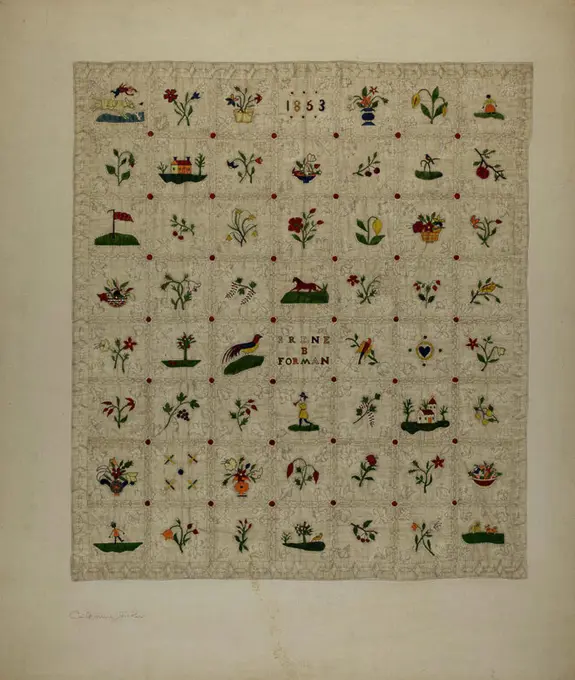
Bedspread. Dated: c. 1940. Dimensions: overall: 57.5 x 49.5 cm (22 5/8 x 19 1/2 in.). Medium: watercolor and graphite on paperboard. Museum: National Gallery of Art, Washington DC. Author: Catherine Fowler.
6145-29722178
Textile with confronted birds early 8th century China Although symmetry is a basic element of Chinese design, the motif of a pair of confronted animals or birds on either side of a plant was not known in China until the opening of the silk routes in the second century B.C. The pattern seen on this embroiderybirds standing on lotus blossoms (a motif derived from Buddhist art)was popular in the early Tang period.. Textile with confronted birds 39596
866-11618
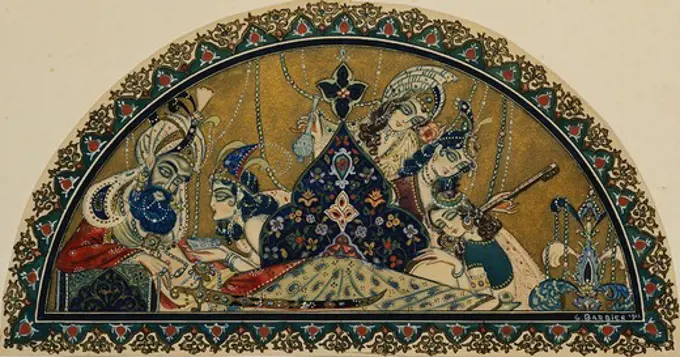
The Harem. Georges Barbier (1882-1932). Pencil, pen, black ink, watercolour and bodycolour with gold  on paper. Lunette shaped. 13.5 x 25.4cm
6145-29135722
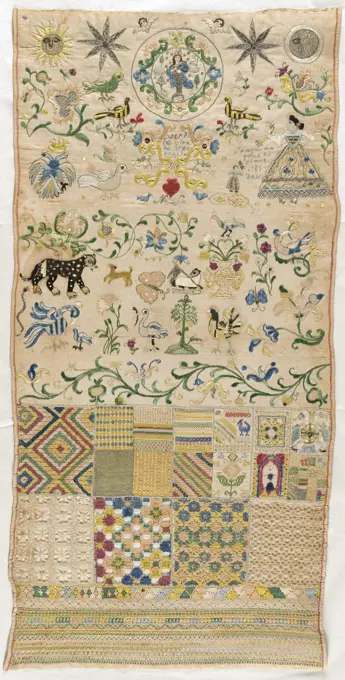
Sampler. Mexico, circa 1785. Textiles; embroidery. Linen plain weave with silk and metallic thread embroidery, drawn work, needle lace, and metal sequins
6145-29814038
Panel with Peonies and Butterfly late 14th-15th century China Gold sparkles through small, geometric patterns imposed on a design of flowers and a butterfly. This combination of geometric patterns and embroidered designs is one of the hallmarks of needleloop embroidery.. Panel with Peonies and Butterfly 39735
4409-20994857
Decorative rectangular plate from Rouen with handles. Painted with six putti in laurel wreaths with cello, lute, lyre, quill, torch on a gold ground, bordered with foliage. Hand-finished chromolithograph from Ris Paquot's General History of Ancient French and Foreign Glazed Pottery, Chez l'Auteur, Paris, 1874.
6145-29127557
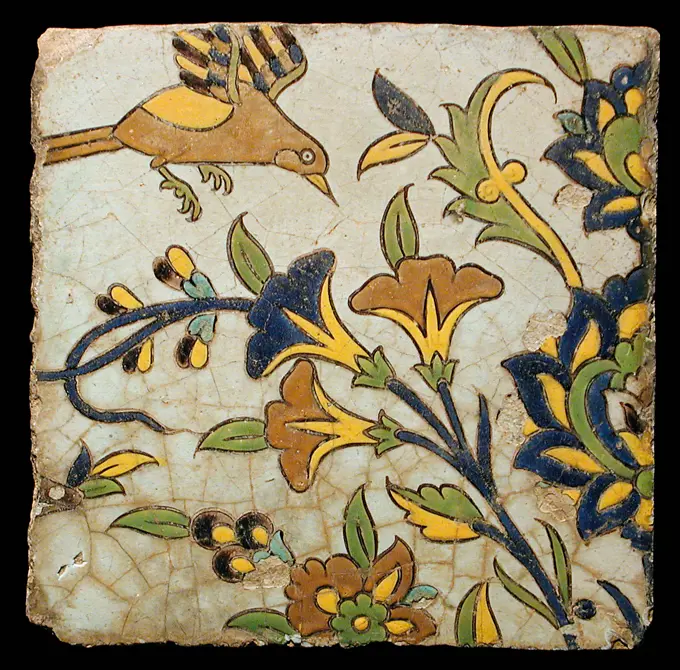
Tile. Iran, Isfahan, 17th century. Ceramics. Fritware, cuerda seca technique
6145-43580506
Tapestry. unknown, author
1848-53924356
Antique vase, detail, Ancestral Temple of the Chen Family, Guangzhou or Canton, China, Asia
4409-17556560
Panel (formerly Cover from a Sedan Chair). France. Date: 1710-1730. Dimensions: 72.6 × 82.6 cm (28 1/2 × 32 1/2 in.). Silk compound weave, brocaded. Origin: France. Museum: The Chicago Art Institute, Chicago, USA.
6145-29765210
Tile 13th century. Tile 447145
6145-29156292
Valance 17th century China Valances were frequently used in Chinese interiorson tables and platform beds and above open entryways. Embroidered on this valance are cranes and peaches, auspicious symbols of longevity. The woven silks at the top and bottom date to the eighteenth century.. Valance. China. 17th century. Silk and metallic thread embroidery on silk. late Ming (1368-1644) or early Qing (1644-1911) dynasty. Textiles-Embroidered
1848-67098790
Cheverny, Castle, Château de Cheverny, King's room, Embroidery on the bed
6145-29156880
Door valance and side panels with dragons 17th-18th century China The striking five-clawed dragons and the impeccable quality of this valance and side panels set suggest that it decorated a doorway in an imperial residence. The figure of the dragon has a number of associations and incarnationsall positivein Chinese mythology. Here, the dragons primarily signify the emperor as the Son of Heaven and the intercessor between heaven and earth on behalf of the people.. Door valance and side panels with dragons. China. 17th-18th century. Silk and metallic thread brocade. Qing dynasty (1644-1911), Kangxi period (1662-1722). Textiles-Woven
4443-19533863
Rank badge, Medium: silk embroidery on silk foundation Technique: embroidered with counted stitches on gauze weave, Rank badge for a civil official. Embroidered silk showing a bird facing a sun disk surrounded by auspicious symbols. Ground of clouds with diagonal lines at bottom and meandering key border. Lined with blue silk., China, mid- 19th century, embroidery & stitching, Rank badge
4409-8335
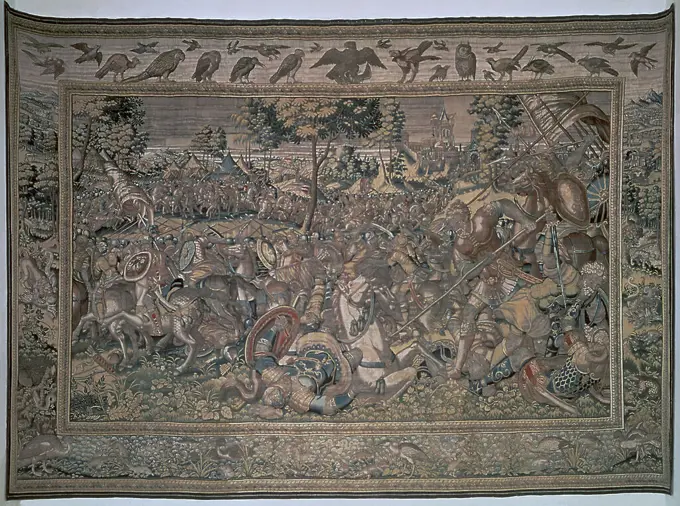
TAPIZ - BATALLA DE ACTIUM O DE ACCIO EN EL 32 AC - OCTAVIO (AUGUSTO) CONTRA MARCO ANTONIO Y CLEOPATRA. Location: ROYAL PALACE OF LA ALMUDAINA. Palma. MALLORCA. SPAIN. EMPERADOR AUGUSTO. CESAR AUGUSTO OCTAVIO. JULIO CESAR EMPERADOR.
6145-29760989
Piece 18th-19th century China. Piece 67697
6145-48518455
Tapestry chair cover. Andersen, Robin Christian (1890-1969), designer, Wiener Gobelin-Manufaktur (Wiedeń ; manufaktura gobelinów ; 1921-1987), manufacture
6188-64625850
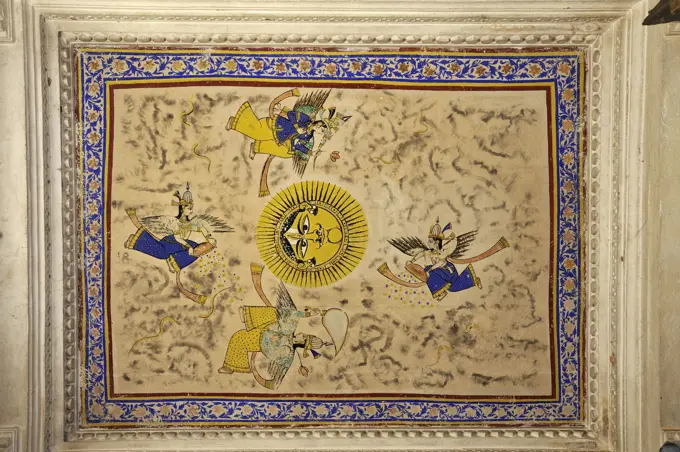
Mural on ceiling elephant gate of chhatra mahal bundi palace rajasthan india Asia Copyright: xSatishxParashar/DinodiaxPhotox
1788-27901
Laces, 20th century. Venice stitch (Punto Venezia) needle polychrome lace, entitled Seaweed, made by the teacher Lucia Costantini, 1997.
4443-19531012
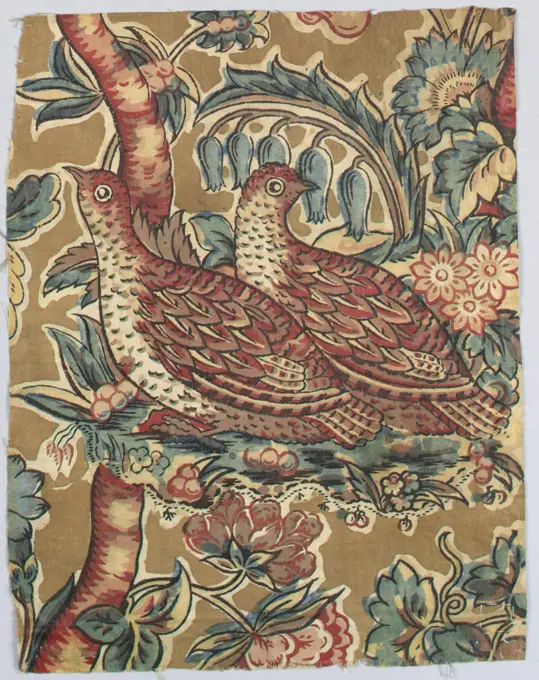
Textile, Medium: cotton Technique: block printed on plain weave, Fragment showing two birds amidst flowers, leaves and tree branches. Colors are brown, pink and black with blue and yellow making green., England, 1825-50, printed, dyed & painted textiles, Textile
4409-28962988
Lohan under a canopy; a lion, and two attendants. Date: 18th century. Origin: China. Period: Qing dynasty. Ink and color on silk. Museum: Freer Gallery of Art and Arthur M. Sackler Gallery.
6145-50492151
Drawing, Design for an Embroidered or Woven Fabric of the "Fabrique de St. Ruf"; Designed by Fabrique de Saint Ruf; France; brush and white gouache on glazed tracing paper; 14.4 × 25.6 cm (5 11/16 × 10 1/16 in.)
6145-29156626
Rank Badge with Egret early 18th century China. Rank Badge with Egret. China. early 18th century. Silk, metallic thread. Qing dynasty (1644-1911). Textiles-Embroidered
4409-156621
TAPIZ INDO-PORTUGUES DEL SIGLO XVII. Location: MUSEE D'ARTS DECORATIFS. MADRID. SPAIN.
6145-29740706
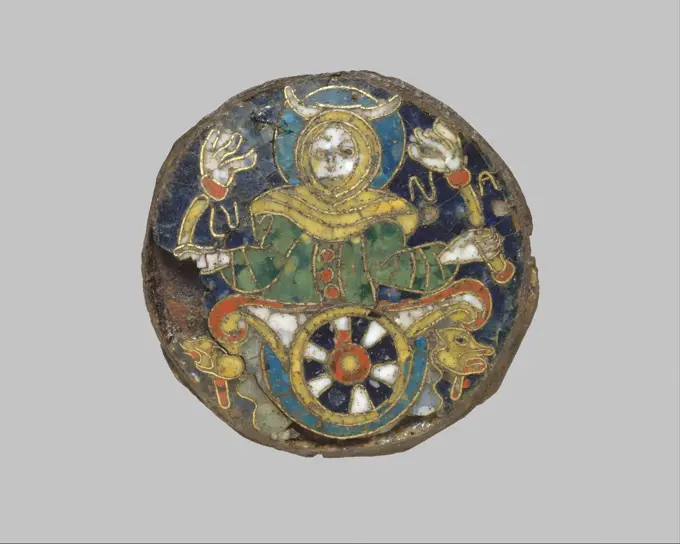
Roundel with a Personification of the Moon ca. 860-890 Carolingian This plaque is one of the earliest known examples of the cloisonné-enamel technique in the West. The moon (luna) is symbolically represented here as a female sky goddess riding in a chariot and holding torches. The plaque originally would have been accompanied by another, with an image of the sun, both probably framing a large crucifix.. Roundel with a Personification of the Moon. Carolingian. ca. 860-890. Cloisonné enamel, Copper alloy, gilding, iron back plate. Made in south central France. Enamels-Cloisonné
4409-17509800
Sampler. Date/Period: 1824. Sampler. Medium: silk embroidery on linen foundation. Technique: embroidered in cross and chain stitches on plain weave foundation. Author: Elizabeth Sickfrits.
4443-19545217
Orphrey band or picture, Medium: silk, linen, metallic Technique: 4&1 satin patterned by 2/1 twill, Nativity scene of madonna and angels worshipping the infant., Italy, 15th century, woven textiles, Orphrey band or picture
6145-59120206
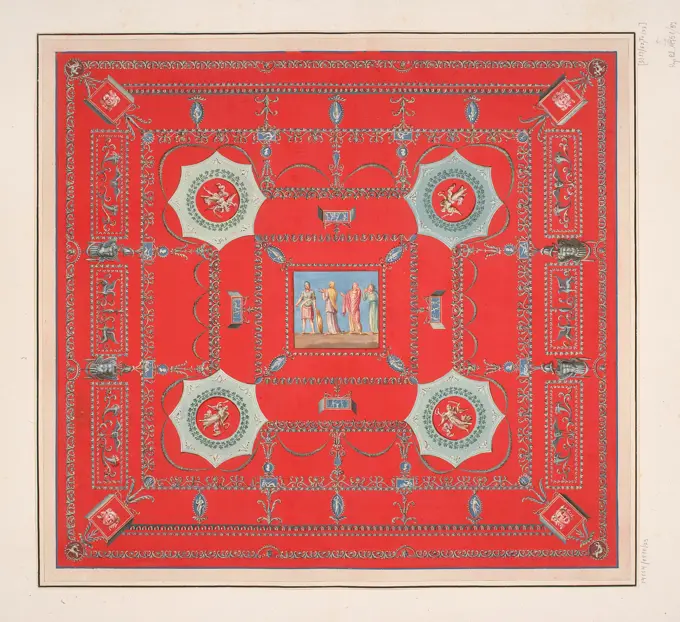
Vestigia delle Terme di Tito. Vault decoration in room 10; Carlone, Marco (1742-1796), Smuglewicz, Franciszek (1745-1807), Brenna, Vincenzo (1741-1820), Mirri, Ludovico (1738-1786); 1776 (1776-00-00-1776-00-00);Andromacha, DESA - collection, hektor, koriolan, Rome, Italy, town, Terme di Tito, Umiastowski, Roman, collection, Nero's golden house, antique, architecture, archeology, relief, decorations, decorations, purchase (provenance)
6145-43506874
Imitation Leather (England); block printed and embossed paper; Overall: 335.3 x 54.6 cm (11 ft. x 21 1/2 in.)
6145-29217788
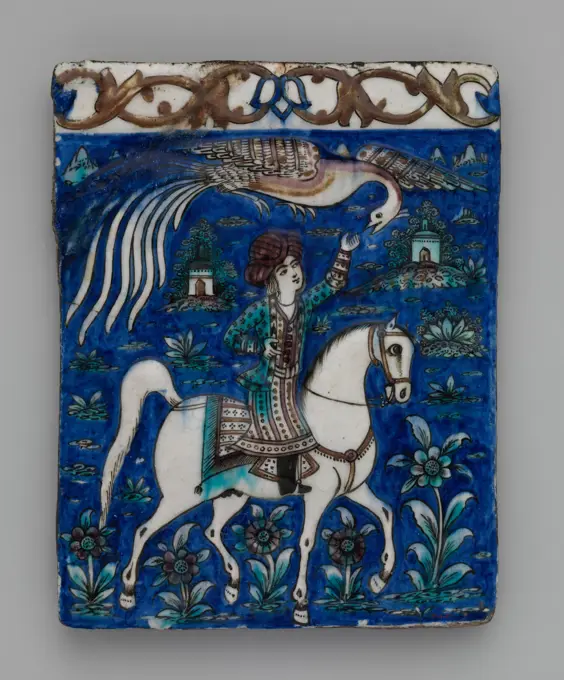
Tile with an Image of a Prince on Horseback second half 19th century Mainly produced in Tehran, the Qajar capital, continuous friezes of rectangular underglaze-painted tiles, such as this example, were common in nineteenth-century architecture. Here, a young man on horseback is depicted with his hand extended toward Huma, the fabulous bird, the embodiment of health and strength, hovering over his head. Only royalty fell under the shadow of Huma, suggesting that the horseman depicted here is a prince.. Tile with an Image of a Prince on Horseback. second half 19th century. Stonepaste; molded, polychrome painted under transparent glaze. Made in Iran. Ceramics-Tiles
4443-19547962
Cushion cover, Medium: wool, silk Technique: tapestry woven, The story of David and Abishag with two women each holding a jug, a man on horseback and another standing behind. Landscape in background and a floral border., Hamburg, Germany, 1610-30, woven textiles, Cushion cover
6188-64600239
White marble stone handwork in Taj Mahal  Agra  Uttar Pradesh  India Copyright: xMohammedxSharif/DinodiaxPhotox
1788-55565
Plate with musicians in a palm grove, decoration inspired by the period of Frederick II, decorative ceramic, 30 cm, Alessi manufacture, Caltagirone, Sicily. Italy, 20th century.
160-1561
Detail of Japanese textile print
4409-20989469
Fresco de una tumba en Thebes: Estanque en un jardin. Museum: BRITISH MUSEUM LONDRES G. BRETAÑA.
6145-30168585
Image from a Set of Initiation Cards (Tsakali) 1301-1500 Tibet. Ink and watercolor on paper .
6145-58853770
Design for a carpet, Anonymous, 1864  Manufacturer: Deventeramsterdam paper. gouache (paint) brush  Manufacturer: Deventeramsterdam paper. gouache (paint) brush
866-6075
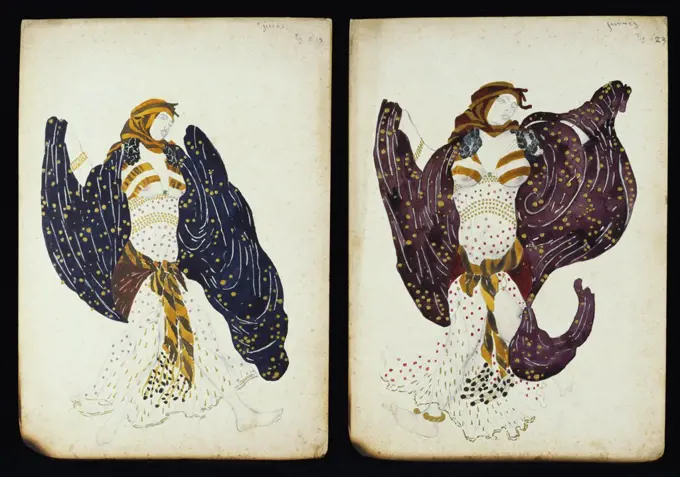
A pair of costume designs for 'Juive' depicting female dancers. Leon Bakst (1866-1924). Pencil and gouache on paper, 33.2 x 24cm.
4443-19534229
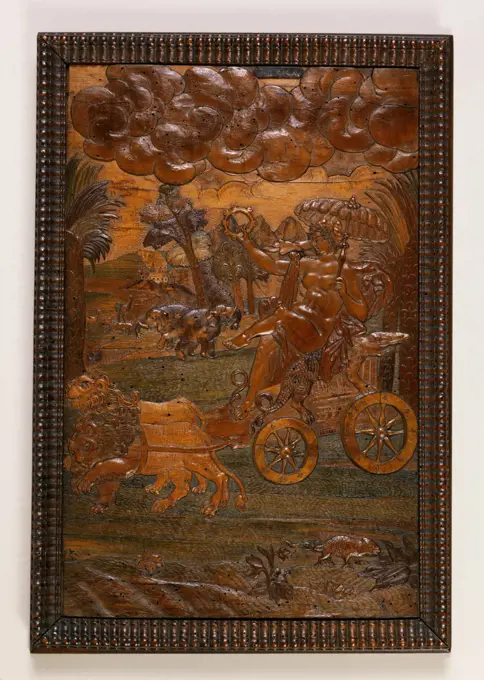
Figure of Africa, Julius Goltzius, Dutch, died ca. 1595, Marten de Vos, Flemish, 1532-1603, fruitwood, Panel in gadrooned frame. Nude female figure, holding tambourine and feather parasol, seated in chariot with crocodile arm rests, drawn by two lions; in foreground, scaly quadruped; in background, two elephants, camel, lion and ostrich. At top right, labeled 'Africa'., Eger, Bohemia, late 17th-early 18th century, woodwork, Decorative Arts, Panel, Panel
6145-59036169
Van den hecke (workshop of) (n. - d.), The toilet of Venus (or psyche) (main title), 1730. Textile, silk, tapestry, reduction: 7 to 8 wires/cm. Petit Palais, Museum of Fine Arts of the City of Paris.
6145-50488176
Sampler (USA); Embroidered by Laura Bowker (American, 1805 - 1843); silk and metallic (metal-wrapped silk core) embroidery, linen foundation, painted paper, kid leather
7011-69832178
Italy, Sorrento, Amalfi Coast. Sorrento Garden Mosaics outside the Grand Hotel.
6145-29094227
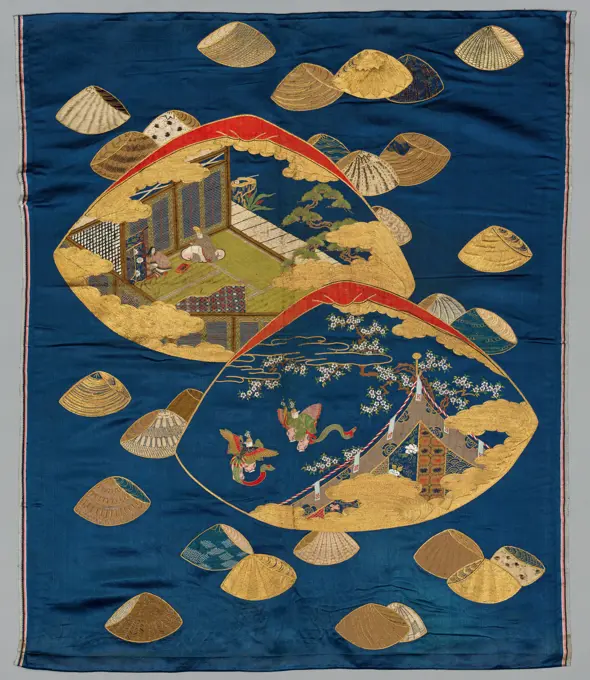
Gift Cover (Fukusa) with Tale of Genji Shell-Matching Game, 1868-1912. Japan, Meiji period (1868-1912). Silk: embroidered; metallic thread; overall: 85.1 x 72.4 cm (33 1/2 x 28 1/2 in.). Japanese elites once presented gifts in boxes with gift covers (fukusa) draped over them. The decorated covers were typically lined with a monochrome backing, but this ones borders are exposed. Its design is a Tale of Genji shell-matching game. Two clamshells shown in close-up are painted with scenes from two chapters of the novel. The one on the bottom is an episode from the “Koch?” (Butterflies) chapter, in which Genjis beloved Murasaki sends her young attendants to dance for the empress. The one on the top may depict Genji writing a poem in the “Suzumushi” (Bell Cricket) chapter.
6145-43556271
Sidewall (France); block-printed in distemper colors; 111.5 x 65.5 cm (43 7/8 x 25 13/16 in.)
6145-59037048
Van Schoor, Lodewijk (n.1666 - D.1726), America. Spelling of the four parts of the world (main title), 1698. Textile. Wool and silk. Tapestry. Petit Palais, Museum of Fine Arts of the City of Paris.
6145-52955411
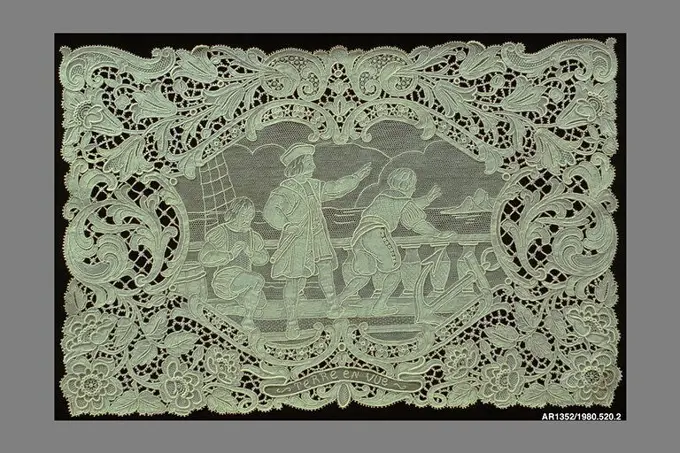
Mat (from a set of table linens) Belgian late 19th century
6145-45496558
Internal corridor in the Green House HIROSHIGE, Ichiryusai (1797 1858)
6145-51381200
Cope Hood; linen, silk, metal
4409-17554919
Border. Italy. Date: 1675-1725. Dimensions: 60.4 x 114 cm (23 3/4 x 44 7/8 in.). Linen, square netting; embroidered in cloth stitches; edged in bobbin lace. Origin: Italy. Museum: The Chicago Art Institute, Chicago, USA.
4409-17554834
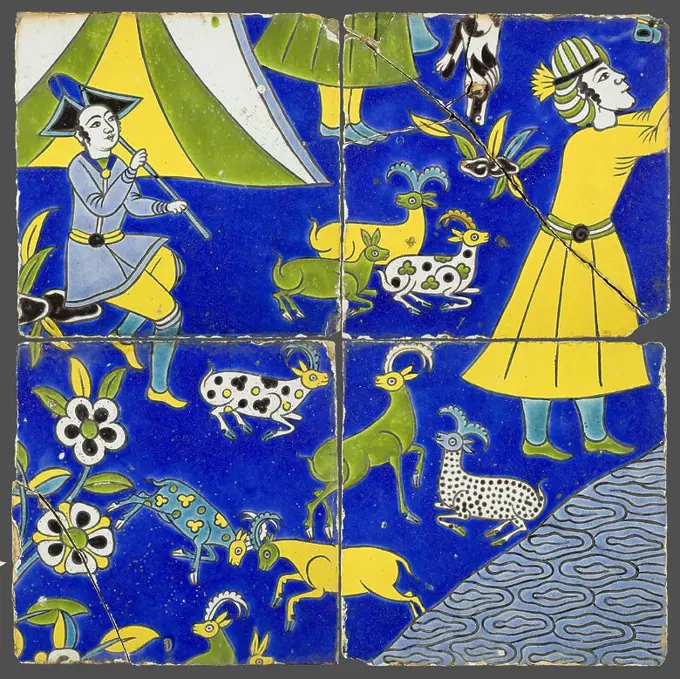
Four Tiles with a Figural Scene. Iran; Isfahan. Date: 1601-1700. Dimensions: 24.2 × 24.2 × 2.2 cm (9 1/2 × 9 1/2 × 7/8 in.). Four tiles that make up a figurative scene, blue, yellow and green. Origin: Persia. Museum: The Chicago Art Institute, Chicago, USA.
1990-13852826
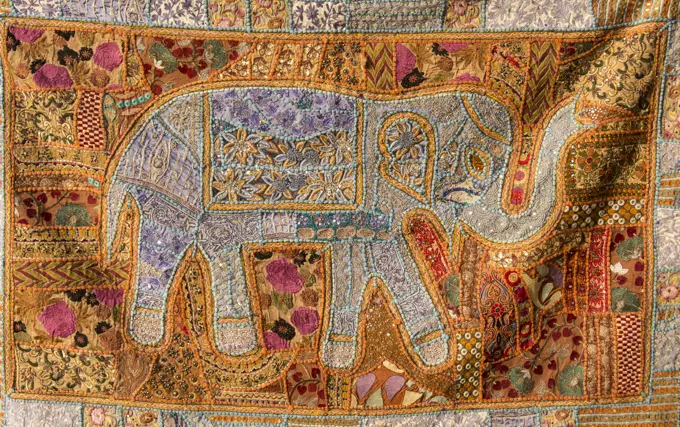
Quilted handcrafts In the Pink City, Jaipur, Rajastan, India
1848-50171155
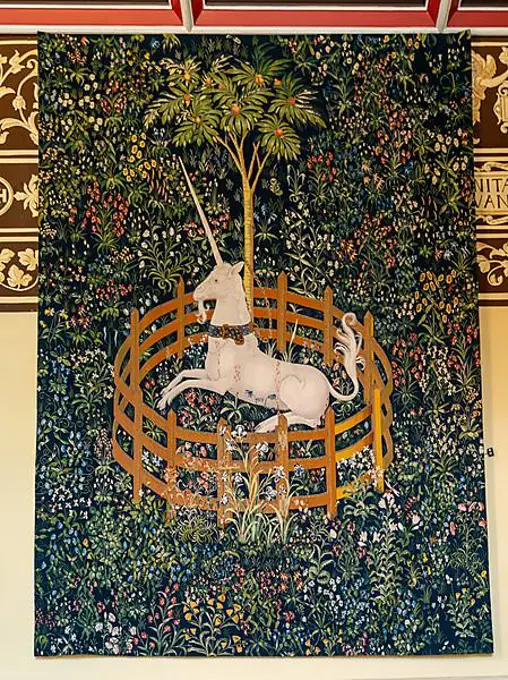
Stirling, United Kingdom - 20 June, 2022: replica tapestry of The Hunt For The Unicorn inside Stirling Castle
1899-28575696
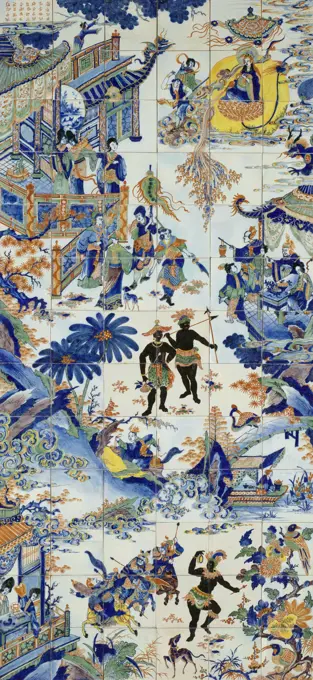
China / Africa: Tile tableau depicting several Chinese merchants and noblemen who appear to have made themselves at home in an African village, c. 1700. An almost entirely traditional Chinese scene revolves around two sturdy African villagers dressed in skirts and headdresses who are holding spears. The Africans seem to be amused, most probably curious at the sight of so many richly dressed Chinese men and women, pagodas, pavilions, Chinese lanterns, a bamboo bridge, a Chinese gondola and even a floating Buddha in the sky. In the lower half of the painting, an African woman dances.
4409-17485566
Embroidered bridal cushion. Date/Period: 1600 - 1699. Textile document. Height: 430 mm (16.92 in); Width: 460 mm (18.11 in). Author: UNKNOWN ARTIST.
6145-29833817
Rank Badge with Paradise Fly-Catcher late 18th century China. Rank Badge with Paradise Fly-Catcher. China. late 18th century. Silk. Qing dynasty (1644-1911). Textiles-Embroidered
1536-111
Oriental Still Life 2004 Helene Baker (20th C. American) Mixed media
6145-30158688
Decorated Initial G in Grey with Red, Green and Blue Leaves from a Manuscript 1301-1400 Europe. Manuscript cutting in tempera and gold leaf on vellum .
4409-17417812
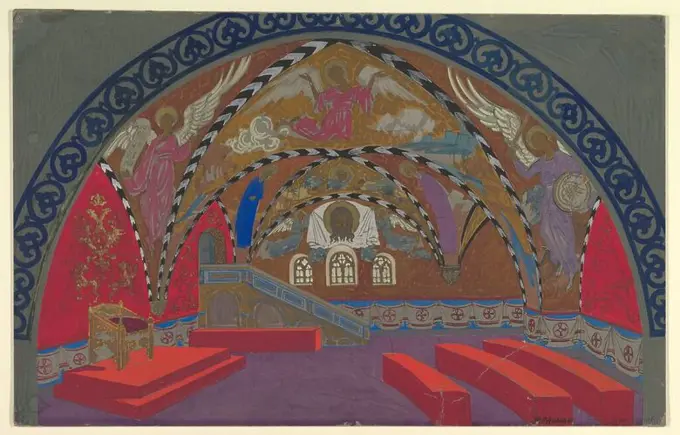
Stage Design for Boris Godounov for the Opera Russe de Paris on its South American Tour, 1929-30. Artist: Pavel Petrovic Froman (Russian, Moscow 1894-1940 Zagreb). Dimensions: sheet: 13 7/8 x 22 in. (35.3 x 55.9 cm). Date: ca. 1929. Museum: Metropolitan Museum of Art, New York, USA.
1746-19699024
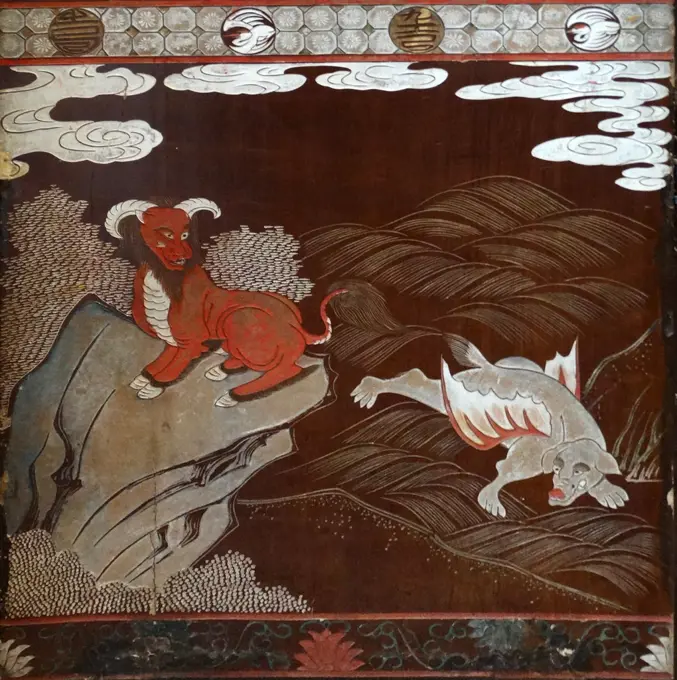
Chinese Coromandel lacquered screen manufactured for a European market 1600-1700
4443-21932327
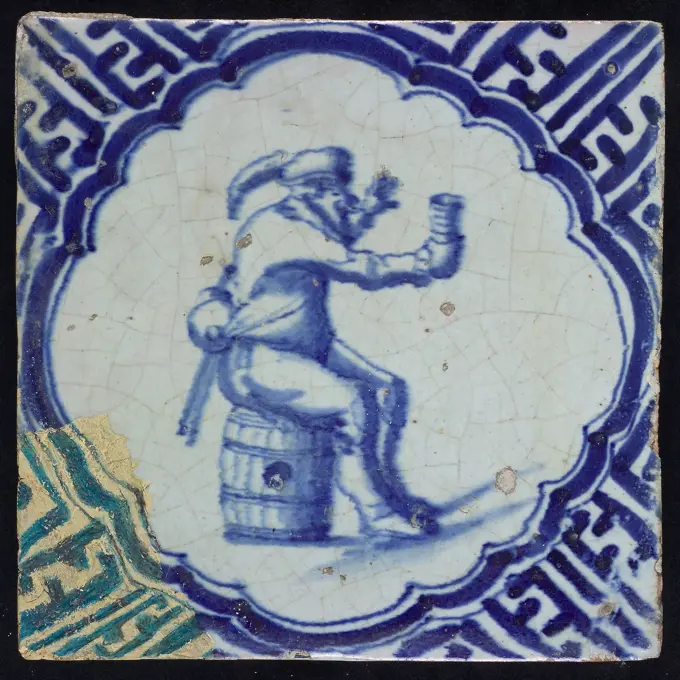
I S, Tile, blue on white, inside scalloped frame man sitting on barrel, cup lifting, corner motif meanders, Wanli, wall tile tile sculpture ceramic earthenware glaze, baked 2x glazed painted Red shard square Three nail holes. Two-tone. Blue blue pull on white fond. Slightly drawn drawing 10 cm high mark S and an I for the upper cross line wrote the I large dot China porcelain Ming dynasty chinoiserie
6145-30180052
Fukusa (Gift Cover) Made 1801-1900 Japan. Pattern side silk, gold-leaf-over-lacquered-paper-strip wrapped cotton, slit tapestry weave (tsuzure); lining silk, plain weave with creped wefts (chirimen, hitokoshi); sewn with lining extending beyond front equally along edges of all sides (shihÙhi); corners silk, four-strand square braid; knotted atop open buttonhole filling stitch covered gold-leaf-over-lacquered-paper cap; silk and gold-leaf-over-lacquered-paper-strip wrapped cotton, replied fringe tassels .
6145-29706387
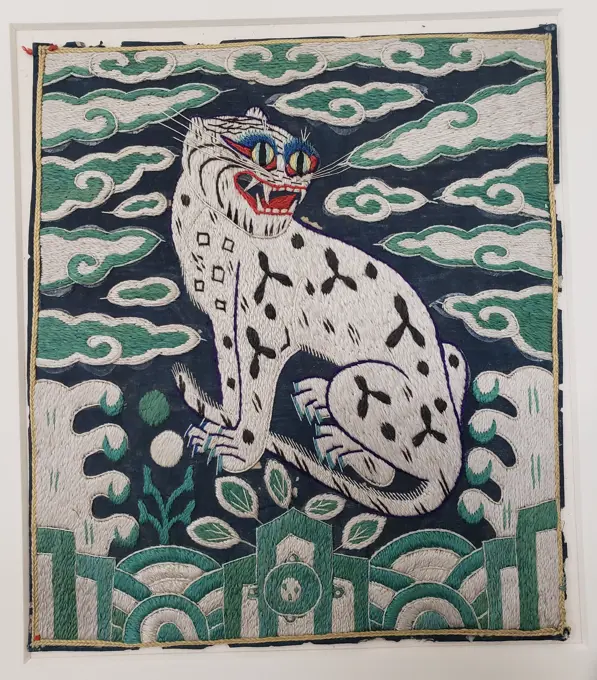
Rank Badge Korea. Rank Badge. Korea. Silk. Joseon dynasty (1392-1910). Textiles-Embroidered
4266-21639207
Linen (Detail), Russian Applied Art
1746-21124247
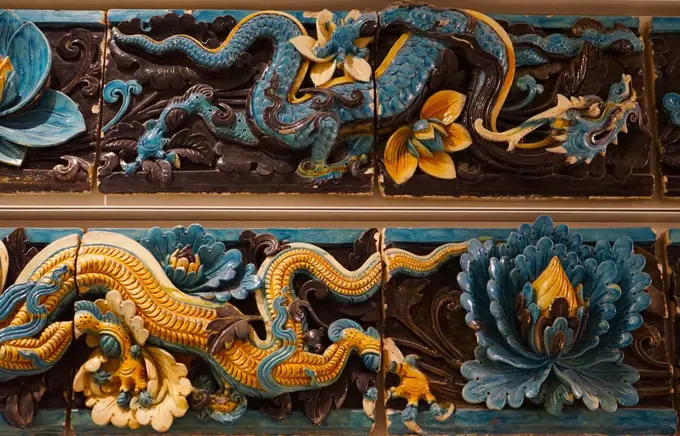
Lead-glazed stoneware dragon tiles, from the Shanxi Province, China. Dated 15th Century
PREVIOUS
of 2
NEXT
2401 S. Ervay, Suite 206
Dallas, Texas 75215
United States
Get Started
Free ResearchMy BoardsMy Cart
For Creators
How To License Your ContentContributor PortalFrame of Mind
Resources
API accessPricing
Contact
+1 866 236 0087help@viewpictures.co.uk Contact form
©2026 View Pictures. All Rights Reserved. -A
This site is protected by reCAPTCHA and Google Privacy Policy and Terms of Service apply.