Decorative Tile Patterns

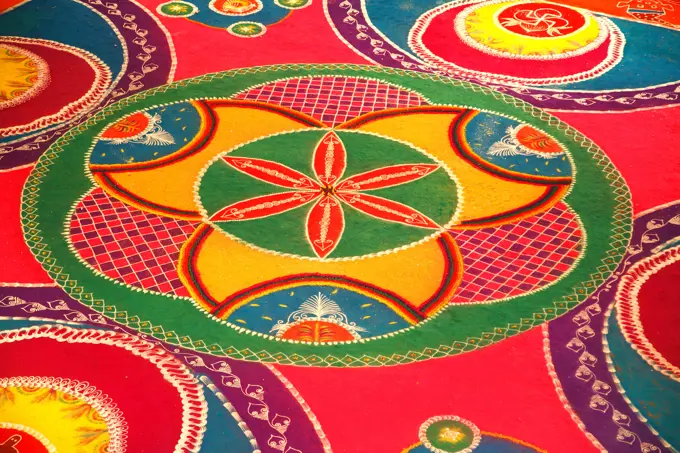
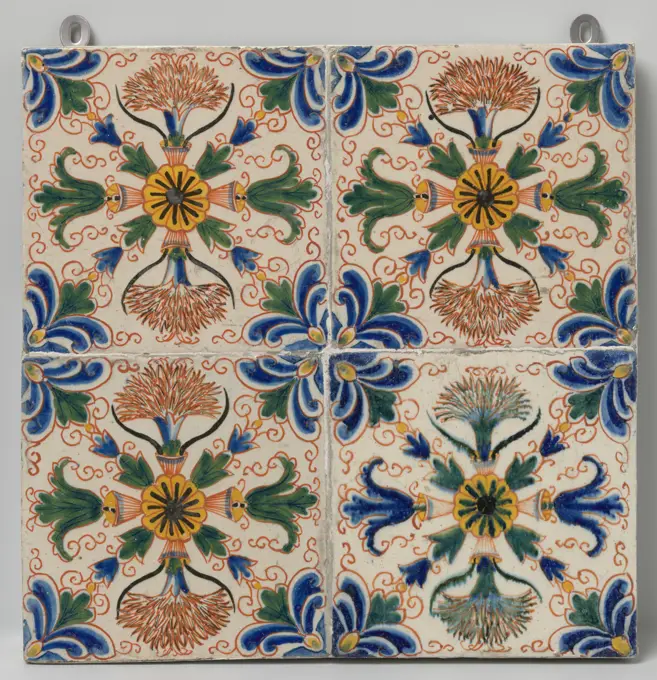
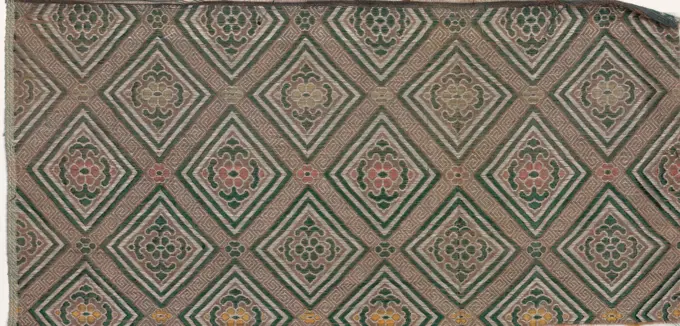
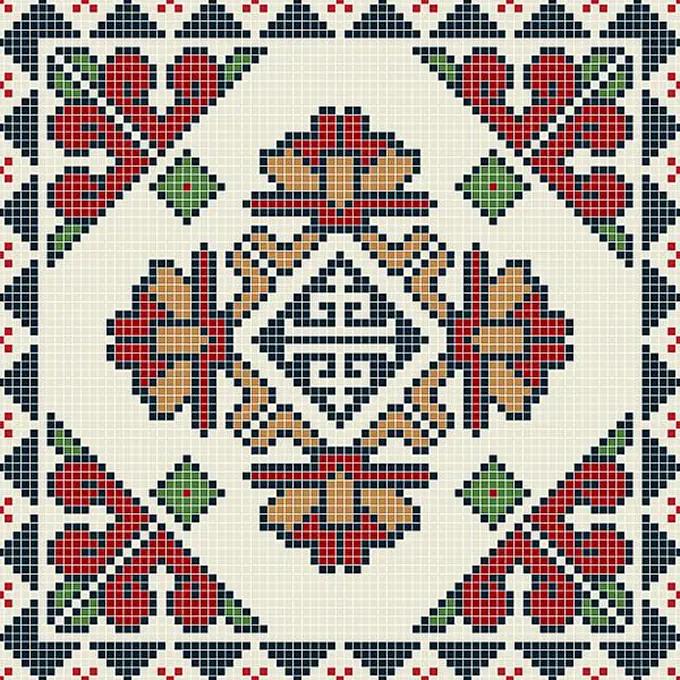
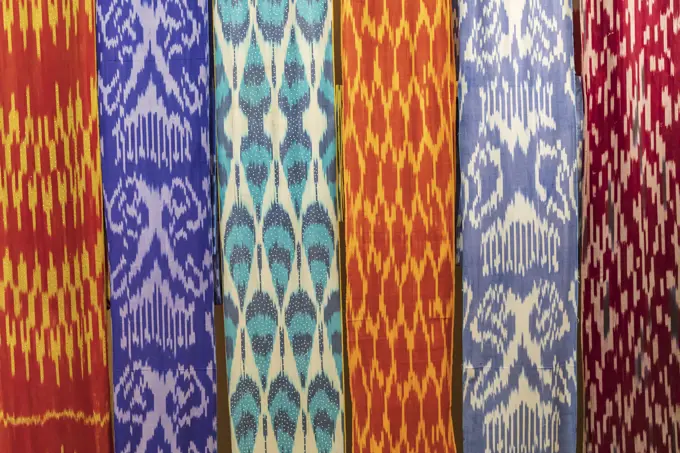
Vibrant textile and tile designs showcasing historical motifs, including floral and geometric patterns in blues, yellows, and greens.
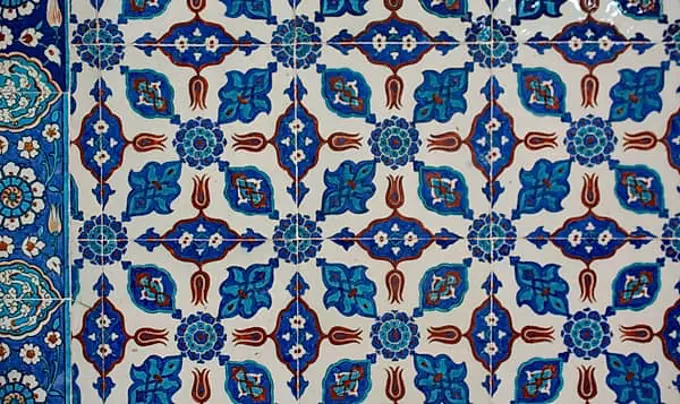
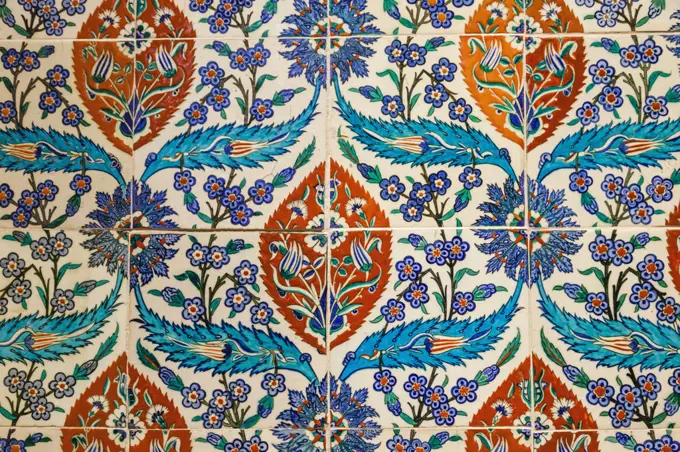
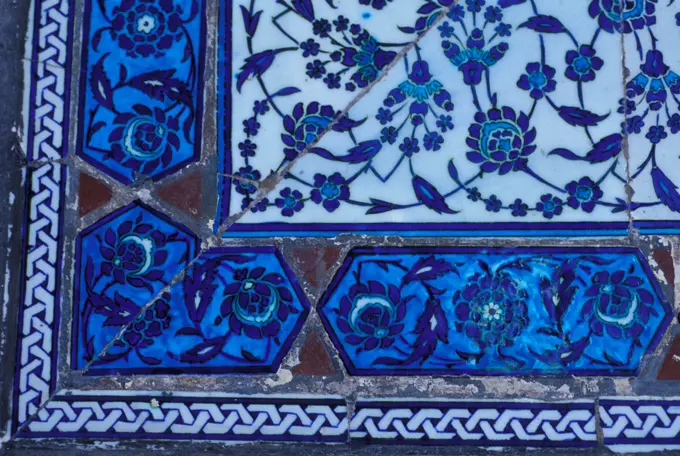
Ottoman ancient Handmade Turkish Tiles with floral patterns
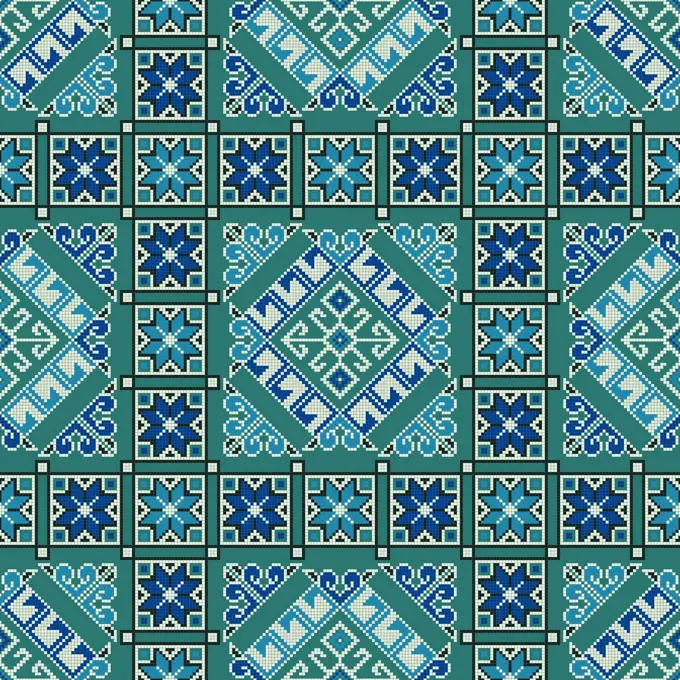
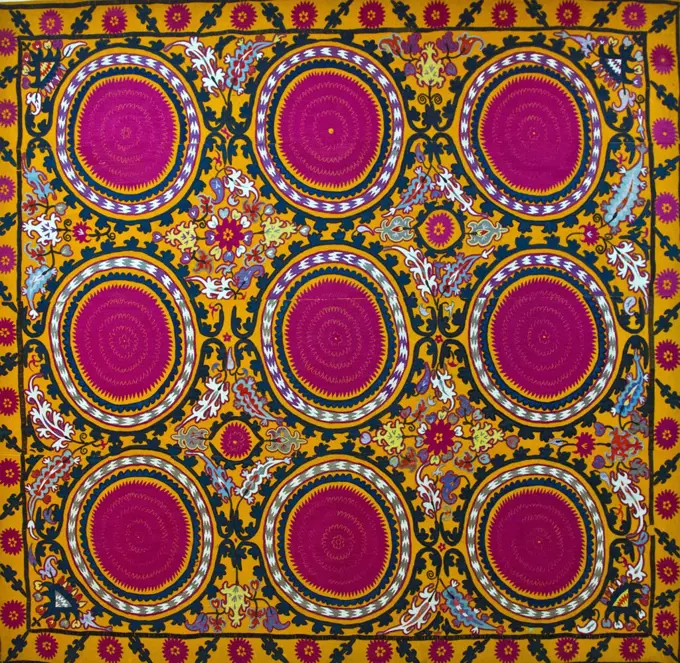
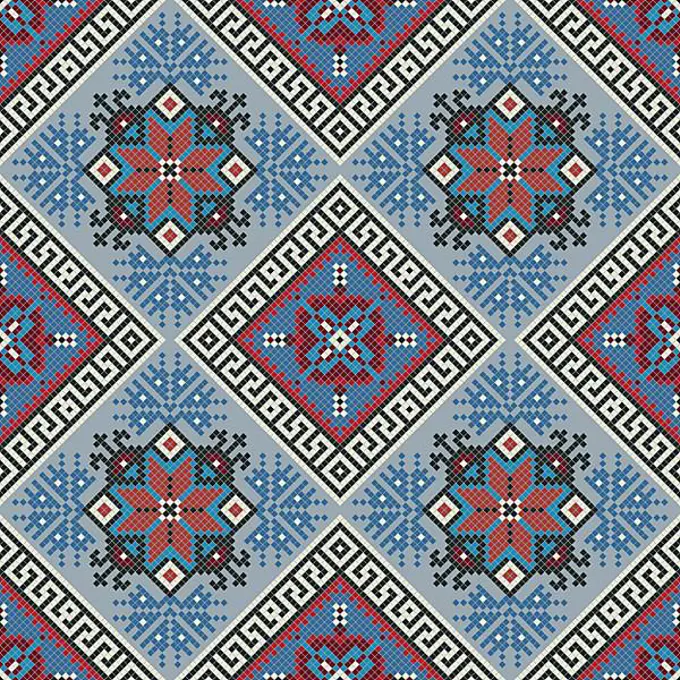
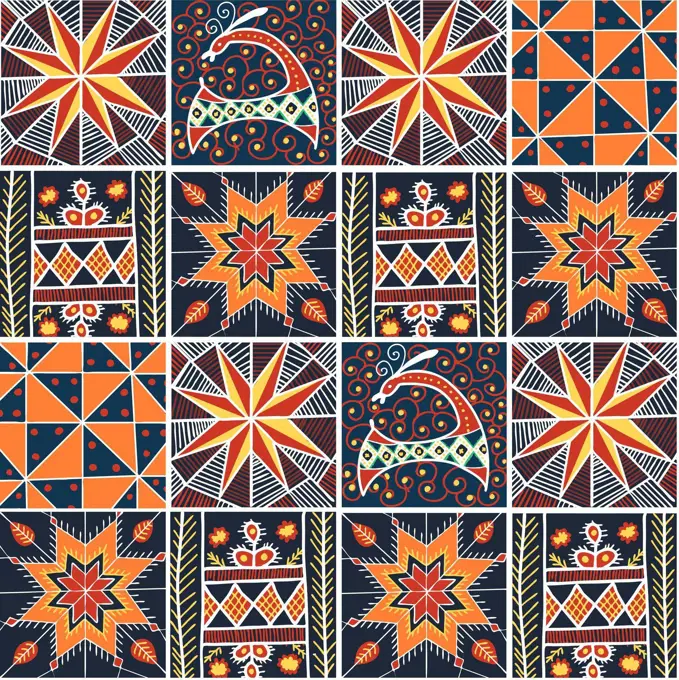
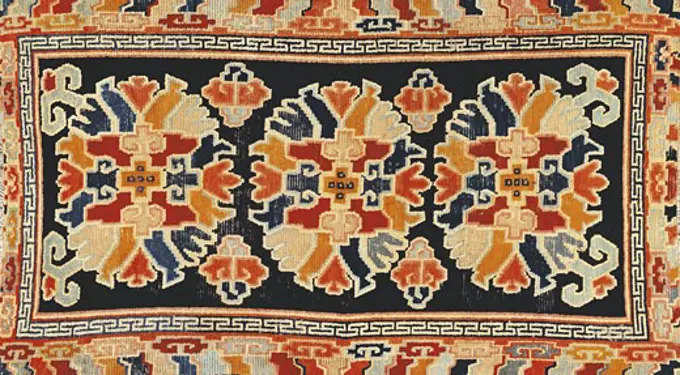
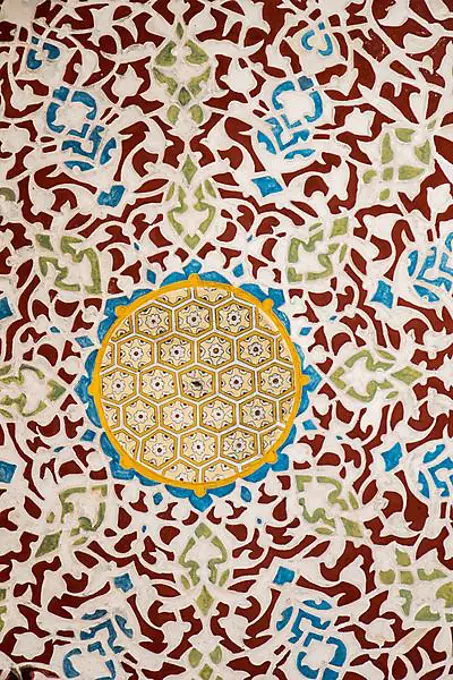
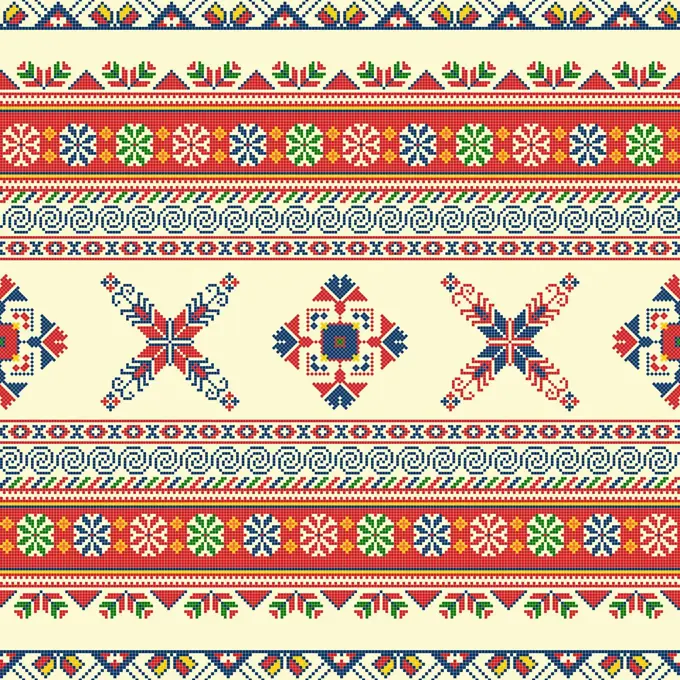
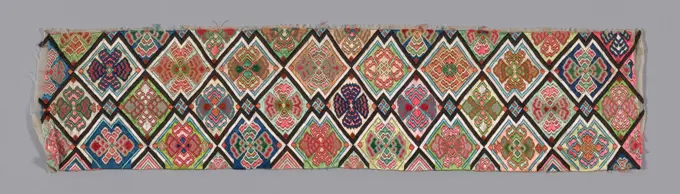
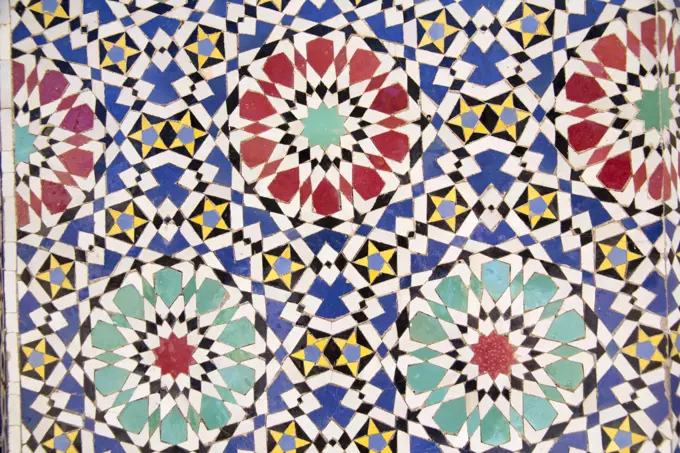
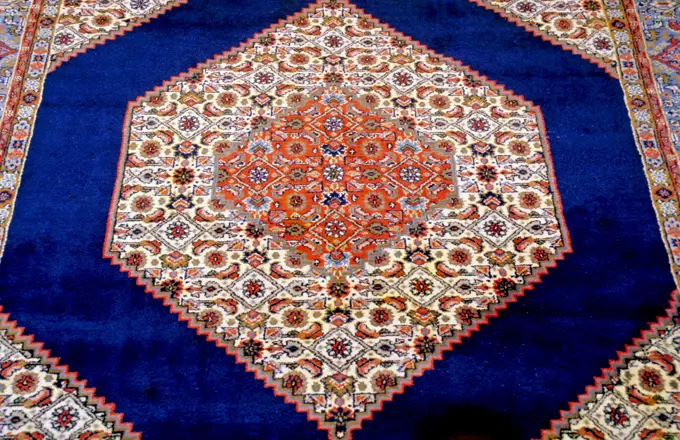
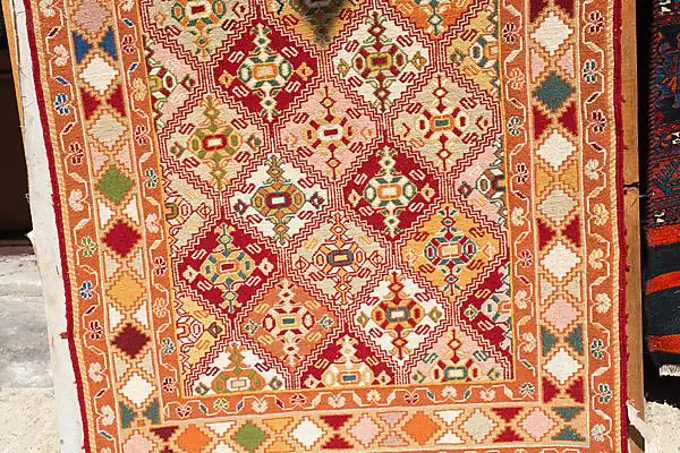
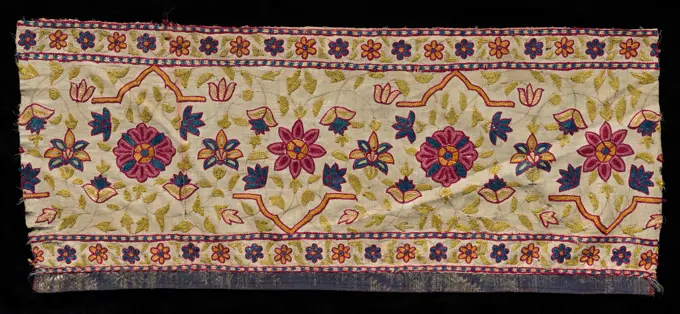
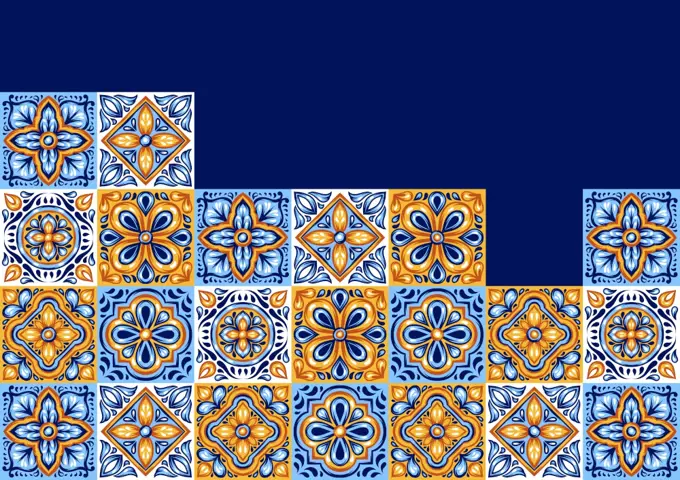
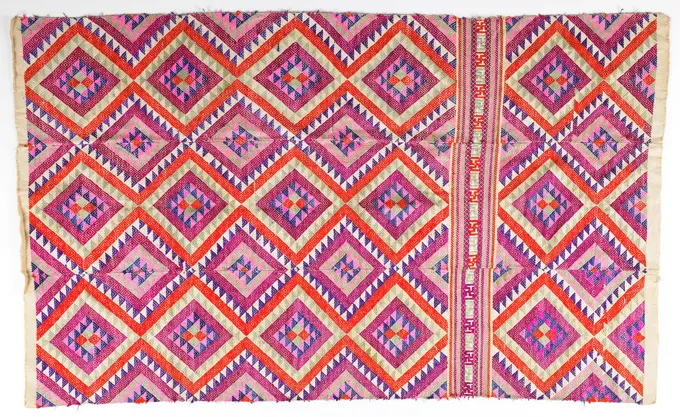
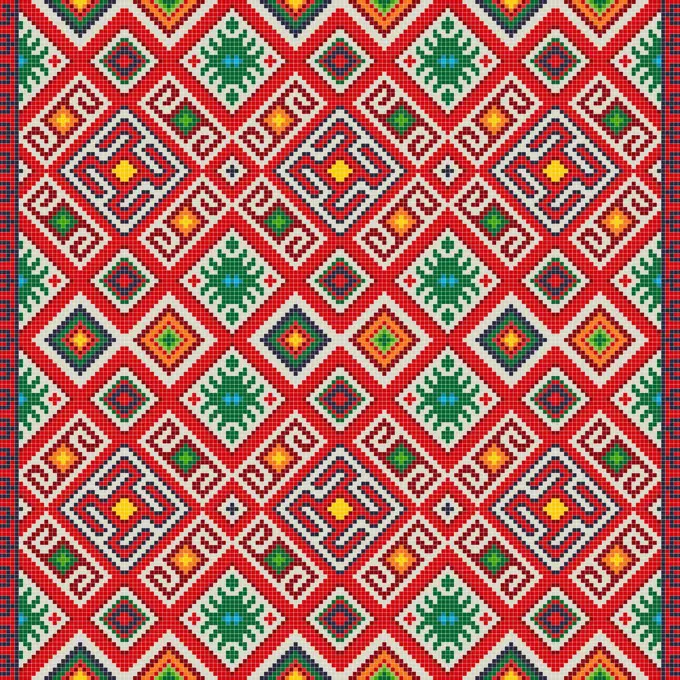
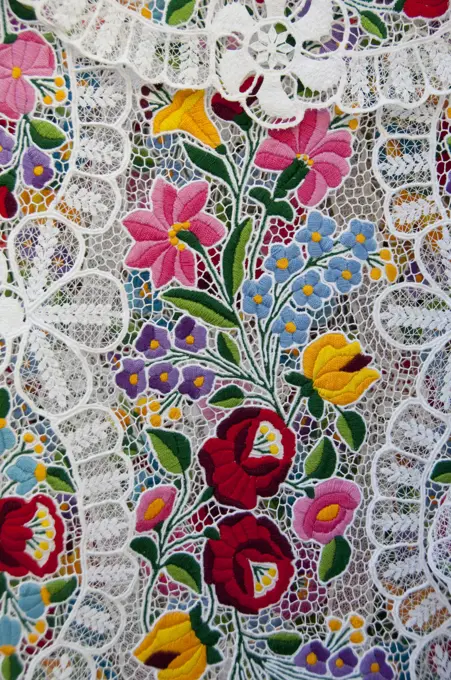
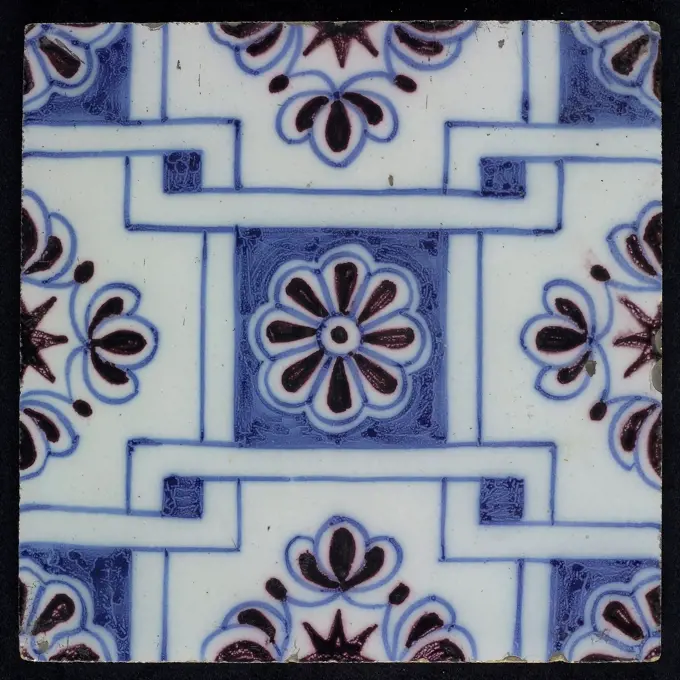
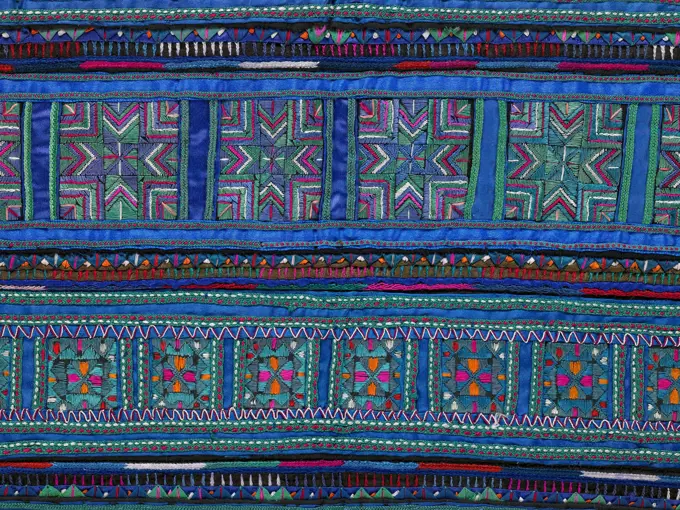
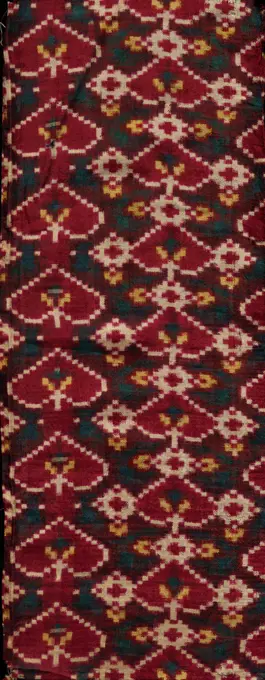
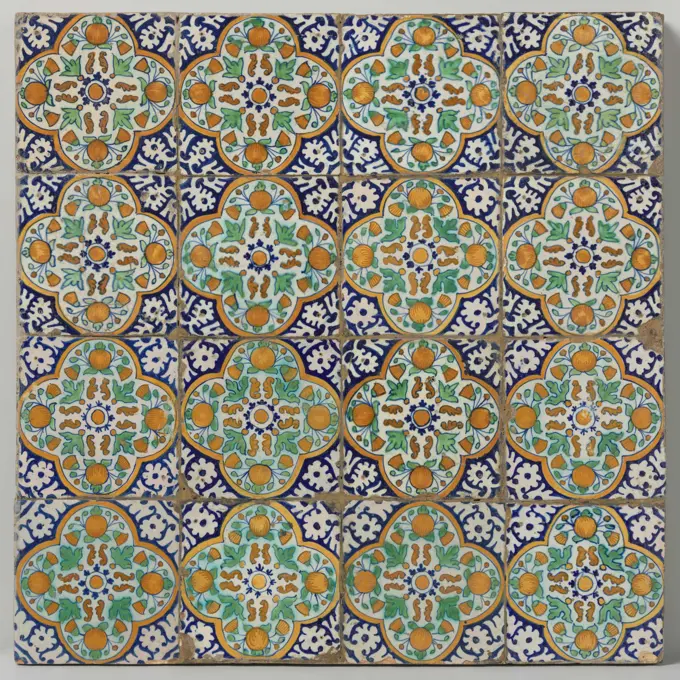
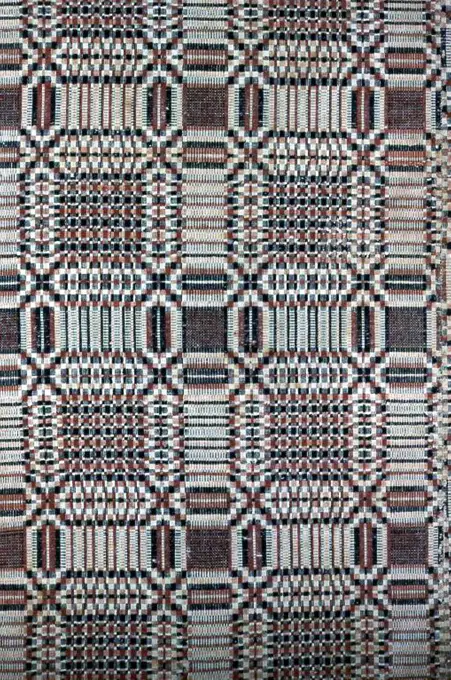
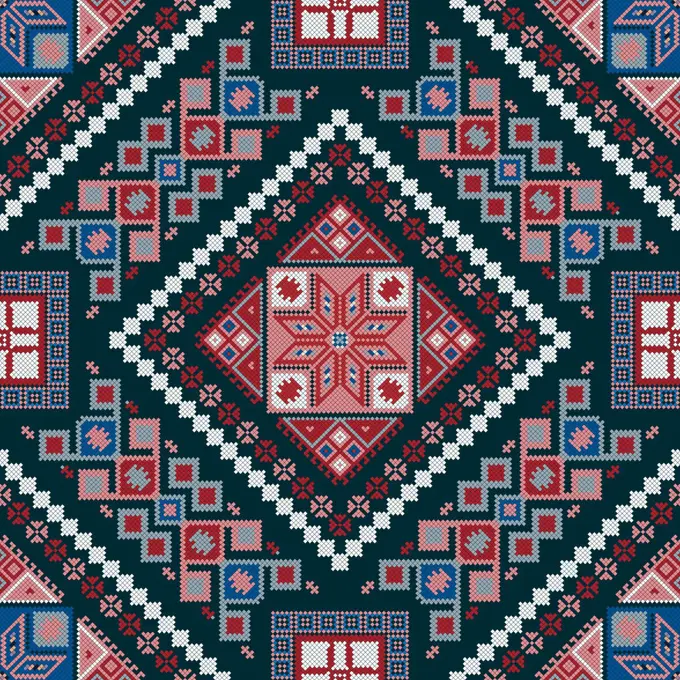
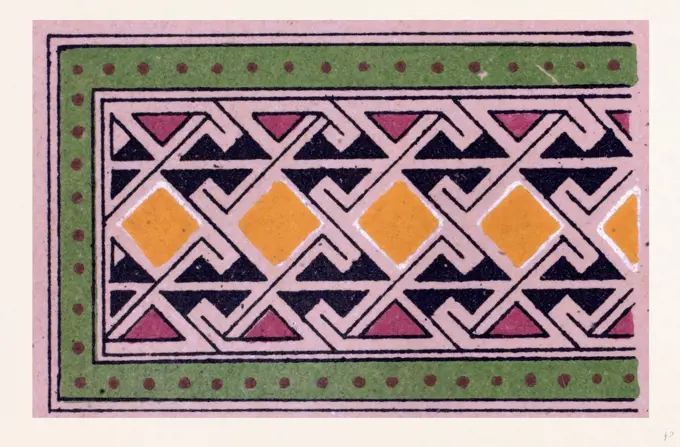
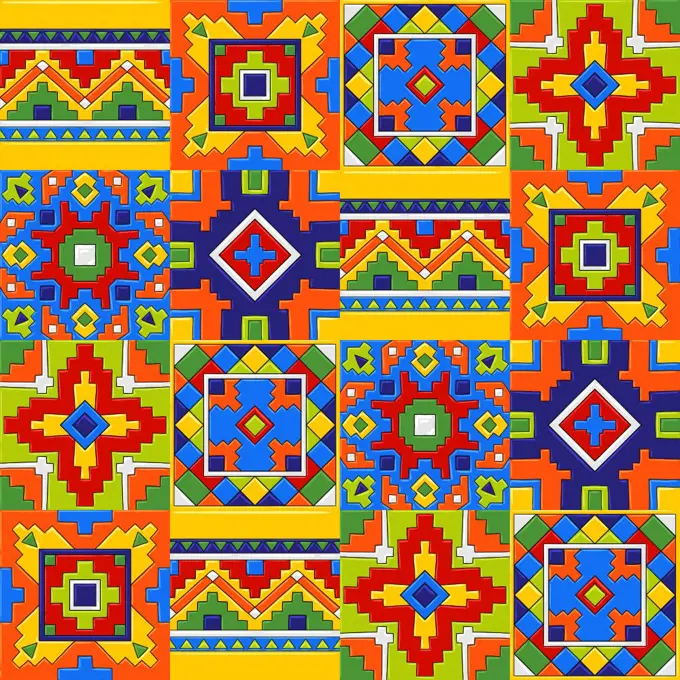
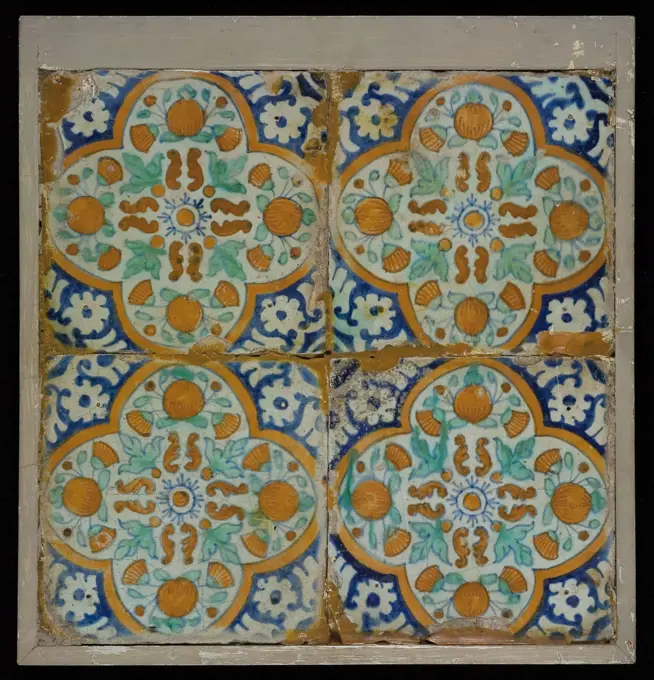
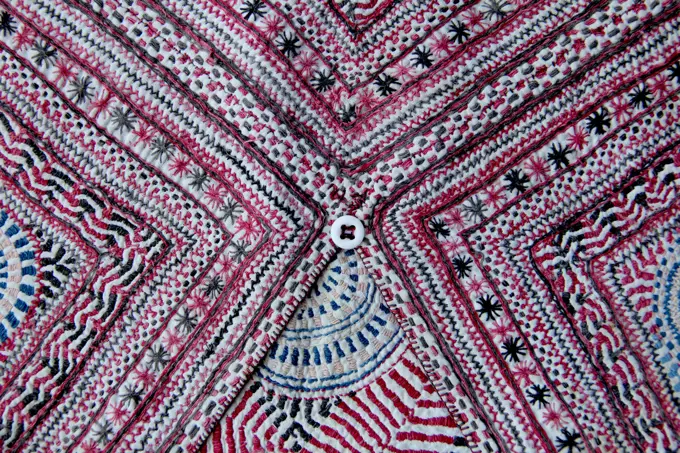
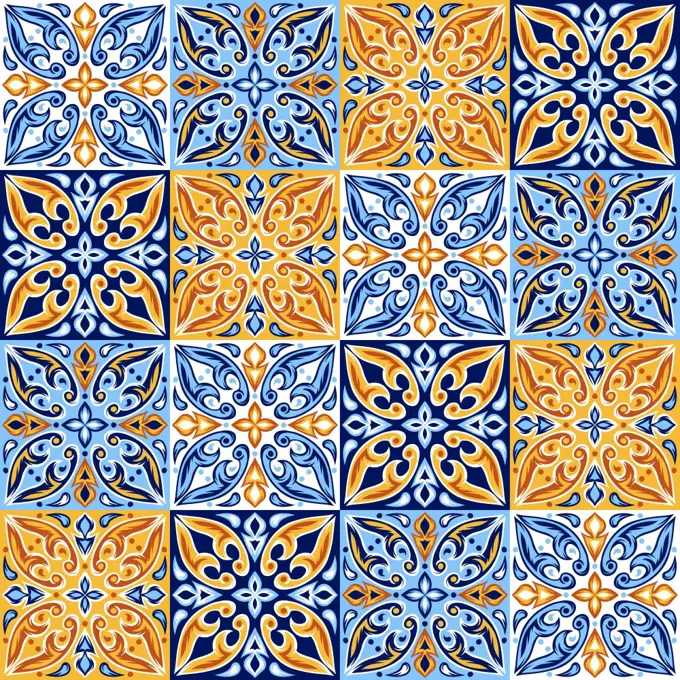
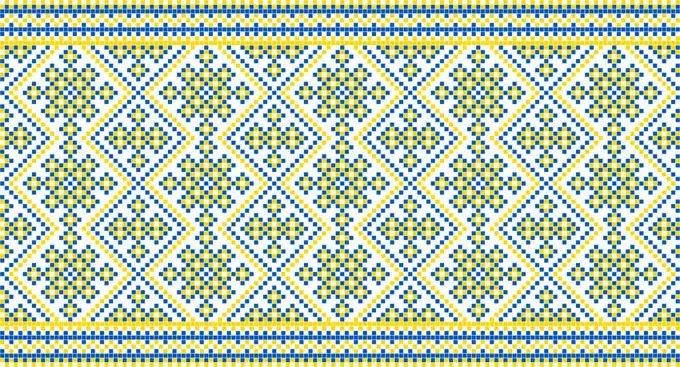
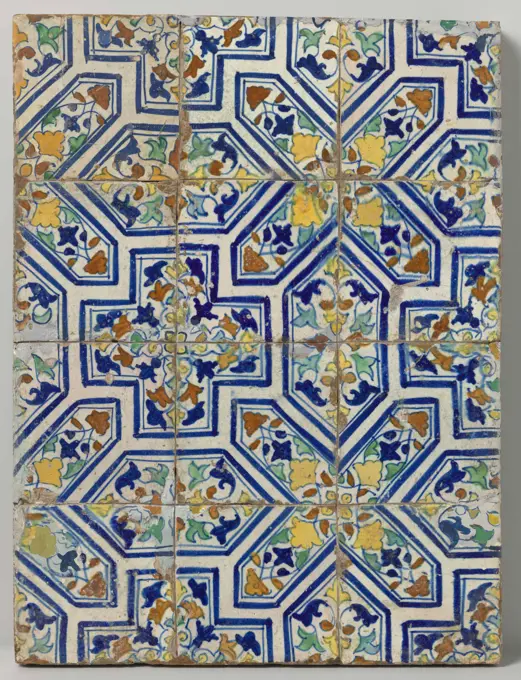
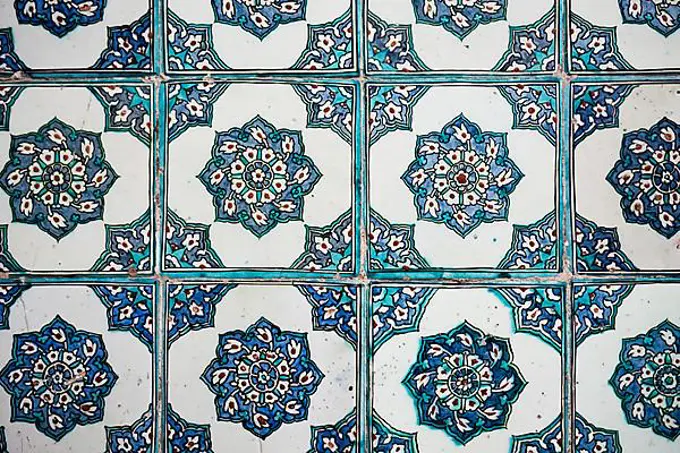
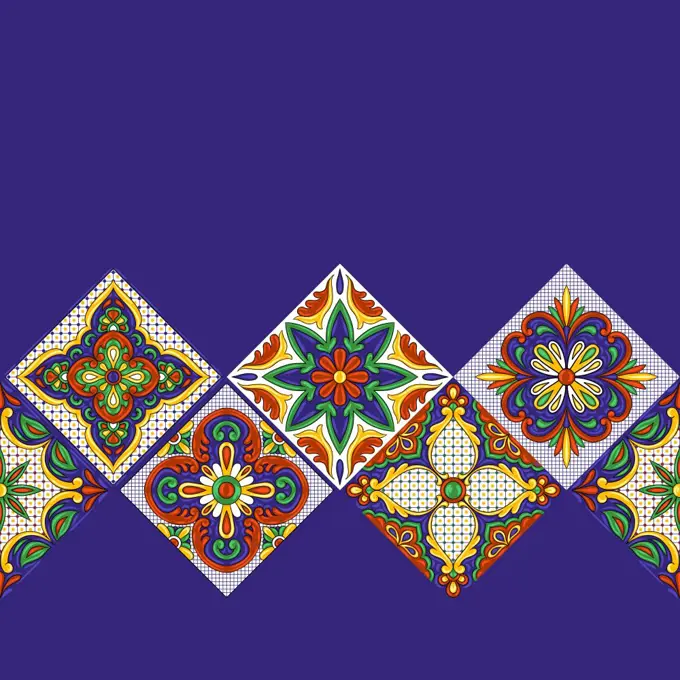
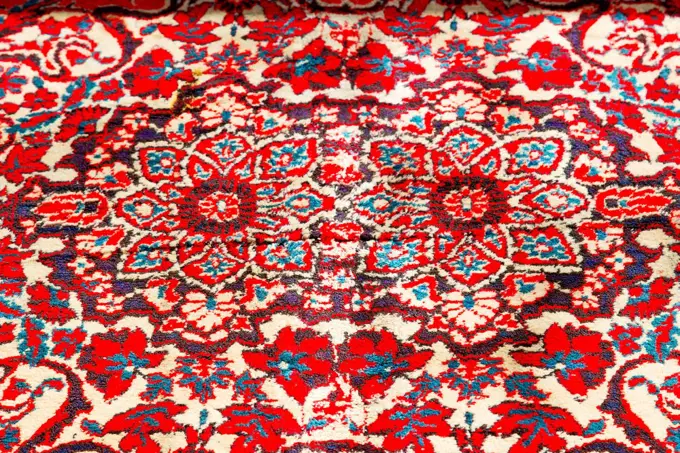
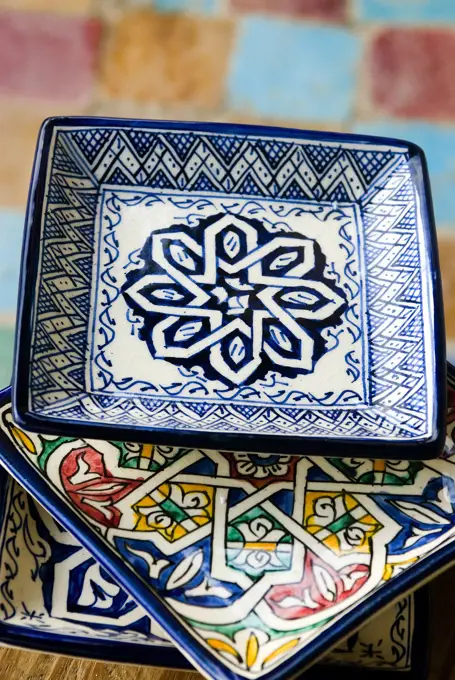
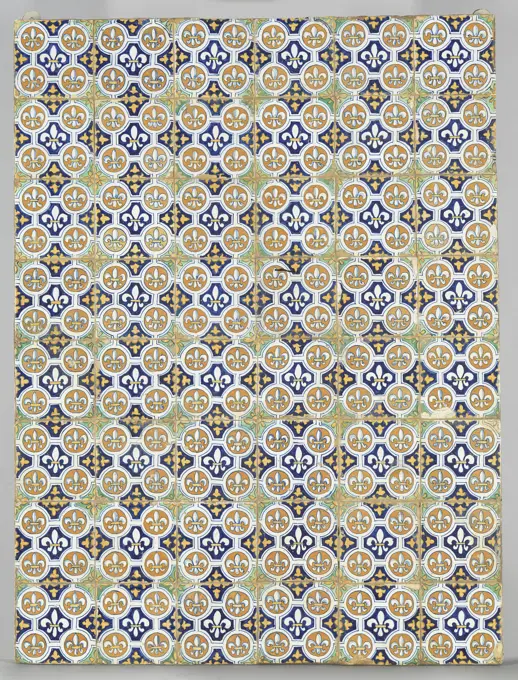
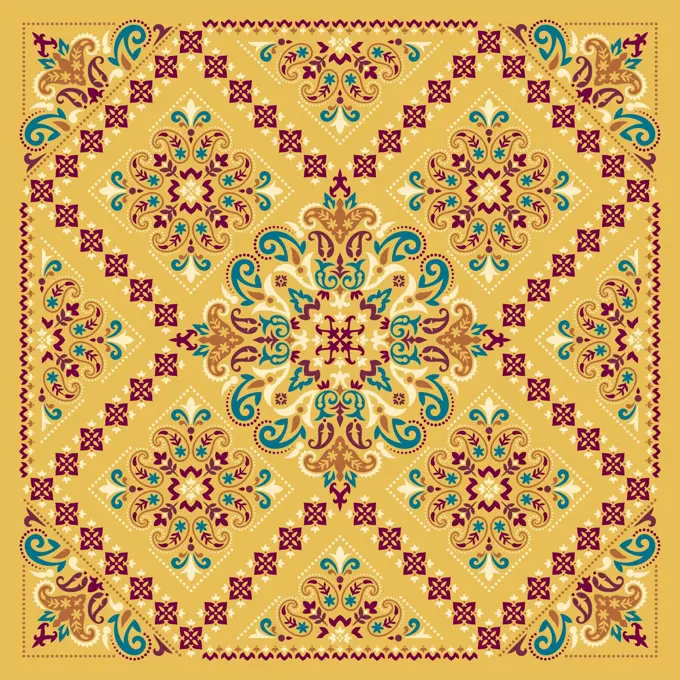
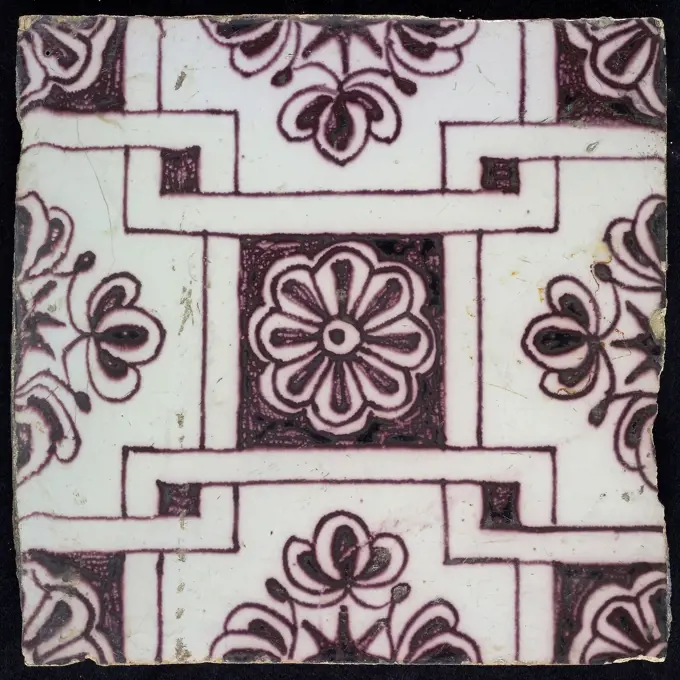
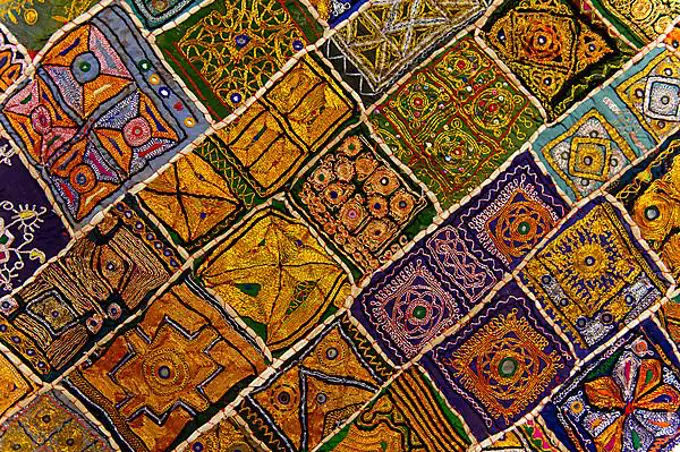
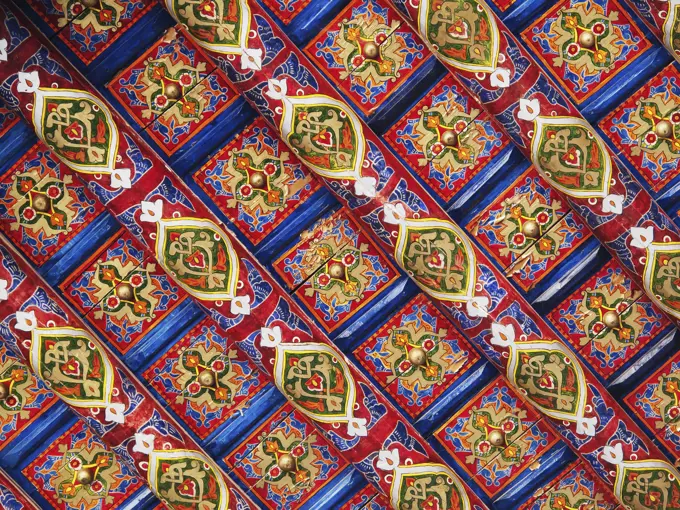
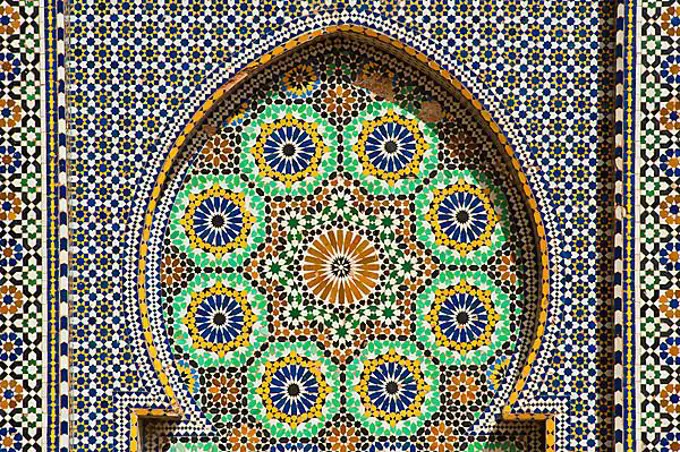
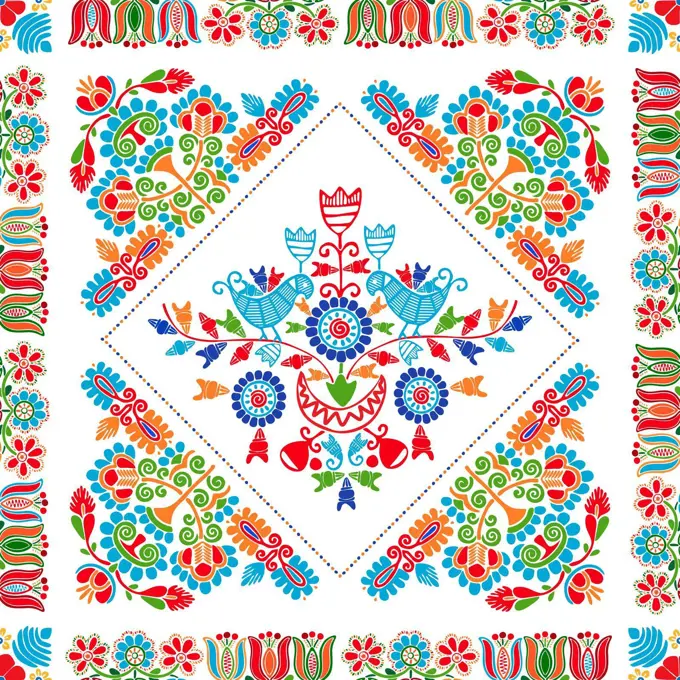
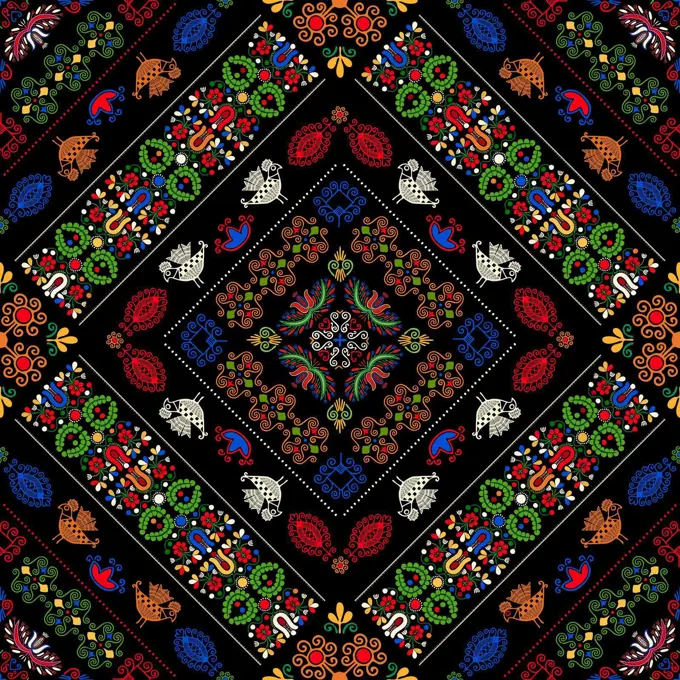
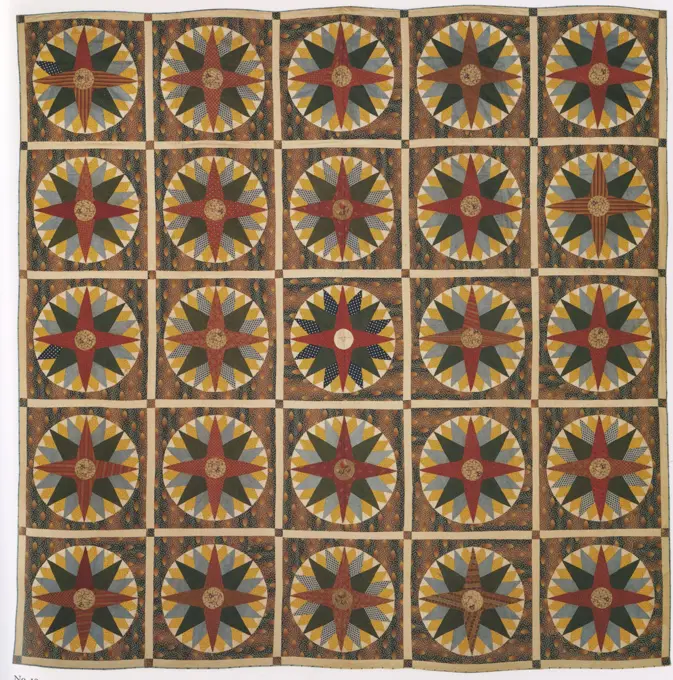
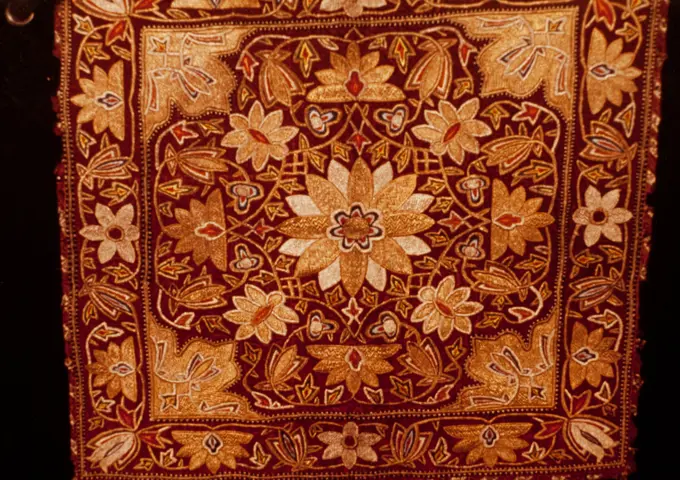
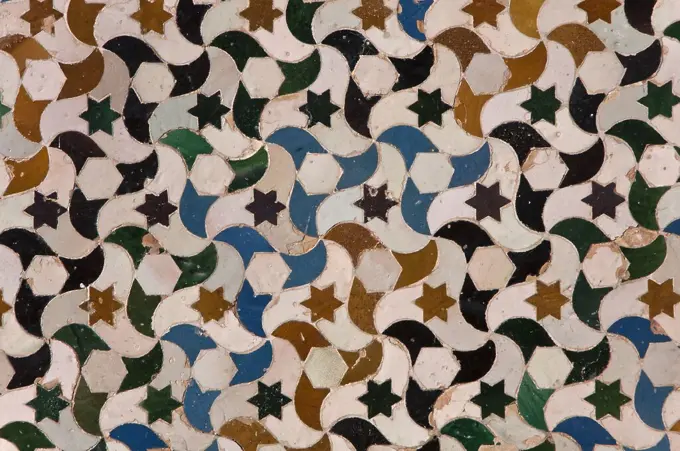
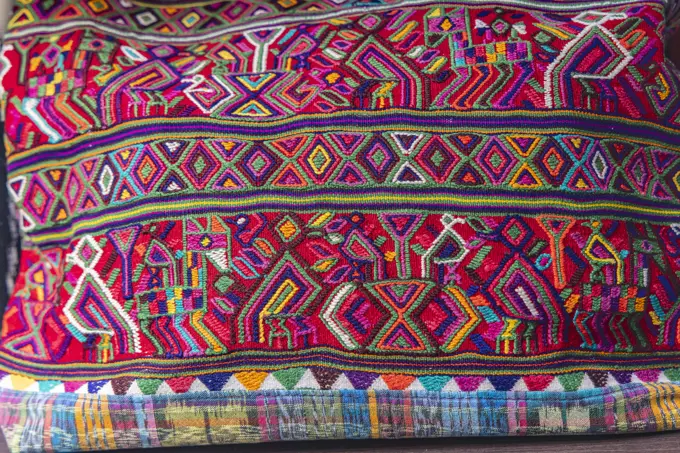
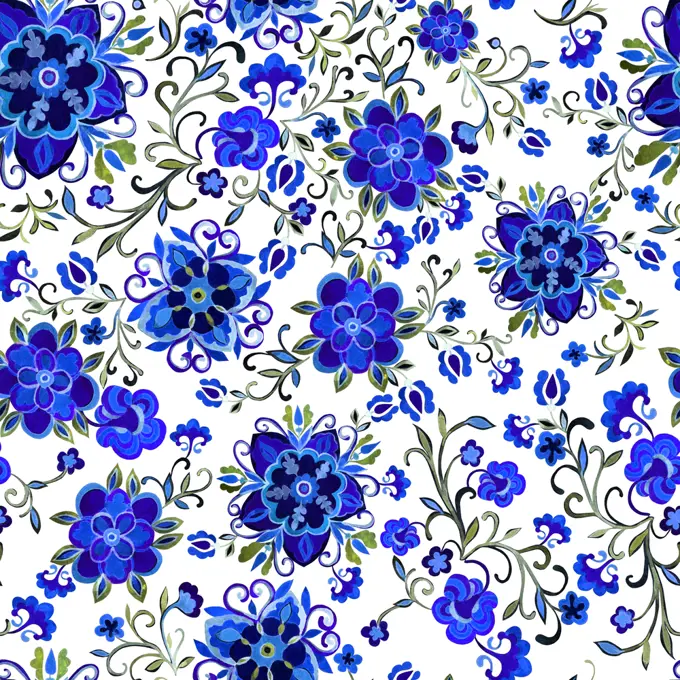
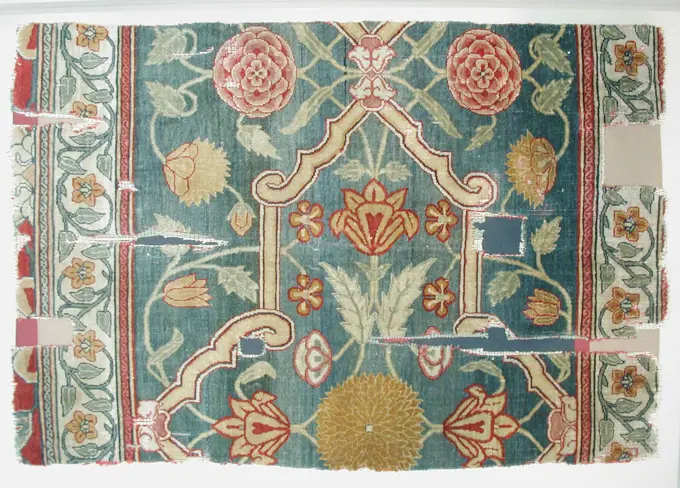
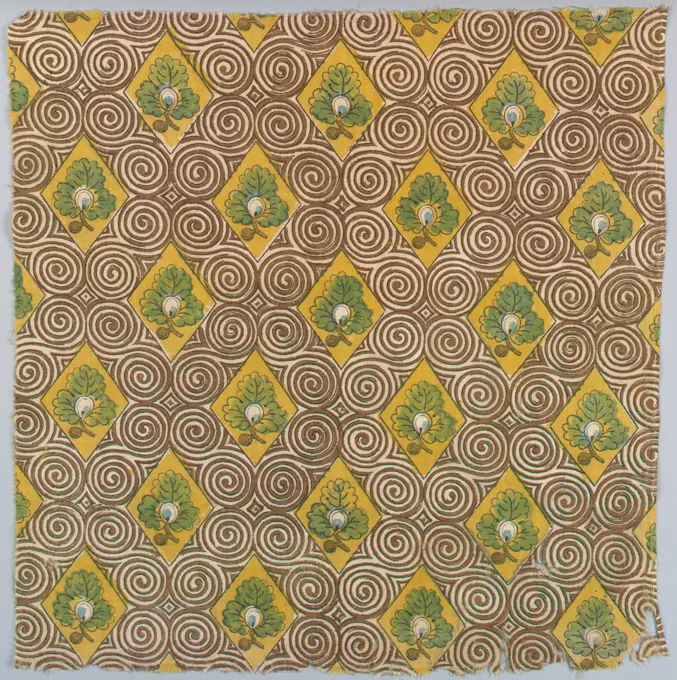
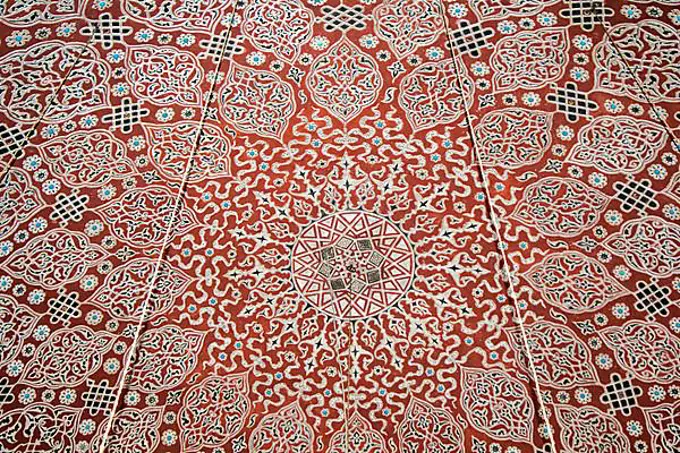
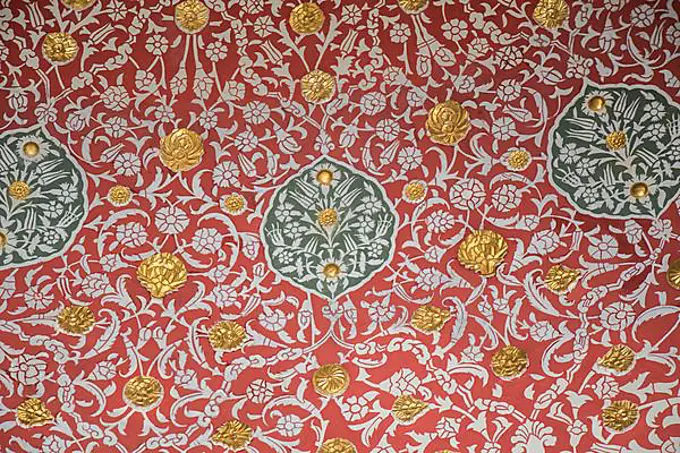
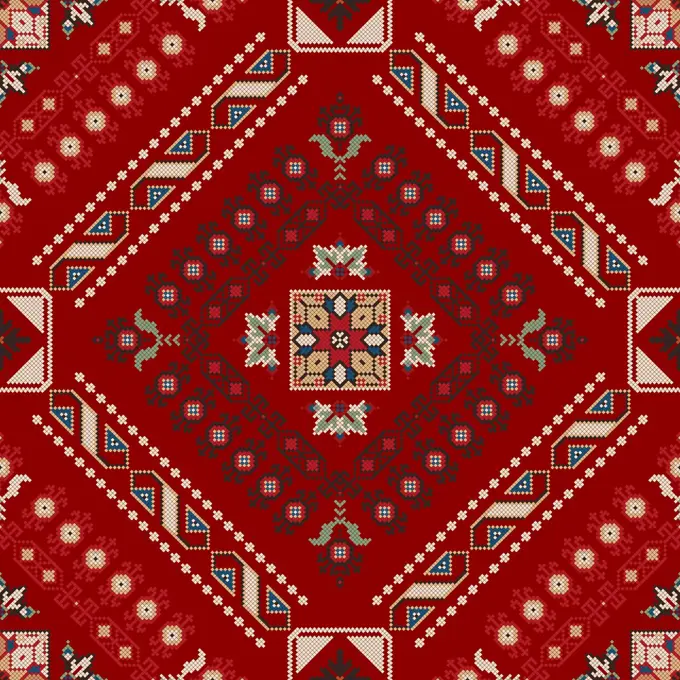
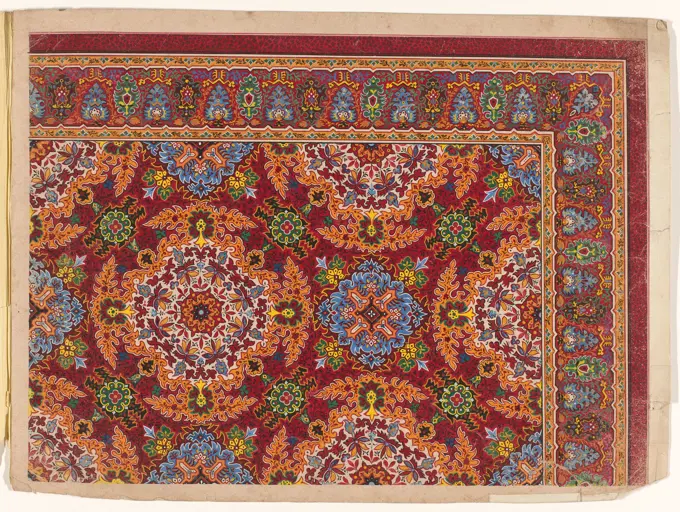
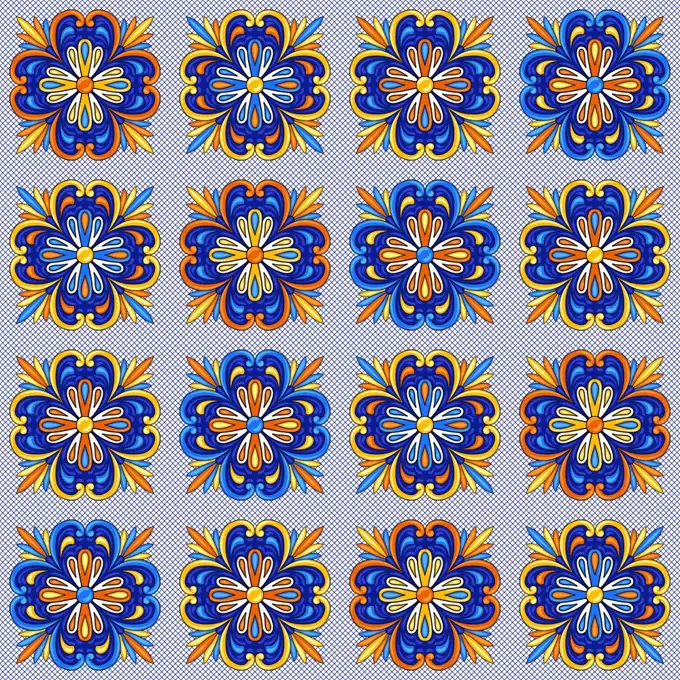
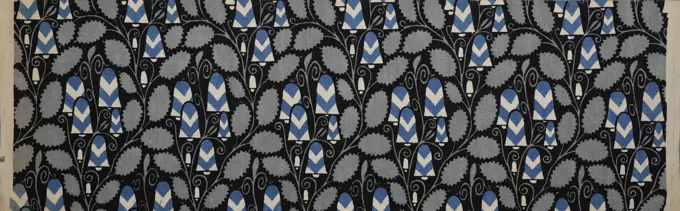
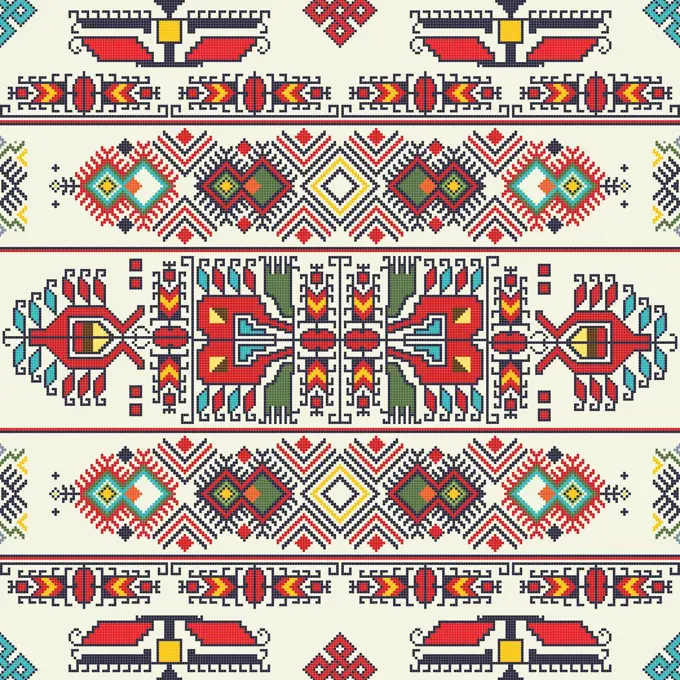
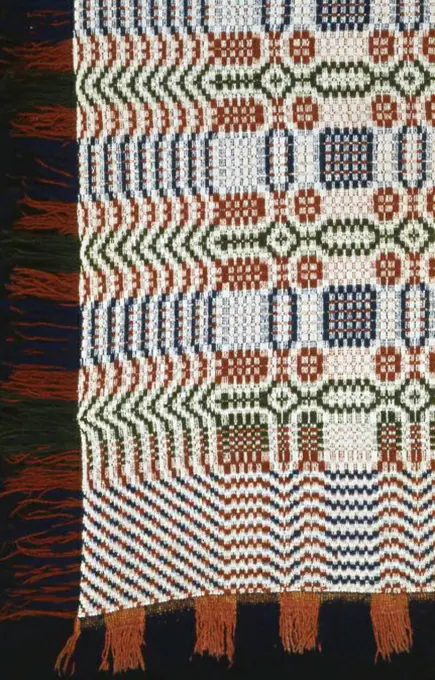
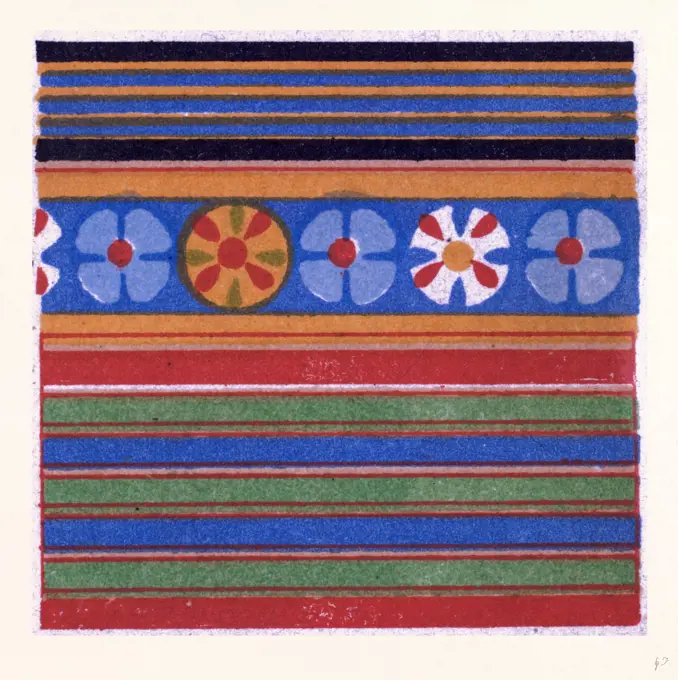
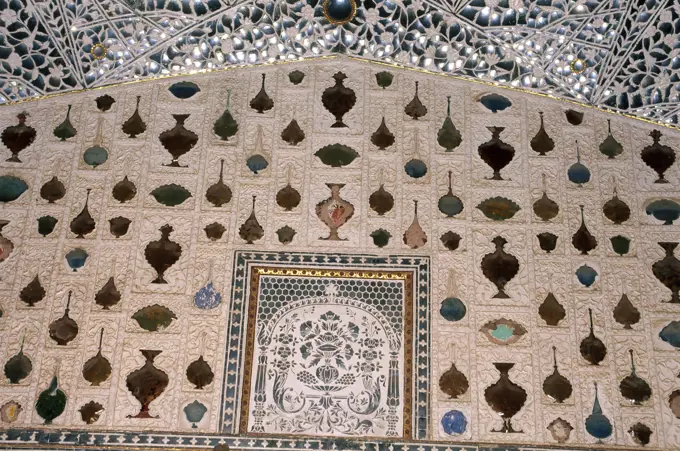
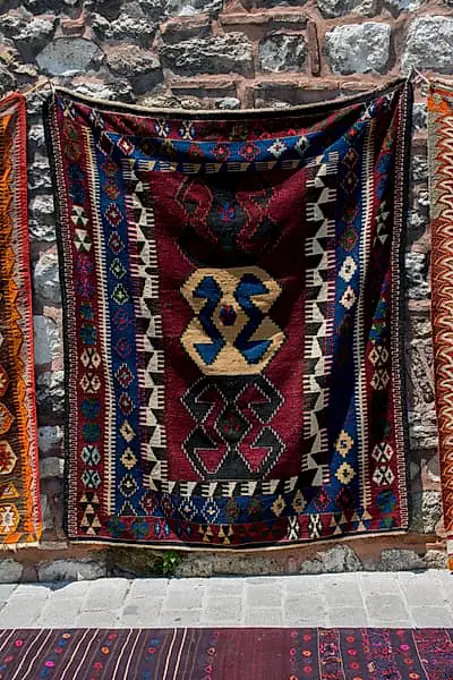
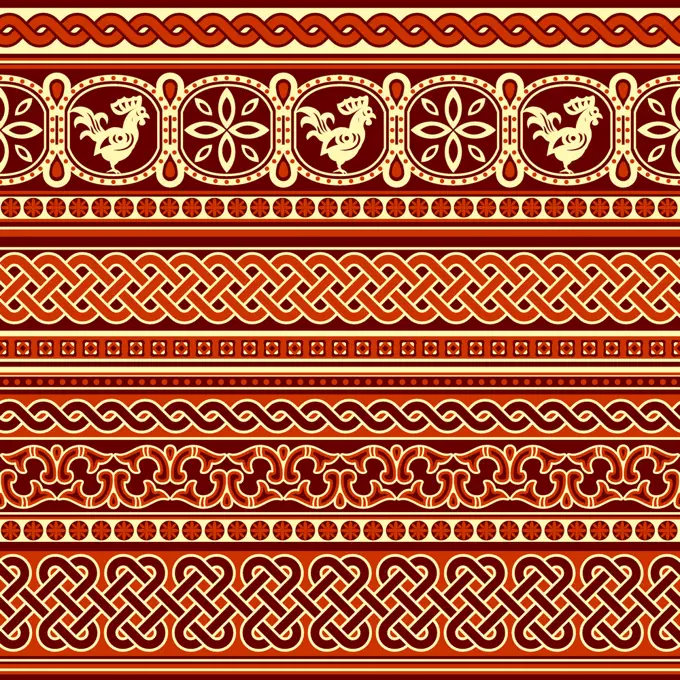
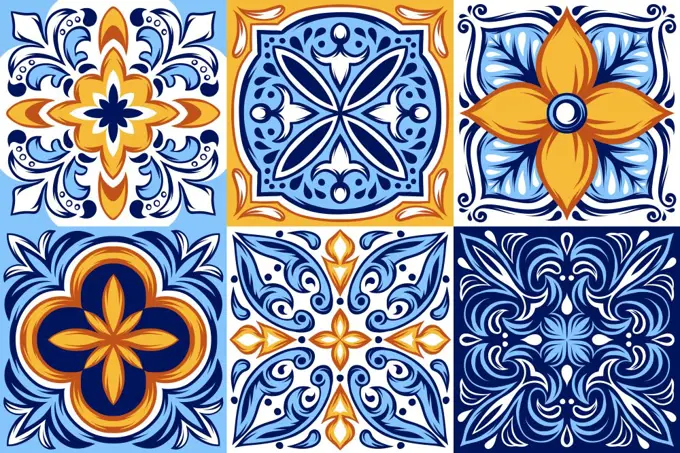
Ottoman ancient Handmade Turkish Tiles with floral patternsGeorgian embroidery pattern 52Field of sixteen tiles with pattern of grape bunches, pomegranates, tulips and stars, anonymous, c. 1600 - c. 1625 Field of sixteen tiles (4 x 4) with a multicolored (blue, green, yellow, orange and purple) pattern formed by four tiles with pomegranates, grape bunches and tulips around a star. In the corners, a quarter rosette. Netherlands earthenware. tin glaze majolica Field of sixteen tiles (4 x 4) with a multicolored (blue, green, yellow, orange and purple) pattern formed by four tiles with pomegranates, grape bunches and tulips around a star. In the corners, a quarter rosette. Netherlands earthenware. tin glaze majolicaOttoman ancient Handmade Turkish Tiles with floral patternsUzbekistan, Tashkent, Central Asian Carpet at State Museum of Applied Arts, Colorful CarpetEngland, London, Kensington, Victoria and Albert Museum aka V&A, The Islamic Middle East Room, Detail of Turkish Tiles dated 1580Ottoman ancient Handmade Turkish Tiles with floral patternsTraditional Georgian folk art embroidery vector patternModern Ukrainian ornament. Seamless pattern in the Ukrainian style. Symbols of Ukraine. National symbols. Culture of Central Europe. Pysanka. Embroidery. Trendy ethnic pattern. CollageTile on the wall of Topkapi palace in Istanbul, Turkey              Close-up of a Khaden carpet, ChinaField of sixteen tiles with flower pots, anonymous, c. 1580 - c. 1625 Field of sixteen tiles (4 x 4) each with a multicolored (blue, orange, green and yellow) flowerpot within a squared frame. In the corners, ornament in Vultechniek. Netherlands earthenware. tin glaze majolica Field of sixteen tiles (4 x 4) each with a multicolored (blue, orange, green and yellow) flowerpot within a squared frame. In the corners, ornament in Vultechniek. Netherlands earthenware. tin glaze majolicaAncient Ottoman time Handmade Turkish Tiles with floral patternsFloral art pattern example of the Ottoman timeOttoman ancient Handmade Turkish Tiles with floral patternsUkrainian embroidery pattern 87Band (from Woman's Trousers or Robe) Made 1875-1900 China. .Hungarian embroidery pattern 17Coverlet Made 1858 Indiana. Wool and cotton, plain weave double cloth with main warp fringe; woven on loom with Jacquard attachment; two loom widths joined . Sarah LaTourette (Weaver)Mexican talavera ceramic tile pattern. Ethnic folk ornament. Italian pottery, portuguese azulejo or spanish majolica.. Mexican talavera ceramic tile pattern. Ethnic folk ornament.Mexican talavera ceramic tile pattern. Ethnic folk ornament. Italian pottery, portuguese azulejo or spanish majolica.. Mexican talavera ceramic tile pattern.Colourful embroidery work, rann of kutch, Gujarat, India Copyright: xPxMistry/DinodiaxPhotoxAfrica, Morocco, Fes, Fes Medina, Tiles in Morocco are also named Zellige, Zellij or Zillij, are hand crafted natural clay tile with origins in the ancient Mediterranean and Middle East.blur in iran antique carpet textile  handmade beautiful arabic ornamentHandicrafts - Carpets Copyright: xJagdshxShinde/DinodiaxPhotoxTraditional Turkish hand made carpet and rugsFragment, 1700s - 1800s. India, 18th-19th century. Embroidery; silk on linen; overall: 48.9 x 19.7 cm (19 1/4 x 7 3/4 in.).Italian ceramic tile pattern. Mediterranean porcelain pottery. Ethnic folk ornament. Mexican talavera, portuguese azulejo or spanish majolica.. Italian ceramic tile pattern. Mediterranean porcelain pottery.Blanket, 70 x 41 in. (177.8 x 104.14 cm), Cotton; needlework, ChinaHungary, Budapest. Hungarian styled embroideryBulgarian embroidery pattern 7Hungary, capital city of Budapest. Buda side, Castle Hill. Traditional hand made embroidered lace.National Ukrainian pattern embroidered on old fabric. Vintage pattern on fabric. National Ukrainian pattern embroidered on old fabricOrnament tile, blue on white, central square decor with purple rosette, along two blue diagonals diamond pattern, with flowers on the cutting edge, corner motif quarter rosette, Rotterdams rosette diamond, wall tile tile sculpture ceramic earthenware glaze, baked 2x glazed painted RotterdamBaby Carrier, 28 1/2 x 53 1/2 in. (72.39 x 135.89 cm), Cotton; needlework, ChinaFragment, 1800s. India, Gujarat, 19th century. Patola (double ikat) weaving; silk; overall: 44.5 x 17.2 cm (17 1/2 x 6 3/4 in.).Field of sixteen pompan tiles with rosettes and pomegranates. Field of sixteen PumpAdour tiles (4 x 4) with a multicolored (blue, orange, green and yellow) rosette surrounded by pomegranates inside a four-pass with in the corners, ornament in filling technology.Coverlet Made 1820-1830 Virginia. Cotton and wool, plain weave with supplementary patterning wefts (overshot); two loom widths joined .Georgian embroidery pattern 54Celtic ornamentMexican talavera ceramic tile pattern. Ethnic folk ornament.. Mexican talavera ceramic tile pattern.TURKEY, ISTANBUL, TOPKAPI PALACE, TILE WORKTile field, four tiles, central decor, with orange, blue and green on white, pompadour, frame: vierpas, tiled field wall tile tile sculpture ceramic earthenware iron glaze metal, baked 2x glazed paintedRangoli Copyright: xAngeloxD Silva/DinodiaxPhotoxField of four tiles with a rosette surrounded by carnations and leaf classes. Four tiles (2 x 2) with a multicolored (blue, red, green, yellow and black) rosette surrounded by carnations and leaf classes. In the corners, a flower decor.Textile Fragment, 1800s. Japan, 19th century. Silk; average: 43.2 x 21.6 cm (17 x 8 1/2 in.).Traditional Georgian folk art embroidery vector patternNakshi kantha, a type of embroidered quilt, is a centuries-old Bengali art tradition of the Bengal region, notable in Bangladesh and Indian states of West Bengal, Tripura and part of Assam. The basic material used is thread and old cloth. The colourful patterns and designs that are embroidered resulted in the name "Nakshi Kantha", which was derived from the Bengali word "naksha", which refers to artistic patterns.These items are preserved at the "Bangladesh Folk and Karur art Museum". Bangladesh.Italian ceramic tile pattern. Ethnic folk ornament. Mexican talavera, portuguese azulejo or spanish majolica.. Italian ceramic tile pattern. Ethnic folk ornament.Europe, Turkey, Istanbul, Topkapi Palace (aka Topkapi Sarayi), famous Iznik tiles, detailPortuguese azulejo ceramic tile pattern. Ethnic folk ornament. Mediterranean traditional ornament. Italian pottery, mexican talavera or spanish majolica.. Portuguese azulejo ceramic tile pattern.Vector illustration of Ukrainian ornament in ethnic style, identity, vyshyvanka, embroidery for print clothes, websites, bannersMajolica, Barak-khan Medrese, Tashkent, Uzbekistan, Tashkent, Uzbekistan, AsiaField of twelve tiles with leaf pattern. Field of twelve tiles (4 x 3) with multicolored (blue, yellow, green and orange-brown) painted leaf patterns intersect and pawns.Beautiful ancient ottoman tilesMexican talavera ceramic tile pattern. Ethnic folk ornament. Italian pottery, portuguese azulejo or spanish majolica.. Mexican talavera ceramic tile pattern. Ethnic folk ornament.blur in iran antique carpet textile  handmade beautiful arabic ornamentHand made plates at Poterie de Fes 32 Ain Nokbi Route Sidi Harazem, Fes, Morocco, AfricaField of forty -eight tiles with French lilies, anonymous, c. 1560 - c. 1600 Field of forty -eight tiles (8 x 6) each with multicolored (blue, green and orange) painted French lilies in filling technology. Netherlands earthenware. tin glaze majolica Field of forty -eight tiles (8 x 6) each with multicolored (blue, green and orange) painted French lilies in filling technology. Netherlands earthenware. tin glaze majolicaItalian tile pattern. Ethnic folk ornament. Mexican talavera, portuguese azulejo or spanish majolica.. Italian tile pattern. Ethnic folk ornament.Vector ornament Bandana Print. Traditional ornamental ethnic pattern with paisley and flowers. Silk neck scarf or kerchief square pattern design style, best motive for print on fabric or papper.Traditional Polish embroidery round symbol 5Ornament tile, purple rosette, Rotterdams rosette diamond, corner motif quarter rosette, wall tile tile sculpture ceramic earthenware glaze, baked 2x glazed painted Purple on white central square decor RotterdamTunisian traditional ornamentUSA; Georgia; Savannah; Fabric from Nepal on displayColourful traditional wall hanging from Rajasthan, inlaid with small mirrors, Rajasthan, India, AsiaPersian ornamentDecorated Wooden Ceiling, Tash Hauli Palace, Ichan Kala Old City; Khiva, UzbekistanTile mosaics, zellige, zillij or zellij tilework, on a fountain, Meknes, Morocco, AfricaHungarian embroidery pattern 110Tatreez, decorative Palestinian embroidery symbolHungarian embroidery pattern 40Close-up of zellij mosaic, Marrakech, Morocco, AfricaMariner's Compass Quilt 1847 Barbara Ann Miller This beautiful quilt, signed in the center in ink Barbara Ann Miller/her quilt/1847”, exemplifies the German approach to the English tradition of quiltmaking. Pennsylvania German quilts are typically more boldly colored and patterned than those from other areas of the Northeast. The emphasis on ornate patterning is thought to reflect the influence of the German and central European folk-art traditions that the Pennsylvania Germans carried with them to America. The Mariner’s Compass pattern, which demanded incredibly precise stitching, was one of the most popular sewn by Pennsylvania German women in the nineteenth century.. Mariner's Compass Quilt. American. 1847. Cotton and linen. Made in Pennsylvania, United StatesCushion Cover, 19th century, 26 x 26 in. (66.04 x 66 cm), Velvet, gold, silver; needlework, Turkey, 19th centuryMajolica, Ulughbek Medrese, Registan Square, Ensemble of three medressas, Samarkand, Uzbekistan, Samarkand, Uzbekistan, AsiaCourt of the Myrtles - arab tiles, The Alhambra, Granada, Region of Andalusia, Spain, Europe.Majolica, Tillakori Medrese, Registan Square, Ensemble of three medressas, Samarkand, Uzbekistan, Samarkand, Uzbekistan, AsiaSan Juan La Laguna, Solola, Guatemala. Pillows made from traditional woven cloth for sale at a market near Lake Atitlan.Watercolor Christmas set. Illustration. Watercolor Christmas set.Carpet Fragment third quarter 17th century. Carpet Fragment 453219Textile (England); cottonOttoman ancient Handmade Turkish Tiles with floral patternsFloral art pattern example of the Ottoman timeFloral art pattern example of the Ottoman timeGeorgian embroidery pattern 41Design for a carpet, anonymous, c. 1854 - c. 1864  Manufacturer: Deventeramsterdam paper. gouache (paint) brush  Manufacturer: Deventeramsterdam paper. gouache (paint) brushMexican talavera ceramic tile pattern. Ethnic folk ornament. Italian pottery, portuguese azulejo or spanish majolica.. Mexican talavera ceramic tile pattern. Ethnic folk ornament.Sample of printed IInen Unknown, Wiener WerkstätteBulgarian embroidery pattern 8Coverlet Made 1820-1830 United States. Cotton and wool, plain weave with supplementary patterning wefts (overshot) and extended supplementary patterning weft fringe; bottom edged with wool, plain weave with extended ground weft fringe .Egyptian OrnamentCOBERTOR MURCIANO. Location: MUSEO DE LA HUERTA. ALCANTARILLA. MURCIA. SPANIEN.Ethnic background design with hand drawn ornament. Ethnic background design with hand drawn ornament.delicate glass mirror work in Diwan E Khas, amber fort, jaipur, rajasthan, india Copyright: xNitinxKelvalkar/DinodiaxPhotoxSet of colorful traditional ceramic tiles from Cartagena, ColombiaTraditional Turkish hand made carpet and rugsslavic ornament seamlessItalian ceramic tile pattern. Ethnic folk ornament. Mexican talavera, portuguese azulejo or spanish majolica.. Italian ceramic tile pattern. Ethnic folk ornament.Khujand, Sughd Province, Tajikistan. Colorful fabrics at the Arbob Cultural Palace in Khujand.