Decorative Tiles and Artifacts

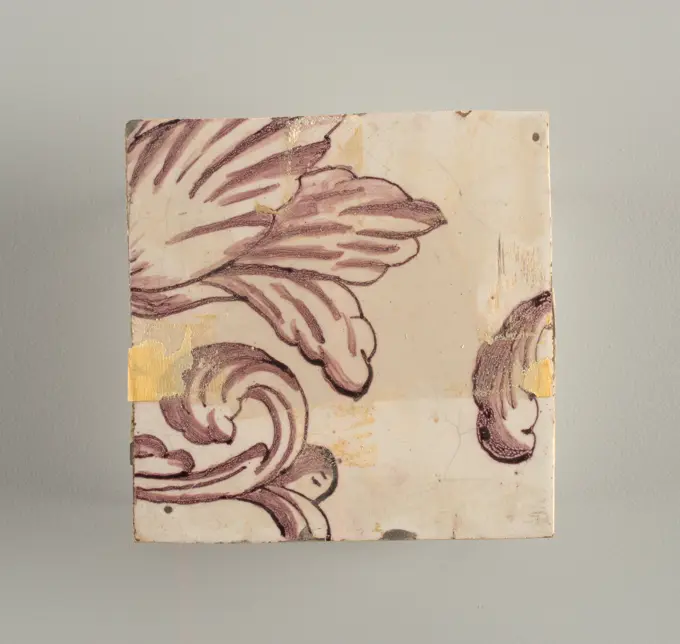
Images of decorative tiles from historical sources, including patterned wall facing tiles and actress-themed cards, highlighting craftsmanship.

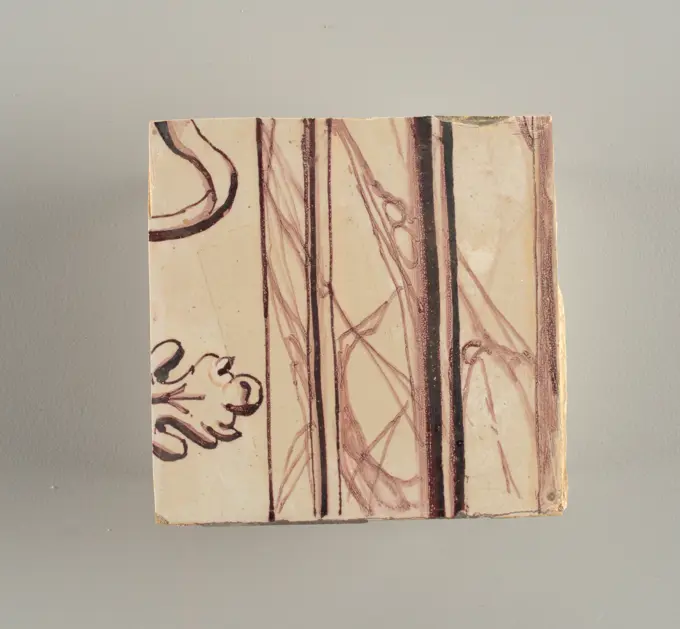
Three floor tiles with a lion, anonymous, 1200 - 1300 Floor tile with a lion. Netherlands earthenware. lead glaze   Our Lady Munsterkerk Floor tile with a lion. Netherlands earthenware. lead glaze   Our Lady Munsterkerk
Three floor tiles with a lion, anonymous, 1200 - 1300 Floor tile with a lion. Netherlands earthenware. lead glaze Our Lady Munsterkerk Floor tile with a lion. Netherlands earthenware. lead glaze Our Lady Munsterkerk
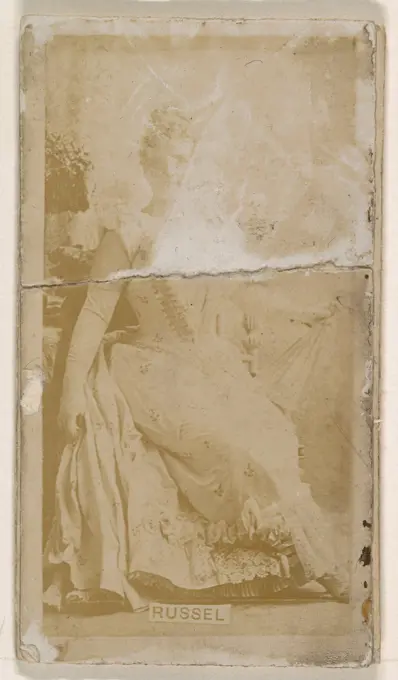
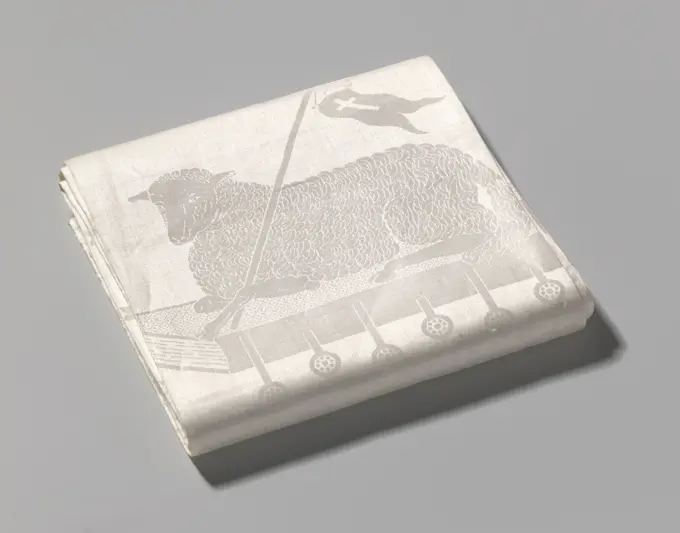
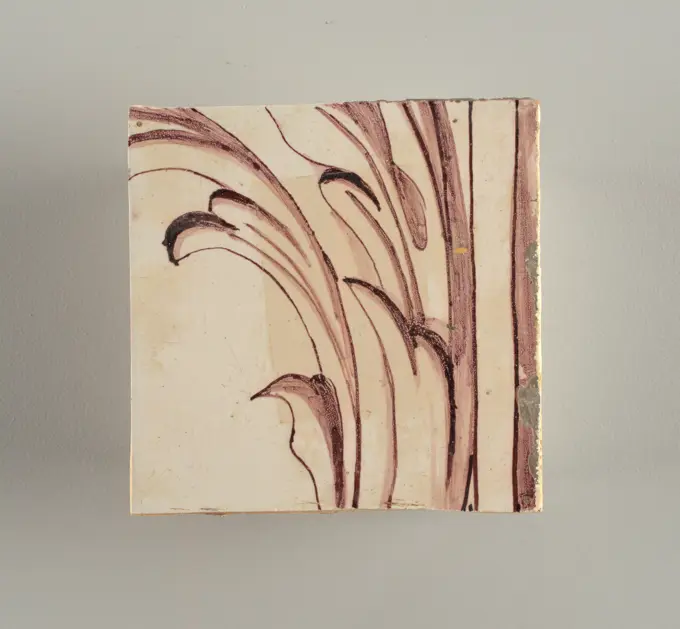
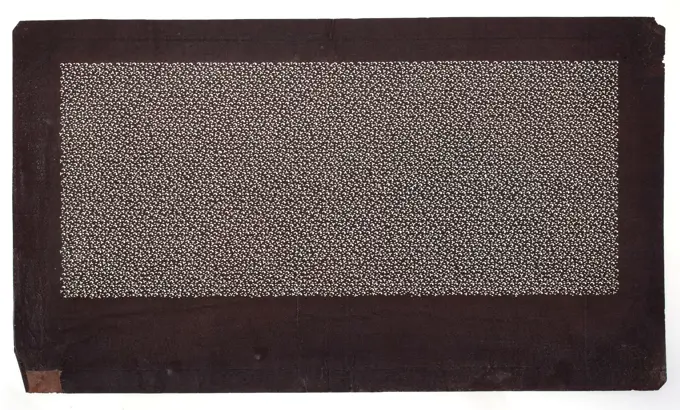
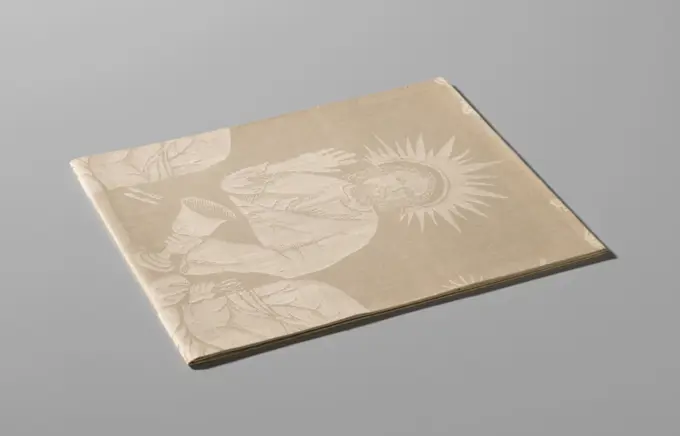
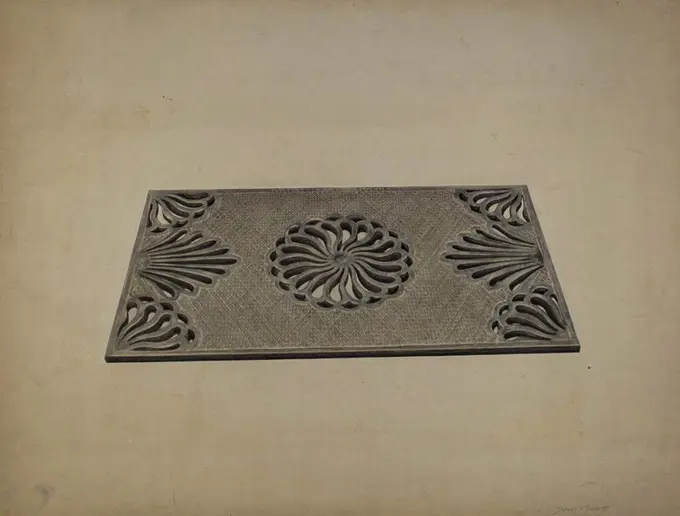
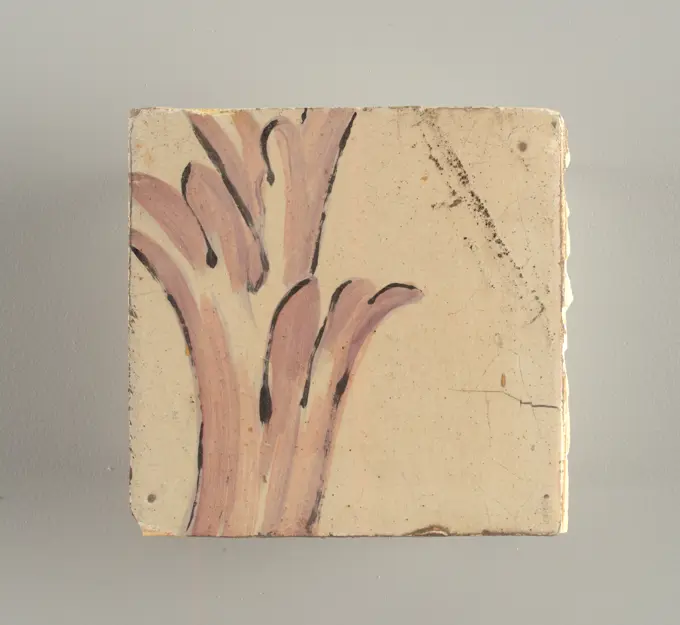
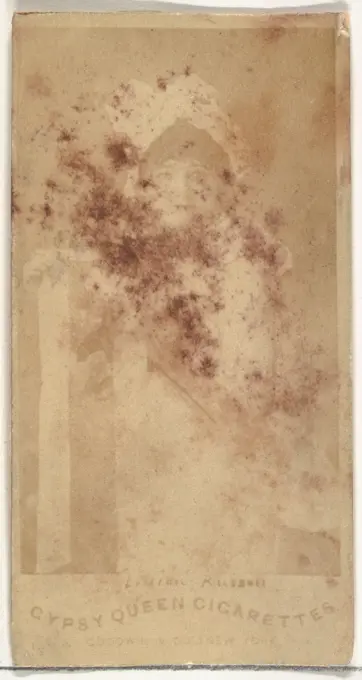
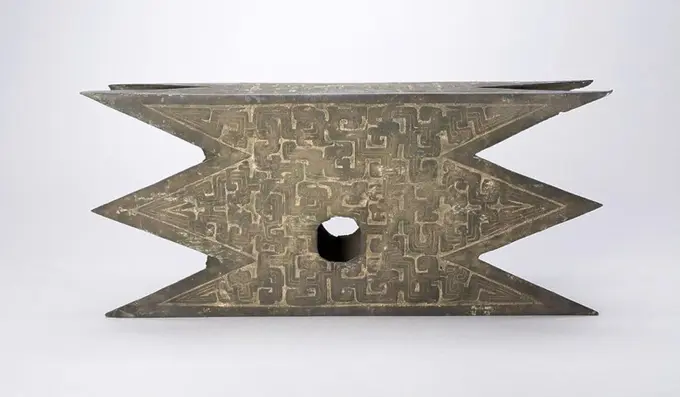
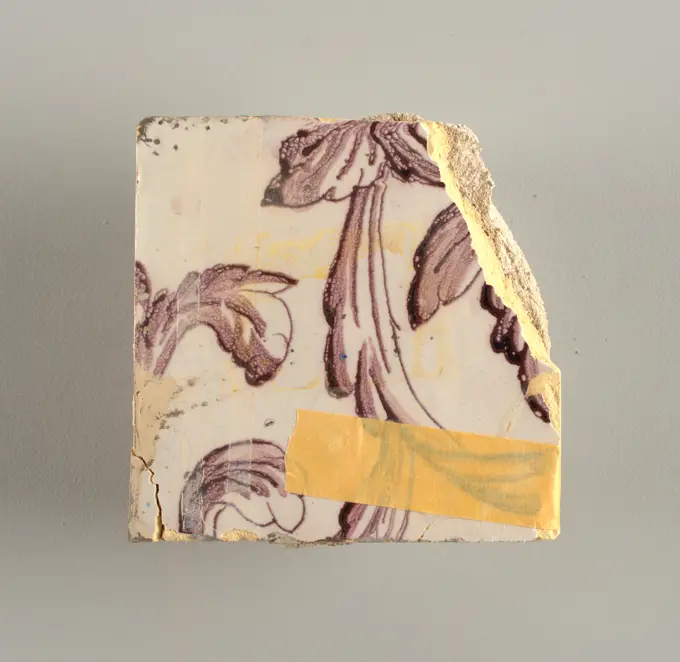
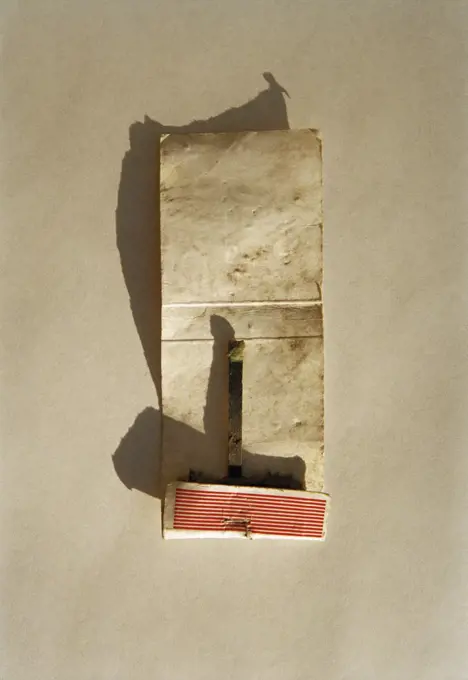
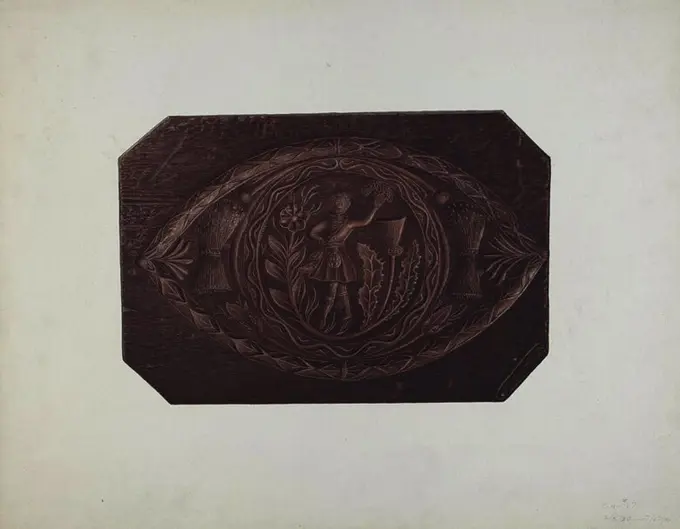
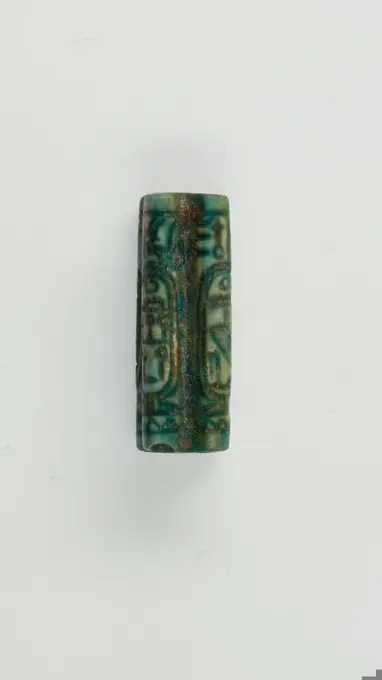
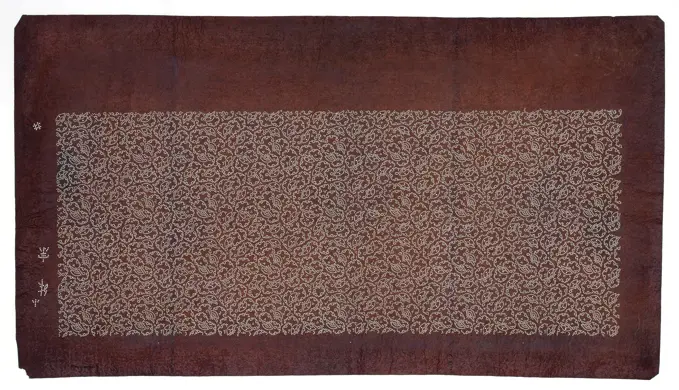
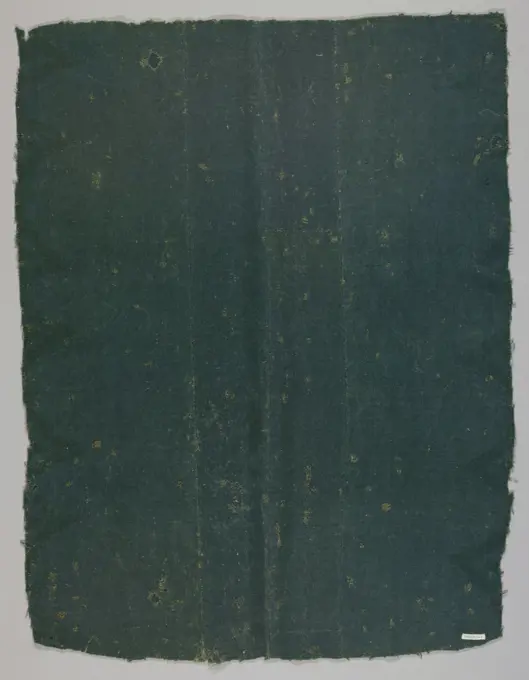
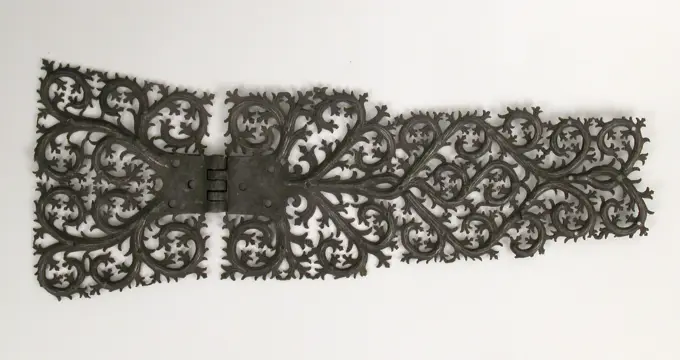
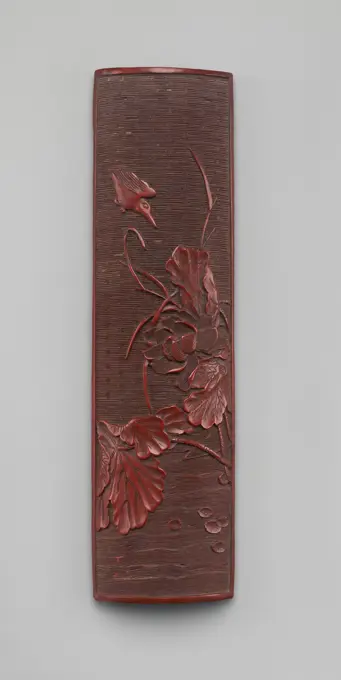
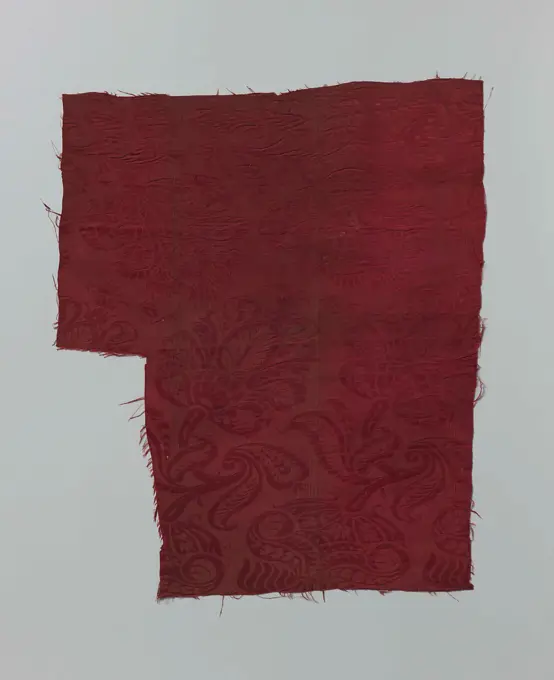
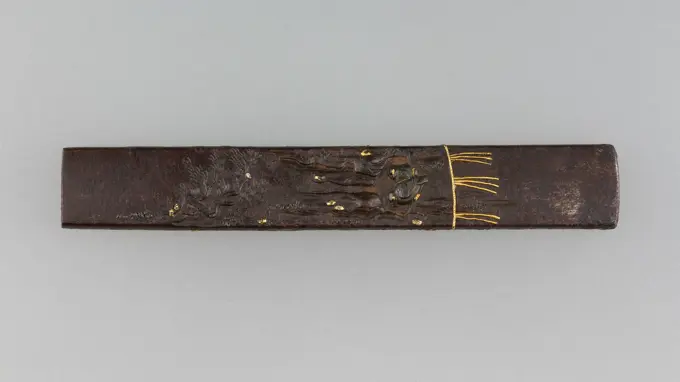
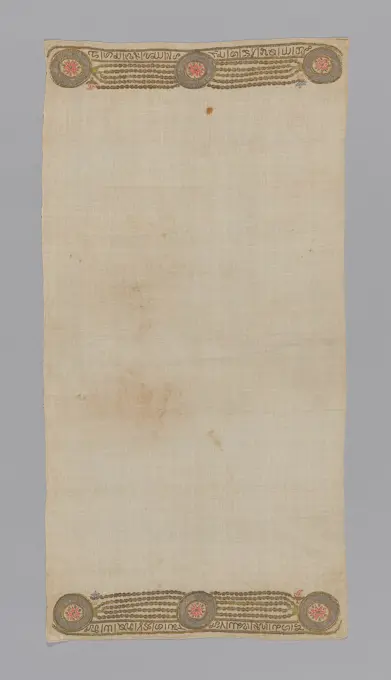
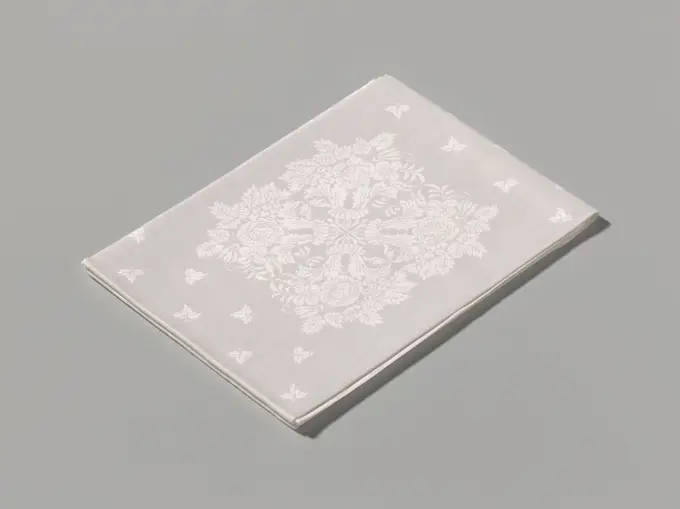
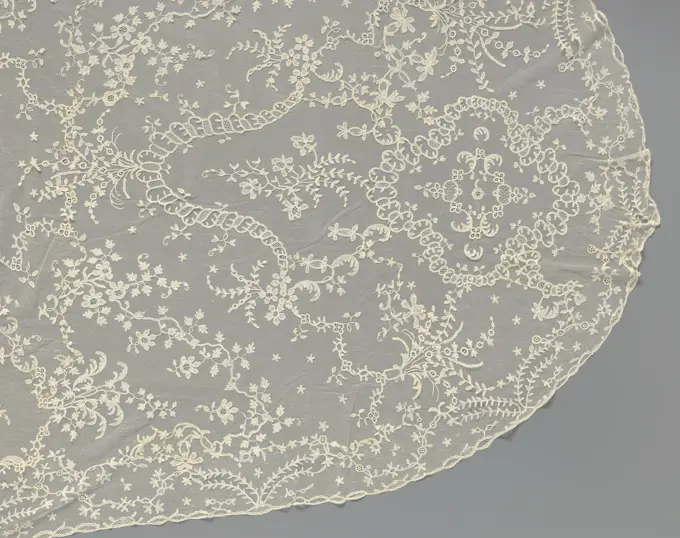
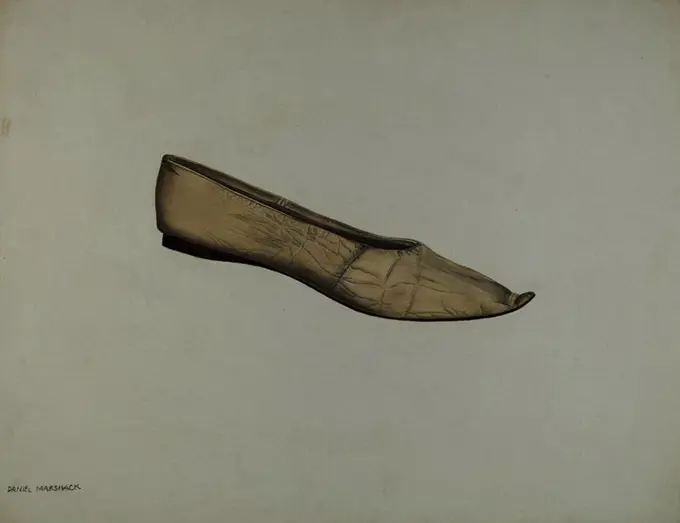
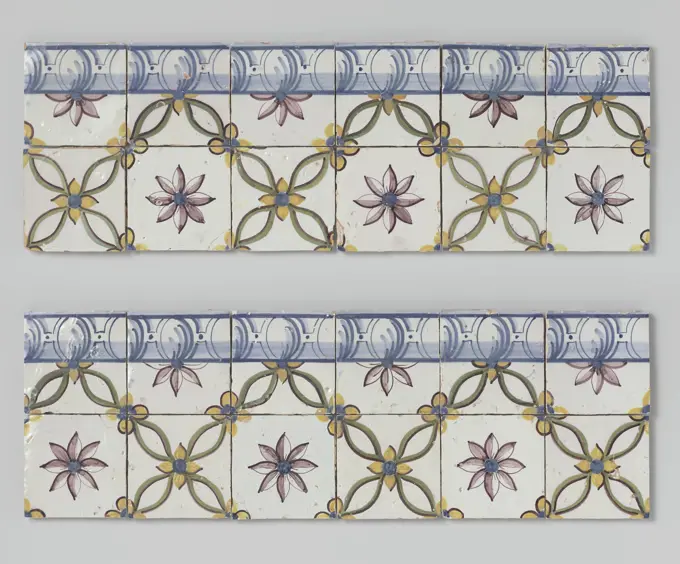
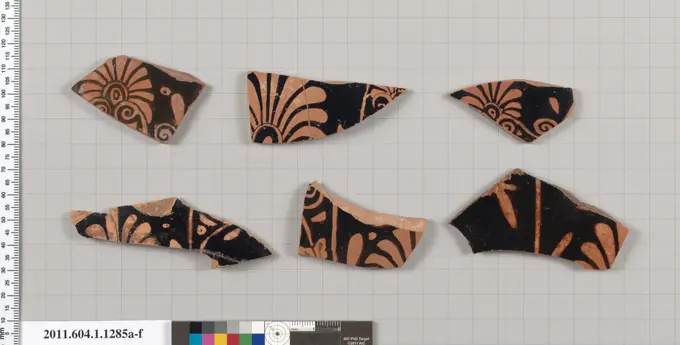
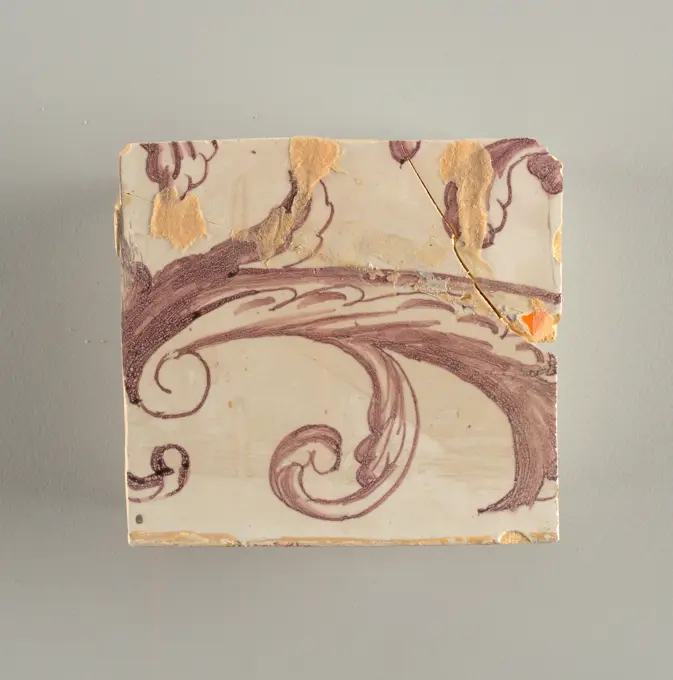
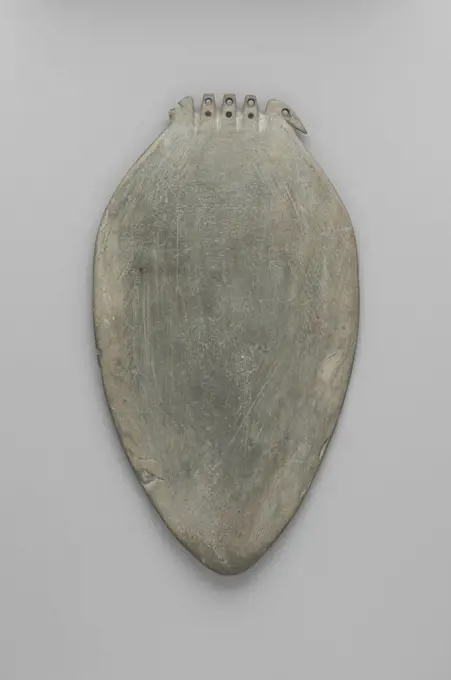
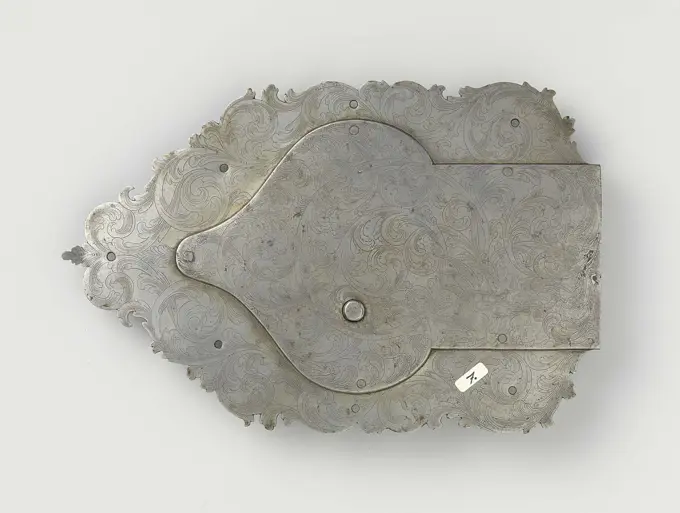
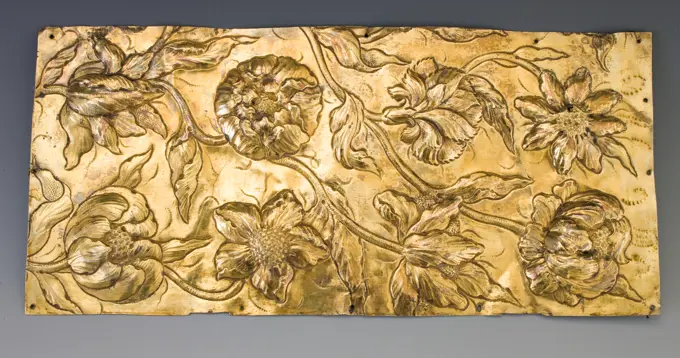
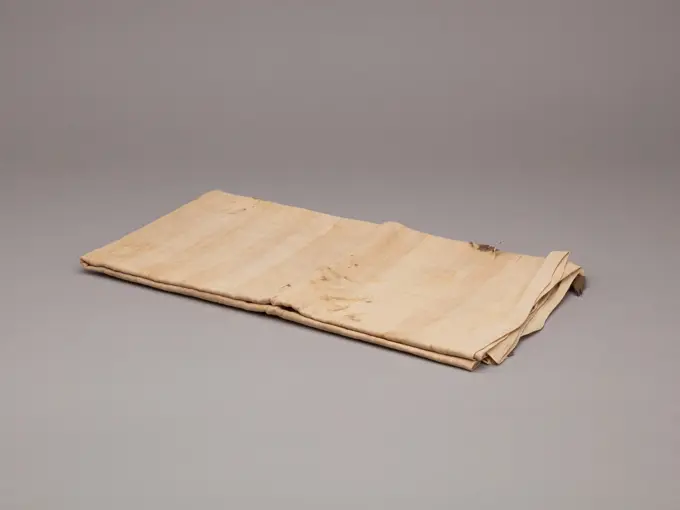
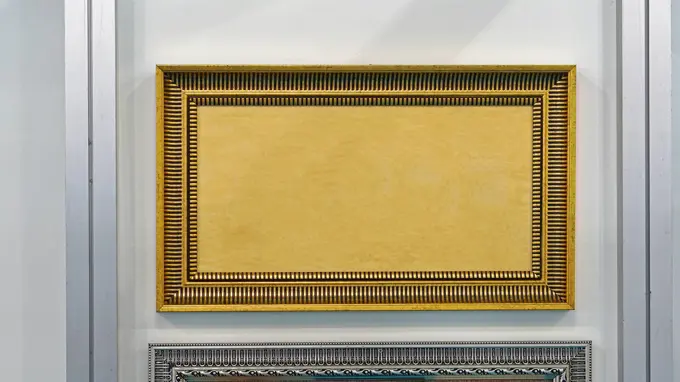
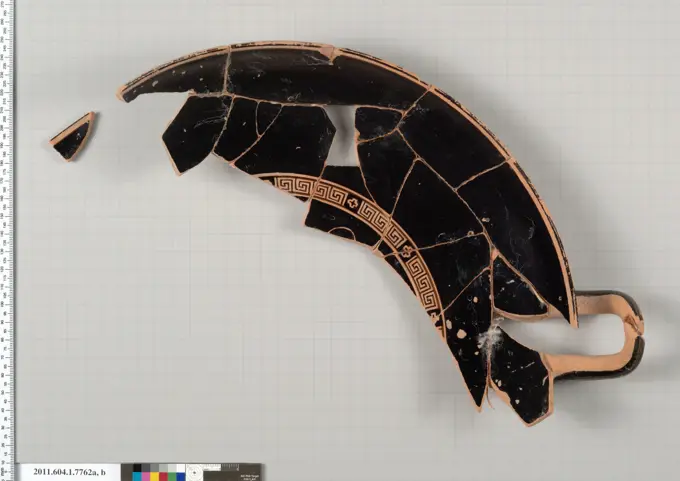
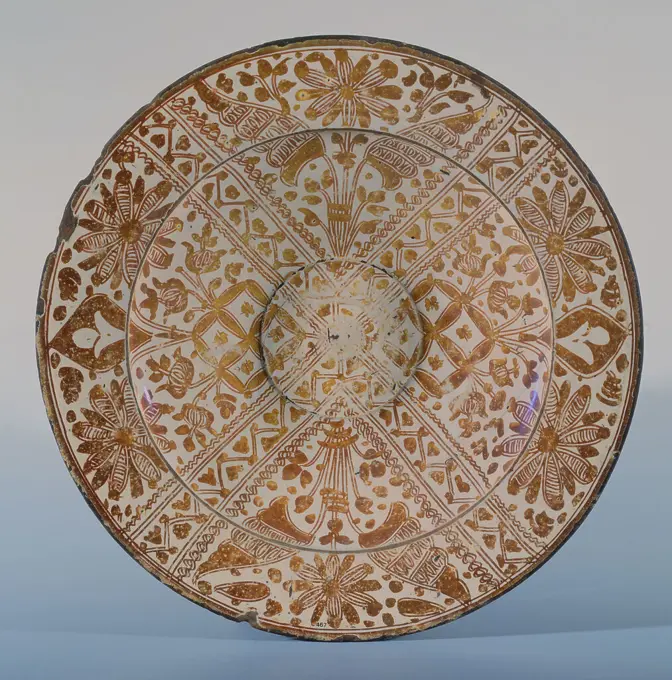
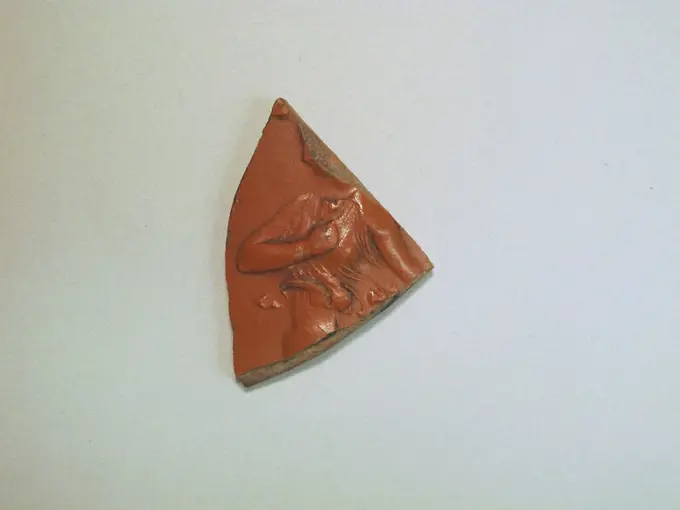
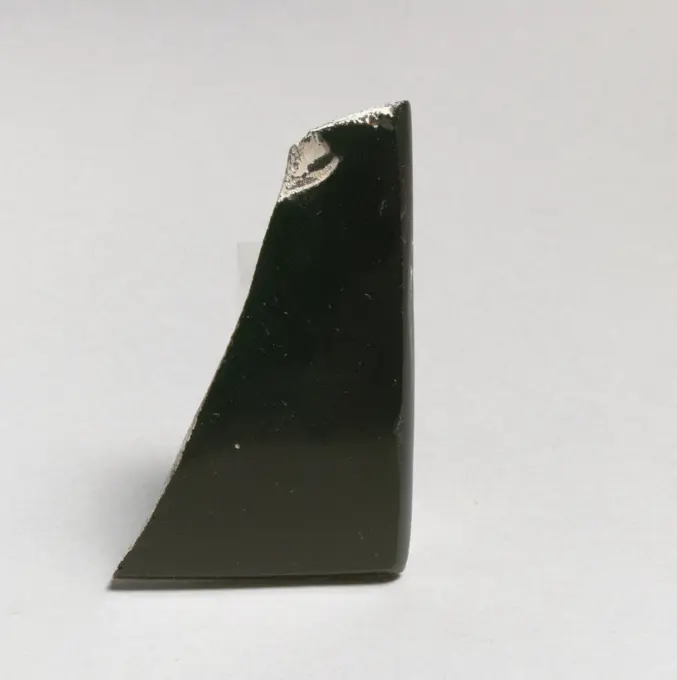
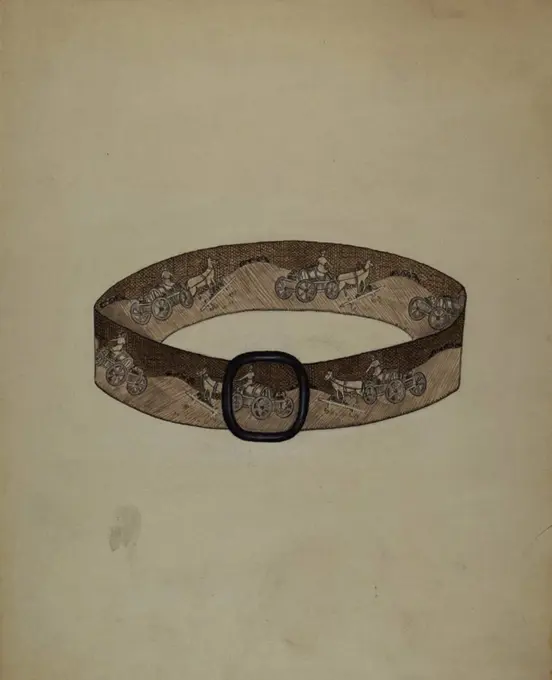
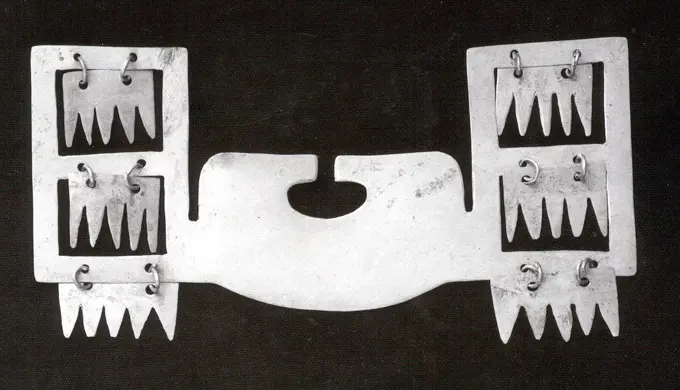
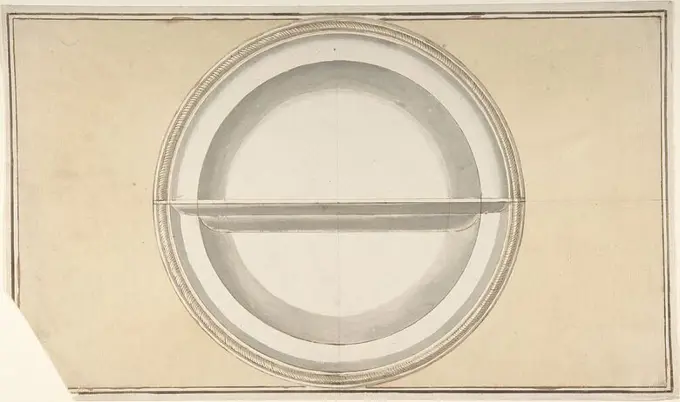
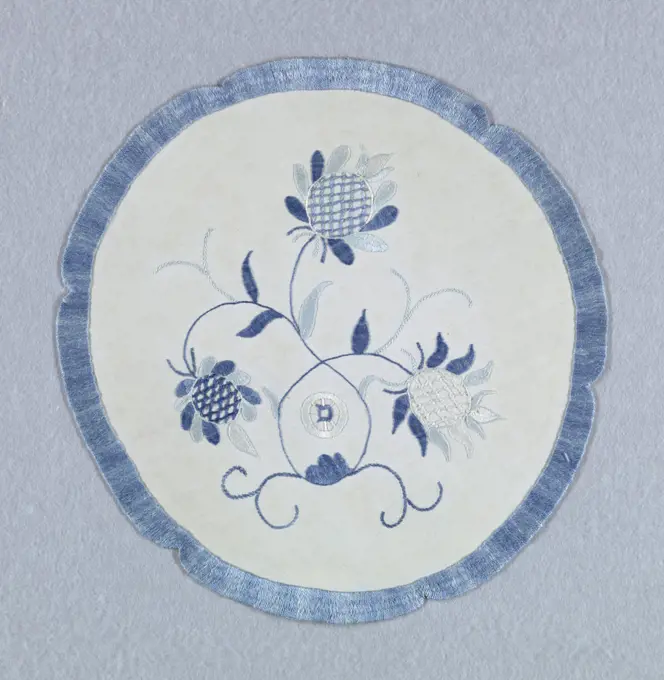
Wall Facing (Netherlands); tin-glazed earthenware, underglaze; 5 tiles tall, various wideRussell, from the Actresses series (N245) issued by Kinney Brothers to promote Sweet Caporal Cigarettes 1890 Issued by Kinney Brothers Tobacco Company American Trade cards from the set "Actors and Actresses" (N245), issued in 1890 by Kinney Brothers Tobacco to promote Sweet Caporal Cigarettes.. Russell, from the Actresses series (N245) issued by Kinney Brothers to promote Sweet Caporal Cigarettes 657070Three floor tiles with a lion, anonymous, 1200 - 1300 Floor tile with a lion. Netherlands earthenware. lead glaze   Our Lady Munsterkerk Floor tile with a lion. Netherlands earthenware. lead glaze   Our Lady MunsterkerkTrophies of ancient and modern weapons, serving to all kinds of workers, for the level of their newly drawn works and engrave by Jean le Potre. This sells to Paris, at Pier Mariette, Ruë St. Jacques has a esperance, with Priv. du Roy, B.R.; Mariette, Pierre (1634-1716; M .), Le Pautre, Jean (1618-1682), Ró Ni; OK. 1660-OK. 1670 (1601-00-00-1700-00-00); Pobrano Z Systemu Muza Muzeum Narodowego W Warszawie; Graficzne / C / MIEDZIORYT; Wyroby z w ókien / paper; wys. 21 cm, Szer. 30 cm; Gr.ob.alb.12/1-210 MNW; Wszystkie prawa zastrze One.Wall Facing (Netherlands); tin-glazed earthenware, underglaze; 5 tiles tall, various wideTile Wall Facing (Netherlands); tin-glazed earthenware, underglazeWall Facing (Netherlands); tin-glazed earthenware, underglaze; 5 tiles tall, various widePlanets-manager. Cornalet Collection Sites 2013-2016. Numismatic.Linen Damas Altaardwaal with Last Supper, E.J.F. van Dissel & Zonen, c. 1871 - c. 1971 Linen Damas Altaardwaal with a performance of the Last Supper and the Latin spell "Accipite et Manducate Hoc Est Corpus Meum HOC Facite in Meam Commemorationem". Aside the Lamb of God on the book with the seven stamps. Around an edge of grapes and corners. A pierced heart in the corners. Midfield filled with stars. Eindhoven linen (material) damask Linen Damas Altaardwaal with a performance of the Last Supper and the Latin spell "Accipite et Manducate Hoc Est Corpus Meum HOC Facite in Meam Commemorationem". Aside the Lamb of God on the book with the seven stamps. Around an edge of grapes and corners. A pierced heart in the corners. Midfield filled with stars. Eindhoven linen (material) damaskPlanets-manager. Cornalet Collection Sites 2013-2016. Numismatic.Napkin with Orpheus in the midst of the animals, anonymous, c. 1650 - c. 1680 Linnamast napkin with Orpheus and the animals. Midfield: In a colonnade of a dome -shaped building, a man plays on a winch (Orpheus). The rest of the plane is filled by all kinds of animals, in between trees. Standing edges: Ramps with flowers, leaves and fruits. Germany linen (material) damask Linnamast napkin with Orpheus and the animals. Midfield: In a colonnade of a dome -shaped building, a man plays on a winch (Orpheus). The rest of the plane is filled by all kinds of animals, in between trees. Standing edges: Ramps with flowers, leaves and fruits. Germany linen (material) damaskClose-up of a metal container, Tapolca, HungaryCarnavalet museum, Sceaux collectionWall Facing (Netherlands); tin-glazed earthenware, underglaze; 5 tiles tall, various wideLinnamast napkin with ivy, Chris Lebeau, c. 1904 Linnamast's napkin with ivy: Motif Klimop, Dessin No. 513. The napkin belongs to eleven napkins (BK-1979-262-A to BK-1979-262-L) and two tablecloths (BK-1979-261-A and BK-1979-261-B). Eindhoven linen (material) damask Linnamast's napkin with ivy: Motif Klimop, Dessin No. 513. The napkin belongs to eleven napkins (BK-1979-262-A to BK-1979-262-L) and two tablecloths (BK-1979-261-A and BK-1979-261-B). Eindhoven linen (material) damaskSketchbook (22 leaves, mostly blank, greencover).  Artist: Edwin Austin Abbey, American, 1852-1911, M.A. (HON.) 1897Wall Facing (Holland); tin-glazed earthenware, underglazeWall Facing (Netherlands); tin-glazed earthenware, underglaze; 5 tiles tall, various wideDying template katagami, type of komon; Dese - Papro;  End of the 20th century (1901-00-00-2000-00-00);gift (provenance), Japanese (culture), ferns, templates, Japanese artNapkin from white Linnamast, 1859 White linen dams napkin with a performance of the Last Supper. Borne linen (material) damask White linen dams napkin with a performance of the Last Supper. Borne linen (material) damaskChess or Game Piece 10th-11th century The dot-in-circle motif recalls designs presumed to be of magical significance, most likely an abstract eye to ward off the evil-eye, which serve an apotropaic function. Easily reproduced with a tool and visible in many cultures and times, this symbol may have lost its meaning, and become simply a decorative pattern, or may have one that we have not yet discovered. Chess or Game Piece 452393Towel, Medium: cotton, silk, and metal thread Technique: embroidered, Cotton towel with ends embroidered in colored silks and flat metal. Design of flower clusters on either side of a jar or fountain. One selvage present., Near East, late 19th century, embroidery & stitching, TowelEtagere, wood, Hanging etagere, Louis XV, painted and decorated with de'coupage; three open shelves above pair of cupboard doors., France, 18th century, Decorative Arts, EtagereSidewalk Grating. Dated: c. 1939. Dimensions: overall: 38.1 x 50.9 cm (15 x 20 1/16 in.). Medium: watercolor and graphite on paperboard. Museum: National Gallery of Art, Washington DC. Author: Sydney Roberts.Collar. Italy, Venice, late 19th century. Costumes; Accessories. Linen needle laceWall Facing (Netherlands); tin-glazed earthenware, underglaze; 5 tiles tall, various wideWall Facing (Netherlands); tin-glazed earthenware, underglaze; 5 tiles tall, various wideGrahal-Manzara. Carnavalet 2013-2016 collection sites. Numismatics.Lillian Russell, from the Actors and Actresses series (N171) for Gypsy Queen Cigarettes 1886-90 Issued by Goodwin & Company The "Actors and Actresses" series of trade cards (N171) was issued by Goodwin & Company from ca. 1886-90 to promote Old Judge, Gypsy Queen, and Temple Bar Cigarettes.. Lillian Russell, from the Actors and Actresses series (N171) for Gypsy Queen Cigarettes 404944Wall Facing (Holland); tin-glazed earthenware, underglazeWaaier van Kant, Anonymous, 1890 - 1920 photograph   baryta paper  lace. fanVictory on the Turks by Eugenius of Savoye ,, 1717 White Linen Damas napkin with the victories over the Turks by Eugenius of Savoy under Charles VI of Austria. Marked t C 38. Flanders (Possible) linen (material) damask White Linen Damas napkin with the victories over the Turks by Eugenius of Savoy under Charles VI of Austria. Marked t C 38. Flanders (Possible) linen (material) damaskFragment 17th century Italian. Fragment 230430Wall Facing (Holland); tin-glazed earthenware, underglazeArchitectural Fitting (Gong). China; Qishan county, Shaanxi province. Date: 1050 BC-950 BC. Dimensions: . Bronze. Origin: China. Museum: The Chicago Art Institute, Chicago, USA.Tile Wall Facing (Holland); tin-glazed earthenware, underglazeA single match remaining in a book of matchesFragment, Medium: wool Technique: plain weave with continuous supplementary weft patterning, Fragment of a loosely-woven plain crepe cloth with borders in brown and blue. Piece was found near Ancayama, Chancay Valley., Peru, 1000-1450, woven textiles, FragmentTile Wall Facing (Netherlands); tin-glazed earthenware, underglazeCake Board. Dated: 1935/1942. Dimensions: overall: 36.2 x 45 cm (14 1/4 x 17 11/16 in.). Medium: watercolor and graphite on paperboard. Museum: National Gallery of Art, Washington DC. Author: Robert Pohle.Roche, Pierre (Pierre Henry Ferdinand Massignon, dit) (n.1855-08-02-D.1922-01-18), Le Minaret de Touloun (Cairo) (Main title), 1913. Eglomization-Steel matrix and steel matrix and steel matrix and steel matrix and steel matrix and steel matrix and steel matrix and drink. Petit Palais, Museum of Fine Arts of the City of Paris.Cylinder bead. Dimensions: L. 1.5 cm (9/16 in). Dynasty: Dynasty 12. Reign: reign of Senwosret III-Amenemhat III. Date: ca. 1950-1804 B.C.. Museum: Metropolitan Museum of Art, New York, USA.Dying template katagami, type of komon; Dese - ornament on the motifs of fans and stylized nickname;  End of the 20th century (1990-00-00-2000-00-00);gift (provenance), Japanese (culture), templates, Japanese artWall Facing (Holland); tin-glazed earthenware, underglazeFragment, Medium: wool Technique: twill, Panel of dark blue-green wool twill with a thick, coarse texture. No selvages., possibly Spain, 18th century, woven textiles, FragmentHinge 15th century German. Hinge 468878Plate 9th-10th century. Plate. 9th-10th century. Earthenware; white slip, incised and glazed. Attributed to Iran. CeramicsWrist rest with kingfisher and lotus 1368-1644 China The pairing of the kingfisher bird and the lotus is symbolic of summer. The motif appears in paintings as well as in three-dimensional art. Rests such as this were used while writing or painting to support the wrist and ensure the proper placement of the brush.. Wrist rest with kingfisher and lotus. China. 1368-1644. Carved red lacquer. Ming dynasty (1368-1644). LacquerLength of wool damask. Culture: probably British. Dimensions: L. 57 1/2 x W. 20 inches (146.1 x 50.8 cm). Date: 18th century. Museum: Metropolitan Museum of Art, New York, USA.Fragment red silk damest. Two fragments red silk tissue with a pattern of stylized floral motifs.Knife Handle (Kozuka) early 19th century Japanese A kozuka is a handle of a by-knife that is part of a sword mounting. It is kept in a slot on the reverse of a katana scabbard, often with a matching kōgai (hairdressing tool).. Knife Handle (Kozuka) 29695Wall Facing (Holland); tin-glazed earthenware, underglazeTowel or Napkin Made 1801-1900 Turkey. Embroidered .Pendant Disc 1000 BCE-800 BCE China. Jade .Artists palette. Pankiewicz, Józef (1866-1940), painterShawl 19th century Portuguese. Shawl 102609Portrait of a man. Unknown maker, BritishOval classicizing frame; "Blades, Jan Nikodem (1747-1810); around 1800 (1795-00-00-1805-00-00);Example of Kant, c. 1890 photograph   paper cyanotype laceInlay ca. 7th century B.C. Edomite. Inlay 326247Textile, Medium: cotton Technique: roller print on plain weave with bands of weft floats, Bolt-end of fabric with factory stamp., Lancashire, England, ca. 1830, printed, dyed & painted textiles, TextileNapkin with herme, god and lions in the midst of acanthus leaves, anonymous, c. 1850 - c. 1899 Linnamast napkin with Herme, God, Lions in the midst of Acanthus leaves. Midfield: four passenger flower bouquets with rose and scattered leaf work. In the non -border four passes, the bouquets of overhoeks placed on two acanthus fillets. Corners: Overhoeks placed a Herme with midas head (or donkey head), With musical instruments and thyrsus bars. Left and right a wandering lion, held in check by a winged young god (Apollo) Dressed in Draperie. Edges: Without a dividing line, the field is surrounded by a wide edge of symmetrical acanthus drinks. In turn, the deeply incised, feathered leaf voltues wear a fruit and flower basket, or they are in two twisted spiral shapes that end in a ram mask, above two flower branches and a pineal. North Brabant linen (material) damask Linnamast napkin with Herme, God, Lions in the midst of Acanthus leaves. Midfield: four passenger flower bouquets with rose anTablecloth (Belgium); linenKlomp Johannes Franziskus (1865-1946), St. Antonius von Padua, Rheine (02.09.1903): parapet plates of the Antoniuskapelle (1: 1). Pencil, colored pencil on transparent, 73.5 x 81.3 cm (including scan edges) Klomp Johannes Franziskus  (1865-1946): St. Antonius von Padua, RheineFragment, Medium; silk Medium: woven, Two triangular fabrics with pattern on pale blue background., 18th century, woven textiles, FragmentSamples (3) first half 19th century French. Samples (3) 219226Louis Oscar Roty (1846-1911). Medal plate. The toilet. Metal, bronze. S.D. Museum of Fine Arts in the city of Paris, Petit Palais. 57549-6 Bronze, medal, metal, numismatics, reverse, plate, toiletEmbroidered doily unknownTextile Swatches Onondaga Silk Company, Inc. (1925-1981). , 1948-1959. Silk, 47 1/2 x 17 in. (120.7 x 43.2 cm).    1948-1959Bridal veil of application side with rosette -shaped and bell -shaped cartouches and flower vines, anonymous, c. 1872 - c. 1875 Bridal veil of natural -colored Brussels bobbin side in combination with needle lace pier and applicated on drochel soil: Brussels application side. The veil has the shape of two clock forms placed against each other, whereby the round part of the elongated clock would have served as head covering and the round part of the other clock the end of the tow. The pattern is symmetrical, with a rosette-shaped, a bell-shaped and two overflowing diamond-shaped cartouches, made with leaf garlands and flower garlands over the length axis from top to bottom. There are also four rosette-shaped cartouches on the width axis from point to point and above and under a total of four bell-shaped cartouches. The cartouches are intertwined and surrounded by garlands and stripped star -shaped flowers. The pattern around the veil consists of a border with V-shaped motifs, which spriSlipper. Dated: 1935/1942. Dimensions: overall: 28.2 x 36.8 cm (11 1/8 x 14 1/2 in.). Medium: watercolor and graphite on paperboard. Museum: National Gallery of Art, Washington DC. Author: Daniel Marshack.Fragment of a tile wall, anonymous, c. 1785 - c. 1815 Fragment of a tile wall, consisting of 24 tiles; The top and bottom edge painted with an egg list in blue. In between a field with alternating rosettes in manganese and an entire tile filling four -leaf flowers in green and manganese around which small yellow leaves. This last motif also at the intersections of 4 tiles. Portugal earthenware Fragment of a tile wall, consisting of 24 tiles; The top and bottom edge painted with an egg list in blue. In between a field with alternating rosettes in manganese and an entire tile filling four -leaf flowers in green and manganese around which small yellow leaves. This last motif also at the intersections of 4 tiles. Portugal earthenwareTerracotta fragments of kylikes (drinking cups) 5th century B.C. Greek, Attic Six fragments with handle palmettes. Terracotta fragments of kylikes (drinking cups) 676693Shadow Box with Coat of Arms. England. Date: 1675-1725. Dimensions: 45.7 × 41.9 × 8.9 cm (18 × 16 1/2 × 3 1/2 in.). Rolled paperwork, colored and gilded; red velvet; wood frame. Origin: England. Museum: The Chicago Art Institute, Chicago, USA.Wall Facing (Holland); tin-glazed earthenware, underglazeSlate cosmeticpalette, Slate, 14.3 × 26.5 × 1 cm (5 5/8 × 10 7/16 × 3/8in.), Egyptian, Predynastic, Naqada II, Tools andEquipment. A slot with four shots.Tabernacle sheet with a plant ornamentShirt ca. 1492-1473 B.C. New Kingdom This folded length of cloth is a shirt made of fine, closely woven linen. The stripes in the fabric are created by slightly darker warp threads. The width and distribution of the stripes is not uniform suggesting that the effect is accidental - perhaps a function of aging.The shirt had been folded and then stuffed around the top of one of the jars in Hatnefer's canopic chest (36.3.53). It shows no signs of wear and appears to have been new when it was used as part of Hatnefer's funerary preparations. A linen sheet had been stuffed in above the shirt, and a dark, oily liquid had been poured over it. In a few places this liquid seeped through to the shirt, causing its fabric to became dark and brittle.. Shirt 545137Engraved Gem with a Mixing Vessel decorated with a Chariot and a Panther. UnknownStick;  18th century (1701-00-00-1800-00-00);Panorama frame Panoramic picture frame in gold color Copyright: xZoonar.com/NikolaxObradovicx 16325119Terracotta dish Flat in terracotta. Black and white projection plate. 1900-1930. Photograph of Jacques-Ernest Bulloz (1858-1942).Brush, 1890-1910; Made by Luan Chang (Chinese); rolled, cast, repoussé, and punched silver; bristlesTerracotta fragments of a kylix (drinking cup) 460-450 B.C. Greek, Attic Interior, top of head of figure; Exterior, complete handle; bit of handle patch; below, palmettes and tendrils; below the rim, an architrave; Doric, fluted column; woman wearing a sakkos, chiton, and a himation, holding an apple in her right hand, and gesturing with her extended left arm and hand; woman seated on a chair, wearing a sakkos, chiton, and himation, with her right arm extended above her lap, tossing an apple with her left hand; woman looking over her right shoulder, wearing a sakkos, chiton, and himation holding an apple in each hand; woman seated in a chair, bending to right, wearing a sakkos, chiton, and himation; a separate rim fragment has part of the architrave and the column capital. Terracotta fragments of a kylix (drinking cup). Greek, Attic. 460-450 B.C.. Terracotta; red-figure. Classical. VasesDaguerreotype plate with no image. UnknownPLATO DECORADO CON PINCEL-PEINE CON PASIONARIAS Y OTROS TEMAS FLORALES - CERAMICA DE MUEL - SIGLO XVI-XVII. Location: INSTITUTO VALENCIA DE DON JUAN-COLECCION. MADRID. SPAIN.Fragment; linen; Bequest of Marian Hague; 1971-50-409Vase fragment. Culture: Roman. Dimensions: 1 13/16 × 1 5/16 × 3/16 in. (4.7 × 3.4 × 0.5 cm).Woman dancing. Museum: Metropolitan Museum of Art, New York, USA.Glass monochrome inlay fragment 1st half of 1st century A.D. Roman Fragment of revetment plaque.Translucent deep purple, appearing black.Flat inlay, square or rectangular, with two straight beveled edges.Polished upper side and two edges; pitting of surface bubbles and one weathered chip on upper side; striations, pitting, and iridescent weathering on underside and broken edges.. Glass monochrome inlay fragment 256982Anonymous, brooch (main title), 1925. Graphite and gouache on gray carton B. Petit Palais, Museum of Fine Arts of the City of Paris.Belt. Dated: 1935/1942. Dimensions: overall: 29 x 22.9 cm (11 7/16 x 9 in.). Medium: watercolor, graphite, and pen and ink on paperboard. Museum: National Gallery of Art, Washington DC. Author: Nancy Crimi.Box, Shaped tortoiseshell with silver inlay, Small, thin, elliptical-shaped tortoiseshell box, top lid split by metal hinge towards one end, allowing box to open. Top detailed with pattern of short diagonal lines, Germany, 19th century, containers, Decorative Arts, BoxTeaspoon.   Maker: J. H. Morse, American, active ca. 1820-30Nose Ornament 7th-12th century Piartal Two distinct Precolumbian gold-working styles existed, apparently contemporaneously, in the highlands of the modern department of Narino in southern Colombia. Once is called Capuli, the other Piartal, named for the people who have inhabited the area since the eighth century. While Capuli-style goldwork shares many technological and formal features with other metalworkng traditions in the southwest, Piartal works are not related to any other styles.. Nose Ornament. Piartal. 7th-12th century. Gold. Colombia. Metal-OrnamentsSculpture model. Sculpture model: carving, pilot model or example of a laurel and oching branch, caught in a laurel wreath with ribbon.Round Vegetable Dish. Artist: Anonymous, Italian, 19th century. Dimensions: 10-1/4 x 17-1/2 in. Date: 19th century. Museum: Metropolitan Museum of Art, New York, USA.Doily, Deerfield Society of Blue and White Needlework, (Deerfield, Massachusetts, USA, 1896-1926), Medium: linen Technique: herringbone, stem, satin, and roumanian stitches on plain weave, Plant forms with three exotic blossoms within a notched circle in two shades of blue on a white background. The initial 'D' appears within a wheel-like shape in the center., Deerfield, Massachusetts, USA, ca. 1896, embroidery & stitching, DoilyRex Dolmith, Pier glass, c 1936 Pier-glassTarock game, tw, With Wiener Type,Volksleben representations - a caro